May, 2020 – Montreal, Québec – It is with great excitement that the iF3 team announces the 13th edition of iF3 Montreal. The winners will be presented and announced by Audio-Technica Canada from Montreal between October 21st to 24th 2020. Please note that we will adapt and confirm the format of the festival according to the evolution of the current situation surrounding the COVID-19 pandemic, with the potential for an entirely virtual event. We will be taking every step necessary to follow our government’s rules and regulations, as we are committed to your health and safety first.
Our presenting partner Audio-Technica Canada announces that all film companies and film producers are now invited to register for the 2020 iF3 Movie Awards with a deadline of July 10th.
The 13th edition of iF3 Montreal will happen in the fall of 2020, with many of the best ski and snowboard films being presented for the occasion.
The broadcast of the iF3 Movie Awards’ 13th edition is scheduled to take place at 5:00 p.m. EST on Saturday October 24th.
We invite you to get hyped for the upcoming season with us by celebrating the best images and athletic performances of the international ski and snowboard communities!
All over the world, the Audio-Technica Team is committed to provide extraordinary products that exceed our customers’ expectations and elevate their experience. From remarkable audio quality to reliability and durability we do not compromise. This is why Audio-Technica’s microphones are used to broadcast from the slopes in worldwide events.
Audio-Technica has been around for nearly six decades, with Audio-Technica Canada consumer division being its newest subsidiary. Audio-Technica is passionate about serving the Canadian marketplace with excellent products, including high performance microphones, headphones, phonograph cartridges, turntables and more.
iF3 Festival is the ideal partner for Audio-Technica to connect with local audio communities and users that share our passion and devotion to constantly seek out the very best. Our reputation for high-quality, value, and performance has made our products the first choice for many of today’s top musical artists, producers, audio engineers, discerning listeners and athletes everywhere. #nocompromise
About iF3
The International Freesports Film Festival was founded in 2007 to recognize and celebrate the excellence in freeskiing and freeriding. It is the biggest festival tour of its kind, travelling the globe to present the world’s best ski & snowboard movies ofthe year. The festival’s reputation and recognition stem from being the only independent ski film award ceremony with an international and diverse jury panel in which not only athletic performances are rewarded. In fact, a major part of the gala is dedicated to the artistry and production work involved in bringing ski films, and snowboard films to life.
Celebrating over 50 years of audio excellence, Audio-Technica is a recognized leader in the development and manufacture of high-quality personal and professional audio equipment. Founded in Japan in 1962 by Hideo Matsushita, the company made its name by manufacturing state-of-the-art phonograph cartridges and tonearms. Today, Audio-Technica is a worldwide group of companies devoted to creating high-performance microphones, headphones, wireless systems, mixers, turntables, phono cartridges and other electronic products.
A reputation for quality, durability, performance and value has made Audio-Technica products the first choice for many of today’s top musical artists and audio engineers, and for discerning listeners everywhere. Drawing from its audiophile heritage, Audio-Technica remains dedicated to providing music enthusiasts with great-sounding, innovative audio gear, including the award-winning QuietPoint active noise-cancelling headphones, popular ATH-M50x monitor headphones, versatile USB microphones, and new Hi-Res Audio headphones and high-fidelity gaming headsets. Learn more at www.audio-technica.com.
Tizzme is a new app for music lovers allowing them to create an experience akin with two friends sharing earbuds: an app that acts as a perfect companion to Spotify Premium, by letting music lovers everywhere broadcast their favorite music live. Available for free. App Store for iOSGoogle Play for Android
The idea for Tizzme came to Montreal entrepreneur Greg Kates while watching a Montreal Canadiens hockey pre-game broadcast on TV. He saw star defenceman PK Subban (then a Montreal Canadian) listening to music before the game. Greg started thinking how cool it would be if he could listen along with PK in that moment.
What if fans could listen along to PK’s pump-up music live? So when PK skipped a song, it would skip for his fans too. In other words, a real time, interactive, remote, shared listening experience. This put him on the road to creating Tizzme.
Music has always been a big part of Greg’s life and he’s played instruments for years – including the piano, guitar, and drums and he’s always been the go-to source with his friends and family for burnt CDs and AUX duties.
Features:
Tizzme is a completely free app that syncs seamlessly with a user’s Spotify Premium Account. Users can broadcast their own playlists live, or follow friends, family, or strangers and tune into their live broadcasts.
● Tizzme helps you find new music by searching based on genre, location, popularity, or suggested profiles based on a musical taste questionnaire. ● Tizzme also offers “genre robots” that every user will have access to 24/7. These playlists are based on genre and will be constantly playing new songs that match the genre. ● Live broadcasts can be shared on social media and listeners can provide live feedback on each song, with a thumbs up or down. ● Each playlist has a 100 song limit to let users hone in on their favorite songs.
How to use:
The application comes with a tutorial located in the user profile section ● To Listen: On the user profile, connect your Spotify account. Find users based on popularity, proximity, genre and suggested users who have the same musical personality as you. Once you follow a user, they will populate within your Broadcast feed. When they are online, a green dot will appear next to their name and when they broadcast, they will pop up to your broadcasting section. Click their song and you will listen in at the exact same time as them. Give instant feedback with a thumbs up or down for every song. ● To Broadcast: Select “my music”. Your local library can be played, but for seamless listening use your Spotify premium account. All users will need to make their 100 song playlists on Spotify (if longer, it will show the first 100 songs), and once made, it automatically populates within your Tizzme account. Click a song, click broadcast, choose a genre and activity (optional) and your music will be played for anyone to find. Pay attention to your thumbs up and down counters as that will show live feedback from your listeners.
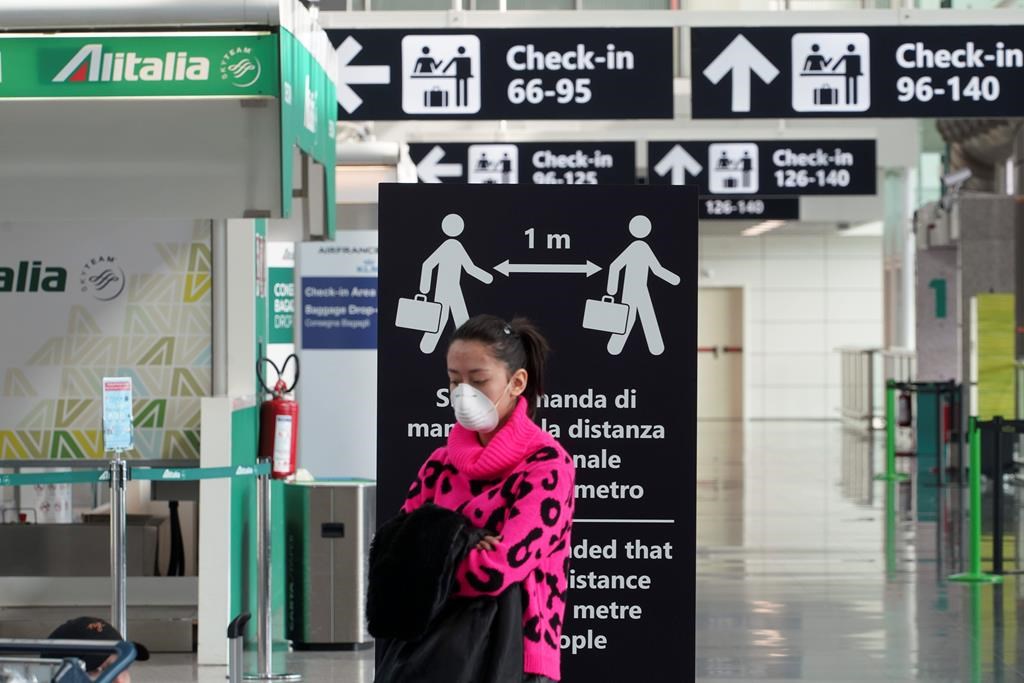
Paris, France May, 2020 — Sentiment over whether governments are doing a good job of containing the coronavirus pandemic has swung in a number of countries over a month, according to the latest Ipsos poll.
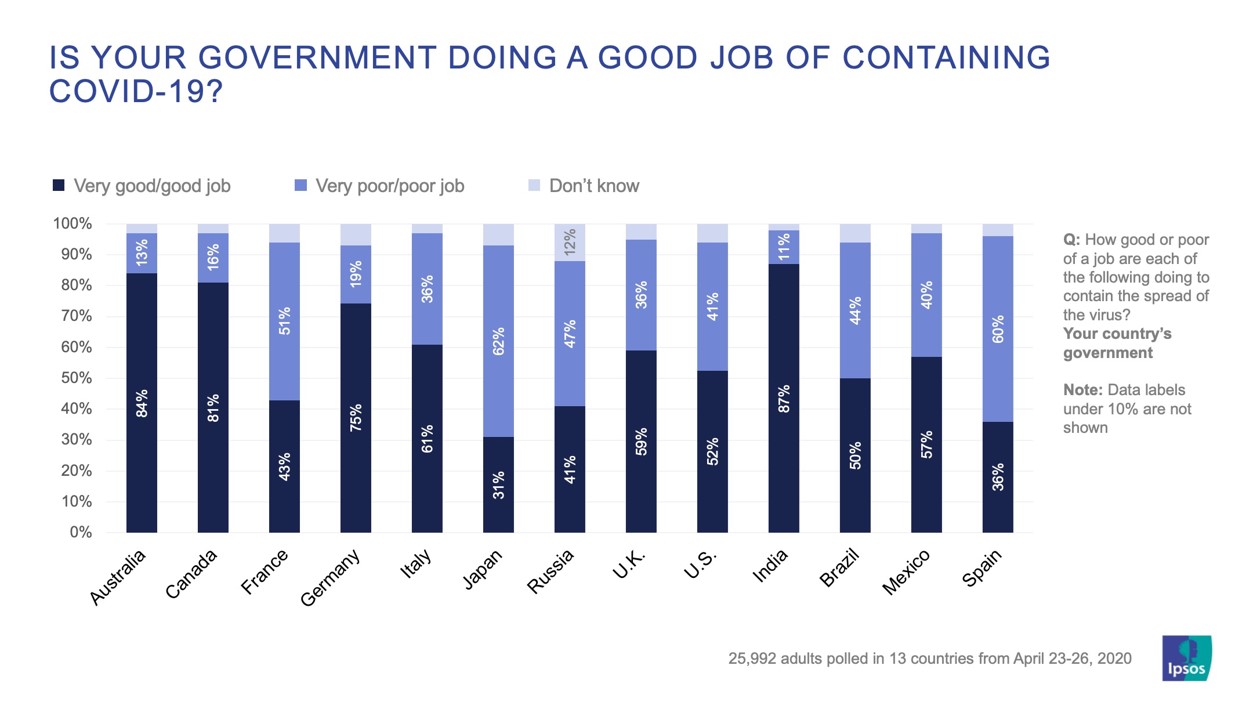
A majority of people in nine out of 13 countries feel their government is doing a good job of containing the spread of COVID-19 in a survey of nearly 26,000 respondents conducted on April 23 to 26. People in India (87%), Australia (84%), Canada (81%), Germany (75%) and Italy (61%) are most likely to say this, while those in Japan (62%) and the hard-hit European countries of Spain (60%) and France (51%), and Russia (47%) were most likely to cite a poor job by their government.
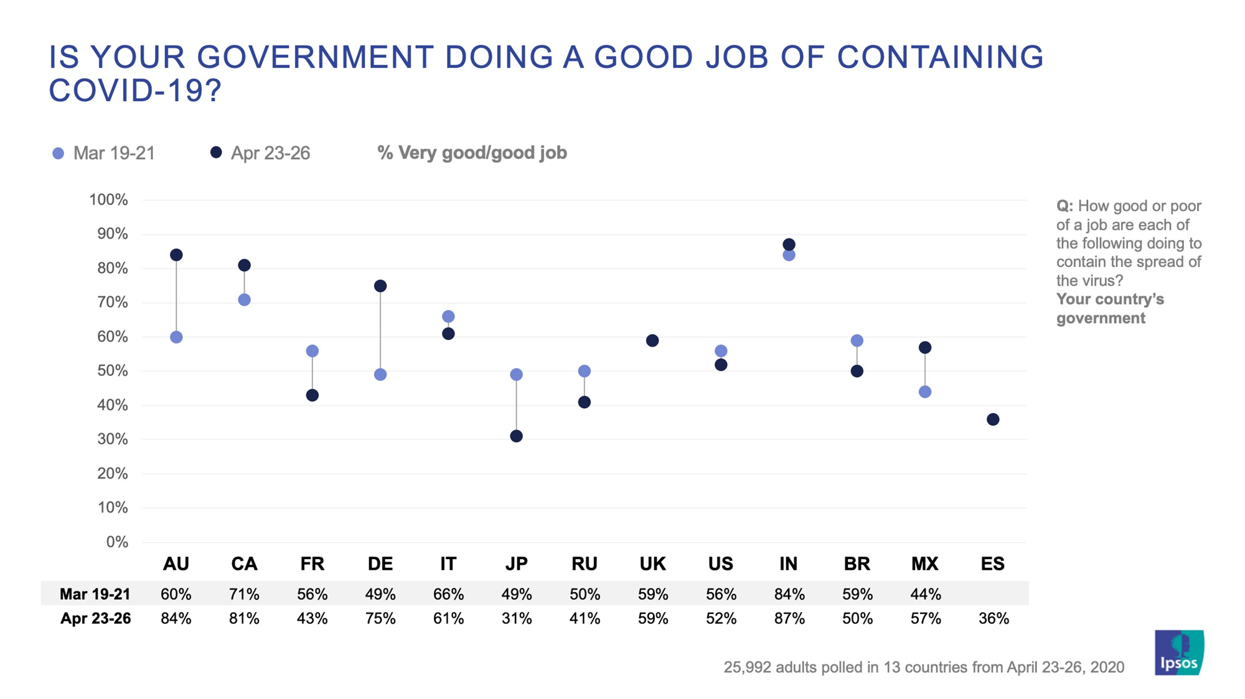
But when you look back to polling results from more than a month ago – March 19 to 21 – sentiment has fallen the most in some key countries at the center of the outbreaks. Japan is at the top with their view of government response down 18 percentage points, followed by France (-13), Brazil and Russia (-9), Italy (-5), and the United States (-4).
On the other end, a positive view of the government’s work has increased in Germany (+26 points), Australia (+24 points), Mexico (+13), and Canada (+10) since March. Sentiment in the United Kingdom has remained unchanged with three in five people (59%) happy with the government response.
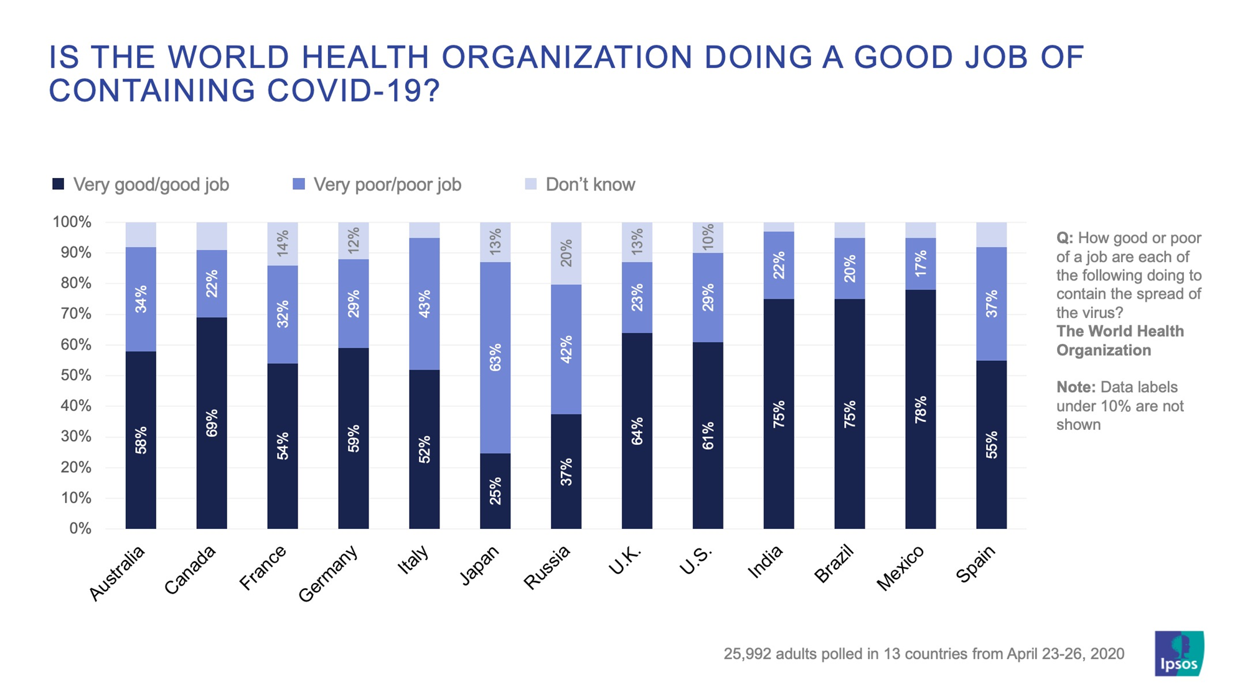
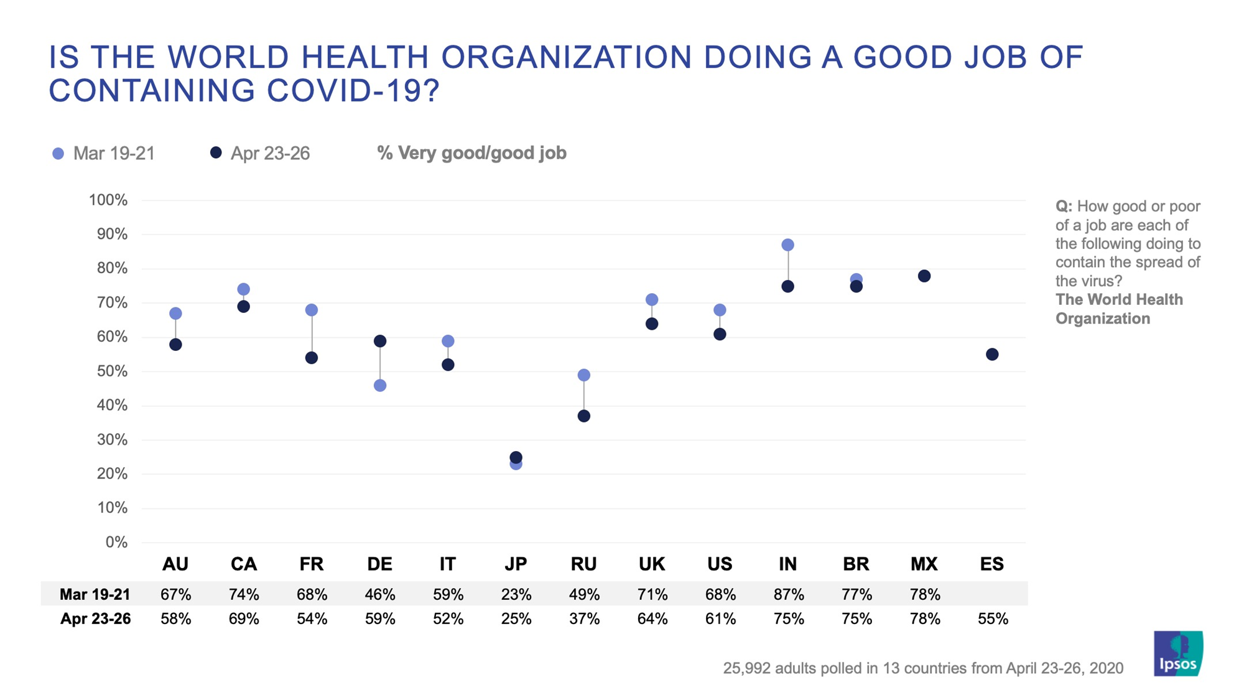
In terms of how people view the work of an international agency – the World Health Organization – a majority of people in 11 out of the 13 countries surveyed think the WHO is doing a good job in containing the spread of COVID-19, but this sentiment has fallen since March in nine out of 12 countries where Ipsos has tracked opinions.
People in the emerging markets of Mexico (78%), India and Brazil (75%) are most likely to be satisfied with the WHO’s response, followed by the developed nations of Canada (69%) and the U.K. (64%). The only two countries where more people disagree with the job done by the WHO are Japan (63%) and Russia (42%).
Other Ipsos research shows when respondents are asked about the performance of institutions in preventing the spread of the virus other aspects of the issue, including the economic effects of shutdowns, also influence how they evaluate institutional performance relative to containing the spread of COVID-19.
The countries seeing the biggest decline in regard for the WHO’s response are France (-14), India and Russia (-12) and Australia (-9). Germany (+13) and Japan (+2) are the only countries where satisfaction with the WHO’s role has increased.
These are the results of an Ipsos survey conducted April 23rd to 26th, 2020 on the Global Advisor online platform among 25,992 adults aged 18-74 in Canada and the United States and 16-74 in Australia, Brazil, France, Germany, Italy, India, Japan, Mexico, Russia, Spain and the United Kingdom. Where available, tracking results from previous studies, conducted through April and March and selected results from February are referenced by date.
The sample for April 23rd to 26th consists of approximately 2,000 individuals in each country. The samples in Australia, Canada, France, Germany, Italy, Japan, Spain, the U.K. and the U.S. can be taken as representative of these countries’ general adult population over age 16 or 18 (as above) and under the age of 75. The sample in Brazil, India, Mexico, Russia, and is more urban, more educated and/or more affluent than the general population and should be viewed as reflecting the views of the more “connected” segment of the population. The data is weighted so that each market’s sample composition best reflects the demographic profile of the adult population according to the most recent census data.
Where results do not sum to 100 or the ‘difference’ appears to be +/-1 more/less than the actual, this may be due to rounding, multiple responses or the exclusion of don’t knows or not stated responses. The precision of Ipsos online polls are calculated using a credibility interval with a poll of 1,000 accurate to +/- 3.5 percentage points. For more information on the Ipsos use of credibility intervals, please visit the Ipsos website (www.Ipsos.com).
For the Silo, Darrell Bricker, PhD CEO, Ipsos Global Public Affairs
About Ipsos
Ipsos is the world’s third largest market research company, present in 90 markets and employing more than 18,000 people.
Our passionately curious research professionals, analysts and scientists have built unique multi-specialist capabilities that provide true understanding and powerful insights into the actions, opinions and motivations of citizens, consumers, patients, customers or employees. We serve more than 5000 clients across the world with 75 business solutions.
Founded in France in 1975, Ipsos is listed on the Euronext Paris since July 1st, 1999. The company is part of the SBF 120 and the Mid-60 index and is eligible for the Deferred Settlement Service (SRD).
ISIN code FR0000073298, Reuters ISOS.PA, Bloomberg IPS:FP www.ipsos.com Featured image: Philippe Lopez/AFP/Getty Images/CNN
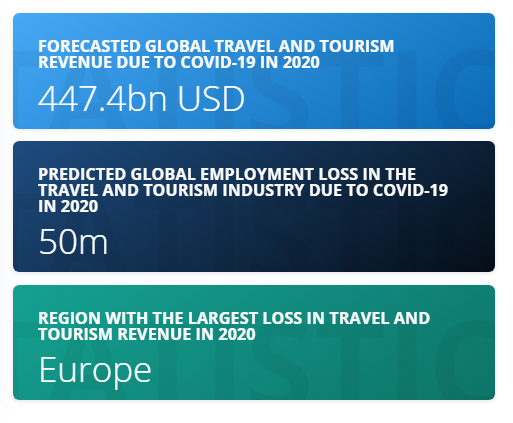
The Hong Kong Tourism Board (HKTB) hosted a web conference on April 24, 2020 to provide the latest updates on tourism development and introduce the HKTB’s strategic framework of recovery plan. HKTB Chairman Dr. YK Pang said that the Covid-19 pandemic has posed unprecedented challenges to Hong Kong tourism and put global tourism to a halt.
He continued, “The tourism landscape will be reshaped. In the post-pandemic world, we will see a shift in preference and behavior among travelers – the public health conditions of destinations, and the hygiene standards of transportation, hotels and other tourism facilities will become a top priority; people will prefer short-haul breaks and shorter itineraries; wellness-themed trips will become a new trend. It is an ideal time for us to review and rethink Hong Kong’s position in the global tourism market and elevate service standards. Together with the travel trade, the HKTB is going to map out the long-term development strategy for our tourism industry.”
source: statista.com
The web conference was attended by close to 1,500 representatives from travel agencies, attractions, hotels, airlines, the retail and dining industries, as well as Meetings, Incentives, Conventions and Exhibitions (MICE) and cruise sectors. Representatives from the HKTB’s worldwide offices also participated in the meeting to provide insights into the latest developments in various market regions:
Mainland Market
The Mainland has gradually resumed economic activities and people have returned to work.
Given the outbreak’s impact on the economy, consumers will become more price-conscious and pursue value-for-money holidays. After prolonged confinement, visitors will also place greater emphasis on health and nature. When choosing destinations for future trips, they will favor those that pose low risks to health.
The Meeting and Incentive market has slowed down as many activities have been postponed or will be held online.
Short-haul and New Markets
Domestic travel will be the major preference shortly after the pandemic, and outbound travel will resume soon after.
Regional competition will be fiercer than ever, as the tourism authorities and travel trade of various destinations are gearing up for intensive promotions to vie for visitors.
In Japan, Korea and Taiwan, the young and middle-aged segments will be the most eager to travel. Green tourism and the outdoors will be favored, while short-haul travel will be preferred due to financial and holiday leave constraints.
Long-haul Markets
Currently, governments are focusing on containing the outbreak within the region. A longer time is expected for these markets to recover and outbound travel may resume in the last quarter of this year at the earliest.
Ethnic Asian visitors are expected to be the first to visit Hong Kong after the pandemic.
Consumer sentiment is comparatively more positive in Canada, France and Germany and outbound travel is expected to recover at a faster rate in these markets.
The HKTB has announced earlier that it will be allocating HK$400 million (US$51.2 million) to support promotions by the trade. HKTB Executive Director Dane Cheng explained that the HKTB has devised a three-phase plan to reinvigorate Hong Kong tourism. The exact timeline will depend on the development of the pandemic.
Phase 1 (Now) – Resilience
The HKTB is preparing a recovery plan for Hong Kong tourism.
Phase 2 – Recovery
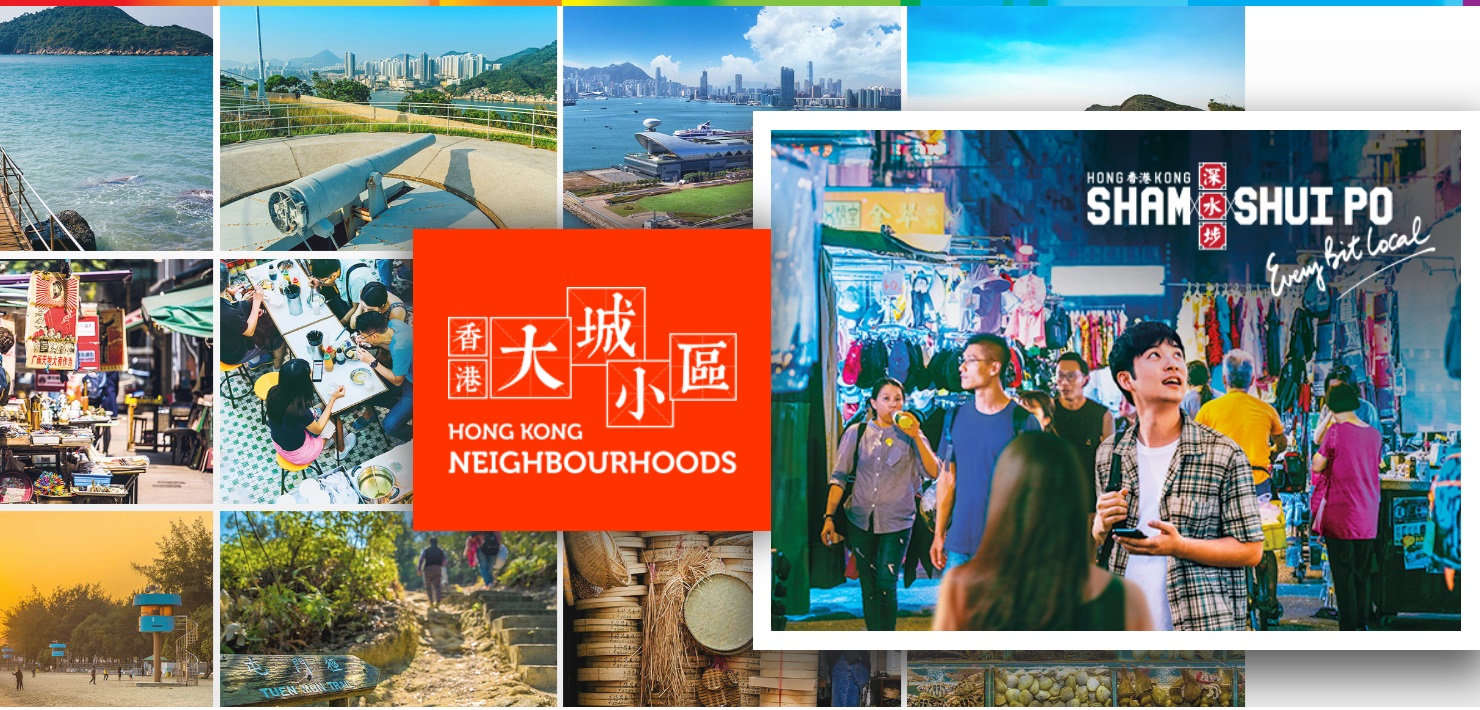
When the pandemic shows signs of abating, the HKTB will first focus on local market to promote positive ambiance in Hong Kong by encouraging locals to rediscover different neighborhoods and community cultures in order to send a positive message to visitors and restore their confidence in the city. Meanwhile, the HKTB will launch tactical promotions with the trade in selected markets based on the developments of individual markets to stimulate people’s interest to visit Hong Kong.
Stage 3 – Relaunch
Mega events and a new tourism brand campaign will be launched to rebuild Hong Kong’s tourism image.
Digital Habits is an extension of the international design studio Habits.
Founded in Milan in 2012, it specializes in connected objects. For example, a few years ago during the 2017 edition of the Superdesign Show by Superstudio, Digital Habits examined in depth the relationship between the user, the context and controls of electronic products. Since then, they haven’t looked back and their new prototypes go beyond the natural interfaces designed by others in the past. In fact, present multisensory systems now connect gestures, space, attention and feedbacks.
The presented products are control devices designed around humans, their anthropometry, their spaces and their best perceiving or moving abilities; they are not based on technical elements such as the size of the display, the currently available sensors or computational capability. Where need be they engineer and manufacture what does not already exist.
This is cutting edge stuff.
These devices express a new design Humanism where the user has a central role prevailing to the underlying technology sophistication. This is a different approach from the usual ‘technological one’ where the tendency to standardize components brings also the standardization of user experiences.
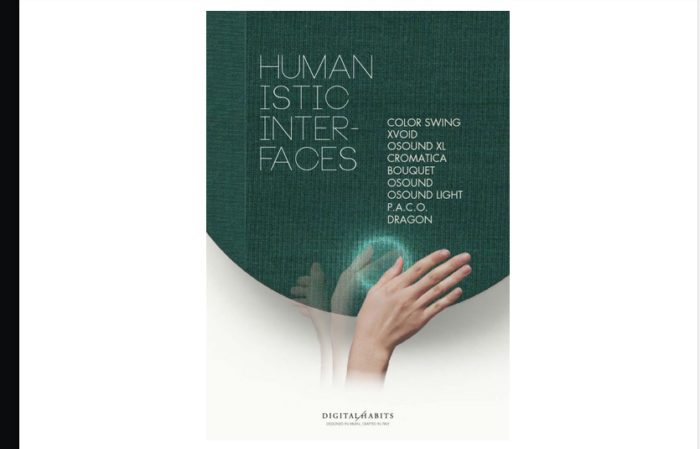
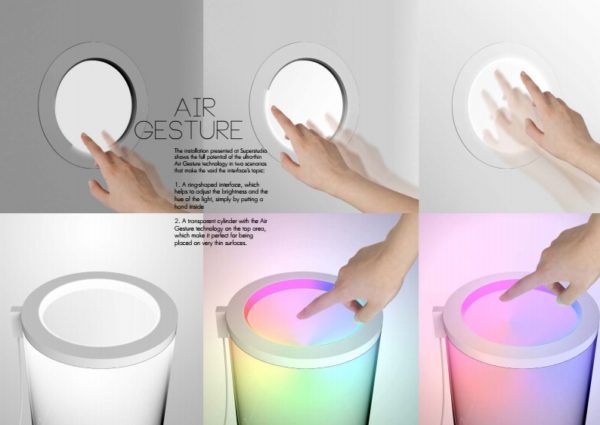
Instead, Digital Habits has presented three new projects that have colour as a common thread linking the user experience, the object and the environment:
OSOUND XL: a new Air Gesture Control Bluetooth Loudspeaker, covered by colourful fabrics; Its wide size qualifies OSOUND XL as piece of smart furniture rather than just a well-designed electronic device.
COLOR SWING: an ambient light detection system of the color information of an object surface which is returned as a light feedback to the environment XVOID: a new generation of air gesture interfaces, to control light/colour intensity; for the exhibited project, the presented case is the control of white and coloured light. Digital Habits has already won several international awards (RedDot Design, Core 77, Expo Award) and received a vast press coverage (selected by CNN as best 10 Technology objects for your home, presented on TED Talks ideas worth spreading, The Telegraph, Mashable, Gizmag, etc.). Digital habits products are available in most exclusive retailers. For the Silo, Jarrod Barker.
Many think it’s unlikely the economy will recover quickly once COVID-19 lockdown is over
Most negative about an economic recovery in hard-hit countries except China
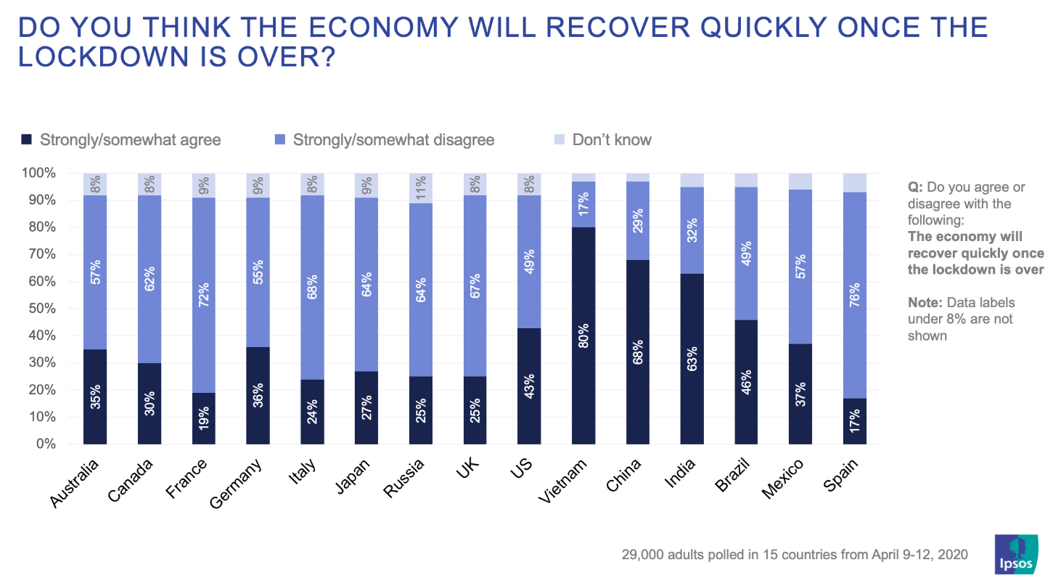
Paris, France April , 2020 — A majority of people in 10 of the 15 countries polled by Ipsos disagree that the economy will recover quickly once the lockdown from the coronavirus pandemic is over – suggesting a lasting impact.
People in Spain (76%), France (72%), Italy (68%), the United Kingdom (67%), Russia and Japan (64%), and Canada (62%) feel most strongly against a quick economic recovery in a survey of nearly 29,000 respondents conducted from April 9 to 12. Those in Vietnam (80%), China (68%) and India (63%) are most likely to say a quick recovery will take place.
At the same time, one of the countries most divided on this question is the world’s largest economy – the United States ̶ with nearly half of those surveyed (49%) disagreeing on a quick recovery, while 43% think it will happen.
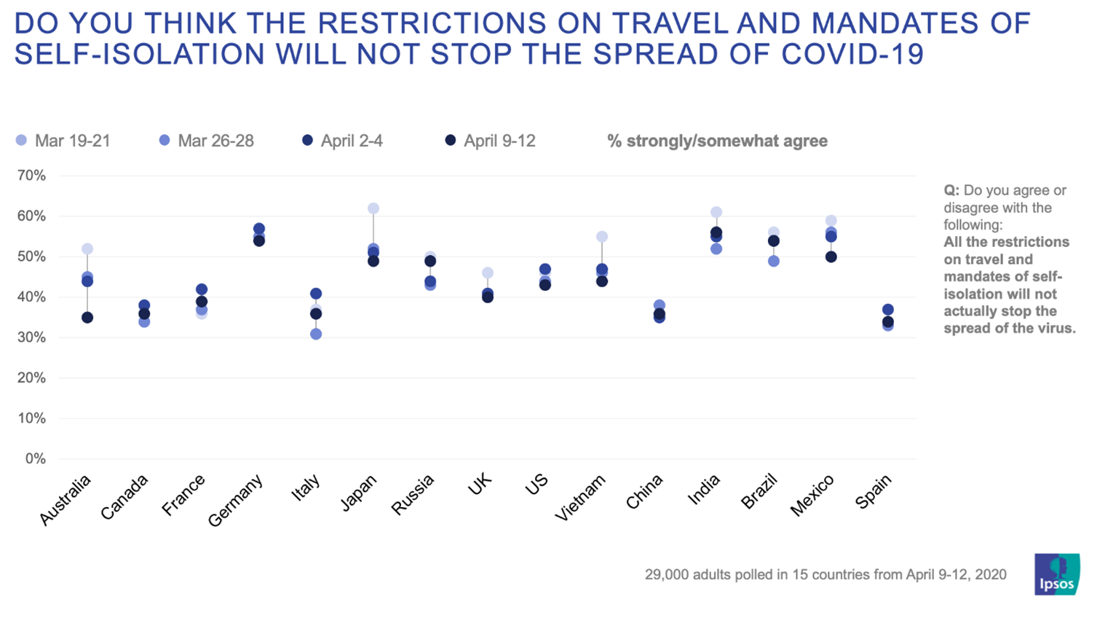
In terms of actions taken, majorities in India (56%), Brazil and Germany (54%) say all of the restrictions on travel and mandates for self-isolation will not stop the spread of COVID-19. That compares with majorities in China (63%), Australia (59%), Italy and Canada (58%), Spain (57%), the U.K., and Vietnam (54%) and France (51%) who think the restrictions do work.
Countries that have the seen the most significant change on this measure since mid-March are the ones where optimism has increased. Australia saw a drop of 17 percentage points in the number of those that agree the measures will not stop the spread of the pandemic, while the number of respondents in Japan fell by 13 points.
About the Study
These are the results of an Ipsos survey conducted April 9th to 12th , 2020 on the Global Advisor online platform among 28,000 adults aged 18-74 in Canada and the United States and 16-74 in Australia, Brazil, China, France, Germany, Italy, India, Japan, Mexico, Russia, Vietnam and the United Kingdom. Where available, tracking results from previous studies, conducted through March and selected results from February are referenced by date.
The sample consists of approximately 2,000 individuals in each country with the exception of Vietnam each at 1,000. The samples in Australia, Canada, France, Germany, Italy, Japan, the U.K. and the U.S. can be taken as representative of these countries’ general adult population over age 16 or 18 (as above) and under the age of 75. The sample in Brazil, China, India, Mexico, Russia, and Vietnam is more urban, more educated and/or more affluent than the general population and should be viewed as reflecting the views of the more “connected” segment of the population. The data is weighted so that each market’s sample composition best reflects the demographic profile of the adult population according to the most recent census data. Sample sizes may vary in prior waves.
Where results do not sum to 100 or the ‘difference’ appears to be +/-1 more/less than the actual, this may be due to rounding, multiple responses or the exclusion of don’t knows or not stated responses. The precision of Ipsos online polls are calculated using a credibility interval with a poll of 1,000 accurate to +/- 3.5 percentage points. For more information on the Ipsos use of credibility intervals, please visit the Ipsos website (www.Ipsos.com).
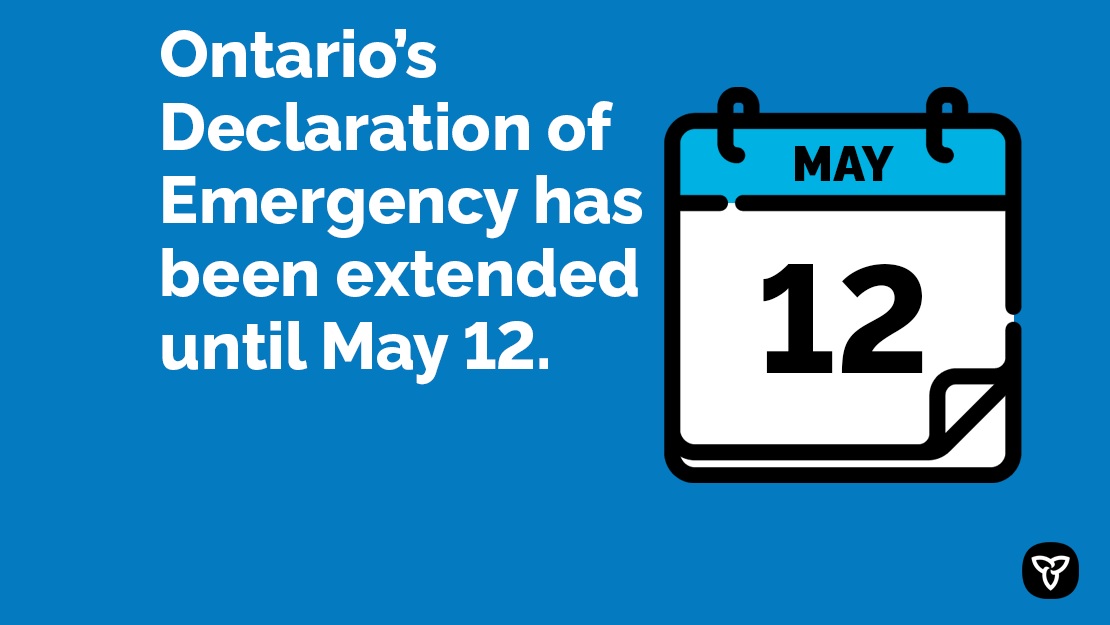
Throughout the world people and their governments are making a myriad of decisions that are risking lives, risking freedoms, and risking livelihoods. To continue to take on the challenges of coronavirus, Ontario has extended its Declaration of Emergency to May 12.
First announced on March 17, these measures under the Emergency Management and Civil Protection Act, mean that non-essential workplaces will remain closed, gatherings will continue to be restricted to five people, price-gouging remains outlawed, and restaurants will be limited to takeout. Students will not be going back to school May 4 and there is no set date for their return.
The legislation also permits Haldimand, Norfolk and all municipalities to extend their own state of emergency – with measures sometimes at odds with the province, and also with varying levels of support. Canada’s proposal to bring in sweeping powers to deal with Covid-19 under the Emergencies Act has been opposed by most of the provinces, including Ontario.
During these times, all levels of government justify restrictions to offer support and every power possible — and justifiably so – to help our health sector fight the spread of corona virus. People understand this disease constitutes a danger of major proportions. However more recently our office is fielding complaints of too many rules lacking common sense, and clarity, and by extension effectiveness. Ultimately deterrents don’t work if people have reason to defy.
There is confusion.
For example, Ontario advises that green spaces in parks, trails, ravines, and conservation areas remain open for walk-through access. However, residents of certain municipalities, including Haldimand-Norfolk are not permitted to use or access any open space, including parks, trails, piers, beaches, community gardens, or other open spaces usually accessible to the public, whether publicly or privately owned. By no means is it time for us to get complacent, but if people perceive new rules to be contradictory, or unfair, or out of proportion to the necessity they are less inclined to comply.
The mandatory closure of non-essential workplaces continues to at least May 12, with the extension of the state of emergency.
As the situation evolves, Premier Ford has been clear that every option is on the table. Businesses and individuals who want to get back to work are contacting my office and we advocate on their behalf with various ministries, and collaborate on suggested options to find a way forward to a healthy economy. We do need to find a path to future economic activity – to normalize, by way of thoughtful and reasonable direction based on analysis of the costs, the risks and the benefits.
While fighting a deadly enemy, we must also be planning for economic recovery – and to that end the Premier has appointed a team to develop a plan for post-pandemic growth and prosperity.
This new Ontario Jobs and Recovery Committee will focus on getting businesses up and running and getting people back to work. Since January 25 – when I first communicated concerns about coronavirus – my office and I have witnessed the mounting concern and anxiety about this deadly disease. We are now seeing mounting concern, frustration and anger with respect to restrictions and perception of authoritarian overreach – the perception of threats to freedom and threats to making a living. We must find a way forward and I welcome your input. For the Silo, Toby Barrett MPP for Haldimand-Norfolk.
Real life: In the 1960’s Communist Russia and the United States were in a race to be the first nation to safely land a man on the Moon.
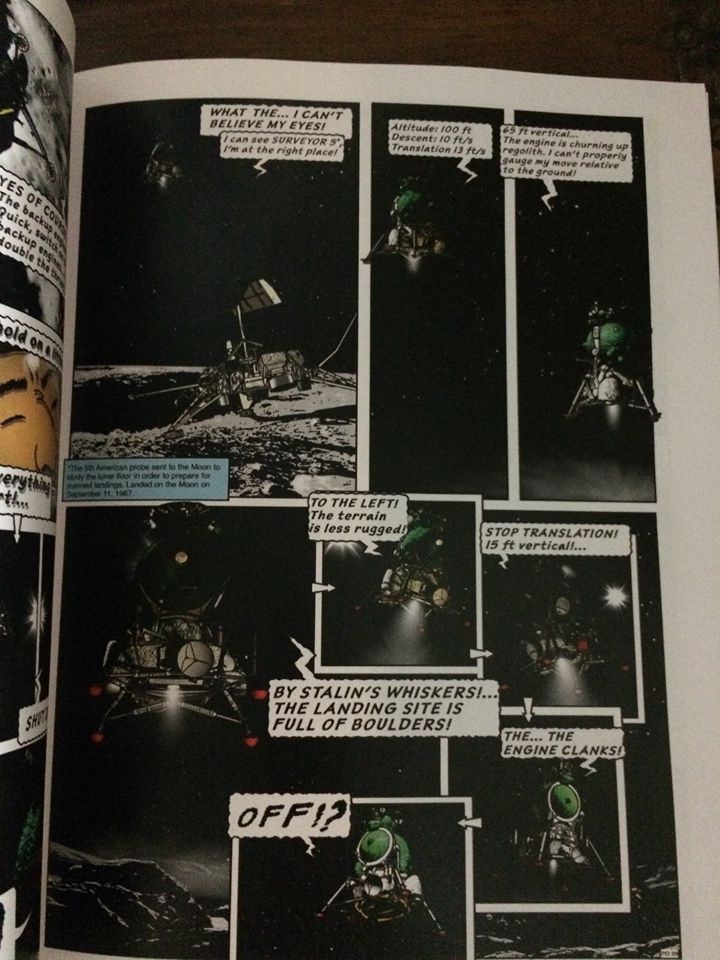
Nicolas Wetterwald’s latest graphic novel mixes the real life with what-if and serves up an enjoying account of an alternate history: one where the USSR beats the Americans and lands a cosmonaut on the Moon. Based in fact as much as imagination, many readers will be surprised to learn just how close the ‘race to the Moon’ was. The Russians bet everything on a mighty N1 rocket that differed from the American Saturn V by relying on a complicated massive ring cluster of thirty engines, each one dependent on the other in order for a successful launch to occur. Development began on the N1 in 1959 and by 1968 US reconnaissance satellite photographs showed that the Russians were (almost) ready to launch.
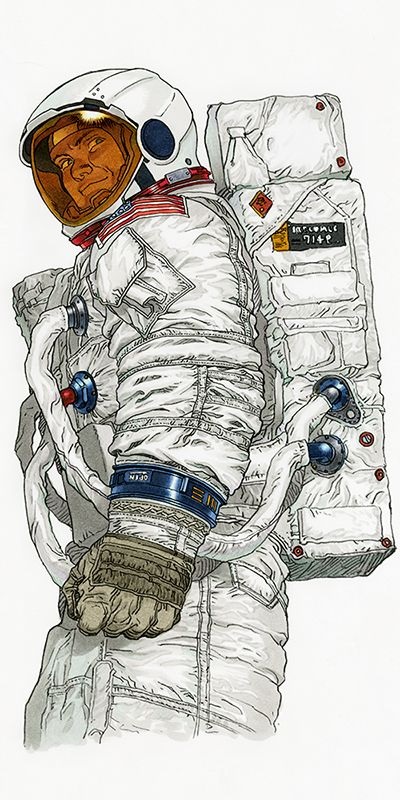
Looking at the book cover there is something warmly familiar about Wetterwald’s drawing style. It took me a minute to place it. There is a strong Jean Giraud (Moebius) influence- especially his spacesuit and futuristic designs from his Heavy Metal magazine panels.
Astronaut by Moebius
The story begins with a crisis and then a flashback in a fine style of writing that serves the form of graphic novels very well. Text ‘balloons’ are clearly differentiated between characters thoughts and conversations. This creates a fitting lonely mood- unlike the Americans, the Russians planned on sending a single cosmonaut to the Moon surface. There is also an ingenious use of text ‘balloons’ with small lightning like points to signify an electronic transmission or radio transmission. Small details like this create an eerie atmosphere and it is easy to relate to the protagonist.
Don’t be fooled into thinking that this comic is more documentary than entertainment. It has a brisk pace and the setting of Cold War Russia makes for an almost spy like setting. There are adult themes to be enjoyed here too- and this graphic novel is targeted appropriately towards adults.
There is much to like about Nicolas Wetterwald’s 1969 The Phantom Odyssey especially as we find ourselves celebrating the approaching fiftieth anniversary of the successful first landing of man on the Moon. With all the hype and nostalgia around that landmark event the release of this comic book couldn’t have been planned better. Hard copy recommended and available from Amazon ISBN 9781793906069 or try the Kindle edition for only $7.49 USD. For the Silo, Jarrod Barker.
With global travel almost at a standstill, the latest results of the Henley Passport Index offer disturbing insight into the indiscriminate havoc caused by the COVID-19 pandemic. Since its inception in 2006, the index has provided the authoritative annual ranking of global passport strength. Travel freedom has increased dramatically over the period in 2006, a citizen could travel to 58 destinations on average without a visa from the host nation; 14 years later, this number has almost doubled to 107.
The result of the latest travel ban in Australia. Image: jacobinmag.com
Japan’s passport continues to hold the top spot on the Henley Passport Index as we enter the second quarter of 2020, but the reality is that current stringent travel restrictions mean that most non-essential travel for Japanese nationals is heavily curtailed.
This is true for almost every country of course, as more travel bans are implemented daily, and ever-more stringent coronavirus lockdown regulations are imposed by governments worldwide. With 3.5 billion people, nearly half the global population, presently living in voluntary or mandatory confinement, the latest results from the index — which is based on exclusive data from the International Air Transport Association (IATA) — raise challenging questions about what travel freedom and global mobility really mean, both currently and in a deeply uncertain post-pandemic future.
Dr. Christian H. Kaelin, Chairman of Henley & Partners and the inventor of the passport index concept, points out that in an unprecedented global health emergency such as this, relative passport strength becomes temporarily meaningless. “A Swiss citizen can, in theory, travel to 185 destinations around the world without needing a visa in advance, but the last few weeks have made it apparent that travel freedom is contingent on factors that occasionally can be utterly beyond our control. This is, of course, something that citizens of countries with weak passports in the lower ranks of the index are all too familiar with. As public health concerns and security rightfully take precedence over all else now, even within the otherwise borderless EU, this is an opportunity to reflect on what freedom of movement and citizenship essentially mean for those of us who have perhaps taken them for granted in the past.”
Image: citynews1130.com
The future of international mobility after COVID-19
Commenting on the latest Henley Passport Index, bestselling author and the Founder and Managing Partner of FutureMap, Dr. Parag Khanna, says the combined effect of the COVID-19 pandemic on public health, the global economy, and social behavior could lead to much deeper shifts in our human geography and future distribution around the world. “This may seem ironic given today’s widespread border closures and standstill in global transportation, but as the curtain lifts, people will seek to move from poorly governed and ill-prepared ‘red zones’ to ‘green zones’ or places with better medical care. Alternatively, people may relocate to places where involuntary quarantine, whenever it strikes next, is less torturous.
In the US, both domestic and international migration were surging before the pandemic, with Gen-Xers and millennials shifting to cheaper, second-tier cities in the Sun Belt or abroad to Latin America and Asia in search of an affordable life.
Once quarantines lift and airline prices stand at rock bottom, expect more people across the globe to gather their belongings and buy one-way tickets to countries affordable enough to start fresh.”
This is supported by emerging research and analysis commissioned by Henley & Partners, which suggests that despite freedom of movement currently being restricted as a temporary measure, there is a risk that this will negatively affect international mobility in the long run. Political science researchers Uğur Altundal and Ömer Zarpli of Syracuse University and the University of Pittsburgh, respectively, note that public health concerns have historically been used to justify restricting mobility, but governments usually adopt travel restrictions temporarily, in response to short-term health needs. Until now, health security has not been a significant determinant or requirement when negotiating visa waivers, but Altundal and Zarpli warn that “increasing public health concerns due to the outbreak of COVID-19 may change thisthe quality and level of health security of a country could be a significant consideration for visa waivers in future”. The unprecedented and overwhelming focus on health security and pandemic preparedness we now see may change the face of global mobility forever.
On the other hand, Prof. Simone Bertoli, Professor of Economics at CERDI, Université Clermont Auvergne in France, says that the necessity of international collaboration in fighting the pandemic could ultimately reduce current barriers to international mobility. “Humanity is confronted with a truly global challenge against which no country — irrespective of its level of income — can fully protect itself. This pandemic could therefore trigger renewed and more intense international cooperation, something that has (so far) not happened with the other main global challenge that the world is currently facing, namely climate change.”
Brexit, travel bans, and changing timelines
The chaos caused by the COVID-19 pandemic has cast further doubt on the timeline for the implementation of the UK’s post-Brexit immigration system, according to Madeleine Sumption, Director of the Migration Observatory at the University of Oxford. The UK, currently in 7th place on the Henley Passport Index, with citizens theoretically able to access 185 destinations without acquiring a visa in advance, was set to end free movement with the EU in January 2021. However, as Sumption says, “The UK can only implement its new immigration system when the post-Brexit ‘transition period’ is over, and if this is extended to give negotiators more time to discuss trade and other issues, we may not be seeing the end of free movement with the EU quite yet.”
In the US, also in 7th place on the Henley Passport Index, the impact of travel bans implemented at the beginning of the year appear to have been compounded by the pandemic, according to Greg Lindsay, Director of Applied Research at NewCities. “For the children of a rising global middle class with more and more options, this pandemic may prove to be the tipping point in terms of choosing educational destinations. When the world gradually recovers with China, South Korea, and Singapore already succeeding in slowing the outbreak through effective quarantines don’t be surprised if the best and brightest take coronavirus responses into consideration when deciding on their future options.”
A unique hedge against volatility in an uncertain future
Commenting on the ever-expanding growth and popularity of the investment migration industry, Dr. Juerg Steffen, CEO of Henley & Partners, says: “We believe that in the post COVID-19 environment, investment migration will take on a dramatically enhanced importance for both individual investors and sovereign states. Acquiring alternative residence or citizenship will act as a hedge against the significant macro-economic volatility that is predicted, creating even more sovereign and societal value across the world.” For the Silo, by Sarah Nicklin.
Supplemental
Global Headlines for Q2 2020: growth in travel freedom over past decade
Japan retains its top spot on the Henley Passport Index, with a visa-free/visa-on-arrival score of 191. Over the past decade its travel freedom score has increased by 31 points: in 2010, the country was ranked 6th worldwide, with a visa-free/visa-on-arrival score of 160.
Singapore continues to hold onto 2nd place, with a visa-free/visa-on-arrival score of 190. Over the past decade Singapore’s travel freedom score has increased by 35 points: in 2010, the country was ranked 11th worldwide, with a visa-free/visa-on-arrival score of 155.
Germany remains in 3rd place, with access to 189 destinations compared to the 161 destinations its passport holders were able to access a decade ago. It shares 3rd position with South Korea, which has increased its travel freedom score by 38 points: in 2010, South Korea was ranked 13th worldwide, with a visa-free/visa-on-arrival score of 151.
The UK is currently ranked 7th on the index, with a visa-free/visa-on-arrival score of 185. Over the past decade the UK’s travel freedom score has increased by 19 points: in 2010, the country was ranked 1st worldwide, with a visa-free/visa-on-arrival score of 166.
The US is also currently ranked 7th on the index, with a score of 185. Over the past decade, the US’s travel freedom score has increased by 26 points: in 2010, the country was ranked 7th worldwide, with a visa-free/visa-on-arrival score of 159.
The UAE has seen the biggest increase in travel freedom over the past 10 years. In 2010, the country was ranked 65th worldwide, with a visa-free/visa-on-arrival score of 64. It is now ranked 18th, with a score of 171 which means the country has added a remarkable 107 visa-free travel destinations over that period.
I’ve lost count of the social distancing lockdown days and I hope you are hanging in there. The lockdown has impacted businesses in ways never experienced before. Many are struggling to remain open. Restaurants for example, are no longer able to host and seat customers inside and have had to modify their operation by becoming take out only.
But what about other types of business? What about Funeral Services?
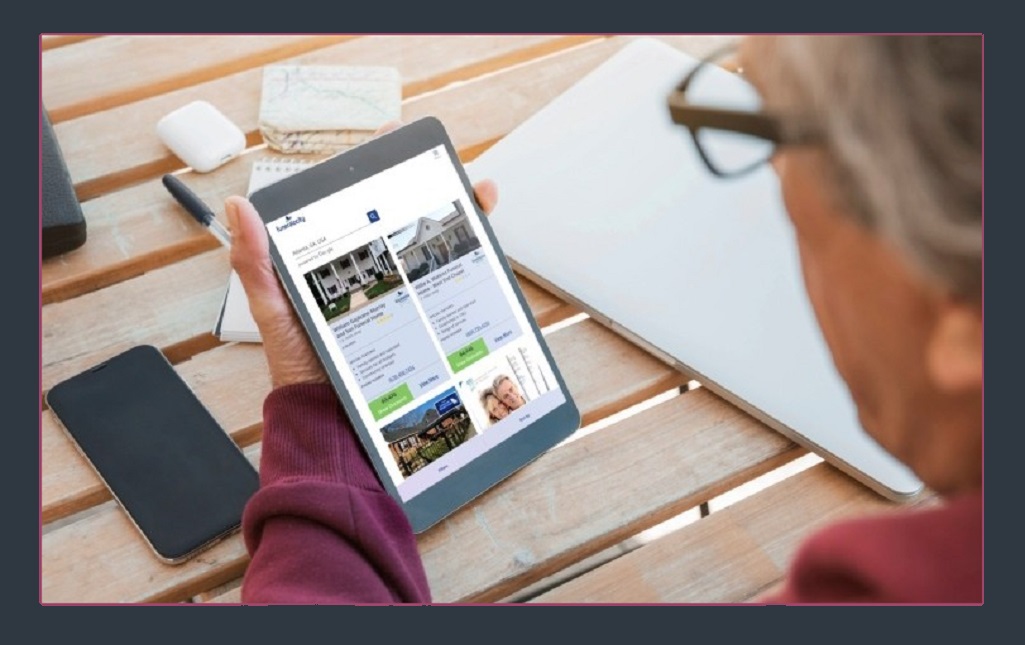
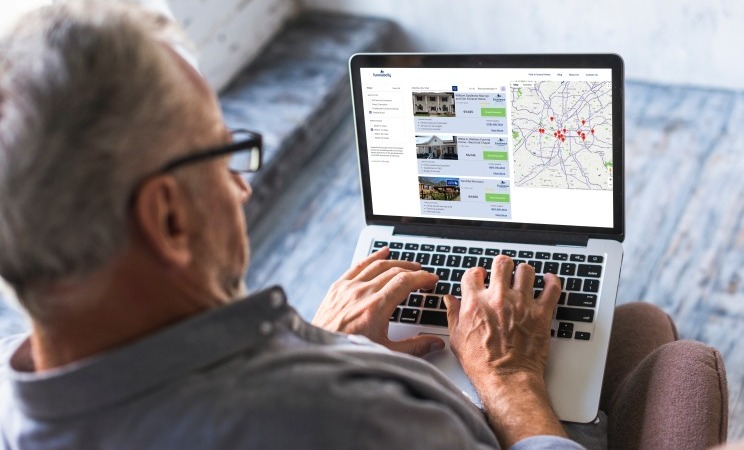
A new website created by former healthcare CEO Ed Michael Reggie has collected prices, locations and contacts for every funeral home in the United States, and is now sharing its institutional knowledge and perspective about this topic and the effects of the coronavirus.
The site, www.funeralocity.com, is a free resource for any consumer looking to bury a loved one. You simply type in a city or zipcode and see every home in that area, their costs and other pertinent information. There are plans in the works to expand this site for Canadians.
In this new climate we find ourselves in, there are pressing questions.
When someone dies during the Corona Crisis what are your first steps? Funeral directors are often the only ones licensed to handle the logistics of transportation, burial or cremations, etc.
How to have a service when you can’t gather?
As the death toll spikes around the globe from the COVID-19, much of the world’s focus has been on fighting the epidemic, saving lives and keeping people healthy and safe.
What isn’t being talked about is what happens after someone dies, and how grieving families can say goodbye to their loved ones at a time of social distancing, fear and panic. Funeralocity.com, North America’s only up-to-date price comparison website of funeral providers, is sharing helpful advice and insights into planning a service during such an uncertain time. Its database of 19,000 funeral homes across the US is the largest database in the world, and the site is using that institutional knowledge and expertise to guide families faced with the sudden need to bury or cremate someone who has died from the virus.
“Losing a loved one is the worst possible outcome, but it’s become a sad reality during this unprecedented time”, said Ed Michael Reggie, founder and CEO of Funeralocity.com.
The deaths that have already occurred, and the models that are preparing us for more, have put a great demand for funeral services. However, there are so many circumstances unique to this time and virus and people need to know how to navigate the process. Funeralocity prides itself in providing users the most reliable, trusted information when planning services, and we are sharing what we know with families so they can make better informed decisions.
The important first step, says Reggie, is finding the right funeral home or cremation provider. Then the planning of a service can take place. Funeral directors are licensed by states to deal with issues related to handling the bodies after death, and whether it’s being stored, embalmed, cremated or prepared for burial.
“Unfortunately, there is greater demand for this now, which is making the process more complicated,” Reggie said. “Some funeral homes and morgues are at capacity, which has put major stress on the business.” Reggie suggests people research funeral homes and cremation providers in their areas and discuss their needs and circumstances. He created Funeralocity for this exact purpose: the site not only includes prices and locations for US funeral homes, but it can connect users to their them.
“Families at a time of loss are deep in shock and grief and having then to find a funeral home can be very stressful,” Reggie said. “We launched our site to make that process easier.”
Another important decision has already been made, sadly: States across the country are restricting public gatherings to less than 10 people, which makes having a traditional ceremony near impossible. This has made virtual funerals more prevalent, and also persuaded people to postpone services until entire families can mourn together safely.
“We need to balance our need to grieve with public safety in mind,” Reggie said. “There have already been reports of people spreading the coronavirus at funeral services. We need to be responsible, and fortunately there are options. Streaming a service is a practical and safe way to say goodbye to a loved one with your whole family participating.” Many funeral homes are offering this option, but the quality will vary and will depend on which platform/ service the funeral home is using.
Using social media is also an option that families should consider. Postings on Facebook, Instagram and other platforms allow people to express condolences without gathering in person. Mourners can post photos, videos and memories, creating more intimate remembrances that people can see from their homes.
Virtual Reality Funerals- “Real Healing” photos: dailyundertaker.com
There are also numerous platforms that can create memorial websites, virtual photos albums and memory books that memorialize those who have passed digitally, allowing families to share.
Finally, Reggie suggests people consider donating to causes related to the COVID-19 instead of sending flowers, wreaths or food to grieving families. For the Silo, by Morgan Matthews.
Although we live in the richest and most advanced society the world has ever known, many of us say we need more money in order to be happy, notes best-selling business book author Doug Vermeeren.
“Even some of those in the top percentile of earners often feel like they don’t have enough money,” says Vermeeren, (www.DouglasVermeeren.com), an international speaker who consults with celebrities, business executives and professional athletes.
“The math is simple: More money does not equal more happiness. It’s our attitude toward money, not the amount, that influences our happiness the most.”
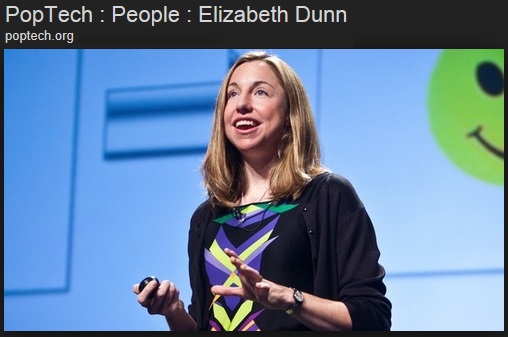
Happiness researchers Elizabeth Dunn and Michael Norton, professors at the Harvard Business School, recently published research indicating that it’s not money that makes people happy, nor the things people buy with it. Rather, it’s the experiences one has that ultimately account for happiness.
“How you experience your money on a day-to-day basis is what matters,” Vermeeren says. “If the software running in your brain is constantly reinforcing the message, ‘it’s not enough,’ then that is likely how you will see yourself and experience your life – as ‘not enough.’ ”
The world’s richest city- is it Tokyo or Dubai? The top ranking seems up for grabs and changes from year to year.
Harvard’s Happiness researcher Elizabeth Dunn
Vermeeren reviews the three fallacies of abundance as it relates to happiness:
• We are all entitled to a certain amount of wealth: The feeling that we deserve or are owed a certain amount of wealth will always make us unhappy with whatever we have. While we are entitled to certain human rights, those do not include a winning lottery ticket. In reality, we are not owed any amount of abundance and, in fact, should count ourselves lucky if we’re able to meet our basic needs; many in the world are not. More of us, however, would be happier simply appreciating what we have.
• The result of our labors is money: Money is a means to an end, not an end in itself. This can be a challenge to keep in mind since so much of our lives are spent in the pursuit of money. We work and go to school to support ourselves and our families. We see things we want, and we know we need more money for them. Study after study shows, however, that what really makes us happy is what we do and who we do it with, and not how much money we spend.
• We’ll be happiest when we finally reach our goal: We are happiest when we are progressing toward a goal. When we lose sight of our goal, veer off the path toward our goal, and even achieve our goal, we’re less happy. Rather than setting one goal and deciding you will be happy when you meet it, you’ll be most happy if you continually set goals and relish your journey toward them.
Doug Vermeeren is an internationally renowned public speaker, author, movie producer and director. His life coaching strategies help those from all walks of life, with clients including business executives, celebrities, professional athletes and more. Throughout the last decade, Vermeeren has conducted extensive first hand research into the lives of more than 400 of the world’s top contemporary achievers, making him a sought-after commentator on news outlets including ABC, FOX, CNN and more. He has written three titles contributing to Guerilla Marketing, the best-selling business series in publishing, which is included reading in the Harvard Business School.
His documentaries include the award-winning film, The Opus, which has been published by Random House as a book in 23 countries. Vermeeren’s latest film, The Gratitude Experiment , has received critical acclaim. For the Silo, Ginny Grimsley.
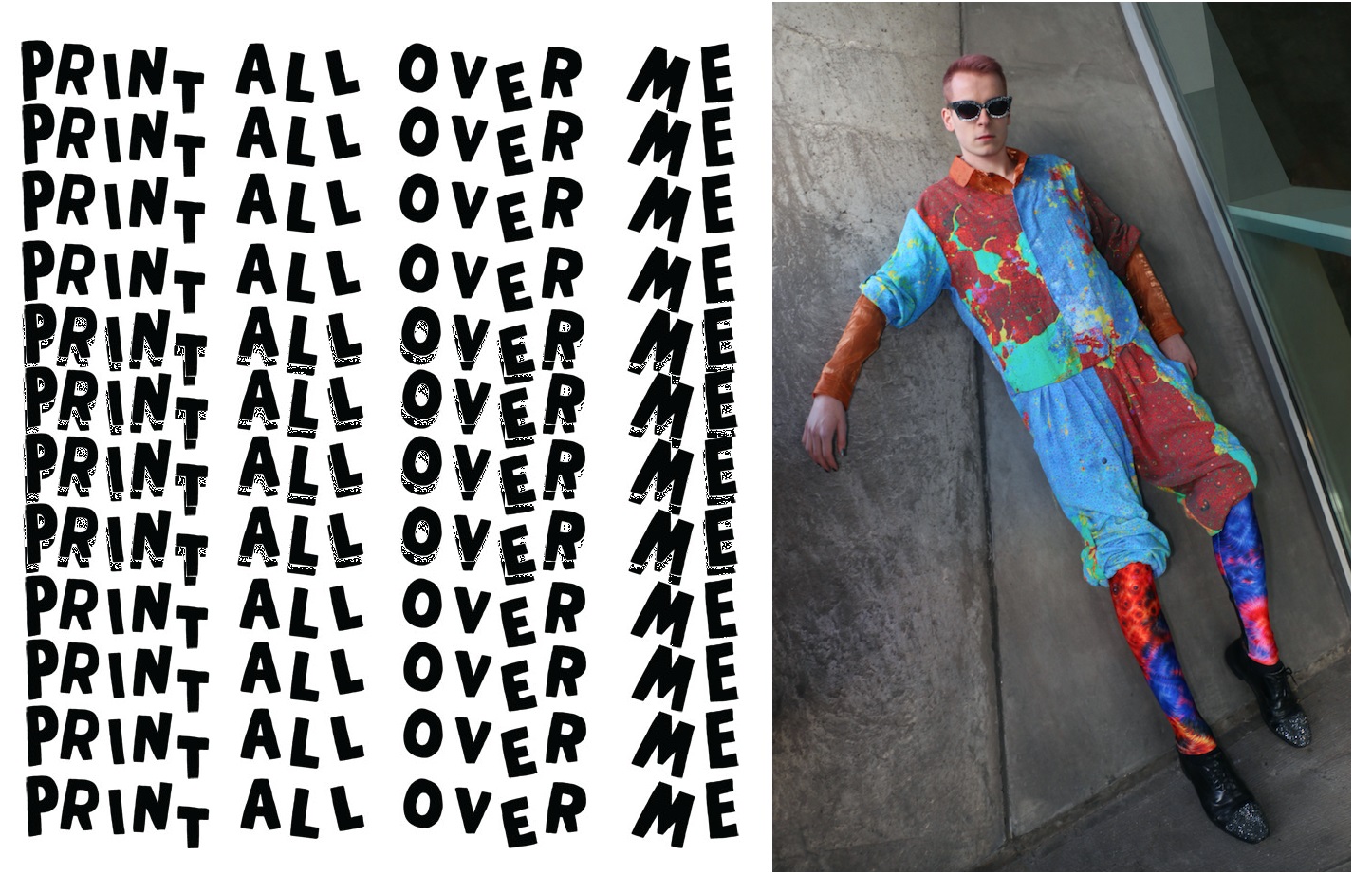
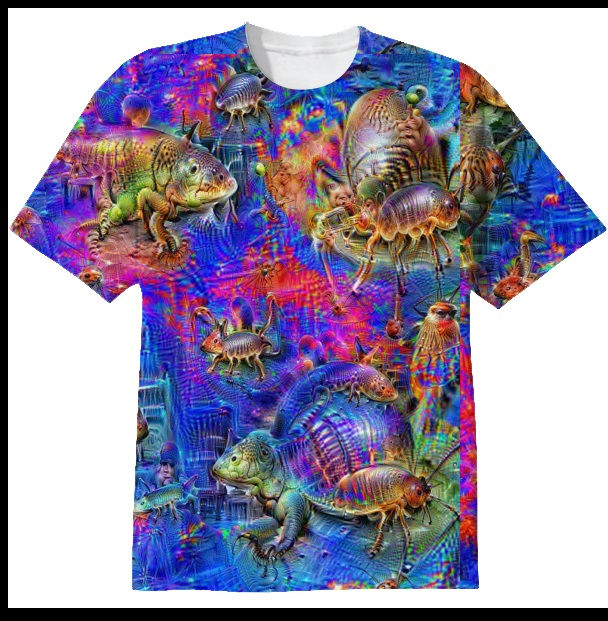
Featured Designer Brian Swift used PAOM to print fabric for his latest collection inspired by the Technological Singularity: a theoretical time in which human consciousness and Artificial Intelligence merge and become a new, unrecognizable species.
Brian collaborated with a machine learning algorithm to imbibe his photographs with a psychedelic quality. These computer generated compositions were then printed onto fabric and used throughout his latest collection.
Five years ago more than 40 babies born in Jamaican hospitals became infected with lethal bacteria – half of them died. The bacteria Klebsiella, like the coronavirus, is spread from person-to-person or via contaminated surfaces. It can be killed by hand-washing with warm soapy water.The situation caught the attention of technology student Rayvon Stewart based in Jamaica who set about finding a way to curb the spread of harmful germs. “I made a determined decision that I was going to find a solution to limit the transfer of pathogens to multiple surfaces, thereby saving lives,” says Rayvon.
Patricia Scotland
Young innovators in health I met Rayvon at the Commonwealth Health Ministers Meeting (CHMM) in Geneva last year. He was among the finalists shortlisted for last year’s Commonwealth Health Innovation Awards. He took part in an exhibition on the theme ‘Universal Health Coverage: Reaching the unreached, ensuring that no-one is left behind’ which highlighted how young people are tackling age-old challenges with modern technology and disruptive thinking.
The event underlined Commonwealth commitment to empowering young people as outlined in our charter and also our contribution to achieving the Sustainable Development Goals. I spoke to five extraordinary innovators who made it as finalists of the Commonwealth Health Innovation Awards which recognize outstanding young people whose groundbreaking projects have made a real impact in helping their countries achieve Sustainable Development Goal 3, which is to ‘ensure healthy lives and promote well-being for all at all ages’.
William Wasswa was working on a digital pathology platform for automated diagnosis and classification of cervical cancer from pap-smear images. Then there was Midia Hassan using 3D printing technology to provide prosthetics to amputees living in refugee camps and poverty zones. Another timely invention is that of Nitash Jangir who was one of 15 finalists at our SDG innovation awards. Nitash invented a neonatal breathing support device for low resource settings, with multiple powering options. It maintains respiration and oxygenation in premature neonates with Respiratory Distress Syndrome by providing constant airflow and pressure to keep the lungs open during transport to a tertiary care setting.
I was struck by the ability of young minds to find solutions to real problems in their communities, and their persistence in finding support to scale-up their projects.In Rayvon’s case, he focused on the most common places where bacteria and viruses could easily be left by one person and picked up directly by another. He came up with what he calls ‘Xermosol’- a simple-to-install device that automatically disinfects door knobs and handles after each use.
The innovation uses ultraviolet light to target and specifically kill harmful microorganisms, while being harmless to human beings.
The potential to save lives The potential impact of Rayvon’s invention could now be even more important than when he first conceived it, as the world battles the frightening COVID-19 pandemic. The coronavirus lives up to two or three days on stainless steel and metal, and several hours on fabric depending on factors such as temperature and humidity. Field and laboratory testing has validated Xermosol’s efficiency in killing more than 99.9% of deadly pathogens. In addition to health facilities, Rayvon hopes it could help reduce transmission of germs in other public spaces such as schools and businesses.
Tests carried out in conjunction with University of Technology, Jamaica and University of the West Indies show Xermosol destroys organisms such as MRSA and E-coli and destroys viral cells such as influenza virus H1N1.This is a huge step in the fight against microorganisms and offers new ways of thinking around combatting viral cells such as Coronavirus.
Supporting young people to innovate Rayvon says the recognition he received from the Commonwealth Health Innovation Awards was a key moment in Xermosol’s progress, generating immense interest in the project. But now the production of Xermosol faces a number of considerable challenges – from development funding to finding a manufacturer to mass produce. Financing options are mostly focused on large-scale innovation, but the Commonwealth is exploring and proposing that all 54 member-countries go into partnership with the Global Innovation Fund to help young innovators like Rayvon.
Over the past two years, the Commonwealth Youth Health Network has worked closely with the Commonwealth Secretariat and member states to leverage the unique capabilities of young people and drive forward progress toward SDG3 (which includes a bold commitment to end the epidemics of AIDS, tuberculosis, malaria and other communicable diseases) and health-related development goals. Citizens aged under 30 comprise 60 per cent of the Commonwealth’s population – a proportion that is 10 per cent higher than the global average.
In the course of my interaction in and with our member countries I am continually impressed by the drive of these 1.4 billion young people. They have the ideas, energy and talent to make a huge difference in their communities – and they are doing so. For the Silo, Patricia Scotland, Commonwealth Secretary-General. Featured image: mock up of one type of door handle with integrated UV light.
The FlyKly Wheel turns ordinary bicycles into 21st century smart bikes that offer the benefits of both electric and pedal power to make bicycle commuting a viable option for everyone.
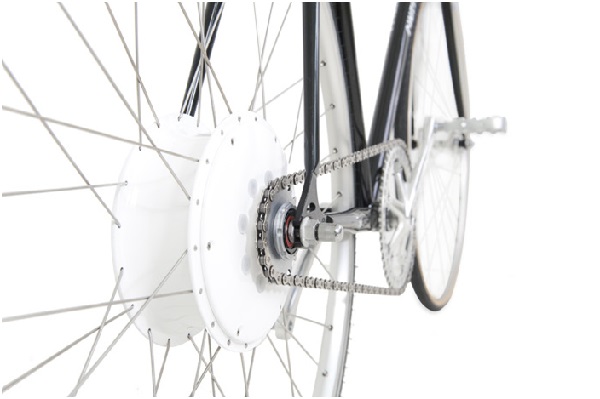
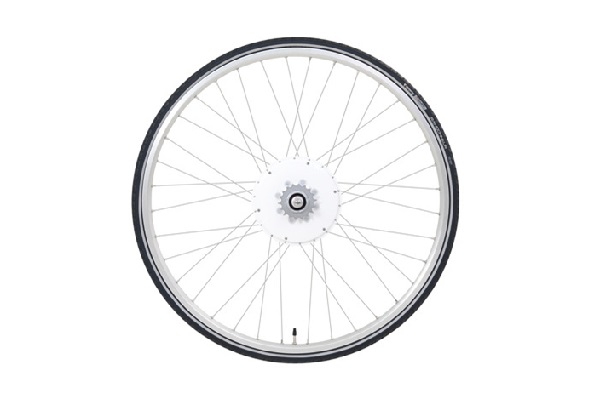
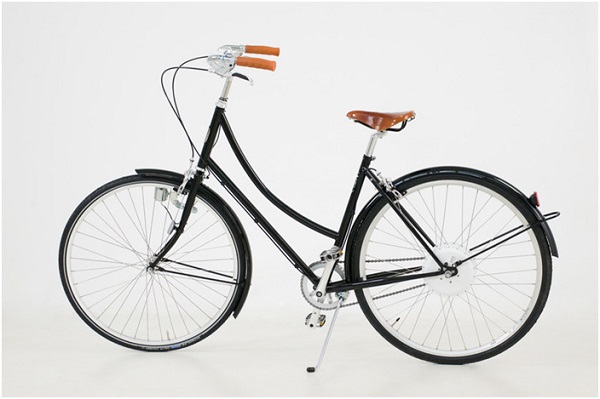
Cycling anywhere just got easier with the release of the FlyKly Smart Wheel, that lets urban cyclists climb hills and travel longer distances faster without breaking a sweat. Featuring an all-in-one design that puts a motor, battery and sensors together in a compact hub on the wheel, and weighing only 3 kg, the FlyKly Smart Wheel replaces the rear wheel on nearly any ordinary bike to transform it into a pedal-assisted electric bicycle. The FlyKly Smart Wheel has already earned three international patents and is the first all-in-one pedal assist for bicycles to hit the market.
“With bike to work movement all over the world, we strongly believe that the moment is now to accelerate this trend and fundamentally transform urban transportation by making riding a bike effortless, smooth and smart — basically, by finally making it a truly attractive alternative to driving a car. This is the promise of FlyKly Smart Wheel” said Niko Klansek, founder and CEO of FlyKly. FlyKly launched its prototype wheel a few years ago in a successful crowdfunding campaign on Kickstarter. To take the wheel to the next level, the FlyKly team ventured to Italy—a country well known for producing beautiful, high performance bikes—to partner with a team of designers, engineers and software developers from the prestigious Polytechnic University of Milan.
Today, the Italian-designed FlyKly Smart Wheel is significantly smaller and lighter than the original design and offers a smoother ride while enabling cyclists to travel up to 100 km on a single charge depending upon how much of a boost they need or want from the motor. After production in Italy, the wheel is assembled in Slovenia. The FlyKly wheel and riding experience are controlled and customizable through the FlyKly App (iOS and Android), which works on smartphones and other devices using Bluetooth 2.3.
Design The FlyKly Smart Wheel comes in three rim sizes — 20,” 26” and 28” — to fit practically any bike and enable cyclists to easily transform their own bikes into pedal-assisted electric bikes. It takes fewer than five minutes to mount the fully assembled wheel. The sturdy, weatherproof casing for the all-in-one motor at the wheel’s hub comes in two colors—either pure white or silver gray—and is less than 18 cm in diameter. Bikes with the FlyKly Wheel do not look at all like traditional electric bikes, which are generally larger and heavier.
How it works The expression “it’s as easy as riding a bike” still applies when riding a bicycle enhanced with the FlyKly Smart Wheel. After initially pairing the wheel with the FlyKly App, the rider can customize and change their riding experience whenever they wish, setting things such as how much of a boost they want from the motor — ranging from 0 % to 100% — or what maximum assisted speed they want, up to 25 km per hour. After that, the rider simply hops on the bike and starts pedaling per usual. In response to the rider’s settings, sensors in the wheel tell the motor when and how much to kick in to give the rider the boost they want. The 250W motor shuts off when the rider stops pedaling, and Smart Wheel’s regenerative braking system then kicks in to slow the bike and recharge the battery at the same time, making it possible to go even further on a single charge. With a 100%-assist from the motor, a rider can go up to 40 km on a single charge, and much farther if they require less assistance or can add to the charge while going downhill. It takes 2-3 hours to fully charge FlyKly Wheel’s 30 Volt lithium battery using an electric wall charger, which comes with the wheel.
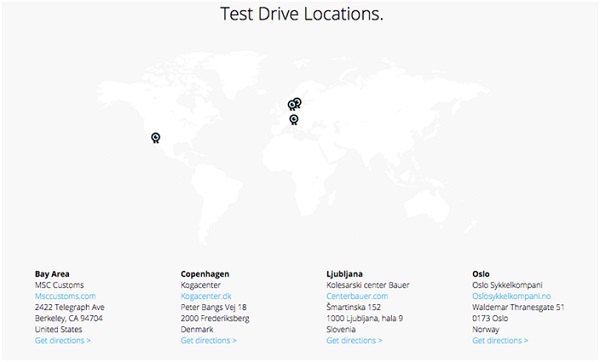
Test locations So far, riders can test FlyKly Smart Wheel in Europe (Copenhagen, Oslo, Ljubljana) and in US (New York). Exact test locations can be found here.
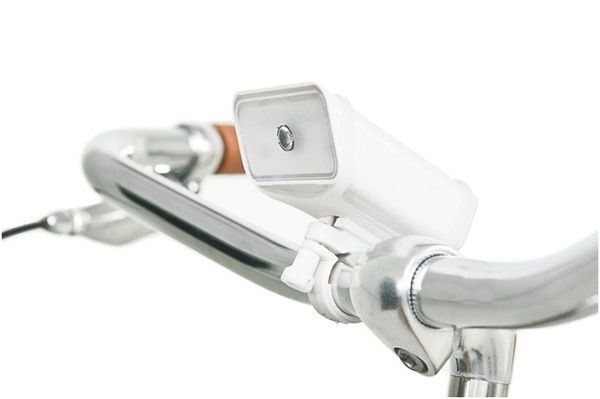
Smart Light Smart Light is bike light, phone holder and phone charger at the same time. It comes with USB and DC power connectors, silicon elastic phone straps that holds your phone firmly and dynamo, which generates power to the light while you ride the bike. It comes in white color and compliments Smart Wheel nicely.
Smart App In addition to being able to customize their riding experience through the FlyKly App, riders can use the Smart App to track their riding speed, distance traveled and trip duration. In the future, the app will be able to make route recommendations based upon the rider’s stated preferences and actual riding style. Riders will also be able can share any of this information with other riders, and offer it to city officials to help with plans to make their cities more bike- and environmentally friendly.
Pricing and availability The FlyKly Smart Wheel is available now in rim sizes 20”, 26” or 28” and may be purchased for 970 EUR and the FlyKly Smart Light can be purchased for 89 EUR on the company’s website at FlyKly online store. The companion FlyKly App is available for free in the iTunes App Store (iOS) and in the Google Play Store (Android).
About FlyKly Inc. FlyKly, Inc. designs and manufactures smart tools for smart urban transportation. Its flagship product is the FlyKly Smart Wheel, which turns ordinary bicycles into pedal-assisted electric bikes. The Italian-designed and Slovenian-assembled FlyKly Smart Wheel, which has earned three international patents, was released in January 2015 and is the first all-in-one pedal assist for bikes to hit the market. The company was founded in 2010 by Niko Klansek and is headquartered in Brooklyn, New York. More information is available at www.flykly.com or contact marketingdirector@thesilo.ca
Misinformation is a dangerous byproduct of our digitally driven information age- never more so when it relates to human health issues. Earlier this week, the Globe and Mail ran a skewed article that was more interested in bashing Trump than helping patients.
Fact Check
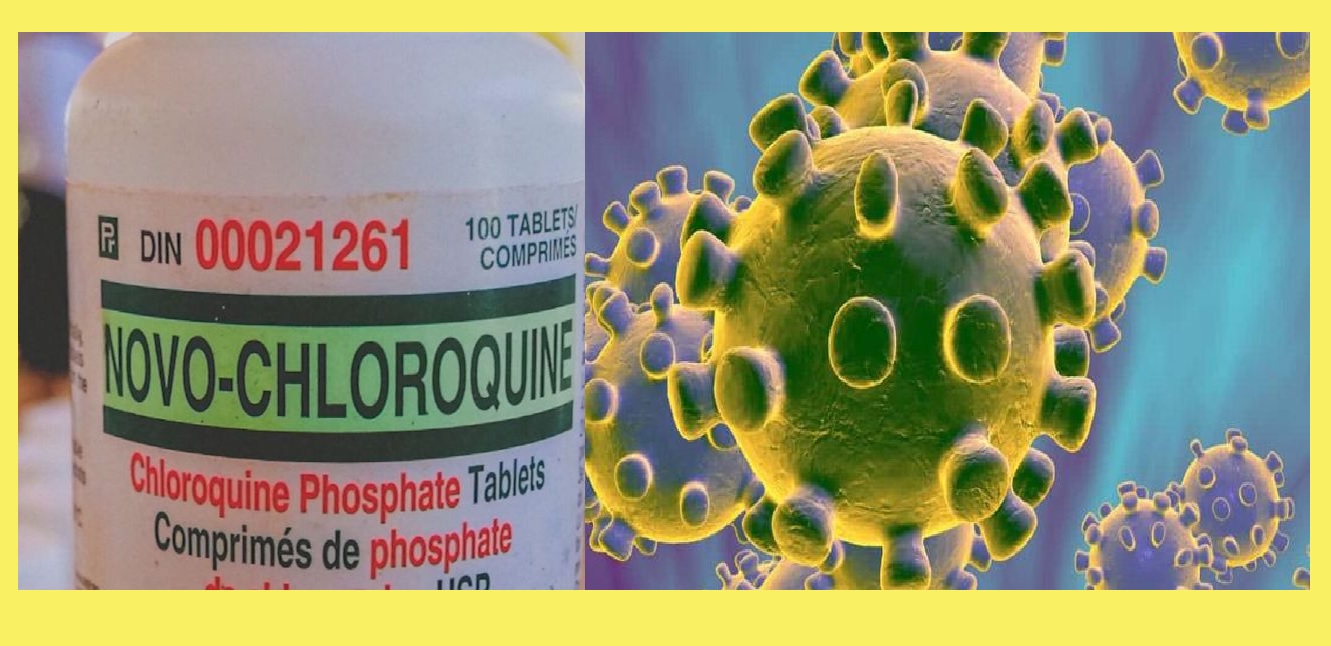
Any drug when taken in massive amounts is not without risk and perhaps this should have been the focus of the Globe and Mail article. Chloroquine is readily available in most of Africa and was misused since it was taken in dangerous quantities and in deed, the Chloroquine poisoning reported in the article was a result of misuse. “Dr. Oreoluwa Finnih, a senior assistant to the Lagos State governor on health issues, said hospitals across the state have started receiving patients suffering from choloroquine poisoning. In a tweet she urged Nigerians to refrain from massive consumption of the drug.”
The Choloquine paper found at the end of this article may help in setting the record straight. Writer/chemist/researcher Donald H. MacAdam: “Covid-19 is a new virus so there is no “herd immunity” and spread can be rapid. In the coming weeks testing of healthy people will probably show a large number have had the virus all along without knowing it. It remains a serious threat to elderly people not in good health (especially where there is easy passage between individuals as in long term facilities) but then so do many other viral infections. There are also instances where, like most viruses and populations, and in the case of the Manhattan lawyer and returning Italian tourist, particularly virulent strains are widely spread by particularly contagious individuals. When that happens, once the concentration of infected rises above a threshold, the disease spreads widely and quickly.”
Significantly enhanced measures will help contain spread of COVID-19
SIMCOE – The Government of Ontario has announced that it is taking decisive action by making an order declaring an emergency under s 7.0.1 (1) the Emergency Management and Civil Protection Act. In doing so, Ontario is using every power possible to continue to protect the health and safety of all individuals and families.
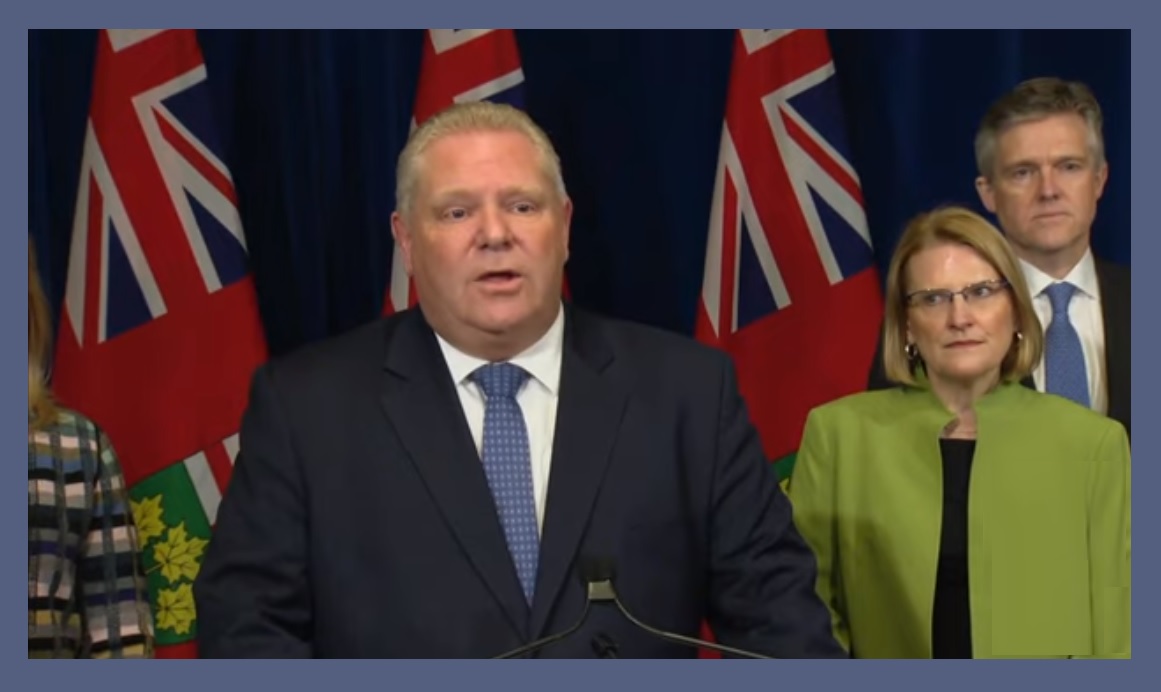
“We are facing an unprecedented time in our history,” said Premier Ford.
“This is a decision that was not made lightly. COVID-19 constitutes a danger of major proportions. We are taking this extraordinary measure because we must offer our full support and every power possible to help our health care sector fight the spread of COVID-19. The health and wellbeing of every Ontarian must be our number one priority.”
As a result of this declaration and its associated orders, the following establishments are legally required to close immediately: * All facilities providing indoor recreational programs; * All public libraries; * All private schools as defined in the Education Act; * All licensed child care centres; * All bars and restaurants, except to the extent that such facilities provide takeout food and delivery; * All theatres including those offering live performances of music, dance, and other art forms, as well as cinemas that show movies; and * Concert venues.
Further, all organized public events of over fifty people are also prohibited, including parades and events and communal services within places of worship. These orders were approved by the Lieutenant Governor in Council and will remain in place until March 31, 2020, at which point they will be reassessed and considered for extension, unless this order is terminated earlier.
“We are acting on the best advice of our Chief Medical Officer of Health and other leading public health officials across the province,” said Christine Elliott, Deputy Premier and Minister of Health. “We know these measures will affect people’s every day lives, but they are necessary to ensure that we can slow the spread of COVID-19 and protect our people. We’re working with all partners across the system, from public health to hospitals and community care, to do everything we can to contain this virus and ensure that the system is prepared to respond to any scenario.”
“Our government is taking an important step to protect Ontarians by declaring a provincial emergency through the Emergency Management and Civil Protection Act, establishing Ontario’s ability to quickly implement and enforce orders in the public interest,” said Solicitor General Jones. “Our government will continue to respond to this outbreak by limiting the exposure of individuals to COVID-19 and ensure the health and well-being of all Ontarians.”
Ontario is also investing up to $304 million to enhance the province’s response to COVID-19 by providing the following: * $100 million for increased capacity in hospitals to assist with the effective treatment of COVID-19 patients both in critical care and medicine beds. * $50 million for more testing and screening through public health, including additional funding to support extraordinary costs incurred to monitor, detect and contain COVID-19 in the province. This includes contact tracing, increased laboratory testing capacity and home testing. * $50 million to further protect frontline workers, first responders and patients by increasing the supply of personal protective equipment and other critical supplies and equipment to protect them. * $25 million to support frontline workers working in COVID-19 assessment centres, including the creation of a new fund to provide respite care, child care services and other supports as they are needed. * $50 million for long-term care homes to support 24/7 screening, additional staffing to support infection control and additional supplies. * $20 million for residential facilities in developmental services, gender-based services and protective care for children and youth to support additional staffing, respite for caregivers impacted by school closures, personal protective equipment and supplies and transportation costs to minimize client exposure and to support social distancing, as well as additional cleaning costs. * $5 million to protect seniors in retirement homes through increased infection control and active screening procedures. * $4 million for Indigenous communities to support transportation costs for health care professionals and the distribution of critical supplies.
QUICK FACTS
* The increased funding includes investments from Ontario’s previously-announced COVID-19 Contingency Fund, as well as funding provided by the federal government. * Coronaviruses are a large family of viruses that can cause illnesses ranging from the common cold to more serious respiratory infections like bronchitis, pneumonia or severe acute respiratory syndrome (SARS). * There is no vaccine available to protect against the 2019 novel coronavirus, but there are everyday actions that can help prevent the spread of germs that cause respiratory illnesses. To find out more visit Ontario’s website.
LEARN MORE
* Visit Ontario’s Coronavirus website > to learn more about how the province continues to protect Ontarians from COVID-19. * Learn about travel advisories > related to the 2019 novel coronavirus. * If you are a health care professional, learn how to protect yourself and your patients by reading our guidance documents >. * For public inquiries call ServiceOntario, INFOline at 1-866-532-3161 (Toll-free in Ontario only) * For more information, contact MPP Toby Barrett at 519-428-0446 or toby.barrett@pc.ola.org Please mention The Silo when contacting.
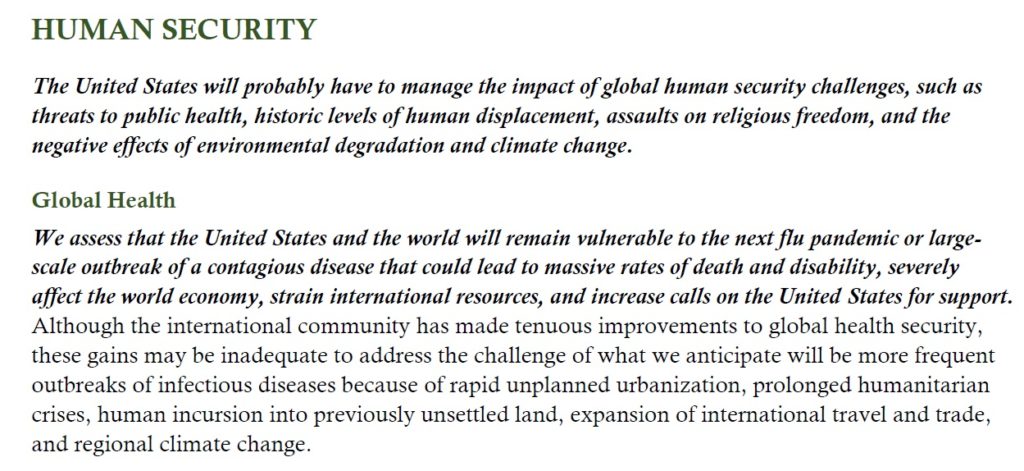
Prepared by the United States Intelligence Community and Director of National Intelligence Daniel R. Coats and presented as a 2019 assessment of threats to US National Security. Presented to Chairman Burr, Vice Chairman Warner and Members of the Senate Committee. Click on 6048 link below to read the full PDF.
As the U.S. prepares do deal with the feared Corona Virus, this potential crisis presents a great opportunity to be a source of strength and support for one another. Patti Garibay, Cofounder of American Heritage Girls, is available to discuss her wonderful organization and how they could help deal with fear and anxiety caused by COVID-19, as well as ways their members can serve others in this time of crisis.
Patti Garibay, Founder & Executive Director of American Heritage Girls (AHG)
Q&A:
Amidst the rapid-spreading Coronavirus, and the anxiety that it is causing so many, how does the American Heritage Girls Program (AHG) help girls overcome feelings of fear and anxiety?
The American Heritage Girls Program enables a girl to grow in her FAITH – in every sense of the word – instead of increasing in panic, fear, and anxiety. The AHG Program helps girls fortify and strengthen their faith as it pertains to believing and serving Christ, and being confident and assured that God cares and protects them. During this time of the COVID-19 pandemic, AHG is equipping girls to act from a place of both faith and preparation, by adhering to the safety precautions and suggestions for disease prevention laid out by the CDC.
Girls today are experiencing heightened rates of diagnosed anxiety and depression disorders. How do you think information about the Coronavirus plays into their fears and disorders?
Information about the Coronavirus is accessible everywhere. It’s nearly impossible to step into your car without hearing the Coronavirus as the topic of the hour on every radio station or scroll through your social media newsfeed without seeing countless posts about it. Coronavirus conversations are in classrooms, the workplace, the grocery store. There is no escaping Coronavirus information. Because of the nature of how we consume information in today’s world, it’s easy to be overwhelmed and even bogged down with the information which can quickly lead to fear and terror. I believe the speed of information sharing about the Coronavirus is significantly contributing to the rise of anxiety we are seeing all around us.
How does AHG equip its adult volunteers to engage in informed and faith-filled conversations with Girl Members and families about safety precautions to protect against the Coronavirus?
AHG has an incredible team of staff members who work to support all of our ministry’s members. We are consistently monitoring how the Coronavirus could affect the everyday operations of Troops, and we have communicated to Troop leaders how to take the necessary preventative measures to stay safe while giving their Troops messages of faith and encouragement amidst this time of uncertainty. AHG leaders are calmly and carefully explaining any changes or adjustments to meetings and activities to girls and families. We are encouraging our leaders with scripture and diligently praying for them.
AHG’s mission is Building women of integrity through service to God, family, community, and country. With the rapid-spreading Coronavirus, what are the ways AHG Members reach out to help and serve others?
Prayer is the first and foremost way we are serving others during this time. AHG Members are praying for those currently ill with the disease and praying that others continue to be protected. Troops are also encouraged to think of ways to help support community efforts. In the coming weeks, I know we will be receiving stories of how girls and Troops have stepped up to be a beacon of light during this time.
What is the number one message you want girls and families to know in light of having faith and letting go of fear surrounding the Coronavirus?
I want families to know and believe in 2 Timothy 1:7, NKJV, that “God has not given us a spirit of fear, but of power and of love and of a sound mind.” Connect with your family by being fully present, limiting your media consumption, and maintaining as much routine as safely possible. We, as a community, will get through this in time. Join us in prayer for wisdom and the healing of all affected by COVID-19.
About Patti Garibay, Founder & Executive Director of American Heritage Girls (AHG)
Patti Garibay with her husband are co-founders of American Heritage Girls, a wholesome scouting alternative for girls. Patti is a featured speaker nationally on the topic raising Godly girls (RGG). Along with her blog posts, Patti is a popular guest on talk shows on relevant girl-centric topics ranging from body image to bullying.
In her upcoming autobiography, Patti gives readers a glimpse into her journey from the humble beginnings of American Heritage Girls around her kitchen table in Cincinnati, to where it is today, a formidable national organization offering a positive environment in a largely Godless culture.
Patti Garibay is a living tribute to traditional values of old, offering an alternative to a lonesome online world. In Patti’s word of American Heritage Girls, she delights in her mission to help raise Godly girls, helping girls make real friends, who really chat, who also happen to enjoy camping and other outdoor adventures in a real world.
But that number is undoubtedly ready to soar because at the Rate the Coronavirus is Spreading, virtually 100% of us may become Caregivers sometime this year.
Joining us is Peter Rosenberger, the leading authority on family caregiving in the United States and author of the book 7 Caregiver Landmines and How to Avoid Them.
Q&A:
1) Did I have the current number right? There are 65 MILLION family caregivers? Perhaps it’s 6.5 million, right?
Answer: No. You had it right the first time. There are an estimated 65 million family caregivers in America today.
2) At the rate the Coronavirus is spreading, is it possible that virtually 100% of Americans will soon be Caregivers?
Answer: Yes, so it’s better to learn something about caregiving while you’re healthy rather than wait until it becomes ‘the sick leading the sick.’
3) What is the best outcome for us if hospitals announce they are full and start turning patients away?
Answer: Every home has some similarity to hospitals. We need to adopt many of the same healthy procedures in our homes.
4) Who’s at Risk for Coronavirus?
Answer: Coronavirus targets elderly, overweight, diabetic, and other otherwise at-risk individuals.
5) What are some things that caregivers struggle with?
Answer: Excessive Weight Gain is significant issue for many caregivers. Caregivers often fail to see to their medical needs …while struggling to care for another. Caregivers consistently deal with high stress circumstances which comprise our abilities to stay healthy.
6) What has your experience been with hospital stays caregivers and those they care for?
Answer: Staying out of the hospital is imperative …they can be a brick and mortar petri dish.
6) Tell us about your own caregiving experience of your wife
7) Give us some general tips on caregiving:
Answers:
Reducing FALL RISKS
More than 9 Million ER Visits each year due to falls
Over 65 group represent 69% of hospitalization caused by falls
Caregivers can reduce fall risks for themselves and their loved ones by:
Keep well-lit rooms
Remove fall hazards such as throw rugs
Install grab bars in bathrooms
If you have a pedestal sink in bathroom, replace with a cabinet or ensure it’s secured properly (People use it to lean on)
Wear comfortable shoes and avoid heels.
Make multiple trips to the car …instead of trying to carry too much into the house. Caregivers are often in a hurry …and that’s when accidents happen
Keep bathrooms and kitchen areas clean
Watch for mold/mildew buildup
Hydrate
Make sure to thoroughly clean CPAP and other breathing assisted devices (for both caregivers and patients)
More healthcare treatment goes on in the home with caregivers than in the doctor’s office. Rest UP!
Tech:
Consider an app/telemedicine service to avoid getting loved ones out for routine physician visits …particularly on damp days.
When it comes to fighting this virus, all hands need to be on deck—but the caregiver’s hands are often overlooked.
Roll up those sleeves, wash those hands (singing “Happy Birthday” twice while washing ensures the proper amount of time), and keep yourself healthy. For the Silo, Peter Rosenberger/specialguests.com
“Healthy Caregivers Make Better Caregivers!”
ABOUT PETER ROSENBERGER Peter Rosenberger is the host of the national radio program, HOPE FOR THE CAREGIVER and the author of several books including 7 Caregiver Landmines And How You Can Avoid Them. He’s cared for his wife, Gracie, for more than 30 years through her 80+ operations and multiple amputations. www.hopeforthecaregiver.com @hope4caregiver
A deep-sea scientific mission to uncharted depths in the Maldives and Seychelles will gather valuable data to support the Commonwealth Blue Charter on ocean action and train local scientists.
The newest Commonwealth member country, Maldives, has joined Seychelles to launch a major joint scientific expedition to investigate unexplored depths of the Indian Ocean.
The ground-breaking multidisciplinary research mission, known as ‘First Descent: Midnight Zone’, was officially launched at the Commonwealth headquarters at Marlborough House.
Led by the UK research institute Nekton, the goal is to boost the sustainable governance of Seychelles and Maldivian waters, including the protection of 629,000 km2 of ocean.
It supports the Commonwealth Blue Charter – a shared commitment by member countries to protect the ocean from the effects of climate change, pollution and overfishing.
Minister for Fisheries, Marine Resources and Agriculture of the Maldives, Zaha Waheed, said: “It is vital to comprehensively understand what lies beneath our waters in order for us to be informed enough to take necessary actions towards a healthy and prosperous ocean.
“This mission will, for the first time, show a glimpse of what the deep sea features and the biodiversity it holds. It will also contribute to the wider goal of marine spatial planning and ocean governance.”
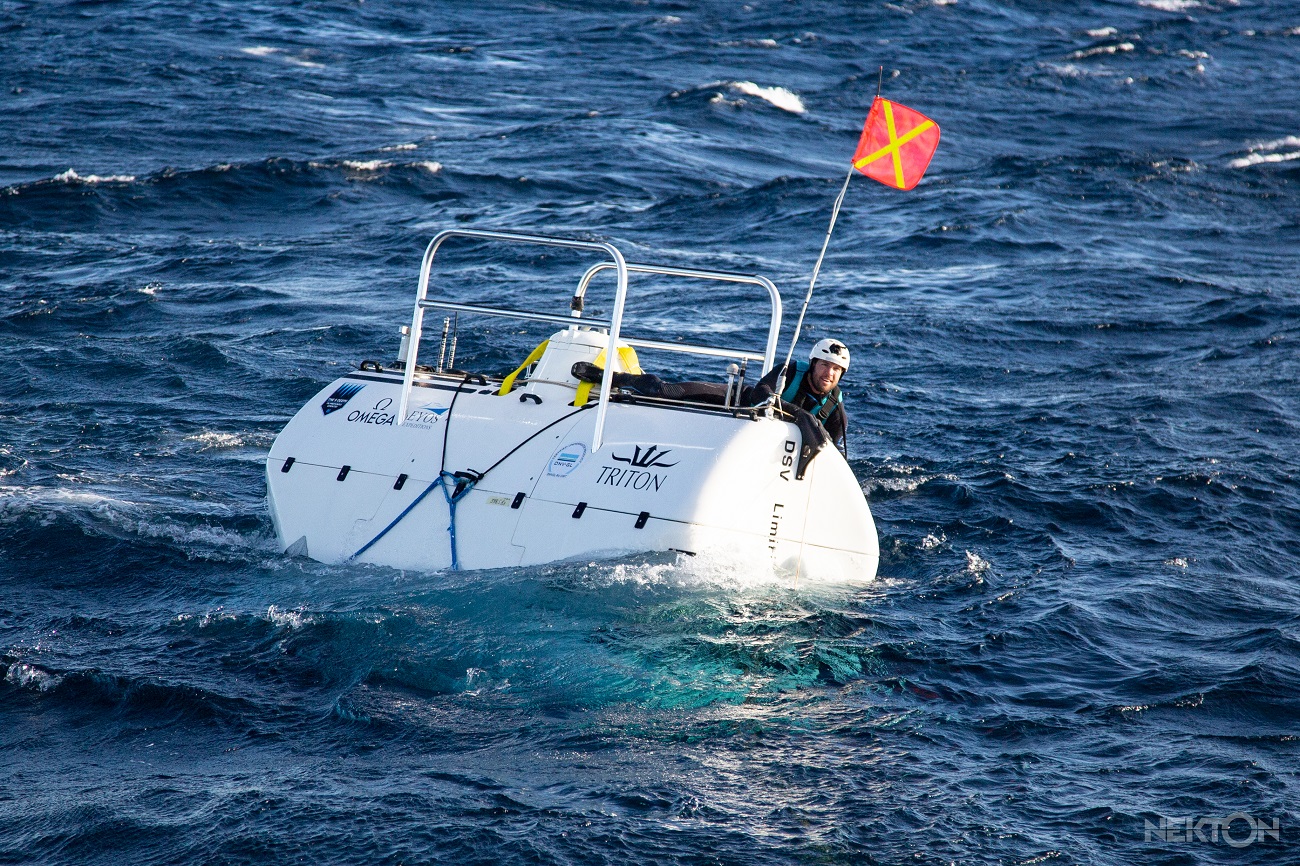
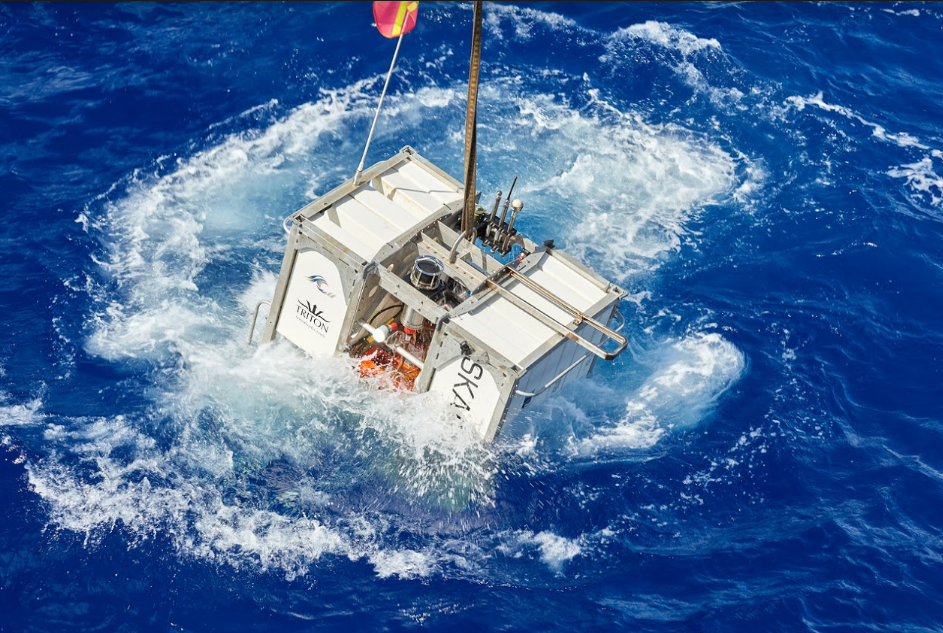
A 50-person crew will set sail on 16 March, using the world’s most advanced deep diving submersible, equipped with a suite of research tools including sensor and mapping technology.
The data they collect will help countries define conservation and management priorities and map out marine protected areas. It will also help measure the impact of climate change and human activity in the area.
Commonwealth Secretary-General Patricia Scotland said: “We cannot protect what we don’t know and we cannot govern what we don’t understand. With 95 per cent of the ocean still unexplored by humans, we are only just beginning to grasp its profound influence on life, including its effect on global climate and ecosystems.
“It is pleasing to see the commitments of our Commonwealth Blue Charter leading to such far-reaching and innovative science-backed ocean action in, with and for our member countries.”
The expedition will focus on undersea mountains or ‘seamounts’ in the Midnight Zone – depths from 1,000 to 4,000 metres, where biodiversity peaks. This zone holds critical indicators to measure the impact of the climate crisis, fisheries management, heat absorption, acidification, ocean carbon cycle, and plastic, agricultural and industrial pollution.
DSSV Pressure Drop at sea. Photo: Nexton
The damage or overexploitation of seamounts can have widespread consequences on ocean health, food security, and other benefits the ocean provides, such as the discovery of new medicines.
Principal Secretary at the Ministry of Environment, Energy and Climate Change of Seychelles, Alain Decormamond said: “Seamounts form some of the most fascinating and richest locations in our waters and beyond in the wider Indian Ocean. We are therefore looking forward to exploring even deeper depths of our ocean to have a better understanding of natural characteristics and richness of these locations.”
The mission’s principal scientist Lucy Woodall from the University of Oxford added: “We find the greatest biomass in the upper few hundred metres of the ocean, but the peak of biodiversity is in the greater depths, in the Midnight Zone, from 1,000 to 4,000 metres. That said, less than 300 of 170,000 known major seamounts found in this zone have been researched to date, and they remain one of the least researched parts of the ocean.”
Nekton is also working with Commonwealth countries to develop the tools, skills, knowledge and networks to sustainably manage the ocean. Seychellois and Maldivian scientists will join the expedition to conduct pioneering research into their national waters. This is supported by training programmes, research grants and fellowships with the University of Oxford.
Seychelles champions the Commonwealth Blue Charter action group on marine protected areas. To date, 13 countries have stepped forward to lead on 10 topics they identified as priorities.
The Commonwealth covers a third of the world’s coastal oceans, 45% of coral reefs and the majority of the world’s big ocean states and territories. Forty-seven out of our 54 countries have a coastline, and three of the remaining landlocked states border great lakes. The Commonwealth Blue Charter is a landmark agreement that engages all 54 Commonwealth countries to commit to actively co-operating to solve ocean-related problems and meet commitments for sustainable ocean development. Visit our website to learn how to join action groups.
Seychelles
The Seychelles Blue Economy Strategic Roadmap and Plan has been developed and implemented by the Government of Seychelles in partnership with the Commonwealth Secretariat. A key component of this, the Seychelles’ Marine Spatial Plan, is being undertaken in partnership with The Nature Conservancy. By March 2020 this will result in the sustainable management of all the Exclusive Economic Zone including 30% within the newly formed Marine Protected Areas (445,000 km2 of 1,336,559 km2). The implementing partner for the expedition is the Ministry for Environment, Energy and Climate Change. Seychelles champions the Commonwealth Blue Charter Action Group on Marine Protected Areas.
Maldives
Maldives Blue Prosperity Programme is being undertaken by the Government of the Maldives in partnership with the Blue Prosperity Coalition and the Waitt Institute. The Programme begins in 2020 with a goal of the sustainable management of the Maldivian Exclusive Economic Zone including a spatial target of at least 20% within newly formed Marine Protected Areas (184,000km2 of 923,000km2). The implementation partner for the expedition is the Ministries of Fisheries, Marine Resources and Agriculture. First Descent: Midnight Zone is the third of four expeditions being undertaken in Maldives in support of Maldives Blue Prosperity. #KanduFalhuDhiraasaa and #NooRaajje
First Descent: Midnight Zone
First Descent is a series of missions undertaken by Nekton in partnership with Governments in the Indian Ocean region. Beginning in Seychelles in 2019, the Mission concludes with a State of the Indian Ocean Summit in October 2022 to deliver scientific consensus on the state of the Indian Ocean and to galvanise 30% protection by 2030. Each mission combines national commitments to ocean protection, marine spatial planning, applied research to inform ocean policy, inspirational communications to strengthen the public support for political action and investments in capacity development to create a legacy of long-term sustainable ocean governance. #MidnightZone #FirstDescent
Seamounts
Seamounts are undersea mountains formed by volcanic activity. Scientists estimate there are at least 100,000 seamounts higher than 1,000 meters around the world. Recent estimates suggest that, taken together, seamounts encompass about 28.8 million square kilometres – a surface area larger than deserts, tundra, or any other single land-based global habitat on the planet. Seamounts attract an abundance of marine life, many of which are endemic to individual locations. Seamounts are productive fishing grounds for more than 80 commercial species worldwide.
Nekton
Nekton is an independent not-for-profit research institute working in collaboration with the University of Oxford and is a UK registered charity. Nekton’s purpose is to explore and protect the ocean. Nekton’s missions are supported by a unique alliance of 40 business, government, academia and civil society partners uniting behind a common purpose to explore and conserve the ocean. They include:
Mission Partners (2): Omega, Kensington Tours
Strategic Partners (8): The Commonwealth; Teledyne Marine, Sonardyne (Official Subsea
Technology Partners), Caladan Oceanic (Expedition Partner), Associated Press (Official News Agency Partner), Inmarsat (Official Satellite Communications Partner), Blue Prosperity Coalition, Waitt Institute (Maldives Blue Prosperity).
Collaborating Partners (17): CEFAS (Subsea Research Equipment); Deep Sea Power and Light, Paralenz, Bowtech (Subsea Camera & Light Partners); Triton (Submersible Partners); Priavo Security (Maritime Security); Technicolor, AXA-XL & Encounter EDU (Education); University of Oxford; Institute of Marine Engineering, Science & Technology – IMarEST; EYOS Expeditions (Logistics); Great Campaign (UK Government, Foreign & Commonwealth Office); Ocean Unite, Helly Hansen (Apparel), IUCN, Project Zero, Sky Plc.
The Blue Prosperity Coalition is a global coalition of NGO’s, academic institutions, and foundations working together to promote growth and prosperity while empowering sustainable management of marine resources and ecosystems. The coalition assists committed governments in developing and implementing sustainable marine spatial plans to protect the environment and improve the economy at the same time. Primary members in the Maldives partnership include Waitt Institute, National Geographic Pristine Seas, Scripps Institution of Oceanography, and Nekton. #BlueProsperity
Waitt Institute
Established by Gateway, Inc. co-founder Ted Waitt in 1993, the Waitt Institute, partners with committed governments to develop and implement comprehensive, science-based ocean management plans that benefit both the economy and the environment with the ultimate goal of sustainable, resilient, and thriving seas that benefit all.
Life certainly has its challenges. Stress can arise from work, friends, and relationships — daily life can feel overwhelming at times. When you suffer from anxiety or depression (or both), living a happy, stress-free life can sometimes feel nearly impossible.
Perhaps you’re looking for a natural way to take the edge off. There are pharmaceutical anti-anxiety and anti-depression medications out there, but long-term use can be negative on the body and many benzodiazepines contain addictive qualities that you might want to avoid.
Instead of pills, consider using an alternative and natural method. Recreational cannabidioil, better known as CBD oil, is one of over 100 chemical compounds known cannabinoids found in the cannabis or marijuana plant.
CBD does not contain Tetrahydrocannabinol (THC), which is the psychoactive component found in the plant (so it doesn’t make you high), and research has found that it can be calming and alleviate symptoms of stress and anxiety.
The socially conscious cannabis brand Blissed is a company that believes in offering the authentic cannabis experience to individuals who need a break. It’s based entirely on the power of wellness and community, and they’re committed to giving 10% of all profits to organizations and causes that make a positive impact on society.
The company products using cannabis, including those made from CBD oil, as well as 1:1 oils for those looking to ease into using THC.
Take a look at how using CBD oil recreationally can help reduce your anxiety symptoms.
What Exactly Is CBD Oil?
CBD is the second most prevalent of the active ingredients in the cannabis plant. It’s an essential component of medical marijuana, however, it’s derived directly from the hemp plant, which is a cousin of the actual marijuana plant. While CBD is a component of marijuana, it doesn’t produce a “high” feeling on its own.
According to a recent study conducted by the World Health Organization, humans don’t show signs of negative effects or dependence when using CBD oil. To date, there has been no evidence of public health-related issues associated with the use of pure CBD.
Relief from Anxiety and Depression
Anxiety and depression are common mental health disorders that can feel debilitating. We all have various stressors in our lives, and we all handle things differently. Sometimes we just want a little reprieve — a pause where we can sit down at the end of a long day, chill out, and show ourselves some love and compassion.
Of course, there are pharmaceutical drugs to take but these are often not a sustainable long-term method. There can be harmful side effects such as drowsiness, insomnia, sexual dysfunction, addiction, and more.
CBD oil has shown strong promise as a treatment for both depression and anxiety, leading many who live with these afflictions to become interested in this natural approach to coping with anxiety and depression.
It amps up dopamine and serotonin levels naturally, so you can enjoy feeling good without having to worry about the comedown as you would from other types of chemical drugs or alcohol.
A study from 2010 concluded that CBD oil could reduce the symptoms of social anxiety disorders (SADs). Brain scans of participants revealed changes in blood flow to the area of the brain that are linked to feelings of anxiety.
In this particular study, CBD oil made participants feel significantly better and it also changed the way their brands responded to anxiety.
At the end of a long day, what could be better than putting your feet up, opening up Netflix, and unwinding with a little CBD oil?
Treat yourself to a blissful, relaxing evening and look into how CBD oil could benefit your life today.
Cricket legends will play a ‘Peace at the Crease’ charity cricket match later this year in Barbados on 17 October.
Proceeds will support activities to promote peace and tolerance in disadvantaged communities across the Commonwealth.
Commonwealth Secretary-General, Patricia Scotland, and Barbados Cricket Association president, Conde Riley, announced the event on Saturday.
The match coincides with the 15th United Nations Conference on Trade and Development (UNCTAD) quadrennial meeting taking place in Barbados.
Legends from the game will form Barbados XI and Commonwealth XI teams to play a T20 match at the Kensington Oval in Barbados.
The Secretary-General said: “I am very proud that Peace at the Crease – which draws on the ideals of cricket and the use of sport as a tool for the promotion of Commonwealth values – will soon be coming to the Caribbean.
“We are lighting the flame for peace and tolerance in the Caribbean. We hope it will spread to every region of our Commonwealth. I cannot wait for the game.”
The Secretary-General came up with the ‘Peace at the Crease’ initiative to use Commonwealth cricket connections to promote peace and development.
In 2018, the first match was played between the Popes XI and the Arch Bishop of Canterbury XI. The initiative has since grown into an independent ‘Peace at the Crease’ charity.
President Conde Riley said: “Across the Caribbean, crime is going through the roof. “We hope to use ‘Peace at the Crease’ and the Barbados season to sensitise everyone about where we are and what we need to do [for peacebuilding].”
Association vice-president Calvin Hope said the concept of ‘Peace at the Crease’ fits within the personality of all Barbadian cricket legends. He added: “Cricket touches every household in Barbados. This initiative is a vehicle to renew Barbados’ hope.”
A similar event in Africa is currently being discussed, with Nairobi being considered as a potential venue. The Secretary-General thanked Kenyan Cabinet Secretary for Sports, Heritage and Culture, Amina Mohamed, for her ongoing support for the initiative.
More details about the charity match will be released soon.
LONDON, ENGLAND February, 2020: ‘XXI’, a landmark contemporary art exhibition, will launch at the new, state-of-the-art HOFA Gallery in London’s Mayfair on 20 February 2020. It is set to be the world’s first ever asset-based tokenised contemporary art exhibition, using cutting-edge blockchain technology and cryptography to facilitate access to coveted blue-chip contemporary art.
RETNA
The highly anticipated highlights of ‘XXI’ will be rare and unseen works by established contemporary artists such as Kaws, RETNA and Damian Hirst. These include the Blame Game Portfolio, a set of 10 prints by Kaws which has been shrouded in mystery since its shadow début in 2016. With sprightly colours and a suggestive title, these prints have the intrigue of a jigsaw puzzle or a comic detective game. At once stimulating, playful and yet, somewhat ominous, Blame Game is expected to be a crowd favourite and stands as the most valuable artwork set for display at ‘XXI’.
Damien Hirst
RETNA’s Los Ne El Barrio joins Kaws’ Blame Game on the list of rare features at the upcoming exhibition. This abstract lettered painting, finished with rare blue diamond dust and seemingly laden with hidden meanings, represents a unique style of contemporary abstract art that’s highly sought after by art connoisseurs. Also on the list of exclusive features, is the Heart Spin Painting by Damian Hirst. Hirst’s popular spin paintings achieved international renown when a large reproduction was used to cover the floor of the stadium for the closing ceremony of the London Olympic Games of 2012. Heart Spin Painting is a colourful piece whose piecing and energetic radial symmetry evokes the speaking gaze of a knowing eye.
Kaws
All told, ‘XXI’ will feature a portfolio of carefully sourced artworks collectively worth more than $1M and individually projected to appreciate in value based on current market trends. Other participating artists include Banksy, Jeff Koons, Joseph Klibansky, George Condo, Zhuang Hong Yi and Ilhwa Kim. Indeed, the upcoming ‘XXI’ exhibition is anticipated to a hotspot for investments in high-yield contemporary art.
Commenting on the upcoming exhibition, HOFA co-founder, Elio D’Anna, said “We are proud to unveil this project which has been over 12 months in the making. It’s going to be an extravaganza of contemporary art. We are bringing the crème of contemporary art together for a ground-breaking show which we know viewers will enjoy.”
HOFA’s new gallery is located at 11 Bruton Street in Mayfair, London. ‘XXI’ will run for 2 week from the 20 February to 5 March 2020.
February, 2020; Paris, France – A majority of people across eight large countries say the coronavirus poses a high or very high threat to the world and an additional one in three say the virus is a moderate threat to the world.
More than one in two people in Japan (66%), Australia (61%) and the United States (55%) are concerned about the threat of the outbreak on the world. Canada (42%) and Russia (42%), the United Kingdom (43%), and Germany (47%) have slightly lower levels of high or very high threat.
These are some of the findings of an Ipsos survey conducted online from February 7 to 9, 2020 among 8,001 adults aged 16 (18) -74 in Australia, Canada, France, Germany, Japan, Russia, the United Kingdom, and the United States.
Less Than One In Five Feel Coronavirus Outbreak Contained
On average, only one in five people (19%) agree the coronavirus outbreak has been contained and will soon be over, while more than twice as many disagree (46%). People in the U.K. (55%), Canada (51%), Australia (50%), and Japan (49%) were most likely to disagree the outbreak has been contained. One in three Russian respondents believe the coronavirus outbreak has been contained (33%).
Added to that, more than four in five (86%) people across these eight countries say they have seen, heard, or read a great deal or fair amount about the outbreak.
Together, this data shows that most people are closely tracking the coronavirus outbreak and are also worried the health epidemic will continue to worsen before it gets better.
In response, there is widespread support for significant actions to control the virus. On average, four in five (85%) people support mandatory screening of those traveling from infected countries, and there is a similar level of strong support for mandatory quarantine of those who could have the infection. Two-thirds (66%) of people agree the government should ban travel to and from impacted countries, and that airlines in their country should be restricted from flying to China.
Topline data follows:
Q. How much, if at all, have you seen, read or heard about the coronavirus outbreak?
US
Canada
France
United Kingdom
Australia
Germany
Japan
Russia
Base: All respondents
1000
1000
1000
1000
1000
1001
1000
1000
A great deal
42%
40%
67%
39%
42%
27%
39%
29%
A fair amount
43%
45%
28%
54%
47%
49%
53%
48%
Not very much
12%
13%
4%
7%
9%
22%
5%
21%
Nothing at all
2%
1%
0%
1%
1%
1%
1%
1%
Don’t know
1%
1%
1%
0%
1%
1%
2%
1%
Summary
T2B: Great deal/fair amount
85%
86%
95%
92%
88%
76%
92%
77%
B2B: Nothing/Not much
14%
14%
4%
7%
10%
23%
6%
22%
Q. (The world) What level of threat do you think the coronavirus poses to each of the following?
US
Canada
France
United Kingdom
Australia
Germany
Japan
Russia
Base: All respondents
1000
1000
1000
1000
1000
1001
1000
1000
Very high threat
23%
13%
16%
12%
28%
13%
26%
11%
High threat
31%
29%
33%
31%
33%
34%
40%
30%
Moderate threat
32%
38%
34%
42%
27%
35%
27%
36%
Low threat
9%
15%
10%
11%
7%
13%
4%
14%
Very low threat
3%
3%
4%
3%
2%
3%
2%
6%
Don’t know
2%
2%
3%
2%
2%
2%
1%
2%
Summary
T2B: High threat
55%
42%
49%
43%
61%
47%
66%
42%
B3B: Low threat
43%
55%
48%
56%
37%
51%
33%
57%
Q. (The coronavirus outbreak has been contained and will soon be over.) Do you agree or disagree with the following (is that strongly or somewhat?):
US
Canada
France
United Kingdom
Australia
Germany
Japan
Russia
Base: All respondents
1000
1000
1000
1000
1000
1001
1000
1000
Strongly agree
6%
3%
2%
4%
5%
5%
2%
7%
Somewhat agree
15%
13%
14%
12%
15%
16%
13%
26%
Neither agree nor disagree
26%
26%
30%
22%
26%
33%
32%
28%
Somewhat disagree
27%
32%
29%
36%
29%
28%
31%
18%
Strongly disagree
19%
19%
13%
20%
21%
14%
18%
14%
Don’t know
7%
8%
12%
7%
5%
5%
5%
7%
Summary
T2B: Agree
21%
15%
16%
16%
19%
20%
15%
33%
B2B: Disagree
46%
51%
42%
55%
50%
42%
49%
33%
Q. (Total strongly & somewhat agree) To what extent, if at all, would you support or oppose each of the following measures?
US
Canada
France
United Kingdom
Australia
Germany
Japan
Russia
Base: All respondents
1000
1000
1000
1000
1000
1001
1000
1000
Anyone travelling to and from infected countries should undergo mandatory screening
83%
86%
87%
86%
88%
78%
78%
91%
Government should impose mandatory quarantine for those who could have the infection
79%
83%
84%
84%
87%
74%
80%
84%
Airlines from my country should stop flying to China
68%
67%
68%
70%
75%
59%
67%
61%
The government should ban any travel to and from affected countries
70%
66%
68%
66%
73%
50%
71%
64%
Public transit systems in my country, including buses, subways, and trains, should be taking precautions to prevent the further spread of coronavirus
73%
60%
56%
61%
70%
48%
76%
72%
The government should send doctors, materials, supplies abroad to help countries affected by the virus
61%
55%
52%
49%
52%
62%
56%
56%
Airlines from my country should stop flying to other infected countries besides China
62%
54%
59%
57%
59%
44%
46%
54%
About the Study
These are the results of an Ipsos survey conducted February 7-9, 2020 on the Global Advisor online platform among 8,001 adults aged 18-74 in Canada and the United States and 16-74 in Australia, France, Germany, Japan, Russia and the United Kingdom.
The sample consists of approximately 1000+ individuals in each country. The samples in Australia, Canada, France, Germany, Japan, the U.K. and the U.S. can be taken as representative of these countries’ general adult population under the age of 75. The sample in Russia is more urban, more educated and/or more affluent than the general population and should be viewed as reflecting the views of the more “connected” segment of the population. The data is weighted so that each market’s sample composition best reflects the demographic profile of the adult population according to the most recent census data.
Where results do not sum to 100 or the ‘difference’ appears to be +/-1 more/less than the actual, this may be due to rounding, multiple responses or the exclusion of don’t knows or not stated responses.
The precision of Ipsos online polls are calculated using a credibility interval with a poll of 1,000 accurate to +/- 3.5 percentage points and of 500 accurate to +/- 4.8 percentage points. For more information on the Ipsos use of credibility intervals, please visit the Ipsos website. For the Silo, by Dianne Bankay.
This study did not have any external sponsors or partners. It was initiated and run by Ipsos with the intention to share our understanding about the world we live in and how citizens around the globe think and feel about their world.
About Ipsos
Ipsos is the world’s third largest market research company, present in 90 markets and employing more than 18,000 people.
Our passionately curious research professionals, analysts and scientists have built unique multi-specialist capabilities that provide true understanding and powerful insights into the actions, opinions and motivations of citizens, consumers, patients, customers or employees. We serve more than 5000 clients across the world with 75 business solutions.
Founded in France in 1975, Ipsos is listed on the Euronext Paris since July 1st, 1999. The company is part of the SBF 120 and the Mid-60 index and is eligible for the Deferred Settlement Service (SRD).
Whether you’re a hockey fan or a basketball fan – or even both – the luxuries that every sports aficionado desires to have in their living room are all the same. You want comfortable furniture, a large, high-definition television, good friends, and great snacks – including a refreshing beverage or two!
If you’re like most sports fans that appreciate the luxury of owning a fancy home theatre system so you and your friends can watch every game in style – not to mention the accuracy of high-definition picture and sound – then you’ve probably already invested a significant amount into your electronics. All too often, the living room setup boasts phenomenal devices on which to enjoy the game with very little else left in the room that is even remotely appealing.
Coffee Table
One of the most important parts of your living room is the place where you’re going to set all of your snacks. During play-off season, it isn’t uncommon that the coffee table becomes overflowing with delicious items. When this is the case, you no longer have room for your laptop or your feet. If you’re a sports fan that’s looking for a new coffee table, why not buy an item that can equal the impressive size of your television?
If you’re interested in getting a coffee table upgrade but aren’t sure where to look, you can check out these gorgeous natural wood coffee tables for a few impressive options.
Entertainment Unit
A quality built entertainment cabinet made of solid wood can really separate the men from the boys. A thrilling sporting event may cause you and your crew to occasionally act as rowdy as you did in college, but that doesn’t mean that you should furnish your home like you’re living on student loans. Watch the game like a gentleman and bring some class to your living room with a handcrafted solid wood entertainment unit.
Buffet Table
Even the most impressive coffee table will occasionally overflow. If you want to build the ultimate game-viewing experience, include a piece of furniture that is wholly devoted to presenting your feast. This way, your coffee table won’t be cluttered and can be used as it was meant to be used.
Custom Made Furniture
If you’re really interested in getting stylish, one of the best options you can invest in is to order your living room furniture to be custom made. With a custom made piece of furniture, you get an item that is absolutely unique. You’ll also be able to choose specific design choices, such as:
Type of Stain
Variety of Wood
Live Edge Features
Texturing
The end result will provide you with an option that is perfectly suited to your personality and perfectly suited to your home.
Play-off season may be just around the corner but after that it will be time to start watching a whole other league. You make good use of your living room, so why not invest in one you can be proud of – upgrade your furniture to handcrafted solid wood before the end of the season.
Featured image- Dundas Coffee Table by woodcraft.ca
NEW YORK, February, 2020 – Gucci, one of the world’s leading luxury fashion brands, has joined The Lion’s Share Fund, a unique initiative raising much-needed funds to tackle the crisis in nature, biodiversity and climate across the globe.
Led by the United Nations Development Programme (UNDP) and a coalition of businesses and UN partners, the Fund aims to raise over $100 million per year within the next five years for animal conservation, biodiversity and climate by asking brands to contribute 0.5% of their media spend every time an animal is featured in their advertisements.
https://youtu.be/qnT8yDfrP5M
Achim Steiner, UNDP Administrator, said: “This partnership with Gucci marks the continuing evolution of this innovative fund, which provides a unique opportunity for brands across all industries to join forces and help preserve and protect biodiversity across the globe. Wildlife populations are half the size they were just 50 years ago, and their habitats and ecosystems are destroyed at an unprecedented rate due to human activity. Lion’s Share is an idea that is as innovative as it is simple – and it makes a real impact on wildlife conservation.”
Achim Steiner
Marco Bizzarri, President and CEO of Gucci, said: “The Lion’s Share Fund is an important addition to our conservation strategy. Nature and wildlife provide Gucci with inspired creation that is an integral part of our narrative through our collections and campaigns. With the increasing threats to the planet’s biodiversity, groundbreaking initiatives like The Lion’s Share Fund have the potential to be transformative by organically connecting the business community with direct action to protect our natural habitats and most threatened species.” Bizzarri continued “In a similar way, since 2018, Gucci has been totally carbon neutral across our supply chain and we offset our remaining emissions every year through REDD+, which protects critical forests and biodiversity around the world.”
Marco Bizzarri
Launched in September 2018, the Fund is already having an impact, providing a grant to improve critical radio systems for law enforcement officers protecting wildlife in Mozambique’s Niassa Nature Reserve and helping reduce the elephant poaching rate to zero, and providing a grant to help secure land for endangered orangutans, elephants and tigers in North Sumatra in Indonesia.
Animals appear in approximately 20 per cent of all advertisements in the world, yet despite this, animals do not always receive the support they deserve.
The Lion’s Share gives brands the opportunity to take urgent and significant action and play their part in protecting our planet.
Founded in Florence in 1921, Gucci is one of the world’s leading luxury fashion brands, with a renowned reputation for creativity, innovation and Italian craftsmanship.
Gucci is part of Kering, a global Luxury group managing the development of a series of renowned Houses in Fashion, Leather Goods, Jewelry and Watches.
For further information about Gucci, visit www.gucci.com
About The Lion’s Share Fund
The Lion’s Share was established in June 2018 by the United Nations Development Programme (UNDP) with FINCH, Mars, Incorporated, Nielsen and BBDO as founding members. The fund tackles the crisis in biodiversity and climate by asking advertisers worldwide to donate 0.5 percent of their media spend for each advertisement that features an animal. Those funds are pooled and distributed to projects globally that have a significant impact on animal conservation, habitat loss and the climate crisis. The Lion’s Share contributes to the Sustainable Development Goals, the UN’s universal call to action to end poverty and protect the planet.
About the United Nations Development Programme (UNDP)
UNDP partners with people across societies to help build nations that can withstand crisis, and drive and sustain the kind of growth that improves the quality of life for everyone. On the ground in nearly 170 countries and territories, we offer global perspective and local insight to help empower lives and build resilient nations. For more information on UNDP, visit undp.org.
Everyone has a relationship with money, but for women, it’s much more fraught with emotion, says Meriflor Toneatto.
When we avoid and ignore those emotions, we allow them to quietly guide our decision-making – which inevitably holds us back.
“Understanding our emotions, fears and doubts about money and how they affect our behavior can help us heal them so we can experience financial and personal freedom,” says Toneatto, an entrepreneur, certified business and life coach, and author of “Money, Manifestation & Miracles: 8 Principles for Transforming Women’s Relationship with Money.” For women, money is an emotional currency. It’s tied to our sense of self-worth and self-confidence, and our feelings of safety and security. These feelings often translate into self-limiting decisions.
The effect can be profound. Consider female entrepreneurs:
“The number of women-owned U.S and Canada. businesses is growing 1.5 times faster than the national U.S. average, but a report from 2013 found that they’re still contributing less than 4 percent of overall business revenues, about the same as they were in 2007,” Toneatto says.
“Our businesses are smaller because we’re less likely than men to borrow in order to expand. We’re afraid to take financial risks,” she says citing a U.S. Department of Commerce report..
And in the corporate world:
Women comprise half the workforce, yet hold the majority of lower-wage jobs in the United States, according to the 2014 State of the Union address.
What are the emotions shaping so many of our decisions? Toneatto cites five:
Fear: The most common emotion among women is fear. With money, we fear not having enough of it; that we’ll lose it all and never get it back. Nearly including those according to the 2013 Women, Money and Power Study.
And we fear an abundance of money. We may fail to negotiate a higher salary because we fear we can’t live up to it. Successful women may be reluctant to reach higher because we fear failure — and losing it all.
These fears often have roots in situations we were exposed worth. They send a strong signal that we need to root out their source and heal it.
Guilt: People who say things like, “I feel guilty when I spend instead of save” or “I never buy anything unless it’s on sale” have guilt feelings associated with money. These, too, are often rooted in the fears and messages we saw and heard in childhood about not having enough money. Many of us are natural nurturers who’ve gotten the message that “good” women are selfless, and so we may freely, even recklessly, spend on others while withholding from ourselves.
Shame: This painful emotion cuts whether worthy and deserving. We avoid talking about shame, and so it exerts control over us. With money, shame is commonly connected to amassing a lot of debt and hiding it because we fear being judged, humiliated, and disliked.
Anger: This emotion repels money, opportunities and people because it can leave us closed off emotionally and physically from others. It’s based in a belief in the unfairness of life and/or the unfairness of money. A person who becomes angry about money may be angry at herself for missing an opportunity or for mishandling money in the past. Anger can lead to trust issues and to over-protecting every cent – even hoarding money.
Blame: Anger and blame often go hand in hand. hand in hand. It stems from feeling disappointed or wronged because you believe your life would have been easier and/or better if someone – maybe parents or a spouse — had been able to provide you with more money. Blame can sabotage relationships with both people and money for years.
“At some point in our lives, we all have felt one or more of these emotions,” Toneatto says. “The good thing is, once you begin to recognize them, they’re like a flashing yellow ‘caution!’ light.”
About Meriflor Toneatto
Meriflor Toneatto is the founder and CEO of Power With Soul, a company dedicated to empowering female entrepreneurs and professionals by helping them transform their relationship with money. The author of “Money, Manifestation & Miracles: 8 Principles for Transforming Women’s Relationship with Money.” Toneatto holds a bachelor’s degree in public administration and management and graduate certifications in personal, professional and financial coaching. A former corporate executive, she is a recipient of the Amethyst Award for Excellence and Outstanding Achievement from the government of Ontario, Canada.
Dr. James L. Hardeman – known for busting health and diet myths.
Dr. James L. Hardeman has seen firsthand the consequences of unhealthy lifestyle habits during his 30 years as a practicing physician, and he says they’re just not worth it.
“There are very clear, biological reasons why we are compelled to eat sugary, fatty foods; but if there was ever a case of ‘too much of a good thing,’ it’s a sedentary lifestyle coupled with delicious, readily available food,” says Dr. Hardeman, author of “Appears Younger than Stated Age,” (www.jameslhardeman.com ), a pragmatic guide to looking younger.
As we evolved, sugar, salt and fat were rare yet necessary commodities, and that’s why we enjoy them so much, he says. But there are devastating consequences associated with too much rest, sugar and fat – including heart disease, obesity, diabetes and sleep apnea, he says.
“The ‘easy life’ isn’t so easy in the long term,” he says.
Multiple studies indicate the multidimensional nature of healthy habits, including one recently published by the Lund University Diabetes Centre in Sweden. The study tracked significant improvements in men who changed their lifestyle from inactive to active, and the results were impressive.
Waist circumference and blood pressure drastically improved after six months. But the study also showed that health also improved at the microscopic level, such as the functioning of genes and how they express proteins. Other studies indicate that gene improvement can occur after just one workout.
“Our bodies want to be healthy, and it’s just a matter of getting and staying motivated,” says Dr. Hardeman, who offers tips:
• Don’t fall into the “I don’t have time” trap. Time is arguably the most precious commodity any individual has – and that means life span. Don’t have time to chop veggies before dinner or work out after work? Then make time! You will almost certainly live longer by following a healthier lifestyle. Need more incentive than a vague sense of health? How about avoiding the lifestyle restrictions imposed by diabetes, or the medical interventions necessitated by a heart attack?
• Keep in mind the intake/output principle. Miracle diets don’t exist. While some people can burn calories more easily than others, it ultimately comes down to what you put into your body and what you do with that energy. If you want to lose or maintain weight, think of a 360-calorie muffin as a loan you have to pay back with 35 to 40 minutes worth of jogging, or a 55-minute walk.
• Keep doing fun things! Remember what it was like to be a little kid? Back then, simply running around during a game of tag was a blast! It’s never too late to turn exercise into play. Try snowboarding, dancing at a club, hiking a beautiful landscape or taking a bicycle ride with the family.
• Find the motivator that works for you. Many people find a partner helps them stay motivated to exercise. If you’re not inclined to walk in the morning, but you don’t want to let down your walking partner, then you’re more likely to walk anyway. Same goes for a dog that needs to be walked.
However, the most dependable person to keep you motivated is you. If your routine is getting a dull, mix it up with an mp3 player. Whether it’s Metallica, Manilow or Mozart, you can program a personal adrenalin soundtrack to keep yourself fully amped.
About Dr. James L. Hardeman
Dr. James L. Hardeman has been a physician for 30 years. Triple board certified in Internal Medicine, Pulmonary Diseases, and Critical Care Medicine, Dr. Hardeman works both in a hospital and at his own busy office practice. After graduating Summa Cum Laude from the University of California at Irvine, he attended Baylor College of Medicine where he graduated with honors.
Postgraduate training in Internal Medicine and Pulmonary/Critical Care Medicine took place at USC and UCI.