Tag Archives: Surgery

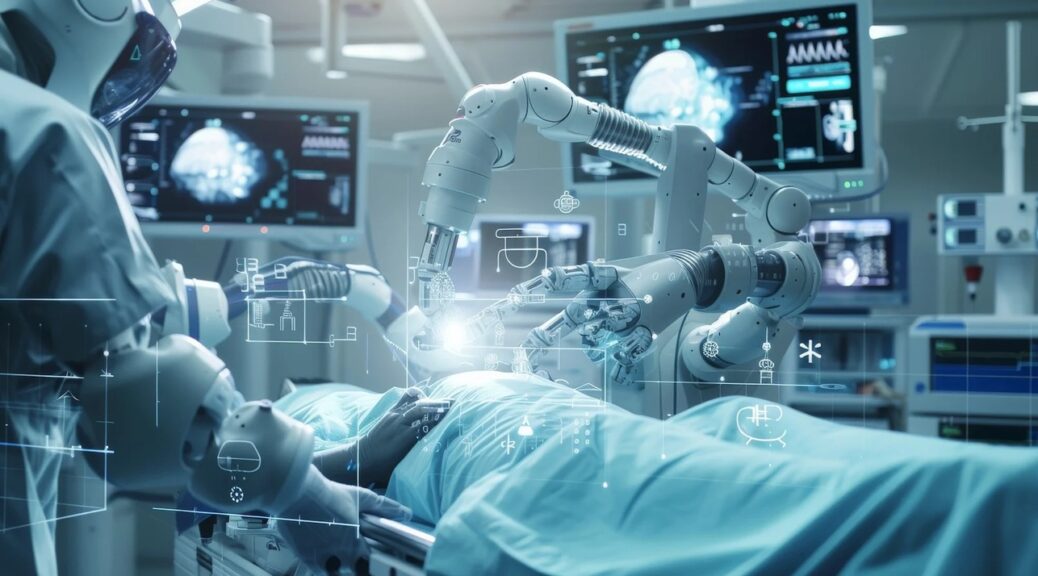
Surgery Is Now Improving With AI And Robotics

An informative 6 MINUTE READ via our friends at Share America.

August, 2026- Today, undergoing surgery is less risky than it was a generation ago. U.S. advances in medical robotics are dramatically improving surgical precision, enabling minimally invasive procedures that reduce complication rates and patient recovery times.

What Is Precision Medicine?

Combining artificial intelligence with medical robotics is further aiding the shift toward precision medicine. With AI-enhanced robotics tools, doctors are diagnosing diseases earlier and tailoring treatments to their patients’ genetics. These medical advances require a secure flow of critical minerals to make the semiconductors and microchips that power new tools.

Through the Pax Silica initiative, the U.S. State Department works with international partners to secure supply chains and enable continued technological progress and mutual prosperity amid the AI revolution. Pax Silica priorities include working with partners to prevent advanced technologies designed for healthcare from being misused. The State Department is also piloting a “concierge” service to streamline partners’ access to American-made AI products.

Here are several surgical robotics tools developed in the U.S. that are benefiting patients around the world.

Worker using machine in operating room (© Intuitive)
The da Vinci 5 robotic surgical system’s artificial intelligence tools provide real-time data in the operating room. (© Intuitive)

Smaller incisions, less trauma

California-based Intuitive Surgical Incorporated’s da Vinci robotic surgical system has been used in 20 million procedures  since its launch in 2000. Updated models bring surgeons greater control, enabling operations through smaller incisions. The da Vinci 5’s AI tools help surgeons feel resistance and tension, so they can moderate force, reducing trauma. Plus, the system provides real-time data analysis during surgery.

The da Vinci 5 “has changed how I take care of patients,” says Dr. Marc Bailey , a cardiothoracic surgeon at St. Joseph’s/Candler Hospital in Savannah, Georgia. “Robotic surgery has always allowed for smaller incisions and less blood loss, and we can get you walking around faster, with less pain.”

The Miniaturized In Vivo Robotic Assistant MIRA™ Surgical System is designed to expand access to robotic surgery, according to the Virtual Incision Corporation based in Lincoln, Nebraska. Used in intestinal and other surgeries, MIRA is lightweight (2 pounds, less than 1 kilogram), allowing hospitals to move the device between operating rooms, reducing lengthy setup times.

Virtual Incision says future uses of MIRA will incorporate AI to inform decision-making and enable remote surgeries. In 2024, Virtual Incision and NASA tested the device’s remote-surgery capabilities  at the International Space Station using data sent by satellite.

Astronaut holding equipment while floating inside space station (NASA)
NASA astronaut Loral O’Hara displays Virtual Incision’s robotic-assisted surgery system aboard the International Space Station in February 2024. (NASA)

Early detection, better outcomes

Intuitive’s Ion robotic bronchoscopy system assists with minimally invasive lung biopsies that can detect early-stage cancers, improving patient outcomes. The robotic-assisted tool, initially released in 2019, added AI-powered navigation  and rerouting capability in 2025 that can anticipate how a lung nodule may shift over time.

Ion’s AI-powered detection tools compare live images against the surgical plan, acting like a GPS navigation system that allows doctors to alter the course of surgery as needed. As of June 2025, there were 900 Ion systems at hospitals across 10 countries.

Real-time data, safer procedures

The Mako robotic arm, designed by the Michigan-based Stryker corporation, uses AI technology to assist doctors  performing knee and hip replacement surgeries. Mako’s patient-specific, preoperative planning and feedback help surgeons adhere to preoperation plans, while other data analysis protects healthy bone.

The device also enables precise alignment of artificial knees and hips to improve joint stability and extend the lifespan of implants.

For the Silo, Lauren Monsen.

IPA Doctors: Escalating Challenges in Jerusalem and the West Bank

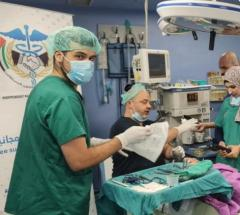
Independent Palestinian Doctors Association Leads Health Initiatives to Support Vulnerable Communities in Remote Areas

As humanitarian and healthcare challenges continue to intensify across Jerusalem and the West Bank, the Independent Palestinian Doctors Association (IPDA) is advancing a comprehensive portfolio of medical, developmental, and training initiatives aimed at strengthening healthcare services, expanding access to medical care, supporting community institutions, and investing in the professional development of healthcare workers on the ground.

The Association’s vision is rooted in delivering a comprehensive response to the growing needs of Palestinian communities through programs that combine direct medical interventions, professional training, and healthcare infrastructure support. These efforts contribute to strengthening community resilience, improving the quality of healthcare services, supporting both governmental and non-governmental healthcare sectors, and advancing Palestine’s healthcare system through medical fellowship programs and the provision of modern medical technologies and equipment.

Mobile Medical Clinic Expands Access to Healthcare in Underserved Communities

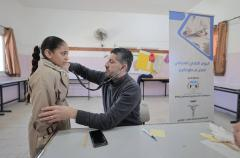
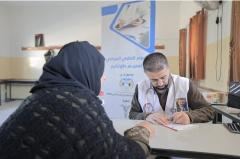
One of the Association’s flagship initiatives is its Mobile Medical Clinic Project, a fully equipped medical unit that travels throughout remote villages and marginalized communities across Jerusalem and the West Bank. The clinic provides free medical examinations, laboratory testing, and medications to patients in need.

The project aims to address critical gaps in healthcare access in underserved areas by bringing essential medical services directly to residents who face significant challenges in reaching hospitals and healthcare centers, ensuring continuous access to primary healthcare services.

In addition, the Association organizes free medical outreach days targeting the most vulnerable populations. These events provide medical consultations, diagnostic examinations, and essential treatments at no cost, helping alleviate the financial burden on low-income families while improving their access to appropriate healthcare services.

The Association also operates field medical points within displacement-affected areas, delivering primary healthcare services and emergency medical interventions to displaced individuals and vulnerable communities. These field units play a vital role in rapid emergency response efforts, particularly in areas facing difficult humanitarian conditions, by providing immediate medical assistance that helps reduce suffering and improve health outcomes.

Investing in Healthcare Professionals and Capacity Building

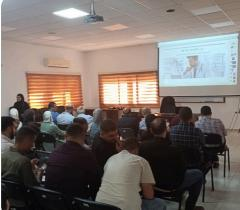
The Association places significant emphasis on strengthening the skills and preparedness of healthcare professionals through internationally accredited training programs designed to enhance their ability to respond effectively to emergencies and critical medical situations.

Among its most prominent programs is the Advanced Trauma Life Support (ATLS) course, which equips physicians and healthcare workers with the knowledge and skills needed to manage severe injuries and trauma cases according to internationally recognized medical protocols.

The Association also delivers Advanced Cardiovascular Life Support (ACLS) training, one of the most important specialized programs in cardiac emergency management and resuscitation. The course provides participants with the expertise required to respond rapidly and effectively to life-threatening cardiac emergencies.

Complementing these initiatives is the Basic Life Support (BLS) program, which offers practical training in first aid, cardiopulmonary resuscitation (CPR), and emergency response to cardiac arrest, respiratory failure, and loss of consciousness, thereby enhancing the capacity of healthcare providers to manage a wide range of emergency situations.

Harnessing Artificial Intelligence to Advance Palestinian Healthcare

As part of its commitment to digital transformation and technological innovation, the Association has launched a specialized training program on Artificial Intelligence applications for members of the Palestinian Medical Association. The program introduces participants to emerging AI tools and technologies that can be utilized in administrative, organizational, and professional healthcare settings, contributing to improved efficiency, resource management, and service delivery.

In parallel, the Association implements a surgical assistance program dedicated to supporting patients who are unable to afford medical treatment. Through this initiative, essential surgical procedures are provided to low-income patients, helping save lives and improve the quality of life for individuals requiring specialized medical care.

Supporting Hospitals and Expanding Access to Life-Saving Surgical Care

The Association also focuses on strengthening non-governmental hospitals by providing critical medical equipment and devices that are unavailable in some healthcare facilities. Efforts include upgrading outdated equipment, replacing non-functional devices, and enhancing the overall capacity of healthcare institutions to deliver quality medical services.

Additionally, the Association contributes to funding free surgical procedures and post-operative medical follow-up programs for eligible patients, ensuring that vulnerable individuals receive the care they need regardless of their financial circumstances.

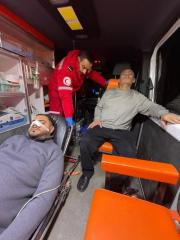
Its programs further extend to supporting ambulance and emergency medical services in areas affected by ongoing tensions and field developments. By strengthening emergency response teams and providing essential operational support, the Association helps ensure faster access to injured individuals and timely delivery of emergency medical care, ultimately reducing health risks associated with delayed treatment.

For more information, please visit: https://paldocts.com

For the Silo, Tasneem Elridi.

Best Countries For Post Covid Study Abroad Programs

As more students are heading towards graduation each year, the struggle to get a graduate job is becoming more difficult, and students have to ensure strong CVs in order to stand out from the crowd.  The Covid pandemic has put a halt to students having options in countries other than their own. However, with a bit of luck, the pandemic will continue to end and travel restrictions will be eased. When that happens, international students will finally be allowed to return to studying abroad, learning new skills and experiencing new cultures.

Although this may be seen as one long holiday to those not in the know, those that study abroad will, in fact, have a higher starting salary, earning an extra 5% more than those who don’t. On average, this could amount to an extra £75,000 ($126,709 CDN at time of this article)  over a career.

Study Abroad Graduates

Not only will they earn more, they are also almost ¼ less likely to be unemployed after graduation. So although all study abroad programs come with a cost, with readily available bursaries, this opportunity is accessible to any student who is hoping to boost their employ-ability and is an opportunity that should be taken.

Business and Finance Students – China: As the second largest economy in the world, China offers endless business opportunities, whilst encouraging students to learn the most widely spoken language in the world, Mandarin.

Business and Finance Studies in China

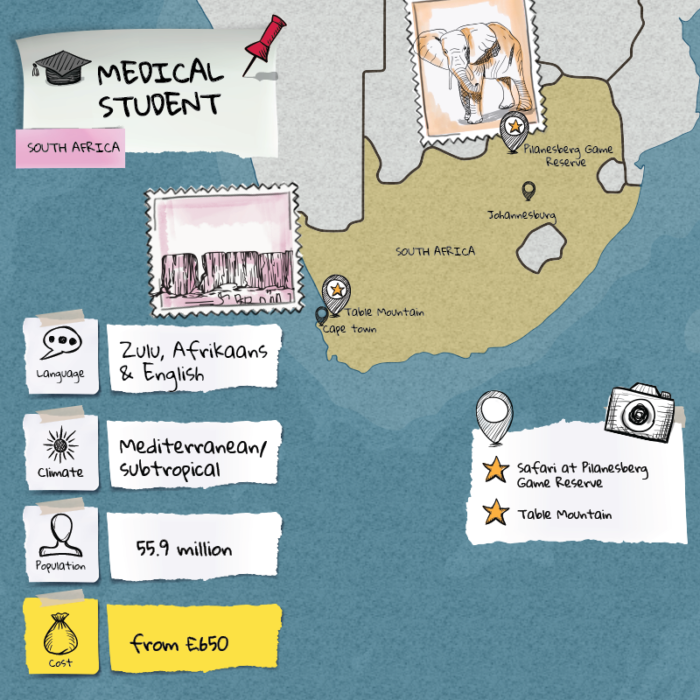
Medical Students – South Africa: Of the 234 million surgical procedures made every year, just 4% of these happen in the poorest third of the global population. When medical students choose to volunteer in South Africa, they will gain experience in a different medical setting, and all whilst giving back.

Medical Student study in South Africa

Education Students – Australia: As an English-speaking country, Australia is the perfect study abroad opportunity for future teachers. With the average UK class size standing at 30 pupils, the Australian’s average size of 16 will be a lot easier to manage. Plus for those who decide to stay in Australia long-term, new teachers can expect to earn £40,000+ ($67,572 CDN) compared to the £22,000 ($37,164 CDN) starting salary in the UK.

Education studies in Australia

Conservation – Madagascar: Conservation is a growing industry as concern grows for animals and the environment. As the fourth largest island in the world, and as home to species not found anywhere else, Madagascar is the perfect opportunity for a once in a lifetime opportunity for conservation enthusiasts.

Conservation Studies in Madagascar

Art & Design Students – Italy: From ancient and classic sculpture to modern day art, Italy is the perfect place to learn and gain an even greater passion for art history.

Art and Design Studies in Italy

Humanities Students – USA: With three of the top five humanities universities based in the USA, America offers a vast array of historical and literary studying options. This time abroad will open up options for students who are wanting to work in academia, journalism or teaching.

Humanities Studies in the United States
For the Silo, Bekki Ramsay/storageworld.

Plastic Surgeons See Increase In Injectables Procedure For Under 30 Year Olds

Injectables are quickly becoming the most popular treatment on the menu for Millennials at doctor offices and medspas. The latest survey by the American Academy of Facial Plastic and Reconstructive Surgery (AAFPRS) shows that 56% of facial plastic surgeons saw an increase in cosmetic surgery or injectables with patients under age 30 last year.With more patients now relying on injectables for early maintenance, AAFPRS President Fred G. Fedok, MD educates us on some of the most common injection misconceptions:

Myth: BOTOX Is Synonymous With “Injectables”

Truth: The term “Injectables” encompasses neuromodulators and fillers, which have very different functions. BOTOX is a specific brand name for a drug that is part of a group of drugs known as neuromodulators, which include also Dysport and Xeomim. Neuromodulators temporarily weaken or paralyze the muscles that are injected. They are used to diminish muscle action and thus improve small folds or wrinkles in the skin.

Fillers are used to “fill out” deficiencies or voids in the soft tissues. These can be fairly superficial or deeper voids in the underlying fat complement. Restylane, Juvederm, Boletero, and Sculptra are among the most popular fillers used in the US and North America.

Myth: Fillers Are Only For The Lower Face

Truth: Different types of fillers have different ranges of longevity, and stiffness that determine were they are best applied in the face. For instance, under the lower eyelids a facial plastic surgeon looks for filler that is good at filling volume however is not too stiff so as not to produce lumps underneath the thin skin there. In deeper areas such as the cheek, deeper deficiencies are targeted and a stiffer substance can be used.

Myth: Injectables Will Render You Expressionless

Truth: When used correctly, injectables can have a very natural result. You want to choose an experienced injector and a board-certified facial plastic surgeon who specializes in the face, head and neck to ensure the most successful, natural-looking outcomes. The result is not permanent and aging continues over time, as it does with any rejuvenation procedure.

For the Silo, Patty Mathews.

ABOUT THE AAFPRS:

The American Academy of Facial Plastic and Reconstructive Surgery is the world’s largest specialty association for facial plastic surgery.  It represents more than 2,500 facial plastic and reconstructive surgeons throughout the world. www.aafprs.org

Why The Future Of Healthcare Is Virtual Reality

Presently and in the not too distant future, virtual reality in healthcare will become the norm. In this piece, we’ll show you how VR can help detect, treat and cure patients in all sorts of different sectors, such as Surgery and Dentistry, as well as teaching the Nurses of the future.

VR will also be used to help the development of people suffering from mental disabilities such as Autism and help cure phobias and tend to soldiers dealing with Post Traumatic Stress Disorder. Via the Luminous Group, for the Silo, Georgia Davies. 
virtual reality healthcare infographic