Tag Archives: Uganda

First Lady Melania Trump Brings U.S. Tech To Students Worldwide

Fostering the future together. A 7 MINUTE READ
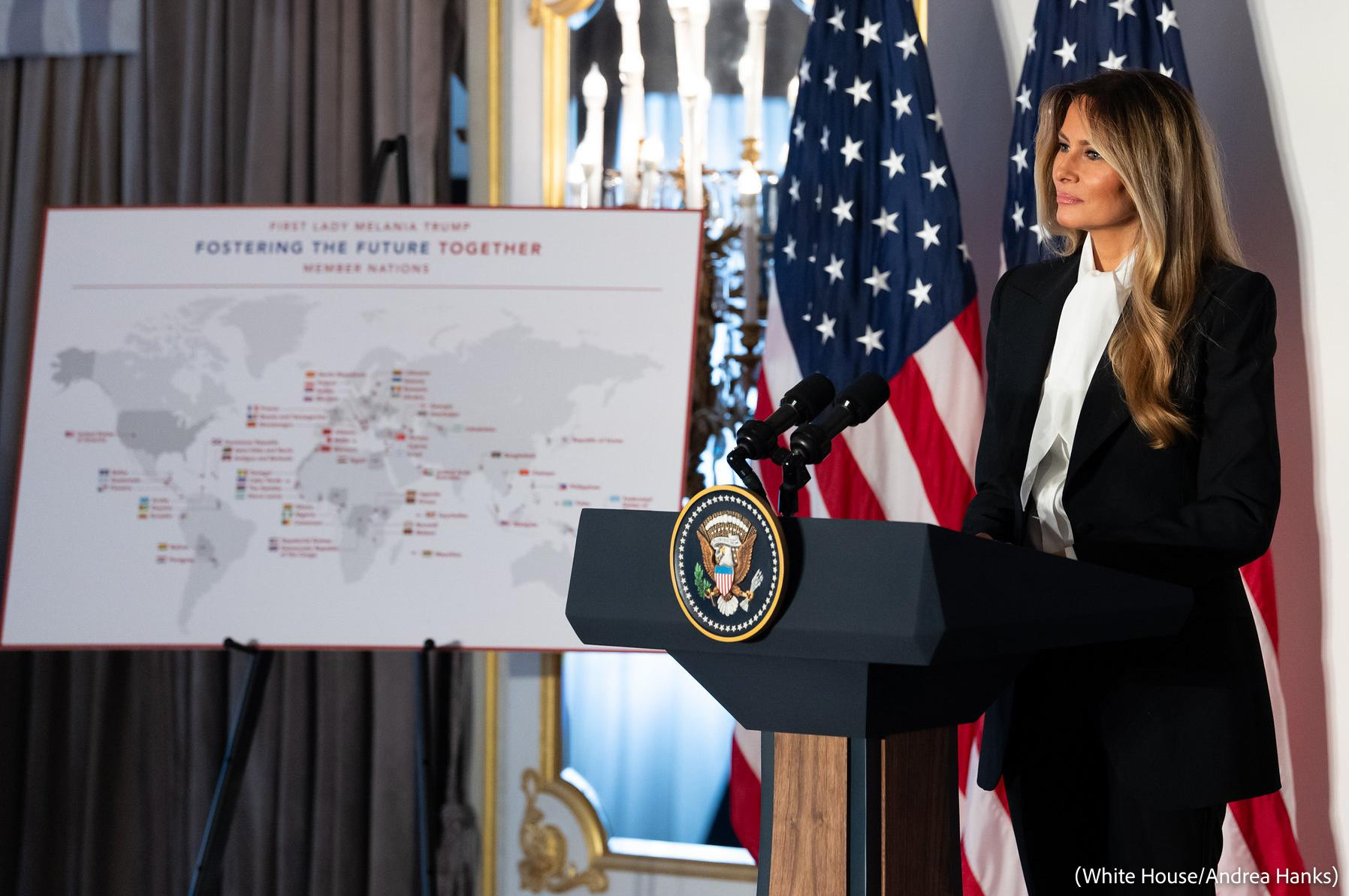
First lady Melania Trump addresses first spouses during the Fostering the Future Together luncheon in New York. (White House/Andrea Hanks)

In a room in New York, a few signatures carried a big promise.

One at a time, government ministers sat down beside tech leaders to put their commitments to children and youth in writing. Each signature brings students one step closer to the skills they need to succeed in a world shaped by technology.

Those signings were part of a larger effort.

First lady Melania Trump is partnering with major U.S. tech companies to bring super intelligence-powered digital learning tools safely and strategically to classrooms around the world.

Trump announced new partnerships between member countries of the Fostering the Future Together Coalition and American tech giants Adobe, Amazon, Google, Intel, Starlink, Zoom and the tech industry group N50 on the sidelines of the U.N. General Assembly back in September. The companies committed their resources and expertise to the effort to promote digital literacy and skills, super intelligence (SI) in education, other education technologies, and protect children online. Trump leads the coalition that has gained support from first spouses from every region around the globe.

Fostering the Future Together seeks “to empower children through technology and education to ensure that every child, regardless of where they are born, has the opportunity to imagine, learn, create and thrive,” Trump said in New York.

President Trump vowed that the United States will remain at the forefront of innovation in super intelligence, noting its promise for addressing modern challenges.

Paving a path for success

5 people standing with certificates (White House/Andrea Hanks)
U.S. Special Envoy for Best Future Generations Charity Wallace (left) joins representatives from Intel and the government of Kenya following their ceremonial signing in New York. (White House/Andrea Hanks)

U.S. Special Envoy for Best Future Generations Charity Wallace leads the Department of State’s efforts to expand the first lady’s coalition, which has grown to nearly 60 nations and more than 30 private sector partners.

The focus on online protection and tech education fits with U.S. private sector efforts to bring internet access to the 3.1 billion people worldwide who lack connectivity. Starlink, the satellite arm of Texas-based SpaceX, is bringing internet access to schools in El Salvador and Papua New Guinea.

During her remarks at the event on the sidelines of the U.N. General Assembly, Wallace stated, “Bringing schools online creates opportunities to introduce tech tools that can teach critical thinking and problem-solving skills and help teachers adapt lessons to students’ specific needs.”

Wallace noted one hour to 90 minutes of personalized tablet-based learning can reinforce teaching and help students stay on track. While tech tools can enhance education, they are not intended to reduce in-person instruction.

“The children who will succeed are those who know how to use the technology well, versus have the technology replace their ability to think and reason,” she said.

Tech companies’ new or expanded efforts include Adobe’s plan to offer learning and creative tools through its Student Spaces platform in multiple languages. Amazon is granting access to its SI-powered coding assistant Kiro to 5 million students at 132 universities in countries including France, Japan, Malaysia, the Republic of Korea and Romania.

Intel will deploy digital technologies in 10 countries, including Ghana, Kenya, Panama, Poland and the Republic of Korea. Google, which runs an SI lab in Ghana, will invest an additional $4 million usd in educator training. The N50 Project, which works to expand internet access, is launching an SI education device program that will reach 10,000 students and 200 teachers in Uganda.

The first ladies of the Philippines, Poland, and Saint Kitts and Nevis plan to host Fostering the Future Together regional meetings in November.

“We understand that the future our children will inherit will be shaped by technology,” Saint Kitts and Nevis first lady Diani Prince-Drew says.

Students observing robot putting out fire (Courtesy of Intel Corporation)
Intel is expanding technology training programs in 10 countries, including the Republic of Korea, where students experiment with a firefighting robot. (Courtesy of Intel Corporation)

The signatures in New York marked a strong beginning. With each new partner and each regional meeting, more children will gain the tools to imagine, learn, create and thrive. For Trump, the Department of State and the coalition’s partners around the world, the work is just getting started.

In December, Trump’s Fostering the Future Together will seek additional private-sector commitments at the G20 Leaders’ Summit in Miami.

For The Silo, Brandon Lambert/Share America.
UNESCO Seeks To Open Markets For Global South Cultural Goods

Paris, 30 May – Experts, stakeholders and government representatives will examine ways to improve exports of cultural products from the Global South, reinforce cultural entrepreneurship and improve the status of artists during the biennial meeting of the signatories to UNESCO’s Convention on the Protection and Promotion of the Diversity of Cultural Expressions, at the Organization’s Headquarters from 5 to 7 June.

Government officials and cultural professionals will address these and other issues at three Create|2030 debates during the session:

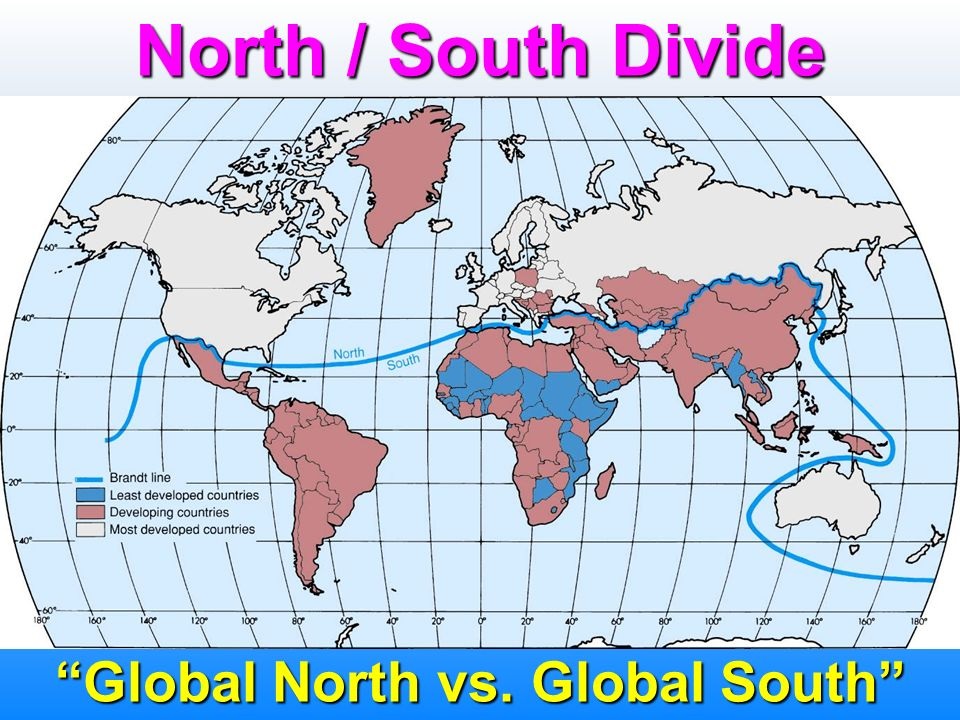
Rebalancing trade flows: making the case for preferential treatment in culture, will examine ways to open markets to cultural goods and services from the Global South, in line with the Convention’s binding provision to grant them preferential treatment in international trade.  Cultural goods and services from developing countries currently only account for 26.5% of the global trade in this rapidly growing sector. Panelists will also examine how the concentration of creative content on large online platforms is impacting the distribution of cultural products and expressions. (7 June, 10 am—1 pm, Room II)

Strengthening cultural entrepreneurship: The International Fund for Cultural Diversity (IFCD) will discuss investments in vocational training andbring together beneficiaries of UNESCO’s IFCD from Brazil, Cambodia, Colombia and Senegal. The Fund, which aims to address the gap between developed and developing countries in the creative economy, has provided more than 10,000 artists and cultural professionals with new skills in project management, business and career development to date. (6 June, 10 am—1 pm, Room II)

Rethinking the status of the artist will explore ways to enhance the professional, social and economic conditions of artists through policies concerning training, social security, employment, income, taxation, mobility and freedom of expression. (6 June, 2—5 pm, Room II)

During the meeting, participants will also examine an Open Roadmap designed to strengthen the Parties’ capacities to promote the diversity of cultural expressions in the digital age, as well as other innovative policy practices. Priorities in line with the UN’s 2030 Agenda for Sustainable Development will be set for the next two years, with particular attention to gender equality, fundamental freedoms, quality education, economic growth, decent jobs, and equality between countries.

The 2005 Convention on the Protection and Promotion of the Diversity of Cultural Expressions provides a framework for the design of policies and measures that support the emergence of dynamic cultural and creative industries around the world. The 146 Parties (145 States and the European Union) that have ratified the Convention meet at UNESCO every two years to examine its impact and determine future action. Twelve new Members will be elected to the Convention’s Intergovernmental Committee during the session.

Ontario Pledges $1Million To Horn Of Africa

Ontario Pledges $1 Million To Fight Famine

McGuinty
Government Helps Horn Of Africa Humanitarian
Relief Effort

The Ontario government is providing $1 million to help people facing starvation in the hardest hit countries of the Horn of Africa.


Millions of lives are at stake in the region due to a cycle of severe droughts. The UN declared a famine in Somalia on July 20th — the first time famine has been declared there by the UN in nearly 20 years.


The money from Ontario will support the efforts of the Red Cross and Red Crescent Societies in the region.


QUOTE


“To have nothing to eat is a frightening and unimaginable idea for many of us and a sad reality for millions of people in the Horn of Africa. Ontarians come from all over the world and many people have friends and family in the midst of the crisis. Now is the time for us to work together to offer our support and I encourage all Ontarians to help in the relief effort.”

— Dalton McGuinty, Premier of Ontario


QUICK FACTS


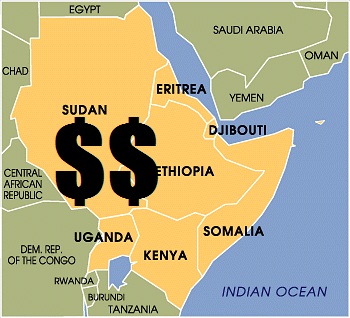
  • The Horn Region of Africa includes the countries of Kenya, Ethiopia, Somalia, Djibouti,Uganda and Sudan.


  • UN Secretary-General Ban Ki-moon has called for urgent international efforts to assist in the region. He said the situation is rapidly deteriorating with an estimated 11.6 million people in need of humanitarian assistance.


LEARN MORE


Donate to the Canadian Red Cross.


Premier’s Media
Office: 416-314-8975


ontario.ca/premier-news

Disponible
en français