PS Audio Introduces Its aspen FR10 Loudspeaker, Ideal for a Wide Variety of Listening Rooms and Systems— New FR10 floorstanding speaker delivers the sonic magic of the aspen series in a smaller, more affordable form factor — Boulder, Colorado, December, 2023 – PS Audio today announced the introduction of its aspen FR10 loudspeaker, an elegant, slim 3-way floorstanding tower that brings the extraordinary sound quality and innovative driver design of the aspen series to a wider range of listening environments, systems, and budgets.
The new FR10 (SRP: $9,999 usd / $13,300 cad per pair, available now) features PS Audio’s acclaimed push-pull planar magnetic midrange and high-frequency driver technologies, complemented by ultra-low-distortion, linear-magnet woofers, high-excursion passive radiators, and a host of additional refinements. Like all the models in the aspen series, the FR10 has a sleek, refined appearance.
Paul McGowan, PS Audio CEO noted, “The aspen FR10 embodies more than 50 years of experience in audio in learning what works in a loudspeaker, and what it takes for a speaker to ‘disappear’ in a listening room and deliver a magical musical experience. Our goal with the aspen FR10 was to offer no-compromise full-range loudspeaker performance in a smaller, more affordable form factor that fits easily into smaller and medium-sized rooms.”
All the drivers in the FR10 are custom-designed from the ground up. The 8-inch planar ribbon midrange and 2.5-inch planar ribbon tweeter employ a push-pull design with an identical symmetrical motor structure on either side of their driver diaphragms. This inherently linear configuration provides lower distortion than conventional single-sided magnet structures, along with higher efficiency.
The midrange and high-frequency drivers employ high-strength magnets and diaphragms made from Teonex® film, a thin, highly stable material that provides exceptional transient response and resolution, with a fast, clean decay. The drivers are housed in a sealed sub-enclosure to ensure maximum clarity and freedom from internal cabinet colorations.
The PS Audio aspen FR10 utilizes dual 6.5-inch cast-frame woofers with a non-woven carbon fiber PMI foam sandwich cone, for an articulate response that complements the speed and transparency of the planar-magnetic midrange and high-frequency drivers. The woofers utilize a split magnetic gap with dual copper shorting rings, and have a large 3/4-inch peak-to-peak linear excursion for low distortion and a dynamically responsive bass output. The woofers are augmented by three flat-piston carbon fiber passive radiators. The FR10 offers wide range frequency response from 32 Hz – 20 kHz (- 6 dB, half-space; 25 Hz – 6 dB in-room).
The FR10’s slim enclosure measures 41.5 inches high by 8 inches wide (11.75 inches wide with its stand) by 16.25 inches deep. It’s available in a striking new matte finish in either black or white, and comes with magnetically detachable grilles. The aspen FR10’s room-friendly design makes it easy to set up and enjoy, and the FR10 comes with a handy setup booklet and CD to get the most out of the speaker. The FR10 has a visually distinctive “floating” appearance, with a curved bottom and an anodized aluminum base that is supplied with mounting feet that can be used with either removable stainless-steel spikes, or a soft rubber foot underneath.
The aspen FR10 delivers remarkable loudspeaker performance in every respect, with authoritative bass, an inviting midrange, smooth, extended highs, wide dynamic range, and palpable imaging on a wide and deep soundstage. It’s sure to thrill even the most demanding audiophiles and music aficionados.aspen FR10 Features at a Glance: Enclosure type: sealed upper midrange/tweeter module and lower cabinet for the woofers and passive radiatorsHigh-frequency transducer: 2.5-inch planar magnetic ribbon tweeter with Teonex diaphragm Mid-frequency transducer: 8-inch planar magnetic ribbon midrange with Teonex diaphragm Passive radiator: three 6 by nine inch flat-piston carbon fiber Woofer: dual 6.5-inch cast-frame, non-woven carbon fiber PMI foam sandwich cone Thermoset resin fiberglass-composite woofer baffle Magnetically-attached grille Computer-optimized custom crossover with premium film capacitors and air-core inductors Polished stainless-steel spikes with soft rubber feet enable a variety of mounting options Frequency Response: 32 Hz – 20 kHz (- 6 dB, half-space; 25 Hz – 6 dB in-room)Crossover Frequency: 550 Hz, 1,750 Hz Sensitivity: 86.5 dB Nominal Impedance: 4 ohms (3.3 ohms minimum)Recommended Amplifier Power: 50 – 125 watts Dimensions: 41.5 x 11.75 x 16.25 inches with base Weight: 75 lbs. (34.1 kg)Teonex is a registered trademark of DuPont Teijin Films.
Moscow, Russia. December 2024. “Raketa” and Moscow-based brand “Submariner” have launched a limited collection of clothing inspired by underwater themes.
The release is timed to the launch of Raketa’s new watch for submariners — Raketa “Sonar Kashalot”.
The Raketa x Submariner line includes hats, hoodies and T-shirts in four colours replicating the main shades of Raketa’s watch novelty: black, grey, blue and red.
With its premium quality and unique style based on the transfer of military elements into everyday urban images, “Submariner” has agreed to collaborate with the Raketa watch factory which produces models inspired by polar explorers, cosmonauts, sailors and submariners.
The “Garment Dyed” technology was used to create the collection.
This method of dyeing clothes is appreciated by designers all over the world for the unique pattern and unusual textured appearance of each dyed product. The logo of the Raketa x Submariner collaboration is made using one of the two technologies: “Night Glow”, which provides a soft glow in the dark, or “Reflective”, which reflects light. All care recommendations and a list of technologies used are indicated on the tags.
The Raketa x Submariner clothing collection is available online on raketa.com with a worldwide delivery by DHL directly up to the front door.
How open is open science? While open science practices are being adopted worldwide, new UNESCO findings reveal a tale of uneven growth. According to the newly released UNESCO Open Science Outlook 1: Status and trends around the world, access and sharing of its benefits remain unequal across regions and disciplines.
Why is open science so crucial?
In the face of challenges such as climate disruption, pandemics, and biodiversity loss, recent years have shown that we need science more than ever. But to address these global risks in a truly effective way, we require not just any science but an open, collaborative, and inclusive form of it. Open science revolutionizes the scientific endeavor by breaking down barriers and ensuring that scientific results, tools, processes, and methods are accessible to all. By also bringing scientists together, regardless of their cultural, political, and religious backgrounds, open science democratizes the scientific realm, turning science into a shared heritage rather than a privileged commodity.Open science can serve as a powerful tool to bridge existing gaps in science, technology, and innovation, contributing to both the greater good for science and society and the achievement of the Sustainable Development Goals (SDGs). The COVID-19 pandemic serves as an example, with 85% of COVID-19 articles being open access by mid-2021, leading to unprecedented scientific breakthroughs in record time.
What is the global landscape of open science?
While a growing number of countries are embracing open science, the lack of equity in access to funding, skills, and tools has hindered its widespread implementation across the globe. Yet, since the adoption of the 2021 UNESCO Recommendation on Open Science, 11 countries have already introduced national open science policies, strategies, and legislative frameworks. Yet this new Open Science Outlook unveils disparities within open science that demand our immediate attention. For instance, many researchers are sharing their findings on open-access repositories, but nearly 85% of such open publication and data repositories are in Western Europe and North America. Africa and the Arab region account for less than 2% and 3%, respectively.
What step must we take for the future of open science? For a full transition to open science, a cultural shift in science is imperative. This shift necessitates increased collaboration and coordination among scientists and society, as well as across regions, to accelerate the move toward a genuinely global and equitable open science. As declared by the UNESCO Director-General, “Open science must be more than an exception; it should be the standard”. To achieve this objective, UNESCO continues to showcase the positive changes open science can bring about, including advancements in sustainable development, the reduction of regional inequalities, and the progression of scientific knowledge.
This new report offers a global overview of the state of open science and updates on the implementation of the 2021 UNESCO Recommendation on Open Science. It evaluates its impact, identifies challenges, and sets the stage for future progress by sharing insights into open science practices. Importantly, it aligns with Article 27 of the Universal Declaration of Human Rights, which states that “Everyone has the right (…) to share in scientific advancement and its benefits.”UNESCO looks forward to your joining us in shaping a future where open science is not an aspiration but a reality! Join the conversation
Kids never seem to get sick when it’s convenient. It always seems to hit in the middle of the night or the morning of a big test, and it’s not always obvious if they need to see a doctor or not. If your little one’s sick, your teen needs a doctor’s note for school, or you have health questions, Maple has you covered.
Even if your child isn’t currently sick, getting virus after virus may feel unavoidable. However, there are ways you can help to protect your kids from the worst of cold and flu season. Here’s how to keep your kids healthy this winter and what to do if they come down with something despite your best efforts.
How to keep your kids from getting sick
Cold weather doesn’t have to mark the start of fever and runny nose season. Here’s how to help protect your kids from getting sick.
1 Stay up to date with vaccinations
Getting your child to roll up their sleeve for a vaccine isn’t always easy. Despite that, the flu shot is a great option for protecting your family against the virus. The flu vaccine changes every year based on which strains of flu are circulating. While it can’t completely guarantee your child won’t get the flu, it does prime their immune system to recognize the virus more quickly. This helps protect against more severe illness and any accompanying complications.
2 Prioritize healthy eating
No one food can completely protect your child from getting sick. However, vegetables, fruits, protein, and healthy fats provide necessary micronutrients to support their immune system function. Kids don’t always want to eat what’s best for them though. Even if they’re not a picky eater, devouring a rainbow of vegetables might not be your child’s thing. If you’re worried they’re not getting enough nutrients, speaking to a dietitian can help you understand if your child’s diet is lacking anything. Even better, they can suggest healthy meals your kids will actually eat.
3 Supplement their diet with vitamin D
Vitamin D is one of the building blocks of healthy immune functioning. But it’s difficult to get enough from sunlight and diet alone, leaving many Canadian kids deficient. Incorporating a vitamin D supplement is a great way to make sure they’re meeting their requirements.
4 Promote proper hand hygiene
The influenza virus can live on some surfaces for up to 7 days, just waiting for a chance to go from your child’s hand to their mouth, nose, or eyes. Support your child to wash their hands properly to help curb this.
5 Consider masking in public indoor settings
They may not be everyone’s preference, but masks are a great tool to prevent your child from breathing in cold and flu viruses. As an added bonus, they also help safeguard against COVID-19 when worn in public indoor places.
6 Ask them to give their friends space
Flu and cold viruses pass easily through close contact. Remind your child not to share utensils, food, or drinks with their friends.
7 Create good sleep habits
Lack of sleep can negatively affect the immune system, putting your child more at risk of getting sick. Keep a consistent wakeup and lights out schedule and avoid screens for at least an hour before bedtime to encourage a full night’s rest.
How to help your child recover comfortably
Viruses spread easily, and even the most conscientious kids can get sick. No matter what they’re sick with, however, encouraging your child to rest is one of the best things you can do to promote recovery. You can also make them more comfortable by:
Prioritizing hydration. Give your child frequent small sips of water to keep the mucus flowing and help reduce congestion.
Running a cool mist humidifier to ease nasal congestion and breathing. Don’t forget to use purified water and disinfect regularly to avoid dispersing bacteria or mold into the air.
Investing in a good quality nasal aspirator for babies and children who can’t blow their own nose.
Using a purified saline solution to clear nasal passages. You can combine this with a nasal aspirator tool.
What medications should I give my child for cold or flu?
Provided they don’t have any allergies to the medicines and you dose by weight, you can safely give your child fever-reducers like acetaminophen (Tylenol or Tempra) or ibuprofen (Advil or Motrin). These also address other symptoms like sore throat and headache.
However, giving children under 18 Aspirin for headaches or other symptoms is a definite no as it can cause Reye’s Syndrome, a serious illness. And, since antibiotics only treat bacterial infections, they won’t work against the viruses that cause colds and flu.
If giving your child medication is feeling tricky, talking to a doctor online can help to answer any questions you have. They may also be able to provide prescription medication like antiviral drugs to shorten the severity and length of your child’s flu. This is especially helpful for children at higher risk of flu complications, like the immunocompromised or kids under five.
If you go this route, timing is everything since antivirals are most effective within 48 hours of symptom onset. With Maple, you can connect to a doctor within minutes. And, if they do prescribe an antiviral, it can be faxed to the pharmacy of your choice, or delivered free to your door.
Without antivirals, how long does the flu last in kids? Recovery should take about a week although coughing and low energy can linger for a week or two after. In contrast, colds take about 7-10 days to run their course.
Should I let my child’s fever run its course?
Fever isn’t just distressing, it can also be confusing — is 37.5°C a fever in a child? Is 38°C? And how do you know when a fever is too high for a child?
While it can be upsetting to watch your child wrestle with a fever, there are clear guidelines for treating them.
For starters, an underarm or oral measurement above 37.5°C is considered a fever. For ear and rectal temperature, 37.9°C is top of the normal range. But, while you can treat a temperature above these, you don’t have to. If your child’s comfortable, focus on keeping them hydrated and well rested.
When to have your child see a doctor for a cold or the flu
You know your child best. If you think something’s wrong, it’s never a bad idea to speak to a doctor. Beyond that, you should also reach out to a healthcare provider if:
Your child goes from getting better to suddenly getting worse.
Your child has a barking cough and raspy-sounding breathing — this may indicate croup.
A persistently high fever in a child with no other symptoms lingers beyond 48 hours. It may indicate an underlying medical issue or infection.
It’s time to take your toddler or child to the hospital when they:
Have a fever and are experiencing confusion, lethargy, severe drowsiness, or a stiff neck
Are having difficulty breathing — this can look like working hard to breathe or having difficulty catching their breath just sitting or talking
No matter how old they are, seeing your child sick can be stressful. With Maple, get the convenience of 24/7 virtual care anytime, anywhere and connect with a Canadian-licensed healthcare provider to help ease your concerns and get the treatment you need. If you’re looking to get an online prescription or see a healthcare provider quickly, Maple has you covered whether it’s the middle of the day or the middle of the night. Sign up today to help your child feel better, faster.
(New York, December, 2023)—The Metropolitan Museum of Art has announced the acquisition of a monumental Tiffany three-part window, Garden Landscape. The window—over ten feet wide and nearly seven feet tall—was designed by Agnes Northrop in the studios of Louis Comfort Tiffany, the attribution of which is based on a signed design drawing for the center panel that resides in The Met collection.
As part of the Museum’s American Wing 100th anniversary, the window will be installed in the Charles Engelhard Court in November 2024. The window will be dramatically framed by the columns from Laurelton Hall, Tiffany’s Long Island country estate.
The acquisition is made possible by Alan Gerry Gift; 2023 Benefit Fund; Louis V. Bell, Harris Brisbane Dick, Fletcher, and Rogers Funds and Joseph Pulitzer Bequest; funds and gifts from various donors, by exchange; Ronald S. Kane Bequest, in memory of Berry B. Tracy; Lila Acheson Wallace, several members of The Chairman’s Council, The Erving and Joyce Wolf Foundation, Martha J. Fleischman, Elizabeth J. and Paul De Rosa, Women and the Critical Eye, Mr. and Mrs. Richard Lockwood Chilton Jr., Cheryl and Blair Effron, The Felicia Fund, Julie and James Alexandre, Elizabeth and Richard Miller, Anonymous, John and Margaret Ruttenberg, and The Gerald H. Ruttenberg Foundation Gifts.
Max Hollein, The Met’s Marina Kellen French Director and CEO, said: “This stunning work of art is an extraordinary example of the transformational creativity of Agnes Northrop and Tiffany Studios. Magnificent in concept and execution and more than grand in size, it deepens the American Wing’s Tiffany holdings and will enhance the already stunning Engelhard Court with a powerful, immersive viewing experience.”
Sylvia Yount, Lawrence A. Fleischman Curator in Charge of the American Wing at The Met, said: “Northrop’s remarkable environmental work further strengthens our representation of women artists in the American Wing and allows us to share broader stories of early-20th-century culture with our visitors.”
The window was originally commissioned by Sarah Cochran, Pittsburgh businesswoman and philanthropist, for Linden Hall, the grand Tudor-Revival estate she had built in 1912 in Dawson, Pennsylvania. She personally requested the subject of the window, which represents a lush landscape and garden suggestive of her own at the estate. Placed on the stair landing of the house, the window enticed the viewer up marble steps and offered a long vista through tall, majestic pines flanking a central fountain amidst profuse flowers—pink and blue hydrangeas, poppies, and nasturtiums. The two side panels depict, on the left, foxglove and peonies, and on the right, hollyhocks, exquisitely rendered in glass. These were subjects favored by Northrop and American Impressionist painters.
Northrop was one of the most important designers in Tiffany’s employ and his preeminent woman designer. In a field dominated by men, Northrop established herself as one of the leading designers of windows, and was recognized for her work by winning a prestigious award at the Exposition Universelle in Paris in 1900. She helps shed light on the critical and often unrecognized role played by women in the art of Louis Comfort Tiffany. Northrop and Tiffany pioneered new landscape and garden subject matter for stained glass, and the window reveals Northrop’s careful observations of nature and her gift for translating it into glass.
Alice Cooney Frelinghuysen, Anthony W. and Lulu C. Wang Curator of American Decorative Arts, said: “This extraordinary evocation of a garden landscape is Northrop’s masterpiece. Made during the height of Louis Tiffany’s career, it was conceived, commissioned, and crafted by women. Featuring flowers in bloom from spring through summer, seen in the enigmatic light of approaching twilight, the window presents a luxuriant garden perennially in bloom.”
Tiffany’s opalescent glass shares a zeitgeist with American Impressionism, merging imagery with chromatic light. Northrop exploited the varied textures, lush colors, and light effects that were only possible with Tiffany’s special Favrile glass made at his furnaces in Corona, Queens, utilizing especially innovative and unusual techniques, some unique in a stained-glass window. The ingenious selection of the glass as well as the cutting of the glass into often thousands of pieces of almost impossible shapes was done by Tiffany’s skilled artisans, who were also largely women. Tiffany deemed the Linden Hall window of such note that he put it on public view in his New York showroom before shipping it to Cochran’s Pennsylvania home. Featured image: Image: Three-part Garden Landscape window for Linden Hall, Designed by Agnes F. Northrop (1857–1953), Tiffany Studios (1902–32), New York, 1912. Leaded Favrile glass. 124 × 82 inches; 88 3/4 × 81 5/8 inches; 88 3/4 × 81 5/8 inches; center panel: 124 × 82 in. (315 × 208.3 cm); side panels: 88 3/4 × 81 5/8 in. (225.4 × 207.3 cm)
Following Indonesia, the Philippines joins the World Economic Forum’s Blue Carbon Action Partnership to safeguard crucial coastline ecosystems in South-East Asia.
Mangroves and other littoral biospheres provide a critical buffer against climate change globally, but environmental degradation is putting them under threat.
Momentum builds at COP28 for the conservation and restoration of these critical blue carbon ecosystems, for the benefit of people, nature and the climate.
Learn more about the World Economic Forum’s work at COP28 here.
Dubai, United Arab Emirates, December 2023 – The Government of the Philippines’ Department of Environment and Natural Resources announced yesterday at COP28 that it is joining the World Economic Forum’s Blue Carbon Action Partnership to accelerate the restoration and conservation of coastal ecosystems.
South-East Asia is home to almost one-third of mangroves globally, with nearly 20% of the world’s mangroves in Indonesia alone.
Blue carbon ecosystems such as mangroves, seagrasses and salt marshes store up to five times more carbon per acre than tropical rainforests and have been receiving greater attention in recent years. Yet, these ecosystems are under threat of destruction. These important carbon sinks also provide support for livelihoods, food security, shoreline protection and habitat for numerous.
Eelgrass (seagrass) distribution on Canada’s sea coastlines are under threat.
Source: Environment and Climate Change Canada (2020).
The importance of eelgrass to ecosystems was shown after a widespread wasting disease outbreak along the Atlantic coast of North America in the 1930s resulted in a 90% loss of eelgrass. It is estimated that populations of migratory Brant geese along the Atlantic coast, which rely heavily on eelgrass outside the breeding season, declined by as much as 90%. Declines of clams, lobsters, crabs, scallops, cod and flounder were also reported following the loss of eelgrass.
Eelgrass beds are highly productive and several studies have indicated that eelgrass beds contribute to the sequestration of “blue carbon” in marine sediments, providing a valuable ecosystem service in coastal areas.
“Coastal ecosystems such as mangroves are critical to life in the ocean and to those who live alongside it. Increasingly, we are also recognizing their vital role to buffer us against the worst effects of the climate crisis,” said Alfredo Giron, Acting Head of the Ocean Action Agenda and Friends of Ocean Action at the World Economic Forum. “When blue carbon benefits are recognized and valued by governments and businesses, who commit and invest in the restoration of mangrove, seagrass and salt marsh ecosystems around the world, everybody wins – people, nature, climate and ultimately, the planet.”
The newly launched National Blue Carbon Action Partnership in the Philippines will convene, coordinate and support implementation to scale high-quality blue carbon action, representing nearly 700 billion metric tons of carbon sequestered in mangroves and seagrasses in the country.
“The Philippines, endowed with rich biodiversity and extensive coastlines, is home to vast blue carbon ecosystems. We look forward to working with the Blue Carbon Action Partnership to facilitate the inclusive, whole-of-society approach to developing a shared ambition for blue carbon, community resilience, inclusive development and unlocking the Philippines’ potential to provide nature-based climate solutions for the rest of the world whilst supporting our programs for protected areas and preparing the country for participating in the new blue economy,” said Antonia Loyzaga, Secretary of the Department of Environment and Natural Resources of the Philippines.
The Philippines partnership is the second to be launched after an agreement last year with the Government of Indonesia, which has also strengthened its partnership agreement with the World Economic Forum at COP28 and is preparing to launch its National Blue Carbon Action Partnership secretariat. Combined, the Philippines and Indonesia house 4 trillion tons of carbon in their blue carbon ecosystems, which is the carbon equivalent of over 11 trillion of barrels of oil consumed.
There is increasing demand for blue carbon ecosystem restoration and conservation to attain the multifaceted benefits these ecosystems provide, including food security, support for livelihoods, coastal protection and carbon storage. Working with its government partners, the Blue Carbon Action Partnership can support connecting finance with countries that have established policies to receive blue carbon ecosystem investment.
“The ocean is our largest buffer in tackling the climate crisis and it plays an essential role in climate change mitigation, resilience and adaptation as well as regulating the global weather system. It is encouraging to see the ocean gaining increasing prominence as a natural resource for accelerated climate action,” said Giron.
According to many musical fans and our friends at toptenrealestatedeals.com, Wolfgang Amadeus Mozart is often considered the greatest musical genius to have ever lived. With over 800 works including operas, symphonies, and concertos, he defined the classical period and inspired later composers including Beethoven and Tchaikovsky.
Historic rooms abound.
His music continues to be performed all over the world to this day.
A child prodigy, Mozart composed his first pieces at age five and his first symphony at eight. With his family, he toured Europe performing for royalty. At only 13 years old, he was appointed court concertmaster in Salzburg in 1769 and would go on to work for various royal patrons including Emperor Joseph II before striking out on his own as an independent. In 1791, at just 35 years old, Mozart fell ill while conducting the premiere of his opera, La Clemenza di Tito, and died. His final year was a productive one, responsible for some of his best-loved works, including the opera The Magic Flute and his Requiem, which he was unable to finish before his passing.
Mozart’s final work was commissioned by Count Franz von Walsegg of Schloss Stuppach in Salzburg, present-day Austria.
This historic castle, one of the few in lower Austria still in private hands, will be auctioned at Sotheby’s Concierge Auctions in New York, with bidding open to December 14. The palace was previously listed for 12 million euros. Known as “Mozart’s Last Castle” the property currently serves as a world-class performance space, including several independent businesses. The experience theatre, club salon, concert program, and castle shop are included in the property purchase.
Modern entertainment via a home cinema.
The castle’s rich history dates to at least 1130, with partial redesigns in the 15th and 17th centuries. In 1945, the Nazis ordered the castle blown up to prevent it from falling into Soviet hands, but the officer in charge refused and the castle survived. Its architecture reflects the different periods of its construction, with elements of medieval, Renaissance and Baroque styles.
The gorgeous four-story residence is surrounded by a landscaped park with elaborate gardens and ancient trees.
The requiem chapel dates back to the Renaissance.
Inside, the historic home is appointed with priceless antiques. The castle’s 50 rooms include numerous entertainment spaces such as a cinema, two halls, formal dining rooms, and a library. The estate also includes the Renaissance-era Requiem chapel and a dungeon. Besides Mozart, other famous visitors to the castle include Napoleon Bonaparte, Franz Schubert, Pope Pius VI, Princess Isabelle von Bourbon-Parma, and Emperor Franz Stephan von Lothringen.
Simple, modern bedroom furnishings exist today.
Schloss Stuppach is located in the small mountain town of Gloggnitz, Austria. The area offers numerous Gothic and Baroque buildings and lots of history. Conveniently placed, it is only about an hour by train or car from Vienna. Known as the “City of Music”, Vienna has a long and storied history of opera, theatre, and classical music. Mozart himself spent much of his career in the city, was married at its St. Stephen’s Cathedral, and lies buried at its Cemetery of St. Marx. His preserved apartment, a museum, and numerous monuments attest to the composer’s deep connection with Austria’s vibrant capital.
Yes there is a dungeon!
The auction will be held by Sotheby’s Concierge Auctions. Photos: Thomas Meyer Photography provided by Concierge Auctions.
The World Economic Forum will advance multistakeholder initiatives for enhanced climate solutions at the 28th Conference of the Parties of the UNFCCC. The Forum will focus on key priority action areas including industry decarbonization and net zero, energy transition, food, nature and innovative finance.COP28 takes place from 30 November to 12 December 2023 in Dubai, United Arab Emirates, and serves as an urgent call to action to the global climate crisis.Learn more about the Forum’s work at COP28 here.
Geneva, Switzerland, November 2023 – The World Economic Forum will convene heads of state, ministers, business leaders, philanthropy and civil society to advance climate action at the 28th Conference of the Parties of the UNFCCC (COP28) at the Expo City Dubai, in Dubai, United Arab Emirates. The Forum’s focus at COP28 is to address priority action areas including industry decarbonization and net zero, energy transition, food, nature and innovative finance.
“We have to take a holistic approach to address the environment crisis, with people at the heart of the agenda, focusing on restoring and protecting nature ecosystems, strengthening community resilience in the face of water stresses and extreme temperatures, while stopping the pollution of our land, sea and water,” said Gim Huay Neo, Managing Director, World Economic Forum. “Fostering a sense of inter-dependence, mutual trust and support as well as active collaboration between governments, the private sector, philanthropy, civil society and communities is needed to build a more harmonious relationship among communities and with the planet. COP28 is an opportunity for the World Economic Forum to provide a platform for multistakeholders to take stock on progress, enhance partnership efforts and explore new ideas and solutions together to safeguard our global commons.”
The discussions in Dubai will build on outcomes from the Forum’s Sustainable Development Impact Meetings 2023, which reflected on progress made on the Sustainable Development Goals (SDGs) and created momentum in addressing the climate and nature crises and advancing an inclusive energy transition.
As part of the COP28 programme, the Forum will hold several sessions aligned to the meeting’s thematic areas. Most of the sessions will take place at the COP28 Blue Zone, which is accessible to UNFCCC-accredited media.
Insights and initiatives
The following Forum announcements and publications will be released at COP28. 22 Nov.: Net Zero Industry Tracker 202322 Nov.: Financing Energy Transition Projects with Industrial Clusters in Europe26 Nov.: Biodiversity Credits: Demand Analysis and Market Outlook27 Nov.: Biodiversity Credits: A Guide to Support Effective Use29 Nov.: Launch of Scope 3 Action Plan from the Alliance of CEO Climate Leaders29 Nov.: Navigating Article 6: Opportunities for the Middle East and North Africa30 Nov.: Grassroots to Boardrooms:Social Innovation Partnerships for Climate Adaptation30 Nov.: Catalysing Climate Action in Asia: Unlocking the Power of Philanthropic-Private-Public Partnerships30 Nov.: Policy Action to Mobilize Climate Finance and Market Responses 1 Dec.: Taking Stock of Global Business Efforts on Adaptation4 Dec.: Joint Communiqué: CEOs from the Leaders for a Sustainable MENA Sign Joint Letter to Pledging Net Zero by 2050 and to Reduce 200MT CO2 Emissions by 20304 Dec.: Roadmap for Enabling Measures for Green Hydrogen in the MENA Region4 Dec.: Fuelling the Future of Shipping: Key Barriers to Scaling Zero-Emission Fuel Supply5 Dec.: Circularity in the Built Environment: Maximizing CO2 Abatement and Business Opportunities5 Dec.: Using a People-positive Approach to Accelerate the Scale-up of Clean Power: A C-Suite Guide for Community Engagement Find more about World Economic Forum insight publications here.
The World Economic Forum, committed to improving the state of the world, is the International Organization for Public-Private Cooperation. The Forum engages the foremost political, business and other leaders of society to shape global, regional and industry agendas. (www.weforum.org).
Octave Records Celebrates the Holidays With Two New Christmas Albums— Charlie Brown Goes to The Nutcracker by Ron LeGault’s jazz quintet, and guitarist Alfredo Muro’s The Spirit of Christmas offer musical holiday cheer in stunning Pure DSD sound– Boulder, Colorado, November, 2023 – Octave Records warmly invites everyone to celebrate the holiday spirit with two uplifting new releases: Charlie Brown Goes to The Nutcracker by the Ron LeGault quintet, and The Spirit of Christmasby internationally-renowned guitarist Alfredo Muro. Ron LeGault puts a jazz spin on the beloved Charlie Brown soundtrack music and the holiday classic The Nutcracker, while Alfredo Muro brings a heartfelt intimacy and virtuoso performances to a wide range of seasonal favorites. Both albums are recorded with extraordinary sound using Octave Records’ exclusive Pure DSD high-resolution audio process.
Pianist Ron LeGault has been performing his Charlie Brown Goes to The Nutcracker show to packed audiences at the St Julien Hotel in Boulder, Colorado for more than 10 years. “The band and I have wanted to capture the show for posterity, and Octave Records gave us the opportunity. We are thrilled to be able to present this music for everyone to now enjoy.” Recorded live in the studio, the album captures the confident yet relaxed interplay that only comes from years of playing together, with Ron joined by Andrew Vogt (tenor sax, baritone sax, clarinet, flute), Curtis Fox (trombone), Dave Weinand (bass) and Andreas Schmid (drums).The quintet performs a host of Charlie Brown tunes like the familiar “Linus and Lucy,” the “Charlie Brown Theme,” “Christmas is Coming,” and others, along with jazz-laced versions of pieces from The Nutcracker including the iconic holiday classic “Dance of the Sugar Plum Fairy.” Added to the mix, the quintet plays a wry, swinging take on “You’re a Mean One, Mr. Grinch.”Alfredo Muro is a concert guitarist, composer, arranger, and improviser. He’s been described as a Latin guitar virtuoso, yet his styles and tastes are far more wide-ranging, from the classical repertoire to folk, jazz, Brazilian and more. He noted, “The idea of the program presented on The Spirit of Christmas was to choose traditional Christmas themes, combined with Christmas music popular in Spain and South America. Many of those songs are connected to my heart – they are part of my childhood in Latin America.”
The selections range from holiday standards like “Silent Night,” “The Christmas Song” and “White Christmas” to spiritual works such as “Jesus Bleibet Meine Freude” (“Jesu, Joy of Man’s Desiring”) and “Ave Maria, and songs that are deeply personal to Muro including “Preludio de Adiós” and “El Noi de la Mare.” Muro’s Paco Santiago Marin classical guitar has a deeply rich tone with a wide color palette and superb dynamic nuances, all captured in remarkable fidelity. On “Villancico de Navidad,” Alfredo is joined by guitarists Robert Chirico, Adam Buer and Felicity Muench and bassist Allen Bossard, to close The Spirit of Christmas on a beautiful and graceful note.
The albums, available on disc or via download, were recorded, mixed and produced by Paul McGowan at Octave Records’ studio, with assistance from Jessica Carson, Alfredo Muro, Ron LeGault, and Terri McGowan. Both albums were mastered by Gus Skinas. Charlie Brown Goes to The Nutcracker and The Spirit of Christmas feature Octave’s premium gold disc formulation, and the discs are playable on any SACD, CD, DVD, or Blu-ray player. They also have a high-resolution DSD layer that is accessible by using any SACD player or a PS Audio SACD transport. In addition, the master DSD and PCM files are available for purchase and download, including DSD 256, DSD 128, DSD 64, and DSDDirect Mastered 352.8 kHz/24-bit, 176.2 kHz/24-bit, 88.2 kHz/24-bit, and 44.1 kHz/24-bit PCM. (SRP: $19usd – $39usd, depending on format.)
About PS Audio Founded in 1973, PS Audio has earned a worldwide reputation for excellence in manufacturing innovative, high-value, leading-edge audio products. Located in Boulder, Colorado at the foothills of the Rocky Mountains, PS Audio’s staff of talented designers, engineers, production and support people build each product to deliver extraordinary performance and musical satisfaction. The company’s wide range of award-winning products include the all-in-one Sprout100 integrated amplifier, audio components, power regenerators and power conditioners.
Le Diner en Blanc returns to West Palm Beach for its 2023 edition.
This elegant and secret affair has become THE foodie & dancing holiday event of the year and on Saturday,December 16, 2023, a new secret location will be revealed and guests will dine and dance under the stars.
Le Diner en Blanc is an event that transports guests into another world while celebrating the local community. The sea of people adorned in white is Instagrammable while meeting new people or reuniting with longtime friends. The theme this year is “From Paris, With Love,” with dinner à la française will be the centerpiece – conversation and champagne will flow with French-inspired entertainment. Then the night will be closed with one of the best DJs, dancing shoes are a must.
Le Diner en Blanc in West Palm Beach is hosted by Modernique & Co. Project Management with over 12 years of experience in Hospitality Management and Event Production. Fabie Reid, Project Director and Co-host of Le Diner En Blanc says, “We’re absolutely thrilled to be bringing this spectacular event to picturesque Palm Beach County. Over the years, we’ve taken this event to various stunning locations, from Boca, and Riviera to downtown West Palm Beach, and each time, it’s been a captivating experience to witness our community come together at our carefully guarded secret venue. This event serves as a remarkable opportunity to not only unite our residents but also to showcase the splendor of this region to those from beyond our county borders.”
“Very excited for this year’s theme ‘From Paris With Love’ where the guests will be transported to a Parisian adventure without leaving Palm Beach County,” Jessica Palmer, head leader of Le Diner En Blanc West Palm Beach.
Le Diner en Blanc wants to help boost the local economy by encouraging attendees to shop locally and discover some of the most spectacular event venues served by local vendors such as but not limited to Ganache Bakery Absolute Party Rentals, Trindy Gourmet, and Epic Catering that get transformed with the picnic setting.
To maintain the uniqueness of Le Diner en Blanc, every guest observes certain requirements such as:
Dress code: head-to-toe in white only. Elegance and Originality are key!
Jewelry and shoes can be silver gold, or nude
Table setting & picnic items: all white!
French-influenced event where only wine and/or Champagne are served.
As per the county of Palm Beach in the state of Florida, USA, guests cannot bring their own alcohol. Guests wishing to enjoy some wine or Champagne must reserve online through Le Diner en Blanc’s e-store. However, guests are welcome to bring their own non-alcoholic beverages.
To ensure that the location secret is kept undisclosed until the last minute, guests meet at the assigned departure location and are escorted by a Diner en Blanc volunteer table leader for bus departures or pedestrian groups.
So, the event location is left as clean as when guests arrive, they are required to leave with all their belongings, leftovers, and litter.
Guests are to bring:
A small picnic basket or white cooler comprised of fine food, white tablecloth, and serviettes as well as proper stemware and white dinnerware. (Tables & chairs are provided at the event)
A catered meal option can be pre-ordered online and picked up on-site, for those who do not wish to pack their own. Guests wishing to do so must reserve online through Le Diner en Blanc’s e-store.
Le Diner en Blanc – West Palm Beachgratefully acknowledges Champagne Pommery as national partner and, Vie de Rêve and City of Wellington as official local partners of the 2023 edition of Le Diner en Blanc.
To get the opportunity to be part of the experience, people can sign up now by visiting westpalmbeach.dinerenblanc.com/register adding your email then click Validate to enter your name. Once on the list, an invitation will be sent to you by the end of the day.
About the Hosts of Le Diner en Blanc – West Palm Beach
Le Diner en Blanc – West Palm Beach is hosted by Modernique & Co Project Management Firm with a specialty in Hospitality Management & Event Production. The visionary team brings over a decade of expertise to amplify brands and creative ventures. With an unwavering commitment to client success, we offer innovative solutions from project inception to completion. Our multifaceted experience spans diverse industries, providing tailored strategies, trend-spotting, and cost-effective operational support.
For the Silo, Kat Fleischman.
About Le Diner en Blanc
Le Diner en Blanc is so much more than an event. It’s a unique cultural movement that empowers friends of friends to gather and celebrate their shared passions for life, food, fashion, and community, year after year, with a pinch of mystery and a large serving of spontaneity. Elegantly dressed all in white, guests arrive at a secret location for a chic picnic en masse. They bring their own tables, chairs, picnic baskets—all the trimmings—to sit down with friends and make new connections in one of their city’s most beautiful public spaces. The location remains secret up until the very moment of arrival. Over the course of the evening, guests from all backgrounds eat, dance, and reconnect with the finer things in life, as they appreciate the night’s magical experience.
To this day, over 120 cities in 40 countries have joined the ever-growing and international network to celebrate gourmet cuisine, offer extraordinary entertainment, and bring together vibrant individuals and bon vivant around the world. While Diner en Blanc International is headquartered in Montreal, Canada, every event in every city is hosted by passionate local organizers who fell in love with the original Parisian concept and wanted to bring it home and dress it up with local flair. For more info, photos, and videos of Le Diner en Blanc events from around the world, visit dinerenblanc.com.
Bus-Powered USB-C® Adapter Harnesses DisplayLink® Technology to Drive Two Displays, Supports Connection of Computers’ USB-C Power Cable for Laptop Charging and Operation, All Through a Single Computer Port
What’s New: Sonnet Technologies today announced the USB-C® to Dual 4K 60Hz HDMI® Adapter, a new addition to the company’s line of dual-display adapters for Apple® M series and Intel® Mac® computers and Windows® and Chromebook™ computers. The adapter incorporates a captive cable with a USB-C connector that connects to a compatible computer’s USB or Thunderbolt™ port for bus-powered operation.
What It Does: The Sonnet USB-C to Dual 4K 60Hz HDMI Adapter enables users to connect two 4K @ 60Hz HDMI displays to a single port on their computers. This adapter is ideal for use with productivity software such as Microsoft® Office, enabling users to work more efficiently by expanding their computer’s workspace — whether by opening multiple applications on their own screens, editing code or viewing spreadsheets in detail on a large display, or mirroring their computer’s display on a larger monitor. They can also connect a computer to a big-screen TV for browsing the web and watching videos on YouTube and other content at a distance. The Sonnet adapter also includes a USB-C power passthrough port for connecting a laptop computer’s charging cable, and passing up to 90 watts of power to the computer for operation and charging.
Why It’s Important: Apple M1/M2 series MacBook Air®, M1/M2 13-inch and M3 14-inch MacBook Pro® computers with two Thunderbolt/USB4® ports deliver great performance but limit the number of peripherals — displays included — that can be connected. Ultrathin Windows and Chromebook laptop computers with two Thunderbolt 4 or USB4 ports may be similarly restricted. With one port often used for charging the computer, only one port remains open for plugging in another device. More importantly, these computers natively support only a single external display. Sonnet’s USB-C to Dual 4K 60Hz HDMI Adapter overcomes the computers’ limitations to enable users to connect a computer’s USB-C charging cable and two 4K 60Hz displays at once through a single port on their computer, thereby freeing the other port for connecting an additional peripheral device.
How It’s Distinctive: Many dual-display adapters are either incompatible with M series Mac computers, only support lower-resolution displays, or support just one display at a 60Hz refresh rate (the other limited to 30Hz). The Sonnet USB-C to Dual 4K 60Hz HDMI Adapter supports two 4K — or lower-resolution — displays, operates off power from the host computer’s USB or Thunderbolt port, and is fully compatible with M series and Intel Mac computers, and PCs running Windows® 11 or 10 or ChromeOS™ build R51 or later. Also, most dual-display adapters lack a USB-C power passthrough port.
When You Can Get It: The Sonnet USB-C to Dual 4K 60Hz HDMI Adapter (part number USBC-DHDMI) is available now from Sonnet and soon from channel partners worldwide at the suggested retail price of $99.99usd.
About Sonnet Technologies Sonnet Technologies, Inc. is a leading provider of Thunderbolt™ technology products and network, storage, and other interface cards for pro users in the audio, video, and broadcast industries. Sonnet’s array of Thunderbolt products includes a broad variety of docks, pro media readers, and network interface and display adapters, plus PCIe® card expansion systems that enable the use of pro audio I/O and DSP cards, pro video capture and transcoding cards, GPU cards, and other high-performance PCIe cards with computers with Thunderbolt ports. Due to Sonnet’s Thunderbolt Technology expertise, it has become a leading designer/manufacturer of ODM boards that enable the integration of Thunderbolt ports into third-party products. For nearly 40 years Sonnet has pioneered and brought to market numerous innovative and award-winning products that enhance the performance and connectivity of Mac®, Windows®, and Linux® computers. More information is available at www.sonnettech.com.
Craving a dessert that won’t weigh you down? The struggle is real. But fear not, as this guide will unveil the art of crafting desserts that are both light and delectable.
The struggle is real, but the solution is incredibly sweet. In a world where indulgence often comes with guilt, these dessert ideas offer a refreshing change. They’re the epitome of culinary elegance, balancing flavor and lightness in a harmonious blend.
The Magic of Fruit-Based Treats
Fruit serves as nature’s candy, offering sweetness. Consider a mango sorbet, a dish that dances on the palate while being kind to the waistline. A chilled grapefruit brûlée can also be a revelation, its tartness mellowed by a thin layer of caramelized sugar.
The Tasty Note: Strawberry Sour Candy
In a realm of endless possibilities, let’s not forget the simple joys like strawberry sour candy. Sometimes, a single piece can offer a burst of flavor and nostalgia, encapsulating the essence of light and delicious desserts.
The Allure of Dairy Alternatives
Dairy often contributes to the heaviness of desserts. However, alternatives like almond milk and coconut cream can work wonders. Imagine a chocolate mousse made with avocado and coconut cream. It’s a luxurious experience that leaves you satisfied, not stuffed.
The Charm of Miniature Portions
Sometimes, less truly is more. Opt for desserts that are small but big on flavor. A single chocolate truffle infused with lavender can be more satisfying than a whole bar of milk chocolate. Similarly, a small serving of panna cotta flavored with a hint of vanilla and lemon zest can be a heavenly experience.
The Elegance of Herbal Infusions
Herbs aren’t just for savory dishes; they can elevate desserts too. A basil and peach compote can be a game-changer, offering a complex flavor profile that’s both unexpected and delightful. Rosemary can also be a surprising ally, especially when paired with citrus flavors in a light sorbet.
The Sophistication of Sugar Alternatives
Sugar is often the culprit behind heavy, overly sweet desserts. But alternatives like stevia, monk fruit, and honey can offer a different kind of sweetness. Picture a lemon tart sweetened with honey, its tanginess perfectly balanced, making each bite a small celebration.
The Enigma of Unconventional Ingredients
Ever thought of incorporating vegetables into dessert? A beetroot and chocolate cake can be moist, rich, and surprisingly low in calories. Another intriguing option is a zucchini bread made with almond flour, a treat that’s both nutritious and indulgent.
The Craftsmanship of Technique
The way a dessert is prepared can significantly impact its lightness. Techniques like folding and whisking can introduce air into the mixture, making it lighter. A well-whisked aquafaba can replace heavy cream in many recipes, offering a vegan and lighter alternative.
The Grand Finale: A Symphony of Choices
The world of light and delicious desserts is vast and inviting. It beckons with the promise of guilt-free indulgence, a symphony of choices that cater to every palate and preference. So go ahead, take a culinary leap, and discover the myriad ways to satisfy your sweet tooth without the weight of regret.
In this guide, each suggestion serves as a note in a grand symphony, creating a melody of flavors that’s both light and irresistibly delicious. The struggle is real, but the rewards are sweet—literally and figuratively. For the Silo, Bill Gordon.
Canadians are still bouncing back from the health impacts of years of isolation. A recent survey of over 1,000 citizens shows that almost one-third of them don’t exercise at all, despite the country’s health officials’ recommendation of at least 150 minutes per week of physical activity. After all, finding the motivation to go to the gym or do that morning run can be difficult when you only have yourself to be accountable for. This is why more people are opting to attend weight loss classes, helping them to stay consistent with their routine. But the effects of weight loss classes transcend merely the physical. Here are a few ways they can benefit your overall health:
Physical wellness
Weight loss workshops are as crucial as meal plans and gym sessions because they provide holistic guidance and tips to keep you on the right track, from changing your relationship with food, sharing stories about your unique challenges, and sourcing motivation to keep exercising, among other benefits. By searching “weight loss classes near me” online, you can evaluate which features work for you. In-person classes allow you to meet with coaches and like-minded peers. If those don’t fit your schedule, a bevy of virtual workshops can connect you to a coach who will help you work on your wellness goals with science-backed strategies and inspiration, even at a distance. Peer group virtual workshops can help you get out of a fitness rut by providing support and accountability. These build the foundation for a consistent fitness routine that ultimately benefits your body.
Mental wellness
Group workouts offer a unique balm to your mental health that working out alone may not. A group setting facilitates a more engaging and energizing environment that encourages you to have fun and even engage in some healthy competition. If you’ve had a difficult day, it can help you get “out of your head” instead of stewing in negative thoughts. In a previous post, we talked about how yoga can calm the mind, relieve stress, and reduce anxiety. These effects are further emphasized in group yoga, where shared energy and cohesiveness can bring a comforting sense of community, encouraging dynamic balance and mental clarity. In a study, 64 women with severe anxiety and post-traumatic stress disorder (PTSD) were asked to participate in a weekly 1-hour yoga class for ten weeks. By the end, 52% of participants no longer met the criteria for PTSD.
Social wellness
Mental health issues like depression and anxiety are inextricably tied to loneliness, which is why it’s concerning that over 40% of Canadians report feeling lonely some or all of the time. Excess weight may be another interconnected factor; among obese Canadian adults, 11% report being depressed or having a mood disorder compared to only 6.9% of normal-weight adults. For those who live alone or work from home, social interactions may not be as seamlessly integrated into their schedules, which is where group weight loss classes come in. They can help target the sedentary lifestyle commonly associated with loneliness, as well as provide a sense of belonging for people who need it. Participants often arrange social gatherings before or after classes, such as sharing meals or grocery shopping, to build camaraderie and keep one another on a healthy path for weight loss.
While weight loss may manifest most noticeably in your physical appearance, the team spirit offered by group weight loss classes carries mental and social benefits that can help you keep the weight off long-term. Having supportive figures you can lean on for advice and encouragement enables you to perceive weight management in a healthier, more positive light – and not something you must go through alone.
Today Audrey Azoulay, UNESCO’s Director-General, unveiled a report arguing that the continent has all it takes to become one of the next global fashion leaders, if public decision-makers offer greater support to all those who work in the sector and play a role in the fashion ecosystem.
Fashion is really taking off in Africa, and this report shows that it can be developed even further. In order to achieve this, designers, professionals and the entire production and distribution infrastructure need more support from public decision-makers. The potential is enormous, not only for the economy, but also for young people’s inclusion, women’s empowerment and for African culture to resonate globally.
Audrey Azoulay, Director-General of UNESCO, at the launch of the report at Lagos Fashion Week.
Entitled “The Fashion Sector in Africa: Trends, Challenges and Opportunities for Growth”, the UNESCO analysis shows that the continent holds all the cards to become one of the next world fashion leaders. It is a major producer of raw materials – 37 out of 54 countries produce cotton -, an exporter of textiles to the value of $15.5 billion a year, and an importer of textiles, clothing and footwear to the value of $23.1 billion a year.
There is a growing consumer trend on the continent for fashion Made-in-Africa, particularly among young people – the under-25s account for 50% of the continent’s total population – and among the burgeoning middle class – which already make up more than 35% of the population – opening up new consumer markets. Africa is also experiencing very rapid growth in the digital sector, which is facilitating intra-African trade and the emergence of young talent.
As evidenced by the 32 Fashion Weeks held each year, Africa is also brimming with talent in the fields of haute couture, crafts and clothing. A 42% increase in demand for African haute couture is expected over the next 10 years.
In its report, UNESCO highlights 4 challenges which governments and decision-makers must tackle if they want to realize the potential of Africa’s fashion sector:
1. Legal protections for designers and professionals need to be strengthened, in terms of intellectual property rights, remuneration levels, working conditions and the ability to organize into professional unions and social rights. With this aim, UNESCO is already helping 23 African countries to improve the status of artists through legislation and regulations.
2. Investment must be made in small and medium-sized enterprises, which today account for 90% of businesses in the fashion sector in Africa. Covering the entire continent, they are the gatekeepers of the diversity of cultural practices and expression. Generators of local employment, they are also a powerful lever for giving young people who want to enter the sector a chance.
3. Environmental standards need to be set. While the fashion industry remains one of the most polluting industries, Africa can make greater use of local materials, innovate around sustainable textiles, and raise awareness of sustainable consumption patterns. Production of organic cotton fibre in Africa has already risen by 90% between 2019 and 2020, and now accounts for 7.3% of global production. The second-hand clothing market is one of the most dynamic in the world – representing a third of global imports – but still suffers from a lack of recycling channels, with 40% of these garments ending up in landfill sites, or even in oceans and rivers.
4. Both the transmission of savoir-faire, and formal training need to be improved. Africa is rich in traditional skills and unique textile techniques, some of which are already protected by UNESCO. The report encourages countries to set up mentoring schemes to ensure that these practices are passed on from generation to generation and can continue to inspire young designers. At the same time, UNESCO is calling for an increase in the number of qualifications available in key related professions – quality control, commercial law, marketing – and in training in new technologies, such as 3D printing and e-commerce.
“Across the continent, people are increasingly looking for products ‘Made in Africa’ which they see as a symbol of pride and a way to affirm their identity. But in order to meet this growing demand, the entire production chain needs to be strengthened. This UNESCO report is useful because it maps out the path to achieve this, and it will increase the awareness of public decision-makers”, said Omoyemi Akerele, the Director of Lagos Fashion Week.
Cleaning is called a “chore” for a reason, it’s a pain to do and nobody likes doing it! Imagine if there were robots that could do ALL of the cleaning for you so that you can relax and spend more time living your life. Look no further than Ecovacs Robotics, an award-winning brand of home robotics.
When the DEEBOT D35 was brand new in 2015, it was the first robotic vacuum designed for kitchen and bare-floor cleaning that had “direct suction” vacuuming. Dual-sweeper side brushes allow cleaning along baseboards, which often collect the most dust and is hardly ever noticed. D35 also has smart technology that can detect obstacles such as furniture to keep from bumping into them, along with sensors to detect stairs, so it can remain safe from taking a tumble. Plus, it will automatically return to the charging station to re-energize after cleaning.
Also from Ecovacs Robotics is the WINBOT W730, the world’s first robotic window cleaner. WINBOT’s operation is very easy – users just power her on, securely place her on the window, and press start. WINBOT’s Pathfinder Technology automatically scans and calculates the size of windows and programs a custom path for speed and efficiency. Her internal vacuum pump and powerful suction motor create a double seal that is able to bear up to 26 pounds and a back-up battery and safety pod ensure that WINBOT will stay secure even if the power is disrupted.
The DEEBOT D35 is available for an affordable $199.99, and the WINBOT is priced out at $399.99 [US dollars]. Learn more about home cleaning robots at www.ecovacsrobotics.com.
Dr. Eric Dolansky- Goodman School of Business at Brock University: “Consumers are happier about price increases when they know they’re coming and why they’re happening.”
For years, hotels and airlines, car rental agencies and energy companies have been using a phenomena known as dynamic pricing to set costs for their consumers. This real-time pricing results in fluctuations depending on a variety of factors, but is often associated with supply and demand – and it is becoming more and more prevalent in the sports world.
This economic practice has been studied by Dr. Eric Dolansky, an assistant professor at the Goodman School of Business at Brock University. Specifically, Dr. Dolansky has examined sequences of pricing and the effect it has on consumer habits. While many consumers grumble about dynamic pricing causing hikes in gas prices, that in part has to do with the unpredictability of the increases.
The situation with sports tickets is a bit different in the minds of consumers, argues Professor Dolansky. This type of dynamic pricing is tied to demand, so consumers expect the prices to increase as the nature of the competition increases, or the date of the event nears and the supply of available tickets dwindles. For example, seats in Section 121 at the Air Canada Centre on October 17 for a Toronto Maple Leafs game against the Carolina Hurricanes range from $193 to $223. But in the same section for the Leafs’ October 26 game versus the Pittsburgh Penguins, tickets range from $253 to $288.
It’s not a new idea- from wanderstories.com: “In Roman times, the tickets were known as tessara – small clay discs, which were stamped with details of the locus, or seat number, gradus or row number, cuneus, or sector and entrance gate. For example: LOC X, meaning seat number 10, GRAD V – row number 5, CVN III – sector number 3. Tickets were free, but everyone had to have a ticket to attend. Tickets were distributed to organizations, institutions and groups, who in turn, distributed them to the Roman citizens. As the games were popular, there was also a black market, where tickets would be sold, with high prices for some of the most important games.”
Evidence Professor Dolansky has studied suggests when consumers are aware prices are going to rise from a particular point, and they have a basic understanding of the events that are driving the increase, they tend to believe it is more fair. For the Silo, Stephen Murdoch
Supplemental- Conference keynote presentations by Dr. Dolansky
Clemente, S., Dolansky, E., Mantonakis, A. and White, K. The Effects of Perceived Product-Association Incongruity on Consumption Experiences – Academy of Wine Business Research Conference, Niagara, Ontario, June, 2013.
Clemente, S., Dolansky, E., Mantonakis, A. and White, K. The Effects of Perceived Product-Association Incongruity on Consumption Experiences – Society for Consumer Psychology, Las Vegas, Nevada, February, 2012.
Clemente, S., Dolansky, E., Mantonakis, A. and White, K. The Effects of Perceived Product-Association Incongruity on Consumption Experiences – Association for Consumer Research, Vancouver, British Columbia, October, 2012.
Clemente, S., Dolansky, E., Mantonakis, A. and White, K. The Effects of Perceived Product-Association Incongruity on Consumption Experiences – Southern Ontario Behavioural Decision Research, Waterloo, Ontario, May, 2012.
Data calculated by Learnbonds.com shows that the United Kingdom has the highest tuition fees among the top ten world’s most influential countries at $13,900 per year.
Tuition fees compared
Among the top countries, Japan ranks second with an average of $12,400 to represent a percentage difference of 10.7% with the UK.
According to the data:
“The United States ranks third with average public college tuition of $10,000 representing a percentage difference of 28% when compared to the UK.”
Israel ranks fourth with $9,200 followed by Canada at $4,700. In the sixth position, is Italy with average tuition fees of $3,800. China and Russia are among countries that rank lower in average tuition at $3,650 and $3,500 respectively.
Among the top ten most influential countries, Germany and France are the only nations with average tuition below the $1000 mark. In Germany, the public college tuition fee is at least $900 while France is $620.
Germany’s cheap tuition fees can be attributed to the free tuition policy. In France, the fees are affordable for students with the EU/EEA and Switzerland.
In most countries, the cost of education is higher when you factor in the cost of living. Students have to incur extra costs in food and housing.
Top 10 Countries by International InfluenceDetails: according to 2019 dataData: US News
#
Country
GDP
Population
GDP per Capita
1.
United States
$20.5 trillion
327.2 million
$62,869
2.
China
$13.6 trillion
1.4 billion
$18,116
3.
United Kingdom
$2.8 trillion
66.5 million
$45,741
4.
Russia
$1.7 trillion
144.5 million
$28,797
5.
Germany
$4.0 trillion
82.9 million
$52,386
6.
France
$2.8 trillion
67.0 million
$45,893
7.
Japan
$5.0 trillion
126.5 million
$44,246
8.
Italy
$2.1 trillion
60.4 million
$39,676
9.
Israel
$369.7 billion
8.9 million
$37,994
10.
Canada
$1.7 trillion
37.1 million
$49,690
Apart from tuition fees, students also have to pay for other expenses, such as housing, food, and books, which can run into thousands of dollars a year. However, in the United States, the cost of education depends on the choice of institution. The student loan burden is at crisis levels in the US, say many observers.
Israel comes fourth with an average fee of $9,200 while Canada occupies the fifth position. Between 2019-2020, the average college fees in the North American country were $4,700 representing a figure almost three times less than the UK.
In the sixth position, is Italy with average college fees of $3,800. During the period under review, compared to the UK, a percentage difference of 72.6%.
China and Russia also rank among countries with low tuition fees at $3,650 and $3,500 respectively.
China has invested heavily for years in its education system to make it affordable for citizens and foreigners. Chinese universities have a reputation for offering quality education with high-standard facilities.
France, Germany among countries with the cheapest college fees
Among the top ten most influential countries, Germany is among countries with average public college tuition below $1000. During the period under review, the average cost was $900. Compared to the UK, this is a percentage difference of 93.5%.
In Germany, the low cost of education can be attributed to factors such as the existing free tuition system. However, students can incur extra costs in student union and semester fees. Despite the extra charges, compared to other countries, the fee is still affordable.
However, France has the most affordable college education among the rated countries. The average public college is $620 to represent a percentage difference of over 95% compared to the UK. Generally, in France, tuition fees are lower for students from the EU/EEA and Switzerland. Students outside this region pay more.
Although most students can afford tuition fees in most countries, extra charges such as housing and food make college education more expensive. The situation is worsened especially in regions with a high cost of living. Globally, private tuition fees are usually higher compared to public institutions, ranging between $15,000 – $40,000.
Shoe tossing and shoe posting are seen in most Canadian cities and rural motorways.
Its history and its symbolism are remarkably complex.
Shoe tossing is when shoelaces are tied and tossed over telephone or power lines so that the shoes hang loosely above the ground. Yet shoe tossing does not accurately describe shoes that are affixed to telephone poles or other inanimate objects using nails and staples. It seems that “shoe posting” would be a more appropriate terms for such occurrences. Nevertheless, each tossed or posted shoe represents either personal or cultural meaning.
There is a cultural meaning to each and every ‘tossed’ shoe- but what is it?
It may come as some surprise that shoe tossing holds a distressing history.
For example, many have noted that tossed shoes indicate the specific location where drugs like crack and heroin are used or sold. Moreover, others have mentioned that tossed shoes signify the physical boundaries of gang territory. For this reason the mayor of Los Angeles, California launched a campaign to remove tossed shoes from the city altogether. Further still, shoe tossing may be the product of bullying, theft and other forms of civil disobedience.
Is it safe to say that shoe tossing is primarily a form of civil disobedience or is there more to it?
On the other hand, there are some positive aspects of this mysterious phenomenon.
Shoe tossing, for instance, has been known to represent a rite of passage associated with graduation from an educational institution or a discharge from military service. While tossed and posted shoes mark our social environment in negative and positive ways they also call to mind images from the not so distant past.
Could there be a deep rooted collective unconscious meaning to shoe posting/nailing? H Joie Crockett Photos – Near the entrance to Rangeley Lake State Park you will find this oddity of a telephone pole with shoes nailed to it. The question is “Why?”
The pilfering of clothing and other possessions in extermination camps by Nazi forces during World War II included the shoes of men, women and children. These shoes were generally thrown on top of each other one by one. The result is a dense heap of shoes that were once filled with Jewish feet. Now, these shoes piles exist in Holocaust museums around the world as evidential markers of Nazi atrocity.
Holocaust shoes
Can tossed or posted shoes be thought of without considering the indelible Nazi shoe piles?
This is an idea that has not been explored and deserves further attention in visual culture discourse. It is difficult to deny that the formal appearance of tossed and posted shoes in contemporary society reference past images of Nazi piles of Jewish shoes during the Holocaust. This may arguably be a far stretch for some; but for others, the sight of tossed and posted shoes may trigger the painful memories and agonizing reminders. Shoe tossing is at once close to life but never far from death. The meaning one subscribes to these curious objects is, like most things, one’s own. However that does not suggest that particular objects seen in everyday life, like tossed or posted shoes, cannot allude to the images of history. For the Silo, Dr.Matthew Ryan Smith.
PURPLE are now working on a multi-city arts project in China and Hong Kong with The House Collective, a collection of uniquely intimate luxury hotels that includes Upper House in Hong Kong that was just listed as part of World’s 50 Best.
‘Encounters Across Cultures’ will be an immersive journey that travels across four dynamic cities: Hong Kong, Shanghai, Chengdu, and Beijing with The House Collective taking a stance on the importance of creativity within Chinese tourism.
The projects will feature singer-songwriter Vicky Fung, music producer TJoe, erhuist Chu Wan Pin, and the visionary new media artist, Keith Lam. Together, their work will harness the power of biometric data to craft mesmerizing musical compositions and awe-inspiring data sculptures that capture the very soul of each city. Below is a quick snapshot of the key elements of ‘Encounters Across Cultures’:
· Vicky Fung and Keith Lam have created a series of multi-sensory data sculptures that follow four traveling artists – TJoe, Chu Wan Pin, and themselves – as they tour each city.
Data sculpture rendering
· Creating a tangible journey for audiences, ‘Encounters Across Cultures’ will weave together these stories to create four musical pieces and data sculptures, designed with soundscape recordings of the musicians’ movements and biometric data, such as pulse and skin resistance.
Graphic Notation Keith’s Biometric data
· The process includes Lam’s representation of this biometric data into emotive graphics, which Fung reshapes into musical tracks; the biometric data is then transformed into data sculptures that embody each traveller’s visceral sense of the city.
· The House Collective’s four Houses will host the installations, capturing these private journeys into one shared experience for visitors.
This journey begins in October and continues until January, with specific dates for each location as follows:
• The Upper House in Hong Kong: October 9th to October 23rd
• The Middle House in Shanghai: October 30th to November 13th
• The Temple House in Chengdu: November 20th to December 6th
• The Opposite House in Beijing: December 14th to January 15th, 2024
THE HOUSE COLLECTIVE UNVEILS ‘BIOMETRIC’ SENSORY ART EXPERIENCES INSPIRED BY FOUR CITIES FOR THIS YEAR’S ‘ENCOUNTERS ACROSS CULTURES’
Artists and travelers collaborate to capture the heartbeat of four cities, inviting viewers to experience their emotive journeys across each city soundscapes through art, music, and technological forms.
The multi-sensory installations combine numerous art mediums to question whether technology is always a force disconnecting us from one another, or if it can reveal our innermost emotions.
October , 2023 – The House Collective, a collection of intimate luxury hotels, announces the third iteration of its biennial program ‘Encounters Across Cultures’ , which celebrates the immeasurable creativity fostered through multicultural and multidisciplinary collaboration. This year’s program explores the intersection of technology and the creative arts through four multi-sensory data sculptures and music tracks, inspired by biometric data captured during journeys across four cities — ‘Encounters Across Cultures’ will open at The Upper House in Hong Kong, travelling to The Middle House in Shanghai, The Temple House in Chengdu, and The Opposite House in Beijing.
“Art and culture are part of The House Collective’s core DNA and values. Since the launch of Encounters Across Cultures in 2019, we’ve worked with global artists to stimulate creativity and showcase the power of collaboration across borders. This program is not only an extension of The House Collective’s values, but we also hope to invite our guests to explore the beauty of cross-cultural connections, and to be immersed in this unique and sensory art experience together.” – Teresa Muk, Head of Brand and Strategic Marketing at Swire Hotels.
In their first ever collaboration, Hong Kong-based artist and music producer Vicky Fung and media artist Keith Lam have created a series of multi-sensory data sculptures that follow four travelers – guitarist TJoe, erhuist Chu Wan Pin, and themselves – as they tour the four cities. Creating a tangible journey for audiences, ‘Encounters Across Cultures’ weaves together all of these stories to create four musical pieces and data sculptures, designed with soundscape recordings of the musicians’ movements and biometric data, such as pulse and skin resistance. The process includes Lam’s representation of this biometric data into emotive graphics, which Fung reshapes into musical tracks; the biometric data is then transformed into data sculptures that embody each traveler’s visceral sense of the city. The four Houses will host the installations, capturing these private journeys into one shared experience for visitors.
“I do not see the biometric data that we have collected as cold and lifeless data points – instead, each biometric moment is a representation of the traveler’s thoughts and feelings through their movements, and their changing reactions as they enter new environments. We wanted to share our heartbeats, our senses of touch and sight, with everyone through this immersive installation so that they could really feel exactly as we did in each city.” – Keith Lam, Program Artist.
“While we may come from very different backgrounds and live in different places, when I studied the biometric data, I instead found that we were all experiencing many of the same feelings and emotional journeys. The installation brought us closer together, as I felt totally connected to the person on the other side.” – Vicky Fung, Program Artist.
“Earlier this year, we celebrated the brand’s expansion in Tokyo through a cross-disciplinary dance performance that tells the story of honored tradition, modernity, harmony and new possibilities. For this year’s Encounters Across Cultures, The House Collective continues to tell cross-disciplinary stories, pushing the boundaries of innovation and delving into the dynamic realm of Art Meets Tech. Through these programs, we aim to share unforgettable experiences with our guests and expose them to locally curated artistic flavors, where we offer the comfort of being Houses not Hotels.” – Dean Winter, Managing Director of Swire Hotels
Viewers are invited to take a seat on the multi-sensory data sculptures, where they can be immersed in the music created from the biometric data. The result allows viewers to interact with their sense of touch, sight, and sound as they explore the installation.
The House Collective by Swire Hotels is a group of refined, highly individual properties that defy comparison. Each uniquely imagined, The Opposite House in Beijing, The Upper House in Hong Kong, The Temple House in Chengdu and The Middle House in Shanghai were designed for seasoned travelers who seek a different, intimate and personalised experience in luxury travel. Each House is a sophisticated, singular piece of design, created by talented architects and designers, that reflect the unique qualities of their surroundings.
Program Creators
Keith Lam – Media Artist
Media Artist and Co-founder and Artistic Director of Art & Technology studio Dimension Plus. His works have won awards at international art festivals, including Prix Ars Electronica and Japan Media Arts Festival. His works have been shown around the world at top museums and art festivals including Hong Kong Museum of Arts, The National Art Centre at Tokyo, OK Center for Contemporary Art, Ars Electronica Festival, The New Technological Art Award Biennial at Belgium, FILE, ISEA, National Taiwan Museum of Fine Arts, National Taichung Performing Arts Center and Hong Kong Art Festival.
Vicky Fung – Artist and Music Producer
Artist, music producer, singer-songwriter and curator, Vicky has always presented uniqueness and novelty in her works with a strong sense of emotional synchronicity. A Clore Fellow of 2023, she has worked with many prominent music artists in Hong Kong with an impressive list of music awards from media and professional associations and seeks to develop her interest in socially engaged art projects. In recent years, she has ventured into multi-media creation, including “Utopia…Momentarily” (2016) in the New Vision Media Festival, interactive virtual reality experience “Silili and The Tree” (2021) and immersive art and music performance “Soul Walk” (2022).
Joel Kwong – Media Art Curator
Joel Kwong is a media art curator, writer, producer and educator based in Hong Kong. She is currently the Program Director for Microwave International New Media Arts Festival, and the founder of SIBYLS – a creative Arts x Tech consultation and production agency. Most recent produced and curated projects include Reimagines Heritage (online portal) (2023), Out of Thin Air – HK Film Arts & Costumes Exhibition at Hong Kong Heritage Museum (2023). Juried around Asia include VH Award (South Korea) (2022), and Siggraph Asia 2020 (South Korea) etc. She has given lectures in many Hong Kong tertiary institutions and universities and has also given talks at international art festivals including Ars Electronica in Linz, Transmediale in Berlin, and ACT Festival in Gwangju, South Korea.
Tjoe Man Cheung – Guitarist
Tjoe Man Cheung, London-based musician and producer working across with artists across UK and Europe, including Brown Penny and PYJÆN, and in different festivals across the world. Alongside, Tjoe also initiated his own solo music projects and has founded NTBM (a jazz collective formed by emerging musicians from around the world) and his solo music projects. A graduate from the Musicians Institute, Tjoe was inspired and nurtured under the tutorship of Scott Henderson, Allen Hinds, Brad Rabuchin and Daniel Gilbert, with influences of jazz, funk, blues and pop.
Wan Pin Chu – Erhuist
Wan Pin CHU is an international award-winning Erhuist and film composer based in Hong Kong. Wan is recognized as a versatile performer with rich emotions and limitless virtuosity in his music. In the UK, he is the first Chinese instrumentalist to perform in The Duke’s Hall in Royal Academy of Music and have performed in over hundreds of concerts all over the world including UK, US, France, Netherlands, Switzerland, Japan, Malaysia, Philippines, Hong Kong, Mainland China, and won an impressive list of national and international music competitions. Chu is is also a dedicated composer and have participated in the scoring of many films, televisions, games and commercials.
As millions upon millions of Canadians and Americans look ahead to Thanksgiving with trepidation about overeating,Susan Peirce Thompson, Ph.D., a brain and cognitive scientist specializing in the psychology of eating, offers this timeless wisdom:
Thanksgiving, with its underlying message of gratitude, can help, not hinder, willpower around food.
In fact, says Susan — who is President of the Institute for Sustainable Weight Loss author of the forthcoming book,Bright Line Eating: The Science of Living Happy, Thin and Free (Hay House, March 2017) — when incorporated into the scaffolding of your life, giving thanks before EVERY meal has immeasurable health and weight control benefits, for the following reasons:
It reinforces the routine of eating meals on a regular schedule
Eating regular meals at consistent times is crucial in that it lengthens the body’s fasting window, which increases fat loss and strengthens the process by which cells recycle and repair. It also improves insulin sensitivity and lowers cholesterol.
It takes the burden off willpower
Willpower depletion is a very real phenomenon. In fact, research shows we may have as little as 15 minutes of willpower at our disposal before it runs dry. However, research also shows that something as simple as making a gratitude list can replenish its stores. Hence, practicing an “attitude of gratitude” is one of the best ways to harness the brain’s ability to resist unwanted and unneeded extra food.
No matter where you are in the world, no matter what party or occasion, no matter what restaurant, you can always turn your mind toward gratitude. Doing so shifts the focus from what you want, or crave, to what you have. It also supports mindfulness, helping sharpen awareness of your actions and lead to better choices.
With the retirement of Francesco Totti five years ago, fans had been wondering if his team, Roma, would retire his famous number 10 shirt. In the end, they did not.
That got us thinking, what are the most famous shirt retirements in Soccer – Football history? Let’s take a look.
Kanazawa remains one of Japan’s most curious cities. True to its deep roots, its architecture and layout continue to reflect the style and look that dominated its feudal era during the famed Edo period. Even today, its mysterious districts draw visitors and photographers from around the world who wish to experience and capture its intrigue, which is well-depicted on the Visit Kanazawa website replete with captivating visuals and trip planning resources.
One of its most intriguing elements is its Geigi culture—a world that is quite mysterious to many. In Kanazawa, Geisha is called “Geigi” and the life of these women is dedicated to mastering various forms of entertainment that is performed for guests, from dancing and singing to playing instruments and games. Brittanica notes that “many geisha are also adept at flower arranging, performing the tea ceremony, or calligraphy.”
A report on Bokksu.com notes that, “Nowadays, there are just 1,000 geisha left in Japan, most of whom live and work predominantly in Tokyo and Kyoto. These modern geisha tend to remain within their district, where they’re treated with the utmost respect by Japanese locals, and not approached for photos or conversation.”
For its part, Kanazawa is home to three distinct Geigi districts and, though it can be difficult to secure, a private appointment with a Geigi is actually possible. These opportunities are not for the budget conscious. However, the experience promises to be an unforgettable evening once you are able to get your foot in the door.
A private appointment with a Geigi must come by personal referral, or through a trusted travel partner with proper access when on-site. Once in, the evening is a captivating series of conversations, questions, performances and masterful displays of the arts accompanied by several courses of unique traditional Japanese dishes. Guests are able to engage, observe and take photos with the Geigi while they ponder such a lifestyle and glean a more defined understanding of the culture that is still so vibrant today in Kanazawa’s labyrinth-like streets.
For those who don’t need the private appointment to fulfill their curiosity, there are plenty of alternative options. Geigi Evenings are available at Kaikaro teahouse, the largest teahouse in Kanazawa, which offers guests an opportunity to see Geigi in full traditional dress, makeup and ornate hairstyle. One of the highlights at Kaikaro is to meet the legendary landlady, Lady Baba, who provides informative, entertaining speeches regarding the teahouse and Geigi culture entirely in English. And, if one happens to visit off season when Geishas take a break from full dress, it’s possible to take in the Geigi Practice Session where you can observe the ladies during daytime hours , roaming makeup-free with natural hair and casual dress as they practice their performances.
Geigi culture reconvenes annually each September with Kanazawa Odori, where performers from Kanazawa’s three teahouse districts unite to perform together with various musical instruments and traditional dances that tell stories.
The Visit Kanazawa Facebook page is a great place to get inspired and learn more about the wonders of this enigmatic destination.
~~~
Merilee Kern, MBA is an internationally-regarded brand strategist and analystwho reports on cultural shifts and trends as well as noteworthy industry change makers, movers, shakers and innovators across all categories, both B2C and B2B. This includes field experts and thought leaders, brands, products, services, destinations and events. Merilee is Founder,Executive Editor and Producer of “The Luxe List” as well as Host of the “Savvy Living” lifestyle TV show that airs in New York, Los Angeles, San Francisco, Miami, Atlanta and other major markets on CBS, FOX and other top networks; as well as the “Savvy Ventures” business TV show that airs nationally on FOX Business TV and Bloomberg TV.
Merilee also hosts the Savvy Ventures Podcast & Radio show available globally on W4CY Radio—the #1 ranked live streaming radio station—among others as well asall major podcast platforms, including Pandora, Audible, Spotify, Amazon Music, Apple Podcasts, Streamyard, iHeart Radio and dozens more.As a prolific lifestyle, travel, dining and leisure industry voice of authority and tastemaker, Merilee keeps her finger on the pulse of the marketplace in search of new and innovative must-haves and exemplary experiences at all price points, from the affordable to the extreme.
Her work reaches multi-millions worldwide via broadcast TV (her own shows and copious others on which she appears) as well as a myriad of print and online publications and she is a regular contributor here at The Silo.
***Some or all of the accommodations(s), experience(s), item(s) and/or service(s) detailed above may have been provided or arranged at no cost to accommodate if this is review editorial, but all opinions expressed are entirely those of Merilee Kern and have not been influenced in any way.***
Research from acoustics scientist Dr. Floyd Toole indicates that bass quality accounts for about 30% of your system’s sound quality. So, I’ve experimented with target curves that raise the bass loudness relative to other frequencies and added bass traps to reduce its decay times to improve my system performance and satisfaction. My experiments are on top of already “perfectly time aligned” and EQ’d subs and main speakers via FIR convolution correction filters using Audiolense software. OmniMic software is used to measure decay times and frequency response. I’ll summarize my experience below.
Room Layout and Bass Trap Types
My living room layout (25′ x 11.25′ x 8′) is open on the left and right sides to a dining room and foyer and long hallway respectively. At the back of the room on the right side it’s open to a den. While these openings may act like bass traps allowing bass waves to escape before bouncing back with less energy, there is still much that can be done to improve the overall bass quality. I use 25 bass traps, most in the listening room but 4 in a foyer/hallway, and 1 very large DIY in the dining room and den. Six traps are “pressure” types that use a membrane to absorb bass, while the rest are “velocity” type traps that use insulation and friction to turn bass waves into heat. Typically, pressure bass traps work below about 100Hz while velocity traps work above it. Therefore, they are complimentary and both are needed when a system plays to the lowest bass notes. Pictures of my room and trap locations follow.
Front Wall Trap Placement
Picture 1 above shows large bass traps in each front wall corner extending upwards to the ceiling.
Left Side Wall Trap Placement
Picture 2 above shows black membrane traps on the floor against the wall (with boards atop) and a black velocity trap on its side on the far left. Additional traps are behind the couch.
Back Wall Trap Placement
Picture 3 above shows the back wall with alternating white RPG Skyline diffusion and GIK Monster Bass Traps with FlexRange elevated above and behind the couch, while more GIK traps sit behind the couch on the floor.
Bass Loudness
It’s worth noting my preferred target curve to boost the bass frequency loudness is as follows: 250Hz is XdB 125Hz is X+1dB 63Hz is X+3dB 30Hz is X+6dB This is a gentle almost logarithmic increase to partially-match our hearing’s “equal loudness curves.”
Bass Trap Positioning Affects Decay Times
If bass wavelengths are long and omni-directional, then traps can just be spread around the room I thought. Well, in my room, it turns out that placing traps in the adjoining rooms and hallway helps to reduce bass decay times but not by as much as when the traps are moved and placed closer to the mic or speaker positions. The membrane pressure bass traps for <100Hz were more effective when placed in a three-surface corner and in front of rigid concrete support walls where bass pressure is highest, and less effective in front of less rigid drywall etc. The insulation filled velocity bass traps for >100Hz were sensitive to air space depth behind them, and I was surprised to find some places where they made little effect – not every wall is equal. Trial and error and measurements helped find their best positions.
Calculating Decay Times
If your room is enclosed (and not open to the rest of the house), then one of the theoretical equations may work for you: Decay Time = 0.3 X [(Cubic Room Volume/3532)(1/3)] Divide your cubic room volume by 3532, then take the cubed root, and then multiply it by 0.3 which equals the average decay time based on room size.
However, if your room is an “open concept” or “great room” open to other rooms and hallways like mine, then the theoretical equation may not be best. I prefer to measure decay time in 1/3 octave intervals and take the average from 20-20khz and then add/subtract 15% to represent an upper/lower limit respectively. Each channel is measured separately to spot any anomalies and then their averages are combined as a single average decay metric.
Bass Ratio and “Warmth”
Perceived bass warmth is its loudness and decay times relative to mids/high frequencies and is a personal preference. Perceived bass warmth factors include: > frequency response (e.g. desired target curve to boost bass frequency loudness) > decay time (e.g. absorption amounts) > room acoustics (e.g. dimensions, materials, furnishings & acoustic treatments) > personal preferences (e.g. preferred musical genres)
Musical genres seem to influence how much bass warmth we enjoy. > Genres with More Bass Warmth: jazz, blues, R&B, soul, classical, reggae, folk > Genres with Less Bass Warmth: electronic dance, rock, metal, pop, hip-hop
In attempts to quantify perceived bass warmth, I borrowed the “Bass Ratio & Warmth” metric found in F. Alton Everest’s book “Master Handbook of Acoustics” used for large spaces like auditoriums and concert halls. It uses 2 bass octaves (centered at 125Hz and 250Hz) and compares it to the 2 midrange octaves above them (centered at 500hz and 1KHz). Because it’s based on a ratio, it should work for smaller domestic rooms also I recon. While large spaces use the RT60 metric for decay time, I prefer the T40 for domestic rooms. It’s calculated as: Bass Ratio & Warmth = [T40(125hz)+T40(250Hz)] / [T40(500hz)+T40(1khz)] = should be from 1.1 – 1.4
This means that the 2 bass octaves used in the formula have decay times 10% – 40% longer than the 2 midrange octaves (i.e. a 1.4 value is warmer than 1.1).
At one point I managed to get my bass ratio down to 1.2 which sounded a tad thin based on what I was used to hearing previously. To compensate, I boosted the sub’s volume a bit. Today’s ratio is 1.3 which sounds better to my ears likely because it is closer to how I’ve always had it but I no longer boost the sub’s volume. I might experiment with shifting the entire equation down one octave as I suspect my music with synthesized bass lines run deeper than an orchestra, so the calculation would be: Bass Ratio & Warmth = [T40(63hz)+T40(125Hz)] / [T40(250hz)+T40(500Hz)] = maybe 1.2 – 1.5?
If bass warmth is affected by relative loudness and decay times, then how do we combine them into a workable ‘model?’ One way is to recognize that I can get bass warmth under two opposing situations: (A) short bass decay times but louder bass frequencies, and (B) longer bass decay times but with attenuated bass frequencies.
The downside of (A) Short Bass Decay Time with Louder Bass Frequencies > thin sounding as if harmonics are missing > lacks a certain fullness > possible listening fatigue from having the bass volume turned higher
The downside of (B) Long Bass Decay Time with Attenuated Bass Frequencies > muddy or boomy sound where individual bass notes are not defined resulting in reduced clarity > less clear midrange > bass modes may be triggered for an unsmooth frequency response
And in between these two opposing situations is a continuum of possible situations that I attempt to show in Chart 1 below.
Tips
For starters, the subwoofers need to be perfectly time aligned with the main speakers as a minimum. Use measurement software and impulse responses or get equipment like miniDSP or with DIRAC or ARC capabilities. or Audiolense to generate FIR convolution files. If you only have analog sources then pull the subs ahead of the mains due to the sub’s group delay until they sound lockstep with the mains.
EQ bass peaks using FIR filters ideally or use DSP within JRiver/ROON or miniDSP, or graphic eqs as a last resort. Measurements are a must.
Install both types of bass traps to augment each other and extend the absorption down to 40Hz or lower. I’ve found that open concept rooms will naturally have lower high frequency decay times so you’ll likely need more bass traps to try and bring the bass decay times down and in line with the mids/highs compared to an enclosed room.
Take decay measurements as you move bass traps from one location scenario to another – it’s tedious work. Try and achieve different Bass Ratios to hear how different they sound and take notes so you can revisit your best sounding scenario. You want to strive for as flat a decay line through mids/highs with the bass about doubling the mids’ decay time. Aim for 200 – 500ms decay time with the high end for stereo and the low end for Home Theatre. Each speaker should have about the same decay times across the tested frequencies (i.e. little inter-speaker decay variance).
Try and preserve your mids/high decay times through reflections of hard surfaces like diffusion, or bass traps that have a membrane of sorts that reduce its absorbency of mid/high frequencies (e.g. GIK Monster with FlexRange). Air acts as a natural absorber from +2KHz, and so does an open concept room that doesn’t allow the highs to reflect back with much energy.
Experiment with different Target Curves that boost low bass frequency loudness.
Want Less Bass Boom/Warmth?
If you want less bass warmth then: (i) move the starting point of the bass loudness boost from 250Hz to 150Hz or 100Hz (ii) use a less steep target curve to reduce the amount of boost at the lowest frequencies (iii) move speakers away from walls that reinforce bass (iv) add bass traps to reduce decay times and modal ringing (v) move your listening chair (vi) EQ out bass peaks.
When assessing the perceived warmth of bass, consider frequency response loudness levels across bass and midrange frequencies and their decay times.
Chart 1 above shows how bass loudness and bass decay times can be combined to provide good bass quality from subtle to pronounced warmth. For the Silo, Kevin Fielding.
Kevin Fielding offers acoustic measurements services and serves the greater Toronto area in person and will consult remotely with people farther away. He is reachable at [email protected]
Guitarist Ana Vidović Performs a Spellbinding Selection of Classical Works On Live at Hampden Hall— Renowned classical guitarist Vidović offers a program of J.S. Bach, Barrios, Scarlatti, Sor and more in an intimate Pure DSD 256 live recording–
Boulder, Colorado, September, 2023 – Octave Records is honored to present internationally-acclaimed classical guitarist Ana Vidović on its latest release, Ana Vidović Live at Hampden Hall. Recorded with impeccable clarity using Octave’s Pure DSD 256 process, the album features Vidović in an intimate live setting performing a two-disc set of works by J.S. Bach, Barrios, Scarlatti, Sor and other composers.
Ana Vidović has been hailed as one of the world’s finest classical guitarists. She began playing at age eight and became the youngest student to attend the Academy of Music in Zagreb, Croatia. She has appeared at recitals, concerts and festivals worldwide and won numerous international awards including the Fernando Sor Competition in Italy, the Francisco Tarrega Competition in Spain, the Eurovision Competition for Young Artists, and many others. She is a graduate of the Peabody Institute.
Vidović plays with a beautifully expressive, rich tone, where notes seem to bloom out of her instrument, an Australian Jim Redgate guitar. Vidović said, “Guitar is a very interesting instrument with such a wide range of colors and dynamics. I really try to explore that.”
Ana Vidović Live at Hampden Hall presented her with the opportunity to fulfill a lifelong dream. “My wish has always been to do a live recording. And finally, I had a chance to do that, so I’m very happy.” Recorded at Hampden Hall in Englewood, Colorado, all the nuance and expression of her playing were captured using Neumann U67 large-condenser main and close mics, along with a stereo Telefunken mic at a distance for hall ambience. The album was recorded using Octave’s Pure DSD 256 process to convey the highest level of clarity, depth, spaciousness and musical realism.
The double album, available on disc or in two volumes via download, was recorded, mixed and produced by Paul McGowan, with assistance from Jessica Carson and Terri McGowan. It was mastered by Gus Skinas. Ana Vidović Live at Hampden Hall features Octave’s premium gold disc formulation, and the discs are playable on any SACD, CD, DVD, or Blu-ray player. They also have a high-resolution DSD layer that is accessible by using any SACD player or a PS Audio SACD transport. In addition, the master DSD and PCM files are available for purchase and download, including DSD 256, DSD 128, DSD 64, and DSDDirect Mastered 352.8 kHz/24-bit, 176.2 kHz/24-bit, 88.2 kHz/24-bit, and 44.1 kHz/24-bit PCM. (SRP: two disc-set, $58usd / 78$cad ; each volume via download, $19 – $39usd / 26$- $53cad depending on format.)
The album begins with a masterwork – a guitar transcription of J.S. Bach’s Cello Suite No. 1 in G Major. Vidović performs this extremely challenging piece with a spellbinding depth of feeling. Other selections include Bach’s Violin Sonata No. 1, the Gran Sonata Eroica, Op. 150 and Grande Ouverture Op. 61 by Mauro Giuliani, Intro and Variations on a Theme by Mozart, Op. 9 by Fernando Sor, and Augustin Barrios’ magnificent La Catedral, all performed with Vidović’s remarkable virtuosity and connection with the music. She noted, “My goal is to present each piece in a unique way, to try to find things that always have the guitar in mind and what the instrument can do.” For the Silo, Frank Doris.
I bet you did not know these facts from our friends at toptenrealestatedeals.com : British singer-pianist-composer Elton John is the most successful solo artist in the history of the Billboard charts, with more than 50 number-one hits, seven number-one albums, and over 300 million in record sales.
He has received two Oscars, a Tony, a star on the Hollywood Walk of Fame, induction into the Rock and Roll Hall of Fame, and a knighthood from Queen Elizabeth II. The revered artist has recently completed his final tour, Farewell Yellow Brick Road, which became the highest-grossing concert series of all time.
Now moving permanently to his Windsor, England estate, he is offering the Atlanta condo that has been his US base for thirty years for sale at $4,995,000 usd / $6,744,249 cad.
John originally purchased a duplex on the 36th floor of the luxurious Park Place high-rise tower in Atlanta’s Buckhead neighborhood for $925,000 usd/ $1,248,935 cad, then added five neighboring units over the years to construct his 13,300 square-foot, four-bed, seven-bath residence spanning two floors.
The meticulously designed home features stunning wood walls, floor-to-ceiling windows, and 360 degrees of city skyline and western canopy views.
A few years back, I posted the “I Found a… Pipe” blogpost – an attempt to initiate a series of found object accounts; exploring the dynamics of curiosity, the chance encounters, the chains of association, the pratfalls and prat-uplifts that may accompany such discoveries.
One of the persistent themes is the idea that electronic-equivalents of sound-making processes can be found for free in the physical world – an ideal driven by poverty and its resultant anti-capitalism, and accompanying skepticism towards commercial electronic hardware flavours-of-the-months. Whereas the “pipe of 2018” had limited sound-making value, this new blogpost examines the musical scales obtainable from multi-holed hollow flints, found during pandemic walkabouts.
I’ve been traipsing around fields.
The flint-rich geology of the locale boasts rocks with hollow cavities – channels left by decayed ancient sea sponges. These hollow flints are difficult to spot, as their holes are usually clogged with mud. After some cleaning with water and bell-wire, the cavities can be cleared, creating almost ocarina-like ‘instruments’. So far, a number of different flints have been found with interlinked channels, each offering unique microtonal musical scales.
These stones, each with their own in-built set of pitches formed 500 million years ago, are good grist for the arbitrary tuning mill.
Why is arbitrary tuning important? I consider it a topic all-too-frequently dismissed. For those who enjoy the divergent aspects of differently-tuned music, or wish to escape the ubiquity of the equal tempered musical scale, it may be surprising that microtonal/xenharmonic music offers very little refuge – it is here that just intonation and “pure” harmonic mathematical dogmatism supplants one tyranny with another. I exaggerate here a bit, but it’s fair to say that random/arbitrary musical scales are generally viewed as unsophisticated in microtonal music circles.
https://twitter.com/i/status/1273936272562753536
A few years ago I tried to establish a historical basis for ‘intuitively selected tuning systems’ in my Radionics Radio project (on Sub Rosa records), but drawing upon a fringe science – no matter how artistically groundbreaking those acoustic-radionic activities were in the late 1940s – didn’t convince many (radionics involves ‘psychically’ selecting frequencies that correspond to thoughts).
Random tunings offer complete freedom, and reveal the idiosyncrasies of the instruments used, as well as the identities of soundmakers. I would go as far to politicise it: arbitrary tuning is perhaps the ultimate musical ‘decolonisation’ whilst also being a practical and philosophical ideal for microtonal music’s LGBTQ+ lineage that embraces such varied personalities as Kathleen Schlesinger, Elsie Hamilton, to Harry Partch and Wendy Carlos – a lineage rarely-discussed, but deeply rooted, I believe, in the opposition to the norms of western equal temperament (and the contra-norms of just intonation and equal divisions of the octave).
The hollow flint… containing a scale.
Hollow flints found in fields speak of the primacy of arbitrary tunings: random, fully individuated tunings literally set in stone.
My favourite is a handheld flint with five channels. Unlike the specially-lipped ocarina, hollow flints cannot produce pure tones when blown into, unless a sharp ‘labium tip’ is expertly chiselled into it somehow (a feature of all fipple flutes). This isn’t necessarily a problem – for instance, sound artist Akio Suzuki has been playing upon unrefined natural stones for decades, eliciting exploratory pitched noise: half-tonal, half-percussive, and sensitively done. Covering the holes on the flint while blowing does produce vague pitches, but too broad to measure precisely.
Kathleen Schlesinger, in her 1939 deep-study of ancient greek auloi (reeded wind instruments dug up from historical sites) and their possible scales remarked that “it is impossible to determine the pitch, scale, or modality of any pipe that lacks a mouthpiece which will play it”.
These rocks are not instruments, and it is indeed tricky treating them as such: even if a fipple mouthpiece (from a wind recorder, for instance) is introduced to the rock (which I did), the pitch of the notes varies due to its player’s breath pressure: the more open holes there are, the more breath pressure is required to produce a tone – and the natural reflex action is to supply more breath pressure, an action so unconscious that it almost feels as if the rock becomes an extension of the body. Try it yourself.
It is possible to connect a small lapel microphone to a loudspeaker amplifier, and place the microphone inside the flint to hear feedback. The feedback pitch is relative to the cavity, and alters according to the fingering of the cavities. I did a brief experiment with this on camera, and posted it to Facebook to advertise the episode of Wavelength on Resonance FM where I describe these experiments.
On the internet, there’s always either a miserable don’t-know-who, or a know-it-all nonsenseclown poised to blurt.
If they’re remotely connected to creative doings, it tends to spur on the mission to legitimise arbitrary scales. On this occasion, one such character (I can’t discern which) emerged from the woodwork to advertise their obliviousness to these experiments’ contexts: “eh, this is like sticking a piezo transducer in anything. Ok; weird, somewhat regulated noise. ‘Man farting in field’ has been Lucier’d to death.”
Maybe this person is rightfully irate to some extent: the volume required to obtain the pitches of the flint cavity is horrendous on the ear. To record it, one rainy afternoon I walked to the field where the flint originated, specifically to avoid remonstrations. Alvin Lucier used compressors to limit the volume of his object-based feedback. This feedback technique actually pre-dates Lucier’s work by eight decades – the feedback flute was proposed by Alfred Graham, patented in 1894 – a failed history I’ve excavated and written about in ‘Magnetic Music…‘ and ‘Failed Histories of Electronic Music‘, and recreated as a working model. Graham recognised the many variables affecting the flute’s pitch, such as battery power, the shape and construct of the loudspeaker and microphone, and their relative positions.
Nevertheless, the feedback flint, if held stable enough, is a fairly accurate approximation of the pitch intervals obtainable. By comparing the feedback-generated intervals with the intervals obtained with an attached fipple, and also with the vague windy tones created when blowing, mean averages can be obtained.
Alfred Graham’s feedback flute, 1894.
With the lowest note registering as 669Hz, the ratios are calculable as 1/1, 737/669, 775/669, 263/223, 269/223 and 828/669 (giving an ascending 167.590, 254.628, 285.622, 324.674, 369.149 in cents).
What can be done with these notes?
Well, the scale of this handheld flint encompasses less than four semitones (3.69, to be exact), which is a restrictive set of notes, but frequent exposure to the notes acclimatises the ear to soundmaking/melodic possibilities. This is something noted by the composer Susan Alexjander who derived scales from DNA bases. DNA bases’ tunings might as well be arbitrary, such is the inharmonic chaos – they seemed “so strange and alien that one at first despairs of ever creating a beautiful work of art, or making any coherent ‘sense’ out of them”, according to Alexjander. By constant exposure to the new scales “played over and over on the synthesiser, some arrestingly beautiful combinations began to appear”… so when dealing with such disorientating scales, perseverance is key! For the Silo, Dan Wilsen.
More can be heard on Wavelength, broadcast on Resonance 104.4FM on 19th June 2020. “A programme of multiple agendas presented by William English. This week: a tape sync with Oscillatorial Binnage member Daniel Wilson who, prevented from bin-diving during the Covid-19 epidemic, instead turns to “ground-diving” to dig out unusual stones from the earth. The potential for producing ‘rock music’ is showcased after a lengthy preliminary chat with William on the current state of the second-hand book trade.”
Attract attention to your feet with these two new VENUS additions to the 2568’s collection.
Are you a shoe junky? If you are, you might take a special interest in 2568’s men’s and women’s new footwear line.
These shoes are comfortable classics with a twist: moccasins, loafers and boots, ballet and pointy flats, in unexpected materials and pattern featuring distinctive fabrics and leathers. Unique details also include colorful laces and decorative tassel bows. 2568 Shoes http://2568shoes.com are inspired by Guatemalan creativity found in garments, handbags and small leather goods.
Fun,bold and funky colour patterns. The Venus line from 2568 Shoes.
The Venus loafers and Vanessa flats come in five different patterns with colors ranging from dark blues and blacks to reds and oranges. The colorful fabrics can make any outfit and can easily transition throughout the seasons.
The Vanessa line from 2568
Sizes range from 8.5 to 12. Price points range from $79 [USD] and up, and for every shoe purchase, 2568 will send a free Guatemalan friendship bracelet. About the owners: Lorenzo Castellon is the Manufacturing/Business Manager and Jamie Lawenda is the Creative Director. The couple met on a job interview and thirty years later are married, have a child and own a sourcing and shoe Design Company.
Another Vanessa example
At first they created shoes and boots for other brands, including Sendra, a Goodyear welted high-end line of leather boots made in Spain. The couple continues to design and sell Sendra in the US.
The SAMOSA boot has a decidely Guatemalan influence. #goodlooking #boot
Cross-border shopper alert! The Venus loafers and Vanessa flats can be purchased at PiperLime, ThomShoes, ShoeInn and FreePeople. The Newman is available in four other colors: patent leather black and red, silver snakeskin embossed leather, and white leather.
What does it take to make $1 Million Dollars at a business in just six months? Devotion. However, according to one expert, devotion and commitment are two totally different things.
Makhosi Nejeser, known as “The Royal Shaman”, is an authentic African shaman specializing in energetic alignment and human potential. She helps individuals create powerful transformations amplifying success and mentors high performing entrepreneurs. Makhosi is being recognized as a Spiritual Guide For Business Empires. Asked about devotion versus commitment she said:
“You have to be all in. Devotion is that. It’s the same thing that generates $1M in revenue.
Right now, as a society we suck at this.
Devotion is a different energy. When you’re devoted to something you’re approaching it with your whole heart. Commitment is about what you can get out of a situation. Devotion is about what you can give. Commitment equals responsibility while devotion is love.
It’s the ones that are devoted to their message and vision that really win big.”
With years of experience in mental & spiritual wellness, Makhosi can give valuable insight on:
Her journey from making $8/hour to generating $1M in revenue over just 6 months
Becoming your best by taking aligned action and implementing incremental change
Turning obstacles into opportunities and portals of evolution that improve yourself
How using integration can bring fulfillment, freedom, and mastery to your life
Understanding the energetic blueprint to reach your greatest human potential
Rewiring C-Suite executives and guiding their teams to maximize themselves
Referred to as “The Get Sh*t Done Shaman” by Refinery29, profiled in Business Insider, and featured for her expertise inPOPSUGAR, Entrepreneur, Authority, Thrive Global, Nicki Swift, and on LA news station KTLA 5,Makhosi can provide incredible insight.
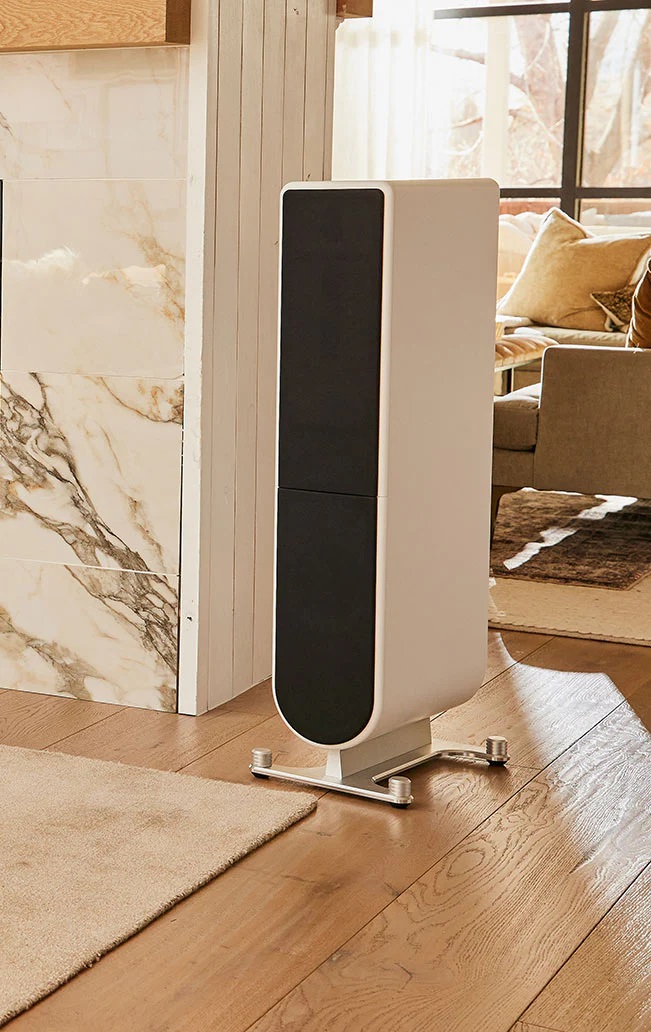

 aspen FR10 Features at a Glance:
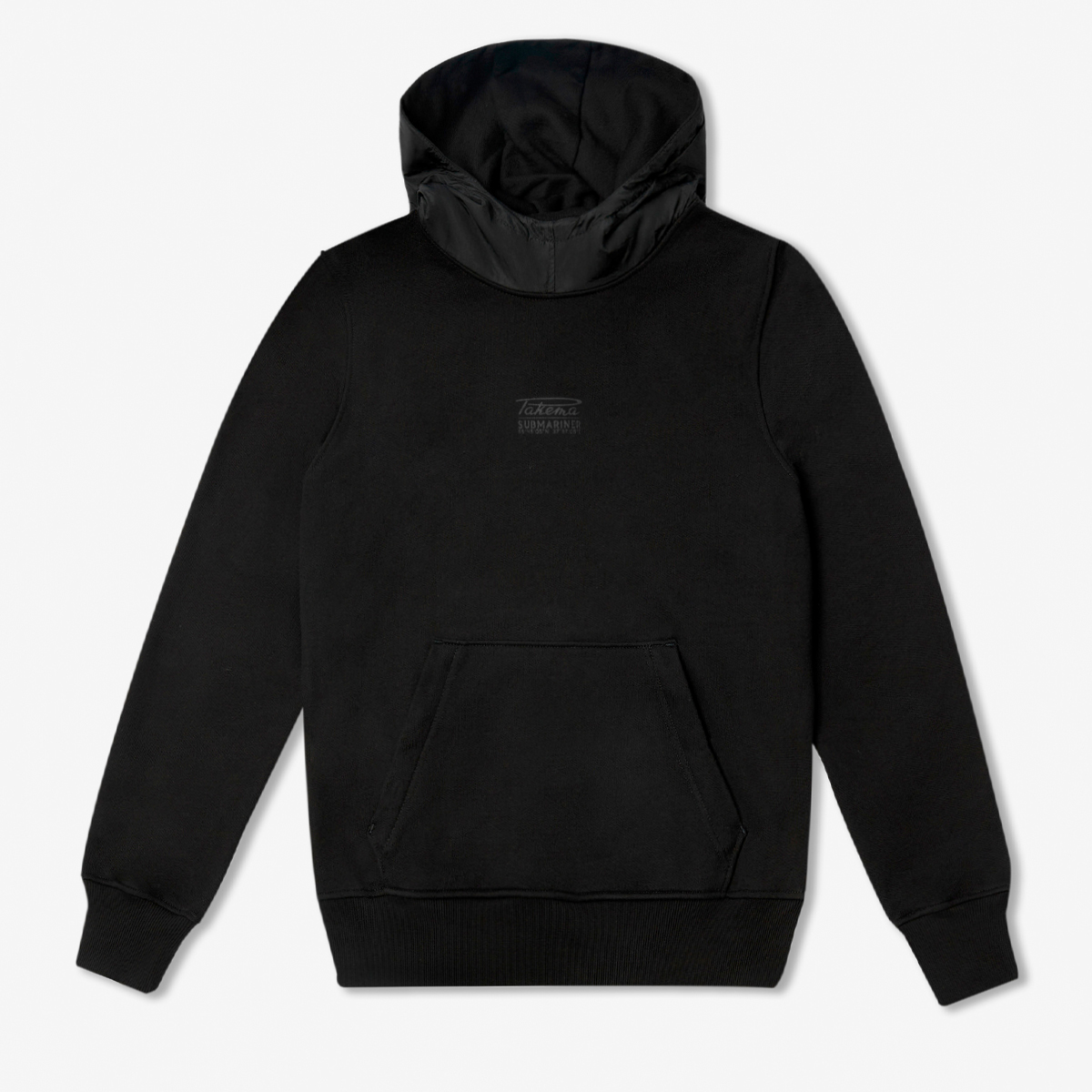








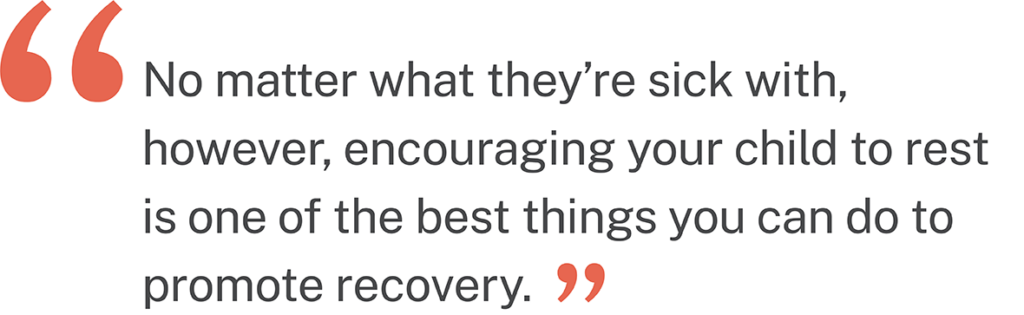





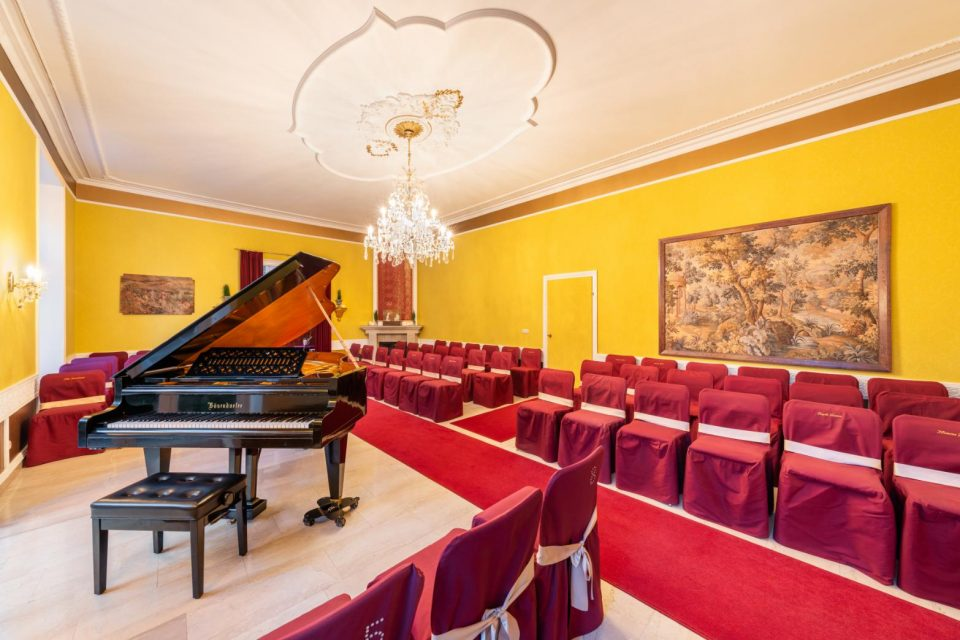
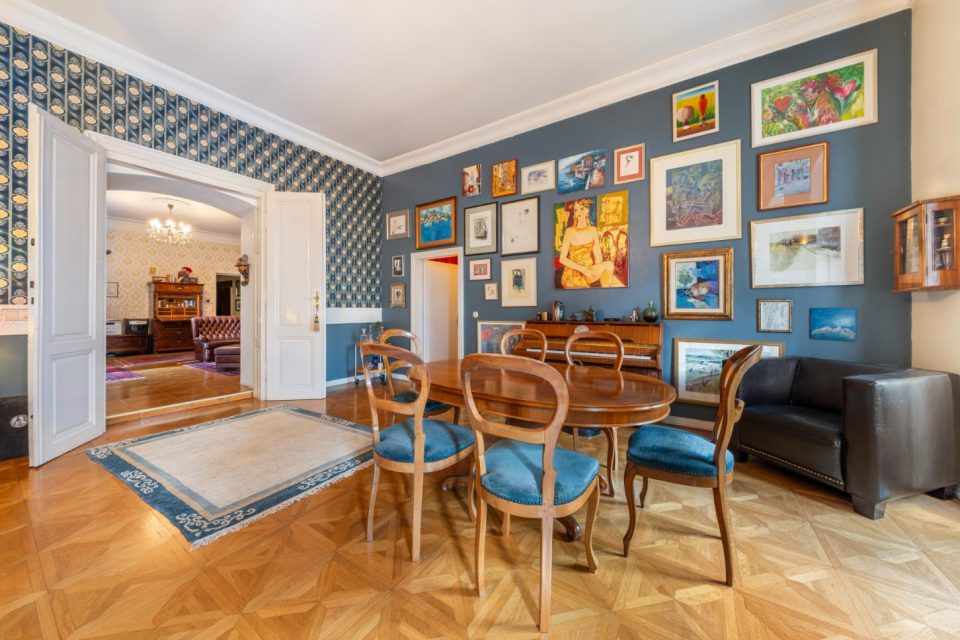
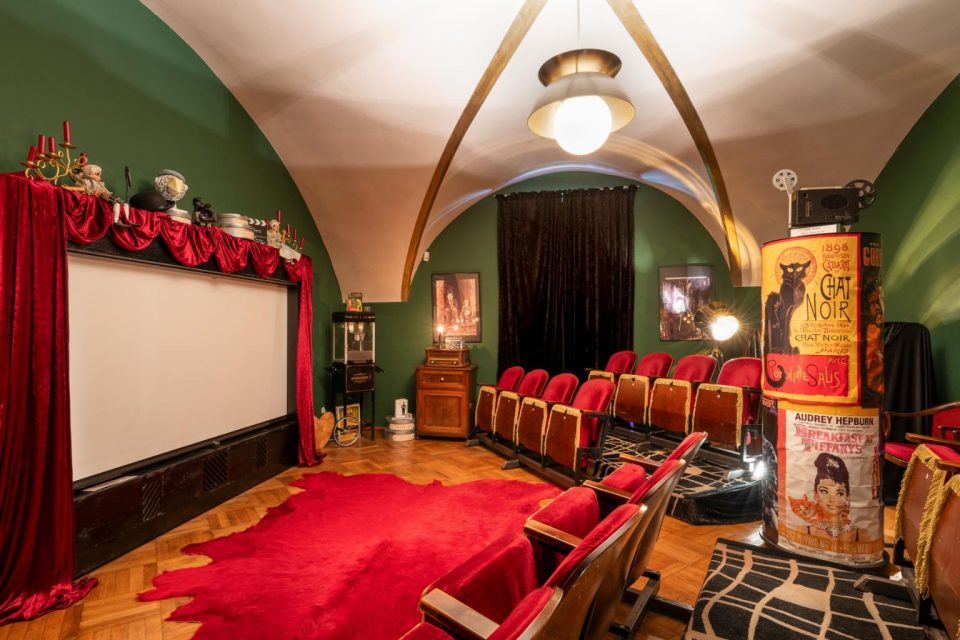

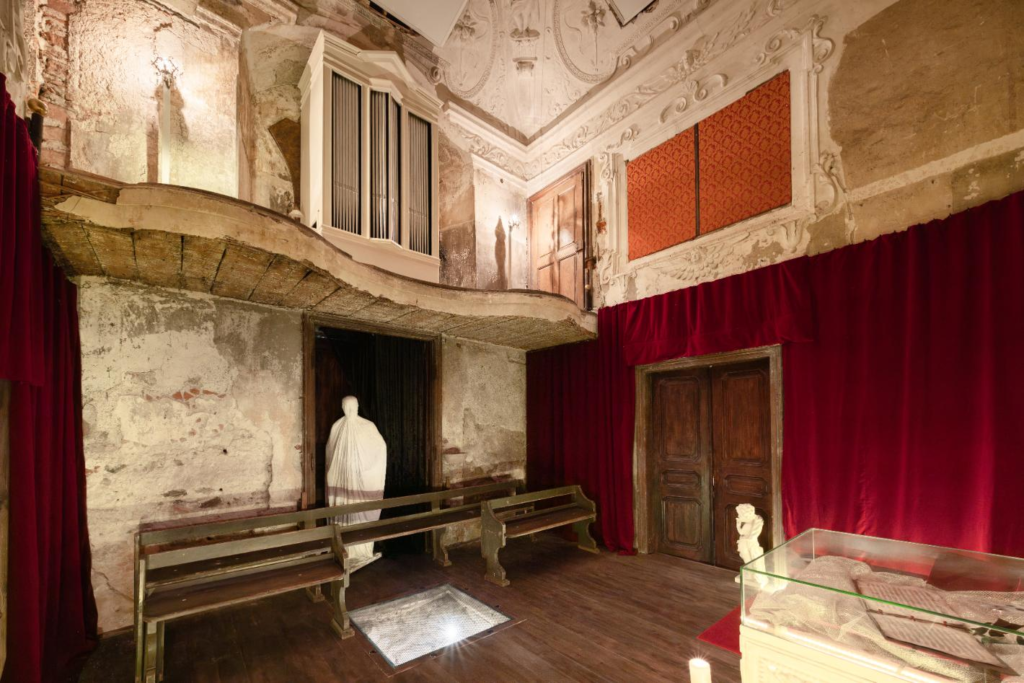
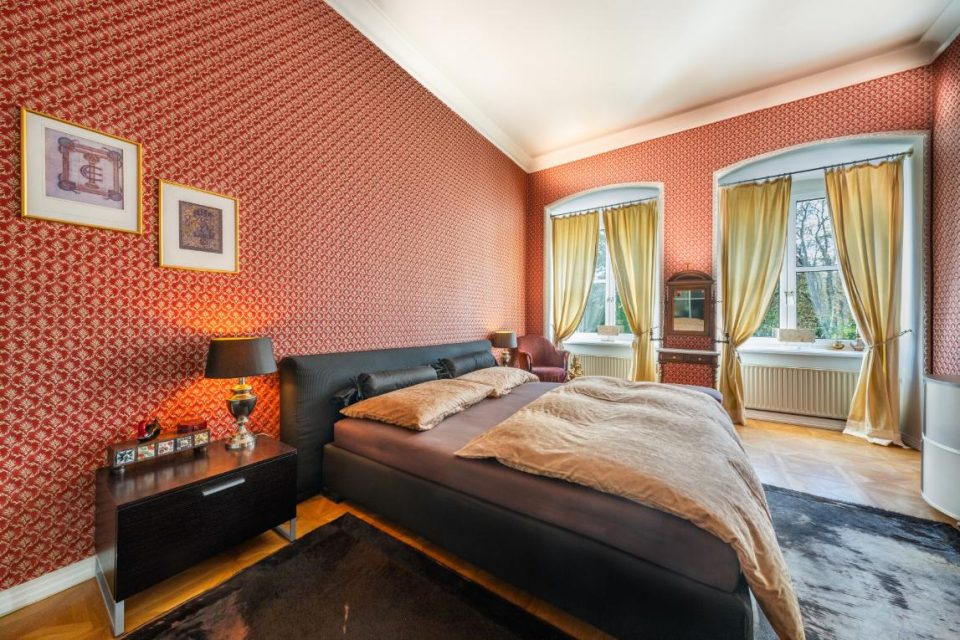
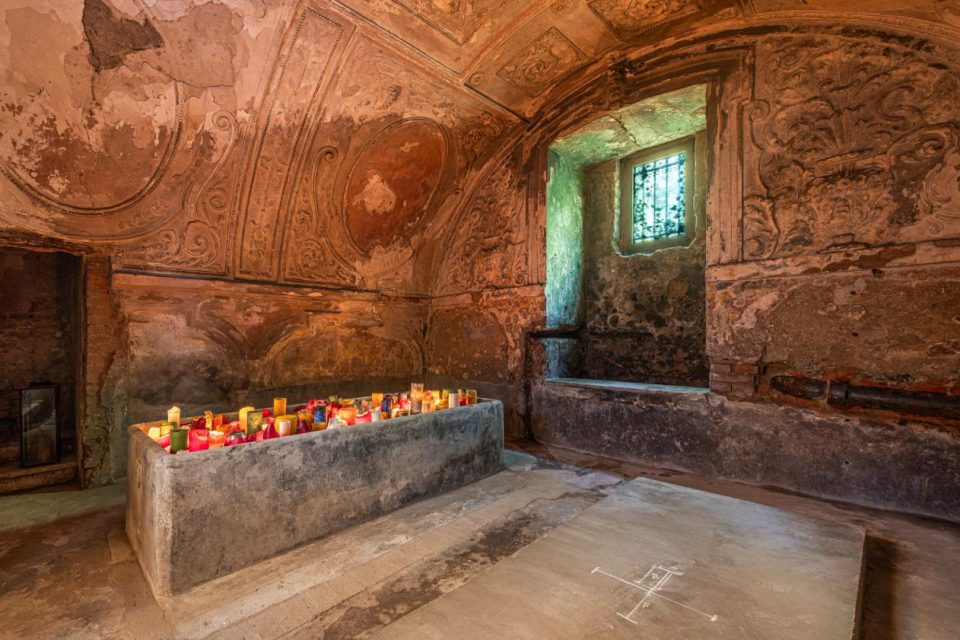


 Alfredo Muro is a concert guitarist, composer, arranger, and improviser. He’s been described as a Latin guitar virtuoso, yet his styles and tastes are far more wide-ranging, from the classical repertoire to folk, jazz, Brazilian and more. He noted, “The idea of the program presented on The Spirit of Christmas was to choose traditional Christmas themes, combined with Christmas music popular in Spain and South America. Many of those songs are connected to my heart – they are part of my childhood in Latin America.”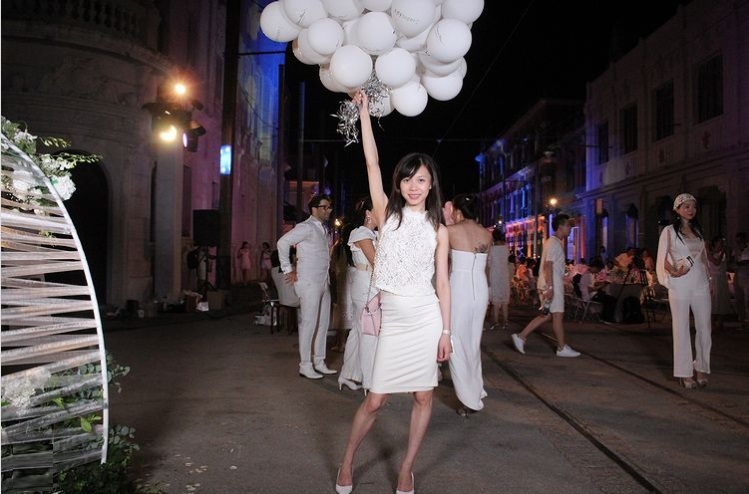




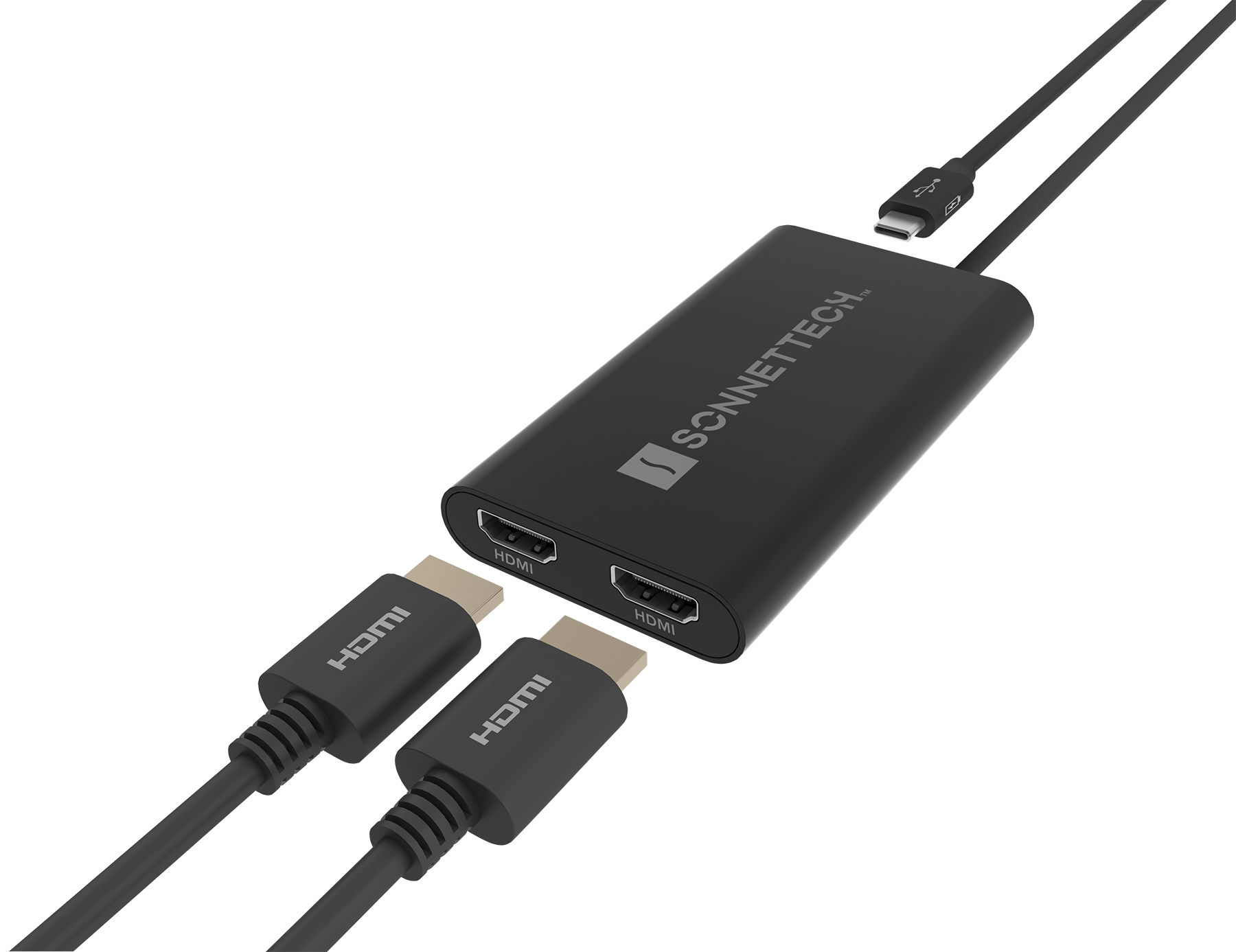
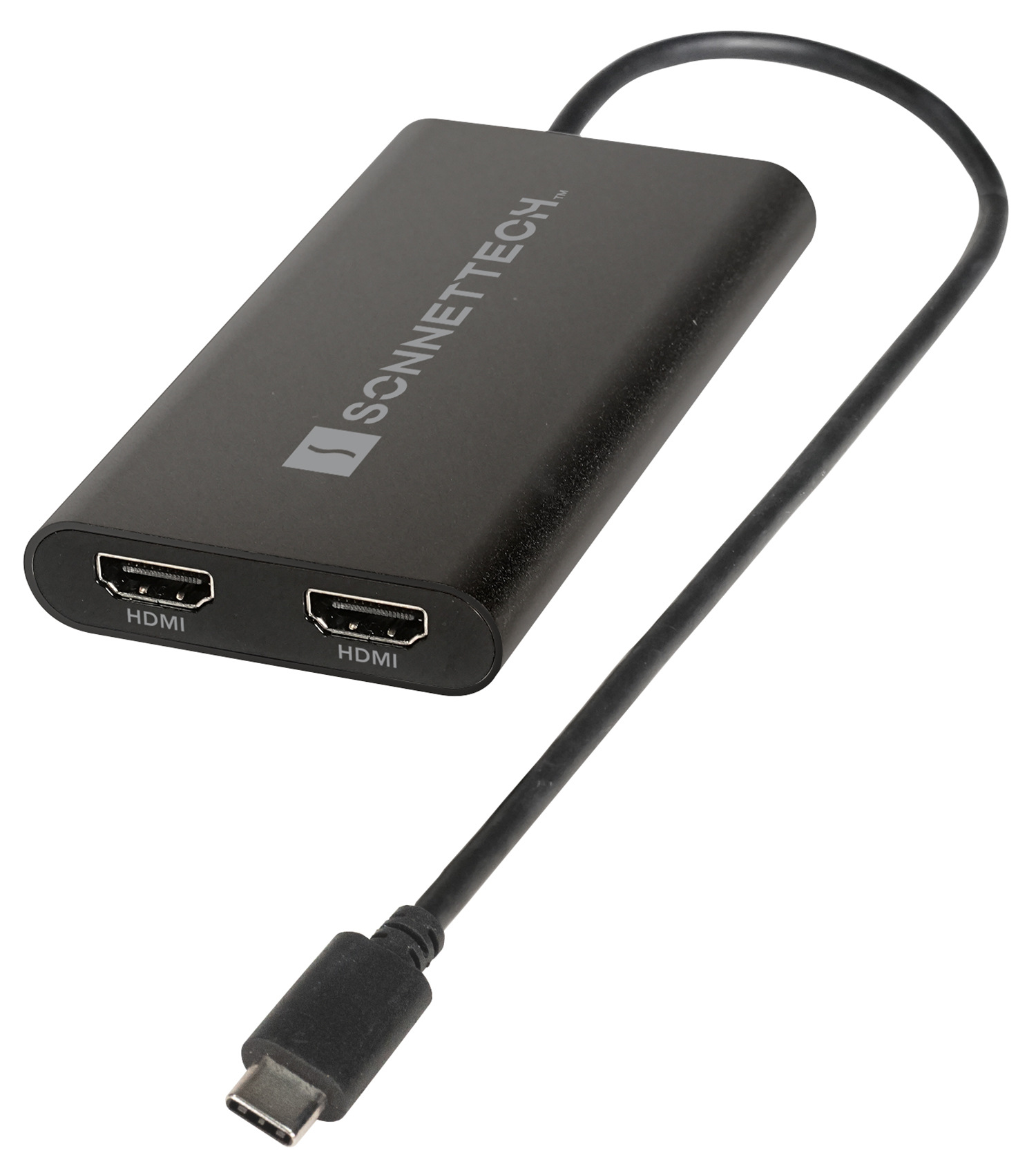






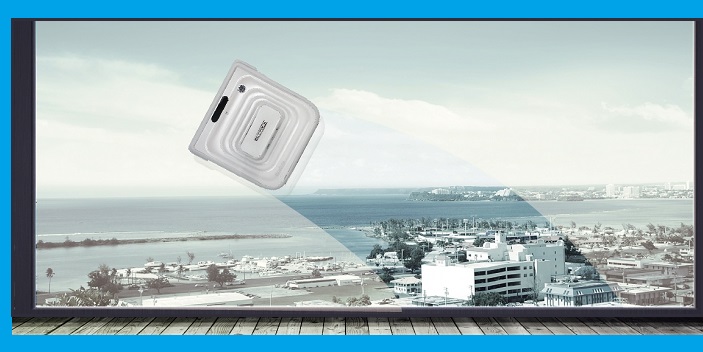
 operation is very easy – users just power her on, securely place her on the window, and press start. WINBOT’s Pathfinder Technology automatically scans and calculates the size of windows and programs a custom path for speed and efficiency. Her internal vacuum pump and powerful suction motor create a double seal that is able to bear up to 26 pounds and a back-up battery and safety pod ensure that WINBOT will stay secure even if the power is disrupted.


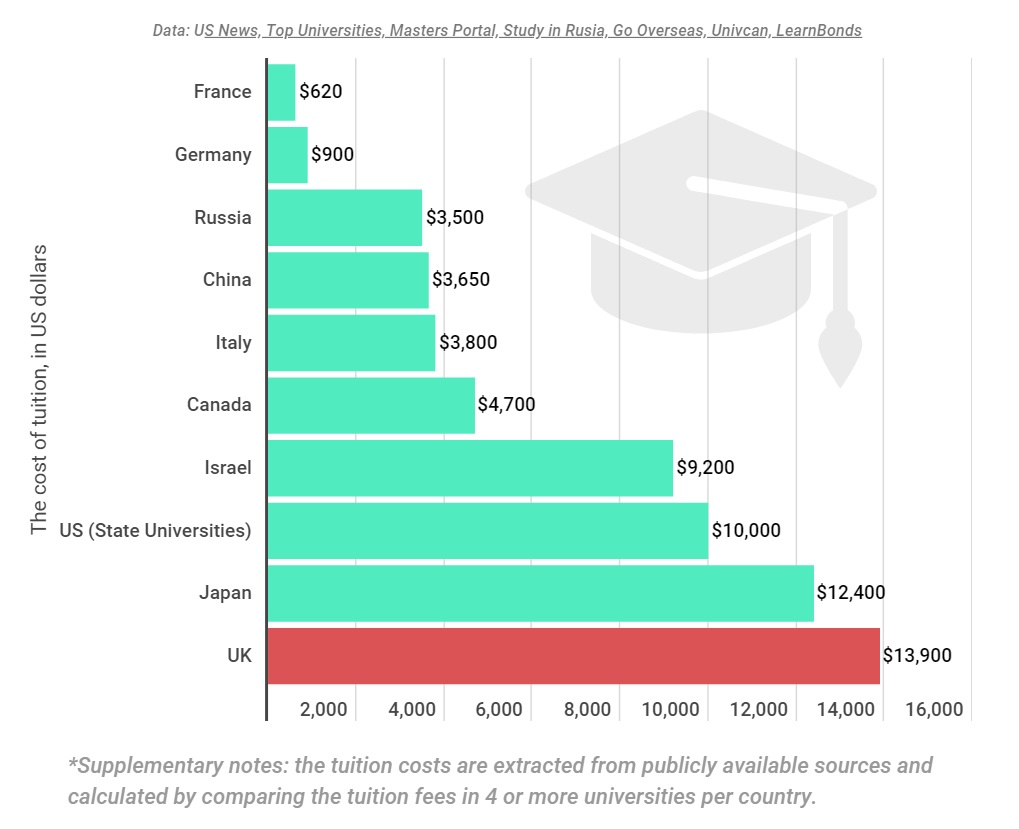
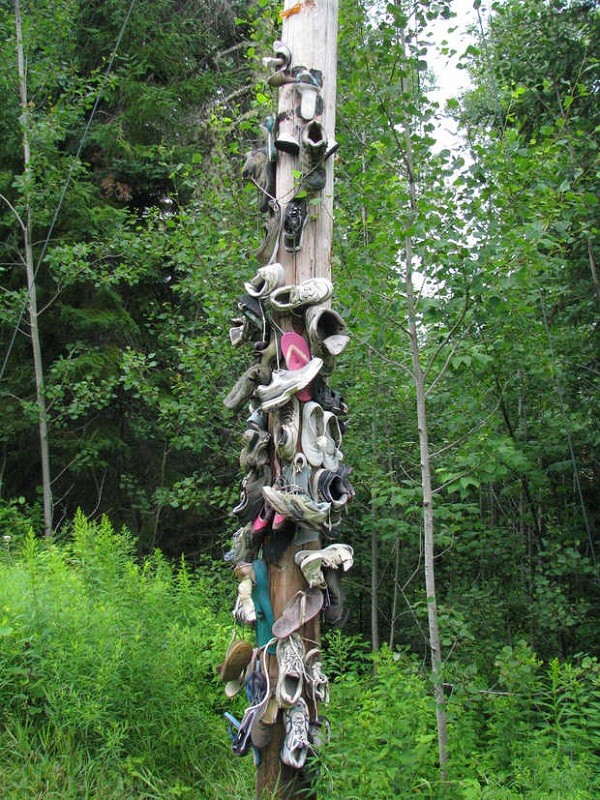

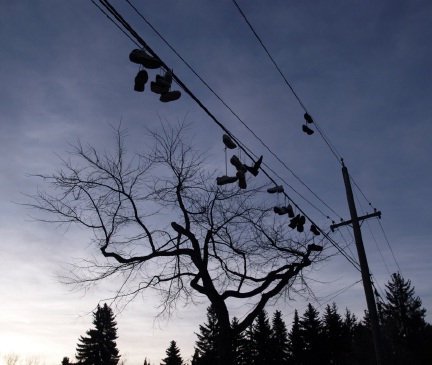
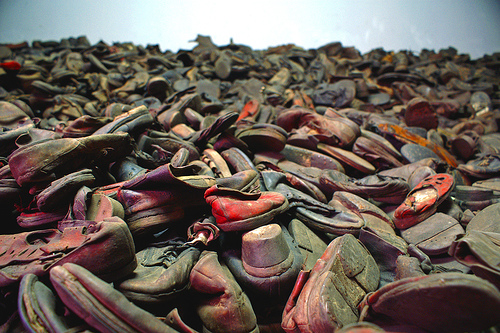



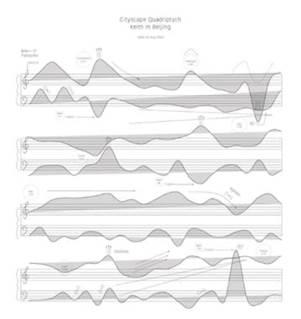
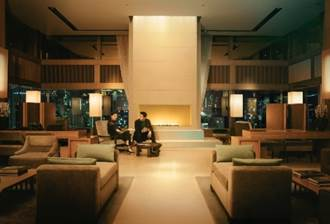
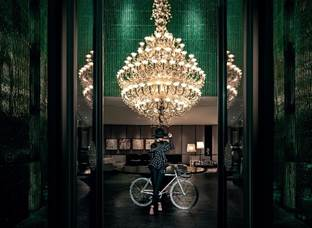

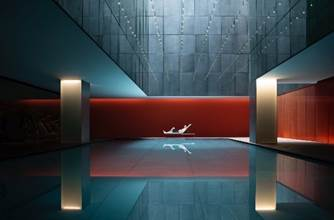







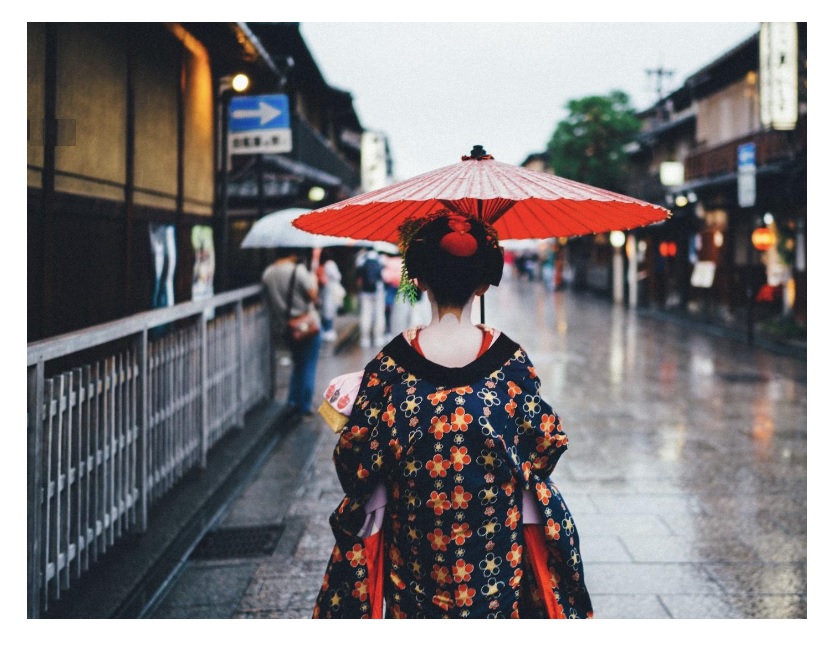



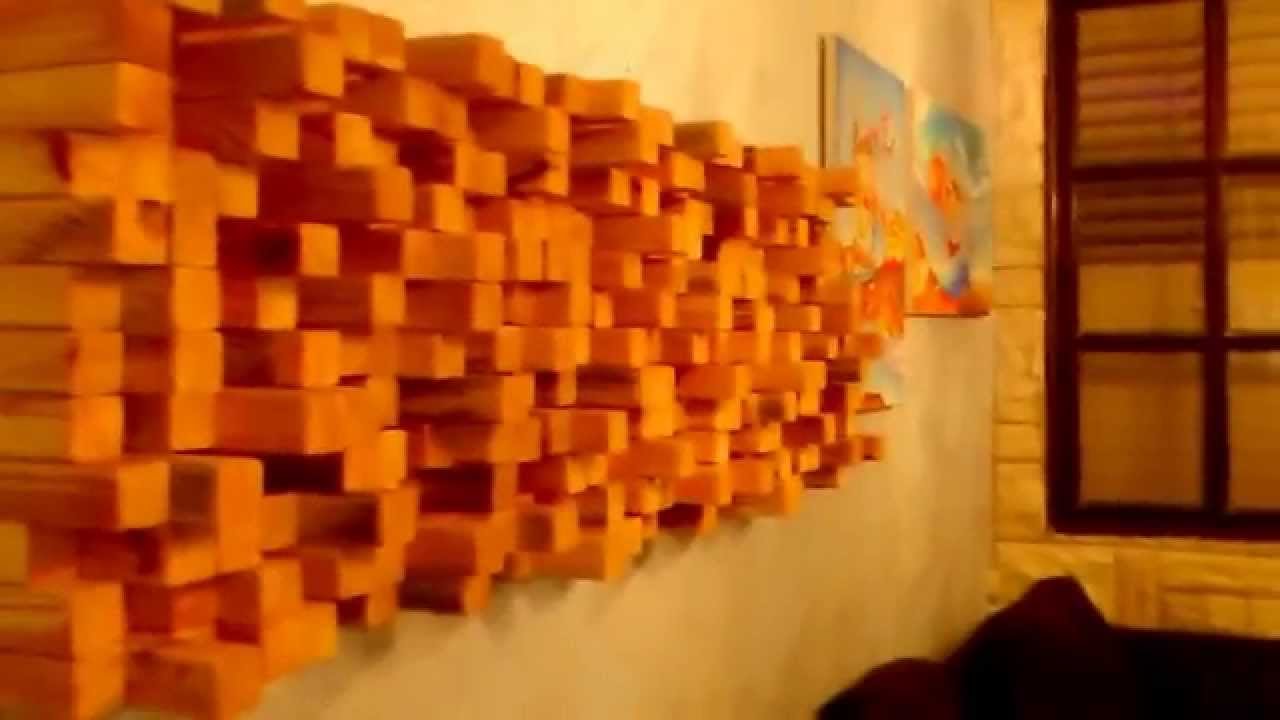
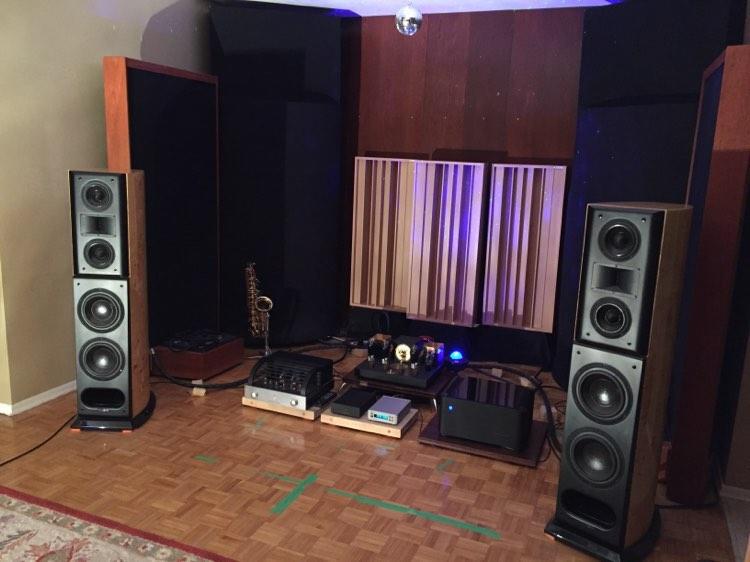
 Picture 2 above shows black membrane traps on the floor against the wall (with boards atop) and a black velocity trap on its side on the far left. Additional traps are behind the couch.
 Picture 3 above shows the back wall with alternating white RPG Skyline diffusion and GIK Monster Bass Traps with FlexRange elevated above and behind the couch, while more GIK traps sit behind the couch on the floor.