Tag Archives: dehydration

Global Campaign To Sponsor Gaza Orphans

Life for Relief and Development Intensifies Emergency Humanitarian Efforts to Support Thousands of Children Who Have Lost Their Families

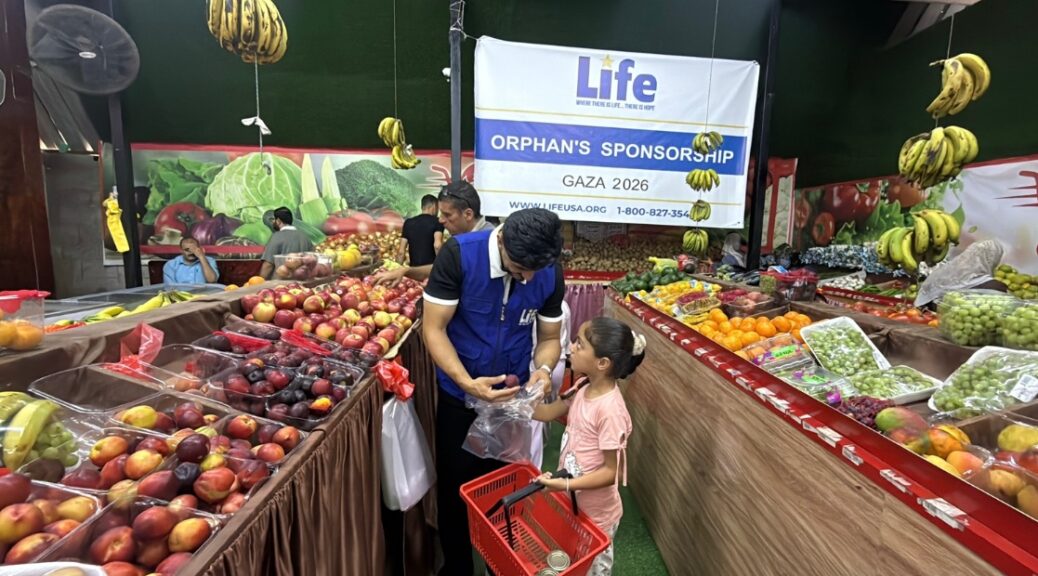
In an unprecedented initiative, Life for Relief and Development has launched a global humanitarian campaign to secure sponsors for 60,000 orphans in the Gaza Strip, aiming to support children who have lost one or both parents as a result of the war. The campaign seeks to provide their essential needs, including food, healthcare, education, and psychosocial support, amid the severe humanitarian conditions they continue to endure.

According to UNICEF, more than 64,000 children have suffered injuries or permanent disabilities since the outbreak of the war. Meanwhile, approximately 800,000 children are living in displacement, and nearly one million children require mental health and psychosocial support after being exposed to traumatic war-related experiences.

An Orphan Without Shelter, Water, or Food

We spoke with Dr. Abdulwahab Alawna, Regional Office Director for the Middle East at Life for Relief and Development, who described the scale of the campaign:

“Supporting orphan sponsorships in Gaza today is no longer simply about providing financial assistance to a child who has lost his or her parents. It is a long-term humanitarian commitment to children who have endured hardships and painful experiences far beyond their years.

These children need more than life’s basic necessities. They also need to regain a sense of safety and stability and to know that someone stands beside them and believes they deserve a better future. In light of the immense loss of parents, the destruction of homes and schools, repeated displacement, and extremely difficult living conditions, sponsoring a child in Gaza has become one of the most effective ways to ensure that child continues to receive essential support while being protected from further deprivation.

Sustained sponsorship does more than help children overcome their current crisis—it gives them a genuine opportunity to learn, grow, and build a more stable and dignified future.”

Spreading the Suffering of Gaza’s Children Is a Shared Responsibility

Vicki Roob, Director of Domestic Programs at Life for Relief and Development, added:

“We encourage everyone to help spread awareness of this campaign through social media and to speak about the suffering of Gaza’s orphans, whose hardship extends far beyond the loss of their families and sense of security.

Today, nearly 1.1 million children struggle to access safe drinking water, exposing them to increased risks of dehydration, diarrhea, respiratory infections, and skin diseases. At the same time, children are experiencing severe levels of food insecurity, placing them at heightened risk of malnutrition and its long-term consequences for their growth and overall health.

Hundreds of thousands of children have also been deprived of regular education after schools and educational infrastructure sustained widespread damage.

Malnutrition poses a serious threat to children’s health and development. Its effects are not limited to the present; they can continue throughout later stages of life, leading to stunted growth, weakened immune systems, increased vulnerability to disease, and impaired physical and cognitive development that may persist well into adulthood.”

Children with Disabilities in Gaza Need Comprehensive Support

The needs of children with disabilities in Gaza are even greater, as they face tremendous difficulties accessing the essential services they require, including assistive devices, medical treatment, rehabilitation services, healthcare, psychological support, and opportunities for education.

Life for Relief and Development is working to intensify its efforts to help rebuild these children’s lives and enable them to regain their abilities and opportunities for the future.

Many of these children have endured horrific experiences, including the loss of parents and siblings, the destruction of their homes, repeated displacement, witnessing death and severe injuries, living under constant fear, losing their schools, friends, and daily routines that once provided stability and security, and being forced to survive in unsafe conditions.

This crisis is far more than a collection of statistics. It reflects the reality of an entire generation that has been orphaned and deprived of the most basic elements of a safe childhood. Through this campaign, we strive to ensure that every child feels they are not alone—that someone stands beside them and believes in their right to live with dignity, hope, and the opportunity for a better future.

13,500 Orphans Supported in 22 Countries Worldwide

Abdullah Al-Zaqzouq, Director of the Orphan Sponsorship Program at Life for Relief and Development, said:

“Life launched its Orphan Sponsorship Program more than 30 years ago. Since then, the organization has been committed to providing comprehensive support to every registered orphan throughout the sponsorship period. This support includes food assistance, clothing, educational support, healthcare services, school supplies, and holiday gifts for hundreds of orphanages and foster families.

Our work is guided by the belief that sponsoring a child is one of the most effective and compassionate ways to empower vulnerable children and communities while helping them break the cycle of poverty.

Our vision for Gaza’s orphans in the coming period is to provide comprehensive and sustainable support that addresses their urgent humanitarian needs while also promoting their long-term growth and development.

Although the organization is expected to place greater emphasis on Gaza because of the unprecedented humanitarian emergency there, Life’s commitment to orphans in every country where it operates remains unchanged. We are determined to ensure that expanding our efforts in one region will never come at the expense of children in other parts of the world.”

Specialized Humanitarian and Development Programs for Repeated Displacement

Life for Relief and Development also seeks to strengthen its comprehensive orphan care strategy by integrating emergency humanitarian response with long-term sustainable development across all of its programs and operational areas.

The organization recognizes the close connection between the circumstances of orphans, refugees, and internally displaced persons around the world. Many orphaned children are also refugees or internally displaced because of armed conflicts, natural disasters, or economic instability.

For this reason, Life adopts a comprehensive approach that addresses the unique needs of orphaned children within the broader context of displacement and forced migration. Its programs provide integrated support in education, mental health and psychosocial care, family tracing and reunification, and child protection services, while working closely with local and international partners to ensure continuity, coordination, and long-term effectiveness of care.

The Greatest Beneficiary of Sponsoring an Orphan Is the Sponsor

Angela Joyce, one of the participants in the campaign, said:

“Donating to orphan sponsorship and charitable causes does not only provide donors with a sense of fulfillment—it may also contribute to increasing their income and wealth. This aligns with Brooks’ research and reinforces the idea that generosity can produce measurable financial benefits.

Neuroscientists have found that the brain releases dopamine when people engage in acts of generosity, reinforcing positive emotions and encouraging continued giving.

Research conducted by Harvard Business School indicates that individuals who are more generous are 43% more likely to describe themselves as ‘very happy’ compared with those who do not donate.

In addition, a study published in the Journal of Economic Psychology found that people involved in charitable activities tend to build broader social networks. These relationships often develop into opportunities for economic growth and career advancement, as people naturally prefer to work with and support individuals they trust and whose generosity they value.”

For the Silo, Tasneem Elridi.

https://donate.lifeusa.org/donorportal/all-orphans-list

https://lifeusa.org/#social-media

LELO Guide To Love Making During Canadian Heatwaves

NOTE THIS ARTICLE CONTAINS MATURE THEMES AND IS INTENDED FOR ADULTS ONLY

As Canada braces for another scorching summer with record-breaking temperatures, there’s one burning question on many couples’ minds: how do you keep the spark alive when it’s already too hot to move?

Our friends at LELO, the world’s leading intimate wellness brand, has just released a timely and refreshingly practical guide: “Guide to Sex During the Canadian Heatwave” – featuring ten clever tips to turn sweltering weather into an opportunity for sensual exploration.

When the temperatures rise, so does the passion, but getting hot and sweaty in the middle of a heatwave isn’t always as fun as it sounds. Sticky sheets, dehydration, and exhaustion can all dampen your steamy plans. But fear not! LELO has the ultimate 10 step guide to keeping things sizzling without overheating.

  1. Location, Location, Location
    Forget the bedroom; heatwaves call for creative cool-down solutions. Try the bathroom floor (hello, cool tiles), the kitchen counter (refreshing and thrilling), or even a shaded outdoor area if privacy allows. If you have air conditioning, position yourselves strategically for maximum airflow.
  2. Time It Right
    The sun isn’t your best friend when it comes to high-energy activities. Opt for early mornings or late nights when the temperature dips, giving you a more comfortable setting to let loose.
  3. Keep It Cool – Literally
    Turn your pleasure into a cooling experience. Ice cubes, chilled massage oils, and refrigerated sex toys can heighten sensation while keeping things refreshingly cool. A strategically placed fan can also provide a light breeze that intensifies every touch.
  4. Dress (or Undress) Smart
    Silky, breathable fabrics or nothing at all are the way to go. Lightweight lingerie, or even just a damp towel under you, can prevent that sticky, uncomfortable feeling that heatwaves bring.
  5. Hydration is Sexy
    Sweat is inevitable, so keep a bottle of cold water nearby. Not only will this keep you both refreshed, but a little playful ice cube action on each other’s bodies can add an erotic twist to your session.
  6. Adjust Your Pace
    Heat can make vigorous sessions feel draining. Go for slow, sensual movements, incorporating tantric techniques to build deeper intimacy without exerting too much energy.
  7. Shower Together
    Take advantage of a cool or lukewarm shower as part of foreplay or even the main event.
    Water play can be an erotic and effective way to beat the heat while staying connected.
  8. Change Up Your Love Making Positions
    Some positions create more body heat than others. Try ones that minimize full-body contact, like doggy style or spooning variations, to keep things hot while staying cool.
  9. Say Yes To Sensory Play
    Heatwaves are the perfect excuse to explore sensory play. Ice cubes on the skin, cooling gels, or even minty lubricants can create exciting temperature contrasts that heighten pleasure without overheating. Consider incorporating sex toys with added cooling lubricant to elevate
    the experience.
  10. Try Mutual Stimulation
    If full-body contact feels too overwhelming in the heat, mutual masturbation is a fantastic alternative. You can still share an intimate, erotic experience while keeping some personal space.
    A heatwave doesn’t have to put a stop to your sex life – it’s just an opportunity to explore new ways to keep things cool and exciting. With the right mindset (and maybe a few ice cubes), you can turn up the heat in all the best ways without breaking a sweat. Stay cool, stay playful, and
    let summer lovin’ take on a whole new meaning.

For the Silo, Emilie Melloni-Quémar.

More About LELO

LELO is not just a sex toy brand; it’s a self-care movement aimed at those who know that satisfaction transcends gender, sexual orientation, race, and age. We’re offering the experience of ecstasy without shame, the pleasure of discovering all the wonders of one’s body, thus facilitating our customers with confidence, that leads to a fulfilled intimate life. LELOi AB is the Swedish company behind LELO, where offices extend from Stockholm to San Jose, from Sydney to Shanghai.

Online Remote Doctoring In Canada Effective This Flu Season

How to keep your kids healthy this winter

Kids never seem to get sick when it’s convenient. It always seems to hit in the middle of the night or the morning of a big test, and it’s not always obvious if they need to see a doctor or not. If your little one’s sick, your teen needs a doctor’s note for school, or you have health questions, Maple has you covered.

Maple is a virtual care provider that connects you with Canadian-licensed doctors and specialists, 24/7.

Even if your child isn’t currently sick, getting virus after virus may feel unavoidable. However, there are ways you can help to protect your kids from the worst of cold and flu season. Here’s how to keep your kids healthy this winter and what to do if they come down with something despite your best efforts.

How to keep your kids from getting sick

Cold weather doesn’t have to mark the start of fever and runny nose season. Here’s how to help protect your kids from getting sick.

1 Stay up to date with vaccinations

Getting your child to roll up their sleeve for a vaccine isn’t always easy. Despite that, the flu shot is a great option for protecting your family against the virus.
The flu vaccine changes every year based on which strains of flu are circulating. While it can’t completely guarantee your child won’t get the flu, it does prime their immune system to recognize the virus more quickly. This helps protect against more severe illness and any accompanying complications.

2 Prioritize healthy eating

No one food can completely protect your child from getting sick. However, vegetables, fruits, protein, and healthy fats provide necessary micronutrients to support their immune system function. Kids don’t always want to eat what’s best for them though. Even if they’re not a picky eater, devouring a rainbow of vegetables might not be your child’s thing. If you’re worried they’re not getting enough nutrients, speaking to a dietitian can help you understand if your child’s diet is lacking anything. Even better, they can suggest healthy meals your kids will actually eat.

3 Supplement their diet with vitamin D

Vitamin D is one of the building blocks of healthy immune functioning. But it’s difficult to get enough from sunlight and diet alone, leaving many Canadian kids deficient. Incorporating a vitamin D supplement is a great way to make sure they’re meeting their requirements.

4 Promote proper hand hygiene

The influenza virus can live on some surfaces for up to 7 days, just waiting for a chance to go from your child’s hand to their mouth, nose, or eyes. Support your child to wash their hands properly to help curb this.

5 Consider masking in public indoor settings

They may not be everyone’s preference, but masks are a great tool to prevent your child from breathing in cold and flu viruses. As an added bonus, they also help safeguard against COVID-19 when worn in public indoor places.

6 Ask them to give their friends space

Flu and cold viruses pass easily through close contact. Remind your child not to share utensils, food, or drinks with their friends.

7 Create good sleep habits

Lack of sleep can negatively affect the immune system, putting your child more at risk of getting sick. Keep a consistent wakeup and lights out schedule and avoid screens for at least an hour before bedtime to encourage a full night’s rest.

How to help your child recover comfortably

Viruses spread easily, and even the most conscientious kids can get sick. No matter what they’re sick with, however, encouraging your child to rest is one of the best things you can do to promote recovery. You can also make them more comfortable by:

  • Prioritizing hydration. Give your child frequent small sips of water to keep the mucus flowing and help reduce congestion.
  • Running a cool mist humidifier to ease nasal congestion and breathing. Don’t forget to use purified water and disinfect regularly to avoid dispersing bacteria or mold into the air.
  • Investing in a good quality nasal aspirator for babies and children who can’t blow their own nose.
  • Using a purified saline solution to clear nasal passages. You can combine this with a nasal aspirator tool.

What medications should I give my child for cold or flu?

Provided they don’t have any allergies to the medicines and you dose by weight, you can safely give your child fever-reducers like acetaminophen (Tylenol or Tempra) or ibuprofen (Advil or Motrin). These also address other symptoms like sore throat and headache.

However, giving children under 18 Aspirin for headaches or other symptoms is a definite no as it can cause Reye’s Syndrome, a serious illness. And, since antibiotics only treat bacterial infections, they won’t work against the viruses that cause colds and flu.

If giving your child medication is feeling tricky, talking to a doctor online can help to answer any questions you have. They may also be able to provide prescription medication like antiviral drugs to shorten the severity and length of your child’s flu. This is especially helpful for children at higher risk of flu complications, like the immunocompromised or kids under five.

If you go this route, timing is everything since antivirals are most effective within 48 hours of symptom onset. With Maple, you can connect to a doctor within minutes. And, if they do prescribe an antiviral, it can be faxed to the pharmacy of your choice, or delivered free to your door.

Without antivirals, how long does the flu last in kids? Recovery should take about a week although coughing and low energy can linger for a week or two after. In contrast, colds take about 7-10 days to run their course.

Quote: "No matter what they're sick with, however, encouraging your child to rest is one of the best things you can do to promote recovery."

Should I let my child’s fever run its course?

Fever isn’t just distressing, it can also be confusing — is 37.5°C a fever in a child? Is 38°C? And how do you know when a fever is too high for a child?

While it can be upsetting to watch your child wrestle with a fever, there are clear guidelines for treating them.

For starters, an underarm or oral measurement above 37.5°C is considered a fever. For ear and rectal temperature, 37.9°C is top of the normal range. But, while you can treat a temperature above these, you don’t have to. If your child’s comfortable, focus on keeping them hydrated and well rested.

When to have your child see a doctor for a cold or the flu

You know your child best. If you think something’s wrong, it’s never a bad idea to speak to a doctor. Beyond that, you should also reach out to a healthcare provider if:

  • Your child goes from getting better to suddenly getting worse.
  • Your child has a barking cough and raspy-sounding breathing — this may indicate croup.
  • A persistently high fever in a child with no other symptoms lingers beyond 48 hours. It may indicate an underlying medical issue or infection.

It’s time to take your toddler or child to the hospital when they:

  • Have a fever and are experiencing confusion, lethargy, severe drowsiness, or a stiff neck
  • Are having difficulty breathing — this can look like working hard to breathe or having difficulty catching their breath just sitting or talking
  • Are showing signs of dehydration

No matter how old they are, seeing your child sick can be stressful. With Maple, get the convenience of 24/7 virtual care anytime, anywhere and connect with a Canadian-licensed healthcare provider to help ease your concerns and get the treatment you need. If you’re looking to get an online prescription or see a healthcare provider quickly, Maple has you covered whether it’s the middle of the day or the middle of the night. Sign up today to help your child feel better, faster.

See a doctor now

Get started

How to Refresh A Toddler On Hot Summer Days

Toddlers are great. They are curious, active, and love learning. For them, every moment is an exciting opportunity to learn something new. Toddlers are continually focused on experiencing positive emotions. They are not focused on negativity, nor do they hold grudges for a lifetime. That is why it’s so fun to be around them.

No matter how fun they might be, it is up to their caretakers to provide them with the best possible surroundings.

When playing, toddlers don’t think much about food and drinks, no matter how hot it may be outside. This is why it is up to adults to mind their nutrition and to keep them hydrated all year round.

Here is how to keep them fresh on hot summer days and create safe playtime.

Hydration Comes First

Drinking enough water every day is important for many reasons, no matter the temperature, as it helps regulate body temperature, keeps joints lubricated, and helps organs function properly. If you live in a hot climate, you already know how important it is to have a bottle of water of your own.

To help your toddler refresh, keep a bottle of fresh spring water by your side and give him some sips on a regular basis, especially if you notice less energy and lower playfulness. Sometimes toddlers can not tell that they are thirsty so their bodies will try to communicate it.

Put A Hat On

Most effective tips are usually the most simple ones. Use a hat to keep your toddler well-protected. When shopping for the perfect hat, focus on finding the one with a wide brim and a flap to cover the neck.

When you are there shopping, get a hat for yourself as well. Seeing you with your own hat, your kid will understand that it is important to wear one and will do the same as you.

If Possible Avoid The Car

Cars are heat traps. On hot days it is really challenging to sit cool inside your car – it is easier if you have the right air conditioning. If possible, on hot days, walk to the park. If you have to use your car, think about traveling earlier in the morning or later throughout the day. If you have a dog, the same car rules apply.

Extra Tips On How To Refresh A Toddler On Hot Summer Day

1. Fill up the paddling pool

2. Get a nursery thermometer

3. Create a breeze

4. Ventilate your home

5. Use appropriate bedding

6. Give them a quick bath

7. Check toddlers temperature

Put yourself in their shoes. Treat your toddler as you would treat an adult. Do not overdress your toddler just because you think it’s too cold for him.

Ask yourself – is it really that hot? Would I be comfortable wearing this? Don’t forget to talk with your pediatrician if you have any questions or concerns about keeping your toddler safe in the heat.

No matter where you might be, or if you are staying all day indoors, make sure that you have fresh spring water on you – it will keep both you and your toddler well-hydrated and active.

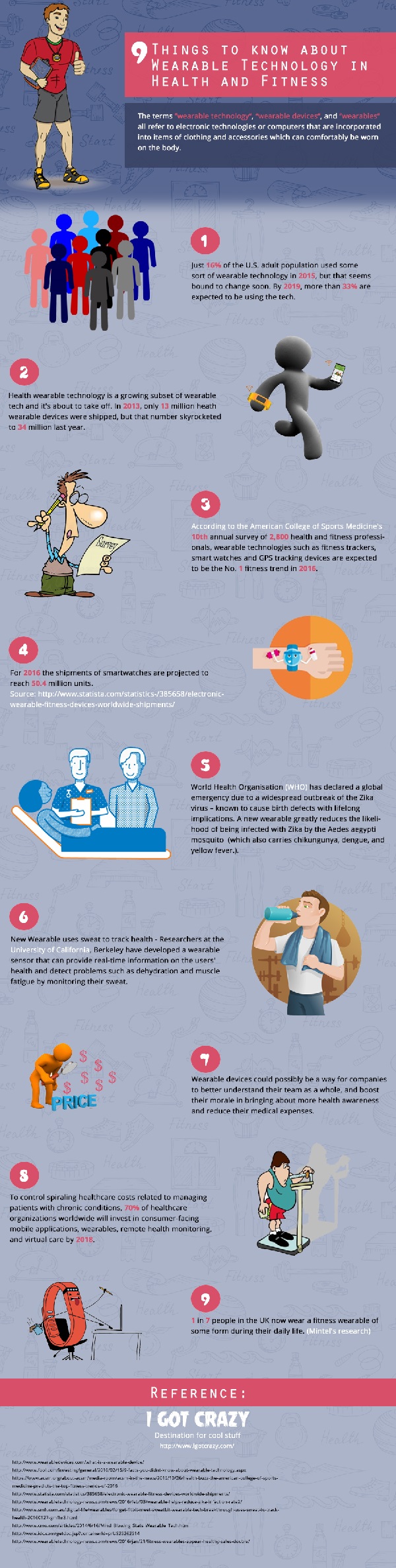
9 Things to Know about Wearable Tech in Health and Fitness

Here’s a fun wearable Infographic from our friends at igotcrazy.com. Do you agree with their projections of use?

•    By 2019, more than 33% of U.S. adult population is expected to be using the wearable tech?
•     According to a survey wearable technologies such as fitness trackers, smart watches and GPS tracking devices are expected to be the No. 1 fitness trend in 2016.
•    Wearable devices could possibly be a way for companies to better understand their team.

Wearable Tech In Health And Fitness Infographic