Tag Archives: virus

24 Billion Credentials Leaked In Database- Are Yours Included?

24 billion records, including usernames and passwords were just exposed in colossal data leak.
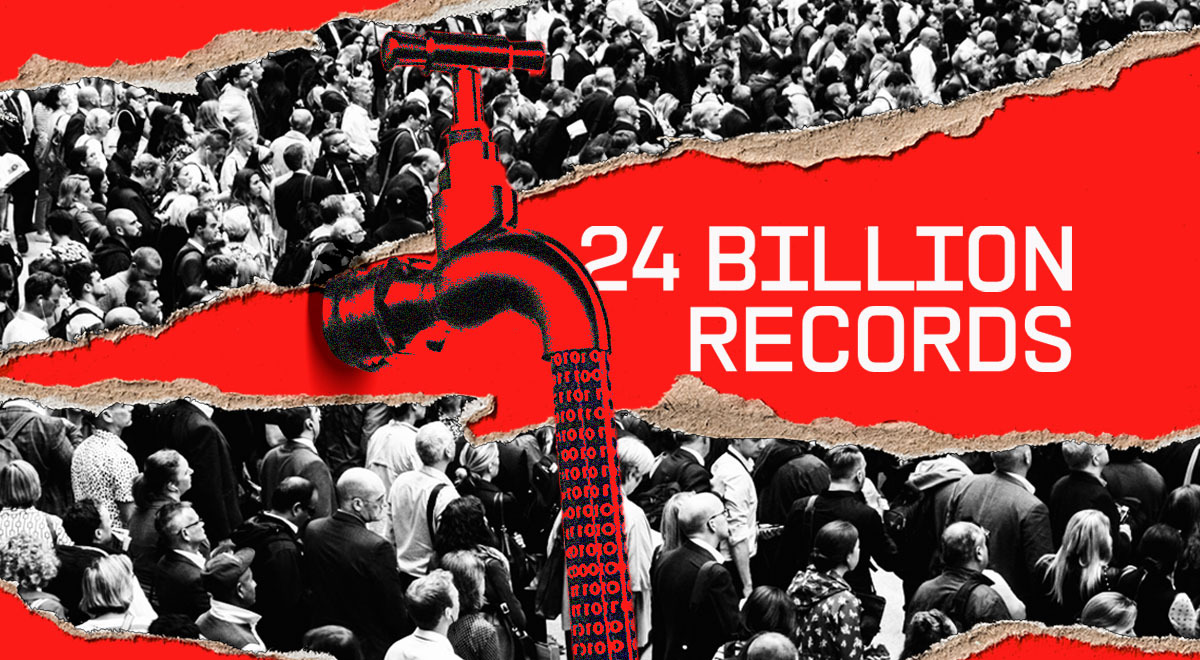

24 billion records data leak
Image by Cybernews.

Cybernews researchers discovered an exposed database containing 24 billion records, including usernames, email addresses, plaintext passwords, and login URLs. The data appears to come from infostealer malware logs, records stolen from infected devices and collected from Telegram channels, breach compilations, and other sources.

Key takeaways:

  • Cybernews researchers found an exposed Elasticsearch cluster containing 24 billion records and more than 8.3TB of data.
  • Most records appear to be infostealer logs, including usernames, emails, passwords, and login URLs.
  • The data came from 36 sources, including Telegram channels, breach compilations, and large “collections.”
  • Researchers cannot yet confirm how many records are duplicates or how many unique people were affected.
  • The database is no longer publicly exposed, but reused passwords may still put accounts at risk.

While data leaks spilling millions of records have become the norm, one involving 24 billion records, including usernames and passwords, is something else. That’s why the Cybernews research team had to triple-check their findings after uncovering over 8 terabytes of data exposed online.

Our team discovered what is likely to be one of the largest databases ever exposed on June 12th. The vast majority of the 24 billion exposed records, our researchers believe, were infostealer logs. In other words, stolen usernames, passwords, and services that these credentials were supposed to grant access to.

“The credential data leak is dangerous simply because of its enormous size. Since the data leaked online, billions of affected accounts are at serious risk of takeovers, especially if they are not protected with multi-factor authentication,” the team explained.
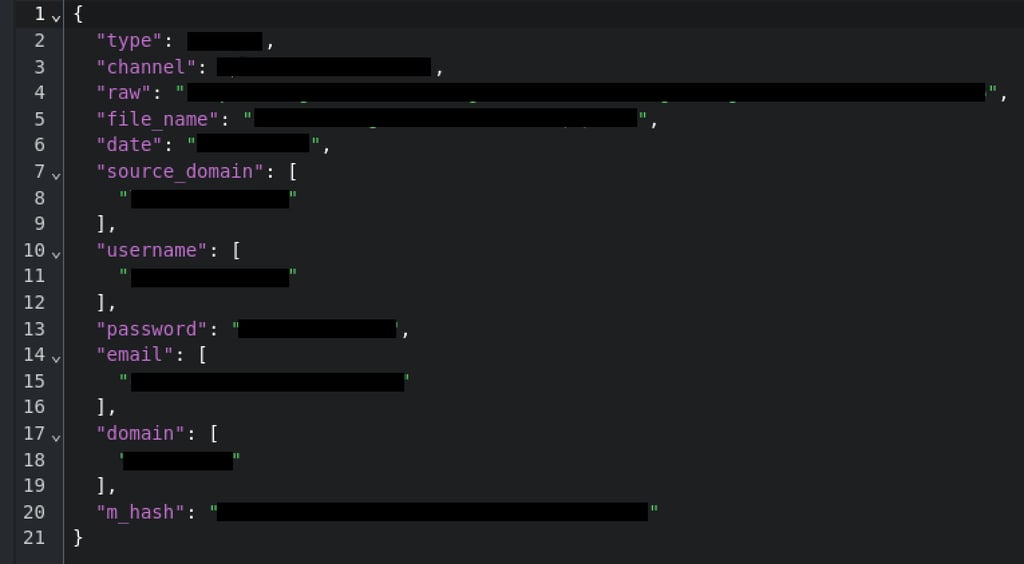
infostealer data sample
Infostealer log document example. Image by Cybernews.

What did the 24 billion record data leak reveal?

The records our team uncovered were stored on a publicly available Elasticsearch cluster, a group of interconnected search servers. The total volume of information in the cluster exceeded 8.3 terabytes.

Nearly all exposed records were infostealer logs, data collected by malicious software that steals sensitive information. According to the team, the logs revealed login credentials in raw format, with each login detail saved separately, including email addresses, usernames, and passwords in plaintext.
infostealer data sample2
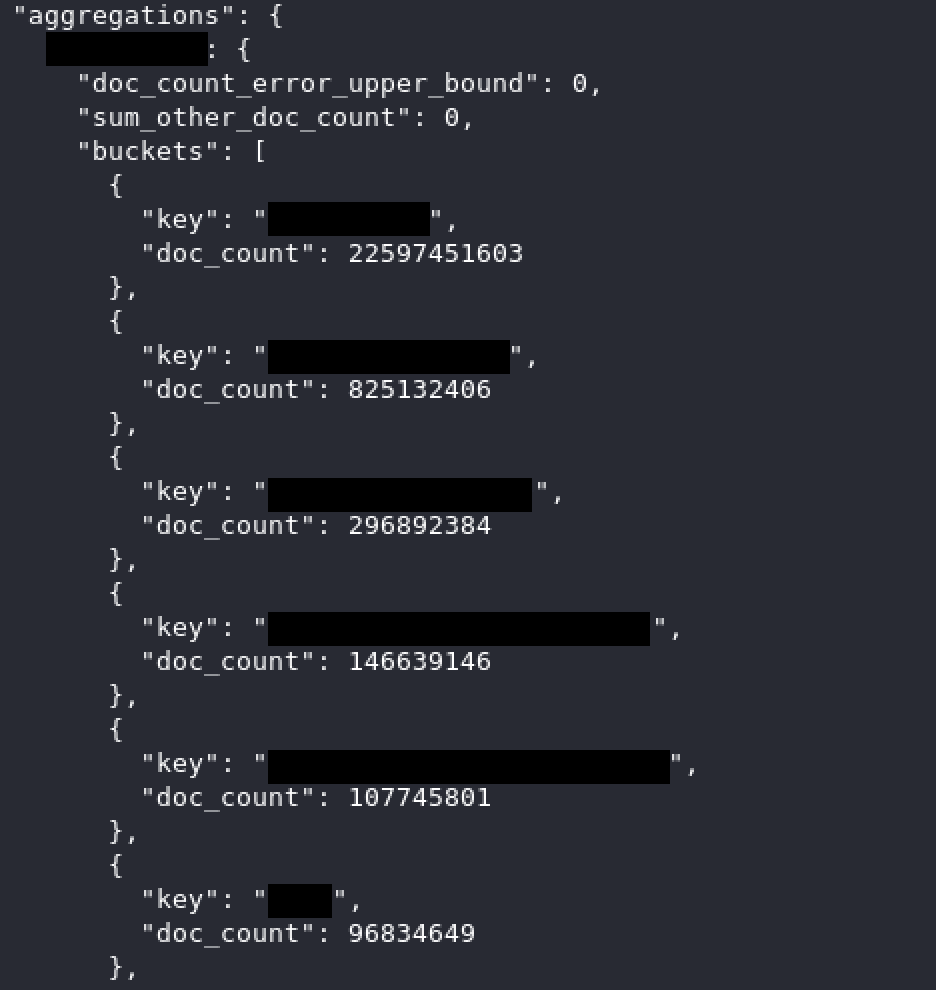
Document counts from different sources. Image by Cybernews.

Additionally, researchers identified URLs that the leaked credentials are supposed to grant access to, as well as the source of the logs.

The exposed credentials came from 36 distinct sources, varying from Telegram channels to combined data collections of previous data breaches and datasets exported directly from live target servers.

Which Telegram channels are involved in the data leak?

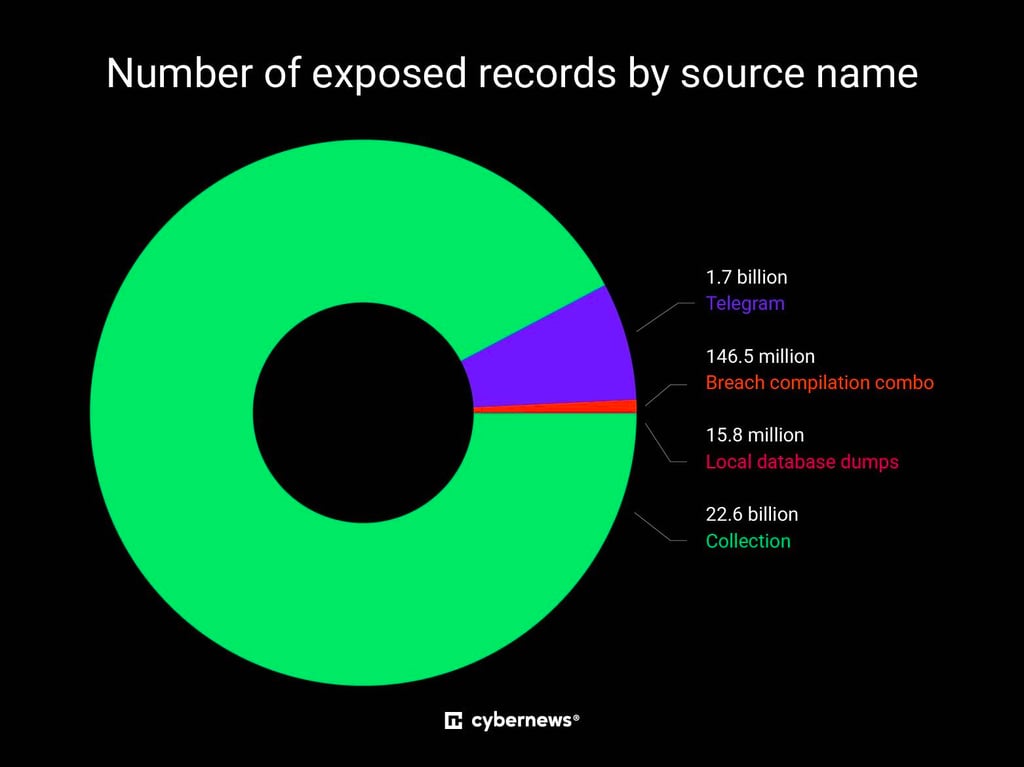
For example, over 1.7 billion records supposedly came from various Telegram channels. All channels appear to be involved in cybercrime, with a focus on stolen credentials and data breaches.

Most of the 36 data sources, over 30, are Telegram channels with a number of records ranging from hundreds of millions of exposed records to a few thousand. While most of the channels were in English, some were in Russian.

To avoid advertising Telegram channels that contain stolen credentials, we will not mention their names. However, most of the Telegram-based records were supposedly taken from hacking-related channels.
infostealer logs sources

Another category of Telegram channels includes access to stolen credit card data, with one channel apparently dedicated to sharing this information.

Interestingly, nearly 260 million records came from Telegram channels with “Darkside” in the title. Several years ago, Darkside was among the most prolific ransomware groups. The gang infamously attacked the Colonial Pipeline, causing fuel supply disruption on the US East Coast.

Billions of records in unknown “collections”

A staggering 22.6 billion records supposedly came from what the data owner named “collections.” These records could come from various infostealer collections previously leaked online, or they may indicate that the records are grouped by the services they are supposed to provide unauthorized access to.

Since the data was taken out of public view soon after the discovery, researchers could not further investigate the origin of the information within the so-called “collection” source.

The same reason prevented the team from deducing exactly which service providers were exposed. However, given the colossal number of records involved, it’s highly likely that they reveal access to services with very large user bases.

The team also noticed a source with 150 million records named “local database dumps.” Records from this source likely indicate they were exported directly from live target servers. Local database dumps typically involve downloading the contents of a certain database on a user device.

Check if your data has been leaked

Find out if your email, phone number or related personal information might have fallen into the wrong hands Check now by clicking the red box:

Check if your data has been leaked

In this particular case, “local data dumps” could mean the person running the server uploaded records to the collection themselves, or that they got the data from other sources.

“Additionally, records contained file names from where they were imported. In total, there were at least 195 distinct file names. Some of them indicated that the credentials in question came from the AntiPublic collection and what kind of accounts they include,” our researchers said.

AntiPublic collection is a stealer log combo list that first appeared in 2016 and contained around 600 million records. The AntiPublic-related information in the leak categorized credentials in the AntiPublic collection. For example, some files contained logins to only adult content services or only to streaming platforms.

Another 146 million records came from a source named “breach compilation combo” and most likely contain information from past data breaches that exposed user credentials. Attackers favor exploiting information from past breaches, since users often reuse credentials and rarely change passwords.

The source with the smallest number of records was named “Redline stealer” and only contained 27 records. RedLine stealer is a common infostealer that operates as a malware-as-a-service (MaaS), allowing low-skilled attackers to participate in cybercrime.

Owner interested in news articles and social media posts

Interestingly, our researchers found a small subset of data, around 17,000 records, containing information that’s rarely seen in data leaks. For example, over 9,500 documents contained CVE (Common Vulnerabilities and Exposures) IDs and descriptions, along with corresponding GitHub repository URLs.

One of the vulnerabilities identified in the exposed cluster involved a Valhall GPU Kernel Driver issue.

Moreover, over 5,200 documents contained logs of news articles related to recently occurred data breaches with article URLs, their contents, and short descriptions. One of the news articles was published as recently as February 2026 and covered a supply chain attack targeting the Python Package Index (PyPI) repository.

Another 2,900 documents were logs of social media posts related to cybersecurity incidents. One of the posts our team saw discussed operational details of the Babuk ransomware from 2021.

All of this points to the data owner actively monitoring the cybersecurity landscape, with a likely intent to update their vast collection of credentials with records from the latest data breaches and data leaks.

The known unknowns

While we are confident the data leak our team has uncovered indeed contains a whopping 24 billion records, there are limitations to what we know about the data inside the now-closed Elasticsearch cluster.

For one, the team had limited time to investigate the data leak, which prevented us from delving deeper into the types of information that may have been included in the “Collections” source.

Moreover, we cannot confidently estimate how many duplicates were included in the leak, leaving the potential number of exposed individuals a guessing game. However, it would hardly be a surprise that a data leak involving 24 billion records would affect more than a few online accounts.

At this point, we’re also unable to accurately say how old or new the leaked data is. Based on the February, 2026 news article contained in the data leak, it appears the data’s owner regularly updates the cluster with new information.

We also do not know who the data owner is, or why anyone would hoard so much data. Our team believes that “both a company and an individual threat actor could be collecting such information for various purposes.”

“Companies could collect this data for a monitoring service or a security check service, and threat actors could be collecting this data to aid in discovering fresh exploits to help them with data breaches,” our researchers said.

Meanwhile, our team believes that when it comes to historic data leaks, hoarding everything is the way to go.

“Why wouldn’t they hoard so much data? When it comes to historical leaked data and information on exploits and attacks, the more information you have, the better, as it allows for better insights, and helps detect more relevant compromised accounts, and ways that a given target could be breached,” the team explained.

What should you do now to protect your data?

To keep yourself safe, it’s important to be proactive and take some simple but crucial precautions. Users should change reused passwords as soon as possible, starting with key accounts like emails social media cloud storage, and banking.

Enabling multi-factor authentication where possible and using password manager to create strong and unique passwords is also a good idea. Users should also be weary of phishing messages that, in some cases, may advertise assistance to check whether user data was exposed.

Meanwhile, a few smart habits and tools can go a long way in protecting your personal data agains infostealers and making it much harder for threat actors to get a hold of it.

  • Use a VPN when you’re on public Wi-Fi. It will help keep your connection secure and private.
  • Be careful about clicking on links or downloading attachments from emails or messages you weren’t expecting or don’t trust.
  • Keep your apps and operating systems updated on all devices since updates often include important security fixes.
  • Turn on two-factor authentication (2FA) whenever it’s available for an extra layer of authentication.
  • Only download apps and software from official stores or trusted websites to avoid fake or infected versions.

Strong password generator

Upgrade the security of your online accounts.

Create strong passwords that are completely random and impossible to guess.

Strong Password Generator

Create a secure, random password instantly.

Leaking billions of records is becoming the norm

Unfortunately, datasets with billions of records are more often left publicly accessible. Earlier this year, our team discovered another exposed Elasticsearch cluster that contained over 160 indices, holding 8.7 billion of primarily Chinese records, ranging from national citizen ID numbers to various business records.

Meanwhile, last December, our team found a database with 4.3 billion records, some of which included LinkedIn-derived personal information. The 16TB-strong instance contained emails, photos, employment histories, and other personal data. A single collection alone contained 732 million records, including photographs.

In July 2025, Cybernews researchers uncovered one of the largest data leaks in history after discovering several collections of login credentials, containing a total of 16 billion records. The team found 30 exposed datasets, each containing tens of millions to more than 3.5 billion records.

However, the only data leak comparable to the recent discovery is the one our team found back in 2024. The supermassive leak contained data from numerous previous breaches, comprising an astounding 12 terabytes of information spanning over 26 billion records.

For the Silo, Vilius PetkauskasVilius Petkauskas/cybernews.com

Featured image- cartoonistgroup.com/ Creators Syndicate Mike Luckovich
Deadly Virus Flew From Canada To China On Commercial Flight

Minister Says He Was Taken Aback After Learning Deadly Viruses Were Shipped From Winnipeg Lab to Wuhan

Report first published via friends at The Epoch Times

Minister Says He Was Taken Aback After Learning Deadly Viruses Were Shipped From Winnipeg Lab to Wuhan
Canada Minister of Public Safety Dominic LeBlanc speaks in the Foyer of the House of Commons on Parliament Hill in Ottawa, on March 20, 2024. (The Canadian Press/Spencer Colby)

After learning that samples of deadly Ebola and Nipah viruses had been sent from Canada’s top-security lab in Winnipeg to China, Public Safety Minister Dominic LeBlanc said his reaction was similar to that of an MP who expressed incredulity upon learning of the move.

“I’m really concerned about the March 2019 incident where [Winnipeg lab scientists Xiangguo Qiu and Keding Cheng] were implicated in a shipment of live Ebola in Hanipah [Nipah] viruses on a commercial Air Canada flight. How the hell did that happen?” NDP MP Charlie Angus asked during a House of Commons Canada-China committee meeting on April 15.

In response, Mr. LeBlanc said, “When I saw that report, and publicly, I had the same reaction as you.”

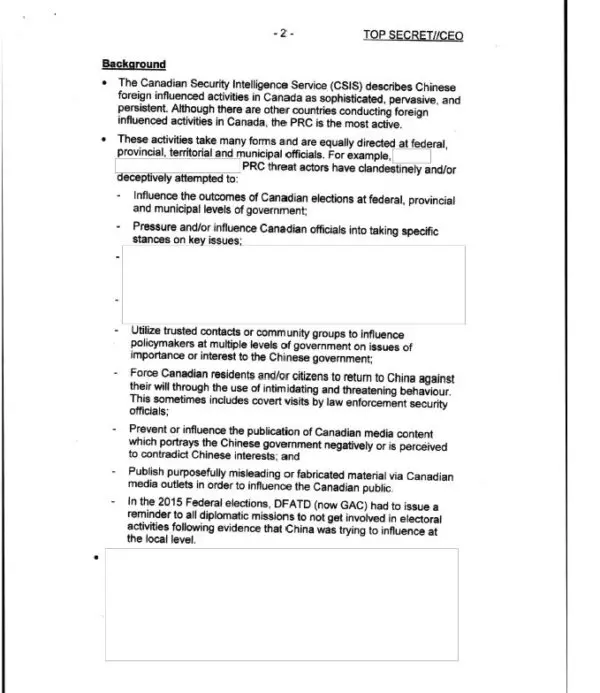
A partly redacted national memo sent by the prime minister’s national security advisor to Prime Minister Justin Trudeau on June 29, 2017.

The minister deferred Mr. Angus’ question to the Public Health Agency of Canada, saying, “I don’t have any [information], but I had the same reaction as you, Mr. Angus.”

Mr. LeBlanc, who became minister of public safety in July 2023, was previously minister of intergovernmental affairs starting in July 2018.

The National Microbiology Laboratory (NML) in Winnipeg shipped 15 different strains of Nipah and Ebola viruses to the Wuhan Institute of Virology (WIV) in China on March 31, 2019. The package was sent from Winnipeg to Toronto and then on to Beijing via a commercial Air Canada flight.

Timeline: What Declassified Documents Reveal About the Fired Winnipeg Lab Scientists

Ms. Qiu and Mr. Cheng

The request to the NML management for the shipment of the viruses was facilitated by Ms. Qiu. The shipment was eventually approved by the NML management.

Ms. Qiu and Mr. Cheng, a married couple, were escorted out of the NML in July 2019 while under RCMP investigation. The couple were fired from their positions on Jan. 20, 2021, for having undisclosed ties to Chinese regime entities.

In 2021, in response to MPs’ questions about why the NML shipped virus samples to the Wuhan lab, laboratory management said the shipment followed all proper protocols and was in response to a letter from the Chinese lab indicating that they were to be used to understand their pathophysiology—the nature of infection—and the development of antivirals.

Declassified intelligence documents show that Ms. Qiu also sent antibodies and other materials to China without prior approval.

Shipments included antibodies for the China National Institute for Food and Drug Control, as well as small amounts sent to laboratories in the United Kingdom and the United States for testing.

The documents show that Ms. Qiu discussed the shipment of Ebola and Nipah with WIV employees in July 2018, and initially suggested that a formal agreement is not necessary as “no one owns the IP.” She also expressed “hope there is another way around” rather than issuing a formal agreement.

The documents also show that Ms. Qiu signed on to a project at WIV involving research on Ebola, and that some of the virus strains that were shipped from NML were meant for this project. Ms. Qiu had asked that the project remain a secret to her Canadian management as WIV was in the process of requesting the transfer of the virus strains from NML, the documents say.

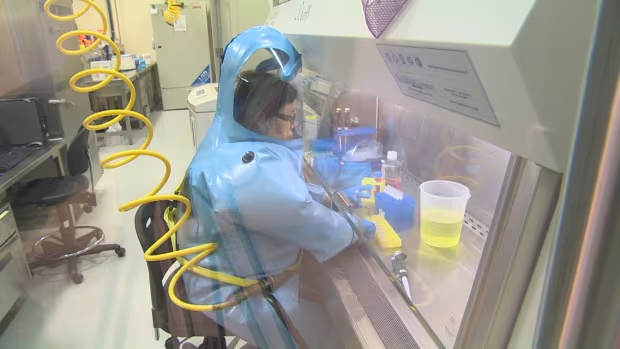
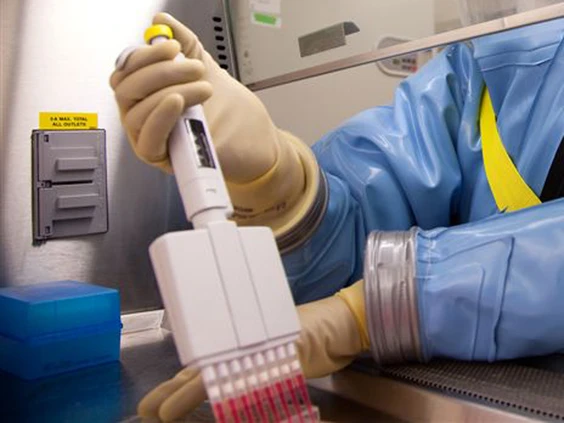
Researchers work in the National Microbiology Laboratory in Winnipeg, Man., where the ZMapp antibody “cocktail” was created to fight Ebola. PHOTO BY HANDOUT

The Wuhan lab has been involved in synthetic biology research on the deadly Nipah virus, according to testimony from a U.S. scientist. Synthetic biology involves creating or redesigning biological entities and systems.

“The Nipah virus is a smaller virus than SARS2 [the virus causing COVID-19] and is much less transmissible,” Dr. Steven Quay, a Seattle-based physician-scientist, told a U.S. Senate subcommittee hearing on Aug. 3, 2022. “But it is one of the deadliest viruses, with a greater than 60 percent lethality” and 60 times deadlier than SARS2, he said. “This is the most dangerous research I have ever encountered.”

Chinese Talent Recruitment

During the April 15 House committee meeting, Mr. LeBlanc acknowledged revelations from the declassified documents that Ms. Qiu was involved in China’s Thousand Talents Program. The program was recognized by U.S. authorities as China’s efforts to “incentivize its members to steal foreign technologies needed to advance China’s national, military, and economic goals.”

It is clear that “elements from a Chinese-sponsored recruitment program were involved” at the Winnipeg lab, Mr. LeBlanc said. “It is well known that such programs are one way that China seeks to incentivize academics to participate in activities that exploit advancements in Canadian technologies.”

China is using the programs “to improve its military and intelligence capabilities, as well as the economic competitiveness all at the expense of Canada’s national interest,” the minister said.

He declined to address concerns raised by Conservative MP Michael Cooper regarding the delay in removing Ms. Qiu from the NML, saying it should be addressed to the health minister whose department is in charge of the Public Health Agency of Canada, which in turn oversees the NML.

Although concerns about the two were first raised in 2018, they weren’t fired until three years later. For The Silo, Andrew Chen. Omid Ghoreishi and Noé Chartier contributed to this report

Supplemental– Bio-warfare experts question why Canada was sending lethal viruses to China.

Supplemental- Canada sent untested ebola vaccine to World Health Organization.

Online Remote Doctoring In Canada Effective This Flu Season

How to keep your kids healthy this winter

Kids never seem to get sick when it’s convenient. It always seems to hit in the middle of the night or the morning of a big test, and it’s not always obvious if they need to see a doctor or not. If your little one’s sick, your teen needs a doctor’s note for school, or you have health questions, Maple has you covered.

Maple is a virtual care provider that connects you with Canadian-licensed doctors and specialists, 24/7.

Even if your child isn’t currently sick, getting virus after virus may feel unavoidable. However, there are ways you can help to protect your kids from the worst of cold and flu season. Here’s how to keep your kids healthy this winter and what to do if they come down with something despite your best efforts.

How to keep your kids from getting sick

Cold weather doesn’t have to mark the start of fever and runny nose season. Here’s how to help protect your kids from getting sick.

1 Stay up to date with vaccinations

Getting your child to roll up their sleeve for a vaccine isn’t always easy. Despite that, the flu shot is a great option for protecting your family against the virus.
The flu vaccine changes every year based on which strains of flu are circulating. While it can’t completely guarantee your child won’t get the flu, it does prime their immune system to recognize the virus more quickly. This helps protect against more severe illness and any accompanying complications.

2 Prioritize healthy eating

No one food can completely protect your child from getting sick. However, vegetables, fruits, protein, and healthy fats provide necessary micronutrients to support their immune system function. Kids don’t always want to eat what’s best for them though. Even if they’re not a picky eater, devouring a rainbow of vegetables might not be your child’s thing. If you’re worried they’re not getting enough nutrients, speaking to a dietitian can help you understand if your child’s diet is lacking anything. Even better, they can suggest healthy meals your kids will actually eat.

3 Supplement their diet with vitamin D

Vitamin D is one of the building blocks of healthy immune functioning. But it’s difficult to get enough from sunlight and diet alone, leaving many Canadian kids deficient. Incorporating a vitamin D supplement is a great way to make sure they’re meeting their requirements.

4 Promote proper hand hygiene

The influenza virus can live on some surfaces for up to 7 days, just waiting for a chance to go from your child’s hand to their mouth, nose, or eyes. Support your child to wash their hands properly to help curb this.

5 Consider masking in public indoor settings

They may not be everyone’s preference, but masks are a great tool to prevent your child from breathing in cold and flu viruses. As an added bonus, they also help safeguard against COVID-19 when worn in public indoor places.

6 Ask them to give their friends space

Flu and cold viruses pass easily through close contact. Remind your child not to share utensils, food, or drinks with their friends.

7 Create good sleep habits

Lack of sleep can negatively affect the immune system, putting your child more at risk of getting sick. Keep a consistent wakeup and lights out schedule and avoid screens for at least an hour before bedtime to encourage a full night’s rest.

How to help your child recover comfortably

Viruses spread easily, and even the most conscientious kids can get sick. No matter what they’re sick with, however, encouraging your child to rest is one of the best things you can do to promote recovery. You can also make them more comfortable by:

  • Prioritizing hydration. Give your child frequent small sips of water to keep the mucus flowing and help reduce congestion.
  • Running a cool mist humidifier to ease nasal congestion and breathing. Don’t forget to use purified water and disinfect regularly to avoid dispersing bacteria or mold into the air.
  • Investing in a good quality nasal aspirator for babies and children who can’t blow their own nose.
  • Using a purified saline solution to clear nasal passages. You can combine this with a nasal aspirator tool.

What medications should I give my child for cold or flu?

Provided they don’t have any allergies to the medicines and you dose by weight, you can safely give your child fever-reducers like acetaminophen (Tylenol or Tempra) or ibuprofen (Advil or Motrin). These also address other symptoms like sore throat and headache.

However, giving children under 18 Aspirin for headaches or other symptoms is a definite no as it can cause Reye’s Syndrome, a serious illness. And, since antibiotics only treat bacterial infections, they won’t work against the viruses that cause colds and flu.

If giving your child medication is feeling tricky, talking to a doctor online can help to answer any questions you have. They may also be able to provide prescription medication like antiviral drugs to shorten the severity and length of your child’s flu. This is especially helpful for children at higher risk of flu complications, like the immunocompromised or kids under five.

If you go this route, timing is everything since antivirals are most effective within 48 hours of symptom onset. With Maple, you can connect to a doctor within minutes. And, if they do prescribe an antiviral, it can be faxed to the pharmacy of your choice, or delivered free to your door.

Without antivirals, how long does the flu last in kids? Recovery should take about a week although coughing and low energy can linger for a week or two after. In contrast, colds take about 7-10 days to run their course.

Quote: "No matter what they're sick with, however, encouraging your child to rest is one of the best things you can do to promote recovery."

Should I let my child’s fever run its course?

Fever isn’t just distressing, it can also be confusing — is 37.5°C a fever in a child? Is 38°C? And how do you know when a fever is too high for a child?

While it can be upsetting to watch your child wrestle with a fever, there are clear guidelines for treating them.

For starters, an underarm or oral measurement above 37.5°C is considered a fever. For ear and rectal temperature, 37.9°C is top of the normal range. But, while you can treat a temperature above these, you don’t have to. If your child’s comfortable, focus on keeping them hydrated and well rested.

When to have your child see a doctor for a cold or the flu

You know your child best. If you think something’s wrong, it’s never a bad idea to speak to a doctor. Beyond that, you should also reach out to a healthcare provider if:

  • Your child goes from getting better to suddenly getting worse.
  • Your child has a barking cough and raspy-sounding breathing — this may indicate croup.
  • A persistently high fever in a child with no other symptoms lingers beyond 48 hours. It may indicate an underlying medical issue or infection.

It’s time to take your toddler or child to the hospital when they:

  • Have a fever and are experiencing confusion, lethargy, severe drowsiness, or a stiff neck
  • Are having difficulty breathing — this can look like working hard to breathe or having difficulty catching their breath just sitting or talking
  • Are showing signs of dehydration

No matter how old they are, seeing your child sick can be stressful. With Maple, get the convenience of 24/7 virtual care anytime, anywhere and connect with a Canadian-licensed healthcare provider to help ease your concerns and get the treatment you need. If you’re looking to get an online prescription or see a healthcare provider quickly, Maple has you covered whether it’s the middle of the day or the middle of the night. Sign up today to help your child feel better, faster.

See a doctor now

Get started

Sixty Six Percent Of Canadians Take Smartphones Into Bathroom

Study: Lots of Canadians use smartphones while on the toilet

A digital privacy expert provides tips on protecting your phone on and off the john:

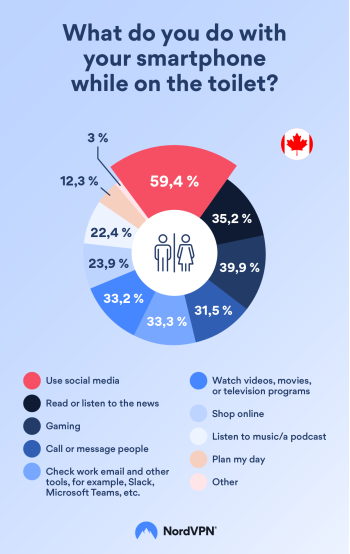
recent survey by the cybersecurity company NordVPN revealed that as much as 65.6% of Canadians bring their smartphones with them into the toilet. That’s a bit less than the average of all surveyed countries. While most Canadians (60%) scroll through social media during that time, barely anyone thinks of growing threats online and hackers’ attempts to compromise people’s phones.

“Canadians seem to need smartphones a lot.”

“Our previous survey already showed that Canadians spend a lot of time online- more than 22 years per lifetime which is a third of their lives,” says Daniel Markuson, a digital privacy expert at NordVPN. “Even though the majority (83%) name smartphones as the device that tracks their online behavior the most, Canadians still haven’t developed good cyber habits to protect their online lives,” he says.

Using social media and gaming — top activities for Canadians while on the toilet

The majority of Canadians admit that their time on the toilet is mostly spent scrolling through social media (60%), gaming (40%), and reading or listening to the news (35%). This shows that Canadians like entertaining themselves while in the bathroom.

Among other activities, Canadians also watch videos, movies, or television programs (33%) check work email and other tools, for example, Slack, Microsoft Teams (33%), and call or message other people (31.5%).

“While most of Canadians’ time on the loo is spent on social media, people also feel concerned about Facebook (80%) and Instagram (40%) collecting the biggest amount of their users’ data. Social media networks, ISPs, third-party organizations, websites, and governmental institutions regularly collect users’ personal data and track browsing habits for marketing or other purposes,” says Daniel Markuson.

Cybersecurity refresher for Canadians

Smartphones are evolving at a rate that is beyond belief, making us stay connected even while on the loo. However, Canadians are encouraged to not forget about their online safety, even while immersed in social media, conversations, games, or the news.

Daniel Markuson, a digital privacy expert at NordVPN, shares key tips on protecting your phone on and off the john:

  • Keep apps and the phone’s operating system (OS) up to date. Don’t skip software updates.
  • Do your research. Never download unknown apps — read up on them first.
  • Avoid unofficial app stores. They’re more likely to contain malware-ridden apps.
  • Avoid using unknown Wi-Fi. And always use a VPN when you do.
  • Be vigilant. Don’t click on suspicious links, don’t give out your number to strangers, and be wary of unknown numbers.

Methodology: The survey was commissioned by NordVPN and conducted by the external company Cint on January  19-26, 2022. The survey’s target group was residents of France, USA, the UK, Canada, Australia, Germany, Spain, the Netherlands, Poland, Lithuania aged 18+ (nationally representative), except for Lithuania (18-74) and the sample was taken from national internet users. Quotas were placed on age, gender, and place of residence. 9800 people were surveyed in total, made up of 800 people from Spain and 1000 people from each of the remaining countries. 

Image

Wildlife Supply Chains for Human Consumption High In Coronaviruses

HA NOI (June, 2020) – A new study found that animals sampled in the wildlife-trade supply chain bound for human consumption had high proportions of coronaviruses, and that the proportion of positives significantly increases as animals travel from traders, to large markets, to restaurants.

The study, which appears in the pre-print journal bioRxiv, is by a team of scientists from WCS, the Department of Animal Health of the Viet Nam Ministry of Agriculture and Rural Development, Viet Nam National University of Agriculture, EcoHealth Alliance, and One Health Institute of the University of California, Davis.

Wildlife in the trade supply chain are often under stress and confined at high densities with other animals from multiple sources which likely results in increased shedding of coronaviruses. The authors forewarn of the potential risk of viral spillover into people through the wildlife trade.

The authors indicate that stress and poor nutrition likely contribute to decreasing animal immune functions resulting in increased shedding and amplification of coronaviruses along the supply chain. The findings in rodents illuminate the potential for coronavirus shedding in other wildlife supply chains (e.g. civets, pangolins) where similarly large numbers of animals are collected, transported, and confined.

The purpose of the study was to gain a better understanding of coronavirus presence and diversity in wildlife at three wildlife-human interfaces including live wildlife trade chains, wildlife farming, and bat-human interfaces. This work represents an important demonstration of capacity and a significant contribution from Viet Nam to the field, laboratory, and scientific approaches critical to understanding and addressing zoonotic disease threats. The consensus PCR approach for viral detection is a cost-effective tool for detecting both known and novel viruses and co-infections in a variety of taxa, sample types, and interfaces.

Researchers collected samples at 70 sites in Viet Nam, and detected six distinct taxonomic units of known coronaviruses. There is no current evidence to suggest these particular viruses were a human-health threat, but the laboratory techniques used in the study can be utilized to detect important emerging or unknown viruses in humans, wildlife, and livestock in the future.

The team found high proportions of positive samples among field rats destined for human consumption. The proportion of positives significantly increased along the supply chain from traders (21 percent), to large markets (32 percent) to restaurants (56 percent). Coronaviruses were detected on two-thirds of the surveyed wildlife farms, and six percent of rodents raised on the farms were positive. A bat and a bird coronavirus were found in rodent fecal samples collected from wildlife farms suggesting either environmental mixing or viral sharing among species. Coronavirus detection rates in rodent populations sampled in their ‘natural’ habitat are closer to 0-2 percent.

Said Amanda Fine, WCS Health Program Associate Director, Asia, and a co-author of the study: “Wildlife supply chains, and the conditions the animals experience while in the supply chain, appear to greatly amplify the prevalence of coronaviruses. In addition, we documented exposure of rodents on wildlife farms to both bat and bird coronaviruses. These high prevalence rates and diversity of coronaviruses, added to the species mixing we see in the wildlife trade, creates more opportunities for coronavirus recombination events as well as spillover.”

The authors warn that the trade in wildlife facilitates close contact between people and multiple species of wildlife taxa shedding coronaviruses. This provides opportunities for intra- and inter-species transmission and potential recombination of coronaviruses.

The wildlife supply chain from the field to the restaurant provides multiple opportunities for such spillover events to occur. To minimize the public health risks of viral disease emergence from wildlife and to safeguard livestock-based production systems, the authors recommend precautionary measures that restrict the killing, commercial breeding, transport, buying, selling, storage, processing, and consuming of wild animals.

The emergence of SARS-CoV, MERS-CoV, and now SARS-CoV-2 highlight the importance of the coronavirus viral family to affect global public health. The world must increase vigilance through building and improving detection capacity; actively conducting surveillance to detect and characterize coronaviruses in humans, wildlife, and livestock; and to inform human behaviors in order to reduce zoonotic viral transmission to humans. 


Hoang Bich Thuy, WCS Viet Nam Country Program Director and co-author explains: “Since the outbreak of COVID-19, the Government of Viet Nam has been taking strong actions to enforce wildlife trade laws and is considering the prohibition of wildlife trade and consumption as directed by the Prime Minister in his Official Letter No. 1744/VPCP-KGVX dated 6 March 2020 of the Government Office. This research provides important baseline information and suggests areas for targeted studies to provide more evidence for the development of new policies and/or revision of the legal framework in Viet Nam to prevent future pandemics by mitigating risks of transmitting pathogens from animals to humans at key nodes along the wildlife supply chain. Successful interventions will be those that support a significant reduction in the volume and diversity of species traded, and the number of people involved in the trade of wildlife.”

This study was made possible USAID’s Emerging Pandemic Threats PREDICT project with cooperation from the government of Viet Nam.

WCS (Wildlife Conservation Society)

MISSION: WCS saves wildlife and wild places worldwide through science, conservation action, education, and inspiring people to value nature. To achieve our mission, WCS, based at the Bronx Zoo, harnesses the power of its Global Conservation Program in nearly 60 nations and in all the world’s oceans and its five wildlife parks in New York City, visited by 4 million people annually. WCS combines its expertise in the field, zoos, and aquarium to achieve its conservation mission. For the Silo, Stephen Sautner, Wildlife Conservation Society, Bronx Zoo, New York.

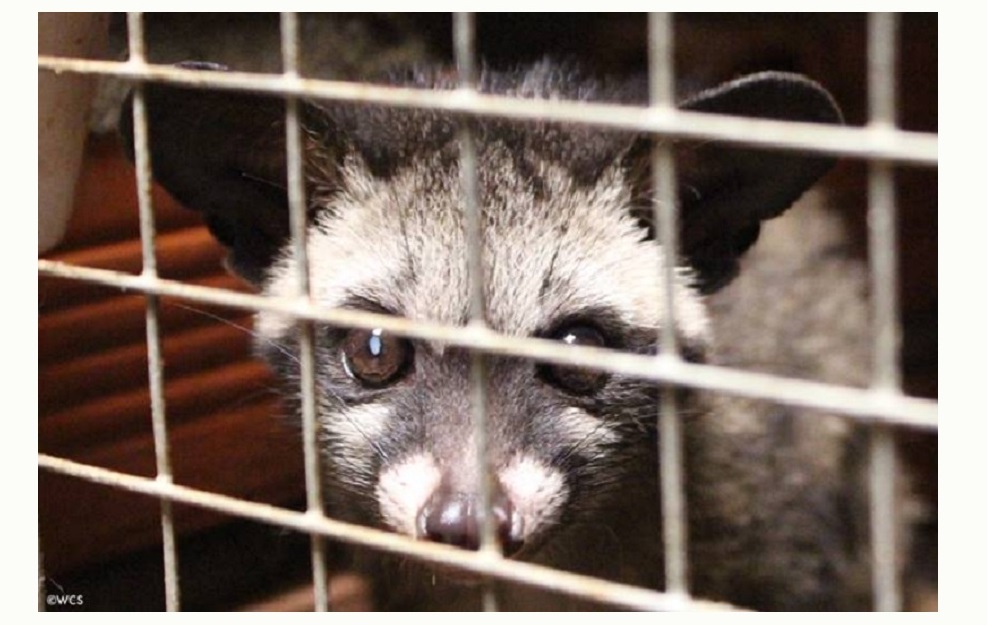
Featured image- Civet in a farm in Dong Thap, Viet Nam.  CREDIT: ©WCS Vietnam

Coronavirus Could Convert All Of Us Into Becoming Family Caregivers

One of the largest sectors in North American culture is Family Caregivers. There are currently an estimated 65 Million Americans are Currently Family Caregivers

But that number is undoubtedly ready to soar because at the Rate the Coronavirus is Spreading, virtually 100% of us may become Caregivers sometime this year.

Joining us is Peter Rosenberger, the leading authority on family caregiving in the United States and author of the book 7 Caregiver Landmines and How to Avoid Them.  

Q&A:

1) Did I have the current number right? There are 65 MILLION family caregivers? Perhaps it’s 6.5 million, right?

Answer: No. You had it right the first time. There are an estimated 65 million family caregivers in America today. 

2) At the rate the Coronavirus is spreading, is it possible that virtually 100% of Americans will soon be Caregivers?

Answer: Yes, so it’s better to learn something about caregiving while you’re healthy rather than wait until it becomes ‘the sick leading the sick.’ 

3) What is the best outcome for us if hospitals announce they are full and start turning patients away?

Answer: Every home has some similarity to hospitals. We need to adopt many of the same healthy procedures in our homes. 

4) Who’s at Risk for Coronavirus?

Answer: Coronavirus targets elderly, overweight, diabetic, and other otherwise at-risk individuals.

5) What are some things that caregivers struggle with? 

Answer: Excessive Weight Gain is significant issue for many caregivers. Caregivers often fail to see to their medical needs …while struggling to care for another. Caregivers consistently deal with high stress circumstances which comprise our abilities to stay healthy.

6) What has your experience been with hospital stays caregivers and those they care for?

Answer: Staying out of the hospital is imperative …they can be a brick and mortar petri dish.  

6) Tell us about your own caregiving experience of your wife

7) Give us some general tips on caregiving:

Answers: 

Reducing FALL RISKS

More than 9 Million ER Visits each year due to falls

Over 65 group represent 69% of hospitalization caused by falls

Caregivers can reduce fall risks for themselves and their loved ones by:

Keep well-lit rooms

Remove fall hazards such as throw rugs

Install grab bars in bathrooms

If you have a pedestal sink in bathroom, replace with a cabinet or ensure it’s secured properly (People use it to lean on)

Wear comfortable shoes and avoid heels.

Make multiple trips to the car …instead of trying to carry too much into the house. Caregivers are often in a hurry …and that’s when accidents happen

Keep bathrooms and kitchen areas clean

Watch for mold/mildew buildup

Hydrate

Make sure to thoroughly clean CPAP and other breathing assisted devices (for both caregivers and patients)

More healthcare treatment goes on in the home with caregivers than in the doctor’s office.  Rest UP! 

Tech:

Consider an app/telemedicine service to avoid getting loved ones out for routine physician visits …particularly on damp days.

When it comes to fighting this virus, all hands need to be on deck—but the caregiver’s hands are often overlooked.  

Roll up those sleeves, wash those hands (singing “Happy Birthday” twice while washing ensures the proper amount of time), and keep yourself healthy.  For the Silo, Peter Rosenberger/specialguests.com

“Healthy Caregivers Make Better Caregivers!”

ABOUT PETER ROSENBERGER
Peter Rosenberger is the host of the national radio program, HOPE FOR THE CAREGIVER and the author of several books including 7 Caregiver Landmines And How You Can Avoid Them. He’s cared for his wife, Gracie, for more than 30 years through her 80+ operations and multiple amputations. www.hopeforthecaregiver.com @hope4caregiver

Has SARS Prepared Ontario For Ebola Possibility?

In October, 2014  Dr. Eric Hoskins, then Minister of Health and Long-Term Care, and Dr. David Mowat, Interim Chief Medical Officer of Health, issued the following statement on Ontario’s preparedness for Ebola virus disease in Ontario:

“We know that Ontarians may have concerns related to the ongoing challenges in West Africa and recent events in the United States regarding the spread of the Ebola virus.

Reason for concern: the Ebola Virus is almost biblical in nature with horrible effects on the inflicted.

Let us assure you that the safety of Ontario’s health care workers, patients and the public are our top priority.

We are confident that Ontario is prepared and ready to contain and treat any potential case of Ebola virus in our province — protocols are in place and we’ve seen the system work well in Ontario hospitals.

With the experience and lessons learned from the Severe Acute Respiratory Syndrome (SARS) epidemic, our health care facilities now have sophisticated infection control systems and procedures to protect health care providers, patients and all Ontarians. They are fully equipped to deal with any potential cases of Ebola.

Dr. Eric Hoskins, Minister of Health and Long-Term Care

But all health care workers, especially those providing care to patients, must be safe and protected. This is why we are working with health care employers to ensure they are providing appropriate training for their staff on the proper use of personal protective equipment and other occupational health and safety measures. We are also continuing to work with health care workers and employers to further strengthen protective measures and ensure they’re in place at all times.

Our health care workers are on the front lines and it is times like these when we are all reminded of how critical their work is in protecting the public. We want them to feel safe.

We will be reaching out to our health care partners to ensure they have the maximum protection possible and plan to release revised guidelines by the end of the week.

The government, in collaboration with our health system partners, is monitoring the Ebola situation and is continually assessing our state of readiness should a case of Ebola ever occur in Ontario.

On behalf of both the ministry and the government of Ontario, we would like to thank our health care workers for their selfless and tireless work on behalf of all Ontarians.”

Canada Sent Untested Experimental Ebola Vaccine To WHO

*translated from original Cuban-Spanish article from cubadebate.cu Ebola Quarantine

Vacunas-experimentales – ebola Mientras register more infections and deaths from ebola in several countries in Africa – the latest report is in Nigeria – death, Canada sent to the World Health Organization (who) an experimental vaccine being developed against the disease.

Gregory Taylor, Deputy Director of public health at the health agency of Canada, said that you between 800 and 1 000 doses of the vaccine, known as VSV-EBOV, doctors without borders were sent to a hospital in Geneva at the request of the who, and also to the organization.

The drug has not been used in humans, but Tuesday the ethics of the who panel said that the severity of the current epidemic in West Africa justifies the use of unapproved drugs.

The new fatality in Nigeria is a worker of the economic community of West African States (Ecowas) who died at age 36 in Lagos.

He informed the organization that had infected by having contact with the American Advisor to the Liberian Government, which flew in July to Lagos and there led disease. The man fainted at the airport and was treated without that were known at the beginning that it was ebola.

Since then, the employee of Ecowas was quarantined. His case raises three deaths by the virus in Nigeria, where there are more than 100 people in observation. Gambia, Ivory Coast and Zambia have suspended flights from that country for fear of contagion. Doctors without borders, which has hundreds of partners in West Africa, welcomed the decision of the who to use experimental drugs, but warned that they alone will not stop the problem and making it remains to increase massively the medical team.

As of August 9, 2014 there were about 1,800 confirmed and suspected cases of ebola in the region and more than 1,000 deaths, according to who figures.