Luxurious living, money and fame are things that spring to mind when thinking about hotels London. Many of them have stood the test of time and built a sterling reputation all over the world attracting many of the rich and famous.
Here we’ve compiled a list of the most renowned hotels in London.
Claridge’s, London
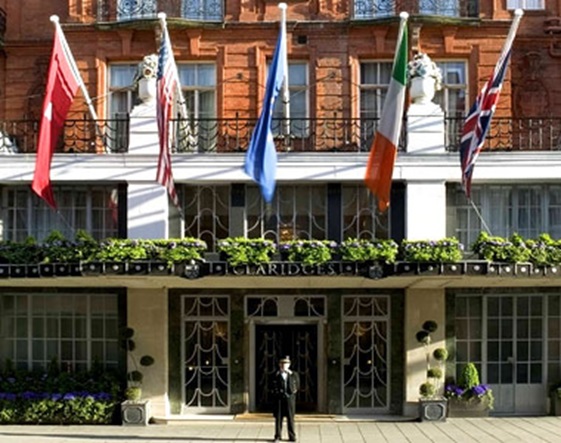
Opened in 1854 Claridges London is one of the oldest hotels in the city. Located in London’s infamous Mayfair, Its clientele are among the rich and famous with celebrities such as Brad Pitt and Mick Jagger no stranger to its doors. TV favorite Gordon Ramsay also had his own restaurant there for a time.
Its décor and facilities boast the best in fine dining and luxury living unrivalled in London and has over its long lifespan attracted royalty from all over the world. The hotel was also the feature of a 3 part documentary series for the BBC entitled ‘Inside Claridges’.
The Connaught, London
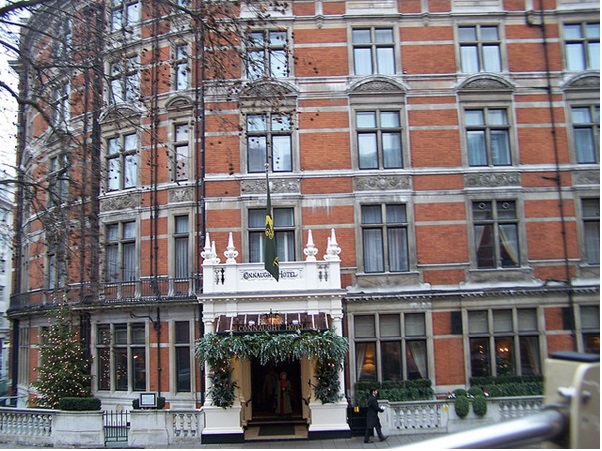
Residing in Mayfair, the Connaught first opened its doors in 1815. The hotel allows both traditional British and contemporary design to co-exist by maintaining its Victorian exterior and completing a 70 million pound internal refurbishment by lead designer Guy Oliver.
This hotel and its staff have won many prestigious awards over its lifespan including its spa winning first prize in the spa category in the Hotel & Lodge Awards 2012 and it’s very own bartender Agostino Perrone winning International Bartender of the Year 2010.
Brown’s, London
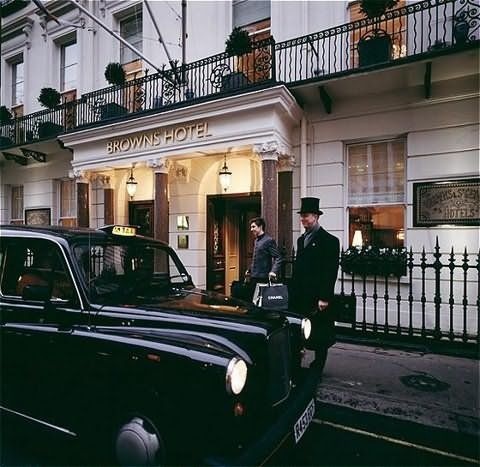
One of London’s most established hotels is Browns. Opening its doors in 1837, it celebrated its 175th anniversary in 2012 and has consistently attracted guests of wealth and fame, most notably President Theodore Roosevelt and Oscar Wilde.
Not only does this Mayfair hotel boast a stunning Victorian 5 star setting it is also within walking distance to some of London’s busiest attractions such as Hyde Park, Bond Street, Regent Street and some of its most famous landmarks.
The Great Northern Hotel
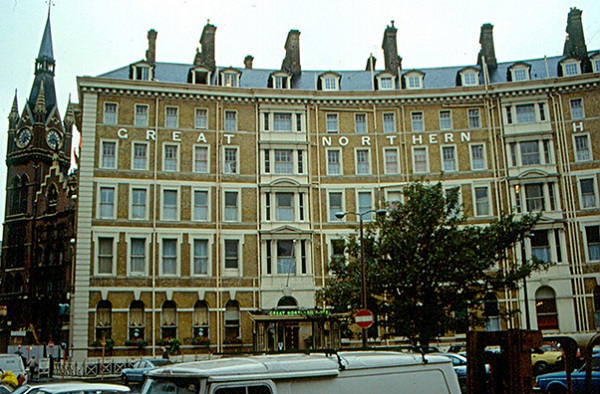
Dubbed as ‘The World’s First Great Railway Hotel’ , The Great Northern is a stunning boutique hotel with rail connections to Europe and beyond via the Eurostar. It stands tall above the areas surrounding buildings and it’s a significant point of interest for all arriving into Kings Cross St Pancras station.
Designed by infamous architect Lewis Cubitt stood as the centrepiece for the steam revolution.
The Berkeley
The Berkeley is a five star deluxe hotel, located in Knightsbridge, London. Its history spans well over a 100 years and has even moved buildings. The infamous hotel began its life at Berkeley Street and served as accommodation for mail coach drivers travelling to the West Country.
In 1972 it moved to its current location, incorporating an entirely new refurbishment to include London’s only rooftop swimming pool. Aside from its unique facilities and décor the Berkleley has attracted numerous Michelin star chefs including Pierre Koffmann and more recently Gordon Ramsay and his Boxwood Café. For the Silo, Susan Varano.


























 Milder winters and hotter summers create a paradise for insect and plant diseases. Are you getting more tick and mosquito bites? Lyme disease and West Nile virus, and other mosquito and tick-borne diseases, have been moving northward as our part of the world warms. And with increasing temperatures and phosphorus loads, many have taken notice of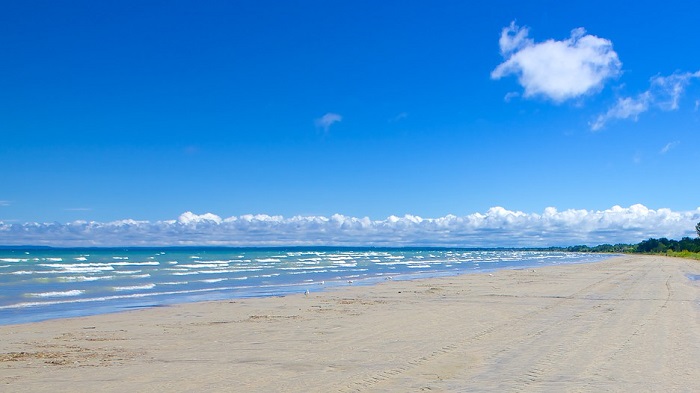




 1. Size doesn’t matter. Maybe you think your company has to grow bigger first before you can enjoy the benefits of energy consulting. But that’s not entirely true. Even a small company can enjoy huge advantages when an energy consultant is on board.