The Global Cooperation Barometer indicates that international cooperation has “flatlined”, driven by heightened geopolitical tensions and instability, but positive momentum in climate finance, health and innovation offers hope. In an era of heightened volatility, leaders will need to embrace “disordered” cooperation and dynamic, solutions-driven decision-making to deliver tangible results and build trust. AI and other emerging technologies are reshaping the global landscape and driving upheaval. Concerted cooperation will be critical to harness benefits and minimize risks.
Geneva, Switzerland, January 2025 – The World Economic Forum’s Global Cooperation Barometer offers a critical assessment of the state of global cooperation, showing a world grappling with heightened competition and conflict, while also identifying various areas where leaders can drive progress through innovative collaboration. Released amid geopolitical, technological and sociopolitical upheaval, the Forum’s flagship annual report underscores the urgency of addressing shared challenges and offers leaders guidance on what cooperation can look like in a shifting world.
The Global Cooperation Barometer 2025, developed in collaboration with McKinsey & Company, uses 41 indicators to measure the current state of global cooperation. The aim is to offer leaders a tool to better understand the contours of cooperation broadly and along five pillars: trade and capital flows, innovation and technology, climate and natural capital, health and wellness, and peace and security. Now in its second edition, the Barometer draws on new data to provide an updated picture of the global cooperation landscape, with a particular focus on the impact of the new technological age.
“The Barometer is being released at a moment of great global instability and at a time when many new governments are developing agendas for the year, and their terms, ahead,” said Børge Brende, President and CEO of the World Economic Forum. “What the Barometer shows is that cooperation is not only essential to address crucial economic, environmental and technological challenges, it is possible within today’s more turbulent context.”
“This second edition of the Global Cooperation Barometer focuses on where cooperation stands today and what it can look like in the new technological age,” said Bob Sternfels, Global Managing Partner, McKinsey & Company. “Advancing global innovation, health, prosperity and resilience cannot be done alone. Leaders will need new mechanisms for working together on key priorities, even as they disagree on others, and the past several years have shown this balance is possible.”
The latest edition of the Barometer highlights that global cooperation is at a critical juncture. The report’s analysis reveals that after trending positively for a decade and surpassing pre-pandemic levels, overall cooperation has stagnated.
This has been driven by a sharp decline of the peace and security pillar of the Barometer over the past seven years, caused by mounting geopolitical tensions and competition which have significantly eroded global collective security. Levels of conflict and attendant humanitarian crises have increased in the past year to record levels, driven by crises including, but not limited to, the Middle East, Ukraine and Sudan.
As the largely stable cooperative order that defined the post-Cold War period is giving way to a more fragmented landscape, solutions to pressing challenges – from climate action to technological governance – require collaboration. And despite the global security crises, the new findings indicate that collaboration has continued in various areas including vaccine distribution, scientific research, renewable energy development, and more – offering models for future cooperation.
Notably, peace and security have declined sharply in recent years, but other pillars of the Barometer have remained resilient and reveal emerging opportunities for international cooperation,
Innovation and technology. While geopolitical competition is rising in regard to certain frontier technologies such as semiconductors, overall global cooperation on technology and innovation advanced in 2023, in part due to digitization of the global economy. This helped drive the adoption of new technologies, a strong ramp-up in the supply of critical minerals – and a related drop in price of lithium batteries – and a rebound in student mobility. However, rapid disruption from emerging technologies such as AI is reshaping the global landscape, raising the possibility of a new frontline of geostrategic competition or even an “AI arms race”. Cooperative leadership and inclusive strategies will be key to harness its vast potential while tackling risks.
Climate and natural capital: Cooperation on climate goals improved over the past year, with increased finance flows and higher trade in low-carbon technologies such as solar, wind and electric vehicles. Yet, urgent action is required to meet net-zero targets as global emissions continue to rise. Greater global cooperation will be essential to scale up technologies and secure the financing needed to meet climate goals by 2030.
Health and wellness: Some health outcomes, including life expectancy, continued to improve post-pandemic, but overall progress is slowing compared to pre-2020. While cross-border assistance and pharmaceutical R&D have declined, and cooperation on trade in health goods and international regulations stalled, various health metrics including child and maternal mortality remain strong. Given rising health risks and ageing populations, leaders should invest in global cooperation to bolster public health and sustainable health systems.
Trade and capital flows: Metrics related to the flow of goods and services, trade, capital and people had mixed outcomes in 2023. Goods trade declined by 5%, driven largely by slower growth in China and other developing economies, while global fragmentation continued to reduce trade between Western and Eastern-aligned blocs. Despite this, global flows of services, capital and people showed resilience. Foreign direct investment surged, particularly in strategic sectors like semiconductors and green energy, while labour migration and remittances rebounded strongly, surpassing pre-pandemic levels.Looking ahead, leaders will need to find ways to work together, even as competition increases, as tangible results will be crucial to maintain public trust and support. The report concludes by underscoring the urgent need for adaptive, solutions-driven leadership to navigate a turbulent global landscape. By pivoting towards cooperative solutions, leaders can rebuild trust, drive meaningful change and unlock new opportunities for shared progress and resilience in the complex years ahead.
About the Global Cooperation Barometer Methodology
The Global Cooperation Barometer – first launched in 2024 – evaluates global collaboration across five interconnected dimensions: trade and capital, innovation and technology, climate and natural capital, health and wellness, and peace and security. The Barometer is built on 41 indicators, categorized as cooperative action metrics (evidence of tangible cooperation, such as trade volumes, capital flows, or intellectual property exchanges) and outcome metrics (broader measures of progress like reductions in greenhouse gas emissions or improvements in life expectancy). Spanning 2012–2023 and indexed to 2020 to reflect pandemic-era shifts, the Barometer normalizes data for comparability (e.g., financial metrics relative to global GDP and migration metrics to population levels) and weights it equally within and across pillars.
About the Annual Meeting 2025
The World Economic Forum Annual Meeting 2025, taking place in Davos-Klosters from 20 to 24 January, convenes global leaders under the theme, Collaboration for the Intelligent Age. The meeting will foster new partnerships and insights to shape a more sustainable, inclusive future in an era of rapidly advancing technology, focusing on five key areas: Reimagining Growth, Industries in the Intelligent Age, Investing in People, Safeguarding the Planet, and Rebuilding Trust. Click here to learn more.
Many productivity tools come with hefty price tags in a world flooded with high-tech gadgets. But the new VISUAL Timer is an affordable, innovative solution that offers exceptional value. This “super timer” merges cutting-edge technology with a neuroscience-backed design to help users stay on track, improve focus, and boost productivity—all without breaking the bank.
Color Coded Visual Cues
This sleek, colorful time-management tool integrates color-coded visual cues with auditory signals to help users stay organized at home, in the office, or in the classroom. It helps users avoid procrastination, manage distractions, and stay engaged in tasks. The user-friendly interface makes it ideal for anyone from busy parents juggling multiple responsibilities to students, teachers, and even professionals working from home.
Affordable For All
At under $30usd/ $43 cad, the VISUAL Timer’s 360° color-coded cues and synchronized digital timer offer a new approach to time management. This tool is gaining significant attention as the #1 New Timer on Amazon—an essential, anytime purchase for anyone who wants to stay organized, motivated, and productive.
Perfect for gadget lovers, the VISUAL Timer is not just practical but also fun. Its visually engaging design makes it a conversation starter and a must-have gadget that anyone will appreciate.
The clean, modern aesthetics fit seamlessly into any environment, from home offices to classrooms. Whether placed on a desk, countertop, or bedside table, the VISUAL Timer is both a tool and a decorative piece that enhances the look of any space. For the Silo, Kat Fleischman.
The trouble is that automobiles, like everything else, are subject to the law of entropy. “Preservation” is about more than just keeping the odometer reading low. “Like-new” means something different after one, two, or three decades, even if the car still has plastic wrap on the steering wheel. The paint, upholstery, and trim may look flawless—but what about the bits you can’t see, like the complex systems and different materials that make up the driveline? Just because a car is like-new doesn’t mean it actually is new, or that you can just hop in and drive it home. We decided to call up some experts across the industry to answer a big question: What exactly is happening to a car when it sits?
The Henry Ford Museum/Wes Duenkel
First off, what’s happening to it while it sits depends on where it sits. Imagine a car in a museum—perhaps the Le Mans–winning Ford Mark IV at the Henry Ford Museum in Dearborn, Michigan. Now, think of that old pickup you once saw sitting in a field. Technically, they’re both decaying. One is just decaying far more slowly than the other.
The race car lives in a perfectly curated world. The temperature in the museum is consistent and the humidity is just so: Low enough to deter moisture-loving insects and mold, high enough to prevent the tires and other rubber seals from drying out. A museum car’s tires may barely touch the ground, because the chassis sits on jack stands. The fluids in the car—fuel, coolant, oil—have either been drained or supplemented with stabilizing agents. The upholstery is regularly vacuumed to eliminate pests. Dust barely gathers on the body before someone gently sweeps it off.
The wheel of The Henry Ford’s 1967 Ford Mark IV race car, with its original tire. The Henry Ford Museum
The pickup, meanwhile, has been at the mercy of the weather for who knows how long. The tires have cracked and rotted. Salty air might be corroding metal. Insects and/or rodents might be living inside the cabin and engine bay. The engine’s cylinders may be dry, the gas in its rusty fuel tank a kind of goo, the oil gray instead of honey-colored. Its paint may be bubbling, its carpets mildewing.
Those are two extreme examples, of course, but when it comes to the condition of a car, the storage (or display) environment makes all the difference, whether the car is Henry Ford’s original Quadricycle from 1896 or a brain scientist’s sporty Sentra from 1992. To keep a “like-new” car living up to its descriptor, the temperature must be consistent; otherwise, even the most immaculate car will bake, sweat, and/or freeze. The moisture in the air needs to be high enough to slow the decay of organic materials like tires but low enough to protect from rust. The room itself needs to be well-sealed to deter pests. The vehicle also needs a barrier (or two) between the paint and the dust, dirt, and grime that will accumulate. And that’s only the parts of the car you can see …
The Odometer Doesn’t Tell the Whole Story
Tom’s 16,000-mile/ 25,750-kilometer Porsche, where he found it. Youtube / Hagerty
No one is more familiar with finding automotive diamonds in rough storage situations than Tom Cotter, known as The Barn Find Hunter. When I called him to discuss this story, the consequences of bad storage were especially fresh on his mind: He had just bought a barn-find car (a 1986 Porsche 930 Turbo) with 16,000 miles. “That’s the good news,” he said. “The bad news is that it has not been driven since 1996, so nearly 30 years. And even though it had a plastic sheet on it, somehow it got filthy. Filthy. My heart breaks.” Even worse, the windows were open, and the car was infested with mice. It needs a thorough recommissioning: brakes, gas tank, fuel lines, fuel injection unit, fuel injector, fuel pump—and those are just the major areas, says Tom. He’s still in the process of figuring out how much the car needs, but if everything needs to be replaced, the work could cost as much as $40,000 usd/ $58,000 cad. Oh, and he’ll need a new set of tires—the car was parked on its original set from 1986.
“Just because a car has low miles doesn’t mean it was well cared for,” says Cotter. “Cars go bad when they sit.” A perfect storage environment and a sedentary life don’t guarantee stasis, either: “There are things that happen inside the systems of a car that break down, like the rubber in a brake system or the rubber in our fuel system. It doesn’t matter if the car is hot or cold or clean or dirty, those things are going to break down.” One interesting system that is especially prone to degrading when a car sits is the exhaust, he says. “For every gallon (3.785 liters) of fuel that’s burned in a car, a gallon of water comes out the tailpipe. It’s just part of the combustion process. And so if you run the car and then turn it off and park it for 20 years, you’ve got at least a gallon of water (3.785 liters) sitting in the exhaust system—most of it, in the muffler. Unless it’s made of stainless steel or something, it’s going to just rot right out. There’s really nothing you can do about that.”
The fluids and the metals in a car are often conspiring against each other. “One of the biggest challenges you have managing large collections—and with cars that sit, too—is coolant system corrosion,” says Scott George, curator of collections at the Revs Institute in Naples, Florida, who knows a thing or two about keeping old cars in peak health. “You’ve got brass, copper, aluminum, iron, steel, all coming in contact with water, and it can create a battery of sorts. It can almost create its own internal energy, which can attack certain metals that are most vulnerable,” like the vanes in a water pump, which are often made of a different metal than the pump itself. Using antifreeze doesn’t eliminate the problem: Those systems can corrode, too, damaging hose connections and water chambers in cylinder heads. “Corrosion in radiators, and things that attack solder and solder seams, are also a big challenge for anybody with large collections.”
Proper storage requires understanding of the car’s construction, because certain materials require special attention and/or precautions. Wool and horsehair, materials that are especially common in the upholstery of cars built before World War II, can attract cloth moths and carpet beetles. Cuong Nguyen, a senior conservator at The Henry Ford, who is heavily involved in the care of the museum’s 300-car collection, suggests vacuuming such cars each season. He also warns that some more modern wiring harnesses are made with soy-based materials that, while eco-friendly, attract mice. Sticky traps, he says, especially those without pheromones, can be good preventive measures for furry pests.
Understanding how a car is built also helps set expectations for how it ages, even in the best conditions. For instance, different sorts of paints wear differently: Lacquer-based paint, used on most cars built before the late 1980s or early ‘90s, doesn’t hold up as well as the more modern, urethane-based version. Another notoriously finicky modern material covers the soft-touch buttons found in some Italian exotics from the 1990s or early 2000s. The black material gets sticky over time.
Cotter, who owns a storage facility called Auto Barn in North Carolina, encourages enthusiasts to store their vehicles thoughtfully because they’re protecting their financial investment. “It might take you a half-day to get a car ready to lock up, but put a little bit of effort into it. You are maintaining your investment. It’s a mechanical portfolio. A car that’s parked haphazardly will more than likely go down in value.”
The best place to store a car—with any odometer reading—is in a clean, dry place with temperature and humidity control. To avoid flat spots on the tires, which can develop within a year, the car should be elevated, just slightly, on jack stands (as mentioned above, a trick used by museums) or lowered onto a set of tire cradles. If the fuel isn’t drained, it should be ethanol-free; the regular stuff turns into a gummy, gooey mess when it sits. If the fuel in the tank does contain ethanol, it should be supplemented with a fuel stabilizer. If the car was driven regularly before storage, the carpets in the driver’s side footwell should either be completely dry or propped up, away from the floorboards. Cotter explains why: moisture from the driver’s shoes may get onto and under the carpets, and it may mold the carpets or, worse, become trapped between the rubber backing and the sheet metal underneath, which may begin to rust.
Some sort of rodent protection, even a Bounce sheet, should be taken. (This nifty device, called Mouse Blocker, uses sonic pulses to keep the critters at bay.) One moisture-absorbing trick that Cotter recommends is cheap, and readily found at your local hardware store: charcoal, which absorbs moisture and odors. Ideally, the paint should be waxed and the car put under a cover. Feeling fancy? Look into a Car Capsule, the “bubbles” that the Detroit Historical Society uses to store its cars.
YouTube / Hagerty
While in Storage
Of course, not all low-mile cars are barn finds like Tom’s Porsche. Many of them present amazingly well. Scott George weighs in. There’s an excitement, he says, about buying a car that appears locked in time and cosmetically perfect—free of nicks, scrapes, bumps, wrinkles. But some people, he says, may not think about what they’re getting into at a mechanical level: “Every time I see a later-model car sell with low mileage, what often goes through my mind is ‘cha-ching, cha-ching, cha-ching.’” He’s seen what can happen when cars sit for 25 or 30 years: “Everything functioning part of the automobile, maybe except for a total engine rebuild, has to be redone.”
Not all buyers may want to drive their pristine, low-mile prize, he admits—some may simply want to be the next owner, to park the car in their climate-controlled showroom as a trophy. There is nothing wrong with that, of course, but down the road, it may be a very costly one—if not for them, for the next person who buys it and wants to drive it. “Cars are operating machines,” George says. “They like to drive.”
At the very least, a car should be started once in a while, and run for more than 5 or 10 minutes—half an hour or so, at least, so that the engine and oil can come up to temperature and cooling fluids can fully circulate. Starting a car and quickly turning it off, says Cotter, “does more damage than if you just leave it alone because the cylinders are dry—there’s not enough oil in the system.”
Acids and moisture can build up, warns George, if a car doesn’t run long enough, “and exhaust systems can corrode from the inside out, and so forth.” He practices what he preaches: The Revs Institute has an unusually high commitment to keeping most of its 120-something collection running, and that means driving the cars—on a circuit loop, for the road cars, or on track, for the race cars, whether that’s at a historic racing event or during a test day where Revs rents out a facility.
Where a car is stored may make the most difference in preserving its condition, but how it is maintained during that period is a close second. “I have witnessed actually cars that 25 or 30 years old that literally sat,” says George, “and I’ve seen it firsthand: every functioning part of the automobile, maybe except for a total engine rebuild, has to be redone. The fuel systems, the fuel injectors, all of that stuff.” Maintaining a low-mile car in driving condition requires a balance of commitment and restraint: “There are some people that have just had these wonderful low-mileage cars,” says George, “and they have done annual maintenance and they have cared for the mechanical systems. They’ve just been cautious about how many mile miles they’ve put on.”
In short, the best way to keep a car in driving condition is to, well, drive it.
“Just because a car has low miles doesn’t mean it was well cared for,” says Cotter. “Cars go bad when they sit.” A perfect storage environment and a sedentary life don’t guarantee stasis, either: “There are things that happen inside the systems of a car that break down, like the rubber in a brake system or the rubber in our fuel system. It doesn’t matter if the car is hot or cold or clean or dirty, those things are going to break down.” One interesting system that is especially prone to degrading when a car sits is the exhaust, he says. “For every gallon of fuel that’s burned in a car, a gallon of water comes out the tailpipe. It’s just part of the combustion process. And so if you run the car and then turn it off and park it for 20 years, you’ve got at least a gallon of water sitting in the exhaust system—most of it, in the muffler. Unless it’s made of stainless steel or something, it’s going to just rot right out. There’s really nothing you can do about that.”
The fluids and the metals in a car are often conspiring against each other. “One of the biggest challenges you have managing large collections—and with cars that sit, too—is coolant system corrosion,” says Scott George, curator of collections at the Revs Institute in Naples, Florida, who knows a thing or two about keeping old cars in peak health. “You’ve got brass, copper, aluminum, iron, steel, all coming in contact with water, and it can create a battery of sorts. It can almost create its own internal energy, which can attack certain metals that are most vulnerable,” like the vanes in a water pump, which are often made of a different metal than the pump itself. Using antifreeze doesn’t eliminate the problem: Those systems can corrode, too, damaging hose connections and water chambers in cylinder heads. “Corrosion in radiators, and things that attack solder and solder seams, are also a big challenge for anybody with large collections.”
Proper storage requires understanding of the car’s construction, because certain materials require special attention and/or precautions. Wool and horsehair, materials that are especially common in the upholstery of cars built before World War II, can attract cloth moths and carpet beetles. Cuong Nguyen, a senior conservator at The Henry Ford, who is heavily involved in the care of the museum’s 300-car collection, suggests vacuuming such cars each season. He also warns that some more modern wiring harnesses are made with soy-based materials that, while eco-friendly, attract mice. Sticky traps, he says, especially those without pheromones, can be good preventive measures for furry pests.
Understanding how a car is built also helps set expectations for how it ages, even in the best conditions. For instance, different sorts of paints wear differently: Lacquer-based paint, used on most cars built before the late 1980s or early ‘90s, doesn’t hold up as well as the more modern, urethane-based version. Another notoriously finicky modern material covers the soft-touch buttons found in some Italian exotics from the 1990s or early 2000s. The black material gets sticky over time.
Best-Case Storage Scenario
Cotter, who owns a storage facility called Auto Barn in North Carolina, encourages enthusiasts to store their vehicles thoughtfully because they’re protecting their financial investment. “It might take you a half-day to get a car ready to lock up, but put a little bit of effort into it. You are maintaining your investment. It’s a mechanical portfolio. A car that’s parked haphazardly will more than likely go down in value.”
The best place to store a car—with any odometer reading—is in a clean, dry place with temperature and humidity control. To avoid flat spots on the tires, which can develop within a year, the car should be elevated, just slightly, on jack stands (as mentioned above, a trick used by museums) or lowered onto a set of tire cradles. If the fuel isn’t drained, it should be ethanol-free; the regular stuff turns into a gummy, gooey mess when it sits. If the fuel in the tank does contain ethanol, it should be supplemented with a fuel stabilizer. If the car was driven regularly before storage, the carpets in the driver’s side footwell should either be completely dry or propped up, away from the floorboards. Cotter explains why: moisture from the driver’s shoes may get onto and under the carpets, and it may mold the carpets or, worse, become trapped between the rubber backing and the sheet metal underneath, which may begin to rust.
Some sort of rodent protection, even a Bounce sheet, should be taken. (This nifty device, called Mouse Blocker, uses sonic pulses to keep the critters at bay.) One moisture-absorbing trick that Cotter recommends is cheap, and readily found at your local hardware store: charcoal, which absorbs moisture and odors. Ideally, the paint should be waxed and the car put under a cover. Feeling fancy? Look into a Car Capsule, the “bubbles” that the Detroit Historical Society uses to store its cars.
YouTube / Hagerty
While in Storage
Of course, not all low-mile cars are barn finds like Tom’s Porsche. Many of them present amazingly well. Scott George weighs in. There’s an excitement, he says, about buying a car that appears locked in time and cosmetically perfect—free of nicks, scrapes, bumps, wrinkles. But some people, he says, may not think about what they’re getting into at a mechanical level: “Every time I see a later-model car sell with low mileage, what often goes through my mind is ‘cha-ching, cha-ching, cha-ching.’” He’s seen what can happen when cars sit for 25 or 30 years: “Everything functioning part of the automobile, maybe except for a total engine rebuild, has to be redone.”
Not all buyers may want to drive their pristine, low-mile prize, he admits—some may simply want to be the next owner, to park the car in their climate-controlled showroom as a trophy. There is nothing wrong with that, of course, but down the road, it may be a very costly one—if not for them, for the next person who buys it and wants to drive it. “Cars are operating machines,” George says. “They like to drive.”
At the very least, a car should be started once in a while, and run for more than 5 or 10 minutes—half an hour or so, at least, so that the engine and oil can come up to temperature and cooling fluids can fully circulate. Starting a car and quickly turning it off, says Cotter, “does more damage than if you just leave it alone because the cylinders are dry—there’s not enough oil in the system.”
Acids and moisture can build up, warns George, if a car doesn’t run long enough, “and exhaust systems can corrode from the inside out, and so forth.” He practices what he preaches: The Revs Institute has an unusually high commitment to keeping most of its 120-something collection running, and that means driving the cars—on a 40-, 50-, or 60-mile (approx. 64-, 70-, 97 kilometer) loop, for the road cars, or on track, for the race cars, whether that’s at a historic racing event or during a test day where Revs rents out a facility.
Where a car is stored may make the most difference in preserving its condition, but how it is maintained during that period is a close second. “I have witnessed actually cars that 25 or 30 years old that literally sat,” says George, “and I’ve seen it firsthand: every functioning part of the automobile, maybe except for a total engine rebuild, has to be redone. The fuel systems, the fuel injectors, all of that stuff.” Maintaining a low-mile car in driving condition requires a balance of commitment and restraint: “There are some people that have just had these wonderful low-mileage cars,” says George, “and they have done annual maintenance and they have cared for the mechanical systems. They’ve just been cautious about how many mile miles they’ve put on.”
The rise of AI is truly remarkable. It is transforming the way we work, live, and interact with each other, and with so many other touchpoints of our lives. However, while AI aggregates, dyslexic thinking skills innovate. If used in the right way, AI could be the perfect co-pilot for dyslexics to really move the world forward. In light of this, Virgin and Made By Dyslexia have launched a brilliant campaign to show what is possible if AI and dyslexic thinking come together. The film below says it all.
As the film shows, AI can’t replace the soft skills that index high in dyslexics – such as innovating, lateral thinking, complex problem solving, and communicating.
If you ask AI for advice on how to scale a brand that has a record company – it offers valuable insights, but the solution lacks creative instinct and spontaneous decision making. If I hadn’t relied on my intuition, lateral thinking and willingness to take a risk, I would have never jumped from scaling a record company to launching an airline – which was a move that scaled Virgin into the brand it is today.
Together, dyslexic thinkers and AI are an unstoppable force, so it’s great to see that 72% of dyslexics see AI tools (like ChatGPT) as a vital starting point for their projects and ideas – according to new research by Made By Dyslexia and Randstad Enterprise. With help from AI, dyslexics have limitless power to change the world, but we need everyone to welcome our dyslexic minds. If businesses fail to do this, they risk being left behind. As the Value of Dyslexia report highlighted, dyslexic skillsets will mirror the World Economic Forum’s future skills needs by end of this year (2025). Given the speed at which technology and AI have progressed, this cross-over has arrived two years earlier than predicted.
Image: Sarah Rogers/MITTR
With all of this in mind, it’s concerning to see a big difference between how HR departments think they understand and support dyslexia in the workplace, versus the experience of dyslexic people themselves.
The new research also shows that 66% of HR professionals believe they have support structures in place for dyslexia, yet only 16% of dyslexics feel supported in the workplace. It’s even sadder to see that only 14% of dyslexic employees believe their workplace understands the value of dyslexic thinking. There is clearly work to be done here.
To empower dyslexic thinking in the workplace (which has the two-fold benefit of bringing out the best in your people and in your business), you need to understand dyslexic thinking skills. To help with this, Made By Dyslexia is launching a workplace training course later this year on LinkedIn Learning – and you can sign up for it now. The course will be free to access, and I’m delighted that Virgin companies from all across the world have signed up for it – from Virgin Australia, to Virgin Active Singapore, to Virgin Plus Canada and Virgin Voyages. It’s such an insightful course, designed by experts at Made By Dyslexia to educate people on how to understand, support, and empower dyslexic thinking in the workplace, and make sure businesses are ready for the future.
It’s always inspiring to see how Made By Dyslexia empowers dyslexics, and shows the world the limitless power of dyslexic thinking. If businesses can harness this power, and if dyslexics can harness the power of AI – we can really drive the future forward. Richard Branson, Founder at Virgin Group.
The technological enhancement in our age makes our life a lot easier than we first thought. Especially in the field of real estate, technology brings us effective construction methods. Let’s think about implementing some of that new technology in our homes for a moment.
The roof in particular needs more attention than other parts of a house because it faces more rough weather contact and gets damaged slowly but surely. Saving your roof and increasing its life span is very important. Recent roofing trends may help reduce the hassle of replacing the roof with technological help. These trends are sustainable and ensure a long life span.
Roofing technology trends
Solar Roofs:
Can you guess the type of this advanced roof?
Solar roofs are trending because they are a cheap and effective roofing technology for homeowners. Solar is sustainable and works as an alternative power source. It gives support to your house along with a solar energy source. Solar roofs have been getting popular for the last few years. People are accepting this technology for many reasons. Solar roofs are becoming physically stronger due to ever improving solar tiles and shingles. It also saves lots of extra electricity expenses and offer unlimited power backup direct from the sun.
Green Roofs:
Green roofs are a kind of living pleasure. They will give you the feeling of living in a jungle with the latest technology. Green roofs shield directly the intense hit from the warm heat coming from the sun. They also absorb rainwater so that the roof can avoid flooding. Moreover, a green roof is eco-friendly and a suitable place for relaxing.
Green roofs have lots of benefits. This type of roofing technology ensures more durability than other roofing. It creates a natural feel for the eye and makes the roof a perfect hangout place. It also absorbs the heat of the building. So the whole building remains cool in the warm season.
Drone:
Drones are a surprisingly useful innovation of science and technology. These remotely controlled flying robots are handy devices that help us in many ways. In terms of real estate, drones help with the capability of Ariel observation. You can inspect your entire home along with the roof without having to climb up and down a ladder or having to physically move to every single spot. The drone will go do the inspections for you and you can observe the whole process by viewing your mobile phone screen.
In the roofing industry, drone technology becomes a must-have tool. It is now used widely for its benefits. Roofers use them often for any kind of roof-related assistance. The high-resolution cameras give a clear and detailed intro to any problems. As mentioned earlier, since the roofer doesn’t have to climb on the roof for further inspection it helps the whole project by cutting down work time and adding an extra level of safety.
Drone photos or videos also help the project manager and roof repair company build their project portfolio. Nowadays, every real estate company uses drones in every project because it helps the company to plan perfectly for repairing a damaged roof or installing a new one.
Mixed material roofs:
We always want to install long-lasting roofs. The reason behind this is installing a new roof or replacing shingles from time to time wastes lots of money. Why should someone spend time and money on a something that may only last 5 seasons, if they could install a more stable and longer lasting durable roof at a reasonable price?
Nowadays, new and innovative technology takes roofing ideas into far more advanced areas. Technological improvements have introduced us to sustainable roofing options never dreamed of a few decades ago. Options like cool roofs, green roofs, solar roofs, and so on.
We all know that metal roofs are popular for their durability.
Tech improvements have also added various style and color options so that modern roofs can better match the building structure. Because of the improvement in aesthetics, metal roofing technology is successfully gaining attention from homeowners: read more about eco-friendly metal roofs.
Recently an architectural trend called mixed material is getting popular. By mixing various materials together, roofs can be stronger than a single material. It is something like the proverb “unity makes us strong”. That’s why composite shingles and metal makes a strong and sustainable element that increases the lifespan of the roof.
Mobile Apps:
Using mobile phones every day is a habit for all of us. We can’t live a single day without using a mobile phone. Although there are several reasons behind this, a mobile phone can help our day become efficient through the use of apps.
Mobile apps take on an important role in the roofing business. Using mobile roofing applications, we can measure the whole building and roof remotely. We can create a complete report and send them directly to the workers.
It saves time and increases the project success rate. Roofing and building apps also help find out the estimated time for the project complication. Contractors have affirmed that all kinds of paper work and invoices are easy to handle with mobile roofing software.
Last word
We all know “Old is Gold”. But that proverb is not suitable for every sector of human life. Particularly, in the real estate business, implementing new technology in the roofing system will increase durability. That’s why new roofing technology trends are getting popular day by day.
Fraunhofer will be at CES 2025 from January 6-January 8, 2025 at the Fraunhofer suite in the Venetian Hotel.
December 31, 2024, Erlangen, Germany — Fraunhofer Institute for Integrated Circuits (Fraunhofer IIS), a leading developer of advanced audio technologies, including mp3 and AAC, will present at CES 2025 upHear Flexible Rendering, a ground-breaking audio technologythat greatly simplifies high-quality immersive sound experiences on consumer audio reproduction devices, including loudspeakers, soundbars, and TVs. upHear Flexible Rendering enhances and distributes sound flexibly to all available speakers for a spectacular enveloping immersive audio effect at all times.
upHear Flexible Rendering for Effortless Flexibility: Expand Setups from Stereo to Immersive
upHear Flexible Rendering belongs to Fraunhofer’s upHear range of audio processing technologies. They enhance the sound quality of content from voice signals to immersive audio masterpieces and provide pristine audio pickup as well as faithful reproduction from classic stereo setups to complex scenarios with multiple devices. The upHear Flexible Rendering technology automatically combines wireless speakers for the best possible experience, supporting new immersive audio formats as well as providing first-class upmixing for legacy content.
What Makes This Technology Impressively Different
With upHear Flexible Rendering, everything is adjustable: Adding or removing a speaker from the system is no trouble due to its automaticadaptation to the current playback situation. Its inherent flexibility provides the option for effortless system growth making it very budget-friendly. All systems upgraded with upHear Flexible Rendering achieve enhanced immersion for an extraordinary sound experience. “Currently, users can only connect to one smart speaker at a time or to a fixed setup per room.
With the upHear technology, you now have the flexibility to conveniently combine any number of speakers into an immersive speaker cluster wherever you want. Party music in the kitchen? Transform your living room into a movie theatre? Operas in the bathroom? It is all possible without a fuss,” said Sebastian Meyer, Product Manager upHear, Fraunhofer IIS.
Fraunhofer Demos will be available at CES 2025 –
Speaker Repositioning: Smart speakers will be distributed in the room playing immersive music. The upHear Flexible Rendering technology will make it possible to add/remove speakers and to reposition them. The upHear algorithm optimizes the sound image based on the current setup. Visitors will be able to try out repositioning for themselves. The wireless speaker setup also uses the Fraunhofer Communication Codec LC3plus for ultra-low-latency wireless audio transmission.
upHear Microphone Processing Technologies: Through live calls, Fraunhofer will show how they make life easier: An “office” in the suite will show advanced AI-based technologies such as Echo Control, Noise Reduction, and the latest feature: Voice Isolation, which is the highlight of the Microphone Processing area. Users can create a “fingerprint” of their voice in seconds, which makes it possible to remove all sounds but their voice from a call for a truly personalized live call experience for better conferencing.
upHear Mobile Audio: Fraunhofer’s virtualization platform opens the door to true spatial playback experiences on headphones. It works from a multitude of sources, from legacy stereo to current immersive formats. Thanks to the minimum resource requirements of the low-complexity rendering, it can run on DSPs for any audio device class, be it headphones, mobile devices, home audio systems, or even a low-power XR devices.
Fraunhofer Audio Codecs to be presented at CES 2025 –
xHE-AAC: The stereo codec for broadcast and streaming provides DASH/HLS streaming at 12-320+ kbit/s, a new anchor loudness feature, mandatory loudness and dynamic range control, improved speech quality, and stereo imaging. The technology is already used by Netflix, Facebook stories, and Instagram Reels. xHE-AAC is natively supported on the latest Amazon, Android, Microsoft, and Apple products and operating systems.
LC3plus Lossless: Video calls, music, and gaming are best enjoyed with wireless headphones and microphones that deliver perfect audio quality and long battery life. With LC3plus, sound reaches users in perfect quality and the new LC3plus Lossless switches seamlessly between lossless and lossy modes of operation. It works with all features of LC3plus, including low-delay and superior robustness thanks to Advanced Packet Loss Concealment. LC3plus is on the Japan Audio Society’s list of codecs whose implementation opens the door for device manufacturers to use the prestigious High-Res Audio Wireless logo. Fraunhofer IIS will demonstrate integrations into the AKG N5 Hybrid Earbuds, a HyperX gaming headset, a Sony streaming microphone, and a headphone prototype by BEStechnic.
MPEG-H Audio: Next Generation Audio system for streaming and broadcast applications with advanced personalization and accessibility options. Fraunhofer will showcase devices by globally leading CE manufacturers with MPEG-H Audio support, which is required for Brazil’s upcoming broadcast standard DTV+. Here, the technology helps Globo, TV Cultura, and other major providers to deliver customizable immersive sound experiences with a high degree of accessibility. Viewers can choose between different languages and commentators or select a version with enhanced dialogue.
For the Silo, Karen Thomas/ Eva Yutani.
About Fraunhofer IIS Audio & Media Technologies Fraunhofer IIS is part of Fraunhofer-Gesellschaft, Europe’s leading applied research organization. Theglobal leader in advanced technologies for audio coding and moving picture production. Almost all computers, mobile phones, and consumer electronic devices available today are equipped with technologies from Erlangen and are used by billions of people around the world every day. The creation of mp3, co-development of AAC as well as HE-AAC prove how Fraunhofer IIS has been innovating the audio sector for over 30 years. The current generation of compelling audio technologies includes Fraunhofer Symphoria for automotive 3D audio, EVS for phone calls with crystal-clear audio quality, xHE-AAC, which is used by major streaming services such as Netflix, by Facebook stories, and by Instagram Reels. MPEG-H Audio delivers personalized immersive sound for broadcast and streaming, which lets viewers adjust dialogue volume to suit their personal preferences.
Fighting against global warming is not popular with consumers today. But the consequences of a changing climate will not necessarily be kinder to the wallet.
If we take the case of three foodstuffs that are particularly consumed for breakfast, namely coffee, chocolate, and orange juice, a combination of unfavourable weather conditions have led to significant decreases in production and very sharp price increases: Lesechos.fr
Brazil, the world’s largest exporter of Arabica, is now increasingly plagued by drought (the latest one has almost dried up tributaries of the Amazon), which, not only affects harvests, but also results in hydroelectric production that has not increased for a decade.
It is again the drought that has penalized Vietnam, the leading exporter of Robusta, the other major variety of coffee grown in the world. In the end, the price of coffee has increased by 70% in one year.
But this is nothing compared to cocoa, whose price tripled over the period, due to unfavorable conditions in Côte d’Ivoire and Ghana, which account for 60% of exported volumes.
One of the margins for maneuver to lower prices is to increase production, but it is known that, for coffee and cocoa, the expansion of cultivation areas leads to deforestation… which will exacerbate global warming.
More coffee and chocolate?
Let’s drink orange juice! Unfortunately, the situation is not much more favorable for this citrus fruit. The table shows the drought in Brazil, the world’s largest exporter of oranges, but also a parasite that has led Florida’s production to be divided by 4.
Energy abundance, which started in a stable climate, has radically changed our consumption habits of exotic products in a few decades, allowing for long-range mass transport, and increasing crop yields.
Today, an orange, a chocolate bar or a cup of coffee have become commonplace products. But it doesn’t take a rocket scientist to understand that deglobalization (which will be a reality with a greatly reduced supply of hydrocarbons) and climate change will trigger an evolution that will go more or less far in the other direction.
Lutter contre le réchauffement climatique n’a pas la faveur du consommateur aujourd’hui. Mais les conséquences d’un climat changeant ne seront pas nécessairement plus clémentes pour le porte-monnaie.
Si l’on prend le cas de trois denrées particulièrement consommées au petit déjeuner, à savoir le café, le chocolat, et le jus d’orange, une conjonction de conditions météo défavorables ont conduit à des baisses significatives de production et des augmentations très fortes de prix : Lesechos.fr
Le Brésil, premier exportateur mondial d’Arabica, est désormais en proie de plus en plus souvent à la sécheresse (la dernière en date a quasiment mis à sec des affluents de l’Amazone), laquelle, non contente d’affecter les récoltes, a aussi pour conséquence une production hydroélectrique qui n’augmente plus depuis une grosse décennie.
C’est encore la sécheresse qui a pénalisé Le Vietnam, premier exportateur de Robusta, l’autre grande variété de café cultivée dans le monde. A l’arrivée, le prix du café a augmenté de 70% en un an.
Mais ce n’est rien à côté du cacao, dont le cours a triplé sur la période, à cause de conditions défavorables en Côte d’Ivoire et au Ghana, qui totalisent 60% des volumes exportés.
Une des marges de manoeuvre pour faire baisser les prix est d’augmenter la production, mais il est connu que, pour le café et le cacao, l’expansion des zones de culture engendre de la déforestation… qui va exacerber le réchauffement climatique.
Plus de café et de chocolat ? Buvons du jus d’orange ! Malheureusement, la situation n’est pas beaucoup plus favorable pour cet agrume. On retrouve dans la tableau la sécheresse au Brésil, premier exportateur mondial d’oranges, mais aussi un parasite qui a conduit la production de Floride à être divisée par 4.
L’abondance énergétique, qui a démarré dans un climat stable, a radicalement changé nos habitudes de consommation de produits exotiques en quelques décennies, en permettant les transports de masse à longue portée, et l’augmentation des rendements des cultures.
Aujourd’hui, une orange, une tablette de chocolat ou une tasse de café sont devenus des produits banals. Mais il ne faut pas être grand clerc pour comprendre que la démondialisation (qui sera une réalité avec un approvisionnement en hydrocarbures fortement diminué) et le changement climatique vont enclencher une évolution qui ira plus ou moins loin dans l’autre sens.
Encore une question pas simple en perspective ! Pour leSilo, Jean-Marc Jancovic.
Once again it’s Christmas Eve and time for our perennial Christmas post which seems to gain more relevance and urgency with each year……2025 has been no exception. Merry Christmas to you all!
It seems that every where you turn these days, it is becoming incorrect to celebrate the Christmas holidays in “the manner in which you have become accustomed”- at least in the manner in which I have become accustomed.
To truly celebrate the Christmas season, and that’s what it is, no matter what anyone says, I have become open-minded and willing to accept EVERYONE’S ideas for the holiday season. If you disagree, please refrain from attending any “holiday” parties or dinners, taking the day off on December 25th or 26th (should you work for a company that still acknowledges these days as holidays) and carry on as usual. Should you happen to work for the government you are safe (for now) as they would never legislate against their own days off, although when it comes to politicians, I don’t believe never is in their vocabulary (particularly when it comes to matters involving taxes).
The true “spirit” of the holiday season (oops, I meant to say Christmas) is for people to pause and give thanks. According to the man-made calendar of months and years, we are getting ready to start a New Year.
We give thanks for the things we have received in the past (not to be confused with Thanksgiving, another man-made tradition) and offer gifts to the people that have blessed us over the past year.
Being the humble (not humbug, Mr. Scrooge) creatures that we are, we also accept gifts from others (although for most it is not OUR birthday), all the while muttering that we aren’t worthy. Once these gifts are exchanged, a significant amount of “Why would she buy me this?” and “I don’t NEED another scarf” or “Does he think I’m that big?” are voiced in private, to be repeated over the next month or so. In the days immediately following Christmas, our thankful spirit has usually been diminished significantly.
The greatest reason for pausing at the end of the year (and any time, for that matter) is to be grateful for what you have.
Being grateful does not mean that you have to thank every one in your life personally, and you DON’T have to buy them a gift. If you are expecting a gift from someone you are probably going to be disappointed, and if you don’t reciprocate in kind you are going to be REALLY disappointed. If you have chosen to be open-minded I want to thank you for getting this far. I hope that you will also be open to a spiritual suggestion that will make you feel happy inside even though you may have received nothing outside.
Whether it is Christmas, Rosh Hashanah, the Chinese New Year, Hanukkah or Guy Lombardo’s Rocking New Year’s Eve, let those people who enjoy these festivals enjoy them. When someone acknowledges you with a holiday greeting that you are unfamiliar with, don’t believe in or if it makes you blow a gasket, pause for a moment and reply with a hearty “That’s The Spirit!”. Unless they have an aversion to ghosts, that reply should be fairly safe no matter what the season.
Let others grumble and complain that Christmas is too commercialized, the spirit of giving has been lost (or is too expensive), kids are spoiled today, no one appreciates anything and the holidays are just too much of a hassle anymore. Bellowing “That’s The Spirit!” right back at them is a great stress reliever, and at the very least will allow them to walk away from you (quickly, perhaps) in much the same way Lucy was bowled over by Charlie Brown’s enthusiastic “That’s It!” in “A Charlie Brown Christmas”.
At the risk of revealing my upbringing, I wish everyone a “Merry Christmas”, “Happy New Year” and a “God bless us, everyone”. By the way, for me it truly IS a wonderful life… For the Silo, Rick Fess.
Chef Shelley Alexander is a big fan of “start your day off with a green smoothie” even if that day is Christmas morning.
For many people, the holidays involve indulging in buffet tables loaded with lots of fattening, processed foods and sugary sweets.
For those of us who strive the rest of the year to eat a healthy diet while leading busy lives, it can be a challenging time. Not only are we busier than ever, we know that all those foods we usually try to avoid are going to give us indigestion, sap our energy, and pile on the pounds.
“It really isn’t hard to give yourself, your family and friends the gift of delicious, nutrient-rich meals over the holidays,” says holistic chef and certified healing foods specialist Shelley Alexander, author of “Deliciously Holistic,” (www.aharmonyhealing.com), a new, full-color cookbook featuring more than 154 of her favorite healing foods recipes and 50 pages of holistic lifestyle tips to increase energy and immunity.
“Instead of heading to the local supermarket, visit a farmers’ market, where you can buy fresh, local, seasonal and organic produce, along with other nutritious foods created by farmers and local food artisans,” she says. “You’ll have a much more enjoyable experience in addition to stocking up on all the ingredients you need to have handy. You can also find excellent choices at natural and health food stores.”
Nutrient-rich, whole foods that don’t have unnatural fillers and other additives, including seasonal, organic vegetables and fruits, wild-caught
seafood, and pasture-raised, organic chicken and meats that come from well-fed, unadulterated, healthy animals, will completely nourish your body, make you feel better and ramp up your energy, she says. And you’ll find you won’t overeat, so it’s much easier to maintain your weight without counting calories.
Unbelievable calorie count!
Alexander offers six tips for quick and convenient healthy eating during the holidays.
1• When shopping, check labels and avoid foods with a long list of ingredients. The best whole foods have one or just a few unprocessed or minimally processed, easily recognized ingredients, Alexander says. Among ingredients to avoid: chemicals, artificial sweeteners, high fructose corn syrup, nitrates, MSG, genetically modified ingredients and preservatives (indicated by the initials BHT, BHA, EDTA and
THBQ.)
2• Set aside a few hours each week to prep foods to eat in the days ahead. Cut up produce and store it in airtight containers. Lightly wash produce before using with natural vegetable wash or use one part white vinegar to three parts water. Make several homemade vinaigrettes or dressings to last all week so you can make leafy greens and vegetable salads in minutes. Clean and marinate enough meat or poultry for dinners over the next few days.
3• Start your day with a green smoothie. Cut and freeze organic fresh fruit to use in green smoothies. You can also buy frozen fruit that’s already cut up. Add organic kale or spinach, coconut water or nut and seed milks plus natural sweeteners such as dates or stevia for an energy-boosting beverage.
4• For your holiday dinners, plan on making at least three to four dishes that are both delicious and nutritious. Good examples are pasture-raised, wild turkey with sage and garlic, baked wild salmon with lemon and herbs, steamed greens, roasted heirloom root vegetables drizzled with balsamic glaze, pureed winter squash soups, and desserts made with seasonal fruits, spices, and healthy sweeteners like coconut sugar or raw honey.
5• Invest in a dehydrator. Dehydrate fruits and vegetables and raw nuts or seeds that have been soaked in unrefined sea salt water (which removes anti-nutrients, kick-starts the germination process, and increases key vitamins), and you’ll have plenty of on-the-go snacks with a long shelf life. Dehydrators are convenient and easy to use; Alexander recommends Excalibur branded products.
6• Make batches of fermented vegetables twice a month. Alexander recommends eating fermented vegetables every day to keep your digestive system healthy. They’re loaded with probiotics – the good bacteria your intestines need. Mix a variety of organic vegetables such as carrots and celery into brine with warm filtered water, unrefined sea salt, and cultured vegetable starter or liquid whey, and mix with shredded cabbage heads. Pack the mixture into sterilized glass jars and allow the vegetables to ferment for five to seven days. Once done fermenting, store in the refrigerator for up to 6 months.
“Stick to whole, healthy foods this holiday season, and you’ll feel so good, you won’t want to go near the buffet table at your office party,” Alexander says.
Shelley Alexander, CHFS: Shelley Alexander has enjoyed a lifelong love of delicious, locally grown, seasonal foods. She received her formal chef’s training at The Los Angeles Culinary Institute. Alexander is a holistic chef, certified healing foods specialist, cookbook author, and owner of the holistic health company, A Harmony Healing, in Los Angeles.
TORONTO – Practical gifts are back on the up trending list for homeowners both new and seasoned. Whether modernizing an old style kitchen or just looking for an ergonomic water saver, there are literally hundreds of choices available over a wide range of price points.
Selecting the perfect faucet for your kitchen may seem slightly daunting, but with a clear idea in mind, it’s easy to find the right one that will go with the flow.
“Installing the right kitchen faucet that fits your kitchen’s style is the final touch that will completely tie the room together,” said Mark Wallace, Senior Group Marketing Manager of Spectrum Brands – Hardware & Home Improvement. “People always notice a unique looking faucet when they enter a kitchen and depending on the model it can act as a true statement piece for the room. When considering a new faucet, the right one shouldn’t just provide function but should also reflect your overall kitchen style.”
To help you find the faucet that best matches your style, Pfister created a quick guide of the five most popular kitchens and what faucet you should consider to best match that style:
Country – White painted wood trim and butcher-block counter tops give the country style kitchen a charming and cozy feeling. Match the Pfister Glenfield with this style and watch it blend into the farmhouse vibe.
Modern – Clean lines, stark colors and stone accents make up the modern style kitchen. Make a statement with the Pfister Vosa featuring a simple and refined beauty – a perfect fit for the modern kitchen that has modern fixtures and modern lighting.
This gorgeous Pfister Tisbury single control Bronze kitchen faucet retails for around $450.00 cad.
Note the wonderful contours and finish on this Pfister faucet.
Rustic – Weathered cupboards, antique kitchen tables and exposed brick make up the increasingly popular rustic style kitchen. At home in front of a backsplash of colorful tiles or looking out a window, the Pfister Ashfield has an old-school design that will work in any rustic styled kitchen.
European – Functional and sleek, the European style kitchen is clean from its black tile floors to the exposed wood beams above. Go for the Pfister Fullerton, a sleek and angular faucet that will complement the room’s Scandinavian influence.
Traditional – Hanging bronze pots, a mix of wood and stone and sunlight streaming through large windows make this the most popular room of the house for a reason. A classic choice, such as the Pfister Wheaton looks right in a traditional kitchen, providing a functional and stylish option.
Whether you’re hosting a family Christmas dinner or are planning the office holiday party, your goal is the same: to make it a gathering your guests will always remember. Fun, unexpected surprises are an easy way to delight your co-workers, friends and loved ones. From keepsakes to party themes to the menu, there are plenty of opportunities to get creative and serve up something your guests haven’t experienced at a Christmas party before. Here are a few ideas to get you started.
Keepsakes that Keep on Giving
Hosts of a holiday party aren’t usually expected to give their guests gifts, which is one way to surprise partygoers. Ideally, a gift the recipient can use over and over again will remind them of the good times they had at your party. Custom-printed hoodies, sweaters or long-sleeve shirts definitely fit that bill. Once you find a company that offers screen printing in Ottawa for small and large orders alike, you can think up a funny saying, exercise your drawing skills, use digital images or simply commemorate the event with your family or company name. Your guests will have unique, comfy hoodies or sweaters to wear at the party and something to remember you by whenever it gets chilly for years to come.
Keep in mind, however, that regardless of what you gift your guests, it’s all in the presentation. A fun way to gift custom sweaters, or any other gift this holiday season, is in a personalized DIY gift bag. Making them can be a fun and creative activity for you and the kids to experience that involves them in the gifting-giving and helps them practice their crafting skills.
Fun Christmas Dinner/Party Themes & Activities
Here are a few non-traditional Holiday party themes and activities that you can use to add a little variety to your annual dinner or get-together.
Outdoor Christmas Party Activities
Yes, Ottawa winters can get painfully cold outside in the wind. But there are also plenty of sunny winter days that are perfect for ice skating, tobogganing, a bonfire or building snow castles using sand & snow castle-building kits. Just be sure to have backup activities planned in case the weather doesn’t cooperate on the day of your party.
If frozen toes, fingers and noses would interfere with the joy of an outdoor Christmas party, or your brood is just not the outdoorsy type, you can combine your Christmas party with one of your favorite nights of the week (or month) – karaoke, game or movie night.
Unlike the impromptu sing-alongs, games of charades or traditional gatherings around the TV for a classic Christmas film, plan your holiday party as a night of full-on:
Board games. If your family and friends are board gamers, you already know that they’ve come a long way since the days of Scrabble, Monopoly, Snakes & Ladders, etc. They’re better than ever at teaching players of all ages critical thinking skills like logic, strategy and planning. Many newer games also incorporate teamwork, with players working together to beat the game itself. There are also numerous games based on popular movie franchises and stream-able series, which can make a board game an exciting pastime that ties into a Movie/TV-themed party.
Movie or Binge-TV Night Christmas Party. Films and TV shows provide an infinite number of themes to help you plan an outside-of-the-box Christmas dinner party. You can base your party on a tried-and-true family favorite, the latest global smash hit or a movie or TV show that fits a pre-determined theme.
Karaoke Competition Christmas. If you have a family filled with aspiring pop stars or better-than-average shower soloists, you can plan a karaoke party of Christmas/holiday songs or curate a playlist based on the theme of your party. You can really spice things up by making it a competition with plenty of prizes for all the participants.
Christmas Pageant Dinner and a Show
If your party will have a significant number of kids (of any age) who like to put on a show, consider sending out scripts, holding rehearsals, and turning your home or party room into a dinner theatre. Costumes can be readily thrifted or thrown together, and if you really want to go all out, backgrounds and curtain frames can be assembled easily enough by enthusiastic DIYers. Don’t forget to have a proper video camera set up on a tripod so you’ll always have the recording to enjoy with (and at the expense of) the cast.
Alternate Holiday Dinner Menu Items
Your holiday dinner menu can be influenced by your party theme, it can be based on modern takes of classic Christmas dishes, or you can simply add random non-traditional dishes like the ones below.
Holiday Taco Night
Taco night is generally a fan favorite, so why not give the people what they want? You might have to use burrito shells depending on your meat of choice, but don’t be afraid to get creative and consider the following options:
Fish. Fish tacos are a popular choice taco choice, but when was the last time you had fish tacos at a Christmas party? Also, you can use fish sticks if you’re looking for a convenient, easy-to-prepare meat filling.
Steak or ribs. Try braising or marinating them in pomegranate juice with a hint of cinnamon and/or chile pepper to spice things up a little. As an added bonus, both pomegranate and cinnamon are recommended to strengthen your immune system and help you fight off colds and flus.
Turkey. The line between a taco and a wrap can get a little blurry here, but whatever you call them, using traditional turkey accompaniments, corn, cranberries, potatoes, gravy, mac & cheese, etc., make delicious toppings.
Christmas Jambalaya
Not much can hit the spot as well as a hearty helping of jambalaya can on a cold holiday dinner night. Really, the only rules to a jambalaya are that your ingredients taste good with Cajun spices and that it’s all cooked together. Whether you go with Christmas dinner ingredients, New Orleans-inspired flavors or some type of fusion, a big pot can satisfy a lot of people.
Homemade Holiday Donuts
Puddings, pies, cakes and cupcakes are understandable go-to choices for Christmas dinner desserts, but homemade donuts with a holiday twist can ignite some excited chatter when they make their way to the dessert table. Feeling overly patriotic? Try maple glazed donuts topped with candied bacon crumble for a taste that’s both distinctly holiday and Canadian.
For the Silo, Jeg Duaso. Featured image: by Nicole Michalou via Pexels
There is no denying that Christmas is an expensive holiday. In the past, or perhaps right now, you may have found yourself spending a substantial amount of money on things like food, decorations and travelling.
However, the heftiest expense is usually the presents — approximately 34% of North American parents spend $500 on gifts (per child) during the holiday season. If you have a large family, this adds up quickly.
Instead of frantically emptying your wallet, consider using these money-saving tips over the holidays because by doing so you’ll be able to get more bang for your buck and potentially save hundreds or thousands of dollars on gifts.
1 — Use an Online Shopping Directory
Shopping local is always the best idea but let’s face it, not everything on your list can be sourced locally and including online shopping options is a no brainer. In fact, it’s fair to say that no holiday shopping trip is complete without an online shopping directory. If you’ve never used one, an online shopping directory is an innovative tool that offers a wide variety of features.
One of the primary benefits of using one of these directories is that you can use them to access digital coupons and flyers. You can use these coupons to save a significant amount of money on your purchases.
Additionally, you may need to shop in a larger outlet and if so, you can use these directories to find a shopping centre near you and important pieces of information like store hours. This way, you won’t waste your time by showing up after the Kingsway Mall or your chosen shopping mall closes.
2 — Ship Directly to the Recipient
Shopping online makes the gift-giving experience quick and convenient. With a few clicks, you can have a gift hand-delivered to your door. Although, if you won’t be seeing the recipient over the holidays, you will have to ship the item yourself. This process can get expensive!
Although it may seem unconventional, you can make your Christmas shopping easier by shipping your gifts straight to the recipients.
Even though this may take some of the fun out of it, direct shipping is a practical and cost-effective way to give gifts to people. This is especially true if the recipient lives far away.
If you want to save even more money, you should go to sites that offer free shipping.
3 — Look for Ways to Buy in Bulk
If you’re planning on hosting a holiday event, you’re probably looking for ways to save money on food. An easy way to cut back costs is by purchasing items in bulk. Although you may not want to purchase turkey or eggnog in bulk, it is practical for staples like water bottles, cookies or festive treats.
You should avoid purchasing perishable items in bulk. Some things to avoid purchasing include:
Produce (Fruits, Vegetables)
Dairy (Milk, Cheese)
Baked Goods That Are Difficult to Store
It is worth noting that you can store some of these items by freezing them.
4 – Make Your Gifts
Are you good with your hands? Do you love to create things? Have you been told that you have a knack for building stuff?
Instead of going to the Dixie Outlet Mall, you should consider making some of your Christmas gifts yourself. This is a thoughtful gesture that goes a long way with friends and family members.
To save even more money, try making your own Christmas cards. This will add a personal touch to any gift that you give.
As the holiday season and other celebratory occasions approach, Champagne remains a timeless classic—but it’s no longer the only option for sparkling wine lovers. From unexpected regions to unique flavor profiles, a world of bubbles is waiting to be discovered. The below highlights 7 Champagne Alternatives–a regionally-diverse array of stunning sparkling wines from across the globe that rival Champagne in quality, taste and affordability.
Skip the Champagne: 7 Sparkling Substitutes Worth Toasting
Champagne has long been the essential toast of holidays and other special occasions, but the landscape of sparkling wine is evolving. Today’s breed of bubbles offers an exciting range of choices from nearly every corner of the wine-producing world. Regions across the globe are proving they can stand shoulder to shoulder with the world-famous fizz, offering exciting alternatives for wine lovers ready to expand their horizons. And, as people’s tastes shift, so do their preferences for flavor profiles, sweetness levels and production methods, there are more new styles to discover as alternatives to Champagne.
Champagne is often enjoyed for its multi-layered aromas of fruit and brioche, finishing with a searing and elegant acidity. Yet, not all sparkling wines meet these lofty criteria, and some remarkable options exist that may surprise your palate and your wallet.
Corpinnat and Cava
It’s rare to see Cava and its innovative offshoot, Corpinnat, mentioned together, but these two Spanish sparkling wines share a commitment to quality. Corpinnat represents a collective of small, independent organic wineries that have opted out of the official Spanish quality hierarchy to craft sparkling wines that reflect their unique philosophies and practices. What sets Corpinnat apart from Cava is its stringent requirement that grapes must come from owned organic vineyards and be vinified on the winery’s premises. Each bottle must mature for a minimum of 18 months, surpassing Champagne’s minimum requirement by six months. Many producers opt for extended aging, with some wines maturing for 60 months or longer. This extended bottle maturation allows the wines to evolve from fresh fruity aromas into complex nutty and bread-like flavors, enriching the overall tasting experience. In contrast, Cava, while often perceived as more industrial, can also produce exceptional wines. Major producers like Freixenet and Codorniu dominate the market, leaving smaller-scale artisans with limited exposure. Like Corpinnat, Cava is primarily based on the indigenous grapes Xarel-lo, Macabeo, and Parellada, which deliver a delicate, fruity profile with a light body.
The German and Austrian Powerhouses
Cool climates are renowned for producing wines with vibrant acidity—the backbone of sparkling wine. This principle underpins the German and Austrian passion for their sparkling creation, known as Sekt. In these countries, Riesling often takes center stage, although you may also encounter Pinot Noir, Chardonnay, and other varietals that can rival high-end Champagnes. Germany and Austria pride themselves on their quality sparkling wines. Austria has recently launched a new Charta, establishing a hierarchy for “Sekt Austria.” This pyramid includes “Grosse Reserve” (big reserve), “Reserve,” and the foundational “Sekt Austria” quality, with aging requirements ranging from a minimum of 6 months on the lees to at least 36 months for the highest tier.
This commitment to quality has garnered increased interest from both tourists and consumers alike, prompting Austria to appoint Andreas Vitasek as their new sparkling wine ambassador. When exploring German Sekt, focus on renowned regions like Mosel, Rheingau, and Rheinhessen. Notable producers include Kallfelz, Barth, and Raumland. In Austria, look for high-end offerings from Bründlmayer, Loimer, and Domäne Wachau.
Crémant de Bourgogne
If you prefer to stay in France, consider heading south to Bourgogne. The region primarily produces sparkling wines from Chardonnay and Pinot Noir, with Aligoté providing a refreshing exception. Crémant de Bourgogne offers a lighter, fruit-driven experience, illustrating a frothy texture that dances on the palate—an excellent alternative to its more famous cousin.
Cartizze: Prosecco’s Crown Jewel
In the northern Italian region of Veneto, the hill of Cartizze stands as Prosecco’s most revered site. Officially classified in 1969, its reputation as an exceptional origin stretches back more than two centuries. Rising to 350 meters (1,150 feet) above sea level, Cartizze encompasses just 108 hectares (280 acres). With land prices exceeding 1 million Euros per hectare, it rivals the world’s most expensive vineyard sites, including those in Burgundy. Ownership rarely changes hands, with plots typically passed down through families, underscoring the value placed on this unique terroir. The slopes of Cartizze are so steep that vineyard work must be done entirely by hand. In some areas, workers use sledges to transport grapes and tools, their efforts evoking comparisons to mountaineering. This challenging terroir, combined with the elevation and a predominance of old vines, produces Prosecco of remarkable intensity and character. Most wines from Cartizze are crafted in a ‘dry’ style, leaving a touch of residual sugar. This subtle sweetness enhances the vibrant fruitiness, while the crisp acidity keeps the wine beautifully balanced. The result is a Prosecco of elegance and finesse, ideal for those looking to celebrate with something truly special.
Moscato d’Asti: The Sweet Charm of Piedmont
In the heart of Piedmont, a region famed for Nebbiolo’s brooding intensity and wines like Barolo and Barbaresco, Moscato d’Asti offers a gentler, more unassuming charm. Made from the highly aromatic Muscat grape, this sparkling sweet wine is often overlooked in favor of its more prestigious neighbors but has a unique role in the region’s vinous identity. The defining features of Moscato d’Asti are its fragrant sweetness, low alcohol, and gentle spritz. This combination allows producers to fully explore the grape’s potential, highlighting its characteristic notes of orange blossom, ripe apricot, and honeyed peach. At just 5.5–7% ABV, it provides a light and refreshing contrast to the weightier wines often associated with Piedmont. Its flexibility at the table is a key strength. Moscato d’Asti can elevate desserts like white chocolate and candied fruits or pair beautifully with creamy and blue cheeses. For some, it even becomes the dessert, offering a delicately sweet conclusion to a meal without overwhelming the palate.
Cap Classique: South Africa’s Sparkling Star
For those who find Italian fruitiness is too exuberant, South Africa’s Cap Classique offers an elegant alternative. Introduced as a defined style in 1971, this sparkling wine is crafted in the traditional method, involving a secondary fermentation in the bottle. While the classification is relatively modern, the South African tradition of producing sparkling wines dates back over 360 years, firmly rooted in the country’s winemaking history. Cap Classique spends a minimum of 15 months on the lees, allowing delicate notes of brioche and hazelnut to develop.
However, the hallmark of South African sparkling wine remains its bright, fruit-driven profile, often leaning into flavors of citrus, stone fruit, and even tropical notes, rather than the pronounced toastiness typical of Champagne. Today, Cap Classique has earned its place among the world’s finest sparkling wines. Its ability to balance value and quality makes it an appealing choice for celebrations, offering a distinctive South African character without pretension. Whether as a centerpiece for an event or an unassuming companion to the moment, it stands ready to impress.
Tasmania: A Sparkling Island of Innovation
Tasmania, Australia’s southernmost state, lies around 150 miles (240 kilometers) south of the mainland, separated by the often-turbulent Bass Strait. Known for its pristine wilderness and cool climate, it is the nation’s most southerly and coolest wine region, home to a scattering of nearly 1,000 offshore islands. This remoteness has shaped its identity as a haven for eco-tourism and, increasingly, as a center for world-class sparkling wine. The island’s wine industry is small but tightly focused, with producers working collaboratively and sustainably. Biosecurity is paramount, and tourists are often barred from entering vineyards to prevent soil-borne pests or diseases inadvertently carried on footwear. Inter-planting with native vegetation, allowing certain ‘weeds’ to flourish, and preserving wildlife corridors reflect Tasmania’s dedication to environmental harmony. Tasmania’s cool climate is particularly suited to Pinot Noir and Chardonnay, the cornerstone varieties of its sparkling wines. These wines are defined by their vivid fruit intensity, bracing acidity, and, in many cases, the nuanced autolytic complexity of toast and brioche. The sparkling wines often rival the quality of Champagne, though with a distinctive freshness and clarity born of the island’s maritime influence and clean air. Despite its small scale, Tasmanian sparkling wine is increasingly found on the shelves of fine wine retailers and the wine lists of high-end restaurants across the globe. Its ability to combine precision, elegance, and sustainability ensures Tasmania’s place among the leading sparkling wine regions of the world.
Emerging Regions
Beyond the traditional producers, numerous up-and-coming regions are crafting outstanding sparkling wines. The United Kingdom, Argentina, and cooler areas of California are all making their mark in the sparkling wine scene, offering fresh and innovative options for consumers looking to diversify their celebratory toast.
Champagne will long-remain a classic, of course, but it no longer holds an exclusive claim as the “must-have” sparkling wine for holidays and other special occasions. While this iconic bubbly is a favorite celebratory beverage for many, the world of wine offers a range of exciting alternatives that deserve due attention. For the Silo, Peter Douglas.
Peter Douglas, DipWSET, is a wine expert with the “VinoVoss”—anAI Sommelier smartphone app and web-based semantic wine search and recommendation system developed by BetterAI. VinoVoss picks the perfect wine every time, for any occasion courtesy of a highly advanced artificial intelligence assist. Douglas is an experienced wine trade professional with a diverse background in the HORECA industry, specialist stores, purchasing, portfolio management, and general wine trade. He also possesses hands-on experience in winemaking, further enhancing his knowledge and understanding of the industry. Peter’s qualifications include the WSET-Level 4 Diploma in Wines and Spirits, and currently, he is in Stage 2 of pursuing the most esteemed and prestigious title in the wine industry, Master of Wine. Peter’s expertise extends to consulting distributors and importers, as well as assisting in enhancing the wine portfolio of on-trade settings. Additionally, Peter serves as a wine agent, proficient in sourcing specific SKUs at favorable prices for clients’ portfolios.
I was travelling a local highway a few years ago when my friend pointed out the license plate on the rear of the car ahead of us. It read, somewhat cryptically to me at first, XLDBLDBL.
Then I looked again and realized this automobile owner had created a move-able billboard, and perhaps loving tribute, to the most popular and recognizable coffee brand in Canada- Tim Hortons.
The “Canadian” coffee giant is owned by American corporation Burger King and has had a presence in the U.S.A. since 2012. It made the move of super-sizing its retail coffee format over half a decade ago. The small was now called an extra-small, and was the same price as the old small. The old medium was now a small, the large was a medium and so on. You paid the same price for the same amount of Joe, you just call it by a different name. And for 20 cents or so extra, that XL double-double now got you 24 oz of coffee. That’s 3 full cups of strong coffee y’all.
Now, I love coffee as much as the next person.
Maybe more. I enjoy sampling the near infinite combinations of blends and roasts from the various growing regions of the world, much like wine. But, as with alcohol, I have found that moderation in my coffee intake is key to my mental, emotional—even physical—health.
Is anyone reading this old enough to remember when a cup of coffee used to literally be a cup of coffee: around 8 ounces (the amount in the Tim Horton’s extra-small)? But as our conception of “large” becomes ever larger, it’s like food where like so many things, excess becomes easier.
This trend is actually an American-style sizing format that’s been in place south of the border for years. Remember when Starbucks came north? Remember when you thought the Venti was an outrageous amount of coffee? That’s 20 oz., just so we’re clear. What will come to us next? The $3.99 All-You-Can-Eat Breakfast Buffet? Just how many sausages can you eat in an hour? How many do you want to eat? And for the record, Starbucks has the 31oz. size for its iced drinks called the Trenta.
That’s a lot of beverage. Trenta, in Italian, means 30.
Excess coffee consumption, according to Health Canada, can have results from irritability and sleep disturbances to muscle tremors, nausea and mood swings, according to this CBC News article from February 2010. In more extreme cases: irregular heartbeat, vomiting, diarrhea—even convulsions.
There’s positives though.
Coffee’s high antioxidant content may also be responsible for a host of health benefits: decreased susceptibility to some cancers and type-2 diabetes, and increased cardiovascular health and memory function in older adults. But Health Canada also suggests that 400mg of caffeine should be the maximum daily adult dose—the amount contained in about 3 cups, or 24oz, of coffee.
Frankly, I think there is enough rage, anxiety and insomnia in our culture without people regularly downing two or three 24oz javas every day. It’s not that everyone is going to do that. It wouldn’t even be bad for everyone. Just for most of us. So I believe a note of caution is in order: as with anything, think before you drink. – For the Silo,Alan Gibson.
DECEMBER, 2024– Scottsdale, Ariz.Diné Artist, Dealer, Curator and Antiques Roadshow Appraiser Tony Abeyta to Curate Special Exhibition, “Desert Modernism,” at Scottsdale Ferrari Art WeekExhibition to Showcase Rare Works by Fritz Scholder, Charles Loloma, Lloyd Kiva New, Frank Lloyd Wright, Phillip Curtis and Paolo Soleri.
Scottsdale Ferrari Art Week Fair is pleased to announce that Diné artist, dealer, curator and Antiques Roadshow Appraiser, Tony Abeyta, will curate a special exhibition, “Desert Modernism,” which will show the convergence and progression of Phoenix artists of Native, Anglo and Hispanic descent, from approximately 1930-1980. The exhibition will feature rare and hard-to-find works by artists, architects and designers such as Fritz Scholder, Charles Loloma, Lloyd Kiva New, Frank Lloyd Wright, Phillip Curtis and Paolo Soleri.
Abeyta is also serving as an Advisory Committee member for the Fair. The Scottsdale Ferrari Art Week Fair is a unique event at the historical and cultural crossroads of the American Southwest. Set in one of the country’s fastest-growing cities with an ascendent contemporary Indigenous culture, the fair will showcase over a hundred leading international galleries at Westworld, March 20-23, 2025.”We are absolutely thrilled to have Tony participate in Scottsdale Art Week,” says Trey Brennen, co-owner of the inaugural Fair.
“We are set to become the leading art fair in the West and that requires a strong Indigenous representation among our dealers and curators. Tony approaches art and art history with a deep understanding of the region and the contemporary work being produced at this moment. He has worked at many of the major museums in the area and has a wonderful reputation across the Southwest.”About his curation of a special for sale exhibition at the inaugural Fair, Abeyta says, “This has given me a chance to do a deep dive into one of my favorite subjects, the evolution of Modernism through the disparate art communities that converged in the Phoenix/Scottsdale area in the middle portions of the twentieth century. I’ve long been fascinated by the work Native artists were doing in the area and I want to show how they worked, showed and created alongside great artists such as Frank Lloyd Wright, Phillip Curtis and Paolo Soleri.”
Preston Singletary, “A Canoe Entered a Dream” – courtesy of Blue Rain Gallery
As a curator, Abeyta co-organized the exhibition New Terrains: Contemporary Native Art which was held at Phillips Auctions January 5-23, 2024. The watershed selling exhibition explored the influences of modernism, post-war and pop influences on work by 50 contemporary Indigenous artists including Fritz Scholder, Preston Singletary, TC Cannon, Cara Romero, Diego Romero, Jaune Quick-to-See-Smith, Virgil Ortiz, Jamie Okuma, Kent Monkman, Michael Kabotie, Oscar Howe, Allan Houser, Cannupa Hanska Luger and others.
The recently closed show, Abeyta\ To’Hajiilee K’e’, at the Wheelwright Museum in Santa Fe, featured the paintings of Tony and his father, Narciso Abeyta (Ha-So-De), and the ceramic works of his sisters, Pablita and Elizabeth. Abeyta is represented by Owings Gallery in Santa Fe, New Mexico. For more information, please visit www.scottsdaleartweek.com. For the Silo, Jennifer Parks-Sturgeon.
About Scottsdale Ferrari Art Week Scottsdale Art Week (SAW) is situated at the historical and cultural crossroads of the American Southwest. It is a reflection of today’s more dynamic and contemporary community, but is rooted in our unique landscape and history. Visionary art figures from Georgia O’Keeffe to Max Ernst and James Turrell were so inspired by the local landscape that they either settled here or created monumental land art. Today the art of the Indigenous Navajo, Apache and Hopi tribes who first occupied this land to Spanish colonialism and centuries of settlement is recognized alongside them. SAW is an exciting combination of historical American Art, contemporary art and design, with a special focus on contemporary art from Indigenous and Latinx, who often blur the lines between what constitutes art and design.
About ASU, SAW Gala Benefit Partner ASU Art Museum centers art and artists in the service of community well-being and social good. The Museum is a learning-centered teaching institution, providing interdisciplinary learning opportunities for students from across the university ranging from the sciences, humanities, journalism, sociology and schools of arts and design. A teaching museum, much like a teaching hospital, is responsible for training the next generation of arts professionals and are the frontrunners in research in art history and museum studies while delivering the highest possible level of artistic standards through collection teaching, exhibition making, research and audience engagement. The museum is different from other non-profit art museums in the region because of its unique ability to leverage the resources of the largest public research university in the country for community good. ASUAM fulfills ASU’s Design Principles by serving as a bridge connecting the breadth and scope of scholarly research and learning to the experience, knowledge and needs of our local communities, thereby co-creating and creating arts and culture opportunities available for all.
Article featured image- Horseworld, 1989 by Snellen Johnson (gift of Howard E. Kleim). This bronze sculpture, signaling the entrance to Westworld, shows a group of three horses which represent an Arabian, Thoroughbred, and a Quarter Horse each representing a different behavior: the Quarter Horse is cutting, the Thoroughbred is racing, and the Arabian is showing. Snell Johnson, a self-taught artist and his sculptures are known world-wide including the MGM Lion in Las Vegas and Caesar in Johannesburg, South Africa.
With over 100 galleries displaying a curated selection of fine art and design, guests will also enjoy cultural performances, fashion shows, pop-up displays and immersive experience throughout each day.
Fashion
Daily fashion shows will be produced by Phoenix Fashion Week. All clothing is provided by select Phoenix Fashion Week designers and boutiques.
“Our ultimate mission is to garner global exposure to Arizona’s fashion industry, and this event is the perfect way to do so,” said Brian Hill, Executive Director of Phoenix Fashion Week. “It’s a great, innovative way to find emerging models while showcasing top brands and fashion in Arizona.”
From utility to showpiece, cars are a unique art form. Guests can celebrate clean lines and smooth curves while enjoying our extensive display of luxury and collector automobiles. Enjoy a special Ferrari showcase onsite at the event. Check out their entire inventory here >
Performances
Set in one of the country’s fastest growing cities with an ascendant contemporary Indigenous art culture, the fair will showcase over a hundred leading galleries at the scenic Westworld alongside cultural performances, sculptural installations, and innovative programming including collaborations with institutions, galleries, artists, and prominent collectors.
Special Events
Guests looking to explore the best the city has to offer can attend their choice of multiple off-site events during the week. From guided tours to VIP invite-only receptions. There is something for everyone at the event and throughout this great city.
A superb gift idea for the Apple watch lover looking for “style meets form and function”.
New York, NY– December , 2024 – Following the resounding success of their first collaboration, Golden Concept, the Swedish leader in ultra-luxurious Apple Watch accessories, and Blvck Paris, famed for its ‘All Black’ luxury lifestyle brand, are thrilled to unveil their latest joint venture: a meticulously designed Apple Watch case. This second collaboration pushes the boundaries of luxury and sophistication, further blending the timeless elegance of Parisian minimalism with Swedish craftsmanship.
The New Collection
The new collection introduces a premium case tailored for Apple Watch users who demand both style and functionality. The case is crafted from high-quality, all-black translucent nylon with meticulous detailing in black stainless steel, reflecting the distinct design philosophy that made their first collection a global success. The case is designed in 49mm for Apple Watch Ultra models, offering a versatile and elegant option for any tech enthusiast. Whether you’re a tech aficionado or a fashion enthusiast, this second release reaffirms the power of luxury in everyday wearables.
“After the incredible response to our initial collaboration, we knew we had to come together again,” said Puia Shamsossadati, CEO and Creative Director of Golden Concept. “This time, we wanted to create something equally luxurious yet more versatile, offering our customers a refined accessory that complements both their tech and their personal style.” Julian O’hayon, Founder and CEO of Blvck Paris, shared his excitement: “Collaborating with Golden Concept once more feels natural. Our brands share a vision of modern luxury, and this collection of Apple Watch cases allows us to expand that vision, offering something bold and refined to our customers. We’re confident this next chapter will resonate just as strongly.”
The limited-edition case is now available on GoldenConcept.com and at Select Golden Concept and Blvck Stores priced at $899USD/ $1,275
About Blvck Paris
Blvck Paris is a luxury lifestyle brand founded in 2017 by French designer Julian O’hayon. The brand has developed an engaged community of millions of social media followers and customers worldwide. Blvck is known for its ‘All Black’ clothing, accessories, and digital goods. Blvck strives to pioneer an aspirational lifestyle from visual content to merchandise, pursuing quality and design. To date, the brand opened stores worldwide in California, Tokyo, Taipei, Taichung, Hong Kong and Macau.
Canadian consumers and businesses pay more than $80 billion a year in property & casualty insurance premiums with an upward trend consistently in excess of our anemic GDP growth rate. The total cost is now more than 3 percent of GDP. … But how does Canada benchmark relative to its global peers?
• Canadians pay higher premiums for property and casualty insurance than citizens in many, if not most, other developed nations. This Commentary uses OECD data and private industry data to compare the national P&C insurance sector’s premiums as a percentage of Gross Domestic Product with its international peers and is an update of the findings of the author’s 2021 edition of this report.
• The Commentary focuses on liability, property and auto insurance to compare costs across nations. Then, it takes a deeper dive into the Canadian data to compare personal property and auto insurance among all provinces and territories.
• When it comes to costs for property insurance, the study finds Canada is in the top ranks, paying 1.23 percent of GDP in premiums, almost double the 0.66 percent average of other G7 peers and even higher than the 0.52 percent OECD average.For automobile insurance (which here includes both personal and commercial), Canadians appear to be paying, on average, the highest premiums in the world, relative to GDP.
• Within Canada, inter-provincial benchmarking for personal property insurance shows the higher average premiums paid in Canada – relative to the rest of the developed world – appear to be shared equally by most provinces. However, province-by-province comparisons of personal auto insurance show that there are substantial differences among provinces, with four jurisdictions producing higher-than-average results. Two of the four (Saskatchewan and Manitoba) are government-monopoly jurisdictions – in fact, these are the two highest in terms of costs. The two other outliers (Ontario and Alberta) are served by a competitive private sector, but Alberta has chosen until very recently to maintain a costly tort environment and Ontario mandates particularly generous accident benefits and has experienced a plague of auto theft.
• In the case of automobile insurance, just a handful of provinces need to think harder about how to improve car insurance premiums. But to reduce the cost of living for homeowners, the solutions required must be national in scope and include public/private partnerships to share the rapidly increasing risk-transfer price of natural catastrophe events.
Read the full article by Alister Campbell via this PDF.
The recent Netflix series, Senna, got our friends at Hagerty thinking about movie cars that—often for practical reasons—aren’t exactly what they seem. This story originally ran on their site in 2013, and we’ve freshened it up a bit to provide some helpful and entertaining context for today’s movie-car choices.
Hollywood loves to incorporate hot classic cars into movies and television shows. Producers and insurers are also notoriously risk-averse, preferring to use replicas rather than the hyper-valuable real deal whenever possible. Here are some of our favorite big- and small-screen fakes.
Nash Bridges
1971 Plymouth Hemi ‘Cuda: The ’90s San Francisco cop show revived Don Johnson’s career, pairing him with Cheech Marin (half of the stoner comedy team of Cheech and Chong). The yellow car that appeared to be an ultra-rare Hemi ‘Cuda convertible was actually what is known as a “clone,” or a car that started out as a lesser model but was restored to appear as a top shelf ‘Cuda. The difference in price is staggering—around $180,000 usd/ $259,000 cad for a convertible with the 383, more than $3M usd/ $4.25M cad for the real deal (both prices reflect #2 condition).
Ferris Bueller’s Day Off (1985)
1960 Ferrari 250 GT California Spyder: The Ferris Bueller Ferrari is probably the best-known big screen fake and that’s why we choose it for this article’s feature image. From a distance, it appears reasonably accurate, but Ferrari aficionados can spot the differences in their sleep, from the Triumph-sourced gauges to the MGB taillights. And don’t get them talking about the bogus Italian Borrani wire wheels. A real California Spyder in #2, or Excellent, condition is nearly $20 million usd/ $28.3 million cad today.
Miami Vice (1984)
1972 Ferrari 365 GTS/4 Daytona: Don Johnson appears to be a bit of a magnet for fake cars. His black Daytona Spyder was actually a fake built on a Corvette chassis, and few Ferrari fans shed tears when the car was blown up in sight of Johnson’s character, Sonny Crockett, and his pet alligator, Elvis. Afterward, Crockett took to driving a white Ferrari Testarossa—a real one, this time.
Top Gun (1986)
1958 Porsche Speedster: Kelly McGillis’ character drove this one around San Diego in the classic ’80s movie. Porsche Speedsters are among the most replicated cars ever—most are convincing fiberglass bodies slapped on top of a VW Beetle platform.
The replica featured in Top Gun appears to have been one of the good ones, built by longtime Speedster replica-maker Intermeccanica. They’re still in business in British Columbia, Canada, turning out extremely high-quality vintage Porsche replicas.
Indiana Jones and the Temple of Doom (1984)
1935 Auburn 851 Boattail Speedster: Indy’s sidekick Short Round still holds the record for the best automotive chase involving a pre-teen driver. With blocks tied to the pedals, Short Round takes Jones and a lounge singer Willie Scott on a wild ride through prewar Shanghai. The car was, of course, a complete fake, and not a particularly convincing one at that. For the Silo, Rob Sass/Hagerty.
Did we miss any? Let us know in the comments below.
While EVs are known mainly as environmentally friendly offerings, this list proves not all things with electric motors on four wheels are created equal.
1a. Automobili Pininfarina B95: $4.7 Million usd/ $6.67 Million cad
Topping the list is the Pininfarina B95, the world’s most expensive electric car at $4.7 million usd. Limited to just 10 units, the B95 blends breathtaking performance with unmatched luxury. With a top speed of 186 mph and acceleration from 0 to 62 mph in under two seconds, it’s as fast as it is exclusive. Crafted for collectors, the B95 epitomizes automotive luxury in the EV era.
1b. Automobili Pininfarina Battista B95 Dark Knight $4.2 Million usd/ $5.94 Million cad
Celebrating 85 years of Batman, this hypercar is meticulously crafted as the ultimate inspiration for Bruce Wayne’s conquest against darkness. The Battista Dark Knight emerges blending superhero mystique with high-performance luxury. Dark Knight transforms the elegant, pure-electric Battista into its most formidable version yet, Furiosa. Featuring never-previously-seen bespoke enhancements and aggressive styling, it showcases the pinnacle of Automobili Pininfarina’s dynamic design and craftsmanship.
2. Aspark Owl: $3.1 Million usd/ $4.4 Million cad
Hailing from the Land of the Rising Sun, theAspark Owl takes electric speed to another level with a claimed top speed of 260 mph and a 0-60 mph time of 1.72 seconds. Its all-carbon-fiber body minimizes weight while maximizing aerodynamics. Limited to 50 units, the Owl’s exclusivity matches its $3.1 million usd price tag. A recent evolution of the model reached a record-breaking 272 mph, solidifying its place as one of the fastest EVs ever.
3. NIO EP9: $3 Million usd/ $4.25 Million cad
China’s NIO EP9 stands out with its focus on aerodynamics and track performance. With an active rear wing and 5,395 pounds of downforce at 150 mph, the EP9 excels on the racetrack. Its four motors enable a 0-124 mph sprint in just 7.1 seconds, and its innovative battery-swapping system adds convenience. Limited to 50 units, the EP9 costs $3 million usd and showcases NIO’s technical expertise.
4.Lotus Evija: $2.3 Million usd/ $3.25 Million cad
The Lotus Evija aims to redefine what an electric hypercar can achieve, delivering 1,973 horsepower from its four motors. Its lightweight design, with a curb weight of just 3,704 pounds, emphasizes performance, while a range of 250 miles ensures practicality. A special Fittipaldi edition pays homage to Lotus’s racing legacy, featuring even greater power and exclusivity. At $2.3 million, the Evija remains a pinnacle of British engineering.
5. Pininfarina Battista: $2.25 Million usd/ $3.18 Million cad
We mentioned the Batman version above already but the ‘base model’ Automobili Pininfarina’s Battista is an electrified masterpiece, blending exquisite design with awe-inspiring performance. With a combined output of 1,900 horsepower from four motors, the Battista rockets from 0 to 62 mph in just 1.86 seconds. Its 120 kWh battery allows fast charging to 80% in 25 minutes, and its carbon fiber construction optimizes agility. Priced at $2.25 million, this Italian creation is limited to 150 units.
6. Rimac Nevera: $2.2 Million usd/ $3.11 Million cad
Croatia’s Rimac Nevera has rewritten the record books, claiming the title of the world’s fastest EV with a top speed of 258 mph. Its four motors generate 1,813 horsepower, enabling blistering acceleration and exceptional handling. With only 150 units produced, each priced at $2.2 million, the Nevera is a true collector’s item. A special Time Attack variant, priced at over $3 million usd , adds even more exclusivity to an already rare hypercar.
7. Deus Vayanne: $2 Million usd/ $2.83 Million cad
The Deus Vayanne debuted at the 2022 New York Auto Show, boasting a staggering 2,243 horsepower thanks to its tri-motor setup. Designed in Austria, produced in Italy, and electrified in the UK, this hypercar achieves a balance of power and elegance. Its unique infinity-loop-inspired grille complements an interior lined with sustainable materials. With a range of 310 miles and a limited production run of 99 units, the Vayanne offers exclusivity at $2 million.
Laser eyes on the future: Bitcoin $100,000 USD/ $142,400 CAD
One hundred thousand United States Dollars. It’s a nice round number. The first to be six figures. And seeing it follow the word “Bitcoin” is a historical moment worth celebrating.
The importance of BTC $100,000 usd is largely symbolic. It’s small compared to the up-to-infinite price levels that succeed it. While $100,000 usd is a significant milestone worth pausing to recognize, it is also merely a checkpoint on Bitcoin’s much longer, much larger journey ahead.
Let’s take a moment to remember the early moments of this journey. The year Kraken was founded (2011), Bitcoin’s Dec. 31 closing price was $4.25. From that level, the value of just one of the 21 million bitcoins that will ever exist is now up over 2.3 million percent at BTC $100,000 usd.
BTC $100,000 usd has long been viewed as the next/seemingly “final” frontier for Bitcoin’s price. Laser eyes and dank memes, as well as innovative products and user experiences, have accelerated us to this point.
Through years of speculation around “the world to be when Bitcoin reaches $100,000 usd,” a common sentiment held that the $100,000 usd price level would somehow confer the legitimacy of “a peer-to-peer electronic cash system.” It would show the value of a tamper-resistant and immutable way of recording information. It would prove that decentralization had a place in modern society.
But, now that we are here, those goals may seem as if they still have more to deliver. It feels like this is still only the beginning. We’ve reached a pricing milestone, but when it comes to fulfilling Satoshi’s original vision for Bitcoin – its widespread use as a borderless, worldwide peer-to-peer electronic cash system – Bitcoin is still in its relative infancy.
Over the short term, it’s anyone’s guess whether the price of Bitcoin will continue its sprint higher or pull back from its recent run. What is clear is that the $100,000 usd milestone demonstrates ongoing demand for a reliable, transparent and peer-to-peer way to transact.
BTC $100,000 usd represents a monumental milestone in Kraken’s mission to accelerate the adoption of cryptocurrency, so that everyone can achieve financial freedom and inclusion. We’d like to congratulate those who have built in the space alongside us and played a role in realizing this achievement.
We’d also like to congratulate our clients as they celebrate this watershed moment, while making a commitment to serve them through the next chapters of Bitcoin’s history.
Join us as we reflect on the journey that got us here and commemorate this remarkable day – while we reaffirm our commitment to a future of financial freedom.
These materials are for general information purposes only and are not investment advice or a recommendation or solicitation to buy, sell, stake or hold any cryptoasset or to engage in any specific trading strategy.
Preventing, Minimizing and Repairing Damage from Exposure
I hope you didn’t pack away the sunblock with your swimsuit and other summer accessories because believe it or not, the winter’s sun is just as dangerous as summer’s, says Adam J. Scheiner, M.D, an eyelid and facial cosmetic surgeon who’s been featured on The Dr. Oz Show, The Howard Stern Show and The Doctors. In fact, in certain wintry conditions the sun is actually more dangerous. Read on….
“The snow reflects the glare of the sun – and the damaging UV rays,” he says. “People who like skiing and snowboarding in the mountains are getting 4 to 5 percent more UV damage for every 1,000 feet they ascend above sea level.”
The winter sun sits much lower than the summer sun and one reason why it’s harmful rays are a threat.
And then there are all those holiday cruises and escapes to warm-weather climates where beaches are packed year-round. “It’s not OK to lie baking in the sun for hours, even if it’s just one week out of the winter, while you’re enjoying your tropical getaway.” Dr. Scheiner says.
No matter how comfortable or cool the temperature feels, don’t be fooled.
Adam Scheiner
“Just a few years ago, in 2020, the United States surgeon general predicted 9,000 people would die from melanoma. Those deaths were all preventable,” Dr. Scheiner says.
“And if skin cancer doesn’t scare you, think with your vanity. Sun exposure is the number one cause of wrinkles, discoloration, age spots and festoons, among other disfiguring problems.”
Dr. Scheiner shares tips for preventing, minimizing and repairing sun damage:
• Prevention: You’re not just exposed when you’re skiing, hiking, or taking a beach vacation.
“Anytime you go outside, you’re exposing yourself to damaging UVB and UVA rays, and the result is cumulative. A little bit here and a little there adds up,” Scheiner says.
Simply driving a car can result in serious sun damage. A study published in the Journal of the American Academy of Dermatology found more skin cancers on the left side of patients’ faces – the side exposed while driving – then the right. Scheiner says he’s seen truckers and others who spend years on the road with severe wrinkling on the left side of the face.
“Always wear sunscreen, which protects against UVA and UVB rays. I recommend a Broad Spectrum Sunscreen with an SPF (sun protection factor) of at least 30, preferably higher,” he says. “You can also protect yourself from UVA rays, which cause deeper damage, by applying UV-protective film to your car windows. Also, wear clothes with a UPF (ultraviolet protection factor) rating of at least 30.”
• Minimizing: Good nutrition and topical products can help minimize signs of damage, such as wrinkles and age spots, Dr. Scheiner says.
Eat foods rich in antioxidants — carrots and other yellow and orange fruits and vegetables; spinach and other green leafy vegetables; tomatoes; blueberries; peas and beans; fatty fish, and nuts. An American Society for Clinical Nutrition study found that women ages 40 to 75 who consumed more vitamin C, an antioxidant, had fewer wrinkles.
Use exfoliate creams to remove dead skin cells. Prescription creams including Avita, Avage, Renova and Retin-A have been shown to reduce wrinkles and age spots caused by sun exposure.
• Repairing: Lasers can resurface facial skin by stripping away the outermost layers. Some “non-ablative” lasers also stimulate collagen formation, which helps smooth wrinkles.
“I use RESET® Laser Skin Resurfacing, which reverses the damage and removes many pre-cancers and even active skin cancers,” Scheiner says. “RESET uses an advanced Dual Pulsed Erbium Laser, and my proprietary healing protocol. “
The RESET® treatment Dr. Scheiner has vaporizes the old skin and causes the collagen in the underlying layers to tighten.
The No. 1 best thing you can do for your skin starting today is to start making application of a broad spectrum, UVB/UVA sunscreen part of your daily routine. Apply it to all areas of the skin that can be directly exposed to the sun, the best scenario is preventing sun damage in the first place. For the Silo, Jarrod Barker.
Decorating with a mix of new and found/retrieved objects image: shelterpop.com
Nearly fifty years ago, a couple of Canadian kids with no money stood in front of a minister and said, “I do.” We needed household furnishings to set up for our first apartment together. We only had one part-time job, no credit card, no line of credit, and no Mommy and Daddy bank. This forced us to be very resourceful. Think…..curbside shopping for example.
My wife and I came from accounting backgrounds.
The mind and the ways of the accountants are very different from that of our friends’ parents. Going to the store to purchase a Popsicle at the age of seven was different than other families. When I got home from the store, my Dad would ask “Where’s the receipt?” This was my conditioning; my way of life. Money was not to be wasted. When added to our poor economic conditions, we had to become very resourceful. Being in debt when we got married was not an option. Luckily the woman I married was also schooled in the same mantra of no debt.
As a city dweller, I had advantages.
Every garbage day homeowners could put out furniture, boxes of used dishes, and other unwanted items they didn’t use or need. I thought it was wasteful and unnecessary that these items went to the dump; a nicer term for landfill site. Our engagement turned out to be a year and a half long, so this gave us plenty of time to collect items for our first apartment. I called this CURBSIDE SHOPPING. My fiancée and I at the time did not have a car so we walked, rode our bicycles or took the bus. As we walked up and down the streets, my then fiancée and I discussed our future together, buying house wares, and setting up a home together. On the occasion that we were lucky to have a ride, I always had my eyes peeled for “free bargains.”
I recall on one occasion when we would be traveling around town with our friends that had a car, I suddenly yelled out, “STOP!” There at the curbside was a solid side chair with a bag of garbage on the seat. “Back up,” I demanded. “What for?” said the driver. “I saw a chair,” I quickly replied.
“I’m not stopping for a dirty old chair.” was the reply.
“Then let me out,” I demanded. The driver backed up about three or four houses away. I got out and examined my new find. The chair looked much neglected and had a small slanted back with right and left arms that curved around to the front. The horizontal spindle of the right arm had broken off. The upholstery on the seat was ripped and of the dark brown type of material that feels like a hairbrush if you sit on it. I saw potential. I loaded it into our friend’s car and we sped off. My future in-laws basement had became our storage area #1 for our new found treasures.
Another time my fiancée and I were out on garbage night browsing, when I spotted a large wooden spool. This was the kind of spool that the hydro company had left behind when they were replacing overhead wiring. It was made of rough, hardwood, loaded with knots, but very solid. After using some of my father’s left over stain, and then a liquid varathane, the spool was transformed into a spectacular coffee table. Soon, the curbside treasures brought back to our #1 storage area, was starting to fill up. This prompted us to expand to storage area #2 in my parent’s basement.
Curbside finds bring many unlikely but useful items into your household.
I found a box of material that had upholstery weight and light textile weight fabrics as well as sewing notions. I had acquired an old bundle buggy for a carrier to transport my finds.
(You guessed it; it was free at the curb) When I got home and went through the box of materials, on the bottom were several women’s long evening gowns from many years gone by. In our first apartment, my wife and I used this flowing gown material as drapes. We had stylish and elegant green taffeta window coverings for one set of windows. Another long gown, we used the material to reupholster four dining room chairs in gold velvet. The last gown material of blue velvet was used for the chair which I had taken both arms off and reconditioned as a beautiful, armless side chair. The cost was zero.
If you can wrap a gift, then you can upholster a chair!
You get all kinds of “great stuff” at the curbside. I found out that what people throw out can be very unique and sometimes bizarre. On one of my free shopping trips, I found a box of new, sealed, unopened jars of poultry seasoning. 144 jars to exact. I scooped these jars up so that they could be used as “traders” in the future. My traders brought me a new blender. As the storage areas #1 and #2 filled up, my fiancées parents wanted us to start our new life with a “new couch” for our first apartment. They gave us $200 cash which at the time was a lot of money and could purchase a very plush stylish piece of furniture.
We walked downtown with money in hand to pick up our first piece of new furniture together. We thought we were rich! Fortunately for us, and unfortunately for the parents, we passed a second-hand shop at the first intersection. I spied two blocks before we went in the store an old chair that had been put outside the store on the curb. Inside the store window was a very old loveseat (Queen Anne style I was told) with all 35 of the springs almost touching the floor. The store wanted $25.00 for the item. It was a real hardship for me to part with the money that we had in our hands, but we knew the loveseat could be transformed. We bought the loveseat, and also took the old chair at the curb. From the $200.00 cash, we had $175.00 left which we used to buy a new bed and box spring. The rest of the items in our apartment including lamps, tables, carpets, pots and pans, kitchen accessories, pictures, bedroom furniture, kitchen table and chairs, were all found free at the curbside.
Hats off to my wonderful father-in-law who many a time was called to bring his car to transport a second-hand loveseat and chair, or other curbside shopping items to our storage areas in our parent’s homes. This “father” never asked me for a receipt. For the Silo, Blair R. Yager.
Key Canadian trade laws do not refer to national security as a factor that allows Canada to counter threats from imports of goods or services. Given the tense geopolitical situation, I propose ways to close this “national security gap.”
The gap is particularly worrisome in two key import-governing legislation: (1) the Customs Tariff Act and (2) the Export and Import Permits Act.
I will show why the omission of the national security element in these and possibly other statutes needs to be remedied.
National Security & Chinese Exports
The Americans imposed surcharges on Chinese EVs, steel, aluminum, semiconductors and other products in May 2024 in response to heavily subsidized Chinese imports that were said to have breached international trade rules.
The EU started applying countervailing duties on Chinese EVs in July this year, using a more standard trade remedy process to counter the injurious impact of subsidized imports on the European automotive industry.
The danger posed by Chinese EVs, steel and aluminum imports, plus these actions by Canada’s major trading partners, led the Canadian government to apply comparable tariff surcharges. The strategic threat posed by China’s state-subsidized exports made for the right response by Canada.
While existing laws allowed the federal cabinet to take action in this case, it also brought home the fact that there is an absence of any reference to “national security” in some of Canada’s major trade law statutes.
Section 53 – Canada’s Rapid Response Mechanism
In the United States, Section 232 of the 1962 Trade Expansion Act, along with Section 301 of the 1974 Trade Act, authorize the president to increase tariffs on imports if the quantity or circumstances surrounding those imports are deemed to threaten national security.1
Section 232 was used by the Trump administration in 2018 to apply surcharges to a range of imports from numerous countries, including Canada. However, these tariffs were ultimately dropped in the face of threats by Canada to retaliate against American goods exported to Canada.
Unlike the US, Canada lacks the legislative means to impose import surcharges on the basis of national security. The closest we have is Section 53 of the Customs Tariff Act, which focuses on the enforcement of Canada’s rights under trade agreements and responses to practices that negatively affect Canadian trade. It was Section 53 that was used in the August decision on Chinese EVs, etc., referred to earlier.
Indeed, there are similarities between Section 301 of the US Trade Act of 1974 and Section 53 of the Customs Tariff Act.But while existing laws allowed the federal cabinet to act in this case, the case brought home the fact that there is an absence of any reference to “national security” in some of Canada’s major trade law statutes.
Governments have shied away from using Section 53 as a policy tool over the years. It was used only once before its present deployment, in response to the Trump administration’s surcharges on Canadian steel and aluminum in 2018 and 2020.2
The surcharges were ultimately withdrawn when the US tariffs were terminated.Section 53 comes under Division 4 of the Actentitled “Special Measures, Emergency Measures and Safeguards,” giving the government broad powers to apply unilateral tariff measures on the joint recommendation of the ministers of Finance and Global Affairs:
…for the purpose of enforcing Canada’s rights
under a trade agreement in relation to a country
or of responding to acts, policies or practices of
the government of a country that adversely affect,
or lead directly or indirectly to adverse effects on,
trade in goods or services of Canada…
There is no requirement for public consultations or input under this provision. Although the government held a round of stakeholder consultations before moving on Chinese imports in August, it was not legally obliged to do so. While the ministerial recommendations must be fact-based and supported by credible data, the law is effective in that nothing inhibits rapid action by the federal cabinet. In this respect, it is a superior tool to Section 232 of the American legislation.3
The critical shortcoming, on the other hand, is that while allowing the government to protect Canadian trade interests in a fairly rapid fashion, Section 53 does not allow action on imports found to be threatening national security, whether it be economic, military or other. There is clearly a need to repair this omission, not only here but in Canada’s other trade laws.
In my view, we need a national security component in Section 53 as the Canadian counterpart to Section 232 of the US Trade Expansion Act.
Import Controls and National Security
Together with tariff measures, Canada can control imports under the Export and Import Permits Act(EIPA) through the creation of import (and export) control lists designed to achieve particular strategic, security and economic objectives. These lists are established by orders-in-council,
requiring listed goods and technology to have a permit in order to be imported or exported. These permits are issued by the Trade Controls and Technical Barriers Bureau in Global Affairs Canada (GAC). Without a permit, imports of controlled items are illegal.
While Section 5(1) of EIPA provides for the creation of import control lists covering arms, ammunition and military items, it fails to provide for imports of goods or technology to be controlled for national security reasons. The Act could not have been used, for example, to deal with the effects on national security of imports of Chinese EVs, steel, aluminum or any other goods or technology. EIPA is thus deficient in this regard.
There is a related issue when it comes to export controls. Section 3(1) of EIPA authorizes the establishment of export control lists, among other reasons:
“(a)…to ensure that arms, ammunition,
implements or munitions of war, etc. … otherwise
having a strategic nature or value will not be made
available to any destination where their use might
be detrimental to the security of Canada.”
The reference to the “security of Canada” under paragraph (a) is the only such reference in the statute and is confined to the security aspects of imports of arms, ammunition, munitions of war, etc. While not as significant as the problems regarding import controls, it is nonetheless a serious omission.
The result is that as EIPA is currently drafted, the federal government lacks the legal authority to create import or export controls designed to protect or safeguard Canadian security. EIPA needs to be amended to add this authority on the part of the government.
Indeed, it may be desirable to re-consider much of the architecture of EIPA from the viewpoint of safeguarding Canada’s security interests on both the export and import side.
Controlling Imports Through Sanctions
Canada’s sanctions laws are found in the Justice for Victims of Corrupt Foreign Officials Act (JVCFOA), the United Nations Act, and, notably, the Special Economic Measures Act (SEMA). Each of these statutes allows the federal cabinet to issue sanctions through regulations
applicable to specific countries and/or jurisdictions and prohibiting transactions in specific items of goods or technology. None of these laws allow sanctions for matters related to Canadian security.
SEMA is Canada’s most widely used sanctions legislation. Section 4 is the only part of the Act that uses the term “security,” but only in instances when, among other matters:
(b) a grave breach of international peace and
security has occurred that has resulted in or is likely
to result in a serious international crisis.
Because of the restrictions on international peace and security, the government lacks the authority to issue sanctions dealing with national security interests.4
For example, Canada’s sanctions on Russia are directed at countering actions that “constitute a grave breach of international peace and security that has resulted or is likely to result in a serious international crisis,” with no reference to Canadian national security interests.
SEMA should be amended to allow prohibitions of any transaction or dealings of any kind where Canada’s national security is at risk.
Trade Remedies and National Security
In accordance with the GATT/WTO Agreement, antidumping and countervailing (AD/CV) duties can be applied to dumped or subsidized imports when a domestic industry is injured or threatened with injury from exactly the same imports as that industry produces. In Canada, these are provided for under the Special Import Measures Act (SIMA).
SIMA actions are driven by complaints filed by domestic producers who make exactly the same or directly competitive products as the imported items. It means, for example, that in the absence of a Canadian industry threatened with injury or actually injured by the same type of Chinese EVs, aluminum or steel imports as those producers make, AD/CV duty remedies would not be available. SIMA makes no reference to national security as a factor in the application of these duties.
In short, because the SIMA process is geared to provide protection to domestic producers and private sector industries, it is inappropriate as a vehicle for dealing with national economic security concerns that range well beyond those private interests.
The same is true in the case of safeguards, another kind of trade action allowed under the World Trade Organization (WTO) Agreement to counter floods of imports that are not dumped or subsidized but, because of their volume, cause or threaten serious injury to domestic producers of the same product.
In Canada, safeguard measures come under the Canadian International Trade Tribunal Act, where an inquiry takes place and, if recommended by the Tribunal, are applied under the Customs Tariff Act.
As in the case of dumped or subsidized imports, safeguard measures are designed to protect specific domestic industries and not to deal with overarching national security issues.
Again, because the objective of these remedial measures in international and Canadian trade law is to protect a domestic industry from financial harm due to imports and not to deal with broader questions of national security, the absence of reference to “security” in these various statutes does not seem to be a significant issue.
National Security under International Trade Law
Article XXI of the 1947 General Agreement on Tariffs & Trade (GATT) is the only provision in the entire WTO package that deals with national security. That article (entitled “Security Exceptions”) allows departures from normal trade rules to permit unilateral trade-restrictive measures that a contracting party “considers necessary for the protection of its essential security interests…taken in time of war or other emergency in international relations.”
The drafting of GATT Article XXI dates back to the post-World War II Bretton Woods era. What was considered an international emergency at that time was war, regional armed conflict or a global pandemic like the Asian flu of 1918-1920. The same broad view of international emergency conditions was applied when the Uruguay Round negotiations took place (1991-1994) leading to the conclusion of the WTO Agreement.
With recent cataclysmic changes in the world, whatever the WTO-administered multilateral system might prescribe, governments are moving to protect a range of national (and economic) security concerns by means of unilateral measures in ways that were not envisaged when the Bretton Woods architecture was devised in the late 1940s.
For decades, there was little recourse to Article XXI exceptions. However, their use emerged in the last number of years with the unilateral surcharges imposed by Trump.
The situation is different – and materially different – in the case of Chinese exports, not only EVs, steel or aluminum but also in technologically advanced or other critical items. These are goods that, by abundant evidence, are heavily subsidized, with massive overcapacity, exported to global markets as part of the Chinese government’s strategy to enhance its geopolitical position – facts uncovered in the EV situation through detailed investigations by the EU and the US.5
Thus, aggressive actions by China and possibly other countries in strategically sensitive areas take the issue beyond the WTO ruling in the US-Section 232 case and raise these to the level of an “emergency in international relations.”
In summary, the concept of an international emergency is much changed in today’s digitized, cyber-intensified world, including the aggressive and destabilizing policies of Chinese state capitalism and other bad actors. The application of GATT/WTO rules drafted in 1947 and updated in the 1990s must be adapted to deal with today’s realities if they are to provide governments with meaningful recourse.
Conclusions
In conclusion, Canada has a panoply of criminal, investment, intelligence gathering and other laws that address national security concerns. However, there is a notable absence of the term “national security” in Canada’s core trade law statutes.
This absence is of concern in the Customs Tariff Act and the Export and Import Permits Act, two important statutes that give the government authority to act to counter injurious imports threatening Canada’s national security.
Given the state of world affairs and the challenges Canada faces from aggressive players like China, Russia, Iran and others, the omissions in these statutes need to be remedied. This should be acted on immediately. There is also a lack of reference to national security in Canada’s sanctions legislation, notably the Special Economic Measures Act (SEMA), the main Canadian sanctions statute.
Amendments should be made to make security concerns a ground for imposing sanctions here as well. The findings of EU agencies on Chinese BEV after a detailed investigation support the view that Chinese state capitalism and its centrally planned industrial capacity are geared toward dominating world markets in critical goods, part of that country’s geopolitical strategy. These and other similar governmental actions can be said to meet the “emergency in international relations” threshold under the WTO Agreement.
Given the state of affairs at the WTO, including the paralysis of its dispute settlement system, amendments to or reinterpretation of the GATT rules are difficult, if not impossible. The result is that governments will be resorting to unilateral application of the Article XXI exclusion in their own national security measures. While the situation may evolve at the WTO, and without diminishing Canada’s support for the multilateral rules-based system, the federal government should bring forth measures to add reference to national security interests in the above statutes. For the Silo, Lawrence L. Herman/ C.D. Howe Institute.
International Economic Policy Council Members
Co-Chairs: Marta Morgan, Pierre S. Pettigrew Members: Ari Van Assche Stephen Beatty Stuart Bergman Dan Ciuriak Catherine Cobden John Curtis Robert Dimitrieff Rick Ekstein Carolina Gallo Victor Gomez Peter Hall Lawrence Herman Caroline Hughes Jim Keon Jean-Marc Leclerc Meredith Lilly Michael McAdoo Marcella Munro Jeanette Patell Representative, Amazon Canada Joanne Pitkin Rob Stewart Aaron Sydor Daniel Trefle
1 The Trade Expansion Act of 1962 (Pub. L. 87–794, 76 Stat. 872, enacted October 11, 1962, codified at 19 U.S.C. ch. 7); The Trade Act of 1974 (Pub. L. 93–618, 88 Stat. 1978, enacted January 3, 1975, codified at 19 U.S.C. ch. 12).
2 The government announced it was applying these “to encourage a prompt end to the U.S. tariffs, which negatively affect Canadian workers and businesses and threaten to undermine the integrity of the global trading system.” See: “United States Surtax Order (Steel and Aluminum),” Government of Canada, June 28, 2018, https://gazette.gc.ca/rp-pr/p2/2018/2018-07-11/html/sordors152-eng.html.
3 Section 232 of the Trade Expansion Act allows the president to impose import restrictions – but these must be based on an investigation and affirmative determination by the Department of Commerce that certain imports threaten to impair US national security.
4 The array of Canada’s sanctions can be found on the GAC website at: https://www.international.gc.ca/world-monde/international_relations-relations_internationales/sanctions/current-actuelles.aspx?lang=eng.
5 The EU measures followed a countervailing duty approach, as opposed to direct action in the case of Canada and the US. In its extremely detailed investigation, EU agencies found, on the basis of massive evidence, that: “ . . . the BEV [battery electric vehicle] industry is thus regarded as a key/strategic industry, whose development is actively pursued by the GOC as a policy objective. The BEV sector is shown to be of paramount importance for the GOC and receives political support for its accelerated development. Including from vital inputs to the end product. On the basis of the policy documents referred to in this section, the Commission concluded that the GOC intervenes in the BEV industry to implement the related policies and interferes with the free play of market forces in the BEV sector, notably by promoting and supporting the sector through various means and key steps in their production and sale.”See: “Commission Implementing Regulation (EU) 2024/1866,” European Union, July 3, 2024, at para. 253, https://eur-lex.europa.eu/eli/reg_impl/2024/1866/oj
Poetry, an art form rooted in tradition and centuries of human expression, is experiencing a renaissance in the digital age. Thanks to innovative platforms like Mecella, poetry is no longer confined to printed anthologies or academic journals. Mecella is bridging the gap between technology and tradition, creating a dynamic space where poets and readers connect, share, and celebrate the transformative power of words.
Founded by poet and U.S. Army veteran Brandon Mecella Carey Walker, Mecella was born from a desire to make poetry accessible to everyone. Walker’s journey as a writer and his experiences with traditional publishing inspired him to create a platform that embraced inclusivity and innovation. He envisioned a space where poetry could thrive in the modern world, unburdened by the constraints of outdated systems.
At its core, Mecella is a digital anthology with a groundbreaking mission: to publish one million poems. This ambitious goal reflects the platform’s dedication to fostering a diverse and inclusive community. Every poem added to Mecella enriches a living archive of human expression, showcasing the breadth of emotions, cultures, and perspectives from across the globe.
What sets Mecella apart is its seamless integration of technology into the poetry experience. The platform offers features like multimedia enhancements, allowing poets to pair their work with visuals, music, or voice recordings.
These tools provide new dimensions to traditional poetry, making it more engaging and accessible to contemporary audiences. Readers, in turn, can explore poems interactively, deepening their appreciation for the art form.
Mecella’s commitment to accessibility extends beyond its technological features. The platform’s open submission process ensures that poets of all levels, from novices to professionals, can share their work without fear of rejection or gatekeeping. By removing financial and logistical barriers, Mecella empowers creators to focus on what truly matters: their words.
As poetry becomes more accessible through digital platforms, Mecella is fostering a global community of poets and readers. It’s a space where individuals can connect over shared experiences, discover new voices, and engage in meaningful dialogue. This emphasis on connection reflects Mecella’s belief that poetry has the power to unite people, transcending borders, languages, and cultural differences.
Mecella also serves as a hub for innovation within the poetry world. By embracing experimental forms, hybrid styles, and nontraditional themes, the platform challenges conventional notions of poetry. This openness encourages poets to push boundaries and explore new ways of storytelling, ensuring that the art form remains vibrant and relevant.
Education and outreach are integral to Mecella’s mission. Through workshops, partnerships with schools, and community initiatives, the platform introduces poetry to new audiences, inspiring a love for language and creativity. By reaching younger generations, Mecella ensures that poetry continues to thrive as a vital part of human expression.
Looking ahead, Mecella’s journey is one of continuous growth and transformation. Its goal to publish one million poems is not just a milestone but a movement—an ongoing effort to make poetry a central part of everyday life. As the platform evolves, it remains steadfast in its commitment to accessibility, diversity, and innovation.
In a world where technology often accelerates communication at the expense of depth, Mecella reminds us of the enduring power of poetry to slow us down, make us reflect, and connect us with our shared humanity. By blending the timeless art of poetry with the possibilities of modern technology, Mecella is not only preserving tradition but also redefining it for future generations.
Mecella is proof that poetry is far from a dying art—it is alive, evolving, and more accessible than ever. Whether you’re a poet, a reader, or someone discovering the magic of poetry for the first time, Mecella invites you to join its mission. Together, we can celebrate the beauty of words and create a world where every voice is heard, one poem at a time. For the Silo, Kat Fleischman.
Via our friends at Gamerant.November, 2024– Fortnite Battle Royale features a wide variety of unique cosmetics, ranging from wacky outfits and superhero skins to creative gliders, allowing players to customize their look across all Fortnite experiences. While many of these cosmetics can be earned through the seasonal Battle Pass or unlocked for free by completing challenges, the vast majority are purchased through the Item Shop.
Outfits and gliders aren’t the only cosmetics players can acquire, however. Since the introduction of Rocket Racing, car cosmetics have also made their debut. While some fans may be eager to get their hands on the Fast & Furious Nissan Skyline, an iconic supercar has also joined the Fortnite roster. Here’s how to get the Porsche 911 GT3 RS in Fortnite.
To get the Porsche 911 GT3 RS, players will need to purchase the Porsche 911 GT3 RS Bundle from the Fortnite item shop for 2,800 V-Bucks. For players who fall short, they can purchase a pack of 2,800 V-Bucks for $22.99 usd/ $32.29 cad. Aside from the Porsche 911 GT3 RS car body, the bundle also comes with eight decals that players can equip for their ride, along with two unique wheels.
Much like other vehicles, players can customize the Porsche 911 GT3 RS with 49 colors, though it lacks a secondary color option. However, players can still get a bit of color variety by editing the color of any decal they equip for it.
Purchase Through The Rocket League Item Shop
The Porsche 911 GT3 RS is also available to purchase in Rocket League for 2,800 Credits. Just like its Fortnite counterpart, the Porsche 911 GT3 RS comes with two wheels, but only three decals. For players who regularly play both games, the Porsche 911 GT3 RS will transfer from Rocket League to Fortnite and vice versa once purchased, granted that both games use the same Epic Account, eliminating the need to purchase the item twice.
For those who are wondering, the closest Credit bundle that players can purchase to cover the cost of the Porsche 911 GT3 RS in Rocket League is 3000 Credits, which is $24.99usd/ $35.10 cad . This leaves players with 200 Credits to spare, which can be put towards their next purchase.
The Porsche 911 GT3 RS first appeared in the Fortnite and Rocket League Item Shops on November 20, 2024, and will only be available until December 3, 2024. Like other cosmetics, it may return to the shops at a later date.
Squamish, British Columbia. Read on to find out which production shot here.
Our friends at Spin Genie have analyzed Instagram posts, TikTok views and Google search data to determine which location can be crowned the most iconic site. The study also considered the average hotel costs of the world’s most famous film locations, to share insights into how much a visit could set back fans of the film.
Can you name this neighborhood in London, England and the movie that made this street famous?
The 10 most iconic film locations:
Rank
Location
Film
No. of Instagram Hashtag Posts
No. of TikTok Hashtag Views
No. of Google Searches
Avg. Cost of Hotel per Night
Overall Score
1
Petra
Indiana Jones and the Last Crusade
1,720,357
1,100,000,000
10,407,000
$105.00
9.17
2
Notting Hill
Notting Hill, Love Actually
1,690,606
400,500,000
7,865,000
$159.00
8.71
2
Salzburg
The Sound of Music
3,663,924
1,600,000,000
9,180,000
$266.00
8.71
4
Busan
Black Panther
4,564,704
1,800,000,000
3,149,000
$232.00
8.56
5
Cleveland
Avengers
8,133,679
3,000,000,000
6,546,000
$324.00
8.37
5
Savannah
Forrest Gump
3,713,582
1,100,000,000
7,092,000
$280.00
8.37
7
Bruges
In Bruges
1,444,721
149,700,000
5,172,000
$270.00
7.39
8
Oxford University
Harry Potter
423,853
507,200,000
7,980,000
$378.00
7.27
9
Matamata
Lord of the Rings, The Hobbit
180,491
268,800,000
783,000
$49.00
7.2
10
Beverly Hills
Pretty Woman, Clueless
6,768,763
2,800,000,000
6,100,000
$956.00
7.16
10
Lake Como
Star Wars, House of Gucci
1,951,742
989,300,000
6,885,000
$507.00
7.16
Indiana Jones fans might hear The Raiders March in their heads when looking at this photograph.
The most iconic film location across the globe is Petra, which can be found in Jordan’s Southwestern desert.
The famous archaeological site is most well-known for appearing in the third Indiana Jones film, Indiana Jones and the Last Crusade, and is featured in over 1.7 million Instagram posts. Petra has also been viewed on TikTok over 1.1 billion times and received over 10.4 million searches on Google between August 2022 and July 2023. For those wanting to visit the site, it will cost you around $105 on average for a hotel nearby.
The second most iconic film location is Notting Hill, which can be found in West London.
The vibrant and trendy area is most well known for appearing in films such as Love Actually, and, of course, the self-titled Notting Hill. Notting Hill is featured in almost 1.7 million Instagram posts and has been viewed on TikTok over 400.5 million times, as well as garnering over 7.8 million Google searches between August 2022 and July 2023. A hotel in the area will set you back around $159 per night.
Also in second place is Salzburg, which is one of Austria’s most famous cities. The baroque city is most well-known for being the filming location of the classic musical The Sound of Music. Salzburg is featured in over 3.6 million Instagram posts and has been viewed on TikTok over 1.6 billion times, as well as accumulating almost 9.2 million Google searches between August 2022 and July 2023. Anyone wishing to visit the city should expect to pay around $266 per night for a hotel room.
Cleveland, Ohio- “The North Coast”
Further findings:
The most popular film location on social media is Cleveland, Ohio. The US city is featured in over 8.1 million Instagram posts and has been viewed on TikTok over 3 billion times.
The film location that people are searching for the most on Google is Petra, with over 10.4 million searches being made between August 2022 and July 2023.
The Tabernas Desert is the most affordable film location for visitors, with hotel costs averaging $71 per night. The cheapest month to visit is March, with a 25% drop in price, and the most expensive month is August, with a 69% rise in price.
When it comes to famous Canadian film locations, any Twilight fans will be pleased to know that Stawamus Chief Provincial Park, located in Squamish in British Columbia, is featured in both parts of Breaking Dawn. Visitors can stay in a hotel in Squamish for a current average of $247 per night.
General Motors’ affinity for using entertainment to promote its products reached a fever pitch in 1955, as an estimated two million people attended Motorama in New York City, Boston, Miami, San Francisco, and Los Angeles. It was followed that same year by Poweramain Chicago, a show that highlighted GM’s non-automotive businesses and featured a musical dubbed “More Power to You.” It included French acrobats atop a 70-foot crane, 35-ton bulldozers dancing the mambo, and a battle of strength between a top-hatted elephant and a bulldozer in which the pachyderm is sent packing. The show ran for 26 days and attracted two million visitors.
But that wasn’t the end of it, as GM produced musicals—yes musicals—to help move the metal. The result would be Buick’s Spacerama (so many -ramas) and Oldsmobile’s The Merry Oh-h-h.
Oldsmobile in 1955
Flickr/Chad Horwedel
Having reached record sales of 583,179 units for the 1955 model year, Oldsmobile hoped to continue the sales boom for 1956, even though its lineup was mostly carryover. The biggest news was the Jetaway Hydra-matic automatic transmission, which was redesigned for the first time since its introduction in 1940. For the first time, it offered a Park position, like modern automatics, and featured two fluid couplings to enhance shifts between its four gears. The Jetaway was standard on the 98 and Super 88.
J.F. Wolfram, Oldsmobile general manager, confidently predicted Oldsmobile would sell 750,000 cars for the 1956 model year as Oldsmobile employment reached a record high of 19,170 employees.
To stoke enthusiasm, the company created a musical dubbed “The Merry Oh-h-h”, which debuted in New York City at the Ziegfeld Theatre. The show starred Chita Rivera, who had appeared in “Call Me Madam” and “Can Can.” Here she plays Miss Jetaway Drive alongside singer Mildred Hughes and Billy Skipper, who danced in “Annie Get Your Gun.” Other notable names include Joe Flynn, Frank Gorshin, Charles Cooper and Bern Hoffman. It was directed by Max Hodge, who would go on to work on the TV shows “Mission: Impossible” and “Mannix.”
GM
The musical, which at the time cost GM $150,000 usd / $210,000 cad to produce, espoused the glories of power steering, automatic transmissions and Rocket V8 engines. Songs included “Tops in Transmission,” “Advancing on Lansing” and “The Car is the Star.”
After its New York debut, the musical and its 34-member cast went on tour to San Francisco, Fort Worth and Chicago before arriving in Lansing, Michigan, Oldsmobile’s hometown, which included an appearance by pop star Patti Page.
But the show generated unintentional notoriety when its piano player, Robert Orpin, was found dead in his room at the Hilton Hotel in Fort Worth. Orpin, who hailed from Forest Hills, Long Island, was found in a filled bathtub with the hot water running. He was discovered by a maid who heard the running water running. His death was later ruled accidental.
“The Merry Oh-h-h” would play to 30,000 Oldsmobile employees and their families nationwide. But it did little for Oldsmobile sales, as demand fell to 485,492 units for the model year.
Buick heads for Spacerama
GM
No doubt using a stage show to promote new models was hardly an isolated idea at GM in 1955. In fact, Buick arrived at the idea before Oldsmobile, thanks to their ad agency at the time, the Kudner Agency and its vice president, Myron Kirk.
Kirk had attended GM’s 1954 Motorama during its nine-day stand in Boston, where he ran into Ivan Wiles, vice president and general manager of Buick, and Al Belfie, Buick’s general sales manager. While watching the theatrics, Kirk told the executives of the impressive dancing he had seen in the then-new movie, “Seven Brides for Seven Brothers.” Kirk arranged a private viewing of the film for them, and afterwards, Kirk received approval to bring in the movie’s choreographer, Michael Kidd, to produce a show to promote the 1956 Buick lineup.
GM
He tapped Alan Lipscott and Robert Fisher to write the show. The duo was well-known for writing scripts for such TV shows as “Make Room For Daddy,” “The Donna Reed Show” and “Bachelor Father” along with many others. The plot concerned mankind’s search for the obtaining transportation from the Stone Age to the current day, where a trip to Mars reveals a depressed population. They overcome their depression when they are brought to earth to see the 1956 Buick lineup. The show starred Mark Dawson and comedian Jack E. Leonard.
For the music, Kirk’s agency chose Bernie Wayne, who is best known for such songs as “Blue Velvet,” “The Magic Touch,” the Miss America theme, and the commercial jingle “Chock Full O’Nuts Is the Heavenly Coffee.” For Buick’s musical, Wayne composed such songs as “Just Like Coming Home Again,” “Switch the Pitch,” and ‘The Peak of Civilization.”
The show started in Flint, Michigan before heading to Los Angeles, Houston, Chicago, Atlanta, Detroit, and wrapping up in New York City. In all, 50,000 Buick dealers, employees and their families saw the show.
Still, you have to wonder why GM went to so much trouble. “We have about 12,000 dealers and their salesmen,” a Buick spokesman told the Detroit Free Press in September 1955. “Many of them will sell as much as $150,000 usd of our products next year. You surely can afford to spend $100 or more to entertain them.”
Of course, GM could afford such largesse; they were on their way to their first billion-dollar annual profit. Now that’s a lot of spacebucks. For the Silo, Larry Printz/ Hagerty.Featured image- GM’s Spacerama 2 promo.
“Turducken” – defined by the Urban Dictionary as: 1. (n) An American Thanksgiving holiday culinary grotesque: Consists of a chicken, stuffed into a duck, progressively stuffed into a turkey and baked.
Provides hours of entertainment in the form of waiting for the sucker to finish cooking and enough sandwich meat to last through The Apocalypse.
So who in their right mind would eat such a thing? Surprisingly… many. Believe it or not, this rather savage dish dates back to 18th century in which the wealthy English would make their traditional Yorkshire pies consisting of various meats baked in a crust. However, a Yorkshire pie seems meager in comparison to the barbaric turducken.
So how did the turducken come about? Well the answer to that remains a mystery.
Many have proclaimed that they are the inventors of the infamous dish yet little is found in the way of concrete evidence. During the 1800’s chef Grimond de La Reniere created the “roti sans pareil” (“roast without equal”) in which he stuffed 17 birds each within the other. Fast forward to the 1980’s, chef Paul Prudhomme claimed that he was the creator of what we know now as the turducken.
NFL’s Hohn Madden popularized the Turducken as an American Thanksgiving “eating grotesque”. Sometimes turkey just ‘ain’t enough’
Regardless, the idea of stuffing as many animals inside the other as possible has been around for quite some time. Now the question becomes why? I have never been acquainted with the turducken myself but I have come in to contact with those who have taken on the task of both making and devouring this triple decker bird. The consensus appears to be that despite the overwhelming thought of consuming three birds in one sitting, the savory taste is something like no other.
Now, let us step back for a moment and ponder this: why does a creation like the turduken receive praise while something like KFC’s Double Decker is criticized and made out to be the accomplice to the grim reaper? NFL commentator John Madden even endorsed the turducken and Herbert’s Specialty Meats located in New Orleans, has built a business on them! Thanksgiving and Christmas alone can have them shipping out thousands of turduckens to stores and homes all over the US.
Listen folks, whether you’re enjoying a juicy turkey, duck, hen, quail, pheasant, partridge or garden warbler – it doesn’t matter. After all, it’s the holidays! Relax, enjoy (or painfully endure, remember a few glasses of wine goes a long way) the time with family and enjoy some good home cookin’! Merry Christmas! For the Silo, Holly LaRue.










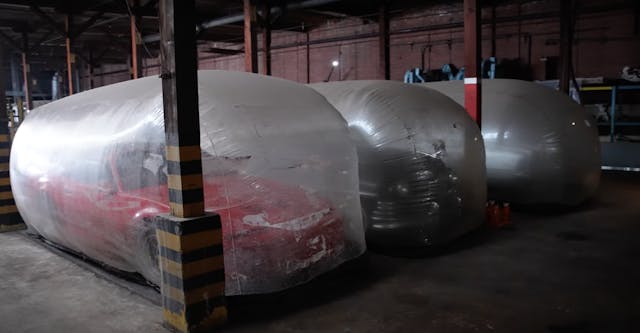











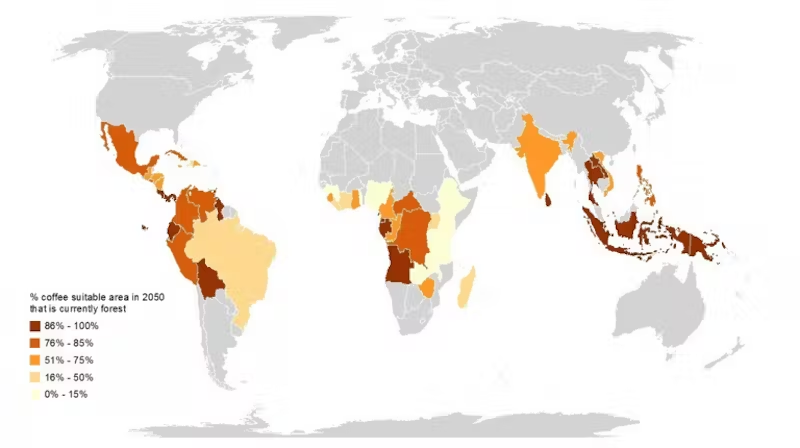
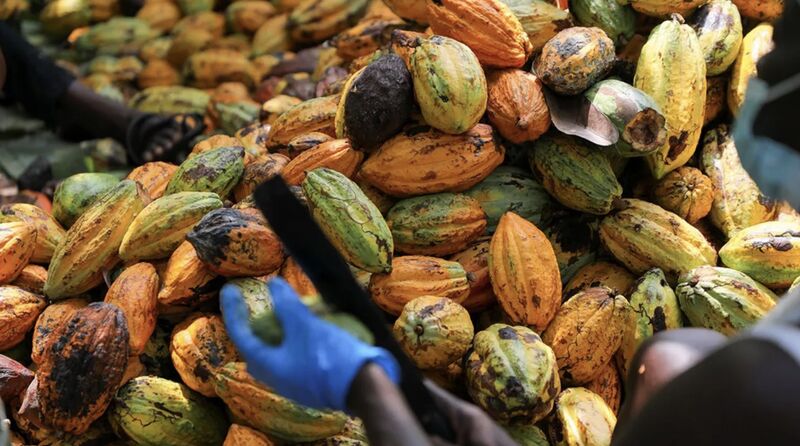
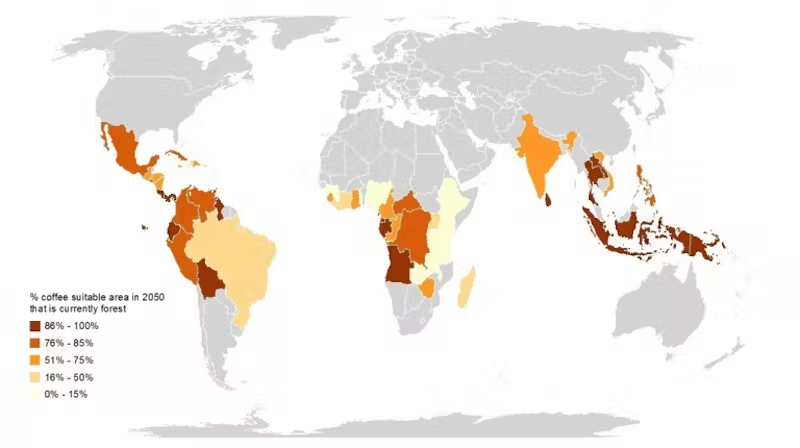

 The true “spirit” of the holiday season (oops, I meant to say Christmas) is for people to pause and give thanks. According to the man-made calendar of months and years, we are getting ready to start a New Year.