Buying a car is an exciting journey, filled with possibilities but also peppered with potential pitfalls, especially for first-time buyers. The process can seem daunting, given the vast array of options, financial considerations, and the long-term commitment to the chosen vehicle. This guide is designed to simplify the car-buying journey, offering practical tips to navigate the market, make informed decisions, and ultimately find the perfect car that meets your needs and budget. These strategies will help ensure a smoother, more enjoyable car-buying experience.
Know Your Budget
Before diving into the sea of car options, it’s crucial to have a clear understanding of your budget. This includes not only the purchase price but also the ongoing costs of ownership such as insurance, maintenance, and fuel. A realistic budget will narrow down your options and keep your financial health in check. For instance, opting for a used Hyundai Sonata in Saskatchewan might offer the balance of affordability, reliability, and features you’re looking for, without stretching your budget too thin.
When considering your budget, also think about financing options. If you plan to take out a loan, get pre-approved to understand how much you can afford and to streamline the buying process. This can also give you leverage during negotiations, as you’ll be seen as a serious buyer with financing already in hand.
Research Thoroughly
The importance of research cannot be overstated. Start by listing what you need in a car: size, performance, features, safety ratings, fuel efficiency, and reliability. Use online resources, consumer reports, and forums to gather information on models that fit your criteria. This is also the time to read up on common issues or recalls associated with models you’re interested in, which can save you from future headaches.
Next, explore ownership costs for your shortlisted models. Some cars may have a lower purchase price but higher maintenance costs or less favorable fuel efficiency. Websites and tools that calculate the total cost of ownership over time can provide valuable insights here, helping you make a more informed decision.
Test Drive and Inspect
Once you’ve narrowed down your options, it’s time to get behind the wheel. Test driving is not just about seeing if you like the car; it’s about ensuring everything works as it should. Pay attention to how the car handles, brakes, accelerates, and how comfortable and intuitive the interior is. For those considering a used vehicle, such as a used Hyundai Sonata, it’s advisable to bring along a trusted mechanic for a thorough inspection. This can uncover potential issues that aren’t visible to the untrained eye.
Don’t rush this step. Spending ample time test-driving the car and inspecting can prevent buyer’s remorse and ensure you’re truly happy with your choice. It’s also a good opportunity to check if the car’s space and features meet your practical needs.
Negotiate the Best Deal
Negotiation is part and parcel of the car-buying process. Armed with your research, you’ll be in a stronger position to discuss prices. Know the market value of the car you’re interested in and don’t be afraid to negotiate based on that knowledge. For new cars, this might mean working on the price down from the Manufacturer’s Suggested Retail Price (MSRP). For used cars understanding their market value can help you negotiate a fair price.
Remember, negotiation isn’t just about the sticker price. It can also involve terms of the warranty, interest rates on financing, and additional perks like free maintenance or accessories. Be clear about what you want, be prepared to walk away if your terms aren’t met, and always keep the conversation respectful and professional.
Finalizing Your Purchase
After negotiating a deal you’re happy with, it’s time to finalize the purchase. This involves reviewing and signing paperwork, including the bill of sale, warranty documents, and financing agreements. Make sure you understand all the terms and conditions before signing anything. It’s also a good opportunity to review any additional offers for extended warranties or service packages, weighing their costs against the potential benefits.
Before driving off the lot, ensure you have all necessary documents, such as the vehicle registration and proof of insurance. This is also the time to ask any last-minute questions about the vehicle’s features or maintenance requirements. Taking these final steps seriously will help ensure a smooth transition to becoming a happy car owner.
Smart Buying Leads to Happy Driving
Embarking on your car-buying journey with these tips in mind will set you up for a successful purchase. From understanding your budget to negotiating the best deal, each step is crucial in finding a car that fits your life. Whether you’re eyeing a brand-new model or a used car, the goal is to make an informed decision that you’ll be satisfied with for years to come. Remember, a little patience and a lot of research can lead to many happy miles on the road.
If you’ve spent time in rural Southern Ontario you know that there are many unique cultural identifiers. You may have noticed that things move a little slower…except for certain classic cars that continue to amaze with horsepower and style. I sure have, and it is a joy to cross paths with all of the “sweet rides” of Norfolk County nestled along the Lake Erie North Shore.
Jeff’s Gran Torino Sport is, like many classic cars, an icon.
This model of car starred in a funky 1970s show (and later a Stiller-Wilson movie) that needed a car with character. A car that would be believable chasing after a pimped out Lincoln or Caddy. And though formulaic in this simple premise of cops + cool car= fun, Starsky and Hutch just wouldn’t be the same were it not for the Gran Torino.
It is safe to say that the classic Gran Torino succeeded in showing that muscle, style and comfort catches the viewer’s eye, as well as the bad guys. Look for Jeff’s wheels in and around Port Rowan, Ontario. For the Silo, Jarrod Barker.
Supplemental- Port Dover’s Scott Misner talks about rescuing an El Camino and more-
Dalian, People’s Republic of China, June 2024 – The World Economic Forum announces today the publication of its annual Top 10 Emerging Technologies Report featuring technologies with the greatest potential to make a positive impact in the world in the next three to five years.
“Organizations make better choices when they understand the factors shaping the future. The report identifies technologies poised to significantly influence societies and economies,” said Jeremy Jurgens, Managing Director, World Economic Forum and Head of the Centre for the Fourth Industrial Revolution. “It also spotlights technologies with immense potential for revolutionizing connectivity, addressing the urgent challenges of climate change and driving innovation across various fields.”
“Drawing on the expertise of Frontiers’ Chief Field Editors worldwide brings our shared commitment to transformative science into clear focus, bringing insight and clarity to breakthrough technology that has the ability to change societies, economies, and lives for the better,” said Frederick Fenter, Chief Executive Editor, Frontiers. “This is open science in action and we are delighted to partner with the World Economic Forum in bringing these technologies to the attention of business, science and political leaders across the globe.”
The Top 10 Emerging Technologies of 2024 are:
AI for scientific discovery: While artificial intelligence (AI) has been used in research for many years, advances in deep learning, generative AI and foundation models are revolutionizing the scientific discovery process. AI will enable researchers to make unprecedented connections and advancements in understanding diseases, proposing new materials, and enhancing knowledge of the human body and mind.
Privacy-enhancing technologies: Protecting personal privacy while providing new opportunities for global data sharing and collaboration, “synthetic data” is set to transform how information is handled with powerful applications in health-related research.
Reconfigurable intelligent surfaces: These innovative surfaces turn ordinary walls and surfaces into intelligent components for wireless communication while enhancing energy efficiency in wireless networks. They hold promise for numerous applications, from smart factories to vehicular networks.
High-altitude platform stations: Using aircraft, blimps and balloons, these systems can extend mobile network access to remote regions, helping bridge the digital divide for over 2.6 billion people worldwide.
Integrated sensing and communication: The advent of 6G networks facilitates simultaneous data collection (sensing) and transmission (communication). This enables environmental monitoring systems that help in smart agriculture, environmental conservation and urban planning. Integrated sensing and communication devices also promise to reduce energy and silicon consumption.
Immersive technology for the built world: Combining computing power with virtual and augmented reality, these technologies promise rapid improvements in infrastructure and daily systems. This technology allows designers and construction professionals to check for correspondence between physical and digital models, ensuring accuracy and safety and advancing sustainability.
Elastocalorics: As global temperatures rise, the need for cooling solutions is set to soar. Offering higher efficiency and lower energy use, elastocalorics release and absorb heat under mechanical stress, presenting a sustainable alternative to current technologies.
Carbon-capturing microbes: Engineered organisms convert emissions into valuable products like biofuels, providing a promising approach to mitigating climate change.
Alternative livestock feeds: protein feeds for livestock sourced from single-cell proteins, algae and food waste could offer a sustainable solution for the agricultural industry.
Genomics for transplants: The successful implantation of genetically engineered organs into a human marks a significant advancement in healthcare, offering hope to millions awaiting transplants.
About the Top 10 Emerging Technologies Report The Top 10 Emerging Technologies Report, now in its 12th edition, serves as a vital source of strategic intelligence for professionals. Drawing on insights from scientists, researchers and futurists, the report identifies 10 technologies poised to significantly influence societies and economies. In addition to promising major benefits to societies and economies, these emerging technologies must also be disruptive, attractive to investors and researchers, and expected to achieve considerable scale within five years.
This year’s edition introduced an innovative trend analysis methodology, incorporating academic literature, funding trends and patent filings, to ensure the accuracy and relevance of the selected technologies. The technologies featured in the report, produced in collaboration with Frontiers, were identified through a rigorous selection process involving over 300 world-leading academics and experts from the Forum’s Global Future Councils, the University and Research Network, the Frontiers network comprising over 2,000 chief editors worldwide from top institutions, and Mariette di Christina and Bernard Meyerson, Co-Chairs of the Emerging Technologies Steering Group.
MediaFuse.org, a leading PR platform, is excited to announce its revolutionary solution for brands and agencies seeking to effectively broadcast their announcements. With an extensive network of leading websites in various industries, MediaFuse.org delivers a comprehensive distribution system including Chainwire that maximizes exposure, enhances branding, and drives significant traction for companies.
Led by Nadav Dakner, an esteemed veteran online marketer with 15 years of industry experience, MediaFuse.org has positioned itself as a game-changer in the PR industry. The platform enables brands to reach their target audience by distributing their news announcements to renowned websites in their niche.
“MediaFuse.org is set to disrupt the PR industry by providing innovative solutions that empower brands and agencies to stand out,” said Nadav Dakner, CEO of MediaFuse.org. “Our platform offers unmatched access to a vast network of influential websites, ensuring that our clients gain the exposure they deserve.”
MediaFuse.org boasts a wide range of advantages over traditional newswire services such as PR News Wire and BusinessWire. With its unique approach, MediaFuse.org aims to revolutionize the PR landscape and address the shortcomings of existing platforms. By providing companies with direct access to their target audience through leading websites, MediaFuse.org helps them achieve their marketing goals more effectively.
In a recent interview, Nadav Dakner articulated his motivation behind creating MediaFuse.org. “After years of being an agency owner and dealing with the limitations of traditional newswire tools, I recognized the need for an innovative PR platform that truly empowers businesses,” he explained. “With MediaFuse.org, we aim to redefine the way companies distribute their news, enhancing their presence in their respective industries.”
Nadav Dakner
MediaFuse.org offers a range of services, including press release distribution, media monitoring, and analytics. Brands and agencies can leverage these services to create a tailored PR strategy and effectively engage their target audience. In addition, MediaFuse.org provides company profile pieces and interviews, contributing to its clients’ brand recognition and thought leadership positioning.
For further information on MediaFuse.org and its services, please visit https://mediafuse.org/.
More On Chainwire
Designed for cryptocurrency projects, blockchain companies, exchanges, investment firms, and PR agencies, Chainwire allows press releases to be published simultaneously across hyper-targeted media outlets.
Developed by an experienced team with long-established media connections, Chainwire gives you a direct line to your target market. Having operated on the frontlines of the crypto newswire business for years, we’ve forged links with every major publisher in the business.
How Chainwire Works
Once you submit your press release on your Chainwire app, our editorial team goes over your content and provides you with their insights. After working in the crypto & blockchain PR field for many years, we know how to help you make your PR more powerful, relevant and concise. Full integration with hyper-targeted crypto & blockchain media outlets broadcasts your message far and wide, and enables you to analyze the results in near real-time.
Why Chainwire Is Different
With Chainwire, you can focus on building your business while we circulate the news of your success. Our intuitive dashboard gives you all the tools you need to submit, monitor, and refine your news announcement campaigns. Automated distribution saves you time and effort, with Chainwire’s service putting your stories on the front page of all the media sites that matter. For the Silo, Kat Fleischman.
Every so often, I engage in a particularly futile and depressing ritual—I shop for cars that I’ve foolishly let go. They’re cars that could have been feasible 10 years ago, but not today. I’ve been priced out of the market for virtually all of them. And while the market might be settling down at the moment, there are few signs of an out-and-out retreat to pre-pandemic pricing. Among cars from the 1970s through the early 1990s, there are precious few bargains. But go a little bit newer, where there’s even some depreciation yet to be done, and the picture gets more enticing. I’m talking cars from the 2000s to 2010s that are getting older, but still aren’t considered any kind of “classic” or “collectible” yet. Here are some highlights.
Fiat 500 Abarth
Fiat
The 500 Abarth is the closest thing to a real hot hatch that Fiat has ever offered in the U.S., a market that is sadly short on real hot hatches. There were more interesting varieties of the Punto and Ritmo, but those were Euro-only cars that frankly weren’t very good compared to competition from Renault, Peugeot, VW, and Ford. As for the 500 Abarth, although it first arrived here in the early 2010s, the 160-hp pocket rocket feels more like a 1990s hot hatch. It’s crude, the ride is choppy, and a 10 year-old Fiat probably wears more like a 20 year-old VW. But it’s loud, analog-feeling, and fun. Most importantly, it’s cheap. Around $8000usd to $10,000usd/ $11,000cad to $13,700cad buys one with under 50,000 miles/ 80,467kms. That’s tons of fun per us or canadian dollar in a package that offers an old school driving experience in something that’s new enough to have most contemporary features and conveniences.
MazdaSpeed3
Mazda/Guy Spangenberg
Back in the days of the Zoom Zoom tagline, Mazda fielded the incredibly entertaining MazdaSpeed3. Offered from 2007-13, it’s a four-door hatch with 263 hp and 280 lb. ft. of torque. It’s exactly the kind of car enthusiasts and auto journalists beg manufacturers for, but rarely head to a dealership and actually buy. Everyone who tested a Speed3 back in the day found the car fun, especially those of us who were entertained by the torque-steer. Car and Driver wasn’t, comparing driving the car to a game of tug-of-war. But, affordability and perfection don’t often go hand-in-hand, so for $10,000usd to $12,000usd/ $13,700cad tp $16,400cad at current prices you could do far worse than the powerful and practical Speed3.
C5 Corvette
Josh Sweeney
If hot hatches aren’t your jam, there’s always the bargain Corvette of the moment, the 1997-2004 C5. While some variants, most notably the Z06, sailed beyond true affordability in the last several years, a base manual C5 with somewhere between 75,000 and 100,000 miles/ 120,000km and 160,934km can still be had in the $13,000usd to $15,000usd range/ $17,760cad – $20,490cad. That’s a huge bargain for what was an utterly clean sheet design, one of the few in Corvette history, and more performance than almost anything in this price point. Interiors are standard 2000s GM, but livable. And the styling, over a quarter-century after it was introduced, is aging quite nicely.
2003-08 BMW Z4
BMW
The 2003-08 Z4 is a bit like the C5 Corvette in that it wasn’t universally loved when new, but is aging well. Available in 2.5- and 3.0-liter six-cylinder forms, the Z4 was larger and more practical than its predecessor, the Z3. Its odd surface detailing and Kamm-tail also look better now than they did 20 years ago. The Z4’s list of maladies is well-known at this point—the VANOS variable valve-timing system can give trouble (it’s often the solenoids), as can the cooling system. These are pricy repairs, but with nice cars available in the $9000usd to $12,000usd/ $12,300cad to $16,400cad range, if you budget $2000usd-$3000usd/ $2,730cad-$4,100cad to sort things out, these can still be a compelling deal in semi-modern convertible German sports car.
You could argue that the 2005 Mustang was the first one to really look like a Mustang since maybe 1973. The brilliant Sid Ramnarace-designed S197 Mustang managed to look the part without being foolishly retro, a hard balance to achieve. Special editions, and certainly the Shelby versions of the S197 are not cheap, but a lightly optioned V-8 coupe or convertible is still one of the best cheap V-8 pony cars out there. Being a Mustang, there are always plenty on the market to choose from at any given time, and a decent manual transmission car can be had in the $12,000usd to $14,000usd/ $16,300cad to $19,130cad range. For the Silo, Rob Sass/Hagerty.
Read enough automotive-related articles on the internet and you will be convinced the internal-combustion engine is being hunted with a fervor typically reserved for villains in Jason Statham movies.
Okay, that conclusion may be extreme—but it holds some truth. Regulations regarding emissions and engine efficiency grow stricter with each passing year and manufacturers are faced with an impossible task: Take a centuries-old design and make it endlessly better—faster, cleaner, stronger, ad infinitum. At some point, progress will plateau, and the cost of ICE experimentation will simply outweigh the incremental gains in efficiency and power. The good news? The internal-combustion engine might have one more trick up its cylinder sleeve.
Fuel, air, and spark—the three things an engine needs to run. Air is one ingredient that it makes sense to leave alone. Fuel type is essentially decided by contemporary infrastructure. (Synthetic fuels are in the works, but we’re thinking of large-scale changes in the ICE design that would extend far beyond the top echelons of motorsport to the everyman (and woman) on the street.) That leaves spark as the low-hanging fruit in this equation. If a different type of ignition could more completely burn the fuel and air mixture, it would not only reduce emissions but also increase efficiency.
Enter plasma ignition.
This is what plasma looks like compared to the sharp spark of a traditional ignition system. Transient Plasma Systems, Inc
Traditional spark ignition is very simple.
A coil transforms the 12 volts from the car’s charging system into thousands of volts that discharge quickly to jump between the electrode and the ground strap of a spark plug. This forms a sharp but small zap that lights off the chemical chain-reaction that expands the air and fuel mixture to push the piston down and thus rotate the crankshaft. In order for the fuel-and-air mixture to be lit by this type of ignition system, it needs to be fairly close to a stoichiometric mixture; right around 14.7 to 1. That ratio—14.7 grams of air to one gram of fuel—puts a ceiling on efficiency. But here’s where things get interesting.
If we were able to lean out the mixture by adding air but still getting the same in-chamber expansion, and the corresponding force exerted on the piston, efficiency would increase dramatically. A lean mixture is much harder to ignite, though. So hard that you’d need transient plasma to make it happen in any reliable fashion. Technically, the spark on a standard spark plug does create plasma when it ionizes the gasses between the electrode and ground strap; transient plasma takes that small arc and dials it up to 11. If a spark plug is a zap in the chamber, plasma ignition is a TIG welder mounted in a cylinder head.
Ionfire Ignition
This much more violent mode of ignition can regularly and predictably ignite extremely lean air/fuel mixtures. One of transient plasma’s most obvious advantages, besides a higher-efficiency combustion cycle, is that relatively low amounts of energy are used to perform a lot of electronic “work.” (The difference between energy and power, for those of you who enjoy recalling high school chemistry class.) The spark itself is not lighting a fire to burn the fuel; rather, a rapid-fire sequence of low-range electronic pulses generates a highly potent electric arc, which then breaks the bonds holding the oxygen molecules together and allows the electrons to shoot out, essentially attacking the hydrocarbons (fuel) and creating combustion. This means we are not waiting on a flame to consume the fuel and, in the amount of time between combustion and exhaust strokes, we get a more complete burn.
The most fascinating part? This technology is not new.
We traced the basic concept to patents from the 1980s, but technology has obviously come a long way since then. Outfits like Transient Plasma Systems, Inc. and Ionfire Ignition are reviving the concept and the reintroduction is timed quite nicely. (If you’ll forgive the pun.) TPS ignition systems have been tested and show a 20 percent increase in efficiency while also decreasing harmful emissions like NOx by 50 percent. Numbers like that aren’t a silver bullet in the ICE gun, but plasma ignition could keep our beloved internal combustion engines on the road longer than we’d expected. TPS claims it is working with manufacturers to integrate its ignition tech into production engines, but we are still a few years away from seeing the fruit of that collaboration.
The internal-combustion engine has undergone constant evolution for centuries, and at this point we’re extracting incremental gains. Plasma ignition could be one of the last significant improvements to be found in the ICE story. Here’s hoping that this ’80s tech, refined for the 21st century’s needs, makes its way onto the streets. For the Silo, Kyle Smith /Hagerty.
COVID Vaccination Is ‘Safe’ but Remains Clinically Untested for Pregnant Women: Health Canada
A sign is displayed in front of Health Canada headquarters in Ottawa on Jan. 3, 2014. (The Canadian Press/Sean Kilpatrick)
Nearly four years after the launch of the massive COVID-19 vaccination campaign, which included mandates and passports, the safety of the products for pregnant women remains mostly untested clinically.
Health Canada answered a series of questions from Tory MP Colin Carrie in April about the issue.
“What specific research data supported the claims that … this product may be safely administered at any stage of pregnancy?” asked Mr. Carrie in an Inquiry of Ministry.
“Please note that the vaccine manufacturers did not seek an indication for use in pregnant and lactating women and the Product Monographs included statements about the uncertainty regarding safety and efficacy in pregnancy and lactation,” answered Health Canada, which is responsible for authorizing vaccines in Canada.
The product monographs for the widely administered COVID-19 shots from Pfizer-BioNTech and Moderna, which describe the properties, claims, indications, and conditions of use for the drug, state the unavailability of data regarding use during pregnancy.
“No data are available yet regarding the use of COMIRNATY Omicron XBB.1.5 during pregnancy,” said Pfizer-BioNTech’s monographs, both for its updated Omicron injection and its original one.
“The safety and efficacy of SPIKEVAX XBB.1.5 in pregnant women have not yet been established,” similarly say Moderna’s monographs for its updated Omicron shots and its legacy product.
Pfizer-BioNTech’s initial clinical trial for pregnant women, announced publicly in February 2021, encountered recruitment problems.
A Pfizer Canada representative told a member of the National Advisory Committee for Immunization (NACI) in April 2022 that the trial had been stopped due to slow enrolment, according to internal emails seen by The Epoch Times.
Jelena Vojicic, vaccines medical lead at Pfizer Canada, also said “it became unreasonable/inappropriate to randomize pregnant women to placebo given the amount of observational evidence that the vaccine is safe and effective, coupled with increasing number of technical committees supporting immunization of pregnant women.”
Despite hurdles, Pfizer-BionTech submitted results for a small clinical trial with 348 participants in July 2023, according to the U.S. government website ClinicalTrials.gov.
Moderna’s observational pregnancy outcome study was terminated in the fall of 2023 due to low enrolment, with ClinicalTrials.gov noting 20 enrolled participants.
Neither Pfizer nor Moderna responded to a request for comment.
While confirming there is little to no clinical trial data, Health Canada said vaccination for pregnant women was recommended based on evidence of safety and effectiveness growing from “real-world use.”
“Analysis of the data show that mRNA COVID-19 vaccines are safe for people who are pregnant or breastfeeding.”
Dr. Bernard Massie, a virologist and former National Research Council acting director general of the Human Health Therapeutic Research Center, raised doubts about the reliability of data obtained outside clinical trials, calling them “very incomplete and often biased.”
“We won’t find what we’re not looking for,” noting that real-world passive surveillance of side effects can be underrepresented by a factor of 10 and up to a 100 for lax systems.
‘Off-Label’
While Health Canada authorizes vaccines, the regulator said that NACI is responsible for formulating recommendations for public use.
“This means that NACI may provide recommendations that are broader or narrower than the conditions of use approved by Health Canada, often referred to as ‘off-label’ recommendations,” said spokesperson Anna Maddison, adding such a practice by NACI is ”not uncommon.” Ms. Maddison also noted the COVID-19 vaccines are not contraindicated in pregnant or lactating women.
At the beginning of the vaccine rollout, NACI said in December 2020 that pregnant or breastfeeding mothers “should not” in most circumstances be offered the vaccine “until further evidence is available.”
The recommendation was changed in January 2021 to “may be offered” following a risk assessment.
By May 2021, NACI had updated its recommendation for pregnant women that they “should be offered” COVID-19 mRNA shots.
To back its recommendation, NACI cited a U.S. government study of 35,000 pregnant women using data from December 2020 to February 2021.
“Preliminary findings did not show obvious safety signals among pregnant persons who received mRNA Covid-19 vaccines,” said the study. It noted, however, that “more longitudinal follow-up, including follow-up of large numbers of women vaccinated earlier in pregnancy, is necessary to inform maternal, pregnancy, and infant outcomes.”
Dr. Massie questioned whether the study by government scientists was interested in finding issues with vaccination and pregnancy given that the government was promoting mass vaccination.
After the results of the study were published on April 21, 2021 in the New England Journal of Medicine, other government advisory bodies recommended COVID-19 vaccination in pregnant women.
Quebec’s government announced vaccination would be offered to pregnant women on April 27 of that year, citing a recommendation from its immunization committee which “analyzed the evolution of scientific data and recommendations in different countries.”
B.C.’s government recommendation came on May 4, 2021. “All Health Canada-approved vaccines are safe and effective, and I encourage everyone to register and receive their vaccine as soon as they are eligible. Today, this includes people who are pregnant,” said Dr. Bonnie Henry, B.C.’s provincial health officer.
‘Not’ Advertising
Dr. Philip Oldfield, who has more than three decades of experience specializing in the bioanalysis of protein/nucleic acid therapeutics and regulatory affairs, raised questions about the product monographs for vaccines saying effects on pregnancy were not tested while government bodies encourage pregnant women to be vaccinated.
He also points to passive surveillance data on vaccine adverse events collected in the United States showing over 2,000 miscarriages following COVID-19 vaccination. While this data doesn’t prove causality, it is considered largely underreported.
Dr. Oldfield said Health Canada encouraging pregnant women to get vaccinated for COVID-19 could contradict “both the law with respect to false and misleading advertisements of a drug, and contradicts the safety data found on both the Moderna and Pfizer monographs.”
The Epoch Times asked Health Canada if it is allowed by law to make recommendations about the use of products for certain populations for which the products’ monographs do not indicate safety information. The Foods and Drugs Act states that “No person shall label, package, treat, process, sell or advertise any drug in a manner that is false, misleading or deceptive or is likely to create an erroneous impression regarding its character, value, quantity, composition, merit or safety.”
Health Canada spokesperson Anna Madison responded that “public health messages from a government authority that promote vaccination would not qualify as advertising of a health product.”
Despite different bodies’ recommendations for pregnant woman, NACI noted in a summer 2022 report that “uptake of COVID-19 vaccine has been lower among pregnant people compared to non-pregnant people in Canada.”
“Preliminary unpublished evidence in Ontario indicates that primary series vaccine coverage among pregnant people (71 percent) was 16 percentage points lower than in the general female population of reproductive age in Ontario by the end of 2021.”
Animal Studies
Outside of emerging real-word evidence, regulators and advisory bodies have also cited studies conducted on animals to determine the safety for pregnant women and their babies.
“Animal studies do not indicate direct or indirect harmful effects with respect to pregnancy, embryo/fetal development, parturition, or post-natal development, and human randomized clinical trials were not submitted for regulatory evaluation,” said Health Canada in responding to MP Carrie.
The NACI also cited a study conducted on rats with Pfizer’s mRNA vaccine to back its recommendation, saying no issues were encountered.
A Moderna nonclinical overview submitted to the U.S. government and obtained by legal advocacy group Judicial Watch through a lawsuit indicates the presence of “statistically significant increases” in rat offsprings with “wavy ribs and 1 or more rib nodules.”
“There were no other indicators of mRNA-1273-related developmental toxicity observed, including delayed ossification; therefore, these common skeletal variations were not considered adverse,” concluded the manufacturer.
Both Dr. Oldfield and Dr. Massie said the animal studies conducted are not proper to assess risk in humans. “Using an inappropriate species in the Developmental and Reproductive Toxicity (DART) studies would never pick up the toxic effects due to the spike protein,” said Dr. Oldfield. “The animal studies were performed using an inappropriate species (rat) which unlike humans, their ACE receptors does not bind to the vaccine generated spike protein.”
Breastfeeding
MP Carrie also raised the issue of breastfeeding in his request for information to the government, asking what specific research data there is to say that “modRNA vaccine, and consequently the spike protein, do not excrete into breast milk.”
Health Canada responded that the product monographs for authorized COVID-19 vaccines “include a statement that it is unknown whether the COVID-19 vaccine is excreted in human milk.”
“A risk to newborns/infants cannot be excluded,” it adds.
Studies have found mRNA from COVID shots does end up in breast milk, with a recent one published in the medical journal Lancet in September.
In response to previous questions, Health Canada told Mr. Carrie last year that “mRNA-encoded spike protein is only expressed transiently and at the injection site and the liver, then declines over time.”
Authors of the study published in the Lancet noted their “findings demonstrate that the COVID-19 vaccine mRNA is not confined to the injection site but spreads systemically and is packaged into [breast extracellular vesicles].”
The scientists said that since only “trace quantities” are present and a “clear translational activity is absent, we believe breastfeeding post-vaccination is safe, especially 48 h after vaccination.” They specified that since the minimum mRNA dose to elicit an immune reaction in young infants is unknown, breastfeeding mothers should consult with a health-care provider to discuss risks and benefits in the first two days after vaccination. For the Silo, Noé Chartier/Epoch Times.
Our friends at Hagerty know a thing or two about cars and really love talking about concept cars of every era, but the 1990s have a special place in their heart. Read on and tell us which one is your fav and why in the comments section below.
It was a good decade for automotive diversity, especially for enthusiasts: SUVs were emerging as a hot new segment, true, but none of them purported to be a coupe or track star. Sport sedans thrived. So did hot hatches. The Miata debuted in 1989, kicking off the roadster craze. Chrysler was, for most of that decade, just Chrysler—not some confusing multinational conglomerate with a name that no one remembers.
Even the automotive ideas that didn’t make production had pizzazz—in a few cases, as you’ll see below, perhaps a little too much pizzazz. We’ve covered ’90s concepts before, but after a spin through the treasure trove that is Alden Jewell’s catalog of car brochures on Flickr, we decided it was time to focus on the concept cars from the U. S. of A., rather than the European contingent that dominated that last list.
Step back in time with us to an era when Buick was thinking of wild sedans, Pontiac was still cool, Mercury … existed, and Dodge was high off the Viper.
1999 Buick Cielo
Flickr/Alden Jewell
If you thought Buick’s newest concept car was unorthodox, prepare yourself: The Cielo is much, much more out-of-the-box. (Despite that throwback grille texture, which is very Y-Job.) A four-door convertible, with retractable headlights and voice-operated doors? You’d never know this thing was based on a highly modified Regal GS. The top, complete with its rear glass, stowed beneath a panel at the back thanks to a cable system hidden in the two arches that frame the “roof.” Power came from a supercharged 3.8-liter V-6 making 240 horsepower.
Judging by the much tamer concept of the same name that Buick showed off the following year—and marketed as a possible limited edition—the automaker thought the convertible four-door idea had legs. In Buick’s words, the Cielo “proves just how broad and flexible and contemporary the idea of a premium family car really is.” Little did Buick know that, 15 years later, the only premium family car the people would want was an SUV …
Flickr/Alden Jewell
1997 Mercury MC4
Flickr/Alden Jewell
Motortrend got rather excited about the MC4 when it debuted in 1997: “The MC4 is for Mercury what the Viper Roadster was for Dodge nine years ago.” Yes, it was far more interesting to look at than the blob-like Mystique or the softly contoured Mountaineer … but no one knew that, 13 years later, Mercury would stop producing vehicles, its sales cannibalized by parent company Ford.
In 1997, however, Mercury’s star shone far brighter. The MC4 wore the edgy, minimalist look characteristic of Ford’s New Edge design language, initiated by the GT90 concept in 1990 and most familiar to folks on the 1999 Mustang. A trapezoidal grille and emphasized wheel arches are common to both that Mustang and the MC4, which actually started life as a V-8–powered ’96 Thunderbird. Unlike the T-Bird, the Mercury concept boasts four doors and a rear cargo area accessed by a pair of gullwing doors. It had style, space, and, of course, a healthy dose of tech that hadn’t quite been readied for production: video cameras instead of side- or rearview mirrors, nickel-chrome plate bedazzling the interior, and heated and cooled cupholders.
1997 Pontiac Rageous Concept
Flickr/Alden Jewell
In 1997, Pontiac had four-door cars, and it had V-8–powered cars, but it didn’t have any V-8–powered, four-door cars. The Rageous, with its 350-cubic-inch small-block and vestigial set of rear doors, aimed to fix that. It could carry four people, but the trunk was accessed via a top-hinged hatch, making this more of a hatchback than a sedan. The Rageous had a six-speed manual transmission and a heavily vented, pointy schnoz that put that of the contemporary Firehawk to shame.
Pontiac
1994 Dodge Venom
Flickr/Alden Jewell
If the Dodge Venom reminds you of a Neon, you’re on the right track: This 1994 concept was built on a version of the Neon’s platform. Unlike that compact, however, the Venom was rear-wheel drive. Compared to the sportiest Neon, the SRT-4, the Venom boasted an iron-block six-cylinder engine with 24, rather than 16, valves, and more power: 245 rather than 215 horses. The Venom looked like the perfect little brother to the Viper, which it honored with that side-scoop and squinty headlights atop a four-section grille. The concept even made the cover of Car and Driver‘s March 1994 issue, accompanied by the question: “Dodge’s pony car of the future?”
We wish such an affordable, spunky two-door had made production: Dodge wouldn’t have a direct competitor to the Mustang and the Camaro until the Challenger, which hit the streets 14 years later.
Flickr/Alden Jewell
1995 Chevrolet El Camino SS Concept
Flickr/Alden Jewell
It may remind GM fans of a Holden, but the El Camino SS Concept ute is a GM B-body at its core. GM’s Advanced Vehicle Development Center in North America built this ute out of a Caprice station wagon in just 16 weeks, grafting onto that people-hauler the nose of an Impala SS. Many of the steel body panels were made by hand. Power came from a 300-hp version of the LT1 V-8 found in the Corvette and the Impala SS (in different tunes) and was channeled to the rear wheels via a 4L60E Hydramatic transmission. Unfortunately, the platform that gave it birth spelled its doom: GM killed the age-old B-body at the end of 1996. RIP.
Flickr/Alden Jewell
1994 Plymouth Expresso Concept
Flickr/Alden Jewell
Would you believe us if we said this was a Plymouth? Maybe not, because the Expresso is more interesting than anything Plymouth made in the ’90s … until the Prowler arrived for the 1997 model year, at least. (That retro-mobile debuted in concept form the year before the urban runabout Expresso debuted.) The Expresso was built on the shortened frame of a Neon, to be sold under both the Dodge and Plymouth brands, and used the compact’s 2.0-liter four-cylinder to power its front wheels.
The four-door bubble would never reach production, but its name stuck around in the Plymouth lineup as a trim package on the Neon, the Voyager, and the Breeze. Be prepared to explain yourself if you mention this concept in front of a coffee snob: This weirdo’s name really is EX-presso, not Espresso. The proper pronunciation would be too … well, proper. For the Silo, Grace Houghton/Hagerty.
Every second counts when a racing team’s intellectual property is their competitive edge.
Dropbox has partnered up with McLaren Racing as an Official Technology Partner of the McLaren Formula 1 Team.
From Mission Control to Track, Formula 1 is a team effort.
The best teams, like cars, are more than the sum of their parts. They’re built for performance and continually pushing for more. Dropbox gives McLaren the tools they need to unlock an extra gear. Now they can share info instantly and collaborate on files in real time, wherever they’re racing around the world. All while being confident their IP is safe and secure.
Our track record of fast, efficient, and easy-to-use products makes Dropbox a perfect partner for the McLaren Formula 1 Team. And our newest products push beyond storage, to support teams the way they work today. We help teams get the best results across the finish line. Dropbox is the one tool they rely on to stay organized and share info while safeguarding their business-critical content.
A team’s intellectual property is their competitive edge. The McLaren Formula 1 Team trusts Dropbox to keep their most important content protected. With features like advanced sharing permissions and access management, we help keep McLaren’s confidential information private and secure, so they can focus on pushing for more podiums. Stay secure
In a race against time, McLaren counts on Dropbox. Organization is key to unlocking optimal performance. With shared workspaces and folders, Dropbox makes it easy for the McLaren Formula 1 Team to stay in sync, and spend more time on the work that matters. Staying organized helps teams move faster, and that’s a huge advantage when every second counts. Get organized
The record time to change four tires is 1.8 seconds. The McLaren Formula 1 Team set that record last year. Their success depends on everyone working together in perfect sync. And Dropbox enables easy, efficient collaboration across the team. Now they can: Quickly and safely share large, high-res files with internal or external stakeholders. Track sent files to see who’s opened them and what they’ve viewed. Review creative assets or race footage in real-time, even when the team is all around the world
Spring means fresh flowers and sunny days, but it also brings seasonal health issues as the weather gets warmer: from Rosacea to Lyme disease.
Most likely, you or someone you know has been affected by Lyme disease, the most common tick-borne illness in North America with more than 300,000 cases diagnosed each year. In a timely new book, Conquering Lyme Disease(Columbia University Press), Columbia University Medical Center physicians Brian A. Fallon and Jennifer Sotsky reveal that despite the challenges to find a cure for this complex, debilitating disease, precision medicine and biotechnology are accelerating the discovery of new tools with which doctors will be able to diagnose it and treat patients.
“Through rapid genetic sequencing, scientists can identify many different strains of Borrelia burgdorferi as well as new tick-borne microbial infections, such as Borrelia miyamotoi, Borrelia mayonii, and the Heartland virus.” — Brian Fallon
Could groundbreaking technologies that rapidly increase our understanding and open up new pathways mean a cure for Lyme disease one day soon? The Global Search for Education is pleased to welcome Dr. Brian Fallon to find out how tech is tackling the ticks.
“Modern technology using Next-Generation Sequencing (NGS) allows one to discover with great rapidity all microbes that may be present within a sample of fluid.” — Brian Fallon
Brian, how has technology improved the research process for tick borne diseases?
Consider the difference in price of genome sequencing between 20 years ago and today. In 2003, it had taken the Human Genome Project about 4 years and costs estimated between $500 million to 1 billion…by 2006 the cost for sequencing a single human genome had dropped to 14 million……today a whole human genome can be sequenced within days for less than $1,000. This is a tremendous advance.
Why is genome sequencing so important? Let’s look at human tick-borne diseases. When two different people are infected with Borrelia burgdorferi (the microbe that causes Lyme disease), one will resolve the disease quickly after a course of antibiotics while the other may develop a chronic relapsing remitting illness. Why? Because one person might have gotten a more persistent strain, while the other received a less invasive strain that stays localized to the skin. Additionally, the genetic differences in the human determines how the immune system responds to the invading microbe. Understanding the genetics of the infection and of the human host allows scientists to unravel the mysteries of tick-borne illnesses.
Through rapid genetic sequencing, scientists can identify many different strains of Borrelia burgdorferi as well as new tick-borne microbial infections, such as Borrelia miyamotoi, Borrelia mayonii, and the Heartland virus. When the genome of a microbe is sequenced, it provides a starting point for the study of pathogenesis, vaccine development, and treatment. Discovery of these new microbes inside ticks has been enormously helpful. A patient who has had typical symptoms of Lyme disease after a tick bite but has tested negative on the blood tests for Lyme disease might puzzle clinicians. They may criticize the insensitivity of the Lyme disease tests. However, when this same patient is tested for the newly discovered tick-borne infection, Borrelia miyamotoi, the diagnosis is then clear. Yes, the patient had a Lyme-like illness, but it wasn’t Lyme disease: it was Borrelia Miyamotoi disease.
Modern technology using Next-Generation Sequencing (NGS) allows one to discover with great rapidity all microbes that may be present within a sample of fluid. This “discovery based” approach using “unbiased next generation sequencing” enabled a 14 year old boy to be rescued from a fatal infection within 48 hours (Wilson et al, NEJM, 2014). This boy had endured 3 hospitalizations over 4 months, had over 100 diagnostic tests, spent 44 days in an ICU for encephalitis of unknown etiology, had a brain biopsy, and had to be put into a medically induced coma to prevent damage from his ongoing seizures.
Eventually Dr. Charles Chiu at U.C.S.F. employed NGS analysis of more than 8 million sequences with a bioinformatics pipeline (SURPI) for the detection of all known pathogens. The cause of the boy’s meningoencephalitis was revealed as Leptospira santarosai. He had likely acquired it in Puerto Rico, as it is not present in the continental United States. He received the appropriate antibiotics and was discharged 2 weeks later to rehab. This same approach is especially useful for uncommon infections as they might not be suspected; for example, rare tick-borne viruses such as Powassan Virus or Heartland Virus can be rapidly detected using this discovery approach.
DNA Double Helix
How has big data impacted the way advocacy groups support research?
A patient-generated source of Big Data is LymeDisease.org. This California based organization developed a survey called “My Lyme Data” that patients could fill out on the web about their clinical history and lab tests and treatments. In a short period of time, they had data on 10,000 patients whom they track over time. With this information, they provide a more comprehensive clinical view of the bulk of patients who are diagnosed with persistent symptoms despite treatment for Lyme Disease (aka Chronic Lyme Disease).
“In geographic areas where medical professionals are scarce, AI technologies will play an increasing role in improving patient care by allowing differential diagnoses to be generated and treatment options suggested through AI-based systems accessed through the internet.” — Brian Fallon
Jobs in all professions are being automated. Do you believe AI technologies will only assist doctors or will they replace physicians in some tasks? What does this mean for doctors, nurses, and the future of medicine?
Borrelia
While AI technologies will go a long way to assist health care providers to provide better care, its application to medical care is still just beginning. One can anticipate, however, that in geographic areas where medical professionals are scarce, AI technologies will play an increasing role in improving patient care by allowing differential diagnoses to be generated and treatment options suggested through AI-based systems accessed through the internet.
The general public has more access to information than ever before about Lyme disease from websites, medical organizations, articles and social media. Everyone can be their own “expert” or even their own “doctor.” Can you speak about the pros and cons of online health data in the era of fake news?
This obviously is a huge area of concern. Individuals used to turn to their physician or to the medical information books, such as the Merck Manual. Now, they turn to the web.
In a recent survey of patients who used the web to obtain health information (Doherty-Torstrick 2016), we learned that more than half of the 730 patients reported they experienced increased distress as a result of checking the web. We also learned from this survey that individuals who did not have a health education were more likely to spend more time on the web and were thus prone to develop more anxiety than those who were better educated from a health perspective. While some of the information they find may be accurate, other information may be well-intentioned but ill-informed, misleading, and even harmful.
“Researchers can rapidly screen thousands of drugs to determine which agents have the strongest ability to kill Borrelia spirochetes. This is possible because of the development of high throughput assays, which have proven more effective than the standard agents in eradicating both the stationary phase Borrelia and its more drug-tolerant persister-forms.” — Brian Fallon
Look into the future. What are the technologies you are most excited about in terms of helping to find cures for Lyme disease and improve patients quality of life?
Researchers can rapidly screen thousands of drugs to determine which agents have the strongest ability to kill Borrelia spirochetes (Feng 2014). This is possible because of the development of high throughput assays, which have identified new antibiotics that have proven more effective than the standard agents (doxycycline, amoxicillin) in eradicating both the stationary phase Borrelia and its more drug-tolerant persister-forms. While it cannot be assumed that what is true in the lab setting will translate to efficacy in humans, biotechnology advances have enabled the identification of new therapeutic agents, offering much hope for a wider array of treatment options for patients in the future.
Another major advance is “big data” conducted by biomedical information engineers trained in biostatistics and computer science. Internet search engine queries are being monitored to predict outbreaks of infectious disease. Unanticipated side effects of drugs and their interactions can be detected through analyzing millions of digital medical records from patients who have taken a particular drug. One can examine whether patients given an antibiotic did better when treated for longer or shorter periods, or whether patients with a pre-existing autoimmune disease are more likely to develop complications from a new onset Tick-borne infection than those without a history of autoimmune problems.
2005 James Gathany; William Nicholson The blacklegged ticks, I. pacificus, (depicted here), and I. scapularis, are known vectors for the zoonotic spirochetal bacteria Borrelia burgdorferi, which is the pathogenic bacteria responsible for causing Lyme disease. The ticks, inoculated with the bacterium when they bite infected mice, squirrels and other small animals, subsequently pass the pathogens to their human victims when they obtain a blood meal.B. burgdorferi bacteria can infect several parts of the body, producing different symptoms at different times. Not all patients with Lyme disease will have all symptoms, and many of the symptoms can occur with other diseases as well. If you believe you may have Lyme disease, it is important that you consult your health care provider for proper diagnosis. The first sign of infection is usually a circular rash called “erythema migrans”, or EM. This rash occurs in approximately 70-80% of infected persons and begins at the site of a tick bite after a delay of 3-30 days. A distinctive feature of the rash is that it gradually expands over a period of several days, reaching up to 12 inches (30 cm) across. The center of the rash may clear as it enlarges, resulting in a bull’s-eye appearance. It may be warm but is not usually painful. Some patients develop additional EM lesions in other areas of the body after several days. Patients also experience symptoms of fatigue, chills, fever, headache, and muscle and joint aches, and swollen lymph nodes. In some cases, these may be the only symptoms of infection.
Our Lyme and Tick-borne Diseases Research Center, located at the Columbia University Irving Medical Center (CUIMC) in New York City, is right next door to an international data resource. CUIMC is the coordinating center of a public health information initiative which includes medical records from approximately 400 million people drawn from eighty health-care organizations from around the world. This represents a unique opportunity to ask questions, generate hypotheses and get answers about Tick-borne diseases. When discovery is optimized, medical care is enhanced.
Brian Fallon, MD, MPH is the Director of the Lyme and Tick-Borne Diseases Research Center at the Columbia University Irving Medical Center and the author with Jennifer Sotsky of Conquering Lyme Disease: Science Bridges the Great Divide, published in 2018 by Columbia University Press.
“Digital Domestic Dialogues” stages a near future in which technology has acquired an emotional and sensitive intelligence: it is capable of exciting itself and others through everyday gestures as an analog and primordial archive of human communication, culture and social dynamics.
Robots and users interact with a range of seemingly familiar objects through simple and natural gestures, triggering scenarios of everyday wonder. The collection, born out of a design exploration within the Habits Design Studio team, is a reflection on the poetic role of technology in the digital evolution of the domestic scenario. Technical Partners: Laminam, Giovanardi
COSMO
“Cosmo” is a lamp born from the desire to infuse new life into the act of lighting; the idea is to return to the primordial concept of fire, which through propagating from one body to another expands the quantity and at the same time transfers the luminous qualities of the flame.
“Cosmo” is able to learn the characteristics of the light source placed below it, detecting its intensity, color, movement, returning the effect to the environment and creating dynamic light scenarios.
The user is called upon to create the desired atmosphere himself by experimenting with direct sources, such as a candle flame or telephone flashlight; or by showing the lamp a video of a sunset, or another special moment he can evoke a light scenario. Turning it on thus becomes once again an exciting moment of awe and wonder.
The design of the lamp draws inspiration from scientific representations of black holes, the only phenomenon found in nature able to absorb light radiation. The captured light, is then returned to the environment dynamically and three-dimensionally by the spherical diffuser, allowing the creation of a 360° light scene, similar to HDRI images used in digital rendering software.
“Cosmo” redefines the boundaries of properties normally attributed to lighting fixtures with its ability to learn, imitate and stage emotions through light. Project by Selma Antonellini, Habits Design
RITO
The coat rack, a familiar but often overlooked object, is the subject of this project, which offers a contemporary reinterpretation of it with the product “Rito”; no longer just a support point, but an active companion that enriches the daily routine and transforms the experience of entering the home.
Thanks to artificial intelligence, “Rito”reacts to the presence of inhabitants, and recognizes when clothes and objects are hung or removed, interpreting the situation and animating the entrance area with dynamic projections on the wall.
The name “Rito” stems from a reflection on the fact that moments of entry and return home, though fleeting and temporary, are precious fragments of our lives, each with its own unique meaning and value. While some may be more ordinary and repetitive, such as returning after a day’s work or a morning walk with the dog, others can be more special and emotional, like returning after a long journey.
Regardless of the nature of the return, “Rito” aims to transform every entry and departure from home into a moment of warmth and hospitality. Its projections bring the wall to life, animating it with contextual content.
Before leaving the dwelling, “Rito” transforms the wall into a dynamic and inspiring space, offering motivational content, helpful tips, and personalized reminders. Upon return, it welcomes with tailor-made evocative scenarios, reigniting the surrounding environment and making the return even more pleasant and familiar. Project by Ilaria Tarozzi and Ilaria Vitali, Habits Design
VISIONARIA
VISIONARIA is a digital device that combines literary tradition with artificial intelligence, offering an innovative reading experience. Digital integration enhances the potential of printed material and opens up new imaginative horizons, transforming reading into a visual and artistic experience.
By swiping across the lines of a page in a book, similarly to how we would underline a beloved or noteworthy phrase, VISIONARIA recognizes the text. The selected phrase is then instantly input as a prompt into a dedicated AI generator, aiming to create an image of the book scene that can be viewed in real-time.
This mode of consumption, aided by the product’s pencil-like shape, introduces a new dimension to the reading experience, encouraging increased engagement that can be intimate and profound or shared on larger devices such as smartphones, TVs, and more, ensuring flexibility depending on the context – be it at home for relaxation and entertainment, in education, enhancing the consumption of educational content, or in public settings, stimulating imagination in artistic installations.
With VISIONARIA, literature evolves and broadens the spectrum of an age-old activity through an extremely accessible mode, towards unexplored scenarios in the world of culture and entertainment. Project by Alberto Milano, Michele Poggi, Marco Rissetto, Habits Design
1g1lm
1g1lm represents the unusual marriage of two seemingly incompatible units of measurement: “g” for weight in grams and “lm” for luminous flux in lumens. This lamp was born from a simple but fascinating question, “What would be the effect if light had a tangible weight?”
To visualize the weight, the lamp uses an elastic fabric on top. By placing an object on top of it, the fabric deforms, generating a unique and unrepeatable aesthetic because it is shaped directly by the weight, not predetermined by the designer. In addition, as the deformation increases, so does the intensity of light. Due to the light diffusion of the fabric, the light seems to take shape and weight. In the act of placing and taking objects, an impossible interaction with the very essence of light is realized, made solid and tangible for a moment.
1g1lm writes a new equation between light and matter, giving birth to a new ritual rich in poetry and at the same time exploring new alternative scenarios: proposing, in contrast to the digitization of the real, to make, through technology, concrete experiences that were once ephemeral and intangible.
Habits Design
Habits is a multidisciplinary industrial design studio, founded in 2004 by Innocenzo Rifino and Diego Rossi in Milan. The work of the studio is focused on technological and interactive projects of international relevance, partnering with companies to design timeless products and experiences.
The team is composed of industrial designers, electronic and mechanical engineers, model makers, interaction and visual designers, and interior designers with a global point of view. Recognizing the unique Asian technological know-how, Habits started a branch in Bangkok in 2021.With over 20 years of experience in a wide range of industries, today Habits mainly covers digital products, home appliances, automation, lighting, UX/UI, and phygital interfaces.
The team awarded more than 180 international design prizes such as Red Dot, IF, Compasso d’Oro, Design Plus, Good Design, and German Design Award. “We study science and art. We design new habits. Prototyping our ideas, embedding electronics, we reduce the gap between physical and digital.”
Laminam
Pioneers since the beginning.
Laminam was born in the early 2000s, following the invention of production technologies to create ultra- thin ceramic surfaces of large dimensions. A pioneering company, it was the first to revolutionize the ceramics market, giving new impetus to a mature sector, betting on the intuition of creating large architectural surfaces and launching innovative sizes and thicknesses on the market. Over the years, the company has developed a production process characterized by innovative methods and highly automated technologies typical of Industry 4.0 such as digital decoration systems, dry cutting systems and internal logistics managed by automatic laser-guided vehicles. These are methods and technologies that increase energy efficiency while reducing environmental impact.
Today Laminam produces and offers a range of eclectic and versatile large ceramic surfaces used in many applications – from traditional and advanced architecture to furniture and design – distributed in over 100 countries worldwide. Over the years, the series have been enriched with new textures and finishes to enhance the creativity of designers, architects and anyone who wants to give a new connotation to their spaces.
Giovanardi
Giovanardi designs, industrializes and manufactures supports for in-store communication (displays, merchandising, shop windows, shop in shop, technical packaging) and for art.
Giovanardi’s history began in 1919 as a manufacturer of plaques and dials: today Giovanardi SpA is an advanced, certified company, structured to process projects of increasing complexity, according to up-to-date technologies, with a network of accredited partners and an attentive, flexible, punctual client-service. For 100 years it has been shaping ideas.For the Silo, Elena Assante.
The Reinvention of Coley’s Toxins by Donald H. MacAdam is a fascinating read. If you are expecting a dry and brooding book you are in for a treat because MacAdam has a dynamic flair for presenting facts and characters in an enjoyable story telling fashion.
The history leading up to the formation of MBVax is remarkable and includes robotics, human genome sequencing and electronics distribution. The twists and turns that ultimately lead to the reinvention and production of modern day Coley’s Toxins makes for a satisfying journey- one which not only parallels the experimental nature of scientific discovery but also its necessity for serendipity.
Coley’s Toxins were invented in 1893 by Dr. William Coley when he was 29 years old. In the following 43 years Dr. Coley treated about one thousand inoperable (incurable) cancer patients with better results than would be expected for a comparable group of patients today.
Until the last pharmaceutical manufacturer ceased production in 1951, Coley’s Toxins was a mainstream cancer therapy with thousands of physicians treating many tens of thousands of patients. Outcomes were respectable but not as good as achieved by Dr. Coley.
Dr. Coley’s patients fared better than those treated by other physicians because Coley’s Toxins prepared for Dr. Coley’s personal use were more effective than the commercially available formulations.
Beginning back in 2006, the small Canadian company MBVax Bioscience produced a modern version of the formulation used by Dr. Coley and provided it free of charge to physicians anywhere in the world who could legally import the product and administer treatment.
Clinical results included complete regressions (cures) of inoperable and/or metastatic breast cancer, lymphoma, melanoma, lung cancer, esophageal cancer and stomach cancer. I worked for a time alongside Mr. MacAdam at MBVax Bioscience and based on the visits of patients being treated and planning on being treated via our vaccine, I can attest to its genuinity and appreciation.
In spite of the clinical results and the support of leading cancer researchers- medical regulators in Canada, Europe and the U.S. denied permission to commence clinical trials.
As we get older we get wiser. It’s just part of the deal. We have all heard the expression that knowledge is power, but power can also be corrupting. Sometimes, it’s good to get a reminder that as smart or as knowledgeable as we think we might be there is always something new to learn.
I had one of those moments recently when I looked closely at a computer called the “Super Brain” that has been sitting out at a computer museum. I had never really spent much time with this machine but when I did I found out that it had a “Here Is” key. It’s enough to make you do a double-take. At first I thought it was a joke.
The most common keyboard joke in existence is the one about the “Any” key. Back in the days when computers ran text only operating environments (like DOS) it was common practice to put a message such as “Press Any Key To Continue” while waiting for the user to finish reading. The joke is that some people would literally spend time looking on their keyboard for a key marked “Any” rather than just literally pressing any key on the keyboard.
I had to do research on this key and discover what it is used for. It turns out that it is used for radio teletype identification. The key transmits a code 22 characters long that identifies to another teletype machine just which machine is sending a message. In other words, this old computer has a key that means only something in the context of a technology that is even older than itself.
Speaking of bizarre keyboards- what do you think of the layout on this vintage example of Orange Computers Inc keyboard? Makes me sort of hungry for starburst candy. A teletype (or more accurately a teleprinter) in case you don’t know or don’t remember is an electromechanical typewriter that can be used to send messages from point to point. They were used at the beginning of the twentieth century for many purposes ranging from spreading news to stock information and more. Variants were (and still are) used as telecommunications for the deaf and the aviation industry still have them around in small numbers.
The joy for me was that the day I discovered the “Here Is” key was a great reminder of how wonderful it is to learn something new. It’s almost self proclaiming (if only it were a “Here It Is!” key) and now, most likely, you too have learned something new today. For the Silo, Syd Bolton.
Monaco, April 2024 The American company Venturi Astrolab, Inc. (Astrolab), a strategic partner of the Monegasque Venturi Group, has been awarded a NASA contract to support the development of Artemis campaign’s lunar terrain vehicle. Its rover, known as FLEX, is equipped with batteries and wheels developed by Gildo Pastor’s teams in Monaco and Switzerland.
Gildo Pastor is no stranger to specialized high-performance vehicles- here with Bugatti EB110 he drove to win the world record for fastest car on ice in 1995.
Astrolab is one of three teams to win contract awards. Astrolab’s contract is worth up to $1.9 billion usd / $2.56 billion cad. Collectively the three contract winners may be awarded task orders over the next 13 years with a total potential value of $4.6 billion usd/ $6.2 billion cad over the life of the program. The contracts allow for two additional years for the completion of services.
With this announcement, and after two decades dedicated to high-performance terrestrial electric vehicles, Venturi is taking another major step forward. Indeed, the industrial Group led by its President Gildo Pastor designs and manufactures the lunar vehicle’s wheels and batteries.The hyper-deformable wheels, developed and manufactured by the Venturi’s Swiss entity in collaboration with Astrolab, were presented at the Paris Air Show in June 2023. As for the batteries, these will be manufactured in Monaco in specifically designed facilities at the heart of the Venturi’s historic headquarters.
SpaceX’s Starship launch and landing system will deliver FLEX to the lunar surface in mid-2026.
Astrolab first revealed the full-scale working prototypefor its Flexible Logistics and Exploration (FLEX) rover in March of 2022. In the years since, Astrolab, has conducted thousands of hours of laboratory and field testing that has led to numerous design improvements. The improvements to the wheels and batteries came as a result of tests Astrolab conducted together with Venturi’s engineers.
As required by NASA, FLEX can carry two suited astronauts, accommodate a robotic arm to support science exploration, perform robotic cargo logistics, and survive the extreme temperatures at the lunar South Pole, which is a technological challenge, particularly for the hyper-deformable wheels and batteries. FLEX can be operated remotely from Earth even when astronauts are not present, or it can be operated by suited astronauts.
Once FLEX arrives on the lunar surface, Astrolab expects that FLEX will become the largest and most capable rover to ever travel to the Moon. With a maximum combined rover and cargo mass of more than two tons, the FLEX rover is nearly three times the mass of its largest predecessor. This increased capacity provides significantly more opportunities to conduct scientific experiments and commercial endeavors on the lunar surface.
“Through our strategic partnership with Astrolab, I am proud to see the Venturi Group’s know-how validated by NASA. After 20 years of innovation and world speed records in the field of terrestrial electric vehicles, we are now involved in an adventure that will go down in the history books: when Man returns to the Moon! When I see this rover, equipped with our wheels and batteries, operating up there I will have made my greatest dream come true“. – Gildo Pastor, President of the Venturi Group.
“Astrolab is honored to have its FLEX rover selected by NASA to participate in the development of creating a Lunar Terrain Vehicle for the Artemis Campaign. Our entire team, together with our business partners, including our strategic partner Venturi Group, are committed to delivering to NASA an LTV that serves as a critical tool in the agency’s efforts to establish a long-term human presence on the Moon.” – Jaret Matthews, founder & CEO, Astrolab.
The world needs to cut carbon emissions and fight climate change. This need has caused a huge change in the car industry. Electric vehicles (EVs) are at the forefront. This shift toward electrification is a technological and economic revolution that is changing the way we think about transportation in addition to being an environmental need.
The head-turning Solo EV single seat electric vehicle. Fun and fast.
History of Electric Vehicles
Contrary to popular belief, the idea of electric automobiles is not very new. The origins of electric vehicles (EVs) may be traced to the early 1800s when European and American inventors started experimenting with battery-powered cars. The 1890s saw the introduction of the first useful electric vehicles.
1909 Babcock Electrics – Model 10 Coupé; Price, $ 2,200. – Babcock Electric Carriage Company, Buffalo, New York.
They were competitive with gasoline-powered cars up until the 1920s because of their silent operation and lack of harmful exhaust fumes. But, electric cars started to lose to gasoline cars. This was due to the mass production of gasoline cars, a movement ignited by Henry Ford’s Model T and the discovery of big oil deposits. Meanwhile, the conversation around modern advancements and regulatory changes in various sectors, including automotive and sports, continues to evolve.
A pertinent example of such evolution is the shift in the sports betting landscape, as detailed in insightful sources like this legal sports betting blog.
Henry Ford in 1921 with his Model T.
The Rise of Modern Electric Vehicles
Concerns over pollution, climate change, and the depletion of fossil fuels drove the late 20th and early 21st century interest in electric automobiles. Battery technology today has greatly improved. This is especially true for lithium-ion batteries. They have greatly increased the range of electric vehicles (EVs). It has also reduced the time required to charge them. This has positioned EVs as a viable alternative to traditional internal combustion engine (ICE) cars.
Benefits of Electric Vehicles
Environmental Impact
Reducing greenhouse gas emissions is the primary advantage of electric cars (EVs). Air pollution is significantly decreased by EVs because they produce no exhaust emissions, in contrast to ICE cars. Furthermore, when renewable energy sources are incorporated into the electrical grid, the overall environmental impact of electric vehicles will decrease, making the system greener overall.
Economic Advantages
Individuals and the overall economy can both profit financially from electric vehicles. For a given distance, the cost of charging an electric vehicle is typically less than that of gasoline. Additionally, EVs require less maintenance because they have fewer moving components than ICE cars. In macroeconomics, switching to electric cars can improve energy security. It does so by reducing reliance on imported oil.
Technological Innovation
With cutting-edge technologies like regenerative braking, which recovers energy lost during braking, electric vehicles are frequently at the forefront of automotive technology. The cars have sophisticated entertainment systems. They connect with smart gadgets. They are more connected than regular cars.
Challenges Facing Electric Vehicles
Charging Infrastructure
Infrastructure for charging EVs is convenient and readily available, which is one of the biggest obstacles to their adoption. Although there has been a lot of development, each location has a very different density of charging stations. Cities are better connected than rural areas. This can cause “range anxiety” in people considering electric vehicles.
Battery Technology and Range
Even with the tremendous advancements in battery technology, many consumers are still concerned about range. The best electric cars can go as far as gas cars. But, the average user may not afford the expensive long-range versions. Also, a vehicle’s range and resale value may drop. This may happen because the battery’s performance worsens over time.
Initial Cost
Even though EVs have reduced running expenses, they may cost more to buy initially than equivalent ICE cars. Although prices have been continuously declining, the high cost of batteries is the main cause of this pricing disparity.
The Integration of Electric Vehicles into Smart Grids
With the increasing number of electric vehicles on the road, integrating them into smart grids offers a revolutionary way to improve energy efficiency and lower transportation’s carbon footprint. Smart grids provide a dynamic framework for the integration of EVs into the larger energy ecosystem by using digital technology to monitor and control the transportation of power from all sources of generation to satisfy the various electrical demands of end-users.
Vehicle-to-Grid (V2G) Technology
V2G technology lets electric vehicles talk to the power grid. They use it to absorb and return electricity. V2G is crucial to this integration. This feature allows EV owners to sell extra energy from their car’s battery to the grid during peak hours. They can also charge their vehicles during off-peak hours. Power demand is lower then and rates are lower. This two-way energy exchange can help stabilize the grid. It is especially useful as the use of renewable energy grows. Renewable energy sources are often intermittent.
Enhanced Energy Storage
For grid operators, electric vehicles can serve as a useful resource by effectively serving as mobile energy storage units. Utilities can boost the use of renewable energy sources, decrease the need for peaking power plants, and better manage supply and demand by utilizing the combined storage capacity of thousands of electric vehicles. This increases the electrical grid’s efficiency and makes EVs more sustainable by tying their operation more tightly to renewable energy sources.
Smart Charging
The capacity to regulate how long an electric car takes to charge depends on a number of variables, including the owner’s needs, the condition of the grid at the time, and the availability of renewable energy sources. This process is known as smart charging. Smart charging can help by ensuring that vehicles charge at the best times for the grid and the consumer. It can reduce the impact of rising EV demand on the grid.
The Future of Electric Vehicles
There are a lot of exciting developments in store for electric cars shortly. Battery technology is advancing. This progress should make EVs cheaper and available to more people. In addition, electric vehicles will be more practical for daily usage. This is due to the growth of the charging infrastructure. It is being driven by both public and private investment.
Around the world, governments are putting in place policies to help the shift to electric vehicles. These policies include investments in infrastructure for charging, incentives for EV purchases, and tighter pollution standards for internal combustion engine (ICE) vehicles. The EV industry will grow fast. It will be fueled by these rules and by growing consumer knowledge and concern for the environment.
Also, nearly every big automaker has announced plans to increase the number of electric vehicles in their lineup. This shows how much the industry is embracing electrification. Customers will gain from this competition’s increased innovation and cost-cutting measures.
In summary, electric cars promise a cleaner, more sustainable transportation future, marking a significant turning point in the history of the automobile industry. Even though there are still obstacles, the future is clear. Electric vehicles (EVs) will be crucial. They are key to the global effort to fight climate change and reduce our reliance on fossil fuels. Electric vehicles will play an even bigger role in our lives as technology develops and the globe shifts more toward renewable energy sources, changing not only the way we drive but also the way we live.
There’s nothing quite like the sleek side profile of a vehicle with a long hood, a fast roof, and a smooth decklid. But there is more to our shared love of cars, because, we should also consider the smooth, singular sideline of a minivan. While that isn’t an answer one would expect when asking about the most appealing vehicle silhouettes, a minivan is indeed one of the many candidates our friends at Hagerty received here in their latest installment of our According to You series.
So what other vehicles deserve a mention here? Have a look below and tell us what you think in the comments!
Porsche 928 GT
The original series 928 was clean and wonderfully well balanced and was striking from every angle but take a look at this silhouette and marvel that this design is almost fifty years old.
Shelby Daytona Coupe
1965 Shelby Daytona Coupe ReplicaMecum
@DUB6: Hard to beat an early 911 in my book, but really, I’m voting for the Shelby Daytona Coupe. It has some of the muscle of the Cobras built in, with the sloped down nose for aero, the long, sleek roofline, and then that striking rear spoiler and chopped-off tail.
It may not be the most beautiful, but to me, it’s the most striking silhouette out there.
Chevrolet Corvette
GM
@Bernard: The first few years of the C3 Corvette. I wasn’t around to see them new, but the C3 has always stood out in the school of cool, IMO, especially the silhouette. I think the crash bumpers and other stuff of the later years softened them up too much, but the silhouettes of the early ones could’ve been used as scalpels.
@Tony: I’d say any modern Corvette. They’re all designed in the wind tunnel these days so they’re all aero-efficient, but the later C4s with the rounded ends I think look great.
@Dave Massie: C3 Corvettes—especially the ’80–82 models.
@C: I agree. I am partial to my 1973 Corvette coupe. It’s a one-year-only design and looks great in silhouette.
@Paul: 1984–90 C4 Corvette. The concave rear bumper is just cool. On the other hand, the convex 1990 ZR-1 bumper and its use on the 1991–96 models are strong candidates. In my C4-centric world, the Corvettes nailed the Silhouette Sweepstakes.
Jaguar XKE
Mecum
@Ken_L: I am partial to my C3 Corvette, but I must say the Jaguar XKE coupe has been my favorite since I was very young.
@Howard: And its “top-down” sibling, the XKE droptop roadster … great road car.
@Doug: Hands down, Jaguar E -ype coupe (XKE)
@Jeff: Had a ’68 XKE roadster. I was about to cast my vote for it, but you astutely beat me to it!
@Lew: The first Jag E-Types with the worthless bumpers and glassed headlights.
Jaguar XK-120
Mecum
@Gayle: In ’56, my uncle bought a ’53 Jaguar XK-120 FHC and I have been enamored with that gorgeous profile ever since, especially with the disc wheels and the spats (skirts)!
1963 Riviera
Buick
@Snailish: ’63 Riviera … Not sure what got us there, but for decades after, so many vehicles owed it a debt. It would likely still be a cutting-edge design if evolved to today’s construction methods/rules. But it’s also amazing from several directions, not just the side.
Lamborghini Countach
Alpine Electronics, Inc.
@Shiven: Lamborghini Countach! It absolutely accentuates the ’70s and ’80s realm of excess!
Toyota Previa
Toyota
@ap41563: Toyota Previa! Turn the lights off and illuminate it from behind and the egg shape still looks fresh today, even at 30 years old.
Hyundai Genesis Coupe
Hyundai
@Colton: For the more modern, cheaper cars, I’d say the first generation of the Hyundai Genesis Coupe. The car itself was a mixed bag (I owned one for eight years), but the side profile, especially in low light, just highlighted how well that body was sculpted.
MG TF
Mecum
@T.J.: Without a doubt, my 1954 MG TF is a constant head turner with classic vehicle lines (running boards, smooth curvature in fenders, spoked wheel on the exterior of the gas tank, etc.). A timeless beauty.
@Espo70: Third-gen Firebird/Formula/Trans Am. One of the best designs to come out of GM. Still looks exotic today.
Aston Martin Project Vantage
Aston Martin
@George: I might be biased, but the Aston Martin Project Vantage Concept—which became the Vanquish—is the most cohesive and accomplished shape of all time.
1958 Chevrolet Impala
Mecum
@Don: How about the 1958 Chevy Impala 2-door hardtop? My wife’s uncle thought it looked like a water buffalo!
GMC Motorhome
Hemmings
@Chuck: For oversize vehicles, the 1973–78 GMC Motorhome. Ahead of its time when new, smooth and sleek (compared to other coaches), and has aged gracefully.
@Kent: Still a very sought-after vehicle after all these decades. Would love to have one!
Ferrari 250 GTO
Amalgam Models
@David: One of the most recognizable, and possibly the most desirable profiles of them all: The 1962 Ferrari 250 GTO by Scaglietti.
Fiat 500
Stellantis
@Alex: 2012–19 FIAT 500: Totally unique and unmistakable. You would never confuse it for any other car from any other marker.
1966 Oldsmobile Toronado
Oldsmobile
@John: Without question for me it is the 1966 (and only the 1966) Oldsmobile Toronado.
@Tom: So many Ferraris—the Dino, 250 GTO, 275 GTB, La Ferrari, etc., as well as the GT40, Miura, E-Type, and numerous British Roadsters of the ’50s and ’60s. But the granddaddy of all side silhouettes has to be the Bugatti Type 57SC Atlantic.
2003–08 Mazda Mazda6
Mazda
@Mike: From a basic sedan point of view I’ve always loved the 2007 Mazda 6 profile with the spoiler.
1956–57 Continental Mark II
Continental/Ford
@Jeff: The 1956 Continental Mark II is still the most elegant and beautiful production American car.
1984–86 Pontiac Fiero
GM
@Jack: 1984–86 Pontiac Fiero notchback. Best-looking shape of the 1970s and ’80s wedge cars.
Flintstones Car
Mecum
@Greg: The log car that Barney Rubble drove on The Flintstones … feet and all!
The meeting and event planning industry is experiencing a significant transformation amid an era where the vintage charm of wine meets the cutting-edge sharpness of Artificial Intelligence (AI). This renaissance, characterized by a blend of tradition with technology, is reshaping the essence of event-driven wine selection, moving away from the notion that tech seeks to replace tradition. Instead, it introduces a paradigm of harmonious enhancement, where data-driven precision and the sommelier’s artistry converge, creating a personalized wine journey for every guest’s palate as detailed in the narrative below.
To discuss AI’s impact on the meeting and events industry, I would love to connect you with Angel or Arsalan Vossough, CEO and CTO of BetterAI, develooper of the “VinoVoss” AI Sommelier — a wine search engine and recommendation system revolutionizing the $39B usd/ $53B cad wine sector.
The days when the sommelier’s intuition, refined through years of experience and sensory development, solely guided wine selection are evolving. AI, with its vast collection of data and analytical capabilities, steps into the domain as a digital sommelier, marking a critical shift from purely tradition-led approaches. This integration signifies a future where wine recommendations are enhanced by data analytics, achieving a level of personalization and precision once thought impossible.
This shift from traditional expertise to technological innovation in wine selection is reflective of a broader transformation within event planning. AI’s role extends beyond wine selection, revolutionizing aspects from operational logistics to enhancing guest experiences. By leveraging predictive analytics, AI provides planners with deep insights into guest preferences, optimizes inventory management, and significantly cuts waste. This ability to personalize wine lists to the individual tastes of attendees, a feature once reserved for high-end, exclusive gatherings, is now accessible on a larger scale. This transition not only ensures that each wine selection deeply resonates with attendees’ unique preferences but also illustrates the industry’s wider adoption of innovation, prioritizing customization and quality in every aspect of event planning.
The AI-Driven Transformation in Wine Selection
Crafting Personalized Wine Journeys
At the heart of Artificial Intelligence (AI)’s transformative influence within the event planning sphere is its unparalleled ability in providing wine recommendations to align perfectly with individual preferences. This capability is not just about selection but about creating a narrative for each event that is as unique as the guests themselves. By meticulously analyzing vast datasets that include a wide range of variables—from individual guest tastes profile and detailed consumption patterns to the dynamic ups and downs of emerging wine trends—AI crafts wine selections that resonate deeply with the event’s demographic profile. Each recommendation is more than a suggestion; it’s a reflection of the event’s ethos, designed to enhance the dining experience profoundly.
Predictive Analytics: Looking into the Wine Future
Positioned at the forefront of wine selection, AI leverages the power of predictive analytics to cast a visionary gaze into the future of guest expectations and wine trends. This innovative approach advances traditional selection methods by empowering event planners with the ability to not just respond to current tastes but to anticipate and shape them. By using sophisticated algorithms, AI scans through historical data and current market analyses to predict which wines will captivate and delight attendees, opening the way for the introduction of emerging varietals and regions. This strategic approach allows for a level of exploration and discovery that enhances the event experience, inviting guests on a wine journey that is both educational and experiential.
Furthermore, the scope of predictive analytics in wine selection extends beyond individual choices to provide a broader understanding of global shifts in the wine industry. From climate change impacts on vineyard yields to innovations in winemaking techniques, AI’s predictive capabilities offer event planners a curated window into the wine world’s future. This comprehensive approach ensures that wine lists are not just reflective of contemporary tastes but are also forward-thinking, positioning events at the cutting edge of culinary innovation and offering guests a taste of the future, today. In doing so, AI doesn’t simply predict preferences; it helps define them, crafting personalized wine journeys that are as visionary as they are satisfying.
Operational Efficiency Through AI
Streamlining Inventory, Embracing Sustainability
In the world of event planning, the development of Artificial Intelligence (AI) has catalyzed a revolution in operational efficiency, particularly in the domain of inventory management. By utilizing AI’s advanced predictive capabilities, event planners can now make sure that wine orders are carefully aligned with the anticipated demand of each unique event. This precision in forecasting addresses one of the industry’s major challenges—excess inventory and waste—head-on. AI’s ability to analyze past event data, current consumption trends, and even guests’ preferences means that every bottle ordered has a purpose, significantly reducing the likelihood of surplus stock that contributes to waste.
This strategic reduction in waste not only demonstrates a commitment to environmental sustainability but also translates directly into notable cost savings for event organizers. By purchasing only what is needed, events can operate more leanly and efficiently, passing on the benefits of reduced costs to clients while also contributing positively to the planet. This dual advantage spotlights the pivotal role AI plays in driving forward an event planning paradigm that is both economically viable and ecologically responsible.
Moreover, AI’s analytical insights extend beyond just numbers, offering event planners guidance on selecting wines from vineyards and producers committed to sustainable practices. This approach enables events to not only offer of a curated wine selection that is exceptional and environmentally friendly but also aligns with the growing societal demand for responsible consumption. By aligning wine selections with sustainable practices, AI allows event planners to contribute to a larger narrative of environmental responsibility, setting a new standard for the industry.
Synergy Between AI and Human Expertise
Elevating the Sommelier’s Craft
The integration of Artificial Intelligence (AI) into the process of wine selection marks not the end but a significant transformation in the role of the sommelier. This evolution is characterized by the seamless merging of AI’s analytical strengths with the sommelier’s deep understanding of wine, culture, and personal guest interactions. AI’s entry into this domain provides sommeliers with a suite of tools that enrich their ability to tailor wine selections to the precise preferences and tastes of attendees. By accessing AI-generated insights into guest preferences, historical consumption data, and predictive trends, sommeliers are empowered to provide wine experiences that are deeply personalized, enhancing the dining experience in a way that was previously unimaginable.
This synergy between AI and human expertise allows sommeliers to transcend traditional boundaries, enabling them to craft compelling narratives around each bottle. These stories, woven from the rich history of the wine’s heritage, its journey from grape to glass, and its unique flavor profile, transform each tasting into a memorable experience. The collaboration between AI and sommeliers ensures that the human element of wine selection—the personal touch that elevates a meal into an experience—remains intact, blending the precision of technology with the irreplaceable warmth and authenticity of human interaction.
Balancing the Algorithmic with the Authentic
In the delicate dance between leveraging AI and maintaining the authenticity of wine service, the art of sommeliership shines brighter than ever. While AI provides a powerful platform for enhancing operational efficiency and delivering exceptional personalization in wine selection, it is the sommelier who infuses these recommendations with life. The sommelier’s role shifts from mere selection to that of a storyteller, an educator, and a bridge between the guest and the intricate world of wines. This balance between the algorithmic accuracy of AI and the authentic, personal touch of the sommelier ensures that wine selection remains an art form—a deeply human endeavor that connects, enchants, and leaves a lasting impression on guests.
The collaborative relationship between AI and sommeliers doesn’t dilute the human aspect of wine service but rather enhances it, ensuring that each recommendation carries with it a story worth telling. This unique partnership introduces a new chapter in wine selection, one where technology and tradition combine to create experiences that are not only personalized but deeply resonant. The future of wine service, thus, lies in this harmonious blend, where AI opens the door to possibilities that were previously unexplored, and sommeliers guide guests through a journey that is as enriching as it is delightful, marking each event with the signature of unforgettable excellence.
Navigating the Challenges
The Ethical Aspects of Data Use
In the quest to utilize Artificial Intelligence (AI) for enhancing wine selection processes, the ethical handling of data stands as a crucial concern. As AI systems delve deep into personal preferences and consumption patterns to deliver personalized wine recommendations, the need to protect guest privacy increases. This requires not only the implementation of robust data protection measures but also the development of ethical frameworks that govern the use of such data. The goal is to develop a trust-based relationship with guests, reassuring them that their personal information is handled with the highest care and respect. This foundational commitment to privacy and ethical data usage is vital in maintaining the integrity of the digital transformation in wine selection. It’s about ensuring that the technological advancement enhances the guest experience without damaging the trust that is essential to the hospitality industry.
Overcoming Technological and Cultural Barriers
The integration of AI into the traditional art of wine selection introduces a complex set of technological and cultural hurdles. Technological challenges such as system compatibility, data integration, and the seamless operation of AI within existing event planning infrastructures present tangible obstacles. Concurrently, cultural challenges emerge, rooted in skepticism towards the role of technology in an area traditionally dominated by human expertise. Overcoming these barriers necessitates a multifaceted approach:
Education is key in demystifying AI and showcasing its value as a tool for enhancing rather than replacing the sommelier’s role.
Transparent communication plays a crucial role in addressing concerns and setting realistic expectations about what AI can and cannot do.
A focus on AI as an enhancer of human expertise rather than a competitor is essential in shifting perceptions and creating a culture of acceptance.
Together, these strategies form the foundation of a successful transition to AI-enhanced wine curation, bridging the gap between technological innovation and the timeless tradition of personalized wine selection. By addressing these challenges head-on, the event planning industry can fully embrace the benefits of AI, ensuring a future where technology and tradition coexist in harmony to create enriched, personalized wine experiences.
Envisioning the Future
The Next Frontier in Wine Recommendation
As machine learning algorithms become increasingly sophisticated, the future of wine recommendation looks promising. AI’s ability to analyze complex patterns and preferences suggests a horizon where every wine selection is not just personalized but also, anticipating guests’ desires before they even articulate them. This is not just about enhancing the event experience but about reimagining the possibilities of personalization.
The implications of AI in wine curation hint at a broader transformation in event planning. From menu customization to entertainment selection, AI’s potential to personalize every aspect of the event experience is vast. This future, where every detail is personalized to the guest’s tastes, brings a new era of event planning, characterized by a high level of customization and engagement.
The fusion of technology and tradition in wine selection represents more than a shift in methodology; it signifies a fundamental change in how we approach the planning of and execute event planning. As AI continues to weave its narrative through the tapestry of event planning, its promise extends beyond operational efficiency or personalized recommendations. It offers a glimpse into a future where every event is a reflection of the guests’ deepest preferences, a celebration not just of the occasion but of the individuality of each attendee. In this future, tech meets tannins, not as adversaries but as allies, crafting experiences that connect on a personal level, setting a new standard for what events can aspire to be. For the Silo, Arsalan Vossough.
Arsalan Vossough, CTO and Co-Founder of BetterAI, specializes in advanced AI technologies, including Machine Learning and NLP. Solutions include “VinoVoss” (www.VinoVoss.com ), a semantic search and recommendation system creating a virtual wine sommelier. The Silicon Valley-headquartered BetterAI excels in developing cutting-edge AI solutions, and is aptly leveraging leading edge technologies like AI, Machine Learning, Generative AI, Natural Language Processing, and Computer Vision to hone transformative solutions. It’s VinoVoss platform empowers users to make highly-informed decisions about their wine selections, explore new varietals, find new favorites and even rediscover old gems quicker and easier than ever before. With a background in quantitative finance and teaching, Arsalan has a Bachelor’s in Computer Engineering, an MBA from Corvinus University, and a Data Science Master’s from UC Berkeley, graduating with honors. Connect with Arsalan at www.BetterAI.io.
There you have it… from Dr. Peter Vincent Pry himself, director of the EMP Task Force on National and Homeland Security… An electromagnetic pulse (EMP for short) would literally send an entire country back in the 1800’s in a matter of seconds, by frying everyone’s electronics and leaving us in the dark.
Here’s Ben Carson explaining EMPs…
Mainstream media has been silent about this for the last decade. And now folks are finally starting to see the truth…I believe an electromagnetic pulse is imminent and I want to show you how to make this cheap set-up that can shield any device against an EMP.
Let me give you a few shocking stats and facts that have scared the daylights out of some top US politicians.
Wired Magazine said there was a 12% chance the Sun would blast a Coronal Mass Ejection (or CME) at 300 miles per second towards Earth by 20201.
Now as far as we know 😉 that didn’t happen. But it seems mathematically certain to happen in the very near future.
A Space Weather study quoted by Gizmodo2 estimates it would cost the US $41.5bn / day, and it would take months if not years for the power grid to be replaced and for things to get back to some sort of normal.
Given that it produces an average of 3 CMEs EVERY SINGLE DAY3, the Sun is nothing but a ticking time bomb waiting to “explode”, destroy the grid and any device that’s plugged in, and ultimately paralyze society…
Then you’ve got nations such as Russia, China, North Korea and Iran, playing with high-altitude HEMP bombs, which can be even MORE devastating, because they can even fry electronics that are not connected to the grid, such as phones and flashlights.
In fact, Russia sold such devices to North Korea in 2014 4 5 and here’s why:
If you’re still skeptical about N. Korea’s abilities, keep in mind that they now have two satellites orbiting the Earth at low altitude, the KMS-3 launched in 2012 and the KMS-4 launched in 2016.6
…and guess what? They both hover over the United States7!
And let’s not forget ISIS, who’ve been planning grid attacks for a long time, are extremely self-motivated.
So what happens if any of these scenarios come true? Total collapse.
The large power transformers (that are keeping the power grid alive) will be completely fried, turning entire countries into a veritable electronics graveyard. Trucks will come to a screeching halt, and will stop delivering food, water, and medicine to stores across the nation.
People will be hungry and scared, turning against their fellow men in desperate attempts to feed their families. Looting will be the new national sport, and disease the new biggest killer… That’s when the real “fun” starts…
Law enforcement will be paralyzed and unable to communicate to keep things under control. And what will you eat when all of this happens?
EMP rehearsals
I like to call blackouts “EMP rehearsals”… because they too can leave entire cities in the dark for days or even weeks on end, and scare millions of people…Like this woman, for instance… who got trapped in an elevator during a blackout. If that were an EMP, she’d most likely experience a deadly free fall:
The aging US power grid is hit every FOUR DAYS on average by either a cyber or a physical ATTACK9… 225,000 Ukrainian households were left in the dark in 2015, after the power grid was hacked10.
The number of power outages doubles every 5 years11, mostly because of our increased energy needs, but also due to storms, earthquakes, tornadoes and even heat waves. And what will happen when millions of electric cars owners will plug their vehicles into the grid every night, all at once, and let them charge over night for 8 or 9 hours?
Look no further than 3rd world countries such as India to see what that would look like. In 2002, 700 MILLION souls were left in the dark… It was horrible… According to The Guardian13, “electric crematoriums stopped operating, some with bodies left half burnt before wood was brought in to stoke the furnaces”…
In 2014, the entire country of Yemen was left without power for an entire week after al-Qaeda attacked it14. It wasn’t the first time, either…
Still, it’s hard to imagine what happens when an electromagnetic tsunami completely fries the aging power grid, phones, laptops, medical equipment such as pacemakers, fridges (keeping anything from food to insulin cold), and even some cars. The cost of replacing everything is unimaginable. Plus, even if your car does survive, remember gas pumps also run on electricity…
So what can you do to protect your electronics? All you need is this one weird box you can make at home called a “Faraday cage”, with simple materials lying around in your kitchen or garage right now that, if done right, will guarantee that all the electronics inside will survive.
“If done right” is key here, because there’s a lot of confusion on making them… Many folks are convinced that things like cars and microwaves will work, but they’re completely wrong.
I cringe every time I hear this, because I know that if the shield is not fully enclosed, the electromagnetic pulse will go right through and fry everything inside… Many Faraday cages have holes in them14 and are useless in front of a powerful EMP. What you need is a fully-enclosed shield.
There’s a simple 30 second test you can do right now, to see for yourself. Place your phone and a portable radio inside a microwave, trashcan, or anything else you think would work as a shield. Turn both devices on, and make sure your radio is tuned in to an AM station.
Now try calling your phone. Is it ringing? What about your radio, are you getting anything? If the answer to any of these questions is “yes”, then that is not a Faraday shield and it will fail you.
Why does the test work? Because EMP pulses hit on a very wide frequency range that those used by cell phones and radios.
Now, to make a real Faraday cage, there are two simple rules you need to follow…
Rule #1: the gadgets inside should not touch the outer metal casing…
And rule #2, the metal container must not have any holes or cracks in it, no matter how small.
A box full of working gadgets won’t cover your basic survival needs, so it’s critical that you get over your addiction to electricity. Just like a drug, you’re dependent on it because it makes everything so much easier… And when it’s gone, when you can’t use your phone or laptop, you feel totally helpless.
You gotta learn to live without it, because most people won’t…
Modern life made everyone soft, people can’t even change a tire these days. They can’t fix their house, cook on an open fire or grow their own food, heck, most can’t even change a tire…
The other thing we need to talk about is generating your own electricity post-EMP with parts kept safe inside these Faraday cages. You’ll then be able to run electric tools and appliances such as chainsaws, pressure cookers and washing machines. This is actually something you can do today to slash your electric bill…
To recap, the 3 layers of EMP preparedness are:
Layer #1: Faraday shields
Layer #2: living without electricity
and Layer #3: free energy…
Don’t worry, though, because we’ve already done all the hard work for you. Me and my amazing prepper writers at Survival Sullivan have once again outdone ourselves and came up with hands-down the best course for surviving blackouts and EMPs anyone ever made:
*This product is digital. The image is for information purposes.
We call it: “EMP Protocol”
…and I’m excited to give you a taste of what’s inside:
● Step-by-step videos and pictures on how to make these 3 Faraday boxes types that will protect your devices against even the strongest EMP. You don’t have to pay $30,000 for a copper chamber, or even $30 for Faraday cages advertised on various websites. We’ll show you how to make them for less than $5usd each… You get the exact materials for every type of box, plus step-by-step instructions. Plus, one of these types of cages is small and light enough to fit in your bug out bag…
● What to do the moment an EMP happens. Whether you live in the city or on a farm, whether you’re bugging in or out, we’ll tell you how to move fast, stay safe and protect yourself and your family.
● The 3 best ways to safely generate electricity post-collapse. Just keep the spare parts in Faraday shields, and you’ll have light for years to come.
● 12 electronics you need to salvage in Faraday cages. Yes, flashlights and emergency radios are on the list, but if you truly want to be prepared for a long-term disaster, you definitely need the others.
● How to hide the fact that you have electricity… If someone sees light in your window, or if your kid is playing outside with a flashlight, they’ll instantly know you have it. These stealth tactics are what you need to make sure no neighbor or even the law enforcement will take your devices.
● How to prepare your vehicle for an EMP. Plus, a list of cars models that are sure to survive it.
● How to make bug out bags, get home bags and everyday carry kits for you and your family, that work not just in EMPs, but in any kind of emergency. We’re going deep down the rabbit hole, covering every possible aspect, making sure all the items inside are protected against shocks, water, puncturing by sharp objects, and even theft.
● How to bug out on foot. If your car won’t work, you’ll have no choice but to leave it behind. The roads could be dangerous, but fear not because we’ll tell you how to get to your bug out location safely and in record time.
● Last but not least, we’re going to have a conversation about how to survive without electricity in the long hard years following an EMP event. Nothing is left out, including food and water procurement, hygiene and sanitation, alternative communication methods, and even things that are often overlooked such as home schooling
We really went out of our way to weed out the bad information about EMPs. Best of all, these things will help you survive and thrive in almost any other disaster or emergency, such as social unrest, hurricanes and an economic collapse. Click here to receive your EMP Survival guide. For the Silo, Dan F. Sullivan.
The federal government has proposed regulations requiring the sale of a minimum numbers of Zero Emission Vehicles (ZEVs) in Canada (20 percent of all light vehicles in 2026, ramping up to 60 percent in 2030 and 100 percent in 2035). The flip side of this requirement is that the sale of internal combustion engine (ICE) light vehicles will be reduced and eventually prohibited in 2035.
This ZEV mandate will require an increase in ZEV sales from about 100,000 ZEV light vehicles in 2022 to 300,000 in 2026, 900,000 in 2030 and 1.5 million in 2035.
This paper examines whether or not Canadians will be able to buy enough ZEVs (either domestically produced or imported) to meet this ZEV mandate requirement. The findings show that Canada should be able to meet the 2035 100 percent ZEV mandate for about 270,000 passenger cars (only 18 percent of the market) but will be unlikely to meet the 2035 ZEV mandate for the 1,240,000 remaining light vehicles (pickup trucks, vans and SUVs/crossovers) comprising 82 percent of the market.
Canada cannot wait until 2035 to realize that the federal ZEV mandate will not be met. The gap between light-vehicle demand and forecasted ZEV light-vehicle supply will cause severe market disruptions. A better approach would be to reject a hardline ZEV mandate and instead to substitute a more flexible Plan B. Plan B should focus more on emissions rather than ZEV targets. For example, permitting some ICE light vehicles to be sold, particularly ones that can use renewable fuels. In addition, permitting plug-in hybrids (PHEVs) and hybrids to be included as ZEVs.
Finally, the federal government may have to accept that the 100 percent ZEV target is not feasible by 2035, and therefore must include flexibility in the federal ZEV mandate to back away from the 100 percent ZEV target.
A ZEV mandate is government legislation that imposes a requirement on the sellers of light vehicles to sell a certain minimum of ZEVs in a year. (ZEV is used interchangeably with BEV for battery electric vehicle in this paper. PHEVs can also qualify as ZEVs to a limited extent). The theory is that this minimum requirement will give certainty to vehicle sellers that there will be a market for ZEVs, and will therefore give an incentive to companies to construct ZEV manufacturing facilities. In essence, the ZEV mandate assumes that the demand for ZEVs will be there and will displace the demand for ICE light vehicles, and therefore the increase in supply of ZEVs will occur.
The federal government has introduced a ZEV mandate for all of Canada. In December 2022, the federal government issued proposed regulations under the Canadian Environmental Protection Act (CEPA). Section 30.3 of these proposed regulations state that all sales of light vehicles (passenger cars, pickup trucks, vans and SUVs/crossovers) must meet the thresholds for ZEV sales in a year shown in the table to the right.
The flip side to a ZEV mandate is that it imposes a prohibition on the sale of ICE vehicles, plus a penalty for contravening this prohibition. A company selling light vehicles in effect has an ever-shrinking quota for the maximum number of ICE light vehicles that it can sell in a year (none in 2035).
A company creates one credit for each battery electric vehicle (BEV) it sells. A sale of a PHEV with a range of more than 80 kilometres can also create a credit, but this ability is capped at 20 percent from 2028 onward. For example, a company selling 100 percent PHEVs in 2028 would only get credits for 20 percent.
If a company’s sales create fewer credits than required by the ZEV mandate, it can still remain in compliance by using two mechanisms. First, it can buy credits from another ZEV company that has exceeded its ZEV mandate. This mechanism will likely provide hundreds of millions of dollars of extra revenue to companies such as Tesla. An alternative second mechanism would allow the company to create a credit by contributing about $20,000 to specified ZEV activities such as supporting charging infrastructure. This second mechanism is capped at 10 percent of the ZEV mandate for the particular year, and is only available for the years prior to 2031.
The author thanks Benjamin Dachis, Daniel Schwanen, Dave Collyer and anonymous reviewers for comments on an earlier draft. The author retains responsibility for any errors and the views expressed.
World Economic Forum’s AI Governance Alliance says a global effort is needed to create equitable access to artificial intelligence. Artificial intelligence holds the potential to address global challenges, but it also poses risks of widening existing digital divides or creating new ones. Three new Forum papers offer recommendations on building safe systems and technologies, ensuring responsible applications and transformation, and advancing resilient governance and regulation.
Davos-Klosters, Switzerland, 18 January 2024 – The AI Governance Alliance (AIGA) released today a series of three new reports on advanced artificial intelligence (AI). The papers focus on generative AI governance, unlocking its value and a framework for responsible AI development and deployment.
The alliance brings together governments, businesses and experts to shape responsible AI development applications and governance, and to ensure equitable distribution and enhanced access to this path-departing technology worldwide.
“The AI Governance Alliance is uniquely positioned to play a crucial role in furthering greater access to AI-related resources, thereby contributing to a more equitable and responsible AI ecosystem globally,” says Cathy Li, Head, AI, Data and Metaverse, World Economic Forum. “We must collaborate among governments, the private sector and local communities to ensure the future of AI benefits all.”
AIGA is calling upon experts from various sectors to address several key areas. This includes improving data quality and availability across nations, boosting access to computational resources, and adapting foundation models to suit local needs and challenges. There is also a strong emphasis on education and the development of local expertise to create and navigate local AI ecosystems effectively. In line with these goals, there is a need to establish new institutional frameworks and public-private partnerships along with implementing multilateral controls to aid and enhance these efforts.
While AI holds the potential to address global challenges, it also poses risks of widening existing digital divides or creating new ones. These and other topics are explored in a new briefing paper series, released today and crafted by AIGA’s three core workstreams, in collaboration with IBM Consulting and Accenture. As AI technology evolves at a rapid pace and developed nations race to capitalize on AI innovation, the urgency to address the digital divide is critical to ensure that billions of people in developing countries are not left behind.
On international cooperation and inclusive access in AI development and deployment, Generative AI Governance: Shaping Our Collective Global Future – from the Resilient Governance and Regulation track – evaluates national approaches, addresses key debates on generative AI, and advocates for international coordination and standards to prevent fragmentation.
Unlocking Value from Generative AI: Guidance for Responsible Transformation – from the Responsible Applications and Transformation track – provides guidance on the responsible adoption of generative AI, emphasizing use case-based evaluation, multistakeholder governance, transparent communication, operational structures, and value-based change management for scalable and responsible integration into organizations.
In addition, for optimized AI development and deployment, a new Presidio AI Framework: Towards Safe Generative AI Models – from the Safe Systems and Technologies track – addresses the need for standardized perspectives on the model lifecycle by creating a framework for shared responsibility and proactive risk management.
AIGA also seeks to mobilize resources for exploring AI benefits in key sectors, including healthcare and education.
Quotes from the initiative:
“As we witness the rapid evolution of artificial Intelligence globally, the UAE stands committed to fostering an inclusive AI environment, both within our nation and throughout the world. Our collaboration with the World Economic Forum’s AI Governance Alliance is instrumental in making AI benefits universally accessible, ensuring no community is left behind. We are dedicated to developing a comprehensive and forward-thinking AI and digital economy roadmap, not just for the UAE but for the global good. This roadmap is a testament to our belief in AI as a tool for universal progress and equality, and it embodies our commitment to a future where technology serves humanity in its entirety.” – H.E. Omar Sultan Al Olama, Minister of State for Artificial Intelligence, Digital Economy and Remote Work Applications of the United Arab Emirates
“Rwanda’s participation in the AI Governance Alliance aims to ensure Rwanda and the region do not play catch up in shaping the future of AI governance and accessibility. In line with these efforts, Rwanda’s Centre for the Fourth Industrial Revolution, in collaboration with the World Economic Forum, will host a high-level summit on AI in Africa towards the end of 2024, creating a platform to engage in focused and collaborative dialogue on the role of AI shaping Africa’s future. The event’s primary goal will be to align African countries on common risks, barriers, and opportunities and, ultimately, devise a unified strategy for AI in Africa.” – Paula Ingabire, Minister of Information Communication Technology and Innovation of Rwanda
“IBM continues to drive responsible AI and governance. We all have an obligation to collaborate globally across corporations, governments and civil society to create ethical guardrails and policy frameworks that will inform how generative AI is designed and deployed. IBM is proud to work with the Forum’s AI Governance Alliance as the knowledge partner for this paper series.” – Gary Cohn, IBM Vice-Chairman . “The evolution of AI is unique in that the technology, regulation and business adoption are all accelerating exponentially at the same time. It’s critical that the public and private sector come together to share insights, resources and best practices for building and scaling AI responsibly. Leaders in this space must prioritize inclusive AI so that the benefits of this technology are shared in all parts of the world, including emerging markets. The Forum’s three-part briefing paper series offers insightful considerations across responsible applications, governance and safety to empower businesses, respect people and benefit society.” – Paul Daugherty, Chief Technology Innovation Officer, Accenture.
How open is open science? While open science practices are being adopted worldwide, new UNESCO findings reveal a tale of uneven growth. According to the newly released UNESCO Open Science Outlook 1: Status and trends around the world, access and sharing of its benefits remain unequal across regions and disciplines.
Why is open science so crucial?
In the face of challenges such as climate disruption, pandemics, and biodiversity loss, recent years have shown that we need science more than ever. But to address these global risks in a truly effective way, we require not just any science but an open, collaborative, and inclusive form of it. Open science revolutionizes the scientific endeavor by breaking down barriers and ensuring that scientific results, tools, processes, and methods are accessible to all. By also bringing scientists together, regardless of their cultural, political, and religious backgrounds, open science democratizes the scientific realm, turning science into a shared heritage rather than a privileged commodity.Open science can serve as a powerful tool to bridge existing gaps in science, technology, and innovation, contributing to both the greater good for science and society and the achievement of the Sustainable Development Goals (SDGs). The COVID-19 pandemic serves as an example, with 85% of COVID-19 articles being open access by mid-2021, leading to unprecedented scientific breakthroughs in record time.
What is the global landscape of open science?
While a growing number of countries are embracing open science, the lack of equity in access to funding, skills, and tools has hindered its widespread implementation across the globe. Yet, since the adoption of the 2021 UNESCO Recommendation on Open Science, 11 countries have already introduced national open science policies, strategies, and legislative frameworks. Yet this new Open Science Outlook unveils disparities within open science that demand our immediate attention. For instance, many researchers are sharing their findings on open-access repositories, but nearly 85% of such open publication and data repositories are in Western Europe and North America. Africa and the Arab region account for less than 2% and 3%, respectively.
What step must we take for the future of open science? For a full transition to open science, a cultural shift in science is imperative. This shift necessitates increased collaboration and coordination among scientists and society, as well as across regions, to accelerate the move toward a genuinely global and equitable open science. As declared by the UNESCO Director-General, “Open science must be more than an exception; it should be the standard”. To achieve this objective, UNESCO continues to showcase the positive changes open science can bring about, including advancements in sustainable development, the reduction of regional inequalities, and the progression of scientific knowledge.
This new report offers a global overview of the state of open science and updates on the implementation of the 2021 UNESCO Recommendation on Open Science. It evaluates its impact, identifies challenges, and sets the stage for future progress by sharing insights into open science practices. Importantly, it aligns with Article 27 of the Universal Declaration of Human Rights, which states that “Everyone has the right (…) to share in scientific advancement and its benefits.”UNESCO looks forward to your joining us in shaping a future where open science is not an aspiration but a reality! Join the conversation
Bus-Powered USB-C® Adapter Harnesses DisplayLink® Technology to Drive Two Displays, Supports Connection of Computers’ USB-C Power Cable for Laptop Charging and Operation, All Through a Single Computer Port
What’s New: Sonnet Technologies today announced the USB-C® to Dual 4K 60Hz HDMI® Adapter, a new addition to the company’s line of dual-display adapters for Apple® M series and Intel® Mac® computers and Windows® and Chromebook™ computers. The adapter incorporates a captive cable with a USB-C connector that connects to a compatible computer’s USB or Thunderbolt™ port for bus-powered operation.
What It Does: The Sonnet USB-C to Dual 4K 60Hz HDMI Adapter enables users to connect two 4K @ 60Hz HDMI displays to a single port on their computers. This adapter is ideal for use with productivity software such as Microsoft® Office, enabling users to work more efficiently by expanding their computer’s workspace — whether by opening multiple applications on their own screens, editing code or viewing spreadsheets in detail on a large display, or mirroring their computer’s display on a larger monitor. They can also connect a computer to a big-screen TV for browsing the web and watching videos on YouTube and other content at a distance. The Sonnet adapter also includes a USB-C power passthrough port for connecting a laptop computer’s charging cable, and passing up to 90 watts of power to the computer for operation and charging.
Why It’s Important: Apple M1/M2 series MacBook Air®, M1/M2 13-inch and M3 14-inch MacBook Pro® computers with two Thunderbolt/USB4® ports deliver great performance but limit the number of peripherals — displays included — that can be connected. Ultrathin Windows and Chromebook laptop computers with two Thunderbolt 4 or USB4 ports may be similarly restricted. With one port often used for charging the computer, only one port remains open for plugging in another device. More importantly, these computers natively support only a single external display. Sonnet’s USB-C to Dual 4K 60Hz HDMI Adapter overcomes the computers’ limitations to enable users to connect a computer’s USB-C charging cable and two 4K 60Hz displays at once through a single port on their computer, thereby freeing the other port for connecting an additional peripheral device.
How It’s Distinctive: Many dual-display adapters are either incompatible with M series Mac computers, only support lower-resolution displays, or support just one display at a 60Hz refresh rate (the other limited to 30Hz). The Sonnet USB-C to Dual 4K 60Hz HDMI Adapter supports two 4K — or lower-resolution — displays, operates off power from the host computer’s USB or Thunderbolt port, and is fully compatible with M series and Intel Mac computers, and PCs running Windows® 11 or 10 or ChromeOS™ build R51 or later. Also, most dual-display adapters lack a USB-C power passthrough port.
When You Can Get It: The Sonnet USB-C to Dual 4K 60Hz HDMI Adapter (part number USBC-DHDMI) is available now from Sonnet and soon from channel partners worldwide at the suggested retail price of $99.99usd.
About Sonnet Technologies Sonnet Technologies, Inc. is a leading provider of Thunderbolt™ technology products and network, storage, and other interface cards for pro users in the audio, video, and broadcast industries. Sonnet’s array of Thunderbolt products includes a broad variety of docks, pro media readers, and network interface and display adapters, plus PCIe® card expansion systems that enable the use of pro audio I/O and DSP cards, pro video capture and transcoding cards, GPU cards, and other high-performance PCIe cards with computers with Thunderbolt ports. Due to Sonnet’s Thunderbolt Technology expertise, it has become a leading designer/manufacturer of ODM boards that enable the integration of Thunderbolt ports into third-party products. For nearly 40 years Sonnet has pioneered and brought to market numerous innovative and award-winning products that enhance the performance and connectivity of Mac®, Windows®, and Linux® computers. More information is available at www.sonnettech.com.
Cleaning is called a “chore” for a reason, it’s a pain to do and nobody likes doing it! Imagine if there were robots that could do ALL of the cleaning for you so that you can relax and spend more time living your life. Look no further than Ecovacs Robotics, an award-winning brand of home robotics.
When the DEEBOT D35 was brand new in 2015, it was the first robotic vacuum designed for kitchen and bare-floor cleaning that had “direct suction” vacuuming. Dual-sweeper side brushes allow cleaning along baseboards, which often collect the most dust and is hardly ever noticed. D35 also has smart technology that can detect obstacles such as furniture to keep from bumping into them, along with sensors to detect stairs, so it can remain safe from taking a tumble. Plus, it will automatically return to the charging station to re-energize after cleaning.
Also from Ecovacs Robotics is the WINBOT W730, the world’s first robotic window cleaner. WINBOT’s operation is very easy – users just power her on, securely place her on the window, and press start. WINBOT’s Pathfinder Technology automatically scans and calculates the size of windows and programs a custom path for speed and efficiency. Her internal vacuum pump and powerful suction motor create a double seal that is able to bear up to 26 pounds and a back-up battery and safety pod ensure that WINBOT will stay secure even if the power is disrupted.
The DEEBOT D35 is available for an affordable $199.99, and the WINBOT is priced out at $399.99 [US dollars]. Learn more about home cleaning robots at www.ecovacsrobotics.com.
Research from acoustics scientist Dr. Floyd Toole indicates that bass quality accounts for about 30% of your system’s sound quality. So, I’ve experimented with target curves that raise the bass loudness relative to other frequencies and added bass traps to reduce its decay times to improve my system performance and satisfaction. My experiments are on top of already “perfectly time aligned” and EQ’d subs and main speakers via FIR convolution correction filters using Audiolense software. OmniMic software is used to measure decay times and frequency response. I’ll summarize my experience below.
Room Layout and Bass Trap Types
My living room layout (25′ x 11.25′ x 8′) is open on the left and right sides to a dining room and foyer and long hallway respectively. At the back of the room on the right side it’s open to a den. While these openings may act like bass traps allowing bass waves to escape before bouncing back with less energy, there is still much that can be done to improve the overall bass quality. I use 25 bass traps, most in the listening room but 4 in a foyer/hallway, and 1 very large DIY in the dining room and den. Six traps are “pressure” types that use a membrane to absorb bass, while the rest are “velocity” type traps that use insulation and friction to turn bass waves into heat. Typically, pressure bass traps work below about 100Hz while velocity traps work above it. Therefore, they are complimentary and both are needed when a system plays to the lowest bass notes. Pictures of my room and trap locations follow.
Front Wall Trap Placement
Picture 1 above shows large bass traps in each front wall corner extending upwards to the ceiling.
Left Side Wall Trap Placement
Picture 2 above shows black membrane traps on the floor against the wall (with boards atop) and a black velocity trap on its side on the far left. Additional traps are behind the couch.
Back Wall Trap Placement
Picture 3 above shows the back wall with alternating white RPG Skyline diffusion and GIK Monster Bass Traps with FlexRange elevated above and behind the couch, while more GIK traps sit behind the couch on the floor.
Bass Loudness
It’s worth noting my preferred target curve to boost the bass frequency loudness is as follows: 250Hz is XdB 125Hz is X+1dB 63Hz is X+3dB 30Hz is X+6dB This is a gentle almost logarithmic increase to partially-match our hearing’s “equal loudness curves.”
Bass Trap Positioning Affects Decay Times
If bass wavelengths are long and omni-directional, then traps can just be spread around the room I thought. Well, in my room, it turns out that placing traps in the adjoining rooms and hallway helps to reduce bass decay times but not by as much as when the traps are moved and placed closer to the mic or speaker positions. The membrane pressure bass traps for <100Hz were more effective when placed in a three-surface corner and in front of rigid concrete support walls where bass pressure is highest, and less effective in front of less rigid drywall etc. The insulation filled velocity bass traps for >100Hz were sensitive to air space depth behind them, and I was surprised to find some places where they made little effect – not every wall is equal. Trial and error and measurements helped find their best positions.
Calculating Decay Times
If your room is enclosed (and not open to the rest of the house), then one of the theoretical equations may work for you: Decay Time = 0.3 X [(Cubic Room Volume/3532)(1/3)] Divide your cubic room volume by 3532, then take the cubed root, and then multiply it by 0.3 which equals the average decay time based on room size.
However, if your room is an “open concept” or “great room” open to other rooms and hallways like mine, then the theoretical equation may not be best. I prefer to measure decay time in 1/3 octave intervals and take the average from 20-20khz and then add/subtract 15% to represent an upper/lower limit respectively. Each channel is measured separately to spot any anomalies and then their averages are combined as a single average decay metric.
Bass Ratio and “Warmth”
Perceived bass warmth is its loudness and decay times relative to mids/high frequencies and is a personal preference. Perceived bass warmth factors include: > frequency response (e.g. desired target curve to boost bass frequency loudness) > decay time (e.g. absorption amounts) > room acoustics (e.g. dimensions, materials, furnishings & acoustic treatments) > personal preferences (e.g. preferred musical genres)
Musical genres seem to influence how much bass warmth we enjoy. > Genres with More Bass Warmth: jazz, blues, R&B, soul, classical, reggae, folk > Genres with Less Bass Warmth: electronic dance, rock, metal, pop, hip-hop
In attempts to quantify perceived bass warmth, I borrowed the “Bass Ratio & Warmth” metric found in F. Alton Everest’s book “Master Handbook of Acoustics” used for large spaces like auditoriums and concert halls. It uses 2 bass octaves (centered at 125Hz and 250Hz) and compares it to the 2 midrange octaves above them (centered at 500hz and 1KHz). Because it’s based on a ratio, it should work for smaller domestic rooms also I recon. While large spaces use the RT60 metric for decay time, I prefer the T40 for domestic rooms. It’s calculated as: Bass Ratio & Warmth = [T40(125hz)+T40(250Hz)] / [T40(500hz)+T40(1khz)] = should be from 1.1 – 1.4
This means that the 2 bass octaves used in the formula have decay times 10% – 40% longer than the 2 midrange octaves (i.e. a 1.4 value is warmer than 1.1).
At one point I managed to get my bass ratio down to 1.2 which sounded a tad thin based on what I was used to hearing previously. To compensate, I boosted the sub’s volume a bit. Today’s ratio is 1.3 which sounds better to my ears likely because it is closer to how I’ve always had it but I no longer boost the sub’s volume. I might experiment with shifting the entire equation down one octave as I suspect my music with synthesized bass lines run deeper than an orchestra, so the calculation would be: Bass Ratio & Warmth = [T40(63hz)+T40(125Hz)] / [T40(250hz)+T40(500Hz)] = maybe 1.2 – 1.5?
If bass warmth is affected by relative loudness and decay times, then how do we combine them into a workable ‘model?’ One way is to recognize that I can get bass warmth under two opposing situations: (A) short bass decay times but louder bass frequencies, and (B) longer bass decay times but with attenuated bass frequencies.
The downside of (A) Short Bass Decay Time with Louder Bass Frequencies > thin sounding as if harmonics are missing > lacks a certain fullness > possible listening fatigue from having the bass volume turned higher
The downside of (B) Long Bass Decay Time with Attenuated Bass Frequencies > muddy or boomy sound where individual bass notes are not defined resulting in reduced clarity > less clear midrange > bass modes may be triggered for an unsmooth frequency response
And in between these two opposing situations is a continuum of possible situations that I attempt to show in Chart 1 below.
Tips
For starters, the subwoofers need to be perfectly time aligned with the main speakers as a minimum. Use measurement software and impulse responses or get equipment like miniDSP or with DIRAC or ARC capabilities. or Audiolense to generate FIR convolution files. If you only have analog sources then pull the subs ahead of the mains due to the sub’s group delay until they sound lockstep with the mains.
EQ bass peaks using FIR filters ideally or use DSP within JRiver/ROON or miniDSP, or graphic eqs as a last resort. Measurements are a must.
Install both types of bass traps to augment each other and extend the absorption down to 40Hz or lower. I’ve found that open concept rooms will naturally have lower high frequency decay times so you’ll likely need more bass traps to try and bring the bass decay times down and in line with the mids/highs compared to an enclosed room.
Take decay measurements as you move bass traps from one location scenario to another – it’s tedious work. Try and achieve different Bass Ratios to hear how different they sound and take notes so you can revisit your best sounding scenario. You want to strive for as flat a decay line through mids/highs with the bass about doubling the mids’ decay time. Aim for 200 – 500ms decay time with the high end for stereo and the low end for Home Theatre. Each speaker should have about the same decay times across the tested frequencies (i.e. little inter-speaker decay variance).
Try and preserve your mids/high decay times through reflections of hard surfaces like diffusion, or bass traps that have a membrane of sorts that reduce its absorbency of mid/high frequencies (e.g. GIK Monster with FlexRange). Air acts as a natural absorber from +2KHz, and so does an open concept room that doesn’t allow the highs to reflect back with much energy.
Experiment with different Target Curves that boost low bass frequency loudness.
Want Less Bass Boom/Warmth?
If you want less bass warmth then: (i) move the starting point of the bass loudness boost from 250Hz to 150Hz or 100Hz (ii) use a less steep target curve to reduce the amount of boost at the lowest frequencies (iii) move speakers away from walls that reinforce bass (iv) add bass traps to reduce decay times and modal ringing (v) move your listening chair (vi) EQ out bass peaks.
When assessing the perceived warmth of bass, consider frequency response loudness levels across bass and midrange frequencies and their decay times.
Chart 1 above shows how bass loudness and bass decay times can be combined to provide good bass quality from subtle to pronounced warmth. For the Silo, Kevin Fielding.
Kevin Fielding offers acoustic measurements services and serves the greater Toronto area in person and will consult remotely with people farther away. He is reachable at [email protected]
Generative artificial intelligence (GenAI) tools have far-reaching implications for education and research.
Yet the education sector today is largely unprepared for the ethical and pedagogical integration of these powerful and rapidly evolving technologies.
A recent UNESCO global survey of over 450 schools and universities showed that less than 10% of them had policies or formal guidance on the use of GenAI applications, largely due to the absence of national regulations. And only seven countries have reported that they had developed or were developing training programmes on AI for teachers.
The new guidance, recently launched during UNESCO’s flagship event Digital Learning Week in Paris, calls on countries to implement appropriate regulations, policies, and human capacity development, for ensuring a human-centred vision of GenAI for education and research.
What the guidance is proposing
The guidance presents an assessment of potential risks GenAI could pose to core humanistic values. It offers concrete recommendations for policy-makers and institutions on how the uses of these tools can be designed to protect human agency and genuinely benefit students, teachers and researchers.
The guidance proposes seven key steps for governmental agencies to regulate the use of GenAI in education:
Step 1: Endorse international or regional General Data Protection Regulations or develop national ones. The training of GenAI models has involved collecting and processing online data from citizens across many countries. The use of data and content without consent is further challenging the issue of data protection.
Step 2: Adopt/revise and fund national strategies on AI. Regulating generative AI must be part and parcel of broader national AI strategies that can ensure safe and equitable use of AI across development sectors, including in education.
Step 3: Solidify and implement specific regulations on the ethics of AI. In order to address the ethical dimensions posed by the use of AI, specific regulations are required.
Step 4: Adjust or enforce existing copyright laws to regulate AI-generated content: The increasingly pervasive use of GenAI has introduced new challenges for copyright, both concerning the copyrighted content or work that models are trained on, as well as the status of the ‘non-human’ knowledge outputs they produce.
Step 5: Elaborate regulatory frameworks on generative AI: The rapid pace of development of AI technologies is forcing national and local governance agencies to speed up their renewal of regulations.
Step 6: Build capacity for proper use of GenAI in education and research: Schools and other educational institutions need to develop capacities to understand the potential benefits and risks of GenAI tools.
Step 7: Reflect on the long-term implications of GenAI for education and research: The impact and the implications of GenAI for knowledge creation, transmission and validation – for teaching and learning, for curriculum design and assessment, and for research and copyright.
A human-centered vision for digital learning and AI
UNESCO is committed to steering technology in education, guided by the principles of inclusion, equity, quality and accessibility. The latest Global Education Monitoring Report on technology in education highlighted the lack of appropriate governance and regulation. UNESCO is urging countries to set their own terms for the way technology is designed and used in education so that it never replaces in-person, teacher-led instruction, and supports the shared objective of quality education for all.
Surfshark’s most recent Digital Quality of Life (DQL) Index ranks Canada 26th in the world by overall digital wellbeing and is outranked by the U.S. Our country has dropped by six positions since last year’s edition, falling from 20th to 26th.
The study covers 92% of the global population and indexes 117 countries by looking at five fundamental pillars of digital life – internet affordability and quality, e-infrastructure, e-security, and e-government.
Below you’ll see the key findings about Canada:
Canada’s internet affordability ranks 33rd in the world. To afford mobile internet, Canadians have to work 60 times more (4 min 57 s/month) than Israeli citizens, for whom the most affordable 1GB package costs only 5 s of work monthly. Meanwhile, fixed broadband costs Canadian citizens around 84 minutes of their precious working time each month.
The global digital divide is now deeper than ever
Globally, broadband is getting less affordable each year. Looking at countries included in last year’s index, people have to work six minutes more to afford broadband internet in 2022. In some countries, such as Ivory Coast and Uganda, people work an average of 2 weeks to earn the cheapest fixed broadband internet package. A similar trend was observed last year. With the current inflation, the pressure on low-income households that need the internet has become even heavier. Surfshark’s study also found that countries with the poorest internet connection have to work for it the longest.
Canada’s internet quality, considering internet speed, stability, and growth, ranks 23rd in the world and is 29% better than the global average.
Since last year, mobile internet speed in Canada has improved by 5% (4.7 Mbps), and fixed broadband speed has grown by 12.4% (20.7 Mbps).
Compared to the U.S., Canada’s mobile internet is 15% slower, while broadband is 9% slower.
Out of all index pillars, Canada’s weakest spot is e-security, which needs to improve by 60% to match the best-ranking country’s result (Greece’s).
Global overview: Overall, 7 out of 10 highest-scoring countries are in Europe, which has been the case for the past three years. Israel ranks 1st in DQL 2022 pushing Denmark to second place after its two-year lead. Germany ranks 3rd, and France and Sweden round up the top five of the 117 evaluated nations. Congo DR, Yemen, Ethiopia, Mozambique, Cameroon are the bottom five countries. For the Silo,Paulius Udra.
Supplemental- According to our most recent search Engine result, The world’s most expensive country for fixed-line broadband is Eritrea, with an average package price of $2,666 usd per month.
It’s the 9th anniversary of China’s 2014 Moon landing and it deserves special attention. Many Westerners are unaware of their impressive accomplishment because for the most part it was not reported in the mainstream media. Even now, getting information on China’s mission is challenging and the reports that are readily available seem to be from non-Western sources such as Al-Jazeera or in the case of the following video: WION- India’s self proclaimed “first world news network”.
Something else you may be unaware of
Tiangong, officially the Tiangong space station, is a permanently crewed space station constructed by China and operated by China Manned Space Agency in low Earth orbit between 340 and 450 km above the surface. wikipedia
Should we be surprised that these nations are eager to distribute their news and accomplishments? China and India are the main rivals to the United States in terms of Space launches and exploration and if they are ahead of the West then chances are no one here wants to run headlines emphasizing this fact.
The politicization of space is not a new concept.
Shortly after the end of World War 2, Russia and America (using captured Nazi German rockets and scientists) relied on their own geniuses such as Sergei Korolev and Katherine Johnson in a heated race to enter space and to push forward with the goal of landing a man on the Moon. President Lyndon Johnson called this “the ultimate high ground“. Russia did not succeed in a manned Moon landing but they did successfully land an advanced Rover which was controlled from the Earth by a team of operators. Clearly the Moon is an important place to visit even at incredible risk and financial cost.
What compelled China to show up decades later than the USA?
"It was confirmed as a new mineral by voting by the New Mineral Classification and Nomenclature Committee (CNMNC) of the International Mineralogical Association (IMA). This mineral is the sixth new mineral discovered by humans on the moon."
What can we expect next? China is planning a crewed landing. America is planning a crewed landing. It’s a brand new space race. For the Silo, Neil Corman.
Earning it the nickname ‘Canada’s Silicon Valley’, Kitchener, Ontario, is a technology powerhouse with numerous tech companies, start-ups, and research institutions. It achieved first place for broadband speed at 287 Mbps.
Toronto follows closely behind, with 283 Mbps. As the country’s largest city and financial hub, boasting a thriving economy and a diverse range of industries, the demand for the Internet is high, and providers have clearly delivered.
Neighbouring Brampton scored similarly, with 277 Mbps. Home to a growing business sector, particularly in industries such as advanced manufacturing, healthcare, and information technology, the city has the third-highest connectivity speed in Canada.
The only city in the top five that isn’t in Ontario is Surrey, landing in fourth place. Renowned for its beautiful natural surroundings, including parks, green spaces, and the stunning Fraser River, Surrey achieved an internet download speed of 271 Mbps. London, Ontario, follows closely behind with a broadband speed of 270 Mbps.
It makes sense to see Ontario cities landing in the top 5 as recently the governments of Canada and Ontario invested over $54 million to make the Internet accessible to more than 20,000 homes. This not only will bring a necessary Internet connection to rural Ontario but bring reliable high-speed Internet access to the whole of the country.
Methodology:
BonusFinder Canada wanted to reveal the best Canadian cities for gamers to live in.
In order to achieve that, they created a seed list of the 20 most populated cities in Canada using Data Commons.
Fixed download speeds were obtained from the Ookla dataset with gridded worldwide internet speed data. The data was spatially joined with the coordinates of the cities in Canada using the Geopandas package in Python, which allowed for an average download speed (in megabits per second (Mbps)) per city to be obtained. The coordinates for Canada were obtained from the GADM geospatial data set, (except for Quebec and Montreal which were obtained from the overpass api).
Data was also collected on the number of gaming conventions in each city in 2023 using Video Games Con for gaming conventions and Board Game Geek for board games conventions.
TripAdvisor was then used to count the number of ‘game and entertainment centres.
The number of gaming jobs in each city was found using Indeed, using the search term ‘video game’ as well as each city included in the seed list.
All data was then combined into a definitive ranking which was equally weighted. BonusFinder Canada was then able to assign a final score out of 10 to each city and determine which is best and worst for gamers.
Data is correct as of July 6th, 2023.
For the Silo, Marissa Pysarczuk.
Here is a link to our friends at https://bonus.ca/ who commissioned this data.


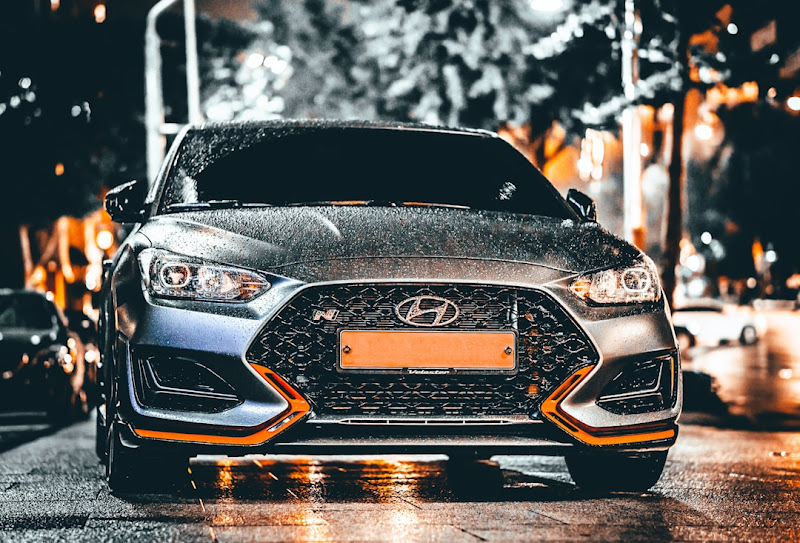

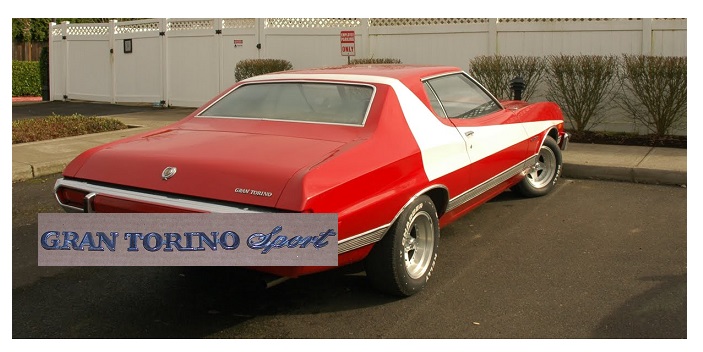
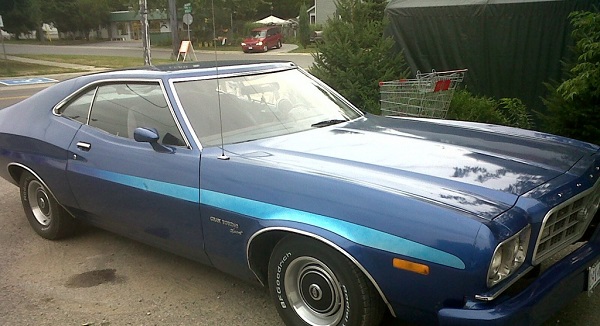
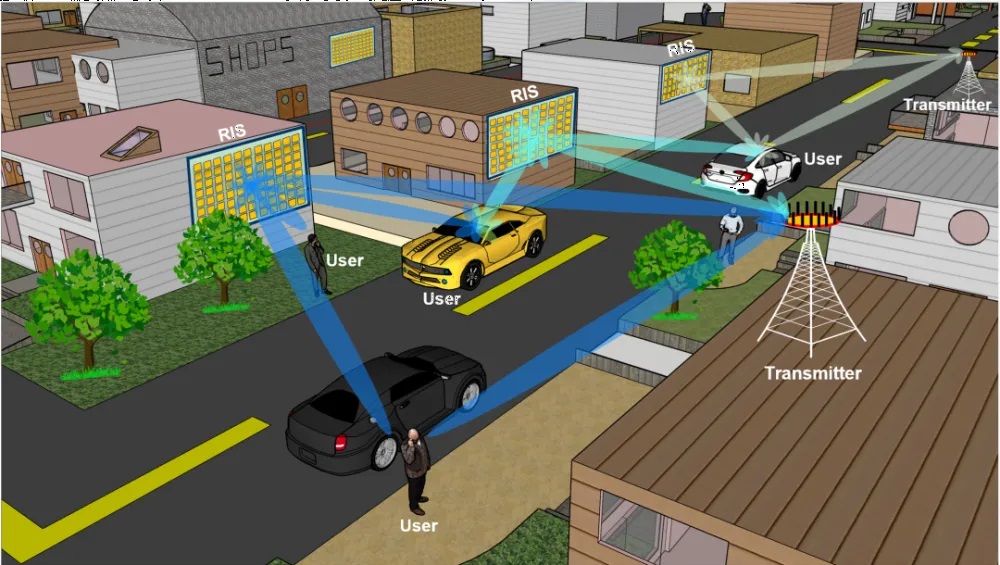
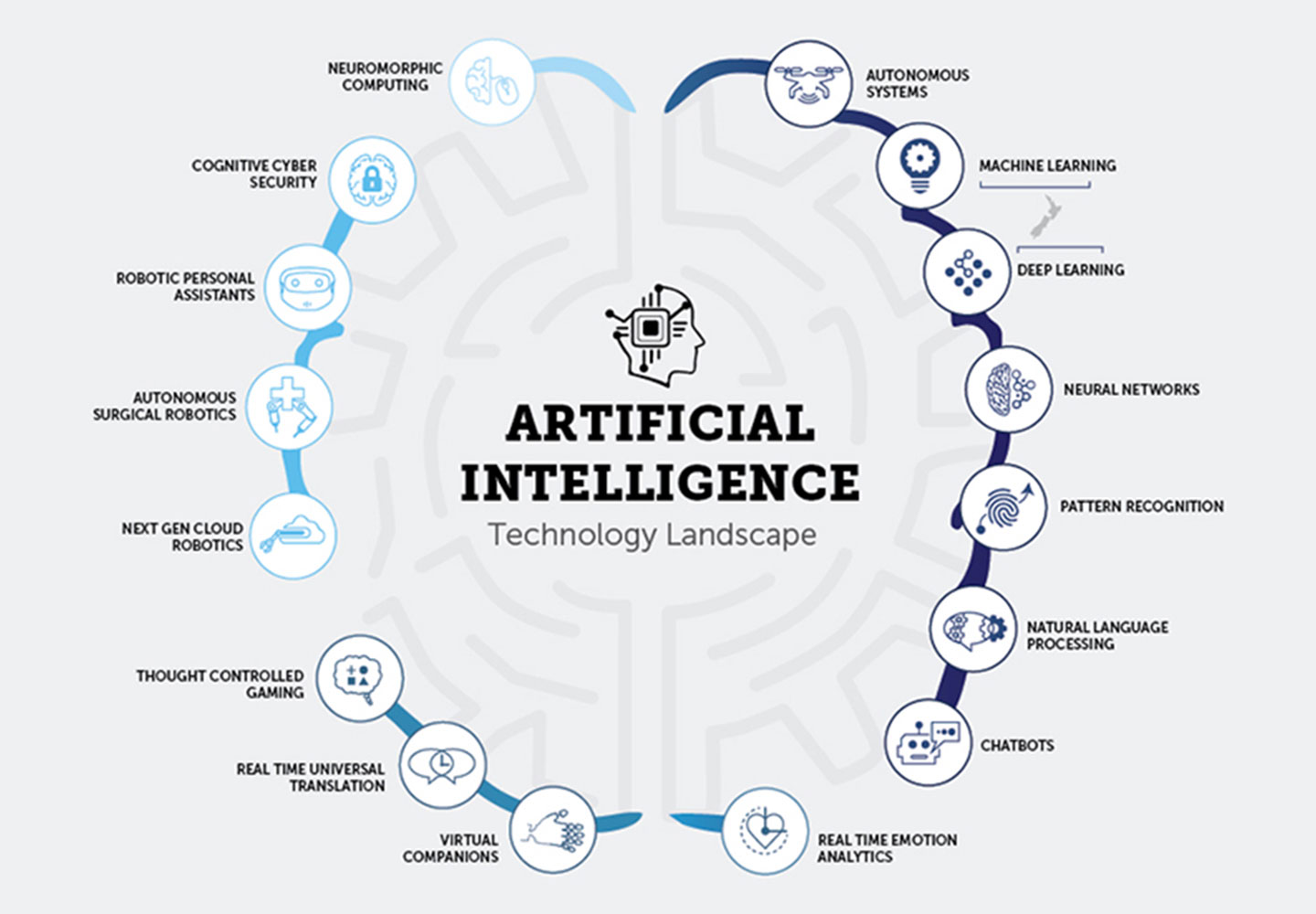
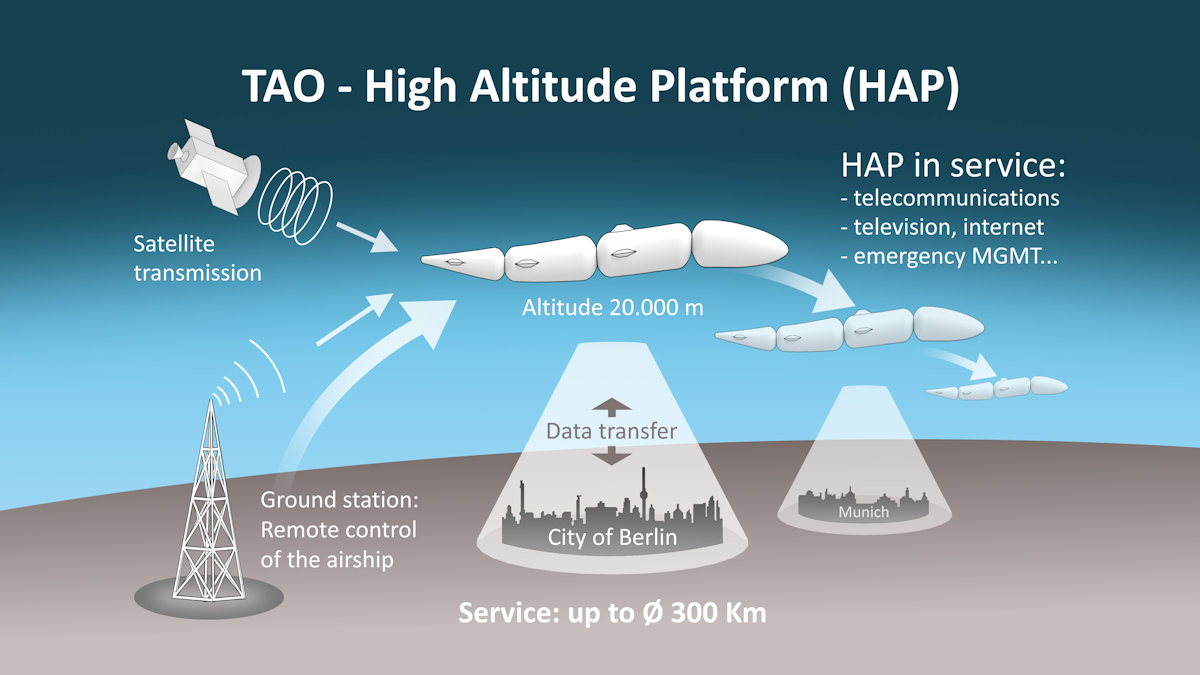





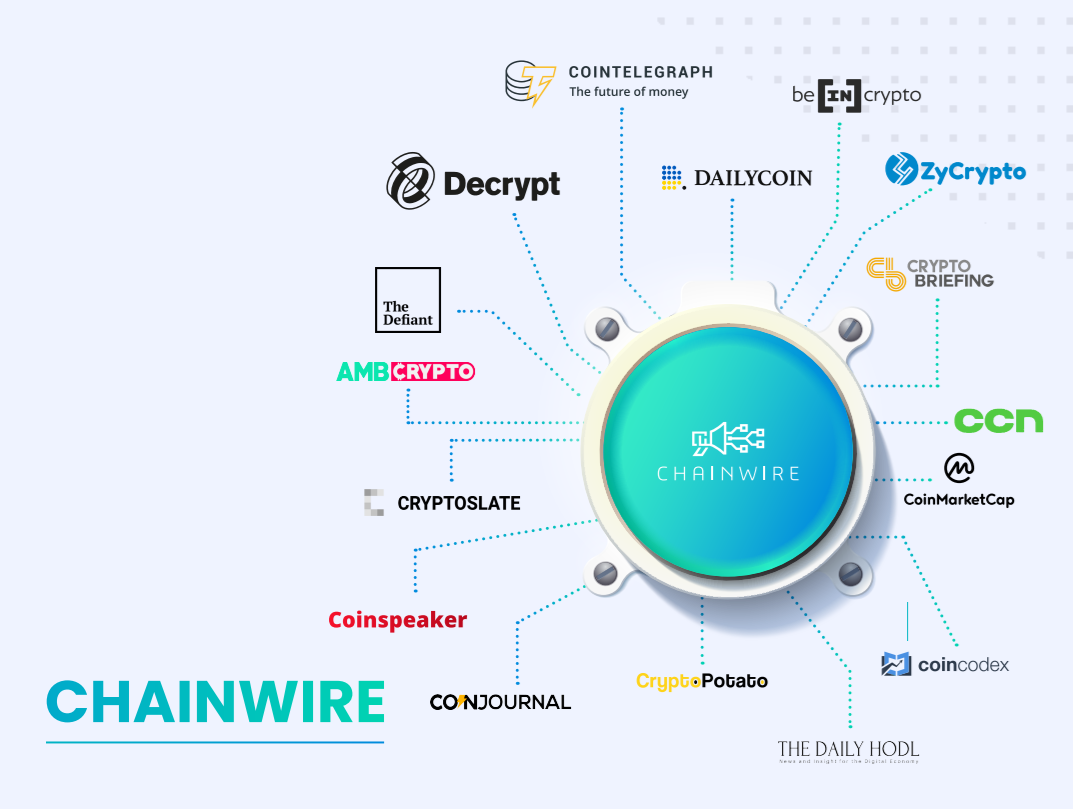










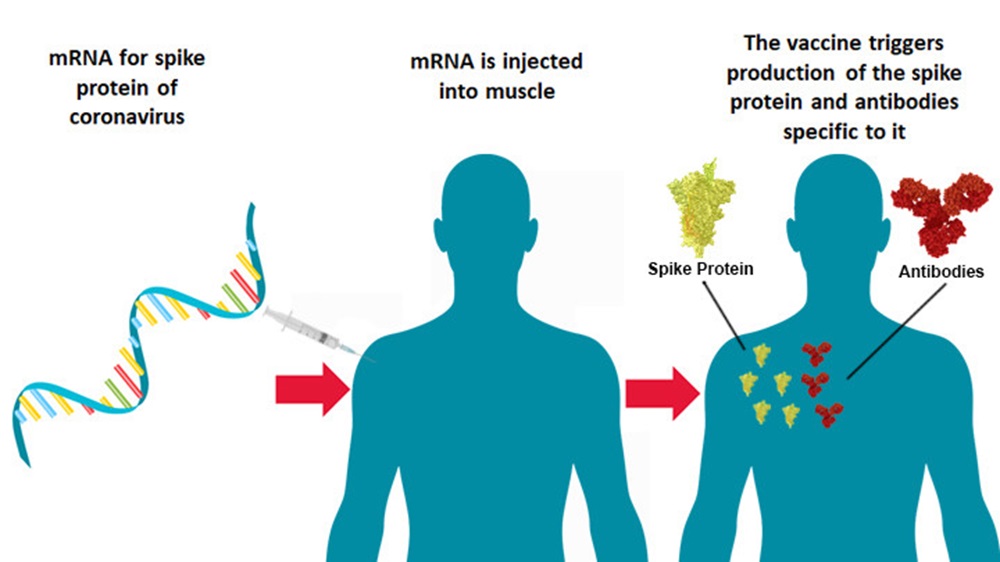



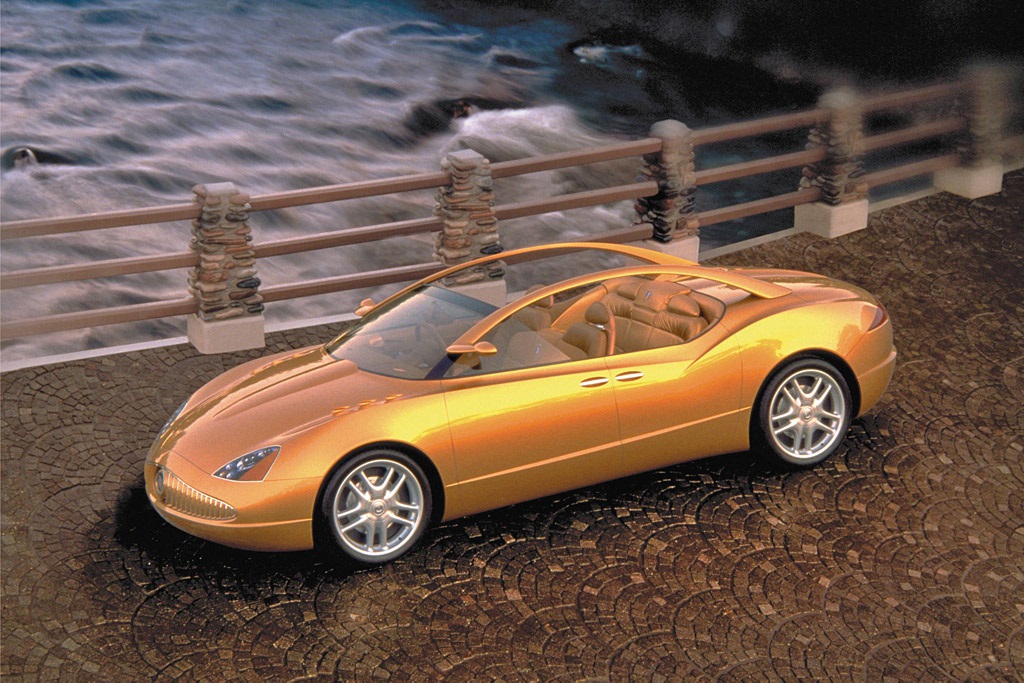

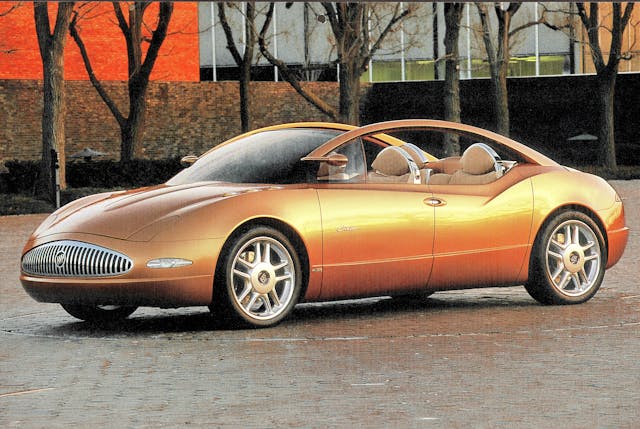


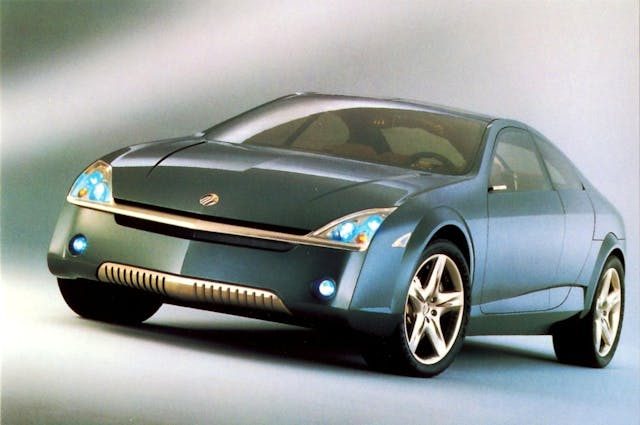
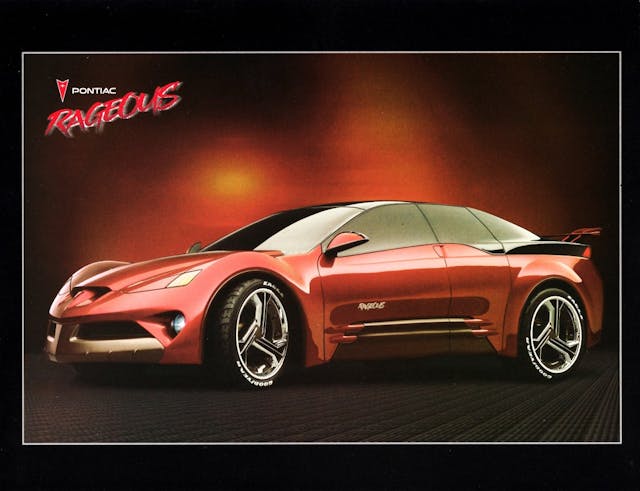



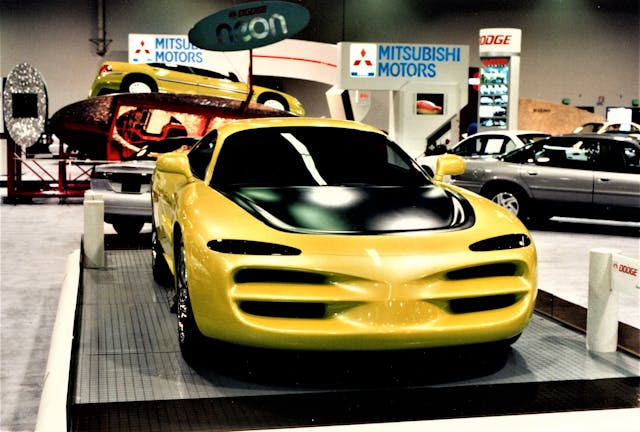
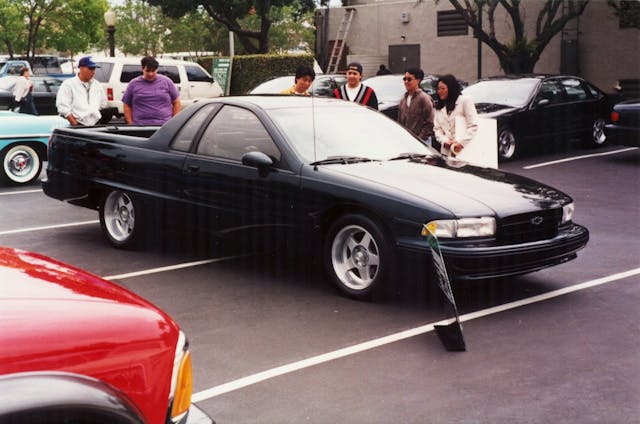
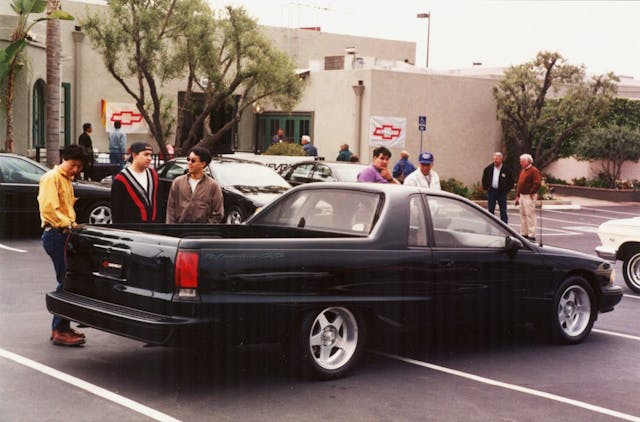
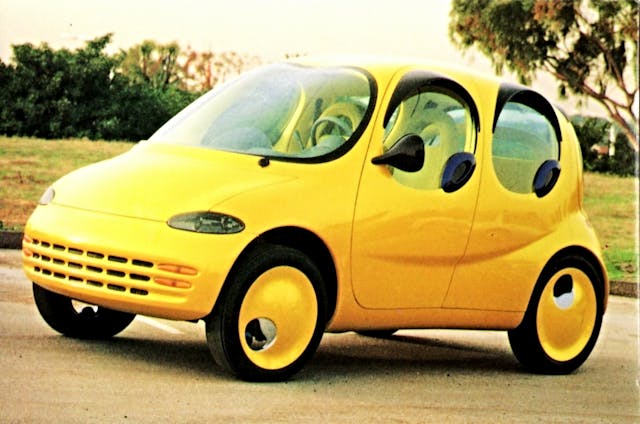
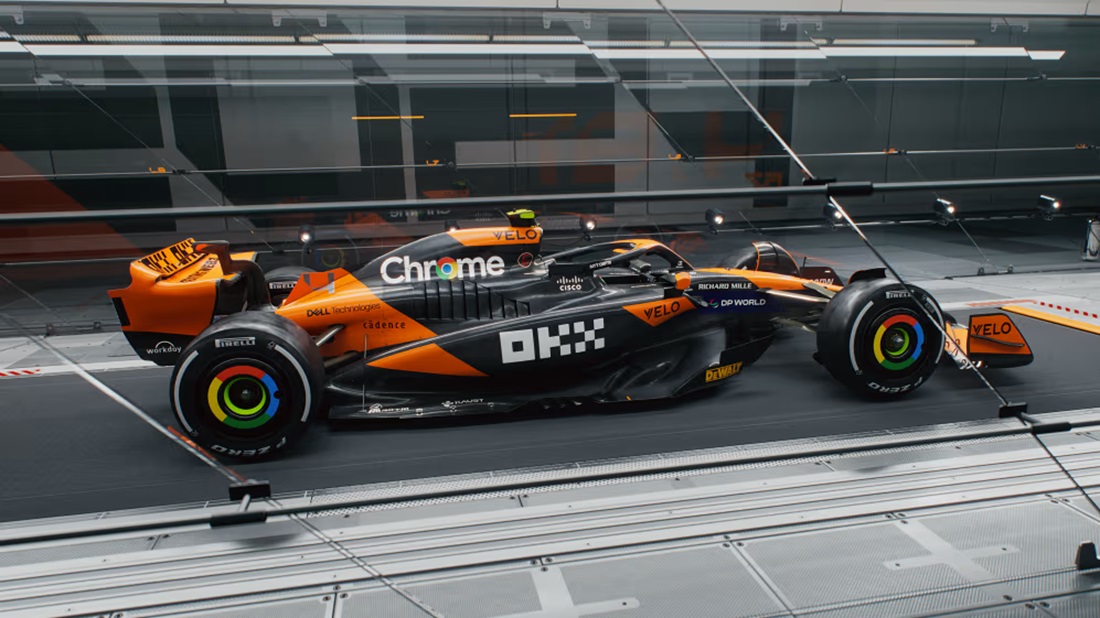
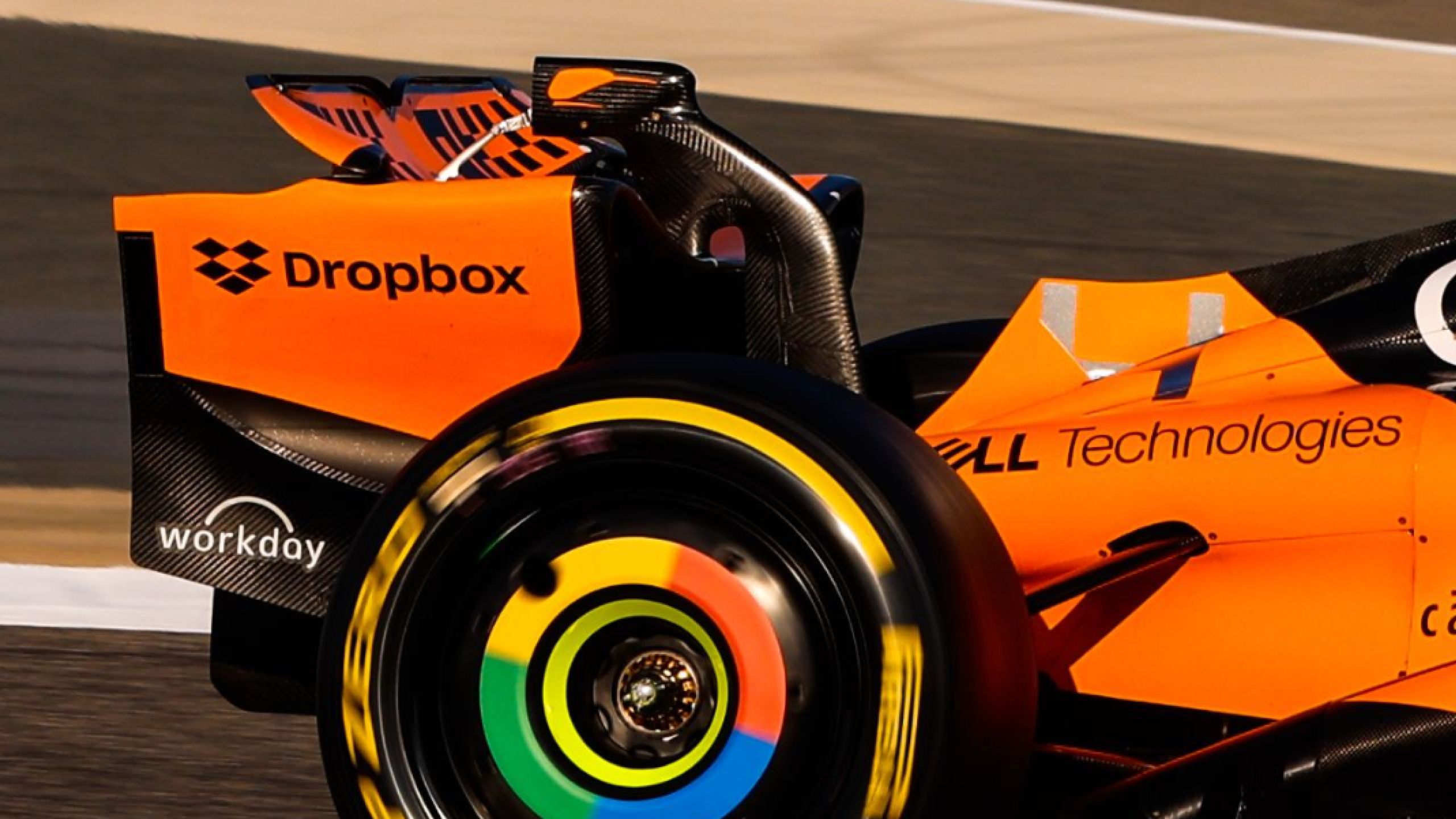
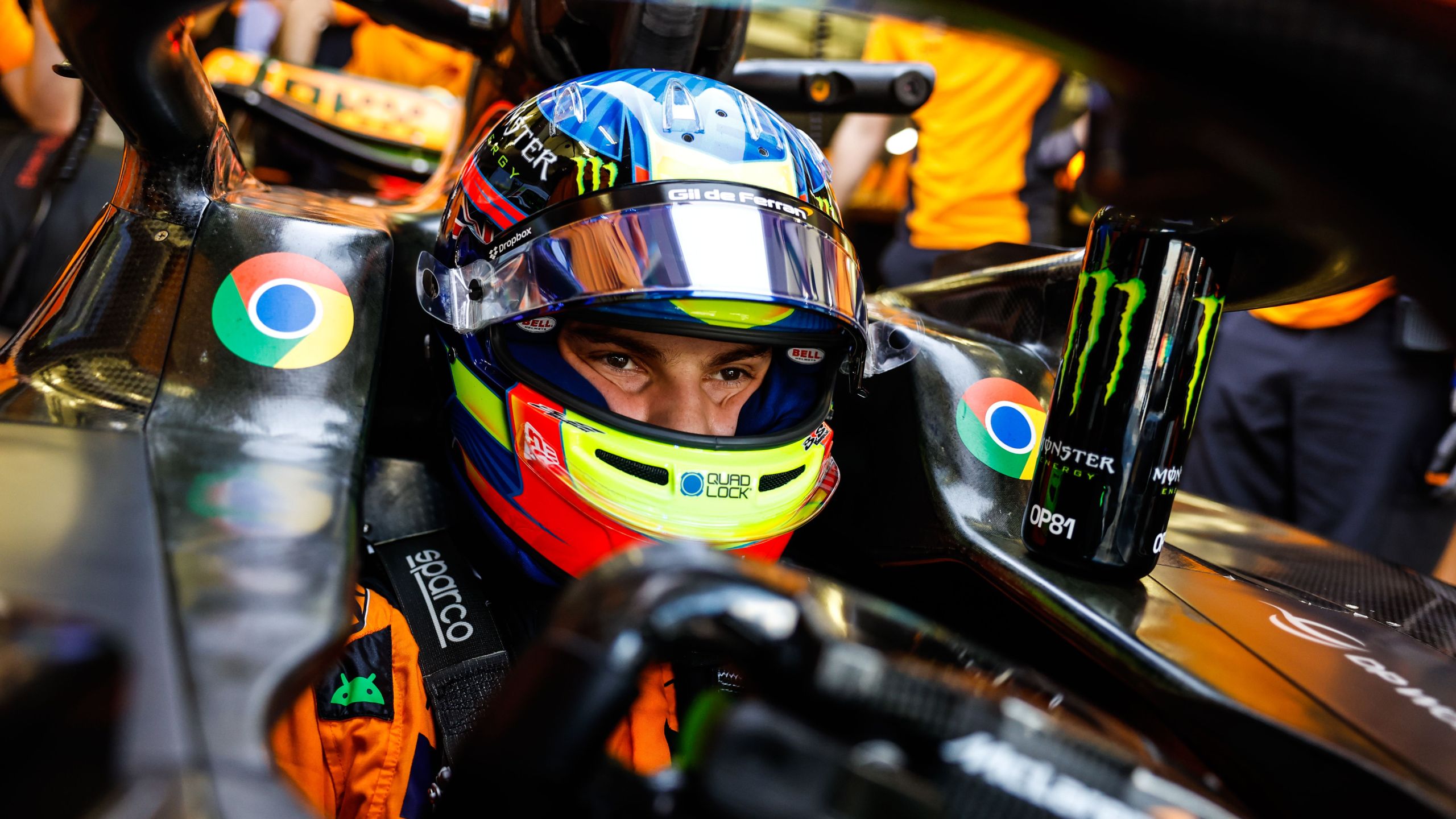










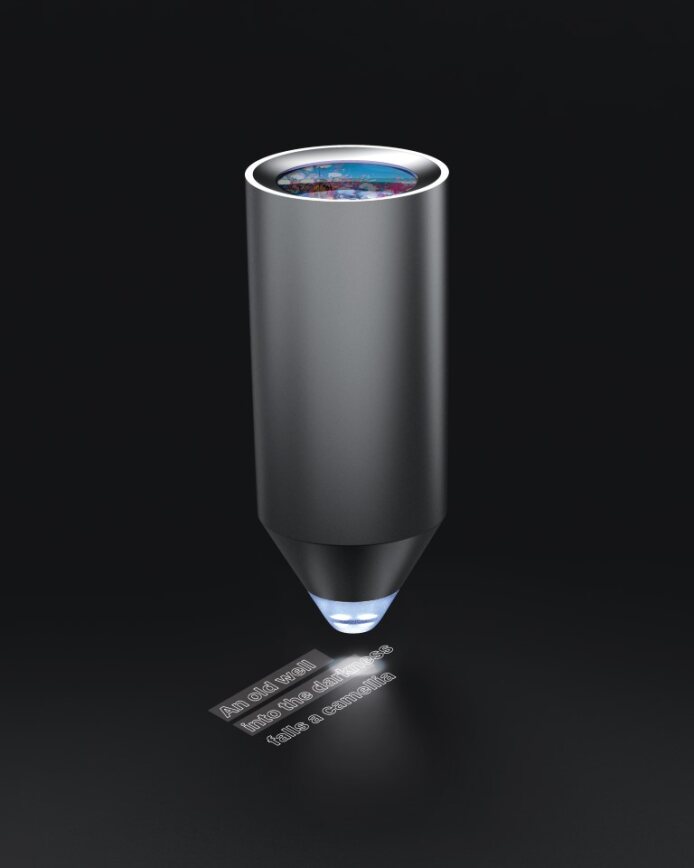
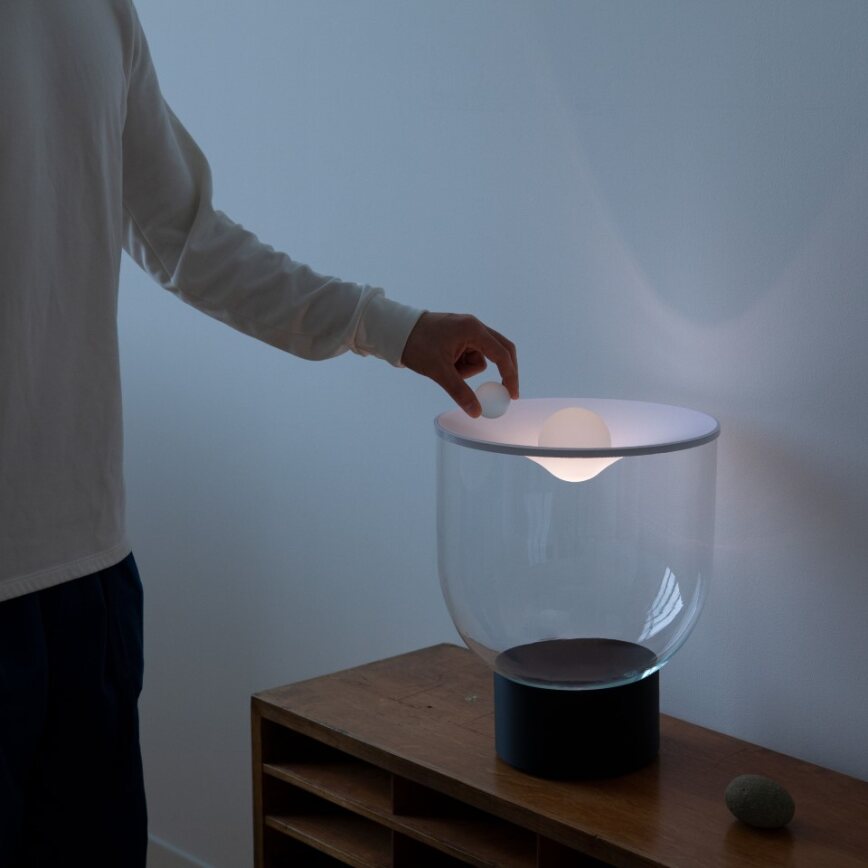



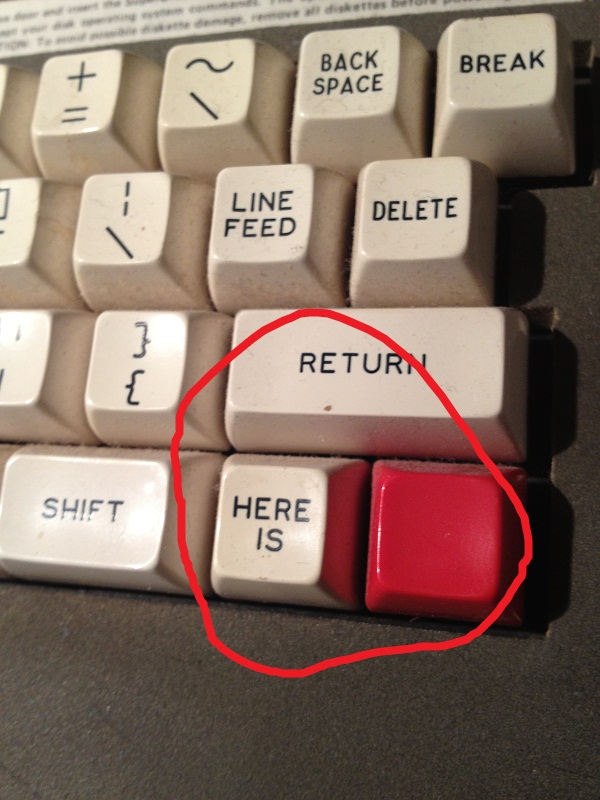
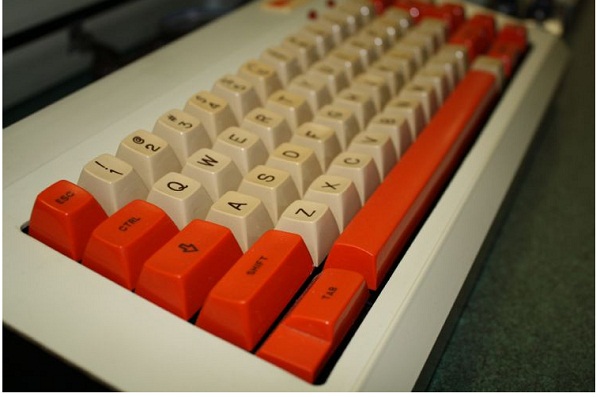



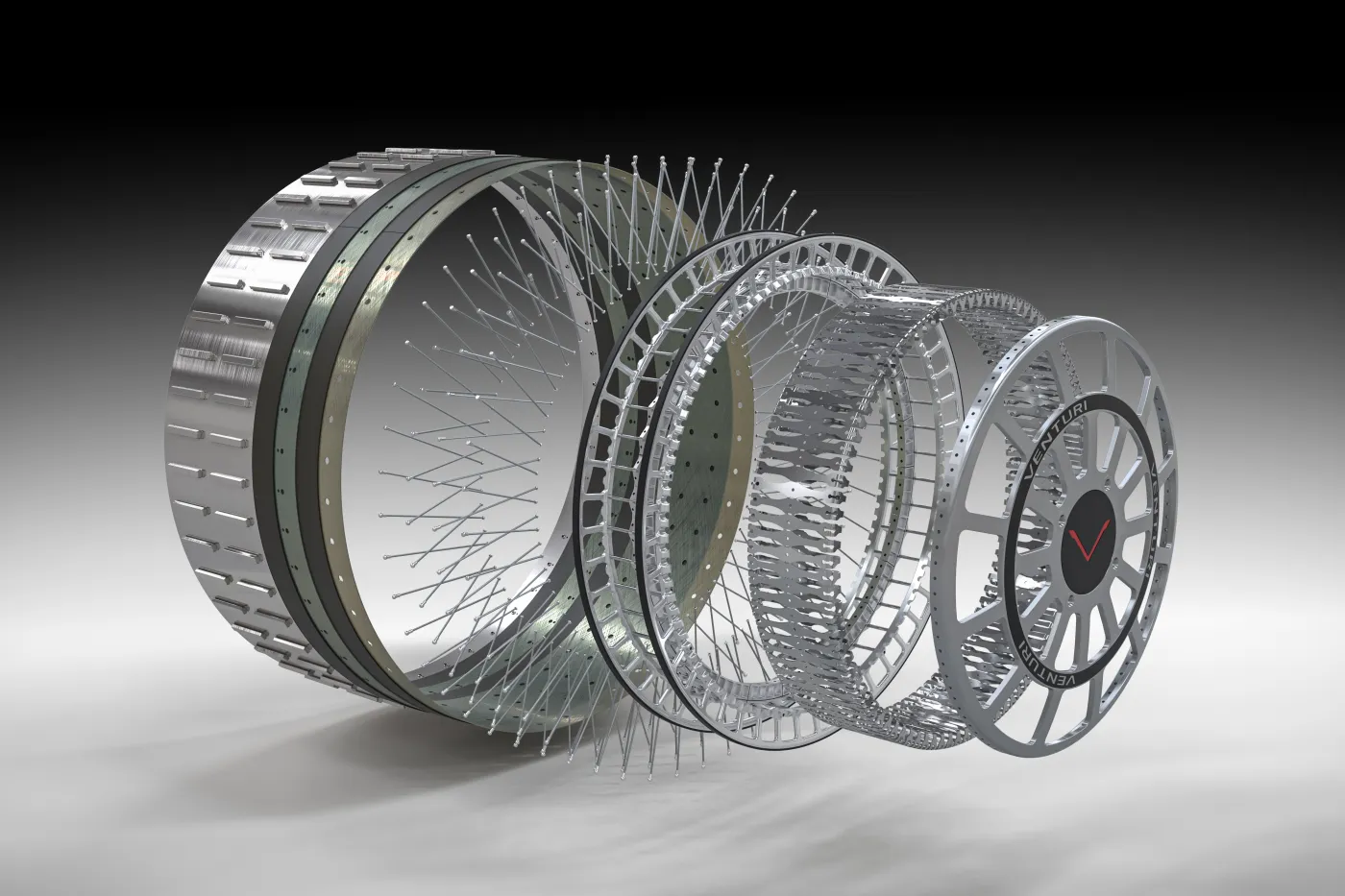

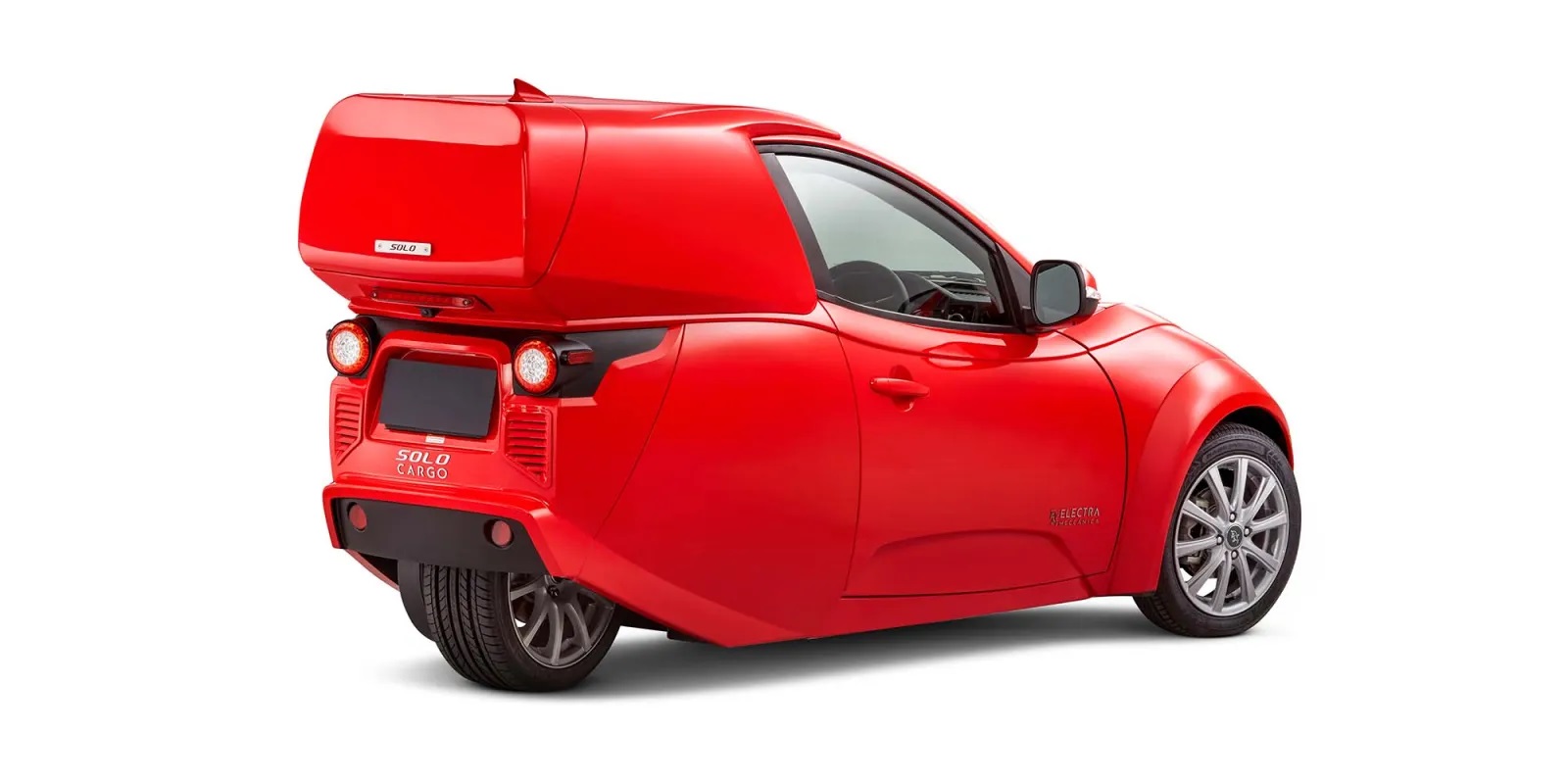
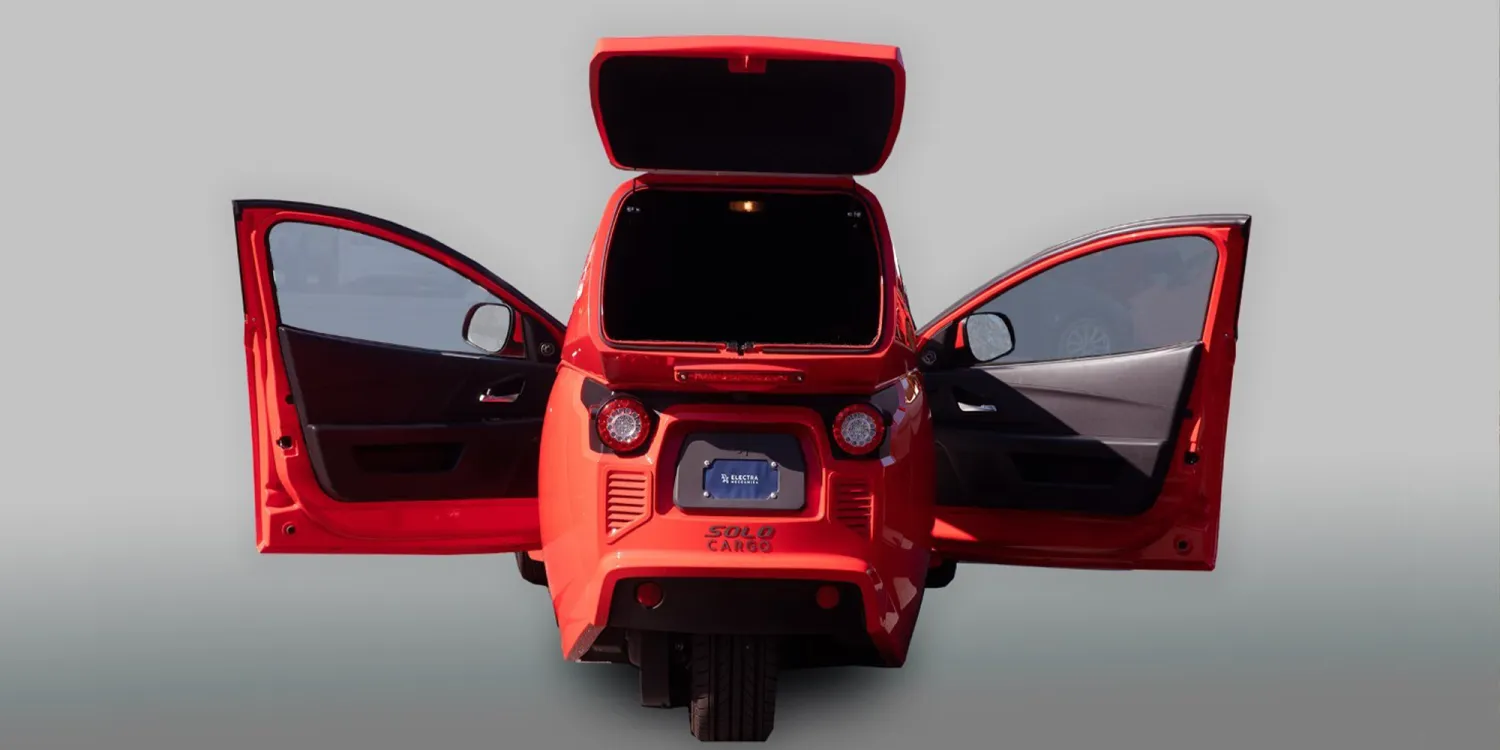
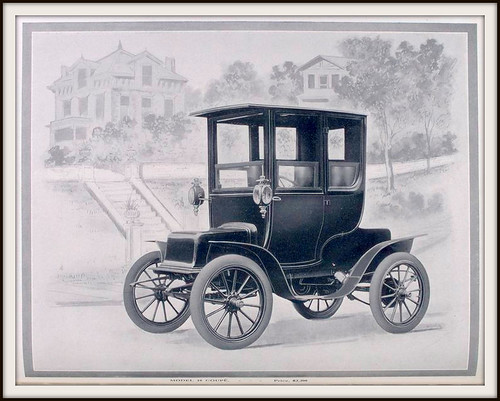
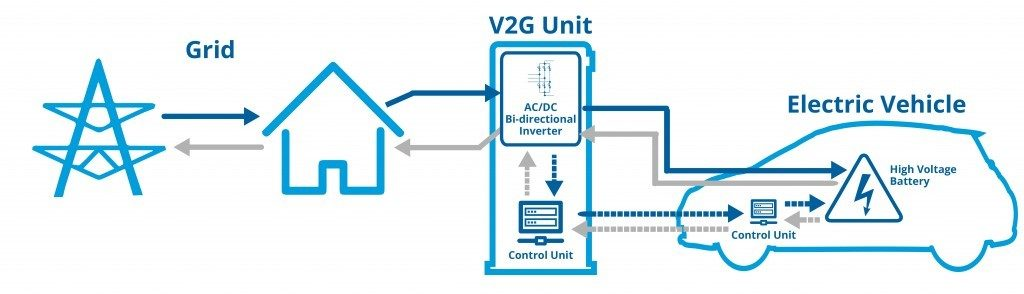
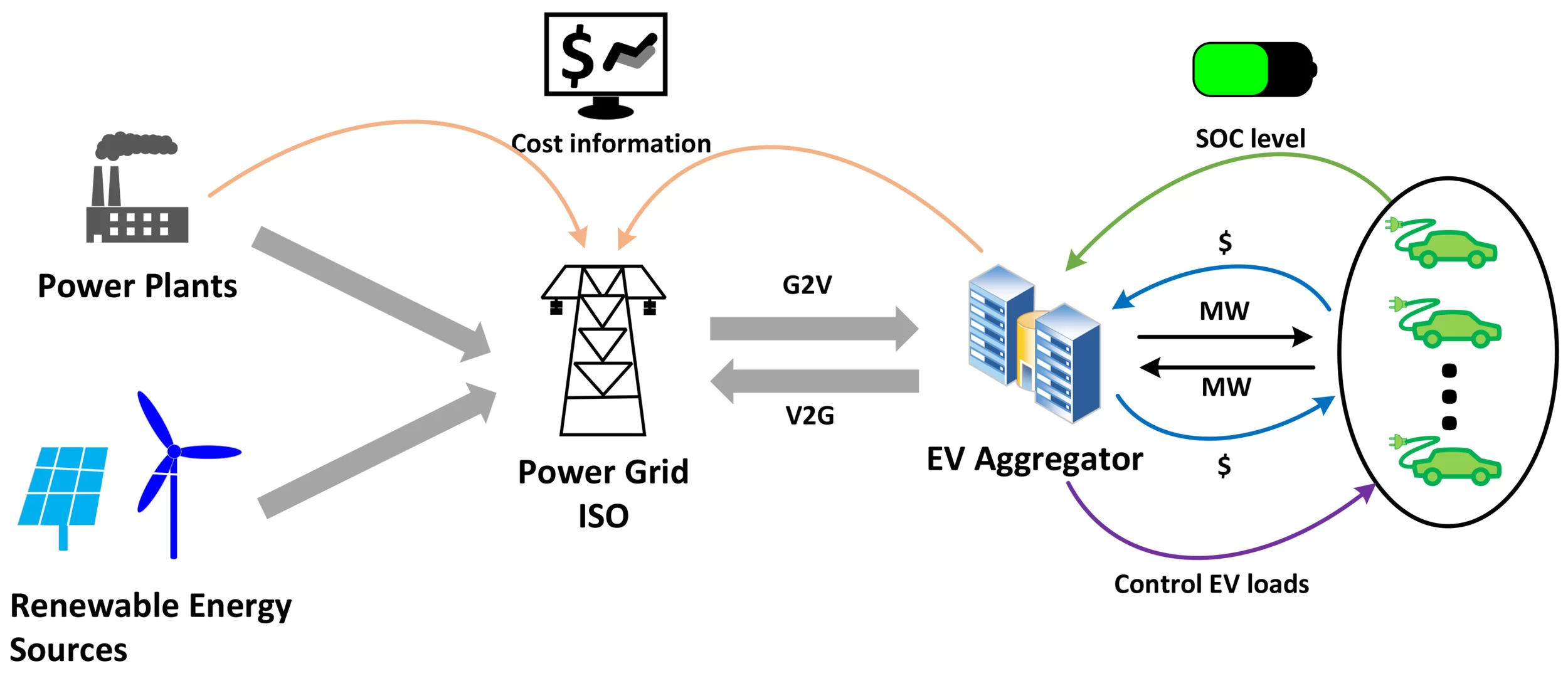








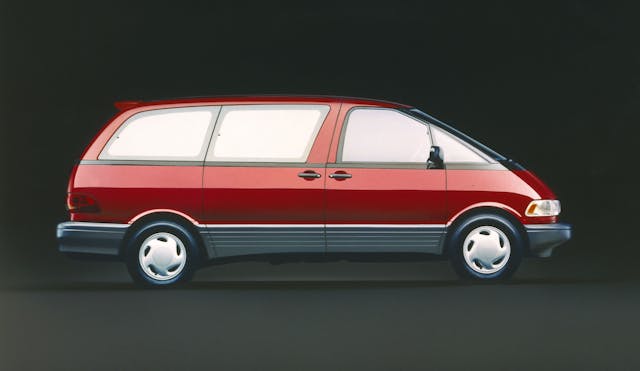








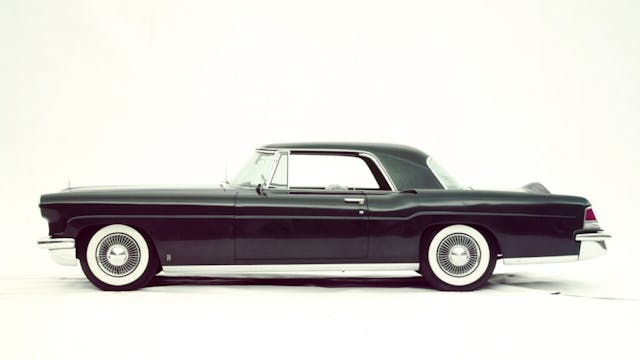
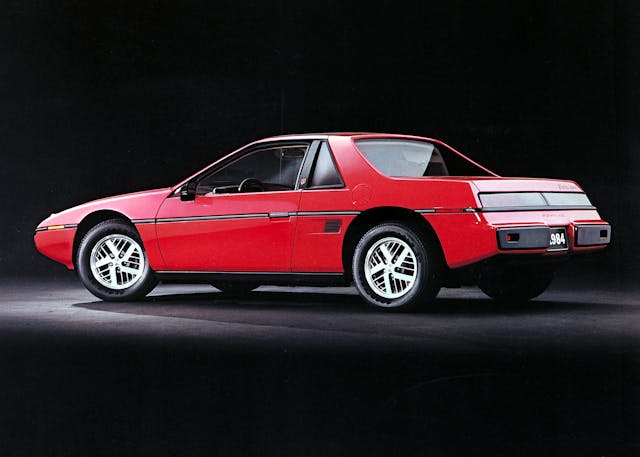





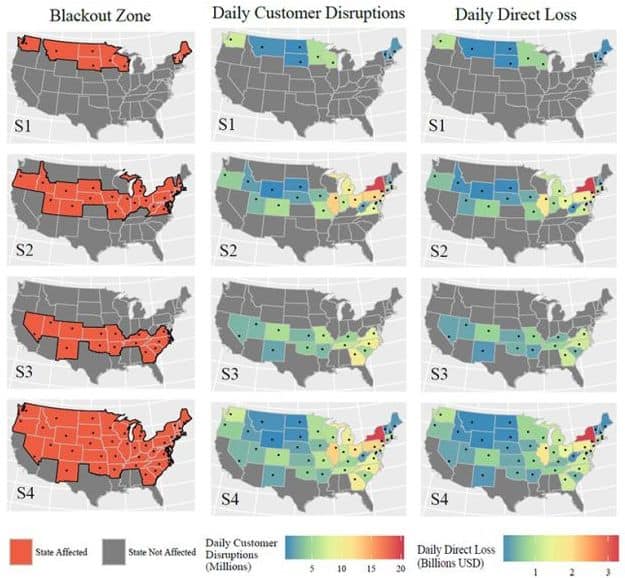



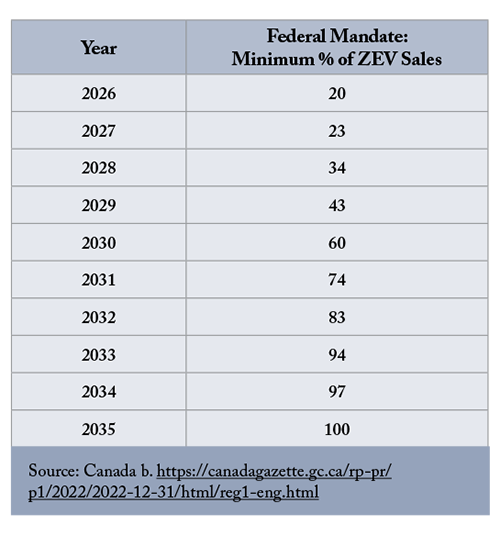






 operation is very easy – users just power her on, securely place her on the window, and press start. WINBOT’s Pathfinder Technology automatically scans and calculates the size of windows and programs a custom path for speed and efficiency. Her internal vacuum pump and powerful suction motor create a double seal that is able to bear up to 26 pounds and a back-up battery and safety pod ensure that WINBOT will stay secure even if the power is disrupted.

 Picture 2 above shows black membrane traps on the floor against the wall (with boards atop) and a black velocity trap on its side on the far left. Additional traps are behind the couch.
 Picture 3 above shows the back wall with alternating white RPG Skyline diffusion and GIK Monster Bass Traps with FlexRange elevated above and behind the couch, while more GIK traps sit behind the couch on the floor.