Recently, much of the value growth in collector cars is coming from newer vehicles. While cars of the ’90s and 2000s may seem wildly different from vintage cars, some of these newer collectibles actually share many attributes with “blue chip” classics we know and love. Learn more below via this article from our friends at Hagerty.
Note prices below are in USD.
In the investment world, the term “blue chip” applies to companies with good reputations and solid financials, as well as a track record of stability and long-term growth. Dependable places to park money, in other words. In the car world, blue chip has come to signify something slightly different. Essentially, they’re high-end vintage cars which, like their stock market equivalents, are well-known and have a long-term record of desirability and growth. We define Blue Chip Index as “the automotive A-list… a stock market-style index that averages the values of 25 of the most sought-after collectible automobiles of the postwar era.”
Recently, though, a lot of the value growth in collector cars is in newer vehicles, stuff from the very end of the 20th century and the very beginning of the 21st. Many of them share several attributes with traditional blue chip classics; they’re just newer. So, here’s a hand picked handful of these “new chip” collector cars pitted them against classic counterparts.
Blue Chip: Toyota 2000GT
New Chip: Lexus LFA
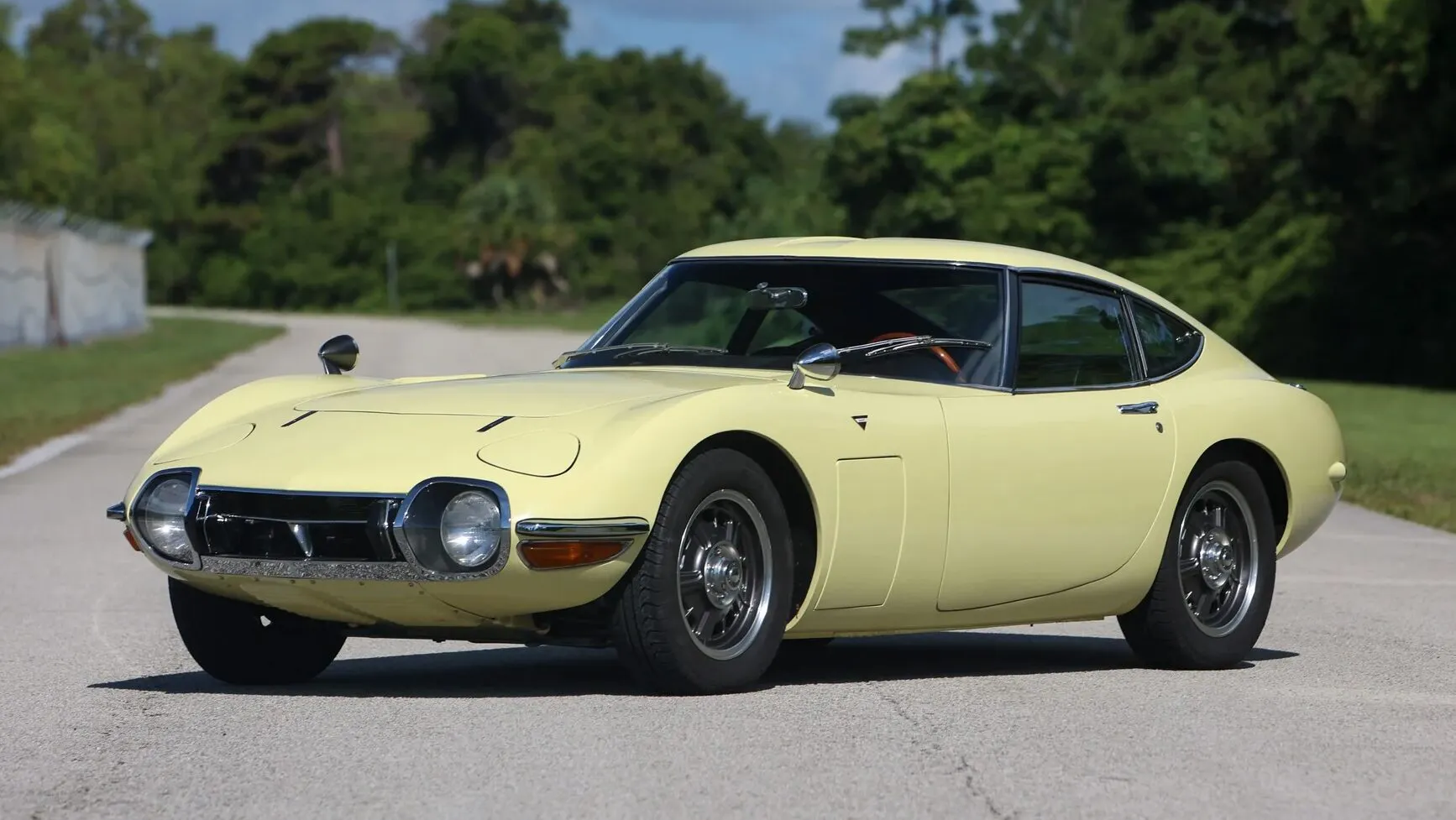
These high-revving coupes both represent the peak of Toyota in their respective eras, and both were coincidentally created with help from Yamaha. Both were extremely expensive when they were new and both had a very low production run—just 351 units for the 2000GT, 500 units for the LFA.
The 1967–70 Toyota 2000GT was also the first Japanese vehicle to sell for more than $1M at auction (in 2013), and a 2000GT race car is the only Japanese car to top $2M at auction. In the world of vintage Japanese cars, it’s king, and in our price guide it currently carries a condition #2 (excellent) value of $1M even.
The 2011–12 LFA is the clearest modern equivalent to its Toyota-badged predecessor. The LFA’s ascent to the seven-figure club happened later, during the first part of the 2020s, but today it carries somewhat similar values. For a base version of the LFA, the current #2 value is $775K. For cars with the track-tuned Nürburgring Package, it’s $1.65M.

Blue Chip: Shelby Cobra
New Chip: Ford GT
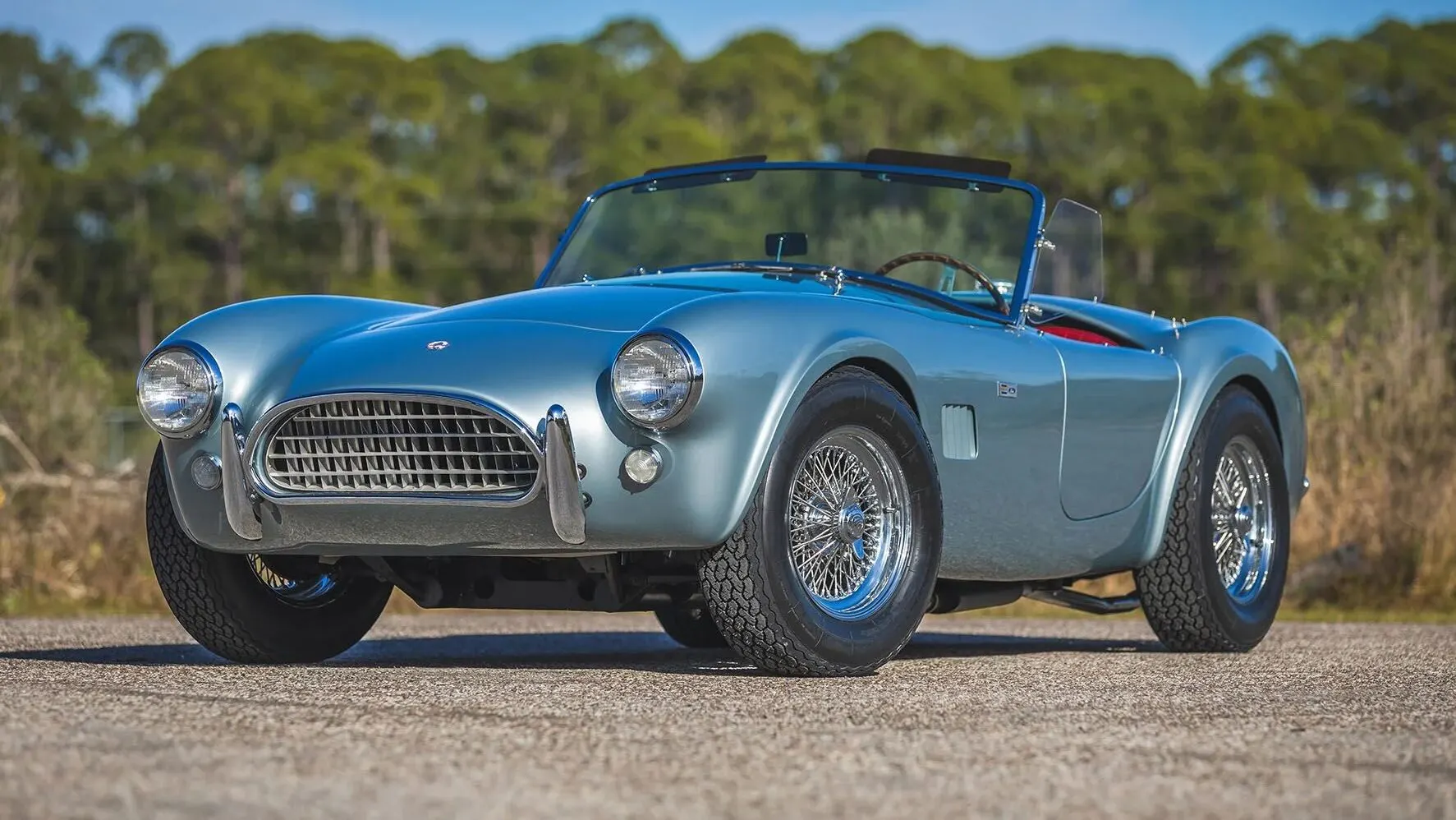
Both the 1962–67 Shelby Cobra and 2005–06 Ford GT are low-ish-production, high-performance, mostly uncompromising cars from Ford’s vast performance portfolio. The Cobras famously took the fight to Corvette and Ferrari on the race circuits of the 1960s, and Cobras for both road and track have been among the most valuable vintage sports cars money can buy for several decades now. With about 1000 of all types built, Cobras are also rare, but common enough that they make regular appearances on the market. Condition #2 values vary depending on engine and configuration, but range from just under $1M for early 260- and 289-powered cars up to the mid- to high-$2M range for the fire-breathing 427 Competition and S/C versions.
The Ford GT is an homage to the GT40 racers that won Le Mans 40 years prior, but in terms of production and price it arguably has more in common with the Cobra. Ford built 4038 examples of the GT, so they come to market regularly, and condition #2 values range from $471K for a base model to $622K for the blue-and-orange Heritage Edition. Unlike the 2017–22 Ford GT, the 2005–06 cars have also consistently risen in value for many years, so the “blue chip” label seems appropriate.
Blue Chip: Lamborghini Miura
New Chip: Bugatti Veyron
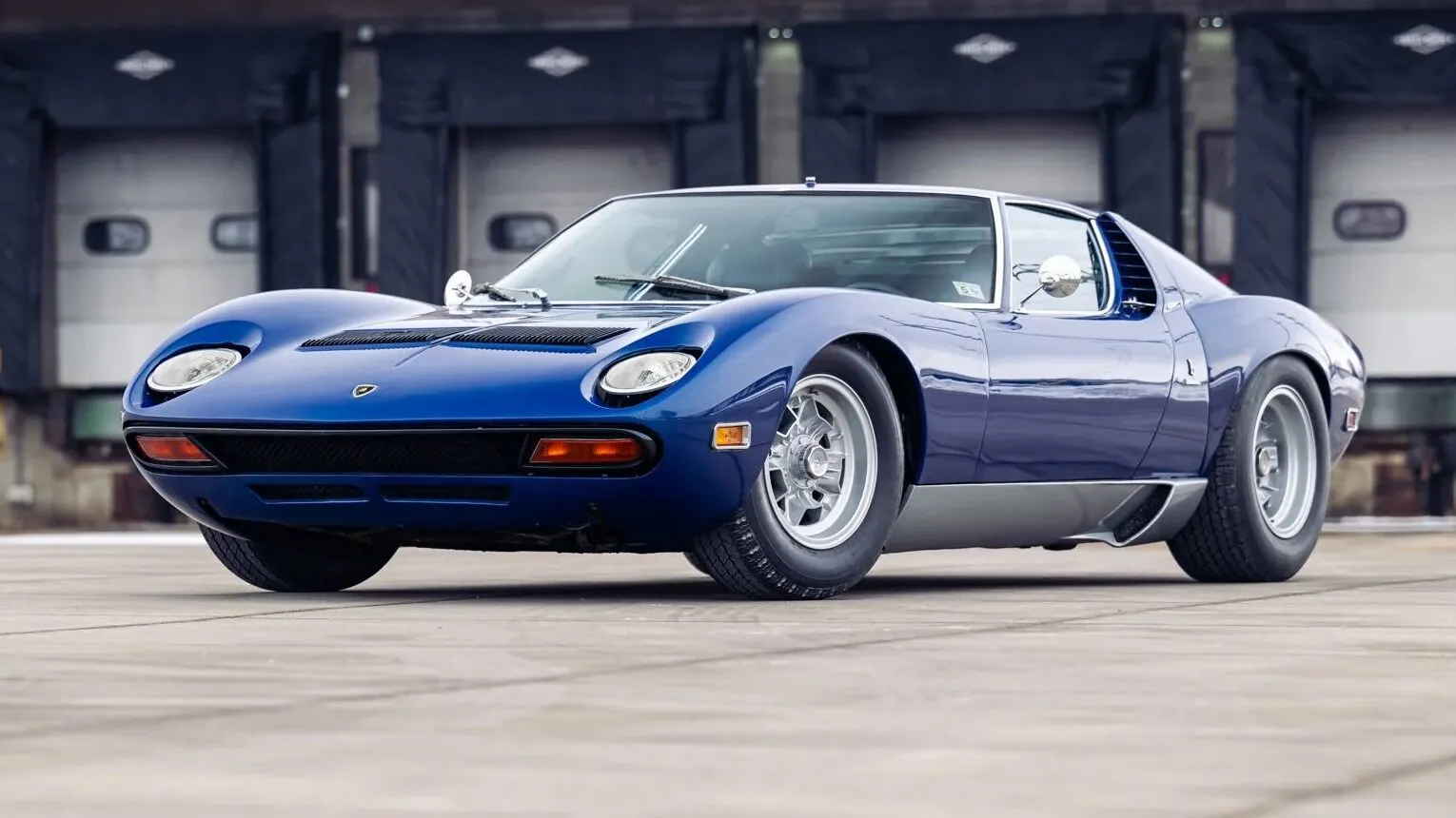
The Miura was a genre-defining supercar, creating the template for high-powered, mid-engine, wild-looking Italian exotics when it debuted 60 years ago. Lamborghini built 762 Miuras from 1966 to 1972, and the current median condition #2 price for one is $2.9M, nearly triple what it was a decade ago.
What the Miura did for supercars in the 1960s and ’70s, the 2006–15 Veyron arguably did for hypercars in the 2000s. Like the Miura, it was a top performer with a top-shelf price tag in its day, and although both cars were extremely fast, they were never meant for the race track. The Veyron has a similar, sub-1000-unit production run (450 in the Bugatti’s case), as well as similar values, with #2 numbers ranging from $1.65M to $2.35M.
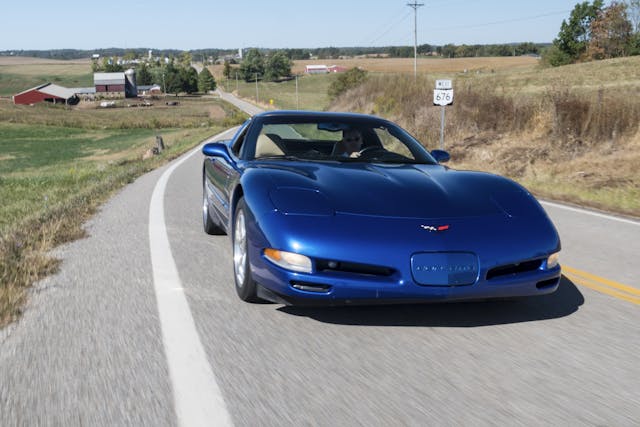
Blue Chip: Corvette L88
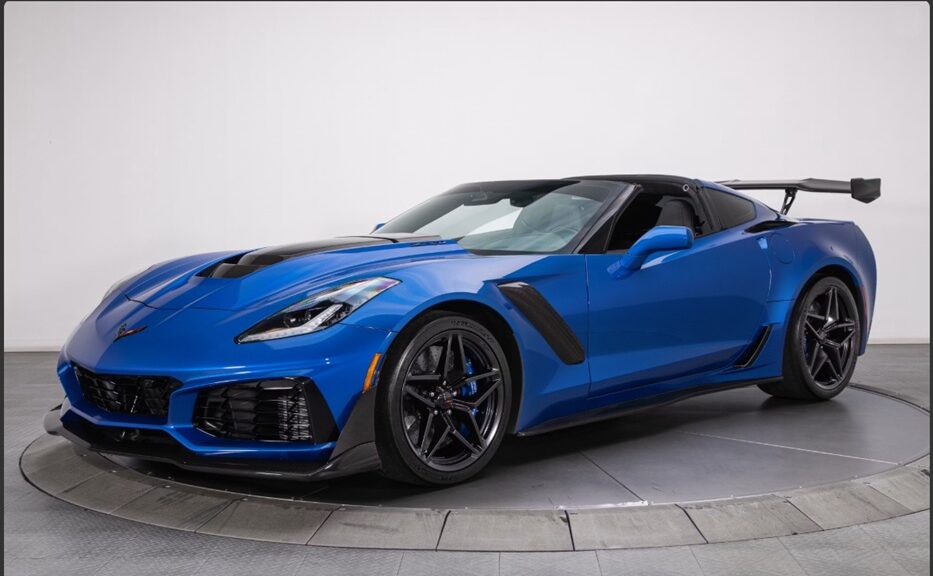
New Chip: Corvette C7 ZR1
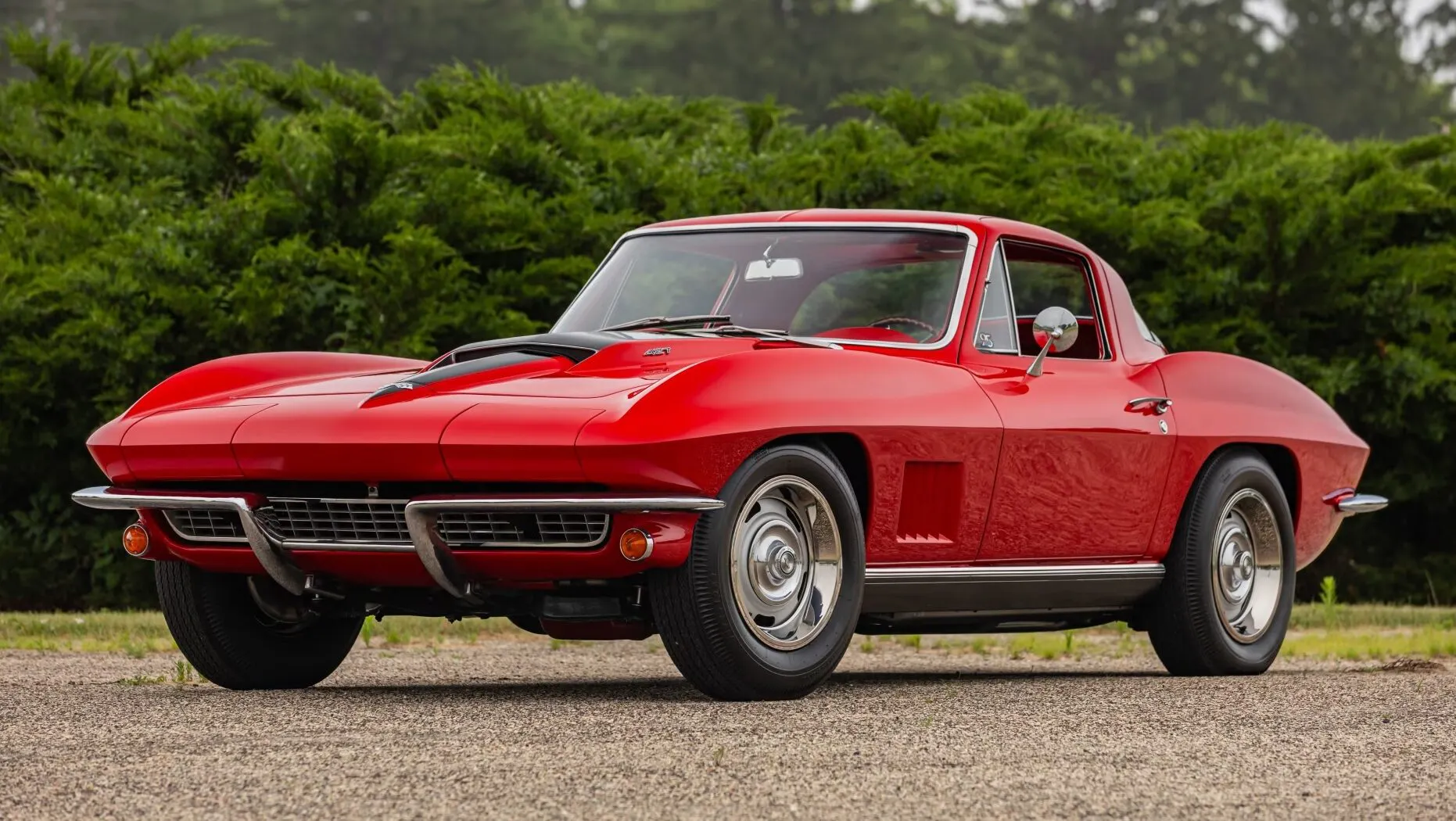
Offered for three very short years, from 1967 to ’69, the extremely expensive and never-advertised L88 package represented the pinnacle of what a Corvette could be in the ’60s, offering a race-tuned 427 and heavy-duty everything. Today, values reflect that. The 1967 model (20 built) is the most expensive production Corvette of all, with a #2 value of $2.2M for coupes and $2M for convertibles. For the 1968 (80 built), it’s $444K for coupes and $509K for convertibles. And for the ’69 (116 built), it’s $442K for coupes and $549K for convertibles.
The C7 ZR1 doesn’t have the same direct racing connection as the old L88, but it is another rare (2953 built), short-lived model that was also peak Corvette when it was built, thanks in large part to its 755-horsepower supercharged LT5. It is also arguably peak front-engine Corvette, full stop, as it was the C7’s sendoff and built only for the 2019 model year, before the mid-engine C8 debuted for 2020. It’s certainly the fastest front-engine production Corvette. And, like the rest of the C7 lineup, was the last Vette available with a manual. Condition #2 values for the 2019-only ZR1 are $227K for convertibles, and $220K for coupes.
Blue Chip: Mercedes-Benz 300SL
New Chip: Porsche 911 GT3 RS (997)
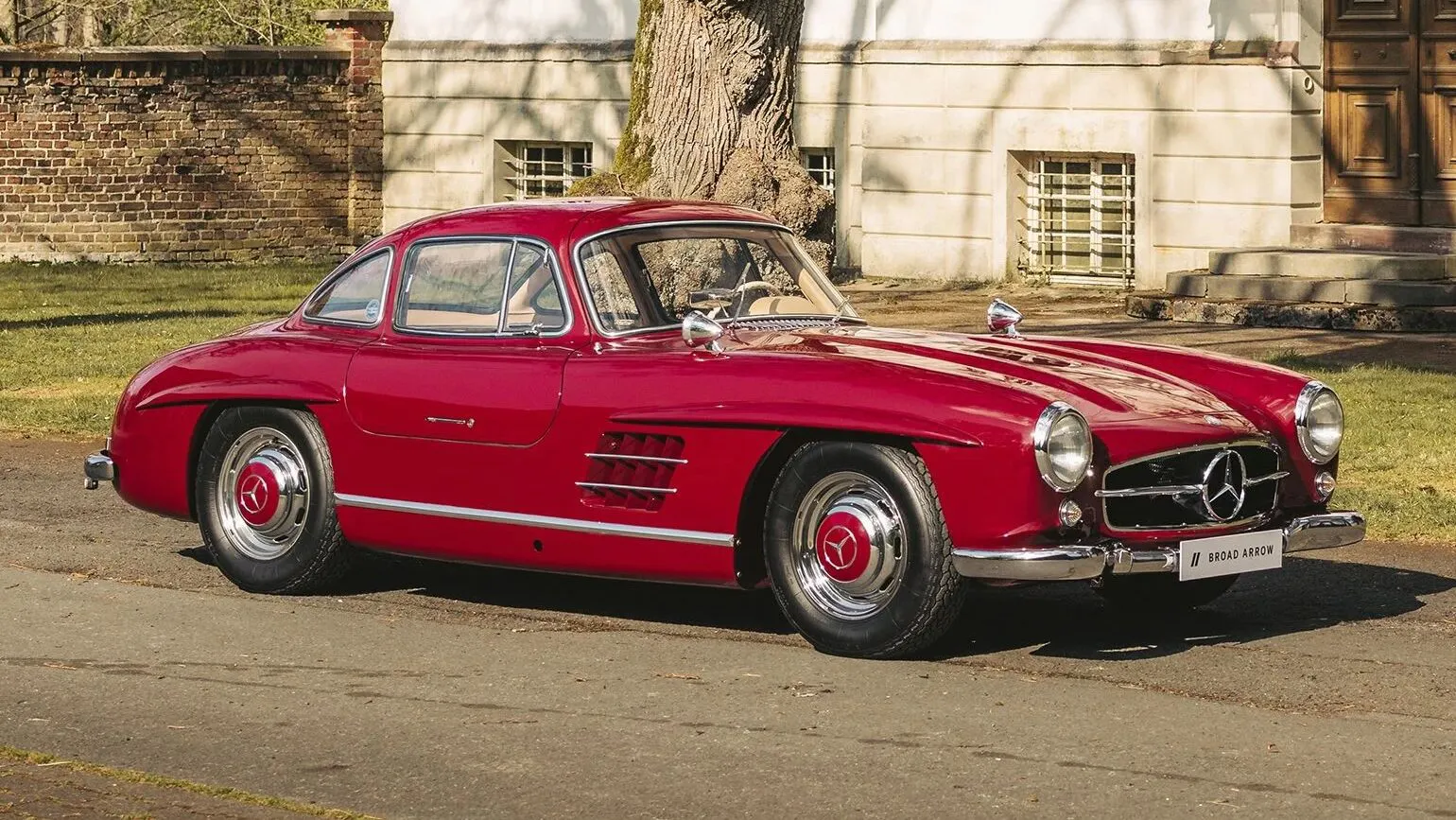
The 300SL was among the fastest things on four wheels in the 1950s and early ’60s, as well as one of the most expensive. But with more than 3000 examples of all types built from 1954 to ’64, it’s also not particularly hard to find a 300SL for sale. In fact, the 300SL occupies a unique place in the classic car market in that no other vehicles in the $1M-plus segment come up for sale so regularly, so 300SLs can be a useful barometer for what’s going on at the top end of the market. We even created a 300SL Index to provide insight about the market as a whole. Depending on year and body style, current #2 values for these German favorites range from $1.35M to $1.85M.
A more modern German favorite is Porsche’s hallmark track-oriented 911, the GT3.
Specifically, the GT3 built on the 997 platform from 2007 to 2012. The second-generation GT3 continued the formula of less weight, sharpened controls, naturally aspirated engine, rear-wheel drive, and manual gearbox. For 2010, the engine grew from 3.6 to 3.8 liters and other upgrades were added in the “997.2” version (earlier cars are known as “997.1”). There were even quicker “RS” versions of both, and in 2011 Porsche introduced a GT3 RS 4.0, with nearly 500 hp and a production run of just 600. More than 8000 of these 997 GT3s of all types were built, but less than half of them were the RS and RS 4.0 models, which currently carry condition #2 values of $305K (997.1 GT3 RS), $350K (997.2 GT3 RS), and $825K (GT3 RS 4.0).
Blue Chip: Plymouth Hemi Cuda
New Chip: Dodge Challenger Demon 170
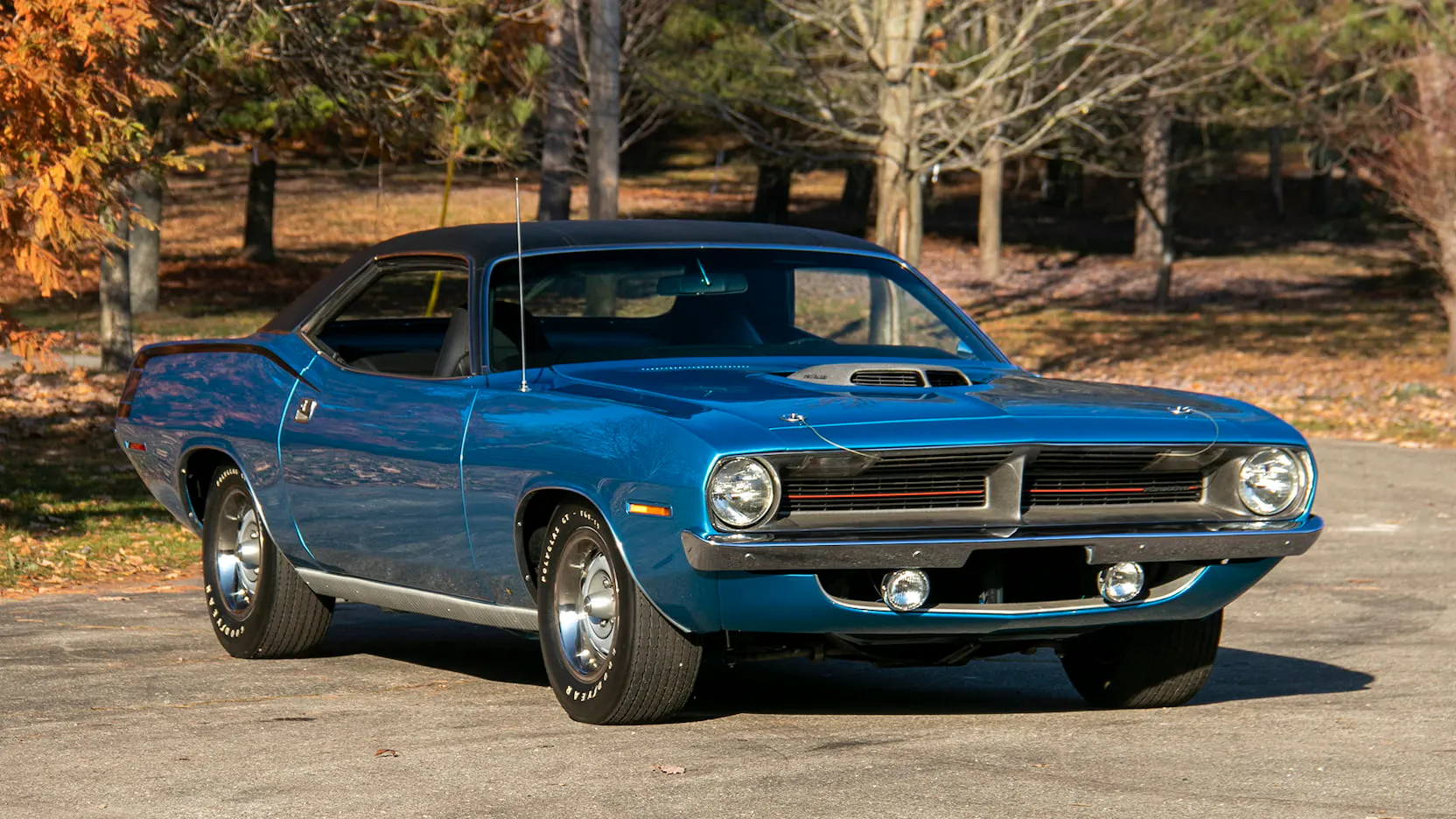
No offense to the Bowtie and the Blue Oval, but “Hemi” is the first name in high-displacement American muscle cars from the late 1960s to early ’70s. The 1970–71 Hemi Cuda was the last gasp of the original 426 Street Hemi, and the last of unrestricted Mopar muscle. By muscle car standards, Hemi Cudas are also quite scarce, with just 666 built in 1970 and 114 in ’71, so values are naturally top shelf by muscle car standards—especially for the ultra-rare convertibles, with barely two dozen built over two years and #2 values of $2.5M (1970) and $3.05M (’71). Coupes are closer to earth, but still expensive at $245K for the 1970 and $376K for the ’71.
The Challenger Demon 170 occupies a similar position in Mopar history, a little over 50 years later. This was the last gasp of the Hellcat era, and in the 2008–23 Challenger’s impressive production run, the last example built was the 2023 Demon 170. Its 1025 hp and 945 lb-ft are shocking numbers for a mass-produced Dodge, though production was relatively low, at 3000 units (plus 300 for Canada). Prices started at roughly $100K, but the collector car market never slept on these, and the #2 value is already up to $141K.
For the Silo, Jarrod Barker.