Tag Archives: muscle car

How 1972 Change To Horsepower Measurements Affects Today Muscle Car Values

A multitude of factors conspired to hamstring the American muscle car market in the early 1970s, most of all a 1972 change in how horsepower was measured. Here’s how that rating change affects the values of eight familiar collector cars.

Let’s Dig In!

Hagerty Marketplace

As anyone who’s ever wrung out a small sports car will tell you, horsepower isn’t everything. Driving is more about feel than what’s on a spec sheet. But that magical equine number, first adopted in the eighteenth century to measure the output of steam engines, does count for a lot, and domestic carmakers have been using it to sell cars for generations.

This was especially true during the second half of the 1960s, when muscle cars were flexing their hardest and 400-plus horsepower V-8s were readily available. Starting in 1971–72, though, the muscle car market famously came crashing down, and it wasn’t until the spread of electronic fuel injection in the 1980s that the numbers finally started to catch up to those of the ’60s.

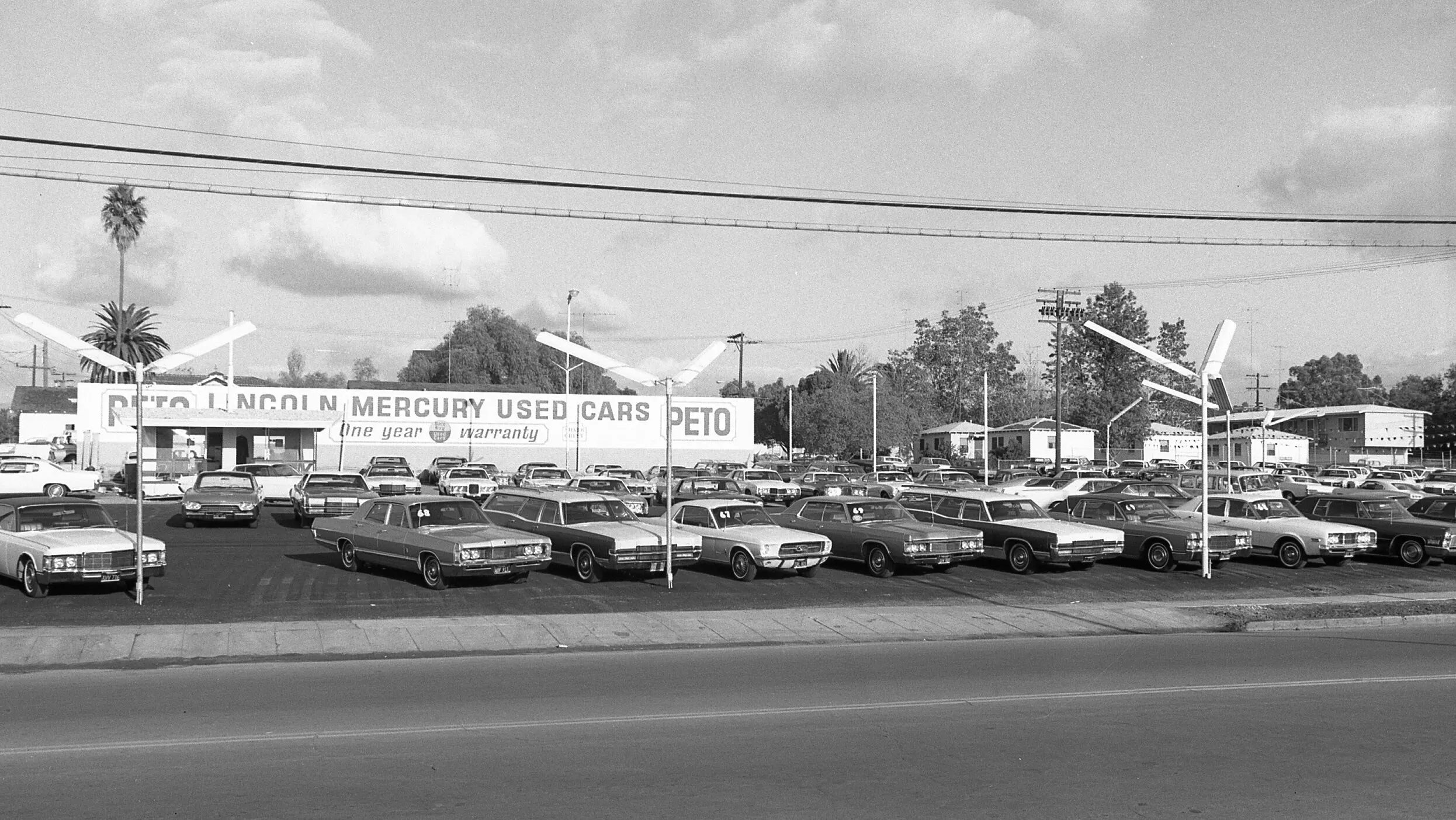
Used car dealership early 70s
Flickr/CSUSM

Understanding that early ’70s crash takes some explaining.

Muscle cars faced the multi-whammy of increased emissions regulations, crash safety rules mandating fatter bumpers, spiking insurance rates for high-performance automobiles, and lower compression ratios with the advent of lower-octane unleaded gas. There was also the 1973 oil crisis and well as the recession and 55-mph speed limits that resulted.

pumps during opec fuel crisis
Pictorial Parade/Getty Images

On top of all this was a 1972 switch in how horsepower was measured, which made the drop in muscle car performance seem worse than it actually was.

Prior to 1972, American carmakers used the SAE (Society of Automotive Engineers) “gross” measurement of horsepower, which is a figure taken from the engine running on a stand with no power-robbing accessories or mufflers. “Net” horsepower, meanwhile, measures the engine with accessories connected. Some carmakers started advertising gross and net figures in 1971, but a California law requiring only the net figure in any advertising materials starting in 1972 effectively prompted the switch to the net figure across the industry. Some American muscle favorites appeared to suddenly “lose” 100 hp.

That wasn’t strictly the case, though, and our friends at Hagerty recently started wondering what effect that gross-to-net switch might have on classic car values. Is there a discount to be had by ignoring the arbitrary numbers and going after an American V-8 classic from 1972 instead of its nearly identical ’71 counterpart? The answer is, sometimes “yes,” and sometimes “not really.” Below are eight examples. NOTE all monetary values are in US dollars- at time of posting multiply by 1.38 for CAD dollars.

Chevrolet Corvette LT1

Chevrolet Corvette LT1 engine air filter detail
Mecum

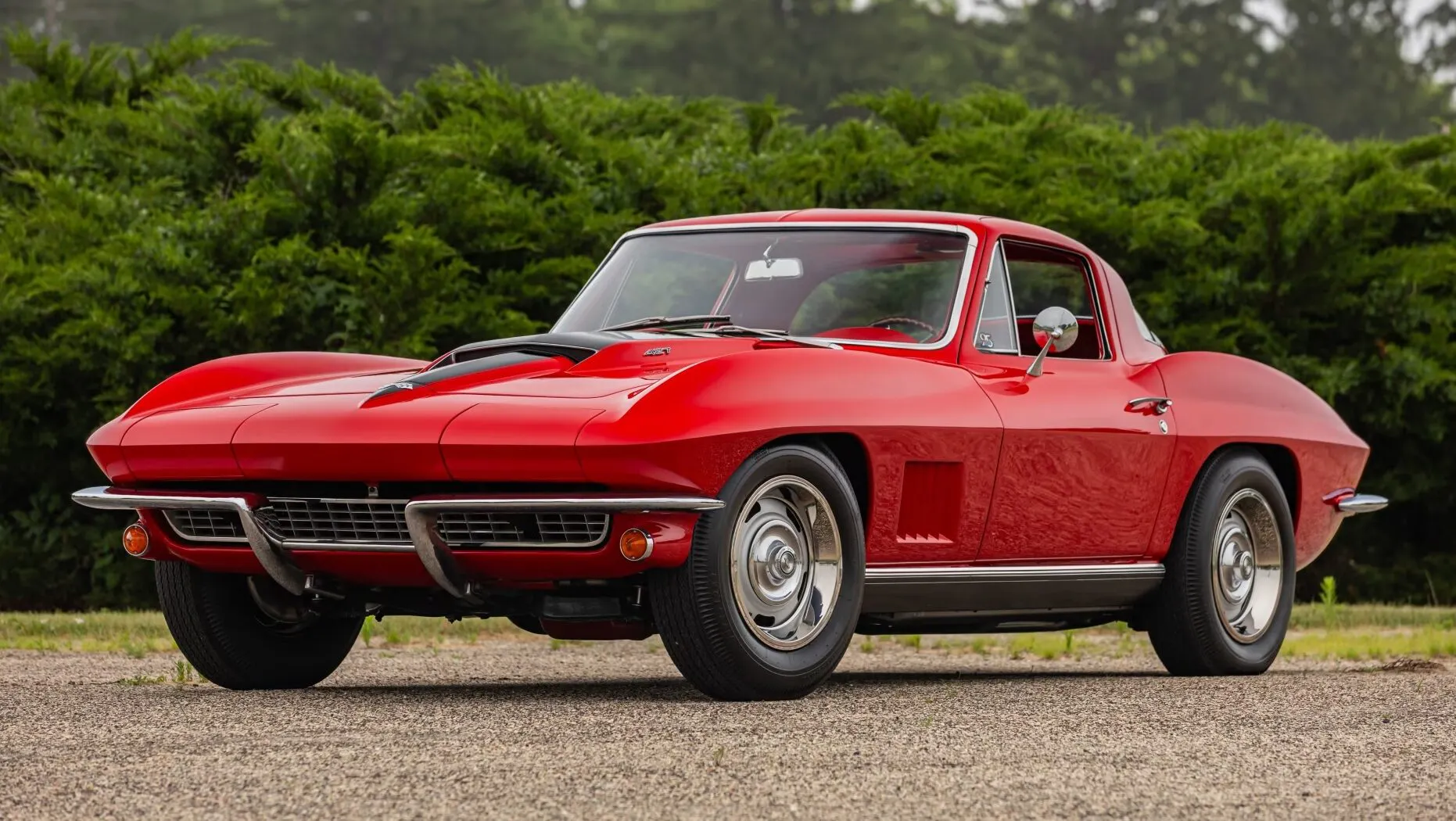
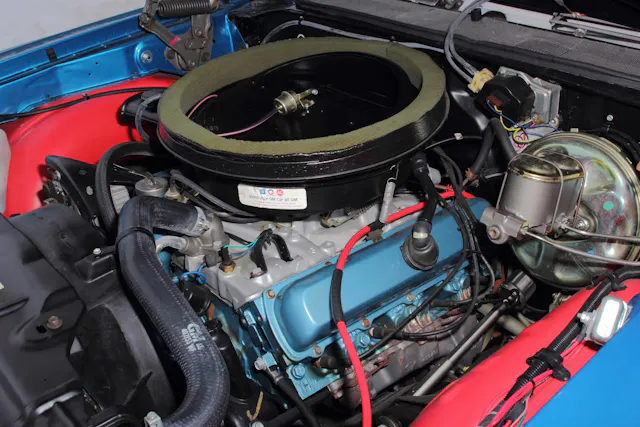
Regular Production Option (RPO) LT1 debuted in 1970 on the Corvette and the Z/28 Camaro. In the Corvette, what it got you was a 350cid V-8 with solid lifters, tight 11:1 compression ratio, forged pistons, balanced crankshaft, freer-breathing heads, and more improvements that helped push the new hot-rodded, high-revving small-block to 370 hp and 380 lb-ft. Unfortunately, the LT1 arrived just in time for the horsepower wars to start winding down, and with its compression ratio lowered to 9:1 in the 1971 version, performance was down to 330 hp. A bit disappointing, sure, but still lots of oomph.

Chevrolet Corvette LT1 1972 engine
1972 LT1 350/255 HP V-8 engineMecum

For the 1972 Corvette, RPO LT1 dropped to 255 hp with the switch to net ratings. The LT1 option disappeared after 1972, which was also the last year for chrome bumpers at both ends of America’s sports car. Visually, all 1970–72 LT1 Corvettes look nearly identical, but values drop way off as the power ratings decrease. A 1970 LT1 convertible is currently worth $108K in #2 (excellent) condition in our price guide. The equivalent coupe is currently worth $89,600. The 1971 model falls to $82,300 for a convertible in #2 condition, and $64,500 for a coupe. At the bottom, the 1972 LT1 currently carries #2 values of $74,300 for a convertible and $73,000 for a coupe. Condition #3 (good) values for these cars typically come in at about 25 to 30 grand less than the #2 value.

As for the Camaro Z/28, its #2 value drops from $53,600 for a 1971 model to $52,800 for a ’72, while the condition #3 value drops from $39,400 to $32,700.

AMC Javelin

1972 AMC Javelin front three quarter
1972 AMC JavelinAaron McKenzie

American Motors redesigned its plucky pony car, the Javelin, for 1971. The new second-gen model sprouted the famous exaggerated, creased wheel arches and long hood for which the Javelin is perhaps best known, in part thanks to Mark Donohue’s dominant ’71 Trans Am season behind the wheel of one. AMC’s two-seater AMX model also disappeared after 1970, but was added to the Javelin lineup as a high-performance submodel.

New for ’71 was a 401cid V-8, available in both Javelin SST and Javelin AMX trim. In gross horsepower terms, the 401 made 330 hp. In 1972, the net rating dropped that figure to 255 hp. Values also drop from ’71 to ’72, despite there being few cosmetic differences between the two years. For ’71 Javelins, an SST is worth $35K in #2 condition, and an AMX is worth $49,300. For ’72 models, these figures fall to $25,700 for an SST and $43,200 for an AMX.

Cadillac Eldorado

Cadilac-Eldorado-500-CID
500cid V-8Mecum

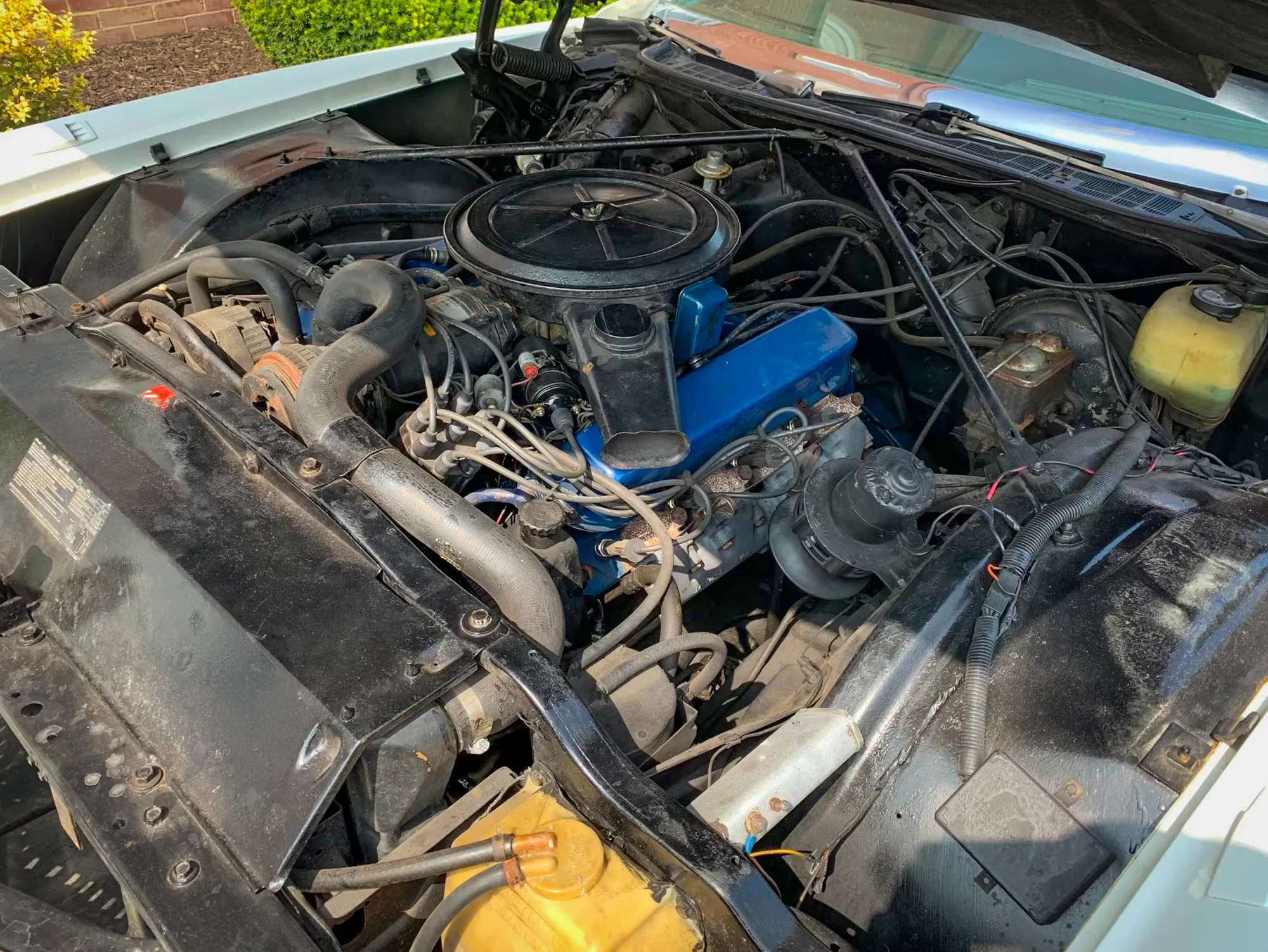
The ninth-generation Eldo came out in 1971, growing in wheelbase, overall length, and weight over its predecessor. Fender skirts were another addition, as was a convertible body style. Motivating this huge Caddy was a similarly huge V-8, which displaced a whopping 500 cid (8194 cc). The 500-cube unit had made 400 hp in the ’70 Eldorado, but this dropped to a still-potent 365 horses in ’71. The switch to net ratings suggested a huge drop, though, with the figure dropping to 235 hp for 1972.

The ’72 discount is fairly modest for the Eldorado, a car that never sold itself on speed, anyway. For 1971 models, a convertible is worth $37K in #2 condition, and a hardtop is worth $25,200. A ’72 convertible is worth $35,600, and a hardtop is worth $25,200.

Oldsmobile Toronado

1971-Oldsmobile-Toronado-455-CI horsepower rating
455cid Rocket V-8Mecum

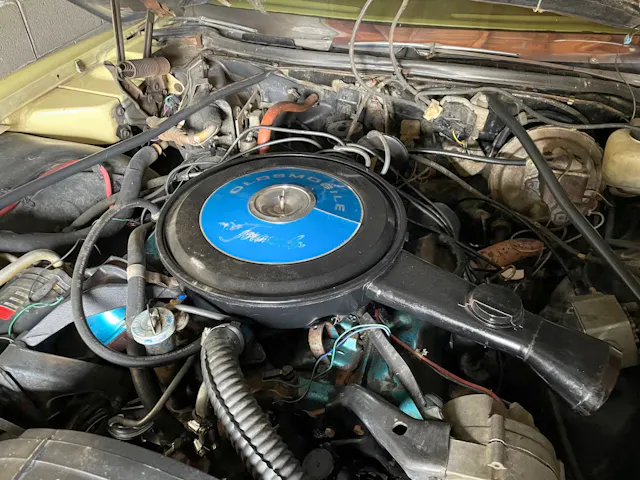
Oldsmobile’s large, groundbreaking front-wheel drive Toronado entered its second generation in 1971. Like the Eldorado, it was larger than its predecessor. Its 455cid Rocket V-8 carried over from the ’70 model, and carried a gross rating of 350hp. The switch to net ratings knocked off a full 100 ponies, for 250hp total. But, also like the Cadillac, the Toronado’s primary selling point was never power, despite its monstrous engine.

That goes a long way in explaining why a ’71 Toronado and a ’72 Toronado are worth almost exactly the same, with a ’71 coming in at $16,000 in #2 condition and a ’72 coming in at $15,600.

Plymouth GTX

1971 Plymouth GTX front three quarter
1971 Plymouth GTXMecum

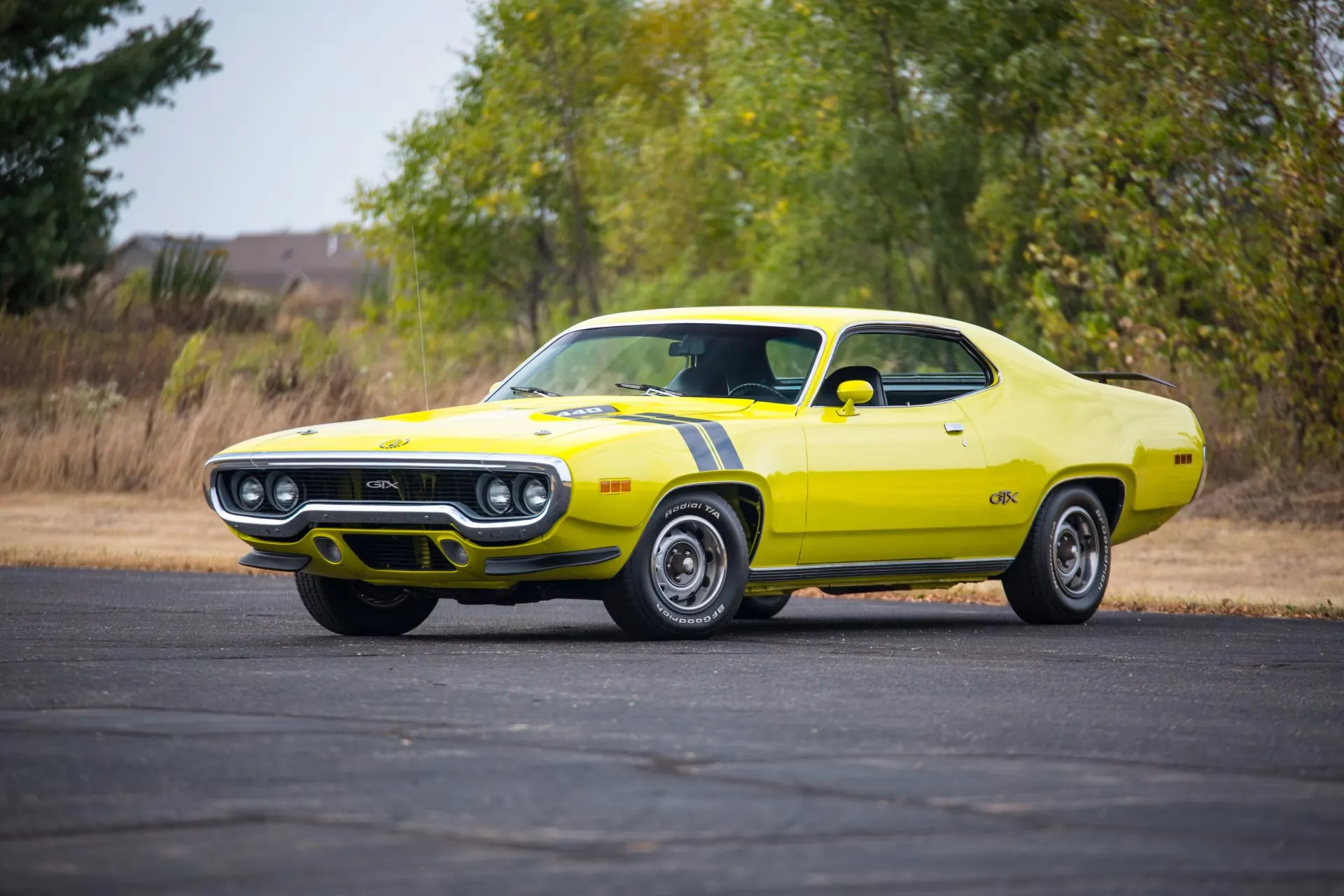
Plymouth redesigned its Road Runner, upon which the GTX was based, for 1971. The handsome fuselage theme included a loop bumper and a high trunk. While the 426-cid/425-hp Hemi was still available in the ’71 GTX, most got a version of the 440, either the three-carb 440-cid/375-hp “Six Pack” or the 440-cid/370-hp four-barrel.

By 1972, the original Street Hemi was gone, closing a major chapter in the history of Mopar muscle. The Six Pack was gone, too, leaving only the four-barrel 440 for GTX buyers, and its rating dropped from 370hp to 280hp. The GTX also ceased to be its own model that year, instead becoming an option package for the Road Runner, though styling remained largely the same. The discount in choosing ’72 over ’71 in this case is significant. The current #2 value for a 1971 GTX is $64,100, and for a ’72 Road Runner GTX it’s $53,300.

Pontiac GTO

1971 Pontiac GTO front three quarter
1971 Pontiac GTOMecum

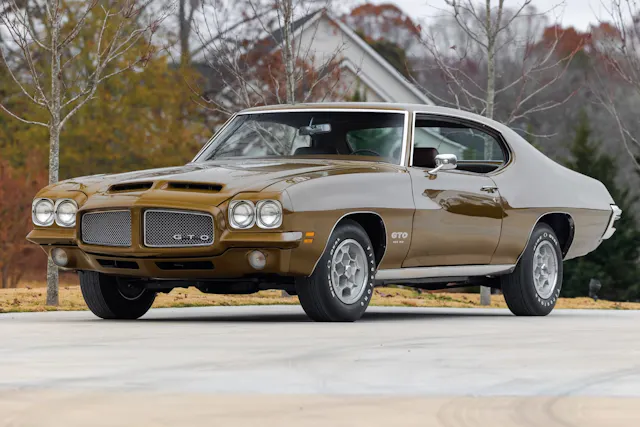
By 1971, the second-gen GTO’s muscles had atrophied a bit. The splashy colors of “The Judge” were still available, but the potent Ram Air engines were not, and compression ratios dropped across the GM lineup. The Pontiac’s most potent powerplants were now a 455 cid/325 hp or a 455 cid/335 hp.

For 1972, the GTO went from being its own separate model to being an option package on the Le Mans, just as it had been when it kicked off the muscle car era in 1964. In net terms, the 455 engines now carried ratings of either 250 hp or 300 hp.

As collector cars, there is naturally some variation in terms of value. The ’71 455/325 GTO carries a #2 value of $54,300, while the ’72 455/250 is worth $41,000. With the higher-output engines, though, they are essentially worth the same, with both ’71 455/335 and ’72 455/300 sitting at around $64,000, possibly due to the rarity of the later car.

Oldsmobile 4-4-2 W-30

1971 Oldsmobile 442 W-30 engine horsepower rating
455cid V-8Mecum

The second-gen 4-4-2, like the GTO, was a staple GM muscle car built on the A-body platform from 1968–72. It was similarly down on power and compression in 1971, with the high-performance W-30 package offering a 455-cid/350-hp V-8, down from 370 horses the year before. Net horsepower for the 1972 W-30, when the 4-4-2 reverted to being an option package on the Cutlass, sank the number to 300 hp. The beefier, slower third-gen 4-4-2 debuted in 1973 with GM’s malaise era “Colonnade” styling.

Olds 4-4-2 values drop significantly as the horsepower numbers go down. A 1970 W-30 Holiday Coupe in #2 condition is worth $99,200. The 1971, 350-hp equivalent is worth $82,800, and the 1972, 300-hp version is worth $69,400.

Chevrolet Chevelle SS

1971 Chevrolet Chevelle SS rear
1971 Chevrolet Chevelle SSMecum

Also an A-body, the Chevelle got a mild facelift in 1971, with two headlights instead of four, and four circular taillights instead of two rectangular ones. While the big dog in 1970 was the 454-cid/450-hp LS6 engine, it disappeared from the Chevelle lineup in ’71, and the top engine became the 454-cid/365-hp LS5. For 1972, little changed visually other than an updated grille and new front parking lights, but the LS5’s stated output dropped to 270 hp. A completely new and significantly less exciting, Colonnade-bodied third-gen Chevelle debuted for 1973.

LS5 values don’t vary too much from ’71 to ’72. A ’71 convertible in #2 condition is worth $93,300 or $73,100 in #3 condition, while a sport coupe in #2 condition is worth $70,500 or $53,500 in #3 condition. A ’72 convertible in #2 condition is worth $89,700 or $75,300 in #3 condition, while a sport coupe in #2 condition is worth $69,300 or $55,400 in #3 condition.

For the Silo, Andrew Newton.

Twenty-One Vehicles With Elite Silhouettes

There’s nothing quite like the sleek side profile of a vehicle with a long hood, a fast roof, and a smooth decklid. But there is more to our shared love of cars, because, we should also consider the smooth, singular sideline of a minivan. While that isn’t an answer one would expect when asking about the most appealing vehicle silhouettes, a minivan is indeed one of the many candidates our friends at Hagerty received here in their latest installment of our According to You series.

So what other vehicles deserve a mention here? Have a look below and tell us what you think in the comments!

Porsche 928 GT

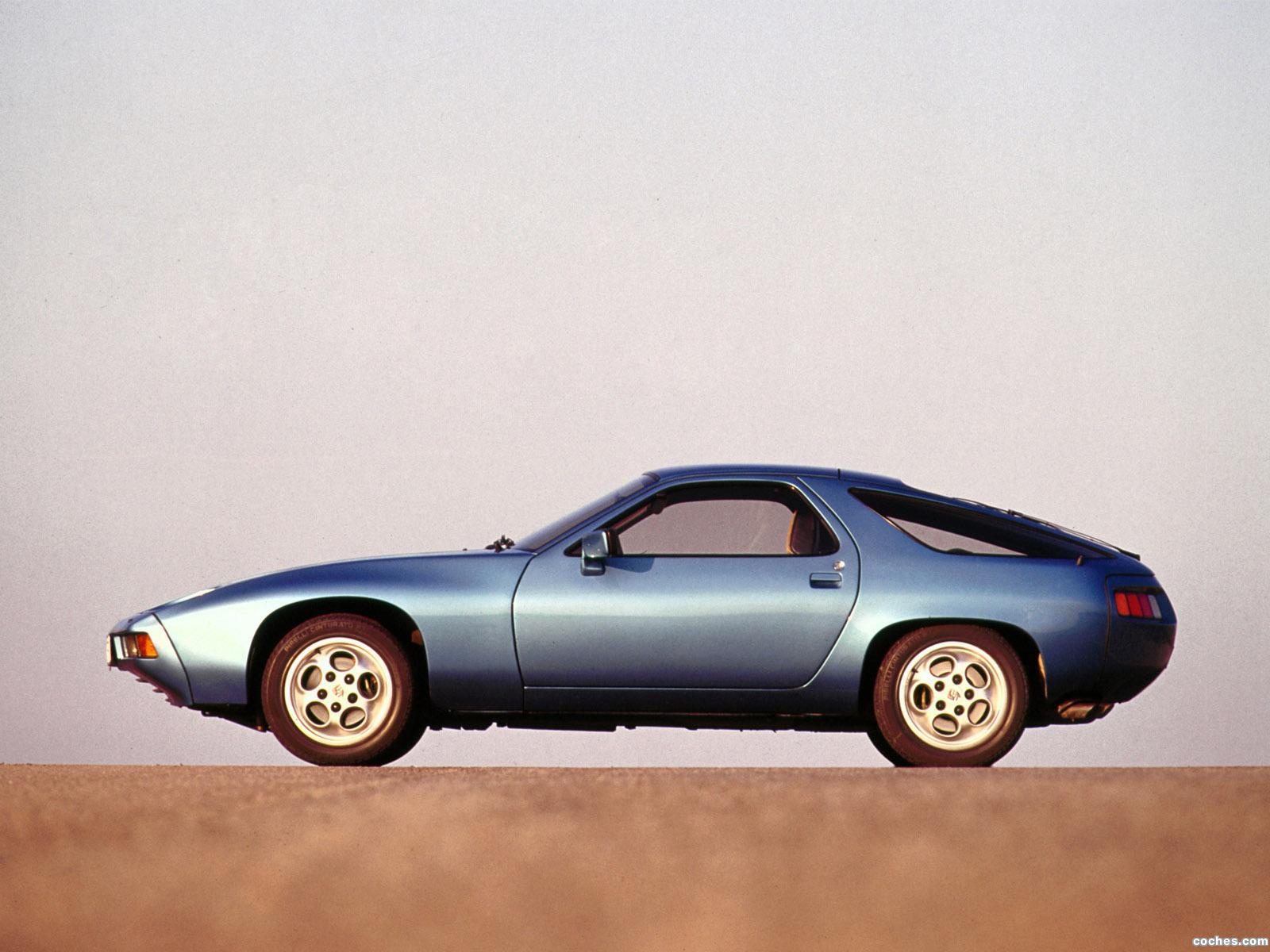
The original series 928 was clean and wonderfully well balanced and was striking from every angle but take a look at this silhouette and marvel that this design is almost fifty years old.

Shelby Daytona Coupe

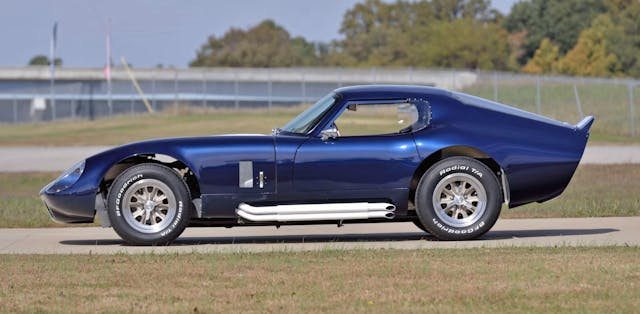
1965 Shelby Daytona Coupe ReplicaMecum

@DUB6: Hard to beat an early 911 in my book, but really, I’m voting for the Shelby Daytona Coupe. It has some of the muscle of the Cobras built in, with the sloped down nose for aero, the long, sleek roofline, and then that striking rear spoiler and chopped-off tail.

It may not be the most beautiful, but to me, it’s the most striking silhouette out there.

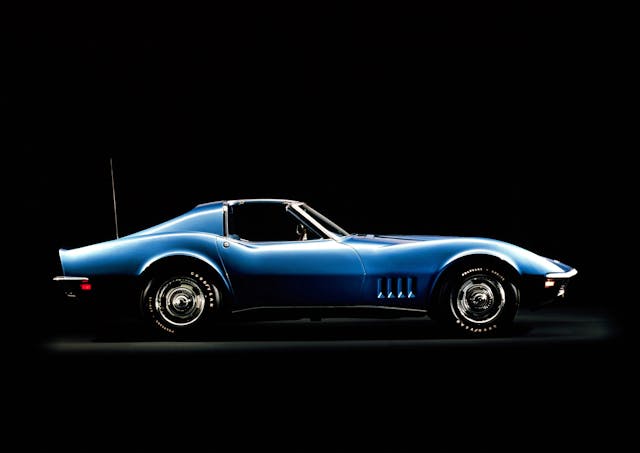
Chevrolet Corvette

1968 Chevrolet Corvette Stingray Side Profile
GM

@Bernard: The first few years of the C3 Corvette. I wasn’t around to see them new, but the C3 has always stood out in the school of cool, IMO, especially the silhouette. I think the crash bumpers and other stuff of the later years softened them up too much, but the silhouettes of the early ones could’ve been used as scalpels.

@Tony: I’d say any modern Corvette. They’re all designed in the wind tunnel these days so they’re all aero-efficient, but the later C4s with the rounded ends I think look great.

@Dave Massie: C3 Corvettes—especially the ’80–82 models.

@C: I agree. I am partial to my 1973 Corvette coupe. It’s a one-year-only design and looks great in silhouette.

@Paul: 1984–90 C4 Corvette. The concave rear bumper is just cool. On the other hand, the convex 1990 ZR-1 bumper and its use on the 1991–96 models are strong candidates. In my C4-centric world, the Corvettes nailed the Silhouette Sweepstakes.

Jaguar XKE

Mecum

@Ken_L: I am partial to my C3 Corvette, but I must say the Jaguar XKE coupe has been my favorite since I was very young.

@Howard: And its “top-down” sibling, the XKE droptop roadster … great road car.

@Doug: Hands down, Jaguar E -ype coupe (XKE)

@Jeff: Had a ’68 XKE roadster. I was about to cast my vote for it, but you astutely beat me to it!

@Lew: The first Jag E-Types with the worthless bumpers and glassed headlights.

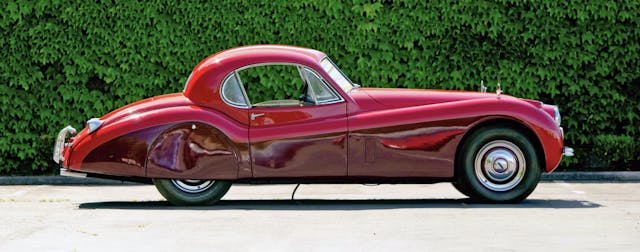
Jaguar XK-120

Mecum

@Gayle: In ’56, my uncle bought a ’53 Jaguar XK-120 FHC and I have been enamored with that gorgeous profile ever since, especially with the disc wheels and the spats (skirts)!

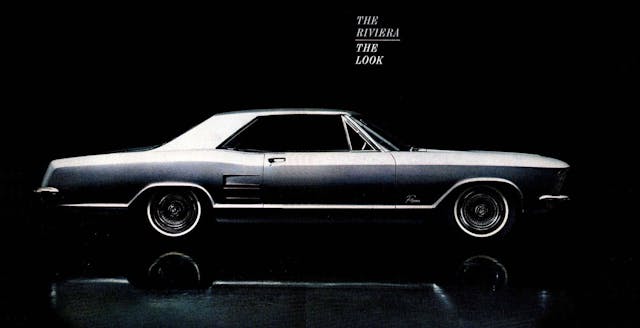
1963 Riviera

Buick

@Snailish: ’63 Riviera … Not sure what got us there, but for decades after, so many vehicles owed it a debt. It would likely still be a cutting-edge design if evolved to today’s construction methods/rules. But it’s also amazing from several directions, not just the side.

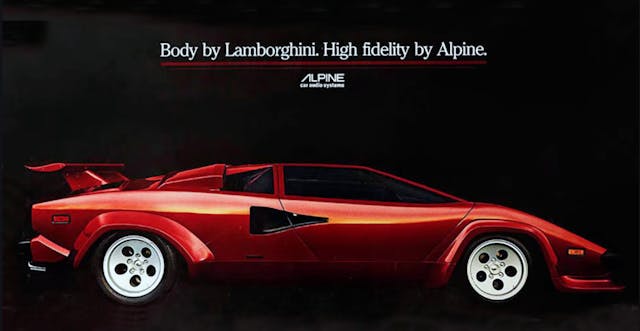
Lamborghini Countach

Alpine Electronics, Inc.

@Shiven: Lamborghini Countach! It absolutely accentuates the ’70s and ’80s realm of excess!

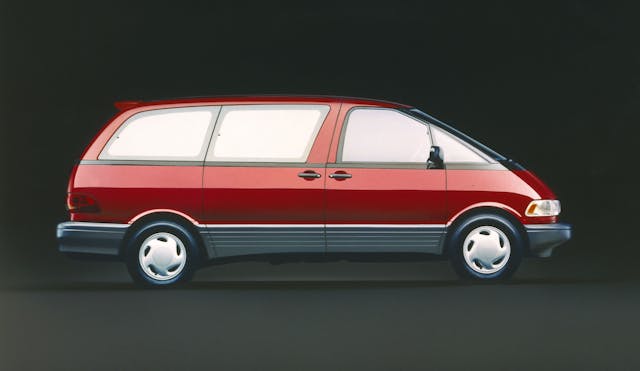
Toyota Previa

Toyota

@ap41563: Toyota Previa! Turn the lights off and illuminate it from behind and the egg shape still looks fresh today, even at 30 years old.

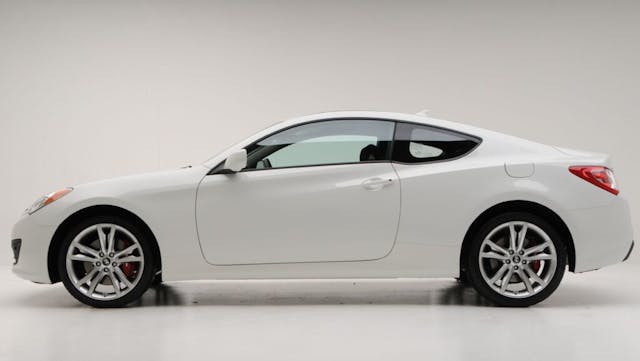
Hyundai Genesis Coupe

Hyundai_Genesis_Coupe_R-Spec_2009_Profile
Hyundai

@Colton: For the more modern, cheaper cars, I’d say the first generation of the Hyundai Genesis Coupe. The car itself was a mixed bag (I owned one for eight years), but the side profile, especially in low light, just highlighted how well that body was sculpted.

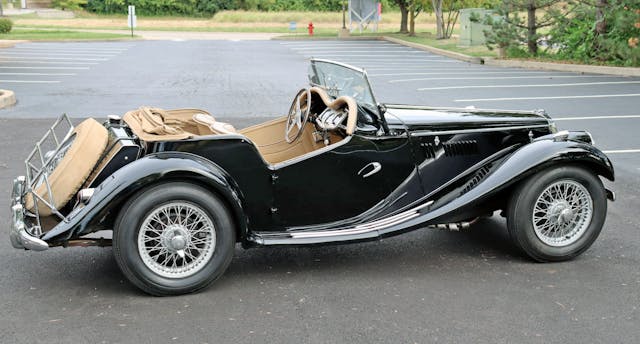
MG TF

Mecum

@T.J.: Without a doubt, my 1954 MG TF is a constant head turner with classic vehicle lines (running boards, smooth curvature in fenders, spoked wheel on the exterior of the gas tank, etc.). A timeless beauty.

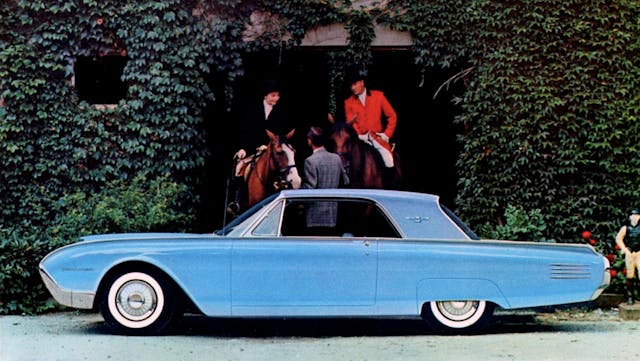
1961–63 Ford Thunderbird

Ford

@Jon: I have always liked the 1961–63 “bullet” Thunderbirds. There was just something perfect about their profiles.

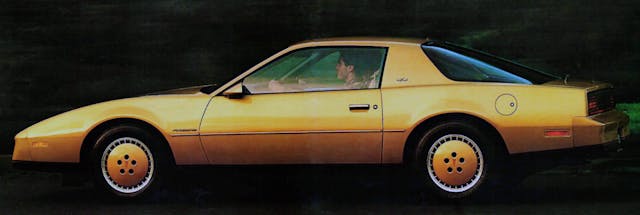
Third-Generation Pontiac Firebird

1982 Pontiac Firebird S/EPontiac

@Espo70: Third-gen Firebird/Formula/Trans Am. One of the best designs to come out of GM. Still looks exotic today.

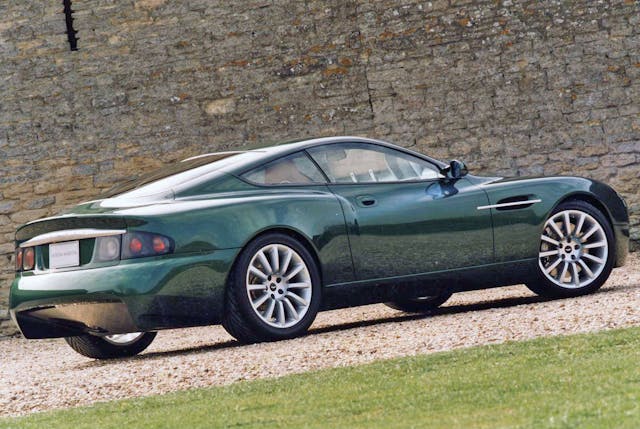
Aston Martin Project Vantage

Aston Martin

@George: I might be biased, but the Aston Martin Project Vantage Concept—which became the Vanquish—is the most cohesive and accomplished shape of all time.

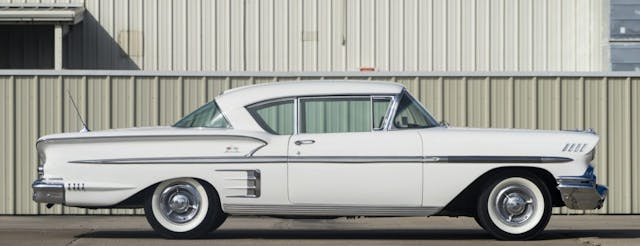
1958 Chevrolet Impala

1958 Chevrolet Impala
Mecum

@Don: How about the 1958 Chevy Impala 2-door hardtop? My wife’s uncle thought it looked like a water buffalo!

GMC Motorhome

1978 GMC RV
Hemmings

@Chuck: For oversize vehicles, the 1973–78 GMC Motorhome. Ahead of its time when new, smooth and sleek (compared to other coaches), and has aged gracefully.

@Kent: Still a very sought-after vehicle after all these decades. Would love to have one!

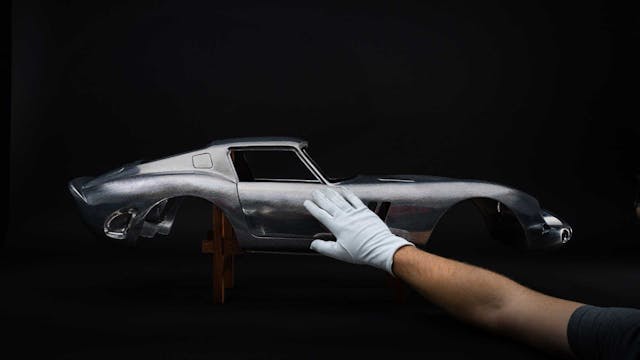
Ferrari 250 GTO

Amalgam Models 250 GTO 4
Amalgam Models

@David: One of the most recognizable, and possibly the most desirable profiles of them all: The 1962 Ferrari 250 GTO by Scaglietti.

Fiat 500

Fiat 500
Stellantis

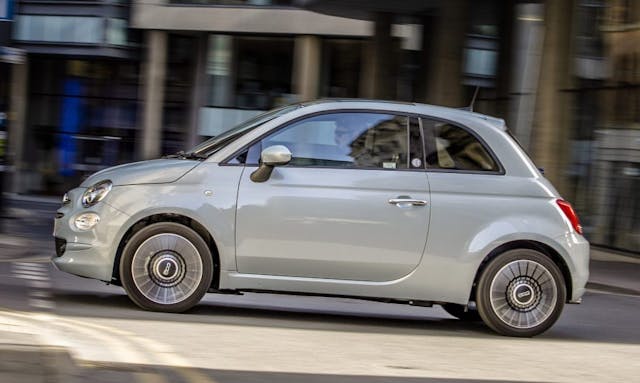
@Alex: 2012–19 FIAT 500: Totally unique and unmistakable. You would never confuse it for any other car from any other marker.
1966 Oldsmobile Toronado

Oldsmobile

@John: Without question for me it is the 1966 (and only the 1966) Oldsmobile Toronado.

Bugatti Type 57SC Atlantic

Brandan Gillogly

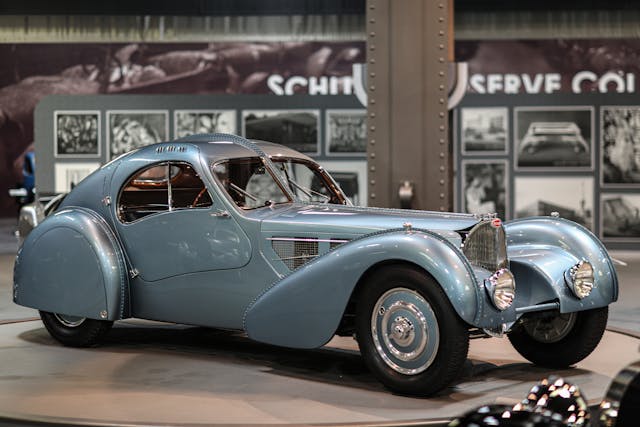
@Tom: So many Ferraris—the Dino, 250 GTO, 275 GTB, La Ferrari, etc., as well as the GT40, Miura, E-Type, and numerous British Roadsters of the ’50s and ’60s. But the granddaddy of all side silhouettes has to be the Bugatti Type 57SC Atlantic.

2003–08 Mazda Mazda6

Mazda

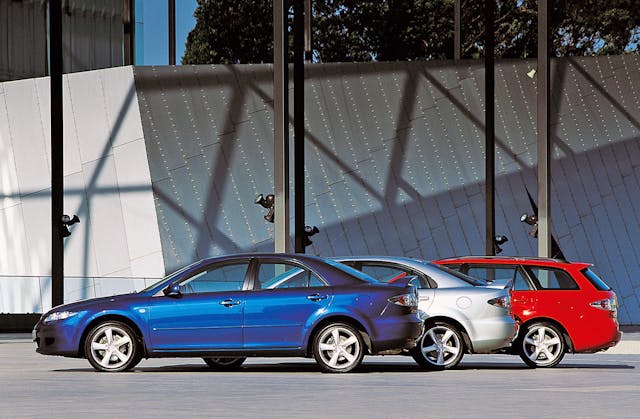
@Mike: From a basic sedan point of view I’ve always loved the 2007 Mazda 6 profile with the spoiler.
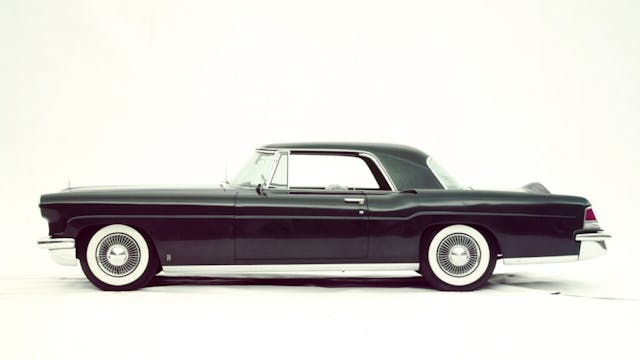
1956–57 Continental Mark II

Continental/Ford

@Jeff: The 1956 Continental Mark II is still the most elegant and beautiful production American car.
1984–86 Pontiac Fiero

1984 Pontiac Fiero Coupe
GM

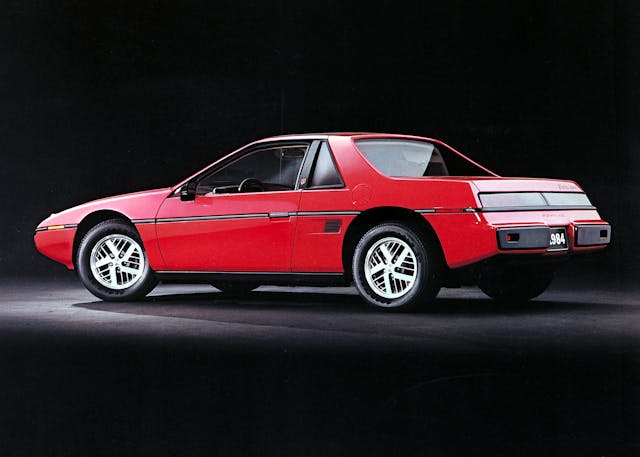
@Jack: 1984–86 Pontiac Fiero notchback. Best-looking shape of the 1970s and ’80s wedge cars.
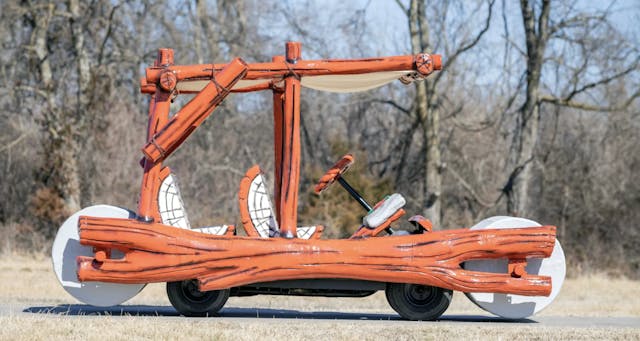
Flintstones Car

Mecum

@Greg: The log car that Barney Rubble drove on The Flintstones … feet and all!

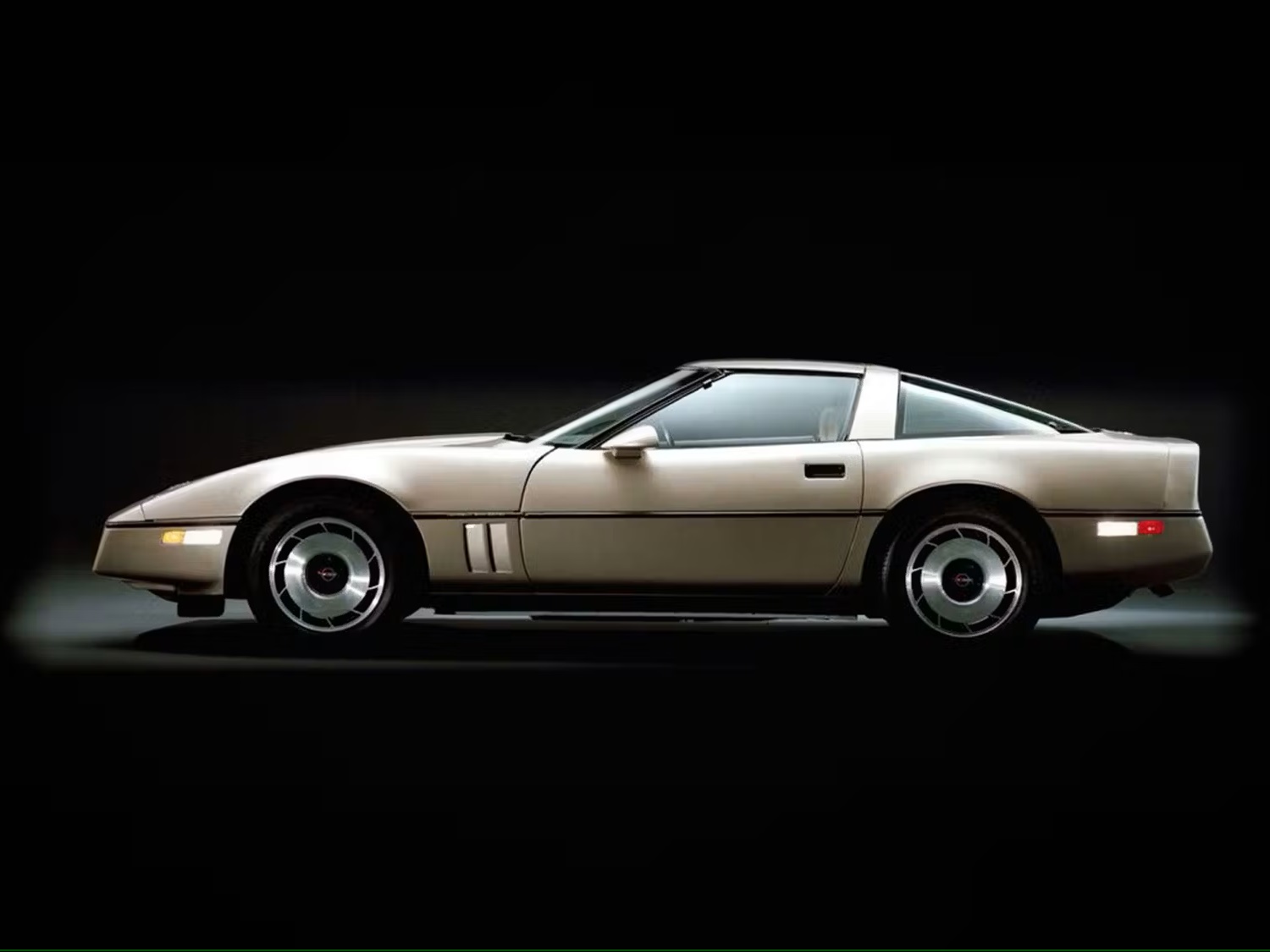
Featured image: 1984 Chevrolet Corvette.

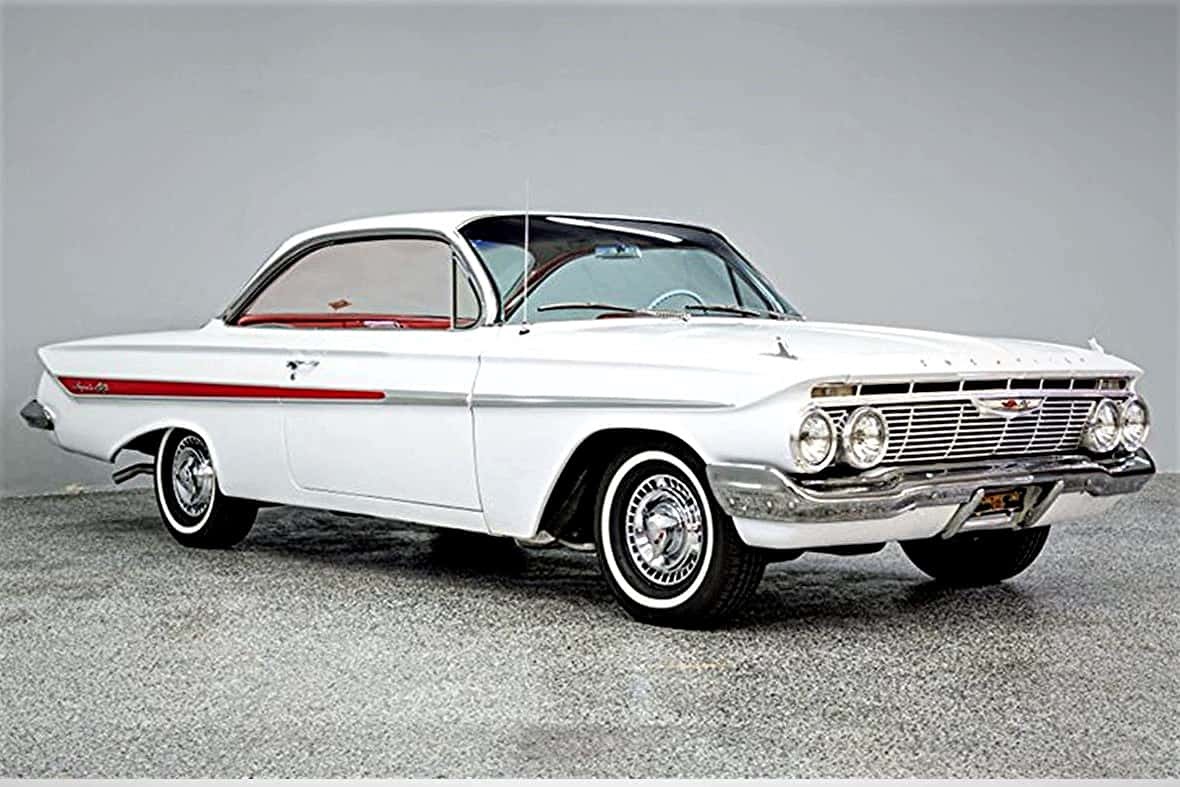
This 1961 Impala Was Excellent Moonshine Runner

What more is there to say about this car except “Wow”? Jim’s 1961 Tri-Power Chevrolet Impala is yet another pure gem hidden away somewhere in the rural wilds of Ontario, Canada.

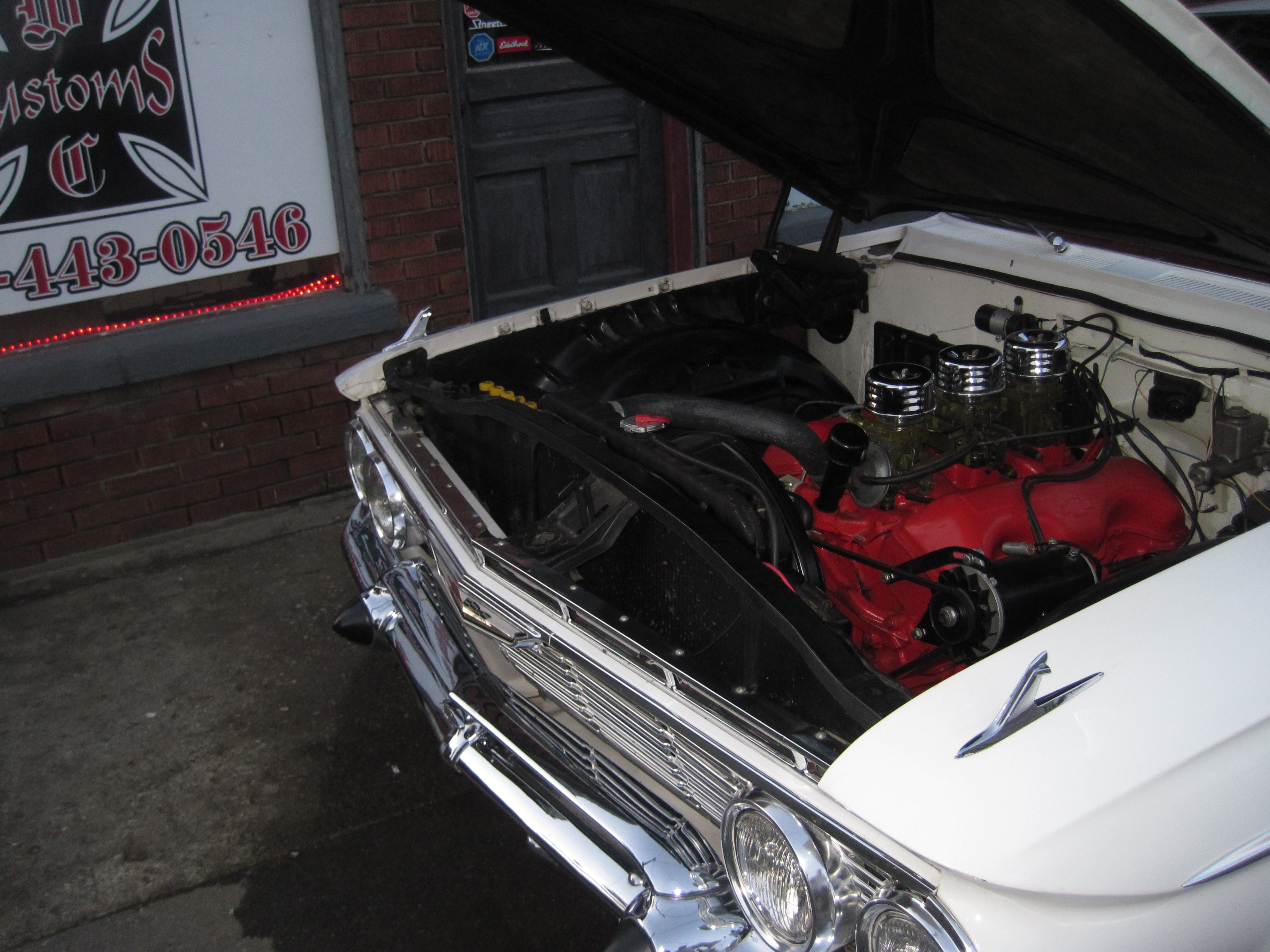
Back in the day, these cars were known in the South as an excellent choice for moonshine runners. It must have been difficult if not impossible for a police car of that era to keep up with this 280 HP, Triple Deuce carbureted, 348 cubic inch big block.

With no power steering or power brakes you sure did get a pretty good feel for those windy, dirt back roads. Yet because of these removed features the car had no loss of available horsepower or throttle response.

With a borg-warner 100 T-10 4 speed transmission and posi 4:11 rear-end, this car puts the power directly to the road.

These traits also made these Impalas widely used in stock car racing and drag racing as well. This pure beauty of a car is painted in a factory Ermin white, with a factory red and ivory interior. Some of the rarer options include: front and rear bumper guards, E-Z eye solar guard glass and wide, white walls.

In a world of ‘rip it down and change it’, this car is still running an old school Delco battery and generator. It is very un-common to still have these options installed.

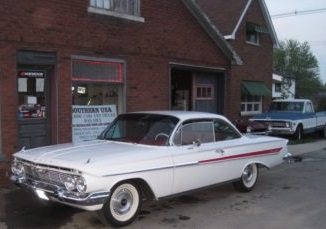
Owned by Jim, a stunt driver with Legend Filming Network you can bet the only way you’ll see this car in its home area of Delhi, Ontario is when it’s passing you in 3rd gear with all three deuces wide open.

Extra Facts

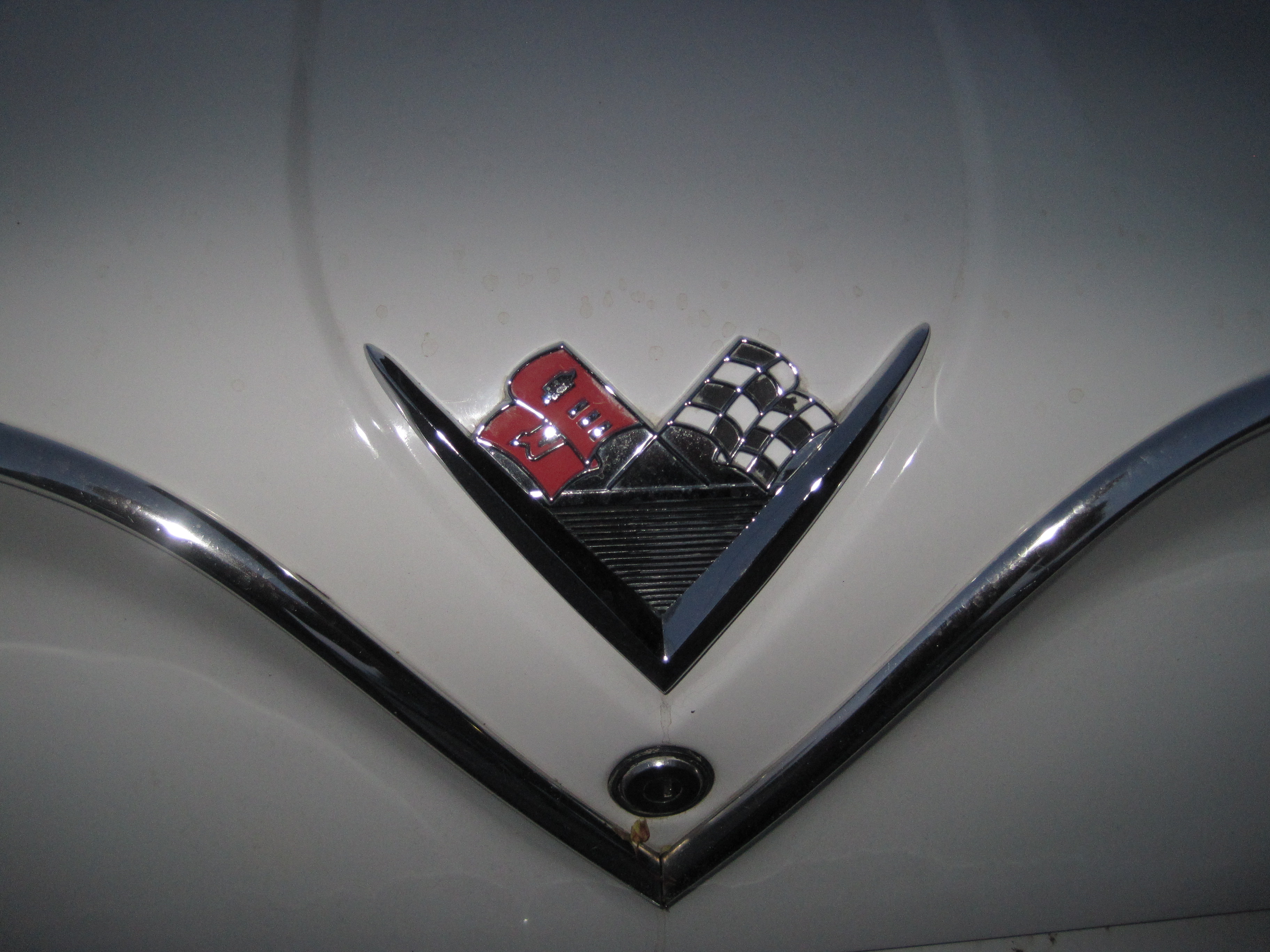
The big flag badging on the grille and trunk lid was specific to only 348 cars, they came in 240 HP, 280 HP and the high horsepower 350 HP models. In late 1961 Chevrolet introduced the 409. That same year, the windshield wipers swept in the same direction. For the Silo, Robb Price. 

ODDBALL CINEMA: CONVOY

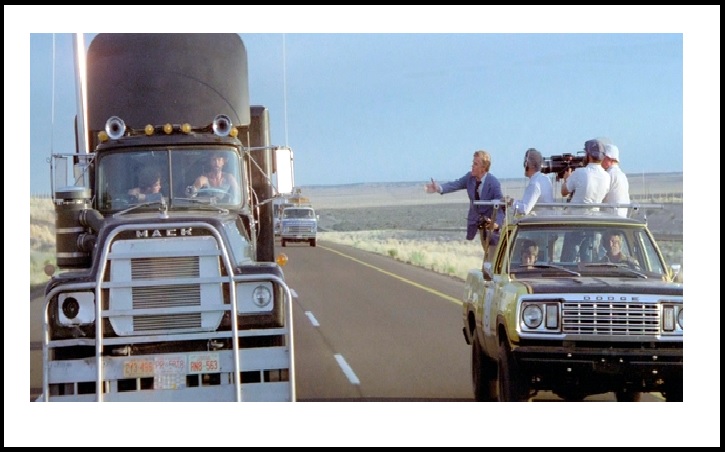
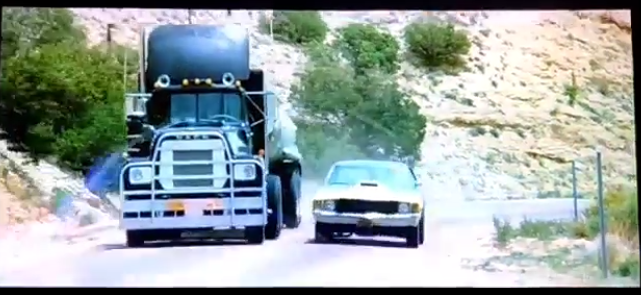
Errrr breaker one. This here’s the Rubber Duck.

CONVOY (1978): Maybe because I knew that director Sam Peckinpah was pretty much reaching new depths of being an irresponsible drug-addled drunk during production, that I figured maybe it would show in this movie, and maybe that’s why I’ve avoided it for so long.


I mean, it’s one thing to have that kind of thing seep into your films about violent assholes defeated-by/defiant-at life, but it seems like something that would fuck up what should otherwise be a fun movie about truckers outrunning the law — based on a fuckin’ hit novelty song, of all things.


And yet, that’s not really the case here. It is a fun movie about truckers outrunning the law, with just the right amount of Peckinpah’s cynical boozy edge to make this stand-out from other similar joints playing at the drive-in around this time. Occasionally, I’d be surprised as I felt the edge poke me, and it was pretty sharp too, with its attitudes towards The Law and the dangers of being Black in America.

But they were welcome surprises.


Of the truckers, Franklyn Ajaye’s “Spider Mike” gets the worst of it from Johnny Pig, on account of his dark skin; Ajaye, by the way, is known mostly as a comedian, and he’s one of those dudes who I’m sure is living well, but I feel should be/should’ve been much bigger. I’m guessing he’s one of those “comedian’s comedian” types, in that he’s super-respected in his field, if not necessarily recognized by the general public.


I’m sure once he’s dead, he’ll become The Most Popular Comedian In The World on social media and everybody and their mother is going to go on about how great he was, the way everybody and their mother suddenly made Mr. Paul Mooney the most popular comedian in the world on social media after he died.


Kris Kristofferson’s “Rubber Duck” is very much a Peckinpah kind of protagonist, with his own code of conduct that might not make sense to others, but allows him to enter his house justified. He also goes shirtless for what seems like half the running time, which made me imagine if Matthew McConaughey ever considered starring in a remake somewhere along the way.


I don’t believe in heroes, but I suppose if I had to pick one, Mr. Kristofferson wouldn’t be a bad one to emulate: Rhodes Scholar, boxer, Army Ranger. He flew helicopters, swept floors, worked on an oil rig, and wrote some of the greatest goddamn songs in the history of music. He was also “Whistler” in the BLADE movies.


Ernest Borgnine plays such a bastard in this one, “Dirty Lyle” is his name, and he’s an oinker of the worst kind: A corrupt cop who shakes down the truckers unlucky enough to drive down his highway.


In real life, Borgnine revealed in an interview that his secret to long life was that he masturbated a lot; later, he said in another interview that he said that because the interviewer wouldn’t let up with that question, and he figured that answer would shut the dude up. In reality, he said, his long life was probably the result of becoming a vegetarian 35 years prior. Now that’s just disgusting and uncalled for, Ernie, you dirty old man.

Anyway, this was good times, man. I think this movie, SMOKEY AND THE BANDIT, and a six-pack of Coors will cure whatever ails ya.


It’s just so 70s in the best of ways, that old-school vibe with dudes talking to each other on the CB, taking showers together in their underwear. Maybe that’s why Ali MacGraw had short hair in this, to mix in easier with the rest of the dudes. #backyardmovienight For the Silo, E.F. Contentment.

Barrett-Jackson Revs Up for Auto Event of 2022

SCOTTSDALE, Ariz. – Barrett-Jackson is revving up for the automotive event of 2022 when it returns to WestWorld of Scottsdale, January 22-30, to celebrate 50 years of The World’s Greatest Collector Car Auctions.

The annual Scottsdale Auction has hosted some of the most electrifying moments in collector car history over the last five decades.

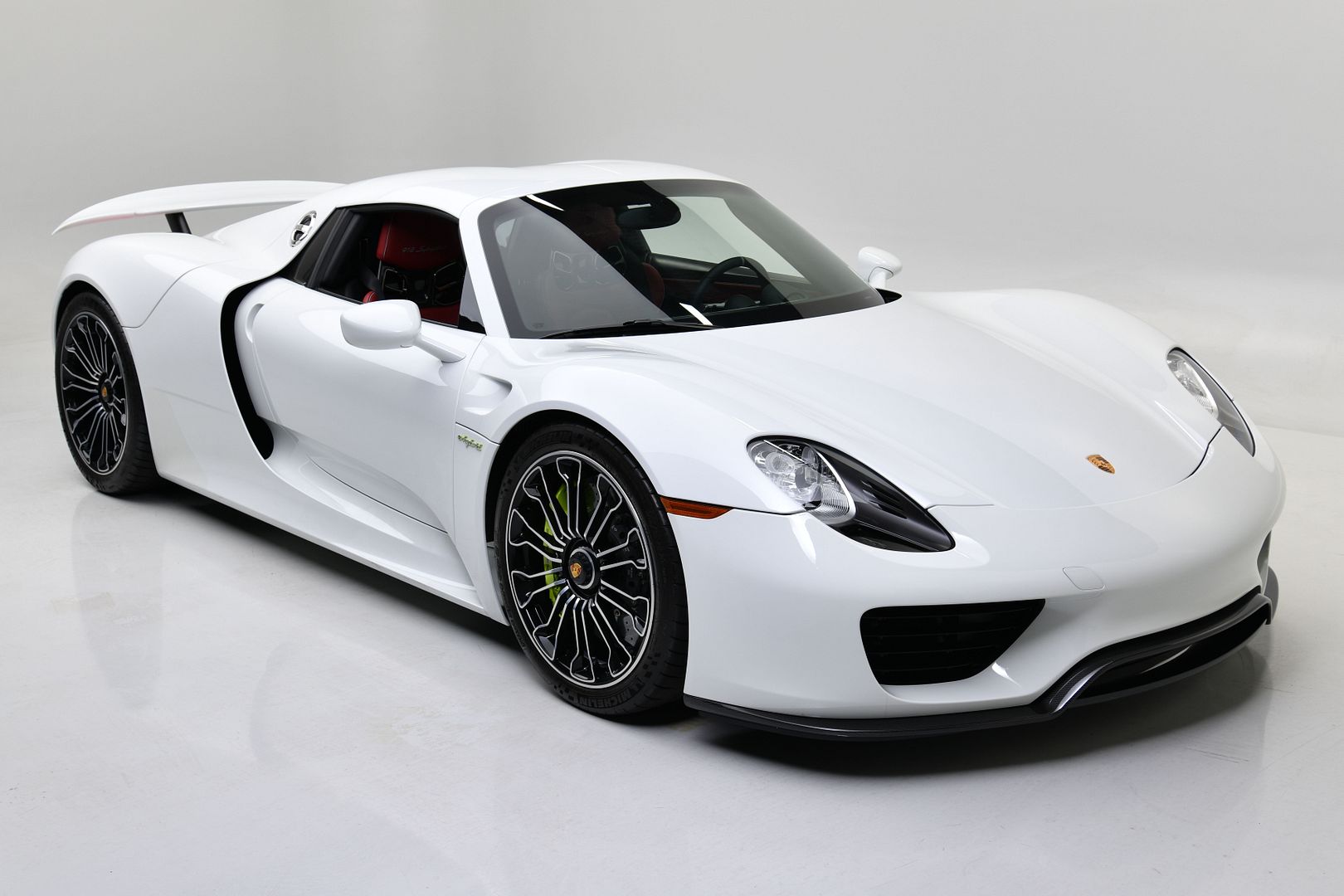
January’s Scottsdale Auction will both celebrate those milestones and deliver an action-packed automotive lifestyle event filled with an incredible collector car docket, the latest vehicles from top automakers, symposiums on a variety of automotive-related topics, and hundreds of exhibits and displays. Among the collector cars set to cross the block with No Reserve is an extremely rare 2015 Porsche 918 Spyder, one of only 918 of the hybrid hypercars produced worldwide.

“We’re preparing to host the world’s most exciting automotive lifestyle event in January to celebrate 50 years of ‘The World’s Greatest Collector Car Auctions,'” said Craig Jackson, chairman and CEO of Barrett-Jackson. “When my father Russ and his business partner, Tom Barrett, set out to raise money for the Scottsdale library with a local car show, they had no idea the impact they would have on the collector hobby over the next five decades. We’re proud of our heritage and the role we’ve played in the collector car hobby over the last half-century, and we can’t wait to continue this legacy in 2022, beginning with our flagship Scottsdale Auction.”

The 2015 Porsche 918 Spyder set to cross the block in January is considered to be among the “Holy Trinity” of hypercars and is one of the final 918s delivered that year.

Painted in white with a red leather interior, it’s powered by a naturally aspirated 4.6-liter V8 engine paired to Porsche’s 7-speed PDK dual-clutch transmission. Capable of 0-60 in 2.2 seconds, the 918 produces 887 horsepower with 282 horsepower coming from two electric motors. It has a carbon-fiber monocoque chassis, rides on Magnesium wheels and has just over 300 actual miles.

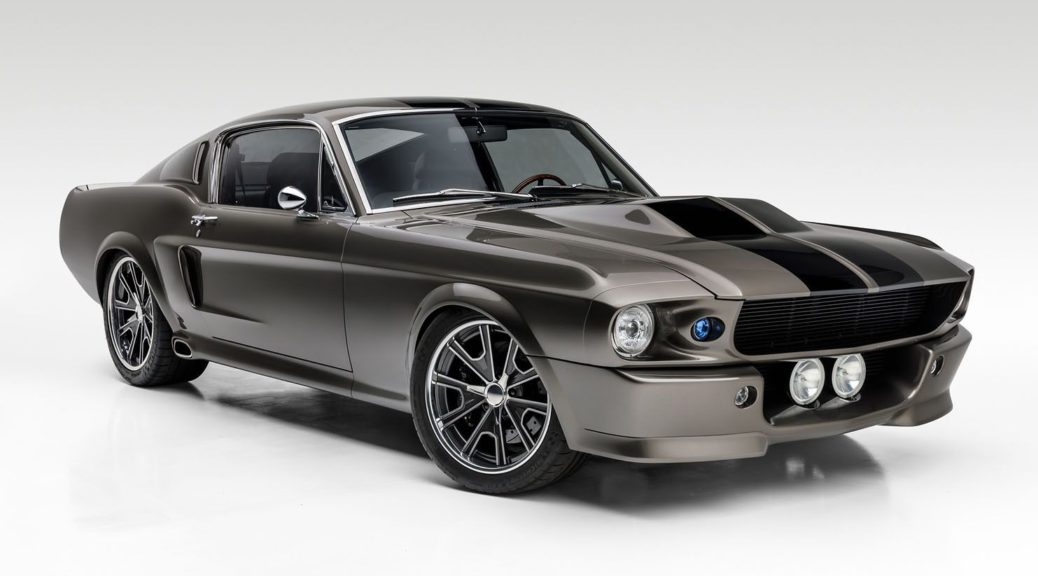
Another highly anticipated vehicle is the ultimate Pro-Touring muscle car: a 1967 Ford Mustang Eleanor Tribute Edition owned by seven-time Major League Baseball All Star and three-time World Series champion Buster Posey. Capable of producing 828 horsepower routed to the rear wheels through a 4-speed automatic Bowler Performance Transmission, this Mustang features custom parts, modern technology and design throughout. Selling with No Reserve, this vehicle comes with several items adding to its provenance, including an Eleanor Tribute Edition Certificate of Authenticity, a box full of memorabilia and the build appraisal book with receipts and images.

“We’re going to kick off 2022 with one of our greatest events to date filled with prized collectible vehicles that are destined to be remembered,” said Steve Davis, president of Barrett-Jackson.

“Over the years we’ve built a collector car family that is truly the heart of this hobby. I can’t think of a better way to speed into our next 50 years than with an amazing celebration this January.”

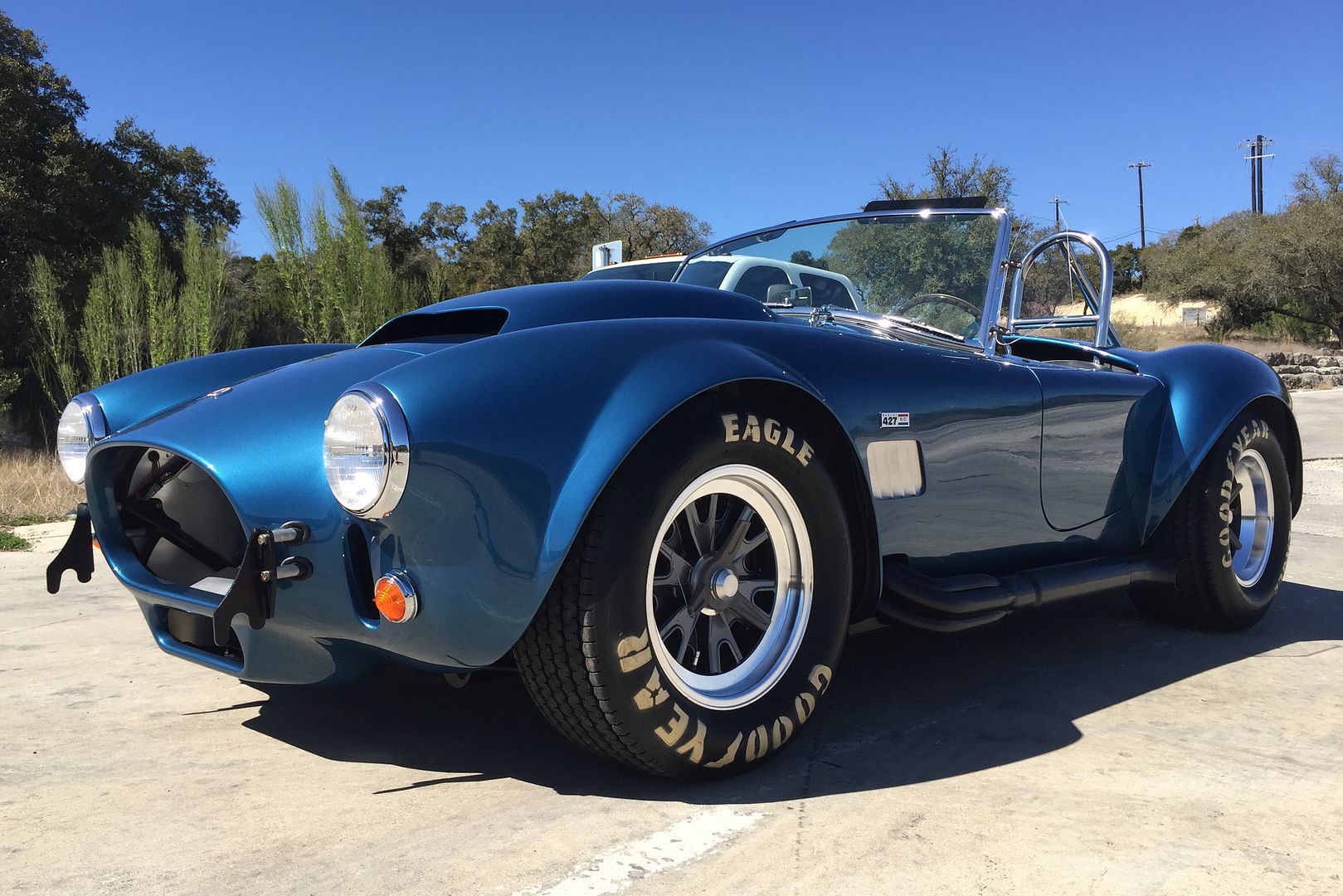
In addition to rare hypercars and customs, Barrett-Jackson’s diverse Scottsdale docket will include a 1965 Shelby Cobra 427 Super Snake that is one of only three continuation Super Snakes authorized by Shelby. Also selling with No Reserve, this one-owner car, CSX4404, is powered by a 427ci V8 engine with twin Paxton superchargers mated to a 4-speed manual transmission. This Cobra comes complete with its Build Sheet and the original Shelby Automobiles, Inc., MSO signed by Carroll himself, as well as his signature on the dashboard.

About The Barrett-Jackson Auction Company

Established in 1971 and headquartered in Scottsdale, Arizona, Barrett-Jackson, The World’s Greatest Collector Car Auctions, is the leader in collector car auctions and automotive lifestyle events, which include authentic automobilia auctions and the sale of private collections. Welcoming over 500,000 attendees per year, Barrett-Jackson produces live collector car auctions in Scottsdale, Arizona; Palm Beach, Florida; Las Vegas, Nevada and Houston, Texas where thousands of the most sought-after, unique and valuable automobiles cross the block in front of a global audience. With broadcast partner A+E Networks, Barrett-Jackson features live television coverage of their events on FYI and The HISTORY Channel, as well as all the cars, all the time via their produced livestream on Barrett-Jackson.com. Barrett-Jackson also endorses a one-of-a-kind collector car insurance for collector vehicles and other valued belongings.