Tag Archives: Minivan

Vehicle Millennials Once Mocked Makes Major Comeback

Millennials are abandoning SUVs for the one vehicle they swore they’d never drive: the minivan.

For years, North Americans were told bigger was better. Three-row SUVs became the default family vehicle, and automakers poured billions into the category. Consumers followed in droves. But now a surprising reversal is underway. The same generation that spent decades mocking minivans is increasingly choosing them over SUVs, and experts say the shift reveals something much larger about the state of the North American consumer in 2026.

Faced with persistent affordability pressures, elevated borrowing costs, expensive insurance premiums, and rising household debt, many families are abandoning image-driven vehicle purchases in favor of practicality, value, and long-term cost savings. The result? The minivan is making an unexpected comeback!

Why Minivans Are Growing Again
ce van 2.png

The growth comes after decades of decline and signals a notable shift in consumer priorities. Industry analysts cite several major factors:

  • Better cargo space than most three-row SUVs.
  • Easier third-row access.
  • Sliding doors favored by parents.
  • Better fuel economy versus large SUVs.
  • Lower purchase prices compared to similarly equipped SUVs.
  • Strong hybrid offerings from Toyota and Kia.
  • Rising affordability concerns among younger families.

What makes this trend especially compelling is who is driving it. Millennials, many of whom grew up riding in minivans and spent years rejecting them as uncool, are now among the key buyers fueling the segment’s resurgence. As the oldest members of Generation Alpha enter their school-age years and family transportation needs evolve, functionality is increasingly outweighing perception.

Costly SUVs Are Pricing Out Families
SUV prices have steadily climbed since 2021, with three-row options outpacing overall car price inflation. As once-mainstream options like the Suburban and Expedition become more associated with luxury pricing, families looking to pack into a single vehicle have turned to minivans like the Chrysler Pacifica, Toyota Sienna, and Kia Carnival.
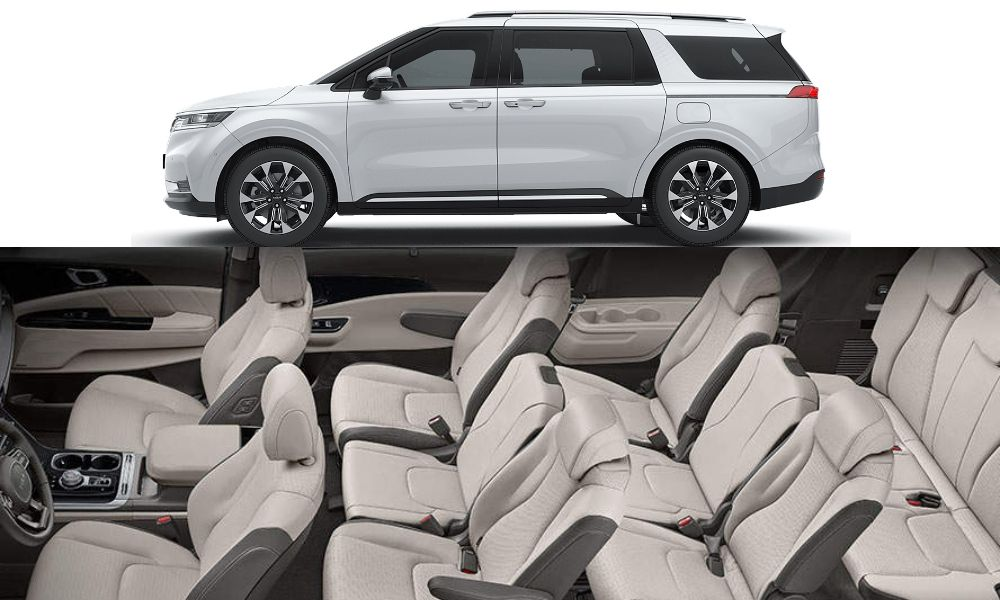
Kia Carnival with impressive seating capacity.

The rise of hybrid minivans has also changed the minivan’s reputation from gas guzzler to economical, Earth-friendly choice. Toyota’s hybrid Sienna is also available with all-wheel drive, a combination northern families would have once only dreamed of. For 2026, the hybrid Toyota Sienna gets up to 36 miles per gallon. Ten years ago, the Sienna was good for just 21 miles per gallon. Times are changing! Anyone want to talk about advanced style and design- look back over 30 years ago to the Previa.

The economics are difficult to ignore. Many popular minivans offer significantly more usable passenger and cargo space than comparably priced SUVs, often while delivering better fuel economy and a lower purchase price. For families already grappling with inflation and high monthly expenses, the savings can add up to thousands of dollars annually.

Automotive retail analysts and consumer advocates Zach and Ray Shefska at http://www.caredge.com/ emphasize the following factors:

  • Millennials Are Suddenly Embracing Minivans
  • This Trend Reveals About America’s Financial Reality in 2026
  • SUVs Are Becoming the New Status Symbol Consumers Can No Longer Afford
  • Minivans Deliver the Best Value for Families Today
  • Cargo Space, Insurance Costs, and Fuel Economy Matter More Than Ever
  • Is This a Temporary Shift or the Beginning of a Long-Term Consumer Reset?
  • Rising Household Costs Are Changing Vehicle Buying Decisions
  • The Minivan IS the Family Vehicle North Americans Are Reconsidering in Record Numbers


The minivan story is not really about minivans. It is about a generation confronting economic reality and making purchasing decisions based on value instead of image. The comeback of the vehicle many Millennials once swore they would never own may be one of the clearest indicators yet of how dramatically the North American consumer is changing.

For the Silo, Karen Hayhurst.
These American 1990s Concept Cars Were Cool AF

Flickr/Alden Jewell

Our friends at Hagerty know a thing or two about cars and really love talking about concept cars of every era, but the 1990s have a special place in their heart. Read on and tell us which one is your fav and why in the comments section below.

It was a good decade for automotive diversity, especially for enthusiasts: SUVs were emerging as a hot new segment, true, but none of them purported to be a coupe or track star. Sport sedans thrived. So did hot hatches. The Miata debuted in 1989, kicking off the roadster craze. Chrysler was, for most of that decade, just Chrysler—not some confusing multinational conglomerate with a name that no one remembers.

Even the automotive ideas that didn’t make production had pizzazz—in a few cases, as you’ll see below, perhaps a little too much pizzazz. We’ve covered ’90s concepts before, but after a spin through the treasure trove that is Alden Jewell’s catalog of car brochures on Flickr, we decided it was time to focus on the concept cars from the U. S. of A., rather than the European contingent that dominated that last list.

Step back in time with us to an era when Buick was thinking of wild sedans, Pontiac was still cool, Mercury … existed, and Dodge was high off the Viper.

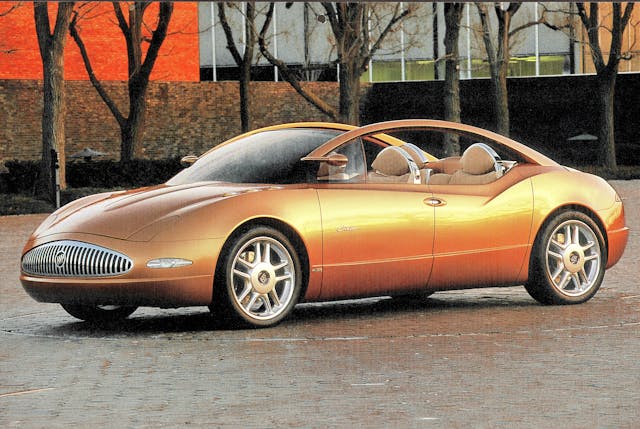
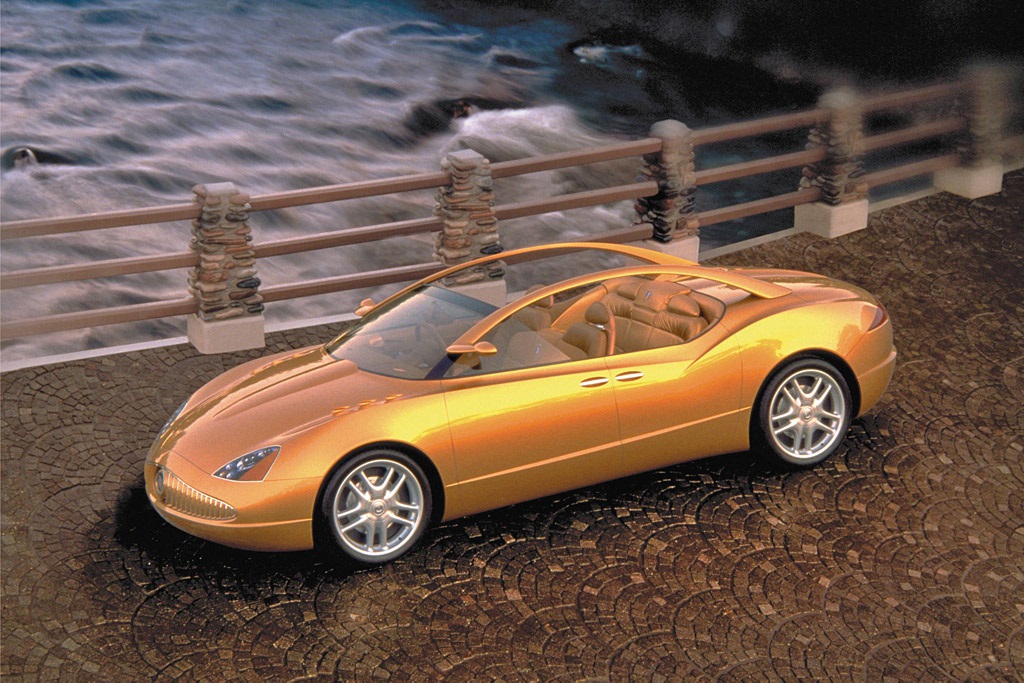
1999 Buick Cielo

1999 Buick Cielo concept convertible
Flickr/Alden Jewell

If you thought Buick’s newest concept car was unorthodox, prepare yourself: The Cielo is much, much more out-of-the-box. (Despite that throwback grille texture, which is very Y-Job.) A four-door convertible, with retractable headlights and voice-operated doors? You’d never know this thing was based on a highly modified Regal GS. The top, complete with its rear glass, stowed beneath a panel at the back thanks to a cable system hidden in the two arches that frame the “roof.” Power came from a supercharged 3.8-liter V-6 making 240 horsepower.

Judging by the much tamer concept of the same name that Buick showed off the following year—and marketed as a possible limited edition—the automaker thought the convertible four-door idea had legs. In Buick’s words, the Cielo “proves just how broad and flexible and contemporary the idea of a premium family car really is.” Little did Buick know that, 15 years later, the only premium family car the people would want was an SUV …

1999 Buick Cielo concept convertible
Flickr/Alden Jewell

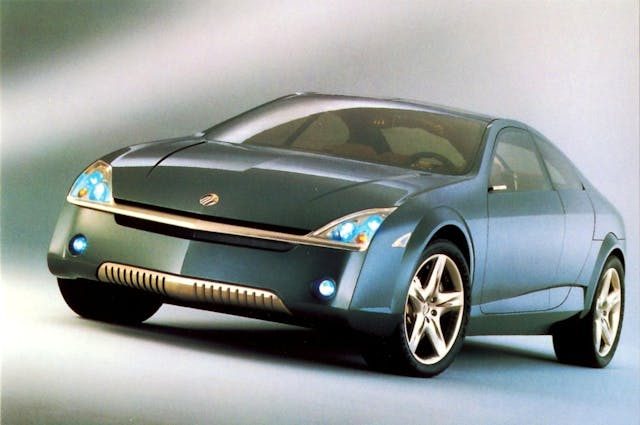
1997 Mercury MC4

1997 Mercury MC4 concept
Flickr/Alden Jewell

Motortrend got rather excited about the MC4 when it debuted in 1997: “The MC4 is for Mercury what the Viper Roadster was for Dodge nine years ago.” Yes, it was far more interesting to look at than the blob-like Mystique or the softly contoured Mountaineer … but no one knew that, 13 years later, Mercury would stop producing vehicles, its sales cannibalized by parent company Ford.

In 1997, however, Mercury’s star shone far brighter. The MC4 wore the edgy, minimalist look characteristic of Ford’s New Edge design language, initiated by the GT90 concept in 1990 and most familiar to folks on the 1999 Mustang. A trapezoidal grille and emphasized wheel arches are common to both that Mustang and the MC4, which actually started life as a V-8–powered ’96 Thunderbird. Unlike the T-Bird, the Mercury concept boasts four doors and a rear cargo area accessed by a pair of gullwing doors. It had style, space, and, of course, a healthy dose of tech that hadn’t quite been readied for production: video cameras instead of side- or rearview mirrors, nickel-chrome plate bedazzling the interior, and heated and cooled cupholders.

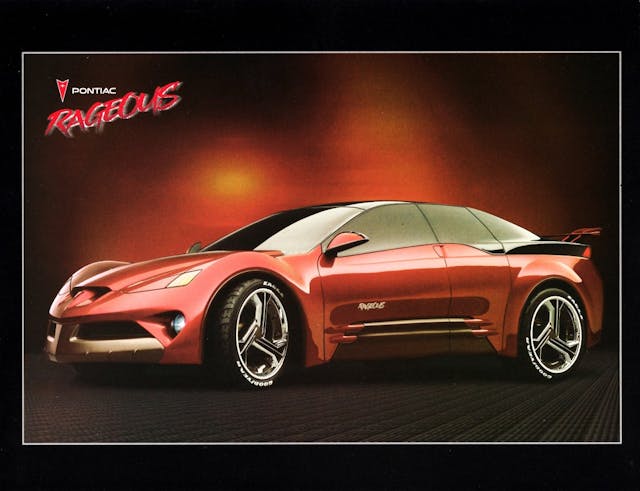
1997 Pontiac Rageous Concept

1997 Pontiac Rageous Concept
Flickr/Alden Jewell

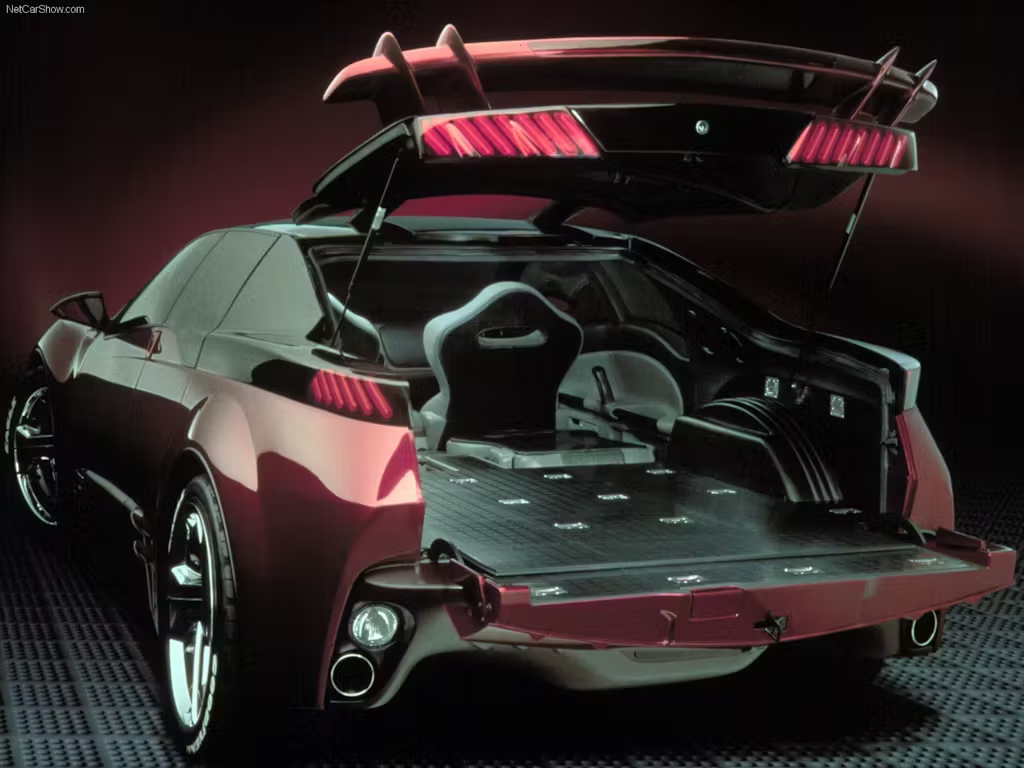
In 1997, Pontiac had four-door cars, and it had V-8–powered cars, but it didn’t have any V-8–powered, four-door cars. The Rageous, with its 350-cubic-inch small-block and vestigial set of rear doors, aimed to fix that. It could carry four people, but the trunk was accessed via a top-hinged hatch, making this more of a hatchback than a sedan. The Rageous had a six-speed manual transmission and a heavily vented, pointy schnoz that put that of the contemporary Firehawk to shame.

1997 Pontiac Rageous concept interior
Pontiac

1994 Dodge Venom

1994 Dodge Venom concept
Flickr/Alden Jewell

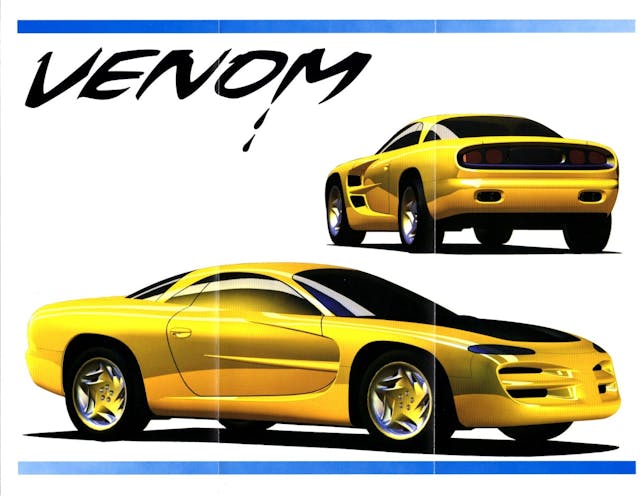
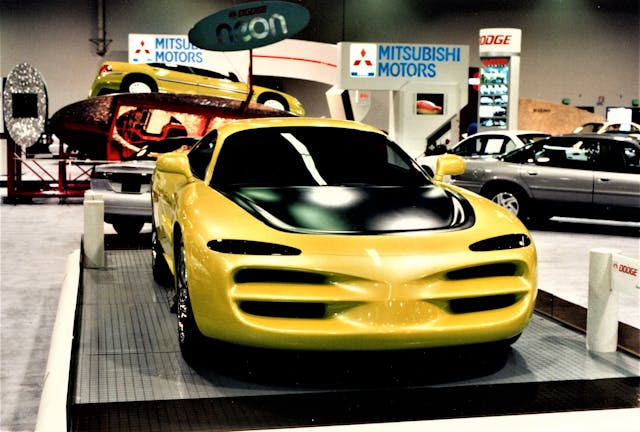
If the Dodge Venom reminds you of a Neon, you’re on the right track: This 1994 concept was built on a version of the Neon’s platform. Unlike that compact, however, the Venom was rear-wheel drive. Compared to the sportiest Neon, the SRT-4, the Venom boasted an iron-block six-cylinder engine with 24, rather than 16, valves, and more power: 245 rather than 215 horses. The Venom looked like the perfect little brother to the Viper, which it honored with that side-scoop and squinty headlights atop a four-section grille. The concept even made the cover of Car and Driver‘s March 1994 issue, accompanied by the question: “Dodge’s pony car of the future?”

We wish such an affordable, spunky two-door had made production: Dodge wouldn’t have a direct competitor to the Mustang and the Camaro until the Challenger, which hit the streets 14 years later.

1994 Dodge Venom concept
Flickr/Alden Jewell

1995 Chevrolet El Camino SS Concept

1995 Chevrolet El Camino SS Concept
Flickr/Alden Jewell

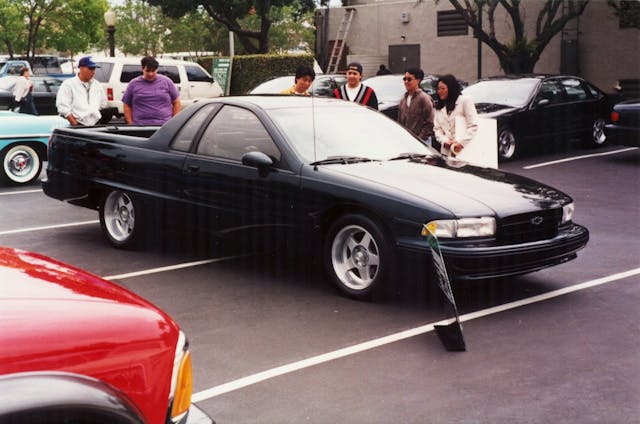
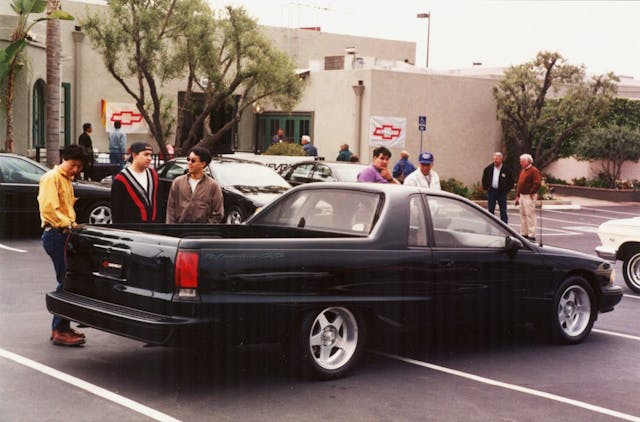
It may remind GM fans of a Holden, but the El Camino SS Concept ute is a GM B-body at its core. GM’s Advanced Vehicle Development Center in North America built this ute out of a Caprice station wagon in just 16 weeks, grafting onto that people-hauler the nose of an Impala SS. Many of the steel body panels were made by hand. Power came from a 300-hp version of the LT1 V-8 found in the Corvette and the Impala SS (in different tunes) and was channeled to the rear wheels via a 4L60E Hydramatic transmission. Unfortunately, the platform that gave it birth spelled its doom: GM killed the age-old B-body at the end of 1996. RIP.

1995 Chevrolet El Camino SS Concept
Flickr/Alden Jewell

1994 Plymouth Expresso Concept

1994 Plymouth Expresso Concept
Flickr/Alden Jewell

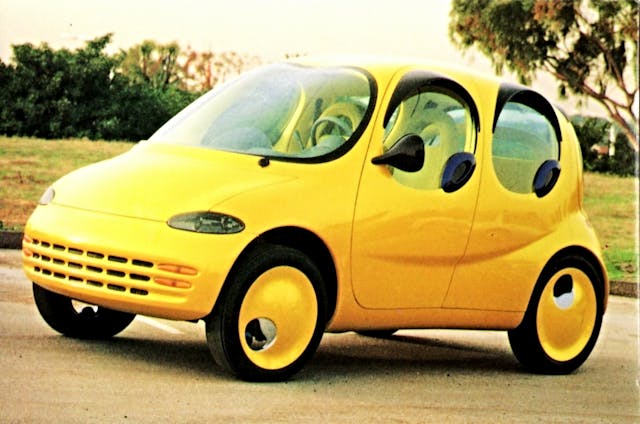
Would you believe us if we said this was a Plymouth? Maybe not, because the Expresso is more interesting than anything Plymouth made in the ’90s … until the Prowler arrived for the 1997 model year, at least. (That retro-mobile debuted in concept form the year before the urban runabout Expresso debuted.) The Expresso was built on the shortened frame of a Neon, to be sold under both the Dodge and Plymouth brands, and used the compact’s 2.0-liter four-cylinder to power its front wheels.

The four-door bubble would never reach production, but its name stuck around in the Plymouth lineup as a trim package on the Neon, the Voyager, and the Breeze. Be prepared to explain yourself if you mention this concept in front of a coffee snob: This weirdo’s name really is EX-presso, not Espresso. The proper pronunciation would be too … well, proper. For the Silo, Grace Houghton/Hagerty.