Dr. Eric Dolansky- Goodman School of Business at Brock University: “Consumers are happier about price increases when they know they’re coming and why they’re happening.”
For years, hotels and airlines, car rental agencies and energy companies have been using a phenomena known as dynamic pricing to set costs for their consumers. This real-time pricing results in fluctuations depending on a variety of factors, but is often associated with supply and demand – and it is becoming more and more prevalent in the sports world.
This economic practice has been studied by Dr. Eric Dolansky, an assistant professor at the Goodman School of Business at Brock University. Specifically, Dr. Dolansky has examined sequences of pricing and the effect it has on consumer habits. While many consumers grumble about dynamic pricing causing hikes in gas prices, that in part has to do with the unpredictability of the increases.
The situation with sports tickets is a bit different in the minds of consumers, argues Professor Dolansky. This type of dynamic pricing is tied to demand, so consumers expect the prices to increase as the nature of the competition increases, or the date of the event nears and the supply of available tickets dwindles. For example, seats in Section 121 at the Air Canada Centre on October 17 for a Toronto Maple Leafs game against the Carolina Hurricanes range from $193 to $223. But in the same section for the Leafs’ October 26 game versus the Pittsburgh Penguins, tickets range from $253 to $288.
It’s not a new idea- from wanderstories.com: “In Roman times, the tickets were known as tessara – small clay discs, which were stamped with details of the locus, or seat number, gradus or row number, cuneus, or sector and entrance gate. For example: LOC X, meaning seat number 10, GRAD V – row number 5, CVN III – sector number 3. Tickets were free, but everyone had to have a ticket to attend. Tickets were distributed to organizations, institutions and groups, who in turn, distributed them to the Roman citizens. As the games were popular, there was also a black market, where tickets would be sold, with high prices for some of the most important games.”
Evidence Professor Dolansky has studied suggests when consumers are aware prices are going to rise from a particular point, and they have a basic understanding of the events that are driving the increase, they tend to believe it is more fair. For the Silo, Stephen Murdoch
Supplemental- Conference keynote presentations by Dr. Dolansky
Clemente, S., Dolansky, E., Mantonakis, A. and White, K. The Effects of Perceived Product-Association Incongruity on Consumption Experiences – Academy of Wine Business Research Conference, Niagara, Ontario, June, 2013.
Clemente, S., Dolansky, E., Mantonakis, A. and White, K. The Effects of Perceived Product-Association Incongruity on Consumption Experiences – Society for Consumer Psychology, Las Vegas, Nevada, February, 2012.
Clemente, S., Dolansky, E., Mantonakis, A. and White, K. The Effects of Perceived Product-Association Incongruity on Consumption Experiences – Association for Consumer Research, Vancouver, British Columbia, October, 2012.
Clemente, S., Dolansky, E., Mantonakis, A. and White, K. The Effects of Perceived Product-Association Incongruity on Consumption Experiences – Southern Ontario Behavioural Decision Research, Waterloo, Ontario, May, 2012.
Data calculated by Learnbonds.com shows that the United Kingdom has the highest tuition fees among the top ten world’s most influential countries at $13,900 per year.
Tuition fees compared
Among the top countries, Japan ranks second with an average of $12,400 to represent a percentage difference of 10.7% with the UK.
According to the data:
“The United States ranks third with average public college tuition of $10,000 representing a percentage difference of 28% when compared to the UK.”
Israel ranks fourth with $9,200 followed by Canada at $4,700. In the sixth position, is Italy with average tuition fees of $3,800. China and Russia are among countries that rank lower in average tuition at $3,650 and $3,500 respectively.
Among the top ten most influential countries, Germany and France are the only nations with average tuition below the $1000 mark. In Germany, the public college tuition fee is at least $900 while France is $620.
Germany’s cheap tuition fees can be attributed to the free tuition policy. In France, the fees are affordable for students with the EU/EEA and Switzerland.
In most countries, the cost of education is higher when you factor in the cost of living. Students have to incur extra costs in food and housing.
Top 10 Countries by International InfluenceDetails: according to 2019 dataData: US News
#
Country
GDP
Population
GDP per Capita
1.
United States
$20.5 trillion
327.2 million
$62,869
2.
China
$13.6 trillion
1.4 billion
$18,116
3.
United Kingdom
$2.8 trillion
66.5 million
$45,741
4.
Russia
$1.7 trillion
144.5 million
$28,797
5.
Germany
$4.0 trillion
82.9 million
$52,386
6.
France
$2.8 trillion
67.0 million
$45,893
7.
Japan
$5.0 trillion
126.5 million
$44,246
8.
Italy
$2.1 trillion
60.4 million
$39,676
9.
Israel
$369.7 billion
8.9 million
$37,994
10.
Canada
$1.7 trillion
37.1 million
$49,690
Apart from tuition fees, students also have to pay for other expenses, such as housing, food, and books, which can run into thousands of dollars a year. However, in the United States, the cost of education depends on the choice of institution. The student loan burden is at crisis levels in the US, say many observers.
Israel comes fourth with an average fee of $9,200 while Canada occupies the fifth position. Between 2019-2020, the average college fees in the North American country were $4,700 representing a figure almost three times less than the UK.
In the sixth position, is Italy with average college fees of $3,800. During the period under review, compared to the UK, a percentage difference of 72.6%.
China and Russia also rank among countries with low tuition fees at $3,650 and $3,500 respectively.
China has invested heavily for years in its education system to make it affordable for citizens and foreigners. Chinese universities have a reputation for offering quality education with high-standard facilities.
France, Germany among countries with the cheapest college fees
Among the top ten most influential countries, Germany is among countries with average public college tuition below $1000. During the period under review, the average cost was $900. Compared to the UK, this is a percentage difference of 93.5%.
In Germany, the low cost of education can be attributed to factors such as the existing free tuition system. However, students can incur extra costs in student union and semester fees. Despite the extra charges, compared to other countries, the fee is still affordable.
However, France has the most affordable college education among the rated countries. The average public college is $620 to represent a percentage difference of over 95% compared to the UK. Generally, in France, tuition fees are lower for students from the EU/EEA and Switzerland. Students outside this region pay more.
Although most students can afford tuition fees in most countries, extra charges such as housing and food make college education more expensive. The situation is worsened especially in regions with a high cost of living. Globally, private tuition fees are usually higher compared to public institutions, ranging between $15,000 – $40,000.
Shoe tossing and shoe posting are seen in most Canadian cities and rural motorways.
Its history and its symbolism are remarkably complex.
Shoe tossing is when shoelaces are tied and tossed over telephone or power lines so that the shoes hang loosely above the ground. Yet shoe tossing does not accurately describe shoes that are affixed to telephone poles or other inanimate objects using nails and staples. It seems that “shoe posting” would be a more appropriate terms for such occurrences. Nevertheless, each tossed or posted shoe represents either personal or cultural meaning.
There is a cultural meaning to each and every ‘tossed’ shoe- but what is it?
It may come as some surprise that shoe tossing holds a distressing history.
For example, many have noted that tossed shoes indicate the specific location where drugs like crack and heroin are used or sold. Moreover, others have mentioned that tossed shoes signify the physical boundaries of gang territory. For this reason the mayor of Los Angeles, California launched a campaign to remove tossed shoes from the city altogether. Further still, shoe tossing may be the product of bullying, theft and other forms of civil disobedience.
Is it safe to say that shoe tossing is primarily a form of civil disobedience or is there more to it?
On the other hand, there are some positive aspects of this mysterious phenomenon.
Shoe tossing, for instance, has been known to represent a rite of passage associated with graduation from an educational institution or a discharge from military service. While tossed and posted shoes mark our social environment in negative and positive ways they also call to mind images from the not so distant past.
Could there be a deep rooted collective unconscious meaning to shoe posting/nailing? H Joie Crockett Photos – Near the entrance to Rangeley Lake State Park you will find this oddity of a telephone pole with shoes nailed to it. The question is “Why?”
The pilfering of clothing and other possessions in extermination camps by Nazi forces during World War II included the shoes of men, women and children. These shoes were generally thrown on top of each other one by one. The result is a dense heap of shoes that were once filled with Jewish feet. Now, these shoes piles exist in Holocaust museums around the world as evidential markers of Nazi atrocity.
Holocaust shoes
Can tossed or posted shoes be thought of without considering the indelible Nazi shoe piles?
This is an idea that has not been explored and deserves further attention in visual culture discourse. It is difficult to deny that the formal appearance of tossed and posted shoes in contemporary society reference past images of Nazi piles of Jewish shoes during the Holocaust. This may arguably be a far stretch for some; but for others, the sight of tossed and posted shoes may trigger the painful memories and agonizing reminders. Shoe tossing is at once close to life but never far from death. The meaning one subscribes to these curious objects is, like most things, one’s own. However that does not suggest that particular objects seen in everyday life, like tossed or posted shoes, cannot allude to the images of history. For the Silo, Dr.Matthew Ryan Smith.
PURPLE are now working on a multi-city arts project in China and Hong Kong with The House Collective, a collection of uniquely intimate luxury hotels that includes Upper House in Hong Kong that was just listed as part of World’s 50 Best.
‘Encounters Across Cultures’ will be an immersive journey that travels across four dynamic cities: Hong Kong, Shanghai, Chengdu, and Beijing with The House Collective taking a stance on the importance of creativity within Chinese tourism.
The projects will feature singer-songwriter Vicky Fung, music producer TJoe, erhuist Chu Wan Pin, and the visionary new media artist, Keith Lam. Together, their work will harness the power of biometric data to craft mesmerizing musical compositions and awe-inspiring data sculptures that capture the very soul of each city. Below is a quick snapshot of the key elements of ‘Encounters Across Cultures’:
· Vicky Fung and Keith Lam have created a series of multi-sensory data sculptures that follow four traveling artists – TJoe, Chu Wan Pin, and themselves – as they tour each city.
Data sculpture rendering
· Creating a tangible journey for audiences, ‘Encounters Across Cultures’ will weave together these stories to create four musical pieces and data sculptures, designed with soundscape recordings of the musicians’ movements and biometric data, such as pulse and skin resistance.
Graphic Notation Keith’s Biometric data
· The process includes Lam’s representation of this biometric data into emotive graphics, which Fung reshapes into musical tracks; the biometric data is then transformed into data sculptures that embody each traveller’s visceral sense of the city.
· The House Collective’s four Houses will host the installations, capturing these private journeys into one shared experience for visitors.
This journey begins in October and continues until January, with specific dates for each location as follows:
• The Upper House in Hong Kong: October 9th to October 23rd
• The Middle House in Shanghai: October 30th to November 13th
• The Temple House in Chengdu: November 20th to December 6th
• The Opposite House in Beijing: December 14th to January 15th, 2024
THE HOUSE COLLECTIVE UNVEILS ‘BIOMETRIC’ SENSORY ART EXPERIENCES INSPIRED BY FOUR CITIES FOR THIS YEAR’S ‘ENCOUNTERS ACROSS CULTURES’
Artists and travelers collaborate to capture the heartbeat of four cities, inviting viewers to experience their emotive journeys across each city soundscapes through art, music, and technological forms.
The multi-sensory installations combine numerous art mediums to question whether technology is always a force disconnecting us from one another, or if it can reveal our innermost emotions.
October , 2023 – The House Collective, a collection of intimate luxury hotels, announces the third iteration of its biennial program ‘Encounters Across Cultures’ , which celebrates the immeasurable creativity fostered through multicultural and multidisciplinary collaboration. This year’s program explores the intersection of technology and the creative arts through four multi-sensory data sculptures and music tracks, inspired by biometric data captured during journeys across four cities — ‘Encounters Across Cultures’ will open at The Upper House in Hong Kong, travelling to The Middle House in Shanghai, The Temple House in Chengdu, and The Opposite House in Beijing.
“Art and culture are part of The House Collective’s core DNA and values. Since the launch of Encounters Across Cultures in 2019, we’ve worked with global artists to stimulate creativity and showcase the power of collaboration across borders. This program is not only an extension of The House Collective’s values, but we also hope to invite our guests to explore the beauty of cross-cultural connections, and to be immersed in this unique and sensory art experience together.” – Teresa Muk, Head of Brand and Strategic Marketing at Swire Hotels.
In their first ever collaboration, Hong Kong-based artist and music producer Vicky Fung and media artist Keith Lam have created a series of multi-sensory data sculptures that follow four travelers – guitarist TJoe, erhuist Chu Wan Pin, and themselves – as they tour the four cities. Creating a tangible journey for audiences, ‘Encounters Across Cultures’ weaves together all of these stories to create four musical pieces and data sculptures, designed with soundscape recordings of the musicians’ movements and biometric data, such as pulse and skin resistance. The process includes Lam’s representation of this biometric data into emotive graphics, which Fung reshapes into musical tracks; the biometric data is then transformed into data sculptures that embody each traveler’s visceral sense of the city. The four Houses will host the installations, capturing these private journeys into one shared experience for visitors.
“I do not see the biometric data that we have collected as cold and lifeless data points – instead, each biometric moment is a representation of the traveler’s thoughts and feelings through their movements, and their changing reactions as they enter new environments. We wanted to share our heartbeats, our senses of touch and sight, with everyone through this immersive installation so that they could really feel exactly as we did in each city.” – Keith Lam, Program Artist.
“While we may come from very different backgrounds and live in different places, when I studied the biometric data, I instead found that we were all experiencing many of the same feelings and emotional journeys. The installation brought us closer together, as I felt totally connected to the person on the other side.” – Vicky Fung, Program Artist.
“Earlier this year, we celebrated the brand’s expansion in Tokyo through a cross-disciplinary dance performance that tells the story of honored tradition, modernity, harmony and new possibilities. For this year’s Encounters Across Cultures, The House Collective continues to tell cross-disciplinary stories, pushing the boundaries of innovation and delving into the dynamic realm of Art Meets Tech. Through these programs, we aim to share unforgettable experiences with our guests and expose them to locally curated artistic flavors, where we offer the comfort of being Houses not Hotels.” – Dean Winter, Managing Director of Swire Hotels
Viewers are invited to take a seat on the multi-sensory data sculptures, where they can be immersed in the music created from the biometric data. The result allows viewers to interact with their sense of touch, sight, and sound as they explore the installation.
The House Collective by Swire Hotels is a group of refined, highly individual properties that defy comparison. Each uniquely imagined, The Opposite House in Beijing, The Upper House in Hong Kong, The Temple House in Chengdu and The Middle House in Shanghai were designed for seasoned travelers who seek a different, intimate and personalised experience in luxury travel. Each House is a sophisticated, singular piece of design, created by talented architects and designers, that reflect the unique qualities of their surroundings.
Program Creators
Keith Lam – Media Artist
Media Artist and Co-founder and Artistic Director of Art & Technology studio Dimension Plus. His works have won awards at international art festivals, including Prix Ars Electronica and Japan Media Arts Festival. His works have been shown around the world at top museums and art festivals including Hong Kong Museum of Arts, The National Art Centre at Tokyo, OK Center for Contemporary Art, Ars Electronica Festival, The New Technological Art Award Biennial at Belgium, FILE, ISEA, National Taiwan Museum of Fine Arts, National Taichung Performing Arts Center and Hong Kong Art Festival.
Vicky Fung – Artist and Music Producer
Artist, music producer, singer-songwriter and curator, Vicky has always presented uniqueness and novelty in her works with a strong sense of emotional synchronicity. A Clore Fellow of 2023, she has worked with many prominent music artists in Hong Kong with an impressive list of music awards from media and professional associations and seeks to develop her interest in socially engaged art projects. In recent years, she has ventured into multi-media creation, including “Utopia…Momentarily” (2016) in the New Vision Media Festival, interactive virtual reality experience “Silili and The Tree” (2021) and immersive art and music performance “Soul Walk” (2022).
Joel Kwong – Media Art Curator
Joel Kwong is a media art curator, writer, producer and educator based in Hong Kong. She is currently the Program Director for Microwave International New Media Arts Festival, and the founder of SIBYLS – a creative Arts x Tech consultation and production agency. Most recent produced and curated projects include Reimagines Heritage (online portal) (2023), Out of Thin Air – HK Film Arts & Costumes Exhibition at Hong Kong Heritage Museum (2023). Juried around Asia include VH Award (South Korea) (2022), and Siggraph Asia 2020 (South Korea) etc. She has given lectures in many Hong Kong tertiary institutions and universities and has also given talks at international art festivals including Ars Electronica in Linz, Transmediale in Berlin, and ACT Festival in Gwangju, South Korea.
Tjoe Man Cheung – Guitarist
Tjoe Man Cheung, London-based musician and producer working across with artists across UK and Europe, including Brown Penny and PYJÆN, and in different festivals across the world. Alongside, Tjoe also initiated his own solo music projects and has founded NTBM (a jazz collective formed by emerging musicians from around the world) and his solo music projects. A graduate from the Musicians Institute, Tjoe was inspired and nurtured under the tutorship of Scott Henderson, Allen Hinds, Brad Rabuchin and Daniel Gilbert, with influences of jazz, funk, blues and pop.
Wan Pin Chu – Erhuist
Wan Pin CHU is an international award-winning Erhuist and film composer based in Hong Kong. Wan is recognized as a versatile performer with rich emotions and limitless virtuosity in his music. In the UK, he is the first Chinese instrumentalist to perform in The Duke’s Hall in Royal Academy of Music and have performed in over hundreds of concerts all over the world including UK, US, France, Netherlands, Switzerland, Japan, Malaysia, Philippines, Hong Kong, Mainland China, and won an impressive list of national and international music competitions. Chu is is also a dedicated composer and have participated in the scoring of many films, televisions, games and commercials.
As millions upon millions of Canadians and Americans look ahead to Thanksgiving with trepidation about overeating,Susan Peirce Thompson, Ph.D., a brain and cognitive scientist specializing in the psychology of eating, offers this timeless wisdom:
Thanksgiving, with its underlying message of gratitude, can help, not hinder, willpower around food.
In fact, says Susan — who is President of the Institute for Sustainable Weight Loss author of the forthcoming book,Bright Line Eating: The Science of Living Happy, Thin and Free (Hay House, March 2017) — when incorporated into the scaffolding of your life, giving thanks before EVERY meal has immeasurable health and weight control benefits, for the following reasons:
It reinforces the routine of eating meals on a regular schedule
Eating regular meals at consistent times is crucial in that it lengthens the body’s fasting window, which increases fat loss and strengthens the process by which cells recycle and repair. It also improves insulin sensitivity and lowers cholesterol.
It takes the burden off willpower
Willpower depletion is a very real phenomenon. In fact, research shows we may have as little as 15 minutes of willpower at our disposal before it runs dry. However, research also shows that something as simple as making a gratitude list can replenish its stores. Hence, practicing an “attitude of gratitude” is one of the best ways to harness the brain’s ability to resist unwanted and unneeded extra food.
No matter where you are in the world, no matter what party or occasion, no matter what restaurant, you can always turn your mind toward gratitude. Doing so shifts the focus from what you want, or crave, to what you have. It also supports mindfulness, helping sharpen awareness of your actions and lead to better choices.
With the retirement of Francesco Totti five years ago, fans had been wondering if his team, Roma, would retire his famous number 10 shirt. In the end, they did not.
That got us thinking, what are the most famous shirt retirements in Soccer – Football history? Let’s take a look.
Kanazawa remains one of Japan’s most curious cities. True to its deep roots, its architecture and layout continue to reflect the style and look that dominated its feudal era during the famed Edo period. Even today, its mysterious districts draw visitors and photographers from around the world who wish to experience and capture its intrigue, which is well-depicted on the Visit Kanazawa website replete with captivating visuals and trip planning resources.
One of its most intriguing elements is its Geigi culture—a world that is quite mysterious to many. In Kanazawa, Geisha is called “Geigi” and the life of these women is dedicated to mastering various forms of entertainment that is performed for guests, from dancing and singing to playing instruments and games. Brittanica notes that “many geisha are also adept at flower arranging, performing the tea ceremony, or calligraphy.”
A report on Bokksu.com notes that, “Nowadays, there are just 1,000 geisha left in Japan, most of whom live and work predominantly in Tokyo and Kyoto. These modern geisha tend to remain within their district, where they’re treated with the utmost respect by Japanese locals, and not approached for photos or conversation.”
For its part, Kanazawa is home to three distinct Geigi districts and, though it can be difficult to secure, a private appointment with a Geigi is actually possible. These opportunities are not for the budget conscious. However, the experience promises to be an unforgettable evening once you are able to get your foot in the door.
A private appointment with a Geigi must come by personal referral, or through a trusted travel partner with proper access when on-site. Once in, the evening is a captivating series of conversations, questions, performances and masterful displays of the arts accompanied by several courses of unique traditional Japanese dishes. Guests are able to engage, observe and take photos with the Geigi while they ponder such a lifestyle and glean a more defined understanding of the culture that is still so vibrant today in Kanazawa’s labyrinth-like streets.
For those who don’t need the private appointment to fulfill their curiosity, there are plenty of alternative options. Geigi Evenings are available at Kaikaro teahouse, the largest teahouse in Kanazawa, which offers guests an opportunity to see Geigi in full traditional dress, makeup and ornate hairstyle. One of the highlights at Kaikaro is to meet the legendary landlady, Lady Baba, who provides informative, entertaining speeches regarding the teahouse and Geigi culture entirely in English. And, if one happens to visit off season when Geishas take a break from full dress, it’s possible to take in the Geigi Practice Session where you can observe the ladies during daytime hours , roaming makeup-free with natural hair and casual dress as they practice their performances.
Geigi culture reconvenes annually each September with Kanazawa Odori, where performers from Kanazawa’s three teahouse districts unite to perform together with various musical instruments and traditional dances that tell stories.
The Visit Kanazawa Facebook page is a great place to get inspired and learn more about the wonders of this enigmatic destination.
~~~
Merilee Kern, MBA is an internationally-regarded brand strategist and analystwho reports on cultural shifts and trends as well as noteworthy industry change makers, movers, shakers and innovators across all categories, both B2C and B2B. This includes field experts and thought leaders, brands, products, services, destinations and events. Merilee is Founder,Executive Editor and Producer of “The Luxe List” as well as Host of the “Savvy Living” lifestyle TV show that airs in New York, Los Angeles, San Francisco, Miami, Atlanta and other major markets on CBS, FOX and other top networks; as well as the “Savvy Ventures” business TV show that airs nationally on FOX Business TV and Bloomberg TV.
Merilee also hosts the Savvy Ventures Podcast & Radio show available globally on W4CY Radio—the #1 ranked live streaming radio station—among others as well asall major podcast platforms, including Pandora, Audible, Spotify, Amazon Music, Apple Podcasts, Streamyard, iHeart Radio and dozens more.As a prolific lifestyle, travel, dining and leisure industry voice of authority and tastemaker, Merilee keeps her finger on the pulse of the marketplace in search of new and innovative must-haves and exemplary experiences at all price points, from the affordable to the extreme.
Her work reaches multi-millions worldwide via broadcast TV (her own shows and copious others on which she appears) as well as a myriad of print and online publications and she is a regular contributor here at The Silo.
***Some or all of the accommodations(s), experience(s), item(s) and/or service(s) detailed above may have been provided or arranged at no cost to accommodate if this is review editorial, but all opinions expressed are entirely those of Merilee Kern and have not been influenced in any way.***
Research from acoustics scientist Dr. Floyd Toole indicates that bass quality accounts for about 30% of your system’s sound quality. So, I’ve experimented with target curves that raise the bass loudness relative to other frequencies and added bass traps to reduce its decay times to improve my system performance and satisfaction. My experiments are on top of already “perfectly time aligned” and EQ’d subs and main speakers via FIR convolution correction filters using Audiolense software. OmniMic software is used to measure decay times and frequency response. I’ll summarize my experience below.
Room Layout and Bass Trap Types
My living room layout (25′ x 11.25′ x 8′) is open on the left and right sides to a dining room and foyer and long hallway respectively. At the back of the room on the right side it’s open to a den. While these openings may act like bass traps allowing bass waves to escape before bouncing back with less energy, there is still much that can be done to improve the overall bass quality. I use 25 bass traps, most in the listening room but 4 in a foyer/hallway, and 1 very large DIY in the dining room and den. Six traps are “pressure” types that use a membrane to absorb bass, while the rest are “velocity” type traps that use insulation and friction to turn bass waves into heat. Typically, pressure bass traps work below about 100Hz while velocity traps work above it. Therefore, they are complimentary and both are needed when a system plays to the lowest bass notes. Pictures of my room and trap locations follow.
Front Wall Trap Placement
Picture 1 above shows large bass traps in each front wall corner extending upwards to the ceiling.
Left Side Wall Trap Placement
Picture 2 above shows black membrane traps on the floor against the wall (with boards atop) and a black velocity trap on its side on the far left. Additional traps are behind the couch.
Back Wall Trap Placement
Picture 3 above shows the back wall with alternating white RPG Skyline diffusion and GIK Monster Bass Traps with FlexRange elevated above and behind the couch, while more GIK traps sit behind the couch on the floor.
Bass Loudness
It’s worth noting my preferred target curve to boost the bass frequency loudness is as follows: 250Hz is XdB 125Hz is X+1dB 63Hz is X+3dB 30Hz is X+6dB This is a gentle almost logarithmic increase to partially-match our hearing’s “equal loudness curves.”
Bass Trap Positioning Affects Decay Times
If bass wavelengths are long and omni-directional, then traps can just be spread around the room I thought. Well, in my room, it turns out that placing traps in the adjoining rooms and hallway helps to reduce bass decay times but not by as much as when the traps are moved and placed closer to the mic or speaker positions. The membrane pressure bass traps for <100Hz were more effective when placed in a three-surface corner and in front of rigid concrete support walls where bass pressure is highest, and less effective in front of less rigid drywall etc. The insulation filled velocity bass traps for >100Hz were sensitive to air space depth behind them, and I was surprised to find some places where they made little effect – not every wall is equal. Trial and error and measurements helped find their best positions.
Calculating Decay Times
If your room is enclosed (and not open to the rest of the house), then one of the theoretical equations may work for you: Decay Time = 0.3 X [(Cubic Room Volume/3532)(1/3)] Divide your cubic room volume by 3532, then take the cubed root, and then multiply it by 0.3 which equals the average decay time based on room size.
However, if your room is an “open concept” or “great room” open to other rooms and hallways like mine, then the theoretical equation may not be best. I prefer to measure decay time in 1/3 octave intervals and take the average from 20-20khz and then add/subtract 15% to represent an upper/lower limit respectively. Each channel is measured separately to spot any anomalies and then their averages are combined as a single average decay metric.
Bass Ratio and “Warmth”
Perceived bass warmth is its loudness and decay times relative to mids/high frequencies and is a personal preference. Perceived bass warmth factors include: > frequency response (e.g. desired target curve to boost bass frequency loudness) > decay time (e.g. absorption amounts) > room acoustics (e.g. dimensions, materials, furnishings & acoustic treatments) > personal preferences (e.g. preferred musical genres)
Musical genres seem to influence how much bass warmth we enjoy. > Genres with More Bass Warmth: jazz, blues, R&B, soul, classical, reggae, folk > Genres with Less Bass Warmth: electronic dance, rock, metal, pop, hip-hop
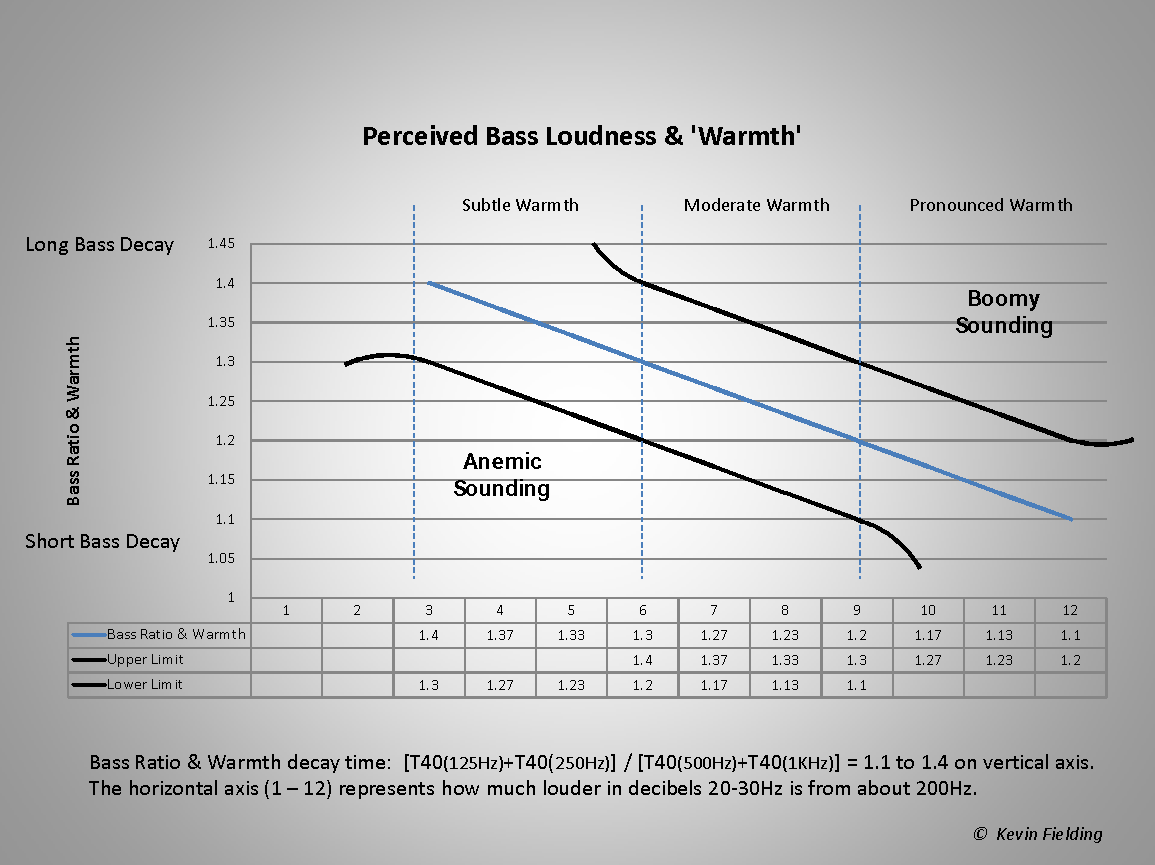
In attempts to quantify perceived bass warmth, I borrowed the “Bass Ratio & Warmth” metric found in F. Alton Everest’s book “Master Handbook of Acoustics” used for large spaces like auditoriums and concert halls. It uses 2 bass octaves (centered at 125Hz and 250Hz) and compares it to the 2 midrange octaves above them (centered at 500hz and 1KHz). Because it’s based on a ratio, it should work for smaller domestic rooms also I recon. While large spaces use the RT60 metric for decay time, I prefer the T40 for domestic rooms. It’s calculated as: Bass Ratio & Warmth = [T40(125hz)+T40(250Hz)] / [T40(500hz)+T40(1khz)] = should be from 1.1 – 1.4
This means that the 2 bass octaves used in the formula have decay times 10% – 40% longer than the 2 midrange octaves (i.e. a 1.4 value is warmer than 1.1).
At one point I managed to get my bass ratio down to 1.2 which sounded a tad thin based on what I was used to hearing previously. To compensate, I boosted the sub’s volume a bit. Today’s ratio is 1.3 which sounds better to my ears likely because it is closer to how I’ve always had it but I no longer boost the sub’s volume. I might experiment with shifting the entire equation down one octave as I suspect my music with synthesized bass lines run deeper than an orchestra, so the calculation would be: Bass Ratio & Warmth = [T40(63hz)+T40(125Hz)] / [T40(250hz)+T40(500Hz)] = maybe 1.2 – 1.5?
If bass warmth is affected by relative loudness and decay times, then how do we combine them into a workable ‘model?’ One way is to recognize that I can get bass warmth under two opposing situations: (A) short bass decay times but louder bass frequencies, and (B) longer bass decay times but with attenuated bass frequencies.
The downside of (A) Short Bass Decay Time with Louder Bass Frequencies > thin sounding as if harmonics are missing > lacks a certain fullness > possible listening fatigue from having the bass volume turned higher
The downside of (B) Long Bass Decay Time with Attenuated Bass Frequencies > muddy or boomy sound where individual bass notes are not defined resulting in reduced clarity > less clear midrange > bass modes may be triggered for an unsmooth frequency response
And in between these two opposing situations is a continuum of possible situations that I attempt to show in Chart 1 below.
Tips
For starters, the subwoofers need to be perfectly time aligned with the main speakers as a minimum. Use measurement software and impulse responses or get equipment like miniDSP or with DIRAC or ARC capabilities. or Audiolense to generate FIR convolution files. If you only have analog sources then pull the subs ahead of the mains due to the sub’s group delay until they sound lockstep with the mains.
EQ bass peaks using FIR filters ideally or use DSP within JRiver/ROON or miniDSP, or graphic eqs as a last resort. Measurements are a must.
Install both types of bass traps to augment each other and extend the absorption down to 40Hz or lower. I’ve found that open concept rooms will naturally have lower high frequency decay times so you’ll likely need more bass traps to try and bring the bass decay times down and in line with the mids/highs compared to an enclosed room.
Take decay measurements as you move bass traps from one location scenario to another – it’s tedious work. Try and achieve different Bass Ratios to hear how different they sound and take notes so you can revisit your best sounding scenario. You want to strive for as flat a decay line through mids/highs with the bass about doubling the mids’ decay time. Aim for 200 – 500ms decay time with the high end for stereo and the low end for Home Theatre. Each speaker should have about the same decay times across the tested frequencies (i.e. little inter-speaker decay variance).
Try and preserve your mids/high decay times through reflections of hard surfaces like diffusion, or bass traps that have a membrane of sorts that reduce its absorbency of mid/high frequencies (e.g. GIK Monster with FlexRange). Air acts as a natural absorber from +2KHz, and so does an open concept room that doesn’t allow the highs to reflect back with much energy.
Experiment with different Target Curves that boost low bass frequency loudness.
Want Less Bass Boom/Warmth?
If you want less bass warmth then: (i) move the starting point of the bass loudness boost from 250Hz to 150Hz or 100Hz (ii) use a less steep target curve to reduce the amount of boost at the lowest frequencies (iii) move speakers away from walls that reinforce bass (iv) add bass traps to reduce decay times and modal ringing (v) move your listening chair (vi) EQ out bass peaks.
When assessing the perceived warmth of bass, consider frequency response loudness levels across bass and midrange frequencies and their decay times.
Chart 1 above shows how bass loudness and bass decay times can be combined to provide good bass quality from subtle to pronounced warmth. For the Silo, Kevin Fielding.
Kevin Fielding offers acoustic measurements services and serves the greater Toronto area in person and will consult remotely with people farther away. He is reachable at kevinfielding@hotmail.com
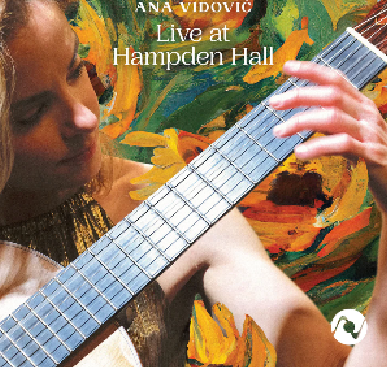
Guitarist Ana Vidović Performs a Spellbinding Selection of Classical Works On Live at Hampden Hall— Renowned classical guitarist Vidović offers a program of J.S. Bach, Barrios, Scarlatti, Sor and more in an intimate Pure DSD 256 live recording–
Boulder, Colorado, September, 2023 – Octave Records is honored to present internationally-acclaimed classical guitarist Ana Vidović on its latest release, Ana Vidović Live at Hampden Hall. Recorded with impeccable clarity using Octave’s Pure DSD 256 process, the album features Vidović in an intimate live setting performing a two-disc set of works by J.S. Bach, Barrios, Scarlatti, Sor and other composers.
Ana Vidović has been hailed as one of the world’s finest classical guitarists. She began playing at age eight and became the youngest student to attend the Academy of Music in Zagreb, Croatia. She has appeared at recitals, concerts and festivals worldwide and won numerous international awards including the Fernando Sor Competition in Italy, the Francisco Tarrega Competition in Spain, the Eurovision Competition for Young Artists, and many others. She is a graduate of the Peabody Institute.
Vidović plays with a beautifully expressive, rich tone, where notes seem to bloom out of her instrument, an Australian Jim Redgate guitar. Vidović said, “Guitar is a very interesting instrument with such a wide range of colors and dynamics. I really try to explore that.”
Ana Vidović Live at Hampden Hall presented her with the opportunity to fulfill a lifelong dream. “My wish has always been to do a live recording. And finally, I had a chance to do that, so I’m very happy.” Recorded at Hampden Hall in Englewood, Colorado, all the nuance and expression of her playing were captured using Neumann U67 large-condenser main and close mics, along with a stereo Telefunken mic at a distance for hall ambience. The album was recorded using Octave’s Pure DSD 256 process to convey the highest level of clarity, depth, spaciousness and musical realism.
The double album, available on disc or in two volumes via download, was recorded, mixed and produced by Paul McGowan, with assistance from Jessica Carson and Terri McGowan. It was mastered by Gus Skinas. Ana Vidović Live at Hampden Hall features Octave’s premium gold disc formulation, and the discs are playable on any SACD, CD, DVD, or Blu-ray player. They also have a high-resolution DSD layer that is accessible by using any SACD player or a PS Audio SACD transport. In addition, the master DSD and PCM files are available for purchase and download, including DSD 256, DSD 128, DSD 64, and DSDDirect Mastered 352.8 kHz/24-bit, 176.2 kHz/24-bit, 88.2 kHz/24-bit, and 44.1 kHz/24-bit PCM. (SRP: two disc-set, $58usd / 78$cad ; each volume via download, $19 – $39usd / 26$- $53cad depending on format.)
The album begins with a masterwork – a guitar transcription of J.S. Bach’s Cello Suite No. 1 in G Major. Vidović performs this extremely challenging piece with a spellbinding depth of feeling. Other selections include Bach’s Violin Sonata No. 1, the Gran Sonata Eroica, Op. 150 and Grande Ouverture Op. 61 by Mauro Giuliani, Intro and Variations on a Theme by Mozart, Op. 9 by Fernando Sor, and Augustin Barrios’ magnificent La Catedral, all performed with Vidović’s remarkable virtuosity and connection with the music. She noted, “My goal is to present each piece in a unique way, to try to find things that always have the guitar in mind and what the instrument can do.” For the Silo, Frank Doris.
I bet you did not know these facts from our friends at toptenrealestatedeals.com : British singer-pianist-composer Elton John is the most successful solo artist in the history of the Billboard charts, with more than 50 number-one hits, seven number-one albums, and over 300 million in record sales.
He has received two Oscars, a Tony, a star on the Hollywood Walk of Fame, induction into the Rock and Roll Hall of Fame, and a knighthood from Queen Elizabeth II. The revered artist has recently completed his final tour, Farewell Yellow Brick Road, which became the highest-grossing concert series of all time.
Now moving permanently to his Windsor, England estate, he is offering the Atlanta condo that has been his US base for thirty years for sale at $4,995,000 usd / $6,744,249 cad.
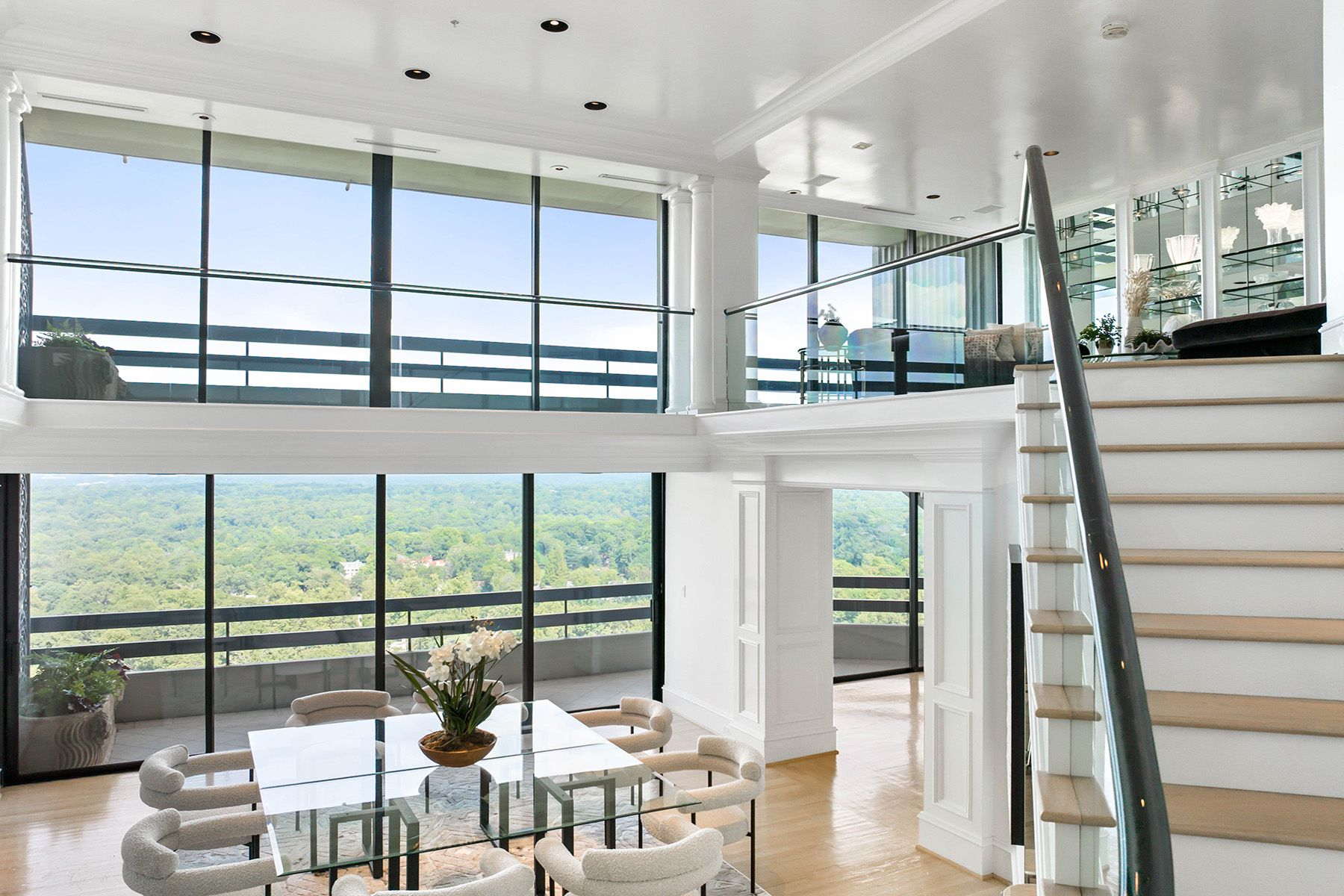
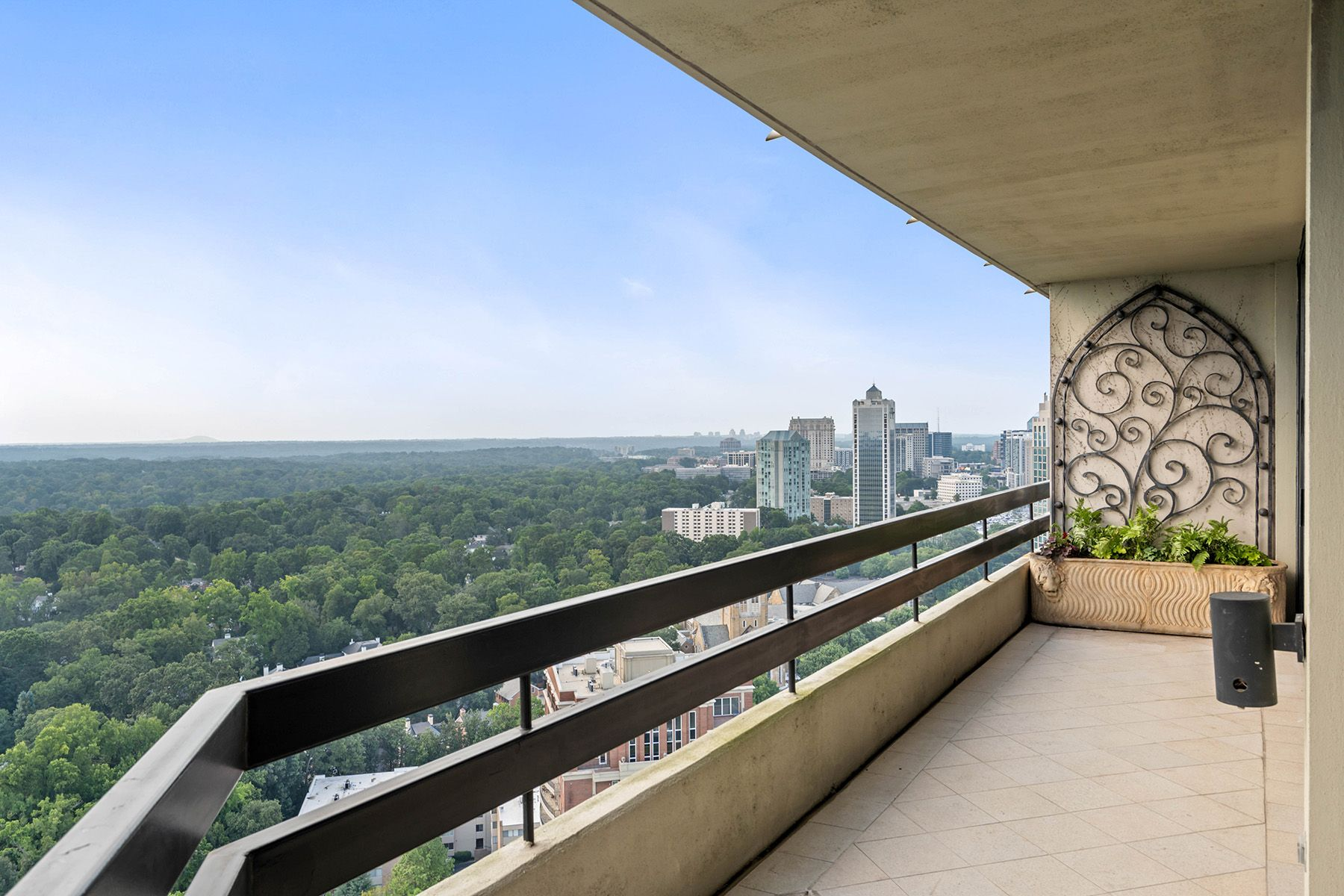
John originally purchased a duplex on the 36th floor of the luxurious Park Place high-rise tower in Atlanta’s Buckhead neighborhood for $925,000 usd/ $1,248,935 cad, then added five neighboring units over the years to construct his 13,300 square-foot, four-bed, seven-bath residence spanning two floors.
The meticulously designed home features stunning wood walls, floor-to-ceiling windows, and 360 degrees of city skyline and western canopy views.
A few years back, I posted the “I Found a… Pipe” blogpost – an attempt to initiate a series of found object accounts; exploring the dynamics of curiosity, the chance encounters, the chains of association, the pratfalls and prat-uplifts that may accompany such discoveries.
One of the persistent themes is the idea that electronic-equivalents of sound-making processes can be found for free in the physical world – an ideal driven by poverty and its resultant anti-capitalism, and accompanying skepticism towards commercial electronic hardware flavours-of-the-months. Whereas the “pipe of 2018” had limited sound-making value, this new blogpost examines the musical scales obtainable from multi-holed hollow flints, found during pandemic walkabouts.
I’ve been traipsing around fields.
The flint-rich geology of the locale boasts rocks with hollow cavities – channels left by decayed ancient sea sponges. These hollow flints are difficult to spot, as their holes are usually clogged with mud. After some cleaning with water and bell-wire, the cavities can be cleared, creating almost ocarina-like ‘instruments’. So far, a number of different flints have been found with interlinked channels, each offering unique microtonal musical scales.
These stones, each with their own in-built set of pitches formed 500 million years ago, are good grist for the arbitrary tuning mill.
Why is arbitrary tuning important? I consider it a topic all-too-frequently dismissed. For those who enjoy the divergent aspects of differently-tuned music, or wish to escape the ubiquity of the equal tempered musical scale, it may be surprising that microtonal/xenharmonic music offers very little refuge – it is here that just intonation and “pure” harmonic mathematical dogmatism supplants one tyranny with another. I exaggerate here a bit, but it’s fair to say that random/arbitrary musical scales are generally viewed as unsophisticated in microtonal music circles.
https://twitter.com/i/status/1273936272562753536
A few years ago I tried to establish a historical basis for ‘intuitively selected tuning systems’ in my Radionics Radio project (on Sub Rosa records), but drawing upon a fringe science – no matter how artistically groundbreaking those acoustic-radionic activities were in the late 1940s – didn’t convince many (radionics involves ‘psychically’ selecting frequencies that correspond to thoughts).
Random tunings offer complete freedom, and reveal the idiosyncrasies of the instruments used, as well as the identities of soundmakers. I would go as far to politicise it: arbitrary tuning is perhaps the ultimate musical ‘decolonisation’ whilst also being a practical and philosophical ideal for microtonal music’s LGBTQ+ lineage that embraces such varied personalities as Kathleen Schlesinger, Elsie Hamilton, to Harry Partch and Wendy Carlos – a lineage rarely-discussed, but deeply rooted, I believe, in the opposition to the norms of western equal temperament (and the contra-norms of just intonation and equal divisions of the octave).
The hollow flint… containing a scale.
Hollow flints found in fields speak of the primacy of arbitrary tunings: random, fully individuated tunings literally set in stone.
My favourite is a handheld flint with five channels. Unlike the specially-lipped ocarina, hollow flints cannot produce pure tones when blown into, unless a sharp ‘labium tip’ is expertly chiselled into it somehow (a feature of all fipple flutes). This isn’t necessarily a problem – for instance, sound artist Akio Suzuki has been playing upon unrefined natural stones for decades, eliciting exploratory pitched noise: half-tonal, half-percussive, and sensitively done. Covering the holes on the flint while blowing does produce vague pitches, but too broad to measure precisely.
Kathleen Schlesinger, in her 1939 deep-study of ancient greek auloi (reeded wind instruments dug up from historical sites) and their possible scales remarked that “it is impossible to determine the pitch, scale, or modality of any pipe that lacks a mouthpiece which will play it”.
These rocks are not instruments, and it is indeed tricky treating them as such: even if a fipple mouthpiece (from a wind recorder, for instance) is introduced to the rock (which I did), the pitch of the notes varies due to its player’s breath pressure: the more open holes there are, the more breath pressure is required to produce a tone – and the natural reflex action is to supply more breath pressure, an action so unconscious that it almost feels as if the rock becomes an extension of the body. Try it yourself.
It is possible to connect a small lapel microphone to a loudspeaker amplifier, and place the microphone inside the flint to hear feedback. The feedback pitch is relative to the cavity, and alters according to the fingering of the cavities. I did a brief experiment with this on camera, and posted it to Facebook to advertise the episode of Wavelength on Resonance FM where I describe these experiments.
On the internet, there’s always either a miserable don’t-know-who, or a know-it-all nonsenseclown poised to blurt.
If they’re remotely connected to creative doings, it tends to spur on the mission to legitimise arbitrary scales. On this occasion, one such character (I can’t discern which) emerged from the woodwork to advertise their obliviousness to these experiments’ contexts: “eh, this is like sticking a piezo transducer in anything. Ok; weird, somewhat regulated noise. ‘Man farting in field’ has been Lucier’d to death.”
Maybe this person is rightfully irate to some extent: the volume required to obtain the pitches of the flint cavity is horrendous on the ear. To record it, one rainy afternoon I walked to the field where the flint originated, specifically to avoid remonstrations. Alvin Lucier used compressors to limit the volume of his object-based feedback. This feedback technique actually pre-dates Lucier’s work by eight decades – the feedback flute was proposed by Alfred Graham, patented in 1894 – a failed history I’ve excavated and written about in ‘Magnetic Music…‘ and ‘Failed Histories of Electronic Music‘, and recreated as a working model. Graham recognised the many variables affecting the flute’s pitch, such as battery power, the shape and construct of the loudspeaker and microphone, and their relative positions.
Nevertheless, the feedback flint, if held stable enough, is a fairly accurate approximation of the pitch intervals obtainable. By comparing the feedback-generated intervals with the intervals obtained with an attached fipple, and also with the vague windy tones created when blowing, mean averages can be obtained.
Alfred Graham’s feedback flute, 1894.
With the lowest note registering as 669Hz, the ratios are calculable as 1/1, 737/669, 775/669, 263/223, 269/223 and 828/669 (giving an ascending 167.590, 254.628, 285.622, 324.674, 369.149 in cents).
What can be done with these notes?
Well, the scale of this handheld flint encompasses less than four semitones (3.69, to be exact), which is a restrictive set of notes, but frequent exposure to the notes acclimatises the ear to soundmaking/melodic possibilities. This is something noted by the composer Susan Alexjander who derived scales from DNA bases. DNA bases’ tunings might as well be arbitrary, such is the inharmonic chaos – they seemed “so strange and alien that one at first despairs of ever creating a beautiful work of art, or making any coherent ‘sense’ out of them”, according to Alexjander. By constant exposure to the new scales “played over and over on the synthesiser, some arrestingly beautiful combinations began to appear”… so when dealing with such disorientating scales, perseverance is key! For the Silo, Dan Wilsen.
More can be heard on Wavelength, broadcast on Resonance 104.4FM on 19th June 2020. “A programme of multiple agendas presented by William English. This week: a tape sync with Oscillatorial Binnage member Daniel Wilson who, prevented from bin-diving during the Covid-19 epidemic, instead turns to “ground-diving” to dig out unusual stones from the earth. The potential for producing ‘rock music’ is showcased after a lengthy preliminary chat with William on the current state of the second-hand book trade.”
Attract attention to your feet with these two new VENUS additions to the 2568’s collection.
Are you a shoe junky? If you are, you might take a special interest in 2568’s men’s and women’s new footwear line.
These shoes are comfortable classics with a twist: moccasins, loafers and boots, ballet and pointy flats, in unexpected materials and pattern featuring distinctive fabrics and leathers. Unique details also include colorful laces and decorative tassel bows. 2568 Shoes http://2568shoes.com are inspired by Guatemalan creativity found in garments, handbags and small leather goods.
Fun,bold and funky colour patterns. The Venus line from 2568 Shoes.
The Venus loafers and Vanessa flats come in five different patterns with colors ranging from dark blues and blacks to reds and oranges. The colorful fabrics can make any outfit and can easily transition throughout the seasons.
The Vanessa line from 2568
Sizes range from 8.5 to 12. Price points range from $79 [USD] and up, and for every shoe purchase, 2568 will send a free Guatemalan friendship bracelet. About the owners: Lorenzo Castellon is the Manufacturing/Business Manager and Jamie Lawenda is the Creative Director. The couple met on a job interview and thirty years later are married, have a child and own a sourcing and shoe Design Company.
Another Vanessa example
At first they created shoes and boots for other brands, including Sendra, a Goodyear welted high-end line of leather boots made in Spain. The couple continues to design and sell Sendra in the US.
The SAMOSA boot has a decidely Guatemalan influence. #goodlooking #boot
Cross-border shopper alert! The Venus loafers and Vanessa flats can be purchased at PiperLime, ThomShoes, ShoeInn and FreePeople. The Newman is available in four other colors: patent leather black and red, silver snakeskin embossed leather, and white leather.
What does it take to make $1 Million Dollars at a business in just six months? Devotion. However, according to one expert, devotion and commitment are two totally different things.
Makhosi Nejeser, known as “The Royal Shaman”, is an authentic African shaman specializing in energetic alignment and human potential. She helps individuals create powerful transformations amplifying success and mentors high performing entrepreneurs. Makhosi is being recognized as a Spiritual Guide For Business Empires. Asked about devotion versus commitment she said:
“You have to be all in. Devotion is that. It’s the same thing that generates $1M in revenue.
Right now, as a society we suck at this.
Devotion is a different energy. When you’re devoted to something you’re approaching it with your whole heart. Commitment is about what you can get out of a situation. Devotion is about what you can give. Commitment equals responsibility while devotion is love.
It’s the ones that are devoted to their message and vision that really win big.”
With years of experience in mental & spiritual wellness, Makhosi can give valuable insight on:
Her journey from making $8/hour to generating $1M in revenue over just 6 months
Becoming your best by taking aligned action and implementing incremental change
Turning obstacles into opportunities and portals of evolution that improve yourself
How using integration can bring fulfillment, freedom, and mastery to your life
Understanding the energetic blueprint to reach your greatest human potential
Rewiring C-Suite executives and guiding their teams to maximize themselves
Referred to as “The Get Sh*t Done Shaman” by Refinery29, profiled in Business Insider, and featured for her expertise inPOPSUGAR, Entrepreneur, Authority, Thrive Global, Nicki Swift, and on LA news station KTLA 5,Makhosi can provide incredible insight.
Backyard Movie Night was a 3D triple bill. First was ROBOT MONSTER (1953). Having never seen this, I only know its infamous reputation as one of the Worst Films Ever Made. After watching the 3D Blu-ray, I can say that it is like most films given that title: Not even close to the worst.
Like most films given that distinction, this one is just too much of its own weird thing. I certainly wouldn’t call it “good”, but I was glued to the screen nonetheless. It’s almost like outsider art, the way it presents a guy in a gorilla suit and a diver’s helmet and tells us “This guy right here? He’s an alien who managed to destroy all life on Earth. He’s that good.”
(It’s more impressive than the Psychlos defeating all of Earth’s militaries in nine minutes.)
Turns out there are eight people left, so maybe he’s not *that* good. And so in between hanging out in his cave — communicating to his superior on what appears to be a mirror on top of a chest of drawers, working with machines that make bubbles for some reason — “Ro-man” stalks the “hu-mans”.
Ro-man tells the humans that if they give up, he will give them a painless death. Otherwise, they’re gonna take the scenic route to Oblivion.
There are some surprisingly dark moments in this goofy movie, like when the father of the group casually mentions that the gun he’s carrying is not for defense purposes, it’s for taking him and his loved ones out a la THE MIST when the time comes.
Believe it or not, I found it kind of effective, specifically the doom-laden atmosphere of the whole thing. Whenever our hu-mans are looking to come out on top of things, here comes another transmission from Ro-man, pointing at them not unlike those shitty Grim Reaper tattoos that say “YOUR NEXT!” (sic) on them, telling them how their plans won’t work, with Elmer Bernstein’s portentous score of Death blaring over it.
Director Phil Tucker attempted suicide after this movie, and yeah, that tracks, because it’s one of those movies where you can catch traces of the director’s sickness here and there, in between the bad acting and ridiculous scenarios.
The 3D was pretty snazzy; in addition to the bubbles, there’s a nice effect where separate images on the left and right eye overlap.
Anyway, had there been any angora or crossdressing, you’d have the best Ed Wood film that Ed Wood never made.
Next was AMITYVILLE 3-D (1983), with Tony Roberts as a recently-divorced journalist who gets a great deal on a house, on account of that house being the site of a murder-suicide. Soon, the house starts pulling its haunted shenanigans, before upgrading to putting some serious hurt on Roberts and those around him.
Not particularly scary (or good), but I think there’s enjoyment to be had if seen as a 1950s drive-in scare flick updated to the 80s. In an alternate universe, MST3K would’ve covered this during the Joel era, except it would’ve been one of those Film Ventures International pick-ups with opening/closing credits made on a public access-quality character generator, with an alternate title like “Demon in the House” or something.
The 3D added to the fun, with director Richard Fleischer and d.o.p. Fred Schuler showing no shame in shoving objects directly at the audience.
It doesn’t help that Roberts is such a dunce, I get that he has no time for superstitions, but it gets ridiculous. I found myself liking everybody else over him, especially Tess Harper as Roberts’ ex-wife; she gives the best (and most sympathetic) performance. Candy Clark plays Roberts’ partner who spends the entire movie horrified that something really bad is going to happen to her, and then it does; that’s one of my favorite horror tropes, btw, the scaredy-cat/walking self-fulfilling prophecy.
Also, Lori Loughlin and Meg Ryan show up, and while I’m not a big fan of how girls generally looked in the 80s, I gotta say they looked really nice here. (I hope that reads as pervy-uncle as I intended it.)
Last was GOODBYE TO LANGUAGE (2014), in which Jean-Luc Godard presents two couples going through the same thing; buying books, philosophizing, watching DVDs, philosophizing, driving around, showering, philosophizing, walking around naked, philosophizing, taking watery shits in front of each other, philosophizing, and so on and so forth.
Also, there are occasional cutaways to a dog, who is awesome by virtue of the fact that he’s a dog. The narrator and characters all remark at one point or another how animals are better at taking in the world, because they don’t complicate with the kind of bullshit hu-mans are wont to do.
The film is right. Animals rule, hu-mans drool.
I fear I might have made this sound simpler than it plays out. This is Godard, after all, a filmmaker who in his younger years was known for fucking around and breaking rules in with a form of storytelling that he thought was already getting old. If he was bored then, then it shouldn’t surprise you how bored he must’ve been by the time he made this film, in his 80s.
It’s not enough for him to shoot this in 3D, he has to jack around with the format in any way possible. One can imagine Godard feeling like a kid again, doing things with 3D that either you’re not supposed to do, or never thought to do.
He messes with the perspectives, the lighting, the angles. At one point, Godard (and cinematographer Fabrice Aragno) make this odd move of keeping the left lens on a man sitting down on a bench, while moving the right lens away from him as it follows a woman going to talk to another man a couple yards away. I’d close my left eye to see the woman, and then if I closed my right eye, I’d only see the man.
I’m not sure what kind of use could come out of such a technique, but I’m glad Godard actually bothered to do it, because I’m sure it’s the kind of thing a camera nerd will shame you for even entertaining the thought of pulling off. And so I’d like to imagine those very same camera nerds pulling what’s left of the hair on their know-it-all No You Can’t Do That heads.
I feel less enthused about his wild sound mix, which randomly cues tracks from DJs like Beethoven and Tchaikovsky (they make their own beats!), only to just as randomly cut them off. The sound is also all over the place, sometimes playing from the left speaker before moving to the right, and the volume alternates between too low and too loud.
I’m not going to pretend I understood all of it, and I’m not even sure I was supposed to understand *any* of it. It’s very much Godard expressing himself, and he probably couldn’t give a good god damn if you could make heads, tails, or snails from it.
And I’ll be honest, some of it left me thinking that if this had been made by some rando, instead of one of the legends behind the French New Wave, it’d probably end up being covered on some annoying OMG How Did Dis Bad Movie Get Made WTF?!? channel on YouTube, rather than gather awards and accolades by the cine-literati.
But it sure is *something*, and whatever that something is, I felt a feeling throughout that I can’t classify as Negative. Some of it was even pretty funny — intentionally so, even! For The Silo, E.F. Contentmenthttps://www.facebook.com/efcontentment.
As many dedicated foodies will know, hunting for the most incredible food spots when traveling requires a savvy approach. There are plenty of bustling food markets, charming eateries, and hidden culinary gems around the world to explore – but where are the best cities to be a foodie?
To find out, our friends at Spin Genie looked at various factors, such as the average cost of visiting a restaurant in different parts of the world, the cities with the most restaurants, and the most Instagrammable food spots.
Whether you’re looking to try out sizzling street food in Bangkok or seeking the ultimate Michelin-star experience in Paris, we’ll reveal the ultimate travel guide for food lovers and unique spots to indulge in flavourful cuisines from across the globe.
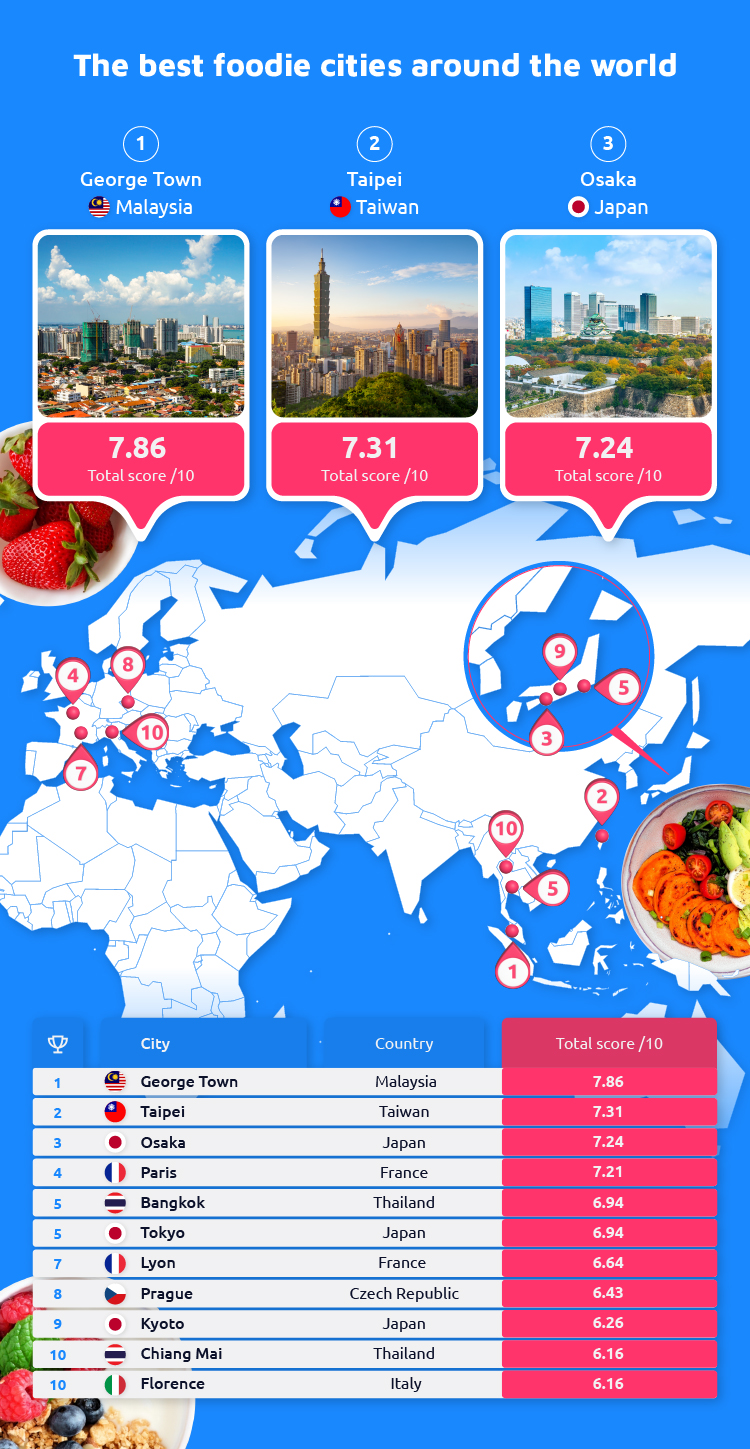
The Best Foodie Cities Around the World
1. George Town, Malaysia – 7.86/10
George Town takes the crown as the best foodie city, scoring 7.86 out of 10. The colourful, multicultural capital is surrounded by stunning colonial streets and is described as a center for vibrant culture, street art, and the country’s best street food.
Also in the top place for its wide range of affordable food spots, George Town has plenty to offer food lovers, from Michelin-starred feasts to street eats. Teksen Restaurant is a top choice, serving delicious dishes since 1965. The well-known Chinese restaurant among its locals has won the hearts of serious foodies with its traditional Cantonese cuisine infused with a local twist.
2. Taipei, Taiwan – 7.31/10
Taipei follows closely behind, scoring 7.31 out of 10. The food capital of Taiwan offers an array of things to experience and explore, from the island’s fascinating temple culture and architecture to its indulgent food at affordable prices.
Some of the best food spots for quality, flavourful dishes and good service in the capital include Din Tai Fung, which has been serving traditional Chinese dishes since its opening
in the 1980s. Another top-rated restaurant is Raw, a French-style restaurant with vibrant cuisine infused with Taiwanese flavours.
3. Osaka, Japan – 7.24/10
Described as the economic powerhouse of the Kansai Region, Osaka is a large port city known for its modern architecture, vibrant nightlife, and hearty street food. If you’re looking for some of the best food spots in Japan, Osaka has plenty to offer.
Osaka Cuisine Asai is a Michelin-star restaurant that serves various course meals made with fresh, seasonal ingredients daily. With such a vibrant food scene, it’s no wonder the popular city completes the top three, scoring 7.24 out of 10.
The Most Affordable Foodie Cities for a Quick Bite
1. Chiang Mai, Thailand
Average cost at a cheap restaurant: C$1.98
Chiang Mai grabs first place as the foodie city with the most affordable meals at a cheap restaurant. On average, meals are incredibly inexpensive, costing just C$1.98. Some of the best cheap eats in Chiang Mai include The Breakfast Club, a bakery restaurant at the heart of Chiang Mai, and Tong Tem Toh, a popular restaurant specializing in Northern Thai cuisine.
The Most Expensive Foodie Cities for a Quick Bite
1. London, England
Average cost at a cheap restaurant: C$34.70
London tops the list when it comes to the foodie city you’ll most likely pay more for, even while dining at a cheap restaurant. The capital city harbours some of the world’s best hotels, bars, and restaurants, but sometimes at a hefty price.
With over 300 Michelin-star restaurants in the city alone, it’s no surprise London has a wide range of food hot spots that tend to be more expensive. In fact, on average, you can expect to spend C$34.70 for a meal.
Foodie Cities with the Most Affordable Mid-range Restaurants
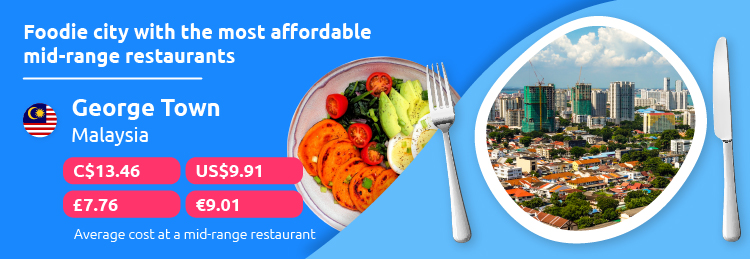
1. George Town, Malaysia
Average cost at a mid-range restaurant: C$13.46
George Town tops the list for having some of the most affordable meals at a mid-range restaurant. On average, a meal for two costs as little as C$13.46, much lower than in many other major foodie cities.
One of the most popular areas for street food is New Lane; here, you can find stalls selling everything from BBQ chicken wings to rice noodle rolls at highly affordable prices.
Foodie Cities with the Most Expensive Mid-range Restaurants
1. Copenhagen, Denmark
Average cost at a mid-range restaurant: C$160.21
Described as a classy city with many small independent galleries and cafés, Copenhagen offers diverse worldwide cuisines, from Taiwanese to Ethiopian food spots. There are also around 68 Michelin-starred fine dining restaurants within the city.
It comes as no surprise that the city is the most expensive for a meal. As a matter of fact, it costs as much as C$160.21 for a three-course dinner for two. If you’re seeking a Michelin-star experience for a moderate price, Selma is a great restaurant to experience traditional Danish lunch.
The Foodie Cities with the Most Cheap Restaurants
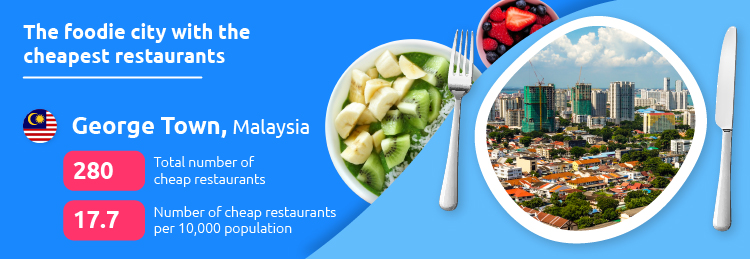
1. George Town, Malaysia
Total number of cheap restaurants: 280
Number of cheap restaurants per 10,000 population: 17.7
With many favourites, such as Siam Road Charcoal Char Kuey Teow, New Lane Street Food stalls, and the Tai Tong Restaurant, it is no surprise that George Town grabs first place as the city with the most affordable joints. There are just under 300 cheap eats to discover in George Town, with roughly 17.7 cheap restaurants per 10,000 population.
The Foodie City with the Most Mid-range Restaurants
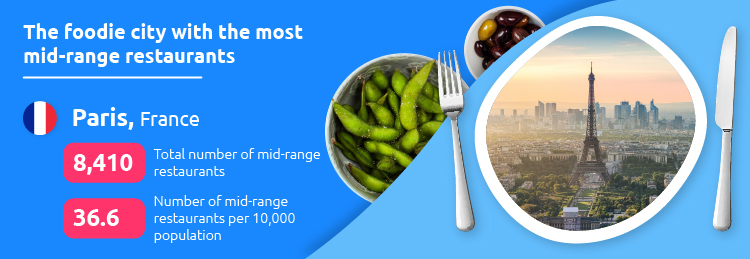
1. Paris, France
Total number of mid-range restaurants: 8,410
Number of mid-range restaurants per 10,000 population: 36.6
The capital of France and a major European city, Paris, is one of the global centers for art, fashion, culture, and, of course, food. Known for its cafe culture, there are plenty of opportunities to grab a bite.
Le Truffaut, Maison, and Le Cadoret, which serve classic French food, are just some of the hottest restaurants in Paris right now.
The Foodie City with the Most Fine-dining Restaurants
1. Paris, France
Total number of fine dining restaurants: 709
Number of fine dining restaurants per 10,000 population: 3.1
Once again, Paris tops the list for the foodie city with the most fine-dining restaurants. The city has, on average, 3.1 fine-dining restaurants per 10,000 of the population. From Odette to Atelier Maître Albert, the city has an impressive 709 fine-dining restaurants in total. This comes as no surprise as the famous capital is home to some of the most renowned restaurants in the world.
The Most Instagrammed Foodie Hotspots
1. Melbourne, Australia
Instagram hashtags: #Melbournefoodie
Number of Instagram hashtags: 2.8 Million
Melbourne takes the crown for the most Instagrammed food spot with a whopping 2.8 million posts for the hashtag #Melbournefoodie. Some of the most Instagrammable dining experiences include Sebastian, a restaurant reminiscent of the sunny shores of San Sebastian; The Kettle Black, a café featured in Vogue Living; and Higher Ground, a one-of-a-kind location with three levels of dining space and 15-meter high ceilings.
Highest-earning Influential Foodies
1. Gordon Ramsay
Potential earnings: C$64,965 (£37,740)
When it comes to the highest-earning foodie influencer in the world, it comes as no surprise that the British celebrity chef Gordon Ramsay tops the list with an impressive potential earnings figure of C$64,965 (£37,740) per sponsored post on Instagram.
During his career, the multi-Michelin-starred chef has opened a string of successful restaurants worldwide, including the UK, France and Singapore. Also a star on the small screen, Gordon Ramsey has been featured in shows such as MasterChef US, Kitchen Nightmares, Hell’s Kitchen, and Hotel Hell.
Thriving as one of the most famous restaurateurs today, the MasterChef has some top-tier restaurants for foodies to visit, such as the Restaurant Gordon Ramsay located on Royal Hospital Road in Chelsea, London. Holding three Michelin stars, foodies can expect nothing but the finest seasonal ingredients for the most elegant modern French cuisines.
The Best Foodie Cities in the US and Canada
1. Savannah, Georgia – 7.86/10
Savannah tops the list as the best foodie city, scoring 7.86 out of 10, known for its beautiful coastal landscapes, charming architecture, and its rich, vibrant history. The city’s food scene is just as impressive. From plentiful coastal cuisines to flavours from around the world – Savannah knows how to serve a good time and a good meal.
A top foodie destination in Savannah for locals, tourists, and celebrities alike is the Olympia Cafe. After more than three decades in business, the dining establishment thrives, serving up a storm with its much-loved traditional Greek and Mediterranean menu.
2. Las Vegas, Nevada – 7.78/10
In second place is Nevada’s finest – Las Vegas, with a score of 7.78 out of 10. The food scene in Las Vegas has grown to become a so-called “Gourmet Rooms” galore hailed by celebrities.
From Bardot Brasserie to Wing Lei, the first Chinese restaurant in the United States to be awarded a Michelin star, the city has every genre of food imaginable, all at various price points.
3. Atlanta, Georgia – 7.26/10
Ranking in third place is Atlanta, scoring 7.26 out of 10. From century-old diners to award-winning eateries, Atlanta offers some of the best dining experiences in the country and is described as one of the nation’s best food cities. The city caters to all tastes and palates, whether you prefer classic southern cuisines or top-tier modern dishes.
Bacchanalia is one of the top-rated restaurants in the city, offering guests a complete dining experience. You will not be disappointed if you opt for their signature dishes or divine four-course tasting menu.
Foodie Cities in the US and Canada with the Most Affordable Quick Bites
1. Savannah, Georgia
Average cost of a meal at a cheap restaurant: C$16.26 (US$12.00)
When it comes to foodie cities with the most affordable meal at a cheap restaurant, Savannah grabs first place with an average of C$16.26 (US$12.00) for a decent plate of food.
If you’re looking for a new dinner spot to try out, Savannah has an array of places to add to your list, including southern favourites such as The Olde Pink House. Whether you’re in search of classic southern cuisines such as shrimp, grits, and buttery biscuits or a plant-based brunch, you won’t run out of options.
Foodie Cities in the US and Canada with the Most Expensive Quick Bites
1. Saint John, New Brunswick
Average cost of a meal at a cheap restaurant: C$35.41 (US$26.13)
Home to a variety of cafes and restaurants that offer an array of colourful cuisines, international dishes, and the ultimate Canadian comfort foods, Saint John tops the list as the foodie city with the most expensive meals at a cheap restaurant. On average, you can expect to pay C$35.41 (US$26.13).
Foodie Cities in the US and Canada with the Most Affordable Mid-range Restaurants
1. Winnipeg, Manitoba
Average cost of a meal at a mid-range restaurant: C$75.89 (US$56.00)
Winnipeg has many great food spots. In fact, a couple of the city’s restaurants are seen as some of Canada’s best eateries, with an average price of C$75.89 (US$56.00). If you’re looking for a trend-setting eatery in Winnipeg, Deer and Almond is the perfect blend of global and local flavours.
Foodie Cities in the US and Canada with the Most Expensive Mid-range Restaurants
1. Seattle, Washington
Average cost of a meal at a mid-range restaurant: C$162.63 (US$120.00)
Surrounded by the Olympic mountains and evergreen forests, Seattle is a hub for many attractions, entertainment, and food and drink spots. The beautiful food scene in the city offers visitors anything from local seafood to downtown gems.
Whether you want to try classic or unique cuisine, Seattle offers it all, from Pacific Northwest cuisine inspired by Filipino-American flavours to contemporary dishes bursting with rich seasonings. However, these delicious cuisines come with a hefty price tag. The average meal cost at a mid-range restaurant in Seattle is C$162.63 (US$120.00).
The Foodie Cities in the US and Canada with the Most Cheap Restaurants
1. Victoria, British Columbia
Number of mid-range per 10,000 population: 11.2
A great place for food lovers to explore and enjoy the local culinary scene is Victoria. The Canadian city has a host of hidden foodie gems and fine dining hotspots that will leave you spoilt for choice.
The city not only has a thriving culinary scene, but it is also the top destination with the highest number of cheap restaurants in both the US and Canada, with an estimated 11.2 affordable restaurants per 10,000 population.
Foodie Cities in the US and Canada with the Most Mid-range Restaurants
1. Victoria, British Columbia
Number of mid-range per 10,000 population: 36.7
Also the top foodie city with the highest number of cheap restaurants, Victoria once again tops the list with the highest number of mid-range restaurants in both the US and Canada.
Whether it’s mouth-watering Chinese cuisine or Danish baked goodies, the city has enough colour and flavour to satisfy culinary cravings at any price point. As a result of its large, diverse range of eateries, Victoria has approximately 36.7 mid-range restaurants per 10,000 population.
The Foodie Cities with the Most Fine-dining Restaurants in the US and Canada
1. Las Vegas, Nevada
Number of fine dining per 10,000 population: 2.3
From Michelin-starred restaurants to world-class cuisine, Las Vegas offers a memorable dining experience. The city tops the list with an estimated 2.3 fine dining establishments per 10,000.
Whether it’s indulging in traditional French fare at Joël Robuchon or immersing yourself in the mouth-watering experience of Japanese delicacies at the world-famous Nobu in Caesars Palace, even the most demanding culinary appetite is guaranteed satisfaction.
The Most Instagrammed Foodie Hotspots in the US and Canada
1. New York City, New York
Instagram hashtags: #NYCfoodie
Number of Instagram posts: 2.1 Million
As a city bursting with character, it is no surprise that New York City takes the top spot for the most Instagrammable dining experiences. From floral-covered interior designs to chic modern rooftops, the Big Apple really does have something for everyone.
Filled with iconic landmarks, the popular city bagged over 2.1 million posts on Instagram using the hashtag #NYCfoodie.
Highest-earning Influential Foodies in the US and Canada
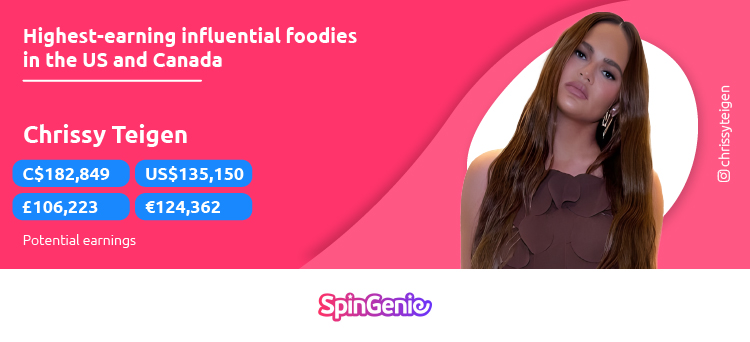
1. Chrissy Teigen
Potential earnings: C$182,849 (US$135,150)
With several best-selling cookbooks under her belt, the American model and TV personality Chrissy Teigen is crowned first place as the highest-earning foodie influencer on Instagram across the US and Canada.
The popular star has also been featured on several cooking channels, such as Cookies and Cocktails and Chrissy Teigen’s Hungry. She also launched her own cooking website back in 2019. Therefore it’s no wonder that the well-known star is estimated to make a whopping sum per sponsored post on the social media platform.
Some of Teigen’s favourite food spots include Giorgio Baldi, a popular restaurant on the Pacific Coast and Via Veneto, a lively Italian eatery in Santa Monica that combines organic and locally sourced ingredients with its creative cuisines.
Methodology
Using a list of articles such as Time Out and Luxury Columnist, we created a seed list of the top foodie cities around the world. With this list, we then used Numbeo to source the average cost of a cheap restaurant as well as the cost of a three-course meal for two people at a mid-range restaurant. Please note that each currency used was also taken from Numbeo. This data was collected on 01/08/2023.
Then, using Trip Advisor, we gathered data on the number of cheap, mid-range, and fine-dining restaurants by using the relevant filters on the site. The data collected was solely based on the number of restaurants from within each city, not including nearby areas. Data collection of this was completed on 21/08/2023.
To calculate per 10,000 population, we used City Population to search for each city’s population. We took the most current data available for each location and only considered cities with more than 50,000 population. This data was completed on 16/08/2023.
To find out which cities are the most Instagrammable, we used Instagram to search for various hashtags relating to each city e.g. #[CITY]foodie. This data collection was completed on 22/08/2023.
Using various articles from Google, our friends also compiled a list of the top foodie influencers, considering how many followers they have on the social media platform. We then calculated their highest estimated potential earnings per sponsored post by using the Instagram Influencer Sponsored Post Money Calculator. The data collection for this section was completed on 23/08/2023.
From Stranger Things dropping the first teaser for its final season to Sex Education Season 4, September is shaping up to be an exciting month for TV fans. New research has revealed the most popular TV series and Stranger Things tops the list. *costs are listed in USD
Our friends at Spin Genie have looked at a range of factors including the cost of the pilot episode, annual Google searches, number of Instagram posts and TikTok views as well as the IMDb rating of the world’s most popular TV series to determine the most successful series of all time.
The most Googled TV shows:
Rank
Show
Annual Google searches
1
Stranger Things
191.3 M
2
Game Of Thrones
69.2 M
3
The Walking Dead
54.1 M
4
Bridgerton
22.5 M
5
The Witcher
21.7 M
6
Westworld
17.1 M
7
The Mandalorian
15.7 M
8
Narcos
11.0 M
9
Orange Is the New Black
10.3 M
10
13 Reasons Why
10.2 M
The most searched for TV show is Stranger Things, with over 191 million annual searches. The show is also Instagram’s most popular TV show with over 15.5 million hashtagged posts on the app.
Taking the second spot is Game Of Thrones which receives nearly 70 million Google searches each year. The series was a worldwide success, with media attention lasting for eight years while the show was on air, drawing over 18.1 billion TikTok views and 13.8 million Instagram posts.
The Walking Dead takes the third spot with 54.1 million Google searches annually. The Walking Dead revolutionised the zombie apocalypse genre and captured the attention of millions of viewers across the world.
The research also revealed the top 10 most successful TV shows of all time:
Rank
Show
Pilot Budget
Google Searches
Instagram Posts
TikTok Views
IMBD Rating
Success Score
1
Game of Thrones
$10.0M
69.2M
13.8M
18.1B
9.2
9.64
2
Stranger Things
$6.0M
191.3M
15.5M
130.2M
8.7
8.10
3
The Mandalorian
$12.5M
15.7M
2.4M
4.6B
8.7
7.86
4
The Walking Dead
$3.4M
54.1M
7.9M
21.0B
8.1
7.50
5
Narcos
$2.5M
11.0M
722.3K
44.7M
8.8
6.43
6
Bridgerton
$7.0M
22.5M
737.0K
17.4B
7.4
6.19
6
Westworld
$25.0M
17.1M
410.0K
277.7M
8.5
6.19
8
The Witcher
$10.0M
21.7M
1.3M
3.3B
8.1
6.07
9
House of Cards
$5.0M
7.0M
454.4K
145.3M
8.7
5.84
10
The Crown
$13.0M
589.2K
571.3K
5.1B
8.6
5.83
Game of Thrones tops the listof the most successful TV shows, scoring 9.64 out of 10. The series is the highest-rated of any of the TV shows on the list, with an IMDB rating of 9.2 out of 10 and has also inspired 13.8 million Instagram posts, the second highest total of any shows.
In second place is Stranger Things with a score of 8.1. The popularity of this series has influenced the charts, with Kate Bush’s Running Up That Hill re-entering the charts after appearing on Stranger Things. The series has more Google searches and Instagram posts than any other show in this study, even though the pilot episode budget was just $6 million.
Rounding out the top three with a success score of 7.86 is The Mandalorian. The Disney+ exclusive’s third season stars Pedro Pascal, and the show’s pilot episode is reported to have cost $12.5 million. The series has 15.7 million annual Google searches, 2.4 million Instagram posts and an impressive 4.6 billion TikTok views.
Further findings:
Vinyl has the most expensive pilot episode of any of the TV shows profiled. Created by Mick Jagger and Martin Scorsese, the first episode cost a reported $30 million but failed to generate enough attention for a second season.
When it comes to TikTok, The Walking Dead tops the list as the most popular TV series totalling more than 21 billion views on the platform.
Narcos has the cheapest pilot debut of the series profiled, costing $2.5 million. Despite this, the show has gained a following of fans and has over 722,000 Instagram posts about it. Narcos also achieved a high rating of 8.9 on IMDB.
“This generation of Americans has a rendezvous with destiny.” President Franklin Delano Roosevelt, June 27, 1936
A Rendezvous with Destiny: 1930s American Art, the new online exhibition from Helicline Fine Art, has started and runs through November 5, 2023. The exhibition features a variety of artistic styles and subject matters from urban, industrial and rural to abstract, people working and scenes of everyday life. For New York City based artists, the City itself was glorified on canvas, paper and bronze. Several of the artists who thrived during that period are still well known today, but most are obscure.
The exhibition, of predominantly 1930s artworks, features that range. The Metropolitan Museum of Art’s new exhibition, “Art for the Millions: American Culture and Politics in the 1930s” celebrates the American spirit during the depression era and serves as the inspiration for Helicline Fine Art’s new exhibition.
After the stock market crash of 1929, Americans experienced a time of great transition at every level of society. After a terrible slump, the men and women of the country came together to rebuild the economy, their lives and their spirits. For the first time, our government paid artists to create. To this day, many Federal buildings – post offices, court houses, schools, hospitals, administrative buildings – still have the murals of WPA artists emblazoned on the walls and statues standing in courtyards. The work of these artists reflected that renewal.
The artists of that generation are being rediscovered in 2023 and for generations into the future, thanks to the Met’s new exhibition, and galleries that keep the modernist art flame burning. Helicline’s proprietors, Keith Sherman and Roy Goldberg, recall discovering the WPA period. “We had just moved into our first apartment, constructed in 1929, on the Upper West Side. In attempting to furnish our home we realized we had no sense of style or taste. We spent time in the Strand Book Store to see what homes looked like in the 20s and 30s,” said Goldberg. “We discovered Art Deco, the Machine Age, the WPA and more.
We spent time in museums, art fairs and something that has disappeared from the cultural landscape, antique shows, where we developed our eye. Today we are collectors turned dealers still collecting. The WPA period is in our hearts,” added Sherman.
Highlights of A Rendezvous with Destiny: 1930s American Art include a bold Stuart Davis gouache on paper; a “Mercury” bronze by Joseph Freedlander that sat on top of 5th Avenue traffic lights from the 1930s-60s; two works by Daniel Celentano (Thomas Hart Benton’s first and youngest student), many works depicting New York City, including a Cecil Bell of street life under the EL train and a Reginald Marsh depicting the Brooklyn Bridge, mural studies, and a Mervin Jules oil of a tailor with astonishing perspective.
MORE ABOUT HELICLINE FINE ART:MORE ABOUT HELICLINE FINE ART:Helicline Fine Art,founded in 2008 by Roy Goldberg and Keith Sherman, specializes in American and European modernism. The gallery’s core offerings are works from the WPA period. Additionally, Helicline offers American scene, social realism, mural studies, industrial landscapes, regionalism, abstracts, and other artwork. Located in a private space in midtown Manhattan, Helicline is open by appointment. The artworks on the site represent a sampling of available works. Helicline’s offerings are also available on artsy.net and 1stDibs.com.
Los Angeles, CA … Lawyers for Donald Trump on Monday asked the federal judge presiding over his election subversion case in Washington to recuse herself, saying her past public statements about the former president and his connection to the January 6, 2021, riot at the U.S. Capitol call into question whether she can be fair.
“Regardless of anyone’s personal opinion on the matter, Donald Trump’s motion for recusal has merit under the express provisions of 28 U.S.C. § 455, which requires a judge to recuse himself or herself in any proceeding in which [her] impartiality might reasonably be questioned. It is irrelevant whether the judge is actually biased. The U.S. Supreme Court squarely addressed this issue in Liljeberg v. Health Services Acquisition Corp., 486 U.S. 847, 860, which held that recusal is required even when a judge lacks actual knowledge of the facts indicating his interest or bias.
Judge Chutkan
Here, Judge Tanya Chutkan has made previous comments such as ‘Presidents are not kings, and Plaintiff is not a President’ and, in a December 2021 sentencing hearing, she stated, ‘the issue of who has or has not been charged is not before me. I don’t have any influence on that. I have my opinions, but they are not relevant.’ She has therefore publicly acknowledged her bias, which, at the very least, creates an appearance of partiality. This is nevertheless an uphill battle, as the motion has been submitted to Judge Chutkan, who will rule on this motion.
Having litigated this issue extensively in Angelica Limcaco v. Steve Wynn, Case No. 19-15949 (9th Cir. 2020), Donald Trump has to navigate a difficult path because the optics are problematic for him. The Justice Department will likely argue that Judge Chutkan has no financial interest, or something to that effect. Of course, if the motion is denied, the decision could result in an interlocutory appeal that may delay the case,” explained Jordan Matthews, a litigation partner at Weinberg Gonser LLP.
– Versatile music streamer offers exceptional sound quality and easy setup – Boulder, Colorado, September, 2023 – PS Audio is now shipping its AirLens music streamer, designed to deliver the ultimate in sound quality from streaming audio sources. The new AirLens (SRP: US $1,999.00 / CAD $2,709 ) offers high-resolution streaming via Roon and services such as TIDAL, Qobuz, Spotify, JRiver, and Audirvana, as well as from an NAS storage device or any DLNA-compatible server.
“The secret of the AirLens’ exceptional sound quality is its galvanic isolation,” noted Paul McGowan, PS Audio CEO. “Removing the physical connection between input and output stages eliminates the unwanted noise that can be introduced by USB, Ethernet or Wi-Fi. The AirLens also perfectly re-clocks the digital signal. The result is a remarkable improvement in resolution, timbral realism, and dynamics.”
The PS Audio AirLens connects to a network via Ethernet or Wi-Fi, and provides I2S and coaxial digital outputs to connect to a DAC. Typically, noise from any number of sources including a computer, long runs of Ethernet cable, EMI interference via Wi-Fi, and modems and routers all contribute to increased jitter and a loss of fidelity. PS Audio’s galvanic isolation removes this sonic degradation by eliminating the electrical connection between the input and output stages, using only air as the interface. This ensures 100 percent isolation and noise-free delivery of the digital audio signals. In addition, the signal is re-clocked at the output stage for jitter-free, pure digital audio.
Available in silver and black, the AirLens offers PCM decoding up to 352.8 kHz, and DSD to 256 (4x). Its compact size (10 by 7 by 1.5 inches) and sleek design make it easy to integrate into any audio system. Like every PS Audio product, the AirLens is manufactured using premium-quality parts and construction.
AirLens Features at a Glance:
Galvanically isolated from input to output to eliminate network and Wi-Fi noise and offer extraordinary signal purity and sound quality. Connects to a network via 10/100/1000 Ethernet or 2.4 and 5 GHz Wi-FiI2S and coaxial digital outputs. Offers PCM up to 352.8 kHz/32-bit and native DSD up to 256 (4x, up to DSD 128 via coax output)DoP (DSD over PCM) operation. Roon-ready, DLNA-ready, compatible with TIDAL Connect (via Roon), Spotify Connect, mconnect, Qobuz (via Roon and mconnect), Dropbox (via Roon), MQA, DLNA 1.5 and UPnP A/V 1.0 Digital Media Renderer. Available in silver or black10″ x 7″ x 1.5″, 4.8 lbs.
About PS Audio
Founded in 1973, PS Audio has earned a worldwide reputation for excellence in manufacturing innovative, high-value, leading-edge audio products. Located in Boulder, Colorado at the foothills of the Rocky Mountains, PS Audio’s staff of talented designers, engineers, production and support people build each product to deliver extraordinary performance and musical satisfaction. The company’s wide range of award-winning products include the all-in-one Sprout100 integrated amplifier, audio components, power regenerators and power conditioners.
Generative artificial intelligence (GenAI) tools have far-reaching implications for education and research.
Yet the education sector today is largely unprepared for the ethical and pedagogical integration of these powerful and rapidly evolving technologies.
A recent UNESCO global survey of over 450 schools and universities showed that less than 10% of them had policies or formal guidance on the use of GenAI applications, largely due to the absence of national regulations. And only seven countries have reported that they had developed or were developing training programmes on AI for teachers.
The new guidance, recently launched during UNESCO’s flagship event Digital Learning Week in Paris, calls on countries to implement appropriate regulations, policies, and human capacity development, for ensuring a human-centred vision of GenAI for education and research.
What the guidance is proposing
The guidance presents an assessment of potential risks GenAI could pose to core humanistic values. It offers concrete recommendations for policy-makers and institutions on how the uses of these tools can be designed to protect human agency and genuinely benefit students, teachers and researchers.
The guidance proposes seven key steps for governmental agencies to regulate the use of GenAI in education:
Step 1: Endorse international or regional General Data Protection Regulations or develop national ones. The training of GenAI models has involved collecting and processing online data from citizens across many countries. The use of data and content without consent is further challenging the issue of data protection.
Step 2: Adopt/revise and fund national strategies on AI. Regulating generative AI must be part and parcel of broader national AI strategies that can ensure safe and equitable use of AI across development sectors, including in education.
Step 3: Solidify and implement specific regulations on the ethics of AI. In order to address the ethical dimensions posed by the use of AI, specific regulations are required.
Step 4: Adjust or enforce existing copyright laws to regulate AI-generated content: The increasingly pervasive use of GenAI has introduced new challenges for copyright, both concerning the copyrighted content or work that models are trained on, as well as the status of the ‘non-human’ knowledge outputs they produce.
Step 5: Elaborate regulatory frameworks on generative AI: The rapid pace of development of AI technologies is forcing national and local governance agencies to speed up their renewal of regulations.
Step 6: Build capacity for proper use of GenAI in education and research: Schools and other educational institutions need to develop capacities to understand the potential benefits and risks of GenAI tools.
Step 7: Reflect on the long-term implications of GenAI for education and research: The impact and the implications of GenAI for knowledge creation, transmission and validation – for teaching and learning, for curriculum design and assessment, and for research and copyright.
A human-centered vision for digital learning and AI
UNESCO is committed to steering technology in education, guided by the principles of inclusion, equity, quality and accessibility. The latest Global Education Monitoring Report on technology in education highlighted the lack of appropriate governance and regulation. UNESCO is urging countries to set their own terms for the way technology is designed and used in education so that it never replaces in-person, teacher-led instruction, and supports the shared objective of quality education for all.
Change directionswith this counterclockwise watch!
A watch that ticks to the beat of the Universe
The Raketa Watch Factory releases a re-edition of one of its most popular models: the Raketa “Russian Code” with its counterclockwise hands.
A lightly brushed silver stainless steel case with a spherical sapphire glass, a matt grey metal dial with a 3D representation of the Earth, and a black genuine leather strap give a very classic look to this watch.
However, behind the discreet design lies a revolutionary concept: the concept that time should move in harmony with the natural counterclockwise movement of all the planets in our Solar System. You will notice that the second hand (with the Moon at its tip) also rotates in a reverse direction around the planet Earth that is in the centre of the dial.
You will see through the case back a beautifully decorated automatic movement entirely manufactured and assembled at the Raketa Watch Factory in Saint-Petersburg.
Are you ready to move on to the new generation of watches that tick to the beat of the Universe?
A watch that invites you to be different
To wear this watch, you will have to break free from the most fundamental rule of time-reading — the clockwise movement of time that was taught to us from ancestral times.
Indeed, early people read the time with sundials by observing the clockwise movement of the sun in the sky (from left to right) and of the corresponding shade on the dial (from right to left). When our ancestors finally invented the concept of hands (instead of shade) moving around a dial, they naturally decided to keep this clockwise movement that they observed in nature.
However, there is a serious flaw in this decision: the Sun doesn’t move clockwise in the sky. It’s an illusion — it actually doesn’t move at all. It is the Earth that moves in a counterclockwise direction around the Sun!
The Raketa Watch Factory corrected this mistake by designing a watch where the movement of time follows the natural movement in the Universe.
This watch is certainly not for the faint-hearted but rather for people who are willing to stand out from the crowd and be different!
A watch with a very special movement
The counterclockwise movement of the hands is powered by a very special Raketa automatic movement (2615R). The engineers of the Raketa Watch Factory inverted the movement of the hands by changing the construction of the 2 most important parts of the mechanical movement: the mainspring barrel and the escapement! This engineering feat could only be accomplished because Raketa produces in-house 100% of these parts.
A watch that is true to Raketa’s DNA
By following the movement in the Solar System, this watch underlines the link between Raketa and the Cosmos: the brand Raketa (which means “Space Rocket” in Russian) was created in 1961 in honour of the first manned flight in space by the Soviet cosmonaut Yuri Gagarin. Since then, Raketa’s designers and engineers were always inspired by space and regularly made watches for cosmonauts and watches celebrating the Solar System.
Price
This edition is limited to 500 watches with a price of 1500 Euros (without VAT). All Raketa watches are delivered worldwide by DHL free of charge.
The specifications:
Factory:
Raketa Watch Factory (Saint-Petersburg)
Movement:
Calibre:
2615R
Functions:
Automatic with reverse direction of hands
Number of jewels:
24
Testing positions:
4
Average rate (s/d):
-10+20
Average running time (h):
40
Frequency/hour:
18.000 / 2.5Hz
Bi-directional automatic winding:
Yes
Stopper of self-winding unit activated during manual winding:
JOIN ME FOR THESE UPCOMING FALL SHOWS Fall is almost here and I’ve got a ton of great events coming up, including this weekend’s much-anticipated Long’s Park Amphitheater Art Festival in Lancaster, PA. These shows are more than just shopping experiences; they’re opportunities to connect with passionate artisans and discover one-of-a-kind pieces. They’re also a great way to start your holiday shopping early (or grab some special pieces for yourself). Can’t make it to the shows? Swing by the Baltimore showroom in Cross Keys or shop all of my new pieces online at rebeccamyersdesign.com. See the full list of events on my events page… https://www.rebeccamyersdesign.com/events Looking forward to seeing everyone! xo, Rebecca
SAINT LOUIS ART FAIR September 8 – 10 | Downtown Clayton | St. Louis, MO This year we will celebrate our 30-year history of the art fair — still attracting high-quality artists and celebrating the diversity of the community through a celebration of the Arts. The Saint Louis Art Fair (SLAF) produced by Cultural Festivals has been working diligently to Reconnect Through Art with the health and safety of artists, volunteers, and the public as its top priority. TICKETS & INFO CRAFT NEW YORK September 30 – October 1 | Damrosch Park at Lincoln Center | NYCNYC’s most unique curated shopping event! Find wearable art like clothing, jewelry and handbags; home decor such as functional and sculptural works in ceramics, glass, metal, wood and mixed media; as well as fine art painting, printmaking and photography; and more. All handmade and all unique! Also, make sure to visit the expanded gourmet foods and specialties boutique including distillery and winery tastings. TICKETS & INFO THE WALTERS ART GALA: AN EVENING AT THE WALTERS October 21 | 6pm | The Walters Art Gallery | Baltimore, MD My favorite party is coming up! The BEST night out in Baltimore is also a great way to support one of our most wonderful institutions. Get your tickets for the Walters Gala! Don’t miss it! PURCHASE YOUR TICKETS
It’s time for training, rookie! Get Wanted: Dead on sale for PC, PlayStation and Xbox!
Lausanne, Vaud, Switzerland., – 110 Industries is enrolling its next class of recruits for training! Wanted: Dead, the action-packed cyberpunk hybrid slasher/shooter experience, is on sale this week for PC, Sony® PlayStation 5®, PlayStation 4® and Microsoft® Xbox Series X/S®. Get an edge on the other rookies and jump start your training with up to 50% off!
The Wanted: Dead End of Summer Sale is in effect today through September 4. Purchase your copy of Wanted: Dead at 25% off for the PC now at the Steam store!
110 Industries is slashing 50% off the price of Wanted: Dead for Xbox from August 29 – September 5.
Wanted: Dead will be 50% off for Sony’s PlayStation 5 and PlayStation 4 from August 30 – September 13.
Wanted: Dead was developed by Soleil, the makers of Ninja Gaiden and Dead or Alive. Play as Lt. Hannah Stone, the no-nonsense ass kicking leader of the Zombie Unit, a special team of former war criminals operating within the ranks of the Hong Kong police force. Use your guns, grenades and sword to eliminate the enemy with razor sharp combos and over 50 finishers.
Wanted: Dead is available now for PC, PlayStation, and Xbox.
About 110 Industries 110 Industries is video game publisher with a focus on original and licensed IPs. Our goal is to publish original properties, like Wanted: Dead, Vengeance is Mine and Red Goes Faster. Along with original gaming IPs, 110 uses their in-house marketing and financing to secure third-party publishing rights for large and smaller scale independent projects. Working with the best professionals around the globe, our mission is to provide creative freedom for talented individuals and inject fresh energy into the video game industry. Our strong core values encourage creativity, bold design choices and innovation. See what we have to offer at www.110Industries.com
Surfshark’s most recent Digital Quality of Life (DQL) Index ranks Canada 26th in the world by overall digital wellbeing and is outranked by the U.S. Our country has dropped by six positions since last year’s edition, falling from 20th to 26th.
The study covers 92% of the global population and indexes 117 countries by looking at five fundamental pillars of digital life – internet affordability and quality, e-infrastructure, e-security, and e-government.
Below you’ll see the key findings about Canada:
Canada’s internet affordability ranks 33rd in the world. To afford mobile internet, Canadians have to work 60 times more (4 min 57 s/month) than Israeli citizens, for whom the most affordable 1GB package costs only 5 s of work monthly. Meanwhile, fixed broadband costs Canadian citizens around 84 minutes of their precious working time each month.
The global digital divide is now deeper than ever
Globally, broadband is getting less affordable each year. Looking at countries included in last year’s index, people have to work six minutes more to afford broadband internet in 2022. In some countries, such as Ivory Coast and Uganda, people work an average of 2 weeks to earn the cheapest fixed broadband internet package. A similar trend was observed last year. With the current inflation, the pressure on low-income households that need the internet has become even heavier. Surfshark’s study also found that countries with the poorest internet connection have to work for it the longest.
Canada’s internet quality, considering internet speed, stability, and growth, ranks 23rd in the world and is 29% better than the global average.
Since last year, mobile internet speed in Canada has improved by 5% (4.7 Mbps), and fixed broadband speed has grown by 12.4% (20.7 Mbps).
Compared to the U.S., Canada’s mobile internet is 15% slower, while broadband is 9% slower.
Out of all index pillars, Canada’s weakest spot is e-security, which needs to improve by 60% to match the best-ranking country’s result (Greece’s).
Global overview: Overall, 7 out of 10 highest-scoring countries are in Europe, which has been the case for the past three years. Israel ranks 1st in DQL 2022 pushing Denmark to second place after its two-year lead. Germany ranks 3rd, and France and Sweden round up the top five of the 117 evaluated nations. Congo DR, Yemen, Ethiopia, Mozambique, Cameroon are the bottom five countries. For the Silo,Paulius Udra.
Supplemental- According to our most recent search Engine result, The world’s most expensive country for fixed-line broadband is Eritrea, with an average package price of $2,666 usd per month.
Toddlers are great. They are curious, active, and love learning. For them, every moment is an exciting opportunity to learn something new. Toddlers are continually focused on experiencing positive emotions. They are not focused on negativity, nor do they hold grudges for a lifetime. That is why it’s so fun to be around them.
No matter how fun they might be, it is up to their caretakers to provide them with the best possible surroundings.
When playing, toddlers don’t think much about food and drinks, no matter how hot it may be outside. This is why it is up to adults to mind their nutrition and to keep them hydrated all year round.
Here is how to keep them fresh on hot summer days and create safe playtime.
Hydration Comes First
Drinking enough water every day is important for many reasons, no matter the temperature, as it helps regulate body temperature, keeps joints lubricated, and helps organs function properly. If you live in a hot climate, you already know how important it is to have a bottle of water of your own.
To help your toddler refresh, keep a bottle of fresh spring water by your side and give him some sips on a regular basis, especially if you notice less energy and lower playfulness. Sometimes toddlers can not tell that they are thirsty so their bodies will try to communicate it.
Put A Hat On
Most effective tips are usually the most simple ones. Use a hat to keep your toddler well-protected. When shopping for the perfect hat, focus on finding the one with a wide brim and a flap to cover the neck.
When you are there shopping, get a hat for yourself as well. Seeing you with your own hat, your kid will understand that it is important to wear one and will do the same as you.
If Possible Avoid The Car
Cars are heat traps. On hot days it is really challenging to sit cool inside your car – it is easier if you have the right air conditioning. If possible, on hot days, walk to the park. If you have to use your car, think about traveling earlier in the morning or later throughout the day. If you have a dog, the same car rules apply.
Extra Tips On How To Refresh A Toddler On Hot Summer Day
1. Fill up the paddling pool
2. Get a nursery thermometer
3. Create a breeze
4. Ventilate your home
5. Use appropriate bedding
6. Give them a quick bath
7. Check toddlers temperature
Put yourself in their shoes. Treat your toddler as you would treat an adult. Do not overdress your toddler just because you think it’s too cold for him.
Ask yourself – is it really that hot? Would I be comfortable wearing this? Don’t forget to talk with your pediatrician if you have any questions or concerns about keeping your toddler safe in the heat.
No matter where you might be, or if you are staying all day indoors, make sure that you have fresh spring water on you – it will keep both you and your toddler well-hydrated and active.
One of my newest cheese loves is not a new cheese at all, but, actually, the traditional cheese of Spain. Manchego is a smaller wheel of Spanish sheep’s milk cheese that just makes the mouth water. It is regulated by Spain under the PDO (Protected Designation of Origin), which was granted through the European Union. (in a nutshell, PDO allows for exclusive food/geographical production so for example, in Europe, Parma Ham can only be sold and labelled as Parma Ham if it originated in Parma see link below for more CP ) This means that it must meet specific regulations in order to be called Manchego. It must be made from whole sheep’s milk taken from animals that have grazed in autumn in La Mancha province. Finished cheese must be aged from 60 days to 2 years. The milk must contain at least 6% fat and each stone, or wheel, of cheese must weigh between 2 and 3.5 kg.
There is a distinctive pattern engraved in the inedible brown rind of the cheese.
Originally, the Manchego curd was hand pressed in plaited esparto grass baskets. The grass was taken from the same fields where the sheep grazed, and the grass-flowers pressed into the top. Today, however, press moulds are formed using the traditional pattern and the grass baskets have been phased out of production. Still, the traditional zigzag is how you can recognize Manchego at your favourite cheese shop—and always look for the PDO label.
The inside of the cheese, or the paste, is an off-white that hints at golden. As the cheese gets closer to the rind, the colour progresses to more of an umber. Very small pockets of air are produced as the cheese ages and releases co2.
But enough of all this—the important part of Manchego is the taste. It has a wonderful, mellow flavour that is rich and subtle at the same time. There are slight hints of smoke, woody nuts, tobacco, honey and leather, and it finishes with the distinctive taste that only sheep’s milk can give you. Manchego can be served with olives, sundried tomatoes or hearty crusty bread. It pairs easily with a fine Rioja red wine or a fruity sherry—a wonderful way to stay warm on a winter’s evening.
Recently I heard that Manchego, cut in smaller chunks and dipped in honey poured on a plate, makes a fine conclusion to full meal. I tried this desert idea and the flavours of honey and cheese together are just wonderful. The smoky taste that coats the taste buds is a joy.
For the more daring, this traditional dessert of Spanish Manchego and honey also pairs well with a fine Cuban cigar. Enjoy your cheese.
Waaay back in 2007 the “Govinator” raised a few eyebrows at Ottawa’s Westin Hotel. After taking in a Sen’s hockey game, Arnold made an unscheduled stop for a 16$ Partagas Cuban
As a double immigrant who worked his way through high school and university, I am a big believer in the lifelong benefits of working on the front line, early in life. My first job was an eye opener to say the least.
As a double immigrant who worked his way through high school and university, I am a big believer in the lifelong benefits of working on the front line. My first job was in frontline customer service at age 16 for Canada’s largest sports store chain, Collegiate Sports (now Sport Chek), in a flagship mall in Toronto. I started as a salesclerk selling shoes, retail apparel, ski equipment, and stringing tennis racquets.
As a student athlete, I was fortunate to work in a large sports department store situated in a multicultural city and to serve all kinds of people across various ages and income groups.
Our customers ranged from consummate “old stock Canadian” athletes, who were fanatical about every detail when ordering custom equipment, to wide-eyed gullible immigrants whose children were seeking to learn a new sport like ice hockey or snowboarding. It was a fast paced atmosphere with dense traffic in the evenings and buzzing with energy on the weekends like a casino hotel on the Las Vegas strip.
It was also a very demanding job because it required being on your feet for 8 hours per shift and being constantly “switched on” to anticipate customer needs. Employees engaged in their first front line customer service role developed emotional intelligence through hundreds of daily interactions with customers. Over time, I learned how to read customers’ non-verbal facial expressions and body language, which varied widely by their ethnicities, stage of life, and other factors.
The job required meticulous knowledge of every major sporting activity, current and incoming inventory, and prices for disparate product lines and brands while also including labor intensive tasks such as tagging the products, stocking the shelves, and cleaning the store after hours. Determining the best allocation of shelf space was a key decision. There were no “smart technologies” such as sensors, cameras, big data, and analytics used by retailers today to manage inventories and shelf-space. Hence arranging the optimal product assortment on the floor to generate traffic was an essential part of the job that required teamwork and an entrepreneurial mindset of experimentation through trial and error.
The store manager was a flamboyant French-Canadian named Guy who was a die-hard Montreal Canadiens fan with a profound sense of humor.
Typical of 1980s Toronto, the staff was composed of up-and-comers, including many Asian, European, and Caribbean immigrants. Guy was great at motivating staff, casting people in the right departments, creating internal sales contests, and holding us accountable. He had a keen eye for talent and was adept at identifying and investing in adaptive learners who could conquer a multifaceted department such as ski equipment or hockey skates by efficiently conveying product knowledge to outsell others.
Guy’s greatest skill was building an informal talent marketplace to grow the business in one of the world’s most diverse cities. He understood that a high performing diverse team of employees who felt like the store was their own business would not just generate loyal customers but grow the sports retail business by engaging new communities. Under his leadership, the store became an incredibly diverse meritocracy of over 500 full time and part time employees: Caribbean kids rose from selling track shoes to managing winter sports and Asian women ascended from selling apparel to assistant manager roles overseeing budgets and purchasing. I remember training a Jamaican immigrant, who happened to be the best sprinter in Toronto, how to string tennis racquets at optimal tensions depending on the player’s style, and she taught me about the subtle differences in track and field spikes depending on specific events and surfaces.
Like any store environment, it was not always pleasant. When the store missed its numbers by a wide margin, Guy scolded us for not being sufficiently productive.
He would curse at us with Quebecois nouns, poke fun at our beloved Toronto Maple Leafs, and if revenues were under budget, walk us back to his office which doubled as “banc des pénalités” (“penalty box”). His diminutive office was adjacent to the boisterous warehouse receiving truck shipments, welding, and assembling equipment. Here Guy would shout out the disappointing financial results and present the dormant inventory and the blue-collar workers whose strenuous labor made it possible for us to sell these products on the floor. He reminded us that even the most talented players end up in the penalty box and cost their team when they fail to play together and trust their teammates.
Over the course of four years, this job taught me three things I would use in the rest of my career: First, the benefits of building a high-performing team of diverse colleagues who could teach each other through an apprenticeship model rather than formal training; second, how professional development is accelerated by highly demanding customers who make purchase decisions in a matter of seconds; and third, how the real world has a magical way of revealing where your greatest talents reside, even if it contradicts what your teachers and test scores suggest are your perceived strengths.
In my last year on the job, Guy got promoted to regional VP overseeing 100 stores in Eastern Canada.
Still, he sought me out once every few months. In our last few meetings, he expressed his gratitude that I helped recruit tens of what he called “gens talentueux” or highly talented and diverse employees – mostly high school athletes and musicians – that drew waves of new customers into his stores and grew the business. The last few times we met, Guy tried to persuade me to become a store manager and retail executive like he was. As an Asian immigrant with Ivy League dreams, I was not ready to take the store manager career path.
However, years later after graduate school and a stint in management consulting, I joined the hospitality industry where I was able to harness this cross-cultural competence to achieve breakthrough results. And when I became an operating executive and eventually a hospitality CEO, it made an even bigger difference. Thanks to years on the front line, I was able to swiftly unearth customer needs, connect deeply with front line employees and build collaborative cross-cultural teams. My front line experience was most helpful in relating to employees in emerging markets such as Shanghai where I had no prior work experience, did not speak the language, and had to motivate migrant workers, mostly mothers living apart from their children.
It was my years serving on the frontline in retail, sports, and healthcare that taught me to how to collaborate with colleagues, look customers in the eye and resolve their complaints, form teams to solve thorny problems, and meet the litmus test of becoming a leader by identifying and developing other people’s talents.
Service industries are not just the largest employers: they are engines of human development for communities, cities, countries, and entire civilizations. From the United States to China and Saudi Arabia, business, and government leaders “get it” and are investing billions to rebuild human capital in hospitality centric service industries after the pandemic. These diverse stakeholders recognize the critical role of service industries in rebuilding their countries, diversifying their economies, and facilitating meritocracy for domestic and foreign employees of all ages, races, ethnicities, and genders.
Surprisingly, their efforts are increasingly lost on the workforce. Instead, a talent disruption, powered by innovative technologies such as generative AI, changing attitudes towards work-life balance, and a growing mistrust of capitalism and governments is changing the equation. Millions of Gen Xers and Millennials are choosing the gig economy or hybrid jobs where they can effortlessly circumvent human interaction and avoid the discomfort of face-to-face conflicts. Groundbreaking technologies such as generative AI may accelerate this talent disruption, further distancing employees and contract workers and hence brands from their customers.
Consequently, brands that achieved differentiation through personalized service may suffer from commoditization. What is more troubling are the long-term career development implications for individuals, especially Gen Xers and Millennials who are set to become the next generation of service managers and grew up performing these gig economy jobs.
Driving around town and leaving bags at a front door with pictures, communicating via text confirmations, and receiving tips based on algorithms is not an equivalent experience to being on the frontline in a service operation.
It may provide contractors with flexibility and income, but it comes at the cost of a lack of learning and customer contact that will serve to stunt their professional growth. What is the solution here? Given this historic talent disruption, what is the path forward for business and government leaders in industries such as hospitality, retail, and healthcare that are experiencing long-term labor shortages and growing unionization? Should employers, including entrepreneurs such as franchisees, increase their investments in acquiring, developing, and compensating talents? Or should they invest in AI and other technologies to automate and reduce their investments in building human capital? What other alternatives, if any, exist?
It’s the 9th anniversary of China’s 2014 Moon landing and it deserves special attention. Many Westerners are unaware of their impressive accomplishment because for the most part it was not reported in the mainstream media. Even now, getting information on China’s mission is challenging and the reports that are readily available seem to be from non-Western sources such as Al-Jazeera or in the case of the following video: WION- India’s self proclaimed “first world news network”.
Something else you may be unaware of
Tiangong, officially the Tiangong space station, is a permanently crewed space station constructed by China and operated by China Manned Space Agency in low Earth orbit between 340 and 450 km above the surface. wikipedia
Should we be surprised that these nations are eager to distribute their news and accomplishments? China and India are the main rivals to the United States in terms of Space launches and exploration and if they are ahead of the West then chances are no one here wants to run headlines emphasizing this fact.
The politicization of space is not a new concept.
Shortly after the end of World War 2, Russia and America (using captured Nazi German rockets and scientists) relied on their own geniuses such as Sergei Korolev and Katherine Johnson in a heated race to enter space and to push forward with the goal of landing a man on the Moon. President Lyndon Johnson called this “the ultimate high ground“. Russia did not succeed in a manned Moon landing but they did successfully land an advanced Rover which was controlled from the Earth by a team of operators. Clearly the Moon is an important place to visit even at incredible risk and financial cost.
What compelled China to show up decades later than the USA?
"It was confirmed as a new mineral by voting by the New Mineral Classification and Nomenclature Committee (CNMNC) of the International Mineralogical Association (IMA). This mineral is the sixth new mineral discovered by humans on the moon."
What can we expect next? China is planning a crewed landing. America is planning a crewed landing. It’s a brand new space race. For the Silo, Neil Corman.



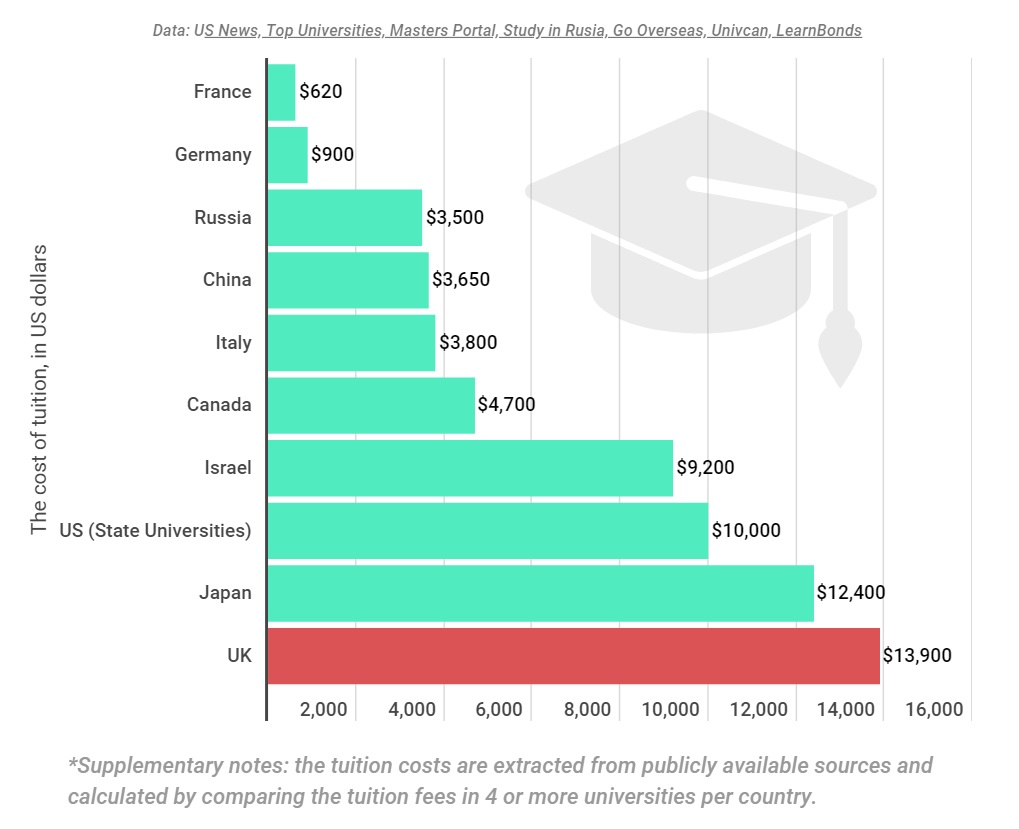
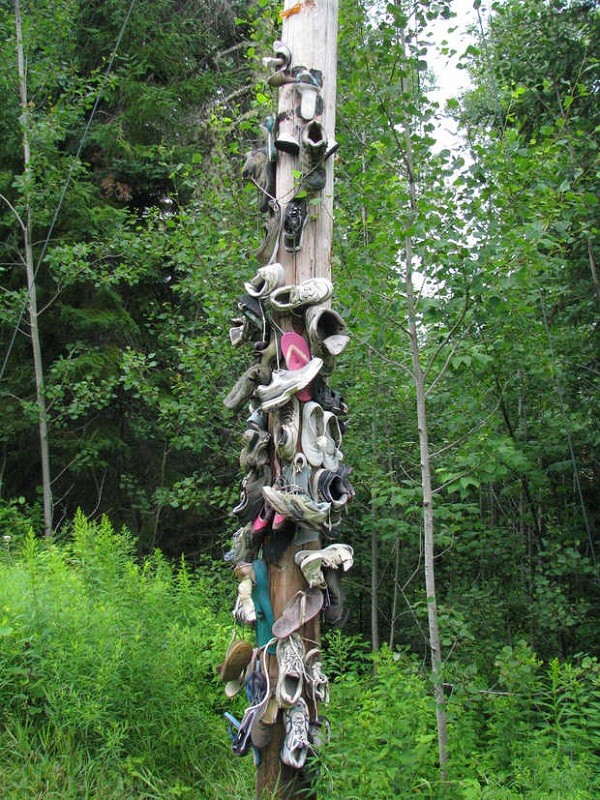


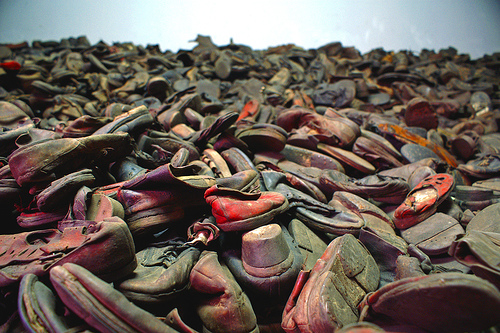



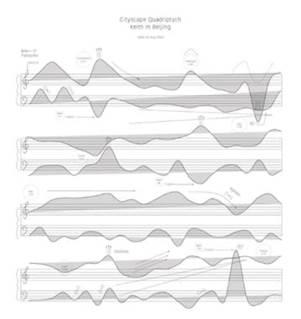











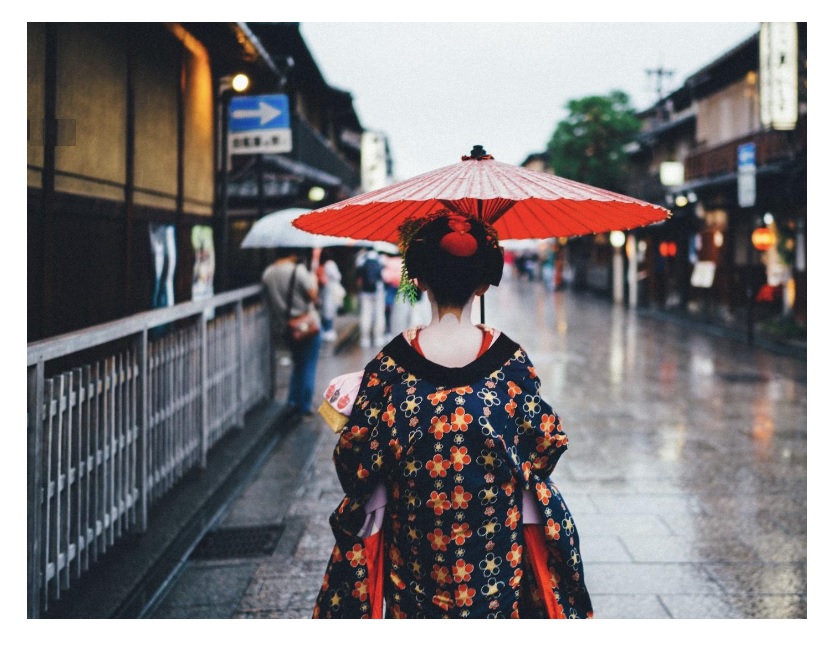




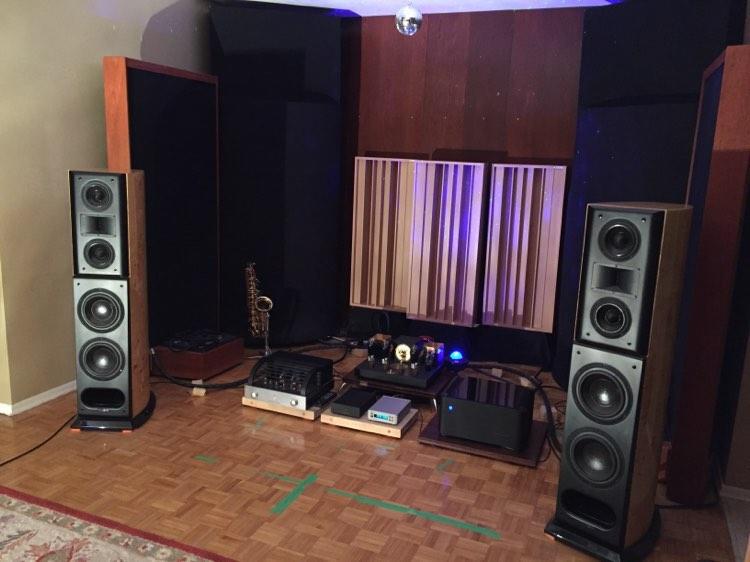
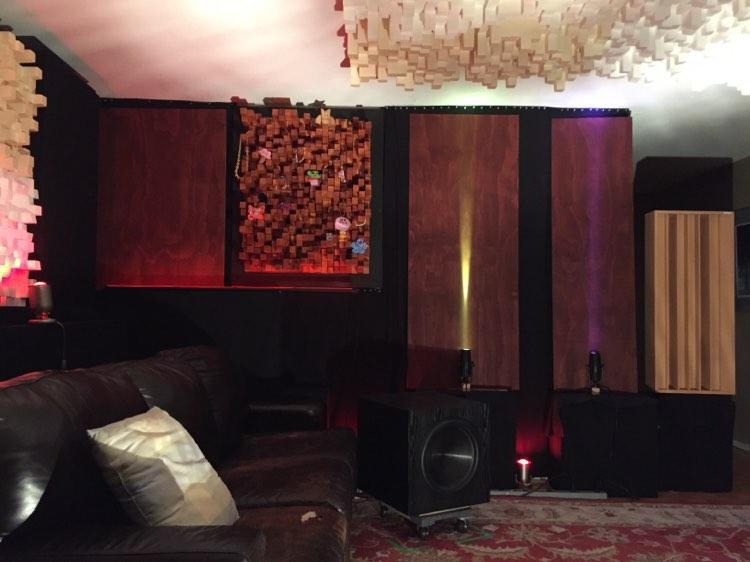 Picture 2 above shows black membrane traps on the floor against the wall (with boards atop) and a black velocity trap on its side on the far left. Additional traps are behind the couch.
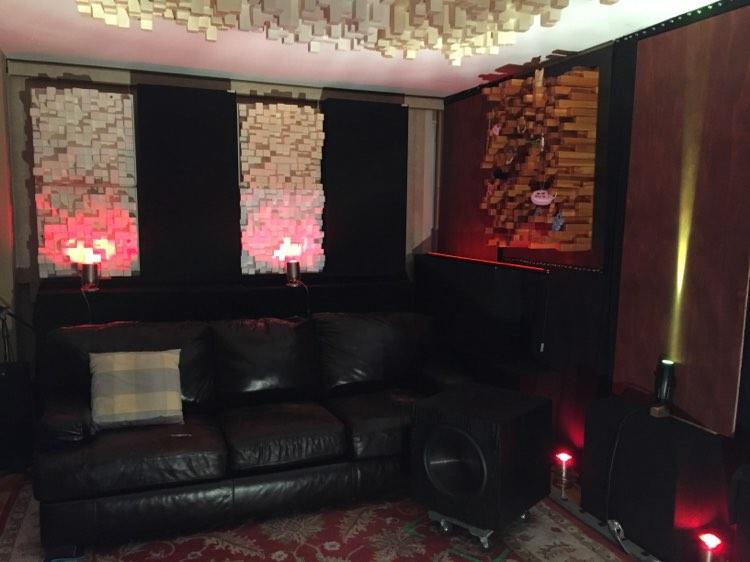 Picture 3 above shows the back wall with alternating white RPG Skyline diffusion and GIK Monster Bass Traps with FlexRange elevated above and behind the couch, while more GIK traps sit behind the couch on the floor.