The federal government has proposed regulations requiring the sale of a minimum numbers of Zero Emission Vehicles (ZEVs) in Canada (20 percent of all light vehicles in 2026, ramping up to 60 percent in 2030 and 100 percent in 2035). The flip side of this requirement is that the sale of internal combustion engine (ICE) light vehicles will be reduced and eventually prohibited in 2035.
This ZEV mandate will require an increase in ZEV sales from about 100,000 ZEV light vehicles in 2022 to 300,000 in 2026, 900,000 in 2030 and 1.5 million in 2035.
This paper examines whether or not Canadians will be able to buy enough ZEVs (either domestically produced or imported) to meet this ZEV mandate requirement. The findings show that Canada should be able to meet the 2035 100 percent ZEV mandate for about 270,000 passenger cars (only 18 percent of the market) but will be unlikely to meet the 2035 ZEV mandate for the 1,240,000 remaining light vehicles (pickup trucks, vans and SUVs/crossovers) comprising 82 percent of the market.
Canada cannot wait until 2035 to realize that the federal ZEV mandate will not be met. The gap between light-vehicle demand and forecasted ZEV light-vehicle supply will cause severe market disruptions. A better approach would be to reject a hardline ZEV mandate and instead to substitute a more flexible Plan B. Plan B should focus more on emissions rather than ZEV targets. For example, permitting some ICE light vehicles to be sold, particularly ones that can use renewable fuels. In addition, permitting plug-in hybrids (PHEVs) and hybrids to be included as ZEVs.
Finally, the federal government may have to accept that the 100 percent ZEV target is not feasible by 2035, and therefore must include flexibility in the federal ZEV mandate to back away from the 100 percent ZEV target.
A ZEV mandate is government legislation that imposes a requirement on the sellers of light vehicles to sell a certain minimum of ZEVs in a year. (ZEV is used interchangeably with BEV for battery electric vehicle in this paper. PHEVs can also qualify as ZEVs to a limited extent). The theory is that this minimum requirement will give certainty to vehicle sellers that there will be a market for ZEVs, and will therefore give an incentive to companies to construct ZEV manufacturing facilities. In essence, the ZEV mandate assumes that the demand for ZEVs will be there and will displace the demand for ICE light vehicles, and therefore the increase in supply of ZEVs will occur.
The federal government has introduced a ZEV mandate for all of Canada. In December 2022, the federal government issued proposed regulations under the Canadian Environmental Protection Act (CEPA). Section 30.3 of these proposed regulations state that all sales of light vehicles (passenger cars, pickup trucks, vans and SUVs/crossovers) must meet the thresholds for ZEV sales in a year shown in the table to the right.
The flip side to a ZEV mandate is that it imposes a prohibition on the sale of ICE vehicles, plus a penalty for contravening this prohibition. A company selling light vehicles in effect has an ever-shrinking quota for the maximum number of ICE light vehicles that it can sell in a year (none in 2035).
A company creates one credit for each battery electric vehicle (BEV) it sells. A sale of a PHEV with a range of more than 80 kilometres can also create a credit, but this ability is capped at 20 percent from 2028 onward. For example, a company selling 100 percent PHEVs in 2028 would only get credits for 20 percent.
If a company’s sales create fewer credits than required by the ZEV mandate, it can still remain in compliance by using two mechanisms. First, it can buy credits from another ZEV company that has exceeded its ZEV mandate. This mechanism will likely provide hundreds of millions of dollars of extra revenue to companies such as Tesla. An alternative second mechanism would allow the company to create a credit by contributing about $20,000 to specified ZEV activities such as supporting charging infrastructure. This second mechanism is capped at 10 percent of the ZEV mandate for the particular year, and is only available for the years prior to 2031.
The author thanks Benjamin Dachis, Daniel Schwanen, Dave Collyer and anonymous reviewers for comments on an earlier draft. The author retains responsibility for any errors and the views expressed.
Whilst climate change is at the forefront of most countries’ consciences, the issue is highly pressing here in Canada where we experience climate change at twice the world’s average due to our northerly location. Do you believe in the stated extreme effects of climate change or do you believe in a milder alternative? We would love to hear your thoughts in the comment section at the bottom of this article.
With this in mind, our friends at BonusFinder Canada utilized technology to predict exactly what Canada’s most popular tourist spots could look like in 100 years timeif we do not intervene and try to combat climate change. To do so, they asked OpenAI to write predictions for five top tourist hotspots (Niagara Falls, CN Tower, Notre-Dame Basilica, Hopewell Rocks, Confederation Bridge) based on factors such as global warming, overpopulation and extreme weather, and used these descriptions to generate AI images.
Niagara Falls – no intervention
Niagara Falls – positive intervention
Key changes without intervention:
● Significant reduction in water flow, affecting local ecosystems and the availability of freshwater resources.
● The falls are no longer safe to get close to due to erosion.
● The once lush surroundings have been replaced by concrete and pollution due to overpopulation.
CN Tower – no intervention
CN Tower – positive intervention
Key changes without intervention:
● Toronto is now largely inhospitable due to global warming and extreme weather events.
● Fires are not uncommon due to global warming and an abundance of refuse.
● Toronto faces major impacts of climate change, including higher temperatures, reduced air quality, and persistent heatwaves.
Notre-Dame Basilica – no intervention
Notre-Dame Basilica – positive intervention
Key changes without intervention:
● Extreme weather events, including severe heatwaves, have damaged the Basilica’s exterior and interior.
● The area surrounding the Basilica is overpopulated and increasingly inhospitable.
● The basilica remains heavily reliant on non-renewable energy sources, worsening the effects on the environment.
Hopewell Rocks – no intervention
Hopewell Rocks – positive intervention
Key changes without intervention:
● The main structure of the rocks has collapsed.
● The surrounding area is heavily urbanized and polluted.
● The beach is now dangerous, marshy and overgrown, but still attracts many tourists when the bay is uncovered, bringing further pollution and structural damage with each passing year.
Confederation Bridge – no intervention
Confederation Bridge – positive intervention
Key changes without intervention:
● Confederation Bridge has collapsed in areas, rendering the huge structure unusable.
● The water around the bridge is now full of concrete, industrial waste, pollution and urban runoff.
● Small portions of the bridge still stand in the water, serving as a reminder of our failure to act and combat urbanization and overpopulation.
Pierre Koenig was one of the most iconic architects of the mid-century modern movement, which focused on functional designs, harmony with nature, geometric lines, and the use of steel and glass. Koenig’s final project, a gorgeous geometric home in Santa Monica known as the Schwartz House, has been listed for sale at $4.55 million usd / $6.13 million cad.
More like a work of art than a typical house, the rare historic home sits atop four structural steel columns, designed to minimize the home’s ecological impact and promote a harmonious relationship with nature. The residence’s rotated design is focused on southern exposure and capturing the sea breezes to conserve energy but also offers an attention-getting look. Stark lines, black-steel framing, galvanized wall panels, and floor-to-ceiling glass provide the classic mid-century modern aesthetic for which Koenig is so famous.
More from our friends at toptenrealestatedeals.com. Photos by Cameron Carothers.
NBAF is manifesting more this year: more impact, more engaging programming, more opportunities for artists, more exposure, and more funding. We are coming for it all in the new year! In celebration of what will be an amazing year, it is my honor to give you a peek into what we have in store as we prepare to do things even bigger and better in 2024.
Our programming theme for this year is “Artistry Unbound,” an exploration of the resounding power of African American art to propel us toward the realization of our collective freedom. This theme celebrates the profound contributions of African American artists in their relentless pursuit of social justice, equality, and financial equity. It celebrates the trailblazers who have paved the way for a new generation of artists, continuing the legacy of social commentary and artistic innovation. This theme calls us to be “black on purpose” and create programs that directly speak to the injustices that we still face as a people and find artistic and creative ways to address these issues.
We are excited to bring this theme to life through carefully curated programming that will kick off with the NBAF Black History Month event, “Blacklisted! Banned Book Fair”, which speaks directly to the injustices highlighted through recent campaigns designed to censor and diminish Black voices.
Blacklisted! Banned Book Fair takes place on February 24th and 25th, and aligns with NBAF’s mission to:
Expose audiences to important and diverse works by African American authors,
Educate the public on how the banning of African American literature has been part of a larger pattern of censoring voices that advocate for social justice, civil rights, and the dismantling of racial prejudices,
Engage young and old readers alike with the wealth of African American books available to them, and
Entertain audiences with informative panel discussions, staged readings, an indie book market, and more! For more info, please visit our Black History Month page on nbaf.org
There are so many exciting things on the horizon for NBAF this year and we look forward to bringing you quality multi-disciplinary programming focused on uplifting and highlighting Black art and artists in new ways throughout 2024. As we continue our transition back to larger immersive events and chart a path back to the renowned NBAF Festival, our team is committed to innovatively presenting the best in Black art and we look forward to continuing to make an impact in the community with your partnership. We look forward to seeing you soon online or at an upcoming event! For the Silo, Stephanie R. Owens.
Reflecting on the remarkable journey of 2023, we’re excited to share the significant impact your support has made on our mission and community. We encourage you to delve into the highlights and accomplishments of the past year in our 2023 Impact Report, available here.
Click on the image above to view a visual journey of the transformative moments and positive change that helped us achieve in 2023.
NBAF PROGRAMS & EVENTS
Check out these upcoming events from NBAF!
Blacklisted! Banned Books Fair Saturday & Sunday, February 24th & 25th Atlanta, GA Calling all authors, literature lovers, and vendors to join us in celebrating the written word! NBAF’s 2024 Black History Month program, Blacklisted! Banned Book Fair celebrates the African American authors creating work that challenges the status quo and speaks truth to power.
The programming features:
• Moderated panel discussions with Black Authors, Activists & Intellectuals • Indie Black Book Market featuring African American booksellers and authors • Youth Book Fair with interactive children’s activities • Community Book Drive to benefit youth-centered non-profits • Interactive exhibitions about banned African-American literature and authors • Social Photo booths, food vendors & more!
Mark your calendars and get ready for a weekend filled with storytelling, creativity, and activism. This interactive experience is in partnership with the Morehouse College Movement Memory and Justice Project, South Fulton Arts, 44th & 3rd Bookseller and the Black Writers Weekend.
If you’re an author, bookseller, or have literature/education or activism related products, apply to be a vendor on the NBAF website. Spaces are limited, so secure your space today!
Taking place at the Atlanta History Center and in partnership with Neiman Marcus, FA+F attendees enjoy food + drinks, an impeccably curated fashion show, fashion icons and artists award presentations, and are introduced to the winning student designer of the annual Fashion Forward Student Design Competition.
Fine Art + Fashion raises funds to support NBAF’s operations and programs for artists of all ages and disciplines, particularly our youth arts education programs for underserved students of African descent.
2024 NBAF Fashion Forward A Competition for Student Fashion Designers NBAF Fashion Forward honorees are selected by a distinguished panel of judges and receive a cash prize of $1,500. The 2024 NBAF Fashion Forward honorees will be presented at NBAF’s Fine Art + Fashion Benefit on Wednesday, March 27, 2024 in Atlanta, GA. To get started, check out nbaf.org/fashion-forward to download the Fashion Forward Fact Sheet to learn more about the application requirements. If you have any questions or need further information, please contact Fashion Forward Coordinator, Page Yang, at pyang@nbaf.org. Please mention thesilo.ca when contacting. The deadline to apply is Friday, January 26, 2024 at 11:59 PM EST. APPLY HERE!
2024 Artist Project Fund Applications Eligible Metro Atlanta Artists Apply Today The 2024 Artist Project Fund (APF) is a $2,000 usd grant and 6-month artistic development program for Metro Atlanta artists seeking funds to complete an ongoing project. APF supports 20 professional artists in the completion of an ongoing artistic project, fosters a sense of community and creative collaboration, and provides immersive artistic and career development experiences to help them grow as artists and creative entrepreneurs. The deadline to apply is Friday, February 2, 2024 at 11:59 PM EST.
New Merch! Your purchase supports NBAF’s year round programming.
Select from special limited edition art prints, t-shirts, tote bags, note books, and more!Black Art Matters TeeNBAF Commemorative PinsRadcliffe Bailey NBAF 10th Anniversary PostersBlack Art Matters stainless steel tumblerNBAF tote bagNBAF Logo Unisex Hoodie With Shop Payyou can get it now and pay later! Pay in 4 interest-free installments for orders over $50.00.
Don’t miss out on NBAF news and events. Follow us on social to stay in the know!
World Economic Forum’s AI Governance Alliance says a global effort is needed to create equitable access to artificial intelligence. Artificial intelligence holds the potential to address global challenges, but it also poses risks of widening existing digital divides or creating new ones. Three new Forum papers offer recommendations on building safe systems and technologies, ensuring responsible applications and transformation, and advancing resilient governance and regulation.
Davos-Klosters, Switzerland, 18 January 2024 – The AI Governance Alliance (AIGA) released today a series of three new reports on advanced artificial intelligence (AI). The papers focus on generative AI governance, unlocking its value and a framework for responsible AI development and deployment.
The alliance brings together governments, businesses and experts to shape responsible AI development applications and governance, and to ensure equitable distribution and enhanced access to this path-departing technology worldwide.
“The AI Governance Alliance is uniquely positioned to play a crucial role in furthering greater access to AI-related resources, thereby contributing to a more equitable and responsible AI ecosystem globally,” says Cathy Li, Head, AI, Data and Metaverse, World Economic Forum. “We must collaborate among governments, the private sector and local communities to ensure the future of AI benefits all.”
AIGA is calling upon experts from various sectors to address several key areas. This includes improving data quality and availability across nations, boosting access to computational resources, and adapting foundation models to suit local needs and challenges. There is also a strong emphasis on education and the development of local expertise to create and navigate local AI ecosystems effectively. In line with these goals, there is a need to establish new institutional frameworks and public-private partnerships along with implementing multilateral controls to aid and enhance these efforts.
While AI holds the potential to address global challenges, it also poses risks of widening existing digital divides or creating new ones. These and other topics are explored in a new briefing paper series, released today and crafted by AIGA’s three core workstreams, in collaboration with IBM Consulting and Accenture. As AI technology evolves at a rapid pace and developed nations race to capitalize on AI innovation, the urgency to address the digital divide is critical to ensure that billions of people in developing countries are not left behind.
On international cooperation and inclusive access in AI development and deployment, Generative AI Governance: Shaping Our Collective Global Future – from the Resilient Governance and Regulation track – evaluates national approaches, addresses key debates on generative AI, and advocates for international coordination and standards to prevent fragmentation.
Unlocking Value from Generative AI: Guidance for Responsible Transformation – from the Responsible Applications and Transformation track – provides guidance on the responsible adoption of generative AI, emphasizing use case-based evaluation, multistakeholder governance, transparent communication, operational structures, and value-based change management for scalable and responsible integration into organizations.
In addition, for optimized AI development and deployment, a new Presidio AI Framework: Towards Safe Generative AI Models – from the Safe Systems and Technologies track – addresses the need for standardized perspectives on the model lifecycle by creating a framework for shared responsibility and proactive risk management.
AIGA also seeks to mobilize resources for exploring AI benefits in key sectors, including healthcare and education.
Quotes from the initiative:
“As we witness the rapid evolution of artificial Intelligence globally, the UAE stands committed to fostering an inclusive AI environment, both within our nation and throughout the world. Our collaboration with the World Economic Forum’s AI Governance Alliance is instrumental in making AI benefits universally accessible, ensuring no community is left behind. We are dedicated to developing a comprehensive and forward-thinking AI and digital economy roadmap, not just for the UAE but for the global good. This roadmap is a testament to our belief in AI as a tool for universal progress and equality, and it embodies our commitment to a future where technology serves humanity in its entirety.” – H.E. Omar Sultan Al Olama, Minister of State for Artificial Intelligence, Digital Economy and Remote Work Applications of the United Arab Emirates
“Rwanda’s participation in the AI Governance Alliance aims to ensure Rwanda and the region do not play catch up in shaping the future of AI governance and accessibility. In line with these efforts, Rwanda’s Centre for the Fourth Industrial Revolution, in collaboration with the World Economic Forum, will host a high-level summit on AI in Africa towards the end of 2024, creating a platform to engage in focused and collaborative dialogue on the role of AI shaping Africa’s future. The event’s primary goal will be to align African countries on common risks, barriers, and opportunities and, ultimately, devise a unified strategy for AI in Africa.” – Paula Ingabire, Minister of Information Communication Technology and Innovation of Rwanda
“IBM continues to drive responsible AI and governance. We all have an obligation to collaborate globally across corporations, governments and civil society to create ethical guardrails and policy frameworks that will inform how generative AI is designed and deployed. IBM is proud to work with the Forum’s AI Governance Alliance as the knowledge partner for this paper series.” – Gary Cohn, IBM Vice-Chairman . “The evolution of AI is unique in that the technology, regulation and business adoption are all accelerating exponentially at the same time. It’s critical that the public and private sector come together to share insights, resources and best practices for building and scaling AI responsibly. Leaders in this space must prioritize inclusive AI so that the benefits of this technology are shared in all parts of the world, including emerging markets. The Forum’s three-part briefing paper series offers insightful considerations across responsible applications, governance and safety to empower businesses, respect people and benefit society.” – Paul Daugherty, Chief Technology Innovation Officer, Accenture.
Whether you need a side hustle or want to make a full career out of AI, here are ways to start
A few years back, I read Warren Buffett’s book, Snowball. It turned out to be one of my favorite books of all time. In this book, Warren shares stories of when he was a kid and some of his favorite books. One book in particular, 1,000 Ways to make $1,000 by F.C. Minaker, helped shape his idea around business and making money.
After reading this legendary book many times, I decided to refresh the concept to help others by sharing ideas on how to use current AI technology to make money. As an entrepreneur who uses AI in my business, I know there are many ways in which AI can help you create side hustles, start businesses, and even help make your current jobs more efficient.
Whether you would like to start a small side business, or whether you want this to be your full career, there are many opportunities to make money with AI.
If you’re not a techie type, there may be a learning curve to become adept at the skills to succeed at AI. But if you have an interest in it and a desire to learn, and are willing to undergo some training and education, it’s possible to learn enough to make money with AI.
Here are three ways to begin your journey into making money with AI technology.
Prompt generators are becoming a lucrative business. Humans will pay for AI prompts that are ‘ready to go’.
Prompt Engineering refers to the process of designing and fine-tuning prompts for natural language processing (NLP) models. It involves creating a set of instructions or guidelines that tell the model what information to look for and how to use that information to generate a response. Here are a few steps and platforms I would use to start earning money today:
Check out this helpful tutorial on YouTube to get you prepared.
Quicklyread over some guidelines on how best to sell prompts to the marketplace to start earning.
Take a look at some successful prompts that are for sale on the marketplace to get an idea how best for you to start earning.
Start earning!
Transcription Services involve the conversion of audio or video recordings into written or text format. This service is provided by professional transcriptionists who are trained to accurately transcribe spoken words into written form. Here are a few steps and platforms I would use to start earning money today:
Quickly read over some FAQ’s on how best to prepare to start earning for transaction services.
Take a look at someones daily schedule for earning money on Speak Write
Start earning!
Labeling and Annotation are processes in which data is manually labeled or tagged with specific attributes or metadata that make it easier for machines to understand and analyze the data. Labeling involves assigning a specific category or label to data, such as identifying objects in an image or sentiment in a text. Annotation involves adding additional information, such as context or relationships between data points. Here are a few steps and platforms I would use to start earning money today:
The next decade will be a ‘Decade of Abundance‘ due to technological advancements like AI. While AI has its detractors, I believe we should be leaning in to explore this life-changing technology because it will empower the globe.
AI has already been able to improve our lives in many ways, and it has the potential to solve some of the world’s most pressing problems, including in healthcare, education, and security. There’s no reason why you cannot be a part of this revolution, too. For the Silo, Joe Nigro.
Connecticut-based Joe Nigro is an investor, advisor, and entrepreneur who has used AI extensively in his career.
Featured image: Students summarize a text then tried to figure out which summaries were penned by classmates and which was written by a chatbot.Timothy D. Easley, FRE / AP
Doha, January 2024 //The Arab Center for Research and Policy Studies announced the results of their public opinion poll regarding the Israeli war on Gaza on Wednesday 10 January 2024. The poll was carried out on a sample of 8000 respondents (men and women) from 16 Arab countries. The survey questions were selected to determine the opinions of citizens in the Arab region on important topics related to the Israeli war on Gaza.
The results of the survey demonstrate the locality of the war as felt by Arab public opinion, with 97% of respondents expressing psychological stress (to varying degrees) as a result of the war on Gaza. 84% expressed a sense of great psychological stress.
Extent of psychological stress felt during the war on Gaza
About 80% of respondents reported that they regularly follow news of the war, compared to 7% who said that they do not follow it, a further indication that the Arab public sees this war as a local event. To access the news 54% of respondents relied on television, compared to 43% who relied on the internet.
Extent of news followship about Israel’s war on Gaza
It is noteworthy that the results highlighted that Arab public opinion does not believe that the military operation carried out by Hamas on 7 October 2023 was in pursuit of a foreign agenda. 35% of respondents considered that the most important reason for the operation was the continued Israeli occupation of the Palestinian territories, while 24% attributed it mostly to defence against Israel’s targeting of Al-Aqsa Mosque, and 8% saw it as a result of the ongoing siege of the Gaza Strip.
The most important motivations for Hamas to carry out the military operation on 7 October 2023
Most important
Second most important
The ongoing Israeli occupation of Palestinian land
35
13
Defending al-Aqsa Mosque against attacks
24
21
The ongoing blockade of Gaza
8
12
Ongoing and expanding settlement on Palestinian land
6
8
Liberating Palestinian detainees and prisoners in Israeli prisons
6
13
Israel’s rejection of the establishment of a Palestinian state
4
5
The United States’ failure to achieve a just peace
2
3
The international community’s disregard for Palestinian rights and the ongoing occupation
4
5
Halting the normalization process between Arab governments and Israel
2
3
Carrying out the plan or agenda of a foreign power such as Iran
2
2
Other
2
1
Don’t know / Declined to answer
5
0
No second option
0
14
Total
100
100
While 67% of respondents reported that the military operation carried out by Hamas was a legitimate resistance operation, 19% reported that it was a somewhat flawed but legitimate resistance operation, and 3% said that it was a legitimate resistance operation that involved heinous or criminal acts, while 5% said it was an illegitimate operation.
Assessments of Hamas’ military operation on 7 October 2023
The results showed that there is an Arab consensus of 92% expressing solidarity with the citizens of the Arab region with the Palestinian people in Gaza. While 69% of respondents expressed their solidarity with Palestinians and support for Hamas, 23% expressed solidarity with Palestinians despite opposing Hamas, and 1% expressed a lack of solidarity with the Palestinians.
Solidarity with Palestinians and support for Hamas
The majority of respondents rejected comparisons between Hamas and ISIS made by predominately Israeli and Western politicians and media personalities.
Comparisons between Hamas and ISIS
When asked about the responses of regional and international powers to Israel’s war on Gaza, 94% considered the US position negatively, with 82% considering it very bad. In the same context, 79%, 78%, and 75% of respondents viewed positions of France, the UK, and Germany negatively. Opinion was split over the positions of Iran, Turkey, Russia, and China. While (48%, 47%, 41%, 40%, respectively) considered them positively (37%, 40%, 42%, 38%, respectively).
Evaluation of international and regional positions
In the same context, 76% of respondents reported that their position toward the United States following the Israeli war on Gaza had become more negative, indicating that the Arab public has lost confidence in the US. Furthermore, respondents demonstrated a near consensus (81%) in their belief that the US government is not serious about working to establish a Palestinian state in the 1967 occupied territories (The West Bank, Jerusalem, and Gaza).
About 77% of respondents named the United States and Israel as the biggest threat to the security and stability of the region. While 51% saw the United States as the most threatening, 26% considered the biggest threat to be Israel. While 82% of respondents reported that US media coverage of the war was biased towards Israel, only 7% saw it as neutral.
How opinion on US policy in the Arab region has changed since the war on Gaza
Evaluation of US seriousness in establishing a Palestinian state in the 1967 Occupied Palestinian lands
Biggest threats to the peace and stability of the region
Greatest Threat
Second Greatest Threat
Gaza war
2022
2020
2018
Gaza War
2022
2020
2018
United States
51
39
44
43
25
25
23
28
Israel
26
41
37
37
33
28
38
40
Iran
7
7
10
13
10
13
19
15
Russia
4
6
2
3
8
8
4
7
France
2
2
2
1
10
5
3
1
Turkey
2
2
2
1
3
2
5
2
China
1
2
1
0
2
2
2
0
Other
1
—
—
—
2
—
—
—
Don’t know / Declined to answer
6
1
2
2
0
—
—
—
No second option
0
—
—
—
7
17
6
7
Aggregate
100
100
100
100
100
100
100
100
Evaluation of US media coverage of the war on Gaza
Arab public opinion sees the Palestinian Cause as an Arab issue, and not exclusively a Palestinian issue. A consensus of 92% believe that the Palestinian question concerns all Arabs and not just the Palestinians. On the other hand, 6% said that it concerns the Palestinians alone and they alone must work to solve it. It is worth noting that this percentage is the highest recorded since polling began in 2011, rising from 76% at the end of 2022, to 92% this year. Some countries recorded significant increases. In Morocco, it rose from 59% in 2022 to 95%, in Egypt from 75% to 94%, in Sudan from 68% to 91%, and in Saudi Arabia from 69% to 95%, a statistically significant increase that represents a fundamental shift in the opinions of the citizens of these countries.
Consideration of the Palestinian Cause as an Arab issue over time
Arab public opinion is almost unanimous in rejecting recognition of Israel, at a rate of 89%, up from 84% in 2022, compared to only 4% who support its recognition. Of particular note is the increase in the percentage of those who rejected recognition of Israel in Saudi Arabia from 38% in the 2022 poll to 68% in this survey. Such a statistically significant increase also applies to other countries such as Morocco, where the percentage rose from 67% to 78%, and Sudan, where it increased from 72% to 81%.
Support/opposition for recognizing Israel over time
When asked about their opinions on what measures Arab governments should take in order to stop the war in Gaza, 36% of respondents stated that Arab governments should suspend all relations or normalization processes with Israel, while 14% of them stated that aid and support should be brought into Gaza without Israeli approval, and 11% said that the Arab governments should use oil as a weapon to assert pressure on Israel and its supporters.
Measures that should be taken by Arab governments to stop the war on Gaza
Most important measure
Second most important measure
Suspend relations or normalization with Israel
36
15
Deliver aid to Gaza without Israeli approval
14
16
Use the oil weapon to pressure Israel and its supporters
11
13
Establish a global alliance to boycott Israel
9
11
Provide military aid to Gaza
8
10
Announce military mobilization
5
6
Reconsider relations with the United States
4
6
Reconsider relations with states that support Israel’s war on Gaza
3
5
Build alliances with states that have taken practical steps against Israel
3
4
Other
3
2
Don’t know / Declined to answer
4
0
No second option
0
12
Total
100
100
There is a near consensus among Palestinian respondents from the West Bank (including Jerusalem), around 95%, that safety and freedom of movement between the governorates and cities of the West Bank and their sense of security and personal safety have been affected negatively since 7 October 2023.
Negative effects experienced in the West Bank since 7 October 2023
A further 60% of Palestinian respondents in the West Bank said that they had been subjected to or were witnesses to raids by the occupation army forces, while 44% said that they were subjected to arrest or interrogation by the Israeli army, and 22% reported that they were subjected to harassment by settlers.
Frequency of witnessing or happening upon incidences of raids, arrests, or settler harassment in the West Bank since 7 October 2023
This survey is the first of its kind to gauge public opinion on the topic across the Arab region. The field work was conducted from 12 December 2023 to 5 January 2024 in Mauritania, Morocco, Algeria, Tunisia, Libya, Egypt, Sudan, Yemen, Oman, Qatar, Kuwait, Saudi Arabia, Iraq, Jordan, Lebanon, and the West Bank, Palestine (including Jerusalem). The surveyed communities represent 95% of the population of the Arab region and its far-flung regions. The sample in each of the aforementioned communities was 500 men and women, drawn according to cluster and self-weighted sampling methods to ensure that every individual in each country had an equal probability of appearing in the sample.
For the Silo, Dr Ahmed Hussein, researcher at the Arab Center for Research and Policy Studies.
Mahboubi, Skuterud – A Multi-Pronged Strategy for Managing Canada’s Surging Non-Permanent Resident Population
January, 2024 – Recent years have seen an unprecedented increase in Canada’s non-permanent resident population, far surpassing increases in annual admissions of new permanent residents. This unbalanced growth in the two migration streams will inevitably result in a growing undocumented population and forced deportations. Both developments risk inflaming Canada’s immigration politics and undermining public confidence in the immigration system. It is imperative that the government take immediate steps to stem the ongoing growth in foreign student and temporary foreign worker entries. Here’s how it can do it.
Recent years have seen an unprecedented increase in Canada’s non-permanent resident (NPR) population far surpassing increases in annual admissions of new permanent residents. This unbalanced growth in the two migration streams will inevitably result in a growing undocumented population and forced deportations. Both developments risk inflaming Canada’s immigration politics and undermining public confidence in the immigration system.
It is imperative that the government take immediate steps to stem the ongoing growth in foreign student and temporary foreign worker entries.
Several factors have contributed to the NPR population surge, including ad-hoc programs aimed at expanding eligibility for permanent status, the well-documented postsecondary appetite for international tuition revenue, and eased employer access to temporary foreign workers, most notably in low-wage occupations.
Statistics Canada estimates that by the fourth quarter of 2023, Canada’s non-permanent population had exceeded 2.5 million, while entries of new permanent residents remained below 500,000 and which the government has announced will stabilize in 2025. The tightening bottleneck in temporary-to-permanent residency flows is worsened because many permanent slots go to applicants residing abroad, not non-permanent residents.
A key factor driving the growth in non-permanent inflows is the government’s repeated announcements of ad hoc programs aimed at easing the pathway to PR status for lower-skilled migrants who would otherwise struggle to clear the hurdle of the Express Entry skilled-based points system.
Examples include the February 2021 decision to provide permanent status to all economic class candidates in the applicant pool regardless of their eligibility scores and the April 2021 provision of pathways to 90,000 “essential workers” including cashiers and truck drivers. And the government expanded the program in January 2023 to give PR status to undocumented construction workers and plans to broaden the program, allowing all undocumented people to apply for permanent status.
No wonder large numbers of migrants try their luck.
But given limited permanent admissions, large numbers of justifiably hopeful NPRs will be unable to realize their dreams. As their study and work permits expire, many will be unable or unwilling to return to their home countries. This leaves them increasingly vulnerable to workplace exploitation, which can distort wage outcomes in lower skilled labour markets, and leaves them in poverty with no recourse to government supports because they are ineligible.
Canada urgently requires a multipronged strategy to stem this ongoing NPR growth and restore the stability and integrity of the immigration system. In our view, policies should be aimed at helping applicants make better decisions about seeking NPR status in Canada by offering a straightforward, predictable system against which they can realistically assess their prospects.
On international students, we recommend reintroducing the cap on off-campus work at 20 hours a week that was waived in October 2022 and recently extended to April 30. Continued policy punting is unhelpful in restoring predictability for prospective foreign students. Study permits have become de facto work permits, and brings job-seekers, not committed students.
We also recommend restricting study permits to institutions of a certain standard. Designated Learning Institutions (DLIs) whose students are currently ineligible for Post-Graduate Work Permits should also be ineligible for study permits. The government should also revoke designation based on the measured immigration and labour market outcomes of an institution’s graduates. Those outcomes should be regularly published by the immigration department to help prospective migrants make informed decisions and combat false dreams pushed by education recruiters.
On temporary workers, extended measures allowing, for example, 30 percent of certain workforces to be low-wage temporary foreign workers, need reconsideration. Stemming the growth in the Low-Wage Stream of the Temporary Foreign Worker Program and restoring the pre-2020 hiring regulations recognizes recent evidence of adverse effects of this program on wages and local unemployment rates.
Most important, the government needs to bring back predictability in its permanent resident admission system in the economic-class applicant pool. Though well intentioned, the one-off programs easing the pathway to permanent status are contributing to temporary resident explosion. The department needs to return to its Comprehensive Ranking System as it did before 2020. The transparency of its points system and a stable minimum eligibility score over time will mean that applicants can see what skills or training they need for entry, thereby advancing the objective of our skilled immigration program.
If these policy levers are collectively applied, they can stem the unhealthy growth in Canada’s non-permanent population, restore fairness and transparency in the permanent admission stream, and secure the immigration system’s integrity and sustainability. In doing so, we can ensure that Canada continues to be a welcoming and prosperous country for all. *note this article was sent as a letter by the C.D. Howe Institute authors to The Honourable Marc Miller, Minister of Immigration, Refugees and Citizenship Canada.
Parisa Mahboubi is a senior policy analyst at the C.D. Howe Institute. Mikal Skuterud is a professor of economics at the University of Waterloo, director of the Canadian Labour Economics Forum and a fellow-in-residence of the C.D. Howe Institute.
Misinformation and disinformation are biggest short-term risks, while extreme weather and critical change to Earth systems are greatest long-term concern, according to Global Risks Report 2024.
Two-thirds of global experts anticipate a multipolar or fragmented order to take shape over the next decade.
Report warns that cooperation on urgent global issues could be in short supply, requiring new approaches and solutions.
Geneva, Switzerland, January 2024 – Drawing on nearly two decades of original risks perception data, the World Economic Forum’s Global Risks Report 2024 warns of a global risks landscape in which progress in human development is being chipped away slowly, leaving states and individuals vulnerable to new and resurgent risks. Against a backdrop of systemic shifts in global power dynamics, climate, technology and demographics, global risks are stretching the world’s adaptative capacity to its limit.
These are the findings of the Global Risks Report 2024, released today, which argues that cooperation on urgent global issues could be in increasingly short supply, requiring new approaches to addressing risks. Two-thirds of global experts anticipate a multipolar or fragmented order to take shape over the next decade, in which middle and great powers contest and set – but also enforce – new rules and norms.
The report, produced in partnership with Zurich Insurance Group and Marsh McLennan, draws on the views of over 1,400 global risks experts, policy-makers and industry leaders surveyed in September 2023. Results highlight a predominantly negative outlook for the world in the short term that is expected to worsen over the long term. While 30% of global experts expect an elevated chance of global catastrophes in the next two years, nearly two thirds expect this in the next 10 years.
“An unstable global order characterized by polarizing narratives and insecurity, the worsening impacts of extreme weather and economic uncertainty are causing accelerating risks – including misinformation and disinformation – to propagate,” said Saadia Zahidi, Managing Director, World Economic Forum. “World leaders must come together to address short-term crises as well as lay the groundwork for a more resilient, sustainable, inclusive future.”
Rise of disinformation and conflict
Concerns over a persistent cost-of-living crisis and the intertwined risks of AI-driven misinformation and disinformation, and societal polarization dominated the risks outlook for 2024. The nexus between falsified information and societal unrest will take centre stage amid elections in several major economies that are set to take place in the next two years. Interstate armed conflict is a top five concern over the next two years. With several live conflicts under way, underlying geopolitical tensions and corroding societal resilience risk are creating conflict contagion.
Economic uncertainty and development in decline The coming years will be marked by persistent economic uncertainty and growing economic and technological divides. Lack of economic opportunity is ranked sixth in the next two years. Over the longer term, barriers to economic mobility could build, locking out large segments of the population from economic opportunities. Conflict-prone or climate-vulnerable countries may increasingly be isolated from investment, technologies and related job creation. In the absence of pathways to safe and secure livelihoods, individuals may be more prone to crime, militarization or radicalization.
Planet in peril
Environmental risks continue to dominate the risks landscape over all timeframes. Two-thirds of global experts are worried about extreme weather events in 2024. Extreme weather, critical change to Earth systems, biodiversity loss and ecosystem collapse, natural resource shortages and pollution represent five of the top 10 most severe risks perceived to be faced over the next decade. However, expert respondents disagreed on the urgency of risks posed – private sector respondents believe that most environmental risks will materialize over a longer timeframe than civil society or government, pointing to the growing risk of getting past a point of no return.
Responding to risks
The report calls on leaders to rethink action to address global risks. The report recommends focusing global cooperation on rapidly building guardrails for the most disruptive emerging risks, such as agreements addressing the integration of AI in conflict decision-making. However, the report also explores other types of action that need not be exclusively dependent on cross-border cooperation, such as shoring up individual and state resilience through digital literacy campaigns on misinformation and disinformation, or fostering greater research and development on climate modelling and technologies with the potential to speed up the energy transition, with both public and private sectors playing a role.
Carolina Klint, Chief Commercial Officer, Europe, Marsh McLennan, said: “Artificial intelligence breakthroughs will radically disrupt the risk outlook for organizations with many struggling to react to threats arising from misinformation, disintermediation and strategic miscalculation. At the same time, companies are having to negotiate supply chains made more complex by geopolitics and climate change and cyber threats from a growing number of malicious actors. It will take a relentless focus to build resilience at organizational, country and international levels – and greater cooperation between the public and private sectors – to navigate this rapidly evolving risk landscape.”
John Scott, Head of Sustainability Risk, Zurich Insurance Group, said: “The world is undergoing significant structural transformations with AI, climate change, geopolitical shifts and demographic transitions. Ninety-one per cent of risk experts surveyed express pessimism over the 10-year horizon. Known risks are intensifying and new risks are emerging – but they also provide opportunities. Collective and coordinated cross-border actions play their part, but localized strategies are critical for reducing the impact of global risks. The individual actions of citizens, countries and companies can move the needle on global risk reduction, contributing to a brighter, safer world.”
About the Global Risks Initiative
The Global Risks Report is a key pillar of the Forum’s Global Risks Initiative, which works to raise awareness and build consensus on the risks the world faces, to enable learning on risk preparedness and resilience. The Global Risks Consortium, a group of business, government and academic leaders, plays a critical role in translating risk foresight into ideas for proactive action and supporting leaders with the knowledge and tools to navigate emerging crises and shape a more stable, resilient world.
The League of Wrestling Mask Portraits is a growing body of work, undertaken in 2023, by realist painter, Richard Delaney. The work is a satirical, Pop Art-style, examination of the famous and controversial people of our time, such as Donald Trump, Joe Biden, Justin Trudeau, Elon Musk, and Greta Thunberg. Delaney paints their approximately, life-size portraits, in an unconventional manner. Politicians and celebrities are depicted wearing personalized wrestling masks (as in professional wrestling, aka Lucha Libra, often referred to as Mexican wrestling masks). They wear their masks as if ready to battle/wrestle in the social and political ring.
Each mask is customized for the individual wearer with clues to their identity imbedded in the design.
The symbolic clues help the viewer identify the person when the facial features alone are not enough. For example, the design of Greta Thunberg’s mask reflects her climate activism. Yellow flame-patterned, patches, around her eyes, nose, and mouth, rise up to symbolically melt what appears to be an ice cap on the top of her head, causing melt-water to flow into the blue, ocean-like area of the mask, covering her face. The dominant colours, light blue and yellow, reference Thunberg’s country, Sweden, and its flag.
Delaney’s paintings in oil and acrylic are garish, bombastic, and humorous. They are fresh and contemporary while being reminiscent of 1960’s Pop Art. The visual aesthetic is like a combination of cartoon, realistic painting, and or photo collage. The mask component has a hint of vintage, comic book art, and pulp art illustration. In contrast, the facial features of the subjects are rendered in a somewhat, photorealistic style.
Conceptually, the League of Wrestling Mask Portraits, is very much Pop Art, and may have roots in the work of Warhol.
Both artists use mass media as a reservoir of ideas. They each present the concept of fame and celebrity in a uniquely identifiable style. There is no doubt that the ‘mask’ in Delaney’s work is simultaneously a visual brand, and a concept to be pondered.
Delaney has coined the terms “maskified” and “maskification,” to describe his portraits. The maskified portraits cannot be viewed without some consideration for the basic idea and purpose of a mask, that is, to conceal true identity, and or to project a persona. The maskification of Donald Trump, for example, in a red mask with gold trim and crown, draws a comparison to classic comic book superheroes or villains, depending on one’s political stance. The connection with Mascaras de Lucha Libra is of course, intentional, and it is this simple juxtaposition that makes the work visually and intellectually, compelling.
Delaney plans to produce a large collection of portraits by the end of 2024.
Ultimately, he imagines them displayed and for sale in a contemporary art gallery. For the time being, they are available to view on social media in the form of humorous reels and videos. There are many potential subjects that Delaney would like to paint, including, for example, Dylan Mulvaney, Joe Rogan, Kamala Harris, King Charles, Pierre Poilievre, and Jordan Peterson. Who do you think should be maskified? You can make suggestions by following Delaney on social media where he will be frequently unveiling new paintings for his League of Wrestling Mask Portraits.
Some of us are participating in Dry January – (giving up alcohol for the whole month after enjoying it during December festivities) has become pretty popular worldwide. We must agree it`s giving the New Year a quite strong health kick.
Dry January`s popularity is not a surprise at all and has a lot of benefits; it saves money, makes people sleep better, no hangovers (hello morning sex), and brings numerous health welfare – reduced blood pressure, improved skin, more energy – the thing that people really need, according to LELO survey. For 61.28% of respondents, low energy level makes them hard to make it through January.
And even though you might not be a regular drinker, you (and your liver) surely deserve a small break. With this in mind, LELO endorses Dry January with a small note on a side – not everything has to be dry (wink, wink).
While Dry January has its charm and a good cause, there is a widespread myth that it is also quite a challenge – especially if you want to continue enjoying your sex life. An encounter without the help of that small something that makes you relax your nerves might sound less exciting, but actually, it turns out, all that not drinking has some pretty positive effect on your sex life.
And no, it`s not just about the “being present at the moment”; being sober significantly improves the physical side of sex. If you have ever experienced drooping after drinking, you`ll know that erectile dysfunction is a real thing.
Drinking can cause struggles to get and have an erection, leading to disappointment in sex.
Besides that, studies have shown that women are more likely to orgasm when they are entirely sober because alcohol reduces physical sensitivity, meaning it`s also harder to feel pleasure. Also, women might struggle to get aroused in the first place when drinking. Making your vagina free from the influence of alcohol gives sex a whole new dimension.
Also, it is a fact that alcohol leads to irresponsible sex encounters; people are more likely to forget to use condoms because alcohol lowers inhibitions, leading to unwanted pregnancy and STIs. Being alcohol-free sounds pretty responsible here, right?
Men are not being left out- Lelo F1S Red.
Studies show that alcohol often leads to having partners you might not actually be that keen on, as well as post-sex unsatisfaction. Knowing this, Dry January will ensure you choose people you want, make sexual decisions you are comfortable with, and enjoy it without regret. Additionally, according to the LELO survey, 93.7% of people would be willing to try something new sex-wise to cheer themselves and/or their partner. Is there a better timing than “depressing” January?
Some of LELO’s new and best selling adult products.
To wrap it all up, cutting out alcohol (a well-known depressant) will make you well rested and more energetic, which automatically increases your libido and improves your sex life. The highlight of Dry January will be more exciting and engaging sex – the one you actually remember. And if we add 51.7% of our survey respondents who will consider buying a new toy to incorporate into their love life, January will be anything but dry.
Caraiva: Inspired by Caraiva, a charming Bahian village by the Brazilian sea
Simplicity and rusticity converge at the Caraiva line. This line is composed of a recliner, a lounger, a bench, and an armchair. Simplicity and rusticity converge with the Caraiva line using variations of woven wood. The pieces have a wooden and aluminum structure with a rope finish and are meant to capture the feeling of ‘feet in the sand’ and the pleasure of enjoying the best of outdoor life.
Drop: Inspired by the most important natural resource on the planet, water
The Drop Line consists of a swing chair; and has rounded shapes complemented by modern patterns of nautical rope on the sides, base, and top. Different from the Caraiva line, the Drop line uses an aluminum structure along with an upholstered seat and back. The Drop line emphasizes comfort by utilizing upholstered cushions, while giving a sense of peace with inspiration from the sea.
The Drop Line
Round: Projects gain new possibilities with the Round line
The Round line consists of two dining table models: square and rectangular in two sizes. The top is made out of stone or wood and the base is covered in nautical rope.
The Round Line
Sahara: Inspired by the dunes’ movements in the Sahara desert.
The product pieces have an elegant design with rounded corners and a feature that adds lightness for both indoor and outdoor areas. The Sahara line includes a sofa, a chair with backrest and back support, four main modules, two side modules, and a corner module.
The Sahara Line
Shell: Inspired by the design of the seashells
The delicate design of seashells was the starting point for creating the rounded chair designs in nautical rope for this line. The pieces include an armchair, a loveseat, and a chair – all have an upholstered seat, rope finish, wooden legs, and an aluminum structure.
The Shell Line
Split: Versatility is the strong point of the Split line
The Split line consists of seven sophisticated yet versatile modules that allow the building of different composition designs in multiple varieties of styles and sizes.
Miami, FL, – Ultra-luxury wine and spirits purveyor Prodiguer Brands, which privately develops and markets many of the world’s finest, award-winning wines and spirits, offers a very special Champagne. Maurice Vendôme is now exclusively available in the United States (and in select LCBO’s and liquor stores in Ontario and Canada).
This offering furthers the company’s extraordinary and revered portfolio of premium ultra-grade adult beverage brands specifically tailored for the global luxury market to meet evolving consumer desires and tastes. What better way to celebrate New Year’s Eve?
“This rare Grand Cru Réserve Blanc de Blancs champagne represents over 100 years of combined experience, expertise and leadership by our team and the Maurice Vendôme wine grower,” notes Prodiguer Brands’ Managing Partner, Noel Shu—a self-made millionaire, Sommelier and entrepreneur. ” Housed within the beautiful village of Oger in the Côte des Blancs region, Champagne Maurice Vendôme has ancestral ties dating back to the French Revolution. It’s an exquisite champagne that benefits from Oger’s rich soils that provide the perfect setting for luxury winemaking.”
Using 100% rated rare Grand Cru grapes and a limited annual production, Maurice Vendôme offers an exquisite experience of luxurious quality and exclusivity. The caliber and excellence of this rare Grand Cru Réserve Blanc de Blancs champagne is uncompromised, further entrenching Maurice Vendôme as “A Timeless Luxury.”
The art of Champagne is created usually with the combination of three different types of grapes – Chardonnay, Pinot Meunier and Pinot Noir. Champagne Maurice Vendôme uses exclusively 100% Chardonnay to create a unique Blanc de Blancs luxury cuvée. Each Chardonnay grape is delicately handpicked from only the finest vineyards in Champagne country and then pressed to release their first juice, premiér taille. Tasting Notes:
Colour: Straw yellow appearance
Nose: Intense white fruits, sweet on the nose, slightly floral
Palate: Creamy smooth refreshing palate, full delicate flavor
Finish: Charming fresh finish
Premiér taille of 100% Grand Cru Chardonnay
Hand-picked, sorted and pressed within 24 hours Liqueur de dosage: Chardonnay wine with melted cane sugar at 12 g/liter, this champagne then rests for a further four months after disgorgement, resulting in a luxury aroma, taste, body, and finish
Formats: 75cl and Magnum 1.5l – larger sizes by special order
A Prestigious Pedigree: Makers of the World’s Most Expensive Champagne Prodiguer Brands gained much notoriety for developing and facilitating the record-breaking sale of the most expensive single bottle of Champagne in the world—a limited edition bottle of Goût de Diamants, Taste of Diamonds, which sold for a staggering $1.8 million usd / $2.4 million cad.
Made from 100% Grand Cru grapes, all Goût de Diamants Champagne—available as a brut, a rosé, a Blanc de Blancs and a vintage—is produced at the 8-hectare, family-owned, Champagne Chapuy in Oger. Each standard bottle of Goût de Diamants is a chic collector’s item that’s adorned with a brilliant cut Swarovski crystal in the center of a diamond-shaped pewter design resembling the Superman logo.
The Swarovski crystals are pink on the rosé bottles and clear on the Blanc de Blancs and the brut, which is aged for a minimum of 40 months before release including four months post disgorgement. In addition, borrowing design cues from Armand de Brignac, the back of each bottle also boasts a hand-engraved pewter label featuring details of the blend inside. For its part, the bespoke multi-million dollar bottle saw the diamond logo crafted from 18-carat solid white gold while the Swarovski crystal was upgraded to a 19-carat flawless white diamond. The 18-carat white gold front label meanwhile, was engraved with the client’s name.
A Voraciously Vetted Vodka Also in the Prodiguer Brands’ preeminent portfolio is JULIET Immaculate Vodka, which is the world’s first “Immaculate”-graded vodka—ranking it above other premium, super-premium and even ultra-premium brands. Notably, this “Immaculate” rank was actually incepted by Prodiguer Brands, itself, as was required to aptly classify this caliber of vodka, and is a grade now recognized and accepted by industry professionals worldwide.
Upon its official launch in Monte Carlo, Monaco in 2014 during the prestigious, Formula One Grand Prix weekend at the exclusive Ermanno Palace Penthouse, this luxury vodka subsequently appeared at a multitude of A-list events in key regions around the world, including New York City, Barcelona, Paris, Sweden and London. At that time, the brand released a range of Collector’s Edition bottles featuring artwork from renowned New York City based artist, Sue Tsai, based around the F1 and the Brazil World Cup 2014.
Prodiguer Brands expressly separated JULIET from competitors by creating a vodka using a boutique production process to ensure the highest quality vodka that boasts seven distinct unique selling propositions. For one, the vodka weighs in at 43% alcohol volume (is 86 proof), and is only distilled a single time. As the vodka is handcrafted in small batches and great care is taken to prevent impurities from entering at any point in the process, the result is an impeccably pure vodka that does not need to be distilled multiple times. In addition, the vodka is gluten free as, by using high quality sugar beet that the brand ferments in-house, gluten is avoided entirely. The sweetness of the sugar beet also levels out the strong 43% alcohol volume, leaving pleasant smooth vanilla notes. Moreover, the vodka does not require any additional filtration as it is purified in copper pot stills during the distillation process and, packaging-wise, it uses wood top natural corks and tin foil capsules to exemplify the brand’s approach to using natural, non-toxic and renewable materials. JULIET Immaculate Vodka is 100% British, created at its own dedicated distillery based in the South of England, United Kingdom.
Expertise Aplenty: About Noel Shu, Prodiguer Brands’ Managing Partner Internationally-regarded sommelier Noel Shu, Managing Partner for the ultra-luxe, award-winning wine and spirts purveyor Prodiguer Brands, is a self-made millionaire since his early 20s, entrepreneur and author of the upcoming title, “China Through a Glass of Wine.” With impeccable panache and style, Shu, has already accomplished more than many do in an entire lifetime. Shu has personally designed and sold extraordinary multi-million dollar timepieces and necklaces to China’s elite through his ancillary, highly successful luxury jewelry business. Always striving for growth and self-improvement and with a reverence for continuing education, despite his busy schedule Shu is currently pursuing an Ivy League Master’s degree at Columbia University. As a globally-minded business practitioner, Shu understands commerce on both sides of the Pacific and brings that expertise to bear with his various ventures, including the highly anticipated upcoming release of “Regale”—an exclusive wine brand expressly developed for the Chinese marketplace, which will be exported to the region in early 2016. Shu may be reached at www.prodiguerbrands.com. About Prodiguer Brands Prodiguer Brands privately creates and owns some of the world’s finest wines and spirits. With a growing portfolio, Prodiguer Brands prides themselves in creating luxury brands for the global luxury market that meet new consumer desires and tastes. In 2016 the company will be releasing one of the world’s finest red wine offerings in the U.S. market: the highly anticipated SIA Cabernet Sauvignon. Led by Shammi Shinh, the company is predicated on strong dedication, wise investment, and offering the best consumption experiences.
Shinh has been commissioned by the likes of Hugo Boss and Christian Louboutin to ideate and help create engagement opportunities in the luxury marketplace.
PS Audio Introduces Its aspen FR10 Loudspeaker, Ideal for a Wide Variety of Listening Rooms and Systems— New FR10 floorstanding speaker delivers the sonic magic of the aspen series in a smaller, more affordable form factor — Boulder, Colorado, December, 2023 – PS Audio today announced the introduction of its aspen FR10 loudspeaker, an elegant, slim 3-way floorstanding tower that brings the extraordinary sound quality and innovative driver design of the aspen series to a wider range of listening environments, systems, and budgets.
The new FR10 (SRP: $9,999 usd / $13,300 cad per pair, available now) features PS Audio’s acclaimed push-pull planar magnetic midrange and high-frequency driver technologies, complemented by ultra-low-distortion, linear-magnet woofers, high-excursion passive radiators, and a host of additional refinements. Like all the models in the aspen series, the FR10 has a sleek, refined appearance.
Paul McGowan, PS Audio CEO noted, “The aspen FR10 embodies more than 50 years of experience in audio in learning what works in a loudspeaker, and what it takes for a speaker to ‘disappear’ in a listening room and deliver a magical musical experience. Our goal with the aspen FR10 was to offer no-compromise full-range loudspeaker performance in a smaller, more affordable form factor that fits easily into smaller and medium-sized rooms.”
All the drivers in the FR10 are custom-designed from the ground up. The 8-inch planar ribbon midrange and 2.5-inch planar ribbon tweeter employ a push-pull design with an identical symmetrical motor structure on either side of their driver diaphragms. This inherently linear configuration provides lower distortion than conventional single-sided magnet structures, along with higher efficiency.
The midrange and high-frequency drivers employ high-strength magnets and diaphragms made from Teonex® film, a thin, highly stable material that provides exceptional transient response and resolution, with a fast, clean decay. The drivers are housed in a sealed sub-enclosure to ensure maximum clarity and freedom from internal cabinet colorations.
The PS Audio aspen FR10 utilizes dual 6.5-inch cast-frame woofers with a non-woven carbon fiber PMI foam sandwich cone, for an articulate response that complements the speed and transparency of the planar-magnetic midrange and high-frequency drivers. The woofers utilize a split magnetic gap with dual copper shorting rings, and have a large 3/4-inch peak-to-peak linear excursion for low distortion and a dynamically responsive bass output. The woofers are augmented by three flat-piston carbon fiber passive radiators. The FR10 offers wide range frequency response from 32 Hz – 20 kHz (- 6 dB, half-space; 25 Hz – 6 dB in-room).
The FR10’s slim enclosure measures 41.5 inches high by 8 inches wide (11.75 inches wide with its stand) by 16.25 inches deep. It’s available in a striking new matte finish in either black or white, and comes with magnetically detachable grilles. The aspen FR10’s room-friendly design makes it easy to set up and enjoy, and the FR10 comes with a handy setup booklet and CD to get the most out of the speaker. The FR10 has a visually distinctive “floating” appearance, with a curved bottom and an anodized aluminum base that is supplied with mounting feet that can be used with either removable stainless-steel spikes, or a soft rubber foot underneath.
The aspen FR10 delivers remarkable loudspeaker performance in every respect, with authoritative bass, an inviting midrange, smooth, extended highs, wide dynamic range, and palpable imaging on a wide and deep soundstage. It’s sure to thrill even the most demanding audiophiles and music aficionados.aspen FR10 Features at a Glance: Enclosure type: sealed upper midrange/tweeter module and lower cabinet for the woofers and passive radiatorsHigh-frequency transducer: 2.5-inch planar magnetic ribbon tweeter with Teonex diaphragm Mid-frequency transducer: 8-inch planar magnetic ribbon midrange with Teonex diaphragm Passive radiator: three 6 by nine inch flat-piston carbon fiber Woofer: dual 6.5-inch cast-frame, non-woven carbon fiber PMI foam sandwich cone Thermoset resin fiberglass-composite woofer baffle Magnetically-attached grille Computer-optimized custom crossover with premium film capacitors and air-core inductors Polished stainless-steel spikes with soft rubber feet enable a variety of mounting options Frequency Response: 32 Hz – 20 kHz (- 6 dB, half-space; 25 Hz – 6 dB in-room)Crossover Frequency: 550 Hz, 1,750 Hz Sensitivity: 86.5 dB Nominal Impedance: 4 ohms (3.3 ohms minimum)Recommended Amplifier Power: 50 – 125 watts Dimensions: 41.5 x 11.75 x 16.25 inches with base Weight: 75 lbs. (34.1 kg)Teonex is a registered trademark of DuPont Teijin Films.
Moscow, Russia. December 2024. “Raketa” and Moscow-based brand “Submariner” have launched a limited collection of clothing inspired by underwater themes.
The release is timed to the launch of Raketa’s new watch for submariners — Raketa “Sonar Kashalot”.
The Raketa x Submariner line includes hats, hoodies and T-shirts in four colours replicating the main shades of Raketa’s watch novelty: black, grey, blue and red.
With its premium quality and unique style based on the transfer of military elements into everyday urban images, “Submariner” has agreed to collaborate with the Raketa watch factory which produces models inspired by polar explorers, cosmonauts, sailors and submariners.
The “Garment Dyed” technology was used to create the collection.
This method of dyeing clothes is appreciated by designers all over the world for the unique pattern and unusual textured appearance of each dyed product. The logo of the Raketa x Submariner collaboration is made using one of the two technologies: “Night Glow”, which provides a soft glow in the dark, or “Reflective”, which reflects light. All care recommendations and a list of technologies used are indicated on the tags.
The Raketa x Submariner clothing collection is available online on raketa.com with a worldwide delivery by DHL directly up to the front door.
How open is open science? While open science practices are being adopted worldwide, new UNESCO findings reveal a tale of uneven growth. According to the newly released UNESCO Open Science Outlook 1: Status and trends around the world, access and sharing of its benefits remain unequal across regions and disciplines.
Why is open science so crucial?
In the face of challenges such as climate disruption, pandemics, and biodiversity loss, recent years have shown that we need science more than ever. But to address these global risks in a truly effective way, we require not just any science but an open, collaborative, and inclusive form of it. Open science revolutionizes the scientific endeavor by breaking down barriers and ensuring that scientific results, tools, processes, and methods are accessible to all. By also bringing scientists together, regardless of their cultural, political, and religious backgrounds, open science democratizes the scientific realm, turning science into a shared heritage rather than a privileged commodity.Open science can serve as a powerful tool to bridge existing gaps in science, technology, and innovation, contributing to both the greater good for science and society and the achievement of the Sustainable Development Goals (SDGs). The COVID-19 pandemic serves as an example, with 85% of COVID-19 articles being open access by mid-2021, leading to unprecedented scientific breakthroughs in record time.
What is the global landscape of open science?
While a growing number of countries are embracing open science, the lack of equity in access to funding, skills, and tools has hindered its widespread implementation across the globe. Yet, since the adoption of the 2021 UNESCO Recommendation on Open Science, 11 countries have already introduced national open science policies, strategies, and legislative frameworks. Yet this new Open Science Outlook unveils disparities within open science that demand our immediate attention. For instance, many researchers are sharing their findings on open-access repositories, but nearly 85% of such open publication and data repositories are in Western Europe and North America. Africa and the Arab region account for less than 2% and 3%, respectively.
What step must we take for the future of open science? For a full transition to open science, a cultural shift in science is imperative. This shift necessitates increased collaboration and coordination among scientists and society, as well as across regions, to accelerate the move toward a genuinely global and equitable open science. As declared by the UNESCO Director-General, “Open science must be more than an exception; it should be the standard”. To achieve this objective, UNESCO continues to showcase the positive changes open science can bring about, including advancements in sustainable development, the reduction of regional inequalities, and the progression of scientific knowledge.
This new report offers a global overview of the state of open science and updates on the implementation of the 2021 UNESCO Recommendation on Open Science. It evaluates its impact, identifies challenges, and sets the stage for future progress by sharing insights into open science practices. Importantly, it aligns with Article 27 of the Universal Declaration of Human Rights, which states that “Everyone has the right (…) to share in scientific advancement and its benefits.”UNESCO looks forward to your joining us in shaping a future where open science is not an aspiration but a reality! Join the conversation
Kids never seem to get sick when it’s convenient. It always seems to hit in the middle of the night or the morning of a big test, and it’s not always obvious if they need to see a doctor or not. If your little one’s sick, your teen needs a doctor’s note for school, or you have health questions, Maple has you covered.
Even if your child isn’t currently sick, getting virus after virus may feel unavoidable. However, there are ways you can help to protect your kids from the worst of cold and flu season. Here’s how to keep your kids healthy this winter and what to do if they come down with something despite your best efforts.
How to keep your kids from getting sick
Cold weather doesn’t have to mark the start of fever and runny nose season. Here’s how to help protect your kids from getting sick.
1 Stay up to date with vaccinations
Getting your child to roll up their sleeve for a vaccine isn’t always easy. Despite that, the flu shot is a great option for protecting your family against the virus. The flu vaccine changes every year based on which strains of flu are circulating. While it can’t completely guarantee your child won’t get the flu, it does prime their immune system to recognize the virus more quickly. This helps protect against more severe illness and any accompanying complications.
2 Prioritize healthy eating
No one food can completely protect your child from getting sick. However, vegetables, fruits, protein, and healthy fats provide necessary micronutrients to support their immune system function. Kids don’t always want to eat what’s best for them though. Even if they’re not a picky eater, devouring a rainbow of vegetables might not be your child’s thing. If you’re worried they’re not getting enough nutrients, speaking to a dietitian can help you understand if your child’s diet is lacking anything. Even better, they can suggest healthy meals your kids will actually eat.
3 Supplement their diet with vitamin D
Vitamin D is one of the building blocks of healthy immune functioning. But it’s difficult to get enough from sunlight and diet alone, leaving many Canadian kids deficient. Incorporating a vitamin D supplement is a great way to make sure they’re meeting their requirements.
4 Promote proper hand hygiene
The influenza virus can live on some surfaces for up to 7 days, just waiting for a chance to go from your child’s hand to their mouth, nose, or eyes. Support your child to wash their hands properly to help curb this.
5 Consider masking in public indoor settings
They may not be everyone’s preference, but masks are a great tool to prevent your child from breathing in cold and flu viruses. As an added bonus, they also help safeguard against COVID-19 when worn in public indoor places.
6 Ask them to give their friends space
Flu and cold viruses pass easily through close contact. Remind your child not to share utensils, food, or drinks with their friends.
7 Create good sleep habits
Lack of sleep can negatively affect the immune system, putting your child more at risk of getting sick. Keep a consistent wakeup and lights out schedule and avoid screens for at least an hour before bedtime to encourage a full night’s rest.
How to help your child recover comfortably
Viruses spread easily, and even the most conscientious kids can get sick. No matter what they’re sick with, however, encouraging your child to rest is one of the best things you can do to promote recovery. You can also make them more comfortable by:
Prioritizing hydration. Give your child frequent small sips of water to keep the mucus flowing and help reduce congestion.
Running a cool mist humidifier to ease nasal congestion and breathing. Don’t forget to use purified water and disinfect regularly to avoid dispersing bacteria or mold into the air.
Investing in a good quality nasal aspirator for babies and children who can’t blow their own nose.
Using a purified saline solution to clear nasal passages. You can combine this with a nasal aspirator tool.
What medications should I give my child for cold or flu?
Provided they don’t have any allergies to the medicines and you dose by weight, you can safely give your child fever-reducers like acetaminophen (Tylenol or Tempra) or ibuprofen (Advil or Motrin). These also address other symptoms like sore throat and headache.
However, giving children under 18 Aspirin for headaches or other symptoms is a definite no as it can cause Reye’s Syndrome, a serious illness. And, since antibiotics only treat bacterial infections, they won’t work against the viruses that cause colds and flu.
If giving your child medication is feeling tricky, talking to a doctor online can help to answer any questions you have. They may also be able to provide prescription medication like antiviral drugs to shorten the severity and length of your child’s flu. This is especially helpful for children at higher risk of flu complications, like the immunocompromised or kids under five.
If you go this route, timing is everything since antivirals are most effective within 48 hours of symptom onset. With Maple, you can connect to a doctor within minutes. And, if they do prescribe an antiviral, it can be faxed to the pharmacy of your choice, or delivered free to your door.
Without antivirals, how long does the flu last in kids? Recovery should take about a week although coughing and low energy can linger for a week or two after. In contrast, colds take about 7-10 days to run their course.
Should I let my child’s fever run its course?
Fever isn’t just distressing, it can also be confusing — is 37.5°C a fever in a child? Is 38°C? And how do you know when a fever is too high for a child?
While it can be upsetting to watch your child wrestle with a fever, there are clear guidelines for treating them.
For starters, an underarm or oral measurement above 37.5°C is considered a fever. For ear and rectal temperature, 37.9°C is top of the normal range. But, while you can treat a temperature above these, you don’t have to. If your child’s comfortable, focus on keeping them hydrated and well rested.
When to have your child see a doctor for a cold or the flu
You know your child best. If you think something’s wrong, it’s never a bad idea to speak to a doctor. Beyond that, you should also reach out to a healthcare provider if:
Your child goes from getting better to suddenly getting worse.
Your child has a barking cough and raspy-sounding breathing — this may indicate croup.
A persistently high fever in a child with no other symptoms lingers beyond 48 hours. It may indicate an underlying medical issue or infection.
It’s time to take your toddler or child to the hospital when they:
Have a fever and are experiencing confusion, lethargy, severe drowsiness, or a stiff neck
Are having difficulty breathing — this can look like working hard to breathe or having difficulty catching their breath just sitting or talking
No matter how old they are, seeing your child sick can be stressful. With Maple, get the convenience of 24/7 virtual care anytime, anywhere and connect with a Canadian-licensed healthcare provider to help ease your concerns and get the treatment you need. If you’re looking to get an online prescription or see a healthcare provider quickly, Maple has you covered whether it’s the middle of the day or the middle of the night. Sign up today to help your child feel better, faster.
(New York, December, 2023)—The Metropolitan Museum of Art has announced the acquisition of a monumental Tiffany three-part window, Garden Landscape. The window—over ten feet wide and nearly seven feet tall—was designed by Agnes Northrop in the studios of Louis Comfort Tiffany, the attribution of which is based on a signed design drawing for the center panel that resides in The Met collection.
As part of the Museum’s American Wing 100th anniversary, the window will be installed in the Charles Engelhard Court in November 2024. The window will be dramatically framed by the columns from Laurelton Hall, Tiffany’s Long Island country estate.
The acquisition is made possible by Alan Gerry Gift; 2023 Benefit Fund; Louis V. Bell, Harris Brisbane Dick, Fletcher, and Rogers Funds and Joseph Pulitzer Bequest; funds and gifts from various donors, by exchange; Ronald S. Kane Bequest, in memory of Berry B. Tracy; Lila Acheson Wallace, several members of The Chairman’s Council, The Erving and Joyce Wolf Foundation, Martha J. Fleischman, Elizabeth J. and Paul De Rosa, Women and the Critical Eye, Mr. and Mrs. Richard Lockwood Chilton Jr., Cheryl and Blair Effron, The Felicia Fund, Julie and James Alexandre, Elizabeth and Richard Miller, Anonymous, John and Margaret Ruttenberg, and The Gerald H. Ruttenberg Foundation Gifts.
Max Hollein, The Met’s Marina Kellen French Director and CEO, said: “This stunning work of art is an extraordinary example of the transformational creativity of Agnes Northrop and Tiffany Studios. Magnificent in concept and execution and more than grand in size, it deepens the American Wing’s Tiffany holdings and will enhance the already stunning Engelhard Court with a powerful, immersive viewing experience.”
Sylvia Yount, Lawrence A. Fleischman Curator in Charge of the American Wing at The Met, said: “Northrop’s remarkable environmental work further strengthens our representation of women artists in the American Wing and allows us to share broader stories of early-20th-century culture with our visitors.”
The window was originally commissioned by Sarah Cochran, Pittsburgh businesswoman and philanthropist, for Linden Hall, the grand Tudor-Revival estate she had built in 1912 in Dawson, Pennsylvania. She personally requested the subject of the window, which represents a lush landscape and garden suggestive of her own at the estate. Placed on the stair landing of the house, the window enticed the viewer up marble steps and offered a long vista through tall, majestic pines flanking a central fountain amidst profuse flowers—pink and blue hydrangeas, poppies, and nasturtiums. The two side panels depict, on the left, foxglove and peonies, and on the right, hollyhocks, exquisitely rendered in glass. These were subjects favored by Northrop and American Impressionist painters.
Northrop was one of the most important designers in Tiffany’s employ and his preeminent woman designer. In a field dominated by men, Northrop established herself as one of the leading designers of windows, and was recognized for her work by winning a prestigious award at the Exposition Universelle in Paris in 1900. She helps shed light on the critical and often unrecognized role played by women in the art of Louis Comfort Tiffany. Northrop and Tiffany pioneered new landscape and garden subject matter for stained glass, and the window reveals Northrop’s careful observations of nature and her gift for translating it into glass.
Alice Cooney Frelinghuysen, Anthony W. and Lulu C. Wang Curator of American Decorative Arts, said: “This extraordinary evocation of a garden landscape is Northrop’s masterpiece. Made during the height of Louis Tiffany’s career, it was conceived, commissioned, and crafted by women. Featuring flowers in bloom from spring through summer, seen in the enigmatic light of approaching twilight, the window presents a luxuriant garden perennially in bloom.”
Tiffany’s opalescent glass shares a zeitgeist with American Impressionism, merging imagery with chromatic light. Northrop exploited the varied textures, lush colors, and light effects that were only possible with Tiffany’s special Favrile glass made at his furnaces in Corona, Queens, utilizing especially innovative and unusual techniques, some unique in a stained-glass window. The ingenious selection of the glass as well as the cutting of the glass into often thousands of pieces of almost impossible shapes was done by Tiffany’s skilled artisans, who were also largely women. Tiffany deemed the Linden Hall window of such note that he put it on public view in his New York showroom before shipping it to Cochran’s Pennsylvania home. Featured image: Image: Three-part Garden Landscape window for Linden Hall, Designed by Agnes F. Northrop (1857–1953), Tiffany Studios (1902–32), New York, 1912. Leaded Favrile glass. 124 × 82 inches; 88 3/4 × 81 5/8 inches; 88 3/4 × 81 5/8 inches; center panel: 124 × 82 in. (315 × 208.3 cm); side panels: 88 3/4 × 81 5/8 in. (225.4 × 207.3 cm)
Following Indonesia, the Philippines joins the World Economic Forum’s Blue Carbon Action Partnership to safeguard crucial coastline ecosystems in South-East Asia.
Mangroves and other littoral biospheres provide a critical buffer against climate change globally, but environmental degradation is putting them under threat.
Momentum builds at COP28 for the conservation and restoration of these critical blue carbon ecosystems, for the benefit of people, nature and the climate.
Learn more about the World Economic Forum’s work at COP28 here.
Dubai, United Arab Emirates, December 2023 – The Government of the Philippines’ Department of Environment and Natural Resources announced yesterday at COP28 that it is joining the World Economic Forum’s Blue Carbon Action Partnership to accelerate the restoration and conservation of coastal ecosystems.
South-East Asia is home to almost one-third of mangroves globally, with nearly 20% of the world’s mangroves in Indonesia alone.
Blue carbon ecosystems such as mangroves, seagrasses and salt marshes store up to five times more carbon per acre than tropical rainforests and have been receiving greater attention in recent years. Yet, these ecosystems are under threat of destruction. These important carbon sinks also provide support for livelihoods, food security, shoreline protection and habitat for numerous.
Eelgrass (seagrass) distribution on Canada’s sea coastlines are under threat.
Source: Environment and Climate Change Canada (2020).
The importance of eelgrass to ecosystems was shown after a widespread wasting disease outbreak along the Atlantic coast of North America in the 1930s resulted in a 90% loss of eelgrass. It is estimated that populations of migratory Brant geese along the Atlantic coast, which rely heavily on eelgrass outside the breeding season, declined by as much as 90%. Declines of clams, lobsters, crabs, scallops, cod and flounder were also reported following the loss of eelgrass.
Eelgrass beds are highly productive and several studies have indicated that eelgrass beds contribute to the sequestration of “blue carbon” in marine sediments, providing a valuable ecosystem service in coastal areas.
“Coastal ecosystems such as mangroves are critical to life in the ocean and to those who live alongside it. Increasingly, we are also recognizing their vital role to buffer us against the worst effects of the climate crisis,” said Alfredo Giron, Acting Head of the Ocean Action Agenda and Friends of Ocean Action at the World Economic Forum. “When blue carbon benefits are recognized and valued by governments and businesses, who commit and invest in the restoration of mangrove, seagrass and salt marsh ecosystems around the world, everybody wins – people, nature, climate and ultimately, the planet.”
The newly launched National Blue Carbon Action Partnership in the Philippines will convene, coordinate and support implementation to scale high-quality blue carbon action, representing nearly 700 billion metric tons of carbon sequestered in mangroves and seagrasses in the country.
“The Philippines, endowed with rich biodiversity and extensive coastlines, is home to vast blue carbon ecosystems. We look forward to working with the Blue Carbon Action Partnership to facilitate the inclusive, whole-of-society approach to developing a shared ambition for blue carbon, community resilience, inclusive development and unlocking the Philippines’ potential to provide nature-based climate solutions for the rest of the world whilst supporting our programs for protected areas and preparing the country for participating in the new blue economy,” said Antonia Loyzaga, Secretary of the Department of Environment and Natural Resources of the Philippines.
The Philippines partnership is the second to be launched after an agreement last year with the Government of Indonesia, which has also strengthened its partnership agreement with the World Economic Forum at COP28 and is preparing to launch its National Blue Carbon Action Partnership secretariat. Combined, the Philippines and Indonesia house 4 trillion tons of carbon in their blue carbon ecosystems, which is the carbon equivalent of over 11 trillion of barrels of oil consumed.
There is increasing demand for blue carbon ecosystem restoration and conservation to attain the multifaceted benefits these ecosystems provide, including food security, support for livelihoods, coastal protection and carbon storage. Working with its government partners, the Blue Carbon Action Partnership can support connecting finance with countries that have established policies to receive blue carbon ecosystem investment.
“The ocean is our largest buffer in tackling the climate crisis and it plays an essential role in climate change mitigation, resilience and adaptation as well as regulating the global weather system. It is encouraging to see the ocean gaining increasing prominence as a natural resource for accelerated climate action,” said Giron.
According to many musical fans and our friends at toptenrealestatedeals.com, Wolfgang Amadeus Mozart is often considered the greatest musical genius to have ever lived. With over 800 works including operas, symphonies, and concertos, he defined the classical period and inspired later composers including Beethoven and Tchaikovsky.
Historic rooms abound.
His music continues to be performed all over the world to this day.
A child prodigy, Mozart composed his first pieces at age five and his first symphony at eight. With his family, he toured Europe performing for royalty. At only 13 years old, he was appointed court concertmaster in Salzburg in 1769 and would go on to work for various royal patrons including Emperor Joseph II before striking out on his own as an independent. In 1791, at just 35 years old, Mozart fell ill while conducting the premiere of his opera, La Clemenza di Tito, and died. His final year was a productive one, responsible for some of his best-loved works, including the opera The Magic Flute and his Requiem, which he was unable to finish before his passing.
Mozart’s final work was commissioned by Count Franz von Walsegg of Schloss Stuppach in Salzburg, present-day Austria.
This historic castle, one of the few in lower Austria still in private hands, will be auctioned at Sotheby’s Concierge Auctions in New York, with bidding open to December 14. The palace was previously listed for 12 million euros. Known as “Mozart’s Last Castle” the property currently serves as a world-class performance space, including several independent businesses. The experience theatre, club salon, concert program, and castle shop are included in the property purchase.
Modern entertainment via a home cinema.
The castle’s rich history dates to at least 1130, with partial redesigns in the 15th and 17th centuries. In 1945, the Nazis ordered the castle blown up to prevent it from falling into Soviet hands, but the officer in charge refused and the castle survived. Its architecture reflects the different periods of its construction, with elements of medieval, Renaissance and Baroque styles.
The gorgeous four-story residence is surrounded by a landscaped park with elaborate gardens and ancient trees.
The requiem chapel dates back to the Renaissance.
Inside, the historic home is appointed with priceless antiques. The castle’s 50 rooms include numerous entertainment spaces such as a cinema, two halls, formal dining rooms, and a library. The estate also includes the Renaissance-era Requiem chapel and a dungeon. Besides Mozart, other famous visitors to the castle include Napoleon Bonaparte, Franz Schubert, Pope Pius VI, Princess Isabelle von Bourbon-Parma, and Emperor Franz Stephan von Lothringen.
Simple, modern bedroom furnishings exist today.
Schloss Stuppach is located in the small mountain town of Gloggnitz, Austria. The area offers numerous Gothic and Baroque buildings and lots of history. Conveniently placed, it is only about an hour by train or car from Vienna. Known as the “City of Music”, Vienna has a long and storied history of opera, theatre, and classical music. Mozart himself spent much of his career in the city, was married at its St. Stephen’s Cathedral, and lies buried at its Cemetery of St. Marx. His preserved apartment, a museum, and numerous monuments attest to the composer’s deep connection with Austria’s vibrant capital.
Yes there is a dungeon!
The auction will be held by Sotheby’s Concierge Auctions. Photos: Thomas Meyer Photography provided by Concierge Auctions.
The World Economic Forum will advance multistakeholder initiatives for enhanced climate solutions at the 28th Conference of the Parties of the UNFCCC. The Forum will focus on key priority action areas including industry decarbonization and net zero, energy transition, food, nature and innovative finance.COP28 takes place from 30 November to 12 December 2023 in Dubai, United Arab Emirates, and serves as an urgent call to action to the global climate crisis.Learn more about the Forum’s work at COP28 here.
Geneva, Switzerland, November 2023 – The World Economic Forum will convene heads of state, ministers, business leaders, philanthropy and civil society to advance climate action at the 28th Conference of the Parties of the UNFCCC (COP28) at the Expo City Dubai, in Dubai, United Arab Emirates. The Forum’s focus at COP28 is to address priority action areas including industry decarbonization and net zero, energy transition, food, nature and innovative finance.
“We have to take a holistic approach to address the environment crisis, with people at the heart of the agenda, focusing on restoring and protecting nature ecosystems, strengthening community resilience in the face of water stresses and extreme temperatures, while stopping the pollution of our land, sea and water,” said Gim Huay Neo, Managing Director, World Economic Forum. “Fostering a sense of inter-dependence, mutual trust and support as well as active collaboration between governments, the private sector, philanthropy, civil society and communities is needed to build a more harmonious relationship among communities and with the planet. COP28 is an opportunity for the World Economic Forum to provide a platform for multistakeholders to take stock on progress, enhance partnership efforts and explore new ideas and solutions together to safeguard our global commons.”
The discussions in Dubai will build on outcomes from the Forum’s Sustainable Development Impact Meetings 2023, which reflected on progress made on the Sustainable Development Goals (SDGs) and created momentum in addressing the climate and nature crises and advancing an inclusive energy transition.
As part of the COP28 programme, the Forum will hold several sessions aligned to the meeting’s thematic areas. Most of the sessions will take place at the COP28 Blue Zone, which is accessible to UNFCCC-accredited media.
Insights and initiatives
The following Forum announcements and publications will be released at COP28. 22 Nov.: Net Zero Industry Tracker 202322 Nov.: Financing Energy Transition Projects with Industrial Clusters in Europe26 Nov.: Biodiversity Credits: Demand Analysis and Market Outlook27 Nov.: Biodiversity Credits: A Guide to Support Effective Use29 Nov.: Launch of Scope 3 Action Plan from the Alliance of CEO Climate Leaders29 Nov.: Navigating Article 6: Opportunities for the Middle East and North Africa30 Nov.: Grassroots to Boardrooms:Social Innovation Partnerships for Climate Adaptation30 Nov.: Catalysing Climate Action in Asia: Unlocking the Power of Philanthropic-Private-Public Partnerships30 Nov.: Policy Action to Mobilize Climate Finance and Market Responses 1 Dec.: Taking Stock of Global Business Efforts on Adaptation4 Dec.: Joint Communiqué: CEOs from the Leaders for a Sustainable MENA Sign Joint Letter to Pledging Net Zero by 2050 and to Reduce 200MT CO2 Emissions by 20304 Dec.: Roadmap for Enabling Measures for Green Hydrogen in the MENA Region4 Dec.: Fuelling the Future of Shipping: Key Barriers to Scaling Zero-Emission Fuel Supply5 Dec.: Circularity in the Built Environment: Maximizing CO2 Abatement and Business Opportunities5 Dec.: Using a People-positive Approach to Accelerate the Scale-up of Clean Power: A C-Suite Guide for Community Engagement Find more about World Economic Forum insight publications here.
The World Economic Forum, committed to improving the state of the world, is the International Organization for Public-Private Cooperation. The Forum engages the foremost political, business and other leaders of society to shape global, regional and industry agendas. (www.weforum.org).
Octave Records Celebrates the Holidays With Two New Christmas Albums— Charlie Brown Goes to The Nutcracker by Ron LeGault’s jazz quintet, and guitarist Alfredo Muro’s The Spirit of Christmas offer musical holiday cheer in stunning Pure DSD sound– Boulder, Colorado, November, 2023 – Octave Records warmly invites everyone to celebrate the holiday spirit with two uplifting new releases: Charlie Brown Goes to The Nutcracker by the Ron LeGault quintet, and The Spirit of Christmasby internationally-renowned guitarist Alfredo Muro. Ron LeGault puts a jazz spin on the beloved Charlie Brown soundtrack music and the holiday classic The Nutcracker, while Alfredo Muro brings a heartfelt intimacy and virtuoso performances to a wide range of seasonal favorites. Both albums are recorded with extraordinary sound using Octave Records’ exclusive Pure DSD high-resolution audio process.
Pianist Ron LeGault has been performing his Charlie Brown Goes to The Nutcracker show to packed audiences at the St Julien Hotel in Boulder, Colorado for more than 10 years. “The band and I have wanted to capture the show for posterity, and Octave Records gave us the opportunity. We are thrilled to be able to present this music for everyone to now enjoy.” Recorded live in the studio, the album captures the confident yet relaxed interplay that only comes from years of playing together, with Ron joined by Andrew Vogt (tenor sax, baritone sax, clarinet, flute), Curtis Fox (trombone), Dave Weinand (bass) and Andreas Schmid (drums).The quintet performs a host of Charlie Brown tunes like the familiar “Linus and Lucy,” the “Charlie Brown Theme,” “Christmas is Coming,” and others, along with jazz-laced versions of pieces from The Nutcracker including the iconic holiday classic “Dance of the Sugar Plum Fairy.” Added to the mix, the quintet plays a wry, swinging take on “You’re a Mean One, Mr. Grinch.”Alfredo Muro is a concert guitarist, composer, arranger, and improviser. He’s been described as a Latin guitar virtuoso, yet his styles and tastes are far more wide-ranging, from the classical repertoire to folk, jazz, Brazilian and more. He noted, “The idea of the program presented on The Spirit of Christmas was to choose traditional Christmas themes, combined with Christmas music popular in Spain and South America. Many of those songs are connected to my heart – they are part of my childhood in Latin America.”
The selections range from holiday standards like “Silent Night,” “The Christmas Song” and “White Christmas” to spiritual works such as “Jesus Bleibet Meine Freude” (“Jesu, Joy of Man’s Desiring”) and “Ave Maria, and songs that are deeply personal to Muro including “Preludio de Adiós” and “El Noi de la Mare.” Muro’s Paco Santiago Marin classical guitar has a deeply rich tone with a wide color palette and superb dynamic nuances, all captured in remarkable fidelity. On “Villancico de Navidad,” Alfredo is joined by guitarists Robert Chirico, Adam Buer and Felicity Muench and bassist Allen Bossard, to close The Spirit of Christmas on a beautiful and graceful note.
The albums, available on disc or via download, were recorded, mixed and produced by Paul McGowan at Octave Records’ studio, with assistance from Jessica Carson, Alfredo Muro, Ron LeGault, and Terri McGowan. Both albums were mastered by Gus Skinas. Charlie Brown Goes to The Nutcracker and The Spirit of Christmas feature Octave’s premium gold disc formulation, and the discs are playable on any SACD, CD, DVD, or Blu-ray player. They also have a high-resolution DSD layer that is accessible by using any SACD player or a PS Audio SACD transport. In addition, the master DSD and PCM files are available for purchase and download, including DSD 256, DSD 128, DSD 64, and DSDDirect Mastered 352.8 kHz/24-bit, 176.2 kHz/24-bit, 88.2 kHz/24-bit, and 44.1 kHz/24-bit PCM. (SRP: $19usd – $39usd, depending on format.)
About PS Audio Founded in 1973, PS Audio has earned a worldwide reputation for excellence in manufacturing innovative, high-value, leading-edge audio products. Located in Boulder, Colorado at the foothills of the Rocky Mountains, PS Audio’s staff of talented designers, engineers, production and support people build each product to deliver extraordinary performance and musical satisfaction. The company’s wide range of award-winning products include the all-in-one Sprout100 integrated amplifier, audio components, power regenerators and power conditioners.
Le Diner en Blanc returns to West Palm Beach for its 2023 edition.
This elegant and secret affair has become THE foodie & dancing holiday event of the year and on Saturday,December 16, 2023, a new secret location will be revealed and guests will dine and dance under the stars.
Le Diner en Blanc is an event that transports guests into another world while celebrating the local community. The sea of people adorned in white is Instagrammable while meeting new people or reuniting with longtime friends. The theme this year is “From Paris, With Love,” with dinner à la française will be the centerpiece – conversation and champagne will flow with French-inspired entertainment. Then the night will be closed with one of the best DJs, dancing shoes are a must.
Le Diner en Blanc in West Palm Beach is hosted by Modernique & Co. Project Management with over 12 years of experience in Hospitality Management and Event Production. Fabie Reid, Project Director and Co-host of Le Diner En Blanc says, “We’re absolutely thrilled to be bringing this spectacular event to picturesque Palm Beach County. Over the years, we’ve taken this event to various stunning locations, from Boca, and Riviera to downtown West Palm Beach, and each time, it’s been a captivating experience to witness our community come together at our carefully guarded secret venue. This event serves as a remarkable opportunity to not only unite our residents but also to showcase the splendor of this region to those from beyond our county borders.”
“Very excited for this year’s theme ‘From Paris With Love’ where the guests will be transported to a Parisian adventure without leaving Palm Beach County,” Jessica Palmer, head leader of Le Diner En Blanc West Palm Beach.
Le Diner en Blanc wants to help boost the local economy by encouraging attendees to shop locally and discover some of the most spectacular event venues served by local vendors such as but not limited to Ganache Bakery Absolute Party Rentals, Trindy Gourmet, and Epic Catering that get transformed with the picnic setting.
To maintain the uniqueness of Le Diner en Blanc, every guest observes certain requirements such as:
Dress code: head-to-toe in white only. Elegance and Originality are key!
Jewelry and shoes can be silver gold, or nude
Table setting & picnic items: all white!
French-influenced event where only wine and/or Champagne are served.
As per the county of Palm Beach in the state of Florida, USA, guests cannot bring their own alcohol. Guests wishing to enjoy some wine or Champagne must reserve online through Le Diner en Blanc’s e-store. However, guests are welcome to bring their own non-alcoholic beverages.
To ensure that the location secret is kept undisclosed until the last minute, guests meet at the assigned departure location and are escorted by a Diner en Blanc volunteer table leader for bus departures or pedestrian groups.
So, the event location is left as clean as when guests arrive, they are required to leave with all their belongings, leftovers, and litter.
Guests are to bring:
A small picnic basket or white cooler comprised of fine food, white tablecloth, and serviettes as well as proper stemware and white dinnerware. (Tables & chairs are provided at the event)
A catered meal option can be pre-ordered online and picked up on-site, for those who do not wish to pack their own. Guests wishing to do so must reserve online through Le Diner en Blanc’s e-store.
Le Diner en Blanc – West Palm Beachgratefully acknowledges Champagne Pommery as national partner and, Vie de Rêve and City of Wellington as official local partners of the 2023 edition of Le Diner en Blanc.
To get the opportunity to be part of the experience, people can sign up now by visiting westpalmbeach.dinerenblanc.com/register adding your email then click Validate to enter your name. Once on the list, an invitation will be sent to you by the end of the day.
About the Hosts of Le Diner en Blanc – West Palm Beach
Le Diner en Blanc – West Palm Beach is hosted by Modernique & Co Project Management Firm with a specialty in Hospitality Management & Event Production. The visionary team brings over a decade of expertise to amplify brands and creative ventures. With an unwavering commitment to client success, we offer innovative solutions from project inception to completion. Our multifaceted experience spans diverse industries, providing tailored strategies, trend-spotting, and cost-effective operational support.
For the Silo, Kat Fleischman.
About Le Diner en Blanc
Le Diner en Blanc is so much more than an event. It’s a unique cultural movement that empowers friends of friends to gather and celebrate their shared passions for life, food, fashion, and community, year after year, with a pinch of mystery and a large serving of spontaneity. Elegantly dressed all in white, guests arrive at a secret location for a chic picnic en masse. They bring their own tables, chairs, picnic baskets—all the trimmings—to sit down with friends and make new connections in one of their city’s most beautiful public spaces. The location remains secret up until the very moment of arrival. Over the course of the evening, guests from all backgrounds eat, dance, and reconnect with the finer things in life, as they appreciate the night’s magical experience.
To this day, over 120 cities in 40 countries have joined the ever-growing and international network to celebrate gourmet cuisine, offer extraordinary entertainment, and bring together vibrant individuals and bon vivant around the world. While Diner en Blanc International is headquartered in Montreal, Canada, every event in every city is hosted by passionate local organizers who fell in love with the original Parisian concept and wanted to bring it home and dress it up with local flair. For more info, photos, and videos of Le Diner en Blanc events from around the world, visit dinerenblanc.com.
Bus-Powered USB-C® Adapter Harnesses DisplayLink® Technology to Drive Two Displays, Supports Connection of Computers’ USB-C Power Cable for Laptop Charging and Operation, All Through a Single Computer Port
What’s New: Sonnet Technologies today announced the USB-C® to Dual 4K 60Hz HDMI® Adapter, a new addition to the company’s line of dual-display adapters for Apple® M series and Intel® Mac® computers and Windows® and Chromebook™ computers. The adapter incorporates a captive cable with a USB-C connector that connects to a compatible computer’s USB or Thunderbolt™ port for bus-powered operation.
What It Does: The Sonnet USB-C to Dual 4K 60Hz HDMI Adapter enables users to connect two 4K @ 60Hz HDMI displays to a single port on their computers. This adapter is ideal for use with productivity software such as Microsoft® Office, enabling users to work more efficiently by expanding their computer’s workspace — whether by opening multiple applications on their own screens, editing code or viewing spreadsheets in detail on a large display, or mirroring their computer’s display on a larger monitor. They can also connect a computer to a big-screen TV for browsing the web and watching videos on YouTube and other content at a distance. The Sonnet adapter also includes a USB-C power passthrough port for connecting a laptop computer’s charging cable, and passing up to 90 watts of power to the computer for operation and charging.
Why It’s Important: Apple M1/M2 series MacBook Air®, M1/M2 13-inch and M3 14-inch MacBook Pro® computers with two Thunderbolt/USB4® ports deliver great performance but limit the number of peripherals — displays included — that can be connected. Ultrathin Windows and Chromebook laptop computers with two Thunderbolt 4 or USB4 ports may be similarly restricted. With one port often used for charging the computer, only one port remains open for plugging in another device. More importantly, these computers natively support only a single external display. Sonnet’s USB-C to Dual 4K 60Hz HDMI Adapter overcomes the computers’ limitations to enable users to connect a computer’s USB-C charging cable and two 4K 60Hz displays at once through a single port on their computer, thereby freeing the other port for connecting an additional peripheral device.
How It’s Distinctive: Many dual-display adapters are either incompatible with M series Mac computers, only support lower-resolution displays, or support just one display at a 60Hz refresh rate (the other limited to 30Hz). The Sonnet USB-C to Dual 4K 60Hz HDMI Adapter supports two 4K — or lower-resolution — displays, operates off power from the host computer’s USB or Thunderbolt port, and is fully compatible with M series and Intel Mac computers, and PCs running Windows® 11 or 10 or ChromeOS™ build R51 or later. Also, most dual-display adapters lack a USB-C power passthrough port.
When You Can Get It: The Sonnet USB-C to Dual 4K 60Hz HDMI Adapter (part number USBC-DHDMI) is available now from Sonnet and soon from channel partners worldwide at the suggested retail price of $99.99usd.
About Sonnet Technologies Sonnet Technologies, Inc. is a leading provider of Thunderbolt™ technology products and network, storage, and other interface cards for pro users in the audio, video, and broadcast industries. Sonnet’s array of Thunderbolt products includes a broad variety of docks, pro media readers, and network interface and display adapters, plus PCIe® card expansion systems that enable the use of pro audio I/O and DSP cards, pro video capture and transcoding cards, GPU cards, and other high-performance PCIe cards with computers with Thunderbolt ports. Due to Sonnet’s Thunderbolt Technology expertise, it has become a leading designer/manufacturer of ODM boards that enable the integration of Thunderbolt ports into third-party products. For nearly 40 years Sonnet has pioneered and brought to market numerous innovative and award-winning products that enhance the performance and connectivity of Mac®, Windows®, and Linux® computers. More information is available at www.sonnettech.com.
Craving a dessert that won’t weigh you down? The struggle is real. But fear not, as this guide will unveil the art of crafting desserts that are both light and delectable.
The struggle is real, but the solution is incredibly sweet. In a world where indulgence often comes with guilt, these dessert ideas offer a refreshing change. They’re the epitome of culinary elegance, balancing flavor and lightness in a harmonious blend.
The Magic of Fruit-Based Treats
Fruit serves as nature’s candy, offering sweetness. Consider a mango sorbet, a dish that dances on the palate while being kind to the waistline. A chilled grapefruit brûlée can also be a revelation, its tartness mellowed by a thin layer of caramelized sugar.
The Tasty Note: Strawberry Sour Candy
In a realm of endless possibilities, let’s not forget the simple joys like strawberry sour candy. Sometimes, a single piece can offer a burst of flavor and nostalgia, encapsulating the essence of light and delicious desserts.
The Allure of Dairy Alternatives
Dairy often contributes to the heaviness of desserts. However, alternatives like almond milk and coconut cream can work wonders. Imagine a chocolate mousse made with avocado and coconut cream. It’s a luxurious experience that leaves you satisfied, not stuffed.
The Charm of Miniature Portions
Sometimes, less truly is more. Opt for desserts that are small but big on flavor. A single chocolate truffle infused with lavender can be more satisfying than a whole bar of milk chocolate. Similarly, a small serving of panna cotta flavored with a hint of vanilla and lemon zest can be a heavenly experience.
The Elegance of Herbal Infusions
Herbs aren’t just for savory dishes; they can elevate desserts too. A basil and peach compote can be a game-changer, offering a complex flavor profile that’s both unexpected and delightful. Rosemary can also be a surprising ally, especially when paired with citrus flavors in a light sorbet.
The Sophistication of Sugar Alternatives
Sugar is often the culprit behind heavy, overly sweet desserts. But alternatives like stevia, monk fruit, and honey can offer a different kind of sweetness. Picture a lemon tart sweetened with honey, its tanginess perfectly balanced, making each bite a small celebration.
The Enigma of Unconventional Ingredients
Ever thought of incorporating vegetables into dessert? A beetroot and chocolate cake can be moist, rich, and surprisingly low in calories. Another intriguing option is a zucchini bread made with almond flour, a treat that’s both nutritious and indulgent.
The Craftsmanship of Technique
The way a dessert is prepared can significantly impact its lightness. Techniques like folding and whisking can introduce air into the mixture, making it lighter. A well-whisked aquafaba can replace heavy cream in many recipes, offering a vegan and lighter alternative.
The Grand Finale: A Symphony of Choices
The world of light and delicious desserts is vast and inviting. It beckons with the promise of guilt-free indulgence, a symphony of choices that cater to every palate and preference. So go ahead, take a culinary leap, and discover the myriad ways to satisfy your sweet tooth without the weight of regret.
In this guide, each suggestion serves as a note in a grand symphony, creating a melody of flavors that’s both light and irresistibly delicious. The struggle is real, but the rewards are sweet—literally and figuratively. For the Silo, Bill Gordon.
Canadians are still bouncing back from the health impacts of years of isolation. A recent survey of over 1,000 citizens shows that almost one-third of them don’t exercise at all, despite the country’s health officials’ recommendation of at least 150 minutes per week of physical activity. After all, finding the motivation to go to the gym or do that morning run can be difficult when you only have yourself to be accountable for. This is why more people are opting to attend weight loss classes, helping them to stay consistent with their routine. But the effects of weight loss classes transcend merely the physical. Here are a few ways they can benefit your overall health:
Physical wellness
Weight loss workshops are as crucial as meal plans and gym sessions because they provide holistic guidance and tips to keep you on the right track, from changing your relationship with food, sharing stories about your unique challenges, and sourcing motivation to keep exercising, among other benefits. By searching “weight loss classes near me” online, you can evaluate which features work for you. In-person classes allow you to meet with coaches and like-minded peers. If those don’t fit your schedule, a bevy of virtual workshops can connect you to a coach who will help you work on your wellness goals with science-backed strategies and inspiration, even at a distance. Peer group virtual workshops can help you get out of a fitness rut by providing support and accountability. These build the foundation for a consistent fitness routine that ultimately benefits your body.
Mental wellness
Group workouts offer a unique balm to your mental health that working out alone may not. A group setting facilitates a more engaging and energizing environment that encourages you to have fun and even engage in some healthy competition. If you’ve had a difficult day, it can help you get “out of your head” instead of stewing in negative thoughts. In a previous post, we talked about how yoga can calm the mind, relieve stress, and reduce anxiety. These effects are further emphasized in group yoga, where shared energy and cohesiveness can bring a comforting sense of community, encouraging dynamic balance and mental clarity. In a study, 64 women with severe anxiety and post-traumatic stress disorder (PTSD) were asked to participate in a weekly 1-hour yoga class for ten weeks. By the end, 52% of participants no longer met the criteria for PTSD.
Social wellness
Mental health issues like depression and anxiety are inextricably tied to loneliness, which is why it’s concerning that over 40% of Canadians report feeling lonely some or all of the time. Excess weight may be another interconnected factor; among obese Canadian adults, 11% report being depressed or having a mood disorder compared to only 6.9% of normal-weight adults. For those who live alone or work from home, social interactions may not be as seamlessly integrated into their schedules, which is where group weight loss classes come in. They can help target the sedentary lifestyle commonly associated with loneliness, as well as provide a sense of belonging for people who need it. Participants often arrange social gatherings before or after classes, such as sharing meals or grocery shopping, to build camaraderie and keep one another on a healthy path for weight loss.
While weight loss may manifest most noticeably in your physical appearance, the team spirit offered by group weight loss classes carries mental and social benefits that can help you keep the weight off long-term. Having supportive figures you can lean on for advice and encouragement enables you to perceive weight management in a healthier, more positive light – and not something you must go through alone.
Today Audrey Azoulay, UNESCO’s Director-General, unveiled a report arguing that the continent has all it takes to become one of the next global fashion leaders, if public decision-makers offer greater support to all those who work in the sector and play a role in the fashion ecosystem.
Fashion is really taking off in Africa, and this report shows that it can be developed even further. In order to achieve this, designers, professionals and the entire production and distribution infrastructure need more support from public decision-makers. The potential is enormous, not only for the economy, but also for young people’s inclusion, women’s empowerment and for African culture to resonate globally.
Audrey Azoulay, Director-General of UNESCO, at the launch of the report at Lagos Fashion Week.
Entitled “The Fashion Sector in Africa: Trends, Challenges and Opportunities for Growth”, the UNESCO analysis shows that the continent holds all the cards to become one of the next world fashion leaders. It is a major producer of raw materials – 37 out of 54 countries produce cotton -, an exporter of textiles to the value of $15.5 billion a year, and an importer of textiles, clothing and footwear to the value of $23.1 billion a year.
There is a growing consumer trend on the continent for fashion Made-in-Africa, particularly among young people – the under-25s account for 50% of the continent’s total population – and among the burgeoning middle class – which already make up more than 35% of the population – opening up new consumer markets. Africa is also experiencing very rapid growth in the digital sector, which is facilitating intra-African trade and the emergence of young talent.
As evidenced by the 32 Fashion Weeks held each year, Africa is also brimming with talent in the fields of haute couture, crafts and clothing. A 42% increase in demand for African haute couture is expected over the next 10 years.
In its report, UNESCO highlights 4 challenges which governments and decision-makers must tackle if they want to realize the potential of Africa’s fashion sector:
1. Legal protections for designers and professionals need to be strengthened, in terms of intellectual property rights, remuneration levels, working conditions and the ability to organize into professional unions and social rights. With this aim, UNESCO is already helping 23 African countries to improve the status of artists through legislation and regulations.
2. Investment must be made in small and medium-sized enterprises, which today account for 90% of businesses in the fashion sector in Africa. Covering the entire continent, they are the gatekeepers of the diversity of cultural practices and expression. Generators of local employment, they are also a powerful lever for giving young people who want to enter the sector a chance.
3. Environmental standards need to be set. While the fashion industry remains one of the most polluting industries, Africa can make greater use of local materials, innovate around sustainable textiles, and raise awareness of sustainable consumption patterns. Production of organic cotton fibre in Africa has already risen by 90% between 2019 and 2020, and now accounts for 7.3% of global production. The second-hand clothing market is one of the most dynamic in the world – representing a third of global imports – but still suffers from a lack of recycling channels, with 40% of these garments ending up in landfill sites, or even in oceans and rivers.
4. Both the transmission of savoir-faire, and formal training need to be improved. Africa is rich in traditional skills and unique textile techniques, some of which are already protected by UNESCO. The report encourages countries to set up mentoring schemes to ensure that these practices are passed on from generation to generation and can continue to inspire young designers. At the same time, UNESCO is calling for an increase in the number of qualifications available in key related professions – quality control, commercial law, marketing – and in training in new technologies, such as 3D printing and e-commerce.
“Across the continent, people are increasingly looking for products ‘Made in Africa’ which they see as a symbol of pride and a way to affirm their identity. But in order to meet this growing demand, the entire production chain needs to be strengthened. This UNESCO report is useful because it maps out the path to achieve this, and it will increase the awareness of public decision-makers”, said Omoyemi Akerele, the Director of Lagos Fashion Week.
Cleaning is called a “chore” for a reason, it’s a pain to do and nobody likes doing it! Imagine if there were robots that could do ALL of the cleaning for you so that you can relax and spend more time living your life. Look no further than Ecovacs Robotics, an award-winning brand of home robotics.
When the DEEBOT D35 was brand new in 2015, it was the first robotic vacuum designed for kitchen and bare-floor cleaning that had “direct suction” vacuuming. Dual-sweeper side brushes allow cleaning along baseboards, which often collect the most dust and is hardly ever noticed. D35 also has smart technology that can detect obstacles such as furniture to keep from bumping into them, along with sensors to detect stairs, so it can remain safe from taking a tumble. Plus, it will automatically return to the charging station to re-energize after cleaning.
Also from Ecovacs Robotics is the WINBOT W730, the world’s first robotic window cleaner. WINBOT’s operation is very easy – users just power her on, securely place her on the window, and press start. WINBOT’s Pathfinder Technology automatically scans and calculates the size of windows and programs a custom path for speed and efficiency. Her internal vacuum pump and powerful suction motor create a double seal that is able to bear up to 26 pounds and a back-up battery and safety pod ensure that WINBOT will stay secure even if the power is disrupted.
The DEEBOT D35 is available for an affordable $199.99, and the WINBOT is priced out at $399.99 [US dollars]. Learn more about home cleaning robots at www.ecovacsrobotics.com.

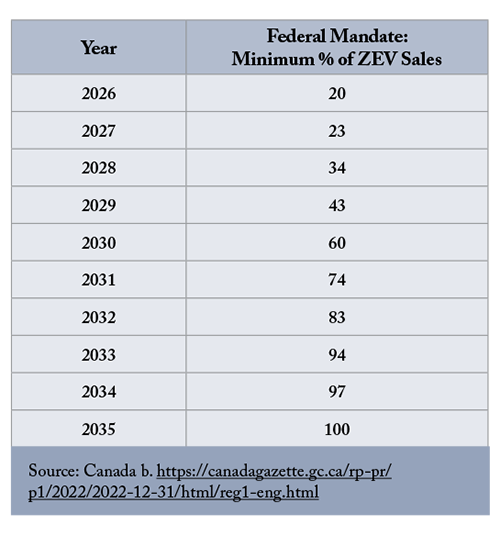








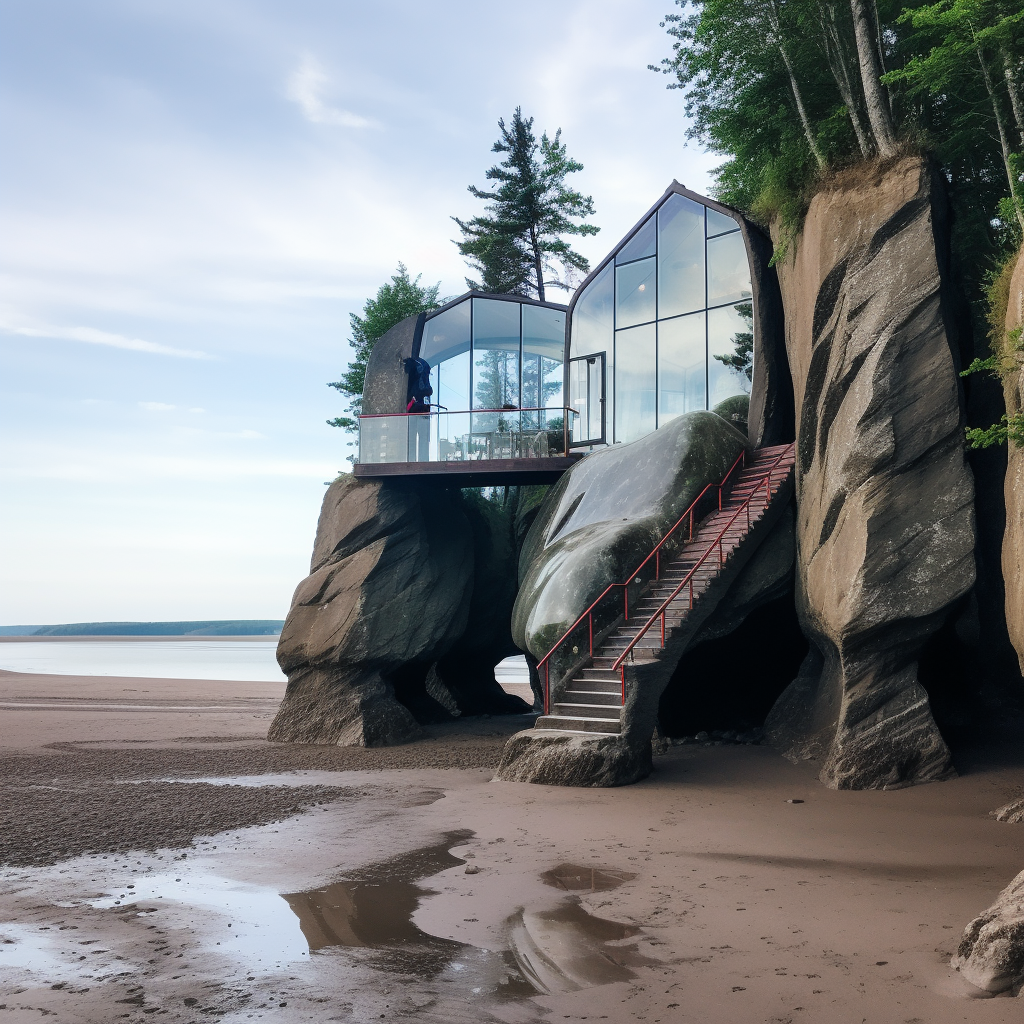



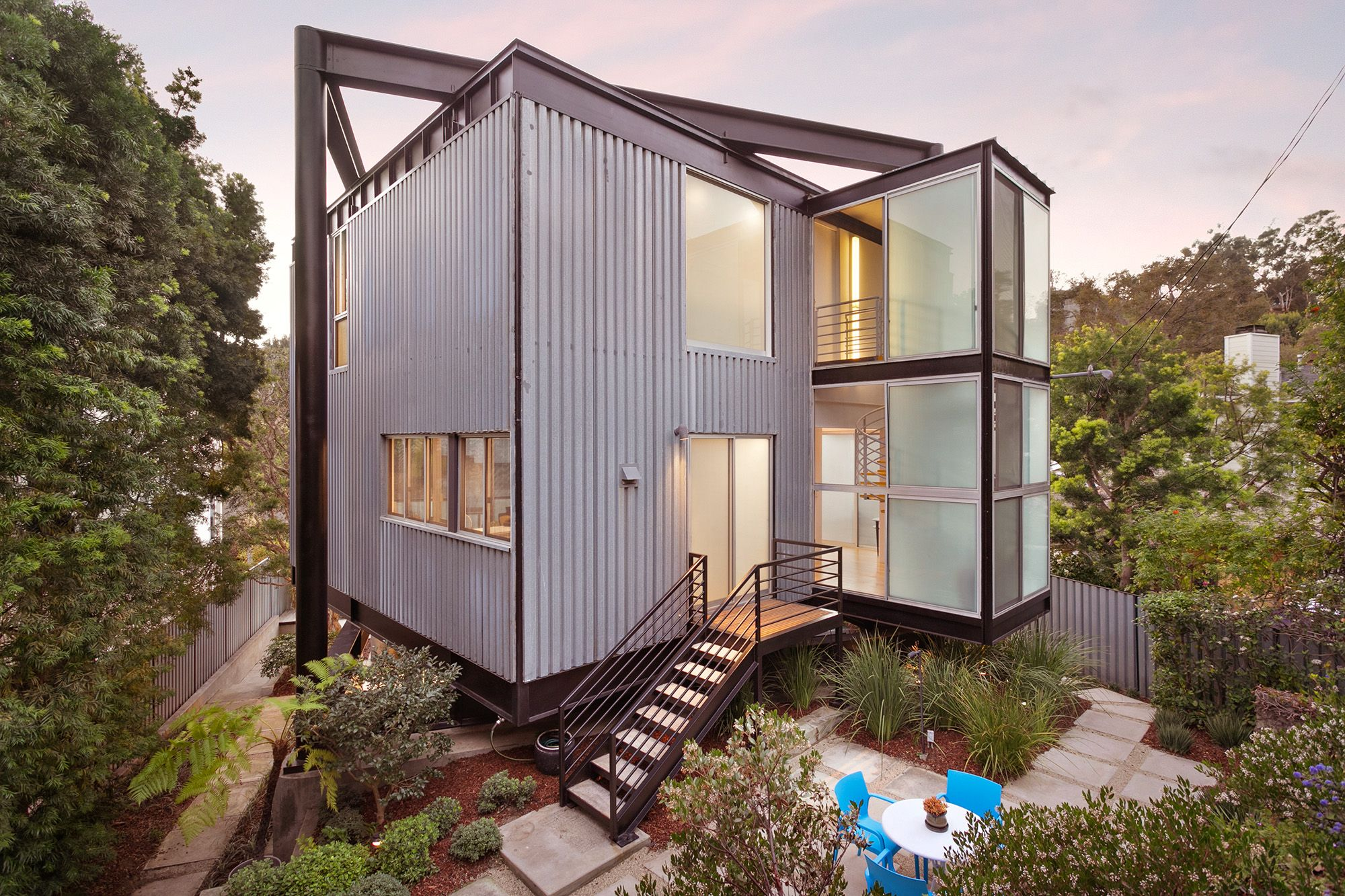
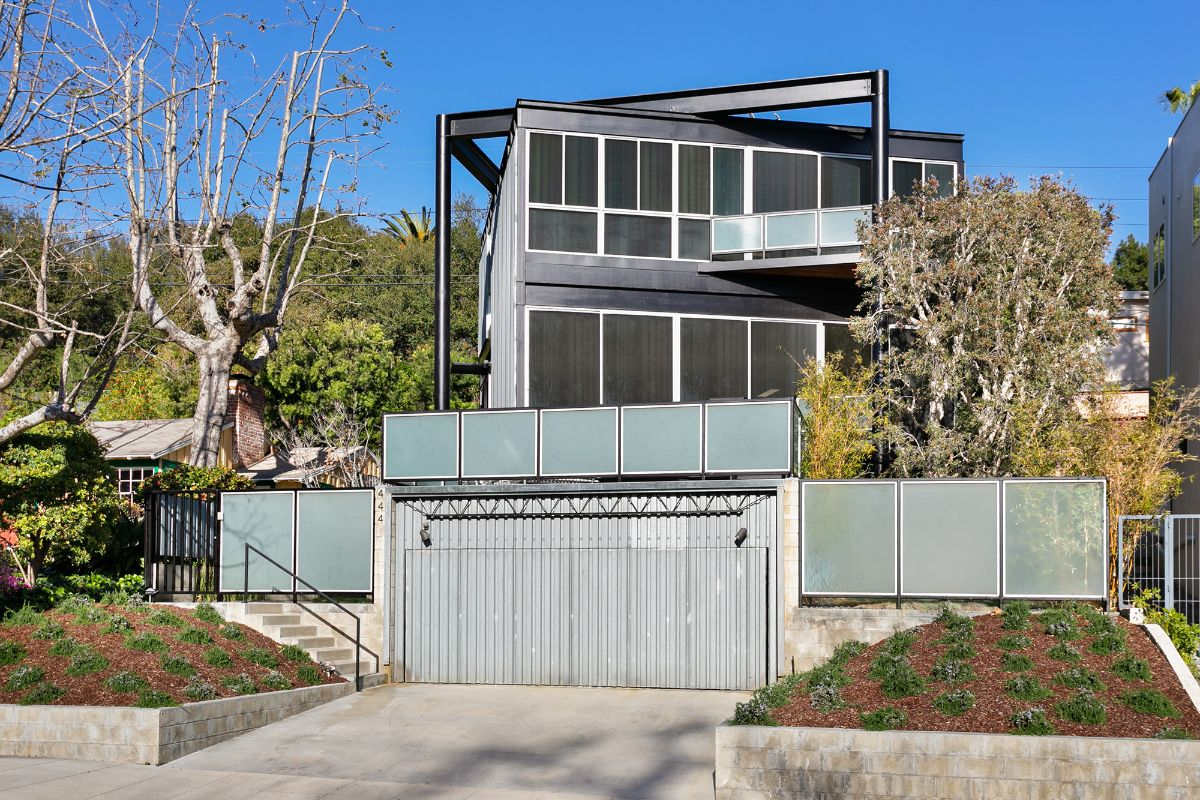



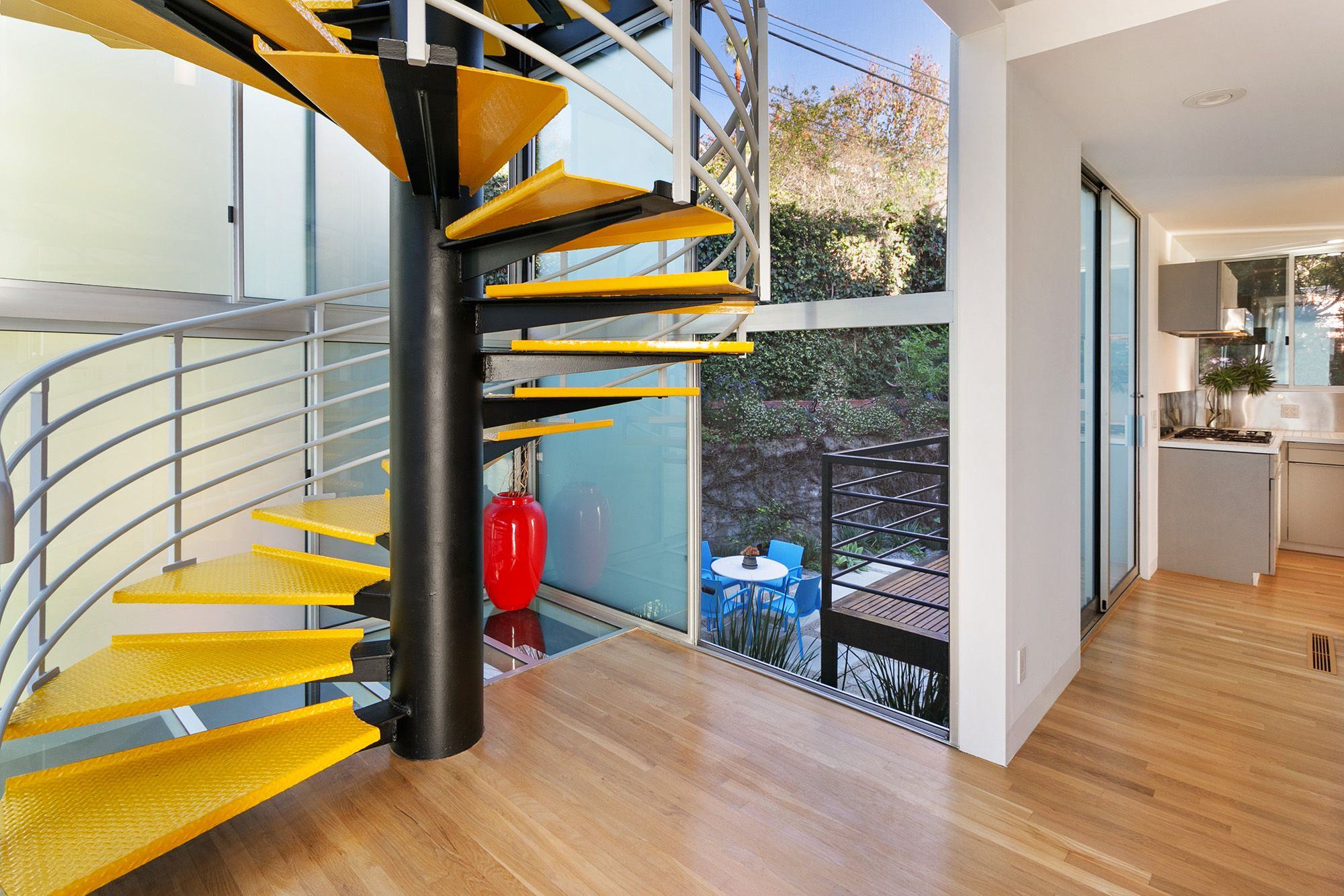
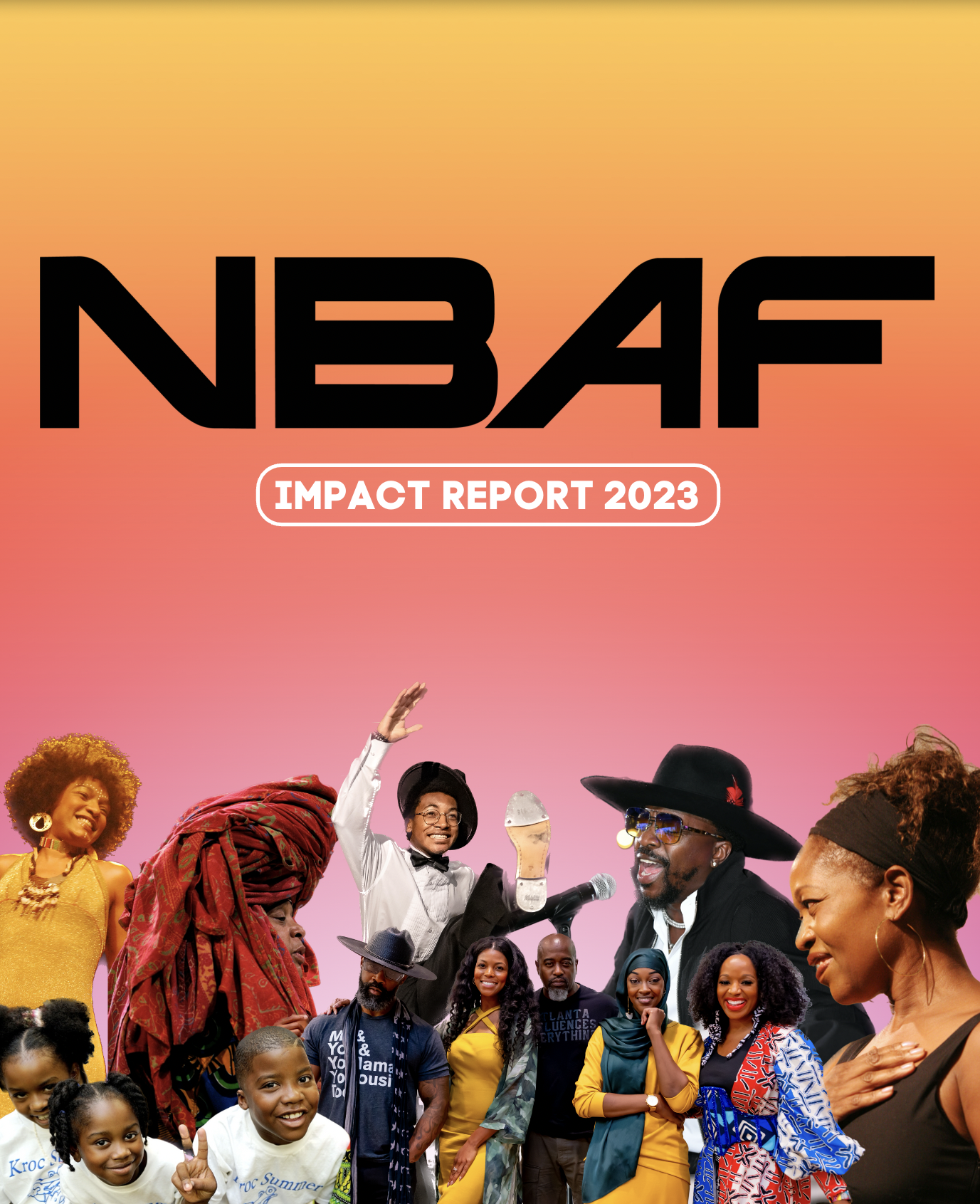



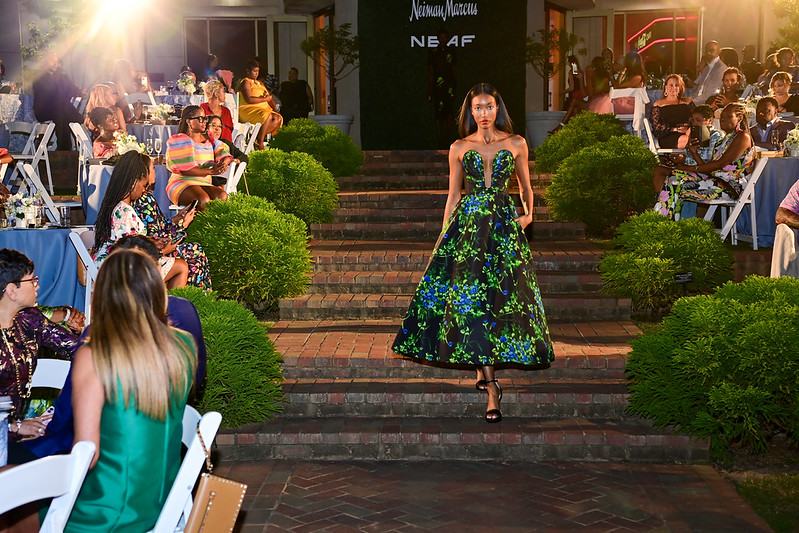















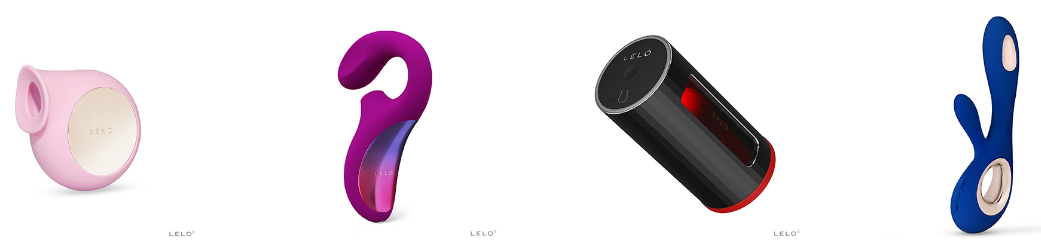

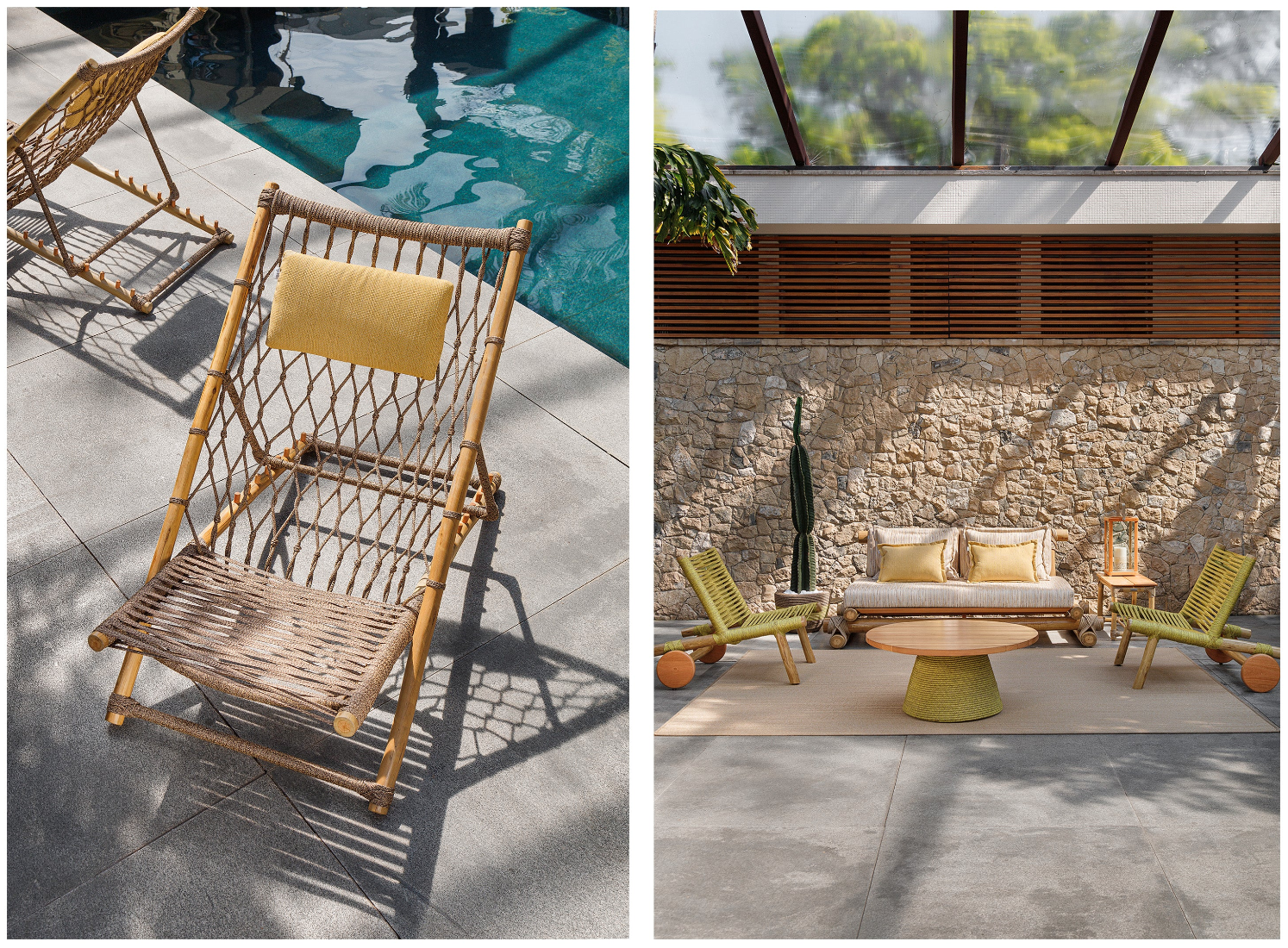
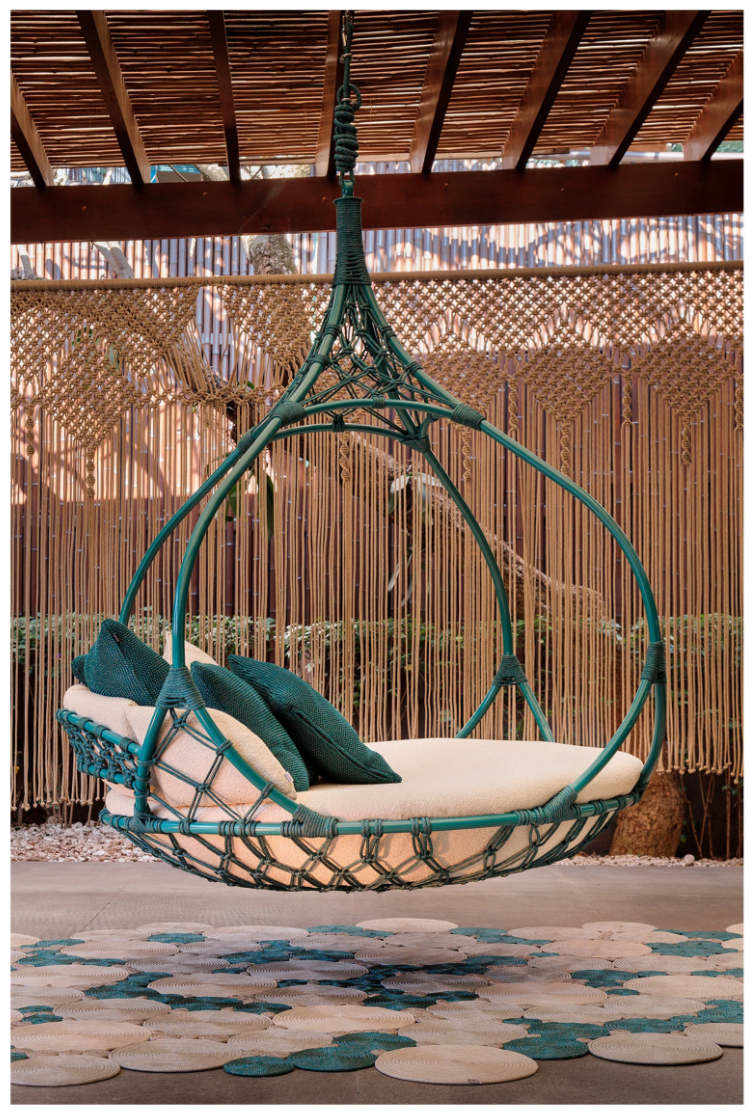
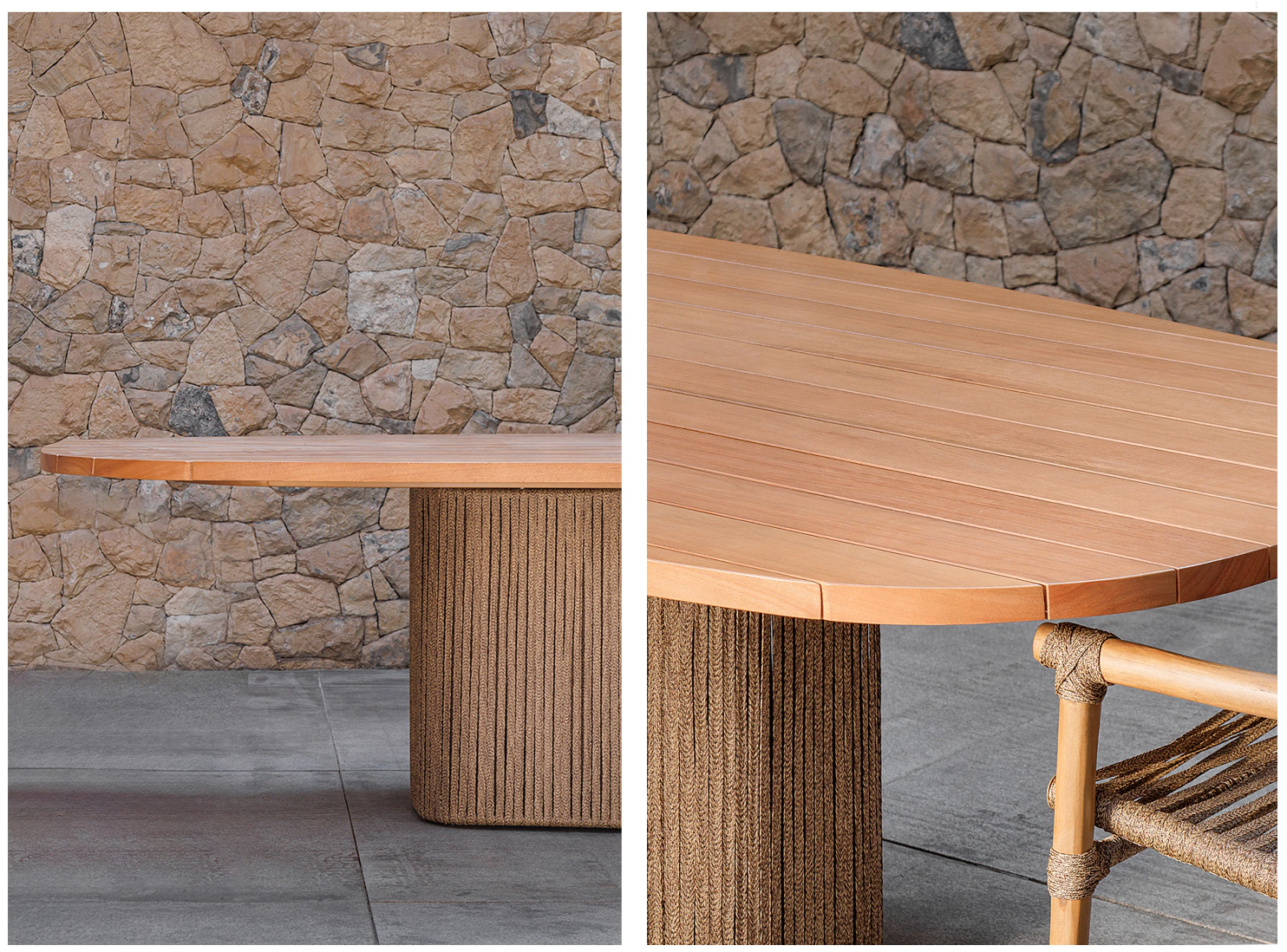
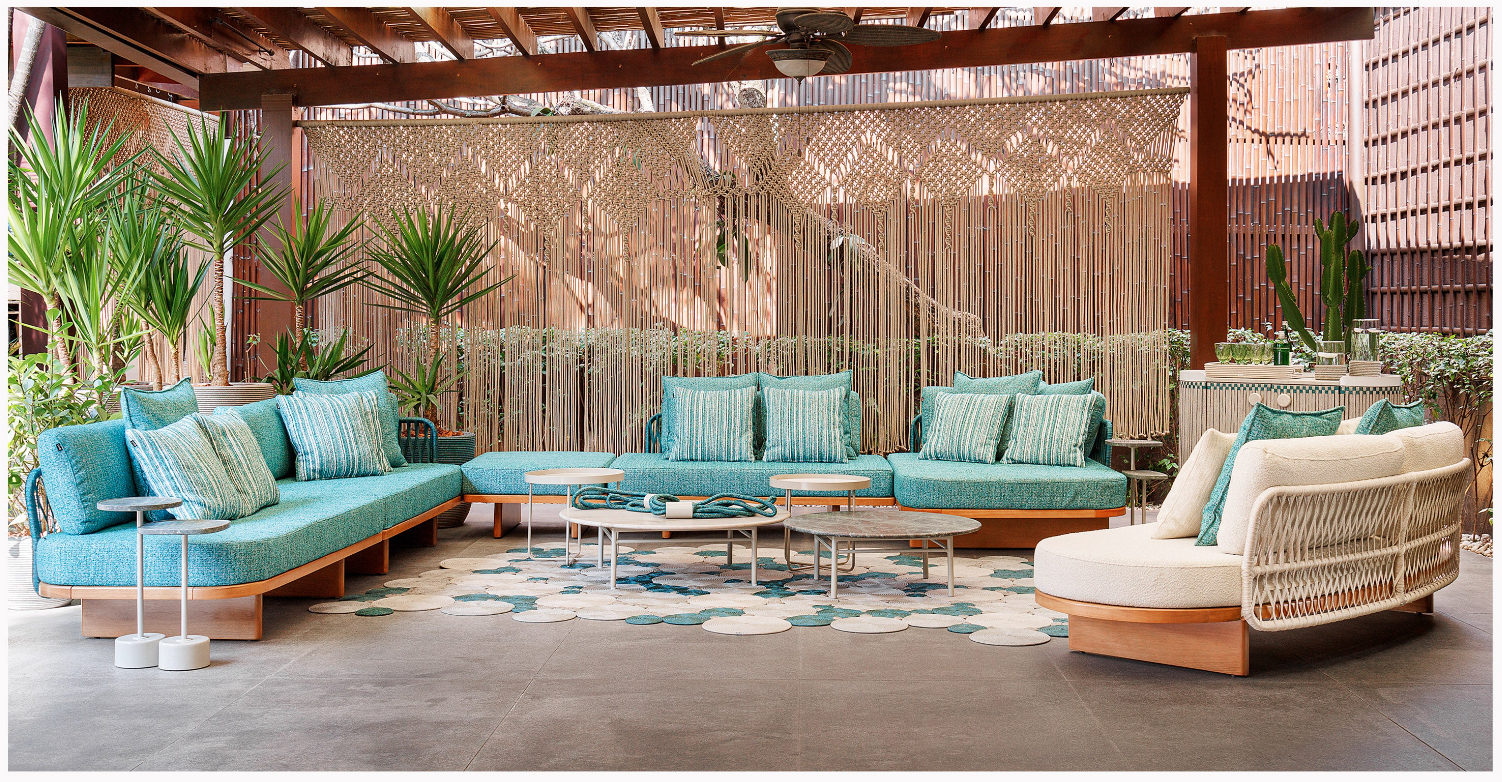
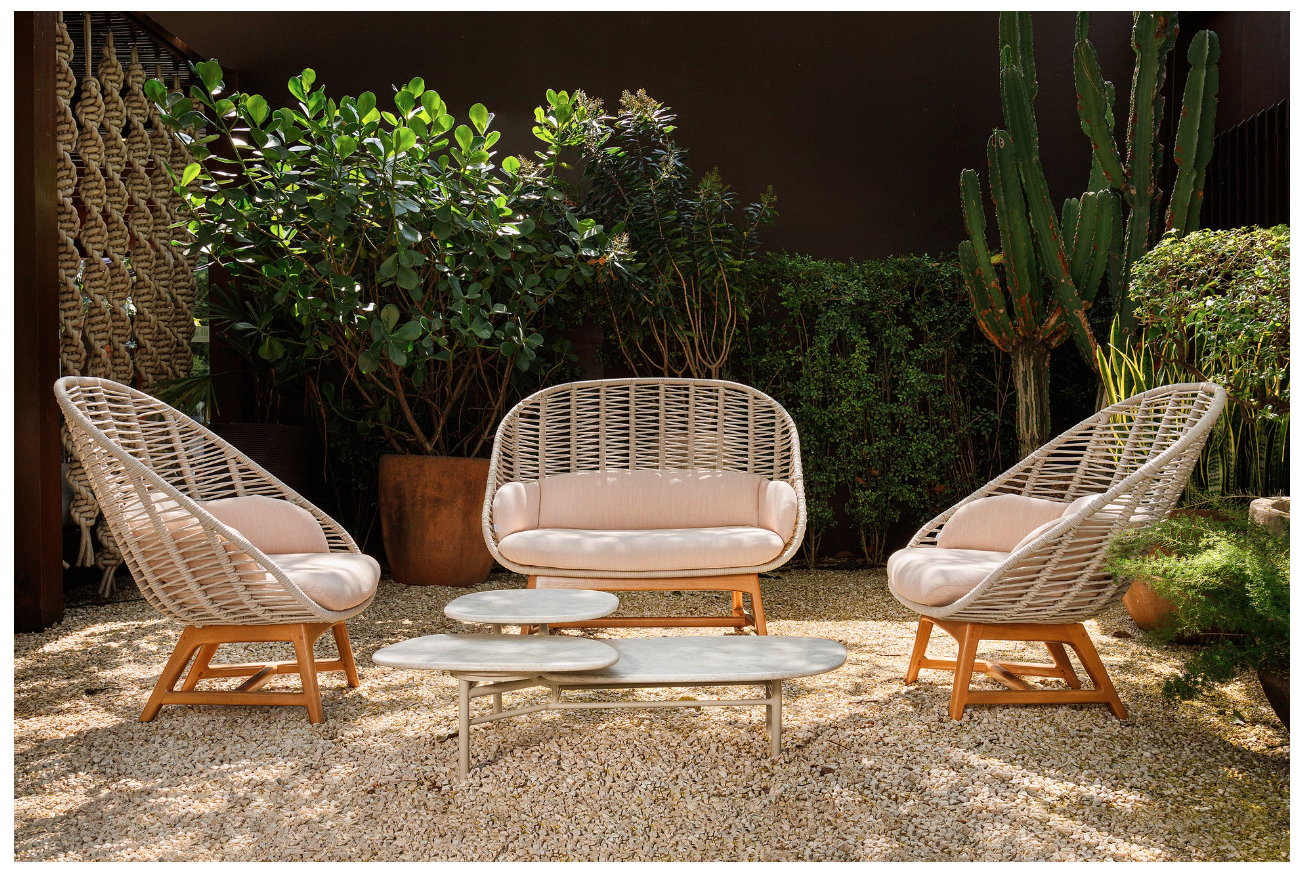
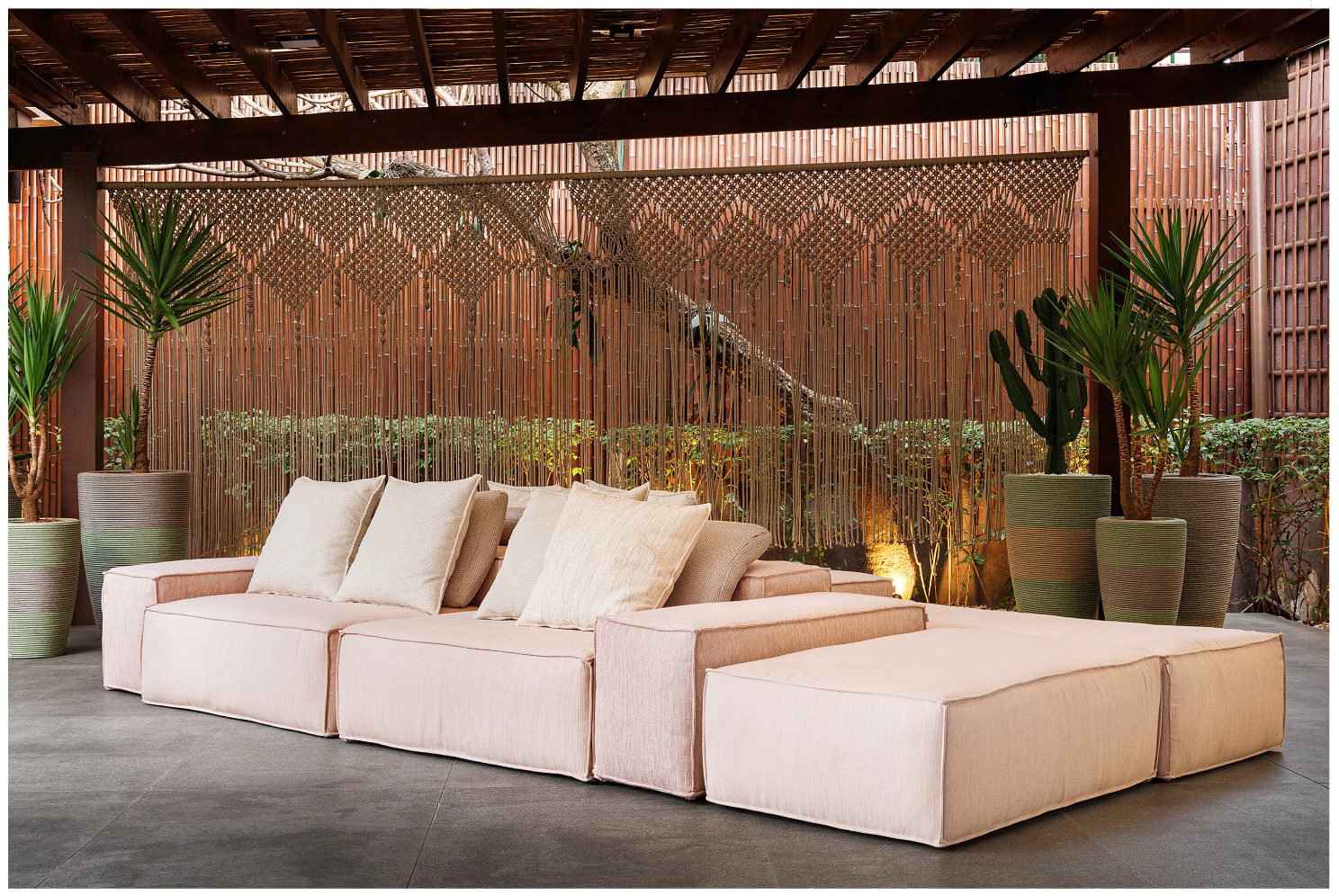

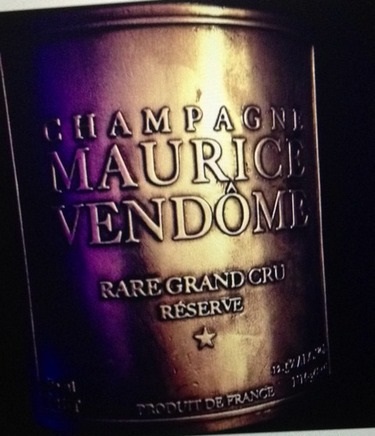 Miami, FL, – Ultra-luxury wine and spirits purveyor

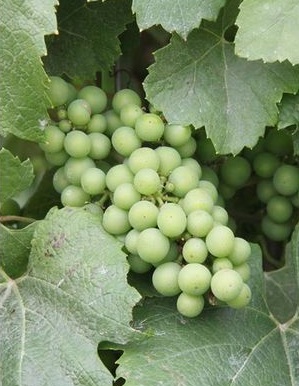


 aspen FR10 Features at a Glance:
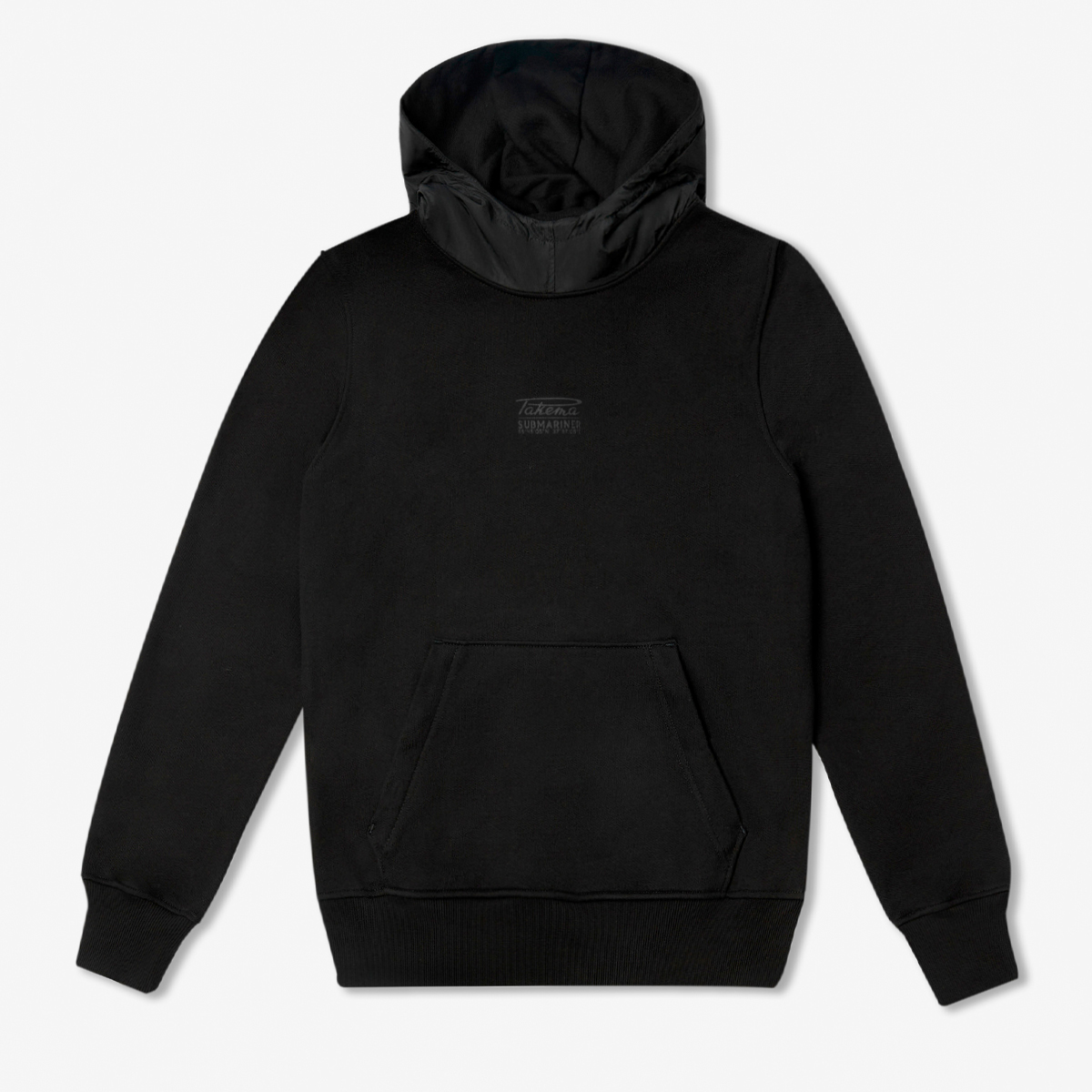



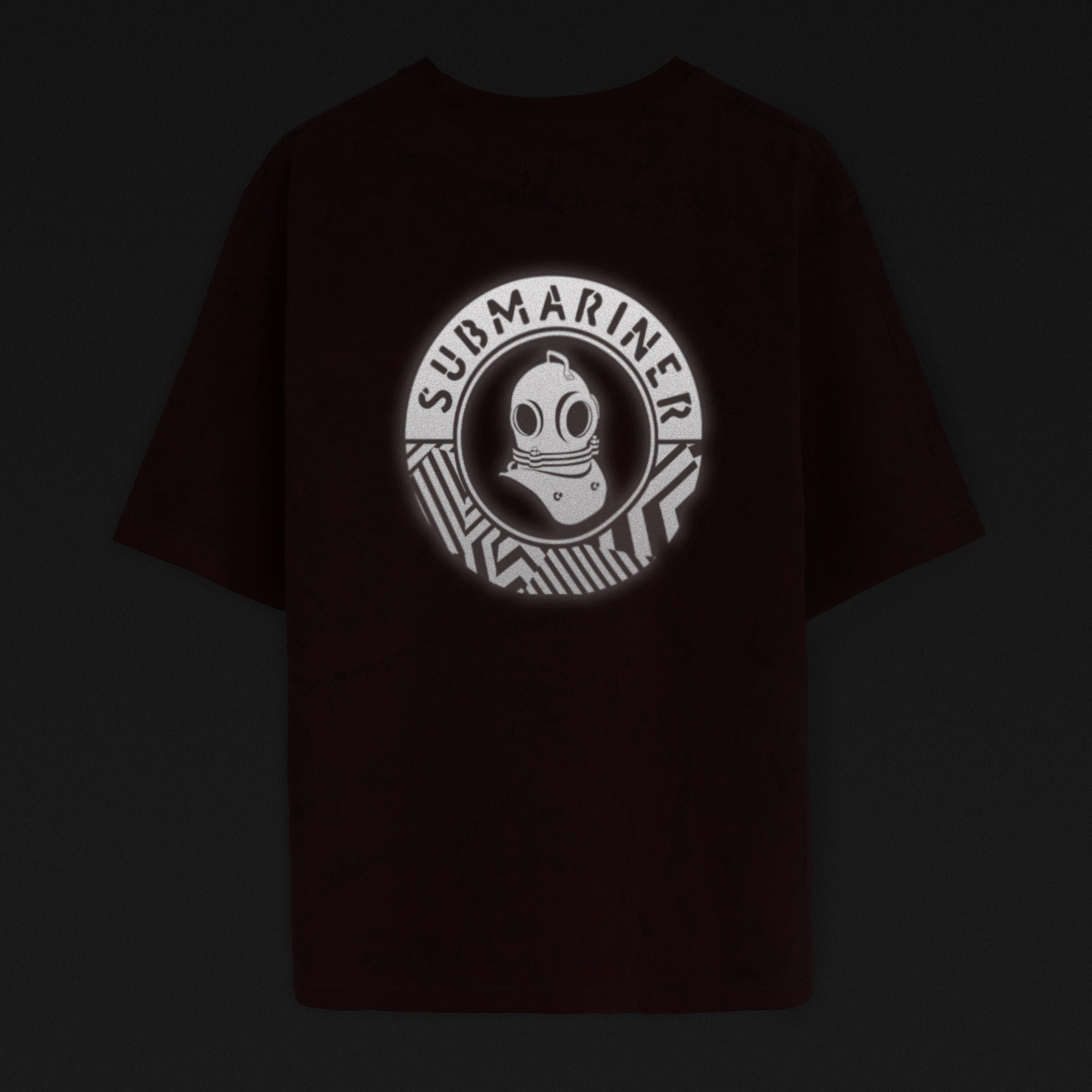






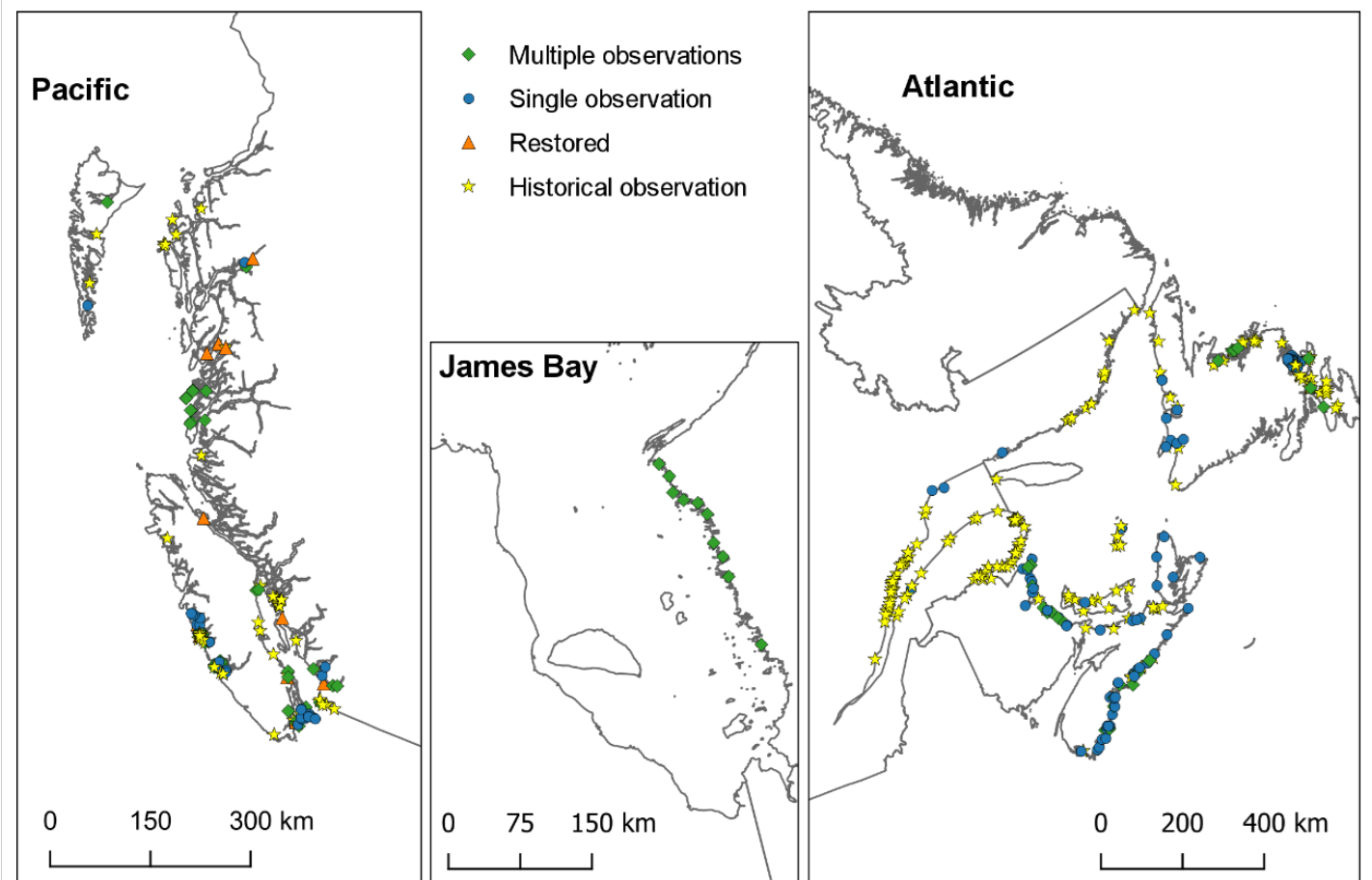

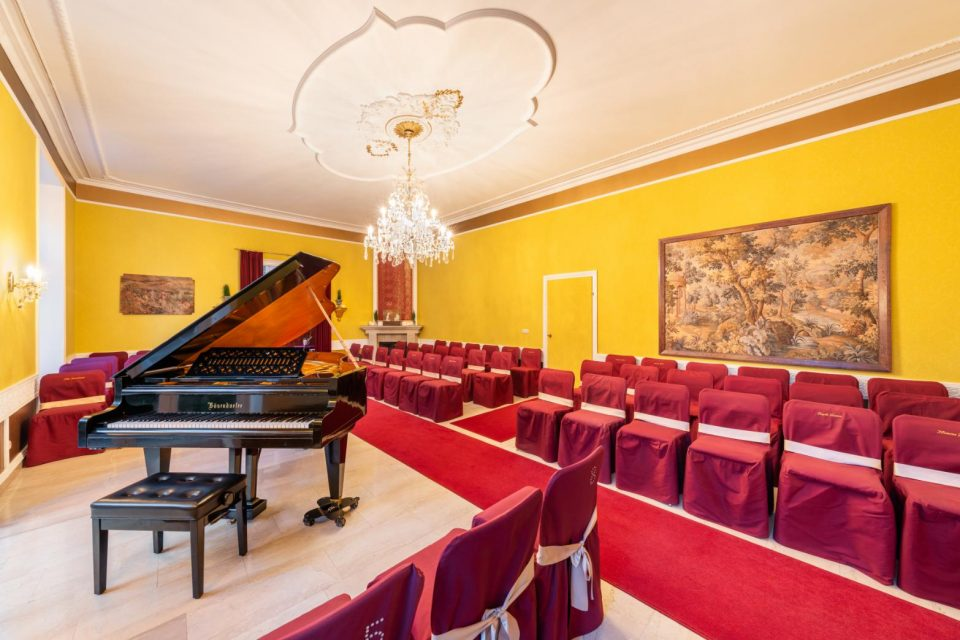
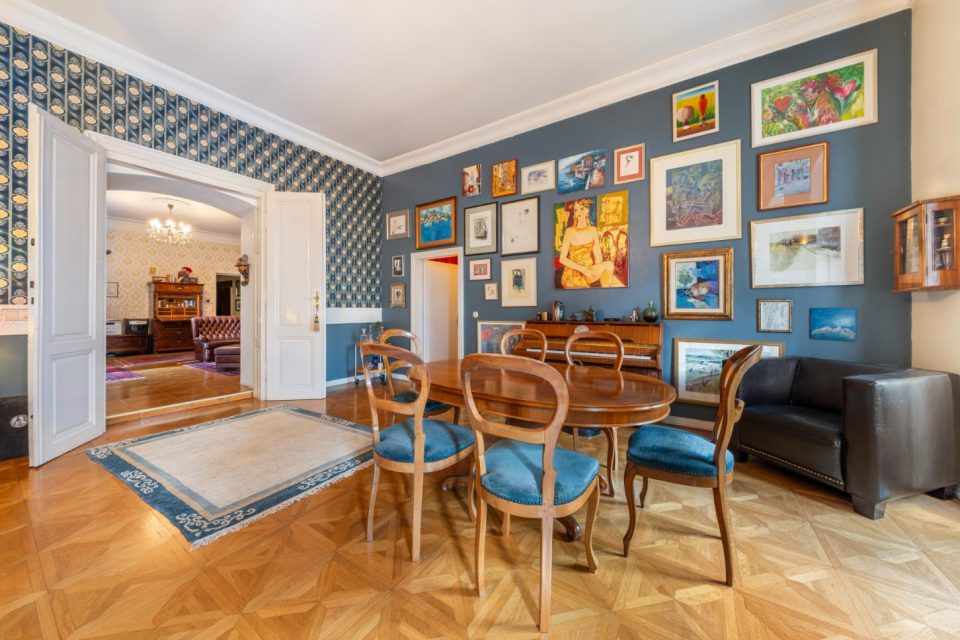
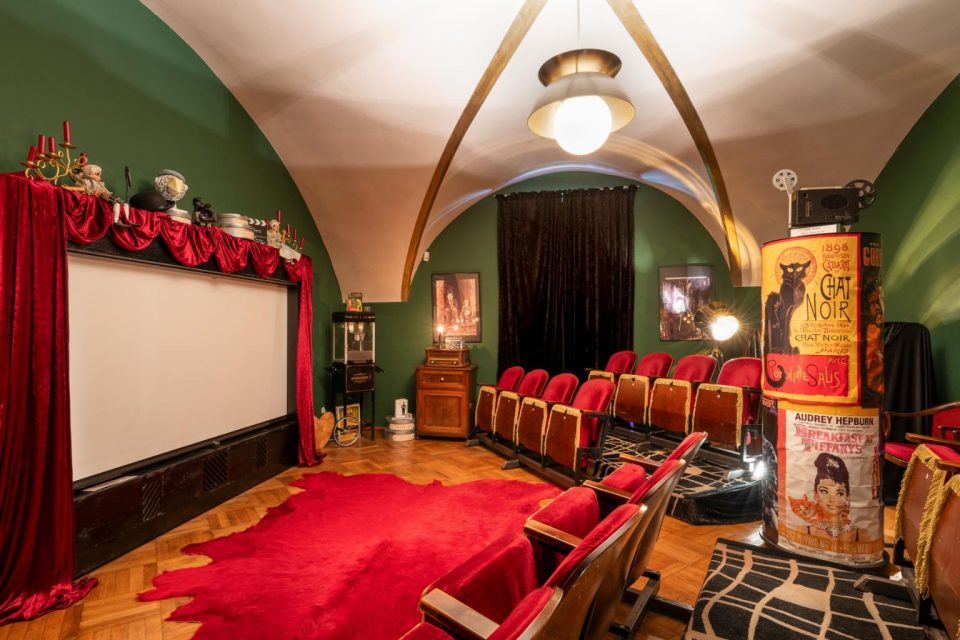


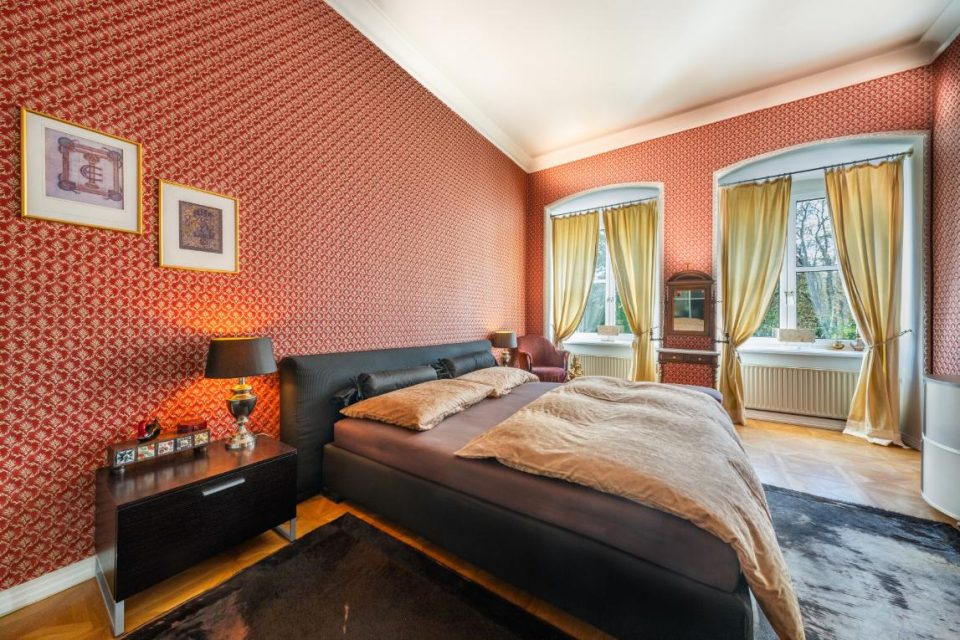



 Alfredo Muro is a concert guitarist, composer, arranger, and improviser. He’s been described as a Latin guitar virtuoso, yet his styles and tastes are far more wide-ranging, from the classical repertoire to folk, jazz, Brazilian and more. He noted, “The idea of the program presented on The Spirit of Christmas was to choose traditional Christmas themes, combined with Christmas music popular in Spain and South America. Many of those songs are connected to my heart – they are part of my childhood in Latin America.”




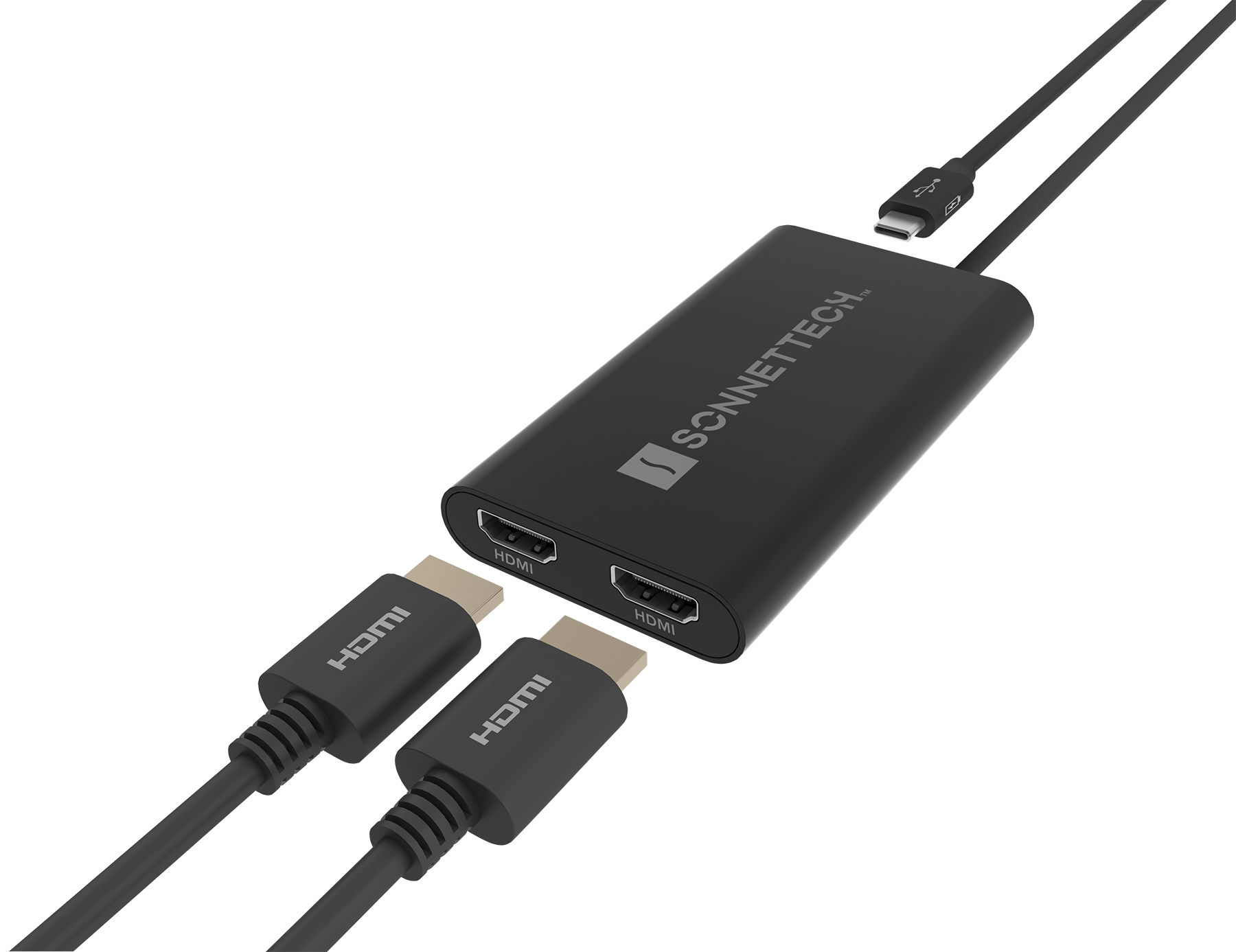



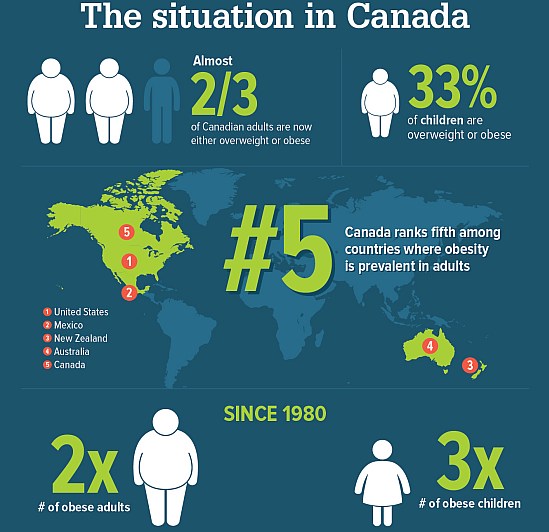



 operation is very easy – users just power her on, securely place her on the window, and press start. WINBOT’s Pathfinder Technology automatically scans and calculates the size of windows and programs a custom path for speed and efficiency. Her internal vacuum pump and powerful suction motor create a double seal that is able to bear up to 26 pounds and a back-up battery and safety pod ensure that WINBOT will stay secure even if the power is disrupted.