Tag Archives: Syria

‘Internation Day of Older Persons’ Focus Included Protecting Them In Conflict & Disaster Zones

Protecting Older People in Conflict and Disaster Zones is A Humanitarian Priority
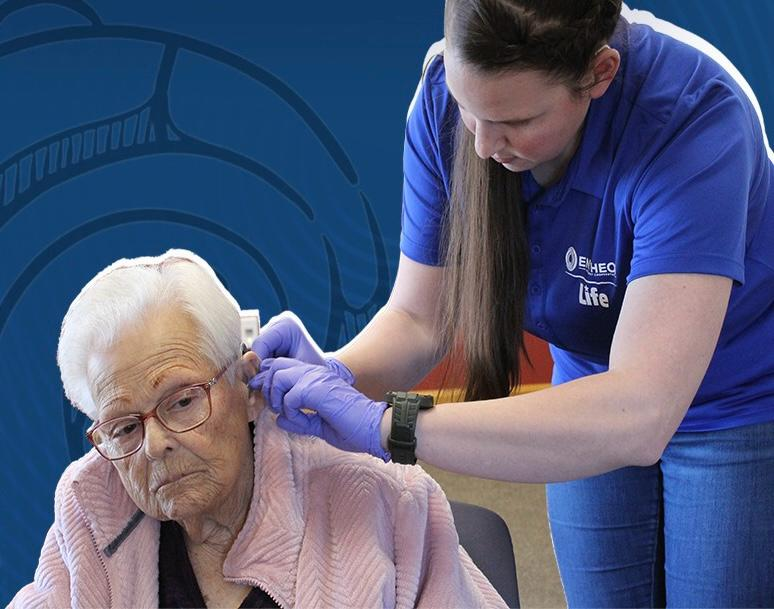
Growing older can bring challenges that become particularly difficult in communities affected by poverty, displacement, conflict, or natural disasters. Health problems such as impaired vision, hearing difficulties, mobility limitations, hypertension, diabetes, and heart disease may become harder to manage when medical services are disrupted or unavailable.

Yet the challenges faced by older people extend far beyond physical health. The loss of a spouse, separation from relatives, displacement, financial insecurity, and prolonged isolation can leave many elderly people without the social and emotional support they need. In humanitarian crises, these vulnerabilities can become even more pronounced, especially when older adults are simultaneously responsible for children or grandchildren.
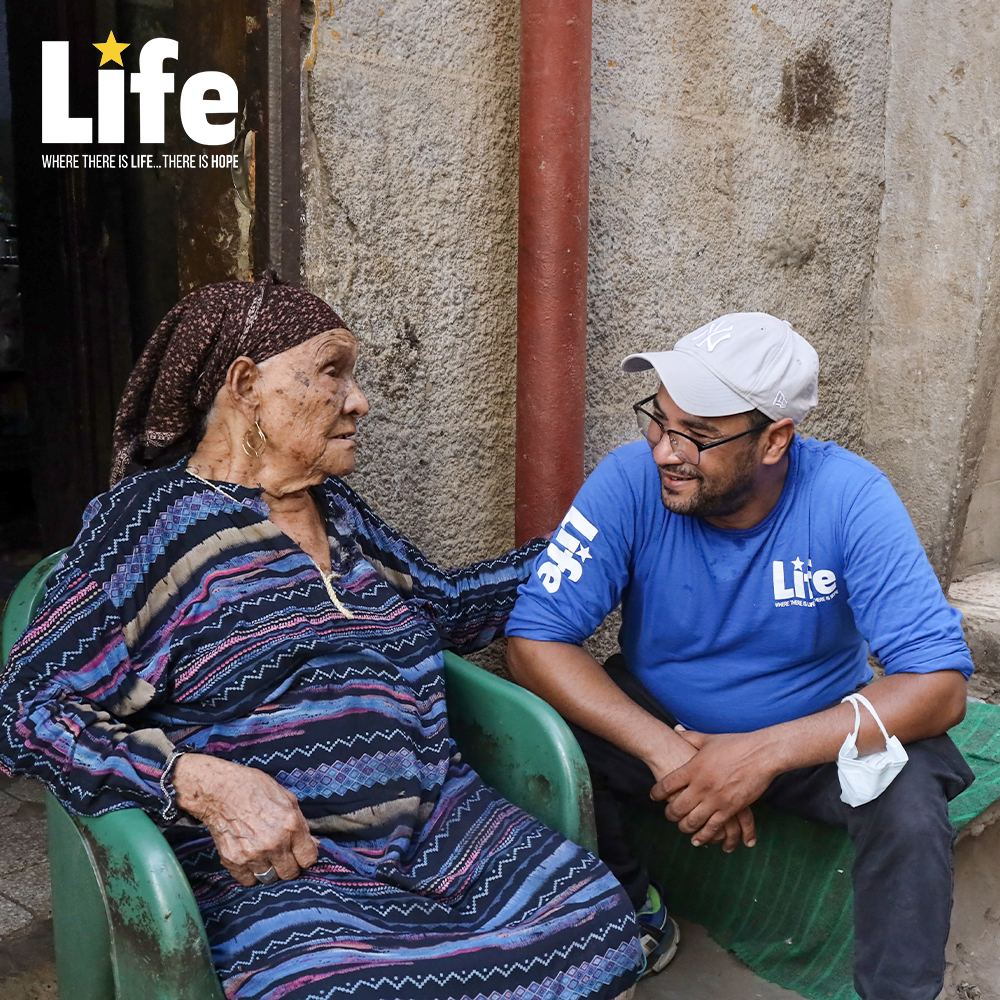
As the world marks the International Day of Older Persons, attention is increasingly turning to the need for humanitarian responses that do not overlook the elderly.

For Life for Relief and Development supporting older people is incorporated into a broader humanitarian approach that includes emergency assistance, healthcare, shelter, food security, water and sanitation, education, and community support.

We spoke with Sharon Leonard, Executive Administrator at “LIFE”, about the organization’s approach to elderly care and the experiences of older people living through conflict, displacement, poverty, and natural disasters. Against this backdrop, we spoke with her to discuss these issues.
Q: Why is support for older people an important part of humanitarian work, even during major emergencies?

Older people can sometimes become invisible during humanitarian emergencies because immediate attention naturally focuses on urgent injuries, displaced families, children, and other visible needs. But older adults are also directly affected by crises, and many have specific medical, financial, and social needs that cannot simply be postponed.

The demographic picture itself demonstrates why this issue deserves greater attention. UNFPA data indicate that people aged 60 and above already account for approximately 8% of the world’s population. The increase is particularly significant across Arab countries, where the elderly population is expected to grow from around 27 million in 2015 to approximately 50 million by 2030 and more than 80 million by 2045.

This demographic transition is taking place alongside wars, displacement, economic hardship, and other humanitarian challenges. Conflict can also weaken family structures and reduce the number of younger relatives available to care for aging parents and grandparents.

For these reasons, elderly care should not be considered an optional addition to humanitarian response. It needs to be incorporated into sustainable programs that recognize the rights, needs, and contributions of older people.

Q: LIFE operates in very different countries and communities. How can elderly care be adapted to such diverse environments?

There is no single model of elderly care that can be applied everywhere. The needs of an older person living independently in a community are different from those of someone displaced by conflict or living in a residential care facility.

Over the past 34 years, LIFE has worked across approximately 60 countries, and older people have been included in many areas of our humanitarian response. This may involve emergency assistance, support for refugees and internally displaced people, medical services, clean water projects, seasonal distributions, family assistance, education, and orphan sponsorship.

One particularly important situation involves grandparents who become the primary caregivers for orphaned grandchildren. They may already be struggling with age-related health problems and limited financial resources, yet suddenly have responsibility for an entire household.

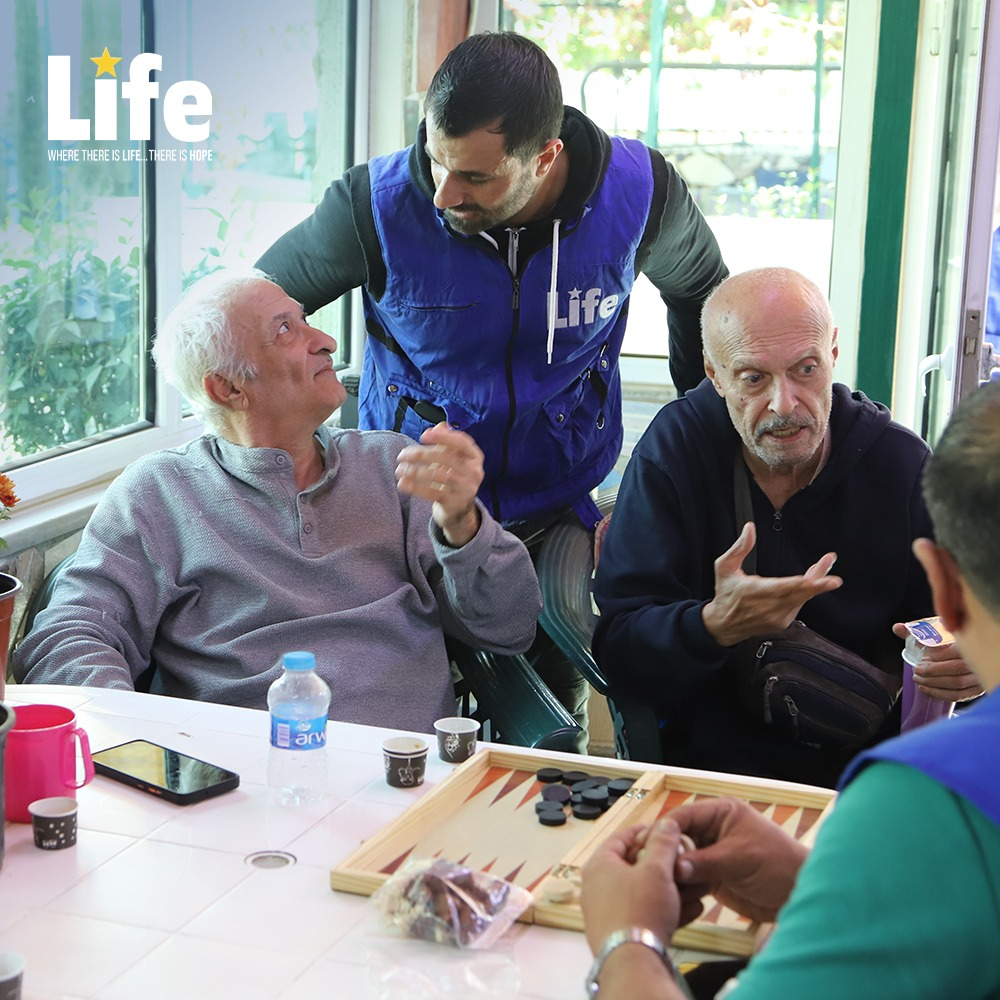
Where LIFE works directly with elderly residents in care facilities, we also try to address their social and emotional wellbeing. This can include nutritious meals, safe environments, opportunities to talk and share their experiences, recreational activities adapted to their abilities, and basic technology training that can help them remain connected with relatives.

Our objective is not simply to provide services. It is also to ensure that older people’s experience, knowledge, and dignity remain part of community life.

Q: Older people can be particularly vulnerable when they are forced to leave their homes. What assistance do they receive during displacement and emergencies?

Displacement can be extremely difficult for an elderly person, particularly when they have chronic illnesses, mobility limitations, or depend on regular medication.

LIFE teams have responded to emergencies in many different settings, including earthquakes in Morocco, Nepal, Indonesia, and Türkiye; floods in Bangladesh, Afghanistan, and Libya; and conflicts affecting communities in Myanmar, Sudan, Gaza, Syria, and Lebanon.

In these circumstances, our first concern is to help older people remain safe and maintain their dignity. Depending on the situation, assistance may include secure accommodation, medicines, medical examinations, continued treatment, nursing support, or mobile medical services for people who cannot easily reach healthcare facilities.

Food assistance is also important. We seek to provide balanced meals and, where appropriate, nutritional support. During colder months, blankets and warm clothing can make a significant difference, particularly for displaced families living in temporary accommodation.

Financial and household assistance may also be necessary when an older person is responsible for grandchildren or other dependents.

Every intervention is designed around the circumstances of the individual and the practical barriers they face.

Q: Physical assistance is visible, but how does LIFE respond to loneliness, grief, and other emotional challenges among older people?

The emotional consequences of displacement and loss can remain long after an immediate emergency has passed. Older people may lose spouses, children, homes, familiar communities, or their sense of independence. Some become isolated because they are unable to travel or communicate easily with relatives.

That is why humanitarian support should not stop with food, medicine, or shelter. Listening and human connection are also important.

Our programs can include opportunities for older people to speak with others, participate in group activities, and receive psychosocial support. These interactions can help reduce isolation and remind people that they have not been forgotten.

Recent work in the West Bank, for example, included assistance for older residents in Bethlehem, Beit Sahour, and Beit Jala. In Lebanon, LIFE has also supported older people with disabilities through specialized healthcare, recognizing that some elderly individuals may hesitate to ask for assistance even when their needs are significant.

In Gaza, the humanitarian situation is particularly severe. Older people living in displacement camps may be managing chronic medical conditions while simultaneously coping with bereavement, displacement, and the loss of family members. Emergency relief, medical assistance, and seasonal support therefore remain important components of our response.

Q: What do older people tell you about the meaning of this assistance?

For many elderly people, assistance is about much more than receiving supplies. It can restore a sense of security and independence at a time when so much of their lives has become uncertain.

I remember Abu Nasser, a 71-year-old man from Gaza, who became responsible for six grandchildren after losing his son and daughter-in-law. He described how the war had completely changed the responsibilities he carried in old age. Receiving food, personal-care items, and safe water reduced his fear that his grandchildren might have to put themselves in danger simply to meet the family’s basic needs.

Even basic facilities can have an important psychological effect. Having access to private bathrooms in a LIFE camp, for example, gave Abu Nasser and his wife a renewed feeling of privacy and dignity.

There was also Zahra, 75, from Mauritania, who explained that receiving food assistance meant she no longer had to face the humiliation of asking others for food.

In Afghanistan, Fatima, 73, survived devastating floods and was left deeply traumatized. Safe accommodation and medical assistance helped her begin recovering from the experience.

And in Türkiye, Aisha, 67, was displaced following the Kahramanmaraş earthquake. LIFE helped trace her family after displacement and provided shelter, medicine, clothing, and food while they worked toward rebuilding a more stable life.

These experiences demonstrate that dignity is often found in things that may appear very simple: safety, privacy, medicine, food, family connection, and the ability to live without constantly fearing what will happen next.

Q: Another challenge is that some elderly people become caregivers for children after conflict or disaster. How does LIFE respond when older people themselves are in need of care?

This is one of the most difficult situations we encounter. An older person may already need assistance yet suddenly become responsible for children because their parents have died, disappeared, or become unable to care for them.

In northern Syria, I remember Abu Amer, 78, who had spent years living in freezing tents with his grandchildren. When he received a home through a new LIFE housing project, he became emotional. His greatest concern had been protecting the children from the cold and providing them with a safe place to live.

Another example is Iman, 59, from Sudan, who fled the conflict with her pregnant daughter and grandchildren. After the family reached Egypt, LIFE provided shelter, food, medicines, and medical follow-up for her daughter during the pregnancy.

The same principle applies beyond conflict zones. In the Dominican Republic, Pedro, 71, watched his grandchildren return to school after LIFE rehabilitated their damaged school. His reaction reflected something important: humanitarian assistance can restore not only physical infrastructure, but also a family’s sense of stability and dignity.

These stories reinforce why elderly care should be incorporated into broader humanitarian and development planning. Older people are not simply recipients of assistance. In many communities, they are caregivers, decision-makers, sources of family stability, and custodians of experience and knowledge.

Q: What should humanitarian organizations do differently in the future when designing programs for older people?

The needs of older people should be considered from the beginning of humanitarian planning rather than added later as a separate issue.

That means identifying their medical needs, mobility limitations, living arrangements, financial circumstances, and family responsibilities when an emergency response is designed. It also means ensuring that shelters, distribution points, healthcare services, water facilities, and communication systems are accessible to elderly people.

Most importantly, we need to recognize their dignity and agency.

Humanitarian programs should help older people remain connected to their families and communities whenever possible. They should support those who are caring for grandchildren, provide access to appropriate healthcare, and create opportunities for older people to participate rather than treating them solely as vulnerable recipients.

As populations age around the world, elderly care will increasingly become part of sustainable humanitarian planning. Protecting older people means protecting families and communities as a whole.

For More Details: https://lifeusa.org/#social-media

For the Silo, Tasneem Elridi.
Life For Relief And Development Ranks Third Globally Among Humanitarian Orgs

According to Charity Navigator  2025

Amid escalating crises in the Middle East and the developing world, Life for Relief and Development (LIFE) has been recognized as the third-best global humanitarian organization by Charity Navigator. The organization also secured fifth place for its humanitarian work in Palestine, and fifth place worldwide in the fight against poverty. These achievements earned LIFE a 100% rating, an endorsement from the U.S. Agency for International Development (USAID), as well as recognition by Impactful Ninja as one of the top humanitarian organizations in North America. LIFE was further honored with the Humanitarian Partnership Award for its collaborative initiatives.

Sustainable Programs and Comprehensive Seasonal Projects 

Vicki Roob, Administrative Director at LIFE, explained that the organization was founded more than 33 years ago in the United States and works across more than 60 countries through 14 international offices.

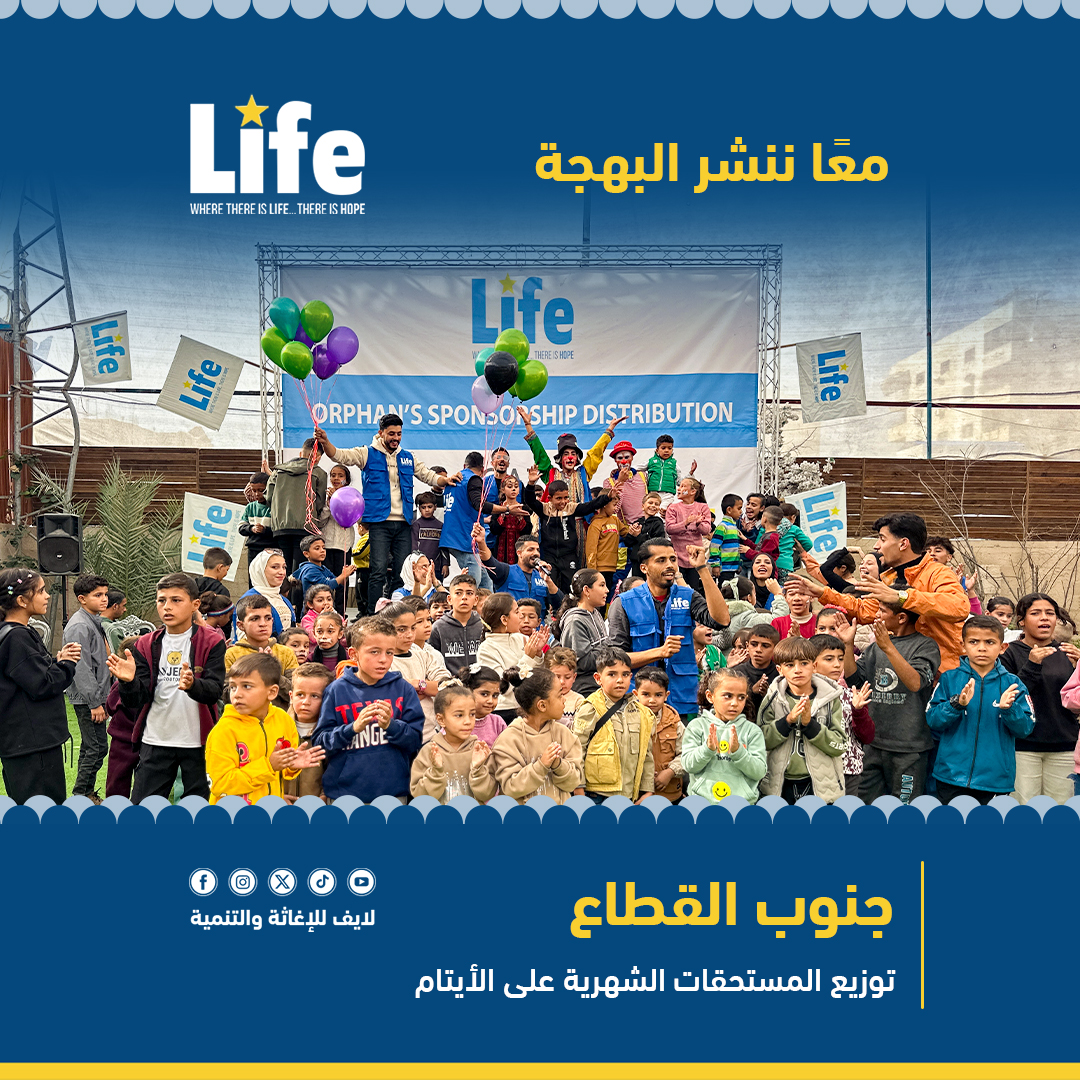
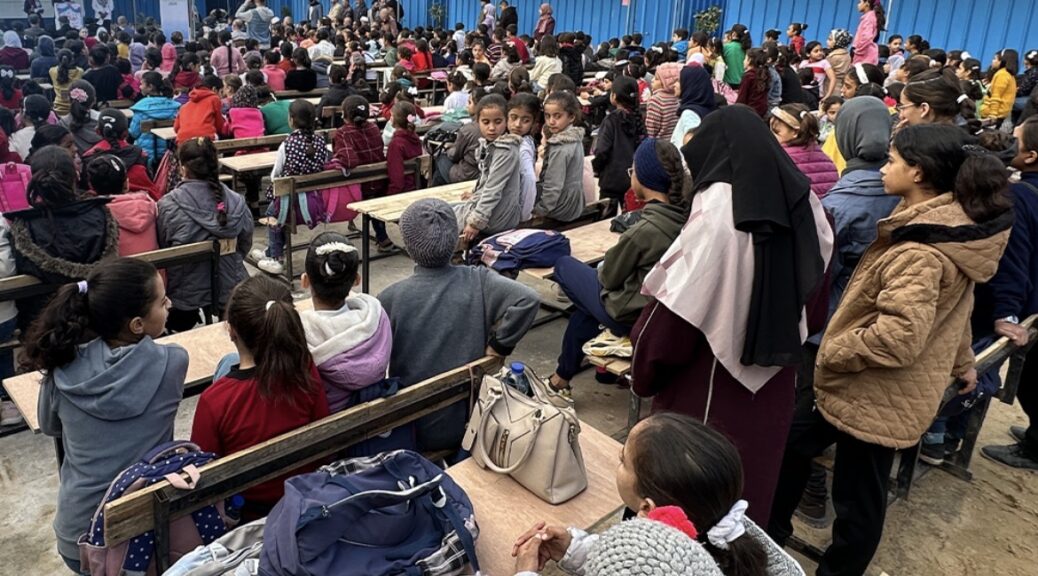
Over the years, LIFE has distributed more than $624 million usd/ $859 million cad in humanitarian aid, supporting programs in food security, clean water, temporary shelter, healthcare, education, community development, family assistance, refugee support, and emergency relief during wars and natural disasters. Currently, the organization supports more than 13,100 orphans worldwide, providing essential care, nutrition, housing, and education, while also organizing annual Global Orphan Festivals filled with games, gifts, and entertainment to ensure children feel valued and supported.

Tent Camps That Saved Thousands of Lives in Conflict Zones

According to Dr. Abdulwahab Alawneh, Regional Director for Jordan and Palestine, LIFE implemented its “LIFE Organized Camps” project in Gaza, establishing nine camps across the north, center, and south of the Strip. Built with fire-resistant and durable materials, these camps provided shelter for 46,000 displaced people, featuring easily dismantled tents to accommodate recurring displacement. Each tent was equipped with bedding and essentials, alongside medical facilities, solar panels serving 7,000 individuals, and protective insulation for 3,000 residents against extreme weather. Clay ovens benefited 3,500 people, while 23 sanitation units were constructed.so LIFE Assisted 1.3 million Displaced People in general in GAZA.

Adding: “we’ve been proactively preparing to facilitate the delivery of urgent relief—shelter, food, water, medicine, and personal necessities—into Gaza. Our team on the ground has already begun implementing LIFE’s ninth camp project after tents arrived and installation began. We are now working to shelter 15,000 newly displaced families still exposed to the cold as winter approaches.

These are waterproof, cold- and humidity-resistant tents that also provide insulation against heat in summer. Made from PVC material, they have protected more than 29,000 families from fires during nighttime bombings in past years.

Using all borders to Gaza

We faced tough challenges but managed them through our extensive experience. We are not newcomers to Gaza’s relief field. We worked through approval requirements for specific items—like tent specifications—while some organizations struggled to get their tents through the crossings. Tents vary in size and function: family tents, medical point tents, hospital tents, and educational tents.

We are now awaiting approval for mobile housing units. However, shelter items like mattresses and blankets have been entering through Egypt on LIFE’s trucks without obstacles, while food parcels are transported through Jordan.

“For food items previously restricted for NGOs, we purchase them at discounted rates from local traders and distribute them to those most in need. We spared no effort to reach them—using animals or walking long distances on foot when necessary.

We also supply water—each truck carries 15,000 liters per camp, enough for 500 families for a week—alongside baby formula, infant supplies, medical kits, and medicines. We ensure field monitoring of activities, including eight camps already constructed, and we share updates regularly on social media in multiple languages.”

Emergency Relief and Orphan Care at the Forefront

In the past year alone, LIFE allocated approximately $1.1 million usd/ $1.51 million cad in emergency relief to families displaced by conflicts and natural disasters, including earthquake survivors in Afghanistan, Morocco, Nepal, Syria, and Turkey; war-displaced populations in Gaza, Sudan, Syria, and Lebanon; wildfire victims in Bangladesh; flood-affected communities in Afghanistan and Libya; and cyclone-hit regions in Myanmar.

Additionally, $6.4 million usd/ $8.81 million cad was invested in healthcare programs and medical supplies, $4.5 million usd/ $6.2 million cad in educational projects, and $2.1 million usd/ $2.89 million cad in in-kind aid shipments. Orphan support remained a priority, with more than $3.8 million usd/ $5.23 million cad dedicated to orphan sponsorship, education, and healthcare.

Seasonal projects also played a significant role: nearly $1.7 million usd/ $2.34 million cad was spent on Ramadan and Eid initiatives, with more than 11 million meals distributed across 36 countries during Ramadan alone. Over 272,620 individuals in 38 countries benefited from Qurbani (sacrifice) distributions. LIFE also allocated $1.4 million usd/ $1.93 million cad toward emergency food relief and constructed 122 water wells worldwide.

For the Silo, Tasneem Elridi.
Children Worldwide Call For Promises Of Universal Education

New York – Through an innovative, children-led campaign delivered by the UN’s global fund for education in emergencies, Education Cannot Wait (ECW), crisis-impacted girls and boys worldwide are sharing “Postcards from the Edge” to call on world leaders and public and private sector donors to make good on promises to ensure education for all by 2030 as outlined in the Sustainable Development Goals.

These first-person accounts and drawings offer inspiring and thought-provoking portraits of the challenges facing girls and boys caught in conflict and protracted crises around the world.

“They are inspiring and compelling stories of hope and an incredible resilience in the face of adversity and testaments to the amazing power of education to transform lives. We must listen to the world’s children. They deserve their human right to an education. Their voice must speak to our decency, they deserve to be heard,” said Yasmine Sherif, Director of Education Cannot Wait.

To date, more than 50 letters, drawings and videos have been received from crisis-affected girls and boys supported through ECW-funded programmes across more than 20 of the world’s toughest country-contexts.

ECW’s strategic partners – including Educo, Plan International, Save the Children, Street Child, UNESCO, UNHCR, UNICEF, World Vision and many others – continue to collect these first-person accounts to highlight the singular power of education to end violence, hunger and poverty, and build a more peaceful world for generations to come.

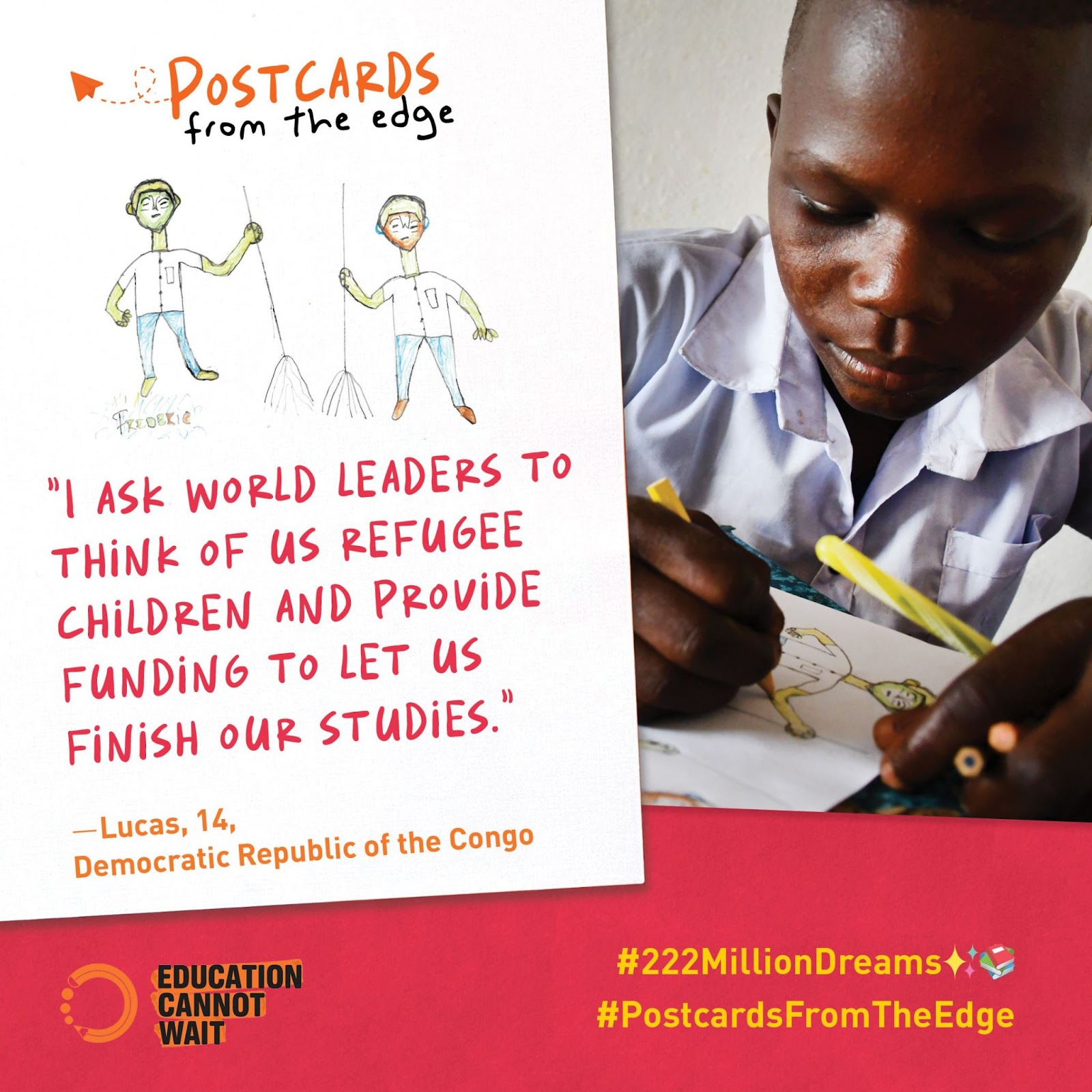
In the Democratic Republic of the Congo, Lucas*, a 14-year-old refugee from the Central African Republic recounts the story of seeing his mother murdered and his village burnt to the ground.

Through a multi-year resilience programme delivered by UNHCR with funding from ECW, the boy is now back in school and dreams one day of becoming a doctor.

In his postcard, Lucas makes an impassioned plea for world leaders “to think of us refugee children and provide funding to let us finish our studies.”

Worldwide 222 million girls and boys like Lucas are having their futures ripped from them by the converging impacts of conflict, climate change, forced displacement and other protracted crises. Girls and children with disabilities are especially at risk.

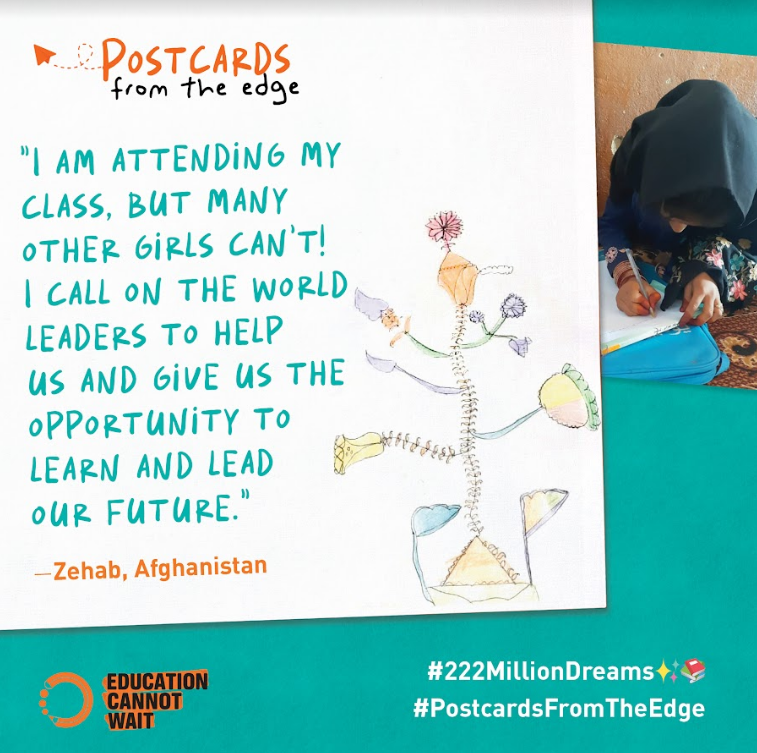
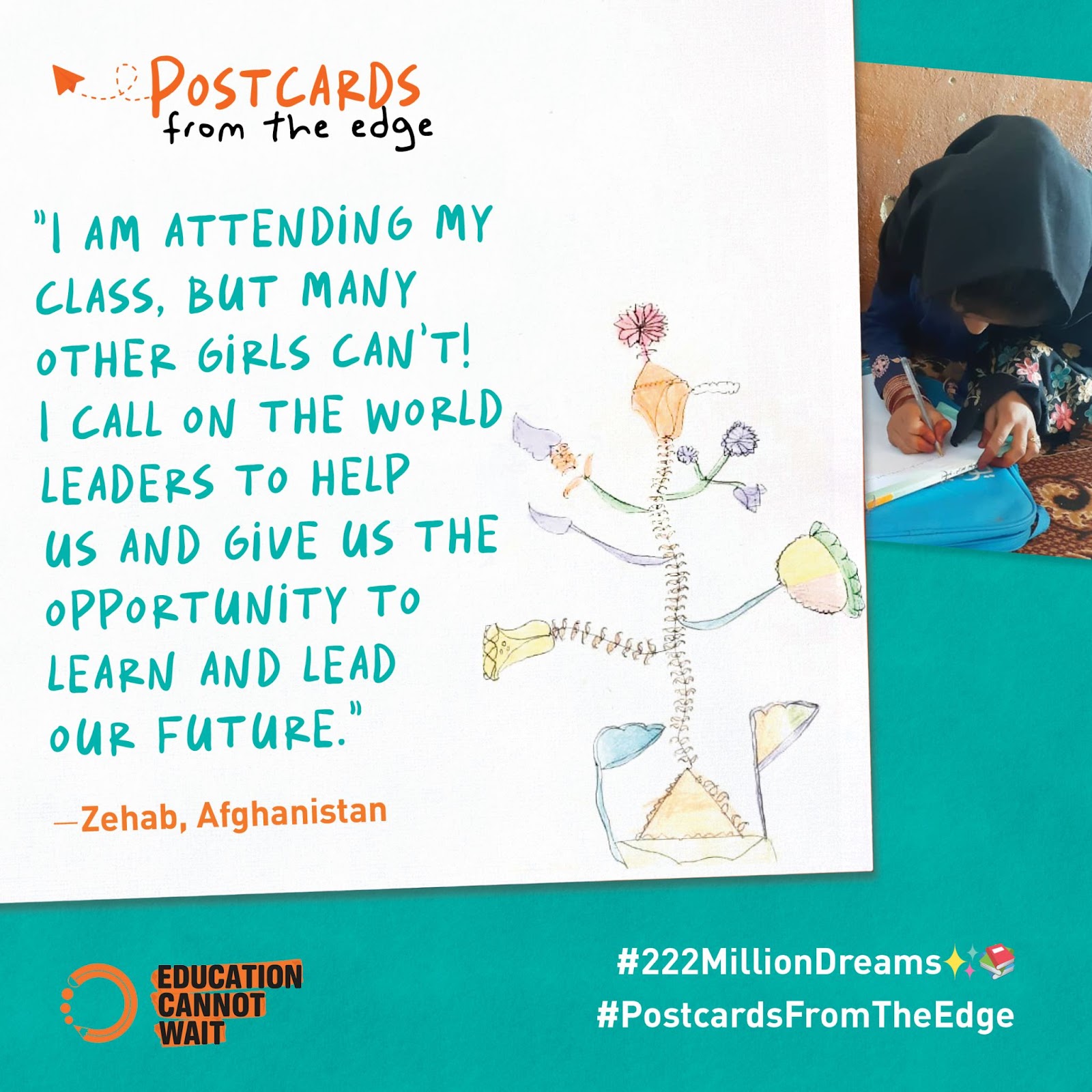
Several letters were submitted from girls and boys in Afghanistan. With new rules banning girls from education and denying women their human rights, it is not clear if Zehab* from the Uruzgan Province will be able to continue her education. But for now, with the support of ECW and Street Child, she is still able to attend a non-formal community-based learning programme.

“I want to get education and become a well-known doctor. But I am wondering that I might not achieve my dreams, as girls are not allowed to attend schools in Afghanistan,” she says in her postcard. “I call on the world leaders to help us and give us the opportunity to learn and lead our future.”

Leaders across the globe will come together at the Education Cannot Wait High-Level Financing Conference on February 16 and 17 in Geneva, Switzerland, to make good on commitments to ensure every child, everywhere, is offered a quality education.

Throughout the event, youth advocates and global champions will read the Postcards from the Edge to ensure the voice of the world’s most vulnerable children are heard.

Education Cannot Wait is calling on donors, foundations and high-net-worth individuals to mobilize US$1.5 billion over the next four years. With this funding, ECW and its strategic partners will reach 20 million children and adolescents with the safety, hope and opportunity that only quality education can provide.

*Names have been changed for privacy purposes.

#PostcardsFromTheEdge  – Letters from Children

POSTCARDS
“For me, #education is the only hope I have left to achieve my dream of becoming a doctor.”~Lucas, 14, 🇨🇫 refugee in #DRCongo.
Read how @EduCannotWait+@UNHCR_DRC help children like Lucas achieve their dreams!👉bit.ly/3XTpzEf#PostcardsFromTheEdge
Darline, 14, from #Haiti🇭🇹 demands change & an #education!
@EduCannotWait’s #PostcardsFromTheEdge Campaign amplifies the voices of girls & boys like Darline ahead of #HLFC2023.Read Darline’s powerful letter📨http://bit.ly/3ixhKoX @UNICEFHaiti#222MillionDreams✨📚
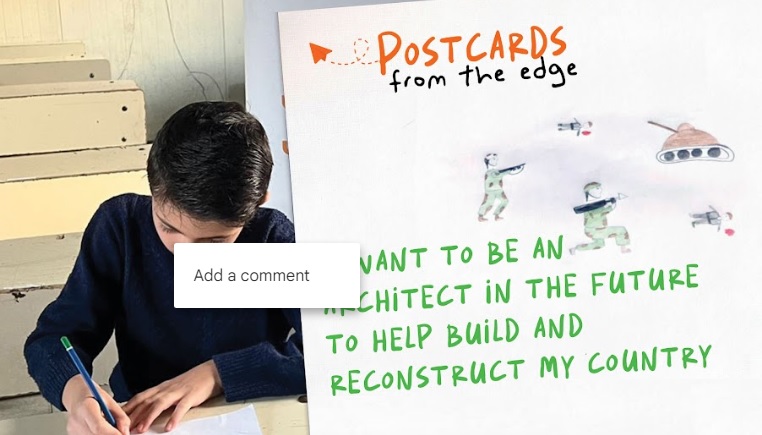
“I want to be an architect in the future to help build & reconstruct my country #Syria🇸🇾 & all the countries that are affected by war & destruction.” ~Kamil, 12, refugee in #Iraq.
Read @EduCannotWait’s #PostcardsFromTheEdge delivered w/@SavetheChildren.📨 http://bit.ly/3kui6Nt 
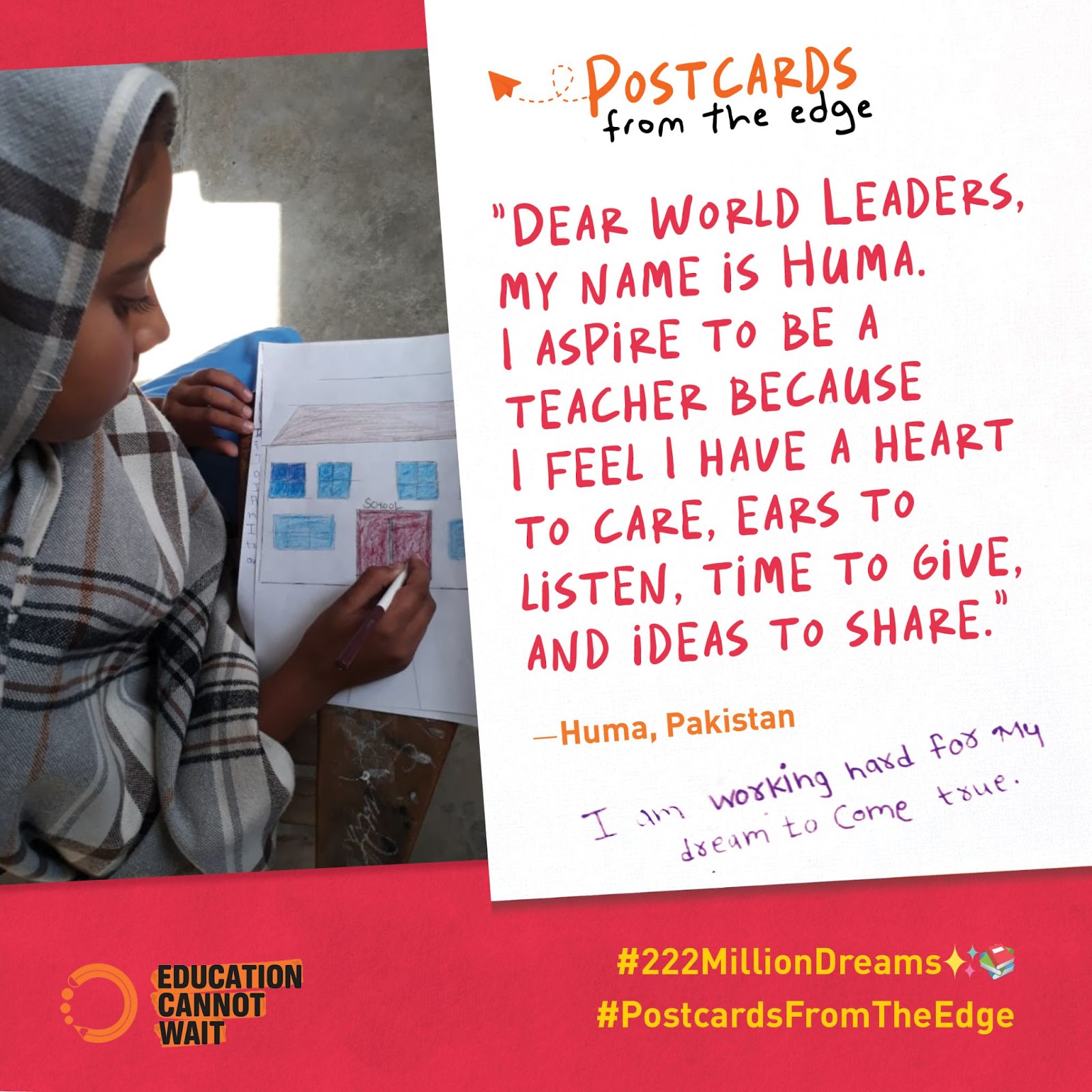
“I aspire to be a #teacher because I feel I have a heart to care, ears to listen, time to give & ideas to share” ~Huma, #Pakistan🇵🇰.
Read her #PostcardsFromTheEdge to hear how @EduCannotWait+@UNICEF_Pakistan is making #222MillionDreams✨📚 come true.📨bit.ly/3R7l4UE
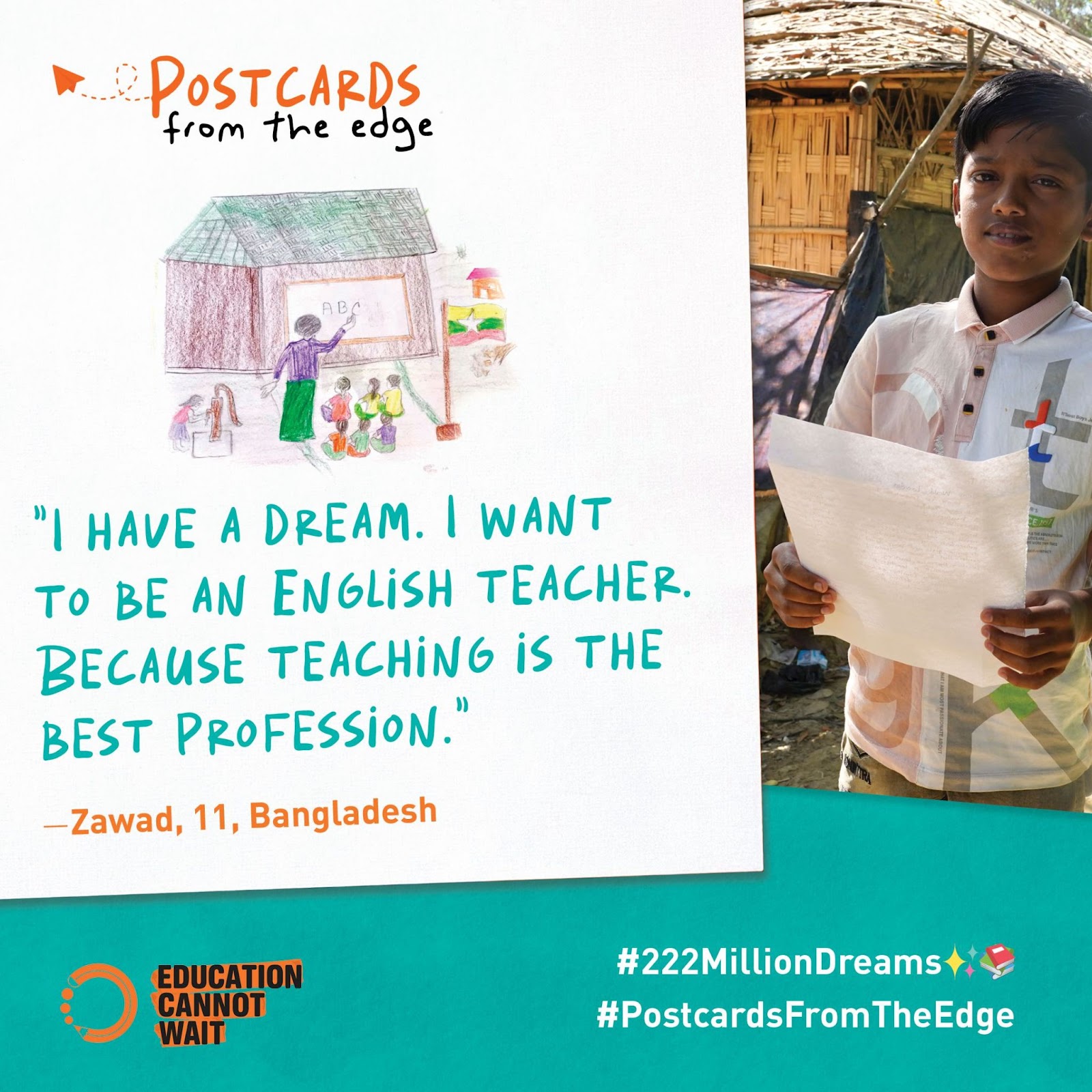
11-year-old Zawad, a refugee in #Bangladesh🇧🇩, wants his community and family to prioritize education. With support from @UNICEFBD+@EduCannotWait his dreams are coming true. 
Learn more in his inspiring #PostcardsFromTheEdge 👉bit.ly/3DcFl5s
“I call on the world leaders to help us and give us the opportunity to learn and lead our future.” ~Zehab, #Afghanistan🇦🇫. Read Zehab’s @EduCannotWait’s #PostcardsFromTheEdge 📨https://bit.ly/3CTEpmh
Like & retweet if you agree #EducationCannotWait for #Afghan girls!


DTCare Reports Monumental Cleanup Task Following Deadly Beirut Explosion

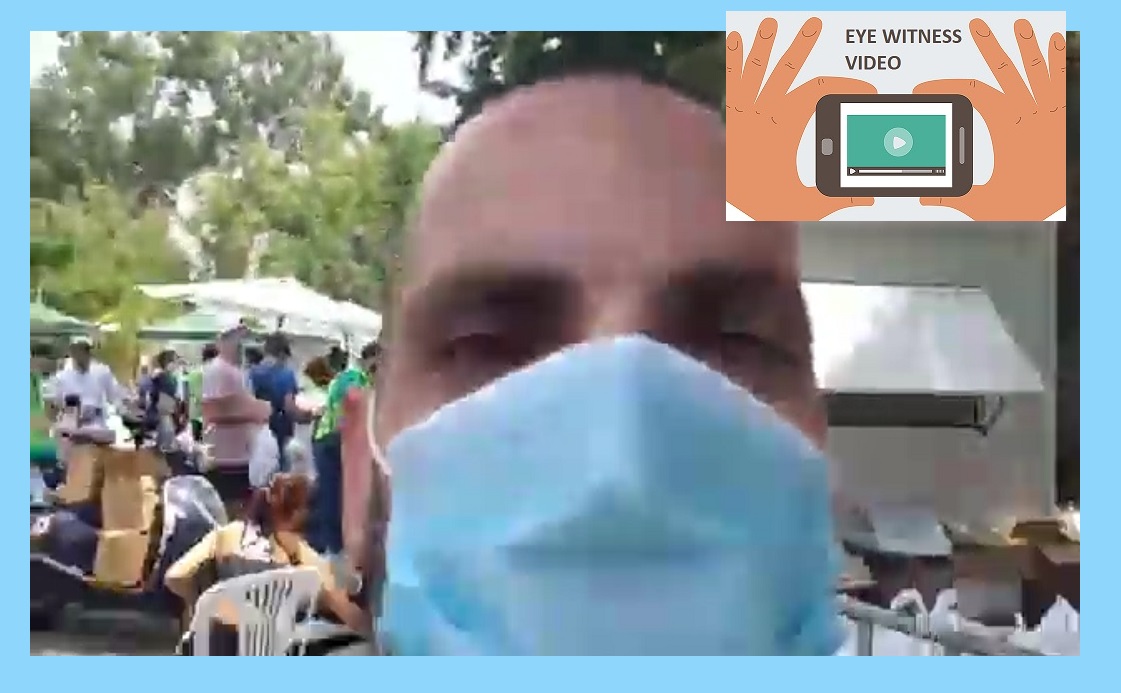
August, 2020 (Beirut, Lebanon) – Two weeks after a devastating blast in Beirut’s port area that killed close to 200 people and injured thousands more, cleanup efforts are still underway. According to locals on the ground working with American NGO, DTCare, they’ve barely scratched the surface of the monumental task of cleanup, and are now facing the looming threat of a COVID-19 shutdown. 

The DTCare Lebanon ground team, in coordination with their United States office, was among the first American NGO on the scene following the deadly explosion on August 4th. The organization had been in Lebanon developing an NGO to help Syrian refugees, and because of their close proximity, they were some of the first responders to the scene, able to mobilize and provide aid to the people of Beirut the same night of the blast.  

The DTCare team on the ground coordinated with the Municipality before the start of the cleanup mission and were allocated a specific landfill just 8 Kilometers away from the cleaning locations. Over the course of seven days, the DTCare team has cleared 200 tons of debris a day (1,000 tons) from the narrow streets of Beirut, a challenge considering the near-constant traffic paralyzing the mobility and speed necessary for machinery and volunteers.  

The blast destroyed a major grain silo, which is critical considering Lebanon imports a majority of their wheat. To help cope with the food scarcity, the DTCare team is distributing 10 rations, daily, to families affected by the blast. Currently, they have been able to distribute 55 food rations, with each ration capable of feeding a family of four for a period of three months. Items included in the DTCare ration box include rice, flour, sugar, salt, tuna, oil, mushrooms, beans, chickpeas, and local grains other than wheat.

For the mission, DTCare partnered with the Contingency Operations Group (COG), which has been set up as a special purpose vehicle for any and all matters with US Corporations represented in Lebanon, helping facilitate all of their business interests in the region. Being the first US organization to jump to the rescue of Lebanon in this time of crisis by sending funds, products and support related to the relief effort, DTCare gained COG’s trust, attention and priority. Their independent status has allowed them to be successful in their efforts, as they remain free of ties to specific religious or political affiliations. 

COG team members have served and supported the US troops who were deployed in Afghanistan and Iraq under the Operation Enduring Freedom (OEF) from 2001 and through the extent of Operation Iraqi Freedom (OIF) 2003 to 2010. DTCare’s management team is very well versed in US defense contracting and State Department operations in the region, following all policies, procedures, regulations and, most importantly, transparency and compliance.

Although the operation is a small dent in the overall relief effort, the DTCare team has been incredibly effective and efficient in their mission, and will remain engaged for the duration of the cleanup effort. Currently, the team is racing to do as much as possibly before the rainy season arrives in October. DTCare predicts the cleanup effort to last between 3 to 5 months in total, weather permitting. For the Silo, Lainya Magaña.

ISIS Goal Splits Family And Divides Muslims

History is made in moments, often of crisis and uncertainty, and the wisdom with which we meet them. This is one of those moments.

ISIS goal is to split the human family. To divide the world’s 1.5 billion Muslims from everyone else. Those in our societies who sow fear, suspicion and hatred of Muslims  are the best allies the extremists who attacked Paris and Beirut could ask for.

Muslims are almost one quarter of humanity, and 99% are as horrified by the ISIS attacks as everyone else. They have been the greatest victims of ISIS, and have the greatest power to help defeat it. So let’s answer hate with humanity, and seize this chance for transformative change. For all of us – Muslims and Non-Muslims everywhere – to fiercely welcome each other into our one human family like never before.

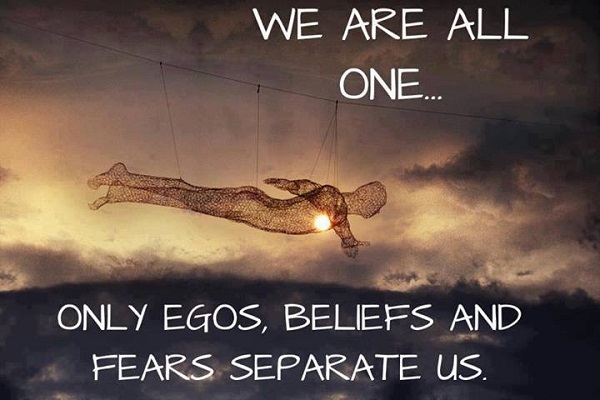
We Are All One

Sign the global “Undivided” message, add your own, and share the page with everyone – If enough us join now, we can start a global wave of solidarity, and make the pain of these attacks the birth pangs of a more beautiful world. When we get to 500,000 signatures Avaaz will run ads in Muslim community papers and online, as well as key right wing papers that spread fear and division: 

https://secure.avaaz.org/en/loving_transformation_loc/?bsOTIab&v=69561&cl=8992696952

The real front line of this war is not just in the dusty towns of Syria and Iraq, but in the media and social media forums where the stories we tell ourselves compete. There is a fraternity of ignorance and hatred and it stretches across borders, in which extremists on all sides work together to drag the rest of us down into their backward world of spiraling brutality.

Our governments will need to increase their vigilance in preventing attacks, and support military efforts to defeat ISIS. But our job as people, and our leaders’ jobs as moral leaders, is to ensure that love, the transformational antidote to ISIS’ hate, blooms between Muslims and everyone else everywhere. THAT would be ISIS’ worst nightmare – it might even give some of the angry young men they recruit cause to hesitate – a chance to see an alternative as inspiring to them as the backward brand of faith that ISIS markets.

At the darkest times, our light as humanity can shine brightest. Human rights were not recognized until after the second world war. The world got it wrong after 9/11, when leaders play into Al Qaeda’s hands by stoking Islamaphobia. This time, let’s be wiser, come together as Muslims and non-Muslims more closely than ever before, and brightly shine the light of the world we’re building:

https://secure.avaaz.org/en/loving_transformation_loc/?bsOTIab&v=69561&cl=8992696952

From a place of love, we might begin to listen to our brothers and sisters among Muslims that have lent ISIS some support. First and foremost those Sunnis from Syria and Iraq, who have been treated unjustly by Iraq’s government, and incredibly brutally oppressed by Syria’s dictator Al Assad. We might begin to understand that when we failed to offer their families protection and relief from the horrors they faced, ISIS offered that protection, and some accepted it. We might focus on learning from this, and offering them a better deal.

With that lesson, we might see the stories of the peoples around the world that ISIS fighters come from. From Chechnya, where generations of Muslim families were horrifically murdered while the world looked away. Or from Egypt, or Algeria, or dozens of other countries, where sickeningly brutal state security police have tortured and murdered countless Muslims who dared to stand up to their venal corruption – something that is a religious responsibility for Muslims.

And maybe then we will understand that while ISIS is a monster that we must defeat, the monster is more than just the group itself. It’s the desperation of millions of people suffering under horrific conditions, and looking for a way out. And the rest of us in the human family, Muslims and non-Muslims, have either looked away, failed to effectively address, or often, backed and supported these horrors.

So let’s seize this moment with wisdom, to bring down the monster we face, the one we all have lines of responsibility for. Let’s see the human family united like never before to defeat ISIS – not just on the battlefield, but in our own societies, in the media and social media, and most of all in the thousands of Muslim communities that live today around the world in fear.  Let’s encourage Muslim and Non-Muslim communities everywhere to embrace each other, welcome refugees with compassion, escalate our pressure on Egypt and other brutal governments to stop brutalizing opponents and creating the ISIS’ of the future, redouble our efforts to achieve a peace deal in Syria, protect at-risk communities like the Rohingya, stop constant terrifying drone attacks on communities, and ensure that the military actions we support are scrupulously careful to avoid traumatizing the civilians who are suffering enough already under ISIS’ boot. If we do these things, we’ll do far more than defeat ISIS, we’ll defeat the misery that has given rise to them, and in a way that takes the human family one wiser step further on our journey together.

With love and gratitude for this amazing community,

Ricken, Luis, Ben, Alice, Rewan, Elana, Mohammed, Steve, Emma and the whole Avaaz team.

Mark Canada 150 By Raising 150K Meals For Haiti Children With This UN App

CANADA – The United Nations World Food Programme (WFP) has launched the #ASK1TOASK1 campaign, asking all Canadians to join the challenge to raise 150,000 meals for children in Haiti through the ShareTheMeal app to mark Canada’s 150th anniversary.

Every day, countless children in Haiti turn up for school on an empty stomach, which makes it hard to focus on lessons. A daily school meal can mean not only better nutrition and health, but help the next generation reach its full potential. The #ASK1TOASK1 ShareTheMeal campaign will allow WFP to scale up their Home Grown School Meals programme in Haiti.

It costs just $4.55cdn, less than a bottle of maple syrup, to provide one week of nutritious meals to children in school through the ShareTheMeal app! The app allows users to share nutritious food with hungry children around the world by simply tapping on their smartphone and donating $0.65 or more.
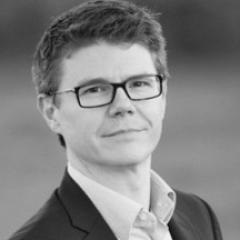
“WFP’s ShareTheMeal app and the #ASK1TOASK1 campaign provides Canadians with an easy way to share meals with hungry children in Haiti,” said Robert Opp, a Canadian who is Director of Innovation and Change Management at WFP.
“Daily school meals allow children to focus on their studies rather than their stomachs, feeding their dreams for the future.”

Robert Opp

Haiti has been repeatedly affected by a series of devastating natural disasters over the last two decades. 2016 was the third consecutive year of El Nino-related drought, and the country was hit by the category 4 Hurricane Matthew, which left more than 800,000 people in need of urgent food assistance.

In Haiti, WFP is working together with the Government to produce a sustainable, nationally-owned, school feeding programme linked to local agricultural production. WFP procures local commodities such as rice, fresh fruit and vegetables from the local smallholder farmers, giving them a predictable market for their products and the children enjoy a healthy diversified school meal.

Join WFP Ambassador Against Hunger, George Stroumboulopoulos and other celebrities like World Champion Wrestler Andre Berto, Singer Dawn Richard and Canadian national Olympic Weightlifter Isabel Lahela who have all committed to help fundraise for the children in Haiti. To get involved, simply download the free app, join team #Canuck and once you have fed a child for a week share with your social media network, using the hashtag #ASK1TOASK1.

WFP’s award-winning app has engaged a new generation in supporting the fight against hunger. More than 850,000 people have downloaded the app and shared over 14 million meals with thousands of vulnerable children in Jordan, Syria, Lebanon, Malawi, Cameroon, South Sudan and Yemen.

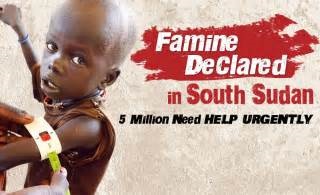
image- worldvision.org.uk

The ShareTheMeal community recently contributed to WFP’s famine response in South Sudan, where users shared 1 million meals with those people in dire need of food.

WFP is the world’s largest humanitarian agency fighting hunger worldwide, delivering food assistance in emergencies and working with communities to improve nutrition and build resilience. Each year, WFP assists some 80 million people in around 80 countries.

ShareTheMeal allows smartphone users to share their meals with hungry people via a free iOS and Android app. ShareTheMeal is an initiative of the World Food Programme Innovation Accelerator.

Download the app here.
For more information, please visit: https://sharethemeal.org/canuck.html

Follow us on Twitter @wfp_Canada and @ShareTheMealorg

For the Silo, Laura Mirarchi & Julie Marshall, WFP/Toronto.

Featured image- http://www.public-value.cbc.radio-canada.ca/story/1/

LE PAM ET SHARETHEMEAL LANCENT UNE CAMPAGNE POUR DISTRIBUER 150 000 REPAS À DES ENFANTS EN HAÏTI EN L’HONNEUR DU 150ÈME ANNIVERSAIRE DU CANADA

CANADA – Le Programme Alimentaire Mondial (PAM) des Nations Unies démarre aujourd’hui la campagne #ASK1TOASK1, qui propose aux Canadiens de participer à un challenge visant à distribuer 150 000 repas à des enfants en Haïti via l’application ShareTheMeal en l’honneur du 150ème anniversaire du Canada.

Chaque jour, de très nombreux enfants haïtiens vont à l’école le ventre vide, ce qui les empêche de se concentrer. En plus d’améliorer leur nutrition et leur santé, un repas scolaire quotidien peut permettre à la prochaine génération d’atteindre pleinement son potentiel. La campagne #Ask1toAsk1 de ShareTheMeal permettra au PAM d’étendre la portée de son programme “Home Grown School Meals”, qui fournit des repas scolaires produits localement.

Avec l’application ShareTheMeal, fournir une semaine de repas scolaires nourrissants à des enfants ne coûte que $4,55, soit moins qu’une bouteille de sirop d’érable ! L’application permet aux utilisateurs de partager de la nourriture saine avec des enfants dans le besoin en quelques clics sur leur smartphone, en faisant des dons de $0,65 ou plus.

Robert Opp, directeur canadien de l’Innovation et du Changement au PAM, dit que “ l’application ShareTheMeal et la campagne #ASK1TOASK1 offrent aux Canadiens un moyen simple de partager des repas avec des enfants dans le besoin en Haïti.”
“Des repas scolaires quotidiens permettent aux enfants de se concentrer sur leurs études et non sur leur estomac, alimentant leurs projets futurs”

Haïti a été touché par une série de graves catastrophes naturelles lors des deux dernières décennies. En 2016, le pays a connu pour la troisième année consécutive des sécheresses causées par El Nino, et a été touché par l’ouragan Matthew de catégorie 4. En conséquence, plus de 800 000 personnes ont un besoin urgent d’assistance alimentaire.
En Haïti, le PAM collabore avec le gouvernement pour mettre en place un programme de repas scolaires durable et public, qui s’appuie sur l’agriculture locale. Le PAM se fournit en produits locaux auprès d’agriculteurs haïtiens de petite taille. Ces achats de riz, fruits et légumes frais donnent accès aux producteurs à un marché stable et offrent aux enfants des repas sains et variés.

Rejoignez l’ambassadeur du PAM George Stroumboulopoulos et d’autres célébrités comme le Champion du monde de lutte Andre Berto, la chanteuse Dawn Richard et l’haltérophile Isabel Lahela, qui se sont engagés à aider à collecter des fonds pour les enfants en Haïti. Pour participer, vous n’avez qu’à télécharger gratuitement l’application, rejoindre l’équipe #Canuck et, après avoir partagé une semaine de repas avec un enfant, partager cela sur les réseaux sociaux en utilisant le hashtag #ASK1TOASK1.

ShareTheMeal, l’application du PAM, a gagné de nombreuses récompenses pour avoir impliqué la nouvelle génération dans la lutte contre la faim. Plus de 850 000 personnes ont téléchargé l’application et ont partagé plus de 14 millions de repas avec des milliers d’enfants vulnérables en Jordanie, en Syrie, au Malawi, au Cameroun, au Soudan du Sud et au Yémen.

La communauté ShareTheMeal a récemment participé à l’intervention du PAM au Soudan du Sud, partageant 1 million de repas avec des personnes ayant un besoin urgent d’assistance alimentaire.

Le PAM est la plus grande agence humanitaire de lutte contre la faim dans le monde, apportant une assistance alimentaire pour résoudre des situations d’urgence et travaillant avec les populations locales pour améliorer la nutrition et mettre en place un système alimentaire stable. Chaque année le PAM vient en aide à 80 millions de personnes dans 80 pays.

Grâce à l’application Android et iOS ShareTheMeal, les utilisateurs de smartphones peuvent partager leurs repas avec des personnes dans le besoin. ShareTheMeal est une initiative de l’accélérateur du Programme Alimentaire Mondial.

Téléchargez gratuitement l’application : http://ow.ly/IucL30cAl5h
Pour plus d’informations, rendez-vous ici : https://sharethemeal.org/canuck.html

Suivez-nous sur Twitter @wfp_Canada et @ShareTheMealorg