All posts by The Silo

The Fall Of The Hair Salon And What To Do About It

Mississauga, Ontario March 2024. Mario Verrilli announces the release of his new book, “The Fall of the Hair Salon and What To Do About It,” offering an insightful analysis of the prevalent scarcity mindset and the urgent need for reform within the hairstylist apprentice program.

This book confronts the challenges faced by the industry, advocating for transformative changes to rejuvenate the profession.

The hair salon industry has long grappled with a cutthroat scarcity mindset that impedes growth and innovation. “The Fall of the Hair Salon and What To Do About It” delves into the root causes of this issue, exploring how this mindset affects professionals and salon owners alike, hindering their potential for success.

One of the critical issues highlighted in the book is the outdated structure of the hairstylist apprentice program.

Verrilli passionately argues for a much-needed overhaul of this program, emphasizing the necessity for comprehensive updates and reforms that align with the current industry landscape. The book presents a compelling case for governing bodies to intervene and revamp the apprentice system to foster a more supportive and conducive learning environment for aspiring hairstylists.

Through meticulous research and compelling insights, Mario Verrilli proposes actionable solutions for industry professionals, salon owners, and governing bodies to adopt. By addressing these fundamental challenges head-on, the book aims to empower individuals within the hair salon industry to break free from limiting mindsets and embrace a more collaborative and innovative approach to their craft. For the Silo, Katherine Fleischman.

“The Fall of the Hair Salon and What To Do About It” is available for purchase on www.amazon.com, .

About Mario Verrilli:

Mario Verrilli is an award winning hairstylist with a deep commitment to transforming the hair salon industry. With 29 years of expertise as a professional hairstylist and salon owner, he has created stunning looks for the pages of national fashion and beauty magazines including FLARE, Glow and Chatelaine. Verrilli’s client list has included supermodel Daria Werbowy and many of Canada’s top working models. He was inspired by medical and financial professionals that do not compete but work together to make their industry stronger, protect and uphold their value. Mario advocates for progressive changes and offers valuable insights through their writing. Mario Verrilli is the owner of Mississauga’s Onaré Collective, www.onaresalon.com.

Onaré Collective, 2100 Hurontario St., Mississauga, ON, L5B 1M8, www.onaresalon.com

Raketa Releases Watch With Counterclockwise Movement

Raketa “Russian Code”
In the beat of the Universe

The “Russian Code”, one of Raketa’s most recognizable models with a counterclockwise movement, is finally launched as part of Raketa’s main collection.
The watch is crafted in an all-new case: a combination of sharp facets and rounded curves are enhanced by a mix of satin-brushed finishing with polished edges, while the sapphire glass has a more complex domed shape. A synthetic ruby is yet another update of the case: it glows behind Raketa factory’s logo carved on the side of the crown.


The centre of the dial displays the constellations over St. Petersburg on the morning of April 12, 1961, when Yuri Gagarin made history by becoming the first man to fly into space.
Textured polished indexes with two types of coatings (light rhodium on even and dark on odd numerals) convey an extra 3-dimensional aspect to the already multilayered dial.


Behind the elegant design lies the revolutionary concept that time should move in harmony with the natural counterclockwise movement of the planets in our Solar System. Therefore,
just like the planets around the Sun, the hands of the Raketa “Russian Code” rotate in a counterclockwise direction around the dial.
The case back reveals a beautifully decorated automatic movement entirely manufactured and assembled at the Raketa Watch Factory in Saint-Petersburg.
Are you ready to move on to the new generation of watches that tick to the beat of the Universe?


A watch that invites you to be different


To wear this watch, you will have to break free from the most fundamental rule of time-reading — the clockwise movement of time that was taught to us from ancestral times.
Indeed, early people read the time with sundials by observing the clockwise movement of the sun in the sky (from left to right) and of the corresponding shade on the dial (from right to left). When our ancestors finally invented the concept of hands (instead of shade) moving around a dial, they naturally decided to keep this clockwise movement that they observed in nature

However, there is a serious flaw in this decision: the Sun doesn’t move clockwise in the sky.
It’s an illusion — it actually doesn’t move at all. It is the Earth that moves in a counterclockwise direction around the Sun!

The sun follows a clockwise movement in the sky when it is seen from the Earth’s northern hemisphere: in the southern
hemisphere, it goes in the opposite direction. The reason why early watchmakers decided to replicate on dials the clockwise
movement as seen in the northern hemisphere is simply because this is where they always lived (and as a matter of fact where
90% of the world population has always lived).

The Raketa Watch Factory corrected this mistake by designing a watch where the movement of time follows the natural movement in the Universe.
This watch is certainly not for the faint-hearted but rather for people who are willing to stand out from the crowd and be different!


A watch that is true to Raketa’s DNA


By following the movement in the Solar System, this watch underlines the link between Raketa and the Cosmos: the brand Raketa (which means “Space Rocket” in Russian) was
created in 1961 in honour of the first manned space flight by the Soviet cosmonaut Yuri Gagarin. Since then, Raketa’s designers and engineers were always inspired by space and regularly made watches for cosmonauts and watches celebrating the Solar System.


A watch with a very special movement


The counterclockwise movement of the hands is powered by a very special Raketa automatic movement (2615R). The engineers of the Raketa Watch Factory inverted the movement of the hands by changing the construction of the 2 most important parts of the
mechanical movement: the mainspring barrel and the anchor module! This engineering feat could only be accomplished because Raketa produces in-house 100% of these parts.


Price


The watch costs 1950 Euros (VAT included)/ $2,865 cad. All Raketa watches are delivered worldwide by DHL free of charge.

Specifications
Factory: Raketa Watch Factory (Saint-Petersburg)
Movement:

Calibre: 2615 CR
Functions: Automatic with reverse direction of hands
Number of jewels: 24
Testing positions: 4
Average rate (s/d): -10+20
Average running time (h): 40
Frequency/hour: 18.000 / 2.5Hz
Bi-directional automatic winding: Yes
Stopper of self-winding unit
activated during manual winding: Yes
Decoration: Nanocoating
Neva waves Print

Case:

Material: Stainless steel
Diameter: 39,5 mm
Front glass: Sapphire
Back glass: Mineral
Crown: Synthetic ruby stone inside the crown
Water resistance: 5 ATM
Hands: Superluminova

Strap/bracelet:

Material: Genuine leather
Width: 22 mm
Sex: Unisex

Will You Marry Me? In Space?

A romantic restaurant opens in Outer Space Starting from 2025, it will be possible to propose during an intimate dinner in space. On board a space capsule lifted by a stratospheric balloon, lovers will have the opportunity to savor an exceptional meal prepared by a French Michelin-starred chef and served by an AI-powered robot.
The agency ApoteoSurprise, specialized in orchestrating extravagant marriage proposals in Paris, is launching a brand-new service priced at 750,000 euros/ $1.1 million cad, allowing the romantics of tomorrow to ask for their beloved’s hand at an altitude of 35 kilometers. Upon their arrival at the spaceport, a pilot will welcome the couple and invite them to board a spherical and futuristic space capsule equipped with top-notch amenities for their comfort. In the center of the cabin, a table will be elegantly set, reminiscent of the most refined Parisian restaurants. The lovers will be introduced to StellarEmbrace, the robot that ApoteoSurprise developed in collaboration with a British startup. Equipped with artificial intelligence, the robot will adapt to the emotions and desires of the couple, providing a truly unique interaction. From the moment they meet, StellarEmbrace will address the young woman by her name and, presenting her with a bouquet of roses, announce that a gourmet dinner for two in space awaits. Lifted by a helium-inflated stratospheric balloon, the pressurized capsule will then embark on a peaceful two-hour ascent, offering breathtaking 360° views of our planet through its immense windows. At an altitude of 35 kilometers, the space module will be above 99% of Earth’s atmosphere, allowing the couple to gaze at the curvature of the Earth, its blue halo, and the total darkness of space. Like only 600 astronauts before them, the lovers will experience the overview effect, a cognitive shift that will redefine their view of the world and connect them to all of humanity. The woman and her partner will take their seats at the table, and for three hours, the robot will serve them a five-course gourmet dinner with wines and champagne specially crafted for the occasion by a renowned French chef with two Michelin stars. A carefully selected playlist will accompany the culinary experience, featuring iconic tracks such as “Space Oddity” (David Bowie), “Across the Universe” (The Beatles), or “Walking on the Moon” (Police). Just before dessert, StellarEmbrace will playfully interrupt the tasting to inform the man that he has forgotten something important. The robot will promptly bring him a luminous box that a secret code will open. Suddenly, the suitor will remember the code and enter it. The box will split in two, revealing a luxurious case containing an engagement ring. The man will then propose to his beloved, sealing his love in the eternity of space. A little later, the capsule will begin its slow descent. After a two-hour journey, the betrothed will be back on Earth, discovering that the robot has recorded every moment of their voyage, from their arrival at the capsule to their tender farewells.
About ApoteoSurprise: ApoteoSurprise is a high-end agency specializing in the organization of spectacular marriage proposals in Paris. Founded in 2006 by the aeronautical engineer Nicolas Garreau, the company offers 30 turnkey proposal packages online. These include the appearance of Cinderella’s carriage with a magical slipper, a shower of 1000 roses covering a yacht during a dinner cruise, the sending of a messenger dove to one’s beloved, a limousine tour with a super-bright declaration of love displayed at the foot of the Eiffel Tower, and starting from 2027, a romantic voyage around the Moon. Available at prices ranging from 290 euros to 125 million euros, ApoteoSurprise’s extravagant engagements have enchanted over 2000 lovers in its 17 years of operation. This includes celebrities such as heads of state, Hollywood actors, television stars, or players from the FIFA World Cup.

Nanni Balestrini Political Art Retrospective Exhibition Includes Early Computer Works

CENTER FOR ITALIAN ART ANNOUNCES NEW EXHIBITION: 
NANNI BALESTRINI: ART AS POLITICAL ACTION ONE THOUSAND AND ONE VOICES ON VIEW NOW UNTIL- JUNE 22, 2024
Nanni Balestrini, Cavallo, 1963. Collage on paper. Private collection, courtesy Frittelli arte contemporanea, Florence
(New York, February/March, 2024) – The Center for Italian Modern Art (CIMA) has launched its new exhibition, NANNI BALESTRINI: ART AS POLITICAL ACTION. ONE THOUSAND AND ONE VOICES, curated by Marco Scotini. This is the first retrospective exhibition in the United States of Nanni Balestrini (1935-2019), an Italian experimental visual artist, poet, and novelist known for his revolutionary artistic practice and passionate involvement in the social-political movements of the 1960s and 1970s. 
Born in Milan in 1935, Balestrini was a key protagonist of post-WW2 Italian literary and social avant-garde movements: he approached experimental poetry with a visual sensibility stemming from the artistic use of collage, and with a compositional practice that gave importance to the editing and recombining of existing texts (especially newspapers, magazines, and political slogans) in search for the expression of a collective enunciation.

Nanni Balestrini born July 1935 died May 2019

Nanni Balestrini, 65000 Ètudiants, 1972. Mixed media on panel. Collezione Emilio Mazzoli, Modena
Nanni Balestrini, Cronogramma, 1960s. Collage on paper. Private collection.
He worked side by side with contemporary composers interested in the creative potential of stochastic music and the relationship between computer technology and art. Much of his radical artistic and literary research also developed in dialogue with his participation in the student and workerist movements of the late 1960s and 1970s, and their explosive political charge. Much emphasis has been placed on the exclusively typographical character of writing in Balestrini’s artistic works. This exhibition will instead draw attention to the double acoustic and visual level of Balestrini’s word or, better yet, to what Paolo Fabbri described as its “phonic-optic indiscernibility.”

NANNI BALESTRINI: ART AS POLITICAL ACTION. ONE THOUSAND AND ONE VOICES, curated by Marco Scotini, focuses on two crucial decades in the career of Balestrini, the 1960s and the 1970s. It includes over 70 works by the artist, along with a range of documentary material. The works from the 1960s illustrate a creative phase when Balestrini shared research interests with Luigi Nono, one of the most important 20th-century experimental composers, and when the neo-avant garde literary movement Gruppo 63 was also founded. The creative relationship between Balestrini and Nono lasted an entire decade, and the exhibition sheds light on the search for the disalienation of the word pursued by both, as well as on their use of technology as a way to seize and subvert the means of industrial production and explore their artistic potential.

The final works in the exhibition date back to the late 1970s; some of them were conceived in connection with a poem dedicated to the New York City electricity blackout of 1977. Planned as an “action for voice” to be performed by Greek-Italian lyricist and vocal experimenter Demetrio Stratos in May 1979, the work was never performed due to the premature death of Stratos and Balestrini’s indictment surrounding the political movement Autonomia Operaia.

The exhibition also includes a reconstruction of Balestrini’s Tape Mark I (1961), one of the earliest examples of computer-generated art. A combinatory poem produced by an algorithm written in the Unix programming language on a massive IBM mainframe computer, Tape Mark I anticipates many of the contemporary questions surrounding Artificial Intelligence, and was featured in the 1962 edition of the Bompiani Literary Almanac, which was dedicated to “the application of computers to ethics and literature”, a theme of utmost relevance today. 

To provide context to Balestrini’s work, the show features a selection of early words-in-freedom works by Futurist artist Carlo Carrà, a form of avantgarde visual poetry that liberated words and letters from the conventions of grammar and syntax, making them part of visual and performative compositions. This technique was co-opted by the Italian Neoavanguardia in the 1960s, due to the revolutionary potential of the early Futurist movement.
NANNI BALESTRINI: ART AS POLITICAL ACTION. ONE THOUSAND AND ONE VOICES is on view at CIMA (421 Broome Street, 4th Floor, New York, NY 10013) from February 22nd – June 22nd, 2024. See visiting hours below. 

Python reconstruction of 1961 electronic poem “TAPE MARK 1”

Nanni Balestrini, Giornale di bordo (La partita a carte), 1964. Collage on paper. Private collection, Mirano (Venezia)
CIMA OPEN HOURS: • Friday and Saturday: 11am to 6pm with guided tours at 11am and 2pm (last entry at 5pm)• Members-only hours: Monday-Thursday by appointment• General admission: $15usd for guided tours; $10usd for open hours• Members & students: free
ABOUT CIMA:Founded in 2013, CIMA is a public non-profit dedicated to presenting modern and contemporary Italian art to international audiences. Through critically acclaimed exhibitions—many of them bringing work to U.S. audiences for the first time—along with a wide variety of public programs and substantial support for new scholarship awarded through its international fellowship program, CIMA situates Italian modern art in an expansive historic and cultural context, illuminating its continuing relevance to contemporary culture and serving as an incubator of curatorial ideas for larger cultural institutions. CIMA works to add new voices to scholarship on modern Italian art with annual fellowships that open fresh perspectives and new avenues of research. A visit begins with a complimentary espresso, followed by an informal exhibition tour with one of the resident fellows. Visitors are welcome to linger for additional viewing and conversation.

ABOUT CURATOR MARCO SCOTINI: Marco Scotini is an art critic and curator. He currently is artistic director of FM Centro per l’Arte Contemporanea in Milan, a center specializing in the preservation and enhancement of private collections, artists’ archives and the promotion of contemporary art. Since 2004, he has been director of the Department of Visual Arts at Nuova Accademia di Belle Arti of Milan and Rome. He is scientific director of the Gianni Colombo Archive, the Bert Theis Archive, the Clemen Parrocchetti Archive and the Nanni Balestrini Archive. Since 2014, he has been responsible for the exhibition program of PAV- Parco Arte Vivente in Turin. He was artistic director of the 2nd Yinchuan Biennale in 2018 and was a member of the Italian Council from 2019 to 2021. He has curated exhibitions for leading national and international art institutions, including the Albanian pavilion at the Venice Biennale (2015), three editions of the Prague Biennale (2003, 2005, 2007), Anren Biennale (2017), 2nd Yinchuan Biennale (2018) and was advisor for Bangkok Biennale (2020 and 2022). He took part in the 17th Istanbul Biennale (2022) and the BETA Timișoara Biennale (2022). He has been part of the project TV Politics at documenta 14 (2017). Scotini’s project Disobedience Archive is part of the 60th Mostra Internazionale d’Arte della Biennale di Venezia (2024), curated by Adriano Pedrosa.

How AI Is Transforming Wine Selection and Curation

The meeting and event planning industry is experiencing a significant transformation amid an era where the vintage charm of wine meets the cutting-edge sharpness of Artificial Intelligence (AI). This renaissance, characterized by a blend of tradition with technology, is reshaping the essence of event-driven wine selection, moving away from the notion that tech seeks to replace tradition. Instead, it introduces a paradigm of harmonious enhancement, where data-driven precision and the sommelier’s artistry converge, creating a personalized wine journey for every guest’s palate as detailed in the narrative below.

To discuss AI’s impact on the meeting and events industry, I would love to connect you with Angel or Arsalan Vossough, CEO and CTO of BetterAI, develooper of the “VinoVoss” AI Sommelier — a wine search engine and recommendation system revolutionizing the $39B usd/ $53B cad wine sector.

Tech Meets Tannins:
A.I. Transforming Preference-Based Wine Curation for Event Clientele


4.png

The days when the sommelier’s intuition, refined through years of experience and sensory development, solely guided wine selection are evolving. AI, with its vast collection of data and analytical capabilities, steps into the domain as a digital sommelier, marking a critical shift from purely tradition-led approaches. This integration signifies a future where wine recommendations are enhanced by data analytics, achieving a level of personalization and precision once thought impossible.

This shift from traditional expertise to technological innovation in wine selection is reflective of a broader transformation within event planning. AI’s role extends beyond wine selection, revolutionizing aspects from operational logistics to enhancing guest experiences. By leveraging predictive analytics, AI provides planners with deep insights into guest preferences, optimizes inventory management, and significantly cuts waste. This ability to personalize wine lists to the individual tastes of attendees, a feature once reserved for high-end, exclusive gatherings, is now accessible on a larger scale. This transition not only ensures that each wine selection deeply resonates with attendees’ unique preferences but also illustrates the industry’s wider adoption of innovation, prioritizing customization and quality in every aspect of event planning.


The AI-Driven Transformation in Wine Selection

Crafting Personalized Wine Journeys

three-colleagues-using-digital-tablet-in-the-b.jpg

At the heart of Artificial Intelligence (AI)’s transformative influence within the event planning sphere is its unparalleled ability in providing wine recommendations to align perfectly with individual preferences. This capability is not just about selection but about creating a narrative for each event that is as unique as the guests themselves. By meticulously analyzing vast datasets that include a wide range of variables—from individual guest tastes profile and detailed consumption patterns to the dynamic ups and downs of emerging wine trends—AI crafts wine selections that resonate deeply with the event’s demographic profile. Each recommendation is more than a suggestion; it’s a reflection of the event’s ethos, designed to enhance the dining experience profoundly.

Predictive Analytics: Looking into the Wine Future

Positioned at the forefront of wine selection, AI leverages the power of predictive analytics to cast a visionary gaze into the future of guest expectations and wine trends. This innovative approach advances traditional selection methods by empowering event planners with the ability to not just respond to current tastes but to anticipate and shape them. By using sophisticated algorithms, AI scans through historical data and current market analyses to predict which wines will captivate and delight attendees, opening the way for the introduction of emerging varietals and regions. This strategic approach allows for a level of exploration and discovery that enhances the event experience, inviting guests on a wine journey that is both educational and experiential.

Furthermore, the scope of predictive analytics in wine selection extends beyond individual choices to provide a broader understanding of global shifts in the wine industry. From climate change impacts on vineyard yields to innovations in winemaking techniques, AI’s predictive capabilities offer event planners a curated window into the wine world’s future. This comprehensive approach ensures that wine lists are not just reflective of contemporary tastes but are also forward-thinking, positioning events at the cutting edge of culinary innovation and offering guests a taste of the future, today. In doing so, AI doesn’t simply predict preferences; it helps define them, crafting personalized wine journeys that are as visionary as they are satisfying.

Operational Efficiency Through AI

Streamlining Inventory, Embracing Sustainability


5.png

In the world of event planning, the development of Artificial Intelligence (AI) has catalyzed a revolution in operational efficiency, particularly in the domain of inventory management. By utilizing AI’s advanced predictive capabilities, event planners can now make sure that wine orders are carefully aligned with the anticipated demand of each unique event. This precision in forecasting addresses one of the industry’s major challenges—excess inventory and waste—head-on. AI’s ability to analyze past event data, current consumption trends, and even guests’ preferences means that every bottle ordered has a purpose, significantly reducing the likelihood of surplus stock that contributes to waste.

This strategic reduction in waste not only demonstrates a commitment to environmental sustainability but also translates directly into notable cost savings for event organizers. By purchasing only what is needed, events can operate more leanly and efficiently, passing on the benefits of reduced costs to clients while also contributing positively to the planet. This dual advantage spotlights the pivotal role AI plays in driving forward an event planning paradigm that is both economically viable and ecologically responsible.

Moreover, AI’s analytical insights extend beyond just numbers, offering event planners guidance on selecting wines from vineyards and producers committed to sustainable practices. This approach enables events to not only offer of a curated wine selection that is exceptional and environmentally friendly but also aligns with the growing societal demand for responsible consumption. By aligning wine selections with sustainable practices, AI allows event planners to contribute to a larger narrative of environmental responsibility, setting a new standard for the industry.

Synergy Between AI and Human Expertise

Elevating the Sommelier’s Craft


2.png

The integration of Artificial Intelligence (AI) into the process of wine selection marks not the end but a significant transformation in the role of the sommelier. This evolution is characterized by the seamless merging of AI’s analytical strengths with the sommelier’s deep understanding of wine, culture, and personal guest interactions. AI’s entry into this domain provides sommeliers with a suite of tools that enrich their ability to tailor wine selections to the precise preferences and tastes of attendees. By accessing AI-generated insights into guest preferences, historical consumption data, and predictive trends, sommeliers are empowered to provide wine experiences that are deeply personalized, enhancing the dining experience in a way that was previously unimaginable.

This synergy between AI and human expertise allows sommeliers to transcend traditional boundaries, enabling them to craft compelling narratives around each bottle. These stories, woven from the rich history of the wine’s heritage, its journey from grape to glass, and its unique flavor profile, transform each tasting into a memorable experience. The collaboration between AI and sommeliers ensures that the human element of wine selection—the personal touch that elevates a meal into an experience—remains intact, blending the precision of technology with the irreplaceable warmth and authenticity of human interaction.

Balancing the Algorithmic with the Authentic

In the delicate dance between leveraging AI and maintaining the authenticity of wine service, the art of sommeliership shines brighter than ever. While AI provides a powerful platform for enhancing operational efficiency and delivering exceptional personalization in wine selection, it is the sommelier who infuses these recommendations with life. The sommelier’s role shifts from mere selection to that of a storyteller, an educator, and a bridge between the guest and the intricate world of wines. This balance between the algorithmic accuracy of AI and the authentic, personal touch of the sommelier ensures that wine selection remains an art form—a deeply human endeavor that connects, enchants, and leaves a lasting impression on guests.

1.png

The collaborative relationship between AI and sommeliers doesn’t dilute the human aspect of wine service but rather enhances it, ensuring that each recommendation carries with it a story worth telling. This unique partnership introduces a new chapter in wine selection, one where technology and tradition combine to create experiences that are not only personalized but deeply resonant. The future of wine service, thus, lies in this harmonious blend, where AI opens the door to possibilities that were previously unexplored, and sommeliers guide guests through a journey that is as enriching as it is delightful, marking each event with the signature of unforgettable excellence.

Navigating the Challenges

The Ethical Aspects of Data Use

In the quest to utilize Artificial Intelligence (AI) for enhancing wine selection processes, the ethical handling of data stands as a crucial concern. As AI systems delve deep into personal preferences and consumption patterns to deliver personalized wine recommendations, the need to protect guest privacy increases. This requires not only the implementation of robust data protection measures but also the development of ethical frameworks that govern the use of such data. The goal is to develop a trust-based relationship with guests, reassuring them that their personal information is handled with the highest care and respect. This foundational commitment to privacy and ethical data usage is vital in maintaining the integrity of the digital transformation in wine selection. It’s about ensuring that the technological advancement enhances the guest experience without damaging the trust that is essential to the hospitality industry.

Overcoming Technological and Cultural Barriers

The integration of AI into the traditional art of wine selection introduces a complex set of technological and cultural hurdles. Technological challenges such as system compatibility, data integration, and the seamless operation of AI within existing event planning infrastructures present tangible obstacles. Concurrently, cultural challenges emerge, rooted in skepticism towards the role of technology in an area traditionally dominated by human expertise. Overcoming these barriers necessitates a multifaceted approach:

  • Education is key in demystifying AI and showcasing its value as a tool for enhancing rather than replacing the sommelier’s role.
  • Transparent communication plays a crucial role in addressing concerns and setting realistic expectations about what AI can and cannot do.
  • A focus on AI as an enhancer of human expertise rather than a competitor is essential in shifting perceptions and creating a culture of acceptance.

Together, these strategies form the foundation of a successful transition to AI-enhanced wine curation, bridging the gap between technological innovation and the timeless tradition of personalized wine selection. By addressing these challenges head-on, the event planning industry can fully embrace the benefits of AI, ensuring a future where technology and tradition coexist in harmony to create enriched, personalized wine experiences.

Envisioning the Future

The Next Frontier in Wine Recommendation


As machine learning algorithms become increasingly sophisticated, the future of wine recommendation looks promising. AI’s ability to analyze complex patterns and preferences suggests a horizon where every wine selection is not just personalized but also, anticipating guests’ desires before they even articulate them. This is not just about enhancing the event experience but about reimagining the possibilities of personalization.

The implications of AI in wine curation hint at a broader transformation in event planning. From menu customization to entertainment selection, AI’s potential to personalize every aspect of the event experience is vast. This future, where every detail is personalized to the guest’s tastes, brings a new era of event planning, characterized by a high level of customization and engagement.

The fusion of technology and tradition in wine selection represents more than a shift in methodology; it signifies a fundamental change in how we approach the planning of and execute event planning. As AI continues to weave its narrative through the tapestry of event planning, its promise extends beyond operational efficiency or personalized recommendations. It offers a glimpse into a future where every event is a reflection of the guests’ deepest preferences, a celebration not just of the occasion but of the individuality of each attendee. In this future, tech meets tannins, not as adversaries but as allies, crafting experiences that connect on a personal level, setting a new standard for what events can aspire to be. For the Silo, Arsalan Vossough.


Arsalan Vossough, CTO and Co-Founder of BetterAI, specializes in advanced AI technologies, including Machine Learning and NLP. Solutions include “VinoVoss” (www.VinoVoss.com ), a semantic search and recommendation system creating a virtual wine sommelier. The Silicon Valley-headquartered BetterAI excels in developing cutting-edge AI solutions, and is aptly leveraging leading edge technologies like AI, Machine Learning, Generative AI, Natural Language Processing, and Computer Vision to hone transformative solutions. It’s VinoVoss platform empowers users to make highly-informed decisions about their wine selections, explore new varietals, find new favorites and even rediscover old gems quicker and easier than ever before. With a background in quantitative finance and teaching, Arsalan has a Bachelor’s in Computer Engineering, an MBA from Corvinus University, and a Data Science Master’s from UC Berkeley, graduating with honors. Connect with Arsalan at www.BetterAI.io.

Quality Over Quantity: How Canada’s Immigration System Can Catch Up


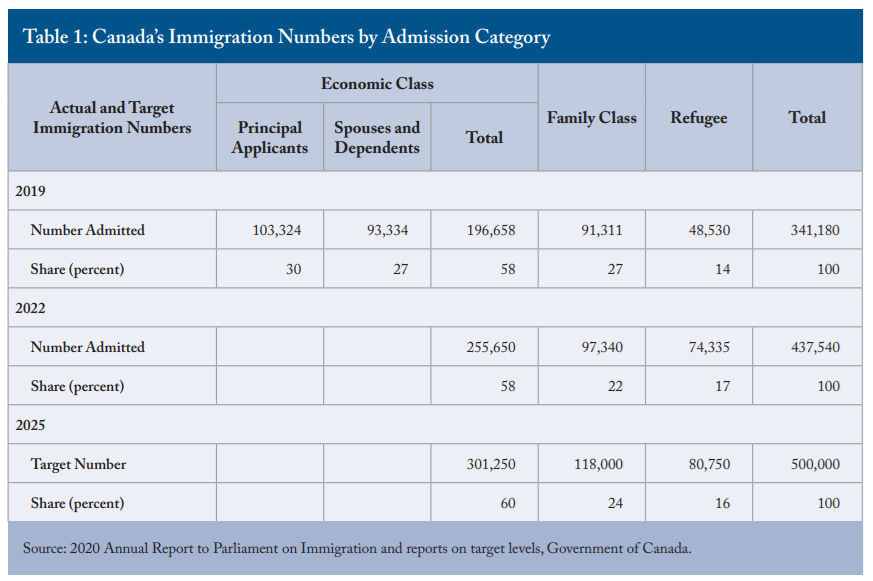
Canada’s immigration point system is designed to select skilled immigrants who have the potential to contribute to the country’s economic growth and meet its evolving skills needs. However, Canada faces challenges in fully leveraging increased immigration levels to enhance the well-being of Canadians due to weaknesses in capital investment and a quantity/quality trade-off in selecting economic immigrants. Furthermore, recent reforms may work at cross purposes to this goal. They include category-based selection that targets low-paying occupations, which can discourage capital investment, and a recent surge in the number of temporary residents in low-wage jobs that also may have adverse effects on the quality of potential candidates for permanent residency.
 

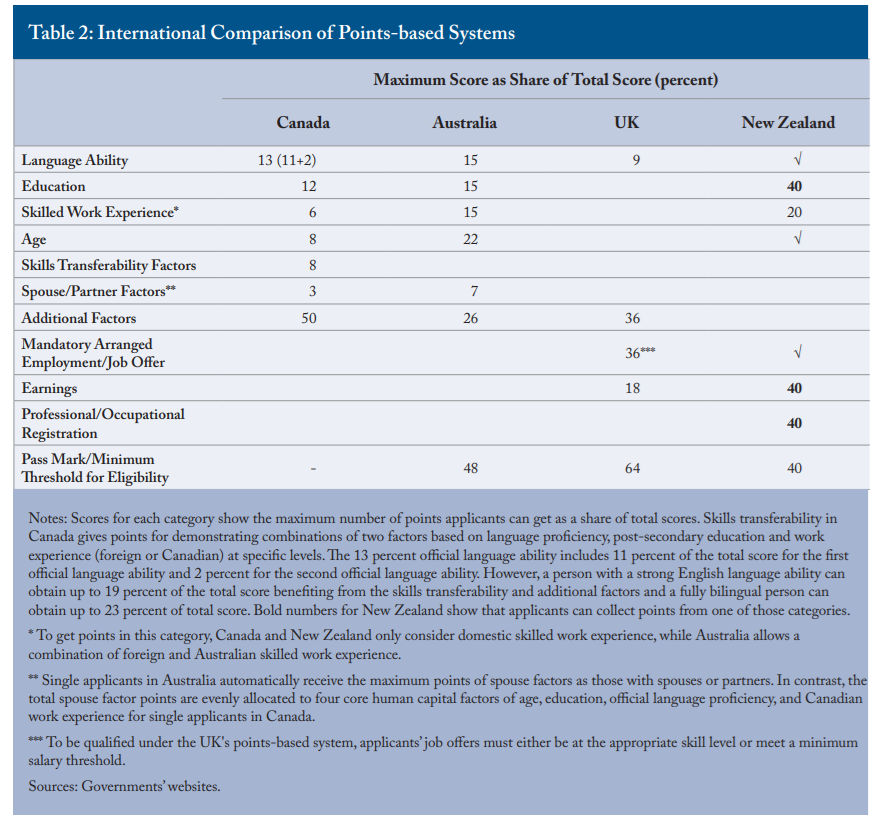
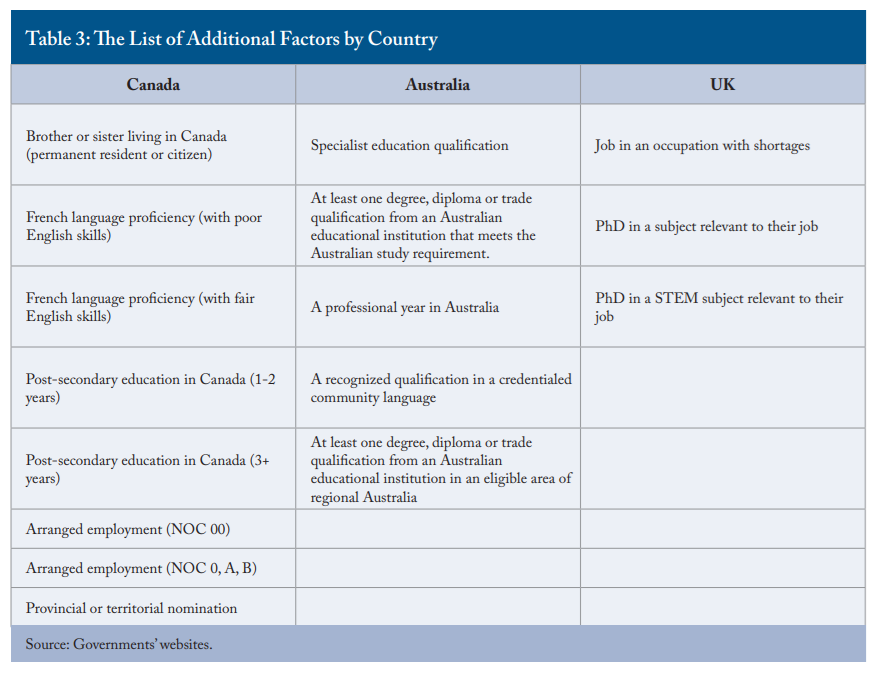
This study compares skilled immigration selection policy in Canada, Australia, New Zealand, and the UK, with the objective of identifying key areas for improvement in Canadian policy. The skilled immigration point systems in Canada and Australia share some similarities, with both prioritizing a two-step immigration process, placing an emphasis on English proficiency and workforce age, and requiring pre-migration credential and English proficiency assessments. However, the two countries differ mainly in their strictness of criteria and their emphasis on occupational and language skills. Furthermore, Australia has shown more agility and creativity in its skilled migration reforms. Reforms in the UK and New Zealand have also put them ahead in the competition for talent.
 

Based on this international comparison, the author makes recommendations for improvement. They include: 1) Setting a Minimum Points Threshold for Eligibility. As it is, Canada imposes no minimum points threshold for eligibility in its Express Entry points-based system. 2) Considering a Pre-admission Earnings Factor. Studies show the importance of pre-immigration earnings in predicting immigrants’ outcomes after arrival. The UK, New Zealand and Australia include this factor. 3) Boosting Standards under the Language Requirement. Official language skills are as important in predicting the initial earnings of principal applicants admitted under Canada’s Express Entry system as pre-immigration Canadian work experience, and even more important than educational level and age at the time of immigration. 4) Raising Business Immigration Numbers. Canada faces the challenge of weak business investment but is failing to select business immigrants with entrepreneurial skills, putting it at a disadvantage compared to competitors like Australia and the UK.

The author thanks Tingting Zhang, Charles DeLand, Rosalie Wyonch, Charles Beach, Jodi Kasten, Mikal Skuterud and anonymous reviewers for comments on an earlier draft. The author retains responsibility for any errors and the views expressed.

Read the full report here.

For the Silo, Parisa Mahboubi/C.D. Howe Institute.

Parisa Mahboubi

Parisa Mahboubi

Parisa Mahboubi is a Senior Policy Analyst and leads the C.D. Howe Institute’s human capital policy program. Her research interest focuses on social policy with a concentration on demographic, skills, education, and labour market concerns. In addition to authoring research studies, she regularly writes a column for the Globe and Mail’s business section.

Moon Landing Included Lunaprise Museum First Beyond Earth

New York City – February, 2024 – In a historic moment that marks a significant milestone in the intersection of art, music, and space exploration, the Lunaprise Museum proudly announced the successful lunar landing of artworks as part of SpaceBlue’s’ curated and managed archive on the recent Lunar Lander as part of the historic space mission. Though not the first art project to involve the Moon (reported here by us July 2019), it is the first art project to remain on the Moon.

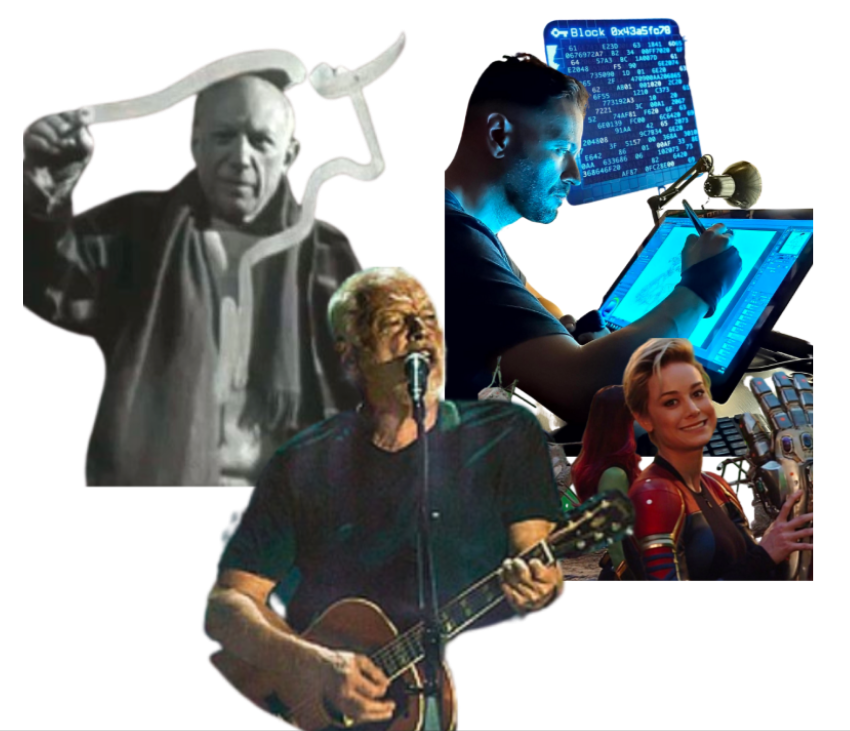
Among the historic pioneers is a pioneering trio: designer/artist Kelly Max, artist Samy Halim, and music producer/artist Brayden Pierce. This momentous event sees these creative visionaries become among the first artists in history to archive their works in the form of digital twins on the moon for over a billion years in a nano fiche disk, establishing a lasting legacy that transcends the boundaries of Earth.

A New Horizon for Art and Music

With the successful landing of the Lunar Lander on February 22, 2024 at 6:23PM EST the Lunar Landing has achieved a groundbreaking feat by hosting the first museum on the moon called Lunaprise. Among its prized collections are the collaborative efforts of Kelly Max and Samy Halim on the Modernist Art project, and Brayden Pierce’s musical compositions that have resonated with themes of space exploration and innovation.

The Modernist Art collection, highlighted by the “MoonRider” piece carrying 180 names pivotal to the artists’ journey, alongside a comprehensive collection of 420 Modernist Originals and 9,724 generative Modernist Genesis Artworks, represents a significant contribution to this lunar museum. Selected by Curator SpaceBlue and launched on February 15, 2024, these artworks not only celebrate the creative spirit but also symbolize human achievement and aspiration.

This nickel disc containing compressed files of the artwork is now curated on the Moon.

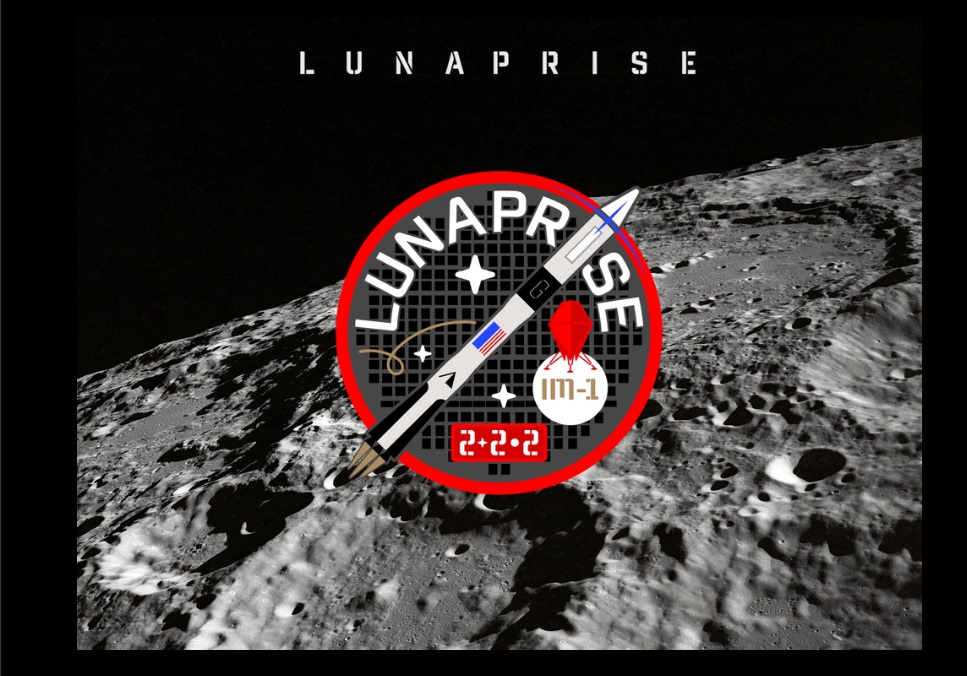
Kelly Max’s contributions to the Lunaprise Museum mission extend far beyond his collaboration with Samy Halim on the Modernist Art project. Together, Kelly and Samy designed the Lunaprise Mission Patch, a symbol of human creativity and resilience in the face of the vast unknown. Kelly’s visionary approach didn’t stop there; his role expanded as he became the lead designer for all key brand communications for the mission, showcasing his leadership and creative expertise in shaping the mission’s identity.

Brayden Pierce: Echoing Through Space

Introduced to the Lunaprise Museum mission by Kelly, Brayden Pierce’s artistic contributions have carved a unique niche in the halls of space history. As the first-ever EDM artist to have his music on the moon, Brayden Pierce’s “Capture The Moon” is immortalized on the moon in two versions: The Modernist Edition and the MOOON.PARTY Mix. This collaboration with Kelly underscores a synergy between the two creatives which exploded into the founding of MOOON.PARTY: a visionary venture that aims to blend art, music, space, and space content recording into a pioneering festival brand. This initiative, co-founded by Kelly and Brayden, is set to redefine immersive entertainment experiences, leveraging the backdrop of space to inspire and captivate audiences worldwide.

“Bringing art and music to the lunar surface goes beyond exploration; it signifies embedding humanity’s creative essence into the fabric of the cosmos. This endeavor isn’t merely a step forward for us as individual artists but represents a monumental leap for global art and culture. Collaborating with Samy, Brayden, and the Lunaprise Museum on this mission has unfolded as a profound journey of discovery, unity, and limitless creativity. Together, we’ve ignited a beacon of human expression on the moon, casting light across the cosmos to inspire future generations to dream beyond the confines of our known world. This project mirrors the moon’s impartial gaze upon Earth, reminding us that in its light, we are all seen equally. Our ultimate aim is to embody this universal perspective, fostering a tangible sense of unity on Earth, now enriched by the presence of art and music in the lunar realm.” adds Kelly Max.

Legacy Beyond the Stars

The Lunaprise Museum landing not only signifies the establishment of the first museum beyond Earth but also serves as a beacon of human creativity and ingenuity. Lunaprise is leading a historic disruption in space tech, leveraging patented technologies to archive and authenticate digital assets using blockchain, heralding the convergence of space exploration and digital technology. Collectors of music and art will delight in rare, verified assets that are one-of-a-kind, linked to identical twin digital files stored in the Lunaprise museum on the moon.  The artworks of Kelly Max, Samy Halim and Brayden Pierce, now permanently archived on the lunar surface, stand as a testament to the boundless potential of artistic expression. Their achievements herald a new era where art and music extend their reach into the cosmos, inspiring future generations to dream big and reach beyond the known limits.

For The Silo, Gabriela Gutiérrez.

Speedrunning (Beating Videogames Fast As Possible) Champs Playing For Make A Wish

For the first time this year, the European Speedrunner Assembly (ESA) is set to host their recurring speedrunning event, where gamers aim to conquer video games at record speeds and showcase mind-blowing talents.

For the first time ever, ESA is teaming up with Make-A-Wish International — an organization dedicated to fulfilling the wishes of children facing critical illnesses. Last year, ESA Winter and Summer collectively raised an impressive $200,000 for Alzheimer’s research. ESA Winter is taking place right now in Malmö until February 24th. 

Set in Malmö, Sweden, the event will revolve around gaming, entertainment, and interactive fundraising. An onsite global audience of several hundred attendees are already interacting, accompanied by a substantial online viewership exceeding two million. Both the onsite and online audience have the opportunity to actively support the charity, for example, by donating $25 to influence the course of the games or to support various shows and performances, such as a Ikea furniture building duel or rhythmic displays.

Last year, Make-A-Wish International granted more than 19,500 wishes to children living with critical illnesses around the world, including more than 5000 gaming and entertainment wishes. They are the second most popular type of wish granted by the charity, after travel wishes.

Ida Lidholt, one of the ESA organizers says: “We are delighted to announce our new partnership with Make-A-Wish International. ESA Winter is a festival where gamers and the community unite. Through video games and speed, we level up to raise funds for children living with critical illnesses. It is heart-wrenching to witness the struggles of these kids. If we can alleviate their burden even a little by helping them fulfil their wishes, it holds profound significance for us.”

Luciano Manzo, President & CEO, Make-A-Wish International says: “Children undergoing treatment for critical illness can experience anxiety, loss of hope, and isolation from friends and loved ones. For many of these children, gaming offers them a sense of escape, helps them connect with friends and distracts them from their long and often difficult treatment journeys. That’s why gaming and entertainment wishes are so popular among wish children. The funds raised from ESA Winter 2024 will help continue to grant these types of wishes and many others. We are so grateful to ESA and the gaming community for helping make wishes come true with this event.”

ESA is globally livestreamed on Twitch.tv/esamarathon. Viewers are urged to contribute during the broadcast, with opportunities to, for instance, name game characters, present challenges to players, or vie for fantastic prizes. By backing ESA and Make-A-Wish, everyone can play a role in fulfilling the wishes of children living with critical illnesses. Support the talented speedrunners and participate in the fundraising—tune in to ESA and make a donation!

Follow the event at www.twitch.tv/esamarathon

About ESA 

European Speedrunner Assembly (ESA) is a biannual charity marathon dedicated to video game speedrunning, held in Sweden. Since its inception in 2012, these events have collectively raised over one million dollars for various charitable causes.

The two main flagship events, ESA Winter and ESA Summer, occur annually in February and July, respectively, each spanning seven days. Beyond these, ESA also organizes smaller speedrunning gatherings such as ESA Legends, a five-day in-person event uniting top RPG speedrunners, and Break the Record: Live, a three-day competition aimed at breaking world records in specified games and categories.

About Make-A-Wish International

Make-A-Wish creates life-changing wishes for children with critical illnesses. Founded in 1980, Make-A-Wish is the world’s leading children’s wish-granting organization, having granted more than 585,000 wishes in 50 countries worldwide. Together with generous donors, supporters, staff and more than 27,000 volunteers around the globe, Make-A-Wish delivers hope and joy to children and their families when they need it most. Make-A-Wish aims to bring the power of wishing to every child living with a critical illness because wish experiences can help improve emotional and physical health. For more information about Make-A-Wish International, visit worldwish.org

Canadians Should Understand Their Private Healthcare System – And How It’s Changing


The Study in brief

The intense debate pitting private versus public healthcare in Canada needs a reality check. Private aspects of healthcare exist in different forms and to varying degrees across Canadian provinces, largely depending on their respective legislation and regulations.
 For healthcare professionals providing insured services, most bill through the public system, but not all. The current and future scope of their role is the pressing issue at hand.


 Health Canada has had success in eliminating extra billing and user fees under sections 18 and 19 of the Canada Health Act. However, provinces have considerable authority in determining key terms like “medically necessary” or “insured services” that are covered under the Act. The result has been a diversity of approaches.
 Provinces have the legislative tools to constrain the growth of private healthcare, if that is their objective. Similarly, provinces have considerable authority to increase the scope of private healthcare, if that is their objective (even within the current parameters of the CHA), by revising provincial legislation or regulation.


 Either way, the specific policy direction undertaken would be different for each jurisdiction, as the legislative and other barriers to private healthcare (such as market size limiting the viability of private delivery) vary across provinces. This Commentary provides clarity about the different forms of “private” healthcare and a comprehensive view of the current policy landscape defining the balance between public and private healthcare.

All health systems incorporate some mix of public and private healthcare. In 2021, public sector spending in Canada amounted to 73 percent of total healthcare expenditure, exactly equivalent to the OECD average of 73 percent (OECD 2023). Yet these summary figures tell us little about the public/private contours of any healthcare system. Private healthcare can manifest in a multitude of ways, and the precise configuration of the relationship between public and private healthcare tells us more about the system than the absolute level of public or private spending.

Under the Canadian Constitution, provinces have wide-ranging jurisdiction over the provision of healthcare in Canada, both explicitly (hospitals) and through judicial interpretation (“matters of a merely local or private nature,” as well as authority over insurance). The Canada Health Act (CHA) does provide a national framework (supported by federal transfer funds) that has, for several decades, ensured a certain level of congruence across provinces in the provision of public healthcare. But each province’s health legislation is unique, and it is this interplay between federal and provincial legislation that provides a regulatory space for private healthcare. Variation across provinces means private healthcare in Canada is not a uniform phenomenon.

The objectives of this Commentary are fourfold: first, to describe the ways we can understand “private” healthcare; second, to explain the different ways provincial legislation permits or prohibits aspects of private healthcare; third, to discuss the supply- and demand-side variables causing private healthcare to take its current shape across provinces; and fourth, to analyze the relationship between provincial healthcare legislation and the CHA with reference to the expansion of private healthcare in Canada. This Commentary does not address the utility of private healthcare per se. Rather, it focuses on the confusion inherent in so many discussions referencing “private healthcare.” Both exponents and critics of private healthcare can pick and choose from numerous manifestations of private healthcare to support their respective positions. By requiring proponents and opponents to clarify precisely what they mean by “private healthcare,” the potential costs and benefits can be more clearly identified in each case.

What do we mean by “Private Healthcare”?

Critics of private healthcare point to the costs and inequities of the American healthcare system to argue against it, while proponents reference European mixed public/private models to show how effective it can be. Any discussion of the role of private healthcare should therefore first clarify what, precisely, is meant by “private healthcare.” Healthcare systems can generally be broken down into three constituent parts: delivery, financing, and regulation. Any of these elements can include a public or private (for-profit or not-for-profit) component (Wendt et al. 2009; Böhm et al. 2013; Marchildon 2022).

Delivery of Healthcare Services

Much healthcare in Canada is delivered by private providers. When medicare was introduced in Saskatchewan in 1947, physicians vehemently protested. A settlement was reached only when the province agreed to recognize physicians as private independent operators rather than as employees of the state (Marchildon 2020). This model was followed by other provinces as they introduced their own medicare legislation. Ambulance services across Canada are often private, with these companies negotiating service contracts with health authorities or provinces. Nursing care in hospitals and district nursing programs is generally provided publicly, but private nursing firms (such as the not-for-profit VON for home care, or for-profit firms supplying temporary placements in hospitals) are also commonly utilized.

Historically, hospitals in Canada (especially those founded by religious orders) were largely based on a private, independent, not-for-profit model. As hospitals became amalgamated into health authorities, they were consolidated in provincial governments’ financial statements and their operation was generally subsumed within the public infrastructure – even as many (especially larger) hospitals with boards of directors remain not-for-profit organizations.

Key Takeaways

What, exactly, is a “not-for-profit” (NFP) organization in Canada, and how does it differ from a private or a public one? Legally, NFPs are “bodies corporate without share capital”: in other words, revenues must be directed to the mission of the organization rather than to shareholders. NFPs also enjoy specific tax breaks. Unlike fully public bodies, however, they are self-governing. Generally, they will have boards of directors who are accountable for funds raised and debts incurred. Like directors in a private company, these directors have a fiduciary responsibility to use resources wisely. Unlike private companies, directors of NFP organizations are directly responsible to the corporate entity rather than to members (i.e., shareholders). The corporate entity, in turn, is responsible to the government jurisdiction (federal or provincial) wherein it is incorporated.

Increased attention has been paid to private surgical companies. Individual medical specialists are generally considered independent private operators who contract their services to medical facilities or universities, although their payment models often include elements such as base salary, research stipend, fee for service, etc. Surgical specialists have in many provinces established discrete private businesses where bulk services (a specific number of certain surgical services) are provided over a set period for a negotiated price (e.g., the Shouldice Hernia Centre in Ontario or Scotia Surgery in Nova Scotia). They may use public infrastructure (hospital operating rooms) or provide their own physical space. There is considerable debate whether contracting these services is superior to establishing them as part of the public system (e.g., Day 2023; Lewis 2022; Longhurst 2023). However, as the funding and administration of these services is controlled by provinces (or provincial health authorities), and as patients use these services as they would fully public services (i.e., free at point of delivery), they are not considered a “two tier” form of access to healthcare. Patients cannot access these services directly; rather, they are routed through the public system. Grey areas of private service delivery, described in more detail below, include the private delivery of medically necessary diagnostic services, infusion clinics on hospital sites, and certain forms of virtual care.

Also relevant to the discussion of private delivery is the type of private entity under consideration. “Private” hospitals that are not-for-profit may in fact operate more like a public institution than a private one; here one might usefully distinguish institutions which are functionally embedded in provincial healthcare system (e.g., via accounting practices) from those that operate at arm’s length. Conversely, evidence from the United States suggests private not-for-profit hospitals can also show the kind of profit-driven behaviour more commonly seen in for-profit entities (Silver-Greenberg and Thomas 2022). Others have argued that small independent private health clinics (such as Algomed or Bluenose, in Canada) are in a different category from large American corporate entities (such as the Hospital Corporation of America) (Deber 2003).

Financing of Healthcare Goods and Services

As noted, some privately provided services (such as ambulance services or surgical clinics) are often funded publicly. And, while it is not as common, publicly provided services can be funded privately (e.g., in systems where money follows the patient, private insurers may be able to find places for their patients in publicly funded hospitals). Charitable NFP organizations can be another source of healthcare funding. In Canada, much attention is paid to the division of healthcare into services that are, or are not, insured publicly. For example, the provision of cosmetic surgery (undertaken for aesthetic reasons) is commonly private, and is paid for privately and directly out-of-pocket. The private provision of services that are publicly funded (such as cataract or hip replacement surgery), as noted, is more controversial, but is not uncommon within Canada. The main point of controversy in Canada is whether publicly insured services should also be available for direct purchase to individuals within the private sector, bypassing the public system altogether.

Out-of-pocket financing in Canada is largely targeted to healthcare services that are not covered by public insurance (the precise list of insured versus non-insured services varies across provinces). Only 12.6 percent of Canadian healthcare expenditure in 2021 was comprised of out-of-pocket spending (WHO 2023); the remainder was covered by public or private insurance.

So how is healthcare insurance structured in Canada?

Public insurance: In all provinces, most medically necessary healthcare services are largely funded on a tax-based model, where citizens support healthcare services through their general tax contributions. Some provinces do require provincial inhabitants to pay “healthcare premiums” but, as these contributions simply go into the provinces’ general operating funds, rather than a bespoke account used only for healthcare, these premiums can be considered simply as another form of taxation. As a condition of receiving federal health transfers, the CHA requires that each province has a public insurer. Böhm et al. (2013) argue, for this reason, that states such as Canada and Australia, which are structured on a public insurance system, are more properly considered to possess “national health insurance systems” rather than “national health systems,” as typified by the UK.

Each province has the authority to determine what it insures publicly (which is why coverage for “medically necessary services” varies across provinces). In general, medically necessary services provided by physicians and in hospitals are covered (as required by the CHA) but, as explained below, this is much more complicated than it appears. Services such as vision care and dental care provided in hospitals are also generally covered, as are diagnostics, physiotherapy, and other related services.

Provinces are not required to cover everyone: those in the armed forces or federal penitentiaries, for example, are insured by the Government of Canada. Although provincial healthcare systems provide many of the services for these specific groups, the provinces are reimbursed by the federal government. Those injured in the workplace are usually covered by workers’ compensation. Certain categories of migrants (such as refugees) are also insured federally until they receive permanent citizenship status, whereupon they fall under provincial insurance. Depending on the type of work and the length of stay, migrant workers are insured both through provincial health plans and workers’ compensation programs (for a fuller discussion, see Fierlbeck and Marchildon 2023).

Most provinces expand public health insurance beyond what is required by the CHA. While the CHA does not specifically mandate the public provision of dental care, optometry services, and pharmaceuticals outside of hospitals, provinces generally have some form of coverage of these services for vulnerable groups. These are determined either by cohort (e.g., seniors or children), service (pharmacare or dental care), income category (below a certain ceiling), or some combination of all three. These programs vary considerably across provinces.

Private health insurance: Formally, there are several types of private health insurance, each serving a different function.

  • Supplementary health insurance covers any goods or services that are not covered by public insurance. In Canada, these include companies like Blue Cross, Sun Life, or Canada Life Assurance. Any healthcare system incorporating public insurance will also have an array of private and private not-for profit supplementary health insurance companies which generally cover vision care, physiotherapy, pharmaceuticals, travel insurance, etc.
     
  • Complementary health insurance completes the cost of a service, where public or social insurance only pays partial costs. In many countries, for example, public insurance will only cover around 60 percent – 80 percent of hospital stays, pharmaceuticals, primary care, and sometimes even emergency care. In these cases, private insurance will “top up” the remaining costs so patients do not have to pay out-of-pocket. Some insurers may ask patients to pay the remaining costs up front, and reimburse them after the fact; others may cover the costs at point of payment. This “top up” system is not common in Canada, but in Quebec (which mandates pharmacare insurance) private insurers are allowed to cover any co-pays for pharmaceuticals that patients must pay directly for amounts not covered by the mandated insurers.
     
  • Substitutive health insurance applies in systems (e.g., in Germany) where citizens earning above a set income are allowed to opt out of public insurance systems altogether, and use private for-profit insurance to cover medical needs.
     
  • Duplicative (or “dual” or “parallel”) health insurance is the source of most political controversy in Canada. Duplicative insurance privately covers services that are also offered in the public sector. Four provinces (Ontario, Manitoba, Alberta, and PEI) explicitly prohibit duplicative insurance, three (Saskatchewan, British Columbia, and Quebec) explicitly permit duplicative insurance under certain conditions (i.e., only for certain services, only if the insurer is private not-for-profit, only for services provided by practitioners outside of the public system), and three (Newfoundland, Nova Scotia, and New Brunswick) neither expressly permit nor prohibit it (Appendix Table A2).1 The advantage for those with duplicative insurance is that they can access these services quicker, or access more enhanced variants of these services. It is really with this particular kind of private insurance that the issue of “two tier” healthcare arises. The argument in favour of duplicative insurance is that it “takes pressure” off of the public system (e.g., Globerman 2020), while other research has found that public wait times actually increase when publicly insured services become privately available. One reason given for this is the depletion of resources from the public sector. Policy analysts also suggest that those offering private services have incentives to keep public wait times longer, as patients will only find private services attractive if they cannot easily access them in the public sector (e.g., Besley et al. 1998; Duckett 2005). Countries such as the UK that permit duplicative insurance nonetheless continue to have considerable issues with long wait lists in the public health system (e.g., Duncan et al. 2023).
     
  • Private not-for-profit insurance: Another category of health insurance that causes much confusion is statutory health insurance (SHI; also referred to as “social health insurance” or the “Bismarck health system”). This system is quite common in Europe, although the precise configuration varies across states. In this model, health insurance is not covered in the first instance through general taxation revenue. Rather, workers and employers pay into “sickness funds,” which provide health insurance benefits depending on the terms negotiated. These sickness funds are technically “private” bodies operating on a not-for-profit basis. They are, however, highly regulated in their authority and function. Because of the degree of regulation – and the importance of the social function they fulfill – they are generally considered a form of “public” insurance. However, governments tend to differ in their approach to consolidating these operations into government expenditures.2  Jurisdictions using this model of health insurance have different methods for covering unemployed or retired persons, often including funds directed from government taxation revenue or from pooled sickness funds.

Regulation of Healthcare Financing and Delivery

The nature of “private” healthcare is determined not only according to the way services are delivered or funded but, more importantly, according to the way they are regulated. Permitting a “private” form of health service or insurance is not an all-or-nothing condition; governments have the authority to determine the terms and conditions under which these services are to be offered. There can, for example, be limitations on the kinds of services offered or insured, on the professions allowed to offer them, on the prices that can be set for them, where they can be provided, and so on. These limits, as discussed below, can be enough to discourage the provision of health services even when these services are technically legal, as the terms within which private services are allowed may not be sufficiently profitable. In the European Union (EU), governments are more restricted in their ability to regulate private healthcare services because, ultimately, the ethos of the EU is to maintain the free movement of goods and services. Fully public health services are under the authority of member states but, where states utilize private components in their healthcare systems, attempts to limit the ability of private health firms to compete can result in charges of breaching fair-competition regulations. In Canada, however, there are fewer restrictions on the limits that provinces can place on private health providers, given the political will to do so. The regulatory aspects of healthcare financing and delivery will be addressed in more detail in the next section.

Private-public Partnerships

Another category of “private” healthcare is the implementation of private-public partnerships (P3s) in healthcare (McKee et al. 2006). In the past, this has been limited to large capital projects, such as the construction of hospitals, but more recently the implementation of P3s has expanded to the point where verdicts on their effectiveness can be rendered. Importantly, there is no single model of public-private partnerships; each is generally negotiated on its own terms. Proponents explain the logic of this approach as capturing the advantages of both systems: governments can access more competitive financing for projects, while firms undertake the process of construction more efficiently with each day of overrun increasing the cost of a project. Critics argue that the logic of P3s rests in the effectiveness of offloading costs to the other partner, and that the party with the most expertise in negotiating P3 contracts (generally large multinational firms with experience in this area) are those who are most able to shift costs. At the same time, because P3 projects allow costs to be diffused over a long period of time, budget-conscious governments have been eager to enter into these agreements.

Empirical evidence suggests that the effectiveness of P3 projects in Canada has been quite varied (Murphy 2008; Vining and Boardman 2008; Siemiatycki 2015). More recently, provinces have expanded the use of P3s to include large outlays for medical infrastructure. These agreements, often known as “value partnerships” or “managed equipment service agreements,” generally focus on diagnostic equipment – providing MRIs, CT scans, and X-rays – and they range from 15 to 30 years. The private partner will source, install, and maintain this equipment over the life of the agreement. As the private partner owns the equipment and covers the cost of installation, there are minimal upfront costs for the public partner. Other advantages of this model include a reduction in equipment downtime, decreased administrative burden in monitoring equipment maintenance, protection from unpredictable costs involved in equipment failure (CADTH 2022), and a replacement plan for equipment that reaches the end of its recommended useful life. At the same time, long-term service contracts can diminish flexibility in accessing different equipment over the lifespan of the contract, and the private contractor may demand confidentiality agreements which could diminish the transparency and accountability of the process. Like other forms of P3s, the effectiveness of managed equipment services will largely depend on the specifics of negotiated agreements, including clearly defined outcomes and expectations, as well as transparent and accountable protocols and public scrutiny of this documentation (CADTH 2022).

Internal Markets

While “internal markets” are not formally an aspect of private healthcare per se, they frequently arise in discussions of the utility of private healthcare mechanisms in the reform of public healthcare. Most famously employed in the Thatcherite reforms of the National Health Service in the United Kingdom, this model simply divides public healthcare professionals into “purchasers” of acute care services (usually primary care professionals) and “providers” of acute care services (usually hospitals). The theory underlying the purchase-provider split is that GPs will select the best value for money, obliging hospitals to compete by offering quality services for less. While the results of Britain’s experiment with the internal market are mixed at best (for a discussion of the internal market reforms see, e.g., LeGrand, Mays, and Mulligan 1998; and Ham 2007), a number of other countries (such as the Netherlands) have since incorporated this mechanism into their own healthcare systems.

Conclusions

The nature and extent of private healthcare provision has always been a subcurrent in discussions of Canadian healthcare. As Flood and Archibald clearly demonstrated in 2001, however, the precise nature of private healthcare depends upon the structure of provincial legislation. In general, provinces with a critical mass of population and wealth had to be more actively restrictive in their policy instruments regarding private healthcare, with smaller provinces able to enjoy a more liberal legal framework safe in the knowledge that low demand would make the opportunity immaterial. While legal frameworks are generally holding firm, the practice and context of healthcare provision have been changing rapidly. Both supply and demand pressures are making private healthcare more available and more attractive to those requiring healthcare.

This Commentary has not discussed the provision of duplicative private health insurance in Canada. The experience of post-Chaoulli Quebec has shown that the demand for duplicative insurance is still limited given the current policy framework (see Quesnel-Vallée et al. 2020). Nonetheless, if private service provision becomes widespread, and the demand remains constant (or increases), provinces that permit private insurance (but have not experienced demand) may well see its tentative development within their jurisdictions, while provinces where duplicative insurance is proscribed may experience greater political pressure to allow it.

Laverdière (2023) has argued that a “plausible interpretation” of the CHA is that “transfer reductions can only occur when the public system in a province or territory does not provide satisfactory access to medically necessary services.” This is not an incorrect observation per se; it merely confuses the legal and political aspects of the CHA. Whether provinces have met the contractual conditions to expect the funds set out by Ottawa is a largely technical matter. The success that Health Canada has had in eliminating extra billing and user fees under sections 18 and 19 is illustrative of the utility of a clear and specific set of requirements that are monitored and enforced (with the added incentive that provinces can recoup any past losses if they make prospective changes). More complicated are the charges that provinces have been non-compliant with the CHA beyond sections 18 and 19. Because provinces have considerable authority in determining key terms like “medically necessary” or “insured services,” it is difficult to make justiciable claims against provinces for non-compliance more broadly. The contest over diagnostic services and virtual care will be an interesting one. But the terms of the dispute are more political than legal. As in the past, the federal government is using the CHA as a political statement to affirm its commitment to public healthcare; as such, the legal outcome of the controversy may be less important than the political battle.

Is the CHA obsolete? The demand that the CHA should be revised, either to prevent or facilitate private healthcare, is misplaced. The instruments determining the extent of private healthcare largely rest, as they always have, with the provinces and the political will of their electorates. In the past, the best barrier to privatization has been an effective and responsive public system. For this reason Ottawa’s role in funding provincial healthcare remains paramount. Provinces have the legislative tools to constrain the growth of private healthcare, if that is their objective. Similarly, provinces have considerable authority to increase the scope of private healthcare, if that is their objective (even within the current parameters of the CHA), by revising provincial legislation or regulation.

Either way, the specific policy direction undertaken would be different for each jurisdiction, as legislation and other barriers to private healthcare (such as market size) vary across provinces. For example, should Ontario wish to expand the private provision of healthcare, it could simply rescind sections 15(a) of the Ontario Health Insurance Act and section 10(3) of the Commitment to the Future of Medicare Act (along with the corresponding regulations). To expand the scope of private healthcare, the nine provinces that already allow physicians to opt out of the public insurance system have a number of mechanisms at their disposal. These include permitting physicians to charge above the current fee schedule where that is now explicitly prohibited, reimbursing patients who use private-sector physicians where they do not already do so, or permitting “dual” or “duplicative” insurance where it is currently prohibited. The greatest effect would be in the wealthier and more populous provinces where a critical mass of individuals who would be willing to pay to access these services would make private healthcare a viable commercial venture. The scope for expanding private healthcare in smaller provinces is more restricted, but still could be facilitated by, for example, allowing physicians to bill above the public fee schedule.

Similarly, provinces can use legislative mechanisms at their disposal to further restrict the expansion of private healthcare by, for example, refusing to reimburse patients who have paid physicians directly for services listed as “insured services” (as some already do). Doing so could also potentially expand private healthcare by increasing the number of non-participating physicians (who are outside the purview of the CHA). However, this could in turn be addressed by restricting the fee schedule of non-participating physicians or, like Saskatchewan, by permitting liberal private care only up to the point that it is deemed to undermine public care. Moreover, simply by changing the definition of “insured services” from “medically required services provided by physicians” to “medically required services provided by physicians and nurse practitioners” (which can in some jurisdictions be done through orders-in-council alone), some provinces could forestall the expansion of private nurse-practitioner-run clinics. Provinces can also control the precise scope and nature of additional private healthcare services by tightly regulating the specific terms under which these services are permitted. Quebec, for example, has for years allowed private health insurance only for specific procedures; Saskatchewan permits private health insurance, but only if offered by non-profit entities. Privatization, in this way, does not necessarily entail a “wild west” of unrestricted commercial ventures. At the same time, provinces that pursue this route will also have to commit considerable resources for monitoring and ensuring compliance (where currently most provinces simply utilize a complaint-driven system).

Canada’s unique federal system means that fears of privatization can also be useful in leveraging more funding from Ottawa. Rather paradoxically, provinces have an incentive not to contain the growth of private healthcare within their borders in order to make the case that more public funding is necessary. At the same time, Ottawa has agency with regard to going beyond the mandated provisions of sections 18 and 19. It could demand provinces cleave to the spirit of the CHA by publicly insuring services regardless of whether they are provided in the way they were when medicare was first conceived. Ultimately, however, governments are responsive to their electorates. The legal intricacies that exist in the nexus of provincial legislation and the CHA will always remain secondary to the wider political opposition to, or support for, private healthcare. To engage in this political debate, however, it is important to understand clearly what private healthcare is and is not, and how it manifests within the legislative landscape of each jurisdiction. For the Silo, Katherine Fierlbeck.

Dr. Fierlbeck is cross-appointed to the Department of Community Health and Epidemiology, the Department of International Development Studies, and the European Studies Program at Dalhousie University. She is a Senior Research Fellow at the Healthy Populations Institute, and is on the research committee for the MacEachen Institute for Public Policy.


How Casa Velas Hotel Puerto Vallarta Tops Inclusive Resorts

Nestled within an upscale residential neighborhood, just a short five-minute drive from Puerto Vallarta airport, the AAA Four Diamond Casa Velas  stands as a serene, adults-only boutique resort exemplifying standards in the luxury all-inclusive sector.

As part of the prestigious Velas Resorts portfolio—renowned for being the only chain with four properties in U.S. News & World Report’s list of the top 25 all-inclusive resorts in Mexico—Casa Velas continues to exceed expectations with its unique charm and bespoke hospitality. Unlike traditional hotels, this Spanish hacienda-esque resort feels like a private estate replete with attentive staff members who add a personalized touch to the guest experience.

The 80 traditional, artwork-adorned Mexican-styled suites at Casa Velas are designed for utmost comfort, each featuring a private terrace with a plunge pool or in-suite Jacuzzi, hypo-allergenic pillows, goose down feather duvets, free WiFi, satellite TV, safe deposit box, coffee maker, bathrobes and slippers and L’Occitane bath products, as well as a fully stocked mini bar. Guests can choose from five room types: Master Suite; Grand Class Suite; Ambassador Suite; Governor Suite or the Presidential Suite.

For those seeking copious privacy and space to spread out, the 3,000-square-foot, four-bedroom Presidential Suite is a haven offering a top-end luxury escape.

The space, suited for up to eight guests, boasts original artwork by Mexican artist Sergio Bustamante, a large dining room, living room, master suite with a spacious marble-laden bathroom and an expansive terrace with an oversized plunge pool and Jacuzzi. It also comes complete with its own butler and bartender. It’s worth noting that Casa Velas actually has Bustamante’s sculptures in the majority of the suites, allowing most guests to enjoy the captivatingly authentic artwork.

Amidst its Spanish-style architecture and captivating interior design, the resort is ensconced in a lush garden setting on the 18-hole Marina Vallarta Golf Course. The tropical landscaping and abundant flora and fauna woven throughout the entirety of the hotel create a breathtaking setting, attracting wildlife—including Koi ponds and “pet” snapping turtles.

For golf enthusiasts, Casa Velas guests receive special access and discounts at Marina Vallarta and Vista Vallarta Golf Clubs.

For its part, the par 71 layout of Marina Vallarta’s 18-hole golf course, designed by Joe Finger, is rife with flourishing vegetation, wildlife-laden lagoons and beautiful views of Banderas Bay. Guests can also enjoy discounted golf privileges at two other top 18-hole, 72 par golf courses designed by Jack Nicklaus and Tom Weiskopf located at the Vista Vallarta Golf Club only 20 minutes away.

Casa Velas guests can soak up the sun at its private pool cushioned in a tropical landscape that overlooks the golf course. Its swim-up Aqua Bar ensures refreshments—including local brews, tropical drinks and classic Mexican cocktails crafted from premium liquor brands—flow all day through.

The newest offering at Casa Velas in Puerto Vallarta allows guests to experience pure relaxation with their own “Wellness Cabana.” Available in the intimate space of their suite, or at the botanical garden adjacent to the spa labyrinth, wellness-focused amenities include aromatherapy, a personal speaker with calming meditation music, spa water, a MUSE meditation headband and mandala adult coloring books, among other items.

For those desiring to unwind and explore off-site, the resort also provides complimentary shuttle service to the private Táu Beach Club, offering guests a beachside retreat with cushioned loungers, cabanas, food and beverage service for lunch and dinner and a pristine infinity pool and Jacuzzi area proffering idyllic panoramic views of the sparkling sea. Plus, the property is a mere fifteen minutes from the popular downtown area, where there are art galleries and the famed El Malecon boardwalk.

Also making Casa Velas a standout is its elevated gourmet food and beverage program, which raises the bar for all-inclusive hotels globally.

The on-site, AAA Four Diamond Emiliano restaurant offers guests unlimited access to gourmet cuisine for breakfast, lunch and dinner. The intimate, romantic indoor/outdoor dining space provides lovely vistas of the pool and vibrant golf course beyond. Each evening, Emiliano features a five-course gourmet tasting menu created and overseen by head chefs from its sister resort, the AAA Five Diamond Grand Velas Riviera Nayarit. Rotating each night, menus include Mexican, French and Italian-Mediterranean.

A novel offering is the resort’s “taco therapy”—Casa Velas’ latest food and beverage offering for guests assisting in anxiety and stress relief, improving sleep quality and boosting antioxidants. The new tasting experience features four curated tacos that provide holistic benefits for the mind, body and soul.

There are an array of other activities at the resort as well. “Workshops range from arts and crafts such as natural jewelry and abanicos, to culinary workshops such as the Molcajete option, where guests explore Mexican culinary traditions,” said Enrique Sinencio, the resort’s General Manager. “Another activity is DIY Botanical Cocktails, where guests can pick their ingredients for their drink at the onsite garden. Perfect for creative beverage concoctions, the garden features rosemary, lavender, mint, basil, lemongrass, peppermint, a Mexican tea called epazote, aloe vera, sage, nopales cactus pads, thyme, tamarind, jackfruit, mango, guava and more. Our mixologist will use the selected ingredients to make a personalized botanical cocktail to enjoy on the Koi pond-dotted terrace. Varieties of fruits, herbs, vegetables and botanicals are also used in the cuisine and spa treatments at Casa Velas.”

For the health conscious, a spa food menu is available as well.

Casa Velas’ commitment to excellence extends to its impressive on-site organic botanical garden, where the resort grows its own herbs, flowers and vegetables. These fresh ingredients find their way into cocktails and culinary creations, adding a farm-to-table element to the dining experience. The beverage offerings at Emiliano, and throughout the entirety of Casa Velas, are equally impressive, featuring premium domestic and international premium wines and liquors. Also enjoyable are sprit-induced nightly events like wine pairings and beer, tequila, wine, martini and other F&B tastings that foster socialization among guests.

Relative to in-suite victuals, the resort’s in-suite mini bars also depart from the ordinary by offering healthy, freshly-made options on-demand. This includes two different selections of crudités—a “Mexican turnip” with a combination of carrots, cucumber and jicama; and another including celery, beetroot and pineapple. These come complete with three different choices of dressing: mango, chipotle or basil, to enhance flavor while keeping the snack light and healthy. Guests can also choose from a menu of freshly made juice options available year-round.

Speaking of health, also included in the daily rate for all-inclusive Casa Velas guests is access to its fully equipped gym. A visit to the property also would not be complete without experiencing services at its on-site ABJA Spa. The 6,500 square foot sanctuary offers a wide variety of massages, body wraps and facials, a hydrotherapy area, spa boutique and beauty salon.

Notably, Casa Velas is just as committed to the environment as it is to providing impressive guest experiences. “Our luxury resort’s environmental responsibility is a driving force behind the entire operation, from conservation efforts and recycling, to planting our own herb garden,” Sinencio notes. “From natural composting and fertilizing of our on-site gardens, to water-saving initiatives, solar heating and meticulous separation and processing of all waste and recyclables, Casa Velas sets the benchmark for green tourism and hospitality in Puerto Vallarta and beyond. We also recycle burned cooking oils to a supplier for conversion to biodegradable fuel. Local companies are in charge of processing glass, plastic, metal, cardboard and toxic material to handle their recycling, and proper disposal.”

“In addition, we clean the sand daily of any foreign debris,” Sinencio continued.”

“Teams of more than 30 employees are organized monthly to thoroughly clean, sweep, dig and sift the sand for extra cleaning. Designated containers are strategically located for the recycling garbage around the property. Since the COVID-19 pandemic, Casa Velas has implemented rigorous health and safety protocols in accordance with local and international guidelines. This includes enhanced cleaning procedures, regular sanitization of common areas and the adoption of contactless services where possible. We keep our guests informed through various channels, including our website, social media and direct communication with booked guests. We want everyone to be aware of the measures in place and feel confident in choosing Casa Velas for their stay.”

So pristine the locale, it’s become a highly-coveted option for weddings and other important events. The resort boasts a 3,600 square foot Convention Center that is ideal for meetings, seminars, formal banquets, cocktail gatherings or a spectacular and elegant wedding for up to 300 people. The center of the space is adjacent to the resort’s garden area and the Marina Vallarta 18-hole championship golf course. To ensure a memorable, hassle-free event, Casa Velas provides professional services for planning weddings from beginning to end. With settings by its beautiful pool area or the Táu Beach Club terrace surrounded by sand and sea, Casa Velas offers unforgettable scenery for the special wedding day.

For utter and complete privacy, groups requiring up to 80 suites can take over the entire hotel to ensure fully private access to pools, beach areas, gardens, activities and restaurants. While at the restaurants, the “bubble buyout” offers a group their own personalized menus prepared with everyone’s diet in mind. Along with having the resort to themselves and custom cuisine, group activities range from DIY mixology with ingredients from the onsite botanical garden, yoga, Mexican wine and craft beer tastings, casino night and more.

With various international dignitaries and multiple Mexican presidents having experienced the resort’s hospitality, Casa Velas continues to redefine the all-inclusive category. This pristine property is an ideal choice for discerning travelers who value a personalized and pampered luxury travel experience.

For the Silo, Merilee Kern.

Merilee Kern, MBA is an internationally-regarded brand strategist and analyst who reports on cultural shifts and trends as well as noteworthy industry change makers, movers, shakers and innovators across all categories, both B2C and B2B.

Source: https://travel.usnews.com/hotels/best-all-inclusive-resorts-in-mexico/

Study- Most Stolen Hotel Items

Study: Theft in Hotels

Which items are stolen the most?

 German version

Fig. 1: Distribution of items most frequently stolen in hotel rooms © Wellness Heaven
Fig. 1: Distribution of items most frequently stolen in hotel rooms. 1,376 hoteliers took part in the survey. Click to enlarge.
Source: Wellness Heaven | Download Image | Download Data

Munich, February, 2024 — Stealing soaps or pens seems harmless for many hotel guests, however, some are so bold that they carry TVs, pianos, mattresses or even stuffed animals out of the hotel. Wellness Heaven has asked 1,376 hotel managers which items are most commonly stolen. In particular, we observe a striking difference in the theft behavior between guests in 4-star and 5-star hotels.

Friends: Chandler & Ross Load Up on Hotel Amenities

Ross Teaching Chandler the 101 on Theft in Hotels
“You have to find the line between stealing and taking what the hotel owes you.”
Source: YouTube.

The main result of the study: towels and bathrobes are stolen the most – perhaps as a goodie for the next spa break? These two objects of desire are closely followed by hangers, pens and cosmetics. In addition to these “ordinary” items, there is a number of spectacular outliers that suggest a brisk imagination of the delinquents:

The most bizarre stolen goods

Bathroom Fittings

Highly skilled craftsmanship was required of those guests who managed to steal bathroom fixtures, the head of a rain shower, a hydromassage shower, a toilet seat, a drainpipe or even an entire sink, as reported by a Berlin hotel.

A Grand Piano

A hotelier from Italy: “Once I walked through the lobby, I noticed that something was missing, and soon after I learned that three unknown men in overalls had taken away the grand piano, and it never reappeared, of course.”

Room Numbers

In a hotel in England a guest had unceremoniously removed the numbers from his hotel room door. “We didn’t notice until the next guest could not find his room”, the hotel director declares.

Stuffed Hunting Trophies

In a hotel in France, a guest was caught trying to steal a stuffed boar’s head. At a later date, he did receive this trophy: friends bought the precious piece from the hotel and gave it to him as a wedding gift.

Sauna Benches

In a hotel near Salzburg, the wooden benches from a sauna were stolen. The “private sauna” was located on the terrace of a spa suite. The benches were made of fragrant pine wood, which probably stirred up the guest’s desire. Only when a subsequent guest criticized the absence of the benches (“Where should I sit in the sauna? I can’t relax while standing.”), the hotelier noticed the theft.

HiFi System

A hotel owner from Germany reports on how the entire stereo system of the spa area disappeared: Thieves had apparently dismantled the entire sound equipment overnight and loaded it in their car before they left.

Flowers

The management of a resort in the Maldives reports that it buys new flower arrangements several times a week to replace the missing ones. Maybe the demand for flowers is simply too high due to the many marriage proposals?

Thieving preferences by nationality

When classifying the delinquents by nationality, a different picture emerges. It turns out, for example, that German and British hotel guests follow a rather boring theft behavior: In addition to towels and bathrobes, primarily cosmetics and toiletries are in the focus.

In contrast, Austrians snitch in a more pleasure-oriented way: dishes and coffee machines appear high up in their theft ranking. It seems they cannot get enough to satisfy their thirst for coffee. For US Americans, pillows and batteries appear as the prime objects of desire.

Italians seem to prefer wine glasses as a hotel souvenir, while the hair dryer ranks high up in the Swiss ranking. The French, on the other hand, steal in a more spectacular manner: they represent the nation that is attracted mainly to TV sets and remote controls.

Dutch hotel guests see in their souvenirs above all the practical benefit: Their favorites include light bulbs and toilet paper.

Fig. 2: Differences in theft behavior between guests of 4-star and 5-star hotels.© Wellness Heaven
Fig. 2: Differences in theft behavior between guests of 4-star and 5-star hotels. Click to enlarge.
Source: Wellness Heaven | Download Image | Download Data

Guests of 5-star hotels prefer expensive items: TVs & mattresses

A total of 740 hoteliers from 4-star hotels and 636 from 5-star hotels were surveyed to determine the behavior of thieves depending on their wealth. As it turns out, “Greed is good” seems to be a reliable motto especially for the well-heeled 5-star clientele.

The probability of tablet computers being stolen in 5-star hotels, is 6 times higher in comparison to the 4-star segment. Similarly, artworks are popular objects of desire in luxury hotels (4.3 x higher theft probability). TV sets (4.9 x) and mattresses (5.4 x) are also being stolen a lot more frequently in 5-star hotels. This is quite astonishing: 11.8% of 5-star hotel managers mourn the loss of mattresses, while only 2.2% of 4-star hotels seem to be affected. In total, 91 hoteliers indicate the theft of mattresses in our survey, so at least that many were stolen in their hotels.

4-star hotel guests are content with less spectacular gifts: towels and hangers tend to be in higher demand than in 5-star hotels. The typical 4-star hotel guest is especially fond of practical items such as batteries and remote controls (theft probability 2.8 and 4.4 x higher, respectively).

Coffeemakers

The coffeemaker, which is so popular among Austrian guests, is also sought-after by luxury-minded 5-star guests, as we observe a 4.8-fold increase in theft statistics.

Toilet Paper

Hoteliers’ theft reports about toilet paper rolls only reach us from the 4-star segment. For luxury travellers, there seems to be no additional need for hygiene in this area.

Luxury Mattresses

Even expensive luxury mattresses (often worth several thousand euros) are not immune to disappear: the probability for their theft is 5.4 times higher in 5-star hotels. How exactly the bulky goods are transported unnoticed out of the hotel remains a mystery. On request, some hoteliers informed us that this only happens in the middle of the night – using elevators which lead directly to the underground parking.

Tablet Computers

Tablet computers, often referred to as “SuitePads” in the high-priced room categories, are stolen 6.0 times more frequently in 5-star hotels. Such tablets usually have a value of approx. 480 euros and tend to be a popular souvenir among luxury travelers.

Blankets

To complete their sleeping experience at home, some luxury oriented guests add the hotel’s blanket to their luggage. Theft of this object is 1.9-fold increased in 5-star hotels.

Trends in hotel thievery

Comparing data with our 2019 survey on theft in hotels, “Mini Fridges” have emerged as a new item of desire. 3.3% of surveyed hoteliers indicate theft of this device, leaving the mini bar not only empty, but also warm. Not cool! The theft of mini fridges is 2.5 x more probable in 4-star hotels.
In comparison with 2019, several items of theft are on the rise: coffee makers (6.9% -> 11.4%), mattresses (4.2% -> 6.6%) and tablet computers (12.0% -> 18.3%) have increased significantly. On the other hand, phones (4.8% -> 3.4%), cutlery (33.6% -> 27.5%) and lamps (4.3% -> 4.1%) have decreased in theft probability.

Methods

On the methodology of this survey: The multiple-choice answers were randomized, multiple answers were possible. For example “Towels” in Fig. 1: 79.2% of surveyed hoteliers have indicated that towels were stolen at their hotel. The survey was conducted in September and October 2023.

A total of 1,376 responses were evaluated, the result can be considered as representative. The 1,376 hotels whose management participated in the survey are located primarily in Europe. 740 hoteliers were surveyed in the 4-star segment, and 636 in the 5-star segment.

Wellness Heaven

Wellness Heaven (https://www.wellness-heaven.de) was founded in 2006 by quantum physicist Dr. Tassilo Keilmann. The hotel portal reviews spa and luxury hotels in Europe und Asia. With 53 million page impressions annually, Wellness Heaven is the leading spa hotel guide in German-speaking countries. The 18 Wellness Heaven hotel testers regularly evaluate selected hotels and rate them on the basis of a standardized test procedure. The website focuses on hotels in Germany, Austria, Italy, Switzerland and the Maldives.

How To Prep For An Imminent EMP Attack

There you have it… from Dr. Peter Vincent Pry himself, director of the EMP Task Force on National and Homeland Security… An electromagnetic pulse (EMP for short) would literally send an entire country back in the 1800’s in a matter of seconds, by frying everyone’s electronics and leaving us in the dark.

Here’s Ben Carson explaining EMPs…

Mainstream media has been silent about this for the last decade.  And now folks are finally starting to see the truth…I believe an electromagnetic pulse is imminent and  I want to show you how to make this cheap set-up that can shield any device against an EMP.

Let me give you a few shocking stats and facts that have scared the daylights out of some top US politicians.

Wired Magazine said there was a 12% chance the Sun would blast a Coronal Mass Ejection (or CME) at 300 miles per second towards Earth by 20201.   

Now as far as we know 😉 that didn’t happen. But it seems mathematically certain to happen in the very near future.

A Space Weather study quoted by Gizmodo2 estimates it would cost the US $41.5bn / day, and it would take months if not years for the power grid to be replaced and for things to get back to some sort of normal.

Given that it produces an average of 3 CMEs EVERY SINGLE DAY3, the Sun is nothing but a ticking time bomb waiting to “explode”, destroy the grid and any device that’s plugged in, and ultimately paralyze society…

Then you’ve got nations such as Russia, China, North Korea and Iran, playing with high-altitude HEMP bombs, which can be even MORE devastating, because they can even fry electronics that are not connected to the grid, such as phones and flashlights.

In fact, Russia sold such devices to North Korea in 2014 4 5 and here’s why:

If you’re still skeptical about N. Korea’s abilities, keep in mind that they now have two satellites orbiting the Earth at low altitude, the KMS-3 launched in 2012 and the KMS-4 launched in 2016.6

…and guess what? They both hover over the United States7!

And let’s not forget ISIS, who’ve been planning grid attacks for a long time, are extremely self-motivated.

So what happens if any of these scenarios come true? Total collapse.

The large power transformers (that are keeping the power grid alive) will be completely fried, turning entire countries into a veritable electronics graveyard. Trucks will come to a screeching halt, and will stop delivering food, water, and medicine to stores across the nation.

People will be hungry and scared, turning against their fellow men in desperate attempts to feed their families. Looting will be the new national sport, and disease the new biggest killer… That’s when the real “fun” starts…

Law enforcement will be paralyzed and unable to communicate to keep things under control. And what will you eat when all of this happens?

EMP rehearsals

I like to call blackouts “EMP rehearsals”… because they too can leave entire cities in the dark for days or even weeks on end, and scare millions of people…Like this woman, for instance… who got trapped in an elevator during a blackout. If that were an EMP, she’d most likely experience a deadly free fall:

The aging US power grid is hit every FOUR DAYS on average by either a cyber or a physical ATTACK9… 225,000 Ukrainian households were left in the dark in 2015, after the power grid was hacked10.

The number of power outages doubles every 5 years11, mostly because of our increased energy needs, but also due to storms, earthquakes, tornadoes and even heat waves. And what will happen when millions of electric cars owners will plug their vehicles into the grid every night, all at once, and let them charge over night for 8 or 9 hours?

Look no further than 3rd world countries such as India to see what that would look like. In 2002, 700 MILLION souls were left in the dark… It was horrible… According to The Guardian13, “electric crematoriums stopped operating, some with bodies left half burnt before wood was brought in to stoke the furnaces”

In 2014, the entire country of Yemen was left without power for an entire week after al-Qaeda attacked it14. It wasn’t the first time, either…

Still, it’s hard to imagine what happens when an electromagnetic tsunami completely fries the aging power grid, phones, laptops, medical equipment such as pacemakers, fridges (keeping anything from food to insulin cold), and even some cars. The cost of replacing everything is unimaginable. Plus, even if your car does survive, remember gas pumps also run on electricity…

So what can you do to protect your electronics? All you need is this one weird box you can make at home called a “Faraday cage”, with simple materials lying around in your kitchen or garage right now that, if done right, will guarantee that all the electronics inside will survive.

“If done right” is key here, because there’s a lot of confusion on making them… Many folks are convinced that things like cars and microwaves will work, but they’re completely wrong.

I cringe every time I hear this, because I know that if the shield is not fully enclosed, the electromagnetic pulse will go right through and fry everything inside… Many Faraday cages have holes in them14 and are useless in front of a powerful EMP. What you need is a fully-enclosed shield.

There’s a simple 30 second test you can do right now, to see for yourself. Place your phone and a portable radio inside a microwave, trashcan, or anything else you think would work as a shield. Turn both devices on, and make sure your radio is tuned in to an AM station.

Now try calling your phone. Is it ringing? What about your radio, are you getting anything? If the answer to any of these questions is “yes”, then that is not a Faraday shield and it will fail you.

Why does the test work? Because EMP pulses hit on a very wide frequency range that those used by cell phones and radios.

Now, to make a real Faraday cage, there are two simple rules you need to follow…

Rule #1: the gadgets inside should not touch the outer metal casing…

And rule #2, the metal container must not have any holes or cracks in it, no matter how small.

A box full of working gadgets won’t cover your basic survival needs, so it’s critical that you get over your addiction to electricity. Just like a drug, you’re dependent on it because it makes everything so much easier… And when it’s gone, when you can’t use your phone or laptop, you feel totally helpless.

You gotta learn to live without it, because most people won’t…

Modern life made everyone soft, people can’t even change a tire these days. They can’t fix their house, cook on an open fire or grow their own food, heck, most can’t even change a tire…

The other thing we need to talk about is generating your own electricity post-EMP with parts kept safe inside these Faraday cages. You’ll then be able to run electric tools and appliances such as chainsaws, pressure cookers and washing machines. This is actually something you can do today to slash your electric bill…

To recap, the 3 layers of EMP preparedness are:

Layer #1: Faraday shields

Layer #2: living without electricity

and Layer #3: free energy…

Don’t worry, though, because we’ve already done all the hard work for you. Me and my amazing prepper writers at Survival Sullivan have once again outdone ourselves and came up with hands-down the best course for surviving blackouts and EMPs anyone ever made:

*This product is digital. The image is for information purposes.
We call it: “EMP Protocol”

…and I’m excited to give you a taste of what’s inside:

● Step-by-step videos and pictures on how to make these 3 Faraday boxes types that will protect your devices against even the strongest EMP. You don’t have to pay $30,000 for a copper chamber, or even $30 for Faraday cages advertised on various websites. We’ll show you how to make them for less than $5usd  each… You get the exact materials for every type of box, plus step-by-step instructions. Plus, one of these types of cages is small and light enough to fit in your bug out bag…

● What to do the moment an EMP happens. Whether you live in the city or on a farm, whether you’re bugging in or out, we’ll tell you how to move fast, stay safe and protect yourself and your family.

● The 3 best ways to safely generate electricity post-collapse. Just keep the spare parts in Faraday shields, and you’ll have light for years to come.

● 12 electronics you need to salvage in Faraday cages. Yes, flashlights and emergency radios are on the list, but if you truly want to be prepared for a long-term disaster, you definitely need the others.

● How to hide the fact that you have electricity… If someone sees light in your window, or if your kid is playing outside with a flashlight, they’ll instantly know you have it. These stealth tactics are what you need to make sure no neighbor or even the law enforcement will take your devices.

● How to prepare your vehicle for an EMP. Plus, a list of cars models that are sure to survive it.

● How to make bug out bags, get home bags and everyday carry kits for you and your family, that work not just in EMPs, but in any kind of emergency. We’re going deep down the rabbit hole, covering every possible aspect, making sure all the items inside are protected against shocks, water, puncturing by sharp objects, and even theft.

● How to bug out on foot. If your car won’t work, you’ll have no choice but to leave it behind. The roads could be dangerous, but fear not because we’ll tell you how to get to your bug out location safely and in record time.

● Last but not least, we’re going to have a conversation about how to survive without electricity  in the long hard years following an EMP event. Nothing is left out, including food and water procurement, hygiene and sanitation, alternative communication methods, and even things that are often overlooked such as home schooling

We really went out of our way to weed out the bad information about EMPs. Best of all, these things will help you survive and thrive in almost any other disaster or emergency, such as social unrest, hurricanes and an economic collapse. Click here to receive your EMP Survival guide.  For the Silo, Dan F. Sullivan.

References

1. https://www.wired.com/2012/02/massive-solar-flare

2. http://gizmodo.com/a-monster-solar-storm-could-cost-the-us-40-billion-dai-1791379797

3. https://en.wikipedia.org/wiki/Coronal_mass_ejection

4. http://www.tokyotimes.com/n-korea-buys-russian-electromagnetic-pulse-weaponry-develops-its-own

5. https://www.extremetech.com/extreme/170563-north-korea-emp

6. http://www.wnd.com/2016/04/emp-alert-2-n-korean-satellites-now-orbit-over-u-s

7. http://www.washingtontimes.com/news/2017/feb/14/north-korea-missile-strike-remains-a-real-threat

8. https://en.wikipedia.org/wiki/Alleged_Saudi_role_in_September_11_attacks

9. http://time.com/3757513/electricity-power-grid-attack-energy-security/

10. https://www.wired.com/2016/03/inside-cunning-unprecedented-hack-ukraines-power-grid

11. http://insideenergy.org/2014/08/18/power-outages-on-the-rise-across-the-u-s/

12. http://www.electricity-today.com/state-of-industry/how-utilities-can-improve-aging-infrastructure

13. https://www.theguardian.com/world/2012/jul/31/india-blackout-electricity-power-cuts

14. http://www.aljazeera.com/news/middleeast/2014/06/power-line-assault-plunge-yemen-into-darkness-201461164559672523.html

15. https://www.theguardian.com/science/2015/jul/28/uk-can-expect-just-12-hours-warning-damaging-solar-storm-space-weather

Canada Ranks Fourth In World For Top Actors

The Emmys and the Golden Globes took place last month, and the Oscars are now just around the corner. With nomination season underway, a new study has revealed which nations and US states produced this year’s most acclaimed actors. 

We asked our friends at Spin Genie to analyze 2024’s nomination lists for the Oscars, Emmys, and Golden Globes to reveal the countries with the most nominated actors in the world. 

Countries with the most nominated actors 

RankCountry of nationalityNumber of Nominees
1United States111
2United Kingdom25
3Australia6
4Canada5
5Ireland3 

1. United States

Number of Nominees: 111

Home to Hollywood and major film studios, the United States dominates the global acting scene, producing some of the most outstanding talents on the silver screen. America stands out with 111 actor nominations across major awards, including the Golden Globes,  Emmys, and the Oscars. 

Some of the most notable nominations include Robert Downey Jr. and Emma Stone, who have both won Golden Globes for their performances on the big screen. Both have also secured Oscar nominations, Robert Downey Jr. for his supporting role in ‘Oppenheimer’ and Emma Stone’s performance as an ‘Actress in a Leading Role’ in the comedy fantasy ‘Poor Things.’

2. United Kingdom 

Number of Nominees: 25

The UK has the second most nominated actors, with 25 nominees in total in the Emmys, Golden Globes, and Oscars. From Carey Mulligan to Daniel Radcliffe, some several noteworthy actors and actresses are shaping the landscape of international film recognition. 

‘Succession’ star Matthew Macfadyen received nominations from the Emmys and the Golden Globes, winning awards for his supporting role in both. 

3. Australia 

Number of Nominees: 6

Australia ranks third with six nominations across the three notable accolades. The country has produced remarkable talents, from everyone’s favourite ‘Barbie’ Margot Robbie, who received a nomination for ‘Best Performance by a Female Actor’ at the Golden Globes, to royalty’s finest, ‘The Crown’s’ Elizabeth Debicki, who won a Golden Globe and an Emmy nomination for her supporting role as Princess Diana in the popular series. 

4. Canada

Number of Nominees: 5

Though falling short on today’s list, Canadian actors have done exceedingly well in the past and this year, Ryan Gosling landed a nomination for ‘Best Performance by an Actor in a Supporting Role’ for his performance as Ken in ‘Barbie’.


Here are some Canadian-born actors who have been nominated for an Emmy, Golden Globe or an Oscar:


-Ryan Gosling. Nominated for an Oscar for Best Actor in a Leading Role for “Half Nelson” in 2006 and
for Best Actor in a Leading Role for “La La Land” in 2016.
-Elliot Page. Nominated for an Oscar for Best Actress in a Leading Role for “Juno” in 2007.
-Brendan Fraser. Won the Oscar for Best Actor in a Leading Role for “The Whale” in 2022.
-Brian Cox. Nominated for both Golden Globes and Emmys for his role in “Succession”.
-Kieran Culkin. Nominated for both Golden Globes and Emmys for his role in “Succession”.
-Jeremy Strong. Nominated for both Golden Globes and Emmys for his role in “Succession”.

Further research shows:

  • Meryl Streep has received the all-time most Oscar nominations, with 17 nominations for Best Actress and 4 for Best Supporting Actress. The Sophie’s Choice and Devil Wears Prada actress has received a total of 21 nominations and has won 3 of them. 
  • California is the state with the most nominated actors, with 23 nominees. New York is just behind with a total of 16 nominees. 

VR Sailing On Oculus Now More Real With Wave Motions

Ahoy! VR Mateys! Aaargghh!

Ever wished the MarineVerse Cup felt just a bit more like the real thing?

What is MarineVerse?

MarineVerse mission is to inspire, train and connect sailors, and share the feeling of this amazing sport with a wide global audience all via the virtual reality wonder of the Oculus Quest 2 (& the newer Quest 3) headset and hand controllers.

Through our VR sailing projects we bring entertainment and education together through virtual reality (VR). We create experiences to enable more people to sail through the creation of games, training experiences and more.

We’ve been busy over the last few weeks, rolling out some cool updates to the MarineVerse Cup simulation. 

One of the first new features you can dive into is “visual waves.”

Check out what people from our Discord chat said after giving it a try:

“Waves are awesome!” 

“Wave motion is great! doesn’t make me feel sick 🙂 it’s kind of calming, and it feels a little more like I’m in a real boat”“Strange to say I found it great in free sailing but when I raced with it I felt a bit sweaty.”

“I love the wave action. Adds realism.”

Want to try it out? Just go to the Main Menu, hit Settings -> Boat -> Enable Waves Motion. You can find more details here: 
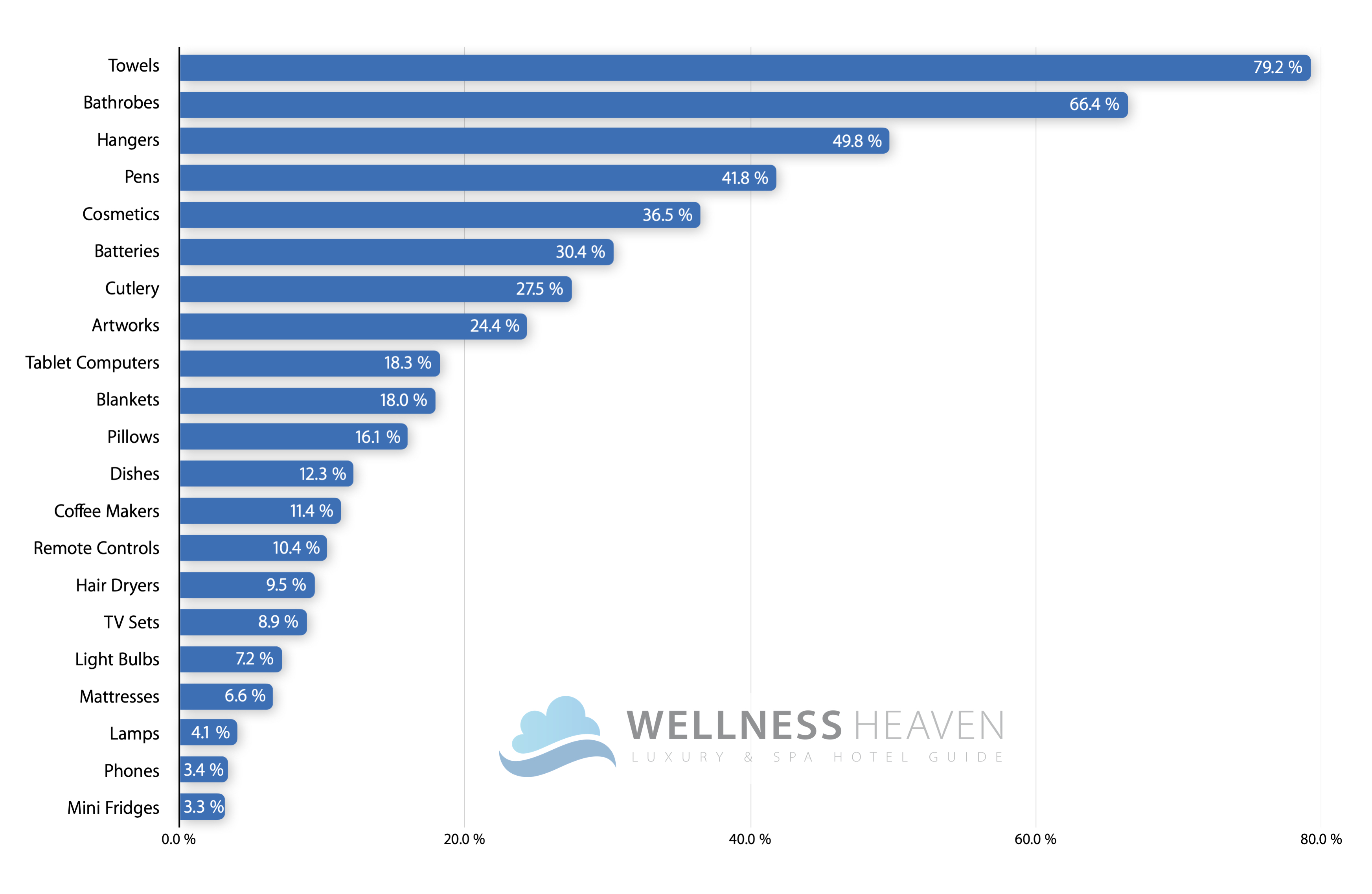
After you’ve had a chance to test it out, I’d really like to hear your thoughts. Did you enjoy it? Please leave your comments below at the end of my article.

PS – By popular demand, you can now adjust the wind speed in Free Sail mode, giving you control over your sailing conditions like never before: 

For the Silo, Greg Dziemidowicz  Director & Lead Developer @ MarineVerse – Virtual Reality Sailing

How To Reboot Ottawa’s Zero Emission Vehicle Mandate

The federal government has proposed regulations requiring the sale of a minimum numbers of Zero Emission Vehicles (ZEVs) in Canada (20 percent of all light vehicles in 2026, ramping up to 60 percent in 2030 and 100 percent in 2035). The flip side of this requirement is that the sale of internal combustion engine (ICE) light vehicles will be reduced and eventually prohibited in 2035.

  • This ZEV mandate will require an increase in ZEV sales from about 100,000 ZEV light vehicles in 2022 to 300,000 in 2026, 900,000 in 2030 and 1.5 million in 2035.
  • This paper examines whether or not Canadians will be able to buy enough ZEVs (either domestically produced or imported) to meet this ZEV mandate requirement. The findings show that Canada should be able to meet the 2035 100 percent ZEV mandate for about 270,000 passenger cars (only 18 percent of the market) but will be unlikely to meet the 2035 ZEV mandate for the 1,240,000 remaining light vehicles (pickup trucks, vans and SUVs/crossovers) comprising 82 percent of the market.
  • Canada cannot wait until 2035 to realize that the federal ZEV mandate will not be met. The gap between light-vehicle demand and forecasted ZEV light-vehicle supply will cause severe market disruptions. A better approach would be to reject a hardline ZEV mandate and instead to substitute a more flexible Plan B. Plan B should focus more on emissions rather than ZEV targets. For example, permitting some ICE light vehicles to be sold, particularly ones that can use renewable fuels. In addition, permitting plug-in hybrids (PHEVs) and hybrids to be included as ZEVs.
  • Finally, the federal government may have to accept that the 100 percent ZEV target is not feasible by 2035, and therefore must include flexibility in the federal ZEV mandate to back away from the 100 percent ZEV target.

A ZEV mandate is government legislation that imposes a requirement on the sellers of light vehicles to sell a certain minimum of ZEVs in a year. (ZEV is used interchangeably with BEV for battery electric vehicle in this paper. PHEVs can also qualify as ZEVs to a limited extent). The theory is that this minimum requirement will give certainty to vehicle sellers that there will be a market for ZEVs, and will therefore give an incentive to companies to construct ZEV manufacturing facilities. In essence, the ZEV mandate assumes that the demand for ZEVs will be there and will displace the demand for ICE light vehicles, and therefore the increase in supply of ZEVs will occur.

The federal government has introduced a ZEV mandate for all of Canada. In December 2022, the federal government issued proposed regulations under the Canadian Environmental Protection Act (CEPA). Section 30.3 of these proposed regulations state that all sales of light vehicles (passenger cars, pickup trucks, vans and SUVs/crossovers) must meet the thresholds for ZEV sales in a year shown in the table to the right.

Minimum Percentage of ZEV sales

The flip side to a ZEV mandate is that it imposes a prohibition on the sale of ICE vehicles, plus a penalty for contravening this prohibition. A company selling light vehicles in effect has an ever-shrinking quota for the maximum number of ICE light vehicles that it can sell in a year (none in 2035).
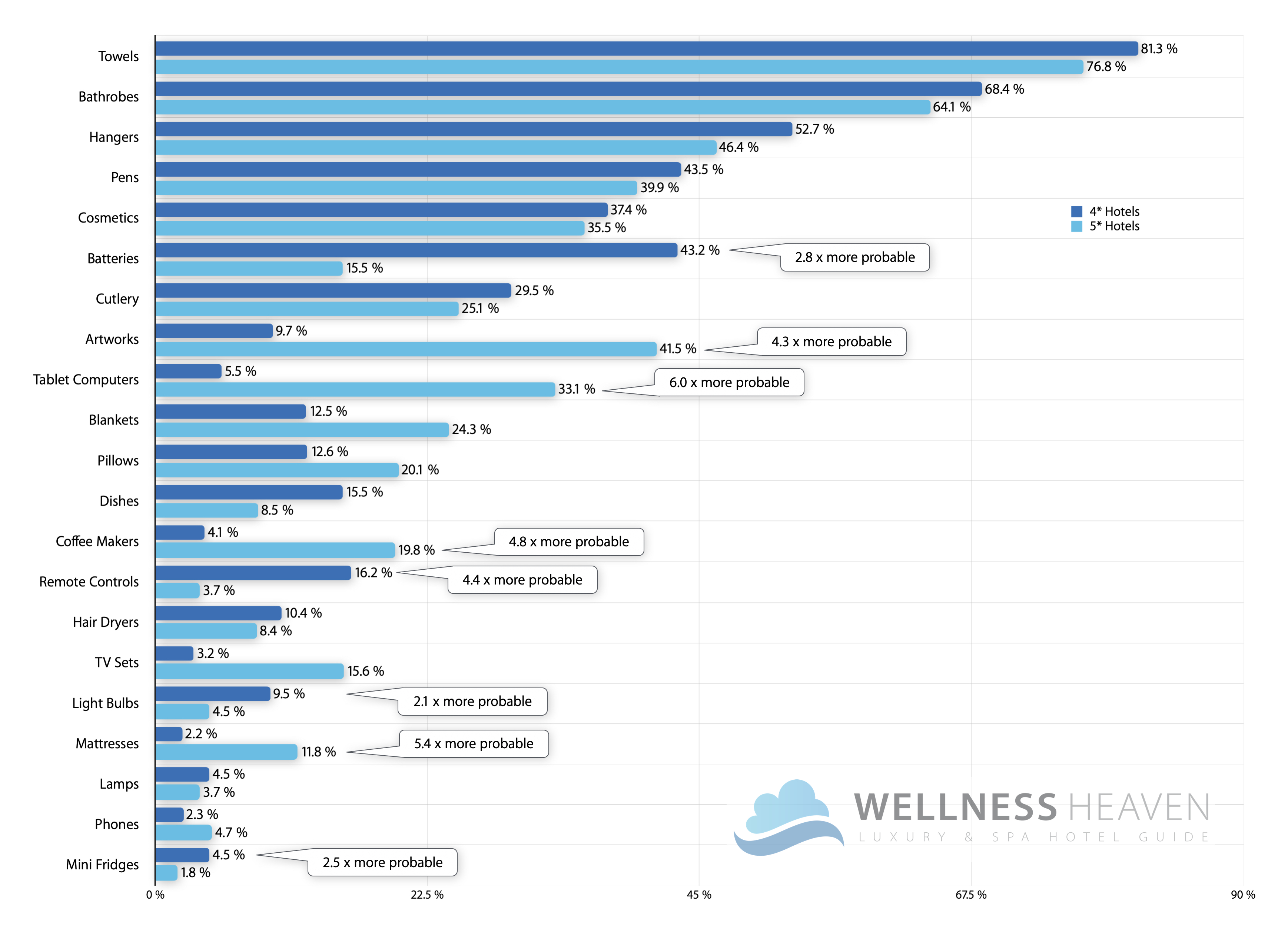
A company creates one credit for each battery electric vehicle (BEV) it sells. A sale of a PHEV with a range of more than 80 kilometres can also create a credit, but this ability is capped at 20 percent from 2028 onward. For example, a company selling 100 percent PHEVs in 2028 would only get credits for 20 percent.

If a company’s sales create fewer credits than required by the ZEV mandate, it can still remain in compliance by using two mechanisms. First, it can buy credits from another ZEV company that has exceeded its ZEV mandate. This mechanism will likely provide hundreds of millions of dollars of extra revenue to companies such as Tesla. An alternative second mechanism would allow the company to create a credit by contributing about $20,000 to specified ZEV activities such as supporting charging infrastructure. This second mechanism is capped at 10 percent of the ZEV mandate for the particular year, and is only available for the years prior to 2031.

For the Silo, Brian Livingston/The C.D. Howe Institute.

The author thanks Benjamin Dachis, Daniel Schwanen, Dave Collyer and anonymous reviewers for comments on an earlier draft. The author retains responsibility for any errors and the views expressed.

AI Predicts Canada Tourist Spots After 100 Years Climate Change

Whilst climate change is at the forefront of most countries’ consciences, the issue is highly pressing here in Canada where we  experience climate change at twice the world’s average due to our northerly location. Do you believe in the stated extreme effects of climate change or do you believe in a milder alternative? We would love to hear your thoughts in the comment section at the bottom of this article.

With this in mind, our friends at BonusFinder Canada utilized technology to predict exactly what Canada’s most popular tourist spots could look like in 100 years time if we do not intervene and try to combat climate change. To do so, they asked OpenAI to write predictions for five top tourist hotspots (Niagara Falls, CN Tower, Notre-Dame Basilica, Hopewell Rocks, Confederation Bridge) based on factors such as global warming, overpopulation and extreme weather, and used these descriptions to generate AI images.

Niagara Falls – no intervention  

 Niagara Falls – positive intervention

Key changes without intervention:

●      Significant reduction in water flow, affecting local ecosystems and the availability of freshwater resources.

●      The falls are no longer safe to get close to due to erosion.
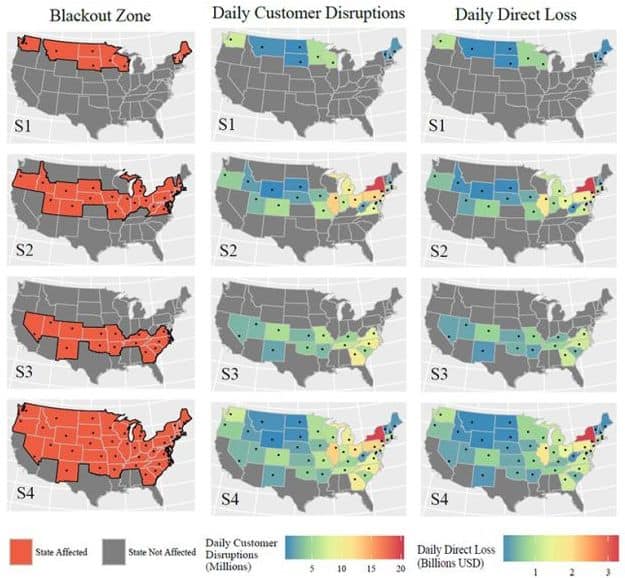
●      The once lush surroundings have been replaced by concrete and pollution due to overpopulation.

CN Tower – no intervention    

CN Tower – positive intervention

Key changes without intervention:

●      Toronto is now largely inhospitable due to global warming and extreme weather events.

●      Fires are not uncommon due to global warming and an abundance of refuse.

●      Toronto faces major impacts of climate change, including higher temperatures, reduced air quality, and persistent heatwaves.

Notre-Dame Basilica – no intervention 

Notre-Dame Basilica – positive intervention

Key changes without intervention:

●      Extreme weather events, including severe heatwaves, have damaged the Basilica’s exterior and interior.

●      The area surrounding the Basilica is overpopulated and increasingly inhospitable.

●      The basilica remains heavily reliant on non-renewable energy sources, worsening the effects on the environment.

Hopewell Rocks – no intervention 

Hopewell Rocks – positive intervention

Key changes without intervention:

●      The main structure of the rocks has collapsed.

●      The surrounding area is heavily urbanized and polluted.

●      The beach is now dangerous, marshy and overgrown, but still attracts many tourists when the bay is uncovered, bringing further pollution and structural damage with each passing year.

Confederation Bridge – no intervention

Confederation Bridge – positive intervention

Key changes without intervention:

●      Confederation Bridge has collapsed in areas, rendering the huge structure unusable.

●      The water around the bridge is now full of concrete, industrial waste, pollution and urban runoff.

●      Small portions of the bridge still stand in the water, serving as a reminder of our failure to act and combat urbanization and overpopulation.

For the Silo, Clara Tan.

Iconic Mid-Century Modern Home For Sale

Pierre Koenig was one of the most iconic architects of the mid-century modern movement, which focused on functional designs, harmony with nature, geometric lines, and the use of steel and glass. Koenig’s final project, a gorgeous geometric home in Santa Monica known as the Schwartz House, has been listed for sale at $4.55 million usd / $6.13 million cad. 

More like a work of art than a typical house, the rare historic home sits atop four structural steel columns, designed to minimize the home’s ecological impact and promote a harmonious relationship with nature. The residence’s rotated design is focused on southern exposure and capturing the sea breezes to conserve energy but also offers an attention-getting look. Stark lines, black-steel framing, galvanized wall panels, and floor-to-ceiling glass provide the classic mid-century modern aesthetic for which Koenig is so famous.

More from our friends at toptenrealestatedeals.com. Photos by Cameron Carothers.

National Black Arts Festival 2024


NBAF is manifesting more this year: more impact, more engaging programming, more opportunities for artists, more exposure, and more funding. We are coming for it all in the new year! In celebration of what will be an amazing year, it is my honor to give you a peek into what we have in store as we prepare to do things even bigger and better in 2024.  

Our programming theme for this year is “Artistry Unbound,” an exploration of the resounding power of African American art to propel us toward the realization of our collective freedom. This theme celebrates the profound contributions of African American artists in their relentless pursuit of social justice, equality, and financial equity. It celebrates the trailblazers who have paved the way for a new generation of artists, continuing the legacy of social commentary and artistic innovation. This theme calls us to be “black on purpose” and create programs that directly speak to the injustices that we still face as a people and find artistic and creative ways to address these issues.

We are excited to bring this theme to life through carefully curated programming that will kick off with the NBAF Black History Month event, “Blacklisted! Banned Book Fair”, which speaks directly to the injustices highlighted through recent campaigns designed to censor and diminish Black voices.

Blacklisted! Banned Book Fair takes place on February 24th and 25th, and aligns with NBAF’s mission to:

  • Expose audiences to important and diverse works by African American authors,
  • Educate the public on how the banning of African American literature has been part of a larger pattern of censoring voices that advocate for social justice, civil rights, and the dismantling of racial prejudices,
  • Engage young and old readers alike with the wealth of African American books available to them, and
  • Entertain audiences with informative panel discussions, staged readings, an indie book market, and more!
             For more info, please visit our Black History Month page on nbaf.org

There are so many exciting things on the horizon for NBAF this year and we look forward to bringing you quality multi-disciplinary programming focused on uplifting and highlighting Black art and artists in new ways throughout 2024.  As we continue our transition back to larger immersive events and chart a path back to the renowned NBAF Festival, our team is committed to innovatively presenting the best in Black art and we look forward to continuing to make an impact in the community with your partnership. We look forward to seeing you soon online or at an upcoming event! For the Silo, Stephanie R. Owens.

Reflecting on the remarkable journey of 2023, we’re excited to share the significant impact your support has made on our mission and community. We encourage you to delve into the highlights and accomplishments of the past year in our 2023 Impact Report, available here.

Click on the image above to view a visual journey of the transformative moments and positive change that helped us achieve in 2023.

NBAF PROGRAMS & EVENTS

Check out these upcoming events from NBAF!

Blacklisted! Banned Books Fair
Saturday & Sunday, February 24th & 25th
Atlanta, GA
Calling all authors, literature lovers, and vendors to join us in celebrating the written word!
NBAF’s 2024 Black History Month program, Blacklisted! Banned Book Fair celebrates the African American authors creating work that challenges the status quo and speaks truth to power.

The programming features:

• Moderated panel discussions with Black Authors, Activists & Intellectuals
• Indie Black Book Market featuring African American booksellers and authors
• Youth Book Fair with interactive children’s activities
• Community Book Drive to benefit youth-centered non-profits
• Interactive exhibitions about banned African-American literature and authors
• Social Photo booths, food vendors & more!

Mark your calendars and get ready for a weekend filled with storytelling, creativity, and activism. This interactive experience is in partnership with the Morehouse College Movement Memory and Justice Project, South Fulton Arts, 44th & 3rd Bookseller and the Black Writers Weekend.

If you’re an author, bookseller, or have literature/education or activism related products, apply to be a vendor on the NBAF website. Spaces are limited, so secure your space today!
Authors Vendor AppPublishers Vendor AppMerch Vendor App

SAVE THE DATE!

Saturday, March 27

Taking place at the Atlanta History Center and in partnership with Neiman Marcus, FA+F attendees enjoy food + drinks, an impeccably curated fashion show, fashion icons and artists award presentations, and are introduced to the winning student designer of the annual Fashion Forward Student Design Competition.

Fine Art + Fashion raises funds to support NBAF’s operations and programs for artists of all ages and disciplines, particularly our youth arts education programs for underserved students of African descent.

LEARN MORE AND PURCHASE YOUR SEAT!
2024 NBAF Fashion Forward
A Competition for Student Fashion Designers
NBAF Fashion Forward honorees are selected by a distinguished panel of judges and receive a cash prize of $1,500. The 2024 NBAF Fashion Forward honorees will be presented at NBAF’s Fine Art + Fashion Benefit on Wednesday, March 27, 2024 in Atlanta, GA. To get started, check out nbaf.org/fashion-forward to download the Fashion Forward Fact Sheet to learn more about the application requirements. If you have any questions or need further information, please contact Fashion Forward Coordinator, Page Yang, at [email protected]. Please mention thesilo.ca when contacting.
The deadline to apply is Friday, January 26, 2024 at 11:59 PM EST. APPLY HERE!
2024 Artist Project Fund Applications
Eligible Metro Atlanta Artists Apply Today  
The 2024 Artist Project Fund (APF) is a $2,000 usd grant and 6-month artistic development program for Metro Atlanta artists seeking funds to complete an ongoing project. APF supports 20 professional artists in the completion of an ongoing artistic project, fosters a sense of community and creative collaboration, and provides immersive artistic and career development experiences to help them grow as artists and creative entrepreneurs.
The deadline to apply is Friday, February 2, 2024 at 11:59 PM EST.
APPLY HERE!

SHOP THE NBAF STORE

New Merch! Your purchase supports NBAF’s year round programming.

Select from special limited edition art prints, t-shirts, tote bags, note books, and more!Black Art Matters TeeNBAF Commemorative PinsRadcliffe Bailey NBAF 10th Anniversary PostersBlack Art Matters stainless steel tumblerNBAF tote bagNBAF Logo Unisex Hoodie
With Shop Pay you can get it now and pay later! Pay in 4 interest-free installments for orders over $50.00.  

Don’t miss out on NBAF news and events.
Follow us on social to stay in the know!

AI Governance Alliance Calls for Inclusive Access to Advanced Artificial Intelligence


World Economic Forum’s AI Governance Alliance says a global effort is needed to create equitable access to artificial intelligence. Artificial intelligence holds the potential to address global challenges, but it also poses risks of widening existing digital divides or creating new ones. Three new Forum papers offer recommendations on building safe systems and technologies, ensuring responsible applications and transformation, and advancing resilient governance and regulation.

Davos-Klosters, Switzerland, 18 January 2024 – The AI Governance Alliance (AIGA) released today a series of three new reports on advanced artificial intelligence (AI). The papers focus on generative AI governance, unlocking its value and a framework for responsible AI development and deployment.
 
The alliance brings together governments, businesses and experts to shape responsible AI development applications and governance, and to ensure equitable distribution and enhanced access to this path-departing technology worldwide.
 
“The AI Governance Alliance is uniquely positioned to play a crucial role in furthering greater access to AI-related resources, thereby contributing to a more equitable and responsible AI ecosystem globally,” says Cathy Li, Head, AI, Data and Metaverse, World Economic Forum. “We must collaborate among governments, the private sector and local communities to ensure the future of AI benefits all.”
 
AIGA is calling upon experts from various sectors to address several key areas. This includes improving data quality and availability across nations, boosting access to computational resources, and adapting foundation models to suit local needs and challenges. There is also a strong emphasis on education and the development of local expertise to create and navigate local AI ecosystems effectively. In line with these goals, there is a need to establish new institutional frameworks and public-private partnerships along with implementing multilateral controls to aid and enhance these efforts.
 
While AI holds the potential to address global challenges, it also poses risks of widening existing digital divides or creating new ones. These and other topics are explored in a new briefing paper series, released today and crafted by AIGA’s three core workstreams, in collaboration with IBM Consulting and Accenture. As AI technology evolves at a rapid pace and developed nations race to capitalize on AI innovation, the urgency to address the digital divide is critical to ensure that billions of people in developing countries are not left behind.
 
On international cooperation and inclusive access in AI development and deployment, Generative AI Governance: Shaping Our Collective Global Future – from the Resilient Governance and Regulation track – evaluates national approaches, addresses key debates on generative AI, and advocates for international coordination and standards to prevent fragmentation.
 
Unlocking Value from Generative AI: Guidance for Responsible Transformation – from the Responsible Applications and Transformation track – provides guidance on the responsible adoption of generative AI, emphasizing use case-based evaluation, multistakeholder governance, transparent communication, operational structures, and value-based change management for scalable and responsible integration into organizations.
 
In addition, for optimized AI development and deployment, a new Presidio AI Framework: Towards Safe Generative AI Models – from the Safe Systems and Technologies track – addresses the need for standardized perspectives on the model lifecycle by creating a framework for shared responsibility and proactive risk management.
 
AIGA also seeks to mobilize resources for exploring AI benefits in key sectors, including healthcare and education.
 
Quotes from the initiative:
 
“As we witness the rapid evolution of artificial Intelligence globally, the UAE stands committed to fostering an inclusive AI environment, both within our nation and throughout the world. Our collaboration with the World Economic Forum’s AI Governance Alliance is instrumental in making AI benefits universally accessible, ensuring no community is left behind. We are dedicated to developing a comprehensive and forward-thinking AI and digital economy roadmap, not just for the UAE but for the global good. This roadmap is a testament to our belief in AI as a tool for universal progress and equality, and it embodies our commitment to a future where technology serves humanity in its entirety.” – H.E. Omar Sultan Al Olama, Minister of State for Artificial Intelligence, Digital Economy and Remote Work Applications of the United Arab Emirates
 
“Rwanda’s participation in the AI Governance Alliance aims to ensure Rwanda and the region do not play catch up in shaping the future of AI governance and accessibility. In line with these efforts, Rwanda’s Centre for the Fourth Industrial Revolution, in collaboration with the World Economic Forum, will host a high-level summit on AI in Africa towards the end of 2024, creating a platform to engage in focused and collaborative dialogue on the role of AI shaping Africa’s future. The event’s primary goal will be to align African countries on common risks, barriers, and opportunities and, ultimately, devise a unified strategy for AI in Africa.” – Paula Ingabire, Minister of Information Communication Technology and Innovation of Rwanda
 
“IBM continues to drive responsible AI and governance. We all have an obligation to collaborate globally across corporations, governments and civil society to create ethical guardrails and policy frameworks that will inform how generative AI is designed and deployed. IBM is proud to work with the Forum’s AI Governance Alliance as the knowledge partner for this paper series.” – Gary Cohn, IBM Vice-Chairman
.
“The evolution of AI is unique in that the technology, regulation and business adoption are all accelerating exponentially at the same time. It’s critical that the public and private sector come together to share insights, resources and best practices for building and scaling AI responsibly. Leaders in this space must prioritize inclusive AI so that the benefits of this technology are shared in all parts of the world, including emerging markets. The Forum’s three-part briefing paper series offers insightful considerations across responsible applications, governance and safety to empower businesses, respect people and benefit society.” – Paul Daugherty, Chief Technology Innovation Officer, Accenture.

Three Ways to Make $1,000 Using Artificial Intelligence

Whether you need a side hustle or want to make a full career out of AI, here are ways to start

A few years back, I read Warren Buffett’s book, Snowball. It turned out to be one of my favorite books of all time. In this book, Warren shares stories of when he was a kid and some of his favorite books. One book in particular, 1,000 Ways to make $1,000 by F.C. Minaker, helped shape his idea around business and making money. 

After reading this legendary book many times, I decided to refresh the concept to help others by sharing ideas on how to use current AI technology to make money. As an entrepreneur who uses AI in my business, I know there are many ways in which AI can help you create side hustles, start businesses, and even help make your current jobs more efficient.

Whether you would like to start a small side business, or whether you want this to be your full career, there are many opportunities to make money with AI.

If you’re not a techie type, there may be a learning curve to become adept at the skills to succeed at AI. But if you have an interest in it and a desire to learn, and are willing to undergo some training and education, it’s possible to learn enough to make money with AI.

Here are three ways to begin your journey into making money with AI technology.

Prompt generators are becoming a lucrative business. Humans will pay for AI prompts that are ‘ready to go’.

  • Prompt Engineering refers to the process of designing and fine-tuning prompts for natural language processing (NLP) models. It involves creating a set of instructions or guidelines that tell the model what information to look for and how to use that information to generate a response. Here are a few steps and platforms I would use to start earning money today:
    1. Create an account at PromptBase.
    2. Check out this helpful tutorial on YouTube to get you prepared.
    3. Quickly read over some guidelines on how best to sell prompts to the marketplace to start earning.
    4. Take a look at some successful prompts that are for sale on the marketplace to get an idea how best for you to start earning.
    5. Start earning!
  • Transcription Services involve the conversion of audio or video recordings into written or text format. This service is provided by professional transcriptionists who are trained to accurately transcribe spoken words into written form. Here are a few steps and platforms I would use to start earning money today:
    1.                Create an account at Speak Write.
    2.                Check out the helpful tutorial video to get you prepared.
    3.                Quickly read over some FAQ’s on how best to prepare to start earning for transaction services.
    4.                Take a look at someones daily schedule for earning money on Speak Write
    5.        Start earning!
  • Labeling and Annotation are processes in which data is manually labeled or tagged with specific attributes or metadata that make it easier for machines to understand and analyze the data. Labeling involves assigning a specific category or label to data, such as identifying objects in an image or sentiment in a text. Annotation involves adding additional information, such as context or relationships between data points. Here are a few steps and platforms I would use to start earning money today:
    1.                Create an account at Clickworker.
    2.                Check out this helpful tutorial on YouTube to get you prepared.
    3.                Quickly read over some FAQ’s on how best to prepare to start earring for transaction services.
    4.                Take a look at the tasks you can pick from to start earning money on Clickworker.
    5.                Start earning!

The next decade will be a Decade of Abundance due to technological advancements like AI. While AI has its detractors, I believe we should be leaning in to explore this life-changing technology because it will empower the globe. 

AI has already been able to improve our lives in many ways, and it has the potential to solve some of the world’s most pressing problems, including in healthcare, education, and security. There’s no reason why you cannot be a part of this revolution, too. For the Silo, Joe Nigro.


Connecticut-based Joe Nigro is an investor, advisor, and entrepreneur who has used AI extensively in his career.

Featured image: Students summarize a text then tried to figure out which summaries were penned by classmates and which was written by a chatbot.Timothy D. Easley, FRE / AP

Arab Public Opinion Poll About Israeli War On Gaza

Doha, January 2024 // The Arab Center for Research and Policy Studies announced the results of their public opinion poll regarding the Israeli war on Gaza on Wednesday 10 January 2024. The poll was carried out on a sample of 8000 respondents (men and women) from 16 Arab countries. The survey questions were selected to determine the opinions of citizens in the Arab region on important topics related to the Israeli war on Gaza.

The results of the survey demonstrate the locality of the war as felt by Arab public opinion, with 97% of respondents expressing psychological stress (to varying degrees) as a result of the war on Gaza. 84% expressed a sense of great psychological stress.

Extent of psychological stress felt during the war on Gaza

About 80% of respondents reported that they regularly follow news of the war, compared to 7% who said that they do not follow it, a further indication that the Arab public sees this war as a local event. To access the news 54% of respondents relied on television, compared to 43% who relied on the internet.

Extent of news followship about Israel’s war on Gaza

It is noteworthy that the results highlighted that Arab public opinion does not believe that the military operation carried out by Hamas on 7 October 2023 was in pursuit of a foreign agenda. 35% of respondents considered that the most important reason for the operation was the continued Israeli occupation of the Palestinian territories, while 24% attributed it mostly to defence against Israel’s targeting of Al-Aqsa Mosque, and 8% saw it as a result of the ongoing siege of the Gaza Strip.

The most important motivations for Hamas to carry out the military operation on 7 October 2023

 Most importantSecond most important
The ongoing Israeli occupation of Palestinian land3513
Defending al-Aqsa Mosque against attacks2421
The ongoing blockade of Gaza812
Ongoing and expanding settlement on Palestinian land68
Liberating Palestinian detainees and prisoners in Israeli prisons613
Israel’s rejection of the establishment of a Palestinian state45
The United States’ failure to achieve a just peace23
The international community’s disregard for Palestinian rights and the ongoing occupation45
Halting the normalization process between Arab governments and Israel23
Carrying out the plan or agenda of a foreign power such as Iran22
Other21
Don’t know / Declined to answer50
No second option014
Total100100

While 67% of respondents reported that the military operation carried out by Hamas was a legitimate resistance operation, 19% reported that it was a somewhat flawed but legitimate resistance operation, and 3% said that it was a legitimate resistance operation that involved heinous or criminal acts, while 5% said it was an illegitimate operation.

Assessments of Hamas’ military operation on 7 October 2023

The results showed that there is an Arab consensus of 92% expressing solidarity with the citizens of the Arab region with the Palestinian people in Gaza. While 69% of respondents expressed their solidarity with Palestinians and support for Hamas, 23% expressed solidarity with Palestinians despite opposing Hamas, and 1% expressed a lack of solidarity with the Palestinians.

Solidarity with Palestinians and support for Hamas

The majority of respondents rejected comparisons between Hamas and ISIS made by predominately Israeli and Western politicians and media personalities.

Comparisons between Hamas and ISIS

When asked about the responses of regional and international powers to Israel’s war on Gaza, 94% considered the US position negatively, with 82% considering it very bad. In the same context, 79%, 78%, and 75% of respondents viewed positions of France, the UK, and Germany negatively. Opinion was split over the positions of Iran, Turkey, Russia, and China. While (48%, 47%, 41%, 40%, respectively) considered them positively (37%, 40%, 42%, 38%, respectively).

Evaluation of international and regional positions

In the same context, 76% of respondents reported that their position toward the United States following the Israeli war on Gaza had become more negative, indicating that the Arab public has lost confidence in the US. Furthermore, respondents demonstrated a near consensus (81%) in their belief that the US government is not serious about working to establish a Palestinian state in the 1967 occupied territories (The West Bank, Jerusalem, and Gaza).

About 77% of respondents named the United States and Israel as the biggest threat to the security and stability of the region. While 51% saw the United States as the most threatening, 26% considered the biggest threat to be Israel. While 82% of respondents reported that US media coverage of the war was biased towards Israel, only 7% saw it as neutral.

How opinion on US policy in the Arab region has changed since the war on Gaza

Evaluation of US seriousness in establishing a Palestinian state in the 1967 Occupied Palestinian lands

Biggest threats to the peace and stability of the region

 Greatest ThreatSecond Greatest Threat
Gaza war202220202018Gaza War202220202018
United States5139444325252328
Israel2641373733283840
Iran77101310131915
Russia46238847
France222110531
Turkey22213252
China12102220
Other12
Don’t know / Declined to answer61220
No second option071767
Aggregate100100100100100100100100

Evaluation of US media coverage of the war on Gaza

Arab public opinion sees the Palestinian Cause as an Arab issue, and not exclusively a Palestinian issue. A consensus of 92% believe that the Palestinian question concerns all Arabs and not just the Palestinians. On the other hand, 6% said that it concerns the Palestinians alone and they alone must work to solve it. It is worth noting that this percentage is the highest recorded since polling began in 2011, rising from 76% at the end of 2022, to 92% this year. Some countries recorded significant increases. In Morocco, it rose from 59% in 2022 to 95%, in Egypt from 75% to 94%, in Sudan from 68% to 91%, and in Saudi Arabia from 69% to 95%, a statistically significant increase that represents a fundamental shift in the opinions of the citizens of these countries.

Consideration of the Palestinian Cause as an Arab issue over time

Arab public opinion is almost unanimous in rejecting recognition of Israel, at a rate of 89%, up from 84% in 2022, compared to only 4% who support its recognition. Of particular note is the increase in the percentage of those who rejected recognition of Israel in Saudi Arabia from 38% in the 2022 poll to 68% in this survey. Such a statistically significant increase also applies to other countries such as Morocco, where the percentage rose from 67% to 78%, and Sudan, where it increased from 72% to 81%.

Support/opposition for recognizing Israel over time

When asked about their opinions on what measures Arab governments should take in order to stop the war in Gaza, 36% of respondents stated that Arab governments should suspend all relations or normalization processes with Israel, while 14% of them stated that aid and support should be brought into Gaza without Israeli approval, and 11% said that the Arab governments should use oil as a weapon to assert pressure on Israel and its supporters.

Measures that should be taken by Arab governments to stop the war on Gaza

 Most important measureSecond most important measure
Suspend relations or normalization with Israel3615
Deliver aid to Gaza without Israeli approval1416
Use the oil weapon to pressure Israel and its supporters1113
Establish a global alliance to boycott Israel911
Provide military aid to Gaza810
Announce military mobilization56
Reconsider relations with the United States46
Reconsider relations with states that support Israel’s war on Gaza35
Build alliances with states that have taken practical steps against Israel34
Other32
Don’t know / Declined to answer40
No second option012
Total100100

There is a near consensus among Palestinian respondents from the West Bank (including Jerusalem), around 95%, that safety and freedom of movement between the governorates and cities of the West Bank and their sense of security and personal safety have been affected negatively since 7 October 2023.

Negative effects experienced in the West Bank since 7 October 2023

A further 60% of Palestinian respondents in the West Bank said that they had been subjected to or were witnesses to raids by the occupation army forces, while 44% said that they were subjected to arrest or interrogation by the Israeli army, and 22% reported that they were subjected to harassment by settlers.

Frequency of witnessing or happening upon incidences of raids, arrests, or settler harassment in the West Bank since 7 October 2023

This survey is the first of its kind to gauge public opinion on the topic across the Arab region. The field work was conducted from 12 December 2023 to 5 January 2024 in Mauritania, Morocco, Algeria, Tunisia, Libya, Egypt, Sudan, Yemen, Oman, Qatar, Kuwait, Saudi Arabia, Iraq, Jordan, Lebanon, and the West Bank, Palestine (including Jerusalem). The surveyed communities represent 95% of the population of the Arab region and its far-flung regions. The sample in each of the aforementioned communities was 500 men and women, drawn according to cluster and self-weighted sampling methods to ensure that every individual in each country had an equal probability of appearing in the sample.

For the Silo, Dr Ahmed Hussein, researcher at the Arab Center for Research and Policy Studies.

Canada’s Surging Non-Permanent Resident Population Crisis

Mahboubi, Skuterud – A Multi-Pronged Strategy for Managing Canada’s Surging Non-Permanent Resident Population
January, 2024 – Recent years have seen an unprecedented increase in Canada’s non-permanent resident population, far surpassing increases in annual admissions of new permanent residents. This unbalanced growth in the two migration streams will inevitably result in a growing undocumented population and forced deportations. Both developments risk inflaming Canada’s immigration politics and undermining public confidence in the immigration system. It is imperative that the government take immediate steps to stem the ongoing growth in foreign student and temporary foreign worker entries. Here’s how it can do it.

Recent years have seen an unprecedented increase in Canada’s non-permanent resident (NPR) population far surpassing increases in annual admissions of new permanent residents. This unbalanced growth in the two migration streams will inevitably result in a growing undocumented population and forced deportations. Both developments risk inflaming Canada’s immigration politics and undermining public confidence in the immigration system.  

It is imperative that the government take immediate steps to stem the ongoing growth in foreign student and temporary foreign worker entries.

Several factors have contributed to the NPR population surge, including ad-hoc programs aimed at expanding eligibility for permanent status, the well-documented postsecondary appetite for international tuition revenue, and eased employer access to temporary foreign workers, most notably in low-wage occupations.

Statistics Canada estimates that by the fourth quarter of 2023, Canada’s non-permanent population had exceeded 2.5 million, while entries of new permanent residents remained below 500,000 and which the government has announced will stabilize in 2025. The tightening bottleneck in temporary-to-permanent residency flows is worsened because many permanent slots go to applicants residing abroad, not non-permanent residents.

A key factor driving the growth in non-permanent inflows is the government’s repeated announcements of ad hoc programs aimed at easing the pathway to PR status for lower-skilled migrants who would otherwise struggle to clear the hurdle of the Express Entry skilled-based points system.

Examples include the February 2021 decision to provide permanent status to all economic class candidates in the applicant pool regardless of their eligibility scores and the April 2021 provision of pathways to 90,000 “essential workers” including cashiers and truck drivers. And the government expanded the program in January 2023 to give PR status to undocumented construction workers and plans to broaden the program, allowing all undocumented people to apply for permanent status. 

No wonder large numbers of migrants try their luck.

But given limited permanent admissions, large numbers of justifiably hopeful NPRs will be unable to realize their dreams. As their study and work permits expire, many will be unable or unwilling to return to their home countries. This leaves them increasingly vulnerable to workplace exploitation, which can distort wage outcomes in lower skilled labour markets, and leaves them in poverty with no recourse to government supports because they are ineligible.

Canada urgently requires a multipronged strategy to stem this ongoing NPR growth and restore the stability and integrity of the immigration system. In our view, policies should be aimed at helping applicants make better decisions about seeking NPR status in Canada by offering a straightforward, predictable system against which they can realistically assess their prospects.

On international students, we recommend reintroducing the cap on off-campus work at 20 hours a week that was waived in October 2022 and recently extended to April 30. Continued policy punting is unhelpful in restoring predictability for prospective foreign students. Study permits have become de facto work permits, and brings job-seekers, not committed students.

We also recommend restricting study permits to institutions of a certain standard. Designated Learning Institutions (DLIs) whose students are currently ineligible for Post-Graduate Work Permits should also be ineligible for study permits. The government should also revoke designation based on the measured immigration and labour market outcomes of an institution’s graduates. Those outcomes should be regularly published by the immigration department to help prospective migrants make informed decisions and combat false dreams pushed by education recruiters.  

On temporary workers, extended measures allowing, for example, 30 percent of certain workforces to be low-wage temporary foreign workers, need reconsideration. Stemming the growth in the Low-Wage Stream of the Temporary Foreign Worker Program and restoring the pre-2020 hiring regulations recognizes recent evidence of adverse effects of this program on wages and local unemployment rates.

Most important, the government needs to bring back predictability in its permanent resident admission system in the economic-class applicant pool. Though well intentioned, the one-off programs easing the pathway to permanent status are contributing to temporary resident explosion. The department needs to return to its Comprehensive Ranking System as it did before 2020. The transparency of its points system and a stable minimum eligibility score over time will mean that applicants can see what skills or training they need for entry, thereby advancing the objective of our skilled immigration program.

If these policy levers are collectively applied, they can stem the unhealthy growth in Canada’s non-permanent population, restore fairness and transparency in the permanent admission stream, and secure the immigration system’s integrity and sustainability. In doing so, we can ensure that Canada continues to be a welcoming and prosperous country for all. *note this article was sent as a letter by the C.D. Howe Institute authors to  The Honourable Marc Miller, Minister of Immigration, Refugees and Citizenship Canada.

Parisa Mahboubi is a senior policy analyst at the C.D. Howe Institute. Mikal Skuterud is a professor of economics at the University of Waterloo, director of the Canadian Labour Economics Forum and a fellow-in-residence of the C.D. Howe Institute.

Disinformation Tops Global Risks 2024 

  • Misinformation and disinformation are biggest short-term risks, while extreme weather and critical change to Earth systems are greatest long-term concern, according to Global Risks Report 2024.
  • Two-thirds of global experts anticipate a multipolar or fragmented order to take shape over the next decade.
  • Report warns that cooperation on urgent global issues could be in short supply, requiring new approaches and solutions.
  • Read the Global Risks Report 2024 here, discover the Global Risks Initiative, watch the press conference here, and join the conversation using #risks24.

Geneva, Switzerland, January 2024 – Drawing on nearly two decades of original risks perception data, the World Economic Forum’s Global Risks Report 2024 warns of a global risks landscape in which progress in human development is being chipped away slowly, leaving states and individuals vulnerable to new and resurgent risks. Against a backdrop of systemic shifts in global power dynamics, climate, technology and demographics, global risks are stretching the world’s adaptative capacity to its limit.

These are the findings of the Global Risks Report 2024, released today, which argues that cooperation on urgent global issues could be in increasingly short supply, requiring new approaches to addressing risks. Two-thirds of global experts anticipate a multipolar or fragmented order to take shape over the next decade, in which middle and great powers contest and set – but also enforce – new rules and norms.

The report, produced in partnership with Zurich Insurance Group and Marsh McLennan, draws on the views of over 1,400 global risks experts, policy-makers and industry leaders surveyed in September 2023. Results highlight a predominantly negative outlook for the world in the short term that is expected to worsen over the long term. While 30% of global experts expect an elevated chance of global catastrophes in the next two years, nearly two thirds expect this in the next 10 years.

“An unstable global order characterized by polarizing narratives and insecurity, the worsening impacts of extreme weather and economic uncertainty are causing accelerating risks – including misinformation and disinformation – to propagate,” said Saadia Zahidi, Managing Director, World Economic Forum. “World leaders must come together to address short-term crises as well as lay the groundwork for a more resilient, sustainable, inclusive future.” 

Rise of disinformation and conflict

Concerns over a persistent cost-of-living crisis and the intertwined risks of AI-driven misinformation and disinformation, and societal polarization dominated the risks outlook for 2024. The nexus between falsified information and societal unrest will take centre stage amid elections in several major economies that are set to take place in the next two years. Interstate armed conflict is a top five concern over the next two years. With several live conflicts under way, underlying geopolitical tensions and corroding societal resilience risk are creating conflict contagion.

Economic uncertainty and development in decline
The coming years will be marked by persistent economic uncertainty and growing economic and technological divides. Lack of economic opportunity is ranked sixth in the next two years. Over the longer term, barriers to economic mobility could build, locking out large segments of the population from economic opportunities. Conflict-prone or climate-vulnerable countries may increasingly be isolated from investment, technologies and related job creation. In the absence of pathways to safe and secure livelihoods, individuals may be more prone to crime, militarization or radicalization.

Planet in peril


Environmental risks continue to dominate the risks landscape over all timeframes. Two-thirds of global experts are worried about extreme weather events in 2024. Extreme weather, critical change to Earth systems, biodiversity loss and ecosystem collapse, natural resource shortages and pollution represent five of the top 10 most severe risks perceived to be faced over the next decade. However, expert respondents disagreed on the urgency of risks posed – private sector respondents believe that most environmental risks will materialize over a longer timeframe than civil society or government, pointing to the growing risk of getting past a point of no return.

Responding to risks


The report calls on leaders to rethink action to address global risks. The report recommends focusing global cooperation on rapidly building guardrails for the most disruptive emerging risks, such as agreements addressing the integration of AI in conflict decision-making. However, the report also explores other types of action that need not be exclusively dependent on cross-border cooperation, such as shoring up individual and state resilience through digital literacy campaigns on misinformation and disinformation, or fostering greater research and development on climate modelling and technologies with the potential to speed up the energy transition, with both public and private sectors playing a role.

Carolina Klint, Chief Commercial Officer, Europe, Marsh McLennan, said: “Artificial intelligence breakthroughs will radically disrupt the risk outlook for organizations with many struggling to react to threats arising from misinformation, disintermediation and strategic miscalculation. At the same time, companies are having to negotiate supply chains made more complex by geopolitics and climate change and cyber threats from a growing number of malicious actors. It will take a relentless focus to build resilience at organizational, country and international levels – and greater cooperation between the public and private sectors – to navigate this rapidly evolving risk landscape.”

John Scott, Head of Sustainability Risk, Zurich Insurance Group, said: “The world is undergoing significant structural transformations with AI, climate change, geopolitical shifts and demographic transitions. Ninety-one per cent of risk experts surveyed express pessimism over the 10-year horizon. Known risks are intensifying and new risks are emerging – but they also provide opportunities. Collective and coordinated cross-border actions play their part, but localized strategies are critical for reducing the impact of global risks. The individual actions of citizens, countries and companies can move the needle on global risk reduction, contributing to a brighter, safer world.”

About the Global Risks Initiative


The Global Risks Report is a key pillar of the Forum’s Global Risks Initiative, which works to raise awareness and build consensus on the risks the world faces, to enable learning on risk preparedness and resilience. The Global Risks Consortium, a group of business, government and academic leaders, plays a critical role in translating risk foresight into ideas for proactive action and supporting leaders with the knowledge and tools to navigate emerging crises and shape a more stable, resilient world.

Icons Masked In League Of Wrestling Paintings

The League of Wrestling Mask Portraits is a growing body of work, undertaken in 2023, by realist painter, Richard Delaney. The work is a satirical, Pop Art-style, examination of the famous and controversial people of our time, such as Donald Trump, Joe Biden, Justin Trudeau, Elon Musk, and Greta Thunberg. Delaney paints their approximately, life-size portraits, in an unconventional manner. Politicians and celebrities are depicted wearing personalized wrestling masks (as in professional wrestling, aka Lucha Libra, often referred to as Mexican wrestling masks). They wear their masks as if ready to battle/wrestle in the social and political ring.  

Each mask is customized for the individual wearer with clues to their identity imbedded in the design.

The symbolic clues help the viewer identify the person when the facial features alone are not enough. For example, the design of Greta Thunberg’s mask reflects her climate activism. Yellow flame-patterned, patches, around her eyes, nose, and mouth, rise up to symbolically melt what appears to be an ice cap on the top of her head, causing melt-water to flow into the blue, ocean-like area of the mask, covering her face. The dominant colours, light blue and yellow, reference Thunberg’s country, Sweden, and its flag.     

Delaney’s paintings in oil and acrylic are garish, bombastic, and humorous. They are fresh and contemporary while being reminiscent of 1960’s Pop Art. The visual aesthetic is like a combination of cartoon, realistic painting, and or photo collage. The mask component has a hint of vintage, comic book art, and pulp art illustration. In contrast, the facial features of the subjects are rendered in a somewhat, photorealistic style.

Conceptually, the League of Wrestling Mask Portraits, is very much Pop Art, and may have roots in the work of Warhol.

Both artists use mass media as a reservoir of ideas. They each present the concept of fame and celebrity in a uniquely identifiable style. There is no doubt that the ‘mask’ in Delaney’s work is simultaneously a visual brand, and a concept to be pondered.  


Delaney has coined the terms “maskified” and “maskification,” to describe his portraits. The maskified portraits cannot be viewed without some consideration for the basic idea and purpose of a mask, that is, to conceal true identity, and or to project a persona. The maskification of Donald Trump, for example, in a red mask with gold trim and crown, draws a comparison to classic comic book superheroes or villains, depending on one’s political stance. The connection with Mascaras de Lucha Libra is of course, intentional, and it is this simple juxtaposition that makes the work visually and intellectually, compelling.        

Delaney plans to produce a large collection of portraits by the end of 2024.

Ultimately, he imagines them displayed and for sale in a contemporary art gallery. For the time being, they are available to view on social media in the form of humorous reels and videos. There are many potential subjects that Delaney would like to paint, including, for example, Dylan Mulvaney, Joe Rogan, Kamala Harris, King Charles, Pierre Poilievre, and Jordan Peterson. Who do you think should be maskified? You can make suggestions by following Delaney on social media where he will be frequently unveiling new paintings for his League of Wrestling Mask Portraits. 

Making Sexual Decisions You Are Comfortable With: Dry January

Some of us are participating in Dry January – (giving up alcohol for the whole month after enjoying it during December festivities) has become pretty popular worldwide. We must agree it`s giving the New Year a quite strong health kick.  

Dry January`s popularity is not a surprise at all and has a lot of benefits; it saves money, makes people sleep better, no hangovers (hello morning sex), and brings numerous health welfare – reduced blood pressure, improved skin, more energy – the thing that people really need, according to LELO survey. For 61.28% of respondents, low energy level makes them hard to make it through January

And even though you might not be a regular drinker, you (and your liver) surely deserve a small break. With this in mind, LELO endorses Dry January with a small note on a side – not everything has to be dry (wink, wink). 

While Dry January has its charm and a good cause, there is a widespread myth that it is also quite a challenge – especially if you want to continue enjoying your sex life. An encounter without the help of that small something that makes you relax your nerves might sound less exciting, but actually, it turns out, all that not drinking has some pretty positive effect on your sex life.  

And no, it`s not just about the “being present at the moment”; being sober significantly improves the physical side of sex. If you have ever experienced drooping after drinking, you`ll know that erectile dysfunction is a real thing.

Drinking can cause struggles to get and have an erection, leading to disappointment in sex.

Besides that, studies have shown that women are more likely to orgasm when they are entirely sober because alcohol reduces physical sensitivity, meaning it`s also harder to feel pleasure. Also, women might struggle to get aroused in the first place when drinking. Making your vagina free from the influence of alcohol gives sex a whole new dimension. 

Also, it is a fact that alcohol leads to irresponsible sex encounters; people are more likely to forget to use condoms because alcohol lowers inhibitions, leading to unwanted pregnancy and STIs. Being alcohol-free sounds pretty responsible here, right? 

Men are not being left out- Lelo F1S Red.

Studies show that alcohol often leads to having partners you might not actually be that keen on, as well as post-sex unsatisfaction. Knowing this, Dry January will ensure you choose people you want, make sexual decisions you are comfortable with, and enjoy it without regret. Additionally, according to the LELO survey, 93.7% of people would be willing to try something new sex-wise to cheer themselves and/or their partner. Is there a better timing than “depressing” January? 

Some of LELO’s new and best selling adult products.

To wrap it all up, cutting out alcohol (a well-known depressant) will make you well rested and more energetic, which automatically increases your libido and improves your sex life. The highlight of Dry January will be more exciting and engaging sex – the one you actually remember. And if we add 51.7% of our survey respondents who will consider buying a new toy to incorporate into their love life, January will be anything but dry.  

Outdoor Luxury Brazilian Furniture For Spring

CaraivaInspired by Caraiva, a charming Bahian village by the Brazilian sea

 Simplicity and rusticity converge at the Caraiva line. This line is composed of a recliner, a lounger, a bench, and an armchair. Simplicity and rusticity converge with the Caraiva line using variations of woven wood. The pieces have a wooden and aluminum structure with a rope finish and are meant to capture the feeling of ‘feet in the sand’ and the pleasure of enjoying the best of outdoor life. 

The Caraiva Line

DropInspired by the most important natural resource on the planet, water

 The Drop Line consists of a swing chair; and has rounded shapes complemented by modern patterns of nautical rope on the sides, base, and top. Different from the Caraiva line, the Drop line uses an aluminum structure along with an upholstered seat and back. The Drop line emphasizes comfort by utilizing upholstered cushions, while giving a sense of peace with inspiration from the sea.

The Drop Line

RoundProjects gain new possibilities with the Round line

The Round line consists of two dining table models: square and rectangular in two sizes. The top is made out of stone or wood and the base is covered in nautical rope. 

The Round Line

SaharaInspired by the dunes’ movements in the Sahara desert.

The product pieces have an elegant design with rounded corners and a feature that adds lightness for both indoor and outdoor areas. The Sahara line includes a sofa, a chair with backrest and back support, four main modules, two side modules, and a corner module.

The Sahara Line

ShellInspired by the design of the seashells

 The delicate design of seashells was the starting point for creating the rounded chair designs in nautical rope for this line. The pieces include an armchair, a loveseat, and a chair – all have an upholstered seat, rope finish, wooden legs, and an aluminum structure.

The Shell Line

SplitVersatility is the strong point of the Split line

The Split line consists of seven sophisticated yet versatile modules that allow the building of different composition designs in multiple varieties of styles and sizes.

The Split 

For the Silo, Claudia Safavi.

Worth The Cost- Ultra Premium Champagne To Ring In The New Year

 Luxury Maurice Vendome Champagne Label1Miami, FL,  – Ultra-luxury wine and spirits purveyor Prodiguer Brands, which privately develops and markets many of the world’s finest, award-winning wines and spirits, offers a very special Champagne.  Maurice Vendôme is now exclusively available in the United States (and in select LCBO’s and liquor stores in Ontario and Canada).

This offering furthers the company’s extraordinary and revered portfolio of premium ultra-grade adult beverage brands specifically tailored for the global luxury market to meet evolving consumer desires and tastes. What better way to celebrate New Year’s Eve?

“This rare Grand Cru Réserve Blanc de Blancs champagne represents over 100 years of combined experience, expertise and leadership by our team and the Maurice Vendôme wine grower,” notes Prodiguer Brands’ Managing Partner, Noel Shu—a self-made millionaire, Sommelier and entrepreneur. ” Housed within the beautiful village of Oger in the Côte des Blancs region, Champagne Maurice Vendôme has ancestral ties dating back to the French Revolution. It’s an exquisite champagne that benefits from Oger’s rich soils that provide the perfect setting for luxury winemaking.”

Using 100% rated rare Grand Cru grapes and a limited annual production, Maurice Vendôme offers an exquisite experience of luxurious quality and exclusivity. The caliber and excellence of this rare Grand Cru Réserve Blanc de Blancs champagne is uncompromised, further entrenching Maurice Vendôme as “A Timeless Luxury.”

Champagne Chapuy in Oger

The art of Champagne is created usually with the combination of three different types of grapes – Chardonnay, Pinot Meunier and Pinot Noir. Champagne Maurice Vendôme uses exclusively 100% Chardonnay to create a unique Blanc de Blancs luxury cuvée. Each Chardonnay grape is delicately handpicked  from only the finest vineyards in Champagne country and then pressed to release their first juice, premiér taille.
Tasting Notes:

  • Colour: Straw yellow appearance
  • Nose: Intense white fruits, sweet on the nose, slightly floral
  • Palate: Creamy smooth refreshing palate, full delicate flavor
  • Finish: Charming fresh finish
  • Premiér taille of 100% Grand Cru Chardonnay
  • Hand-picked, sorted and pressed within 24 hours Liqueur de dosage: Chardonnay wine with melted cane sugar at 12 g/liter, this champagne then rests for a further four months after disgorgement, resulting in a luxury aroma, taste, body, and finish
  • Formats: 75cl and Magnum 1.5l – larger sizes by special order

A Prestigious Pedigree: Makers of the World’s Most Expensive Champagne Prodiguer Brands gained much notoriety for developing and facilitating the record-breaking sale of the most expensive single bottle of Champagne in the world—a limited edition bottle of Goût de Diamants, Taste of Diamonds, which sold for a staggering $1.8 million usd / $2.4 million cad.
Made from 100% Grand Cru grapes, all Goût de Diamants Champagne—available as a brut, a rosé, a Blanc de Blancs and a vintage—is produced at the 8-hectare, family-owned, Champagne Chapuy in Oger. Each standard bottle of Goût de Diamants is a chic collector’s item that’s adorned with a brilliant cut Swarovski crystal in the center of a diamond-shaped pewter design resembling the Superman logo.

Goût de Diamants bottle

The Swarovski crystals are pink on the rosé bottles and clear on the Blanc de Blancs and the brut, which is aged for a minimum of 40 months before release including four months post disgorgement.  In addition, borrowing design cues from Armand de Brignac, the back of each bottle also boasts a hand-engraved pewter label featuring details of the blend inside. For its part, the bespoke multi-million dollar bottle saw the diamond logo crafted from 18-carat solid white gold while the Swarovski crystal was upgraded to a 19-carat flawless white diamond. The 18-carat white gold front label meanwhile, was engraved with the client’s name.

A Voraciously Vetted Vodka  Also in the Prodiguer Brands’ preeminent portfolio is JULIET Immaculate Vodka, which is the world’s first “Immaculate”-graded vodka—ranking it above other premium, super-premium and even ultra-premium brands. Notably, this “Immaculate” rank was actually incepted by Prodiguer Brands, itself, as was required to aptly classify this caliber of vodka, and is a grade now recognized and accepted by industry professionals worldwide.

Upon its official launch in Monte Carlo, Monaco in 2014 during the prestigious, Formula One Grand Prix weekend at the exclusive Ermanno Palace Penthouse, this luxury vodka subsequently appeared at a multitude of A-list events in key regions around the world, including New York City, Barcelona, Paris, Sweden and London. At that time, the brand released a range of Collector’s Edition bottles featuring artwork from renowned New York City based artist, Sue Tsai, based around the F1 and the Brazil World Cup 2014.

Prodiguer Brands expressly separated JULIET from competitors by creating a vodka using a boutique production process to ensure the highest quality vodka that boasts seven distinct unique selling propositions. For one, the vodka weighs in at 43% alcohol volume (is 86 proof), and is only distilled a single time. As the vodka is handcrafted in small batches and great care is taken to prevent impurities from entering at any point in the process, the result is an impeccably pure vodka that does not need to be distilled multiple times. In addition, the vodka is gluten free as, by using high quality sugar beet that the brand ferments in-house, gluten is avoided entirely. The sweetness of the sugar beet also levels out the strong 43% alcohol volume, leaving pleasant smooth vanilla notes. Moreover, the vodka does not require any additional filtration as it is purified in copper pot stills during the distillation process and, packaging-wise, it uses wood top natural corks and tin foil capsules to exemplify the brand’s approach to using natural, non-toxic and renewable materials. JULIET Immaculate Vodka is 100% British, created at its own dedicated distillery based in the South of England, United Kingdom.

French Champagne Grapes
Expertise Aplenty:
About Noel Shu, Prodiguer Brands’ Managing Partner Internationally-regarded sommelier Noel Shu, Managing Partner for the ultra-luxe, award-winning wine and spirts purveyor Prodiguer Brands, is a self-made millionaire since his early 20s, entrepreneur and author of the upcoming title, “China Through a Glass of Wine.”  With impeccable panache and style, Shu, has already accomplished more than many do in an entire lifetime. Shu has personally designed and sold extraordinary multi-million dollar timepieces and necklaces to China’s elite through his ancillary, highly successful luxury jewelry business.  Always striving for growth and self-improvement and with a reverence for continuing education, despite his busy schedule Shu is currently pursuing an Ivy League Master’s degree at Columbia University. As a globally-minded business practitioner, Shu understands commerce on both sides of the Pacific and brings that expertise to bear with his various ventures, including the highly anticipated upcoming release of “Regale”—an exclusive wine brand expressly developed for the Chinese marketplace, which will be exported to the region in early 2016.  Shu may be reached at www.prodiguerbrands.com.
About Prodiguer Brands Prodiguer Brands privately creates and owns some of the world’s finest wines and spirits.  With a growing portfolio, Prodiguer Brands prides themselves in creating luxury brands for the global luxury market that meet new consumer desires and tastes.  In 2016 the company will be releasing one of the world’s finest red wine offerings in the U.S. market: the highly anticipated SIA Cabernet Sauvignon. Led by Shammi Shinh, the company is predicated on strong dedication, wise investment, and offering the best consumption experiences.

Shinh has been commissioned by the likes of Hugo Boss and Christian Louboutin to ideate and help create engagement opportunities in the luxury marketplace.

Learn more about Prodiguer Brands online at www.prodiguerbrands.com.