Protecting Older People in Conflict and Disaster Zones is A Humanitarian Priority
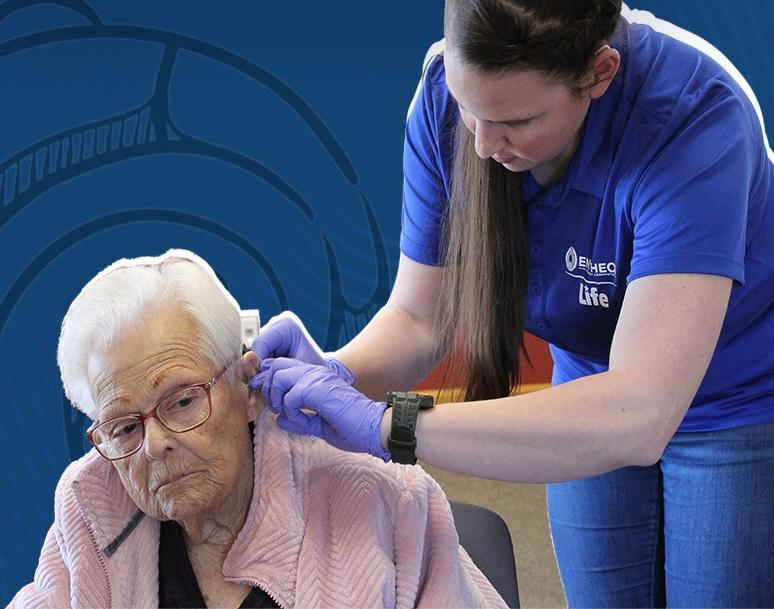
Growing older can bring challenges that become particularly difficult in communities affected by poverty, displacement, conflict, or natural disasters. Health problems such as impaired vision, hearing difficulties, mobility limitations, hypertension, diabetes, and heart disease may become harder to manage when medical services are disrupted or unavailable.
Yet the challenges faced by older people extend far beyond physical health. The loss of a spouse, separation from relatives, displacement, financial insecurity, and prolonged isolation can leave many elderly people without the social and emotional support they need. In humanitarian crises, these vulnerabilities can become even more pronounced, especially when older adults are simultaneously responsible for children or grandchildren.
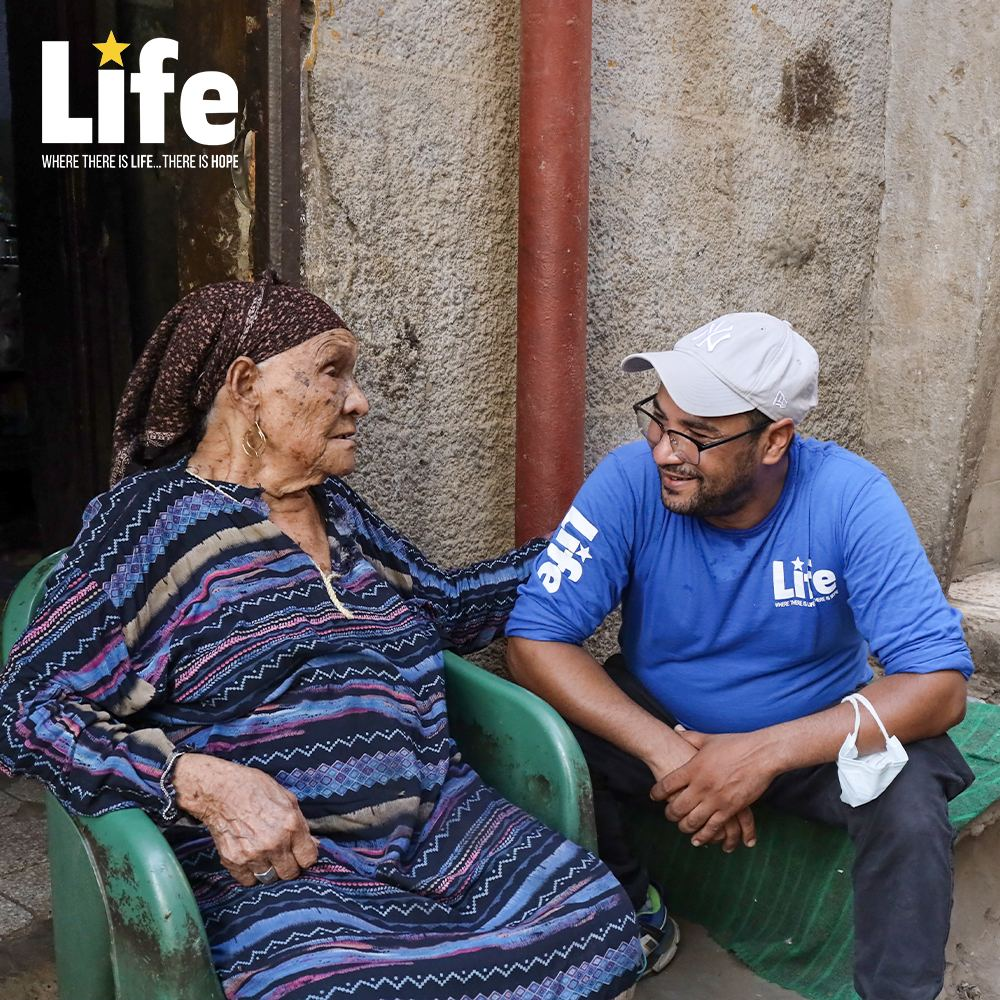
As the world marks the International Day of Older Persons, attention is increasingly turning to the need for humanitarian responses that do not overlook the elderly.
For Life for Relief and Development supporting older people is incorporated into a broader humanitarian approach that includes emergency assistance, healthcare, shelter, food security, water and sanitation, education, and community support.
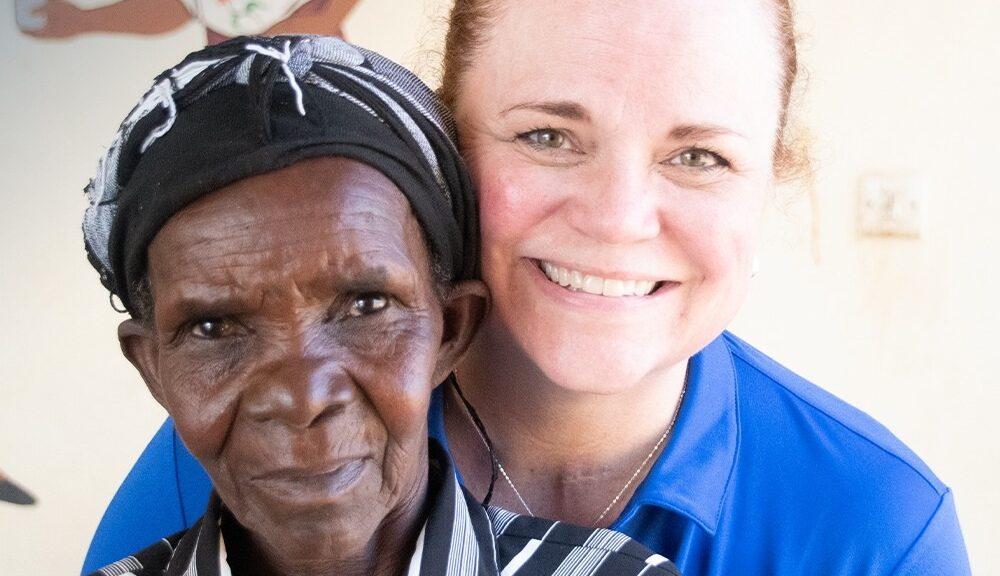
We spoke with Sharon Leonard, Executive Administrator at “LIFE”, about the organization’s approach to elderly care and the experiences of older people living through conflict, displacement, poverty, and natural disasters. Against this backdrop, we spoke with her to discuss these issues.
Q: Why is support for older people an important part of humanitarian work, even during major emergencies?
Older people can sometimes become invisible during humanitarian emergencies because immediate attention naturally focuses on urgent injuries, displaced families, children, and other visible needs. But older adults are also directly affected by crises, and many have specific medical, financial, and social needs that cannot simply be postponed.
The demographic picture itself demonstrates why this issue deserves greater attention. UNFPA data indicate that people aged 60 and above already account for approximately 8% of the world’s population. The increase is particularly significant across Arab countries, where the elderly population is expected to grow from around 27 million in 2015 to approximately 50 million by 2030 and more than 80 million by 2045.
This demographic transition is taking place alongside wars, displacement, economic hardship, and other humanitarian challenges. Conflict can also weaken family structures and reduce the number of younger relatives available to care for aging parents and grandparents.
For these reasons, elderly care should not be considered an optional addition to humanitarian response. It needs to be incorporated into sustainable programs that recognize the rights, needs, and contributions of older people.
Q: LIFE operates in very different countries and communities. How can elderly care be adapted to such diverse environments?
There is no single model of elderly care that can be applied everywhere. The needs of an older person living independently in a community are different from those of someone displaced by conflict or living in a residential care facility.
Over the past 34 years, LIFE has worked across approximately 60 countries, and older people have been included in many areas of our humanitarian response. This may involve emergency assistance, support for refugees and internally displaced people, medical services, clean water projects, seasonal distributions, family assistance, education, and orphan sponsorship.
One particularly important situation involves grandparents who become the primary caregivers for orphaned grandchildren. They may already be struggling with age-related health problems and limited financial resources, yet suddenly have responsibility for an entire household.
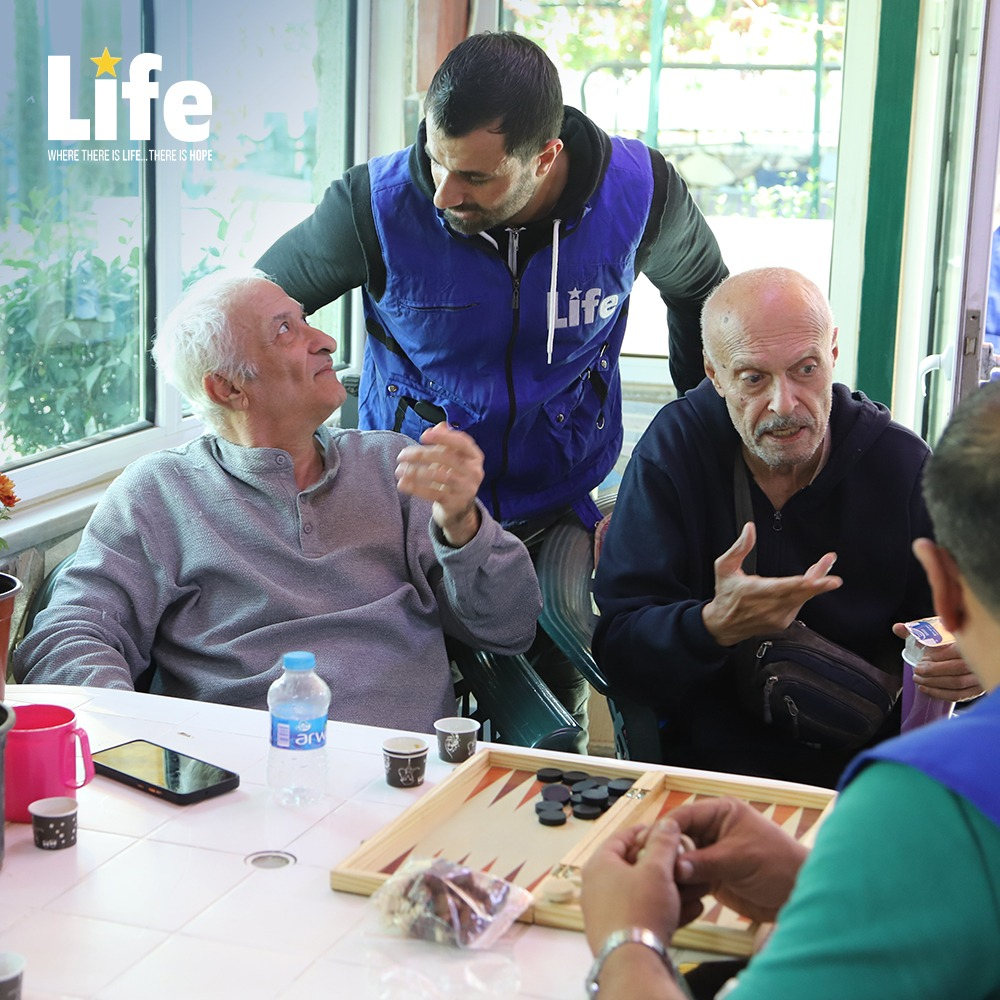
Where LIFE works directly with elderly residents in care facilities, we also try to address their social and emotional wellbeing. This can include nutritious meals, safe environments, opportunities to talk and share their experiences, recreational activities adapted to their abilities, and basic technology training that can help them remain connected with relatives.
Our objective is not simply to provide services. It is also to ensure that older people’s experience, knowledge, and dignity remain part of community life.
Q: Older people can be particularly vulnerable when they are forced to leave their homes. What assistance do they receive during displacement and emergencies?
Displacement can be extremely difficult for an elderly person, particularly when they have chronic illnesses, mobility limitations, or depend on regular medication.
LIFE teams have responded to emergencies in many different settings, including earthquakes in Morocco, Nepal, Indonesia, and Türkiye; floods in Bangladesh, Afghanistan, and Libya; and conflicts affecting communities in Myanmar, Sudan, Gaza, Syria, and Lebanon.
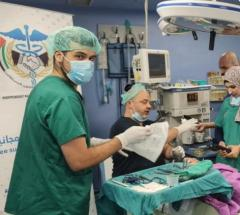
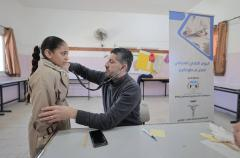
In these circumstances, our first concern is to help older people remain safe and maintain their dignity. Depending on the situation, assistance may include secure accommodation, medicines, medical examinations, continued treatment, nursing support, or mobile medical services for people who cannot easily reach healthcare facilities.
Food assistance is also important. We seek to provide balanced meals and, where appropriate, nutritional support. During colder months, blankets and warm clothing can make a significant difference, particularly for displaced families living in temporary accommodation.
Financial and household assistance may also be necessary when an older person is responsible for grandchildren or other dependents.
Every intervention is designed around the circumstances of the individual and the practical barriers they face.
Q: Physical assistance is visible, but how does LIFE respond to loneliness, grief, and other emotional challenges among older people?
The emotional consequences of displacement and loss can remain long after an immediate emergency has passed. Older people may lose spouses, children, homes, familiar communities, or their sense of independence. Some become isolated because they are unable to travel or communicate easily with relatives.
That is why humanitarian support should not stop with food, medicine, or shelter. Listening and human connection are also important.
Our programs can include opportunities for older people to speak with others, participate in group activities, and receive psychosocial support. These interactions can help reduce isolation and remind people that they have not been forgotten.
Recent work in the West Bank, for example, included assistance for older residents in Bethlehem, Beit Sahour, and Beit Jala. In Lebanon, LIFE has also supported older people with disabilities through specialized healthcare, recognizing that some elderly individuals may hesitate to ask for assistance even when their needs are significant.
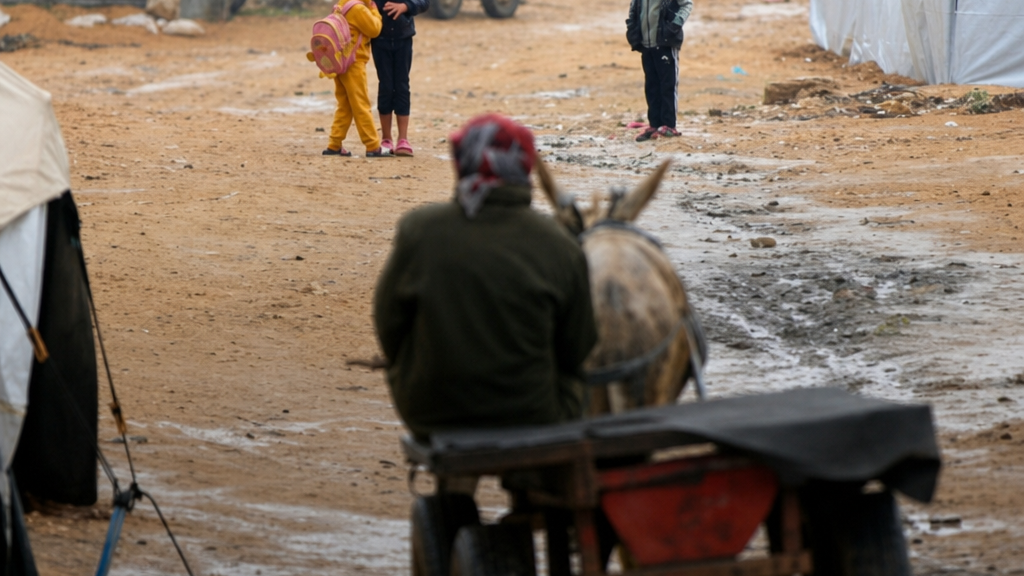
In Gaza, the humanitarian situation is particularly severe. Older people living in displacement camps may be managing chronic medical conditions while simultaneously coping with bereavement, displacement, and the loss of family members. Emergency relief, medical assistance, and seasonal support therefore remain important components of our response.
Q: What do older people tell you about the meaning of this assistance?
For many elderly people, assistance is about much more than receiving supplies. It can restore a sense of security and independence at a time when so much of their lives has become uncertain.
I remember Abu Nasser, a 71-year-old man from Gaza, who became responsible for six grandchildren after losing his son and daughter-in-law. He described how the war had completely changed the responsibilities he carried in old age. Receiving food, personal-care items, and safe water reduced his fear that his grandchildren might have to put themselves in danger simply to meet the family’s basic needs.
Even basic facilities can have an important psychological effect. Having access to private bathrooms in a LIFE camp, for example, gave Abu Nasser and his wife a renewed feeling of privacy and dignity.
There was also Zahra, 75, from Mauritania, who explained that receiving food assistance meant she no longer had to face the humiliation of asking others for food.
In Afghanistan, Fatima, 73, survived devastating floods and was left deeply traumatized. Safe accommodation and medical assistance helped her begin recovering from the experience.
And in Türkiye, Aisha, 67, was displaced following the Kahramanmaraş earthquake. LIFE helped trace her family after displacement and provided shelter, medicine, clothing, and food while they worked toward rebuilding a more stable life.
These experiences demonstrate that dignity is often found in things that may appear very simple: safety, privacy, medicine, food, family connection, and the ability to live without constantly fearing what will happen next.
Q: Another challenge is that some elderly people become caregivers for children after conflict or disaster. How does LIFE respond when older people themselves are in need of care?
This is one of the most difficult situations we encounter. An older person may already need assistance yet suddenly become responsible for children because their parents have died, disappeared, or become unable to care for them.
In northern Syria, I remember Abu Amer, 78, who had spent years living in freezing tents with his grandchildren. When he received a home through a new LIFE housing project, he became emotional. His greatest concern had been protecting the children from the cold and providing them with a safe place to live.
Another example is Iman, 59, from Sudan, who fled the conflict with her pregnant daughter and grandchildren. After the family reached Egypt, LIFE provided shelter, food, medicines, and medical follow-up for her daughter during the pregnancy.
The same principle applies beyond conflict zones. In the Dominican Republic, Pedro, 71, watched his grandchildren return to school after LIFE rehabilitated their damaged school. His reaction reflected something important: humanitarian assistance can restore not only physical infrastructure, but also a family’s sense of stability and dignity.
These stories reinforce why elderly care should be incorporated into broader humanitarian and development planning. Older people are not simply recipients of assistance. In many communities, they are caregivers, decision-makers, sources of family stability, and custodians of experience and knowledge.
Q: What should humanitarian organizations do differently in the future when designing programs for older people?
The needs of older people should be considered from the beginning of humanitarian planning rather than added later as a separate issue.
That means identifying their medical needs, mobility limitations, living arrangements, financial circumstances, and family responsibilities when an emergency response is designed. It also means ensuring that shelters, distribution points, healthcare services, water facilities, and communication systems are accessible to elderly people.
Most importantly, we need to recognize their dignity and agency.
Humanitarian programs should help older people remain connected to their families and communities whenever possible. They should support those who are caring for grandchildren, provide access to appropriate healthcare, and create opportunities for older people to participate rather than treating them solely as vulnerable recipients.
As populations age around the world, elderly care will increasingly become part of sustainable humanitarian planning. Protecting older people means protecting families and communities as a whole.
For More Details: https://lifeusa.org/#social-media
For the Silo, Tasneem Elridi.