In today’s uber-competitive, rapid-fire workforce, a headshot isn’t about looking good; it’s about being believed. ..in an instant. From LinkedIn profiles and resumes to professional biographies and press mentions, your professional photo becomes the stand-in for you when you’re not in the room. Psychology shows that people form impressions in milliseconds, and your image carries the weight of that decision. The difference between forgettable and compelling is rarely accidental. And the implications can be make-or-break consequential.
The Career Accelerator Headshot: How to Convey Trust, Authority & Likability in a Single Frame
In business, first impressions often happen before a word is spoken. This is what makes your headshot is more than a picture; it’s a visual handshake, a silent introduction that conveys confidence, likability, and professionalism in a single frame. Like a handshake, it can be firm and reassuring, or limp and forgettable. The difference often lies in small but critical choices.
It Lives Everywhere
A headshot lives everywhere a professional’s reputation does—LinkedIn, websites, pitch decks, press releases. Before colleagues, clients, partners, vendors or hiring managers meet you, they meet your image. That photograph carries cues about how trustworthy you appear, how engaged you seem, and whether you project authority or warmth. Research in psychology consistently shows that people form judgments of competence and likability in milliseconds. Your headshot is the first test of that instinct.
Here are some tips to best ensure your photo visually conveys your desired personal brand image:
Do’s: Making the Most of Your Visual Handshake
Do use genuine expression. Confidence is communicated through the eyes; likability through the mouth. Together they create the balance of authority and warmth that makes people lean in. Forced smiles or stiff stares fail that test. If your smile doesn’t reach your eyes, it is fake.
Do consider the message you want to send. A corporate board member may want gravitas; a startup founder may want energy. There is no right answer other than the one you decide on. The headshot should serve that purpose, not just “look good.”
Do refresh periodically. If your appearance has changed meaningfully, update your headshot. Mismatched expectations can erode trust before you’ve even said hello. A ten year old shot or an AI shot is professional catfishing.
Don’ts: Pitfalls That Undermine Presence
Don’t rely on selfies or casual snapshots. What may work for personal social media rarely translates into professional credibility.
Don’t over-edit. Excessive retouching may erase authenticity and make you look like you lack confidence. A headshot should present the best version of you, not an unrecognizable one.
Don’t ignore body language. Slight posture cues—a tilt, crossed arms, leaning too far back—can signal defensiveness or disengagement. Tilting your head towards the shoulder closest to the camera makes you look weak.
The Broader Impact
A strong headshot doesn’t just open doors; it can also align a team’s brand. When a company or firm presents cohesive, polished headshots across its leadership, it communicates unity, credibility, and attention to detail. Conversely, mismatched or outdated images suggest inconsistency and a lack of care and resources. In an age where clients, investors, and partners often vet online before meeting, those subtle cues matter.
Think of your headshot the way you’d think of a handshake in a critical meeting: intentional, practiced, and aligned with the impression you want to leave. Done well, it can become one of the simplest yet most effective tools in your professional arsenal.
For the Silo, Chris Gillett.
Famed headshot photographer and expression coach Chris Gillett is nationally-regarded for his work helping executives, entrepreneurs and attorneys master the “visual handshake” by combining confidence and likability in every image. Connect with him at www.liketherazor.com
When I first walked into Stephen Bulger Gallery to see Joan Lyons’s retrospective exhibition, I exclaimed without much thought: These are so contemporary!
A truly inane statement on my part, for many reasons. First, Joan Lyons is a contemporary artist who continues to make work into her 80s. Secondly, the work I was referring to was made in 1973, not the 1700s. And lastly, why would something being “contemporary” necessarily be a compliment?
I guess what I meant is that there’s an enduring quality to the work.
Photography, at its best, can capture something fundamental about the human condition. This is exactly what Lyons does. I look at her photographs, and I see myself, despite the half-century of time between us. Whether a frustrating conversation with a male doctor, a jacket that I could see myself wearing, or the faces of a woman staring unwaveringly at the camera—there I am.
In “Xerox Transfer Drawings: Women’s Portrait Series,” which spanned from 1972-1980, Lyons set out to capture historical representations of women, by women. Through multiple transfers of the Xerox machine—I recall creating similar portraits as a young girl visiting my mom at work—a single image is constructed. “They are not naturalistic, but awkward in gesture, immobile and flattened—women frozen in their representations,” writes Lyons in the accompanying description of the work. “They countermand the idea of a photographic portrait as the record of a fleeting moment. In the 1970s, I was seeking to find myself as a woman within my culture and to locate my art practice within the history of artmaking.”
In these photographs, the image plane is skewed at an unnatural angle.
It’s like gravity doesn’t exist. The portraits feel close, as if the bodies are pressed up against the other side of the glass. The lack of any telling historical or geographic information in these images creates an artifact that exists outside of time.
Lyons writes that she was interested in “constructing,” rather than “taking,” a photograph. This construction of a photographic image is central to most, if not all, of Lyons’s work. Her exhibition at Stephen Bulger Gallery through February 28 feels like a journey through the history of photography.
Lyons wasn’t precious about what camera she used or pledged a relentless allegiance to one brand.
Instead, she used various techniques and equipment—including Xerography, screen-printing, Diazo paper, large-format Polaroids, digital cameras and pinhole photography—as a way to communicate. Through the quirks and features of each, Lyons leans into the medium’s uses and misuses, wielding the camera to best capture not only the reality of life but also its undercurrents of emotion.
Polaroids
About her series of large-scale Polaroids from 1980, Lyons writes: “ ‘Presences’ is an investigation of photographic portraiture. The images have a lot to do with multiple selves and with faces as masks. In these long exposures, bodies move, and backgrounds are stationary.” The images are jarring at times; my mind can’t compute how they were achieved. A face is slightly disfigured with motion or seemingly collaged together. In another, a woman in the foreground is oversaturated and blurry, whereas the background is crisply in focus and well saturated. The blend of abstraction and realism compresses time. These photographs are not snapshots meant to capture a single moment. By shunning this style of capture, they capture something more viscerally close to the unusual reality of life.
Me, reflected
I couldn’t help but photograph myself within the negative space of one of the Polaroid photographs, layering my face on top of the subjects. A mask on a mask. A photograph of a photograph. Another layer of history. For the Silo, Tatum Dooley/artforecast.
Because writing is generally a solitary activity, writers need to cultivate and maintain social contacts. For me the Cape Cod branch of the National League of American Pen Women serves as both a social and professional outlet. The following 1,000-word article was composed as the first in a series intended to deepen the connection between artists and writers who make up our organization.
A four-hour interview with photographer/writer Linda Ohlson Graham was the article’s basis. I think it is a good example of how the methodical collection of information serves a writer. Other than the correct spelling of her name, her town of residence and the general impression that she led an interesting life, I had no specific knowledge about Linda prior to our interview. I’ve conducted countless interviews (and will write about the process in future posts!), but, regardless of length, each one requires people to trust me with something that belongs to them.
A PROVINCETOWN ARTIST: LINDA OHLSON GRAHAM
Linda Ohlson Graham is a woman whose life and art have been defined by space and place. Her stunning photographs of sprawling, near shapeless coastal landscapes depict the glorious union of earth, sea and sky, a theme that has become the core of her writing as well as her photography. Her tiny 200-square-foot room on the ground level of a hilltop house behind Bradford Street in Provincetown, on the very tip of Cape Cod in Massachusetts, USA seems an anomaly until one learns she lived aboard a sailboat for five years and has survived three near-death experiences.
Born and raised in Worcester, Massachusetts, Graham moved to Provincetown at nineteen. Unhappy with the town’s in-season chaos, she decided to visit Detroit and stayed for six months, working in a restaurant and spending long, peaceful days in the presence of the grand frescoes of Diego Rivera in the Detroit Institution of Art. When she returned to Provincetown, she worked at several restaurants, but left again when the opportunity to go sailing arose.
EARTH OCEAN HEAVENS- with love. Photo- Linda Ohlson Graham.
She spent most of her late 20s and early 30s on several boats, exploring the Inland Waterway and covering 12,000 miles visiting ports in the Caribbean and Central and South America. Within these years she learned to meditate and chant, and cites an example of their benefit on a day the boat was becalmed and the engine “clanged and banged, then died,” says Graham. “We chanted for the wind and it came up.” In her travels she used a Canon Rebel with Fuji film to photograph people from diverse cultures and countries and has some particularly striking images of Haitians whom she describes having “joy in their hearts and a lilt in their voices.”
Graham also began developing a skyscape collection. “I always wanted the (shipboard) watches at sunrise and sunset because of the spectacularly gorgeous streams of color,’ she said. “Sunrises and sunsets are each so individual. The name “EARTH OCEAN HEAVENS came to me like a lightning bolt out on the open ocean, with the thought that I would publish a book some day by that title.”
After returning to Provincetown in the fall of 1978, she took a job cooking at the Café Edwige. She also crewed occasionally for the Hindu, a 65-foot, two-masted schooner that made cruises and day trips out of Provincetown. When she was 32, her mother encouraged her to come out to Colorado. In Denver she married Douglas Graham, twenty-three years her senior, who owned an extraordinary 1,000-piece collection of works by English Romantic landscape artist J. M. W. Turner. Together they opened his home as a Turner museum, and in it their daughter Isis was born. “I was proud of the museum and loved living in it,” Graham says. “We had popular concerts there once a month.”
PARADISE
She had not sought an explanation for her dizzy spells until she and her husband separated after nine years of marriage. A physician insisted she have a CAT scan immediately. It revealed a golf ball-sized cyst. She had brain surgery the next day. After surgery she began writing, a voluminous collection now titled “Notes from My Journal Immediately Following Brain Surgery.” She says that the writing simply flowed, and from it she began to pull out single lines or passages that particularly appealed to her. She has made framed work that incorporates both her photography and writings.
When she returned to the Cape in 1996, there was a rainbow over the Sagamore Bridge. Coming back to Provincetown “was heaven,” she says. “It was home in my heart. I know so many people here; I have so many longtime friends here. I’ve known one since he was fourteen. “
Photographs and Mementos
On a recent occasion she was heading back to Provincetown from an Upper Cape meeting on global peace. Her violet wool beret, plum-colored scarf, long black skirt, socks and clogs readily identified her as artistically inclined. She stepped aside to let a visitor enter her L-shaped room which contains a bed, two large chairs, four small chairs, two tables and an inestimable number of books whose titles reveal her interests and passions: Dead Sea Scrolls, the Gnostic Bible, Pablo Neurda, Milton, Discourses on Rumi. Photographs and mementos are everywhere. Colorful rugs cover the floor and a small bowl of dried leaves and silky white milkweed seeds serve as decoration, as do a collection of necklaces, horseshoes, and her daughter Isis’ artwork.
Inches, not feet, separate the components of her home.
A small refrigerator is a few steps away from her bed, table and chairs, and Graham says she does a lot of cooking on the diminutive stove nearby. Perhaps it is her Thoreauvian lack of material burdens that enables Graham to explore whatever interests her, whether Stonehenge monoliths and crop circles in England or Caribbean shores.
But for a free spirit, she has quiet ways. In conversation her dark chocolate brown eyes may glance mischievously for a listener’s response to some surprising revelation or turn aside to watch a distant idea take shape. She plays with her glasses as she recites a poem, one of many she has memorized. She has a soft speaking voice, but demonstration of a chant proves it to be surprisingly loud.
Graham has been a member of the Salt Winds Poets in Harwich and Gulf Gate Poets in Sarasota, Florida. Her art work has been displayed in solo exhibits at the Cape Cod Museum of Fine Art, Falmouth Library, and Cape Cod 5 Bank in Orleans, among others. Out of the majesty of her photographic images and the personal urgency of her prose writing has come a purpose, a mission: global peace.
She has worked on several peace initiatives and was named poet laureate of Colorado’s Department of Peace. Graham believes it is attainable through quieting the human mind. One of her favorite personal writings is “Please hold the thought with me that peace on earth and calm weather patterns can easily happen … in a moment or two of silence in enough of the collective mind.” She continues to write and photograph in hope that her vision of peace will find universal acceptance, if not today, perhaps tomorrow.
Installation view of Man Ray: When Objects Dream, on view September 14,2025–February 1, 2026at The Metropolitan Museum of Art. Photo by Anna-Marie Kellen, Courtesy of our friends at The Met.
American artist Man Ray (1890–1976) was a visionary known for his radical experiments that pushed the limits of photography, painting, sculpture, and film. In the winter of 1921, he pioneered the rayograph, a new twist on a technique used to make photographs without a camera. By placing objects on or near a sheet of light-sensitive paper, which he exposed to light and developed, Man Ray turned recognizable subjects into wonderfully mysterious compositions.
Introduced in the period between Dada and Surrealism, the rayographs’ transformative, magical qualities led the poet Tristan Tzara to describe them as capturing the moments “when objects dream.”
The exhibition will be the first to situate this signature accomplishment in relation to Man Ray’s larger body of work of the 1910s and 1920s. Drawing from the collections of The Met and more than 50 U.S. and international lenders, the exhibition will feature approximately 60 rayographs and 100 paintings, objects, prints, drawings, films, and photographs—including some of the artist’s most iconic works—to highlight the central role of the rayograph in Man Ray’s boundary-breaking practice.
“Before my eyes an image began to form, not quite a simple silhouette of the objects as in a straight photograph, but distorted and refracted … In the morning I examined the results, pinning a couple of the Rayographs—as I decided to call them—on the wall. They looked startlingly new and mysterious.” — Man Ray
The exhibition is made possible by the Barrie A. and Deedee Wigmore Foundation.
Major funding is provided by Linda Macklowe, the Horace W. Goldsmith Foundation, The Daniel and Estrellita Brodsky Foundation, The International Council of The Metropolitan Museum of Art, Andrea Krantz and Harvey Sawikin, and Schiaparelli.
Additional support is provided by the Vanguard Council.
The catalogue is made possible by the Mellon Foundation.
Additional support is provided by James Park, the Carol Shuster-Polakoff Family Foundation, and Sharon Wee and Tracy Fu.
Exhibition Catalog
Man Ray: When Objects Dream
This volume is the first in-depth study of Man Ray’s groundbreaking rayographs of the 1920s and their interconnections with his Dada and Surrealist works.
American Federation of Arts Announces New Season of Touring Exhibitions for Fall 2025 through 2027 ‒ Museums in over 11 cities will headline art exhibitions created by the American Federation of Arts, with more cities to come ‒
The American Federation of Arts (AFA), the leader in traveling exhibitions worldwide since its founding in 1909, proudly announces the new season for the fall of 2025 through 2027. So far, museums in over 11 cities will headline several art exhibitions created by the AFA and its partners, with more cities to come. Throughout its celebrated 116-year history, the nonprofit institution has helped to spearhead the course of art for generations by enriching the public’s experience and understanding of the visual arts.
Pauline Forlenza at the 2024 AFA Gala in New York (Photo by Alycia Kravitz)
“The AFA’s expansive panorama of new exhibitions demonstrates the importance of listening to the input of visual arts leaders nationwide, focusing on what audiences want to see, and continuing our legacy of shining a light on new artists and trends,” says Pauline Forlenza, the Director and CEO of the American Federation of Arts. “Our longstanding commitment to touring art exhibitions, publishing exhibition catalogues with scholarly research, and developing educational programs is vital – now more than ever.”
These traveling museum shows will open doors to creativity for the next sixteen months to museumgoers. Some of the shows include:
Abstract Expressionists: The Women • Alex Katz: Theater and Dance Civic Virtue in Rembrandt’s Amsterdam: 17th-Century Group Portraits from the Amsterdam Museum • Presence: The Photography Collection of Judy Glickman Lauder • Making American Artists: Stories from the Pennsylvania Academy of the Fine Arts, 1776–1976 • Experimental Ground: Modernist Printmaking in Paris & New York at Atelier 17
Making Their Mark: Works from the Shah Garg Collection, and more. Links to all of the AFA’s 2025 through 2027 exhibition tours may be viewed at: current shows and upcoming tours. Pauline Forlenza at the 2024 AFA Gala in New York (Photo by Alycia Kravitz)
Some of the museums across the country include: National Museum of Women in the Arts, Wichita Art Museum, Muscarelle Museum of Art, Southampton Arts Center, The Gibbes Museum of Art, Taubman Museum of Art, Peabody Essex Museum, Indianapolis Museum of Art, New Orleans Museum of Art, Mobile Museum of Art, and the Museum of Contemporary Art San Diego, among others.
Since 1909, the AFA has toured more than 3,500 exhibitions that have been viewed by millions of people in museums in every U.S. state, and in Canada, Latin America, Europe, Asia, and Africa. From the Smithsonian – “A vital part of American art history, the AFA was one of the first organizations to develop successfully the concept of traveling art exhibitions on a national and international level. Many arts organizations and museums have followed the AFA’s precedent. This national nonprofit museum service organization is recognized for striving to unite American art institutions, collectors, artists, and museums.”
“Through the years, the AFA has also had an impact on patronage in the arts. During its 116-year history, the Federation’s exhibitions of contemporary art provided collectors with knowledge of new artists and avant-garde art forms, creating a broader demand and market for this type of work. Museums and collectors began purchasing work by new or obscure American artists whom they learned about through AFA exhibitions and programs. The AFA also recognizes the importance of the exchange of cultural ideas.”
“Throughout its history, the organization has concentrated on its founding principle of broadening the audiences for contemporary American art, breaking down barriers of distance and language to expand the knowledge and appreciation of art. The touring exhibitions have brought before the public contemporary American artists and craftspeople, genres, and artistic forms of experimentation – exposing viewers to new ways of thinking and expression.”
Highlights from the New Season
View the full list of tours at: amfedarts.org/exhibitions/current and amfedarts.org/exhibitions/upcoming-exhibitions/. The complete lists of current and upcoming touring museum shows are updated regularly, as new exhibitions and new museum dates are added. Following are highlights of eight of the AFA exhibitions that will be touring during the fall of 2025 through 2027.
Abstract Expressionists: The Women
Explores the vital, under-acknowledged innovation of women artists in the Abstract Expressionist movement, the first internationally renowned artistic movement to originate in the U.S. • Featuring 47 works from The Levett Collection, by more than 30 women artists who worked in New York, California, and Paris from the early 1940s through the 1970s.
“Too often, the canon of art history has relegated women artists to supporting roles in major art movements,” says Pauline Forlenza, the Director and CEO of the AFA. “This exhibition upends that narrative, asserting that women painters were critical contributors to the formulation of Abstract Expressionism from the very beginning.
Equally talented and visionary, the female artists featured in this show helped put American art on the map,” adds Forlenza. The exhibition is organized by the American Federation of Arts from the Christian Levett Collection and FAMM (Female Artists of the Mougins Museum), France. This exhibition is curated by Ellen G. Landau, PhD, Andrew W. Mellon Professor Emerita of the Humanities at Case Western Reserve University.
17th-Century Group Portraits from the Amsterdam Museum
The large group portraits in this exhibition have rarely left Amsterdam since they were commissioned in the 1600s, and have never traveled in the U.S. as a group. • The show traces how life in the largest and most important city of Holland was based on the collective responsibility of the burghers, who combined their mercantile wealth with political power. • Amsterdam’s economic success, however, was the result of ruthless trade wars within Europe, colonization and enslavement overseas. • Artists include Adriaen van Nieulandt, Gerrit Berckheyde, Ludolf Bakhuizen, Frederik Jansz, Dirck Santvoort, Ferdinand Bol, Bartholomeus van der Helst, Nicolaes Eliasz Pickenoy, Jan Victors, and of course, Rembrandt van Rijn. • By governing and guarding the city, by organizing and managing a social safety net for the poor and needy, and by stimulating scientific and industrial developments, the burghers contributed to making Amsterdam the most prosperous city in Europe.
The Osteology Lesson of Dr. Sebastiaen Egbertsz, artist unknown (1619). Oil.
Presence: The Photography Collection of Judy Glickman Lauder 100 photographs by 70 artists. • Explores the concept of presence through the tenderness of portraits, the awe within landscapes, the clarity of reportage, and the spontaneity of cityscapes. • Works by Merry Alpern, Diane Arbus, Richard Avedon, Irving Bennett Ellis, Nan Goldin, Dorothea Lange, Danny Lyon, Sally Mann, Susan Meiselas, Helmut Newton, Ruth Orkin, Gordon Parks, Edward Steichen, Joyce Tenneson, James Van Der Zee, Todd Webb, Edward Weston, and more. • Photographs can be imprinted with the totality of human experiences, and this exhibition embraces that totality, examining the deeply humanistic history of photography.
Robert Mapplethorpe and Patti Smith, New York, by Norman Seeff (1969). Archival pigment print. Portland Museum of Art, promised gift from the Judy Glickman Lauder Collection.
Making American Artists: Stories from the Pennsylvania Academy of the Fine Arts, 1776–1976
Presenting more than 100 of the most acclaimed and recognizable works of American art. • New narratives of the history of American art, embracing stories about women artists, LGBTQ+ artists, and artists of color, alongside iconic works traditionally associated with PAFA. • Women artists participated in PAFA’s exhibitions as early as 1811, and this show includes paintings by Sarah Miriam Peale, Mary Cassatt, Cecilia Beaux, Alice Neel, and May Howard Jackson (the first African American woman to receive a scholarship to attend PAFA, in 1895). • By 1900, PAFA acquired its first work by a Black artist, Henry O. Tanner. PAFA educated African American artists and acquired their works throughout the twentieth century, and this show features works by Joshua Johnson (one of the first professional Black artists in America), Dox Thrash, Laura Wheeler Waring, Edward Loper, and Barkley L. Hendricks.
Curated by Anna O. Marley, PhD., a scholar of American art and material culture from the colonial era to today.
The first comprehensive museum presentation of Katzʼs highly collaborative and playful work with choreographers, dancers, and members of avant-garde theater ensembles over six decades. • Showcases Katz’s deep and lasting influence on the history of the American performing arts. • Rare archival materials, major sets and paintings, and previously unexhibited sketches from more than two dozen productions. • Spotlights fifteen productions that Katz produced with Paul Taylor, exploring their creative partnership that generated some of the most significant postmodern dance and art of the twentieth century. • Artworks from the show are drawn from the Alex Katz holdings at the Colby College Museum of Art (home to a collection of nearly 900 works by the artist), from Paul Taylor Dance Archives, and from the artist’s studio.
• Provides an innovative kind of retrospective: that of an artistic sensibility. • Attesting to the intertwined histories of painting and stage design in Katzʼs works. • Curated by Levi Prombaum, former Katz Consulting Curator, Colby College Museum of Art.
Willie Birch: Stories to Tell
Chronicles Birch’s unique vision of the Black American experience and examines the interconnected nature of global art forms. • The first ever career retrospective brings together groundbreaking works from the early 1970s to the present.
Throughout his career, the artist has explored how African traditions have been retained in music, art, and culture in America and beyond. • Birch was raised in New Orleans and trained in Europe, Baltimore, and New York. • His work as an artist, community organizer, and cultural provocateur questions why certain things are retained and not others, unearthing uncomfortable truths about American identity, but also offering possibilities for greater cultural awareness.
Left to-right: Memories of the 60’s, by Willie Birch (1992). Papier mâché, mixed media. Courtesy of Arthur Roger Gallery, New Orleans. • Uptown Memories (A Day in the Life of the Magnolia Project), by Willie Birch (1995). Painted papier-mâché and mixed media. New Orleans Museum of Art, Gift of Frederick R. Weisman. Image Copyright of New Orleans Museum of Art / Photo: Roman Alokhin.
Making Their Mark: Works from the Shah Garg Collection
Reveals the intergenerational relationships fostered among women artists over the last eight decades, assembling over 70 works made by 60 women artists between 1946 and today. • Sculpture, painting, installation, textiles, pottery, and mixed media works all converge. • Pioneering examples of post-war abstraction —including early works by Janet Sobel, Judy Chicago, and Mary Corse — are shown alongside compositions by leading contemporary artists such as Julie Mehretu, Lorna Simpson, and Aria Dean. • Paintings and mixed media works by Christina Quarles, Tschabalala Self, and Firelei Báez blur the boundaries between abstraction and figuration. • Connections between the handmade and digital emerge in the various forms of piecework employed in Faith Ringgold’s quilts, Howardena Pindell’s collages, and the pixelated, hypermediated canvases made by Jacqueline Humphries and Anicka Yi.
Works by the Freedom Quilting Bee, Françoise Grossen, and Sheila Hicks explore irregular geometries and eccentric abstractions via fabric and fiber. • Curated by Cecilia Alemani of High Line Arts in New York City. Sisters, by Tschabalala Self (2021). Velvet, felt, tulle, marbleized cotton, craft paper, fabric, and digitally printed, hand-printed, and painted canvas on canvas. Collection of the Shah Garg Foundation. Crisscross, by Sarah Sze (2021). Oil, acrylic, acrylic polymer, and ink on composite aluminum panel, with wood support. Collection of the Shah Garg Foundation. Counterculture B, by Rose B. Simpson (2022). Carved New Mexico pine, twine, clay and acrylic. Collection of the Shah Garg Foundation.
Experimental Ground: Modernist Printmaking
In Paris & New York at Atelier 17 The first large-scale survey of original prints made at Atelier 17 to tour the U.S. in 50 years. • This revolutionary printmaking workshop (1927 to 1988) was famous for its impact on the development of modern art.
Kaleidoscopic Organism, by Fred Becker (1946). Softground etching. Courtesy of O’Brien Art Project Foundation.
It served as a hub of artistic and intellectual exchange — first for Surrealists in interwar Paris, and after World War II for the exploration of abstraction and other modernist styles. • Commemorates 100 years since the founding of the studio. • Presents works by notable artists who gained formative skills at Atelier 17, such as Joan Miró, Yves Tanguy, Louise Bourgeois, Franz Kline, Jackson Pollock, Louise Nevelson, and Krishna Reddy, among many other artists who participated in intense collaborations at the studio. • Atelier 17 attracted hundreds of international artists, drawn to the radical vision of printmaking as a mode for experimentation rather than reproduction.
About the American Federation of Arts
The American Federation of Arts (AFA) is the leader in traveling exhibitions in the U.S. and worldwide. One of the first to successfully tour art exhibitions on a national and international level, the organization unites American art institutions, collectors, artists, and museums. The AFA has toured more than 3,500 exhibitions that have been viewed by millions of people in museums in every U.S. state, and in Canada, Latin America, Europe, Asia, and Africa.
A nonprofit organization founded in 1909, AFA is dedicated to enriching the public’s experience and understanding of the visual arts through organizing and touring art exhibitions for presentation in museums around the world, publishing exhibition catalogues featuring important scholarly research, and developing educational programs.
Abstract Expressionists: The Women is organized by the American Federation of Arts from the Christian Levett Collection and FAMM (Female Artists of the Mougins Museum), France. The exhibition is curated by Dr. Ellen G. Landau. It is generously supported by Berry Campbell Gallery, Betsy Shack Barbanell, Monique Schoen Warshaw, Christian Levett, and Clare McKeon and the Clare McKeon Charitable Trust. Additional support has been provided by the Pollock-Krasner Foundation and the Every Page Foundation.
Making Art, Making History: 200 Years of American Stories from the Pennsylvania Academy of the Fine Arts is co-organized by the American Federation of Arts and the Pennsylvania Academy of the Fine Arts. Lead support was provided to PAFA by the William Penn Foundation, with additional support from the Richard C. von Hess Foundation and donors to PAFA’s Special Exhibitions Fund. In-Kind support is provided by Christie’s and Gill & Lagodich Fine Period Frames, New York. This exhibition is supported by an indemnity from the Federal Council on the Arts and the Humanities.
Alex Katz: Theater and Dance is organized by the American Federation of Arts and Colby College Museum of Art. This exhibition is curated by Levi Prombaum, former Katz Consulting Curator, Colby College Museum of Art. The 2022 presentation of Alex Katz: Theater and Dance was organized by the Colby Museum with curatorial guidance from Robert Storr.
Willie Birch: Stories to Tell is co-organized by the American Federation of Arts and the New Orleans Museum of Art. Major support for the exhibition and catalogue is provided by the Andy Warhol Foundation for the Visual Arts, the Henry Luce Foundation, Wyeth Foundation for American Arts, and the Terra Foundation for American Art.
Making Their Mark: Works from the Shah Garg Collection is organized by the American Federation of Arts and the Shah Garg Foundation. The exhibition is curated by Cecilia Alemani, the Donald R. Mullen, Jr. Director and Chief Curator of High Line Arts in New York City.
Experimental Ground: Modernist Printmaking in Paris & New York at Atelier 17 is organized by the American Federation of Arts. This exhibition is curated by Ann Shafer and Christina Weyl. Civic Virtue in Rembrandt’s Amsterdam: 17th-Century Group Portraits from the Amsterdam Museum is organized by the American Federation of Arts.
Presence: The Photography Collection of Judy Glickman Lauder is co-organized by the Portland Museum of Art, Maine, and the American Federation of Arts.
Untitled. abstract expressionism- oil on canvas Jarrod Barker 2021
This post is a response to the comic book article found at popuniverse which begins like this:
“The comic book industry is the launchpad for one of the most unique and innovative storytelling mediums ever created. Powered by imaginative creators highly skilled in the written and visual arts. Forged by businesspersons who recognize the power of ideas to make an iconic impression on a global scale. Propelled by readers and fans who support the industry and the people who make the stories. The comic book industry is the source of multimedia interpretations of mythic and personal stories that inspire people, entertain the world, and ignite lifelong careers.
It is the adventure of a lifetime.
The comic book industry is a ruthless Darwinian landscape of cronyism, narcissism, and power moves. Its main fodder is the creators who are the engines of its continued existence. Full of flair and pomp, colors and characters both fictional and real-life. A road to hell paved with landmines, bear traps, and the opportunity to work on high-profile, profitable media while living on the precipice of poverty. The industry is fueled by organizations with finite funds and infinite hubris.“
“The comics industry is the illusory world of grenades disguised as dreams.“
The issue I see (and our comic illustrator household has personally experienced) in the comics and illustration / publishing industry is that the original contract terms were never set up fairly to compensate the artists and illustrators. While photographers and videographers retain the rights to their original images, and someone must pay them usage rights fees based on the size of the audience per usage, the artists are never granted that same fair compensation.
While actors get residuals when their TV shows play on in perpetuity, and musicians earn their royalty checks with every needle drop, the comics publishers can repurpose an illustrator’s iconic cover art in perpetuity and make millions from the image—on puzzles, lunch boxes, hoodies, sweatpants, and pajamas in my husband’s particular case—while the artist never sees a dime beyond the initial ANEMIC work-for-hire fee in these insanely unfair, one-sided deals. And if the artist DARES to complain? The smear merchants are only too happy to start their whisper campaigns, blackballing the artist as “too difficult to work with” and completely destroying their already financially challenged lives with nuisance law suits.
When I think back on how Ghost Rider co-creator Gary Friedrich was made the industry scarecrow in the last years of his life as greedy lawyers descended upon him like buzzards picking the last flecks of flesh from his bones, it sickens me.
This impoverished, unwell, elderly man was just trying to eke out the last days of his hard-scrabble life by selling sketches of his OWN co-creation at comic-cons. There’s nothing I despise more than anyone preying on the vulnerable. It’s appalling how Gary was treated.
And then we have AI “art” apps exploiting my husband’s already way underpaid art to create new, derivative works, but only GETTY Images can afford to lawyer up and go after these apps…because the photography world always negotiated image usage the CORRECT and fair way from the start.
The sobering truth is that if illustrators (and line artists, colorists, and letterers) were paid as well as photographers, every comic would sell for $100 per floppy and that would be the final nail in the #comics industry’s coffin.
…DAVE DORMAN… told me at dinner tonight that someone was selling AI art at SDCC last week and was summarily kicked out of Artists Alley. It gave me a brief glimmer of hope…I imagined a deafening crescendo of cheering as the non-talent skulked away, tail between his/her legs. That takes some gall to occupy the highly competitive table space of an ACTUAL hard-working artist (who’s paying off about $100k in art school student loans) with some Mid-Journey derivative crap. Wowzers. For the Silo, Denise Dorman.
LANDSCAPES 2025 is an impressive online survey exhibition adjudicated by the notable public art gallery programmer Krista Young and the celebrated artist Clint Griffin. The John B. Aird Gallery is proud to presentitsfirst large group project organized around the Landscape Genre, a genre of art practiced for centuries around the world.
Broadly defined, a landscape practice is a migratory representation of an artist’s creativity within the fluid realms of two- or three-dimensional art, whether representational or non-representational.
This intentionally broad definition allows for a diverse range of artworks, reflecting the variety of contemporary art techniques and practices today.
LANDSCAPES features new work by fifty-five artists inclusive of John Abrams, Rhonda Abrams, Sue Archibald, Joe Atikian, Phill Atwood, Jarrod Barker, Ioana Bertrand, Matthew Brown, J. Lynn Campbell, Alyson Champ, Ava P Christl, Frances Cordero de Bolaños, Glen Cumming, Grace Dam, Fanny Desroches, Jennifer Dobinson, Edward M. Donald, Janice Evans, Tanya Fenkell, Marie Finkelstein, Julie Florio, Robert Fogel, Anna & Richelle Gaby-Trotz & Forsey, Elena Gaevskaya, Arnie Guha, Stev’nn Hall, Michael Hannan, Emily Honderich, Carol Hughes, Connie Ivany, Marlene Klassen, Lisa Litowitz, Ramona Marquez-Ramraj, Claudia McKnight, Susan Munderich, Mahnez Nezarati, Allan O’Marra, Sherry Park, Karen Perlmutter, Piera Pugliese, Jackie Rancourt, Katie Rodgers, Lynne Ryall, Kaija Savinainen, Lee Schnaiberg, Wendy Skog, Carolynn Smallwood, Margaret Stawicki, Kate Taylor, Robert Teteruck, Steph Thompson, Joanna Turlej, Dejana Veljko, Victoria Wallace and Don Woodiwiss.
The landscape work of these artists spans various themes, from expansive vistas and sophisticated gardens to untamed wilderness.
These pieces engage with the dialogue between traditional art history and contemporary interpretations. Some explore the connections between mythologies and landscapes, investigating the relationship between spirituality and nature, which may lead to more abstract representations. Conversely, other works critically examine the impacts of the railroad, displacement, and extraction industries, illustrating the lasting scars these forces leave on the land.
JURORS BIOGRAPHY
Clint Griffin lives and works in Toronto. His work has been widely shown in Canada and the United States. Celebrated in both the contemporary and folk art worlds, Griffin’s work can be found in many private and public collections including the Art Gallery of Ontario, Bank of Montreal and Canada Council Art Bank. Clint currently owns and operates a fine art services business providing service to galleries, artists, collectors and institutions throughout Ontario.
Krista Young has held roles in both administrative and programming capacities at public art galleries in Northern and Northeastern Ontario. Krista has assisted in the development of programming, publications and touring exhibitions. Now based in Toronto, Krista is a small business owner and mother of three.
Monaco, French Riviera – A couple of months ago on Saturday, June 8th, artworld history was made during the prestigious auction “L’Astarossa” organized by Monaco Car Auction at the Grimaldi Forum.
A photographic work by artist Philippe Shangti reached a new peak.
The photograph, a unique piece titled “Luxury Pollution Car, Signature Masterpiece,” was sold for the hammer price of €290,000 / $435,000 CAD, a world record- making Philippe Shangti the highest valued contemporary French photographer.
The event “L’Astarossa” was primarily dedicated to Ferrari collector cars but also featured artworks related to the Ferrari theme.
The centerpiece of this artistic sale, “Luxury Pollution Car,” is a composition featuring the La Ferrari car with models in Shangti’s inimitable style. The print, called “Signature Masterpiece” by the artist, is printed on museum certified paper and traced with a hologram, signed, and numbered 1/1 on the back by Shangti himself. It measures 259 x 110 cm, and 267 x 128.5 cm with its baroque wood frame and molding.
This record comes just a few months after Shangti had already broken his own record.
Indeed, on March 8th, one of his photographs titled “Luxury Fifth Dinner,” a print numbered in an edition of 7, sold for €54,000 / $81,000 CAD at Drouot Paris. The auction of the photograph “Luxury Pollution Car” marks a historic milestone, being the highest ever recorded for a living French photographer, held before by Gerard Rancinan. This recognition strengthens Philippe Shangti’s position on the international art scene and highlights the growing appeal of his works among collectors and art enthusiasts.
A behind the scene look of the conceptual artist’s solo show SHADOWLAND
It is the first Saturday of Upstate Art Weekend and I am standing in a chemistry classroom of a former public school looking at inverted works, listening to Gregorian chants meets Jimmy Hendrix inspired music, and feeling that I am falling into a trance. In reality, I am meeting the artist Margaret Innerhofer for the first time at her solo show SHADOWLAND, at Ethan Cohen Gallery at The Kube Art Center in Beacon, NY. The renowned gallery describes her exhibition as: “Photo-based prints and framed canvases that explore the transitional spaces between spiritual and psychological borderlands. Each of the large-scale meditative compositions printed in color has a jarring and surreal black and white reflection that invites the viewer into an alternate psychological and temporal dimension.” So, what is behind these works laden with heavy and deep symbolism of awake versus sleep? I sat down with the elegant and stylish Margaret to understand how a dreamy child from the Tyrolean mountains became a philosophical artist in Beacon, NY. It turns out that we are all in a trance.
SHADOWLAND at Ethan Cohen Gallery at The Kube Art Center in Beacon
Let’s begin with your upbringing. Where were you born and raised?
I was born, and raised in the Tyrolean Alps, Italy, immersed in the idyllic beauty of its nature and harmonious sounds. My childhood was filled with long mountain climbs, horseback riding, yodeling, playing the guitar and drums, and singing Gregorian chants in a strict convent boarding school. I found fascination in Western movies and the Apache Indian lifestyle, particularly their deep connection with nature and the imagery of wild horses roaming freely in vast deserts, accompanied by their rhythmic chants and drum circles. These early experiences forged a profound bond with the natural world, which continues to be a driving force behind my visual and sonic artistic expression.
SHADOWLAND at Ethan Cohen Gallery at The Kube Art Center in Beacon
What was your first introduction to art, and how did you start evolving as an artist?
During my Architectural and Fine Art studies, I relocated to Milan, a city that would leave a lasting impact on my artistic path. Dating an artist during that time exposed me to a bohemian lifestyle and immersed me in Milan’s dynamic art, architecture, and design scene. The conceptual and minimalist concepts of the Arte Povera Movement captivated me, drawing me deeper into the contemporary art world. Socially engaging with fellow artists and actively attending art shows in galleries and museums across Italy and Europe, I was inspired by the diverse expressions of creativity. My early fascination with photography, particularly the works of conceptual artists from the Dada and Surrealist Movements, like Man Ray and Andre Breton, further fueled my artistic interests. This multifaceted exposure played a pivotal role in shaping me as an artist. It broadened my horizons, offered fresh perspectives, and allowed me to find my own artistic voice.
DECONSTR-ACTIVIST II, 2023
You now have a solo show called SHADOWLAND at Ethan Cohen Gallery at The Kube Art Center in Beacon, NY. What is the main inspiration for the three different series: Sandmen, Heavy Metal, and Deconstr-Activist?
In my latest exhibition, I delve into the intricate realms of the subconscious, guided by profound philosophical and scientific readings. Carl Jung’s exploration of collective consciousness has deeply fascinated me, leading me to explore how our subconscious influences our waking decisions and movements. Through my artwork, I seek to unravel the enigma of our subconscious control, drawing inspiration from scientific research, which reveals that a significant 80% of human behavior is governed by our subconscious, heavily influenced by experiences from our formative years, particularly ages 0 to 10. This revelation sheds light on why logical arguments may often be overshadowed by emotional reactions rooted in the gut. Another crucial thread in my exhibition revolves around the environment. I have been an environmental activist well before it became a trend, and I’ve actively co-produced environmental films and fought against practices like fracking. In SHADOWLAND, the subjects in my works interact with nature, and, in many instances, nature appears to reclaim them. This theme highlights the fragile bond between humanity and the natural world, provoking contemplation on our relationship with the environment.
Is it this exploration into the subconscious why the artworks are designed to be inverted? That they can be hung in either vertical orientation?
As I present my art to viewers, I give them the unique opportunity to evoke different visual and emotional responses by allowing them to choose how to hang each piece. They can opt for the color side up, revealing a figurative and realistic view of the artwork. Alternatively, they can explore the more conceptual, surreal, abstract, and volumetric perspective of the black-and-white ‘Shadow image’ when it faces upward. What’s intriguing is that showing the ‘Shadow image’ facing up, actually, represents a more realistic worldview, one that most people might be unaware of. It’s a perspective that delves into the subconscious, which I believe rules humanity and ‘runs the show.’ It’s a fascinating paradox: while the color side portrays the conscious perception of the world—what’s readily visible—the ‘Shadow image’ uncovers the hidden depths and complexities that shape our lives. By offering this choice of orientation, I invite viewers to question their own understanding of reality and delve into the intricacies of their subconscious minds. This art goes beyond mere aesthetics; it prompts introspection and contemplation, creating a multi-layered experience that challenges us to consider the complexities of human perception.
DECONSTR – ACTIVIST III, 2023Signature on the back. Archival Pigment Print on Hahnemühle Cotton Canvas,109.2 x 109.2 cm, 43 x 43 in, Edition of 3
Looking specifically at the three different subjects, can you first tell us more about Deconstr-Activist?
My Deconstr-Activist series draws inspiration from the ‘Deconstructivism’ architectural movement, challenging the rationality of modernism and embracing and revealing chaos and complexity. I delve into the intriguing world of shadows, volumes, negative versus positive space, and the interplay between light and darkness. This exploration stems from my background in architecture, which ignited my fascination with these artistic elements. Throughout the series, I endeavor to capture neglected structures that are gradually being reclaimed by nature. By doing so, I aim to shed light on the physical structures we create to accommodate our fragmented psyches. The juxtaposition of abandoned structures being overtaken by nature serves as a compelling visual metaphor for the inherent fragility and impermanence of human constructs.
HEAVY METAL – VOLKS WAGEN, 2023Signature on the back. Archival Pigment Print on Hahnemühle Cotton Canvas,109.2 x 109.2 cm, 43 x 43 in, Edition of 3
What about Heavy Metal?
In my “Heavy Metal” series, the transition from the pristine mountain range to the Hudson Valley exposed me to a striking contrast—defunct cars replacing the beauty of flowers in many backyards. This encounter sparked an obsession, leading me to spend years capturing these scenes with vintage analog Leica cameras, which I acquired from flea markets, embracing the slight imperfections in their lenses as a welcomed artistic element. In this body of work, I explore my fascination with American vintage cars left abandoned and outdated, captured within the passage of time and the encroachment of nature. Each photograph alludes to the poignant collision between the past and the future, symbolizing our own embodiment within these vehicles that are increasingly outdated, yet perpetually trapped in the present. In “Heavy Metal,” I seek to evoke a sense of nostalgia while urging reflection on the transient nature of our material possessions and the fleeting nature of human creations. The juxtaposition of these forgotten vehicles with the ever-encroaching embrace of nature serves as a poignant reminder of the impermanence of all things, urging us to ponder our place in the grand tapestry of time and the inescapable passage into the unknown future.
SANDMEN III, 2023Signature on the back. Archival Pigment Print on Hahnemühle Cotton Canvas,152.4 x 152.4 cm, 60 x 60 in, Edition of 3
And finally, what can you tell us about Sandmen?
Within each frame, beachgoers blissfully inhabit the horizon, seemingly unaware of their inverted doppelgängers lurking just below the surface. This juxtaposition of colors and reflections becomes a visual metaphor for the duality of human existence—the conscious experience of the moment above the surface and the hidden depths of the subconscious below. Drawing inspiration from Carl Jung’s concept of the Shadow persona and Quantum Physics, I explore how these profound elements influence human actions and behaviors. The dreamy beachscapes serve as a canvas for contemplating the interplay between our conscious and unconscious selves, the tangible and the intangible aspects of our existence. In this series, I invite viewers to immerse themselves in the enigmatic world of “Sandmen,” where time seems to stand still, and the boundaries between reality and imagination blur. The photographs become a gateway to introspection, inviting you to reflect on the transient nature of human experiences and the profound complexities that shape our perceptions and actions.
What is your favorite piece in the show and why?
As an artist, it’s challenging for me to pick a favorite, each image represents a moment of inspiration, creativity, and a reflection of my inner world. Each image carries a distinct essence, resonating with different viewers in various ways. Together with the sound piece ‘Shadowland’ that I have composed, performed, and recorded specifically for this show, the fusion and synergy between my visual art and sound adds a multi-dimensional layer to the overall experience. The fusion of visual and auditory expressions allows each piece to resonate on a deeper level, connecting with viewers in unique and profound ways.
SANDMEN II, 2023On the back. Archival Pigment Print on Hahnemühle Cotton Canvas,152.4 x 152.4 cm, 60 x 60 in, Edition of 3
What is next on the horizon?
A beach vacation in Italy, is on the immediate horizon!
Let’s go back to 2016 and re-consider how the works highlighted below are more relevant today than ever when asking “What is and isn’t art?”. The recent surge in AI and chatbot produced ‘art’ has created new challenges in recognition, interpretation and validation. Or has it? [J.Barker Content Producer for The Silo] It became immediately apparent that the rephrasing of the question “What is art?” to “What isn’t art?” signaled a dissolution of the boundary separating metaphor from reality.
Since, citizen and artist alike have been plunged headlong into the bacchanals of postmodernity, and the question has been obscured under a heap of incongruous discourse and subtexts.
Eva Davidova multimedia installation view
Two curious and intrepid artists offer their answers to this exhausting and illuminating question in their discussions of unexplored spaces and shifting subtexts.
Painter and multimedia artist Eva Davidova tests the digital waters of virtual reality through immersive, programmatic experiences. Articulating the conviction that emerging technology is obliged to transcend commercial application, Davidova’s phantasmagoric 3D renderings attempt to draw the strings away from the hands of big business. Topics mentioned include the beauty of academic reciprocity, the fiscal realities of living in the metropolis, and the future of collaborative artistic environments.
Julie Mehretu’s Dispersion
Behind the meticulous and sweeping abstract landscapes from the mind of Julie Mehretu are subtle societal and historical cues, which inform and enrich the surface of her paintings. In her ebullient interview, Mehretu speaks of the benefits and restrictions that arise from using architectural semantics to ground explorations of political and social change.
Wrought from countless painterly quotations, the identity of Mehretu’s brushstroke vanishes the moment it falls under interpretation.
The elusive and curious nature of the Ethiopian artist’s aesthetic experiments, coupled with a steady ethical subtext make for an engaging and memorable listen.
Featured image- “A Questionable Tale(#1)” 2022 Marina Zurkow/DALL-E (AI)
Humans possess a great depth of capacity when it comes to altruism. Again and again, we demonstrate our tendency to reach out when others are in distress. Cultivating these instincts is one of the ways in which we connect with our own humanity. Studies have indicated that altruism is not entirely innate. Environment plays a key role in the development of the qualities of altruism. Practicing this trait strengthens not only our own individual ability to extend hope and help to our fellow species, it allows us to explore more deeply our own inner kindness.
“Every man must decide whether he will walk in the light of creative altruism or in the darkness of destructive selfishness.” –Martin Luther King, Jr.
Mark Guglielmo had just finished an exhibition at Villa Victoria Center for the Arts in Boston, Massachusetts when he decided to emphasize what he felt was a missing ingredient in today’s society- altruism. Guglielmo’s work tries to emphasize this message by piecing together photo collages to form a larger image. For another show, he used photos from his time spent in Cuba. To complement the work, Guglielmo conducted interviews which were then incorporated in the exhibition. The particulars of the work involved thousands of photographs. Guglielmo captured detailed images of every nuance of a person, place, or thing. From these, he painstakingly compiled what he refers to as “a 1000-D version of reality.”
A natural storyteller, Guglielmo says the audio portion of his work was important to transport people to Cuba. Guglielmo witnessed the changes to the island nation. He decided to record the perspective of the Cuban people when it came to the changes to their relationship with the U.S. Guglielmo kept his conversations informal and allowed Cuban residents to drive them in order to keep them safe from government targeting for speaking out.
The conversations revealed the daily lives of Cubans often in the context of wealthy western tourists vacationing in the shadow of extreme poverty. Political tensions between the U.S. and Cuba have interfered with plans to show the work there.
Bucanero en Playa Ancon | Buccaneer at Ancon Beach, Trinidad de Cuba, 2017, Photo-mosaic, 46 x 68 inches
Frank Juarez is the co-founder of the Randall Frank Contemporary Art Collection and project manager of the Randall Frank Artist Grant Program. Juarez says the Randall Frank collection began quite organically. Juarez and his high school and college friend Randall shared a lifelong affinity for art. When they wanted to work together, art was the common theme they shared. Together, they began a collection and strove to support artists from their area. In the early days, they worked under a tight budget, purchasing art quarterly and storing them in Randall’s home in Richmond, Virginia. The two began looking for opportunities to sponsor art events. Their first endeavor in this capacity was a mural project in Milwaukee’s Black Cat Alley. Randall Frank Contemporary Art Collection (RFCAC) hopes to one day create a public space where they can house their collected art and make it available to the public.
As they became more established, RFCAC decided the best, most direct way to support artists was through a grant program. RFCAC’s pilot program seeks to support artists in the Midwest and east coast regions of the U.S. The grant is presently privately funded. Juarez works in many capacities within the art world. He is a gallery director, curator, and educator. Randall works in the private sector as a chemist.
A Few Words to Keep in your Pocket: Soften your heart and open your mind to the possibilities of altruistic behavior.
For the Silo, Brainard Carey.
Featured image– Induction #1 by Tony Conrad (l) and Katrina by Rob Neilson (r) courtesy of Museum of Non-visible Art.
If you didn’t know already, crickets and grasshoppers are not the same insect- though they do share a distant common ancestor from somewhere back in time.
How can you tell them apart?
For one thing, grasshoppers have short antennae whereas crickets have long antennae. Considering that crickets are active at night, in the dark- it makes sense for them to have “supercharged” antennae.
Oh but the sound.
It’s amazing to know that together and in unison, thousands upon thousands of orthopterans (the common order that is shared by crickets and katydids, grasshoppers and locusts) can create a huge amount of sound from nothing more than, in the case of grasshoppers: rubbing their hind legs against their forelimbs or in the case of crickets: rubbing their fore wings together. Judging by the number of nature recordings ready for streaming, many of us are enjoying these sounds as a soothing treatment to help us unwind, relax and fall asleep. For the Silo, Jarrod Barker.
Cricket or grasshopper? What do you think? photo: Dixie Greenwood
From the nature recordist NeCubFlyer:
“I’ve been recording high quality nature sounds for over 26 years for my own personal use. When I first started, nature recordings didn’t exist and when these types of recordings finally hit the market, they were so overly compressed & attenuated it didn’t even remotely sound natural!
Throughout some recordings you may find sounds that are man made.
All of my recordings are captured in nature as it happens. None of my recordings have been “Computer Generated” or are short segments looped together. I have traveled to some of the most remote areas of the US to capture my nature sounds only to find jets flying overhead or a train off in the distance blowing its horn. It is virtually impossible to capture a clean recording without the “Hand of Man” being heard. To remove these sounds would take some serious computer manipulation and destroy the integrally of the recording! Being a purest… what you hear is what you get… just like the real world.
If you enjoy these soothing sounds, please visit my site and help show your support…I hope you enjoy this beautiful recording as much as I have!!!”
Eiko Otake performing at Bartram’s Garden on the Schuylkill River.
“The purpose of art is washing the dust of daily life off our souls.” – Pablo Picasso
Art is an imperative. Without it we can never truly examine our own circumstances or those of the people with whom we inhabit our small planet. Left unviewed, art languishes. Left without art to view, so does humankind. There are many who recognize the gift to the world that every artist has to offer. There are many who endeavor to do whatever they can to ensure those gifts are received by a grateful public. To stifle the artist’s voice is to silently say I care little about the fate of the minds of the masses. Art is essential. It is what fills the space between the rest of the din, making sense of a chaotic universe.
Bill Arnold splits his time between New York and Western Massachusetts. Since 1974 he has had a studio in Western MA and an apartment in NY. Arnold prefers to keep a foot in both worlds. Florence, MA is a small town near Northampton where there is plenty of space and the space is affordable. New York on the other hand is extremely restrictive in that a very small amount of space is prohibitively expensive. Artists require space not only to work, Arnold says, but space for their imaginations, “space to conjure.”
And so he maintains his Western MA studio.
The work he has done in that studio over the years has been varied and prolific. Arnold has endeavored, and often succeeded in getting his work into public venues including museums. He finds it thrilling to see his work in commercial venues. The first time he experienced this was in the 1970’s when he put roughly 1,000 photographs in 25 Boston city buses. There was no indication on the outside of each bus whether there were photographs on board so passengers didn’t know which buses were galleries inside. Because of the nature of the venue, more people saw that project than visited the Met, according to Arnold. In order to fund the project, he approached multiple museums getting them to agree to fund the cost of materials for the show provided he put on exhibitions in each city where the museums were located.
Arnold was both an exhibiting artist and a curator for this project. The project was well received, with weary commuters sometimes voicing their appreciation. From there, Arnold went on to do other bus shows. The format went viral long before viral was a thing. For another show, Arnold gave images to members of the audience who then organically began sharing the images with each other. Throughout his career, Arnold has turned traditional notions of exhibition on their heads. With the advent of digital advertising, the cost of printing has plummeted. Arnold uses this to his advantage. In 2018 he printed 10,000 newspaper inserts for the Daily Hampshire Gazette. As a student photographer, Arnold was encouraged to have a camera with him at all times. To this day he follows this practice. Arnold has photographed the same spot on his travels from NYC to MA for many years.
He intends to exhibit many photographs of the same place at the Bergen Street Station. Photography is accessible to everyone, Arnold says. Because anyone can make a photograph, anyone can also view a photograph and take something away. A series of photographs depicting old cars elicited stories from viewers of all kinds about cars they remembered and loved. To hear more about Bill Arnold’s thoughts on work and life, listen to the whole interview here.
Harry Philbrick left his position as director of the museum at the Pennsylvania Academy of the Fine Arts about two years ago. He then launched his own project called Philadelphia Contemporary. The nonprofit does pop-up exhibitions and performances throughout the city. The goal is to ultimately build a permanent space where the nonprofit can become a non-collecting, collaborative space. Prior to his position at Pennslyvania Academy of the fine Arts, Philbrick was director of the Aldrich. It was there that the idea for Philadelphia Contemporary began to percolate. He began exploring the notion of partnerships. Specifically long-term, sustainable partnerships that would allow the museum a broader reach. Upon relocating to Philadelphia, Philbrick realized there was a gap in the cultural ecosystem in that there was no large scale independent contemporary art museum. Philadelphia also seemed primed for Philbrick’s model in that the cultural environment is “unusually collegial.”
The first project was a partnership with Headlong Dance.
The project was titled The Quiet Circus in which the dancers took part in a year long residency on a pier. Each week dance pieces encouraged members of the public to join in. From there Philbrick and his small team created River Charrettes, a series of four pieces also set among the changing landscape of river banks. River Charrettes was an appropriate opening for Philadelphia Contemporary. The project embodied the idea of many people from different places coming together. Since then there have been readings and other events. At the moment there are many large scale projects in the works. An expanded staff has allowed for grander visions. The process of growth has been very deliberate, carefully adhering to the founding vision of the project.
Funding for Philadelphia Contemporary comes from many places. In order to run the organization, pay staff, and plan for the future, Philbrick has had to map out a plan from all he has learned over his years in the art world. Seed capital came from individual funders who believed strongly in the mission. More recently, Philadelphia-based foundations have come on board. For Philbrick, the key to his project is pushing forward the model for a nonprofit contemporary art space. Moving forward the same model applies, starting with individual funders and moving from there to foundational support. To hear more about Philadelphia Contemporary and arts organization funding, listen to the whole interview here.
A Few Words to Keep in your Pocket: Speak your art loudly. Do not settle for its slow demise. Bring it into the light, find allies, give your gifts to the world. For the Silo, Brainard Carey. Featured image- Francis Bacon’s London studio- in its relocated home in Dublin, Ireland.
Contemplate the ways in which you approach and communicate with the world. Our interactions are shaped by context at all times, one moment calls for gentleness while the next requires a firmer approach. It becomes second nature navigating these nuances, we stop giving thought to the many personas involved in our experiences moment to moment.
From time to time, turn the mirror and allow the reflection to sink in. Do not approach with judgment, merely curiosity. Make contact with yourself and get to know once again what has been lost to habit. Investigate the uncharted waters of you, revealing a self you may not have encountered for many years.
The Zagreb, Croatia-based artist believes all that is needed is for each of us to wake up the creative part of ourselves. In her participation-driven work, she explores this idea extensively. In one piece titled Art and Box, audience members are invited to take a box containing dismantled pieces for an art exhibition back to their communities.
With the box comes a dancer who the participants can invite to collaborate on a performance piece at their local school, library, or any other place they see fit. In this way, and through much of her work, Kuluncic seeks unique angles from which to view how we communicate socially. Her work Collective Stranger traces lines within the Croatian community combining the experiences of women from many backgrounds all of whom fit into the category of oppressed and even ostracized populations.
Alison Jackson is no stranger to alternative facts. Her career is built on the voyeuristic relationship we have with celebrities. Jackson creates images using lookalikes that challenge our concept of what is real. Most recently she has created photographs featuring a Donald Trump lookalike for the series Mental Images. Jackson says, “my pictures ask where does the truth end and the lies begin…where the subjective triumphs over the objective.” He work spans many media including publishing, photography, television, and is exhibited in museums and galleries.
Rekindle a relationship with your true self. Lao Tzu, ancient Chinese mystic and philosopher wrote, “He who knows others is wise; he who knows himself is enlightented.” For the Silo, Brainard Carey.
*featured image: “CREATIVE STRATEGIES” multidisciplinary research project 2010-ongoing Andreja Kuluncic.
This year, I have been in Canada 54 years. It is difficult to define what I need to do but I have to be more active, more involved in positive social change…….The state of Trumpism gnaws at me.
A few years ago, during March 2017, about 40 of my photographs (1967 – 1974) of Toronto’s Baldwin St. were exhibited at the Toronto Arts & Letters Club. I recently spoke at the Club about my experience as an immigrant in 1967 with a draft dodger avoiding the Vietnam War.
Here is one of my photographs.
In Feb. of that same year, I was fortunate enough to have exhibited photographs at Unlovable Gallery that John Phillips (my ex-husband and late husband) and I took of the American Civil Rights Movement. Last year, I gave a slide presentation at the Women’s Art Association on Canadian women photographers who worked between 1865 -1915. Three projects – war resisters, civil rights, and feminism.
…and this one taken Toronto City Hall
My son, Bennett Jones Phillips, and his partner, Lisa Pereira are in the process of creating a record store on Baldwin St. and I am going to have an exhibition space- provided the current Covid epidemic is managed, controlled and finally defeated. (I had a gallery in the past on Baldwin). Here is a chance to be more active and socially involved. My plan includes an expanded “coming to Canada” exhibit with blow ups of my and John’s photos and some pages of John’s FBI file and underground papers. It looks like the space will be a shipping container. The opening event will likely include having a tent in the former Silverstein Bakery parking lot and having music, poetry, and a 60’s feel with Baldwin Street history – Irish, Jewish, Chinese, and American immigration being part of the opening focus.
There are lots of possibilities. I am very open to ideas and involvement of other people. So what do you think? Cheers, Laura Jones.
The Giant Canada Goose is one of the most common and widespread species of goose in North America. It is most easily identified by its brownish-grey body, long black neck with a black head, and white patches on the face.
Canada Geese live around ponds, rivers and lake shores, and have become quite a common sight in parks. It’s hard to believe that they were nearly extinct in the 1960’s!
Geese feed mostly on land and frequently spend 12 hours a day or more feeding. Their diet consists of a variety of grasses, aquatic vegetation, and various grains.
Canada geese find mates during their second year and once paired, the geese remain together for life. Females usually return to the same nesting area each year.
Although an increasing number of Canada Geese are choosing to winter in Canada, especially in urban areas, the majority fly south to the United States and even Mexico
The spectacle of Canada Geese migrating in long, honking, irregular “V” formations across spring or autumn skies is one of the most dramatic indications of the change of seasons in Canada. For the Silo, Dixie Greenwood.
Advances in technology and miniaturization continue to disrupt marketplaces with the latest 360 degree camera release from Wunder. With a zingy and boastful advertising claim: “be a professional director with one tap” you know there’s going to be amazing design and features inside.
For starters, this compact camera that looks great, works surprisingly well as a standalone device without the need to be connected to a smartphone or a PC. Other cameras need to share the workload with a connected device in order to use all of their functions- not at all convenient when you are an aspiring movie maker “in the field” and trying to keep your setup light and manageable.
Thankfully, the Wunder C1 has a large on board viewing screen and navigation buttons with menus that work well and make sense making it the ideal ‘all in one’ solution and ‘stand alone device’. If you prefer using your phone as a controller the Wunder app can be downloaded for free for Android and iOS.
Live Stream to Facebook and YouTube
With the C1, it is now possible to live stream to Facebook or Youtube (2176×1088@60fps) in 360 degrees by 360 degrees. This powerful camera connects to the web on its own (802.11 b/g/n 2.4GHz/5GHz) while performing real time ‘in camera stitching’. Weighing in at only 95g and with a small profile of 109mm x 45mm x 35mm be prepared to be amazed.
Video Quality
Each camera is individually tuned for color consistency and the 7 element lens paired with dual ISP assures accurate white balance and natural exposure. Even the body of the phone itself was carefully designed and manufactured with human ergonomics in mind. This assures comfortable one handed operation while shooting. The form/function factor extends to the small baseline module which facilitates perfectly stitched images.
Incredibly Smart Features
Do you like to capture and share action scenes? Shaky, dizzying footage often results with small, handheld video cameras but not when using the Wunder360. High tech computer technology borrowed from the movie industry results in automatically stabilized video that is sharper and smoother than other cameras. Speaking of dizzying footage, an out of focus video can really ruin the capturing of an important moment. The C1 uses processing power to track objects smartly- and to keep the focus of your attention in the center for the frame. For the Silo, Jarrod Barker.
The artist Maren Hassinger with children from Pearl City, the historic African American neighborhood where the majestic 100-year-old banyan tree, the “Tree of Knowledge,” still stands today. The children joined hundreds of community members to create together thousands of aerial branches from recycled newspapers for Hassinger’s new monumental installation. Clifford Ross in the ocean surf, photographing hurricane waves.
The power of nature is unleashed with two timely, powerful exhibitions at the Boca Raton Museum of Art for the new season. Both of these original shows ─Maren Hassinger: Tree of Knowledge and Clifford Ross: Waves ─ will kick off the museum’s 70th anniversary season (on view November 5th – March 1st).
The museum is presenting both exhibitions together because the two shows sound a clarion call for environmental awareness. These shows also remind viewers that the beauty of nature can still inspire us, despite the over-saturation of society by hand-held devices and screens. The two exhibitions are presented side-by-side in adjoining galleries.
The artist Maren Hassinger with children from Pearl City, the historic African American neighborhood where the majestic 100-year-old banyan tree, the “Tree of Knowledge,” still stands today. The children joined hundreds of community members to create together thousands of aerial branches from recycled newspapers for Hassinger’s new monumental installation.Clifford Ross in the ocean surf, photographing hurricane waves.The Clifford Ross exhibition features a new approach to his monumental depictions of ocean waves that the artist captures during extreme weather. The result is the most comprehensive survey of his process ever shown in a museum.
Ross dramatically presents the monstrous power of the seas in his new exhibition at a crucial moment in time for our planet: the United Nations recently issued a major new report warning that the dangerous effects of climate change on our oceans is much worse than previously thought. The new findings warn about warming oceans and damaged ecosystems.
Sea levels are rising faster than previously predicted, glaciers and ice sheets melting more rapidly than expected, shrinking the fisheries that feed millions. Watch the spectacular video of Clifford Ross in the ocean surf at vimeo.com/168830477 The new report warns that many cities around the world will experience annual flooding events by 2050 that previously occurred only once per century.
The world’s oceans have been warming since 1970 and have absorbed 90 percent of the planet’s excess heat, killing off vast stretches of coral reefs. Absorbing massive amounts of carbon has made the ocean more acidic and inhospitable to corals that millions of species depend on for survival.
“When I first began photographing these hurricane waves 30 years ago, most of us were unaware that global warming was seriously damaging our oceans,” said Clifford Ross. “Now, as I look back on my work, it takes on a whole new meaning.”
Above – the two artists headlining the new season: Clifford Ross and Maren Hassinger. MAREN HASSINGER: TREE OF KNOWLEDGERenowned sculptor and performance artist Maren Hassinger was commissioned by the museum for a residency that explored the staying power of nearby Pearl City, Boca Raton’s historic African-American neighborhood.
This is the largest installation that Hassinger has ever created in her long and celebrated career. Her new site-specific installation is based on Pearl City’s landmark, the “Tree of Knowledge.” This majestic, 100-year-old banyan tree still stands today and is protected by the Historic Preservation laws. The tree has served the people of Pearl City since the dawn of the 20th century, as a gathering place for sharing stories and communal spirit. The majestic 100-year-old banyan tree at Pearl City is the inspiration for Maren Hassinger’s Tree of Knowledge.(photo by Aylin Tito) Hassinger vigorously engaged the public to recreate the tree’s aerial roots by gathering many groups over several months.
People from the community and visitors to the museum spent hundreds of hours twisting by hand thousands of recycled newspapers. Thousands of recycled newspapers were twisted to mimic the aerial roots of the banyan tree for Maren Hassinger’snew installation Tree of KnowledgeThese banyan “branches” will be suspended from the ceiling of the main gallery, representing the community-based “Creation-Stations.” The participants’ names will be incorporated into the monumental new work.
“I want visitors to the museum to think about the endurance of the tree and the endurance of the people who live beside it,” said Maren Hassinger. “I hope they realize it’s possible to build a world in which, like this installation, people work together side by side. Both the tree and the residents have inspired me with their mutual endurance.
In new reports, the United Nations warns that fires such as those causing de-forestation in the Amazon elevate concerns for the planet’s natural life support systems. This global call to action urges countries, companies and consumers to build a new relationship with nature.
The destruction of the world’s largest rainforest calls attention to the need to prevent ecosystems from declining to a point of no return, with dire consequences for humanity.
This year, the leading scientists of the world warned that civilization was in jeopardy due to forest clearance, over-usage of land, climate change, and pollution, putting a million species at risk of extinction.
Hassinger’s new installation is about nature as knowledge and about education. The twisted ropes of newspaper are made of words and stories.
“I hope the community and all of the visitors to the museum take a moment to think about the materials used in the project, which are not traditional art materials, and realize that this giant project was made not by artists, but by the public, working together,” adds Maren Hassinger.
“Both adults and children from the community welcomed my project with enthusiasm and proceeded to twist and twist to create the aerial branches. Their enthusiasm and spirit of camaraderie is uplifting and contagious,” says Hassinger.
Paper is a natural material, made from trees, and throughout the installation there will be fans that evoke the wind blowing gently through nature, as opposed to the hurricane winds of Ross’s work.Wind, the video by Maren Hassinger, will also be part of the exhibition. Watch the video trailer here vimeo.com/368811486
“Following the theme of nature for our new season at the Museum, how appropriate that Maren Hassinger would choose this legendary tree, known as the Tree of Knowledge, as the subject for her site-specific installation,” said Irvin Lippman, the executive director of the Boca Raton Museum of Art. “From its inception to its installation, this has involved audiences of all ages from every corner of our community to participate in the making of the aerial roots from streams of recycled newspapers. Much in the manner of the Banyan tree, we are all connected to one another,” adds Irvin Lippman.
Hassinger’s new exhibition will also feature the installation Love – an experiential portal for visitors to walk through. As the entranceway into the museum’s main galleries, it will surround visitors with hundreds of recycled pink plastic bags that will completely cover all of the surfaces around them. The shopping bags are filled with the air of human breath, and contain human love notes inside. Love, by Maren Hassinger. This installation will serve as the entryway featuring hundreds of recycled pink plastic bags, surrounding visitors.The bags are filled with human breath and contain human love notes.Maren Hassinger (still from her video Pink Trash).
CLIFFORD ROSS: WAVES On the subject of Clifford Ross: Waves, Irvin Lippman adds: “It would seem obvious that a museum with a coastal address such as ours would naturally be ever fascinated by the subject of waves. The subject of Clifford’s photographs in this new exhibition, however, goes deeper into the unpredictable shapes of waves, as much about abstraction as realism.” The effect of being engulfed in a room full of his work is profound, causing some viewers to claim they can actually hear the sound of the ocean waves although there is no sound component. Ross is celebrated worldwide for his Hurricane Waves series, monumental images that were photographed by the artist during storms and while hurricanes were off-shore, while he was attached by a tether to his assistant who remained on land as Ross braved the ocean surf.
The size of these images is humbling. The angle of vision, from as low as possible, is calculated to inspire awe. The waves dominate us, framed or cropped; we feel their full force. These waves invoke the power of wind as well as the power of water, the great cyclical forces of nature that generate energy. This major survey includes his monumental hurricane wave images. The exhibition also features a site-specific installation of extremely large-scale prints on wood, as well as the artist’s Digital Waves – A computer generated video displayed on an LED wall that has been acquired by the museum for its collection. Other sections include: the Horizons series (photographs that explore movement with the added power of obstruction); his Hurricane Scrolls; and the Grains series of bold abstract works exploring the purity of color.Clifford Ross, Hurricane LXIII, 2009. Archival pigment print.“The pure abstraction of the Grains series is an antidote to the hurricane, a space to calm down. A quiet end to this stormy story where we can recompose our thoughts,” said Clifford Ross. While it explores the limits of photography and abstraction, this exhibition is also a dramatic declaration about climate change. “This exhibition is a thorough survey of my working methods,” said Ross. “an effort to show all the ways I have approached the subject of ocean waves. But there’s also a deeper theme of addressing climate change – unavoidable in this day and age.”A work from Clifford Ross’s Digital Waves series (computer generated videos displayed on an LED wall) has been acquired by the museum for its collection. “Somehow the apocalyptic quality of the show does not erase the basic lyricism and beauty that I see in nature. When I started out, wanting to celebrate nature by creating bodies of work that were an homage to the sublime, I didn’t understand that the images were also capturing evidence – evidence of our negative impact on nature.”
“The ferocity, the forms of these waves were partially due to global warming. This project has come full circle, as much a meditation on the medium of photography as it is a photographic reflection of our world,” said Clifford Ross.
Clifford Ross, Wood Wave LIV, 2017. Triptych UV cured ink on maple veneer. Caption for first photo at top: Clifford Ross, Hurricane LI, 2009. Archival pigment print.
MORE ABOUT THE TWO ARTISTS: Above – the two artists headlining the new season: Maren Hassinger and Clifford Ross. Maren Hassinger has work held in the permanent collections of the Hammer Museum in Los Angeles; the Reginald F. Lewis Museum of Maryland African American History & Culture in Baltimore; the California African American Museum in Los Angeles; Portland Museum of Art; The Studio Museum in Harlem; Williams College Art Museum in Williamstown; and the San Francisco Museum of Modern Art, among others. Her many awards include: the Lifetime Achievement Award from the Women’s Caucus for Art, Maryland Institute College of Art; Joan Mitchell Foundation Grants; Anonymous Was a Woman; and the Pollock-Krasner Foundation, among others. More about Maren Hassinger here. The works of Clifford Ross are held in the collections of the J. Paul Getty Museum in Los Angeles, The Museum of Modern Art in New York, and the Museum of Fine Arts in Houston, among others. He is the editor of the book Abstract Expressionism: Creators and Critics, and is Chairman of the Helen Frankenthaler Foundation. His work has been widely exhibited in the United States, Europe, Brazil and China. He has lectured in numerous university and museum settings, including Princeton, Yale, and New York University. Ross is a member of the Yale School of Art Dean’s Advisory Board. More about Clifford Ross here.
The majestic 100-year-old banyan tree at Pearl City is the inspiration for Maren Hassinger’s Tree of Knowledge. (photo by Aylin Tito) Love, by Maren Hassinger. This installation will serve as the entryway featuring hundreds of recycled pink plastic bags, surrounding visitors.The bags are filled with human breath and contain human love notes. Thousands of recycled newspapers were twisted to mimic the aerial roots of the banyan tree for Maren Hassinger’s new installation Tree of Knowledge A work from Clifford Ross’s Digital Waves series (computer generated videos displayed on an LED wall) has been acquired by the museum for its collection.
New book explores the story of India’s richly coloured textiles ahead of ROM original exhibition
Photography by Tina Weltz
TORONTO — The Royal Ontario Museum (ROM) is pleased to announce the publication of Cloth that Changed the World: The Art and Fashion of Indian Chintz on December 2, 2019. The collection of essays explores the far-reaching influence this vividly printed and painted cotton cloth has had on the world, from its origins 5,000 years ago to its place in fashion and home décor today. The volume is the official companion to the ROM-original exhibition The Cloth that Changed the World: India’s Painted and Printed Cottons, which runs from April 4 to September 27, 2020 in Toronto.
“The world would be a drab place without India,” says Sarah Fee, editor, Cloth that Changed the World and ROM Senior Curator of Eastern Hemisphere Fashion and Textiles. “Our blue jeans and printed T-shirts trace much of their lineage back to the ingenuity of India’s cotton printers and dyers. This exhibition and companion book celebrate how India ‘clothed the world’ in exuberantly coloured cottons for thousands of years. It explores the art’s resiliency in the face of modern industrial imitation and shares the exciting stories of reviving natural dyes and hand skills in India today.”
Contributing writers include leading experts Ruth Barnes, Rosemary Crill, Steven Cohen, Deepali Dewan, Max Dionisio, Eiluned Edwards, Sarah Fee, Maria João Ferreira, Sylvia Houghteling, Peter Lee, Hanna Martinsen, Deborah A. Metsger, Alexandra Palmer, Divia Patel, Giorgio Riello, Rajarshi Sengupta, Philip Sykas, and João Teles e Cunha, and a preface by Sven Beckert, Harvard University’s Laird Bell Professor of History.
The striking exhibition will explore thought-provoking themes, including the ingenuity, skill and technique of Indian artisans; the adaptation of chintz for international markets; and the environmental impact of the global textile industry over time. With a focus on attire and home furnishings, the exhibition features 80 objects spanning 10 centuries and four continents. Religious and court banners for India, monumental gilded wall hangings for elite homes in Europe and Thailand, and luxury women’s dress for England showcase the versatility and far-reaching desire for Indian Chintz.
About Sarah Fee (Curator and Editor)
Dr. Sarah Fee is Senior Curator of Eastern Hemisphere fashion and textiles at the Royal Ontario Museum. She has degrees in Anthropology and African studies from Oxford University and the School of Oriental Studies, Paris, and in 2002, guest-curated an exhibition on Madagascar for the Smithsonian’s National Museum of African Art. Today, she continues to focus on Malagasy historic textiles and fashions, in addition to those of Zanzibar and Western India. A research associate at the Musée du Quai Branly, Paris, and the Indian Ocean World Centre at McGill University, Fee also teaches at the University of Toronto’s Department of Art. Fee is a past Board Member of the Textile Society of America, and currently sits on the editorial board of the Textile Museum Journal (TMJ).
About the Publication
Cloth that Changed the World: The Art and Fashion of Indian Chintz Editor: Sarah Fee Available at the ROM store starting December 2, 2019. 9 x 12, 272 pages, 300 colour illustrations. $50.00. Royal Ontario Museum and Yale University Press.
Founded in 1914, the Royal Ontario Museum showcases art, culture and nature from around the world and across the ages. Among the top 10 cultural institutions in North America, Canada’s largest and most comprehensive museum is home to a world-class collection of 13 million art objects and natural history specimens, featured in 40 gallery and exhibition spaces. As the country’s preeminent field research institute and an international leader in new and original findings, the ROM plays a vital role in advancing our understanding of the artistic, cultural and natural world. Combining its original heritage architecture with the contemporary Daniel Libeskind-designed Michael Lee-Chin Crystal, the ROM serves as a national landmark, and a dynamic cultural destination in the heart of Toronto for all to enjoy.
Kids love to make things. Everyone is born creative – if you feel like you don’t have a creative bone in your body, it’s not because you lack some inherent trait. It’s because your natural instinct to imagine was educated out of you by a school system that values standardized testing over creativity. That’s something you can help your kids avoid.
Creativity isn’t a mysterious trait only possessed by artists and entrepreneurs. It’s something that can be encouraged and cultivated, like any skill or body of knowledge. And business today is hungry for innovation. Businesses are looking for leaders who can think outside the box and come up with their industry’s next Big Idea. That takes creativity.
Signing up your kids for classes that foster creativity helps them continue to explore and nurture their imaginative side.
1 Photography
The technology in smartphones and tablets means that kids have more access to cameras than any time in the past. A photography class can give kids skills way beyond your average selfie. Photography classes teach kids about timing, focus, perspective, and framing. They may also learn how to use editing technology and bring their digital photos to new heights.
Learning how to make a video game combines creativity with math and problem-solving skills. All creative endeavors come down to problem solving one way or another: how do you use the materials you have to create the effect you want? When it comes to making video games, the solutions lie in the coding language and what you can tell a computer to do.
You can find coding classes at Real Programming 4 Kids for a wide range of ages and ability levels. From age 7 up, coding courses for kids introduce the logic and language of coding. Intermediate and more advanced levels begin teaching kids the coding languages used by professional video game developers today.
Coding is a great way for students who are more mathematically inclined or interested in computers to exercise their imaginative muscles.
3 Painting and Drawing
Visual art requires specialized skills and learning how to use the tools of the medium: paint, brushes, pencils, charcoal. It takes discipline and patience to learn how to use your materials and transform it into the vision you see in your head on the page.
Painting and drawing starts with the imagination, but it becomes about the process of making something come to life.
Behind every creative pursuit is a valuable lesson. Not only are kids being taught skills that help them bring their projects to life, they’re also learning the patience and discipline it takes to master those skills.
An arts education is far more than time to play or imagine. PBS reports that kids who participate in the arts regularly (three hours a day at least three days in a week) are four times more likely to excel at academics and receive some kind of recognition for it.
Arts are an important part of childhood development from a young age to the teenage years. Sign your kids up for creative classes today. For the Silo, Mila Urosevic.
“I have seen many storms in my life. Most storms have caught me by surprise, so I had to learn very quickly to look further and understand that I am not capable of controlling the weather, to exercise the art of patience and to respect the fury of nature”
In 2014 my overall goal to capture a tornado in Ontario was once again successful, on July 7th I teamed with Scott Burlovich of Restless Skies photography and his chase partner Harry for the day and we set out to capture some pulse storms that were flaring up in the afternoon, most of these cells were just rain makers but on the way back to my home I had noticed a wall cloud that was lit up by the sun, we pulled off to the side of the road directly South of Norwich and briefly documented a EF0 tornado in a farmers field before it lifted causing no damage since it was in a dry field. This was my only tornado of the year, in a busy season. I did however get to document several gorgeous storm cells throughout the year, including several beautiful stacked shelf clouds and a great Wall cloud early in the season that brought golf ball sized hail to the area.
A Wall cloud in SW Ontario approaches my location as the RFD cuts around with hail starting to fall.
In 2015 I hope to achieve a few goals, one of which is to capture yet another tornado in this province, hopefully just like 2014 in an open field away from any properties. I also have set my sights on some goals with lightning and capturing it in a different perspective, I can’t go into much detail but it will be a stunning sight if I can achieve it. As far as how I believe the season will go, I do believe it will be a slow start, April and May will bring the return of storms, but I don’t expect anything too severe until June and July once the humidity and warmth really have a chance to build in. I do however once again stress to leave chasing to the pros, if you’re interested in storm spotting, please look into Canwarn, the more spotters in the province the quicker warnings can be issued thanks to verified ground reports.
I will be working alongside another photographer and storm spotter this year, Scott Burlovich of Restless Skies, please feel free to check out his amazing work at restless-skies.com and give him a follow on twitter @restless_skies , you can also follow my journey for the year at Lightningfastphotography.com or on twitter @spencersills. I also want to send my best wishes to David Chapman for a great 2015, and as always look forward to meeting him in the field under the Meso, stay tuned for more updates and stay sky aware this summer!
Part Two
Another winter has come and gone, although perhaps slower than a lot of us would like. At least this means that the storm season is once again upon us in Ontario. As usual, Brian Chapman and I, a father and son chase team, will be back out on the roads looking for the best images of lightning and searching for Ontario’s tornadic super cells.
We will also be in close communication with our good friends and fellow chasers, Spencer Sills and Scott Burlovich, as we tend to share a lot of information about the biggest potential storms before we go chasing. You’ll notice when you look through their photography collections that they are a couple of the best for chasing down the biggest storms in our province.
You might be curious on what we do when it comes to chasing the actual storm. Brian’s job is to be the driver. This is his first priority. Once we are parked and in a safe but photographic position for the storm, he is our main videographer. As for myself, I choose where I think the biggest storm will form from looking at weather models that meteorologists use as well as talking to fellow storm chasers in the area. I am also the main photographer. I do some video work and navigate us to the most photogenic side of the storm. This is usually right next to the most dangerous part of the storm but still in the safest position possible.
Rapidly Rotating wall-cloud photo being documented by Brian Chapman)
In the past 2 years, our team has seen and recorded a number of funnel clouds, 2 confirmed tornadoes and 4 waterspouts. One of the tornadoes was near Arthur, Ontario on August 7, 2013 and the landspout tornado was near Listowel, Ontario on May 14th 2014. The Arthur tornado was a really great one to document. It lasted for close to 15 minutes and we were able to see it from start to finish. The best part about it was the fact that no one was injured and it caused very little damage. Those are the kinds of tornadoes we love to see because they allow you to enjoy the pure power and beauty that they possess but without injuries or major destruction.
Another thing that was interesting with the tornado that hit near Arthur was the fact that it tried to form a second tornado at the same time the first one was on the ground. If that funnel had reached the ground, it would have been called a satellite tornado. They are typically smaller and weaker but not always. In Pilger, Nebraska in 2014, two EF-4’s were on the ground at the same time. Sadly they hit a town, killing 5 people and injuring 19. Those are the days I dread as a chaser and hope I never see first hand. As for the second funnel near Arthur, it didn’t quite have the energy to make it the rest of the way to the ground. This probably wasn’t such a bad thing with so many people focusing on the main, larger tornado just to its north.
A Funnel Cloud
Fortunately, a lot of Ontario’s tornadoes hit open areas that cause little to no damage. There have been some exceptions, as the tornadoes that hit both Durham, Ontario on August 20, 2009 and Goderich on August 21, 2011 showed, both killing one person in each of them. That is why many storm chasers as well as dedicated weather enthusiasts in our province have a direct line to Environment Canada that allows us to contact them when we see threatening weather approaching the area we are in. It can help Environment Canada confirm what they are seeing on radar so that they can issue the proper watches and warnings accordingly. Refer to Spencer Sills’ Part One above for more details on how you can become a spotter. Lightning will also be a big focus for our team this year. We continue to work to get lightning photos as close as possible in order to capture the positive leaders that come up to meet the main negative current coming down from the cloud. The leaders can come from the ground, hydro poles, houses and even people.
Although this may be risky and dangerous, we have worked out ways to minimize the risk to us. We stay in the car when lightning is close with the windows up. We also won’t park under a tree, not so much from the fear of a direct lightning strike but in case lightning hits and splits the tree causing it to fall on the vehicle. I remember seeing one like that when I was young and it has had an everlasting impression on me. One of the first big wind storms I chased along Lake Erie on November 1, 2013 knocked down a tree onto a woman‘s car and unfortunately she was in it and was killed. So debris is always a concern and something to be very aware of when it comes to storm chasing.
Great vantage point! A “terrace photograph” from Kim’s new book.
“It’s important in today’s world that we counter all the bad news we read or hear about by savoring positive moments as if our lives depended on it.” So says author/photographer, Kim Weiss, who every days stops to “smell the sunshine” and photographs nature scenes from her 14th story balcony. This daily ritual, now documented in a small gift book and peppered with inspirational words is called Sunrise, Sunset: 52 Weeks of Awe & Gratitude, Weiss’ offering that reminds us that there’s more to life than what the media shows to us. A significant portion of the proceeds from book sales is donated to AVDA – an organization dedicated to helping victims of domestic violence.
Kim Weiss- “Sunrise, Sunset” author/photographer
“I never thought that my hobby of photographing the sun would turn into my ‘passion project,’ never mind a book,” says photographer/author, Kim Weiss about, Sunrise, Sunset: 52 Weeks of Awe & Gratitude (HCI Books) “Odd as it is to go from publicist to ‘author,’ I was moved to share the sense of awe I get to experience every day from my 14th floor terrace.” Her universally loved sunrises (& sunsets) fill the pages, accompanied by the sage words of inspiring people we admire. Each week commentary from people like Candace Bushnell, Lisa Nichols, Jack Canfield, Joan Halifax, Marty Becker, Marci Shimoff and many, many more complement the visual beauty of the sun rising and setting.
“I’m actually thrilled to see that a growing number of admirers of my photographs have convened on Facebook and Instagram and not only like my pictures but are inspired to post their own,” says Weiss. “We’re many thousands strong and have posts from Nova Scotia to Guam.”
Another lovely photo from Kim’s book.
Sunrise, Sunset, (which happens to fit nicely inside a bag, or perch on a nightstand), is the ultimate gift book for saying “thank you,” sharing a blessing, or offering an oasis for spiritual awakening. From sunrise to sunset this book will be a perennial source of inspiration.
ABOUT THE AUTHOR
Kim Weiss (Boynton Beach, FL) has been a publicist in the book industry for many years and coaches other writers aspiring to be bestselling authors. Her love of nature and photography began when she was just a little girl and bloomed into the writer and photographer she is today. From her 14th floor terrace she witnesses the beauty of nature and captures it through the lens of her camera. As a storyteller, Kim has contributed to the hugely popular Chicken Soup for the Soul series and The Ultimate Bird Lover.
“The growing flow of digital culture depends on the hidden protocols of its underlying systems. To explore how interfacing shapes spectatorship online, this pioneering study pinpoints experiences of flow through the friction of photo-based glitch art by Phillip Stearns, Rosa Menkman, and Evan Meaney.
Homing in on the viewer, these three cross-disciplinary case studies present and analyze material that is new to the art-historical context. In particular, they focus on how glitched artworks in online environments make viewers aware of their own activity within the flow, causing a break from the increasingly naturalized integration of system and individual.
Mysterious and Beautiful
When a glitch invites the viewer to try out different positions in relation to the system, a tactical spectatorship unfolds.” That’s the introduction text of Vandela Grundell’s book Flow And Friction: On The Tactical Potential Of Interfacing With Glitch Art. In simpler terms, our modern online life utilizes smartphones and digital cameras to not only represent who we are, but to present to others ‘how’ we are.
In the early days of computer, during the great Cold War and its technologically dependent Space Race this was known as a ‘glitch’.
Flow and Friction is a fascinating celebration of the mystery and the beauty that sometimes arises from glitched systems. 238 pages. Recommended. For the Silo, Jarrod Barker.
One of Toronto based photographer Erin Riley’s series of photographs depicting roadside memorials in and around the GTA
Indeed, the prevalence of roadside memorials has increased significantly over the past several decades and there is little doubt that each of us has encountered them at some point. Roadside memorials are essentially visual manifestations of profound suffering and loss. They mark the site where a motor vehicle accident has occurred and the death that resulted from it (however , many memorials, especially in major cities, have little to do with motor vehicle accidents and more to do with cycling accidents, innocent bystanders or anything else that faithfully marks the site of passing).
In areas where large gravestones or plaques cannot be placed, for a variety of reasons, makeshift memorials take their place. These sites grow with each flower, ribbon or object and deplete with the wind, rain or snow; they are in a continuous state of flux. The organic quality of roadside memorials may directly reference the very epehemerality of life itself. Moreover, in their various forms and inclinations, they challenge Western society’s visual seperation of the living from the dead; therefore, as they subsist, roadside memorials carry the spectre of mortality into the public sphere, a space where even speaking of death remains taboo.
Post-mortem/momento mori photography during the Victorian age is a fascinating though dark and unsettling movement.
Roadside markers are a rural and urban feature- this marker is located on Front Road, near St. Williams, Ontario, Canada image: www.thesilo.ca
Encountering the idea of death may be one of the reasons why people take issue with the appearance of roadside memorials. For them, they represent a veritable “distraction” while driving, are considered “unsightly” or a “vandalism of public property”. For the families of the deceased, roadside memorials allow the opportunity to mourn their loved one(s) at the very place of their passing. The level of emotion generated by being near the actual site where a loved one has died is different from standing beside their final resting place in segregated communities of loss that are the modern cemetery.
Not only are roadside memorials, as markers of loss, important to the families and groups that maintained a relationship to the deceased, but they powerfully address the living by acting as memento mori (reminders of death). It is through them that one may better appreciate the present.
Toronto-based photographer Erin Riley’s series of photographs depicting roadside memorials in and around the Greater Toronto Area (GTA) specifically engages the publicization of loss and its visual manifestation. Riley’s images are strikingly beautiful and skillfully composed, yet they raise ethical questions precisely because they aestheticize markers of death sites by transforming them into visual objects to behold. This theme was explored in Jarrod Barker’s April 2010’s Umwelt at the Norfolk Arts Center with a central piece depicting a virtual gallery memorial in conjunction with projected audio/video loop of a recently deceased Deer- struck down by a motorist, the piece becoming essentially a rural memento mori.
Happening upon a recently struck deer- Artist Jarrod Barker aestheticized the site by placing a white linen ‘shroud’ over the victim. This would later become a central piece in the installation of Umwelt April 2010 photo: J. Barker
Another question concerns the identification of deceased individuals and whether or not their names should be made public through the vehicle of art. That being said, Riley’s photographs do provide an eloquent record of roadside memorials within the GTA and speak to their social and cultural value. Ask yourself: where do you stand on this issue?
It would seem that, for the families of the deceased, roadside memorials serve the purpose of exactly that: the memorializatin of a life. [ “even” an animal life CP ] They also serve a function for the living, reminding us that life is fleeting and that the dangers of the road are real. Ultimately, rather than causing drivers to collide, roadside memorials may force drivers to more aware of the consequences of speed, negligence and drunk driving. May roadside memorials continue to stand where lives have fallen. For the Silo, Matthew Ryan Smith.
Colorization processed G. Orwell photo- mensxp.com
“The most effective way to destroy people is to deny and obliterate their own understanding of their history.” -George Orwell
The facts of the past cannot be objectively altered regardless of belief or opinion. They can, however, be tainted by those wishing to assume power. It is critical that we understand the past as it happened and do not allow the view to be obscured. Only in this way can we ensure that we do not repeat the mistakes of our forebearers, only in this way do we as a society learn and move on from our past transgressions. Those who would revise the past must be confronted with resistance and overcome with the truth. We are bound by our ancestors to carry their truth along the banks of the future no matter how heavy the burden may be.
Golden Age Rorschach, 2014, 38” x 26”, Acrylic paint over inkjet print mounted on Dibond by Aura Goldenberg.
Aura Rosenberg is based in New York City and Berlin, Germany. Since 1993 she has worked on a project titled Berlin Childhood. Over the years the project has taken on many forms including a published book, souvenirs of Berlin’s Victory Column, photographs, and a film. The title comes from a series of texts by Walter Benjamin written during his exile from Berlin in the 1930s. Rosenberg began creating a photograph to correspond with each text which Benjamin wrote in order to combat his homesickness during exile. Chantal Benjamin, the granddaughter of Walter Benjamin moved to Berlin and contacted Rosenberg. The two became friends and Rosenberg began filming Benjamin and her daughter around the city also in correspondence with the original texts. Presently Rosenberg is editing her archive of footage and recording a narrative soundtrack of Walter Benjamin’s great-granddaughter reading his texts aloud. Rosenberg also creates work based on themes of sexuality. One of her current project is a continuation of an older work titled Porn Rock.
“145 Elm Ridge Drive Toronto” Study Of Politics In Cell Tower Placement by Vid Ingelevics.
Vid Ingelevics is a Canadian artist. Much of his work examines representations of the past. His current long form project titled Freedom Rocks focuses on the history of the Berlin Wall since its removal in 1989. Ingelevics began researching what happened to the wall after it fell and discovered pieces of it across the world including in the United States and Canada. Initially, Ingelevics and his collaborator went to Washington, D.C. to learn about the movement of the remains of the wall. In the years following the removal of the wall there was a strong market for fragments. Pieces of the Berlin Wall now appear in the most unlikely corners of the world. Ingelevics work looks at why fragments of the Berlin Wall move around the world and who pays for this as well as putting the wall in the context of history rather than relegating it solely to the realm of political symbolism. For the Silo, Brainard Carey.
Brainard is currently giving free webinars on how to write a better Artist bio and statement and how to get a show in a gallery – you can register for that live webinar and ask questions live by clicking here.
–
Featured image- “Touching the Wall”, Berlin, 2014. From the larger project, Freedom Rocks, a collaboration between Vid Ingelevics & Blake Fitzpatrick begun in 2004 that explores the post-1989 history of the Berlin Wall.
If you could choose just one photo exhibit to see all year, it would have to be Hurban Vortex in Cannes.
Often, photography is the visual equivalent of telling a one-word story, expressed through an immediately comprehensible image. In contrast, Parisian photographer Boris Wilensky takes you on a journey through time, space, and humanity. His photos are true documentaries which require time to contemplate, and listen to. Yes, listen to, not just look at. Because all of his work tells a powerful, juxtaposing story. A story of humans in cruel, all-consuming urban environments… facing challenges beyond their control… surviving in harsh conditions… A story that is already written but that is reinvented every time you look at the image.
Boris Wilensky’s current exhibition Hurban Vortex at the Suquet des Art(iste)s in Cannes opened on December 9 last year, featuring a selection of 30 of his works. Much has been said and written about it, and him, since, so no further biographical introduction is needed. And what really shaped his life, are locations rather than dates – Israel and Palestine, Tokyo, Fukushima, and Cambodia.
An emotional trip to Israel and Palestine in 2005 left a big impression on the idealistic young man, and he started keeping and publishing travel journals to share his impressions. At some point he began illustrating those with photos. Meanwhile he kept working as a photographer in entertainment and sports.
In 2008, a café in Paris offered him space to display his photos. Thinking to himself, “This is a great opportunity… probably the only one I’ll ever have to exhibit”, he went for it. It was a success, and the impetus to turn his passion into a profession.
A visit to Tokyo in 2009 would prove to be the pathway into that professional career as an art photographer. The swirling, frenzied city of dazzling lights around the clock inspired him to find a way to capture the craziness of the megalopolis and the loneliness of its citizens … and he found a way to do so by superimposing two photos taken in the Tokyo subway, of the train and its travelers. It turned out so well that this type of photography would soon become his signature.
On his next visit to Japan – and in fact to Fukushima, just one month after the 2011 reactor catastrophe there – he found a country that had profoundly changed. The Japanese were beginning to awaken to the consequences of boundless, unchecked use of nuclear energy. As a consequence, the garish lights all over town were dimmed, and the mood had become much more somber and sober.
This was when the Hurban Vortex project started taking shape in the artist’s mind. “Hurban Vortex is an urban adventure with a big H”, he explains, the constant game between the concepts of humanity and urbanity, extending into notions of modernity and identity, future, sustainable development, ecology and economy. The City, symbolizing Progress and Modernity, in constant growth, now become a “megalopolis”, or a “City-world”, a space built by humans to live in but one that eats them up in return.
For this project, and forever drawn to Asia, Boris Wilensky returns to Tokyo, Shanghai and Bangkok to take as many “photographic backgrounds” as possible. Then he tours Cambodia for two months, the stark contrast to the other cities’ modernity. Here he immerses himself fully in the ancient Khmer culture, taking portraits of men, women and children. Many of those faces bear silent witness to the horrors of the Khmer Rouge regime, and yet retain pride and dignity that speaks of inner strength.
Over 15,000 photos later, Hurban Vortex sees the light of day. The ensemble of artistic, esthetic and human adventure are at the core of the triptych that represents his works: Origins corresponds to 2009 (present), the period of an oblivious, profligate, consumerism-driven world. Collapse takes us into 2011 (future)…Fukushima, with its worldwide impact. The glasses and gas masks worn by the humans represent the man-made destruction of a world as we had known it before and which will never be the same. And in Post we find ourselves in an urban landscape filled with waste and shattered ruins. But people are no longer wearing their blinders… Maybe there is hope after all that cities may disappear but humans are still around? Or does the urban jungle always win in the end? You decide, because it is your personal interpretation, after an intense dialogue with the image… exactly what Boris Wilensky wants.
What the viewer sees, is how this artist sees the world – not in the literal but figurative sense. But he does not dictate, he suggests. He considers himself a storytelling portraitist first and foremost, and an urban photographer second. As you look at his large-size pictures (180 x 120 cm), the image in front of you transforms from a flat canvas to a three-dimensional scenography. You are drawn in, pulled onto a stage, you become part of the performance, an actor engaged in a dialogue. You are the person across from the man in the photo, but you also become him, turning outward to the viewer.
The continuous movement – the vortex – pushes and pulls you as the borders between Human and Urban blur and become Hurban. There are violently cold and anonymous city landscapes, consisting of monochromatic and starkly geometric patterns, entirely unlike anything you find in nature. But the human element, superimposed, invariably bestows them with a strangely appealing aesthetic. For the Silo, Natja Igney. This article originates at Riviera-buzz.Banner diptych image Boris Wilensky- concept by Jarrod Barker.
Emerging and established contemporary artists pay tribute in a new exhibit to SERGE GAINSBOURG, to his libertarian and rebel spirit. SERGE GAINSBOURG was very close to SALVADOR DALI, whom surrealist genius fascinated him.
Like Dali, Gainsbourg knew how to play with his image and how to manipulate the medias to communicate about him.
Author, composer, producer, actor and photographer, Gainsbourg is the Artist of the 80s.
On the occasion of the 25th birthday of his death, emerging and established contemporary artists revisit the famous portrait “Gainsbourg-Dali” immortalized in 1985 by the photographer ROBERTO BATTISTINI
Des artistes contemporains majeurs et de jeunes plasticiens rendent hommage à SERGE GAINSBOURG à son esprit libertaire et contestataire. SERGE GAINSBOURG était très proche de SALVADOR DALI qu’il avait côtoyé et dont le génie surréaliste le fascinait.
Comme lui, il savait jouer de son image et manipuler les médias pour communiquer. Auteur, compositeur, réalisateur, acteur et photographe, il est « l’Artiste » des années 80.
A l’occasion de la commémoration du 25e anniversaire de sa disparition, des artistes contemporains majeurs lui rendent hommage en revisitant le célèbre portrait « Gainsbourg-Dali » réalisé en 1985 par le photographe ROBERTO BATTISTINI.
Selfies—an act in which the photographer is also the subject of the photograph—are hugely popular in today’s world. Selfie sticks, selfie apps and even selfie songs are taking the world by storm. If you’re on a hike or at the dentist and feel the need to let your associates know, take a selfie!
PicPal combines social media, real-time collages, and the ever important selfie into one App. Want to share what you’re doing right now with a close group of friends? Simply open PicPal, choose the friends you want in that collage and take a selfie. The app simultaneously sends a request to your friends to take a selfie too. PicPal will automatically create a selfie collage of all users and send it to each person’s phone.
Yes, there are already an enormous amount of apps that make collages; but the process is tedious and always after the fact. PicPal has social collage creation built into the app, effectively turning a lengthy process into instant creativity. Picpal isn’t always about the end result – it’s about the immediate moment. Friends who are across the country can meet in an instant through a Picpal photo. Whether they want to see what’s up or simply miss being in pictures together, Picpal lets them do it. All you have to do is invite your friends and watch the Picpal develop into an amazingly spontaneous shared experience.
PicPal is designed so that users can have fun with collages that are both “in the moment” and hassle-free. Want to show your friends what you are doing as well as see what they are doing and create a collage of it? PicPal makes this quick and enjoyable.
– Sign up! Sign in with one simple click using your Facebook account. The app automatically finds your Facebook contacts that are on Picpal.
– Invite! Pick up to 3 (you can add more friends to a Picpal in future releases) Picpal friends to participate in a Picpal selfie collage.
– Snap! Take your selfie while your friends take theirs.
– Watch! See your selfies transform into a shared experience – a Picpal selfies collage – right before your eyes!
Whether you’re missing your friends or just want to see what’s up, Picpal allows you to connect, create, and share in real time.
– Share! Skim through your gallery to see what Picpals your friends have shared with you.
– Interact! “Heart” or comment on Picpals that you love! OR Upload to Instagram or Facebook straight from the app
Whether you’re wishing someone Happy Birthday, playing a game, or just interacting with your friends, PicPal allows you to be with your friends – even when you’re not.
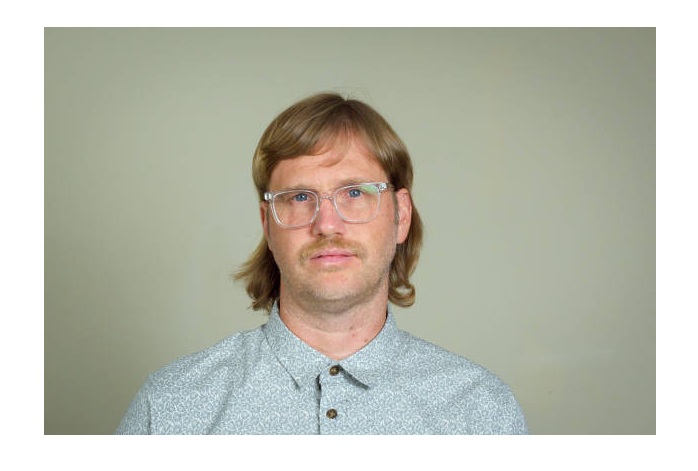

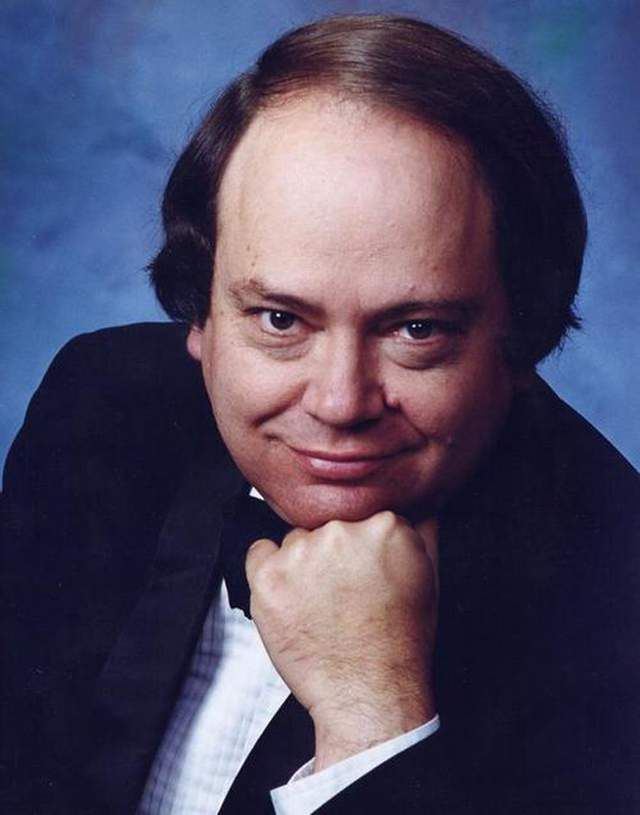


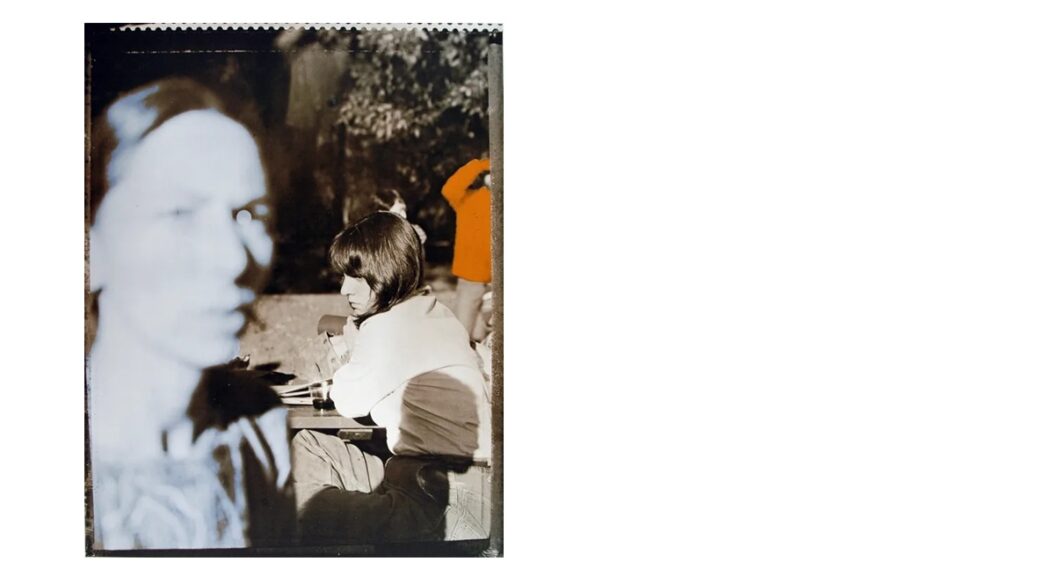
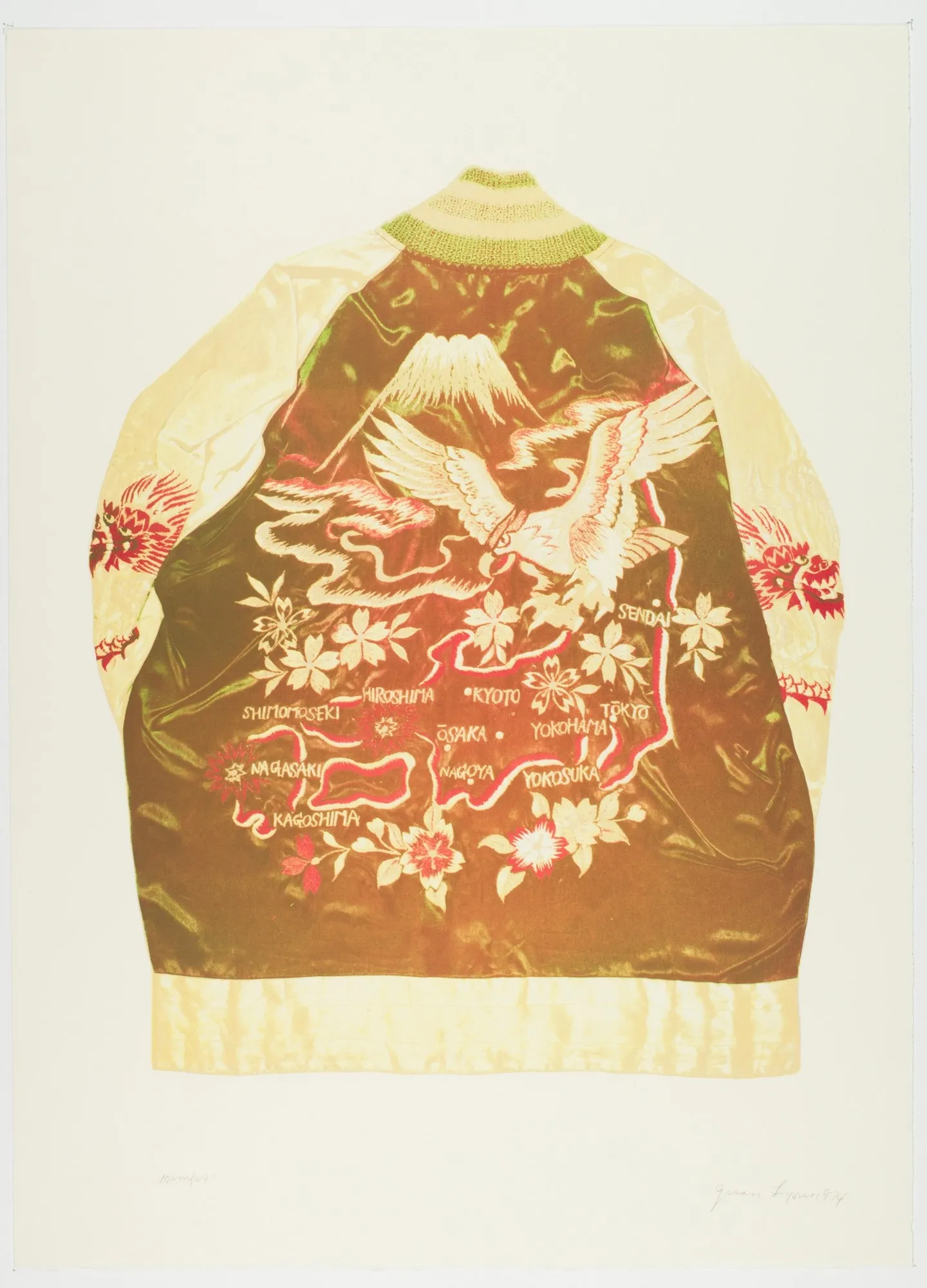
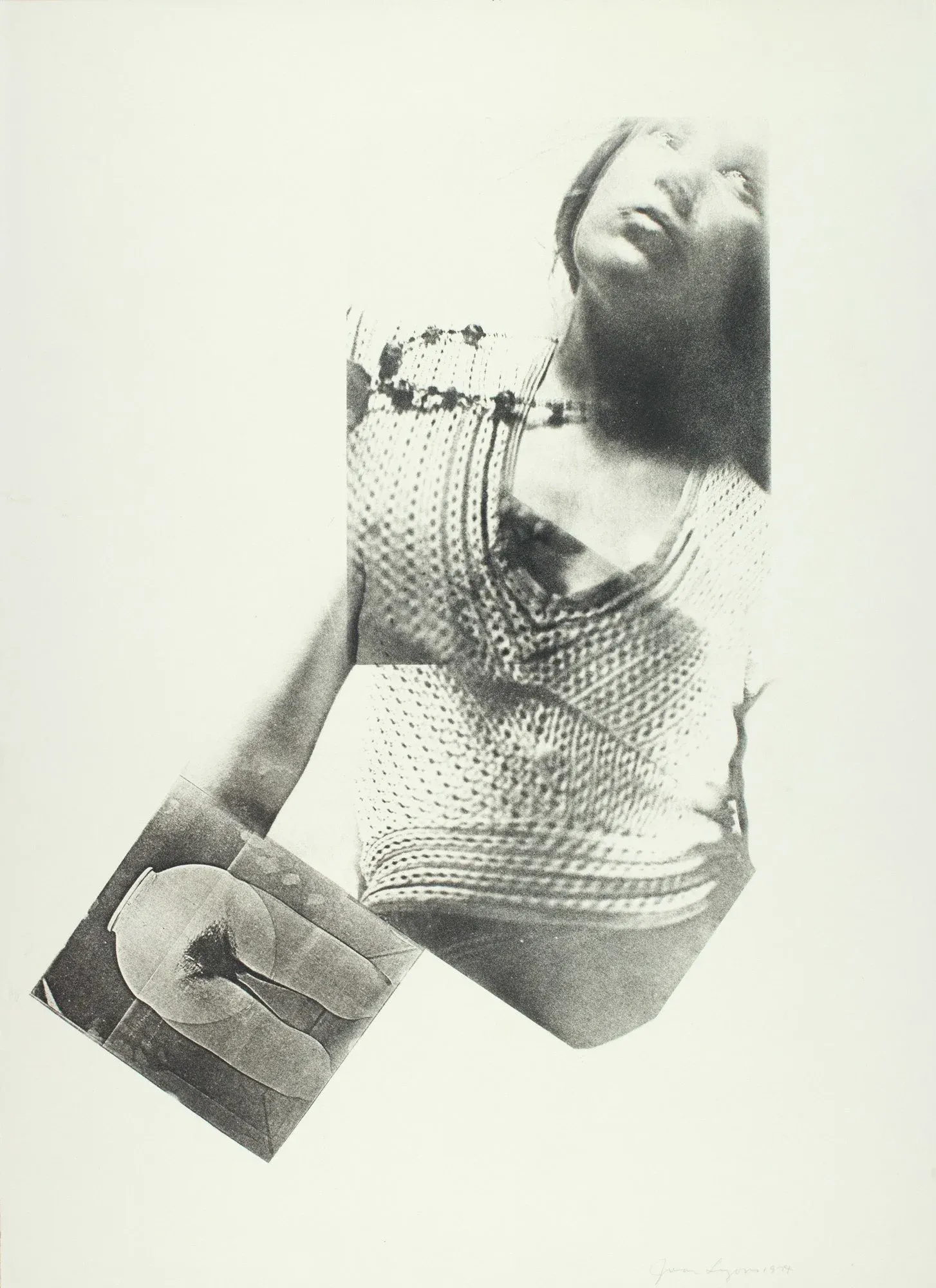
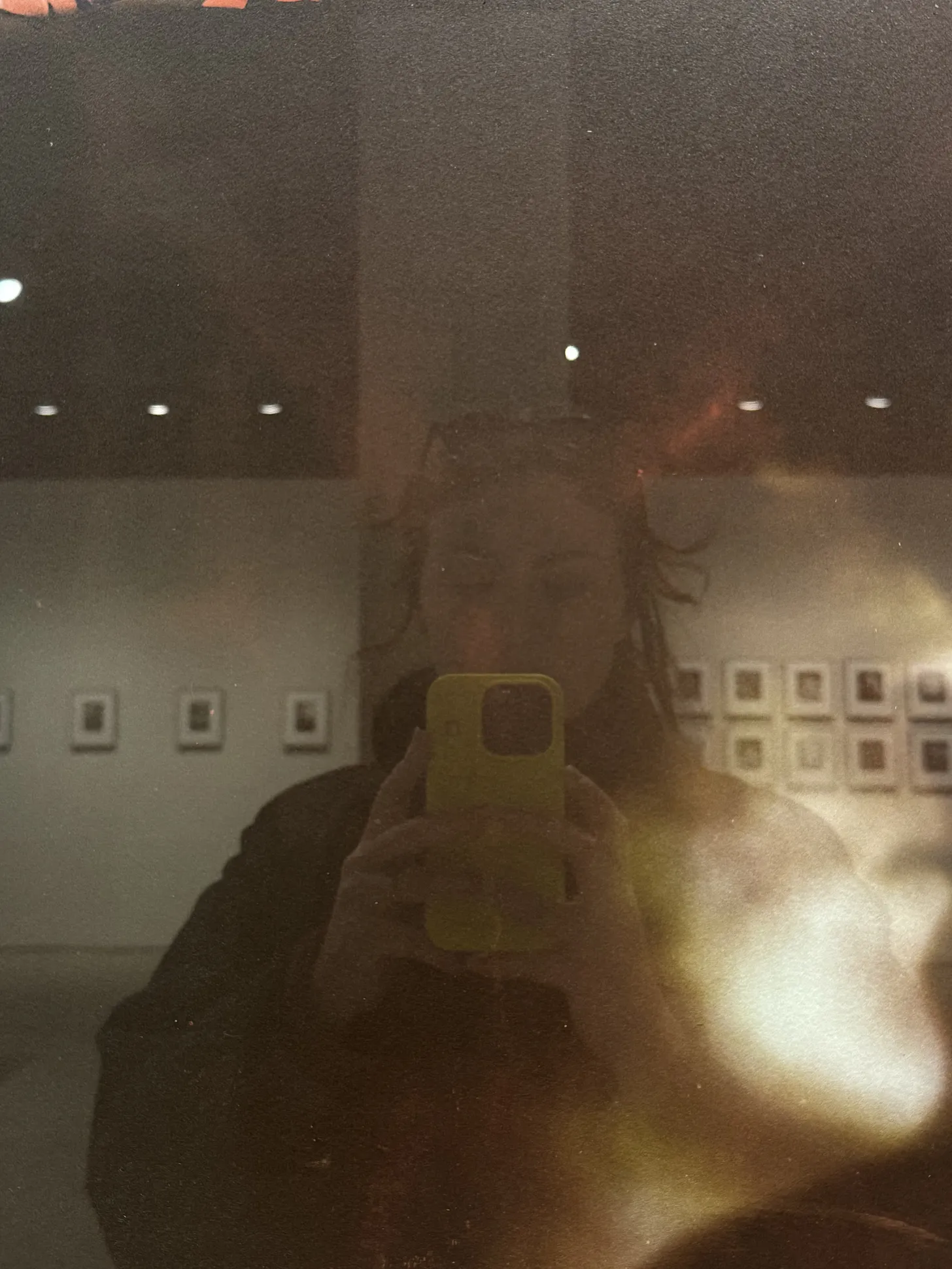


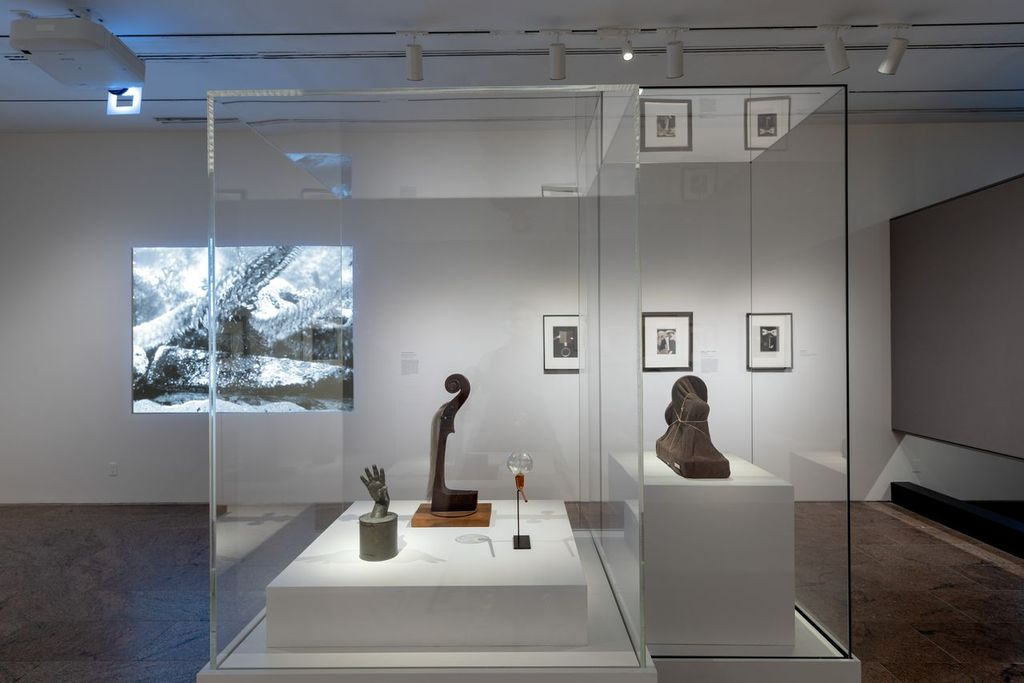
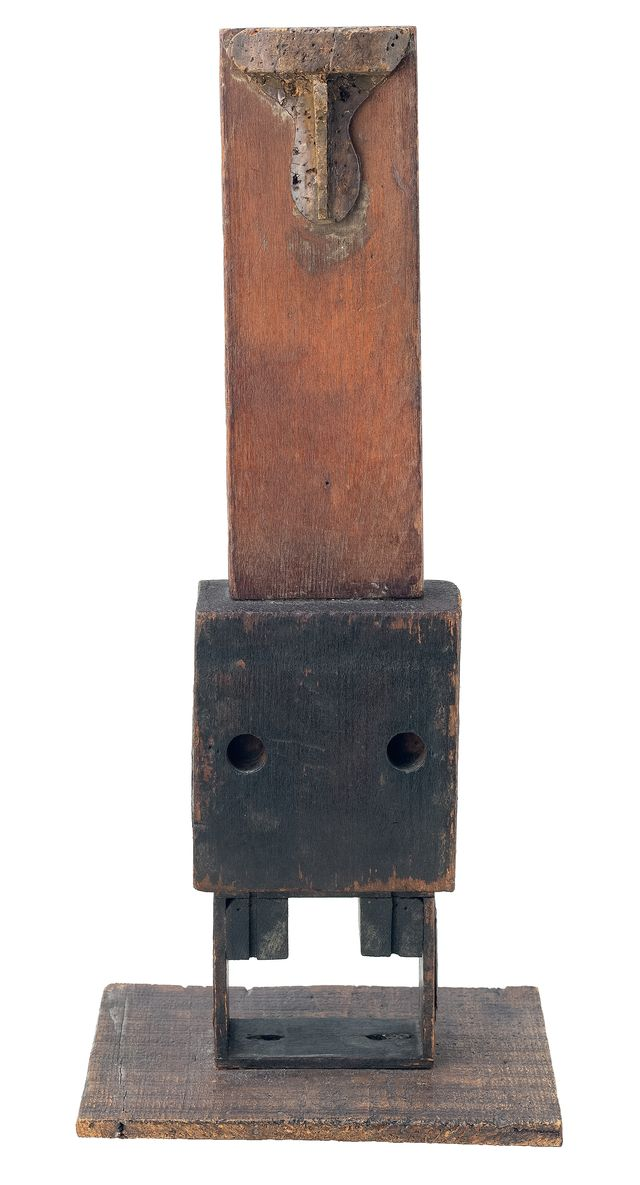
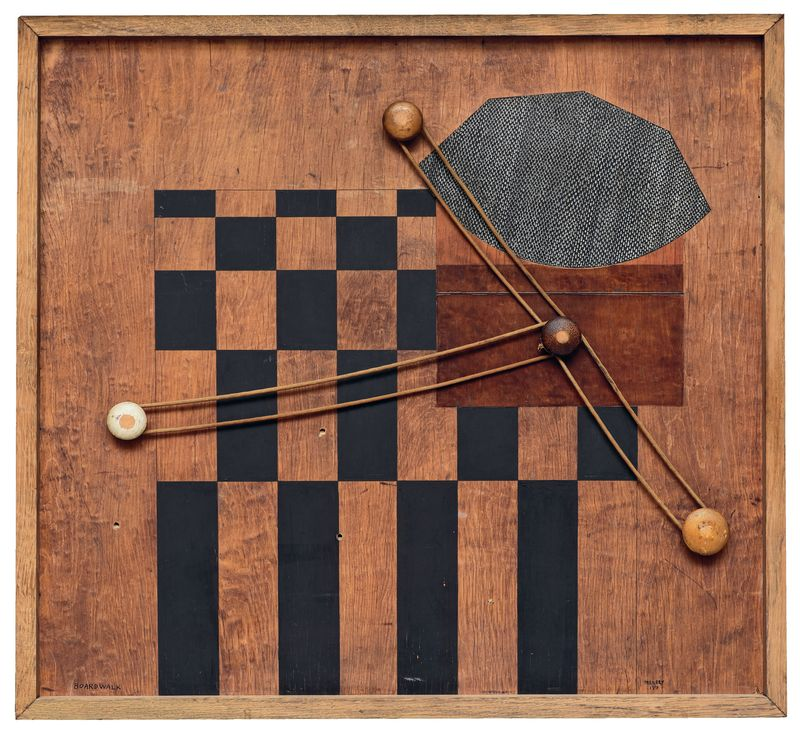
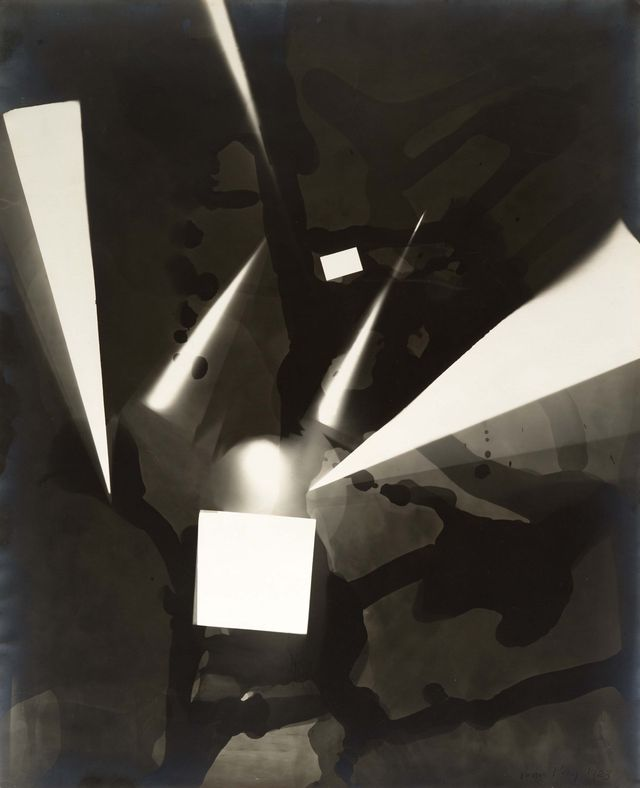
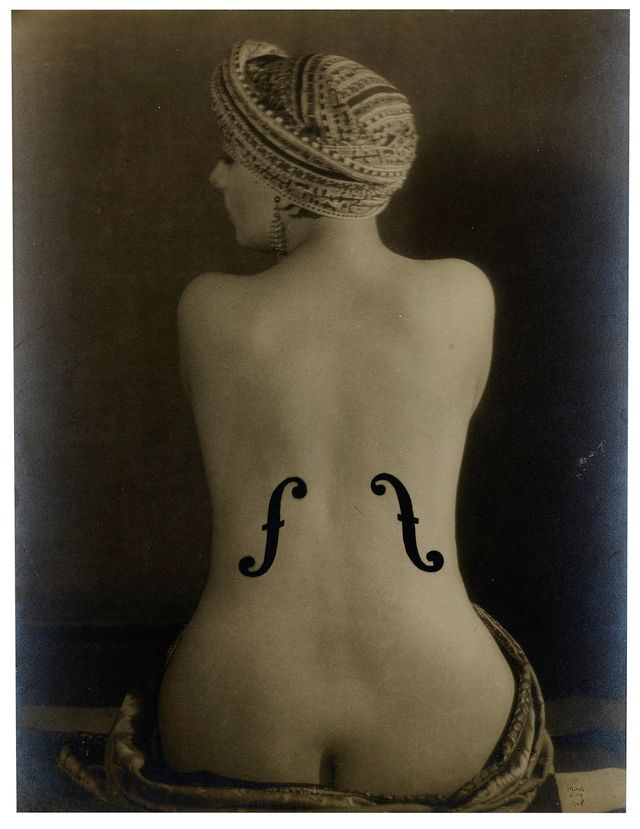
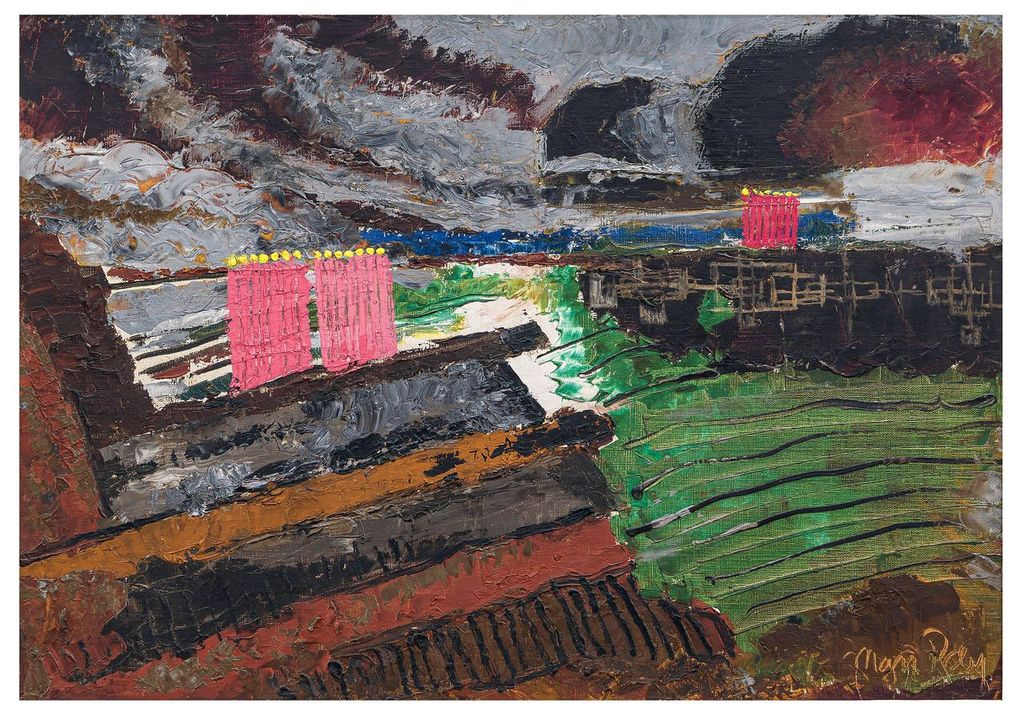
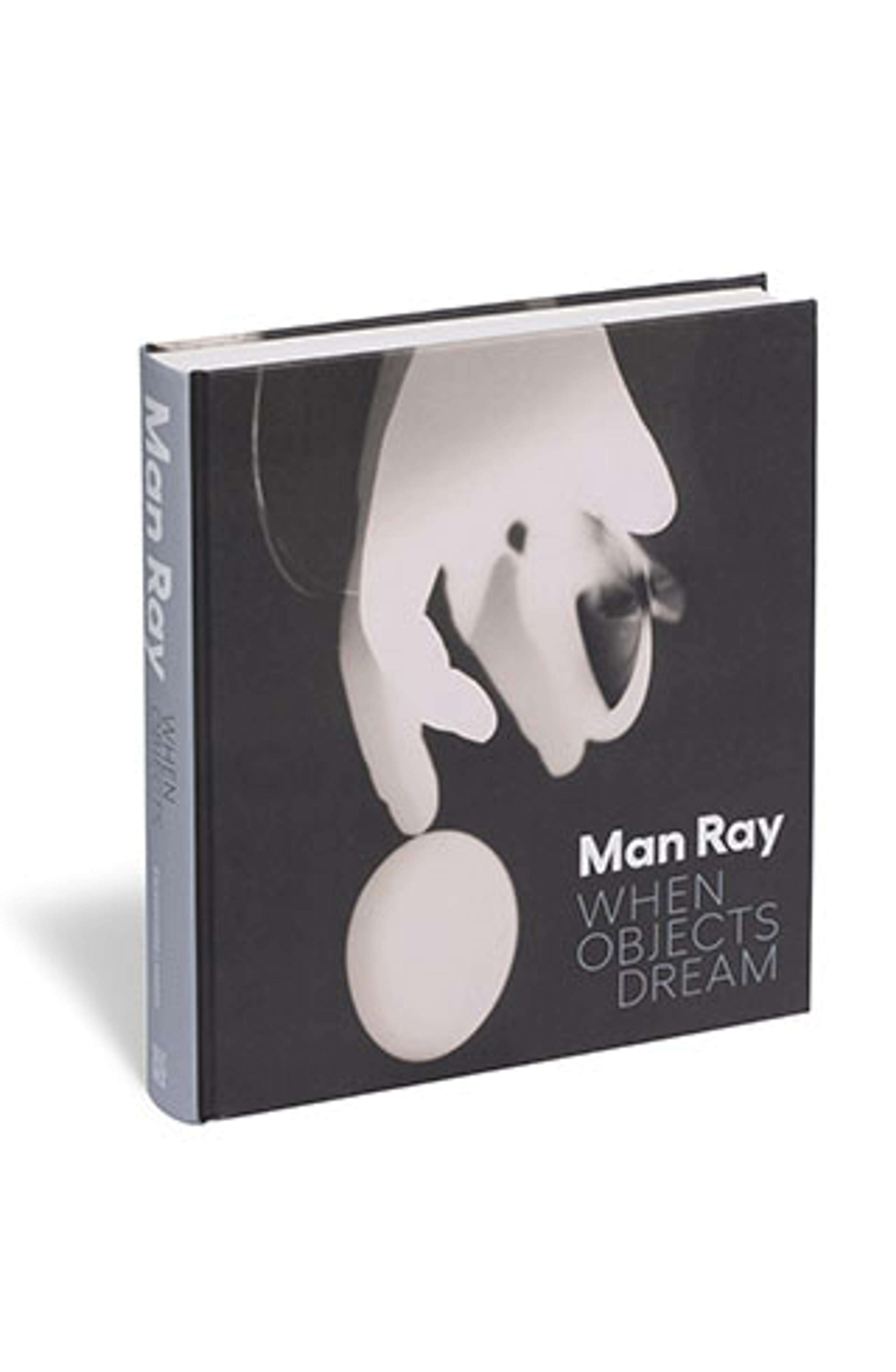
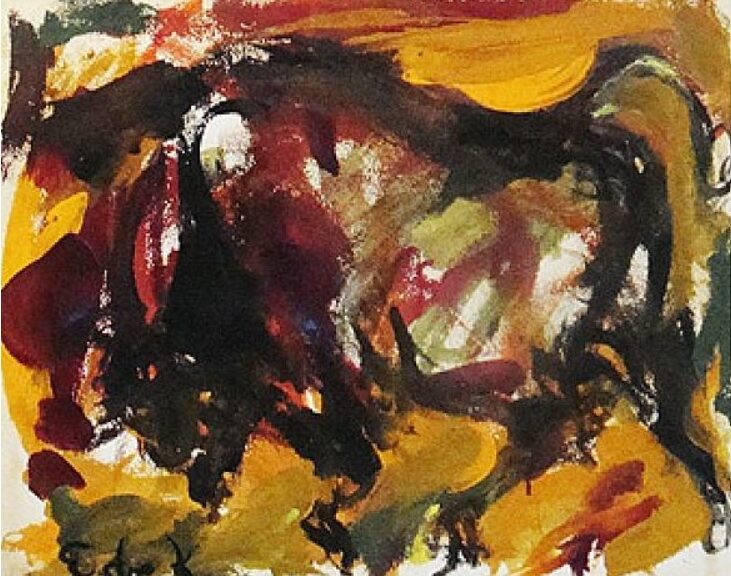
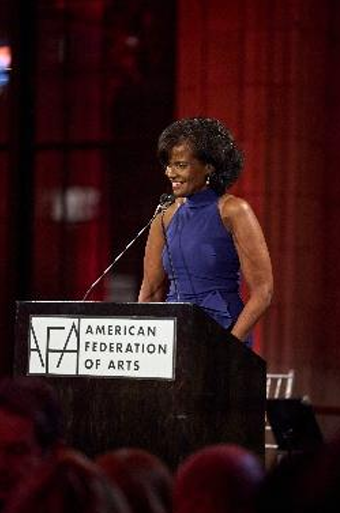
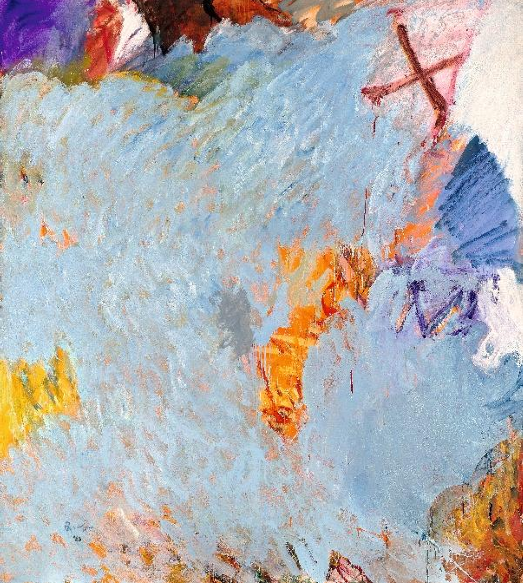
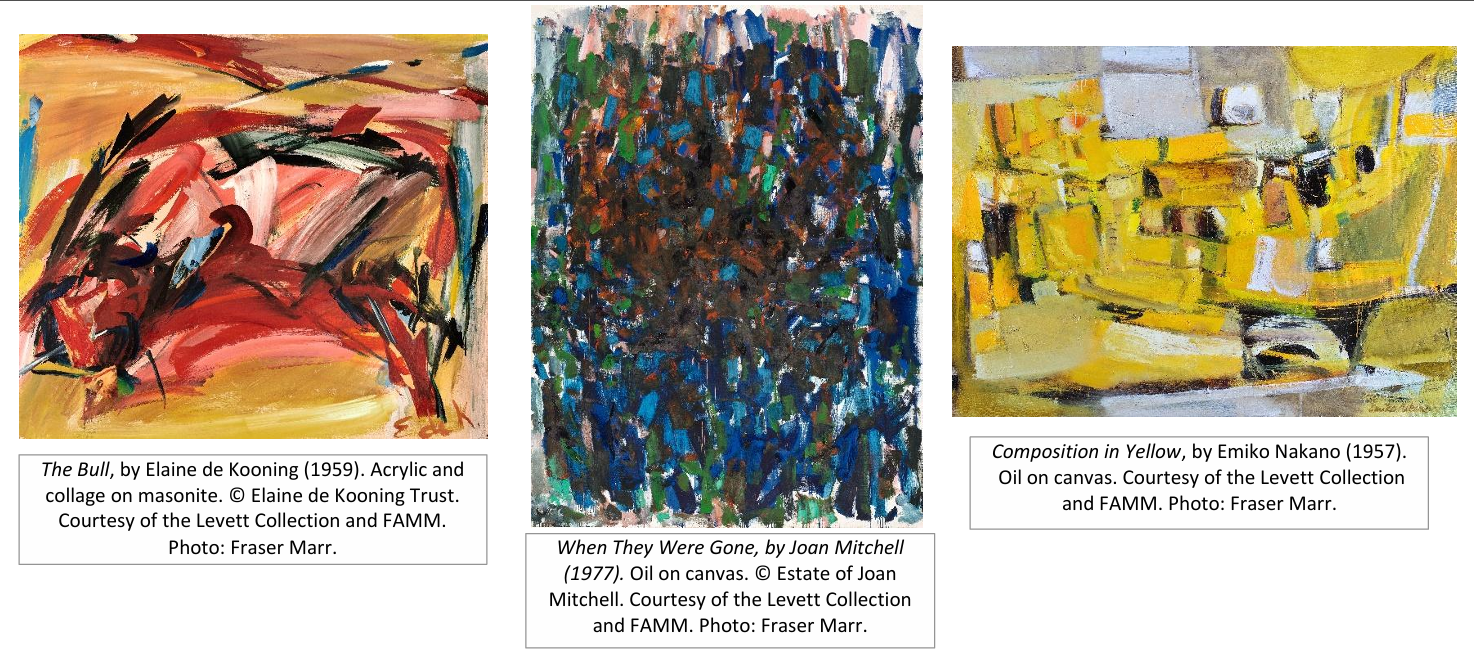
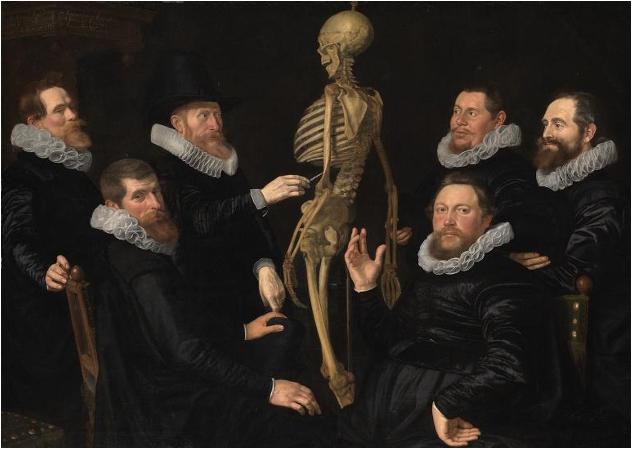
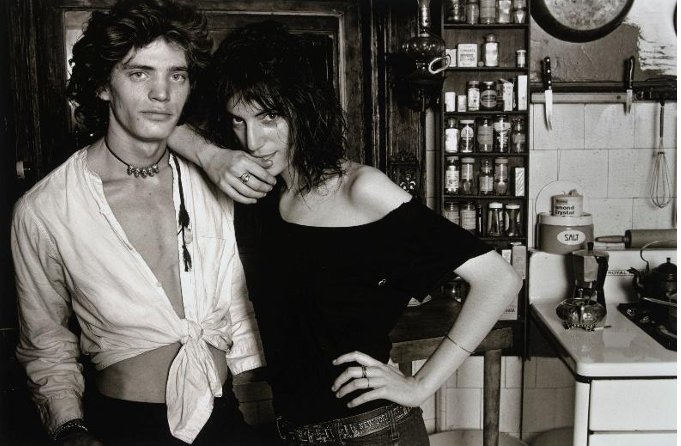
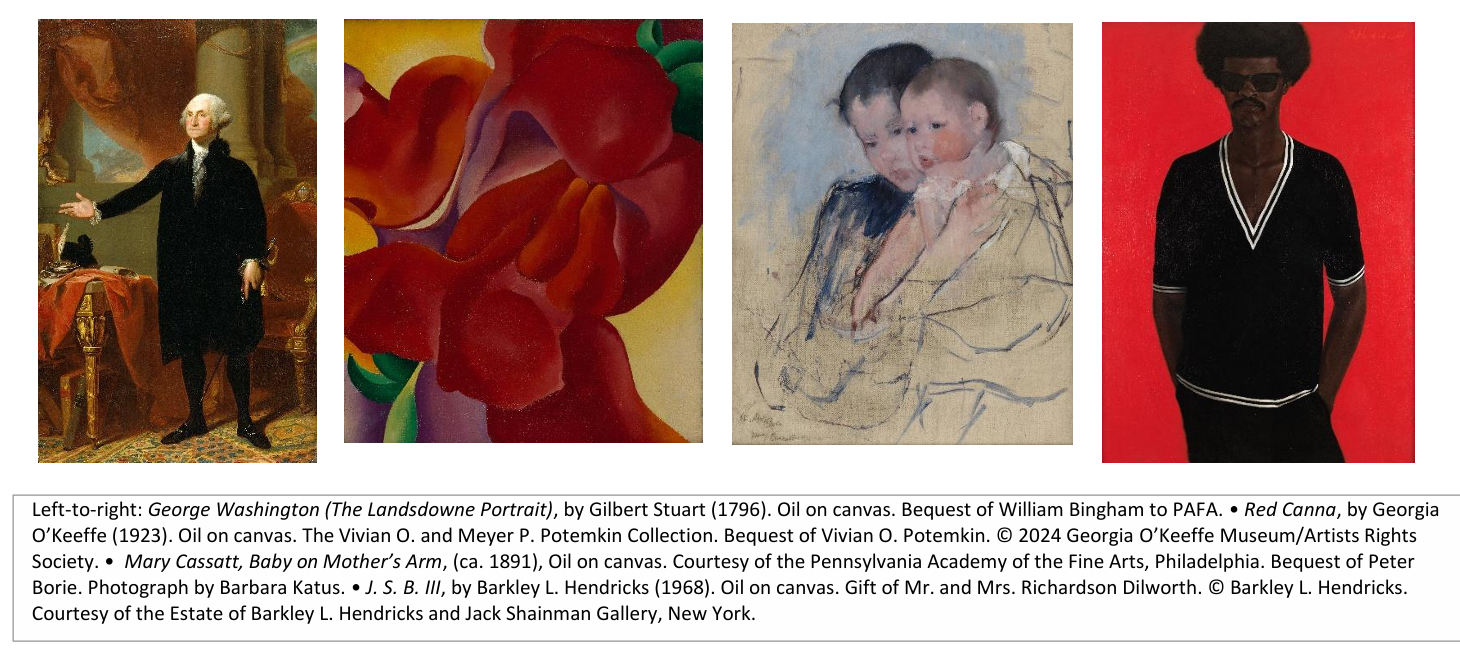
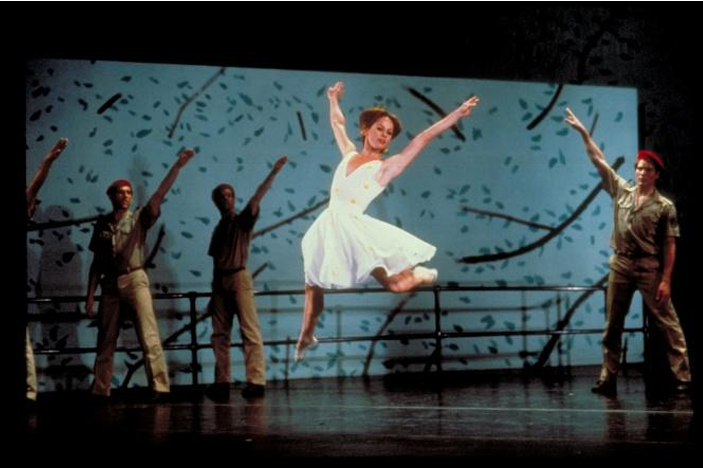
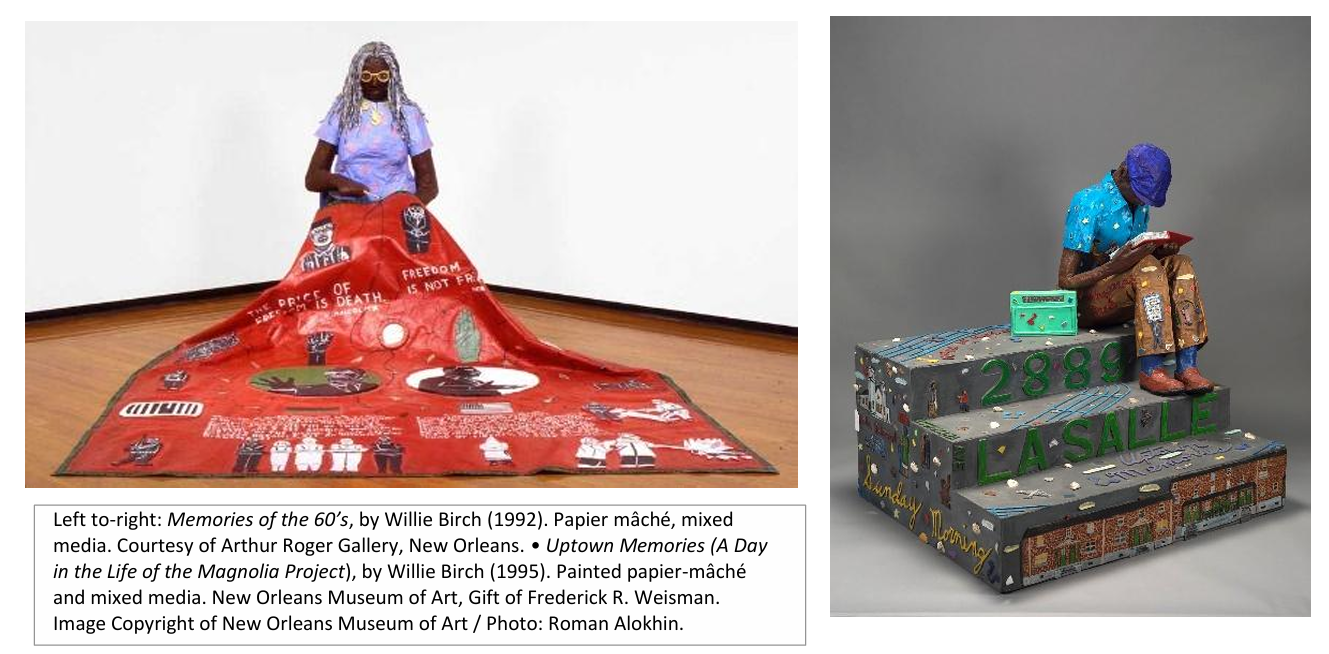
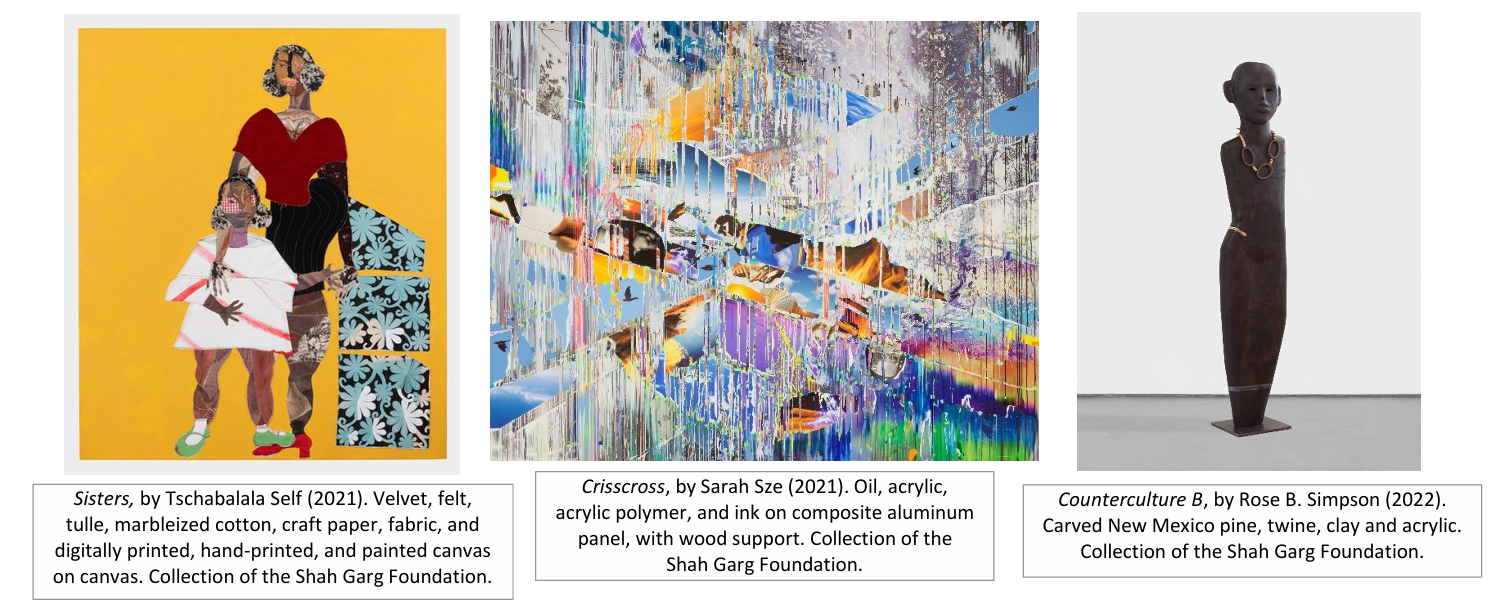
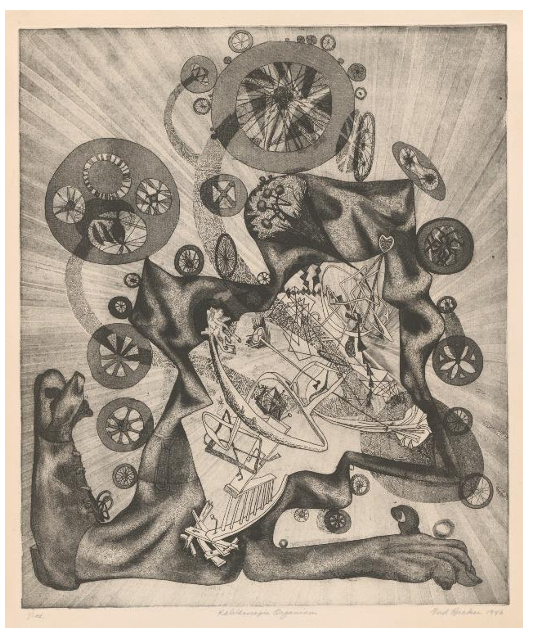
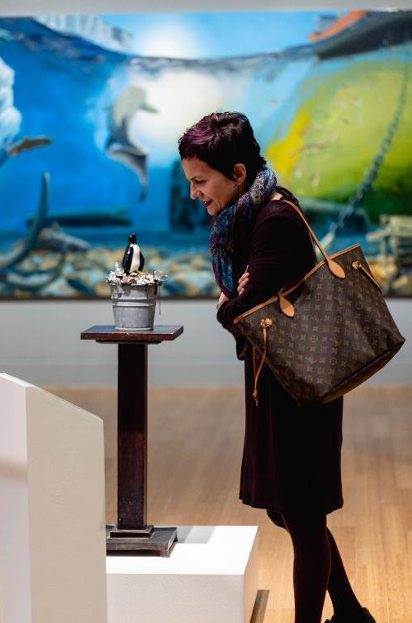
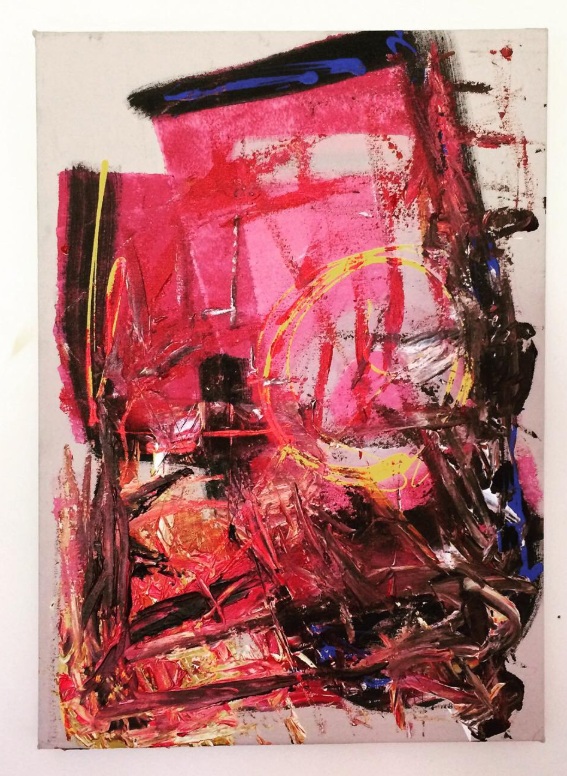
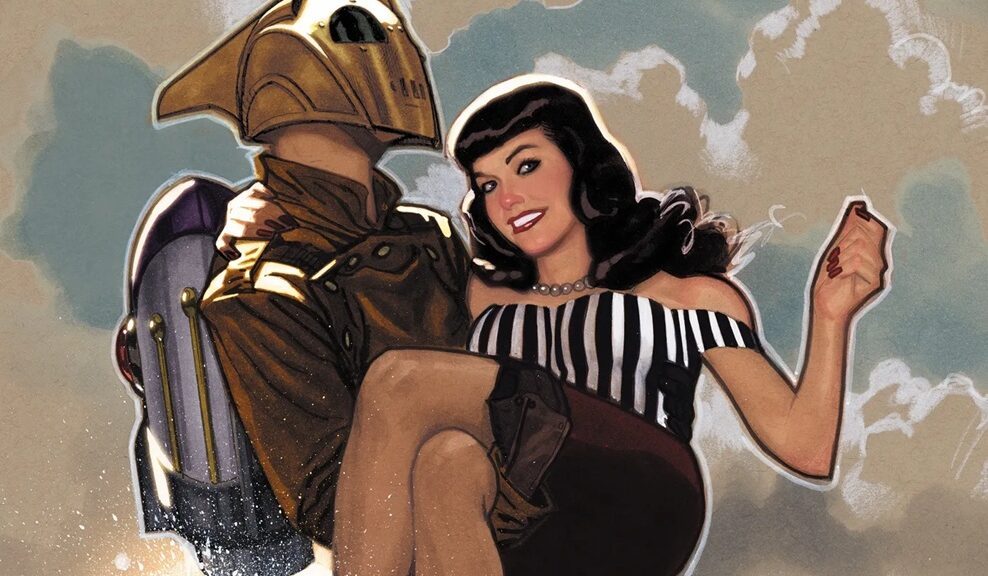
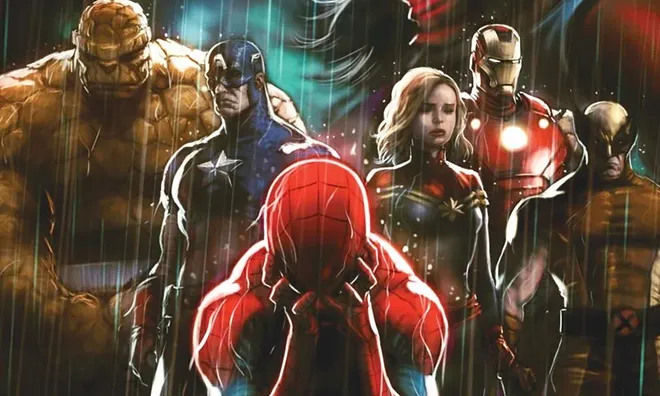
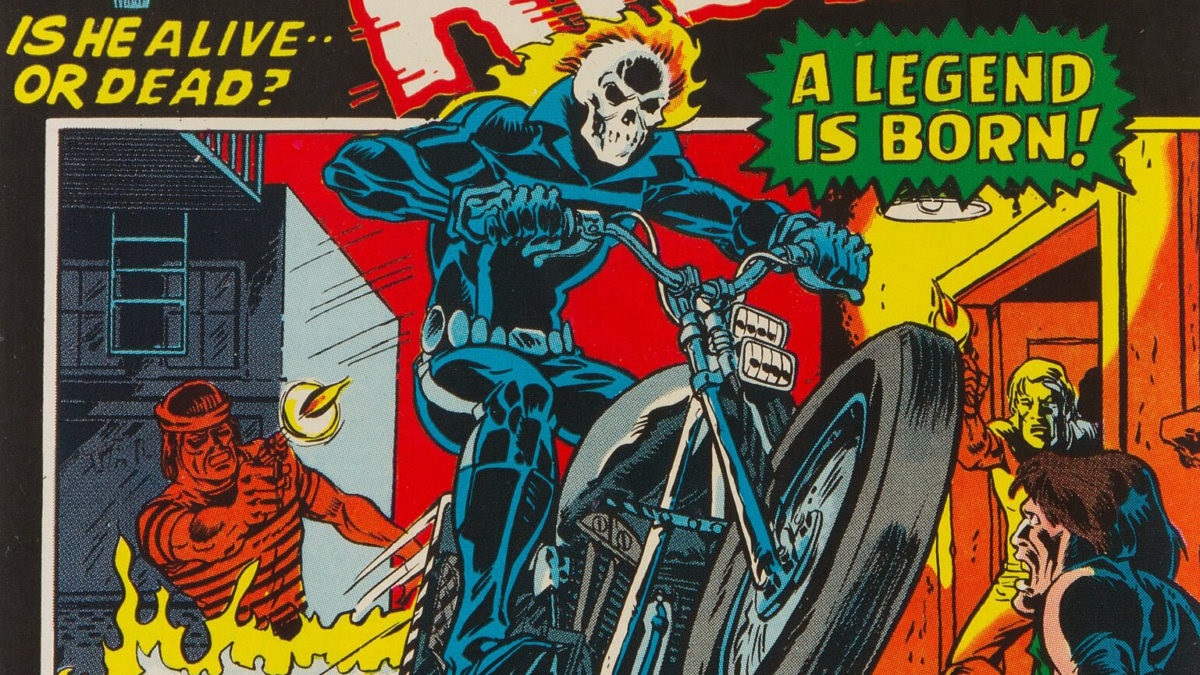

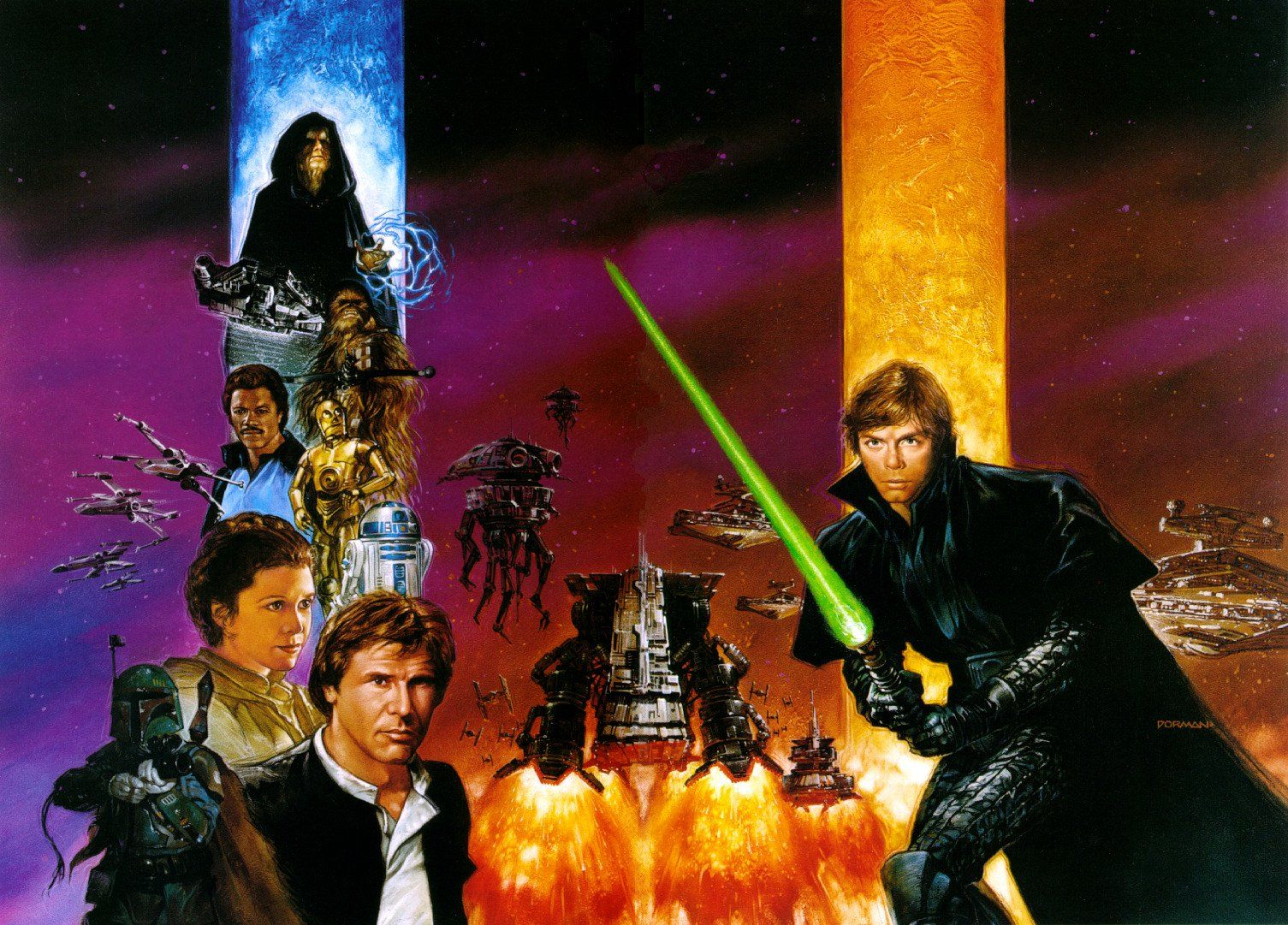

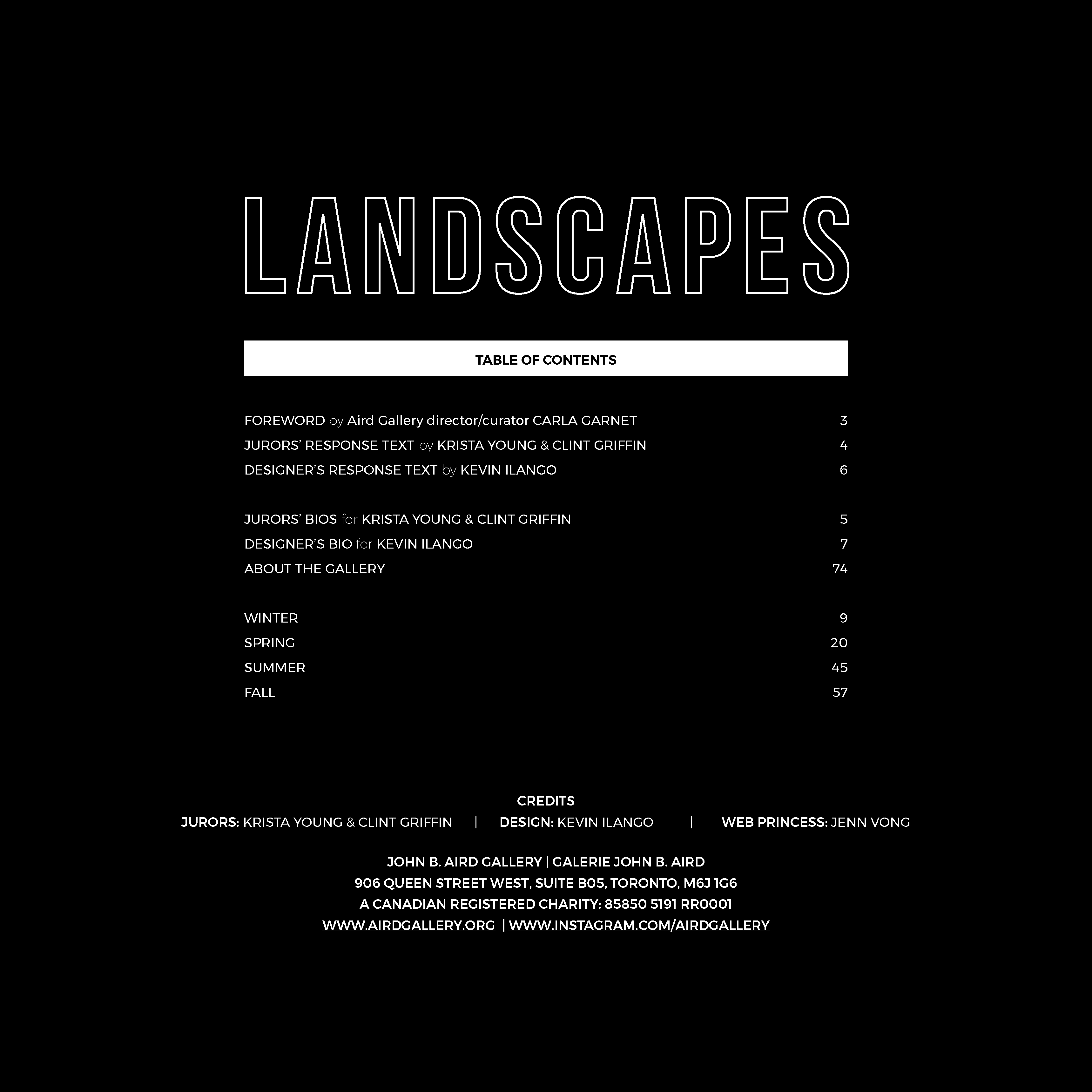
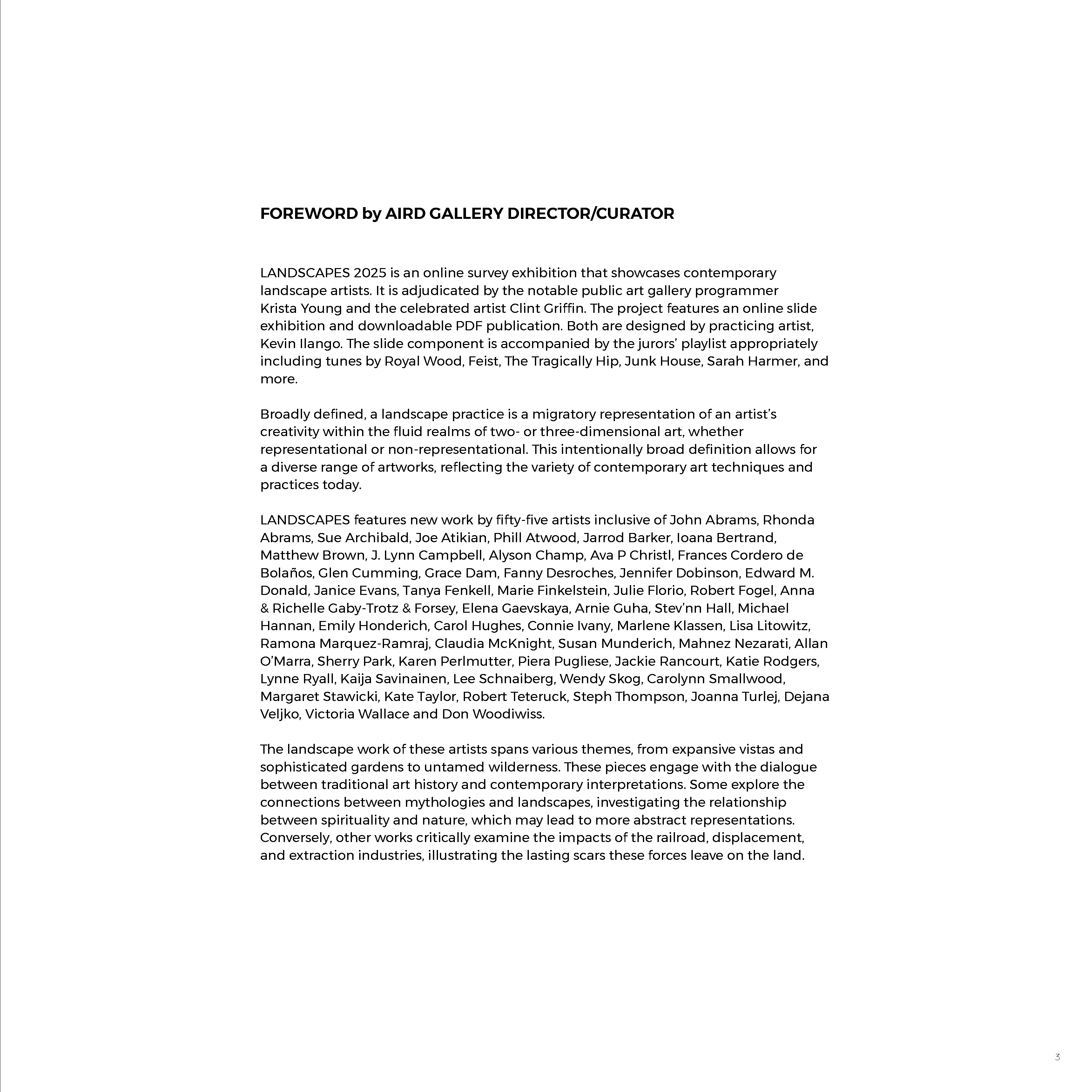


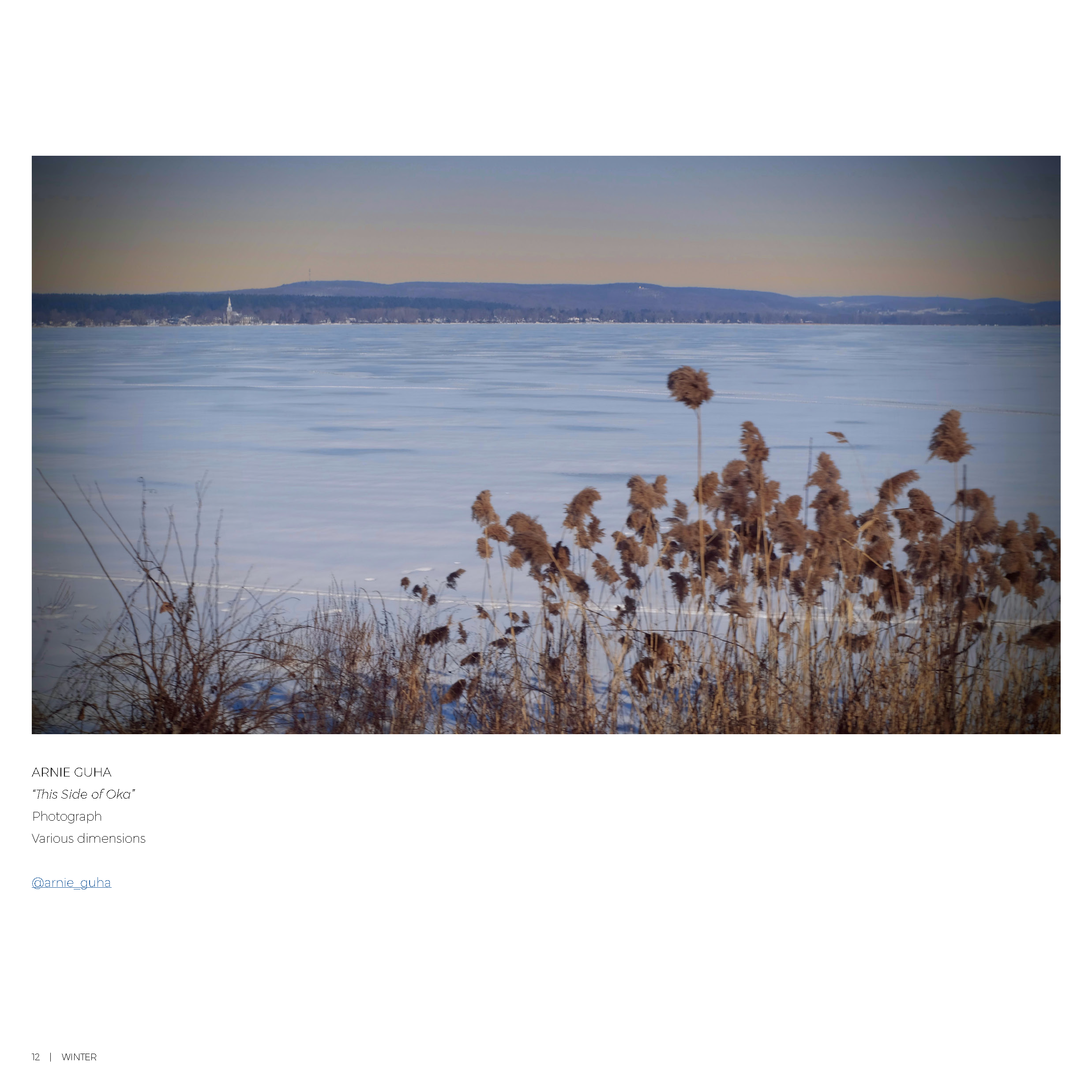


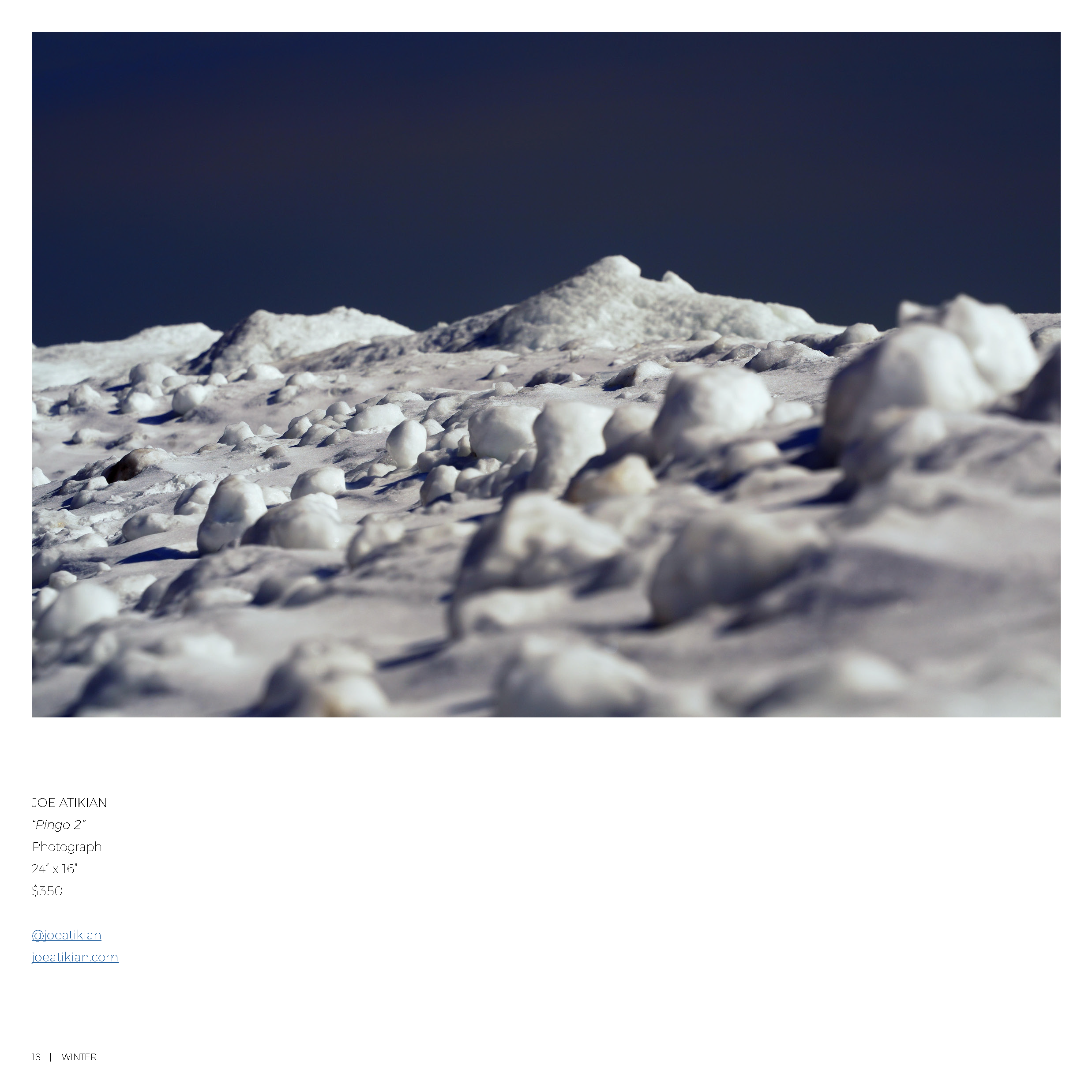


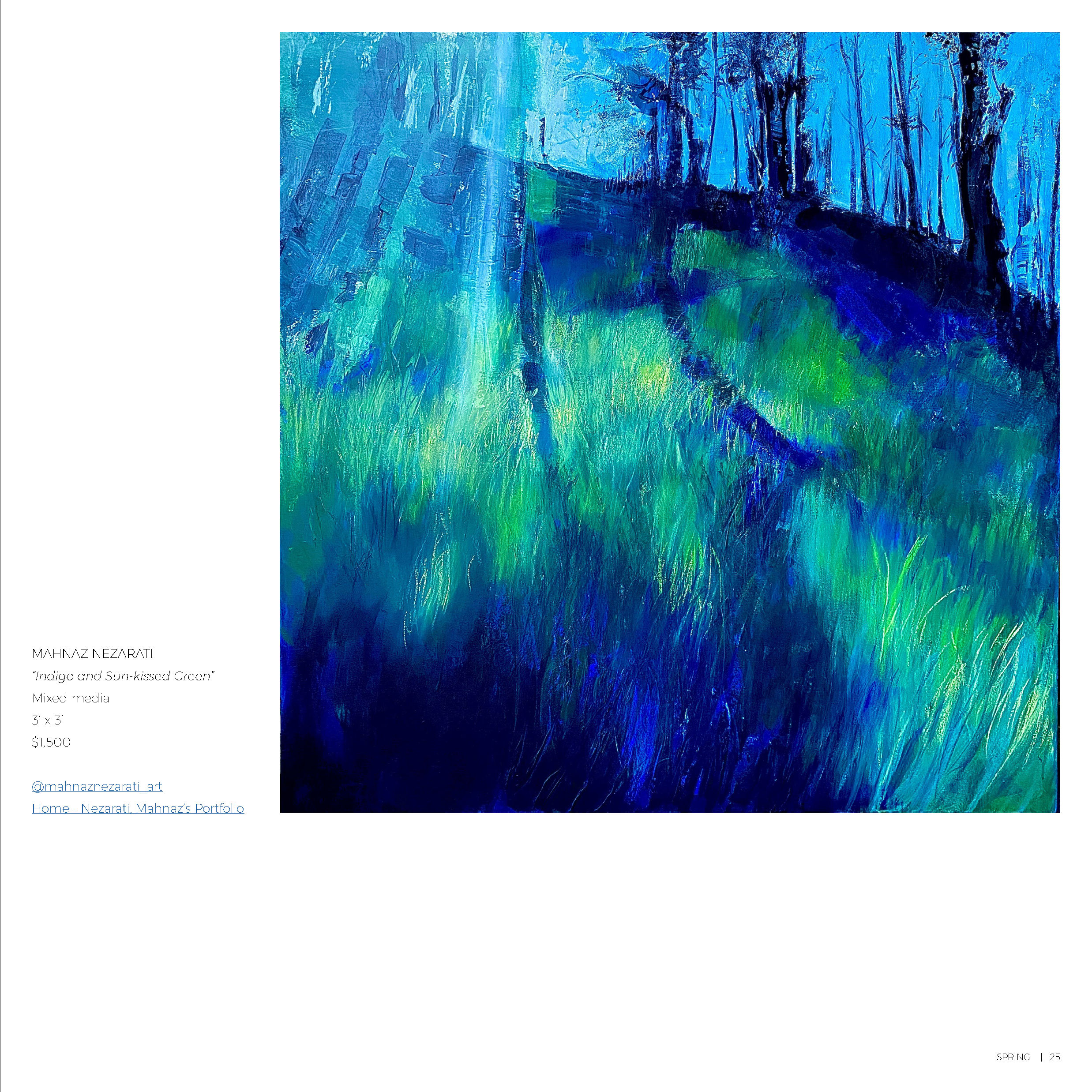


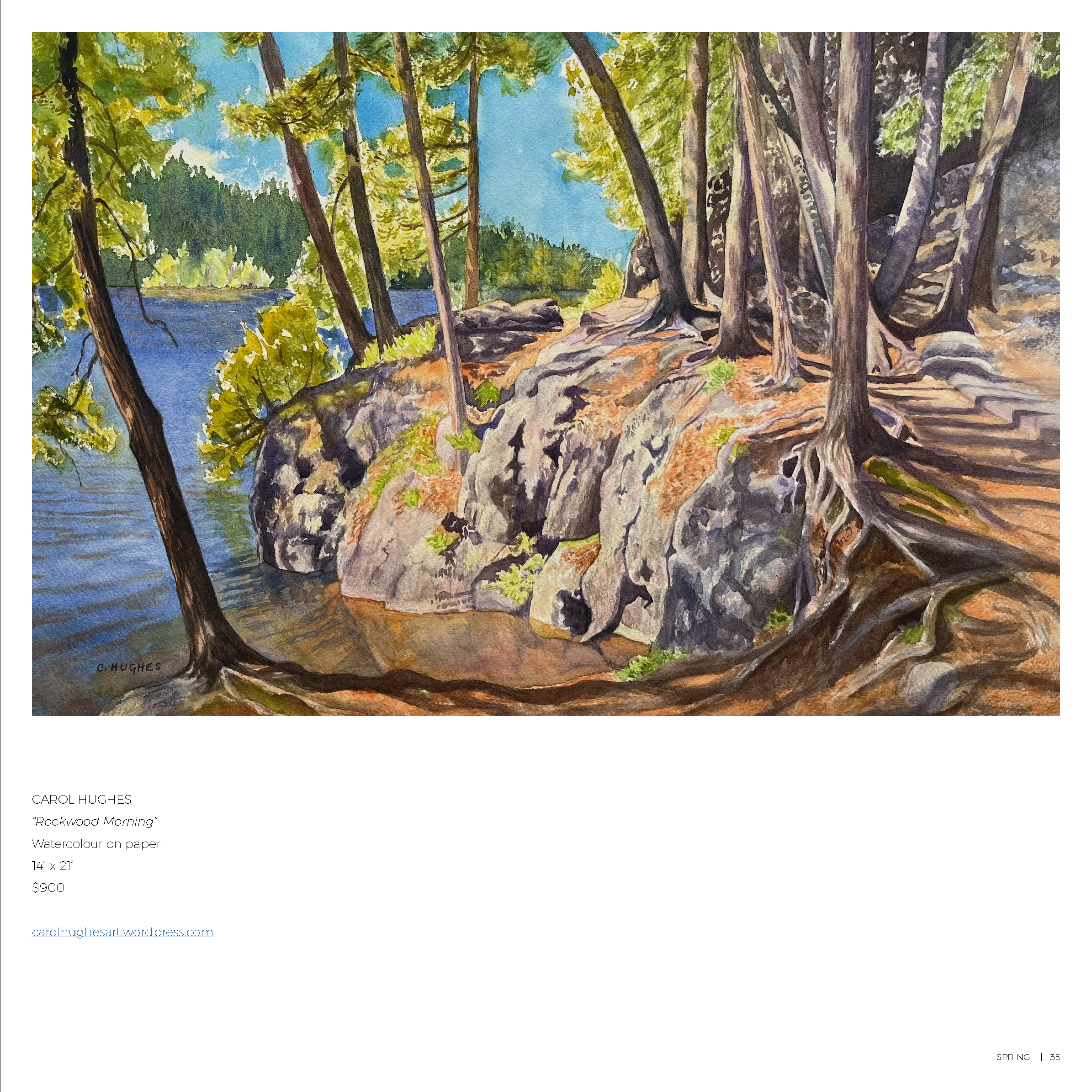


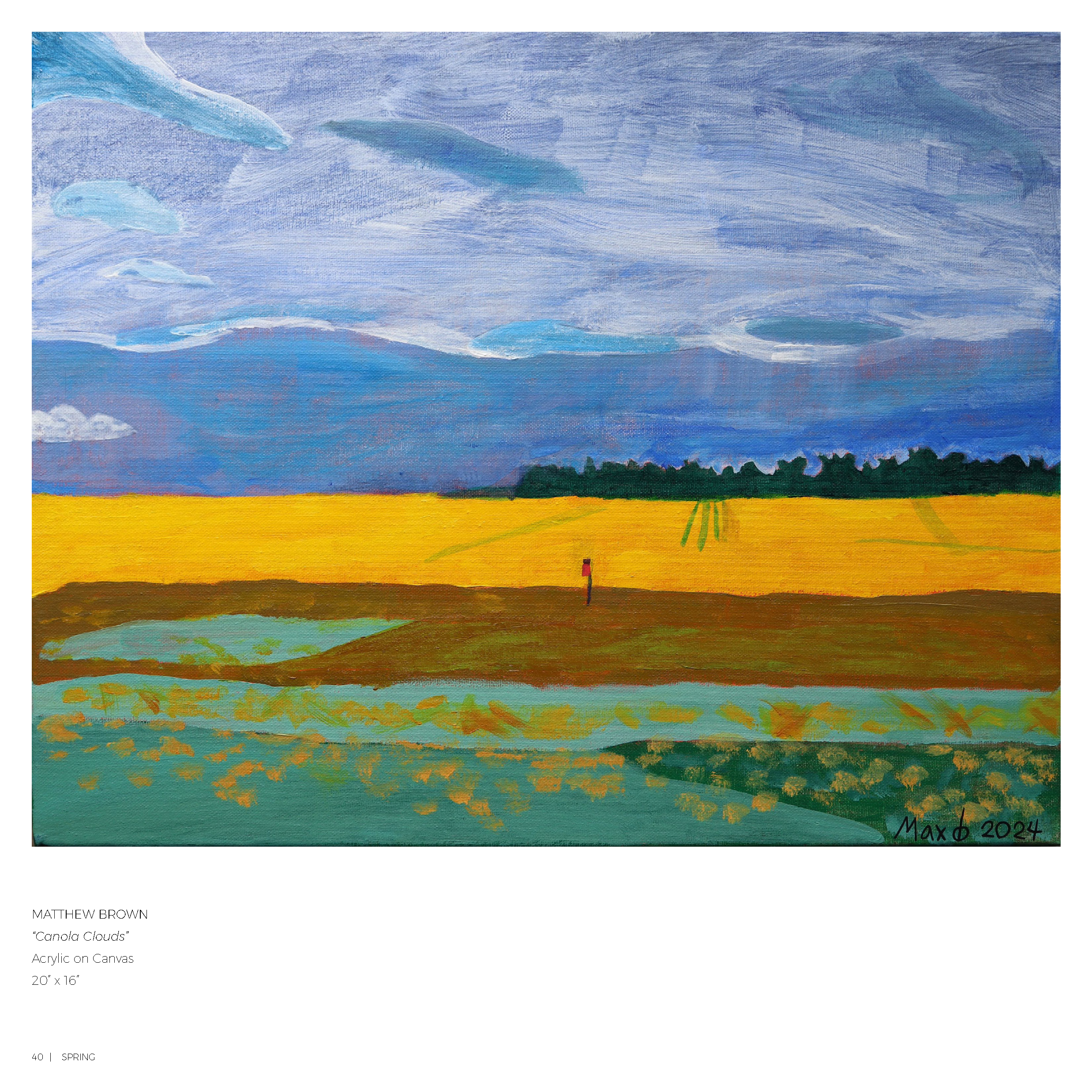
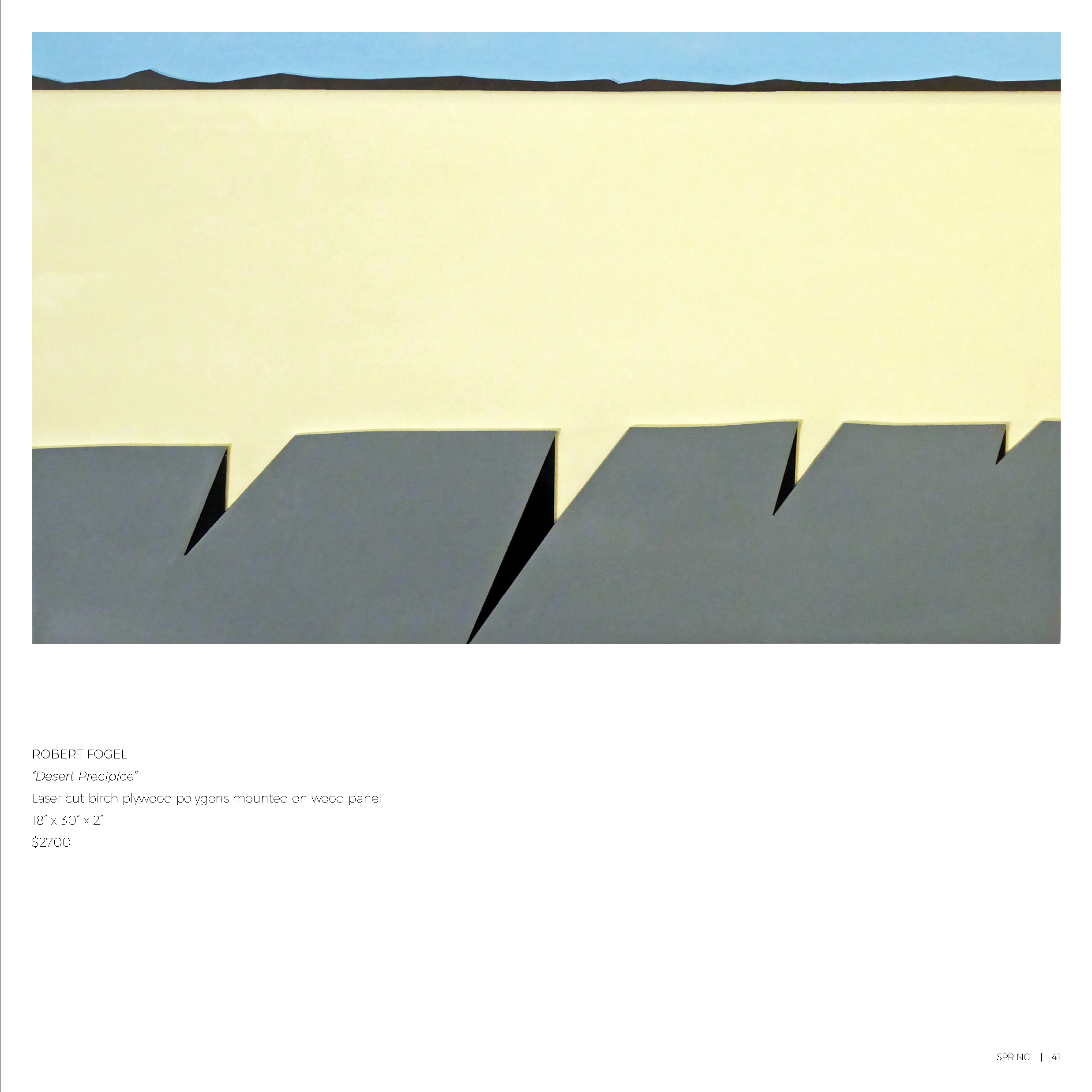

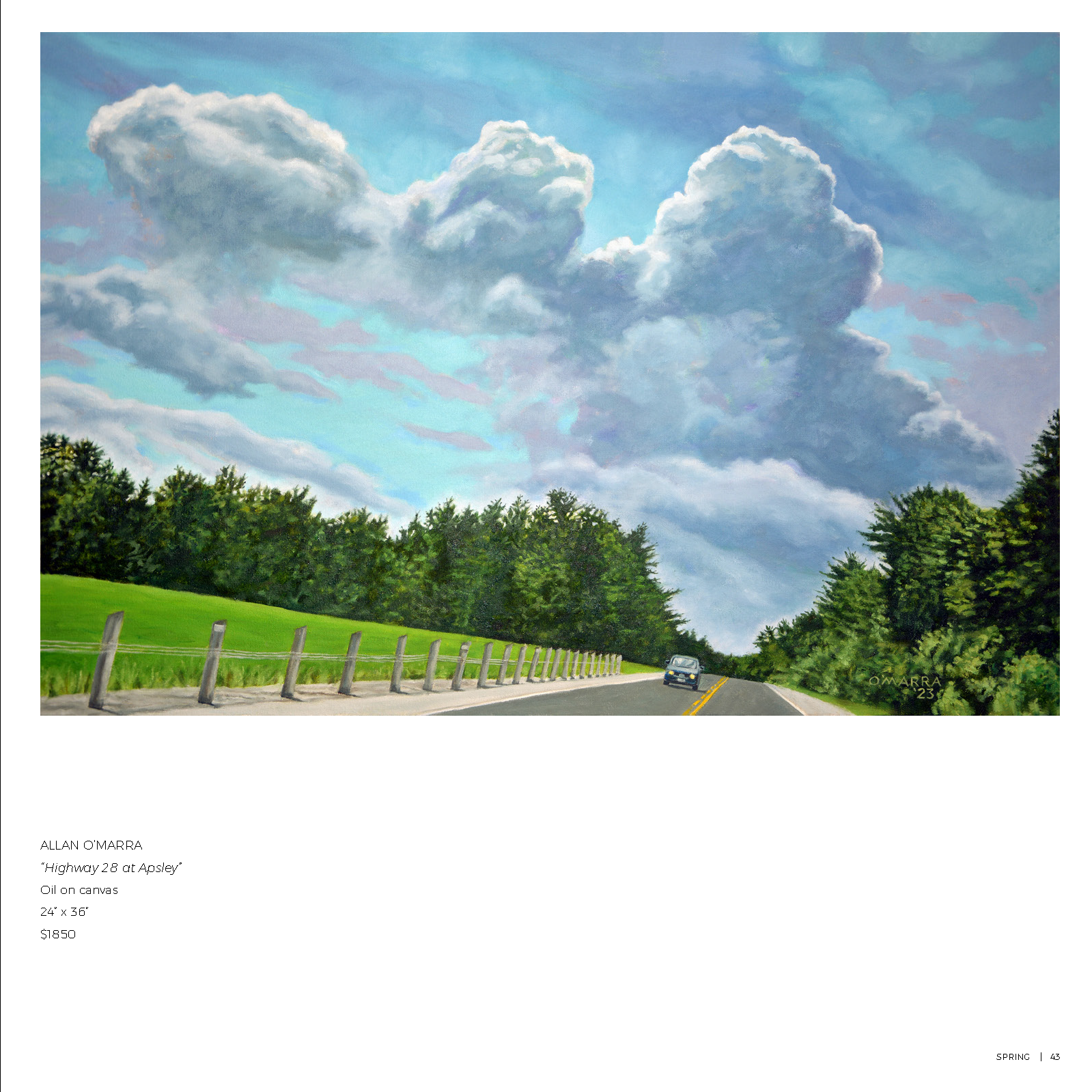
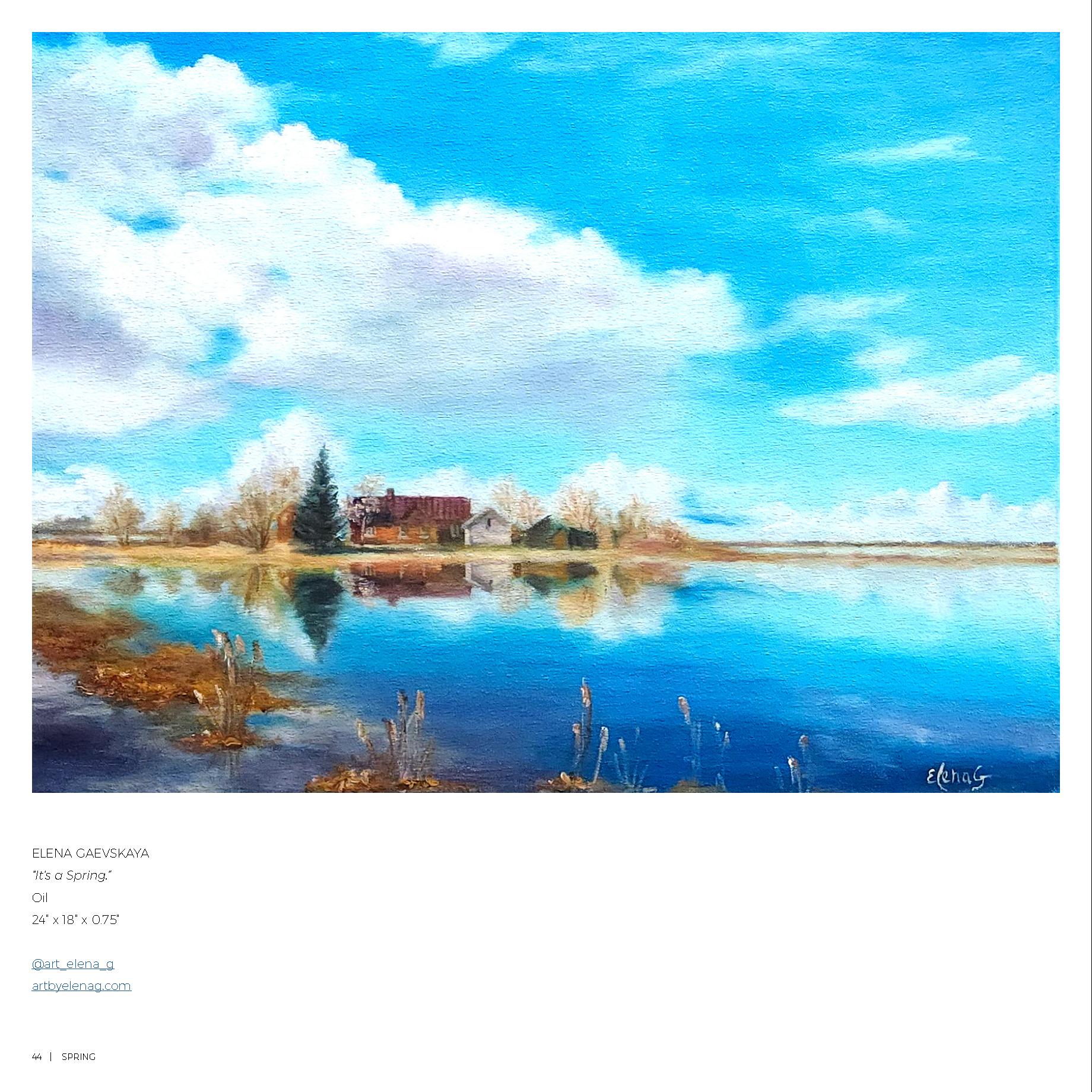


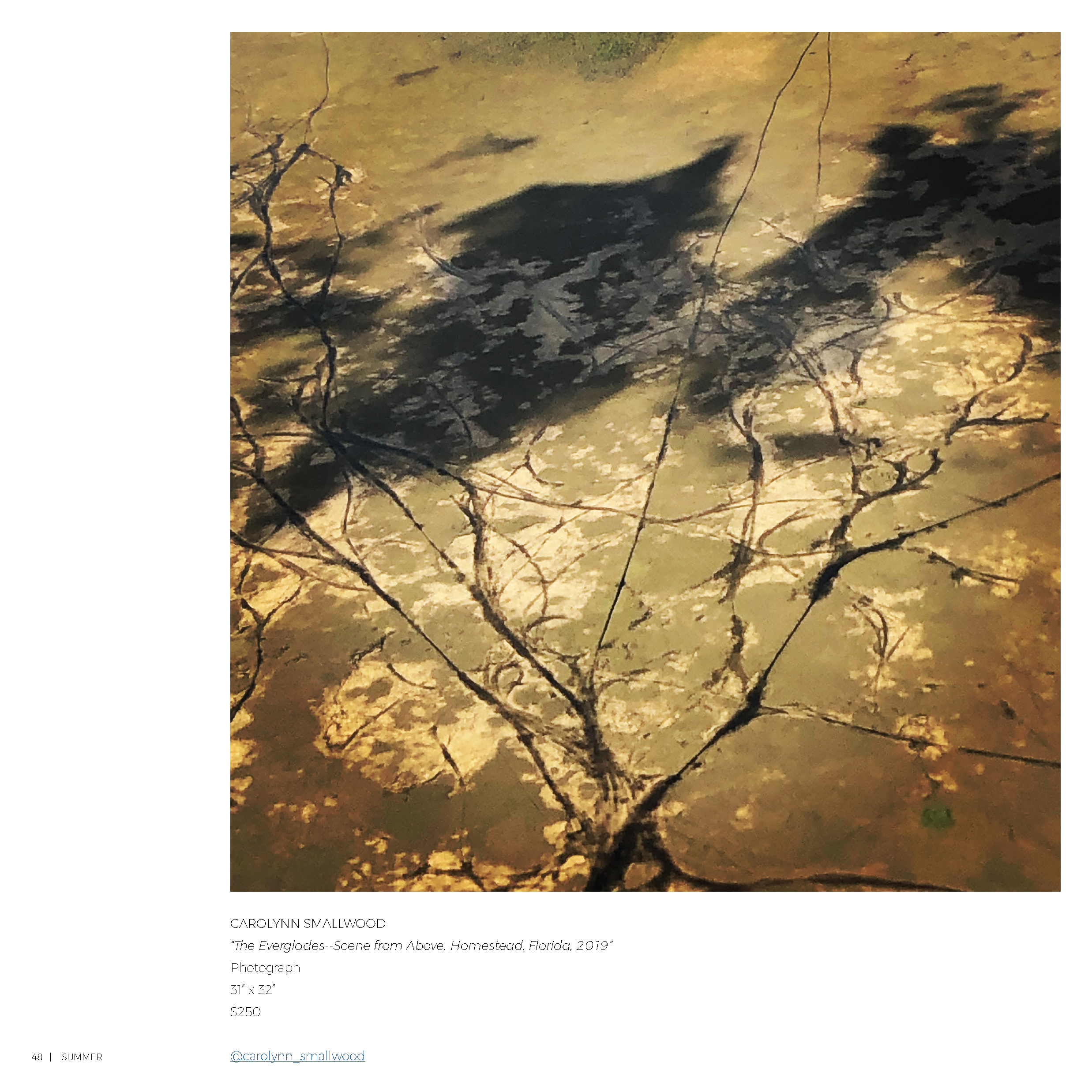


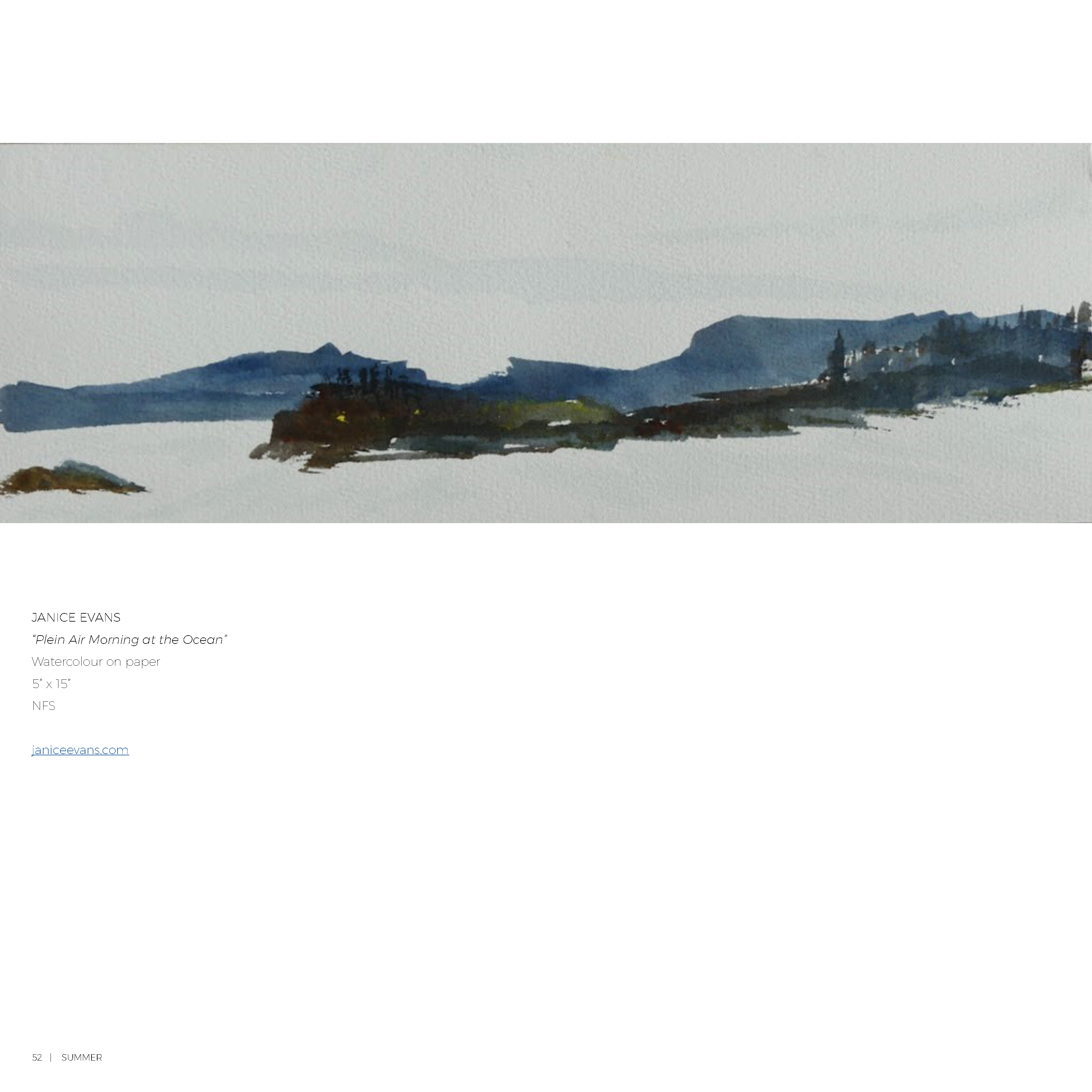


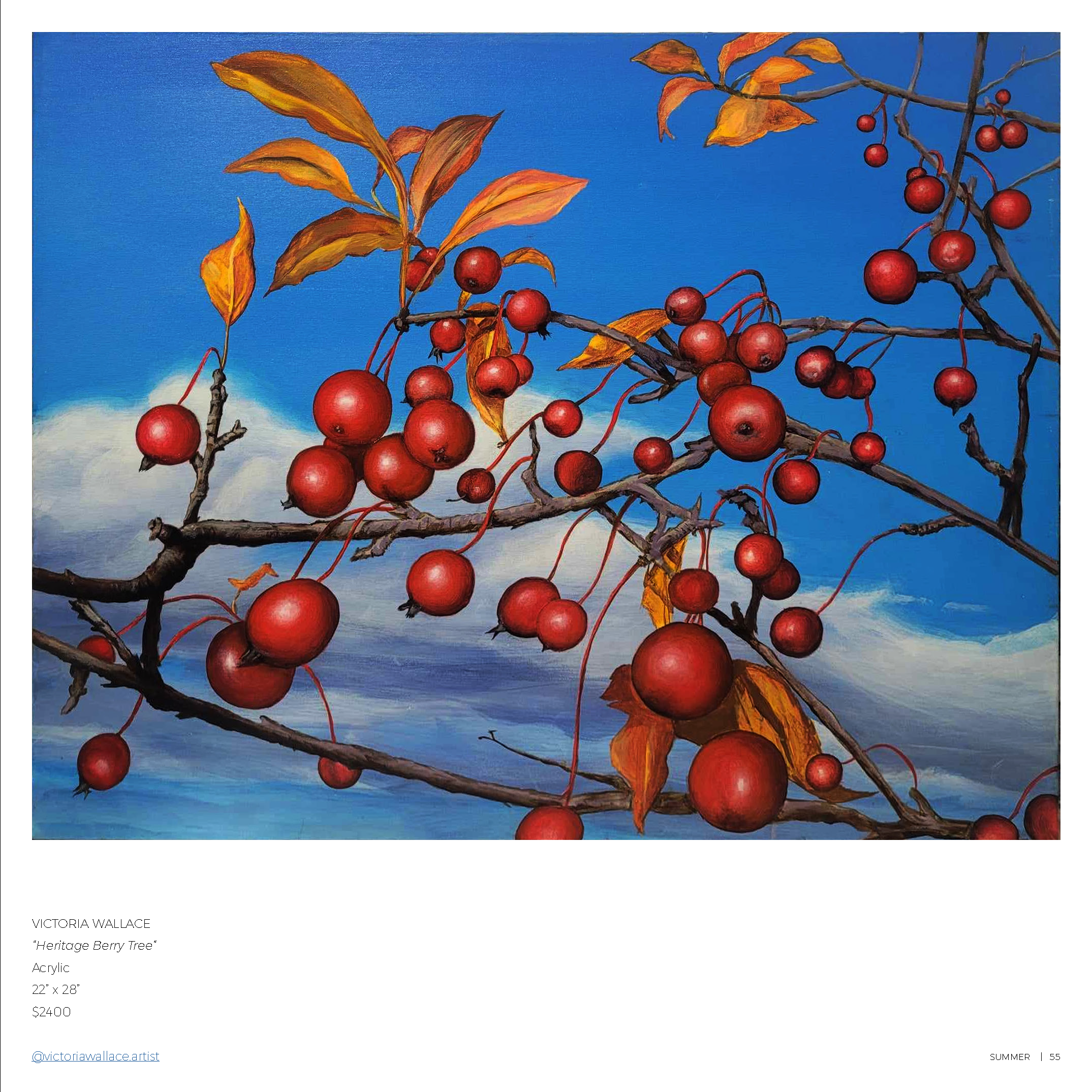
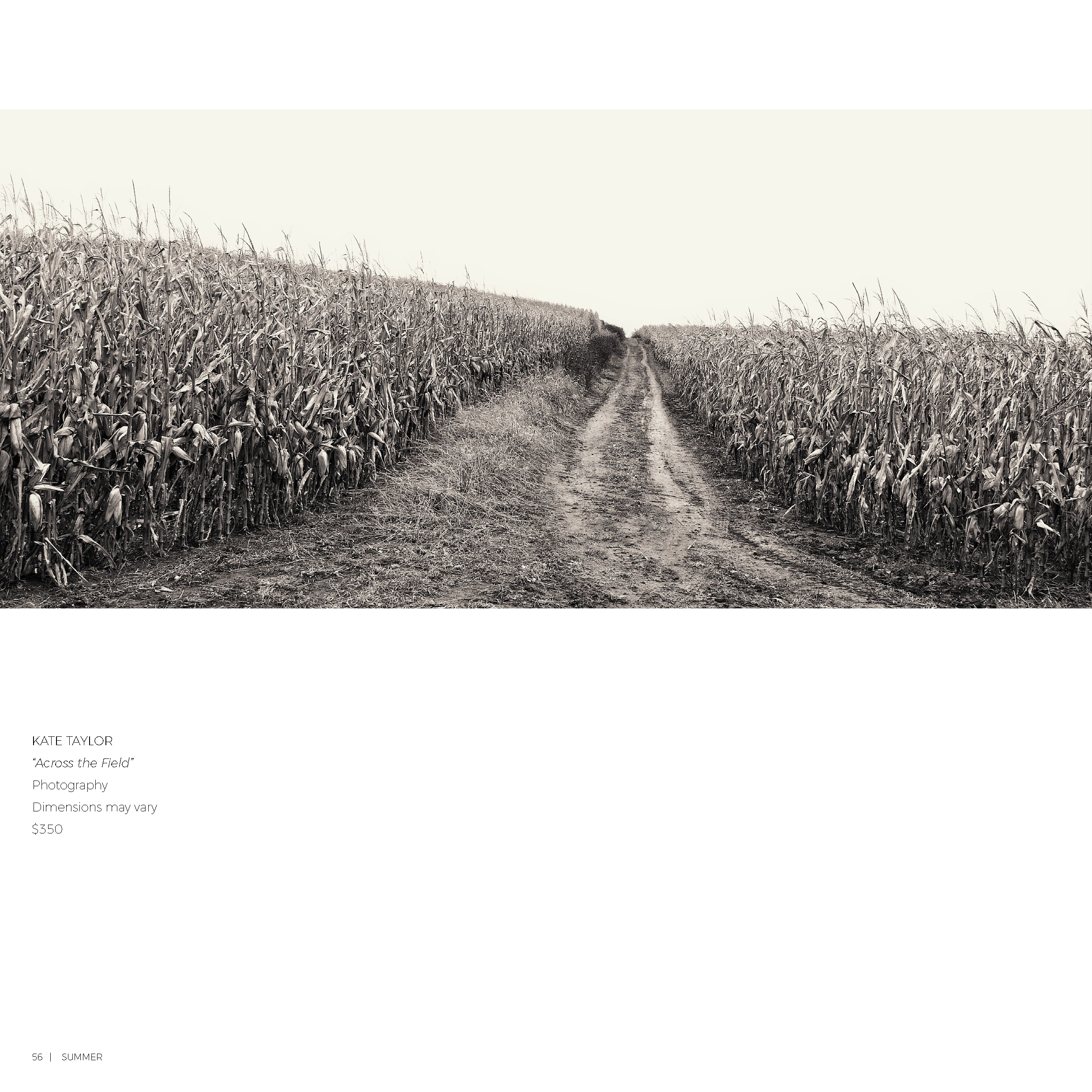



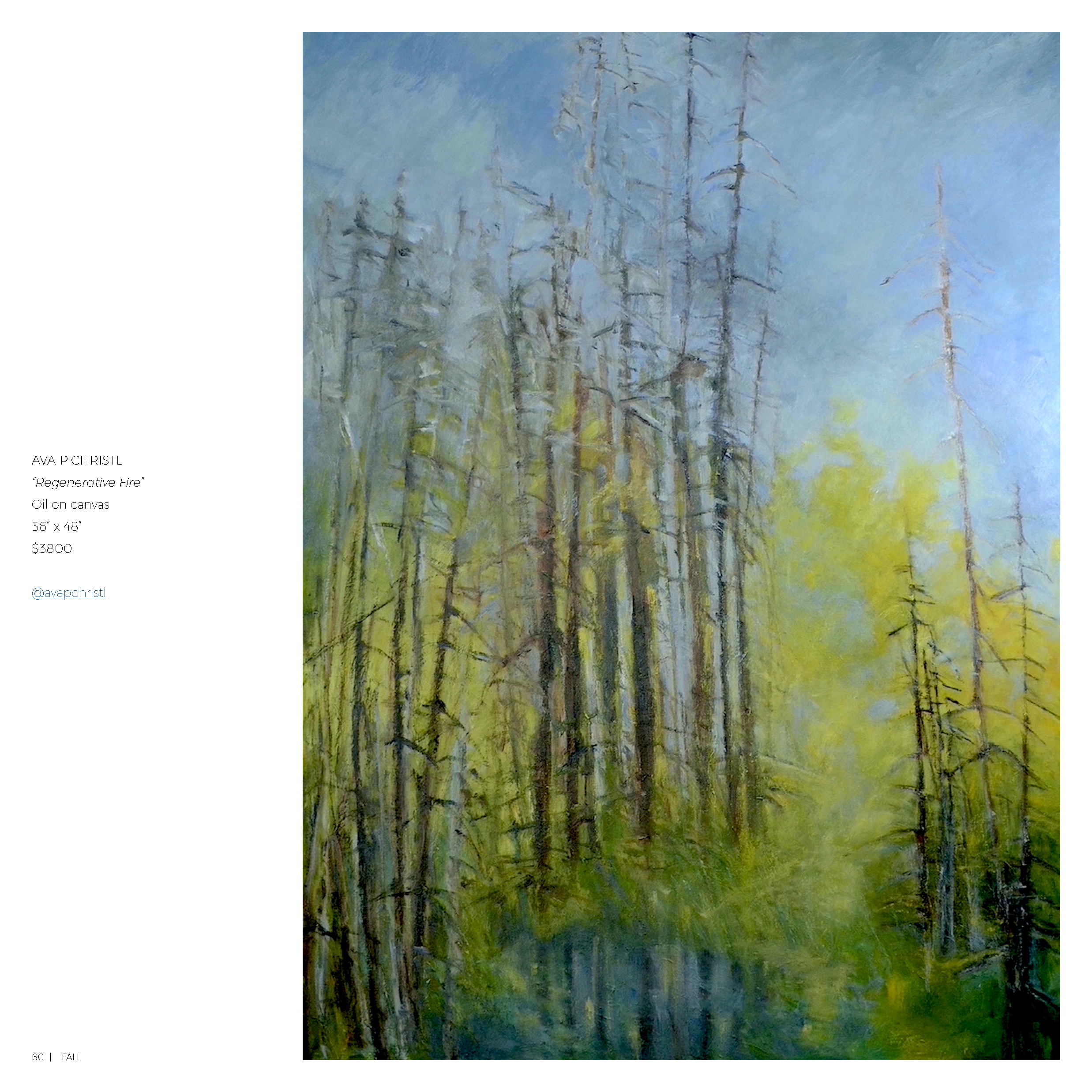

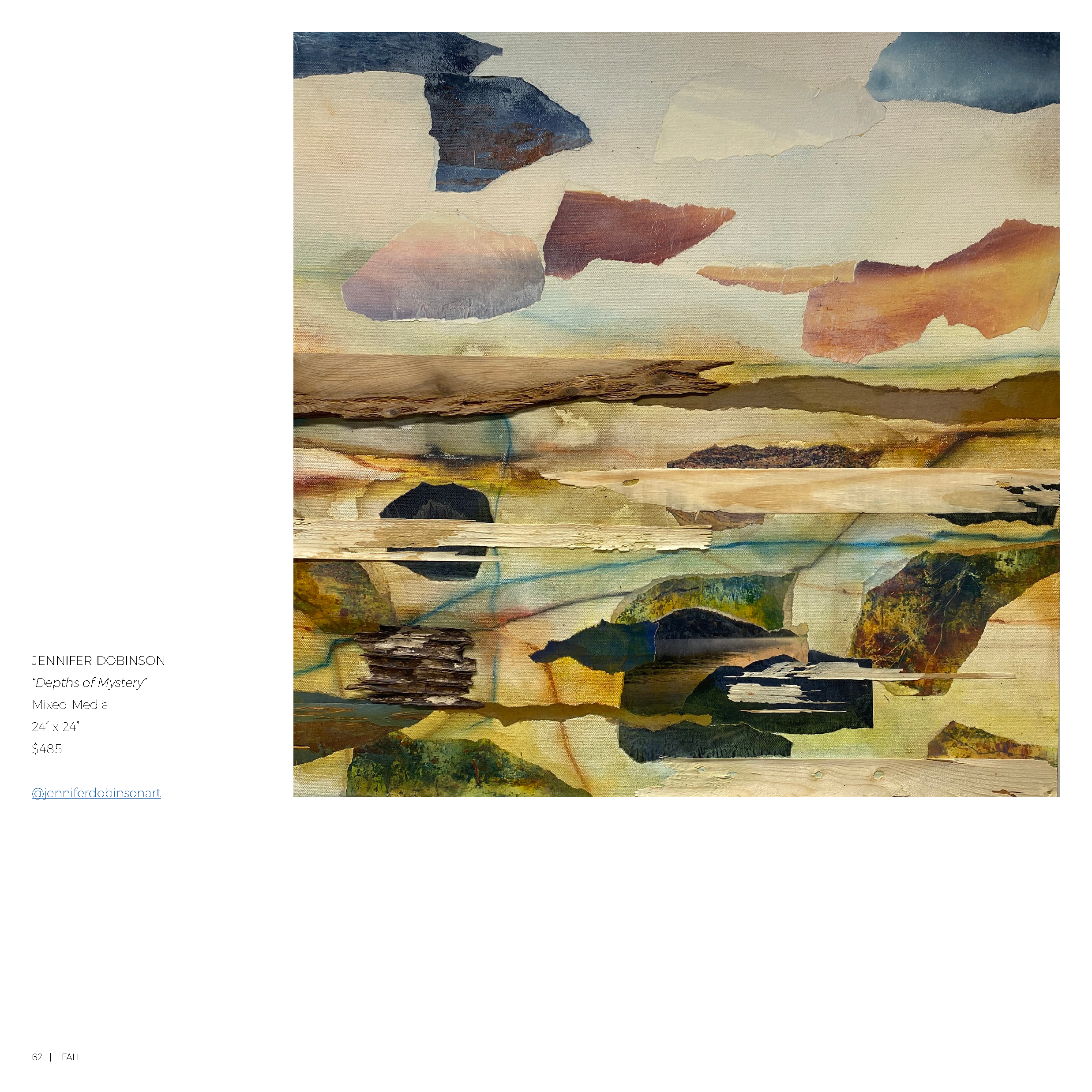


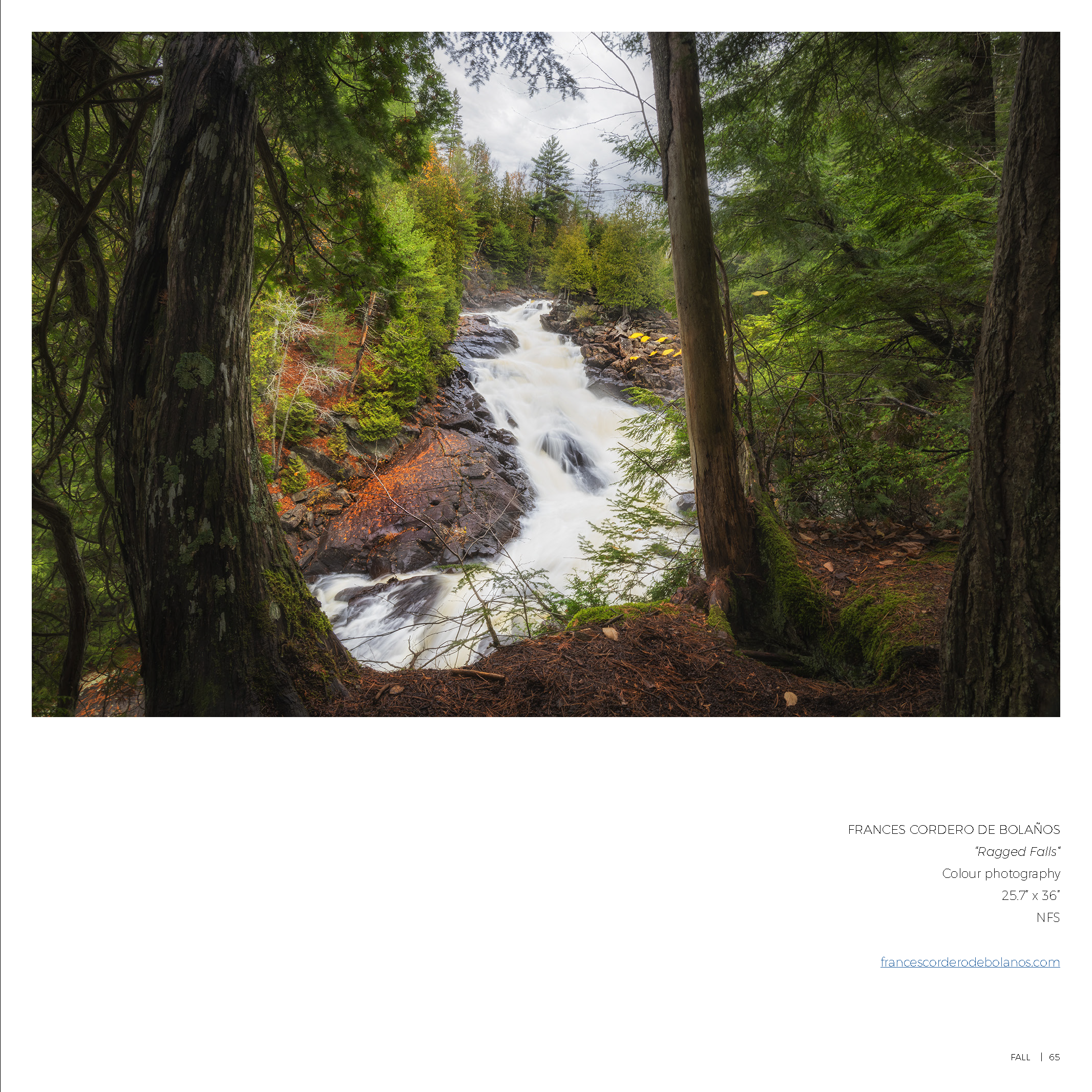


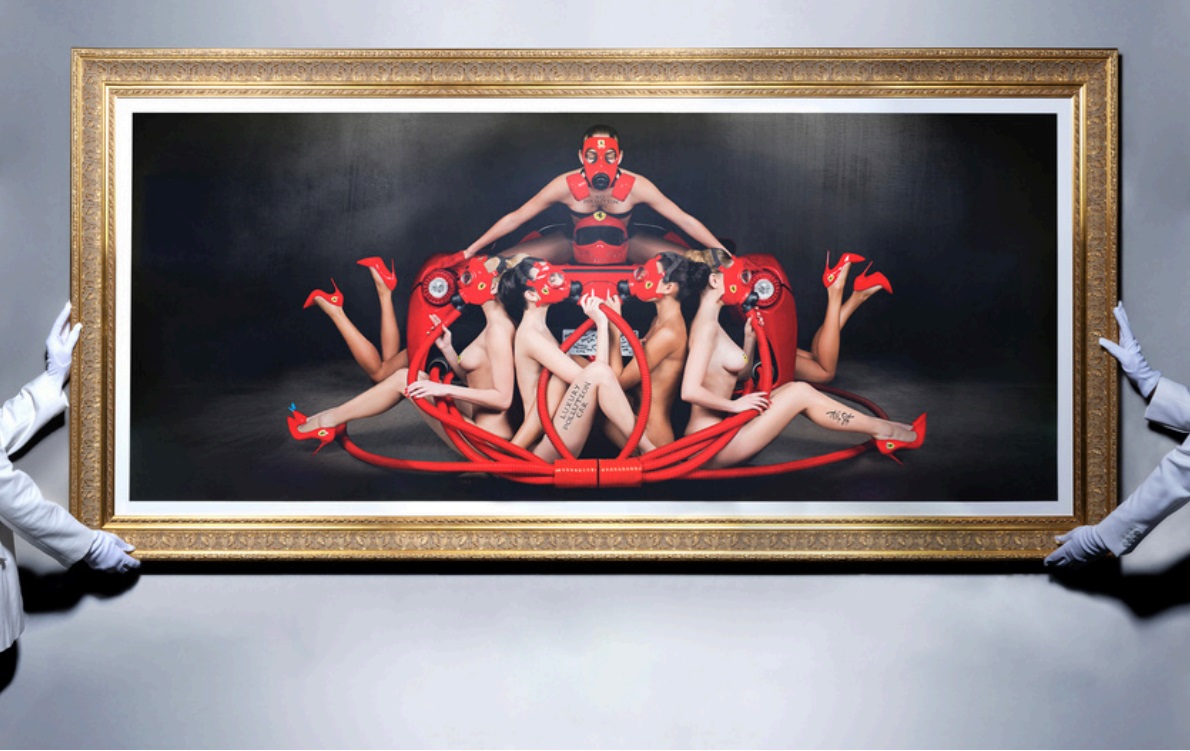
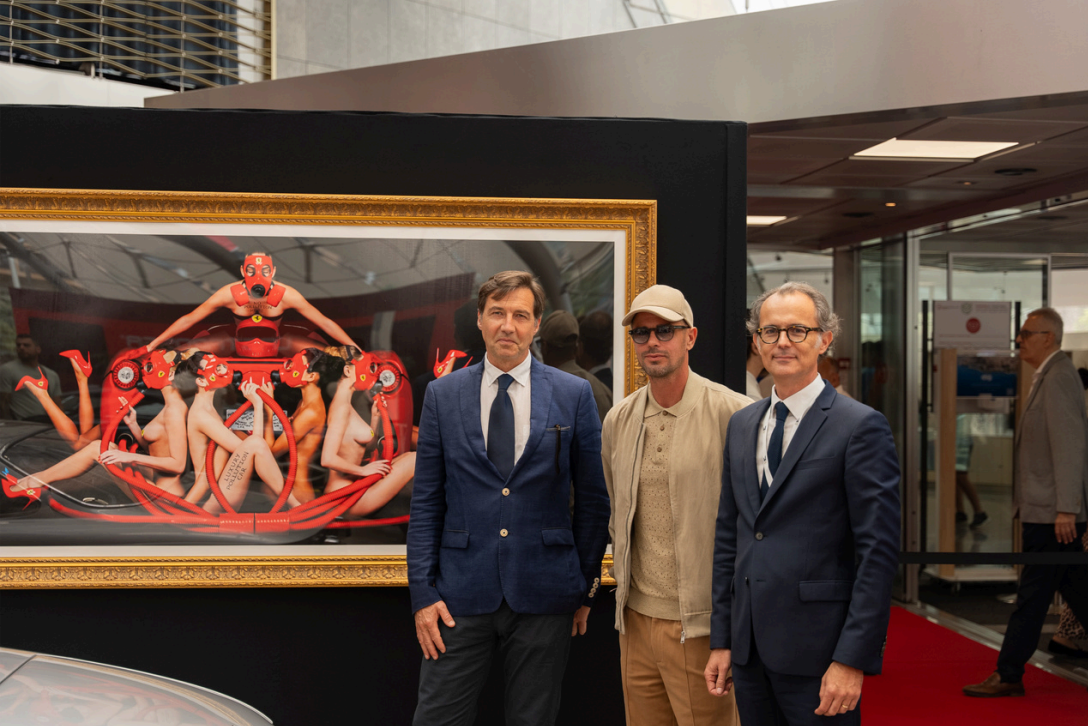
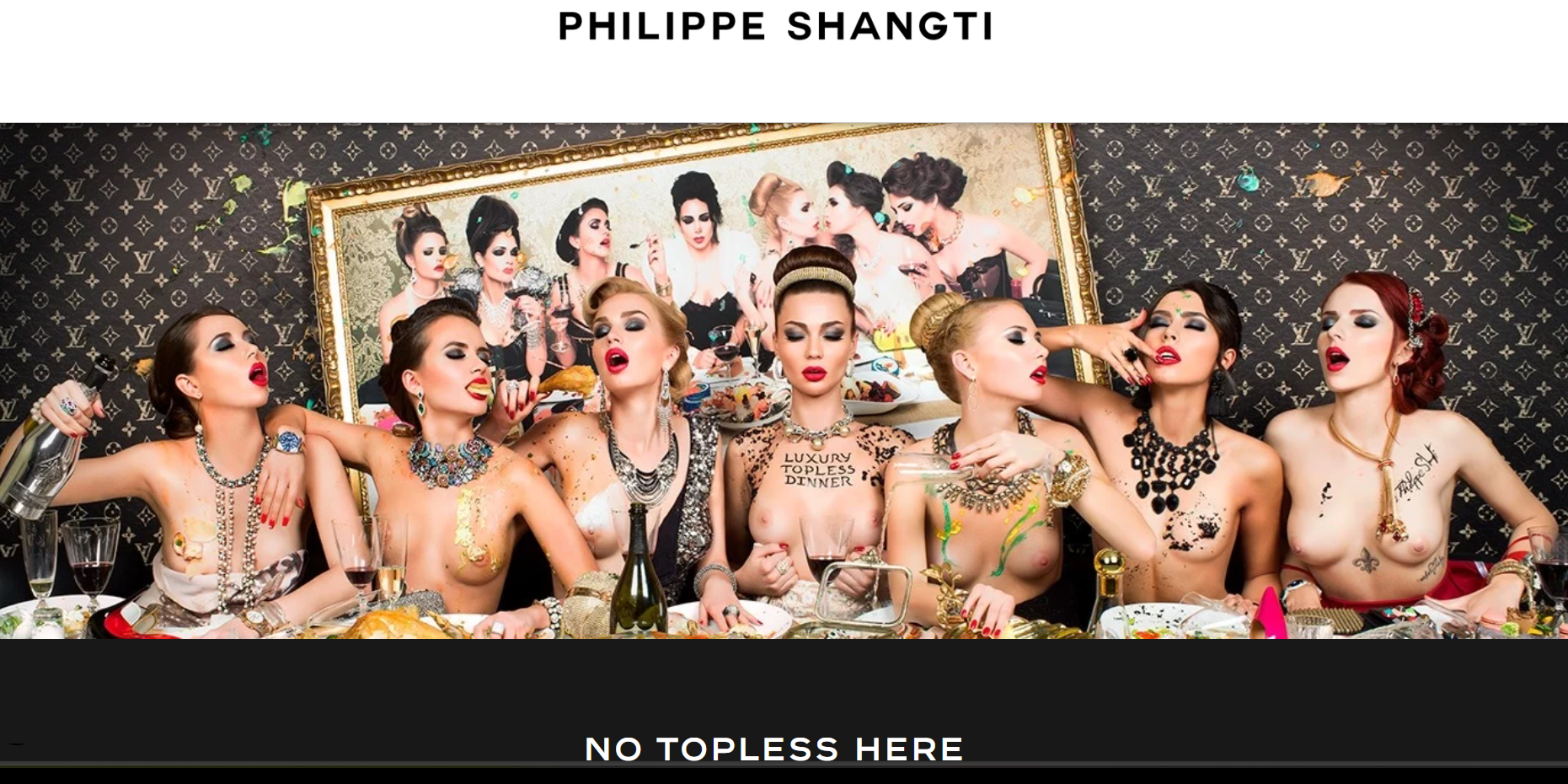
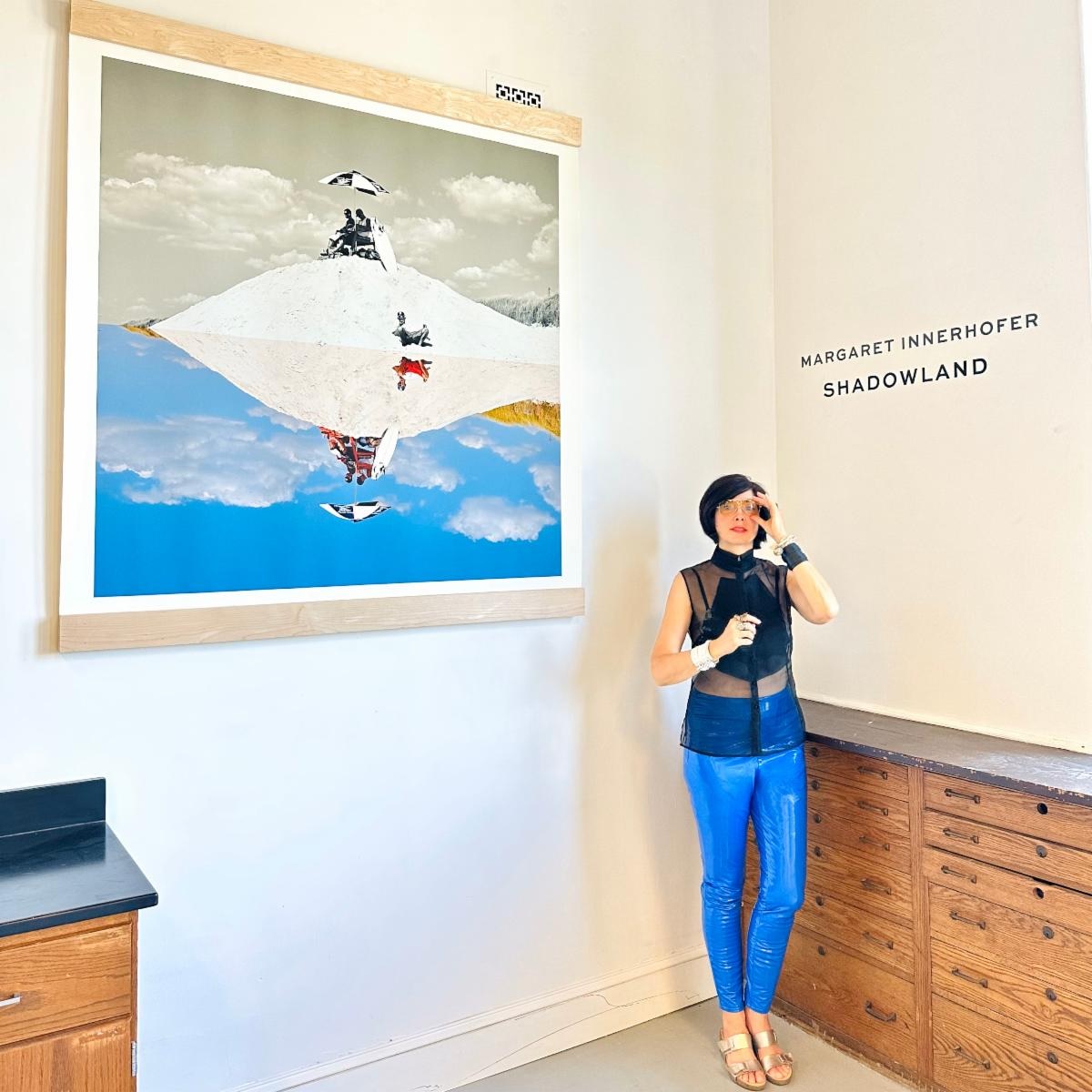
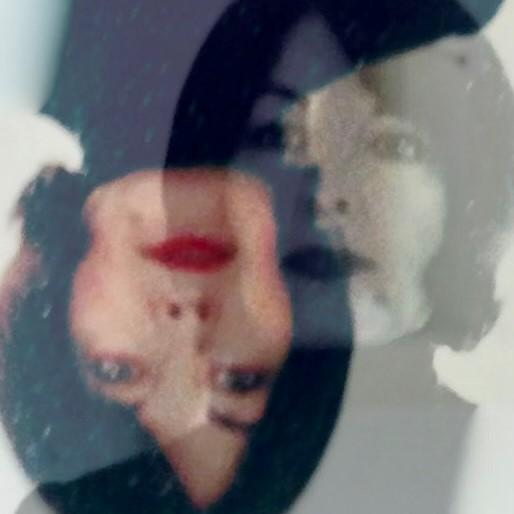
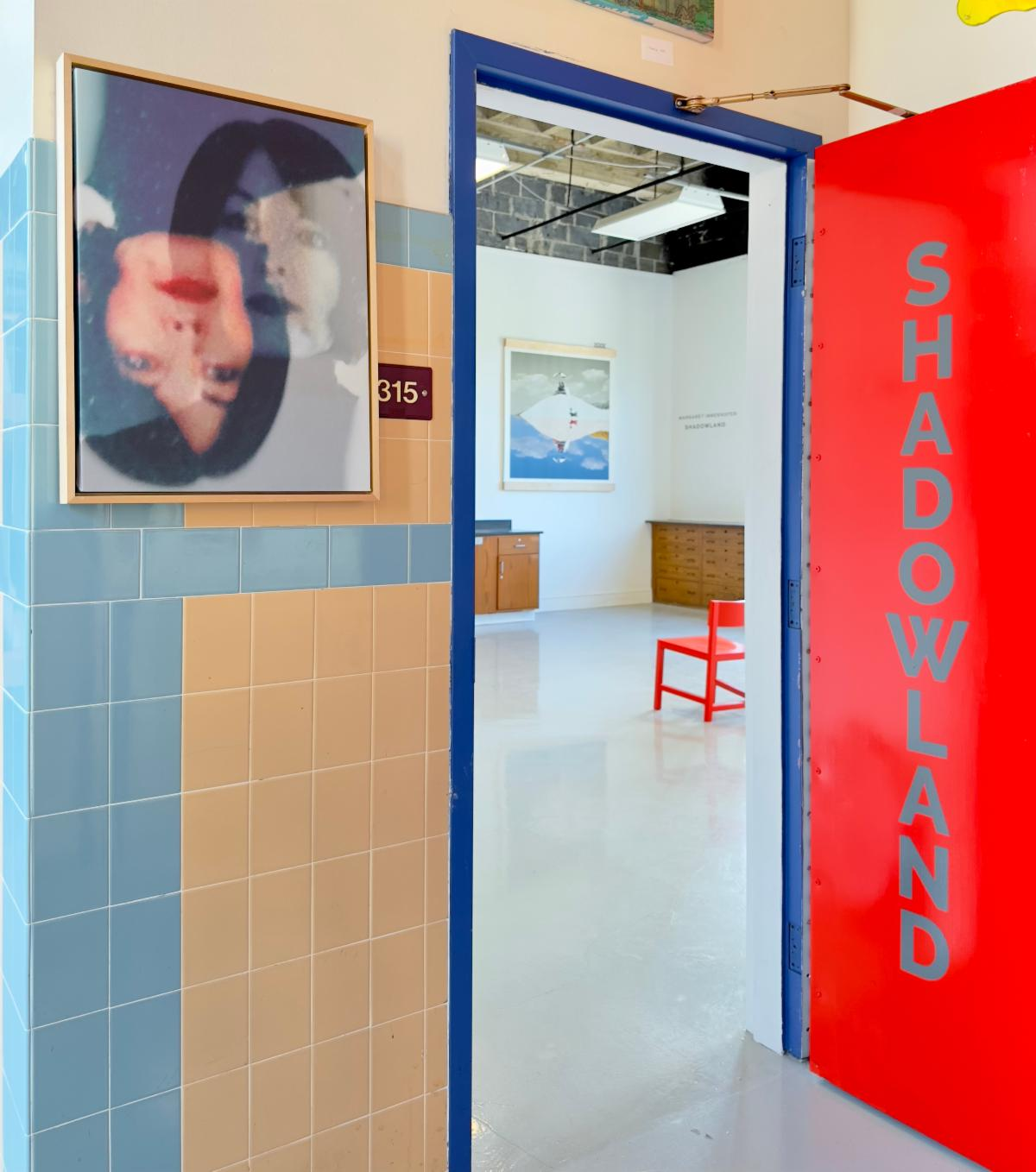
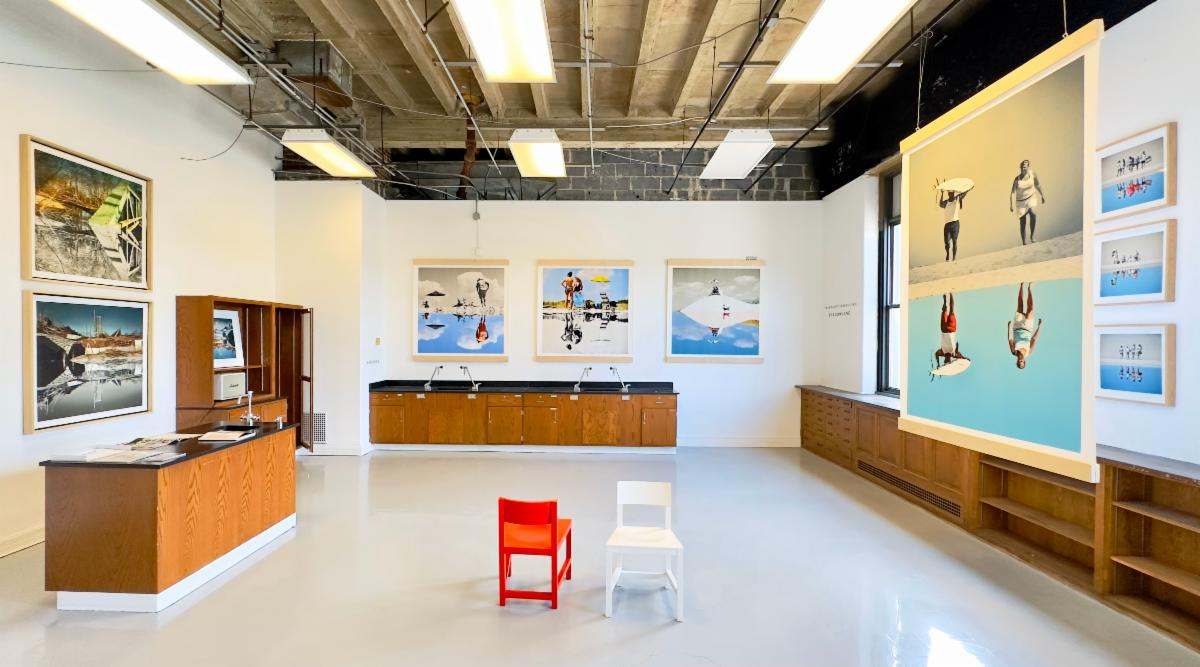
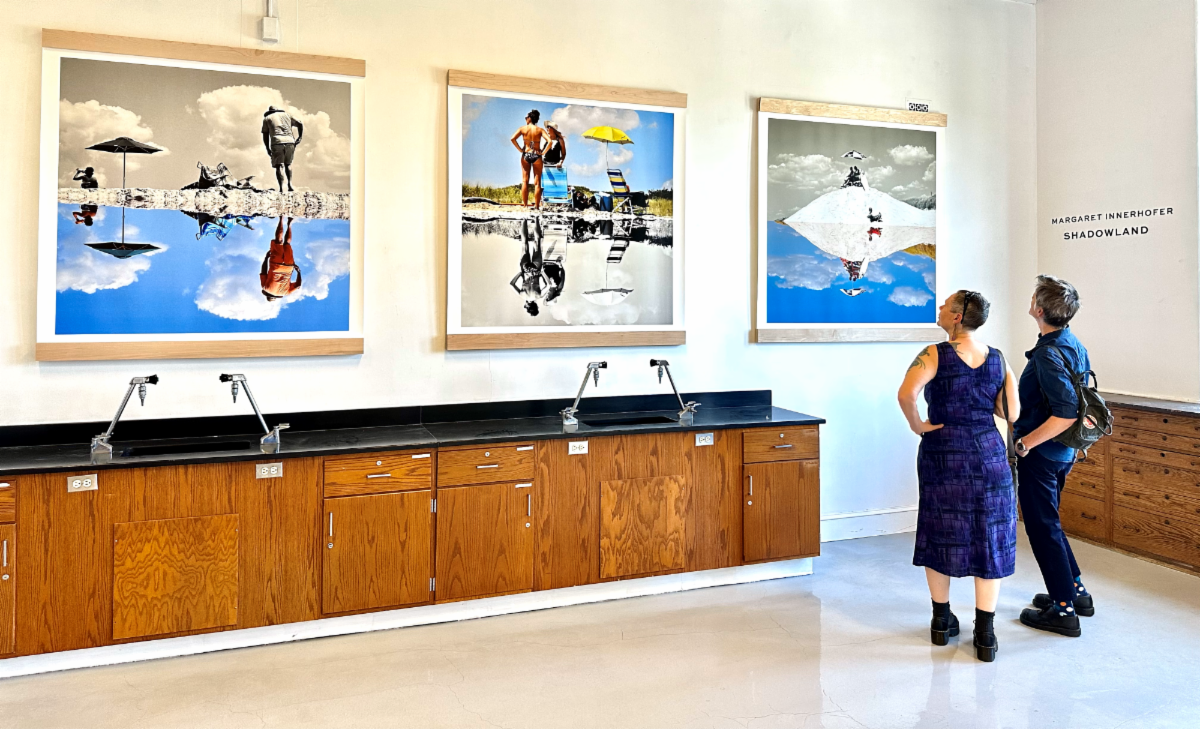
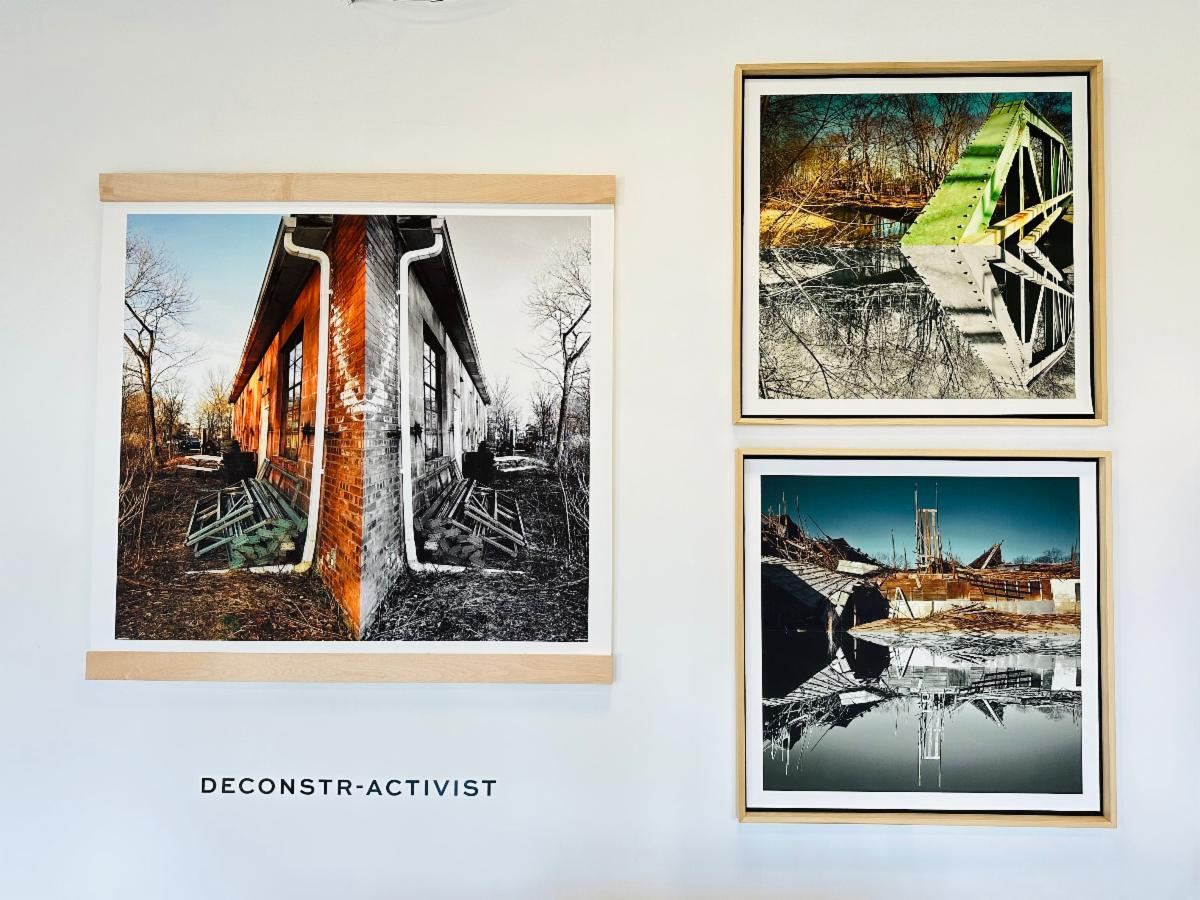
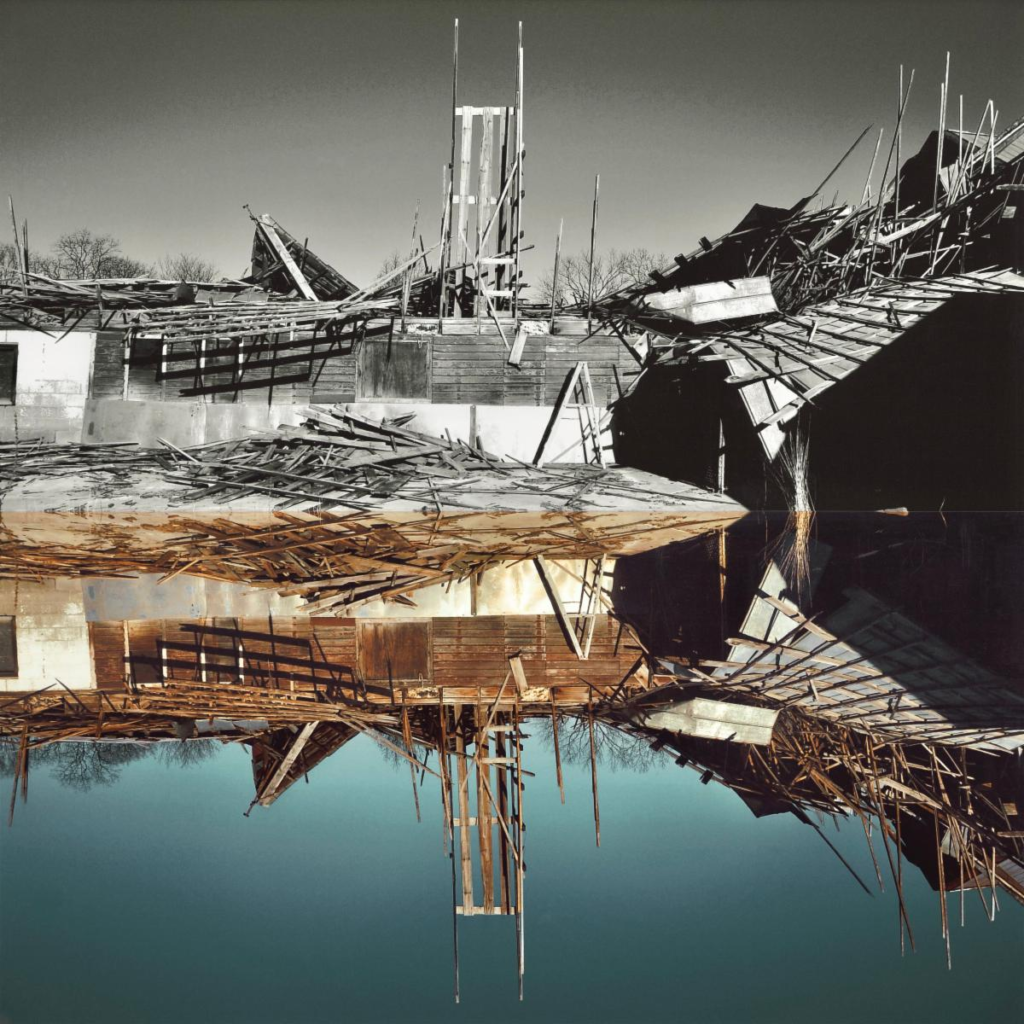
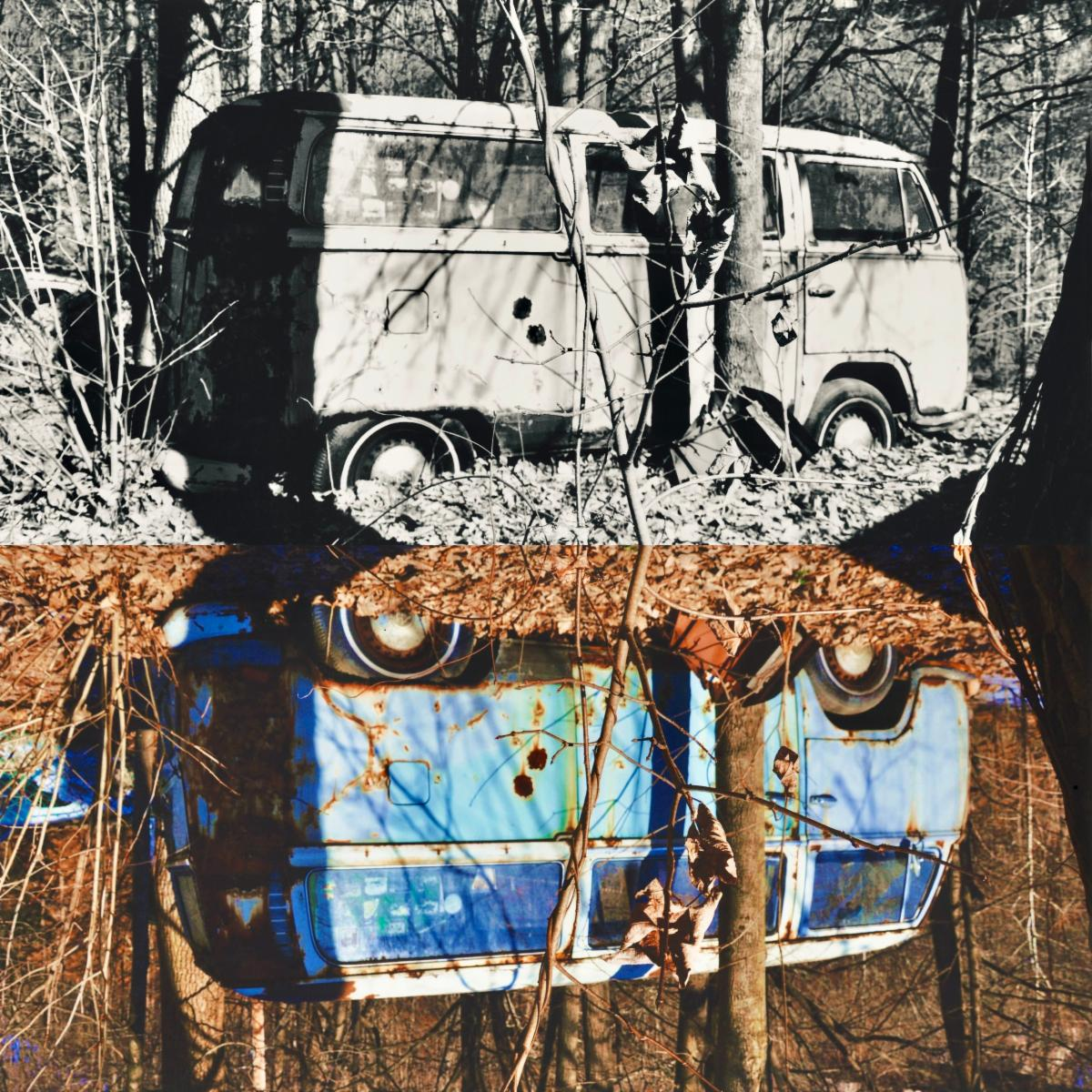
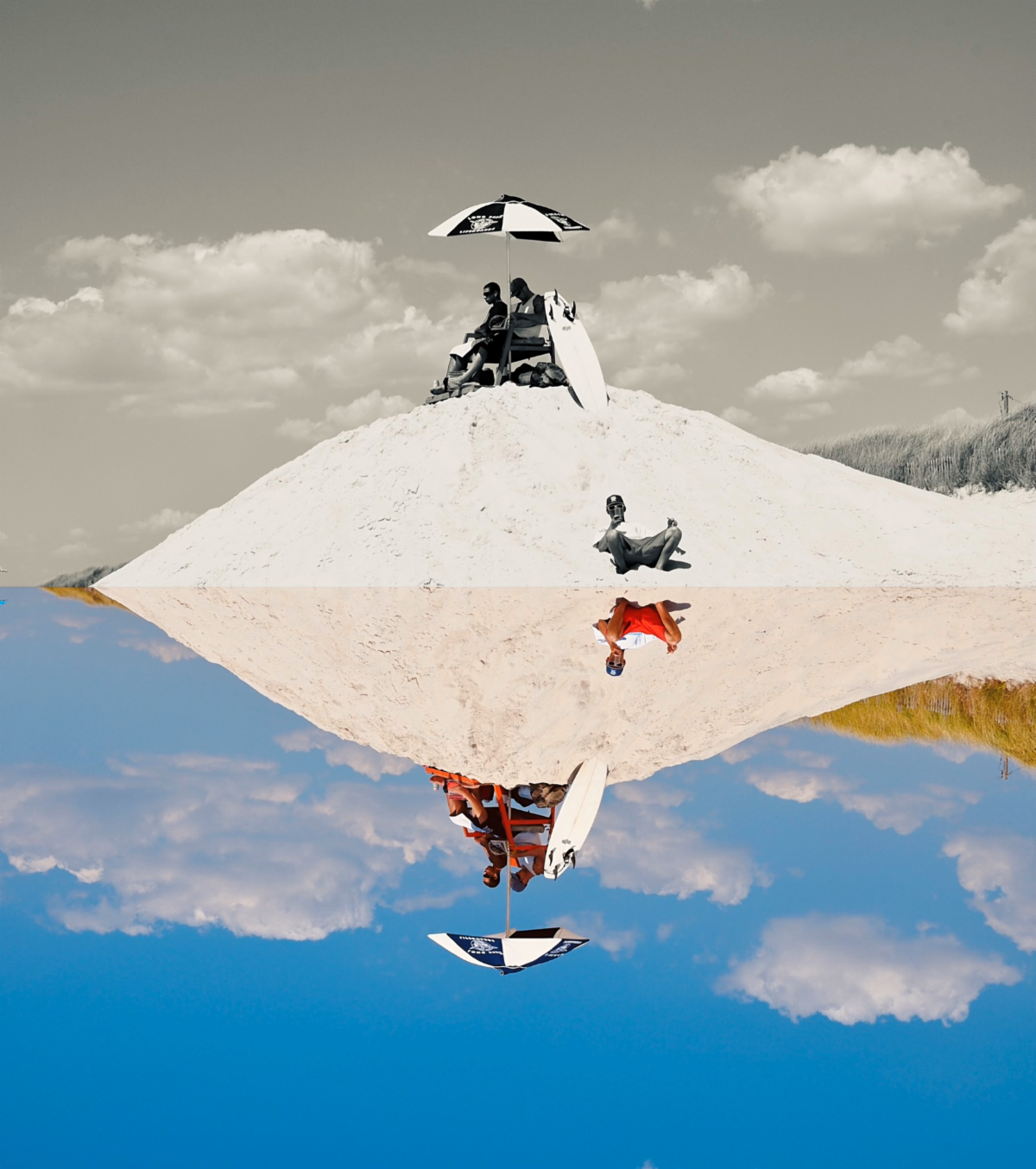

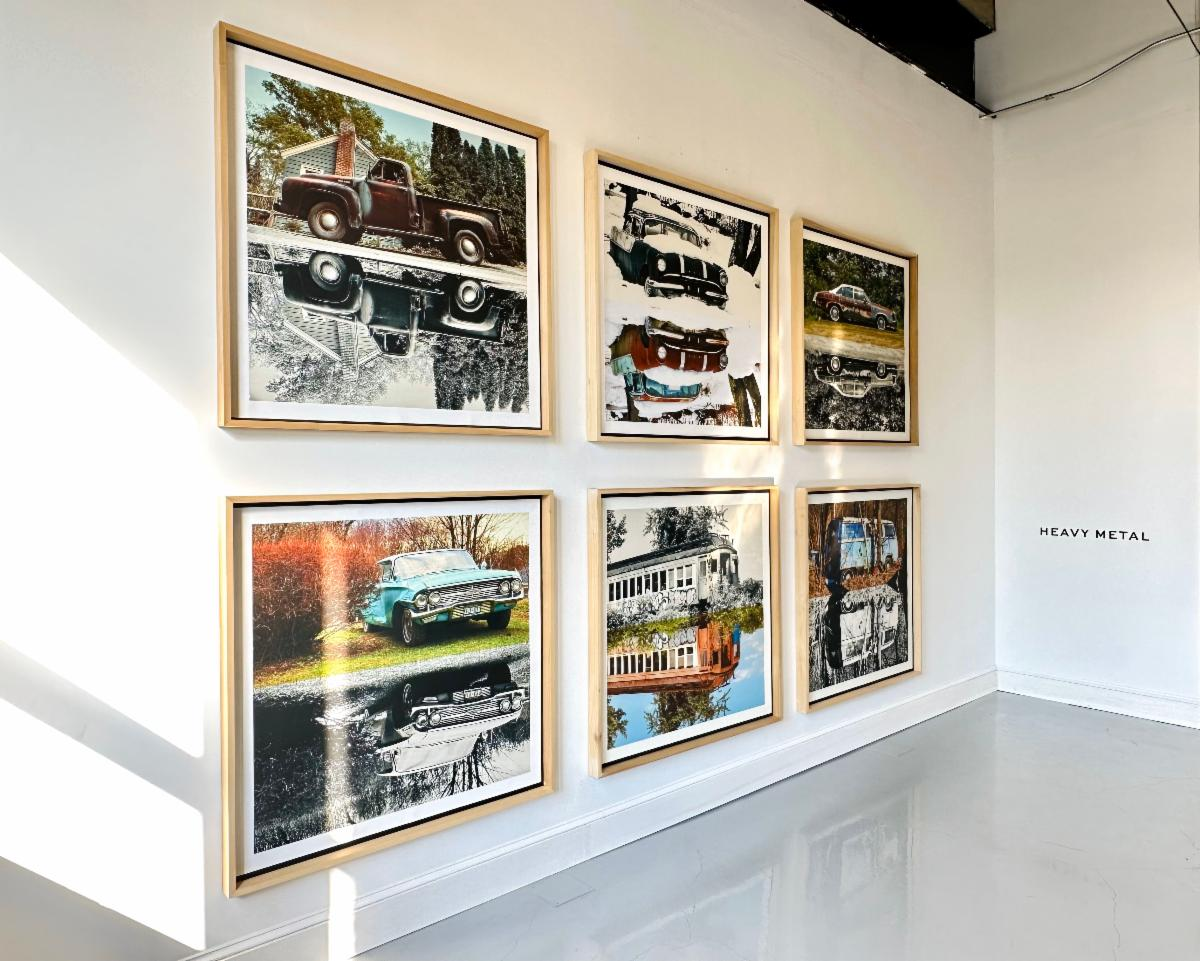
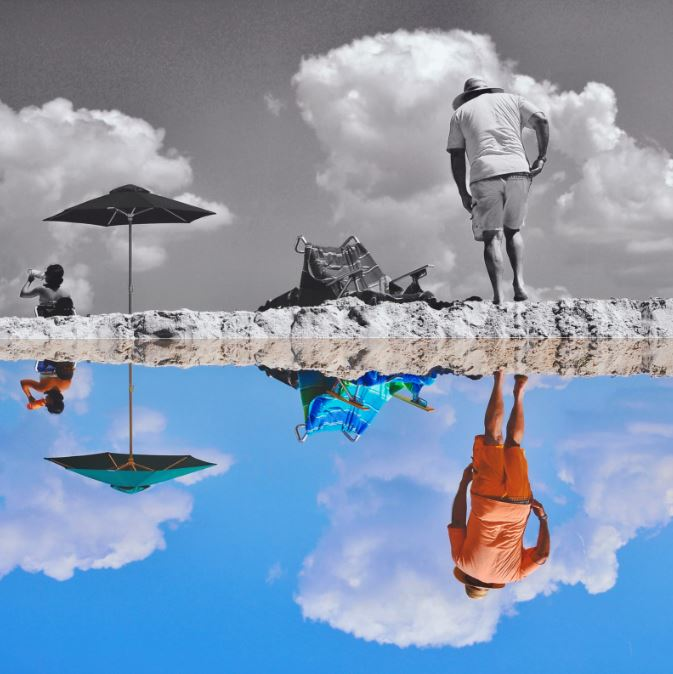
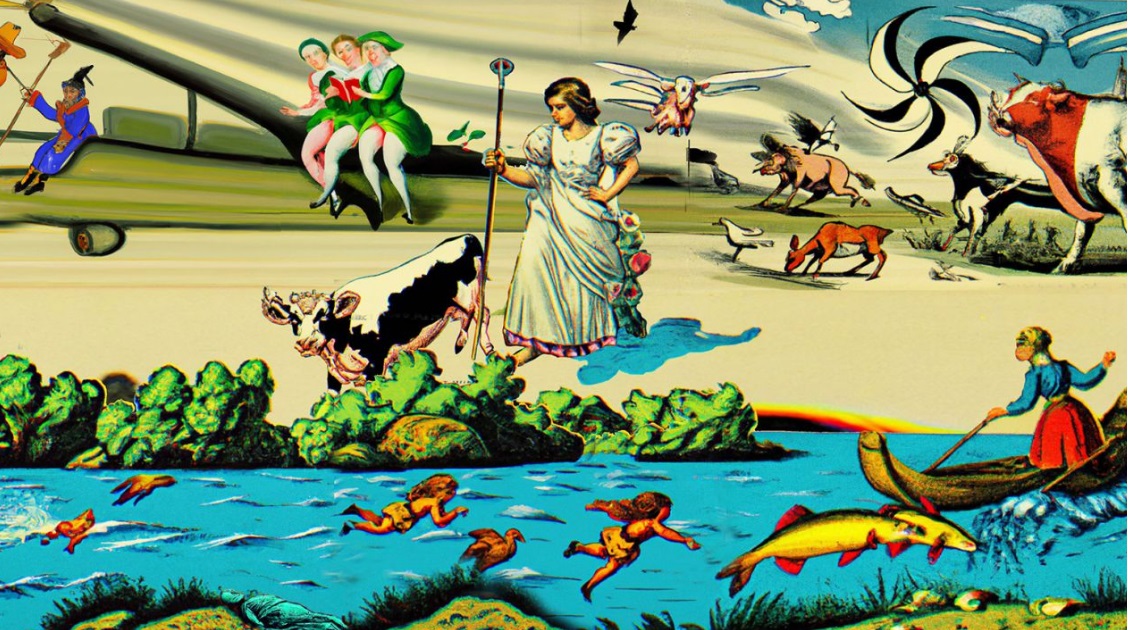

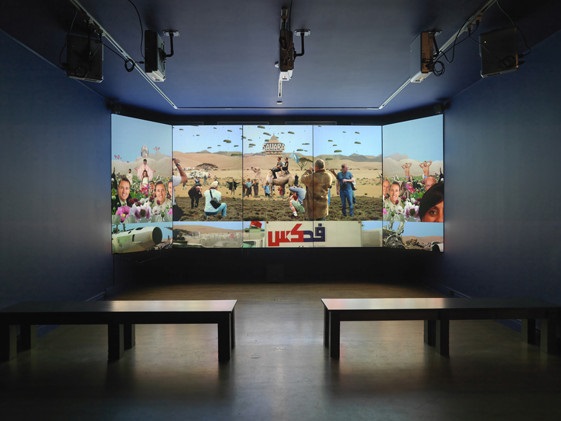
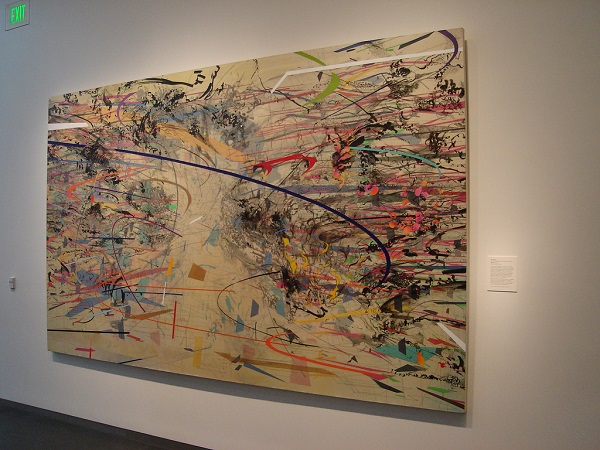
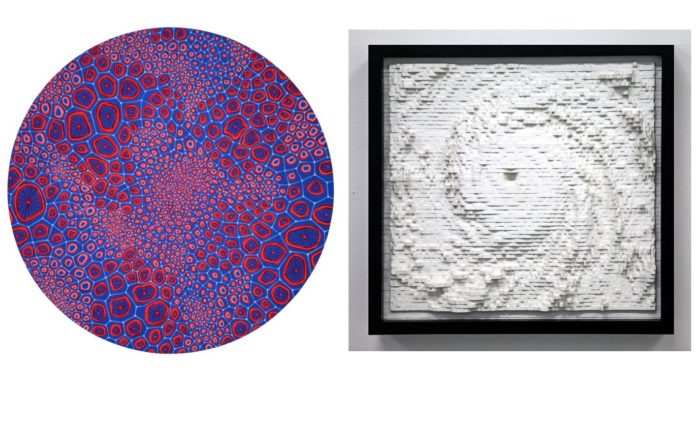
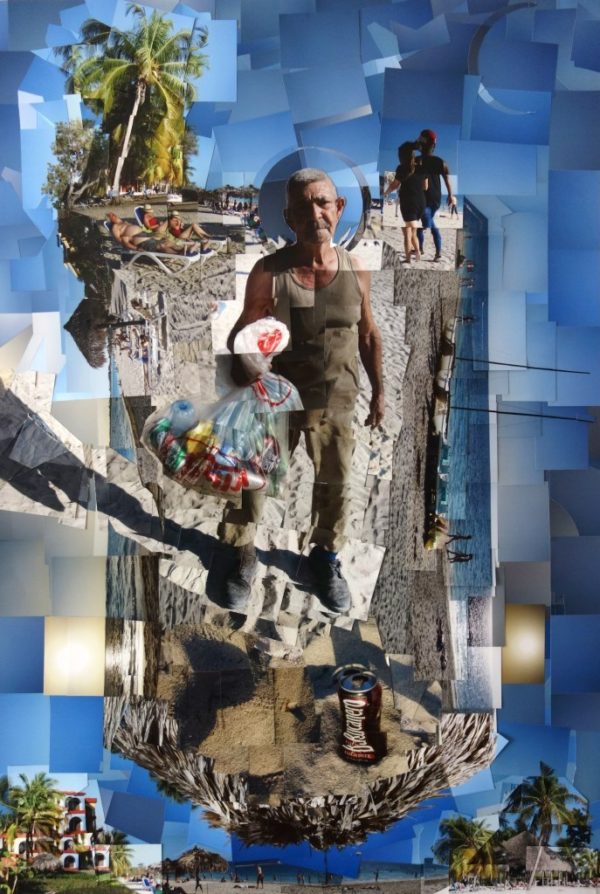

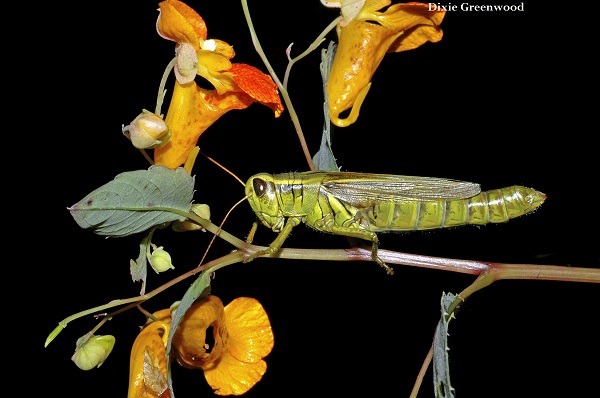
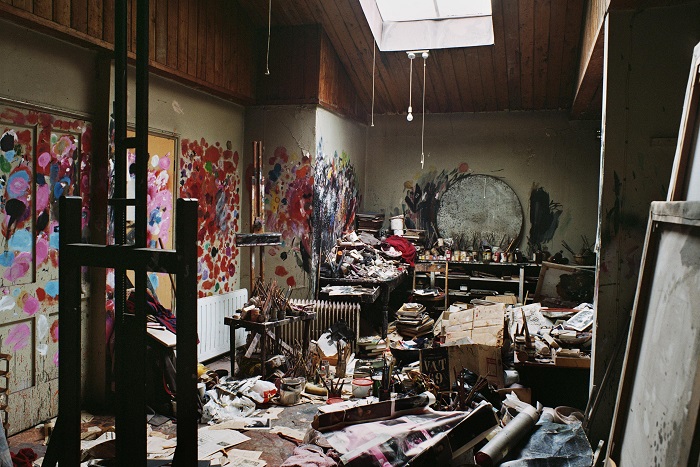

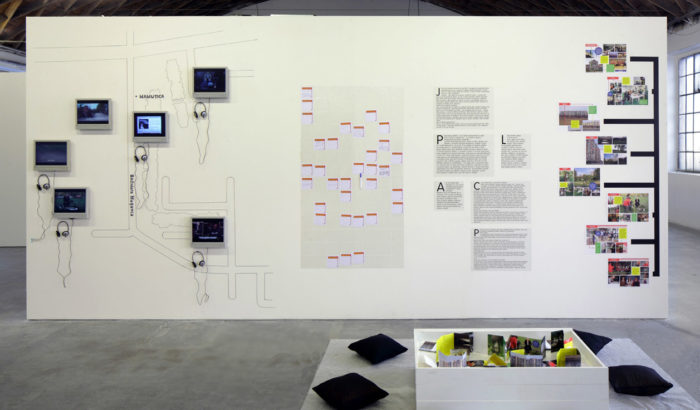
 Alison Jackson
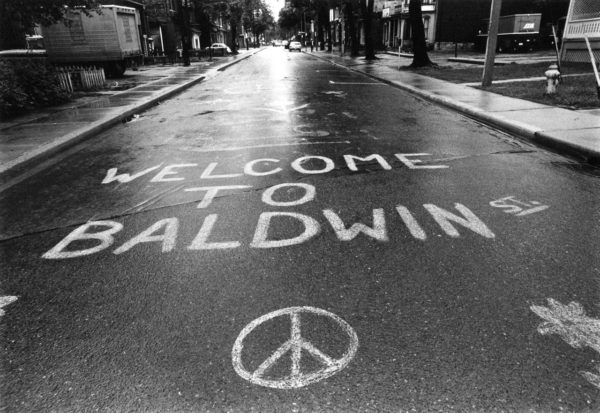
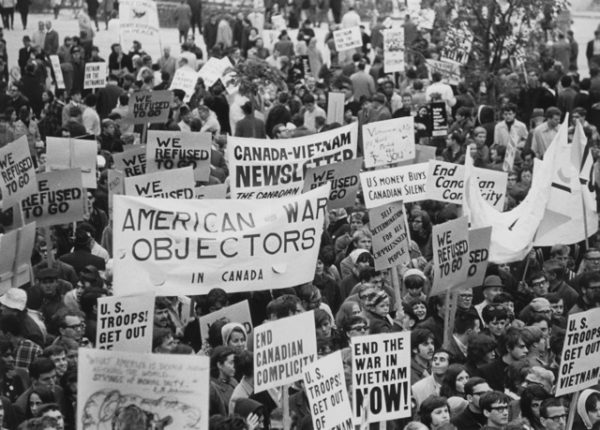

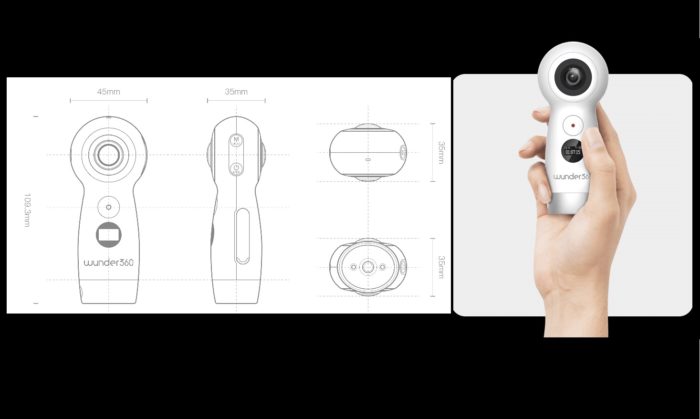

 For starters, this compact camera
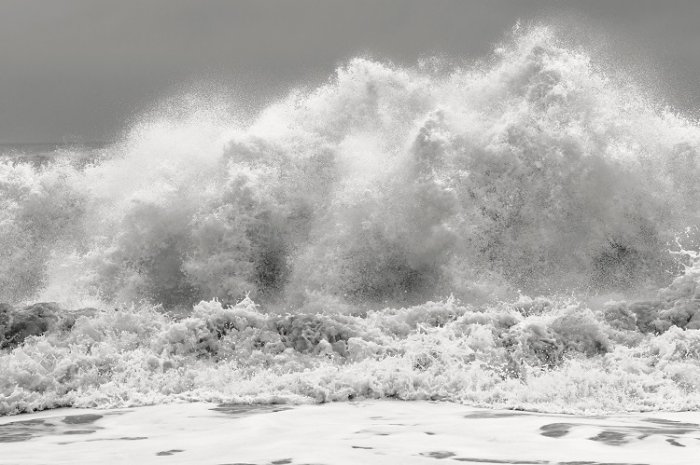

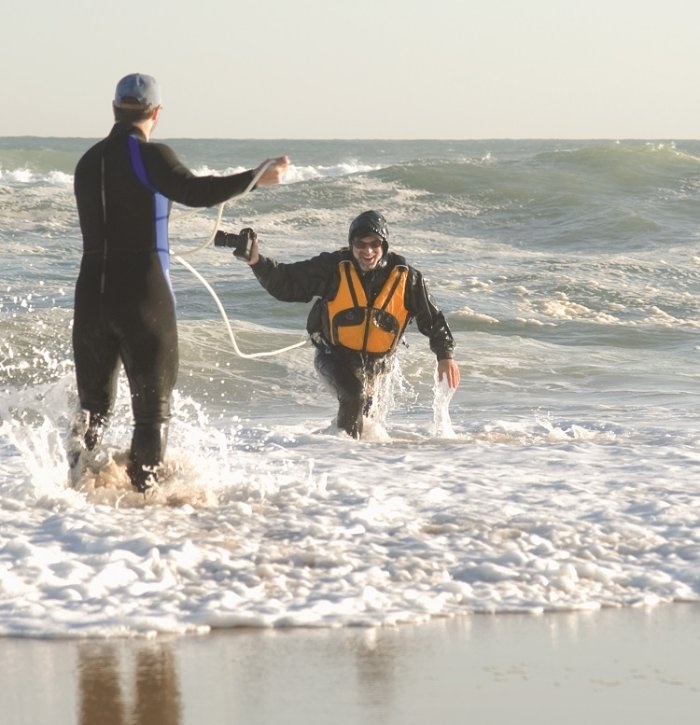
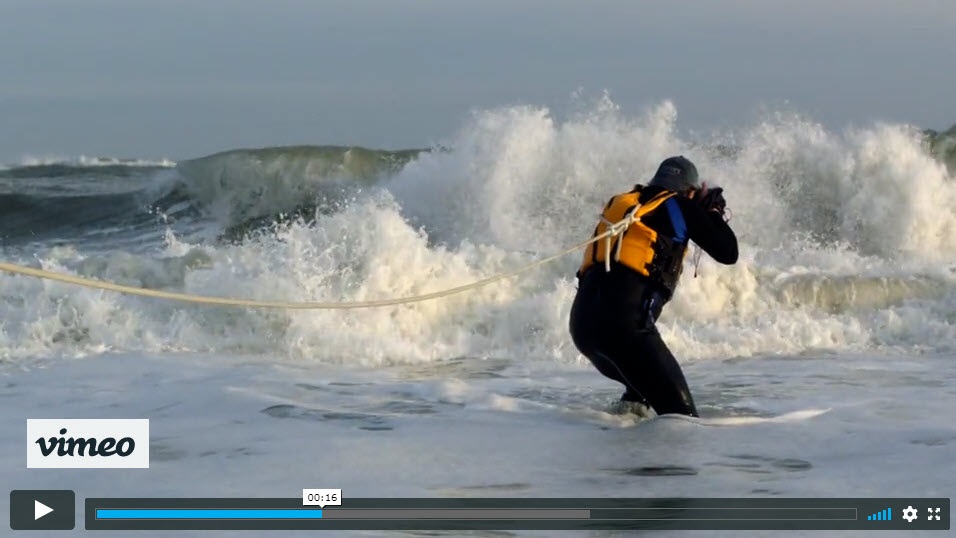


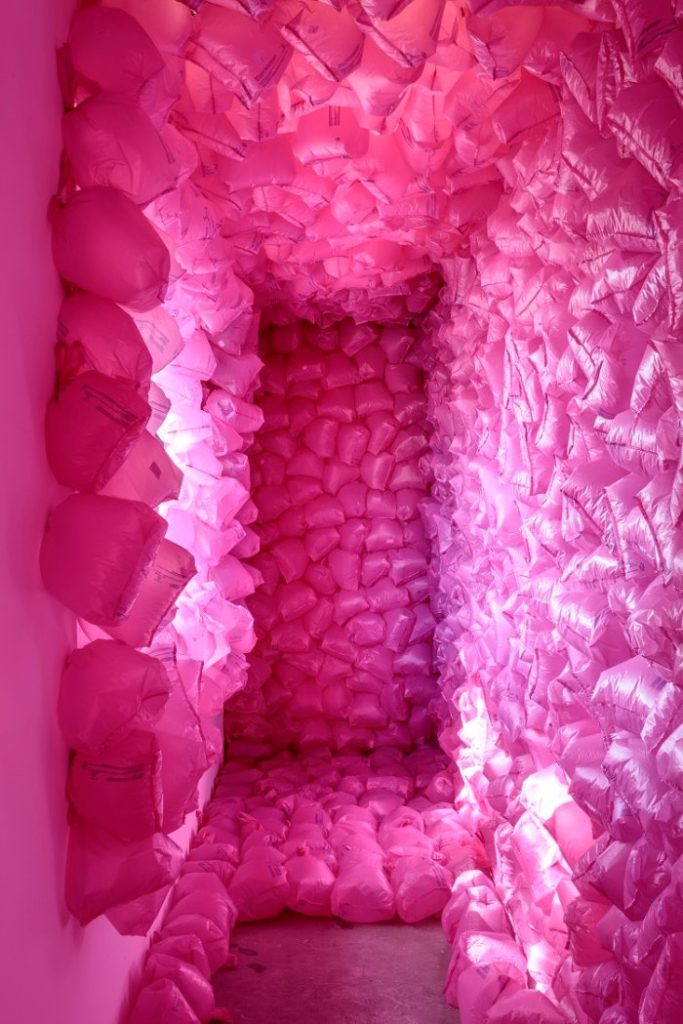

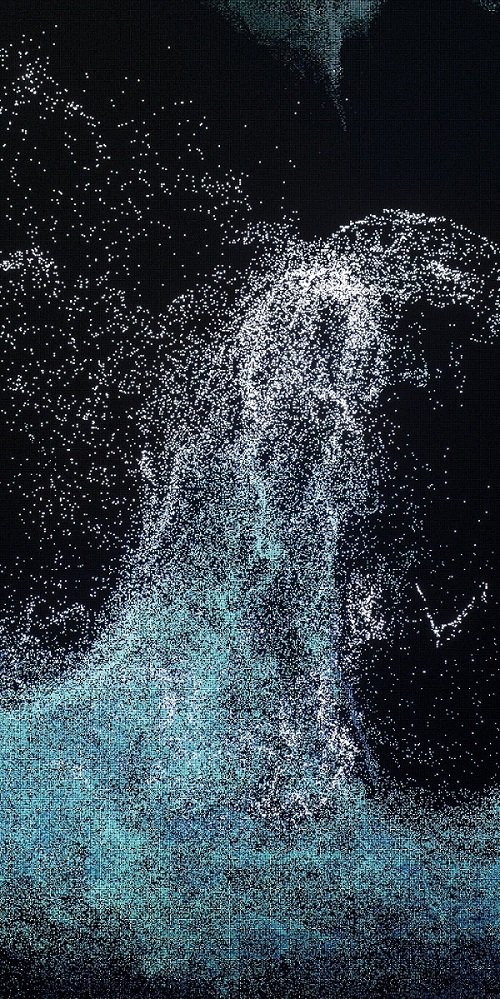
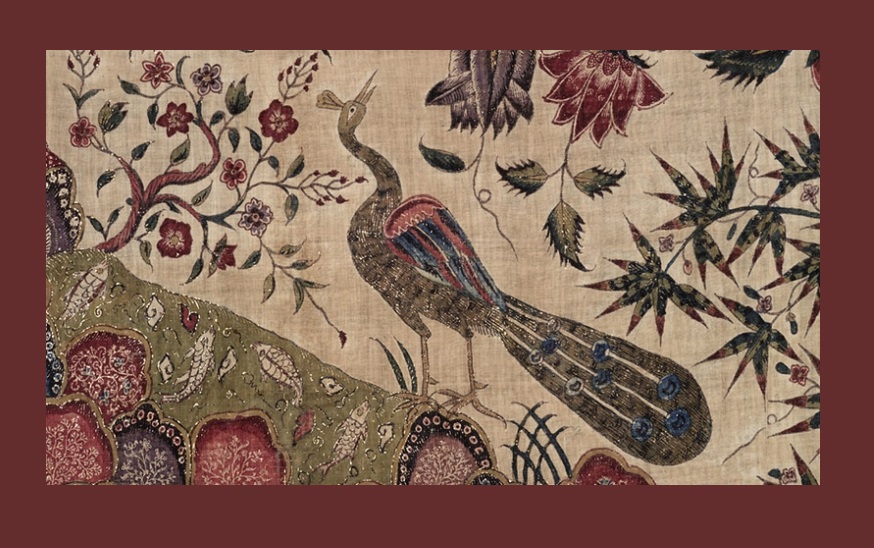

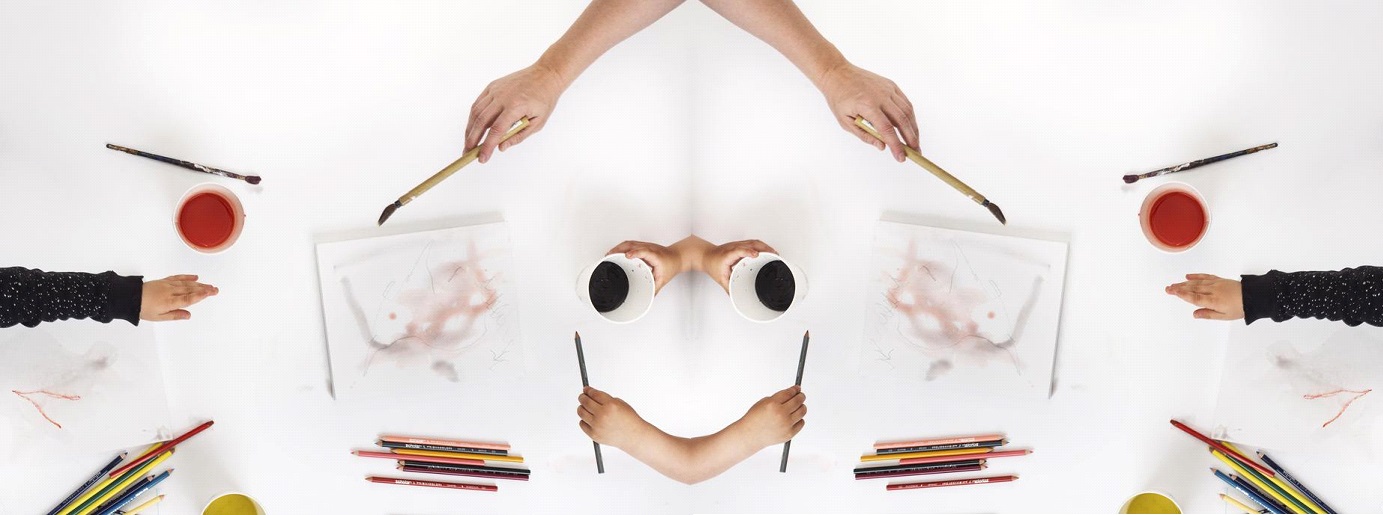



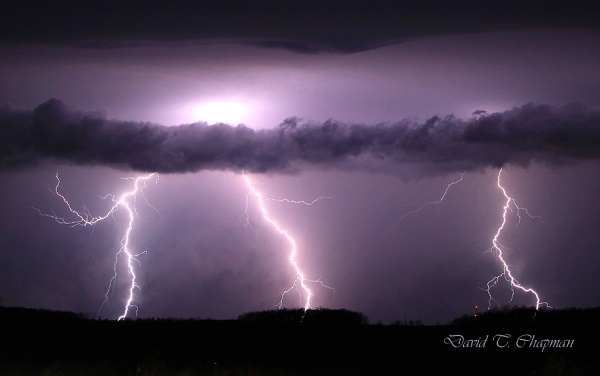
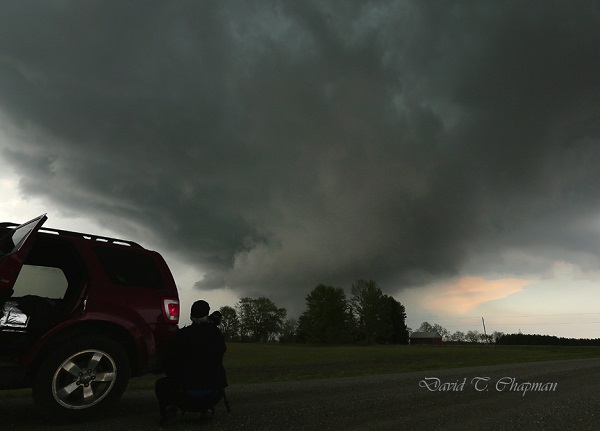
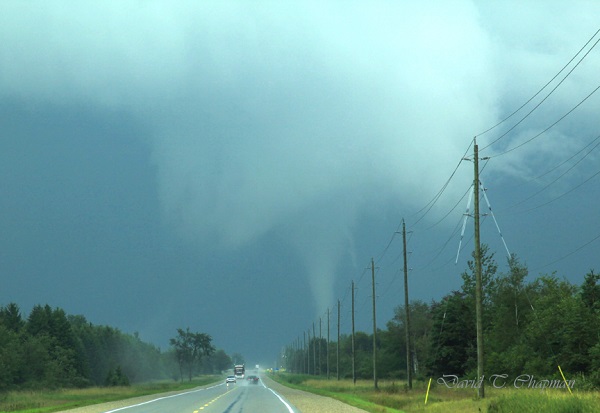
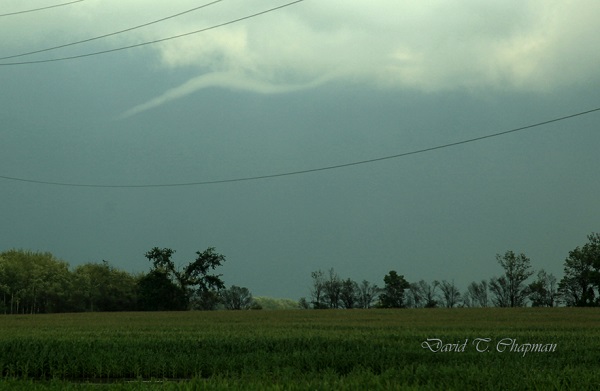
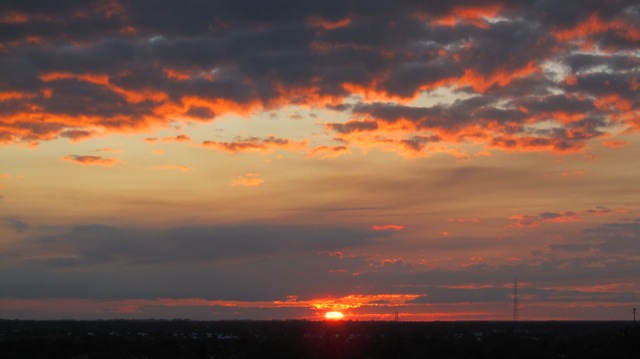
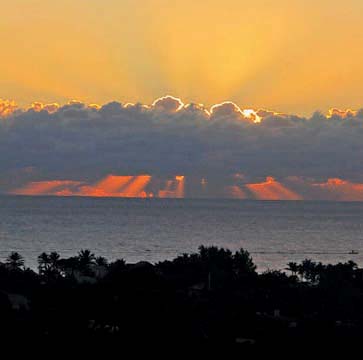
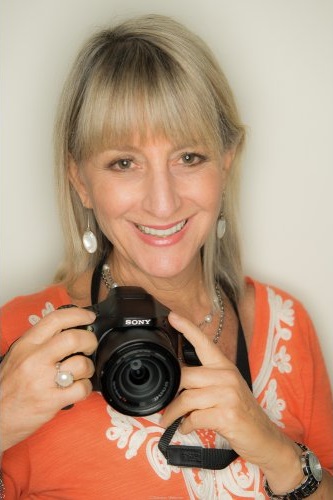
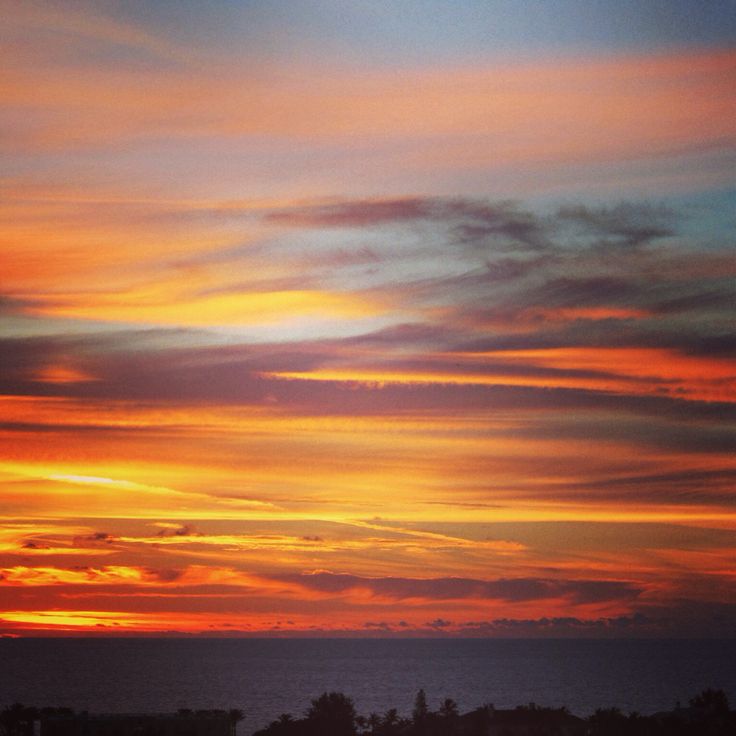
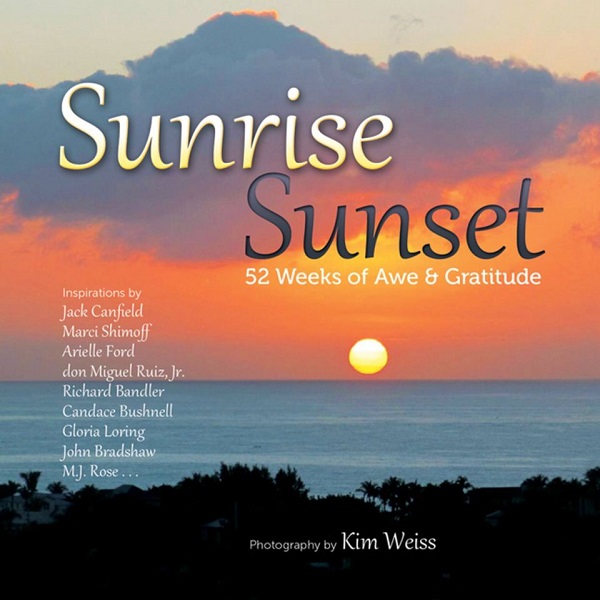
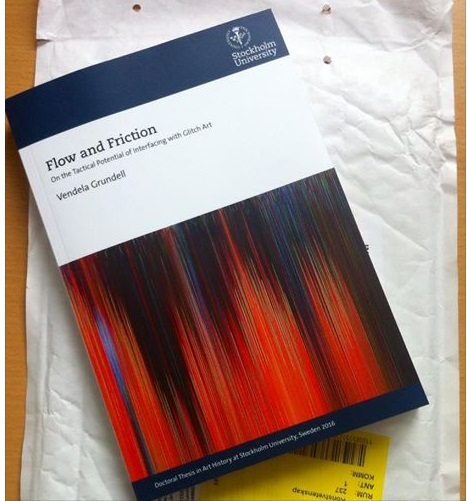 Mysterious and Beautiful
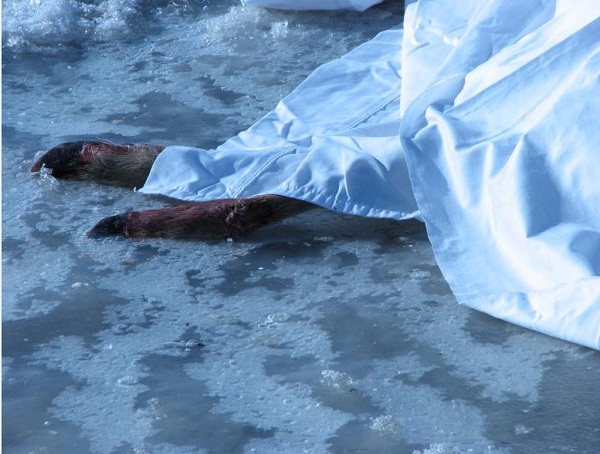
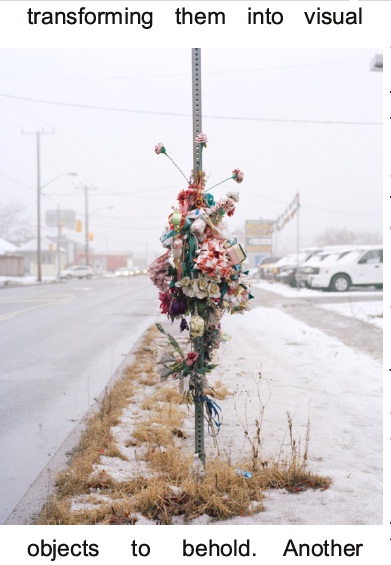
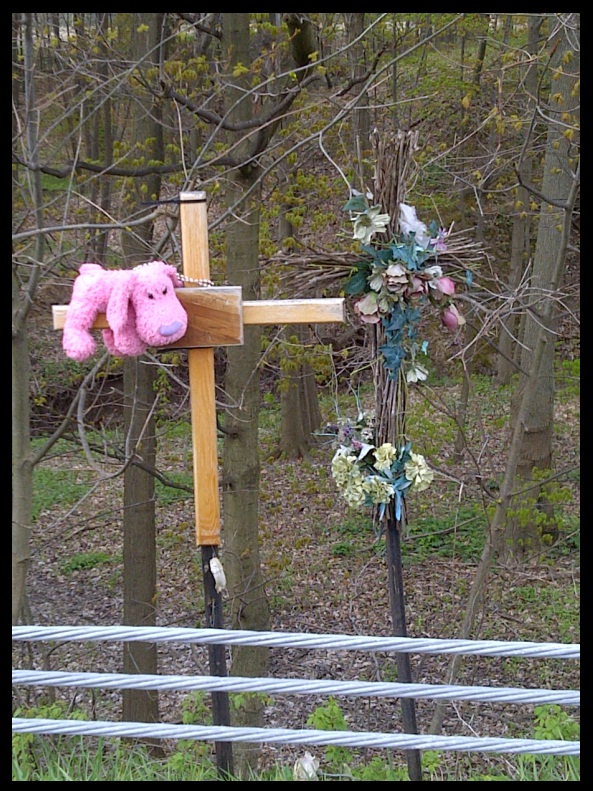
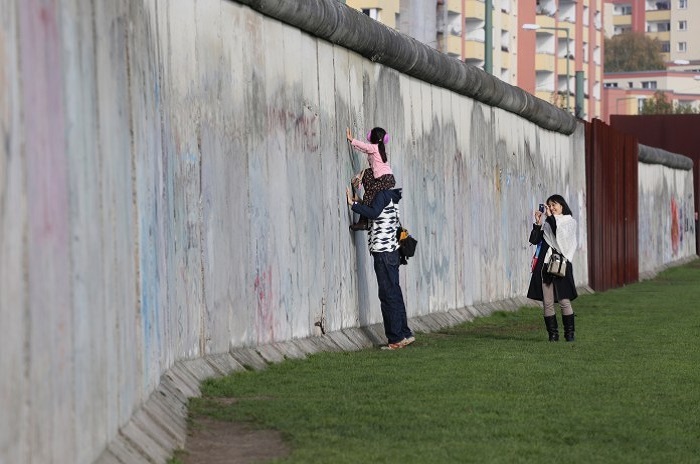
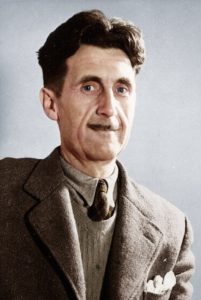
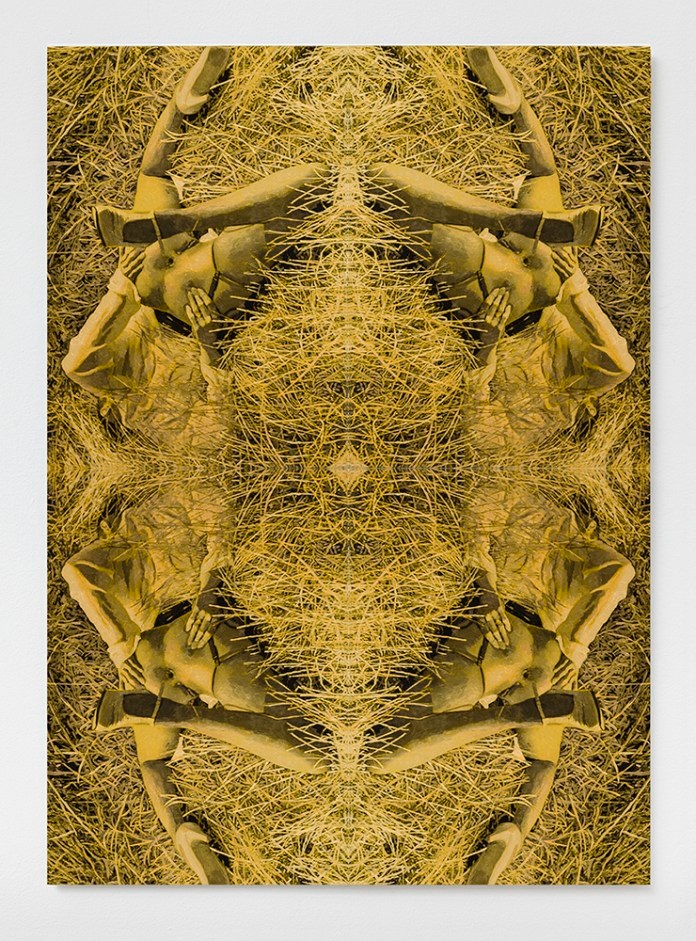
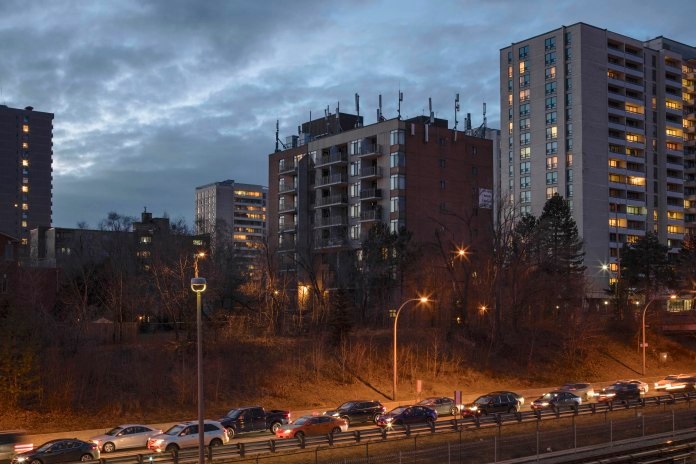
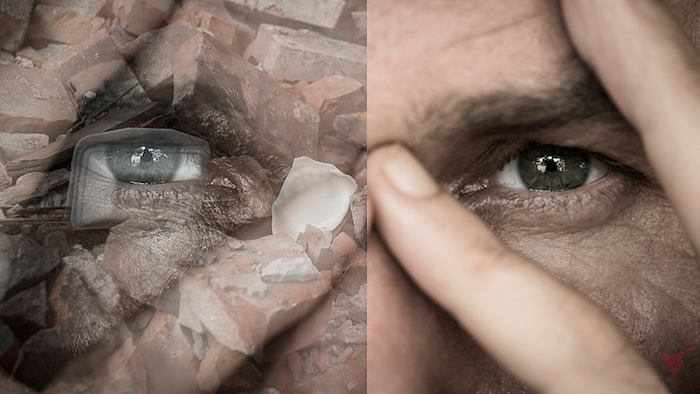
 If you could choose just one photo exhibit to see all year, it would have to be
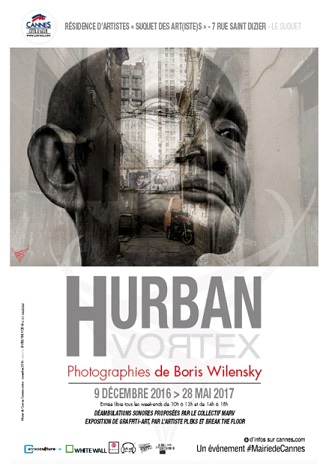
 Over 15,000 photos later, Hurban Vortex sees the light of day. The ensemble of artistic, esthetic and human adventure are at the core of the triptych that represents his works: Origins corresponds to 2009 (present), the period of an oblivious, profligate, consumerism-driven world. Collapse takes us into 2011 (future)…Fukushima, with its worldwide impact. The glasses and gas masks worn by the humans represent the man-made destruction of a world as we had known it before and which will never be the same. And in Post we find ourselves in an urban landscape filled with waste and shattered ruins. But people are no longer wearing their blinders… Maybe there is hope after all that cities may disappear but humans are still around? Or does the urban jungle always win in the end? You decide, because it is your personal interpretation, after an intense dialogue with the image… exactly what Boris Wilensky wants.
 What the viewer sees, is how this artist sees the world – not in the literal but figurative sense. But he does not dictate, he suggests. He considers himself a storytelling portraitist first and foremost, and an urban photographer second. As you look at his large-size pictures (180 x 120 cm), the image in front of you transforms from a flat canvas to a three-dimensional scenography. You are drawn in, pulled onto a stage, you become part of the performance, an actor engaged in a dialogue. You are the person across from the man in the photo, but you also become him, turning outward to the viewer.
 The continuous movement – the vortex – pushes and pulls you as the borders between Human and Urban blur and become Hurban. There are violently cold and anonymous city landscapes, consisting of monochromatic and starkly geometric patterns, entirely unlike anything you find in nature. But the human element, superimposed, invariably bestows them with a strangely appealing aesthetic. For the Silo,