Tag Archives: Canadian Artist

Interview With Bruce Bailey: Bringing Canadian Artists to the Global Stage

Making Connections

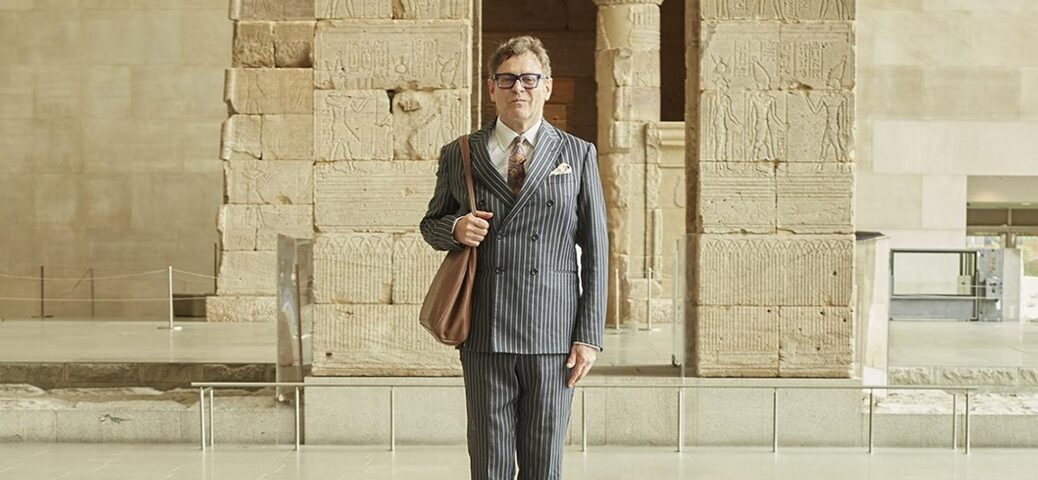
For more than two decades, Bruce Bailey has played a crucial role in connecting Canadian contemporary artists with audiences beyond the country’s borders. Through exhibitions, institutional partnerships, artist residencies, philanthropy, and collecting, he has worked across Toronto, Montreal, Venice, Barcelona, New York, and London to expand international exposure for Canada’s most promising artists.

His involvement has taken many forms, including organizing exhibitions for emerging artists, sponsoring Canadian Pavilion presentations at the Venice Biennale, supporting museum acquisitions, and establishing Espacio Bruce Bailey in Barcelona as a residency and exhibition space for international exchange. Over the years, artists including Kent Monkman, Shary Boyle, David Altmejd, Geoffrey Farmer, Jeremy Shaw, and BGL have been connected to projects and institutions Bailey has supported.

Questions and Answers

Q: You founded Bruce Bailey Fine Art Projects in Toronto at a time when many younger artists struggled to gain institutional visibility. What were you trying to create?

Bruce Bailey: I wanted artists to have a serious presentation before the market fully formed around them. In many cases, commercial galleries were hesitant to take risks on younger artists whose work was still developing. I felt there needed to be a place where ambitious exhibitions could happen without immediate pressure from sales expectations. With Kent Monkman, for example, I organized Dance to the Berdashe in Toronto in 2008. Years earlier, I had already started collecting his paintings and introducing his work to museums and collectors. The same thing happened with artists like Ryan McGinley and Christian Jankowski. These were artists making very strong work before institutional recognition arrived. The idea was always to help build momentum for artists by placing their work in front of curators, collectors, museum directors, and critics who could continue supporting them afterward.

Q: Your work has often involved bringing Canadian artists into international conversations. Why has that mattered to you?

Bruce Bailey: Canadian artists have always deserved greater visibility internationally than they often receive. There is extraordinary work being produced here, although artists sometimes face structural limitations tied to geography and market size. I became involved with supporting Canadian Pavilion presentations at the Venice Biennale because Venice remains one of the few places where curators, museum directors, collectors, and critics from around the world gather in one concentrated setting. When David Altmejd represented Canada in 2007, or when Geoffrey Farmer, Shary Boyle, BGL, and Stan Douglas later participated, those presentations carried importance far beyond a single exhibition season. The exposure can influence museum acquisitions, future exhibitions, publications, and international representation. Supporting those projects was especially important, with the artists speaking to global audiences as representatives of Canada’s cultural life.

Q: In 2016, you established Espacio Bruce Bailey in Barcelona. What role does that space serve today?

Bruce Bailey: Barcelona offered something very specific. It has a strong cultural history, an international population, and proximity to major European institutions and collectors. I wanted to create a setting where artists from Canada could spend time working, exhibiting, and building relationships outside North America. The residency and gallery space are located in the Gothic Quarter, which brings people from many countries into contact with the program. Some artists arrive with established careers, while others are still developing. The conversations that happen there can be very productive, exposing artists to curators, writers, collectors, and other artists they may never encounter otherwise. I have always believed artists benefit from spending time outside familiar environments. It changes their view of the work and often changes the scale of their ambitions.

Q: Your collections have been shown in places such as the Montreal Museum of Fine Arts and in Venice. How do you approach collecting?

Bruce Bailey: I collect work that continues to hold intellectual and emotional weight over time. I am interested in artists who build complete visual languages rather than producing work that responds to short-term trends. The exhibitions drawn from my collection at the Montreal Museum of Fine Arts were important. They provided public access to works that would otherwise remain private. For Every Atom Belonging To Me As Good Belongs to You brought together many different artists and generations in a museum context. Earlier, Disasters of War connected works by Jake and Dinos Chapman with Goya’s print series, addressing violence, history, and political imagery across centuries. Museums matter because they allow the public to encounter work slowly and seriously. That experience carries enormous value.

Q: Your fundraising efforts have supported museums, opera, and ballet organizations across Canada. How do you view that role?
Bruce Bailey: Public institutions require long-term support if they are going to take risks artistically. Acquisitions, exhibitions, catalogues, educational programs, and performances all depend on philanthropy at some level. With Bruce Bailey’s Canadian Fête Champêtre, the intention was to create something ambitious enough to generate substantial support for institutions while also bringing together people from different parts of cultural life. The Montreal Museum of Fine Arts was central to those efforts, though support also extended to organizations like the Canadian Opera Company and Canada’s National Ballet School. I have always felt the arts ecosystem functions best when different disciplines interact with one another. Visual art, music, dance, opera, architecture, and literature constantly influence each other. Supporting one area strengthens the broader cultural environment around it, and ultimately benefits the arts scene as a whole.

For the Silo, Jarrod Barker.

Featured image Photography by Arseny Jabieve.
King’s Award For Canadian Inuit Artist Ashoona

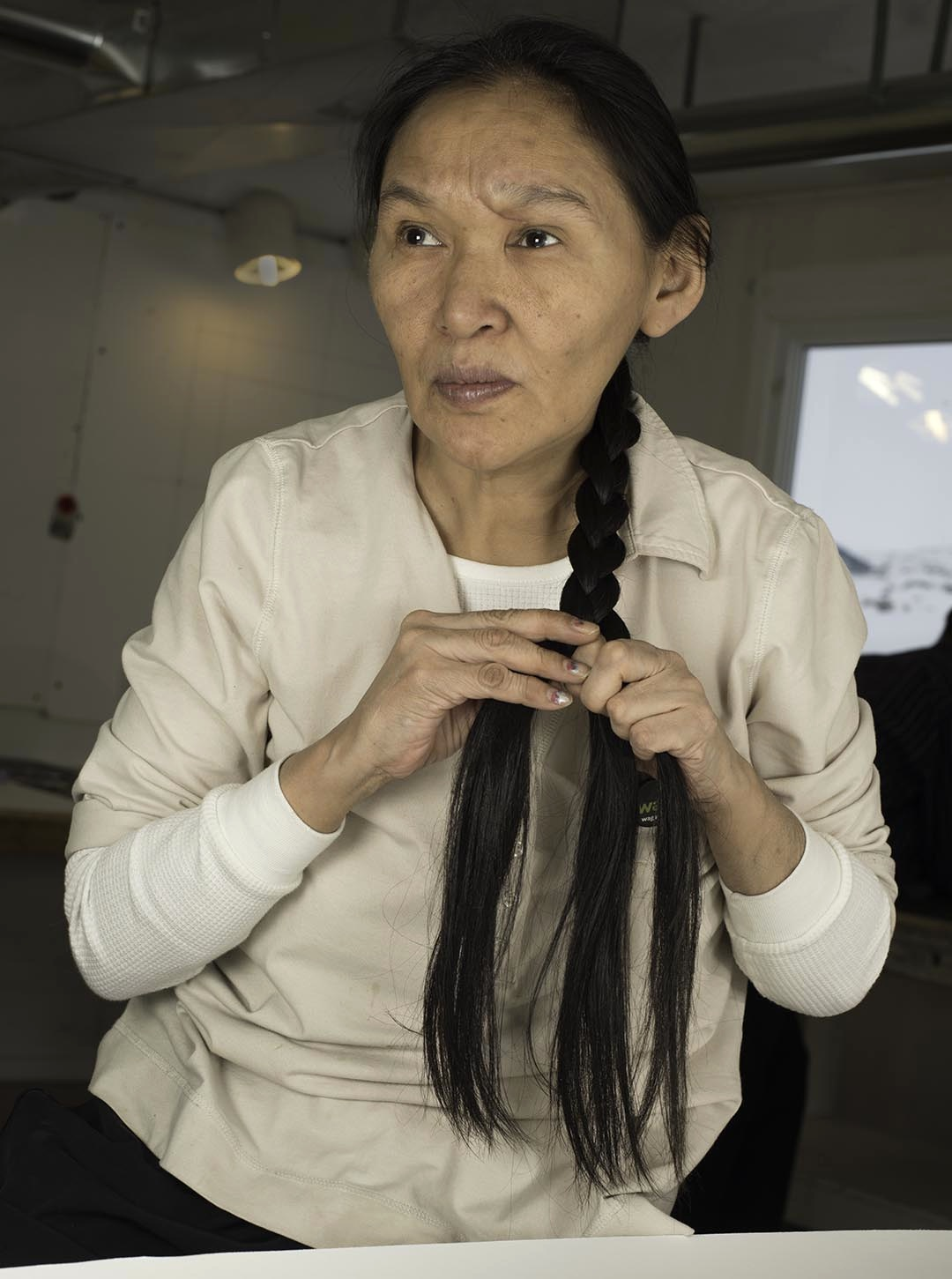
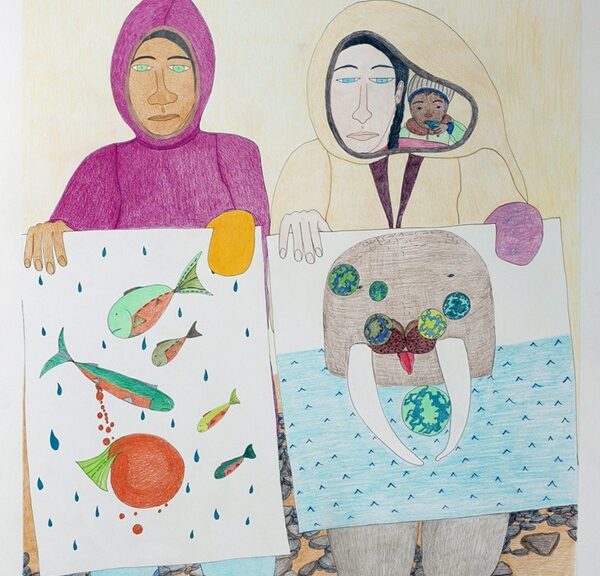
 Inuit artist Shuvinai Ashoona, recently received the King Charles Award III Coronation Medal for her long-standing contributions to the arts, which has brought international attention to Canada’s northern landscapes and contemporary Inuit art.


She is the first Inuit artist from West Baffin Cooperative to receive the prestigious award, and adds to her international acclaim as one of Canada’s preeminent visual artists. She previously was awarded a Governor General Award in Visual and Media Arts in 2024 and the prestigious Gershon Iskowitz Prize in 2018

West Baffin Cooperative. Established in 1959.

“It’s something like a strange thing to get an award from the King of England,” said Shuvinai Ashoona, who works from her home studio in Kinngait, Nunavut. “He probably hasn’t seen my drawings, but I hope that someday, he’ll get to know what my art is all about.” 

Photo: William Ritchie

Never content to follow rules and expectations, Ashoona’s unconventional artistic vision has successfully challenged and revolutionized how the public perceives Inuit art and contemporary Indigenous art more generally, helping to create a new space for expression and artistic freedom.

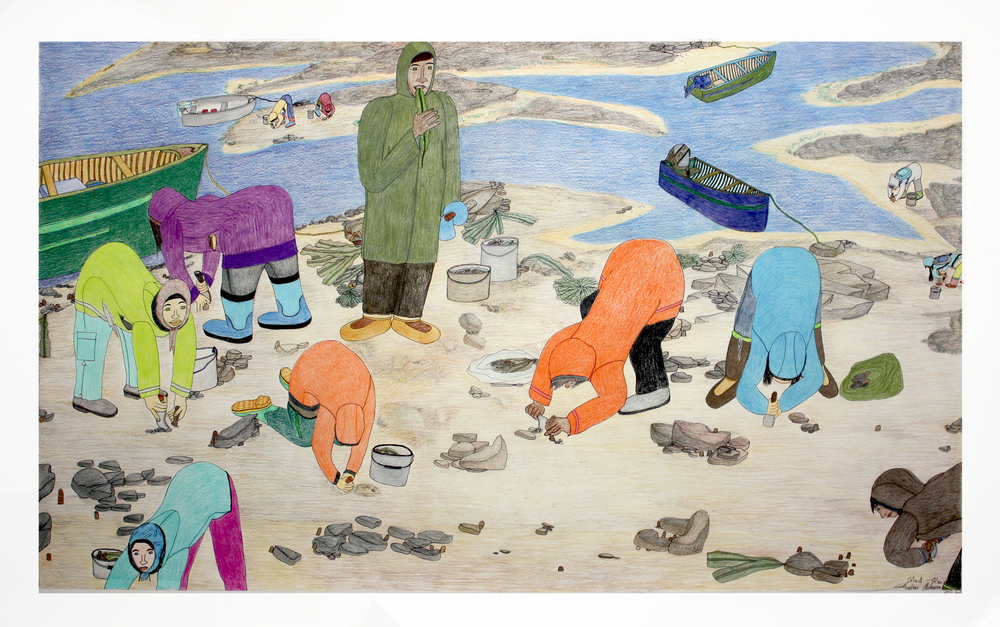
SHUVINAI ASHOONA
UNTITLED,2009
Graphite,Coloured Pencil
56 x 76 cm

Her artwork has been showcased across Canada and around the world including at the National Gallery of Canada,  the Institute of Contemporary Art Miami, and the 59th International Art Exhibition, also known as the Venice Biennale. In September 2025, Ashoona’s artwork will be featured in Brazil at the 36th São Paulo Biennial.  For the Silo, Paul Clarke.

Art Vancouver, Western Canada’s Largest International Art Fair Now Happening

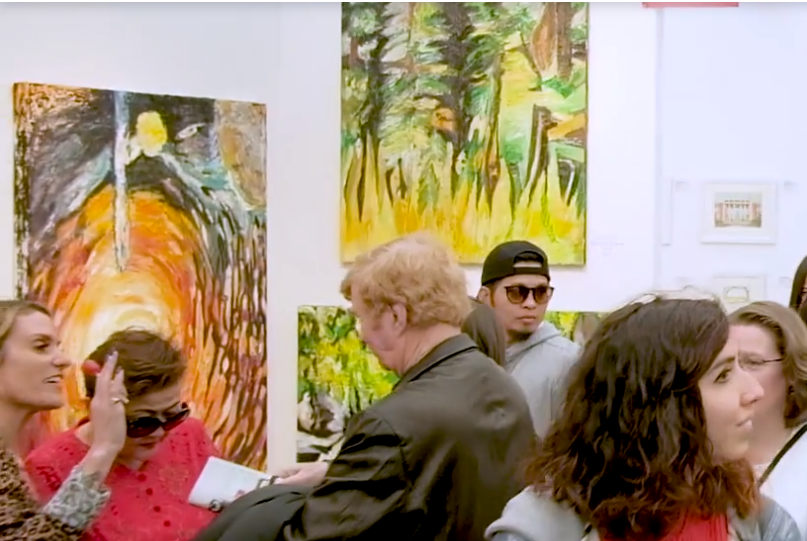
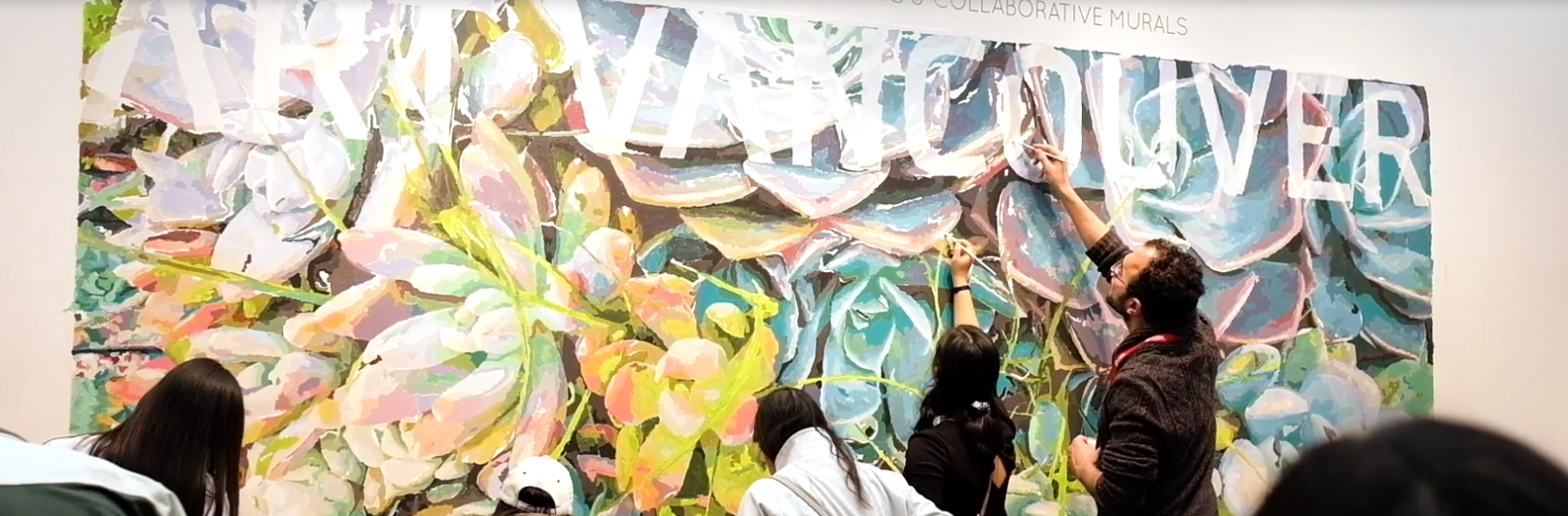
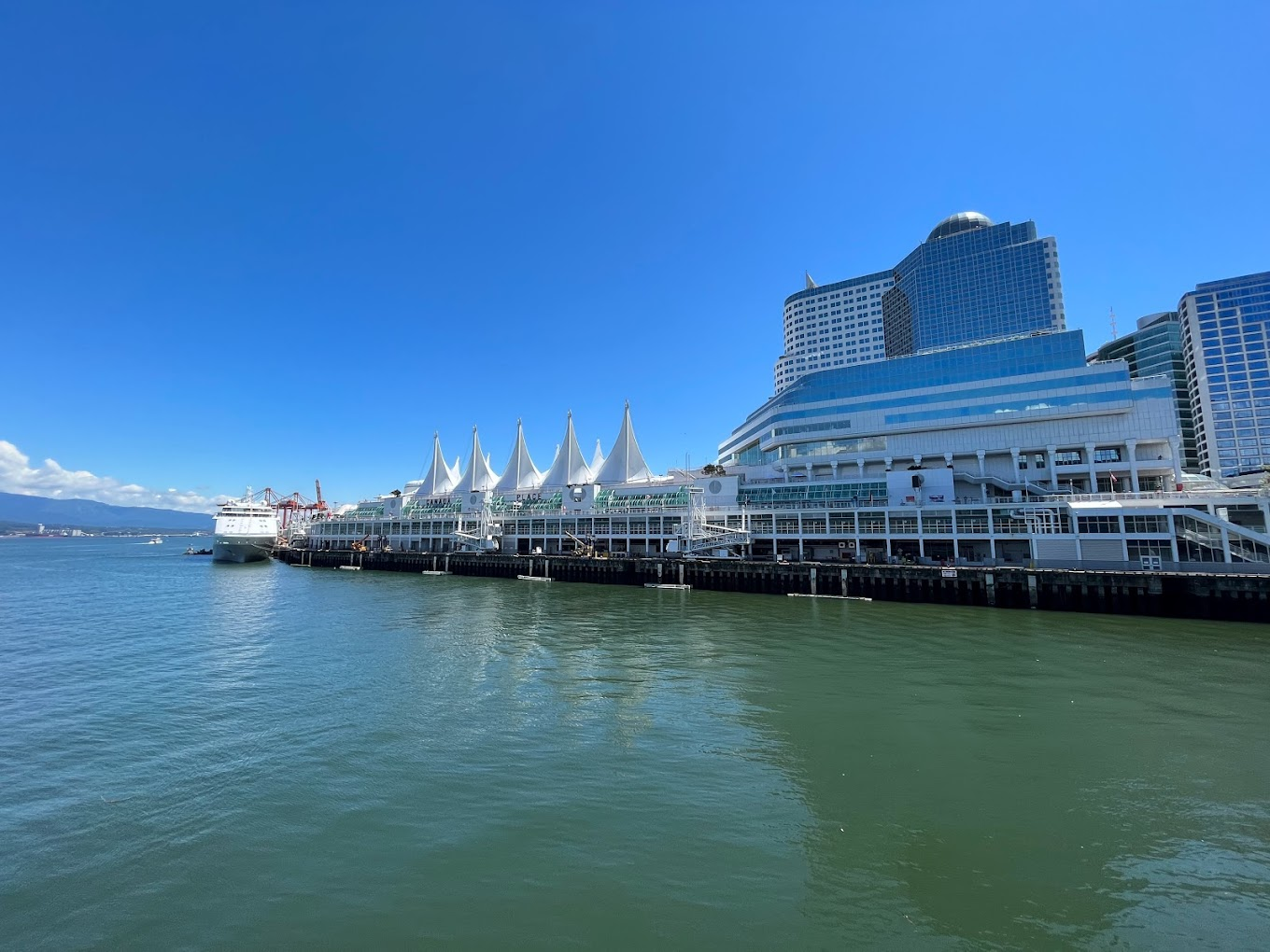
Vancouver, B.C. – Art Vancouver, Western Canada’s largest international art fair is once again uniting the world through art, held at the Vancouver Convention Centre West on May 4–7, 2023.  

Art Vancouver’s vision is a noble one that seeks to use the universal language of art to connect people from different parts of the world and to promote a sense of global community.

By bringing together artists and galleries from across Canada and around the world, Art Vancouver aims to showcase a diverse range of contemporary artwork that reflects the unique perspectives, experiences, and cultures of each participating artist.

Art Vancouver marks its 7th edition, welcoming 100+ exhibitors, making Vancouver a destination city for artists, collectors and art lovers alike. Unique to this year, is a panel discussion about the intersection of Artificial Intelligence and art, providing valuable insights and perspectives from experts in the field.

Artist talks, demonstrations and art classes are always a great way for attendees to learn new skills and techniques, and having more of them available means that more people can benefit from the educational opportunities. 

Art Vancouver has put together a diverse and engaging program that offers something for everyone. Whether attendees are artists themselves, or simply enthusiasts of art and creativity, there should be plenty of opportunities to learn, engage, and be inspired.


Tickets are available for purchase here.

For the latest updates on Art Vancouver, visit www.artvancouver.net.

Social Media Handles:

Instagram – @artvancouver

Twitter – @Art_Vancouver

Facebook – @artvancouverexhibition

Dates: May 4–7, 2023

Venue: Vancouver Convention Centre

About Vancouver Visual Art Foundation

Established in 2017, the non-profit organization was started to make art accessible to everyone, with the goal of promoting and developing Vancouver’s visual art community into a thriving international art scene. VVAF hosts their main annual event, Art Vancouver, a four-day international art fair showcasing artists from across Canada and around the world. For the Silo, Christina Ioannou.

Artwork That Reminds Us History Is Absolute

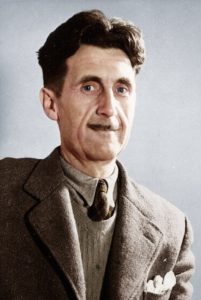
Colorization processed G. Orwell photo- mensxp.com

“The most effective way to destroy people is to deny and obliterate their own understanding of their history.” -George Orwell

The facts of the past cannot be objectively altered regardless of belief or opinion. They can, however, be tainted by those wishing to assume power. It is critical that we understand the past as it happened and do not allow the view to be obscured. Only in this way can we ensure that we do not repeat the mistakes of our forebearers, only in this way do we as a society learn and move on from our past transgressions. Those who would revise the past must be confronted with resistance and overcome with the truth. We are bound by our ancestors to carry their truth along the banks of the future no matter how heavy the burden may be.

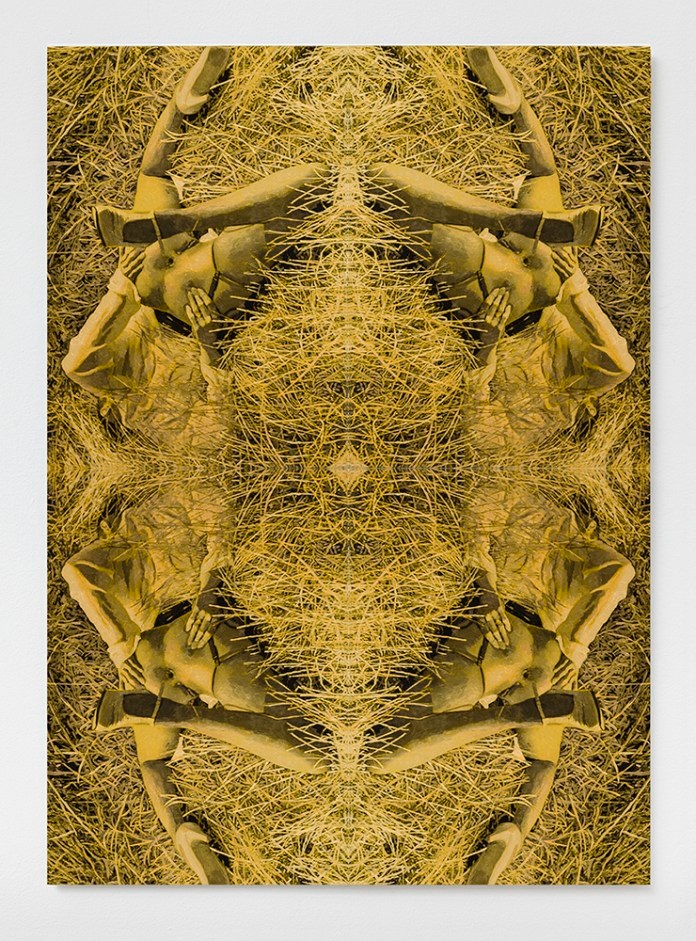
Golden Age Rorschach, 2014, 38” x 26”, Acrylic paint over inkjet print mounted on Dibond by Aura Goldenberg.

Aura Rosenberg is based in New York City and Berlin, Germany. Since 1993 she has worked on a project titled Berlin Childhood. Over the years the project has taken on many forms including a published book, souvenirs of Berlin’s Victory Column, photographs, and a film. The title comes from a series of texts by Walter Benjamin written during his exile from Berlin in the 1930s. Rosenberg began creating a photograph to correspond with each text which Benjamin wrote in order to combat his homesickness during exile. Chantal Benjamin, the granddaughter of Walter Benjamin moved to Berlin and contacted Rosenberg. The two became friends and Rosenberg began filming Benjamin and her daughter around the city also in correspondence with the original texts. Presently Rosenberg is editing her archive of footage and recording a narrative soundtrack of Walter Benjamin’s great-granddaughter reading his texts aloud. Rosenberg also creates work based on themes of sexuality. One of her current project is a continuation of an older work titled Porn Rock.

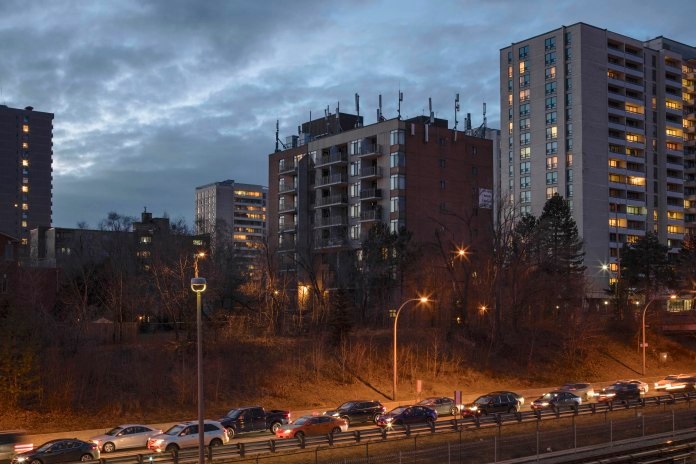
“145 Elm Ridge Drive Toronto”
Study Of Politics In Cell Tower Placement by Vid Ingelevics.

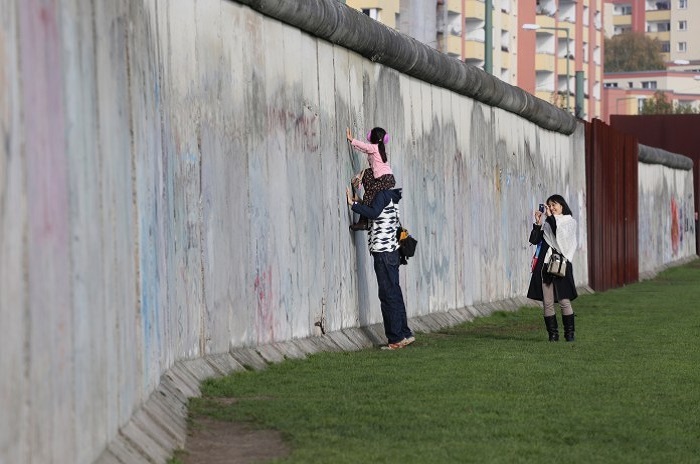
Vid Ingelevics is a Canadian artist. Much of his work examines representations of the past. His current long form project titled Freedom Rocks focuses on the history of the Berlin Wall since its removal in 1989. Ingelevics began researching what happened to the wall after it fell and discovered pieces of it across the world including in the United States and Canada. Initially, Ingelevics and his collaborator went to Washington, D.C. to learn about the movement of the remains of the wall. In the years following the removal of the wall there was a strong market for fragments. Pieces of the Berlin Wall now appear in the most unlikely corners of the world. Ingelevics work looks at why fragments of the Berlin Wall move around the world and who pays for this as well as putting the wall in the context of history rather than relegating it solely to the realm of political symbolism.  For the Silo, Brainard Carey.

Brainard  is currently giving free webinars on how to write a better Artist bio and statement and how to get a show in a gallery – you can register for that live webinar and ask questions live by clicking here.

Featured image- “Touching the Wall”, Berlin, 2014. From the larger project, Freedom Rocks, a collaboration between Vid Ingelevics & Blake Fitzpatrick begun in 2004 that explores the post-1989 history of the Berlin Wall.

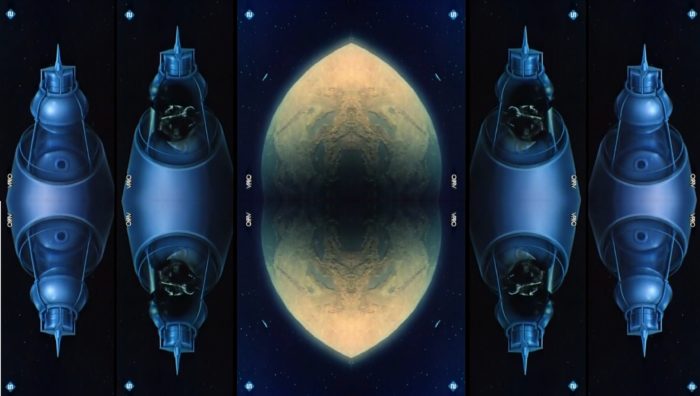
Supplemental- Digital Rorschach examples from 2012 / 2013 series by Canadian Artist Jarrod Barker.

Space Race by Jarrod Barker. 2013.

Blue Nude Torso In Plaid Design. Jarrod Barker. 2012.

Monarch. Jarrod Barker. 2013/16.

A Few Words to Keep in your Pocket

History is absolute. Endeavor to know it and to speak its truth.

Interviews are available on iTunes as podcasts, and for Android please click here. All weekly essay pieces in a shareable format are here. The full archive of interviews here.

Books to Read

What are you reading? Add your titles to our reading list here. Heather Hubbs has recently read On Tyranny, Twenty Lessons from the Twentieth Century by Timothy Snyder and user Julia has been revisiting Slaughterhouse Five by Kurt Vonnegut.