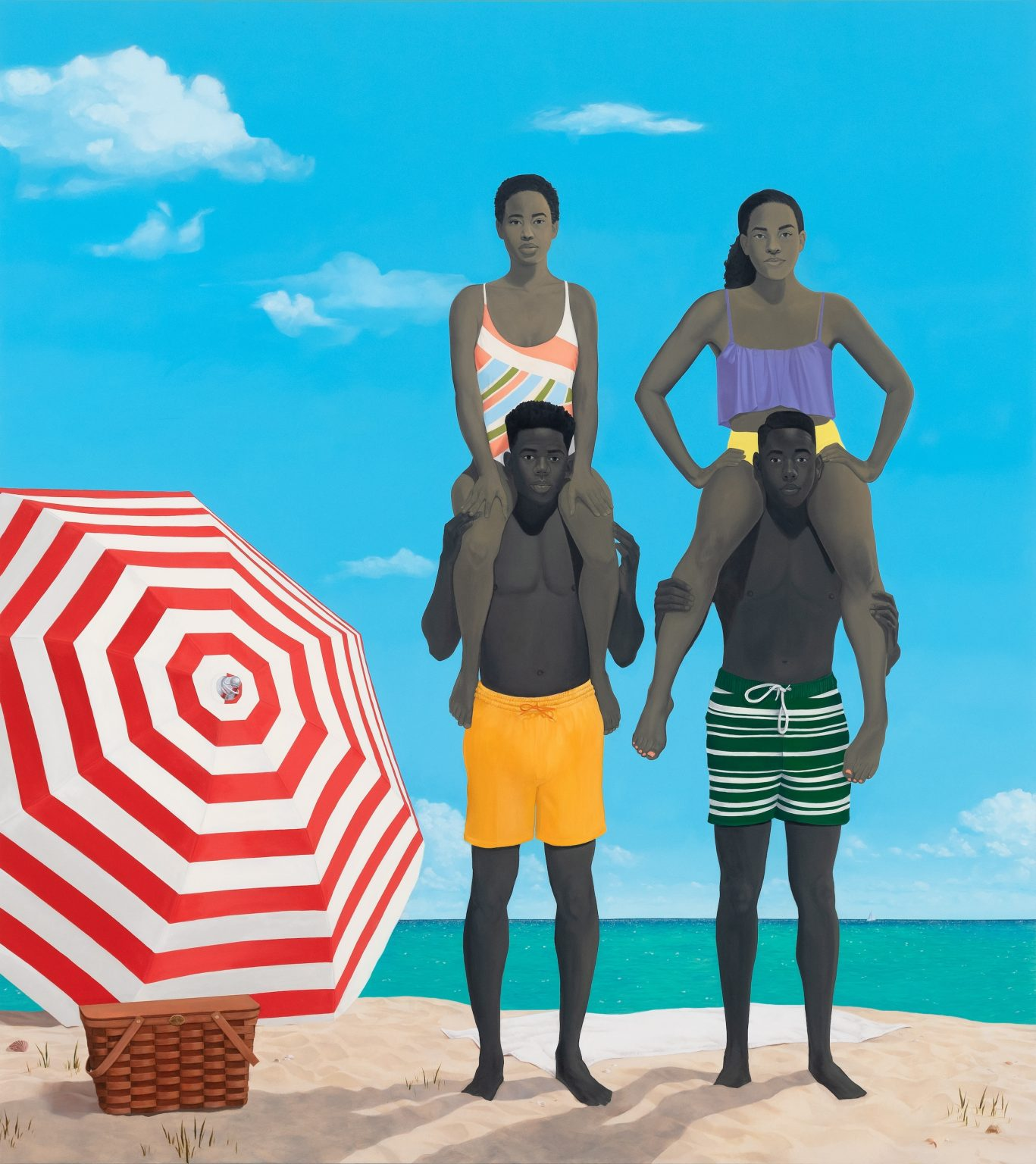
Amy Sherald, Precious Jewels by the Sea (2019). Collection of the Crystal Bridges Museum of American Art, Bentonville, Arkansas. Photo by Joseph Hyde, courtesy of the artist and Hauser & Wirth, ©Amy Sherald.
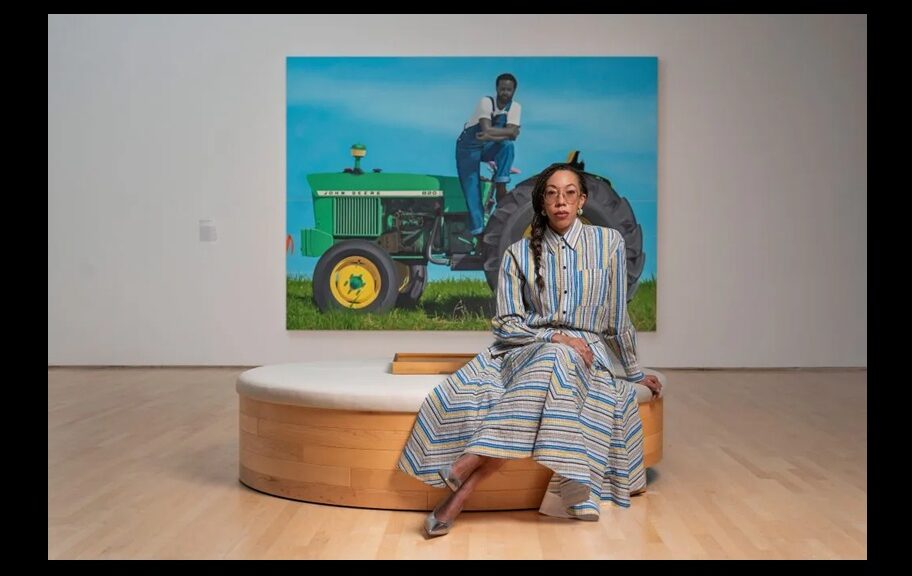
Amy Sherald is a celebrated contemporary painter whose portraiture has redefined the visual language of North American realism by centering the everyday lives and experiences of Black Americans. Born in Columbus, Georgia, and now based in the New York area, Sherald is best known for her luminous, large scale paintings that combine grayscale skin tones with vibrant color to create striking, psychologically rich portraits.
Her groundbreaking practice has earned international recognition, including the 2016 Outwin Boochever Portrait Competition from the Smithsonian’s National Portrait Gallery and the commission to paint the official portrait of former First Lady Michelle Obama.
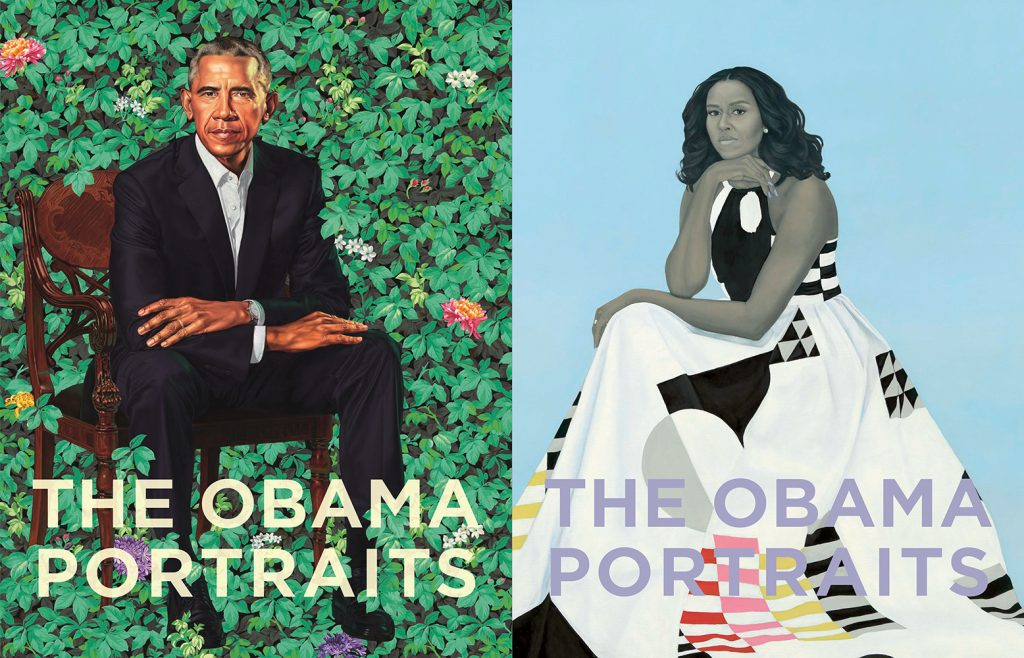
Sherald’s work explores identity, representation, and the complexity of Black life through carefully composed images that celebrate dignity, individuality, and imagination. Her paintings have been exhibited at leading museums around the world and are held in major public and private collections, solidifying her place as one of the most influential artists of her generation.
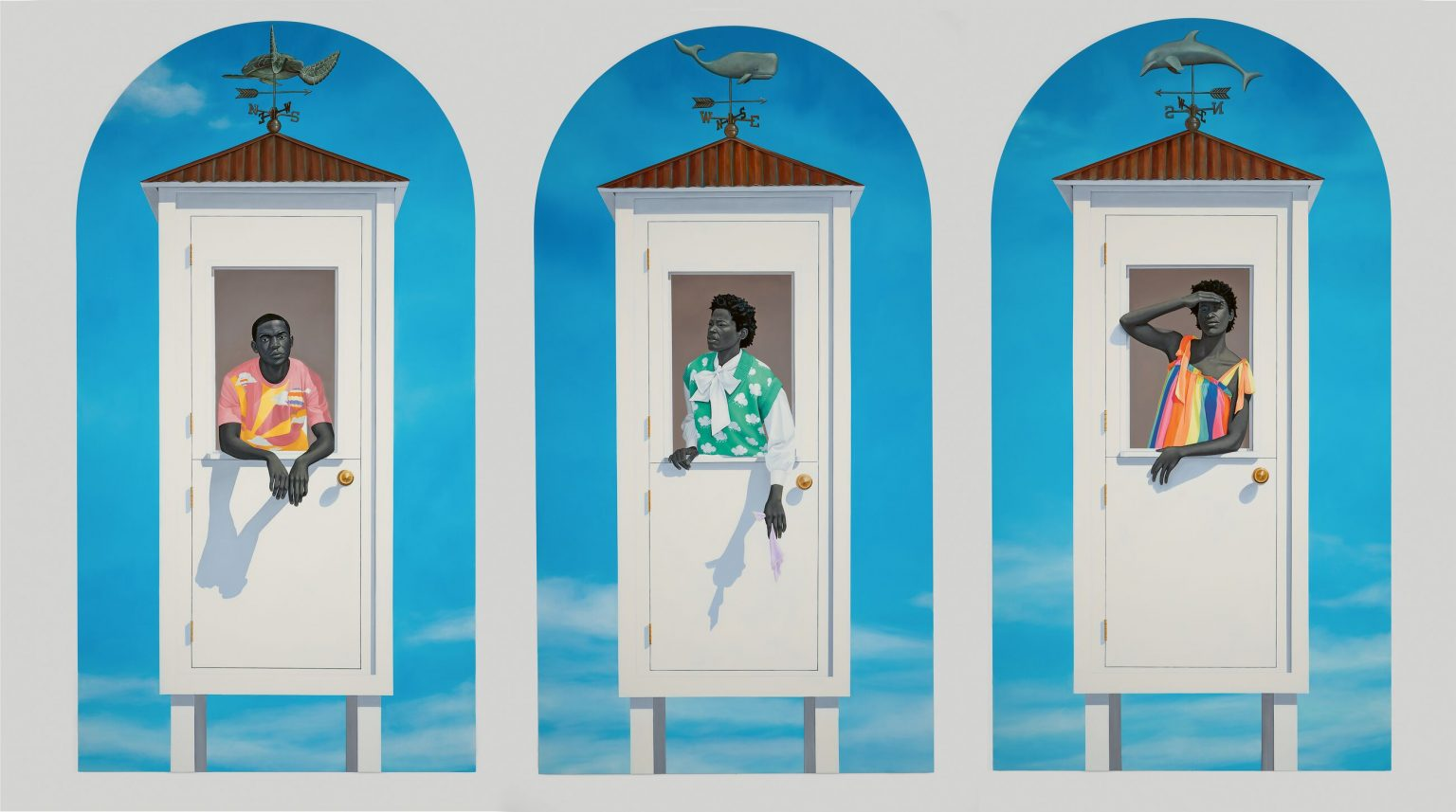
Amy Sherald, Ecclesia (The Meeting of Inheritance and Horizons), 2024. Photo by Kelvin Bulluck, ©Amy Sherald, courtesy of Hauser & Wirth.
Through portraits that invite reflection and challenge conventional narratives, Sherald continues to expand conversations about race, history, and the power of seeing oneself represented in art.
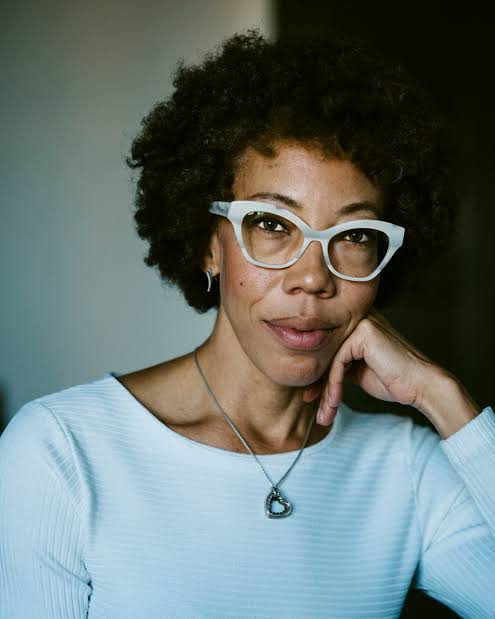
Her acclaimed mid-career retrospective, Amy Sherald: American Sublime, is currently on view at the High Museum in Atlanta through September 27, 2026. The High is the fourth and final venue for this exhibition.
For the Silo, Leatrice Ellzy President and CEO National Black Arts Festival.
Featured image- Amy Sherald with her painting A God Blessed Land at her SFMOMA solo show “American Sublime.” Photo by Kelvin Bulluck, courtesy of SFMOMA.
Call & Response
I can’t believe a year has come and gone.
On July 1 of last year, I returned to Atlanta to lead the National Black Arts Festival. It was a significant homecoming, not only because I would be leading one of the nation’s iconic Black cultural institutions, but because NBAF is where my professional journey in Black arts and culture began. Like my first season directing the organization’s artistic programming in 2005-2006, this past year has been one of the most challenging, rewarding, and inspiring of my career.
When I accepted this role, I set three goals for the next decade: build a sustainable organization with a thoughtful succession plan, secure a permanent home for NBAF, and bring back the summer festival. Those goals remain, but over the past year they have evolved into something even greater.
Over the last twelve months, we’ve focused on strengthening the foundation of NBAF, and that work continues. We’ve reinforced our infrastructure, renewed relationships with funders, community leaders, longtime supporters, local and national artists, and colleagues across the cultural sector. We’ve reorganized our team and spent countless hours listening, learning, and imagining what this institution can and should become.
While we are very present in the realities of today, we are equally focused on building an institution that will outlive us all. One that preserves Black cultural memory, invests in artists, and creates opportunities for young people. One that convenes courageous conversations and interrogates culture. One that strengthens communities and ensures Black art and culture continue to shape the future rather than simply respond to it.
Quite frankly, this work has never been more important.
Let’s name what many of us already know. We are living through a moment in which Black history, Black institutions, and Black culture have become political. Federal support for the arts has been reduced. Organizations across the country are losing funding. For institutions like NBAF, even having the word Black in our name has become a barrier in rooms where it once represented an opportunity. That reality should concern all of us.
Culture has always been one of the first places where societies negotiate who belongs, whose stories matter, and who gets to author the future. We remain deeply grateful to the foundations, corporations, and individual donors who support us. Their investment in cultural continuity and in institutions that safeguard our collective memory are shaping the future.
The months between now and the end of the year will be pivotal. The support we receive will determine the pace in which we build the infrastructure our mission requires and how boldly we move toward the next chapter of NBAF. As we prepare for the return of our summer festival, every investment made today strengthens our ability to serve artists, audiences, and communities tomorrow.
If you’ve ever wondered how you can make a difference, this is your moment. Visit nbaf.org to make a gift, join the Collector’s Guild, purchase your ticket to Fall For Brunch, explore sponsorship opportunities for the return of the 2027 National Black Arts Festival or become a Volunteer.
Thank you for believing in this work. Thank you for showing up. Thank you for investing in an institution that exists to preserve our cultural memory, amplify Black creativity, and ensure that Black narratives continue to be authored by Black voices.
Sincerely,
Leatrice Ellzy, President & CEO
National Black Arts Festival