Peter Rosenberger, author of Hope for the Caregiver, offers these 8 great tips for caregivers to give to themselves for this holiday season and time of visiting family and friends.
1) Commit to seeing a doctor. More than 70% of caregivers don’t see a doctor
2) Commit to doing something that brings joy to your heart. It doesn’t have to be exotic: a good movie, watch a standup comedian, read a good book, paint, play the piano …something that speaks beauty and joy to you in the middle of your stuff.
3) Make a list of people you resent and forgive them and then burn the list. Lose the grudges but keep boundaries.
4) Make one small change in your diet. For instance, substitute water for a sugary drink. Grab a piece of fruit instead of a candy bar. Substitute a salad for a burger … olive oil for butter.
5) Send a Christmas card to yourself. Pick out a card your loved one would send if he/she were healthy emotionally and physically. And put a $10 bill in it.
6) Do something physical. Walk to the back of the house and back. Alan Alda walks around to John Phillips Sousa to help with his Parkinson’s. He’s not a doctor but he played one on TV …and it’s pretty good advice. He lifts up his knees. Something that simple can really benefit caregivers. Weight gain is common in caregivers. Peter quips, “I got so big my picture fell off the door and it took 2 dogs to bark at me!”
7) Isolation is crippling. Go to church or other places of worship. Slip in and listen to the music of the season.
8) Call a trusted friend and tell them you’re struggling. Take a leap of faith that they will listen. Don’t ask for solutions …just an ear and a tender heart.
A 30+ year caregiver for his wife, Gracie, who lives with severe disabilities, Peter Rosenberger understands the caregiver’s journey in ways few do. Broadcasting on Sirius XM’s Family Talk Channel (131) and an additional 180 stations through American Family Radio, Peter hosts the nation’s #1 show for family caregivers. From Autism to Alzheimer’s to Addiction, Peter addresses the needs of those caring for loved ones with chronic impairments.
Break ups aren’t so bad when you treat yourself to a nice pair of diamond earrings.
There’s a reason Neil Sedaka’s “Breaking Up is Hard to Do” became a pop classic – because it’s true! But breakups can also be a time to reflect and embark on a new chapter in your life, says Jay Ryan.
“Many people have been through a romantic heartbreak, which can be among life’s biggest challenges. But being single after a committed relationship can also be a good time to rejuvenate yourself,” says Ryan, co-founder of www.breakupgems.com, an online retailer specializing in breakup and divorce jewelry that “celebrates new beginnings.”
“We cater to the growing number of people looking for meaningful ways to bring closure to their past and move forward with confidence,” he says.
For those who’ve recently experienced a split, or are about to (December holidays is the time of the year most long term relationship break ups occur.) Ryan shares several ways to turn your breakup into a makeover — a “breakover.”
https://youtu.be/1GTFvlm0vGM
• Empower yourself with the gift of health. It’s almost a cliché that ‘exes’ lose weight after splitting up; some lose their appetite due to melancholy and some are motivated to look and feel better with exercise and dieting. Don’t punish yourself with spartan regimens, Ryan advises. Eat nutritious foods and train sensibly.
• Treat yourself to a new wardrobe. Clothing can be the bearers of painful reminders, like the sweater he or she got you last year. Consider freshening up your style with new clothes – hey, you’ll probably need them anyway with all that exercise. A new wardrobe can serve as a healthy reminder of the new you.
• Be proactive with your reading. There are many genres of self-help literature, from spiritual to academic. But don’t limit yourself to nonfiction; classic literature not only gives you a great education, it also helps readers increase empathy and better understand emotional complexity.
• Consider a healthy reminder of the new you. It’s a tradition in our society to commemorate a romantic union or celebration with jewelry. Your breakup may likewise be a blessing that allows you to grow as an individual. Consider a ring or other piece of jewelry that will not only mark this milestone but be a personal reminder of your transformation and new beginning.
• Travel adds perspective on a new journey. Whether or not you realize it, a breakup is the beginning of a new life trajectory. Travel – whether it’s time for a change of domestic scenery or a vacation – perfectly symbolizes a new journey. Overcoming a painful separation requires an outside perspective, which is often gained through travel.
• Invite friends over for a dinner party. The depression that is liable to ensue after a breakup often leads to isolation, but that is when you most need your friends! Why not host a breakup party? Rather than blowing it out with a large group of people, which may include strangers, keep it simple with intimate friends you can trust. For the Silo, Ginny Grimsley.
Jay Ryan is the co-founder of www.BreakupGems.com, an online retailer that specializes in fine breakup and divorce jewelry. Each piece in the collection conveys an empowering message of freedom and renewal with designs that are both stylish and meaningful for anyone overcoming a recent breakup or simply celebrating happy singlehood.
I’m sure you’ve had those days where you wake up and scarf down something for breakfast that’s convenient so you can get out the door as fast as possible. Now it should go without saying that starting your day with foods like doughnuts, pastries, or pancakes is a fat storing Nightmare.
But most folks turn to other so-called healthier alternatives that are nearly just as bad.
Here are 3 of the Worst Foods to Eat in the Morning
1. Muffins
Most store-bought muffins are giant, which means they can sometimes contain over 600-700 calories that have absolutely No protein or healthy fats to keep you feeling full and satisfied.
2. Bagels
Would you sit down and knowingly eat Four slices of bread?
Well, Most bagels have the equivalent of four servings of bread, which will quickly convert into sugar making you store fat and feel lethargic in no time.
3. Cereals
Over-the-counter cereals are, by far, one of the worst foods for your waistline and your health.
The majority of over-the-counter cereals are empty calories, simple carbs and sugar, cleverly disguised as a “healthy” breakfast.
There are a few rare exceptions, like some of the cereals in the Ezekiel 4:9® line from Food for Life®, but I never eat cereal when I’m trying to get leaner.
Seriously, they’ll make you literally swell up, while making you feel fat and bloated the entire day.
They also Force your body to depend on sugar all day-instead of burning fat.
However, there are certain foods that you can eat in the morning that are guaranteed to turn your fat burning switch to ‘On’ as soon as you wake up.
They’re called E-Factor Foods which are specifically designed to make you look and feel leaner—all while holding less water. You’ll quickly see why adding these 4 E-Factor Diet Hacks into your day can make you look and feel leaner in less than 24 hours from now. Stay fit and keep learning. For the Silo, Antony Thomas.
FYI exercise is medicine image: www.hungry-runner.com
Toronto, Ontario – The numbers are well-known – regular exercise can reduce the risk of heart disease by 40 per cent, lower the risk of stroke by 27 per cent, decrease the incidence of high blood pressure and diabetes by 50 per cent and lower the risk of colon cancer by 60 per cent. Exercise has also been noted to reduce mortality and the risk of recurrent cancer by 50 per cent and to reduce the risk of developing Alzheimer’s by a third.
It is clear that the role of exercise and the profession of Kinesiology, as human movement professionals, will continue to grow.
“The creation of the College of Kinesiology of Ontario set the stage for a significantly increased focus on the role of physical activity in both the prevention and a treatment of illness and chronic disease,” said Janice Ray, President of the Ontario Kinesiology Association.
But instead of being concerned with the single hour that clients and patients spend in the gym or rehab facility, many Kinesiologists are focusing on ways to help promote optimal health during the other 23 hours of the day as well.
Dr. Chris Ardern, a Kinesiology Professor at York University, and a Research Scientist at Southlake Regional Health Centre in Toronto, has spent his career focusing on obesity and physical activity and how they affect a number of other precursors to chronic disease. Dr. Ardern has published or co-authored almost three dozen papers on obesity and physical activity.
Beyond the standard focus on leisure-time activity, says Dr. Ardern, more attention needs to be paid to curbing the sedentary time people spend at work or commuting. A focus on daily routine from a more holistic point of view is required instead of just how much time is spent being “moderate-to-vigorously active” if we are to make a more significant impact on preventing obesity, chronic disease and other illnesses.
Like obesity, physical inactivity is now understood as a serious problem, says Dr. Ardern. He suggests that aggressive promotion of physical activity is vital to offseting the impact of obesity and chronic disease. For Kinesiologists who see the consequences of our current lifestyles every day, there is a sense of urgency to counter-act the relentless marketing surrounding foods high in fat and sugar, and the inactvie lifestyles that come from sitting in front of some kind of screen for hours on end.
“Every little bit helps,” says Ray, referring to every opportunity, nor matter how small, to get moving throughout the day. “Modern lifestyles often don’t leave much time for dedicated physical activity, and too many if us aren’t even programmed to think about the little opportunities that can really make a difference.”
Here are some simple ideas to get you started:
· Avoid elevators and escalators – take the stairs whenever possible (at least take them down if up is too much) · Park in the back corner of the shopping mall or workplace parking lot (spots are easier to find too) · Walk to the corner store (remember walking is a real mode of transportation) · You don’t have to be a smoker to get outside on your break, (go ahead, enjoy a breath of fresh air and move around) · Share a walk with your kids, spouse, significant other, sibblings, parents, friends etc. (it’s a great way to talk without having to look at each other, or just as good – not talk)
The important role of physical activity to reduce the risk of chronic disease are well documented. Large and small efforts all combine to reduce the risks of many chronic diseases, and when combined with the benefits physical activity brings to the treatment and management of chronic disease and illness and the it becomes clear the Provincial Government should be including a greater focus on physical activity to improve outcomes for patients and improve the quality of life for the people of Ontario.
About Kinesiology
As authorities on movement and exercise, Kinesiologists are committed to enhancing quality of life through the promotion of physical activity and workplace safety, the prevention and management of injury and chronic disease, and the improvement of health and performance.
About the Ontario Kinesiology Association (OKA)
The Ontario Kinesiology Association (OKA) is the voice for Kinesiologists in Ontario. Actively working on behalf of its members, the OKA is dedicated to promoting Kinesiology as an integral part of Ontario’s healthcare team and raising the profile of the profession across the province. For the Silo,John Armstrong
Tokyo edges Singapore (2nd) and Osaka (3rd) again to take the top spot globally in 2019.Two North American cities make up the top ten, including Toronto (6th) and Washington, DC, (7th).The remaining top ten cities are: Amsterdam (4th), Sydney (5th), Copenhagen and Seoul (tied 8th) and Melbourne (10th).The 2019 edition of the index includes ten new indicators, of which eight are related to environmental resilience.
The Economist Intelligence Unit today releases the third edition of the Safe Cities Index (SCI) at the Safe Cities Summit in Singapore. The index, which is the centre piece of a research project sponsored by NEC Corporation, ranks 60 cities worldwide across five continents. It measures the multifaceted nature of urban safety, with indicators organised across four pillars: digital, infrastructure, health and personal security.
Cities in the Asia-Pacific (APAC) region make up six of the top ten safest cities, with Tokyo taking the top spot for the third time in a row. Along with Tokyo, other APAC cities, as in the past, dominate the SCI2019. Singapore and Osaka come second and third, while Sydney and Melbourne also make the top ten.
Toronto and Washington, DC, are the highest ranked North American cities in the SCI2019, with Washington, DC, entering the top ten for the first time. Overall, North American cities perform well in digital security, accounting for seven of the top ten cities in this category. These cities include Chicago, Washington, DC, Los Angeles, San Francisco, Dallas, New York and Toronto.
Vaibhav Sahgal, consultant at The Economist Intelligence Unit, says: “US cities continue to perform well in digital security as the government strengthens its cyber-security regulations, while Canadian cities tend to fare better than their US counterparts in personal security. None of the cities in the US make it into the top 20 in the personal security category—Washington, DC, only ranks 23rd, together with Shanghai.”
The SCI2019 benefits from a major revision designed to better capture “urban resilience”—the ability of cities to absorb and bounce back from shocks—a concept that has had an increasing influence on thinking in urban safety over the last decade, especially as policymakers worry about the implications of climate change. The 2019 edition is the third, following the 2015 and 2017 iterations.The SCI2019 scores are not evenly spread, with a large number of cities clustered at the top, and the rest showing wider variation in scores. Just ten points separate the overall scores of the top 24 cities, while the following 36 are 40 points apart. The research shows that levels of transparency in cities correlate as closely as income with index scores.
Research shows that the performance of different safety pillars correlates very closely with each other, signifying that different kinds of safety are thoroughly intertwined. The top performers in each pillar are as follows: Digital security: Tokyo (1), Singapore (2), Chicago (3), Washington, DC, (4), Los Angeles/San Francisco (5)Health security: Osaka (1), Tokyo (2), Seoul (3), Amsterdam (4), Stockholm (5)Infrastructure security: Singapore (1), Osaka (2), Barcelona (3), Tokyo (4), Madrid (5)Personal security: Singapore (1), Copenhagen (2), Hong Kong (3), Tokyo (4), Wellington (5) The leading cities got the basics right, including easy access to high-quality healthcare, dedicated cyber-security teams, community-based police patrolling and/or disaster continuity planning. The accompanying SCI2019 report explores the index results, incorporating 14 in-depth interviews with industry experts around urban safety.
Naka Kondo, senior editor at The Economist Intelligence Unit, and editor of the SCI2019 report says: “Overall, while wealth is among the most important determinants of safety, the levels of transparency—and governance—correlate as closely as income with index scores. Our research shows the many ways that transparency and accountability are essential in every pillar of urban security, from building safer bridges to developing the trust needed for relevant stakeholders to share information on cyber-attacks. The research also highlights how different types of safety are thoroughly intertwined—that it is rare to find a city with very good results in one safety pillar and lagging in others. Policies, service planning and provision should also take this into account—and this year, we have decided to convene stakeholders from around the world in a Safe Cities Summit to discuss such matters around urban safety.”
Orbital climate satellites measure changes in energy that is entering and exiting the atmosphere as well as the effect that manmade greenhouse gases (GHG) or aerosols, are having on the atmosphere. image: green.blorge.com
A new, authoritative climate book puts all major aspects of the climate crisis into a broad national and international perspective, revealing that the gravity, imminence, and permanence of the crisis are widely misunderstood.
Climate Peril: The Intelligent Reader’s Guide to Understanding the Climate Crisis (Northbrae Books) by energy and climate expert Dr. John J. Berger has an introduction by Dr. Paul and Anne Ehrlich of Stanford University and a foreword by Dr. Ben Santer, an internationally respected climate scientist with Lawrence Livermore National Laboratory and the Intergovernmental Panel on Climate Change.
The book underscores the unprecedented urgency of the climate crisis, providing detailed revelations about the grave harm climate change is now doing to human health, national and international security, our economy, natural resources, including the oceans, and biodiversity. Climate Peril demonstrates, for example, that holding global heating to 2° C is no guarantee of climate safety, contrary to the assumptions of many policymakers, and that the world is very likely to exceed this limit anyway.
Readers have found that Climate Peril makes important findings of climate science easily accessible and helps them better understand the breadth of the climate threat to our economy and society. The book begins by explaining how the climate system naturally operates and then illustrates how human activity has disturbed it.
Climate Peril goes on to document the broad consequences of rapid climate change, drawing attention to its impacts on nature, the economy, human health, and national security. In the process, Climate Peril highlights our proximity to irreversible climate tipping points and to ecological catastrophe.
Why Your Kid Shouldn’t Be Guzzling ‘Energy’ Drinks Vitamins & Minerals are Safer and More Effective than
Artificial Stimulants, Says Food Science Expert
Anxiety, hypertension, elevated heart rates, interrupted sleep patterns and headaches are just some of the side effects commonly associated with energy drinks, and those problems are more pronounced in children, according to a recent University of Miami study.
But that’s just the tip of the iceberg. These drinks have also been linked to heart palpitations, strokes and sudden death.
The term “energy” drink is an unfortunate misnomer, says food science expert Budge Collinson. They don’t give your body energy; they stimulate you with brief jolts of caffeine and unregulated herbal stimulants, he says.
“For a few moments, you’ll get that spike, but it’s a short-term experience with a heavy long-term toll.”
So, what are some ways kids can get a healthy energy boost? Collinson offers the following tips.
• Go for a speedy bike ride together, take a brisk walk or hold foot-races in the yard. Numerous studies demonstrate the power of vigorous exercise in boosting energy. Exercise pumps more oxygen – pure, healthy fuel — into the bloodstream and to the brain and muscles for a short-term energy boost. Exercising regularly will increase lung capacity, so the body will gets more oxygen on a sustained level for the long term. Exercise also releases endorphins, the body’s natural feel-good chemical, which makes us feel happy. And happy people are energized people.
• Seek nutrition from a variety of sources. As humans, we need more than 40 different vitamins and minerals to keep our bodies functioning optimally. Since there is no single food that contains them all, it is important for children and adults to eat a variety, including as many different vegetables and fruits as possible. Adding a daily multivitamin supplement with essentials such as CoQ10, arginine, theanine, resveratrol and magnesium can help ensure bodies young and old are running at top speed.
• Drink plenty of water – the natural energy drink. Even mild dehydration can leave children (and adults) feeling listless, so encourage children to make a habit of drinking plenty of water. Kids need more water than adults because they expend more energy, and they may not recognize when they’re slightly thirsty. Parents, too, often don’t recognize the signs of dehydration; a national survey of more than 800 parents of kids ages of one month to 10 years found that more than half feel they don’t know enough about dehydration. A quick, light pinch of the skin on the child’s hand or arm is an easy check. If the skin is slow to resume a smooth appearance, the child is likely at least mildly dehydrated.
About Budge Collinson
Budge Collinson was the beneficiary of his mother’s natural health formula as a sick baby, which led to a deep interest in health and wellness at a young age. After years of research and seeing the growing demand for natural products with clinical support, he founded Infusion Sciences, www.infusionsciences.com. Collinson earned a bachelor’s degree in food and resource economics from the University of Florida and certification from the National Academy of Sports Medicine. Recently, he became a member of the American Academy of Anti-Aging Medicine and consistently attends the Natural Products Expo, where he learns the latest science and news about nutritious ingredients. Collinson is also a go-to source for media outlets across the country for healthy lifestyle and food source discussions.
Put Breastfeeding on the map! As a species, we have survived because of breastfeeding. With the advent of corporations devising infant formulas to help moms who return to work, or to help moms who can’t breastfeed, and to help dads feel bonded to their babies – formula in Western Society has become the expected way to feed your baby.
But does the choice to breastfeed or formula feed define your ability to be a mom? Absolutely not.
So, why do we celebrate World Breastfeeding Week for an entire week around the world (First week of October in Canada)?
We celebrate what has been passed down to us through evolution (or creation). We have breasts to feed our children. They weren’t positioned to hold up strapless gowns, nor were they created for the purpose of pleasing our mates.
There have been 2 or 3 generations in Canada who haven’t breastfed. Much knowledge has been lost.
Thanks to the La Leche League and more recent peer-to-peer groups, mother-to-mother support is filling the hole made by the lack of breastfeeding knowledge among family members, and the relative lack of medical information in our medical systems. For years, doctors and hospitals have been visited by formula company representatives. This does not make the doctors knowledgeable about breastfeeding. They only learned to give a bottle when there was an breastfeeding issue.
Many doctors today still do the same thing. Push the formula and don’t give mom breastfeeding support. I’ve heard them. Clients also tell me. They need support in their choices, not a heartbreaking way out.
There is no money in breastfeeding. A Lactation Consultant could spend time visiting doctors like formula companies do, discussing the risks to formula feeding (and those risks are many and documented). She would not have money to leave freebies at the office – pens, measuring tape, free samples. There is no money for breastfeeding promotion.
How will the doctors and nurses learn? I know recent grads from medical schools who were given 3 hours of breastfeeding education over the course of their studies. Clients who take classes with me also get 3 hours but I wonder which is of better service?
This is one reason why we celebrate breastfeeding for a week: We need to let people know about the damage the marketing of formulas has done to our psyche and to our general health.
This is not about being “mom enough.” This is about remembering that biologically and physiologically speaking, the normal way to feed our children is by breastfeeding. Celebrate World Breastfeeding Week in October. This is not about any ‘mommy wars’ which are born and bred by the media. This is about helping women feel happy in their choice to breastfeed – under a blanket or not. This is about getting letting every know that breastfeeding needs to be seen and celebrated, if only this one week a year. Stephanie MacDonald.
Xandra “Sunny” Moon, author of “The Power of the Titz…a woman’s journey back to her self”
It’s not hard for women in midlife to feel like they belong to the Island of Broken Toys, says Xandra “Sunny” Moon, a self-described liberated, 18-wheeler-driving, 40-plus babe.
“There are thousands of beautiful mothers, wives and ex-wives out there who feel like they’ve lost their sexuality – I know because they tell me as I travel the country and get to know them,” says Moon, author of “The Power of the Titz…a woman’s journey back to her self”(www.sunnymoonspowerworld.com). “My mission is to let them know they can get it back!”
Like the many of the women she meets in her travels, Moon suffered physical and emotional abuse as a young woman. After raising four children and enduring an unhappy marriage for several years, she fell into a deep depression, she says. But several steps took her out of despair, and by the time she climbed out, she was happy, confident and back in touch with Sunny, she says.
Moon lists the ways in which women 40 and older can rediscover their “inner babe:”
• Embrace your sexuality!: It’s not just a “Mrs. Robinson” stereotype – older women do make for better, more participatory sexual partners. Older women have more self-possession; they’re not as callow and tend to have more character both in personality, intrigue and in sexual performance. Women 40 and older are also more forthright, which can be a major turn-on, especially for younger men in need of direction.
Younger women are still deciding what sex means to them, whereas older women are more likely to appreciate it for its own sake.
• Education and employment: Perhaps the most important vehicle for Moon’s self-empowerment is her continuing education. Gaining her GED and furthering her education at a university allowed her to support herself with a good job. Past generations of women were overwhelmingly reliant upon their husbands for financial support.
Having your own income allows women the power to choose their relationships, and not remain stuck in one.
• Remember your old social life?: A big part of relocating your inner diva is remembering the good times you had as a teen and 20-something – back when you had your first appletini, your first date at a fancy restaurant and, yes, your first day-long hangover.
In many ways, these things are like new again. Under-appreciated mothers and wives tend to live primarily for others, but now it’s time to reclaim those fun nights out with the girls and catch some time for yourself.
• Cosmetic surgery: This is still a touchy subject for many ladies. Moon’s first rule is to have cosmetic surgery only for yourself – not for someone else, and to ensure you are in good enough health to withstand the rigors involved with surgery. Other important considerations include realistic expectations, potentially catty responses from girlfriends, short- and long-term consequences, such as time off work and maintenance, and whether or not you really want larger breasts or a botoxed brow.
• Dating outside your comfort zone: Maybe now is the time to consider other types of partners — perhaps those of a different ethnicity or maybe even a different gender. Now is the time to be adventurous and explore new avenues.
• Health/Diet/Exercise: Of course, feeling and looking attractive is important to you – so be healthy! Nothing is better at giving ladies that can-do attitude than a nice workout. Being selective about what you eat is as important as being selective about who you date; you want a lover and diet that will treat you right.
“We have but one life,” says Lee Abzu, Moon’s second husband, soul mate and coauthor to her books.
“If you’re single and in your 40s, 50s, 60s or older, you can either wait around for the kids or grandkids to come by and visit, or you can get out there and regain the vitality and lust for life you used to have.”
About Xandra “Sunny” Moon
Xandra “Sunny” Moon is a survivor who came into her own after age 40. As a younger woman, she endured rape, unlawful imprisonment, mental and emotional abuse, and divorce. She has worked 14 years as a truck driver, during which she has spoken with thousands of woman near or at midlife.
After raising her four children, she continued her education at Idaho State University and eventually married her second husband and soul mate, Lee Abzu. She now counsels women who are seeking rebirth. For the Silo, Ginny Grimsley.
Ottawa, Ontario – To increase awareness against molds and their health impacts, Mold Busters has created a scholarship program which caters to select Canadian students. Molds are harmful organisms which grow as a result of water damage or excess humidity within the home or office. Whether it’s in the home or business, molds pose serious health risks and can spread fast, causing damage to the walls and furniture. Incidence of molds when not properly taken care of can consume the entire building and cause damaging health risks.
Describing the company, Mold Buster’s spokesperson said: “Mold and indoor air quality (IAQ) awareness is at an all-time high. Across Ottawa, Montreal and other larger cities, people are realizing that exposure to poor IAQ may be triggering recurring physical symptoms, such as sneezing, coughing, skin irritation and other allergies. It’s time to take action against indoor air pollutants like mold, asbestos and VOCs. We are Mold Busters, a reputable mold inspection and mold remediation company that offers comprehensive testing and removal services in cities all over Ontario and Quebec.”
The Ottawa-based mold removal company, Mold Busters, launched the biannual writing contest, an Environment Scholarship Program (https://www.bustmold.com/mold-busters-scholarship), for Canadian college and university students in a bid to raise awareness regarding the harmful effects of mold and of poor indoor air quality (IAQ). Students from any program in all Canadian post-secondary institutions are encouraged to submit an expository essay to qualify for the scholarship. The essays subject is based on mold, asbestos, or other indoor air pollutants. Participating students should explore causes and effects of air pollution on building structures and human health, and can also discuss the various remediation techniques and practical prevention tips.
Mold Busters since its establishment in 2005 has been concerned with the testing and removal of molds and other air pollutants from the indoor living environment thereby ensuring that the indoor environment is both healthy and safe for habitation. The company is certified by the National Association of Mold Professionals (NAMP) and operates in strict adherence to the IICRC remediation guidelines. Services offered by Mold Busters include inspection of homes in Ottawa and other neighboring cities as far as Montreal with the mission to provide fast and accurate information which will aid timely decision in combating incidence of mold. Additionally, Mold Busters offers testing services and a variety of remediation services including mold remediation, asbestos removal, ozone cleaning, and attic insulation removal.
Social science experts agree — much of what we “say” is never actually spoken.
“Facial expressions and other body language account for more than half of our communication,” says Adam J. Scheiner, M.D.,
www.adamscheinermd.com, an international Oculoplastic surgeon who’s been featured on “The Dr. Oz Show” and “The Doctors.”
“When we look at someone, especially when we’re meeting for the first time, we quickly scan the eye and mouth areas of the other person’s face to make some quick judgments: Are they friendly or a potential threat? Are they trustworthy? We form first impressions within 7 seconds of meeting.”
Those first impressions can become misleading due to the normal aging process and damage caused by stress, diet and environmental factors, particularly sun exposure.
“I call them the three D’s of aging: Our skin begins to deteriorate; our faces deflate, making them narrower and wrinkled; and our eyelids and face descend, causing drooping and sagging,” Scheiner says. “All of these can affect what our face communicates to those around us.”
It’s bad enough to communicate something you don’t really feel, he says. It’s worse when people react to that communication so often, such as saying, “You look so tired,” that you actually begin to believe you are tired, he says.
He shares the three common “miscommunications”:
• “People say I look tired when I’m not.”
As we age, our eyelids can begin to droop and look heavy, Scheiner says. The lower eyelid region often develops fullness below the lower lashes due to changes in the fat around the eye and changes in the facial fat of the surrounding cheek region. A lower eyelid height, heaviness of the upper or lower eyelid, or an eyebrow falling into the upper eyelid space can also occur. Whatever the cause, having baggy, puffy eyes can make a person look tired, sleepy, old or sick.
• “People avoid me because they say I look stern, even angry. I’m neither!”
Whether through genetics or aging, eyebrows may lack or lose the arc that opens up the eye area and the entire face. A fairly straight eyebrow can convey a closed, unapproachable personality.
• “People think I’m sick or have no energy.”
The brain expects to see a smooth curve from the temple to the cheek through the jawline to the chin. Any break in the curve is read as a lack of vibrancy. Normal facial aging causes loss of youthful fullness due to facial fat changes. This can cause a break in the curve that translates as a lack of vibrancy. In addition, poorly injected facial fillers can cause unnatural results.
Cosmetic procedures shouldn’t aim to turn you into something you’re not, Scheiner says.
“For rejuvenation, you simply want your face to communicate how you really feel inside. When you accomplish that, it’s so natural, people
will say, ‘Wow, you look great!’ But they won’t be able to put their finger on why.” For the Silo, Ginny Grimsley.
Adam J. Scheiner, M.D. is world-renowned in laser eyelid and facial plastic surgery for his groundbreaking treatment for Festoons. He wrote the medical text on the condition and treated two complex causes of Festoons for the Dr. Oz and The Doctors TV shows.
It can be hard to choose the right exercise regime for you. On top of the time constraints of modern life, the sheer number of options is enough to confuse most of us.
Whether you’re a lone wolf, a team player or looking to become truly zen – this will set you on the right course to fulfilling your fitness needs.
Our friends at gapmedics.com have put together a quiz which identifies which style of exercise matches your personality.
H. Richard Milner, a professor, noted researcher and expert on race in education at the University of Pittsburgh believes that “education is the key to addressing inequity and racism in society” and if we are not “working in education to combat racism, we are complicit in maintaining inequity and the status quo.” Are teachers prepared and willing to take this on? Milner notes that teachers “can struggle with tools to advance justice-centered curriculum and instructional opportunities that work against racism” and therefore education programs for teachers must support them “in developing knowledge and skills in ways that centralize race so that students can examine both localized and global perspectives and worldviews.” Additionally, school administrators and policies must be in place that “advance agendas that encourage and expect race-central learning opportunities and especially discourse.” Beyond these stakeholders, Milner recommends that students, community members, families and parents be part of the learning discourse “providing perspectives about their own worlds and experiences.”
This month we opened up the conversation on racism in education to our global Millennial Bloggers. The Millennial Bloggers are based all over the world. They are innovators in entrepreneurship, journalism, education, entertainment, health and well-being and academic scholarship. We asked them: Do we need to talk more about racism in Education?
“When I was 14, in our first class of Literature in English, I remember our teacher saying, rather solemnly, that our subject is called Literature in English, rather than English Literature,” writes Bonnie Chiu. “It was a moment of enlightenment for me. It instilled in me this critical mindset, this yearning to challenge the status quo; and it gave me a sense of agency.”
“We can’t afford to defer the conversation about white supremacy for even a single moment longer. It has proven itself to be the most obstinate social institution in the entire history of America,” writes Francisco Hernandez. “How could we even possibly think we could fight something so tough if we can’t even talk about what it means to fight it?”
“Any nation that can stomach the principle of caste, which is the most brutal ‘classification’ of human beings based on birth anywhere in the world, cannot help but differentiate, and differentiate repeatedly, on the basis of every parameter society can construct in a desperate and insular bid to separate ‘us’ from ‘them’,” writes Harmony Siganporia. “Nothing short of critical pedagogical interventions which would overhaul what we consider to be the very purpose of our educational system, and the resources to channel these interventions into more meaningful curricular design, can help us change these terms of engagement.”
“Textbooks were created by people who lived in a racist society,” writes Jacob Navarrete. “I’m telling you there are better tools. I’d be happy to help you learn how to use them. There is a big world to build outside the cave and we could use your help. It might hurt at first, just like the light does when you exit a dark cave.”
“Racism cannot be explained or understood properly without incorporating a discussion about privilege,” writes Dominique Dryding. “Until educational institutions take the lived experiences of their student bodies seriously and recognize that racism does not only include name calling and physical exclusion, racism in schools and universities will not end.”
Guest Blogger Salathia Carr writes, “Racism is not something that can be swept under the rug. After so much sweeping, your rug becomes distorted. People have become so desensitized regarding racism and injustices because they truly do not know what it is like. Judgment is very easy to make when you’re not living that way. But, if we force discussions about inequality from the very first history class we take, you cannot avoid it.” For the Silo, C.M. Rubin.
The Millennial Bloggers are Alusine Barrie, Sajia Darwish, James Kernochan, Kamna Kathuria, Jacob Deleon Navarrete, Reetta Heiskanen, Shay Wright, Isadora Baum, Wilson Carter III, Francisco Hernandez, Erin Farley, Dominique Alyssa Dryding, Harry Glass, Harmony Siganporia and Bonnie Chiu.
Top Row: C.M. Rubin, Alusine Barrie, Sajia Darwish, James Kernochan
What Do Peyton Manning, Dwight Howard, and Diana Nyad Have in Common? They all rely on performance-enhancing technology. Forget drugs that boost performance but cause health problems – and get athletes stripped of medals, titles and anything else they’ve earned.
Professionals and amateurs alike have discovered a new technology, Neurobands, to optimize their performance on the field and alleviate pain from current and prior injuries. Developed with the help of a 16-member team of physicians, trainers and other specialists, Neurobands mimic contractions that stimulate neuron pathways in specific muscles so they continuously adjust muscle balance to keeping the skeleton in alignment.
“Broncos quarterback Peyton Manning, who’s had repeated neck and back injuries and multiple surgeries, now has eight therapeutic shirts with built-in Neurobands and wears them pretty much every day,” says Bill Schultz, who brought the technology to market via his company, AlignMed, www.alignmed.com .
“Houston Rockets center Dwight Howard began wearing MyLign shirts after suffering a torn labrum [shoulder injury] in January 2013 when he was with the Lakers. The National Basketball Association approved it as a medical device.”
Is this where we are heading? Hi-tech clothing that approaches Batman’s body enhancements and armor?
And Diana Nyad wore one when she made her record-breaking swim from Cuba to the Keys last year,” he says.
Nyad, who injured her shoulder in her 2011 crossing attempt, can be heard asking during a training session, “When are we gonna put my shirt back on?” in the 2013 documentary, “The Other Shore: The Diana Nyad Story.”
How and why do therapeutic posture shirts work? Schultz explains.
• Body alignment and good posture are the key recognizable characteristics of human health and a fundamental requirement for performance. The skeletal system will best support the weight and forces put on the body using the least amount of energy when it is correctly aligned. However, many people, including professional athletes, have a difficult time maintaining perfect alignment, or posture, either because they’ve had an injury that impedes it or because they’re unable to do so without making a conscious effort. “These shirts are actually even more helpful and effective for people who sit at desks all day, since they tend to sit with their head forward,” Schultz says.
• Compression shirts don’t perform the same function. Compression shirts are designed to indiscriminately squeeze regional body parts. The only scientifically validated benefit is increased blood flow in the legs when certain regions are compressed, Schultz says, adding compression garments tend to be worn more for an aesthetic the wearer hopes to achieve.
• Correct alignment improves blood flow and reduces stress on joints. Increased blood flow improves muscle strength. In one of the independent studies done on AlignMed Posture Shirts, the University of Southern California tested pitchers’ velocity, accuracy and throwing arm physiology when wearing the shirts and when wearing their usual game day undergarments. Velocity increased 1.47 mph and an overall 23.5 percent improvement in accuracy. “Reducing the excess force on joints cuts down on fatigue, the No. 1 cause of injury,” Schultz says. For the Silo, Ginny Grimsley.
About Bill Schultz Bill is founder and president of AlignMed, www.alignmed.com , a leading research-based innovator focused on the mechanical, neurological and aesthetic functions of posture. Through clinical studies and with the help of the AlignMed Advisory panel of 16 physicians, trainers and other specialists, Schultz has helped deliver critical information on the benefits of a proper posture to universities, medical clinics, physical therapists, strength coaches, the Air Force Academy and professional athletes. In September, Schultz received a Certificate of Special Congressional Recognition for “outstanding and invaluable service.”
Air India announced that it has made one simple change that will save the airline $1.5 USD million (Rs 10 crore) and spare hundreds of thousands of animals from short, brutal lives and untimely deaths – it stopped serving non-vegetarian meals.
Air travel is one of the most notorious carbon polluters, which harms wild animals by changing natural habitats and acidifying oceans. Offering a plant-based meal not only saves animals directly by not serving them, but saves more animals by reducing greenhouse gasses and carbon emissions from farming that harm wild animals and the planet. There is a large body of evidence linking meat-based diets with unsustainable levels of greenhouse gas emissions and carbon dioxide production. A study published in the American Journal of Clinical Nutrition shows that meat-based diets use more energy, land, and water than a plant-based diets.
As an environmentally conscious company with a strong track record of promoting environmental sustainability, Virgin Airlines is ideally placed to lead the industry in a transition to plant-based meals. The time has never been better to call on Virgin to go meat-free!
Please join us in asking Virgin Atlantic, Virgin America (Alaska Airlines) and Virgin Australia to take the next step in reducing their carbon footprints. Make plant-based meals the default option on all flights!
1. If you live in the U.S., please call 877 359 8474 (customer service representatives are available 24/7).
After the prompt, press “0” and respond to the auto-prompt by stating “something else” to be connected through to a customer service representative.
Once connected, you can say something like, “Hi, I’m calling to express my support for Virgin Airlines to make plant-based meals the default selection on all flights. This simple switch will cuts costs, dramatically reduce greenhouse gas and carbons emissions, easily address an array of dietary requirements, and reduce waste. Will you please pass my message on to management?”
2. After your call, please send our letter:
Dear Executive Team,
Increasing numbers of consumers are choosing plant-based diets to support the environment and decrease their carbon footprint. Yet, meat-based meals continue to be the default meal option for your airlines. It doesn’t have to be this way.
Just recently, Air India stopped serving non-vegetarian meals, showing this progressive move is one that can be implemented without hardship.
There is a large body of evidence linking meat-based diets with unsustainable levels of greenhouse gas emissions and carbon dioxide production. A study published in the American Journal of Clinical Nutrition shows that a meat-based diet uses more energy, land, and water than a plant-based diet and was less viable for the future. By simply switching from a meat-based meal to a plant-based meal as the default option, Virgin Airlines could go a long way toward decreasing the environmental impact of airline travel.
There are thousands of tasty and nutritious plant-based recipes available that exclude meat, dairy, and egg. These meals could easily address an array of dietary requirements and reduce the number of special meal options that Virgin Airlines currently offers. In addition, plant-based meals cost less and are healthier. In a 2012 study in the Journal of Hunger & Environmental Nutrition, investigators found that meat-based diets cost individual consumers $746USD more per year, and were less nutritious. There is no need to compromise your award-winning service – we are asking you to simply switch the default meal option so that passengers can still select a meat-based meal if they wish.
Offering a plant-based meal as the default option will save you money, increase profit margins, cut tons off your carbon footprint and cement Virgin’s reputation as the premier modern airline.
Not only will this simple switch cuts costs, it also reduces greenhouse gasses and carbon emissions. As an environmentally conscious organization with a strong track record of promoting environmental sustainability, Virgin Airlines is ideally placed to lead the industry in a transition to plant-based meals.
We applaud Virgin Airlines’ commitment to ecological air travel solutions, including the use of biofuel and carbon offsets. We ask that Virgin Airlines again show leadership in the field of environmental sustainability by making plant-based meals the default selection on all flights.
Earth Day Canada is thrilled to announce the five winners of our Hometown Heroes Award Program 2017. This program recognizes and celebrates environmental leaders at the community level with a Youth, Individual, Teacher, Group and Small Business award.
Earth Day Canada’s (EDC) Hometown Heroes Award Program has become one of Canada’s most prestigious environmental awards. Established in 2004, the program recognizes and celebrates environmental leaders, groups and small businesses fostering meaningful, long-term community awareness and action. Local heroes, working at a grassroots level and often with very limited resources, can make an enormous difference to the health of our planet – they deserve our recognition. Learn more at http://www.earthday.ca/hometown.
CLICK to view this year’s Winners
Celebrated every year on April 22, Earth Day is the largest environmental event in the world. Founded in 1990, Earth Day Canada is a national charity that inspires and supports people across the country to connect with nature and build resilient communities. We lead an annual Earth Day campaign in conjunction with free, year-round, award-winning programs that get people outside, interacting with the natural environment — this, in turn, fosters an intrinsically motivated, enduring commitment to stewardship and conservation. EDC works closely with school-aged children and youth through our renowned EcoKids program and new EarthPLAY initiative, and recognizes via our Hometown Heroes Awards those who are leading the way in solving environmental challenges.
Le Jour de la Terre du Canada est ravi d’annoncer les cinq gagnants du prix de notre programme les Héros de chez nous 2017. Ce programme reconnaît et célèbre les leaders environnementaux engagés au sein de leur collectivité en décernant des prix jeunesse, individuel, pour enseignant(e), de groupe et pour petite entreprise ayant pour but d’encourager leurs efforts exceptionnels.
À propos du programme de prix Les Héros de chez nous
Le programme de prix Les Héros de chez nous de Jour de la Terre Canada est devenu l’un des prix environnementaux les plus prestigieux du Canada. Lancé en 2004, le programme reconnaît et célèbre les chefs de file individuels, les groupes et les petites entreprises férus d’environnement qui encouragent une prise de conscience et une action significative et durable au sein de leur collectivité. Les héros de chez nous, en travaillant à l’échelle communautaire et souvent avec des ressources très limitées, peuvent influer de manière concrète sur la santé de notre planète – ils méritent notre reconnaissance. Pour en savoir plus, consultez le site jourdelaterre.ca/heros.
HH2017-Winners-PSA_FR French PDF
À propos de Jour de la Terre Canada
Célébré chaque année le 22 avril, le Jour de la Terre est l’événement environnemental le plus important de la planète. Fondé en 1990, Jour de la Terre Canada (JTC) est un organisme de bienfaisance national qui inspire et soutient des gens de partout au pays dans leur effort de se rapprocher de la nature et de bâtir des collectivités résilientes. Nous menons une campagne annuelle pour le Jour de la Terre au moyen de programmes annuels gratuits et primés qui encouragent la population à sortir à l’extérieur et à interagir avec l’environnement naturel, démarche qui suscite à son tour un engagement durable et une motivation intrinsèque envers la conservation et la saine gestion. JTC travaille de près avec les enfants d’âge scolaire et les jeunes dans le cadre de son programme renommé Écoapprentis et sa nouvelle initiative JEU de la Terre, et il reconnaît, au moyen de son programme de prix Les Héros de chez nous, ceux et celles qui ouvrent la voie en relevant des défis environnementaux.
Canadians will be able to visit more clean and eco-friendly beaches and marinas across the country this summer. A record 27 beaches and eight marinas in Canada have earned the Blue Flag—a world-renowned eco-certification for beaches and marinas.
The latest beaches to fly the flag are Moonlight Beach in Sudbury, Ont. and Outlet Beach at Ontario’s Sandbanks Provincial Park. Colchester Harbour Marina in the Town of Essex, Ont. will also raise the Blue Flag for the first time this year.
The winners of our eco-journalism competition are …
We’re pleased to announce the winners of the 2017 YRE Canada Eco-Journalism Competition for Youth. First place winners will have their work published by Alternatives Journal and will go on to compete in theinternational Young Reporters for the Environment Competition, hosted by the Foundation for Environmental Education.
For too long, harmful chemicals like triclosan and BPA have been allowed in consumer products despite growing scientific evidence on their health and environmental effects. That’s why the Canadian Environmental Protection Act needs to be updated and strengthened to speed up the process for phasing out and banning toxic chemicals. Take action!
AT ENVIRONMENTAL DEFENCE WE CHALLENGE AND INSPIRE
CHANGE IN GOVERNMENT, BUSINESS AND PEOPLE TO ENSURE A
GREENER, HEALTHIER AND MORE PROSPEROUS LIFE FOR ALL.
Cough. Cough. Sneeze. Sneeze. Here is a quiz from our friends at gapmedics.com entitled “Know Your Diseases?”, which takes a look at some modern-day ailments, showing symptoms and asking you to diagnose them! Do you think you can do it?
Spring is for new ideas. Do you have idle land or extra acreage that could be enhanced? Planting trees is an excellent way to add value to your property and has never been easier. If you have 2.5 acres or more of open land, you may be eligible for the 50 Million Tree Program, and the trees are planted for you!
If you are considering a large-scale planting on your property, the 50 Million Tree Program can help by providing both funding support to cover a significant portion (up to 80%) of the total planting costs and technical assistance. A local planting partner will work with you to develop a site plan that suits your property’s unique needs; they will do the planting and conduct follow up assessments in subsequent years. The landowner can relax while the work is conducted by experienced professionals.
Mark McDermid
“One of the great things about the 50 Million Tree Program is that it’s full service. Landowners work with the Planting Delivery Agencies (PDA) to develop the plan and choose the species of trees being planted on the property,” explains Mark McDermid, a Field Advisor at Forests Ontario. “The PDAs – forestry professionals – are responsible for the purchase, delivery and planting of all trees in the program.”
The 50 Million Tree Program plants for landowners who want to make their property more aesthetically pleasing, for farmers who have an idle field or want a windbreak, and for golf course owners who want to add some shade. Every landowner has a different vision so the planting agents work with you to make sure that vision becomes a reality.
The 50 Million Tree Program makes tree planting as easy as possible for landowners in Ontario. To book a site visit, contact Suzanne Perry, our Forestry Outreach Coordinator at 1-877-646-1193 or [email protected]. Please mention thesilo.ca when contacting.
About 50 Million Tree Program Forests Ontario administers the Ontario government’s 50 Million Tree Program, part of the United Nations Billion Tree Campaign. The United Nations’ goal is to plant one billion trees worldwide each year. Ontario is committed to plant 50 million trees by 2025.
The 50 Million Tree Program is designed to significantly reduce the costs to landowners of large-scale tree planting and thereby increase the number of trees planted across the province.
About Forests Ontario
Forests Ontario is the voice for our forests. Working to promote a future of healthy forests sustaining healthy people, Forests Ontario is committed to the re-greening of Ontario through tree planting efforts on rural lands and in urban areas, as well as the renewal and stewardship of Ontario’s forests through restoration, education and awareness. Visit www.forestsontario.ca or follow us @Forests_Ontario.
A new charity called the “Believe in Yourself Project” is helping to replace the poor body image that afflicts many girls and women. This image is heightened by what the traditional fashion industry deems as beautiful: Women are expected to appear a certain way and live up to a manufactured and unrealistic notion of what beauty is. At the same time, strained finances can prevent many girls from keeping up with what’s trending or cool, making them feel isolated among their friends for not being able to afford clothing that is deemed as “in” socially.
In an attempt to promote a positive body image, online fashion site www.ustrendy.com has created the ” Believe in Yourself Project.” The aim is to help women feel better about themselves and their physical attributes and to promote healthy self esteem among young girls at an early age, empowering these young women to take on active social roles within their school communities.
Over the past year, UsTrendy has given formal dresses to underprivileged high school girls and college students across the USA (with talks about expanding into Canada), for them to wear at their school dances. Donations began last winter, and UsTrendy reports that many of the girls in the program have had the self confidence to attend their first school dance.
[vidrack align=”left”] Have something to add to this article? Video message us!
The Believe in Yourself Project is part of a broader initiative. UsTrendy is currently in talks with various influential women who at one time or currently have struggled with body image, encouraging them to serve as speakers and mentors to the various girls within the program.
“We hope to dispel the notion that you need to be a size 0 in order to be beautiful,” says UsTrendy Founder Sam Sisakhti.
Ultimately, the Believe in Yourself Project seeks to make people feel comfortable in their own skin and not let physical or financial insecurities or limitations affect their confidence.
Today, Ontario passed landmark climate change legislation that lays a foundation for the province to join the biggest carbon market in North America and ensures that the province is accountable for responsibly and transparently investing proceeds from the cap and trade program into actions that reduce greenhouse gas pollution, create jobs and help people and businesses shift to a low-carbon economy.
Under the Climate Change Mitigation and Low-Carbon Economy Act, money raised from Ontario’s cap and trade program will be deposited into a new Greenhouse Gas Reduction Account. The account will invest every dollar in green projects and initiatives that reduce emissions.
Following extensive consultation with industry and other groups, the legislation was strengthened by now requiring enhanced accountability and public reporting on the province’s upcoming Climate Change Action Plan and investment of cap and trade proceeds.
From J. Magnuson’s Book on the approaching post-carbon economy. Link below.
Ontario will post its final cap and trade regulation upon royal assent of the legislation. The regulation covers detailed rules and obligations for businesses participating in the program. The final design was also informed by extensive consultation https://www.ontario.ca/page/cap-and-trade-consultations-summary with businesses, industry, the public, environmental organizations and Indigenous communities.
Climate change is not a distant threat – it is already costing the people of Ontario. It has damaged our environment, caused extreme weather like floods and droughts, and hurt our ability to grow food in some regions. Over the near term, climate change will increase the cost of food and insurance rates, harm wildlife and nature, and eventually make the world inhospitable for our children and grandchildren.
Minister of Climate Change Glen Murray
Fighting climate change while supporting growth, efficiency and productivity is part of the government’s economic plan to build Ontario up and deliver on its number-one priority to grow the economy and create jobs. The four-part plan includes investing in talent and skills, including helping more people get and create the jobs of the future by expanding access to high-quality college and university education. The plan is making the largest investment in public infrastructure in Ontario’s history and investing in a low-carbon economy driven by innovative, high-growth, export-oriented businesses. The plan is also helping working Ontarians achieve a more secure retirement.
QUOTES
“Passing the Climate Change Mitigation and Low-Carbon Economy Act marks the start of the next chapter in Ontario’s transformation to an innovative and prosperous low-carbon economy — one that will benefit households, businesses, industry and communities across the province. This legislation is about enshrining in law our resolve and action to protect and strengthen our environment for generations to come.”
— Glen Murray, Minister of the Environment and Climate Change
QUICK FACTS
§ Ontario’s Climate Change Action Plan is the next step in Ontario’s ongoing fight against climate change and is expected to be released in spring 2016. The plan will describe actions that will help more Ontario households and businesses to adopt low- and no-carbon energy in homes, vehicles and workplaces.
§ Ontario’s $325-million Green Investment Fund http://www.ontario.ca/greeninvestment , a down payment on the province’s cap and trade program, is already strengthening the economy, creating good jobs and driving innovation while fighting climate change — a strong signal of what Ontarians can expect from proceeds of the province’s cap and trade program. These investments will help secure a healthy, clean and prosperous low-carbon future and transform the way we live, move and work while ensuring strong, sustainable communities.
§ The Greenhouse Gas Reduction Account will receive proceeds from auctioning allowances under Ontario’s cap and trade program. The first auction will be held in March 2017.
§ Ontario intends to link its cap and trade program with Quebec and California.
Arbitrary boundaries put Whitby–Oshawa residents at higher risk from nuclear radiation accident
(Whitby-Oshawa): “Does the Liberal government care about the safety of my neighbours in Whitby-Oshawa?” asks GPO candidate Stacey Leadbetter.
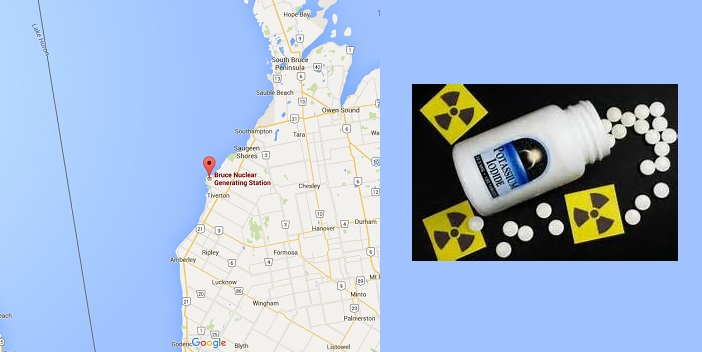
“So many residents of our community have been left out of the government’s mailing of potassium iodine (KI) pills. These pills protect us from thyroid cancer if there is a radiation leak – we need to make sure that everyone at risk will have them.”
The GPO is calling on the government to extend the pre-distribution zone to residents living within 30-50 km of the Pickering, Darlington and Bruce nuclear generating stations.
Governments in Europe like Switzerland pre-distribute KI pills to residents living within a 50 km radius of a nuclear facility. New Brunswick pre-distributes KI pills in a 20 km radius. In Ontario, only those residents living within a 10 km radius of nuclear stations receive them.
On November 4 2015, the Regional Council of Durham passed a motion asking the province to consider the feasibility of extending the 10 km primary zone for nuclear emergency planning.
“Will Kathleen Wynne step up, listen to science and protect the residents of Whitby-Oshawa at risk from a nuclear radiation leak?” asks Mike Schreiner, GPO leader.
“People’s safety is too important to make this stuff up on the fly,” adds Schreiner. “We desperately need an evidence based, public review of nuclear emergency plans. This is especially important when determining the radius of the primary zone and the pre-distribution of KI pills.” For the Silo, Becky Smit.
New York, NY – It is no secret that many common health woes can be mended homeopathically through the use of natural herbs and antioxidants. Health-conscious consumers can now drink hot teas to experience wellness benefits like weight loss, detoxification, better sleep and appetite control. Luckily for the estimated 160 million North Americans who drink tea on any given day, one global brand is at the forefront of wellness tea offerings. Known internationally as ‘The Aristocratic Tea’, Hyleys Teas caters to tea drinkers’ health demands with a series of 100% natural herb- and fruit-infused blends.
According to the “Today” show, among the “Top 10 health benefits of drinking tea” is the fact that “tea’s antioxidants protect bodies from the ravages of aging.” The Huffington Post adds to that list “6 Amazing Benefits of Tea,” including: 1) “Tea can help you in maintaining a healthy weight;” 2) “Black tea can help to reduce stress levels;” and 3) “White tea can help you look younger.”
Award-winning, international brand, Hyleys Tea, is introducing two new teas to its 100% natural line of herb- and fruit-infused teas. Hyleys Slim Tea (MSRP $5.99USD) promotes weight loss and is available in flavorful options like acai berry, blueberry, goji berry, pomegranate and raspberry as well as a five-flavor assortment. What’s more, the weight-loss-enhancing properties of the Slim Tea offer consumers a safe, pound-shedding alternative to risky pills and surgery.
Joining the new Slim Tea is Hyleys Sleep Tea (MSRP $5.99USD) in both mint and chamomile variations. Designed to naturally help individuals fall asleep easier, the caffeine-free herbal formulation acts fast and gently, encouraging healthy sleep patterns while promoting a refreshed awakening.
Slim and Sleep teas are the latest additions to Hyleys’ high quality, all-natural products that include a series of Wellness teas that have earned the company innovation and best product awards for its host of health benefits. The existing Nature’s Harmony selection (MSRP $5.99USD) consists of the following green and black teas with health-boosting, 100% pure additives.
Detox – Chock full of antioxidants, Detox helps the body naturally expel harmful toxins.
Garcinia Cambogia – Billed as the miracle find of the 21 st Century for losing weight the safe and natural way, Garcinia Cambogia is extracted from a tropical fruit.
Anti-Aging – An antioxidant-infused blend, this Nature’s Harmony tea diminishes the skin’s damaging effects of free radicals and contains strong anti-aging properties. Regular consumption of this tea has been shown to reduce wrinkles decrease stress levels and leave the skin looking youthful and supple.
Desire – This tea promotes sexual well-being by stimulating hormones in both men and women for beneficial libido function.
On top of all this, Hyleys Tea also offers loose tea beautifully packaged in Gift Tins and Wooden Tea Boxes that are perfect for gift giving this holiday season. (MSRP $14.99-$69.99USD)
Hyleys Tea full line of wellness-promoting teas is available in the United States at HyleysTeaOnline.com Canadian shoppers can find Hyleys at Loblaws.
About Hyleys Tea
Since 1998, Hyleys Tea has been one of the most distinguished brands in the world tea market. The high quality of its 100% natural black and green teas, which are fused with real fruits and herbs, is what sets the brand apart. The company was created in response to the lack of teas containing purely natural components. Every tea in Hyleys’ Nature’s Harmony Collection has been carefully selected from the best plantations in Ceylon and China and is complemented by 100% pure, natural herbs and fruits. Hyleys Tea’s fine taste and essential health benefits earned the company Gold medals in the “Best Product – 2010” and the “Innovation Product” categories at ProdExpo 2010. For additional information on the company and its products, please visit HyleysTeaOnline.com.
It is estimated that 3,000 Canadians die each year from lung cancer caused by exposure to radon. Yet only about 4% of Canadian homes have been tested for radon, the second leading cause of lung cancer after smoking. As a result, most Canadians are unaware of the deadly gas that may be present in their homes.
What is radon?
Radon is a naturally forming, radioactive, colorless, odorless and tasteless gas. It is found in almost all soil, and is produced by a natural process as uranium breaks down into radium and then into radon gas. Radon in turn breaks down into solid radioactive elements known as “radon progeny” (such as polonium – 218) that attach to airborne particles. Radon enters a home through cracks in the floor or walls of the basement or foundation.
Radon and your health
Because they are radioactive, radon and radon progeny emit alpha particles, a high-energy radiation that damages DNA in human cells and causes lung cancer. When radon is inhaled, particles become lodged in the lungs where they continue to emit alpha particles. Some studies have also suggested a link between radon and leukemia, though it can’t be definitely determined and more research is needed.
What you can do
Here are a few simple steps you can take to control radon levels in your home and help protect those you love:
1) Test for Radon. The first step in managing the risk of radon is to have your home tested. Every home is unique, and a home with dangerous radon levels can be next door to a home with virtually no radon. Any radon level higher than 200 becquerels per cubic metre (200 Bq/m³) is considered by health authorities to be unsafe. Testing should always be conducted by a qualified contractor, and should include both short-term and long-term testing. Look for a radon mitigation professional who is C-NRPP certified online.
2) Mitigate Radon. A qualified radon mitigation contractor will help you determine the most effective way to reduce radon in your home. These techniques include:
a) Sealing cracks. Since radon enters your home through cracks in the floor and the foundation, sealing cracks and leaks is an important first step. However, sealing cracks will limit but not completely stop the flow of radon into a home.
b) Suction. On effective method of eliminating radon includes inserted pipes into or below the foundation slab. These pipes are then connected to a vent fan that pulls radon from below the house and releases it out into the open air.
c) Depressurization. This generally involves drilling a hole in the basement floor and extending a pipe beneath the slab of the house. The pipe runs up through the home and then vents outward with the help of an inline fan.
d) Ventilation. Installing a heat recovery ventilator increases ventilation by drawing outside air into the house and expelling radon-contaminated air. Air is warmed or cooled as needed, and air filtration can be added to filter the outdoor air coming in.
e) Filtration. While filtration is not the only method by which radon can be reduced, research has shown that even standard HEPA filters can reduce radon by as much as 85%. And while air cleaning is not recommended to control radon because most filtration systems, even HEPA filters, are incapable of stopping the tiniest particles to which radon progeny adhere. IQAir’s HyperHEPA filtration, on the other hand, filters particles down to 0.003 microns – the smallest particles that exist.
Given that November is Lung Month and Radon Action Month in Canada, now is as good a time as any to test your home for radon. The sooner you have your home tested, the sooner you will be on your way to ensuring yours is a healthy home for you and your family.
This article is brought to you by our friends at IQAir North America, Inc., a member of the Swiss-based IQAir Group that develops, manufactures and markets innovative air purifiers and air quality products for indoor environments around the globe. IQAir is the exclusive educational partner of the American Lung Association for the air purifier industry. Jarrod Barker
Dinner For Two – You And Your Dog Homemade Meals Provide A Special Treat For Pets,
Says Host Of Doggy Cooking Network
Dinnertime for many dogs involves the owner ripping open a bag, pouring kibbles into a bowl and walking away.
Not the stuff of a meaningful relationship.
Kris Rotonda likes to take an occasional break from that routine and give his four dogs – Rocky, Coco, Kobe and Jordan – a special treat.
Rotonda and his fiancée, Denise Fernandez, prepare the canine quartet cooked meals using recipes they share on their Doggy Cooking Network on Youtube.
Rotonda sees it as a way to occasionally give his pets what he refers to as the “Royal ‘Treat’-Ment.”
“I started cooking for my dogs because it’s a healthier way to go for meals,” Rotonda says. “Plus, it’s just fun and my dogs are an important part of my life.”
His doggie devotion now has inspired him to develop a creation he calls the PupPot (www.puppot.com), a cooking, serving and storage system for preparing those homemade meals for dogs.
The PupPot consists of a 3.8-quart stainless steel cooking pot, a paw-shaped serving base and two serving and storage bowls. Rotonda and Fernandez also put together an e-book with recipes.
For Rotonda, the PupPot just seemed like the “logical next step.”
“I figured that if Denise and I were teaching people to cook for their dogs, it just made sense to provide them with the right tool,” he says.
Dr. Jena Questen, a holistic veterinarian, says taking that extra time for preparing those meals can be worthwhile. The benefits of feeding a dog homemade dog food include reducing the risk of skin allergies, boosting their immune system, improving their digestive system, as well as giving them renewed energy.
“It’s no different from humans,” Questen says. “We couldn’t eat the same processed food every day and maintain optimum health, and neither can our pets.”
Rotonda shares a few recipes for giving your canine pals the “Royal ‘Treat’-Ment” as well:
Bacon Rice Cakes
Ingredients 1 cup brown rice, cooked
2 slices lean bacon, cooked, finely chopped (Retain bacon fat)
1 large egg
½ cup dried bread crumbs
Directions 1. Mix chopped bacon and rice.
2. Add egg and breadcrumbs to rice and bacon mixture. Combine thoroughly. Wet hands to prevent sticking, and then form the egg-rice mixture into 4 thin patties.
3. Reheat the bacon fat in a skillet over medium heat. Add the rice cakes and cook, turning once until golden brown. About 4 minutes on each side.
St. Puppy’s Day Hash
Ingredients 2 baking potatoes (1-1 ½ lbs.), peeled and shredded
Sea salt
3 tablespoons unsalted butter, cut into small pieces
½ cup shredded carrots
¾ cup chopped corned beef
½ cup of half-and-half
¼ cup grated cheese
Ground pepper
4 large eggs, scrambled
Directions
1. Place the potatoes in a colander, lightly salt and set aside.
2. Melt butter in the PupPot over medium heat. Mix in the potatoes, carrots, and corned beef. Increase the heat to medium-high. Cover pot. Stir every 5 minutes. Cook until potatoes are tender, about 15 minutes.
3. Stir in half-and-half and turn off hear. Season with pepper and cheese.
4. Top hash with the cooked eggs.
Chicken Cakes
Ingredients ½ cup cooked brown rice
¼ cup of peas, thawed
1/3 cup of rotisserie chicken, meat shredded
1 egg
2 Tbsp. plain breadcrumbs
½ tsp of dried parsley
1 Tbsp. extra virgin olive oil
Directions 1. In a medium bowl, stir together the rice, peas, chicken, egg, breadcrumbs and parsley. Form into 4 equally sized patties.
2. In a skillet, heat olive oil over medium-high heat. Add the chicken patties and cook, turning once, until golden-brown for approximately 7-8 minutes. Remove from the skillet and let cool slightly.
About Kris Rotonda
Kris Rotonda, an entrepreneur and creator of the PupPot (www.puppot.com), owns four dogs. He and his fiancée, Denise Fernandez, host the Puppy Cooking Network on Youtube. Rotonda also created YouMustLoveDogsDating.com, a niche dating website that matches dog owners with other dog owners.
In October, 2014 Dr. Eric Hoskins, then Minister of Health and Long-Term Care, and Dr. David Mowat, Interim Chief Medical Officer of Health, issued the following statement on Ontario’s preparedness for Ebola virus disease in Ontario:
“We know that Ontarians may have concerns related to the ongoing challenges in West Africa and recent events in the United States regarding the spread of the Ebola virus.
Reason for concern: the Ebola Virus is almost biblical in nature with horrible effects on the inflicted.
Let us assure you that the safety of Ontario’s health care workers, patients and the public are our top priority.
We are confident that Ontario is prepared and ready to contain and treat any potential case of Ebola virus in our province — protocols are in place and we’ve seen the system work well in Ontario hospitals.
With the experience and lessons learned from the Severe Acute Respiratory Syndrome (SARS) epidemic, our health care facilities now have sophisticated infection control systems and procedures to protect health care providers, patients and all Ontarians. They are fully equipped to deal with any potential cases of Ebola.
Dr. Eric Hoskins, Minister of Health and Long-Term Care
But all health care workers, especially those providing care to patients, must be safe and protected. This is why we are working with health care employers to ensure they are providing appropriate training for their staff on the proper use of personal protective equipment and other occupational health and safety measures. We are also continuing to work with health care workers and employers to further strengthen protective measures and ensure they’re in place at all times.
Our health care workers are on the front lines and it is times like these when we are all reminded of how critical their work is in protecting the public. We want them to feel safe.
We will be reaching out to our health care partners to ensure they have the maximum protection possible and plan to release revised guidelines by the end of the week.
The government, in collaboration with our health system partners, is monitoring the Ebola situation and is continually assessing our state of readiness should a case of Ebola ever occur in Ontario.
On behalf of both the ministry and the government of Ontario, we would like to thank our health care workers for their selfless and tireless work on behalf of all Ontarians.”
It’s been called the silent killer and CO (Carbon Monoxide) is a poison and found outside and within our homes CP
Keeping Ontarians Safe from Carbon Monoxide- Ontario is taking another step to keep families and homes in Ontario safe by making carbon monoxide alarms mandatory in all residential homes.
The new regulation, which comes into effect October 15, updates Ontario’s Fire Code following the passage of Bill 77 last year. These updates are based on recommendations from a Technical Advisory Committee which was led by the Office of the Fire Marshall and Emergency Management and included experts from fire services, the hotel and rental housing industries, condo owners and alarm manufacturers.
Carbon monoxide detectors will now be required near all sleeping areas in residential homes and in the service rooms, and adjacent sleeping areas in multi-residential units. Carbon monoxide alarms can be hardwired, battery-operated or plugged into the wall.
QUOTES
” We want Ontarians to be aware of the dangers of carbon monoxide poisoning because these tragedies are preventable. The change to the Fire Code is all about making sure we keep our families and homes safe. I urge all Ontarians to install a carbon monoxide alarm in their homes immediately.”
– Yasir Naqvi
Minister of Community Safety and Correctional Services
Road vehicles and transportation make up 85% of Ontario’s CO pollution
” Mandating the installation and maintenance of carbon monoxide alarms in existing homes with a fuel-fired heating system or appliance, fireplace or attached garage under the Fire Code, and providing the authority for municipal fire services to conduct inspections and promote CO awareness, are significant steps forward for enhancing public safety.”
– Tadeusz (Ted) Wieclawek
Ontario Fire Marshal & Chief of Emergency Management
” The fatal effects of carbon monoxide left us with an irreplaceable family loss. Keep your family safe and install a CO alarm so we can combat the silent killer.”
– John Gignac
Co-Chair, Hawkins-Gignac Foundation for CO Education
QUICK FACTS
* More than 50 people die each year from carbon monoxide poisoning in Canada, including 11 on average in Ontario.
* Bill 77, an Act to Proclaim Carbon Monoxide Awareness Week and to amend the Fire Protection and Prevention Act, 1997, received royal assent in December 2013.
* The first Carbon Monoxide Awareness Week will take place November 1-8, 2014.
* The Ontario Building Code requires the installation of carbon monoxide alarms in homes and other residential buildings built after 2001.
NOUVELLES- ministère de la Sécurité communautaire et des Services correctionnels
L’Ontario prend une nouvelle mesure pour protéger les familles et les foyers ontariens en rendant obligatoire l’installation d’avertisseurs de monoxyde de carbone dans toutes les habitations.
Le nouveau règlement, qui entre en vigueur le 15 octobre, met à jour le Code de prévention des incendies de l’Ontario à la suite de l’adoption du projet de loi 77 l’année dernière. Ces mises à jour visent à renforcer la sécurité de la population ontarienne. Elles s’appuient sur les recommandations d’un comité consultatif technique dirigé par le Bureau du commissaire des incendies et de la gestion des situations d’urgence et composé d’experts des services d’incendie, des secteurs de l’hôtellerie et de la location à usage d’habitation, de propriétaires de condos et de fabricants d’avertisseurs.
Des avertisseurs de monoxyde de carbone seront désormais exigés à proximité des chambres à coucher dans les maisons, ainsi qu’à l’intérieur des locaux techniques et à proximité des chambres à coucher adjacentes dans les immeubles à logements multiples. Les avertisseurs de monoxyde de carbone peuvent être câblés, fonctionner sur piles ou être branchés dans une prise murale.
CITATIONS
« Nous voulons que les Ontariens et Ontariennes soient conscients des risques d’intoxication au monoxyde de carbone parce que ces tragédies sont évitables. Cette modification au Code de prévention des incendies vise à protéger nos familles et nos foyers. J’exhorte tous les Ontariens et Ontariennes à installer immédiatement un avertisseur de monoxyde de carbone à leur domicile.»
– Yasir Naqvi
ministre de la Sécurité communautaire et des Services correctionnels
« En rendant obligatoires, en vertu du Code de prévention des incendies, l’installation et l’entretien d’avertisseurs de monoxyde de carbone dans les maisons existantes dotées d’un système de chauffage ou d’un appareil à combustible, d’une cheminée ou d’un garage attenant, et en conférant aux services d’incendie municipaux le pouvoir d’effectuer des inspections et de promouvoir la sensibilisation au CO, nous franchissons des étapes importantes pour améliorer la sécurité du public. »
– Tadeusz (Ted) Wieclawek
commissaire des incendies et chef de la gestion des situations d’urgence de l’Ontario
« Nous avons perdu des membres irremplaçables de notre famille à cause des effets mortels du monoxyde de carbone. Protégez votre famille et installez un avertisseur de CO afin que nous puissions lutter contre le tueur silencieux.»
– John Gignac
Fondation de l’éducation au CO Hawkins-Gignac
FAITS EN BREF
* Plus de 50 personnes meurent chaque année d’intoxication au monoxyde de carbone au Canada, dont 11 personnes en moyenne en Ontario.
* Le Projet de loi 77, Loi proclamant la Semaine de sensibilisation au monoxyde de carbone et modifiant la Loi de 1997 sur la prévention et la protection contre l’incendie, a reçu la sanction royale en décembre 2013.
* La première semaine de sensibilisation au monoxyde de carbone se déroulera du 1er au 8 novembre 2014.
* Le Code du bâtiment de l’Ontario exige l’installation d’avertisseurs de monoxyde de carbone dans les maisons et autres immeubles d’habitation construits après 2001.
* Le Code de prévention des incendies de l’Ontario (disponible en anglais seulement)<http://www.e-laws.gov.on.ca/html/regs/english/elaws_regs_070213_e.htm>




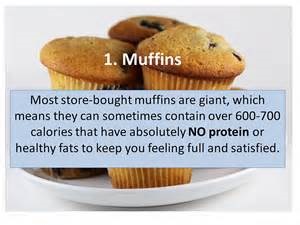



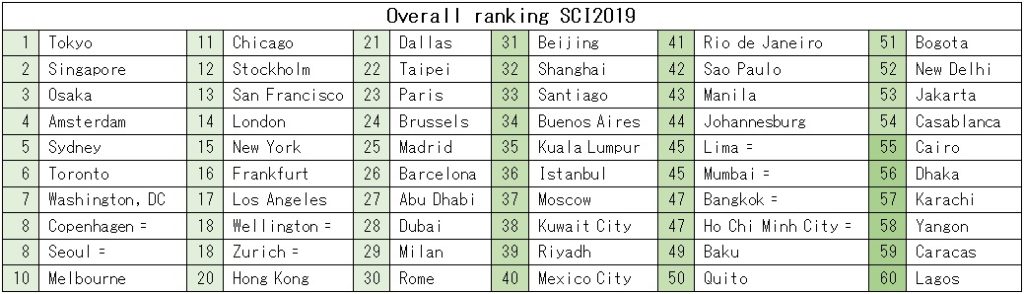




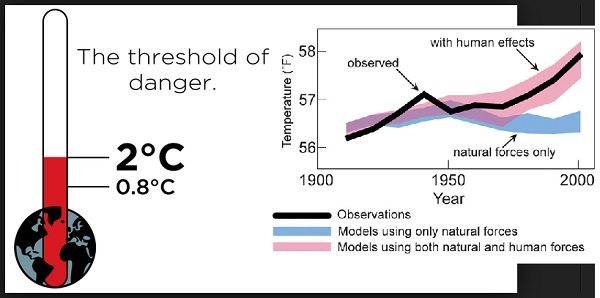
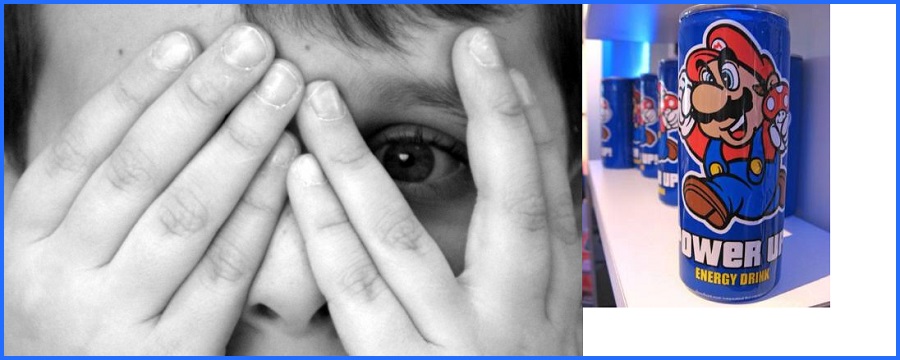





 Put Breastfeeding on the map! As a species, we have survived because of
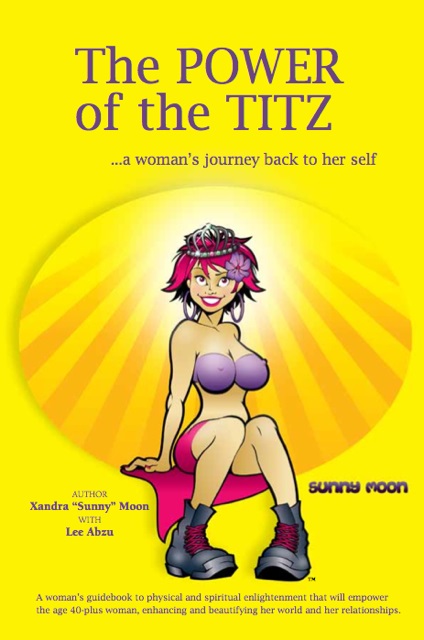

















 Spring is for new ideas. Do you have idle land or extra acreage that could be enhanced? Planting trees is an excellent way to add value to your property and has never been easier. If you have 2.5 acres or more of open land, you may be eligible for the 50 Million Tree Program, and the trees are planted for you!
 About Forests Ontario

 For the Silo, Sam Sisakhti.