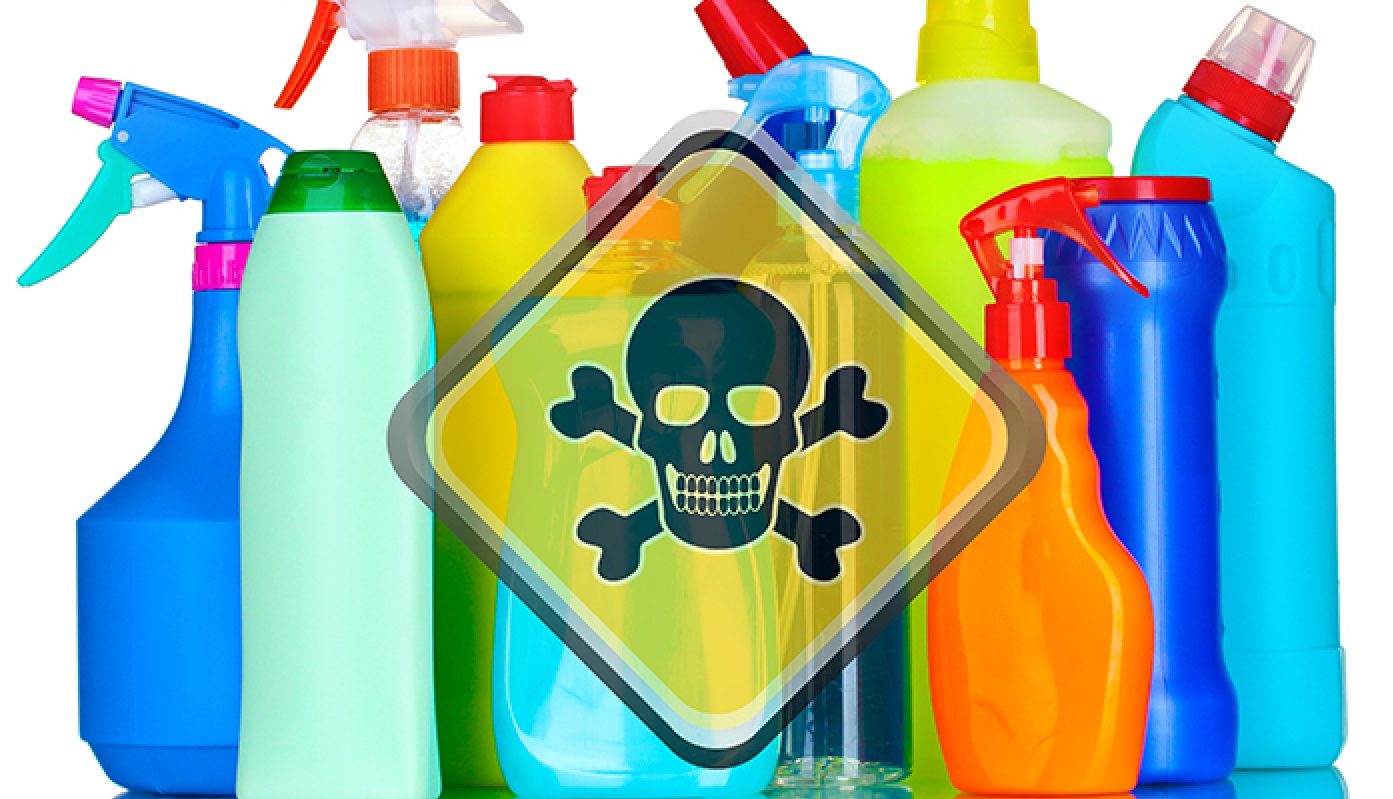
While spring brings warmer weather, sunnier days, and beautiful flowers, it also brings the reminder that it’s time to air out, declutter our homes, and do some spring cleaning. At the same time, it might be tempting to spray our homes with disinfectants, a lot of common household cleaning products are actually pretty toxic to our health. This is why we’ve provided you with some tips on how to get your home sparkling, but not at the cost of your health.
When it comes to cleaning products, we Canadians buy a lot of them.
In 2014 alone, we spent more than $641 million on products like window sprays and floor cleaners. When you break that down, we’re spending $200-$300 per household annually on products that we think help us maintain healthy homes, when in fact they could be doing the opposite.
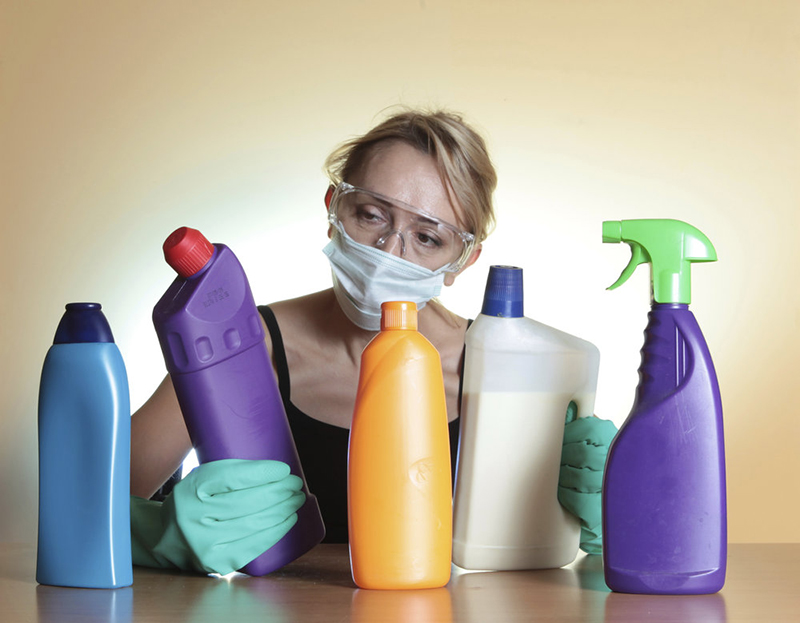
Some of Canada’s most popular cleaning products contain harsh chemicals and fragrance ingredients that can harm you and your family’s health. (Tell the Canadian government that we need better protections from toxics in our personal care and cleaning products.)
We tested the homes of 14 volunteers and found that indoor air quality quickly deteriorates when some conventional cleaning products are applied.
The good news is that safer options are widely available. Even better, DIY alternatives for many spring cleaning items are not only easy to make, they can provide significant cost savings over store brands.
How concerned should we be about the impacts of cleaning products on indoor air?
We put some of Canada’s most popular cleaning products as well as certified green products and products that had non-verifiable green claims to the test! We sampled the air in volunteers’ homes while they cleaned their kitchens for half an hour to test for VOCs.

(Volatile organic compounds, or VOCs for short, are a common type of air pollutant. VOCs are a broad category of chemicals, some of which are linked to asthma and other health conditions, including cancer. A key concern with VOCs is that some of them can react with other pollutants present in the air, and form other contaminants that are even more toxic).
So, what did we find?
- For the nine homes where conventional cleaners were used, total VOCs increased by an average of 120 per cent.
- For the three homes cleaned with certified green products with full disclosure labels, the VOCs increased by an average of only 35 per cent.
- For the two homes cleaned with products that made a green claim on the label but did not disclose ingredients, total VOCs averaged 100 per cent.

Handy tips to keep your indoor air quality in good shape while getting the job done:
- Choose green products that list their ingredients in full. Companies are not currently required to fully list their ingredients, but some forward thinking businesses offer this information to customers voluntarily.
- Avoid cleaning products that list “fragrance” as an ingredient.
- Keep rooms ventilated by opening windows or turning on fans during and after cleaning. This is especially important if you live in a condo or an apartment. Better air circulation will keep harmful VOC levels from building up.
- Try some simple DIY recipes with two simple ingredients: water and vinegar.
Following these tips, and choosing green products, or making your own when possible, are great (and toxic-free) ways to get your spring cleaning done without dirtying the planet and your health!
For the Silo, Sarah Jamal Program Coordinator, Toxics environmentaldefence.ca










 Travelers looking for meaningful and inspiring experiences in Utah can find

































































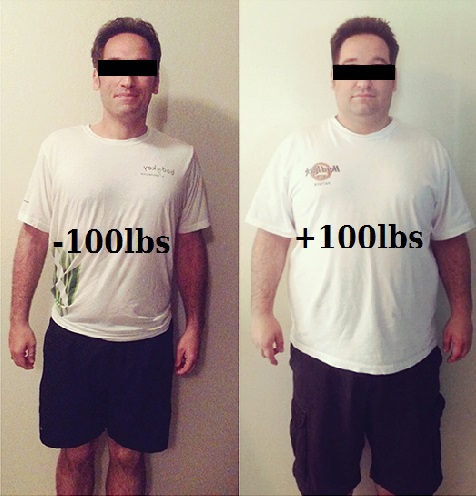 I realized I needed to do something about it and fast. So I















 Then Hope got cancer, and their lives changed drastically overnight. She fought a long brave battle, and went through over 250 chemotherapy treatments, but on April 7, 2012, on an evening that heralded Passover in the United States and Easter in Israel, she died.
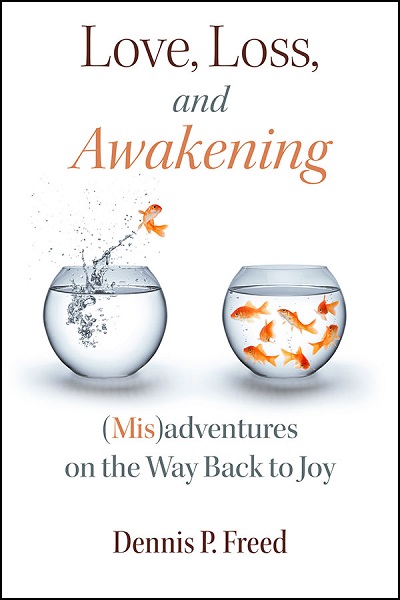 Love, Loss and Awakening




 When the device is activated, pet owners receive immediate alerts by text, email and a phone call, along with a geolocation of where their pet is located when the tag is activated. Most importantly though, MyEndlessID Pet provides rescuers and veterinarians instant access to vital medical information that could save an animal’s life in an emergency.
































 ” Nearly one in six Ontario couples is affected by infertility, and we are pleased to see so many people embracing the Ontario Fertility Program in its first year. Children are our future and by creating a more reasonable and accessible fertility program, Ontario is supporting family building for those who need the assistance of IVF.” – Dr. Eric Hoskins Minister of Health and Long-Term Care
 ” I am proud Ontario is supporting families and has taken such positive steps towards strengthening our adoption system, and we remain committed to keeping the process as smooth and successful as possible. All children and youth in Ontario deserve supportive, loving homes, and I’m thrilled to say that many families are one step closer to making this a reality.” – Michael Coteau Minister of Children and Youth Services