Rep. Anna Paulina Luna tells Joe Rogan she has seen photos of UFOs in a classified setting and is “very confident there’s things out there that have not been created by mankind.” pic.twitter.com/eL3GWcoRfF
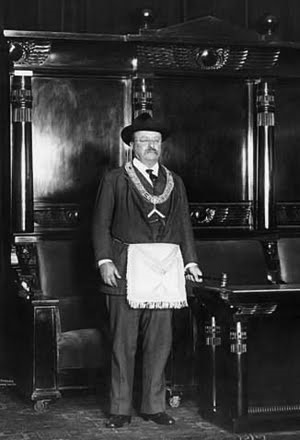
Theodore “T.R.” Roosevelt, Jr. was an American politician, author, naturalist, soldier, explorer, mason and historian who served as the 26th President of the United States.
Remember last year, when there was ongoing UAP/Drone activity hitting the news cycle and without any official explanation of what was happening over the skies of New Jersey and the rest of the world? There is still no answer and it is fascinating to consider that this phenomena is in fact not new and has been reported for over one hundred years.
The drones have become unsettlingly frequent in Monmouth County, New Jersey (Picture: Monmouth County Sheriff’s Office. Dec 2024)
When one thinks of U.S. Presidents and UFOs several of our Chief Executives come to mind. Firstly, there is President Eisenhower purportedly meeting aliens at Edwards Air Force Base in 1954.
Then there is JFK’s memo to the CIA asking for disclosure on UFOs ten days before his assassination:
More humorously but perhaps true is the story of Richard Nixon treating comedian Jackie Gleason to a view of dead alien Grays at Homestead Air Force Base in 1974.
But what about Teddy Roosevelt?
Is anyone in the UFOlogy Community even aware of a documented UFO sighting over the 26th US president’s home, Sagamore Hill, in Oyster Bay, New York on August 1, 1907 when he was in his second term of office?
According to an old clipping found by UFOlogist Kay Massingill from a newspaper called the D.C. Evening Star dated August 2, 1907, two events of a mysterious nature occurred in the town of Oyster Bay in a twenty-four hour period and both concerned Mr. Roosevelt.
In the latter, the town librarian Miss Denton opened up the library on the morning of the 1st and discovered a beautiful mahogany chair donated by Teddy to the museum from his days as Governor of New York had split down the backside sometime the night before. More peculiar was the fact that on the reverse back of the chair was the Bald Eagle Seal of the United States of America and it was split in half! An ominous sign indeed! Was it an omen?
However, the main event occurred the evening before between the hours of 9 p.m. and 11 p.m. when a brilliant white light was seen to hang motionless over Sagamore Hill.
According to the dispatch, it was a light “considerably larger than a star” and hung about 300 feet in altitude over the house according to numerous witnesses. It was an “intense white light” and after 11 p.m. it began to fade to a spark and then extinguished. Meanwhile in the library a short distance away, a chair associated with Sagamore Hill’s occupant was coming undone in a most mysterious way.
The home on Sagamore Hill
Was Mr. Roosevelt home the night of the UFO sighting? The article doesn’t say and we’ll probably never know but it is known that Sagamore was called Roosevelt’s Summer White House and it was the middle of summer.
So the main question to ask is why would a ball of light attend to Mr. Roosevelt in the heat of 1907? Two clues can be found concerning his agenda as President that year.
The speech is mundane for the most part dealing with anti-trust actions, railroads, the Department of Agriculture, conservation, unions and such but near the end of it Roosevelt begins to lay out the groundwork for creating the world’s most dominant modern navy. It seemed Roosevelt had a great grasp of what was happening in the world concerning Japan, Germany and China and their eventual rise on the world’s stage. He specifically recommended dredging Pearl Harbor to make it a world class naval base and increasing Alaska’s defenses. Did he know something about the world no one else did? His maneuvering just months after the Sagamore Hill incident directly led to America’ emergence as the modern world’s greatest Suprerpower. Did he have help from E.T. whispering in his ear? During his tenure America’s Navy grew from 5th to 3rd in the world in size.
The second clue is the very interesting coincidence of the Second International Peace Convention held at The Hague, Netherlands that year from June 15 to October 18, 1907 which was during the Sagamore Hill sighting. That convention was the brainchild of none other than Teddy Roosevelt! It was an attempt to codify the rules of war – particularly naval warfare. More importantly, it was seen as the world’s first attempt at an international governing body – a forerunner to the League of Nations and the United Nations.
The Tin Foil Hat Question
Are aliens attempting to lay out the groundwork for, or interfere with, the earth’s direction in the 20th and 21st centuries? And might they have been in contact with American Presidents long before Eisenhower’s 1954 encounter? To see the complete newspaper clipping go to http://www.worldufowatch.com/historical_newspaper_clippings For the Silo, Robert Spearing.
Another boss article via friends at Hagerty. Vintage Corvettes have been bought and sold as collector vehicles for decades, and so you could be forgiven for thinking that all the hot ones have been accounted for, and that the current body of research has documented all that’s known about them.
That’s not the case, and to seasoned Corvette hunters like Kevin Mackay, that’s actually good news. Mackay started his business, Corvette Repair, 30 years ago in Valley Stream, N.Y. His timing could not have been better. Chevy had just launched the exciting C4 model, and the Corvette collector hobby was shifting into hyper drive. That trend brought a renewed interest in the Corvette’s heritage, including racing.
Canada Corvette Connection?
There were already expert collectors well versed in Corvette history, but history has a way of changing. As deeper dives would reveal gaps in Corvette knowledge, those who applied the resourcefulness and tenacity of TV police detective Columbo were able to find and authenticate super-rare Corvettes.
1968 Sunray DX L88
You won’t find Mackay wearing a rumpled raincoat around his shop, but his detective work continues to uncover cars thought to have been lost. Some of those are race cars that have come through his shop, including the 1960 Briggs Cunningham Le Mans car, 1962 Yenko Gulf Oil, 1966 Penske L88, 1968 Sunray DX L88 (found in a barn) and 1969 Rebel L88. All were Le Mans, Daytona or Sebring class winners. Corvette aficionados will see a pattern: Among lost Vettes that Mackay hunts are ones campaigned in those races.
The Rebel was one of the most successful C3 Corvette race cars ever, winning the GT class at Daytona and Sebring in 1972, where it also took fourth overall behind two prototype-class Ferraris and a prototype Alfa Romeo. Mackay tracked the car to a southern scrapyard 24 years ago and restored it; the car sold at Barrett-Jackson’s Scottsdale sale in January 2014 for $2.86 million usd/ $3.95 million cad.
“I know where every Corvette that raced Le Mans is,” Mackay said. Knowing, of course, is only the start of a long road to acquiring a car. Aspiring Corvette hunters might take note of other cars that grab Mackay’s interest.
Listen to What The Man Says
It could go without saying that any Corvette collector would want to stumble upon an L88 hiding in a barn. It’s a comparatively small group of cars, but it’s bigger than originally thought.
“We located 13 factory L-88 cars not previously known,” said Mackay, adding that three of the 20 1967 L88s are still missing. So, when an elderly man approached him with a claim that he still owned a 1967 L-88 that he bought new, Mackay listened, if with a skeptic’s ear.
“That happens a lot,” he said. “Guys claim they have a car that nobody has ever seen.”
A doubter may dismiss such claims, but Mackay says his experience has shown that sometimes, they lead to Corvette treasure. For example, he knows of a 1967 L-89 car, one of 16 made, that hasn’t been seen in decades; it was driven just 11 miles / 17.7KM from new and put away.
Not every lead pans out, but patience can lead to gold, Mackay advises.
“I waited 11 years to buy one particular car,” he said. “I’d call the owner every year. It was all about building trust.”
And so comes another lesson in hunting and buying classic Corvettes: It’s not always about the money. Mackay said that some owners are too emotionally attached to their cars to let go. And some never do, leaving valuable cars to be auctioned by heirs. In such cases, years of patience and building trust can seem wasted. But Mackay loves the challenge of the hunt.
For another car, he waited 19 years. And he’s got a list of others.
“There are two cars I’ve been waiting nine years to buy,” he said. “I always tell the owner that he’s just holding them for me for free storage.”
Follow the Clues
Many car enthusiasts enjoy reading old magazine articles. Mackay reads them for clues. “I look for names of people associated with cars, such as race mechanics, and then I look for those people,” he said.
Knowing where a Corvette was sold can be a help for an experienced hunter. If you have a Corvette’s VIN, you can get its original shipping data – including the selling dealer – from the National Corvette Restorers Society (NCRS) for $40. Even if the dealer is no longer in business, the information could lead to other clues.
Sometimes, answering an ad for parts leads to whole cars. While hunting down a lead on parts for a 1969 Baldwin-Motion Phase III Corvette, Mackay stumbled across a super-rare Phase III GT that turned out to be a car a customer owned when new and had regretted selling many years before. Mackay has also found engines and then later located the cars they belong to.
Serial Boxes
Some collectors like to own “firsts” and “lasts” and therefore hunt low and high serial number cars. The top prize in that category would of course be the very first Corvette built, but the first two were test cars thought to have been destroyed. Yet, as Lt. Columbo might ask, “Where’s the body?”
Mackay can claim something close. He found the original chassis to 1953 serial No. 3 for a customer. He explained: “The first three made were test cars. Before GM sold No. 3, they swapped the chassis, because the first one had been used in Belgian block testing, and there were concerns about possible stress cracks.”
Somehow, the first chassis got out of GM’s grasp and was discovered underpinning a 1955 body in the 1970s. Another chassis swap ensued, and 1953 No. 3 just needed to be reunited with its original body. Mackay said the owner of that car, however, was not interested.
So, instead, Mackay is building a unique cutaway 1953 Corvette around the chassis. It’s something he said could be shown and enjoyed by the whole Corvette hobby.
Other aspects can catch a collector’s fancy. It should be no surprise that original color can affect value, but the effect might be bigger than you thought.
“Black is the most sought-after color for Vettes,” said Mackay. “A black 427/435 car could be worth double a green version.”
And then there are production oddities, the kinds of things that likely would never happen on today’s computerized assembly lines with their just-in-time parts inventory control systems. The fabulous center knockoff wheel offered as an option for the 1964-1966 Corvette actually made an earlier appearance. Mackay said 12 cars got the wheels in 1963. One is claimed to be a Z06 “big-tank” car.
Online casinos actively use bonuses and promotions to attract and retain players. For both beginners and experienced users, understanding how these offers work is important not only to increase the chances of winning but also to ensure safe and controlled gameplay. In this article, we will explore the types of bonuses, how to use them effectively, and what to pay attention to.
Types of Bonuses in Online Casinos
Modern online platforms offer a wide range of casino bonuses. The main types include:
Welcome bonuses – given to new players upon registration and first deposit.
Free spins – free spins on online slots, often included in welcome or seasonal promotions.
Cashback – a partial return of lost funds over a certain period.
Loyalty programs – points awarded for activity, which can be exchanged for bonuses or gifts.
Every bonus comes with wagering requirements, expiration dates, and bet limits. Ignoring these rules can nullify the value of the offer.
How to Use Bonuses Effectively
To get the most out of bonuses, follow a few simple guidelines:
Read the terms carefully – before activating a bonus, pay close attention to the rules, especially wagering requirements and game restrictions.
Plan your budget – use bonuses as an additional resource without exceeding your personal betting limits.
Combine with strategies – bonuses can be applied to online slots and table games, considering your chosen betting strategy.
For example, platforms like Martin Casino offer free spins and cashback systems with clear terms, helping both beginners and experienced players use bonuses safely and efficiently.
What to Watch for When Choosing a Bonus
Not all offers are equally profitable. When selecting a promotion, consider:
Bonus size – very large bonuses may come with complex wagering requirements.
Expiration date – always check how much time you have to meet the conditions.
Game restrictions – some bonuses apply only to specific online slots or types of bets.
Withdrawal conditions – make sure the wagering requirements are realistic and achievable.
Common Mistakes When Using Bonuses
Beginners often make typical mistakes, such as:
Activating all bonuses at once and losing control over their bankroll.
Not reading the terms and not knowing how to meet the wagering requirements.
Trying to use bonuses for “quick profit,” forgetting that gambling should be entertainment, not a guaranteed income source.
A responsible approach, budget and time management help players enjoy bonuses while minimizing risks.
The Future of Casino Bonuses and Promotions
With technological advancement, bonus offers are becoming more personalized. Artificial intelligence analyzes player behavior and suggests the most suitable promotions. Mobile casino bonuses and crypto-platform promotions are also gaining popularity, allowing fast and secure transactions.
Online casinos continue to use bonuses as a tool to increase player engagement. However, the key to successful play is understanding the rules, having a conscious approach, and managing your bankroll wisely.
FAQ
What is wagering a bonus?It is a condition requiring a certain number of bets before bonus funds can be withdrawn.
Can I use multiple bonuses at the same time? Usually not – most platforms allow only one bonus to be activated at a time to prevent abuse.
Which bonuses are best for beginners?Welcome bonuses and free spins are ideal because they let players try games without significant investments.
Can a bonus be lost? Yes, if wagering requirements are not met or betting limits are exceeded. How to choose a profitable bonus? Look at the size, expiration date, game restrictions, and realism of the wagering requirements.
From youtube user 1AmazingWorld: “Popocatepetl is one of the most violent volcanoes in Mexico and North America’s 2nd-highest volcano. The name Popocatepetl comes from the Aztec-Nahuatl words popōca ‘it smokes’ and tepētl ‘mountain’, thus Smoking Mountain.”
Mexico City, Mexico- Popocatepetl tells a náhuatl* legend about a brave warrior forced to go to war. Before he leaves on his mission, he secures permission to marry a beautiful princess named Iztaccihuatl (sleeping woman). After three long months without any messages about her love, the princess receives news that the warrior has died. Because of the sadness the princess cries constantly and finally dies of a broken heart.
There are actually several versions of the Popocatepetl e Iztaccihuatl legend.
In one of these is that the girl was a princess, what the most beautiful being be sacrificed to the gods for good harvests, but the warrior loved her and would not allow the sacrifice, so must flee to avoid with it, but they fled the guards discovered them and an arrow struck the princess.
His beloved picked her up and kept running, once away, safe, laid her on the field, vowing to take care of her forever, he would wait until she awakened from sleep, to continue living their love. But it has been so long that the fields and the snow would have covered.
After a short period of time the warrior returns home and discovers that Iztaccihuatl is no longer alive.
He carries her body up to the mountain where he buries her and falls onto his knees besides her while he screams so loudly that the entire valley of Mexico can hear him. The Gods feel compassionate and cover them with branches and snow and finally turn them into mountains, one with the silhouette of a woman and the other into a volcano that occasionally wakes up. The volcano is the reincarnated warrior from our story, named Popocatepetl.
It is difficult to feel completely safe, when even from a far-away distance, the mountain and the volcano are still visible. The volcano is to the right, in the background just behind the tree. photo: R.M. Robinson Bours
This Mexican volcano has been awake for some weeks now.
My name is Rosa Maria and I live in Mexico City not very far away from Popocatepetl. How is life for me and others living so close to the screaming warrior? I feel like running away every time Popocatepetl wakes up but most people stick to their daily routine; the volcano hasn’t had a major eruption or explosion for more than 1200 years so everybody is used to living with the sleeping Popocatelpetl and our Mexican, authorities order evacuations only in case of imminent danger. What’s really bizarre here, is that I can only see the volcano once in a while because of the pollution in the city. I know it exists and the evidence sits around me, as volcano ashes fall all over the place and on a clear day is quite a spectacle to see these two white, snowy figures through the urban building landscape.
*One of many languages from Mesoamerica culture, from Uto-Aztecan language family, most Nahuatl people live in Central Mexico.
Dice una leyenda Nahuatl que un valiente guerrero quería casarse con una hermosa princesa llamada Iztaccihuatl (la mujer durmiente), para tener el permiso del padre tuvo que ir a la Guerra.
La princesa Iztaccihuatl quedó en espera de su regreso y después de tres largos meses de no saber nada de su amado recibió la noticia de su muerte. La princesa lloró tanto que murió de amor. Después de poco tiempo el guerrero regresó a casa descubriendo el destino de su amada, la tomó en sus brazos y la cargó al monte para enterrarla. El guerrero permaneció de rodillas junto a su amada y sus gritos de dolor eran tan fuertes que se escuchaban por todo el valle de México. Los dioses sintieron compasión por ellos y los cubrieron de ramas y de nieve para finalmente convertirlos en montañas, una con la silueta de una mujer y el otro un volcán que de vez en cuando despierta; el nombre del guerrero es Popocatepetl.
Este volcán lleva varias semanas despierto. ¿Cómo es la vida de los mexicanos que escuchan el grito del guerrero? La mayoría continúa su vida diaria; la última gran explosión fue hace más de 1200 años, todos están acostumbrados a vivir junto al gran volcán y las autoridades evacuan únicamente en caso de peligro. Cada vez que el Popocatepetl presenta actividad me dan ganas de salir corriendo y me pregunto qué alcancé tendría una explosión fuerte. Curiosamente solo de vez en cuando se ven los volcanes, imagino será la contaminación, aunque el volcán te recuerda su presencia con las cenizas que esparce por todo la ciudad. En un día claro es todo un espectáculo ver estas dos figuras nevadas a través del paisaje citadino.
For the Silo, Rosa Maria Robinson Bours in Mexico City.
Running a business can be a challenging task, especially when you are dealing with multiple tasks and responsibilities at the same time. Fortunately, many tools can help streamline your business operations and make management much easier. In this article, we will take a look at five such tools that can help you manage your business more efficiently.
A personalized ERP
ERP stands for Enterprise Resource Planning, and you may opt for an ERP business application. It is a type of software that helps businesses manage their day-to-day operations by integrating and automating various business functions, such as finance, accounting, inventory, sales, and human resources, into a single system. ERP software provides real-time visibility into all business processes, enabling businesses to make informed decisions based on accurate data.
Slack
Slack is a communication tool that helps teams collaborate more effectively. It allows you to create channels for different projects or teams, which you can use to share files, send messages, and hold virtual meetings. Slack integrates with many other tools, such as Trello and Google Drive, making it an ideal choice for businesses that rely on multiple tools for their operations.
Google Analytics
Google Analytics is a powerful tool that allows you to track and analyze your website’s performance. It provides valuable insights into your website’s traffic, such as where your visitors are coming from, what pages they are visiting, and how long they are staying on your site. This information can help you optimize your website and improve your online presence.
QuickBooks
QuickBooks is an accounting software that can help you manage your finances more effectively. It allows you to track income and expenses, create invoices, and manage payroll. QuickBooks also integrates with many other tools, such as Trello and Google Sheets, making it easy to manage your finances and other business operations from a single platform.
HubSpot
HubSpot is an all-in-one marketing, sales, and customer service platform that can help you manage your business more efficiently. It includes a CRM (customer relationship management) tool, email marketing, social media management, and much more. HubSpot’s powerful tools can help you automate your marketing and sales processes, and improve your customer engagement.
Trello
Trello is a project management tool that helps teams collaborate and stay organized. It is a visual tool that lets you organize your projects into boards and lists, with cards for each task. You can assign tasks to team members, set due dates, and track progress. Trello is great for managing projects of all sizes, from small tasks to large, complex projects.
Managing a business can be overwhelming, but with the right tools, it can be much easier. ERP, Trello, Slack, Google Analytics, QuickBooks, and HubSpot are just a few of the many tools available that can help you manage your business more efficiently.
By using these tools, you can streamline your operations, improve communication, track performance, manage finances, and much more. So, give these tools a try and see how they can help you manage your business more effectively. For the Silo, Bill Gordon.
Being an entrepreneur is a calling for those who not only cope well with risk, but thrive on the challenges it presents. Those who are satisfied by the comfort of a secure job and a steady paycheque need not apply.
It’s an idea that has crossed the minds of virtually everyone who has worked for somebody else, regardless of the job.
As you put in time and labour that ultimately benefits someone else’s business, it dawns on you: Why can’t I just set up shop and do this myself? Why can’t I be the one taking home the big money after all the bills are paid and enjoying the independence of running my own show?
They’re great questions, but the answers aren’t for everybody.
Actually making the decision to give up the security of a steady job, and the regular paycheque and benefits that come along with it, takes a lot of guts and perseverance — especially in today’s highly competitive economy.
Unless you are among the fortunate ones backed by deep resources, the bottom line is this: when you first set out to become an entrepreneur, you are truly on your own. It’s just you and your idea. And it will be the marketplace — relentlessly detached and unemotional — that determines whether you make it or not.
Budding entrepreneurs who do take the risk to start up their own business generally face two key barriers — capital and human resources.
Many entrepreneurs owe their initial success to the trust of friends and family members, who invest funds in their start-up idea. These types of loans can be troublesome if the proper precautions aren’t taken. Make certain the terms of all loans from friends or relatives are spelled out clearly in a promissory note prepared by a lawyer. You may not be dealing with a bank or a financial institution, but you have to treat repayment in the same manner to avoid conflict with your lenders, who also may happen to be your best friend or your sister.
It’s also important to keep your credit record as clean as possible and establish a line of credit, which you can access for instant cash flow at certain times.
Start-ups are limited to hire only the personnel who they can afford, which often means running on a skeleton staff who may not necessarily be those with the greatest skills and experience. This is why most of us who have conceived what we think is a great idea for a business usually choose too much of the work ourselves and wear many hats in the early days.
It can take a long time to find the right employees when you’re just starting out. Some of the top talent may be reticent to work for a small start-up because they are worried about how it will look on their resume, job security or getting a bigger paycheque.
You need to find candidates who share your entrepreneurial spirit and aren’t averse to taking risks. Look for people who want get in on the ground floor and grow with the business.
As you build your company and expand your market, it’s tremendously important to have a network of mentors whose advice and counsel you trust. No matter how much thought and preparation you put into your business plan, you won’t be able to anticipate everything ahead of you. The marketplace is constantly moving and evolving, causing you and your business to adapt. This is where mentors can help, offering guidance drawn from experiences they had during similar changes in their own journeys.
My own mentors have changed as my career progressed, but they all had a common trait that served me and my businesses well — perspective. They have been able to see things clearly from a distance when my own vision may have been clouded by emotion, allowing me to make more-effective decisions. Entrepreneurship is about taking chances, but not blind ones.
Being an entrepreneur is a calling for those who not only cope well with risk, but thrive on the challenges it presents. Those who are satisfied by the comfort of a secure job and a steady paycheque need not apply. For the Silo, Paola Abate.
Living in space has significant effects on the human body. As we prepare for journeys to more distant destinations like Mars, humankind must tackle these risks to ensure safe travel for our astronauts.
With AI reshaping everything from finance to fast food, the $1.5T auto retail industry is finally facing its overdue disruption. The typical car-buying experience—riddled with hidden fees, lead bloat, pricing games and low trust—has remained stubbornly analog. But now, with 90% of dealerships in America (and growing % in Canada and Mexico) experimenting with AI tools and 1 in 4 buyers already using AI to shop, the tide is turning. Agentic AI technology is fundamentally reshaping one of the most significant purchases in a person’s life.
Zach Shefska, Co-Founder and CEO of CarEdge, asserts that agentic AI is the key to rebuilding trust, removing friction and leveling the playing field for both buyers and sellers. From AI-powered shopping assistants that negotiate on your behalf, to data tools that reveal deceptive dealership practices, Shefska is a pioneer in “agentic AI” — a new form of artificial intelligence bringing much-needed transparency to the industry.
The Broken Status Quo: Car buying is frustrating and inefficient for both consumers and dealerships—highlighting key stats like 72% sales staff turnover and 2% lead conversion from third-party platforms.
Lead Generation Platforms Are Failing: Legacy systems flood dealers with unqualified leads, drain resources, and deliver minimal value to consumers.
The Rise of Agentic AI in Auto Retail: Consumers are turning to tools like ChatGPT and CarEdge’s AI agent to navigate purchases with more confidence, speed, and clarity—25% are already doing it.
From Friction to Fluidity: Agentic AI replaces quantity with quality—streamlining the buyer’s journey, reducing information overload, and improving dealer efficiency.
The End of Pricing Games: AI tools now collect and publish out-the-door pricing from thousands of dealerships, exposing hidden fees and rewarding transparent sellers.
The Future of Negotiation: AI agents can negotiate on behalf of both buyers and sellers—minimizing stress, cutting transaction times from days to hours, and removing the adversarial edge.
Real-World Impact Stories: One buyer saved $1,280 and hours of back-and-forth using CarEdge’s agentic AI—illustrating AI’s practical value in real-life scenarios.
AI Helps Honest Dealers Win: In a trust-starved industry, AI gives reputable dealers a new way to stand out by offering full transparency and faster deals.
What’s Next for AI in Auto Retail: The emerging frontier: AI agents dynamically collecting and updating real-time pricing and inventory data across markets to offer true market intelligence.
For the Silo, Zach Shefska. Zach is CEO of CarEdge, a leading platform—founded by father-and-son team Ray and Zach Shefska—dedicated to empowering car shoppers with free expert advice, in-depth market insights and tools to navigate every step of the car-buying journey. From researching vehicles to negotiating deals, CarEdge helps consumers save money, time and hassle. Alsop with trusted resources like the CarEdge Research Center, Vehicle Rankings and Reviews, and hundreds of guides on YouTube, CarEdge is redefining transparency and fairness in the automotive industry. Connect with Shefska at www.CarEdge.com or on social media on YouTube, TikTok, X, Facebook, and Instagram.
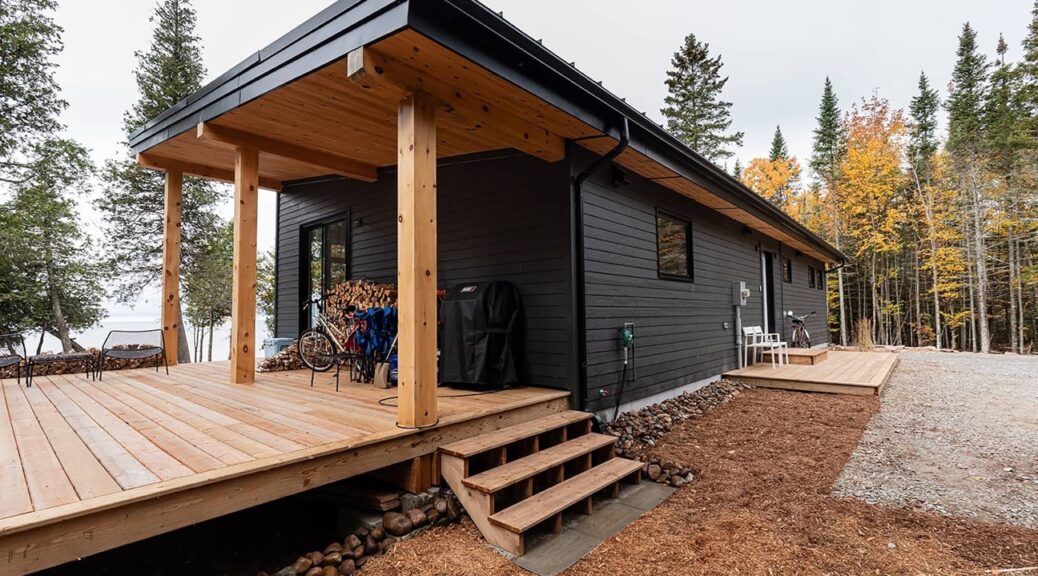
August, 2025 – Canada is not building homes quickly enough to meet rising needs, and red tape combined with low productivity is intensifying pressure on the sector. A new report from the C.D. Howe Institute explores how innovative construction technologies could help accelerate delivery and improve efficiency – if supported by the right policy conditions. The Silo predicted this dilemma over a decade ago and highlighted some of these issues and solutions in this “Tiny House” post.
In the report titled “Building Smarter, Faster: Technology and Policy Solutions for Canada’s Housing Crisis,” Tasnim Fariha outlines how innovative construction technologies – such as modular and panelized systems and mass timber – can enhance labour productivity in residential construction. While these approaches are not a silver bullet, they may offer valuable tools for increasing housing supply and managing construction workforce constraints.
Building Smarter, Faster: Technology and Policy Solutions for Canada’s Housing Crisis
Canada’s housing shortage is worsening. The Canada Mortgage and Housing Corporation (CMHC) estimates that to restore 2019 affordability levels in the market, housing starts need to be doubled. CMHC is projecting a need for 430,000–480,000 housing starts annually. But the country is falling far short. Labour shortages, weak productivity in residential construction, and slow permitting processes are making it harder to meet needs.
Innovative construction methods – including modular, panelized, mass timber, and 3D printing – offer potential to improve productivity and accelerate housing delivery, but adoption remains limited due to high upfront costs, fragmented regulations, and insufficient data on performance in the Canadian context.
The federal government’s $26 billion Build Canada Homes initiative signals a strong commitment to innovation, yet without tackling regulatory, financial, and logistical obstacles, these technologies won’t scale or deliver meaningful cost savings. To realize the productivity benefits, governments must streamline permitting, harmonize building code interpretation, reduce development charges, and support workforce training, among other steps.
Introduction
Canada’s housing sector is experiencing a multifaceted crisis characterized by escalating prices, acute affordability challenges, and a critical misalignment between housing supply and population growth. Demographic pressures – such as strong population growth – combined with economic factors like elevated interest rates, soaring housing costs and land prices are reshaping Canada’s housing market. Escalating housing costs have effectively priced out many potential buyers, compelling a larger proportion of the population to enter the rental market, thereby driving increased investment in rental and multi-family housing units (Statistics Canada 2024). However, those units have become much more expensive to build, too, which is reflected in higher rents and fewer starts than necessary to meet demand.
This modal shift reflects both market adaptations to economic constraints and broader structural changes in housing demand and affordability. On top of that, long-standing restrictive regulatory frameworks, including restrictive zoning regulations, substantial development charges, and land use constraints, contribute to housing supply limitations and price escalations (Dachis and Thivierge 2018). Addressing these structural obstacles is crucial for ameliorating persistent supply shortages, rising costs, and broader affordability challenges. The industry has been raising these issues for several years now. For example, in early 2024, the Canadian Home Builders’ Association (CHBA) released a comprehensive sector transition strategy identifying specific recommendations for systematic change in four areas: financial system, policy, labour, and productivity. In 2025, the Canada Mortgage and Housing Corporation (CMHC) emphasized that the pace of housing starts must double to gradually restore affordability to 2019 levels.
Many countries are leveraging prefabrication technologies – such as modular construction, mass timber, panelized systems, and on-site 3D printing – to accelerate homebuilding, increase productivity in the face of tight labour markets, and improve sustainability. In Canada, however, adoption remains limited amidst industry-specific challenges, complex regulations, and insufficient incentives to support these innovations.
Despite their promise, these technologies have not consistently delivered cost savings in the Canadian context. Modular, panelization, mass timber, and 3D concrete printing methods often face higher upfront costs, insurance premiums, or material expenses. To support the adoption of these innovative construction methods in Canada, more country-specific evidence is needed to guide policymakers, regulators, and developers. While international data highlight its benefits – such as speed, cost-effectiveness, and sustainability – Canadian decision-makers require more local insights. Academic-industry partnerships can help generate this evidence by analyzing best practices, labour dynamics, project outcomes, and measurable savings within the Canadian context (Dragicevic and Riaz 2024).
This paper aims to identify the main challenges facing the adoption of innovative home-building technologies in Canada. Drawing on a range of sources – including academic research, government and industry reports, and documents from builders’ associations – it offers an introductory examination of the issues at play. It does not present innovative construction methods as the sole solution to Canada’s housing crisis, but rather as a tool to improve labour productivity and accelerate residential development, particularly when supported by stable market conditions, coordinated government action, and a supportive regulatory environment. While recognizing the potential of these technologies, the paper highlights the need for more publicly available data and independent research to benchmark their performance against traditional building methods. The key recommendations from this paper – aimed at addressing the critical barriers of risk, complexity, and inconsistency – include:
Financial Incentives and Risk Mitigation: Low-cost financing and tax credits to de-risk investments by builders, and construction-financing insurance for off-site construction to boost lender confidence; standardized mortgage and home insurance rules to reduce uncertainty for buyers; and tax incentives for maintenance and repairs of homes built with innovative technologies to build trust among lenders and buyers.
Regulatory Streamlining and Efficiency: Expedited fund disbursement by CMHC to accelerate project timelines of purpose-built rentals and affordable housing; streamlined permitting processes and fast-track approvals for innovative projects; elimination of duplicative inspections for modular builds to reduce delays; reduction of development charges and related fees to improve overall housing affordability; and further research to assess how Canada’s multi-layered regulatory framework compares with international practices and whether it may be limiting competitiveness.
Standardization and Harmonization Across Jurisdictions: Standardizing interpretation of building codes across municipalities to ensure consistency and avoid costly, time-consuming redesigns; standardizing – and where necessary, harmonizing – transportation regulations on modular and prefabricated components across provinces to facilitate efficient, large-scale production and delivery.
Current Challenges in the Housing Market
Supply Shortage
Currently, Canada is not building enough homes to meet its needs. In fact, the housing shortfall isn’t closing – it’s widening. When CMHC first sounded the alarm in 2022, it estimated that Canada needed to build roughly 500,000 housing units per year through 2030 to bring affordability back to early-2000s levels. Last year, the country started building just 245,000 units – less than half the target. Now, CMHC’s latest projections scale down the target but still call for 430,000 to 480,000 housing starts annually over the next decade, merely to restore affordability to 2019 levels. In regions like Ontario, British Columbia, Nova Scotia, and Montreal, the shortfall is even more severe.
Urban centres are disproportionately impacted by limited housing supply. Housing costs are dramatically outpacing income growth, creating substantial barriers for middle-class families, first-time buyers, and young professionals seeking homeownership. Shortage of supply and higher housing costs suppress the formation of new, smaller households, pushing more people into shared or doubled-up living arrangements. Building more housing would allow Canadians to form the types of smaller households they increasingly prefer, such as living alone or only with a partner or children (Lauster and von Bergmann 2024). A striking indicator of this supply crisis is the unprecedented decline in dwellings per 1,000 people (see Figure 1), a reversal from Canada’s historical trend of increasing housing supply. This decline highlights the pressing need for strategies to realign the housing supply with population needs.
Productivity Challenges
Residential construction productivity has not recovered in the post-pandemic period, contrasting with the gradual recovery in the broader construction industry and the overall economy (Figure 2). Recent economic analyses show the industry is expanding by increasing its share of the overall workforce while its share of output is simultaneously declining (Caranci and Marple 2024).
One contributing factor may be the construction sector’s tendency to retain its existing workforce during downturns, avoiding mass layoffs to preserve skilled labour for future booms. Despite the sluggish output growth from this sector since 2022, it continues to expand in terms of employment. For example, between 2020 and 2023, employment grew by 15 percent across all industries and 21 percent in construction overall, while residential building construction saw a 26 percent increase (Statistics Canada 2025a). While this strategy may protect long-term capacity, it can also depress short-term productivity metrics during periods of reduced construction activity. If this dynamic persists, it could have long-term consequences for Canada’s housing infrastructure and broader economic growth.
Affordability Crisis
Despite the urgent need for housing, affordability remains a barrier that limits the purchasing power of many Canadians and prevents the market from meeting housing needs. Home prices have risen nearly 40 percent since 2016, contributing to a significant decline in homeownership across the country. While recent changes to down payment rules and extended amortization periods aim to support buyers, high interest rates continue to erode affordability and heighten mortgage insecurity for both new and existing homeowners. Development taxes – including development fees, lot levies, and amenity fees – have increased by 700 percent over the past two decades and can now account for up to 25 percent of a home’s sale price (CHBA 2024). Between 2011 and 2021, the share of Canadians living in owned homes decreased by 2.5 percent, with nearly all age groups experiencing a drop in homeownership rates.
This shift has led to an increased demand for rental housing, prompting developers to prioritize the construction of more budget-friendly living spaces. According to the CMHC, 72 percent of all housing starts in the first half of 2024 were apartments, with 47 percent of these designated for rental units. However, while increased rental construction is a positive trend, it remains insufficient to close the affordability gap. More housing units for homeownership are required, too. Rising home prices, population growth, and high mortgage rates have driven rental costs higher, further exacerbating affordability challenges and placing additional strain on low-income households. The growth of corporate rental ownership by Real Estate Investment Trusts (REITs), as well as secondary rentals by investors, has played a notable role, too. The average rent for a typical two-bedroom unit across Canada rose by 45 percent between 2018 and 2024, according to the CMHC Rental Market Survey.1 In 2022, Statistics Canada reported that 245,900 households were on the waitlist for social and affordable housing, underscoring the critical need for increased housing supply.2
Labour-Augmenting Home Building Technologies: A Promising Tool for Easing the Housing Crisis
Technological innovation in construction may offer a promising path to improving labour productivity (see Box 1 for a comparison of conventional and innovative homebuilding methods). These labour-augmenting technologies3 have the potential to significantly enhance efficiency and accelerate the pace of homebuilding. Labour-augmenting technologies allow workers to produce more – whether in quantity, quality, or both – within the same amount of work hours. They align with the concept of increasing the capacity of human capital without expanding the workforce. Such progress can arise from various sources, including advancements in machinery, software, work processes, or the education and skills of the workforce. Research suggests that labour-augmenting technological change stimulates gross domestic product (GDP) growth and increases long-run total employment. In open, developed economies, focusing on enhancing the efficiency and productivity of skilled workers yields the greatest benefits (Ross et al. 2024).
Conventional homebuilding methods rely heavily on strenuous physical labour and are vulnerable to weather-related disruptions and higher on-site safety risks. Although specific data on the residential construction sector are limited, the construction industry as a whole remains one of the most hazardous sectors, with on-site building particularly prone to accidents due to the complex and variable nature of the work environment. In contrast, modern homebuilding technologies – such as off-site prefabrication and digital design tools – can reduce project failure rates, shorten construction timelines, enhance defect detection, and significantly improve worker safety (Patel and Kaushal 2024). Working in a stable, climate-controlled factory setting – without the disruptions of a transient worksite – can lead to greater worker satisfaction and productivity (Hoínková 2021).
Modular construction has been around for several decades, involving off-site fabrication in safe, controlled settings and reducing workers’ exposure to harsh outdoor environments. Case studies from countries like Australia, the UK, and the US suggest that modular approaches can reduce construction timelines by 20 to 50 percent compared to traditional methods (Bertram et al. 2019). In panelization, prefabricated panels are assembled quickly on-site, eliminating sequential tasks and allowing different stages of construction to occur simultaneously. This significantly reduces project completion times while minimizing safety risks and physical labour demands. Compared to modular construction, panelization is often more flexible and efficient in terms of storage, transportation, and on-site logistics, making it a more scalable solution in certain contexts. Cross-Laminated Timbers (CLT) used in mass timber construction are easier to handle and assemble. Timber is a suitable material for prefabrication, and its insulating properties create safer working conditions in cold weather. Although somewhat more expensive than other materials, mass timber is valued for its ability to store carbon, contributing to more sustainable construction practices.
Another advantage of shifting to off-site construction is a reduced reliance on labour, especially as Canada’s construction industry faces the retirement of nearly 260,000 workers (22 percent of the workforce) by 2030, requiring over 309,000 new recruits (BuildForce Canada 2021). Research on the global construction sector shows that off-site construction offers a promising solution by enabling 30 to 60 percent of project work to be completed in controlled environments, leading to a potential 5 to 10 times productivity boost through better labour management (Barbosa et al. 2017). Controlled settings also improve worker attraction and support the application of Lean Construction principles. Engaging higher-skilled labour in tasks such as integrating electrical and mechanical systems or operating automated machinery can yield significant productivity gains. Meanwhile, lower-skilled workers can still be effectively engaged in other aspects of the prefabrication process. This approach helps ease the industry’s skilled labour shortage while improving supervision, safety, quality, material efficiency, and schedule adherence (Forestry Innovation Investment 2021).
The time savings and productivity gains cited above are largely drawn from global data across the broader construction sector and may not fully reflect the experience of residential construction in Canada, where adoption of these technologies has been slower and less standardized. The wide variation in estimated time savings often stems from differences in regulatory environments, labour availability, factory capacity, and the degree of integration with on-site workflows. Still, these figures illustrate the potential of innovative construction methods to enhance efficiency. More Canadian-specific research is needed to quantify the net productivity gains – both in time and cost – across different home-building technologies.
Demographic and regional shifts strengthen the case for modular and prefabricated housing. Urban growth, ageing populations, and smaller households are driving demand for compact, denser housing in central areas where land is limited and speed is essential. Modular construction supports this need through rapidly deployable fourplexes, mid-rises, and Accessory Dwelling Units (ADUs) on infill sites – smaller, self-contained homes located on the same lot as a primary residence. It has also proven effective for student housing, offering speed and flexibility. For example, Selkirk College’s residence in BC used a hybrid of modular and mass timber construction to reduce waste, lower costs, and accelerate delivery, earning high marks for energy efficiency while meeting urgent student housing needs.
Similarly, Trinity Western University’s Jacobson Hall in BC was built in just nine months, and the University of British Columbia’s (UBC) 18-storey Brock Commons Tallwood House saw a more than 10 percent reduction in build schedule, with the structure completed in under 70 days after prefabricated panels arrived on-site. In Northern and remote communities like Nunavut and Northern Ontario – where housing needs are urgent and labour shortages acute – off-site construction allows homes to be built in southern factories and rapidly assembled on-site, bypassing the logistical and workforce challenges of traditional construction.
Lastly, it is crucial to assess Canada’s position on the production possibility frontier (PPF), which represents the maximum number of homes that can be built using available resources, such as labour, materials, and technology, without overextending or underutilizing them. Canada’s litany of problems includes high construction costs, elevated mortgage rates, soaring house prices, adverse weather conditions, and regulatory barriers like zoning laws and building codes, along with a lengthy permitting process. So it is reasonable to infer that Canada is currently operating inside the PPF. This indicates productive inefficiency. The country is not fully leveraging its resources to produce the maximum number of homes possible (productive inefficiency may not be directly quantifiable in precise terms due to data limitations). However, in a more conducive environment where regulatory hurdles are reduced and permit approvals are quicker, labour-augmenting technological advancements could shift the frontier outward, increasing labour productivity. This shift could enable Canada to build more homes more quickly and efficiently, helping to address the ongoing housing shortage.
Where Does Canada Stand on Housing Innovation?
Many countries are leveraging modular construction and mass timber to accelerate homebuilding and improve sustainability. While Canada has begun to explore similar approaches to those used in the US and Australia, its adoption has been slower. The reason: structural barriers, regulatory complexities, and a lack of appropriate support. Scandinavian countries, like Sweden, have embraced off-site construction at scale, where 96 percent of homes are built off-site and 84 percent of detached homes use prefabricated elements (Modular Intelligence 2024). These countries benefit from economies of scale, smaller geographies and unified building codes, with higher volumes justifying the upfront investment in off-site manufacturing. Although a direct comparison of productivity or construction costs between Canada and Sweden is difficult due to differences in labour markets, regulations, and building types, off-site construction has proven more efficient than traditional methods within the Scandinavian context. This relative efficiency has driven greater industry uptake and enabled more advanced forms of prefabrication to emerge – supported by long-term investment, automation, and integration into mainstream housing delivery. Moreover, in Europe and Asia, prefabricated construction differs from that in North America in both the materials used and the size of modules or panels (Forestry Innovation Investment 2021). Understanding how these regions arrived at their current practices can offer valuable insights for industry leaders and policymakers.
Recognizing the urgent need for technological innovation to address the current housing crisis, the Canadian government announced a $600 million package in the 2024 budget. This includes a $50 million Homebuilding Technology and Innovation Fund to scale up and commercialize technologies like modular and prefabricated homes, $500 million to support rental housing using modular construction, and $11.6 million to develop a Housing Design Catalogue featuring standardized and efficient blueprints. The Housing Design Catalogue, released earlier this year, offers standardized low-rise designs focused on traditional construction to support gentle density and infill across Canada, with plans to include modular and prefabricated methods in future updates.
Greater potential for transformation lies in the recently announced initiative by the federal government, an agency called Build Canada Homes (BCH). It aims to catalyze the housing industry and create higher-paying jobs by offering $25 billion in debt financing and $1 billion in equity financing to support innovative Canadian prefabricated home builders. Its premise is that prefabricated and modular housing methods have the potential to reduce construction time by up to 50 percent, cut costs by 20 percent, and lower emissions by 22 percent compared to traditional building approaches. BCH also plans to issue bulk orders to manufacturers to stabilize demand, promote the use of Canadian materials like mass timber and softwood lumber, and expand apprenticeship opportunities to grow the skilled trades workforce.
It is too early to assess the impact of these initiatives. The distribution of funds involves lengthy bureaucratic processes, and the market requires time to adapt. Research and development, being inherently time-intensive, further slows immediate results. While these initiatives may hold significant promise for addressing Canada’s housing crisis – particularly in an environment with fewer structural and regulatory barriers – their effectiveness depends on first tackling the core obstacles that continue to hinder housing development and discourage investment in productivity-enhancing innovations.
Government support plays a critical role in driving a sector’s success and growth. As part of the HousingTO 2020-2030 Action Plan,4 the City of Toronto committed to creating 1,000 new modular homes. By 2021, 250 homes were approved, and since then, 216 modular homes have been completed, contributing to the city’s efforts to address housing shortages and provide affordable living spaces. A report from the Auditor General of the City of Toronto5 stated that due to incomplete data and lack of benchmarking, the effectiveness and comparability of modular construction versus traditional methods – regarding cost and speed – could not be assessed. It recommended improvements in project planning, cost monitoring, and data collection to allow for clearer evaluations in the future. Vancouver is also utilizing temporarily available space to build modular affordable housing with support from CMHC and the Vancouver Affordable Housing Agency (VAHA). Calgary and Edmonton are adopting similar initiatives.
In 2020, the National Building Code of Canada (NBC) increased the limit for mass timber construction from 6 storeys to 12 storeys, reflecting advancements in technology and growing confidence in the safety and sustainability of mass timber. Last year, British Columbia updated its provincial building codes to allow mass-timber structures up to 18 storeys. However, due to higher costs, adoption has so far been largely limited to public sector projects.
Canada’s housing market is gradually adapting and embracing innovative technologies at a faster pace. A growing number of companies are now offering innovative housing solutions in Canada, providing faster, sustainable, and innovative alternatives to traditional construction methods. The Kakatoots (Siksika Nation) or Star Lodge in Alberta,6 the Leamington project in Ontario,7 and the Merritt and UBC project in British Columbia8 are some of the ongoing 3D-printed home projects designed to combat the housing crisis in areas experiencing severe labour shortages.
Key Barriers to Housing Innovation
Despite these advancements, the adoption of innovative home-building technologies continues to face substantial challenges:
High overhead costs, risks of investment, and workforce constraints. Modern construction methods are heavily constrained by the high initial investment and overhead costs associated with high-tech tools and equipment, such as prefabrication machinery, 3D printers, and robotics. In addition to utilizing low-skilled labour for certain tasks, some high-skilled workers trained in operating sophisticated equipment are also required, necessitating formal education and specialized skills development programs. Such training is resource-intensive, limiting its feasibility to larger firms with the financial capacity to invest in workforce development. However, in Canada, some of these larger firms have exited the modular construction space because the anticipated efficiency gains have failed to materialize. Without a consistent flow of orders, even large firms may struggle to sustain operations.
Depressed and volatile housing market. Canada’s housing market is marked by unpredictable boom-bust cycles and a lack of long-term stability, which discourages sustained investment. Volatility in financial markets and frequent shifts in monetary and immigration policy further heighten risks for both builders and homebuyers. Factory-built housing relies on scale and repetition to be cost-effective – firms need a steady throughput to reduce the burden of high overhead costs. However, current market instability makes it difficult to maintain consistent production. On the other hand, high development charges, land levies, and amenity fees drive up housing prices across the entire industry, further dampening affordability and demand, and in turn, restricting the supply of new homes. These also make it more difficult for innovative builders to scale up and compete effectively.
Financing and insurance challenges. Modular or prefabricated homes come with unique challenges compared to traditional houses. Since up to 80 percent of a modular project is completed off-site in a factory, manufacturers typically require substantial upfront payments to secure materials and begin production. However, current lending practices – both among private banks and public programs – are often structured around on-site progress payments. Hence, they rarely accommodate this model, significantly restricting access to financing for modular projects (Dragicevic and Riaz 2024). Additionally, in terms of mortgage and home insurance, modular and prefabricated homes often face inconsistent treatment across provinces, lenders, and insurers. Mortgage providers may require additional documentation, impose stricter conditions, or offer less favourable terms compared to traditional homes. For example, while CMHC does insure mortgages for modular homes, it requires that the home be permanently affixed to a foundation and comply with all local building codes – criteria that may be interpreted or enforced differently across municipalities. Some private mortgage insurers and lenders may impose further conditions or decline to finance certain factory-built or movable units, especially if they are not CSA-certified or permanently sited. On the home insurance side, modular homes may be subject to higher premiums or limited coverage due to perceived risks, misclassification, or unfamiliarity with the building method, sometimes even resulting in denied claims or coverage gaps.9
Financial support alone is not sufficient while structural barriers remain in place. Under the Apartment Construction Loan Program (previously known as Rental Construction Financing Initiative), all financing is subject to approval by CMHC. While there have been some improvements, the process can still take considerable time and needs to be streamlined. There are examples of firms exiting the Canadian market and shifting operations to the US, citing delays in CMHC fund disbursement as one of the contributing factors behind their decision.10 The same is true for the Housing Accelerator Fund, which flowed to municipalities from the federal government. While some major cities have significantly exceeded their annualized housing supply targets in terms of permits issued, others have permitted fewer units than projected under their baseline expectations.11 These challenges undermine the primary advantage of prefabrication: the ability to build faster.
Municipal permit approval is slow for all types of housing. According to the Canadian Construction Association (CCA), it also takes nearly 250 days to obtain a building permit from the municipalities or the regional authorities in Canada – three times longer than in the US – placing Canada 34th out of 35 Organisation for Economic Cooperation and Development (OECD) countries in building permit timelines. In some cities, the delays are even worse. Toronto and Hamilton take approximately 25 and 31 months, respectively, to issue permits (CHBA 2025). Municipal process delays during construction can also eliminate all time advantages of off-site construction and drive up costs.
Inconsistency among municipalities in interpreting building codes. A major challenge for scaling up is that different municipalities, sometimes in the same province, interpret the building codes in different ways, requiring time-consuming and costly customized designs. The same can be true within one municipality, with variable interpretations between building officials. This dramatically impacts repeatability and replication that could make the process faster and more cost-effective for builders, and cheaper for homebuyers.
Transportation-related hurdles. Transportation is another challenge in off-site construction, particularly for modular systems, which face strict road permitting requirements that vary by jurisdiction. While flat packing is efficient for panels and CLT, modular transport is more complex, especially across provinces. For example, module widths allowed in the Prairies can reach 7.3 metres, while in BC, they are limited to 4.88 metres, creating constraints for project delivery (Forestry Innovation Investment 2021). Similar constraints apply to transportation entering Ontario. These differences further hinder the feasibility of large-scale, duplicated production.
Duplicative inspections create inefficiencies and difficulties, as two authorities are involved – CSA-certified bodies inspect factory-built components, while local Authorities Having Jurisdiction (AHJs) handle on-site work (Forestry Innovation Investment 2021). However, many AHJs lack familiarity with off-site construction and are often unclear about their jurisdiction and the acceptability of the off-site components that should not be subjected to duplicative inspections. This confusion can delay approvals, drive up costs, and create barriers for modular and panelized projects.
Regulatory inefficiencies push firms out of Canada. For example, in 2024, a large modular construction company closed its Kitchener, Ontario factory, cutting 150 jobs. Citing overregulation, financing delays, and rising costs, the company moved operations to the US, where it found a more business-friendly environment.
Policy Pathways and Conclusions
Cost competitiveness and investment risk remain the two most pressing barriers to scaling innovative home-building technologies. According to Keynes’ law, the market will naturally shift toward innovative home-building technologies when sufficient demand exists, and the supply side is prepared to meet it within a business-friendly environment. However, this is not currently the case in Canada, as both demand and supply are constrained by structural inefficiencies, financing gaps, and regulatory hurdles. The goal should not be to restrict these technologies to publicly subsidized, affordable rental projects, but to encourage their widespread use in the regular market. This would enable large-scale production to reduce per-unit costs through economies of scale, achieve more competitive pricing and improve affordability.
To mitigate the challenges and to encourage more innovative home-building projects, the following policy actions and further research should be considered:
The federal government – and other levels of government providing financial support – should work to minimize structural barriers, such as bureaucratic complexities and delays in fund disbursement, across all housing projects. This will accelerate delivery and reduce costs, complementing broader housing goals. While all housing supply efforts deserve timely support, streamlining financing processes for innovative home-building approaches – such as modular and prefabricated construction – will help unlock productivity gains and build capacity in this developing segment of the industry.
To encourage builders to invest in innovative construction, the federal government should provide low-cost financing and investment tax credits. This would help them address high upfront costs and de-risk substantial investments in tools, machinery, and workforce training. Additionally, adopting output-based repayment models – rather than time-based – can help firms remain viable during housing market downturns.
Federal funding can help accelerate the transition to factory-built homes through targeted programming. For instance, the CHBA is advocating for Contribution Agreement Funding to establish a Factory-Built Systems Hub.12 The Hub would offer education and training for builders and officials, help address regulatory barriers, foster innovation in factory-built construction, and provide a concierge service to assist with access to government transition funding.
To boost traditional financial institutions’ confidence in financing off-site construction, CMHC should introduce construction financing insurance tailored to modular and prefabricated housing. While this insurance may add some initial cost, it would help address lender uncertainty and reduce risk premiums –improving affordability for buyers and predictability for builders. A key barrier is that financial institutions currently lack sufficient data to confidently compare off-site construction with traditional methods. This would provide the assurance needed to support lending for a relatively unfamiliar building process. This extra layer of security can be gradually reduced as lenders become more comfortable with these projects.
The federal and provincial governments should standardize the rules and eligibility requirements for mortgages and home insurance for these types of homes to eliminate regulatory uncertainty for buyers. Income tax credits for the maintenance and repair of these homes could build trust among potential buyers, lenders, and insurance companies.
Standardizing – and where possible, harmonizing – transportation requirements across provinces is crucial for the factory-built industry. Consistent regulations would enable cost and time savings by allowing the replication of identical units without the need for costly customization or delays due to jurisdictional differences.
Overall, development charges and related fees should be reduced to improve housing affordability and stimulate construction activity. A more dynamic housing market will enable the industry to benefit from economies of scale.
Municipalities should adopt a standardized interpretation of building codes to maintain consistency. Without this, efforts to develop a housing design catalogue for the industry will have limited value. Indeed, with standardization, existing housing catalogues that builders already have could be deployed easily.
Eliminating duplicative inspections would greatly streamline the construction process and avoid unnecessary costs and delays. Additionally, municipal officials need more training and education to increase their familiarity with off-site building methods and where inspection responsibilities lie.
All municipalities and local authorities should publicly announce clear target timeframes for residential permit approvals, inspection processes, and all municipal approval processes. The goal: to accelerate housing construction and provide much more certainty for development timelines for industry. They should introduce a fast-track permit approval system for residential construction projects utilizing innovative technologies. Time savings and productivity improvements offered by innovative construction methods will not be realized if delays and lengthy administrative procedures persist.
Further research is needed to benchmark Canada’s regulatory environment against peer countries and assess whether overregulation may be discouraging investment or prompting firms to relocate to more business-friendly jurisdictions. This includes studying how countries like Sweden have successfully scaled housing innovations – such as modular construction, off-site manufacturing, and mass timber – and evaluating which aspects of their experience could inform Canadian policy. While a full exploration of these international comparisons is beyond the scope of this paper, it remains a critical area for future investigation.
While some policy recommendations apply broadly to improving overall housing supply, they are essential for creating the enabling conditions that allow modular and prefabricated projects to thrive. At the same time, targeted and preferential measures specifically supporting innovative home-building technologies are also necessary to overcome their unique challenges and accelerate their adoption. Although not a panacea to the ongoing housing crisis, wider adoption of these technologies has the potential to ease pressure in the short term by accelerating construction and to improve affordability in the long term through greater efficiency and scalability. For the Silo, Tasnim Fariha Senior Policy Analyst at the C.D. Howe Institute.
The author extends gratitude to Colin Busby, Nicholas Dahir, Parisa Mahboubi, Carolyn Whitzman and several anonymous referees for valuable comments and suggestions. The author retains responsibility for any errors and the views expressed.
Canadian Home Builders’ Association. 2024. Sector Transition Strategy. Ottawa: Canadian Home Builders’ Association. February 8. https://www.chba.ca/sectortransition/.
Hořínková, Dita. 2021. “Advantages and Disadvantages of Modular Construction, Including Environmental Impacts.” IOP Conference Series: Materials Science and Engineering 1203 (3): 032002. https://doi.org/10.1088/1757-899X/1203/3/032002.
Lauster, Nathanael, and Jens von Bergmann. 2025. “The New Rules: Housing Shortage as an Explanation for Family and Household Change across Large Metro Areas in Canada, 1981–2021.” The History of the Family. February: 1–30. https://doi.org/10.1080/1081602X.2024.2448986.
Patel, Jainil, and Vinayak Kaushal. 2024. “Comparative Review Study of Modular Construction with Traditional On-Site Construction.” Preprints. June. https://doi.org/10.20944/preprints202406.0301.v1.
Ross, Andrew G., Peter G. McGregor, and J. Kim Swales. 2024. “Labour Market Dynamics in the Era of Technological Advancements: The System-Wide Impacts of Labour Augmenting Technological Change.” Technology in Society 77: 102539. https://doi.org/10.1016/j.techsoc.2024.102539.
This is just a first step- The law protecting other Provincial Parks is also in the government’s cross-hairs
Toronto, Ontario Canada | Traditional territories of the Mississaugas of the Credit, the Anishinaabeg, the Haudenosaunee, and the Wendat – The Ontario government is proposing to sell key parts of Ontario’s second most-visited Provincial Park (2023 data) for a development scheme. The area on the chopping block includes roughly 60% of the Park’s celebrated Georgian Bay shoreline lands and critical habitat of the endangered piping plover. These sensitive areas rely on the Provincial Park’s protections to safely coexist with beachgoers and other recreational users.
Possibly even more concerning, the government is targeting the Provincial Parks and Conservation Reserves Act (PPCRA) that protects all of Ontario Parks and Conservation Reserves.
The PPCRA currently requires that elected MPPs approve any significant removal of provincial park land. Rather than simply complying with that requirement and obtaining that approval for Wasaga Beach Provincial Park, the government is proposing currently unspecified “legislative amendments” to the PPCRA itself. The government notice says the amendments are “to remove” land. Because of this, Environmental Defence is concerned that the Provincial government intends to weaken the process requirements for removing Park or Conservation Reserve lands seeing as the current law would not itself need to be changed if its process requirements, including a Legislative Assembly vote on the park area changes, are followed.
“Provincial Parks belong to the people of Ontario and are meant to be protected forever. It is appalling that the current government is trying to give away big parts of one of our most popular parks, and make changes to the legislation that protects all of our Provincial Parks ” said Tim Gray, Executive Director of Environmental Defence. “These beachfront lands on Georgian Bay are worth millions of dollars and are owned by the people of Ontario. They should never be a part of a tourism development”.
Background
Ecological values in the The Wasaga Beach Provincial Park lands to be lost include:
Known piping plover habitat, which is listed as endangered under both the federal Species at Risk Act and the provincial Endangered Species Act.
Mature sand dunes, which provide important ecological and stabilizing functions including providing a protective buffer against high water, wind and storm events for private or adjacent lands, which is an important role as the climate changes.
Significant vegetation communities and provincially significant wetlands.
“The Point” located in Beach Area 1 which is one of those targeted to be removed is designated as a provincially significant earth science Area of Natural and Scientific Interest (ANSI)
Transferring ownership of Wasaga Beach Provincial Park lands is not required to support beach-related tourism re-development plans in the Town of Wasaga Beach. On the contrary, it is thanks to the active protection of the Recovery Program at Wasaga Beach Provincial Park that piping plovers and their habitat can coexist with a thriving beach destination.
Hundreds of thousands of Ontarians enjoy the beaches each year, The Provincial Park and Conservation Reserves land disposition is regulated under Sections 9(3) and 9(4) of the Provincial Parks and Conservation Reserves Act. Section 9(4) specifies that “The Lieutenant Governor in Council may not order the disposition of an area of a provincial park or conservation reserve that is 50 hectares or more or 1 per cent or more of the total area of the provincial park or conservation reserve, unless,
(a) the Minister first reports on the proposed disposition to the Assembly;
(b) the Minister tables the proposed new boundaries of the provincial park or conservation reserve with the Assembly; and
(c) the Assembly endorses the proposed new boundaries of the provincial park or conservation reserve. 2006, c. 12, s. 9 (4).”
Wasaga Beach Provincial Park land removal and proposed amendments to Provincial Parks and Conservation Reserves Act, EBR posting: https://ero.ontario.ca/notice/025-0694
This press release was re-issued to address the following issues:
The ERO posting from the Province of Ontario includes a general map without calculations of the areas proposed for land disposition in the Wasaga Beach Provincial Park. EDC’s third party GIS consultant included the lakebed abutting the beaches in the original calculations found in EDC’s media statement. Those figures have now been corrected to recognize that under the current provincial proposal the lakebed would not be transferred to the Town of Wasaga Beach.
To clarify that the Provincial government has not yet released for review draft wording or a clear description of its proposed changes to the PPCRA and that it is EDC’s opinion that these changes will be focused on making this and future park land removals easier by weakening transparency and the necessity of a Legislative vote on future boundary changes.
The park land is to be sold for an undisclosed sum, not given away as described in our original release.
ABOUT ENVIRONMENTAL DEFENCE (environmentaldefence.ca): Environmental Defence is a leading Canadian environmental advocacy organization that works with government, industry and individuals to defend clean water, a safe climate and healthy communities.
New Landmark Exhibition at The Met to Explore Powerful Imagery of the Gods of Ancient Egypt
Over 200 stunning works on view together for the first time will reveal how ancient Egypt’s important gods were believed to manifest themselves through extraordinary imagery and depictions. Exhibition Dates: Oct 12, 2025–Jan 19, 2026 Location: The Met Fifth Avenue, The Tisch Galleries, Gallery 899, 2nd floor
(New York, July, 2025)—Divine Egypt at The Metropolitan Museum of Art—the first major exhibition of Egyptian art at the Museum in over a decade—will explore how images of gods in ancient Egypt were experienced not merely as spiritual depictions in temples, shrines, and tombs but were the instruments that brought the gods to life for daily worship, offering ancient Egyptians a vital connection between the human and divine worlds. Opening on October 12, the exhibition will bring together over 200 spectacular works of art to examine the imagery associated with the most important deities in ancient Egypt’s complex and always-expanding constellation of gods.
Over more than 3,000 years, the Egyptian people’s belief system grew to include more than 1,500 gods with many overlapping forms and traits. Divine Egypt will feature impressive works of art, ranging from monumental statues to small elegant figurines in gleaming gold and silver and brilliant blue faience, that represent 25 of ancient Egypt’s principal deities, including the stately falcon-headed Horus, the potentially dangerous lion-headed Sakhmet, the great creator-god Re, and the serene mummiform Osiris. The exhibition will reveal the ways in which subtle visual cues, like what a figure wore, how they posed, or the symbols they carried, helped identify them and their roles.
The exhibition is made possible by The John A. Moran Charitable Trust.
Additional support is provided by the Kelekian Fund, Alaina and Stirling Larkin, and Norby Anderson.
“Divine Egypt will immerse visitors in the breathtaking imagery of the most formidable ancient deities and expansive universe of the Egyptian gods,” said Max Hollein, The Met’s Marina Kellen French Director and Chief Executive Officer. “The Museum’s galleries for Egyptian art are among the most beloved by our millions of yearly visitors, and this dazzling exhibition brings together some of our most exquisite works with loans from leading global institutions for an exceptional, once-in-a-lifetime exhibition of ancient Egyptian art.”
The exhibition will include magnificent works of ancient Egyptian art that have never been exhibited together before, many of them on loan from institutions such as the Museum of Fine Arts, Boston; the Musée du Louvre, Paris; and the Ny Carlsberg Glyptotek, Copenhagen. There will also be over 140 works from The Met’s own iconic Egyptian art collection. Highlights range from impressive sculpture to a striking pectoral in gold and lapis (the substances that the bodies of gods were believed to be made of) to detailed metal and wood sculptures. A solid gold statue of the god Amun will adorn a re-creation of a divine barque, a type of boat that held the principal deity of a temple and would be paraded through the streets during festivals so that people could commune directly with the god. Each section of the exhibition will provide an immersive opportunity to examine the ways in which the kings and people of ancient Egypt recognized and interacted with their gods.
“The ways in which the ancient Egyptian gods were depicted are vastly different from the divine beings in contemporary religions and therefore are intriguing to modern audiences,” said Diana Craig Patch, Lila Acheson Wallace Curator in Charge of Egyptian Art. “The identity of an ancient Egyptian god may at first seem easy to recognize but looks can be deceiving, as one form can be shared by many deities. Across more than 3,000 years of history, gods, attributes, roles, and myths were rarely dropped from use, yet the Egyptians of the time had no difficulty understanding and accepting the resulting multiplicity. Through hundreds of spectacular objects, Divine Egypt will allow visitors to understand the complex nature of these deities and help translate the images that were needed to make the inhabitants of the celestial realm available to ancient Egyptians.”
By focusing on the imagery associated with many of the most important and powerful deities in ancient Egypt, the exhibition will reveal the multifaceted nature of ancient Egyptian religion as well as the ease with which ancient Egyptians connected with their complicated divine landscapes. Some deities deceptively employed the same imagery with the result that one form could be shared by many gods, while in other cases the roles of deities would expand or change over ancient Egypt’s long history, with one god taking on many forms. The evolution of this landscape over time created deities with numerous roles often having a different representation for each manifestation. Hathor, for example, can appear as a cow, a woman wearing a headdress of horns protecting a sun disk, or a human-headed snake, while some gods maintained consistent forms over thousands of years, like Ptah, who is almost always mummiform and wears a cap.
Divine Egypt will also look at how two categories of society interacted differently with the gods: the Pharaoh and high priests had access to the gods in daily temple rituals, while non-royal Egyptians were not permitted to enter the inner sanctuaries of the great temples where the deities came to Earth and inhabited their images. Through objects of private devotion, including donations to offering tables and shrines in temples and images of deities found in homes and villages, the people of Egypt could find support from their gods daily.
The exhibition will conclude with artifacts relating to the transition to the next life—a reality shared by Egyptians of all rank—with depictions of the gods who together oversaw each person’s passage from this world to the next: chief god of the underworld, Osiris, supported by his sisters, Isis and Nephthys, and Anubis, the canid-headed god who supervises the embalming process.
Credits and Related Content
Divine Egyptis curated by Diana Craig Patch, Lila Acheson Wallace Curator in Charge of Egyptian Art at The Met, with Brendon Hainline, Research Associate, Department of Egyptian Art.
A fully illustrated catalogue will accompany the exhibition and be available for purchase from The Met Store.
The catalogue is made possible by the Kelekian Fund.
Additional support is provided by Patricia A. Cotti.
The Met will host a variety of exhibition-related educational and public programs, including “Sunday at The Met” on Sunday, October 19; Met Expert Talks; an afternoon of scholarly presentations on Thursday, December 4; a film screening; and art-making workshops at both the Museum and offsite with community partners. More details will be announced at a later date.
Education programs are made possible in part by the CORA Foundation.
The exhibition is featured on The Met website, as well as on social media.
Travelling can be an exhilarating experience, whether you’re setting out on a spontaneous weekend getaway or embarking on a long-awaited international trip. One of the most important decisions to make before any adventure is choosing the right suitcase. Your luggage plays a crucial role in the ease and comfort of your travels, and selecting the best one can save you from many headaches along the way.
Fantastic Beasts released in 2016 featuring Newt Scamander’s Magic Suitcase
With the variety of options available on the market today, finding the perfect suitcase can be overwhelming. From materials and sizes to wheels and handles, there are several factors to consider to ensure you make the best choice for your needs. This guide will help you break down the essential features to look for when picking out a suitcase for your next trip.
Size Matters: Choosing the Right Dimensions
The first thing you need to consider when selecting a suitcase is its size. Suitcases come in various sizes, ranging from compact carry-ons to larger checked luggage. The right size for you will depend on the length of your trip and how much you typically pack.
Carry-on size: If you’re planning a short trip or prefer to travel light, a carry-on suitcase is likely your best option. It’s important to check airline guidelines as each carrier has specific size and weight restrictions for carry-on luggage.
Checked luggage size: For longer trips or if you tend to pack more, a larger checked suitcase may be necessary. These suitcases offer more space but can be bulky to handle. Always ensure that the size adheres to airline regulations to avoid additional fees.
For a variety of suitcase sizes and to compare top-rated models, you can explore Meilleurs.ca, which offers expert comparisons and guides to help you make informed decisions.
Spoiler alert- topping Meilleurs.ca list of suitcases is the Swiss Gear La Sarinne 28″ Suitcase.
Durability: Materials That Last
James Bond 007’s- Spy attache case.
Suitcases are typically made from one of three primary materials: soft-shell fabrics, hard-shell plastics, or hybrid combinations. Each material has its own set of pros and cons.
Soft-shell suitcases: Made from durable fabrics like nylon or polyester, soft-shell suitcases offer flexibility and expandability, which is ideal for squeezing in extra items. They’re generally lighter and more forgiving when you’re trying to fit your luggage into tight spaces like an overhead bin. However, they may not provide as much protection for fragile items as hard-shell options.
Hard-shell suitcases: Constructed from materials such as polycarbonate or ABS plastic, hard-shell suitcases provide better protection for your belongings, especially for breakable items. These suitcases are more rigid and usually more secure, but they can also be prone to scratches and cracks over time.
Hybrid suitcases: Some suitcases combine soft and hard-shell elements, offering the best of both worlds. These can provide flexibility while still offering a decent level of protection for your belongings.
Weight: Lighter Is Better
Airlines have become stricter with weight limits, especially for checked luggage. It’s important to choose a suitcase that is light yet durable. A heavy suitcase can quickly eat into your weight allowance, leaving you with less space for your belongings. Look for lightweight materials that don’t compromise on durability, such as polycarbonate for hard-shell suitcases or ballistic nylon for soft-shell suitcases.
An antique art deco Cheney brown crocodile skin suitcase made in England in the 1950s.
Wheels: For Effortless Maneuvering
One of the most crucial features of a suitcase is its wheel system. The last thing you want is to struggle with a suitcase that doesn’t roll smoothly through airport terminals or crowded streets. There are two main types of wheels to consider:
Two wheels: Traditional two-wheeled suitcases tend to be more stable when pulled in a straight line and are ideal for rough surfaces. They also don’t roll away when left on a slope. However, two-wheeled suitcases are more cumbersome to maneuver, especially in tight spaces.
Four wheels (spinner wheels): Four-wheeled suitcases, also known as spinners, offer a full range of motion, allowing you to roll the suitcase upright and in any direction. This can be especially useful when navigating through busy areas or small spaces. While they provide better mobility, spinner wheels can be less stable on uneven surfaces and may roll away if left unattended on an incline.
Handles: Comfortable and Sturdy
The handle of a suitcase may seem like a minor detail, but it’s vital for ensuring comfortable and easy transport. Look for a telescoping handle that can be adjusted to multiple heights and locks securely in place. A comfortable grip is also important, as you’ll be using the handle frequently while pulling the suitcase.
Additionally, consider a suitcase with side or top carry handles for when you need to lift it, such as placing it in an overhead bin or into the trunk of a car. Make sure these handles are sturdy and padded for comfort.
Compartments and Expandability: Maximizing Space
Good luggage design should include plenty of compartments and organizational features. Look for suitcases that offer:
Multiple compartments: Interior pockets and compartments help you keep your items organized, from shoes to toiletries to important documents.
Expandable sections: Some soft-shell suitcases have expandable zippers that allow for extra space when needed, perfect for travelers who tend to overpack or pick up souvenirs along the way.
Compression straps: These interior straps help keep your clothes in place, reducing wrinkles and maximizing the space inside the suitcase.
Security: Keeping Your Belongings Safe
Travel security is always a concern, especially when you’re carrying valuable or personal items. Look for suitcases that come with built-in locks, especially TSA-approved locks, which allow airport security to open the suitcase without damaging the lock during inspections.
In addition to locks, hard-shell suitcases generally offer more protection from theft, as they are harder to cut through than soft-shell models. Zippers should be sturdy and smooth to operate, minimizing the risk of breakage during your trip.
Style: A Reflection of You
While functionality is the most important factor when choosing a suitcase, style can’t be overlooked. Your luggage is a reflection of your personal style, and with so many colors, patterns, and finishes available, you can find a suitcase that suits your personality. Whether you prefer sleek, minimalist designs or bold, vibrant patterns, the style of your suitcase can add a touch of fun to your travel experience.
Conclusion: Invest in the Right Suitcase for a Stress-Free Adventure
Choosing the best suitcase for your next adventure requires balancing practicality, durability, and personal preference. By focusing on key features like size, materials, weight, wheels, handles, and compartments, you can ensure that your suitcase not only meets your travel needs but also enhances your overall experience.
A good suitcase is an investment in stress-free travel, and with a little research and attention to detail, you can find the perfect one to accompany you on all your future adventures. To explore and compare the best suitcases available in Quebec, check out Meilleurs.ca for expert reviews and recommendations that will guide you toward making the best choice for your journey. For the Silo, Vinayak Gupta.
Featured image- Del’s steamer trunk case in the classic holiday film Planes, Trains and Automobiles 1987.
What is with the connection between running shoes and combat? Comfort and stealth? Style and speed? Whatever the case it is time to take a look at another “fighting sneaker”. The Cheetah is made in Pakistan by long-lived footwear juggernaut Servis. A sneaker so intrinsically tied to wartime Afghanistan, it’s been the subject of controversy ever since a few western stores started stocking them on their shelves, our friends at kommandostore included. With it’s looks that embody a time capsule of 2000s shoe design, and its ties to legitimate warfighting in Afghanistan, it’s cemented a legendary status on our store.
Outside of Afghanistan, these runners went viral for their apparent association with insurgency – but inside Afghanistan, as one NYT article reports, they’re a “status symbol worn by warfighters” including the Afghan security forces that also took a liking to them. But tales of internal squabbles and “forever wars” aside, we’re inclined to agree: You’d never guess it based on the design of the shoes alone, but the men who wore them earned them their status as shoes you can literally trust to go to war with.
But reputation only brings a pair of shoes so far — any sneakerhead among you is going to want to look for finer details. And Alhamdulilah, you’ll be pleased. Being made in Pakistan instead of China, you really don’t see the common corners cut. The materials are nice, the outsole surprisingly durable. It’s no wonder that like many throughout history, Afghan warfighters on all sides wore cheetahs as a lighter, nimbler alternative to heavy boots.
And of course they love how they look too.Looking fresher than pre-creased Jordans never had such a close vicinity to the country of Jordan…
A fever, stomach pains or a simple case of the sniffles can send people rushing to the pharmacy for a drug to cure their symptoms.
But Mother Nature provides a number of medicinal plants with healing properties that also can nurse you back to health, a fact more North Americans are beginning to discover.
Doctor Sodhi -” more North Americans realize the effectiveness of remedies found in nature”
“The use of herbal medicine, although traditional in many Eastern cultures, had been only a minor fad in Western medicine until recent decades,” says Dr. Virender Sodhi, founder of the Ayurvedic and Naturopathic Medical Clinic , which provides complementary and alternative medicine.
That trend has been shifting as a growing body of studies and research has demonstrated the effects of traditional remedies on chronic diseases, such as diabetes and hypertension, says Sodhi, author of the new guide, “Ayurvedic Herbs: The Comprehensive Resource for Ayurvedic Healing Solutions”.
That’s not necessarily news to ailing people in other parts of the world, such as Asia and Africa. For centuries, they have found relief through herbal medicines derived from shrubs, vines, trees and other plants, Sodhi says.
Here are four examples, a couple of which are recognizable by better known names and purposes.
American licorice is a native, perennial legume that grows in temperate climates of North America. Licorice, which grows in Europe and Asia, is the root of varieties of the Glycyrrhiza plant.
• Glycyrrhiza glabra. Most people would recognize this plant by its more common name – licorice. It has been used for centuries in the traditional and folk medicines of Asia and Europe to treat ailments ranging from the common cold to liver disease, Sodhi says.
Most Americans likely encountered licorice as children because the sweet root of the plant is used to make candy. Licorice can cure more than a sweet tooth, though. It can protect people from the influenza virus. In cell line studies it was shown to reduce titer of the influenza virus by 90 percent and have strong immune modulation properties.
It’s an important ingredient in many herbal preparations, Sodhi said, especially for bronchial conditions. Because of its expectorant properties, powdered licorice has been used for centuries to treat coughs. Modern cough syrups often contain licorice extract.
• Piper nigrum. This flowering vine’s berries, when still unripe, are used to produce black pepper, but spicing up food isn’t its only talent. Piper nigrum has anti-inflammatory, anti-microbial and anti-spasmodic properties that make it ideal for treating digestive disorders, Sodhi says.
It doesn’t stop there. Drug resistance is a major concern in cancer patients. Piper nigrum can reverse multiple drug resistance many fold and significantly increase the apoptotic effect of many pharmaceutical drugs.
CLICK me to discover more about Frankincense
• Boswellia serrate. Commonly known as Frankincense, this herb has powerful anti-inflammatory effects. Several patients with ulcerative colitis and Crohn’s colitis have gone in to remission using a Boswellia preparation.
In brain tumor patients it has reduced cerebral edema by 75 percent. Sodhi has mentioned case studies of many patients with rheumatoid arthritis, psoriatic arthritis, polymyalgia rheumatica and ulcerative colitis who went into remission.
• Bael. Commonly known as “golden apple”, this fruit-bearing tree indigenous to the hills and plains of central and southern India has numerous uses. The fruit promotes healthy digestion and is used medicinally to treat such conditions as diarrhea, dysentery and cholera. The leaves, roots and bark of Bael also have medicinal value.
They help relieve acute bronchitis, heart palpitations, intermittent fevers and many other ailments. Dr. Sodhi has observed 100 percent success in treating patients of clostridium difficile, who did not respond to standard medical protocol of metronidazole (Flagyl), Dificid (fidaxomicin), or vanconycin.
Creating specialized watches for extreme professions is a tradition at the Raketa Watch Factory and now they have just presented a new version of its popular Pilot model.
The history of aviator watches dates back to the early 20th century when aviation and wrist watches evolved side by side. The first aviator watches were built as professional tools, eschewing decorations in favor of durability, reliability and readability. They had a strict and minimalistic design: a round case, a high-contrast dial, wide hands and large numerals. Everything you need to make note of the passage of time while controlling a warbird and flying upside down.
KISS- Keep It Simple Soviet!
In designing its new Pilot model, Raketa tried to recreate the spirit of early aviator watches following the principle of “nothing superfluous”.
Designed in a classic style but with Raketa’s recognizable identity, the new case with its clean facets combines a glossy polish and a satin finish. This look is harmoniously continued with the stainless steel bracelet, which emphasizes the masculine character of the timepiece.
A genuine leather strap is also included in the set. The movement is protected by a screw-in crown which provides a water resistance of up to 200 meters.
Several features ensure easy readability in all lighting conditions. Super-LumiNova coating is applied to the markers and large numerals of the dial, but also to the hour and minute hands. Contrast is created through color combinations- all the hands including the bright yellow second hand perfectly stand out against the matte black dial stylized in the same manner as a precision aircraft dashboard instrument gauge.
A double-sided anti-reflective coating on the sapphire crystal provides additional assurance of accurate readings.
The heart of the Raketa Pilot is its automatic movement manufactured from A to Z at the Raketa Watch Factory in St. Petersburg, Russia.
Price
The cost is 1950 EUR (including VAT)/ $3,110 CAD at time of posting. For the comfort of customers, Raketa watches are delivered worldwide free of charge by DHL directly to your front door. For the Silo, Jarrod Barker.
Accidental Landlords: ADU Owners Disrupt Rental Markets From Driveways
Here in Canada we have been pre-programmed to some extent about the possibility and perhaps inevitability of living in a tiny home- and one that we won’t even own. In some cases, these homes seem to be little more than utility sheds fitted with utilities and small appliances but there are exceptions like this exceptionally designed ADU.
In America, many ADU (Accessory Dwelling Unit) owners didn’t set out to be landlords, but new laws and economic pressures there are turning suburban homeowners into accidental real estate moguls. With situations the same here in Canada and with migrant levels increasing month after month, can we expect to see more and more cities following Ottawa’s lead in tiny home renting? It sure seems like a strong possibility.
Let’s Look At The USA
As state and city-level ADU laws continue to loosen across the U.S., a growing wave of suburban homeowners are becoming first-time landlords, many without ever intending to enter the real estate game. These decentralized landlords are renting out backyard cottages, granny flats and in-law suites, garage conversions and prefab units—quietly changing the economics of their neighborhoods and offering a hyperlocal solution to the housing shortage.
Accidental Landlord Essentials: What to Know Before Renting Out Your ADU
Right after housing family, passive rental income is one of the top reasons people want to build an ADU on their property, and we can definitely see why. Becoming a landlord is a great way to supplement your income and create a healthy nest egg for retirement or savings. But, it’s important to remember that being landlord is still considered a job with responsibilities. There are certain expectations that should be adhered to in order to ensure your tenant(s) are comfortable in your ADU, ensuring prolonged success.
So, what makes the difference between an “okay” landlord and a fantastic landlord with happy tenants? Here are some key things to know before you start renting out your new unit.
What do I need before I rent out my ADU?
Before renting out your ADU, you will need two crucial things: a Certificate of Occupancy and landlord insurance.
Certificate of Occupancy
In the USA, there is an important document called a Certificate of Occupancy, issued by the local building department, confirming that the accessory dwelling unit (ADU) complies with all relevant building codes and regulations and is safe for occupancy. To obtain a Certificate of Occupancy, you will need to schedule an inspection of your ADU to ensure it meets all required standards for habitability, fire safety, and structural integrity.
Once you have obtained the necessary Certificate of Occupancy and ensured compliance with local regulations, you can proceed with renting out your ADU.
Landlord Insurance
It’s also a good idea to consider obtaining landlord insurance to protect your property and assets as a rental property owner. Landlord insurance, also known as rental property insurance, is a type of insurance policy specifically designed to protect property owners who rent out their properties to tenants. Here are some key aspects of landlord insurance:
Property Coverage: This aspect of landlord insurance typically covers the physical structure of the rental property, including the dwelling itself and any structures on the property, such as garages or sheds. It can protect against damage caused by covered perils like fire, vandalism, or natural disasters.
Liability Coverage: Landlord insurance often includes liability coverage, which protects you financially if a tenant or visitor is injured on your rental property and holds you liable. This coverage can help pay for legal fees, medical expenses, and damages if you’re found responsible for an accident or injury.
Loss of Rental Income: If your rental property becomes uninhabitable due to a covered loss, such as fire or storm damage, landlord insurance can provide compensation for the lost rental income during the time it takes to repair or rebuild the property. This coverage can help mitigate the financial impact of a temporary loss of rental income.
Additional Coverages: Depending on the policy and insurer, landlord insurance may offer additional coverages or optional endorsements to address specific risks or circumstances. These could include coverage for landlord liability arising from wrongful eviction or discrimination claims, coverage for theft or vandalism by tenants, or coverage for legal expenses related to evictions.
It’s important to note that in America, landlord insurance is distinct from homeowners insurance, which is intended for owner-occupied properties. Landlord insurance policies are tailored to the unique risks and responsibilities of rental property ownership, providing coverage for situations that may not be addressed by standard homeowners insurance.
Once you have these two things in place, you can move on to establishing the lease terms of your ADU.
What should rental lease terms be for an ADU?
The great thing about owning your own ADU is that you can set any rules you want. All of this should be laid out in a lease so that all parties can have the rules in writing and you can avoid any conflict in the future. Here are just a few things you should think about including in your lease:
When is rent due?
Is this a long-term lease (1+ years) or month-to-month
Do you allow pets? Size, type, and quantity restrictions? Is a deposit and pet rent required?
Is smoking allowed?
Are utilities included?
Is parking included?
Will the tenant have access to yard space or other outdoor areas?
When do quiet hours begin?
This is just a sample of things you should be thinking about when drafting your lease.
While you do have free reign in placing any rules for your ADU (as long as you don’t violate any laws) you should also think about what will be on people’s checklists in your area. Living close to a college campus for example, will likely attract students looking for short-term housing. Living close to a high population area where parking can be tough, you’ll have tons of rental applications if you offer free parking.
There are plenty of lease agreement templates that you can find online, but make sure you read them carefully and edit as needed to make sure they cover everything you require.
If you’d rather go the easier route, you can always hire a property management company who can draft the lease and collect the signatures for you. We’ll go more into property managers later.
How do you figure out the charge for rent?
There’s no one-size fits all answer to this question. The rent you can charge for your ADU will depend on city, neighborhood, ADU size, amenities, number of bedrooms and more. But, by doing some quick research you can arrive to a baseline number that makes sense for your ADU.
To start, check out similar listings in your area to get a general range of how much rent you can charge for your ADU. Sites like Zillow, Apartments.com, Craigslist, and Trulia are great places to look first. Especially look at going rates in your specific neighborhood. Rental rates can fluctuate heavily from neighborhood to neighborhood within the same city, so you want to make sure you’re not pricing your ADU too high or low for your immediate area.
Next, take your amenities into consideration. A washer and dryer in the unit is a hot commodity that people will be willing to shell out a few extra dollars for.
If you want to add these types of amenities to your unit, make sure you discuss it with your designer so that they can make the space for them in the designs.
Also, look back at your lease and what you’re offering. Qualities like included utilities, pet friendly, and a month-to-month lease mean you can charge a little bit extra.
Take a look at where your property is located. Units closer to popular locations like a trendy shopping strip or a university call for slightly higher rent whereas ADUs in more suburban or rural areas will benefit from having lower rent.
Once you’ve settled on a final price, consider knocking back a few dollars. Doing this, you’ll attract a larger pool of tenants. The tenant ultimately get approved will feel like they’re getting a great deal and will be more likely to hold on to that rental for longer. It’s a win situation for you too since you won’t have to worry about losing money replacing tenant after tenant that’s searching for a more affordable home.
With your rental rate and lease terms ironed out, you can start advertising your ADU, but it’s critical you adhere to anti-discrimination laws like the Fair Housing Law.
What is the Fair Housing Law?
“The Fair Housing Act protects people from discrimination when they are renting or buying a home, getting a mortgage, seeking housing assistance, or engaging in other housing related activities.” -Hud.gov
This law in America protects individuals from housing discrimination based on the following:
Race or ancestry
Religion
Disability, mental or physical
Sex, gender
Sexual orientation
Gender identity
Marital/familial status
Source of income (e.g., alimony, child support, Section 8, vouchers, etc)
When Americans are listing their ADU, they should also avoid using terminology like “ideal for a student” or “looking for a couple” as these can be considered discriminatory. Keep listings simple and stick to just mentioning the great features of your ADU.
What’s expected from me as a landlord?
Being a landlord isn’t just kicking back and collecting rent checks. Keep in mind that as a landlord you have a few responsibilities.
You should be the first point of contact for repairs, complaints, upkeep, etc. Accidents are bound to happen. Having a list of reliable professionals that you can contact to fix things around the unit is a smart idea. Here’s just a quick list of professionals you should consider having on your list:
Plumber
Electrician
Gardener
Roofer
General handyperson
Exterminator
If you want to save an extra dollar, you can also teach yourself to do easy beginner level repairs like unclogging drains.
Being easy to reach and quick to act when your tenant needs something fixed is an excellent way to keep your tenant happy and ensure they’ll stick around for the long run.
But, what if you own multiple properties or work full time and can’t be on-call 24/7? That leads us to our next topic.
Do I need to hire a property management company?
If you’re mostly home or have a lot of free time, you can probably handle all of the responsibilities on your own. Otherwise, you’ll want to hire a property manager.
They’ll be in charge of preparing leases and getting them signed, repairs, advertising and finding tenants, collecting and depositing checks, and pretty much everything else.
Property management companies will typically charge 5-10% of your rental revenue for their services, so think carefully before you decide to hire them on. As we mentioned before, if you’re capable of handling the responsibilities on your own, then you’ll probably be able to skip on it.
Can any American rent out their ADU on Airbnb or other short-term rental platforms?
It depends on your local laws. Many cities in America have placed restrictions on short-term rentals (typically stays under 30 days), especially when it comes to ADUs. Some jurisdictions allow it only if the homeowner lives on the property, while others ban it altogether or require a permit. These rules are often different from those that apply to your main home, so it’s important to research carefully. Violating local ordinances could lead to hefty fines.
The main purpose some states have made ADUs so accessible is because the government wants to encourage the development of more long-term housing. So, renting your ADU as a vacation rental defeats the purpose and is often not encouraged.
Defining your goals and what you want to get out of your rental is the first step towards becoming a successful landlord. For the Silo, Paul Dashevsky.
With several decades of experience in the construction and renovation business, Paul Dashevsky is Co-CEO of MaxableSpace.com—the industry-leading ADU property design / build / construction resource website for granny flats, in-law suites, guest houses, casitas and other types of Accessory Dwelling Units. Paul is also Co-CEO of GreatBuildz—a freeservice that matches homeowners with reliable, pre-screened general contractors. He may be reached at www.greatbuildz.com.
Summertime is about many things: outdoor activities, music festivals, sports, holidays, celebrations, and gatherings. For foodies, summer signals the start of barbecue season. It’s nothing fancy, just friends and family gathering in the backyard or on the rooftop, sharing delicious food and memorable moments. Like any good gathering, a barbecue isn’t complete without the perfect drinks. While cold beer is a common choice, wine lovers may ask: what’s the best wine for a summer barbecue?
Below wine consultant Sylvia Ba, a vinicultural expert with the “VinoVoss” AI Sommelier wine search engine and recommendation system developed by BetterAI, gives guidance:
What Sommeliers Would Recommend
Whether you are hosting a barbecue party or attending one but wonder what wine to serve or bring, both traditional human sommeliers and innovative AI sommeliers like VinoVoss generally recommend bold reds for barbecue. Grenache, Syrah, and GSM (Grenache, Syrah, Mourvedre blends) are at the top of the list for pairing with barbecue foods. The rich flavors of charred meat, combined with spices, harmonize beautifully with fruity, round red wines that have spicy, smoky, or oaky notes. Zinfandel and Primitivo pair wonderfully with caramelized foods, while other bold reds like Malbec, oaked Tempranillo, or a Bordeaux blend are also popular choices.
Summer Wine and Barbecue: An Unlikely Pair?
From a food and wine pairing perspective, bold reds are indeed suitable for barbecue. However, bold reds can taste heavy and often have high alcohol content, which might not be the best fit for hot summer days. This is why many people opt for cold beer instead. In summer, we crave refreshing white wines to cool us down, but does that mean summer wines and barbecue are incompatible? The answer is no. There are plenty of summer wines that pair perfectly with barbecue.
Pork-based barbecue favorites like sausages and short ribs, seasoned with flavorful spices, not only pair well with red wines like Grenache, Syrah, or Zinfandel but also shine with high-acidity white wines like Riesling and Grüner Veltliner. The acidity cuts through the grease and adds freshness. Riesling is known to complement savory sauces, while Grüner Veltliner, with its herbaceous, white pepper notes, is perfect for sausages. In their home countries, Riesling and Grüner Veltliner are preferred wines for pork-based German and Austrian cuisine. Additionally, these high-acidity white wines, by nature, pair well with vegetables.
All-Rounder Barbecue Wines
If you’re concerned about going to extremes between bold reds and refreshing whites, don’t worry. There are versatile barbecue wines for your summer gatherings. Barbecue covers a range of foods from vegetables to mushrooms, from fish to meat skewers, so it’s ideal to have a master solution.
Light-Bodied, Chillable Reds
If bold reds feel too heavy, light-bodied red wines are perfect summer reds. Wines like Gamay, certain Pinot Noirs, Loire Valley Cabernet Franc, Frappato, Schiava, and many carbonic or semi-carbonic maceration reds are excellent choices. They have enough body to pair with meat but the fruit-forward character makes them food-friendly, so they won’t overpower vegetables or grilled fish. Most importantly, they are best enjoyed slightly chilled, bringing freshness to a hot summer afternoon.
Orange Wine
Some say orange wine is a white wine that tastes like red. It combines the vibrant acidity and refreshing character of white wines with the depth and structure of red. Orange wine is an all-rounder for food pairing, matching perfectly with well-seasoned, spicy foods, grilled asparagus, or sausages.
Pet Nat
For some, bubbles and barbecue are the ultimate pairing. Champagne and other traditional method sparkling wines are good choices, but Pet Nat (pétillant naturel) is even better. Its refreshing acidity and bubbles enhance the summer vibe, and its yeasty flavors and slight residual sugar add body, making it suitable for a variety of foods and barbecue seasonings. Plus, Pet Nat is ideal for casual, fun moments with friends. It’s an approachable wine to enjoy without giving it too much thought.
Are you ready to spice up your summer barbecues with the perfect wines? Share good moments, delicious food, laughter, and exceptional wines with your loved ones! For the Silo, Merilee Kern.
Merilee Kern, MBA is an internationally-regarded brand strategist and analyst who reports on cultural shifts and trends as well as noteworthy industry change makers, movers, shakers and innovators across all categories, both B2C and B2B. This includes field experts and thought leaders, brands, products, services, destinations and events. As a prolific lifestyle, travel, dining and leisure industry voice of authority and tastemaker, Merilee keeps her finger on the pulse of the marketplace in search of new and innovative must-haves and exemplary experiences at all price points, from the affordable to the extreme. Her work reaches multi-millions worldwide via broadcast TV (her own shows and copious others on which she appears) as well as a myriad of print and online publications.
We’ve passed the mid-way point in the year, and driving season is in full swing. In the classic car market, the first half has been a roller coaster with an optimistic start in January, then a steady softening as we made it through spring. Moving into the second half of the year, and with this week’s newest release of the Hagerty Price Guide, it seems that trend is primed to continue.
That’s not the case with everything, though.
Our friends at Hagerty did watch some vehicles buck the trend and post some meaningful gains in value. Here are just a few of the more newsworthy winners this past quarter (measured by average value increase across all four condition ratings).
Got questions about how they arrived at these changes? You can read more about the methodology behind the Hagerty Price Guide here.
Based on the A-Body along with the Valiant and Dodge Dart, Plymouth’s Duster offered the Mopar faithful a sporty, compact car on a budget. Much like its market competitors (Chevy Nova, Ford Maverick, AMC Hornet), Dusters could be had with everything from a fuel-sipping six-cylinders to fire-breathing V-8s, along with some truly outrageous graphics packages. A Duster 340 making 275hp was king of the hill for this series, eventually being replaced by a more moderately rated Duster 360, choked down by smog regulations and lower compression. Like the Mopars of today, a dizzying number of different packages were available, from the Gold Duster and Space Duster to the efficiency-minded Feather Duster.
This spring, Dusters performed exceptionally well, racking up big gains in public sales, listings and insurance quotes. Standard 318-powered cars can still be had cheaply, and $18,000-$20,000 usd / $24,640 cad- $27,380 cad (via exchange rate at time of posting) will land you a good (#3) condition car. The spicier 340-powered cars will reach into the $30,000 usd- $41,060 cad range, which is still a lot of muscle for the money, but an average increase of 32% is shocking for a 50-plus-year-old car from a brand that’s been dead for nearly 25.
So, what gives? Why the sudden jump?
Well, for one, cheaper cars are still performing well, and even though the majority of muscle cars are softening in value, they’re still inexpensive fun. Our theory, though, is pop culture. Around the time Duster prices started climbing, a new crime series debuted on Max. The name of the show, funny enough, is Duster, and it prominently features a Duster 340. Coincidence? Perhaps, but we’ve seen this phenomenon before. As an honorable mention, the sibling Dodge Dart also experienced a bump, but at a more modest 17% average gain. You can bet that Dusters will be a car to watch for a while, strong sales usually bring more and more quality examples to market, offering further insights into this unexpected jump.
Yes it’s exclusive and yes it’s expensive, so it’s probably easy to tune out and move on, but hear me out. The S/T is not just some badge-engineered 911 that Porsche overcharged for. It’s an obsessively lightened 911 with the high-revving engine out of the GT3, and it’s actually both quicker and lighter than a GT3. It’s more exclusive as well, with just 1960 cars produced worldwide. Not necessarily rare, but you’re gonna have to work to stumble across one. Ultimately, if you’re a Porsche fan with the money, this is a car to have.
Just as impressive as the raw performance is the market performance. The standard MSRP last year was $292,000 usd – $399,689 cad without optional extras, and that’s if you could manage to secure an allocation from your local dealer. The market for these cars is simple supply and demand. Porsche made them just scarce enough that buyers are willing to shell out major money. Public transactions have shown that buyers are willing to pay $700,000 usd- $958,160 cad or more to get their hands on one. The case of the 911 S/T also shows the world that there is still an appetite for cars geared towards hyper-enthusiasts; they want performance-focused cars, and they want them with a manual transmission. More companies should get the hint. While most of us will never afford something like a 911 S/T, or perhaps wouldn’t care to own one if we could, the insane enthusiast response to it may be the wake up call to all manufacturers to start making cars we actually want.
This sweet Swede is one rad ride. I know because I have owned and enjoyed three Saab 900 cars over the years including a beauty 5 speed with moonroof which I regret selling to this day. If Saab does anything well, it’s coming up with something truly unique. This company, which is also well-known for its aeronautical division, does an exceptional job of combining practicality and safety along with a dash of the sportiness of a Saab 37 Viggen fighter jet. This mid-size automobile came in standard commuter trim, but a warmed-over Turbo and SPG version could be had to satiate the hot hatch enthusiasts.
The Saab might be a bit of an oddity or a cult vehicle here in the states, but it does carry strong enthusiast interest. It is really everything that embodies the coolness and nostalgia of the 1980s and 1990s, and they’re generally affordable. Even with the strong percentage increase, a base 900 can be scored for under $10,000 usd- $13,690 cad in good condition, while a Turbo can be picked up in the mid-teens. If you’re after the more taut and sporty SPG, be prepared to shell out around $26,000 usd- $35,590 cad for a decent one. If you’re after a fun and funky car from the ’80s, the 900 is worth a look, and with market activity picking up, more may be coming out of the woodwork. Fortunately they remain relatively affordable, just not as dirt cheap as they used to be.
Subaru’s Bi-drive Recreational All-terrain Transporter, or Brat, was one of many small Japanese trucks coming into the US in the 70s and 80s. Except it wasn’t a truck, technically, but we’ll cover that in a minute. Based on a car chassis, much like the Ranchero or El Camino, it was small yet capable, featuring a single-range four-wheel drive system, not far removed from the all-wheel drive setup for which Subaru is so well regarded today. Where things go off the rails a bit is when you look in the truck bed. Like I said, it’s a truck, but not technically. In the back, there is a pair of jump seats affixed to the back, which in the legal sense made the Brat a car. This was a workaround from the U.S. tariff scheme, which taxed imported cars at a rate of 2.5% instead of the 25% for trucks.
These are funky vehicles that could only have existed in the 1980s, when Japanese manufacturers were trying everything. They’re incredibly well loved around the world and are seeing an uptick in popularity here in the U.S. They’re still moderately affordable; a good example will fetch nearly $20,000 usd- $27,380 cad these days, but due to recent transactions, that’s up noticeably from the recent past. While not as commonly seen as other Japanese trucks of the era, these things are cool as hell and certainly a conversation starter, so we expect interest will stay strong.
North America’s longest serving nameplate is still the mighty Suburban, lasting an astonishing 90-years, and counting.
It began as a truck-based station wagon in the 1930s, but the Suburban we know and love today saw its roots planted in 1973. The update to GM’s truck line, known by enthusiasts today as the “square body” saw the Suburban go from a three-door to four-door for better passenger accessibility, and it dripped in creature comforts missing from previous models. Better sound deadening, cushy seats and multiple trim levels evolved the Suburban from a utilitarian people hauler to more of a luxury truck. This design stuck around until 1991, when GM added the Suburban and Blazer to the GMT400 line. The rest, as they say, is history. Suburbans would become more and more cushy (and expensive), making them somewhat of a discreet status symbol today.
The 1973-91 Suburban is a sweet spot for enthusiasts; they’re plentiful compared to earlier series, parts are easy to come by, and they are extremely usable. They’re also still pretty affordable compared to the pickups and Blazers from the same era. A good condition Suburban can be scored for under $20,000 usd-$27,380 cad , even for the 4×4 versions. We’ve observed an uptick in sales and market activity with these trucks, and combined with our quote data suggesting that Suburban owners are averaging on the younger side, this could be a strong indicator that this bump in value will stick or even grow over time.
For the Silo, Jarrod Barker courtesy of friends at Hagerty Insurance.
For the first time in its young but impactful history, the Moneymaker Tour crossed into Canadian territory, and it did so in style.
Last May, poker fans flooded Playground Poker Club just outside Montreal, Quebec, for a highly anticipated series backed by a whopping CAD $1 million guarantee. As one of the fastest-growing live tournament series in North America, the Moneymaker Tour, founded in 2023 by 2003 World Series of Poker (WSOP) Champion Chris Moneymaker and Executive Manager Tony Burns, had already lit up the US poker scene with events in Cincinnati, Houston, Florida, and Maryland.
WSOP Champion Chris Moneymaker
After a breakout 2024 that saw the tour expand to 10 US locations and its first international stop in Aruba, its Canadian debut marked a historic step in the tour’s global expansion.
The Playground stop quickly became a magnet for the country’s poker elite, recreational grinders, and railbirds alike. The $1,150 buy-in Moneymaker Main Event attracted an enormous field, smashing the CAD $500,000 guarantee and reinforcing Canada’s hunger for high-level live poker. As poker fans cheered on, the tournament transformed from a typical live event into a landmark moment for the Canadian poker community. And when the final hand was dealt, Toronto local Feizal Satchu hoisted the Moneymaker Trophy and took home a life-changing $150,000 payday, forever etching his name into the tour’s history.
Feizal Satchu’s Breakout Victory at Playground and What’s Next in Aruba
Feizal Satchu’s win was a defining moment in a career that had, until now, been largely under the radar. A regular on the Canadian poker circuit, Satchu had cashed in several events in the past, but nothing on this scale. Overcoming a talented field of seasoned pros and ambitious up-and-comers, he maintained composure throughout a rollercoaster final table to secure his first Moneymaker Trophy and his biggest career win to date.
As the confetti settled at the Playground, the buzz turned to what’s next for the Moneymaker Tour. Fortunately for fans and players, the momentum isn’t slowing down. From September 18 to 28, the tour heads back to paradise for its second-ever Aruba stop, a sun-soaked series that’s already being billed as one of the hottest poker events of the fall. The crown jewel of the Aruba schedule is the $300,000 guaranteed Main Event, with a $1,700 buy-in and an experience unlike any other.
Thanks to Chris Moneymaker’s ongoing partnership with Americas Cardroom, players worldwide can qualify for Aruba through online satellites that offer full poker vacation packages. These packages include airfare, hotel accommodations, and Main Event entry, bringing the dream of mixing poker with palm trees to life for a fraction of the cost. “We’re all about making poker fun and accessible,” Moneymaker said. “Whether you’re chasing the title or just chasing the sun, this is your shot.” With Feizal Satchu’s dramatic win in Montreal now in the books, all eyes are turning to Aruba to see who will be the next breakout star. As the tour builds momentum internationally, it’s clear that the Moneymaker Tour is not just about the cards but about creating unforgettable stories.
Americas Cardroom’s Crypto-Friendly Platform Powers the Moneymaker Dream
At the heart of the Moneymaker Tour’s explosive growth is its partnership with online poker powerhouse Americas Cardroom. More than just a sponsor, US online poker site Americas Cardroom is the engine behind the tour’s global accessibility. By offering a wide range of online satellites (many of which start at micro-stakes), Americas Cardroom helps everyday players turn their dollars into dream live poker experiences. For Canadians eager to compete on the tour, the platform provides a vital entry point without needing to travel or bankroll large buy-ins.
One of the key reasons for Americas Cardroom’s enduring success with its player base is its innovative embrace of cryptocurrency and e-wallets. Players can deposit and withdraw funds using Bitcoin and other popular cryptocurrencies, offering them quick, secure, and low-fee transactions. This forward-thinking approach resonates particularly well with millennial and Gen Z players, who value both speed and privacy, as discussed by Elizabeth Kerr in a previous article. Crypto deposits on Americas Cardroom often process in minutes, which is a stark contrast to the delays and fees associated with traditional banking methods.
As the gaming industry shifts toward digital-first solutions, Americas Cardroom has positioned itself ahead of the curve. Alongside its crypto integrations, the platform also supports a variety of e-wallets, allowing users to manage multi-currency accounts and enjoy seamless transactions across borders. In a market where convenience and reliability are king, Americas Cardroom delivers both, and that synergy with the Moneymaker Tour’s ethos of accessibility and excitement is no coincidence. Ultimately, this partnership is creating a feedback loop that benefits everyone: online players qualify for real-world events, local legends like Feizal Satchu emerge on live stages, and fans get to witness poker’s next great stories unfold. Whether you’re grinding online in Toronto, chasing the sun in Aruba, or watching from the rail, the Moneymaker Tour powered by Americas Cardroom delivers the kind of poker that dreams are made of.
Conclusion
Feizal Satchu’s landmark victory at Playground not only secured him a place in Canadian poker history but also signaled the growing relevance of the Moneymaker Tour beyond US borders. With its perfect blend of big guarantees, accessible buy-ins, and a strong online partnership with Americas Cardroom, the tour is redefining what it means to go from ordinary to extraordinary in poker. As the action shifts to Aruba, the next Feizal Satchu could be just one satellite away.
Buckminster was a genius and his geodesic dome buildings were not only revolutionary in their construction but were also incredibly unique and memorable. Perhaps your grandparents attended Expo67 in Montreal (you guessed it, waaay back in 1967) and visited the United States Pavilion- read this snippet for a time capsule account:
“The United States exhibit, entitled Creative America, is designed to illustrate technological and esthetic inventiveness in the U.S.A.A huge transparent geodesic “bubble” contains a multi-level system of exhibit platforms interconnected by escalators, and walkways. The platforms support a variety of exhibit components specially selected or designed for the new environment created by the structure. Situated on Ile Sainte-Hélène close to the Métro station from which there is Minirail connection with the Expo-Express, the bubble is 20 stories high and has a spherical diameter of 250 feet .By day, the bubble glistens as the sun highlights the structure and, by night, the bubble “glows” from interior lighting. The interior exhibits reflect different aspects of the United States and include folk art, cinema and fine arts displays, as well as a space exhibit which is reached by a 125 foot escalator and a simulated lunar landscape supporting full scale lunar vehicles. A 300-seat theatre features a 3-screen color film showing the games children play.”
Photo- National Archives of Canada
If you think that was pretty amazing check out some of Buckminster’s buildings that unfortunately didn’t make it past the planning stage.
The Fiscal Update the Government Should Have Produced and the Budget Canada Needs
by William B.P. Robson, Don Drummond and Alexandre Laurin
Introduction: No Budget, No Plan
The federal government has said it will not release a budget until the fall. Delaying a budget until the fiscal year is more than half over is never good, but Canada’s current high spending trajectory makes this delay especially bad. The government is making costly commitments without showing us the key numbers: how much more tax it expects to collect; how far its new spending will exceed its revenues; and what the resulting higher deficits imply for interest costs and our debt burden.
To fill in at least some of the information the government should be providing, we present our own fiscal update: the outlook that provides a context for the next federal budget. We then discuss possible measures the next budget could contain to address runaway spending, perpetually high deficits and debt, and vulnerabilities Canada should avoid at a time of severe economic challenge.
A Deteriorating Fiscal Outlook
To calculate the federal government’s bottom line in the current fiscal year, 2025/26, and the three following years, we followed the steps summarized in Table 1 (on page 3):
We started with the Liberal Party’s costing document for its election platform (Liberal Party of Canada 2025). Based on a March 2025 economic scenario from the Parliamentary Budget Office (PBO), it did not reflect the impact of US tariffs or Canada’s countermeasures (PBO 2025).
We updated the economic assumptions based on the Bank of Canada’s April 2025 Monetary Policy Report, using the more optimistic of the two scenarios examined by the Bank, both regarding the severity of tariffs and resulting economic damage (Bank of Canada 2025).
We calculated a revised baseline fiscal projection by including policy initiatives that appear firm – either because of definitive statements, such as the cancellation of the proposed changes to capital gains taxation and the June 2025 plans to first accelerate defence spending to 2 percent of GDP and then gradually increase it to 5 percent by 2035, or because legislation is currently before Parliament, as is the case for cuts to the bottom personal income tax rate, the GST break for first-time homebuyers under Bill C-4,1 and the government’s announcement that it will not proceed with the digital services tax (DST).
We added the spending measures from the Liberal platform’s costing document that were not included in the previous step.
We added platform proposals for increasing revenue from higher fines and penalties and, more significantly, for reducing spending through a review of public sector operations to boost productivity. We show these as a memo item, since the lack of concern about the bottom line evident in the platform and subsequent announcements, and the lack of urgency evident in the government’s decision to delay the budget, makes it reasonable to doubt that these savings will materialize.
The resulting bottom line represents a marked deterioration, as Table 1 shows. As recently as the April 2024 budget, the government projected the deficit to decline to $20 billion by 2028/29.2 With this baseline, and even if the imagined fines and savings were realized in full, the deficit that year would be more than three times that level. Even in this optimistic scenario, the deficit would average $78 billion annually over the four years, and the net debt-to-GDP ratio would remain stable around the elevated level of 2025/26. Excluding the speculative savings, the cumulative deficit would be almost $350 billion over four years – or an annual average of $86 billion – and the net debt-to-GDP ratio would increase to 44 percent. Further, the baseline deficit without any of the non-implemented initiatives in the electoral platform is still elevated at $66 billion per year on average.
These projections include our estimates of the potential impact of the new defence spending commitments made at the recent NATO summit. At that summit in The Hague, Canada joined a pledge to raise defence and security-related spending to 5 percent of GDP by 2035 (3.5 percent for direct military needs and 1.5 percent for security-related investments).
No details on the year-to-year increases have been announced, but countries are expected to submit multi-year roadmaps by mid-2026. Prime Minister Mark Carney also indicated that some of the 1.5 percent for security-related investments – such as critical mineral infrastructure, ports, telecommunications, and cyber – could be counted from existing budget envelopes.
In Table 2, we present a hypothetical scenario where annual defence spending rises gradually from 2 percent of GDP to 5 percent of GDP over 10 years, with half of the spending allocated to depreciable capital assets. Under this scenario, we estimate the increase would add $2.3 billion to the deficit this fiscal year, rising to $11.8 billion in four years. Assuming half of the new spending on security-related investments comes from existing envelopes, the deficit would be $17.8 billion higher in four years. These amounts continue to grow over the 10-year period as the 5 percent target approaches and the stock of amortized capital outlays increases. By year 10, new defence commitments could add a staggering $68.4 billion to the deficit under this scenario.
Separating Operating and Capital Spending is Unhelpful
The large deficits projected in this update cannot be downplayed or disguised by dividing the budget into two new categories – operating and capital – and targeting a balanced operating budget only, as proposed in the election platform. No firm details have been released about what each category will include, but logically, the operating budget will consist of whatever does not fall under the new capital category.
The rationale for introducing a capital budget is unclear. Under Public Sector Accounting Standards, the federal government, like all Canadian governments, uses accrual accounting. So its capital costs are amortized over the useful life of the assets. As a result, the government’s Statement of Operations already shows costs related to capital investments: depreciation (about $7 billion per year) and interest on debt incurred when the outlays occur. As more capital assets are added – such as ports or defence equipment – amortization expenses will rise. But amortization reflects the current consumption of capital assets and should remain part of the bottom line. Excluding it would disconnect the federal budget presentation from the audited financial statements – a serious blow to transparency and accountability.
More troubling is the pledge to recharacterize as capital spending “new incentives that support the formation of private sector capital (e.g., patents, plants, and technology) or which meaningfully raise private sector productivity” (Liberal Party of Canada 2025). Governments like to call many categories of spending “investment.” Would the new classification mean the government would exclude subsidies for housing construction or incentives for first-time homebuyers from the bottom-line target? Would it reclassify other subsidies – for clean technology, artificial intelligence, or training programs, for example – as capital? What qualifies as capital under this framework appears open to subjective interpretation, undermining accountability. Without clear standards audited by independent sources, this approach is ripe for abuse.
And for what purpose? The government appears intent on showcasing how much it is doing for growth. But this does not require a new accounting convention. Their efforts could be highlighted through words and dedicated tables – not by altering the definition of the bottom line.
What Canada Needs in the Next Federal Budget
Notwithstanding rhetoric about transforming Canada’s economy in the face of US trade threats and prioritizing growth, federal fiscal policy and promises do not support the transformation of Canada’s trade relations or promote investment over consumption. Adding $300 billion in federal debt while doing nothing to raise investment and productivity will make Canada more vulnerable, not less. The new 5-percent defence commitment, even if its fiscal impact will be felt mostly in the later years, further highlights the need for difficult tax and spending trade-offs. Given the scale of the new defence commitment, on top of the fiscal challenges created by the old one, it is all the more important for the government to ensure proper accountability.
For that reason, the next federal budget – which should come as soon as possible – should have the following features:
Dropping more costly platform initiatives. Recent developments, including diminished US support for environmental action and related impacts on Canada, suggest that some potential spending items may cost less or be delayed. Still, it seems surreal to contemplate introducing another $28.3 billion in deficit-increasing platform measures this fiscal year, when the projected deficit would already be close to $60 billion. One of the more straightforward options for the government in the 2025 budget is to forgo implementing some of its platform commitments or fund them through existing envelopes. The list is extensive. For example, the platform proposes to allocate over $10 billion to various infrastructure transfer funds, including nation-building initiatives, trade corridors, digital infrastructure, rural transit, critical healthcare, and community development. In addition, more than 64 small-scale platform measures, each costing under $200 million, collectively amount to over $3.1 billion. These areas clearly present opportunities for reallocation or funding within existing envelopes.
Finding deeper savings from existing operating spending. The C.D. Howe Institute’s 2025 Shadow Budget contemplates $97 billion in non-defence direct program expense savings over the budget horizon (Robson, Drummond, and Laurin 2025). Such savings are possible, but not achievable without strong leadership from the very top.
Rely more on less damaging taxes. Canada’s personal income tax rates are already high – the top rate is over 50 percent in most provinces – and our corporate income taxes are uncompetitive, undermining the investment we need to become more productive and raise workers’ wages. Those rates should come down: if the federal government is determined to fund spending that requires higher revenues, the least damaging option is to raise the GST rate, as proposed in the Institute’s Shadow Budget.
Cut federal transfers to provinces and territories. The Institute’s latest Shadow Budget also proposed cuts to transfers that fund programs that are not in the federal government’s jurisdiction (Robson, Drummond, and Laurin 2025). Provinces and territories would not welcome such a move – indeed, many might raise their own consumption taxes in response – but deficit-financed federal transfers are less consistent with fiscal sustainability and accountability than tax-financed ones, and the Canadian federation will be healthier if provinces and territories become more fiscally self-sufficient.
The Need for Clarity and Serious Choices
It is widely accepted that Canada’s economy is at a critical crossroads. So are Canada’s public finances. Beyond the economic drag of high deficits and rising debt, it is unfair to pass these burdens onto the current young and future generations.
The fact that the 2025/26 Main Estimates are before Parliament does not mean that the government has made itself accountable to the legislature for its fiscal plans.3 The Estimates support the appropriation bills through which Parliament authorizes funding for program spending not already provided for in existing legislation. They exclude any forward-looking policy initiatives typically included in a budget. They omit revenues and only account for a subset of expenses. They are prepared on a different basis of accounting than regular budgets and financial statements, making direct comparisons difficult. And they cover only a single fiscal year, making it impossible to assess the medium-term outlook.
The federal government itself should release full economic and fiscal projections to enable a proper national debate. But in their absence, this informal update will have to suffice.
Canada is on a troubling path. We need Parliament and the public to discuss the best way forward – economically and fiscally. The next federal budget should launch us on that path.
The authors extend gratitude to Colin Busby, Jamie Golombek, John Lester, Daniel Schwanen, and several anonymous referees for valuable comments and suggestions. The authors retain responsibility for any errors and the views expressed.
This article courtesy of our friends at www.cdhowe.org The Fiscal Update the Government Should Have Produced and the Budget Canada Needs for The Silo by William B.P. Robson, Don Drummond and Alexandre Laurin.
Is it time for an open talk with your parents? Read on…..
Most of us have a specific preference when it comes to sexual arousal and being turned on. As long as it’s safe, sane, and consensual, hey… you do you! But, as we become more open about sexuality and the diverse ways people experience pleasure, it’s natural to start wondering if your preferences and sexual needs are something that is passed down like fear, eye colour or hair type. You might not want to hear it, but your parents are responsible for the way you see and have sex. Well, at least partly. And it seems like there is so much more that comes into play than the dreaded sex talk we all had at one point or another.
There is science behind it, and our friends at LELO are here to explain it.
Turn-ons, kinks, and fetishes – what’s the difference? Before diving into the possibly interesting family discussion, let’s quickly get our definitions straight: ● A turn-on is something that excites you sexually. It could be anything from a cologne scent to a dirty text. ● A kink is a non-conventional sexual interest, like bondage or role play. ● A fetish, however, is typically a more intense and specific need. Often, it’s a need for an object, body part (like feet), or material (like latex), without which arousal is difficult or even impossible.
In short, all fetishes are kinks, but not all kinks are fetishes.
How do fetishes develop over time? You may wonder where fetishes actually come from. A study published in the Journal of Personality highlights that personality traits, like openness to experience, neuroticism, and extraversion, are partially heritable. Since personality plays a huge role in how we approach sex, it’s not a stretch to imagine that certain people might be more genetically inclined to develop unconventional sexual interests. But here’s the kicker: fetishes are rarely the product of one factor. They’re more like a mix of factors, like:
● Biology: Brain chemistry, hormone sensitivity, and neural wiring contribute. ● Psychology: Your experiences and formative moments matter. ● Environment: What you’re exposed to, media, culture, and family attitudes, can all influence sexual development. For example, researcher Samuel Hughes at the University of California identified five stages of fetish development, from childhood exposure to community belonging and sexual practice: ● Childhood: This is when a kink or fetish has been encountered before the age of 10, very often before the concept of a kink or fetish has been realised and before said kink or fetish causes sexual arousal. ● Self-exploration: Between the ages of five and 14, one might seek out certain kinds of erotica whilst learning about their bodies and what they like. ● Introspection: Between the ages of 11 and 14, one realises that they have particular interests and can evaluate how they impact their lives, positively or negatively. ● Community: This phase is about realising that others share the same kinks and fetishes as you, and it happens after age 11. This community is often discovered via the Internet and at events, groups, or conferences after the age of 18. This sense of community usually gives the person a feeling of belonging and allows them to see their kink or fetish in a positive light. ● Outside exploration: This is when a person actively participates and engages in their kink or fetish. This is often being with another person and practicing their preferences.
Are fetishes hereditary? Here’s where things get interesting. Science hasn’t landed on a definitive “yes” or “no” when it comes to whether fetishes are hereditary. At least, not yet. But there are clues suggesting that at least some aspects of our sexual preferences might have biological roots. If you were raised in an environment where certain materials or aesthetics were normalized or eroticized, either openly or subtly, your brain might wire arousal around them. Even pre-conscious experiences can shape sexual arousal pathways. This helps explain why someone might associate arousal with very specific, seemingly random things, like rubber gloves or the sound of heels on tile.
The psychological terrain you grow up in and your unique biology can set the stage. If your parents are open-minded and you’re genuinely curious about family sexual history for the sake of understanding yourself better, having an honest, light-hearted conversation could be enlightening (and oddly bonding).
Asking questions like “Do you think our family tends to be more sexually open?” or “Have you noticed any patterns around desire or relationships in our family?” can be a healthy start. So, the conclusion is no, fetishes aren’t directly passed down like grandma’s porcelain collection. The way we feel about sex is not written in our DNA. What you like in the bedroom and what things about other people turn you on are not ingrained in your brain, nor do they come from your astrology chart.
All those things are learned the same way you learned to speak and walk. We don’t have proof that fetishes are inherited in the way eye colour is, but traits that influence fetishes (like personality and openness) may be. And since sexual preferences are shaped by a mix of biology, experience, and culture, they might feel hereditary even if they aren’t technically passed through genes. At the end of the day, you are unique, just as your kinks and fetishes, so enjoy and celebrate them. The possibilities are endless.
LELO is not just a sex toy brand; it’s a self-care movement aimed at those who know that satisfaction transcends gender, sexual orientation, race, and age. We’re offering the experience of ecstasy without shame, the pleasure of discovering all the wonders of one’s body, thus facilitating our customers with confidence, that leads to a fulfilled intimate life. LELOi AB is the Swedish company behind LELO, where offices extend from Stockholm to San Jose, from Sydney to Shanghai.
Thirteen years ago, the Canadian mint circulated fresh pennies for the very last time.
Back then I looked out the window at my favorite Café , I noticed one of the employees was sweeping the pavement. He had one of those stand-up dust pans in one hand, and a pole-like brush in the other. In the dustpan were wrappers, cigarette butts, and coins. I couldn’t believe it. Yes, it was money! I watched with disgust and dismay as pennies (which were the majority of the money) and nickels and dimes were swept into the waiting dustpan.
Then Finance Minister Jim Flaherty presses the button that stamped the last penny at the Royal Canadian Mint in Winnipeg on May 4, 2012.
Brief flashes of light came from the dust as the sunlight reflected off the coins’ surfaces.
The employee was very efficient and obviously had done this before. He walked around to the side of the Café where he emptied his dustpan filled with garbage and the “change” into a larger plastic container. “I can’t believe it!” I said out loud. “Give me a break. How can anyone just throw away change?”
The local Humane Society had a campaign asking for pennies. This was a fundraiser toward building a permanent structure for the stray animals they house, feed and adopt out. While running their campaign a few years ago, they had a large old trailer as their “shelter” and office. The fundraiser “Pennies for Paws” was successful and with the end of the penny it may be difficult to find a replacement. With the news that the government has decided to stop minting pennies, it is even more important and applicable to see the importance of what “small change” can do for others.
Instead of throwing away all those pennies that I felt had no worth, I just put them in a container with a lid and added the label “Pennies for Paws” that I printed off from the Society’s website. I started collecting pennies in January of 2012 when I first heard of the campaign and had filled one coffee container and was working on my second one by June. My father-in-law had one at his house in Hamilton. Somehow soliciting friends and neighbors for pennies isn’t as daunting as asking for donations for other causes but with the end of the penny, charities have seen a downturn in contributions.
A friend of mine only uses paper money to pay for things.
He saves all his change which ranges from pennies up to Toonies. He deposits this money into jars and cans. When his vacation time comes around in August, he has enough money to take his wife and four kids away for much needed “family time.” He has accumulated $1,500-$2,000. Making a habit of saving “change” not only helps with expenses later, but it makes you feel as if you are getting a “bonus” every year from your work.
A few years ago, I parked at the end of the large parking lot of my favorite grocery store and was walking toward the front door. As I neared the entrance, I noticed people going in the store seemed to be streaming to the left or right of the main entrance. I soon saw why. A group of kids in their early 20’s were standing with their backs to the center of the front entrance flipping quarters, dimes and nickels onto the payment. These kids were throwing away all their loose change as if they were playing “Tiddly Winks” or “Beer Pong”. “Are you throwing them away?” I asked as I got closed to this group. I’m sure I sounded upset and looked very bewildered.
“It’s only change man,” the larger kid replied to me unaware of why this would draw attention. I swooped down and picked up two handfuls of coins in front of them.
“This is stupid!” I declared. “Didn’t your parents teach you about the value of money?” As soon as I said it, I realized I sounded just like my parents. The response from the group was shrugs as they walked quietly away unaffected by my actions and questions. I counted the change and it was almost $8.00.
I had another friend several years back that I stopped associating with because his wastefulness upset me so much. One of his worst habits I witnessed was when my wife and I went over to have supper with them. He threw all the supper leftovers into the garbage along with his change he had taken out of his pockets.
I wouldn’t have believed it if I had not personally witnessed this.
He let his kids play with loose change he took out of his pockets and placed on the kitchen table, then at the end of the week, he would take it and any other coins lying around the house on other tables, floor, or on the couch, and throw it into the weekly garbage he put out on the curb. I was so upset. So, I gave him a large jar to fill and would collect it every week showing him the error of his ways, and how much money he had saved. His reply was, “Blair, you are so silly.”
For months, I would visit weekly and collect the jar of money which my friend put his loose change into, tally up the amount, and tell him the total. He didn’t care and didn’t want the change. I would replace the jar and take the filled one to the local Food Bank. They appreciated this very much and bought baby food which they always had a shortage of for the mothers who came on a regular basis.
Eventually, I felt I could no longer be involved with a person so wasteful in his life, and who set such a poor example for his children.
So everyone out there, keep and collect all your unwanted change.
There are many charities that would gladly take it. It is simple to collect with containers left by your front door, on your dresser in the bedroom, by your flat screen, or other places where you spend a lot of your time. You would be helping others, and teaching your children the importance of giving to others. All money, including “change” has value. For the Silo, Blair Yager.
VENTURI SPACE PRESENTS MONA LUNA, THE EUROPEAN LUNAR ROVERMONA LUNA, designed by Sacha Lakic
Paris Air Show, Le Bourget, June 2025 – Venturi Space unveils MONA LUNA, its 100% European-built lunar rover. Designed to support the ambitions of the European Space Agency and the French CNES, the vehicle will be built at Venturi Space France’s facility in Toulouse. The ultimate aim is to provide Europe with a lunar-capable rover by 2030.
European autonomy in lunar mobility is a major strategic challenge. Venturi Space is helping to make that a reality with MONA LUNA, its upcoming lunar rover designed to meet the needs of ESA and national European space agencies. The vehicle will further Europe’s efforts to achieve technological independence in the field of lunar mobility, enabling it to get ahead of the industrial curve and achieve its space ambitions.
A project led by Venturi Space France Venturi Space France will oversee MONA LUNA’s development and space qualification from its base in Toulouse, coordinating every aspect of the process: onboard electronics, avionics, space-to-ground links, energy management systems, assembly, final integration, and acceptance testing in readiness for space flight. All with one clear objective: to deploy MONA LUNA at the Moon’s South Pole by 2030.
Backed by the ESA and CNES The European Space Agency is supporting Venturi Space’s efforts to design and develop the critical technologies required for a large lunar rover, capable of surviving multiple lunar nights. ESA’s support validates Venturi Space’s approach and highlights its expertise. The project will draw on the experience acquired from the programmes to develop the FLIP and FLEX rovers under a strategic partnership with US-based company Venturi Astrolab, Inc. Venturi Space is currently designing and building the hyper-deformable wheels that will be fitted to those vehicles, along with the associated electrical systems (in Switzerland) and high-performance batteries (in Monaco).
Using technology made in Europe MONA LUNA is designed to be carried into space by the Ariane 6.4 launch system and landed on the Moon’s surface by the European Argonaut lunar lander, while the rover itself will be equipped with a robotic arm to handle scientific instruments and payloads. It will be: – electrically powered, recharging via solar panels, – designed to move autonomously, – equipped with three high-performance batteries, – capable of carrying a wide range of payloads, – designed to survive multiple lunar nights, – capable of a top speed of 20 km/h, – designed to weigh a total of 750 kg.
The rover could also be used in an emergency to carry an astronaut in difficulty, as envisaged by the ESA and CNES in their feasibility studies. A clear commercial purpose MONA LUNA’s maiden mission will focus on purely scientific applications, but future deployments could be organized to meet demand from the European private sector for a variety of purposes, including carrying payloads to the South Pole, exploiting lunar resources (such as helium-3) in situ, or even public outreach campaigns. This approach will help establish a sustainable long-term economic model for the rover, in much the same way as the early development of terrestrial mobility.
Gildo Pastor, President of Venturi Space: “I’m still an explorer, first and foremost. Space is a new frontier, and MONA LUNA is how we are actually going to broach it. Alongside Europe, we aim to build an autonomous lunar exploration capability to meet the scientific, economic, and strategic challenges of tomorrow.”
Dr. Antonio Delfino, Director of Space Affairs at Venturi Space: “Our primary focus is to make ourselves fully available to the ESA and European national space agencies. With MONA LUNA, we aim to deliver major technological breakthroughs that will pave the way for extended lunar mobility.”
NIAGRA FALLS, Ontario (June, 2025) —In Defense of Animals joins concerned organizations and activists in urging the Canadian government to protect the remaining animals at Marineland Canada as the beleaguered park officially announced the sale of its rides. The organization is calling for transfer permits to be denied that would send them to similar substandard facilities where they would continue to be bred and exploited for entertainment.
Shocking new footage captured this month by TideBreakers has exposed many marine animals languishing in rapidly deteriorating tanks as the park is demolished around them, intensifying concerns for their safety and wellbeing.
Marineland has faced widespread scrutiny and multiple investigations for failing to provide adequate care for the animals confined there. Since 2019, 18 belugas, one orca, and one dolphin have died. Dozens of marine and land animals remain trapped in the now for-sale park, including31 belugas, four dolphins, three seals and two sea lions.
Marineland Canada has long been a focus of national and international criticism for its treatment of marine mammals, particularly its population of beluga whales and orca Kiska, who passed away in 2023 after decades in solitary confinement. A series of government investigations, public protests, and evolving legislation have steadily increased pressure on the park to shut down.
For the past couple of years Marineland Canada has been seeking new ownership. Earlier this year, Marineland was permitted to split the park into four parcels to secure mortgages intended to fund the relocation of the marine animals. However, there are no safeguards requiring the animals to be moved to appropriate facilities. One potential destination reportedly under consideration for the belugas is Chimelong Ocean Kingdom in Zhuhai, China — a facility criticized for its poor conditions and animal exploitation.
Such a transfer would violate both the spirit and intent of Canada’s federal Ending the Captivity of Whales and Dolphins Act (Bill S-203), which prohibits cetacean captivity and breeding.
“The possible permanent closure of Marineland represents a turning point for how we treat animals,” said Hannah Williams, Cetacean Consultant for In Defense of Animals. “However, the government must step in to ensure these animals are properly cared for and prevent permits from being granted that would consign them to somewhere even worse. In Defense of Animals is calling on the Canadian government to ensure all remaining marine mammals at Marineland Canada are transferred to sanctuaries — not another marine park where they will suffer continued exploitation.”
In this TEDx talk, Michael Roach shares a teaching from the oldest printed book in the world—the Diamond Cutter Sutra—which helps us get everything we want in life, and in a way also helps the entire world.
We will be learning an ancient method known as the Four Steps, which can be applied to five different goals: financial independence for the rest of our life; great personal and professional relationships; vibrant health and energy; a clear, happy, and focused mind—and most importantly, how we can use all these to find out why we came into this world, and how we can live a life of great purpose and meaning.
Geshe Michael Roach is a Princeton University graduate who spent 25 years in a Tibetan monastery and is the first American to be awarded the degree of Geshe, or Master of Buddhism. He utilized his monastery training to help build a major New York corporation which reached $250 million usd in annual sales, and was sold to super-investor Warren Buffett in 2009.
Michael used a large portion of his business profits, and support from companies like Hewlett Packard, to found a 25-year effort to train and pay Tibetan refugees to input thousands of their endangered ancient books and make them available online for free.
We are not affiliated to Michael Roach in anyway. We are helping to spread his message to make this world a better place. Please share with your friends if you find this helpful.
The Diamond Sutra – printed May 11 AD 868 “The Diamond That Cuts Through Illusion” A new translation In English by Alex Johnson Read by Chris Johnys.
Vintage mid-century modern homes are as popular today as they were when built in the 1950s and ’60s. Arts & Architecture magazine’s post-war Case Study Houses, for example, rarely come up for sale, and when they do, are usually snapped up by aficionados almost as quickly as the listing goes into print. Case Study House #16 is now for sale and priced at $5.4 million usd/ $7.4 million cad.
When World War II ended and the American troops were returning home, it was the start of the baby boom and a monumental housing shortage. Well-known architects in the country were asked to design simple, affordable homes that could be built en masse.
The magazine Arts & Architecture put out a challenge to architects that included Richard Neutra, Raphael Soriano, Craig Ellwood and Ray Eames. The Case Study Houses were numbered 1 through 28, and two apartments were included. They were built from 1945 sporadically through 1966. Thirteen were never built, and from the ones that were, at least three were later demolished. A couple of them have been renovated rather than restored, and the rest are lived in and cared for today.
NUMBER 16
Number 16 was the first of three Case Study Houses designed by Craig Ellwood. Completed in 1953 in Bel Air, the house was innovative in its use of exposed steel-structural framing and floor-to-ceiling glass walls to optimize the views and open to the grounds, making it feel twice the size.
Ellwood was actually an engineer rather than an architect, and placed a lot of emphasis on the stability of the structure using steel, glass, and concrete built on a slab. The 1,664-square-foot home with two bedrooms and two baths is just as contemporary today as when it was built. The living room has a dramatic stone fireplace set into the glass wall that extends beyond it into a terraced area. Set into mature landscaping, the house appears to rest on a cushion of greenery.
The historic Case Study House #16 is for sale in Bel Air, Los Angeles, California. Priced at $5.4 million usd/ $7.4 million cad, the listing agent is Veronika Sznajder with Crosby Doe Associates. For the Silo, Bob Walsh/ toptenrealestatedeals.com