Tag Archives: Whale

As Sharks Face Collapse, In Defense of Animals Fights Deadly Nets & The SHARKED Act


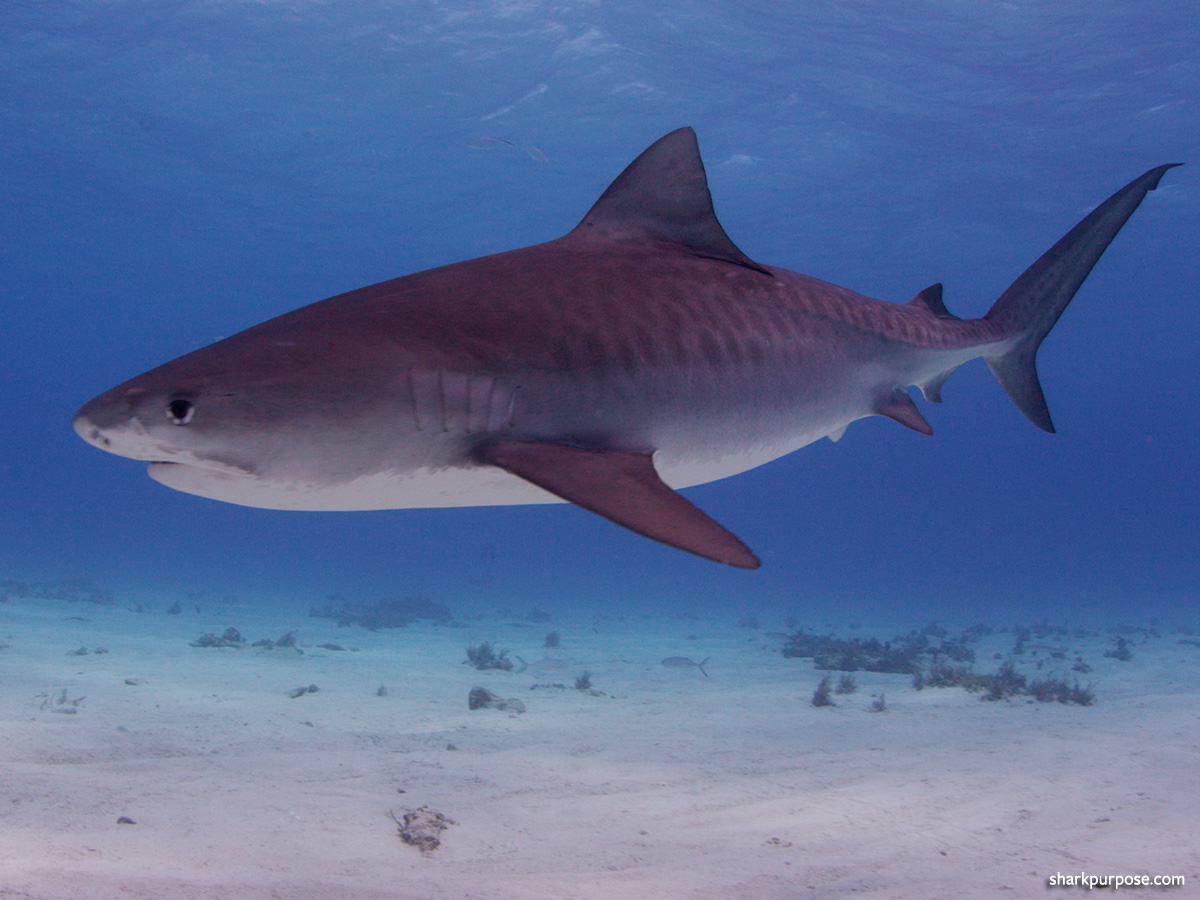
Watch the shark advocacy documentary, Monsters. The director, Skyler Thomas, is a featured speaker in IDA’s Sharks & Aquatic Animal Activism Webinar

SAN RAFAEL, Calif. (July, 2026) — Oceanic shark populations have collapsed by more than 70% over the past 50 years, driven largely by commercial and recreational fishing, according to research published in Nature. In Defense of Animals is urging supporters to help defeat the SHARKED Act, a bill that would weaken vital U.S. shark protections, and to demand an end to deadly shark nets.

The push comes as In Defense of Animals marks its annual Respect for Fish Day, observed August 1,  with a free public webinar on Thursday, July 30 at 2 p.m. PT. Featured speakers include shark experts such as Skyler Thomas, director of the shark documentary Monsters

/Users/amgraef7/Library/Containers/com.microsoft.Word/Data/tmp/Content.MSO/242237AA.tmp

In Defense of Sharks — Sharks & Aquatic Animal Activism

“Sharks are feeling, highly intelligent animals who experience pleasure, pain, and suffering,” said Lia Wilbourn, Farmed Animals Campaign Specialist at In Defense of Animals. “They are often wrongly portrayed as monstrous man-eaters, largely the result of fear-driven media and industries that profit from killing them. In reality, most shark species pose little or no danger to humans and are far more at risk from human activity than humans are from them.”
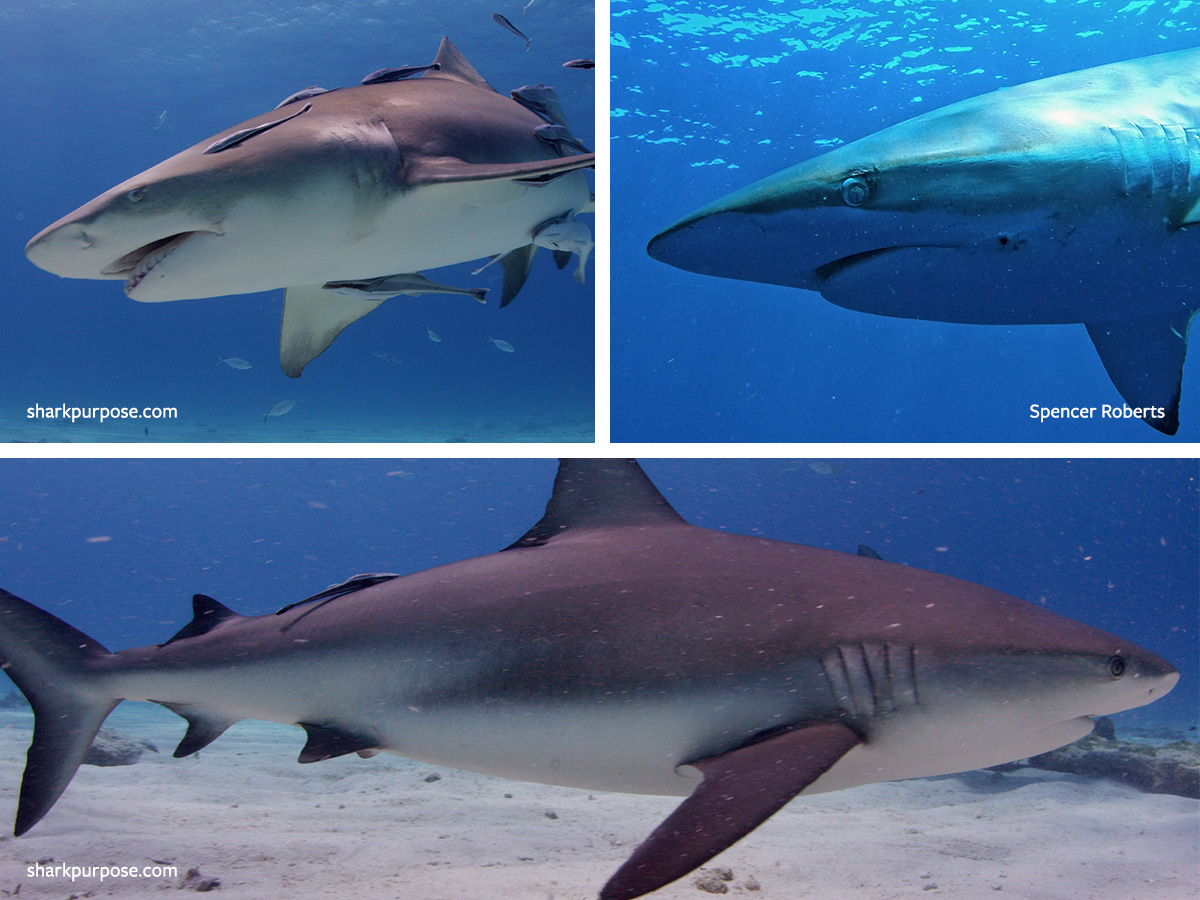
The webinar will dispel harmful myths about sharks and explain why protecting them is essential to their survival and to the health of the oceans. It comes at a critical moment: In Defense of Animals is calling on the public to oppose the SHARKED Act and to speak out against shark nets planned or already in use at beaches in Australia and at a Club Med resort in South Africa, where the nets indiscriminately kill sharks and countless other marine animals alongside their intended targets.

Skyler Thomas, director of the feature film documentary, Monsters, said, “Sharks aren’t just cool, they are massively misunderstood and underestimated by humans — not just physically, but as sentient beings. Today I realize that sharks share this in common with all other species on the planet: humans don’t give them enough credit.”

Scientific research shows that fish and other aquatic animals are far more intelligent and emotionally complex than most people assume. They can recognize individual faces, remember previous experiences, form social connections, and maintain long-term relationships. Like all sentient beings, fish have nervous systems and feel pain, fear, stress, and suffering when they are hooked, netted, suffocated, or stabbed during fishing.

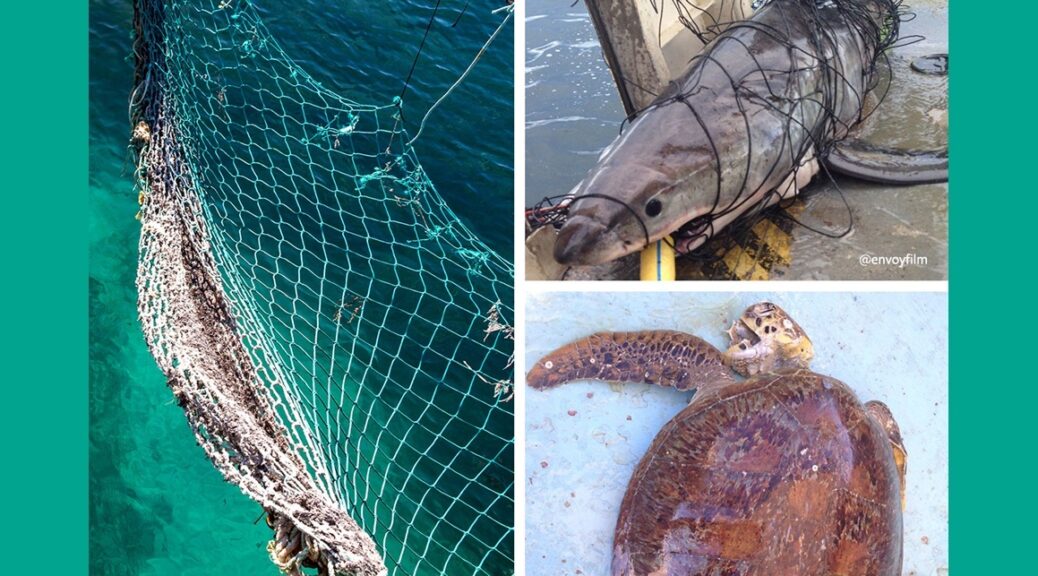
The fishing industry is one of the greatest threats to ocean life and biodiversity. Fishing pollutes the seas and disrupts fragile marine ecosystems. Millions of whales, dolphins, seals, sea turtles, octopuses, and other non-target animals are killed each year as “bycatch” in commercial fishing nets, and abandoned fishing gear is now the largest source of plastic pollution in the ocean.

Fish also accumulate harmful contaminants, including mercury and arsenic, yet for most of us, fishing isn’t necessary for survival; leading nutrition experts agree a balanced plant-based diet meets all essential nutritional needs.

Marine wildlife populations have fallen dramatically over the past few decades, and scientists warn that continuing current fishing practices could have devastating consequences for ocean ecosystems. 
Respect for Fish Day emphasizes the individuality, sentience, and complexity of aquatic animals, advocates for veganism, and builds a future where all animals are free from exploitation and unnecessary harm.

Find out more about Respect for Fish Day.  

Concerned citizens can take action to protect sharks and other aquatic animals by signing alerts:

For the Silo, Lia Wilbourn.

Marineland Canada’s Possible Closure Raises Concerns About Remaining Animals

https://lh7-rt.googleusercontent.com/docsz/AD_4nXfuko5xPxkOE1vvxN7G_iEr-lrj9uWVsfMDU0KBUidLPvqlFqCmmmdp0oGUyBZZnTcT-5PmRM1rNp1YPCQRpoT1wyZ7f9tqTvm8QGgi8EBeq_fMou5t7vB7_9Pz7NOReteIanJ3Pw?key=_wfhxQUcDHWXD7HX7XIx1g

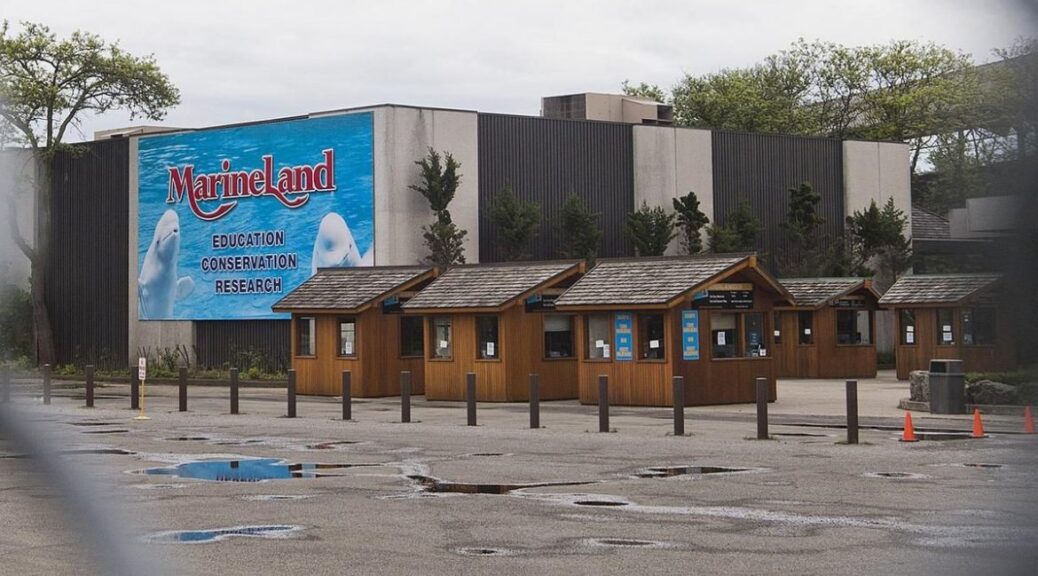
NIAGRA FALLS, Ontario (June, 2025) — In Defense of Animals joins concerned organizations and activists in urging the Canadian government to protect the remaining animals at Marineland Canada as the beleaguered park officially announced the sale of its rides. The organization is calling for transfer permits to be denied that would send them to similar substandard facilities where they would continue to be bred and exploited for entertainment. 

Shocking new footage captured this month by TideBreakers has exposed many marine animals languishing in rapidly deteriorating tanks as the park is demolished around them, intensifying concerns for their safety and wellbeing.

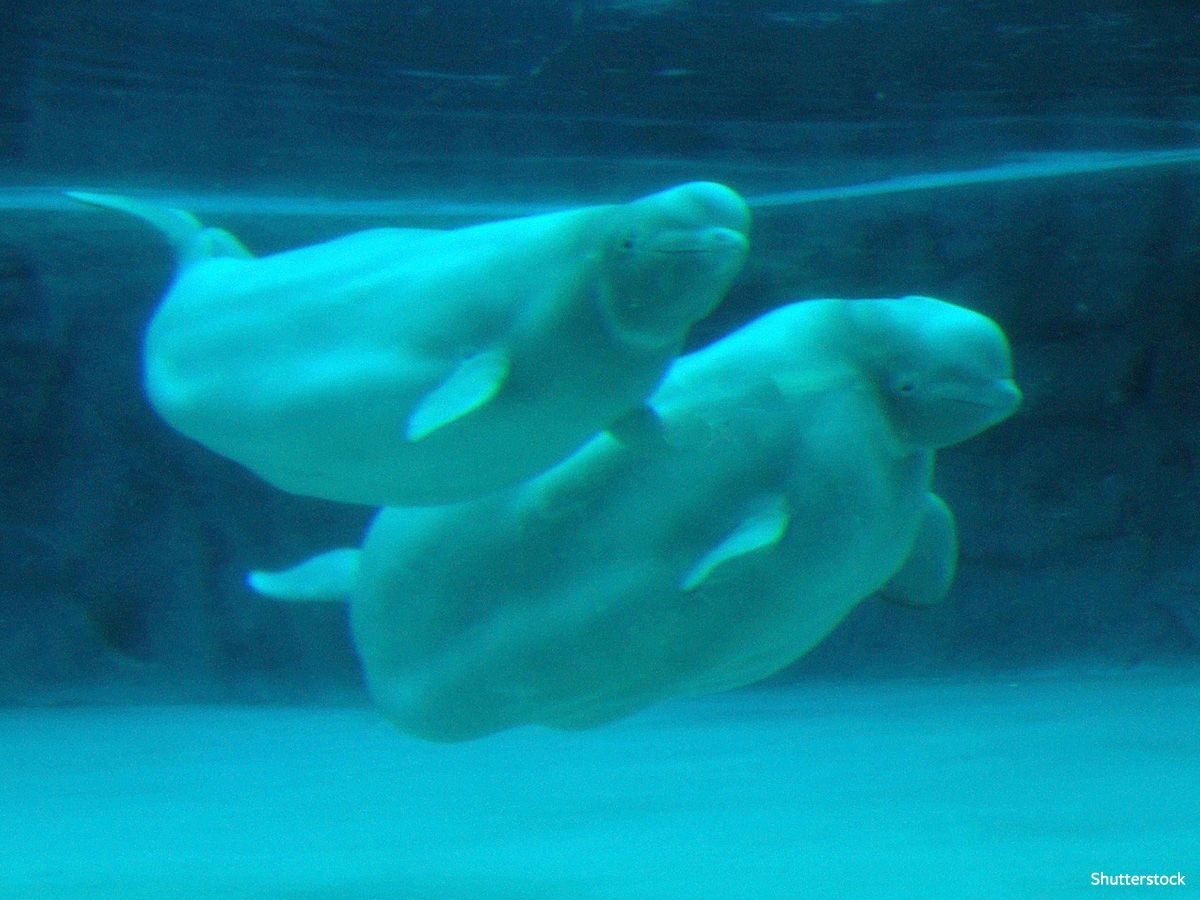
Marineland has faced widespread scrutiny and multiple investigations for failing to provide adequate care for the animals confined there. Since 2019, 18 belugas, one orca, and one dolphin have died. Dozens of marine and land animals remain trapped in the now for-sale park, including31 belugas, four dolphins, three seals and two sea lions. 

Marineland Canada has long been a focus of national and international criticism for its treatment of marine mammals, particularly its population of beluga whales and orca Kiska, who passed away in 2023 after decades in solitary confinement. A series of government investigations, public protests, and evolving legislation have steadily increased pressure on the park to shut down.

For the past couple of years Marineland Canada has been seeking new ownership. Earlier this year, Marineland was permitted to split the park into four parcels to secure mortgages intended to fund the relocation of the marine animals. However, there are no safeguards requiring the animals to be moved to appropriate facilities. One potential destination reportedly under consideration for the belugas is Chimelong Ocean Kingdom in Zhuhai, China — a facility criticized for its poor conditions and animal exploitation. 

Such a transfer would violate both the spirit and intent of Canada’s federal Ending the Captivity of Whales and Dolphins Act (Bill S-203), which prohibits cetacean captivity and breeding.

“The possible permanent closure of Marineland represents a turning point for how we treat animals,” said Hannah Williams, Cetacean Consultant for In Defense of Animals. “However, the government must step in to ensure these animals are properly cared for and prevent permits from being granted that would consign them to somewhere even worse. In Defense of Animals is calling on the Canadian government to ensure all remaining marine mammals at Marineland Canada are transferred to sanctuaries — not another marine park where they will suffer continued exploitation.”

For the Silo, Hannah Williams.

Mexico City Bill Outlaws Whale And Dolphin Performances

Mexico City, Mexico – In Defense of Animals has welcomed a landmark bill that prohibits the use of dolphins for entertainment. The Legislative Assembly of Mexico City passed a bill on Tuesday August 1, 2017, that outlaws cetacean performances and training, as well as whale and dolphin use in research or therapy.

“This landmark ban will spare generations of animals from cruelty and sends a clear message that the public increasingly rejects dolphin captivity,” said Dr. Toni Frohoff, Cetacean Scientist for In Defense of Animals. “We thank Mexico City officials for recognizing our Ten Worst Tanks list and acting swiftly to end the abuse. We urge Six Flags to retire the dolphins at a seaside sanctuary where they may recover.”

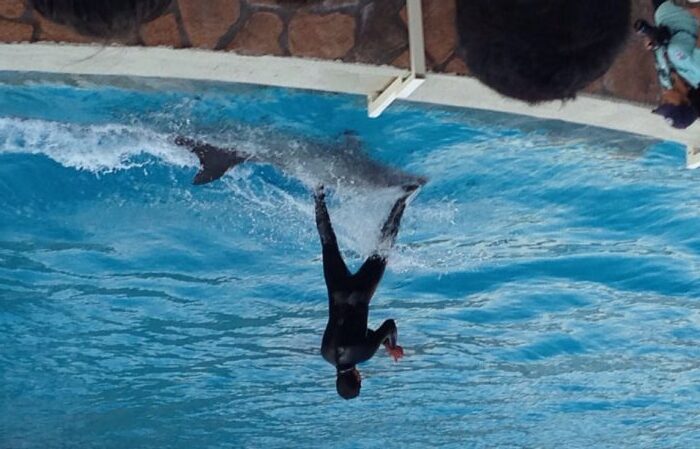
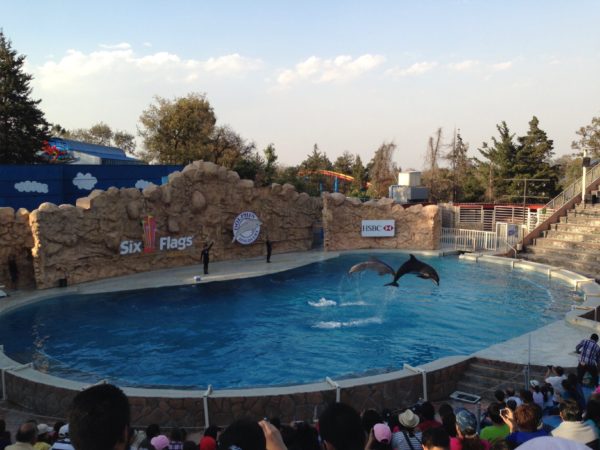
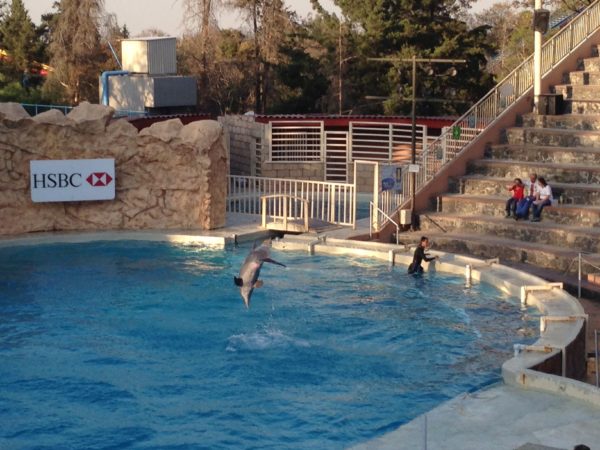
Mexico City Six Flags photo: Martin Lewison

Dolphin advocate Yolanda Alaniz, of Comarino Mexico, held a press conference with Environment Commission President, Xavier López Adame. “All parties, from rights to strong lefts voted just as one,” said Alaniz. “Deputies recognized dolphins as sentient beings who suffer living in concrete tanks. Politics spoke with ethics, and marked a new way to follow for our country, and we will follow this path.”

Two bottlenose dolphins and two sea lions will be directly affected by the new law. The dolphins are confined to a barren tank set in the middle of the Six Flags Mexico amusement park, the only facility in Mexico City that currently holds cetaceans captive. Previously known as Reino Aventura, the park is infamous for holding Keiko, the now-deceased orca used in the film “Free Willy”. The park ranked second worst in Mexico and sixth place overall on In Defense of Animals Ten Worst Tanks list.

photo: Martin Lewison

Dr. Toni Frohoff

For years, the dolphins have been regularly forced to perform circus acts as loud music blares. The dolphins have also been used for swim-with programs, where they are trained to perform contrived behaviors that simulate affection and sociability toward the paying public. The animals are coerced to give rides where people grab and hang onto their dorsal and pectoral fins and to give “kisses,” “hugs” and “handshakes.”

Six Flags Mexico is owned by Dolphin Discovery, a Mexican company that runs at least 24 captive dolphin facilities internationally.  For the Silo, Toni Frohoff, Ph.D.

For more information, please see www.idausa.org/10worsttanks

Featured image- Martin Lewison.

In Defense of Animals is an international animal protection organization with over 250,000 supporters and a 30-year history of fighting for animals, people and the environment through education, campaigns and hands-on rescue facilities in India, Africa, and rural Mississippi.

IN DEFENSE OF ANIMALS • 3010 KERNER BLVD. • SAN RAFAEL, CA 94901 • 415-448-0048 Please mention the Silo when contacting.