Nights Exchange Leader NightSwapping Acquires MyTwinPlace NightSwapping is the first Nights exchange community with more than 250,000 members throughout 160 countries. It pioneered a new concept in 2012 which is unique in the sharing economy travel market. Read the PDF backgrounder by clicking here.
It takes the best parts of vacation rentals, home exchanges and Couch-surfing to let members travel for less or earn money. Whether you’re a traveler or a host, you earn Night credits with each trip which you can them use to travel or convert into money commission free.
Thanks to the innovative idea, you can keep traveling locally, authentically and meet friendly hosts and guests, all the while enjoying improved safety conditions and saving money.
In order to speed up its development, NightSwapping has acquired a Spanish competitor founded in 2013. MyTwinPlace’s community consists of 55,000 members throughout the world.
Serge Duriavig
According to Serge Duriavig, founder of NightSwapping, “this acquisition, which we have been preparing for the last few months, will allow us to significantly strengthen our community by bringing even more travel opportunities to our members, particularly in the booming Spanish market.
This deal affirms our ambition to become a mainstay in the sharing economy travel market. Thanks to MyTwinPlace, our goal to reach 300,000 members in 2017 is already realized. We aspire to reach 1,000,000 members in the next 2 years.”
For Xavier Labollos de Jesus and Jean Noel Saunier, the heads of MyTwinPlace, “the acquisition by NightSwapping is a guarantee that our community lives on serenely.”
In 2014 and 2016, NightSwapping raised 2 million euros successively with venture funds, Family Offices and Business Angels. A fundraising round that allowed the French upstart to grow its community tenfold. A new round is scheduled before the end of the year, so NightSwapping can keep expanding, with an eye on the American market.
The website is available in seven languages; English, French, Spanish, Italian, Portuguese, German and Dutch. An app will soon be released on Google Play and the iPhone App Store.
This article contains graphic images. Cascilla, Miss. – Two Mississippi animal protection organizations have joined forces to rescue four neglected horses in Cascilla, Tallahatchie County. In Defense of Animals’ Justice for Animals Campaign and Jackson-based Mississippi Horses seized the starving and wounded animals from a property on Smith Road.
Concerned people who passed the property contacted the Justice for Animals campaign after witnessing the horses in a state of neglect.
Justice for Animals Director Doll Stanley and Tallahatchie County Deputy Albert Griffin met with the property owner to examine the conditions of the neglected horses. Two stallions, one mare, and her colt were confined to an area with no grass or other food to support the horses and no drinking water. One of the horses had a severe, untreated wound on his face.
A fifth horse was present on the property who seemed well-cared for. The badly-injured stallion had apparently stuck his head through an opening in the stall of the well-cared-for horse in an attempt to reach food, and had been severely bitten. One side of his head and his neck were scraped in the struggle to free himself when the other horse attacked him, leaving a ghastly bite wound that left an exposed section of bone on his face. The horse had not received medical attention.
An order was granted to the Tallahatchie County Sheriff’s Department for the seizure of the four horses on July 14 and was enforced that afternoon. Mississippi Horses immediately transported the injured horse to Mississippi State University Veterinary School for emergency treatment. The three other horses have been taken into the organization’s care for rehabilitation.
“In many cases of unintentional neglect, often in ignorance, we give guidance to animal guardians and monitor the recovery or check on the animals’ improved environment,” said Justice for Animals Director, Doll Stanley. “In this case, friendly guidance was not an option. Failure to provide the basic sustenance for horses and direly needed medical care, and failing to even reach out for help, has caused inexcusable suffering to these poor horses.”
In Defense of Animals has served in Mississippi for 24 years, aiding victims and law enforcement with hundreds of cruelty cases. In Defense of Animals’ Justice for Animals Campaign works with law enforcement to provide guidance on animal cruelty laws, advocate for stronger humane ordinances and statutes, and coordinate aid to rescue neglected and intentionally harmed animals.
Eleven miles south of Grenada, Mississippi, In Defense of Animals operates Hope Animal Sanctuary which rescues and cares for hundreds of animals including many victims of cruelty cases. Hope Animal Sanctuary is currently full and mid-way through a renovation project to replace its 20-year-old facilities with buildings, fencing, and modern amenities so that it may continue to provide hope for Mississippi’s cast-off, neglected, and unwanted animals for many years to come. Please support your local sanctuary www.idausa.org/HASrebuild2
In Defense of Animals’ Justice for Animals Campaign is working tirelessly to advance the cause for justice and show state legislators that the people of Mississippi are united against senseless and horrific animal abuse. Campaign members are aligning with Mississippi judges, prosecuting attorneys, law enforcement officials, legislators, animal advocates and concerned citizens to pass tougher state statutes and meaningful regional ordinances that will protect animals when state statutes fail. For the Silo, Doll Stanley IDA.
In Defense of Animals is an international animal protection organization with over 250,000 supporters and a 30-year history of fighting for animals, people and the environment through education, campaigns and hands-on rescue facilities in India, Africa, and rural Mississippi.
All images- Fleur Dawes (In Defense of Animals)
IN DEFENSE OF ANIMALS • 3010 KERNER BLVD. • SAN RAFAEL, CA 94901 • 415-448-0048
As the civic holiday some refer to as Simcoe Day approaches, I wish to shine light on Upper Canada’s first lieutenant-governor.
Born Feb. 25, 1752, in England, John Graves Simcoe, although best known as lieutenant-governor, was also a member of British Parliament, colonial administrator, army officer, and commander of the Queen’s Rangers during the Revolutionary War.
Largely comprised of Loyalists and deserters from George Washington’s army, the Queen’s Rangers were named in tribute to Queen Charlotte, the wife of King George the Third. As a 400-man elite fighting force, established during the Seven Years War (1756-1763), they trained in woodcraft, scouting and guerilla warfare. Simcoe didn’t follow the protocol of the time of strict and rigid maneuvers. The Rangers wore green uniforms for camouflage, depended on speed and surprise, and were known to defeat forces three times their size.
Simcoe took time from the war to pursue a young lady named Sarah “Sally” Townsend. On Feb. 14, 1779, he sent her a poem in which he extolled her beauty and his love for her – the first recorded Valentine’s Day letter in North America.
That year Simcoe was ambushed by rebels, captured and imprisoned in New Jersey. He was treated harshly and his one attempt at escape was foiled. He was finally released on the signature of Benjamin Franklin as part of a prisoner of war exchange.
Following the defeat of the British at Yorktown in 1781, Simcoe spirited the Queen’s Rangers colours to England. Today they are on display in the officers’ mess of the Queen’s Rangers at Fort York, Toronto.
Simcoe returned to England, married Elizabeth Posthuma Gwilliam and was elected Member of Parliament for the borough of St. Maws, Cornwall.
On Sept. 12, 1791, Simcoe was appointed lieutenant-governor of the newly-created Upper Canada.
With his appointment, Simcoe had a goal to develop Upper Canada as a model community with aristocratic and conservative principles, and to demonstrate the superiority of these ideas in contrast to the Republicanism of the United States.
He opened the first elected parliament in what is now Ontario 225 years ago on Sept. 17, 1792. He is credited for installing British common law, trial by jury, the standardization of weights and measures and the establishment of Ontario’s system of municipal government.
In 1793, under Simcoe, the assembly passed the first act against the importation of slaves in the British Empire. Slavery had completely ended in Upper Canada before it was abolished in the British Empire as a whole in 1834.
Simcoe realized Newark was an unsuitable capital because it was on the border and open to attack. He suggested moving the capital to a defensible position, named the location London and renamed its main river the Thames. This proposal was rejected, but Simcoe’s second choice, the present site of Toronto, was accepted. The capital was moved there in 1793 and renamed York.
The Queen’s Rangers were revived and Simcoe had them begin construction on Yonge Street.
Simcoe returned to England for health reasons in July 1796 and died there on Oct. 26, 1806.
Over two centuries later, many refer to the Civic Holiday in August as Simcoe Day. Attempts to give Simcoe Day provincial recognition has failed.
To celebrate Ontario’s 225th; visit my web site at www.tobybarrett.com to test your knowledge of our province.
Neighbor disputes are fairly common. They can arise for a number of reasons, such as shared land and amenities, repairs, boundaries, noise or parking spaces. How you deal with these could determine how comfortable you feel in your house and your neighborhood. So many times, disputes can escalate unnecessarily and leave both parties stressed, angry and sometimes out of pocket.
In this guide we look at some of the most common neighbor disputes in Britain and give tips on how to handle them and more importantly, how to resolve them peacefully.
Infographic courtesy of our friends at castironradiators4u.co.uk
The mayor of a beautiful American city filled with wonderful people-but part of a state often thought to be in a different country, had a serious but undiagnosed problem. It was known to many residents, but the mayor seemed blissfully unaware for months of what was going on. Violence and robberies dominated the local newscasts daily. Sometimes, homeless people wandered the streets, some aimlessly talking to themselves and sometimes angrily punching the air.
The crime and other mayoral inaction were causing businesses both bigger and small to consider leaving the city or see their cash flow diminish to dangerously low positions. Mayor R.J. Berry was forced to make some small moves, when the situation continued to deteriorate.
Winter 2016- via CBS news. Click to read more.
However, a little known urban legend said that the mayor had become inwardly obsessed with what he felt he had really accomplished for the city. In private communications with upper level staff, friends and family, it’s said the mayor had even begun referring to his city as Wonderland.
Those who knew better were both flabbergasted and horrified when a local chamber of commerce presented the mayor with a public safety award. They worried that it seemed to further help him edge closer to becoming a legend in his own mind.
We wanted to know what a few of our Joy Junction homeless shelter guests felt about safety in Albuquerque. Their reactions were a mixed bag.
We asked them about walking in downtown “Wonderland” (also known as Albuquerque), if they felt safe, and whether they had answers for our burgeoning crime situation.
One person was quite blunt, saying “Crime in downtown Albuquerque is getting more dangerous and violent everyday. No, I do not feel safe (there). If I have to go downtown, I leave as soon as I am finished with business. I do not have any answers to our increasing crime issues.”
One man said what many of us know, that crime is “really high” in downtown.
“Walking throughout the areas I have been in, I always feel a sudden sensation come over me and I am instantly on guard. I have seen here a different side of addiction that I have not been exposed to.”
He added, “We were moved to the point we sent our teenage daughters to finish school in another state.”
One woman said that in her opinion, crime in Albuquerque has risen dramatically, especially in the area known as the International Zone (formerly the War Zone).
“Downtown is beginning to be the same way. I don’t know what can possibly be done; maybe more police officers. I have two grandchildren, and I do have concern that they are kept safe even at school. I pray here at Joy Junction that we are kept safe and that no one ever comes and does harm to people here.’
Another woman said she thinks “Albuquerque is focused on extremes like bad, bigger and bolder than the norm.”
She continued, “I do feel safe mostly because I walk safe, stay alert to people surroundings and sound. I adapt to strange or abnormal situations, and react or change my path or seek a different route. I have never really encountered a dangerous situation on the sidewalks. Only a few drunks at the bus stops, and the panhandling for cigarettes and change are maddening and relentless though.”
Her parting shot was, “I have no answers. If I did I would run for city council.”
One woman said she feels that crime in Albuquerque has definitely risen since she moved here in the fall of 2014.
She continued, “Car thefts seem to be happening a lot. There is a lack of respect for law enforcement, and criminals have no fear of consequences … I feel a little apprehensive. Even just going through Downtown in a vehicle is somewhat unnerving.”
She was shocked when her family told her, “‘Do not ever walk especially by yourself anywhere downtown because you can be attacked and the crime is extremely high.’ It is very sad that crime was the first thing I was told (about) when moving here.”
Her solution was to “Put God back in America.
She added, “We need to get on our knees and pray. We as a country are reaping what we have sown, and we will be judged for all our actions and as Christians we know that the end is coming and God’s judgment is coming.”
So what do I think of Berry’s plan? Well, I don’t share the local newspaper’s enthusiasm. Too little and way too late. An enhanced police presence and independent security are good, but what about those who for whatever reason don’t want, or aren’t in a state of mind, to receive help?
Another of the mayor’s efforts is to make downtown cleaner, with more street sweepers and trash pickup. Preventative maintenance would have been a whole lot more helpful. Really, it took a crisis to come up with this?
And then only Mayor Wonderful could have come up with this one. Having strong relationships with businesses downtown, to make sure they stay downtown. And we couldn’t have put this into place before now?
And the grant to the city from Bloomberg Philanthropies for $1.2 million USD. The by now infamous Albuquerque Chamber of Commerce award was given to Berry at least in part for using a portion of it for intelligent ways to solve crime. However, it looks like up until now the funds have been used to develop plans for Albuquerque’s Arts and Culture District.
Never fear, though. The city says plans for public safety initiatives funded by the grant are moving forward.
No one except apparently the mayor thinks his solutions to crime (or homelessness) are magical. This is not (Alice in) Wonderland. The stakes are much higher. For the Silo, Jeremy Reynalds- Joy Junction/HNS (Homeless News Service).
Featured image- Albuquerque Mayor R. J. Berry via PBS. A portion of this article is satire, and as such is protected speech.
Supplemental- The other perspective. Downtown Albuquerque residents defend their neighborhood-
Author Lacey Dearie moved her marriage date and delayed her honeymoon departure so that she didn’t miss any of the French F1 Grand Prix coverage that year.
The first time I watched an F1 Grand Prix was the race in Australia in 1998. I’d been persuaded by a friend who loved Canadian driver, Jacques Villeneuve, to watch and found myself gripped. Being a Scot, my instinct was to cheer for my fellow countryman, David Coulthard. I was thrilled when he led the race, then devastated when he pulled over and let Mika Hakkinen win due to a “gentleman’s agreement” made before the race had begun. As disappointing as the situation was, I couldn’t help but adore the spectacle I’d just witnessed. It’s that kind of exhilaration that has kept me tuning in to watch every race since March 1998.
The drama is just part of why I’m a fan. I love the pre-race interviews with the drivers who can be either insightful or guarded and often humorous, the anticipation when the red lights go out, the horror when someone crashes, the relief when drivers walk away from mangled wrecks and the bliss when my favourite team or driver win and receive their trophy on the podium. I have the whole spectrum of emotions while watching a race. It just makes you feel alive.
Being a female fan of a male dominated sport means most of my girlfriends find F1 boring, or they just don’t get it. To them, it’s a bunch of foreigners driving in circles. To me, it’s so much more. However, there are advantages to being a female fan. A shared love of motor sport is the only thing I have in common with my middle aged male boss and fills awkward gaps in conversation during lunch breaks or trips away from the office. When my male friends roll their eyes because I don’t understand soccer’s offside rule, I counter that with a sarcastic sigh when they ask me to explain how KERS works.
The only thing that ever concerned me, as a female fan, was the lack of merchandise available for women, but it has greatly improved in the last couple of years. Ferrari even sell their very own bikini, although I can’t imagine any of the female fans I know wearing one while watching a race.
At the time of this writing, only five women have ever reached the fringes of Formula One and only one of them has ever won a race in a Formula One car- Desiré Wilson.
My husband doesn’t share my passion for F1, but was extremely understanding when I suggested we got married on a Friday and delayed the departure for our honeymoon to the following Monday so that I didn’t miss any of the French Grand Prix coverage that year. He’s accompanied me on several trips to the David Coulthard Museum in Twynholm, Scotland and humored me when I suggested that, if our son grows up to become an F1 fan, we make the family holiday each year a trip to a different Grand Prix. I even joke that I planned the birth of my son for February to ensure I didn’t miss any races due to childbirth. Obviously I’m not serious, although my friends and family are skeptical.
Women who don’t appreciate my love of the sport can be critical of the lack of female participants, but it’s honestly something that never occurred to me until I heard men discussing whether it was wrong or right. All the current F1 drivers are men, and the majority of people involved in the sport are male too. I genuinely don’t care. I’m sure if there were any women out there with the skills and talent to participate, they wouldn’t be denied the chance to race. I don’t believe in positive discrimination, so until such a woman comes along, I’m content to keep watching while men dominate.
Lacey Dearie is an indie author from Ayrshire, Scotland and a new writer for the Silo. Her first novel, The Tangled Web became #1 in the Amazon UK Free Download Chart in January 2012. If you would like to read more about The David Coulthard Museum, please visit the website www.dcmuseum.co.uk/museum
The Canada Aviation and Space Museum is proud to support OEX Recovery Group Incorporated (“OEX”), in a project involving the search-and-recovery of nine free-flight Avro Arrow models from Lake Ontario. The project was created by OEX as a Canada 150 initiative.
As one of the three museums under the new Ingenium banner, the Canada Aviation and Space Museum – in collaboration with the Canadian Conservation Institute – will provide historical information to support the conservation, treatment, and collection of any recovered models or materials.
The Avro Arrow was the first and last supersonic interceptor designed and built in Canada. Developed between 1953 and 1959, it was produced to counter jet-powered Soviet bombers that had the potential to attack North America over the Arctic.
The nine Avro Arrow free-flight models that OEX hopes to locate and recover were test models used to evaluate aerodynamic qualities and stability of the storied aircraft’s design. They were flown over Lake Ontario between 1954 and 1957.
Through a national partnership involving the Canada Aviation and Space Museum, OEX, the Royal Canadian Air Force and the Canadian Conservation Institute, the Museum will keep the public apprised of any milestones in the search-and-recovery mission. It will also provide periodic updates on plans for conservation, preparation and public exhibition of the artifacts.
OEX holds survey and recovery permits from the Ontario Ministry of Tourism, Culture and Sport. It is financially supported by a group of Canadian mining companies and financial institutions, and is funding survey and recovery work, as well as committing to conservation work and display costs.
Follow this exciting story as it unfolds, using the hashtag #raisethearrow or via IngeniumCanada.org.
Quotations
“Our museum is thrilled to be partnering on this historically significant search-and-recovery project. The Canada Aviation and Space Museum’s collection comprises the largest surviving pieces of the Avro Arrow: a nose section and two wingtips. A free-flight model would be a wonderful addition to our collection, and to the Arrow story we share with Canadians.”
– Fern Proulx, interim President and CEO of Ingenium
“As professional explorers in the mining business, we initiated this program about a year ago with the idea of bringing back a piece of lost Canadian history to the Canadian public. As individuals, as a company, as a group and with our partners and our project participants in this search effort, we all have the same goal in mind: to find and return these beautiful pieces of Canadian technology to the public eye during this anniversary year of our incredible country. Like Avro, our own corporate group was built on dreams, and this project is a proud reminder of what we as Canadians have done, what we do, and what we can do.”
– John Burzynski, President and CEO of Osisko Mining Inc. and head of OEX Recovery Group Incorporated
For the Silo, Zoë Lomer.
About the Canada Aviation and Space Museum
Located on a former military air base just 5 kilometres from the Prime Minister’s residence at 24 Sussex Drive in Ottawa, the Museum focuses on aviation in Canada within an international context, from its beginnings in 1909 to the present day. As Canada’s contribution to aviation expanded to include aerospace technology, the Museum’s collection and mandate grew to include space flight. The Collection itself consists of more than 130 aircraft and artifacts (propellers, engines) from both civil and military service. It gives particular, but not exclusive, reference to Canadian achievements. The most extensive aviation collection in Canada, it is also considered one of the finest aviation museums in the world.
Museum Highlights: Largest surviving pieces of the famous Avro Arrow (its nose section and two wing tips); the original Canadarm used on the Endeavour space shuttle; Lancaster WWII bomber; Life in Orbit: The International Space Station exhibition.
About Ingenium – Canada’s Museums of Science and Innovation
Launched in June 2017, Ingenium is a new national brand established to preserve and share Canada’s story of scientific and technological heritage. This corporate brand, which celebrates ingenuity, encompasses three national institutions – the Canada Agriculture and Food Museum, the Canada Aviation and Space Museum, and the Canada Science and Technology Museum. Under the Ingenium brand, these three museums are places where the past meets the future, with spaces where visitors can learn and explore, play and discover. Ingenium also has an eye to the future with a state-of-the-art Collections Conservation Centre, set to open in 2018, digital and social media platforms, and travelling national and international exhibitions to educate, entertain and engage audiences across Canada and around the world. For more, visit us: IngeniumCanada.org.
Association entre le Musée de l’aviation et de l’espace du Canada et des partenaires nationaux pour la recherche et la récupération d’appareils Arrow de Avro à vol libre dans le lac Ontario
OTTAWA, le 14 juillet 2017 – Le Musée de l’aviation et de l’espace du Canada est fier de soutenir le OEX Recovery Group Incorporated (« OEX ») pour un projet de recherche et de récupération de neuf appareils Arrow de Avro à vol libre dans le lac Ontario. OEX a mis sur pied ce projet dans le cadre d’une initiative Canada 150.
Le Musée de l’aviation et de l’espace du Canada, l’un des trois musées de la bannière Ingenium, en collaboration avec l’Institut canadien de conservation, fournira des renseignements historiques pour soutenir la conservation, le traitement et la collecte de tout appareil ou matériel récupéré.
L’appareil Arrow de Avro a été le premier et le dernier intercepteur supersonique de conception et de fabrication canadienne. Créé entre 1953 et 1959, il a été produit pour résister aux bombardiers à turboréacteurs soviétiques qui avaient la capacité d’attaquer l’Amérique du Nord en passant par l’Arctique.
Les neuf appareils Arrow de Avro à vol libre que OEX espère repérer et récupérer étaient des maquettes utilisées pour évaluer les caractéristiques aérodynamiques et la stabilité de la conception légendaire de l’aéronef. Ils ont survolé le lac Ontario entre 1954 et 1957.
Dans le cadre d’un partenariat national entre le Musée de l’aviation et de l’espace du Canada, OEX, l’Aviation royale canadienne et l’Institut canadien de conservation, le Musée tiendra le public informé sur les étapes de la mission de recherche et de récupération. Il fournira également des mises à jour périodiques sur les plans de conservation, de préparation et d’expositions publiques des artefacts.
OEX détient des permis de reconnaissance et de récupération du ministère du Tourisme, de la Culture et du Sport de l’Ontario, et est soutenu financièrement par un groupe de sociétés minières et d’institutions financières. L’organisme finance le travail de reconnaissance et de récupération, et s’engage à soutenir les coûts de conservation et d’exposition.
Suivez le déroulement de cette passionnante histoire à l’aide du mot-clic #rechercherArrow ou en cliquant sur IngeniumCanada.org.
– 30 –
Citations
« Notre Musée est ravi de son partenariat pour ce projet de recherche et de récupération d’importance historique. La collection du Musée de l’aviation et de l’espace du Canada compte les plus grandes pièces restantes de l’Arrow d’Avro : une partie avant et deux extrémités d’ailes. Un appareil à vol libre serait un merveilleux ajout à notre collection ainsi qu’à l’histoire du Arrow que nous partageons avec les Canadiens. »
– Fern Proulx, président-directeur général par intérim d’Ingenium
« En tant qu’explorateurs professionnels du secteur minier, nous avons lancé ce programme il y a environ un an dans le but de présenter un morceau perdu de l’histoire canadienne aux citoyens. En tant qu’individus, qu’entreprise, que groupe et avec nos partenaires et les personnes participant à ce projet de recherche, nous avons un seul objectif : retrouver et retourner ces magnifiques pièces de technologie canadienne au public pendant l’année anniversaire de notre superbe pays. Tout comme Avro, notre propre groupe de sociétés s’est bâti sur des rêves, et ce projet rappelle fièrement ce que nous avons fait, ce que nous faisons et ce que nous pouvons faire en tant que Canadiens. »
– John Burzynski, président-directeur général de la minière Osisko et chef du OEX Recovery Group Incorporated
Le Musée de l’aviation et de l’espace du Canada
Le Musée : Situé sur une ancienne base militaire à seulement cinq kilomètres du 24, prom. Sussex à Ottawa, résidence du premier ministre, le Musée concentre ses activités sur l’aviation au Canada dans un contexte international, des débuts de l’aviation au Canada en 1909 jusqu’à nos jours. Comme la contribution à l’aviation du Canada a évolué pour inclure les technologies aérospatiales, la collection et le mandat du Musée se sont aussi élargis pour inclure les vols spatiaux. La collection comprend plus de 130 aéronefs et artéfacts (hélices, moteurs) militaires et civils. L’accent est mis, mais n’est pas exclusif, sur les réalisations canadiennes. Il s’agit de la collection d’aéronefs la plus importante au Canada, et l’un des plus beaux musées mondiaux de l’aviation.
Pièces de résistance: Le plus gros élément du fameux Avro Arrow encore disponible (le nez de l’appareil); le Canadarm d’origine de la navette spatiale Endeavour; le bombardier Lancaster WWII; l’exposition Vivre en orbite : la station spatiale internationale.
À propos d’Ingenium : Musées des sciences et de l’innovation du Canada
Dévoilée en juin 2017, Ingenium est une nouvelle identité qui a été adoptée pour préserver et raconter l’histoire du patrimoine scientifique et technologique du Canada. S’inspirant de la racine latine du mot « ingéniosité », cette identité corporative englobe trois institutions nationales, soit le Musée de l’agriculture et de l’alimentation du Canada, le Musée de l’aviation et de l’espace du Canada et le Musée des sciences et de la technologie du Canada. Sous l’identité Ingenium, ces trois musées deviennent des lieux où le passé rejoint le futur, et où les visiteurs peuvent apprendre et explorer, s’amuser et faire des découvertes. Ingenium se tourne aussi vers l’avenir grâce à son Centre de conservation des collections à la fine pointe de la technologie, dont l’ouverture est prévue en 2018, à ses plateformes numériques et sociales, ainsi qu’à ses expositions itinérantes d’envergure nationale et internationale qui sauront éduquer, divertir et captiver des publics de tous âges partout au Canada et dans le monde entier. Pour en savoir davantage, visitez-nous à IngeniumCanada.org/fr.
I’d like to tell you about an easy shopping hack that moves coupon clipping into the 21st Century.
Gumdrop by Goodshop is a new free browser button which automatically finds and applies the best coupons at checkout when you are shopping online at more than 30,000 retailers including Kohl’s, Toys R Us and Amazon. It takes just a few seconds to add and then you can enjoy big discounts and save precious time by not having to search for antiquated ‘print’ coupons or cut and paste promo codes!
In addition, if you select a cause, a portion of what you spend at participating stores will be donated to that cause for free.
To date, Gumdrop has saved shoppers more than $100 million USD and donated nearly $13 million USD which has gone to find homes for stray animals, build playgrounds, fund cancer research and more. For the Silo, J.J. Ramberg.
Based in Hangzou, China, AliExpress is a global e-commerce platform made up of small business sellers offering a wide variety of consumer products worldwide. This growing platform already has (at the time of this writing) over 3 million likes on Facebook. An impressive number that speaks to the desirability of products on hand.
What makes AliExpress unique is the cellular nature of its structure. Many small businesses looking for a safe harbor are connected together and operate under the umbrella support of the larger corporate structure. Is this the ‘best of both worlds?’ We think it’s an interesting model and worth paying attention to. After all, a smaller company no longer has to struggle to develop an online identity or spend valuable resources designing and implementing a shopping ap. Yep- AliExpress has a pretty cool Ap that allows you to shop from Facebook and beyond…
Here’s a look at some of its Fashion small business sellers- Did you find something you like?
San Francisco, CA —School’s out for summer, but learning doesn’t have to stop at the classroom door. For parents and educators looking to keep their students exploring, tinkering, and creating, No Starch Press offers the latest addition to its lineup of STEM books. This time focusing on the Arduino microcontroller.
The Arduino Inventor’s Guide (No Starch Press, $29.95USD, 336 pp., June 2017) is a project-packed introduction to building and coding with the Arduino microcontroller. With each hands-on project, total beginners learn useful electronics and coding skills while building an interactive gadget.
This is No Starch Press’s second installment in its introductory-level educational series for aspiring makers. The series is a collaboration with SparkFun Electronics, the popular electronics parts retailer dedicated to making the world of electronics more accessible to the average person. Authors Brian Huang and Derek Runberg of SparkFun’s Department of Education use their teaching experience to make learning about electronics an adventure.
“We wanted to share the magic that happens when you build something interactive with electronics,” says Huang. “The goal is to teach real, valuable hardware skills, one project at a time,” adds Runberg.
Readers learn how to make their hardware move, buzz, flash, and interact with the world as they build 10 projects, including:
A miniature traffic light
A light-sensitive, color-changing night-light
A temperature-sensing mini greenhouse
A motorized, programmable robot
A tiny, playable electric piano
“We’ve teamed up with SparkFun to make electronics and coding skills achievable for anyone,” says No Starch Press founder Bill Pollock. “This book will take total beginners from blinking their first LED to programming their first robot.”
Sample pages from The Arduino Inventor’s Guide:
For the Silo, Amanda Hariri.
About the Authors
Brian Huang is the Education Engineer for SparkFun Electronics. He combines his knowledge of teaching and engineering to create professional development materials.
Derek Runberg works in the Department of Education at SparkFun Electronics, where he runs workshops about technology in classrooms and at conferences. He is the author of The SparkFun Guide to Processing.
SparkFun Electronics is an online retail store that sells electronic parts for DIY projects. It offers classes for the public as well as resources, tutorials, and professional development for educators through its Department of Education.
The Arduino Inventor’s Guide
Publisher: No Starch Press
Authors: Brian Huang and Derek Runberg
Print ISBN: 978-1-59327-652-2
Price: $29.95USD
Publication Date: June 2017
Specs: 336 pp., 4C Available in fine bookstores everywhere, contact marketingdirector@thesilo.ca for locations near you and online ordering information.About No Starch Press
From deep in the heart of San Francisco’s start-up gulch, No Starch Press carefully crafts the finest in geek entertainment. The growing list of award-winning No Starch Press bestsellers covers topics like LEGO, hacking, STEM, programming, science, and math. Our titles have personality, our authors are passionate, and our books tackle topics that people care about.
The numbers are staggering. For over 50 years, the tars sands industry in Alberta has been producing a toxic brew of water, sand, silt and petrochemical waste products and storing them in what the industry refers to as “tailings ponds”. And, the volumes are only growing – surpassing 1 TRILLION litres, covering an area greater than Toronto and Vancouver combined!
Every day 25 million new litres of tailings are added to the ever growing toxic tailings ponds. These tailings ponds leach toxic chemicals, like lead, mercury, arsenic and benzene – putting local and downstream communities at risk. First Nations living in Fort Chipewyan, 200 km downstream from the oil sands development sites, have experienced higher than normal rates of cancer as a result.
We cannot stand idly by and do nothing.
We are working hard to ensure that regulations are implemented that are stringent, binding and effective. And, that they reduce the volume of tailings, guarantee existing tailings ponds are treated at a faster rate than they are produced and make oil sands companies bear full financial responsibility for the cleanup (now estimated at over $45 billion and growing).
With my sincere gratitude,
Dale Marshall
National Program Manager
P.S. We just released our report on Alberta’s tailings ponds – you can read it and check out the live trackings of tailings ponds volume and clean up liability here.
With this Saturday, July 1st marking the celebration of Canada’s 150th Anniversary, the country recently hired the renowned New York ad agency Juized (*satirical) to rebrand the nation as “The Greatest Country On Earth”. This phrase has typically been associated with the U.S., but America let the trademark slip and Canada has scooped it up and taken it as her own.
image concept- J. Barker
Juized is actively promoting the phrase and image for Canada, while redesigning the Canadian flag and revamping the national anthem to reflect this new status.
Juized has just released this short video on the challenges of rebranding Canada in anticipation of the campaign release on Canada Day.
While the rebranding of Canada may be a marketer’s dream it is actually the imaginary creation of Media-Corps,a dual-client sales agency and the largest Canadian Media Representative in the U.S. The company created the Juized video * about Americans not getting Canada with the help of 2 top funny men — CBC’s Pat Kelly and Peter Oldring as a tribute to the Canadian milestone and to show appreciation for Canada’s unique culture.
Robert Laplante
A native Canadian, Media-Corp’s founder Robert Laplante helps American advertisers understand that for a brand to be successful beyond its own borders, it’s critical to understand the different demographics and their behaviors. For the Silo, Susan Mackasey.
CANADA – The United Nations World Food Programme (WFP) has launched the #ASK1TOASK1 campaign, asking all Canadians to join the challenge to raise 150,000 meals for children in Haiti through the ShareTheMeal app to mark Canada’s 150th anniversary.
Every day, countless children in Haiti turn up for school on an empty stomach, which makes it hard to focus on lessons. A daily school meal can mean not only better nutrition and health, but help the next generation reach its full potential. The #ASK1TOASK1 ShareTheMeal campaign will allow WFP to scale up their Home Grown School Meals programme in Haiti.
It costs just $4.55cdn, less than a bottle of maple syrup, to provide one week of nutritious meals to children in school through the ShareTheMeal app! The app allows users to share nutritious food with hungry children around the world by simply tapping on their smartphone and donating $0.65 or more.
“WFP’s ShareTheMeal app and the #ASK1TOASK1 campaign provides Canadians with an easy way to share meals with hungry children in Haiti,” said Robert Opp, a Canadian who is Director of Innovation and Change Management at WFP.
“Daily school meals allow children to focus on their studies rather than their stomachs, feeding their dreams for the future.”
Robert Opp
Haiti has been repeatedly affected by a series of devastating natural disasters over the last two decades. 2016 was the third consecutive year of El Nino-related drought, and the country was hit by the category 4 Hurricane Matthew, which left more than 800,000 people in need of urgent food assistance.
In Haiti, WFP is working together with the Government to produce a sustainable, nationally-owned, school feeding programme linked to local agricultural production. WFP procures local commodities such as rice, fresh fruit and vegetables from the local smallholder farmers, giving them a predictable market for their products and the children enjoy a healthy diversified school meal.
Join WFP Ambassador Against Hunger, George Stroumboulopoulos and other celebrities like World Champion Wrestler Andre Berto, Singer Dawn Richard and Canadian national Olympic Weightlifter Isabel Lahela who have all committed to help fundraise for the children in Haiti. To get involved, simply download the free app, join team #Canuck and once you have fed a child for a week share with your social media network, using the hashtag #ASK1TOASK1.
WFP’s award-winning app has engaged a new generation in supporting the fight against hunger. More than 850,000 people have downloaded the app and shared over 14 million meals with thousands of vulnerable children in Jordan, Syria, Lebanon, Malawi, Cameroon, South Sudan and Yemen.
image- worldvision.org.uk
The ShareTheMeal community recently contributed to WFP’s famine response in South Sudan, where users shared 1 million meals with those people in dire need of food.
WFP is the world’s largest humanitarian agency fighting hunger worldwide, delivering food assistance in emergencies and working with communities to improve nutrition and build resilience. Each year, WFP assists some 80 million people in around 80 countries.
ShareTheMeal allows smartphone users to share their meals with hungry people via a free iOS and Android app. ShareTheMeal is an initiative of the World Food Programme Innovation Accelerator.
LE PAM ET SHARETHEMEAL LANCENT UNE CAMPAGNE POUR DISTRIBUER 150 000 REPAS À DES ENFANTS EN HAÏTI EN L’HONNEUR DU 150ÈME ANNIVERSAIRE DU CANADA
CANADA – Le Programme Alimentaire Mondial (PAM) des Nations Unies démarre aujourd’hui la campagne #ASK1TOASK1, qui propose aux Canadiens de participer à un challenge visant à distribuer 150 000 repas à des enfants en Haïti via l’application ShareTheMeal en l’honneur du 150ème anniversaire du Canada.
Chaque jour, de très nombreux enfants haïtiens vont à l’école le ventre vide, ce qui les empêche de se concentrer. En plus d’améliorer leur nutrition et leur santé, un repas scolaire quotidien peut permettre à la prochaine génération d’atteindre pleinement son potentiel. La campagne #Ask1toAsk1 de ShareTheMeal permettra au PAM d’étendre la portée de son programme “Home Grown School Meals”, qui fournit des repas scolaires produits localement.
Avec l’application ShareTheMeal, fournir une semaine de repas scolaires nourrissants à des enfants ne coûte que $4,55, soit moins qu’une bouteille de sirop d’érable ! L’application permet aux utilisateurs de partager de la nourriture saine avec des enfants dans le besoin en quelques clics sur leur smartphone, en faisant des dons de $0,65 ou plus.
Robert Opp, directeur canadien de l’Innovation et du Changement au PAM, dit que “ l’application ShareTheMeal et la campagne #ASK1TOASK1 offrent aux Canadiens un moyen simple de partager des repas avec des enfants dans le besoin en Haïti.”
“Des repas scolaires quotidiens permettent aux enfants de se concentrer sur leurs études et non sur leur estomac, alimentant leurs projets futurs”
Haïti a été touché par une série de graves catastrophes naturelles lors des deux dernières décennies. En 2016, le pays a connu pour la troisième année consécutive des sécheresses causées par El Nino, et a été touché par l’ouragan Matthew de catégorie 4. En conséquence, plus de 800 000 personnes ont un besoin urgent d’assistance alimentaire.
En Haïti, le PAM collabore avec le gouvernement pour mettre en place un programme de repas scolaires durable et public, qui s’appuie sur l’agriculture locale. Le PAM se fournit en produits locaux auprès d’agriculteurs haïtiens de petite taille. Ces achats de riz, fruits et légumes frais donnent accès aux producteurs à un marché stable et offrent aux enfants des repas sains et variés.
Rejoignez l’ambassadeur du PAM George Stroumboulopoulos et d’autres célébrités comme le Champion du monde de lutte Andre Berto, la chanteuse Dawn Richard et l’haltérophile Isabel Lahela, qui se sont engagés à aider à collecter des fonds pour les enfants en Haïti. Pour participer, vous n’avez qu’à télécharger gratuitement l’application, rejoindre l’équipe #Canuck et, après avoir partagé une semaine de repas avec un enfant, partager cela sur les réseaux sociaux en utilisant le hashtag #ASK1TOASK1.
ShareTheMeal, l’application du PAM, a gagné de nombreuses récompenses pour avoir impliqué la nouvelle génération dans la lutte contre la faim. Plus de 850 000 personnes ont téléchargé l’application et ont partagé plus de 14 millions de repas avec des milliers d’enfants vulnérables en Jordanie, en Syrie, au Malawi, au Cameroun, au Soudan du Sud et au Yémen.
La communauté ShareTheMeal a récemment participé à l’intervention du PAM au Soudan du Sud, partageant 1 million de repas avec des personnes ayant un besoin urgent d’assistance alimentaire.
Le PAM est la plus grande agence humanitaire de lutte contre la faim dans le monde, apportant une assistance alimentaire pour résoudre des situations d’urgence et travaillant avec les populations locales pour améliorer la nutrition et mettre en place un système alimentaire stable. Chaque année le PAM vient en aide à 80 millions de personnes dans 80 pays.
Grâce à l’application Android et iOS ShareTheMeal, les utilisateurs de smartphones peuvent partager leurs repas avec des personnes dans le besoin. ShareTheMeal est une initiative de l’accélérateur du Programme Alimentaire Mondial.
SABRE, the number one brand of pepper spray trusted by police and consumers worldwide, is holding a scholarship Sweepstakes that will award one winner with $15,000 in scholarship funds.
The Safe Is Smart Scholarship Sweepstakes is set to run from July 1st to September 1st—just in time for the back to school season.
Recent campus safety statistics show and increased danger for students—particularly females—with up to 1 in 5 college women encountering sexual assault and nearly 10,000 students each year enduring aggravated assaults and robberies during their time in college. SABRE is working to enhance awareness of the safety steps students need to take when they get to campus. However, they also want to encourage students with the chance at winning a scholarship to apply to their studies.
“Our decision to award a scholarship was twofold,” explains SABRE CEO David Nance. “We wanted to give back to our community by helping someone with their college dream, while also teaching students and their parents about campus safety.
SABRE has spent more than forty years in the personal safety market and partnered with elite law enforcement professionals to further their understanding of self-defense tactics.
“Our goal is to help educate as many students as possible about the importance of personal safety, and by doing so, we are sharing important tips, as well as information about our safety products that can help students escape to safety should it arise,” said Nance.
SABRE is encouraging students to follow these safety tips both on and off campus.
· Before unpacking their boxes, students should check out what free safe ride or walking services are offered by the campus.
· Students should take a safety seminar or attend a self-defense class. Many colleges offer them free or for credit, and the techniques and strategies can be lifesaving.
· For students moving from dorms to apartments, a personal alarm provides portable security. SABRE offers many compact options as well as a Dorm/Apartment Kit for keeping personal belongings safe.
· Prepare themselves with pepper sprays and gels—one of the most effective ways to deter or distract an attacker, and permitted on most campuses. SABRE has the most potent and reliable options on the market.
· Stick together—there is safety in numbers, so stay close to friends when going out or coming home late from parties.
“For parents, this time in their family’s lives are exciting—but also stressful as they are seeing their children go off on their own, often for the very first time,” said Nance. “We’re hoping to give them peace of mind by teaching their kids how to stay safe both on and off campus.”
The Safe Is Smart Scholarship Sweepstakes is open to all incoming freshmen and students enrolled in a secondary education institution.
To enter, go to: www.safeissmart.com/scholarship. Entrants will watch a video about campus protection and the latest in personal safety, before being able to register and submit their information.
For the Silo, Nicki Thomas.
Supplemental-
SABRE, the no. 1 pepper spray trusted by police and consumers worldwide, is family owned and operated with four decades of experience and is the leading brand in personal safety. The company’s law enforcement grade pepper sprays provide consumers with the same superior quality chosen exclusively by the New York Police Department, Los Angeles County Sheriff’s Department and law enforcement agencies worldwide. SABRE has trained 3,500 officers around the globe on the use of force and how to use pepper spray. SABRE also has a line of consumer personal alarms and home security systems, and is dedicated to educating its customers. SABRE’s Personal Safety Academy is available through certified instructors around the world to help teach personal safety skills to SABRE users.
We’re EBTH- Everything But The House- the largest and most trusted digital marketplace for shipping estate sales, but we started small, in front yards and tag sales. Our founders,-Brian Graves and Jacquie Denny, met while working in the Cincinnati auction and antiques world. While they loved uncovering the potential of pieces waiting inside their clients’ homes, they couldn’t help feeling like the traditional estate sale formats made it difficult for families to earn fair market value for their belongings. Not to mention the fact that design lovers and deal-hunters were limited to shopping for home furnishings and decor in their areas alone.
EBTH founders, Brian and Jacquie.
They also realized they liked helping people and they liked working together and so naturally, EBTH was born, and its online auctions let fans from Ohio to Anchorage in on a well-kept secret: that there were thousands of one-of-a-kind treasures waiting in the America’s best homes and now, at their fingertips.
Eight years later, EVERYTHING BUT THE HOUSE ( CEO Andy Nielsen , CBO Mandana Dayani ) sells furniture, jewelry, art coins, cars, collectibles, and more in over 27 US cities and counting. We’re bigger, but no less committed to giving buyers access to incredible homes around the country, fueled by the sellers who inspire us every day. We feel lucky to be at the center of a community that celebrates the rare, historical, weird, and wonderful.
In 2016, consumers spent an estimated $14.3 USD billion on gifts for Father’s Day alone, not to mention billions more on gifts for other occasions like birthdays and winter holidays. Traditional “guy gifts” include things like power tools and sporting event tickets. However, if you’re looking for a quintessential men’s gift that’s truly timeless, then you may want to turn to the WatchBox by Govberg app for an assist with what to get for the deserving dudes in your life.
This apt app serves as a resource for locating the exact gift-able watch he’s sure to love. Or, if you also enjoy beautiful timepieces, then this app can help you discover what’s currently available in the marketplace. Whether for yourself or as a gift for another, WatchBox by Govberg is an elegant and streamlined way to curate collection-worthy watches—something the folks behind this app know a great deal about. Established a century ago, Govberg Jewelers is a premier purveyor of luxury timepieces, known for their unrivaled offerings that include limited-production models by leading watchmakers; an extensive pre-owned inventory; and decidedly service-minded industry experts.
The app offers several different features a true timepiece enthusiast will find useful. This includes access to up-to-date news from the watch world. This information is gathered in real-time from all over the globe, aggregating and delivering articles and video reviews from a myriad of popular blogs and magazines devoted to Swiss watches, including all of the industry’s leading brands.
Users can also discover the worth of different watches. Whether you want to sell a watch, buy a new or pre-owned model, make a trade, or are just curious about what a new or used (secondary market) watch you own is currently selling for, the WatchBox by Govberg app boasts pricing tools like a database packed with information on over 80,000 watch models. This includes a 12-month price history for each. With this foundational and in-depth knowledge base, you can intelligently buy, sell, and trade luxury timepieces and generally communicate with other users—or even Govberg’s own watch buying experts—right from the app.
Danny Govberg
The advent of this app’s secondary market watch pricing tools, in particular, is significant. According to Danny Govberg, CEO of Govberg Jewelers, “Prior to the WatchBox by Govberg app, dialogue about the value of pre-owned watches wasn’t addressed elsewhere in a consistent, transparent manner; nor was it designed to support and educate the consumer. While manufacturers establish MSRPs for primary (new) watches, there was no resource, no Kelley Blue Book or Zillow, for the pre-owned, or secondary, market watch category to help consumers feel at ease. That changes with this app…For the first time in the watch category, Govberg is providing transparency into what pieces trade for on the secondary, or pre-owned, market.”
Quite fascinating is the proprietary algorithm the app uses to estimate and compute market value. Govberg explains, “It evaluates historical and active sales records spanning the secondary market–online sales platforms, auction sales and Govberg’s own data. The data represents final sales to end users, and is not an appraisal nor offer to buy, but rather an educated starting point to assess the secondary market value of a particular model. All pricing makes assumptions on the quality, service history and completeness of a timepiece with original box and paperwork. The data strength takes into account the number of data points captured, the variability of the prices seen on the secondary market, how current the data is and the quality of the source/vendor within the market.”
Impressively, this app will even store information and photos of your existing watch collection. This can be a useful tool to keep up with warranties, service history and to maintain a record for insurance purposes. Also of practical use, you can even schedule watch maintenance and repairs from within the app.
According to Govberg, “As more customers see watch ownership less about having a time-telling device and more as a hobby for collecting the world’s most intricate instruments, WatchBox by Govberg supports the growing watch enthusiast with instant access to valuable information so he can make the best decisions to begin, grow, trade or sell his collection.”
Relative to gift-giving, instead of spending hours upon hours hunting for an idea in general—or for a specific timepiece—that the recipient might like, you can simply turn to this easy-to-use tech. You’ll save time, money and the guesswork often involved in finding the perfect present for those “special someones.”
Govberg perhaps summarizes the usefulness of this technology best, noting, “Whether you want to keep up on the latest industry news and product releases, manage your watch collection for social sharing or insurance purposes, or buy, sell or trade a new or pre-owned watch, WatchBox by Govberg is the ultimate toolbox for today’s watch collector.”
The free WatchBox by Govberg app is available for download for iOS devices on the App Store and Android devices in the Play Store.
For The Silo, By Merilee Kern, ‘The Luxe List’ Executive Editor.
As the Executive Editor and Producer of “The Luxe List,” Merilee Kern is an internationally-regarded consumer product trends expert and hospitality industry voice of authority–a travel, dining, leisure and lifestyle expert who spotlights noteworthy marketplace innovations, change makers, movers and shakers. She identifies and reports on exemplary travel destinations and experiences, extraordinary events and newsworthy products and services across all categories. Reach her online at www.TheLuxeList.com, on Twitter at www.Twitter.com/LuxeListEditor, on Facebook at www.Facebook.com/TheLuxeList and on Instagram at www.Instagram.com/LuxeListReviews.
***Some or all of the accommodations(s), experience(s), item(s) and/or service(s) detailed above may have been provided or sponsored at no cost to accommodate this review, but all opinions expressed are entirely those of Merilee Kern and have not been influenced in any way.***
Warning- mature themes and language use in this article. For the record, I think Poltergeist is every bit as much a Tobe Hooper joint as it is a Spielberg flick. Maybe he didn’t deal with the actors as much and maybe he wasn’t involved in the post-production process, but there’s enough here visually for me to point out similar types of shots and lighting and camera movements in stuff like LIFEFORCE — not to mention a particular kind of coked-up hysteria that occasionally rears its long-haired sweaty-toothed head in pretty much all his films.
Mainly, I want to bring up that scene where visiting paranormal investigator Marty looks at himself in the mirror and…well, you know (or don’t know, which is why I don’t want to spoil it). What really bugged me before that part was Marty raiding the kitchen for some late night eats at the Freeling house; he grabs a leftover chicken drumstick, and that I can understand. But then he pulls out a big raw steak from the fridge and puts a pan on the stove, which made me think What Fucking Balls On This Guy.
Steak has been, is, and always will be expensive. It’s one thing to jack some cheaper stuff from someone else’s fridge, but goddamn steak?! And then to put that steak on the kitchen counter without a paper towel, foil, plate, nothing underneath it! Just plop that raw bloody steak anywhere, chief.
(And not a single hand was washed.)
It’s inconsiderate, is what I’m saying. I bet Marty didn’t even put the steak back in the fridge after his freakout either, the fuck. He deserved what he got.
They’re here.
Craig T. Nelson stars as Steve Freeling, the main protagonist, who lives with his wife, Diane, and their three children, Dana, Robbie, and Carol Anne, in Southern California where he sells houses for the company that built the neighborhood. It starts with just a few odd occurrences, such as broken dishes and furniture moving around by itself. However, a tree comes alive and takes Robbie through his bedroom window, and Carol Anne is abducted by ghosts. Realizing that something evil haunts his home, Steve calls in a team of parapsychologists led by Dr. Lesh to investigate, hoping to get Carol Anne back, so he can remove his family from the house before it’s too late.
The cast and crew of STAR TREK CONTINUES finished principal photography on our series a few months ago, and we are working at warp speed to put all of the finishing touches on Episodes 9, 10, and 11 – which will complete our salute to The Original Series.
And while we are all sad to see STAR TREK CONTINUES come to a close, we have committed to our supporters that these last three chapters in our story will be finished and released this year. That means three more upcoming premieres of the continuing voyages of the Starship Enterprise.
Episode Nine is in sound design and will have a debut screening at the end of July at Florida Supercon in Ft Lauderdale. We’re so honored to announce some very familiar names in guest starring roles for Episode 9, including John de Lancie and Anne Lockhart.
Of course, John needs no introduction. His character will be among the first to appear on our Planet Set (constructed with support from our crowdfunding campaign).
Anne Lockhart may be best known to science fiction fans for her role as “Sheba” on the original Battlestar Galactica, but she has also been in hundreds of other productions and commercials – including a recurring role in Chicago Fire on NBC. (And, of course, her Mom was June Lockhart, the matriarch of Lost in Space!)
John de Lancie, Chuck Huber (McCoy) and I will each be guests at Florida Supercon. So we hope you might plan a trip to Fort Lauderdale to enjoy the world premiere screening of “What Ships Are For,” at the end of July. Details about the screening will be on the Supercon website.
Finally, our remaining episodes constitute an exciting two-part story that will not only finish out our series, but bring an exciting and satisfying conclusion to the original five year mission of the Enterprise. Episode Ten is set to premiere at Salt Lake Comic Con (the weekend of September 21) and Episode Eleven will have its debut screening at New York Comic Con October 6.
Keep this comm channel open for more info about our final installments. And again, thank you to all of you for your enthusiasm and support for this “love letter to Star Trek”. John De Lancie Beaming In To STAR TREK CONTINUES
With Episode 9, STAR TREK CONTINUES adds another feather to its cap — versatile actor, comedian, singer, director, and producer John de Lancie. Well-known to fans for his strong Trek background, de Lancie met STAR TREK CONTINUES founder Vic Mignogna on the convention circuit, and Mignogna offered him a role in the production.
“Vic asked me if I’d be interested in appearing in STAR TREK CONTINUES, and he told me a little bit about the show. I asked him to let me read the script, and I was immediately impressed with it. It’s definitely classic STAR TREK, because it’s a secular moral story and one that I think is particularly poignant in our current times. I believe the material is the most important thing, and this is really good material.” Episode 9 is penned by Kipleigh Brown, who appears as Lt. Smith in the series.
De Lancie says he’s “also very sympathetic to people who put together their own projects. I know how much work it is. And in this case, Vic has his hands in every element of the production. It was an easy choice to say yes because I knew I could be somewhat helpful in a modest sort of way. And I knew I would be acting in an interesting story.”
Strange New Worlds
De Lancie said he didn’t really have any preconceptions about STAR TREK CONTINUES, since he had not seen any of the series’ episodes.
“I have to say legitimately that I was really impressed,” once he joined the production crew on set in southern Georgia. “There is a lot of attention to detail, and a lot of love went in to all of this.”
He said that he was surprised and “got chills” as he walked the halls of the Enterprise.
“I had the feeling that I was on a historic set, even if it is a facsimile of the original. These were the identical colors to what was used in the 1960’s, when they were trying to sell color TVs. And the other thing that struck me is that these sets have a certain 1960’s look, from the gadgets to the crew quarters. This had the same look of all the shows that I used to watch as a kid.”
Growing up in the 1950’s, de Lancie said that he didn’t watch that much television, and in fact his parents had taken the TV away. “I had a real problem with reading, so my parents just took the TV out of the house.” De Lancie’s escape was Saturday afternoon science fiction movies at the theater.
For Episode 9, de Lancie is careful not to reveal any plot details when describing his character, except to say that there are elements of the character that are revealed as the story unfolds.
“He is a character not unlike many of us. He has recognizable human traits and deep-seated prejudices.”
De Lancie came prepared for his role, just as he is for any acting assignment, and spoke his first lines on the Planet Set that had just been dressed into a lush forest environment.
Convention Capers
A frequent guest at conventions throughout the world, de Lancie had just returned from FedCon in Germany when he spoke to STAR TREK CONTINUES.
“I really do enjoy meeting the fans at the conventions. I enjoy being up on stage and answering the questions. And I enjoy having drinks later with the actors. But what is becoming wearisome is the travel – especially if you go overseas. It takes your body about three days to adjust to a new time zone, and then the event is over and you’re heading back the other way.”
Travel has certainly been on his agenda of late for another reason, since the entire de Lancie family recently returned from a big journey.
“My wife was in Burma, teaching. So I went with her. Then we went to Vietnam, and then our kids joined us in Japan and the whole family took a boat trip. I was back for a couple of days, did a convention in Phoenix, and then it was off to Bonn, Germany,” for FedCon.
Ponies, Dragons, and Video Games
The busy actor has another fan base, far different from those who appreciate his Trek credentials. For the past six years, de Lancie has been the voice of a dragon named Discord on the cartoon series My Little Pony: Friendship is Magic.
“Yes, there are conventions for My Little Pony. But it’s a very different fan base. I like particularly talking with the little kids. They have a hard time imagining that they’re looking at someone their grandfather’s age who plays a mischievous dragon. It’s also an unusual fan base, in the adult world. I did a documentary about that. I like the show very much, because it also has a sort of secular morality attached to it. You don’t need to have a religious text to be the source of a moral lesson. There are a lot of unusual people involved with My Little Pony. I talk to a lot of people in the military who just like looking at something bright, happy, and upbeat,” de Lancie says.
In addition to the My Little Pony TV series, de Lancie has also voiced his character for a Pony video game. And he’s worked as a voice actor for games like World of Warcraft, StarCraft 2, and others.
“While I don’t play video games, I was asked a few years ago to do voices for one. I’ve watched my kids over the years play a lot of games. I’m a big history buff, so one thing I really liked about the game Assassin’s Creed was the fun way they went back in time with very detailed representations of Florence and Constantinople.
“I like the fact that doing video games keeps me current in the minds of people who are 20 years old,” he adds. Guest Star Anne Lockhart Comes Full Circle with STAR TREK CONTINUES
An actress and voiceover artist with literally hundreds of credits to her name, veteran performer Anne Lockhart will be a guest star in Episode 9, which will have a debut screening in late July.
Lockhart is best known to science fiction fans for her groundbreaking role as Sheba in the original Battlestar Galactica in 1978. Now her travels take her to another science fiction universe. An invitation to join the cast came from STAR TREK CONTINUES creator Vic Mignogna.
“I’ve known Vic for a couple of years. He called me one day and said that he had an idea to talk about regarding STAR TREK CONTINUES, which was a guest starring role in an upcoming episode. And I asked him what took him so long! It’s such an honor to be in an episode, because I’m a fan. I love the whole look and the concept of it. And the fact that I got asked to be part of that universe is amazing,” Lockhart says. “I was there before I’d even read the script!”
Lockhart loved working with fellow guest star John de Lancie on the episode, and it was actually the second time that both had worked together.
“We did the first two-hour episode of EMERGENCY, a long time ago. I don’t think he remembered being in that one with me. He played a doctor, and I was his patient – rescued from a burning building. I remembered him because he was so dear. Working with John is joyful. There are so many actors who just show up and do it in their sleep. But not him.”
Lockhart has built an impressive resume over several decades of TV, film, and commercial work. Her first series was Lassie in the late 1950’s, as a child actress. Years later, Glen Larson, the creator of Battlestar Galactica approached Lockhart about a role in proposed series.
“The role of Sheba was written for me. I knew Glen Larson because I had done episodes of the The Hardy Boys for him. He sent me the barebones pilot script for Battlestar Galactica. And basically it was about a bunch of guys and a girl who came in every few pages and said ‘don’t forget your laser gun.’ I turned it down,” Lockhart explains. She was recovering from a fire that had burned down her house and was living with her mom (TV actress June Lockhart) at the time.
“Glen said he could always rewrite the character, and the script went through several re-writes.” Lockhart loved the revised script and came aboard the Battlestar.
“Jane Seymour didn’t want to do a series. So they killed her character. The character of Sheba was so strong and so wonderful to play – and it was nothing like the original script. I ended up with a better character.”
Being in space was nothing new to the Lockhart family. Lockhart’s real mom played Maureen Robinson on Lost in Space, the mother to a family traveling the stars. Some days, Anne and her sister were dropped off at the 20th Century Fox lot to wait for their mom to finish her work and do homework in her dressing room.
“I remember one day there was a chunk of time when Billy Mumy (who played Will Robinson) had nothing to do. We just took off and wandered the Fox lot for two hours, exploring the sets of shows like Peyton Place. And then we finally wandered back. My mom was panicked. And so was Billy’s mom,” Lockhart laughs as she recalls the memory.
Currently, Lockhart stays busy with the recurring role of a dispatcher on Chicago Fire, a role that she has to reprise at the drop of a hat. “There are some times when they’ll call me over the weekend and say that I have to be in Los Angeles on Tuesday.”
She worked out the schedule to come to southern Georgia and the new planet set of STAR TREK CONTINUES for her role in Episode 9.
“We worked our tails off. Vic shot over twenty pages in three days. That’s just insane. But that shows how good he is. It shows how good the crew is. I was just so overwhelmed with the commitment and the people who were there volunteering their time, just out of love. It was really a wonderful experience.”
Like William Shatner, Anne Lockhart has a fancy for horses and has raised thousands of dollars of the years with rodeos benefitting autistic children. And she serves on the board of directors for the Thousand Oaks, California Kingsmen Shakespeare Company.
“It’s been several years since I’ve appeared on stage with Kingsmen. It was started by my friend Lane Davies, and literally it started with a dirt stage and two lights. Now it’s one of the premiere Shakespeare companies in the country. My children have grown up performing with me. It was so cool to go there, thrown down your blanket, and see Shakespeare presented in a very contemporary way. We did Julius Caesar, but set in a city like New York. It was like The Godfather. We did The Merry Wives of Windsor as if it was the swinging London scene of the 1960’s. It’s not just a bunch of people in togas,” says Lockhart.
While she has seen some rough cuts of the episode, Lockhart says she’s looking forward to the public release of Episode 9.
“This was kind of like a dream come true for me. Being part of the STAR TREK universe is something I’ve looked forward to doing. I adored STAR TREK. And Lost in Space, to be honest, kind of became a comic book. STAR TREK was always just my favorite.”
For the Silo, Vic Mignogna -Captain of STAR TREK CONTINUES
With the 24 Hours of Le Mans rally upon us, we thought we’d delve into the event and check out the cars in detail and see how they’re made in order to deal with this grueling race.
Giedo van der Garde
We also find out how Giedo Van Der Garde prepares for Le Mans 24 Hours and the difference between Le Man and Formula 1 and if that’s not enough, we’ve thrown in a few tips if you’re going to attempt to watch the full 24 Hours without falling asleep. Don’t forget to put the coffee on! For the Silo, Georgia Davies.
Gulfport, Miss. – Last week, 19 international animal protection organizations joined forces for World Oceans Day to plead for dolphins to be excluded from the new Mississippi Aquarium, slated to open in 2019. People for the Ethical Treatment of Animals, Born Free Foundation, and Sonar are among the organizations that signed In Defense of Animals’ letter on behalf of the dolphins to Gulfport Mayor Billy Hewes and Gulfport Redevelopment Commission Chairperson, Carole Lynn Meadows. Over 175,000 people have now spoken out against the plans to keep captive dolphins at the Mississippi Aquarium.
“Animal organizations are uniting on World Oceans Day to urge Mayor Hewes to keep dolphins in the oceans where they belong,” said In Defense of Animals cetacean scientist, Dr. Toni Frohoff. “There is simply no justification for keeping these highly intelligent and sensitive animals captive. Animal entertainment is quickly going out of fashion, making any new investment into it a very bad idea.”
Major public opposition has been building against the planned dolphin exhibit at the Mississippi Aquarium in recent months. Over 15,000 In Defense of Animals supporters have written to Hewes and Meadows since the plans were revealed. A former dolphin trainer at Gulfport’s Marine Life Oceanarium has amassed almost 160,000 supporters for her petition calling on Mississippi Governor Bryant not to redirect $17 million of BP deepwater drilling disaster restoration funds to build the Aquarium.
Mississippi Aquarium’s choice of President, David Kimmel (formerly CEO of the Georgia Aquarium) is almost as controversial as the plan to display captive dolphins. Under Kimmel’s tenure, Georgia Aquarium made an extremely controversial attempt to capture and import 18 wild beluga whales from Russia.
“So long as Mississippi Aquarium plans to exploit dolphins, opposition will continue to grow,” said Dr. Frohoff. “City planners should heed the alarm bells before it is too late. The Aquarium is burdened with a controversial President, questionable ability to find funding, competition with existing and new aquariums, and is relying on roughly $57usd million of taxpayer dollars before it has even opened its doors. Keeping dolphins alive in captivity presents a significant financial burden, and in light of declining revenues at SeaWorld, it is simply not worth gambling away Gulfport money.”
While opposition to dolphin captivity grows in Mississippi, a sea-change is being felt across the country and around the world. SeaWorld ended orca breeding last year and announced that it is phasing out orca captivity in all three of its parks in Florida, Texas, and California. Last month, the Vancouver Aquarium was banned from keeping or breeding cetaceans, and now the Canadian Senate is considering a nationwide ban on cetacean captivity. France and India are among several countries that have put laws in place to protect dolphins and other cetaceans from being held captive in recent years. For the Silo, Fleur Dawes.
Earth Day Canada is thrilled to announce the five winners of our Hometown Heroes Award Program 2017. This program recognizes and celebrates environmental leaders at the community level with a Youth, Individual, Teacher, Group and Small Business award.
Earth Day Canada’s (EDC) Hometown Heroes Award Program has become one of Canada’s most prestigious environmental awards. Established in 2004, the program recognizes and celebrates environmental leaders, groups and small businesses fostering meaningful, long-term community awareness and action. Local heroes, working at a grassroots level and often with very limited resources, can make an enormous difference to the health of our planet – they deserve our recognition. Learn more at http://www.earthday.ca/hometown.
CLICK to view this year’s Winners
Celebrated every year on April 22, Earth Day is the largest environmental event in the world. Founded in 1990, Earth Day Canada is a national charity that inspires and supports people across the country to connect with nature and build resilient communities. We lead an annual Earth Day campaign in conjunction with free, year-round, award-winning programs that get people outside, interacting with the natural environment — this, in turn, fosters an intrinsically motivated, enduring commitment to stewardship and conservation. EDC works closely with school-aged children and youth through our renowned EcoKids program and new EarthPLAY initiative, and recognizes via our Hometown Heroes Awards those who are leading the way in solving environmental challenges.
Le Jour de la Terre du Canada est ravi d’annoncer les cinq gagnants du prix de notre programme les Héros de chez nous 2017. Ce programme reconnaît et célèbre les leaders environnementaux engagés au sein de leur collectivité en décernant des prix jeunesse, individuel, pour enseignant(e), de groupe et pour petite entreprise ayant pour but d’encourager leurs efforts exceptionnels.
À propos du programme de prix Les Héros de chez nous
Le programme de prix Les Héros de chez nous de Jour de la Terre Canada est devenu l’un des prix environnementaux les plus prestigieux du Canada. Lancé en 2004, le programme reconnaît et célèbre les chefs de file individuels, les groupes et les petites entreprises férus d’environnement qui encouragent une prise de conscience et une action significative et durable au sein de leur collectivité. Les héros de chez nous, en travaillant à l’échelle communautaire et souvent avec des ressources très limitées, peuvent influer de manière concrète sur la santé de notre planète – ils méritent notre reconnaissance. Pour en savoir plus, consultez le site jourdelaterre.ca/heros.
HH2017-Winners-PSA_FR French PDF
À propos de Jour de la Terre Canada
Célébré chaque année le 22 avril, le Jour de la Terre est l’événement environnemental le plus important de la planète. Fondé en 1990, Jour de la Terre Canada (JTC) est un organisme de bienfaisance national qui inspire et soutient des gens de partout au pays dans leur effort de se rapprocher de la nature et de bâtir des collectivités résilientes. Nous menons une campagne annuelle pour le Jour de la Terre au moyen de programmes annuels gratuits et primés qui encouragent la population à sortir à l’extérieur et à interagir avec l’environnement naturel, démarche qui suscite à son tour un engagement durable et une motivation intrinsèque envers la conservation et la saine gestion. JTC travaille de près avec les enfants d’âge scolaire et les jeunes dans le cadre de son programme renommé Écoapprentis et sa nouvelle initiative JEU de la Terre, et il reconnaît, au moyen de son programme de prix Les Héros de chez nous, ceux et celles qui ouvrent la voie en relevant des défis environnementaux.
Like millions of others, each June you may find yourself struggling to find that perfect Fathers Day gift for the important “dads” in your life, whether that be your own father, husband, boyfriend, brother or other deserving and meaningful man. While most gracious gift recipients will dutifully smile and nod no matter how underwhelming the product pick, the reality is that it’s the gesture of giving, itself—the recognition of a job being well done—that’s what’s important. That said, there are certainly a myriad of gift ideas that’ll evoke genuine joy. Here are a few that I like this season.
Help Dad become a masterful home mixologist with a Father’s Day gift from Shaker & Spoon! The company offers a monthly subscription service that delivers the craft cocktail experience right to your home: think Blue Apron for cocktails! Each month Dad will receive a box via Priority Mail containing three brand new, original recipes created by world-class bartenders, and enough ingredients like syrups, bitters, mixers and even garnishes for 12 cocktails (4 from each recipe). All he’ll have to do is supply his favorite spirit to mix in. As well, an email is sent before each box arrives with suggestions for a libation that’ll work well with the recipes as well as bar tools he should have on hand. When each box arrives via priority mail, Dad will have everything he needs to take his cocktail game to the next level. He’ll surely be the life of the party.
Speaking of tasty libations, Dads with a passion for well-made spirits and cocktails will certainly appreciate a bottle of Rebel Yell Bourbon. It’ll add a smooth kick of flavor and a warm, cozy finish to your favorite mixed drinks. One recipe great for Father’s Day is “Mike’s Rebel Yell Boozy Bourbon and Bacon Shake.” Chef Mike Johnson, owner of the award-winning Sugarfire Smokehouse in St. Louis, curated this special boozy shake that’s sure to leave Dad’s mouth watering for more. All you need to do to create this delicious shake is blend Rebel Yell Bourbon, ice cream, caramel drizzle and crumbled bacon. Garnish with whipped cream, more caramel drizzle, and a slice of peppered bacon. Then, watch the smiles ensue.
Bring a unique and decidedly gorgeous touch to your kitchen with artisan drinkware from Uno Alla Volta (which means “one at a time”). Entertain your guests in superb style with the handcrafted drinkware items they offer, like hand-painted wine glasses and hand-thrown mugs fashioned by the hearts and hands of skilled artisans. Because each item is individually created by hand, no two will ever be exactly alike. The line of Sealife Wine Glasses of Verona is a show-stopper. Available in various designs like a seahorse, red fish, mermaid, dolphin and turtle, this glassware is handmade in a third-generation workshop in Verona, Italy where ordinary glass is transformed into stunning works of art. Each large format wine glass measures 8.5 inches high and holds 20 ounces, and is certain to add whimsical beach-chic style and an artful element to your wine bar. For hot beverages, the company’s hand-thrown stoneware Nautical Mermaid Mug is another gorgeous ocean-oriented option, and the masculine Mustache Mug is certainly a great fit for Father’s Day. Artisan JoAnn hand-throws each stoneware mug on a wheel, adds hand-cut details and a handle, and then fires, glazes and fires each one again—all from within her Pocono Mountains studio.
photo: Urban Mattress
Urban Mattress – The Perfect Loft Pillow – $70 usd
There might be no more valuable Father’s Day gift than a good night’s sleep, which you can help facilitate for Dad with The Perfect Loft Pillow from Urban Mattress. This impeccable pillow isn’t too hard or too soft thanks to a combination of Tencel —a natural fiber made from the pulp of the eucalyptus tree—and recycled polyester. Together these create an airy and light-feeling pillow, and then the addition of shredded natural latex adds just the right amount of support. The result is a pillow with the perfect amount of loft. What’s more, it’s customizable as the zippered Tencel cover lets users adjust the amount of filling to their individual preferences.
photo: Ozone
Ozone Socks – Starting at $9.50 usd
Ozone designer socks most certainly aren’t your typical Father’s Day sock gifts, as this brand effectively merges fashion and fun. The sock styles from this company are suited for every occasion, and the line includes fashion socks, club socks, novelty socks and even silly socks. This company is passionate about its products, never sacrificing on quality. Their eclectic styles have been seen in some of the industry’s leading fashion magazines over the past decade, helping set benchmarks for what’s cool and hip in footwear. With fresh and innovative concepts, the list of Ozone offerings is impressive and includes shoe socks, safe sox, hemp socks, radionic socks, tattoo socks, motorcycle socks, the replacement sock, and more.
photo: Cherry Americas
Cherry MX Silent Keyboard – $149.99 usd
When you’re wracking your brain for a Father’s Day gift for the guy who seemingly has it all, here’s a thoughtful and practical tech gift idea he’s sure to appreciate. Cherry, the specialist for computer input devices, recently unveiled their MX Board Silent Keyboard—a model based on their notoriously reliable G80-3000 mechanical keyboard design. Cherry combines this tried-and-true bestselling product with its new MX Silent switches to create a device that keeps keyboard noise—whether at home or in a hectic office space—to an absolute minimum. This new high-end keyboard is ideally suited for even volume-sensitive environments such as large open floor plan rooms or community offices, enabling silent keystrokes with Cherry’s patented noise reduction technology, but without sacrificing writing performance…or durability. In fact, Cherry guarantees a service life for this keyboard of over 50 million keystrokes. Functionality features include “N-Key Rollover,” allowing up to 14 keys to be pressed simultaneously without “ghost” keypress effect. Also, the MX Silent-switches have a uniquely shaped rubber pad compared to conventional switches. The MX Board Silent is offered in two versions MX Red or MX Black. Both exhibit linear switching characteristics but differ in the required release force: 45 centi-newtons for the MX Red Silent and for those who prefer a slightly higher resistance, 60 centi-newtons for the MX Black Silent.
For those ‘Boss Dads’ and other personal finance-minded fathers out there who are working tirelessly toward financial freedom, perhaps a new and fresh mindset will help them achieve those goals. Consider this CD series from self-made millionaire Wesley Virgin, which offers techniques intended to transform your mindset and install new beliefs so your goals and desires can be achieved faster. This includes what established millionaires and billionaires do on a monthly basis to “keep the money train moving in their favor,” resetting your relationship with money to that of a wealthy person (despite what’s currently in your bank account), eliminating “wealth destroyers,” the value of having a “millionaire mentor” in your life (and how to attract one), how to utilize body language to your favor, gaining the confidence and assurance needed to realize high-caliber success in a relatively short timeframe and how to push past your comfort zone to see and capitalize on new opportunities, among other tips and techniques. Since much in this video series promotes the power of positive thinking and taking control of one’s own destiny, in tandem with techniques taken from real millionaires and billionaires, with this gift idea Dad could very well listen, learn and laugh all the way to the bank.
For those food and entertaining-oriented dads who spend the majority of time at home in the kitchen undertaking epicurean exploits, here’s an apt assortment of tools to help ease and expedite those culinary endeavors.
photo: SharkNinja Operating LLC
Ninja Coffee Bar System – $199.00 usd
The Ninja Coffee Bar System will bring out the Barista in anyone. Far more than a coffee maker, this able appliance facilitates a coffee house experience in the comfort of your own kitchen. It comes complete with integrated frother, six brew sizes and five brew types, including the Ninja exclusive Café Forte that amplifies and enhances the natural subtle flavors of your favorite coffee. You can make a full carafe for visitors or different individual specialty drinks for yourself every day. The Ninja Coffee Bar System provides endless options for delicious, custom-crafted coffee beverages all without leaving home.
photo: Alumbre Coffee
Alumbre Coffee – $12.50 – $22.00 usd
Another great coffee find for connoisseurs—the bean itself—is from Alumbre Coffee—an exquisitely hand-crafted coffee line hailing from the legendary coffee fields of Costa Rica, Colombia, Sumatra and Ethiopia. Alumbre, named for the river that flows west facing the hills of the Tarrazu region of Costa Rica, is long revered as home to some of the finest coffee farms in the world. With hand-picked coffee beans from heritage growing regions, Alumbre roastmasters expertly coax the most alluring flavor notes to create five ultra-premium coffees. By wholly controlling the process from seed to cup to proffer a luxurious and authentically rich coffee experience, Alumbre Coffee stands apart from other brands. This new exclusive coffee can only be found on the Alumbre website.
photo: SharkNinja Operating LLC
Nutri Ninja Nutri Bowl DUO – $129.00 usd
Here’s a fab find for fitness-minded fathers. With one base and two interchangeable vessels, the 1200-watt Nutri Ninja Nutri Bowl DUO device easily switches from a powerful nutrient and vitamin extractor to a versatile nutrient fusion processor. The nutrient extraction feature unlocks existing hidden vitamins, minerals and other healthy components by blending whole fruits and vegetables, including portions that are normally discarded, and breaking them down to create an array of delicious, nutrient-rich juices and smoothies. The nutrient fusion function creates a blend from foods that contain nutrients like fruits, vegetables and other victuals, transforming diverse, fresh ingredients into flavorful meals, snacks and desserts.
photo: BELLA Housewares
BELLA 2.5L Air Fryer – $99.99 usd
Here’s a way Dad can enjoy “healthier” fried foods in the man cave, the tailgate or pretty much anywhere else, prepared with little to no oil and in a fraction of the time. Whatever you can deep fry, you can air fry with the BELLA 2.5 Air Fryer and save the fat and calories! It’s not just healthier, but also safer, like having a portable convection-type oven at your fingertips. This high-performance system heats food by circulating hot air around it, while the stainless-steel heating element allows for faster heat up (and recovery) resulting in quick and even cooking every time. It’s an efficient and easy-to-use deep fryer alternative, allowing you to indulge in all your favorite fried foods without cheating on your diet.
photo: BELLA Housewares
BELLA 6QT Pressure Cooker – $79.99 usd
Dad always pressed for time? Have a family dinner ready fast with this 6-quart electric pressure cooker also from BELLA. Life’s full of daily pressures and stress, so let this appliance take on the task of helping you prepare a quick and delicious meal for the family or for a get-together with friends. This versatile model comes with 10 pre-programmed functions including sauté, slow cook, stew and steam. It cooks up to 70% faster than conventional cooking and its removable non-stick cooking pot and accessories are dishwasher safe, so clean up is a breeze. Whether you’re whipping up a gourmet meal or looking for good old-fashioned comfort food, the BELLA 6QT Pressure Cooker can make dinnertime a no-brainer.
photo: SharkNinja Operating LLC
Shark Genius Hard Floor Cleaning System – $99.00 usd
Yes cleaning tools are a cool gift idea! Especially since cleaning kitchen and dining room floors in particular can be a huge hassle. These areas receive high traffic and often become messy even after a single cooking session. As so many people today have busy schedules, finding time to thoroughly clean the space can be futile and frustrating. Fortunately, the power of smarter cleaning can be at dad’s fingertips with the Shark Genius Hard Floor Cleaning System. An evolution in hard floor care, this system offers a flexible, tailored, all-in-one solution that delivers easy and convenient cleaning. Direct steam channeling distributes steam over the surface of the pocket, creating an ultra-wide cleaning zone for loosening dirt and grime. Steam blaster technology also targets annoyances like stains, stuck-on food, pet messes, grease and even scuff marks on command. And, since nobody likes changing a dirty, soaked pad during or after mopping, this touch-free technology ensures you’ll never have to. This is a great way to harness the power of steam to clean and sanitize your sealed hard floors with no harsh chemicals, and no residue to boot. It even removes up to 99.9% of common household bacteria.
As the Executive Editor and Producer of “The Luxe List,” Merilee Kern is an internationally-regarded consumer product trends expert and hospitality industry voice of authority–a travel, dining, leisure and lifestyle expert who spotlights noteworthy marketplace innovations, change makers, movers and shakers. She identifies and reports on exemplary travel destinations and experiences, extraordinary events and newsworthy products and services across all categories. Reach her online , on Twitter , on Facebook and on Instagram.
***Some or all of the accommodations(s), experience(s), item(s) and/or service(s) detailed above may have been provided or sponsored at no cost to accommodate this review, but all opinions expressed are entirely those of Merilee Kern and have not been influenced in any way.***
The crew at Channel 4 FM in Dubai responded when the marketing team thought it might be fun to do a live 5-10 minute broadcast segment from the Ambassador’s Lagoon outside the iconic Atlantis the Palm Resort, more or less as a publicity stunt to promote this exotic location. We’re not talking poolside, mind you, but broadcasting from within the pool – an underwater broadcast from a pool that hosts a variety of sea life!
This might have been interesting enough, though such an aquatic broadcast had been done before, but the plan soon evolved into something more when Station Producer Lucas Poole (ironic, right?) suggested that Stu Tolan, host of the Celebrate Mornings breakfast show, attempt to break the record for longest underwater broadcast.
Mobile Rack featuring Telos Z/IP ONE used for underwater broadcastChannel 4 learned that this would mean staying on air and underwater for nearly five hours – no small amount of time to broadcast live while wearing scuba gear! The team was up for it, and preparations began to break the record. But would the tech hold up for such a stunt? Channel 4 IT and Broadcast Manager Muhammed Rafeeque says there were a number of challenges, and the engineering team initially didn’t feel prepared for the record-breaking broadcast.
“We were informed that one of the requirements to set the record was that the broadcast crew could not disconnect from the studio for more than two minutes, so we would need to ensure a stable link from the site of the broadcast to the main broadcast studio at all times,” Muhammed explains. In addition, the broadcast hosts would need to remain in communication with a representative from the Guinness Book of World Records, outside the pool, at all times. Muhammed continues, “These requirements presented some challenges for the technical crew to ensure these lines of communication would remain stable throughout the broadcast, and that any delays in communications or getting callers on the air would be minimal.”
Complicating things further, the resort could not provide a stable internet connection because it is reserved for guests, so the only access would be via cables. As such, a good bit of equipment would need to be hauled to the broadcast site so everything would be at the ready.
As a solution, Muhammed says the team used a router, which connected to a Telos Z/IP ONE, and then to the main broadcast studio. The studio features 100% Livewire infrastructure, so getting the audio feed into the studio would be easy using the Z/IP ONE, especially with sufficient backups. Muhammed assigned two Z/IP ONEs to the studio, so if one failed, the second one would take over and the broadcast could remain live. “For this broadcast it was all about convenience, quality, and low latency,” he points out.
“For this broadcast it was all about convenience, quality, and low latency.”
—Muhammed Rafeeque, IT and Broadcast Manager, Channel 4 FM
All the coordination paid off, and on May 13th, Stu and the Channel 4 Celebrate Mornings went live from underwater! Everything went smoothly, and presenters Saif, Vicky, Helen, and Kolter, Program Director Tom Ferguson, and news reporters on hand to interview the team, joined Stu underwater at various intervals during the show, while co-presenter Eve presented poolside.
With the help of the engineering staff—Ramesh, Chandana, Chaminda, Ibrahim, Mannan, and Shahid Kazmi—and the marketing team of CEO / Group Program Director and AlMurad Group CBO Talal Murad, and assistants Neeil and Yogesh, the broadcast came off without a hitch.
In the end, the record was not only broken, but shattered, as the broadcast went well beyond the five hour mark, giving future underwater broadcast hopefuls a high bar to shoot for. Check out the video highlights and the photo album.
Mr. Abdullah Murad, Chairman Al Murad group, parent company to Channel 4, phoned Stu to congratulate him once the record was officially broken, and the Guinness Book of World Records representative on hand certified the record presented Stu with the honor at the end of the broadcast.
It certainly wasn’t your everyday broadcast, but at a place like Atlantis the Palm, “A World Away from the Everyday” is the norm. The Telos Alliance is proud to have played a small part in this unique event, and help the Channel 4 team achieve a slice of radio broadcast history. For the Silo, Dave Sarkies.
Steam Whistle Brewing recently surveyed their fans, friends and followers on the brewery’s Facebook and Twitter pages to find out if they had any interesting alternative uses for beer.
While many indicated that they prefer their beer for drinking, an overwhelming majority of the alternative uses for Steam Whistle involved using it when cooking, in one way or another.
“Beer is great for cooking because it is so versatile,” said Sybil Taylor, Communications Director for Steam Whistle Brewing. “Though wine is more commonly used in cooking, beer offers a balanced flavour, not too sweet or not too bitter, and adds a rich, earthy undertone to foods without overwhelming the dish.”
“Cheers” Sybil (Browne) Taylor Marketing Communications at Steam Whistle Brewing
The following are just a few of the alternative cooking uses that came out of the survey:
Marinate Meat
Beer is slightly acidic, which makes it an excellent meat tenderizer. Beer also won’t alter the meat’s flavour as much as wine or vinegar-based marinades will. Slice halfway into the meat in rows of ridges to tenderize tougher cuts and to expose more of the tissue to the marinade. Pop into a covered dish, tupperware container or freezer bag with the marinade and refrigerate preferably overnight or at minimum a few hours before cooking.
Cook chops in a pan until browned on one each side. Add the beer to the pan and swirl it gently to combine all of the ingredients. Continue cooking the chops to your desired temperature, about 4 minutes for medium. Once the chops are finished, remove them to a plate and continue reducing the liquid in the pan until it reaches a glossy, gravy-like consistency and pour it over the chops.
Everyone loves beer with pizza, but what about beer in your pizza! Using your favourite beer in a pizza dough recipe will create a great tasting beer pizza crust. Then serve Steam Whistle Pilsner with your pizza – beer cuts through spicy heat and the carbonation cleanses the oil from the cheese and meat toppings and leaves you ready to taste more.
In a large steamer pot, mix a bottle of beer with a few cloves of garlic and some other tasty ingredients, then add a pound of clams or mussels. Steam until the shells begin to open. Easy as that! The beer imports a nice flavour. http://www.steamwhistle.ca/fun/recipe_detail.php?id=116
Want more? Try one of Steam Whistle’s 150+ recipes for http://steamwhistle.ca/fun/recipes.php Cooking with Beer at your next dinner party. For the Silo, Jarrod Barker.
About Steam Whistle Brewing:
Steam Whistle Brewing, an independent brewery in Toronto, Ontario has a singular focus of making one beer of exceptional quality that Canadians can be proud of. They make their refreshing Pilsner with traditional brewing methods and only four, all natural ingredients (spring water, prairie malted barley, hops and yeast – all GMO free). Opened in 2000, the brewery was named Steam Whistle, drawing from the inspirational sounds of steam rushing from factory whistles, signaling the end of a fulfilling workday and a time for personal reward. The brewery is housed in an old CP Rail Roundhouse, once home to the steam locomotives that helped pioneer this nation.
Fair Workplaces, Better Jobs- $15 Minimum Wage and Equal Pay for Part-Time and Full-Time Workers Part of Plan to Help People Get Ahead in a Changing Economy
May 30, 2017 10:20 A.M.
Ontario is taking historic action to create more opportunity and security for workers with a plan for Fair Workplaces and Better Jobs. This includes hiking the minimum wage, ensuring part-time workers are paid the same hourly wage as full-time workers, introducing paid sick days for every worker and stepping up enforcement of employment laws.
Over the past three years, Ontario’s economy has outperformed all G7 countries in terms of real GDP growth. While exports and business investments are increasing and the unemployment rate is at a 16-year low, the nature of work has changed. Many workers are struggling to support their families on part-time, contract or minimum-wage work. Government has a responsibility to address precarious employment and ensure Ontario workers are protected by updating the province’s labour and employment laws.
To help safeguard employees and create fairer and better workplaces, Premier Kathleen Wynne announced today that the government is moving forward with a landmark package of measures, including:
-Raising Ontario’s general minimum wage to $14 per hour on January 1, 2018, and then to $15 on January 1, 2019, followed by annual increases at the rate of inflation. -Mandating equal pay for part-time, temporary, casual and seasonal employees doing the same job as full-time employees; and equal pay for temporary help agency employees doing the same job as permanent employees at the agencies’ client companies. -Expanding personal emergency leave to include an across-the-board minimum of at least two paid days per year for all workers. -Bringing Ontario’s vacation time into line with the national average by ensuring at least three weeks’ vacation after five years with a company. -Making employee scheduling fairer, including requiring employees to be paid for three hours of work if their shift is cancelled within 48 hours of its scheduled start time.
The government will also propose measures to expand family leaves and make certain that employees are not mis-classified as independent contractors, ensuring they get the benefits they deserve. To enforce these changes, the province will hire up to 175 more employment standards officers and launch a program to educate both employees and small and medium-sized businesses about their rights and obligations under the Employment Standards Act.
QUOTES
” The economy has changed. Work has changed. It’s time our laws and protections for workers changed too. Too many families are struggling to get by on part-time or contract work and unstable employment. And no one working full time in Ontario should live in poverty. With these changes, every worker in Ontario will be treated fairly, paid a living wage and have the opportunities they deserve.” – Kathleen Wynne Premier of Ontario
” These changes will ensure every hard-working Ontarian has the chance to reach their full potential and share in Ontario’s prosperity. Fairness and decency must be the defining values of our workplaces.” – Kevin Flynn Minister of Labour QUICK FACTS
Today’s announcement responds to the final report of the Changing Workplaces Review, conducted by Special Advisors C. Michael Mitchell and John C. Murray, over the course of two years. It is the first-ever independent review of the Employment Standards Act, 2000 and Labour Relations Act, 1995.
The report estimates that more than 30 per cent of Ontario workers were in precarious work in 2014. This type of employment makes it hard to earn a decent income and interferes with opportunities to enjoy decent working conditions and/or puts workers at risk.
In 2016, the median hourly wage was $13.00 for part-time workers and $24.73 for full-time workers. Over the past 30 years, part-time work has grown to represent nearly 20 per cent of total employment.
Currently, half of the workers in Ontario earning less than $15 per hour are between the ages of 25 and 64, and the majority are women.
More than a quarter of Ontario workers would receive a pay hike through the proposed increase to the minimum wage.
Studies show that a higher minimum wage results in less employee turnover, which increases business productivity.
Ontario is proposing a broad consultation process to gain feedback from a wide variety of stakeholders on the draft legislation it intends to introduce. To facilitate this consultation, it is proposing to send the legislation to committee after First Reading. LEARN MORE
Salaire minimum de 15 $ l’heure et parité salariale pour travail à temps partiel et à temps plein afin d’aider les gens à réussir au sein de l’économie en évolution
30 mai 2017 10h20
L’Ontario adopte des mesures historiques afin de créer plus de possibilités et de sécurité pour les travailleuses et travailleurs grâce à un plan pour l’équité en milieu de travail et de meilleurs emplois. Il s’agit notamment de hausser le salaire minimum, de veiller à ce que les travailleurs à temps partiel touchent le même taux horaire que les travailleurs à temps plein, de prévoir des congés de maladie payés pour tous les travailleurs et de renforcer la mise en application des lois régissant le travail.
Au cours des trois dernières années, le rendement de l’économie de l’Ontario a surpassé celui de tous les pays du G7 sur le plan de la croissance réelle du PIB. Certes, les exportations et les investissements des entreprises sont à la hausse et le taux de chômage est à son plus bas en 16 ans, mais nous constatons aussi que la nature du travail a changé. De nombreux travailleurs éprouvent de la difficulté à subvenir aux besoins de leur famille avec un emploi à temps partiel, contractuel ou au salaire minimum. Le gouvernement a la responsabilité d’agir face à la précarité de l’emploi et de veiller à ce que les travailleurs de l’Ontario soient protégés en actualisant les lois provinciales qui régissent le travail et l’emploi.
Pour contribuer à protéger les employés et créer des milieux de travail plus équitables et plus conviviaux, la première ministre Kathleen Wynne a annoncé aujourd’hui que le gouvernement va de l’avant avec un train de mesures inédites, dont les suivantes :
hausser le salaire minimum général en Ontario à 14 $ l’heure le 1er janvier 2018, puis à 15 $ le 1er janvier 2019, ce qui sera suivi par des hausses annuelles correspondant au taux d’inflation;
rendre obligatoire la parité salariale des employés à temps partiel, temporaires, occasionnels et saisonniers qui font le même travail que les employés à temps plein, et une paie égale pour les employés des agences de placement temporaire qui font le même travail que le personnel permanent de leurs entreprises clientes;
élargir le droit à des congés d’urgence personnelle pour inclure un minimum général d’au moins deux jours rémunérés par an pour tous les travailleurs;
faire correspondre la durée des vacances annuelles en Ontario à la durée moyenne nationale en accordant au moins trois semaines de vacances après 5 ans d’emploi avec le même employeur;
rendre plus équitable la planification des horaires de travail, ce qui comprend exiger que les employés soient payés pendant trois heures si leur quart de travail est annulé dans les 48 heures précédant l’heure de début planifiée.
Le gouvernement proposera aussi des mesures pour rendre plus équitable la planification des horaires du personnel, augmenter les congés familiaux et prévenir la classification erronée d’employés en tant qu’entrepreneurs indépendants, de manière à ce qu’ils obtiennent les avantages sociaux qu’ils méritent. Pour appliquer ces changements, la province embauchera jusqu’à 175 agentes et agents des normes d’emplois et lancera un programme de sensibilisation des employés et des petites et moyennes entreprises concernant leurs droits et obligations aux termes de la Loi de 2000 sur les normes d’emploi.
CITATIONS
« L’économie et le marché du travail d’emploi ont évolué. Il est temps d’adapter aussi nos lois et les mécanismes de protection de notre main-d’oeuvre. Trop de familles ont du mal à joindre les deux bouts avec du travail à temps partiel, contractuel ou instable. Aucun travailleur à temps plein en Ontario ne devrait vivre dans la pauvreté. Grâce à ces changements, les travailleuses et travailleurs de l’Ontario seront traités avec équité, toucheront un revenu décent et auront les possibilités qu’ils méritent.»
– Kathleen Wynne
première ministre de l’Ontario
« Ces changements feront en sorte que les Ontariennes et Ontariens qui ont du coeur à l’ouvrage puissent avoir la chance de réaliser tout leur potentiel et de partager la prospérité de l’Ontario. L’équité et la cordialité doivent être des valeurs définitoires de nos lieux de travail.»
– Kevin Flynn
ministre du Travail
FAITS EN BREF
L’annonce d’aujourd’hui va dans le sens du rapport final de l’Examen portant sur l’évolution des milieux de travail que les conseillers spéciaux C. Michael Mitchell et John C. Murray ont mené pendant une période de deux ans. Il s’agit du tout premier examen indépendant de la Loi de 2000 sur les normes d’emploi et de la Loi de 1995 sur les relations de travail.
Le rapport évalue que plus de 30 % des travailleurs ontariens avaient un emploi précaire en 2014. Ce genre d’emploi fait qu’il est difficile d’obtenir un revenu suffisant et compromet les chances de profiter de conditions de travail décentes, en plus de faire subir des risques aux travailleurs.
En 2016, le salaire horaire moyen était de 13 $ pour les travailleurs à temps partiel et de 24,73 $ pour les travailleurs à temps plein. Au cours des 30 dernières années, le travail à temps partiel a augmenté de sorte qu’il représente près de 20 % de tous les emplois.
À l’heure actuelle, la moitié des travailleurs en Ontario qui gagnent moins de 15 $ l’heure ont de 25 à 64 ans et la majorité de ces effectifs sont des femmes.
Plus du quart des travailleurs de l’Ontario recevraient une hausse salariale grâce à l’augmentation proposée du salaire minimum.
Des études démontrent qu’un salaire minimum plus élevé réduit le roulement du personnel, ce qui accroît la productivité des entreprises.
L’Ontario propose un vaste processus de consultation afin d’obtenir la rétroaction d’une grande variété d’intéressés concernant le projet de loi envisagé. Pour faciliter cette consultation, il est proposé de soumettre le projet de loi à un comité après la première lecture.
POUR EN SAVOIR DAVANTAGE
Examen portant sur l’évolution des milieux de travail — rapport final
“Digital Serbia” is the non-profit private partnership initiative launched by Ringier Axel Springer Serbia and leading tech companies. Its mission is to focus on improving the framework and ecosystem required to enable tech entrepreneurship and digital innovation in both industry and education in Serbia. The founding members of the initiative are Infostud, Microsoft, Nordeus, Price Waterhouse Coopers, Ringier Axel Springer, Seven Bridges, Startit, Telekom Srbija and Telenor.
“Digital Serbia” has been established as an association, bringing leading technology, IT and telecommunication companies together to drive digital innovation for Serbia and for its people. The Steering Committee of “Digital Serbia” will be made up of representatives of the founding companies. The Committee will be headed by Branko Milutinović, CEO and co-founder of Nordeus.
All of the association’s activities will be directed towards setting up an improved framework and investment climate to encourage technological entrepreneurship, innovations in the Serbian IT industry and a better level of digital literacy and education in the digital economy. Companies who want to participate in the realization of this goal, and to contribute to Digital Serbia, are invited to join.
“Digital Serbia” has been launched following the success of “digitalswitzerland”, and builds on the efforts of digital hubs such as London, Tel Aviv and Berlin, which joined the digital tech and innovation bandwagon early on.
Jelena Drakulić-Petrović, General Manager of Ringier Axel Springer Serbia and founder and initiator of the Digital Serbia Initiative: “Technological development brings unprecedented change at a high speed. Innovation in business and education helps to increase productivity. It allows for new solutions in the development of products and services. As a media company, we believe in the importance of enhancing digital innovative strength in Serbia, as this will be the driver that helps to create new jobs and grow our business. With “Digital Serbia”, we are seeking to unlock the vast potential we envisage for the Serbian economy and its people.”
Branko Milutinović
Branko Milutinović, CEO and co-founder of Nordeus: “Thanks to digitalization, success can now be boiled down to its essence: creativity, know-how and professionalism. This is our opportunity. Together, we will work hard so Serbian innovations and success stories may develop from a stronger foundation and gain more attention. That’s why our decision to invest in digital education and tech entrepreneurship is so important to the future of our entire community.”
“Digital Serbia” will provide basic information and support to innovative companies, as well as small and medium-sized enterprises in the IT sector, on how to operate in these areas, and will provide assistance to companies and society in establishing contacts through various forums and fairs. In addition, “Digital Serbia” will actively participate in identifying and addressing legal restrictions that slow down the development of e-Business in Serbia, and will provide active support for technology startups.
The website www.dsi.rs has been launched with detailed information about the initiative.
Also building on the success of “digitalswitzerland” is the initiative “Digital Poland”, which will be launched on June 1, 2017 in Krakow during the Impact Conference (www.impactcee.com). The initiative will be supporting digitization for the economy, supporting education and the legal system around issues relating to digitization and innovation, and helping companies in Poland to transition from offline to online. For the Silo, Fouzia Hussain.
About “digitalswitzerland”
digitalswitzerland is a joint partnership between businesses, public authorities and the scientific community, which wants to shape Switzerland as the leading international hub for digital innovation. digitalswitzerland is already active in a wide range of fields such as knowledge transfer, education, start-up ecosystems, and political framework conditions. The association includes more than 70 of the most renowned companies and organizations as well as innovative locations throughout Switzerland. The initiative was launched in 2015 by Marc Walder, CEO of Ringier AG. More info can be found at www.digitalswitzerland.com
About Ringier Axel Springer Media AG
Ringier Axel Springer Media AG was founded in 2010 by the Swiss Ringier AG and the German Axel Springer SE. The company operates in the growth markets of Poland, Hungary, Serbia, Slovakia, Estonia, Latvia and Lithuania with a broad range of media services, comprising more than 165 digital and print offerings. The company’s registered offices are in Zurich and it employs a total of about 3100 employees.
Asa Soltan Rahmatihas had many lives. From fleeing Iran as a child and living as a refugee in Germany and then the U.S. to becoming a celebrated reality television star on Bravo TV’s Shahs of Sunset; from launching a successful designer line of women’s kaftans to becoming a brand new parent with beau Jermaine Jackson Jr. – she is a master of reinvention and personal-betterment. In her newest life – as a published author – she sets out to empower other women to truly love themselves and take control of their own destinies.
Her book GOLDEN: Empowering Rituals to Conjure Your Inner Priestess is hitting bookstore shelves now. In it she shares seven sacred rituals that she developed throughout her life as she went from refugee (twice) to “artsy” to the Persian Pop Priestess that fans of Shahs of Sunset have grown to admire. I’d love to send you a copy of the new book for consideration of coverage in an upcoming story.
Asa’s life has been a filled with great challenges and deep loss, but through it – and through her outsider status – she learned to face life fearlessly and with her own style. From her self-love ritual to her chapter on confidence (“Radiate Beauty from the Inside Out”), Asa provides readers with the ultimate “green juice, master cleanse and z pack” for life. It all starts with her Priestess Detox, the total mind, body, soul cleanse to get the reader in touch with her own Inner Priestess. Asa’s ability to translate her rituals have helped hundreds of thousands of her fans become more empowered. GOLDEN is her gift to them and to anybody who is ready to take control, learn to love themselves, and face the future with confidence and strength.
When I was in college at UCLA, I worked part-time at an African art store in Santa Monica. One day Maya Angelou came into the store. I have always been a huge fan of hers and I was completely starstruck. She walked straight toward me, took my hand in hers, looked me directly in the eyes, and said, “stay golden, my child.”
– Asa Soltan, from GOLDEN
GOLDEN by Asa Soltan
Empowering Rituals to Conjure
Your Inner Priestess Available Now
Asa Soltan Rahmati – Persian Pop Priestess, Spiritual Gangsta, and beloved star of Bravo TV’s hit reality show, Shahs of Sunset – shares seven sacred rituals that she has developed throughout her life in GOLDEN: Empowering Rituals to Conjure Your Inner Priestess(North Star Way; May 9, 2017; $25.99 USD).
Asa was eight years old when her family fled their war-torn country of Iran to seek refuge in Germany. To say she experienced culture shock after arriving is an understatement. She had never seen anyone that looked and acted so different from her, and she didn’t speak a word of German or English. She felt completely cast off from her land, her culture, and her people.
Feeling a need to connect to her culture and herself, she created rituals that she practiced every day. At first they were a simple way to create a sacred space for herself so she could go within and remember who she really was. But when she became a refugee for the second time moving from Germany to Los Angeles, those rituals — on beauty, love, career, family, and friendships–kept her deeply connected to her Inner Priestess, the authentic version of herself that existed without ego, baggage, or attachments to material things.
Asa’s own personal journey to find peace and self-acceptance helped her marry her artistic side with her business acumen and led her to launch a highly successful kaftan business, create a line of jewelry for Home Shopping Network and, of course, the television show. GOLDEN will help readers find their own power with inspirational quotes, stories and photos from her childhood to illustrate the impact her rituals can have. Whether you choose to focus on one ritual separately or all of them at once, GOLDEN can guide you to a state of glamorous, gorgeous mindfulness and a chance to live the life of your dreams.
Since the first season of Shahs aired, Asa has gained a loyal legion of fans who refer to her as the Spiritual Gangsta. Many of them write her to seek answers to their most personal questions. They often ask how to feel confident and feel good about their bodies in a world that’s hyper critical of women’s looks, how to gain the courage to follow their dreams, and how to stay true to their culture and traditions yet remain a modern woman. Asa’s ability to translate her rituals have helped hundreds of thousands of her fans become more empowered. GOLDEN is her gift to them.
About Asa Soltan Rahmati Asa Soltan Rahmati, also known as the Persian Pop Priestess and Spiritual Gangsta, is the star of Bravo’s hit realty show, Shahs of Sunset. Asa lived on three continents and spoke four languages by the time she moved to the United States at fifteen. The Islamic revolution and decade-long war were the backdrop of her early childhood, and paved the way for her own personal revolution to build confidence, spirituality, and remain at peace among life’s daily trials and tribulations. Known for her glamour and down-to-earth spirituality, Asa is also an internationally recognized multimedia artist, philanthropist, and entrepreneur. In 2014 Asa launched her highly anticipated luxury kaftan line, Asa Kaftans, which celebrities and her international fan-base adore. Asa is committed to using her unique blend of high-art, pop-culture, glamour, and spirituality to make the world a more beautiful and positive place. For the Silo, Jason Southerland.
About North Star Way North Star Way is an imprint dedicated to publishing “information to make your life better.” With a non-fiction editorial focus in the areas of motivation, inspiration and books that advise and inform, North Star Way aims to connect readers with thought leaders through a variety of new media formats including books and e-books, on-line courses and subscriptions, speaking engagements, mobile applications, original video and audio books, sponsorships and business partnerships, podcasts. North Star Way authors include John O’Leary, Maya Penn, Amanda Steinberg, JJ Virgin, and Keke Palmer.
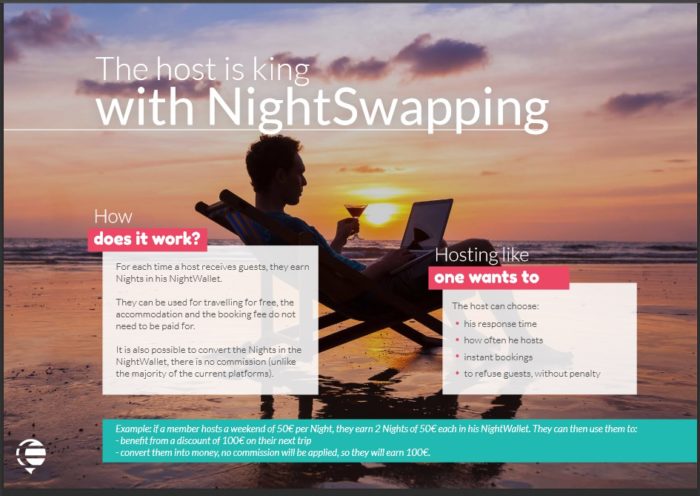
 Nights Exchange Leader NightSwapping Acquires MyTwinPlace NightSwapping is the first Nights exchange community with more than 250,000 members throughout 160 countries. It pioneered a new concept in 2012 which is unique in the sharing economy travel market. Read the PDF backgrounder by clicking here.








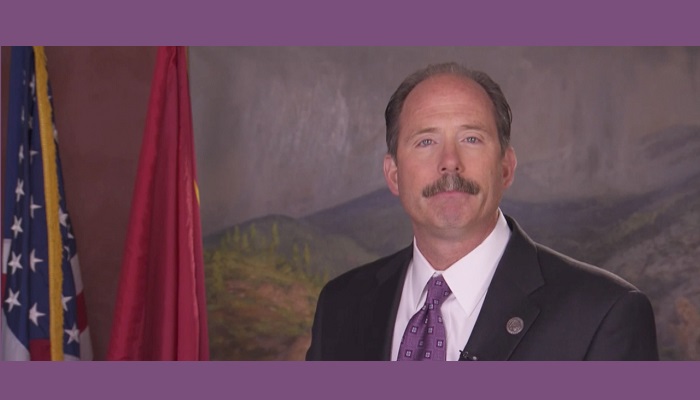
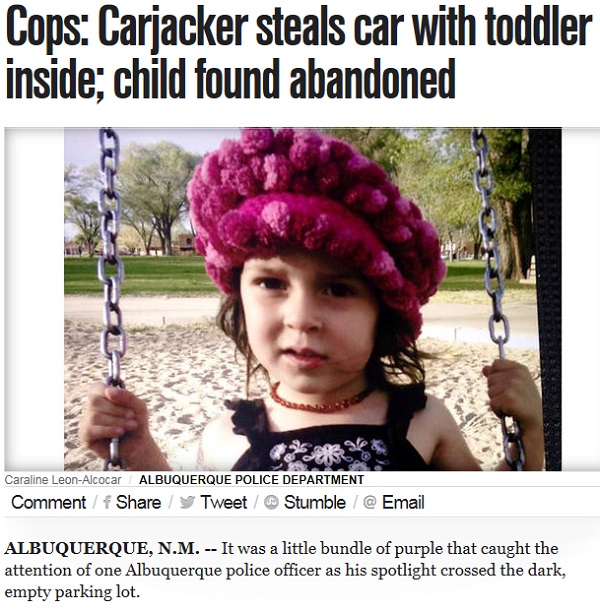
 Never fear, though. The city says plans for public safety initiatives funded by the grant are moving forward.
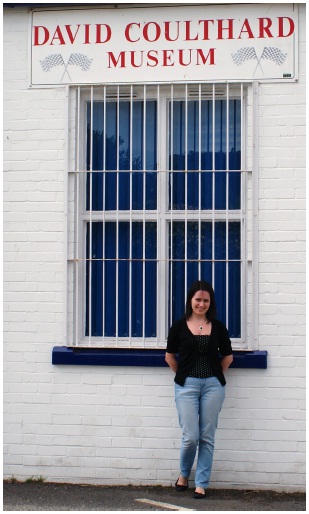




 “Our museum is thrilled to be partnering on this historically significant search-and-recovery project. The Canada Aviation and Space Museum’s collection comprises the largest surviving pieces of the Avro Arrow: a nose section and two wingtips. A free-flight model would be a wonderful addition to our collection, and to the Arrow story we share with Canadians.”
 “As professional explorers in the mining business, we initiated this program about a year ago with the idea of bringing back a piece of lost Canadian history to the Canadian public. As individuals, as a company, as a group and with our partners and our project participants in this search effort, we all have the same goal in mind: to find and return these beautiful pieces of Canadian technology to the public eye during this anniversary year of our incredible country. Like Avro, our own corporate group was built on dreams, and this project is a proud reminder of what we as Canadians have done, what we do, and what we can do.”
 In addition, if you select a cause, a portion of what you spend at participating stores will be donated to that cause for free.





























































































 It costs just $4.55cdn, less than a bottle of maple syrup, to provide one week of nutritious meals to children in school through the ShareTheMeal app! The app allows users to share nutritious food with hungry children around the world by simply tapping on their smartphone and donating $0.65 or more.


 Recent campus safety statistics show and increased danger for students—particularly females—with up to 1 in 5 college women encountering sexual assault and nearly 10,000 students each year enduring aggravated assaults and robberies during their time in college. SABRE is working to enhance awareness of the safety steps students need to take when they get to campus. However, they also want to encourage students with the chance at winning a scholarship to apply to their studies.
 We’re EBTH- Everything But The House- the largest and most trusted digital marketplace for shipping estate sales, but we started small, in front yards and tag sales. Our founders,-Brian Graves and Jacquie Denny, met while working in the Cincinnati auction and antiques world. While they loved uncovering the potential of pieces waiting inside their clients’ homes, they couldn’t help feeling like the traditional estate sale formats made it difficult for families to earn fair market value for their belongings. Not to mention the fact that design lovers and deal-hunters were limited to shopping for home furnishings and decor in their areas alone.
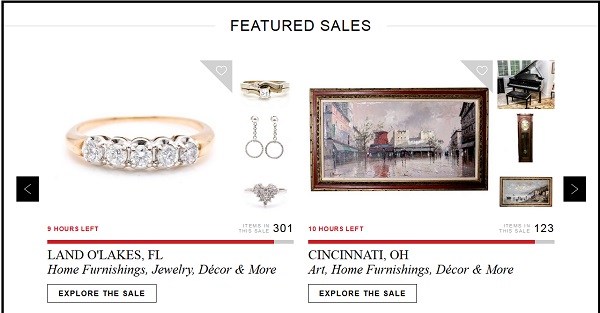
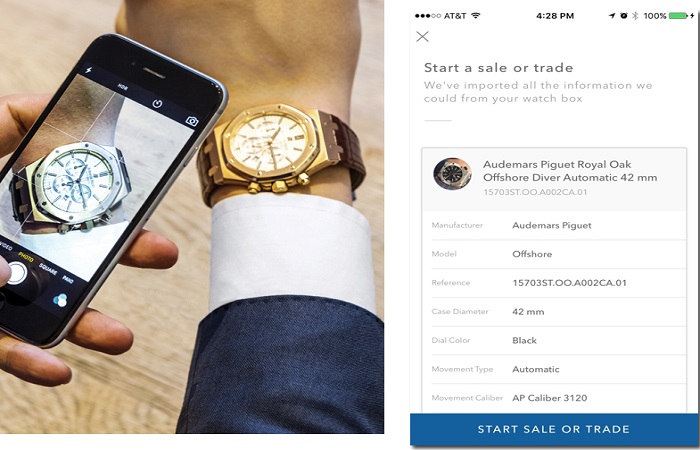
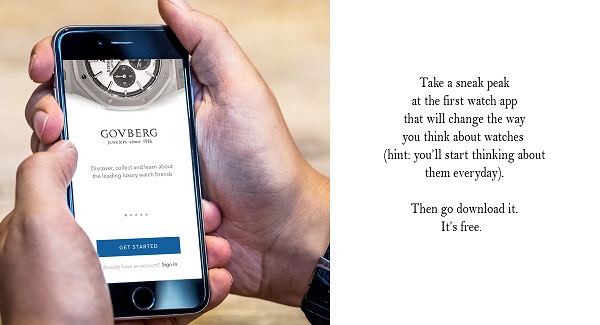
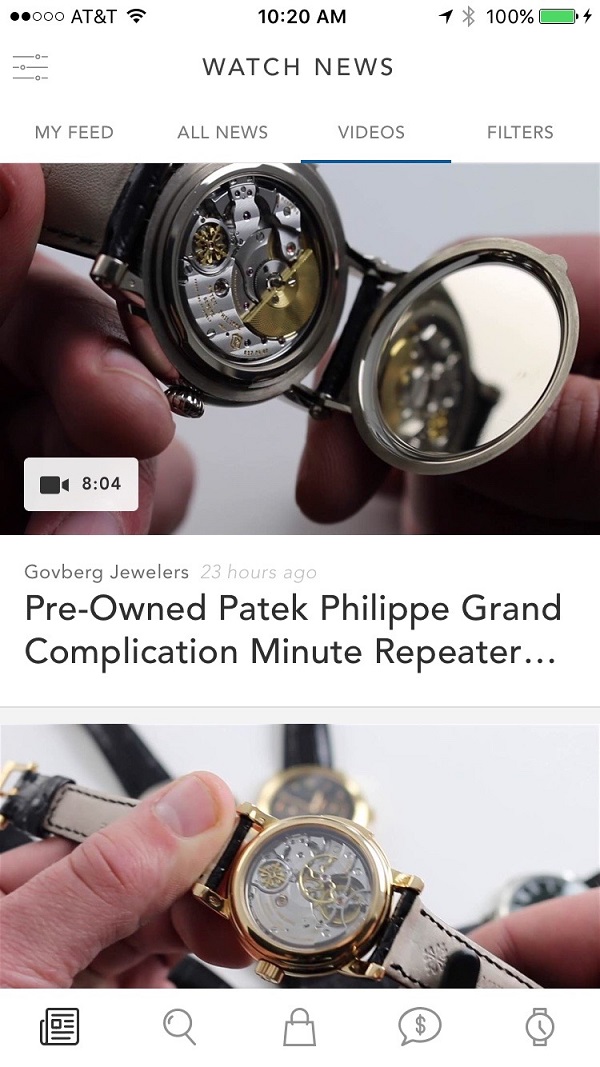

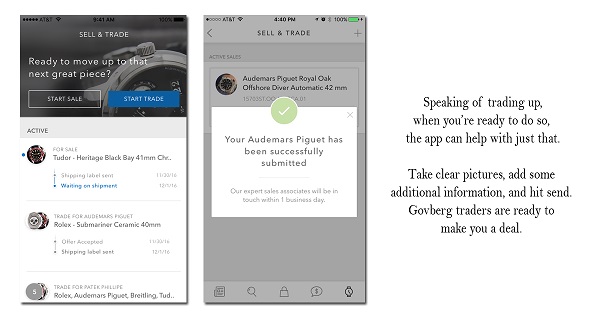


 Steak has been, is, and always will be expensive. It’s one thing to jack some cheaper stuff from someone else’s fridge, but goddamn steak?! And then to put that steak on the kitchen counter without a paper towel, foil, plate, nothing underneath it! Just plop that raw bloody steak anywhere, chief.



 For the Silo, Vic Mignogna -Captain of STAR TREK CONTINUES



 Major public opposition has been building against the planned dolphin exhibit at the Mississippi Aquarium in recent months. Over 15,000 In Defense of Animals supporters have written to Hewes and Meadows since the plans were revealed. A former dolphin trainer at Gulfport’s Marine Life Oceanarium has amassed almost 160,000 supporters for her petition calling on Mississippi Governor Bryant not to redirect $17 million of BP deepwater drilling disaster restoration funds to build the Aquarium.
 While opposition to dolphin captivity grows in Mississippi, a sea-change is being felt across the country and around the world. SeaWorld ended orca breeding last year and announced that it is phasing out orca captivity in all three of its parks in Florida, Texas, and California. Last month, the Vancouver Aquarium was banned from keeping or breeding cetaceans, and now the


 Shaker & Spoon Cocktail Kit Subscription Service




 ‘The Millionaire Blueprint—Unrevealed Secrets of a Millionaire Mind’ CD Series







 This might have been interesting enough, though such an aquatic broadcast had been done before, but the plan soon evolved into something more when Station Producer Lucas Poole (ironic, right?) suggested that Stu Tolan, host of the Celebrate Mornings breakfast show, attempt to break the record for longest underwater broadcast.
 As a solution, Muhammed says the team used a router, which connected to a
  In the end, the record was not only broken, but shattered, as the broadcast went well beyond the five hour mark, giving future underwater broadcast hopefuls a high bar to shoot for. Check out the video highlights and the photo album.




 “Digital Serbia” has been established as an association, bringing leading technology, IT and telecommunication companies together to drive digital innovation for Serbia and for its people. The Steering Committee of “Digital Serbia” will be made up of representatives of the founding companies. The Committee will be headed by Branko Milutinović, CEO and co-founder of Nordeus.
 Jelena Drakulić-Petrović, General Manager of Ringier Axel Springer Serbia and founder and initiator of the Digital Serbia Initiative: “Technological development brings unprecedented change at a high speed. Innovation in business and education helps to increase productivity. It allows for new solutions in the development of products and services. As a media company, we believe in the importance of enhancing digital innovative strength in Serbia, as this will be the driver that helps to create new jobs and grow our business. With “Digital Serbia”, we are seeking to unlock the vast potential we envisage for the Serbian economy and its people.”


 Asa’s own personal journey to find peace and self-acceptance helped her marry her artistic side with her business acumen and led her to launch a highly successful kaftan business, create a line of jewelry for Home Shopping Network and, of course, the television show. GOLDEN will help readers find their own power with inspirational quotes, stories and photos from her childhood to illustrate the impact her rituals can have. Whether you choose to focus on one ritual separately or all of them at once, GOLDEN can guide you to a state of glamorous, gorgeous mindfulness and a chance to live the life of your dreams.
