Digital privacy expert explains why often accepting cookies poses cyber risks
According to new research by our friends at NordVPN– one of the world’s most advanced VPN service providers , only 3,5% of Canadians never accept cookies. To make matters worse, a whopping 43% say they always accept cookies. While most HTTP cookies are safe, some can be used to track people without their consent. Even more, cookies can sometimes be spied upon or used to fake the identity of a user, to gain access to their account or use their identity to commit a crime.
“HTTP cookies are vital to the internet, but they are also a vulnerability to people’s privacy. As a necessary part of web browsing, cookies help web developers to provide more personal, convenient website visits. Because of cookies, websites remember you, your logins, shopping carts, and even more. But they can also be a treasure trove of private information for criminals to spy on,” says Daniel Markuson, a digital privacy expert at NordVPN.
What are cookies, and why are they a threat?
Also known as an HTTP cookie or browser cookie, a cookie is a piece of data that’s stored on your browser whenever you visit a website. When enabled, the website will remember your preferences and any small changes you made during your last visit.
Are Cookies Normal and Necessary?
Cookies are a normal and necessary part of the internet. Without them, you couldn’t log into a website or fill your online shopping cart. However, too many cookies can become a threat to both your security and privacy.
“People need to be aware that cookies follow you online. Even if you hide your IP address with a VPN, cookies can track what you do online and form a partial ID of who you are. Moreover, third parties can sell your cookies. Some sites earn revenue by serving third-party cookies. These aren’t functional – their purpose is to turn a profit from your data. Also, cookies are a vulnerability. With the wrong browser settings or when visiting the wrong website, cookies can introduce security vulnerabilities to your browsing experience,” says Daniel Markuson.
68,5% of Canadians feel that their online data is used for targeted ads
NordVPN research shows that Canadians feel the consequences of collected cookies:
68,5% feel that their online data is used for targeted ads;
66% feel that it’s being sold to other companies.
Moreover, 57% and 53% respectively believe that their data is analyzed by websites for their internal use and that it’s used by social media platforms for people to find the most relevant information
“Canadians must be pretty aware of the constant pop-up requesting them to ‘Accept all cookies?’ while visiting online websites. It happens in order to comply with data privacy laws, which were designed to protect users’ personal information and force companies to state what kind of data is being collected and how it is being used,” says Daniel Markuson.
How to stop cookies from tracking you
There are plenty of tools and tips to make your online activity more private.
“First, navigate to your browser’s settings and choose to delete all the cookies stored in your browser. Most browsers also offer features to block unnecessary cookies automatically. Second, use incognito mode. While incognito mode does not equal privacy, this is exactly what it was made for — setting aside a single browsing session that won’t save cookies and your history.
Finally, use a VPN. One of a VPN’s core features is to hide your IP address, which is critical if you want your online searches to stay private. Quite recently, NordVPN launched the Threat Protection feature, which offers a tracker blocker. That means that third-party cookies won’t be able to gather data about people’s browsing habits and create a detailed profile on you. So you can use online services in privacy,” says Daniel Markuson.
Methodology: Though the survey was commissioned by NordVPN and conducted by the external company Cint on October 4-12, 2021, the results and browsing trends continue into today. The survey’s target group was residents of France, the USA, Canada, Australia, Germany, Spain, the Netherlands, and Poland aged 18+ (nationally representative), and the sample was taken from national internet users. Quotas were placed on age, gender, and place of residence. 7800 people were surveyed in total, made up of 800 people from Spain and 1000 people from each of the remaining countries.
As the 2022 school year comes to an end, the surge of summer travel plans begins. With an estimated60%of Canadians and Americans planning at least one trip over the next 3 months, hackers have roughly 200,000,000 projected tourists to prey on.
Lookout’s Cyber Security Expert, Hank Schless, shares how these cyber-attacks usually capitalize on travelers who are often overwhelmed or distracted when in unfamiliar environments, like airports and cafes.
>> Public Wifi Connections
“Although many airports offer free Wi-Fi connectivity, you should make sure that you join the official airport network and not a similar network that is configured to trick travelers into giving up their usernames and passwords”
Attackers have been known to set up fake networks – with obvious but convincing names like ‘Starbucks_Guest_WiFi’.
Once you connect, they’ll gain access to sensitive information, including your login credentials, emails, and messages.
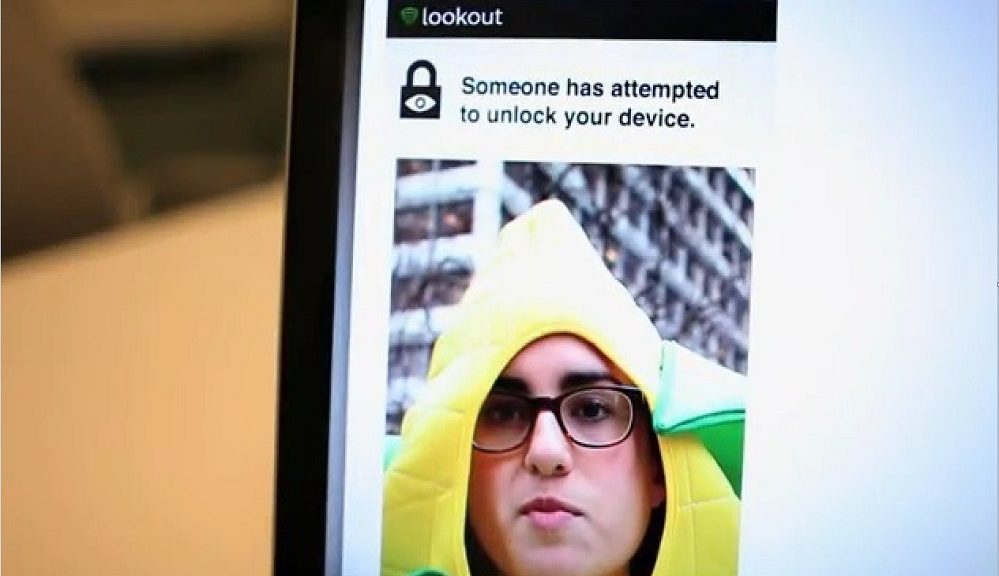
In order to protect yourself from wifi threats, alter your device’s settings so that it does not automatically connect to nearby networks, which the Lookout app does automatically.
>> Social Awareness & Juice Jacking
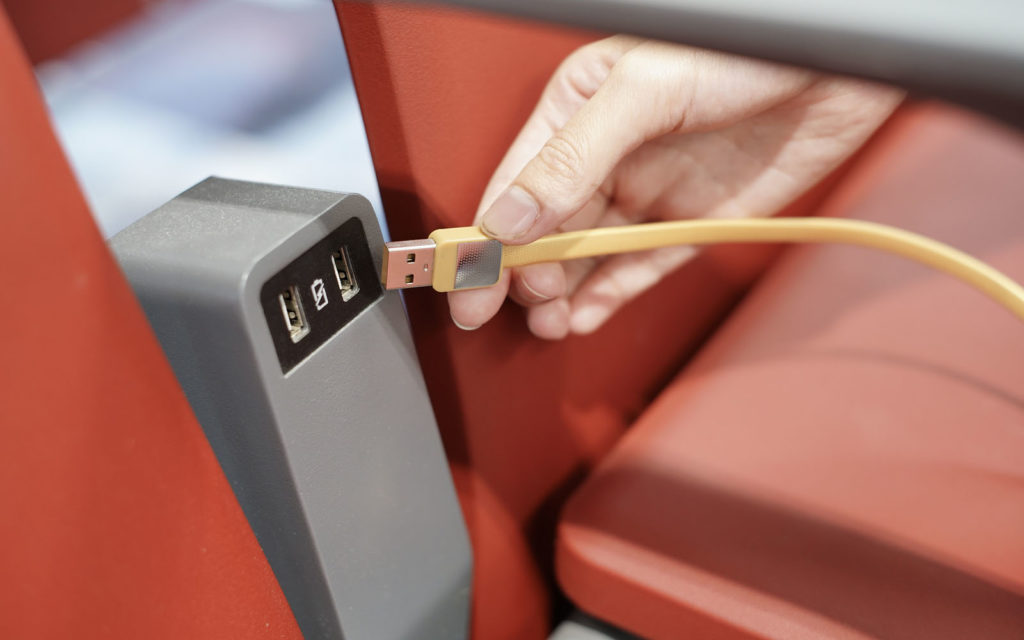
While on the go, travelers rely on power outlets and USB cords to keep their mobile device’s battery charged. Attackers can exploit USB chargers by loading malware onto them that infects your device the second you plug it in – Always be aware of your surroundings.
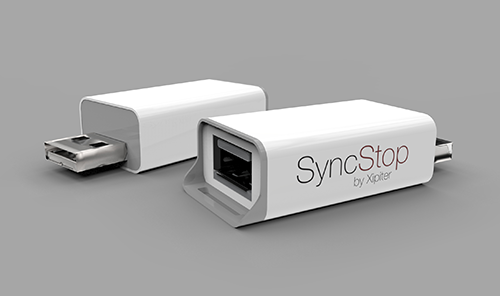
The “USB condom” works by physically disconnecting the data pins of a USB device and only allowing the power pins to make contact.
If someone approaches you and offers their USB charging cord, it is best to decline.
Always travel with your personal USB cords, and plug your charger directly into an electrical socket (vs USB port) if possible.
The easiest place for a scammer to steal or hack your phone is in crowded areas – so never leave your phone or device unattended and only let people you know “borrow” your devices.
>> SMS and Email Travel Updates
“It’s important to be on guard for travel-related email, text, and social media scams as well. Attackers may try to steal a traveler’s credentials through phishing campaigns that pretend to be an airline, credit card company, or TSA”
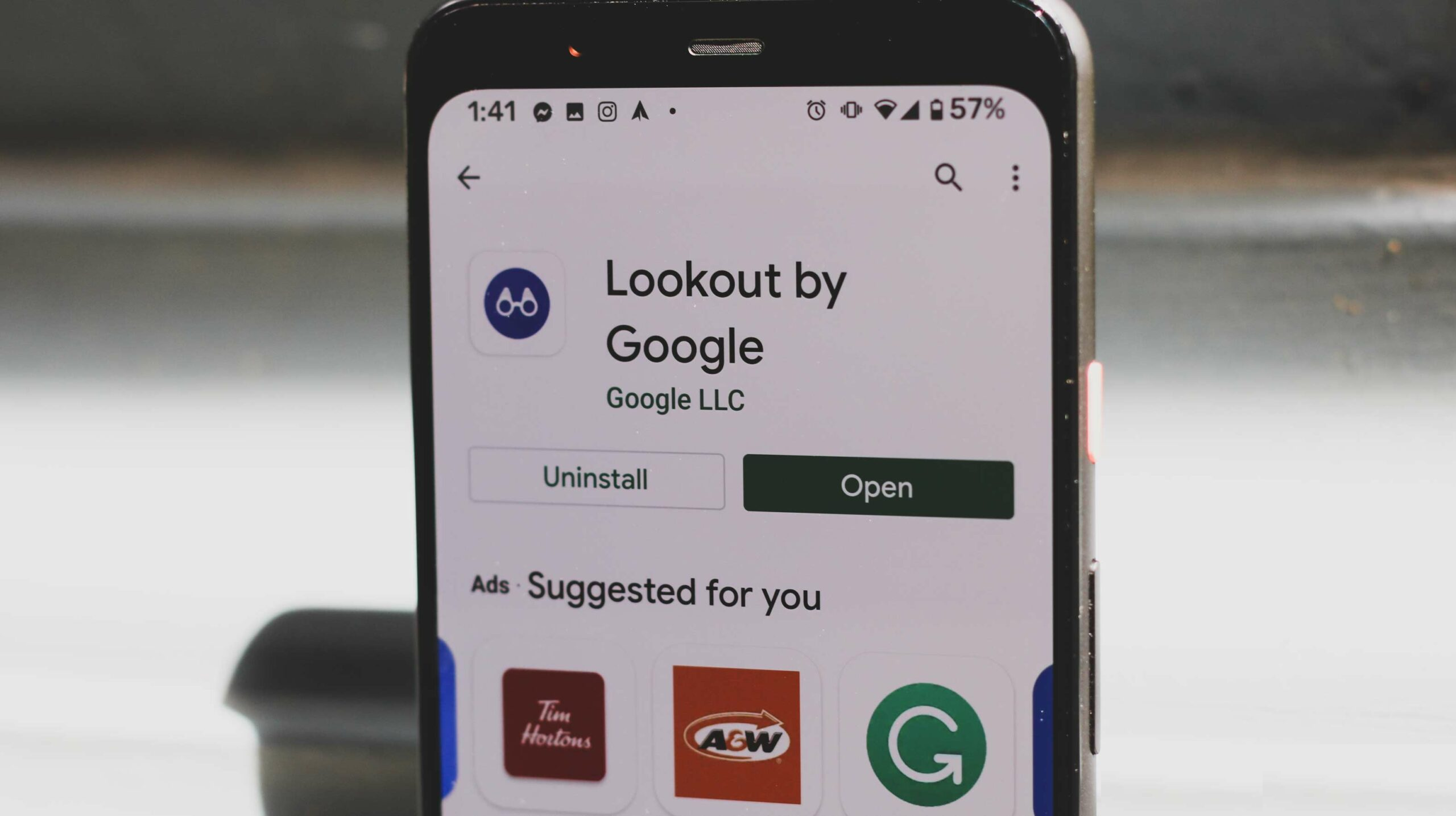
The Lookout App by Google is now available in Canada.
Here’s how it works: A scammer will send a message telling the recipient that their TSA PreCheck needs to be renewed, but the link in the renewal email leads to a fake site where hackers can accept payment and steal a victim’s personal information.
Although the TSA sends renewal reminder texts and emails, travelers should always go directly to the TSA website for information on their existing accounts.
For added protection, consumers can also download security – Security protection, like the Lookout app, will automatically monitor and identify scam URLs in email, text messages, and on the web and block you from threats that can do harm.
Print All Over Me is a creative community of people turning virtual ideas into real world objects. Every three months, we release a series of silhouettes like t-shirts, backpacks, jockstraps, etc. As a designer, you can upload your own artwork to each silhouette and then offer your design for sale. Even “captcha” designs like in our collab below with EXONEMO.
Every piece on PAOM is custom made. We print the fabric first and then cut and sew. We believe that by taking fashion slowly we can: a. offer high quality items; b. produce in an environmentally sustainable way; c. (and most importantly) offer our studio employees a living wage and health benefits.
Our office and collab studio is based in New York at New Inc. – the New Museum’s incubator. Our main production studio is outside Shanghai and we have a satellite studio in Georgia, outside Savannah.
Click me to design your own captcha – antibot wear.
Supplemental-
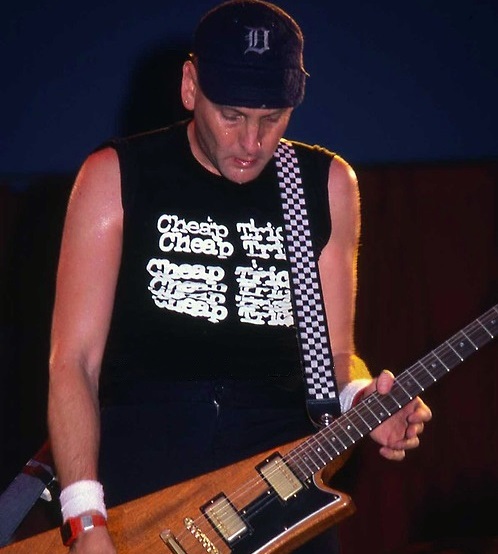
Neilsen’s signature look- a la 1970’s 1980’s
Was Cheap Trick guitarist Rick Nielsen an early captcha-clothing pioneer?