
| Ottawa, ON – Brad Vis, Conservative Shadow Minister for Housing, and Gérard Deltell, House Leader of the Official Opposition, issued the following statement after the Liberals voted against a Conservative motion to address the housing crisis in Canada: “Canada’s Conservatives are disappointed that the Trudeau government voted against addressing the growing housing and affordability crisis in Canada. “Conservatives asked for commonsense solutions to combat money laundering and foreign money pouring into the real estate market and called for measures to increase rental housing units and supply. “Experts say the government has ‘ignored’ calls to action and the cost of housing will jump another 13 per cent this year, making it even more impossible for first time home buyers to enter the market. Instead of supporting these commonsense solutions that experts have been calling for, the Trudeau Liberals instead chose to let down Canadians and continue their support for a system that favours foreign buyers and unaffordability for Canadians. “The Trudeau Liberals continue to double down on their ineffective, barely-used First Time Home Buyer Incentive, and pump billions of taxpayer dollars into a National Housing Strategy that has only seen Canadian housing become more unaffordable under its operation. The Trudeau government’s failures are ensuring the dream of homeownership is even more out of reach for Canadians. “If you are not worried about the cost of purchasing a home, you have three parties to choose from. If you are, you only have one choice – Canada’s Conservatives.” The Conservative Opposition Day motion can be found here. Office of Brad Vis, M.P. Blair.Kesteven.817@parl.gc.ca 613-992-1275 Please mention The Silo when contacting. Office of Gérard Deltell, M.P. Nathan.Ellis@parl.gc.ca 613-720-9245 Please mention The Silo when contacting. |
| Les libéraux votent contre le rêve de l’accès à la propriété des Canadiens juin 2021 Ottawa (Ontario) – Gérard Deltell, leader de l’opposition à la Chambre, et Brad Vis, ministre du Cabinet fantôme conservateur responsable du Logement, ont fait la déclaration suivante après que les libéraux ont voté contre une motion conservatrice visant à répondre à la crise du logement au Canada : « Les conservateurs du Canada sont déçus que le gouvernement Trudeau ait voté contre une réponse à la crise grandissante du logement et de l’abordabilité au Canada. « Les conservateurs ont demandé des solutions sensées pour lutter contre le blanchiment d’argent, l’apport des capitaux étrangers sur le marché immobilier, ainsi que des mesures pour augmenter le nombre et l’offre de logements. « Les experts disent que le gouvernement ‘ignore’ les appels à l’action et que le coût des habitations va augmenter de 13 pour cent cette année, rendant encore plus difficile pour les premiers acheteurs d’entrer sur le marché. Au lieu de soutenir les solutions sensées que réclament les experts, les libéraux de Trudeau préfèrent laisser tomber les Canadiens et continuer à soutenir un système qui favorise les acheteurs étrangers et augmente l’inabordabilité pour les Canadiens. « Les libéraux de Trudeau continuent de renchérir sur leur Incitatif à l’achat d’une première propriété, qui est inefficace et peu utilisé, et à mettre des milliards de dollars des contribuables dans une Stratégie nationale sur le logement qui fait en sorte que le coût des propriétés est de plus inabordable. À cause des échecs du gouvernement Trudeau, le rêve de l’accès à la propriété est encore plus hors de portée pour les Canadiens. « Si vous ne vous préoccupez pas du coût des habitations, vous avez le choix entre trois partis. Si vous vous en préoccupez, vous n’avez qu’un seul choix – les conservateurs du Canada. » La motion de la journée de l’opposition conservatrice figure ici. |

How Covid Affects Ontario Legislature
The past week has been a whirlwind of activity in Ontario politics. Some have asked about my absence from the Legislature for the vote on May 31.
With the advent of COVID-19, all political parties decided to divide the sitting members of the Legislature into two groups with equal representation from all parties.
Separate groups in the Legislature are an attempt to diminish the spread of COVID-19.
The Legislature is divided into two groups or cohorts in case COVID-19 swept through the sitting members, which could result in all members being in quarantine and the Legislature grinding to a halt. Instead, with two groups, only part of the Legislature would end up in quarantine and the other half could take over.
My group was not designated to be in the Legislature May 31. For this reason, I was not present in the House. All parties agreed to not have remote voting in the Ontario Legislature. I am presently working from home, including serving virtually on Standing Committees.
The motion passed on Monday relates to the ability to extend and amend existing orders under the Reopening Ontario Act. Orders made under the Act’s authority have always been, and will continue to be, required to be extended in 30-day increments by Cabinet. All orders may also be amended by Cabinet at any time to loosen or tighten restrictions as necessary. These Orders have been the mechanism that we use to implement the COVID-19 response since last July, including the colour-coded framework, the shutdown, and now the roadmap to reopening.
Please note that the declaration of emergency and Stay-at-Home orders have expired as a result of key indicators for COVID-19 trending in the right direction and significant progress being made in vaccinations.
However, because of the new, fast-growing Indian B.1.617.2 and to allow for higher vaccination rates, our government made the difficult decision to continue with remote learning for all elementary and secondary students across the province for the remainder of this school year. This will allow the province to continue its focus on accelerating COVID-19 vaccinations to support a safe summer and return to in-person learning in September for the 2021-22 school year.
The health and safety of Ontario students, staff, educators and families remains a top priority.
On a personal note, my wife Cari and I both contracted COVID-19 and have completely recovered. Cari is home from Joseph Brant Hospital and is doing very well after a week-and-a-half there, including one week in Intensive Care. We have ended our self-isolation, although we continue to follow public health guidelines.
We can’t begin to express our appreciation for all the messages of support and concern – thank you everyone!!
My positive test for the N501Y mutation of the UK B.1.1.7 variant was a result of picking up the virus just prior to my vaccination.

We must also be vigilant as the new B.1.617.2 variant, which was first identified in India and entered the province through Canada’s international borders, grew in Ontario by 600 per cent from May 12 to May 19.
The threat of new variants reinforces my belief that we all must continue to be cautious because of this highly transmissible disease. For the Silo, Toby Barrett MPP for Haldimand-Norfolk.

NightSwapping Is New Euro Model of Sustainable Tourism
In a time when the sharing economy is generalizing eco-friendly solutions for a sustainable development, a European startup has brought up to date one of the oldest tourism ideas in the world to lower the carbon footprint on your next vacation. It’s called swapping or more precisely, NightSwapping.
A simple idea that is enjoyed for its human dimension, authenticity and the absence of money between members.
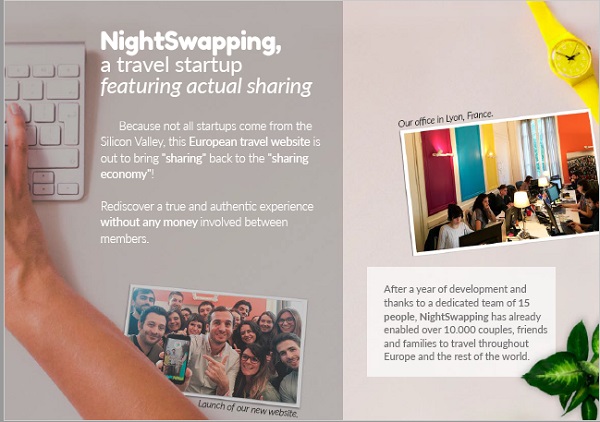
It is therefore with the utmost respect for traditional cultures, local territory and people that NightSwapping represents a new model for a sustainable tourism.
Has it not become common for travelers to stay at a local’s rather than hotels or resorts?

These new behaviors seem motivated by the desire to draw closer to local cultures and pass down certain values to our young ones…
Within this changing industry, a European concept has found a way to challenge the giants from the Silicon Valley. NightSwapping is the Sharing Economy at its core: no money exchanged, just sharing and authentic experiences.

A promising idea that continues to convince travelers around the world. For the Silo, Quentin Mittelett.

Have you tried this? Would you try this? Let us know in the comments below.
River Water Levels Are Favorite Discussion Among Ontario Paddlers
 SUP- Stand up paddling is a popular sport along the Grand River system. image: grandriverrafting.ca
Is the water level in the river going to be okay for canoeing or kayaking on any given weekend?
This is a common question that people call the GRCA to ask. It is also an important question. Usually what they mean is ” will there be enough water?”, but occasionally, there is actually way too much water for most people to canoe or paddle safely.
Fly fishermen too need to check river levels so they are safe and don’t get swept off their feet by a strong current.
An angler will likely move to a different area rather than take a chance. As an organization, the GRCA does not make recommendations as to appropriate water flows for recreational activities along the Grand River and its tributaries because there are many variables to consider. Some people have the expertise and training to enjoy high flows that could be fatal to inexperienced and ill equipped paddlers.

Very low flows make for slow going as there may not be enough water for the canoe to float and it may need to be pulled to deeper water at certain times. A skilled paddler will be able to read the water to find the deepest water and will have fewer problems. Some people have a bad day if they have to step out of their boat even once, while others are more tolerant of low flows. That is why there is no definitive answer to this question.
Appropriate water levels are a favorite discussion among paddlers. Those who paddle regularly have their own personal chart, whether it is in their head or on a spreadsheet.
Checking flow information
Many avid river recreation enthusiasts in Southern Ontario bookmark the River Data section of the GRCA’s website and check it when trip planning. This is one of the most visited sections on the GRCA’s website and provides hourly updates on river flows from 39 gauges on the Grand and eight tributaries. Some gauge information is also posted on an Environment Canada website that includes rivers in other parts of Canada, but the GRCA site has data for more gauges from this
watershed.
The main chart here is called the Flow Summary.
Recreational users should pay attention to the column headed “flow.” This one is measured in cubic metres per second or cms. If the rate is 10 cms, that means that 10,000 litres of water is moving past the flow gauge each second at this part of the river. The cms gets bigger as the river moves towards Lake Erie. There are huge changes in river flow due to seasons, weather, ice jams and dam operation.
Compare this to the “summer lowflow” which is the average flow during the dry summer months and you will see in relative terms how much water is flowing down the river. Following this Flow Summary is a list of sections of the rivers and tributaries with graphs. For example, one of the most popular sections of the river for a day trip, Cambridge to Paris, a paddler would check the Galt gauge on the “Middle Grand River“section. The graph will tell you if the level is going up, down, or holding steady. Occasionally a flow gauge does not operate and the information can be inaccurate, so the information is provisional. There is also a River Flow Information line that is updated regularly and can be reached at 519-621-2763, ext. 2511.

Outfitter information
There are several local outfitters in the area and they have cut off levels, when they stop canoe rentals. Canoeing the Grand in Kitchener has a safety section on their website with a five step rating chart for paddling. This scale goes from “Excellent” to “No Go” with five levels, depending on the paddler’s age, skill, expertise and river conditions.
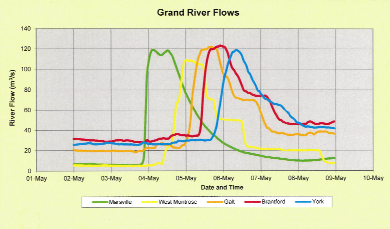
When river flows skyrocket
As the graph above shows, the Grand River may not give much warning of a sudden increase in river flows, which is why the GRCA must sometimes issue high water safety warnings to the public. This is the flow information from the week of May 2 to 9 from a few years ago. Note that it shows heavy rain on Thursday night May 3 in the northern part of the watershed meant flows ballooned from 8 cms to 120 cms within a couple of hours, as the data from Marsville shows. The GRCA issued a warning after the storm. The rainwater gushed down the river and by the afternoon of Friday May 4, flows were dropping at Marsville but skyrocketing at West Montrose. By Saturday May 5, the river flows in Brantford were extreme and then they peaked at York on the southern Grand on Sunday.
A final important note, Dams can make the impact of a rainstorm less severe but they don’t eliminate flooding or high flows.
For the Silo ,Janet Baine, GRCA Communications Specialist

How to Have Much Better Digestive Health
Everyone experiences sporadic digestive symptoms such as an upset stomach, heartburn, nausea, gas, diarrhea, or dreaded constipation. Symptoms often go away on their own; however, they can cause major disruptions to your life when they occur frequently.
Fortunately, lifestyle and diet changes can have a positive influence on your gut health and some simple home remedies may ease discomfort.
In this article, we discuss a few ways that can help you to have better digestive health. Enjoy reading!

Relax (Manage Stress)
Anxiety and stress can affect the digestive system. Many people have a nervous stomach before a big event or important occasion, but sustained stress can affect the connection between the brain and the gut, causing continuing problems. There is a bond between physical and mental health, and reducing stress can positively impact both.
When you’re having a busy day, it can be tempting to rush your meals, but that can cause indigestion and stomach discomfort. Make the time to relax, especially before and after eating.
In addition, reducing stress by seeking support and making lifestyle changes may improve problems with digestion. It is well known that meditation, cognitive-behavioral therapy, acupuncture, and yoga have improved digestive symptoms.
Include Fermented Foods in Your Diet
Fermented foods are partially or wholly broken down by microorganisms such as bacteria. These microorganisms work to preserve food, and they can also benefit your gut health.

Kimchi- Lactic acid produced by bacteria during fermentation creates a tangy, pungent flavor similar to that of sauerkraut.
Bacteria occur naturally in the gut. There are good bacteria that help digest food, but there are bad ones that can cause problems with digestion if there are too many in the body. Furthermore, fermented foods contain good bacteria (probiotics) that may help you maintain a healthy digestive system. You can easily increase your probiotic intake by incorporating these fermented foods into your diet: probiotic yogurt, sourdough bread, sauerkraut, kefir, or miso.
Probiotic yogurt is particularly known as a good choice in a fight with gastrointestinal disorders. Moreover, it’s an easy way to meet your daily probiotics goal, and it contributes to healthy gut flora.

Stay Hydrated
Low fluid consumption is a frequent cause of constipation. Experts recommend drinking 50–66 oz. (1.5–2 liters) of non-caffeinated drinks per day to prevent constipation.
An additional way to help fulfill your daily fluid intake needs is to include vegetables and fruits high in water, such as cucumber, zucchini, peaches, tomatoes, melons, celery, strawberries, and grapefruit.

Chew Your Food
We all know digestion starts in your mouth. Your teeth break down the food into smaller pieces, and that way, they support the enzymes in your digestive system to also break it down better.
So keep this in mind next time you eat. Remember to chew your food slowly and make it ready for digestion!
To sum up, simple diet and lifestyle changes may help improve your digestion if you experience occasional, frequent, or even chronic digestive symptoms. In order to relieve some of these symptoms, try our suggestions from above. You will be surprised by the results!

Discover Life with Less Pain, Better Health, More Strength, Mobility and Improved Performance
The Bod-e-Tune Naturopathic Health Aid is designed to protect you from interference from electronic devices that may alter your body’s natural electrical frequencies and can potential cause many health issues.
You are at risk, your children, loved ones and even your pets are all being affected by EMF’s.
Bod-e-Tune tunes the cells of your muscles, bones and nervous system optimizing cell function and allowing the body to do what it should naturally.
Bod-e-Tune utilizes the latest in Nano Technology Research and people world-wide are reporting exciting results with conditions, such as;
* Arthritis
* Joint Pain
* Muscle Pain
* Carpal Tunnel
* Fibromyalgia
* Migraines
* Chronic Fatigue
* Old Injuries
* Neuropathy
* Increased Strength
* Increased Stamina
* Better Nights Rest
* And Much More
We are continuously exposed to electrical pollution from cell phones, wifi, tv’s, lights, microwave and other electrical frequencies. Bod-e-Tune is a tune-up to the electrical frequencies of the cells of your muscles, bones and nervous system. It puts your frequencies where they should be and protects you from interference.
This allows your body to achieve a significant improvement in cell function instantly and allows your body to function at a significantly higher level.
Daily functions such as getting up out of a chair, walking, lifting, anything requiring the use of strength, balance and flexibility become easier. Within days of wearing your Bod-e-Tune Health Aid, you may experience less pain, greater flexibility, possibly more energy and improved game play allowing you to perform daily activities as you did years earlier.
So whether you simply want to be protected, you have a pain that you would like to get rid of or you are a sports enthusiasts who is looking for better game play, the Bod-e-Tune Health Aid may be just what you have been missing.
Results of an independent blind study show an average of 48.9% increase in strength and stamina alone from wearing the Bod-e-Tune Health Aid.
In the laboratory, chronic exposure to low level electromagnetic fields clearly affects growth and development, stress response, immune response and many neurological functions. This is not surprising because at the cellular level we are all electrical beings. Epidemiologic studies relate electromagnetic fields to birth defects, psychosis, childhood leukemia and to other cancers, especially brain and reproductive tumors.

The Bod-e-Tune Health Aid does not do the healing, it tunes your frequencies and allows your body to do what it should do naturally and do it better. Bod-e-Tune works in much the same way as tuning up your car for better performance. By tuning up and enhancing the functioning of the cells of your muscles, bones and nervous system your body works faster, better and stronger, the way it was meant to.
Be sure to visit our website for more details and watch our information videos and our customer testimonials.

Beautiful Minecraft Coffee Table Book Features Stunning In Game Built Art
Twelve years ago to the day, back in the year 2009 – a Video game called #Minecraft was unassumingly released. The sandbox video game became the second best selling PC-based game in history and was bought by Microsoft for $2.5B usd in 2014.
In keeping with our look back celebration, let’s check out this wonderful book for Minecraft lovers everywhere: Beautiful Minecraft ($19.95, 112 pp., 4C, hardcover).

As they pore over the pages in this remarkable collection, Minecraft lovers of all stripes will find themselves immersed in a world of astonishing creations like floating steampunk cities, massive alien worlds, detailed classical sculptures, fantastical landscapes, and architectural marvels. The sculptures and scenes throughout the book are built from thousands to millions of blocks and represent months and even years of design work on the part of their creators.
I wanted to show how a video game can become a true artistic medium…how players can become artists.
 “Beautiful Minecraft is the sort of thing that fans of the game are sure to love because it brings them even closer to the game they love,” said No Starch Press founder Bill Pollock. “Since my first visit to MineCon in 2011, I’ve been inspired by the passion Minecraft fans have for something that is much more than a game. Beautiful Minecraft shows us how in game creations can be high art, and the results are nothing less than amazing.”
For the Silo, James Delaney-author, managing director of BlockWorks: a team of Minecraft artists from around the world. BlockWorks has created artwork for companies like Disney, Microsoft, Warner Brothers, and The Guardian.
Publisher: No Starch Press
Author: James Delaney
Print ISBN: 978-1-59327-765-9
Price: $19.95
Specs: 112 pp., 4C, Hardcover
You Might Also Be Interested In:
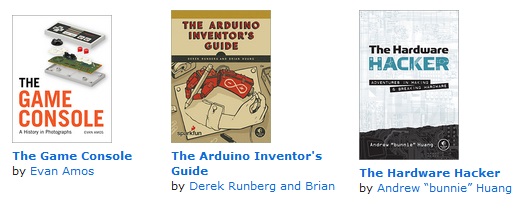
The Game Console by Evan Amos
The Arduino Inventor’s Guide by Derek Runberg and Brian Huang
The Hardware Hacker by Andrew “bunnie” Huang
Available in fine bookstores everywhere and from http://www.oreilly.com/nostarch, or by contacting marketingdirector@thesilo.ca
About No Starch Press
No Starch Press has published the finest in geek entertainment since 1994, covering topics like LEGO, hacking, science, math, and programming for all ages. Our titles have personality, our authors are passionate, and our books tackle topics that people care about.

Zakistar Flip-Flops With Pebbles That Simulate Barefoot Walking
Summer is almost here and so is the time for everyone’s favorite footwear: flip-flops. Let me introduce you to the world’s first flip flop that turns a summer stroll into a unique beach experience. How? Zakistar flip-flops have beach pebbles attached the sole so you can take the beach with you wherever you go.

We love walks along sandy beaches and we’re positive you do too. The pebbles on Zakistar flip-flops increase the blood circulation in your feet and are therefore very beneficial for your wellbeing. The massage effect with every step also helps reduce the strain of stress in your everyday life.
You do not have to give up style to get maximum comfort. Zakistars are designed to grab attention. They are simple and elegant and go well with everything. Wear them to work, beach or your next shopping trip.
What are they made of?
Quality was our first priority at Zakistar, and we only use the best quality materials. The Vibram sole is used by many outdoor sport footwear brands because it does not slip on any surface. The straps are genuine leather which offers support and durability.

Kickstarter, we’re coming!
Every Zakistar flip-flop is a unique piece. They are hand made with love and care. To keep the quality at its best, we require molds and special tools for the production of our flip-flops. This is why we have decided to apply for a Kickstarter campaign. Kickstarter is an internet platform for collecting funds for innovative ideas. If our campaign is as successful as we hope, it will give us a chance to expand our production and bring new ideas to life as well.
Health in your feet.
We all know that walking barefoot is the healthiest option. There are countless pressure points and nerve endings on the soles of our feet and by pressing on those correctly, you can benefit from reflexology. This is something that is already integrated into the Zakistar flip flops.
Who is the face behind Zakistar?
A young ambitious Aljaž Pazlar from Bled is a man of many original ideas, and Zakistar is only one of them. More than 20 people have joined in and helped him with this project. Their aim is to improve our everyday life with pure and simple means.
Origin of the idea.
Aljaž spent some of his free time walking along the shorelines of the Sava river, contemplating about his ideas. After he paid a visit to one of our greatest inventors Peter Florjančič, the seed was planted and it grew into an amazing idea which has now become a reality. For the Silo, Lojze Žust.
Supplemental- Self-Reflexology and Benefits of Walking on Pebbles

Cons: Federal Libs C-10 Bill Has Massive Potential for Abuse of Power
 Le chef des conservateurs Erin O’Toole demande à Justin Trudeau d’annuler le projet de loi C-10
Worlds Leading Architects Include Sir Norman Foster
Who is Sir Norman Foster? A British born architect world renowned for his ground-breaking interpretations of neo futuristic and post-modern design, that’s who.
Perhaps most famously known for designing and constructing “The Gherkin” tower in London, England at a cost of 138 million pounds. This office building is sure to turn the heads of tourists and Londoners alike.


Here’s How To Spot A Fake Apple Watch

Courtesy of our friends at http://www.watches2u.com/hub/how-to-spot-a-fake-apple-watch.html

Change Your Life And Connect To Higher Realms
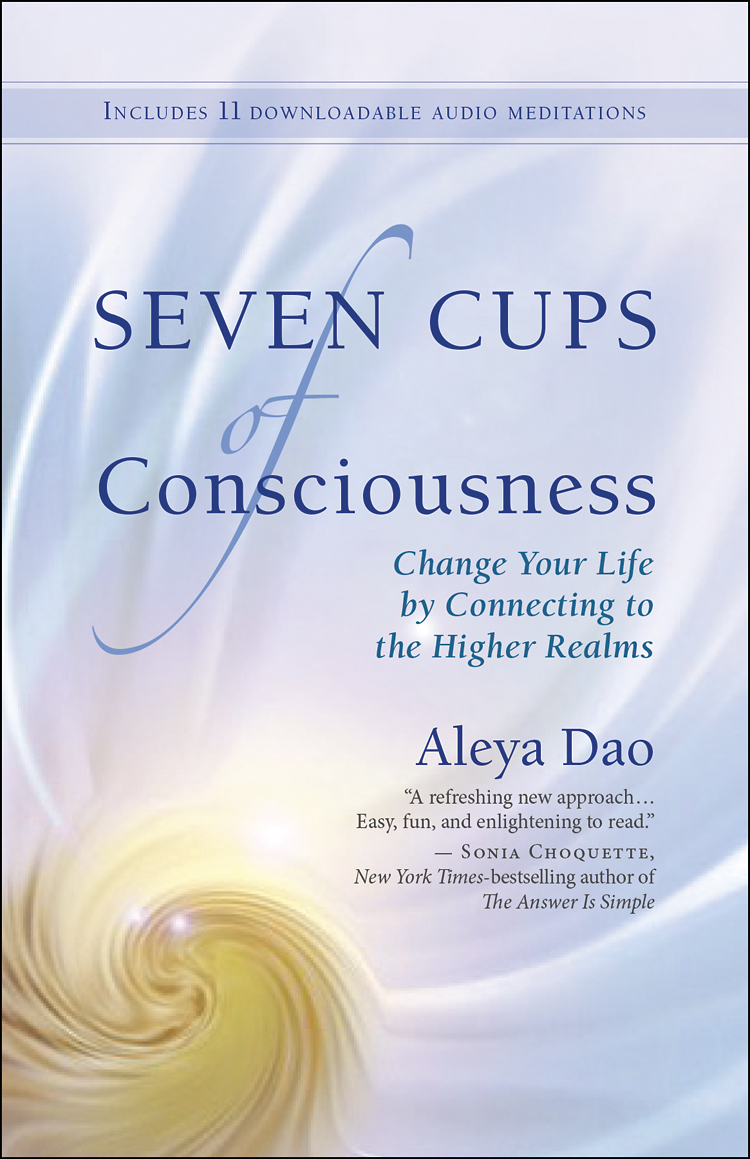
Aleya Dao was a successful alternative health practitioner undergoing a sound healing session herself when she had one of those extraordinary ascents into an entirely expanded level of cosmic consciousness. And what she discovered in those few minutes and the days and years afterward, was how ready her Higher Self, her Body Deva and an array of personal multidimensional Team members were to help her overcome her own perceived shortcomings, destructive habits and life’s speedbumps. She decided on change. The woman she is today is not the woman she was then–and she gives full credit to the Higher Realms for helping her evolve to the happy and fulfilled trailblazing spiritual teacher, healer and author that she has become.
In her astonishing and powerful book, Seven Cups of Consciousness: Change Your Life by Connecting to the Higher Realms (New World Library), Aleya offers a direct manual on how to engage with the higher dimensions to advance your own evolution–to create a life filled with happiness and purpose, always connected with a divine and perfect aspect of yourself, protected and guided by a loving angelic presence. She shows how this kind of life becomes possible when we learn to consciously connect at the spiritual level with higher dimensions.
“When you explore your inner realms, along with the higher dimensions, your life will change in amazing ways,” writes Aleya, a sound healer, Doctor of Oriental Medicine, acupuncturist and spiritual guide for 20 years in the Southwest. She practiced in Telluride, CO, before moving to Santa Barbara, CA where she currently serves an international clientele. “The basic idea is that all your work is done at a level higher than your physical reality. There are aspects of you that exist in higher dimensions, at the spiritual level. I call these parts of you your energy self or your Higher Self.”
Seven Cups of Consciousness offers step-by-step practical guidance for reaching beyond one’s limited physical experience and energetically opening to the guidance and support of multidimensional resources.
Her book outlines specific processes built around “cups of consciousness” that are designed to give readers access to the energetic realm and the innumerable resources it contains. “The physical realm is only one of many. You are a multidimensional being expressing yourself in multiple dimensions,” writes Aleya. “You are never alone. Using your angelic resources can assist you in enormous ways.”
Just as a cup of coffee or tea helps you wake up in the morning, Aleya promises readers that sipping from the “cups of consciousness” she offers will help them awaken to higher levels of consciousness and energetic support:
- First Cup – You Live in a Multidimensional Reality
- Second Cup – You Are Never Alone
- Third Cup – You Can Change Your Inner World
- Fourth Cup – Your Challenges Can Help You Grow
- Fifth Cup – Your Body Is a Nature Spirit
- Sixth Cup – You Have Soul’s Wisdom
- Seventh Cup – You Are Perfect
Aleya has created energetic practices designed to help readers release old patterns and gain access to a higher consciousness for each of the seven cups. Links to eleven powerful downloadable audio meditations that guide readers through these processes are also included.

- Become acquainted with your own River of Light, adjacent to the front of your spinal cord
- Dialogue with your Team to resolve old “stuff” that keeps you mired in lack, limitation, real world problems and broken romances
- Communicate with your Body Deva, the nature spirit that is embodied as your physical self
- Begin living a multidimensional life, so that you solve problems from a vantage point that you cannot by living a 2D existence
- Enable your Higher Self, Team and Body Deva to support you in living a life that is fully expressed with joy, fulfillment, purpose, self-love and even romance!
“The key lies in your ability to focus on your inner world, using your imagination and intent as a way to connect to other dimensions,” writes Aleya. “You will learn that your real power comes from within and from beyond. As you develop these tools, your consciousness will evolve, your challenges will transform, and a deep inner peace and empowerment will bloom.”
Ten years ago- Batman Arkham City released

Batman: Arkham City Review – Rated T (for Xbox and Play Station)
Welcome ! I am going to begin this review with a confession: I am a retro gaming fan and somehow have missed out on a number of wonderfully aging titles. In fact, I had never played Batman: Arkham Asylum. It’s not that I was never interested, in fact quite the opposite, but our paths just never seemed to cross. Before beginning Batman: Arkham City I figured it was best to equip myself with some knowledge of its precursor. With an effortless search of Google I quickly found myself lowering my head in shame for all that I had missed out on. Nevertheless, I managed to convince myself that this was an opportunity to go against the grain, travel the road less traveled and yes, play out of sequence!
And so begins the adventure and the review. . .
After reading the necessary details and other reviews for Batman: Arkham Asylum I had a pretty good hunch that it’s follow up, Batman: Arkham City would be nothing short of fantastic. This game is a true indication of how far video games and their technology have come and the possibilities that still remain. Now, I could dive in to the guts of the game and discuss graphics, weaponry and overall gameplay but that would be jumping on the band wagon (which I’ve already determined is not my game plan). Instead, I feel there is something else that stands out above all other criteria: the theme of filth and decay. Darkness and death consumes Arkham City, its people and even Batman himself.
From the game’s beginning we are placed in a world that is full of shadows, crime in every dark corner, filth and grime smeared on every surface yet somewhere, within this dismal world, an intricate story unfolds.
A section of Gotham city has been walled off and is home to some of the city’s worst criminals and madmen, each of whom are fighting for power and fighting each other for it. With only a few far fetches Batman: Arkham City represents a world not unlike our own.
Take Hamilton, Ontario, Canada, for example.
It has its own areas of the city that are run down, considered ‘ghetto’ and known for acts of crime. Imagine if the mayor decided to build a wall around these areas and seclude them. The people within those walls are now left to fend for themselves – finding their own food, shelter, warmth and safety. It is only a matter of time before those communities begin to deteriorate more and more in to a state of delusional chaos. Stores shut down and become abandoned, buildings are neglected and covered in graffiti, and even the weeds are breathing new life now that there is no city maintenance.
If you can imagine such a scenario and the feeling that one might experience living in such a place, then you now know what playing Batman: Arkham City is like. I think that’s part of the reason why I enjoyed this game so much. Unlike almost every other video game, I could actually see Arkham city as a feasible scenario within our own world, hell, our own city! Furthermore, this allowed me to really sink my gaming fingers into Batman’s character and get a feel for what it might be like to be the cape crusader of Steel Town.
Some of the greatest things about Batman are his gizmos and gadgets which I used religiously throughout the game.
Soaring high above the city and the smog I could see crimes happening and swoop in on un-expecting villains and their goons. Whether I was using my trusty zip line to quietly whiz from point A to point B or using the cover of darkness to conceal my presence, I was using my surroundings, my city – my home. Or perhaps I should say what was my city and what used to be my home. Like the city of Arkham, Batman too deteriorates as the game goes on. His suit and cape become more battered and torn the more fights he’s in and the more evil he defeats. Once again I can only draw on the parallels of our own local cities and communities. Living within the confines of a dying city is a great recipe self-deterioration both physically and mentally.
When it comes to villains, enemies and ‘bad guys’, Batman: Arkham City I applaud you.
I was happy to see appearances by the Joker, Penguin and even the Mad Hatter! However, these guys are not quite how I remember them to be from the cartoons as a kid. No, no – these ugly, vile villains are far more disturbing. Each character that we encounter looks as though they are decaying in some way, shape or form. Some have cuts and scars all over their bodies, while others are losing their minds with insanity. Some just visually look broken down, worn out and even dead (much like the city they are trying to run). Each character has their own story to tell adding to your understanding of the plot and overall game.
Now, if we take a minute, once again this is not unlike the people within our own communities. Okay, we may not have a Riddler running around town leaving giant green question marks on things or gigantic science experiments who can shoot lightning bolts at us but every person has their own background and a story. All these details help explain why they are the way they are and why they live their lives the way they do. For all we know, there are Jokers and Penguins living amongst us, walking our streets and plotting their victories. Scary thought.
Another great addition to the game is the inclusion of Cat Woman and Robin characters.
Each character has their own missions and side tasks to complete apart from Batman. The world still stays the same but the stories become completely different. For example, if you are playing as Cat Woman the side missions that the Riddler has littered all over Arkham are different yet unique to your character in comparison to the tasks given to Batman. Inevitably, you are playing an entirely different game depending on the character you choose. The upside to this is being able to play as a character that you yourself might have a better connection with. Personally, I loved playing as Batman but Cat Woman did connect with my female side and added a certain finesse to my gameplay.

So, I find myself with yet another finished game to add to the shelf however, there still remains a vacant slot for which to place the predecessor of this game. Playing out sequence and blazing my own trail did not seem to hinder how I played Batman: Arkham City, in fact I was able to grab the concept of Batman: Arkham Asylum quite well with help from various hints and stories provided by characters throughout the game.
Not every video game you partake in has the ability to draw you in and allow you to become immersed in its world. Batman: Arkham City however, does just this. Every aspect within this game from the setting, the characters and the missions themselves all have incredible attention to detail, making its world more realistic.
Don’t get me wrong, I love burrowing into the world of fantasy every once and a while. I love being taken into a world where there is no comparison to the world outside my window and furthermore, fantasy worlds require you to play with a different type of gameplay and mindset. But then again, those games don’t necessarily evoke the same response or feelings that a gamer might experience while playing a game that’s hits a little closer to home. The realistic components to Batman: Arkham City is what did it for me. The frightening parallels, the visuals and the overall story within this game gave me goose bumps.
If there are two pieces of advice I can give to my fellow retro gamers it is this: I encourage you to do as I did and every once in a while throw caution to the wind. Play to the tune of your own gamer heart and don’t be afraid to start in act three in a five act play. Also, don’t hesitate to drench yourself in all that an old video game has to offer. Take your time, smell the fumes of sewer smog and embrace the dark shadows that lurk in every corner. After all, you’re Batman – you laugh in the face of danger.
For the Silo, Holly LaRue.

SipaBoards paddleboards include jet propulsion

Standup paddleboarding already has a loyal core of followers and its popularity is growing fast. As the world’s first self-inflating standup paddleboard, SipaBoards is changing the direction of this sport for the better and making it easier and more accessible for everyone.
Its innovative design opens up paddleboarding to children, beginners, and anyone else who is curious, but still hasn’t given the sport a try. The board pumps itself up in just a few minutes, getting you on the water more quickly, and the motor helps you keep stability and direction, making it easier to paddle further and stay out on the water longer.
According to those in the know, SipaBoards have come up with the smartest innovation in paddleboarding in recent years. The “no extra parts” philosophy of SipaBoards’ founder, Sebastjan Sitar, led him to design the motor’s housing so that it seamlessly fits into a whole in the board’s center of gravity.
The second innovation, named aptly the SipaDrive, is an integrated jet propulsion system, which gives the paddler assistance up to 3 knots. Everything is “smartly” operated wirelessly by buttons built into the paddle itself, so that communication with the motor is interrupted and the motor automativelly shuts off immediately if the paddle falls into the water.

Accelerating the Slovenian Economy by 3 knots
Sebastjan Sitar, a sportsman and entrepreneur, has his mind on the significance of this business challenge ahead of the launch:
“Slovenia was hit hard by the economic crisis, and we realize that the country needs a fast way out of these difficulties. Our solution will accelerate this recovery by 3 knots.” Sipaboards on Twitter

The Greatest Places To See POST COVID Art In The City Of Toronto
If you were to ask a tour guide where to see art in Toronto once the city opens back up post-Covid, they would likely tell you to get tickets for the Art Gallery of Ontario. While the gallery is a wonderful place to see new exhibitions and long-standing collections, it’s not the only spot that the city has to offer. After walking through the halls of the AGO, you should check out these other cultural venues and events:
Graffiti Alley
Graffiti can turn outdoor spaces into sprawling art galleries. Take an afternoon to venture over to graffiti alley to see a series of increasingly bold and colorful murals adorning the backs of buildings. You can grab a hot coffee from one of the nearby cafes and then take a stroll through the unconventional art collection.
Nuit Blanche
Graffiti Alley turns a part of a neighborhood into a gallery. The festival Nuit Blanche transforms the entire city of Toronto into an interactive gallery for a single night. This year the celebration takes place on October 5th. You can see everything from beautiful zen gardens to riveting dance performances to participatory installations. The art projects span across neighborhoods from downtown to Don Mills.
The Drake
One of the cultural destinations that always participates in Nuit Blanche is The Drake. They are partners with the festival, along with the Canadian Art Foundation, the Museum of Contemporary Art (MOCA) and the IMAGES Festival.
All of the six Drake venues are the perfect spots to experience art, all while enjoying a tantalizing dinner or sipping a strong drink. Go to The Drake Hotel on Queen West to feast on appetizers like hand-cut steak tartare or charred octopus before exploring the location’s gorgeous art collections. You’ll find the collection One Way Out by the artist Greg Ito displayed in their lobby and café. Ito uses paintings, installations and sculptures to delve into the concept of escapism. So, you can finish off your specialty cocktails and get transported to a fantastical destination.
The Hotel has the multifaceted performance venue known as the Drake Underground. The cultural hub hosts musicians of all genres to get crowds screaming and dancing until the early hours of the morning. It also hosts poetry slams, where you can hear the city’s up-and-coming spoken word artists compete for the top performance of the night. You can see a full list of what’s going on at The Drake Hotel here.
If you’re looking for a low-key way to spend your afternoon, head to the Drake Mini Bar across the lobby from Drake One Fifty in the Financial District. The venue manages to pack a lot of art into a small space. It’s been a solo exhibition site for the visual artist Rajni Perera in the past and now features the conceptual work of Thomas Trum. The artwork is displayed on murals and tabletops, so you can drink in the thought-provoking images and mood-altering colors while sipping on a freshly-made mojito.
Incredible art exists outside of galleries. You can see it sprayed on the backs of buildings in a narrow alleyway. You can spot it in a sprawling festival. And you can find it the hottest hotels and eateries, where even your menu feels like it should be framed. For the Silo, Mila Urosevic.

Your 4-Minute Guide to Live Casinos in Canada
Canada’s online gaming sector is snowballing, boasting sales up to $31 billion per year, thanks primarily to players staking through their mobile devices. Yes, you can now enjoy your favorite casino games from your home desktop or laptop; and when on the move, on your smartphone or tablet.
But as with physical live Casino Canada, it’s crucial to familiarize yourself with existing platforms, accepted payment methods, your game options, and whatnot before signing up.
Here’s your 4-minute guide to online gaming in Canada.
In this article;
Popular Games in Online Casino Canada
7 Things to look for in an online casino
Your deposit & withdrawal options
10 Best Online Casinos in Canada
Popular Games in Online Casino Canada

Maybe you love table games and worry that your favorite game isn’t available online. But this shouldn’t be a problem, most service providers offer myriad games to improve the online casino experience for avid gamblers.
Online Poker. This is arguably Canada’s most cherished online game. Under Poker, Players can toggle between options like Triple Play, Deuces Wild, and so on.
Growing Jackpots. In these games, the jackpot lump sum increases in value each second and may shoot to millions of dollars.
Slots. Slots come with impressive rewards like bonus rounds, free spins, etc which you can enjoy for free or deposit funds and earn.
Blackjack. Online gaming spots also feature the old-school Blackjack for free or for gamble.
Roulette. Canadians can switch between different Roulette versions. Learn what your website offers and master your moves before depositing.
Live dealer. This is the game for those who prefer the classic casino atmosphere even when paying from home.
Sports betting. Bet on a variety of sports.
These are some of the most popular gambling options in Canada, but there’s more to explore if you prefer something else.

7 Things to look for in an online casino
So you’d love to sign up with a website and begin enjoying your bonuses? That’s fine, but first, spend quality time comparing your options before diving in.
Below are the seven crucial factors to consider;
Signup Bonuses. With most websites promising a bonus, you will want to register with a casino that offers the best welcome rewards.
Deposit & Withdrawal. The listed deposit and withdrawals method(s) should match your preferences. Also, check how long it takes to withdraw your earnings.
Game Options. If you value variety, be sure to go through a list of games on offer before registration.
Unswerving Support. Because your playing remotely, it’s crucial to partner with a service that offers unswerving support through digital avenues like live chat, calls, or social media support.
Quick Upgrades or Promotions. You also want a platform that will promote you to better levels that include massive bonuses, and competitions.
Huge Jackpots. Most gamers prioritize jackpots and growing jackpots. If you’re eyeing the big price, be sure to compare these up-fronts.
Transaction & Payment Data Security. Before putting your money where your mouth is, be sure to double-check the website’s security protocol.

Online Casinos in Canada: Your Deposit & Withdrawal Options
Casinos in Canada allow players to deposit through various payment methods–the same applies for payouts (or withdrawals). The most transaction is instant or happens in a matter of minutes via secure platforms to protect your confidential payment data.
Still, you must consider the money-in and money-out options for your specific platform to ensure that the arrangement favors your money reservoirs.
Below are some of the safest common pay-in and payout options in Canadian online casinos.
Credit & debit cards
Neteller
PayPal
Visa
Mastercard
InstaDebit
paysafecard
American Express
Interac Online
Bank transfer
ecoCard and ecoPayz
10 Best Online Casinos in Canada
We sampled some of the best platforms to get started with online betting and gaming. Here are the 10 best gaming sites for Canadians.
Spin Casino
JackpotCity
Betway Casino
Ruby fortune
Casinocom
Europa Casino
CasiGO
Magic Red
National Casino
Bob Casino
Lastly, remember to compare the features that matter to you before signing up.
A Call to Action
Online betting and gaming are more fun than you imagine. But choosing the right platform is essential in enjoying a smooth experience. Compare these websites thoroughly and register with a preferred dealer to get started.
Angels In Starships? There’s Lights All Over The World

A thousand UFOs are reported each month and are usually seen with lights or as bright orbs. They often appear to be signaling their presence. I have been told by high ranking personnel that UFOs definitely have a religious aspect involved in their presence. Most are friendly but some have their own agenda. The Ten Commandments has instructions for mankind to abide by rules or laws that mankind should use when they travel in space such as do not kill and steal.
The Bible frequently mentions lights.
“You are the light of the world. Let your light shine before men, that they may see your good deeds and praise your Father in heaven.” Matthew. 5:14-16: The Bible promises life after death. Are these ships here to pick up human souls as they die? People’s bodies are known to lose less than an ounce at death.
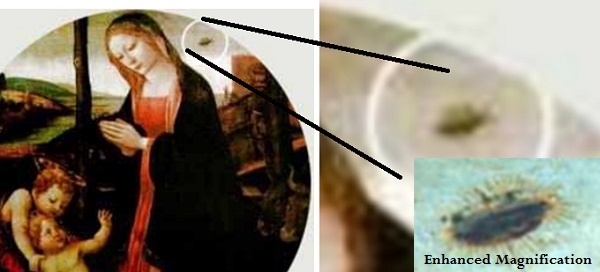
“A fourteenth century fresco of the Madonna and Child by St Giovannino, in the Palazzo Vecchio in Florence, attributed to the 15 Century school of Filippo Lippi. A UFO hovers in the distance. A blow up of this fresco reveals details of the UFO including port holes. It seems to indicate a religious involvement between UFO’s and the appearance of the Christ Child. ” from disclose.tv
Ralph Waldo Emerson wrote, “The soul comes from without into the human body, as into a temporary abode, and it goes out of it anew … it passes into other habitations, for the soul is immortal.”
Angels in Starships

There are thousands of books about angels and first hand contacts with humans. The book “Angels in Starships” tells of Angels or aliens in Italy. The book states, “And now the facts: Giorgio, Tina, Paolo, and other friends have a number of ‘eye-to-eye’ contacts with space brothers, with rides in starships, and with conversations, in which it is revealed to them that they are the so-called ‘angels’ of the Bible, or mediators and messengers of those who served God’s will, and still serve, to reveal the truth to men of Earth, and to guide them on the path toward higher development. During the encounter their car received tremendous heat and the engine was severely damaged.
In the course of such meetings, the group received important revelations and messages of utmost seriousness, which concern all the inhabitants of this afflicted planet. The invitation to follow paths to a better way of life is well advised, for the time of great catastrophes and dreadful happenings about which the Apocalypse speaks is coming nearer; the day in which “one will be taken away and the other left behind.”
On the occasion of one of these unusual meetings, the Earthly friends, who had been entrusted with messages and teachings, and had been guests on the flying saucers and the starships, were allowed to have the wonderful experience of visiting a distant planet.
A few examples of UFO encounters : In Indian Sanskrit, space vehicles are generally called ‘Vimanas.’ Cicero, in the 43rd chapter of his “De Divinatione”, writes of ‘balls in the heavens’; Julius Obsequens, in “Prodigia”, writes of ‘flaming shields’, and these descriptions occur likewise in Aschylos, Plutarch, Seneca, and Valerius Maximus. and Xenophon. Dio Cassius related that, at the first landing of the Romans in Great Britain under Aulus Plautus in the year 43 B. C., a round object flew like lightning from east to west. Roman soldiers had UFO like objects on their shields.
‘Dark globes’ were seen over Basel in the Middle Ages, and similarly, there were ‘airships’ in the skies of the United States toward the end of the 19th century. During World War II, ‘balls of light’ and so-called ‘foo-fighters’ followed both the Allied and the German aircraft. For the Silo, George Filer. Search “Filers Files” for more about UFO’s
Supplemental: Kniha angels in starships
.

Connection Between Music And Math
I remember the first time I heard the statement “Did you know that listening to classical music enhances your mathematical abilities?”
I was both intrigued and excited, intrigued because I did not understand how music and math, two seemingly unrelated subject could possibly affect each other. I was also excited because I began to view classical music as some kind of magical potion that would transform my math skills from decent to extraordinary. When I had the opportunity to write this web paper for The Silo, I immediately jumped into the topic of music and math. The questions that I wish to answer throughout this paper are; does listening to music really help you do better in math? If so, which part of the brain is controlling the correlation between math and music? In addition, how does music stimulate the brain in a way that enhances mathematical abilities?
It turns out that there is much evidence that supports the positive effects of music on one’s ability to do math.
Most research shows that when children are trained in music at a young age, they tend to improve in their math skills. The surprising thing in this research is not that music as a whole is enhancing math skills. It is certain aspects of music that are affecting mathematics ability in a big way.
Studies done mostly in children of young age show that their academic performance increases after a certain period of music education and training. One particular study published in the journal ‘Nature’ showed that when groups of first graders were given music instruction that emphasized sequential skill development and musical games involving rhythm and pitch, after six months, the students scored significantly better in math than students in groups that received traditional music instruction. (1)
The result of this study posed another important question. How does this type of music that emphasized sequential skills, rhythm and pitch manage to improve children’s ability to do math? It turned out that there are two distinguished types of reasoning, spatial temporal (ST) reasoning and Language analytical (LA) reasoning. LA reasoning would be involved in solving equations and obtaining a quantitative result. ST reasoning would be is utilized in activities like chess when one needs to think ahead several moves.
The effect of music on math sometimes termed the Mozart effect.
The Mozart effect gain its name after the discovery that listening to Mozart’s compositions, which is very sequential, produces a short-termed enhancement of spatial-temporal reasoning. Some key reasoning features used in spatial temporal reasoning are:
1. The transformation and relating of mental images in space and time
2. Symmetries of the inherent cortical firing patterns used to compare physical and mental images and
3. Natural temporal sequences of those inherent cortical patterns (3).
The same people who conducted the Mozart effect experiment also suggested that spatial-temporal reasoning is crucial in math. The areas of math that require ST reasoning are geometry and certain aspects of calculus, which require transformations of images in space and time. In higher mathematics, the ability to write mathematical proofs is also associated with ST reasoning because proof writing is a task that requires intuitive sense of natural sequences and the ability to think ahead several steps.
As to the question, what part of the brain controls the correlation between math and music, there are also many resources that provide answers.
Dr. Gottfried Schlaug, found that certain regions of the brain such as the corpus callosum and the right motor cortex, were larger in musician who started their musical training before the age of 7 (2). As to what happens in that area of the brain when one listens to music, we turn to the experiment performed by Xiaodeng Leng and Gordon Shaw. Gordon and Leng developed a model of higher brain function, which is based on the trion model. The trion model is a highly structured mathematical realization of the Mountcastle organization principle, with the column as the basic neuronal network in mammalian cortex. The column comprises mini-columns called trions.
One particular columnar network of trions has a large repertoire of spatial-temporal firing patterns, which can be excited and used in memory and higher brain functions (3). Shaw and Leng performed an experiment in which they mapped the trion model of firing patterns in that particular column onto various pitches and instruments producing recognizable styles of music. This mapping of the trions gaves insight to relate the neuronal processes involved in music and abstract spatial-temporal reasoning (3).
It shows that the part of the cortex, which contains the repertoire of spatial-temporal firing patterns, can be excited by music and is utilized in higher brain functions such as spatial-temporal thinking in mathematics.
In conclusion, my research into math and music does seem to suggest that music truly enhances mathematics skills. Music targets one specific area of the brain to stimulate the use of spatial-temporal reasoning, which is useful in mathematical thinking. However, as to the question of whether or not music is the magical portion that will elevate anyone’s ability to do math, the answer unfortunately . . .would be no.
Just because most mathematicians are fond of music, doesn’t mean that all musicians are fond of mathematics. I found a letter posted on the web written by a fourteen-year-old overachiever to a mathematics professor. The student expresses his frustration that even though he is an excellent musician, math is one of his weakest subjects. In math, he is not making the grades that he needs to stay in a certain prestigious academic program (4).
This letter seems to suggest that listening to music, or being able to master a musical instrument does not automatically guarantee that one can perform well in math. In other words, there are many musicians who are good in music but not in math. Music is a lot more than notes conforming to mathematical patterns and formulas. Music is exhilarating because of the intricacies of the patterns that occurs. Whether or not these patterns resemble math has no relevance to many musicians. More often than not, musicians are inclined to practice music because of the wonders and awe that they feel for music even if they are not aware of the math that is in music. Cindy Zhan
WWW Resources (1)Making the case of music education (2)Music on the mind (3)Spatial-temporal versus language-analytical reasoning: the role of music training (4)Letter written by a young musician
 This Is Your Brain on Music: The Science of a Human Obsession is a popular science book written by the McGill University neuroscientist Daniel J. Levitin, and first published by Dutton Penguin in the U.S. and Canada in 2006, and updated and released in paperback by Plume/Penguin in 2007. It has been translated into 18 languages and spent more than a year on The New York Times, The Globe and Mail, and other bestseller lists, and sold more than one million copies.
How Developers Are Using New Rules And Modes To Keep Their Games Popular
Game developers don’t just make money from the first release of a game anymore. One of the smartest ways of making money from games is to release one that can be updated and keep players enjoying it months and years after launch. Company’s like EA are making hundreds of millions of dollars from game releases such as Anthem and Battlefield V.

“Electronic-Arts-Logo” by Electronic Arts [Public domain]
This can be difficult for game developers trying to find new ways to change a game that has been available for years. They will have to find a way to add more to the game without removing what people enjoy so much about it, but it can be done.
Players Can Make Their Own Modes

“Fortnite Pro-Am stadium at E3 2018 3” by Sergey Galyonkin [CC BY-SA 2.0]
If developers are worried about changing a game in a way that players won’t like, one idea is to allow players to make their own modes. This is also great for a game with millions of players, where different fans don’t all want the same thing and developers may be unable to release something that they all like. One game that has done this is Fortnite with its Battle Lab which allows players to create battle royale matches by changing how much damage is done and how to win. Overwatch also offers fans a custom mode where they can make characters much faster to hold Lucio races with their friends. This also helps the game to become popular as fans get their friends to play these modes with them.
New Rules Make Games More Challenging
Game developers can also try to add new rules to their games. Players who have been playing a game for years may feel that they have become incredibly good at it and need new gameplay to help them work on their skills. Developers can add new rewards too which gives players more ways to feel like they’ve won. A game that does this well is Blackjack Perfect Pairs, which takes blackjack, a game that is popular all around the world, and adds a few new ways to win to it. Players can win by getting 21 and they can make a bet on if they’ll get a pair with their first two cards, and there’s 21+3 where players try to make a three-card hand with their two cards and the dealer’s card. Many people know how to play blackjack but the casino game from Realistic Games gives people something new to learn about it.
How to Make the Best Changes

“Mario emblem” by Nintendo/Hayden Schiff [Public domain]
When developers make changes to their games, it is typically to make them more enjoyable for fans. Fans don’t always like the changes that the developers have made and this can lead to criticism.
Some players didn’t like the Mario Kart Tour update, saying that it didn’t change many of the game’s maps by adding snow as they would have liked. Fans may not have had these criticisms if developers had asked the players before developing the updates. Asking players what they want on social media can help developers to make something great.
Keeping a game popular years after it has been released isn’t easy. The money that developers can make if they do is why so many teams spend hours developing updates.
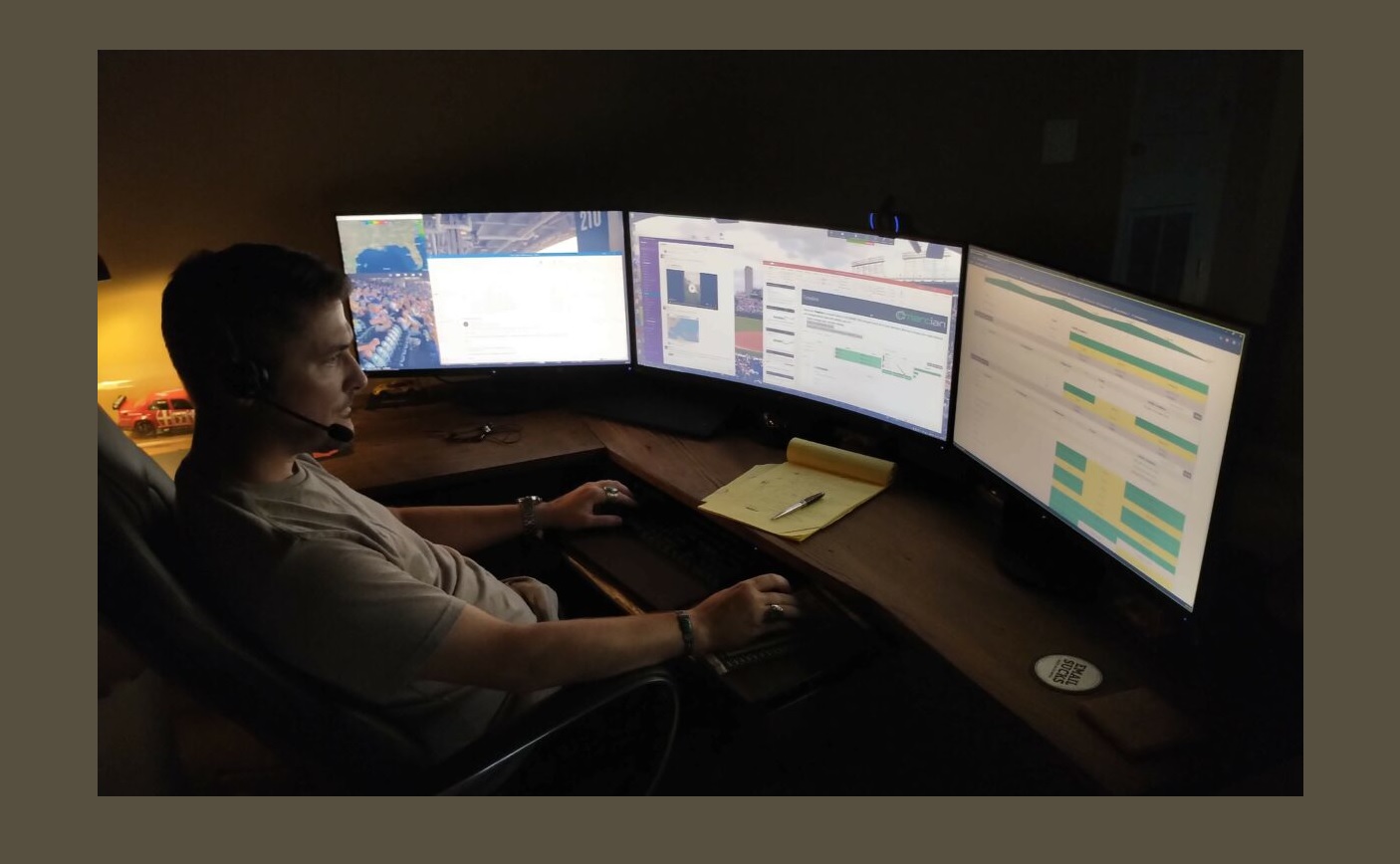
WFH Is Hard But Working Den Aims To Change That
Launching at a time when the world is going remote, Working Den aims to serve the growing community of remote workers and businesses globally by offering a holistic solution to help members create a healthier, motivating and sustainable work environment.
With more and more businesses turning to remote working options, it is the best time to look at ways to ensure the wellbeing of virtual workers, as it is directly linked to their productivity and overall health. Working Den is affordable and easy to use software, offering a tailored and science-based service based on your profile, provided by a team of top professionals including psychologists, human resource and workplace leaders.

The platform is founded by Upwork’s top freelance talent Daniel Hall who has vast experience in remote working and has invested time in building the ideal virtual work environment. Led by the physical and mental problems he experienced in his 8 years working from home, Daniel hired a team of health and scientific experts to come up with solutions for Working Den. Together the features have created a go-to platform for wellbeing and mental health issues linked to remote working.

Working Den aims to improve physical and mental health via expert guidance, tests and ongoing support. Once the user signs up, he or she then takes a DSE assessment (Display Screen Assessment) which is a legal requirement in the UK, in order to establish what issues there are with the home working setup. It then provides solutions to the problems users have to ensure that they know how to have the ‘perfect’ home set up. This goes far beyond just a suitable chair and desk. Working Den service includes the Pomodoro timer built for productivity, a gratitude diary to help with depression, a depression assessment and an eye strain push notifications every 20 minutes to stop eye strain.
The solution that Working Den provides, apart from being affordable thanks to its SaaS nature, is a unique and competitive tool for individuals, virtual companies and companies who work with remote workers and virtual members.
The project serves as a successful case study for the UK Government’s Business Bounce Back loans scheme. Daniel’s advertising business was adversely affected during lockdown due to companies pausing their advertising internationally. To “bounce back” Daniel saw a gap in the market to help the masses of people who were working remotely for the first time with not much consideration given to their health. And the Bounce Back loan that Daniel borrowed is what has funded the business.
In Daniel’s words: “Working from home has nearly been the death of me. The loneliness of hardly ever seeing anyone, the constant long hours because you are always by a computer and the burn out that followed.
Lots of people who have started working from home since Covid will have experienced this and lots more will experience it as time goes on. I want to teach people there is a healthier way of doing things. What we have launched is only the start, we already have more features in development and I’ll do everything I can to improve the lives of people who are working from home.” For the Silo, Christina Ioannou.
Featured image- dmarcian.com

How The Old iPhone5 Was Made & Why It Still Matters



New York’s Behno Label Celebs Spring with purist forms
Proving sustainability is anything but basic!
  Spring has sprung! These eye-popping colors from Behno are exactly what your outfit needs this season. Their unique silhouettes and vibrant colorways are sure to leave a lasting impression. |
 VIEW LOOKBOOK HERE VIEW LOOKBOOK HERE  New York–based clothing and handbag label behno was born from a desire to improve the way the fashion industry approaches manufacturing. Shivam Punjya, its founder and creative director, established the company to champion both top-tier craftsmanship and India’s garment workers—the majority of whom are women and can make less than a dollar a day. To that end, the brand laid out its philosophy in “The behno Standard,” a set of six operating tenets dedicated to advancing the livelihood of its artisans. At its factories, each female colleague is addressed by the surname behn (“sister” in Hindi), symbolizing the sisterhood of empowered employees the brand strives to create. behno’s aesthetic is one of pared-down elegance: Strong silhouettes, elegant lines, and purist forms highlight each carefully made object. From slick handbags to standout separates, each piece is at once beautiful and timeless. |

Digital Real Estate: What is it and What is it Waiting For?
Ownership has been, is, and always will be a focus for politics and business. More recently, technology is challenging the concept, especially by probing what digital ownership looks like, is, and how it acts. Blockchain technology is at the forefront of this.
Blockchain has had a bumpy ride so far. It entered discourse at the margins followed quickly by the promise of fundamentally altering the relationships of everyday citizens, big business, and governance. It had a utopic aura, that faint, washed light which accompanies hallelujah. The public and experts haven’t been as receptive as some would’ve expected or wished for.

One of the notable ways its exposed itself to the public sphere is through cryptocurrency, which has become a key topic of conversation in wider popular culture and not just technology since the end of 2020 and the beginning of 2021 with Bitcoin’s price continuing to break records and ceilings and the GameStop and Dogecoin drama. Now, more and more amateur investors are purchasing Bitcoin, Ethereum, and other cryptocurrencies instead of the more traditional option of stocks. The difficulty is, though, that no government recognises any cryptocurrency as legal tender, which bitcoin programmers will be happy with (as it has no desire to become centralised and regulated by central authorities) but, also, complicates its integration with society as no major retailor or store accepts it yet, limiting its scope as a tender and restricting to being an “asset”. However, Elon Musk’s Tesla has announced that customers are now able to purchase their vehicles with Bitcoin. It’s edging towards normality.
Cryptocurrency’s existence as a purely digital asset is important to the larger question of digital ownership. Especially with regards to digital real estate and non-fungible tokens which are utilising blockchain technology.

Brief History of Digital Ownership
There are two key points of note in history of digital ownership: website domains and streaming.
Website domains are, in essence, real estate. Businesses have to purchase domain names. It’s how they’ll be found online. It’s not the only way, of course, due to the advancements of SEO and other marketing and advertising practices, but it’s an important piece. As with any physical business, a website needs to be found. Language is the corner-plots and square-footage. Some have sold for millions of dollars. Business.com currently holds the record at $345M. Ownership of these names and “plots” is paramount for being visited.
Streaming is more recent development which has significantly altered ownership. Customers pay subscription fees which enable them to access a catalogue of creative products – music, films, TV shows, and books, for instance – but only as long as subscription fees are paid. Some services enable free access but customers have to contend with adverts. Nothing was owned by fans and the audience. The product could be available one day and be removed the next.
Decentraland
Digital real estate is heading into a new realm. There are investors purchasing parts of digital, simulated worlds for thousands of dollars. Blockchain technology provides investors with a certificate of ownership, essentially. They are banking on these worlds becoming more populated in the future, which will see the value of their plots increase yielding a high ROI.
Decentraland is another example of this kind of movement. It’s a fully decentralised virtual world, where the key smart contracts and assets are owned by a decentralised autonomous organisation (which is where stakeholders vote to make decisions for their business, with the weighting of votes dictated by their shares, and for which). Players can enter the world and offer in-game services, create products, just simply involve themselves in the social workings. Trading is prevalent. As with the above mentioned digital real estate, those within the world own their space. They make money within their plot and with the apps and parcels they build and trade.
Non-Fungible Tokens

Non-fungible tokens (NFTs) have been making headlines recently as a digital collage was sold for $69M usd. Other instances include gifs of sporting moments being sold for thousands of dollars and digital trading cards going for similar prices. Kings of Leon released their most recent album on streaming services and as an NFT. What are they? NFTs are unique pieces of data which can’t be duplicated. It seeks to offer artists a direct-to-fan option which cuts out the middle-person in transactions and means fans own media. Importantly, though, artists can make money from selling parts of their songs to be used as samples or covers, and it guarantees that every use is noted and revenue is directed to the original creator.
What blockchain enables is for owners – original or current – is access to continuous access to revenue and, also, transparency and legitimacy, where waters can’t be muddied and relationships are clearer.

Best Technology For Professional Home Inspections
A good residence isn’t dependent on mere infrastructure. There are lots of things to take into consideration. Even the neighborhood is an essential component in deeming an area suitable for life. Therefore, one should think carefully before choosing a house in a particular region.
Regardless of the other factors, every house always requires a thorough check before somebody decides to move in. This check includes all key aspects, including the rooms, yard, and drainage systems. For sewerage checking and repairs, ReliableDP may be the best option. Although working in limited areas, their extraordinary team provides satisfactory services without having to leave your house.
House inspection is a necessary process. It is a standard procedure worldwide to check the house for all faults beforehand. But during this unfortunate situation of the global pandemic, people cannot inspect new residences for themselves. But technology and the internet have been helpful in this regard as well. Here is the best-specialized software at your expense for those looking to check a house without risking their health.
1. HomeGauge
This website provides one of the fastest and best inspection services in the country. Thousands of professional inspectors are available on the site who can check properties on demand. The software works with both home and commercial properties, and there are dedicated employees for both types of housing. HomeGauge has reviews from thousands of happy customers who recommend the software to other people because of its quality of service.
A user can find an inspector on the site who will check the land on their demand. Whatever aspects the user wants to review, the inspector will look over them. They will then report back to them using a printed report or sending it online. The information can be in the form of video, document, customizable template, and other intuitive options. It is available for many devices, and users can access it for free or pay for the complete package.
2. Spectora
As powerful as its name, Spectora is a marvelous software that allows property inspection. Working on the same principles as the other software in the market, Spectora stands out because of its easy interface and quick navigation. Users save time and have the opportunity to explore the website and software in depth.
Spectora is a software best suitable for small-scale to medium-sized businesses. For those that require a simple but professional inspection report, this software is a great choice. While it provides numerous benefits to people in dire need of an inspector for their property, it is also available on other mobile platforms. Spectra offers a free trial until five professional inspections. Their subscription package starts from $99 per month, which only includes the software. The bundle package contains more features but is more expensive than the primary option.
3. EZ Home Inspection Software
This software is excellent to use. It provides lots of different features for a single purpose. It allows users to write detailed reports with minimal effort. While they may be easy to write, users can highlight their areas of interest with different colors. They can also create different sections, so every inspector knows which aspect to examine.
Also, the software provides photo attachments, commenting, and template services. Users can also create a precise summary from their report to send to their client. The software is available in different packages, and a trial of 30 is also a viable option for those in urgent need. For people looking to send a quick analysis of their observations, this software might do the job perfectly.
4. Property Inspect
Another great option for inspection and reporting is Property Inspect that is more advanced than other software. It provides as many features as the different software on this list, but it is ranked relatively low due to its sophisticated layout and employment range. Nevertheless, it is an excellent piece of technology that users can employ for checking on their necessary properties.
Property Inspect is the software of choice for real estate agents, property managers, universities, commercial inspectors, and many other people. It provides loads of features, ranging from offline report management to custom templates. It also offers standard audio communication, an ordinary dictionary, and many other engaging intuitive. The company offers different plans for usage, with a free trial option for 14 days.
5. Horizon Software
This software comes from a person who has been in the field for almost 44 years. Carson Dunlop created this website where people could find inspecting officers for commercial buildings and warehouses. These professionals can perform their duty very well, and the methods to report back to their clients are pretty remarkable. It also provides scheduling so that one can send their officer at the time of their requirement.
Horizon Software is also available on all major mobile devices. One of Carson Dunlop’s project’s best features is that it also provides support and training in inspection to those looking for skill. Web hosting and archiving are also available on their website. Users can try it for free for a limited time. After that time, they’ll have to pay at least $67 a month to keep it.
Choosing one of these technological inspecting prospects can save a lot of your time. They work effectively and have excellent reviews from satisfied customers online. While some are available for free, others might offer a premium package for more services, but that’s up to you depending upon your needs.

How a small independent online business can benefit from advertising

Source: Pexels
Recent research has found that over 70% of people research a small business online before making a first purchase. The online space is therefore crucial in creating traction for a new business, product, or service since it is the place where a good first impression is made. Implementing a good website and marketing strategy is paramount here since they have the ability to create a presence within the desired market and communicate with potential customers. One particular activity that is evidently successful in creating visibility for a brand and its website is advertising. Developing an advertising strategy that not only promotes a brand but ensures a valued customer journey is essential, and we’ll take a look at why below.
Considering the consumer journey
Before even exploring advertisement options, a small business must first consider their potential customer, since they will essentially drive the business. Understanding the needs of an audience will be useful in deciding what advertisement options to pursue, as a business will gain an understanding of what platforms they can be found on, such as Facebook vs Instagram. In understanding their journey, a business will be more able to make customers’ experience with the brand more enjoyable and memorable, which means the customer will be more likely to consider and complete a purchase.
As a business, it’s also essential to safeguard customers on their journey, as this will prevent them from coming into any harm and consequently avoiding the brand. This can mainly be done by preventing harmful ads from reaching customers via anti-malvertising software found on Geoedge. This can be considered as a business investment for every organisation on the internet as it puts the customer first, in turn giving the company the potential to create more revenue via increased purchases. After all, it’s typical of most people to leave a site when they are bombarded with ads: prevention is better than cure in this instance.
Advertisement type

Source: Pexels
When it comes to creating a business ad, there’s more than one option to choose from and you can select a few or implement them all. Among the most popular are PPC, Display and SEO, not to mention social media. Whereas PPC and Display are essentially visual advertisements like banners that are displayed on websites across the internet to create attention and create traffic, SEO is a bit more technical.
SEO stands for search engine optimisation and essentially makes a website more visible among an array of competitors on search engine platforms like Google. By utilising this as an advertisement opportunity, it will help a domain’s authority ranking to increase, making a brand more visible to its audience. Plus, advertisements are also trackable and software like Comscore enables a small business to trial what advertisements work for them in order to modify them in the future.
Since the internet is accessed by millions daily, it’s easy for a new independent business to disappear within the plethora of businesses. Yet, by implementing an advertisement strategy that caters to and safeguards potential customers while creatively and strategically placing ads online, small businesses will start to see an increase in traffic.

UK PM Johnson: You May Need Vaccination Proof To Enter Pubs
51%
Only days after it was announced that 51% of British adults have received at least one doses of their COVID vaccine, Prime Minister Boris Johnson has said that people may need to present a vaccination certificate in order to go to the pub. One month ago, Johnson had said that this would not be the case.
One Year Later
When the UK first entered lockdown one year ago, Johnson recognized he was “taking away the ancient, inalienable right of free-born people of the United Kingdom to go to the pub” but now he is suggesting limits on how many of them will be given back that right.
British political analyst and commentator Jonathan Sacerdoti says the UK’s vaccination program has been impressive, beating the rest of Europe by far. “This has been for three main reasons,” he explains. “Firstly, the UK implemented skillful procurement of vaccines, which enabled the country to ensure a plentiful if varying supply level of the newly developed vaccines. Having finally broken free of the European Union after years of Brexit back-and-forth, the UK was able to make its own decisions just in time, and signed early and favorable contracts with vaccine manufacturers.”
AstraZeneca
“Secondly, the UK also invested in developing its own vaccine, the Oxford AstraZeneca vaccine. This has offered a far cheaper alternative to the Pfizer BioNtech vaccine which the UK is also using, and is far easier to transport. It does not require the deep refrigeration that some other vaccines do, and it can therefore also be administered in pharmacists and smaller medical practices, or even in old age homes, rather than only in mass vaccination centers. Despite some concerns over possible blood clots as a side effect, the vaccine is widely accepted to be safe and effective. It has enabled the UK to make progress with vaccinating its population quickly, and promises to help vaccinate poorer countries around the world.”
Extended Dosage Gap
“Thirdly, the UK made the controversial decision to extend the gap between the two vaccine doses each person needs, from 21 days to 12 weeks. This was not backed up but he vaccine makers’ research, but was based on wider knowledge of immunology and how other vaccines have been developed. At the time it was seen as highly controversial and even risky. But ongoing testing for antibodies has shown a continued, strong immune response even with the prolonged gap. This single decision has enabled the country to effectively provide a high level of protection to double the number of people in the same time. As long as vaccine supply and availability continue uninterrupted, the second doses will be given within 12 weeks and the population will continue to benefit both individually and as a whole.”
EU Lags
Meanwhile, the European Union is lagging far behind in its rate of vaccination, causing a rift between the bloc and its recent ex-member state the UK. Threats of banning or controlling exports of vaccines manufactured in the EU to countries which are far ahead in their programs has caused a diplomatic war of words. The UK determined to have its commercial contracts fulfilled regardless of the EU’s weak performance in acquiring and administering vaccines. The EU is desperate to claw back more vaccines for use in its own countries, despite slow progress in administering them.
Jonathan Sacerdoti is a British broadcaster and social commentator, widely featured on British and international television and media. He provides commentary for a wide range of TV stations including regular appearances on the BBC (including on their international show Dateline London) and the UK’s Sky News. He also appears on Channel 4 News, Al Jazeera English, NDTV in India, France 24, i24News Cheddar News and others. He has been published by the Daily Telegraph, The Spectator, the New Statesman and Jewish Chronicle. He is also a well-known campaigner on racism issues.

Canadians aware country is #1 in extreme, unfair mobile rates
My name is Ann Murray (not that Ann Murray), and I’m a publicist for RingCredible, the next practical, affordable, secure and reliable solution in mobile VoIP calling. I’m writing to explain how consumers can spend as little as possible on mobile calling charges each month – and quickly hack their household mobile calls spending.
This topic is especially timely, given how Canada’s mobile rate calling rates are one of the world’s worst – and also given the recent acquisition of Mobilicity by Telus. [see link below CP]
Why the hefty price? This is the fault of “The Pricey Three” – Bell, Rogers, and Telus – that lock customers into very expensive calling plans. If you’re in one of the Pricey Three’s plans, you are more likely to run out of call credits, you will have less minutes included, and the price of additional minutes will be more expensive than the rates of your friends and family around the world.
The solution is RingCredible’s “How to hack your mobile phone bill,” which include the following tips:
5. Use calling cards, which is a very cheap way to make calls (just not very convenient)
4. Try the smaller mobile calling alternatives owned by Bells, Rogers or Telus
3. Go with free peer-to-peer calls using Viber
2. Sign up for Wind and Mobilicity, which sell all-inclusive packages (Mobilicity was recently acquired by Telus)
1. Sign up for a VoIP provider such as Skype [Skype The Silo: thesiloteam CP], Fongo, or VoipGo
Our solution, RingCredible (App’s available at www.ringcredible.com) is a great, and nearly free calling choice, with the added benefit of offering the same user experience as when making a normal mobile call.
Some other interesting results to consider include:
* What the acquisition of Mobilicity by Telus means to the consumer http://mobilesyrup.com/2013/05/28/one-step-closer-ontario-superior-court-of-justice-approves-telus-acquisition-of-mobilicity/
* How to save when you’re out of the country and calling back home
* How other countries have hacked their own mobile calling rates

For the Silo, Ann Murray.

Technology Brings Exciting Change to Home Improvements
Technology has revolutionized our modern life by leaps and bound. It has radically changed every aspect of our life, especially the home improvement sector. The home improvement industry is adopting advanced technologies to add new features and make them available to mass people.
Techniques that were triumphant a few years back are no longer available now. With the advancement in technology, both working processes and homeowners’ expectations have met a radical change. People can avail themselves of prompt and expert services without breaking their banks.

Reaching sustainable renovation and development has become more available nowadays. For example, pomwaterproofing.ca ensures cutting-edge technology-backed waterproofing services to their customers at a very affordable rate. No matter if you want exterior waterproofing or need immediate water discharging from weeping tiles, Pom Group is always there to serve you the best.
Technology is Changing Home Improvement Industry
Are you thinking about how the ever-advancing technology has brought about innovative changes in the home improvement sector? Let’s get an in-depth overview of various ways.
Eco-friendly Environment
Ensuring eco-friendliness is the ‘hot cake’ of the modern world. Homeowners now want sustainable and eco-friendly home renovation ways. The evolving and new technologies have allowed them to go for eco-friendly ways to combat global warming and save mother nature. With the help of new technologies, manufacturers are now focusing on producing environment-safe materials.

One surpassing development in this sector is reclaimed wood. It is not only environment friendly but also improves the home decor by offering a rustic look. Reclaimed furniture, green flooring, using solar panels are some of the cost-effective technology-driven innovative ways of renovating your home. They are energy-saving, as well as eco-friendly.
Another renovating gift of advanced technology is a tankless water heater that can cut your energy consumption to almost half, reducing cost dramatically. It is durable, comes with a small form factor, and enables you to use it only when necessary.
Easy Access to Professional Help
That time had passed away when people had to roam around different places and search for experts to take on their home improvement projects. With the blessings of technology, you can find hundreds of professional contractors near you only with a few clicks online! You can now judge their professionalism, get an idea about their services from the reviews and hire the best service at a price within your reach.
Do not worry about reaching information about the service you want to purchase. Go through the website of a specific contractor, and you can know everything you need!
Want to know the best part of this technological feature? You are only shown the services available at your doorstep!
Augmented Reality
The virtual sector of availing of essential stuff is another blessing of modern technology, especially in the home renovation industry. Anything you want to make your home look the way you want is only some clicks away! The benefits of augmented reality and the virtual sector has made tons of things available to people at their doorstep. You can buy whatever you want from there to improve your home decor.
Furthermore, you have tons of handly applications available online that offer you innovative designing features. So, before you decide on anything, you can have a better concept. With these apps, you can visualize how a design, for instance, flooring, windows, etc., would look and pick the best one to blend with your home aesthetic.
Play it Smartly
Different technological inventions have made homeowners go for smarter ways of revolutionizing their life. People now have the command to control home appliances using mobile apps. These excellent features, no doubt, have taken the home improvement industry to the next level! With their internet-regulated mechanism, people can control temperature, security, lighting, etc., seamlessly.
Besides, you can use energy star home appliances to minimize your energy consumption at a high rate. Thanks to their improved and highly-efficient motors, blades, etc., they need less energy to operate these appliances. So you save power and cut your energy cost.
Home Entertainment
The ever-evolving technology has left no sector of modern life untouched. With its innovative inventions, it has made entertainment more available to mass people. Besides, it has revolutionized the entertainment sector also. With the blessings of modern technology, people can enjoy modern and easy ways of entertainment at home. Now, people do not have to wait for weekends to go to cinemas and spend quality time with their loving ones. With the advanced home-theater setup, they can enjoy fun times with their family at home whenever they desire! It does not only save your hard-earned money but also offers a way to mesmerize your visitors. Some of the easily reachable and affordable entertainment facilities modern technology offers are high-definition television, music, playing games, etc.
Remote Technology for Better Safety
Many of the risky home improvement tasks are getting automated nowadays that were handled manually in the past. Thanks to the advanced inventions that have made our lives safer. Moreover, with remote technology, some risky tasks are controlled by a single person staying from a secure distance. Thus the chances of risks have decreased to a great extent.