Category Archives: Culture

Out Of Work? You Could Be A Contestant On A Future Game Show

After perusing the many niches of reality TV — well-to-do housewives in multiple major cities, the rugged Alaska lifestyle, and working the dirtiest jobs known to man — employment strategist Richard B. Alman wonders why we haven’t seen a show about a popular and compelling subject: long-term unemployment and drop-outs. (Spoiler alert- Life imitates art, this has in fact become reality…read on)

It’s a numbers game

While unemployment rates ebb and flow, according to various Government agencies such as the Bureau of Labor Statistics in the United States or Statistics Canada here at home, there is no reliable data for the long-term unemployed – those who’ve been jobless for 27 weeks or more – and for the underemployed.

“Recent college grads, who are typically saddled with student debt, still struggle to find terra firma in the professional world, and there’s a large blind spot for older unemployed workers, who may have gone back to school or taken a lesser job for which they’re overqualified, or they’re still searching,” says Alman, principal of Recruiter Media, owner of www.RecruiterNetworks.com, the world’s largest owner/operator of career websites.

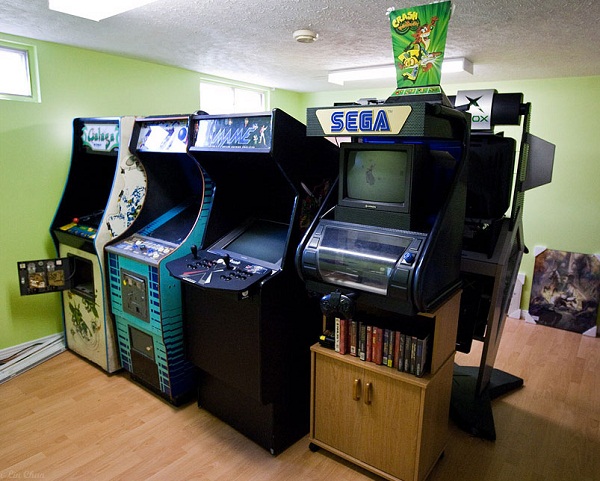
The 1990 arcade game Smash TV- set in 1999 and with a vague story arc. Officially, the plot of Smash TV revolves around a futuristic game show in which players compete for various prizes, as well as their lives. Urban legend has included references to 'out of work teens and college drop-outs' being some of the principle characters. CP


The 1990 arcade game Smash TV- set in 1999 and with a vague story arc. Officially, the plot of Smash TV revolves around a futuristic game show in which players compete for various prizes, as well as their lives. Urban legend has included references to ‘out of work teens and college drop-outs’ being some of the principle characters. 

“Drama, struggle, learning moments and, yes, hope – that’s what you’d get with an un- and underemployment-themed reality TV show.”

Life imitating art imitating life? The Running Man takes place in the year 2017- and pits ‘society discards against one another in a reality based TV show set in a dystopic future’.

Alman reviews how the first season might play out.

•  Week 1: Job-seekers are happy to have a gig. Since reality show participants are paid, all are happy for this opportunity. Newly graduated college students are grateful to have a place to crash for several weeks with Wi-Fi and other free amenities, and love interests begin to develop. Older professionals, however, will have mortgages and families; for them, the show is a business trip. Underemployed job-seekers tell their stories of working long hours in unfulfilling positions.

•  Week 2: Putting the reality into “reality TV.” “Un- and underemployment touches nearly everyone; we all know someone without enough work,” Alman says. While reality includes fortuitous wealth and fame for a few, it also includes tough times for many. The second week would feature job-seekers sticking to old methods of searching that have not worked in the past and continue to fail them.  

•  Week 3: The reveal – participants find out it’s a competition. While the cameras have sparked renewed vigor in their individual searches – a few participants may have even tried some wildly unconventional tactics – the group has had relatively little success. Producers reveal that it’s not just a reality show about job-seekers, it’s a competition. The group is separated into two teams. Participants from the winning team get legitimate interviews with Fortune 500 companies.

•  Week 4: Job-seekers gain important tips. No matter how much experience, talent, youth or beauty they have, job-seekers still make mistakes with their strategies. While a well-written cover letter, an impressive education and a great resume certainly help – they’re not everything. Professionals give participants tips for staying relevant in today’s market, including the importance of doing volunteer work, preferably in roles that match their talents and training.

“I really cannot overemphasize this tip enough. Volunteering is probably the best way for the long-term unemployed to demonstrate their abilities, initiative and effectiveness in a marketplace that hasn’t given you enough of a chance,” Alman says. “It builds new skills, introduces you to a new network of potential employers, and adds recent experience to your resume.”

•  Final week: All are on their way to gainful employment. After several weeks, most of the participants have made significant progress in landing career positions. While the winning team gains a great opportunity with a guaranteed, high-quality interview, there are no losers on this show. And, those who’ve made an excellent impression on the program are sure to gain additional opportunities.

For the Silo, Richard B. Alman

Supplemental-Following the theme of this story, you might like to consider the US game show “Paid Off”. Accordingly the contestants are graduates competing to have their student loans paid off.

German Techno Scene Reveals Postmodern Aesthetic Resistance

“Underground” is a word, which is an essential part in the title of the “Keep it simple, make it fast” conference. Not only in punk, also in techno this is a term very frequently used, referred to and rejected at the same time.

Many claim, this terms doesn’t make much sense anymore nowadays.

Is this really true, or is there just a lack of a fitting theory to explain, why this term seems still to be central for discourses in and about music scenes? So called ‘scenesters’ say they prefer things “more underground”.

Matrix Dance Club
Matrix Dance Club

One of my interviewees, a label owner, put it succinctly, “Berlin isn’t Lady Gaga or Paul van Dyk; this is the capital city of the underground.” What does this term mean here, and how is it sociologically rooted in the cultural field of electronic dance music (Bourdieu, 1996)?

Current post-subcultural theories, such as from Andy Bennett, David Muggleton or Ronald Hitzler (2010; 2008; 2003), offer little means to understand these claims and differences; and how to explain why they don’t disappear, but re-shape and accommodate with newer developments.

Although I broadly agree with the insights of post-subcultural theories, a crucial feature of the music scene has been lost along the way: a systematical sociological exploration of the roles that distinctions play and how they are rooted in the music scene’s cultural economy (Kühn, 2011, 2013).

So far, the economy of scenes has been mostly understood as being part of the cultural industries (or creative industries by now), or not even economic at all (Gebesmair, 2008; Wicke, 1997).

Music industry research sees them as fully integrated actors of global and national music markets, classified into so-called independents and majors (Handke, 2009) and differentiated along lines of size, musical specialties and originality. Creative industries research tries to subsume them as major drivers for the attractiveness of cities and national economies by their engagement into supposedly very innovative products (Caves, 2002; Florida, 2003; Hartley, 2004).

What both perspectives have in common is that they do not approach economic structures from the music scene’s perspective, but rather from an economic-industrial point of view. And thereby they overlook and underestimate structural peculiarities.

In order to define the economic sphere of electronic dance music scenes sociologically, I argue for the term scene economy (Kühn, 2011).

Although previous insights have been extremely illuminating, these studies have lacked a systematic perspective that analyses the aesthetic, distinctive and commercial attitudes of hobbyist and professional scene participants within the conditions of their specific cultural norms and scene-based reproduction.

My assumption is that the scene economy of ‘underground’ electronic dance music scenes represent their own differentiated economic fields with specific structures that have developed their own organizational logic. The consequences and the basis of this logic are particular conditions for action and relations of production within the scenes’ own infrastructure and value-creation chain that result from the specific cultures and market relations of electronic dance music.

To understand the specific structure, the following features need to be considered: Scene-based cultural production instead of industry-based cultural production, the emphatic role of the music culture, the internal subcultural hierarchy and the role of distinctions in maintaining and re-shaping the scene economy, music culture and attractiveness.

The following remarks and claims are firstly based on my research, using focused ethnography, on producers of electronic dance music, twelve expert interviews with individuals active in various areas of the scene economy. And secondly on my own long-standing participation in the scene as a DJ, booker and media producer as forms of sociological ethnography. I use ideal-type descriptions. That is, I work with exaggerated representations of differences that in reality occur in a substantially more mixed and indistinct way. And yet, their exaggeration is precisely what allows the core of their specificities to be represented most clearly.

Tresor
Tresor

Towards neo-subcultural theory

In his theory on cultural fields, Pierre Bourdieu noticed a general trend towards two poles with opposing cultural logics. The ‘autonomous pole’ defines itself by its cultural orientation; in which the furthering of art itself takes highest priority over any political, moral, or economic interest. The other pole has a commercial orientation; treating art as just another form of commerce like any other, in which art is produced based on its marketability. Each pole has its way of making value and profiting from it, but they are also in tension with each other.

This tension also exists in electronic dance music: on the ‘autonomous’ side of things you find house and techno music, along with the club/open-air party culture of Berlin. On the other side, you find mass-produced and profit-driven so-called EDM ‘dance pop’, which readily absorbs anything that promises to increase sales and reach. Both poles have very different definitions of success, as well as sharply divergent aesthetics and modes of production.

Aesthetic subcultures 

(and not class-based anymore) with their own identity and infrastructures struggling to maintain aesthetic and seductive cores against unwanted external influences and political, moral or economic instrumentalization. To understand the dynamics of post-modern popular cultures, it is necessary to overcome the opposition of subcultural and post-subcultural readings of music scenes. The reality is, in the case of electronic dance music such as house and techno, neither strictly the one or the other. As small scale underground music culture and their big scale counterparts suggests, also in other fields of music, both are closely intertwined and distinct from each other at the same time.

Click to view on I-tunes

Pierre Bourdieu’s field theory helps to extend the concept of the music scene and re-shape the concept of subculture to understand the cultural dynamics between “underground” and “mainstream” as different forms of meaningful culture-economic infrastructure and social identity.

By combining Bourdieu’s theory of the cultural field (2001) with updating scene and subcultural theory, the presented approach is linking both subcultural identities and cultural-economic structures and is heading towards overcoming the current dichotomy of subcultural and post-subcultural theory.

DJ SiSeN and Berlin Goth culture

Scene-based cultural production

Involvement in house and techno music typically starts with a random visit to a techno club, or by first listening to the music through recorded DJ sets. Some become very passionate about music and clubbing and start to visit clubs very frequently. In the beginning, participation remains passive, but quickly may evolve I : People start to look for certain sub-genres, follow certain DJs, gain certain scene-specific sets of knowledge about clubs, do’s and don’ts, artists, and so on. Then, to participate more deeply and earn money, some start to DJ, throw parties, launch music labels, found scene specific agencies or just start to work in clubs or for labels and agencies.

They start to combine their passion for a certain aesthetic with commercial and distinctive attitudes: For some, it will always just remain a hobby, but others quickly become professional and turn their scene participation into a business. However, for the passionate, this business orientation remains strongly limited by the cultural institutions of the music scene. They don’t start making other music just because it is more profitable. They relinquish economic opportunities, because the feelings of enjoyment and freedom experienced through the music are more important to them. They see economic activity as being able to get by instead of pure profit-maximization.

This means that they associate the generation of sufficient income and social protection with their main desire for economic self-determination, artistic freedom and passion in life. For them, money exists to make their lives possible, in which they will be able to ideally pursue their personal goals in artistic freedom—but not in order to secure as much wealth as possible, following a logic of accumulation. The small-business structure of many lone entrepreneurs promotes this logic, since it imposes fewer practical constraints on the individual than a large organization with numerous employees. This connection through a commonly shared passion also results in individuals working together in clubs or labels, often referring to their friends and colleagues as a “family”.

To summarize: Their private desires and business activities become closely coupled and integrated, resulting in a deeply culturalized economic orientation. One recruits “bottom-up” out of the fascination for a certain music and prioritizes cultural orientations over economic possibilities. This makes small-scale actors who mainly do it for the fun and a feasible outcome. An atomistic structure of many sole entrepreneurs dominates the markets. Instead of pure sale orientation, subjective aesthetics and political interests dominate the cultural products and business co-operations among the scene economy participants.

The emphatic role of the music culture

As participants of a certain music culture, their activity is oriented on the cultural institutions of Detroit Techno and Chicago House and thereby framed by its opportunities and restrictions. These cultural institutions enable and demand certain cultural practices to be fulfilled and followed in order to reproduce and accommodate the seductive core of the music scene. The norms are typical music tracks to be seamlessly mixed by DJs in front of a dancing crowd on a loud sound system. What are these institutions? Although very roughly and surely not exhaustively, house can be understood as established musical practices condensed as tracks with repetitive and loop based beats, with a focus on groove, making crowds dance in clubs, mixing in DJ sets and played on events at high volume.

Genre-typical patterns for house and techno music are the four to the floor beats, between 100 and 150 beats per minute speed, elements like basslines, kickdrums, snare drums, hi-hats and track themes. Techno sounds rather dark and heavy, house sound rather soft, funky and easy-going. Tracks are typically composed with intros, breakdowns, a main section, climaxes and outros. Tracks are supposed to make people dance at events and to be mixed in continuous sets by DJs (Kühn, 2009; Mathei, 2012; Volkwein, 2003).

The central role of distinctions in the music scenes economy

As a result of their scene-based involvement and fandom of house and techno, many scene participants towards the autonomous pole exert distinctions in order to conserve and develop their preferred set of aesthetics and scene-based cultural production (Strachan, 2007; Mäe & Allaste, 2011; Moore, 2007). In the post-modern world, aesthetics can flow everywhere and thereby can be used and adopted anywhere. Even in contexts, that many scene participants find not very much desirable.

The current boom of electronic dance music in the US, with associated artists like David Guetta, Swedish House Mafia, Skrillex and so on, is a good example of this. With the increasing success of so-called “mainstream” EDM, many scene participants insists of debunking that culture as “fake” and “inappropriate” – and try to keep these aesthetics, actors and corresponding organizations out of their scene contexts. Sociologically speaking, they draw boundaries around their aesthetics and modes of production.

It is a form of resistance not primarily rooted in class, but in the preservation and defense of aesthetically-based life-worlds. Typically, these distinctions are about a perceived corruption of cultural logics by the economic logics of apparently too commercialized music and events, or about external actors like companies, political shareholders or councils who are not intrinsically interested in the music culture, rather using them for their own allegedly purely commercial or political aims. Aims that eventually might endanger the productivity and survival of the music scenes by for example causing gentrification or mainstream identity.

These distinctions have become a background knowledge of the subcultural field and are also expected by the participants in order to enable economic cooperation. From these distinctions the possibility and necessity of an internal subcultural hierarchy within the field of electronic dance music evolves.

*See (Kühn, 2013) for an example, how event producers use distinctions to avoid unwanted music, DJs, insfluences and crowds on their partys.

Various forms of distinctions as a form of “aesthetic resistance” become the primary means to keep out unwanted aesthetics and modes of production in order to preserve the aesthetic core of the music scene. For the Silo, Jan Michael Kühn.

Funding:

This work was supported with a 3 years scholarship from the Hans Böckler Stiftung within the doctoral study group (Promotionskolleg) “Die Produktivität von Kultur – Die Kultur- und Kreativwirtschaft unter den Bedingungen globalisierter Mediennetzwerke”.

References

Bennett, A., & Peterson, R. A. (2010).

Music Scenes: Local, Translocal, and Virtual 

. Vanderbilt Univ Pr. Bourdieu, P. (1996).

Rules of Art: Genesis and Structure of the Literary Field 

(Auflage: New.). Cambridge: Wiley-Blackwell. Caves, R. E. (2002).

Creative Industries: Contracts Between Art and Commerce 

(New Ed.). Harvard University Press. Florida, R. (2003).

The Rise of the Creative Class: And How It’s Transforming Work, Leisure, Community and Everyday Life 

(Pbk.). Basic Books. Gebesmair, A. (2008).

Die Fabrikation globaler Vielfalt: Struktur und Logik der transnationalen Popmusikindustrie 

(1., Aufl.). Transcript. Hall, S., & Jefferson, T. (2006).

Resistance Through Rituals: Youth Subcultures in Post-War Britian 

(0002 ed.). Routledge Chapman & Hall. Handke, C. (2009). Indies im Aufwind?

: die Krise am Tonträgermarkt und ihr Verteilungseffekt. In Musikwirtschaft und Medien 

: Märkte – Unternehmen – Strategien. – Baden-Baden 

: Nomos, ISBN 978-3-8329-4383-7. – 2009, p. 49-72 

. Hartley, J. (2004).

Creative Industries (First Edition, Later Impression.). Wiley-Blackwell. Hesmondhalgh, D. (1998). The British Dance Music Industry: A Case Study of Independent Cultural Production.

The British Journal of Sociology ,49 (2), 234. doi:10.2307/591311 Hitzler, R., Honer, A., & Pfadenhauer, M. (2008).

Posttraditionale Gemeinschaften: Theoretische und ethnografische Erkundungen  (1st ed.). Vs Verlag. Kühn, J.-M. (2009).

Wie entsteht Neues bei der Produktion elektronischer Tanzmusik im Homerecording- Studio? Eine explorative ethnografische Erhebung 

(Diplomarbeit). Technische Unversität Berlin, Institut für Soziologie. Retrieved from http://www.berlin-mitte-institut.de/wie-entsteht-neues-bei-der-produktion-elektronischer-tanzmusik-im-homerecordingstudio/ Kühn, J.-M. (2011). Working in the Berlin Techno Scene: Theoretical Sketch of an Electronic Music “Scene Economy.” 2011 ,translation made by Luis-Manuel Garcia from: Kühn, Jan-Michael (2011): Arbeiten in der Berliner Techno-Szene: Skizze der Theorie einer Szenewirtschaft elektronischer Tanzmusik, in: Journal der Jugendkulturen 17.

Kühn, J.-M. (2013). Underground und Kulturproduktion: Die Rolle von Distinktionen beim Veranstalten Berliner Techno-Partys. In B. Lange, H.-J. Bürkner, & E. Schüßler, (Eds.),

Akustisches Kapital: Wertschöpfung in der Musikwirtschaft 

. Bielefeld: transcript. Lange, B., & Bürkner, H.-J. (2010). Wertschöpfung in der Kreativwirtschaft: Der Fall der elektronischen Klubmusik.

Zeitschrift Für Wirtschaftsgeographie , 54 (1), 46-68. Mäe, R., & Allaste, A.-A. (2011). Making Distinctions on Autonomous Cultural Field: the Case of Small-scale Alternative Music Festival Organisers in Estonia. Retrieved from http://core.kmi.open.ac.uk/display/1028677

Keep it Simple, Make it Fast! An approach to underground music scenes 286  Mathei, D. (2012).

Oh my god – it’s techno music!: Definition und Abgenzung des Technostils unter Berücksichtigung historischer, stilistischer und soziologischer Aspekte (1st ed.). Universität Osnabrück. Erzieh.- u. Kulturwiss.

Moore, R. (2007). Friends Don’t Let Friends Listen to Corporate Rock Punk as a Field of Cultural Production.

Journal of Contemporary Ethnography ,36 (4), 438-474. doi:10.1177/0891241607303520 Muggleton, D., & Weinzierl, R. (2003).

The post-subcultures reader . Berg. Strachan, R. (2007). Micro-independent record labels in the UK Discourse, DIY cultural production and the music industry.

European Journal of Cultural Studies ,10 (2), 245-265 doi:10.1177/1367549407075916 Thornton, S. (1995).

Club Cultures: Music, Media and Subcultural Capital . Blackwell Publishers. Volkwein, B. (2003).

What’s Techno?. Geschichte, Diskurse und musikalische Ge stalt elektronischer Unterhaltungsmusik 

(1., Aufl.). Universität Osnabrück. Wicke, P. (1997). Popmusik als Industrieprodukt. Webseite Humboldt Universität Berlin. Retrieved from http://www2.hu-berlin.de/fpm/textpool/texte/wicke_popmusik-als-industrieprodukt.htm

Agree? Aussie Study Reveals Canada Most Desired Country To Relocate To Worldwide

A study by Compare the Market Australia has analyzed each country around the world on their annual search volume for terms such as ‘relocating to [country]’ and ‘moving to [country]’ to reveal the world’s most desirable countries to relocate to. 

The most desired countries to relocate to? Here comes a boring chart!

RankTop destinationFavourite in X countries
1Canada50
2Japan31
3Spain19
4China15
5France11
6Turkey9
6South Africa9
8India7
9Australia6
10Greece4
10Fiji4

Taking the top spot is Canada, with our North American nation being the most desired destination in 50 other countries around the world. Canada is a very welcoming country for expats, which has led to it becoming a very diverse and multicultural destination. 

Second place goes to Japan, with 31 countries having it as their number one relocation destination, including Australia. Japan has one of the highest life expectancies in the world, which could explain why so many people are researching to move there.

Spain is another very popular choice, especially amongst those in other European countries, with 19 countries having it as their favourite in total. Known for its warm Mediterranean climate, Spain is also another destination that has excellent healthcare and quality of life.

  • The least desired countries to relocate to in the world include: Sweden, The Philippines, Bulgaria, Germany, Thailand, Egypt, Singapore, Myanmar, Italy, and Nigeria with only one other country wanting to move to each of these destinations. 

Further Study Insights:

Each country’s most desired relocation destination

Check the map below to see where each country in the world wants to relocate to the most.

While the majority seem to prefer somewhere within the same continent, there are some notable exceptions to this.

As the most searched country overall, we can see that people from as far away as India and South Africa have Canada as their most searched destination.

However, there were also some definite regional trends though. For example, many African nations have South Africa as their most searched destination.

Methodology

Using Google Ads Keyword Planner, the annual search volume for each of the following terms was found for each country in the world:

  • Houses in [country]
  • [Country] property
  • Moving to [country]
  • Relocating to [country]

This process was then repeated for each country in the world, taking a total of the searches across all four search terms, to reveal where each country wants to relocate to the most.

Note that searches within the same country were removed from the results.

In addition, all searches were carried out in English, as results in native languages proved to give inconsistent results.

For the Silo, Ruby Robinson.

Why Helsinki’s Innovative Circular Olympic Architecture From Seventy Years Ago Will Be Renewed

Although the smallest city to have hosted the summer Olympics, Helsinki’s functionalist structures were conceived as versatile recreational venues and have been preserved to become modestly emblematic of successful circular design 70 years later.

With functional design and sustainably-driven innovation as core priorities for Helsinki’s future, the city and the partners undertaking renovation work to the heritage sites have echoed contemporary architects and designers across the world using innovative design to renew rather than demolish existing buildings as the city grows.

Hanna Harris


Hanna Harris, Chief Design Officer, City of Helsinki, commented: “Helsinki’s Olympic landmarks are a source of great local and national pride, and are buildings that many of us have either grown up recognizing as part of the city’s fabric, or fondly remember for their original purpose. It is therefore of particular importance that we maintain and protect the legacy of these historic buildings, while reconceiving new uses and undertaking architectural updates that bring new life to former Olympic sites as sustainably as possible.

Helsinki Olympic Stadium

Built in 1938 and intended to host the 1940 Olympic Games before its cancellation, the Helsinki Olympic Stadium, is an iconic landmark of independent Finland and Finnish functionalism. The stadium is the result of an open architectural competition held in the 1930s – a favoured design process in Helsinki – which was won by Finnish architects Yrjö Lindegren and Toivo Jäntti. Becoming a crown jewel of 1930s functionalist concrete architecture in Finland, and at the heart of the 1952 Games, the Stadium has since been re-envisioned as a multi-purpose sporting and events location. 

The refurbishment of the stadium, completed in 2020, respects the original architecture by preserving the angular concrete facade and original structure of the design. Additional features were added in a 20,000 sq m underground extension, and include sports facilities, logistical spaces, technical spaces, and an indoor running track. In addition, K2S Architects + Architects NRT improved public safety and comfort by adding new entrances to the stands, and a canopy to cover the stands almost entirely.

Amos Rex Art Museum

Originally designed as a temporary building to serve visitors to the Olympic Games, the Lasipalatsi (“glass palace” in Finnish) once housed commercial premises, restaurants, and a cinema. 2018 saw the completion of a five-year, €50 million project by Helsinki-based architecture firm JKMM to restructure the Lasipalatsi to house the Amos Rex Art Museum, amongst other public spaces. 

At the heart of the museum, 13,000 cubic metres of rock have been excavated to create a world-class gallery space. The gallery is topped with a series of domes and skylights, which above-ground create a series of mounds that articulate the surface of Lasipalatsi Square. The mounds generate a playful landscape which invites residents and visitors alike to interact with the space, and are often used as grandstands, stages, or platforms for public events. 

A programme of creatives are invited to also make use of this public space to produce site-specific work, such as The Nest, a sculptural installation by Japanese artist Tadashi Kawamata (7 May – 4 September 2022), in which reclaimed materials surge over the roof of the Lasipalatsi building and up the courtyard chimney. 

Helsinki Airport

Built in 1952, Helsinki Airport saw nearly 2000 flights pass through during the Olympic Games, with guests including royalty, such as Dutch Prince Bernhard and Prince Philip of the United Kingdom, as well as Olympic sports teams from around the world.

Designed by Helsinki-based practice ALA Architects, the newest terminal extension aims to streamline the user experience and bring excitement back into air travel, with new departure and arrival halls that from 21 June 2022 centralise all flights under one roof, in addition to the introduction of next-generation security control and a new multimodal travel centre. New stores enliven the visitor experience such as Balmuir and Marimekko stores, a variety of restaurants, and the beloved Moomin Shop. 

A central feature of the airport extension is a cross-laminated timber ceiling, made up of 500 unique pieces of Finnish spruce which slot together to form a feat of carpentry in an undulating structure that appears to float overhead. The terminal extension reflects a purposeful dedication to Finnish design and nature through the use of predominantly domestic materials. A freeform installation titled “Luoto” echoes the rocks and islets seen across the national landscape as a natural diorama featuring trees, plants, and stones as a memorable experience for visitors.

The redevelopment is due to complete in 2023, when a new baggage claim hall will be put into service.

Serpentine House

Designed by Yrjö Lindegren, also responsible for the Olympic Stadium, the Serpentine House in the Käpylä district of Helsinki is a highlight of Finnish architecture. The building of 189 residential flats was first constructed as part of the Olympic Village in 1951. The project to renovate the southern residential building ran from 2016 to 2018 and was led by architect Mona Schalin of Kati Salonen and Mona Schalin Architects. Serpentine House subsequently won the 2019 Finlandia Prize for Architecture, awarded annually by the Finnish Association of Architects, SAFA.

Despite its total length of 287 m, the design succeeds in avoiding a rigid and austere feel by setting the residential units in a fan-like arrangement that creates a series of private and sheltered garden spaces. The design team also worked in close collaboration with the staff at Helsinki City Museum and the city’s planning and building control departments to propose a sustainable refurbishment. The majority of the original windows and kitchen fittings were preserved and repaired and, significantly, the original natural ventilation system was retained. This energy efficient system will continue to reduce maintenance costs and prevent indoor air quality problems in the years ahead.
 

The City of Helsinki continues to demonstrate commitment to innovative, sustainable design and the transformational potential of architecture in shaping the city as ways in which to further improve its maritime character, create liveable spaces, and promote active citizenship.

Later in 2022, an Architecture Policy will be unveiled that formalizes the city’s relationship to architecture across landmarks, everyday buildings, coastal connections, and urban renewal.

Also in 2022, the design winner of the Makasiiniranta quality and concept competition will be announced,  cementing plans for Helsinki’s most high-profile upcoming development that will house the new Architecture and Design Museum.  

Instituting a new chapter for the city’s South Harbor – the last old harbor area to be transformed for public use in Helsinki, including the protected Olympic Terminal – the development of the 83,000 sq ft historic site will reconnect the expanding pedestrianized city centre with the shoreline as a new culturally-intensive destination. A separate architecture competition for the Architecture and Design Museum is set to launch during 2023.

Aging, Muscular Neurosurgeon Says Building Muscle Best Protection Against Aging

If you want good health, a long life and to feel your best  well into old age, the No. 1 most important thing you can do is  strength-training, says Dr. Brett Osborn, author of “Get Serious, A  Neurosurgeon’s Guide to Optimal Health and Fitness,”

Build Muscle, Stay Young | IMPACT Magazine

“Our ability to fight off disease resides in our muscles,”  Dr. Osborn says. “The greatest thing you can do for your body is to build  muscle.”

He cites a large, long-term study of nearly 9,000 men  ages 20 to 80. After nearly 19 years, the men still living were those with the  most muscular strength. (BMJ, formerly British Medical Journal, 2008).

Muscle is all protein – “nothing but good for you,” Dr.  Osborn says.

According to ask.com- Popeye is a comic star and an actor in cartoon films and shows. He is 34 years old, born in California and is popularly known as Popeye the Sailor.

Fat, however, is an endocrine organ, meaning it releases  hormones and other chemicals. When a person has excess fat, he or she also has a
disrupted flow of excess biochemicals, which can increase insulin resistance and  boost risk factors for stroke and high blood pressure, among other problems.

“Increased cytokines, an immune system chemical, for  example, are associated with increased risk for cardiovascular disease,” Dr.  Osborn says. “You’re only as old as your arteries!” Strength-training has health benefits for everyone, he adds, no matter their size. “Some fat is visceral fat – it’s stored around the organs  and it’s even more dangerous than the fat you can see,” he says. “People who look thin may actually be carrying around a lot of visceral fat.”

So, what’s the workout Dr. Osborn recommends?

“Back to basics,” he says. “These five exercises are the  pillars of a solid training regime.”

•  The squat is a full-body exercise; it’s the basic movement around which all training should be centered. Heavy squats generate a robust hormonal response as numerous muscular structures are traumatized during the movement (even your biceps). Standing erect with a heavy load on your back and then repeatedly squatting down will stress your body inordinately – in a good way — forcing it to grow more muscle.

•  The overhead press primarily activates the shoulders, arm extenders and chest. Lower body musculature is also activated as it counters the downward force of the dumbbell supported by the trainee. From the planted feet into the hands, force is transmitted through the skeletal system, stabilized by numerous muscular structures, most importantly the lower back.

•  The deadlift centers on the hamstrings, buttocks, lumbar extensors and quadriceps, essentially the large muscles of your backside and the front of your thighs. As power is transferred from the lower body into the bar through the upper body conduit, upper back muscles are also stressed, contrasting with the squat, which is supported by the hands. Deadlifts are considered by some to be the most complete training  exercise.

•  The bench press mostly targets the chest, shoulders and triceps; it’s the most popular among weightlifters, and it’s very simple – trainees push the barbell off the lower chest until the arms are straight. This motion stresses not only the entire upper body, but also the lower body, which serves a stabilizing function. This provides a big hormonal response and plenty of bang for your buck.

•  The pull-up / chin-up stress upper body musculature into the body. A pull-up is done when hands gripping over the bar; a chin-up is where hands are gripping under the bar. Nine out of 10 people cannot do this exercise because most simply haven’t put in the effort. It’s also been called a “man’s exercise, which is nonsense,” he says. There are no gender-specific exercises. Women, too, should aspire to enjoy the health benefits entailed with this pillar.

“There are no secrets to a strong and healthier body; hard work is required for the body that will remain vital and strong at any age,” Osborn says. “Always practice proper form and safety. Otherwise, the result will be the opposite of your goal, an injury.”

Auction House Making News Today Via Asprey Bugatti NFT And Sculpture

Today the Phillips auction house will showcase a one-of-a-kind NFT that will certainly appeal to both art and automobile collectors.

As a part of its 20th Century & Contemporary Art Evening Sale in London, Phillips will auction a 1-of-1 Bugatti NFT, with a starting bid of more than 350k. The NFT is paired with a physical, handmade sculpture designed in rose gold by the iconic Asprey brand.

“This is the first masterpiece derived from the Asprey Bugatti partnership, following the hugely successful sell out of the smaller 261 collection, inspired by pop art and the current digital art movement. The NFT enables the artwork to link to two physical sculptures in the blockchain, preserving provenance and authenticity. The NFT is a secondary feature that simply enables the sculpture and artworks to co-exist together in a unique narrative, a moment in history for the art of Asprey and Bugatti.”

Ali Walker, Asprey Studio’s Chief Creative Officer

Raising fascinating questions around ownership and the object, NFTs and blockchain technology have become increasingly prominent aspects of our contemporary landscape.

You can read more about the the auction, which will take place around 2 p.m. ET today by clicking here.

The auction has drawn so much attention that an online sportsbook BetOnline.ag has even created odds for the highest bid, setting the “over/under” at 500k.

Asprey and Bugatti began its digital and physical collaboration more than three months ago when it announced an NFT collection in partnership with Exclusible. That collection consisted of 261 unique tokens with different color combinations.

Like today’s auction, each of the 261 NFTs from the “La Voiture Noire” collection were paired with handmade sculptures redeemable by the holder at a future date. The sterling silver sculptures were handcrafted at Asprey’s London workshop by master silversmiths so no two pieces will be identical.

From the Philips auction page: THIS LOT IS A “NON-FUNGIBLE TOKEN” (NFT)
35
Asprey Bugatti
La Voiture Noire
Token ID: 1
Contract Address: 0x9250…F0c4
Non-Fungible Token: ERC-721
PNG: 1.49 MB (1,565,152 bytes), 2835 x 6803 pixels
Minted on 27 April 2022, this work is unique.


Please note the buyer of this NFT will have the option of ordering up to two physical sculptures, to be created by Asprey London Limited following the Auction.

“This exclusive partnership with Asprey will enable Bugatti customers and enthusiasts to enjoy our design values from a new perspective through this stunning Masterpiece. Featuring a Bugatti masterpiece at a prestigious contemporary art auction using NFT technology to fuse the art and the sculptures, embodies the spirt of innovation at Bugatti”

Wiebke Stahl, Managing Director of Bugatti International

Today’s physical item will be linked to the corresponding NFT via a QR code, serial number and color combination (unique base), and it will also include the Asprey and Bugatti logos. The physicals are expected to be redeemable in three months.

The current floor price on OpenSea is 12 ETH (At time of article, 1 ETHERIUM = $1,312.62 cad / $1,019.75 usd). The sales volume is 693 ETH, with an average sale of 10 ETH.

Asprey Bugatti NFT owners will be whitelisted for the Asprey Studio Club (ASC) Genesis membership in July. Genesis members will receive a physical gold signet ring with a founder edition engraving, along with special benefits such digital airdrops, whitelist for future drops, exclusive event/gallery invitations and more.

ASC members will also be able to display and offer for purchase their Asprey Bugatti NFT/sculpture on the first floor of the Asprey Studio showroom in the affluent Mayfair district of London.

New Divers Watch Is Art As Functional Timepiece

Modeled with forms borrowed from water itself, ArtyA’s newest divers watch will look amazing on your wrist…..above and below the waves.

At time of publication, 12,900 Swiss Francs= $17,338 cad or $13,357 usd.

Toronto Martinis Are All About The Garnish

TORONTO, Ont. — In a quiet, backlit corner, cozied up to a bar or amid the flashing lights on the dance floor, the distinctive silhouette is striking.

Ahhhh martinis.

1969's 007- George Lazenby
1969’s 007- George Lazenby

Slender where it needs to be, but flared in the right spots, the martini has an iconic image that exemplifies class and sophistication, which is perhaps why it is the drink of choice for the fictional British spy James Bond. And as the tuxedo is central to the image of 007, how you dress your martini is key to its image — a skewer of olives resting along the angle of the chilled cocktail glass, submerged in the clear mixture of vermouth and gin (or vodka, as your personal taste may dictate).

“The martini is drink for the refined, elegant individual, not unlike the fictional British spy James Bond,” says Desiree Sardo, head of communications and public relations at Sardo Foods. “Vodka or gin.

Shaken or stirred. The beauty of the drink is its versatility, and that applies to the olives as well. The question that must be asked is, what’s in your martini?”

With the future of the next Bond movie still up in the air (will we see a new actor taking on the 007 role?) , Desiree suggests shaking up a few martinis and settling in for a contemplative James Bond marathon.

[Here’s Radiohead’s superior and unused theme song for the opening of Spectre]

For a classic martini like Bond would enjoy, pour ½ oz. vermouth and 3 oz. of gin over ice in a mixing glass. Stir well, then strain into a chilled cocktail glass. Garnish with several green olives (martini enthusiasts insist on a minimum of three olives) and enjoy.

Up the Martini ante with Sardo Gourmet stuffed Olives.

Most people like a traditional pimento stuffed olive in their martini, but experimenting with garlic and red pepper stuffed olives, or jalapeno and red pepper, will add a little zest to your drink.

To complete the martini experience — and give you a healthy snack while watching a Bond film — pair it with an incredibly easy-to-make but classy antipasto skewer.

Start with a cured, salted meat — prosciutto is a good choice — as the base, then add on an artichoke heart, cherry tomato, a leaf of basil or mint and a bocconcini. The presentation is beautiful and the skewer makes it easy to eat while still holding your martini glass.

“Everybody has their favourite Bond actor and their favourite Bond film, but to get a true taste of the character I recommend a marathon that includes a good variety of Bond movies with a different Bond in each,” says Desiree. “Your James Bond martini and a viewing of Spectre with Daniel Craig would go well with GoldFinger starring Sean Connery, For Your Eyes Only with Roger Moore and Die Another Day with Pierce Brosnan. A martini or two with your marathon is a great way to spend a James Bond day.”

For more information, email [email protected] or visit sardofoods.ca.  Join the conversation on Instagram @sardofoods and Like on Facebook.

Toronto Martini CN Tower BackgroundAbout Sardo Foods:

Family owned and operated in Canada, Sardo Foods is world renowned for bringing all the unique flavours of the Mediterranean to your family’s table. Specializing in olives, antipasti, pesto, spreads, bruschetta and more, Sardo Foods aims to make gourmet cooking and entertaining easy.

Based in Bolton, Ont., Sardo Foods employs 150 people and boasts more than 200 product lines.

World’s Largest Swapping Network Even Lets You Trade Your House

LOS ANGELES. HomeExchange – the world’s largest home exchange network with over 65,000 active listings in 150 countries – has launched HomeExchange Gold, an extension of its offering that caters to the luxury segment with a set of premium, personalized services.

“HomeExchange has always offered top-notch member support. As exchangers, we have it in our DNA,” said Jim Pickell, President of HomeExchange. “The depth of experience across our regionalized Support Team has been a signature of our commitment to the concept of sharing since we launched 24 years ago. We are excited to push the standard of service even higher, unparalleled in the industry, through HomeExchange Gold. This launch is about offering a Gold level of support to help ensure members find the right fit, not just a five-star home.”

HomeExchange Gold membership is ideal for home exchangers who have multiple homes or are looking for more personalized service through a dedicated Gold Exchange Specialist, reachable by phone, email or chat at anytime, from anywhere. The standard HomeExchange guarantee still holds of unlimited exchanges worldwide with no extra fees.

Even sailboat listings! Like this one in Greece.

HomeExchange Gold premium services include the Gold Exchange Specialist’s real-time assistance in optimizing profiles and listings for maximum exposure; and on-demand, personally curated listings – the best possible options – based on travel preferences like dates and destinations, number of bedrooms required, amenities (pool, beach, wi-fi, car…) and any special needs.

HomeExchange Gold members have a choice between connecting exclusively with fellow Gold members or making their listing visible to the entire community.

“Luxury today is about personalization, on-demand service, flexibility and freedom of choice,” explained Peter Anton, Director of Global Marketing. “HomeExchange Gold aggregates these four components as a first-class facilitator ensuring a great home exchange vacation.”

how home exchange worksThe higher level of service was added in response to demand by the growing segment of owners with second homes seeking to connect with others like them. However, based on the principle of flexibility and freedom of choice, all HomeExchange members will continue to be able to choose between traditional membership or upgrade to the more personalized level of service through HomeExchange Gold.

“We are very excited to launch this inclusive offer of premium services, available to all in our current community, as well as future members. Travelers have different needs and we now have different levels of service to enhance their home exchange experience,” concluded Anton. For the Silo, Alexandra Origet du Cluzea

At the time of writing, “HomeExchangeGold” annual membership is $560 Cdn and regular “HomeExchangeRegular” annual membership is $170 Cdn.

About HomeExchange

Founded by Ed Kushins, a pioneer of the “collaborative consumption” movement, HomeExchange has facilitated over one million home swaps since 1992. It was featured in 2006 in the cult movie “The Holiday” starring Cameron Diaz, Kate Winslet and Jude Law. In 2015, 65,000 HomeExchange members made 130,000 home swaps across 150 countries.  HomeExchange makes it easy to plan and enjoy a home exchange vacation and offers travelers a memorable, authentic experience. It was voted in November 2015 “Best Site for Booking Your Stay” by readers of USA TODAY and 10Best.

How UNESCO Supports Exiled Ukrainian Women Artists

Paris, 9 June 2022 – UNESCO is launching a scheme to support Ukrainian women artists who have had to flee their country because of the war, in partnership with the NGO Perpetuum Mobile. It will enable them and their children to be hosted and cared for by a cultural institution in the country where they have found refuge.

“The war has driven millions of Ukrainians into exile, the vast majority of whom are women and children. Among these people, women artists who have been forced to suspend their creative activities often lack material and financial resources to resume their work in their host country,” says Audrey Azoulay, UNESCO’s Director-General.

For this reason, UNESCO decided to launch a programme dedicated to Ukrainian women artists in exile, born of a partnership with the NGO Perpetuum Mobile, initiator of the Artists at Risk platform, which brings together cultural institutions in over 15 countries.

Audrey Azoulay

The artists concerned will be supported for a minimum of three months by a cultural institution in their host country.

They will be taken care of with their children in artistic residencies, and will benefit from support in terms of networking, visibility and the conception of new cultural projects.

(Left) Ukraine electro-pop duo Bloom Twins: “It has really affected us,” said singer Anna Kuprienko. “We’re talking to our family, we have a lot of friends and our second manager living there. We go back to the Ukraine quite a lot. We were only there two months ago. We were hopeful that this situation with Russia wouldn’t go where it has and that it would resolve.” (Right) Ukraine singer Khrystyna Soloviy : “We are a generation that has never seen the Soviet Union and was born in a free Ukraine. Ukrainians are not Russians, as said by the Russian government. We have a difficult, depressed history of Russian colonisation.”

The scheme will aim to provide them with the means to become autonomous by the end of their hosting period, whether they then choose to return to live in Ukraine or to settle permanently in their host country. UNESCO has already set aside $140,000 usd (about $177,000 cad at time of this publication) to finance the scheme, which should initially benefit some 30 artists and their children.

A new link in UNESCO’s emergency response

The programme complements the range of emergency measures already deployed by UNESCO since the beginning of the war to safeguard tangible and intangible cultural heritage, secure museum collections and combat illicit trafficking in cultural property.

UNESCO partner Freemuse

Moreover, since the beginning of the war in Ukraine, UNESCO has been monitoring the situation of artists in close consultation with artists’ networks and cultural actors in the country. This work is also carried out in coordination with international organizations involved in supporting artists at risk: PEN America’s Artists at Risk Connection, Perpetuum Mobile/Artists at Risk, ICORN, Freemuse, Prince Claus Fund and the PAUSE programme. For the Silo, Lucía Iglesias Kuntz, UNESCO Press Service.

Featured image: Face of War (Putin in bullets) co-created by Daria Marchenko, 35 now exiled Ukraine woman artist.

Quirky Doc About One Man’s Quest For Supreme Tea

The movie poster says it all

Invest a little over an hour watching this documentary about tea and you might find yourself contemplating a new connection between rural farming communities and the tea farmers of China. That’s because All in this Tea deals with all aspects of Chinese tea production, but takes a special interest in how a new demand for high quality, organic Chinese tea is creating new opportunities for Chinese rural farmers.

The story begins by focusing on David Lee Hoffman’s elusive quest for rare and perfect teas.

David is a renowned tea importer and to say that he loves tea is an understatement. Based on the passion and knowledge shown in this doc, he seems to live for the stuff. Hoffman sees himself as a cultural zealot, promoting the rich history of simple Chinese farming practices and educating the western world on the merits of drinking pure, organic tea produced in the “Chinese way”.

He makes the act of producing tea seem like the ultimate expression of agricultural art.

His journey takes him to remote, obscure farms where he begins the process of encouraging the Chinese tea board to end mass farming practices and belligerent pesticide uses. His goal is to create a new tea farming economy, one where quality takes precedence over quantity.  If you like tea or if you want to learn more about Chinese tea farming practices, If you’re a tea drinker or know someone who is (don’t we all?) then All in this Tea is the right documentary for you.  For the Silo, Jarrod Barker.

How Improper Tiling Will Wreak Havoc On Home Value & Your Health

ICYMI: Poorly installed tile can cause serious health issues due to mold, and significantly decrease  home values. Gregory Norman, founder of BathMasters, highlights the advantages of hiring a professional for tiling projects and encourages homeowners to resist cutting corners.

(Clearwater, FL) —The homeowner improvement and repair market reached $317 billion USD in 2017 alone and continued to hover around that mark right up to this year-even when factoring in Covid, (1) and the number of homeowners utilizing DIY and unlicensed contractors for renovations is also on the rise.

13% of all households undertook a bathroom remodel or replacement project in the past 5 years, and of those, 42% failed to use a licensed contractor.(2)

The risks associated with improper renovations—especially tiling—can not only slash a home’s value, but also prove hazardous for homeowners’ health, warns bathroom renovation company BathMasters.

When it comes to bathroom overhauls, homeowners are generally unprepared for surprises, such as mold or leaks that can be hiding inside walls and beneath floors.(3) Improper tiling performed by a homeowner or unlicensed contractor can inadvertently allow water to seep in, facilitating accumulation of mold spores and thereby causing serious damage to a homeowner’s house and personal health.(4) Per BathMasters founder, Greg Norman, statistics show that in all remodeling projects, tile showers are the number one botched renovation.

Norman says the room for error is vast; if the underside of the shower pan is not waterproofed, or the membrane going to the drain is improperly installed, costly leaks and mold can – and likely will – occur.

(3) And the risks are alarming: mold and water damage under shoddily-installed tiles can cause heightened asthma problems, skin rashes and even autoimmune diseases.(4) Per Norman, preserving health and the value of the home are invaluable to cutting corners on a renovation project.

“No home renovation project in the world is worth putting one’s health at risk,” said Norman. “Additionally, home renovations are intended to increase the value of a home; DIY projects or renovations done by unlicensed contractors run completely contrary to that.”

Although it may seem like homeowners can save money by not using a licensed contractor, even a small defect can significantly devalue a property. Most cities require homeowners to tear out walls, along with any ceramic wall tiles, if the renovation project wasn’t inspected by the city beforehand. Also, a home appraiser may not include a non permitted addition in the square footage for the home value, which could cost homeowners thousands of dollars.

When considering home renovation projects that include electrical work, plumbing jobs, tiling or knocking down walls, hiring a licensed contractor is key.” Norman went on to say that when hiring a contractor, homeowners need to do their homework by checking reviews and ensuring that permits are being pulled consistently.

“BathMasters regularly replaces showers that have been done incorrectly by unlicensed contractors, generally within five years of installation.

The company is dedicated to providing the highest quality work; as such, its team is equipped with specialized training from the Tile Council of North America in South Carolina, enabling its contractors to offer customers the highest standard of work for all bathroom renovations. For the Silo, Ashley Richardson.

About BathMasters:

BathMasters is a Virginia plumbing, electrical and building contractor with showrooms and warehouses in Northern Virginia and the Tampa Bay Area (Florida). BathMasters is rapidly expanding to meet the demand of its customers for high-quality, full-service bathroom renovations and tub-to-shower conversions built to withstand the test of time. With thousands of custom bathroom remodel jobs under its belt, BathMasters has become the premier choice for all bathroom renovation needs.

Co-founders and brothers Gregory and David Norman grew up in a family of masters: their father was a master plumber, and their uncles worked as a master electrician, master carpenter, and class A home builder. The Norman family legacy has always been about high-quality work, never cutting corners, and an unparalleled commitment to communication, honesty and integrity in their dealings with homeowners. It is this legacy that Gregory and David carry forward at BathMasters. Their mission is to improve the skill level of bathroom installers through their extensive workforce training programs, to the benefit of homeowners and the industry itself. Visit BathMastersVirginia.com and BathMastersFlorida.com.

  1. Donahue, Kerry. “STRONG AND STABLE GROWTH PREDICTED FOR HOME IMPROVEMENT AND REPAIR MARKET IN 2017.” Joint Center for Housing Studies. N.p., 19 Jan. 2017. Web.
  2. Webb, Craig. “Homeowners Hired Pros to Remodel 66% of Kitchens, 58% of Baths, NKBA Survey Finds.” Remodeling. N.p., 11 Jan. 2017. Web. 09 Mar. 2017.
  3. LaPonsie, Maryalene. “7 Reasons to Back Away From DIY Home Improvement Projects.” Money Talks News. N.p., 22 Apr. 2015. Web. 28 Feb. 2017.
  4. Is Your Home a Death Trap? How Mold Affects Your Health and Your Home’s Value. N.p., n.d. Web.

Creativity Espoused By Mainstream Media Is Sadly About Machine Creativity

Science!

[You may know him from the movies “What The Bleep Do We Know”  and “Down The Rabbit Hole” – Two great introductory documentaries on Quantum Physics you really owe it to yourself to see.  Let the Silo introduce you to a welcomed, new contributor-  Dr. Amit Goswami – Author, Speaker and Scientist. Ed.]

“I am very excited about one of my recent books- Quantum Creativity.  The main message of this book is this: If you are interested in creativity and in thinking quantum, you have the basics of what it takes to be creative, in fact, to be extraordinary in your creativity.

Quantum physics is the physics of possibilities. Quantum physics says reality is both possibility and actuality.

The objects of the universe are possibilities, quantum possibilities; they become objects of actuality in our experience when we observe because we have chosen actuality from the possibilities proffered.  This two-level complementary reality is an important aspect of our consciousness. The unmanifest, (psychologists call it the unconscious, spiritual traditions call it the transcendent) is the realm where consciousness processes possibilities (unconscious processing) but without awareness, without subject-object separation.

The manifest (psychologists call it the conscious, spiritual traditions call it the immanent) is the domain of actualities that consciousness processes with awareness, with subject-object split.

Quantum thinking consists of this two-level processing—both unconscious and conscious.  Quantum thinking understood in this way liberates you, anyone, from any assumed ordinariness.  With its help, anyone can be creative.

A stylish dude? We love the sun hat Dr G. :)

Creativity was difficult for people of the olden days because they had to pursue it blindly, they did not know how human creativity works; they assumed it is all mystery, all arts.  And today, lots of people shortchange their creativity because of their faulty mechanistic worldview.

The truth is, we cannot discuss the relevant issues of human creativity without a lot of make-belief within our current mechanistic worldview based on the metaphysics of scientific materialism—everything is matter moving in space-time and material interaction.

The science of creativity that the protagonists of a mechanistic worldview talk about, and which today you read about in the media, is about machine creativity.  To a large extent it is sophistry, about how determined machines can somehow appear to be creative.

It is self-evident that human creativity requires consciousness as a causal entity with free will, freedom to choose.

It is self-evident that human creativity requires the capacity to process meaning, that human creativity involves affects (agony and ecstasy), and that human creativity begins with intuition.

sophistry

Dealing with human creativity requires a worldview in which consciousness is causally potent, in which not only our physical experiences but also our experiences of thinking, feeling and intuition are validated. Quantum physics, properly interpreted, gives us that worldview. Engaging the two level complementary reality of quantum physics gives human creativity all its wonderful and mysterious attributes that material machines moving in a one-level space-time reality cannot possibly simulate.” For the Silo, Dr. Amit Goswami.

How Cardiovascular Disease Connects To Inflammation

 I bet we all have someone near and dear to our heart, who has been touched by cardiovascular disease. 

swelling

Public health and agencies such as Heart and Stroke Society have done an excellent job highlighting some of the key factors that are risk factors to cardiovascular disease.  These risk factors can include hypertension, diabetes, high cholesterol, obesity, alcohol, smoking, and stress. 

An overarching factor that exists within all of these risk factors is; inflammation. 

Inflammation can be defined as “the body’s attempt at self-protection; the aim being to remove harmful stimuli, including damaged cells, irritants, or pathogens – and begin the healing process.” The symptoms of inflammation are represented as heat, redness, swelling and pain.

There have been links made between chronic inflammation and some cancers, rheumatoid arthritis, atherosclerosis, periodontitis and hay fever. 

One of the key modifiable factors affecting inflammation that has been researched is diet.  Meals that are contain excess calories and inflammatory fats have been linked to causing spikes in c-reactive protein, a measureable maker of inflammation.  The Standard American Diet has been linked to higher inflammation rates due to the higher intake of omega 6 fatty acids compared to omega 3.  In contrast the Mediterranean Diet has been linked to lower inflammation levels due to higher content of omega 3 fatty acids, low glycemic foods, higher amounts of carotenoids and flavonoids found abundantly in fruits and vegetables. 

AmericanDietPyramidvsMediterraneanDietPyramidWEB

Excess body fat is also a component of inflammation as it a factory for inflammatory cytokines within the body, resulting in higher levels of inflammation. A study of postmenopausal women who where overweight or obese who lost 5% or more of their body weight had measurable decreases to their inflammation levels. 

Type 2 diabetes, the result of insulin resistance also has its roots deep in inflammation.   Again research has shown that more fat cells in the body result in a cascade of cellular signalling within the immune cells that results in inflammation. 

In the case of acute inflammation such a healing cut finger, physical symptoms would be typical; heat, swelling, redness and pain. Chronic inflammation does not display these same symptoms, instead havoc on the cardiovascular system can go undetected.  The process of atherosclerosis, the origin of cardiovascular disease is a result of the activation of the immune system during inflammation leading deposition and accumulation of cholesterol and tissue along the cardiovascular system.

From a preventative health standpoint it is important to combine the current treatment of cardiovascular health treatment with strategies to reduce inflammation.

Naturopathic Medicine as a preventative form of treatment has many options available to decrease overall inflammation within the body and can be used alongside conventional medical treatments.  For the Silo, Ashley Beeton.

Former Russian President Medvedev Said Off Air That Aliens Visit Our Planet

A few years ago, Dimitry Anatolyevich Medvedev was the tenth Prime Minister of Russia- the incumbent since 2012.

Before that, he previously served as the third President of Russia, from 2008 to 2012. The Russian Prime Minister has the second highest position in the government, after President Vladimir Putin. Medvedev, the Prime Minister of the Russian Federation comment confirms aliens are here.

After the recording of a 2015 television program, in off-air comments, he was less guarded.

He did not realize that his microphone was still open and stated: “I believe in Father Frost. But not too deeply.he said in a jovial reply to a question about Russia’s equivalent of Santa Claus.

Prime Minister Medvedev Aliens Interview

A journalist asked whether the president is handed secret files on aliens when receiving the briefcase needed to activate Russia’s nuclear arsenal.

Medvedev the former Russian President stated,Along with the briefcase with nuclear codes, the president of the country is given a special ‘top secret’ folder. This folder in its entirety contains information about aliens who visited our planet,” Mr. Medvedev answered playfully.

Along with this, you are given a report of the absolutely secret special service that exercises control over aliens on the territory of our country … More detailed information on this topic you can get from a well-known movie called ‘Men In Black’ … I will not tell you how many of them are among us because it may cause panic,” he says.

https://youtu.be/dYXlXCq9QTk

None of the television stations that interviewed Mr. Medvedev broadcast the off-air comments, but they were delivered to Reuters as a pool signal and some were shown on YouTube.

Mr. Medvedev worked closely with Vladimir Putin in St Petersburg in the 1990s and it was Mr. Putin who ushered Mr. Medvedev, now 47, into power in 2008. In case of President’s Putin’s death, resignation or impeachment, the Prime Minister becomes the temporary president until new presidential elections are held.  http://beforeitsnews.com/beyond-science/2012/12/breaking-russian-prime-minister-confirms-aliens-are-here-2440158.html  For the Silo, via Major (ret.) George A. Filer -Filer’s Files 49-2015

Why Women Aged 50-59 Believe They Need To Look Young At Work

Dark spots can be treated with topical vitamin crèmes but much larger doses are needed since the vitamins oxidize when exposed to the air.
Dark spots can be treated with topical vitamin crèmes but much larger doses are needed.

Way back in 2013 a poll by Penn Schoen Berland revealed that women’s worries about wrinkles, dark spots and other aging  skin concerns aren’t all vanity. Forty-two percent of women ages 50 to 59 believed they needed  to look young to be successful at work.

“Increasingly, both men and women have anxiety about looking  older, but the good news is that science has developed natural tools to help us look younger longer,” say Drs. Rick and Arlene Noodleman, the husband-and-wife  physician team at Silicon Valley’s Age Defying Dermatology, national leaders in medical and cosmetic dermatology and  integrative medical treatments.

Something we all battle daily is damage from free radicals,  a term that has entered the public lexicon with little understanding by most people.

“Free radicals are oxygen molecules that have lost electrons through oxidation, making them unstable. If your body doesn’t have enough antioxidants to stabilize them and render them harmless, they can damage cell membranes, which eventually breaks down the proteins that support and plump the skin,” explains preventive medicine specialist Dr. Arlene Noodleman.

“We’re bombarded by free radicals every day”, she says. “We produce them when we metabolize food and even when we breathe. They’re also in the environment – diesel exhaust, air pollution, UV radiation (from the sun) and cigarette smoke are all major producers.”

“What’s worse, those free radical oxygen molecules are always looking to stabilize themselves by swiping electrons from stable molecules, which creates even more free radicals,” says dermatologist Dr. Rick Noodleman. “We have lots of natural defenses against free radicals, but as we age, we begin to lose them,” he says.

Some vitamins are antioxidants, meaning their molecules provide electrons that stabilize the free radicals.

Clinical studies have found that certain of these are effective in preventing damage, or correcting damage such as reducing wrinkles and dark spots. In certain cases, “taking your vitamins” means applying them on your skin so they can work from the outside-in, the physicians say.

Vitamin A – “There is significant scientific evidence that the form of vitamin A called retinoid, when applied topically, can treat damage caused by sun exposure,” says Dr. Arlene Noodleman. “It can soften fine lines and wrinkles and lighten dark spots.” In one study, subjects had significantly fewer fine wrinkles after applying a prescription-strength retinoid cream (0.1 percent isotretinoin) once a day for 36 weeks. “Of the over-the-counter retinoid products, Retinol appears most effective”, Dr. Noodleman says.

Vitamin C – “Vitamin C applied topically is much more effective than taken orally”, says Dr. Rick Noodleman. “That’s because vitamin C is relatively unstable — it quickly oxidizes when exposed to air and in certain other conditions. So, to get the full benefit, you would need it in much greater amounts than you would normally consume in a tablet. You can get that benefit by using a topical formulation,” he says. “Look for ‘stable’ vitamin C of the L-ascorbic variety, which offers the best protection against sun damage”, he states. “It reduces lines and wrinkles, protects against sun damage, and encourages production of collagen, one of the proteins susceptible to free radical damage. Importantly, collagen makes up 75 percent of our skin and gives it support and volume.”

Vitamin B3 – “As a ‘damage corrector’, test-tube studies have shown that vitamin B3 boosts collagen production and clinical studies have shown that it reduces dark spots”, says Dr. Arlene Noodleman. In one significant study, 50 Caucasian women applied a 5 percent vitamin B3 solution to one side of their faces every day for 12 weeks. They had a marked reduction in dark spots, redness and yellowing, and increased elasticity.

It might seem like "too much" but topical vitamin crèmes need to be applied relatively heavy in order for them to be effective.
It might seem like “too much” but topical vitamin crèmes need to be applied relatively heavy in order for them to be effective.

The two doctors advise that, for best results, people should buy these topical vitamin products at concentrations that have proved effective
– and use them for the length of time recommended.

Dr. Rick Noodleman, a board-certified, Stanford-trained dermatologist, is an expert in the medical and surgical management of skin disease, aging skin, and advanced cosmetic techniques. Dr. Arlene Noodleman, board-certified in preventive medicine and fellowship-trained in integrative medicine, is a healthy aging expert who focuses on the whole person and strategies that facilitate the body’s innate healing response. Together,the  Noodleman’s created the Revercel cosmeceutical and neutraceutical product line which includes products containing vitamins in the amounts and forms scientifically proven to be effective. They include Eye Perfection and Intensive Repair Serums with Retinol and Vita-C Emulsion. For the Silo, Ginny Grimsley. 

20th Century Masters: Picasso’s Guernica

“Art is a lie that makes us realize the truth” –Pablo Picasso

Pablo Picasso (Spanish, 1881-1973) was one of the most well-known artists of the 20th century. Throughout his long and prolific career, Picasso both innovated and participated in important artistic movements such as realism, cubism and surrealism.  In comparison to Vincent van Gogh, the infamous starving artist, Picasso was one of the first modern artists to achieve great wealth and celebrity in his lifetime.

Possibly the most important work that Picasso produced was Guernica (1937).

This large scale black and white mural (approximately 12 x 26 feet), was commissioned for the Spanish Pavilion in the 1937 World’s Fair in Paris and was completed by Picasso in under a month.  In it, the artist depicted a catastrophic incident from the Spanish Civil War, wherein the Nazis conducted carpet bombing experiments on the town of Guernica, in the Basque region of Spain.

File:Guernica at the Whitechapel - geograph.org.uk - 1593698.jpg -  Wikimedia Commons

Historically, Spain had been ruled by a monarchy up until the 1930s, at which time it was replaced by a republican government that promised social and economic reform and a redistribution of goods and land.  Spanish conservatives disliked this idea and headed by General Francisco Franco, they launched an insurrection that led to the Spanish Civil War.  Aided by the Fascists and Nazis, General Franco assumed dictatorship of the country and ruled until his death in 1975.

During this time of turmoil, Picasso was not in Spain but working in Paris.

This is important to note when considering his choice of palette. He would have been paying attention to the events taking place in his native country largely through newspapers, transforming the black and white newsreel into a large scale canvas.  Also, by choosing a dichromatic colour scheme, Picasso allowed the subject matter to stand out over colour.

Prominently positioned in this work is the Minotaur (a half-bull/half-man monster), an important symbol for Spanish people representing the tyranny of General Franco and his Nazi and Fascist supporters. Picasso  used distortion in the imagery and figures to portray the horrors and suffering of innocent civilians massacred by the carpet bombing. This, in combination with the palette, evokes in the viewer the sensation of a stark nightmare, tying the work to the surrealist movement.

On a final note, Picasso was adamant that this work not be displayed in Spain until democracy was restored.

On loan to the Museum of Modern Art in New York, Guernica was returned to Spain in 1981. For the Silo, Eve Yantha. 

Sixty Six Percent Of Canadians Take Smartphones Into Bathroom

Study: Lots of Canadians use smartphones while on the toilet

A digital privacy expert provides tips on protecting your phone on and off the john:

recent survey by the cybersecurity company NordVPN revealed that as much as 65.6% of Canadians bring their smartphones with them into the toilet. That’s a bit less than the average of all surveyed countries. While most Canadians (60%) scroll through social media during that time, barely anyone thinks of growing threats online and hackers’ attempts to compromise people’s phones.

“Canadians seem to need smartphones a lot.”

“Our previous survey already showed that Canadians spend a lot of time online- more than 22 years per lifetime which is a third of their lives,” says Daniel Markuson, a digital privacy expert at NordVPN. “Even though the majority (83%) name smartphones as the device that tracks their online behavior the most, Canadians still haven’t developed good cyber habits to protect their online lives,” he says.

Using social media and gaming — top activities for Canadians while on the toilet

The majority of Canadians admit that their time on the toilet is mostly spent scrolling through social media (60%), gaming (40%), and reading or listening to the news (35%). This shows that Canadians like entertaining themselves while in the bathroom.

Among other activities, Canadians also watch videos, movies, or television programs (33%) check work email and other tools, for example, Slack, Microsoft Teams (33%), and call or message other people (31.5%).

“While most of Canadians’ time on the loo is spent on social media, people also feel concerned about Facebook (80%) and Instagram (40%) collecting the biggest amount of their users’ data. Social media networks, ISPs, third-party organizations, websites, and governmental institutions regularly collect users’ personal data and track browsing habits for marketing or other purposes,” says Daniel Markuson.

Cybersecurity refresher for Canadians

Smartphones are evolving at a rate that is beyond belief, making us stay connected even while on the loo. However, Canadians are encouraged to not forget about their online safety, even while immersed in social media, conversations, games, or the news.

Daniel Markuson, a digital privacy expert at NordVPN, shares key tips on protecting your phone on and off the john:

  • Keep apps and the phone’s operating system (OS) up to date. Don’t skip software updates.
  • Do your research. Never download unknown apps — read up on them first.
  • Avoid unofficial app stores. They’re more likely to contain malware-ridden apps.
  • Avoid using unknown Wi-Fi. And always use a VPN when you do.
  • Be vigilant. Don’t click on suspicious links, don’t give out your number to strangers, and be wary of unknown numbers.

Methodology: The survey was commissioned by NordVPN and conducted by the external company Cint on January  19-26, 2022. The survey’s target group was residents of France, USA, the UK, Canada, Australia, Germany, Spain, the Netherlands, Poland, Lithuania aged 18+ (nationally representative), except for Lithuania (18-74) and the sample was taken from national internet users. Quotas were placed on age, gender, and place of residence. 9800 people were surveyed in total, made up of 800 people from Spain and 1000 people from each of the remaining countries. 

Image

Quit Smoking Again

Did Hollywood glorify smoking? Sophia Loren sharing an on screen moment of smoking.

Yes, I have quit smoking . . . again. I know – I know, you have lost your faith in me because I have stopped and started and stopped and started over and over and over. You have to give me props for my perseverance though right?

It is now day 16 and I am feeling great although I have to admit, cravings still come over me, especially when I have a glass or two of wine and I realize that I have smoked for far too long.

I had my first cigarette when I was a teenager and now that I am midway through my life I am motivated  for my health and for my children.

For the last five years I wasn’t a heavy smoker and to be honest I would never have classified myself as a heavy smoker in all the 26 years that I was smoking. Wow, I can’t believe I have smoked for that long. You know, I gave up a couple times? – when I was pregnant with both my children and last year I quit for a couple of months as well.

My incentive and push was the Quit and Get Fit Program which is sponsored by the Lung Association of Ontario. “Quit and Get Fit is based on scientific studies that demonstrate how physical activity, and even deep breathing, can help reduce cravings and withdrawal symptoms.” I will readily admit that I do not consider myself to be very fit, although my trainer has expressed his amazement at how strong I am, considering I have never really followed any type of fitness regime on a regular basis.

It must be my First Nations blood.

Whatever the reason, the program allows “get fitters”  to take part in personal training sessions at a participating health and fitness club. Basically, you get a sponsored two-month membership and 16 sessions with a trainer. It is a really good opportunity to get familiar with your local fitness center staff and equipment. Many successful quitters will tell you that after stopping smoking they inevitably gain weight and training is a perfect way to prevent this from happening.

For any of you looking to quit smoking, check out the Lung Association of Ontario website for further information.

If it’s too late to register or your local fitness center is not participating I would highly recommend taking up some type of fitness activity. For me, I hope that these two months will turn into years of taking care of myself and becoming a happier and healthier Julie.   For the Silo, Julie Mallon. 

These Sports Are Great For Kids

Kids enjoy sports and they have a very good time with the entire process. The coolest thing about showing off various sports to your child is that you never really know what they will like the most. That’s why it’s a good idea to present all kinds of sports and just see what they are picking. That way you know they enjoy their time and that’s what matters.

Karate

There are tons of karate classes for munchkins out there, and kids love karate a lot. It’s the type of sport that can be great for workouts. It also boosts confidence levels and it manages to keep kids safe too. That’s why you may want to show them karate, because it’s very interesting and it also has great benefits associated with it. Of course, it can also be a tad violent, so maybe it might be a good one for older kids.

Football

Football is nice, it encourages teamwork and it also brings in a lot of workouts too. Plus, it’s just a great sport that you can enjoy and you will like it as it’s super intricate, with great ideas and tremendous options. Simply put, if you are passionate about sports in general, football might be a good pick for your child.

Bicycling

Going on the bike and just exploring the world is great. It allows kids to just enjoy life and have fun, while also appreciating their time and working out. It’s definitely the best of both worlds, and you will find the results to be second to none all the time due to that. Just check it out and give it a try, you will be very happy with the results and the entire process.

Jiu Jitsu

Entering your kids in the brazilian jiu jitsu training world can seem intimidating at first. But this really is an amazing sport. It’s great for boys, but girls also tend to like it just because it encourages them to take good care of themselves.

Skating

Skating is cool since it boosts your agility and it also encourages you to boost your confidence too. You will love it just because it’s super interesting and just a pleasure to check out all the time. Just consider giving it a try with your child!

Running

Running offers a great workout, it’s the best cardio approach and it does have the potential to pay off big time. Plus, it reduces the risks of flu, not to mention it can be performed anywhere.

These sports are great for your child, so you should present them and see what your child likes the most. It helps a lot and you will also appreciate the great experience that comes with it. Just check it out, give it a try and the results on their own can be second to none. Plus, your child can try them all and then you can see what you enjoy the most. Just check them out and you will be very impressed with the process! For the Silo, Michael Adams.

Listening To Acousmatic Music Is A New Experience

Acousmatic music is defined by the use of recorded environmental, or “everyday,” sounds as raw compositional material; thus, questions regarding the relationship between sound and source (or implied source) are raised, leading to an investigation of concepts of mimesis in this music that stirs up nineteenth-century debates over absolute versus programmatic music.

Issues of sound and source and how they may evoke a sense of virtual space or place in the listener play a part in analyses presented for Dennis Smalleyj’s Wind Chimes (1987), Hildegard Westerkamp’s Cricket Voice (1987), Judy Klein’s The Wolves of Bays Mountain (1998), as well as a discussion of Yves Daoust’s Mi Bemol (1990) and Jarrod Barker’s Audiocosm (2008) and captured sounds employed in Jarrod Barker’s Insects (2008).

Such music poses special challenges for the music theorist and analyst, as conventional analytical tools often emphasize pitch structures and the study of scores—elements often absent in acousmatic music. Attention to listening as an analytic tool has therefore gained prominence within
existing theoretical literature concerned with electroacoustic music in general and acousmatic music in…….. click here to read the full essay by Cathy Lynn Cox.

Ukraine: UNESCO Statement Following UN General Assembly Resolution

Paris, France 3 March – Following the adoption by the United Nations General Assembly of the Resolution on Aggression against Ukraine, and in light of the devastating escalation of violence, UNESCO is deeply concerned by developments in Ukraine and is working to assess damage across its spheres of competence (notably education, culture, heritage and information) and to implement emergency support actions.

The UNGA Resolution reaffirms the paramount importance of the UN Charter and commitment to the sovereignty, independence, unity, and territorial integrity of Ukraine within its internationally recognized borders, and it demands “that the Russian Federation immediately cease its use of force against Ukraine.”

The Director-General, Audrey Azoulay, fully concurs with the opening remarks made by the Secretary-General at the Special Session of the General Assembly, during which he said that “this escalating violence — which is resulting in civilian deaths, including children – is totally unacceptable.”

In addition, she calls for the “protection of Ukrainian cultural heritage, which bears witness to the country’s rich history, and includes its seven World Heritage sites – notably located in Lviv and Kyiv; the cities of Odessa and Kharkiv, members of the UNESCO Creative Cities Network; its national archives, some of which feature in the UNESCO Memory of the World Register; and its sites commemorating the tragedy of the Holocaust.”

“We must safeguard this cultural heritage, as a testimony of the past but also as a vector of peace for the future, which the international community has a duty to protect and preserve for future generations. It is also to protect the future that educational institutions must be considered sanctuaries.”

Consistent with its mandate, UNESCO demands the immediate cessation of attacks on civilian facilities, such as schools, universities, memorial sites, cultural and communication infrastructures, and deplores civilian casualties, including students, teachers, artists, scientists and journalists. These include women and children, girls especially, disproportionately impacted by the conflict and displacement. 

In the field of education, Resolution 2601 adopted in 2021 by the UN Security Council states that UN Member States are to “prevent attacks and threats of attacks against schools and ensure the protection of schools and civilians connected with schools, including children and teachers during armed conflict as well as in post-conflict phases”. The General Assembly Resolution of 2 March expresses grave concern at reports of attacks on civilian facilities including schools. In this regard, UNESCO strongly condemns attacks against education facilities, with the damaging of at least seven institutions in the past week, including the attack on 2 March on Karazin Kharkiv National University.

The nationwide closure of schools and education facilities has affected the entire school-aged population — 6 million students between 3 and 17 years old, and more than 1.5 million enrolled in higher education institutions. The escalation of violence hampers the protective role of education, and the impact may be far-reaching including in neighbouring countries.

In the field of culture, UNESCO underlines the obligations of international humanitarian law, notably the 1954 Hague Convention for the Protection of Cultural Property in the Event of Armed Conflict and its two (1954 and 1999) Protocols, to refrain from inflicting damage to cultural property, and condemns all attacks and damage to cultural heritage in all its forms in Ukraine. UNESCO calls also for the full implementation of UN Security Council Resolution 2347.

In this respect, UNESCO is gravely concerned with the damages incurred by the city of Kharkiv, UNESCO Creative City for Music, and the historic centre of Chernihiv, on Ukraine’s World Heritage Tentative List. UNESCO deeply regrets reports of damage to the works of the celebrated Ukrainian artist, Maria Primachenko, with whose anniversary UNESCO was associated in 2009.

UNESCO condemns also the attack that affected the Babyn Yar Holocaust memorial, the site of one of the largest mass shootings of Jews during World War II, and calls for the respect of historic sites, whose value for education and remembrance is irreplaceable.

In order to prevent attacks, UNESCO, in close coordination with the Ukrainian authorities, is working to mark as quickly as possible key historic monuments and sites across Ukraine with the distinctive emblem of the 1954 Hague Convention, an internationally recognised signal for the protection of cultural heritage in the event of armed conflict.  In addition, UNESCO has approached the Ukrainian authorities with a view to organising a meeting with museum directors across the country to help them respond to urgent needs for safeguarding museum collections and cultural property. In cooperation with UNITAR/UNOSAT, UNESCO will be monitoring the damages incurred by cultural sites through satellite imagery analysis.

In the field of access to information and freedom of expression, UNESCO recalls its previous statement underlining obligations under UN Security Council Resolution 2222 to protect media professionals and associated personnel. It further notes, as in the same resolution, “media equipment and installations constitute civilian objects, and in this respect shall not be the object of attack or of reprisals, unless they are military objectives”.

In this respect, UNESCO is deeply concerned about reports of the targeting of media infrastructure, including the shelling of Kyiv’s main television tower on 1 March 2022, with multiple reported fatalities, including at least one media worker, as well as cases of violence against journalists and attempts to restrict access to the Internet.

In a conflict situation, free and independent media are critical for ensuring civilians have access to potentially life-saving information and debunking disinformation and rumours.

At the request of a group of Member States, the UNESCO Executive Board will hold a Special Session on 15 March “to examine the impact and consequences of the current situation in Ukraine in all aspects of UNESCO’s mandate”.

UNESCO designations and sites in Ukraine

Featured image: One of the 7 UNESCO World Heritage Sites in Ukraine (Crimea): Ruins of Chersonesos. Photo: Dmitry A. Mottl Creative Commons.

Colouring In The Bible Is The Latest Trend In Journaling

An interesting new trend is on the rise—colouring in a Bible.

What was once frowned upon, is now encouraged. This new trend is called Bible journaling. Bible journaling is the act of doodling in one’s Bible, as a way to creatively express one’s faith. However, some people choose to illustrate outside their Bible; as for some, doodling on the Bible itself is still prohibited.

Over the past few years, the movement has grown significantly with many online groups, forums, Facebook communities, blogs, and church groups creating groups where people share their Bible journal artwork, offer techniques, and provide a supportive boost.

People even discuss where to get Bibles with the largest margins so that there is room for their designs, creating an interesting demand on publishers and retailers.

Complete Guide to Bible Journaling: Creative Techniques to Express Your Faith (Fox Chapel Publishing), by designer, inspirational speaker, and author of the best-selling Zenspirations® book series Joanne Fink, was created in response to this amazing trend.

The book features the works of top Bible journalers, offers drawing tips, the best tools to use, and even offers traceable vellum sheets to use on your own Bible. For the Silo, Elizabeth Martins.

Main image courtesy of biblejournallove.com


Silicon Valley Mansion May Set New Sales Record

California’s San Francisco Bay area is the United States’ most expensive real estate market, with a median home-sale price of USD$1.3 million (CAD$1.7 million). Toronto and the GTA (Greater Toronto Area) is Canada’s most expensive real estate market, with a median home-sale price of CAD$1.3 million (USD just under $1 million).

Unlike its southern neighbor Los Angeles, the pricey San Francisco mansions belong not to movie and TV stars but to the movers and shakers of the technology industry. The Bay Area boasts the country’s highest concentration of tech companies and tech jobs, earning the region the nickname “Silicon Valley” after the material used to make computer chips.

A home in San Francisco’s Pacific Heights neighborhood sold for USD$43.5 million (CAD$55.8 million) in 2021, which is the current record for the area’s biggest sticker price, but a new listing in the ultra-exclusive town of Woodside aims to shatter that record. Styled like an Italian villa, the spectacular compound has been listed for USD$110 million (CAD$141 million).

890 Mountain Home Rd-611-HDR-Edit LR
65 foot pool.

Sitting on over three acres of some of the most sought-after real estate in the world, the grounds feature a 65-foot pool with spa, an entertainment zone with an outdoor kitchen and fire pit, landscaped gardens that include fountains, a vineyard with more than forty olive trees and a rose garden with over one hundred roses as well as a private hiking trail. Nestled behind high-tech gates, the compound offers a 14,000-square-foot main home as well as a separate executive office and conference center, a fitness center/massage/hair salon building, and a two-bedroom guesthouse. 

890 Mountain Home Rd-755-HDR-Edit LR
Golf simulator? Check.

Retractable glass walls, French oak floors, and hand plastering on every surface complement rare Italian marbles inside the luxurious mansion. Crystal chandeliers and marble fireplaces feature throughout. The enormous main kitchen features two waterfall-wrapped islands, marble counters, top-of-the-line Wolf and Sub-Zero appliances, and custom-built-steel-and-glass cabinetry, while a separate chef’s kitchen offers extensive storage space plus a BlueStar range with two ovens. 

890 Mountain Home Rd-307-HDR-Edit LR
Master suite.

The primary suite is a work of art featuring a barrel-vaulted foyer with leather-front and glass-display cabinets that conceal a refrigerator and Miele laundry and a cathedral-beamed ceiling with chandelier. The sectionalized wardrobe room is couture-worthy. A two-sided Davinci fireplace is shared with the bathroom, which also has heated limestone floors and a marble bath for two. Each additional bedroom includes a customized walk-in closet, outside entrance, and en-suite marble bath.

890 Mountain Home Rd-683-HDR-Edit LR

Designed for the high-tech lifestyle, the home is controlled by state-of-the-art automated systems that take care of every need for comfort, convenience, and security from behind the scenes. The home’s fantastic amenities include an Atmos Dolby screening room, a golf simulator, indoor-and-outdoor lounges, and an epic wine salon for 6,000 bottles. 

890 Mountain Home Rd-354-HDR-Edit LR

Woodside is a small town with only 5,000 residents and a median home price above USD$5 million (CAD$6.4 million). Most residents are tech investors and innovators. Larry Ellison, founder of Oracle Corporation and the world’s tenth-richest man, lives down the street from the villa in a 23-acre, Japanese-themed estate. 

Known as an equestrian community, Woodside retains a rural residential character despite being only a short commute to Silicon Valley and Stanford University.

The town is ringed with nature preserves, including the Purisima Open Space and Skaggs Point. Options for entertainment include the Michelin-starred Village Pub and Bucks of Woodside, a famed hotspot for Silicon Valley’s most powerful, where many important venture capital deals have been signed.  The real estate listing is held by Scott Danser of Compass.  For the Silo, Genelle Brown/Top Ten Real Estate Deals dot com.

Photos : Paul Rollins

An Evolution Of Canadian Shopping Consumers Distributing Style

As a technology writer for the Silo, I am always focusing and thinking about the evolution of technology. I write about how computers and video games have changed over the years, but of course, many other things change around us and the one I have been thinking about a lot lately is shopping. ( Consumers Distributing may be back,  the relaunch namesake follows us on Twitter  )

CD had some serious PPMP’s (Portable Personal Music Players)- notice how the colour and graphic schemes are totally late 80’s/early 90’s?

When I was a kid, I remember getting the Consumers Distributing catalog and taking it into my room to read thoroughly. Of course, I tended to go directly to the toys section and more specifically I looked at the video games and computers. I dreamed about the day I would own some of these items, and I patiently saved my pennies from my job as a paper route carrier. Life can be tough when you are 12.

Started in 1957, Consumers Distributing tried to save costs for consumers by creating a warehouse like environment that allowed them to operate in smaller locations.

Customers would typically shop through a catalog (which they could take home or use in-store) and fill out a request form. This form was taken to the counter where a customer service representative would go fetch your item(s) and ring up the sale.

At its peak the chain would grow to 243 outlets in Canada and 217 in the United States. By 1996, however, the customers were fading as frustration grew with items being out of stock (or, more accurately, the customer perception was that items were always out of stock). In 2006, the company appeared to emerge from bankruptcy protection but little has been done to revive the stores to the way they once were.

Nothing says vintage or captures the ‘aura’ of shopping in a Consumers Distributing store quite like a polaroid.

Even though the end of the chain could be considered a failure, the evolution of the concept continues to this day. Stores like Home Depot and Costco operate in a warehouse-like environment, there are just no catalogs.

Canadian retail giant Hudson’s Bay Company also thought it was a pretty good idea since they purchased and ran a competitive chain of stores called “Shop-Rite” that were open from 1972 to 1982.

.At its peak, Shop-Rite had 65 stores in Ontario before conceding defeat to Consumers. It wasn’t the competition that was really the problem, it was the concept.

With the recent closing of the retail operations of Blockbuster and Rogers Video, we are seeing another step in the evolutionary process. Decades from now, people will probably think it was quite strange to obtain our movies from a retail store because everything will be digitally beamed into our homes and the physical disks and tapes we use now will be completely gone.

My friend Dave Thielking is a lot like me and he remembers the days when we were kids flipping through those catalogs.

So when he obtained some old catalogs I knew we could work together to put them online and share with our other friends who remember the old days of shopping and the great toys and items we wanted to save our pennies for. The result is a new website called the Consumers Distributing Archive and you can find it at http://www.cdarchive.ca.

We are never going to be able to stop evolution – of any kind – but it doesn’t mean we have to like it, or that we can’t go back to the way things were even just for an afternoon or two. For the Silo, Syd Bolton.

Why Artists Require Space Not Only To Work But To Imagine

Casting Seeds

Eiko Otake performing at Bartram’s Garden on the Schuylkill River.

“The purpose of art is washing the dust of daily life off our souls.” – Pablo Picasso

Art is an imperative. Without it we can never truly examine our own circumstances or those of the people with whom we inhabit our small planet. Left unviewed, art languishes. Left without art to view, so does humankind. There are many who recognize the gift to the world that every artist has to offer. There are many who endeavor to do whatever they can to ensure those gifts are received by a grateful public. To stifle the artist’s voice is to silently say I care little about the fate of the minds of the masses. Art is essential. It is what fills the space between the rest of the din, making sense of a chaotic universe.

Bill Arnold splits his time between New York and Western Massachusetts. Since 1974 he has had a studio in Western MA and an apartment in NY. Arnold prefers to keep a foot in both worlds. Florence, MA is a small town near Northampton where there is plenty of space and the space is affordable. New York on the other hand is extremely restrictive in that a very small amount of space is prohibitively expensive. Artists require space not only to work, Arnold says, but space for their imaginations, “space to conjure.”

And so he maintains his Western MA studio.

The work he has done in that studio over the years has been varied and prolific. Arnold has endeavored, and often succeeded in getting his work into public venues including museums. He finds it thrilling to see his work in commercial venues. The first time he experienced this was in the 1970’s when he put roughly 1,000 photographs in 25 Boston city buses. There was no indication on the outside of each bus whether there were photographs on board so passengers didn’t know which buses were galleries inside. Because of the nature of the venue, more people saw that project than visited the Met, according to Arnold. In order to fund the project, he approached multiple museums getting them to agree to fund the cost of materials for the show provided he put on exhibitions in each city where the museums were located.

Arnold was both an exhibiting artist and a curator for this project. The project was well received, with weary commuters sometimes voicing their appreciation. From there, Arnold went on to do other bus shows. The format went viral long before viral was a thing. For another show, Arnold gave images to members of the audience who then organically began sharing the images with each other. Throughout his career, Arnold has turned traditional notions of exhibition on their heads. With the advent of digital advertising, the cost of printing has plummeted. Arnold uses this to his advantage. In 2018 he printed 10,000 newspaper inserts for the Daily Hampshire Gazette. As a student photographer, Arnold was encouraged to have a camera with him at all times. To this day he follows this practice. Arnold has photographed the same spot on his travels from NYC to MA for many years.

He intends to exhibit many photographs of the same place at the Bergen Street Station. Photography is accessible to everyone, Arnold says. Because anyone can make a photograph, anyone can also view a photograph and take something away. A series of photographs depicting old cars elicited stories from viewers of all kinds about cars they remembered and loved. To hear more about Bill Arnold’s thoughts on work and life, listen to the whole interview here.

Harry Philbrick left his position as director of the museum at the Pennsylvania Academy of the Fine Arts about two years ago. He then launched his own project called Philadelphia Contemporary. The nonprofit does pop-up exhibitions and performances throughout the city. The goal is to ultimately build a permanent space where the nonprofit can become a non-collecting, collaborative space. Prior to his position at Pennslyvania Academy of the fine Arts, Philbrick was director of the Aldrich. It was there that the idea for Philadelphia Contemporary began to percolate. He began exploring the notion of partnerships. Specifically long-term, sustainable partnerships that would allow the museum a broader reach. Upon relocating to Philadelphia, Philbrick realized there was a gap in the cultural ecosystem in that there was no large scale independent contemporary art museum. Philadelphia also seemed primed for Philbrick’s model in that the cultural environment is “unusually collegial.”

The first project was a partnership with Headlong Dance.

The project was titled The Quiet Circus in which the dancers took part in a year long residency on a pier. Each week dance pieces encouraged members of the public to join in. From there Philbrick and his small team created River Charrettes, a series of four pieces also set among the changing landscape of river banks. River Charrettes was an appropriate opening for Philadelphia Contemporary. The project embodied the idea of many people from different places coming together. Since then there have been readings and other events. At the moment there are many large scale projects in the works. An expanded staff has allowed for grander visions. The process of growth has been very deliberate, carefully adhering to the founding vision of the project.

Funding for Philadelphia Contemporary comes from many places. In order to run the organization, pay staff, and plan for the future, Philbrick has had to map out a plan from all he has learned over his years in the art world. Seed capital came from individual funders who believed strongly in the mission. More recently, Philadelphia-based foundations have come on board. For Philbrick, the key to his project is pushing forward the model for a nonprofit contemporary art space. Moving forward the same model applies, starting with individual funders and moving from there to foundational support. To hear more about Philadelphia Contemporary and arts organization funding, listen to the whole interview here.

A Few Words to Keep in your Pocket: Speak your art loudly. Do not settle for its slow demise. Bring it into the light, find allies, give your gifts to the world.  For the Silo, Brainard Carey.
Featured image- Francis Bacon’s London studio- in its relocated home in Dublin, Ireland.

NORTH AMERICAS MOST EXPENSIVE HOME FOR SALE

The One 1.jpg

Once projected to list for $500 million USD, this LA home is for sale at a still staggering $295 million USD.

“America’s Most Expensive Home – Twice As Big as the White House”

One of the world’s most expensive homes, appropriately named “The One,” has just hit the market. Construction ran several years late causing financial issues for the developer. If The One sells anywhere near the $295 million USD ask, it would be the most expensive home ever sold in California, well over the $177 million USD that venture-capitalist Marc Andreessen paid for his Malibu mansion in 2021 and the $165 million USD that Amazon CEO Jeff Bezos paid in 2020 for his Beverly Hills estate.

2

Perched on a promontory with 360-degree panoramic views of the Pacific Ocean, downtown Los Angeles and the San Gabriel Mountains, the Bel Air mansion is surrounded on three sides by a moat and measures in at a mind-boggling 105,000 square feet – almost twice as big as the White House. Located on 3.8 acres, the house, which was actually raised during construction to further optimize the views, includes 21 bedrooms and 49 baths.

11

Highlights of The One include five outdoor and indoor swimming pools with the moat encircling three quarters of the exterior, a massive nightclub, full-service beauty salon, wellness spa, 10,000-square-foot sky deck, 400-foot private outdoor running track with a glass-walled view of the city, and a private theater with seating for over 40.

In addition to ownership of one of the world’s most spectacular homes, the property also includes butterfly artwork by Stephen Wilson, an Oto Murano chandelier by Vistosi, a rotating statue by Mike Fields, and a glass sculpture by Italian artist Simone Cenedese. There is also a two-story library/office with a balcony and water features touching three windowed walls, and parquet flooring. Add in a custom bar with a smoked-mirror backsplash and marble countertops, a cigar lounge,  four-lane bowling alley, putting green, wellness center, gym, a 64-foot (19.5 Meter) indoor pool with juice bar, tennis court, 10,000-bottle wine cellar, and a 30-plus car garage with two car-display turntables.

3

Entertaining in such unique luxury might draw some interesting Bel Air neighbors such as Jennifer Lawrence, who moved there last year, Justin Bieber, Taylor Swift, Liam Hemsworth, Miley Cyrus and Kylie Jenner to name just a few.

6

The property is listed by Aaron Kirman of Compass, Beverly Hills and Branden and Rayni Williams of The Beverly Hills Estates, Beverly Hills, and will go to Concierge Auctions, which if not sold prior, will be held online on February 28th. For The Silo, Terry Walsh/Top Ten Real Estate Deals.com.

How Big Data Is Exactly What It Sounds Like

When Facebook founder Mark Zuckerberg took to Capitol Hill to explain user data retention almost four years ago, he essentially sat in the hot seat on behalf of every entity that has ever collected and used personal information to craft better products. If that sounds like a massive catch-all, that’s because it is. However, Systems America, Inc. President Adesh Tyagi says it’s not as nefarious as it may sound. As the head of a global information technology services company, Tyagi knows that “Big Data” can be collected, applied and benefit the general public all at the same time.

Big data is exactly what it sounds like, says Tyagi, who has more than two decades of experience in this sector and whose company was previously awarded for being one of the fastest-growing in America.

It’s a compilation of information broken out by software that makes sense of the traits and behavior of service users. With a background that includes cloud computing and analytics plus Mobil Oil and McDonald-Douglas (now Boeing) among former clients, Tyagi says that any company can request an in-depth study of customer information to better design upcoming offerings.

This is sheer advertising at its core and it’s exactly what companies that work with Facebook do when they buy ad space on the social media platform. Do not confuse this with the fact that a third party was able to get its hands on 87 million Facebook accounts and use it as part of presidential election subterfuge.  This occurrence is prolific on a global level, recently the Indian government expressed a sincere concern that third parties may have influenced the country’s elections. Similar concerns have been expressed by the Kenyan & Nigerian governments.

Tyagi says that this is inexcusable and a result of either over-confidence and laid-back oversight and provides an illustration of how technology can be used against the greater good of mankind.

Why big businesses buy into big data. They believe insight gleaned from big data analysis offers:

  • Happier users and larger returns due to consistently in-tune goods and services.
  • Learning more about which goods and services are going to use while others are ignored and why.
  • Real numbers to pair with real-world efforts to show investors regarding current efforts.

Adesh Tyagi.

“You basically employ different analytical tools to come up with the best services or tools for that particular customer,” says Tyagi. An example he points to as it pertains to data-driven solutions are financial products being deployed by a bank such as insurance programs or a new credit card. By retaining Systems America before launch, an enormous amount of information about members can be broken down by geography, income history, account balances and more. In his view, this is no different from a grocery store looking at what people are buying and deciding which products to purchase when restocking the shelves.  For the Silo, Greg Adomaitis.