Moltbook, an AI-exclusive social media platform launched just days ago and dubbed the “Reddit for AI agents,” has exploded in popularity online. Within its first week, Moltbook attracted over 1.5 million registered AI agents and more than a million human spectators watching the agents interact with each other, sparking countless posts across human social networks.
The project originated with OpenClaw, an open-source AI agent created by Peter Steinberger that runs locally on a user’s machine. The software allows bots to use a computer and internet services just as a human would. Building on this, entrepreneur Matt Schlicht developed his own OpenClaw agent, named Clawd Clawderberg, and tasked it with coding, moderating, and managing the entire Moltbook platform. Now most moltbots on the platform run on OpenClaw.
Vulnerability of Moltbook
Cybersecurity professionals warn that this setup is terribly insecure and creates massive security vulnerabilities. However, most agree that it’s impossible to suppress public curiosity and discourage experimentation. Instead, they are calling for caution and offering some safety tips.
Karolis Arbaciauskas, head of product at the cybersecurity company NordPass, comments:
“Moltbook and OpenClaw have attracted tech-savvy tinkerers with unprecedented opportunities for experimentation because these tools have virtually no built-in security restrictions but have broad access to users’ computers, apps, and accounts. For example, you can connect to your OpenClaw bot through a messaging app to interact with it while you’re away. It can remember your conversations, read and write files on your computer, browse the web, build applications, and even consult other bots on Moltbook for advice on how to do it best.”
Curiosity Killed The Cat
“While it’s exciting and curious to see what an AI agent can do without any security guardrails, this level of access is also extremely insecure. Therefore, please run Moltbook and your personal bots only in secure, isolated environments.
“Do not give your AI agents access to your real accounts. Instead, create disposable alternatives for them to use. Do not let them use your main browser, especially if you store passwords on it. You should also be cautious with enabling autofill because it creates the risk of the agent having permanent remote access to your credentials. If you want an agent to build something autonomously and anticipate it may need to purchase software or rent server space, link it to a disposable payment card.
“Avoid running Moltbook or OpenClaw agents on your personal or work computers. These AI agents are unpredictable and highly vulnerable to prompt injection attacks. This means if your agent processes an email, document, or webpage containing a hidden malicious instruction, it will likely execute that command in addition to its original task. For example, it could be instructed to send all the credentials, personal data, and payment card information it has access to directly to an attacker.
“The risk isn’t limited to hackers with malicious intent. AI agents could leak users’ data unintentionally. And this is just the tip of the iceberg. Cybersecurity researchers have already identified critical flaws in Moltbook, including an unsecured database that could allow unauthorized users to take control of any AI agent on the site.
Launching Bots That Con?
“It would not be surprising if threat actors, trolls, and scammers have already found their way onto Moltbook and launched bots tasked with conning other AI agents into cryptocurrency schemes or luring them into hidden prompt injections.
“That’s why it is best to buy a separate, dedicated machine and use disposable accounts for any experimentation. It is also advisable to use encryption and a private mesh network as well as to try to harden your bot against prompt injections.”
This report via our friends at Canadian thinktank C.D. Howe Institute, argues that front-end security screening cannot replace in-person questioning at a hearing.
Accepting Asylum Claims Without Hearings Raises Legal, Security, and Integrity Risks
January, 2026 – Since 2019, the Immigration and Refugee Board of Canada (IRB) has accepted tens of thousands of asylum claims without holding an oral hearing through a paper-based process known as “File Review.” A new report from the C.D. Howe Institute argues that this policy raises serious legal, security, and governance concerns, may exceed the IRB’s authority, and risks undermining core safeguards in Canada’s asylum system.
In “Accepting Asylum Claims Without a Hearing: A Critique of IRB’s ‘File Review’ Policy,” lawyer James Yousif examines how File Review originated as a pilot during the 2017 Yeates Review, when structural reforms, including the possible dissolution of the Refugee Protection Division (RPD), were under consideration. The policy was formally institutionalized in 2019. Introduced as an efficiency measure, the policy allows certain categories of claims – defined by nationality and claim type – to be accepted without questioning claimants or holding a hearing.
Irreplaceable: Oral Interview
The report argues that front-end security screening cannot replace in-person questioning at a hearing, which can reveal inconsistencies, misrepresentation, and inadmissibility concerns that may not be detectable through document review alone.
The report finds that File Review did not achieve its stated objective of reducing the asylum backlog. Despite substantial increases in IRB staffing, resources, and annual decision output between 2016 and 2024, the backlog expanded dramatically from roughly 17,000 claims to nearly 300,000. Over the same period, Canada’s overall asylum acceptance rate rose to approximately 80 percent, roughly double that of peer jurisdictions.
While global migration pressures, post-pandemic travel patterns, and other policy factors contributed to the surge in claims, the report cautions that maintaining a policy that permits rapid acceptance of claims without hearings may reinforce perceptions of speed, success, and reduced scrutiny – potentially increasing Canada’s attractiveness as an asylum destination.
So Called ‘Soft Law’ Was Used To Implement Policy
The report notes that File Review was implemented by the IRB unilaterally using a Chairperson’s Instruction, a form of internal “soft law” typically used for tribunal operations, not for system-wide policy change. The report also raises concerns about adjudicative independence. It argues that File Review may improperly fetter the discretion of RPD adjudicators, delegate aspects of fact-finding functions to non-adjudicative staff, and impose a mandatory internal consultation process. These features, the report suggests, may be inconsistent with established principles of administrative law.
The report concludes that the File Review policy should be brought to an end and that the default requirement of oral hearings should be restored. While this would likely reduce short-term decision volumes, the author argues that a more rigorous adjudicative process would strengthen long-term system integrity, better protect genuine refugees, and help restore public confidence.
“Efficiency gains that rely on shortcuts may prove illusory,” says Yousif. “A policy that prioritizes speed over scrutiny risks reinforcing the very pressures it is meant to relieve.”
The Global Cooperation Barometer 2026 reveals strong pressures on multilateral institutions are causing global cooperation to evolve rather than retreat.
While multilateral forms of cooperation declined, smaller and more agile coalitions of countries –and, at times, companies – were instrumental in maintaining overall cooperation levels.
Climate and technology saw strong increases in cooperation even in the face of headwinds, health and trade stayed broadly flat and there was a sharp drop of cooperation in peace and security.
Learn more about the Barometer and read the accompanying report here. Follow the Annual Meeting 2026 here and on social media using #WEF26.
Geneva, Switzerland, January 2026 – Global cooperation is proving resilient even as multilateralism continues to face strong headwinds, according to the World Economic Forum’s Global Cooperation Barometer 2026. However, cooperation is below where it needs to be to address critical economic, security and environmental challenges. Within a more complex and uncertain geopolitical context, open and constructive dialogue is a critical factor in identifying potential collaborative pathways that advance shared interests.
In its third year, the Global Cooperation Barometer 2026, developed in collaboration with McKinsey & Company, uses 41 metrics to assess the level of cooperation worldwide across five pillars: trade and capital; innovation and technology; climate and natural capital; health and wellness; and peace and security.
The 2026 Barometer indicates that the overall level of cooperation has largely been unchanged in recent years but the composition of cooperation appears to be evolving. Innovative, smaller collaborative arrangements are emerging, often within and between regions, as cooperation through multilateral avenues has weakened. Progress on global priorities has shown the greatest momentum when it aligns with national interests – with climate and nature and innovation and technology seeing relatively strong increases in cooperation. Other pillars, including health and wellness and trade and capital, have stayed flat. The peace and security pillar experienced the largest drop.
“Amid one of the most volatile and uncertain periods in decades, cooperation has shown resilience,” said Børge Brende, President and CEO, World Economic Forum. “While cooperation today may look different than it did yesterday, collaborative approaches are essential to grow economies wisely, accelerate innovation responsibly and prepare for the challenges of a more uncertain era. Flexible, nimble and purpose-driven approaches are most likely to withstand the current turbulence and deliver results.”
“Leaders are reimagining collaboration across borders,” said Bob Sternfels, Global Managing Partner, McKinsey & Company. “Cooperation may look different today, and involve different partners, but importantly, it continues to deliver on some critical shared priorities. Collaborative progress can, and does, continue to happen even amid global divisions.”
Global cooperation is reinventing itself
The changing dynamics of cooperation are visible in each of the five pillars of the Barometer.
Trade and capital cooperation flattened. Cooperation remained above 2019 values, but its makeup is shifting. Goods volumes grew, albeit slower than the global economy, and flows are shifting to more aligned partners. Services and select capital flows show momentum, particularly among aligned economies, especially where they can contribute to bolstering domestic capabilities. While the global multilateral trade system faces rising barriers, smaller coalitions of countries are cooperating through initiatives such as the Future of Investment and Trade (FIT) Partnership.
Innovation and technology cooperation rose to unlock new capabilities even amid tighter controls. IT services and talent flows are up, and international bandwidth is now four times larger than before the COVID-19 pandemic. Restrictions on flows of critical resources, technologies and knowledge expanded – especially, but not only, between the United States and China. However, new cooperation formats are rising, with instances of cooperation on AI, 5G infrastructure and other cutting-edge technologies among aligned countries.
Climate and natural capital cooperation grew, but is still short of global goals. Increased financing and global supply chains stimulated deployment of clean technologies, which reached record levels in mid-2025. While China accounted for two-thirds of additions of solar, wind and electric vehicles, other developing economies stepped up. As multilateral negotiations become more challenging, groups of nations – for example, the European Union and ASEAN (Association of South-East Asian Nations) – are combining decarbonization with energy security goals.
Health and wellness cooperation held steady, with outcomes resilient for now, but aid is under severe pressure. Topline cooperation in this pillar did not fall, in part because health outcomes continued to improve after the end of the COVID-19 pandemic. Although health outcomes have stayed resilient, the stability masks growing fragility. Pressures on multilateral organizations have eroded support flows and development assistance for health contracted sharply – with further tightening in 2025 – affecting low- and middle-income countries most acutely.
Peace and security cooperation continued to decrease, as every tracked metric fell below pre-COVID-19 pandemic levels. Conflicts escalated, military spending rose and global multilateral resolution mechanisms struggled to de-escalate crises. By the end of 2024, the number of forcibly displaced people reached a record 123 million globally. However, growing pressures are creating an impetus for increased cooperation, including through regional peacekeeping mechanisms.
The Global Cooperation Barometer shows countries are rewriting the way they engage in cooperation. Creating new cooperative formats will require new structures, from trade agreements to standards alliances, and new types of partnerships, including public-private and private-private, to manage them effectively. The report concludes by highlighting the need for leaders to focus on rebuilding an effective dialogue with partners as the foundation for identifying and advancing shared interests.
About the Global Cooperation Barometer The Global Cooperation Barometer – first launched in 2024 – evaluates global collaboration across five interconnected dimensions: trade and capital; innovation and technology; climate and natural capital; health and wellness; and peace and security. The Barometer is built on 41 indicators, categorized as cooperative action metrics (evidence of tangible cooperation, such as trade volumes, capital flows, or intellectual property exchanges) and outcome metrics (broader measures of progress such as reductions in greenhouse gas emissions or improvements in life expectancy). Spanning 2012-2025 and indexed to 2020 to reflect pandemic-era shifts, the Barometer normalizes data for comparability (e.g., financial metrics relative to global GDP and migration metrics to population levels). Given rapid developments across all the areas the barometer covers, this year’s report complements the 2024 findings with more recent 2025 data where available, through partial-year data or projections. In addition, two surveys were conducted: one with around 800 executives and another with about 170 experts who are current or former members of the World Economic Forum’s Network of Global Future Councils.
About the Annual Meeting 2026 The World Economic Forum’s 56th Annual Meeting, taking place on 19-23 January 2026 in Davos-Klosters, Switzerland, will convene leaders from business, government, international organizations, civil society and academia under the theme A Spirit of Dialogue. Click here to learn more.
Forum Économique Mondial, [email protected] La coopération mondiale fait preuve de résilience face aux vents contraires géopolitiques
Le Baromètre de la coopération mondiale 2026 indique qu’en dépit de fortes pressions sur les institutions multilatérales, la coopération mondiale ne recule pas, mais progresse.
Alors que les formes multilatérales de coopération ont reculé, des coalitions plus petites et plus agiles de pays, et même parfois d’entreprises, ont contribué à maintenir les niveaux de coopération globaux.
On a pu observer une forte augmentation de la coopération en matière de climat et de technologie, malgré les vents contraires, une relative stabilité en matière de santé et du commerce, et une forte baisse en matière de paix et de sécurité.
Pour en savoir plus sur le Baromètre et consulter le rapport associé, cliquez ici. Suivez l’Assemblée annuelle 2026 ici et sur les réseaux sociaux grâce au hashtag #WEF26.
Genève, Suisse, janvier 2026 – Selon le Baromètre de la coopération mondiale 2026 du Forum Économique Mondial, la coopération mondiale fait preuve de résistance alors même que le multilatéralisme continue d’être confronté à de forts vents contraires. Toutefois, la coopération n’est pas à la hauteur de ce qu’elle devrait être pour relever les défis économiques, sécuritaires et environnementaux décisifs. Dans un contexte géopolitique plus complexe et incertain, un dialogue ouvert et constructif est essentiel pour identifier les voies de collaboration potentielles faisant progresser les intérêts communs. Pour la troisième année, le Baromètre de la coopération mondiale 2026, élaboré en collaboration avec McKinsey & Company, se base sur 41 paramètres pour évaluer le niveau de coopération à l’échelle mondiale, selon cinq dimensions : le commerce et les capitaux, l’innovation et la technologie, le climat et le capital naturel, la santé et le bien-être, ainsi que la paix et la sécurité. Le Baromètre 2026 indique un niveau global de coopération globalement inchangé sur les dernières années, avec toutefois une évolution dans la composition de cette coopération. Des accords de collaboration innovants, souvent de moindre ampleur, émergent au sein d’une même région ou entre régions, dans un contexte de recul de la coopération multilatérale. Les avancées concernant les priorités mondiales ont été les plus marquées lorsqu’elles s’alignaient sur les intérêts nationaux, avec notamment une progression notable de la coopération dans les domaines du climat et de la nature, ainsi que de l’innovation et de la technologie. Les autres dimensions, y compris la santé et le bien être ainsi que le commerce et les capitaux, sont restées stables. La dimension paix et sécurité a connu la plus forte baisse. « Au sein de l’une des périodes les plus instables et incertaines de ces dernières décennies, la coopération a fait preuve de résilience, » déclare Børge Brende, Président-Directeur général du Forum Économique Mondial. « Bien que la coopération actuelle soit différente de ce qu’elle était hier, les approches collaboratives sont essentielles pour faire croître les économies à bon escient, accélérer l’innovation de manière responsable et se préparer aux défis d’une ère plus incertaine. Les approches flexibles, souples et axées sur les objectifs sont les plus susceptibles de résister aux turbulences actuelles et de produire des résultats. » « Les dirigeants redéfinissent la collaboration transfrontalière », déclare Bob Sternfels, Global Managing Partner chez McKinsey & Company. « Si la coopération se présente aujourd’hui sous un nouveau jour, impliquant des partenaires différents, il est important de noter qu’elle continue de 1 répondre à certaines priorités communes essentielles. Le progrès collaboratif peut se poursuivre, et se poursuit, même au milieu des divisions mondiales. » La coopération mondiale se réinvente La dynamique changeante de la coopération est visible dans chacune des cinq dimensions du Baromètre.
La coopération en matière de commerce et de capitaux s’est stabilisée. La coopération est restée supérieure aux valeurs de 2019, mais on observe une évolution de sa composition. Les volumes de marchandises ont augmenté, quoique plus lentement que l’économie mondiale, et les flux commerciaux se redéploient vers des partenaires plus étroitement alignés. On observe un dynamisme des services et de certains flux de capitaux, en particulier au sein des économies alignées, surtout lorsqu’ils peuvent contribuer à renforcer les capacités nationales. Alors que le système de commerce multilatéral mondial est confronté à des obstacles croissants, des coalitions de pays à moindre échelle coopèrent dans le cadre d’initiatives telles que le Partenariat pour l’avenir de l’investissement et du commerce (Future of Investment and Trade – FIT).
La coopération en matière d’innovation et de technologie a augmenté, libérant de nouvelles capacités malgré des contrôles plus stricts. Les services informatiques et les flux de talents sont en hausse, et la bande passante internationale est aujourd’hui quatre fois plus importante qu’avant la pandémie de COVID 19. Les restrictions pesant sur les flux de ressources, de technologies et de connaissances essentielles se sont multipliées, notamment entre les États Unis et la Chine. Toutefois, de nouveaux formats de coopération voient le jour, avec des exemples de coopération en matière d’IA, d’infrastructure 5G et d’autres technologies de pointe entre les pays alignés.
La coopération en matière de climat et de capital naturel s’est développée, mais reste en deçà des objectifs mondiaux. L’augmentation des financements et des chaînes d’approvisionnement mondiales a stimulé le déploiement des technologies propres, avec des niveaux record mi-2025. Si la Chine a été à l’origine de deux tiers des nouveaux véhicules 2 solaires, éoliens et électriques, d’autres économies en développement ont accéléré leurs efforts. Les négociations multilatérales devenant plus difficiles, des groupes de nations, dont, par exemple, l’Union européenne et l’ANASE (Association des nations de l’Asie du Sud-Est), combinent la décarbonisation avec des objectifs de sécurité énergétique.
La coopération en matière de santé et de bien-être est restée stable, avec des résultats qui demeurent pour l’instant résilients, mais l’aide est soumise à de fortes pressions. La coopération en première ligne au sein de cette dimension n’a pas diminué, en partie grâce à l’amélioration des résultats en matière de santé après la fin de la pandémie de COVID 19. La stabilité des résultats en matière de santé masque une fragilité croissante. Les pressions exercées sur les organisations multilatérales ont érodé les flux de soutien, et l’aide au développement de la santé s’est fortement contractée, avec un nouveau resserrement en 2025, affectant plus particulièrement les pays à faible revenu et à revenu intermédiaire.
La coopération en matière de paix et de sécurité a continué à diminuer, tous les indicateurs suivis étant en-deçà des niveaux atteints avant la pandémie de COVID 19. Les conflits se sont intensifiés, les dépenses militaires ont augmenté et les mécanismes multilatéraux de résolution des conflits ont eu du mal à désamorcer les crises. Fin 2024, le nombre de personnes déplacées de force a atteint le chiffre record de 123 millions. Toutefois, des pressions croissantes incitent à une coopération accrue, y compris par le biais de mécanismes régionaux de maintien de la paix. Le Baromètre de la coopération mondiale montre une nouvelle manière pour les pays de s’engager dans la coopération. De nouveaux formats de coopération appelleront des structures renouvelées, des accords commerciaux aux alliances de normalisation, et des partenariats innovants (notamment public-privé et privé-privé) pour en assurer une gestion efficace. Le rapport conclut en soulignant la nécessité pour les dirigeants de se concentrer sur le rétablissement d’un dialogue efficace avec les partenaires, fondement de l’identification et de la promotion d’intérêts communs. À propos du Baromètre de la coopération mondiale Lancé pour la première fois en 2024, le Baromètre de la coopération mondiale évalue la collaboration mondiale à travers cinq dimensions interconnectées : le commerce et les capitaux, l’innovation et la technologie, le climat et le capital naturel, la santé et le bien-être, ainsi que la paix et la sécurité. Le Baromètre s’appuie sur 41 indicateurs, classés en mesures d’action coopérative (preuves d’une coopération tangible, telles que les volumes d’échanges commerciaux, les flux de capitaux ou les échanges de propriété intellectuelle) et en mesures de résultats (mesures plus larges des progrès réalisés, telles que la réduction des émissions de gaz à effet de serre ou l’amélioration de l’espérance de vie). Couvrant la période 2012-2024 et indexé à 2020 pour refléter les changements de l’ère pandémique, le Baromètre normalise les données pour les rendre comparables (par exemple, les mesures financières par rapport au PIB mondial et les mesures migratoires par rapport aux niveaux de population). En outre, deux enquêtes ont été menées : l’une auprès d’environ 800 cadres et l’autre auprès d’environ 170 experts, membres actuels ou passés du réseau des conseils pour l’avenir du monde du Forum Économique Mondial. À propos de la réunion annuelle 2026 La 56e réunion annuelle du Forum Économique Mondial, qui se tiendra du 19 au 23 janvier 2026 à Davos-Klosters, en Suisse, réunira des dirigeants d’entreprises, de gouvernements, d’organisations internationales, de la société civile et du monde universitaire autour du thème Un esprit de dialogue. Cliquez ici pour en savoir plus.
AWS Outage Created “Perfect Storm” for Social Engineering Attacks
Last week Amazon Web Services (AWS) went down worldwide, including here in Canada, causing a ripple effect, from governments and local municipalities, to enterprises, small businesses and the individuals who rely on these services daily.
AWS is a cloud-based service thousands of major companies use to not only store their data, but run their apps and software for many critical business services.
Whether basic communications using apps such as Snapchat, Signal and Reddit to airlines such as Delta and United reporting disruptions to their customer facing operations, when these services go down it highlights the reliance on just a few cloud services companies (AWS, Microsoft Azure, and Google Cloud) to ‘run the country’ so to speak.
The AWS outage has further impacted shopping websites, banking apps, and even streaming and smart homes devices.
And while organizations scramble to ensure business operations continue to run, it’s also an opportunity for individuals to do a quick check-in on their own cyber hygiene.
Cybercriminals and hackers can easily take advantage of these types of outages to deploy an array of social engineering attacks.
Whether in the office or at home, nothing is more frustrating than losing the ability to access files and documents, and communicate with business associates or loved ones, especially in an emergency or crisis.
Hackers who rely on mass urgency and panic will see this as an opportunity to take advantage of people’s heightened emotions with phishing emails offering to “fix” the issue and get you back online and into your accounts or apps.
But in reality, these scammers are looking to steal your personal information, such as login credentials by tricking you into updating your software or resetting your password.
During major outages, users should avoid clicking on any links in emails, texts and pop-ups claiming to be able to fix the outage.
Additionally, double check that any alerts or update messages from organizations, such as your bank or payment apps, are verified from the official website or app.
This is the time to make sure you are using a strong password and multifactor authentication to prevent any unauthorized access to your accounts.
Delay Things
However, individuals should also delay making sensitive transactions, such as major financial transactions, resetting your password, or installing critical software updates, until the service in question has been announced as officially restored.
Furthermore, when the service disruption has ended, users should also monitor any affected accounts for unusual activity, discrepancies, and duplicate or fraudulent transactions.
Finally, this is an excellent reminder for individuals to make sure they have a back-up system in place to access important documents and for communications.
This can be as easy as keeping a secondary email account or even a back-up mobile phone. For the Silo, Stefani Schappert.
ABOUT THE AUTHOR
Stefanie Schappert, MSCY, CC, Senior Journalist at Cybernews, is an accomplished writer with an M.S. in cybersecurity, immersed in the security world since 2019. She has a decade-plus experience in America’s #1 news market working for Fox News, Gannett, Blaze Media, Verizon Fios1, and NY1 News. With a strong focus on national security, data breaches, trending threats, hacker groups, global issues, and women in tech, she is also a commentator for live panels, podcasts, radio, and TV. Earned the ISC2 Certified in Cybersecurity (CC) certification as part of the initial CC pilot program, participated in numerous Capture-the-Flag (CTF) competitions, and took 3rd place in Temple University’s International Social Engineering Pen Testing Competition, sponsored by Google. Member of Women’s Society of Cyberjutsu (WSC), Upsilon Pi Epsilon (UPE) International Honor Society for Computing and Information Disciplines.
ABOUT CYBERNEWS
Friends of The Silo, Cybernews is a globally recognized independent media outlet where journalists and security experts debunk cyber by research, testing, and data. Founded in 2019 in response to rising concerns about online security, the site covers breaking news, conducts original investigations, and offers unique perspectives on the evolving digital security landscape. Through white-hat investigative techniques, Cybernews research team identifies and safely discloses cybersecurity threats and vulnerabilities, while the editorial team provides cybersecurity-related news, analysis, and opinions by industry insiders with complete independence.
Cybernews has earned worldwide attention for its high-impact research and discoveries, which have uncovered some of the internet’s most significant security exposures and data leaks. Notable ones include:
Cybernews researchers discovered multiple open datasets comprising 16 billion login credentials from infostealer malware, social media, developer portals, and corporate networks – highlighting the unprecedented risks of account takeovers, phishing, and business email compromise.
Cybernews researchers analyzed 156,080 randomly selected iOS apps – around 8% of the apps present on the App Store – and uncovered a massive oversight: 71% of them expose sensitive data.
Recently, Bob Dyachenko, a cybersecurity researcher and owner of SecurityDiscovery.com, and the Cybernews security research team discovered an unprotected Elasticsearch index, which contained a wide range of sensitive personal details related to the entire population of Georgia.
Earlier this month marked the 80th session of the United Nations General Assembly (UNGA80), which opened on September 9, 2025. UNGA High-Level Week also took place this week and ends today, when leaders from around the world will gather in New York City.
The 80th Anniversary of the founding of the UN is an opportunity to return the organization back to its founding mission of promoting peace and security around the world. This year the United States is prioritizing three themes through their engagement at the United Nations: Peace, Sovereignty, and Liberty.
“POURING IN OVER FOUR YEARS OF THE INCOMPETENT BIDEN ADMINISTRATION AND NOW WE HAVE IT STOPPED, TOTALLY STOPPED. IN FACT, THEY’RE NOT EVEN COMING BECAUSE THEY KNOW THEY CAN’T GET THROUGH. BUT WHAT TOOK PLACE IS TOTALLY UNACCEPTABLE. THE U.N. SUPPOSED TO STOP INVASIONS NOT CREATE THEM AND NOT FINANCE THEM.
IN THE UNITED STATES, WE REJECT THE UNITED STATES MASS NUMBERS OF PEOPLE FROM FOREIGN LANDS CAN BE PERMITTED TO TRAVEL HALFWAY AROUND THE WORLD, TRAMPLE OUR BORDERS, CAUSE CRIME AND DEPLETE OUR SOCIAL SAFETY NET. WE HAVE REASSERTED THAT AMERICA BELONGS TO THE AMERICAN PEOPLE AND I ENCOURAGE ALL COUNTRIES TO TAKE THEIR OWN STANCE IN DEFENSE OF THEIR CITIZENS, AS WELL. YOU HAVE TO DO THAT BECAUSE I SEE IT. I’M NOT MENTIONING NAMES, I SEE IT AND I COULD CALL EVERY SINGLE ONE OF THEM OUT, YOU ARE ENJOYING YOUR COUNTRIES, THEY ARE ENJOYING — BEING DESTROYED.
THEY ARE BEING BY ILLEGAL ALIENS LIKE NOBODY EVER SEEN BEFORE. ILLEGAL ALIENS ARE POURING IN AND NOBODY IS DOING ANYTHING TO CHANGE IT, TO GET THEM OUT. IT IS NOT SUSTAINABLE AND BECAUSE THEY CHOOSE TO BE POLITICALLY CORRECT, THEY ARE DOING ABSOLUTELY NOTHING ABOUT IT.” President Donald Trump
This article courtesy of the U.S. Department of State.
Artificial Intelligence (AI) has infiltrated our lives for decades, but since the public launch of ChatGPT showcasing generative AI in 2022, society has faced unprecedented technological evolution.
With digital technology already a constant part of our lives, AI has the potential to alter the way we live, work, and play – but exponentially faster than conventional computers have. With AI comes staggering possibilities for both advancement and threat.
The AI industry creates unique and dangerous opportunities and challenges. AI can do amazing things humans can’t, but in many situations, referred to as the black box problem, experts cannot explain why particular decisions or sources of information are created. These outcomes can, sometimes, be inaccurate because of flawed data, bad decisions or infamous AI hallucinations. There is little regulation or guidance in software and effectively no regulations or guidelines in AI.
How do researchers find a way to build and deploy valuable, trusted AI when there are so many concerns about the technology’s reliability, accuracy and security?
That was the subject of a recent C.D. Howe Institute conference. In my keynote address, I commented that it all comes down to software. Software is already deeply intertwined in our lives, from health, banking, and communications to transportation and entertainment. Along with its benefits, there is huge potential for the disruption and tampering of societal structures: Power grids, airports, hospital systems, private data, trusted sources of information, and more.
Consumers might not incur great consequences if a shopping application goes awry, but our transportation, financial or medical transactions demand rock-solid technology.
The good news is that experts have the knowledge and expertise to build reliable, secure, high-quality software, as demonstrated across Class A medical devices, airplanes, surgical robots, and more. The bad news is this is rarely standard practice.
As a society, we have often tolerated compromised software for the sake of convenience. We trade privacy, security, and reliability for ease of use and corporate profitability. We have come to view software crashes, identity theft, cybersecurity breaches and the spread of misinformation as everyday occurrences. We are so used to these trade-offs with software that most users don’t even realize that reliable, secure solutions are possible.
With the expected potential of AI, creating trusted technology becomes ever more crucial. Allowing unverifiable AI in our frameworks is akin to building skyscrapers on silt. Security and functionality by design trump whack-a-mole retrofitting. Data must be accurate, protected, and used in the way it’s intended.
Striking a balance between security, quality, functionality, and profit is a complex dance. The BlackBerry phone, for example, set a standard for secure, trusted devices. Data was kept private, activities and information were secure, and operations were never hacked. Devices were used and trusted by prime ministers, CEOs and presidents worldwide. The security features it pioneered live on and are widely used in the devices that outcompeted Blackberry.
Innovators have the know-how and expertise to create quality products. But often the drive for profits takes precedence over painstaking design. In the AI universe, however, where issues of data privacy, inaccuracies, generation of harmful content and exposure of vulnerabilities have far-reaching effects, trust is easily lost.
So, how do we build and maintain trust? Educating end-users and leaders is an excellent place to start. They need to be informed enough to demand better, and corporations need to strike a balance between caution and innovation.
Companies can build trust through a strong adherence to safe software practices, education in AI evolution and adherence to evolving regulations. Governments and corporate leaders can keep abreast of how other organizations and countries are enacting policies that support technological evolution, institute accreditation, and financial incentives that support best practices. Across the globe, countries and regions are already developing strategies and laws to encourage responsible use of AI.
Recent years have seen the creation of codes of conduct and regulatory initiatives such as:
The Bletchley Declaration, Nov. 2023, an international agreement to cooperate on the development of safe AI, has been signed by 28 countries;
US President Biden’s 2023 executive order on the safe, secure and trustworthy development and use of AI; and
Governing AI for Humanity, UN Advisory Body Report, September 2024.
We have the expertise to build solid foundations for AI. It’s now up to leaders and corporations to ensure that much-needed practices, guidelines, policies and regulations are in place and followed. It is also up to end-users to demand quality and accountability.
Now is the time to take steps to mitigate AI’s potential perils so we can build the trust that is needed to harness AI’s extraordinary potential. For the Silo, Charles Eagan. Charles Eagan is the former CTO of Blackberry and a technical advisor to AIE Inc.
What is with the connection between running shoes and combat? Comfort and stealth? Style and speed? Whatever the case it is time to take a look at another “fighting sneaker”. The Cheetah is made in Pakistan by long-lived footwear juggernaut Servis. A sneaker so intrinsically tied to wartime Afghanistan, it’s been the subject of controversy ever since a few western stores started stocking them on their shelves, our friends at kommandostore included. With it’s looks that embody a time capsule of 2000s shoe design, and its ties to legitimate warfighting in Afghanistan, it’s cemented a legendary status on our store.
Outside of Afghanistan, these runners went viral for their apparent association with insurgency – but inside Afghanistan, as one NYT article reports, they’re a “status symbol worn by warfighters” including the Afghan security forces that also took a liking to them. But tales of internal squabbles and “forever wars” aside, we’re inclined to agree: You’d never guess it based on the design of the shoes alone, but the men who wore them earned them their status as shoes you can literally trust to go to war with.
But reputation only brings a pair of shoes so far — any sneakerhead among you is going to want to look for finer details. And Alhamdulilah, you’ll be pleased. Being made in Pakistan instead of China, you really don’t see the common corners cut. The materials are nice, the outsole surprisingly durable. It’s no wonder that like many throughout history, Afghan warfighters on all sides wore cheetahs as a lighter, nimbler alternative to heavy boots.
And of course they love how they look too.Looking fresher than pre-creased Jordans never had such a close vicinity to the country of Jordan…
The Global Cooperation Barometer indicates that international cooperation has “flatlined”, driven by heightened geopolitical tensions and instability, but positive momentum in climate finance, health and innovation offers hope. In an era of heightened volatility, leaders will need to embrace “disordered” cooperation and dynamic, solutions-driven decision-making to deliver tangible results and build trust. AI and other emerging technologies are reshaping the global landscape and driving upheaval. Concerted cooperation will be critical to harness benefits and minimize risks.
Geneva, Switzerland, January 2025 – The World Economic Forum’s Global Cooperation Barometer offers a critical assessment of the state of global cooperation, showing a world grappling with heightened competition and conflict, while also identifying various areas where leaders can drive progress through innovative collaboration. Released amid geopolitical, technological and sociopolitical upheaval, the Forum’s flagship annual report underscores the urgency of addressing shared challenges and offers leaders guidance on what cooperation can look like in a shifting world.
The Global Cooperation Barometer 2025, developed in collaboration with McKinsey & Company, uses 41 indicators to measure the current state of global cooperation. The aim is to offer leaders a tool to better understand the contours of cooperation broadly and along five pillars: trade and capital flows, innovation and technology, climate and natural capital, health and wellness, and peace and security. Now in its second edition, the Barometer draws on new data to provide an updated picture of the global cooperation landscape, with a particular focus on the impact of the new technological age.
“The Barometer is being released at a moment of great global instability and at a time when many new governments are developing agendas for the year, and their terms, ahead,” said Børge Brende, President and CEO of the World Economic Forum. “What the Barometer shows is that cooperation is not only essential to address crucial economic, environmental and technological challenges, it is possible within today’s more turbulent context.”
“This second edition of the Global Cooperation Barometer focuses on where cooperation stands today and what it can look like in the new technological age,” said Bob Sternfels, Global Managing Partner, McKinsey & Company. “Advancing global innovation, health, prosperity and resilience cannot be done alone. Leaders will need new mechanisms for working together on key priorities, even as they disagree on others, and the past several years have shown this balance is possible.”
The latest edition of the Barometer highlights that global cooperation is at a critical juncture. The report’s analysis reveals that after trending positively for a decade and surpassing pre-pandemic levels, overall cooperation has stagnated.
This has been driven by a sharp decline of the peace and security pillar of the Barometer over the past seven years, caused by mounting geopolitical tensions and competition which have significantly eroded global collective security. Levels of conflict and attendant humanitarian crises have increased in the past year to record levels, driven by crises including, but not limited to, the Middle East, Ukraine and Sudan.
As the largely stable cooperative order that defined the post-Cold War period is giving way to a more fragmented landscape, solutions to pressing challenges – from climate action to technological governance – require collaboration. And despite the global security crises, the new findings indicate that collaboration has continued in various areas including vaccine distribution, scientific research, renewable energy development, and more – offering models for future cooperation.
Notably, peace and security have declined sharply in recent years, but other pillars of the Barometer have remained resilient and reveal emerging opportunities for international cooperation,
Innovation and technology. While geopolitical competition is rising in regard to certain frontier technologies such as semiconductors, overall global cooperation on technology and innovation advanced in 2023, in part due to digitization of the global economy. This helped drive the adoption of new technologies, a strong ramp-up in the supply of critical minerals – and a related drop in price of lithium batteries – and a rebound in student mobility. However, rapid disruption from emerging technologies such as AI is reshaping the global landscape, raising the possibility of a new frontline of geostrategic competition or even an “AI arms race”. Cooperative leadership and inclusive strategies will be key to harness its vast potential while tackling risks.
Climate and natural capital: Cooperation on climate goals improved over the past year, with increased finance flows and higher trade in low-carbon technologies such as solar, wind and electric vehicles. Yet, urgent action is required to meet net-zero targets as global emissions continue to rise. Greater global cooperation will be essential to scale up technologies and secure the financing needed to meet climate goals by 2030.
Health and wellness: Some health outcomes, including life expectancy, continued to improve post-pandemic, but overall progress is slowing compared to pre-2020. While cross-border assistance and pharmaceutical R&D have declined, and cooperation on trade in health goods and international regulations stalled, various health metrics including child and maternal mortality remain strong. Given rising health risks and ageing populations, leaders should invest in global cooperation to bolster public health and sustainable health systems.
Trade and capital flows: Metrics related to the flow of goods and services, trade, capital and people had mixed outcomes in 2023. Goods trade declined by 5%, driven largely by slower growth in China and other developing economies, while global fragmentation continued to reduce trade between Western and Eastern-aligned blocs. Despite this, global flows of services, capital and people showed resilience. Foreign direct investment surged, particularly in strategic sectors like semiconductors and green energy, while labour migration and remittances rebounded strongly, surpassing pre-pandemic levels.Looking ahead, leaders will need to find ways to work together, even as competition increases, as tangible results will be crucial to maintain public trust and support. The report concludes by underscoring the urgent need for adaptive, solutions-driven leadership to navigate a turbulent global landscape. By pivoting towards cooperative solutions, leaders can rebuild trust, drive meaningful change and unlock new opportunities for shared progress and resilience in the complex years ahead.
About the Global Cooperation Barometer Methodology
The Global Cooperation Barometer – first launched in 2024 – evaluates global collaboration across five interconnected dimensions: trade and capital, innovation and technology, climate and natural capital, health and wellness, and peace and security. The Barometer is built on 41 indicators, categorized as cooperative action metrics (evidence of tangible cooperation, such as trade volumes, capital flows, or intellectual property exchanges) and outcome metrics (broader measures of progress like reductions in greenhouse gas emissions or improvements in life expectancy). Spanning 2012–2023 and indexed to 2020 to reflect pandemic-era shifts, the Barometer normalizes data for comparability (e.g., financial metrics relative to global GDP and migration metrics to population levels) and weights it equally within and across pillars.
About the Annual Meeting 2025
The World Economic Forum Annual Meeting 2025, taking place in Davos-Klosters from 20 to 24 January, convenes global leaders under the theme, Collaboration for the Intelligent Age. The meeting will foster new partnerships and insights to shape a more sustainable, inclusive future in an era of rapidly advancing technology, focusing on five key areas: Reimagining Growth, Industries in the Intelligent Age, Investing in People, Safeguarding the Planet, and Rebuilding Trust. Click here to learn more.
Canadians driving into the United States will be asked to pre-submit photos and licence plate numbers to the Canada Border Services Agency (CBSA) starting in 2026, according to a federal report.
The upcoming requirements will fall under the agency’s ongoing Traveller Modernization initiative, a program aimed at expediting border processing through the use of digital tools.
As part of the program, Canadians will need to “provide their biographic, biometric declaration, and other border-related information prior to arriving at the port of entry,” says the government report, which was first covered by Blacklock’s Reporter.
“Travelers will use a redesigned advance declaration mobile application to submit their digital photo, advance declaration, and license plate information in advance of arrival.”
Border officers will be provided with smartphones to access and process digital referrals, the report said.
A comparable electronic filing system will be rolled out to marine passengers in 2027 and to air passengers in 2028, the report said.
The Traveller Modernization plan is not associated with the agency’s now-optional $59.5 million ArriveCan program, a mobile app launched by the government in response to the COVID-19 pandemic which required travelers entering Canada to electronically submit travel documents, health assessments, and customs declarations. The app was later used for travelers to submit proof of COVID-19 vaccination, sparking concerns from some over privacy rights.
ArriveCan was also criticized over its high costs to develop and failure to follow standard procurement procedures. A report from Auditor General Karen Hogan found that federal agencies involved in the contracting, development and implementation of the app showed a “glaring disregard for basic management and contracting practices” and that Canadians “paid too much” for ArriveCan.
The Traveller Modernization report did not say how much the new plan would cost.
The report also didn’t indicate if the program will be mandatory or optional for travelers, but the CBSA has described it as a way to deal with security threats and economic and migratory trends as well as the ever-increasing numbers of travelers.
The border service facelift is touted as a way to cut processing times for travelers and make the process less cumbersome overall.
The CBSA said it has taken “careful steps to research and plan our actions” to alleviate travelers’ privacy and security concerns.
“When you provide your information as you enter Canada, we make sure to protect and secure it,” the agency said. “We do not keep it for any longer than we need to.”
Collection of travelers’ information isn’t new. The government in 2019 approved a legislative framework to allow the CBSA to systematically collect exit information on all travelers leaving Canada.
The Exit Information Regulations enabled the CBSA to compile complete travel history records on all travelers leaving Canada by air and land.
“By collecting the information from reliable partners, rather than requiring travelers to report to the CBSA when leaving Canada, the process will be seamless for travelers,” the government said.
CBSA- border services officers were not armed until their union fought for the right and won in 2006.
At land borders, the CBSA receives information from the U.S. Customs and Border Protection Agency (CBP) shortly after a traveler enters the United States. The U.S. entry record serves as a record of exit from Canada.
The CBSA has also proposed other programs to it says will speed up the travel process, including advance declaration forms that can be filled out ahead of time and digital kiosks and eGates for travelers to verify their identity. For the Silo, Jennifer Cowan.
It’s been nearly two years since arguments and questions kept rising following the FAA outage that happened on January 11th, 2023, which resulted in the complete closure of the U.S. Airspace and most of the airspace here in Canada.
The FAA initially urged airlines to ground domestic departures following the system glitch Credit: Reuters
“The FAA said it was due to one corrupted file – who believes this? Are there no safeguards against one file being corrupted, bringing everything down? Billions of Dollars are being spent on cybersecurity, yet this is going on – are there any other files that could be corrupted?”questions Walt Szablowski, Founder and Executive Chairman of Eracent, a company that specializes in providing IT and cybersecurity solutions to large organizations such as the USPS, Visa, U.S. Airforce, British Ministry of Defense — and dozens of Fortune 500 companies.
There has been a string of cybersecurity breaches across some high-profile organizations.
Last year, on January 19th, T-Mobile disclosed that a cyberattacker stole personal data pertaining to 37 million customers, December 2022 saw a trove of data on over 200 million Twitter users circulated among hackers. In November 2022, a hacker posted a dataset to BreachForums containing up-to-date personal information of 487 million WhatsApp users from 84 countries.
The Ponemon Institute in its 2021 Cost of a Data Breach Report analyzed data from 537 organizations around the world that had suffered a data breach. Note all of the following figures are in US dollars. They found that healthcare ($9.23 million ), financial ($5.72 million), pharmaceutical ($5.04 million), technology ($4.88 million), and energy organizations ($4.65 million) suffered the costliest data breaches.
The average total cost of a data breach was estimated to be $3.86 million in 2020, while it increased to $4.24 million in 2021.
“In the software business, 90% of the money is thrown away on software that doesn’t work as intended or as promised,”argues Szablowski. “Due to the uncontrollable waves of costly network and data breaches, the U.S. Federal Government is mandating the implementation of the Zero Trust Architecture.“
“Relying on the latest technology will not work if organizations do not evolve their thinking. Tools and technology alone are not the answer. Organizations must design a cybersecurity system that fits and supports each organization’s unique requirements,” concludes Szablowski. For the Silo, Karla Jo Helms.
The Pakistani national who allegedly plotted to travel to New York to murder Jews was seeking refugee status in Canada, according to an immigration consultant.
Muhammad Shahzeb Khan, who came to Canada in June 2023 on a student visa, was arrested on Sept. 4 by the RCMP for allegedly intending to carry out a mass shooting targeting Jews in New York City. He was charged by U.S. authorities with attempting to provide material support and resources to a designated foreign terrorist organization, the Islamic State of Iraq and al-Sham (ISIS), and the United States is seeking to have him extradited.
Fazal Qadeer, an immigration consultant who had worked with Khan, said Khan was applying for refugee status on the basis of sexual orientation, saying he is gay, CBC reported on Oct. 7.
It is not known what Khan’s refugee claim status was when he was arrested, but Qadeer said Khan had recently had a lengthy interview with Immigration, Refugee and Citizenship Canada (IRCC).
Immigration Minister Marc Miller said in September that Khan entered Canada on a student visa.
According to a U.S. criminal complaint that was unsealed in September 2024, Khan repeatedly expressed his support for ISIS and his intention to carry out a terrorist attack around November 2023.
That month, he began interacting online with an undercover FBI agent, and explained his plan to attack Jewish religious centres in the United States around the time of the one-year anniversary of Hamas’s Oct. 7 terrorist attack against Israel.
In a statement, IRCC said it would not comment on individual cases, but that all asylum claimants receive an “independent and fair assessment on the individual merits of their claim,” which included whether they fear persecution based on race, religion, political opinion, nationality, or if they are LGBT.
Minister ‘Confident’ in Screening System
Khan’s arrest came months after a father and son were arrested by the RCMP in Richmond Hill, Ont., for allegedly being in the “advanced stages of planning a serious, violent attack in Toronto.” The two are facing nine terrorism charges, including conspiracy to commit murder on behalf of ISIS.
Ahmed Eldidi had been admitted into Canada in 2019 and later given citizenship, while Mostafa Eldidi was granted refugee status, according to documents provided by IRCC.
Miller defended Ottawa’s immigration system when appearing before the House of Commons public safety committee in September, saying the government remains “confident in the way our biometric system works in the progressive screening that operates in our country.”
Miller told the committee that Ahmed Eldidi had his initial temporary resident visa application refused because of concerns he would not leave Canada at the end of his authorized stay, but his second application was approved after an officer was satisfied he merely intended to visit Canada. He was given a favourable recommendation, Miller said, and officers found no issues that made him inadmissible to Canada.
Conservative MPs on the committee questioned screening procedures and accused the Liberal government of removing the mandatory requirement for police background checks for arrivals from some countries including Pakistan in 2018.
The IRCC’s website currently states that those applying for permanent residence, citizenship, or the International Experience Canada program “may need to provide a police certificate for any other programs” if they have a prior criminal record, but does not specifically mention Pakistan. For the Silo, Matthew Horwood.
Featured image- RCMP logo is seen outside the force’s ‘E’ division headquarters in Surrey, B.C., on March 16, 2023. The Canadian Press/Darryl Dyck.
How to avoid being hacked during this Fall’s travel season.
According to a recent study by cybersecurity firm NordVPN, one in four travelers has been hacked when using public Wi-Fi while traveling abroad. However, unsecured Wi-Fi is not the only factor travelers should be worried about.
Last year, the FBI published a tweet (see below) warning users against smartphone charging stations in public places (airports, hotels, and shopping malls). Hackers may have modified the charging cables with the aim of installing malware on phones to perform an attack called juice jacking.
“Digital information, although it exists virtually, can also be stolen using physical devices. So it is important to take a 360-degree approach and secure your device from both online and offline threats,” says Adrianus Warmenhoven, a cybersecurity advisor.
What is juice jacking?
Juice jacking is a cyberattack where a public USB charging port is used to steal data or install malware on a device. Juice jacking attacks allow hackers to steal users’ passwords, credit card information, addresses, names, and other data. Attackers can also install malware to track keystrokes, show ads, or add devices to a botnet.
Is juice jacking detectable?
Juice jacking attacks can be difficult to detect. If your device has already been compromised, you may notice some suspicious activity – but that won’t always be the case.
For example, you may notice something you don’t recognize on your phone — like purchases you didn’t make or calls that look suspicious.
Your phone may also start working unusually slowly or feel hotter than usual. Chances are you may have picked up malware. For a full list of signs to watch out for read on and find out how to know if your phone is hacked.
How to protect yourself
Since no sign of juice jacking is 100% reliable, it is best to avoid falling victim to this attack by using the following the advice:
Get a power bank. Power banks are a safe and convenient way to charge your device on the go. Getting a portable power bank means that you’ll never have to use public charging stations where juice jacking attacks occur. Always ensure your power bank is fully charged so you can use it on the go.
Use a USB data blocker. A USB data blocker is a device that protects your phone from juice jacking when you’re using a public charging station. It plugs into the charging port on your phone and acts as a shield between the public charging station’s cord and your device.
Use a power socket instead. Juice jacking attacks only happen when you’re connected to a USB charger. If you absolutely need to charge your phone in public, avoid the risk of infected cables and USB ports and use a power outlet. This is typically a safe way to charge your mobile device and other devices in public.
Today, the aftermath of the attempted assassination of former President Donald Trump: a breakdown of the assassination attempt, and initial theories about the gunman. Via our friends at the Associated Press & The Epoch Times.
Highlights
A Breakdown of the Assassination Attempt Against Trump
It started at 6:02 p.m. with former President Donald Trump taking the stage in Butler, Pennsylvania. Ten minutes later Mr. Trump was lying bleeding on the stage and shielded by Secret Service agents.
Why It Matters: An attempted political assassination of a former and potential U.S. president impacts the world.
FBI Found ‘Suspicious Device’ in Shooter’s Car, Investigating Attack as Domestic Terrorism
The FBI has provided background on its investigation of the would-be killer of former President Trump and what else he may have been trying to do. Officials said they don’t have a motive yet, but did find a suspicious device in the dead gunman’s car and continue to work with his family as the investigation continues.
Why It Matters: Many questions need to be answered, including what the shooter’s motive was, and how he was able to nearly kill a former president.
FBI Investigating Attack as Act of Domestic Terrorism
The FBI said a ’suspicious device,’ which was later defused, was found in the assailant’s car.
State and local police block off roads surrounding the home of the suspected shooter of former President Donald Trump, as the FBI carries out an investigation, in Bethel Park, Pa., on July 14, 2024. (Rebecca Droke/AFP via Getty Images) Joseph Lord
FBI officials say they believe the would-be assassin of former President Donald Trump acted alone.
The agency is investigating the attack as both an attempted assassination and an act of domestic terrorism, officials told reporters in a call with news media on July 14.
The new details emerged less than 24 hours after the United States saw its first major assassination attempt of a president or presidential candidate since President Ronald Reagan was shot in 1981.
Authorities have identified the shooter as 20-year-old Thomas Matthew Crooks, a resident of Bethel Park, Pennsylvania. At a Trump rally in Butler, Pennsylvania, on July 13, the assailant fired several shots from an elevated position near the venue. Witnesses saw a man with a rifle on the rooftop of a nearby building.
Former President Trump’s right ear was pierced by one of the bullets before he was rushed to his car by Secret Service agents. However, one of the attendees at the rally, 50-year-old firefighter Corey Comperatore, was killed. Two other rally attendees—identified by Pennsylvania State Police as David Dutch and James Copenhaver—were injured.
Both of the injured attendees are in stable condition, according to Pennsylvania State Police, which did not provide further details on their injuries. A GoFundMe effort established by the Trump campaign for the victims and their families had raised more than $3 million usd/ $4,090,000 cad as of the evening of July 14.
FBI Investigation
The FBI has not yet identified a motive. The assailant’s family is cooperating in the investigation, officials said.
Biden Says He’s Directed an Independent Review of Security at Trump Rally
Attorney General Merrick Garland called the assassination attempt on the former president “an attack on our democracy itself.”
“[The Justice Department has] no tolerance for such violence, and as Americans, we must have no tolerance for it,” Mr. Garland told reporters. “This must stop.”
The agency said a “suspicious device” was located during a sweep of Mr. Crooks’s car. It was later defused by bomb technicians.
FBI Director Christopher Wray vowed that his agency would “leave no stone unturned” in its investigation of the attack.
“An attempt to assassinate a presidential candidate can only be described as absolutely despicable and will not be tolerated in this country,” Mr. Wray told reporters.
Earlier on July 14, President Joe Biden said he asked that the investigation be “thorough and swift.”
FBI Director Christopher Wray testifies about the bureau’s budgetary needs during a Senate Appropriations Committee hearing in Washington on June 4, 2024. (Allison Bailey/Middle East Images via AFP via Getty Images)
Prior to the attack, officials said, the perpetrator wasn’t on the FBI’s radar as a potential threat.
The FBI’s screening of the shooter’s social media presence has so far revealed no ideology or political beliefs that could have been his basis for the attack, officials said.
The FBI has received more than 2,000 tips so far, they said.
Officials believe that the rifle used in the attack was a semi-automatic rifle similar to an AR-15.
Kevin Rojek, special agent in charge of the FBI’s Pittsburgh Field Office, told reporters that the weapon belonged to the shooter’s father, who purchased it legally. It’s still unclear how Mr. Crooks got his hands on the rifle, or if his father was aware that he had taken it.
“These are facts that we’ll flesh out as we conduct interviews,” Mr. Rojek said.
Speaking from the White House, President Biden said the assassination attempt was “contrary to everything we stand for as a nation.”
“It’s not who we are as a nation, it’s not America, and we cannot allow this to happen,” he said.
The president said that he had a “short but good conversation” with former President Trump on the evening of July 13.
The former president, meanwhile, was due to arrive in Milwaukee for the Republican National Convention on July 14, as originally planned. He said in a social media post that he had wanted to delay the travel in the immediate aftermath of the attack, but ultimately decided against it.
Secret Service officials confirmed on July 14 that no changes have been made to security at the convention, which starts on July 15, noting that the event has already been given the highest-grade security.
“Currently, there are no known articulated threats against the RNC or anyone visiting the RNC,” Michael Hensle, special agent in charge of the FBI for Wisconsin, said at a news conference.
The Secret Service has refuted claims that the 45th president’s security team requested additional security for the July 13 event and was denied.
“This is absolutely false. In fact, we added protective resources & technology & capabilities as part of the increased campaign travel tempo,” Secret Service spokesman Anthony Guglielmi wrote in a July 14 post on X.
Former President Trump, in a statement on July 14, thanked his supporters, saying of the attack that it was “God alone who prevented the unthinkable from happening.”
The former president made a call for unity, saying, “In this moment, it is more important than ever that we stand United, and show our True Character as Americans.”
Former First Lady Melania Trump, in her own statement, called on Americans to “ascend above the hate” and “simple-minded ideas that incite violence.”
“When I watched that violent bullet strike my husband, Donald, I realized my life, and Barron’s life, were on the brink of devastating change,” Ms. Trump wrote.
She said that she was “grateful to the brave Secret Service agents and law enforcement officials who risked their own lives.”
Over on Capitol Hill, lawmakers are vowing their own investigations into the matter.
House Speaker Mike Johnson (R-La.) said Congress will probe if there were security lapses at the rally.
“We need to know: How could an individual be at that elevation that was seen by apparently bystanders on the ground—how could that not be noticed by Secret Service?” Mr. Johnson told NBC’s “Today” on July 14.
In a July 14 letter to Department of Homeland Security (DHS) Secretary Alejandro Mayorkas, House Homeland Security Committee Chairman Mark Green (R-Tenn.) revealed several pieces of information, including the security plan that was in place on the day of the shooting. The Secret Service falls under the umbrella of DHS.
A DHS spokesperson confirmed receipt of the letter.
“DHS responds to congressional inquiries directly via official channels, and the Department will continue to respond appropriately to Congressional oversight,” the spokesperson told The Epoch Times in an email. For the Silo, Joseph Lord.
Artificial Intelligence (AI) is revolutionizing the way security is managed at cryptocurrency casinos. From detecting fraudulent activities to ensuring fair play, AI’s role is becoming indispensable. Understanding how AI enhances security can provide better insights into its applications and benefits.
In recent years, the rise of cryptocurrency casinos has brought new challenges and opportunities for security measures. As a casino enthusiast, you might wonder how these platforms maintain integrity and protect users’ assets. The answer lies in the sophisticated use of AI technologies that are transforming the landscape of online gambling.
How AI detects fraudulent activities
One of the most significant advantages of AI in cryptocurrency casinos is its ability to detect fraudulent activities. By analyzing large datasets and recognizing patterns that indicate suspicious behaviour, AI systems can flag potential fraud before it causes harm.
For instance, some platforms featured on casinoutansvensklicens.ltd leverage AI to identify unusual betting patterns that might suggest cheating or money laundering. This proactive approach not only safeguards the casino’s operations but also ensures a secure environment for players. AI can even delve deeper, analyzing blockchain transactions to identify suspicious activity linked to specific crypto wallets, further strengthening the platform’s defences.
The importance of fair play
Another crucial aspect where AI shines is in ensuring fair play at cryptocurrency casinos. These platforms rely on complex algorithms to generate random outcomes for games, which can sometimes be vulnerable to manipulation. By implementing AI-driven solutions, casinos like those found here can monitor and verify the randomness of game results continuously. Utilizing such technology builds trust among players, knowing that the games they are participating in are fair and unbiased.
Improving user experience
AI isn’t just about security; it also significantly enhances the overall user experience at cryptocurrency casinos. Personalized gaming experiences are becoming more common as AI analyzes players’ behaviours and preferences to offer tailored recommendations. This means you can enjoy a more engaging and enjoyable gaming session with suggestions that match your interests. Additionally, AI-powered chatbots provide instant customer support, addressing queries and resolving issues swiftly.
The future of AI in cryptocurrency casinos
Looking ahead, the role of AI in cryptocurrency casinos is poised to expand even further. As technology continues to advance, so will the capabilities of AI systems in predicting and mitigating risks. New developments in machine learning and data analytics promise even more robust security measures and enhanced player experiences. Staying informed about these innovations is essential for anyone interested in the dynamic landscape of online gambling.
The call letters KLEE-TV had not been broadcast since July 1950, more than 3 years before a viewer in London, England picked up their transmission on his television set.
Adding to the mystery was the fact that while in operation KLEE-TV was based out of Houston, Texas- an entire continent and ocean away. Since this was an era before satellite t.v. transmission how could the images be picked up? Was it simply a hoax?
Though debunkers have stated that this story first appeared in Readers Digest, it actually was first reported in 1953 by TV Guide: a viewer based magazine that organized and listed television programming and reviewed highlighted television shows. Hugely successful and widely distributed- it seems counter-intuitive to consider how this might affect an already paranoid and anxious viewer body. After all, the Cold War and the Space Race were underway. Many Americans were building nuclear bomb shelters and keeping their eyes to the skies.
Television was still a new form of media and to many it transcended the boundaries of space of time.
It seemed possible that ghostly transmissions from another time and another place could occur. TV Guide pointed out in its story that at the time of the phantom KLEE-TV transmission, no other t.v. station in the world used those call letters.
For the next 12 year this enigma was forgotten but then in February 1962 Mrs. Rosella Rose of Milwaukee, Wisconsin witnessed the following. The KLEE-TV letters were flashed onto her screen as well as the images of an unknown man and woman arguing on a balcony, followed by the flashing of the word “HELP!” Then suddenly, her screen went blank. It seemed as though Mrs. Rose had witnessed an electronic netherworld. Could an alternate universe be superimposing its reality onto hers? The simplest answer is that Mrs. Rose was a victim of her time.
Phantom signal transmission in Stranger Things.
Perhaps as mentioned in Haunted Media Static and Stasis, “….The fleeting and inexplicable transmissions of KLEE are eerie in that they are symptomatic of a general loss of self presence felt socially in electronic communications as a whole.” I think it’s safe to say that Canadian Film Director David Cronenberg felt this way and successfully incorporated these themes into Videodrome. I think it’s also safe to say that the success of the recent Netflix series Stranger Things is due in some part to this notion of a technologically created netherworld. And what about the Australian reports of a Coke bottle and drinking flask being transmitted during the Moon Landing?
Today there are reports of phantom webcam transmissions, of strange beings quickly seen on a monitor or a tablet. If we are able to view images on our devices then is it so far fetched to imagine that we ourselves can be seen by others through our devices? And if that’s possible to what end are we being surveilled? For the Silo, Jarrod Barker.
The Max Headroom Signal Intrusion Incident of 1987
Every second counts when a racing team’s intellectual property is their competitive edge.
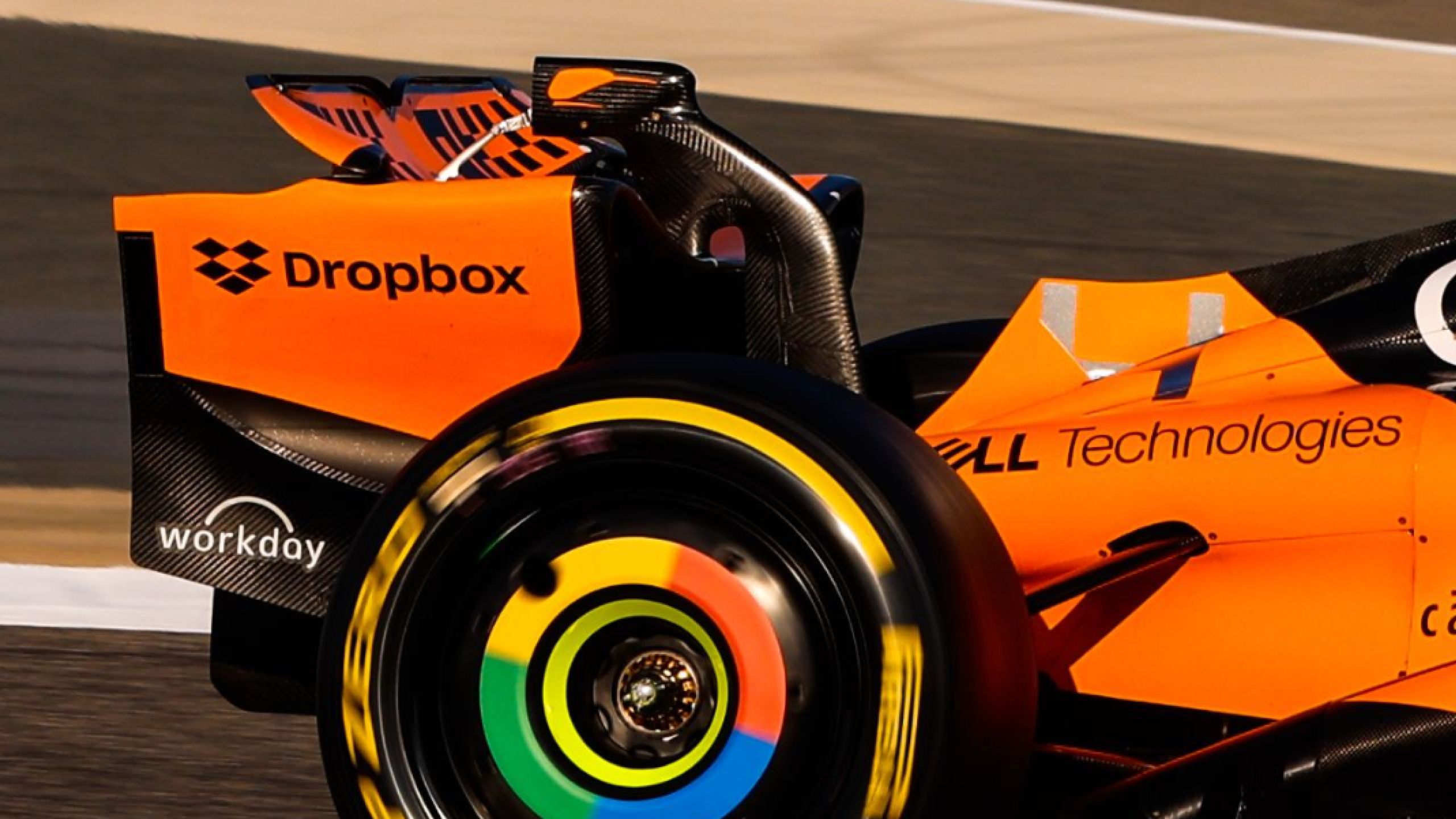
Dropbox has partnered up with McLaren Racing as an Official Technology Partner of the McLaren Formula 1 Team.
From Mission Control to Track, Formula 1 is a team effort.
The best teams, like cars, are more than the sum of their parts. They’re built for performance and continually pushing for more. Dropbox gives McLaren the tools they need to unlock an extra gear. Now they can share info instantly and collaborate on files in real time, wherever they’re racing around the world. All while being confident their IP is safe and secure.
Our track record of fast, efficient, and easy-to-use products makes Dropbox a perfect partner for the McLaren Formula 1 Team. And our newest products push beyond storage, to support teams the way they work today. We help teams get the best results across the finish line. Dropbox is the one tool they rely on to stay organized and share info while safeguarding their business-critical content.
A team’s intellectual property is their competitive edge. The McLaren Formula 1 Team trusts Dropbox to keep their most important content protected. With features like advanced sharing permissions and access management, we help keep McLaren’s confidential information private and secure, so they can focus on pushing for more podiums. Stay secure
In a race against time, McLaren counts on Dropbox. Organization is key to unlocking optimal performance. With shared workspaces and folders, Dropbox makes it easy for the McLaren Formula 1 Team to stay in sync, and spend more time on the work that matters. Staying organized helps teams move faster, and that’s a huge advantage when every second counts. Get organized
The record time to change four tires is 1.8 seconds. The McLaren Formula 1 Team set that record last year. Their success depends on everyone working together in perfect sync. And Dropbox enables easy, efficient collaboration across the team. Now they can: Quickly and safely share large, high-res files with internal or external stakeholders. Track sent files to see who’s opened them and what they’ve viewed. Review creative assets or race footage in real-time, even when the team is all around the world
EMP Attacks: Expert William Forstchen Describes Cataclysmic Impact
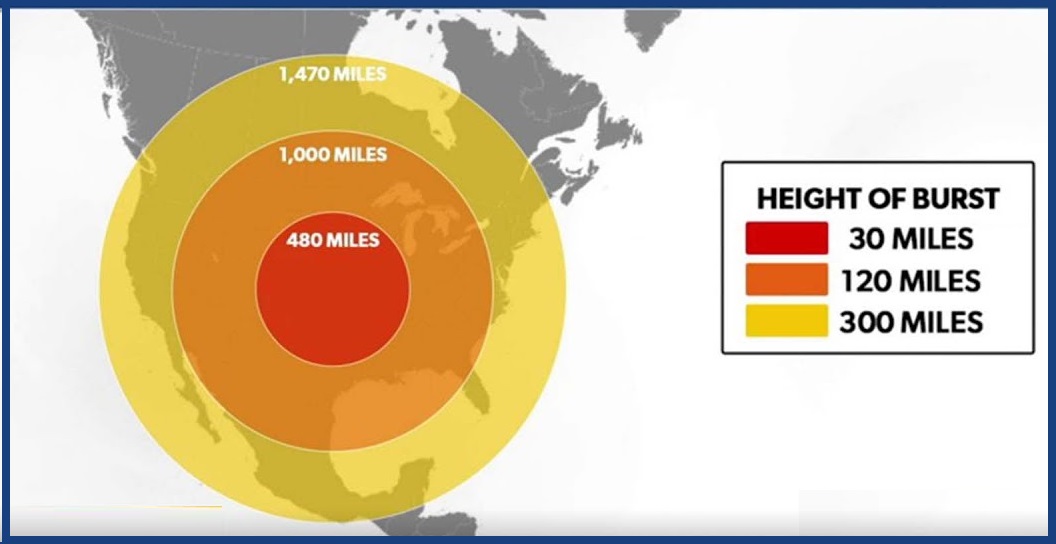
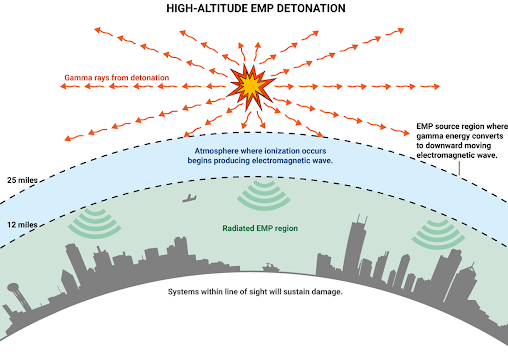
Washington, D.C., 2023 — An electromagnetic pulse (EMP) attack above the center of North America would cripple the already vulnerable energy grid, wiping out power and setting off a cascade of deadly events. But just how real is the threat?
“I believe the threat of America being hit by an EMP weapon is the single greatest danger to the survival of [North] America,” said William R. Forstchen, Ph.D.
Widely considered one of the foremost experts on EMP attacks, Forstchen has been consulted by agencies within the American federal and state governments and has spoken at conferences all over the United States.
Forstchen has also written extensively about the devastating impact of EMP strikes, beginning with his New York Times bestseller, One Second After, a realistic look at a weapon and its awesome power to destroy the entire United States and Canada, literally within one second.
One Second After immerses readers in the terrifying concept of an EMP attack, prompting discussions regarding:
The frightening specifics about EMP
The societal impact of an EMP attack
Hour-by-hour, day-by-day, month-by-month details on the effect an EMP attack would have on a community
What, if anything, can be done to protect people and the country against an EMP attack?
If EMP is such a threat, why aren’t we preparing?
The serious threats facing America regarding physical and cyberattacks on our nation’s infrastructure
The publication of One Second After spawned a series that includes One Year After, The Final Day and the upcoming book, Five Years Later. A feature film based on One Second After is currently being developed.
“EMP is a byproduct of detonating a nuclear weapon,” Forstchen said in an interview. “If you detonate a weapon 200-250 miles above the center of the United States … the gamma ray burst when it hits the upper atmosphere starts a chain reaction. … By the time this hits the earth’s surface at the speed of light, it is a giant electrostatic discharge … it blows out the entire power grid of the United States and Canada. Game over.”
William R. Forstchen is a New York Times bestselling author and holds a doctoral degree from Purdue University with a specialization in military history and technology. He is a noted expert historian and public speaker and has been interviewed on FOX News, C-SPAN, and Coast to Coast on topics ranging from history to technology and cultural issues, to space technology development, to security threats.
It’s safe to say Blockchain technology has disrupted the internet in quite a dramatic fashion.
Despite only being invented about fourteen years ago, cryptocurrency has formed a world of its own and it is now estimated the market will hit well above a $1 trillion USD valuation from four years ago…..
Allowing transactions, alongside other things such as documents and invoices, to be sent across a P2P network, the technology has been praised for its advanced security and anonymity benefits.
The latest infographic crafted by Bitfortune looks into how many ways Blockchain technology impacted the world and various business industries, such as charities and banking.
In the world of cybersecurity, Blockchain can help reduce or eliminate fraud and errors, along with being a more accurate and confidential platform for industry professionals.
For example, REMME is a secure platform that has eliminated the need for passwords and instead uses Blockchain as a form of authentication.
In supply chain management, Blockchain is being used to reduce the number of errors and exposure to potential threats.
The technology also helps reduce time and increase efficiency – a win-win all around, really. FedEx recently announced plans for an internal Blockchain pilot program that will help solve customer disputes while IBM and Maersk are also working together on a new company that will use Blockchain within global shipping supply chains.
Take a look at the infographic below to learn how Blockchain is disrupting other industries around the world for the better and why it’s time to start thinking about how you can incorporate the technology into your lives.
1986 film- Aliens radar motion tracker. Now this tech is ready for Queen’s Park.
Eight years ago at Queen’s Park, the Cross-Border Institute (CBI), part of the University of Windsor, hosted an event to demonstrate advances in security, surveillance and fingerprinting technology. That technology had immediate application for border crossing screening, supply chain security and cybersecurity.
The CBI hosted the event as part of its mandate to support ongoing, practical research aimed at addressing numerous cross-border issues with the United States. The CBI works in collaboration with a number of University of Windsor departments, private sector partners and organizations and all levels of government, looking at making land border crossings work better. The technologies demonstrated represented a number of research projects and initiatives currently being conducted at the University of Windsor as part of its strategic focus related to understanding borders. These projects and activities were also supported by the Department of Research and Innovation at the University of Windsor.
Queen’s Park staff and members had a first-hand opportunity to see the work of Dr. Roman Maev’s high-speed biometrics ultrasonic system for 3-D fingerprint imaging. This system allows reconstruction of fingerprint patterns from deeper layers of skin while embedding the internal parameters of these deeper layers as key features of the fingerprints. Also on display was Dr. Sazzadur Chowdhury’s 77GHz short range radar. At the time- the smallest and thinnest in the world and economical enough to be carried by an individual for mobile motion detection or used in multiples in such large surveillance application as airports. Cue the Aliens movie soundtrack. Both Drs. Maev and Chowdhury are members of the University of Windsor Faculty.
The University of Windsor has developed an area of expertise in technologies that can detect threats and violations, provide positive identification and secure the transfer of data. The projects all have practical security applications and are at or approaching the commercialization stage. All of these projects have received support from the Federal Development Corporation for Southern Ontario (FedDev Ontario) Prosperity Initiative Project 802390, which is administered by the Cross-Border Institute at the University of Windsor.
Quick Facts: The Cross-Border Institute at the University of Windsor was founded in 2008 under the direction of Dr. Bill Anderson. The Centre approaches the study of border issues from a multi-disciplinary perspective that includes economic development, geography, engineering, management science and political science. The CBI has focused on initiatives, events and research that address ongoing challenges at land crossings between Canada and the United States. The CBI, as part of the University of Windsor, looks at the impact of trends in cross-border transportation and the impact of policy decisions by governments on both sides of the border. Currently, the CBI is working to launch Canada’s first university level certificate program in border management, Managing Borders and International Trade.
Technology Quick Facts: Short Range Radar for Surveillance Applications – UWindsor engineering professor Dr.Chowdhury has developed the world’s smallest and thinnest short-range radar unit. Because it is inexpensive to build and completely weatherproof it can be used effectively in a variety of applications for motion detection, ranging from individual units attached to a soldiers uniform to arrays of units for border and perimeter surveillance.
High Speed Biometrics Ultrasonic System for 3D Fingerprint Imaging – World-renowned UWindsor physicist Dr. Maev has taken a new approach to fingerprinting using acoustic microscopy technology. This device generates far more detailed information from fingerprint images below the skin level, making it more accurate than conventional technologies, yet it is fast and practical.
Real Time Location System for Security and Indoor Location – Based on the novel indoor positioning method developed by Dr. Majid Ahmadi and Dr. Rashid Rashidzadeh at the University of Windsor, this system will identify, locate and track people in indoor environments. Its positioning algorithm takes advantage of various sensors on smartphones to improve positioning accuracy.
Automated Vehicle Identification – Cameras that can read license plate information are increasingly common. University of Windsor computer scientists Dr. Imran Ahmad and Dr. Boubakeur Boufama have taken this technology several steps farther, allowing the shape and colour of a car to be extracted from video feeds and stored in a database. This technology will be tested in the University of Windsor’s new parking structure in the Spring of 2015.
Data Encryption Using Graphical Processing Units (GPUs) – Data encryption is an increasingly important function that normally requires the use of expensive add-on cards known as crypto-accelerators. UWindsor researcher, Dr. Roberto Muscedere has developed algorithms that make it possible to achieve the same kind of encryption using much cheaper GPU units typically found in laptop computers and game consoles.
Secure vehicle-to-vehicle (v2v) communications – Advanced vehicular communications technology has enabled such life-saving features as collision warning, collision avoidance and emergency vehicle signaling. However these systems may be vulnerable to cyber-attacks that threaten the privacy and safety of drivers and passengers. University of Windsor faculty researchers Dr. Mitra Mirhassani, Dr. Kemel Tepe and Dr. Wu and their students are working to fill security gaps in V2V systems.
Control, Monitoring and Surveillance in Wireless Systems – Large scale power and communications systems, manufacturing and process control plants, networked building energy systems and others are increasingly controlled by autonomous, sensor-rich, wireless systems. Given the consequence of failure in these systems and the danger of cyber-attacks upon them, UWindsor researchers Dr. Mehrdad Saif, Dr. Rashid Rashidzadeh, Dr. Alavi and Dr. Razavi-Far are developing methods to detect intruders and faults early.
Sensor fusion for concealed weapons detection – Conventional images are good for revealing a person’s identity, while infrared images can spot concealed weapons. But what if you want to both identify a person and know if they are concealing a weapon? A University of Windsor engineer, Dr. Jonathan Wu, has found a way to fuse information from different sensors to produce a clear image not only of a suspect’s appearance but also of any concealed weapon they are carrying. For the Silo, Jarrod Barker. Learn More: www.uwindsor.ca/crossborder
Digital privacy expert explains why often accepting cookies poses cyber risks
According to new research commissioned by internet security company NordVPN, only 3.5% of Canadians never accept cookies. To make matters worse, a whopping 43% say they always accept cookies. While most HTTP cookies are safe, some can be used to track people without their consent. Even more, cookies can sometimes be spied upon or used to fake the identity of a user, to gain access to their account or use their identity to commit a crime.
“HTTP cookies are vital to the internet, but they are also a vulnerability to people’s privacy. As a necessary part of web browsing, cookies help web developers to provide more personal, convenient website visits. Because of cookies, websites remember you, your logins, shopping carts, and even more. But they can also be a treasure trove of private information for criminals to spy on,” says Daniel Markuson, a digital privacy expert at NordVPN.
What are cookies, and why are they a threat?
Also known as an HTTP cookie or browser cookie, a cookie is a piece of data that’s stored on your browser whenever you visit a website. When enabled, the website will remember your preferences and any small changes you made during your last visit.
Cookies are a normal and necessary part of the internet. Without them, you couldn’t log into a website or fill your online shopping cart. However, too many cookies can become a threat to both your security and privacy.
“People need to be aware that cookies follow you online. Even if you hide your IP address with a VPN, cookies can track what you do online and form a partial ID of who you are. Moreover, third parties can sell your cookies. Some sites earn revenue by serving third-party cookies. These aren’t functional – their purpose is to turn a profit from your data. Also, cookies are a vulnerability. With the wrong browser settings or when visiting the wrong website, cookies can introduce security vulnerabilities to your browsing experience,” says Daniel Markuson, a digital privacy expert.
68.5% of Canadians feel that their online data is used for targeted ads
Research shows that Canadians feel the consequences of collected cookies:
68.5% feel that their online data is used for targeted ads;
66% feel that it’s being sold to other companies.
Moreover, 57% and 53% respectively believe that their data is analyzed by websites for their internal use and that it’s used by social media platforms for people to find the most relevant information
“Canadians must be pretty aware of the constant pop-up requesting them to ‘Accept all cookies?’ while visiting online websites. It happens in order to comply with data privacy laws, which were designed to protect users’ personal information and force companies to state what kind of data is being collected and how it is being used,” says Daniel Markuson.
How to stop cookies from tracking you
There are plenty of tools and tips to make your online activity more private.
“First, navigate to your browser’s settings and choose to delete all the cookies stored in your browser. Most browsers also offer features to block unnecessary cookies automatically. Second, use incognito mode. While incognito mode does not equal privacy, this is exactly what it was made for — setting aside a single browsing session that won’t save cookies and your history.
On a related note concerning personal data- The Public Health Agency of Canada (PHAC) tracked 33 million Canadians via their mobile devices to “monitor lockdowns” during to coronavirus pandemic. Privacy advocates said they were concerned about the data tracking.
Finally, use a VPN. One of a VPN’s core features is to hide your IP address, which is critical if you want your online searches to stay private. You can also look at installing various types of tracker blocker programs. That means that third-party cookies won’t be able to gather data about people’s browsing habits and create a detailed profile on you.
Methodology: The survey was commissioned by NordVPN and conducted by the external company Cint on October 4-12, 2021. The survey’s target group was residents of France, the USA, Canada, Australia, Germany, Spain, the Netherlands, and Poland aged 18+ (nationally representative), and the sample was taken from national internet users. Quotas were placed on age, gender, and place of residence. 7800 people were surveyed in total, made up of 800 people from Spain and 1000 people from each of the remaining countries.
Almost 6 billion accounts affected in data breaches in 2021
The year 2021 was record-breaking in terms of the sheer size of data breaches. According to the data collected and analyzed by the Atlas VPN team, 5.9 billion accounts were affected by data breaches throughout 2021.
Atlas VPN has retrieved and calculated the numbers of breached accounts based on multiple publicly available sources. The total count includes worldwide data breaches that took place from January 1st, 2021, to December 31st, 2021.
February saw the biggest data breach of all-time — COMB, or in other words, the Compilation of Many Breaches, which is responsible for the leak of a whopping 3.2 billion unique cleartext email and password combinations.
The breach was named this way because it is not a result of a single hack of a specific organization but rather combines leaked data from a number of different breaches spanning five years, including Netflix, LinkedIn, and others.
The breached data was first offered for sale on RaidForums, an underground database sharing and marketplace forum, for just $2 in February. Other breaches that made it to the top five biggest data leaks of 2021 include LinkedIn (700 million people), Facebook (533 million people), Brazil’s Ministry of Health (220 million people), and SocialArks (214 million people).
Cybersecurity writer and researcher at Atlas VPN Ruta Cizinauskaite shares her thoughts on 2021 data breach trends: “Even with data breaches becoming a growing threat, it seems organizations are still not putting enough effort in protecting the personal information of their users. One of the first things every organization should do is evaluate the amount of sensitive user data it collects — the less sensitive data is stored, the lesser the risk of it being leaked.”
As people are looking for ways to unwind at home, the gaming industry has been one of the primary places people set their eyes on. Not only is it a way to entertain yourself for hours on end, but it is also a place for people to connect, which is otherwise hard to do during the pandemic.
According to data presented by the Atlas VPN team, 303,827 individuals’ devices were affected by gaming-related malware and unwanted software between July 1, 2020, and June 30, 2021. Mobile games are also a major threat for gamers.
As many as 50,644 users attempted to download 10,488 unique files disguised as the ten most-played mobile games, generating a total of 332,570 detections. Minecraft was by far the most popular game on both PC and mobile platforms for dangerous app distributors to hide behind. On PC, nearly 185 thousand users were affected with over 3 million malware and unwanted software detections.
On mobile, the number of victims exceeds 44 thousand for the period.
Unwanted software includes files like adware, spyware, and so on. There are various versions of Minecraft and a plethora of mods (modifications that may be placed on top of the basic game to diversify gameplay) may account for its enormous popularity. Because mods are unofficial and developed by users, they can be used to hide dangerous payloads or undesirable software.
Security tips for gamers
Protect your accounts with two-factor authentication (2-FA) whenever possible.
Use strong passwords for your accounts, with a different one for each. That way, even if one of your accounts is compromised, the remainder will remain unaffected.
Downloading games from official retailers such as Steam, Apple App Store, Google Play, or Amazon Appstore is safer. These marketplaces aren’t completely safe, but they are at least examined by store staff, and there is some sort of screening procedure in place: not every app is allowed into these stores.
If you want to buy a game that isn’t accessible in major stores, you should do it through the official website. Make sure to double-check the website’s URL to avoid impostor sites.
Be cautious of phishing campaigns and unfamiliar players. If you are unsure about the sender, do not open links you receive via email or in a gaming chat. Do not open files sent to you by strangers.
Another one of the most well-known game titles worldwide, The Sims 4, was the second most often used title to distribute unwanted files. Over 43 thousand users were impacted, with detections closing in on 1.3 million. For the Silo, Valentina Perez.
Thanks to the digital technology, we can carry out commercial transactions online. We can buy and sell items or services, pay bills, make orders, and so much more.
Online enterprises are heavily relying on this commodity. This is why we have numerous online businesses nowadays.
The infographic below from Subscriptionly will inform you about the current and future tech trends that will influence the ecommerce sector. Some of the main trends are as follows.
Personalized Experience
Technology has enabled online businesses to give their customers personalized shopping experiences. For e-shoppers, this has engendered an engaging and satisfying shopping experience.
Businesses recorded an increase in revenue by employing this concept, since 48% of customers spend more when their experience is personalized.
Automated Customer Service
AI has transformed the way customer queries and complaints are attended to. Consumers now have their issues promptly resolved. It was reported that, this year, AI handled 45% of customer queries on its own. And it does this swiftly and effectively, which is definitely a factor that makes customer support a positive experience.
Excellent customer service is essential to building customer loyalty. In fact, 42% of customers buy more when they are served properly.
It is projected that, by 2020, AI will handle 85% of customer interactions.
Cryptocurrency
Soon, commercial transactions will be carried out with cryptocurrency. Via the use of cryptocurrency (such as Bitcoin), customers will get to make secure payments quickly and conveniently.
Also, businesses that add cryptocurrency as a payment method will make better sales. One retail outfit did and in 5 months, it generated $2million alternative currency sales and a 60% boost in new customers.
Drone Delivery
In the nearest future, e-shoppers will possibly have their purchased items delivered the same day. When this become reality, customers will be happier and businesses will undergo a rise in brand awareness and sales. The 72% of shoppers stated they would shop and spend more if same day delivery was available.
A method that is being considered to initiate same day delivery is the drone delivery. DHL tried it and recorded a 70% improvement in first-attempt deliveries, and a 90% success in resolution of customers’ critical cases. When popularized, 40% of parcels will be drone-delivered in 2 hours by 2028. For the Silo, Josh Wardini.
People often store their belongings because they want to use them at a later time. However, keeping your items in your garage, crawlspace, or any other makeshift storage areas in your home can compromise your belongings and your overall organization and indoor air quality.
Instead of turning your home into a storage facility, consider saving space and protecting your items by keeping them in a self-storage unit. This option is a much better alternative to storing your items at your home in a shed or garage.
When you store your items outside, you have no control over the rising and dropping temperature. You won’t even know how these temperatures impact your belongings until you reach for something, and it’s not working anymore.
The good news is that there are many spacious, climate controlled storage units in Canada available so that you can store your belongings without compromising them or your space. Consider how keeping your items in a self-storage unit can not only benefit you but benefit your belongings.
Store Items in a Controlled Climate
When you store your items outside in your garage or shed, you can’t regulate the storage temperature. Keep your things in a climate-controlled self-storage facility so that you can have peace of mind knowing that they are being stored at regulated temperatures.
You’d be surprised how many things you need to store in a cool area. Climate control plays an essential role in protecting your belongings like artwork, electronics, paperwork, and furniture, which can be compromised by humid or freezing temperatures. Properly storing your belongings in a space with regulated temperature can also help to extend their overall lifespan.
Create More Space & Improve Air Quality
Clutter is not just an eyesore. Storing your items close together can cause them to scratch and damage one another. Even more importantly, packing items so close together can impact the air quality of a space, which can compromise your belongings’ integrity.
When items are packed together in a small area, there is no air-flow. Poor ventilation causes humidity, moisture build-up, and condensation. All of which can damage electronic items internally and the external surfaces of furniture.
Cluttered furniture, appliances, and other devices can also trap and hold dust. This dust can build on your furniture and trigger allergies in those living in the space. Like humans, our belongings need space to thrive.
Protect Items During a Renovation
Home renovations are exciting, but the dirt, dust, and contractors in and out of your house are often overwhelming. When you are doing a home renovation project, protect your existing belongings by storing them in self-storage.
This way, you can protect your things from dirt and dust build-up and prevent damage from tools, fallen objects, and movement. You move around furniture so much during a renovation that it is better to move the furniture out of the way entirely. Utilizing self-storage to store items will also help create more space for you and your contractors to work.
Maintain Security & Privacy
Maintain the privacy of your items while you are protecting them from wear and tear. Your self-storage unit should offer security to ensure that your items are adequately protected and can only be accessed by you.
Choose a storage facility with state-of-the-art security features like passcodes and durable locks that can ensure your belongings’ safeguarding. For the Silo, Mila Urosevic.
This August we saw the fifth U.S. Civil War re-enactment at Circle G Ranch, east of Cayuga, Ontario. On Sept. 13, re-enactors of the ‘Blue and Grey’ will go to battle in Otterville.
The American Civil War had a tremendous influence on the British North American colonies, and continues to be of mind.
At onset of the Civil War, Canada did not yet exist as a federated nation. When the war broke out in 1861, Canada was still a subject of Great Britain and had maintained an uneasy peace with its American neighbors since the War of 1812.
William Seward, the American Secretary of State during the Civil War, was an annexationist who felt that British North America was destined to become part of the United States. As it became obvious that the North would emerge victorious there was a fear the Union army would turn its eyes north of the border.
Many in the US government were supporters of Manifest Destiny, an ideology that stated America should conquer the continent. Canadians were concerned about the possibility of a US invasion.
The tensions between the United States and Britain, which had been ignited by the war and made worse by the Fenian Raids, led to concern for the security and independence of the colonies, helping to consolidate momentum for Canadian confederation.
In the election of 1864, the Republican Party used annexation as a means to gain support from Irish Americans and the land-hungry.
In 1866, an annexation bill passed in the US House of Representatives stating the United States acquire all of what is now Canada.
The Underground Railway- major sites in Ontario,Canada.
The Civil War also had an important effect on discussions concerning the nature of the emerging federation. Many Fathers of Confederation concluded the secessionist war was caused by too much power being given to the states, and thus resolved to create a more centralized federation. It was also believed that too much democracy was a contributing factor and the Canadian system was thus equipped with checks and balances such as the appointed Senate and the power of the British-appointed governor-general.
The guiding principles of the legislation which created Canada, the British North American Act, were peace, order and good government – in stark contrast to the perceived rugged individualism of the neighbours south of the border.
Since 1793, thanks to then Lieutenant-Governor John Graves Simcoe, Upper Canada – now present day Ontario – had banned the importation of slaves. Canadians were largely opposed to slavery, and Canada had recently become the destination of the Underground Railroad.
The Underground Railway was a network of safe houses and individuals who helped runaway slaves reach free sates in the American North or in Canada.
It ran from about 1840 to 1860. It was most effective after the passage of the Fugitive Slave Act in 1850, which enabled slave hunters to pursue runaways onto free soil. It is estimated that about 30,000 reached Canada. Several communities were established in Ontario, including one east of Cayuga, at Canfield.
The Civil War claimed 7,000 Canadians and almost 620,000 US lives.
Between 33,000 and 55,000 men from British North America served in the Union army, and a few hundred in the Confederate army. Five served as generals, and 29 received the U.S. Medal of Honour. For the Silo, Toby Barrett MPP Haldimand-Norfolk.
One of the many ways the Internet is driving the global economy is through digital payments, making it easy for consumers to buy just about anything from anywhere. VisaNet is the largest payment processing network in the world, connecting 2.4 billion credit cards at 36 million locations across 200 countries.
Those are just a few of the numbers that Visa hired our friends at Visually to shape into the infographic below. The result is a visualization that tells in their words- “the story of the innovation, security and accessibility of this payment processing network.”
With Cars becoming more like smartphones nowadays, we thought we’d take a look at the growing concern of Car hacking, a phenomenon that’s sending chill up motorists’ and manufacturers’ spines across the globe, more efficiently than any air-conditioning unit could ever do.
However, perhaps even more importantly, we’ll tell you what the world’s governing agencies are doing to help eradicate car hacking and what YOU can do to prevent your car from being hacked. For the Silo, Louis S. Dixon andour friends at Select Car Leasing UK.
The PHV MAC is an ‘electronic peephole’ for your home security that takes images of anyone or anything that is out front.
Its ambient light sensor allows images to be taken up to 30 inches from the door. This battery-powered device features an LCD screen on the inside of the door to display the photos, which stores still shots as well as video on a Micro SD card and includes dates and times of when the sensor was activated. The batteries inside last for 9,000 triggers, and can be powered for a little more than 6 months. The playback feature allows you to view a time-lapsed video with all images with one press of a button.
The MAC 200 can function as a separate security camera for your home. The portable, motion-activated camera can store up to 14 months of images. You can watch over 8 hours of images with a condensed, time-lapsed 1 minute video. There are three capture modes you can choose from: motion-activated, time lapse capturing, and a hybrid mode that includes both. Activity can be set to sense anywhere between 20 feet to 320 feet between the three different modes.








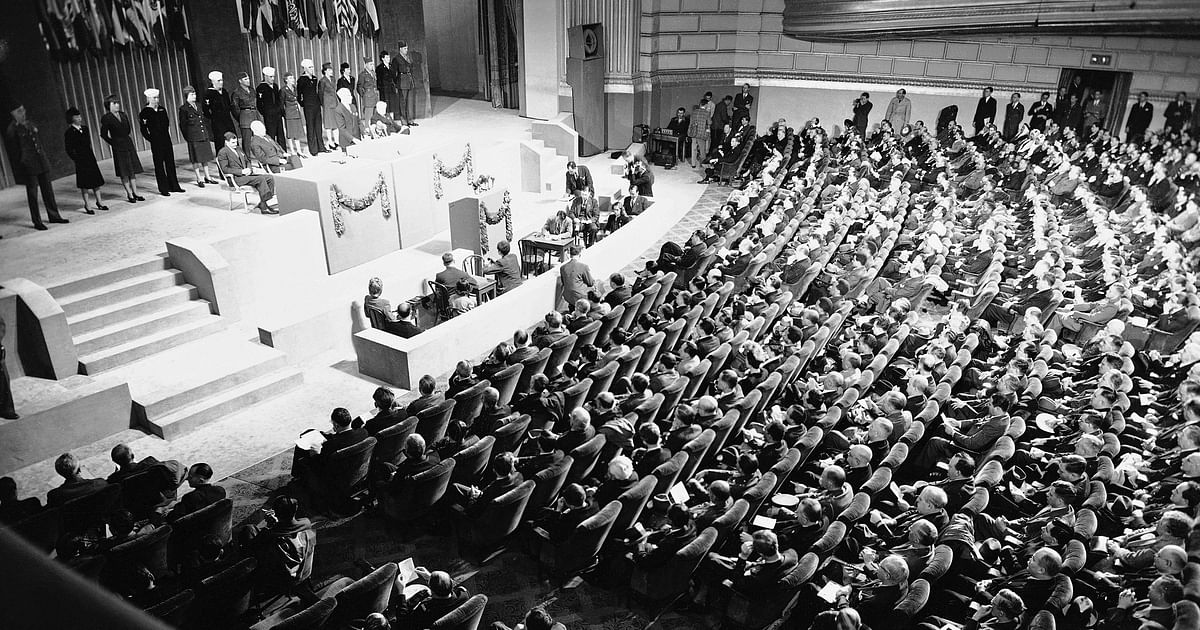




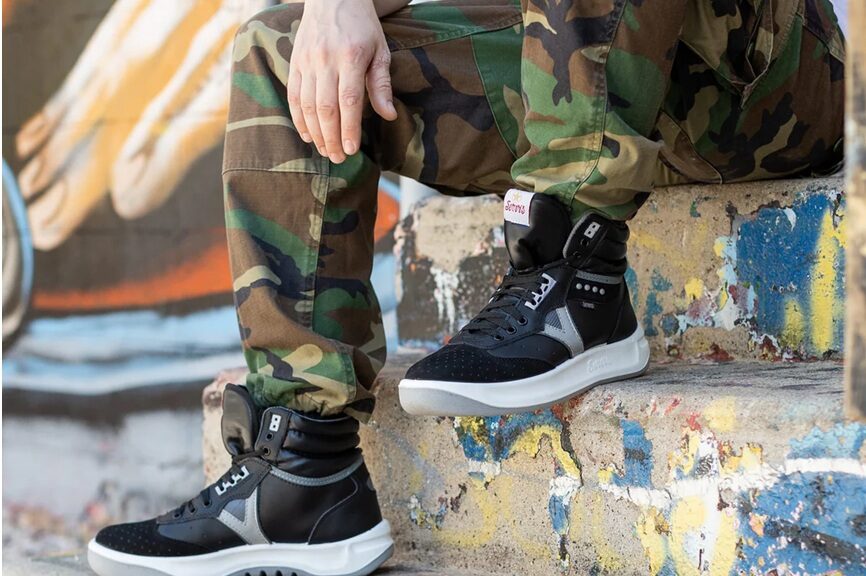


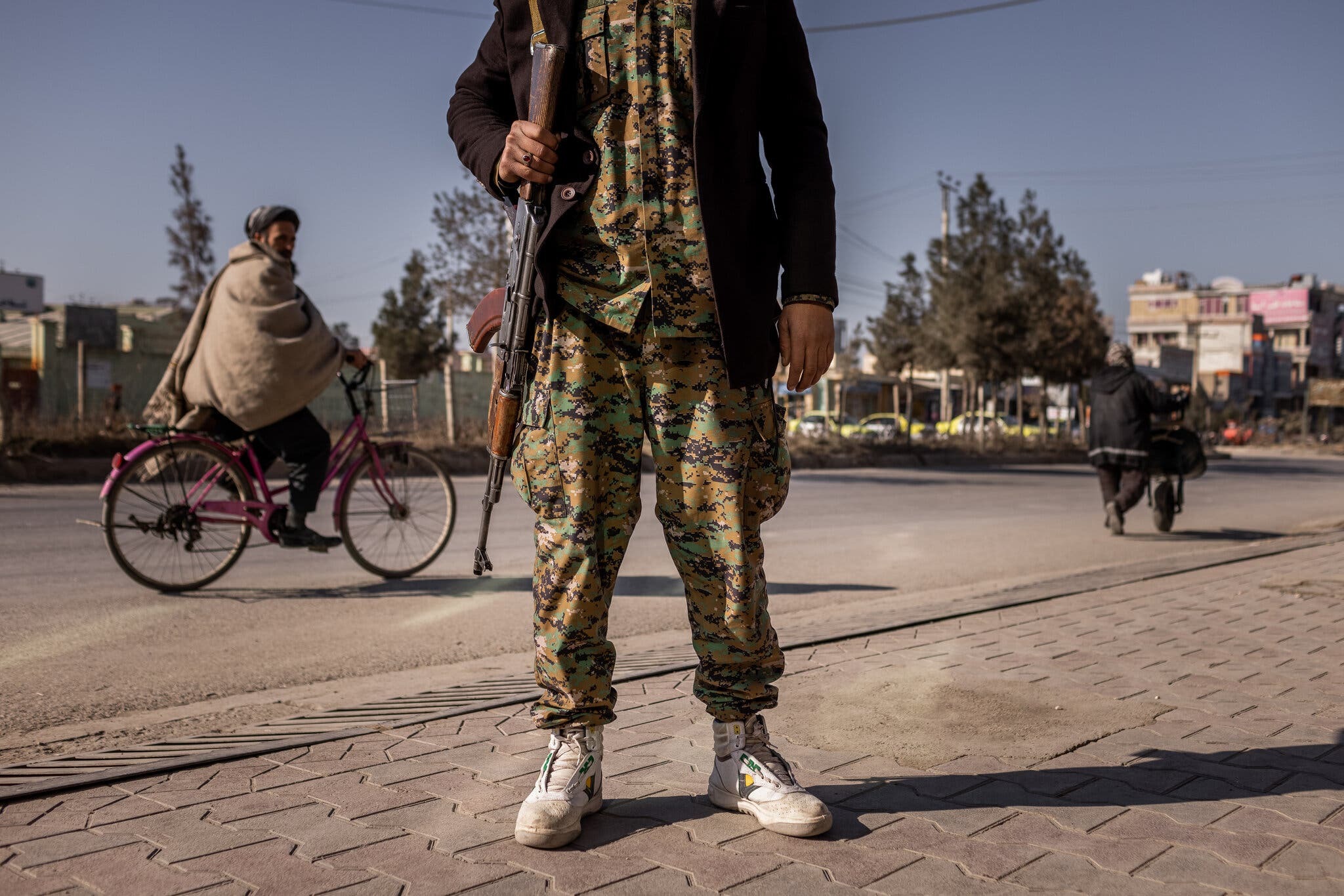
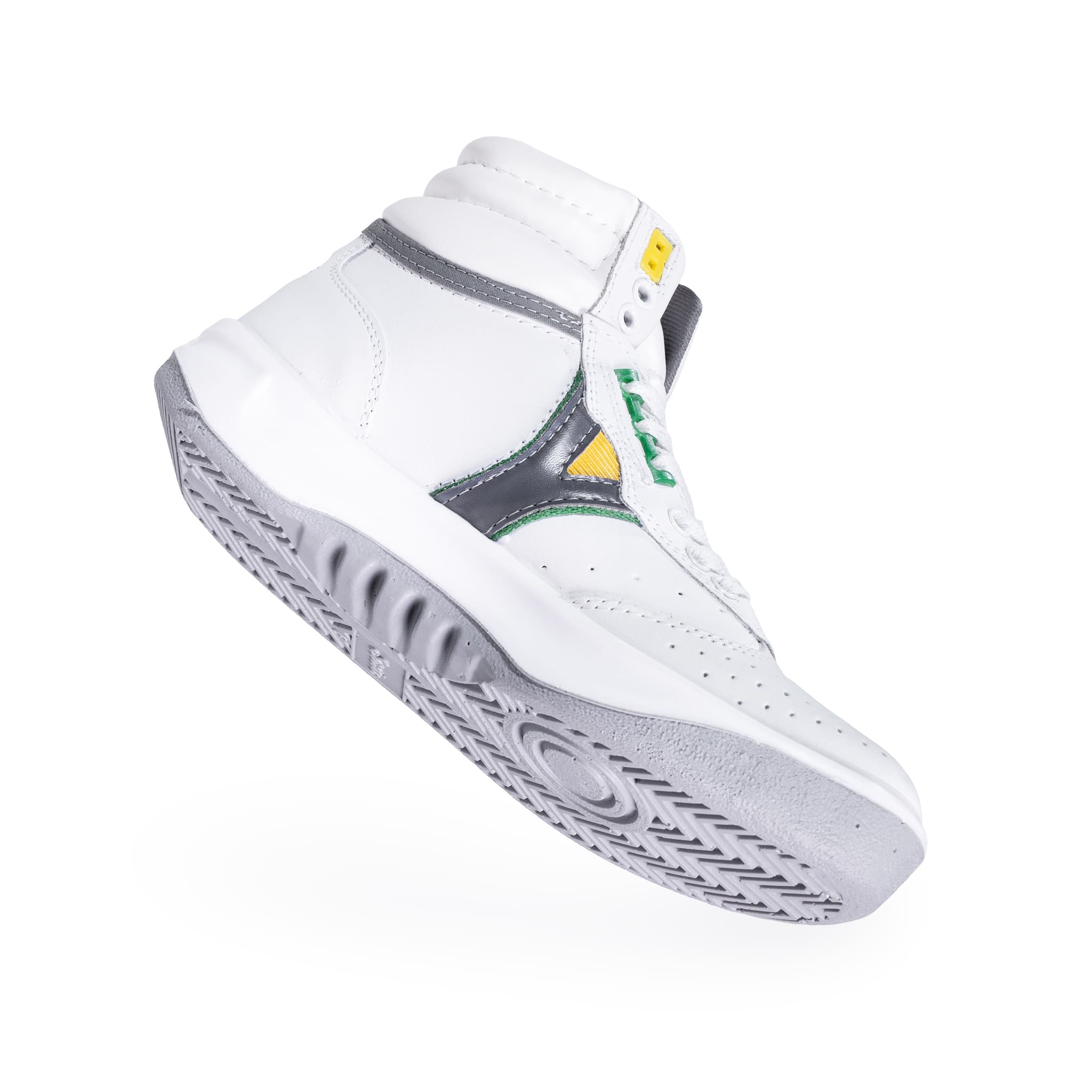






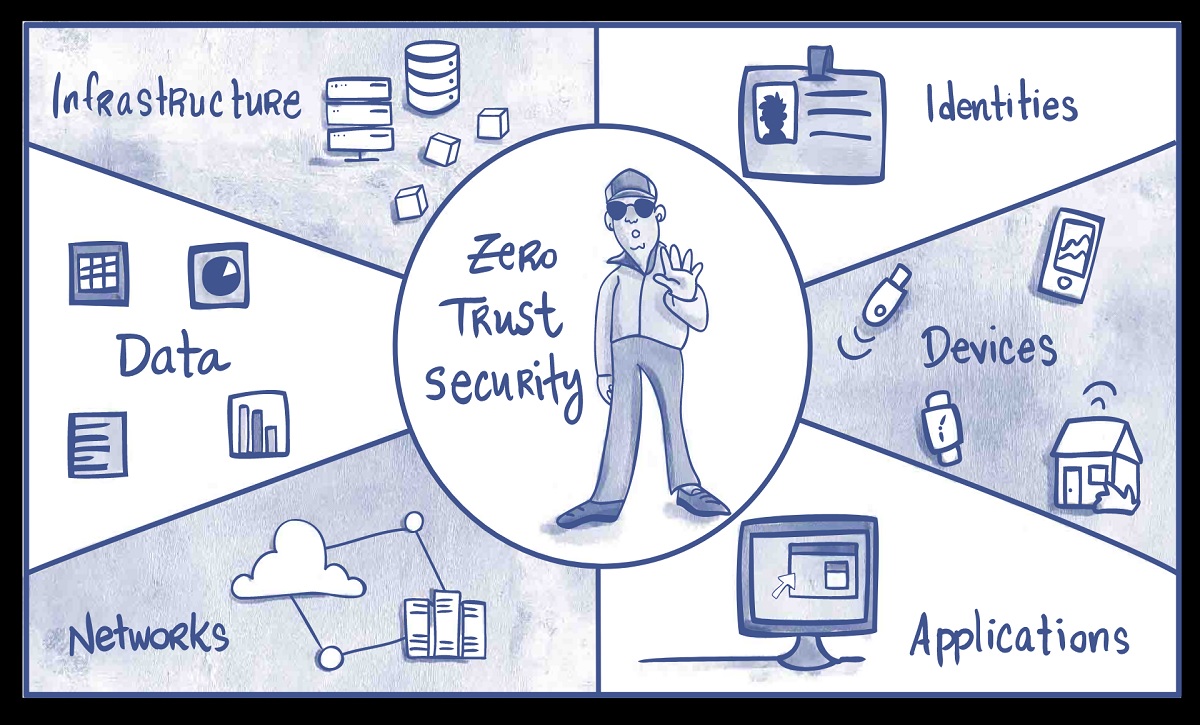
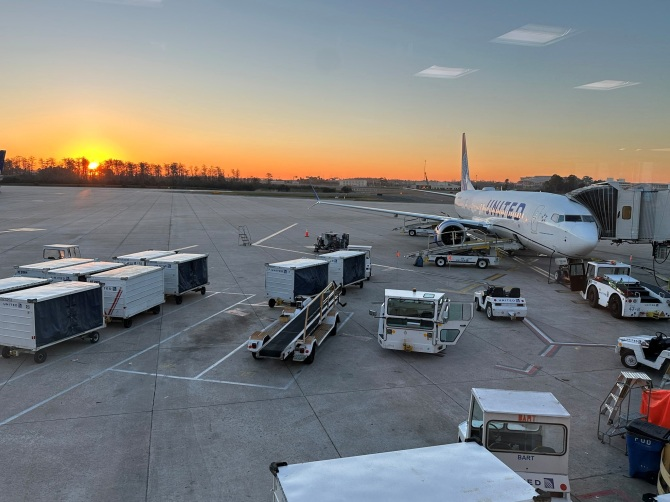
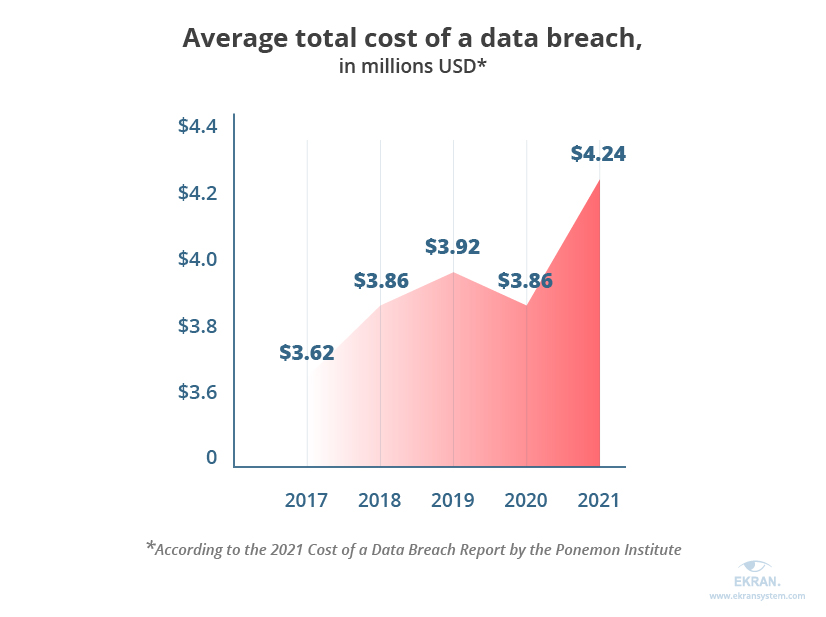
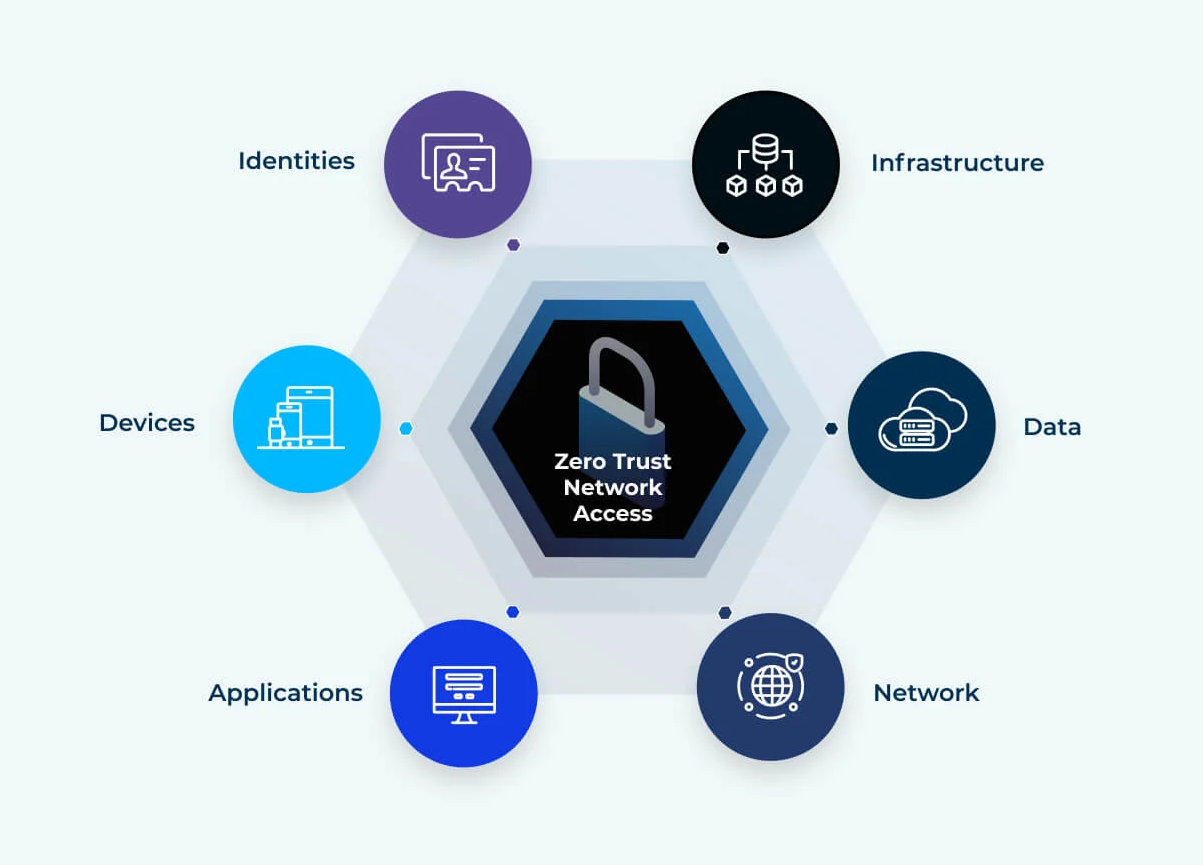
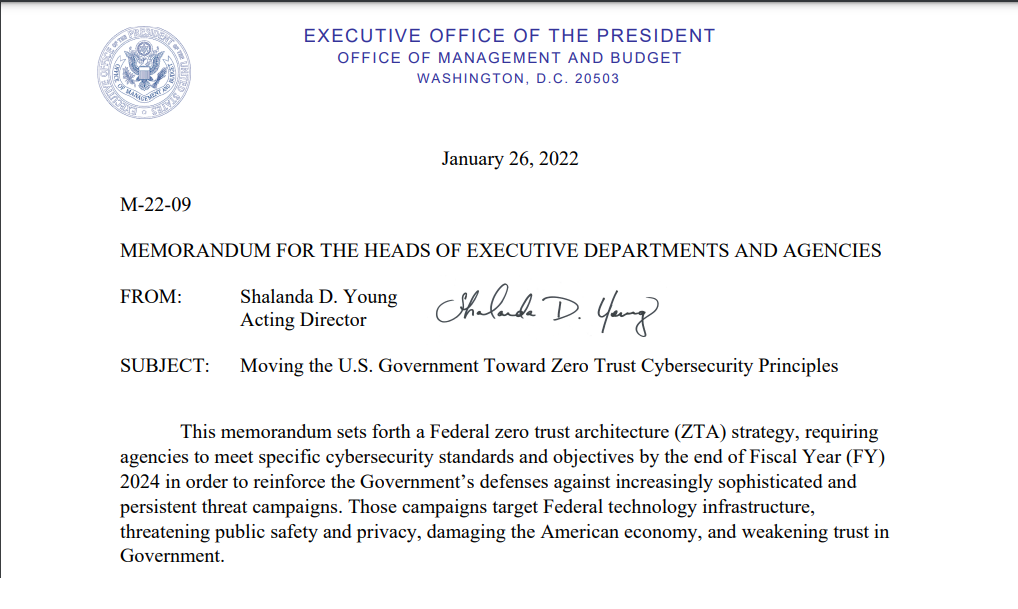






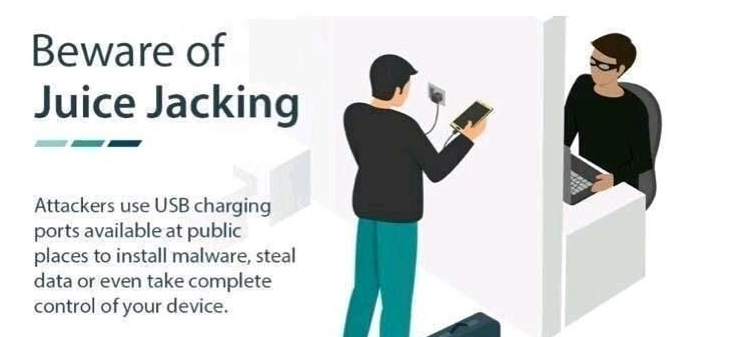
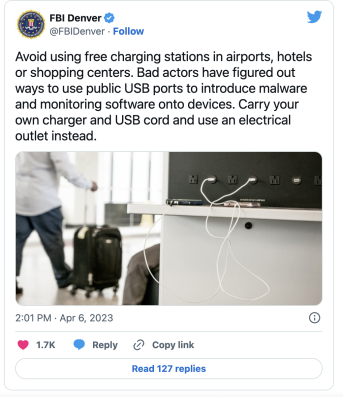





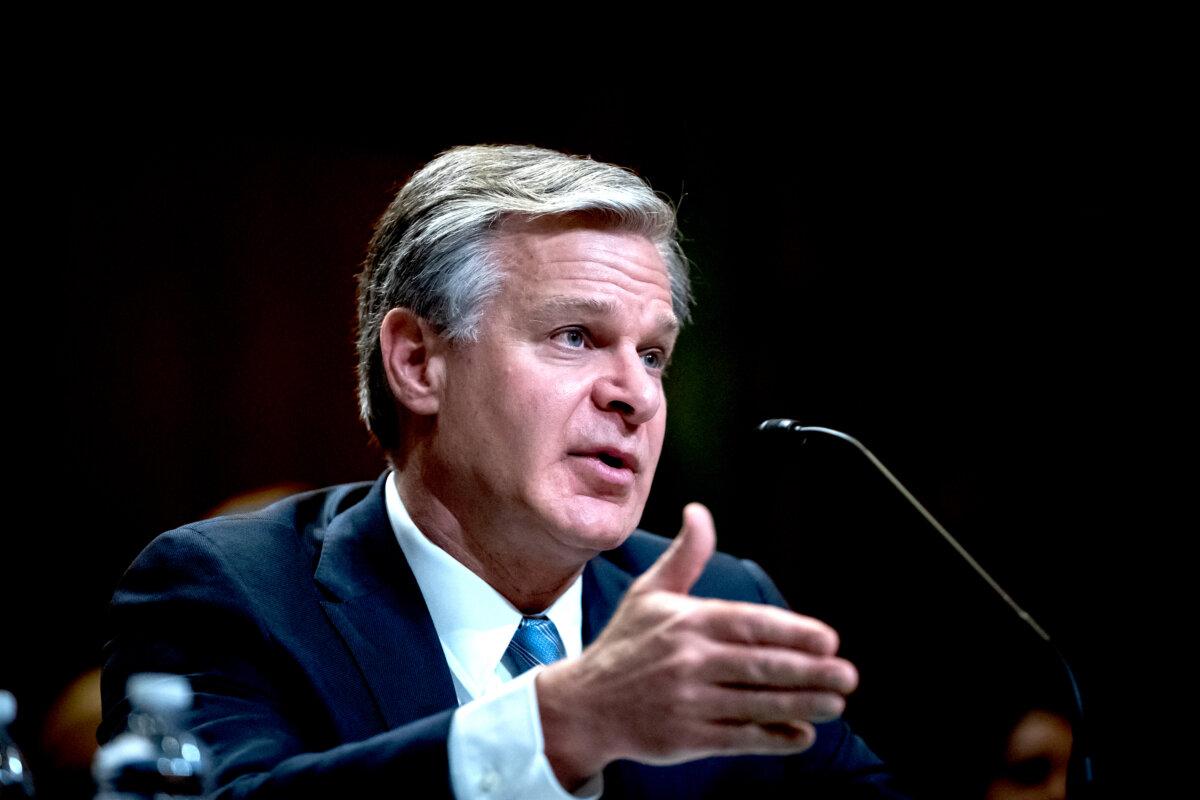



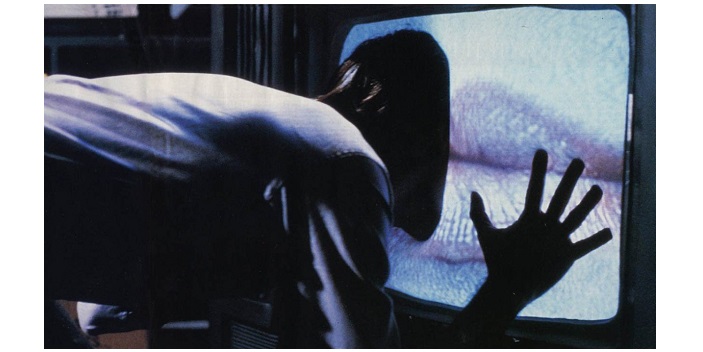
 Though debunkers have stated that this story first appeared in Readers Digest, it actually was first reported in 1953 by TV Guide: a viewer based magazine that organized and listed television programming and reviewed highlighted television shows. Hugely successful and widely distributed- it seems counter-intuitive to consider how this might affect an already paranoid and anxious viewer body. After all, the Cold War and the Space Race were underway. Many Americans were building nuclear bomb shelters and keeping their eyes to the skies.