Watch the shark advocacy documentary, Monsters. The director, Skyler Thomas, is a featured speaker in IDA’s Sharks & Aquatic Animal Activism Webinar
SAN RAFAEL, Calif. (July, 2026) — Oceanic shark populations have collapsed by more than 70% over the past 50 years, driven largely by commercial and recreational fishing, according to research published in Nature. In Defense of Animals is urging supporters to help defeat the SHARKED Act, a bill that would weaken vital U.S. shark protections, and to demand an end to deadly shark nets.
The push comes as In Defense of Animals marks its annual Respect for Fish Day, observed August 1, with a free public webinar on Thursday, July 30 at 2 p.m. PT. Featured speakers include shark experts such as Skyler Thomas, director of the shark documentary Monsters.
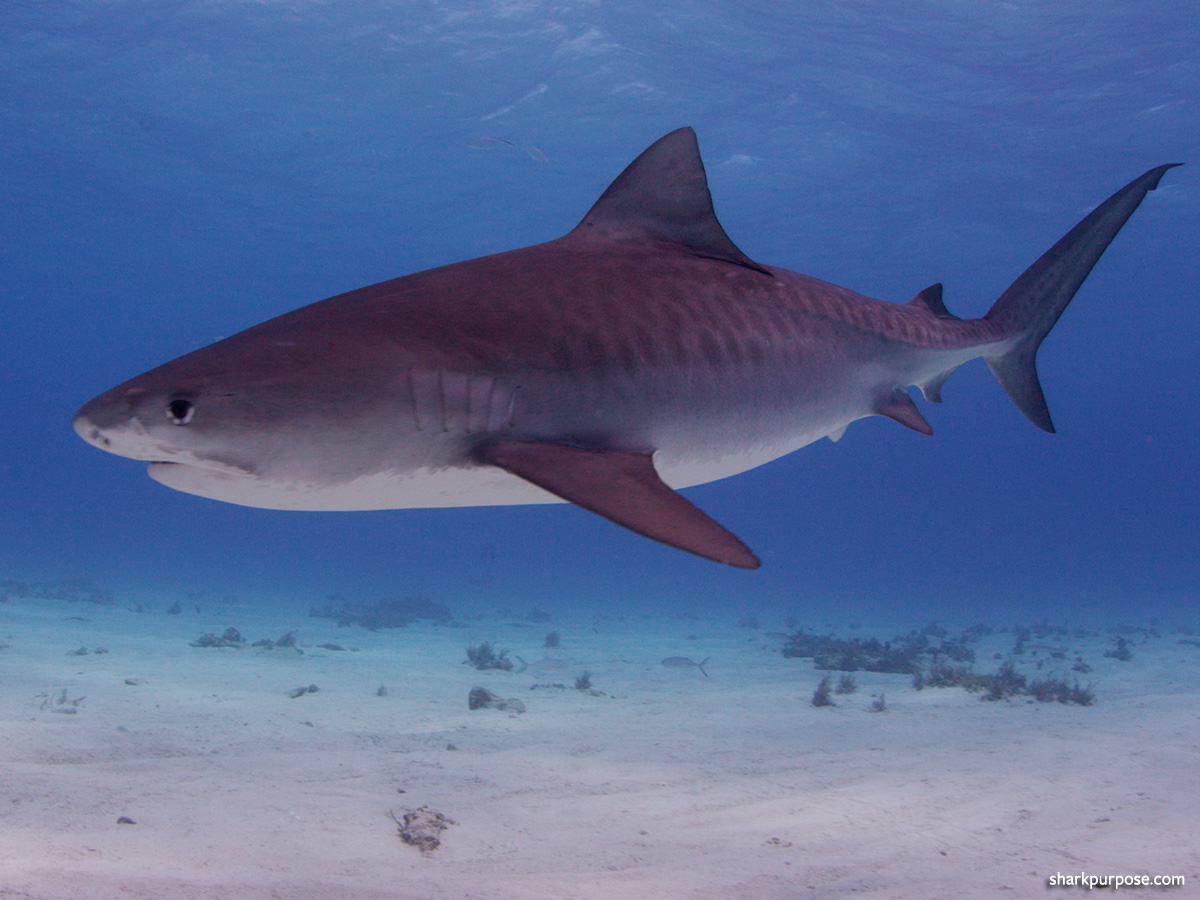
In Defense of Sharks — Sharks & Aquatic Animal Activism
“Sharks are feeling, highly intelligent animals who experience pleasure, pain, and suffering,” said Lia Wilbourn, Farmed Animals Campaign Specialist at In Defense of Animals. “They are often wrongly portrayed as monstrous man-eaters, largely the result of fear-driven media and industries that profit from killing them. In reality, most shark species pose little or no danger to humans and are far more at risk from human activity than humans are from them.”
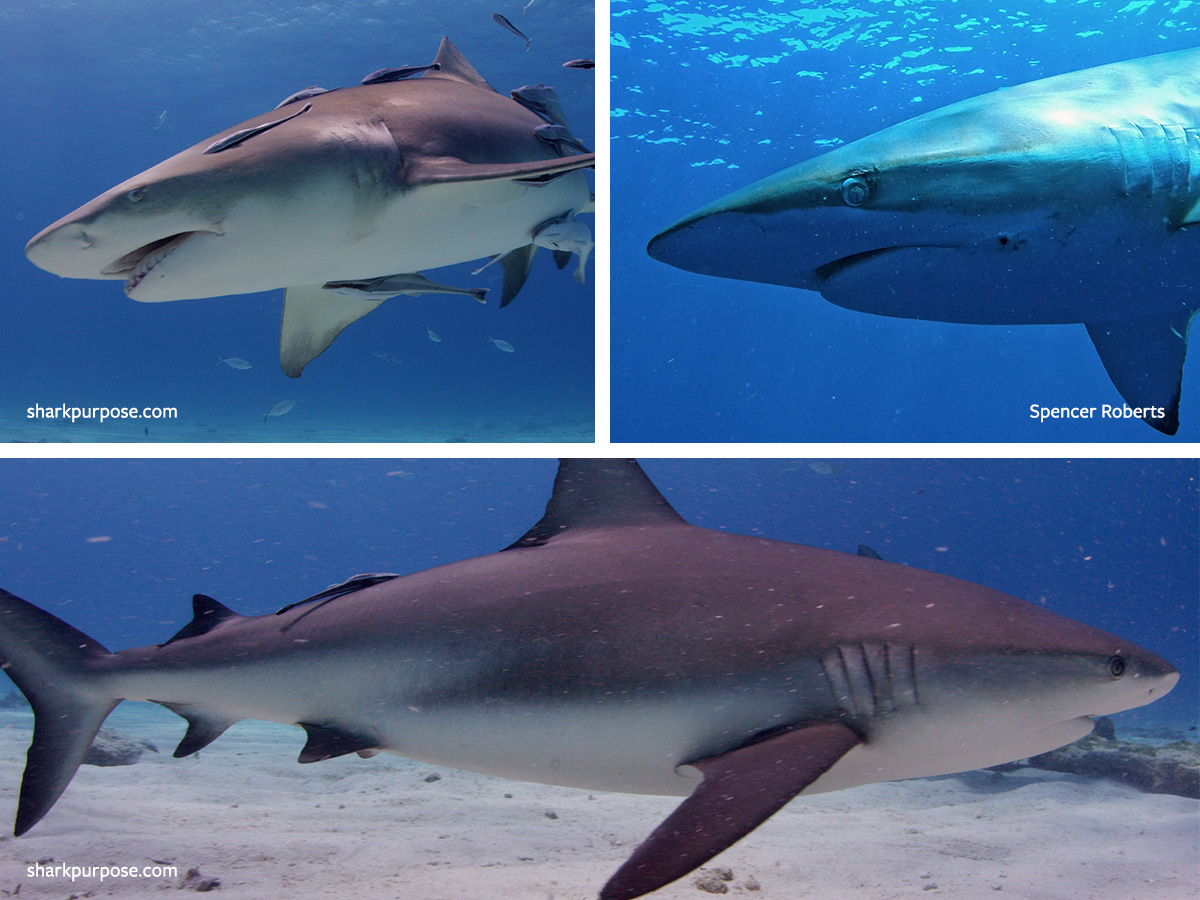
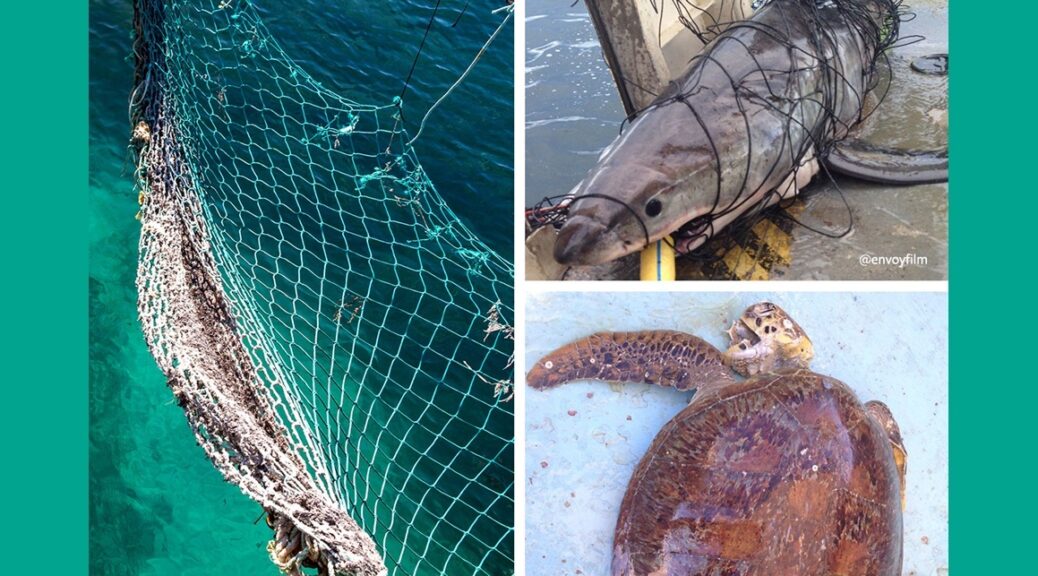
The webinar will dispel harmful myths about sharks and explain why protecting them is essential to their survival and to the health of the oceans. It comes at a critical moment: In Defense of Animals is calling on the public to oppose the SHARKED Act and to speak out against shark nets planned or already in use at beaches in Australia and at a Club Med resort in South Africa, where the nets indiscriminately kill sharks and countless other marine animals alongside their intended targets.
Skyler Thomas, director of the feature film documentary, Monsters, said, “Sharks aren’t just cool, they are massively misunderstood and underestimated by humans — not just physically, but as sentient beings. Today I realize that sharks share this in common with all other species on the planet: humans don’t give them enough credit.”
Scientific research shows that fish and other aquatic animals are far more intelligent and emotionally complex than most people assume. They can recognize individual faces, remember previous experiences, form social connections, and maintain long-term relationships. Like all sentient beings, fish have nervous systems and feel pain, fear, stress, and suffering when they are hooked, netted, suffocated, or stabbed during fishing.
The fishing industry is one of the greatest threats to ocean life and biodiversity. Fishing pollutes the seas and disrupts fragile marine ecosystems. Millions of whales, dolphins, seals, sea turtles, octopuses, and other non-target animals are killed each year as “bycatch” in commercial fishing nets, and abandoned fishing gear is now the largest source of plastic pollution in the ocean.
Fish also accumulate harmful contaminants, including mercury and arsenic, yet for most of us, fishing isn’t necessary for survival; leading nutrition experts agree a balanced plant-based diet meets all essential nutritional needs.
Marine wildlife populations have fallen dramatically over the past few decades, and scientists warn that continuing current fishing practices could have devastating consequences for ocean ecosystems.
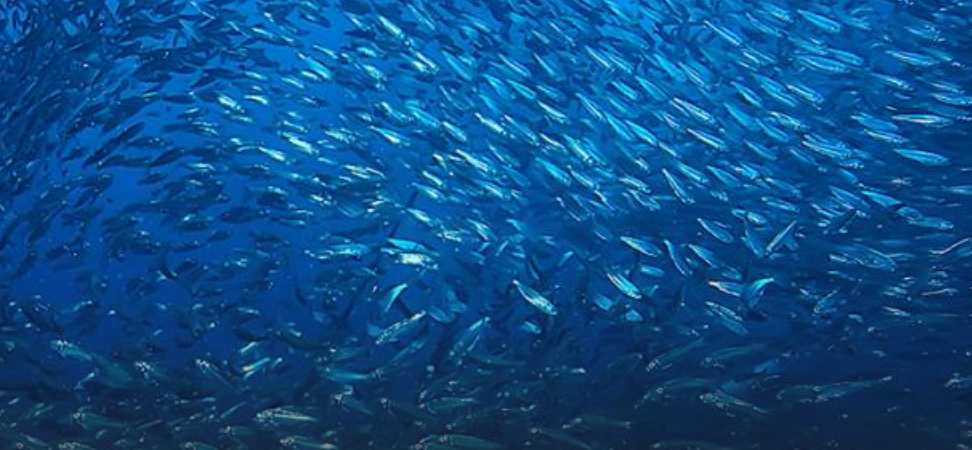
Respect for Fish Day emphasizes the individuality, sentience, and complexity of aquatic animals, advocates for veganism, and builds a future where all animals are free from exploitation and unnecessary harm.
Find out more about Respect for Fish Day.
Concerned citizens can take action to protect sharks and other aquatic animals by signing alerts:
- Stop the SHARKED Act to prevent more shark killings.
- Speak up to End Shark Nets in Australia.
- Act now to Prevent New Shark Nets at Club Med in South Africa
For the Silo, Lia Wilbourn.