Tag Archives: dolphin

As Sharks Face Collapse, In Defense of Animals Fights Deadly Nets & The SHARKED Act


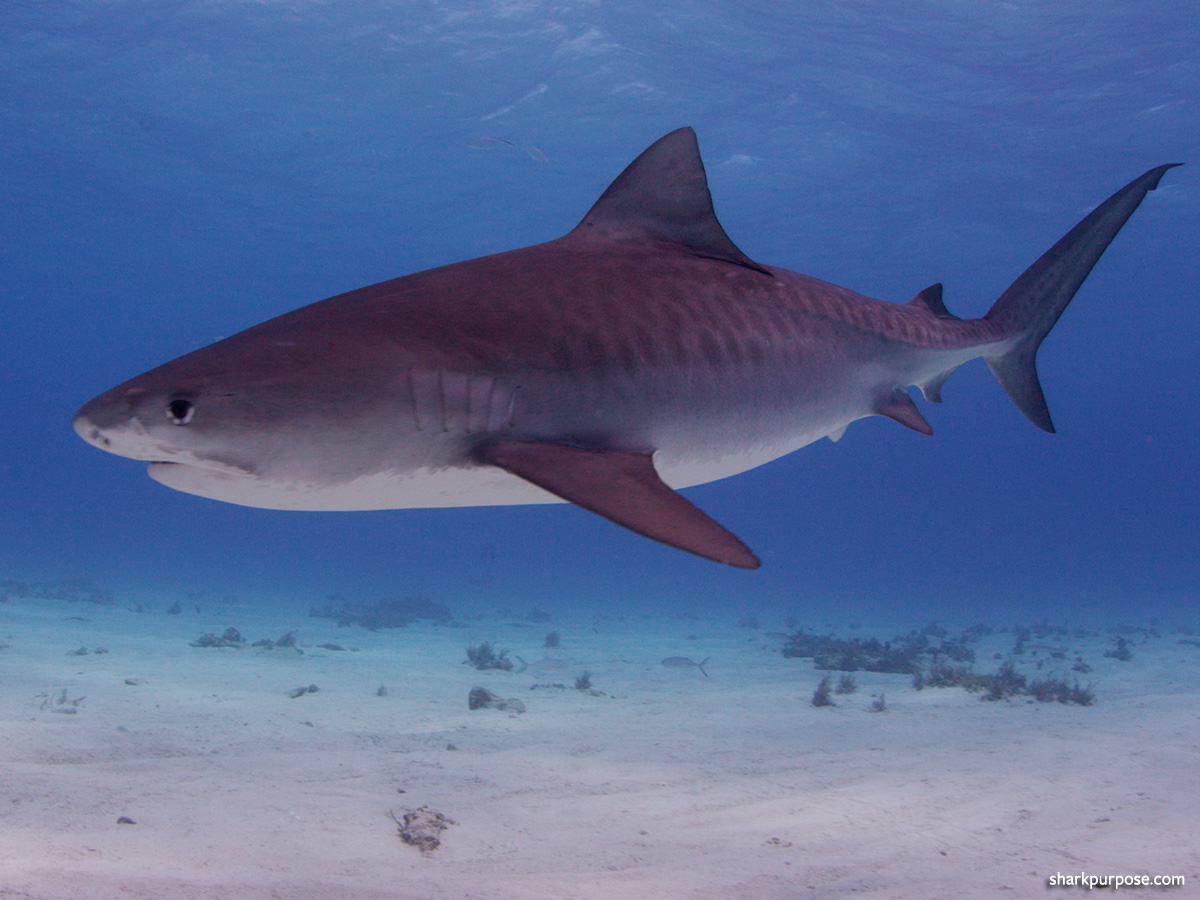
Watch the shark advocacy documentary, Monsters. The director, Skyler Thomas, is a featured speaker in IDA’s Sharks & Aquatic Animal Activism Webinar

SAN RAFAEL, Calif. (July, 2026) — Oceanic shark populations have collapsed by more than 70% over the past 50 years, driven largely by commercial and recreational fishing, according to research published in Nature. In Defense of Animals is urging supporters to help defeat the SHARKED Act, a bill that would weaken vital U.S. shark protections, and to demand an end to deadly shark nets.

The push comes as In Defense of Animals marks its annual Respect for Fish Day, observed August 1,  with a free public webinar on Thursday, July 30 at 2 p.m. PT. Featured speakers include shark experts such as Skyler Thomas, director of the shark documentary Monsters

/Users/amgraef7/Library/Containers/com.microsoft.Word/Data/tmp/Content.MSO/242237AA.tmp

In Defense of Sharks — Sharks & Aquatic Animal Activism

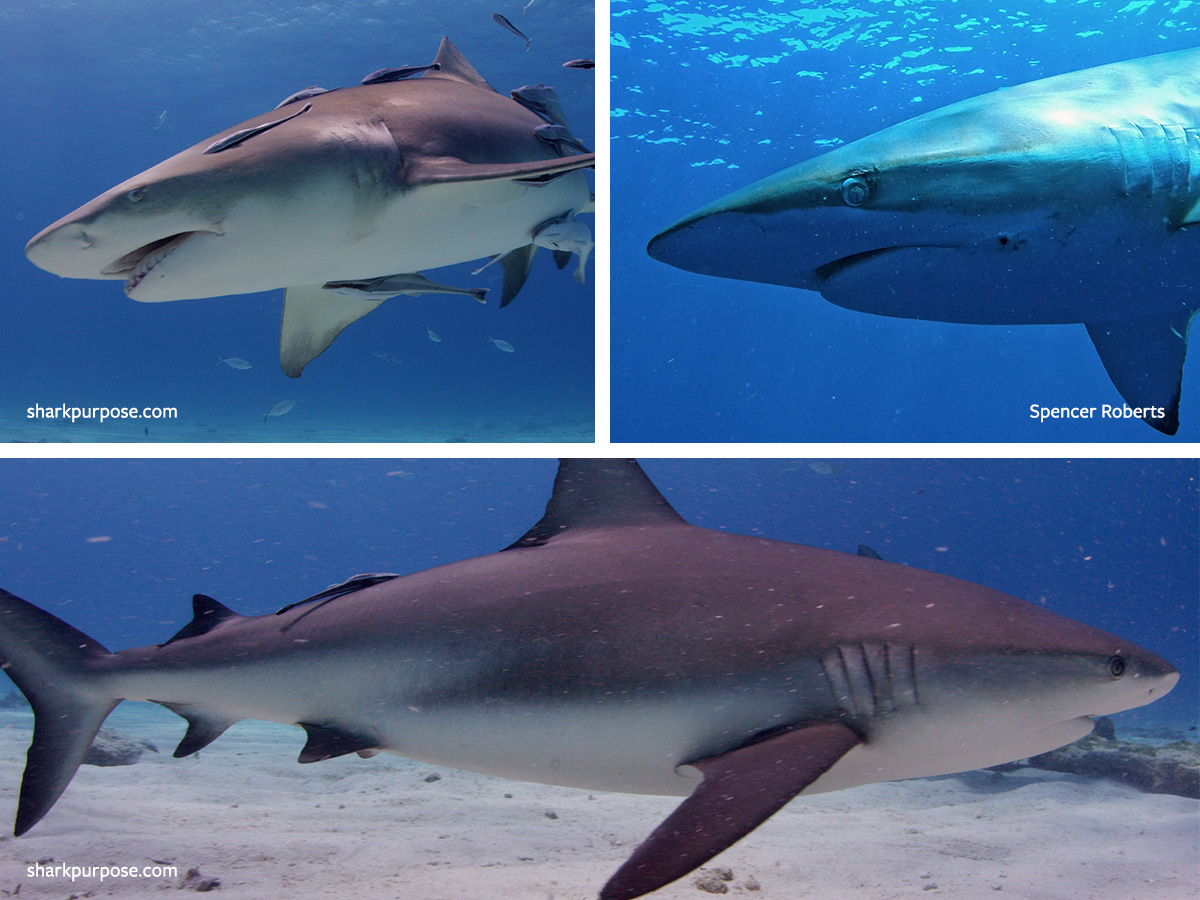
“Sharks are feeling, highly intelligent animals who experience pleasure, pain, and suffering,” said Lia Wilbourn, Farmed Animals Campaign Specialist at In Defense of Animals. “They are often wrongly portrayed as monstrous man-eaters, largely the result of fear-driven media and industries that profit from killing them. In reality, most shark species pose little or no danger to humans and are far more at risk from human activity than humans are from them.”
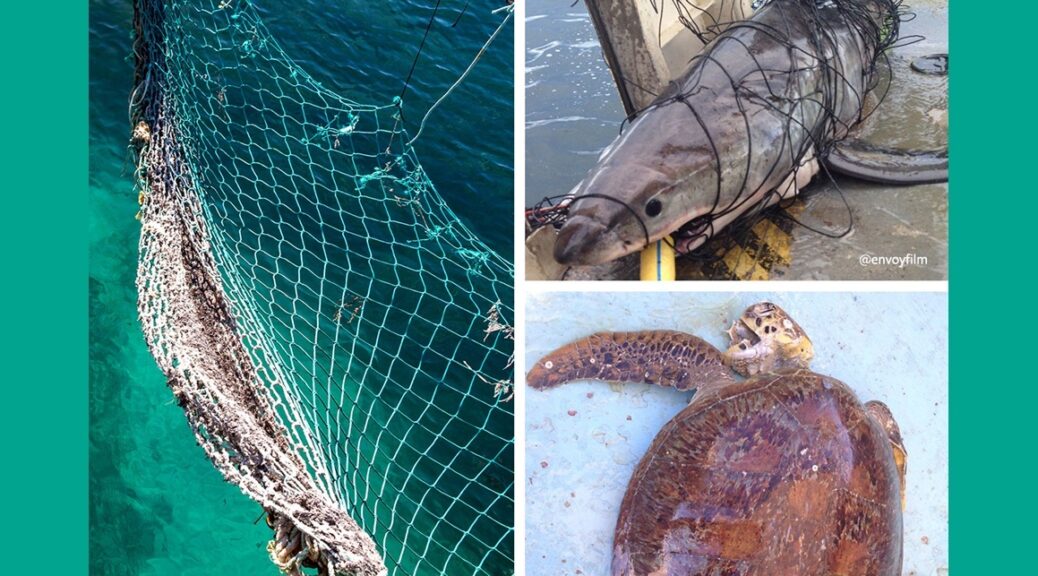
The webinar will dispel harmful myths about sharks and explain why protecting them is essential to their survival and to the health of the oceans. It comes at a critical moment: In Defense of Animals is calling on the public to oppose the SHARKED Act and to speak out against shark nets planned or already in use at beaches in Australia and at a Club Med resort in South Africa, where the nets indiscriminately kill sharks and countless other marine animals alongside their intended targets.

Skyler Thomas, director of the feature film documentary, Monsters, said, “Sharks aren’t just cool, they are massively misunderstood and underestimated by humans — not just physically, but as sentient beings. Today I realize that sharks share this in common with all other species on the planet: humans don’t give them enough credit.”

Scientific research shows that fish and other aquatic animals are far more intelligent and emotionally complex than most people assume. They can recognize individual faces, remember previous experiences, form social connections, and maintain long-term relationships. Like all sentient beings, fish have nervous systems and feel pain, fear, stress, and suffering when they are hooked, netted, suffocated, or stabbed during fishing.

The fishing industry is one of the greatest threats to ocean life and biodiversity. Fishing pollutes the seas and disrupts fragile marine ecosystems. Millions of whales, dolphins, seals, sea turtles, octopuses, and other non-target animals are killed each year as “bycatch” in commercial fishing nets, and abandoned fishing gear is now the largest source of plastic pollution in the ocean.

Fish also accumulate harmful contaminants, including mercury and arsenic, yet for most of us, fishing isn’t necessary for survival; leading nutrition experts agree a balanced plant-based diet meets all essential nutritional needs.

Marine wildlife populations have fallen dramatically over the past few decades, and scientists warn that continuing current fishing practices could have devastating consequences for ocean ecosystems. 
Respect for Fish Day emphasizes the individuality, sentience, and complexity of aquatic animals, advocates for veganism, and builds a future where all animals are free from exploitation and unnecessary harm.

Find out more about Respect for Fish Day.  

Concerned citizens can take action to protect sharks and other aquatic animals by signing alerts:

For the Silo, Lia Wilbourn.

Jewelry combines Diamonds with NFts

MIAMI, FLA – Diamond NFTs are forever, and Addison Taylor Fine Jewelry have several Diamonds with their NFT digital images with the amazing 18 Million Dollar Trinity Collection.

The entire Trinity Collection of unique diamond jewelry pieces will be auctioned by ViciNFT and also bidding online. Plus two additional diamond NFTs.

The Trinity Collection

The Trinity Collection symbolizes the Ceremony of Peace. This collection features the Rare Chameleon Diamond Necklace, the Exquisite Fancy Diamond Ring, and the Elegant Heart Shaped Diamond.

1. Rare Chameleon Diamond and Necklace 

The Trinity Collection Chameleon Diamond and Necklace is a one-of-a-kind masterpiece. The Chameleon Diamond, one of the rarest diamonds in the world, is a G.I.A. certified natural 8.50 carat Pear-Modified Brilliant cut VVS1 diamond. The Chameleon is the focal point of this masterpiece. 

The necklace features fifty-nine G.I.A certified natural fancy-colored diamonds, a total weight of 30.99 carats, and is accented with one thousand and seventy-one ideal round brilliant cut diamonds, a total weight of 5.58 carats, and is further accented by seventy vivid yellow ideal cut round brilliant diamonds, a total weight of 0.33 carats. The necklace, designed by Scott Berger, was hand fabricated in 18k white gold. This masterpiece, which took three and a half years to complete, contains a combined diamond weight of 45.40 carats, and can never be recreated. 

2. Exquisite Fancy Diamond Ring

The Trinity Collection Ring features a 15.36 carat G.I.A. certified Cushion Modified Brilliant Cut Natural Fancy Light Gray-Greenish Yellow VVS2 Diamond. This is a one-of-a-kind diamond ring. The ring, handmade by a master jeweler in platinum and 22k green gold, features two half-moon cut diamonds on each side that are D in color, VS1 in clarity, a total weight of 1.24 carats.

This ring is accented with fourteen ideal cut round brilliant diamonds that are E in color, VS1 in clarity, a total weight of 0.92 carats. The overall diamond weight is 17.52 carats. This masterpiece, inspired by the Art Deco Era, took seven months to complete.

3. Elegant Heart Shaped Diamond 

The Trinity Collection Heart Shape Diamond is a G.I.A. certified 40.02 carat Heart Modified Brilliant Cut Natural Fancy Deep Brownish Yellow VS1 Diamond. This perfectly cut, one-of-a-kind diamond, can be a stand-alone jewel, or the centerpiece of a tiara, necklace, or any other masterpiece.

The NFT of the Trinity collection incorporates the certificate of authenticity and presents indisputable proof of ownership. The NFT changes hands together with the jewelry, and thus helps maintain an unbroken record of the Trinity collection provenance.

Diamond Dolphin Pendant and its Authentication NFT

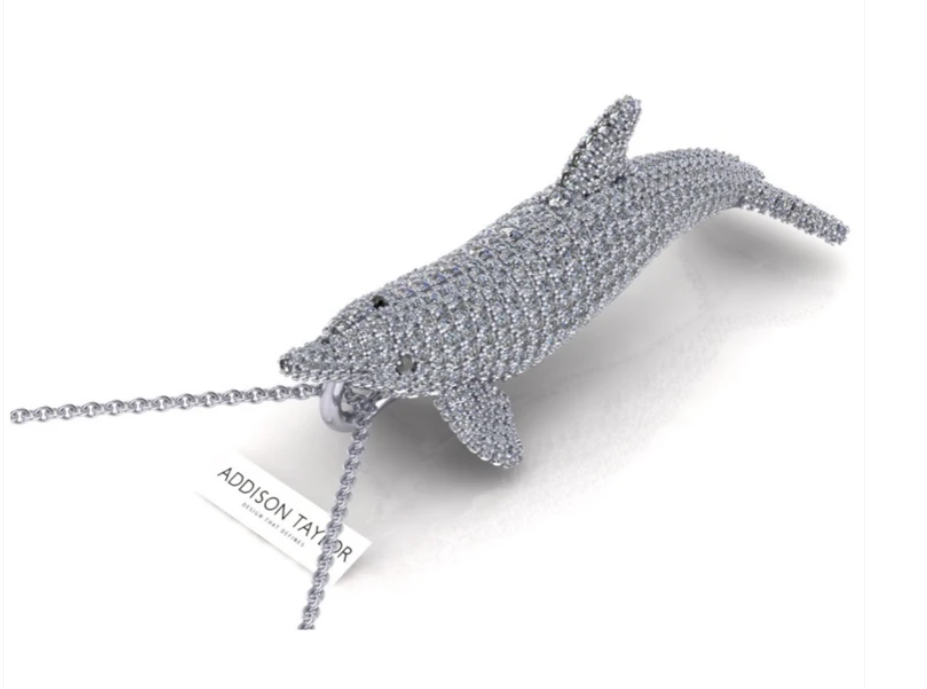
The Pave’ Diamond Dolphin Pendant features (578) white and (3) black round brilliant cut diamonds, a total weight of 5.64 carats. The buyer receives the Dolphin Diamond Pendant and the NFT that authenticates its provenance. According to the standards of the “Dolphin Leadership,” this handcrafted, custom designed Dolphin piece was approved per their scale after spending one and a half years of research in concert with the leading Veterinarians of Sea World, and in Hawaii, to ensure this piece was anatomically correct. This dolphin diamond pendant is a one-of-a kind.

Fancy Yellow Diamond Ring and its Authentication NFT

The ring, exclusively designed for NFT BZL in Miami, consists of a fancy yellow G.I.A. certified 11.91 carat radiant cut diamond. The buyer receives the Fancy Yellow Diamond ring and the NFT that authenticates its provenance.

Supplemental

The Bizarre Rise of NFT Digital Diamonds, the Rarest of All Crypto  Investments | Man of Many
The rise of digital NFT diamonds is justified: Rapper Lil Pump and his limited NFT necklace.

Mexico City Bill Outlaws Whale And Dolphin Performances

Mexico City, Mexico – In Defense of Animals has welcomed a landmark bill that prohibits the use of dolphins for entertainment. The Legislative Assembly of Mexico City passed a bill on Tuesday August 1, 2017, that outlaws cetacean performances and training, as well as whale and dolphin use in research or therapy.

“This landmark ban will spare generations of animals from cruelty and sends a clear message that the public increasingly rejects dolphin captivity,” said Dr. Toni Frohoff, Cetacean Scientist for In Defense of Animals. “We thank Mexico City officials for recognizing our Ten Worst Tanks list and acting swiftly to end the abuse. We urge Six Flags to retire the dolphins at a seaside sanctuary where they may recover.”

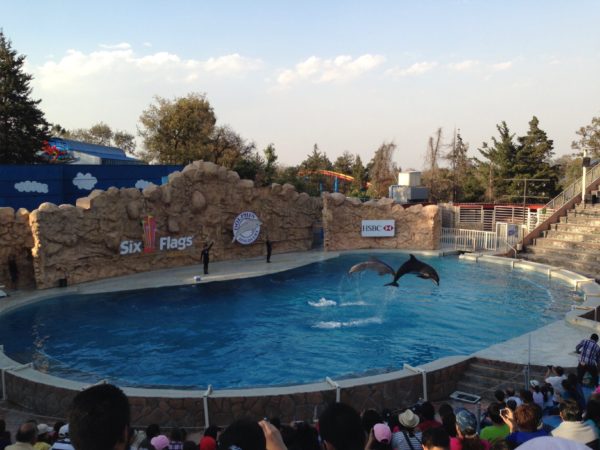
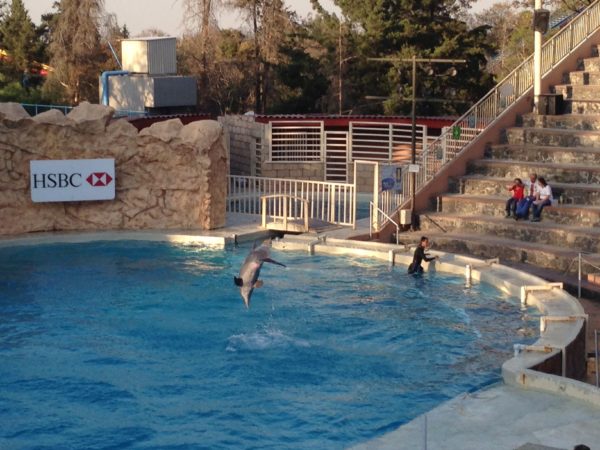
Mexico City Six Flags photo: Martin Lewison

Dolphin advocate Yolanda Alaniz, of Comarino Mexico, held a press conference with Environment Commission President, Xavier López Adame. “All parties, from rights to strong lefts voted just as one,” said Alaniz. “Deputies recognized dolphins as sentient beings who suffer living in concrete tanks. Politics spoke with ethics, and marked a new way to follow for our country, and we will follow this path.”

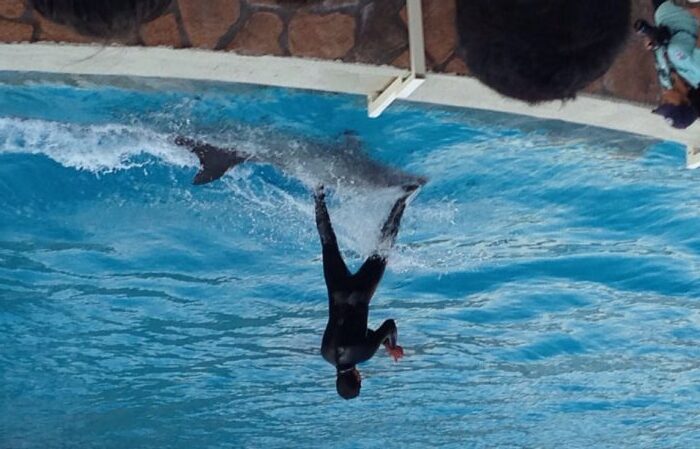
Two bottlenose dolphins and two sea lions will be directly affected by the new law. The dolphins are confined to a barren tank set in the middle of the Six Flags Mexico amusement park, the only facility in Mexico City that currently holds cetaceans captive. Previously known as Reino Aventura, the park is infamous for holding Keiko, the now-deceased orca used in the film “Free Willy”. The park ranked second worst in Mexico and sixth place overall on In Defense of Animals Ten Worst Tanks list.

photo: Martin Lewison

Dr. Toni Frohoff

For years, the dolphins have been regularly forced to perform circus acts as loud music blares. The dolphins have also been used for swim-with programs, where they are trained to perform contrived behaviors that simulate affection and sociability toward the paying public. The animals are coerced to give rides where people grab and hang onto their dorsal and pectoral fins and to give “kisses,” “hugs” and “handshakes.”

Six Flags Mexico is owned by Dolphin Discovery, a Mexican company that runs at least 24 captive dolphin facilities internationally.  For the Silo, Toni Frohoff, Ph.D.

For more information, please see www.idausa.org/10worsttanks

Featured image- Martin Lewison.

In Defense of Animals is an international animal protection organization with over 250,000 supporters and a 30-year history of fighting for animals, people and the environment through education, campaigns and hands-on rescue facilities in India, Africa, and rural Mississippi.

IN DEFENSE OF ANIMALS • 3010 KERNER BLVD. • SAN RAFAEL, CA 94901 • 415-448-0048 Please mention the Silo when contacting.


Ontario Strengthens Protections For Marine Mammals Including Pool Size

Ontario will be the first province to set specific standards of care for marine mammals Image: Spock mind melds in Star Trek IV.
Ontario will be the first province to set specific standards of care for marine mammals

Ontario is moving ahead with enhanced standards of care for marine mammals – such as  dolphins, belugas and walruses – to ensure both greater protection and improved treatment.

These new standards of care, reflecting advice from an expert report by University of British Columbia marine biologist Dr. David Rosen, will be among the best in the world.

New standards would be developed in a number of areas including:

The size of pools used to house marine mammals
Environmental considerations such as bacteria content, noise and lighting
Appropriate social groupings
Regulations for the handling and display of marine mammals

The government will establish a technical advisory group composed of veterinarians, animal welfare groups, industry, and enforcement partners to provide advice on the final standards and timing of their implementation. This group will report back with their findings within six months.

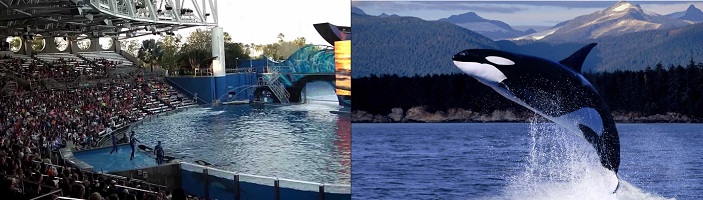
The government will also be moving forward with legislation to prohibit the future breeding and acquisition of orcas (killer whales) and establish Animal Welfare Committees at every facility with marine mammals. These committees will provide both oversight and access to additional protections such as veterinarians with expertise in marine mammals.

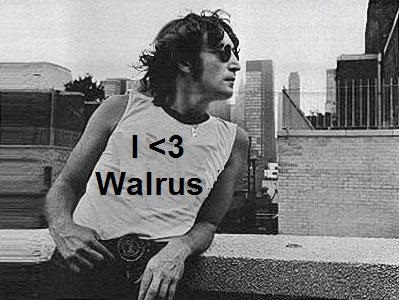
John Lennon "Walrus advocate"
John Lennon “Walrus advocate”

“Our government is moving forward with stronger protections for marine mammals to ensure these unique animals receive the best possible treatment and care. This is something that Ontarians expect and these animals deserve. These higher standards of care, along with prohibiting any future breeding or acquisition of orcas in Ontario, are both the right thing to do and builds on our government’s ongoing efforts to have the strongest animal protection laws in Canada.”
Yasir Naqvi, Minister of Community Safety and Correctional Services

QUICK FACTS


  • Ontario will be the first province to set specific standards of care for marine mammals.
  • Ontario has the toughest animal protection laws in Canada.
  • There are over 60 zoos and aquariums in Ontario — more than any other province.
  • Ontario provides the Ontario Society for the Prevention of Cruelty to Animals (OSPCA) with $5.5 million annually to strengthen the protection of animals.

 LEARN MORE

Find out about the work of the OSPCA

Read the University of British Columbia Report on Standards of Care for Marine Mammals in Captivity
Ministère de la Sécurité communautaire et des Services correctionnels

L’Ontario renforce la protection des mammifères marins

La province prend des mesures pour mieux protéger les mammifères marins et interdire l’acquisition et la reproduction en captivité des épaulards

L’Ontario va de l’avant avec des normes de soins améliorées pour les mammifères marins – dont les dauphins, les bélugas et les morses – afin d’assurer à ces animaux à la fois une plus grande protection et un meilleur traitement.

Ces nouvelles normes de soins, fondées sur les recommandations d’un rapport d’expert rédigé par David Rosen, un biologiste respecté spécialisé en vie marine de l’Université de Colombie-Britannique, seront parmi les plus rigoureuses au monde
De nouvelles normes seront ainsi élaborées sur divers sujets, dont les suivants : 

  • Taille des bassins utilisés pour garder les mammifères marins;
  • Facteurs environnementaux, comme la teneur en bactéries, le bruit et l’éclairage;
  • Groupements sociaux appropriés;
  • Règlements relatifs à la manipulation et à l’exposition des mammifères marins


Le gouvernement mettra en place un groupe consultatif technique, composé de vétérinaires ainsi que de représentants de groupes de protection des animaux, de l’industrie et de partenaires de l’application de la loi, pour fournir des conseils sur les normes définitives et sur le calendrier de leur mise en œuvre. Ce groupe communiquera ses conclusions dans un délai de six mois.


Le gouvernement ira aussi de l’avant avec une nouvelle législation pour interdire la reproduction en captivité et l’acquisition de ces animaux à l’avenir et pour établir des comités pour la protection des animaux dans tous les établissements où se trouvent des mammifères marins.

Ces comités seront chargés de la supervision et fourniront des protections additionnelles, dont l’accès à des vétérinaires spécialisés dans les mammifères marins. 


CITATIONS


« Notre gouvernement va de l’avant en renforçant la protection des mammifères marins afin que ces animaux uniques reçoivent les meilleurs soins et traitements possibles. C’est ce à quoi s’attendent les Ontariens et aussi ce que ces animaux méritent. Ces normes de soins plus rigoureuses et l’interdiction d’acquérir et de reproduire en captivité des épaulards à l’avenir en Ontario sont des mesures appropriées qui s’inscrivent dans le cadre des efforts continus de notre gouvernement visant à doter l’Ontario des lois les plus rigoureuses du Canada pour la protection des animaux. »

  • Yasir Naqvi, ministre de la Sécurité communautaire et des Services correctionnels


FAITS EN BREF


  • L’Ontario possède la législation la plus rigoureuse du Canada pour la protection des animaux.
  • Il y a plus de 60 zoos et aquariums en Ontario — plus que dans toute autre province du Canada.
  • La province accorde à la Société de protection des animaux de l’Ontario une subvention de 5,5 millions de dollars par an pour renforcer la protection des animaux.


POUR EN SAVOIR DAVANTAGE


  • Renseignez-vous sur le travail de la SPAO (en anglais seulement)
  • Lisez le Rapport de l’Université de la Colombie-Britannique sur les normes de soins pour les mammifères marins en captivité