Tag Archives: commercial fishing

As Sharks Face Collapse, In Defense of Animals Fights Deadly Nets & The SHARKED Act


Watch the shark advocacy documentary, Monsters. The director, Skyler Thomas, is a featured speaker in IDA’s Sharks & Aquatic Animal Activism Webinar

SAN RAFAEL, Calif. (July, 2026) — Oceanic shark populations have collapsed by more than 70% over the past 50 years, driven largely by commercial and recreational fishing, according to research published in Nature. In Defense of Animals is urging supporters to help defeat the SHARKED Act, a bill that would weaken vital U.S. shark protections, and to demand an end to deadly shark nets.

The push comes as In Defense of Animals marks its annual Respect for Fish Day, observed August 1,  with a free public webinar on Thursday, July 30 at 2 p.m. PT. Featured speakers include shark experts such as Skyler Thomas, director of the shark documentary Monsters

/Users/amgraef7/Library/Containers/com.microsoft.Word/Data/tmp/Content.MSO/242237AA.tmp

In Defense of Sharks — Sharks & Aquatic Animal Activism

“Sharks are feeling, highly intelligent animals who experience pleasure, pain, and suffering,” said Lia Wilbourn, Farmed Animals Campaign Specialist at In Defense of Animals. “They are often wrongly portrayed as monstrous man-eaters, largely the result of fear-driven media and industries that profit from killing them. In reality, most shark species pose little or no danger to humans and are far more at risk from human activity than humans are from them.”
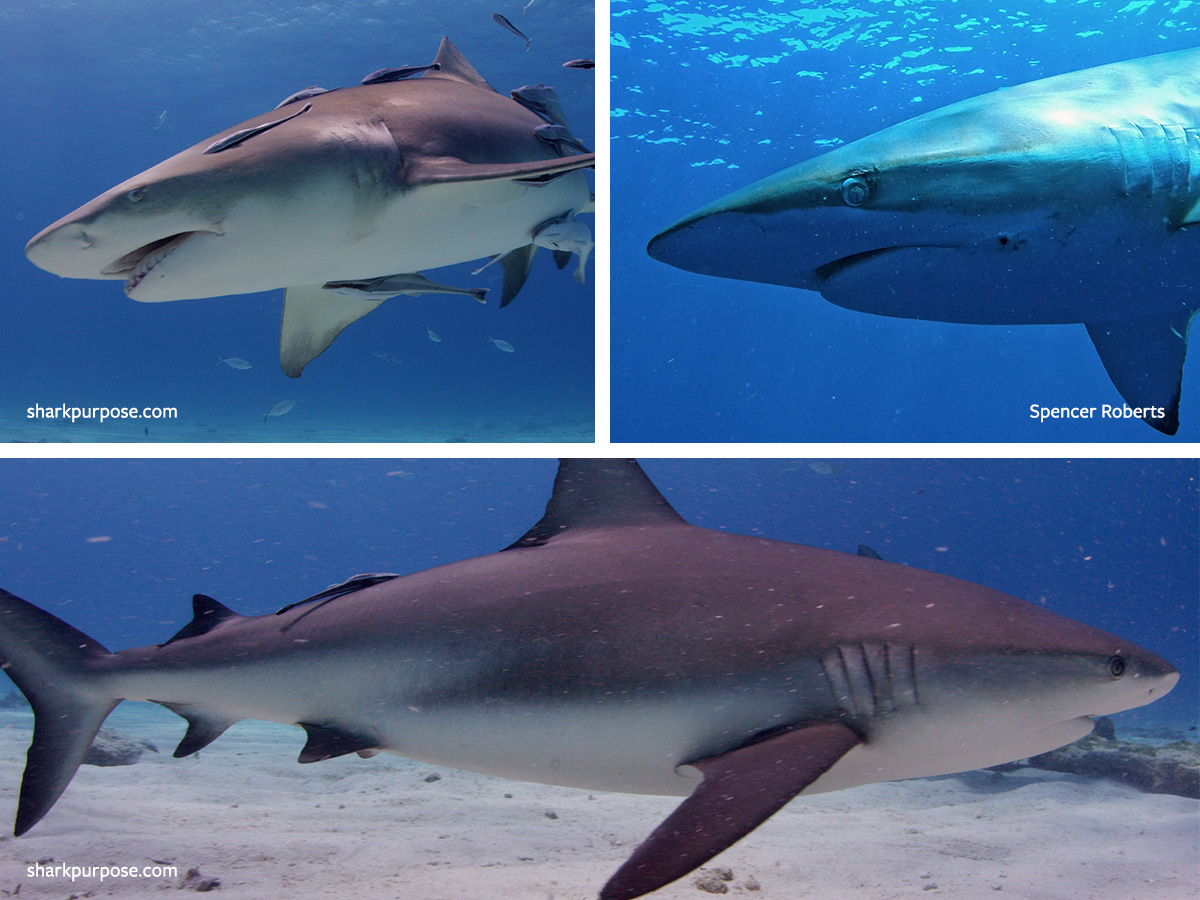
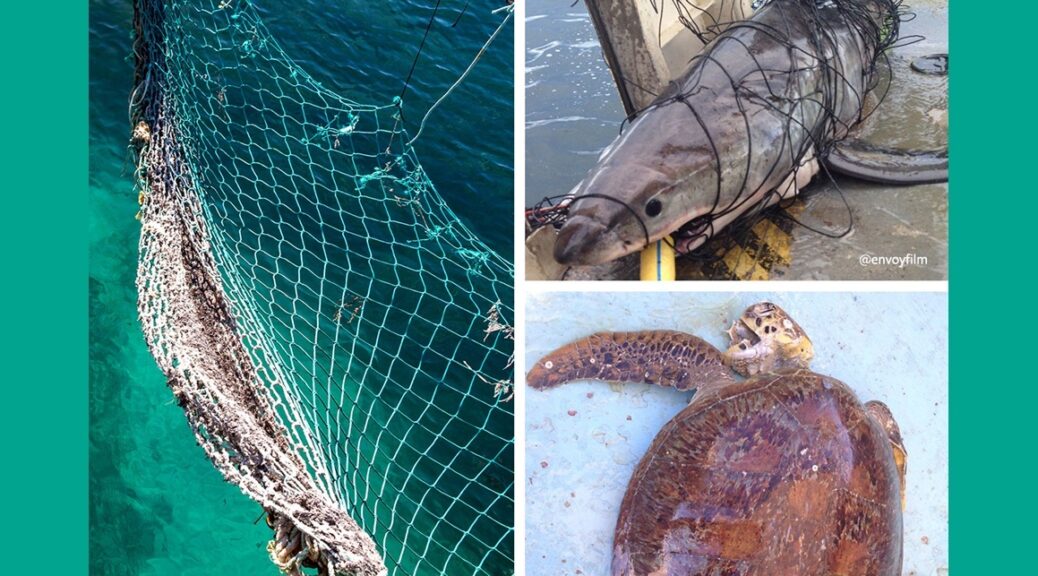
The webinar will dispel harmful myths about sharks and explain why protecting them is essential to their survival and to the health of the oceans. It comes at a critical moment: In Defense of Animals is calling on the public to oppose the SHARKED Act and to speak out against shark nets planned or already in use at beaches in Australia and at a Club Med resort in South Africa, where the nets indiscriminately kill sharks and countless other marine animals alongside their intended targets.

Skyler Thomas, director of the feature film documentary, Monsters, said, “Sharks aren’t just cool, they are massively misunderstood and underestimated by humans — not just physically, but as sentient beings. Today I realize that sharks share this in common with all other species on the planet: humans don’t give them enough credit.”

Scientific research shows that fish and other aquatic animals are far more intelligent and emotionally complex than most people assume. They can recognize individual faces, remember previous experiences, form social connections, and maintain long-term relationships. Like all sentient beings, fish have nervous systems and feel pain, fear, stress, and suffering when they are hooked, netted, suffocated, or stabbed during fishing.

The fishing industry is one of the greatest threats to ocean life and biodiversity. Fishing pollutes the seas and disrupts fragile marine ecosystems. Millions of whales, dolphins, seals, sea turtles, octopuses, and other non-target animals are killed each year as “bycatch” in commercial fishing nets, and abandoned fishing gear is now the largest source of plastic pollution in the ocean.

Fish also accumulate harmful contaminants, including mercury and arsenic, yet for most of us, fishing isn’t necessary for survival; leading nutrition experts agree a balanced plant-based diet meets all essential nutritional needs.

Marine wildlife populations have fallen dramatically over the past few decades, and scientists warn that continuing current fishing practices could have devastating consequences for ocean ecosystems. 
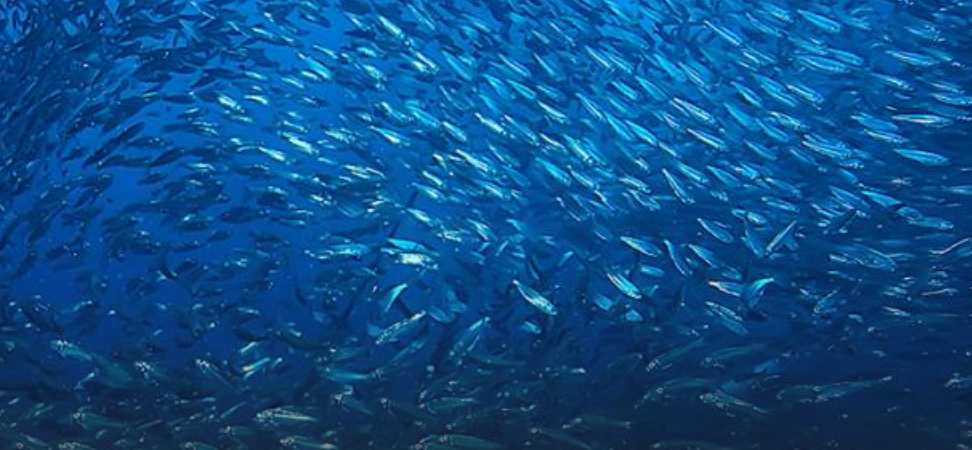
Respect for Fish Day emphasizes the individuality, sentience, and complexity of aquatic animals, advocates for veganism, and builds a future where all animals are free from exploitation and unnecessary harm.

Find out more about Respect for Fish Day.  

Concerned citizens can take action to protect sharks and other aquatic animals by signing alerts:

For the Silo, Lia Wilbourn.

Lake Erie Fisheries At Risk Or Set For Bolstering From Invading Fish


No perch or pickerel in Lake Erie’s fisheries future? The tasty fish our Great Lakes are known for, and all other sport fish, could be decimated if the insidious Asian carp migrate from the Mississippi watershed.

Combined, the four Asian carp species could decimate the Great Lakes fishery by out competing our native fish.

Plankton, which is the base of the Great Lakes food chain, is consumed by silver and bighead carp. Grass carp prefer plants while black carp eat mollusks. Asian carp can consume up to 20 per cent of their weight every day.

Since escaping impounds near the mouth of the Mississippi River, the carp have spread north and are very near the Great Lakes in the Chicago Sanitary and Ship Canal. So far, everything from electric barriers to water-propulsion jets to noise cannons have been considered to keep them at bay.

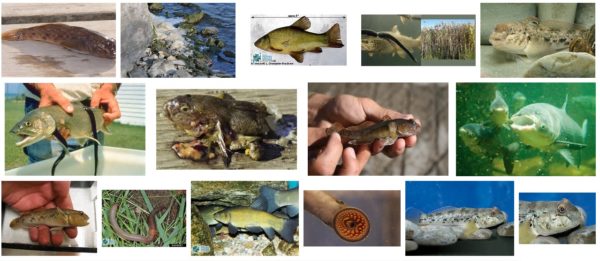
BING image search results for “Ontario Invasive Fish Species”.

But, the systems aren’t perfect. A silver carp was caught on June 22, just nine miles from Lake Michigan. Two weeks of intensive monitoring did not find any other carp. The captured fish has been sent for laboratory analysis to search for more clues on how it got there.

While some fear this is the beginning of the end, it should be noted that a bighead carp was also found in the area in 2010. The protocol for stepped-up monitoring wasn’t in place then, but no Asian carp have been found in the area in the ensuing seven years.


Most of the media attention rightfully is focused on the Chicago Sanitary and Ship Canal (zoom and scroll on the map above)  as a route for the invasion, but it is not the only possible route. Silver carp have been found in the Ohio River and that state’s Little and Great Miami Rivers – all pathways to Lake Erie. Barriers have improved in Indiana’s Eagle Marsh, where, during flooding, there is a possibility carp could move from the Mississippi watershed to Lake Erie.

Although science and technology continue the search for solutions to the Asian carp threat, politics can get in the way. The Great Lakes states, with the exception of Illinois and Indiana, were in favor of blocking the Chicago Sanitary and Ship Canal. Perhaps the last president hailing from Chicago was a factor in this not happening.

While on holidays in Louisiana, I testified at Army Corps of Engineers hearings for their Great Lakes and Mississippi River Interbasin Study. I support chemical, electrical, vibration and other methods used to deter invasives moving up the Chicago canal.

The U.S. administration has stalled the release of their report, although two weeks ago, the U.S. Senate Appropriations Committee approved a bill that would force its release.  The bill had support from both sides of the House.

Similarly, there has been bi-partisan support to block a move in the presidential budget that would slash the Great Lakes Restoration Initiative funding from $300 million to zero. A portion of that funding goes to Asian carp programs.

On the home front, I have pushed for legislation that Asian carp brought into Ontario for food must first be eviscerated.

Ontario has passed the Invasive Species Act, becoming the first province with legislation dedicated to addressing the threat. Asian carp are included in this law.

Much of the attention and expenditure on Asian carp has been south of the border. In my view, more could be done in Ontario. For the Silo, MPP Toby Barrett.

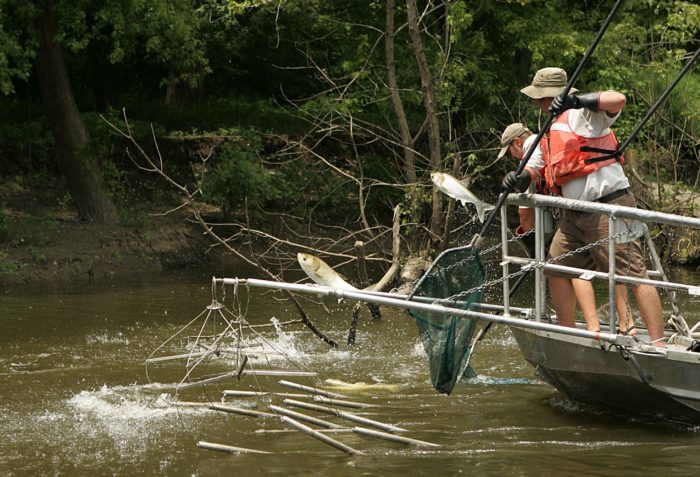
Featured image- Electrofishing for the invasive Asian carp (Photo By U.S. Fish and Wildlife Service [Public domain]

Supplemental- Is Asian Carp ‘invasion’ actually a secret ‘stocking initiative’ for bolstering commercial fishing?  Published on 13 Aug 2013 Asian Carp Processing Plant- Kentucky -Two Rivers Fisheries in Wickliffe, KY is taking a run at the Asian Carp market. With an abundance of Bighead and Silver carp in nearby waterways, the fish market is set to process and sell these fish for consumption. Commercial fishermen have often said if you pay us for the invasive carp we will catch them and that is exactly what is happening in Western Kentucky.