Revealing reports are exposing the extent to which Gen Z is grappling with a far tougher job market than ever before, spurring overwhelming financial angst and uncertainty. Below Gen Z authority, attorney and legislative policy pundit Cheyenne Hunt, J.D. — a TikTok influencer with 93.3K followers and 3.7M likes on the platform — provides front-line perspective on the trending topic. “The challenges we Gen Z’ers face in today’s job market are unique and complex as we navigate unprecedented economic shifts and evolving workplace dynamics,” she said. “A better understanding of the systemic hurdles and barriers hindering Gen Z’s professional growth is needed to spark dialogue and help employers, policymakers and career advisors develop strategies to support this highly consequential generation of talent.”
6 Issues Stifling Gen Z Career Advancement
Gen Z, of which I am a part, has been dealt a rough hand with regard to this generation’s entrance into the workforce at large. We’ve collectively experienced so many “unprecedented” events throughout our formative years that have caused many to lose their meaning and purpose in their professional and personal life. For executives seeking to understand, and aptly integrate, Gen Z into staff teams, it’s essential to recognize and address the unique challenges and needs of this consequential generation greatly influencing the workforce. While there are a litany of issues undermining Gen Z career prospects, there are a few key set of obstacles that must be overcome to bolster this generation’s advancement opportunities:
1. Economic Inequality Gen Z enters the job market with significant financial burdens, including high costs of living, especially in urban centers. To attract and retain these young talents, consider implementing comprehensive benefits packages that alleviate these pressures. This could include competitive salaries, housing stipends, or student loan repayment programs. By addressing economic barriers directly, your company can become a more attractive and viable option for Gen Z candidates who are often forced to make career decisions based heavily on financial factors.
2. Job Market Instability Gen Z values stability as much as flexibility. In response to the economic volatility they’ve witnessed, it’s important to emphasize job security and long-term career prospects within your company. Develop clear career pathways and foster a culture that rewards dedication and innovation. Regularly communicate these pathways and growth opportunities to ensure young employees see a future within your organization.
3. Lack of Internal Opportunities for Upward Mobility As outside hires for managerial rolls continue to increase in popularity, Gen Z struggles to find a purpose in work that does not present opportunities to be recognized by a promotion in status or salary in conjunction with increased skill and responsibility. In fact, many studies have found that young workers are more likely to achieve career advancement by jumping ship to a new employer every three years or less.
4. Technological Disruption Rapid technological advancements lead to job displacement and the need for continuous upskilling, which can be particularly challenging for Gen Z entering the workforce. Automation threatens traditional entry-level roles, requiring Gen Z to adapt and acquire new skills to remain competitive in a job market they may not have even found a place in yet. Consider, leveraging Gen Z’s tech-savviness by involving them in digital transformation initiatives within your company. Offer roles that challenge them and allow them to work with cutting-edge technologies.
5. Lack of Mentorship and Networking Opportunities Gen Z may lack access to mentors and professional networks that can provide guidance and opportunities for career advancement. Remote work creates fewer opportunities to make advantageous connections intentionally or even in passing. Traditional networking avenues may be inaccessible or less effective for Gen Z, who often rely on digital platforms for networking, which may not offer the same depth of connection.
6. Student Debt Crisis Student debt is a pervasive concern for Gen Z, shaping their career paths and life choices. As an employer, offering programs such as tuition reimbursement or scholarships for further education can set your company apart. Additionally, support flexible work arrangements that allow for continuing education, enabling employees to pursue degrees or certifications that enhance their career growth while gaining valuable work experience.
Addressing these issues requires systemic changes in education, employment policies and societal attitudes to ensure more equitable opportunities for Gen Z career advancement. Given this generation is poised to soon become the largest sector of the workforce, it’s in everyone’s best interest to better set Gen Z up for success as a matter of public policy, economic stewardship and plain old good business practices. For the Silo, Cheyenne Hunt, J.D.
Cheyenne Hunt, J.D. is a progressive advocate and attorney specializing in progressive activism, legislative advocacy, communications and democracy-focused tech policy. She currently serves as a Big Tech Accountability Advocate with Public Citizen. Hunt graduated from the University of California Irvine School of Law, has earned Dual Degrees in Political Science and Public Policy from the University of Denver and serves as a board member for The Women of Global Change.
BEAUTIFUL AND UNIQUE HUUSK KNIVES ARE ESSENTIAL FOR EVERY DEVOTED CHEF
Huusk have designed the most exceptional chef’s kitchen knife the world has ever seen. People around the world demanded a special knife with more control and balance and they have delivered.
Huusk chef’s knife features a precision, laser-carved index finger hole for superior control. The blade is composed of high quality stainless steel ensuring a sharp, quality knife for the years to come. Premium beech wood handle is probably the most comfortable and secure handle ever created.
PERFECT GRIP
The handles consist of high quality Beech Wood. This is a type of hard wood with a characteristic dark texture, creating a perfect grip.
PRECISELY CRAFTED TO THE LAST DETAIL
Each and every detail has been checked and taken into account, providing you the best quality knives.
PLEASURABLE IN EVERY WAY
All Huusk knives are extremely sharp. They are perfectly balanced, which makes it comfortable to hold the knives. Cooking has never been more fun.
TECHNIQUES PASSED ON THROUGH GENERATIONS
The use of high quality stainless steel to craft flawless, durable and beautiful knives inspired by Centuries-old Japanese knife making traditions is what lies at the heart of these kitchen must haves. Each Huusk knife is carefully crafted using a 138-step design and goes through rigorous quality testing procedures before every shipment.
IN LOVE WITH THE ART OF KNIFE MAKING
Huusk knives were created out of passion for the art of cooking because they wanted to revolutionize the market by being the first to ever create a specialized Kitchen Knife with a unique blade. These traditional knife making techniques combined with a modern approach resulted in this fabulous Huusk chef’s knife.
SHARPNESS VS. COMFORT – WHY NOT HAVE IT ALL?
Some knives are sharp, but they come with the cost and risk of being fragile and therefore prone to chipping and oxidation. Huusk believe real kitchen chefs should never have such problems so all Huusk knives are made to exact specifications to be extremely sturdy and sharp. Quality stainless steel and beech handle guarantees great performance.
COVID Vaccination Is ‘Safe’ but Remains Clinically Untested for Pregnant Women: Health Canada
A sign is displayed in front of Health Canada headquarters in Ottawa on Jan. 3, 2014. (The Canadian Press/Sean Kilpatrick)
Nearly four years after the launch of the massive COVID-19 vaccination campaign, which included mandates and passports, the safety of the products for pregnant women remains mostly untested clinically.
Health Canada answered a series of questions from Tory MP Colin Carrie in April about the issue.
“What specific research data supported the claims that … this product may be safely administered at any stage of pregnancy?” asked Mr. Carrie in an Inquiry of Ministry.
“Please note that the vaccine manufacturers did not seek an indication for use in pregnant and lactating women and the Product Monographs included statements about the uncertainty regarding safety and efficacy in pregnancy and lactation,” answered Health Canada, which is responsible for authorizing vaccines in Canada.
The product monographs for the widely administered COVID-19 shots from Pfizer-BioNTech and Moderna, which describe the properties, claims, indications, and conditions of use for the drug, state the unavailability of data regarding use during pregnancy.
“No data are available yet regarding the use of COMIRNATY Omicron XBB.1.5 during pregnancy,” said Pfizer-BioNTech’s monographs, both for its updated Omicron injection and its original one.
“The safety and efficacy of SPIKEVAX XBB.1.5 in pregnant women have not yet been established,” similarly say Moderna’s monographs for its updated Omicron shots and its legacy product.
Pfizer-BioNTech’s initial clinical trial for pregnant women, announced publicly in February 2021, encountered recruitment problems.
A Pfizer Canada representative told a member of the National Advisory Committee for Immunization (NACI) in April 2022 that the trial had been stopped due to slow enrolment, according to internal emails seen by The Epoch Times.
Jelena Vojicic, vaccines medical lead at Pfizer Canada, also said “it became unreasonable/inappropriate to randomize pregnant women to placebo given the amount of observational evidence that the vaccine is safe and effective, coupled with increasing number of technical committees supporting immunization of pregnant women.”
Despite hurdles, Pfizer-BionTech submitted results for a small clinical trial with 348 participants in July 2023, according to the U.S. government website ClinicalTrials.gov.
Moderna’s observational pregnancy outcome study was terminated in the fall of 2023 due to low enrolment, with ClinicalTrials.gov noting 20 enrolled participants.
Neither Pfizer nor Moderna responded to a request for comment.
While confirming there is little to no clinical trial data, Health Canada said vaccination for pregnant women was recommended based on evidence of safety and effectiveness growing from “real-world use.”
“Analysis of the data show that mRNA COVID-19 vaccines are safe for people who are pregnant or breastfeeding.”
Dr. Bernard Massie, a virologist and former National Research Council acting director general of the Human Health Therapeutic Research Center, raised doubts about the reliability of data obtained outside clinical trials, calling them “very incomplete and often biased.”
“We won’t find what we’re not looking for,” noting that real-world passive surveillance of side effects can be underrepresented by a factor of 10 and up to a 100 for lax systems.
‘Off-Label’
While Health Canada authorizes vaccines, the regulator said that NACI is responsible for formulating recommendations for public use.
“This means that NACI may provide recommendations that are broader or narrower than the conditions of use approved by Health Canada, often referred to as ‘off-label’ recommendations,” said spokesperson Anna Maddison, adding such a practice by NACI is ”not uncommon.” Ms. Maddison also noted the COVID-19 vaccines are not contraindicated in pregnant or lactating women.
At the beginning of the vaccine rollout, NACI said in December 2020 that pregnant or breastfeeding mothers “should not” in most circumstances be offered the vaccine “until further evidence is available.”
The recommendation was changed in January 2021 to “may be offered” following a risk assessment.
By May 2021, NACI had updated its recommendation for pregnant women that they “should be offered” COVID-19 mRNA shots.
To back its recommendation, NACI cited a U.S. government study of 35,000 pregnant women using data from December 2020 to February 2021.
“Preliminary findings did not show obvious safety signals among pregnant persons who received mRNA Covid-19 vaccines,” said the study. It noted, however, that “more longitudinal follow-up, including follow-up of large numbers of women vaccinated earlier in pregnancy, is necessary to inform maternal, pregnancy, and infant outcomes.”
Dr. Massie questioned whether the study by government scientists was interested in finding issues with vaccination and pregnancy given that the government was promoting mass vaccination.
After the results of the study were published on April 21, 2021 in the New England Journal of Medicine, other government advisory bodies recommended COVID-19 vaccination in pregnant women.
Quebec’s government announced vaccination would be offered to pregnant women on April 27 of that year, citing a recommendation from its immunization committee which “analyzed the evolution of scientific data and recommendations in different countries.”
B.C.’s government recommendation came on May 4, 2021. “All Health Canada-approved vaccines are safe and effective, and I encourage everyone to register and receive their vaccine as soon as they are eligible. Today, this includes people who are pregnant,” said Dr. Bonnie Henry, B.C.’s provincial health officer.
‘Not’ Advertising
Dr. Philip Oldfield, who has more than three decades of experience specializing in the bioanalysis of protein/nucleic acid therapeutics and regulatory affairs, raised questions about the product monographs for vaccines saying effects on pregnancy were not tested while government bodies encourage pregnant women to be vaccinated.
He also points to passive surveillance data on vaccine adverse events collected in the United States showing over 2,000 miscarriages following COVID-19 vaccination. While this data doesn’t prove causality, it is considered largely underreported.
Dr. Oldfield said Health Canada encouraging pregnant women to get vaccinated for COVID-19 could contradict “both the law with respect to false and misleading advertisements of a drug, and contradicts the safety data found on both the Moderna and Pfizer monographs.”
The Epoch Times asked Health Canada if it is allowed by law to make recommendations about the use of products for certain populations for which the products’ monographs do not indicate safety information. The Foods and Drugs Act states that “No person shall label, package, treat, process, sell or advertise any drug in a manner that is false, misleading or deceptive or is likely to create an erroneous impression regarding its character, value, quantity, composition, merit or safety.”
Health Canada spokesperson Anna Madison responded that “public health messages from a government authority that promote vaccination would not qualify as advertising of a health product.”
Despite different bodies’ recommendations for pregnant woman, NACI noted in a summer 2022 report that “uptake of COVID-19 vaccine has been lower among pregnant people compared to non-pregnant people in Canada.”
“Preliminary unpublished evidence in Ontario indicates that primary series vaccine coverage among pregnant people (71 percent) was 16 percentage points lower than in the general female population of reproductive age in Ontario by the end of 2021.”
Animal Studies
Outside of emerging real-word evidence, regulators and advisory bodies have also cited studies conducted on animals to determine the safety for pregnant women and their babies.
“Animal studies do not indicate direct or indirect harmful effects with respect to pregnancy, embryo/fetal development, parturition, or post-natal development, and human randomized clinical trials were not submitted for regulatory evaluation,” said Health Canada in responding to MP Carrie.
The NACI also cited a study conducted on rats with Pfizer’s mRNA vaccine to back its recommendation, saying no issues were encountered.
A Moderna nonclinical overview submitted to the U.S. government and obtained by legal advocacy group Judicial Watch through a lawsuit indicates the presence of “statistically significant increases” in rat offsprings with “wavy ribs and 1 or more rib nodules.”
“There were no other indicators of mRNA-1273-related developmental toxicity observed, including delayed ossification; therefore, these common skeletal variations were not considered adverse,” concluded the manufacturer.
Both Dr. Oldfield and Dr. Massie said the animal studies conducted are not proper to assess risk in humans. “Using an inappropriate species in the Developmental and Reproductive Toxicity (DART) studies would never pick up the toxic effects due to the spike protein,” said Dr. Oldfield. “The animal studies were performed using an inappropriate species (rat) which unlike humans, their ACE receptors does not bind to the vaccine generated spike protein.”
Breastfeeding
MP Carrie also raised the issue of breastfeeding in his request for information to the government, asking what specific research data there is to say that “modRNA vaccine, and consequently the spike protein, do not excrete into breast milk.”
Health Canada responded that the product monographs for authorized COVID-19 vaccines “include a statement that it is unknown whether the COVID-19 vaccine is excreted in human milk.”
“A risk to newborns/infants cannot be excluded,” it adds.
Studies have found mRNA from COVID shots does end up in breast milk, with a recent one published in the medical journal Lancet in September.
In response to previous questions, Health Canada told Mr. Carrie last year that “mRNA-encoded spike protein is only expressed transiently and at the injection site and the liver, then declines over time.”
Authors of the study published in the Lancet noted their “findings demonstrate that the COVID-19 vaccine mRNA is not confined to the injection site but spreads systemically and is packaged into [breast extracellular vesicles].”
The scientists said that since only “trace quantities” are present and a “clear translational activity is absent, we believe breastfeeding post-vaccination is safe, especially 48 h after vaccination.” They specified that since the minimum mRNA dose to elicit an immune reaction in young infants is unknown, breastfeeding mothers should consult with a health-care provider to discuss risks and benefits in the first two days after vaccination. For the Silo, Noé Chartier/Epoch Times.
If you are able to travel to Georgia this Spring, the Hammonds House Museum located at 503 Peeples St SW Atlanta, GA continues its 2024 exhibition season with “RHYTHM AND RESILIENCE: THE ARTISTRY OF SAM MIDDLETON”. Curated by Halima Taha.
About the Exhibition
You’re invited to embark on a mesmerizing journey through the life and works of Sam Middleton, a pioneering mixed-media artist whose vibrant creations echoed the rhythms of Harlem jazz and the landscapes of Europe’s Low Countries. Born in New York in 1927, Middleton’s artistic odyssey transcended borders and he left an indelible mark on both sides of the Atlantic. Rhythm of Resilience: The Artistry of Sam Middleton opens at Hammonds House Museum on May 17 and runs through August 18, 2024.
In Rhythm of Resilience, Middleton’s artistic evolution unfolds, tracing his self-taught beginnings amidst the vibrant culture and pulsating beats of jazz and classical music in Harlem. His encounters with creativity at the Savoy Ballroom ignited a lifelong passion for self-expression.
Venturing beyond his hometown, Middleton’s voyages with the US Merchant Marines provided him with inspiration, infusing his art with a global perspective. From the sun-soaked shores of Mexico to the tranquil landscapes of Sweden, each destination left an imprint on his ever-evolving aesthetic. Moving to the Netherlands in 1961, Middleton, joined a wave of African American artists drawn to its creative environment. Settling in Schagen, amidst the serene North Holland polder landscape, Middleton’s work blossomed, blending the vibrancy of jazz with the tranquility of his surroundings.
A master of collage, Middleton’s compositions pulsate with energy, weaving together musical scores, photographs, and graphic elements in a dance of color and form.
His art is a testament to the enduring influence of jazz, intertwining with the visual influence of his adopted homeland.
Through teaching positions at esteemed institutions Atelier 63 in Harlem and the Royal Academy of Visual Arts in ‘s-Hertogenbosch, Netherlands, Middleton’s legacy extended beyond his own creations, nurturing a new generation of artistic talent.
Our friends at Hagerty know a thing or two about cars and really love talking about concept cars of every era, but the 1990s have a special place in their heart. Read on and tell us which one is your fav and why in the comments section below.
It was a good decade for automotive diversity, especially for enthusiasts: SUVs were emerging as a hot new segment, true, but none of them purported to be a coupe or track star. Sport sedans thrived. So did hot hatches. The Miata debuted in 1989, kicking off the roadster craze. Chrysler was, for most of that decade, just Chrysler—not some confusing multinational conglomerate with a name that no one remembers.
Even the automotive ideas that didn’t make production had pizzazz—in a few cases, as you’ll see below, perhaps a little too much pizzazz. We’ve covered ’90s concepts before, but after a spin through the treasure trove that is Alden Jewell’s catalog of car brochures on Flickr, we decided it was time to focus on the concept cars from the U. S. of A., rather than the European contingent that dominated that last list.
Step back in time with us to an era when Buick was thinking of wild sedans, Pontiac was still cool, Mercury … existed, and Dodge was high off the Viper.
1999 Buick Cielo
Flickr/Alden Jewell
If you thought Buick’s newest concept car was unorthodox, prepare yourself: The Cielo is much, much more out-of-the-box. (Despite that throwback grille texture, which is very Y-Job.) A four-door convertible, with retractable headlights and voice-operated doors? You’d never know this thing was based on a highly modified Regal GS. The top, complete with its rear glass, stowed beneath a panel at the back thanks to a cable system hidden in the two arches that frame the “roof.” Power came from a supercharged 3.8-liter V-6 making 240 horsepower.
Judging by the much tamer concept of the same name that Buick showed off the following year—and marketed as a possible limited edition—the automaker thought the convertible four-door idea had legs. In Buick’s words, the Cielo “proves just how broad and flexible and contemporary the idea of a premium family car really is.” Little did Buick know that, 15 years later, the only premium family car the people would want was an SUV …
Flickr/Alden Jewell
1997 Mercury MC4
Flickr/Alden Jewell
Motortrend got rather excited about the MC4 when it debuted in 1997: “The MC4 is for Mercury what the Viper Roadster was for Dodge nine years ago.” Yes, it was far more interesting to look at than the blob-like Mystique or the softly contoured Mountaineer … but no one knew that, 13 years later, Mercury would stop producing vehicles, its sales cannibalized by parent company Ford.
In 1997, however, Mercury’s star shone far brighter. The MC4 wore the edgy, minimalist look characteristic of Ford’s New Edge design language, initiated by the GT90 concept in 1990 and most familiar to folks on the 1999 Mustang. A trapezoidal grille and emphasized wheel arches are common to both that Mustang and the MC4, which actually started life as a V-8–powered ’96 Thunderbird. Unlike the T-Bird, the Mercury concept boasts four doors and a rear cargo area accessed by a pair of gullwing doors. It had style, space, and, of course, a healthy dose of tech that hadn’t quite been readied for production: video cameras instead of side- or rearview mirrors, nickel-chrome plate bedazzling the interior, and heated and cooled cupholders.
1997 Pontiac Rageous Concept
Flickr/Alden Jewell
In 1997, Pontiac had four-door cars, and it had V-8–powered cars, but it didn’t have any V-8–powered, four-door cars. The Rageous, with its 350-cubic-inch small-block and vestigial set of rear doors, aimed to fix that. It could carry four people, but the trunk was accessed via a top-hinged hatch, making this more of a hatchback than a sedan. The Rageous had a six-speed manual transmission and a heavily vented, pointy schnoz that put that of the contemporary Firehawk to shame.
Pontiac
1994 Dodge Venom
Flickr/Alden Jewell
If the Dodge Venom reminds you of a Neon, you’re on the right track: This 1994 concept was built on a version of the Neon’s platform. Unlike that compact, however, the Venom was rear-wheel drive. Compared to the sportiest Neon, the SRT-4, the Venom boasted an iron-block six-cylinder engine with 24, rather than 16, valves, and more power: 245 rather than 215 horses. The Venom looked like the perfect little brother to the Viper, which it honored with that side-scoop and squinty headlights atop a four-section grille. The concept even made the cover of Car and Driver‘s March 1994 issue, accompanied by the question: “Dodge’s pony car of the future?”
We wish such an affordable, spunky two-door had made production: Dodge wouldn’t have a direct competitor to the Mustang and the Camaro until the Challenger, which hit the streets 14 years later.
Flickr/Alden Jewell
1995 Chevrolet El Camino SS Concept
Flickr/Alden Jewell
It may remind GM fans of a Holden, but the El Camino SS Concept ute is a GM B-body at its core. GM’s Advanced Vehicle Development Center in North America built this ute out of a Caprice station wagon in just 16 weeks, grafting onto that people-hauler the nose of an Impala SS. Many of the steel body panels were made by hand. Power came from a 300-hp version of the LT1 V-8 found in the Corvette and the Impala SS (in different tunes) and was channeled to the rear wheels via a 4L60E Hydramatic transmission. Unfortunately, the platform that gave it birth spelled its doom: GM killed the age-old B-body at the end of 1996. RIP.
Flickr/Alden Jewell
1994 Plymouth Expresso Concept
Flickr/Alden Jewell
Would you believe us if we said this was a Plymouth? Maybe not, because the Expresso is more interesting than anything Plymouth made in the ’90s … until the Prowler arrived for the 1997 model year, at least. (That retro-mobile debuted in concept form the year before the urban runabout Expresso debuted.) The Expresso was built on the shortened frame of a Neon, to be sold under both the Dodge and Plymouth brands, and used the compact’s 2.0-liter four-cylinder to power its front wheels.
The four-door bubble would never reach production, but its name stuck around in the Plymouth lineup as a trim package on the Neon, the Voyager, and the Breeze. Be prepared to explain yourself if you mention this concept in front of a coffee snob: This weirdo’s name really is EX-presso, not Espresso. The proper pronunciation would be too … well, proper. For the Silo, Grace Houghton/Hagerty.
With the Canadian government’s high debt-to-GDP ratios, such as a ratio of debt to nominal GDP sitting at 68 percent in March 2023, economists warn that government debt could become unsustainably high if Ottawa fails to reduce spending, increase productivity, and re-establish business confidence.
“We’re not growing our income per capita, which means that we’re not going to get the tax revenues that we need, plus we’re getting a lot of people retiring. So the situation could end up becoming quite unmanageable if we keep our pace that we’re going,” said Jack Mintz, president’s fellow at the University of Calgary’s School of Public Policy.
The federal government has run back-to-back budget deficits since the 2008 financial recession, with government spending spiking during the COVID-19 pandemic. As a result, Canada’s debt as a percentage of nominal GDP rose from around 51 percent in 2009 to 74 percent by 2021, for example. Nominal refers to the current value for the particular year without taking inflation into account.
The two previous federal budgets have attempted to lower government spending, but the federal government will still post a $40 billion deficit in 2023–24, which they project will shrink to a $20 billion deficit by 2028–29.
The Liberal government’s response to criticism by the opposition that Canada’s debt could lead the country into a financial crisis has been that Canada has among the best debt-to-GDP ratios in the G7.
According to Mr. Mintz, while Canada’s debt situation is not as bad as it once was, it doesn’t mean that it may not impact Canada’s prosperity prospects.
Mr. Mintz points out that Canada’s debt situation is not nearly as bad as in 1996. The government’s ratio of debt to nominal GDP ratio reached 83 percent that year.
Mr. Mintz also noted that Canada continues to have a triple-A credit rating according to the world’s leading credit agencies, meaning the country’s debt is not yet seen as problematic.
“We’re still viewed as having a much better credit line compared to a number of other countries. … But at some point, the credit agencies might look at that gross debt number and start asking the question, ‘Is it starting to become unsustainable?’” he said.
Lower Productivity Hampering Debt Payments
The federal government’s ability to pay off its debt could be hampered by low productivity, according to Steve Ambler, professor emeritus of economics at Université du Québec à Montréal.
“The thing that worries me in terms of federal government debt is we are currently in a period of extremely low productivity growth and low overall growth,” he said.
In March, the Bank of Canada’s senior deputy governor Carolyn Rogers warned that Canada’s poor productivity had reached emergency levels.
Although Statistics Canada said the country’s labour productivity showed a small gain at the end of 2023, that came after six consecutive quarters of productivity decline.
The right honourable Jean Chrétien.
Mr. Ambler said an appropriate way to lower the debt-to-GDP ratio is to keep government spending from increasing while also raising productivity to increase tax revenues. He said this was the strategy of Prime Minister Jean Chrétien, whose Liberal government established a budget surplus in three years by growing the economy and keeping government spending stagnant.
To lower Canada’s debt-to-GDP ratio, Mr. Ambler said the government should focus on increasing worker productivity, allowing its resource sector to grow, and easing back on discretionary spending.
He also cited a November 2023 C.D. Howe paper showing that business investment per worker in Canada has shrunk relative to the United States since 2015. Investments such as better tools for workers would increase productivity, while productivity growth would in turn create opportunities and competitive threats that spur businesses to invest, the paper said.
“Re-establishing business confidence would be almost the number one priority, especially in the resource sector,” Mr. Ambler said, adding that a future government might also be wise to lower the feds’ “wildly extravagant subsidy programs” for the electric vehicle (EV) sector.
The Liberal government has given tens of billions of dollars in subsidies for EV manufacturing projects in Canada since 2020, saying the factories will eventually create thousands of new jobs.
‘No Cushion’ to Mitigate Debt Issue
Joseph Barbuto, director of research at the Economic Longwave Research Group, has a more pessimistic view of Canada’s debt. He says that while federal debt is at levels similar to the 1990s, the crisis will be “larger” because the government does not have the “fiscal room to mitigate the downturn.”
Mr. Barbuto said that while the Canadian government was able to help alleviate its debt issues in the 1930s and 1990s by lowering its interest rates, it does not have that same luxury in 2024. The Bank of Canada lowered its key policy rate from 1.25 percent to 0.25 percent in 2020, and was forced to raise it to 5 percent by 2023 in response to rising inflation.
“There’s no interest rate cushion on the other side. Interest rates can only fall back to zero,” Mr. Barbuto said, noting that higher interest rates make it more difficult for governments to service their debt.
“The problem with the monetary system is there’s no fiscal discipline that is pushed on governments, unlike [individuals] or corporations,” he said.
“There will be a point where because of the accumulated interest with rising interest rates, eventually it’s going to overwhelm the government and then people will not lend the government any kind of capital.”
Mr. Barbuto also expressed concern over Canada’s private debt-to-GDP ratio. Private debt refers to debt owed by private, non-financial entities such as businesses and households, as opposed to public debt owed by governments and banks. Canada’s ratio of private debt to nominal GDP sat at 217 percent in December 2023 compared to 124 percent in 1995.
Mr. Barbuto said Canada’s private debt-to-GDP ratio is higher than that of Japan’s in the 1990s, and pointed out that the Japanese economy had stagnated after the country’s asset price bubble burst in 1992.
The research director believes the Canadian economy will eventually see a debt crisis and collapse in real estate that will result in austerity measures, a shrinkage in the size of government, and the “creative destruction” of the old political and economic system. He said this would be the continuation of an economic cycle that has repeatedly happened throughout history.
“[It’s] inevitable and necessary. A debt detox or deleveraging is the same thing as a drug detox. Nobody likes it, … but it’s a necessary part of the cycle for it then to go back up,” he said.
You probably just heard a robot in your head right? And depending on when you grew up there is one particular robot voice that you heard. Perhaps you grew up in the 1960’s and heard “EXTERMINATE!!!” or you grow up instead in the 1970’s and it was Mel Blanc’s “Twikispeak” or maybe you grew up in the 1980’s or the 2000’s (and later!) and heard Anthony Daniel’s charming English butler like C3P0 voice.
Tell us in the comments below if this was the case.
(NEW YORK) – The presence of The Banksy Museum in New York City has been confirmed. SoHo is now the home to the world’s largest collection of Banksy’s life-sized murals and artwork. Located at 227 Canal Street (at Broadway), NYC The Banksy Museum is now open, in preview, to the public. The official press opening is Wednesday, May 15. Tickets are now available online at MuseumBanksy.com and on site at the museum. Advance reservations are strongly encouraged. Displaying over 160 works by the world’s most famous-yet-anonymous street artist, The Banksy Museum recreates the revolutionary and often ephemeral art that Banksy has painted on surfaces in London, Bristol, Paris, Venice, Bethlehem, New York, Los Angeles, and beyond. Visitors to the museum will immerse themselves in an environmental experience, giving viewers access to Banksy creations, much of which has long since been whitewashed or dismantled. Beyond the iconic street art, the exhibition also features some of the artist’s studio work, as well as animated visual and video elements. The New York Banksy Museum experience, an American premiere, follows successful exhibitions in Paris, Barcelona, Kraków and Brussels. The new exhibition, a New York premiere, is expanded to over 160 recreations, making it the largest display of Banksy work ever seen in a single setting.
Is it even possible to create a museum that celebrates the work of an artist who once said “the only thing worth looking at in most museums of art is all the schoolgirls on day trips with the art departments”? Banksy Museum founder Hazis Vardar initially had his doubts. “Street art belongs in the raw setting of the streets,” said Vardar. “But if people can’t see it, is it even art? Little of Banksy’s works are visible to the public at large. Most have been stolen for resale, inadvertently destroyed, or erased by overzealous city cleaning teams. Most of this transient art could only be viewed on tiny smartphone screens, which is no way to experience the scale or emotion of Banksy’s work. So we knew that we needed to create an exhibition that would bring Banksy’s art back before the public.” Creators of The Banksy Museum faced the challenge of mounting an exhibition that was as unconventional and transgressive as the art within. “If we only trapped Banksy’s work in guilt frames on a wall, this would antithesize all that Banksy’s art represents,” says Vardar. “So we set out recreate the artworks in a life-size, re-imagined space that reflects the street experience. We employed a team of anonymous street artists, like Banksy, to recreate the work. The outcome was, truly, a magnificent reflection of Banksy’s energy, defiance, and raw talent.” Banksy is undoubtedly, the world’s most celebrated and elusive guerrilla street artist. Armed with little more than spray paint and stencils, the man behind the pseudonym Banksy has fostered an alluring identity that doesn’t embrace tradition, but shreds it. There’s still much we don’t know about the mysterious artist since he first made his mark in the ’90s, but what we do know is that Banksy’s striking, satirical work always delves into political and socio-critical discourse. Banksy’s artwork is characterized by striking images, often combined with slogans. His work often engages political themes, satirically critiquing war, capitalism, hypocrisy, and greed. Common subjects include rats, apes, policemen, members of the royal family, and children. In addition to his two-dimensional work, Banksy is known for his installation artwork. A hero to some, a vandal to others, Banksy’s artwork has been known to sell for record-breaking sums, with landowners rushing to profit from – or whitewash – buildings chosen as his latest canvas. Banksy maintains an oxymoronic relationship with the art world, demonstrating hostility to capitalism while being one of the most sought-after and collected contemporary artists. Celebrities who’ve collected Banksy art include Brad Pitt, Angelina Jolie, Christina Aguilera, and Lance Armstrong to name a few. Banksy was nominated for an Academy Award for his 2010 documentary feature Exit Through the Gift Shop, an examination of the relationship between commercial and street art.
In Wall and Piece, one of his four books containing photographs of his work complemented with his own thoughts, Banksy says “copyright is for losers” and encourages non-commercial use of his work for activism and the public’s personal enjoyment. Banksy’s art has been further amplified by worldwide media coverage of his rebellious pranks. Between 2003 – 2005, Banksy made headlines by covertly placing his artwork beside masterpieces at The Tate and The British Museums in London; The Louvre in París; and The Museum of Modern Art (MoMA), The Metropolitan Museum of Art, The Brooklyn Museum and The American Museum of Natural History in New York. In 2018, Banksy shook the art establishment when he orchestrated the self-destruction of his canvas, “Girl with Balloon,“ having it drop through a shredder built into the bottom of its gilt frame just moments after it sold for $1.4 million usd / $1.92 million cad at Sotheby’s. The first artwork in history to have been created live during an auction, the work was renamed “Love Is In The Bin” and resold for $25.4 million usd/ $34.9 million cad just three years later. The art world has coined the phrase “the Banksy effect” to illustrate the increased interest in other street artists, largely due to Banksy’s overwhelming international success.
Where / When: The Banksy Museum, 277 Canal Street, NYC 10013 (at Broadway) is open daily, 10AM – 8PM. How to get there by subway: N, R, Q, W, A, C, E and 6 trains to Canal Street. Family friendly: All ages are welcome to The Banksy Museum. This is an experience that all family members can enjoy. About the venue: The Banksy Museum is an indoor, air-conditionedvenue. The museum is located on the 2nd & 3rd floors. Accessibility: Located on the second floor, the venue is accessible, with an elevator. Guests requiring assistance throughout this experience are entitled to apply for one free pass for their personal assistant/support worker. How long does the experience last?: Visitors are welcome to enjoy the exhibition at their own pace. The exhibition, on average, takes an hour to experience.Parking: There is no parking at this venue, but parking is available in the neighborhood.
From the award-winning Israeli-born author, activist, and acclaimed speaker (formerly worked at Redbook magazine) Talia Carner, comes THE BOY WITH THE STAR TATTOO, her new book which centers around an assistant to an Israeli naval officer stationed in Normandy, tracing orphan roots to the rescued French village from post-WWII.
When she identifies the mother, Sharon is unprepared for the shock of her discovery. Her historical novel THE BOY WITH THE STAR TATTOO was released by HarperCollins in February 2024.
Currently on her book tour, the epic historical novel weaves two yet-untold events set in France.
The first is set in 1946 in the aftermath of the Holocaust when agents from Eretz Israel roamed the European countryside to rescue hidden Jewish orphans (Youth Aliyah). The second is set in 1969, relating to the daring escape of the boats of Cherbourg, in Normandy, which were commissioned and paid for by Israel but whose delivery was blocked by a French arms embargo. Carner wrote the book after seeing a road sign leading to Cherbourg, which reminded her of the 1969 event.
Formerly the publisher of Savvy Woman magazine, Carner was a marketing consultant to Fortune 500 companies targeting the top of the pyramid of the women’s market.
Talia says, “The research on the social and political mood in France in that period and later, the Franco-Israel relationship, was exhaustive and included 30 interviews, five trips to France, and the use of drones during the pandemic.”
From worldwide violence against women and questions of contemporary Jewish identity to the plights of children, Talia Carner gives a voice to those without one. Talia says, “Of all the public dramatic events that Israel has executed, the Cherbourg Project is only second to the 1976 Entebbe Raid. The 1969 story of the Boats of Cherbourg has rarely been told—and never in fiction. The second story woven into the novel is that of Youth Aliyah, the rescue of Jewish orphans after WWII who were brought to then-Palestine, the first and only such project in human history. The novel offers a back-to-basic narrative about Israel in its earlier years. It is a poignant reminder of the courageous spirit of those who committed themselves to survival.”
From teaching business to women in Russia to participating in women’s economic forums in Beijing, Talia is engaged in the global realities of denying women their dignity and human rights including clitoridectomy, gendercide, sexual enslavement, and maternal mortality of child brides to the stoning of women, and the use of rape as a tool of war. Alternately, she demonstrates the growth of a society that opens its public arena to women—and how a community thrives when women are educated, participate, and lead.
More about the author
Talia Carner’s heart-wrenching suspense novels, (published by HarperCollins) THE THIRD DAUGHTER, HOTEL MOSCOW, JERUSALEM MAIDEN, CHINA DOLL, and PUPPET CHILD, have been hailed for exposing society’s ills. She is a committed supporter of global human rights and has spearheaded projects centered on the subjects of female plight. A Toastmasters’ Gold Level speaker, she has participated as a panelist or keynoted over 500 events and 350 Zoom presentations to civic, religious, and cultural organizations. Talia Carner is a board member of HBI, the Jewish women’s research center at Brandeis University, and an honorary board member of several anti-domestic violence, child abuse intervention, and anti-sex-trafficking organizations.
Every second counts when a racing team’s intellectual property is their competitive edge.
Dropbox has partnered up with McLaren Racing as an Official Technology Partner of the McLaren Formula 1 Team.
From Mission Control to Track, Formula 1 is a team effort.
The best teams, like cars, are more than the sum of their parts. They’re built for performance and continually pushing for more. Dropbox gives McLaren the tools they need to unlock an extra gear. Now they can share info instantly and collaborate on files in real time, wherever they’re racing around the world. All while being confident their IP is safe and secure.
Our track record of fast, efficient, and easy-to-use products makes Dropbox a perfect partner for the McLaren Formula 1 Team. And our newest products push beyond storage, to support teams the way they work today. We help teams get the best results across the finish line. Dropbox is the one tool they rely on to stay organized and share info while safeguarding their business-critical content.
A team’s intellectual property is their competitive edge. The McLaren Formula 1 Team trusts Dropbox to keep their most important content protected. With features like advanced sharing permissions and access management, we help keep McLaren’s confidential information private and secure, so they can focus on pushing for more podiums. Stay secure
In a race against time, McLaren counts on Dropbox. Organization is key to unlocking optimal performance. With shared workspaces and folders, Dropbox makes it easy for the McLaren Formula 1 Team to stay in sync, and spend more time on the work that matters. Staying organized helps teams move faster, and that’s a huge advantage when every second counts. Get organized
The record time to change four tires is 1.8 seconds. The McLaren Formula 1 Team set that record last year. Their success depends on everyone working together in perfect sync. And Dropbox enables easy, efficient collaboration across the team. Now they can: Quickly and safely share large, high-res files with internal or external stakeholders. Track sent files to see who’s opened them and what they’ve viewed. Review creative assets or race footage in real-time, even when the team is all around the world
Paul Jenkins – The West and a Workable New World Order?
From: Paul Jenkins
To: Global governance observers
Date: May 2, 2024
Re: The West and a Workable New World Order?
One can describe the so-called liberal world order as a set of ideas for organizing world democracies. While openness and trade, rules and institutions, and co-operative security have been the principles that have shaped the liberal order, it also required sovereign nation states to provide the foundation for the creation and development of a system of intergovernmental organizations, or system of global governance.
In the aftermath of the Second World War, the system was designed primarily for the advancement, economically and politically, of Europe and the United States. Yet since 1945 the liberal world order has evolved, giving impetus to the steady increase in global economic integration to the benefit of many nations and people.
Advances in science and technology have been critical to the evolution of the liberal order, but there has also been a need for the structures of global governance to evolve and keep pace.
On the economic front, for example, the collapse of the Bretton Woods system of fixed exchange rates, following Richard Nixon’s 1971 decision to abandon the dollar’s link to gold, gave rise to the creation of the G7. And the Asian Crisis of 1999 led to the creation of the G20.
Throughout the entire postwar period, however, tensions inherent between the sovereign authority of the nation-state and the need for collective global governance increasingly challenged the liberal order.
Indeed, the advent of the Cold War led to the liberal world order becoming hegemonic, organized around the economic and political strength of the United States with its dominance of global governance through the various institutions making up the global governance system.
But over the years, pushback took hold. As the benefits of global economic integration spread and the United States was no longer the singular engine of growth, both democratic and autocratic countries found voice and began to resist the principles that shaped the liberal order. Even core nations of the liberal order began to voice their concerns in the aftermath of the Global Financial Crisis as the market-based financial system failed to self-regulate (as had been advertised), and as the liberal order proved unable to provide social protection for those adversely affected by globalization.
Effectively, a new world order began to unfold, with the resulting slowing and even fragmentation [DS1][PJ2] of global economic integration.
At the same time though, virtually all nations, regardless of regime or stage of development, are facing the same challenges: Financial instabilities, rising inequality, weak productivity growth, climate change, spread of infectious disease, AI, cyber security and on and on.
These vulnerabilities represent global risks that can only be tackled and minimized through collective action. This in turn requires a new world order that treats the world as it is, not how we wish it to be.
What does this mean for the West, and in particular the United States and Canada?
The unique advantages of the United States are its open society, fair and law-based market economy, and allure for talent from around the world. To sustain these advantages, maintaining its wealth and its position as the centre of the free world, it cannot close its doors to further global economic integration.
Geopolitically, what might this look like?
John Ikenberry argues that the answer can be found in the principles of sovereignty, territorial integrity, and non-intervention of the Westphalian system, the 1648 treaties that ended the Thirty Years’ War and established the modern nation state. The key insight of the Westphalian system is that all countries are vulnerable to the same global risks. The leap forward in mindset that is required is the acceptance that states are the rightful political units of legitimate rule.
For the West, and the United States in particular, this implies the need to accept these new realities, and in so doing, the need to work together to build a new world order that preserves their liberal democratic values, and those of its allies, while at the same time recognizing that the economic challenges they face are not unique to them.
The unfolding relationship between the United States and China will define whether we achieve a workable new world order.
The economic incentives are there for this to happen.
For China, the incentive is further progress in closing both its internal income gap as well as the gap between itself and the developed world. The payoff would be setting in place the foundation for a sustained rise in living standards for all its citizens.
For the United States, the incentive is in preserving its strength as an open society and its vision of the world that has considered the interests of others. In many respects, it remains uniquely capable of playing the central role in sustaining the global economic system.
The challenge in re-imagining such a new world order is geopolitical. The task is to renew global governance with today’s realities in sharp focus.
Paul Jenkins. Mister Jenkins is a former senior deputy governor of the Bank of Canada and a senior fellow at the C.D. Howe Institute.
Widely regarded as the greatest heavyweight boxer of all time, Muhammad Ali was named “Sportsman of the Century” by Sports Illustrated in 1999.
Born Cassius Clay in Louisville, Kentucky, he started boxing at the age of twelve. At eighteen, he took home gold in the 1960 Olympics before going pro. In 1964, he upset Sonny Liston to become the heavyweight champion of the world, converted to Islam, and changed his name. Citing his religious beliefs, he refused to be drafted during the Vietnam War, fighting a draft-dodging conviction all the way to the Supreme Court. His stance against the war and his prominence as a black sportsman during the civil rights era made him a hero to African Americans and the counterculture. His fancy footwork and unorthodox movement made him the world heavyweight champion three separate times between 1964 and 1978, while his brash style and poetic trash-talking influenced hip-hop music.
Outside the ring, he was nominated for two Grammys for his spoken word albums. The superstar retired from boxing in 1979 and died in 2016.
Muhammad Ali’s former mansion, a beautiful Italian Renaissance home in a prime Los Angeles neighborhood, is set to be auctioned by Concierge Auctions. Built in 1916 by John C. Austin, architect of the Griffith Observatory and LA’s City Hall, the estate much like the Champ exudes charm and grandeur. A stained glass personally designed by Louis Comfort Tiffany tops a collection of priceless architectural features, including antique fireplaces, French Empire chandeliers, and imported Italian marble.
Ali owned the home from 1979 to 1984.
Stone steps lead up to a European-style facade. Set up for entertaining in style, the mansion’s lower floor features a grand entry hall, a sun room with a glass roof, a spacious salon, an ornate formal dining room, a living room with oversized bay windows, and a den with a wet bar. The estate has hosted a parade of luminaries, including Sylvester Stallone, Clint Eastwood and President Obama.
Upstairs, find bedrooms and offices, including a massive primary suite with its own fireplace. The suite opens onto a columned deck that overlooks two beautifully landscaped gardens. The park-like grounds include a swimming pool, lush lawns, a pergola terrace, stone fountains, and patios. Sitting on a 1.5-acre corner lot, the 10,500-square-foot mansion and 1,000-square-foot guesthouse are surrounded by privacy hedges and nestled behind the guarded gates of Fremont Place, an exclusive gated community in Hancock Park.
Hancock Park is an upscale Los Angeles neighborhood known for its architecturally important homes.
A haven for Golden Age celebrities, some of Ali’s neighbors included Mae West, Clark Gable, and Nat King Cole, plus titans of industry A.P. Giannini (founded Bank of America) and King Gillete of Gillete Inc. Contemporary stars who call the region home include Margot Robbie and Fred Savage. Nearby options for entertainment include the Los Angeles County Museum of Art and the Wilshire Country Club.
Previously listed for $13.5 million usd/ $18.5 million cad, the estate will be auctioned with a reserve. Bidding will close on May 15th.
May, 2024 – Many of the federal government’s recent reforms in competition law sensibly strengthen the enforcement powers of the Competition Bureau and private actors seeking redress for allegedly anti-competitive behavior. However, amendments to the Competition Act that simply make it easier to meet legal tests for orders against allegedly anti-competitive conduct are over-reach, says a new report by our friends at the C.D. Howe Institute.
In “Uncertainty and the Burden of Proof in Canadian Competition Law,” author Edward M. Iacobucci, a professor in corporate and competition law at the University of Toronto and Competition Policy Scholar at the C.D. Howe Institute, says that while strengthening the enforcement powers of the Competition Bureau is welcome, other amendments to the Competition Act imply more profound changes to the fundamental posture of competition law.
Specifically, there is a family of amendments and proposals to move away from the bedrock principle that the burden rests with the Bureau to prove, on a balance of responsibilities, that a merger or practice by a dominant firm is likely to be or is anti-competitive.
For example, the author argues that lowering the burden of proof in mergers cases to “appreciable risk” of anti-competitive effects or something analogous would be a mistake.
“The overwhelming problem with this standard is that it is too easy to meet and fails to distinguish anti-competitive from benign conduct,” he states. He also disagrees with proposals to rely on market shares rather than competitive assessments in mergers cases. He objects in addition to abolishing the requirement to analyze anti-competitive effects in abuse of dominant position cases – recent amendments imply that pro-competitive conduct could be treated as an abuse of dominance.
Aside from competition law reform, the author notes that there are other policy reforms that could promote competition.
“Assuming competition has worsened in Canada, there are several remedial policies that I suspect would be far more important than competition law reform,” he says. “The OECD ranks Canada near the worst internationally in establishing regulatory barriers to competition.”
Regulation, internal trade barriers, restrictions on international competition and ownership, and other policies are all important contributors to reducing competition in Canada and, certainly in their collective impact, are more important than competition law, he argues.
Nevertheless, there are good reasons to take stock of Canadian competition law.
“The vulnerability of digital markets to market power stemming from network externalities and scale economies encourages reflection on whether the Competition Act continues to be suitable for present times.”
“I am skeptical of the narrative that the law requires sweeping reform to address the digital economy or to reverse a strong, secular decline in competition caused by competition law,” Iacobucci added. “But I am not skeptical that there is room for improvement. I encourage the government to focus on strengthening enforcement and to resist and even reverse recent reforms to the burden of proof.”
For The Silo, Edward M. Iacobucci, TSE Chair in Capital Markets, Faculty of Law, University of Toronto and C.D. Howe Competition Policy Scholar.
• There are good reasons to take stock of Canadian competition law. The vulnerability of digital markets to market power stemming from network externalities and scale economies encourages reflection on whether the Competition Act continues to be suitable for present times.
• Recently, a number of statutory amendments have been proposed to amend the Act, some have been tabled in Parliament and still others already adopted. The federal government recently passed consequential amendments that grant the Minister of Innovation, Science and Economic Development (ISED) the power to initiate market studies, to include scrutiny of vertical agreements as possibly anti-competitive collaborations, to repeal the efficiencies defence to mergers, and to lower the burden of proof in abuse of dominance cases.
• Many of the government’s actions to date sensibly strengthen the enforcement powers of the Competition Bureau and make it easier for private actors seeking redress for allegedly anti-competitive behaviour.
• There are, however, other actual and proposed amendments that imply profound changes to the fundamental posture of Canadian competition law. In particular there are actual and proposed amendments that move away from the bedrock principle that the burden rests with the Bureau to prove, on a balance of probabilities, that a merger or practice by a dominant firm is likely to be or is anti-competitive.
• While enhancing enforcement is welcome, legislative amendments that lower the burden of proof are a mistake.
Abetare Petrit Halilaj (born Kosovo, 1986) is known for immersive installations that express a desire to alter the course of personal and collective histories, creating complex artistic worlds that claim space for freedom, intimacy, and identity. Halilaj was inspired by children’s doodles, drawings, and scribblings found on desks at the school he attended in Runik, Kosovo.
For The Met commission, he expanded his research to other schools in Albania and countries from the former Yugoslavia, which are now undergoing significant cultural and sociopolitical change. Furtive drawings from kids’ desks have been enlarged into three-dimensional metal sculptures, each retaining the trace of the original. Together, they bring to public view the collective memory and imaginative power of generations of students whose lives were marked by traumatic conflicts and territorial divisions.
Kosovo experienced the last of a series of wars in the Balkan region in the 1990s, during which many children were denied access to education on ideological grounds. Abetare borrows its title from the book the artist and his peers used to learn the alphabet at school, each letter linked to a lesson in pictures and text. In Abetare, culturally specific references to different political ideologies, religions, and local heroes coexist with more universal symbols and playful nods to pop culture, art history, and sports.
Spread around The Iris and B. Gerald Cantor Roof Garden, the “drawings in space” merge with the surrounding architecture and landscape to create a multi vocal scenography with an open-ended narrative. A celebration of the shared impulse for personal expression and mark making, Abetare is an opportunity for discovery and an invitation to expand our capacity to imagine transformative futures. For the Silo, Alexandra Kozlakowski.
#CantorRoof #MetPetritHalilaj Exhibition Dates: running now until–October 27,2024 Exhibition Location: The Met Fifth Avenue The Iris and B. Gerald Cantor Roof Garden, Gallery 926
This Mother’s Day is an opportunity to express your gratitude to the women in your life by giving them gifts that can ease and enhance their daily lives. Whether it’s your mother, grandmother, spouse or any other maternal influence, you can show her your appreciation and thoughtfulness in so many interesting ways. Let these Mother’s Day gift suggestions spark ideas for finding the ideal gesture of thanks for the woman who has impacted your life in meaningful ways.
Whiskey for Mom!
Keeper’s Heart Whiskey x Cocoa Dolce Truffle Set (https://keepers-heart-whiskey.square.site/) This Mother’s Day, add a touch of sophistication and indulgence to the holiday by spoiling the Mom in your life with this unique and unforgettable gift: The Keeper’s Heart Whiskey and Cocoa Dolce Truffle Set by Keeper’s Heart Whiskey. After all, no gift thrills quite like chocolate. These special treats are unique from traditional truffles because they are imbued with “spirit.” To create this tasty fusion, Cocoa Dolce’s rich and velvety chocolates are infused with Keeper’s Heart award-winning whiskey, helping to create an alluring combination of mouth-watering flavors that are sure to delight the senses and warm the heart. Keeper’s Heart Whiskey brings together Irish and American traditions, pairing the Irish whiskey’s notes of baking spice with the American whiskey’s sweetness to create a completely unique tasting experience.
Each truffle box contains a variety of chocolates, including the Keeper’s Heart (54 percent bittersweet chocolate ganache enrobed in dark chocolate and finished with Keeper’s Heart Whiskey artwork); the Manhattan (milk chocolate ganache infused with Keeper’s Heart Irish American Whiskey, orange and a touch of cherry); Old Fashioned (Keeper’s Heart Irish American Whiskey and Angostura bitters in a bittersweet shell topped with orange zest); and the Whiskey (Keeper’s Heart Irish Whiskey infused in a 54 percent bittersweet shell). The set’s final four flavors feature Champagne (Spanish Brut Cava in a bittersweet ganache rolled in sparkle sugar), Espresso Martini (espresso-infused caramel with a semi-sweet Kahlua chocolate ganache), Grey Salt Caramel (vanilla bean caramel enrobed in 54 percent chocolate, sprinkled with artisan salt) and Peach Cobbler (Peach ganache layered with cinnamon streusel in a white chocolate shell). With this wide variety of cocktail-inspired flavors, the Keeper’s Heart Whiskey x Cocoa Dolce Truffle Set will tempt even the most discerning of palates.
11-Quart Two-Zone Air Fryer Oven by Midea (https://www.costco.com/) Moms are already master multi-taskers—why not help them up their game this Mother’s Day?
The 11-Quart Two-Zone Air Fryer Oven by Midea is a culinary marvel that combines functionality, space efficiency and smart convenience to elevate users’ at-home cooking experience. The device’s upper compartment boasts a spacious six-quart air frying basket, while the lower area functions as a five-quart traditional toaster oven, offering versatility and adaptability with 10 different cooking programs. Now, home chefs can effortlessly prepare two fully independent meals, or a main dish and a side within the same, space-saving appliance that only takes up two-thirds of the counter room. When cooking in both areas at the same time, Midea’s Sync Finish feature ensures that both cooking zones align to complete your dishes simultaneously.
How, you ask? The 11-Quart Two-Zone Air Fryer Oven’s Rapid Air Circulation Technology guarantees precision and coordination that provides fast and consistent cooking in both zones, along with see-through windows that also allow users to keep an eye on cooking without opening the door. The high-tech appliance even includes Wi-Fi connectivity linking to the SmartHome app where owners can program cooking settings, monitor progress, get alerts when your meal is ready, activate voice control through Alexa or Google Assistant and remotely access the air fryer’s features. With more than 50 pre-programmed smart recipes, mom’s meal preparation routine just got a heck of a lot easier.
Boss Defrost Kitchen Appliance (https://www.bossdefrost.com/) Is your Mom a boss in the kitchen? Boost her culinary efficiency this Mother’s Day with the Boss Defrost device. This innovative and portable gadget allows users to defrost frozen meats and vegetables without running up the utility bill. In fact, Boss Defrost is changing the landscape of kitchens nationwide helping owners to save time, water and money, while also being kinder to the environment. The brand is the first and only to address this common issue by recirculating water instead of having it go down the drain, slashing water waste by an exceptional 98.5 percent. Now, rather than having to keep an eye on the running water’s temperature during daily food prep, Boss Defrost’s plug-and-play design was created for the appliance to be submerged underwater and run efficiently for extended durations with no installation cost. Its compact size enables customers to station the device nearly anywhere throughout a kitchen, and only requires a GFCI outlet to operate. Boss Defrost’s solutions strive to transform the food industry and empower households, restaurants and businesses alike to make a tangible impact in reducing water waste and embracing environmentally responsible practices.
Personalized Wine Selections Courtesy of the ‘VinoVoss’ Virtual Sommelier by BetterAI (www.VinoVoss.com) For those moms who always look forward to wine-o’clock, it’s important she has a varietal she’s sure to fancy. But, the process of discovering and selecting the perfect bottle of wine for Mom based on her exacting preferences—or any celebratory occasion—can be overwhelming. That’s why BetterAI, a data technology company elevating the world of wine through the power of artificial intelligence (AI), has launched the world’s most comprehensive and intuitive wine search engine and recommendation system: “VinoVoss.” This revolutionary AI-driven, web-based platform makes it easier than ever for all wine enthusiasts—from novices to connoisseurs—to find the perfect wine for any occasion. Acting as a virtual wine sommelier, the VinoVoss semantic search and recommendation system harnesses the power of AI to provide personalized wine recommendations, catering to the unique preferences of each customer.
The system has numerous capabilities, including allowing users to search for wines by grape variety, region or price; get personalized wines based on taste preferences; compare wines to find a perfect match for a meal; track their own wine collection and create a wish list; search for organic wines and more. Wine Discovery categories allow easy exploration by wine color and type, top occasions (like gift-giving or fine dining), unique picks (like celebrity or sommelier selections or rare collectables) and a fun “Surprise Me!” option. Of course, users can browse by varietals like popular, classic and emerging grapes and popular styles like fruity or bold. A “Regions” category is also handy for those who prefer geographic appellation-based sorting or even Terrior parameters like volcanic, coastal and high altitude.
The real fun is asking VinoVoss human, conversation-style questions or providing prompts, like “What is the best wine from Chile?”; “I’m looking for a red wine that’s good with steak”; “I’m craving a bold, full-bodied red wine”; or “What Bordeaux do celebrities like that goes with pork?” The VinoVoss search engine is a powerful and streamlined tool helping users build knowledge and shop, sip and savor with more confidence than ever before.
Florida Gastro-Travel Experience
Dining Experience at BellaBrava by 2BHospitality (https://2bhospitality.com/) Instead of a product, consider gifting Mom a special memory this year with a Florida-bound gastro-travel dining experience at BellaBrava. 2BHospitality, which operates two dining brands in the Tampa Bay area, recently expanded the BellaBrava New World Trattoria with a third location in Land O’ Lakes, Florida. Renowned for its Tuscan flavors and contemporary atmosphere, BellaBrava offers a distinctive dining experience with its selection of fresh pizzas and calzones made with locally sourced ingredients baked in the restaurant’s Woodstone ovens. Alongside traditional Italian fare, the restaurant’s expansive menu also includes gluten-friendly, vegetarian and vegan options. The eatery likes to give back to its people and causes it cares about, too, allowing patrons to purchase a round of beers for kitchen staff or an unseasoned burger patty for pets.
In addition, $2 from each sale is donated to Southeastern Guide Dogs. 2BHospitality plans to open an additional Stillwaters Tavern location, which is known for its American Scratch cooking and regional craft beers. Established in 2005, the parent company focuses on the guest experience working through its team members and food to deliver the top-notch service to its guests.
Veggie Wash by Beaumont Products (https://www.veggie-wash.com/) Fresh fruits and vegetables are delicious, but the rain-resistant agricultural chemicals, dirt and residues from over-handling and waxes found on them … not so much. Despite typical practices, washing with water, alone, is not enough to clean effectively. Get mom’s vegetables cleaner this spring with Veggie Wash, a certified vegan, Kosher, natural produce wash formulated with vegetable-derived, non-GMO ingredients. Veggie Wash breaks down the water-resistant wax on produce to cleanse contaminants, dirt, pesticides, bacteria and residues quickly and easily. It creates no aftertaste—just leaving the delicious, natural flavor of fruits and vegetables. Simply spray produce with Veggie Wash before cutting, rub for 20 to 30 seconds and then rinse and dry.
For soft, leafy produce such as lettuce, broccoli, cauliflower and strawberries, the brand recommends soaking and swishing them in Veggie Wash for 30 seconds before rinsing and drying. Veggie Wash has been committed to cleaner produce since 1998 and is available in original or organic washes via a spray or soaker. Veggie Wash Organic is certified in accordance with USDA NOP standards by Oregon Tilth, a leading certifier, educator and advocate for organic agriculture and products since 1974. By washing produce with Veggie Wash, produce lovers can have the confidence that they are getting a great clean on what they eat.
Ryan Wayne Deluxe Hair Care Kit (https://ryanwaynehaircare.com/) This Mother’s Day, give Mom the gift of glam with the special Ryan Wayne Deluxe Haircare Kit from the Ryan Wayne Salon. Healthy hair is at the heart of this bundle, which includes a bevy of products meant to keep her and her hair looking and feeling the very best. The comprehensive kit comes with everything needed to achieve that perfect style, including Ryan Wayne Salon’s signature Diamond Purple Sapphire Shampoo and Conditioner to keep hair moisturized without adding weight and the Diamond Ametrine Detangling Primer, which provides heat protection and easily detangles knots.
Also packed in the set, the Diamond Brilliance Heat Styling Spray nourishes and revitalizes the hair shaft and speeds up drying time, while the brand’s Diamond Crystal Structure Primer is specially formulated with glacier water to reduce the effects of heat damage. The frizz-eliminating Diamond Luster Oil also shields hair from heat and harmful rays, and the Purple Sapphire Mask rebuilds damaged hair so it can regain softness and body. Finally, rounding out this power-packed gift, Ryan Wayne Salon’s Polisher Anti-Frizz Control Crème provides users with a strong, lasting hold while still keeping hair virtually weightless. Bottom line: this is the perfect package to show Mom you really (hair) care.
Pure Brazilian’s Hair Care Products (https://purebrazilian.com/) Help Mom tame those locks this spring with Pure Brazilian’s slate of elite hair care products—all aimed at de-frizzing customers’ hair from shampoo to styling. The brand’s Anti-Frizz Shampoo & Conditioner Duo is a powerful pair that features a sodium-chloride free shampoo and moisture-rich conditioner for a manageable and frizz-free result. Formulated with keratin, vital nutrients and cocoa seed butter, this gentle, daily shampoo leaves your hair shiny and healthy. The Pure Brazilian set also features a daily conditioner that includes vital nutrients, keratin and bamboo to create luxurious softness and shine.
Next in the collection, the Anti-Frizz Daily Leave-In Serum is designed to be used before blow-drying and styling, coating the hair with nutrients and keratin to lock in moisture. This grade-A product is lightweight, leaves locks bouncy and shiny and contains rich amino acids that prevent split ends. Even more, it’s also color-safe, prevents frizz and offers excellent UVA/UVB protection. Pure Brazilian’s Silk Smoothing Balm rounds out the treatment with its salon-perfect finish. Made with keratin, hydrolyzed silk and coconut oil, the smoothing balm controls and softens unruly hair and features a heat- and humidity-resistant formula that leaves hair feeling light and sleek. The company recommends customers use this product regularly before styling for fast-drying, more manageable hair with fewer tangles, less frizz, better hold and smoothness that lasts. Formulated and manufactured in Brazil, Pure Brazilian offers the best hair smoothing system on the market. Its products feature an easy-to-apply formula, give radiant shine, eliminate frizz and improve hair health by protecting and strengthening the cuticle. These hair essentials have a special formulation of minimal chemicals to give maximum results, while keeping its line small and simple.
Hair Oil from Thicc Organics (https://www.thiccorganics.com/) Is Mom’s hair in need of some more intensive TLC? Whether you, or those in your life, suffer from hair loss or desire thicker, longer locks this year, Thicc Organics’ Hair Oil is sustainably hand-blended to stimulate hair follicles. Made with clean and organic ingredients, this scientifically-backed product is powered by plants and is ideal for women of all hair types, but it’s also made for men, too! Thicc Organics’ small-batch process ensures that the ingredients stay nutrient-dense—featuring an impressive eight ingredients that are all proven to reduce hair loss, including caffeine, pumpkin seed oil and rosemary oil. Other organic and powerful oils found in each bottle are peppermint, argan, tea tree, lavender, among other ingredients. Customers have even seen results as early as one month after use. The brand recommends users combine the natural hair growth oil with its hair roller and scalp brush for lock bliss all year long. Committed to its mission, each Thicc Organics product stimulates the hair follicles, increasing blood flow and leading to healthier, thicker hair.
Microcurrent Delivering Face Mask
The Jet Plus Microcurrent Facial Dual Mask from Franz Skincare (https://franzskincareusa.com/) For Moms who are beauty devotees, a great get is the Jet Plus Microcurrent Facial Dual Mask. This lightweight, fast-absorbing option can be used before makeup application or for quick hydration anytime. Perfect for a quick boost while traveling, skin reset before a big event or even to rejuvenate if you’ve had too little sleep, this product is clinically proven to tighten and tone skin in just 20 minutes. Franz Skincare uses its Tissue X microcurrent technology to effectively target puffiness, wrinkles and fine lines, while also reducing the appearance of pores, acne scarring, hyperpigmentation and redness. It’s perfect for priming skin before applying makeup, a quick boost while traveling, a skin reset before a big event, or even to rejuvenate if you’ve had too little sleep.
The Jet Plus Microcurrent Facial Mask is an express skin revival that smooths, hydrates, and de-puffs, lifts, firms, and tightens, reduces the look of pores, soothes sunburns and decreases acne scarring, hyperpigmentation, and redness. Its Tissue X microcurrent technology is clinically proven to tighten and tone skin while targeting puffiness, wrinkles, and fine lines. In just 20 minutes, you will feel the glow! Each order of the Jet Plus Microcurrent Facial Dual Mask includes two treatment sets: Two Enriching (wet) Face Masks; two Empowering (dry) Face Masks; and two Boosting Essences. Together, this express skin revival treatment works to boost collagen production and lock in moisture for a firmer, youthful result. Franz Skincare fuses innovative research across dermatology, pharmacy, life science and engineering to create treatments that penetrate deep inside the skin— where true reconstruction and regeneration occurs.
A cool mini PC
The ‘Access’ Alder Lake Portable Processor from Azulle (https://shop.azulle.com/) A great way to boost Mom’s work productivity this year is with the Access Alder Lake Portable Processor. Featuring the latest 12th Gen Intel Core Processors and a customizable operating system, Azulle’s top-selling mini PC stick’s single-chip design provides a unique combination of power, efficiency and high performance. With 4GB or 8GB of RAM, and 64GB or 128GB of eMMC memory, Mom can easily speed up data access and handle demanding tasks in a distraction-free work environment. The Access Alder Lake Portable Processor even utilizes passive cooling technology—helping to create a silent operation leading to enhanced focus. Owners need only use the USB-C port to connect two monitors and enjoy media in 4K at 30FPS. The plug-and-play device also allows users to have their preferred operating system and software, so it can be easily integrated into any existing workflow. The result: Users can stay connected without interruptions or delays and enjoy a stress-free experience thanks to the tool’s seamless compatibility with a wide range of peripherals, like printers and monitors.
The device is ideal for digital signage, IoT, POS systems, remote work and more. Azulle is a leading manufacturer of mini PCs and sticks, and is dedicated to developing and introducing practical innovation for homes and businesses. What began as a small team creating a single product, Azulle is now a large family of unique and talented people driven to create quality technological solutions for all industries and lifestyles.
Can’t go wrong with cute.
Ecokins Plush Toy Animals from Wild Republic (https://shop.wildrepublic.com/) This Mother’s Day, spend some quality “Mommy and Me” play time in a way that also celebrates the environment with adorable, plush Ecokins from Wild Republic. Soft and cuddly from head to tail, you would never know these toys are made from 100 percent recycled water bottles. What’s more, Ecokins are a great way to foster curiosity about wildlife and educate owners about the wonders of nature. Made completely out of recycled materials certified by Global Recycled Standards (GRS), Ecokins exceed the requirements set by SCSIA (USA) and EN71 (EU) for both safety standards and specifications. Tags are made from post-consumer recycled materials, printed in soy ink and attached with cotton string. All pieces have embroidered eyes and nose, are free of beads and constructed to stand up to hours of playtime. Available in multiple sizes, designs, prices and styles, the options are nearly endless—perfect to meet the unique needs of your loved one. Whether a magical adventure unwinding with a unicorn, climbing with a koala, palling around with a panda or getting into some monkey business with an orangutan, there’s an Ecokins for everyone.
Midea’s 2-in-1 Turbo Heater + Fan (https://www.walmart.com/) Mom deserves to feel comfortable at home every day of the year. And with Midea’s 2-in-1 Turbo Heater + Fan—now she can. This versatile device seamlessly provides efficient heating and cooling modes and offers owners customized airflow and temperature control for all four seasons. Its built-in digital thermostat ensures precision in temperature adjustments, allowing users to easily create their ideal level of coziness. Designed for user-friendly operation, Midea’s 2-in-1 Turbo Heater + Fan features intuitive controls and a lightweight build for efficient mobility. Plus, its manual tilt function enables you to adjust the airflow direction within a 75-degree range to optimize vortex air circulation and direct the heat or cool air precisely where needed for a tailored experience. Safety is a priority for Midea, with the company incorporating a special feature in the device that protects it from overheating. Help your loved one ditch the need for both a heater and fan and embrace the future of home climate control in a single, sleek device.
A WiFi Dehumidifier
Midea’s 20-Pint Cube Smart WiFi Dehumidifier (https://www.walmart.com/) Gift Mom the convenience and efficiency of in-home comfort with Midea’s 20-Pint Cube Smart WiFi Dehumidifier. This revolutionary device isn’t just an appliance—it’s a lifestyle enhancer designed for the modern consumer with its unique lift-and-twist design that offers unparalleled flexibility. The Cube covers up to 2,000 square feet of space and boasts a water tank capacity three-times larger than standard dehumidifiers, significantly reducing the need for frequent emptying. This means longer, uninterrupted operation for owners with minimal hassle. When transformed into its compact form, the dehumidifier provides a smaller footprint—ideal for space-saving storage. Simply remove the water tank and place the optional drain hose over a drain or sink for continuous, set-it and- forget-it-operation. This feature is perfect for urban homes, blending efficiency with a decluttered living environment. Even more, the appliance offers smartphone connectivity through the SmartHome app and is a smart, stylish solution for contemporary living spaces. For The Silo, Merilee Kern, MBA
“Art cannot be modern. Art is primordially eternal.” Egon Schiele
New York City, New York, April 2024. Our friends atHelicline Fine Art proudly announces the opening of its new online exhibition, Modernism Adored: 20th Century Art, a celebration of the revolutionary artistic movements that defined the 20th century. The exhibition runs through June 30 and features a curated selection of paintings, drawings and sculptures from important to rediscovered artists, Modernism Adored explores essential movements that shaped the artistic landscape during the 20th century from ashcan, cubism, art deco, Vorticism, WPA, abstraction, abstract expressionism, caricature and outsider art. It brings together a diverse range of artwork that reflects the spirit of innovation and creativity that defined these pivotal periods in art history. As we are a NYC based gallery, the history of New York inspires us to include art that glorifies our great city.
“We are thrilled to present Modernism Adored: 20th Century Art. This isstuff in our hearts and we are honored to share it with collectors and curators throughout America and worldwide,” said Helicline proprietors Keith Sherman and Roy Goldberg. They continued, “This exhibition is our “eye,” it exemplifies the enduring impact of modernism in art and provides a unique opportunity to witness the evolution of artistic expression over the course of the 20th century.”
Highlights of Modernism Adored: 20th Century Art include three early Stuart Davis drawings, Vorticist linocuts by Sybil Andrews and Lill Tschudi, Maurice Guiraud-Riviere’s breathtaking “La Comete” silvered bronze, several works by Al Hirschfeld, abstracts by Florence Henri and O. Louis Guglielmi, a Charles Demuth drawing of bathers, an early Daniel Celentano oil, a precisionist industrial scene by Simon Wachtel, and much more.
Artists in the exhibition include: Sybil Andrews, Maurice Becker, A. Aubrey Bodine, Jo Cain, Staats Cotsworth, Daniel Celentano, Robert Cronbach, James Daugherty, Stuart Davis, Charles Demuth, Donald Deskey, George Pearse Ennis, William Gropper, O. Louis Guglielmi, Harold Haydon, Florence Henri, Al Hirschfeld, Mervyn Jules, Max Kalish, William Kienbusch, Georgina Klitgaard, Henry Koerner, Leon Kroll, Vladimir Lebedev, Carlos Lopez, James McCracken, Alfred Mira, Irene Rice Periera, Antonio Petruccelli, Arthur Rosenman Ross, Hilla Rebay, Maurice Guiraud-Riviere, Joseph Solman, Lill Tschudi, Gerrit Van Sinclair, Samuel Wachtel, Katherine Wiggins, John Winters and Purvis Young.
Florence Henri (1893 – 1982)Composition18 ½ x 12 ½ inchesGouache on paper Monogrammed F.H. and dated 1926 lower right
George Pearse Ennis (1884 – 1936)Forging a Gun Tube #146 x 37 inches, 1918 Signed lower right
There is great debate about what modern art is. Numerous descriptions abound. It is a series of genres from the mid-19th century to the present that challenged the Western standards of fine art and embraced new forms of expression. It is often seen as beginning with realism, which rejected the traditional subjects of art and focused on common people.
Others say modernism was a movement in the arts in the first half of the 20th Century that rejected traditional values and techniques and emphasized the importance of individual experience. A broader perspective, which we at Helicline embrace, modernism was a break with the past and the concurrent search for new forms of expression. It is in fact, constant reinvention, and it’s significant because it fundamentally asks us to change our perspectives as time passes.
“The strangeness will wear off and I think we will discover the deeper meaning in modern art.” Jackson Pollock
Daniel Ralph Celantano (1902-1980)Long Beach8 x 10 inchesOil on artist boardSigned lower leftTitled in pencil, verso
Harold Haydon (1909 – 1994)History of the US Postal Service21 x 25 inchesoil on canvas, c. 1938
Why Modern Art Continues To Influence Contemporary Artists
The 20th century distinguished itself from the previous century with a new form of industrial revolution- one tied much more intimately to an advancing technology that propelled society into a state of speed and frenzy. Not just the streamlining of railway trains and automobiles or the advancements in transcontinental travel brought on by first lighter than airships, then seaplanes and jet airliners- the motion of advancement and relocation had a seminal effect on culture and thought. The skyscraper and new vertical constructions created its own influence and metamorphosis: hundreds of families could now be housed in a singular structure adding a homogeneity and imposing bold linear designs and influences. Two world wars and a multitude of others pushed existentialism into the minds of many academics and thus filtered into other areas of discipline such as literature, music and design. The development of the transistor created miniaturization and gadgetry that became an essential component to living spaces and personal effects. Television became a manifestation of any imaginable visual image and transfixed society into another state of readiness- a state ready for instant and dense media served quickly and directly. All of these things (and more) gave rise to new forms of art- most often recognized by the general public in modern abstract paintings. The ‘sense’ of all the above was captured by artists using new ways of communicating through their work: immediacy (action painting) and abstraction were more aligned with the zeitgeist then earlier classical forms of artwork.
Untitled abstract 11 Jarrod Barker 2024
The 21st century has seen many parallel and analogous developments. Though we are ‘only 24 years’ into this latest age, the concept of quick advancement and speed is in full effect. From the maturation of the digital age (the internet) and digital communication (email) to rapidly advancing personal communication (smartphones) and powerful and inexpensive computers to today’s exhilarating advancements in AI (artificial intelligence) and robotics. These ‘re-mapped’ and repeated driving forces from the last century continue and their effects most readily recognized are still key components of contemporary ‘neo-modern’ artwork.
MORE ABOUT HELICLINE FINE ART: Helicline Fine Art,founded in 2008 by Roy Goldberg and Keith Sherman, specializes in American and European modernism. The gallery’s core offerings are works from the WPA period. Additionally, Helicline offers American scene, social realism, mural studies, industrial landscapes, regionalism, abstracts, and other artwork. Located in a private space in midtown Manhattan, Helicline is open by appointment. The artworks on the site represent a sampling of available works. Helicline’s offerings are also available on artsy.net and 1stDibs.com.
Caption for image at the top of this article: Simon Wachtel (1900 – 1965)Factory Yards N. 336 x 24 inchesOil on canvas, c.1930s Signed lower right
Spring means fresh flowers and sunny days, but it also brings seasonal health issues as the weather gets warmer: from Rosacea to Lyme disease.
Most likely, you or someone you know has been affected by Lyme disease, the most common tick-borne illness in North America with more than 300,000 cases diagnosed each year. In a timely new book, Conquering Lyme Disease(Columbia University Press), Columbia University Medical Center physicians Brian A. Fallon and Jennifer Sotsky reveal that despite the challenges to find a cure for this complex, debilitating disease, precision medicine and biotechnology are accelerating the discovery of new tools with which doctors will be able to diagnose it and treat patients.
“Through rapid genetic sequencing, scientists can identify many different strains of Borrelia burgdorferi as well as new tick-borne microbial infections, such as Borrelia miyamotoi, Borrelia mayonii, and the Heartland virus.” — Brian Fallon
Could groundbreaking technologies that rapidly increase our understanding and open up new pathways mean a cure for Lyme disease one day soon? The Global Search for Education is pleased to welcome Dr. Brian Fallon to find out how tech is tackling the ticks.
“Modern technology using Next-Generation Sequencing (NGS) allows one to discover with great rapidity all microbes that may be present within a sample of fluid.” — Brian Fallon
Brian, how has technology improved the research process for tick borne diseases?
Consider the difference in price of genome sequencing between 20 years ago and today. In 2003, it had taken the Human Genome Project about 4 years and costs estimated between $500 million to 1 billion…by 2006 the cost for sequencing a single human genome had dropped to 14 million……today a whole human genome can be sequenced within days for less than $1,000. This is a tremendous advance.
Why is genome sequencing so important? Let’s look at human tick-borne diseases. When two different people are infected with Borrelia burgdorferi (the microbe that causes Lyme disease), one will resolve the disease quickly after a course of antibiotics while the other may develop a chronic relapsing remitting illness. Why? Because one person might have gotten a more persistent strain, while the other received a less invasive strain that stays localized to the skin. Additionally, the genetic differences in the human determines how the immune system responds to the invading microbe. Understanding the genetics of the infection and of the human host allows scientists to unravel the mysteries of tick-borne illnesses.
Through rapid genetic sequencing, scientists can identify many different strains of Borrelia burgdorferi as well as new tick-borne microbial infections, such as Borrelia miyamotoi, Borrelia mayonii, and the Heartland virus. When the genome of a microbe is sequenced, it provides a starting point for the study of pathogenesis, vaccine development, and treatment. Discovery of these new microbes inside ticks has been enormously helpful. A patient who has had typical symptoms of Lyme disease after a tick bite but has tested negative on the blood tests for Lyme disease might puzzle clinicians. They may criticize the insensitivity of the Lyme disease tests. However, when this same patient is tested for the newly discovered tick-borne infection, Borrelia miyamotoi, the diagnosis is then clear. Yes, the patient had a Lyme-like illness, but it wasn’t Lyme disease: it was Borrelia Miyamotoi disease.
Modern technology using Next-Generation Sequencing (NGS) allows one to discover with great rapidity all microbes that may be present within a sample of fluid. This “discovery based” approach using “unbiased next generation sequencing” enabled a 14 year old boy to be rescued from a fatal infection within 48 hours (Wilson et al, NEJM, 2014). This boy had endured 3 hospitalizations over 4 months, had over 100 diagnostic tests, spent 44 days in an ICU for encephalitis of unknown etiology, had a brain biopsy, and had to be put into a medically induced coma to prevent damage from his ongoing seizures.
Eventually Dr. Charles Chiu at U.C.S.F. employed NGS analysis of more than 8 million sequences with a bioinformatics pipeline (SURPI) for the detection of all known pathogens. The cause of the boy’s meningoencephalitis was revealed as Leptospira santarosai. He had likely acquired it in Puerto Rico, as it is not present in the continental United States. He received the appropriate antibiotics and was discharged 2 weeks later to rehab. This same approach is especially useful for uncommon infections as they might not be suspected; for example, rare tick-borne viruses such as Powassan Virus or Heartland Virus can be rapidly detected using this discovery approach.
DNA Double Helix
How has big data impacted the way advocacy groups support research?
A patient-generated source of Big Data is LymeDisease.org. This California based organization developed a survey called “My Lyme Data” that patients could fill out on the web about their clinical history and lab tests and treatments. In a short period of time, they had data on 10,000 patients whom they track over time. With this information, they provide a more comprehensive clinical view of the bulk of patients who are diagnosed with persistent symptoms despite treatment for Lyme Disease (aka Chronic Lyme Disease).
“In geographic areas where medical professionals are scarce, AI technologies will play an increasing role in improving patient care by allowing differential diagnoses to be generated and treatment options suggested through AI-based systems accessed through the internet.” — Brian Fallon
Jobs in all professions are being automated. Do you believe AI technologies will only assist doctors or will they replace physicians in some tasks? What does this mean for doctors, nurses, and the future of medicine?
Borrelia
While AI technologies will go a long way to assist health care providers to provide better care, its application to medical care is still just beginning. One can anticipate, however, that in geographic areas where medical professionals are scarce, AI technologies will play an increasing role in improving patient care by allowing differential diagnoses to be generated and treatment options suggested through AI-based systems accessed through the internet.
The general public has more access to information than ever before about Lyme disease from websites, medical organizations, articles and social media. Everyone can be their own “expert” or even their own “doctor.” Can you speak about the pros and cons of online health data in the era of fake news?
This obviously is a huge area of concern. Individuals used to turn to their physician or to the medical information books, such as the Merck Manual. Now, they turn to the web.
In a recent survey of patients who used the web to obtain health information (Doherty-Torstrick 2016), we learned that more than half of the 730 patients reported they experienced increased distress as a result of checking the web. We also learned from this survey that individuals who did not have a health education were more likely to spend more time on the web and were thus prone to develop more anxiety than those who were better educated from a health perspective. While some of the information they find may be accurate, other information may be well-intentioned but ill-informed, misleading, and even harmful.
“Researchers can rapidly screen thousands of drugs to determine which agents have the strongest ability to kill Borrelia spirochetes. This is possible because of the development of high throughput assays, which have proven more effective than the standard agents in eradicating both the stationary phase Borrelia and its more drug-tolerant persister-forms.” — Brian Fallon
Look into the future. What are the technologies you are most excited about in terms of helping to find cures for Lyme disease and improve patients quality of life?
Researchers can rapidly screen thousands of drugs to determine which agents have the strongest ability to kill Borrelia spirochetes (Feng 2014). This is possible because of the development of high throughput assays, which have identified new antibiotics that have proven more effective than the standard agents (doxycycline, amoxicillin) in eradicating both the stationary phase Borrelia and its more drug-tolerant persister-forms. While it cannot be assumed that what is true in the lab setting will translate to efficacy in humans, biotechnology advances have enabled the identification of new therapeutic agents, offering much hope for a wider array of treatment options for patients in the future.
Another major advance is “big data” conducted by biomedical information engineers trained in biostatistics and computer science. Internet search engine queries are being monitored to predict outbreaks of infectious disease. Unanticipated side effects of drugs and their interactions can be detected through analyzing millions of digital medical records from patients who have taken a particular drug. One can examine whether patients given an antibiotic did better when treated for longer or shorter periods, or whether patients with a pre-existing autoimmune disease are more likely to develop complications from a new onset Tick-borne infection than those without a history of autoimmune problems.
2005 James Gathany; William Nicholson The blacklegged ticks, I. pacificus, (depicted here), and I. scapularis, are known vectors for the zoonotic spirochetal bacteria Borrelia burgdorferi, which is the pathogenic bacteria responsible for causing Lyme disease. The ticks, inoculated with the bacterium when they bite infected mice, squirrels and other small animals, subsequently pass the pathogens to their human victims when they obtain a blood meal.B. burgdorferi bacteria can infect several parts of the body, producing different symptoms at different times. Not all patients with Lyme disease will have all symptoms, and many of the symptoms can occur with other diseases as well. If you believe you may have Lyme disease, it is important that you consult your health care provider for proper diagnosis. The first sign of infection is usually a circular rash called “erythema migrans”, or EM. This rash occurs in approximately 70-80% of infected persons and begins at the site of a tick bite after a delay of 3-30 days. A distinctive feature of the rash is that it gradually expands over a period of several days, reaching up to 12 inches (30 cm) across. The center of the rash may clear as it enlarges, resulting in a bull’s-eye appearance. It may be warm but is not usually painful. Some patients develop additional EM lesions in other areas of the body after several days. Patients also experience symptoms of fatigue, chills, fever, headache, and muscle and joint aches, and swollen lymph nodes. In some cases, these may be the only symptoms of infection.
Our Lyme and Tick-borne Diseases Research Center, located at the Columbia University Irving Medical Center (CUIMC) in New York City, is right next door to an international data resource. CUIMC is the coordinating center of a public health information initiative which includes medical records from approximately 400 million people drawn from eighty health-care organizations from around the world. This represents a unique opportunity to ask questions, generate hypotheses and get answers about Tick-borne diseases. When discovery is optimized, medical care is enhanced.
Brian Fallon, MD, MPH is the Director of the Lyme and Tick-Borne Diseases Research Center at the Columbia University Irving Medical Center and the author with Jennifer Sotsky of Conquering Lyme Disease: Science Bridges the Great Divide, published in 2018 by Columbia University Press.
“Digital Domestic Dialogues” stages a near future in which technology has acquired an emotional and sensitive intelligence: it is capable of exciting itself and others through everyday gestures as an analog and primordial archive of human communication, culture and social dynamics.
Robots and users interact with a range of seemingly familiar objects through simple and natural gestures, triggering scenarios of everyday wonder. The collection, born out of a design exploration within the Habits Design Studio team, is a reflection on the poetic role of technology in the digital evolution of the domestic scenario. Technical Partners: Laminam, Giovanardi
COSMO
“Cosmo” is a lamp born from the desire to infuse new life into the act of lighting; the idea is to return to the primordial concept of fire, which through propagating from one body to another expands the quantity and at the same time transfers the luminous qualities of the flame.
“Cosmo” is able to learn the characteristics of the light source placed below it, detecting its intensity, color, movement, returning the effect to the environment and creating dynamic light scenarios.
The user is called upon to create the desired atmosphere himself by experimenting with direct sources, such as a candle flame or telephone flashlight; or by showing the lamp a video of a sunset, or another special moment he can evoke a light scenario. Turning it on thus becomes once again an exciting moment of awe and wonder.
The design of the lamp draws inspiration from scientific representations of black holes, the only phenomenon found in nature able to absorb light radiation. The captured light, is then returned to the environment dynamically and three-dimensionally by the spherical diffuser, allowing the creation of a 360° light scene, similar to HDRI images used in digital rendering software.
“Cosmo” redefines the boundaries of properties normally attributed to lighting fixtures with its ability to learn, imitate and stage emotions through light. Project by Selma Antonellini, Habits Design
RITO
The coat rack, a familiar but often overlooked object, is the subject of this project, which offers a contemporary reinterpretation of it with the product “Rito”; no longer just a support point, but an active companion that enriches the daily routine and transforms the experience of entering the home.
Thanks to artificial intelligence, “Rito”reacts to the presence of inhabitants, and recognizes when clothes and objects are hung or removed, interpreting the situation and animating the entrance area with dynamic projections on the wall.
The name “Rito” stems from a reflection on the fact that moments of entry and return home, though fleeting and temporary, are precious fragments of our lives, each with its own unique meaning and value. While some may be more ordinary and repetitive, such as returning after a day’s work or a morning walk with the dog, others can be more special and emotional, like returning after a long journey.
Regardless of the nature of the return, “Rito” aims to transform every entry and departure from home into a moment of warmth and hospitality. Its projections bring the wall to life, animating it with contextual content.
Before leaving the dwelling, “Rito” transforms the wall into a dynamic and inspiring space, offering motivational content, helpful tips, and personalized reminders. Upon return, it welcomes with tailor-made evocative scenarios, reigniting the surrounding environment and making the return even more pleasant and familiar. Project by Ilaria Tarozzi and Ilaria Vitali, Habits Design
VISIONARIA
VISIONARIA is a digital device that combines literary tradition with artificial intelligence, offering an innovative reading experience. Digital integration enhances the potential of printed material and opens up new imaginative horizons, transforming reading into a visual and artistic experience.
By swiping across the lines of a page in a book, similarly to how we would underline a beloved or noteworthy phrase, VISIONARIA recognizes the text. The selected phrase is then instantly input as a prompt into a dedicated AI generator, aiming to create an image of the book scene that can be viewed in real-time.
This mode of consumption, aided by the product’s pencil-like shape, introduces a new dimension to the reading experience, encouraging increased engagement that can be intimate and profound or shared on larger devices such as smartphones, TVs, and more, ensuring flexibility depending on the context – be it at home for relaxation and entertainment, in education, enhancing the consumption of educational content, or in public settings, stimulating imagination in artistic installations.
With VISIONARIA, literature evolves and broadens the spectrum of an age-old activity through an extremely accessible mode, towards unexplored scenarios in the world of culture and entertainment. Project by Alberto Milano, Michele Poggi, Marco Rissetto, Habits Design
1g1lm
1g1lm represents the unusual marriage of two seemingly incompatible units of measurement: “g” for weight in grams and “lm” for luminous flux in lumens. This lamp was born from a simple but fascinating question, “What would be the effect if light had a tangible weight?”
To visualize the weight, the lamp uses an elastic fabric on top. By placing an object on top of it, the fabric deforms, generating a unique and unrepeatable aesthetic because it is shaped directly by the weight, not predetermined by the designer. In addition, as the deformation increases, so does the intensity of light. Due to the light diffusion of the fabric, the light seems to take shape and weight. In the act of placing and taking objects, an impossible interaction with the very essence of light is realized, made solid and tangible for a moment.
1g1lm writes a new equation between light and matter, giving birth to a new ritual rich in poetry and at the same time exploring new alternative scenarios: proposing, in contrast to the digitization of the real, to make, through technology, concrete experiences that were once ephemeral and intangible.
Habits Design
Habits is a multidisciplinary industrial design studio, founded in 2004 by Innocenzo Rifino and Diego Rossi in Milan. The work of the studio is focused on technological and interactive projects of international relevance, partnering with companies to design timeless products and experiences.
The team is composed of industrial designers, electronic and mechanical engineers, model makers, interaction and visual designers, and interior designers with a global point of view. Recognizing the unique Asian technological know-how, Habits started a branch in Bangkok in 2021.With over 20 years of experience in a wide range of industries, today Habits mainly covers digital products, home appliances, automation, lighting, UX/UI, and phygital interfaces.
The team awarded more than 180 international design prizes such as Red Dot, IF, Compasso d’Oro, Design Plus, Good Design, and German Design Award. “We study science and art. We design new habits. Prototyping our ideas, embedding electronics, we reduce the gap between physical and digital.”
Laminam
Pioneers since the beginning.
Laminam was born in the early 2000s, following the invention of production technologies to create ultra- thin ceramic surfaces of large dimensions. A pioneering company, it was the first to revolutionize the ceramics market, giving new impetus to a mature sector, betting on the intuition of creating large architectural surfaces and launching innovative sizes and thicknesses on the market. Over the years, the company has developed a production process characterized by innovative methods and highly automated technologies typical of Industry 4.0 such as digital decoration systems, dry cutting systems and internal logistics managed by automatic laser-guided vehicles. These are methods and technologies that increase energy efficiency while reducing environmental impact.
Today Laminam produces and offers a range of eclectic and versatile large ceramic surfaces used in many applications – from traditional and advanced architecture to furniture and design – distributed in over 100 countries worldwide. Over the years, the series have been enriched with new textures and finishes to enhance the creativity of designers, architects and anyone who wants to give a new connotation to their spaces.
Giovanardi
Giovanardi designs, industrializes and manufactures supports for in-store communication (displays, merchandising, shop windows, shop in shop, technical packaging) and for art.
Giovanardi’s history began in 1919 as a manufacturer of plaques and dials: today Giovanardi SpA is an advanced, certified company, structured to process projects of increasing complexity, according to up-to-date technologies, with a network of accredited partners and an attentive, flexible, punctual client-service. For 100 years it has been shaping ideas.For the Silo, Elena Assante.
Botswana’s president recently threatened to send 20,000 elephants from Botswana to Germany in a feud over stricter regulations on trophy imports. Find out why President Mokgweetsi Masisi’s claims about hunting simply don’t stack up and how animal-friendly approaches in Botswana actually help conservation goals and the economy.
Earlier this year, Germany proposed stricter limits on trophy imports, which led to controversy and claims from President Masisi that it would further impoverish Botswanans.
Trophy hunters worldwide are attempting to justify their killing by making outlandish claims to hide their conservation harms and economic exploitation.
According to Dr. Keith Lindsay, a renowned conservation biologist with over 30 years of research and hands-on experience conserving African elephants, including population management, nothing could be further from the truth.
While there are challenges for African countries that have elephant/human conflicts, many have found proven solutions that respect elephants without killing or trapping them.
The way to create harmony with elephants is to know the facts first.
Elephant populations have not “exploded,” as President Masisi claims. Botswana’s elephant population has not increased significantly for about two decades.
Trophy hunting funds corruption and does not bring in significant net revenue for conservation. The ones that profit are sports hunting companies, a few government officials, and community trust members who siphon off funds. Very little goes to the hundreds of households sharing the meager proceeds, which Dr. Lindsay says is “enough for a pair of socks.”
According to the numbers, hunting does not keep elephant populations in check, as President Masisi claims. A 2022 survey of elephants in Botswana indicated there were about 132,000. The hunting quota in 2024 is 400 elephants, which is less than 0.3%. It’s not enough to make a dent in their population, even if all 400 were killed, but it is a risk to all older male elephants and large-tusked elephants, who hunters target despite their vitally important role in elephant societies.
Botswana banned trophy hunting in 2014 but lifted it in 2019 to give the impression it would boost the economy, but elephants are much more valuable alive.
Live elephants contribute a much greater amount to the economy than dead ones. Per Dr. Lindsay, “Photographic ecotourism, even in Botswana, employs more people and contributes more to the national economy, including through multiplier effects on value chains of suppliers to the industry than does the minimal amount from trophy companies.” Only a few countries in southern Africa exploit wild animals as a resource through killing and consumption.
Conflicts from elephants eating crops and killing people are not due to elephant overpopulation but to human populations expanding into elephant territories and growing vegetation that elephants like to eat.
Many conservation experts advocate against killing keystone species on ecological grounds. The minority who stand to gain from trophy hunting often attempt to marginalize all who oppose hunting and killing elephants as “extremists” despite being the vast majority.
Organizations like Ecoexist and Elephants Without Borders are working successfully with local farmers on practical approaches to human-elephant coexistence to resolve conflicts where they exist.
Elephants are not products to buy and sell. They are majestic living beings who deserve to live free as they have for thousands of years on the lands of their ancestors.
For the Silo, Courtney Scott / In Defense Of Animals.
Featured image: German sport hunter kills old Bull elephant in Botswana. image courtesy of National Geographic.
Black Sam Bellamy was one of the most notorious and wealthiest pirates of the Golden Age of Piracy in the early nineteenth century. In his short pirate career, he captured fifty-three ships, including the English slave ship Whydah Gally, which he used as his flagship.
The famous pirate’s island hideaway, now a stunning resort property, has been listed for sale at $50 million usd. Black’s Island is a seven-acre gem off the coast of the Florida Panhandle, sporting a four-star resort with twenty-six waterfront bungalows. Accessible only by boat, seaplane or helicopter, the white-sand island is about ten minutes from the mainland, offering a spectacular Caribbean adventure without leaving the United States.
The property can be operated commercially or retained as a family compound.
Born in Devon, England, he sailed with the Royal Navy before joining a crew of treasure hunters who turned to piracy when their mission to find a Spanish shipwreck failed. Bellamy served initially under Captain Benjamin Hornigold and his first mate, Edward Teach, later known as Blackbeard. When the crew became frustrated with Hornigold’s refusal to attack English ships, they mutinied and elected Bellamy as their captain instead. He was generous with those he raided and loved by his crew, who called themselves “Robin Hood’s Men.” This “Robin Hood of the Sea” or “Prince of Pirates” developed a distinctive style, favoring long black coats and forgoing the then-fashionable powdered wig for a dark ponytail tied with a black satin bow.
His favorite weapons were four dueling pistols carried in his sash.
The pirate prince’s reign ended when a nor’easter storm capsized his ships, drowning the captain and most of his crew. The wreckage of the Whydah Gally was discovered in 1982, yielding over 200,000 artifacts, including a cannon loaded with gold and precious stones.
1982 discovery of Black Sam’s booty made headlines worldwide. image: Irish Sun
The fully furnished bungalows come in one- and two-story models, 1,225 and 1,425 square feet respectively. Each unit includes two bedrooms, a loft bedroom area, two full bathrooms, a spacious kitchen with an island and top-notch appliances, a living room, a dining area, a laundry room and a balcony, while the two-story bungalows have an additional half bathroom. Boasting a classic look with blonde wood walls and grey stone floors, the bungalows were recently remodeled. A round floorplan offers 360-degree views of the gorgeous island from sunrise to sunset.
In addition to the bungalows, the resort includes a four-story luxury clubhouse, a cabana with bar, beach volleyball courts, and a forty-by-sixteen-foot swimming pool. The island is in the middle of a marine estuary, offering sparkling clear water and numerous opportunities for bird-watching and duck hunting, plus kayaking, paddle boarding, jet skiing and relaxing on the beach.
Private islands are all the rage among celebrities and the world’s elite. Beyonce and Jay Z are said to own two private islands in Florida, with Leonardo DiCaprio, Eddie Murphy, David Copperfield, and Mel Gibson just a few of the A-listers with private islands outside the USA.
The listing is held by Jon Kohler of Jon Kohler & Associates. Photo credit: Jon Kohler & Associates.
The trending destinations Canadians want to go on vacation this summer based on Google searches.
Where do Canadians want to go on their summer vacation in 2024?
With soaring inflation prices and the cost of essential shopping skyrocketing, millions of Canadians will plan to cut back on vacation spending. According to data from Ipsos*42% of Canadians say they plan to minimize their spending on vacations in 2024 as a way of dealing with the increased cost of living. Now, as the season changes into spring, more people are wondering what this summer has in store for them from a vacation perspective.
Are Canadians really looking to cut costs when it comes to their annual trip? Or has the economy got us looking outside of our usual go-to destinations?
Our friends at Top10casinos.ca, have used Google search data looking at terms around ‘summer vacations’ to find out which destinations around the world are most in-demand by Canadians looking to book their summer vacation in 2024. So, whether you need some inspiration for your next big trip, or just love a good list, here are the trending destinations Canadians want to go on vacation this summer based on Google searches.
Revealed: Canada’s Top 10 Most in Demand Summer Vacation Hotspots in 2024
Research Reveals New York Will Be Canada’s Favorite Summer Vacation in 2024 – Getting 1.9 Million Searches Every Month
With 1.9 million monthly searches and a 6% increase in searches in the last 30 days, the metropolis of New York is officially Canada’s most desired destination for a summer vacation this year. Analyzing individual attractions that Canadians are most interested in visiting, searches for ‘new york broadway shows 2024’ are up 9,900% and people searching for ‘new york yankees schedule 2024’ are up 5,800%. For Canadians looking for an early Spring vacation, searches for ‘new york weather in April’ are up 750% in the last 30 days.
City Break Destinations Incredibly Popular for Canadian Summer Vacations in 2024
Half of the top 10 most-searched for summer vacation spots by Canadians are city break destinations with San Francisco, Las Vegas and Honolulu topping the list. The data shows that Vancouver residents are getting heart eyes for San Francisco. In the last month, there were 16,550 searches for summer vacations in the Golden Gate City and searches for ‘Vancouver San Francisco cruises’ are up 29% since the same time last year.
The Cold European Country of Iceland Has the MOST Search Increases – Ranking Above Beach Favorite, Mexico Beaches, relaxing by the pool and all you can drink cocktails are usually synonymous with summer, but according to our study, Canadians want to escape the heat in favor of colder climes. With an average of over 689,980 monthly searches and a huge 122% increase in 30 days, Iceland surprisingly ranks in front of Mexico as a go-to vacation destination this summer. Looking at why Canadians might be interested in visiting the land of ice and fire, searches for ‘northern lights’ are up 10,900% and people looking at ‘portugal v iceland’ have increased 1,043% on Google. According to the regional data, Niagara Falls residents in particular are looking for a totally unique experience this summer, with searches for ‘Iceland summer vacation’ up 200% since the same time last year.
Cuba Revealed as Canada’s Most Desired Beach Destination This Summer – Ranking Above Mexico and Costa RicaWith more than 712,000 monthly searches and an increase of 36% in 30 days, Cuba is revealed as Canada’s most desired beach vacation destination for summer 2024. According to the data, Canadians are researching long distance swimming in the country, with searches for ‘swim from cuba to florida’ up 3,500% and ‘vacations to cuba’ up 333%.
The Dominican Republic Ranks in Top 10 With over 97,000 monthly searches for ‘The Dominican Republic summer vacation’ and a 35% increase in the past month – it’s evident the Caribbean Island will be one of the most coveted destinations by Canadians this summer, which is why it features in the top 10. When analyzing search trends on a city level, Montréal has seen a 25% increase in residents’ searching for the beautiful beach spot, and Ottawa shows a 20% surge.
Mapped: Most Desired Vacation Destinations Across Canada, Revealed
Las Vegas Named the Most Desired Destination The gambling capital of the world is the most searched for city across the 10 cities of Alberta with searches spiking by nearly half (48%) since the same time last year. With 1.7 million monthly searches and a 12% increase in Canadian’s searching for the desert oasis summer vacation, Las Vegas has seen a 6% increase in search increases than topspot New York, the city also ranks above favorites Cuba and Mexico.
Greece Ranks Second as Research Reveals European Summer Vacations Most Popular with Ontario ResidentsThe data shows there’s a rapid number of Canadians looking to experience a European summer vacation this year, with both Greece and Italy coming up top in Ontario. Looking at the most searched for destinations, searches for Greece’s picturesque Santorini have increased by 67% since the same period last year across Canada, and Italy’s Rome have spiked 25%.
Costa Rica is the Most Desired Destination by Two ProvincesFilled with rugged rainforests, pristine lagoons and beautiful beaches, it’s little wonder the Central American country of Costa Rica is the most desired by two parts of Canada. Provinces of Quebec and Manitoba both had Costa Rica as their favorite destination, with searches for the tropical country up by an average of 81% across 10 cities in Quebec since the same time last year. Looking at locations on a city level, searches for ‘all inclusive Costa Rica vacations’ are up 300% in Quebec City, highlighting a need to escape busy metropolitan life.
Toronto’s 3 Favorite Summer Vacation Spots are all City DestinationsResidents hailing from Ontario’s capital, Toronto, are interested in keeping the summer city spirit alive, with 3 favorite destinations also being city spots. According to the data, Toronto’s favorite destination is Dubai with a 49% increase in searches since the same time last year. Closely followed by Rome (22%), and Miami (20%).
Methodology
Using articles around the topic of “bucket list travel destinations”, “best vacations in 2024” we were able to collect a list of approx 100 dream global travel destinations. To allow for us to make sure we’re focusing on those who want to holiday in these locations we assigned the prefixes “summer vacations in” to all locations. These terms were then entered into keywordtool.io to collect the average monthly search volume and search trends (over the last 12 months) per state.
Ahh the 1980s. What a time to have lived through….when the panache of the laid back 1970s transformed into an MTV generation that fueled itself with (briefly) New Coke, parachute pants, Mr. T and Miami Vice. You may already know about “the car”- the one that taught Tom Cruise how to drive a stick and made famous the line “Porsche, there is no substitute”, but as the decade closed and styles began to change so too did the vastly misunderstood yet gorgeous 928.
Enter the 1989 Clubsport
Highlights
A matching numbers German-market example initially retained by the Porsche factory per its Porsche Germany build sheet
One of just seven lightweight 928s optioned with the “M637” Club Sport package built for 1989, one of Porsche’s rarest creations
Special lightweight Club Sport package features include the absence of a sunroof, a lighter exhaust, a lack of undercoating, and lighter magnesium-alloy wheels
Special sporting Club Sport package features include manual sport seats, short throw shifter, limited-slip differential, lowering by 20 mm, 150 mm wider track, and special badging
Fitted from the factory with special “SP” stamped “M28/41” 5.0-liter V8 engine producing a conservatively factory rated 320 PS
The only 928 Club Sport finished in Forest Green Metallic (Tannengrün Metallic) over a Cashmere Beige and Black leather interior
There are rare Porsches that many know about — the 997-generation 911 Speedster (356 total) and 2010 911 Sport Classic (250 total) come to mind — yet there are those special cars built in low double-digit quantities that are exceedingly uncommon and far less known. Take this lightweight series of 911s, for example. Just 20 1967 911 Rs were produced, only 21 1984 911 SCRS, and just seven years later Porsche produced 22 Carrera 4 Lightweights. The 911 wasn’t the only model in Porsche’s lineup that received the lightweight treatment in small quantities, and it was the 928 on which Porsche engineers interestingly focused their weight saving efforts.
Their initial efforts focused on four prototypes gifted as company cars to each of the four factory 962 sports racing prototype drivers that season: Jochen Mass, Derek Bell, Hans Stuck, and Bob Wollek. All four loved the changes made to their prototypes intended to comfortably transport them across the continent at high rates of speed to the European races. In fact, Derek Bell enjoyed his so much he kept it as his daily driver for 18 years! With such a positive reception, Porsche made these changes available to the public the next year as “M637” Club Sport option. Those 928s optioned with M637 were approximately 120 kilograms lighter than their S4 stablemates due to the removal of comfort features like the rear wiper, a portion of the wiring harness, and PVC undercoating.
Heavier parts were lightened. The exhaust system, a smaller AC compressor, and magnesium wheels special to the Club Sport were added. In addition, the 928 Club Sport featured stronger acceleration due to a modified final drive ratio, short shifter, a limited-slip diff, a transmission without vibration dampening, and sports seats. The Club Sport also featured lowering by 20 millimeters and a 150 millimeter wider track along with special badging. Finally, the Club Sport was fitted from the factory with a special “SP” stamped 5.0-liter V8 engine likely producing more than the conservatively estimated 320 PS, due to special camshafts, a 1 mm increase in valve lift, a modified engine control unit, and a higher rev limit. Following their tried-and-true path, Porsche, along with their racing drivers, developed a 928 with more power, lighter weight, and better handling — a true Porsche Club Sport!
This matching numbers 928 Club Sport on offer is one of just seven production lightweights built for 1989 and is the only example finished in Forest Green Metallic over a Cashmere Beige and Black leather interior. It was originally retained by Porsche AG as a special “Werkswagen” company car for longtime Porsche employee Bernd Kahnau. Kahnau was no mere employee. After his father’s passing – a longtime Porsche employee himself — in 1979, Kahnau was personally recruited to work for Porsche at the request of Ferry Porsche. The former BMW employee quickly became immersed in all manner of important development projects, most notably as a production planner for the 928, 911 Club Sport, 911 Speedster, and 911 models from the 993 to 991.
Beyond being equipped with the highly desirable Club Sport package, this rare 928 was optioned by Kahnau with air conditioning, a tinted windshield, and a Blaupunkt Bremen radio in addition to the sporting items inherent in ordering a Club Sport. It is said that Kahnau was very attached to his Club Sport, as the green on tan livery matched the colors of his English country house! He owned it for approximately two years before it eventually landed with an individual based in Switzerland, where it was located until at least 2019.
Most recently, under current ownership, this matching numbers Club Sport has been the focus of a lavish amount of attention totaling over €65,000 worth of repairs and servicing between 2019 and 2021. Most importantly, following a 33-point Porsche inspection at 120,800 kilometers in 2019, the car visited Landsharks in 2020 for a new water pump, fresh coolant and engine oil, filters, and an oil pan gasket. At the same time the thermostat was replaced, along with the clutch disk and pressure plate, and engine electrical items including the ignition cable, distributor cap and rotor, spark plugs, and two knock sensors.
Underneath, the Club Sport received new brake discs and pads front and rear, a new brake master cylinder, the replacement of the center catalytic converter with lambda probe, and a fresh battery. This work along with other sundry items and parts totaled €22,736.91. Following an accident to the rear of the car, additional invoices from Landsharks that year show the Club Sport was the recipient of cosmetic attention as well with interior saddlery work, a new windshield, new seals, unibody work to repair the rear accident damage, and fresh paint in its original shade of Forest Green Metallic. In 2021, the air conditioning system was refurbished with a new compressor, dryer and a system clean with new liquids and fluids. Today, this rare, well-preserved 928 Club Sport with its matching number engine and transmission is offered with 122,748 kilometers at cataloging with a copy of its Porsche Germany build sheet, recent service paperwork, and manuals.
Canada Minister of Public Safety Dominic LeBlanc speaks in the Foyer of the House of Commons on Parliament Hill in Ottawa, on March 20, 2024. (The Canadian Press/Spencer Colby)
After learning that samples of deadly Ebola and Nipah viruses had been sent from Canada’s top-security lab in Winnipeg to China, Public Safety Minister Dominic LeBlanc said his reaction was similar to that of an MP who expressed incredulity upon learning of the move.
“I’m really concerned about the March 2019 incident where [Winnipeg lab scientists Xiangguo Qiu and Keding Cheng] were implicated in a shipment of live Ebola in Hanipah [Nipah] viruses on a commercial Air Canada flight. How the hell did that happen?” NDP MP Charlie Angus asked during a House of Commons Canada-China committee meeting on April 15.
In response, Mr. LeBlanc said, “When I saw that report, and publicly, I had the same reaction as you.”
A partly redacted national memo sent by the prime minister’s national security advisor to Prime Minister Justin Trudeau on June 29, 2017.
The minister deferred Mr. Angus’ question to the Public Health Agency of Canada, saying, “I don’t have any [information], but I had the same reaction as you, Mr. Angus.”
Mr. LeBlanc, who became minister of public safety in July 2023, was previously minister of intergovernmental affairs starting in July 2018.
The National Microbiology Laboratory (NML) in Winnipeg shipped 15 different strains of Nipah and Ebola viruses to the Wuhan Institute of Virology (WIV) in China on March 31, 2019. The package was sent from Winnipeg to Toronto and then on to Beijing via a commercial Air Canada flight.
Ms. Qiu and Mr. Cheng
The request to the NML management for the shipment of the viruses was facilitated by Ms. Qiu. The shipment was eventually approved by the NML management.
Ms. Qiu and Mr. Cheng, a married couple, were escorted out of the NML in July 2019 while under RCMP investigation. The couple were fired from their positions on Jan. 20, 2021, for having undisclosed ties to Chinese regime entities.
In 2021, in response to MPs’ questions about why the NML shipped virus samples to the Wuhan lab, laboratory management said the shipment followed all proper protocols and was in response to a letter from the Chinese lab indicating that they were to be used to understand their pathophysiology—the nature of infection—and the development of antivirals.
Declassified intelligence documents show that Ms. Qiu also sent antibodies and other materials to China without prior approval.
Shipments included antibodies for the China National Institute for Food and Drug Control, as well as small amounts sent to laboratories in the United Kingdom and the United States for testing.
The documents show that Ms. Qiu discussed the shipment of Ebola and Nipah with WIV employees in July 2018, and initially suggested that a formal agreement is not necessary as “no one owns the IP.” She also expressed “hope there is another way around” rather than issuing a formal agreement.
The documents also show that Ms. Qiu signed on to a project at WIV involving research on Ebola, and that some of the virus strains that were shipped from NML were meant for this project. Ms. Qiu had asked that the project remain a secret to her Canadian management as WIV was in the process of requesting the transfer of the virus strains from NML, the documents say.
Researchers work in the National Microbiology Laboratory in Winnipeg, Man., where the ZMapp antibody “cocktail” was created to fight Ebola. PHOTO BY HANDOUT
The Wuhan lab has been involved in synthetic biology research on the deadly Nipah virus, according to testimony from a U.S. scientist. Synthetic biology involves creating or redesigning biological entities and systems.
“The Nipah virus is a smaller virus than SARS2 [the virus causing COVID-19] and is much less transmissible,” Dr. Steven Quay, a Seattle-based physician-scientist, told a U.S. Senate subcommittee hearing on Aug. 3, 2022. “But it is one of the deadliest viruses, with a greater than 60 percent lethality” and 60 times deadlier than SARS2, he said. “This is the most dangerous research I have ever encountered.”
Chinese Talent Recruitment
During the April 15 House committee meeting, Mr. LeBlanc acknowledged revelations from the declassified documents that Ms. Qiu was involved in China’s Thousand Talents Program. The program was recognized by U.S. authorities as China’s efforts to “incentivize its members to steal foreign technologies needed to advance China’s national, military, and economic goals.”
It is clear that “elements from a Chinese-sponsored recruitment program were involved” at the Winnipeg lab, Mr. LeBlanc said. “It is well known that such programs are one way that China seeks to incentivize academics to participate in activities that exploit advancements in Canadian technologies.”
China is using the programs “to improve its military and intelligence capabilities, as well as the economic competitiveness all at the expense of Canada’s national interest,” the minister said.
He declined to address concerns raised by Conservative MP Michael Cooper regarding the delay in removing Ms. Qiu from the NML, saying it should be addressed to the health minister whose department is in charge of the Public Health Agency of Canada, which in turn oversees the NML.
Although concerns about the two were first raised in 2018, they weren’t fired until three years later. For The Silo, Andrew Chen. Omid Ghoreishi and Noé Chartier contributed to this report
For each of them Calder establishes a general fated course of movement, then abandons them to it: time, sun, heat and wind will determine each individual dance… Each of its twists and turns is an inspiration of the moment… It is a little hot-jazz tune, unique and ephemeral, like the sky, like the morning.
-Jean-Paul Sartre, 1947
[NEW YORK -April, 2024] — GRAY is pleased to announce Calder, an exhibition of sculptures by Alexander Calder from the 1950s and 60s. The decades at mid-twentieth century were especially significant for the artist, whose objective to create space and movement at ever more immersive scales is expressed by the range of work in the exhibition. From the intimate interplay of color seen at a small scale in Contrepoids jaune, c. 1953 to the monumental statement in black and white of Clouds over Mountains, 1962, one experiences the breadth of Calder’s invention in color, volume, form, gesture, and motion.
Calder is the twelfth exhibition at GRAY to include works by the artist, whose 1966 solo show at Richard Gray Gallery was installed at the gallery’s very first location in Chicago. The exhibition opens at GRAY New York (1018 Madison Avenue) on April 18 and will be on view through June 21, 2024.
Clouds over Mountains.
At the center of the exhibition is the large-scale sculpture Clouds over Mountains, which combines a series of angular black silhouettes with four curved white forms that hover above. Celebrated in the year it was made by leading critics such as John Canaday and Donald Judd, Clouds over Mountains is a seminal work, representing a milestone in Calder’s development of expansive standing mobiles.
The exhibition also features two important mobiles: Horizontal Red Moon Gong, 1957 and The Two Yellows, 1962. Both hanging mobiles, the works are key examples of Calder’s ability to find harmonic balance in an orchestra of counterweighted elements created in painted sheet metal, and brass in the case of the former work.
The exhibition takes place in GRAY’s New York gallery on the Upper East Side, the entrance of which is framed by a terrazzo sidewalk designed by Calder in 1970. The sidewalk, a cunning pattern of arcs and rectangles, was commissioned by three galleries then located on the block–including Calder’s long-time gallery Perls Galleries–and stretches from 1014-1018 Madison Avenue.
Calder at GRAY reactivates the physical location of the gallery. From the dynamic sculptures installed within the gallery to the geometric forms fixed in terrazzo outside, Calder’s eye for kinetic potential endures.
ABOUT ALEXANDER CALDER
Alexander Calder (b. 1898, Lawnton, Pennsylvania–d. 1976, New York City), whose illustrious career spanned much of the twentieth century, is the most acclaimed and influential sculptor of our time. Born in a family of celebrated, though more classically trained artists, Calder utilized his innovative genius to profoundly change the course of modern art. He began in the 1920s by developing a new method of sculpting: by bending and twisting wire, he essentially “drew” three-dimensional figures in space. He is renowned for the invention of the mobile, whose suspended, abstract elements move and balance in changing harmony. From the 1950s onward, Calder increasingly devoted himself to making outdoor sculpture on a grand scale from bolted steel plate. Today, these stately titans grace public plazas in cities throughout the world.
Calder’s 1966 inaugural solo presentation at GRAY was the first of a number of exhibitions to feature the artist across the decades, including Sculpture Works on Paper, 1974; Contemporary Masters, 1987; Forty Years, 2003; Fun House, 2013; GRAY at 60, 2023; and most recently Calder, 2024.
Saint-Petersburg, Russia. April 2024. Raketa Polar – a watch created specially for polar expeditions – is back in Raketa’s permanent collection with a new design.
The journey beyond the polar circle is thorny and difficult: it requires great strength and long distances travelled in extreme conditions, both by land and sea. Following its long tradition of making watches for polar explorers, Raketa has developed a model for people who are ready to set out to conquer these boundless spaces.
The 24-hour dial is essential for time-reading beyond the polar circles where polar day and polar night can last for up to 6 months each. Six lines divide the perimeter of the dial into 6 quarters (4 hours each) allowing each crewmember to keep count of his watches/shifts during maritime expeditions. Another unique feature of the dial is the special Superluminova coating that reminds northern lights. It covers the entire surface of the dial and hands, ensuring perfect legibility even in total polar darkness.
The solid and robust case, with straight facets and sharp angles, is particularly adapted to the rigours of polar expeditions. The design of this case is harmoniously completed with a stainless-steel bracelet emphasising the masculine character of this timepiece.
The rotating bezel is engraved and enamelled with the name of all the Arctic ocean seas and their respective time zones, which allows using the GMT function. This 24-hour watch with a rotating bezel can be also used as a solar compass both in the northern and southern hemispheres.
The back of the watch reveals the beautifully decorated automatic movement which is entirely produced by the Raketa Watch Factory in Saint-Petersburg. The finishing of the rotor is reminiscent of northern lights.
Each Raketa Polar watch has a certificate confirming its technical fitness for use in the harshest natural conditions of polar regions. The certificate is issued within the frame of the “Arctic voluntary certification system” by the Nizhny Novgorod Testing Centre.
The price
The cost of the watch is 2.000 EUR (VAT included)/ $2,930 CAD. For the comfort of our customers, Raketa watches are delivered worldwide free of charge by DHL directly up to their front door.
Specifications
Factory:
Raketa Watch Factory (Saint-Petersburg)
Movement:
Calibre:
2624A
Functions:
Automatic
Number of jewels:
24
Testing positions:
4
Average rate (s/d):
-10+20
Average running time (h):
40
Frequency/hour:
18.000 / 2.5Hz
Bi-directional automatic winding
Yes
Stopper of self-winding unit activated during manual winding:
My name is Ivan Macfadyen and I am a seasoned sailor with many voyages in the World’s oceans. My last Pacific crossing has raised an ominous alarm- I’m used to seeing turtles, dolphins, sharks and big flurries of feeding birds. But this time, for 3,000 nautical miles there was nothing alive to be seen. This once vibrant expanse of sea was hauntingly quiet, and covered with trash.
Ivan Macfadyen
Experts are calling it the silent collapse.
Although very few of us see it, we are causing it — overfishing, climate change, acidification, and pollution are devastating our oceans and wiping out entire species. It’s not just the annihilation of millennia of wonder and beauty, it impacts our climate and all life on Earth.
But we have a fleeting window still to act and this could be the year to turn the tide — the UN is considering an initiative to stop dumping and pillaging in the high seas, and announced back in 2015 that they will help create the largest single marine reserve ever in one of the most pristine areas on earth!
Lack of political will is the only real obstacle to getting more of these agreements moving.
My apocalyptic sailing voyage is a clarion call to action. Let’s get started on making everyone aware of the situation right away.
Right now, fishing boats are scraping the ocean floor clean, and over 80% of sea pollution is coming from fertilizers, pesticides, and plastics pouring off shore land. The reports are dire: in less than 40 years, our oceans could be completely fished-out.
In 100 years, all coral reefs in all the oceans might be dead.
But just as wilderness parks work to rehabilitate life on land, the same happens in the ocean. If our governments create big enough marine reserves and enforce protection laws, the ocean can regenerate.
Famed ocean explorer Jacques Cousteau said: “people protect what they love.” Let’s inspire millions more people to fall in the love with the ocean and defend its treasures.
We are in a precarious moment when there are still fewer marine mammal extinctions than there are on land, and when ocean ecosystems have shrunk less than those on land. We have not yet passed the tipping point for our oceans, but we will if we don’t act soon and at a scale that rivals the enormity of the problem. There is no other community in the world that can do that like we can. For The Silo, Ivan Macfadyen.
The Reinvention of Coley’s Toxins by Donald H. MacAdam is a fascinating read. If you are expecting a dry and brooding book you are in for a treat because MacAdam has a dynamic flair for presenting facts and characters in an enjoyable story telling fashion.
The history leading up to the formation of MBVax is remarkable and includes robotics, human genome sequencing and electronics distribution. The twists and turns that ultimately lead to the reinvention and production of modern day Coley’s Toxins makes for a satisfying journey- one which not only parallels the experimental nature of scientific discovery but also its necessity for serendipity.
Coley’s Toxins were invented in 1893 by Dr. William Coley when he was 29 years old. In the following 43 years Dr. Coley treated about one thousand inoperable (incurable) cancer patients with better results than would be expected for a comparable group of patients today.
Until the last pharmaceutical manufacturer ceased production in 1951, Coley’s Toxins was a mainstream cancer therapy with thousands of physicians treating many tens of thousands of patients. Outcomes were respectable but not as good as achieved by Dr. Coley.
Dr. Coley’s patients fared better than those treated by other physicians because Coley’s Toxins prepared for Dr. Coley’s personal use were more effective than the commercially available formulations.
Beginning back in 2006, the small Canadian company MBVax Bioscience produced a modern version of the formulation used by Dr. Coley and provided it free of charge to physicians anywhere in the world who could legally import the product and administer treatment.
Clinical results included complete regressions (cures) of inoperable and/or metastatic breast cancer, lymphoma, melanoma, lung cancer, esophageal cancer and stomach cancer. I worked for a time alongside Mr. MacAdam at MBVax Bioscience and based on the visits of patients being treated and planning on being treated via our vaccine, I can attest to its genuinity and appreciation.
In spite of the clinical results and the support of leading cancer researchers- medical regulators in Canada, Europe and the U.S. denied permission to commence clinical trials.
In this, our new high tech world, a lot of people may think I’ve gone decidedly crazy.
I’ve always wanted the man cave ‘aka’ cinema room to have a nostalgic feel to it. I started collecting videos at the tender aged of 11. All my friends growing up called me videoboy lol because I was the go-to-guy to get films from on vhs videotape but one format that always intrigued me was laserdisc.
A Little History
LaserDisc (often abbreviated as LD) is a home video format and the first commercial optical disc storage medium, initially licensed, sold and marketed as MCA DiscoVision in North America in 1978. No one can say for sure if the disco craze at that time was responsible for its early name or if it was simply a play on the word ‘disc’. Whatever the reason, the early DiscoVisions have distinct cover designs which make them quite collectible and they have a certain unique retro-funk all of their own.
Although the format was capable of offering higher-quality video and audio than its consumer rivals- VHS and Betamax videotape, LaserDisc never managed to gain widespread use in North America, largely due to high costs for the players and video titles themselves and the inability to record TV programs. It was not a popular format in Europe and Australia when first released but was popular in the 1990s. By contrast, the format was strongly embraced in Japan and in the more affluent regions of Southeast Asia, such as Hong Kong, Singapore and Malaysia, and was the prevalent rental video medium in Hong Kong during the 1990s. Its superior video and audio quality made it a popular choice among videophiles and film enthusiasts during its lifespan. The technologies and concepts behind LaserDisc were the foundation for later optical disc formats including Compact Disc (CD), DVD and Blu-ray (BD).
A Little Boasting
LaserDisc had a number of advantages over VHS (and Beta) videotape. It featured a sharper picture with a horizontal resolution of 425 TVL lines for NTSC and 440 TVL lines for PAL discs, while VHS featured only 240 TVL lines in NTSC (VHS HQ offered 260). It could handle analog and digital audio where VHS was mostly analog only (VHS did have PCM audio in professional applications but was uncommon), and the NTSC discs could store multiple audio tracks. This allowed for extras such as director’s commentary tracks and other features to be added onto a film, creating “Special Edition” releases that would not have been possible with VHS. Disc access was random and chapter based, like the DVD format, meaning that one could jump to any point on a given disc very quickly. By comparison, VHS would require tedious rewinding and fast-forwarding to get to specific points.
Please be kind! Rewind!
LaserDiscs were initially cheaper than videocassettes to manufacture, because they lacked the moving parts and plastic outer shell that are necessary for VHS tapes to work, and the duplication process was much simpler. A VHS cassette has at least 14 parts including the actual tape while LaserDisc has one part with five or six layers. A disc can be stamped out in a matter of seconds whereas duplicating videotape required a complex bulk tape duplication mechanism and was a time-consuming process. However, by the end of the 1980s, average disc-pressing prices were over $5 USD per two-sided disc, due to the large amount of plastic material and the costly glass-mastering process needed to make the metal stamper mechanisms. Due to the larger volume of demand, videocassettes quickly became much cheaper to duplicate, costing as little as $1 USD by the beginning of the 1990s.
LaserDiscs potentially had a much longer lifespan than videocassettes. Because the discs were read optically instead of magnetically, no physical contact needs to be made between the player and the disc, except for the player’s clamp that holds the disc at its center as it is spun and read. As a result, playback would not wear the information-bearing part of the discs, and properly manufactured LDs would theoretically last beyond one’s lifetime. By contrast, a VHS tape held all of its picture and sound information on the tape in a magnetic coating which is in contact with the spinning heads on the head drum, causing progressive wear with each use (though later in VHS’s lifespan, engineering improvements allowed tapes to be made and played back without contact). Also, the tape was thin and delicate, and it was easy for a player mechanism, especially on a low quality or malfunctioning model, to mishandle the tape and damage it by creasing it, frilling (stretching) its edges, or even breaking it.
My NTSC/PAL hybrid player.
LaserDisc players also had several advantages of VHS and other format playback machines. Some models, such as my Pioneer CLD-1850 are able to playback both NTSC movies and PAL movies. Since I live in the UK- this means that I can buy Laserdiscs from America or Japan (or anywhere in the world that uses NTSC video) and they will play in my machine. Try doing that with VHS or DVD. Another important innovation for Laserdisc was the fact that it was the very first home video format to offer Dolby Digital Surround Sound- often referred to as AC-3 on Laserdisc jackets and hardware. Many fans of Laserdisc are still enjoying this feature because some movies such as the Alien AC-3 LD were released with their original cinema surround mix on the AC-3 Laserdisc and those mixes are unavailable on today’s modern formats such as Blu-ray or UHD Blu-ray. Many early LD players can even be modified to turn them into AC-3 LD players.
The Death And Re-birth Of Laserdisc
By the time of the advent of the DVD, LaserDisc had declined considerably in popularity, so the two formats never directly competed with each other. In fact, combination LD/DVD players were introduced into the marketplace and continue to be quite popular with collectors as these players tend to be flagship models with advanced features such as digital 3D comb filters and digital frame memory and effects. It’s too bad that I couldn’t afford the format at the time , and I really don’t know why I’ve decided to pull the trigger now as Jez would put it lol.
Prices on the used market are still quite high on these combi players but other machines are affordable and the LD’s themselves can usually be found at affordable prices with exceptions for the ultra rare and more obscure releases. I can’t say exactly
Some of my LD collection.
what has me so excited again about Laserdisc and why I’m back in the hunt but I really like the way the discs are packaged in big vinyl like slips, they look so cool. The artwork has totally sucked me in. I’ve started my journey, but I don’t know where it will end. And of course that journey has to begin with Schwarzenegger LD’S. “Get to da choppa! Hurry!”

 Gen Z, of which I am a part, has been dealt a rough hand with regard to this generation’s entrance into the workforce at large. We’ve collectively experienced so many “unprecedented” events throughout our formative years that have caused many to lose their meaning and purpose in their professional and personal life. For executives seeking to understand, and aptly integrate, Gen Z into staff teams, it’s essential to recognize and address the unique challenges and needs of this consequential generation greatly influencing the workforce. While there are a litany of issues undermining Gen Z career prospects, there are a few key set of obstacles that must be overcome to bolster this generation’s advancement opportunities:






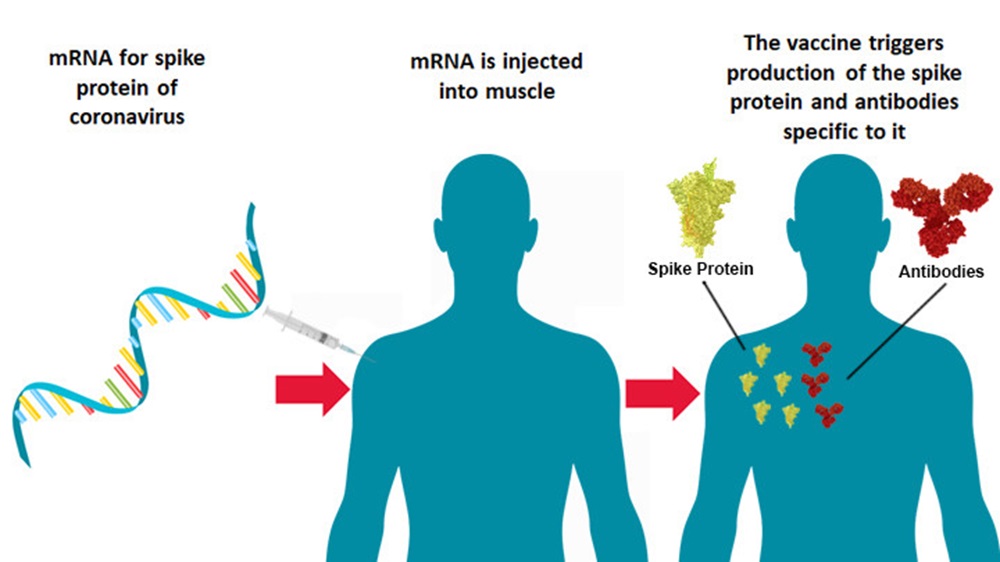




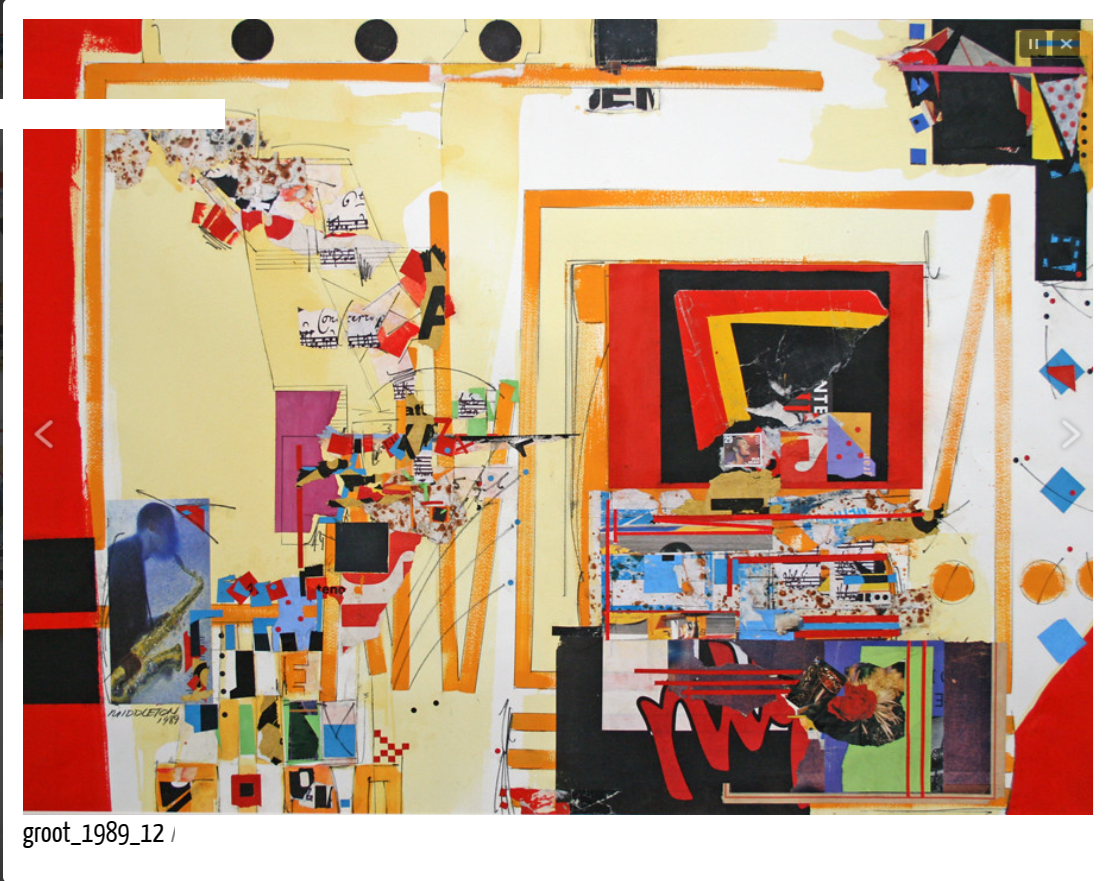











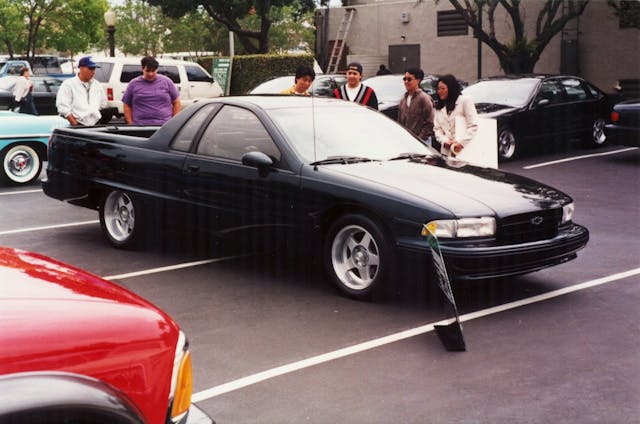
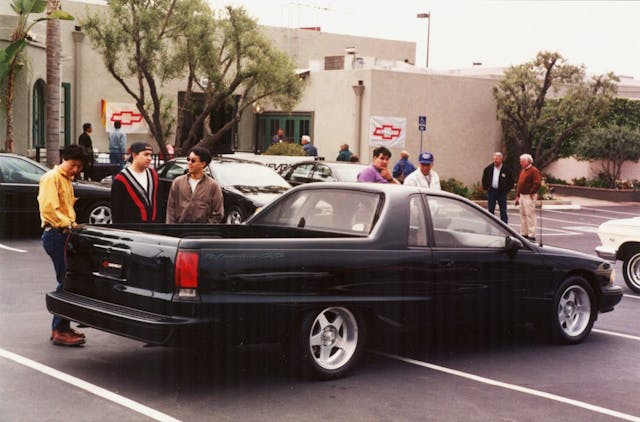
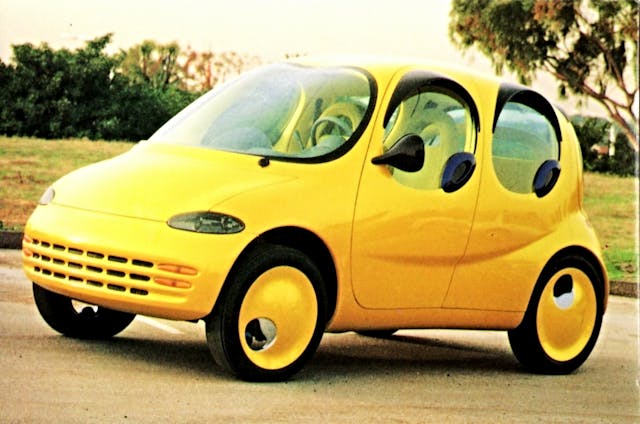





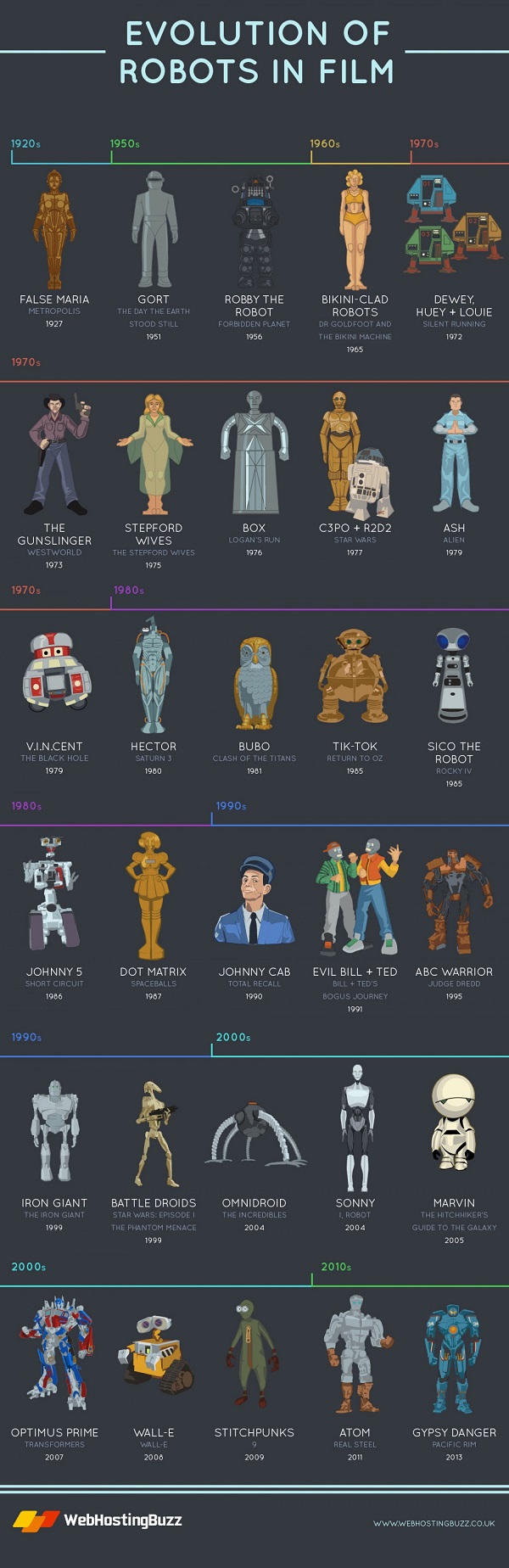







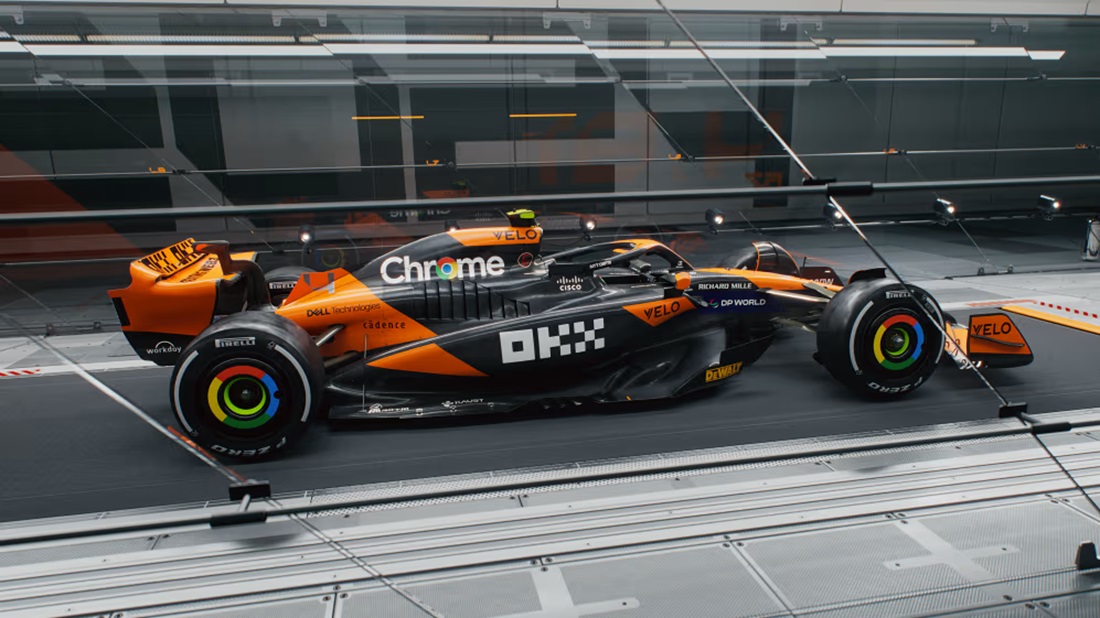

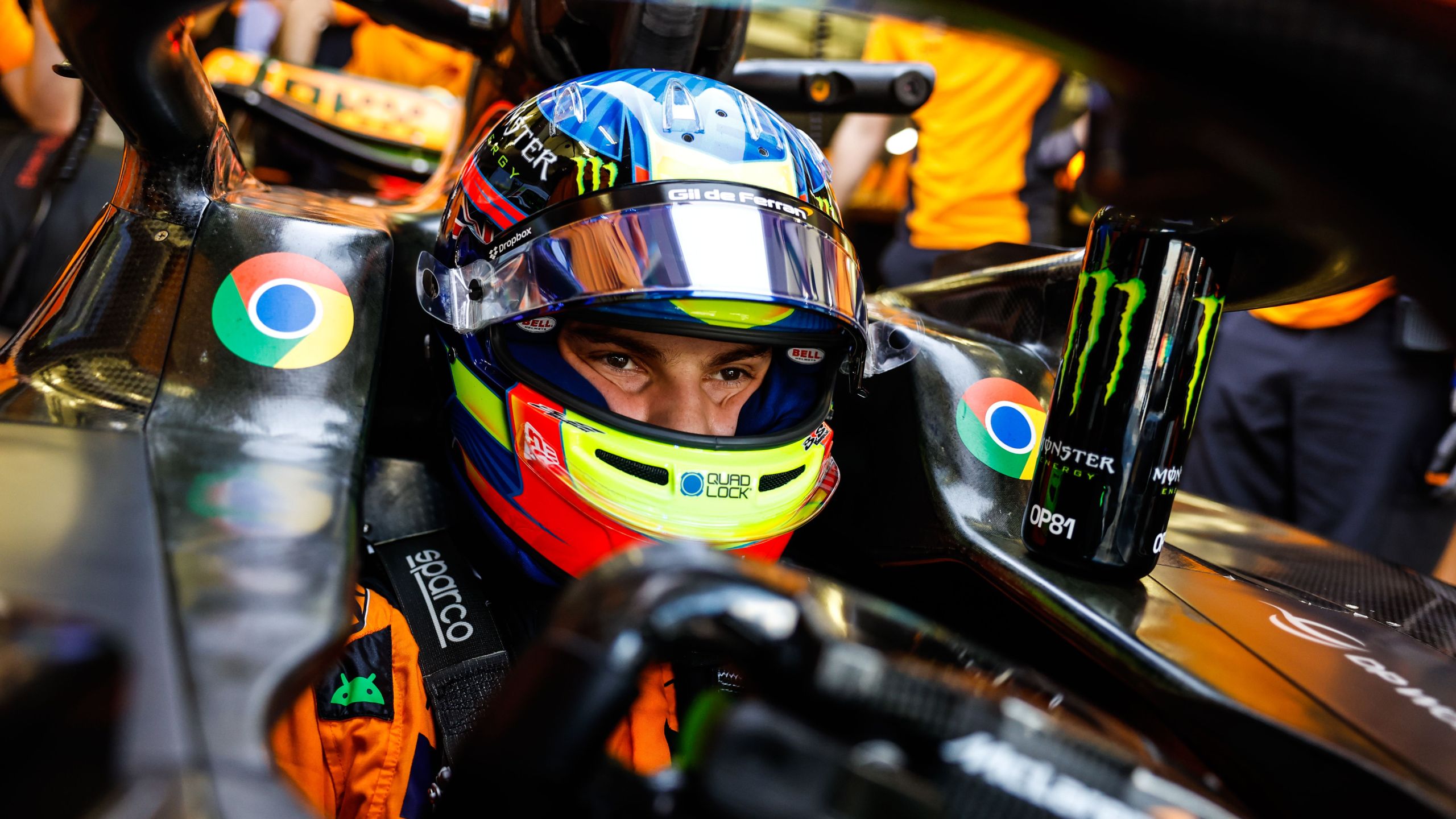


















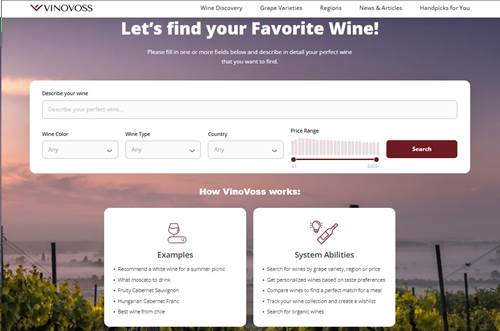










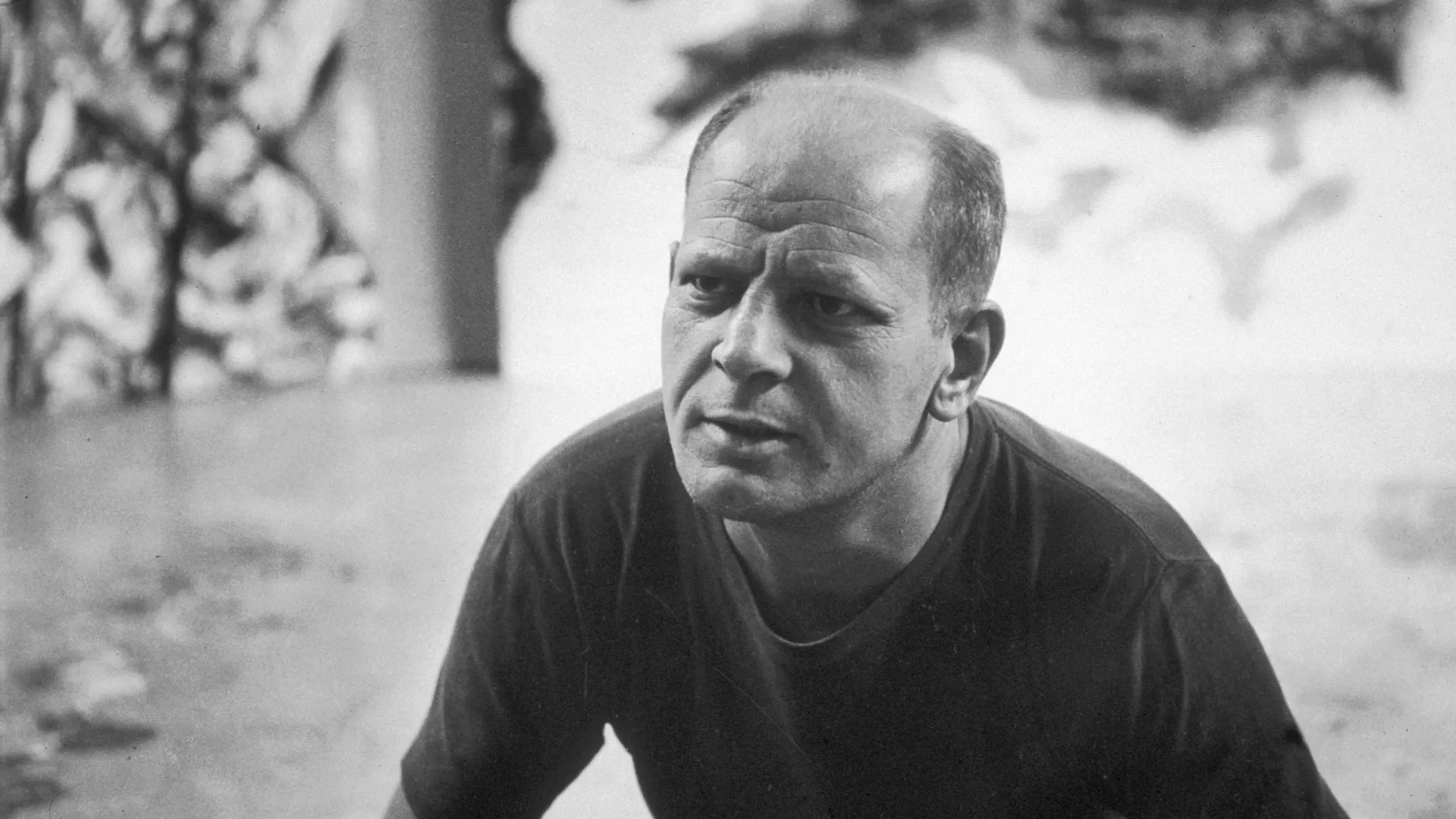

 Florence Henri (1893 – 1982)Composition18 ½ x 12 ½ inchesGouache on paper Monogrammed F.H. and dated 1926 lower right
 George Pearse Ennis (1884 – 1936)Forging a Gun Tube #146 x 37 inches, 1918 Signed lower right
 Daniel Ralph Celantano (1902-1980)Long Beach8 x 10 inchesOil on artist boardSigned lower leftTitled in pencil, verso
 Harold Haydon (1909 – 1994)History of the US Postal Service21 x 25 inchesoil on canvas, c. 1938






















 The Cold European Country of Iceland Has the MOST Search Increases – Ranking Above Beach Favorite, Mexico Beaches, relaxing by the pool and all you can drink cocktails are usually synonymous with summer, but according to our study, Canadians want to escape the heat in favor of colder climes. With an average of over 689,980 monthly searches and a huge 122% increase in 30 days, Iceland surprisingly ranks in front of Mexico as a go-to vacation destination this summer. Looking at why Canadians might be interested in visiting the land of ice and fire, searches for ‘northern lights’ are up 10,900% and people looking at ‘portugal v iceland’ have increased 1,043% on Google. According to the regional data, Niagara Falls residents in particular are looking for a totally unique experience this summer, with searches for ‘Iceland summer vacation’ up 200% since the same time last year.
 Cuba Revealed as Canada’s Most Desired Beach Destination This Summer – Ranking Above Mexico and Costa RicaWith more than 712,000 monthly searches and an increase of 36% in 30 days, Cuba is revealed as Canada’s most desired beach vacation destination for summer 2024. According to the data, Canadians are researching long distance swimming in the country, with searches for ‘swim from cuba to florida’ up 3,500% and ‘vacations to cuba’ up 333%.
 The Dominican Republic Ranks in Top 10 With over 97,000 monthly searches for ‘The Dominican Republic summer vacation’ and a 35% increase in the past month – it’s evident the Caribbean Island will be one of the most coveted destinations by Canadians this summer, which is why it features in the top 10. When analyzing search trends on a city level, Montréal has seen a 25% increase in residents’ searching for the beautiful beach spot, and Ottawa shows a 20% surge.
 Las Vegas Named the Most Desired Destination The gambling capital of the world is the most searched for city across the 10 cities of Alberta with searches spiking by nearly half (48%) since the same time last year. With 1.7 million monthly searches and a 12% increase in Canadian’s searching for the desert oasis summer vacation, Las Vegas has seen a 6% increase in search increases than topspot New York, the city also ranks above favorites Cuba and Mexico.
 Greece Ranks Second as Research Reveals European Summer Vacations Most Popular with Ontario ResidentsThe data shows there’s a rapid number of Canadians looking to experience a European summer vacation this year, with both Greece and Italy coming up top in Ontario. Looking at the most searched for destinations, searches for Greece’s picturesque Santorini have increased by 67% since the same period last year across Canada, and Italy’s Rome have spiked 25%.
 Costa Rica is the Most Desired Destination by Two ProvincesFilled with rugged rainforests, pristine lagoons and beautiful beaches, it’s little wonder the Central American country of Costa Rica is the most desired by two parts of Canada. Provinces of Quebec and Manitoba both had Costa Rica as their favorite destination, with searches for the tropical country up by an average of 81% across 10 cities in Quebec since the same time last year. Looking at locations on a city level, searches for ‘all inclusive Costa Rica vacations’ are up 300% in Quebec City, highlighting a need to escape busy metropolitan life.
 Toronto’s 3 Favorite Summer Vacation Spots are all City DestinationsResidents hailing from Ontario’s capital, Toronto, are interested in keeping the summer city spirit alive, with 3 favorite destinations also being city spots. According to the data, Toronto’s favorite destination is Dubai with a 49% increase in searches since the same time last year. Closely followed by Rome (22%), and Miami (20%).















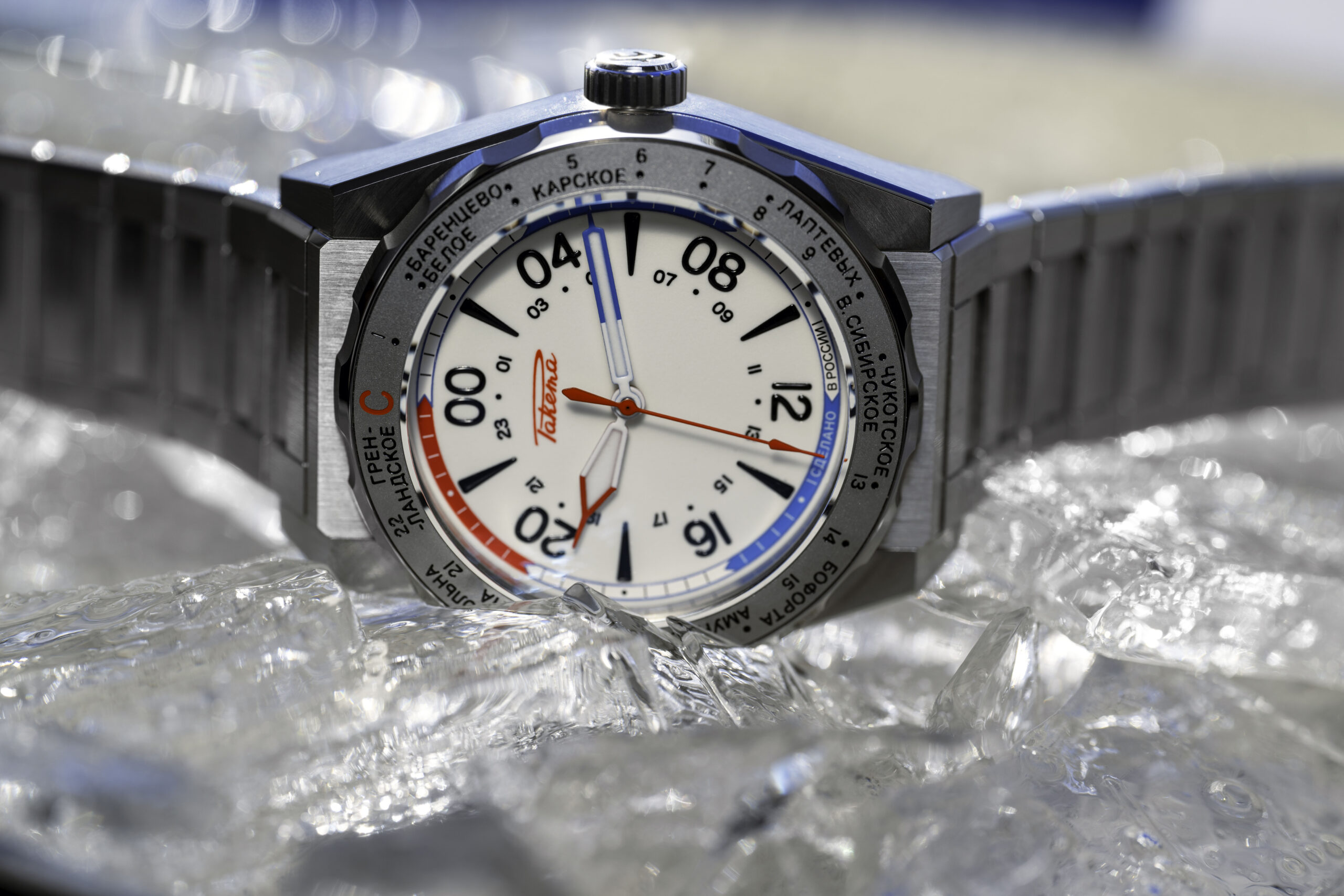



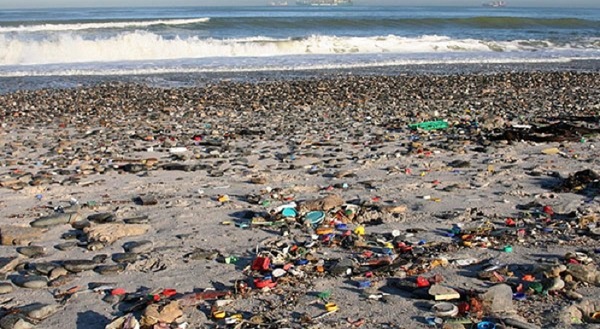
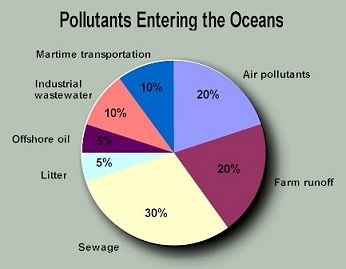




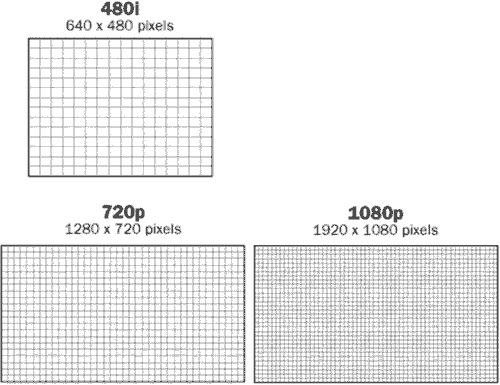 This allowed for extras such as director’s commentary tracks and other features to be added onto a film, creating “Special Edition” releases that would not have been possible with VHS. Disc access was random and chapter based, like the DVD format, meaning that one could jump to any point on a given disc very quickly. By comparison, VHS would require tedious rewinding and fast-forwarding to get to specific points.

 Another important innovation for Laserdisc was the fact that it was the very first home video format to offer Dolby Digital Surround Sound- often referred to as AC-3 on Laserdisc jackets and hardware. Many fans of Laserdisc are still enjoying this feature because some movies such as the Alien AC-3 LD were released with their original cinema surround mix on the AC-3 Laserdisc and those mixes are unavailable on today’s modern formats such as Blu-ray or UHD Blu-ray. Many early LD players can even be modified to turn them into AC-3 LD players.