For years the ‘bad ones’ have poisoned rivers, devastated forests and displaced communities, and now massive companies are rushing to dig up the seabed for precious metals.
MIT: “The ocean’s deep-sea bed is scattered with ancient, potato-sized rocks called “polymetallic nodules” that contain nickel and cobalt — minerals that are in high demand for the manufacturing of batteries, such as for powering electric vehicles and storing renewable energy, and in response to factors such as increasing urbanization. The deep ocean contains vast quantities of mineral-laden nodules, but the impact of mining the ocean floor is both unknown and highly contested.”
Sediment plumes following the wake of this deep sea mining ship.
And yet, only twenty-four people have the regulatory powers to stop this type of plunder in our planet’s most fragile places: The International Seabed Authority. You’ve likely never heard of them because this group attracts as little attention as an underwater mine miles offshore.
A few countries have agreed to full or partial bans, and leading scientists have appealed for a freeze on deep sea mining contracts.
Mining companies claim they can mine the seabed safely, but authorities in Namibia, Australia and New Zealand have blocked seabed mining projects. Scientists point out that many deep water species are being discovered quite regularly, and that the ocean floor can take decades to recover from disturbances such as the creation of sediment plumes from deep sea floor bed mining.
There are technological limits to how deep Surface ships can reach- but is that enough to protect the deep of our Oceans? New technologies and techniques always lead to deeper mining.New technology allowing for deeper mining and intensified mining: A massive seafloor EV rover.
The International Seabed Authority has already issued licenses for exploratory mining across 1.2 million square kilometers of ocean floor. As mentioned earlier, this regulatory body is almost unknown, and its 24-person Legal and Technical Committee is solely responsible for the detailed scrutiny of proposals and environmental safeguards.
More often than not, all our museum experiences are quite similar. We see some art or historical artifacts, learn about a subject, and sometimes listen to a lesson during a tour.
And while every museum is invaluable, sometimes the heart wants something quirkier and unusual. Evidently, many people had the same sentiment because if you really look, you’ll find some incredible gems in the world of museums.
Here are the world’s weirdest museums you must visit.
Momofuku Ando Instant Ramen Museum, Osaka, Japan
Ramen is synonymous with Japan, so no wonder there is a museum dedicated to it! Momofuko Ando, the Taiwanese-Japanese inventor, invented Chicken ramen noodles in his backyard shed in 1958.
The Momofuku Ando Instant Ramen Museum shows this Japan’s cult food that went global by displaying ramen noodle packages from around the world and giving the opportunity to taste limited-edition ramen from Hokkaido island and Tohoku region. Visitors can also design their personal soup packet at the “My Cupnoodles” Factory.
Spy Museum, Washington DC, USA
Love spy movies or novels? Then this museum is for you! International Spy Museum in Washington DC has the largest public collection of espionage artifacts that includes various gadgets, cameras, secret weapons, cipher machines, and counterfeit money.
It’s a rare chance to take a look at this secret profession and see how it’s developed over the years.
Museum visitors can participate in interactive spy adventures, watch never-seen-before videos of spies and revel in the impressive photo collection. And who wouldn’t wish for a super-gadget that would help make life easier, to help you in high-stakes situations like basketball betting on BetAmerica.com?
Sulabh International Museum of Toilets, New Delhi, India
Roughguides.com names the Sulabh International Museum of Toilets, New Delhi, India, which shows the history of hygiene and sanitation from 2500 B.C. to today, as one of the weirdest museums a person can visit.
The visitors can see the toilet evolution over the ages – from Roman emperors’ gold-plated toilets to medieval toilets of peasants. A fun fact – you can find a collection of rare toilet poems in the museum as well.
British Lawnmower Museum, Merseyside, England
Can there be something more British than a Lawnmower museum? If you’re a garden enthusiast or simply like quirky things, you must visit the museum, which details this garden tool’s history.
You’ll find such items as the lawnmowers of Prince Charles and Princess Diana or the world’s first solar-powered robot grass-chopper in the collection. Probably the cutest lawnmower at the museum is less than five centimeters high and is fully functional!
Siriraj Medical Museum (Museum of Death), Bangkok, Thailand
If it sounds scary, that’s because it is. Even though officially named a Medical museum, most people call it simply the museum of death. If you’re squeamish or find the subject distressing, it’s probably best to skip this one.
You’ll find severed and mutilated legs and arms, brains, skulls pierced with bullets, lungs that have been stabbed, and other similar things in the collection. They all illustrate the dark and gruesome ways to transition to death and leave no one indifferent.
If that’s not enough, you can also see the mummified body of a notorious cannibal Si Quey and the museum’s founder’s skeleton.
The Museum of Broken Relationships, Zagreb, Croatia
It is just as sad and beautiful as it sounds. It started as a joke by two Croatian artists who broke up after a long relationship and said they wanted to create a museum to honor it. Well, they did, and it blew up all over the world.
You can see various mementos from people’s relationships in different countries that include an ax used to destroy a cheating partner’s furniture, jewelry, postcards, and more.
Paris Sewer Museum, France
Nobody likes to talk about it, but sewer systems are the basis for a civilized society! However, it’s not the first or even the fifth thing people want to see when visiting the city of love.
Still, it’s so fascinating and complex. Lifehack.org explains that it’s an entire network of tunnels as large as the city itself, and also a museum that tourists can visit and explored, complete with tour guides. Don’t worry, it doesn’t smell that bad, and you’ll see a part of Paris you never thought you would. For the Silo, Milda Urbonaite.
While spring brings warmer weather, sunnier days, and beautiful flowers, it also brings the reminder that it’s time to air out, declutter our homes, and do some spring cleaning. At the same time, it might be tempting to spray our homes with disinfectants, a lot of common household cleaning products are actually pretty toxic to our health. This is why we’ve provided you with some tips on how to get your home sparkling, but not at the cost of your health.
When it comes to cleaning products, we Canadians buy a lot of them.
In 2014 alone, we spent more than $641 million on products like window sprays and floor cleaners. When you break that down, we’re spending $200-$300 per household annually on products that we think help us maintain healthy homes, when in fact they could be doing the opposite.
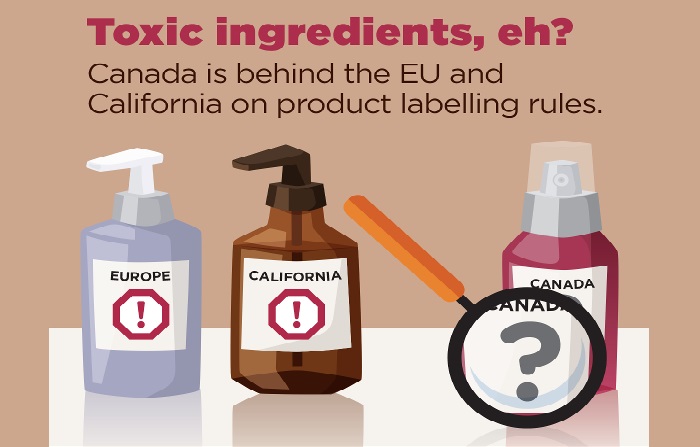
Some of Canada’s most popular cleaning products contain harsh chemicals and fragrance ingredients that can harm you and your family’s health. (Tell the Canadian government that we need better protections from toxics in our personal care and cleaning products.)
We tested the homes of 14 volunteers and found that indoor air quality quickly deteriorates when some conventional cleaning products are applied.
The good news is that safer options are widely available. Even better, DIY alternatives for many spring cleaning items are not only easy to make, they can provide significant cost savings over store brands.
How concerned should we be about the impacts of cleaning products on indoor air?
We put some of Canada’s most popular cleaning products as well as certified green products and products that had non-verifiable green claims to the test! We sampled the air in volunteers’ homes while they cleaned their kitchens for half an hour to test for VOCs.
Things are pretty much the same in the United States.
(Volatile organic compounds, or VOCs for short, are a common type of air pollutant. VOCs are a broad category of chemicals, some of which are linked to asthma and other health conditions, including cancer. A key concern with VOCs is that some of them can react with other pollutants present in the air, and form other contaminants that are even more toxic).
So, what did we find?
For the nine homes where conventional cleaners were used, total VOCs increased by an average of 120 per cent.
For the three homes cleaned with certified green products with full disclosure labels, the VOCs increased by an average of only 35 per cent.
For the two homes cleaned with products that made a green claim on the label but did not disclose ingredients, total VOCs averaged 100 per cent.
Handy tips to keep your indoor air quality in good shape while getting the job done:
Choose green products that list their ingredients in full. Companies are not currently required to fully list their ingredients, but some forward thinking businesses offer this information to customers voluntarily.
Avoid cleaning products that list “fragrance” as an ingredient.
Keep rooms ventilated by opening windows or turning on fans during and after cleaning. This is especially important if you live in a condo or an apartment. Better air circulation will keep harmful VOC levels from building up.
Try some simple DIY recipes with two simple ingredients: water and vinegar.
Following these tips, and choosing green products, or making your own when possible, are great (and toxic-free) ways to get your spring cleaning done without dirtying the planet and your health!
For the Silo, Sarah Jamal Program Coordinator, Toxics environmentaldefence.ca
Agrarians from various ancient cultures around the world discovered the soil fertility benefits of charred biomass over two thousand years ago.
Now known as ‘biochar’, this ancient soil management practice has been enjoying a renaissance of late for a number of reasons largely related to the need for more resilient and productive soils and biochar’s ability to sequester carbon in a safe and beneficial manner.
Biochar is made by baking organic material in an oxygen-limited environment, called pyrolysis. Benefits vary depending on the soil, crops and climate where biochar is used with poor soils benefiting the most. Providing long-lasting organic material, improving water and nutrient holding capacity, and improving overall soil tilth are all potential benefits.
Due to its porous nature and cation exchange capacity, biochar can also be used as a filtration medium to prevent nutrient run-off from farms into local water bodies. In Europe livestock farmers are adding small amounts of biochar to feed rations to improve feed conversion ratios and overall animal health. Biochar as carbon fodder has also shown promise as a way to reduce enteric methane emissions.
“When we first started in 2011 to load biochar with high amounts of liquid NP-fertilizer and tested them in pod trials, we could prove reduced nutrient leaching after simulated strong rain events. When we planted a second culture (paprika after radish) in the same pods without additional fertilization, plant growth was significantly improved in the biochar treatments (see image). From an economic point of view, the difference in growth might have been not relevant as some additional fertilization would have been cheaper than the price of biochar that saved some mineral fertilizer. However working with low amounts of nutrient enhanced biochar [1 t per hectare] applied as slow release fertilizer close to the roots every year seems very promising when viewed from both an economic and ecological perspective. ” Ithaka Institute
Biochar is increasingly available to purchase but farmers can also convert their on-farm waste biomass in to biochar.
Farm scale equipment for making biochar is evolving and shows promise not just as a waste conversion technology which produces a valuable soil amendment, but also as a means for farmers to generate renewable energy in the form of heat, and in some cases electricity. For the Silo, Kathleen Draper.
Seen here: “…we focused on organic plant nutrients and started multiple tests with a wide variety of nutrient rich biomass wastes including: liquid animal manure, urine, feathers, yeasts, wool, vinasse etc. Over the past four years we have developed a panoply of organic carbon fertilizer that can be produced commercially or manufactured by farmers themself all over the world. One of our favourites is the sheep wool, vinasse, pyrolyse ash, biochar pellets with 7% Norg / 6.5% P2O5 / 6% K2O “
Kathleen Draper is the US Director of the Ithaka Institute for Carbon Intelligence, a non-profit focused on research, education and program services that promote climate positive solutions which enhance land management, urban design, and resource efficiency.
During the busy holiday season, nothing is more exhausting than being on the go – whether jet-setting for work or a tropical Christmas family get together or leisure, avoiding the “same box, different city” syndrome can reduce fatigue by making travelers feel like they’ve arrived to a glamorous second home, rather than a bland stopover in a new location. For example: tiny hotels can be structured as houses, lodges or camps, letting guests feel fully enveloped in beautiful landscapes or big city living, slipping into local life with total ease.
When it comes to hotels, bigger isn’t always better.
For some, there’s something appealing about mega-resorts with seemingly endless activities, numerous dining and drinking options, and pools as far as the eye can see. But for those looking for a more intimate, personalized and under-the-radar experience, here are five to consider from smallest to largest.
Ignacia Guest House, Mexico City
Perfect for design aficionados and those looking to blend into to daily life in the beloved Colonia Roma neighborhood, Ignacia Guest House is a trendy eco-friendly bed and breakfast. Featuring just five unique suites, the hotel’s namesake is Ignacia, the housekeeper who took care of this 1913 colonial mansion for more than 70 years. Led by architects Factor Eficiencia and interior design studio A – G, the restoration of this casona blends Mexican tradition with history and contemporary design. Opened in 2017, artists, architects, designers, photographers from all over have been drawn to the property for its internationally acclaimed award-winning design, décor and style.
The hotel can only host 10 guests at a time,
so guests can expect privacy, personalized attention and truly superb
concierge service. The chef modifies menus to include personal
specifications, from vegan to lactose-free. Each morning, the chef
prepares fresh-baked breads, and complimentary signature breakfasts like
Chilaquiles, Molletes and Sopecitos are made from scratch – as is
freshly squeezed orange juice and homemade orange marmalade from the
garden’s two old-growth citrus trees, planted by Ignacia herself. All
ingredients (fruits, vegetables, legumes, coffee, eggs, dairy,
tortillas) come from small local producers, which guarantees their
freshness and quality, as well as supporting the local community. Guests
return home to a complimentary garden cocktail hour, where the chef
creates custom drinks, such as a mango-and-mezcal concoction and more.
Fun Fact: Guests can peruse
the library, where a curated selection of Mexican design books and
magazines live, along with a growing collection of cookbooks, books,
poetry and photography from past artistic guests.
Insider Tip: Ignacia Guest House recommends learning about the street food scene with an insider tour by Eat Like a Local Mexico City, taking an authentic Mexican cooking class upstairs in Casa Jacaranda or venturing on a hot air balloon ride over the Teotihuacan Pyramids. Or, join an adventurous itinerary curated by Wild Terrains, women-only group trips to Mexico City where guests support local, female-run businesses and creative activities – along with a stay at Ignacia Guest House (also female-owned).
If you go: All guests receive complimentary Wi-Fi, breakfast, daily cocktail hour in the garden and more. Nightly rates for the suites range from $440 – $315USD.
Kichuguu Camp, Tanzania
Opened in June 2017, Chaka Camps’ newest lodge Kichuguu Camp’s 11 Tents are situated in a quiet woodland between the Tarangire River basin and Silale Swamp, which provides excellent game viewing.
Kichuguu (‘termite mound’ in English) Camp is
a thematic representation of the termite mounds that dot the Tarangire
landscape. The hidden details and patterns of the intricate mounds
appear in items like the bedside lamps, which resemble spires and tables
and lamps are shaped like carved tunnels. Organic materials and shapes
are used in artwork and overhead lighting, while open chimneys and vent
holes replicate termite mounds’ ventilation.
Kichuguu Camp was inspired by the way
termites use the surrounding environment to build a home and partnered
with sustainable design company Dunia Designs to recycle Arusha’s waste
plastic into flooring, mirror stands and furniture filling. Along with
distinctive décor, the camp features gourmet Swahili cuisine and warm
Tanzanian hospitality. The Chaka Camps boutique collection includes
three sustainable luxe tented camps: the original Chaka Camp, Kiota Camp
and Kichuguu Camp – all deliver extraordinary wildlife experiences with
comfort and style.
Fun Fact: Guests of Chaka Camps can find a small library at the camps with Africa’s traditional musical instruments – and test out the mbira, a wooden board with metal tines for plucking.
Insider Tip: June-October
is dry season, the best time to visit Tarangire National Park. During
that time, the Tarangire River and Silale Swamp are among the only
sources of fresh water in the region, drawing dense populations of
wildlife including elephant, impala, giraffe, lion, buffalo, zebra and
wildebeest. Additionally, with more than 550 bird species, Tarangire is a
birder’s paradise. Night game drives are also available.
If you go: Rates start at $400USD per double per night. Includes all food and beverage, bottled drinking water and snacks, nightly fireside evenings with a mobile bar, complimentary Wi-Fi, toiletry supplies and more. Bush breakfasts and private dinners under the stars are also available. Full package safaris can also be arranged through partner company Duma Explorer, an adventure travel outfitter based in Arusha.
Les Ilets de la Plage, Saint Barths
Saint Barths: full-speed glamour without the
typical hotspot pretense. The island features plenty of ultra-posh
hotels, but there are also down-to-earth, accessible private villa
options for those looking for the privacy and relaxation of a beach
escape.
An affordable way to vacation on the beautiful of St Barths, the intimate, family-owned beach resort of Les Ilets de la Plage offers 12 private villas with direct access to the white sand beach and azure sea. Secluded yet central, Les Ilets de la Plage has been a well-kept secret for years, many guests return year after year to the same villa, leaving luggage and personal items with the staff for their next stay.
Beachside and garden villas offer luxe accommodations and all the amenities you’d expect from a hotel, combining the privacy and serenity of a villa with concierge service…at an affordable price. The attractive studio, one-two and three bedroom villas are perfect for a romantic couples’ retreat, solo travelers, a friends’ getaway, or a relaxing family holiday.
In addition to gorgeous private beach access,
there’s a private pool with cabanas and a sun deck. They also have full
concierge service—fresh croissants, bread, pain au chocolats delivered
to your door each morning, lunch and dinner reservations, grocery
shopping, even childcare is easily arranged.
Fun Fact: Les Ilets de la Plage is
a pet-friendly resort, so if you don’t want to leave your furry friend
at home, find out what is needed to bring your pooch to Saint Barths.
Pet amenities include cushions, bowls and treats to make furry visitors
feel right at home!
Insider Tip: Want to stay active
during your vacation? Their wellness experience combines relaxation with
healthy initiatives like daily yoga, aqua Pilates and /or island spa
treatments. Hike the beautiful surrounding hills, power walk along the
beach at dawn, swim in the ocean or do laps in the resort pool. Paddle
boarding tones up muscles well, but guests can also have unlimited
access to a state-of-the-art gym in Gustavia with superb facilities and
classes. Enjoy healthy, delicious lunches or dinners using the freshest
Caribbean ingredients supplied by Mayas-to-Go.
If you go: All villas have full kitchen facilities, air conditioning in the bedrooms, satellite TV, complimentary Wi-Fi throughout, a daily maid service and delivery of fresh breads and pastries right to the door.
Adler Lodge Ritten, Italy
Opened in June, 2019, ADLER Lodge Ritten, a sister to established properties like ADLER Thermae in Tuscany and ADLER Lodge Alpe, is a new 20-room hotel in the Dolomites region. The hotel is set on the Ritten plateau, a popular weekend getaway for city dwellers, and will overlook some of the Dolomites’ most majestic mountain peaks, such as the Rosengarten and the Latemar. ADLER Lodge Ritten is committed to an eco-conscious existence, thanks to its sustainable construction and locally inspired cuisine (here, farm-to-table isn’t a buzzword, but truly part of the chef’s philosophy).
The hotel consists of a spacious main building with reception area, lobby, bar, restaurant and spa. There are two additional structures, with 10 junior suites. Also scattered throughout the property are 20 one- and two-story chalets, some set around a small natural lake. All rooms have private bio saunas, balconies or terraces, and chalets that feature wood-burning fireplaces.
Fun Fact: ADLER Lodge Ritten has two saunas deep in the forest with a heated pool. (actual forest bathing), reached only by a short narrow path into the forest. Glistening peaks and old larch trees surround fragrant saunas and the steaming pool.
Insider Tip: Renon’s historic narrow-gauge railway, the Rittnerbahn, stops just 200 meters from the hotel at the Stella station, so rental cars aren’t needed. The thriving city of Bolzano is just a 12-minute ride away via cable car. Activities are designed to highlight the distinctive beauty of each season and might include skiing, snowshoeing, Nordic walking, wine tasting or cycling (the hotel offers complimentary electric-bike rentals). Or, if you can extend your vacation, from the dreaming meadows of the south Tyrol to the towering spires of Tre Cime, On Foot Holidays‘ self-guided walk in the Dolomites of northern Italy is a longtime favorite.
If you go: Rates start at 240€ per day per person or from 1,670€ per person for a week. The all-inclusive room rate includes all meals, soft drinks, wines and spirits.
Calabash Cove Resort and Spa, Saint Lucia
Where an ocean view room really means RIGHT THERE. Calabash Cove Resort and Spa is one of the most popular all-inclusive, adults-only boutique hotels in Saint Lucia, a Caribbean treasure offering seclusion, beauty and mesmerizing views. With just26 suites (only three are identical), old Caribbean charm is coupled with modern luxurious resort amenities. Highlights include the Windsong restaurant and lively C-Bar overlooking the infinity pool, and the peaceful Ti Spa. Chef Paul Odle leads the culinary team at Windsong Restaurant and accommodates any dietary needs and personal requests including vegan, vegetarian, gluten-free, lactose-free and more. The unconditional all-inclusive covers all meals and beverages including room service, daily food specials including a daily lobster dish (when in season), premium drinks, a stocked in-room bar (with full size bottles), over 20 wines from the wine list by the bottle for breakfast, lunch or dinner, gratuities/tips and Wi-Fi. The only restriction is the “Reserve du Patron” section of the wine list. Calabash Cove has a small Cybex cardiovascular fitness center and provides kayaks, paddle boards and snorkeling gear free of charge to guests.
Fun Fact: Saint Lucia is a magnet for destination weddings and honeymoons. Unlike other hotels on island, Calabash Cove only confirms one wedding on any given day. A bride and groom will never have to wait for a gazebo to become free from the wedding prior.
Insider Tip: The hotel concierge can arrange an all-day private climb of Mount Gimie, Saint Lucia’s highest peak, a volcano covered in a lush tropical rainforest (3117 ft). With
a few days advance notice guests just need to bring good hiking gear
and a backpack and Calabash Cove will arrange a private guide, lunch and
a transfer to and from the mountain. The tour includes approximately
5-6 hours of hiking in steep terrain. This is not a run-of-the-mill
experience, with guests trekking through two valleys, along a small
creek and up and down on a barely visible trail.
If you go: Rates for the all-inclusive start at $295.50USD including taxes and service charges per person per night based on double occupancy. The resort also offers a rate for room with breakfast only. For visits of 7 paid nights or longer booked with the resort directly, Calabash Cove offers guests private car airport transfers. For the Silo, Katherine Han.
“In my personal archaeological research I’ve been focused on the shores of Lake Erie (and a few inland sites) beach and general shoreline lithic retrievals— on the Canadian side of the lake—for many years.”
Top Left- one of the retrieval locations. Top Right- one of the retrieved teeth sent to Dr. Walker. Center- eg’s of stone artifacts discovered in indirect association with some of the teeth.
The surf and weather are odd bedfellows, on one hand revealing and on the other destroying, so it seemed obvious to me that I should keep eyes to the ground, sand, and wave line and to pick up what seemed to me to be artifacts.
Occasionally friable materials turn up such as large, disarticulated bones. Even a basket made from reeds turned up. And then there’s the teeth— found in several varied locations and in indirect association with what look to me like artifacts and pierced pebbles.
I’ve yet, however, to find any of this material in situ, i.e. still buried in its confining sediments.
Some of the teeth seem to have been ‘broken’ perpendicular to the long axes, some seem to have been burned and some show calcified deposits of calculus in the interproximal grooves (I worked in dentistry for several years so have a basic understanding of tooth morphology and deposit identification etc).
Some teeth were found inland quite a few miles away from Lake Erie. I later contacted Dr. Danny Walker, RPA, Wyoming Assistant State Archaeologist at the Comparative Osteology Museum and Zooarchaeology Laboratory. I emailed to him photos and descriptions of the teeth. He kindly offered to study several of the teeth. (Dr. Walker is a co-author of the research paper, Unraveling the sequence and structure of the protein osteocalcin from a 42 ka fossil horse, Geochimica et CosmochimicaActa 2006;70(8):2034-44.)
(Center) Equus Scotti- Pleistocene horse once native to North America.
Along with his graduate students, Dr. Walker identified the teeth that I had mailed to him as Equusscotti—Pleistocene ice-age horse. Now the story begins to resemble somewhat the X-files. The established archaeological community here in Ontario and the Royal Ontario Museum (I made all aware of the teeth, the lithics and the identification offered by Dr. Walker) disputed the finds, the identification and the lithics. The Royal Ontario Museum also told me that if I had the teeth dated and they showed as pre-contact, then they would offer this explanation— that the teeth were deposited on the Lake Erie shoreline after being brought aboard lake freighters from Europe; i.e. that they may have filled their ballast with gravels which could have included the teeth.
Putting aside the low probability of this possibility, as well as the fact that Equus scotti is a North American horse, the skeptics have failed to address the fact that some teeth were discovered inland—many miles away from Lake Erie. For the Silo, Jarrod Barker.
Elephants are super smart — as close to humans as apes, yet we are literally killing them to extinction.
And they are obsessed with their death. They understand what is happening to them and their families, even identifying elephant bones and spending hours crying over them. Poaching is so emotionally devastating that it can take a herd 20 years to recover!
100 elephants a day are dying — shot sometimes from helicopters, their faces cut off by machetes often while still alive — just to produce ivory trinkets. What’s worse is that this savagery is managed by organized criminals who help fund some of the most dangerous terror groups in the world.
But now there’s reason to hope: China just announced it will phase out its ivory industry and there is legislation in eleven US states calling for a ban on ivory trading. It’s a tipping point moment in this fight for these majestic animals and we can make sure demand everywhere dries up by funding a flood of campaigns in the US, Thailand and Vietnam to kill the biggest ivory markets anywhere.
Elephant hunts are big business and are even organized from outfitters in North America.
Killing elephants is serious business — as wild elephants die out, the price for stockpiles of ivory skyrockets. Now poachers are on a race to kill as many elephants as they can. In 5 years, Mozambique has lost half of their elephant population. The clock is against us and if the current rate of killing continues, in little more than a decade, there may be no wild elephants, only graves.
The news from China could be our best chance to turn the tide and with top notch Avaaz campaigning in 11 states in the US, and in Thailand and Vietnam, we could help stop demand for bloody ivory, while supporting cutting edge anti poaching initiatives on the supply side. Here is what a dedicated global team could do:
Fund hard-hitting ad campaigns in SE Asia and the US to dissolve demand for ivory trinkets;
Launch online sites in SE Asia and the US to inform consumers of the suffering and carnage to help change the culture towards ivory;
Support and ramp up citizen campaigning in the consumer markets in SE Asia and the US;
Back ranger protection programmes in Africa and creative, ground-breaking initiatives like drones to monitor remote parks.
Avaaz has millions of members across the world, from the countries where conservation is critical to the countries where ivory statues are sold. If we each chip in we can finally help put the brakes on this cruel trade and move fellow humans to respect the other species that share this planet with us.
Outfitters and elephant hunters justify their hunts as a form of necessary conservation.
The choice before us is simple: act now or lose African elephants forever. Let’s not let ours be the generation that butchered these regal beings off the face of the earth. Let’s do what our community does best — pick careful battles, fight smart to ban the trade, and spread a culture of compassion.
Used and broken electronics such as computers, cellphones, dvd players, washers and dryers still hold intrinsic value because if you were to peer inside these things you’d notice a lot of wire and circuitry. There is a surprisingly substantial amount of copper, silver and gold waiting for “the recycling”.
Consumerism- the acquisition of goods, is largely based today on electronic devices- large screen televisions or smartphones for example. Many of us feel the need to upgrade regularly: bigger screens for our living rooms and faster and more powerful phones. But in broad terms, our discarded electronic goods contain about the same amount of silver, copper, gold and platinum as the new items we are replacing them with.
How much value are we talking about?
It is difficult to determine an exact value of gold and other precious materials in an average cellphone. This is because no two models are exactly alike, no two batteries are exactly alike.
Lux Bringer from reddit.com:
All of a sudden these, “bring your old cellphones to us so we can recycle them for you” campaigns are making a lot more sense. Sneaky bastards.
PtrN from reddit.com:PtrN
I’m not sure. I’m seeing that the average cell phone has 1/8 a gram of gold in it from other comments. At the time of this writing, CNN currently has gold going at $1650USD per troy ounce. I crunched the numbers and am seeing that there is about $6.60USD worth of gold in a cellphone. Not too bad, but I don’t know how profitable it will be after you take into account the costs of transportation and the extraction process itself.
Thoust from reddit.com:
There are other materials in a phone they can salvage besides gold
professor_fatass from reddit.com:
According to the article you also get platinum, palladium, and copper. As well as the glass and plastic which may not be worth much but it can still be recycled.
There is gold and platinum inside computer circuit boards and hard drives. Most of the gold is an alloy or plated over another metal but at highs predicted to reach near $1,8000USD per ounce- a high volume recycling effort will pay off.
Bleepin’ Animinion from bleepingcomputer.com:
Any, true recycling effort that would be of a profitable nature needs to be EPA approved. Due to the multiple hazardous materials mixed in with the minute amounts of precious metals. As well as the highly toxic removal and heavy metals separations processes. Also as an example it would take an average of one ton of random circuit-board waste to generate one pound of gold. Add to that electronic grade precious metals are not the expensive jewelry grade high dollar metals. Therefore looking at the gold market is not the price you would get. So the profit you would make on the precious metals would be eaten up by the fees and expense of waste disposal of the one ton of hazardous useless waste product left behind after you reclaimed the precious and hazardous heavy metals. This is definitely not a a project to undertake on a small scale in your garage.
This last quote is an important thing to consider.
If you are considering dropping off your scrap electronics and appliances ask the receiving party if they are environmentally approved and a member of an Electronic Stewardship. After all, your discarded electronics will earn a tidy sum of money for a large scale salvager. The least they can do is operate within the law and operate with an environmental conscience. But there is some worry.
The salvagers are looking for an uninformed public- they set up their marketing and advertising in a way that makes no mention of the economic benefits they stand to make.
They seldom if ever offer you a small stipend for your ‘donated scrap’ and perhaps even worse, many pose as “good deed” companies ridding us of our “broken goods” destined for the landfill. The Ontario Electronic Stewardship is a non-profit group that overseas responsible recycling of electronics. This Stewardship works with existing legal frameworks put in place by Waste Diversion Ontario and the 2002 Waste Diversion Act. www.wdo.ca
In this file photo from 2001, a migrant child sits atop a pile of unrecyclable computer waste imported to Guiya, China, from other countries.
Basal Action Network
Some players are keeping it real.
Not every electronic device recycling campaign is shady. Increasingly, not-for-profit groups and volunteer fire departments are setting up large recycling bins with signage such as “your donated scrap metal and electronics helps fund X”.
If you are considering dropping off discarded electronics to your local “recycling and scrap drive” ask a few questions. Where are the profits from the salvaged materials going? Is the company operating the drive aware of the Ontario Electronic Stewardship guidelines? What happens to your donated goods at the end of the cycle- are they destined for a landfill or for China?
It has been estimated that as much as 70 percent of all marine litter will end up on the seabed.
Marine debris comes from many land and ocean sources. Yet few of us understand that our trash can travel over land, down streams, rivers and storm drains to the ocean. That’s why Project AWARE is collecting marine debris data from divers. They’re painting a clear picture of the underwater trash that threatens ocean life and are building a case against ocean trash for all of us to see.
Zhengzhou- “Once into the downtown, the pace slows somewhat.”
How I met my wife halfway…Elegant Confusion………Being delivered by car (my wife’s friend and a co-worker) to the Hotel in the downtown area of Zhengzhou, bursting along the byways and expressways from the Airport, cars around us dancing across the indistinct markings of the lanes in what could be described as a level of a video game in progress, I had no idea ( a horn honks and a bus switches lanes in front of us ‘sans’ signal..) that the “Art” of driving could manifest itself in such a reckless song trying so very hard to be a “ballet”.
My first impressions were to be made, however innocent, a misplaced fantasy.. As we made our way across the edge of this city of 8 1/2 million souls.., it was plain that this was far different than the large, ‘controlled’ infrastructures of North America.. A place where those, who in the faltering of the majority of their lives, seeking to maintain “control” of most aspects of their lives, would be shattered as if a piece of glasshitting the concrete of this sudden reality. I believe that all this time seeking that ‘control’, having it slip through the grasps of their expectations, is the cause of so much anger, disappointment, and frustration in North Americans’ lives..
There is no “Road Rage” here.
If this is how you imagined driving in one of China’s cities would look like you’re mistaken.
Once into the downtown, the pace slows somewhat, taking time to congeal into something even more unexpected.. Now there are people, thousands of them,.. mixed with electric bikes, bicycles, motorcycles, pedestrians, carts of vegetables and fruit perched high on platforms innovatively connected to motorcycles, wagons of produce drawn by donkeys and cars.. All are dancing in and out of lanes of traffic, up onto sidewalks, threading the pedestrians walking different directions, the buses and taxis faster than the rest..
Cars and motorbikes making U-turns anywhere without notice.., a car honks, someone concedes the space, and life goes on.
The remarkable impression to be made here for a Caucasian in ‘Neverland’,… is that, there are no egos here to set off a clash of emotional diatribes leading to certain physical, or vocal, outbursts.. Just ‘focus’ of purpose.. There is only the destination to be sought.., nothing more matters.. It is not a matter of forgiveness, on the part of the conceded ,.. just a plain sense of infective respect.. An old woman, peddling a bicycle, weaves suddenly directly across the lanes of traffic.. I look away, fearing the sounds and images of her death.. A few impatient honks from the cars,.. all traffic stops.. as she slowly winds her way to the sidewalk on the other side of the street.., the motorbikes weaving around her, pacing in and out of the stopped buses, cars and taxis.. A woman on a motorbike with a child in front, one in back of her seat, sails by me on the sidewalk…It is ‘Elegance in Confusion’ at it’s finest.. For the Silo, Bill Stewart.
Here’s what some folk are saying about the video above.
A lot has been said, lately, about the increased activity and severity of storm systems around the World in the last 30 years.. Most will tell you it is because of the increased amount of Carbon Dioxide in the atmosphere, some would even hazard the aberrations are caused by deities seeking retribution for our collective sins…
But the truth is, the balance maintained for millions of years in the weather patterns of this planet have been dented, impacted, and thrown off kilter by our own change of tastes.. The larger homes of today’s tastes often include “Exotic Hardwood” floors from non-domestic species imported from third World countries, just trying to make a dime from their only primary crop,.. timber.. Another reason for the felling of trees was to create farmland for the Third World’s bulging populations.. This has led to the clear-cutting of massive stands of Equatorial Forests on the order of hundreds of square miles, of of these massive trees, at a time..
One must consider the impact of this act.. The average large tree, in North America, has the cooling effect of 15 room-size air conditioners… The average large tree in the Amazon or Indonesian Archipelago can has the cooling effect of 100 or more air conditioners…
To demonstrate the physics, 1 pound of water, heated to increase the temperature one degree Fahrenheit, would take 1 BTU of energy… This is an even measurement throughout the change from a solid (ice) to a gas (steam), or, 212 degrees, Fahrenheit, OR, 180 BTU.. The amount of energy necessary to change the state of that 1 pound of water to steam, is 965 BTU… If you can imagine that an average North American tree can evaporate 30 gallons of water, an hour, or, remove 231,600 BTU’s per hour of heat energy from the atmosphere, and, an an average Equatorial Forest tree can remove as much as 180 gallons of water per hour, or, 1,389,600 BTU per hour.., THEN, you can imagine the effect of the removal of a Million of these trees on the stability of the moderation in the balancing of storm systems that these important Equatorial Forests have…
The loss of this amount of Equatorial Forest has had a devastating affect on the World’s weather systems over the last 25 years
Storms, particularly in Europe and the U.S., have been dramatically more severe… One never, ever, heard of a thunderstorm in Europe, some 30 years ago, packing winds of up to 125 miles per hour.. Now, they are almost a common occurrence.. One storm, in the South of France, in the Autumn of 1997, destroyed a forest of ancient oak and ash trees that were planted by workers under the auspices of King Louis the thirteenth..
Though a large part of the felled trees were salvaged by sawyers cutting board stock out of the logs, the forest was destroyed, and, only lately replanting efforts have made an impact on the landscape…
“WE are known by our acts, but suffer, our choices..”
As the cold weather and winter arrives back to North America and Covid is (hopefully) finally behind us, it’s time to start setting travel records again. For example, 2017 saw a record number of tourist arrivals in Jamaica, with 4.3 million vacationers. That was a huge 21.1% increase from the previous year and that trend continued for 2018 and 2019. It seems safe to expect the same pattern to start up again in 2022 and beyond and visitors won’t just be staying in hotel rooms but also opting to stay in luxury villa rentals.
So why the expected increased interest in Jamaica again as a travel destination?
Part of the reason is that the movies tend to portray Jamaicans as fun-loving people. But the real truth is that it’s always been a popular country, and also because the trend for “authentic experiences” in tourism has enticed more travelers to visit the country without going to a hotel.
Frankfort Ocho Rios Jamaica
If you’re still thinking about visiting the country, take note of the following reasons why you really should drop by for a visit:
Gorgeous beaches. Many of the most impressive beaches in the whole Caribbean are in Jamaica. The sands along the beach are spectacularly white and pristine, the waters are crystal blue, and the sunrises and sunsets are utterly dramatic. You can relax in the famed Seven Miles Beach, or perhaps indulge your need to explore by visiting the rocky coast of Cosmos Beach. Just about every city along the coast will provide you with a fantastic beach to relax in.
Water sports. When there are beaches, water sports are also part of the fun. It’s virtually axiomatic. Here in Jamaica, that kind of fun includes scuba diving and snorkeling, along with surfing as well. You can rent jet skis too.
Exotic wildlife.You really need to bring a good digital camera, as your smartphone may not be enough to capture the real beauty of the local plants and bird species. But you really must see them for yourself. You ought to try scuba diving as well, so that you can be mesmerized by the creatures and plants under the sea.
Tropical climate.Just how cold is it where you are right now? If it’s still winter, then it’s time to head on out to warm Jamaica where you can swim in a flimsy bathing suit even while it’s snowy back where you live.
In some places, it’s also not too warm at all, so you can feel pleasantly cool.
Golf. Are you a links fanatic? If so, you will definitely love the luxury golf courses on the island. You can drive and put amidst the fantastic landscapes and enjoy the beautiful gardens. It’s in Jamaica where you will find Half Moon, which is widely considered as the best golf course in the whole Caribbean region.
Friendly people.Haven’t you noticed how in the movies Jamaicans are stereotypically portrayed as fun-loving friendly folks? That’s because the people here are just that way. They tend to regard tourists as personal friends, so it’s like every day there’s a party here to celebrate meeting new people.
Local cuisine.The food items here are mostly locally grown, so you tend to enjoy fresh meat, seafood, fruits, and vegetables. You really need to try the jerk-seasoned dishes, this jerk and curry seasoning can expand your horizons when it comes to chicken and pork dishes. But that’s not the national dish. It’s ackee and saltfish, with just caught seafood along with the ackee fruit that’s been sautéed and served with salt cod, tomatoes, peppers, and onions.
Visit here even once, and you’ll certainly want to come back time and again. In fact, it’s always hard to leave. It’s always a fun time here, and that’s what makes for a great vacation.
If you want to create healthier habits for yourself and your loved ones, it might be a good time to switch to organic foods. The benefits of this diet are numerous, and with the global expansion of the market, organic food has become readily available to all.
Ask yourself — what kind of food do I actually eat, and how is this food produced? You may not like the answer, but there is one simple solution to this problem — organic food. This type of diet may not look as appealing as GMO, but trust us when we say, it tastes the same, and it is not bad for your health.
Who Are the Leading Manufacturers of Organic Food?
If we look at the bigger picture of organic food production, the leading place belongs to Australia where organic farms occupy an area of 35.9 million ha, followed by Europe with 14.8 million ha, South America with 8 million ha, Asia with 6.1 million ha, North America with 3.2 million ha, and finally Africa with 2.1 million ha.
However, India has the most considerable number of registered organic producers – a whopping 835,000. Sounds like a big number? The organic industry is expanding every year and is expected to generate over $60 billion usd by the end of this year (2022).
The reason for this rapid growth is that more and more people in different countries are opting for this type of food.
If we look at the 2016 American market, we can see that organic food has reached a staggering $38.9 billion in organic food retail sales. These numbers are showing that the production (and consumption) of organic products is on the rise, which is actually great news!
What About the Consumers?
Many people are living a fast-paced lifestyle, and this means that they spend much time planning their meals or doing workouts. This type of unhealthy eating regime can have a detrimental effect on our health.
According to stats, 57% of children are well on their way to being obese due to the consumption of unhealthy foods and foods that contain empty calories.
Fortunately, this trend is declining as 51% of parents opt for healthier foods, and they are even willing to pay 3-4% more for organic food to create healthier eating habits for their young ones.
An increasing number of people are becoming aware of the hazardous effects of food additives and supplements that may cause numerous health disorders. According to a survey conducted in France, about 70,000 people who consumed organic foods had 25% fewer cancer diagnosis than the ones who consumed conventional food.
Considering these facts, organic food consumption is expected to increase in the coming years.
Quality-Price Ratio
The production of organic food requires compliance with certain regulations that vary from country to country. Organic food refers to foods that are not genetically modified, not treated with pesticides and growth factors, and that are grown on land that doesn’t contain chemical substances such as artificial fertilizers.
You must have wondered how organic production manages to sustain itself. The secret is in prevention. Organic producers put a lot of time, resources, and effort to create the end product we find in the markets. That reflects a lot on the price. Organic food is 7.5% more expensive on average than non-organic.
The reason for this is that, despite the thorough preventative measures, organic food is more affected by various diseases and pollutants. That said, producers could lose their entire annual organic food production and end up losing substantial amounts of money.
That said, organic food is more expensive than conventional. However, if you decided to go organic, there are ways you can buy this type of food at a more affordable price. Here’s how:
buy directly from the manufacturer
compare prices
buy seasonal food
obtain membership in a community-supported agricultural farm or CSA.
Bottom Line
All of this considered, conventional food may not be a cheaper option than organic food. Why? Because good health is invaluable. So if it means that we must spend a couple of extra bucks to get rid of lousy eating habits, we’d say, go for it! For the Silo, Tarun Reddy.
With new cases of coronavirus (COVID-19) still being reported every day across the globe, we are starkly reminded that handling or coming into close contact with wildlife, their body parts, and excreta poses a risk of spillover of the pathogens [viruses, bacteria, parasites, and fungi] they host and maintain in nature, and to which we humans might be susceptible.
The illnesses animals spread to humans are known as zoonotic diseases, or zoonoses.
It is estimated that, globally, about one billion cases of human illness and millions of deaths occur every year from zoonoses. Some 60 percent of emerging infectious diseases that are reported globally are zoonoses and of the more than 30 new human pathogens detected in the last three decades, 75 percent have originated in animals.
A wide variety of vertebrates are carriers of zoonotic agents. Rodents, the most abundant mammal, also represent an abundant source of zoonotic diseases, carrying at least 180 unique zoonotic pathogens[1]. Because of their size, the ability to fly and their unique immune system, bats represent an important virus reservoir, though presently they are known to carry only about a third of the zoonotic pathogens that rodents do.
While there are fewer species of primates when compared to rodents and bats, a great proportion are zoonotic hosts. The risk that pathogens can infect humans increases with species more closely related to us. For example, the spillover of HIV to humans occurred from chimpanzees and sooty mangabeys, most likely through butchering and consumption of their meat. To date, HIV-AIDS has infected 75 million people and caused 32 million deaths[2].
Graphic design: Sarah Markes/WCS.
The persistent lethal capacity of zoonotic pathogens can also reside in its evolutionary strategies. Plague is a bacterial, vector-born disease transmitted by fleas from rodents –its natural reservoir– to humans and subsequently also from humans to humans that has impacted the history of mankind through multiple pandemics causing tens of millions of deaths worldwide. The responsible bacterial agent has evolved virulence factors that have allowed it to repeatedly and successfully evade the immune system of the mammalian host[3].
“Coming into close contact with wildlife — including their body parts and excreta — poses a risk of spillover of the pathogens they host, to which we humans might be susceptible.”
Zoonoses may exist in various forms: The most common, endemic zoonoses, are widespread in developing countries affect many people and animals and are by comparison mostly neglected by the international community, epidemic zoonoses vary widely in their duration and distribution and emerging and re-emerging zoonoses may or may not have occurred previously in a given population, but are generally observed to expand in new species, populations or areas.
Emerging infectious diseases (EIDs) and particularly zoonotic ones are a significant and growing threat to global health, global economy and global security. Analyses of their trends suggest that their frequency and economic impact are on the rise.
The conditions of so-called “wet markets” are ideal for incubating new diseases and bolster their transmission. Photo credit: Elizabeth L. Bennett/WCS
Recent examples of such emerging or re-emerging zoonoses include Rift Valley fever, severe acute respiratory syndrome (SARS), pandemic influenza, Yellow fever, Avian Influenza, West Nile virus, the Middle East respiratory syndrome coronavirus (MERS), and most recently COVID-19.
However, our current knowledge of zoonotic diseases and spillover mechanisms is still at its infancy. It is estimated that less than 0.1% of all viruses that may pose a threat to global health are now known to have been transmitted from animals to humans[4].
More than 300,000 viruses are estimated to await discovery in mammals, many of them bearing zoonotic potential. In the U.S.-funded PREDICT program, researchers estimate that there are more than 1.6 million unknown viral species in mammals and birds, 700,000 of which could pose a disease risk to humans, based on years of information gathering.
“In wet markets across the globe, live and dead animals — including many wildlife species — are sold for human consumption.”
Facing such a vast, unknown and unpredictable universe of zoonotic agents, we firmly believe that limiting the chances of contact between human and wild animals is the most effective way to reduce the risk of emergence of new zoonotic diseases.
In “wet markets” across the globe, live and dead animals — including many wildlife species — are sold for human consumption. In close quarters, a mix of saliva, blood, urine and other bodily fluids brush up against vendors and consumers alike. The conditions of these markets are ideal for incubating new diseases and bolster their transmission. They form one of the most detrimental bridges created by man over the natural barriers that previously separated humans and wild animals.
Destruction of nature is increasingly putting humans in contact with pathogens for which they have no natural immunity. Photo credit: Nick Hawkins
For example, in 2016, two officials from the Department of Livestock and Fisheries in Lao PDR, Drs. Bounlom Douangngeun and Watthana Theppangna along with One Health experts authored a paper which documented that wild mammals from 12 taxonomic families and capable of hosting 36 different known zoonotic pathogens were traded in only seven markets[5]. It is a similar situation that has enabled the emergence of the previously unknown SARS in central Guangdong Province in November 2002 and now COVID-19 coronavirus in Wuhan, China.
“Ignoring the danger posed by wildlife markets is a massive global public health liability for a healthy world.”
The interface within these wet markets has been largely ignored as a public health topic, but COVID-19 coronavirus has brought this interface back to the forefront and reminded us that ignoring the danger posed by wildlife markets is a massive global public health liability for a healthy world.
As Dr. Christian Walzer emphasized recently this is a “global health priority that cannot be ignored.” It is important to continue calling for three solutions to prevent this complex global challenge: close live animal markets that sell wildlife; strengthen efforts to combat trafficking of wild animals within countries and across borders; and work to change dangerous wildlife consumption behaviors, especially in cities.
For the Silo, Stephen Sautner- Executive Director of Communications, Wildlife Conservation Society- Bronx Zoo
NOTES
[1] Cleaveland et al. 2001. Diseases of humans and their domestic mammals: pathogen characteristics, host rage and the risk of emergence. Phil Trans R Soc Lond B 356, 991–999
[2] Huet T, Cheynier R, Meyerhans A. et al. « Genetic organization of a chimpanzee lentivirus related to HIV-1 » Nature 1990, 345;356–9.
Zurich, Switzerland- A report from a few years ago deserves a second look. That study demonstrated how leveraging mobile network data can estimate levels of carbon emissions and air pollution in cities, an approach that could substantially reduce the cost of implementing the Paris Agreement.
The study analyses mobility patterns derived from mobile network data to estimate the usage of different transport modes within a city and derive conclusions about the respective pollution they cause.
This innovative methodology allowed scientists to estimate the concentration of air pollutants in urban areas with up to 77% accuracy.
The method could provide a scale-able and cost effective way to help understand and combat greenhouse gas (GHG) emissions in cities worldwide.
Big data analytics company and ETH Zurich spin-off Teralytics, Telefónica NEXT and sustainability solution provider South Pole Group conducted the study in Nuremberg, Germany and revealed the analysis of mobile network data is an effective way to estimate CO2 and NOX emissions in urban areas at very low cost. To achieve this, Teralytics examined aggregated and anonymized data, which is generated when mobile devices communicate with Telefónica’s mobile communication cells during user calls, text messages or while using phones to browse the internet. Teralytics was able to refine this raw data into human mobility patterns to understand how the different modes of transport, for instance trains or cars, are frequented. Combining this information with data on the emissions of the different transport modes, the three entities were able to estimate air pollution and GHG emissions in the city.
As each form of transportation produces a unique amount of CO2 and NOX emissions, understanding urban mobility patterns is vital to understand the source of emissions. The study in Nuremberg used this information to estimate with up to 77 per cent accuracy the concentration of air pollutants in the city. These findings encourage further exploration of how big data can be used to understand and ultimately solve environmental issues such as air pollution in cities across the world. This is particularly interesting with regards to the lower cost of analyzing and interpreting data compared to the higher cost of production and maintenance of elaborate measuring stations. The novel approach could thus allow an ongoing analysis on a nationwide scale.
George Polzer
“While our contemporary urban lifestyles result in the generation of harmful greenhouse gasses, it also generates large amounts of behavioural data. Our mission at Teralytics is to use this data for the benefit of society,” says Georg Polzer, CEO of Teralytics. “Our findings from Nuremberg showed that this data can be used to give city planners insights into how human mobility contributes to pollution. This is a vital part to efficiently design and implement clean air and low carbon strategies. We are looking forward to further exploring this opportunity.”
Using a three-level process, the fully anonymized and aggregated data was first transformed into movement flows by the data scientists at Teralytics, identifying over 1.2 million transportation routes during the analyzed time period, as depicted in Figure 2. The sustainability solution expert South Pole Group then used an atmospheric model to estimate air pollution levels caused by the usage of the different modes of transportation, taking into account meteorological data and information on the respective traffic carriers’ emission levels from the German Federal Ministry for the Environment (BMUB). In the third step, the accuracy of the method was examined by comparing the findings with existing data from air pollution measuring stations. The values measured at these stations were found to correlate up to 77 per cent with those from the Teralytics’ calculations.
The results of this pilot study in Nuremberg constitute a sound basis to further develop the methodology.
Following its success, the consortium was able to secure financial support from Climate KIC’s Low Carbon City Lab (LoCaL), an initiative that brings together cities, business, academia and NGO’s to deliver high environmental and societal impact. With this backing, the research partnership will expand and improve the methodology, focusing on short travel routes and taking into account local emission factors like airports, large-scale events, and types of vehicles on the road (i.e. electric cars and SUVs). Moreover, the influence of factors such as traffic jams and red lights will be taken into account in order to make even more accurate estimations of the air pollution levels in a city.
“The results from this pilot study exceed our expectations,” says Maximilian Groth, responsible for Business Development & Partnerships at Teralytics. “We are confident that we will soon be able to scale this product to cities worldwide to support urban planners in making our air cleaner and achieving the goals of the Paris Agreement at the lowest possible cost.”
This research follows other successful studies on usage of mobile network data, including a smart data analysis for transport in Stuttgart by Teralytics, Telefónica Germany, and Fraunhofer IAO.
Renat Heuberger
“Approximately 70 per cent of global greenhouse gas emissions are generated in cities, meaning that they play a key role in climate protection. We see great potential in the use of continuously generated data, such as mobile network data, to measure and reduce pollution levels in cities.” States Renat Heuberger, CEO of South Pole Group.
Florian Marquart
Florian Marquart, Managing Director of Telefónica NEXT for Advanced Data Analytics: “The pilot project in Nuremberg has clearly shown the specific added value of anonymised mobile network data for the environment. This is data from people for people. We see great potential in the results and will start the next phase of our research. The goal is to develop a product that German cities, German states and the German federal government can use to better face the challenges of emissions pollution”. For the Silo, Ricky Sutton.
About Teralytics
Teralytics is the trusted data analytics partner for some of the largest telecom operators in North America, Europe and Asia. Using technology built for operators by data scientists, they have perfected the ingestion, modelling and transformation of raw signals from subscriber actions and movements on operator networks to deliver meaningful and actionable insights, that delivers new value to our mobile operator partners. By unlocking and processing a massive scale of device movement and consumer intelligence data from location and behavioral signals, they can analyze people, places and things and offer actual insights to help city planners, venue owners, retailers, NGOs and media companies make informed decisions, optimize operations and maximize ROI. Headquartered in Zurich, Teralytics has offices in New York, and Singapore.
Our friends at ExpertFlyer sat with Environmental and Air Transportation Experts to Learn How Airlines are Reducing Their Carbon Footprint Today and Where They are Investing Resources for Tomorrow.
NEW YORK, 2022 /PRNewswire-PRWeb/ — When it comes to carbon emissions, no industry absorbs more attention or criticism than the air travel industry. Our friends at ExpertFlyer recently spoke with experts in the environmental and air transportation industries to get a sense of what is actually happening in the U.S. and Canada to address aircraft CO2 emissions now and for the future.
ExpertFlyer went One-on-One with Steve Creedy, editor and Asia-Pacific bureau chief for AirlineRatings.com, a one-stop airline safety and product rating review website, and Nancy Young who heads up environmental affairs for Airlines for America, a U.S. trade association and lobby group that represents North American airlines, to learn more about how and where airlines are investing their time and money on behalf of the environment.
When it comes to “going green,” Steve Creedy says that North American based airlines aren’t quite bringing their A-game yet, citing a 2017 Newsweek report ranking the top 500 global companies according to their green credentials. While the report may not reflect a stellar performance by U.S. airlines, three made the top half of the list – United (100), Delta (137), and Southwest (179) – and American came in at 284. Canadian airlines see similar data points.
“The rankings measured the companies against general principles such as transparency, objectivity, publicly available data and comparability with their industry peers,” Creedy explained. “That matched my less scientifically rigorous view that United and Delta seemed more active in this space than some others,” he added.
Biofuel made from municipal waste. Image: Smithsonian Magazine
For example, Creedy noted that United was the first airline to incorporate sustainable aviation fuel, such as waste oils from biological origin (biofuels), in regular operations on a continuous basis. This initiative marked a significant milestone in the industry by moving beyond test programs and demonstrations to the everyday use of low-carbon fuel in ongoing operations. “In 2015, United invested $30 million USD / $38,490,000 CAD in alternative aviation fuel development and signed an offtake agreement in 2019 with Boston’s World Energy for up to 10 million gallons of biofuel over two years.”
But the airline industry, in general, continues to make enormous investments in technology, including the purchase of new, more efficient aircrafts. “In the end, what we’re really striving for is fuel efficiency and ways to increase that efficiency, thus reducing carbon emissions and investing in newer, more efficient planes is certainly a great start,” said Nancy Young who shared some of the things airlines are doing now to reduce emissions. “The airline industry is the first to have a global market-based measure applied to itself and we are very proud of our work and unwavering commitment to that,” she added.
Creedy concurs and added that airlines are also investing significant research dollars in electric aircraft, which could be used for commercial air transport for short-haul routes in the next 10-15 years. He also noted that airlines are beginning to use electric ground vehicles and introducing recyclable flatware on board while reducing single-use plastics to address other environmental concerns.
While the airline industry itself has a goal to reduce CO2 emissions 50% by 2050 (relative to 2005 levels), the International Civil Aviation Organization (ICAO) is currently focused on short-term goals from 2020 and beyond, including its MRV plan (Measurement, Reporting, and Verification) requiring aircraft operators around the world (with international operations) to report fuel burn to their respective governments to help measure carbon emissions. Ms. Young says the plan, known as the Carbon Offsetting Reduction Scheme for International Aviation (CORSIA), is not mandatory until appropriate regulations can be implemented, but says that U.S. and soon Canadian airlines are voluntarily complying with its guidelines.
And when it comes to alternative fuels, the “Flux Capacitor,” made famous in the film, Back to the Future, doesn’t seem so far-fetched anymore. “We’re really excited about transitioning our liquid fuels to sustainable aviation fuels, which can come from a number of sources, including municipal solid waste,” Ms. Young said. “In fact, a couple of our members have agreements for future supply literally from garbage, but right now United Airlines is taking supply of alternative fuels from waste oils at LAX. We can take these biomaterials and process them to be equivalent to jet fuel and they can bring up to an 80% reduction in carbon dioxide,” she added.
“The airline industry is making incredible strides to reduce carbon emissions through investments in a variety of new technologies, investments in bio-fuel research, and commonsense practices such as the use of recycled papers and plastics on board flights,” says Chris Lopinto, president of ExpertFlyer.com. “I believe that the airline industry will follow in the footsteps of NASA in the sense that its sizeable investment in research will yield numerous products that will become commonplace among general consumers around the world, thus furthering the environmental initiative.“
Will invest AED 62.4 million / $16.99 million USD / $21.82 million CAD on constructing UAE’s first used battery recycling centre in Ras Al Khaimah.
Ras Al Khaimah Economic Zone (RAKEZ) welcomed Royal Gulf Industries, a state-of-the-art lead acid battery recycling company, to its dynamic industrial ecosystem. A subsidiary of Hyderabad Castings Limited and part of Nakhat Group, the new company is set to invest AED 62.4 million (USD 17 million) to construct the UAE’s first environment-friendly automotive battery recycling centre on approximately 110,000 ft2 of land at Al Ghail Industrial Zone. Royal Gulf Industries will employ more than 150 people in its facility, which is set to be ready in the fourth quarter of 2022.
The company aims to recycle up to 35,000 metric tonnes of used lead acid batteries annually.
This will produce 21,500 tonnes of lead ingots and 2,400 metric tonnes of plastic granules. Both of these materials will be largely exported to India, Japan, Korea, China and Europe for the manufacturing of new lead acid batteries and cases. This activity accounts for recycling around 58% of the lead acid battery scrap generated in the UAE.
Ramy Jallad, Group CEO of RAKEZ, and Yogesh Nakhat Jain, Managing Director of Royal Gulf Industries, marked the beginning of the recycling unit’s construction during a recent signing ceremony held between the two parties at the RAKEZ Compass Coworking Centre.
Toshiba Lead Acid EV battery.
“We are very excited to start our journey in the UAE, where we will be fully recycling battery waste in an environment-friendly way. We aim to collect waste batteries not just from the UAE, but also import from around the world to make Ras Al Khaimah a hub for recycling” said Hanuman Mal Nakhat, Chairman of Royal Gulf Industries.
Discarded batteries are a gold mine for prospective recyclers.
“RAKEZ has supported us every step of the way in turning this massive project into a reality. Our customer experience so far has been excellent as we have received support not just for our company registration, but also for developing our business in the UAE. From liaising with government entities, including Environment Protection and Development Authority, RAK Municipality, Waste Management Authority and Ministry of Industry and Advanced Technology on our behalf to secure the relevant approvals, to hosting us during our visits to Ras Al Khaimah in the past three years of planning the company’s set-up formalities. The team also helped us find the right suppliers and connect with construction companies. We are confident that RAKEZ will continue to play a crucial role in the fulfilment of our vision by offering us all the assistance and support during our business journey,” he added.
Jallad said: “We are glad to be the chosen base for Royal Gulf Industries’ pioneering recycling facility in the UAE. Ras Al Khaimah’s leadership has been striving for environment sustainability. Hence, Royal Gulf Industries, along with other RAKEZ companies in the closed-loop supply chain complement the emirate’s efforts.” He added, “These companies boost the country’s non-oil GDP and advance the national sustainability agenda. We are committed to support their goal of making an impact in the planet through our nurturing and collaborative industrial ecosystem.”
In its second phase spanning three years, Royal Gulf Industries plans to invest about AED 125 million / $34.03 million USD / $43.71 million CAD and create 350 jobs in Ras Al Khaimah. The company also aims to make the UAE a hub for recycling metals, creating global supply chains.
Canada has some world leading parks but our neighbours to the South sure have their fair sure as well.
Utah’s five National Parks featured on Utah.com offer adventure travelers and families a unique blend of accessibility and grandeur that have put these beauties on bucket lists since their birth a hundred years ago. Utah’s magnificence extends far beyond the borders of its national parks, as travelers logging on to Utah.com will discover. While visiting Arches you can explore mountain bike slickrock trails in Moab; stop by Coral Pink Sand Dunes on your way to Zion; ski the slopes of Brian Head after you hike Navajo Loop in Bryce Canyon; swim in Calf Creek Falls while exploring Capitol Reef country; and rock climb in famous Indian Creek on your way out of Canyonlands.
Utah.com’s local expert team recently spent three days in Zion National Park where they browsed the area’s best rock shops, interviewed the park’s Director of Wildlife and went hiking with the locals.
They know where to take a six-year-old hiking; divulge the best spots to paddle a brand new kayak; and they’re keen to tell you which local bed and breakfast has the friendliest hosts and coziest fireplaces—and you can book all these experiences on the spot right on the site.
Travelers looking for meaningful and inspiring experiences in Utah can find itineraries about small towns like Kanab that are perfect for family excursions to national parks and other unexplored areas.
Utah.com also gives travelers practical hiking and biking trail information with difficulty ratings, photos, and waypoints. Adventurers can learn about places that locals have been quietly exploring for generations, and find the best base camps to maximize their limited time in the world’s top destination. For travelers on a budget, there are always tips about free admission days and where to take your kids when the weather rains on the outdoor parade.
And for the digitally dependent family member who longs to get off the grid? Utah.com’s off-season tips and information prove that Utah is a year-round wilderness of glorious solitude where Wi-Fi isn’t even a temptation.
Utah.com helps travelers discover, plan and book intergenerational traditions. They’ll want to take their children to Bryce Canyon National Park and pontificate about geological uplift, erosion and the Paunsaugunt Plateau after days of wandering through hoodoos—humanoid sandstone pillars. Eyes may roll, but those littles will find themselves giving the same speech to their kids decades later–in the exact same spot. Utah.com will lead them to national parks and awe-inspiring places they’ll never forget and will always preserve. For the Silo, Victoria George.
One of Hawaii’s most photographed and celebrity-popular homes with postcard views of a 240-foot natural waterfall, a sports stadium with seating for 450 people, a nine-tee golf course, an aquatic center, a two-story water slide, and some of Hawaii’s best ocean views is going to auction. Read more about this stunning slice of Hawaii. Shout out to our friends at TopTenRealestateDeals.com for this feature.
With a secluded location on the Big Island’s northeastern shore, Waterfalling Estate made gossip-mag headlines in 2016 when Canada’s own- Justin Bieber rented the home for two weeks at $10,000 USD / $12,875 CAD per night for his entourage, which included six skimpy-bikini-wearing models.
Located a few miles north of Hilo on eight acres overlooking where the jungle meets the ocean and the Hamakua coastline, the home has five bedrooms, ten bathrooms and two third-floor master suites with lanai. The main living area, including chef’s kitchen and dining has spectacular waterfall and ocean views. On the aquatic level are two guest suites, a game room, media area, two whirlpools, sauna, shower, outdoor kitchen and dining area. There is a one-bedroom guest house, four-car garage, helipad, plus an outdoor bar.
The Big Island offers a big number of activities and entertainment from stunning beaches such as Laupāhoehoe, Waikiki, and Waipi’o, hiking in the Hilo Forest Preserves or Akaka Falls State Park, zip lining over KoleKole Falls, Volcano National Park, whale watching, jungle jaunts, farmer’s markets, world-class fishing, and unforgettable sunsets.
Laupāhoehoe Beach
Even more adventure is just a 50-minute plane trip away to Honolulu for less than $100 USD/ $129 CAD.
Taking the plane from Honolulu to Waterfalling Estate.
Currently listed for $9.95 million USD / $12.82 million CAD, the property will be going to auction August 15th with a $5.99 million USD/ $7.6 million CAD reserve.
The AAA 4 Diamond award winning Hilton Bentley South Beach recently debuted a newly renovated 3000 sq. feet penthouse suite with gorgeous wrap around views overlooking the ocean and the beautiful southern tip of South Beach, where the ocean meets the bay at South Pointe Park. This two story suite is complete with two master bedrooms and 3 full bathrooms. Now one of the most sumptuous of suites available on the beach, the suite was once home to sisters Kim, Kloe, Kourtney when the Kardashians filmed the first season of their reality show in Miami.
Following a multimillion dollar renovation a few years ago, the penthouse boasts a private rooftop pool, a Jacuzzi, spacious deck and two private terraces for relaxing or entertaining.
With a full stainless steel kitchen, a personal wine chiller, elegant dining room, living room with oversized retractable LED television, marble bathrooms, and immaculately decorated, the Hilton Bentley Penthouse is perfect for romantic getaways, family vacations, or as the ultimate bridal suite.
The suite is an iso technologically advanced with an all encompassing Dolby surround sound system, electric privacy shades and climate controls all accessed through the touch of the in suite iPad, or from the guest’s own iPhone.
Night rates for the penthouse range from $2,500 USD / $3,212 CAD – $7500 USD/ $9,638 CAD.
ABOUT HILTON BENTLEY:
The Hilton brand’s South Beach outpost, Hilton Bentley offers travelers a luxurious beachfront oasis situated at the southernmost tip of Ocean Drive in the exclusive “South of Fifth” enclave. Guests are footsteps away from Miami’s most sought after restaurants and nightlife. For visitors looking to vacation within the hotel, the amenity rich Hilton Bentley is a one stop shop for entertainment including celebrity chef Douglas Rodriguez’s restaurant DeRodriguez Cuba on Ocean, Myles Chefetz’s Prime Italian, the indulgent Bentley Beach Club, and the zen sanctuary Spa 101. Designed by the famed Architectonica and appointed with handcrafted European furnishings, this all suite property is the definition of opulence with modern upscale services.
As the 2022 school year comes to an end, the surge of summer travel plans begins. With an estimated60%of Canadians and Americans planning at least one trip over the next 3 months, hackers have roughly 200,000,000 projected tourists to prey on.
Lookout’s Cyber Security Expert, Hank Schless, shares how these cyber-attacks usually capitalize on travelers who are often overwhelmed or distracted when in unfamiliar environments, like airports and cafes.
>> Public Wifi Connections
“Although many airports offer free Wi-Fi connectivity, you should make sure that you join the official airport network and not a similar network that is configured to trick travelers into giving up their usernames and passwords”
Attackers have been known to set up fake networks – with obvious but convincing names like ‘Starbucks_Guest_WiFi’.
Once you connect, they’ll gain access to sensitive information, including your login credentials, emails, and messages.
In order to protect yourself from wifi threats, alter your device’s settings so that it does not automatically connect to nearby networks, which the Lookout app does automatically.
>> Social Awareness & Juice Jacking
While on the go, travelers rely on power outlets and USB cords to keep their mobile device’s battery charged. Attackers can exploit USB chargers by loading malware onto them that infects your device the second you plug it in – Always be aware of your surroundings.
The “USB condom” works by physically disconnecting the data pins of a USB device and only allowing the power pins to make contact.
If someone approaches you and offers their USB charging cord, it is best to decline.
Always travel with your personal USB cords, and plug your charger directly into an electrical socket (vs USB port) if possible.
The easiest place for a scammer to steal or hack your phone is in crowded areas – so never leave your phone or device unattended and only let people you know “borrow” your devices.
>> SMS and Email Travel Updates
“It’s important to be on guard for travel-related email, text, and social media scams as well. Attackers may try to steal a traveler’s credentials through phishing campaigns that pretend to be an airline, credit card company, or TSA”
The Lookout App by Google is now available in Canada.
Here’s how it works: A scammer will send a message telling the recipient that their TSA PreCheck needs to be renewed, but the link in the renewal email leads to a fake site where hackers can accept payment and steal a victim’s personal information.
Although the TSA sends renewal reminder texts and emails, travelers should always go directly to the TSA website for information on their existing accounts.
For added protection, consumers can also download security – Security protection, like the Lookout app, will automatically monitor and identify scam URLs in email, text messages, and on the web and block you from threats that can do harm.
This Hickory Tussock Moth Caterpillar was found on Prospect Street, Port Dover, Ontario
Important safety tip: if you see a caterpillar that has hypodermic-like needles poking out from its body DON’T TOUCH.
That might seem like common sense but Summer 2014 had Ontarians reporting to emergency rooms and to family doctors with symptoms ranging from swelling and rashes to vomiting and intense pain. All this from a seemingly harmless caterpillar sting.
Nature has a way with defense mechanisms and the hickory tussock moth caterpillar is no exception.
During mid to late Summer this caterpillar has one thing on its mind: time to cocoon. In order to accomplish that task, it needs to crawl around out in the open to discover the best places to begin its transformation. So it’s easy pickings if you’re a hungry bird. That explains the caterpillars needle like barbs and the poisonous toxin that they deliver.
Other signals to predators that say “stay away” are black dots on the belly of the caterpillar .
If you see one of these critters the best way to handle them is to use a leaf or a stick to gently encourage the caterpillar to hop on board. That way you will remain safe when you transport them somewhere else- away from those areas that your family and pets enjoy. For the Silo, Jarrod Barker.
If you didn’t know already, crickets and grasshoppers are not the same insect- though they do share a distant common ancestor from somewhere back in time.
How can you tell them apart?
For one thing, grasshoppers have short antennae whereas crickets have long antennae. Considering that crickets are active at night, in the dark- it makes sense for them to have “supercharged” antennae.
Oh but the sound.
It’s amazing to know that together and in unison, thousands upon thousands of orthopterans (the common order that is shared by crickets and katydids, grasshoppers and locusts) can create a huge amount of sound from nothing more than, in the case of grasshoppers: rubbing their hind legs against their forelimbs or in the case of crickets: rubbing their fore wings together. Judging by the number of nature recordings ready for streaming, many of us are enjoying these sounds as a soothing treatment to help us unwind, relax and fall asleep. For the Silo, Jarrod Barker.
Cricket or grasshopper? What do you think? photo: Dixie Greenwood
From the nature recordist NeCubFlyer:
“I’ve been recording high quality nature sounds for over 26 years for my own personal use. When I first started, nature recordings didn’t exist and when these types of recordings finally hit the market, they were so overly compressed & attenuated it didn’t even remotely sound natural!
Throughout some recordings you may find sounds that are man made.
All of my recordings are captured in nature as it happens. None of my recordings have been “Computer Generated” or are short segments looped together. I have traveled to some of the most remote areas of the US to capture my nature sounds only to find jets flying overhead or a train off in the distance blowing its horn. It is virtually impossible to capture a clean recording without the “Hand of Man” being heard. To remove these sounds would take some serious computer manipulation and destroy the integrally of the recording! Being a purest… what you hear is what you get… just like the real world.
If you enjoy these soothing sounds, please visit my site and help show your support…I hope you enjoy this beautiful recording as much as I have!!!”
On a regular basis The Silo informs you about companies who do their part in changing our world to a better place.
Green Pearls® Unique Places is dedicated to the Tongsai Bay in Thailand and recognizes the amazing work that created a sustainable tourism industry there nearly four decades ago.
How it all began
In 1986, Khun Akorn Hoontrakul was on a boat trip with his twelve year old son Thanakorn and they spotted the bay from the sea. Khun Akorn immediately felt passionate about it – something Thanakorn did not understand back then. “My 12 year old mind didn’t really appreciate its beauty at that time. The sand was coarse and the water was dark blue because of its depth. It was my Dad who saw the potential and later said to me: ‘It was love at first sight'”, recounts Thanakorn.
Sleeping under the stars
Within one week Khun Akorn bought the land and started building the hotel. At a time when nobody thought about sustainable tourism, he believed in the responsibility to protect nature. To ensure that no tree was felled and the impact on nature was kept as low as possible, he slept at the beach for three months.
Setting a good example
Today, the hotel is led by Thanakorn and his wife Saisiri. They share the same passion about sustainable tourism believing that everyone is responsible for the protection of the environment. Their deep belief is that every little step makes a difference. They set a good example for everybody in their private and professional life: “It’s a way of life, to not destroy the environment. It’s a constant thought to make sure habits don’t contribute to waste. If we forget our water bottle, we won’t drink, as we do not drink from plastic”.
Acting sustainable is a holistic approach
Leading the hotel in a sustainable way does not only mean to take green aspects into account. Furthermore it involves a holistic approach, taking into account environmental as well as social aspects, like fair salary, staff training and education. Just as in their private life they focus on waste prevention: kitchen waste for example is composted and reused as fertilizer in the own garden.
Open for everyone: the organic garden
The hotel’s own horticulturist and gardeners are responsible for the organic garden which provides the vegetables and herbs for the kitchen. They developed a fermenting process from oranges and limes using different kinds of micro organisms for an efficient cleaning process. The garden and its plants are open for guests, who can use for example the aloe vera to treat sun burned skin. Additionally there is natural mosquito repellent made by locals, glass cleaner made out of pineapples as well as natural toothpaste.
What has changed since the opening (or in a good way not changed)
Many trees have been planted along the walkway leading to the Cottages providing more shade and in the space of ten+ years there will be a tree tunnel with shade all day long which makes walking much easier in the heat. This is to say that Tongsai is even greener than it used to be. There are 66 kinds of birds spotted in Tongsai in the past 12 years. The star resident bird is the colorful Pink-Necked Pigeon, and even a slow Loris had been spotted near NangGong Villa by Gob and Goya back in 2002. There is still a lot of natural space left in the territory but instead of building more man-made structures the business is not being expanded and natural areas are left untouched.
Pink-Necked Pigeon
The German Green Pearls GmbH ( based in Darmstadt, Germany ) unifies international tourism companies that support environmental protection and demonstrate social commitment. Thereby, Green Pearls is the first holding company worldwide that consolidates sustainable hotels, destinations and restaurants in a global data source.
Among the criteria of admission to Green Pearls® Unique Places, are a sustainability plan on management level, sustainable architecture, comprehensive water, energy saving and waste recovery measures, the use of seasonal and regional ingredients in the kitchen, as well as a large commitment for the social balance in each of the vacation regions.
Mangroves are disappearing at an alarming rate, with conservationists across the Commonwealth striving to save them from local extinction.
These nearshore forests that straddle land and sea provide a range of vital services to both humans and fish, such as coastal protection.
In a recent webinar organized by the Commonwealth Secretariat to mark World Mangrove Day , scientists and policy experts discussed how to “unlock” the wealth of mangroves, by regenerating these extraordinary ecosystems.
Rare ecosystems
Hasanthi Dissanayake, Director of Ocean Affairs, Environment and Climate Change at the Ministry of Foreign Relations of Sri Lanka, set the scene: “Mangroves are rare ecosystems that support the rich biodiversity and provide a valuable nursery for fish and crustaceans. There is a range of livelihoods connected to mangroves, ranging from fisheries to tourism.
“They also act as form of natural coastal defence against tsunamis, rising sea levels, storm surges and erosion. Their soils are highly effective carbon sinks, sequestering vast amounts of carbon.”
Despite their ecological and economic value, mangroves are perishing at least three to five times faster than overall global forests. Half of the world’s mangroves have already been lost over the last 50 years due to human activity such as coastal development and pollution.
Reversing this decline has not been easy and is one of the main focus areas of the Commonwealth Blue Charter – an agreement by 54 countries to actively work together to solve some of the world’s most pressing ocean issues.
Case studies, lessons learned
During the webinar, experts shared their experiences in preserving and regenerating mangroves around the world.
Rahanna Juman, Deputy Director at the Institute of Marine Affairs in Trinidad and Tobago cited a mangrove-replanting project in an area that had been cleared to construct a pipeline. To bring back the mangroves, her team first restored the natural topography and flow of water to the area, then replanted more than 260 seedlings.
However, very few survived in comparison to mangroves that naturally recolonised the area, once it was back to the original environmental conditions. Dr Juman advised: “Mangrove planting should be the last option”.
Achini Fernando, a specialist at Sri Lanka’s Marine Environment Protection Authority, showed how “rapid assessing techniques” can be used to map species diversity as well as vulnerability of mangroves.
She added that this leads to better decisions on eco-tourism plans in Sri Lanka, saying: “Scientific data forms the foundation for good management.”
Leah Glass, global lead on mangroves from Blue Ventures, explained how her organization is working with the UK Government to empower coastal communities to manage mangroves in a way that also fights climate change.
This is done by placing a monetary value on the carbon stored by mangroves and selling these “carbon credits” to global buyers who want to make a positive impact on the environment. The returns are then used to fund community-led mangrove conservation, restoration and management.
Judith Okello, an ecologist from Kenya’s Marine and Fisheries Research Institute, echoed the importance of engaging local communities. In her research, local actors have been a key source of information to guide mangrove restoration work.
Collaboration
The Commonwealth Blue Charter lead at the Commonwealth Secretariat, Jeff Ardron, welcomed the insights shared by panellists, and encouraged countries, partner agencies, and all interested to further collaborate through the Blue Charter Action Group focused on mangroves.
He said: “The work Commonwealth Blue Charter is driven by 10 action groups, led or co-led by 13 champion countries. These action groups are valuable platforms to share experiences, strategies and best practices – both what works and what doesn’t – to make country actions more effective.”
Fancy staying on a home exchange this wintry Spring and stretching your skiing budget?
Here are the top 10 European ski destinations chosen by HomeExchange Members. Stay near or in a resort, borrow ski accessories for kids and save on accommodation costs. There’s really something for everyone, from Jacuzzis to sledges and beautiful views to hundreds of mountain chalets and apartments.
Val d’Isere, France
There’s a reason why Val d’Isere, at 1,850 meters, continues to be the top choice of European skiers each winter. It offers the perfect blend of challenging ski terrain for advanced skiers and learner-friendly beginners zones for those new to the snow. The resort center is lined with high-end shops, lively après-ski bars and fantastic restaurants, all housed within beautiful, stone-clad buildings.
Chamonix Les Houches, France
The diversity on offer in Chamonix these days makes it impossible to review the whole resort as one destination. At 950 meters, Les Houches is one of the closest resorts to Geneva Airport and offers kilometer after kilometer of tree-lined skiing, making it the perfect destination for families and beginners. The resort center has a village feel and is an outstanding spot from which to take in the incredible views.
Cosy chalet near Mont Blanc, Les Houches – 10 minutes from Chamonix
Klosters, Switzerland
While the ski area between Klosters (at 1,179 meters) and Davos offers lots to explore, Klosters is without doubt the more attractive base for your ski holiday. The village center is charming and affluent, but with a relaxed vibe, while the trails are popular with advanced skiers enjoying an abundance of easily accessible off-piste in the area.
Cosy chalet just 10 minutes from the ski lifts at Klosters
Les Gets, France
A resort that’s been quietly minding its own business for years, Les Gets, at 1,200 meters, is now developing into a chic, family-orientated resort that offers quick and easy access to the 650-kilometer Portes du Soleil ski area. Several piste-side restaurants offer views of Mont Blanc so it’s easy to find a sunny spot on which to enjoy an après tipple or two.
Luxury mountain ski chalet – Exceptional view
Crans-Montana, Switzerland
There’s one thing that makes these two interconnected resorts stand out, and it may not be for everyone. Crans, at 1,500 meters, and its neighbour Montana are not villages; although right on the edge of a great ski area, they’re most definitely towns with a very urban feel. This is a very sunny spot in which to base yourself and there’s varied terrain to suit all ability levels.
Farm with beautiful views 10 minutes from Crans Montana
La Rosière, France
We love La Rosière, at 1,850 meters, not just because of its high elevation and snow certainty. The ski area offers two great experiences for the price of one when you cross over the Petit St Bernard pass into Italy. Wide pistes descend for kilometers into La Thuile over the border and getting back is no hassle at all. The main village is quiet but well stocked, and the views are exceptional.
Madonna di Campiglio, Italy
Italian ski resorts are always authentic, traditional and charming, and Campiglio, at 1,550 meters, is no different. The car-free resort huddles on the valley floor and the center is stylish with several chic shops. The ski area spreads over 150 kilometers, and there have been several lift upgrades over recent years, making it quick and easy for you to cover a considerable distance on skis each day.
Luxurious apartment 5 minutes from ski lifts with fantastic view over the Dolomites
Courchevel Moriond 1650, France
Rebranded back in 2011 to recognise the differences between its more blingy neighbour higher up the valley, Courchevel 1650 is now an attractive, unpretentious resort with a stack of new facilities, including Aquamotion, a huge center for water sports that opened in December 2015. And let’s not forget: On your doorstep you’ll find the largest linked ski area in the world. The 600 kilometers of the 3 Valleys network never disappoint.
Selva, Val Gardena, Italy
Seasoned skiers, this one’s for you. At 1,563 meters, Selva serves up challenging ski terrain on both sides of a valley, accessed by both gondolas and quick chair lifts. The village center is packed with charm and character and there’s also a collection of well-maintained beginner slopes and progressive tree-lined runs enjoyed by families.
Geilo, Norway
No list of top 10 ski resorts is complete without mentioning Norway and the town of Geilo, at 800 meters. It is one of the country’s most popular resorts. It’s a small, well-equipped town that’s currently investing heavily in new runs, new lifts and new facilities. Between January and April you can also ski until 8pm on flood-lit slopes. Photo Credit: Geilo, Norway
For the Silo and HomeExchange, Alexandra Origet du Cluzeau.
About HomeExchange
Founded by Ed Kushins, a pioneer of the “collaborative consumption” movement, HomeExchange has facilitated over one million home swaps since 1992. It was featured in 2006 in the cult movie “The Holiday” starring Cameron Diaz, Kate Winslet and Jude Law. In 2015, 65,000 HomeExchange members made 130,000 home swaps across 150 countries. The revolutionary Passport™ program now makes home swapping even easier. Members earn a ‘balloon’ by hosting another Member and redeem their ‘balloon’ for a one-way stay anywhere in the world. HomeExchange makes it easy to plan and enjoy a home exchange vacation and offers a memorable, authentic experience while giving travel real meaning. It was voted “Best Site for Booking Your Stay 2016” by readers of USA TODAY and 10Best.
From toothpaste to shampoo, to all-purpose cleaner and dish soap, cleaning and personal care products are essentials that we use every day.
Whether we choose a product based on the price or the brand, we often don’t realize that the ingredients in these products can contain harmful ingredients not indicated on the labeling.
Findings from focus groups conducted by Environics Research on behalf of Environmental Defence show that long-term health impacts are not at the top of consumers’ minds when choosing which cleaning or personal care products to buy. That’s not because people don’t care about the chemicals that they’re exposed to, but because interviewed Canadians trust that the products found on store shelves are tested and proven to be safe by government agencies and industry. Sadly though, under current regulations Canadian manufacturers don’t need to prove that chemicals are safe before they’re added to products. (Listen to Executive Director Tim Gray on Radio Canada International speak about this issue).
Cleaning products such as window, counter and toilet bowl cleaners are not required to have a full ingredient list. Although an ingredient list is required on cosmetics and personal care products, it is often incomplete. What many people don’t know is that in order to get that citrus-y or fresh scent found in our deodorants, cleansers and moisturizers, manufacturers are only required to mention “parfum” or “fragrance” on the label without listing the actual chemicals. This is due to an outdated legal exemption that deems scents a “trade secret”.
It’s on you to look it up to see what you’re ingesting or putting on your skin…but we’re not scientists. Within reason, they should be putting warnings on stuff.
Why Canada needs to strengthen its product labeling rules
Warning labels have been used for decades as a useful tool to inform consumers of potential health risks associated with using a certain product. Mandatory warning labels on tobacco products have helped reduce smoking rates around the world by informing the public about the dangers of smoking.
Another example comes from Proposition 65 in California which requires manufacturers to put warning labels on their products if they contain specific chemicals of concern, such as BPA. To avoid warning labels, manufacturers are reformulating their products to remove harmful chemicals.
Policies in the European Union require the use of graphic health warning labels on cleaning products to caution consumers of possible skin irritation, chronic health hazards and if a product may be toxic to aquatic life.
Canada needs to step up and do the same. That’s why we are calling on the federal government to update its labeling rules and make full ingredient disclosure and easy-to-understand warning labels a reality.
What you can do?
1. Make your voice heard and tell the Canadian government to strengthen Canada’s toxics regulations.
2. When you shop for cleaning or personal care products, always check the ingredient list (if provided) for harmful ingredients – especially those listed in our Toxic Ten Pocket Guide.
3. Go the extra step and look for eco-certified alternatives that use plant-based ingredients instead of harmful chemicals.
During my recent tenure as Parliamentary Assistant to the Ontario Minister of Natural Resources and Forestry, I researched the status of our Great Lakes building on work I was involved in 20 years ago when I was then also Parliamentary Assistant to the Ministry of Natural Resources. At that time, much of the ministry’s work and direction was based on the results of the extensive Lands for Life consultation, which culminated in the Ontario Living Legacy Land Use Strategy.
A major project for me was continuing the good work done with respect to one of Ontario’s 10 Signature Sites – the Great Lakes Heritage Coast.
I feel we can learn from, and adapt in other areas, some of these successful initiatives to help protect and promote all of North America’s Great Lakes. For example, last year I traveled part of the beautifully-developed he North Shore Scenic Drive on the Minnesota shore of Lake Superior – part of the U.S. National Scenic Byways program. And of course Ontario’s Great Lakes Heritage Coast, the tourism and environmental planning initiative based on the province’s Living Legacy Land Use Strategy, stretching from Lake Superior’s U.S. border with Minnesota east and south through Manitoulin Island, and Georgian Bay down to the Severn River.
As with Lake Superior’s north shore, North America’s Great Lakes and St. Lawrence River Basin has undeveloped tourism potential, and has the natural environment and the ability to compete with top destinations on the planet. More than 30 million people and over 3,500 species of plants and animals inhabit our Great Lakes basin. But natural ecosystems and local economies around the lakes have deteriorated in the past, there is tremendous potential for both ecosystems and economies to be restored. North America’s Great Lakes-St. Lawrence River Basin comprise Superior, Huron, Michigan, Ontario, and Erie-the largest body of fresh water on Earth.
The Great Lakes and the St. Lawrence River Basin are shared by Ontario and Quebec in Canada and the U.S. states of Michigan, Wisconsin, Minnesota, Illinois, Indiana, Ohio, Pennsylvania, New York, and Vermont. The State of Michigan alone touches four of five Great Lakes and possesses the longest freshwater shoreline in the world. North America’s Great Lakes showcase dramatic land forms and vistas, unique and sensitive coastal wetlands, rock shorelines, natural inlets, deltas, islands, beaches, wilderness rivers and waterfalls.
Lake Michigan Lookout- Arcadia, Michigan
The offerings are endless – trails, scenic lookouts, safe harbors, access points, roads, marinas, campsites and a wide range of tourism and recreation activities like camping, angling, hunting, kayaking, canoeing, sailing, power-boating, cruising, hiking, snowmobile, ATVs, mountain biking, wildlife viewing and nature appreciation, ice and rock climbing, golf, cross-country skiing, . . . A rich and diverse cultural and economic heritage is also associated with our Great Lakes.
Trading posts, logging camps, ghost towns, old docking areas, shipwrecks and lighthouses abound.
There are beautiful parks and protected areas. Attractions range from the mystical to the spectacular with Aboriginal spiritual sites; marine museums; working marine industrial ; and the lure of such cities such as Chicago, Toronto, Detroit, Buffalo, Erie, Cleveland and Thunder Bay. Enhancing tourism and the area’s natural attributes can further protect and promote our Great Lakes – St. Lawrence River Basin communities where economic stability and growth have all too often passed them by. For the Silo, Toby Barrett MPP Haldimand-Norfolk.
Featured image- Hollow Rock,Lake Superior,Ontario – hollowrockresort.com

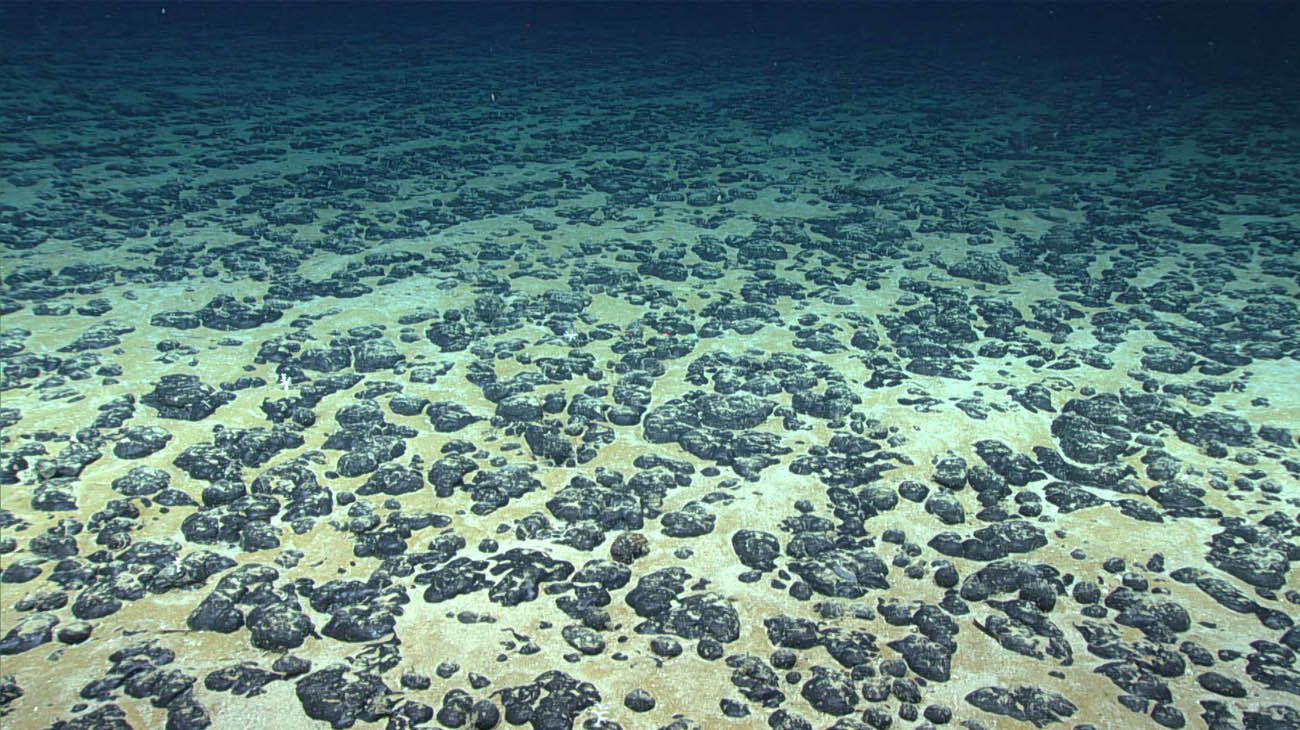
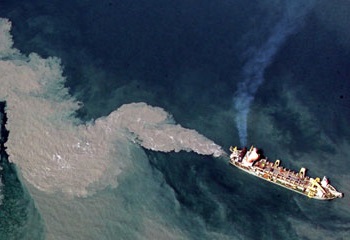
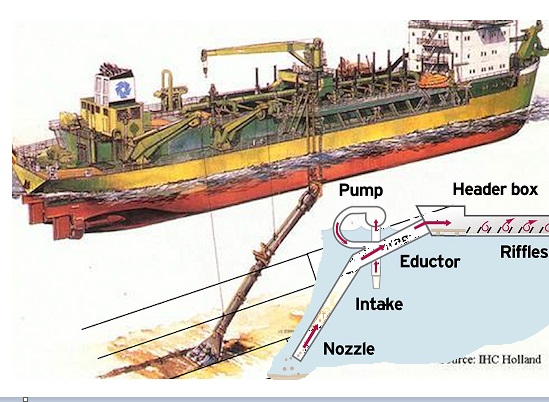

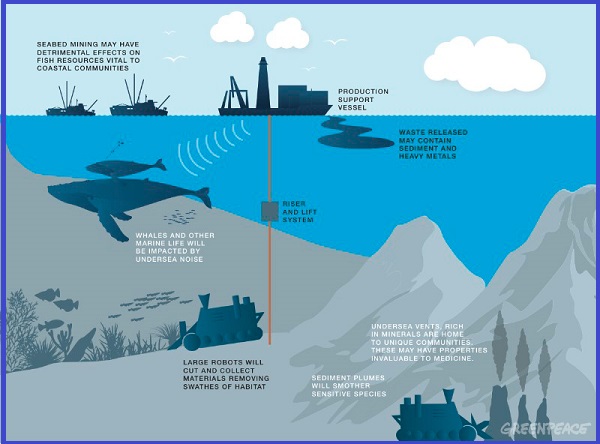









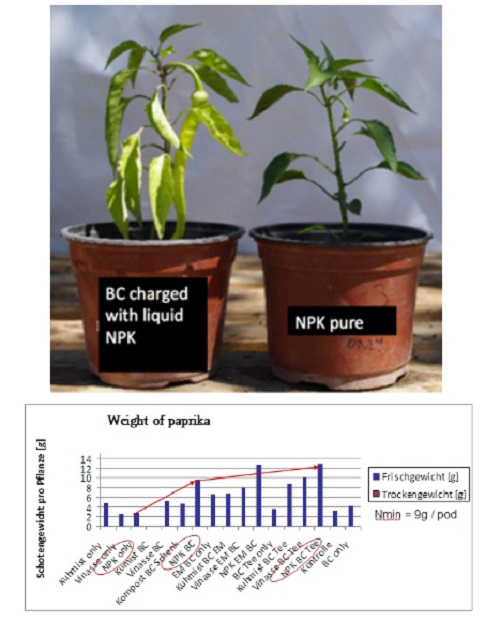

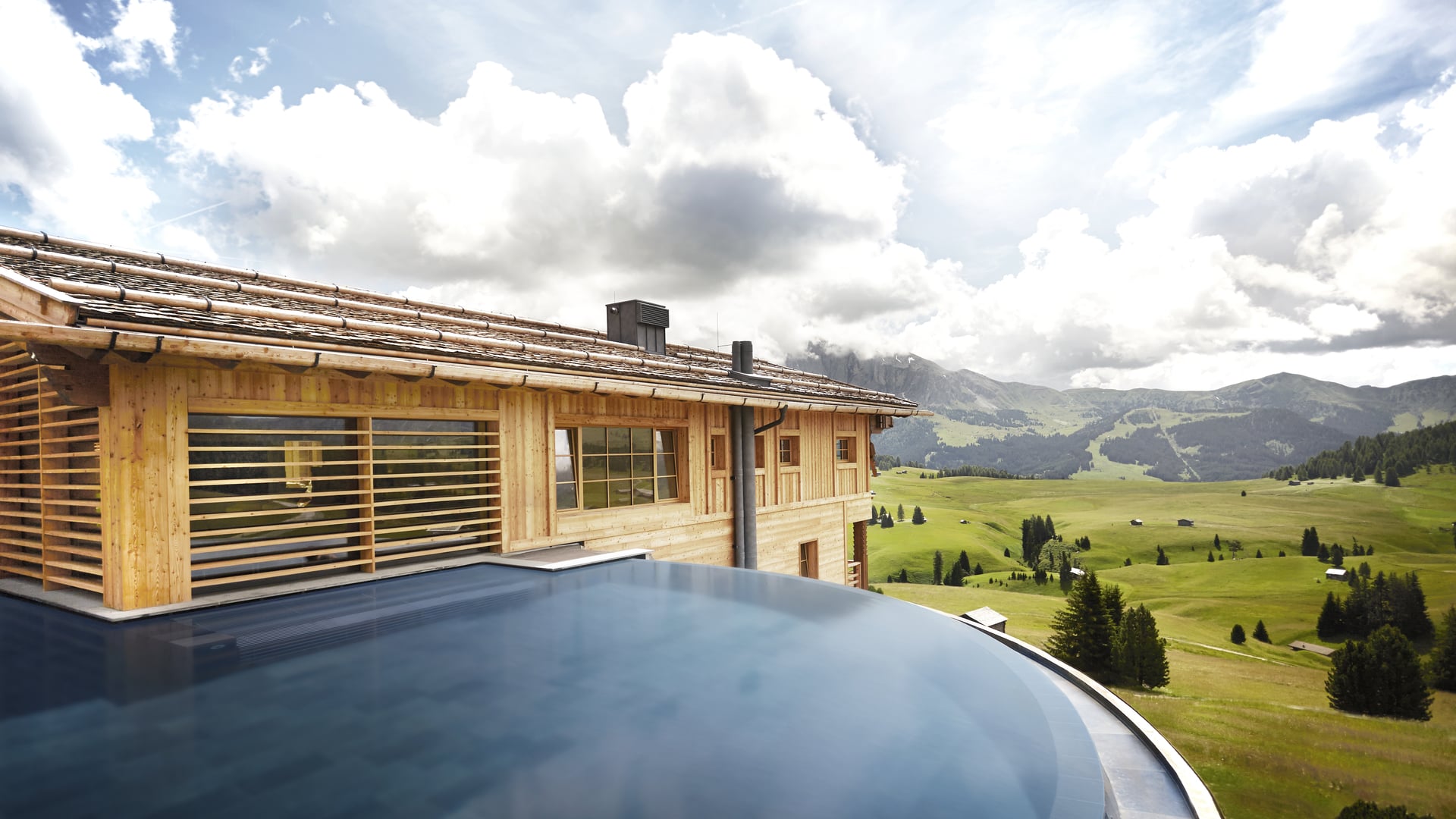

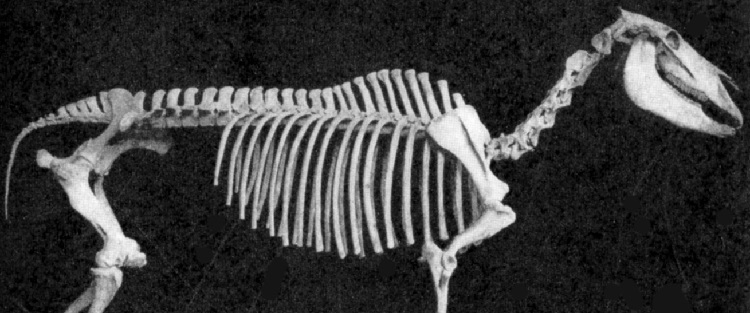


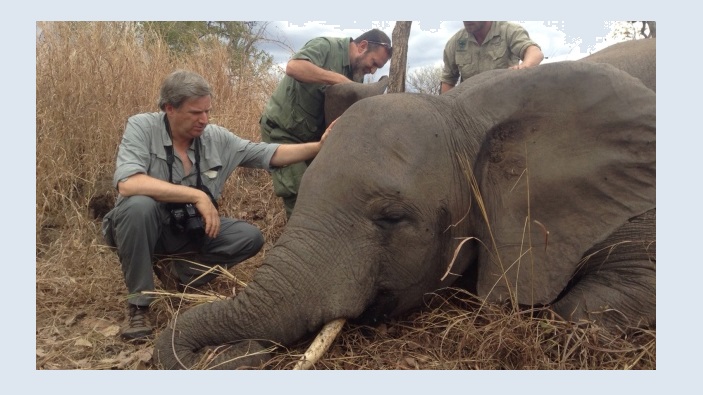
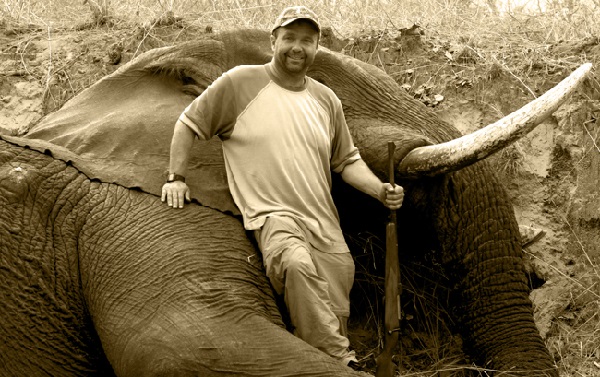
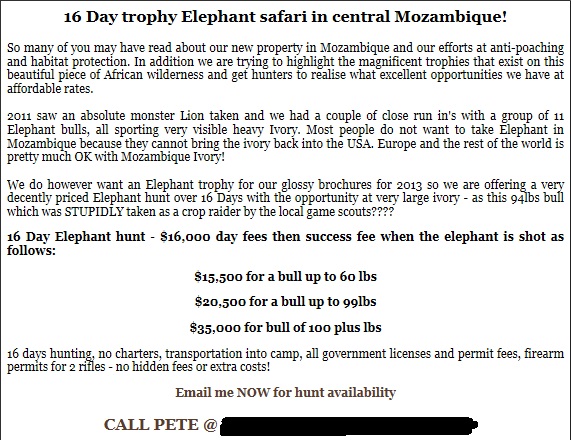



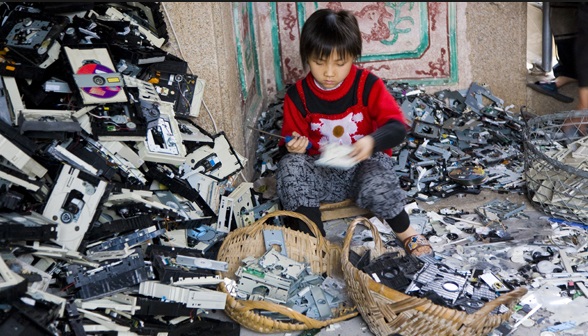
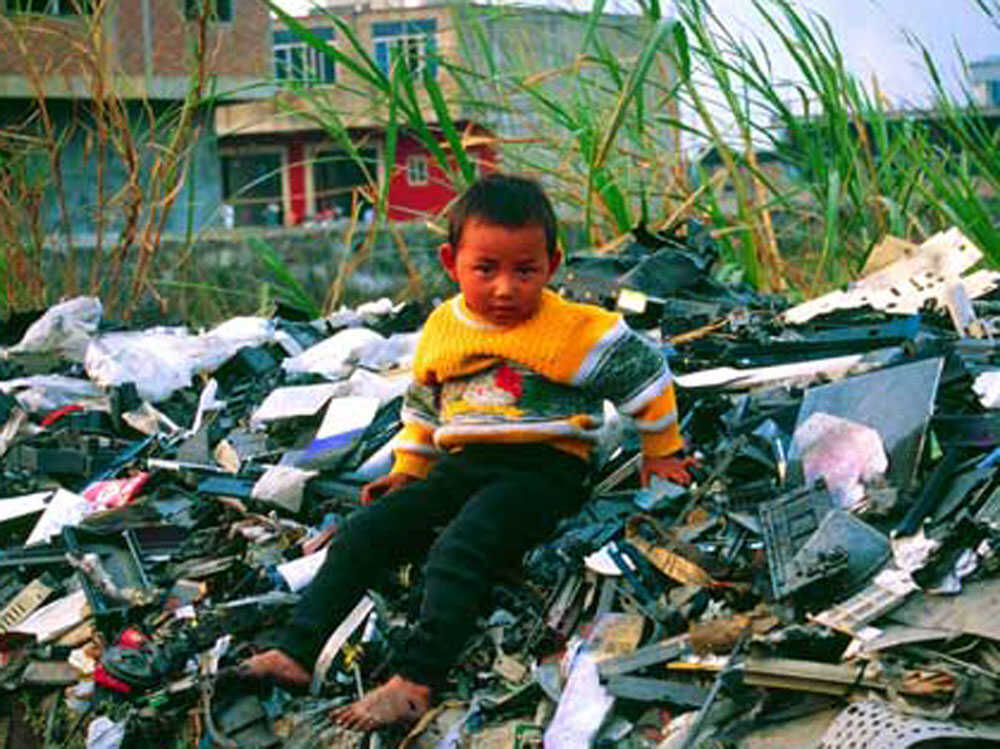




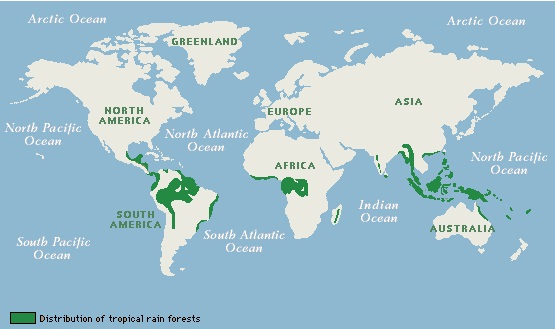


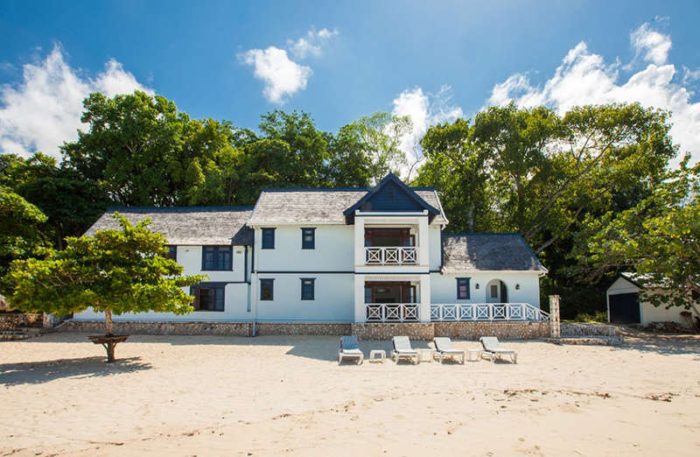


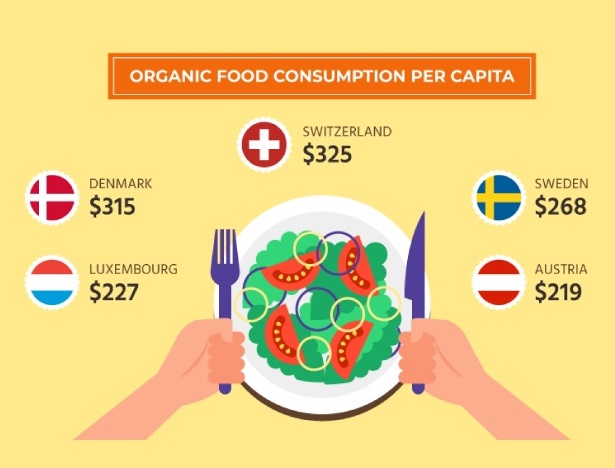
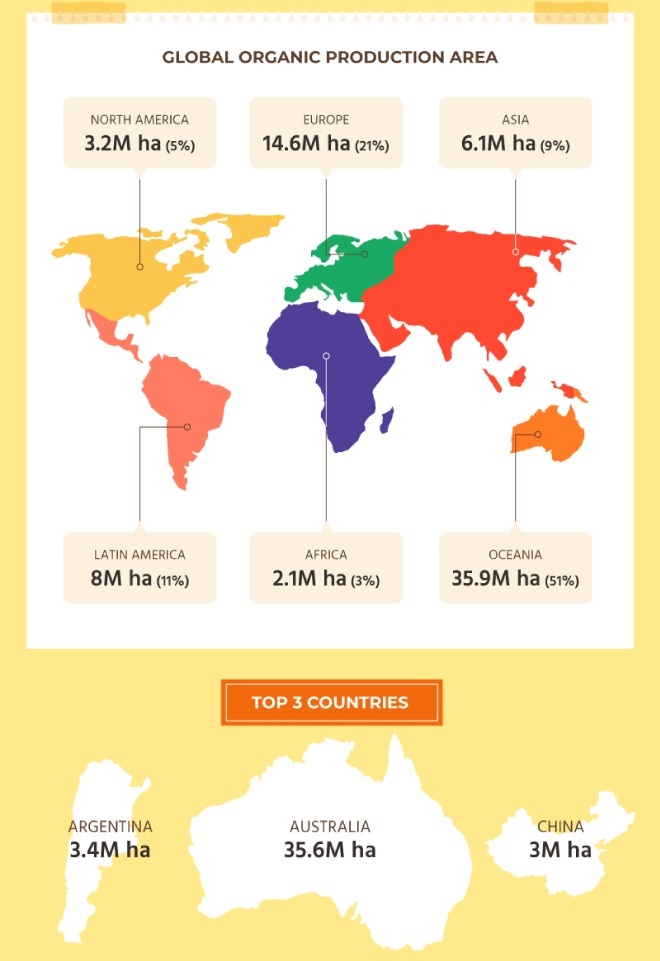
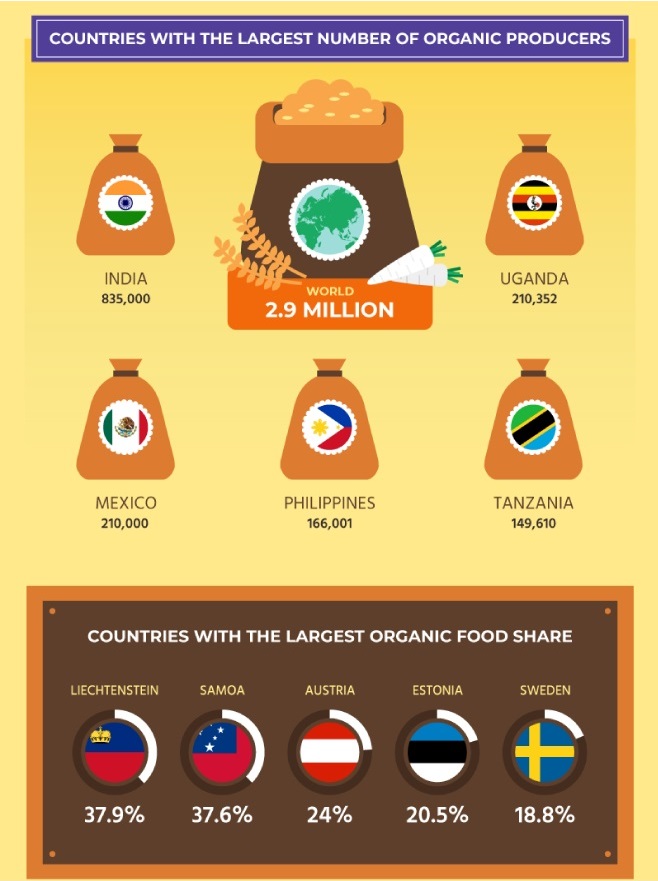

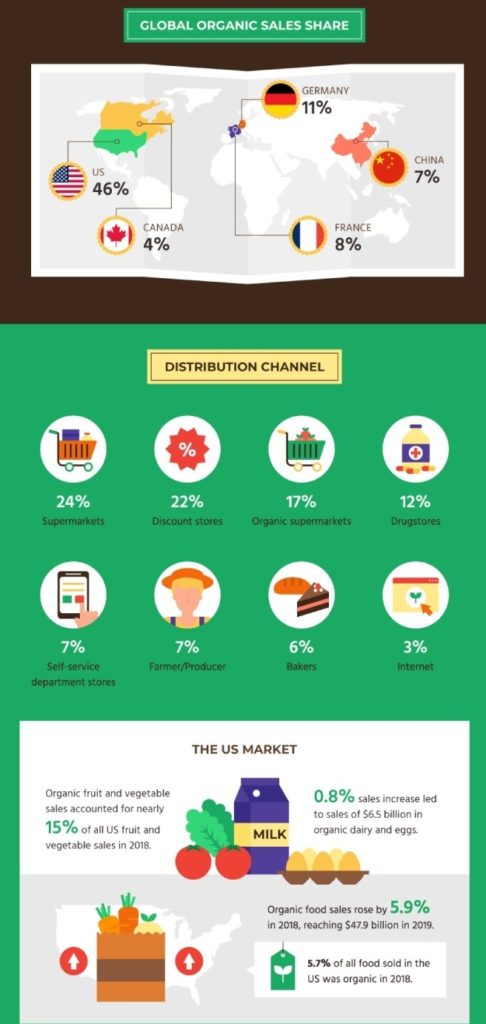
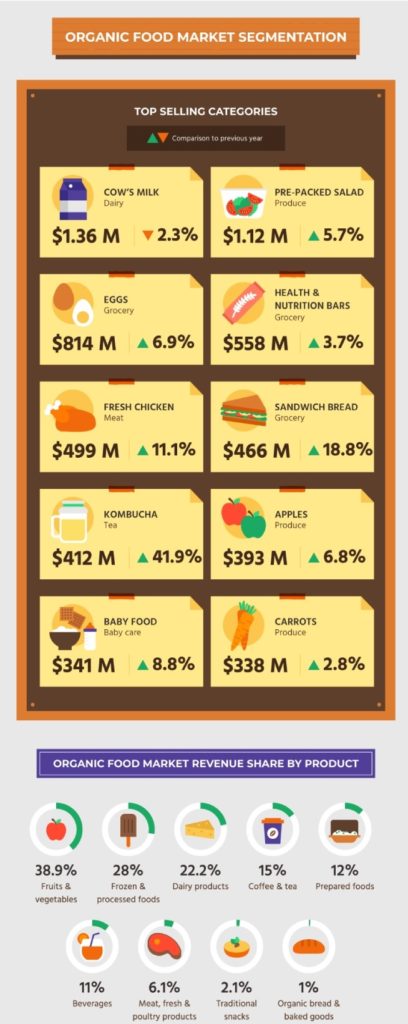
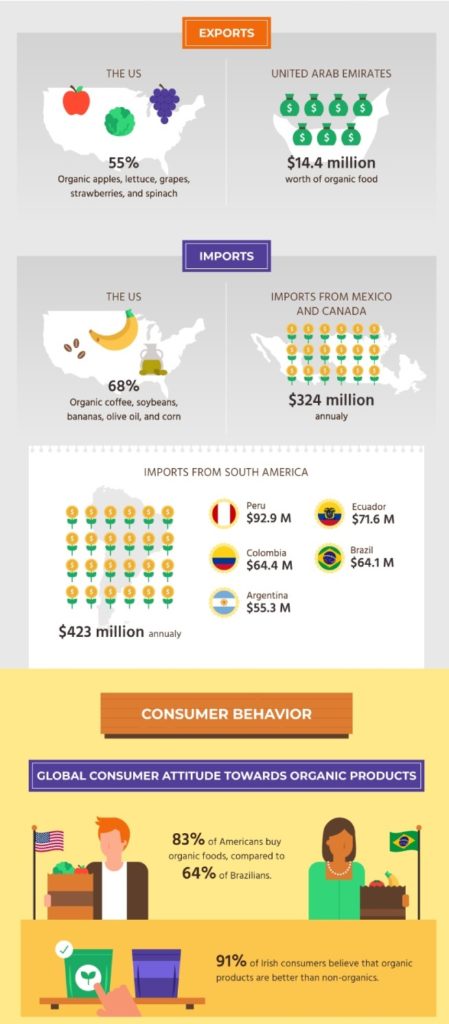
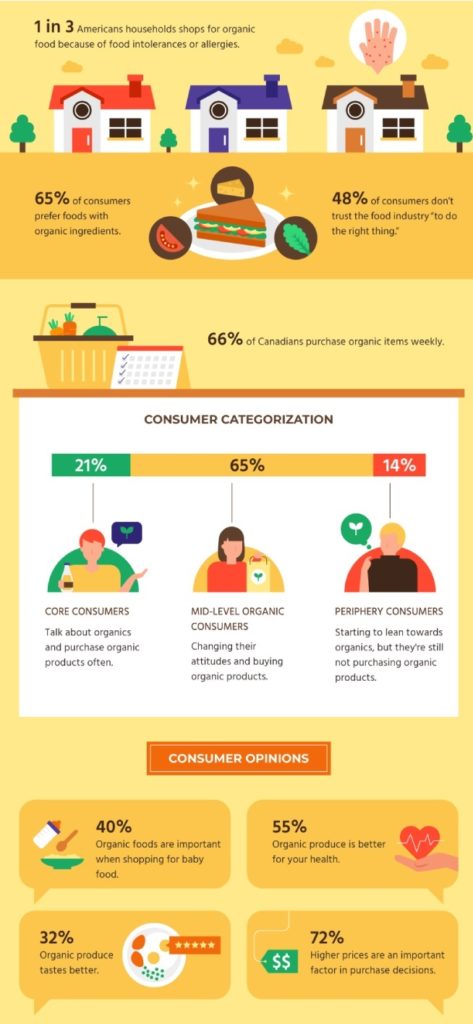
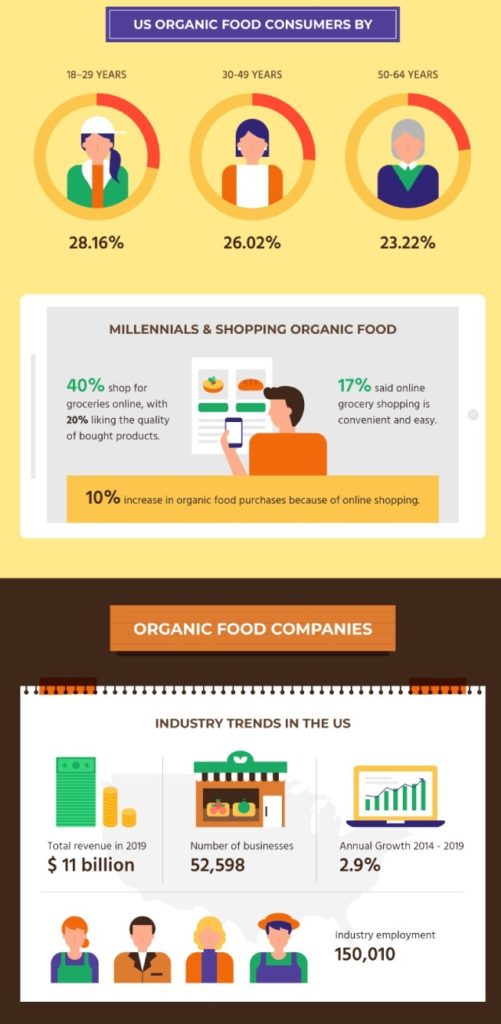

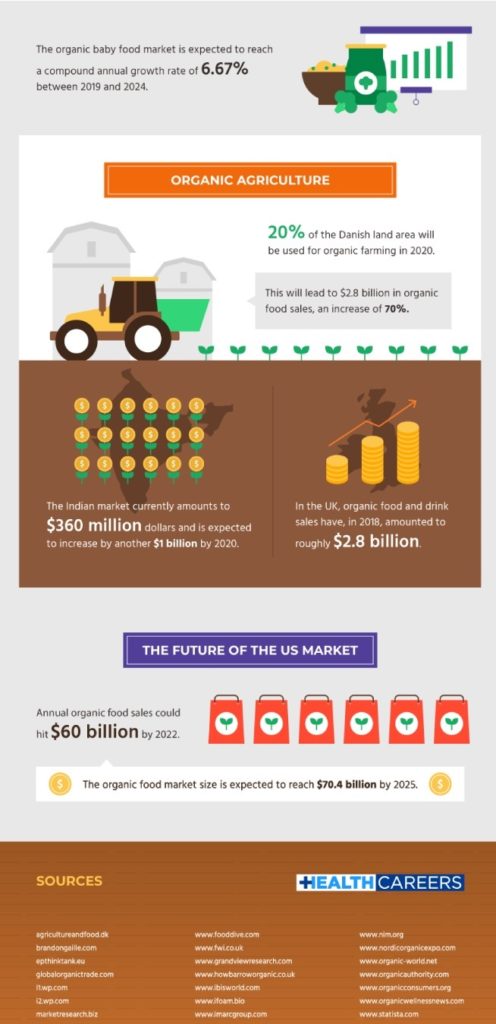
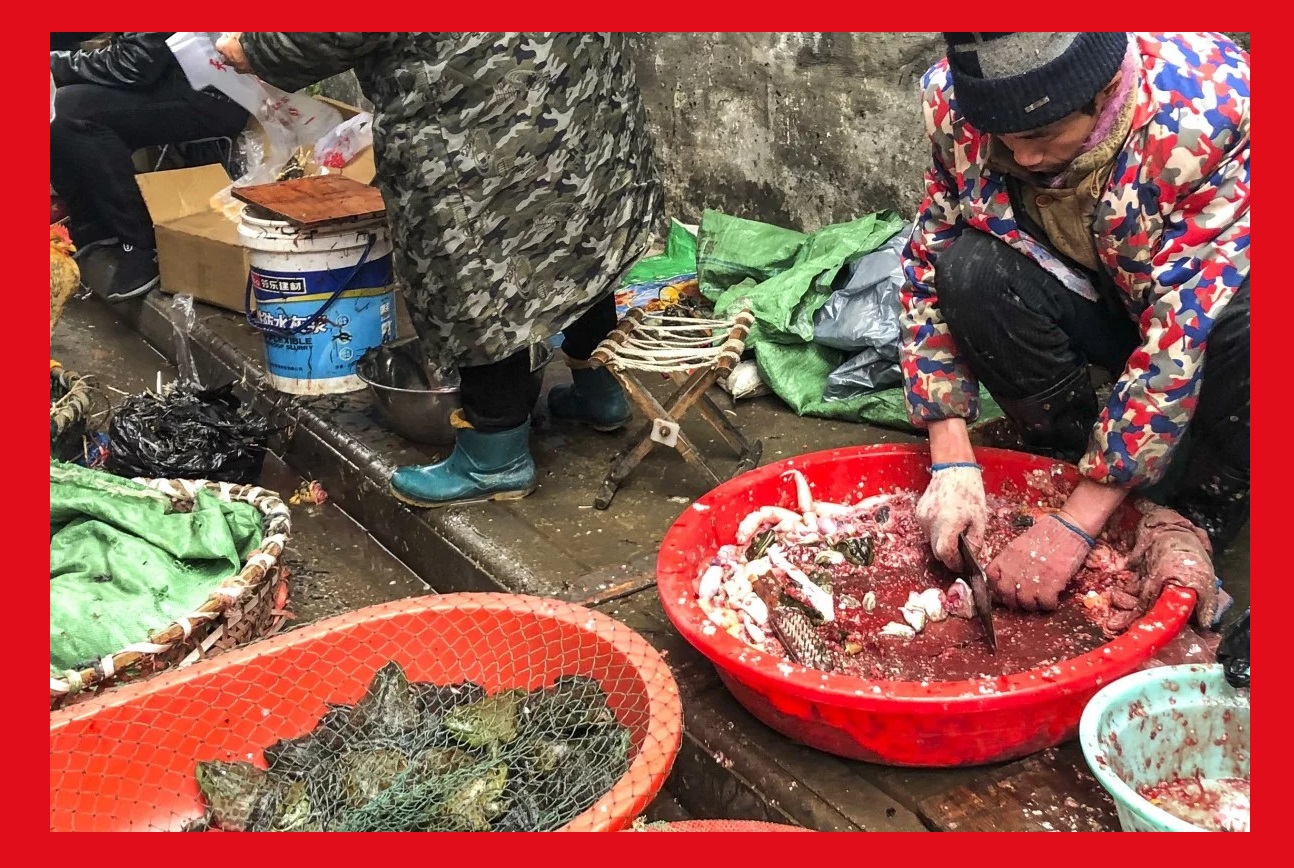
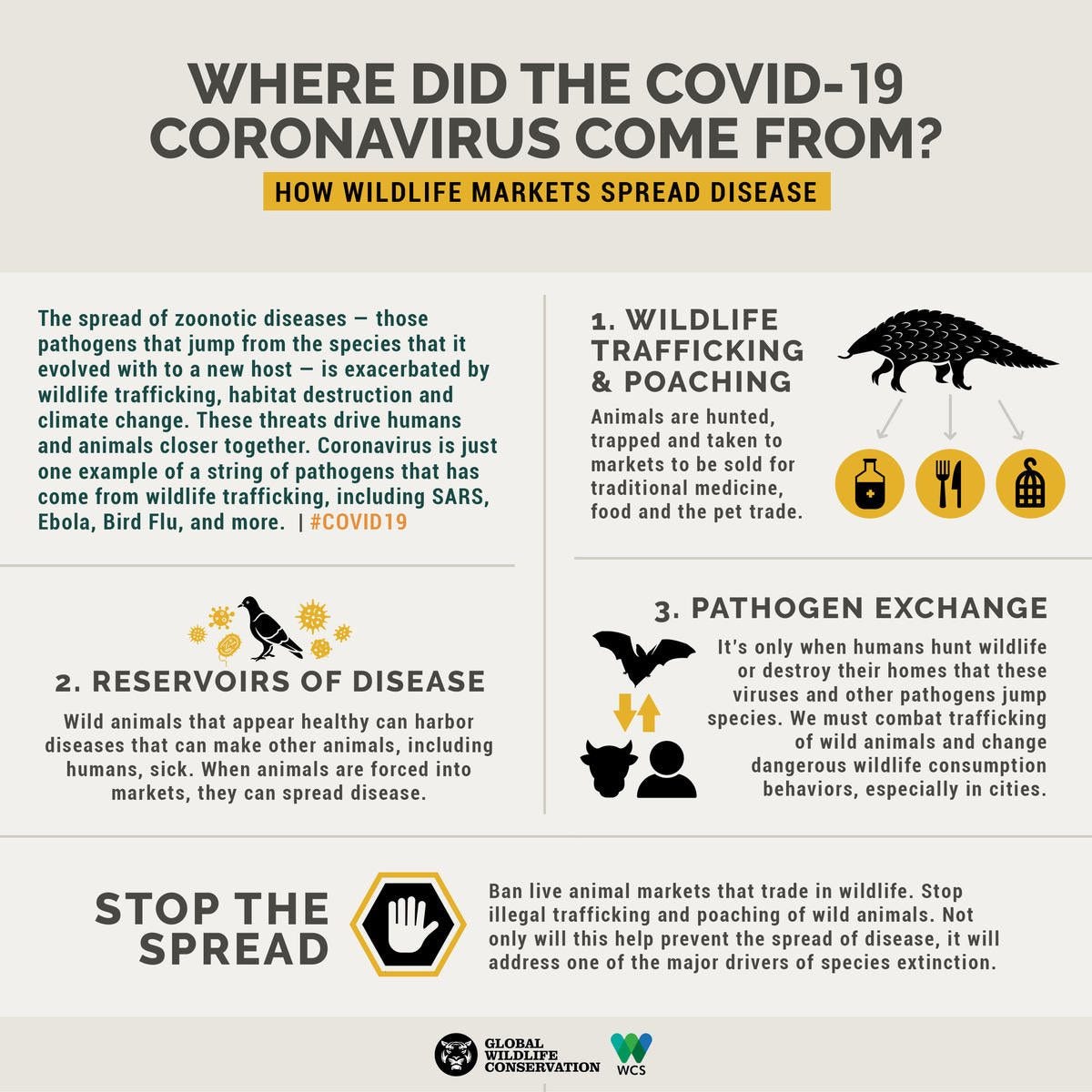 Graphic design: Sarah Markes/WCS.
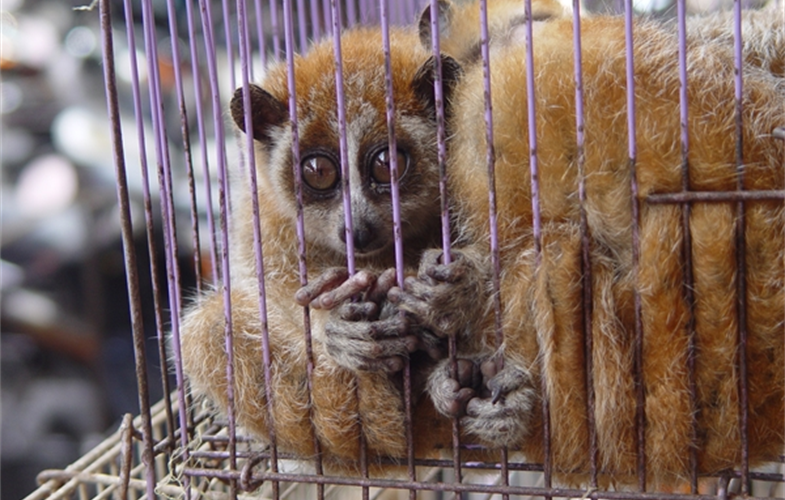 The conditions of so-called “wet markets” are ideal for incubating new diseases and bolster their transmission. Photo credit: Elizabeth L. Bennett/WCS





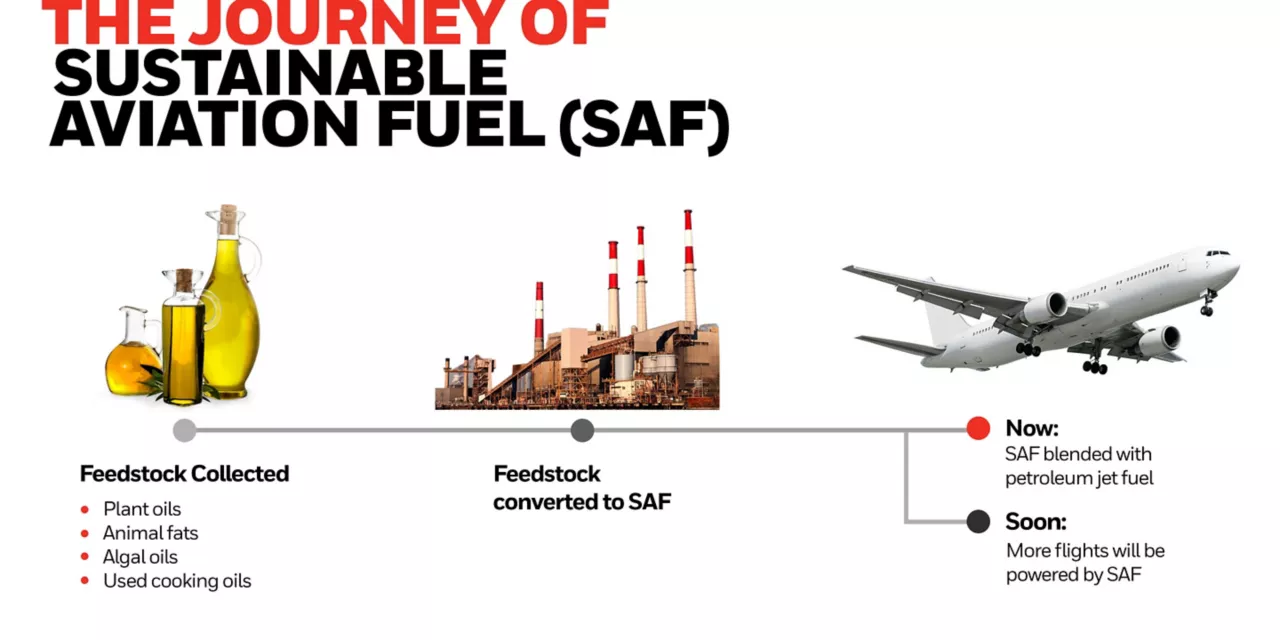



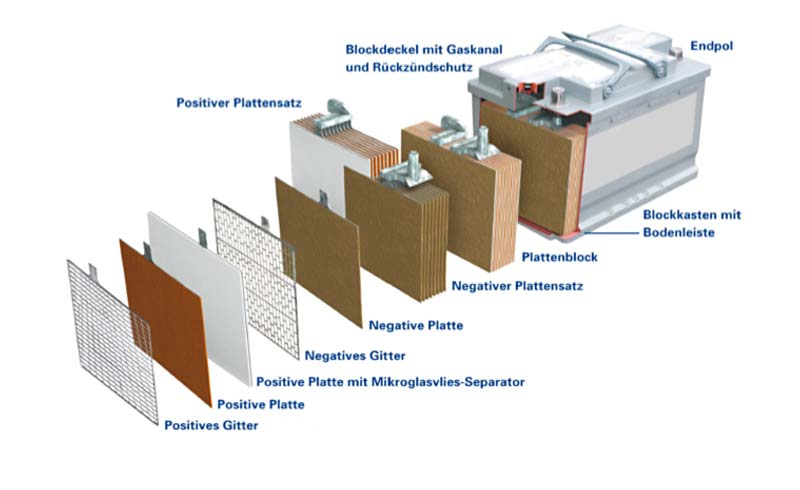


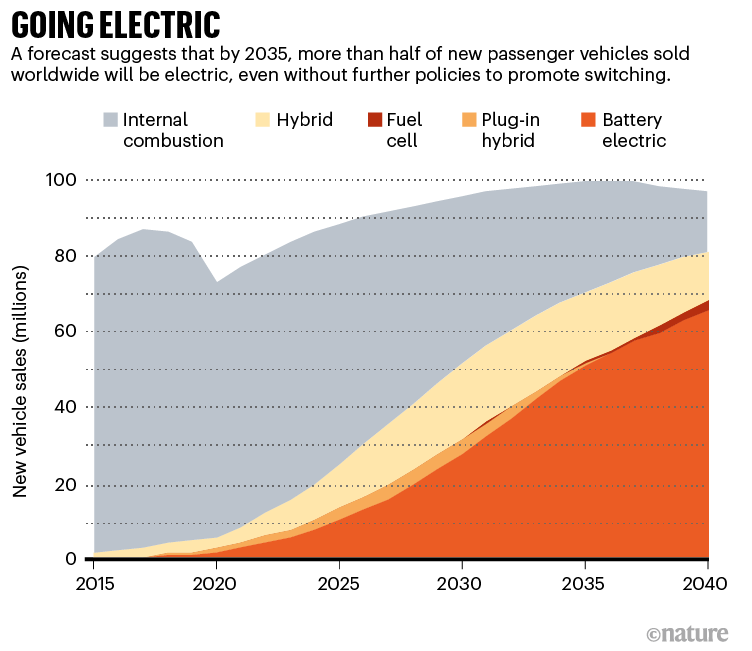
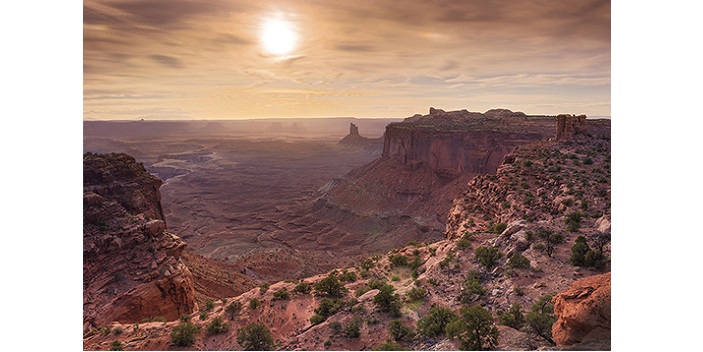
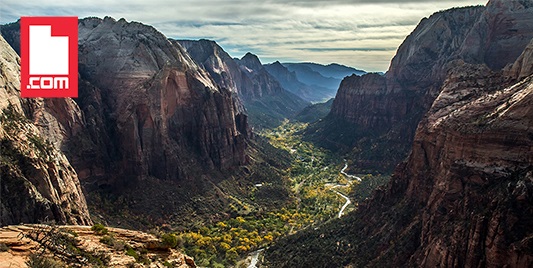
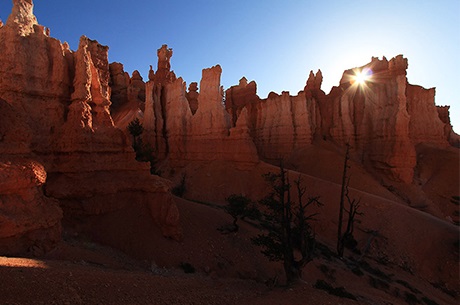 Travelers looking for meaningful and inspiring experiences in Utah can find

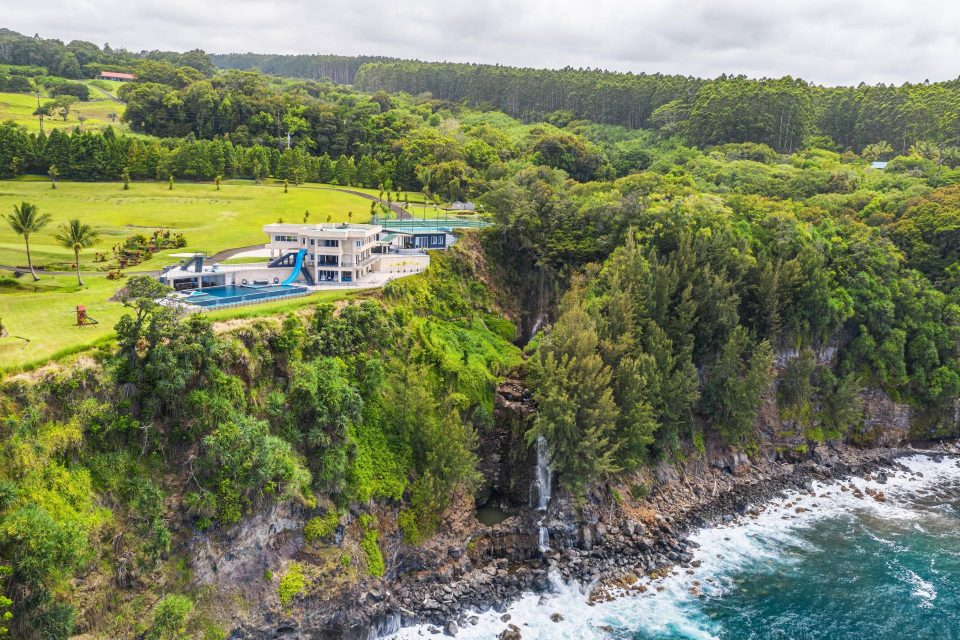
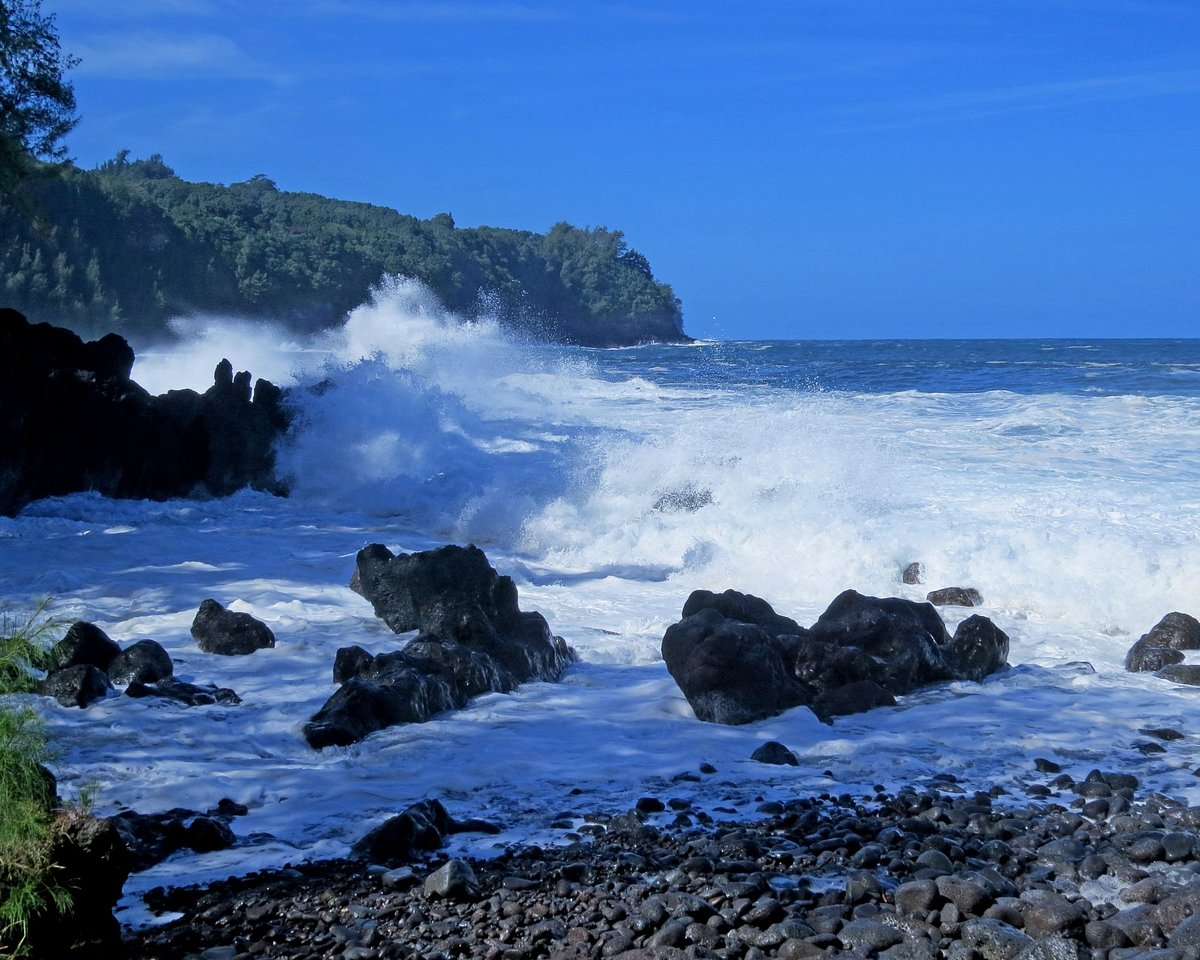


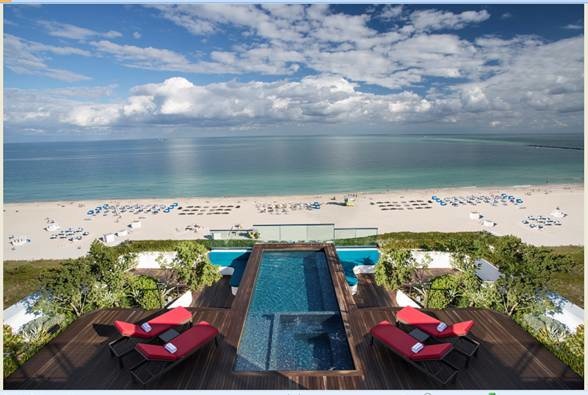




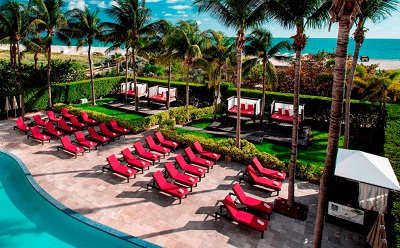









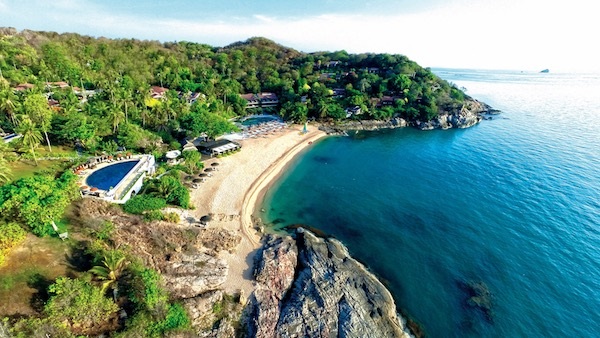


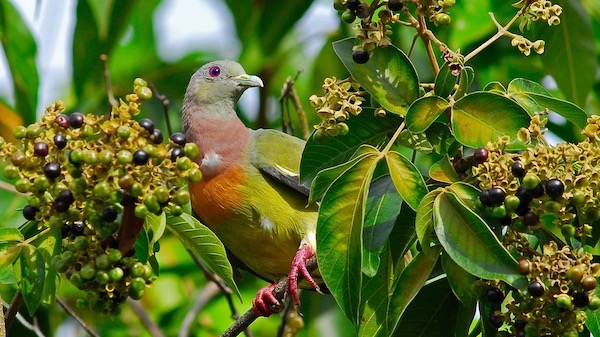
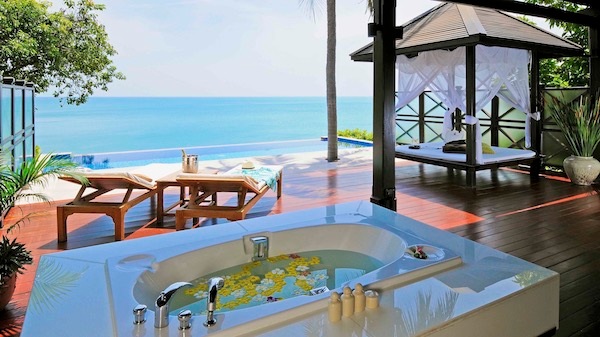
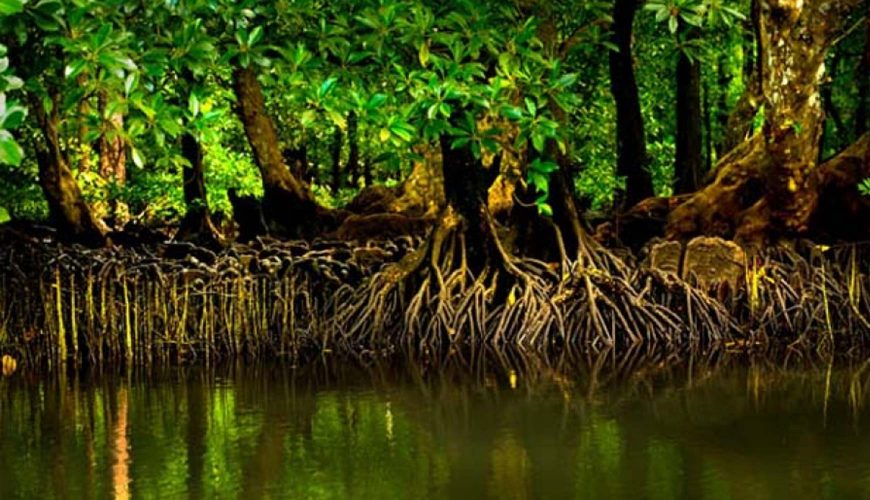

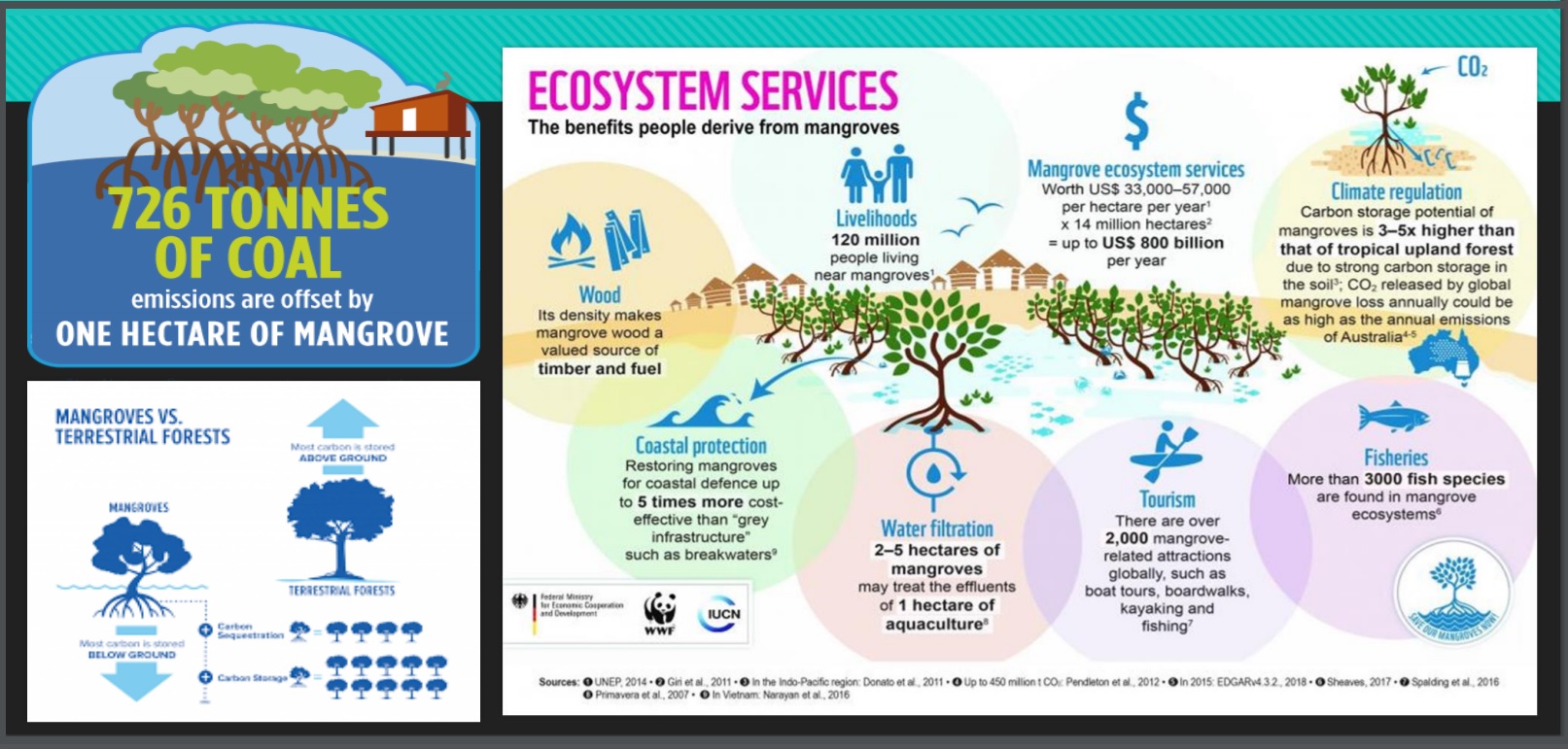
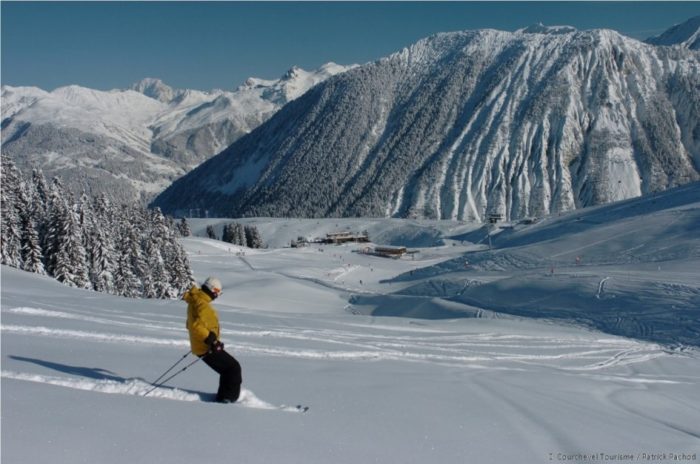
 There’s a reason why Val d’Isere, at 1,850 meters, continues to be the top choice of European skiers each winter. It offers the perfect blend of challenging ski terrain for advanced skiers and learner-friendly beginners zones for those new to the snow. The resort center is lined with high-end shops, lively après-ski bars and fantastic restaurants, all housed within beautiful, stone-clad buildings.
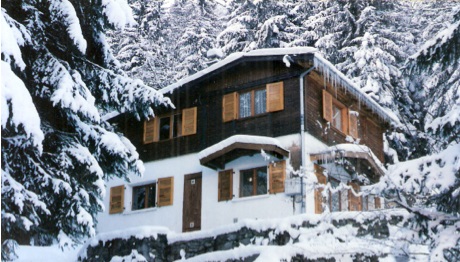 The diversity on offer in Chamonix these days makes it impossible to review the whole resort as one destination. At 950 meters, Les Houches is one of the closest resorts to Geneva Airport and offers kilometer after kilometer of tree-lined skiing, making it the perfect destination for families and beginners. The resort center has a village feel and is an outstanding spot from which to take in the incredible views.
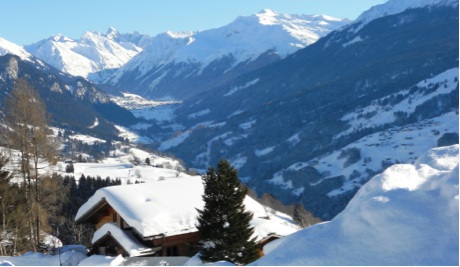 While the ski area between Klosters (at 1,179 meters) and Davos offers lots to explore, Klosters is without doubt the more attractive base for your ski holiday. The village center is charming and affluent, but with a relaxed vibe, while the trails are popular with advanced skiers enjoying an abundance of easily accessible off-piste in the area.
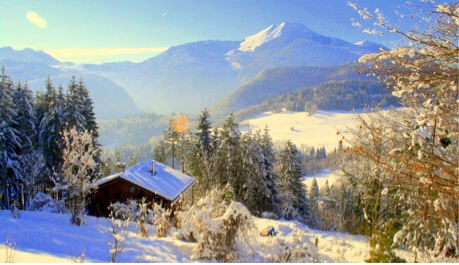 A resort that’s been quietly minding its own business for years, Les Gets, at 1,200 meters, is now developing into a chic, family-orientated resort that offers quick and easy access to the 650-kilometer Portes du Soleil ski area. Several piste-side restaurants offer views of Mont Blanc so it’s easy to find a sunny spot on which to enjoy an après tipple or two.
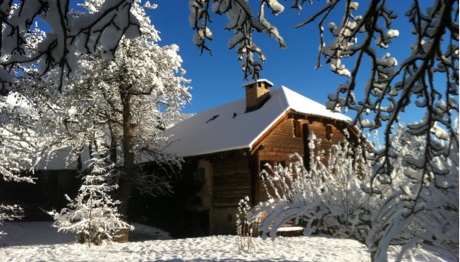 There’s one thing that makes these two interconnected resorts stand out, and it may not be for everyone. Crans, at 1,500 meters, and its neighbour Montana are not villages; although right on the edge of a great ski area, they’re most definitely towns with a very urban feel. This is a very sunny spot in which to base yourself and there’s varied terrain to suit all ability levels.
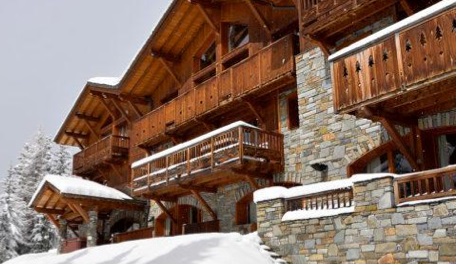 We love La Rosière, at 1,850 meters, not just because of its high elevation and snow certainty. The ski area offers two great experiences for the price of one when you cross over the Petit St Bernard pass into Italy. Wide pistes descend for kilometers into La Thuile over the border and getting back is no hassle at all. The main village is quiet but well stocked, and the views are exceptional.
 Italian ski resorts are always authentic, traditional and charming, and Campiglio, at 1,550 meters, is no different. The car-free resort huddles on the valley floor and the center is stylish with several chic shops. The ski area spreads over 150 kilometers, and there have been several lift upgrades over recent years, making it quick and easy for you to cover a considerable distance on skis each day.
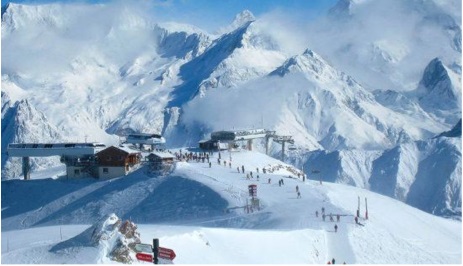 Rebranded back in 2011 to recognise the differences between its more blingy neighbour higher up the valley, Courchevel 1650 is now an attractive, unpretentious resort with a stack of new facilities, including Aquamotion, a huge center for water sports that opened in December 2015. And let’s not forget: On your doorstep you’ll find the largest linked ski area in the world. The 600 kilometers of the 3 Valleys network never disappoint.
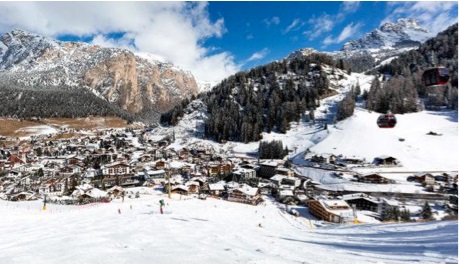 Seasoned skiers, this one’s for you. At 1,563 meters, Selva serves up challenging ski terrain on both sides of a valley, accessed by both gondolas and quick chair lifts. The village center is packed with charm and character and there’s also a collection of well-maintained beginner slopes and progressive tree-lined runs enjoyed by families.
 No list of top 10 ski resorts is complete without mentioning Norway and the town of Geilo, at 800 meters. It is one of the country’s most popular resorts. It’s a small, well-equipped town that’s currently investing heavily in new runs, new lifts and new facilities. Between January and April you can also ski until 8pm on flood-lit slopes. Photo Credit: Geilo, Norway