
Tag Archives: farmer

Premium Panamanian Coffee, Freshly Air-Shipped to Canada

There is something special about enjoying a cup of coffee that can be traced back to the people and the place where it was grown.

At Rogusta Coffee Canada, our mission is simple: to bring exceptional Panamanian coffee directly to Canadian homes while creating a closer connection between coffee lovers and the farmers who produce it.

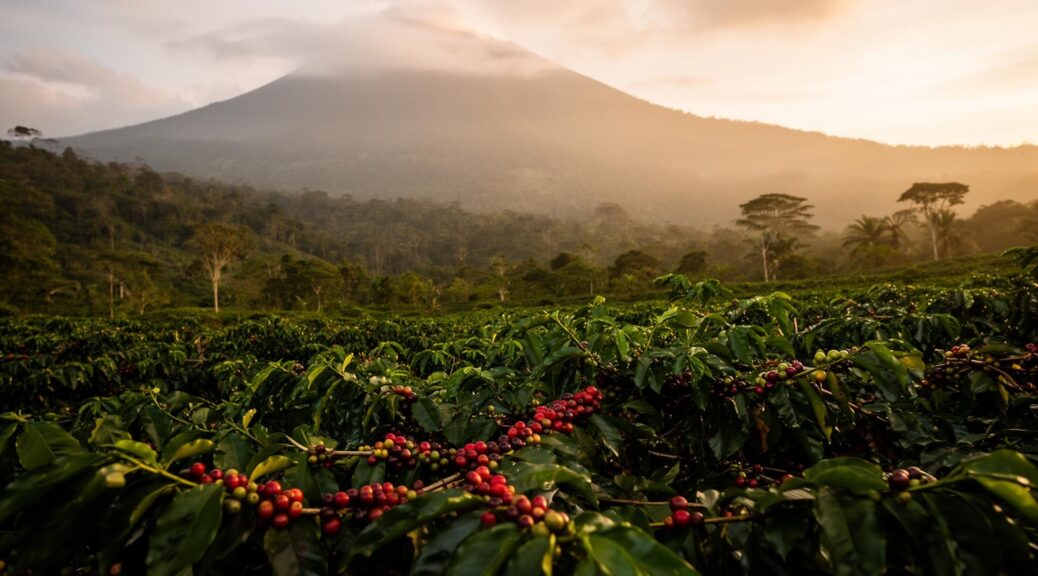
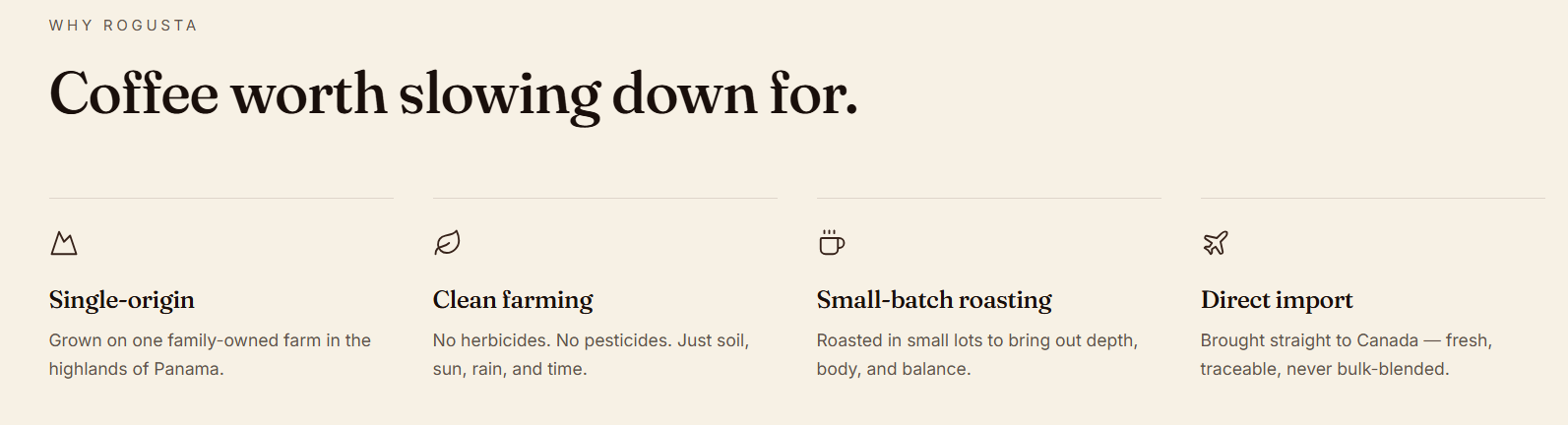
Our coffee is carefully sourced from Hacienda Rogusta and neighbouring family-owned farms in Penonomé, Coclé Province, Panama. Grown in fertile volcanic soil and harvested by hand at peak ripeness, every bean is selected with care to deliver outstanding quality and consistency.
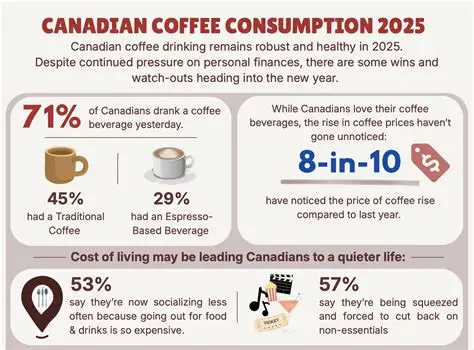
Coffee consumption is on the rise in 2026 as well.

Air Shipped Means Freshness

Unlike coffee that may spend weeks travelling by sea, our beans are air-shipped to Canada to help preserve their freshness, aroma, and distinctive character. Once here, they are prepared for Canadian customers who appreciate quality, freshness, and traceability.

Pre-Order Online
https://rogusta.ca

We currently offer both whole bean and ground coffee, allowing customers to enjoy the same premium Panamanian Robusta whether they brew espresso, pour-over, French press, or drip coffee at home.
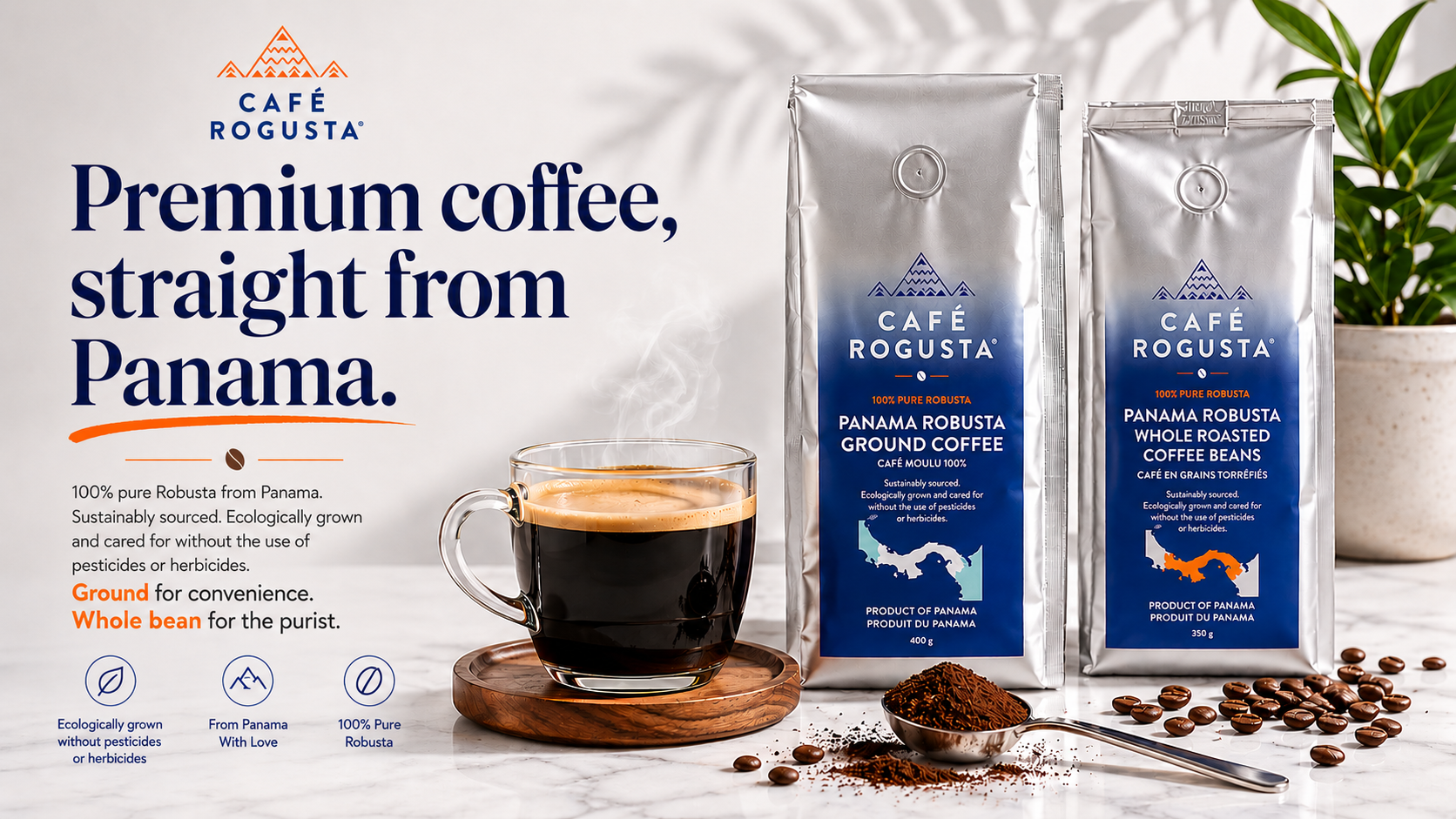
Our signature medium roast is carefully developed to highlight the bean’s natural sweetness, smooth body, and rich flavour profile instead of masking it with an overly dark roast. The result is a bold yet remarkably smooth coffee with naturally higher caffeine and very low acidity.

Rogusta is also proud to represent coffee from the same producer whose coffee has been served onboard Copa Airlines, introducing thousands of travellers across the Americas to the taste of premium Panamanian coffee.

Exceptional and un-common Coffee for Canadians

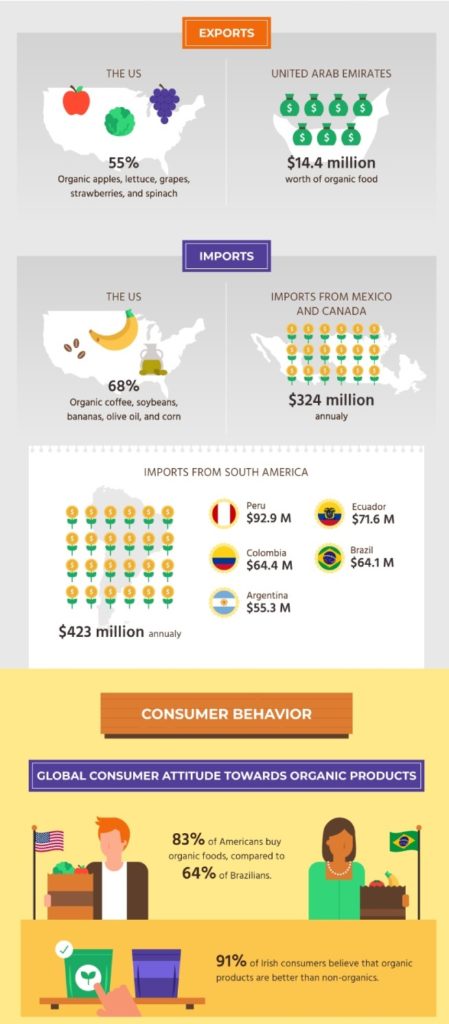
As a Canadian importer, we are committed to building long-term relationships with responsible producers while giving Canadian consumers access to exceptional coffee that is difficult to find in traditional retail channels.

Our first shipment to Canada is arriving soon, and pre-orders are now open.
Whether you’re a coffee enthusiast, café owner, retailer, or simply someone looking to discover something different, you are warmly invited you to experience premium Panamanian coffee—fresh from the source.

For the Silo, Jarrod Barker.

Learn More

Website
https://rogusta.ca

Founder – Varqa Kanani
https://www.linkedin.com/in/varqa-kanani
The Production And Distribution Of Organic Food

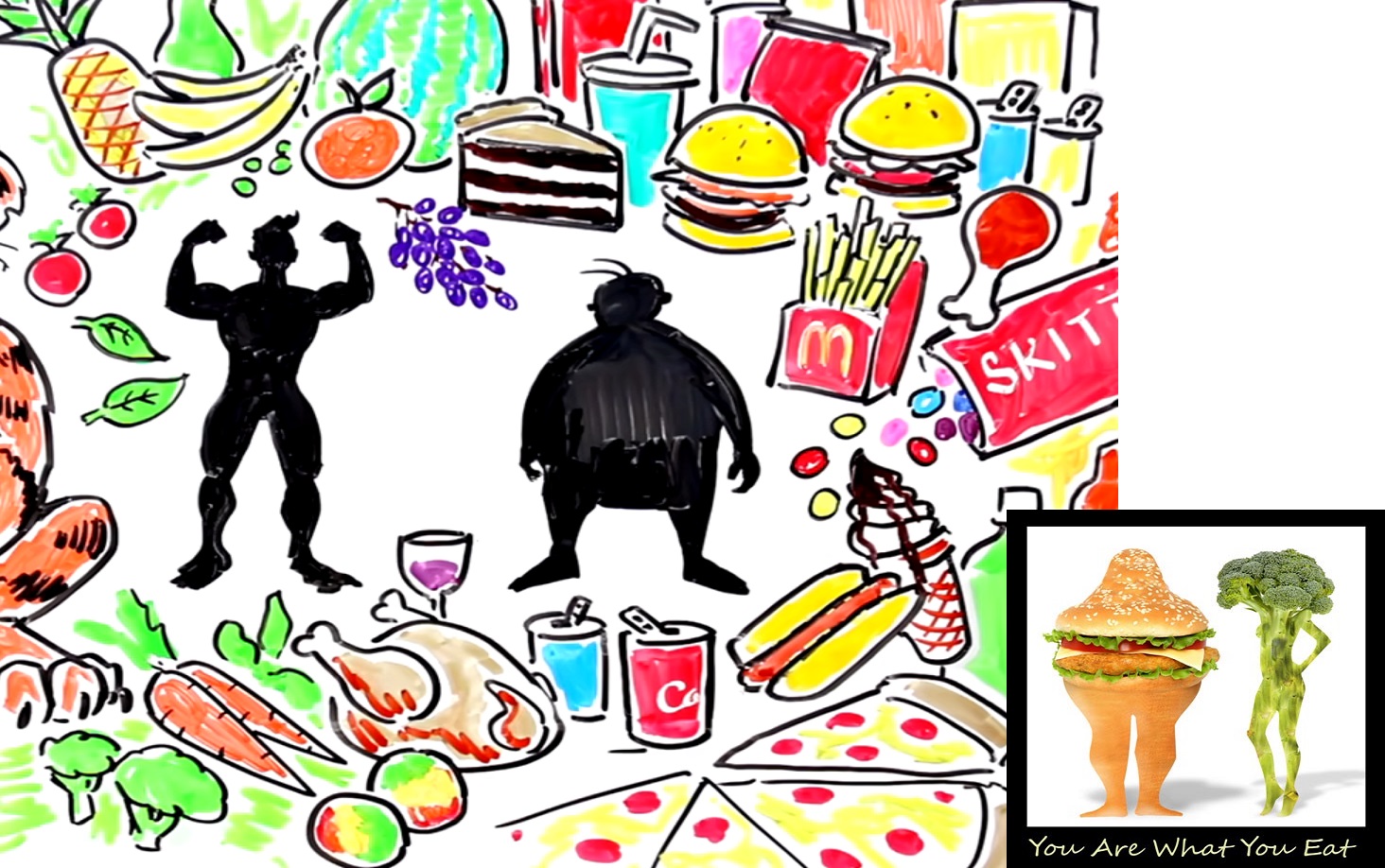
If you want to create healthier habits for yourself and your loved ones, it might be a good time to switch to organic foods. The benefits of this diet are numerous, and with the global expansion of the market, organic food has become readily available to all.

Ask yourself — what kind of food do I actually eat, and how is this food produced? You may not like the answer, but there is one simple solution to this problem — organic food. This type of diet may not look as appealing as GMO, but trust us when we say, it tastes the same, and it is not bad for your health.

Who Are the Leading Manufacturers of Organic Food?

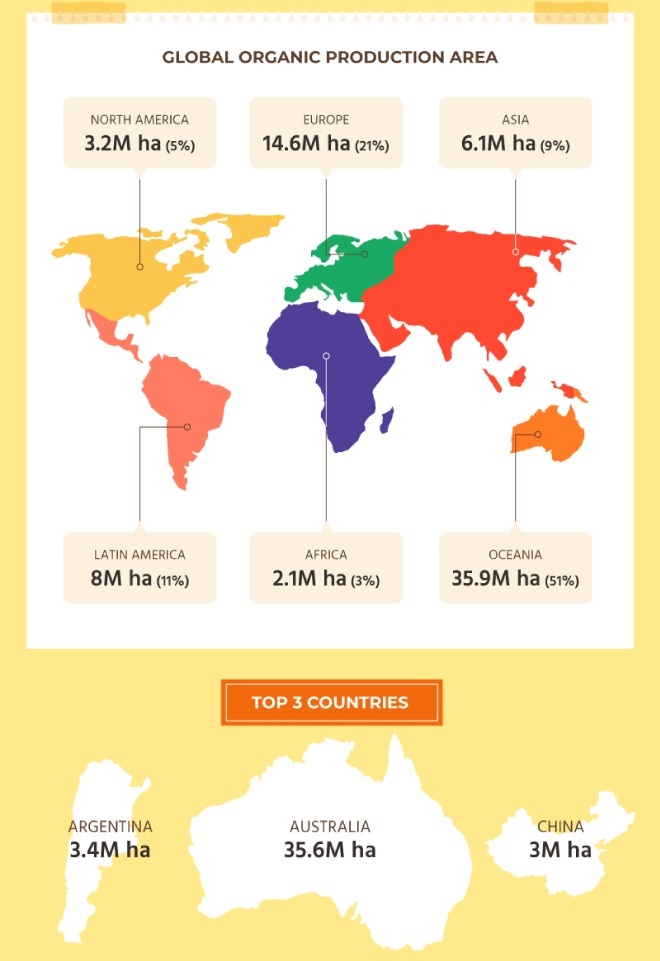
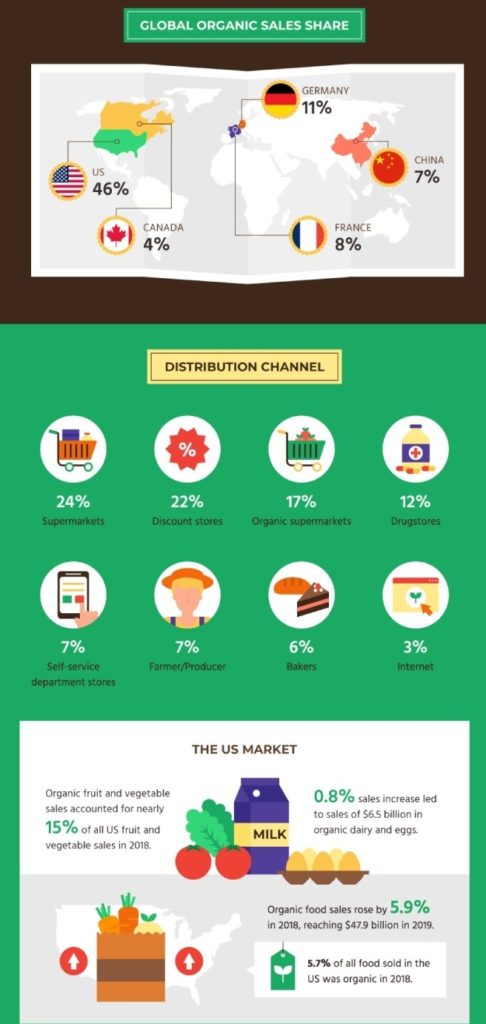
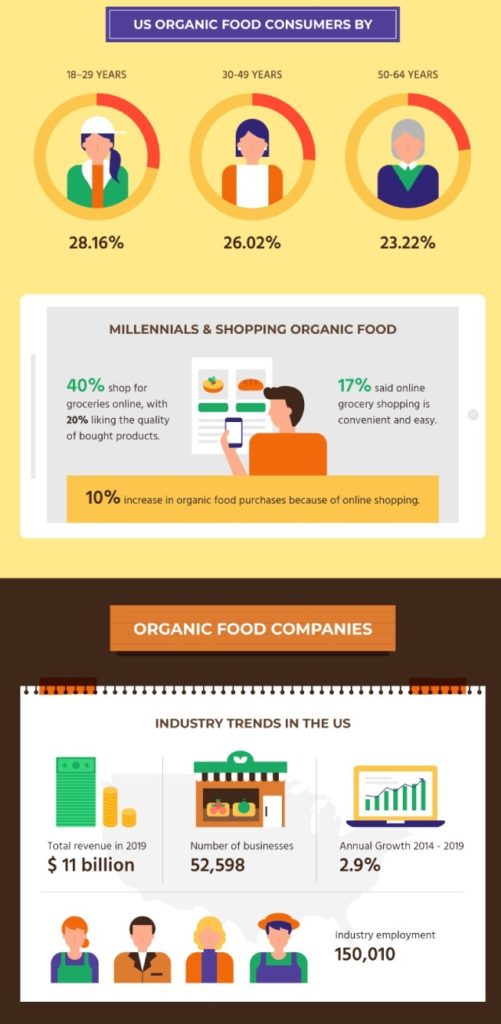
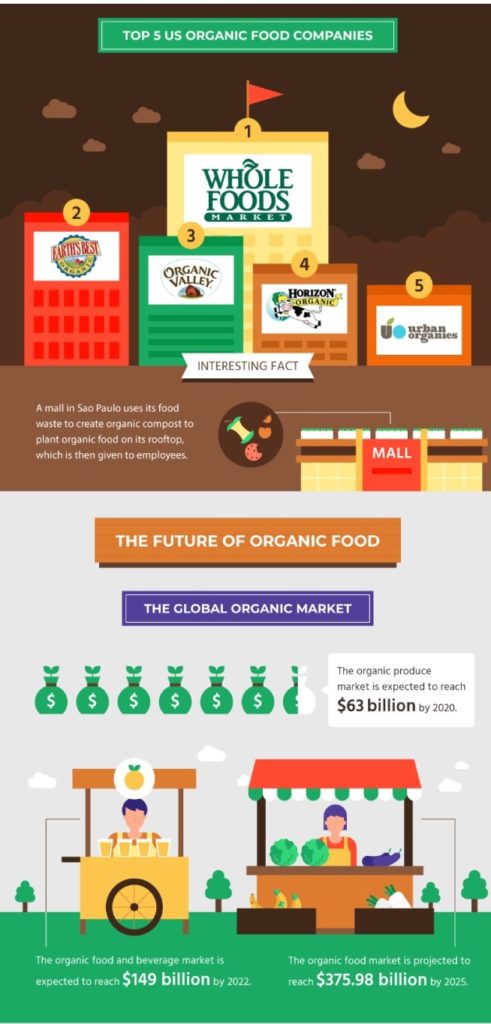
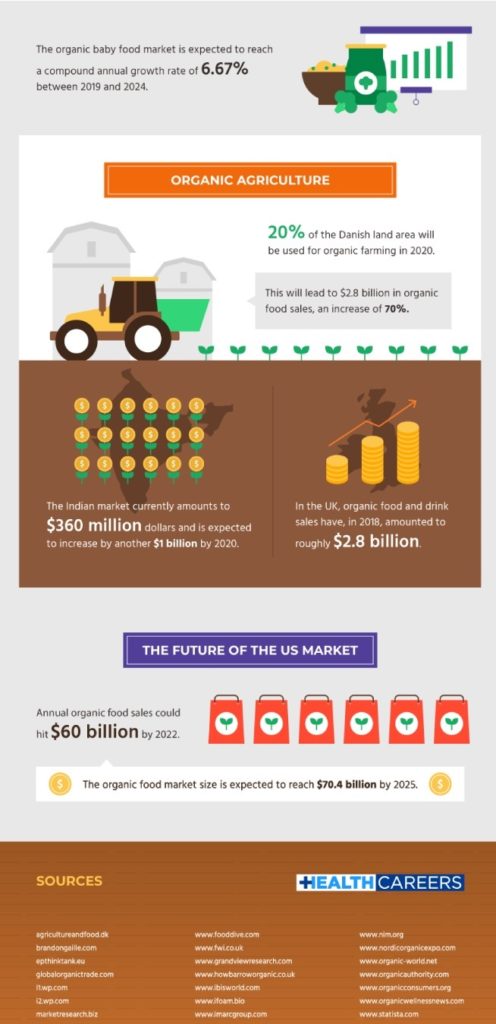
If we look at the bigger picture of organic food production, the leading place belongs to Australia where organic farms occupy an area of 35.9 million ha, followed by Europe with 14.8 million ha, South America with 8 million ha, Asia with 6.1 million ha, North America with 3.2 million ha, and finally Africa with 2.1 million ha.

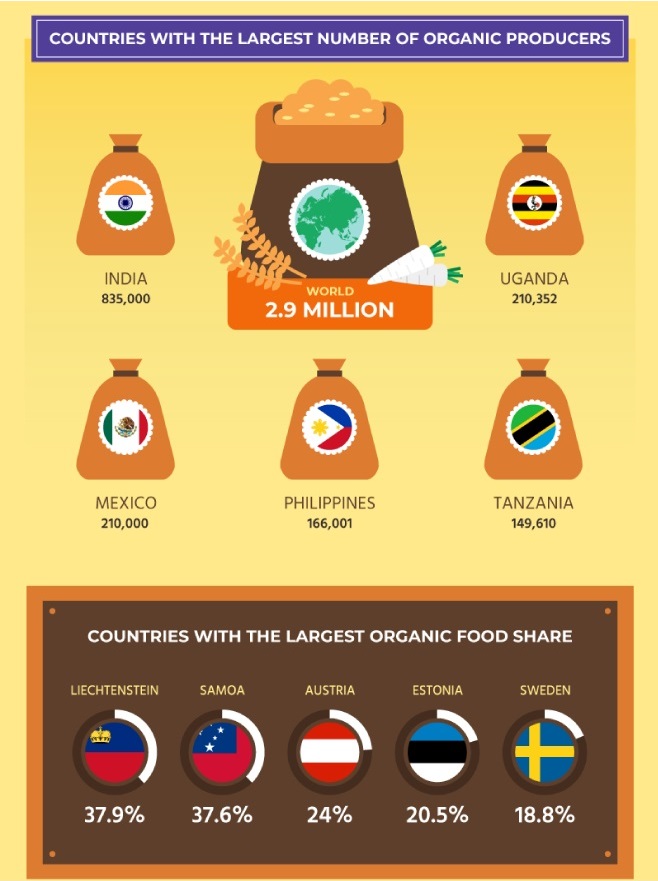
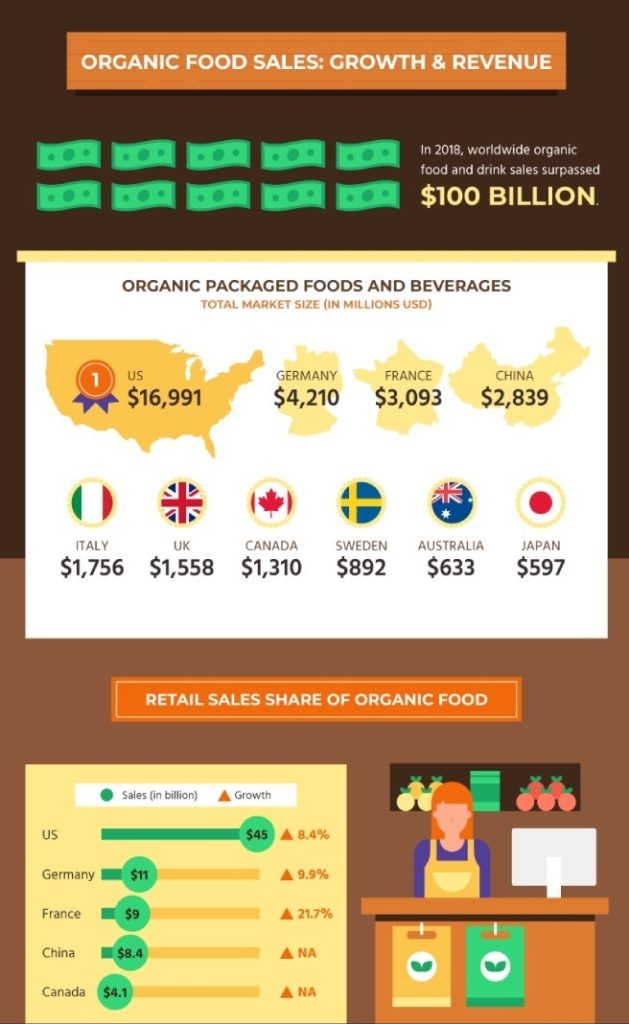
However, India has the most considerable number of registered organic producers – a whopping 835,000. Sounds like a big number? The organic industry is expanding every year and is expected to generate over $60 billion usd by the end of this year (2022).

The reason for this rapid growth is that more and more people in different countries are opting for this type of food.

If we look at the 2016 American market, we can see that organic food has reached a staggering $38.9 billion in organic food retail sales. These numbers are showing that the production (and consumption) of organic products is on the rise, which is actually great news!

What About the Consumers?

Many people are living a fast-paced lifestyle, and this means that they spend much time planning their meals or doing workouts. This type of unhealthy eating regime can have a detrimental effect on our health.

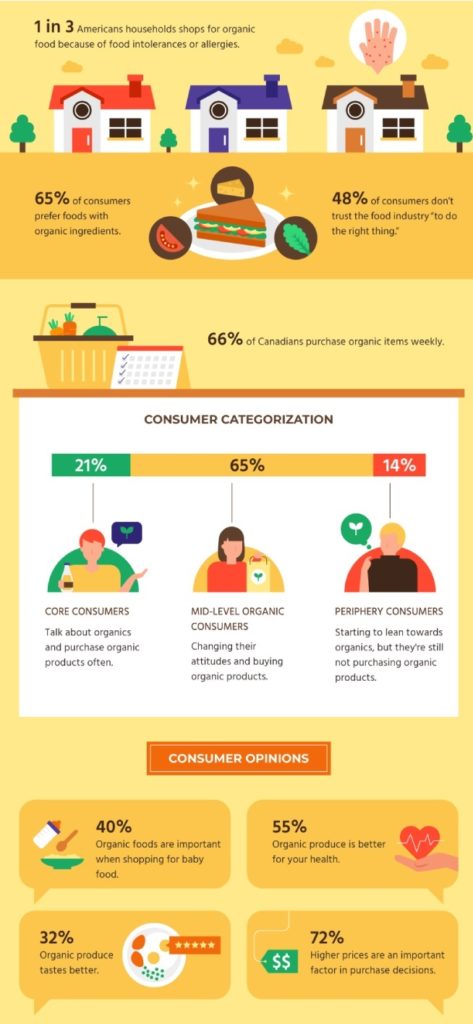
According to stats, 57% of children are well on their way to being obese due to the consumption of unhealthy foods and foods that contain empty calories.

Fortunately, this trend is declining as 51% of parents opt for healthier foods, and they are even willing to pay 3-4% more for organic food to create healthier eating habits for their young ones.

An increasing number of people are becoming aware of the hazardous effects of food additives and supplements that may cause numerous health disorders. According to a survey conducted in France, about 70,000 people who consumed organic foods had 25% fewer cancer diagnosis than the ones who consumed conventional food.

Considering these facts, organic food consumption is expected to increase in the coming years.

Quality-Price Ratio

The production of organic food requires compliance with certain regulations that vary from country to country. Organic food refers to foods that are not genetically modified, not treated with pesticides and growth factors, and that are grown on land that doesn’t contain chemical substances such as artificial fertilizers.

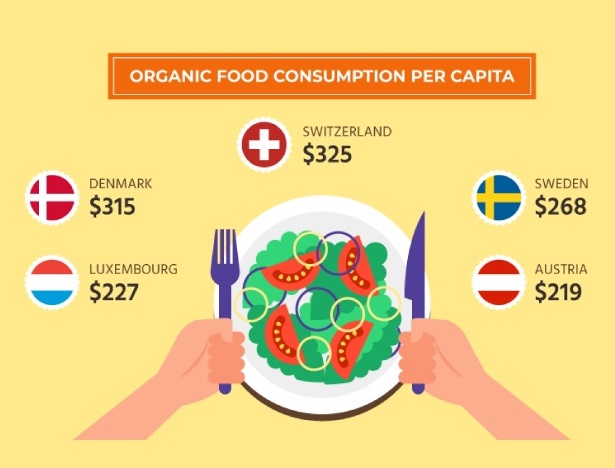
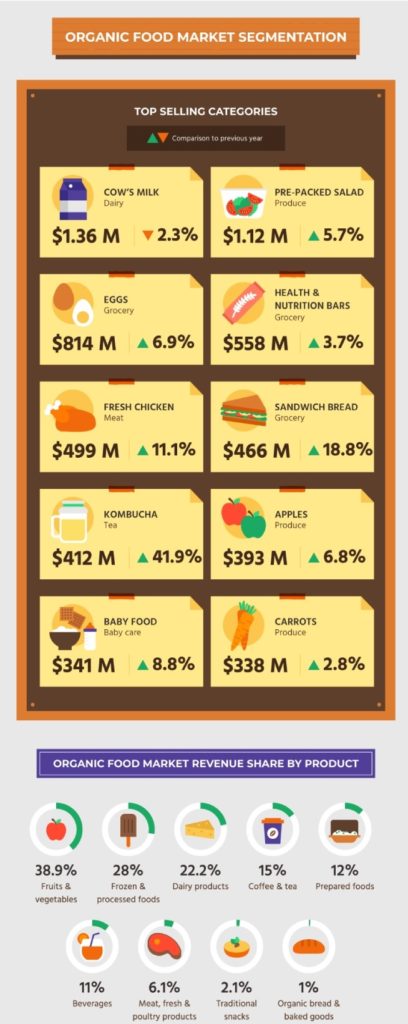
You must have wondered how organic production manages to sustain itself. The secret is in prevention. Organic producers put a lot of time, resources, and effort to create the end product we find in the markets. That reflects a lot on the price. Organic food is 7.5% more expensive on average than non-organic.

The reason for this is that, despite the thorough preventative measures, organic food is more affected by various diseases and pollutants. That said, producers could lose their entire annual organic food production and end up losing substantial amounts of money.

That said, organic food is more expensive than conventional. However, if you decided to go organic, there are ways you can buy this type of food at a more affordable price. Here’s how:

  • buy directly from the manufacturer
  • compare prices
  • buy seasonal food
  • obtain membership in a community-supported agricultural farm or CSA.

Bottom Line

All of this considered, conventional food may not be a cheaper option than organic food. Why? Because good health is invaluable. So if it means that we must spend a couple of extra bucks to get rid of lousy eating habits, we’d say, go for it! For the Silo, Tarun Reddy.