Tag Archives: trails

Utah’s Zion National Park Has Otherworldly Landscape

Another superb travel spotlight via our friends at ShareAmerica.

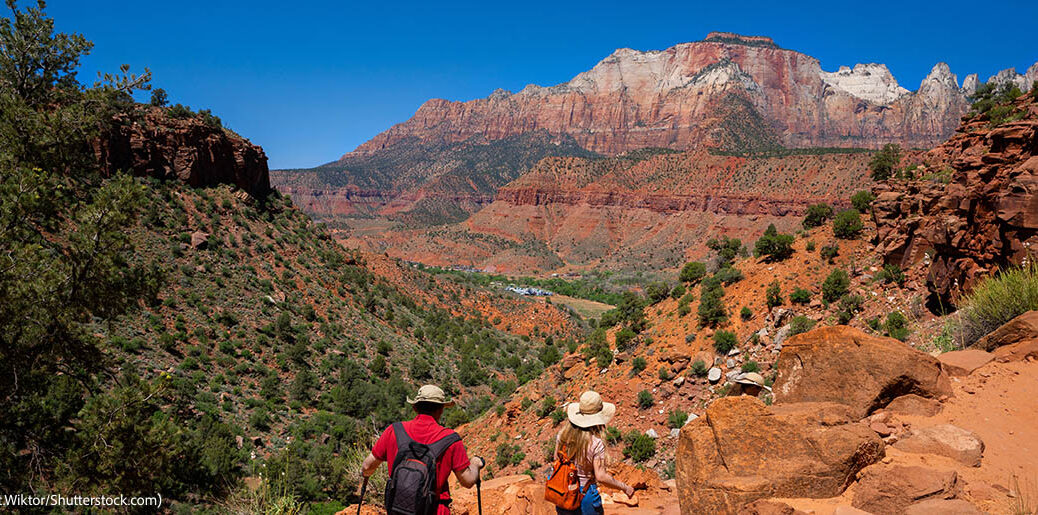
With massive, towering cliffs and deep canyons, Zion National Park consistently ranks as one of America’s most popular spots for outdoor adventure. Designated as a U.S. national park in 1919, Zion, in southwestern Utah and two hours from Las Vegas, now attracts 5 million visitors annually.

Tallest Sandstone Walls In the World

They come for red-and-white sandstone walls, among the tallest in the world, that soar to heights of 2,000 to 3,000 feet (609 to 914 meters) above the canyon floor. Zion’s immense scale and dramatic rock formations lead many to describe the park in spiritual terms. Mormon pioneers who arrived at the canyon in the 1800s gave it the biblical name Zion, meaning “sanctuary” or “refuge.”

Sandstone walls, wildlife and trails

Hikers will find numerous trails, from the near-effortless to the very challenging. Less difficult hikes like the Pa’rus, Riverside Walk and Canyon Overlook provide stunning views and the chance to spot wildlife, including bighorn sheep and mule deer. The more challenging Angels Landing offers panoramic views of Zion’s iconic cliffs, including the Court of the Patriarchs, composed of three biblically named peaks: Abraham, Isaac and Jacob.

Hiking Amazement

Hiking The Narrows trail is a signature Zion adventure. Hikers tread upriver in shallow water into a gorge with soaring cliff walls 1,000 feet (300 meters) high. Boots and hiking poles can help navigate the rocky riverbed. The Narrows is most popular in June through September, when the water is warm and river levels are low.

Another sightseeing option is the Zion Canyon Shuttle , which takes visitors from one scenic spot to the next. The shuttle operates March through November or December and is the only way to access Zion’s Emerald Pools trails, which feature waterfalls and hanging gardens.

Guided tours on horseback are available for those seeking an authentic Western experience. Zion’s Nature Center offers programs for families, including an interactive exhibit where children can explore the park’s geology, history and wildlife.

Stargazing and nature photography

Certified as an International Dark Sky Park, Zion’s high elevation and minimal light pollution make it a premier spot for stargazing and astrophotography. Expect clear nighttime views of the Milky Way, planets and distant galaxies, but bundle up because temperatures drop after sunset.

Nature photography is a Zion favorite at any time of day. The National Park Service recommends taking advantage of nature’s golden hours at sunrise and sunset to capture the changing light on the park’s vivid red cliffs.

Rocky mountains (National Archives/Ansel Adams)
Ansel Adams photographed the Court of the Patriarchs in Zion National Park during the early 1940s. (National Archives/Ansel Adams)

Ansel Adams documented Zion on numerous visits to the park. A series of the legendary photographer’s black-and-white images of Zion taken in 1941 and 1942 are held at the U.S. National Archives, and several can be viewed online . Adams’ photographs are still enticing visitors to experience the rugged beauty of Zion National Park.

For the Silo, Lauren Monsen/ Share America.

Featured image- Margaret Wiktor/Shutterstock.
North America’s Great Lakes Are A World Class Destination

During my recent tenure as Parliamentary Assistant to the Ontario Minister of Natural Resources and Forestry, I researched the status of our Great Lakes building on work I was involved in 20 years ago when I was then also Parliamentary Assistant to the Ministry of Natural Resources. At that time, much of the ministry’s work and direction was based on the results of the extensive Lands for Life consultation, which culminated in the Ontario Living Legacy Land Use Strategy.

A major project for me was continuing the good work done with respect to one of Ontario’s 10 Signature Sites – the Great Lakes Heritage Coast.

I feel we can learn from, and adapt in other areas, some of these successful initiatives to help protect and promote all of North America’s Great Lakes. For example, last year I traveled part of the beautifully-developed he North Shore Scenic Drive on the Minnesota shore of Lake Superior – part of the U.S. National Scenic Byways program. And of course Ontario’s Great Lakes Heritage Coast, the tourism and environmental planning initiative based on the province’s Living Legacy Land Use Strategy, stretching from Lake Superior’s U.S. border with Minnesota east and south through Manitoulin Island, and Georgian Bay down to the Severn River.

As with Lake Superior’s north shore, North America’s Great Lakes and St. Lawrence River Basin has undeveloped tourism potential, and has the natural environment and the ability to compete with top destinations on the planet. More than 30 million people and over 3,500 species of plants and animals inhabit our Great Lakes basin. But natural ecosystems and local economies around the lakes have deteriorated in the past, there is tremendous potential for both ecosystems and economies to be restored. North America’s Great Lakes-St. Lawrence River Basin comprise Superior, Huron, Michigan, Ontario, and Erie-the largest body of fresh water on Earth.

The Great Lakes and the St. Lawrence River Basin are shared by Ontario and Quebec in Canada and the U.S. states of Michigan, Wisconsin, Minnesota, Illinois, Indiana, Ohio, Pennsylvania, New York, and Vermont. The State of Michigan alone touches four of five Great Lakes and possesses the longest freshwater shoreline in the world. North America’s Great Lakes showcase dramatic land forms and vistas, unique and sensitive coastal wetlands, rock shorelines, natural inlets, deltas, islands, beaches, wilderness rivers and waterfalls.

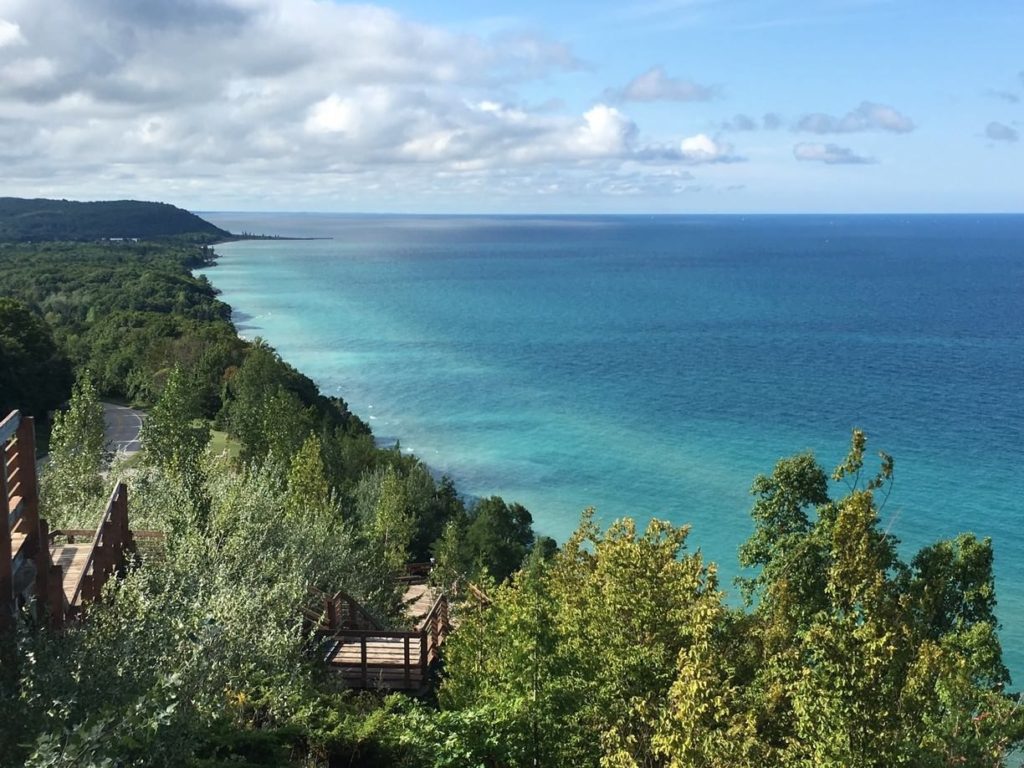
Lake Michigan Lookout- Arcadia, Michigan

The offerings are endless – trails, scenic lookouts, safe harbors, access points, roads, marinas, campsites and a wide range of tourism and recreation activities like camping, angling, hunting, kayaking, canoeing, sailing, power-boating, cruising, hiking, snowmobile, ATVs, mountain biking, wildlife viewing and nature appreciation, ice and rock climbing, golf, cross-country skiing, . . . A rich and diverse cultural and economic heritage is also associated with our Great Lakes.

Trading posts, logging camps, ghost towns, old docking areas, shipwrecks and lighthouses abound.

There are beautiful parks and protected areas. Attractions range from the mystical to the spectacular with Aboriginal spiritual sites; marine museums; working marine industrial ; and the lure of such cities such as Chicago, Toronto, Detroit, Buffalo, Erie, Cleveland and Thunder Bay. Enhancing tourism and the area’s natural attributes can further protect and promote our Great Lakes – St. Lawrence River Basin communities where economic stability and growth have all too often passed them by. For the Silo, Toby Barrett MPP Haldimand-Norfolk.

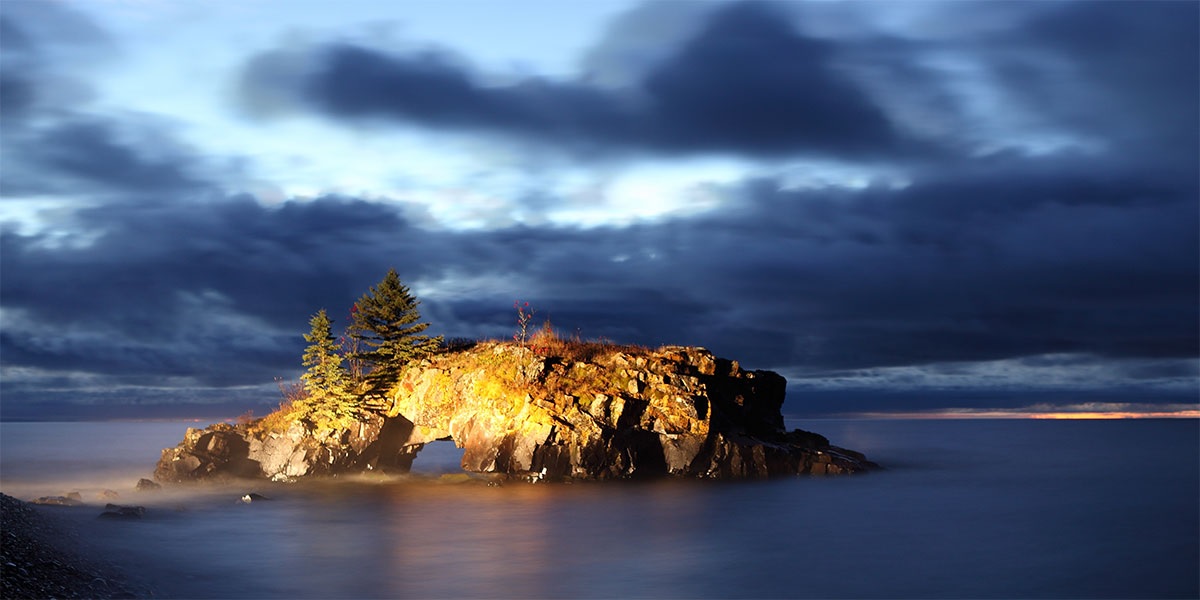
Featured image- Hollow Rock,Lake Superior,Ontario – hollowrockresort.com

Grand River Conservation effort targets phragmites- invasive reeds via Roundup

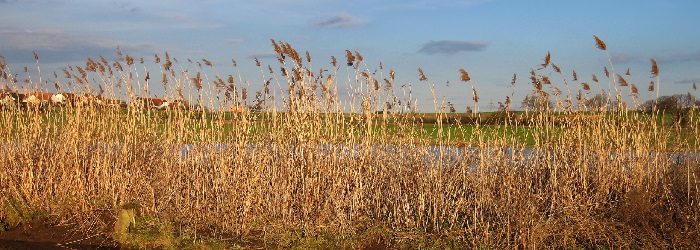
Phragmites

Portions of the Snyder’s Flats Conservation Area will be closed to the public during the week of Sept. 29 while a herbicide is used to control an outbreak of phragmites, an invasive plant species.

Signs will be posted in the parking lot at the entrance to the property on Snyder’s Flats Road near Bloomingdale. The affected sections of the trail network within the conservation area will be marked as closed.

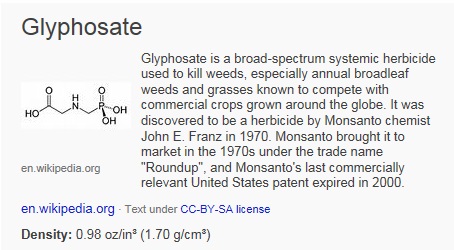
Staff of the Grand River Conservation Authority will be applying the herbicide glyphosate, which is better known by the trade name Roundup. The herbicide has been widely adopted by conservation organizations as a safe and effective way to remove invasive species.

What Is Roundup

The work is scheduled to be done on Monday, Sept. 29 and Tuesday, Sept. 30. The affected areas will be posted for a day after the herbicide is applied. There is a potential that the work could be delayed if there is heavy rain or high winds.

In most areas, the herbicide will be applied by hand to individual plants. Some larger outbreaks will be tackled with backpack-style sprayers.

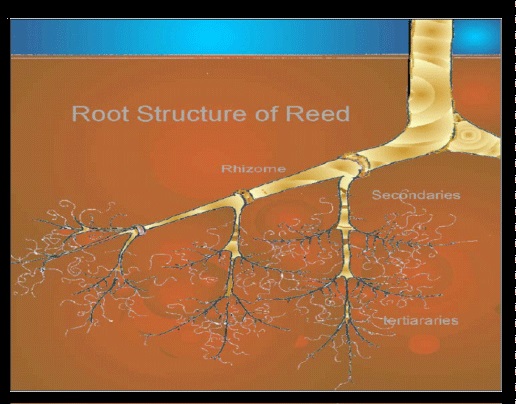
Phragmites australis, also known as European common reed, is a species that came to North America from Eurasia. According to Ontario’s Invading Species Awareness Program, the plant spreads quickly and out-competes native species for water and nutrients. It releases toxins from its roots into the soil to hinder the growth and kill surrounding plants.

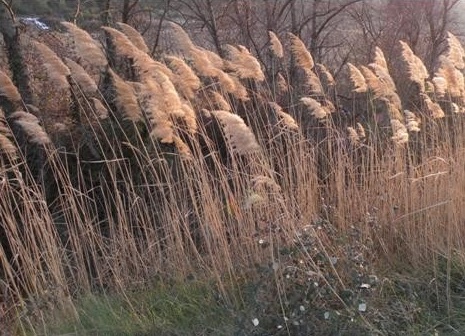
Phragmites: tough hombres!

In taking over from native plants, it also reduces the habitat available to wetland wildlife species including birds, turtles and other amphibians and reptiles.

GRCA staff  hope that by reacting quickly to its presence they can keep it from spreading throughout Snyder’s Flats and to other properties.

The work at Snyder’s Flats is part of the GRCA’s long-term program to return the former gravel pit area to a natural state that is home to a wide variety of plant, bird and animal species.

Click to view on I-tunes