Tag Archives: space

Why Artists Require Space Not Only To Work But To Imagine

Casting Seeds

Eiko Otake performing at Bartram’s Garden on the Schuylkill River.

“The purpose of art is washing the dust of daily life off our souls.” – Pablo Picasso

Art is an imperative. Without it we can never truly examine our own circumstances or those of the people with whom we inhabit our small planet. Left unviewed, art languishes. Left without art to view, so does humankind. There are many who recognize the gift to the world that every artist has to offer. There are many who endeavor to do whatever they can to ensure those gifts are received by a grateful public. To stifle the artist’s voice is to silently say I care little about the fate of the minds of the masses. Art is essential. It is what fills the space between the rest of the din, making sense of a chaotic universe.

Bill Arnold splits his time between New York and Western Massachusetts. Since 1974 he has had a studio in Western MA and an apartment in NY. Arnold prefers to keep a foot in both worlds. Florence, MA is a small town near Northampton where there is plenty of space and the space is affordable. New York on the other hand is extremely restrictive in that a very small amount of space is prohibitively expensive. Artists require space not only to work, Arnold says, but space for their imaginations, “space to conjure.”

And so he maintains his Western MA studio.

The work he has done in that studio over the years has been varied and prolific. Arnold has endeavored, and often succeeded in getting his work into public venues including museums. He finds it thrilling to see his work in commercial venues. The first time he experienced this was in the 1970’s when he put roughly 1,000 photographs in 25 Boston city buses. There was no indication on the outside of each bus whether there were photographs on board so passengers didn’t know which buses were galleries inside. Because of the nature of the venue, more people saw that project than visited the Met, according to Arnold. In order to fund the project, he approached multiple museums getting them to agree to fund the cost of materials for the show provided he put on exhibitions in each city where the museums were located.

Arnold was both an exhibiting artist and a curator for this project. The project was well received, with weary commuters sometimes voicing their appreciation. From there, Arnold went on to do other bus shows. The format went viral long before viral was a thing. For another show, Arnold gave images to members of the audience who then organically began sharing the images with each other. Throughout his career, Arnold has turned traditional notions of exhibition on their heads. With the advent of digital advertising, the cost of printing has plummeted. Arnold uses this to his advantage. In 2018 he printed 10,000 newspaper inserts for the Daily Hampshire Gazette. As a student photographer, Arnold was encouraged to have a camera with him at all times. To this day he follows this practice. Arnold has photographed the same spot on his travels from NYC to MA for many years.

He intends to exhibit many photographs of the same place at the Bergen Street Station. Photography is accessible to everyone, Arnold says. Because anyone can make a photograph, anyone can also view a photograph and take something away. A series of photographs depicting old cars elicited stories from viewers of all kinds about cars they remembered and loved. To hear more about Bill Arnold’s thoughts on work and life, listen to the whole interview here.

Harry Philbrick left his position as director of the museum at the Pennsylvania Academy of the Fine Arts about two years ago. He then launched his own project called Philadelphia Contemporary. The nonprofit does pop-up exhibitions and performances throughout the city. The goal is to ultimately build a permanent space where the nonprofit can become a non-collecting, collaborative space. Prior to his position at Pennslyvania Academy of the fine Arts, Philbrick was director of the Aldrich. It was there that the idea for Philadelphia Contemporary began to percolate. He began exploring the notion of partnerships. Specifically long-term, sustainable partnerships that would allow the museum a broader reach. Upon relocating to Philadelphia, Philbrick realized there was a gap in the cultural ecosystem in that there was no large scale independent contemporary art museum. Philadelphia also seemed primed for Philbrick’s model in that the cultural environment is “unusually collegial.”

The first project was a partnership with Headlong Dance.

The project was titled The Quiet Circus in which the dancers took part in a year long residency on a pier. Each week dance pieces encouraged members of the public to join in. From there Philbrick and his small team created River Charrettes, a series of four pieces also set among the changing landscape of river banks. River Charrettes was an appropriate opening for Philadelphia Contemporary. The project embodied the idea of many people from different places coming together. Since then there have been readings and other events. At the moment there are many large scale projects in the works. An expanded staff has allowed for grander visions. The process of growth has been very deliberate, carefully adhering to the founding vision of the project.

Funding for Philadelphia Contemporary comes from many places. In order to run the organization, pay staff, and plan for the future, Philbrick has had to map out a plan from all he has learned over his years in the art world. Seed capital came from individual funders who believed strongly in the mission. More recently, Philadelphia-based foundations have come on board. For Philbrick, the key to his project is pushing forward the model for a nonprofit contemporary art space. Moving forward the same model applies, starting with individual funders and moving from there to foundational support. To hear more about Philadelphia Contemporary and arts organization funding, listen to the whole interview here.

A Few Words to Keep in your Pocket: Speak your art loudly. Do not settle for its slow demise. Bring it into the light, find allies, give your gifts to the world.  For the Silo, Brainard Carey.
Featured image- Francis Bacon’s London studio- in its relocated home in Dublin, Ireland.

Angels In Starships? There’s Lights All Over The World

images: courtesy of the author
Images: courtesy of the author.

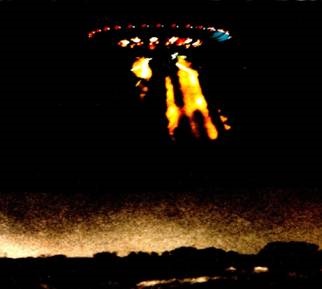
A thousand UFOs are reported each month and are usually seen with lights or as bright orbs. They often appear to be signaling their presence. I have been told by high ranking personnel that UFOs definitely have a religious aspect involved in their presence. Most are friendly but some have their own agenda.  The Ten Commandments has instructions for mankind to abide by rules or laws that mankind should use when they travel in space such as do not kill and steal.

The Bible frequently mentions lights.

“You are the light of the world. Let your light shine before men, that they may see your good deeds and praise your Father in heaven.” Matthew. 5:14-16: The Bible promises life after death. Are these ships here to pick up human souls as they die? People’s bodies are known to lose less than an ounce at death. 


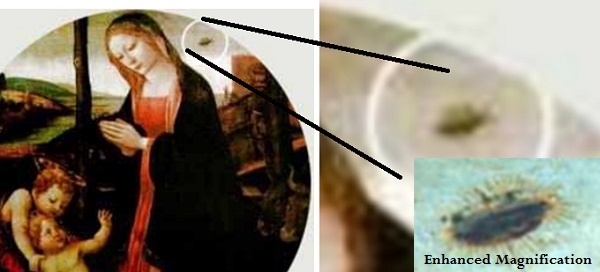
"A fourteenth century fresco of the Madonna and Child by St Giovannino, in the Palazzo Vecchio in Florence, attributed to the 15 Century school of Filippo Lippi. A UFO hovers in the distance. A blow up of this fresco reveals details of the UFO including port holes. It seems to indicate a religious involvement between UFO's and the appearance of the Christ Child. " from disclose.tv

“A fourteenth century fresco of the Madonna and Child by St Giovannino, in the Palazzo Vecchio in Florence, attributed to the 15 Century school of Filippo Lippi. A UFO hovers in the distance. A blow up of this fresco reveals details of the UFO including port holes. It seems to indicate a religious involvement between UFO’s and the appearance of the Christ Child. ” from disclose.tv

Ralph Waldo Emerson wrote, “The soul comes from without into the human body, as into a temporary abode, and it goes out of it anew … it passes into other habitations, for the soul is immortal.”

Angels in Starships

AngelsinStarships

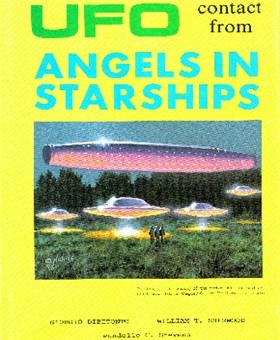
There are thousands of books about angels and first hand contacts with humans. The book “Angels in Starships” tells of Angels or aliens in Italy. The book states, “And now the facts: Giorgio, Tina, Paolo, and other friends have a number of ‘eye-to-eye’ contacts with space brothers, with rides in starships, and with conversations, in which it is revealed to them that they are the so-called ‘angels’ of the Bible, or mediators and messengers of those who served God’s will, and still serve, to reveal the truth to men of Earth, and to guide them on the path toward higher development. During the encounter their car received tremendous heat and the engine was severely damaged.

In the course of such meetings, the group received important revelations and messages of utmost seriousness, which concern all the inhabitants of this afflicted planet. The invitation to follow paths to a better way of life is well advised, for the time of great catastrophes and dreadful happenings about which the Apocalypse speaks is coming nearer; the day in which “one will be taken away and the other left behind.”

On the occasion of one of these unusual meetings, the Earthly friends, who had been entrusted with messages and teachings, and had been guests on the flying saucers and the starships, were allowed to have the wonderful experience of visiting a distant planet. 

A few examples of UFO encounters : In Indian Sanskrit, space vehicles are generally called ‘Vimanas.’  Cicero, in the 43rd chapter of his “De Divinatione”, writes of ‘balls in the heavens’; Julius Obsequens, in “Prodigia”, writes of ‘flaming shields’, and these descriptions occur likewise in Aschylos, Plutarch, Seneca, and Valerius Maximus. and Xenophon. Dio Cassius related that, at the first landing of the Romans in Great Britain under Aulus Plautus in the year 43 B. C., a round object flew like lightning from east to west. Roman soldiers had UFO like objects on their shields.

‘Dark globes’ were seen over Basel in the Middle Ages, and similarly, there were ‘airships’ in the skies of the United States toward the end of the 19th century. During World War II, ‘balls of light’ and so-called ‘foo-fighters’ followed both the Allied and the German aircraft.  For the Silo, George Filer. Search “Filers Files” for more about UFO’s

 Supplemental: Kniha angels in starships

.

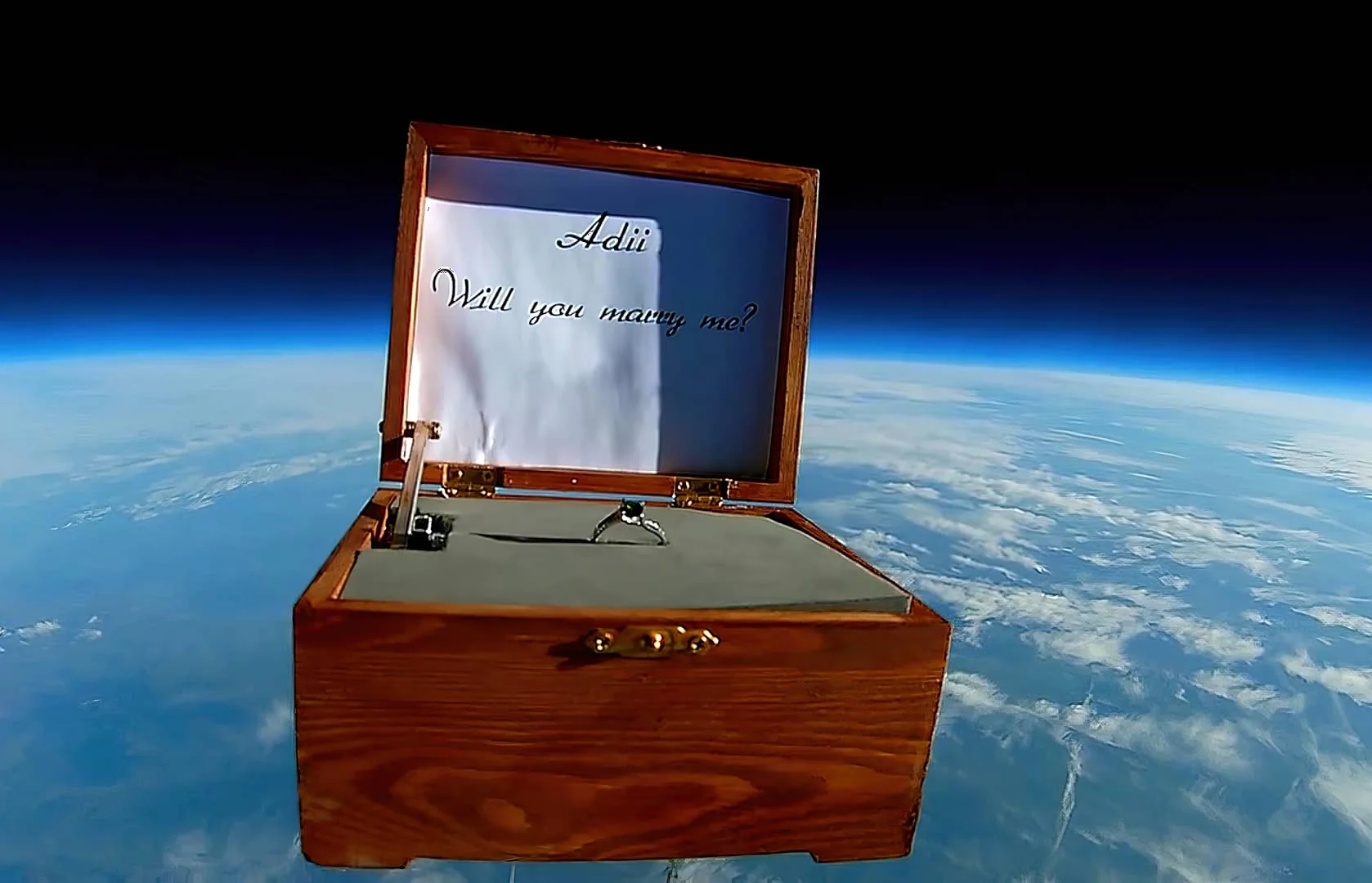
Marriage Proposals While Orbiting Moon By 2022

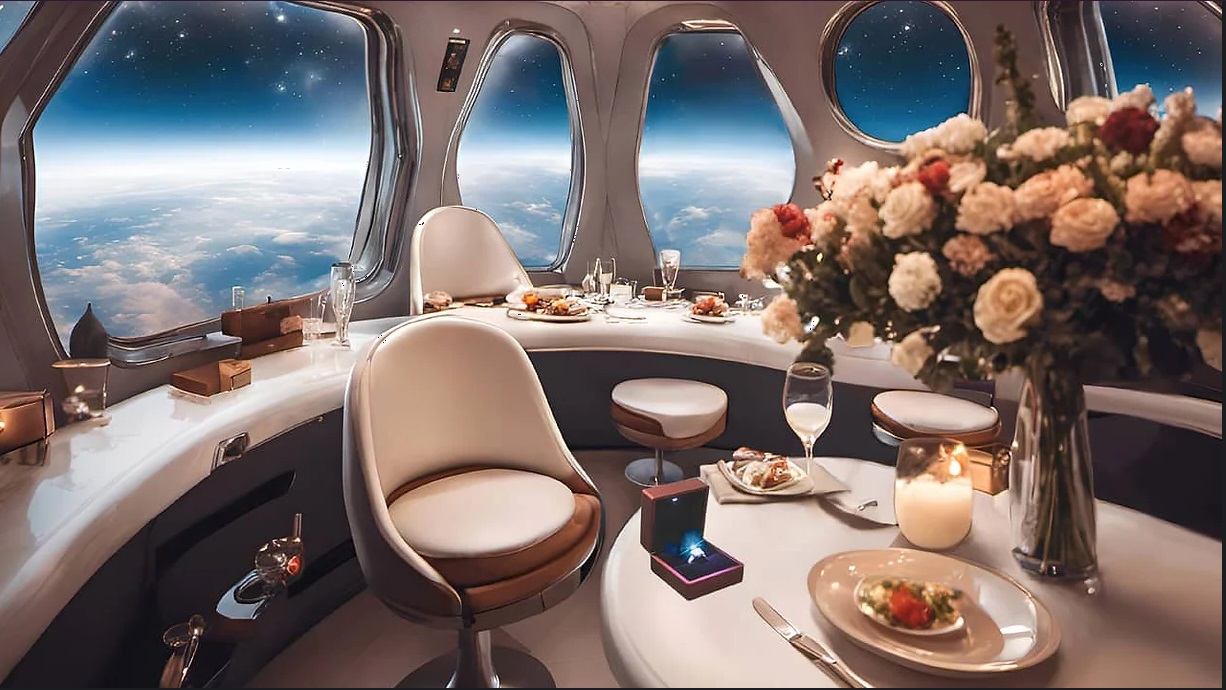
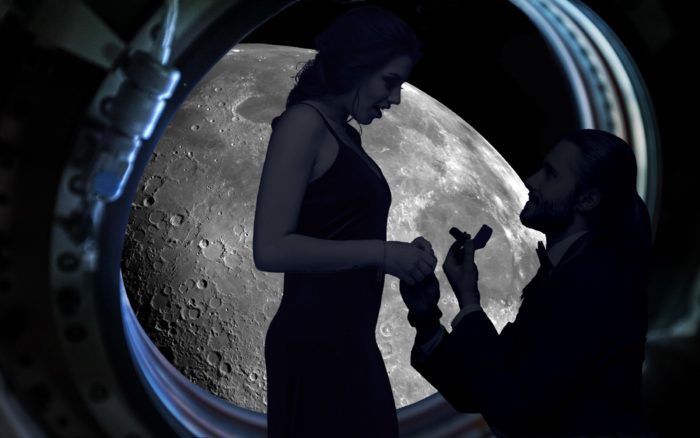
Starting in 2022 it will be possible to ask for the beloved’s hand in marriage while flying over the lunar surface to the sound of Frank Sinatra’s “Fly Me to the Moon”. The one-week interplanetary flight will be carried out using a self-contained and autonomous spacecraft allowing the two lovers to travel alone.

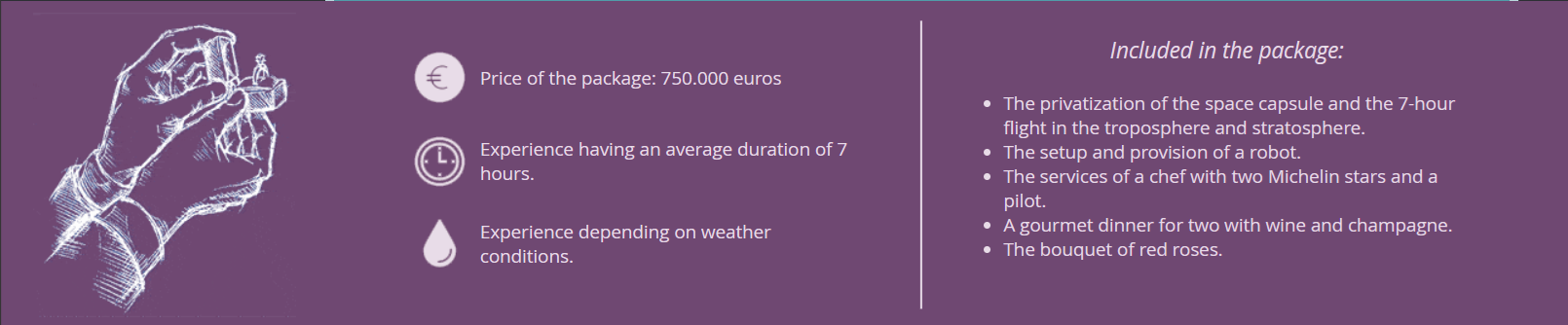
The ApoteoSurprise agency, a French marriage proposal planner specialized in creating extravagant proposals, introduces a whole new service for 145 million dollars which will allow 21st century handsome princes to propose while flying around the Moon. Reaching for the Moon in the name of love is about to become a reality, the ultimate goal of the Paris-based agency being to “stage the craziest and most outstanding marriage proposal of the last 13.8 billion years“.

Apoteo Marriage Proposals France

From March 2022, elite lovers will be able to book the all-included service on the site www.proposeinparis.com and five months later find themselves enjoying the following program:
– Twelve weeks of pre-requisite technical and physical training.
– Takeoff on D-Day from the Kennedy Space Center in Cape Canaveral, Florida.
– Richard Strauss’s “Thus spoke Zarathustra, Op.30” (Theme from 2001 Space Odyssey) resounding in the two space tourists’ helmets when the first effects of weightlessness are felt.
– Arrival in lunar orbit, three days later, flying over the satellite’s grayish surface at only 200/300 kilometers altitude.

Earthrise Apollo 8
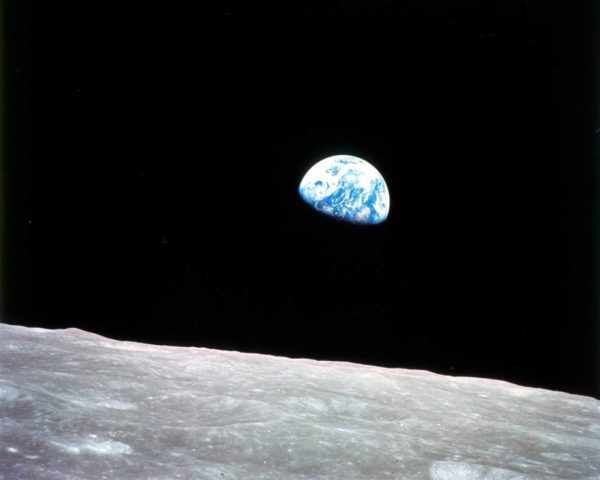
The famous ‘Earthrise’ photo from Apollo 8, the first manned mission to the moon. The crew entered lunar orbit on Christmas Eve, Dec. 24, 1968. That evening, the astronauts held a live broadcast, showing pictures of the Earth and moon as seen from their spacecraft. photo:NASA

– Cut-off of all communication with Earth for around thirty minutes while the capsule flies over the dark side of the Moon.
– The Frank Sinatra song “Fly Me to the Moon” played halfway through the orbital flight, allowing the suitor to make his marriage proposal far from any form of human life (engagement ring secretly hidden in his spacesuit).
– A spectacular Earth-rise seen from behind the lunar craters and return trip of nearly four days before atmospheric re-entry and final touchdown.

The flight-plan followed by the space capsule will mirror that of the mythical Apollo 8 mission in 1968. The spacecraft, traveling at a speed of up to 38,000 km/h, will be equipped with eight cameras allowing the couple to immortalize their entry into the history of the conquest of space and the conquest… of love! For the Silo, Nicolas Garreau.

New Organism Discovered On Space Station 6 Years Ago

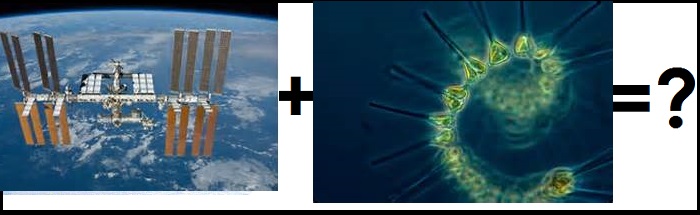
Life in Space  Joe Martino writes, “In what is a cool mainstream find, Russian cosmonauts have discovered LIFE clinging to the outside of the International Space Station. This is the first time living organisms have been found on the space station and scientists are not sure how “it” got there.

“Results of the experiment are absolutely unique,” Russian ISS Orbital Mission Chief Vladimir Solovyev told the ITAR-TASS News Agency. “This should be studied further.”

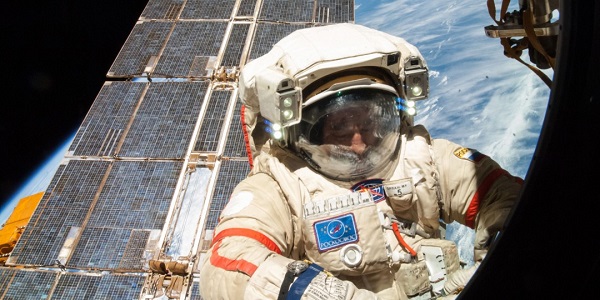
In 2014, Cosmonauts found microorganisms on the exterior of the Inter national Space Station. The creatures were found during a space walk to clean the surface of the space station. The organisms seem to be a type of sea plankton and how they remained alive in space is what seems to be troubling scientists. According to Sploid, Russian scientists are both “shocked by [the] discovery and can’t really explain how [it] is possible.”

“Results of the experiment are absolutely unique,” Russian ISS Orbital Mission Chief Vladimir Solovyev told the ITAR-TASS News Agency. “This should be studied further.”

So far authorities have been withholding actual imagery of the discovered life forms. image: Earth Ocean Plankton examples

To some of us we might already believe in aliens, others may not hold that belief, either way; this is cool news because it further shows the possibility of life in space for those that currently don’t believe it’s possible.

Some scientists believe that the organisms were carried from the ocean by uplifting air currents. Since the organisms are not native to Baikanour, Kazakhstan where the vessel took off, many don’t believe they were brought up during flight. This makes it very difficult to answer the question: “How did they get there?”

The organisms found on the vessel have a mouth, limbs, digestive tract, muscles, and a nervous system! They are aliens! Just not in the typical sense we may picture when thinking about life in space. Known as tardigrades, these little creatures are amazing at enduring harsh conditions, which is why drawing the conclusion that they could have originated in space isn’t so tough.

To believers in aliens this is a mainstream discovery that will help open the minds of those who deny any possibility of life in space.

For the Silo, George Flier via File’s Files #41

No ocean in sight! Baikanour "Space City" in Kazakhstan where launches to the ISS originated from.
No ocean in sight! Baikanour “Space City” in Kazakhstan where launches to the ISS originated from.

Supplemental- Phytoplankton life cycle animation  What are “tardigrades”?

Armstrong’s Heartbeat As Merged Artwork Beamed To Moon

image: space.com
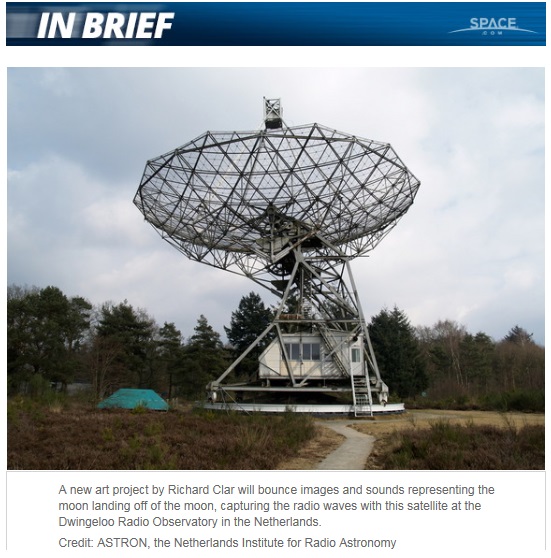
“For me It was an incredible feeling to use this 120 ton radio dish, capable of peering into the far reaches of the universe, to create an artwork focusing on one of the greatest achievements in human history” Richard Clar image: space.com

Los Angeles, CA, – Richard Clar using an earth-moon-earth (EME), or moon bounce as it is also called, radioed two very special signals off the surface of the moon where their return was received at Dwingeloo Radio Observatory in the Netherlands.

Clar’s extraordinary two-part project, Giant Step and Lune sur la Lune, paid tribute respectively to Apollo Astronaut pioneer Neil Armstrong’s first step on the moon on July 20, 1969 and to the far side of the moon itself, something witnessed only by a rare group of individuals, the Apollo Astronauts. The two radio transmissions to the moon and back emanated from a radio dish in Italy.

Giant Step is a personal response to an event Clar personally witnessed back in 1969, and he wanted to use his creativity to pay tribute to those who took part in the Apollo program, and especially Neil Armstrong for what he did on that momentous day.

He wanted this work to say something about the moon itself, using the moon.

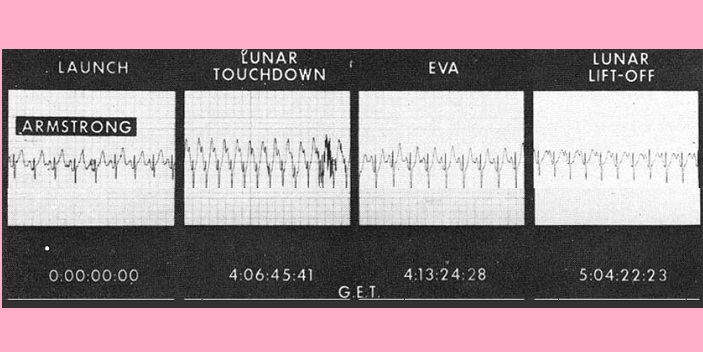
His interest was piqued after hearing about an earth-moon-earth bounce (EME) from Italian artist and colleague, Daniela de Paulis, who together with radio specialist Jan van Muijlwijk developed the process of using EME to send images to the moon and back in 2009. As he researched the Apollo Archives, he came across an Electrocardiogram (EKG) of Neil Armstrong as he took the first step on the moon on July 20, 1969 – and Richard found his inspiration!

While data scientist Dr. Ryan Compton created the sonification tone from Armstrong’s actual EKG graph, prominent Los Angeles-based double-bass jazz performer and composer Roberto Miranda used the tone to create compelling sounds that have been called “edgy and hauntingly beautiful.”

In addition, an image of the first footprint on the moon was transmitted and bounced back to Dwingeloo. [Listen to Neil Armstrong’s heartbeat beginning at the 2:10 mark here Ed.]

“I wanted the art to say something about the first humans to set foot on the moon. Think how many living beings have observed the moon for eons…and now we have made a number of trips to the moon and back. I want people to have new experiences through my artwork,” says Clar.

Lune sur la Lune, an image of the far side of the moon, was transmitted in a poetic gesture onto the earth facing side of the moon. Since only the Apollo astronauts have seen the far side of the moon, using the radio-reflective surface of the moon to produce a site-specific artwork makes the moon a unique part of the process rather than just a subject matter ─ and also gives people on earth an opportunity to witness this phenomenal event and experience the moon in a new and different way.  Shortly after the sound and image from Giant Step and Lune sur la Lune were received and processed at Dwingeloo, and will soon be accessible to the world at www.rockthemoon.com.

There was considerable excitement at the Dwingeloo Radio Dish on September 26th by those who witnessed the sound signal and image signals being received from the surface of the moon after the moon bounce. All in all, the art mission was a great success.

“For me It was an incredible feeling to use this 120 ton radio dish, capable of peering into the far reaches of the universe, to create an artwork focusing on one of the greatest achievements in human history,” stated Clar.

Richard Clar’s timeless work has been exhibited in museums, galleries and universities throughout the United States and Europe. His visionary ‘art in space’ began in 1982 with a NASA-approved concept for an art-payload for the U.S. Space Shuttle. Philosophical in nature, many of Clar’s themes originate in space environment issues, such as orbital debris, war and peace, the Search for Extraterrestrial Intelligence (SETI), and water management on earth.

Clar studied at the Chouinard Art Institute (now Cal-Arts). In 2001 and 2002, he coordinated the Leonardo/OLATS/IAA Space Art Workshops in Paris. Clar is the Director of Art Technologies; a Member of the International Academy of Astronautics (IAA); a Member of the IAA SETI Permanent Study Group; a Member of Women in Aerospace, and a Member of the Leonardo Space Art Working Group. He was the Secretary of the former Art and Literature Subcommittee of the International Academy of Astronautics, and a past Member of the Executive Board, Graphic Arts Council, the Los Angeles County Museum of Art.

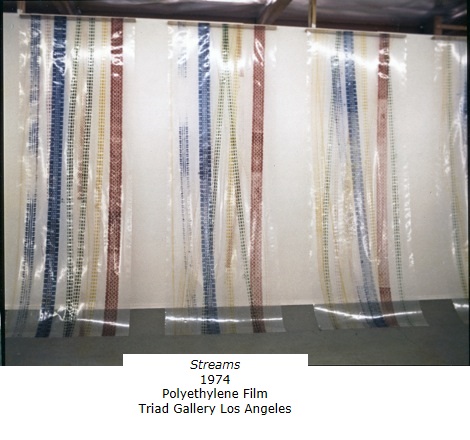
An early example of Richard Clar's Space Art
An early example of Richard Clar’s Space Art

Richard Clar ArtistClar founded Art Technologies in 1987 as a liaison between the worlds of art and technology. By collaborating with such partners as the U.S. Naval Research Laboratory, Boeing Aerospace Corporation, and contemporary composers, Clar generates high-visibility art works that transform state-of-the-art technology and highly-engineered materials into evocative contemporary art. His work is found in many corporate collections, including JBL Sound, Home Savings of America, and the MGM Grand Hotel in Las Vegas.

After spending the last fourteen years in Paris, Richard Clar now resides in Northern California. For more information on his extraordinary artwork, please visit:

http://arttechnologies.com
http://rockthemoon.com
https://www.facebook.com/RichardClar.ArtTechnologies

It’s A New Era Of Smaller House Living

With an increasing demand for housing in the UK and strict planning restrictions, developers are attempting to fit as much “house real estate” as possible within smaller and smaller areas.

This means that most new builds are half the size of the homes being constructed at the start of the 20th century.

Despite this eye-opening reality, there are plenty of people who are happy to sacrifice space for location – especially moving closer to the capital.

We’ve looked at this trend, determined the main pros and cons of smaller house living and even looked around the world for extreme examples of homes which push the limits of square footage. Want to weigh up the pros and cons of small house living? This graphic from our friends at storageworld.co.uk provides a great start point for your research.

Read on to find out whether you’re cut out to thrive in this new era of space-efficient living. For the Silo, Georgia Davies.

Supplemental- The Story Behind Toronto’s Little House

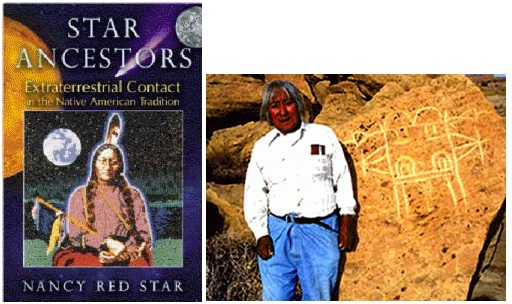
Star Ancestors Extraterrestrial Contact In Native American Tradition

Star Ancestors by Nancy Red StarNancy Redstar explores the long-standing contact between American Indian tribes and extraterrestrial visitors through interviews with the tribes’ spiritual leaders and shares the wisdom and ET experiences of Dawnland founder Dana Pictou, Mayan daykeeper Hunbatz Men, Choctaw wisdomkeeper Sequoyah Trueblood, and Creek healer and artist Shona Bear Clark.

Her book includes color photos of ET-inspired work by prominent Indian artists as well as traditional Indian art and petroglyphs depicting contact with “Sky Elders”

As humanity stands at the crossroads between the Fifth and the Sixth Worlds, American Indian wisdom keepers have recognized signs that they must now speak their closely held knowledge about extraterrestrial contact, their original instructions from the Sky Elders. These ET relationships have existed since the beginning of time. They have been depicted on ancient rocks and hides, embedded in creation stories, choreographed in sacred dances, beaded on wampum belts, and continued to this day through rituals and the tobacco blessing.

They show our planet back into balance with natural laws.

Exploring the unifying “Sky Elder” theme found in virtually every Indian culture, Nancy Red Star shares her profound interviews with wisdom keepers from several Native traditions and produced an exciting documentary film that offers their teachings on taking our rightful place among the peoples of the universe. http://www.nancyredstar.com/film.htm

Laying out a path for rebuilding our world, the Sky Elders’ original instructions initiate us into the possibility of a coming time of peace. Inviting all peoples to realize their Star ancestry, the women and men of proud lineage and inspiring wisdom who share their experiences here offer us a survival plan for walking into the next world. http://www.amazon.com/Star-Ancestors-Extraterrestrial-American-Tradition/dp/1591431433

For the Silo, George Filer. from Filer’s Files #23 http://tinyurl.com/ka82j4j

Real Meteorite Part Of New Royal Canadian Mint Coin

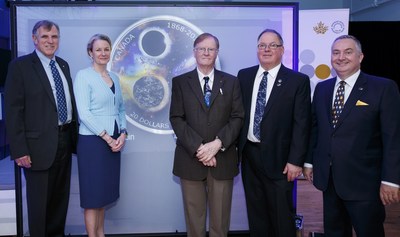
TORONTO, June, 2018 /CNW/ – The Royal Canadian Mint has created a truly out-of-this-world collectible by adding a genuine meteorite fragment to limited edition silver coins marking the 150th anniversary of the Royal Astronomical Society of Canada.  This vividly illustrated coin, unveiled at a special ceremony in Toronto attended by RASC officials and former Canadian astronaut Dave Williams.  It is available for purchase as of today.

“One hundred and fifty years of research, education and discovery by the Royal Astronomical Society of Canada is an engaging story to share with Canadians,” said Sandra Hanington, President and CEO of the Royal Canadian Mint.  “It is only fitting that RASC’s many scientific achievements be recognized on a vividly coloured coin, which breaks barriers of its own by featuring a shard of a real meteorite.”

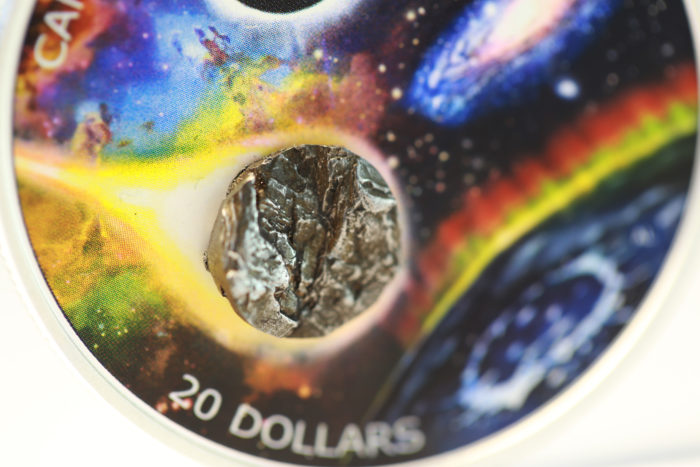
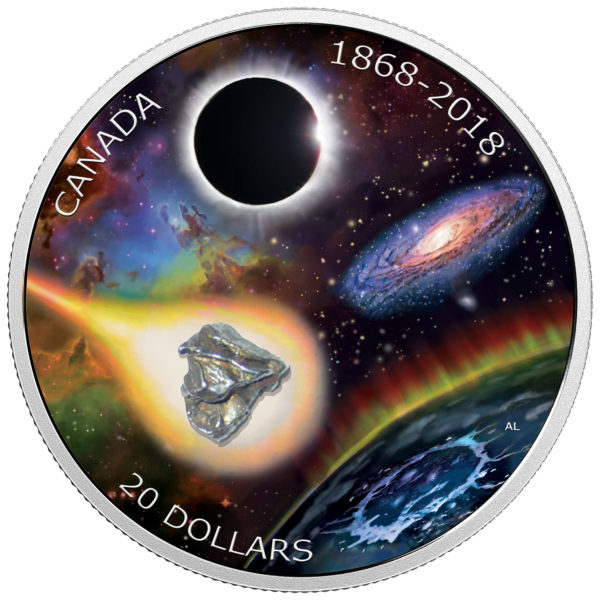
Designed by Canadian artist Alexandra Lefort, the reverse design of this coin features a deep space vista enhanced by engraved textural details and full colour.  Prominent design elements include the Eagle Nebula and its pillars of interstellar gas and dust, which are known as the Pillars of Creation. Also featured are the Moon, the Andromeda Galaxy (nearest to our own) and a blazing meteorite, enhanced by a genuine iron meteorite fragment from the Campo del Cielo meteorite field.

Canada Meteorite Coin

“The RSAC is excited to be celebrating our 150th anniversary with the issuance of a coin that symbolically depicts the important contributions of Canadian astronomers,” said Randy Attwood, executive director of the Royal Astronomical Society of Canada.

The 2018 $20 Fine Silver Coin – 150th Anniversary of the Royal Astronomical Society of Canada has a limited mintage of 5,500 and retails for $149.95CDN. It can be ordered by contacting the Mint at 1-800-267-1871 in Canada, 1-800-268-6468 in the US, or online at www.mint.ca. Please mention The Silo when calling. The coin will also soon be available at the Royal Canadian Mint’s boutiques in Ottawa and Winnipeg, as well as through the Mint’s global network of dealers and distributors, including participating Canada Post outlets.

Canada Meteorite Coin Reverse

About the Royal Canadian Mint
The Royal Canadian Mint is the Crown corporation responsible for the minting and distribution of Canada’s circulation coins. An ISO 9001 certified company the Mint is recognized as one of the largest and most versatile mints in the world, offering a wide range of specialized, high quality coinage products and related services on an international scale. For more information on the Mint, its products and services, visit. www.mint.ca

Surreal Aspects Of All Expressed In Artwork

Many have been humbled simply standing in a darkened field and looking to the stars. Indeed the great thinkers of the many generations that have come and gone are regarded as giants when in fact they were merely humans dropped to their knees by the wonder that is the universe all around us. There is as much wonder in a blade of grass as there is in a cosmic nebula, as much mystery in a drop of water as in the dark matter we yet fail to comprehend.

James Hart Dyke is based in Brighton, England nestled between the water and the south downs. In his studio he works largely on commissions. Last November Hart Dyke traveled to Patagonia and is now painting mountain landscapes from this trip for an exhibition in London at the end of the year. Landscapes are his life’s work and his love for the art form has infused his life and career with adventure and physicality as he climbs and hikes the places he later paints. “Enduring the landscape in some way, I find that combination of painting and physicality very exciting…it’s what my painting is about, really,” he says. Hart Dyke has been embedded with British forces in war zones on commission from the UK military. In Baghdad he painted while two soldiers stood guard. This tradition of bringing artists along to paint is long standing and important to the regiments of the UK. The work created is kept in the collections of the individual regiments and displayed in the mess hall, documenting the history of each for the soldiers to witness. The tradition dates back before photography when artists were the only window to a visual representation of the action of the battlefield.
Artists’ representations of war convey more than just the actual imagery of what is going on before them. The emotions of the situation are infused into the work, as well. Hart Dyke has had an unusual career. His work has led him to a position as artist in residence for the British Secret Intelligence Service as well as to work for the Royal Family. For the British Secret Intelligence Service, Hart Dyke helped to commemorate the centenary by documenting things in paint. As an artist he was able to venture where photographers could not go due to the highly sensitive nature of the work done there. His paintings from this series are quite surreal, a nod to the rather unusual nature of the work the British Secret Intelligence Service does. Hart Dyke studied architecture which he is still passionate about despite eventually moving to painting. His entrance into the painting world began with commissioned paintings of buildings. In reality, Hart Dyke began painting at the age of eight and despite his foray into architecture he never truly gave it up. There was inevitability to his career as a painter. Because of the physical nature of his process, art has become in a very real sense James Hart Dyke’s sport. To hear more about this, James Hart Dyke’s unusual career, and about the tradition of artists on the battlefield, listen to the complete interview.
Kambui Olujimi recently exhibited work titled Red Shift. The title refers to celestial bodies in space that cannot be seen because of shifts in the spectrum of light. Through this lens, Olujimi contemplated the mythology of whiteness as an unseen force. Olujimi describes how the mythological space of whiteness plays out in the physical world through policy, allocation of resources, and myriad other ways. He references descriptions of mass shooters as “lone shooters” in a way that removes them from the space of violence pervasive in the US. Presidential assassins are another example. These two groups of predominantly white men are somehow isolated, removed from the larger conversation about violence in the US creating a Red Shift that in a sense conceals them from the rest of the data.
For the exhibition, Olujimi created collages from news imagery of the alt-right coupled with drawings. Olujimi’s current project centers on fragmentation of identity. His love of films informs this work. In particular he references the accidental announcement of La La Land for Best Picture in 2017 when in fact the film Moonlight claimed that title. His concept deconstructs and reassembles that moment, elongating it and examining the feeling of elation followed by crushing deflation. “A lot of my work is around these things that I call inevitabilities…I’m interested in bringing those inevitabilities out of the space of the implicit. Once you give them shape and weight and gravity and start to manifest them in some way, the incongruities and absurdities, the surreal aspects all become very evident and we are able to become more critical of them in that space.” It is these gaps, these “moments of silence” that inform Olujimi’s work. To hear more about this powerful art, listen to the complete interview.  For the Silo, Brainard Carey. 
Featured image- Mercy Doesn’t Grow On Trees, 2016 Wood, glass, hair, gold leaf, ratchet straps 150 x 48 x 30 inches

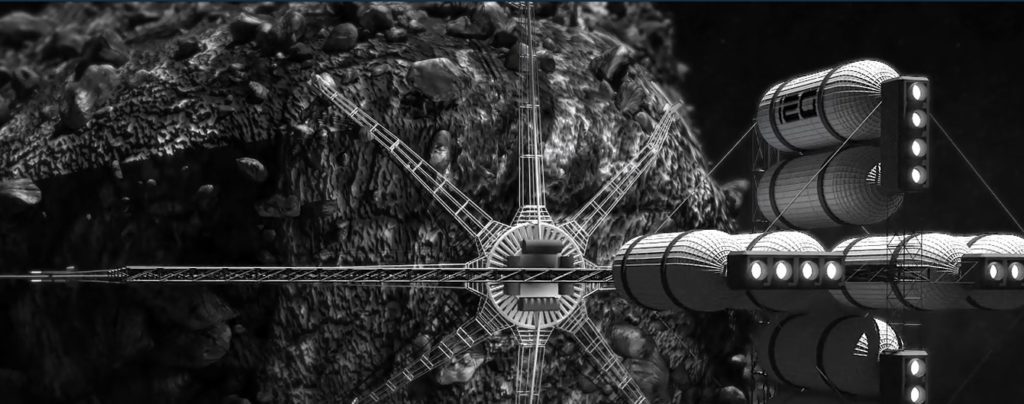
Asteroid Prospecting And Mining Nearing

Have you ever wondered how you’d mine an asteroid? Not many people have. But you may be interested to discover that scientists are actually attempting to achieve this, seemingly impossible, feat. You may even remember reading about an asteroid mining company here at The Silo. That company is still in business.

Why? Well, an asteroid can hold many materials that are considered to be very valuable back here on earth. And, bearing in mind how many asteroids there are, asteroid mining could turn into being a far more “earth-friendly” way to gather resources.

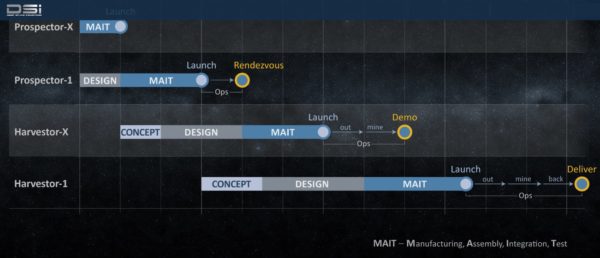
So, check out this infographic from our friends at fuelfighter.co.uk and discover how scientists are planning on mining Asteroids and how much it could cost in US dollars/British pounds to do so.

Asteroid Mining Infographic

Largest Campus Telescope In Canada At York University

Toronto’s York University will soon play host to the largest telescope on a university campus in Canada. The university announced recently that the new one meter telescope will arrive in 2018 to replace the existing 40 cm telescope which is used to conduct astronomical research.

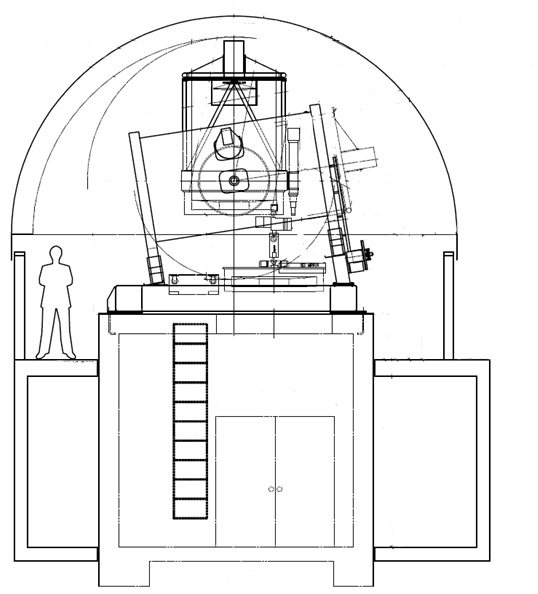
York U will have a customized one meter telescope fitted with CCD electronics. Here is a diagram of a similar telescope. Image- orbitaldebris.jsc.nasa.gov

The current record holder (at the time of this article) for the largest telescope on a Canadian university campus is the 0.8 metre telescope which is housed at the University of Victoria in British Columbia.

Is Bigger Better?

Size isn’t everything when it comes to judging a telescope, however what really matters is the ability to gather light efficiently. A larger mirror means a greater light gathering capability. With more light comes more information and the ability to identify more details. Even in environments with a lot of light pollution, with enough light information astronomers are able to pick out stars and other celestial objects from all the other noise in the data.

Pubic Outreach

York University is already housing two telescopes; the aforementioned 40 centimetre telescope and another that is 60 centimetres but isn’t used for astronomical research or public outreach in the way that the 40 centimetre version is.

It is hoped that this new telescope will allow for students to engage in more advanced research objectives and will hopefully therefore entice a broader range of students and interests to the astronomy department. It is hoped that it will benefit students who live in York university housing. As well as benefiting students, it is hoped that the new telescope will also prove to be a boon to the university’s efforts to do more to further its goal of scientific outreach, giving the public the opportunity to view objects such as galaxies, which require expensive equipment to be view-able to amateur astronomers. Every Wednesday night the telescope will be open to members of the pubic and, for those that cannot attend these weekly sessions, every Monday the university will host live, online viewing through the telescope and take requests from the public for what to look at through it.

Galaxy image- public domain.

Portraits of the Cosmos

The new telescope will also be equipped with a charge coupled device camera which will allow the university to take images of celestial bodies in the night sky with the utmost clarity. Among the sights within our own solar system that the new telescope will make visible to viewers from Earth is Jupiter’s Great Red Spot. The Great Red Spot is a storm which has been raging on Jupiter’s surface for the last 187 years, first confirmed to have been observed in 1830, however there are records purporting to be of observations of the same phenomena dating back as far as 1665.

Similarly the rings and moons of Saturn, which can be viewed with even a basic telescope at the right time of year will be easy to see with great detail. It is hoped that sights like these will induce more children and young people to consider studying astronomy.

The arrival of the new telescope to York University should give the astronomy department a shot in the arm and will hopefully encourage the university to further its public outreach programs. For the Silo, Dimitry Karloff.

Supplemental- Choosing the right CCD camera for telescopes.

Watch Live Stream Attempt Here By ESA Exo/Mars To Land On Red Planet This Wednesday

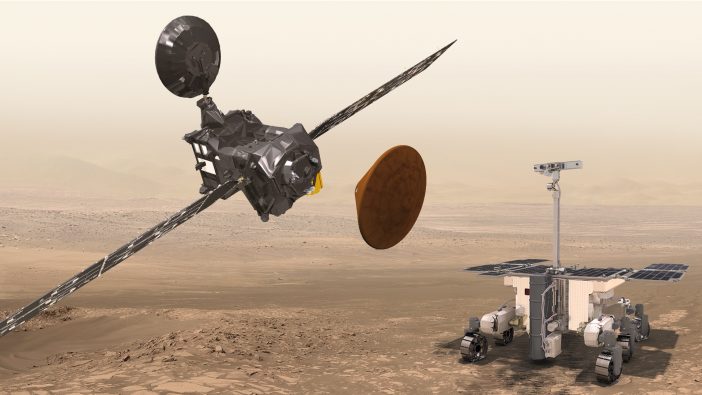
At about 17:30 CEST on 16 October, the data link with the ExoMars/TGO orbiter had still not been fully re-established following separation. Subsequently, at around 18:40 CEST, ESA (the European Space Agency) re-established a full data link with the spacecraft, and the mission control team could confirm that separation had taken place as planned, at 16:42 CEST. Both the Schiaparelli module and the TGO orbiter are in good shape and en route – separately – to arrive at the Red Planet on 19 October. We will be hosting the live video feed from ESA and wish them all the best of success in landing on Mars.

Schiaparelli Mars Rover

An orbiter carried on the ExoMars 2016 mission will hunt for methane in the atmosphere and show if it’s likely to have been generated by geology or biological processes. In other words- suggestive evidence of life/past life on Mars.

Share your smart device/phone/tablet/laptop/webcam video with us- or upload a Mars or space related file by clicking here: [vidrack align=”left”]

Invest in iconic Space flown items with Heritage Live! Auctions

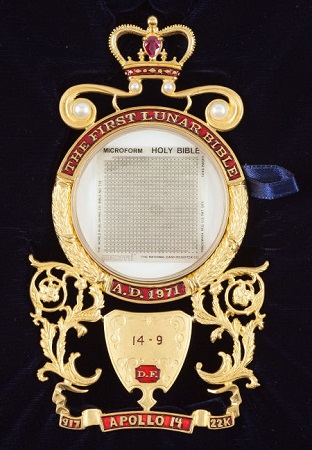
First Lunar Bible Apollo14Don’t miss out on incredible historic space items such as the first complete Lunar Bible flown aboard Apollo 14. Heritage Live! allows you to place late proxy bids and compete live against the auction floor from your PC or mobile device*. We recommend placing proxy bids before the live session in the unlikely event either side experiences technical problems during the auction.

The software is available for Android, Safari for iPhone, and Opera Mobile version 10+. More will be supported in the coming months.

For more details contact [email protected]

Click here for Free download on HA’s gorgeous 140 page colour Auction catalogue.


Strange Lights May Have Been UFO Over Southern Ontario

At approximately 10:15 PM EDT on March 17th I witnessed a strange sight. While driving into Simcoe, Ontario  via Hillcrest Road, something low on the horizon caught my attention. At first I wondered if this was a planet but after I pulled the car over to the side of the road and focused harder, it became clear that this object was flashing through a whole spectrum of colours:  red, blue, yellow, white one at a time at a high rate. Strange lights?

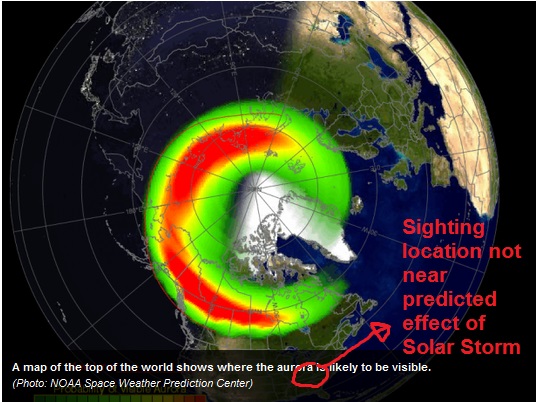
Predicted Solar Storm Aura

Yesterday was St. Patrick’s Day and skywatchers were made aware of the forecasted Solar Storm that brought Northern Lights much further south than normal. This was not the Northern Lights.

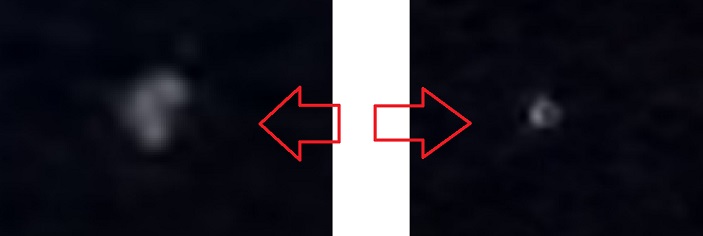
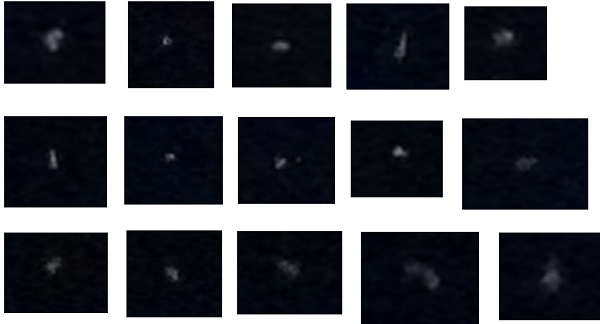
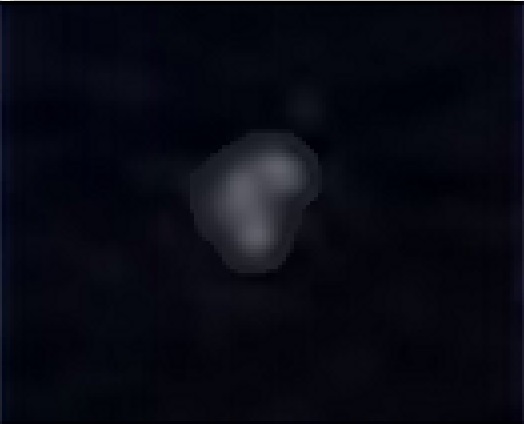
I wasn’t able to take any video because my camera phone would not zoom in to capture the object but I did manage to zoom in using the photo feature. Today I moved the photo’s onto my laptop and zoomed in further using a video editing program. I then re-opened those photo’s and used the desharp/enhance/deinterlace feature in gimp software to attempt a better look at what I saw. I am still surprised by the results- the colours that I saw vividly and clearly did not show up on the photographs and the photographs reveal what looks like a shape-shifting object!

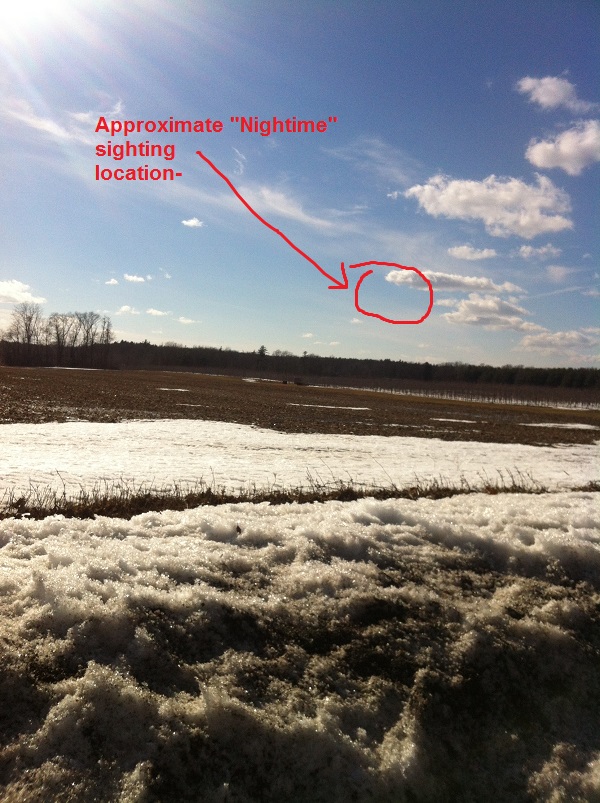
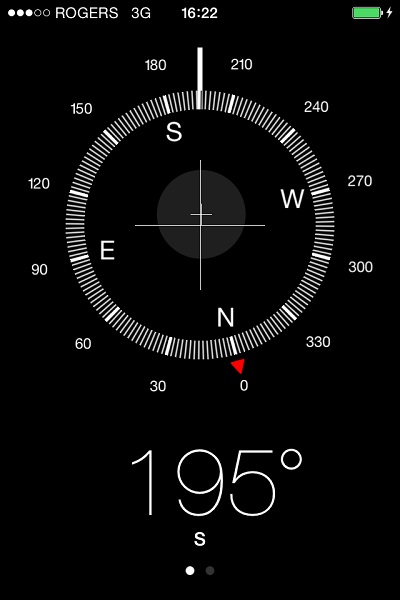
I’ve been so intrigued by this I decided to return to sighting location so I could take a daytime photo of the sky/horizon where I had the sighting and I used my phone to get a compass reading on the direction of where the object was.

Daytime Sighting Location Compass Heading for Sighting

The first series of photo’s- shown below are the camera-zoomed in series and are unenhanced by software. The second series of  single photo’s are the software-zoomed in and enhanced versions of the first four photographs .  I’m hoping someone can offer up ideas on what I saw by commenting below or emailing The Silo ([email protected])  *name with held by request*

Series 1

Unidentified Flying Object Simcoe OntarioSeries 2- Enhanced UFO image 1Enhanced Image 2Enhanced Image 3Enhanced Image 4


Supplemental- Severe Solar storm forecast predicts Northern Lights much further South than normal http://www.usatoday.com/story/weather/2015/03/17/solar-geomagnetic-storm/24901903/

Virtual visit: Hillcrest Road, Simcoe, ON


Watch LIVE- private business Orbital Science’s Cygnus spacecraft ventures to Space Station

The main LIVE stream has ended but the video player below is still active.

The Cygnus orbital spaceship and booster in transit. image: Orbital Sciences Corp.


Watch live streaming video from our friends via this external link if you have trouble watching our video player stream

Synopsis- A privately-owned spaceship built by Orbital Sciences Corp. made an Earth-rattling trip into orbit from Virginia on Wednesday, September 25th starting a four-day chase of the International Space Station to close out a nearly $700 million NASA program to foster a fleet of commercial spaceships to replace capabilities lost with the space shuttle’s retirement. Today (Sept 29th)  is the end of the chase and culminates in a docking via Canadian Robotic arm capture with the ISS International Space Station.  Read the full story from our friends at Spaceflight Now