July, 2026- 5 MINUTE READ

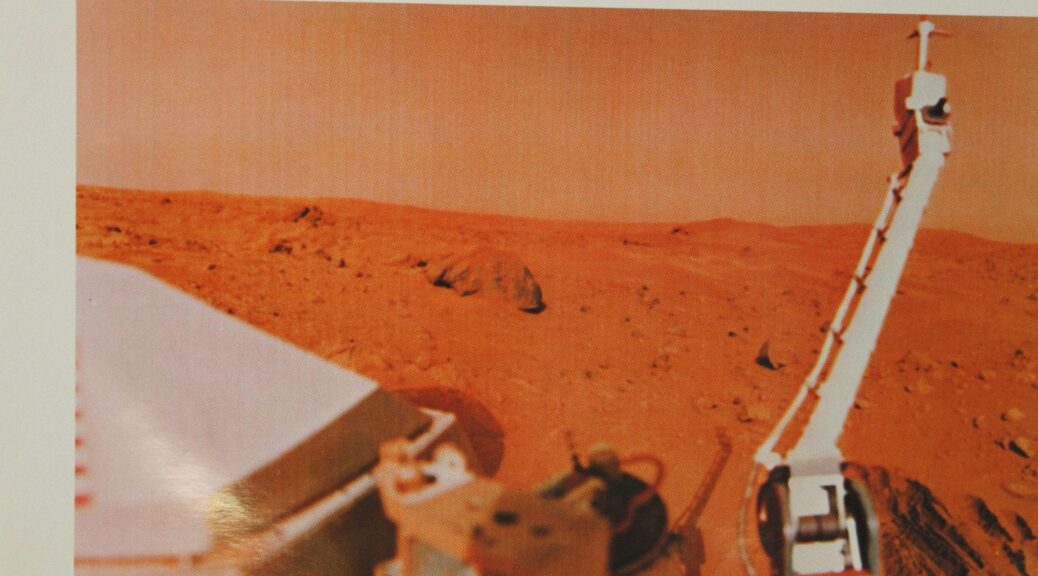
On July 20, 1976, seven years after NASA landed a man on the moon, the U.S. space agency safely landed the first spacecraft on Mars.
Viking 1 operated for six years, far exceeding its planned 90-day mission. The lander tested soil and sent home the world’s first images of the Martian surface. While Viking 1 — consisting of an orbiter and a lander — did not find signs of life, its successful landing led to future exploration of Mars, including by the Perseverance rover launched in July 2020.
As the 50th anniversary of Viking 1 approaches, the United States is again reaching for Mars with missions that serve as a stepping stone toward sending astronauts to the red planet. NASA’s Artemis program aims to create a permanent moon base by 2032 to test human habitation on other planets and inform missions to Mars.
“We will pursue our manifest destiny into the stars, launching American astronauts to plant the Stars and Stripes on the planet Mars,” President Trump said in his January 2025 inaugural address.
Mars missions continue

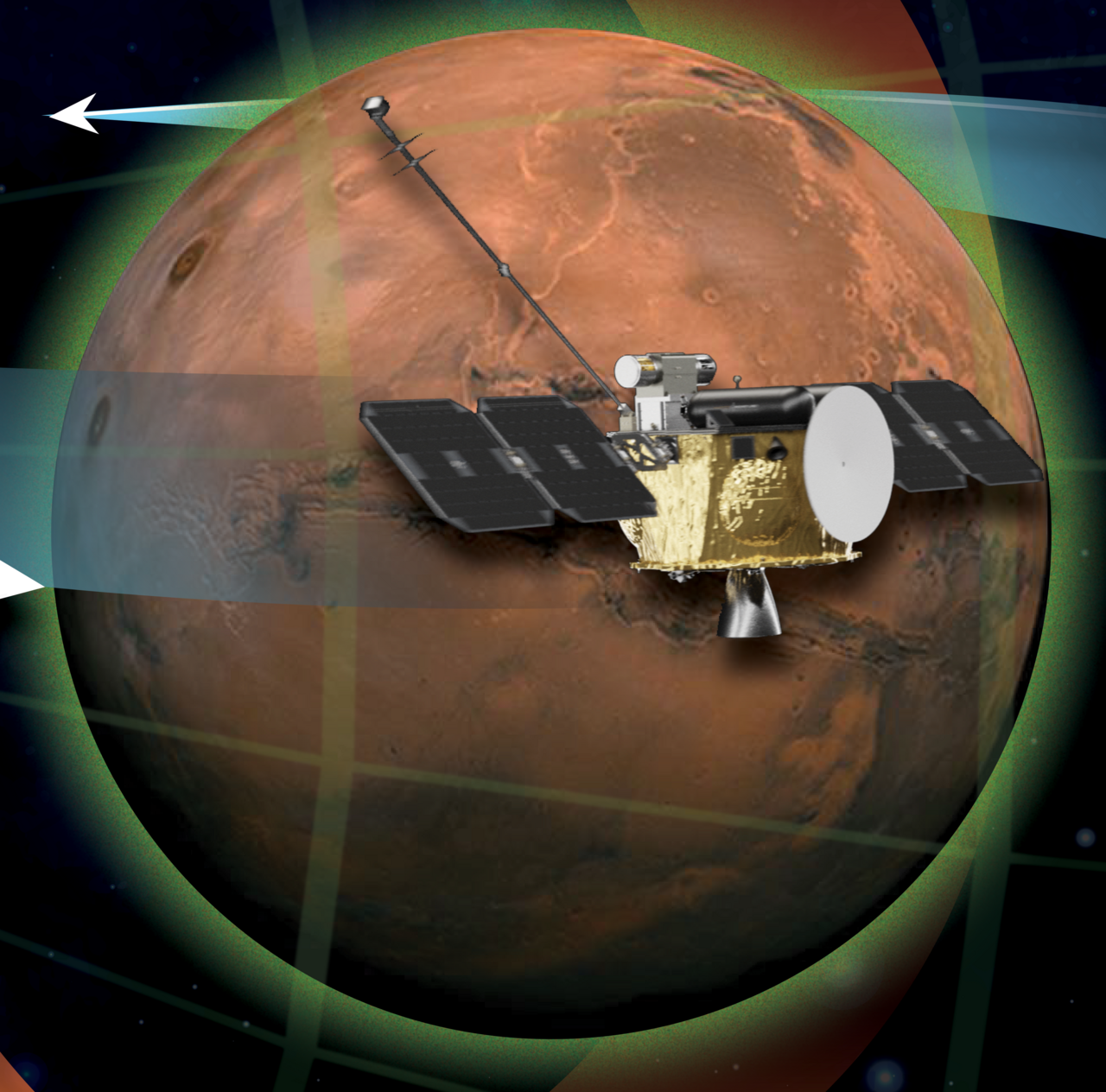
Other NASA missions are carrying on Viking 1’s legacy , furthering scientific knowledge of the fourth planet from the sun. Launched in November, NASA’s Escapade and Plasma Acceleration and Dynamics Explorers mission will reach Mars in 2027. The twin spacecraft will orbit Mars, collecting data on space-weather conditions to inform future robot and human missions.
In 2028, NASA will launch the Space Reactor‑1 Freedom to Mars, an uncrewed mission designed to demonstrate whether nuclear electric propulsion can work in deep space, an essential element for human flight to Mars.
A pioneering legacy

Successfully landing Viking 1 on Mars was an extraordinary achievement. While other nations had tried, communications were lost on touchdown. Yet NASA repeated the feat two months later with the safe landing of Viking 2 on September 3, 1976.
Project managers weren’t certain what to expect from either mission. The Viking 1 landing, originally scheduled for America’s bicentennial on July 4, 1976, was delayed when the planned landing site appeared too rocky. Yet the Viking missions’ legacy endures. Viking orbiters mapped 97% of Mars’ surface and sent home 52,663 images. The landers returned 4,500 photos before Viking 1 finally stopped operating in November 1982.
While neither mission discovered signs of life, the search continues as scientists revisit findings from Viking and later missions. In September, NASA announced that a soil sample Perseverance collected may contain evidence of ancient microbial life, calling it “the closest we have ever come to discovering life on Mars.”
For the Silo, Charles Hoskinson/ Share America.