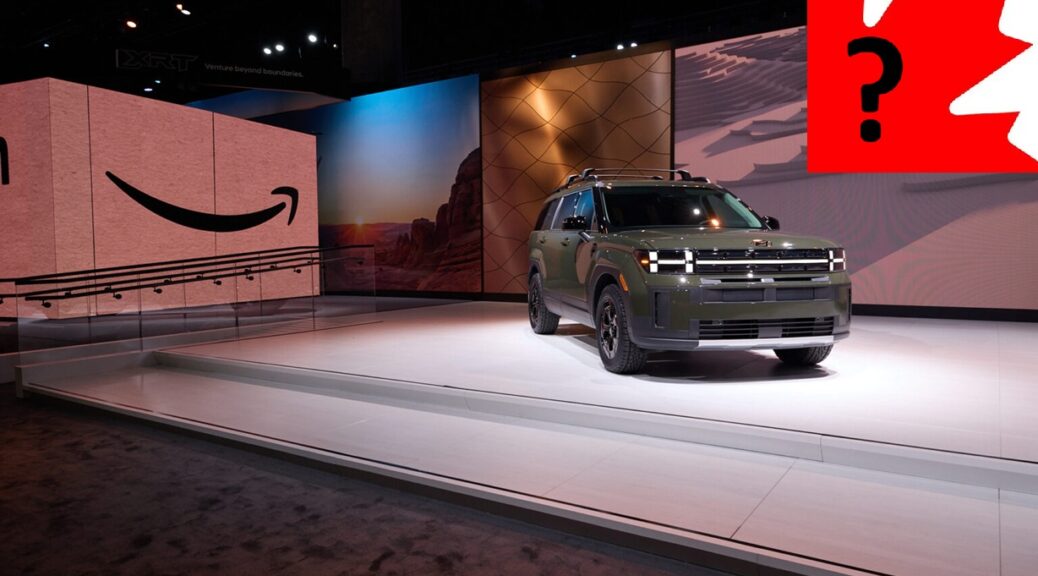
Amazon’s move into online car listings through Amazon Autos in 2024 has been widely framed as a breakthrough for consumers. But, for buyers considering this new option, the real story is more nuanced. While the platform offers a familiar, streamlined shopping experience and no-haggle pricing, it does not eliminate dealerships, negotiations behind the scenes, or the traditional profit structures that shape car pricing.
A quick heads up fellow Canucks- Amazon Autos is not yet available in Canada but plans are in place for expansion so stay tuned.
Trade Offs
As more North Americans explore buying a vehicle through alternative means including Amazon, experts say the key question isn’t whether it’s easier, but whether shoppers understand the trade-offs they’re making. Knowing the pros, the cons, and the fine print can be the difference between convenience and costly compromise.
What Works, What Doesn’t, and What to Watch For When Buying a Car on Amazon

Is It A True Breakthrough?
Amazon’s move into online car listings through Amazon Autos has been widely framed as a breakthrough for consumers. But, for buyers considering this new option, the real story is more nuanced. While the platform offers a familiar, streamlined shopping experience and no-haggle pricing, it does not eliminate dealerships, negotiations behind the scenes, or the traditional profit structures that shape car pricing. As more Americans explore buying a vehicle through Amazon, experts say the key question isn’t whether it’s easier, but whether shoppers understand the trade-offs they’re making. Knowing the pros, the cons, and the fine print can be the difference between convenience and costly compromise.
Amazon Autos, has generated headlines over the past year for a number of reasons. Some heralded the launch as a true game changer in the car market. But in reality, buying a car on Amazon is not all that different from buying a car the old fashioned way.
Participating automakers (like Hyundai) or dealers (like rental car giant Hertz) can now list their inventory on Amazon. But make no mistake: you’re still buying from a dealer. Amazon Autos is only acting as an online marketplace for cars, meaning that the cars you see listed are only there because traditional car dealers listed their inventory on the platform. Amazon is just making online car shopping feel like the Amazon experience that nearly 200 million Americans are familiar with.
There are pros and cons of buying a car on Amazon.
Amazon advertises no-haggle pricing, but there’s something crucial that most shoppers overlook: that rarely means you’re truly getting the best price possible. No-haggle pricing is crafted by dealers to ensure healthy profit margins on their end, while making consumers feel relieved that they don’t have to deal with unpleasant negotiations or salespeople. The truth is, buying the actual vehicle still takes place at a dealership. There are still salespeople involved. It can still be inconvenient or uncomfortable.
Dealers are thrilled with the assumption that pricing is already agreed upon before the customer even arrives. Remember, dealers have plenty of profit in the form of holdbacks, manufacturer-to-dealer cash, and even volume bonuses. That’s not to mention more money for them if you finance with them, or purchase an extended warranty or other add-on.
All of this means that you’re much more likely to overpay than if you were to go your own way and negotiate confidently.
In summary, when you buy a new or used car on Amazon, you’re still buying through a traditional dealership. Amazon doesn’t hold any of the inventory you see online, they’re merely adding the online Amazon experience many consumers are familiar with to online car shopping. In most cases, that means trading competitive pricing for convenience.
For some, that may be a compromise you’re willing to make in order to skip the haggling process. But it’s important to know that you’re limiting your ability to land a great deal when you forfeit your chance to negotiate car pricing.
Research Required
To best ensure you’re not leaving money on the table, thoroughly research the car market. Always research demand factors for the cars you’re interested in. Are you shopping for a car that’s less popular than the hottest sellers on the market? Does it sell slower than the market average in your area? If so, you’re much more likely to overpay with ‘no-haggle pricing’. Find inventory that has been sitting on the dealership lot the longest. Those are the cars that dealers are motivated to sell at a discount.
For the Silo, Justin Fischer.
Justin Fischer is an automotive retail analyst and consumer advocate at CarEdge, a leading consumer platform dedicated to empowering car shoppers to make confident, informed and financially savvy decisions.


























 I realized I needed to do something about it and fast. So I



 In addition, if you select a cause, a portion of what you spend at participating stores will be donated to that cause for free.