While vollebak’s Indestructible Chinos look and feel exactly like the chinos worn by JFK and Steve McQueen, they’re woven with the strongest fibre on Earth, and are now our best-selling pants. Like most men’s clothing, chinos emerged from war. This time it was the Spanish-American one. They were slim-fitting, flat-fronted, functional, and most importantly… really really dependable.
By 1902, after heavy field-testing, they’d been made an official part of the US Army uniform. But once World War II was over, the guys who’d fought went off to college still wearing them, turning them into an instant hit on the Ivy League campuses.
And their reputation was only cemented as a staple of mid-century menswear when they became the standard issue kit for John F. Kennedy and Steve McQueen.
Which is why, 120+ years later, you still don’t need to mess with the design. So we haven’t.
Instead we’ve taken pants you’ve always been able to rely on, and woven them with the strongest fibre on Earth… so you can rely on them even more.
Our Indestructible Chinos come in 2 colours. We’ve got a Sand edition (the lighter colour), and a Sandstone edition (which is the slightly darker colour).
While they look and feel like regular chinos, every pair of Indestructible Chinos is made with a blend of cotton and Dyneema – which is the same stuff used in body armour, arctic ropes and the sides of tanks.
CRAFTED WITH A 180-YEAR-OLD JAPANESE FABRIC MILL
To make the Indestructible Chinos, vollebak worked with Toyoshima, a 180-year-old Japanese textile company that has been certified as Japan’s first Dyneema® Premium Manufacturing Partner.
Of course you’d never know this just by putting them on.
And that’s because the Dyneema is woven in with the cotton during the weaving process, so you’ll only ever feel the softness of the cotton, not the strength of the Dyneema. And they’ve also been garment washed so they feel lived in from day one. So you’ll only ever know about the Dyneema when you suddenly need it.
Fit wise they’re similar to Equator Pants but with a slightly more relaxed cut. And if you want a hand with sizing you can get in touch with us here. For the Silo, NICK AND STEVE TIDBALL.
Back in the 1980s the cyberpunk genre envisioned a world of societal breakdown where technologically modified humans are controlled by mega-corporations watching their every move… or 2026 as it’s otherwise known. So as science fiction becomes modern day reality, our friends at Vollebak are giving you a chance to stick it to the mega-corporations, and dress a bit like Ryan Gosling in Drive at the same time.
Ever since brothers Nick and Steve Tidball started Vollebak they’ve been working on advanced material science to solve for things like disease resistance, climate change, space travel and resource scarcity. And next up is the electromagnetic spectrum.
Mars And The Hulk Have Something To Do With This Design
While Gamma rays might have turned Bruce Banner into The Hulk, in reality radiation and human beings don’t go well together. And as we enter an era of cybersecurity breaches, geopolitical instability, the first manned missions to Mars (after Elon settles down on the Moon first) , and cosmic radiation exposure, it’s going to present an increased threat.
So this is cool- this Electromagnetic Shielding Bomber is built with the same electromagnetic shielding technology used for the Mars Rover. Long before the Curiosity Rover was sent to Mars to search for signs of life, it had to be tested here on Earth. So NASA created an electromagnetic shielding tent that was designed to completely block out external electromagnetic radiation during testing… like someone sending a text, turning the microwave on, or chatting with the James Webb telescope.
Shields The Waves
We’ve now taken that technology and converted it into our first Electromagnetic Shielding Bomber. It’s embedded with pure silver that blocks radio waves and microwaves in the 0.2GHz to 14GHz frequency range – which includes WiFi, Bluetooth, Ku-band satellites and radar systems. It also comes with a phone shielding pocket that works like a Faraday cage – blocking access to your devices, regardless of whether they’re switched on or off. Conceptually it’s like making a pocket that’s entirely watertight… just for electromagnetic energy instead. So you shouldn’t be tracked, hacked, or even called. While the outside of the jacket offers space-age protection, its shape, cut and aesthetics come from the jet-age, and are based on the original MA-1 flight jacket.
A print of George Washington by Valentine Green. (National Gallery of Art)
George Washington, who as a general led America to independence from Britain and who went on to serve as the first U.S. president, also nurtured a lifelong interest in men’s fashion.
Washington recognized his attire sent a signal about America’s standing in the world, according to Suited to Lead: The Lives of Six Presidents Through Fashion , an online exhibit of the White House Historical Association. (The exhibit also explores the fashions of presidents John Quincy Adams, Abraham Lincoln, Theodore Roosevelt, Harry S. Truman and Jimmy Carter.)
Washington “thought deeply about what his choices conveyed to the public,” says Fiona Hibbard, a graduate student in New York University’s Costume Studies program. Hibbard curated the exhibit while an intern at the society in 2025.
“Washington was interested in projecting an image of authority, unity and American identity,” she says.
The exhibit highlights how Washington’s sartorial choices conveyed leadership and created an early-American aesthetic that endured for generations.
Washington chose blue for the uniforms of the Continental Army to present colonial militias as unified and to clearly differentiate the fighters from British soldiers, known as “redcoats.”
Federal Gazette, January 7, 1789
As a military commander and later as president, Washington appeared in portraits wearing a blue coat trimmed in yellow, with matching waistcoat and breeches.
Blue and yellow remained the colors of the United States Army until the Civil War in the 1860s.
Washington also adapted military uniforms to better suit soldiers to their environment by replacing breeches, which only came to the knee, with full-length trousers that better protected the soldiers’ legs as they climbed or scrambled on difficult terrain.
Washington supported American manufacturers, Hibbard says, “something most Americans can relate to and take pride in.”
Before being sworn in as the country’s first president, he ordered high-quality American wool from a Connecticut manufacturer for his brown inaugural suit . He had deliberately avoided using British-imported fabric, according to the Mount Vernon Ladies’ Association, which runs Washington’s Virginia estate. Though commonly known as “London Brown,” Washington’s fabric became known as “Congress Brown,” a nod to the new country’s representative form of government.
“George Washington’s inaugural suit was more than attire — it was a statement of national identity,” the association says.
Washington wore American-made wool for his April 30, 1789, inauguration as the first U.S. president. (Library of Congress, Courtesy of the Mount Vernon Ladies’ Association)
Over 80% of the deep ocean remains unexplored. And you can see why. With sub zero temperatures, freaky alien-looking creatures, pressures that can crush steel, and the abyss, it’s not the most welcoming.
For divers operating in the coldest, darkest and most hostile environments on Earth – where the water temperature drops below 10°C– the survival system of anyone who values their life is the drysuit.
An impermeable shell that creates a seal of warm air around the body, wearing a drysuit is a bit like wearing an actual seal.
British Special Forces, S Squadron SBS (Special Boat Service) on patrol during an exercise – “By strength and guile”
And at the heart of this underwater system you won’t find foam, rubber, or blubber. But fleece. Insanely thick, astonishingly warm, flexible, fleece.
Naturally you’ll find the most badass drysuit fleece on the planet belongs to the British Special Forces – guys who don’t mind a bit of a splash about in some cold water. So we took their fleece – after asking them nicely – and turned it into the Deep Sea Diver Hoodie and the Deep Sea Diver Vest.
Model is 6ft 2 / 189cm with a 40 inch / 101cm chest, and wears size Large.
Denser than dense
At 539 grams / 1.2 pounds ! per square metre, this is the densest fleece we’ve ever used. And that means the Deep Sea Diver Hoodie traps more heat than any other hoodie we’ve made. It breathes, wicks, and is fast-drying and odour-resistant. We added egg-shaped pockets for warmth, and a double-lined snorkel hood creates a protective microclimate around your head, sealing in warmth and blocking out the elements.
While traditional heavy fleeces sacrifice mobility for warmth, ours is engineered for both.
Its four-way elasticity means it bends, stretches and rebounds in any direction. It moves like a baselayer but insulates like a winter shell. You can climb in it, sleep in it, or disappear into a snowstorm in it.
Technical Details
Previous slide
Fabric: Polartec® Power Stretch™ (91% polyester, 9% elastane)
Material weighs: 539 g/m²
Vest weighs 700g
Four-way stretch
Two-way centre-front zip with faux-suede garage and grosgrain guard
Exposed zip hand pockets with internal facing
Elasticated binding at hem and armholes
Flatlock and cover-stitched seams
Machine wash 30°C
Constructed in Portugal
For the Silo, Nick and Steve Tidball- founders Vollebak.
The “Russian Code”, one of Raketa’s most emblematic models with a counterclockwise movement, is now launched in a version that dedicated to the all cities and countries where Raketa is present in the world. The first exclusive edition of 50 numbered watches is dedicated to Qatar where Raketa is represented by the prestigious retail store “Blue Salon”.
The Raketa brand (meaning “space rocket” in Russian) was created in 1961 in honour of the first manned spaceflight by the Soviet cosmonaut Yuri Gagarin. For 65 years, the Raketa Watch Factory has been accompanying space exploration by engineering watches for cosmonauts and drawing continual inspiration from the space. In 2026, the brand will mark this anniversary date with a collection of exclusive space‑themed watch models and collaborations.
The beautiful three-layered dial of the Raketa “Russian Code – Qatar Edition” displays the night sky that was over Qatar on the day it received its independence — September 3, 1971. Depending on the lighting, the blue disk structure emits bright rays of light, bringing to life the constellations printed on the dial.
Behind the elegant design lies the revolutionary concept that time should move in harmony with the natural counterclockwise movement of the planets in our Solar System. Therefore, just like the planets around the Sun, the hands of this model rotate in a counterclockwise direction around the dial. To emphasize this idea, a red circle symbolizing a planet at the tip of the second hand, moves counterclockwise above the applied blue coated numerals.
This edition limited to 50 pieces is available:
▸ In Russia: exclusively in all of Raketa’s channels of sales (online and offline stores) in very limited quantities. ▸ Outside Russia: exclusively at Raketa’s partner and the leading luxury brand store in Qatar: Blue Salon.
Don’t worry, we will get to the jacket- but first the story starts in 1836 in Victorian England. And it you weren’t there you didn’t miss anything. It included a grumpy-looking queen, bad weather, a lot of sexual repression, and rich people throwing buckets of human waste out of their windows.
On the plus side it also had a bunch of scientists running around like kids on acid. One of them was Michael Faraday – Victorian England’s answer to David Blaine.
Over the last 190 years the Faraday cage has gone from a crazy Victorian scientist sitting inside an electrical storm, to critical black-ops architecture, to a wildly experimental jacket that looks like it’s emerged from a craft in Dune.
A Faraday cage at the US Bureau of Standards (now NIST) used to protect delicate measuring instruments from electromagnetic fields.
Now Michael was a showman. But instead of freezing himself in ice, or suspending himself in a glass box, his trick was making super abstract physics feel tangible. And his greatest stunt of all was standing inside an electrical storm. In front of a packed out theatre at the Royal Institution in Mayfair, Faraday lined a large wooden box with metal foil, hit it with discharges from high voltage electrical machines… then calmly stepped inside. Sparks crackled across the outside of the enclosure. Blue light crawled over the metal skin. Faraday meanwhile stood there in silence. Like the final boss. While the energy simply flowed around him.
It might have looked like he’d built his own supersized coffin – complete with all the necessary equipment to kill him – but it turned out Faraday understood equations as well as he understood spectacle.
Made from approx. 50% copper
Blocks electromagnetic waves from 0.2GHz to 14GHz
Eight-pocket defensive storage system with shielding flaps
By the time he stepped into his foil-lined cube, he’d already spent years dismantling older ideas of electricity.
A Faraday cage isn’t a wall. It’s a detour. When an electromagnetic field hits a conductive enclosure, the free electrons inside it immediately start to flow, redistributing themselves across the surface until the field inside is cancelled out. Build the right shape from the right material, and electricity behaves like water flowing around a rock.
It’s one of the simplest demonstrations of how matter tells fields what they are allowed to do. The impact of Faraday’s experiment quickly escaped the lecture hall – because the Faraday cage didn’t just deflect static charge, but whole regions of the radio frequency and microwave spectrum.
The principle was applied in bunkers, test chambers and secure rooms. Then in spacecraft, data centres, radar installations and intelligence facilities, where even a stray spike of interference can crash systems or corrupt data. Today our Faraday Cage Jacket is a descendant not only of that wooden box, but everything that followed in its footsteps. It’s the same physics. Just shrunk. Softened. And wearable. And you can join the waiting list here.
We designed it from scratch, using the principles of clothing and electromagnetic infrastructure at the same time.
And this is what transforms it from a pure physics experiment, to an object that looks like it’s just emerged from a craft in Dune. Most of us spend our lives today inside a semi-permanent yet completely invisible electromagnetic fog: radio waves from antennas. Microwaves from routers. Radar from aircraft. Signals bouncing between satellites, phones, vehicles and buildings.
So the first Faraday Cage Jacket treats that electromagnetic energy the same way someone climbing Everest would treat cold weather – as something you can defend against, and insulate yourself from. It blocks electromagnetic waves across the 0.2–14GHz range. This includes all the unseen wiring of the digital age: WiFi at 2.4GHz and 5GHz. Bluetooth at around 2.4GHz. Mobile networks. As well as higher-frequency Ku-band satellite and radar systems. In lab testing the material reaches shielding effectiveness figures of up to 92 dB – for reference this is the kind of level normally associated with secure infrastructure and electromagnetic test laboratories.
Every seam and every opening affects how energy moves across the jacket.
So the job of the design is to manage those electromagnetic fields.
And that’s why the jacket is built from large, faceted spaceship-style panels and snap-down flaps. Overlapping sections create layered shielding zones and add 10 – 20 dB more attenuation. Each overlap is another place for energy to be redirected – another chance to keep it moving around the body instead of through it.
The jacket’s eight pockets are designed the same way. Instead of flat bags stitched onto a shell, they’re three-dimensional, origami-like bellows pockets that form enclosed volumes that behave less like pockets and more like small rooms – put a device inside one of these pockets and it’s almost impossible to track, hack or even call. So if you’re looking to shield yourself from the dystopian conditions our future digital overlords set – whether that’s surveillance, space radiation, or select parts of the electromagnetic spectrum – the Faraday Cage Jacket belongs in your future.
Technical Details
Outer material: Shieldex® Kiel + 30 non-woven shielding textile
Material composition: 48% copper, 46.5% polyamide, protective acrylic coating
Textile normally used to shield rooms and electronic environments
Shielding effectiveness: up to 92 dB in lab testing
Blocks electromagnetic waves from 0.2GHz to 14GHz
Thermally and electrically conductive
Naturally antimicrobial
Eight pockets including double-entry origami bellows pockets
Snap-down pocket flaps to add additional shielding
Introducing the Raketa “BIG ZERO” Lebedev- Time for What Matters
The Raketa Watch Factory and the famous Russian designer Artemy Lebedev release together the Big Zero Lebedev, an edition limited to 300 models, inspired by the iconic Big Zero model. This collaboration marks the 30th anniversary of Artemy’s studio – Art Lebedev Studio.
Big Zero Lebedev is all about neat forms, monochrome black, and simplicity. But why these style and design choices? Today’s world is overwhelmed with details, events, and information. We need some visual anchors that structure our perception instead of adding up to this noise.
True to the strict minimalist design, oversized numerals, and the iconic large zero, Artemy Lebedev has added contemporary flair: a black-on-black scheme, matte convex markers and dial, matte hands, and a tinted back glass revealing the Studio’s logo on a black rotor.
For the first time, Raketa uses a rubber strap with customizable length to fit your wrist perfectly. For easy adjustment, a video tutorial by Artemy Lebedev is available via QR code. So, you will act a bit like a watchmaker when adjusting the strap!
The heart of the Big Zero Lebedev is a Russian self-winding movement, manufactured from A to Z at the Raketa Watch Factory, one of the few manufacturers worldwide that still produce their own in-house movements.
Watch Model Specification:
Stainless steel case with vertical matte satin finishing and glossy polish
Dimensions: 40 mm x 43 mm x 14.05 mm
Black matte hands and dial
Matte convex markers
Self-winding Calibre 2615movement and black rotor
Tinted back glass
Rubber strap with customizable length and deployant clasp with leaf spring
Set includes a special measuring bracelet and a pin remover for adjusting the length
Black box packaging serving as a watch case
Limited edition of 300 pieces
Price
The price of this watch is 2250 EUR (excluding VAT). Currency rate conversion at time of posting: 3631 CAD 2619 USD 1965 GBP. For the comfort of customers, Raketa watches are delivered worldwide free of charge by DHL directly up to the front door. For the Silo, Jarrod Barker.
Keeping time is important. Without watches society would not have been able to develop in the same way that it has. Imagine trying to coordinate an activity with someone else based solely on the height of the Sun. Good luck with that or what if the famous watch wearing James Bond was forced to use a wrist mounted sundial? Ick.
This Pulsar is my favorite.
What Does Watch Type and Style Say?
There is an old expression that goes something like this: “If you can tell a lot about a woman by the shoes she wears, then you can tell a lot about a man by the watch he wears.” That being said, let’s see how the evolution of a certain British Secret Agent has affected his watch choices over time. Take a look at this info graphic courtesy of our friends at watches2u that catalogs the changes in 007 James Bond’s watch design and styling throughout the film series. Which one is your favorite?
A few weekends, late nights, a powdery mess of raw ingredients and a 3-foot-long ( 0.944-meter- long) immersion blender working up a storm later ,it’s become more than apparent that our friends lab at kommandostore has been cooking up another big batch.…Of Versengtarn & Acidtarn.We get it, they’re in South Dakota, USA but what did you think we were talking about? Tabs?
“Versengtarn” and “Acidtarn” are their most popular dyed-in-house military surplus garments by a longshot and it’s easy to see why. They use a special reactive dye that lasts far longer than most off-the-shelf compounds & a top-secret DJ routine on a washing machine for a shadowy redux of Flecktarn Field Shirts & Parkas that you just can’t find anywhere else. Being pre-inspected and laundered during the dye process, they’re ironically some of the best quality flecktarn pieces you can buy from kommandostore.
Versengtarn is the classic, an almost Multicam-black-esque variant of flecktarn that’s been created that quiets down the classic camo pattern to a whisper, giving it an ashy appearance that’s fantastic for working in to your daily wardrobe or just being a little edgelord who loves buying black stuff. Acidtarn is much of the same but has a green-er overtone. It retains the subtlety, and a bit of the original military looks of the Flecktarn Field Shirt.
With the first batch a few months ago being a massive success, kommandostore heard you guys loud and clear. The perpetual dyeing industrial supercomplex in their warehouse now cannot be stopped .
So, whether this is your first time dyeing with them or you missed out on the last batch, today’s the day to click the link above and get an order it. They’ve got plenty of other dye projects to do before circling back to good ol v-tarn so it might be a while before it’s back…
The Lore Drop
What watching the first season of True Detective does to a mfer… If you cant tell how excited we were after learning about dyed flecktarn, the double-exposure edit above should give you enough of a hint. It goes hard in a way we just can’t match one for one these days.
Creating specialized watches for extreme professions is a tradition at the Raketa Watch Factory and now they have just presented a new version of its popular Pilot model.
The history of aviator watches dates back to the early 20th century when aviation and wrist watches evolved side by side. The first aviator watches were built as professional tools, eschewing decorations in favor of durability, reliability and readability. They had a strict and minimalistic design: a round case, a high-contrast dial, wide hands and large numerals. Everything you need to make note of the passage of time while controlling a warbird and flying upside down.
KISS- Keep It Simple Soviet!
In designing its new Pilot model, Raketa tried to recreate the spirit of early aviator watches following the principle of “nothing superfluous”.
Designed in a classic style but with Raketa’s recognizable identity, the new case with its clean facets combines a glossy polish and a satin finish. This look is harmoniously continued with the stainless steel bracelet, which emphasizes the masculine character of the timepiece.
A genuine leather strap is also included in the set. The movement is protected by a screw-in crown which provides a water resistance of up to 200 meters.
Several features ensure easy readability in all lighting conditions. Super-LumiNova coating is applied to the markers and large numerals of the dial, but also to the hour and minute hands. Contrast is created through color combinations- all the hands including the bright yellow second hand perfectly stand out against the matte black dial stylized in the same manner as a precision aircraft dashboard instrument gauge.
A double-sided anti-reflective coating on the sapphire crystal provides additional assurance of accurate readings.
The heart of the Raketa Pilot is its automatic movement manufactured from A to Z at the Raketa Watch Factory in St. Petersburg, Russia.
Price
The cost is 1950 EUR (including VAT)/ $3,110 CAD at time of posting. For the comfort of customers, Raketa watches are delivered worldwide free of charge by DHL directly to your front door. For the Silo, Jarrod Barker.
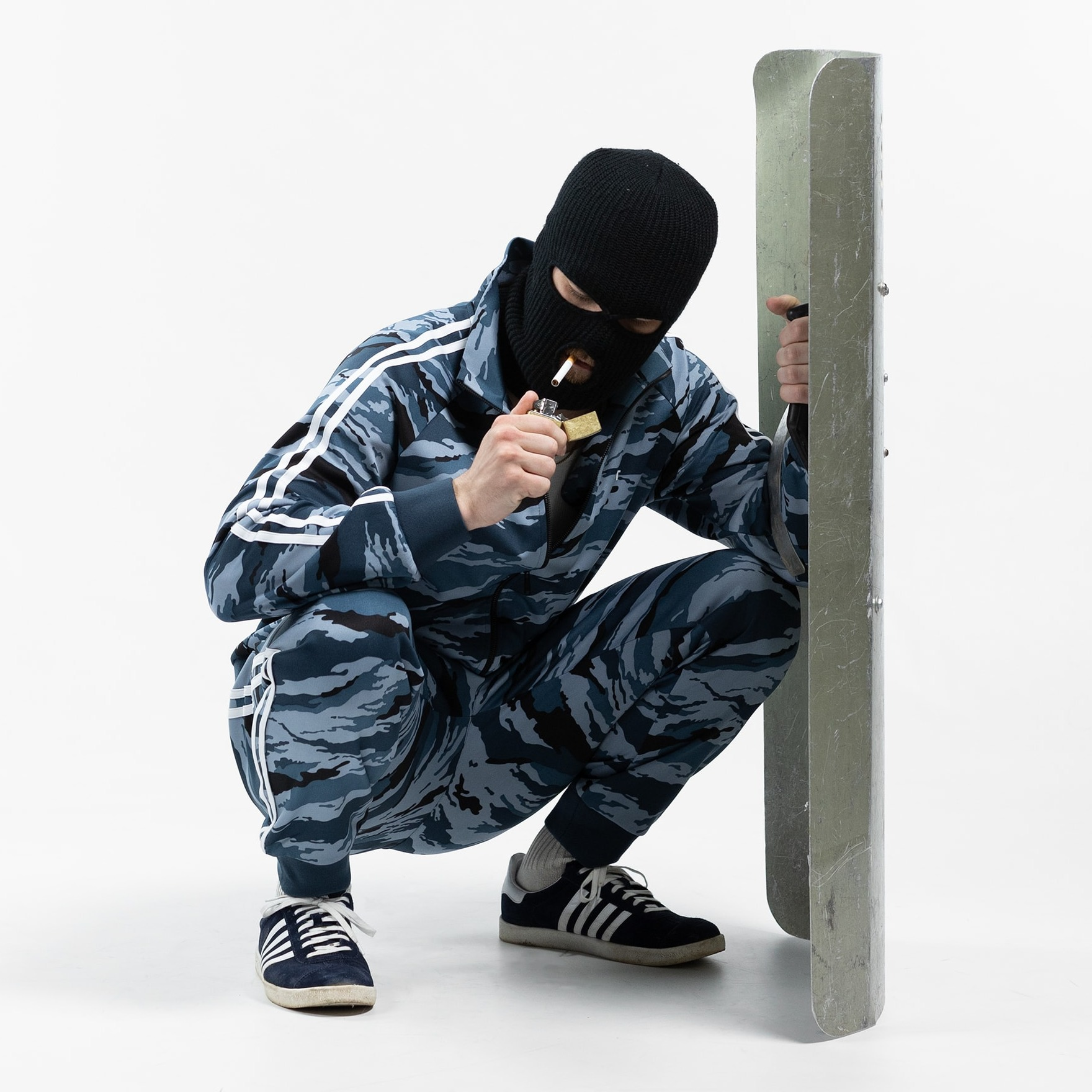
While our friends at kommadostore.com have been busy in the warehouse doing a bit of spring cleaning, how about something really special this weekend?In their back pocket, they’ve been having a chat with their Gorka-making friends in Uzbekistanand they’re once again expanding the Slav tracksuit extended cinematic universe. The camo is called “Kamysh” kamush? kamiish?, and its art. They heard that YOU LIKE STRIPES…So they put stripes on your stripes. For the uninitiated, this tracksuit features a faithfully rendered version of a real camouflage that Russia used on a militarized police force for decades.The blue tiger striped camo “Kamysh” became as infamous as it was eye-catching, so they figured why not take this work of madness and give it the full slav tracksuit treatment? But the tracksuit is as much of a work of art as the camo itself —It’s got all the features you’d expect in a premium pairing with sewn-on instead of printed stripes, zipped pockets, ultra-cozy fabric, and a “goldilocks” athletic fit you’ll love. As expected, the same people who made the Gorkas absolutely nailed it. Current ETA is mid-June. For more about what is undoubtedly the most insane camouflage ever sold surplus or not, keep on scrolling for the scoop… Not that long ago- It was the post-soviet-union collapse. Russia couldn’t make up their mind, so they finally lost it instead. The camo-of-the-week for Russia’s primary military force was “VSR”, a vertical-dominant pattern. But there was a horizontal pattern that also started to see use around the same time in the mid 90s, Tiger Stripe. It’s obviously different to US tiger stripe from Vietnam but it was deployed for the same reasons. In built up tall grass, marshlands, and water-adjacent flora, it excels. But hold on, how the heck did it turn blue? It’s obviously different to US tiger stripe from Vietnam but it was deployed for the same reasons. In built up tall grass, marshlands, and water-adjacent flora, it excels.But hold on, how the heck did it turn blue? ? Kamysh is actually a bit of a blanket term for ALL tiger stripe camos from Russia, its sometimes just called “Tigr” too. With increasing police presence during former-soviet-state separatist conflicts, Russia’s ‘MVD’ came into play, but there was a problem — they didn’t want to make it look like their internal security forces were literally the military. Normal VSR was a no-go because then it’d look like Russia’s primary military. Then they had a crazy idea: Give different police/emergency response units a different shade of the camo to soothe any accusations of paramilitary activity. Blue tiger striped camo would be given to “OMON”, a top mobile police unit in the MVD. Curiously, they’d even adopt the Siberian tiger as a mascot on some of their unit patches.What exactly does OMON do? Think of them like the US’s militarized federal police forces for the FBI, DEA, Homeland Security, and everyone’s favorite, the IRS. Except Russia liked to use them outside the country quite a bit, too. They were seen in many armed conflicts. So for decades the MVD and it’s definitely-not-military units would show up to the function wearing knockoffs of DPM, M81, Flecktarn, or this crazy tiger stripe all to not raise too much suspicion that they were militarized forces of the Kremlin… Yeah… A litany of blue-ish tigerstripe-ish commercial camos would become the face of OMON for decades. Infamously, a suspiciously similar blue tiger stripe was also used by “Berkut” units during the “Revolution of Dignity” in Ukraine c.2014. Was it a true “Urban camo”? or just an identifying mark of the unit? Does Russia know “OMON” in Cyrillic is “HOMO” backwards? It seems like it’s anyone’s best guess. And we couldn’t neglect to mention what made this camo popular to us gun-toting autists in the west. At MilSim West, an iconic photo of a man performing a flying kick into a door wearing what appears to be genuine “OMON” garb was taken.It was only in recent years that people actually figured out it wasn’t really OMON doing that, which just goes to show you how crazy that police unit is. It made that camo go “viral” amongst the surplus-sphere, and with the state of Russian unobtanium, we decided to take a new spin on it by making a brand-new garment out of a pre-existing camo. It was only fitting that kommando approached their gorka-maker to bring back this piece of Russian obscura — and they did a fantastic job to boot..MVD! OPEN UP! 🚓
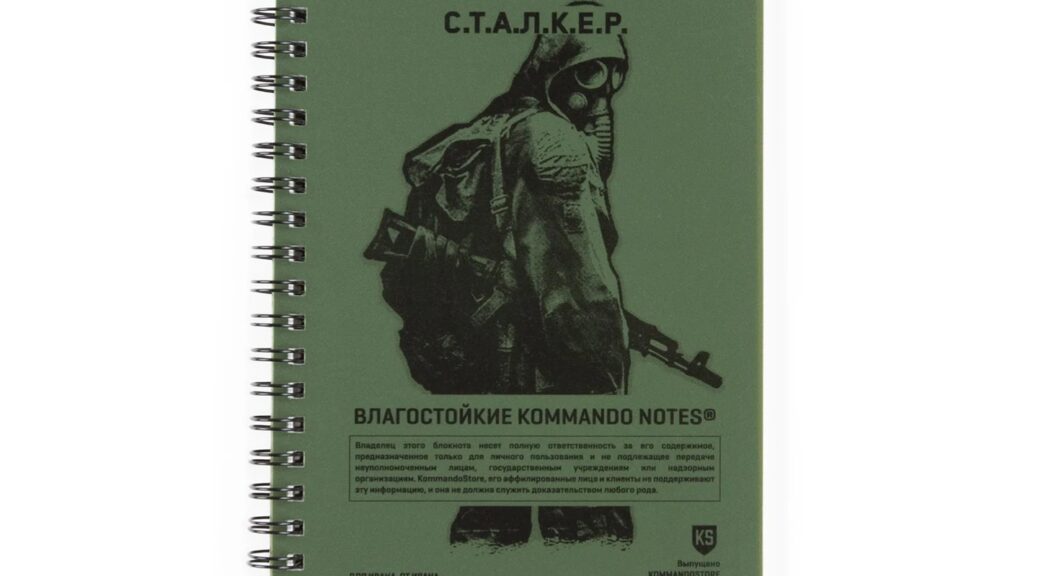
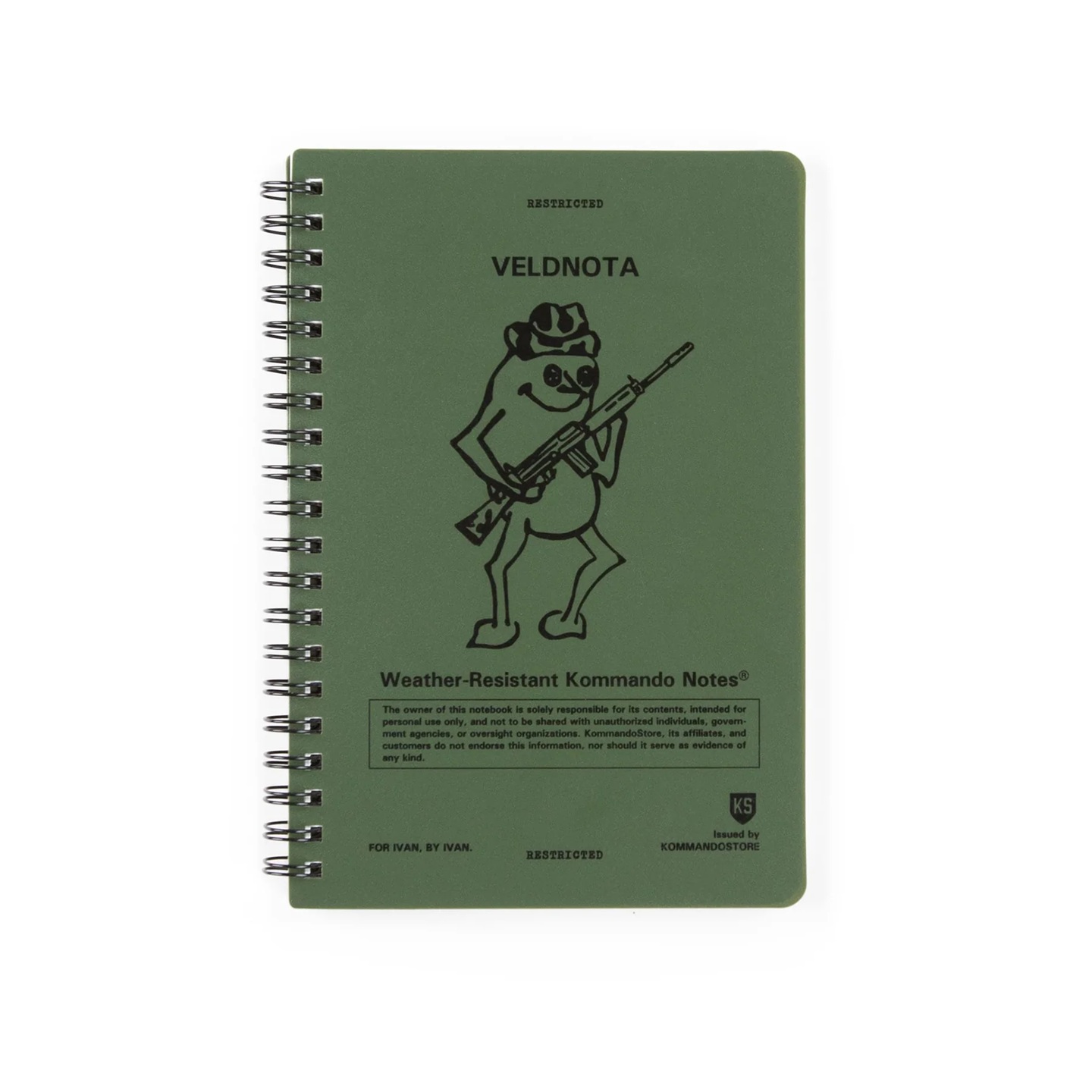
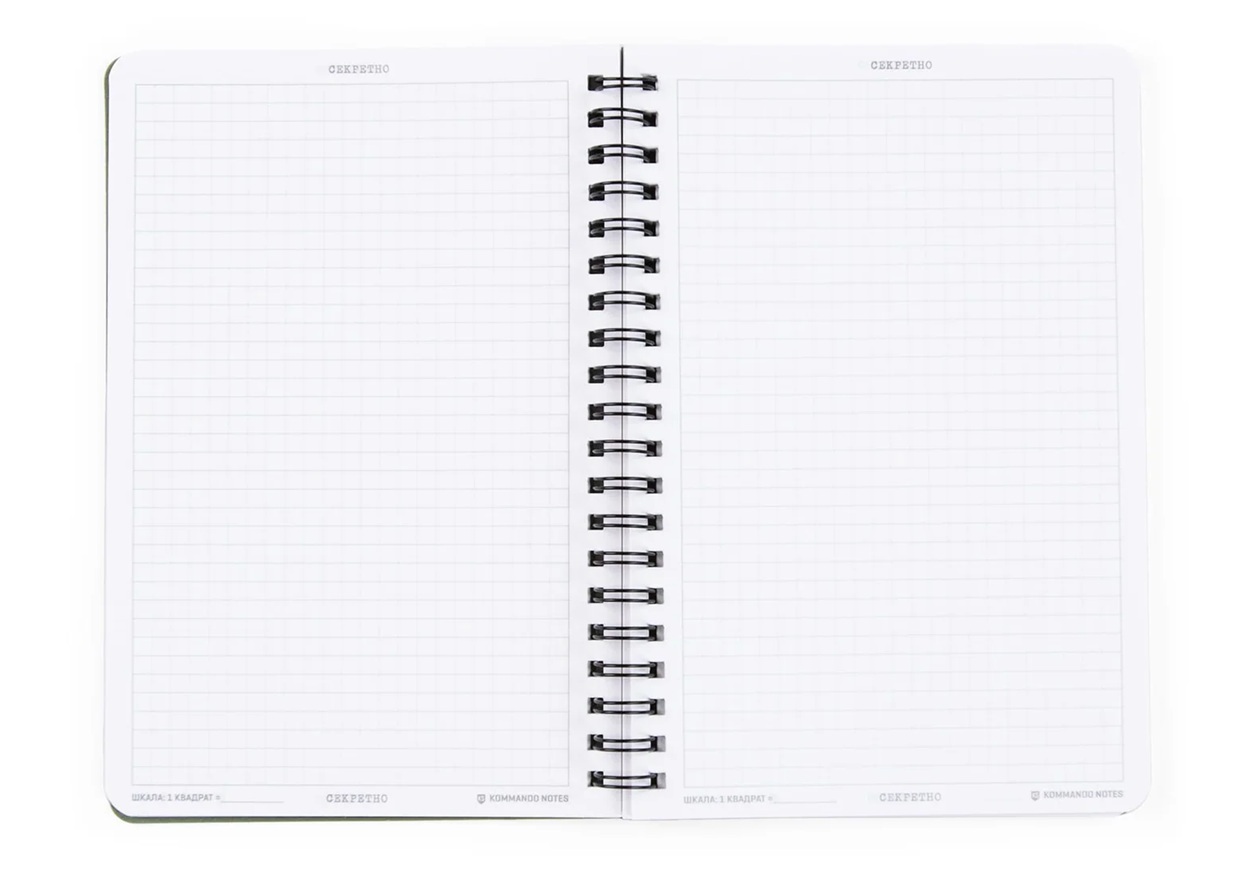
Our usual milsurp article is a bit different this time around- a little less about gear in the typical sense and more about the introduction of a side project our friends at kommandostore.com have been working on for months:The long-awaited return of EDC “Range Notes”, now better than ever in any weather. It might be nearing the end of April but let’s face it rainy weather never really goes away and if you are planning on an outdoor adventure the odds are you will need to plan for the possibility of getting wet.
Why this makes sense
Maybe you are a writer or a journaling die hard or the sort of person that likes to jot things down while they are outside. Perhaps the elements stir something and help fuel your creativity. I get it. There may be waterproof smartphone screens out there but nothing beats the mind-thought-write -it-down connection between good old fashioned paper and pencil (or pen).
KommandoNotes V2 have arrived!
Do you need to write in the rain? Or when you’re covered in warm, viscous liquids, preferably non-human in origin? Look no further than KommandoNotes waterproof range notes! Seriously, DON’T KEEP LOOKING. With ten times the autism and twice the schizo-posting capacity (double the pages!) of comparable field notes, you can record far more information than anyone needed or wanted no matter where you go, and it’ll survive the sweaty, unventilated confines of your flecktarn (check out my quick review of one of my favs here)parka pocket.
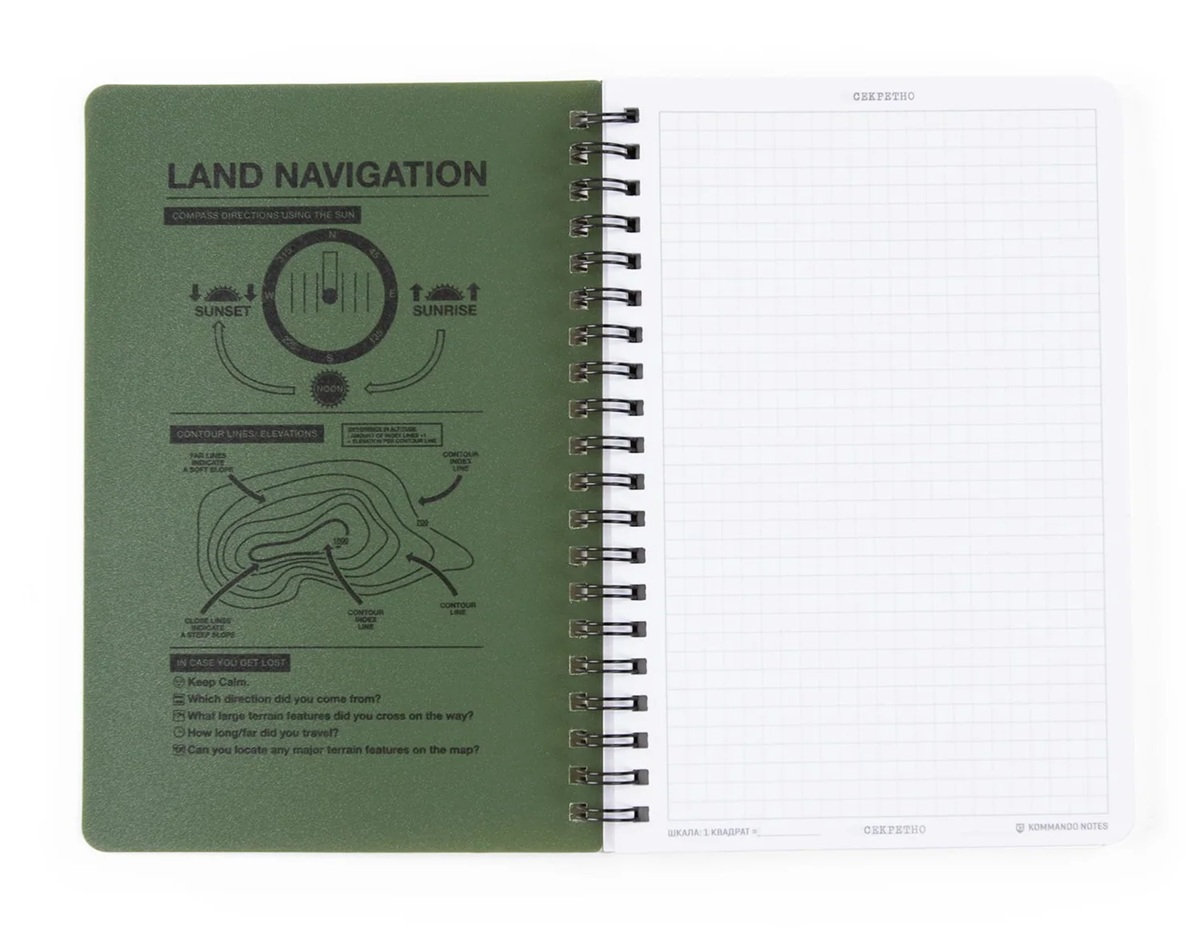
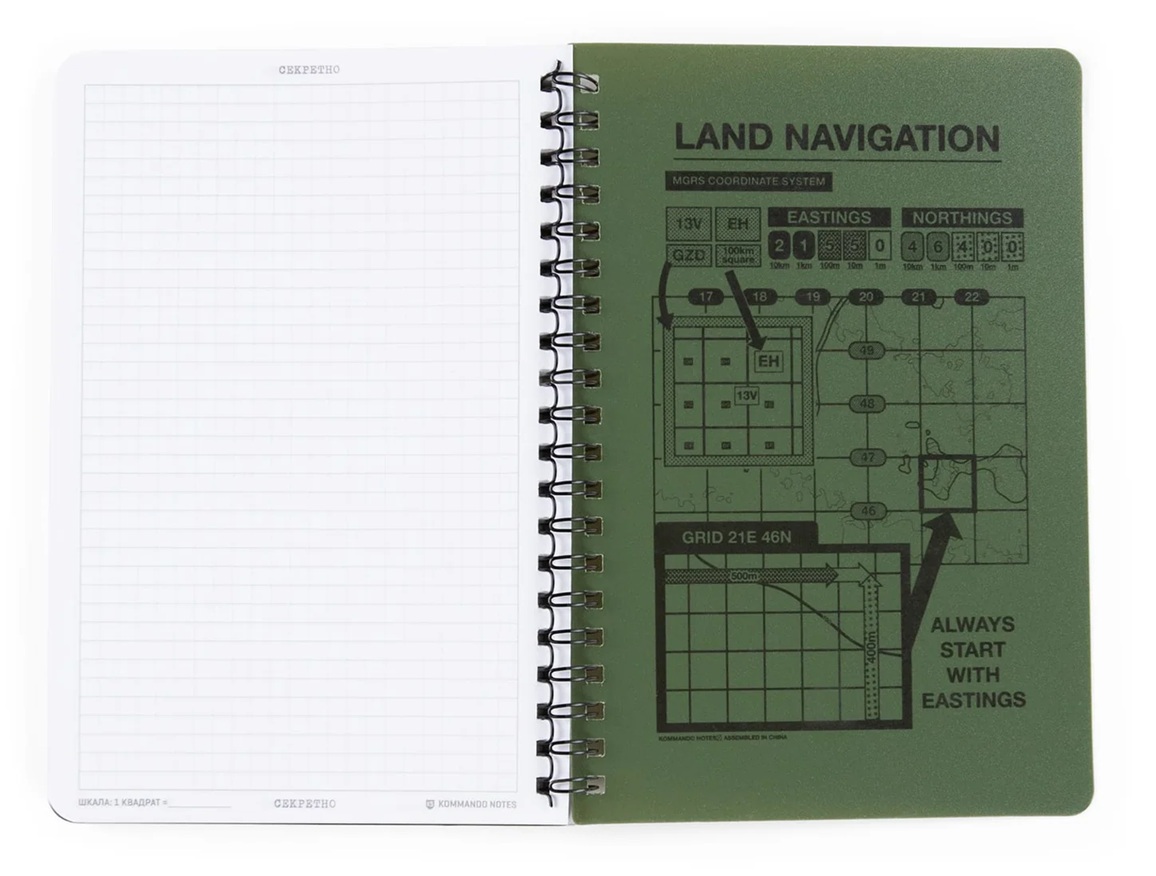
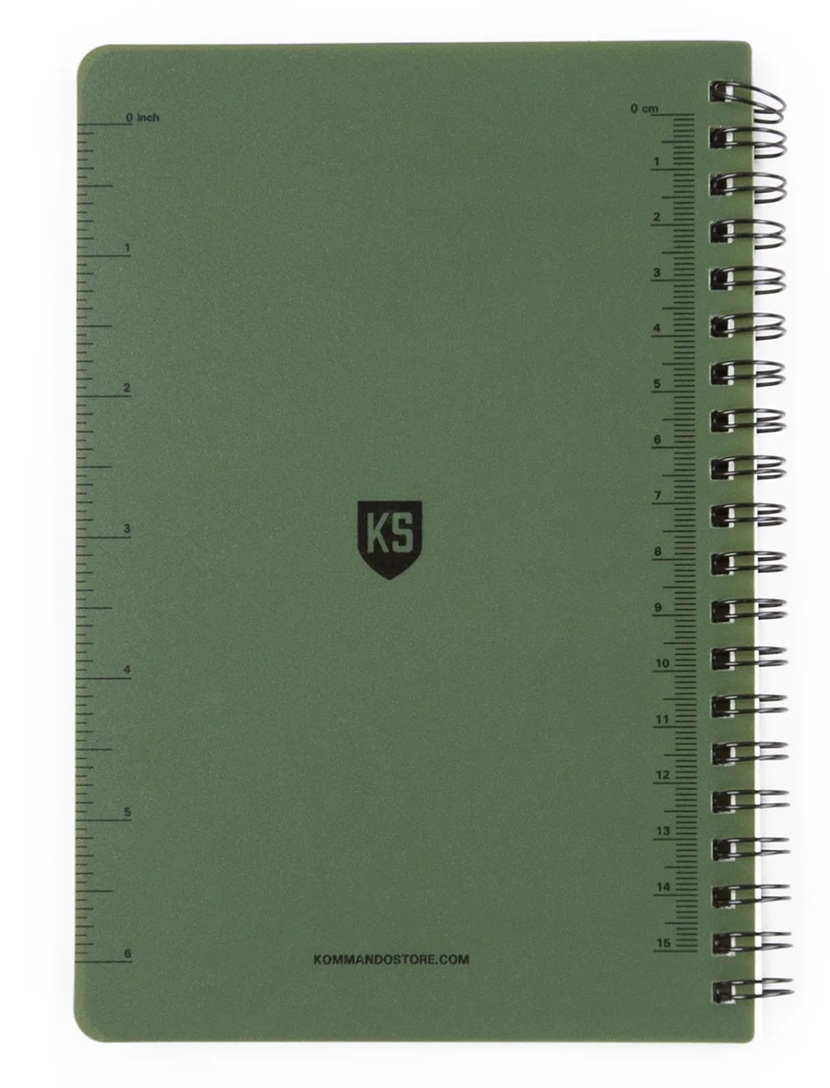
The binding is a heavy-duty spiral that lets pages flip easily, even with gloves on, and the cover is a thick, weather-resistant plastic printed with our sharply honed autism. Each notebook measures 4.75″ x 7″, with gridded pages for precision mapping or quick notes. This lightweight notebook is light enough to toss in your pack and sturdy enough to take endless beatings. Whether you’re scoping out land to squat or tracking recalcitrant livestock, KommandoNotes keep your data dry and legible (if you write legibly–that’s really on you).
Specs
Weather-resistant coated paper with plastic “pretty much everything-proof” cover
4.75″ x 7″ (12 x 18 cm for non-moon visiting nations)
64 sheets (128 pages)
Land Navigation & Military Grid Reference System Cheat Sheet by Redbeard Tactical
Spiral bound
Ruler edge, land nav guide, and compass rose for orientation and measurements
Available in “A Magical Place,” STALKER, and Cashel Valley Bean Man designs
ArtyA unveils an avant-garde horological creation:
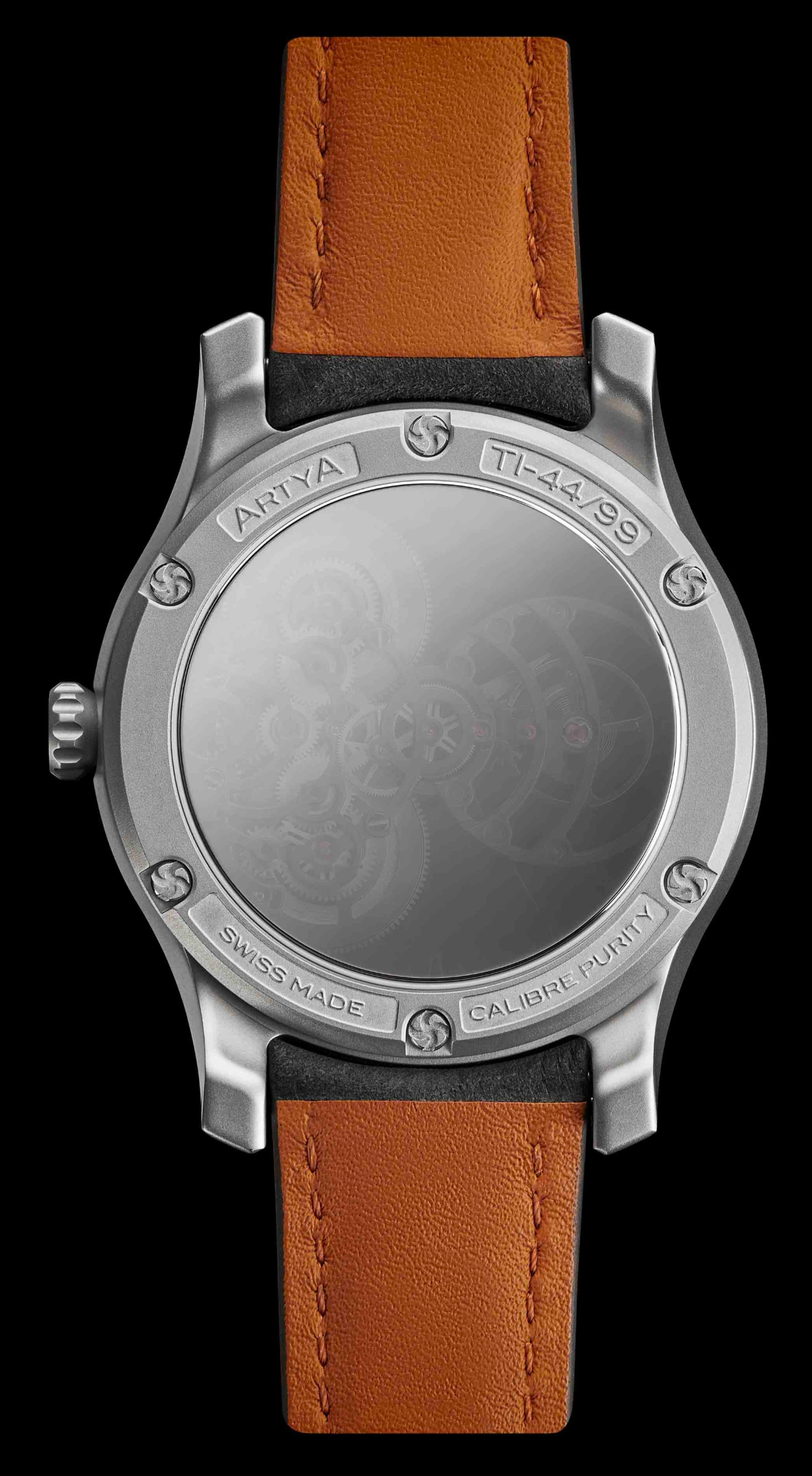
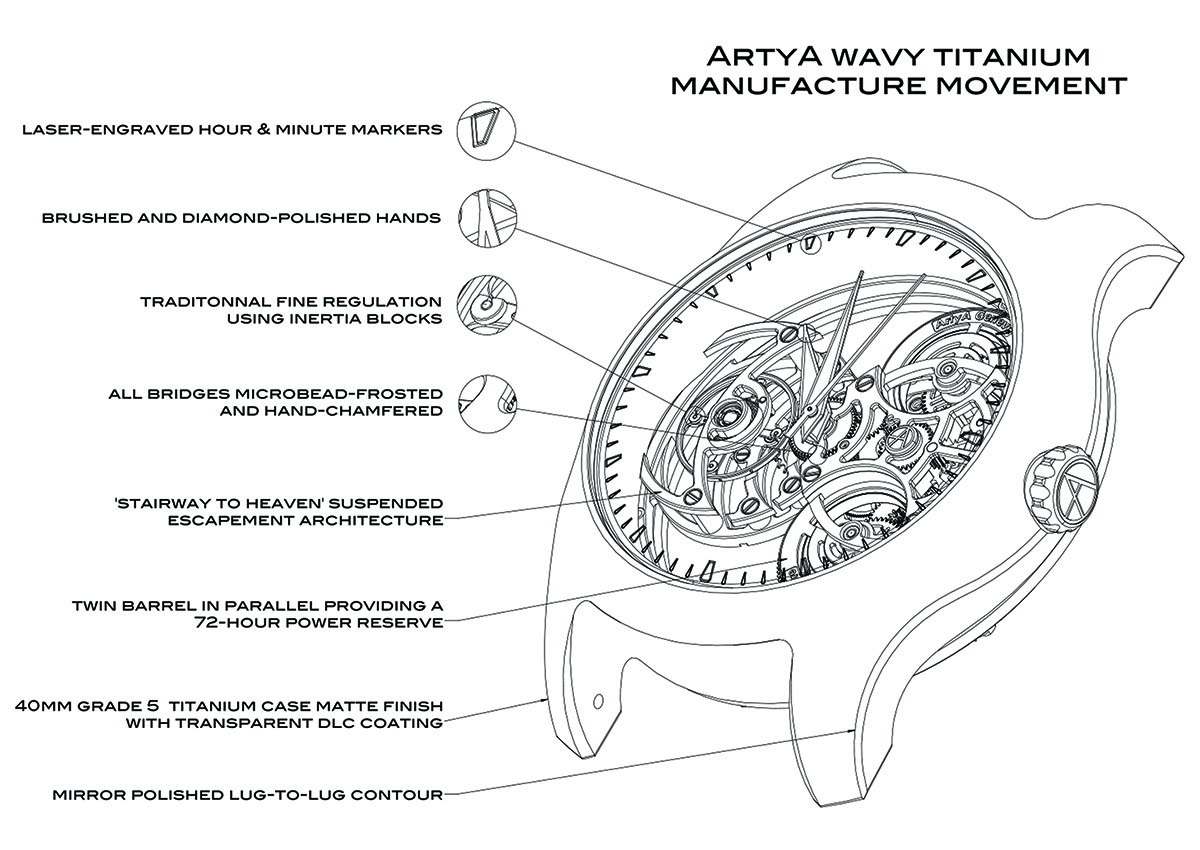
“Purity Wavy HMS Mirror” A fully in-house caliber reimagined through masterful handcraftsmanship. The perfect union of design and comfort, encased in the groundbreaking Wavy case, crafted from titanium with a transparent protective DLC coating. The first-ever mirror casebackStairway To Heaven: The Movement At the heart of this exceptional timepiece, ArtyA’s latest in-house caliber: Stairway To Heaven HMS. This manual-winding movement embodies the Manufacture’s dedication to both visual spectacle and horological excellence: • Microbead-frosted and hand-chamfered minute wheel train and balance bridges. • Pulsing at 4 Hz, the spectacularly “starified” escapement is positioned like a podium centerpiece, suspended in mid-air. • Traditional fine regulation – a hallmark of haute horlogerie that ensures optimal precision. This process involves meticulously adjusting the balance wheel’s inertia using peripheral weights (inertia blocks) to maintain the hairspring’s steady and consistent oscillation. The result: optimized caliber performance and lasting chronometric stability. • Twin barrels, working in parallel, equipped with longer, finer mainsprings for a more stable and linear energy release. The polished barrel blade reduces friction for improved efficiency. The redesigned drum barrels, with fluid, curving lines, seamlessly integrate with the bold bridge architecture of the movement. Proudly bearing the manufacture’s name and caliber designation, this subtle detail completes the movement’s refined aesthetic. Wavy Titanium Case A bold evolution in the Wavy collection, this is the first case crafted from grade 5 titanium, a material prized for its strength and lightness. • Ultra-light yet incredibly strong, titanium embodies both modernity and innovation, delivering exceptional comfort without compromising durability. • The matte finish results from meticulous hand polishing, followed by microbead frosting for a refined texture. • A transparent DLC coating boosts resistance to scratches, shocks, and fingerprints. For comparison, stainless steel has a Vickers hardness of 200 HV, titanium 400 HV, and transparent DLC-treated titanium an impressive 1,200 HV (1,800 HV for the black DLC version). • A mirror-polished lug-to-lug contour adds a discreet yet sophisticated touch, enhancing the timepiece’s elegance without diluting its avant-garde appeal. This meticulous finish – exceptionally complex to achieve on titanium – creates a striking contrast with the case’s matte surface, balancing power with refinement. • Designed by Jérémie Arpa, son of Yvan Arpa, the case embodies independent, family-driven watchmaking at its finest. Its flowing, organic contours evoke the power of ocean waves, an effect heightened by titanium’s natural opacity – delivering a case design unlike anything seen before in haute horlogerie.
Mirror Effects The Wavy Titanium’s mirror caseback introduces an unprecedented innovation, a world first in watchmaking: • A fully reflective surface that offers a striking new way to experience the movement. • From the front, seeing through to the mirrored bottom creates the illusion of depth, with the movement seemingly floating in space, enhancing the ethereal purity of the skeletonized caliber’s aesthetic. • From the back, the one-way mirror effect teases the complexity of the movement without fully revealing it complexity, adding an element of mystery and sophistication.
Limited Edition of 99 pieces Case Grade 5 titanium, satin-finished, mirror-polished lug-to-lug contour Transparent or black DLC protective coating Diameter40 mm Thickness13 mm Water resistance50 meters Caseback Screw-in, engraved, fitted with a one-way mirror Crystal Sapphire, triple ant-reflective coating, laser-engraved chapter ring Hands Brushed and diamond-polished Crown Engraved with the ArtyA signet Caliber ArtyA Purity Stairway To Heaven HMS in-house movement Winding Manual Indications Hours, minutes, and central seconds Power reserve Minimum 72 hours, thanks to twin parallel barrels Frequency 4 Hz (28,800 vph) Finishes Fine regulation through precision adjustment of inertia blocks on the balance wheelMicrobead-frosted minute wheel train and balance bridgesHand-chamfered edgesPolished mainsprings to optimize friction in the barrel assemblies Strap Alligator or grey nubuck leather Buckle ArtyA pin buckle, available with or without black DLC coating Swiss Made Entirely designed and crafted between Geneva and the Swiss Jura Price (excluding VAT)Titanium & Black Titanium CHF 25,900 (reference price) EUR 27,900 (subject to exchange rate) USD 29,900 (subject to exchange rate) CAD 42,754 Also available with transparent, hued or NanoSaphir case From CHF 44,900 (reference price) From EUR 47,900 (subject to exchange rate) From USD 50,900 (subject to exchange rate) VERSION FRANÇAISE
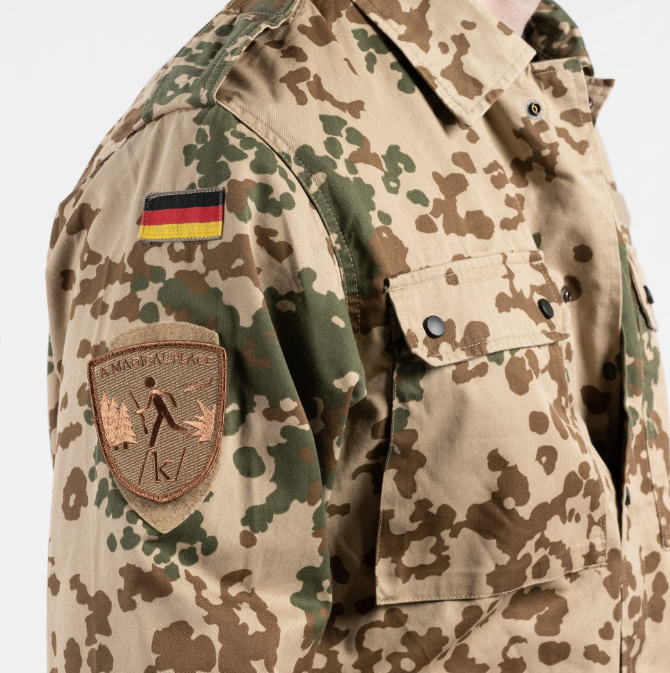
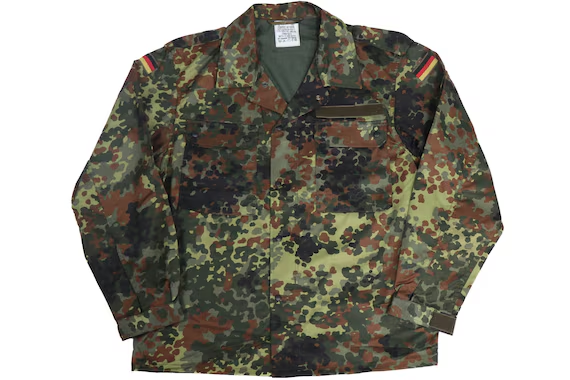
Flecktarn is one of the most ubiquitous camouflage patterns in every military surplus enthusiast’s closet and I bet many of you guys and gals already own some. But every now and then, our friends at Kommandostore get in something arguably even more special: Flecktarn’s tropical cousin Tropentarn. Wait…what? What the heck are Germans doing making a desert camo?
via ufpro.com– Just like M81 Woodland and DPM, 5FT Flecktarn decisively influenced the development of other camouflage patterns and their adaptation by other countries. One might say these three patterns inspired the next generation of camouflage patterns, much as the three were inspired by the WW2 patterns that preceded them. Accordingly, several countries merit mention:
The People’s Republic of China outfitted its Border Defence Units with an unlicensed copy of Flecktarn. Also, utilized in Tibet and the Bejing Military Region was a recolored, brown-dominant variation (which is highly sought-after by collectors).
Belgium interpreted German 5FT Flecktarn in a variant that was worn by its Airbase Security Personnel until 2000.
Denmark developed a green-dominant variation using only three instead of five colors. Tested in 1978, it today calls attention to the close cooperation of textile companies back then, since it is rumored to have been jointly developed with the French company Texunion.
The Netherlands briefly considered fielding Flecktarn as a camouflage pattern, but for political reasons decided against it (Dutch decision-makers felt there was too close a resemblance to the patterns used by the SS during the Second World War).
Japan created its own Flecktarn version and in 1991 fielded it within the JNSDF.
And before you go and say- “Hey buddy, the Germans have had a bit of a history fighting in the desert”, Tropentarn comes from trials after the successful implementation of Flecktarn. Good ol ‘Fleck had a bit of a hard time getting fully fielded as Germany was a bit sensitive to using any kind of pattern that resembled the various Waffen SS experiments in the 40s for obvious reasons. This was back in the late 70s after all.
But after ‘fleck got through the filter, Germany’s increased presence as peacekeeping forces brought them to the doorstep of everyone’s favorite sandbox, the middle east. A new camo was needed. As early as ’93, Tropentarn would appear as a reduced 3-color (vs 5 colors in normal flecktarn) arid version of the now beloved pattern. Unlike many desert patterns of the era, the Germans tastefully sprinkled in a few specs of green to really make the camo versatile beyond the dunes in Iraq.
If you’re not aroused by the typical brown, brown and more brown nature of a lot of desert camos, Tropentarn might be the right one for you. It even has a few bonus features over the normal field shirt that make it a little more breathable in the summer if you live in the south or simply yearn for temperatures over 70 Fahrenheit in polar vortexes like today’s…
It even works wonders in the great plains since everything turns tan come the wintertime and it gets just as much attention from fellow milsurp enjoyers and normies alike. So if you’re in the mood for another flavor of flecktarn in your wardrobe you’ll definitely want to dive in and grab one on the kommandostore site while you can, they’re always popular…and stock won’t last long. For the Silo, Jarrod Barker.
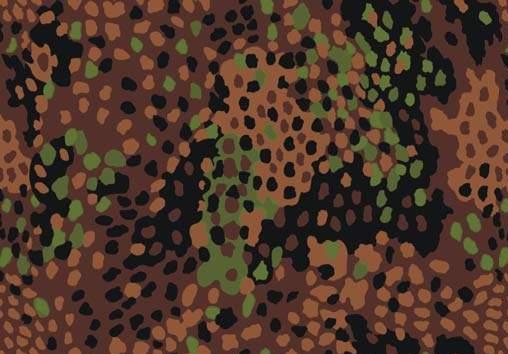
Featured image- Erbsentarn 44 dot peas pattern German WW2 Waffen SS standard camouflage pattern.
Hip-Hop is a culture, it’s a lifestyle, it’s an artistic expression and yes, it’s jewelry.
Since its inception Hip-Hop has always been edgy, outside the box, and ready to make a statement at all times; not just musically, but also in a fashion sense.
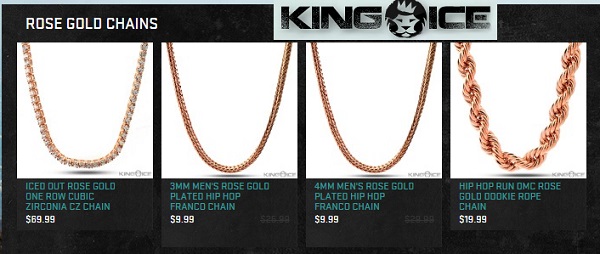
Rose gold, also known as red gold or pink gold made a big comeback in the world of Hip-Hop a few years ago but did you know Rose gold was popular at the beginning of the nineteenth century in Russia, formerly giving it the name “Russian gold”? This term is no longer used. This type of gold is also often used in making musical instruments.
Christian Jennings is one of the top flute players in the world- she chooses to play a customized flute made out of Rose Gold.
Companies such as King Ice are selling Hip-Hop inspired Rose gold jewelry, stating that it is reappearing due to artists such as Rick Ross and Kanye West being seen wearing items made from this gold and copper alloy.
Drake can even be seen with an extremely expensive Rose gold watch on the cover of his Grammy award winning sophomore album Take Care .
Whether you’re a “Hip-Hop head”, an occasional listener, or never venture into that world at all, Rose gold is becoming a statement piece and doesn’t seem to be disappearing anytime in the near future. For the Silo, Brent Flicks.
TORONTO – Practical gifts are back on the up trending list for homeowners both new and seasoned. Whether modernizing an old style kitchen or just looking for an ergonomic water saver, there are literally hundreds of choices available over a wide range of price points.
Selecting the perfect faucet for your kitchen may seem slightly daunting, but with a clear idea in mind, it’s easy to find the right one that will go with the flow.
“Installing the right kitchen faucet that fits your kitchen’s style is the final touch that will completely tie the room together,” said Mark Wallace, Senior Group Marketing Manager of Spectrum Brands – Hardware & Home Improvement. “People always notice a unique looking faucet when they enter a kitchen and depending on the model it can act as a true statement piece for the room. When considering a new faucet, the right one shouldn’t just provide function but should also reflect your overall kitchen style.”
To help you find the faucet that best matches your style, Pfister created a quick guide of the five most popular kitchens and what faucet you should consider to best match that style:
Country – White painted wood trim and butcher-block counter tops give the country style kitchen a charming and cozy feeling. Match the Pfister Glenfield with this style and watch it blend into the farmhouse vibe.
Modern – Clean lines, stark colors and stone accents make up the modern style kitchen. Make a statement with the Pfister Vosa featuring a simple and refined beauty – a perfect fit for the modern kitchen that has modern fixtures and modern lighting.
This gorgeous Pfister Tisbury single control Bronze kitchen faucet retails for around $450.00 cad.
Note the wonderful contours and finish on this Pfister faucet.
Rustic – Weathered cupboards, antique kitchen tables and exposed brick make up the increasingly popular rustic style kitchen. At home in front of a backsplash of colorful tiles or looking out a window, the Pfister Ashfield has an old-school design that will work in any rustic styled kitchen.
European – Functional and sleek, the European style kitchen is clean from its black tile floors to the exposed wood beams above. Go for the Pfister Fullerton, a sleek and angular faucet that will complement the room’s Scandinavian influence.
Traditional – Hanging bronze pots, a mix of wood and stone and sunlight streaming through large windows make this the most popular room of the house for a reason. A classic choice, such as the Pfister Wheaton looks right in a traditional kitchen, providing a functional and stylish option.
DECEMBER, 2024– Scottsdale, Ariz.Diné Artist, Dealer, Curator and Antiques Roadshow Appraiser Tony Abeyta to Curate Special Exhibition, “Desert Modernism,” at Scottsdale Ferrari Art WeekExhibition to Showcase Rare Works by Fritz Scholder, Charles Loloma, Lloyd Kiva New, Frank Lloyd Wright, Phillip Curtis and Paolo Soleri.
Scottsdale Ferrari Art Week Fair is pleased to announce that Diné artist, dealer, curator and Antiques Roadshow Appraiser, Tony Abeyta, will curate a special exhibition, “Desert Modernism,” which will show the convergence and progression of Phoenix artists of Native, Anglo and Hispanic descent, from approximately 1930-1980. The exhibition will feature rare and hard-to-find works by artists, architects and designers such as Fritz Scholder, Charles Loloma, Lloyd Kiva New, Frank Lloyd Wright, Phillip Curtis and Paolo Soleri.
Abeyta is also serving as an Advisory Committee member for the Fair. The Scottsdale Ferrari Art Week Fair is a unique event at the historical and cultural crossroads of the American Southwest. Set in one of the country’s fastest-growing cities with an ascendent contemporary Indigenous culture, the fair will showcase over a hundred leading international galleries at Westworld, March 20-23, 2025.”We are absolutely thrilled to have Tony participate in Scottsdale Art Week,” says Trey Brennen, co-owner of the inaugural Fair.
“We are set to become the leading art fair in the West and that requires a strong Indigenous representation among our dealers and curators. Tony approaches art and art history with a deep understanding of the region and the contemporary work being produced at this moment. He has worked at many of the major museums in the area and has a wonderful reputation across the Southwest.”About his curation of a special for sale exhibition at the inaugural Fair, Abeyta says, “This has given me a chance to do a deep dive into one of my favorite subjects, the evolution of Modernism through the disparate art communities that converged in the Phoenix/Scottsdale area in the middle portions of the twentieth century. I’ve long been fascinated by the work Native artists were doing in the area and I want to show how they worked, showed and created alongside great artists such as Frank Lloyd Wright, Phillip Curtis and Paolo Soleri.”
Preston Singletary, “A Canoe Entered a Dream” – courtesy of Blue Rain Gallery
As a curator, Abeyta co-organized the exhibition New Terrains: Contemporary Native Art which was held at Phillips Auctions January 5-23, 2024. The watershed selling exhibition explored the influences of modernism, post-war and pop influences on work by 50 contemporary Indigenous artists including Fritz Scholder, Preston Singletary, TC Cannon, Cara Romero, Diego Romero, Jaune Quick-to-See-Smith, Virgil Ortiz, Jamie Okuma, Kent Monkman, Michael Kabotie, Oscar Howe, Allan Houser, Cannupa Hanska Luger and others.
The recently closed show, Abeyta\ To’Hajiilee K’e’, at the Wheelwright Museum in Santa Fe, featured the paintings of Tony and his father, Narciso Abeyta (Ha-So-De), and the ceramic works of his sisters, Pablita and Elizabeth. Abeyta is represented by Owings Gallery in Santa Fe, New Mexico. For more information, please visit www.scottsdaleartweek.com. For the Silo, Jennifer Parks-Sturgeon.
About Scottsdale Ferrari Art Week Scottsdale Art Week (SAW) is situated at the historical and cultural crossroads of the American Southwest. It is a reflection of today’s more dynamic and contemporary community, but is rooted in our unique landscape and history. Visionary art figures from Georgia O’Keeffe to Max Ernst and James Turrell were so inspired by the local landscape that they either settled here or created monumental land art. Today the art of the Indigenous Navajo, Apache and Hopi tribes who first occupied this land to Spanish colonialism and centuries of settlement is recognized alongside them. SAW is an exciting combination of historical American Art, contemporary art and design, with a special focus on contemporary art from Indigenous and Latinx, who often blur the lines between what constitutes art and design.
About ASU, SAW Gala Benefit Partner ASU Art Museum centers art and artists in the service of community well-being and social good. The Museum is a learning-centered teaching institution, providing interdisciplinary learning opportunities for students from across the university ranging from the sciences, humanities, journalism, sociology and schools of arts and design. A teaching museum, much like a teaching hospital, is responsible for training the next generation of arts professionals and are the frontrunners in research in art history and museum studies while delivering the highest possible level of artistic standards through collection teaching, exhibition making, research and audience engagement. The museum is different from other non-profit art museums in the region because of its unique ability to leverage the resources of the largest public research university in the country for community good. ASUAM fulfills ASU’s Design Principles by serving as a bridge connecting the breadth and scope of scholarly research and learning to the experience, knowledge and needs of our local communities, thereby co-creating and creating arts and culture opportunities available for all.
Article featured image- Horseworld, 1989 by Snellen Johnson (gift of Howard E. Kleim). This bronze sculpture, signaling the entrance to Westworld, shows a group of three horses which represent an Arabian, Thoroughbred, and a Quarter Horse each representing a different behavior: the Quarter Horse is cutting, the Thoroughbred is racing, and the Arabian is showing. Snell Johnson, a self-taught artist and his sculptures are known world-wide including the MGM Lion in Las Vegas and Caesar in Johannesburg, South Africa.
With over 100 galleries displaying a curated selection of fine art and design, guests will also enjoy cultural performances, fashion shows, pop-up displays and immersive experience throughout each day.
Fashion
Daily fashion shows will be produced by Phoenix Fashion Week. All clothing is provided by select Phoenix Fashion Week designers and boutiques.
“Our ultimate mission is to garner global exposure to Arizona’s fashion industry, and this event is the perfect way to do so,” said Brian Hill, Executive Director of Phoenix Fashion Week. “It’s a great, innovative way to find emerging models while showcasing top brands and fashion in Arizona.”
From utility to showpiece, cars are a unique art form. Guests can celebrate clean lines and smooth curves while enjoying our extensive display of luxury and collector automobiles. Enjoy a special Ferrari showcase onsite at the event. Check out their entire inventory here >
Performances
Set in one of the country’s fastest growing cities with an ascendant contemporary Indigenous art culture, the fair will showcase over a hundred leading galleries at the scenic Westworld alongside cultural performances, sculptural installations, and innovative programming including collaborations with institutions, galleries, artists, and prominent collectors.
Special Events
Guests looking to explore the best the city has to offer can attend their choice of multiple off-site events during the week. From guided tours to VIP invite-only receptions. There is something for everyone at the event and throughout this great city.
A superb gift idea for the Apple watch lover looking for “style meets form and function”.
New York, NY– December , 2024 – Following the resounding success of their first collaboration, Golden Concept, the Swedish leader in ultra-luxurious Apple Watch accessories, and Blvck Paris, famed for its ‘All Black’ luxury lifestyle brand, are thrilled to unveil their latest joint venture: a meticulously designed Apple Watch case. This second collaboration pushes the boundaries of luxury and sophistication, further blending the timeless elegance of Parisian minimalism with Swedish craftsmanship.
The New Collection
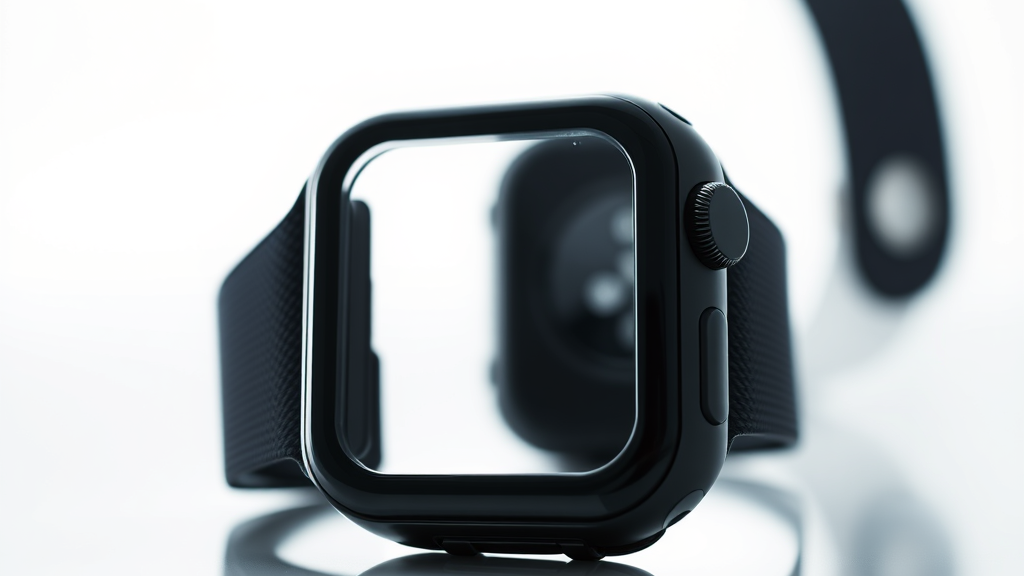
The new collection introduces a premium case tailored for Apple Watch users who demand both style and functionality. The case is crafted from high-quality, all-black translucent nylon with meticulous detailing in black stainless steel, reflecting the distinct design philosophy that made their first collection a global success. The case is designed in 49mm for Apple Watch Ultra models, offering a versatile and elegant option for any tech enthusiast. Whether you’re a tech aficionado or a fashion enthusiast, this second release reaffirms the power of luxury in everyday wearables.
“After the incredible response to our initial collaboration, we knew we had to come together again,” said Puia Shamsossadati, CEO and Creative Director of Golden Concept. “This time, we wanted to create something equally luxurious yet more versatile, offering our customers a refined accessory that complements both their tech and their personal style.” Julian O’hayon, Founder and CEO of Blvck Paris, shared his excitement: “Collaborating with Golden Concept once more feels natural. Our brands share a vision of modern luxury, and this collection of Apple Watch cases allows us to expand that vision, offering something bold and refined to our customers. We’re confident this next chapter will resonate just as strongly.”
The limited-edition case is now available on GoldenConcept.com and at Select Golden Concept and Blvck Stores priced at $899USD/ $1,275
About Blvck Paris
Blvck Paris is a luxury lifestyle brand founded in 2017 by French designer Julian O’hayon. The brand has developed an engaged community of millions of social media followers and customers worldwide. Blvck is known for its ‘All Black’ clothing, accessories, and digital goods. Blvck strives to pioneer an aspirational lifestyle from visual content to merchandise, pursuing quality and design. To date, the brand opened stores worldwide in California, Tokyo, Taipei, Taichung, Hong Kong and Macau.
Time goes by – fast. And even faster in the world of Porsche performance. Making it no surprise that 2025 already marks the 50th anniversary of one of the most renowned chapters in the history of Porsche performance tuning: ANDIAL. A legacy, founded in California in 1975 by three passionate minds. Sustained for 50 years by its countless fans all over the world. In celebration of this remarkable anniversary, Porsche and PUMA present a special limited-edition ANDIAL collection.
The synergy between the three founders was instrumental to ANDIAL’s success. Arnold Wagner brought the expertise in parts and office. Dieter Inzenhofer delivered mechanical engineering precision. And Alwin Springer contributed his extensive knowledge of technology and systems. With their united vision, they shaped the brand. With their combined names, they formed the acronym: ANDIAL.
The ANDIAL heritage lives on beyond outstanding performance – with its iconic design. PUMA and Porsche have transferred the memorable ANDIAL colors and liveries from the road to street style. With a unique pair of sneakers, available in two different colors. A timeless tribute to the best-times, driven by ANDIAL race cars. If that’s not enough, check out the limited edition t-shirt, trucker cap and detailed car model.
A few months ago, In the heat of the summer this year, our friends at Kommando embarked on a journey to once again remake a South African Legend back in its home country. Today is one of their favorite days in the journey from being handcrafted in the original shops that made them in the Bush war, to being delivered to Canada and the USA. The boots have completed production and are being loaded up in South Africa & shipped to their warehouse.Due to the nature of the production of these boots taking a little while (and being worth every second) it’s now time to reserve yours ahead of the inevitable rush. It just occurred to me that there’s some of you who might not be familiar with these legendary boots. Fear not- read on….. Why do they say these new production boots are “Rare” so often? Truth be told, it’s not “Rare” in the traditional surplus collectible sense… but rare in terms of making it to market. Manufacturing pretty much anything in South Africa has been turbulent at best.The OG tan ‘Half Combat’ variant with their iconic ‘anti-track’ sole. Post-pandemic Inflation, rising materials costs, and an ongoing collapse of the power grid* in South Africa all makes these boots harder and harder to make. *The business that makes boots for kommando literally had to install solar panels at their facility so they could continue working through the rolling “load shedding” blackouts (Eco-Friendly Waxis anyone?) so production has slowed down to a once-a-year type of thing. But even then, every pair of boots sold is crucial to keeping the doors of these bootmakers open to future orders. In South Africa’s case of “why aren’t they using nuclear power again?”, due to horrific mismanagement, the nuclear facilities fell into disrepair and have mostly been replaced with greenhouse-gas emitting, inefficient coal plants that have resulted in economically devastating effects on their power grid. Go figure.
Waxis are among dozens of different types of desert boots and even South African desert boots, too. But believe us when we say they’re unlike anything else you’ll put on your feet. We’re the only place on the internet you’ll find the one true Waxis imported directly from South Africa to the USA. Especially the kind with that insane looking, flat-as-a-pancake-in-Florida anti-tracking sole…(more on that later) Regular imports of ‘half combat’ and ‘full combat’ boots keep this little slice of history alive, along with the same family business who made them during the Bush and Border Wars.
On the fence? Check out the nearly 500 reviews they’ve all gotten over the years. TL;DR, as long as you follow the size guide, it’s hard to go wrong with Waxis on your feet. But backing up once again, what’s a Waxi anyways? Why make them with super flat soles? Why would you wear a leather boot in arid climates anyways?The Short answer is that Waxis are a deceptively lightweight piece of footwear originally developed for the most elite special forces in all of Africa. They feature a wide toe box, a retro-style buckled upper, and the weirdest optional outsole you’ve ever seen…Take A Hike Through History 🥾“What if I want the long answer, Ivan?”😏Well, in that case, Let’s start from the top…LACE UP.Let’s start with the boot-camp basics: ‘Half combat’ Waxis were the brainchild of the SADF’s “Recces”, whom desired footwear capable of supreme athleticism & mobility. They’re breathable, lightweight, and flexible like a pair of tennis shoes, but with the robust leather of a proper combat boot. But that’s only the tip of the iceberg. A “Grey’s Scout” in the Rhodesian Army pictured riding on horseback patrol with his standard-issue boots. No Gasoline, no problem apparently.
The Rhodesian bush War saw a lot of boots on the ground action. We have an entire write-up you can read here on exactly what lead up to the Rhodesian Bush War. It’s just about the furthest thing from a clear-cut conflict that there is, and we do our best to give you the most accurate background possible. During the logistical nightmare that was their counter-insurgency, Rhodies used whatever equipment they could get their hands on. And an important piece was their trademark double-buckled combat boots, made by none other than “Bata”, the country’s specialists in footwear of all kinds. The lace guard’s design was passed down by WW2 combat boot forefathers, which worked pretty great in the terrain & ecology European soldiers saw.But Sub-Saharan Africa is much, much harsher.
The terrain in South Africa, Angola, and Namibia proved extremely challenging for the SADF, and all their equipment had to be built to hold up to it. From Sand dunes to rocky mountainsides, whatever you wore was put through the gauntlet. Africa’s savannahs and deserts made for an entirely different kind of warfare, so entirely different equipment was needed to match.
Rhodesian Selous Scouts and SADF Recces were almost always on the move, frequently rucking marathons. With so much ground to cover, mobility was their top priority. Traditional leather boots were too hot, too stiff, and too heavy. Many soldiers resorted to wearing hi-top trainer shoes made primarily by “Bata” nicknamed “takkies.” A Rhodesian “Selous Scout” With his trusty takkies. From the dirt on his legs and the mismatching socks you can tell it was probably an eventful patrol.
A cartoony guide about Rhodesian footwear. You can see the double-buckled army boots and takkies made by ‘Bata’ — another piece of South African footwear Kommando brought back late last year…Takkies tend to do the trick in a pinch. Kommando are working with Bata directly to continue making these legends to their original specs and bring them to Canada and the USA. Both the hi-tops and low-tops are seen all over historical photos of Rhodesian Light Infantrymen, and they have an entire historical rabbit hole on their own if you want to read more… about the Hockey Sneakers.
South African Bata ‘Takkie’ Hockey Sneakers “It Works In A Pinch” just wasn’t enough for the South Africans, who faced dire odds in their border conflicts. The trusty “Takkies” more than delivered on mobility, but they were essentially Converse high-tops from the 60’s. Soles delaminated, laces tore, and uppers ripped clean open. Soldiers needed an intermediate solution. A flexible, breathable boot that ran like a sneaker, but was durable enough for war. The answer to that? — The Waxi Boot. Made of thin leather, the Waxi Boot was flexible and fast. But unlike takkies, it offered more protection and a truly rugged outsole. …A boot that takes everything you know about stiff & stuffy combat boots and throws it right out the window.It was an instant hit with the Recces. They did inform the design after all.
A SADF group is seen discussing an operation, with the two lads in front notably sporting tan anti-track Waxi Boots. Judging by the frustrated fellow on the right, this photo was likely candid. The Waxi’s extra-wide toe box was another important departure from orthodox combat boots. Feet naturally swell over the course of long hikes, and extra room in front prevents chafing, discomfort, and assists airflow.
Looks can be deceiving. From this angle, you can really see the width of the Waxi. I’m not joking when I say the toe box is quite roomy! Make sure to check the sizing chart before you place an order with Kommando🧐
Another famed feature of these boots is the optional flat ‘anti-track’ sole — Like the rest of the boot’s design, that feature came from a very specific set of needs. The open terrain, soft soil, and exposed ground of the African Bush is a tracker’s dream. The Recces needed a way to conceal troop movement. Originally a popular field modification, the anti-track sole was created by sanding the tread off boots and sneakers. The original iterations were crude and unreliable. But you can see how the Waxi boot filled a perfect “happy medium” between custom-sole jungle boots and sanded down sneakers.
This shoddy field modification had severe downsides. Original rudimentary anti-track shoes only lasted a few sorties before the soles wore through completely. And many wearers disliked the ergonomics of a ‘heel-less’ boot. Eventually word got back to our manufacturer, and custom molds were made.
This allowed the sneakily-soled boot to be produced and fielded in much greater numbers. An early example of one of the one-off Anti-Track Boots the Recces commissioned. These weren’t ever produced in large numbers, and aren’t quite up to par with Waxis. The factory anti-track sole uses a gummy low-durometer* rubber to increase traction and incorporates a sloping ‘heel rise’ for comfort.*The easiest way to define durometer is the “softness” of the rubber. Low durometer, softer rubber is stickier and still allows for normal use without the world becoming a slip-n-slide. Not recommended for winter, but still grippy enough in the other 3 seasons. While certainly not as popular as the ‘lugged’ logger-style sole, all Waxis have the option of anti-track soles if you’re feeling adventurous…Order your Boots 👣 With all the weirdness that puts these apart, what really makes these more special than the typical combat boot is the love & passion that goes into them. These come all the way from South Africa, made by one of the original businesses who made them back in the bush war, keeping this narrow slice of history alive and well. And the more time goes on, the harder it is for us to get these made for you. The indefinite future of Waxis makes them all the more “rare”. Now’s your last shot at getting them with a little bit off the top and without the extra cortisol rush to your monkey DNA when everyone’s trying to get a pair on “Ready To Ship” day. With just a little bit of transit time to wait now, I promise they’ll be worth it. (just read the hundreds of reviews)
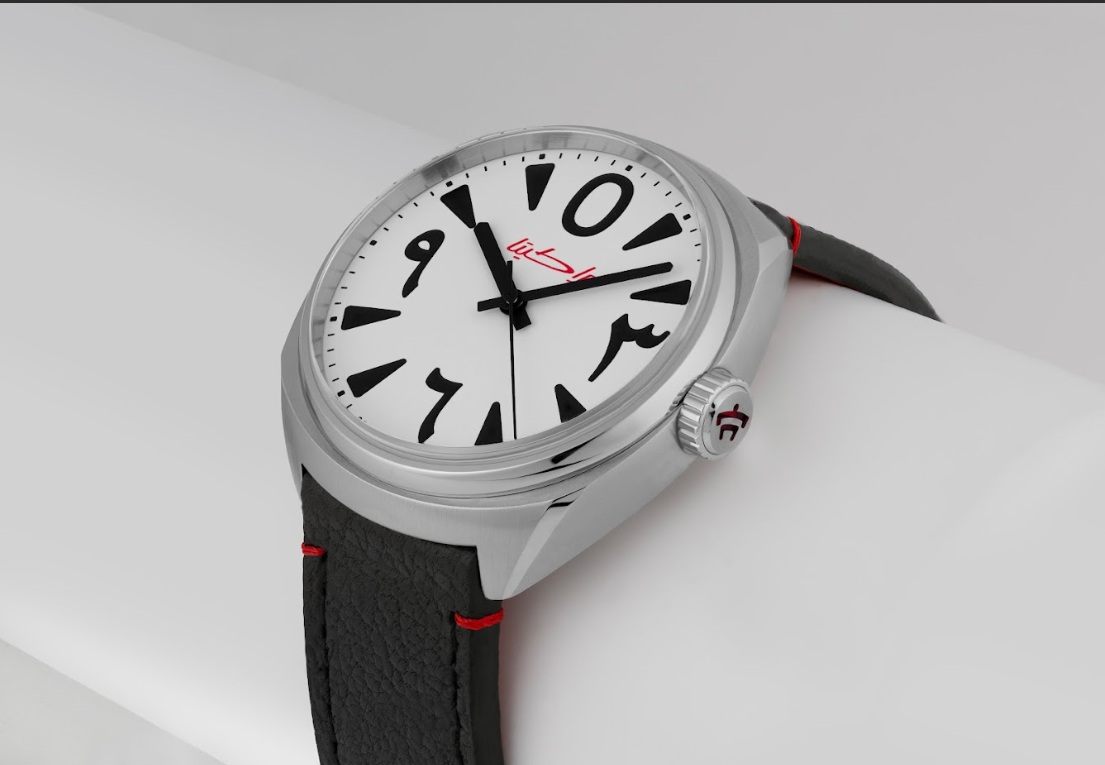
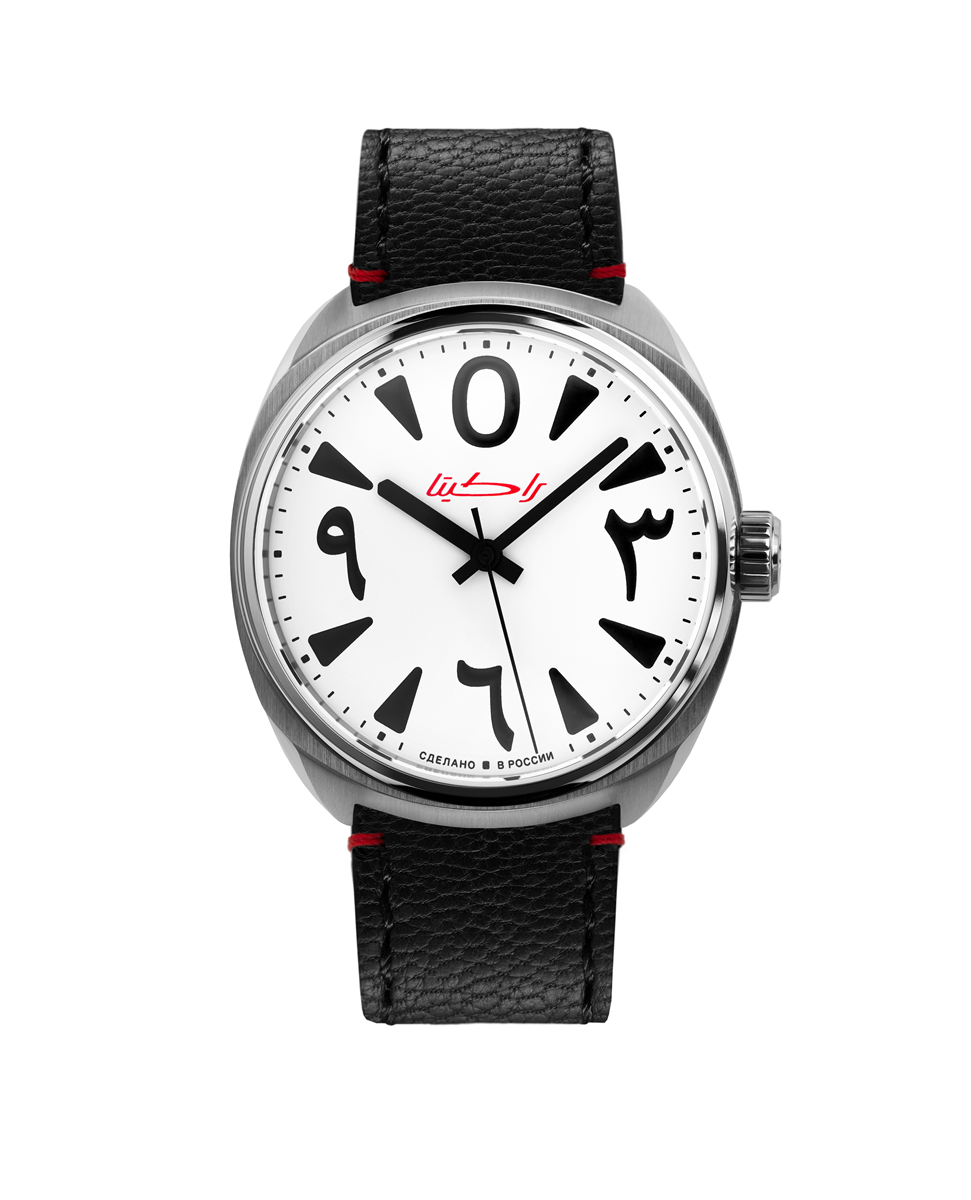
Raketa has reimagined its most emblematic model specially for the Middle East, under the name of “Big Zero” Arabic. Its exceptional design, which has become a Raketa classic, now comes with an Arabic dial.
The traditional and emblematic ‘0’ of the Raketa Watch Factory is still present on the dial, while the rest of the numerals are in Eastern Arabic, with a font design inspired by the original Soviet style model. The black and white colour scheme of the new dial is complemented by Raketa’s logo in Arabic script, created by Mohammad Sharaf, renowned calligrapher, in the brand’s signature red colour.
THIS IS HOW IT GOES poster by Mohammad Sharaf.
Raketa’s collaboration with this Kuwaiti artist, participant of contemporary Arabian design exhibitions and creator of bold local projects, has resulted from the growing interest in foreign watch brands in the Middle East.
Raketa in particular has found a new generation of watch-lovers in the region, who appreciate its singular designs and the manufacture’s rich history. Therefore, the “Big Zero” Arabic combines the West and the East, bringing together the history of Russian watchmaking and the Middle East’s incredible passion for fine watches.
A Unique Sound
Raketa’s mechanical movement is very Russian by its engineering design. It is also very Russian by the materials used: all the metal as well as the 24 rubis stones of the movement come from Russia. Even the hair-spring, the very heart and most complicated part of the movement, is cast from a secret Soviet alloy. All of this gives a very distinctive acoustic signature that is quite different from that of Swiss movements.
The Big Zero is one of the few Soviet-era watch designs to have conquered the hearts of the world and to have stood the test of time.
A black & white dial with oversized numerals crowned with a big 0 creates a self-evident, functional, but nevertheless radical design, which had to become the first Raketa to feature an Arabian dial.
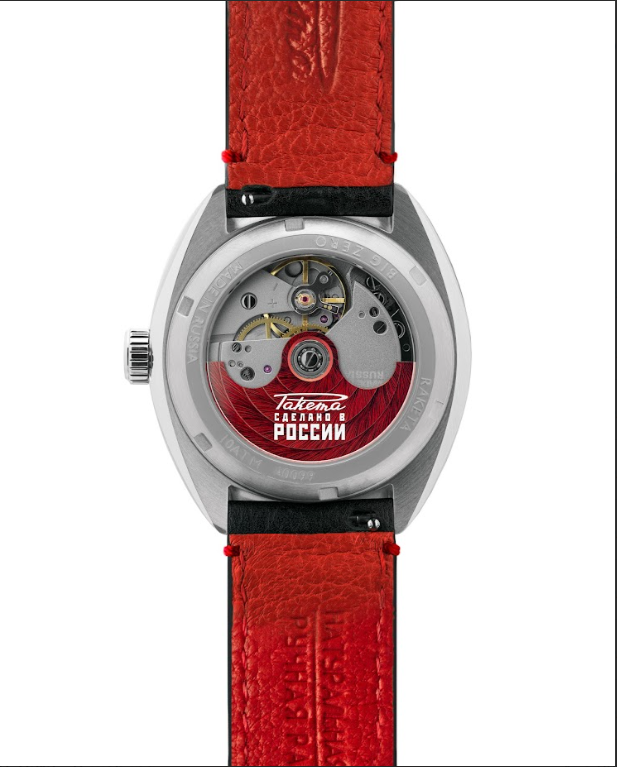
The transparent case back reveals the beautifully decorated Raketa automatic movement, which is entirely designed and manufactured at the Raketa Watch Factory in St. Petersburg.
A limited production of 100 timepieces has been released this year. Future editions will be made available according to the production plan.
The origins of this bold design
When asked what inspired Soviet designers to create this bold design with a big 0, old specialists of the Raketa factory answer that it is simply more logical to start counting time from 0. Indeed, time, like everything else in our lives, always begins from 0.
With this radically innovative concept, the Big Zero watch is at the avant-garde of time reading: time starts from 0, not from 12! It directly challenges the worldwide established convention that there should always be a 12 on the dial.
Price
The cost is 1 700 EUR (including VAT)/ $2,568 CAD. The model is offered by Raketa’s official dealers in the Middle East (UAE, Bahrain, Qatar, Saudi Arabia, Kuwait) and on the official website. For customers’ convenience, Raketa watches are delivered worldwide free of charge by DHL directly up to the front door.
Specifications
Factory:
Raketa Watch Factory (Saint-Petersburg)
Movement:
Calibre:
2615
Functions:
Automatic
Number of jewels:
24
Testing positions:
4
Average rate (s/d):
-10+20
Average running time (h):
40
Frequency/hour:
18.000 / 2.5Hz
Bi-directional automatic winding
Yes
Stopper of self-winding unit activated during manual winding:
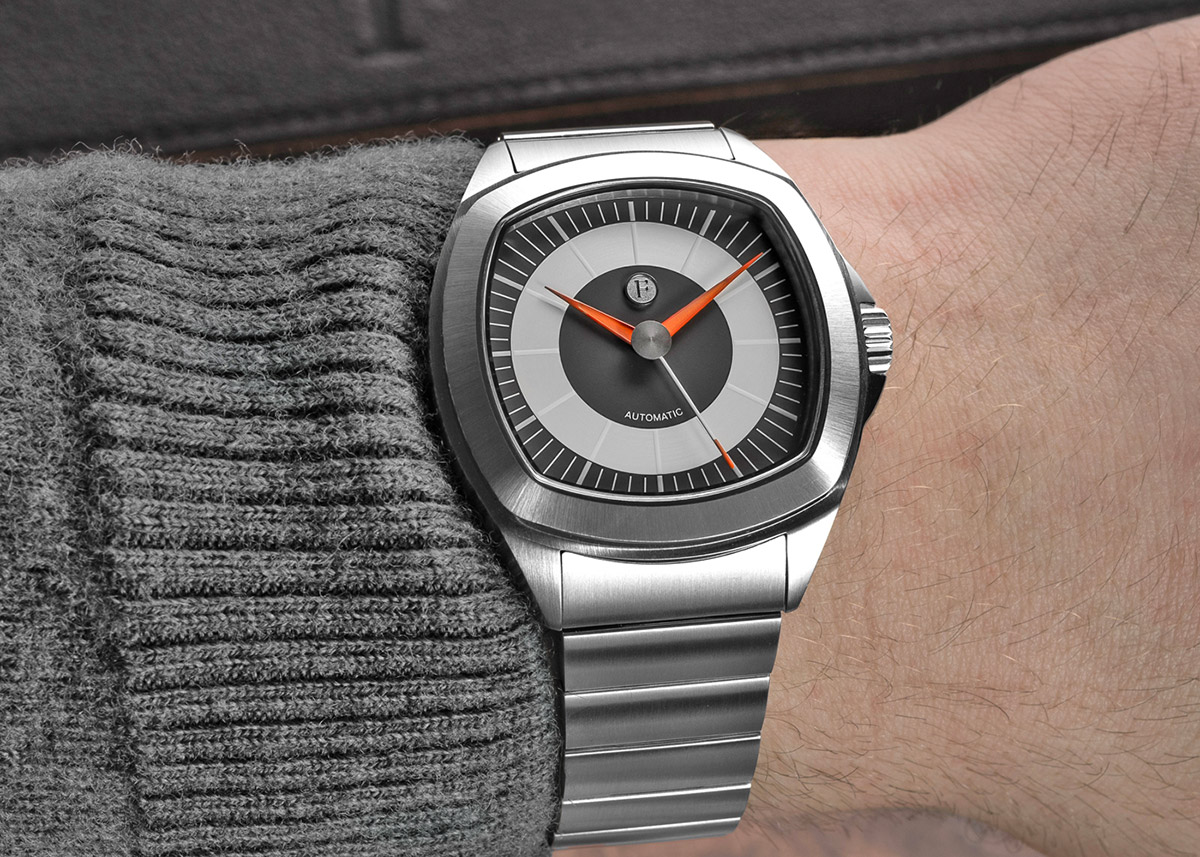
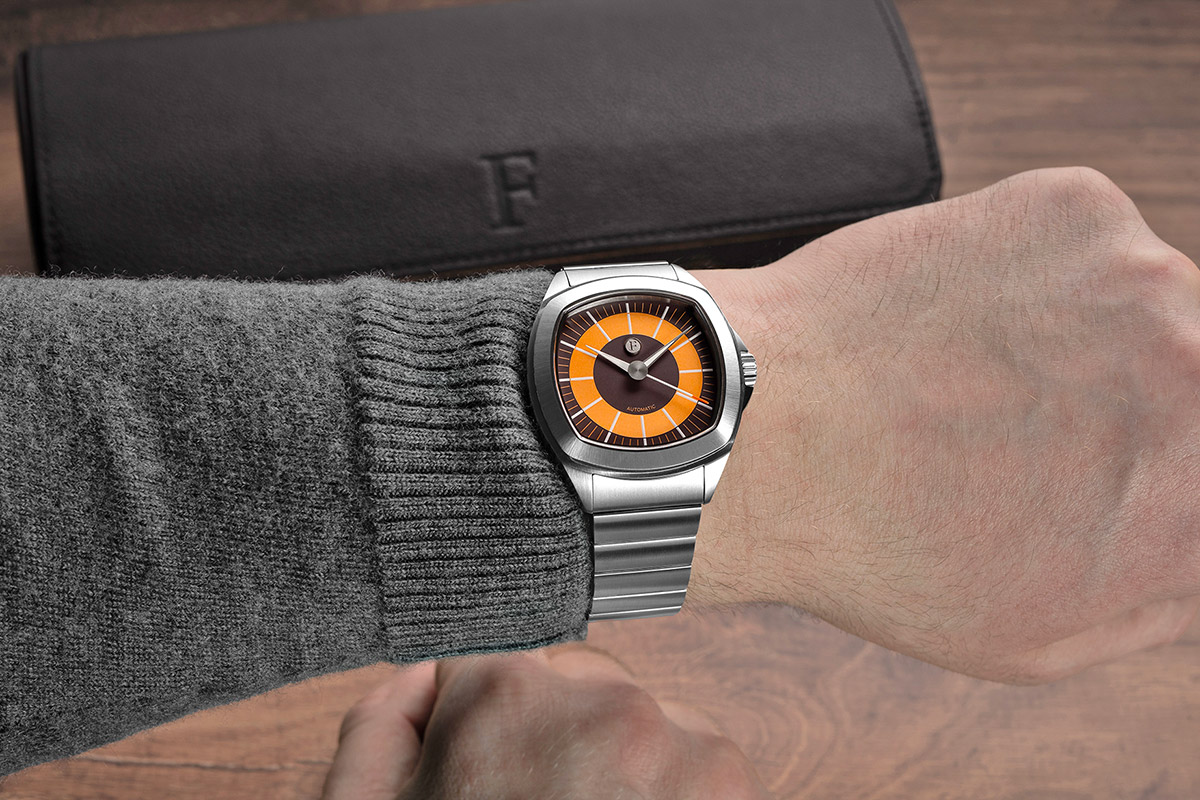
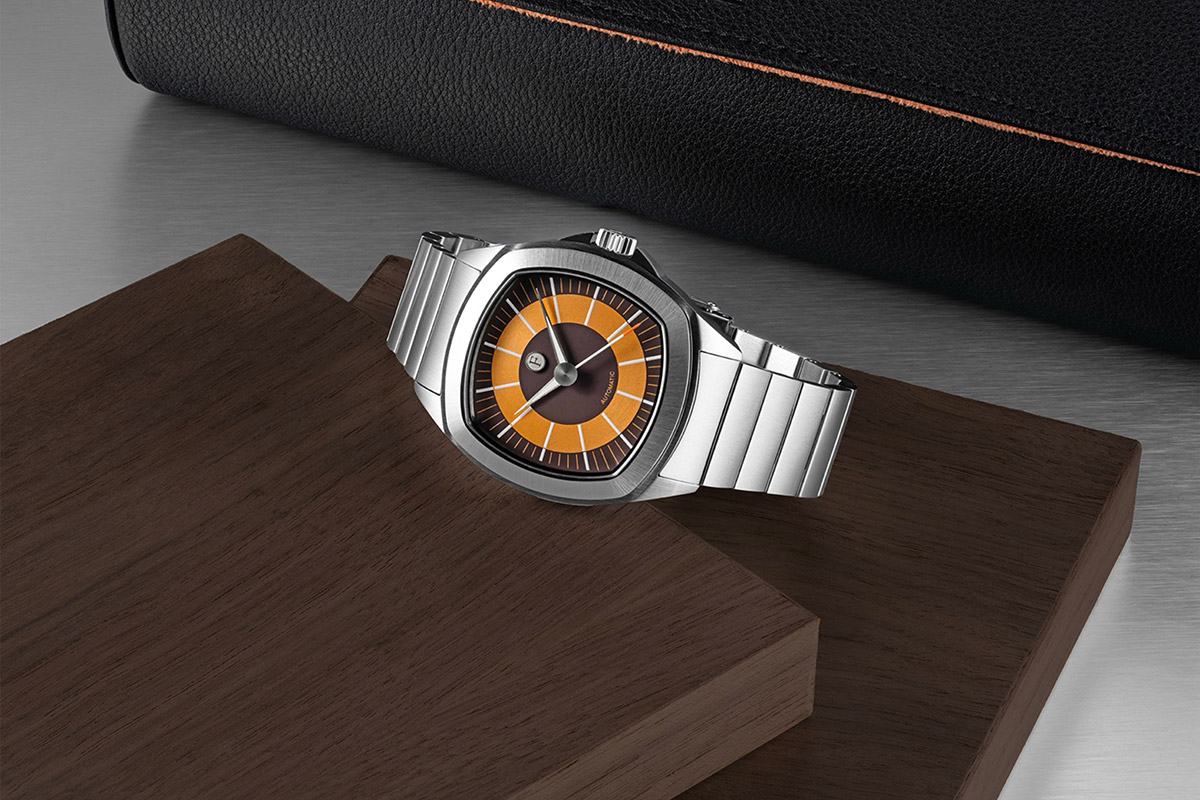
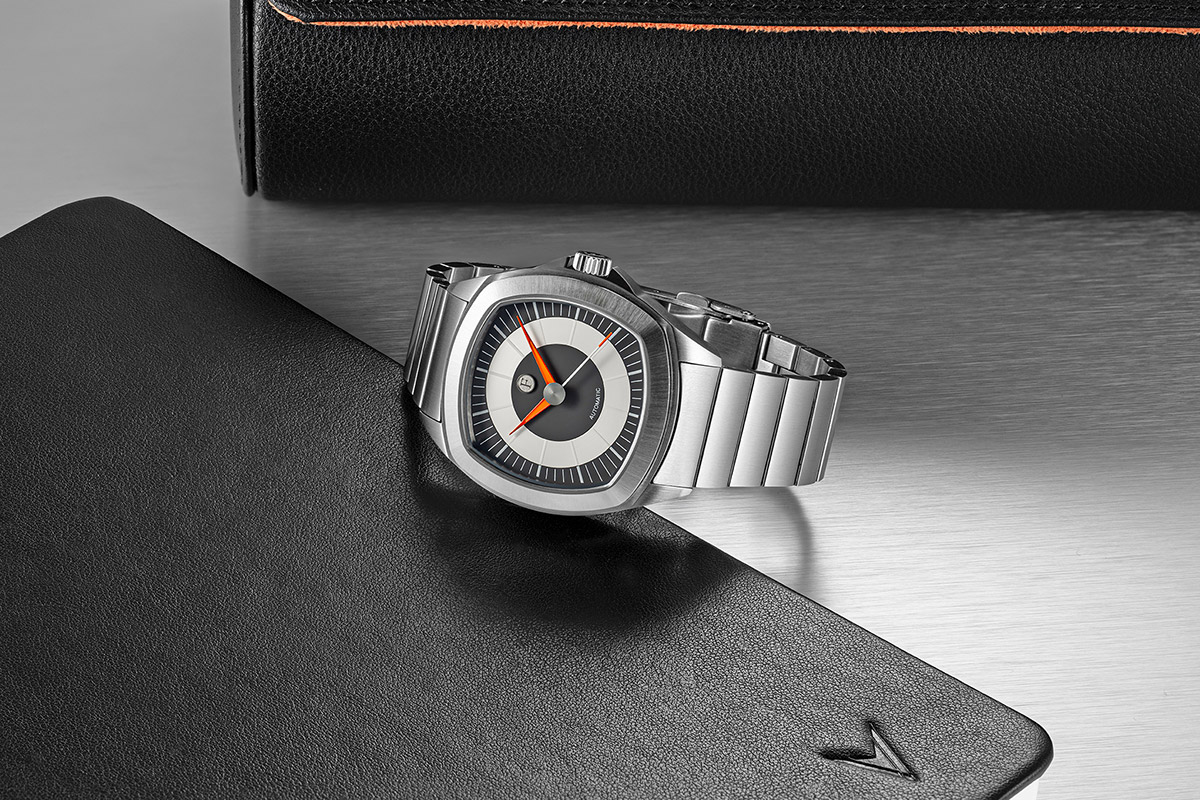
The 1970s was an unforgettable decade for racing, design, and craftsmanship, particularly in the automotive world. Sports cars of the time, especially the Porsche 911, stood as symbols of precision, speed, and elegance. Inspired by this golden era, Ferro & Company introduces the Time Master 70’s — a timepiece that captures the spirit of the 1970s, designed for those who appreciate the beauty of both classic cars and fine watches.
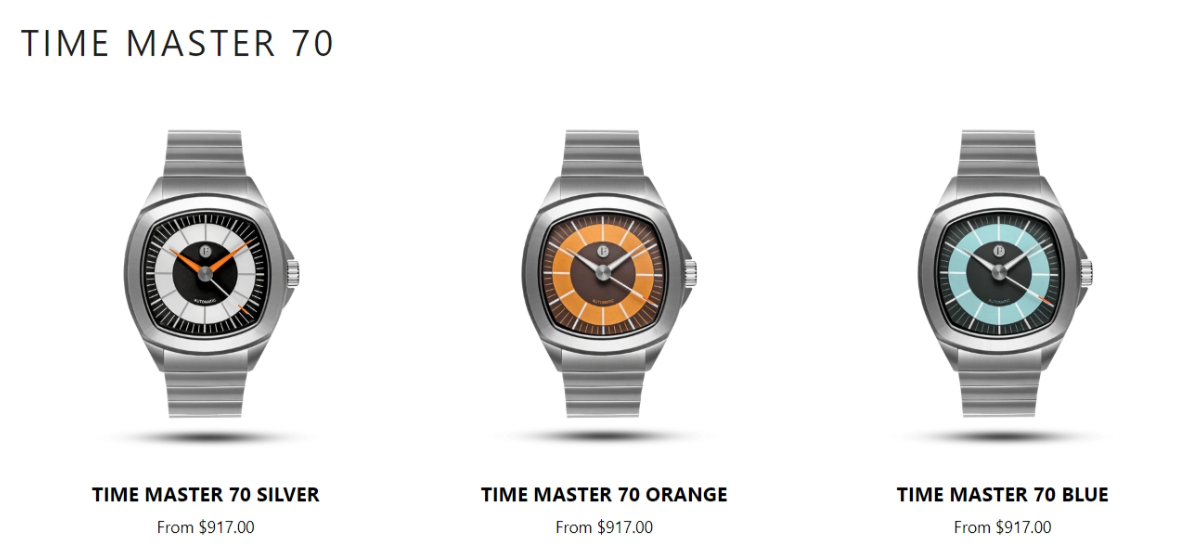
Note- prices are in USD.
A Fusion of Precision and Heritage
Much like the legendary Porsche models of the 1970s, the Time Master 70’s is a perfect blend of bold design and engineering excellence. Drawing inspiration from the sleek dashboards and smooth curves of 70s sports cars, this watch embodies the timeless style and craftsmanship of the era. Whether you’re a car enthusiast or a collector of fine watches, the Time Master 70’s offers a link to the past, with modern reliability.
39 mm Brushed Stainless Steel 316L Case: Built to last, the case reflects the robust yet elegant design of classic sports cars.
47 mm Lug to Lug: A comfortable fit for everyday wear.
20 mm Lugs: Compatible with various straps for personalization.
10.4 mm thick (Japan MVT) / 11 mm thick (Swiss MVT): Slim enough for versatility, substantial enough to make an impression.
Flat Sapphire Crystal with A/R Coating: Scratch-resistant and designed to reduce glare, ensuring clear readability.
Movement: Choose between the reliable Japan Miyota 9039 Automatic or the precise Swiss ETA 2824-2 Automatic .
6 mm Screw-down Crown: Ensures water resistance and durability.
10 ATM (100-meter Water Resistance): Built to withstand the elements, perfect for daily adventures.
20 mm 316L Stainless Steel Bracelets with On-the-Fly 6-click internal micro-adjust system: Offers unparalleled comfort and ease of adjustment.
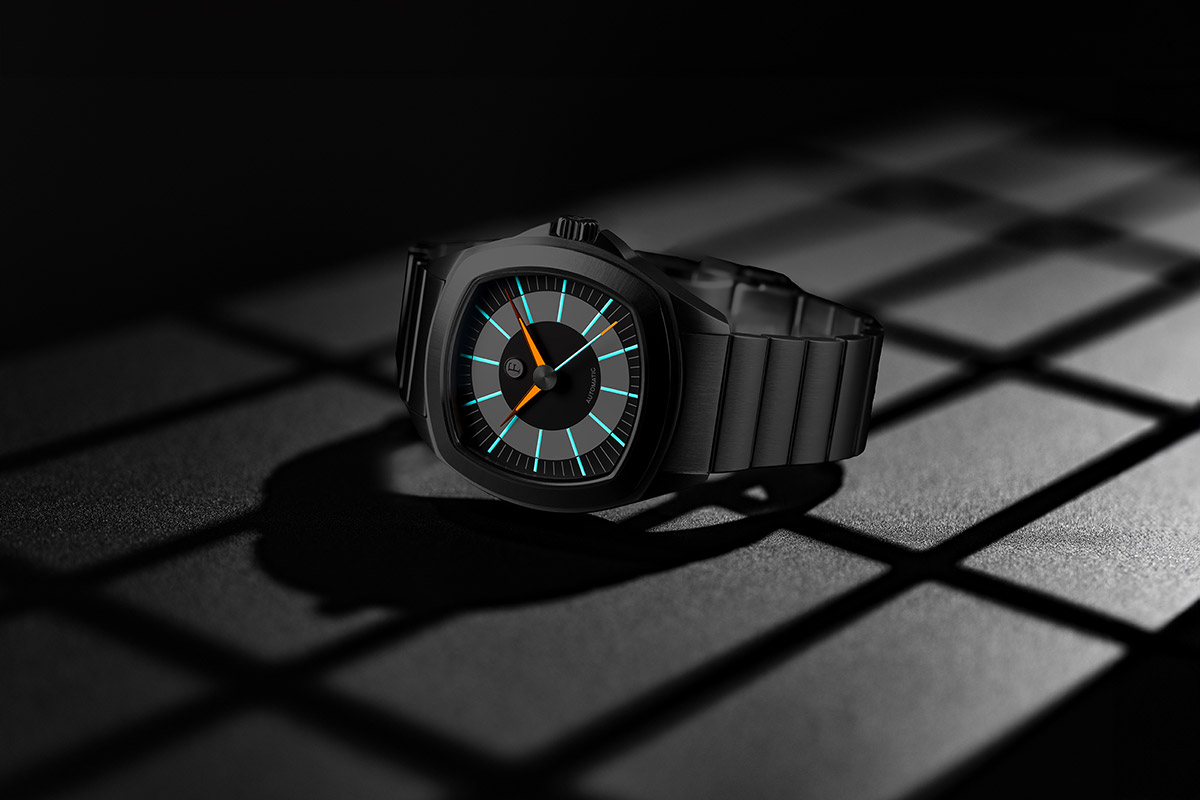
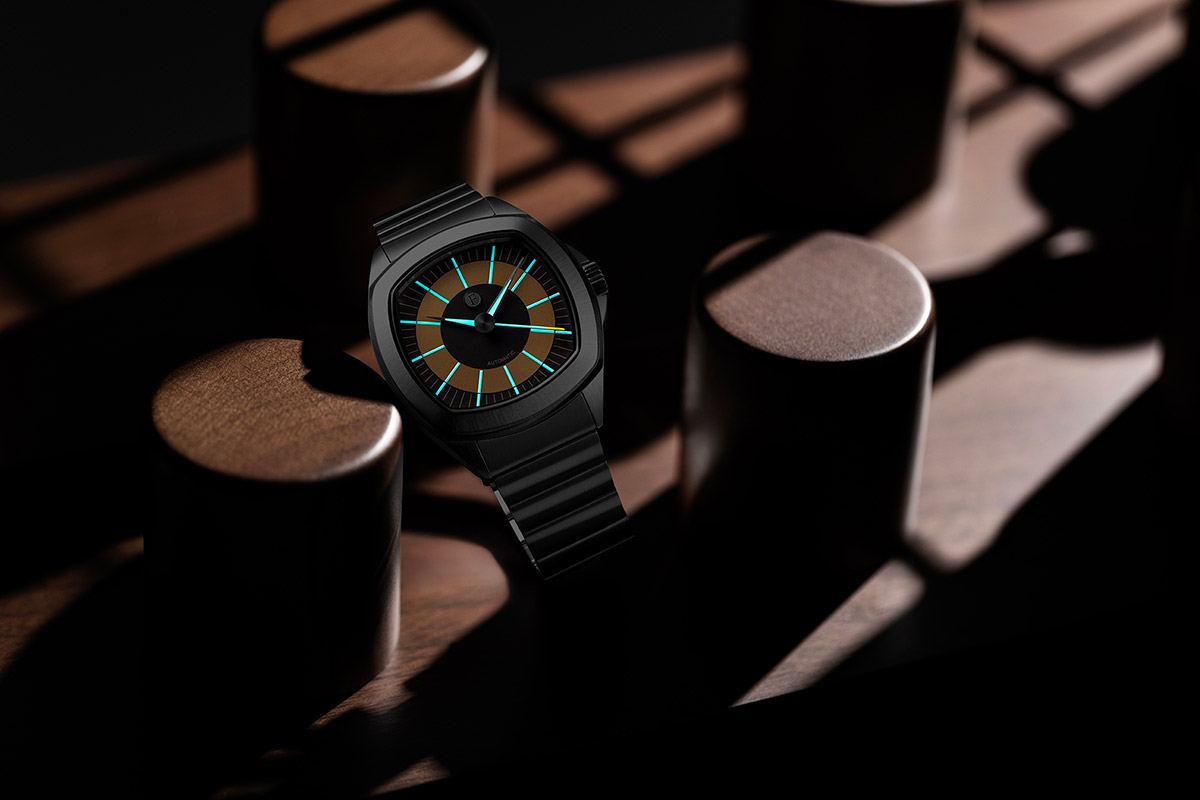
Super Luminova BGW9 Lume hour indices with Super Luminova Orange hands: High visibility in low-light conditions, just like the gauges on a race car’s dashboard.
Inspired by 1970s Automotive Excellence
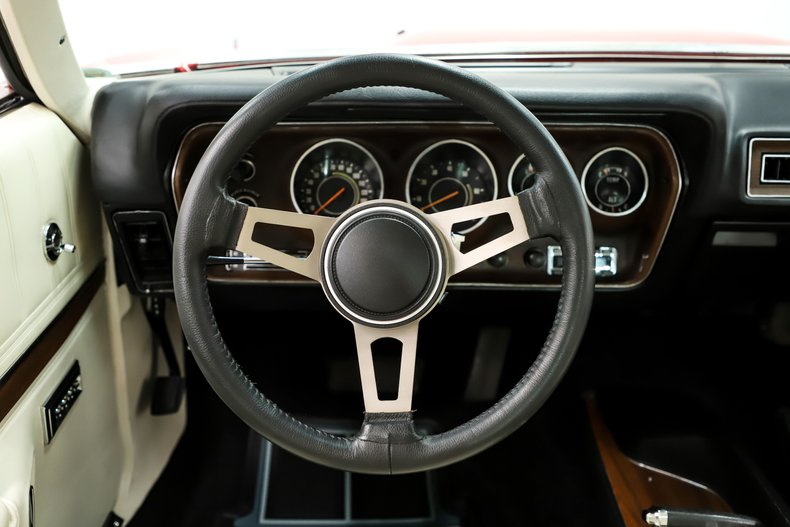
For Porsche enthusiasts & other supercars from the era, the Time Master 70’s offers more than just a timekeeping function. Its design is inspired by the sleek lines and elegant simplicity of 70s sports car models. The clean dial mirrors the precision instruments found in the cockpits of vintage sports cars, while the bold, luminous hour indices ensure visibility reminiscent of race car dashboards.
1973 Dodge Charger dashboard.
Just as a Porsche 911 is a symbol of balance between design and power, the Time Master 70’s reflects the same ethos—perfectly balancing functionality and aesthetics. The precision of the Swiss ETA 2824 or Japan Miyota 9039 movement mirrors the finely-tuned engines that defined an era of automotive glory.
Limited edition
The Time Master 70’s is quickly becoming a collector’s item, with only limited units remaining. This limited-edition watch is nearly sold out! If you’re looking to own a piece of 1970s-inspired heritage, now is the time to act . With shipments scheduled for mid-October, this is your last chance to secure your Time Master 70’s.
Ready for the Open Road?
Whether you’re behind the wheel of a classic car or simply enjoying your everyday adventures, the Time Master 70’s is your ultimate companion. With its striking design and precision engineering, it’s more than just a watch—it’s a tribute to the elegance and excitement of the 1970s racing era.
Don’t miss the opportunity to own a timepiece inspired by a legacy of speed, craftsmanship, and timeless style. Order your Time Master 70’s today! The time Master watches will ship by mid October.
The origin story of the quintessential “Slav” outfit…
A True Story Goes to Hollywood
Here is another fine article via friends at kommandostore.com- you can find your size and place your order here. In 1995, pilotScott O’Grady was flying his F-16 on a mission during the Bosnian war, when his aircraft was destroyed by an SA-6 Missile.
SA-6/ 2K12 SAM surface to air missile launcher.
He survived by successfully ejecting from the aircraft, but was forced to spend nearly a week evading local military forces before he could be rescued by US Marines.
He wasn’t approached to consult on the making of Behind Enemy Lines, nor was he paid for the rights to his story. As one could imagine, lawsuits ensued and “Behind Enemy Lines” would later be presented as the story of a different person in a very similar set of circumstances…
Behind Enemy Lines, 2001
This action flick featured Owen Wilson playing Chris Burnett, a pilot who gets shot down over Bosnia on a reconnaissance mission. He ejects, but that’s only where his problems begin.
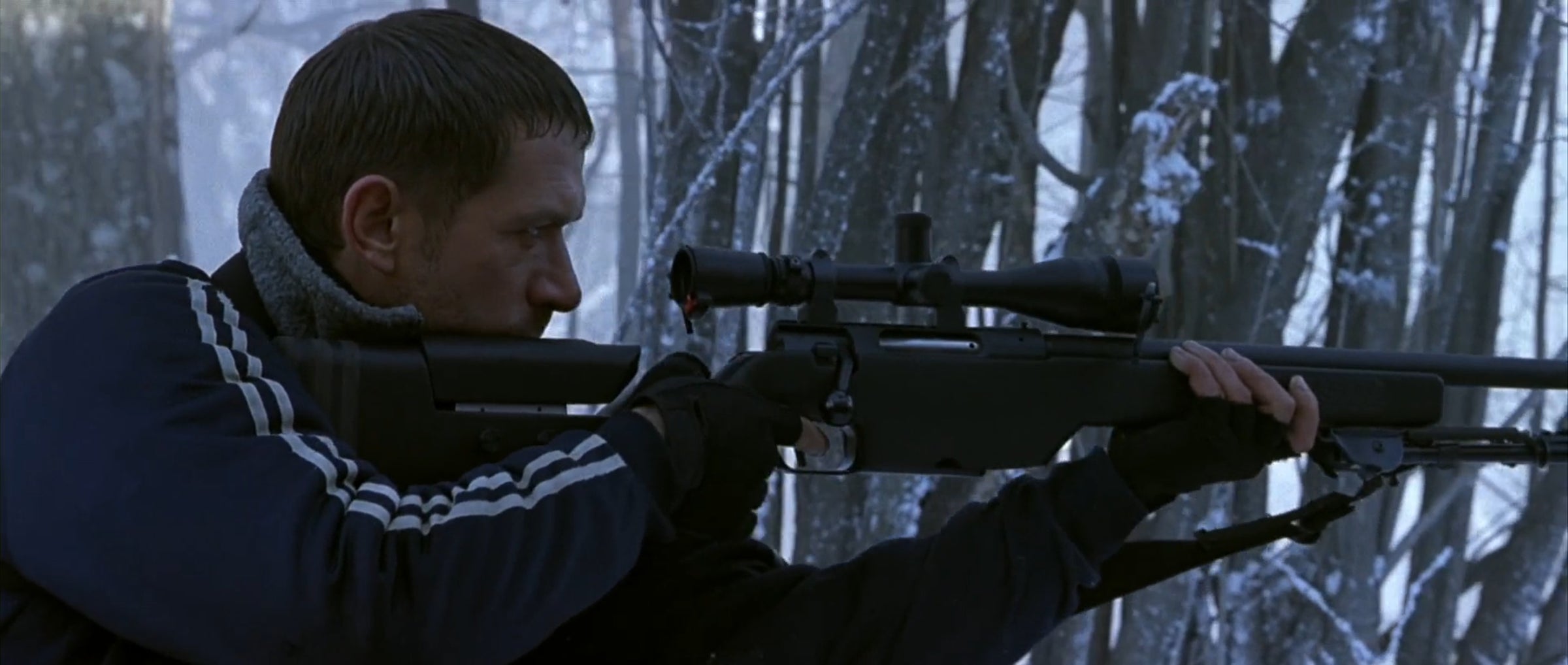
The lieutenant spends the rest of the film evading an extremely dangerous lone-wolf sharpshooter and the rest of the Bosnian-Serb military.
Almost immediately upon release, the movie was a cult-hit among firearms & military enthusiasts in the US. The main antagonist, Sasha Ivanic was in many ways the focal point of this obsession.
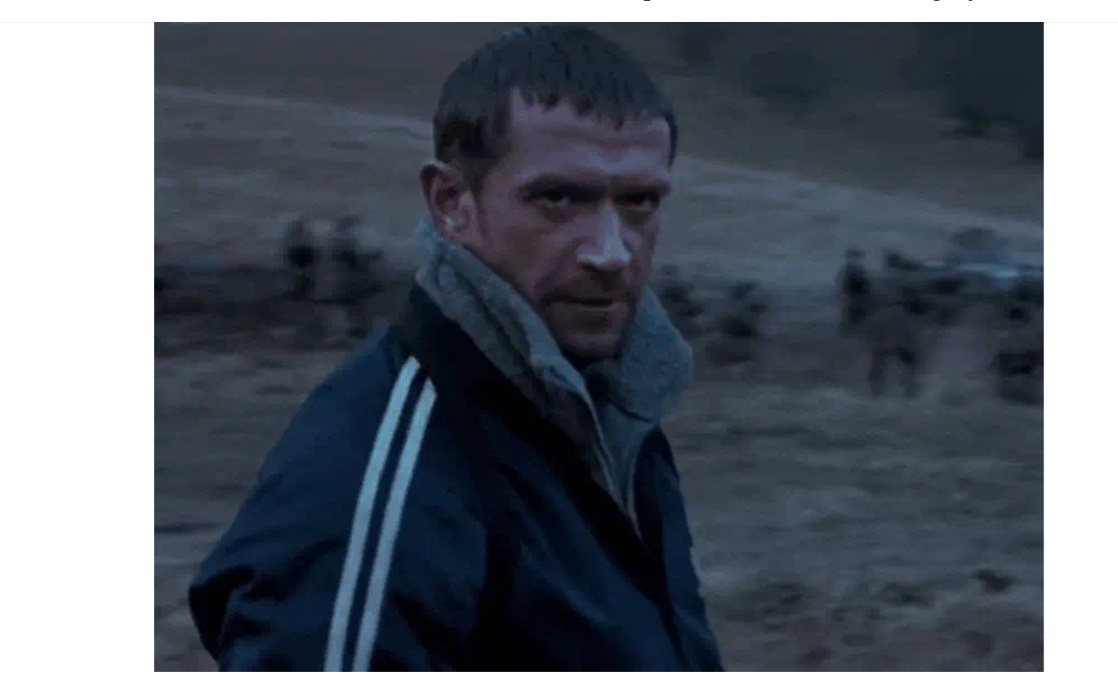
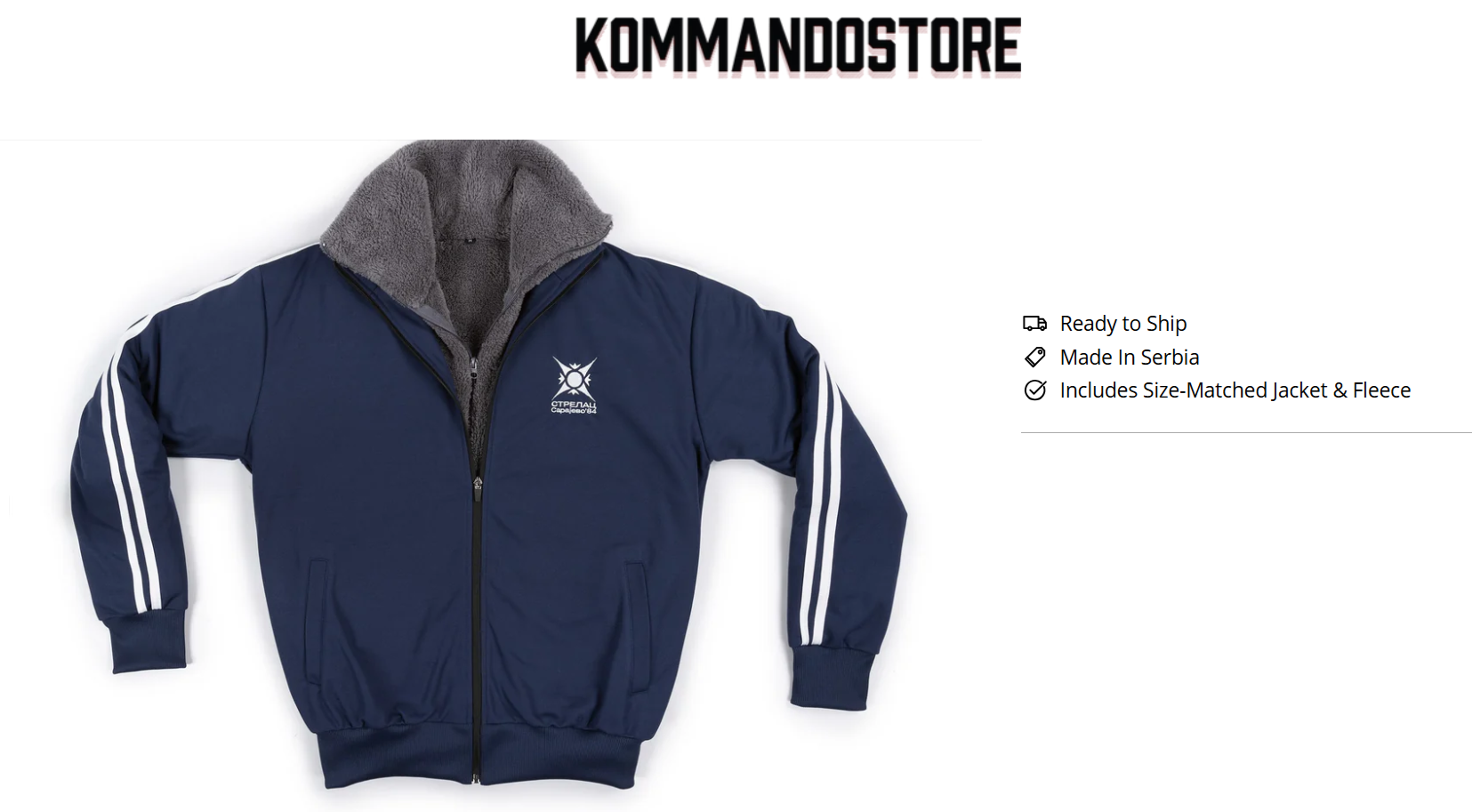
Sasha’s iconic track jacket became an “it item” among collectors, but it was nowhere to be found…
Stealing The Show
Ultimately the film’s legacy hasn’t been kind to its hero. Sasha Ivanic is such cool villain that despite having almost no lines, he completely steals the show.
Vladmir Mashkov, the actor playing Sasha, left such a lasting impression on audiences that he shaped Eastern European villains and anti-heros for years to come.
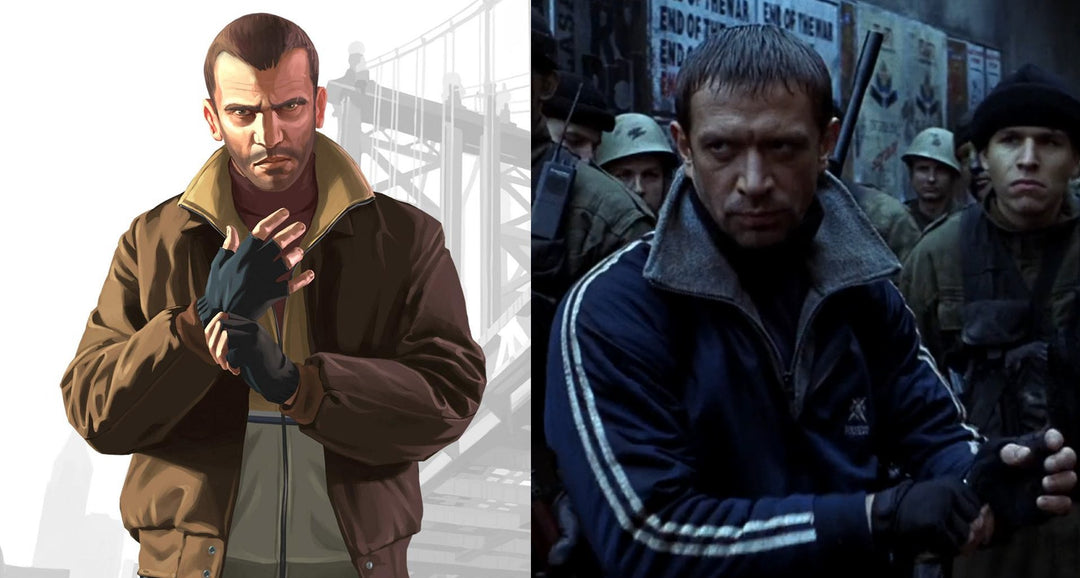
The protagonist of Grand Theft Auto IV, Niko Bellic, was based almost entirely on Sasha — Rockstar Games even intended to cast him for the role. GTA IV would go on to be one of the most celebrated video games in history, firmly cementing post-USSR “Slav” culture in the minds of millions.
Finding The Fit
Like many white whales we’ve chased, it all started with blurry photos circulating on obscure forums and social media pages. But try as we might, the search for the Sasha jacket always came up dry.
So, we rolled up our sleeves and got to work. We went frame by frame through the original movie, painstakingly made our own artwork and mockups, and designed our track jacket from the ground up.
Why Sarajevo?
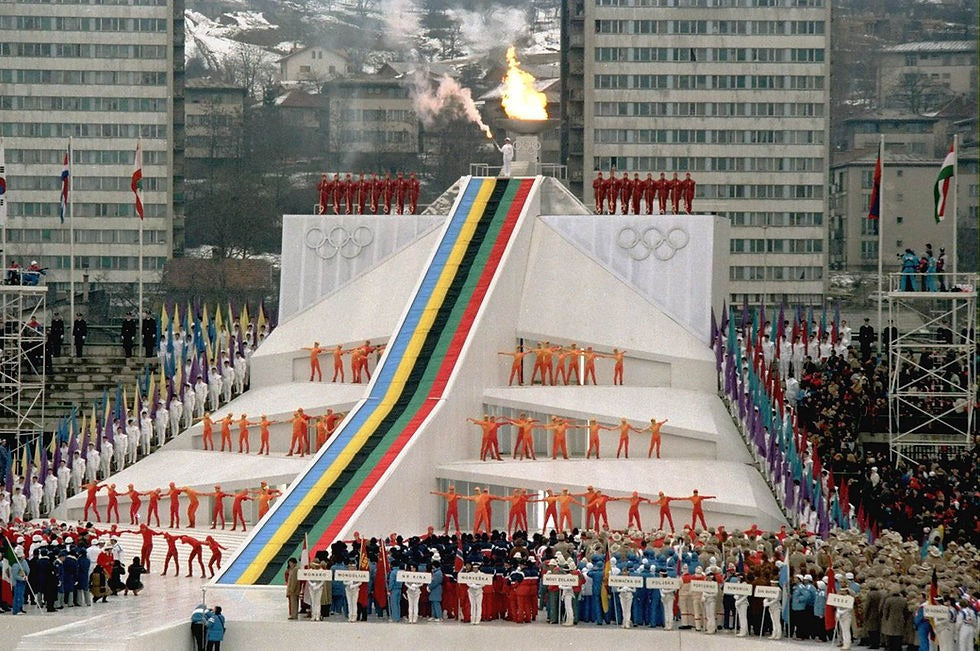
The 1984 Olympics in context
The Boycott Games
The Olympic games during the Cold War were notorious for boycottsorganized by dozens of countries up through the 1980s.
Melbourne ’56, Tokyo ’64, Canada ’76, and particularly the Moscow Olympics in 1980 were all mired in international politics.
But in 1984, for the winter Olympics in Yugoslavia, there was a distinct (and welcome) lack of boycotts.
As a result the Sarajevo games had highest rate of participation of any Olympics during the Cold War. Unfortunately this moment of hope and unity was short-lived.
Civil war would divide Yugoslavia less than a decade later.
The Siege of Sarajevo
The siege of Sarajevo featured prominently in the opening chapters of the Bosnian war, and the brand-new Olympic facilities were caught in the crossfire.
As the battle intensified, Bosnian-Serbs famously dug in on the Bobsled/Luge track and used it as an artillery stronghold. To this day, you can still see firing ports drilled into the concrete.
The former olympic village was never redeveloped, and remains in ruins to this day…
…Just A Theory?
By late 2001, the Former-Soviet-Bloc countries were still in disarray, and ‘War On Terror’ was in full-swing.
In this post 9/11 world, films about the horrors of the Vietnam war, or the spy games of the Cold War just didn’t resonate. So, the way action movie antagonists were written had to evolve…
Real-world unknowns and fears drive how we write stories; whether it’s a humanitarian crisis inspiring movies about invading aliens from outer space, or zombies representing our fears around epidemics & disease.
Villains like Sasha Ivanic embodied this new era of guerilla tactics and hazy or mysterious motivations. Much like the terrorist groups feared by the public, there was no telling what they’d do next, or why.
Sasha’s Jacket begged some unknowns: Could Sasha have been an Olympian at Sarajevo? What was he really fighting for, or for whom? We never found out, but it’s part of what makes him so frightening and believable.
Sasha’s Legacy
Going on to inspire Anti Heros like Nico Bellic in GTA would be one thing, but he was certainly part of a larger trend of iconic Eastern European villains.
The Ivan Dragos of cinema were slowly replaced with the Vladimir Makarovs of video games, and with the re-opening of closed wounds constantly in Eastern Europe, Sasha’s morally grey character archetype continues to have a lasting relevance.
Sure, the boys in the Adidas track jackets were always there, but it was Sasha who made it the standard issue uniform.
It may only be the start of September but we Canadians know that the days are indeed growing shorter.
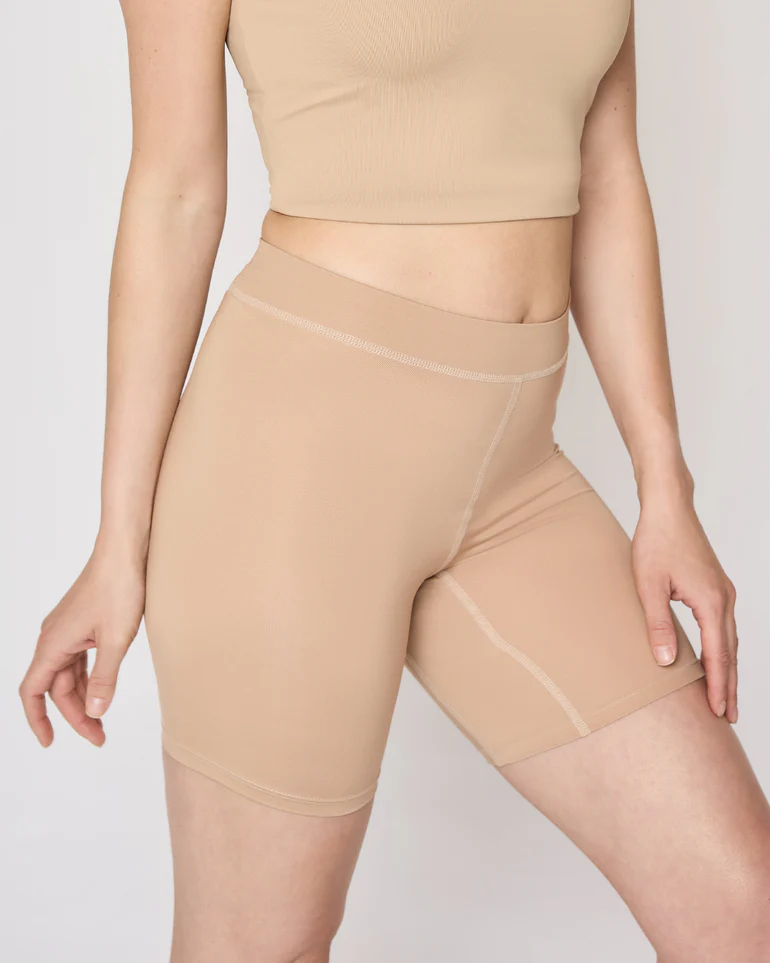
As we approach Fall and Winter (sorry!) and the weather starts becoming cooler, one of the best ways to layer is using Numi’s bamboo undergarments and basics under your clothing.
“Originally on the market as Nudy Patooti, this brand launched in 2013 and quickly changed its name to better reflect their customer base. Focusing on sustainability, peace, and kindness, Numi works with women for women. Each detail of design is done to make life easier for the working gal.
Founded by Michelle Shemilt, this company was born out of necessity. As a former equity trader, Shemilt was tired of losing her work clothes to sweat and deodorant stains that affected every top. Rather than shell out the money for constant dry cleaning, Shemilt went to work on a solution to benefit not only her but other working women who suffered the same issue.
Alongside a pro-woman mission, this brand also works for the world. Sustainability is a core goal for the company that works solely in eco-friendly fabrics and practices, Numi wants to leave a mark on their customers, but not the planet.” honestbrandreviews.com
The secret to layering, even in Fall and Winter, is to look stylish, not bulky.
Because their innovative collection consists of ultra-soft bamboo, you can seamlessly layer your fall fashions and holiday outfits in a multitude of ways. If that isn’t enough their transformative undergarments wick away sweat before it becomes an embarrassing stain or damages your clothes.
Each piece is made with high tech fabric that absorbs perspiration and protects your outfit to keep you feeling fresh as you go between any kind of event such as from the office to holiday parties. A Numi undergarment will get your favorite clothes back into regular wardrobe rotation while offering perks such as extending the life of your clothes, creating less laundry, lowering drying cleaning costs, and helping to regulate your body temperature.
Undergarments feature patented Sweat-Secret Technology, a high performance fabric in the underarm area to absorb moisture to help you stay dry and comfortable and your clothes clean.
Numi’s basic tees and tanks are also super comfortable essentials for layering, loungewear and sleepwear, and are perfect pieces to have in your wardrobe as the weather gets colder.
Both lightweight and stylish, their garments and undergarments will keep your body feeling fresh and fabulous underneath everything from your weekend sweaters to work silk blouses to holiday party dresses.
Transformative Highlights
Keep clothes clean and like new longer
Prevent embarrassing sweat stains from ruining an outfit (and your day)
Comfortably smooth the figure without being constrictive
Patented fabric technology absorbs and whisks away moisture from the body
Organic bamboo regulates body temperature, keeping you cooler when warm and warmer when cool (perfect for fall layering!)
Save money by not having to dry clean as often and save time by reducing laundry
Eco-friendly: made of organic bamboo and sustainably manufactured in Canada
Great for all shapes and sizes.
Fitted and ultra-soft, you can choose from a variety of classic feminine styles to keep you comfortable and worry-free during the weekends, in the office, or anytime! For the Silo, Katie Guest.
All of modern life is a spectacle. Much of what contemporary man experiences in Western society is a false social construct mediated by images.
These mediated images create desires that can never be fulfilled; they create false needs that can never be met. “Many of our daily decisions are governed by motivations over which we have no control and of which we are quite unaware” (Berger 41). The constant spector of the mediated image creates an endless cycle of desire, consumption, and disinterest, fueling a banality in life that feeds the commodification of life.
Increasingly life itself becomes a commodity and the image more important than the reality it represents. This commodification infiltrates every aspect of human production, including the arts, and finds its pinnacle expression in the work of Damien Hirst. Hirst has carefully crafted a brand identity that has far surpassed the value of his art work in importance and worth. Working in tandem with former advertising executive turned art dealer Charles Saatchi, the spectacle of the Hirst image becomes the commodity. “Reality unfolds in a new generality as a pseudo-world apart, solely as an object of contemplation. The tendency towards the specialization of images-of-the-world finds its highest expression in the world of the autonomous image, where deceit deceives itself” (Debord 143).
No longer is the work of art itself a commodity, but rather the image of the artist (his/her/cis brand) that becomes the commodity.
It is this spectacle that drives the consumer to identify with a particular artist or brand. “The astronomical growth in the wealth and cultural influence of multi-national corporations over the last fifteen years can arguably be traced back to a single, seemingly innocuous idea developed by management theorists in the mid-1980s: that successful corporations must primarily produce brands, as opposed to products” (Klein 4). The image has increasingly infiltrated and dominated the culture and the whole of society and has become “an immense accumulation of spectacles” (Debord 142).
Butterfly by Damien Hirst
Where once the products of labor were the commodity, now it is the spectacle that has become the commodity.
A prime example of this spectacle is Damien Hirst’s sculpture, “For the Love of God.” The sculpture consists of a platinum skull covered with 8,601 diamonds. The sculpture valued at over $100 million usd/ $129.361,000 cad [exchange rate at time of publication] is clearly out of the reach of almost any collector. The sculpture itself is not the art product, rather it is the spectacle that is the product. “Mr. Hirst is a shining symbol of our times, a man who perhaps more than any artist since Andy Warhol has used marketing to turn his fertile imagination into an extraordinary business” (Riding, nytimes.com). Acknowledging that the sculpture is out of reach for the majority of collectors, Hirst offered screen prints costing $2000 usd/ $2,587 cad to $20,000 usd/ $25,870 cad ; the most expensive prints were sold with a sprinkling of diamond dust.
Karl Marx argued that the value of the commodity arose from its relationship with other commodities; its ability to be exchanged for other commodities. Marx used the the production of a table to illustrate his thesis: “…by his activity, man changes the materials of nature in such a way as to make them useful to him. The form of wood, for instance, is altered if a table is made out of it. Nevertheless the table continues to be wood, an ordinary, sensuous thing. But as soon as it emerges as a commodity, it changes into a thing which transcends sensuousness.” (Marx 122)
Hirst’s diamond encrusted skull remains mere diamonds, valuable yes, but still diamonds. However, when coupled with the spectacle of Damien Hirst’s identity, the skull becomes a fetishized commodity capable of selling screen-prints valued in the thousands. The argument can be made that diamonds on their own carry value, and could be commodities themselves, however that doesn’t account for the fact the Hirst was able to sell prints of the skull for over $2000 usd/ $2,587 cad. Nor do the diamonds alone account for the spectacle surrounding the art work; it is Hirst’s brand, his image that creates the spectacle.
“The mystical character of the commodity does not therefore arise from its use-value. Just as little does it proceed from the nature of the determinants of value” (Marx 123). The value of a commodity arises from its spectacle, its ability to be desired. In Marx’s day that desire was its ability to be traded for other commodities; today that value is derived from its association to a brand, an identity, a spectacle. “Art reflects the illusory way in which society sees itself, it reflects the bourgeoisie’s aesthetic ideas as if they were universal” (Osborne 79).
The spectacle feeds itself through the mediating of the image to create desire for status and recognition, through associations.
“The ends are nothing and development is all – though the only thing into which the spectacle plans to develop is itself” (Debord 144). The spectacle’s main objective is self perpetuation. Its aim is totality. It must be noted that Hirst himself did not even create the work of art, but rather employed a studio full of jewelers to execute the sculpture, and printers to produce the prints.
Hirst exemplifies the bourgeoisie capitalist employer who retains ownership over the fruit of the employees’ labor. He is in many ways more akin to a captain of industry than he is to the romantic notion of an artist. “In the early twenties, the legendary adman Bruce Barton turned General Motors into a metaphor for the American family, something personal, warm and human” (Klein 7). Hirst has also turned himself into a metaphor, however, metaphors aren’t always true. This falsehod is at the heart of the issue. The spectacle isn’t concerned with what is true, rather it is concerned with what can be made to appear true. It is this appearance of truth that makes a commodity valuable. This fetishism of the commodity is why gold and silver have value, it is because people gave them value. It is the reason Damien Hirst, or any other brand, has value, because people gave it value.
Damien Hirst cannot be blamed for commodifying art, he is simply following a long tradition of turning objects and products into commodities. The fact that his commodity is his own image doesn’t seem to matter. “Hirst is just playing the game. It is a game played by collectors and dealers at art fairs throughout the year; it is a game finessed as never before by Sotheby’s and Christie’s; it is a game in which, in the words of Nick Cohen, a rare British journalist to trash Mr. Hirst’s publicity coup, ‘the price tag is the art’ ” (Riding .nytimes.com).
That final statement beautifully summarizes the commodification of art, ‘the price tag is the art.’ The fact that the art is obscenely priced, and out of the reach for the majority of collectors, the fact that it is made of diamonds, a precious stone known as the blood stone because of its association with brutal and oppressive regimes, merely adds to its allure, to its spectacle. Damien Hirst is merely playing the game, like many before him. He is a part of the growing culture industry that sells image. Images are the new commodity fetish. Images are the new mysterious commodities exchanged for more the more durable and enduring commodities. The bourgiousie sell their images, which have no real value, to the public which consumes them, in exchange for goods of real value.
“The $200 billion usd/ $270 billion cad culture industry – now North America’s biggest export – needs an every-changing, uninterrupted supply of street styles, edgy music videos and rainbows of colors. And the radical critics of the media clamoring to be ‘represented’ in the early nineties virtually handed over their colorful identities to the brand masters to be shrink-wrapped.” (Klein 115)
Nick Cohen said of Hirst, “[he] isn’t criticizing the excess, not even ironically … but rolling in it and loving it. The sooner he goes out of fashion, the better.” What Cohen fails to realize is that the spectacle is a fashion. And when one image goes out of fashion, another takes its place. Hirst may indeed go out of fashion, but another art brand will take his place, perpetuating the commodification of the arts in increasingly bombastic ways.
Perhaps art has always been a commodity?
In the past patrons would hire artists to paint them into scenes from the gospels. Patrons could be seen on the outskirts of paintings piously praying, thus creating an image of themselves as good and pious Christians. By association with the sacred art, the patron was creating a mediated image. Rulers did this all the time. The Equestrian Statue of Marcus Aurelius is a perfect example. Its a mediating image that communicates power and authority.
But none of these examples reach the level of spectacle and fetishism that is Damien Hirst. While art may have been a commodity in the past, it was never commodified. In other words, while the art itself may have been exchanged for other goods, the artist himself was not treated as a commodity. The art of the past may have served a purpose, it may have contained a mediated message, but it was still a product, and it was the product that was valued, not its brand identity.
The commodification of art creates a unique problem in history. If it is the spectacle that matters, and the artist’s identity that has value, then what value is left in the art itself?
What then separates art from ordinary objects? Is there any aesthetic emotion that remains in the work of art itself, or does the aesthetic emotion dwell completely within the spectacle? These are questions that cannot easily be answered, and ultimately will require the lens of history to answer completely. But they are a pressing concern, for when art is commodified, it may cease to be art and instead become celebrity, product, or worse, advertising. For the Silo, Vasilios Avramidis
Works Cited Berger, Arthur Asa. Seeing is Believing: An Introduction to Visual Communication. New York, NY: McGraw Hill, 2008. Print. Debor, Guy. “Showing Seeing: A Critique of Visual Culture.” The Visual Culture Reader. Ed.Nicholas Mirzoeff. New York, NY: Routelage, 1998. 142-144. Print. Klein, Naomi. No Logo, No Space, No Choice, No Jobs. New York, NY: Picador, 2000. Print. Marx, Karl. “Showing Seeing: A Critique of Visual Culture.” The Visual Culture Reader. Ed.Nicholas Mirzoeff. New York, NY: Routelage, 1998. 122-123. Print. Riding, Alan. Alas, Poor Art Market: ‘A Multimillion Dollar Headcase.’ The New York Times. June 2007, Damien Hirst and the Commodification of Art http://www.visual-studies.com/interviews/moxey.htm
During the 12-year span of The Naked Truth, many of the world’s most alluring and enchanting actresses passed through the costume fitting room doors of costume designer Jean-Pierre Dorléac atelier.
Among them were Maude Adams, Jonelle Allen, Eve Arden, Belinda Bauer, Marisa Berenson, Joan Blondell, Ahna Capri, Kim Cattrall, Rosemary Clooney, Arielle Dombasle, Barbara Eden, Britt Eklund, Anne Francis, Eva Gabor, Erin Grey, Pamela Hensley, Olivia Hussey, Anne Jeffries, Maren Jensen, Carole Lawrence, Kay Lenz, Sondra Locke, June Lockhart, Sarah Miles, Anita Morris, Patricia Neal, Sheree North, Andrea Marcovicci, Yvette Mimieux, Donna Pescow, Eleanor Parker, Daphne Maxwell-Reid, Barbara Rush, Cybill Shepherd, Brooke Shields, Jill St. John, Jean Simmons, Laurette Spang, Camila Sparv, Stella Stevens, Ann Southern, Gloria Swanson, Liz Torres, Sela Ward, Lesley Ann Warren, Nancy Walker, Alfre Woodard and “Mae West.”
Forget about a painted façade, towering elaborate hairdo, ostentatious and chunky borrowed jewelry, an overly pushed up décolletage and a see-through spangled gown—the true magnificence of a movie star is in her demeanor and sincerity, not in the all-too-plastic manifestation. As has been stated many times, “beauty is only skin deep.” With all the cosmetic surgery and filler injections available now, that is hardly true any longer.
Deep beneath the surface of what everyone sees is where the true splendor of a person lies. It’s not in the eyeliner or false eyelashes, bright lip gloss, rouged cheeks, stiletto pumps or wearing something someone else has borrowed from a designer you never heard of … although in the ongoing Hollywood parade where everyone tries to out “glam” one another, it appears to be de rigueur.
Few of the true beauties ever subscribe to such theories. What made each of them unique and magnificent were their skills, goodness, kindness and attitude, above all.
Life Looks Better When You Do 1985
Many of the greats never wore anything but casual clothes when they went about their daily lives, sans make-up and glitz. Few were pretentious and none thought of themselves as better than anyone else. The ones that professed to be “the best” usually had the shortest careers in the long run.
Since costume designers are always the first to encounter an actor or actress, usually hired unseen through casting, their experiences are the bar by which those who have yet to work with these performers is measured. Depending on the first encounter, many artists are never hired again because of their lack of professionalism and ability.
In The Naked Truth, award-winning costume designer Jean-Pierre Dorléac’s entertaining chronicle of 12 years, readers will revel in the highly explosive stories that are filled with entertaining confrontations of every nature and, heretofore, untold tales of the glitter and tinsel capital’s drastic change that began in the early ’70s.
This often funny and quite fortuitous success story is filled with splashy tales and entertaining confrontations involving glamour, politics, graft, sex, scandal, and candid accounts of the glitter and tinsel capital’s assets being sold off by the new capitalist.
About the Author
Jean-Pierre Dorléac is no stranger to the film industry. His award-winning costume designs can be seen in Somewhere in Time, The Blue Lagoon, Heart and Souls, Battlestar Galactica, Quantum Leap, Knightrider, Airwolf, The Lot and numerous other award winning productions.
The Naked Truth
by Jean-Pierre Dorléac
Publisher: Monad Books
ISBN: 0974551111
Book and e-book available nationwide at independent and major book stores, Amazon.com or contact [email protected]
NBAF is manifesting more this year: more impact, more engaging programming, more opportunities for artists, more exposure, and more funding. We are coming for it all in the new year! In celebration of what will be an amazing year, it is my honor to give you a peek into what we have in store as we prepare to do things even bigger and better in 2024.
Our programming theme for this year is “Artistry Unbound,” an exploration of the resounding power of African American art to propel us toward the realization of our collective freedom. This theme celebrates the profound contributions of African American artists in their relentless pursuit of social justice, equality, and financial equity. It celebrates the trailblazers who have paved the way for a new generation of artists, continuing the legacy of social commentary and artistic innovation. This theme calls us to be “black on purpose” and create programs that directly speak to the injustices that we still face as a people and find artistic and creative ways to address these issues.
We are excited to bring this theme to life through carefully curated programming that will kick off with the NBAF Black History Month event, “Blacklisted! Banned Book Fair”, which speaks directly to the injustices highlighted through recent campaigns designed to censor and diminish Black voices.
Blacklisted! Banned Book Fair takes place on February 24th and 25th, and aligns with NBAF’s mission to:
Expose audiences to important and diverse works by African American authors,
Educate the public on how the banning of African American literature has been part of a larger pattern of censoring voices that advocate for social justice, civil rights, and the dismantling of racial prejudices,
Engage young and old readers alike with the wealth of African American books available to them, and
Entertain audiences with informative panel discussions, staged readings, an indie book market, and more! For more info, please visit our Black History Month page on nbaf.org
There are so many exciting things on the horizon for NBAF this year and we look forward to bringing you quality multi-disciplinary programming focused on uplifting and highlighting Black art and artists in new ways throughout 2024. As we continue our transition back to larger immersive events and chart a path back to the renowned NBAF Festival, our team is committed to innovatively presenting the best in Black art and we look forward to continuing to make an impact in the community with your partnership. We look forward to seeing you soon online or at an upcoming event! For the Silo, Stephanie R. Owens.
Reflecting on the remarkable journey of 2023, we’re excited to share the significant impact your support has made on our mission and community. We encourage you to delve into the highlights and accomplishments of the past year in our 2023 Impact Report, available here.
Click on the image above to view a visual journey of the transformative moments and positive change that helped us achieve in 2023.
NBAF PROGRAMS & EVENTS
Check out these upcoming events from NBAF!
Blacklisted! Banned Books Fair Saturday & Sunday, February 24th & 25th Atlanta, GA Calling all authors, literature lovers, and vendors to join us in celebrating the written word! NBAF’s 2024 Black History Month program, Blacklisted! Banned Book Fair celebrates the African American authors creating work that challenges the status quo and speaks truth to power.
The programming features:
• Moderated panel discussions with Black Authors, Activists & Intellectuals • Indie Black Book Market featuring African American booksellers and authors • Youth Book Fair with interactive children’s activities • Community Book Drive to benefit youth-centered non-profits • Interactive exhibitions about banned African-American literature and authors • Social Photo booths, food vendors & more!
Mark your calendars and get ready for a weekend filled with storytelling, creativity, and activism. This interactive experience is in partnership with the Morehouse College Movement Memory and Justice Project, South Fulton Arts, 44th & 3rd Bookseller and the Black Writers Weekend.
If you’re an author, bookseller, or have literature/education or activism related products, apply to be a vendor on the NBAF website. Spaces are limited, so secure your space today!
Taking place at the Atlanta History Center and in partnership with Neiman Marcus, FA+F attendees enjoy food + drinks, an impeccably curated fashion show, fashion icons and artists award presentations, and are introduced to the winning student designer of the annual Fashion Forward Student Design Competition.
Fine Art + Fashion raises funds to support NBAF’s operations and programs for artists of all ages and disciplines, particularly our youth arts education programs for underserved students of African descent.
2024 NBAF Fashion Forward A Competition for Student Fashion Designers NBAF Fashion Forward honorees are selected by a distinguished panel of judges and receive a cash prize of $1,500. The 2024 NBAF Fashion Forward honorees will be presented at NBAF’s Fine Art + Fashion Benefit on Wednesday, March 27, 2024 in Atlanta, GA. To get started, check out nbaf.org/fashion-forward to download the Fashion Forward Fact Sheet to learn more about the application requirements. If you have any questions or need further information, please contact Fashion Forward Coordinator, Page Yang, at [email protected]. Please mention thesilo.ca when contacting. The deadline to apply is Friday, January 26, 2024 at 11:59 PM EST. APPLY HERE!
2024 Artist Project Fund Applications Eligible Metro Atlanta Artists Apply Today The 2024 Artist Project Fund (APF) is a $2,000 usd grant and 6-month artistic development program for Metro Atlanta artists seeking funds to complete an ongoing project. APF supports 20 professional artists in the completion of an ongoing artistic project, fosters a sense of community and creative collaboration, and provides immersive artistic and career development experiences to help them grow as artists and creative entrepreneurs. The deadline to apply is Friday, February 2, 2024 at 11:59 PM EST.
New Merch! Your purchase supports NBAF’s year round programming.
Select from special limited edition art prints, t-shirts, tote bags, note books, and more!Black Art Matters TeeNBAF Commemorative PinsRadcliffe Bailey NBAF 10th Anniversary PostersBlack Art Matters stainless steel tumblerNBAF tote bagNBAF Logo Unisex Hoodie With Shop Payyou can get it now and pay later! Pay in 4 interest-free installments for orders over $50.00.
Don’t miss out on NBAF news and events. Follow us on social to stay in the know!
Le Diner en Blanc returns to West Palm Beach for its 2023 edition.
This elegant and secret affair has become THE foodie & dancing holiday event of the year and on Saturday,December 16, 2023, a new secret location will be revealed and guests will dine and dance under the stars.
Le Diner en Blanc is an event that transports guests into another world while celebrating the local community. The sea of people adorned in white is Instagrammable while meeting new people or reuniting with longtime friends. The theme this year is “From Paris, With Love,” with dinner à la française will be the centerpiece – conversation and champagne will flow with French-inspired entertainment. Then the night will be closed with one of the best DJs, dancing shoes are a must.
Le Diner en Blanc in West Palm Beach is hosted by Modernique & Co. Project Management with over 12 years of experience in Hospitality Management and Event Production. Fabie Reid, Project Director and Co-host of Le Diner En Blanc says, “We’re absolutely thrilled to be bringing this spectacular event to picturesque Palm Beach County. Over the years, we’ve taken this event to various stunning locations, from Boca, and Riviera to downtown West Palm Beach, and each time, it’s been a captivating experience to witness our community come together at our carefully guarded secret venue. This event serves as a remarkable opportunity to not only unite our residents but also to showcase the splendor of this region to those from beyond our county borders.”
“Very excited for this year’s theme ‘From Paris With Love’ where the guests will be transported to a Parisian adventure without leaving Palm Beach County,” Jessica Palmer, head leader of Le Diner En Blanc West Palm Beach.
Le Diner en Blanc wants to help boost the local economy by encouraging attendees to shop locally and discover some of the most spectacular event venues served by local vendors such as but not limited to Ganache Bakery Absolute Party Rentals, Trindy Gourmet, and Epic Catering that get transformed with the picnic setting.
To maintain the uniqueness of Le Diner en Blanc, every guest observes certain requirements such as:
Dress code: head-to-toe in white only. Elegance and Originality are key!
Jewelry and shoes can be silver gold, or nude
Table setting & picnic items: all white!
French-influenced event where only wine and/or Champagne are served.
As per the county of Palm Beach in the state of Florida, USA, guests cannot bring their own alcohol. Guests wishing to enjoy some wine or Champagne must reserve online through Le Diner en Blanc’s e-store. However, guests are welcome to bring their own non-alcoholic beverages.
To ensure that the location secret is kept undisclosed until the last minute, guests meet at the assigned departure location and are escorted by a Diner en Blanc volunteer table leader for bus departures or pedestrian groups.
So, the event location is left as clean as when guests arrive, they are required to leave with all their belongings, leftovers, and litter.
Guests are to bring:
A small picnic basket or white cooler comprised of fine food, white tablecloth, and serviettes as well as proper stemware and white dinnerware. (Tables & chairs are provided at the event)
A catered meal option can be pre-ordered online and picked up on-site, for those who do not wish to pack their own. Guests wishing to do so must reserve online through Le Diner en Blanc’s e-store.
Le Diner en Blanc – West Palm Beachgratefully acknowledges Champagne Pommery as national partner and, Vie de Rêve and City of Wellington as official local partners of the 2023 edition of Le Diner en Blanc.
To get the opportunity to be part of the experience, people can sign up now by visiting westpalmbeach.dinerenblanc.com/register adding your email then click Validate to enter your name. Once on the list, an invitation will be sent to you by the end of the day.
About the Hosts of Le Diner en Blanc – West Palm Beach
Le Diner en Blanc – West Palm Beach is hosted by Modernique & Co Project Management Firm with a specialty in Hospitality Management & Event Production. The visionary team brings over a decade of expertise to amplify brands and creative ventures. With an unwavering commitment to client success, we offer innovative solutions from project inception to completion. Our multifaceted experience spans diverse industries, providing tailored strategies, trend-spotting, and cost-effective operational support.
For the Silo, Kat Fleischman.
About Le Diner en Blanc
Le Diner en Blanc is so much more than an event. It’s a unique cultural movement that empowers friends of friends to gather and celebrate their shared passions for life, food, fashion, and community, year after year, with a pinch of mystery and a large serving of spontaneity. Elegantly dressed all in white, guests arrive at a secret location for a chic picnic en masse. They bring their own tables, chairs, picnic baskets—all the trimmings—to sit down with friends and make new connections in one of their city’s most beautiful public spaces. The location remains secret up until the very moment of arrival. Over the course of the evening, guests from all backgrounds eat, dance, and reconnect with the finer things in life, as they appreciate the night’s magical experience.
To this day, over 120 cities in 40 countries have joined the ever-growing and international network to celebrate gourmet cuisine, offer extraordinary entertainment, and bring together vibrant individuals and bon vivant around the world. While Diner en Blanc International is headquartered in Montreal, Canada, every event in every city is hosted by passionate local organizers who fell in love with the original Parisian concept and wanted to bring it home and dress it up with local flair. For more info, photos, and videos of Le Diner en Blanc events from around the world, visit dinerenblanc.com.
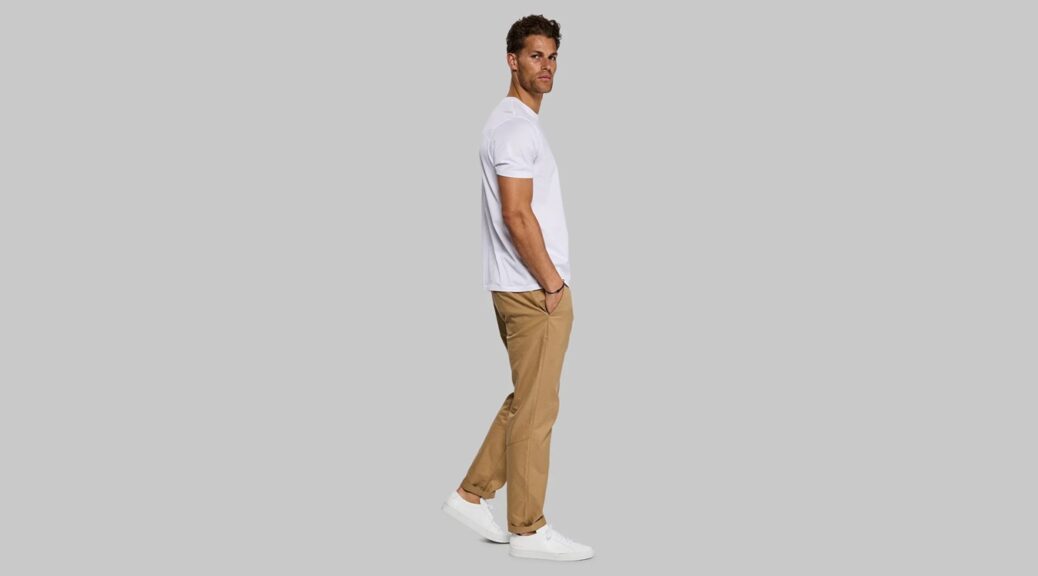
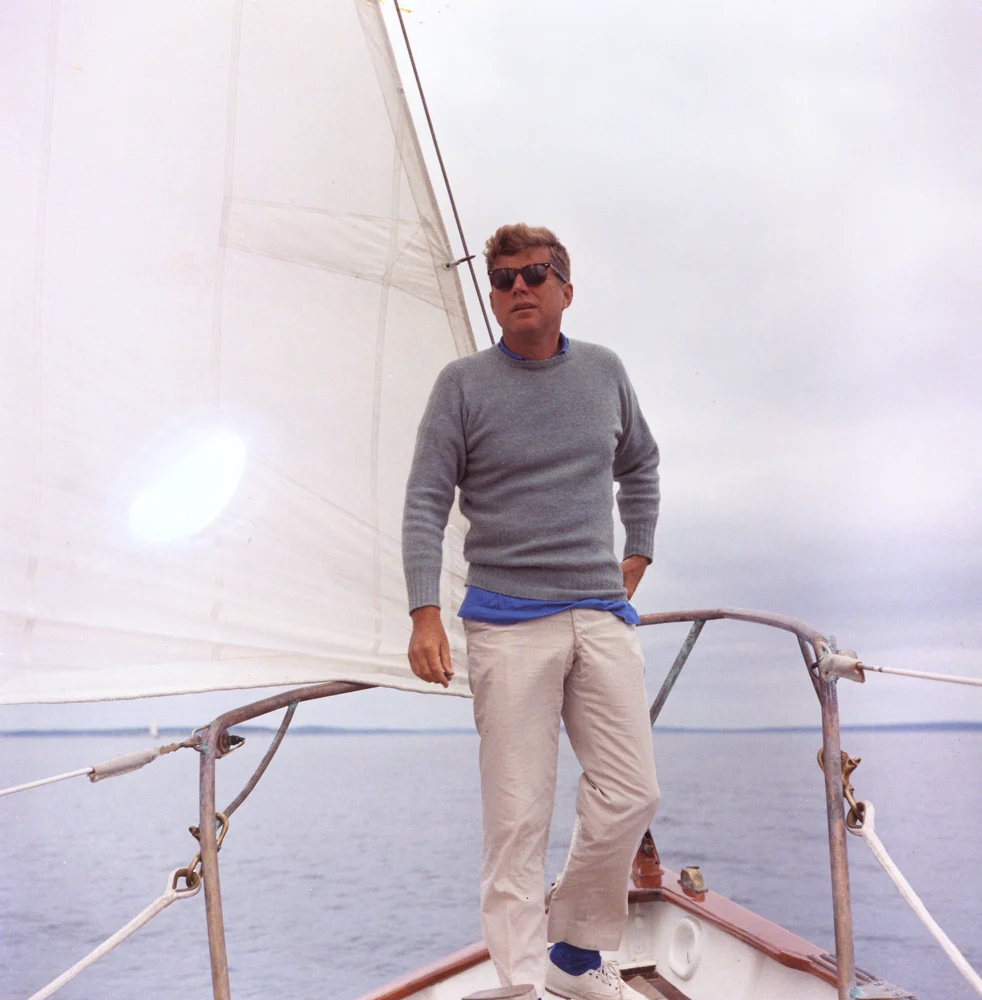
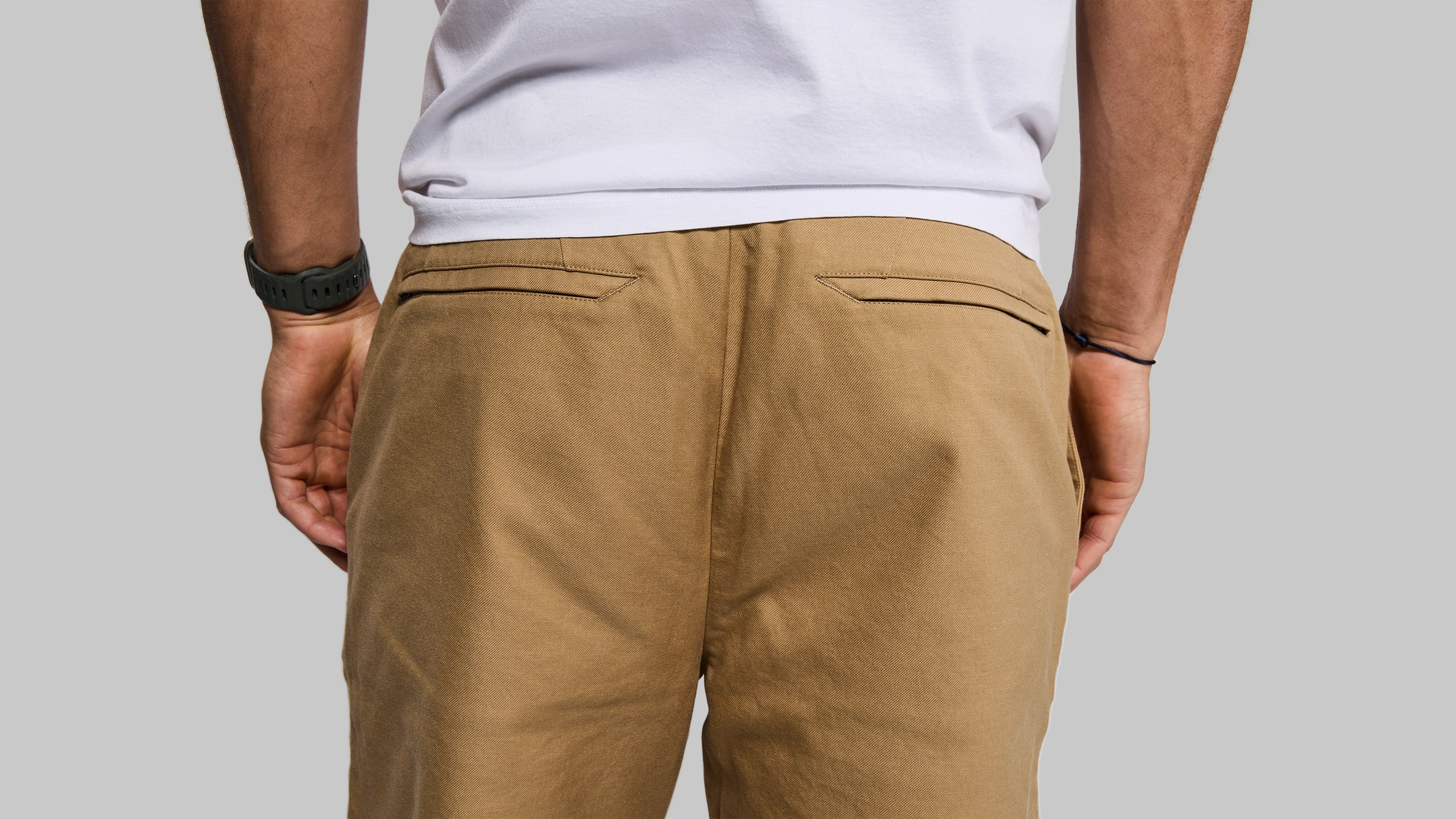

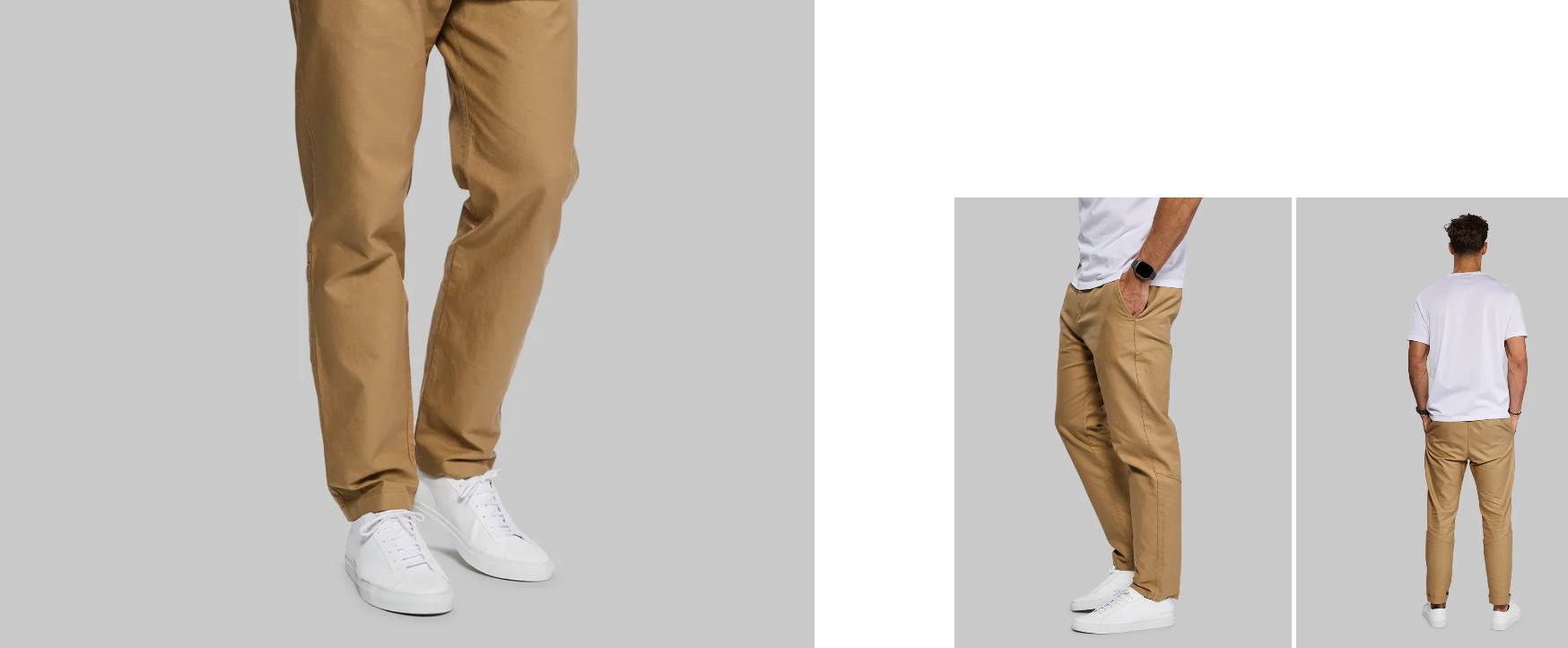
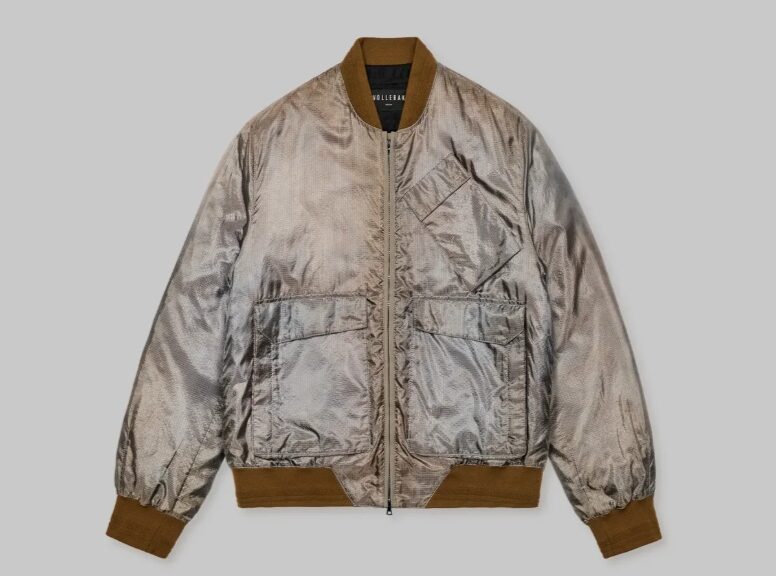
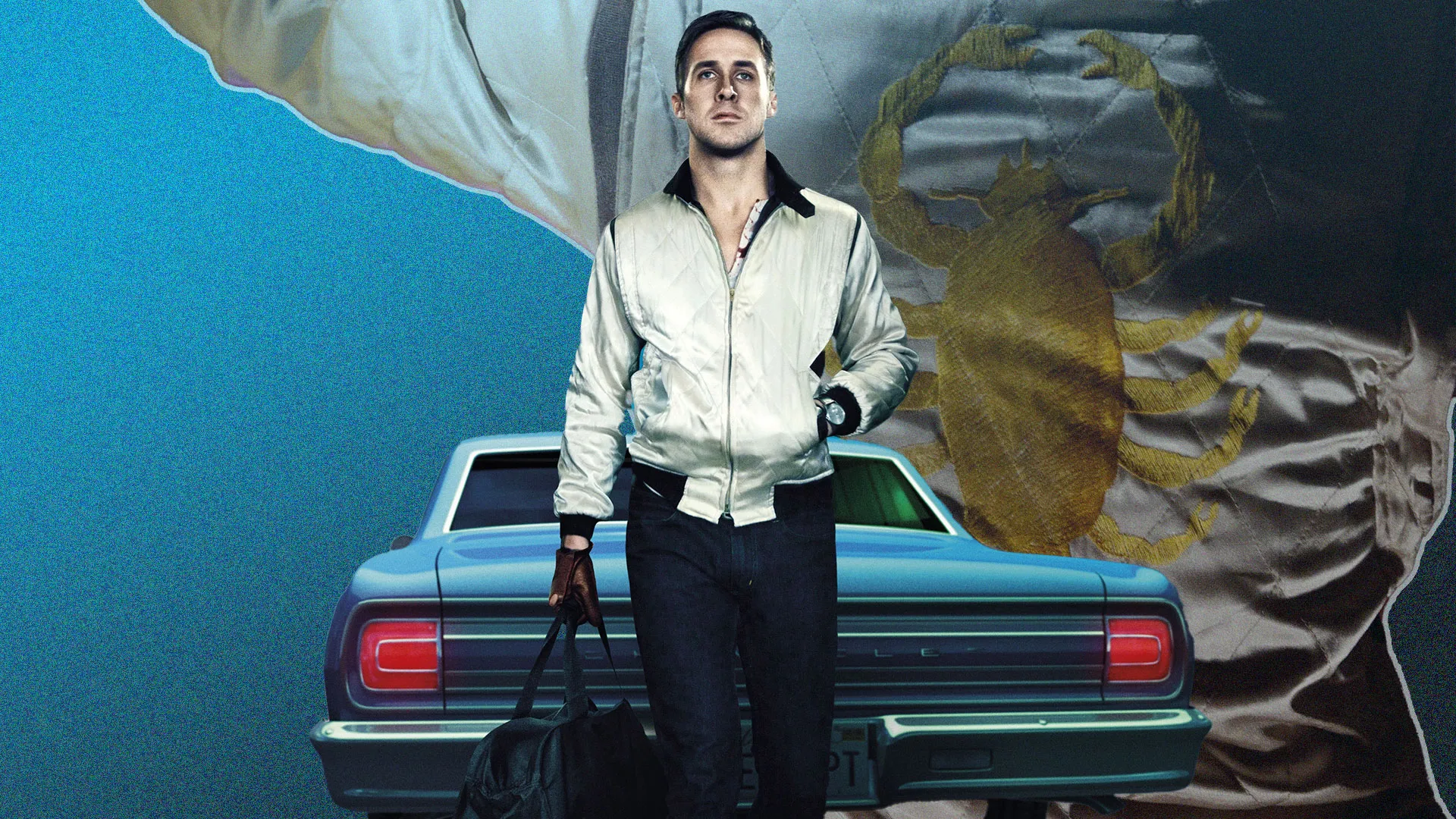
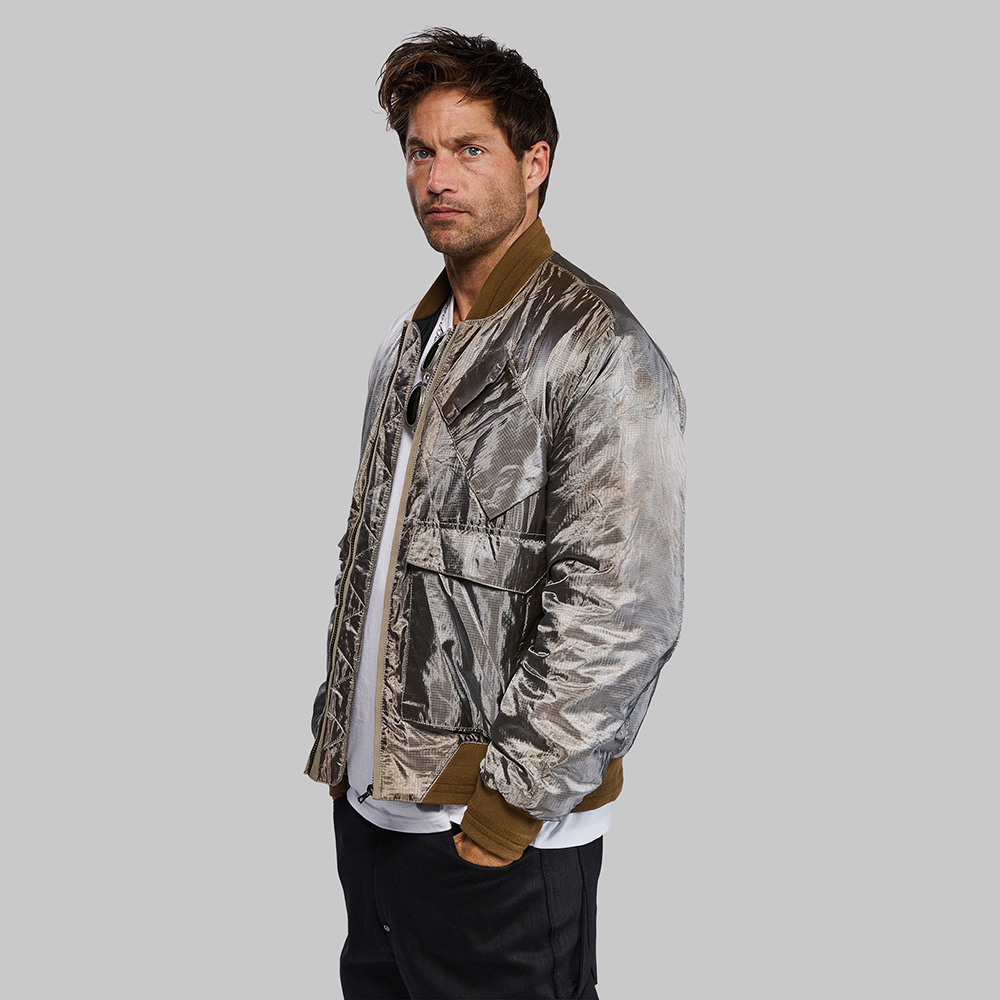
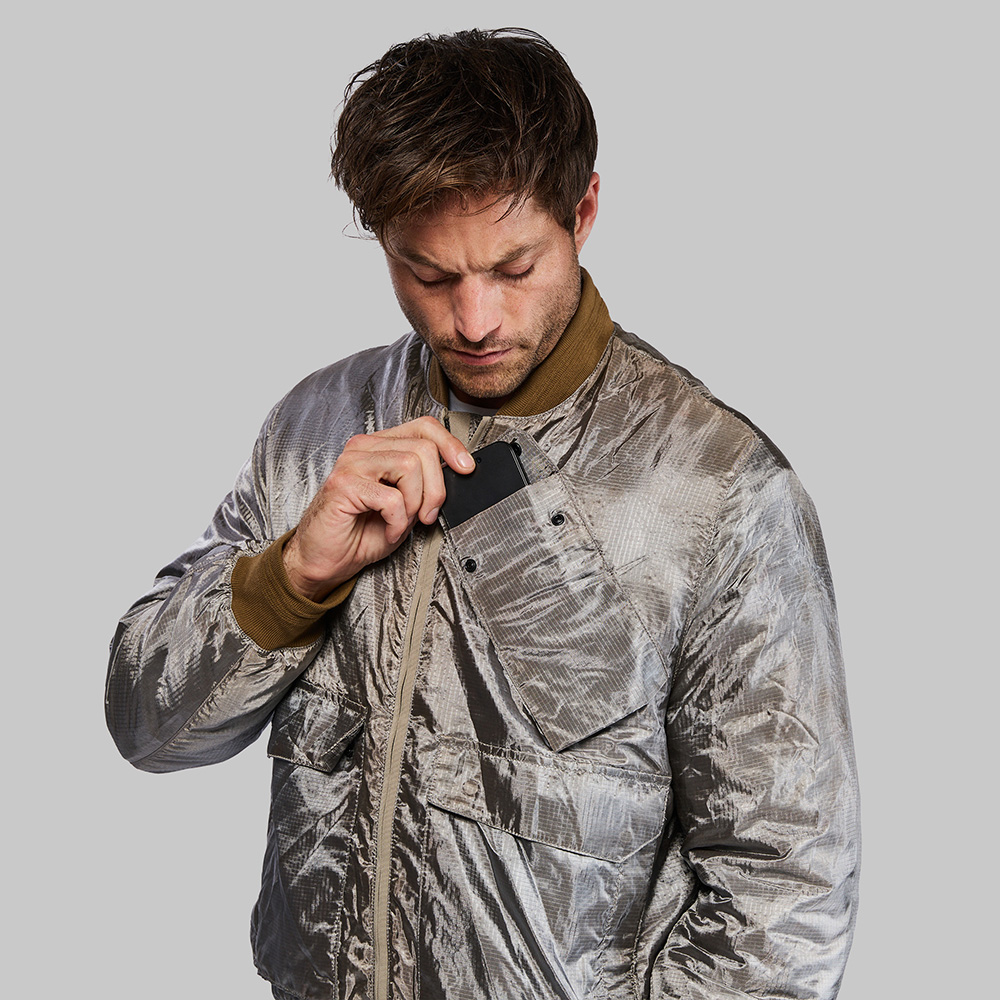


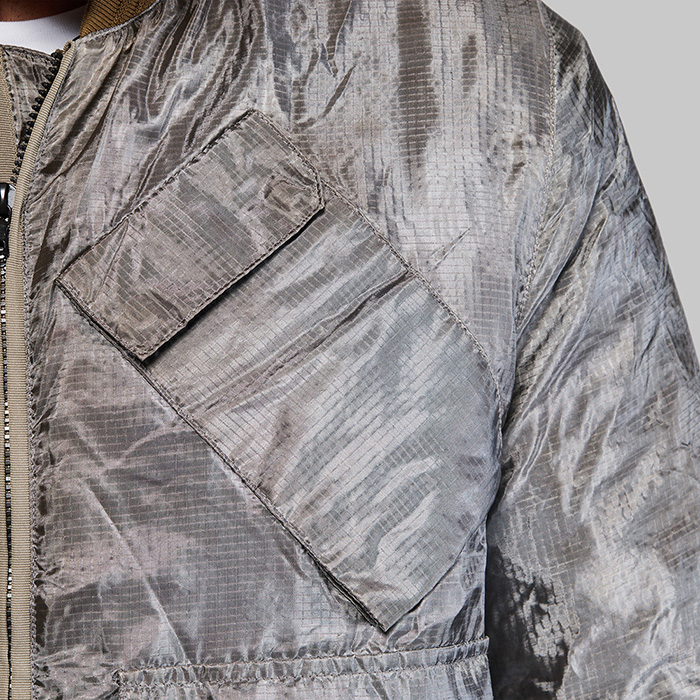
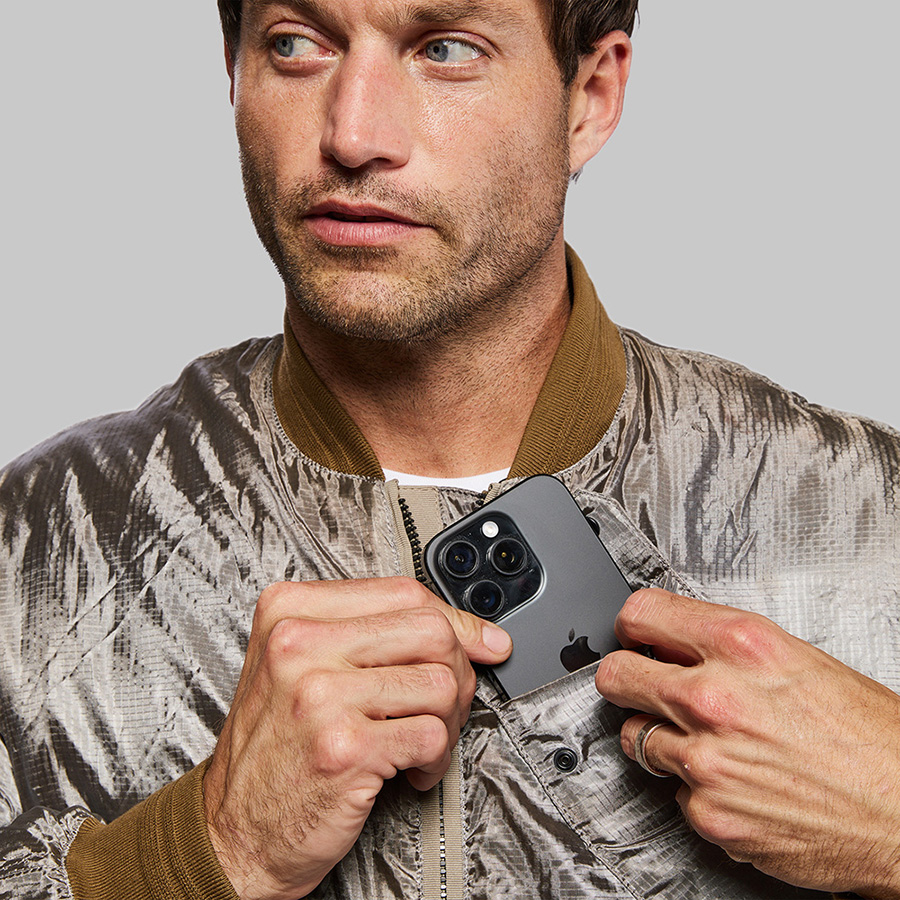
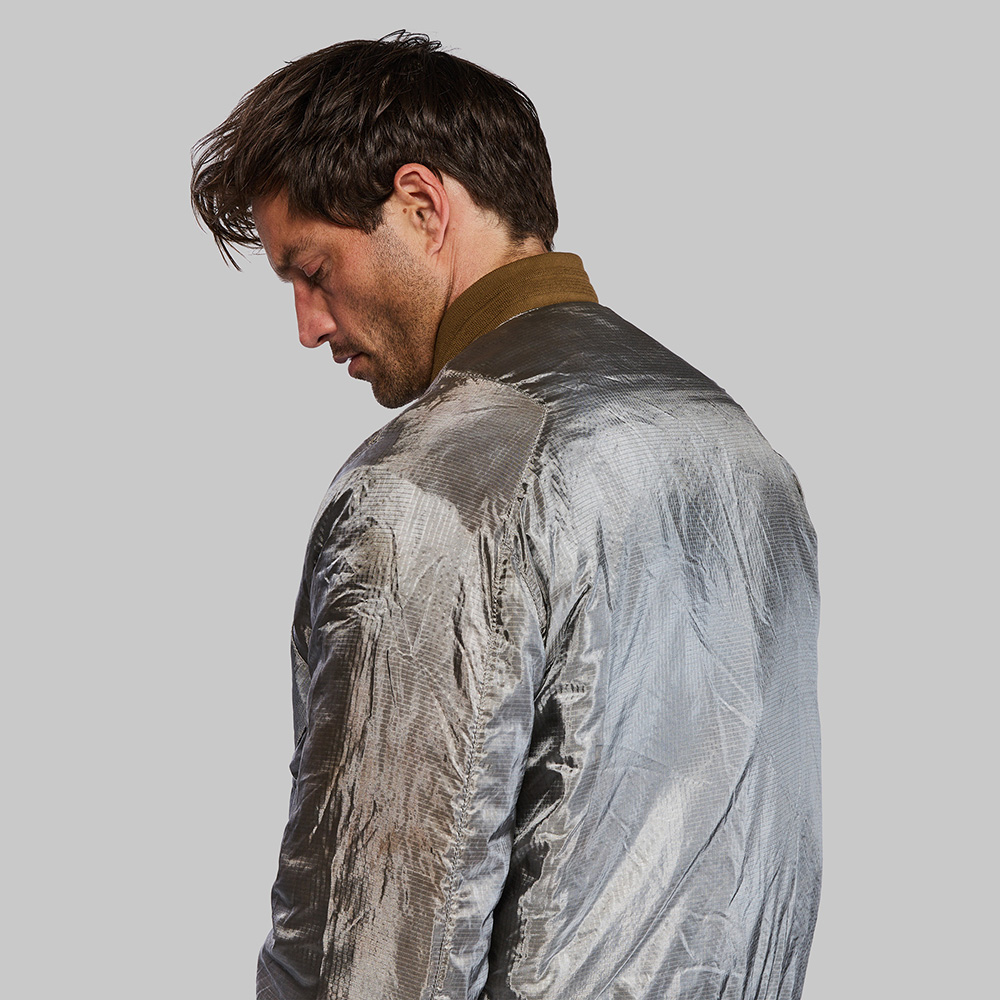
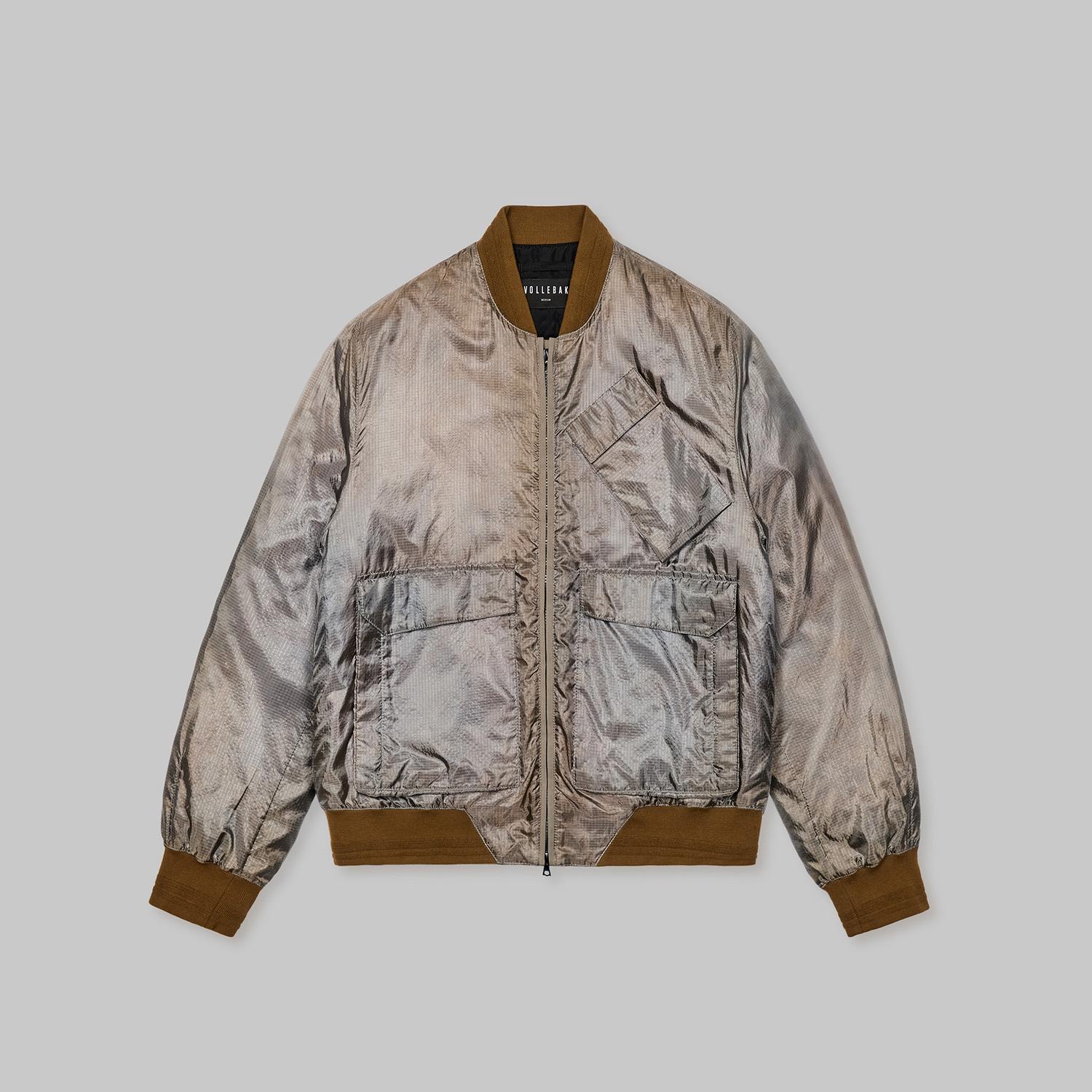
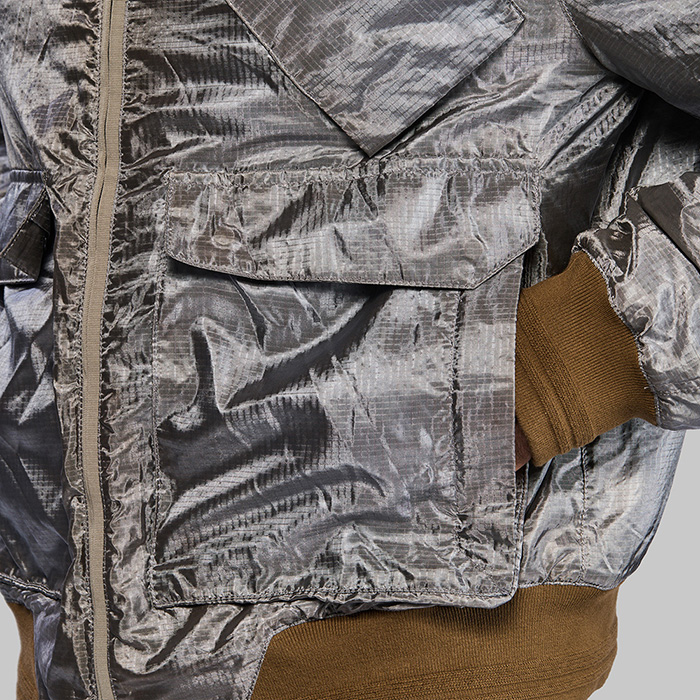
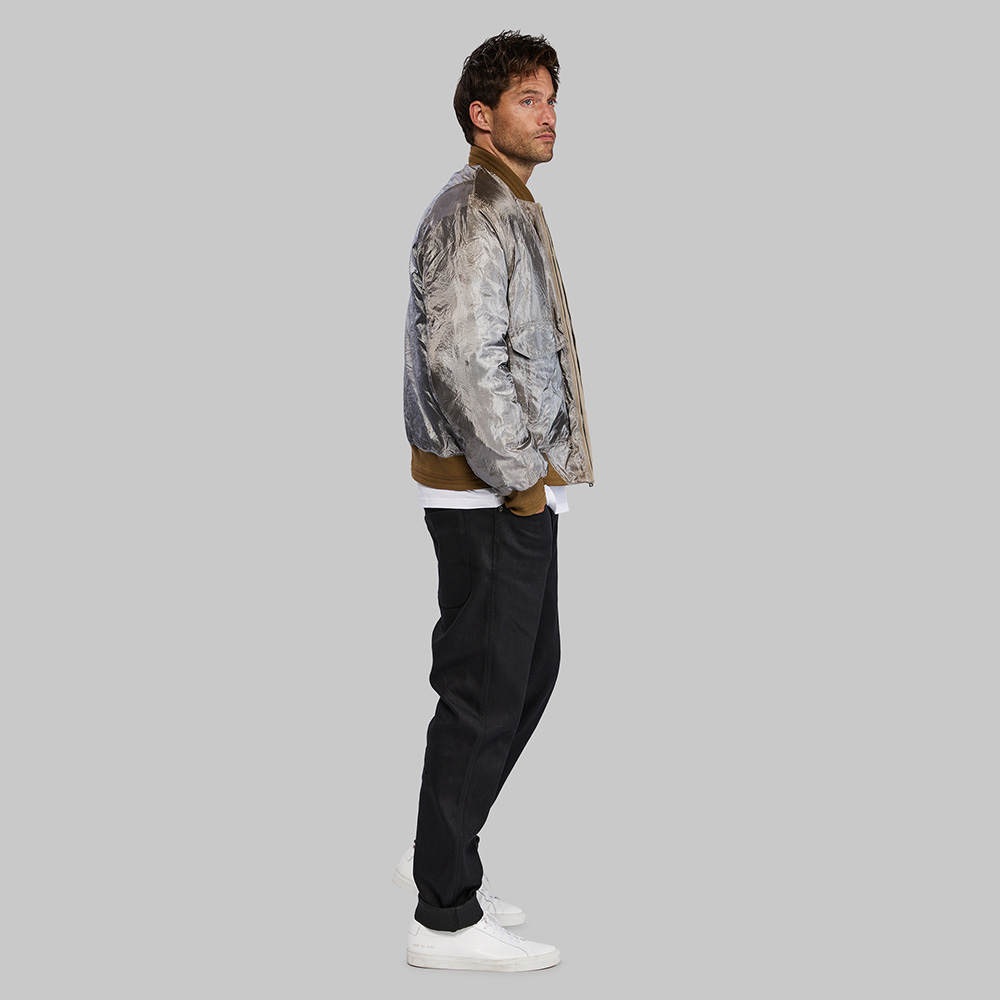

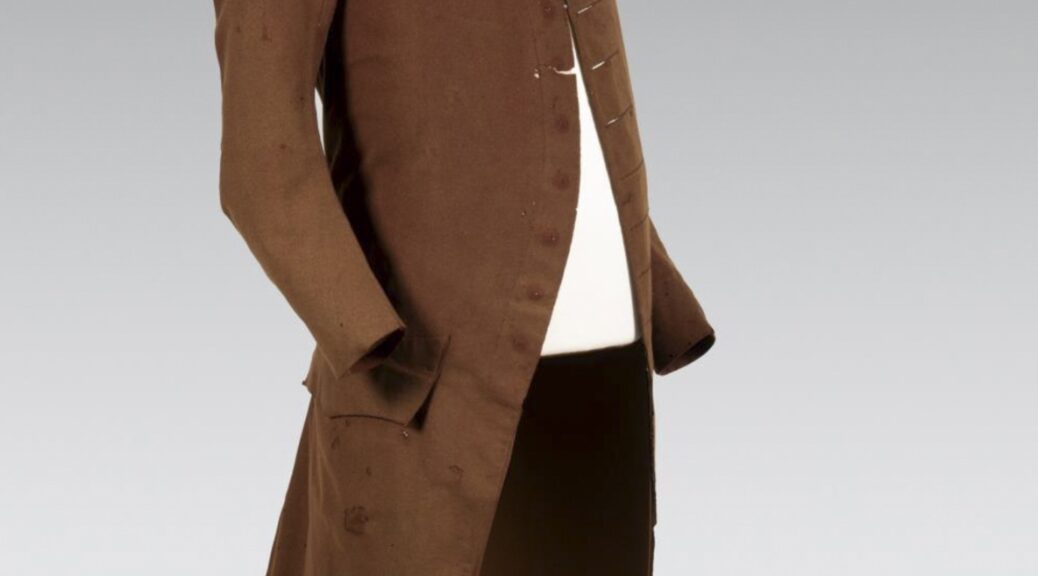

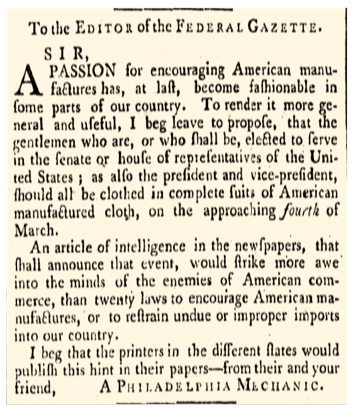
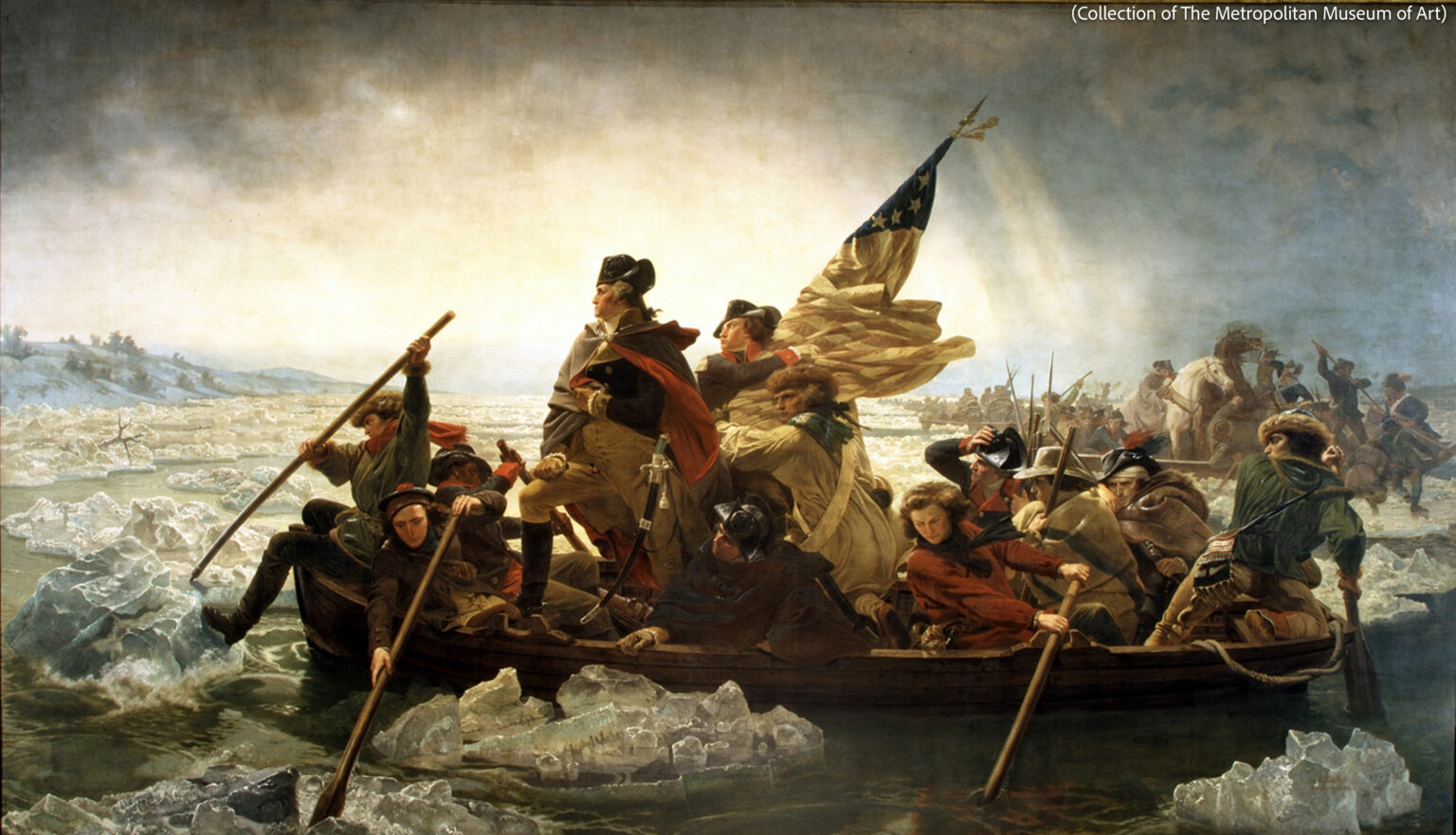



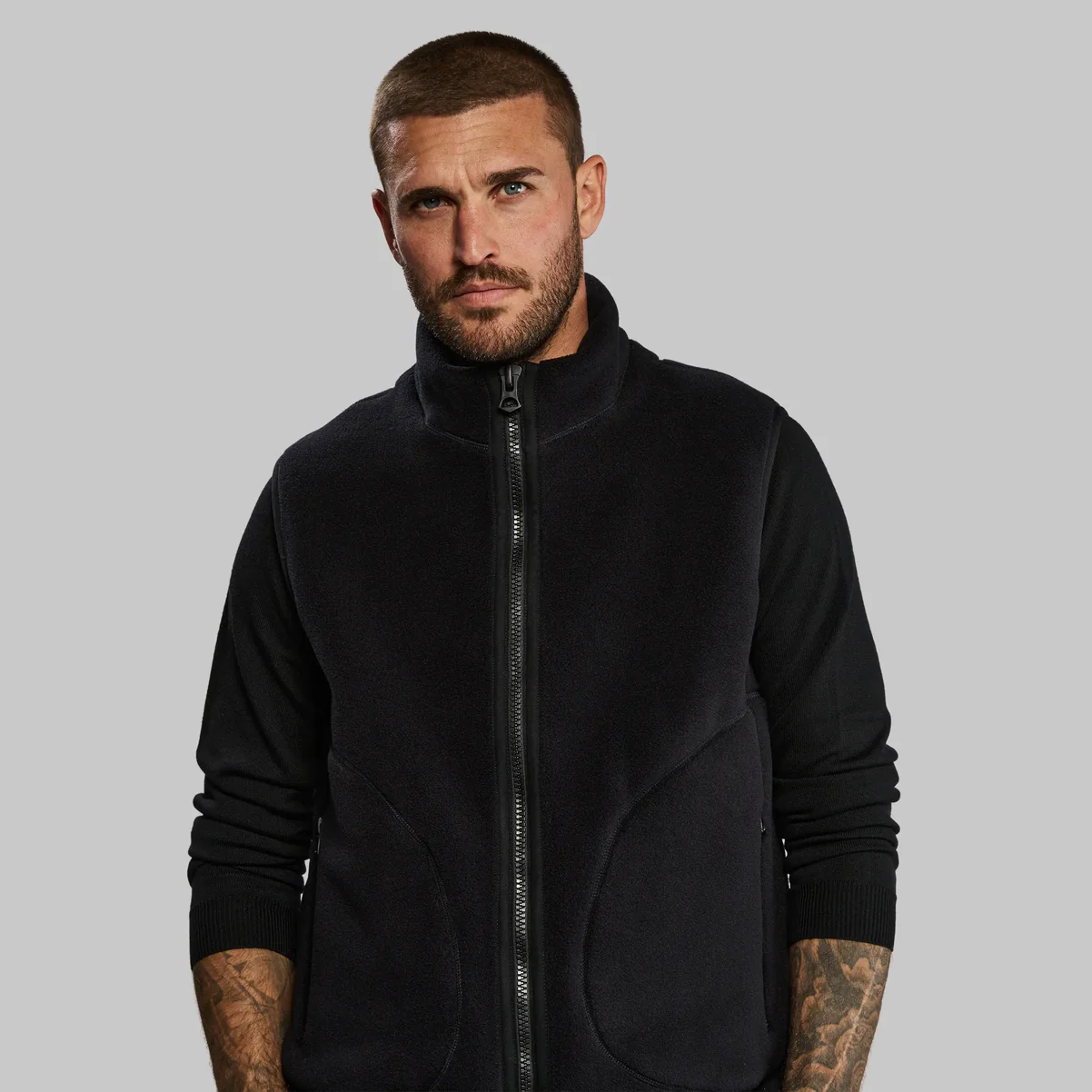






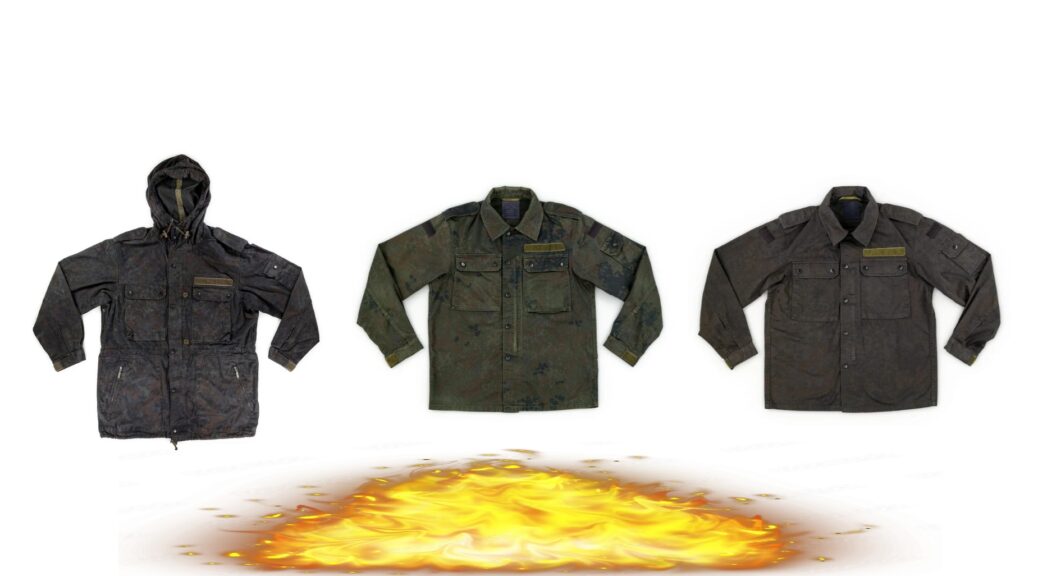
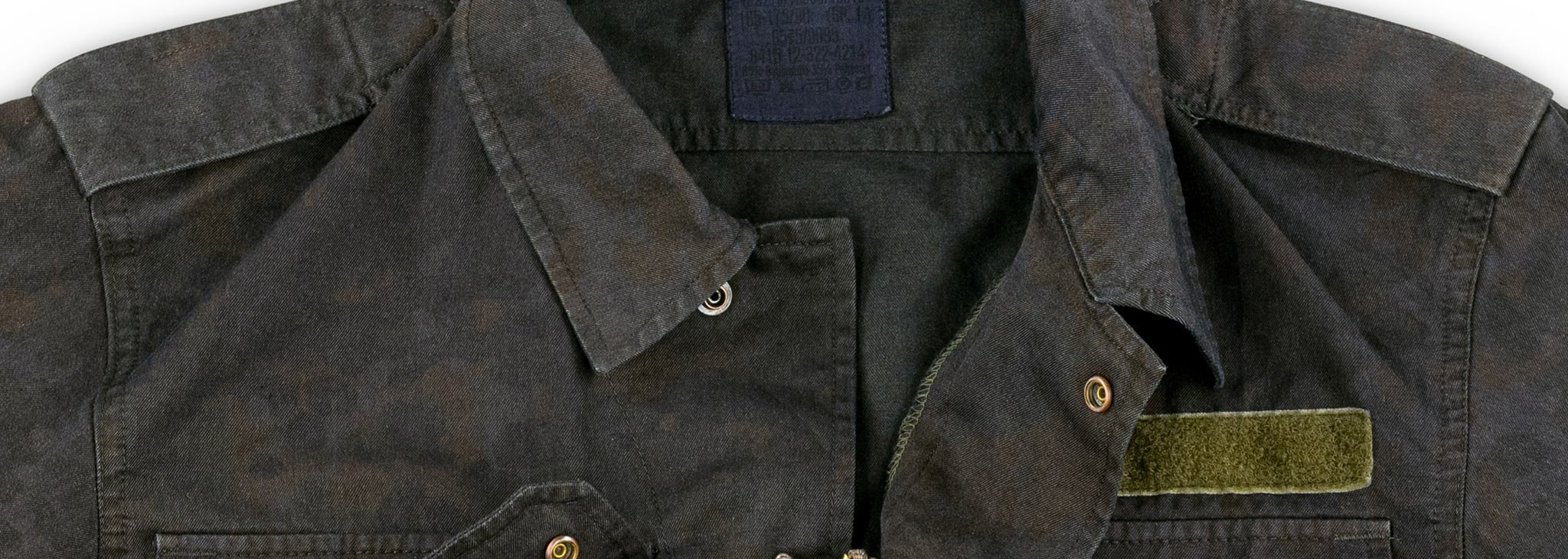
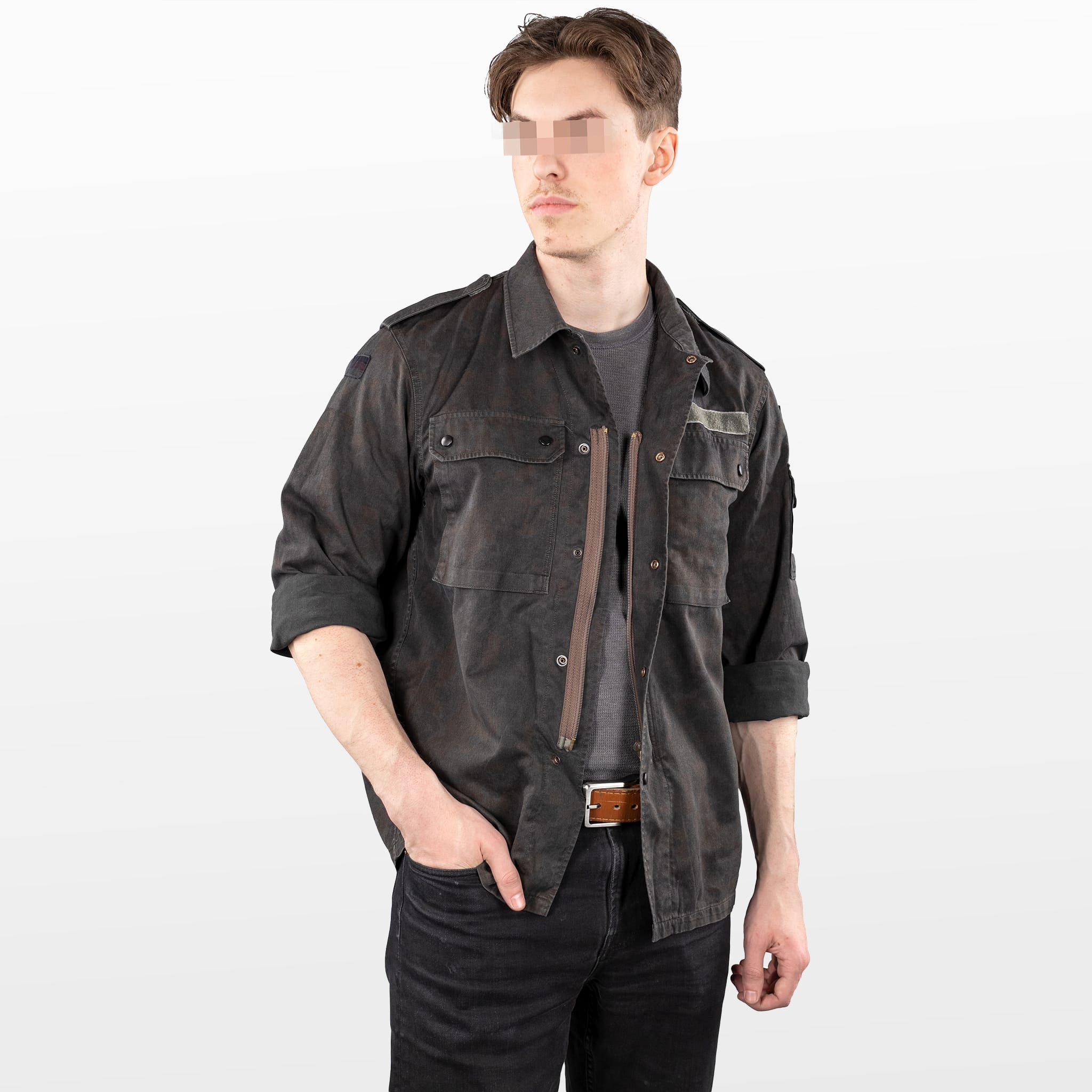
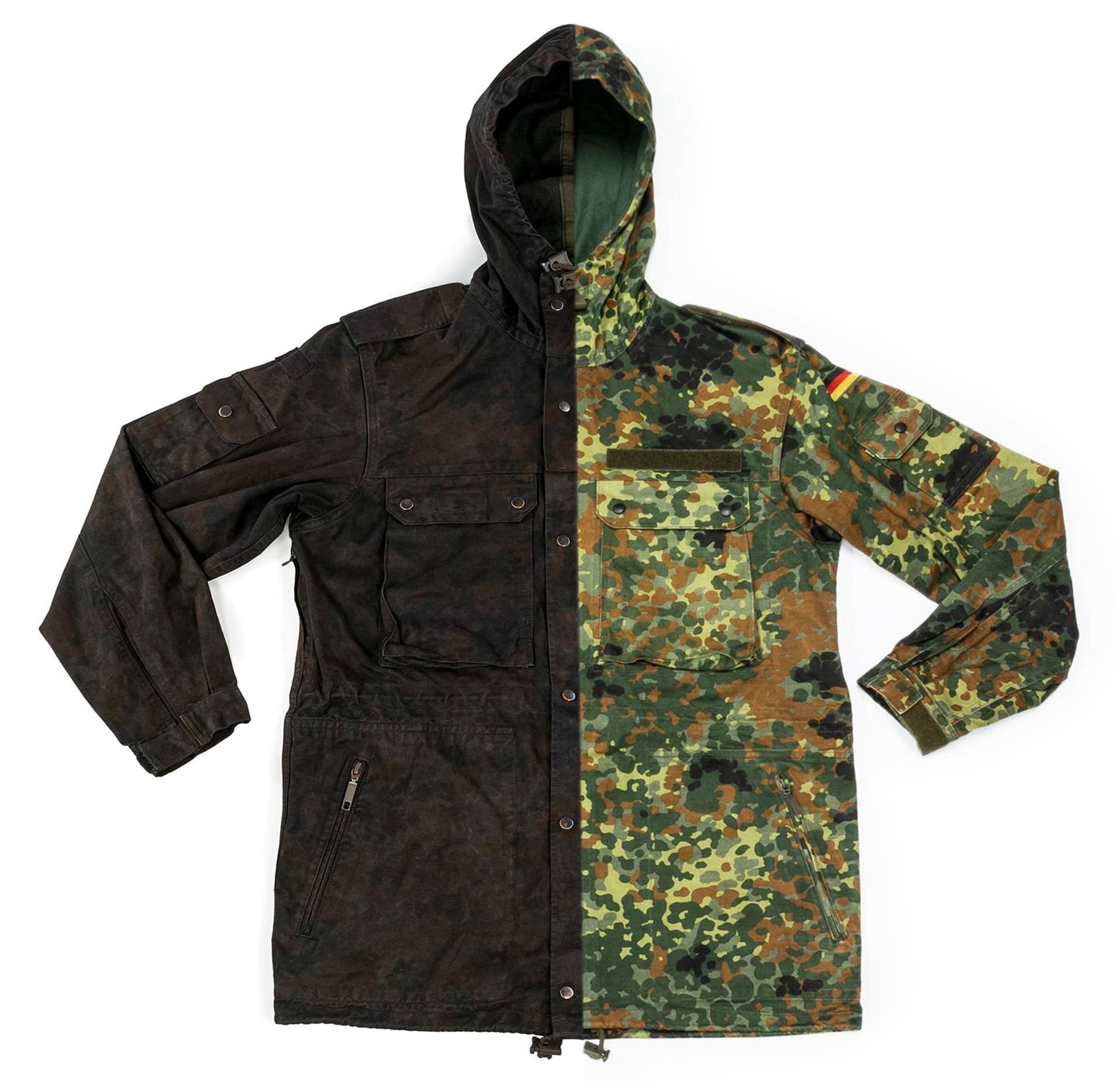
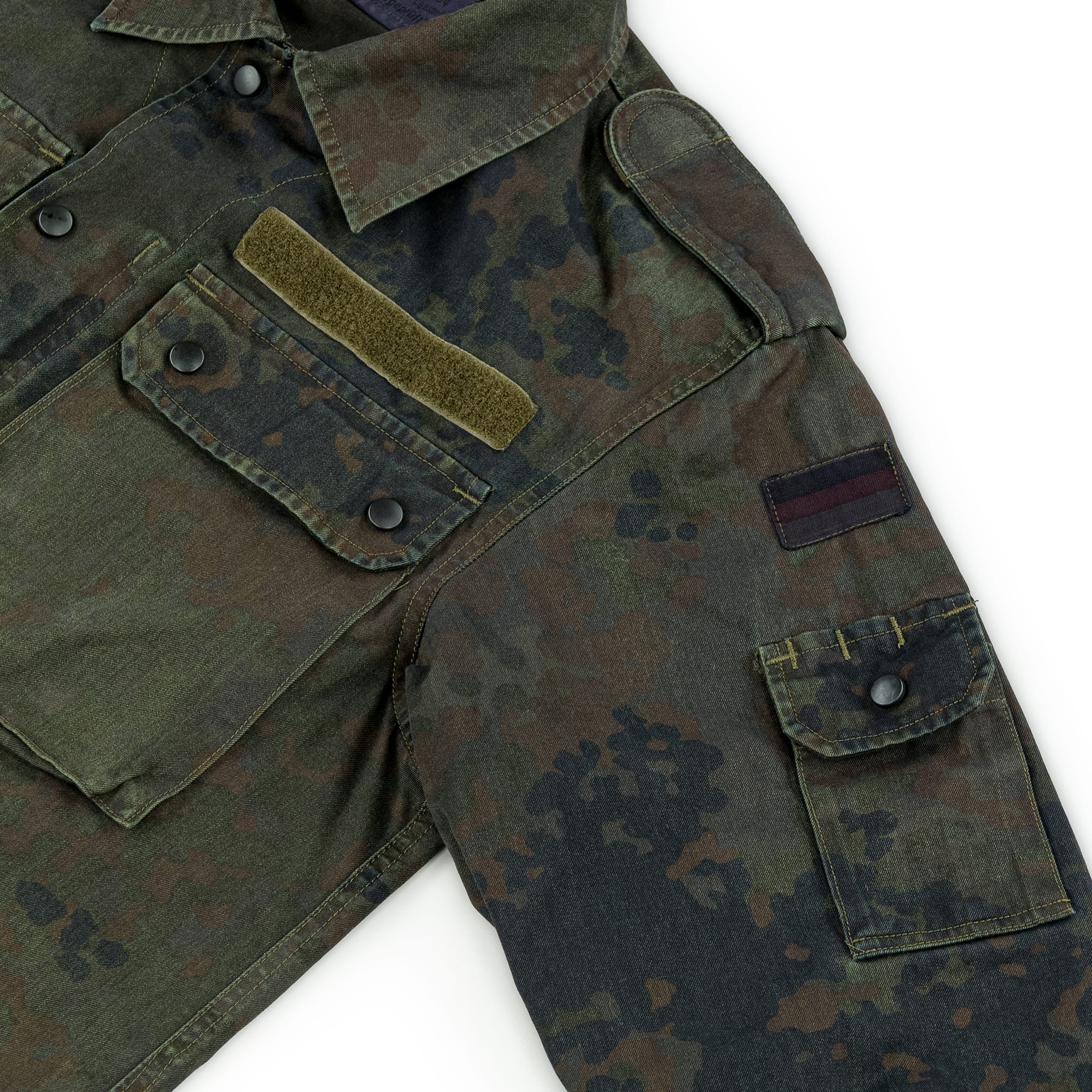
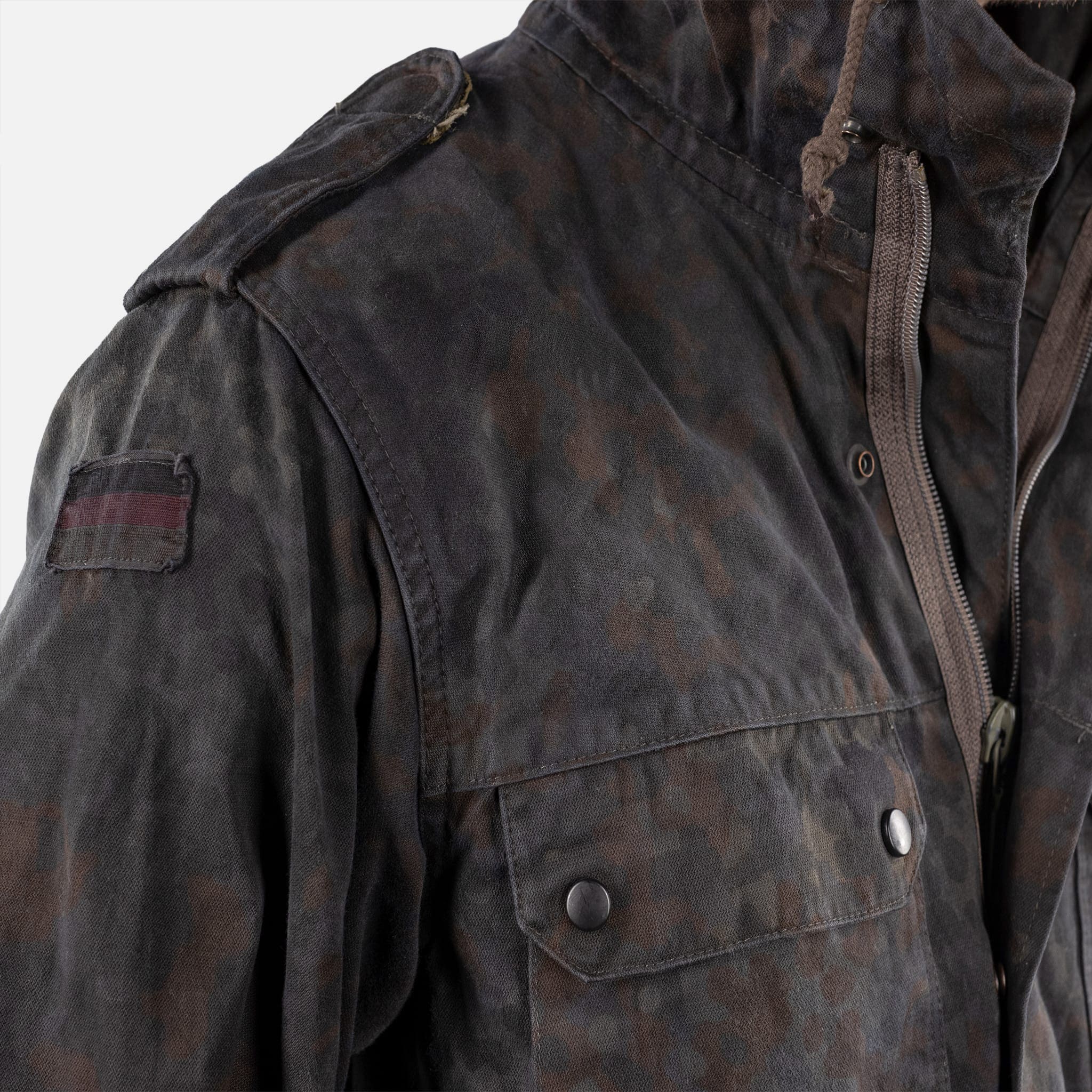
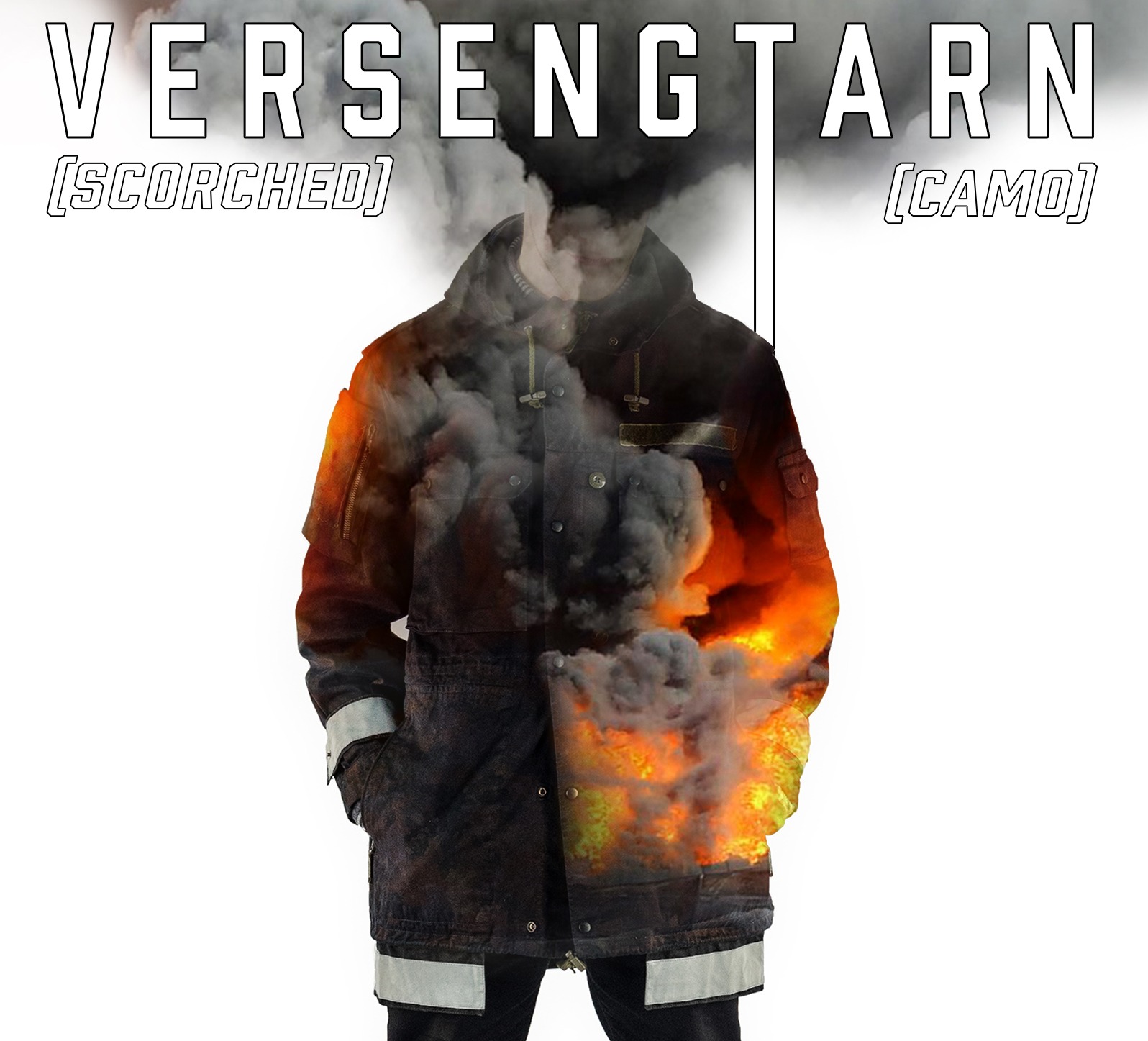

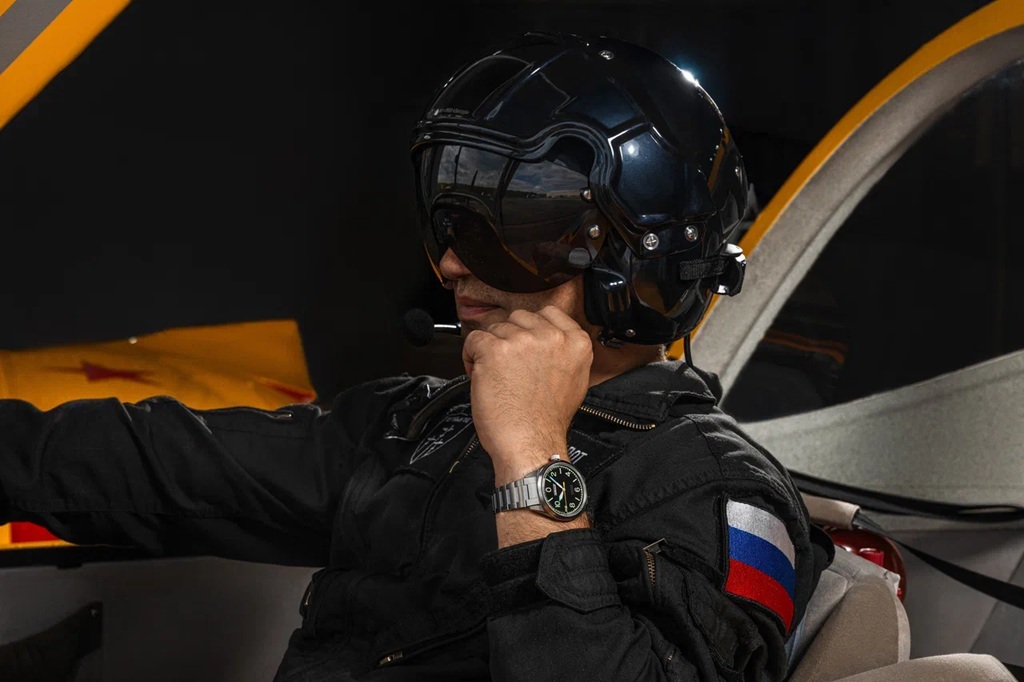
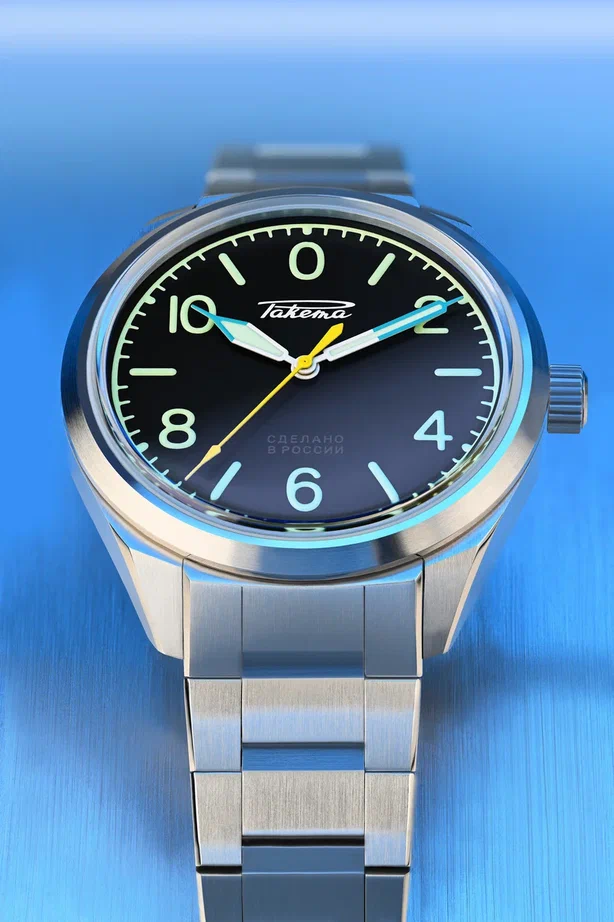
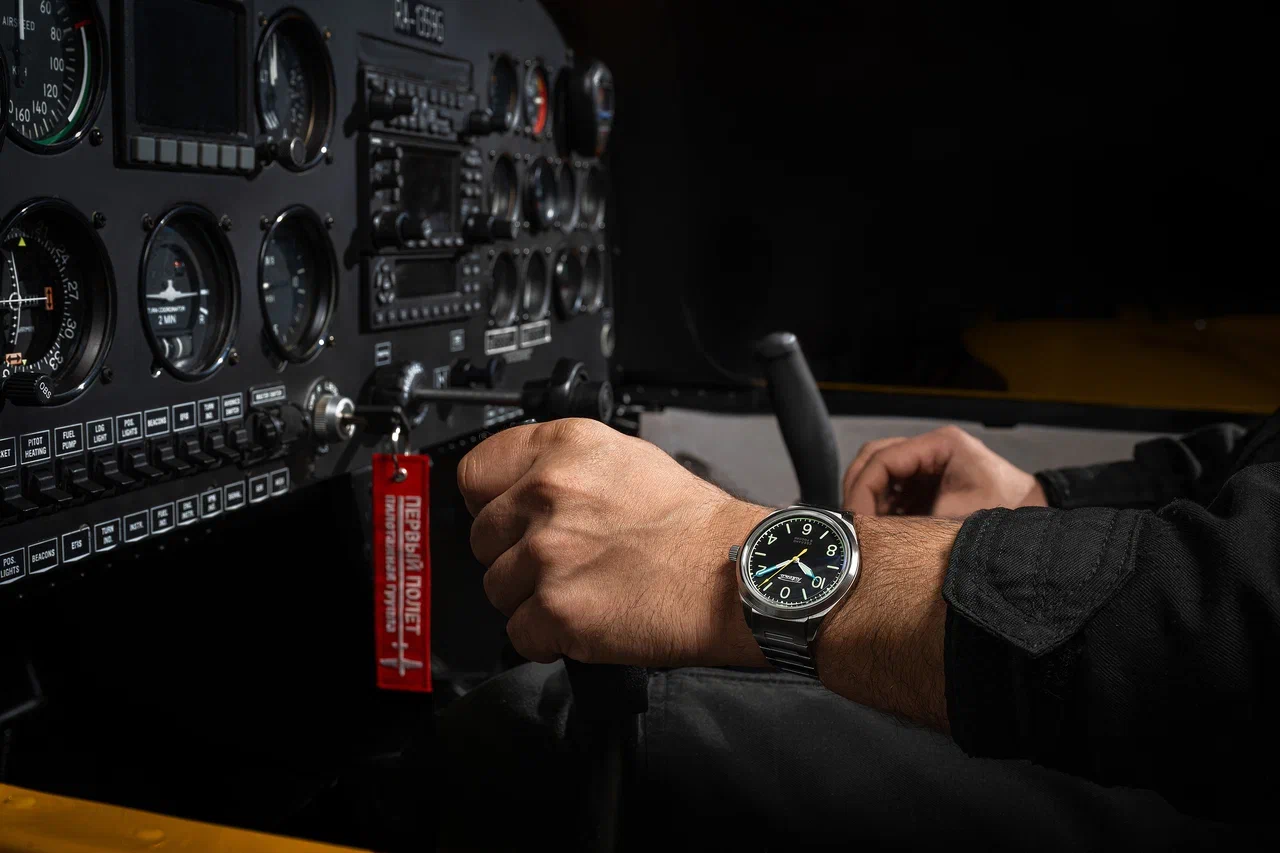

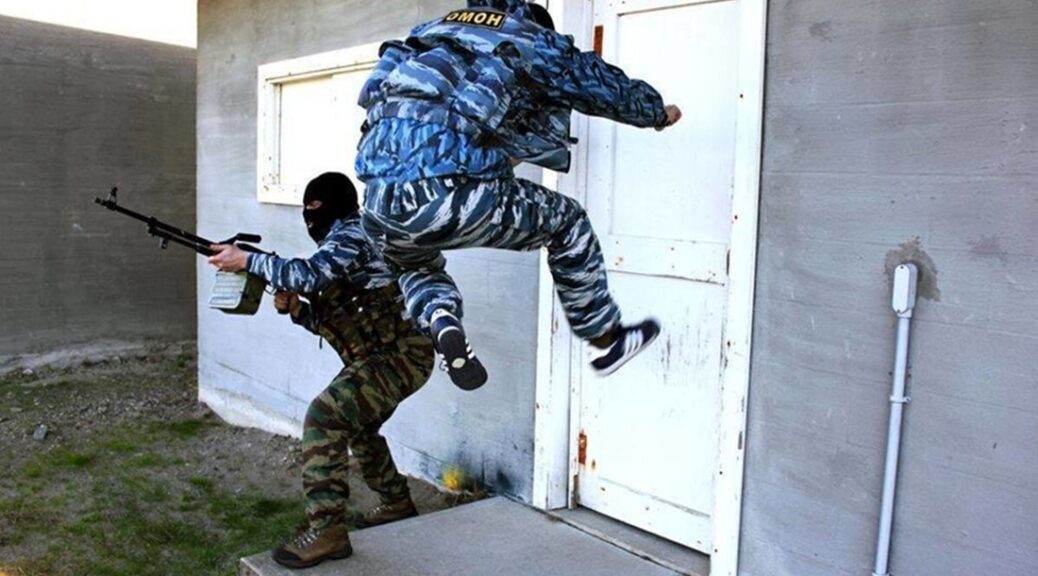

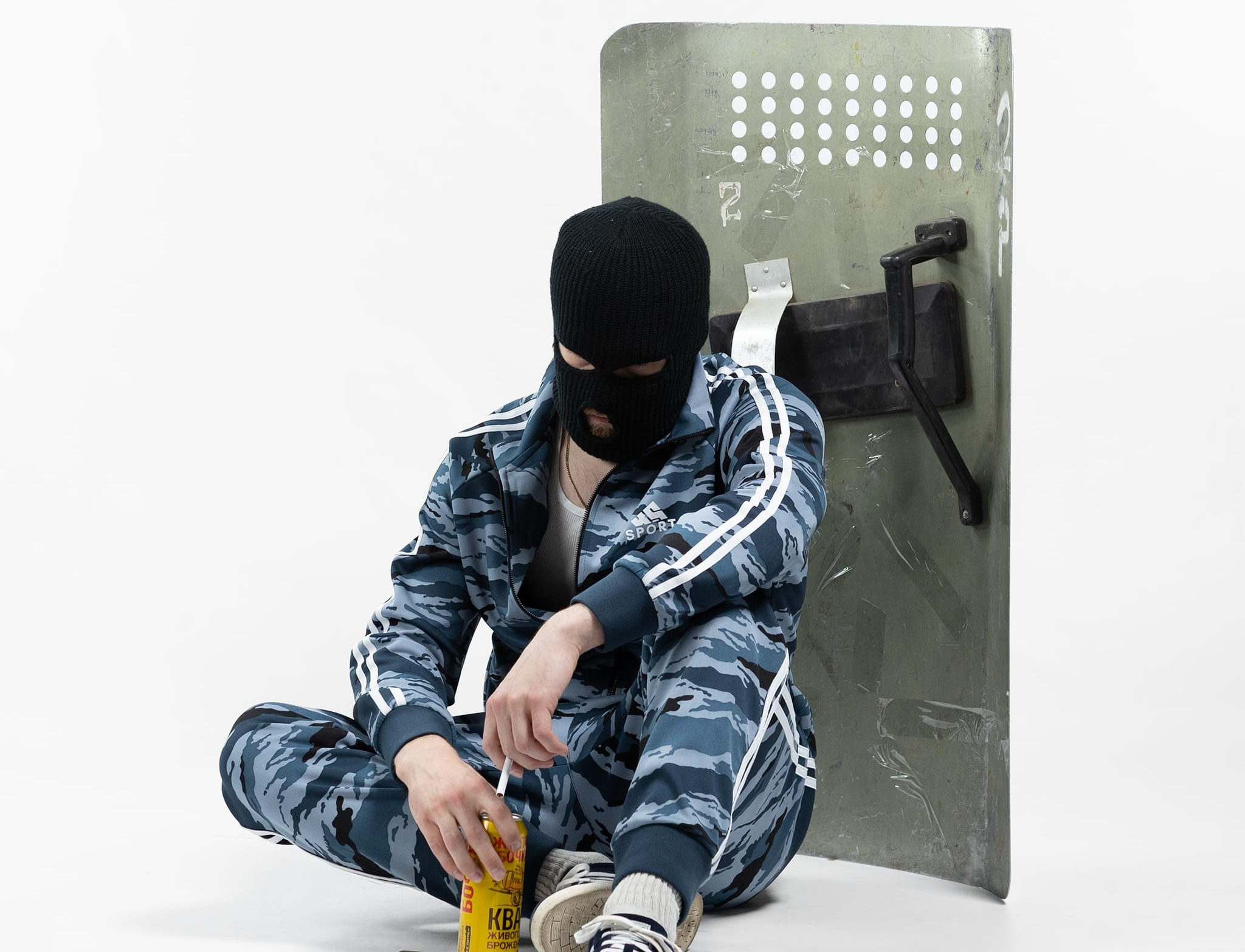
 While our friends at
  For more about what is undoubtedly the most insane camouflage ever sold surplus or not, keep on scrolling for the scoop…