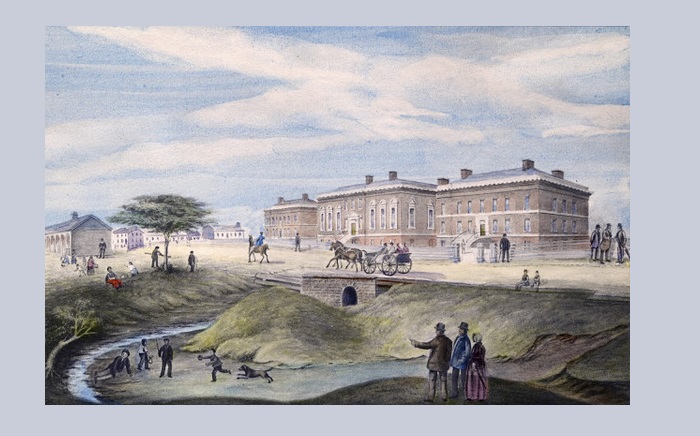
Well before the construction of Ontario’s present Queen’s Park Legislative Building, Ontario was governed as the British colony of Upper Canada.
After its formation in 1791, Upper Canada’s elected Legislature first met on September 17th, 1792. As no permanent structure was built to house the Legislature in Newark, now Niagara-on-the Lake, meetings took place in a variety of locations including Navy Hall—which also served as a residence for our first Lieutenant Governor John Graves Simcoe. The first legislators were also reputed to have met in Butler’s Barracks, and also under a large oak tree.

In 1793, a site at York, now Toronto, was chosen as the new location for Upper Canada’s capital. Lieutenant Governor Simcoe initiated plans for the construction of the colony’s first purpose-built Legislative Building. Completed in 1797, the “Palace of Government,” as it was known, was located near the present-day intersection of Front and Parliament Streets. Consisting of two small structures connected by a covered walkway, they were the first in York to be made of brick.
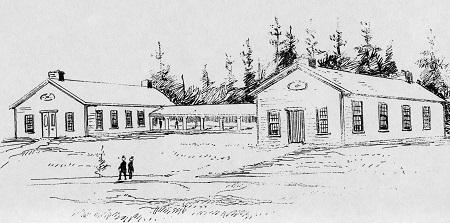
The Legislature met there until 1813, when the building was burned to the ground in the aftermath of the Battle of York during the War of 1812-14. During this American raid, the first Mace of Ontario—made for the Legislature of Upper Canada in 1792—was seized by the American soldiers. It was later returned in 1934 by President Roosevelt as a gesture of friendship. While waiting for construction of a new building, Upper Canada’s Legislature met in several temporary locations.
The next structure, completed in 1820 on the same site, was destroyed by an accidental fire in 1824. As before, sessions of parliament were held in temporary locations, including the court house and the general hospital.
In 1832, another structure at Front and Simcoe Streets served the province well, but by the 1870s, it was in poor condition. This prompted the Department of Public Works to formulate plans for a modern facility. The legislature continued to meet in the rapidly declining structure until the opening of the present Legislative Building at Queen’s Park in 1893.

The Legislature, which has become one of my places of business and almost a second home, was proudly opened on April 4th, 1893 by Ontario Premier Sir Oliver Mowat. It took six years to complete (1886-1892). People were thrilled by its beauty, expanse and grandeur—not to mention its electric lights and a new and exciting invention, electric elevators.
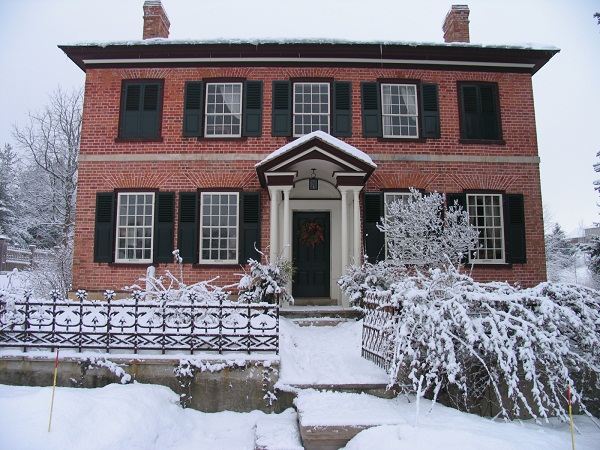
The beautiful building was designed by Architect Richard A. Waite in the Richardson Romanesque style, featuring heavy stonework, majestic rounded arches, and fanciful carvings. The exterior walls are pink sandstone and the roof was covered in slate. Oak floors and cast iron pillars lined the halls. Intricate details were added to every inch of the building’s interior and exterior.
The structure is divided into the East Wing, West Wing, and the North Wing, which was constructed later and opened in 1913.
All in all, the building is a large home-like meeting place where I work for my constituents and the people of Ontario.
When in Toronto, I would urge any lover of great architecture, history, and good government to come for a visit and learn more about our provincial parliament.
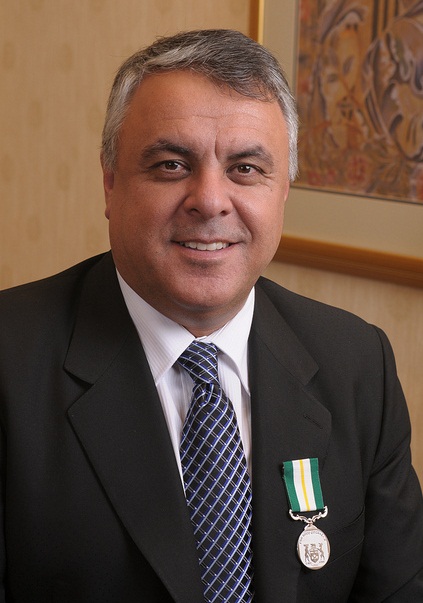
(Acknowledgement to Parliamentary Protocol and Public Relations “History and Heritage” brochure). For the Silo, Toby Barrett MPP for Haldimand-Norfolk.
Featured image-
Historical Maps of Toronto: 1834 Alpheus Todd Engraved Plan of the City




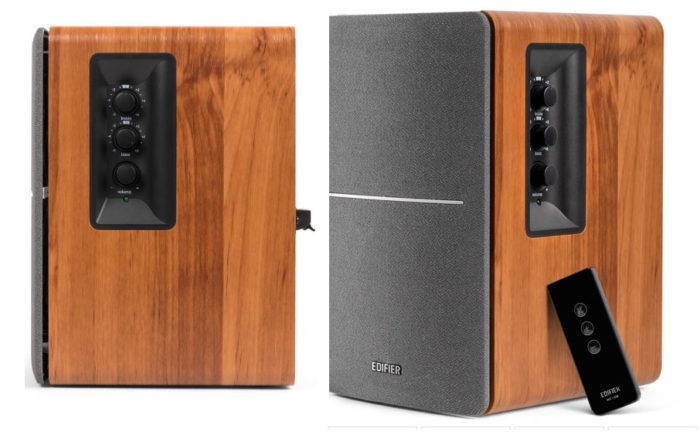
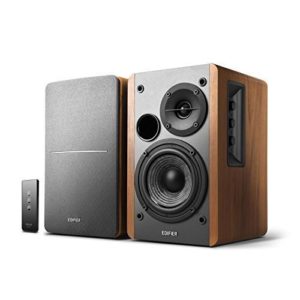 The speakers have a 102mm (4-inch) bass driver and a calibrated, flared bass reflex port augmented by a 13mm silk dome tweeter for a total output of 42W RMS (21W each speaker). An optional front cover can be removed to expose the speaker components allowing for a sleek look or a more exposed techie aesthetic. Use them with a television, computer, or other device, they sound great on any surface because of the design team’s passion for sound and for quality.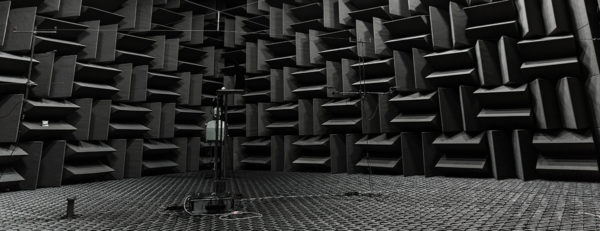
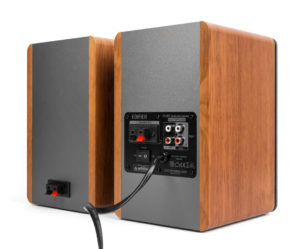 R1280T powered bookshelf speakers lets you connect to multiple audio devices using the dual RCA inputs. By looking at the back panel you can easily tell one of these is a passive speaker and one is an active speaker. The active speaker has two inputs located on the back. These inputs are perfect for RCA to RCA or RCA to AUX connections. Connect them to a PC, laptop, tablet, phone or record player. The speakers are connected to each other via regular speaker wire (included along with a generous variety of cables to ensure you enjoy your music from most devices right out of the box- if you require digital connections or bluetooth Edifier make a larger model).
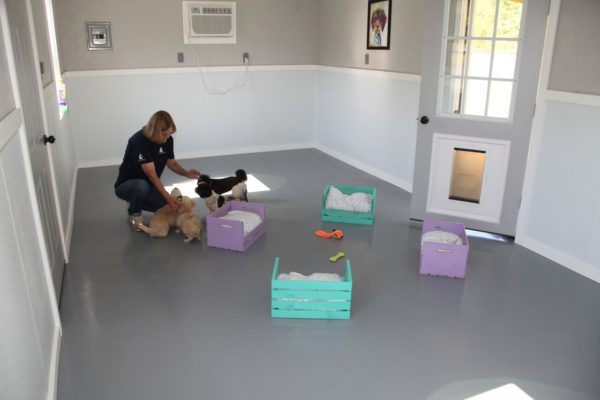









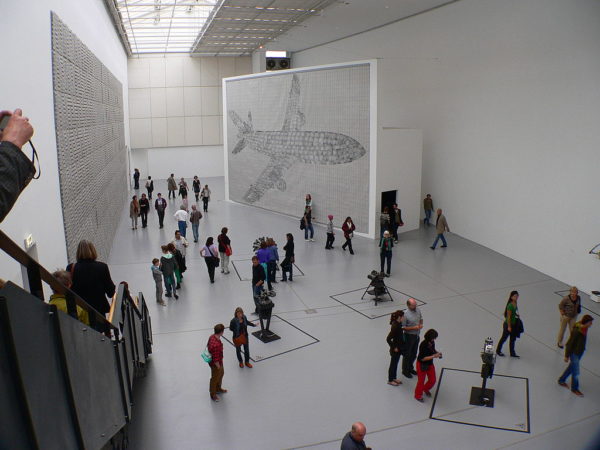
 This year’s exhibition is rooted in Alvin Toffler’s 1970 book, Future Shock. Toffler examined the idea of collective shock as a result of living during a time of extreme change. Spinning out from the ancient curse, “may you live in an era of change” this year’s biennale seeks to disrupt the notion that extreme change is outside the ordinary and instead posits that all of human existence has been based around rotating times of chaos and calm. Open call for the 2017 biennale ended in December, but for future events (the next is slated for 2019) artists are always welcome to contribute their work for consideration.
 And in 2015 Saltwater: a theory of thought forms. The 2017 biennial is working in collaboration with the 2017 Istanbul film festival, both of which are exploring the title topic A Good Neighbor. In addition to the contemporary art program, the biennial will include ten feature and five short films all curated by Elmgreen and Dragset. The films (as well as the art) will look at the concept of home as a means of portraying identity and the intricacies of community and co-existence. The 2017 Istanbul Biennial runs from September 16-Novermber 12.