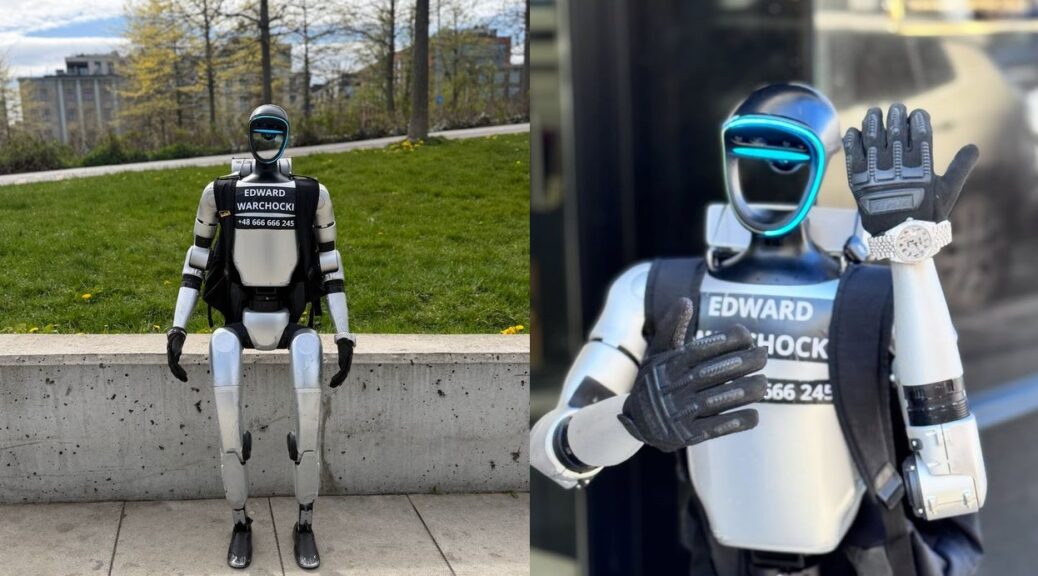
Today 10 October, Vilnius’ leading contemporary MO Museum has opened How to Feel Real. Art, Technology and Us, exploring how technology is changing the way we experience reality. This opening also features an unusual guest: Poland’s viral humanoid robot influencer Edward Warchocki.
● Humanoid robot Edward will move through the museum and interact with visitors, respond to artworks, and take part in the opening program.
● The showcase is not a traveling exhibition, but developed through an intensive co-creative process in collaboration with Germany’s ZKM | Center for Art and Media Karlsruhe, one of Europe’s leading institutions for media art.
● It brings together more than 40 artists, from media art pioneers to contemporary artists working with AI, algorithms, and immersive technologies.
● Among them are Nam June Paik with his famous Internet Dream, Christa Sommerer, Laurent Mignonneau, and Anna Ridler.

Humanoid Influencer Edward Warchocki Is Heading to New Vilnius Exhibition, Asking What Does it Mean to Feel Real
Humanoid robot influencer Edward Warchocki at the Exhibition How to Feel Real © Mo Museum
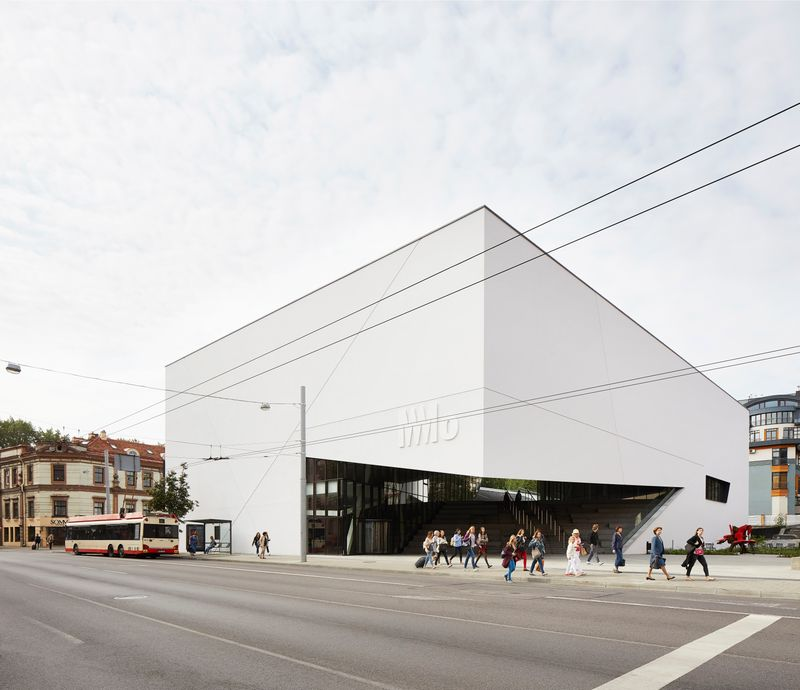
October 2026 – Vilnius, Lithuania. Housed in a contemporary building designed by world-renowned architect Daniel Libeskind, MO Museum has become a leading force in the country’s modern cultural scene.
The new exhibition features landmark works from ZKM’s collection, which has a long-standing focus on Eastern Europe, and marks yet another collaboration with the MO Museum. How to Feel Real explores questions that are becoming increasingly urgent in a world shaped by technology: how do we feel real, and what does it mean to be alive?
One of its first visitors to see the artwork at MO Museum will be a humanoid robot from Poland.
Edward Warchocki, Poland’s first viral humanoid robot influencer, will join the MO Museum exhibition opening.
Built on a Unitree G1 humanoid platform and developed by Warsaw-based MERA Robotics, Warchocki has been given his own public persona, voice, and social media presence. In 2026, he moved from being a robotics project to an internet personality. Edward became a viral sensation after footage of him chasing wild boars through the streets of Warsaw spread online. He has since appeared in Poland’s Parliament, met senior politicians, and become a familiar figure on Polish television.
“Quite a few of the works in How to Feel Real explore artificial intelligence, automation, and the ways machines are increasingly taking on roles we once considered distinctly human. Bringing Edward into the museum is a playful extension of this idea, as his deliberately human-like and slightly absurd persona makes the questions raised by the exhibition tangible – inviting us to wonder why we are so eager to find the human in a machine,” said Milda Ivanauskienė, Director of MO Museum.
During the event, Edward will move through different spaces of the museum, interact with visitors, comment on artworks, and take part in the opening program in Lithuanian, English, and Polish languages.
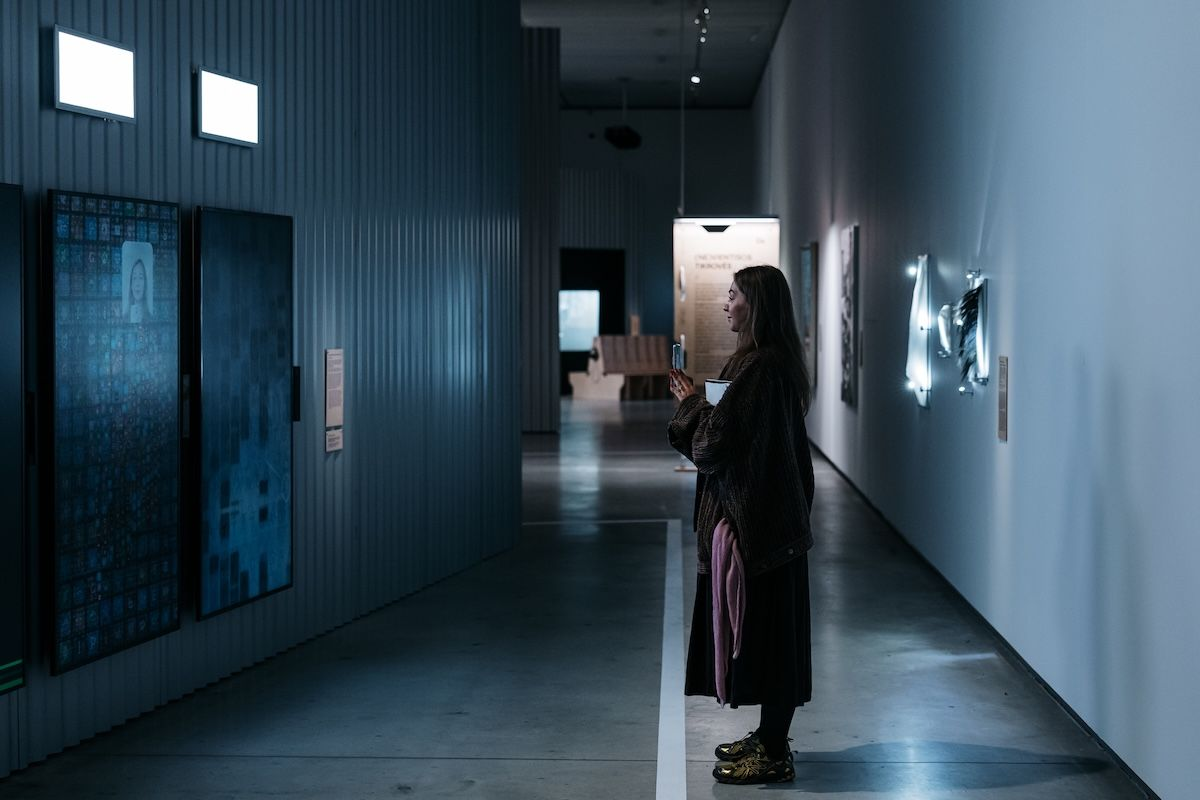
Exhibition How to Feel Real © Domas Rimeika
“People keep asking me if I’m real, so when I heard about an exhibition asking what ‘real’ actually means, I thought: finally, someone is asking the right question. I’m coming to the beautiful Vilnius to see what the artists have to say – and, of course, to check whether they think I’m real,” said Edward Warchocki.
The exhibition moves beyond the familiar divide between techno-optimism and techno-pessimism. Alongside critical works about technology and power, visitors will encounter playful experiments, immersive environments and new aesthetic forms.
Organised around some of today’s most pressing themes – connection, automation, intelligence, body, and agency – the exhibition brings together works created predominantly from the 1990s to the present day. Together, they trace a conversation between artists’ early encounters with computers and the internet and contemporary responses to AI, and the growing digital mediation of everyday life.
“Our aim was to explore the latest technologies – including AI, quantum computing, robotics, and biotechnology – through the artists’ works. Art goes beyond the technology itself; it’s about broader questions regarding how we interact with technology and, thus, with the world,” said Philipp Ziegler, Head of Curatorial Department, ZKM | Center for Art and Media Karlsruhe.
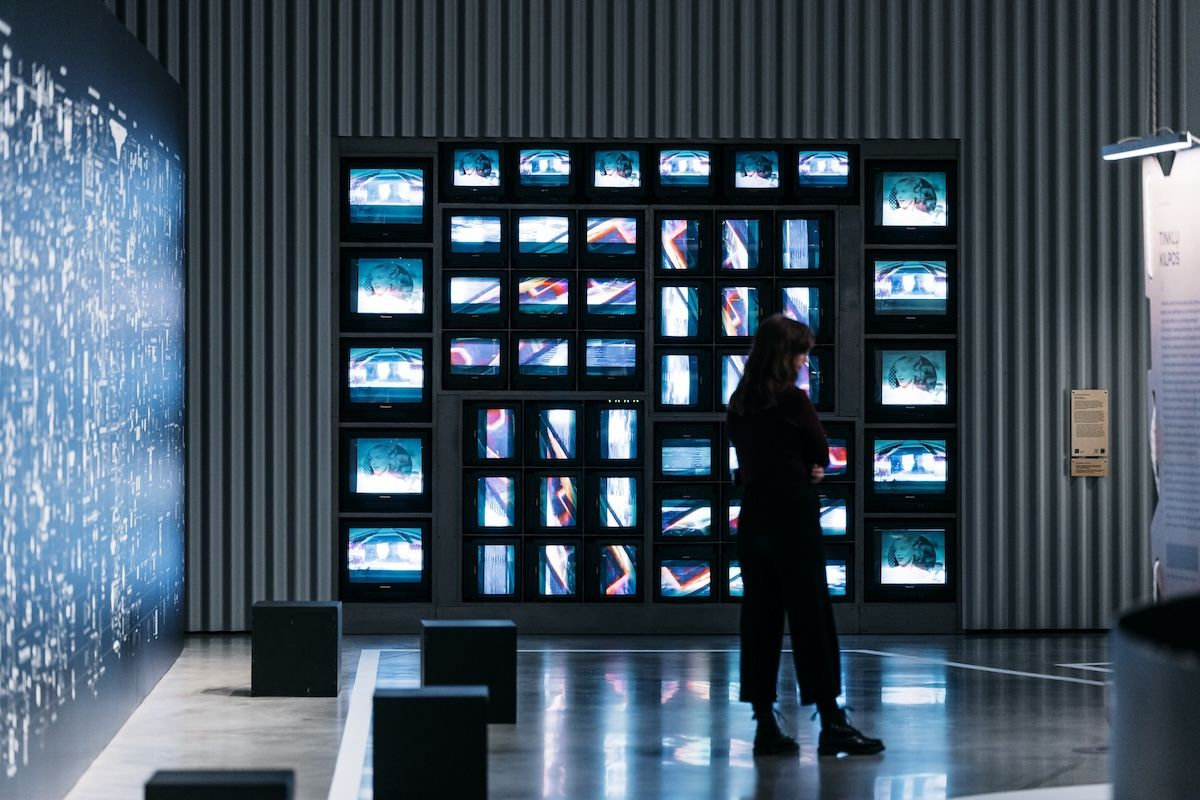
More than 40 of the exhibition’s artists explore the shifting boundary between humans and technology. A definite highlight is the work Internet Dream from 1994 by media-art pioneer Nam June Paik. This massive media installation with 54 old CRT-monitors offers a glimpse into the era of the emerging global connectivity via the internet.
Another participant is the UK’s digital art studio Universal Everything, whose Infinity creates an endless stream of digital figures. Generated in real time by an algorithm, each figure combines different colours, textures, and body shapes, so no two are quite the same. The work has appeared in Germany’s ZKM, Italy’s Museo Nazionale della Scienza e della Tecnologia Leonardo da Vinci, and 180 Studios in London.
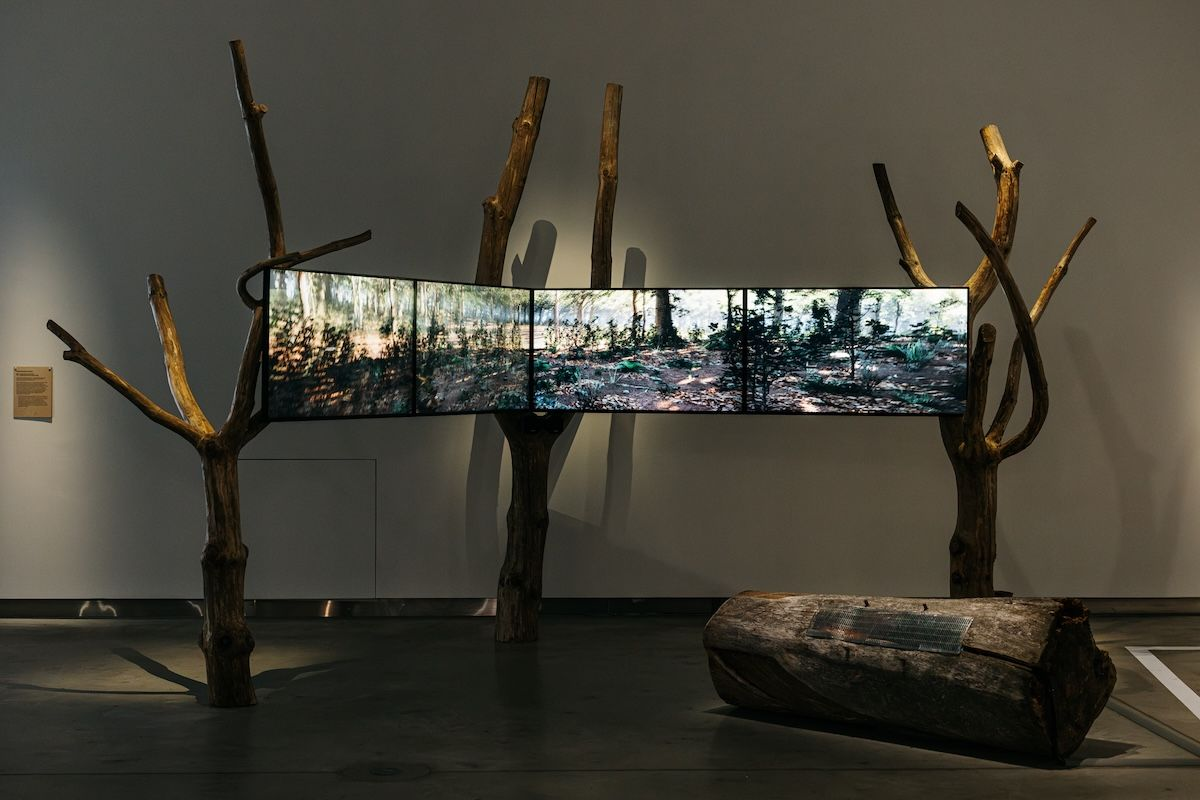
Christa Sommerer and Laurent Mignonneau are pioneers of interactive art, and their A-Volve is one of the works that established their international reputation. Visitors create virtual organisms through their own movements, then watch them interact, reproduce, and compete within a simulated ecosystem. The work won the Golden Nica for Interactive Art at Ars Electronica in 1994.
Anna Ridler from the UK similarly explores how machines learn from human-made material. In The Shell Record, she trained a generative AI system on images of shells she collected along the River Thames, turning the collection into moving-image works. The project connects the human act of collecting with the history of shells as stores of value and one of the earliest forms of currency.
How to Feel Real. Art, Technology and Us runs at MO Museum from 10 October 2026 to 29 August 2027.
For the Silo, Jarrod Barker.
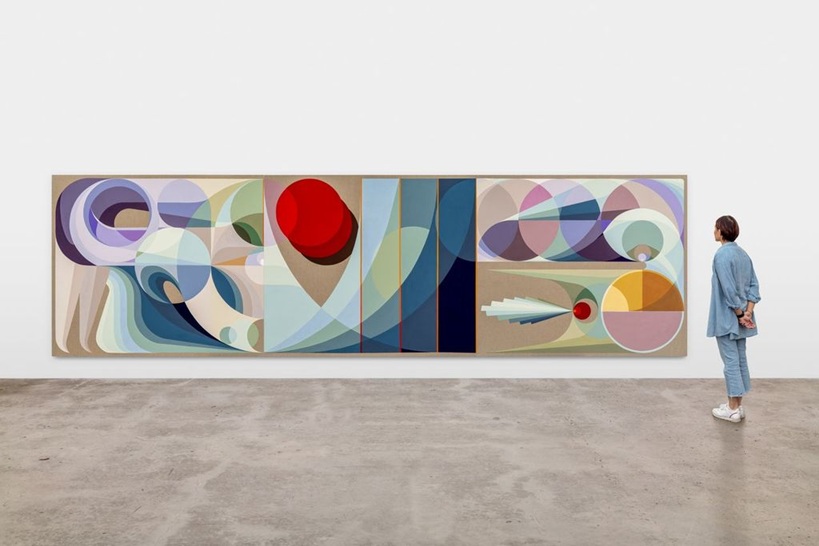
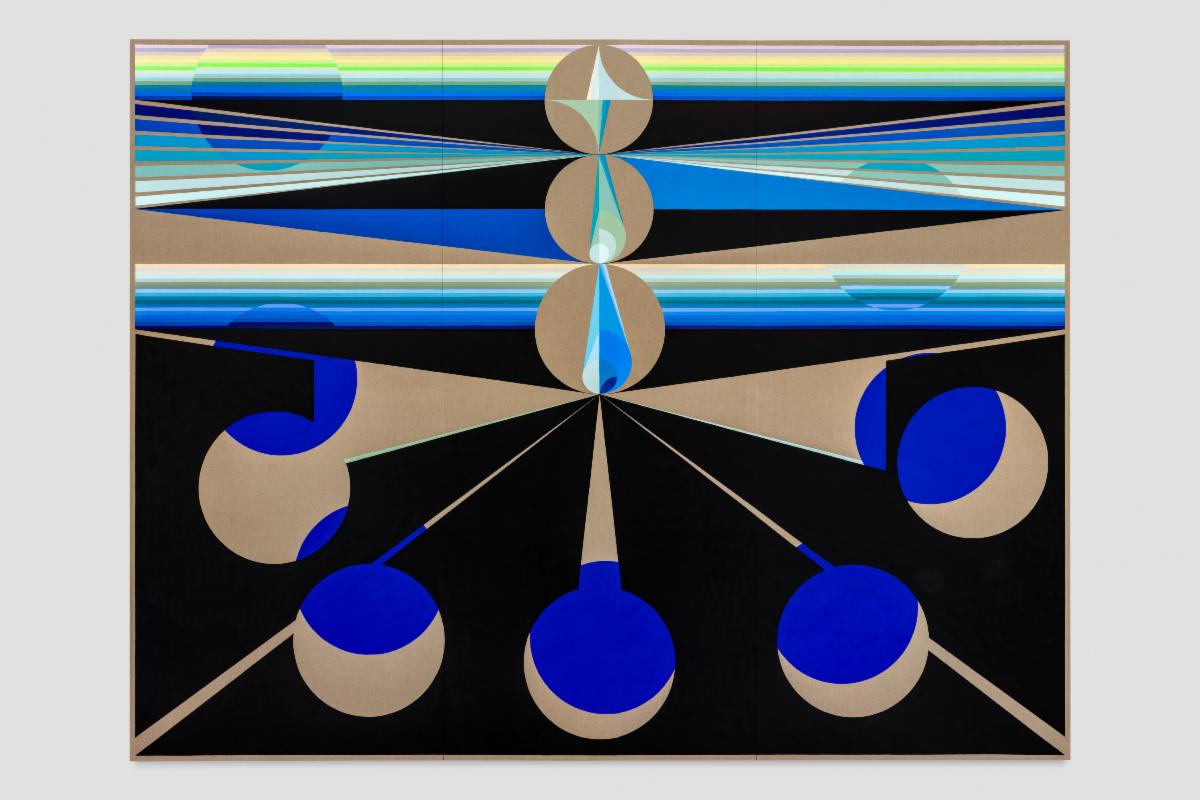 Eamon Ore-Giron, Black Medallion XIV (Inti), 2022. Mineral paint and flashe on linen, 198 x 258 in. © Eamon Ore-Giron 2022. Courtesy of the artist and James Cohan, New York. Photo: Charles White.
 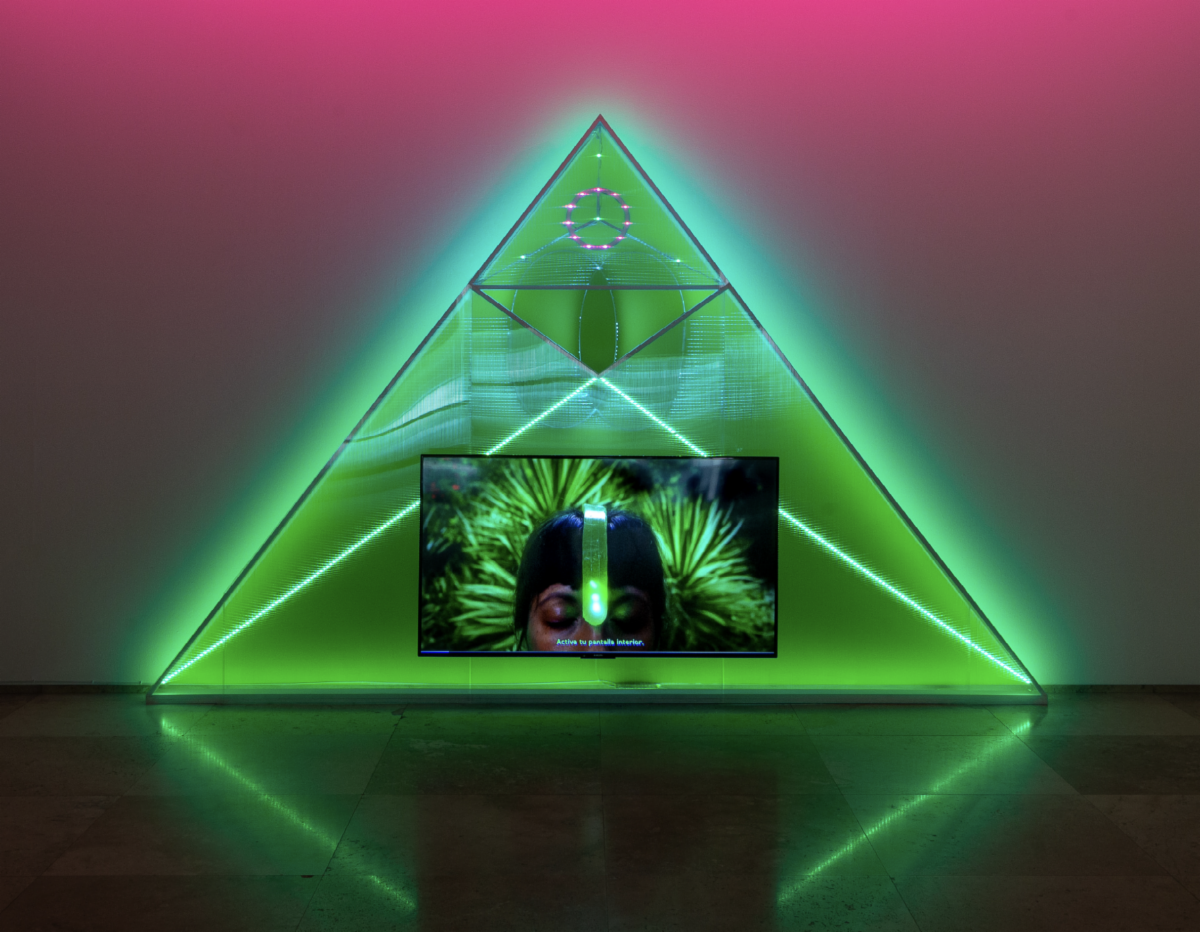 Patricia Domínguez, Matrix Vegetal, 2021-22. Video 4K, 21:12 min. Commissioned by Screen City Biennial, with the support of Cecilia Brunson Projects and Galería Patricia Ready.
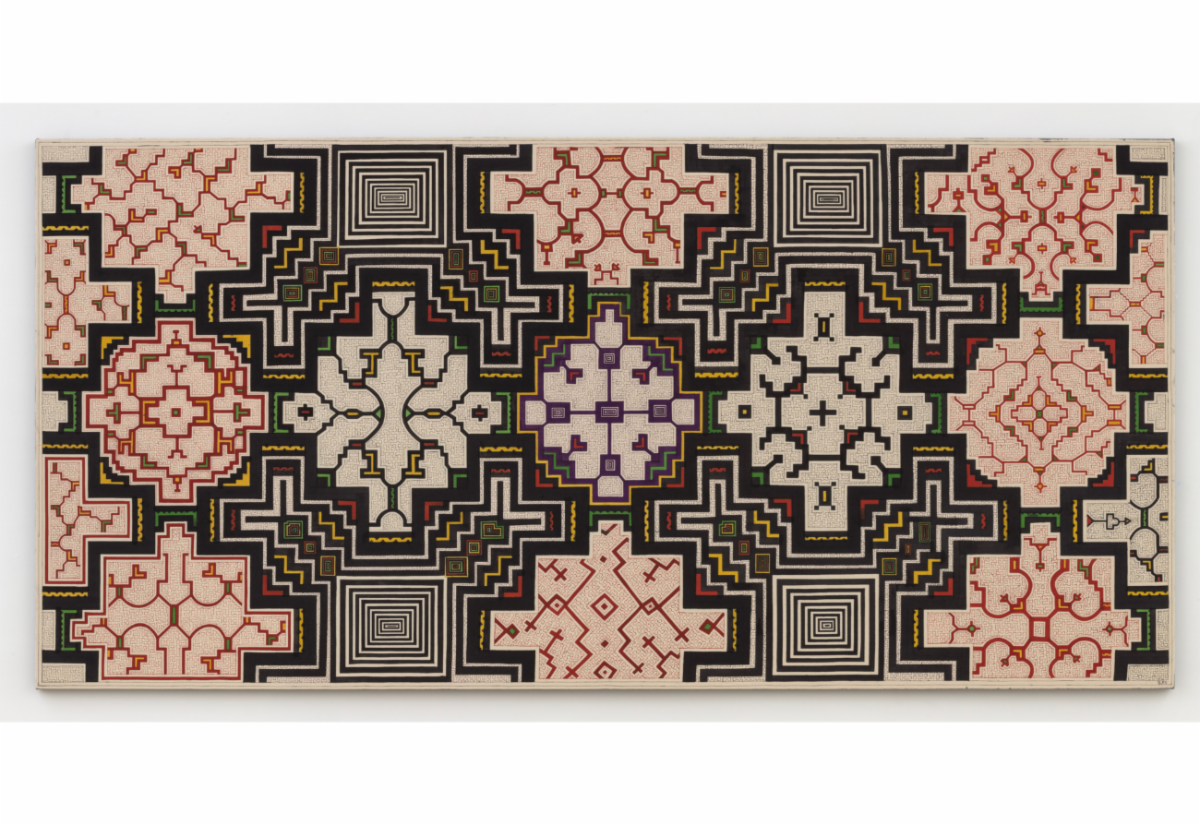 Sara Flores, Untitled (Shao Maya Punté Kené 1, 2022), 2022. Vegetal dyes on wild-cotton canvas, 59 x 122 3/8 in. Private Collection of Timothy C. Headington. Courtesy of the artist and The Shipibo Conibo Center. Photo © JSP Art Photography.
 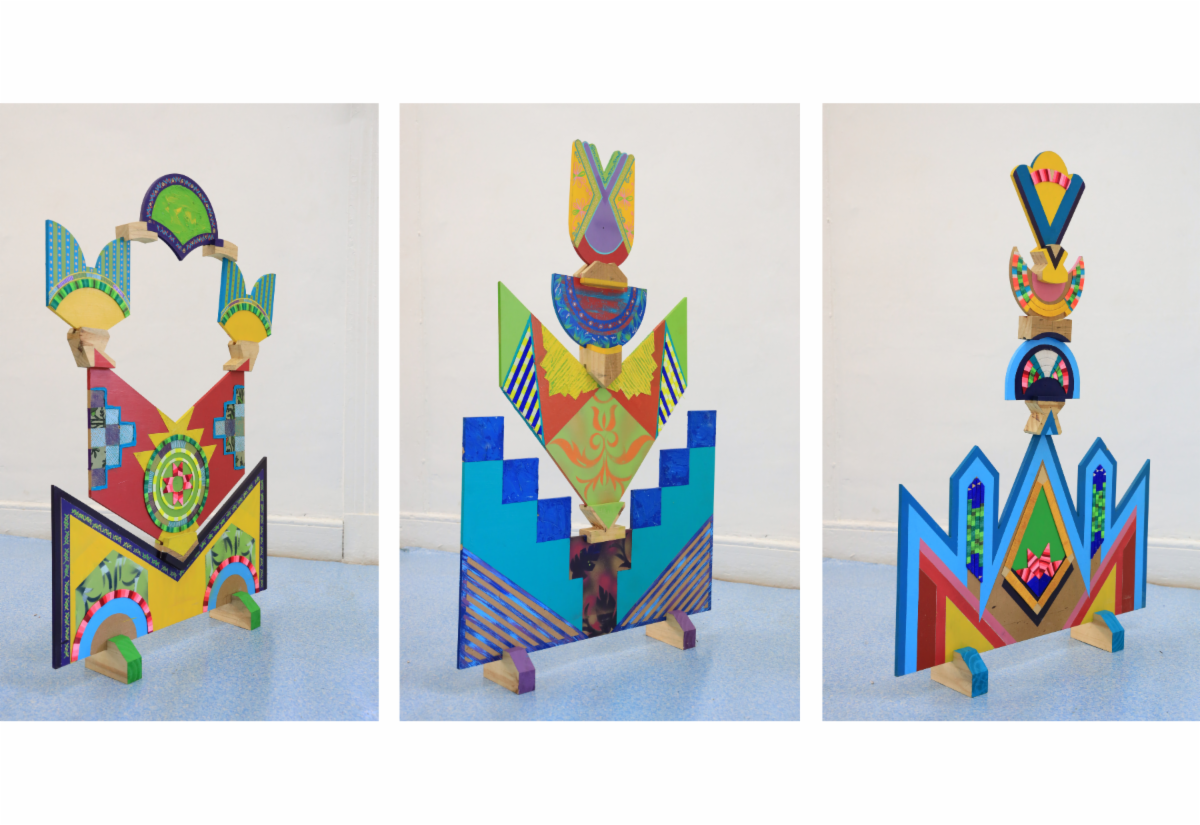 Natalia Montoya Lecaros, Tótems de emergencia, 2021. Series of modular MDF sculptures, with tempera paint, acrylic yarn, beads, lined cardboard, and bird feathers, 37 x 33 x 28 in. Courtesy of the artist and Judas Galería.