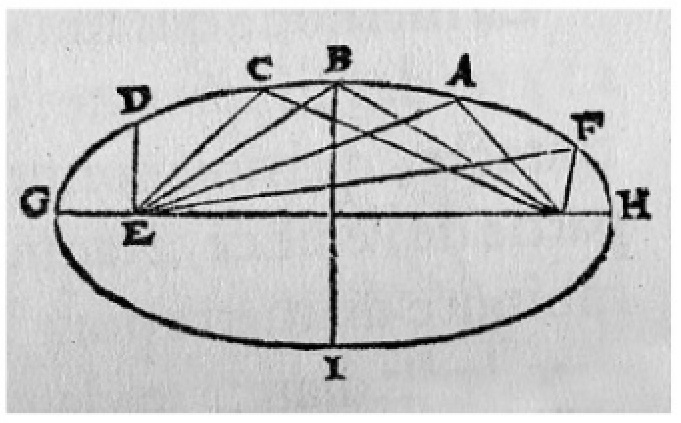
Reverberation. Why are its effects so pleasing to our ears and how is reverberation designed and controlled?

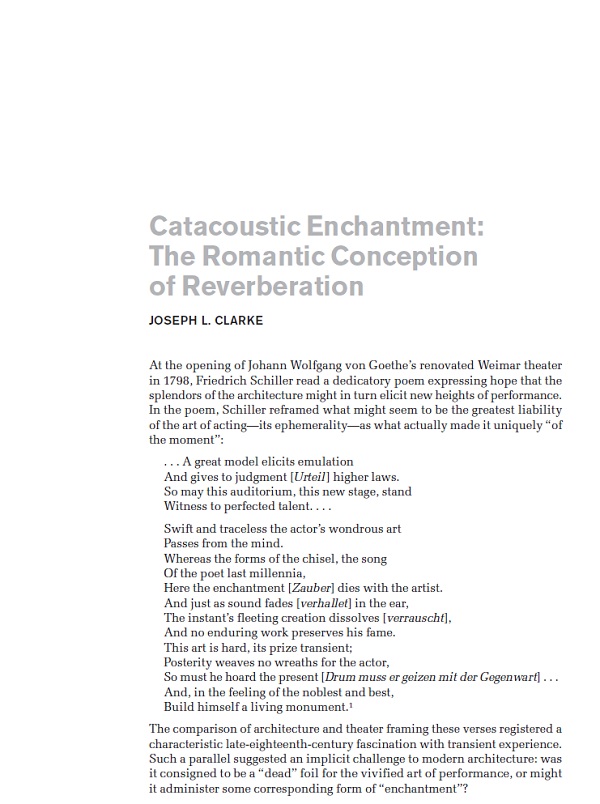
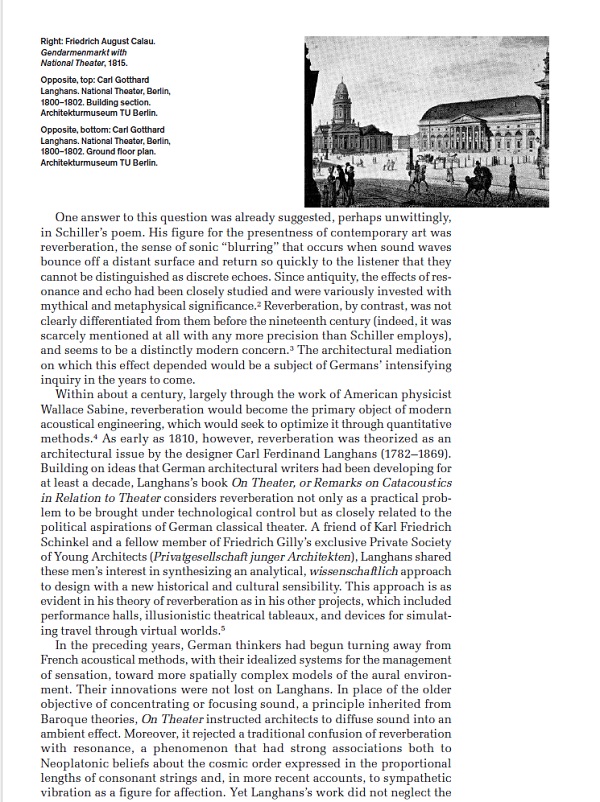
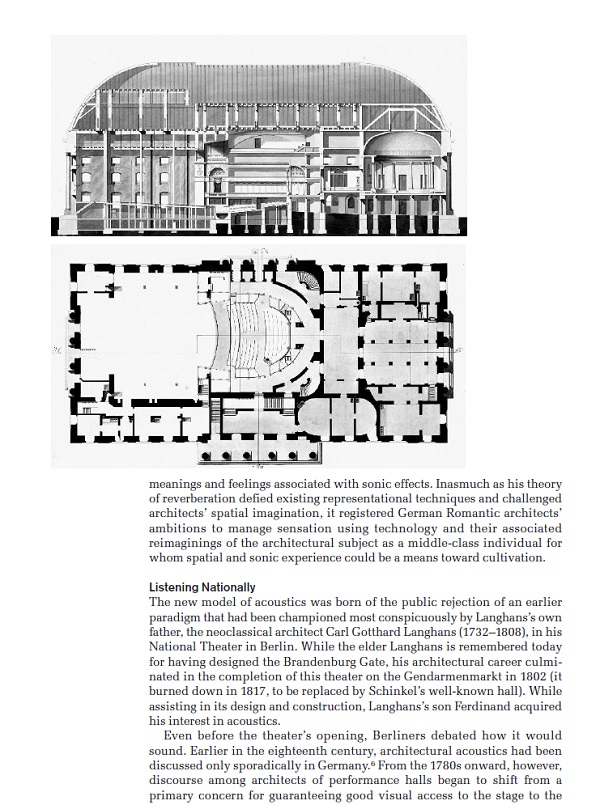
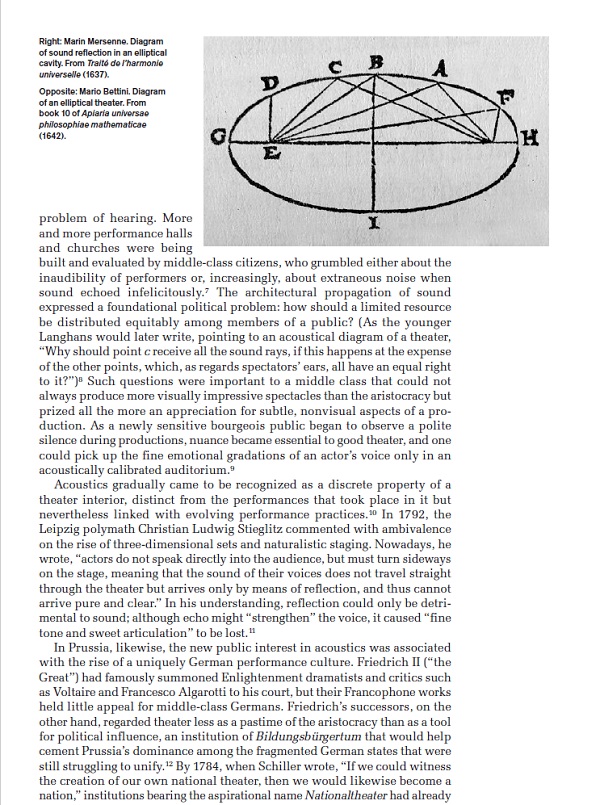
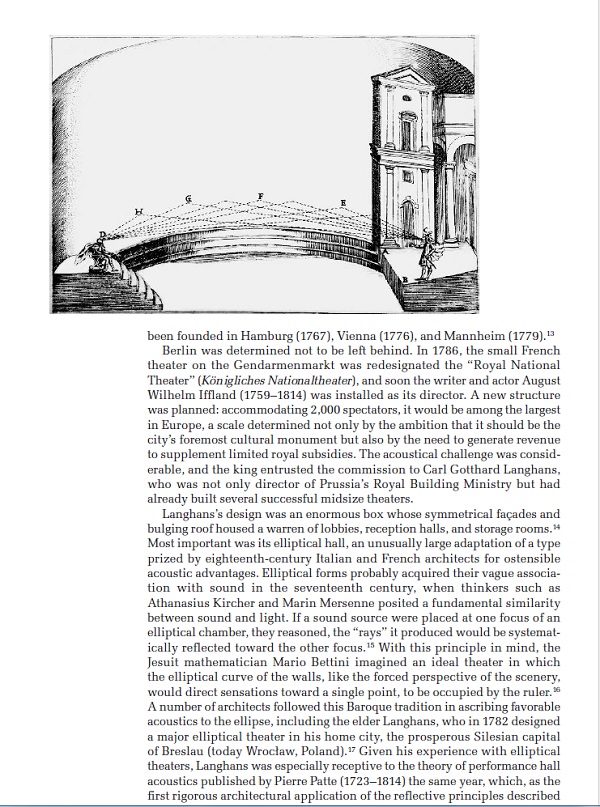
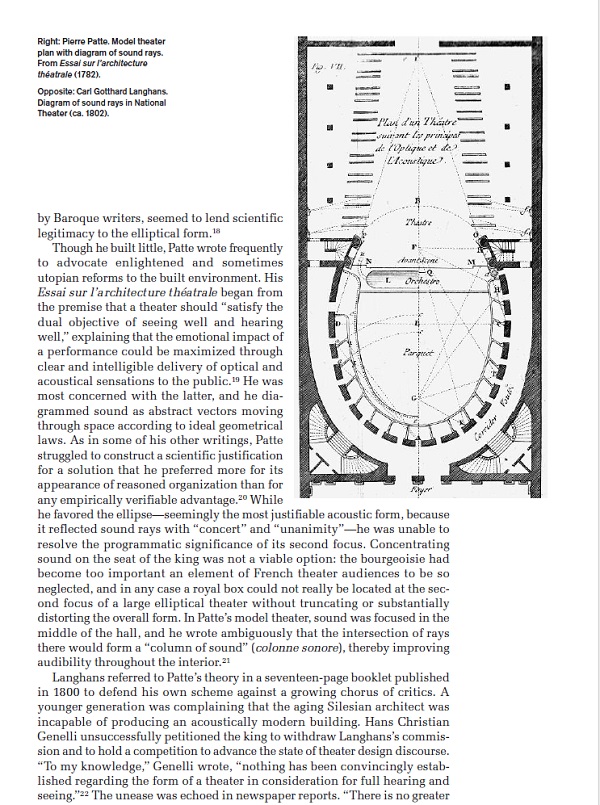
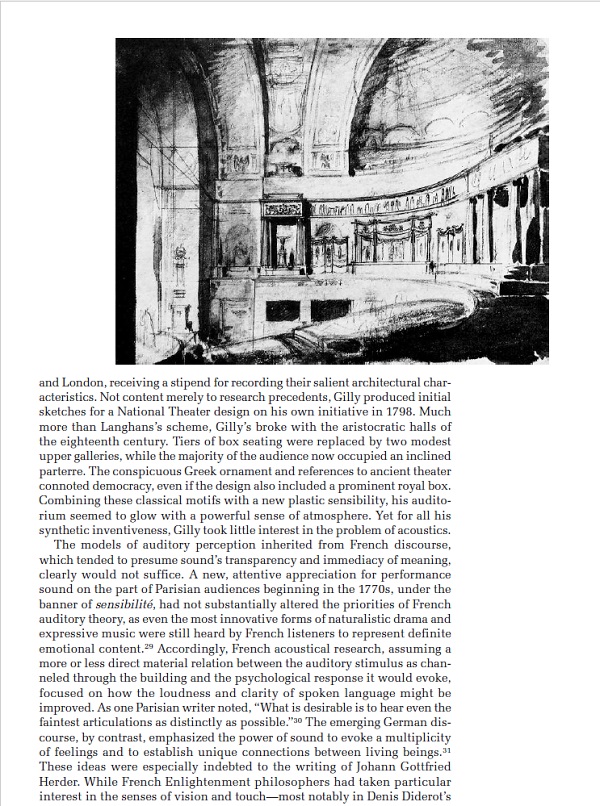
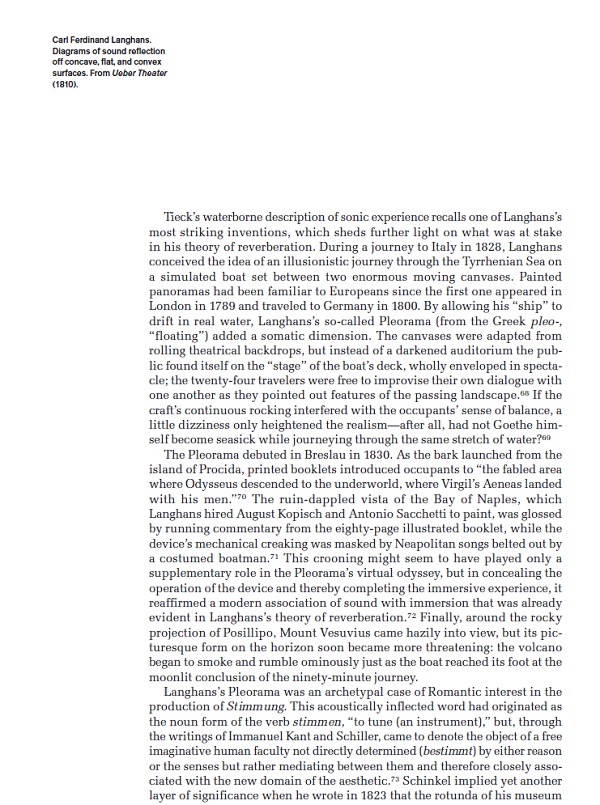
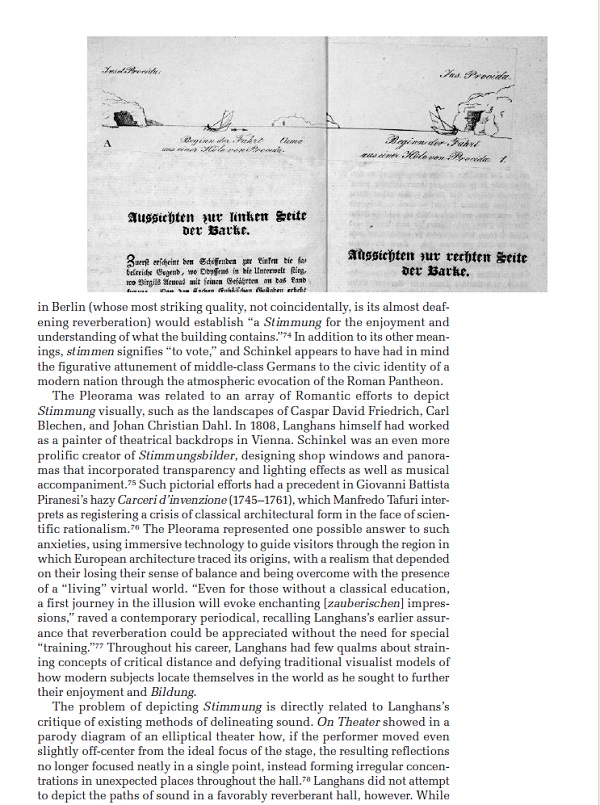
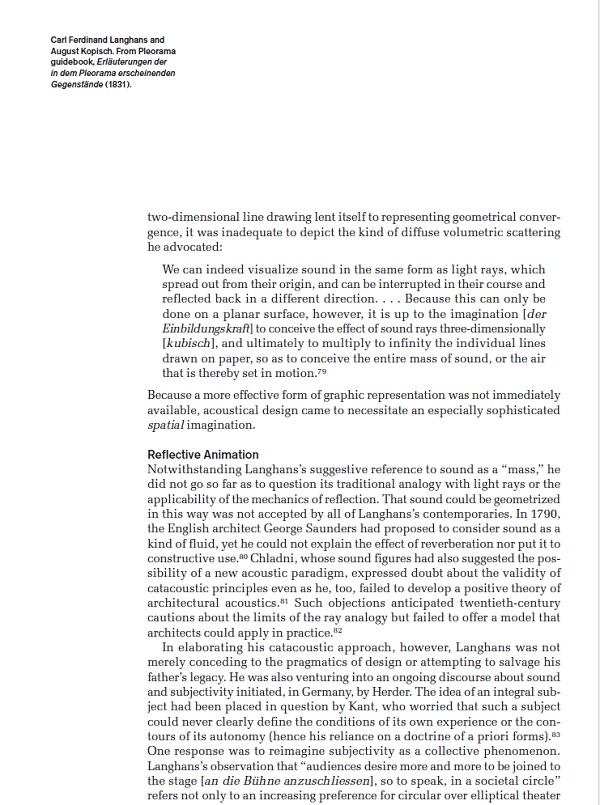
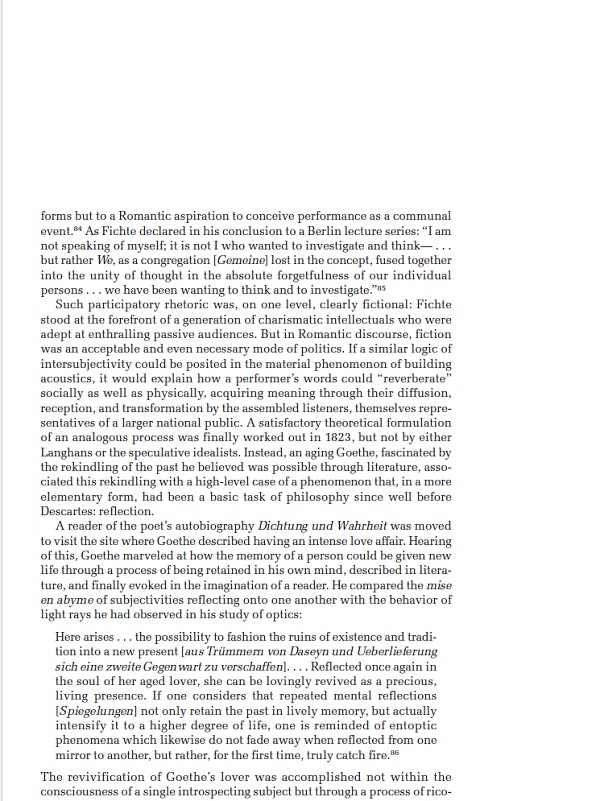
Reverberation. Why are its effects so pleasing to our ears and how is reverberation designed and controlled?
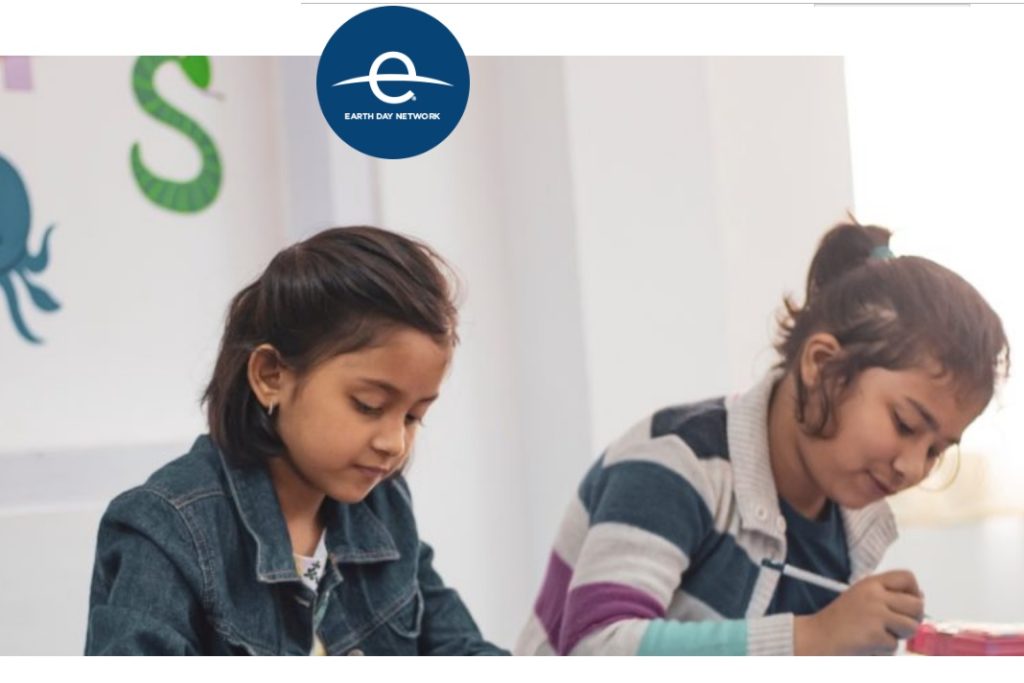
Madrid, December 2019–Two pioneering countries this week committed to stepped-up climate and environmental education in order to equip a new generation with the knowledge, awareness and skills needed to navigate the emerging challenges of the 21st C.
Italy and Mexico, speaking at a press conference at COP25 in Madrid, urged other countries to follow suit in order to make strong, environmental education a world-wide phenomenon.
They proposed Earth Day in April next year as one of a series of milestones in 2020 where like-minded nations could announce higher ambition on climate and environmental education.
The plan is to have a critical mass of countries committed to the environmental and climate education agenda by the time of the UN climate conference (COP26) taking place in Glasgow, UK in November.

Lorenzo Fioramonti, Italy’s Minister of Education, Innovation and Research, said: “Young people are demanding that governments take climate change far more seriously. There are many areas of society where we must act, and act with increased ambition: compulsory education on these topics needs to be a key part of this national and international response to the big issues of our time”.
The Italian Education Minister said that Earth Day 2020 represents one of the key moments in this important year to recognize the centrality of climate and environmental education including through ‘Teach-Ins’ as one way of raising awareness among the young.
He said he hoped other countries would take the same opportunity mark Earth Day’s 50th anniversary and the birth of the environmental movement.
Teach-ins, in which students organize debates and propose solutions to environmental challenges, was a key feature of the first Earth Day where over 20 million young people and citizens protested in 1970, triggering in the process new laws and action by the then US administration.
Martha Delgado, Vice Minister of Global Affairs in Mexico’s Ministry of Foreign Affairs, said her country had now incorporated mandatory environmental education into Mexico’s constitution as the first step in a new comprehensive plan.
“Mexico is now committed to mandatory environmental education at home, but we are also committed to promoting environmental education internationally. The challenges we are facing are national but also global. Young people everywhere need the knowledge to fully respond to what is unfolding on in our world,” he said.
“Great transformations can only be achieved through knowledge, awareness and the sense of collaboration. We are convinced that environmental education is the route to meeting Sustainable Development Goals, an essential tool to fight the climate crisis and can prompt a profound cultural change to contribute to our planet’s sustainability,” said Vice-Minister Delgado.
Kathleen Rogers, President of the Earth Day Network, said environmental literacy had been at the core of Earth Day since its inception in 1970 but that governments had not gone far enough.
“Young people, through movements such as Fridays for Future, have been asking governments to tell the truth about the climate and environmental emergencies that we are now facing—‘telling the truth’ needs to happen in the schools and universities, and needs to happen now,” she said.
Rogers said that while globally climate and environmental education exist across the spectrum, from decades of formal implementation to continued exclusion of the topic as a whole, it is time to make these critical subjects compulsory and to link them to civic education so that students will develop both the knowledge and the civic skills they need to fully engage in the solutions to climate change.
“These are the core elements of transforming our societies so that a new, far better informed and active generation can emerge to ensure governments truly respond to the challenges of our time,” she said.
Patricia Espinosa, Executive Secretary of the UN Framework Convention on Climate Change (UNFCCC), welcomed the announcements of Italy and Mexico as a key contribution to realizing the aims of the Paris Climate Change Agreement.
Under the Agreement governments are looking to enhance their Nationally Determined Contribution (NDCs) in 2020 as contribution to climate action but also the Sustainable Development Goals.
From Madrid and COP25, focus will also be on the Congregation for Catholic Institutes of the Holy See which has chosen Earth Day 2020 as a preparatory meeting for the Global Compact on Education that Pope Francis will launch on May 14th. It aims to promote a global commitment that also teaches new generations respect for humankind and nature.
Earth Day Italia is working together with the Italian Ministry for the Environment and the Festival for Sustainable Education to support this initiative. For the Silo, Denice Zeck.
Is there any question that Artificial Intelligence, or “AI”, is going to play a huge role in the future? The short answer is no- it’s already playing a large part today, so let’s delve into this new tech and look at how it is benefiting the energy sector and what we can expect to see from this AI phenomenon in the not so distant future.

1) Commit to seeing a doctor. More than 70% of caregivers don’t see a doctor
2) Commit to doing something that brings joy to your heart. It doesn’t have to be exotic: a good movie, watch a standup comedian, read a good book, paint, play the piano …something that speaks beauty and joy to you in the middle of your stuff.
3) Make a list of people you resent and forgive them and then burn the list. Lose the grudges but keep boundaries.
4) Make one small change in your diet. For instance, substitute water for a sugary drink. Grab a piece of fruit instead of a candy bar. Substitute a salad for a burger … olive oil for butter.
5) Send a Christmas card to yourself. Pick out a card your loved one would send if he/she were healthy emotionally and physically. And put a $10 bill in it.
6) Do something physical. Walk to the back of the house and back. Alan Alda walks around to John Phillips Sousa to help with his Parkinson’s. He’s not a doctor but he played one on TV …and it’s pretty good advice. He lifts up his knees. Something that simple can really benefit caregivers. Weight gain is common in caregivers. Peter quips, “I got so big my picture fell off the door and it took 2 dogs to bark at me!”
7) Isolation is crippling. Go to church or other places of worship. Slip in and listen to the music of the season.
8) Call a trusted friend and tell them you’re struggling. Take a leap of faith that they will listen. Don’t ask for solutions …just an ear and a tender heart.
A 30+ year caregiver for his wife, Gracie, who lives with severe disabilities, Peter Rosenberger understands the caregiver’s journey in ways few do. Broadcasting on Sirius XM’s Family Talk Channel (131) and an additional 180 stations through American Family Radio, Peter hosts the nation’s #1 show for family caregivers. From Autism to Alzheimer’s to Addiction, Peter addresses the needs of those caring for loved ones with chronic impairments.
As game franchises go, EA Sports produce some of the best and certainly some of the most durable. A video game often doesn’t stand the test of time too well given the advancement in technology, but sport is a constant in the lives of fans the world over and EA have taken full advantage. They have several famous titles with the Madden series for the NFL and the FIFA series for soccer, but their NHL franchise has been a hit ever since it was first released.
The first game in the series was released in 1991 on the Sega Mega Drive and received excellent reviews. It was, for many, the first time ice hockey had been placed firmly in their consciousness and people lapped it up.
Between 1992 and 1995 there were four more NHL titles from the team at Electronic Arts, all of which could be played on console. They were all given high praise from industry critics with NHL 96 getting top marks for the SNES (Super Nintendo Entertainment System) version by Next Generation magazine who gave five out of five stars.
The first titles to appear on PC arrived in 1996 as Microsoft brought out Windows 95. The PC allowed the graphics to be further enhanced and these titles were a huge success. At this period in time, the Detroit Red Wings were the dominant force in the NHL winning back-to-back Stanley Cups in 1997 and 1998.
Just to highlight how times have changed, the Red Wings have NHL betting odds of +150000 to win a Stanley Cup in 2020, the longest odds of any team. The team in the late 1990s was full of stars, which contrasts with the current day and EA was able to render them with realistic graphical modelling – for the time – which delighted the fans.
The PC was competing with Sony’s PS1 and then, in 2000, the PS2, which meant graphics and gameplay became more and more life-like. The crowds also had an overhaul as did the sound effects which made fans feel as though they were in the arena but the next generation consoles took it further still.
EA improved the features and control systems when Xbox was released and deke moves were conducted using the joystick on the controllers making them like an extension of the actual players stick.
The latest version have found it harder to get top reviews as fan expectation level continue to increase. NHL 15 was the first game to feature on the PS4 and Xbox One and these were not well received due to the rushed feel and missing features. GameSpot actually gave NHL 15 a score of five out of 10, which was hugely disappointing for EA.
The most recent version has seen much improvement thanks to the time which has been spent in development, generally tweaking the good features and remodeling those that didn’t work.
NHL 20 is like a different world compared to the very first release from the franchise and EA are still going strong after close to 30 years – here’s to 30 more.

Have you had complete or partial dentures put in recently? If so, you’re probably still getting used to them.
Dentures can rejuvenate a person’s smile and give them a huge boost in confidence, especially if they’re between the ages of 40 and 60. However, it can take days or weeks for people to get used to their new dentures. This is particularly true when it comes to eating food.
If you recently got a pair of dentures from Koster Denture Clinic or any other denturist clinic, you should use the tips and tricks mentioned below.
Although you may be tempted to bite into something crunchy, like an apple or piece of candy, you need to take things slowly. If you try to chew too aggressively too soon, you can potentially damage the dentures and your gums (which is the last thing that you want).
To keep your dentures and gums in good condition, you should stick to liquid-based foods for a couple of days. Some examples include:
By eating these foods, you’ll be able to keep your energy levels up without harming your mouth.
Most people have the habit of chewing with one side of their mouth. Regardless of if it’s the left or right side, this is a bad idea if you’ve recently had dentures put in.
When you chew with one side of your mouth, you are over-working that particular part of your dentures. This can cause them to shift or fall out of place.
Instead of chewing with one side of your mouth, you should make the effort to take smaller bites and chew with both sides of your mouth.
Many people like to snack on sticky treats like taffy and caramel. Although these treats are delicious, they can do some serious damage to your new dentures.
Sticky foods tend to get trapped in the crevasses of your dentures. If the food particles aren’t removed promptly, you can end up getting a serious infection.
If you can’t stay away from your favorite sticky snacks, then you need to thoroughly clean your dentures afterwards. This will ensure that your gums and mouth stay healthy.
People all around the world like to start the day with a piping-hot cup of coffee. Not only does this drink warm you up, but it can also give you a much-needed boost of energy in the morning.
However, if you’ve recently had new dentures put in, you need to be careful around hot beverages, like coffee and tea. Modern dentures have powerful insulating properties, which makes it difficult for people to sense the heat level of a beverage (until the damage has been done).
Before taking a big gulp, you should test the hot beverage beforehand by taking a small sip. This will ensure that you won’t burn your mouth or throat.
The number of international travelers from Japan to France is set to grow from 1.1 million in 2019 to 1.3 million in 2023, increasing at a compound annual growth rate (CAGR) of 4.6%, says GlobalData, a leading data and analytics company.
GlobalData’s latest report: ‘Tourism Source Market Insight: Japan’ reveals that the Japanese are specifically drawn to Paris due to their perception that it is a romantic city.
Ralph Hollister, Travel and Tourism Analyst at GlobalData, comments: “This substantial growth forecast illustrates that the Japanese source market is willing to sacrifice affordability and sometimes accessibility due to the cultural draw of a destination. The city is a popular tourist destination due to Japan’s fascination with all things French; cities such as Tokyo are filled with French patisseries and luxury French fashion outlets such as Chanel and Louis Vuitton.”

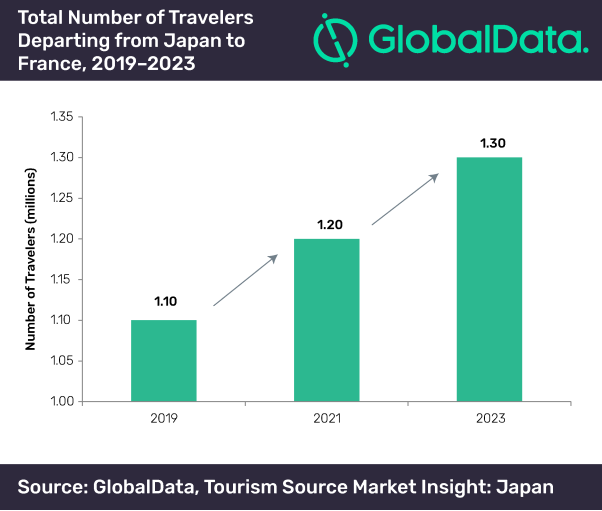
According to GlobalData, France overtook Guam in 2018 to become the fifth largest outbound market for Japanese travelers. Guam is a destination which is much closer to Japan (average flight time of 3 hours 45 minutes, compared to 12 hours 50 minutes to France), thus making it more accessible and affordable also. However, Japanese travelers are willing to sacrifice these vital aspects of a holiday in order to experience the French tourism product, due to the nation being heavily romanticized by the Japanese media.
Hollister continues, “Air France and New Caledonia-based Aircalin have renewed their codeshare agreement for five years in October 2019. The airlines offer a daily service between Paris and Noumea, with additional frequencies during peak periods and optimized connections at Tokyo Narita and Osaka Kansai airports. This renewal will no doubt contribute to this accelerated growth rate.”
It is clear to see that the majority of Japanese travelers are flocking to Paris, contributing to the growing issue of over-tourism in the capital. Atout France – the national tourism development agency, should focus on promoting less touristic cities to the Japanese source market such as Bordeaux. This city is popular for its gastronomy and many chateaux’s (castles), which are the type of famed stereotypes that attract Japanese travelers.
About GlobalData
4,000 of the world’s largest companies, including over 70% of FTSE 100 and 60% of Fortune 100 companies, make more timely and better business decisions thanks to GlobalData’s unique data, expert analysis and innovative solutions, all in one platform. GlobalData’s mission is to help our clients decode the future to be more successful and innovative across a range of industries, including the healthcare, consumer, retail, financial, technology and professional services sectors.
OMAHA, NEBRASKA – Award-winning singer-songwriter, Karen Sokolof Javitch, today announced that she is looking for America’s longest married couple in her worldwide launch of her personalized “Anniversary Song”.
“Everyone knows the ‘Happy Birthday’ song, yet we all stumble when we try to sing a song for someone’s anniversary,” explains Ms. Javitch. “The song will be sung by Karen to the oldest married couple. We hope to eventually find the oldest married couple in the world! And to reward their faithfulness, we’ll donate $1000 to the charity of their choice.”

Anyone wishing to register their marriage date may do so by visiting Karen’s website, jmrproductions.com, listen to the anniversary song and send in their names, date of marriage and e-mail address to JMRP@cox.net
Besides Karen’s 15 albums, she has co-written 4 musicals and was the creator and co-host of a popular radio show, “It’s the Beat.” Her musicals include “Princess Diana the Musical,” “From Generation to Generation,” and “Love at the Café.” These shows have been performed in many cities in the United States. In addition, Ms. Javitch has raised over $350,000 for national and local charities through her original music.
“My anniversary song is short and very easy to learn. Now when you go to someone’s anniversary party – you’ll know what to sing,” Ms. Javitch concluded.
Lyrics to sing to the next happy couple you see who is celebrating an anniversary:
Happy Anniversary, Happy Anniversary (wife’s name) and (husband’s name) we’re so happy to be at your (add # of years) Anniversary.
Karen’s music website JMR Productions
NOTE: A free MP3 of the song is available upon request to: jerry@specialguests.com
Watch the Happy Anniversary Music Video.
ABOUT KAREN SOKOLOF JAVITCH…
Karen Sokolof Javitch has produced and written the songs for 15 CD’s, including 4 musicals and was the creator and co-host of a popular Omaha radio show, “It’s the Beat”. Feeling very thankful she can express herself through her music, she tries to help others by raising money with her songs and musicals and has raised more than $350,000 for national and local charities though her original music. Her musicals, including one about Princess Diana, have been performed all over the country. She is an award-winning songwriter and her music has been on television and in some movies.
Karen’s music includes a variety of songs about exercising and good health, celebrities, holidays, weddings, politics, children, babies, education, patriotism, love and family. She especially loves to put on shows where kids and teenagers sing her songs! Some of her performances may be viewed on YouTube, as she has more than 90 music videos on the site and some have gone viral such as her hilarious song about the Octomom that has garnered about 10 million views. Karen’s songs are for anyone between the ages of 1 and 121! Visit Karen’s music website JMR Productions to see more of her musical and charitable work. For the Silo, Gerald McGlothlin.
Visit http://jmrproductions.com
Featured image- American’s longest married couple (85 years) John and Ann Betar.

There’s a reason Neil Sedaka’s “Breaking Up is Hard to Do” became a pop classic – because it’s true! But breakups can also be a time to reflect and embark on a new chapter in your life, says Jay Ryan.
“Many people have been through a romantic heartbreak, which can be among life’s biggest challenges. But being single after a committed relationship can also be a good time to rejuvenate yourself,” says Ryan, co-founder of www.breakupgems.com, an online retailer specializing in breakup and divorce jewelry that “celebrates new beginnings.”
“We cater to the growing number of people looking for meaningful ways to bring closure to their past and move forward with confidence,” he says.
For those who’ve recently experienced a split, or are about to (December holidays is the time of the year most long term relationship break ups occur.) Ryan shares several ways to turn your breakup into a makeover — a “breakover.”
• Empower yourself with the gift of health. It’s almost a cliché that ‘exes’ lose weight after splitting up; some lose their appetite due to melancholy and some are motivated to look and feel better with exercise and dieting. Don’t punish yourself with spartan regimens, Ryan advises. Eat nutritious foods and train sensibly.
• Treat yourself to a new wardrobe. Clothing can be the bearers of painful reminders, like the sweater he or she got you last year. Consider freshening up your style with new clothes – hey, you’ll probably need them anyway with all that exercise. A new wardrobe can serve as a healthy reminder of the new you.
• Be proactive with your reading. There are many genres of self-help literature, from spiritual to academic. But don’t limit yourself to nonfiction; classic literature not only gives you a great education, it also helps readers increase empathy and better understand emotional complexity.
• Consider a healthy reminder of the new you. It’s a tradition in our society to commemorate a romantic union or celebration with jewelry. Your breakup may likewise be a blessing that allows you to grow as an individual. Consider a ring or other piece of jewelry that will not only mark this milestone but be a personal reminder of your transformation and new beginning.
• Travel adds perspective on a new journey. Whether or not you realize it, a breakup is the beginning of a new life trajectory. Travel – whether it’s time for a change of domestic scenery or a vacation – perfectly symbolizes a new journey. Overcoming a painful separation requires an outside perspective, which is often gained through travel.
• Invite friends over for a dinner party. The depression that is liable to ensue after a breakup often leads to isolation, but that is when you most need your friends! Why not host a breakup party? Rather than blowing it out with a large group of people, which may include strangers, keep it simple with intimate friends you can trust. For the Silo, Ginny Grimsley.
Jay Ryan is the co-founder of www.BreakupGems.com, an online retailer that specializes in fine breakup and divorce jewelry. Each piece in the collection conveys an empowering message of freedom and renewal with designs that are both stylish and meaningful for anyone overcoming a recent breakup or simply celebrating happy singlehood.
Every day, the weather affects our activities, plans and routines. But not just THE weather; specifically, it is the weather here and now that matters. The only way to stay on top of Mother Nature is to know the weather right here at home, not the weather from a generic weather app based on data at the airport or some other remote location. If you do anything outside – garden, golf, drive, hike, bike, boat, play, entertain – you’ll do it better if you know in advance what the weather is going to do. Besides giving you hyper-local, real-time weather data, a home weather station gives you the opportunity to help keep your community prepared by sharing your data. It gives you a way to learn about weather and maintain weather records. It allows you to know exactly when a particular condition reaches a critical level, and to know what is happening at home from anywhere you are. And if you are a weather geek, it offers ways to analyze, understand, study and share this fascinating and ever-changing part of our lives.
Davis Instruments, a recognized leader in precision weather instruments for consumer and commercial marketplaces. Used by meteorologists, farmers, industry professionals and hobbyists, Davis’ Vantage Pro2 and Vantage Vue weather stations have become trusted, integral tools thanks to their renowned accuracy and durability.
Benefits of the bundles:
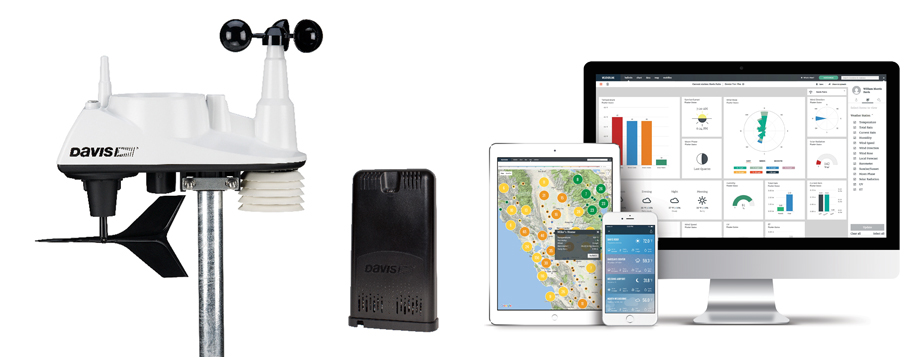
Vantage Vue and WeatherLink Live Bundle with Console (6120), $595
Bundle a Vantage Vue weather station and WeatherLink Live for the best in weather accuracy, reliability, and access. Self-contained, easy-to-install system provides accurate, reliable data. Includes outdoor sensor array and console. Comes bundled with a WeatherLink Live to stream your data live, effortlessly, to any smart device in your LAN and to the WeatherLink Cloud via Wi-Fi (or Ethernet). Solar-powered sensor suite sends data to both the console and the WeatherLink Live via powerful, long-range radio (up to 1000 feet/300 meters). Access, analyze and share your data on the console, on your smartphone with the free WeatherLink app or on WeatherLink.com. The system sets up quickly and easily: you’ll be seeing data within minutes of opening the box. Mounting pole and tripod available separately.
Check out the holiday special at davisinstruments.com

Vantage Vue and WeatherLink Live Bundle (6110), $465
Bundle a Vantage Vue weather station and WeatherLink Live for the best in weather accuracy, reliability, and access. Self-contained, easy-to-install system provides accurate, reliable data. Includes outdoor sensor array. Comes bundled with a WeatherLink Live to stream your data live, effortlessly, to any smart device in your LAN and to the WeatherLink Cloud via Wi-Fi (or Ethernet). Solar-powered sensor suite sends data to the WeatherLink Live via powerful, long-range radio (up to 1000 feet/300 meters). Access, analyze and share your data, on your smartphone with the free WeatherLink app or on WeatherLink.com. The system sets up quickly and easily: you’ll be seeing data within minutes of opening the box. Mounting pole and tripod available separately.
Check out the special davisinstruments.com
Vantage Vue Review
This year’s 2019 Formula 1 Etihad Airways Abu Dhabi GP is almost here! Have you ever wondered how the cars make it to the race? It’s a logistical miracle. Custom containers. Hydraulic platforms. Modified cargo jet airliners and much, much more. If you’re a fan of F1 races you may have wondered how your favorite team manages to travel all around the globe in order to make it to the circuit safely on time. Some teams save money by using cargo ships and traveling via sea. Sometimes, they are required to complete this entire process from start to finish in only 48 hours!
Take a look at this nifty infographic from our friends at storagecentres.co.uk to learn more and have another level of appreciation for this incredible sport.


If you’re planning on selling your home, you’re most likely overwhelmed with several different tasks around the house. Many homeowners will spend countless hours painting their walls, decluttering rooms and staging their homes before putting them on the market.
As important as these tasks are, they pale in comparison to the one thing that many homeowners fail to do: fix their roofs.
Although it may seem unnecessary, fixing your roof is an essential step for homeowners that want to make the most out of their properties.
Continue reading to learn more about why you should replace your roof before selling your home.
Although it is a costly investment, a new roof can add a lot of value to a residential building.
Homebuyers are attracted to properties with new roofs. When they see a freshly installed roof, they get peace of mind because they know that they won’t have to replace it for several years.
The amount of value that a new roof adds depends on the materials that you use. If you are planning on replacing your roof, you should avoid using metal roofing. Although metal roofing can be attractive, many feel that traditional laminate shingles offer a larger return.
Anyone who has bought or sold a home knows how important curb appeal is. For those that don’t know, curb appeal is a term that signifies how attractive a building is from the outside. Homes that have a lot of curb appeal will get more attention from house hunters.
If you want your home to stand out from the local competition, you need to replace your roof as soon as possible. A fresh roof can be seen from down the street and gives any home a clean aesthetic. To get a better idea of how a new roof can improve a home’s curb appeal, be sure to scroll through websites like Metroroofing.ca.
If you’re about to sell your home, you want to make sure that it is left in good condition for the next owner. Not only is this an act of common courtesy, but it also prevents you from being held responsible for issues that may occur in the future.
Disclosure is extremely important in the real estate world. Before selling your home, you’ll need to disclose any physical defects that you are aware of. Some examples of these issues include:
To keep yourself (and the future homeowners) safe, you need to get your roof inspected by a professional. Roof inspectors are trained to identify minute issues that can’t be spotted by an inexperienced eye.
Even if you’re thankful for the roof over your head, you need to consider replacing it. This is especially true if you’re planning on selling your home in the near future. Not only can a new roof add value to your home, but it can also improve the overall curb appeal and prevent future issues.
Canada should ditch Canadian content tools that are ill-suited for the digital age, says a new report from the C.D. Howe Institute.

In “Choosing Canada: Canadian Cultural Policy in the Twenty-first Century” author Daniel Schwanen sets out a plan to bring Canadian content policy into step with developments such as the emergence of digital competitors for Canadian viewers, including Netflix, Spotify and YouTube.
These digital competitors, notes Schwanen, are unconstrained by Canadian content requirements facing traditional TV or radio distributors. The consequence is a “slow bleed” in audiences for licensed TV broadcasters and radio stations while audiences for non-regulated digital channels (many based outside Canada), are rising sharply.
These trends negatively impact the revenues of traditional conduits for culture and information as advertising revenues migrate to digital channels. Compounding burden on traditional broadcasters, regulators maintain out-dated quotas of Canadian content in prime time and requirements to help fund Canadian TV and film production, whereas their emerging competitors on digital platforms are not subject to these rules. Furthermore, foreign online services such as Netflix are not required to charge their Canadian customers the Goods and Services Tax, unlike their Canadian competitors.

“As Canadians embrace new technologies and platforms to access their entertainment and information, the ability of quotas to affect Canadians’ viewing or listening habits is rapidly diminishing,” said Schwanen. Indeed, 2013 marked the first year in which the number of Canadian households subscribing to internet services exceeded the number of traditional television subscribers. Although 75 percent of Canadian households still subscribed to cable or satellite television distribution services in 2016 – down markedly from 83 percent only four years before – 87 percent of Canadian households subscribed to internet services. In the economy more generally, the culture, entertainment and information services offered online through digital technologies have boomed relative to other economic activities, and in particular relative to traditional cultural and information businesses.
The report proposes an approach focused on more deliberately linking offerings of Canadian content with the potential demand for them. The report’s recommendations for regulators include:
There is no denying that travel would be a lot more fun if you could crisscross the globe in comfort and luxury. Unfortunately, this kind of experience can end up setting you back a considerable amount of money. Naturally, this is something that few people can afford… Or is it? There is actually a way for you to enjoy a better class of travel without having to empty out your bank account. Here are the tricks to doing this:
There is nothing particularly enjoyable about flying commercial. The lines are long, the seats are uncomfortable, and there is a limit to how much luggage you can carry. At the same time, private air travel can often seem out of your reach. If you play your cards right, though, this doesn’t have to be the case.

For instance, if you are traveling in a larger group, check out Gulfstream G650 as an option. When you combine the overall cost of the commercial plane ticket prices, you may just discover that hiring a single plane is cheaper!

Furthermore, there may be other ways to get you discounts on your Chicago charter or other flights as well. See in many cases, people will only book a one-way flight. Of course, since the plane has to head back to its original destination, it ends up losing money. To counteract this, certain companies will offer lower rates for these flights, if you can change up your schedule a little.
If you are going to go to a place that is a popular tourist destination, you will be unable to afford the top hotels there. After all, there will be a much higher demand for these spots. This is why you may want to look at other less traveled locations.
Whether you are looking for beautiful beaches, culture, or good food, you can guarantee that you can find a more remote option. Since these areas aren’t visited as often, the cost of accommodation is much lower. Thus, you can enjoy a luxurious stay without having to pay nearly as much.
In an ideal world, you would be able to spend on whatever it is that you want. The reality, however, isn’t quite as accommodating. This doesn’t mean that you can’t splurge on certain luxurious items, though. Instead, it is about being careful about what you splurge on.
Look at your holiday and think about which areas you wouldn’t mind skimping on. For instance, instead of eating at the hotel, you should be able to easily find cheaper venues in the city. This may leave you with more money to go shopping at some high-end stores. It is all about managing a careful balancing act.
These are all of the ways that virtually any individual can afford luxury travel. So, if you put your mind to it, you will be able to enjoy a truly wonderful experience. The next time you have to plan a vacation, keep these following tops in mind for the greatest results.
Your home isn’t the just place that you reside and raise your family, it is also an investment. This is why it is important to try and improve the overall value of your house whenever possible. Thus, if you need to sell it in the future, you can end up making quite a profit. Of course, this can only be achieved if you make the right changes to your home. To figure out what these are, keep reading…
Believe it or not, only a few sections of your home need to be updated. The rest can be left as is and you can simply modify them with a coat of paint. However, there are some regions that people use more than others. So, by ensuring that they are kept modern and effective, you can boost your home value quite a bit.
In particular, you should upgrade your kitchen and your bathrooms. Now, there is no need to go overboard – a serious overhaul will not provide you with the return on investment that you are looking for. Instead, make changes to improve the look and the functionality of these spaces. Home buyers will look for these modifications in particular.
As you can imagine, homes with a greater number of bedrooms are also held in high value. This is why you should try to add one for the lowest price possible. So, instead of building a new space, see if you can convert a current room in your home. For instance, do you have a basement? If so, check out these Penguin Basements ideas to see just how you can transform this space into a functioning, livable area. It is actually a lot easier than you might imagine.

Even if you don’t want to build an extra bedroom, you should still get a quote for a basement finishing in Brampton. Why? This is because your basement can be used for a number of different purposes. And, while you may not have much need for it, the next family might. Thus, by making sure that it is all cleaned up and waterproofed, you will automatically be creating a versatile space. You will then be able to market this in any way that you want, depending on the people that you would like to sell it to.
As you can imagine, aesthetic appeal can be rather important when selling your home. After all, most home buyers will base much of their decisions on how the house looks. Thus, painting the interior and exterior can go a long way towards boosting value. Not to mention, you should also fix or replace any fixtures or features that are worn out or damaged in any way. Last but certainly not least, make it a point to keep your gardens and curbs in good condition.
These are all of the ways that you can add some serious value to your home. So, if you are considering making any changes, these are the ones that you should begin with.
If you have never had to hire an attorney before, the process can seem rather overwhelming. This is often because media portrays a rather unfair image of attorneys. Thus, you may see them as being high-powered, cold-hearted individuals or as money-grabbing thugs. Either way, it isn’t a pleasant picture. The good news is that real life is hardly ever like that. Most attorneys are courteous and have scruples. Nevertheless, there are several things that you need to be aware of before hiring one. Here are the top things to know:
Think of lawyers in the same terms as doctors. If you have a particular medical problem, you will see a specialist in that field. This logic can also be applied to hiring attorneys. Thus, if you need help with domestic abuse, for instance, hire domestic violence lawyers. These individuals will have the knowledge and experience to ensure that your case is handled quickly and efficiently. What’s more, they will be more familiar with the process and the legal professionals that you will meet. This will certainly help things to move forward more smoothly.

One of the reasons that you may be concerned about hiring an attorney is due to the cost involved. And, it is true – there are some professionals that can be incredibly expensive. If you want to make sure that you are selecting a legal expert who fits your budget, check out their payment options. There are some individuals who insist that you pay for every hour that they work for you. Others will only accept payment if they win the case. Then there are those that create a payment system that best suits your financial situation and capabilities. Pick the one that is most compatible with your circumstances.
There are some attorneys who can be very dismissive. They simply assure you that they will take care of you and then essentially ignore most of your correspondence. Now, if you are facing serious criminal charges, such an attitude clearly won’t work. You need someone who, for example, will take the time to explain to you the best way to avoid DUI conviction. Having an understanding of the process can go a long way towards making you feel better about your case. Not to mention, it is important that you are involved with every step.
Every attorney has a different attitude towards their cases. Some will push for a better deal no matter what. Others will have a more positive exchange with their opponents and reach a more amicable position. There is no right or wrong approach. However, it is important to work with an attorney who has a similar attitude towards yours. This way, you can be certain that they will work towards a goal that you are happy with. Furthermore, you will be a lot more pleased with the final outcome.
These are all of the top things to be aware of when hiring an attorney. As long as you keep these in mind, you can find the best match for you, easily.
The average person doesn’t take too much care of their oral health. Sure, they will brush their teeth twice a day. And, if they are really particular, they may even floss on a regular basis. Beyond this, however, few people really pay attention to what is going on with their teeth and gums.
While this may seem like a suitable way to live, rest assured, it isn’t. What most people fail to understand is just how important good dental care is for their well-being. If you, yourself, are cynical about its significance, take a look at the facts below:
If you don’t really think about your oral health often, you may not understand that the tissues in your mouth can be a little different. This is especially true in the case of your gums. Now, in many parts of your body, the tissue has the ability to grow back. So, if there is some loss, this typically isn’t too much of a big deal.
This isn’t the case with gum tissue, though. So, if you experience recession due to gum disease or a similar issue, this loss will be permanent. Fortunately, if you visit Barrie dentists near you once or twice a year, then you will be able to keep this issue at bay. In turn, you will be able to prevent gum loss from happening in the first place.

There are few things that are more annoying than tooth problems that just won’t go away. Of course, these conditions aren’t just painful, they can also be rather dangerous too. Recurring infections, for instance, can do permanent damage. This is especially true in the case of wisdom teeth that are unable to correct themselves.
If you see your dentist as needed, though, there is no need to worry about these problems. They will simply inform you when your wisdom teeth have to be removed. This can often be done before your teeth cause too many issues. Then, by undergoing the necessary procedures, you will be able to prevent these conditions from coming back.
It is easy to imagine that your dental health can only affect your mouth and gums. The truth, however, is that it can actually have an effect on your general health as well. Understand, diseases and infections in your mouth can travel to other parts of your body, including your heart. They can then take up residence there and cause extensive damage, resulting in serious diseases.

If you stay on top of your oral health, though, then you will be able to stop these infections from occurring in the first place. At the very least, you will be able to catch them in their earlier stages and ensure that they don’t spread any further.
As you can see, oral care needs to be taken more seriously. So, make sure that you visit a dentist as often as you should. You may never know when such a precaution could end up saving your life! For the Silo, Michael Adams.
Advances in technology and miniaturization continue to disrupt marketplaces with the latest 360 degree camera release from Wunder. With a zingy and boastful advertising claim: “be a professional director with one tap” you know there’s going to be amazing design and features inside. 
 For starters, this compact camera that looks great, works surprisingly well as a standalone device without the need to be connected to a smartphone or a PC. Other cameras need to share the workload with a connected device in order to use all of their functions- not at all convenient when you are an aspiring movie maker “in the field” and trying to keep your setup light and manageable.
Thankfully, the Wunder C1 has a large on board viewing screen and navigation buttons with menus that work well and make sense making it the ideal ‘all in one’ solution and ‘stand alone device’. If you prefer using your phone as a controller the Wunder app can be downloaded for free for Android and iOS.
Live Stream to Facebook and YouTube
With the C1, it is now possible to live stream to Facebook or Youtube (2176×1088@60fps) in 360 degrees by 360 degrees. This powerful camera connects to the web on its own (802.11 b/g/n 2.4GHz/5GHz) while performing real time ‘in camera stitching’. Weighing in at only 95g and with a small profile of 109mm x 45mm x 35mm be prepared to be amazed.
Video Quality
Each camera is individually tuned for color consistency and the 7 element lens paired with dual ISP assures accurate white balance and natural exposure. Even the body of the phone itself was carefully designed and manufactured with human ergonomics in mind. This assures comfortable one handed operation while shooting. The form/function factor extends to the small baseline module which facilitates perfectly stitched images.
Incredibly Smart Features
Do you like to capture and share action scenes? Shaky, dizzying footage often results with small, handheld video cameras but not when using the Wunder360. High tech computer technology borrowed from the movie industry results in automatically stabilized video that is sharper and smoother than other cameras. Speaking of dizzying footage, an out of focus video can really ruin the capturing of an important moment. The C1 uses processing power to track objects smartly- and to keep the focus of your attention in the center for the frame. For the Silo, Jarrod Barker.
Discover More About The Wunder360
Find out about all of the impressive C1 features and order your camera here.
Geek Stuff

Lincoln is one of America’s all-time classic luxury automakers, but the manufacturer has also been praised for making vehicles which respond to the needs of today. So it’s natural, then, that anybody who wants a glimpse into the best cars on today’s markets takes a look at Lincoln.
Let’s see what’s going on with the 2020 Lincoln Aviator, a mid-size luxury SUV that shuttles everybody around in safety and unmatched style.
The Lincoln Aviator lets you choose from different powertrain options, so it’s easy to get all the power you need or want. The standard Twin-Turbocharged 3.0L V6 engine generates 400 horsepower and is good for 415 lb.-ft of torque. This should be more than enough, but in case it isn’t, the Grand Touring Aviator utilizes a battery-powered electric motor paired with the Twin-Turbocharged engine for a total of 494 horsepower and a killer 630 lb.-ft. of torque.
If you drive into Colony Lincoln today and find the Aviator you need, you’ll drive out with a much more powerful vehicle!
One look at the Lincoln Aviator is enough to know you’re not looking at a normal SUV. This luxury mid-size SUV has even more trimmings than other comparable vehicles — this is a three-row SUV designed to indulge everyone inside the car, both drivers and passengers.
Rich features like Savannah leather, premium suede cloth and special woods communicate to everybody that this is a very special vehicle. The level of detail combined with an attitude that never cuts corners on luxury will genuinely thrill everybody who comes across it.
Whether you’re carpooling all the kids or you’d like to keep yourself comfortable, connected and entertained on a solo drive, the Aviator has everything you need. The available Perfect Position Seat with Active Motion conforms to your back, and takes comfort to another level.
Advanced safety features are bundled together in the available Co-Pilot360™ Plus package, which includes Evasive Steering Assist, Reverse Brake Assist, Active Park Assist Plus and Adaptive Cruise Control with Traffic Jam Assist, and too many more to name.
The Heads-Up Display puts essential information the driver needs right on the windshield, so you don’t need to take your eyes off the road. There are even features to take all the stress and worry out of parking.
Lincoln and the sound engineers at Revel Audio teamed up to create a 28-speaker system that will make your favourite music sound better than ever. The car itself is a 4G LGE Wi-Fi hotspot, which makes it possible for you and all your passengers to keep connected to friends and family, as well as remain occupied during long drives.
If you’re looking for some of the highest accomplishments in luxury vehicle manufacturing, check out the latest Lincoln Aviator. For a beautiful ride that keeps you, your passengers and everybody on the road safer, comfortable, and even entertained, the Lincoln Aviator is representative of the best vehicles made today.
I’m sure you’ve had those days where you wake up and scarf down something for breakfast that’s convenient so you can get out the door as fast as possible. Now it should go without saying that starting your day with foods like doughnuts, pastries, or pancakes is a fat storing Nightmare.
But most folks turn to other so-called healthier alternatives that are nearly just as bad.
 Here are 3 of the Worst Foods to Eat in the Morning
1. Muffins
Most store-bought muffins are giant, which means they can sometimes contain over 600-700 calories that have absolutely No protein or healthy fats to keep you feeling full and satisfied.
2. Bagels
Would you sit down and knowingly eat Four slices of bread?
Well, Most bagels have the equivalent of four servings of bread, which will quickly convert into sugar making you store fat and feel lethargic in no time.
3. Cereals
Over-the-counter cereals are, by far, one of the worst foods for your waistline and your health.
The majority of over-the-counter cereals are empty calories, simple carbs and sugar, cleverly disguised as a “healthy” breakfast.
There are a few rare exceptions, like some of the cereals in the Ezekiel 4:9® line from Food for Life®, but I never eat cereal when I’m trying to get leaner.
 If you wake up and eat Any of the above 3 foods to start your day it’s like being stung by a bee.
Seriously, they’ll make you literally swell up, while making you feel fat and bloated the entire day.
They also Force your body to depend on sugar all day-instead of burning fat.
However, there are certain foods that you can eat in the morning that are guaranteed to turn your fat burning switch to ‘On’ as soon as you wake up.
They’re called E-Factor Foods which are specifically designed to make you look and feel leaner—all while holding less water. You’ll quickly see why adding these 4 E-Factor Diet Hacks into your day can make you look and feel leaner in less than 24 hours from now. Stay fit and keep learning. For the Silo, Antony Thomas.
The Greatest Generation is a term coined by journalist Tom Brokaw in reference to those who grew up during the Great Depression and went on to fight in World War II. Brokaw described them as, “the greatest generation any society has ever produced,” arguing that rather than fighting for fame and recognition, these men and women fought because [history has shown] it was the right thing to do.
Following the war it was this Greatest Generation who came home to build the social, cultural and economic strength that we all continue to benefit from today. I think of 65 years of new and expanding commercial, industrial and agri-business that rebuilt strong North American economies. Today we continue to see their significant contributions to science, literature, art, industry, and a renewed economic strength unparalleled in history.

As with those who fought WWI, this generation was united by a common purpose, and by common values—values that include duty, honour, economy, courage, service, love of family and country, and, above all, responsibility for oneself. Instead of state-of-the-art technology, they had loyalty, integrity, and determination that overshadowed any fears. We should all strive to emulate their examples of selflessness and noble character.
There is one clear difference between that generation and subsequent ones – no sense of entitlement. No one believed that he or she was entitled to special privileges and no one expected the world to be fair. They took the world as they found it, made the best of it, and then made it better.
They succeeded on every front. After returning victorious from the war, they immediately began the task of rebuilding their lives and the world they wanted. Marrying in record numbers, they gave birth to the next distinctive generation known as the Baby Boomers. Despite the accomplishments and essential contributions as they experience the twilight of their adventurous and productive lives, the Greatest Generation remains, for the most part, exceptionally modest. They have so many stories to tell, stories that in many cases they have never told before, stories that we can all learn from if we only take the time to listen.
We have many opportunities at this time of year to recognize the dedication and service of this generation – and others – who fought for us.
While our thoughts and thanks go to those who are presently on, or supporting, the front lines, we must continue to learn from the lessons of the past – those that were taught to us by the ‘Greatest Generation’. For the Silo, Toby Barrett MPP.
Our world seems to be changing faster than ever – technologically, environmentally, socially – and in so many other ways. It is hard for any of us to keep up with the astonishing pace and scale of developments, and their impact for better or for worse on our own lives and the ways in which they affect the future of our planet.

Yet too often it seems that those with the greatest stake in the future, are least empowered to shape it: young people. This is something the Commonwealth has for more than 50 years been working hard to change; and never more so than today.
Population growth means that there are now more young people in the Commonwealth than ever before, and this offers choices and challenges for all involved in planning and making policy, and for young people themselves. The combined population of the Commonwealth is now 2.4 billion, of which more than 60 per cent are aged 29 or under, and one in three between the ages of 15 and 29.
Through social media, young people are more connected, informed, engaged and globally-aware than ever before. Even so, their potential to drive progress and innovation is often overlooked or remains untapped, despite pioneering Commonwealth leadership over the decades on inclusiveness and intergenerational connection.

Since the 1970s, Commonwealth cooperation has supported member states with provision of education and training for youth workers, who have a central role to play in encouraging, enabling, and empowering young people. Practitioners may be of any age, and operate in many settings: youth clubs, parks, schools, prisons, hospitals, on the streets and in rural areas.
Commonwealth approaches and engagement recognise the dynamic role youth workers can play in addressing young people’s welfare and rights, and in connecting and involving them in decision-making process at all levels. In some Commonwealth countries, youth work is a distinct profession, acknowledged in policy and legislation to deliver and certify quality of practice, including through education and training. In others it is institutionalised less formally through custom and practice. In some countries there is little or no youth work activity – formal or informal.
To advance the cause of young people, and their direct participation in nation-building and the issues affecting them, the Commonwealth Secretariat supports the governments of member countries with technical assistance relating to policy and legislation in professionalising youth work. A pioneering Commonwealth contribution is the Commonwealth Diploma in Youth Development, which has been delivered in almost 30 Commonwealth member states.
The Commonwealth also supports the global collectivisation of youth work professionals through the emerging Commonwealth Alliance of Youth Workers’ Associations (CAYWA), an international association of professional associations dedicated to advancing youth work across the Commonwealth. CAYWA facilitates the cross-pollination of ideas and collegial support among youth work practitioners, and is developing into a unified global influence providing support to governments and all stakeholders in youth work profession.
Expertise is offered by the Commonwealth Secretariat with the design of short courses and outcomes frameworks that support just-in-time and refresher training to augment diploma and degree qualifications. Guidance is also offered on establishing youth worker associations that can help towards building and sustaining professional standards, thereby safeguarding the quality of services offered to young people.
In 2019 a conference in Malta bringing together youth workers from throughout the Commonwealth continued to build recognition and professional standards of youth work in member countries. Among outcomes was the establishment of a week-long celebration of the extraordinary services of full-time practitioners and volunteers – recognized as youth workers – who support the personal development and empowerment of young people.
Looking forward to the 2020 Commonwealth Heads of Government Meeting (CHOGM) in Rwanda next June, Youth Work Week will bring into sharper focus the challenges young people in our member countries face, and the opportunities they are offered – including through Commonwealth connection.
By recruiting and placing appropriately trained and properly supported youth workers, communities in Commonwealth countries can help young people channel their energies and talent in positive directions, especially during the transition from education into work.
Supported by positive role models and with mentors to whom they can relate, young people can be guided towards healthy and productive lives. When equipped to develop as well-rounded individuals and to contribute to the societies in which they live, young people can make immense contributions towards transforming our communities and our Commonwealth and – above all – to their own future.
For The Silo, by Patricia Scotland, Commonwealth Secretary-General
MOUNT HOREB, Wisconsin- Graphic Classics, the acclaimed series of comics adaptations of literary classics from publisher Eureka Productions, has had multiple titles included in the Diamond Distribution Core Curiculum List. Of the nearly 100 books on the list, 23 were from the Graphic Classics series, including VOLUME 2: ARTHUR CONAN DOYLE, VOLUME 4: H.P. LOVECRAFT, VOLUME 8: MARK TWAIN, VOLUME 18: LOUISA MAY ALCOTT, and VOLUME 22: AFRICAN-AMERICAN CLASSICS.
To help educators and librarians select materials to fit into their Common Core Standards curricula, Diamond Book Distributors have created the Diamond Graphic Novel Common Core List. Arranged by grade level, the Diamond Graphic Novel Common Core List offers 98 graphic novels from our publishers that will fit into a Common Core curriculum, along with resources including Library Classifications, Subject Headings, and Core Standards which apply to each book. The list is intended both as an aide to educators and librarians and to show that Diamond supports the Common Core Standards as an effective tool to prepare students for the challenges in college and the workforce.
Graphic Classics publisher Eureka Productions has also partnered with Overdrive and Comics Plus: Library Edition to make Graphic Classics digital editions available to libraries across North America and around the world. Among the library systems which have already started carrying digital editions of Graphic Classics are the Boston Public Library, Seattle Public Library, and the Dayton Metro Library.

Library users can borrow digital editions of Graphic Classics from their local library system for reading on smart phones, tablets, and computers. Digital editions are also available to consumers through the ComicsPlus and Ave Comics apps. Check with your local Library for Graphic Classics digital editions. CP

There are many reasons to plant a tree – to shade your home, help the environment, or just for the pleasure and beauty it brings. There are many questions when it comes to choosing the right tree. What kind of tree will thrive in my community, and on my property? How fast will it grow? Should I worry about choosing a native Ontario tree?
The Tree Atlas
You can get answers to those questions and much more information from an online Tree Atlas (ontario.ca/treeatlas).
The Tree Atlas shows you which trees will work where you live, your soil type, and other conditions to consider. It can also help you find the kind of tree that helps you achieve other goals, like offering shade to keep your home cool in the summer, attracting birds, or a fast-growing, bushy species to hide an unsightly view.

The Tree Atlas describes trees that are native to Ontario, so you’ll be planting a tree that’s adapted to the province and supports a healthy environment. You’ll also find tips on when and how to plant a tree to give it the best chances to thrive on your property.
Trees clean our air and water, help fight climate change, increase wildlife habitat, provide shade and help prevent flooding. When you plant a tree, you’re helping the environment.
The Tree Atlas was developed by the Ministry of Natural Resources, so you can be confident that the information provided is accurate and reliable.
Many Ontario towns and cities have tree planting programs – check with your municipality for tree planting information and assistance in your area. For the Silo, Emmilia Kuisma, District Strategic Officer Ministry of Natural Resources.

Canada is in the midst of an audiobook boom. Though sales numbers aren’t available yet, they’ve been growing rapidly in the United States, and north of the border, there’s been a substantial influx of publishers entering the audiobook market.
What’s behind their growing popularity? It all comes down to the pleasure of listening. Canadians are busy, stressed out, and looking for a way to slow down. Carving time out of the day to sit back and listen to a book is a chance to clear out the cobwebs, recharge, and rebalance. You can listen to audiobooks at the end of a long day, on your commute, on a lazy Saturday morning, or while you’re cleaning up and doing the dishes.
There’s also the appeal of the narrator. Talented voice actors bring great stories from the page to the speaker. They can bring a different personality to a book and new life to a story you already love.
While not every author has a voice made for narration, some of the best audiobooks available are narrated by the authors themselves. Neil Gaiman is a standout in this category. A natural-born storyteller, Gaiman has narrated a number of his own audiobooks and graced other works with his signature voice, though he’s not alone. Writers like Jenny Lawson, Christopher Hitchens, and Seamus Heaney have all made names for themselves narrating their own books.
It’s not just international publishers that are producing audiobooks in Canada. Independent publishers like House of Anansi and ECW Press have entered the audiobook market, producing some of their own award-winning titles and making them available on various audiobook platforms.
Titles like Tanya Talaga’s Seven Fallen Feathers, Eden Robinson’s Song of a Trickster, and Cherie Dimaline’s bestselling Empire of Wild are just some of the titles available as audiobooks thanks to the recent uptick in the Canadian market.
Canada has been relatively slow to enter this market, but it’s uncovered a hidden talent pool. As independent publishers have looked toward local actors, they’re discovering Canadians have a knack for narrating. Some audiobook producers are hoping more Canadians will make it easier to find great voice actors for their titles.
Audiobooks have also opened up new opportunities for book clubs, moving from solitary reading to listening as a social activity. Clubs can now appreciate titles together and talk about what they think chapter by chapter. Club meetings can even be hosted online.
Subscriptions have become the preferred way for Canadians to get their audiobooks. They work like a “book of the month club.” For example, a subscription with Audible gets you credits to pick one audiobook each month. You can buy more if you’re a voracious listener, and there are usually other membership benefits, such as access to podcasts.
With fast-growing sales and increased production, Canadian book-lovers can look forward to lots of new Canadian titles making the transition to audiobook format.
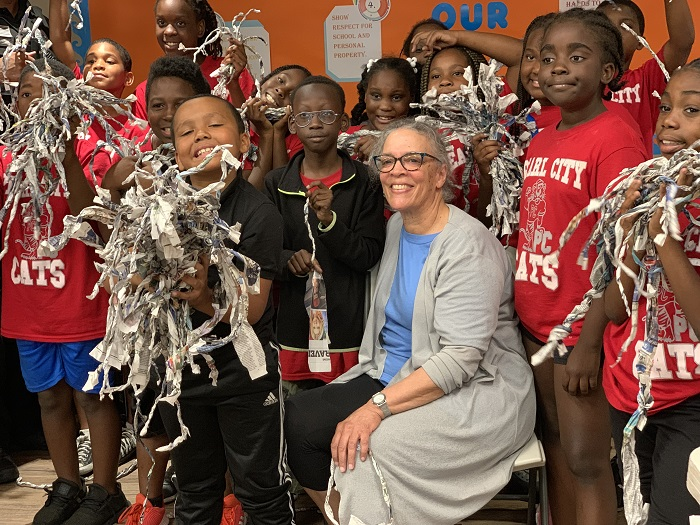

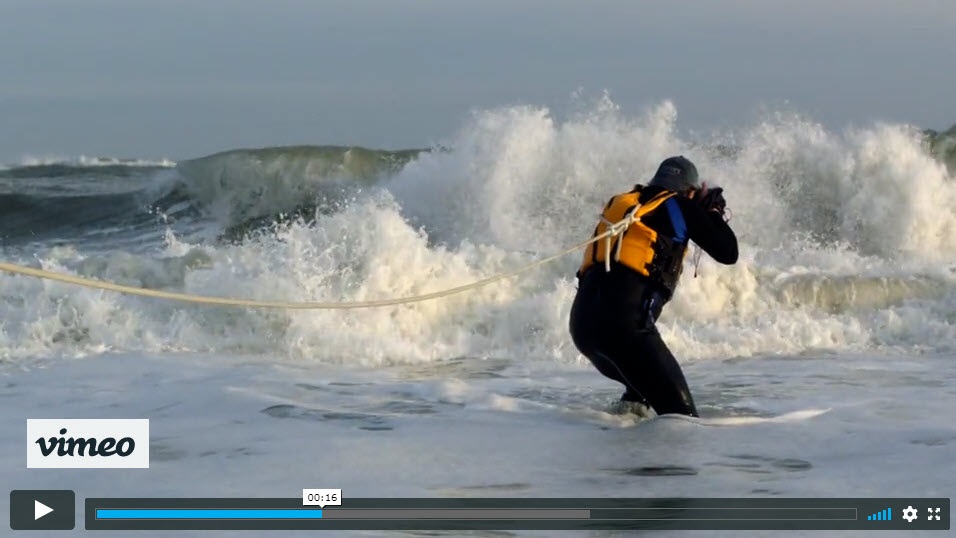
| The power of nature is unleashed with two timely, powerful exhibitions at the Boca Raton Museum of Art for the new season. Both of these original shows ─ Maren Hassinger: Tree of Knowledge and Clifford Ross: Waves ─ will kick off the museum’s 70th anniversary season (on view November 5th – March 1st). The museum is presenting both exhibitions together because the two shows sound a clarion call for environmental awareness. These shows also remind viewers that the beauty of nature can still inspire us, despite the over-saturation of society by hand-held devices and screens. The two exhibitions are presented side-by-side in adjoining galleries. The artist Maren Hassinger with children from Pearl City, the historic African American neighborhood where the majestic 100-year-old banyan tree, the “Tree of Knowledge,” still stands today. The children joined hundreds of community members to create together thousands of aerial branches from recycled newspapers for Hassinger’s new monumental installation.Clifford Ross in the ocean surf, photographing hurricane waves.The Clifford Ross exhibition features a new approach to his monumental depictions of ocean waves that the artist captures during extreme weather. The result is the most comprehensive survey of his process ever shown in a museum. Ross dramatically presents the monstrous power of the seas in his new exhibition at a crucial moment in time for our planet: the United Nations recently issued a major new report warning that the dangerous effects of climate change on our oceans is much worse than previously thought. The new findings warn about warming oceans and damaged ecosystems. Sea levels are rising faster than previously predicted, glaciers and ice sheets melting more rapidly than expected, shrinking the fisheries that feed millions. Watch the spectacular video of Clifford Ross in the ocean surf at vimeo.com/168830477 The new report warns that many cities around the world will experience annual flooding events by 2050 that previously occurred only once per century. The world’s oceans have been warming since 1970 and have absorbed 90 percent of the planet’s excess heat, killing off vast stretches of coral reefs. Absorbing massive amounts of carbon has made the ocean more acidic and inhospitable to corals that millions of species depend on for survival. “When I first began photographing these hurricane waves 30 years ago, most of us were unaware that global warming was seriously damaging our oceans,” said Clifford Ross. “Now, as I look back on my work, it takes on a whole new meaning.” Above – the two artists headlining the new season: Clifford Ross and Maren Hassinger. MAREN HASSINGER: TREE OF KNOWLEDGERenowned sculptor and performance artist Maren Hassinger was commissioned by the museum for a residency that explored the staying power of nearby Pearl City, Boca Raton’s historic African-American neighborhood. This is the largest installation that Hassinger has ever created in her long and celebrated career. Her new site-specific installation is based on Pearl City’s landmark, the “Tree of Knowledge.” This majestic, 100-year-old banyan tree still stands today and is protected by the Historic Preservation laws. The tree has served the people of Pearl City since the dawn of the 20th century, as a gathering place for sharing stories and communal spirit. The majestic 100-year-old banyan tree at Pearl City is the inspiration for Maren Hassinger’s Tree of Knowledge.(photo by Aylin Tito) Hassinger vigorously engaged the public to recreate the tree’s aerial roots by gathering many groups over several months. People from the community and visitors to the museum spent hundreds of hours twisting by hand thousands of recycled newspapers. Thousands of recycled newspapers were twisted to mimic the aerial roots of the banyan tree for Maren Hassinger’snew installation Tree of KnowledgeThese banyan “branches” will be suspended from the ceiling of the main gallery, representing the community-based “Creation-Stations.” The participants’ names will be incorporated into the monumental new work. “I want visitors to the museum to think about the endurance of the tree and the endurance of the people who live beside it,” said Maren Hassinger. “I hope they realize it’s possible to build a world in which, like this installation, people work together side by side. Both the tree and the residents have inspired me with their mutual endurance. In new reports, the United Nations warns that fires such as those causing de-forestation in the Amazon elevate concerns for the planet’s natural life support systems. This global call to action urges countries, companies and consumers to build a new relationship with nature. The destruction of the world’s largest rainforest calls attention to the need to prevent ecosystems from declining to a point of no return, with dire consequences for humanity. This year, the leading scientists of the world warned that civilization was in jeopardy due to forest clearance, over-usage of land, climate change, and pollution, putting a million species at risk of extinction. Hassinger’s new installation is about nature as knowledge and about education. The twisted ropes of newspaper are made of words and stories. “I hope the community and all of the visitors to the museum take a moment to think about the materials used in the project, which are not traditional art materials, and realize that this giant project was made not by artists, but by the public, working together,” adds Maren Hassinger. “Both adults and children from the community welcomed my project with enthusiasm and proceeded to twist and twist to create the aerial branches. Their enthusiasm and spirit of camaraderie is uplifting and contagious,” says Hassinger. Paper is a natural material, made from trees, and throughout the installation there will be fans that evoke the wind blowing gently through nature, as opposed to the hurricane winds of Ross’s work.Wind, the video by Maren Hassinger, will also be part of the exhibition. Watch the video trailer here vimeo.com/368811486 “Following the theme of nature for our new season at the Museum, how appropriate that Maren Hassinger would choose this legendary tree, known as the Tree of Knowledge, as the subject for her site-specific installation,” said Irvin Lippman, the executive director of the Boca Raton Museum of Art. “From its inception to its installation, this has involved audiences of all ages from every corner of our community to participate in the making of the aerial roots from streams of recycled newspapers. Much in the manner of the Banyan tree, we are all connected to one another,” adds Irvin Lippman. Hassinger’s new exhibition will also feature the installation Love – an experiential portal for visitors to walk through. As the entranceway into the museum’s main galleries, it will surround visitors with hundreds of recycled pink plastic bags that will completely cover all of the surfaces around them. The shopping bags are filled with the air of human breath, and contain human love notes inside. Love, by Maren Hassinger. This installation will serve as the entryway featuring hundreds of recycled pink plastic bags, surrounding visitors.The bags are filled with human breath and contain human love notes.Maren Hassinger (still from her video Pink Trash). CLIFFORD ROSS: WAVES On the subject of Clifford Ross: Waves, Irvin Lippman adds: “It would seem obvious that a museum with a coastal address such as ours would naturally be ever fascinated by the subject of waves. The subject of Clifford’s photographs in this new exhibition, however, goes deeper into the unpredictable shapes of waves, as much about abstraction as realism.” The effect of being engulfed in a room full of his work is profound, causing some viewers to claim they can actually hear the sound of the ocean waves although there is no sound component. Ross is celebrated worldwide for his Hurricane Waves series, monumental images that were photographed by the artist during storms and while hurricanes were off-shore, while he was attached by a tether to his assistant who remained on land as Ross braved the ocean surf. The size of these images is humbling. The angle of vision, from as low as possible, is calculated to inspire awe. The waves dominate us, framed or cropped; we feel their full force. These waves invoke the power of wind as well as the power of water, the great cyclical forces of nature that generate energy. This major survey includes his monumental hurricane wave images. The exhibition also features a site-specific installation of extremely large-scale prints on wood, as well as the artist’s Digital Waves – A computer generated video displayed on an LED wall that has been acquired by the museum for its collection. Other sections include: the Horizons series (photographs that explore movement with the added power of obstruction); his Hurricane Scrolls; and the Grains series of bold abstract works exploring the purity of color.Clifford Ross, Hurricane LXIII, 2009. Archival pigment print.“The pure abstraction of the Grains series is an antidote to the hurricane, a space to calm down. A quiet end to this stormy story where we can recompose our thoughts,” said Clifford Ross. While it explores the limits of photography and abstraction, this exhibition is also a dramatic declaration about climate change. “This exhibition is a thorough survey of my working methods,” said Ross. “an effort to show all the ways I have approached the subject of ocean waves. But there’s also a deeper theme of addressing climate change – unavoidable in this day and age.”A work from Clifford Ross’s Digital Waves series (computer generated videos displayed on an LED wall) has been acquired by the museum for its collection. “Somehow the apocalyptic quality of the show does not erase the basic lyricism and beauty that I see in nature. When I started out, wanting to celebrate nature by creating bodies of work that were an homage to the sublime, I didn’t understand that the images were also capturing evidence – evidence of our negative impact on nature.” “The ferocity, the forms of these waves were partially due to global warming. This project has come full circle, as much a meditation on the medium of photography as it is a photographic reflection of our world,” said Clifford Ross. |

| MORE ABOUT THE TWO ARTISTS: Above – the two artists headlining the new season: Maren Hassinger and Clifford Ross. Maren Hassinger has work held in the permanent collections of the Hammer Museum in Los Angeles; the Reginald F. Lewis Museum of Maryland African American History & Culture in Baltimore; the California African American Museum in Los Angeles; Portland Museum of Art; The Studio Museum in Harlem; Williams College Art Museum in Williamstown; and the San Francisco Museum of Modern Art, among others. Her many awards include: the Lifetime Achievement Award from the Women’s Caucus for Art, Maryland Institute College of Art; Joan Mitchell Foundation Grants; Anonymous Was a Woman; and the Pollock-Krasner Foundation, among others. More about Maren Hassinger here. The works of Clifford Ross are held in the collections of the J. Paul Getty Museum in Los Angeles, The Museum of Modern Art in New York, and the Museum of Fine Arts in Houston, among others. He is the editor of the book Abstract Expressionism: Creators and Critics, and is Chairman of the Helen Frankenthaler Foundation. His work has been widely exhibited in the United States, Europe, Brazil and China. He has lectured in numerous university and museum settings, including Princeton, Yale, and New York University. Ross is a member of the Yale School of Art Dean’s Advisory Board. More about Clifford Ross here. |




Photography by Tina Weltz
TORONTO — The Royal Ontario Museum (ROM) is pleased to announce the publication of Cloth that Changed the World: The Art and Fashion of Indian Chintz on December 2, 2019. The collection of essays explores the far-reaching influence this vividly printed and painted cotton cloth has had on the world, from its origins 5,000 years ago to its place in fashion and home décor today. The volume is the official companion to the ROM-original exhibition The Cloth that Changed the World: India’s Painted and Printed Cottons, which runs from April 4 to September 27, 2020 in Toronto.

“The world would be a drab place without India,” says Sarah Fee, editor, Cloth that Changed the World and ROM Senior Curator of Eastern Hemisphere Fashion and Textiles. “Our blue jeans and printed T-shirts trace much of their lineage back to the ingenuity of India’s cotton printers and dyers. This exhibition and companion book celebrate how India ‘clothed the world’ in exuberantly coloured cottons for thousands of years. It explores the art’s resiliency in the face of modern industrial imitation and shares the exciting stories of reviving natural dyes and hand skills in India today.”
Contributing writers include leading experts Ruth Barnes, Rosemary Crill, Steven Cohen, Deepali Dewan, Max Dionisio, Eiluned Edwards, Sarah Fee, Maria João Ferreira, Sylvia Houghteling, Peter Lee, Hanna Martinsen, Deborah A. Metsger, Alexandra Palmer, Divia Patel, Giorgio Riello, Rajarshi Sengupta, Philip Sykas, and João Teles e Cunha, and a preface by Sven Beckert, Harvard University’s Laird Bell Professor of History.
The striking exhibition will explore thought-provoking themes, including the ingenuity, skill and technique of Indian artisans; the adaptation of chintz for international markets; and the environmental impact of the global textile industry over time. With a focus on attire and home furnishings, the exhibition features 80 objects spanning 10 centuries and four continents. Religious and court banners for India, monumental gilded wall hangings for elite homes in Europe and Thailand, and luxury women’s dress for England showcase the versatility and far-reaching desire for Indian Chintz.
Dr. Sarah Fee is Senior Curator of Eastern Hemisphere fashion and textiles at the Royal Ontario Museum. She has degrees in Anthropology and African studies from Oxford University and the School of Oriental Studies, Paris, and in 2002, guest-curated an exhibition on Madagascar for the Smithsonian’s National Museum of African Art. Today, she continues to focus on Malagasy historic textiles and fashions, in addition to those of Zanzibar and Western India. A research associate at the Musée du Quai Branly, Paris, and the Indian Ocean World Centre at McGill University, Fee also teaches at the University of Toronto’s Department of Art. Fee is a past Board Member of the Textile Society of America, and currently sits on the editorial board of the Textile Museum Journal (TMJ).
Cloth that Changed the World: The Art and Fashion of Indian Chintz
Editor: Sarah Fee
Available at the ROM store starting December 2, 2019.
9 x 12, 272 pages, 300 colour illustrations.
$50.00.
Royal Ontario Museum and Yale University Press.
ROM SOCIAL MEDIA
Join the Conversation: @ROMtoronto
Like: ROM Facebook
Watch: ROM YouTube
Sarah Fee
@aTextilesCurator
Founded in 1914, the Royal Ontario Museum showcases art, culture and nature from around the world and across the ages. Among the top 10 cultural institutions in North America, Canada’s largest and most comprehensive museum is home to a world-class collection of 13 million art objects and natural history specimens, featured in 40 gallery and exhibition spaces. As the country’s preeminent field research institute and an international leader in new and original findings, the ROM plays a vital role in advancing our understanding of the artistic, cultural and natural world. Combining its original heritage architecture with the contemporary Daniel Libeskind-designed Michael Lee-Chin Crystal, the ROM serves as a national landmark, and a dynamic cultural destination in the heart of Toronto for all to enjoy.
It’s Alive! Classic Horror and Sci-Fi Art from the Kirk Hammett Collection
Gods in My Home: Chinese New Year with Ancestor Portraits and Deity Prints
November 16, 2019 | Bloodsuckers: Legends to Leeches
March 7, 2020 | Egyptian Mummies: Exploring Ancient Lives
Sauve qui peut! L’art des grands films d’horreur et de science-fiction de la collection de Kirk Hammett
Accueillir les divinités : Portraits d’ancêtres et estampes de dieux pour le nouvel an chinois
Le 16 novembre 2019 | Soif de sang
Le 7 mars 2020 | Les momies égyptiennes : À la rencontre des Anciens
There are plenty of reasons to consider replacing your current residential windows with new ones. All it really takes is determining that making repairs would be more costly and ultimately less satisfying than investing in new Oshawa windows. Outside of that, why else would you take on this type of project? Here are four scenarios to consider. One of them may relate to your current circumstances.
Purchasing a first home is exciting, even if the place could use some work. One of the benefits of new windows is that they will make the place for energy efficient. They’ll also improve the look of the place. As you look around for the best deals for Waterloo windows, keep factors like cost, energy rating, and style uppermost in your mind. Your choices now will pay off in the years to come.
Your entrepreneurial instincts tell you that a certain residential property can be purchased for a low price, remodeled, and sold for quite a profit. One of the upgrades you’ll make is ripping out the old windows and replacing them with new ones. Make sure you go with Energy Start windows that fit nicely with the home’s style. Doing so will impress potential buyers and go a long way toward generating interest in the property.
For now, the plan is to live in the home for several years and then place it on the market. Opting for new windows now will benefit you in two specific ways. The first is that the home is more comfortable during your years of occupancy. Since it’s easier to heat and cool, that means lower utility costs.
The second has to do with ensuring the home enjoys plenty of attention from potential buyers. When they see the windows are in great condition, that’s one more reason to see what else the property has to offer. See the windows as a way to receive offers sooner rather than later. There’s also more of a chance of getting higher offers. Think of what that means in terms of having more money to go toward your next home.
You’ve loved your home since the first moment that you saw it. The plan is to remain in the home for the rest of your life. With retirement looming in several years, now is the time to make any changes, repairs, and upgrades that will ensure the place is in top condition.
Along with determining if anything needs to be done with the wiring, plumbing, and insulation, take a good look at the windows. Do they all work properly? Are they energy efficient? Would you prefer a different style?
Preparing the home for retirement means wanting to avoid costly repairs later on. It also means making sure your utility costs are more affordable and that the place is easier to maintain. The right replacement windows will go a long way toward guaranteeing that the place will be a home sweet home during those retirement years.
Whatever your reasoning, spend some time looking into all your options for new residential windows. Feel free to ask questions and listen to the answers that the professionals provide. In the long run, you’ll end up with windows that make life easier in more than one way.