Tag Archives: natural gas

Purifiers Combat the Dangers of Methane and Additives found in Natural Gas

Natural gas is an important fuel used for heating and cooling in more than half of all North American homes. But methane, the key component in natural gas, is highly explosive and can become deadly when uncontrolled. Back in 2014, a natural gas explosion in two apartment buildings in New York killed eight people and injured 70 others.

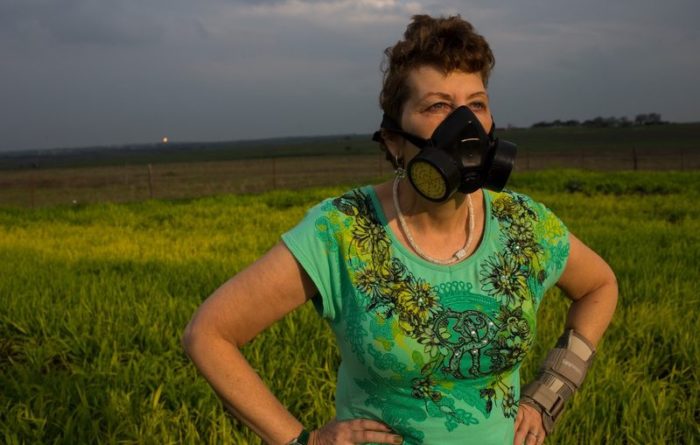
LA Gas LeakIn addition to the risk of explosion, the smell of natural gas can make many people ill. Hundreds of residents of Porter Ranch, near Los Angeles, were recently sickened by a natural gas leak from a nearby underground storage facility a mile away. The cause of their headaches, nausea and nosebleeds was mercaptan, the chemical added to natural gas that smells like rotten eggs.

What is natural gas?

Natural gas is composed primarily (95% or more) of methane, a colorless, odorless, non-toxic flammable gas. Methane is emitted from natural sources such as wetlands and also from industrial and agricultural processes.

Because methane is odorless, an additive known as mercaptan, or methanethiol, is added to natural gas to make the presence of methane detectable. Mercaptan additives contain sulfur, which is the reason natural gas smells like rotten eggs. Exposure to mercaptan can result in a variety of adverse health effects, including irritation of the eyes, skin and respiratory tract. Natural gas can also contain small amounts of potentially harmful volatile organic compounds (VOCs) such as ethane, propane, butane and even toxic compounds such as benzene and toluene.

Methane cannot be filtered. Mercaptan and VOCs can. Unfortunately, methane is not just dangerous – it’s also unfilterable. Adsorption and chemisorption, the two processes by which gas and odor air filters remove chemicals from the air, are ineffective against methane, which has an extremely low molecular weight. As a result, the only effective strategies for reducing indoor methane levels are source control/reduction and increased ventilation.

Mercaptan and VOCs, however, can be efficiently filtered with a high-performance air filtration system with a combination of high quality activated carbon and potassium permanganate – such as the IQAir HealthPro Plus or GC MultiGas (at right) room air purifier. The activated carbon provides adsorption of VOCs, and the potassium permanganate provides excellent chemisorption of mercaptan and many other VOCs, such as formaldehyde. The combination of these two filtration media is ideal.

The IQAir HealthPro Plus Air Purifier- made in Switzerland

Importance of monitoring methane levels.

Because methane is so highly explosive, high-performance air filtration to remove the odors associated with natural gas (mercaptan) is not recommended unless sufficient monitoring with a methane detector has determined that levels are safe. Methane detectors, also known as explosive gas detectors, can be purchased at hardware and home-supply stores.

This article is brought to you by The IQAir Group, friends of the Silo who develop innovative air quality solutions for indoor environments around the globe. IQAir is the exclusive educational partner of the American Lung Association for the air purifier industry.
US Climate Scientist Pushes For Canadian Carbon Tax Serfdom?

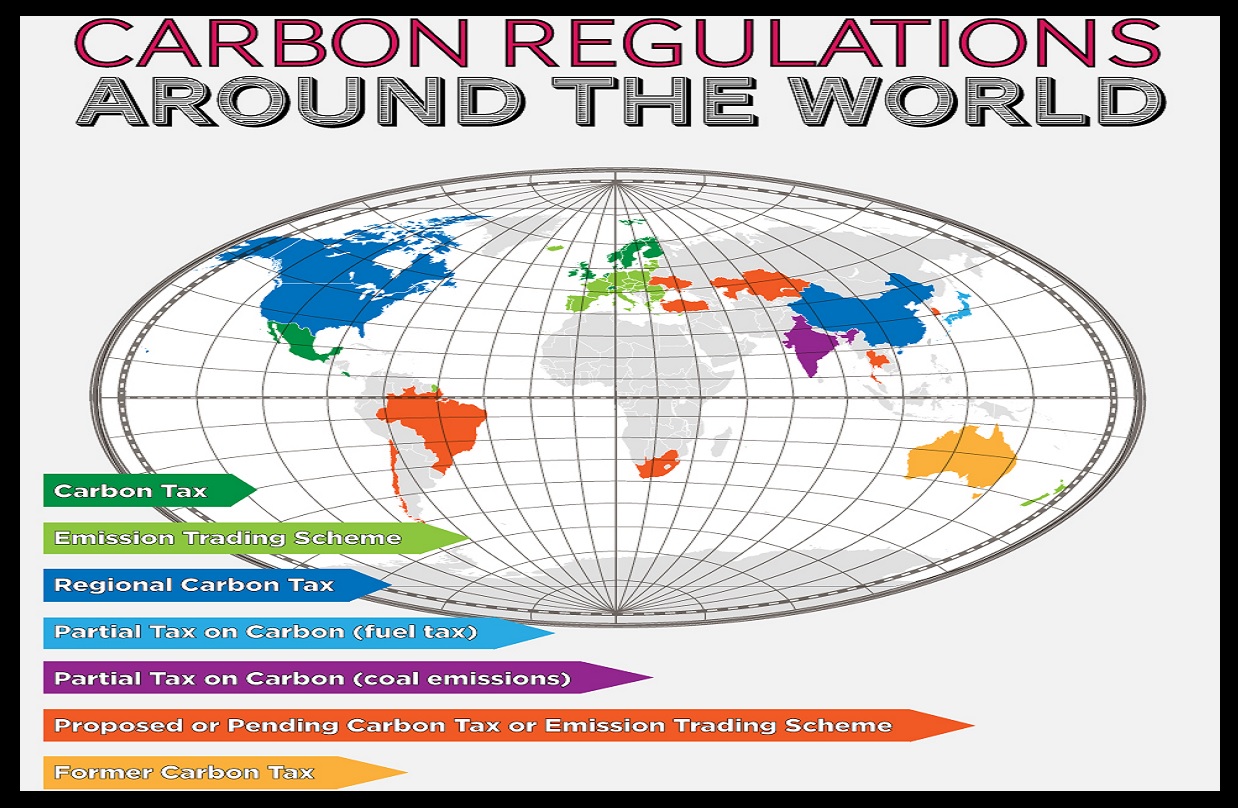
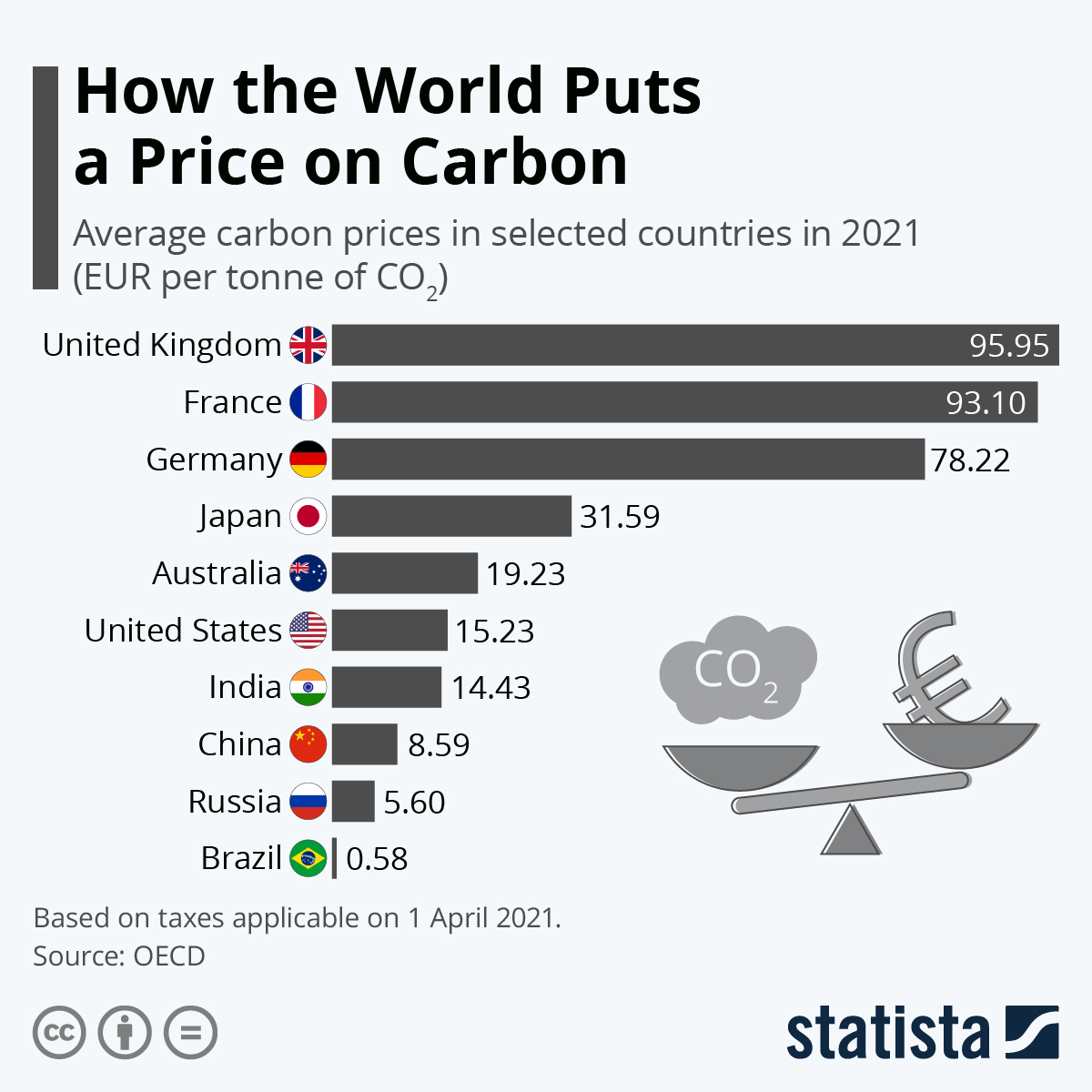
(Calgary, Alberta) The Canadian Federation of Taxpayers (CTF) has issued a new report on global carbon taxes, showing most countries have frozen or rolled back carbon taxes, but US climate scientist James Hansen is pushing for a $210/t carbon tax in Canada by 2030. Hansen’s argument is that the tax has to be high enough that people will buy into the carbon dividend (rebate to lower income households) – effectively making Canadians into carbon serfs and a carbon welfare society. CTF reports: “About half of the emissions covered by carbon taxes are priced below US$10/tCO2e, according to the World Bank’s most recent State and Trends of Carbon Pricing (2019).”  Canada has more than 600 greenhouse gas reduction/incentive measures on the books, which have never been audited for effectiveness.

This begs the question of “what is a climate scientist doing dabbling in Canada’s domestic affairs on carbon taxes, pushing a carbon tax that is 21 times that of the world,” says Friends of Science Society. 

As revealed by Lawrence Solomon in the 2009 article “Enron’s Other Secret” “James Hansen, the scientist who more than any other is responsible for bringing the possibility of climate-change catastrophe to the public, was among the scientists Enron commissioned.”

Chart: How the World Puts a Price on Carbon | Statista

Enron had profited from cap and trade, but the company collapsed into a pile of ashes in 2001 due to off-book accounting and financial fraud.

None-the-less, a group of green billionaires took up the global cap-and-trade challenge, apparently working from the Enron carbon/cap-and-trade scheme model, as reported by Nisbet in 2018.  Like Enron, they have funded local and global environmental groups to agitate for policies in countries around the world, favorable to their proposed global cap and trade plan. The plans require a price on carbon with the intention of funding their trillions in vested interests in renewables.  Many of these groups are associated with the Tar Sands Campaign that has falsely created “Fear and Loathing” of the Alberta oil sands and driven a downturn in the economy.

Michael Moore’s recent movie “Planet of the Humans” revealed how this green crony capitalism is destroying the planet for no climate benefit.

Canadians now face an onslaught of Carbonbaggers – the number one being Mark Carney, now UN Climate Czar and former Bank of England and Bank of Canada governor.  Carney threatens firms with bankruptcy if they do not comply with his demands to report on climate risk and abandon fossil fuel investments.

As Robert Lyman’s new report shows: “Broken Promises: Why Renewables Offer No Resilient Recovery”, Carney is misleading the public and investors on global oil consumption and demand.

Both oil production and consumption have risen by more than one million barrels per day per year since 2012.

• Oil demand is at its highest level in history.

• In absolute terms, oil demand is growing twice as fast as renewables.

• Global oil reserves have risen throughout the period, from 1141 billion barrels in 1998 to 1730 billion barrels in 2018; peak oil is nowhere in sight. That is a 10 million barrel per day increase over the nine years.

• In absolute terms, natural gas is experiencing the fastest rate of growth of all energy sources, almost three times as fast as renewables.

• Natural gas demand is at its highest level in history.

Friends of Science Society says carbon dioxide from human industry is a nominal influence on climate change, known since the 2013 IPCC AR5 report.  The fact that financial ‘experts’ like Mark Carney are still pushing the climate-carbon dioxide catastrophe theme constitutes a violation of securities regulations related to ‘material change’.  Furthermore, as Roger Pielke, Jr. reports, climate catastrophe scenarios are the product of green billionaires pushing the ‘climate porn’ scenario, which is far from reality or business-as-usual.

“Green” groups in Canada are demanding that the new Canadian Infrastructure Bank be used to finance their green crony capitalist schemes. 

Friends of Science Society issued a request for ethics investigation into the development of the Canadian Infrastructure Bank in Nov. 2017.  The Conflict of Interest concerns expressed there are still valid in their opinion.

Evidence from Norway to Zimbabwe shows that carbon taxes have no discernible impact on emissions reduction and are simply oppressive to taxpayers and industry.  Friends of Science Society says Carbonbaggers should not be using carbon taxes as a means of creating a Canadian climate welfare state, especially not driven by foreign influences, street theatre, and deception.

See “The Roots of Global Warming”.

About

Friends of Science Society is an independent group of earth, atmospheric and solar scientists, engineers, and citizens who are celebrating its 17th year of offering climate science insights. After a thorough review of a broad spectrum of literature on climate change, Friends of Science Society has concluded that the sun is the main driver of climate change, not carbon dioxide (CO2).

Featured image by @HeatherLibby

Artificial Intelligence Or AI Is Set To Take Over Many Industries

Is there any question that Artificial Intelligence, or “AI”, is going to play a huge role in the future? The short answer is no- it’s already playing a large part today, so let’s delve into this new tech and look at how it is benefiting the energy sector and what we can expect to see from this AI phenomenon in the not so distant future.

AI In Energy Sector

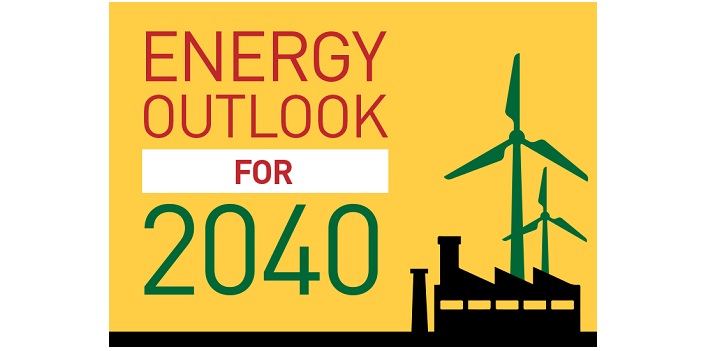
Renewable Energy Outlook for 2040 Includes Cancelling Your Print Newspapers

Hey Silo readers! This infographic courtesy of FuelFighterUK demonstrates how production could look in 2040 and what is being done to make our world a greener place. The infographic covers the projected worldwide growth in energy demand, what is being invested to change the renewable outlook and some awesome eco-friendly innovations that have been made by technology companies. For the Silo, Louis Dixon


Energy Outlook For 2040 Infographic 

Canada Methane Emissions Not Properly Regulated

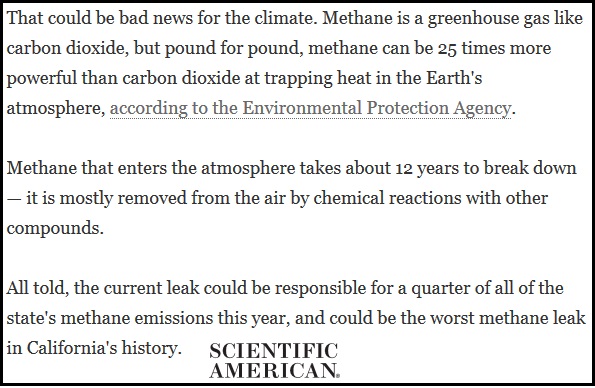
We need to take steps NOW to make sure Canada’s methane (aka Hydrogen Sulfide gas which contains up to 90% methane) emissions are being properly regulated. Methane is a greenhouse gas that is 84 times more potent than carbon dioxide – and its uncontrolled emissions affect everyone.

The solutions to reducing methane emissions are actually very simple – frequent leak detection and repairs, and replacing equipment that deliberately releases methane. The industry is resisting these solutions and pushing the Canadian government for weaker methane regulations. They want longer delays before regulations come into effect, as well as less frequent monitoring so that methane leaks go undetected for longer. And, they want to be paid for reducing methane emissions – so instead of polluters pay, the industry wants it to be pay-the-polluter.

Those who live in Alberta strongly agree that regulating pollutants like methane to the strictest North American standards is the right thing to do. If the province that would be most affected by these regulations feels this way, why aren’t we doing it?

Time is running out to make sure Canada’s methane emissions are strongly regulated. For the Silo, Dale Marshall.  Featured image- Les Stone /Greenpeace

Dale Marshall
National Program Manager

Ontario Ministry Of Transportation Assure “Historic Amount Of Infrastructure Being Built”

Patrick Brown spoke to the Ontario Road Builders Association where he made a number of false statements about the province. Facts Still Matter in Ontario, especially when it comes to the historic amount of transportation infrastructure being built right now across the province.


He said: “I believe we’ve seen lip service to infrastructure over the last 10 years but we’re not seeing shovels in the ground”


Fact: Here are some pictures of shovels in the ground

Eglinton LRT

eglington-lrt

Spadina Subway Extension

spadina-subway-extension

Waterloo LRT

waterloo-lrt


Highway 404 Extension

 highway404extension

(Source: http://m.thecrosstown.ca/Text-Summary-Eglinton-Crosstown-Update?device=mobile)

(Source: http://urbantoronto.ca/news/2012/07/work-progressing-stations-spadina-subway-extension)

(Source: http://www.therecord.com/news-story/6119872-video-drone-s-eye-view-of-lrt-construction-through-kitchener-and-waterloo/)

(Source: http://www.bluestarconstruction.ca/operations-services/projects/404-2/)


He said: “You go to Gujarat, you think you’re on Canadian roads. They’ve really invested in Infrastructure. No wonder they’ve seen their economy grow. No wonder Gujarat was leading India in job growth.”


Fact: The next time he wants to make this point he’s welcome to use Ontario as an example. It’s no coincidence that our government is making the largest infrastructure investment in Ontario’s history and leading the G7 in economic growth.

(Source: https://www.ontario.ca/page/building-ontario, http://www.fin.gov.on.ca/en/economy/ecaccts/)


He said: “We want to make sure that historic infrastructure 130 billion is actually spent on infrastructure not spent simply on, on promises, on press releases”


Fact: Cost of the new GO station in Richmond Hill: $22 million, cost of the press release announcing it was open: $0, cost of catching Patrick Brown making up facts: priceless

(Source: https://news.ontario.ca/mto/en/2016/11/ontario-making-daily-commute-easier-for-york-region-families.html)


He said: “We have become the capital of red tape in North America”


Fact: The CFIB nominated has nominated the Ontario government for its golden scissors award for cutting red tape 3 years in a row. This year the government received two nominations.

(Source: http://www.cfib-fcei.ca/english/article/4786-cfib-announces-golden-scissors-award-finalists.html)


He said: “Projects need to start within mandate… It’s an insincere commitment promising something for 2019 or 2031”


Fact: Meaningful projects take longer than 4 years to build. If Patrick Brown won’t build anything that takes longer than 4 years that means he wouldn’t build any new subways or LRT’s.

(Source: http://vivanext.com/blog/2009/12/01/the-spadina-subway-extension-moves-forward/)


He said: “The biggest announcement was for Hydro One, government said we’d get money for infrastructure. Of the first $4 billion sold, 0 went into infrastructure, money has been diverted to general revenue”


Fact: All of this money went into the Trillium Trust to be spent on projects like like GO Regional Express Rail, Mississauga and Hamilton LRT’s and the recently announced natural gas expansion.

(Source: https://news.ontario.ca/mof/en/2015/04/the-trillium-trust-and-moving-ontario-forward.html, https://news.ontario.ca/moi/en/2017/01/expanding-natural-gas-to-more-communities-across-ontario.html)

For the Silo, Alana Kiteley.