The gambling industry in Canada has changed a lot over the years. While land-based casinos remain popular, online platforms have opened up new opportunities for players who prefer the convenience of playing from home. With better internet access, secure payment methods, and a wider variety of games, more Canadians are choosing online casinos over traditional ones.
Online casinos allow players to enjoy everything from classic slot machines to live dealer games, making them a preferred choice for those looking for excitement without visiting a physical casino. Many platforms are now licensed and regulated to ensure safe and fair play. Whether you are a beginner or an experienced player, the options available today cater to everyone.
One of the biggest attractions of online casinos is the variety of games they offer. Websites casinosincanada provide detailed reviews and recommendations on the best platforms available, making it easier for players to choose a trustworthy casino.
Understanding Online Casino Regulations in Canada
The legal status of online gambling in Canada is unique. While gambling is allowed, it is regulated at the provincial level. This means that each province has its own rules regarding online casinos. For example, Ontario has introduced a fully regulated market through iGaming Ontario, allowing licensed operators to provide legal online gambling services.
Other provinces, such as British Columbia and Quebec, operate their own online casino platforms. However, many Canadians still play on international sites that accept players from Canada. These offshore casinos operate under licenses from jurisdictions such as Malta, Gibraltar, and Curacao.
Since each province sets its own rules, it’s important for players to check whether an online casino is legally allowed to operate in their area. Choosing a licensed casino ensures a safer experience, as these platforms follow strict guidelines to protect players.
The Most Popular Online Casinos in Canada
With so many online casinos available, choosing the right one can be difficult. Here are some of the top-rated casinos that Canadian players trust:
1. JackpotCity Casino
Established in 1998, JackpotCity is known for its wide selection of games.
Offers over 700 games, including slots, table games, and live dealer games.
New players can claim up to $1,800 in welcome bonuses.
Holds a license from the Malta Gaming Authority, ensuring a secure experience.
2. Spin Casino
Provides a user-friendly platform with high-quality games.
Features over 700 slot machines and table games.
New users can receive a $1,000 match bonus plus free spins.
Licensed by the Malta Gaming Authority.
3. LeoVegas Casino
Specializes in mobile gaming, offering over 2,500 games.
Known for fast withdrawals, often processed within 24 hours.
Provides a welcome bonus of up to $1,000 plus 100 free spins.
Holds licenses from iGaming Ontario and the Malta Gaming Authority.
4. PartyCasino
Features a mix of classic and modern casino games.
Offers frequent promotions and a loyalty rewards program.
Licensed by the UK Gambling Commission and the Gibraltar Regulatory Authority.
5. Bet365 Casino
A well-known international platform with a strong reputation.
Provides over 2,000 games, including slots, blackjack, and roulette.
New players receive 100 free spins with no wagering requirements.
Regulated by the UK Gambling Commission and iGaming Ontario.
How to Choose the Right Online Casino
If you are new to online gambling, selecting a reliable casino is crucial. Here are a few things to look for:
1. Licensing and Security
Always choose a casino that is licensed by a trusted authority. This ensures fair gaming and secure transactions. Look for SSL encryption, which protects personal and financial data.
2. Game Selection
A good casino should offer a wide variety of games, including slots, table games, and live dealer options. Make sure the platform provides games from reputable software providers.
3. Bonuses and Promotions
Many casinos attract new players with welcome bonuses, free spins, and loyalty programs. Read the terms and conditions carefully to understand wagering requirements before claiming any offers.
4. Payment Methods
Choose a casino that supports convenient and secure payment options. Common methods include credit cards, e-wallets, and bank transfers. Fast withdrawal processing is a key factor to consider.
5. Customer Support
Reliable customer support is essential for a smooth gaming experience. Look for casinos that offer 24/7 assistance through live chat, email, or phone.
The Future of Online Gambling in Canada
The online gambling industry in Canada is evolving rapidly. Ontario’s success in regulating its online market may encourage other provinces to introduce similar frameworks. This could lead to safer and more transparent gaming environments across the country.
Technology is also changing the way people play. Virtual reality (VR) and augmented reality (AR) are expected to enhance the gaming experience, making online casinos more interactive. Additionally, cryptocurrency payments may become more common, providing faster and more secure transactions.
Final Thoughts
Online casinos offer a great way to enjoy casino games without visiting a physical location. With the right precautions, players can have a fun and safe experience. Checking for proper licensing, choosing reputable platforms, and setting limits on gameplay are important steps in responsible gambling.
As the industry grows, more Canadian players will have access to better platforms, improved security, and a wider range of gaming options. Whether you are playing for fun or real money, always gamble responsibly and choose casinos that prioritize player protection. For the Silo, Vinayak Gupta.
Newcomers increase consumption and spending, and are actually contributing to demand for labour in other sectors.
Study in Brief
This study investigates the effects of Canada’s expansive immigration policy, implemented between 2016 and 2024, on labour shortages. It explores how the influx of permanent and temporary immigrants has affected the balance between labour supply and demand, with attention to whether the policy has met one of its key objectives – alleviating shortages in labour markets.
It provides an analysis of labour market dynamics through the lens of the Beveridge curve, which tracks the joint path of unemployment and job vacancies over time. The study compares labour market tightness before, during, and after the pandemic and evaluates how rapidly rising immigration and the adoption of remote work have affected job vacancy rates in Canada.
The arrival of immigrant workers has expanded the supply of labour to employers, but has also generated additional income and spending, and hence greater demand for labour throughout the economy. The macroeconomic evidence from this study indicates that, on balance, the increase in demand generated by immigration has more than likely outpaced the additional supply, potentially making economy-wide labour shortages more widespread rather than alleviating them.
Introduction
Canada’s immigration levels began to accelerate in 2016, following a period of relative stability. From 2001 to 2015, the annual inflow of immigrants, including both permanent and temporary admissions, was reasonably stable at around 0.85 percent of the overall population. In the following years, despite a temporary contraction during the pandemic, this rate rose fourfold, reaching up to 3.2 percent of the population in 2023.
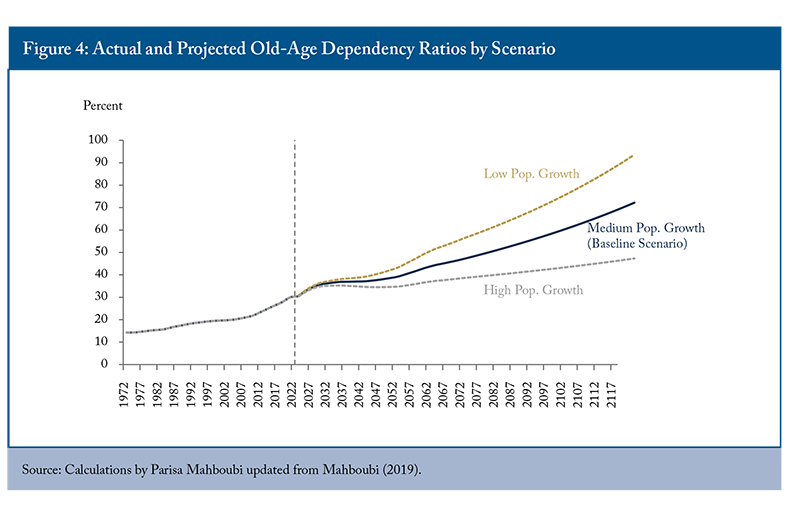
This post-2015 expansion was consistent with recommendations from the Advisory Council on Economic Growth, established by Minister of Finance Bill Morneau in 2016. The Council’s 2016 report suggested that the annual number of permanent economic immigrants should be increased from 300,000 in 2016 to 450,000 in 2021, and to nearly double this number later. Its stated objectives were to increase population growth, reduce the old age dependency ratio, generate a bigger GDP, and accelerate the rise in real GDP per capita by easing shortages of high-skilled workers and other means. Policymakers, encouraged by the perceived success of Canada’s immigration program, embraced the idea that higher immigration levels could deliver even greater economic and demographic benefits.1 The Council also urged the government to facilitate admissions of temporary workers and attract more international students. The government responded by increasing permanent immigration levels from 270,000 in 2015 to 480,000 in 2024, allowing uncapped increases in temporary immigration, and trying to address shortages of low- as well as high-skilled labour.
The C.D. Howe Institute’s research has shown that the benefits of immigration in mitigating population aging, and supporting the growth of GDP per capita, have been more limited than expected (Mahboubi and Robson 2018; Doyle, Skuterud and Worswick 2024). The present study is an attempt to assess whether the policy has succeeded in meeting the goal of easing the challenges employers face in finding suitable candidates for their job openings. The answer to this question has clearly been a big “yes” at the level of the individual employer. Many employers are benefiting from the contribution of their new immigrant workers, which is the basis for the unrelenting support for more immigration by representative national business organizations.
It is less clear whether immigration has helped alleviate labour shortages in the overall economy. Immigration not only expands the supply of labour, but also adds to the demand for labour. Putting more immigrants to work generates an expansionary multiplier effect on gross domestic product (GDP) and national income. As the additional income is spent on various consumption and investment goods by households, businesses and governments, the demand for labour increases. The net effect of immigration on the difference between supply and demand in the aggregate economy is, therefore, a priori uncertain. It could be negative or positive.
My goal in this study is to uncover what simple economic logic, and the statistical evidence from Canadian macrodata, reveal about the direction and quantitative importance of the net effect of rising immigration on the economy-wide balance between the demand for, and the supply of, labour. I find that the demand has likely matched or exceeded the supply and has therefore increased the overall job vacancy rate at any given level of unemployment.
Labour Shortages and Job Vacancies
What do “labour shortages” mean, and how have they evolved since Canada’s immigration rate began to increase eight years ago? Employers feel they are short of labour when the number of unfilled job openings significantly exceeds the number of available employees with the necessary skills and qualifications to meet their operational needs. Each month, Statistics Canada reports the extent of labour shortages in various sectors and regions from its Job Vacancy and Wage Survey. It is called the “job vacancy rate” and is an estimate of the number of job vacancies as a percentage of total labour demand, including all occupied and vacant salaried jobs.
Data on the job vacancy rate have been available since 2015 (Figure 1). After the oil-induced economic slowdown of 2014-2015, job vacancies increased from 2.3 percent of labour demand in mid-2016 to 3.3 percent in early 2020. No vacancy data were available from April to September 2020 due to a six-month pandemic-related pause in Statistics Canada’s survey. Moving through the spring 2020 recession, but with the unemployment rate still very high, job vacancies then increased swiftly, reaching a peak of 5.7 percent of all occupied and vacant jobs in the second quarter of 2022. But with the economic slowdown and slackened labour markets subsequently accompanying high interest rates, vacancies fell back to 3.0 percent of labour demand in the third quarter of 2024.
Immigration and Labour Supply and Demand
Since 2015, Canada’s job vacancy rate has fluctuated in response to three key macroeconomic factors: rising immigration, the pandemic, and fluctuations in aggregate economic activity.
Immigration has risen steadily in recent years, with both permanent and temporary entries increasing in each non-pandemic year (Figure 2). Permanent admissions rose from 272,000 in 2015 to 472,000 in 2023. This upward trend was guided by the multi-year immigration-level targets set each year since 2017 by the government in its Annual Report to Parliament on Immigration. For example, the target for permanent admissions in 2023 was set at 465,000 in the 2022 Report.
Temporary immigration includes holders of study or temporary work permits, asylum seekers, and their family members. They are collectively referred to as “non-permanent residents” by Statistics Canada. Prior to 2024, temporary immigration was excluded from the government’s annual targets. It was uncapped and followed demand from businesses and educational establishments. The net annual addition to temporary permits (new entries less exits to permanent residence and to abroad) rose from basically zero in 2015 to 190,000 in 2019, and 821,000 in 2023 (Figure 2).
Overall, total immigration – the sum of permanent and temporary immigration – increased fivefold from 263,000 in 2015, to 1,293,000 in 2023. Was this fivefold surge in immigration over eight years able to lower the job vacancy rate and reduce labour shortages in the aggregate Canadian economy? How could it not? Prima facie, the arrival of new immigrant workers increases the supply of labour, allowing recipient employers to ameliorate their personnel gap, at least in part. The addition of immigrant labour might suggest the “common sense” inference that labour scarcity has been effectively eased up throughout the economy.
However, it is erroneous to assume that simply because immigration solves the personnel shortage of individual employers, it will necessarily solve the problem of labour scarcity in the aggregate economy.
The error comes from focusing narrowly on increasing the supply of labour, while neglecting the simultaneous increase in the demand for labour that is generated by immigration. With more immigrants in the workforce, employers can produce more goods and services and generate more income for themselves, their employees, and their suppliers – a good thing. However, to assess the overall effect of immigration on labour scarcity, it is crucial to consider that this additional income will be spent on various consumer and investment goods. Immigrants allocate their new income, along with any savings brought from abroad, to essentials such as food, clothing, housing, transportation, personal care, and leisure. In turn, employers and their chains of suppliers invest more in construction, machinery and intellectual property. Furthermore, immigrants, employers and suppliers all contribute to taxes, which governments allocate to meet the increased demand for social services, including public housing, education, and healthcare. The growing demand for private and public goods and services will expand aggregate labour demand.
In other words, the hiring of immigrants initially adds to the supply of labour, but it also ends up adding to the demand for labour once the new income generated is spent throughout the economy and a multiplier effect is generated on GDP. On net, it is a priori uncertain whether the supply increases more than the demand, in which case labour would be made less scarce overall, or whether it is the demand that increases more than the supply, in which case labour would be made scarcer.
As a first attempt to clarify the picture, let us see how the excess of labour supply over labour demand evolved from 2016 to 2024 (Figure 3). I take labour supply to be the entire labour force (all workers who are employed or are looking for work), and labour demand to be the sum of employment and job vacancies (all jobs that are occupied or ready to be filled). Expressed as a percentage of the labour force, the difference between the two – excess supply – boils down to the difference between unemployment and job vacancies. Excess supply goes up or down depending on whether unemployment increases more or less than job vacancies.
Figure 3 shows that the excess supply of labour has fluctuated widely since 2016. In the pre-pandemic period 2016-2019, it declined from 5.4 percent to 2.9 percent of the labour force. Labour became scarcer. During the pandemic year 2020, it shot up to 6.1 percent of the labour force. But in the aftermath, labour demand outpaced supply again so that by mid-2022 excess supply had dropped to a low of 0.3 percent of the labour force. Since then, it has risen back to 4.1 percent.
The time path of the excess supply of labour cannot alone determine whether the rise in immigration since 2016 has increased labour supply more or less than labour demand. Excess supply results from the interplay of three simultaneous determinants: rising permanent immigration and accelerating temporary immigration, the disruptions caused by the pandemic and its potential after-effects, and fluctuations in aggregate activity. For example, the declining excess supply in the pre-pandemic period 2016-2019 was the combined outcome of rising immigration and aggregate economic expansion. But the impact of rising immigration cannot be separated out from that of aggregate economic expansion by just looking at the trend in excess supply. Correctly identifying the net effect of each of the two factors requires a more comprehensive economic and statistical analysis of the data.
The Shifting Beveridge Curve
To identify the net effect of immigration on labour shortages, I will use a well-established tool called the Beveridge curve. The Beveridge curve offers valuable insights by highlighting the observed inverse relation between vacancies and unemployment.
William Beveridge (Beveridge 1960) used the unemployment rate as a main marker of fluctuations in aggregate activity, a practice business cycle analysts still follow to this day (Romer and Romer 2019; Hazell et al. 2022). He observed that vacancies and unemployment typically move in opposite directions through business cycles. He attributed the negative relationship to the pressure exerted by aggregate activity on economic potential. When aggregate economic activity was moving up to its full potential (as in Canada in 2016-2019), there were fewer unemployed workers and more job vacancies. Conversely, when activity was moving away from potential (as in Canada in 2023-2024), there were more unemployed workers and fewer job vacancies. Since 1960, this inverse relation between the job vacancy rate and the unemployment rate – now called the Beveridge curve – has played a key role in macroeconomic analysis of labour markets. It has been abundantly studied by researchers and has been identified in job vacancy and unemployment data in many countries (e.g., Blanchard and Diamond 1989; Pissarides 2000; Archambault and Fortin 2001; Elsby, Michaels and Ratner 2018; Michaillat and Saez 2021).
It is instructive to examine the trajectory of the Canadian unemployment – job vacancy relation in two-dimensional space from 2015 to 2024 (Figure 4). First, following the 2015 economic slowdown, the economic expansion of 2016-2019 brought a decrease in the unemployment rate and an increase in the job vacancy rate along a path that was consistent with a negatively sloped Beveridge curve. The sudden outbreak of the pandemic in early 2020 shattered this trajectory. The unemployment – job vacancy pair was sent far outward toward the northeast corner of the chart. From then until the end of 2021, it followed a new Beveridge curve to the northwest. During the recovery following the pandemic recession in the spring quarter of 2020, the unemployment rate decreased and the job vacancy rate increased along a path that was about parallel to that of 2015-2019, but at a much higher level. For instance, whereas the unemployment rate was the same in the summer quarter of 2021 as in the winter quarter of 2016 (7.25 percent), the job vacancy rate was twice as large in the former (4.2 percent) as it was in the latter (1.9 percent). Finally, as the pandemic faded, the unemployment – job vacancy pair did a loop to the west. A new post-pandemic Beveridge curve emerged along a southeasterly trend that looked parallel to, but somewhat higher than, the old pre-pandemic path of 2015-2019.2
This visual check reveals that there have been three distinct periods in the inverse relationship between job vacancies and unemployment, known as the Beveridge curve: pre-pandemic, pandemic and post-pandemic. The start and end of the pandemic significantly affected the vertical position of the Beveridge curve in the unemployment – job vacancy space. Although the three branches are not perfectly aligned, they appear to be nearly parallel. According to the statistical results in Table 1 below, a one percent change in the unemployment rate corresponds to about a 1.5 percent change in the opposite direction in the vacancy rate – this is sometimes referred to as the Beveridge curve “elasticity.”
The shifts in the Canadian Beveridge curve during the pandemic are not an entirely unexpected development. Shifts have occurred from time to time in the past.3 As Figure 4 has shown, the Canadian Beveridge curve looked relatively stable before the pandemic in 2016-2019. Figure 5 is an idealized illustration of the position it occupied in the unemployment – job vacancy space in this period. However, starting in 2020, it shifted significantly. It first moved outward during the pandemic in 2020-2021 and then returned inward after the pandemic in 2022-2024.
As an initial assessment of the magnitude of these movements, I use the actual values of unemployment and job vacancies to calculate the implied monthly shifts in the Figure 5 Beveridge curve from January 2016 to October 2024. I then illustrate the implied vertical movements of the job vacancy rate corresponding to a given reference unemployment rate of 5.5 percent4 by averaging the results for each year from 2016 to 2024. The vertical height of the Beveridge curve calculated in this way increased from 2.8 percent in 2019 to nearly 6 percent in 2020-2021, and dropped back to 3.2 percent in 2024 (Figure 6).
The Beveridge curve’s elevation at around 3.2 or 3.3 percent in the post-pandemic period 2023-2024 is higher than its height of 2.8 or 2.9 percent in the pre-pandemic period 2018-2019. This can be attributed to shifts in the ratio of two background factors: the intensity of labour reallocation across occupations, industries and regions, and the efficiency of the matching process between job openings and job seekers (Blanchard, Domash and Summers 2022). At any given rate of unemployment, the job vacancy rate and the Beveridge curve will be higher in relation to the intensity of labour reallocation and the inefficiency of job matching.
The first factor, the intensity of labour reallocation, is captured by the monthly flow of hires as a percentage of the labour force. It is shown as an index with 2019 = 100 in Figure 7. It increased by some 10 percent during the pandemic of 2020-2021. Labour moved from transport industries and those requiring person-to-person contact toward electronic communications and home deliveries. There was a displacement from traditional businesses and occupations to those allowing work from home. However, in 2022-2024 labour reallocation calmed down and its intensity decreased by some 15 percent below its 2019 level. This pushed the Beveridge curve downward.
The second factor, the efficiency of job matching, reflects the capacity of labour markets to generate hires at the observed levels of unemployment and job vacancies. It is an index with 2019 = 100 in Figure 8. It experienced a sharp drop of nearly 20 percent during the pandemic (2020-2021). Factors contributing to this decline include the increasing physical distance between vacant positions and available candidates, as well as the widening gap between the demand for and supply of skills. Also, the rise in illnesses and the increased popularity of remote work during the pandemic likely may have contributed to a decline in job search intensity. As a result, employers found it more difficult to match job offers with suitable job seekers. Matching efficiency did not recover from 2022-2024. It remained some 20 percent below its pre-pandemic level of 2018-2019. This pushed the Beveridge curve upward.
Going from 2019 to 2024, movements in labour reallocation and matching efficiency had opposite effects on the height of the Beveridge curve. But the upward pressure on the curve from the 20 percent drop in matching efficiency was greater than the downward pressure from the 15 percent decline in labour reallocation. Therefore, as already pictured in Figures 4 and 6, the net outcome is that, going over the pandemic, the Beveridge curve wound up at a higher level in 2024 than in 2019, implying a higher job vacancy rate for any given unemployment rate.
So far, I have used the Beveridge relation between job vacancies and unemployment as a broad interpretive framework for macroeconomic developments in Canada over the 2015-2024 period. First, I have focused on the effect of fluctuations in aggregate economic activity (captured by changes in unemployment) on the job vacancy rate. Second, I have noted that the onset and ending of the pandemic have been big shifters of this unemployment – job vacancy trade off upward in 2020-2021 and downward in 2022-2024. Nevertheless, third, I have shown that, mainly due to a persistent 20 percent drop in job matching efficiency since 2019, the Canadian Beveridge curve was occupying a higher vertical position in 2023-2024 than before the pandemic.
In addition to the pandemic, Canada’s immigration policy, characterized by rising immigration levels, is another major development that has impacted labour markets in recent years. Like the pandemic, this policy may have affected the level of the unemployment rate along the Beveridge curve, as well as the vertical position of the curve, through its impacts on labour reallocation and matching efficiency. The following sections try to assess the existence and magnitude of these potential effects of immigration.
Economic Logic
The Beveridge framework can be used to explain how the expansion of immigration in Canada before and after the pandemic could have produced a lasting decrease or increase in labour shortages. Excluding the pandemic’s influence, rising immigration may affect aggregate labour shortages in two mechanical ways: by causing labour markets to slide up or down along the Beveridge curve, or by shifting the entire position of the Beveridge curve upward or downward, resulting in a larger or a smaller number of job vacancies for any given unemployment rate.
The first scenario involves a slide along the Beveridge curve. If rising immigration moves the economy up and to the northwest, unemployment decreases and vacancies increase; if the economy descends to the southeast, unemployment increases and vacancies decrease, as shown in Figure 5.
A permanent increase in unemployment along a given Beveridge curve is not what is generally hoped for by policymakers and the public. We want to achieve a permanent reduction in labour scarcity without being forced to suffer a permanent increase in unemployment. Nevertheless, it is important to understand how rising immigration could impact unemployment permanently, such that a higher or lower unemployment rate would be structurally needed to keep inflation low and stable over time.
A rough check on whether a higher immigration rate has raised or lowered the national unemployment rate consists of seeing if the excess of the national rate over the rate of the experienced group, formed by the Canadian-born plus the immigrants landed more than five years earlier, was higher or lower in 2023 than in 2015. Labour force data indicate that the excess of the national rate over the rate of this experienced group did increase in this period, but by just 0.1 percentage point, owing essentially to the rising labour force share of immigrants landed less than five years earlier. Seen in this light, rising immigration does not seem to have had a meaningful direct effect on structural unemployment. This result is consistent with research by Dion and Dodge (2023), who found no significant change in the national unemployment rate needed to keep inflation stable, known as the noninflationary rate of unemployment, that could be attributed to rising immigration.
It is a relief to see that rising immigration has not entailed a permanent reduction in the job vacancy rate by permanently pushing the national unemployment rate upward. There is evidence, though, that rising immigration has led to greater cyclical volatility of unemployment. First, the phenomenal expansion in the number of new residents since 2021 is known to have contributed to the strong demographic pressure on the demand for housing and, hence, to the significant increase in the cost of rented and owned accommodation. The Bank of Canada has acknowledged that the persistence of high shelter inflation consequently acts “as a material headwind against the return of inflation to the 2 percent target” (Bank of Canada 2024). In other words, through this channel, rising immigration is prolonging the current period of slower growth and higher unemployment. Second, the difference in cyclical sensitivity of the unemployment rate, between the above-defined experienced group and immigrants landed less than five years earlier, seems to have increased. In the economic slowdown during the spring quarter of 2024, the unemployment rate was 4.0 points higher than a year before for immigrants landed less than five years earlier, but only 0.7 point higher for the experienced group. The difference of 3.3 points between them was larger than in the 2009 and 2020 recessions. It could be due in part to the rising share of the low-skilled population of immigrant workers, which is more exposed to layoffs.
This study is primarily concerned with the permanent structural effects of rising immigration on unemployment, which look small, and not with the short-term economic and social costs associated with the greater cyclical volatility of unemployment around its steady state. Nevertheless, the possibility that these short-term costs are real should be kept in mind. Easing labour scarcity by tolerating more unemployment, whether of the short- or long-term variety, is an outcome our policies should try to avoid.
The other way rising immigration may have impacted aggregate labour shortages is by moving the vertical position of the entire Beveridge curve up or down in the unemployment-job vacancy space. Ultimately, we want to know whether rising immigration has increased the job vacancy rate and worsened labour shortages, or whether it has decreased the vacancy rate and alleviated the shortages, at every given level of unemployment.
The combined visual evidence presented by Figures 4 to 8 above implies that the Beveridge curve did shift upward somewhat from the pre-pandemic to the post-pandemic period, particularly due to a persistent 20 percent drop in job matching efficiency. Has rising immigration in Canada contributed to this evolution? Bowlus, Miyairi and Robinson (2016) conducted a longitudinal study of the job search behaviour of immigrants to Canada in 2002-2007. Results imply that heightened immigration may reduce matching efficiency in the short run, as new immigrants often face a lower rate of job offers than natives during their initial integration period. Based on US data, Barnichon and Figura (2015) focused on the two primary determinants of aggregate matching efficiency: worker heterogeneity and labour market segmentation. They pointed out that matching efficiency would decline if workers with a lower-than-average search efficiency became more represented among job seekers, or if the dispersion between tight labour submarkets and slack ones increased. These two conditions would seem to apply to the Canadian context with rising immigration. Lu and Hou (2023) have identified a major shift of immigration toward lower-skilled workers, and a significant relative tightening of labour markets such as construction, accommodation, food, business support services, education, healthcare, and social services. The statistical analysis below will provide a test of whether in recent years rising immigration has in fact shifted the Beveridge curve upward and intensified labour scarcity, or not.
Rising immigration is not the only macroeconomic development that may conceivably have affected aggregate labour shortages in the post-pandemic period. It is entirely conceivable that some of the changes triggered suddenly by the pandemic shock may have persisted into the post-pandemic era. Potentially, the most important of these is the widespread shift to work from home (Aksoy et al. 2023). The pandemic can be seen as a mass natural experiment that brought millions of workers in Canada, and other countries, to suddenly experience more work from home, to value its benefits, and to stick to it thereafter, often with a surprising upside in productivity.
The percentage of Canadian workers aged 15 to 69 who work most of their hours from home was 7 percent in early 2020. It sprang to 41 percent in the great confinement month of April 2020, and then declined as the pandemic evolved and faded out. But it was still holding up around 20 percent in the first half of 2024, which was three times as large as the 7 percent of early 2020.
The large increase in the percentage of Canadians working primarily from home has introduced an increase in worker heterogeneity compared to the pre-2020 period. With more workers satisfied with their work from home, fewer are incentivized to seek new jobs, particularly of the traditional variety. Following the Barnichon and Figura (2015) result, this could partly explain the reduction in job matching efficiency that has so far kept the Beveridge curve at a higher level than otherwise.
The economic logic developed in this section suggests that rising immigration and increased work from home may have contributed to the 20 percent loss of matching efficiency that has kept the post-pandemic height of the Canadian Beveridge curve at a level higher than before the pandemic. (However, fully confirming this hypothesis is beyond the scope of this study).
Statistical Analysis
This section summarizes an analysis of the factors influencing job vacancies in Canada, focusing on immigration and the rise of work-from-home arrangements. Introducing the rate of work from home as a factor is done to verify whether the shift to work from home that was initiated by the pandemic, but persisted in 2022-2024 (Schirle 2024), affected the position of the Beveridge curve.5
The analysis spans six Canadian regions – Atlantic Canada, Quebec, Ontario, the Prairies (Manitoba and Saskatchewan), Alberta, and British Columbia – across the periods from 2015 to 2019 (pre-pandemic) and 2022 to 2024 (post-pandemic).
Table 1 summarizes the key findings of the statistical results. Consistent with expectations, it shows that the Beveridge relationship between vacancies and unemployment is negative, with a precisely estimated elasticity of -1.42 in the two models. The results also show that immigration has been a significant contributor to the rise in job vacancies in Canada. Specifically, Model 1 estimates that a one percentage point increase in the immigration rate is associated with an 8.12 percent increase in the job vacancy rate after one year. It suggests that rising immigration has pushed the Beveridge curve upward, increasing the job vacancy rate at each unemployment rate over the period. However, when accounting for the rise in work-from-home arrangements in Model 2, the effect of immigration is smaller, at 3.21 percent,6 reflecting the additional impact of remote work.7 The positive effect of work-from-home arrangements is estimated at 0.85 percent.
These results suggest that both factors – immigration and remote work – have played a significant role in pushing the Beveridge curve upward, making it more difficult to match available workers with job openings.
While both factors contribute to the rise in job vacancies, their high correlation complicates the ability to isolate their individual effects. The correlation between immigration and remote work is particularly strong, which makes it challenging to assess their independent impacts.8 As a result, the evidence for immigration’s effect on job vacancies in Model 2 is less powerful than it would be if the data allowed sharper estimation.9 However, the findings from Model 2 indicate that the combined effects of both immigration and remote work have contributed to higher job vacancies, suggesting that increasing immigration alone is unlikely to solve labour shortages in the short term.
To be specific, statistical calculation of Model 2 indicates an 82 percent chance that rising immigration has left the job vacancy rate unchanged or raised it, and only an 18 percent chance that it has lowered it.10 In other words, increased immigration is more than four times as likely to have raised the aggregate demand for labour by as much as, or more than, the supply than to have increased it by less than the supply. In short, it is unlikely that rising immigration in Canada has helped the country solve its economy-wide problem of labour shortages by reducing the job vacancy rate at any given unemployment rate.
A natural question is whether the effect of immigration on job vacancies varies between permanent and temporary immigration. So far, an expanded version of Model 2, which distinguishes between these factors by analyzing the permanent and temporary immigration rates separately, has found no significant difference in their four-quarter total effects.11 Future analyses could benefit from disaggregating data by industry, as the impact of immigration and working from home may vary across sectors. For instance, remote work affects sectors like technology differently than it does retail or construction.
Discussion and Conclusion
This paper’s conclusion, drawn from statistical analysis of the macrodata runs, is contrary to the views of business organizations, which have campaigned relentlessly in favour of increases in permanent and temporary economic immigration in the past several years (e.g., Business Council of Canada 2022; Canadian Manufacturers & Exporters 2023; Canadian Federation of Independent Business 2021; Conseil du patronat du Québec 2022). Their position is understandable and grounded in a genuine concern to address labor shortages. By filling the vacancies, economic immigration enables firms to produce more and maintain or increase profitability.
The evidence presented here does not question the important role immigration can play for individual employers, whose need for additional employees is acute and urgent. However, in economics, everything depends on everything. The direction and importance of a phenomenon, confirmed at a microeconomic level with regard to a particular business, government organization, or sector, can be different or even reversed at the macroeconomic level, once all spillovers into the rest of the economy are accounted for. In his 1955 introductory textbook, the renowned American economist Paul Samuelson warned against the risk of the “fallacy of composition,” where it is assumed that what is true for individual parts is automatically true for the whole economy.
In the case of immigration, the fallacy of composition consists of believing that the advantages accruing to employers that hire immigrants can simply be added up and said to extend to the whole economy. What the present study has uncovered is that this belief is not corroborated by the macroeconomic evidence from the recent experience of Canadian regions. It is true that immigration eases up the dearth of personnel in firms that hire newcomers, which is clearly a good thing. But it is also true, conversely, that it worsens the shortage of labour in industries that must cater to the additional demand for goods and services generated by the addition to total GDP. The induced increase in the demand for labour in the aggregate economy can offset or even exceed the initial expansion of supply, so that it contributes to amplify economy-wide labour shortages on net. The insights I have extracted from Canadian regional data suggest that rising immigration has more likely redistributed or increased labour scarcity across the economy than reduced it overall. The political implication is that, if labour shortages persist or increase in the whole of the country despite fast-rising immigration, the insistent demand of business organizations for more immigration will not calm down; labour shortages will persist or intensify.
The vision of immigration as an economy-wide offset to labour scarcity is also reductionist. To take account solely of the hoped-for benefits accruing directly to employers of new immigrants overlooks the fact that immigration is a global and transformative phenomenon. The purpose of immigration is not only to serve the interests of a particular group. It is of concern to a whole society for reasons that are no doubt partly economic, but also demographic, cultural, social, and humanitarian. Society is morally obligated to welcome and integrate all immigrants in the most humane manner. This requires much time and money. Society must also make sure that the pace of immigration is not so fast that it leads ethnic groups to “hunker down” (as Putnam 2007 found) and provokes serious economic disequilibria in sectors that must absorb the induced increase in demand, such as construction, housing, health, education and social services. The overall pace and composition of immigration must balance individual interests against the challenges it brings to society.
Among these costs are the negative potential repercussions on productivity and wage growth stemming from the open-door immigration policy that Canada has followed until recently. Two key implications merit attention. First, investment in housing, business investment to equip newcomers with required physical and human capital, and government investment in public infrastructure to provide social services have not been able to keep pace with fast-rising immigration. Second, the open-door policy has made it easy for employers to rely on low-skilled foreign workers to meet high labour demand, which has been concentrated in low-wage industries (Lu and Hou 2023). While immigration alleviates immediate labour shortages, it may suppress wage increases that would otherwise occur as labour markets tighten and affect capital investments.
For example, in the 12 months leading to 2024Q3, overall wages increased by 4 percent, outpacing inflation at 2 percent, but sectoral differences were stark: wages grew by 3.2 percent in the business sector compared to 6.3 percent in the non-commercial sector. These dynamics suggest that wage growth patterns are influenced by a blend of short-term factors and structural shifts, including immigration trends.
Data also show that business sector labour productivity in Canada is on a slippery slope. From 2021Q3 to 2024Q3, output per hour went down cumulatively by 2.3 percent, whereas it would have gone up by 3.2 percent if it had increased at the same rate as in 1999-2019 (Statistics Canada, table 36-10-0206). While there are many factors behind this slowdown in productivity growth, the high immigration rate may have been a contributor.
In March 2024, the government suddenly announced a reversal of its immigration policy. Immigration Minister Marc Miller committed his department to cutting Canada’s non-permanent resident population from 6.5 percent of the overall population in early 2024 to 5 percent in early 2027. In November, details of the plan were set in the 2024 Annual Report to Parliament on Immigration (Government of Canada 2024, Annex 4). There would be 446,000 fewer entries of new non-permanent residents than exits in each of 2025 and 2026. Annual temporary immigration would be negative to this extent. The Annual Report also announced that the annual target for admissions to permanent immigration would be reduced from 485,000 in 2024 to 395,000 in 2025, 380,000 in 2026 and 365,000 in 2027.
If implemented as intended, scaling back the number of temporary and permanent immigrants will impact Canada’s aggregate labour supply significantly in 2025-2027. The working-age (15-64) population will stagnate instead of increasing by 800,000 or more, as it did in each of 2023 and 2024. An implication of the evidence reported above in Table 1 is that labour demand will likely decline alongside the reduction in labour supply because there will be 800,000 fewer consumers in the Canadian economy. While this policy reversal may not directly address the job vacancy rate, it could reduce vacancies by decreasing the overall demand for labour. As a result, while Canada’s aggregate GDP may contract, GDP per capita could increase, particularly if a smaller portion of national savings is directed toward demographic investments and the composition of immigration shifts toward fewer low-skilled immigrants.
The government’s policy reversal is a first step toward moderation. While it presents challenges, it also offers opportunities for improvement. When employers do not have the luxury of recruiting a rising stream of newcomers who are willing to accept low wages, it may push them to invest more in technology and work reorganization, and hence increase productivity. Furthermore, with a more moderate immigration level, the issue of the lack of absorptive capacity in the economy to provide enough skill-equivalent jobs to high-skilled immigrants will be less acute. Immigrants will see their skill utilization increase and their overqualification rate decrease. This shift could enhance Canada’s ability to attract global talent, aligning with the 2016 recommendation from the Advisory Council on Economic Growth that immigration should help address the shortage of high-skilled workers.
Appendix: Statistical Methodology and Data
This appendix provides a detailed description of the statistical analysis conducted to assess the factors influencing the job vacancy rate in Canada. The analysis spans 27 non-pandemic quarters, covering two periods: 2015Q2 to 2019Q4 (pre-pandemic) and 2022Q4 to 2024Q3 (post-pandemic). It includes data from six Canadian regions – Atlantic Canada, Quebec, Ontario, the Prairies (Manitoba and Saskatchewan), Alberta, and British Columbia. Each of these regions has a population of more than 2 million.
The dataset consists of 162 observations, representing the six regions across the 27 quarters. All labour market and population data are sourced from publicly available Statistics Canada tables. The job vacancy rate and unemployment rate are expressed as ratios of seasonally adjusted job vacancies and unemployment to the labour force. These variables are logarithmically transformed to account for the convexity of the Beveridge curve.
To estimate the relationship between job vacancies and its key determinants, two regression models are specified:
• Model 1 includes the unemployment rate, the immigration rate (measured as the total number of new permanent immigrants and net additional non-permanent residents relative to the population, annualized), and three unconstrained lagged values of the immigration rate.
• Model 2 builds upon Model 1 by including the rate of work from home as an additional explanatory variable. The work-from-home rate is the fraction of workers aged 15 to 69 who work most of their hours from home in their main jobs. This model tests whether the pandemic-induced shift to remote work, which persisted post-pandemic, has affected the Beveridge curve and the job vacancy rate.
Both models incorporate regional and seasonal fixed effects to account for regional disparities and seasonal fluctuations in the labour market.
The author is grateful to Mario Fortin, Gilles Grenier, Jeremy Kronick, Nicolas Marceau, Parisa Mahboubi, Pascal Michaillat, Mario Polèse, Statistics Canada data analysts, Mikal Skuterud, Daniel Schwanen, Christopher Worswick and several anonymous referees for valuable comments and suggestions. The author retains responsibility for any errors and the views expressed.
References
Advisory Council on Economic Growth. 2016. “The Path to Prosperity: Resetting Canada’s Growth Trajectory.” Report of the Advisory Council on Economic Growth to the Minister of Finance of Canada. October.
Ahn, Hie Joo, and Leland Crane. 2020. “Dynamic Beveridge curve accounting.” Finance and Economic Discussion Series 2020-27. Board of Governors of the Federal Reserve System, Washington. March.
Aksoy, Cevat Giray, Jose Maria Barrero, Nicholas Bloom, Steven Davis, Mathias Dolls and Pablo Zarate. 2023. “Working from home around the world.” Brookings Papers on Economic Activity, Fall 2022, 281-330.
Archambault, Richard, and Mario Fortin. 2001. “The Beveridge Curve and Unemployment Fluctuations in Canada.” Canadian Journal of Economics 34(1): 58-81.
Bank of Canada. 2024. Monetary Policy Report. Ottawa, January.
Barlevy, Gadi, Jason Faberman, Bart Hobijn and Ayşegül Şahin. 2024. “The Shifting Reasons for Beveridge Curve Shifts.” Journal of Economic Perspectives 38(2): 83-106.
Barnichon, Régis, and Andrew Figura. 2015. “Labor market Heterogeneity and the Aggregate Matching Function.” American Economic Journal: Macroeconomics 7(4): 222-249.
Beveridge, William. 1960. Full Employment in a Free Society. Second edition. London: Allen & Unwin.
Blanchard, Olivier, and Peter Diamond. 1989. “The Beveridge Curve.” Brookings Papers on Economic Activity (1)1-67.
Blanchard, Olivier, Alex Domash, and Lawrence Summers. 2022. “Bad news for the Fed from the Beveridge space.” Policy Brief. Peterson Institute for International Economics. July.
Bok, Brandyn, Nicolas Petrosky-Nadeau, Robert Valetta, and Mary Yilma. 2022. “Finding a soft landing along the Beveridge curve.” Economic Letter. Federal Reserve Bank of San Francisco. August.
Bowlus, Audra, Masashi Miyairi and Chris Robinson. 2016. “Immigrant job search assimilation in Canada.” Canadian Journal of Economics 49(1): 5-52.
Dion, Richard, and David Dodge. 2023. “Labour force growth and labour market gap in Canada: 2011 to 2032.” Working Paper. Ottawa: Bennett Jones, May.
Doyle, Matthew, Mikal Skuterud and Christopher Worswick. 2024. Optimizing Immigration for Economic Growth. Commentary No. 662. Toronto: C.D. Howe Institute.
Elsby, Michael, Ryan Michaels and David Ratner. 2015. “The Beveridge Curve: A Survey.” Journal of Economic Literature 53(3): 571-630.
Fortin, Pierre.2024. “Does immigration help alleviate economy-wide labour shortages?” Working Paper #70, Canadian Labour Economics Forum, University of Waterloo. May.
Government of Canada. 2024.2024 Annual Report to Parliament on Immigration. Immigration, Refugees and Citizenship Canada. October.
Hazell, Jonathon, Juan Herreño, Emi Nakamura, and Jón Steinsson. 2022. “The Slope of the Phillips Curve: Evidence from US states.” Quarterly Journal of Economics 137(3): 1299-1344.
Lam, Alexander. 2022. “Canada’s Beveridge curve and the outlook for the labour market.” Staff Analytical Note 2022-18, Bank of Canada, Ottawa. November.
Lu, Yuqian, and Feng Hou. 2023. “Foreign workers in Canada: distribution of paid employment by industry.” Economic and Social Reports. Catalogue No. 36-28-0001. Ottawa: Statistics Canada. December.
Mahboubi, Parisa, and William Robson. 2018. “Inflated Expectations: More Immigrants Can’t Solve Canada’s Aging Problem on Their Own.” E-Brief. Toronto: C.D. Howe Institute.
Michaillat, Pascal, and Emmanuel Saez. 2021. “Beveridgean unemployment gap.” Journal of Public Economics Plus 2. December.
Morissette, René, Vincent Hardy and Voltek Zolkiewski. 2023. “Working most hours from home: new estimates for January to April 2022.” Analytical Studies Branch Research Papers Series. Catalogue no. 11F0019M, No. 472. Ottawa: Statistics Canada. July.
Pissarides, Christopher. 2000. Equilibrium Unemployment Theory. Cambridge MA: MIT Press.
Putnam, Robert. 2007. “E Pluribus Unum: Diversity and community in the twenty-first century: The 2006 Johan Skytte Prize Lecture.” Scandinavian Political Studies 30(2): 137-174.
Romer, Christina, and David Romer. 2019. “NBER business cycle dating: Retrospect and prospect.” Paper prepared for the session “NBER and the Evolution of Economic Research, 1920–2020” at the ASSA Annual Meeting, San Diego, California, January 2020. Department of Economics, University of California, Berkeley.
Samuelson, Paul. 1955. Economics: An Introductory Analysis. New York: McGraw-Hill.
Schirle, Tammy. 2024. “Settling into a New Normal? Working from Home across Canada.” E-Brief. Toronto: C.D. Howe Institute.
Shimer, Robert. 2012. “Reassessing the Ins and Outs of Unemployment.” Review of Economic Dynamics 15(2): 127-148.
A special ‘Study in Brief’ via our friends at cdhowe.org
This study estimates the economic benefits of a new, dedicated passenger rail link in the Toronto-Québec City corridor, either with or without high-speed capabilities.
Cumulatively, in present value terms over 60 years, economic benefits are estimated to be $11-$17 billion under our modelled conventional rail scenarios, and $15-$27 billion under high-speed rail scenarios.
This study estimates economic benefits, rather than undertaking a full cost-benefit analysis. The analysis is subject to a range of assumptions, particularly passenger forecasts.
Introduction
Canada’s plans for faster, more frequent rail services in the Toronto-Québec City corridor are underway.
In 2021, the federal government announced plans for a new, high frequency, dedicated passenger rail link in the Toronto-Québec City corridor. More recently, the government has considered the potential for this passenger line to provide high-speed rail travel. These two options are scenarios within the current proposed rail project, which VIA-HFR has named “Rapid Train.” This paper analyzes the economic benefits of the proposed Rapid Train project, considering both scenarios, and by implication the costs of forgoing them.
The project offers substantial economic and social benefits to Canada. At a time when existing VIA Rail users must accept comparatively modest top speeds (by international standards) and regular delays, this project offers a dedicated passenger line to solve network capacity constraints. With Canada’s economy widely understood to be experiencing a productivity crisis (Bank of Canada 2024), combined with Canada seeking cost-effective approaches to reducing harmful CO2 emissions, the project offers both productivity gains and lower-emission transportation capacity. There are, in short, significant opportunity costs to postponing or not moving ahead with this investment and perpetuating the status quo in rail service.
The Toronto-Québec City corridor, home to more than 16 million people (Statistics Canada 2024) and generating approximately 41 percent of Canada’s GDP (Statistics Canada 2023), lacks the sort of fully modernized passenger rail service provided in comparable regions worldwide. For example, Canada is the only G7 country without high-speed rail (HSR) – defined by the International Union of Railways (UIC) as a train service having the capability to reach speeds of 250 km per hour. Congestion has resulted in reliability (on time performance) far below typical industry standards. Discussion about enhancing rail service in this corridor has persisted for decades. But delays come with opportunity costs. This Commentary adds up those costs in the event that Canada continues to postpone, or even abandons, investment in enhanced rail services.
The existing rail infrastructure in the Toronto-Québec City corridor was developed several decades ago and continues to operate within parameters set during that time. However, significant changes have occurred since then, including higher population growth, economic development, and shifting transportation patterns. Rising demand for passenger and freight transportation – both by rail and other modes – has increased pressure on the region’s transportation network. There is increasing need to explore the various mechanisms through which enhancements to rail service could affect regional economic outcomes.
According to Statistics Canada (2024), the Toronto-Québec City corridor is the most densely populated and heavily industrialized region in Canada. This corridor is home to 42 percent of the country’s total population and comprises 43 percent of the national labor market. Transport Canada’s (2023) projections indicate that by 2043, an additional 5 million people will reside in Québec and Ontario, marking a 21 percent increase from 2020. This population growth will comprise more than half of Canada’s overall population increase over the period. As the population and economy continue to expand, the demand for all modes of transportation, including passenger rail, will rise. The growing strain on the transportation network highlights the need for infrastructure improvements within this corridor. In 2019, passenger rail travel accounted for only 2 percent of all trips in the corridor, with the vast majority of journeys (94 percent) undertaken by car (VIA-HFR website). This distribution is more skewed than in other countries with high-speed rail. For example, between London and Paris, aviation capacity has roughly halved since the construction of a high-speed rail link (the Eurostar) 25 years ago, which now has achieved approximately 80 percent modal share (Morgan et al. 2025, OAG website 2019). As such, there is potential for rail to have a greater modal share in Canada, particularly as the need for sustainable and efficient transportation solutions becomes more pressing in response to population growth and environmental challenges.
In practical terms, the cost of not proceeding with the Rapid Train project can be estimated as the loss of economic benefits that could have been realized if the project had moved forward. It should be noted that this study does not undertake a full cost-benefit analysis (CBA) of the proposed investment. Rather, it examines the various economic advantages associated with introducing the proposed Rapid Train service in the Toronto-Québec City corridor. Specifically, it analyzes five key dimensions of economic impact: rail-user benefits, road congestion reduction, road network safety improvements, agglomeration effects (explained below), and emission savings. The first three benefits primarily impact individuals who would have travelled regardless, or were induced to travel by rail or car. Agglomeration benefits extend to everyone living in the corridor, while emission savings contribute to both national and international efforts to combat climate change. In each of these ways, enhanced rail services can contribute to regional economic growth and sustainability. By evaluating these aspects, this study aims to develop quantitative estimates of the benefits that enhanced rail services could bring to the economy and society, and by doing so indicate the potential losses that could result from forgoing the proposed rail investment.
Rail user benefits constitute the most direct economic gains. Through faster rail transport with fewer delays, rail users experience reduced travel times, increased service reliability, and improved satisfaction. The Rapid Train project provides rail-user benefits because dedicated passenger tracks would remove the need to give way to freight transport, thus reducing delays. The Rapid Train project would see further benefits with faster routes reducing travel time.
Congestion effects extend beyond individual transportation choices to influence broader economic activity. This study considers how enhanced rail services might affect road congestion levels in key urban centres and along major highways within the corridor. Road network safety is a further aspect of the economic analysis in this study, as modal shift from road to rail could reduce road traffic accidents and their associated economic costs.
Agglomeration economies are positive externalities that arise from greater spatial concentration of industry and business, resulting in lower costs and higher productivity. Greater proximity results in improved opportunities for labour market pooling, knowledge interactions, specialization and the sharing of inputs and outputs (Graham et al. 2009). Improved transportation (both within and between urban areas) can support agglomeration economies by improving connectivity, lowering the cost of interactions and generating productivity gains.1 Supported by academic literature (Graham 2018), these wider economic benefits are included within international transportation appraisal guidance (Metrolinx 2021, UK Department for Transport 2024). Agglomeration effects from enhanced connectivity offer economic benefits distinct from (and additional to) benefits for rail users.
Environmental considerations, particularly emission savings, constitute a further economic benefit. This analysis examines potential reductions in transportation-related emissions and their associated economic value, including direct environmental costs. This examination includes consideration of how modal shifts might influence the corridor’s overall carbon footprint and its associated economic impacts.
The methodology employed in this analysis draws from established economic assessment frameworks while incorporating recent developments in transportation economics. The study utilizes data from VIA-HFR, Statistics Canada, and several other related studies and research papers. Where feasible, the analysis utilizes assumptions that are specific to the Toronto-Québec City corridor, recognizing its unique characteristics, economics, and demographic patterns.
The findings presented here may facilitate an understanding of how different aspects of rail service enhancement might influence economic outcomes across various timeframes and stakeholder groups. This analysis acknowledges that while some benefits may be readily quantifiable, others involve more complex, long-term economic relationships that require careful consideration within the specific context of the Toronto-Québec City corridor.
Based on our modelling and forecasts, the proposals for passenger rail infrastructure investment in the Toronto-Québec City corridor would present substantial economic, environmental, and social benefits (see Table 4 in the Appendix for a full breakdown, by scenario). Our scenario modelling is undertaken over a 60-year period, with new services coming on-stream from 2039, reported in 2024 present value terms. The estimated total of present value benefits ranges from $11 billion in the most conservative passenger growth scenario, to $27 billion in the most optimistic growth scenario. Cumulatively, in present value terms, economic benefits are estimated to be $11-$17 billion under our modelled conventional rail scenarios, and larger – $15-$27 billion – under high-speed rail scenarios. This is subject to a range of assumptions and inputs, including passenger forecasts.
These estimated benefits are built-up from several components. User benefits – stemming from time savings, increased reliability, and satisfaction with punctuality – are the largest component, with an estimated value of $3.1-$9.2 billion. Economic benefits from agglomeration effects (leading to higher GDP) are estimated at $2.6-$3.9 billion, while environmental benefits from reduced greenhouse gas emissions are estimated at $2.6-$7.1 billion. Additional benefits include reduced road congestion, valued between $2.0-$5.9 billion, and enhanced road safety, which adds an estimated $0.3-$0.8 billion. In addition, further sensitivity analysis has been undertaken alongside the main passenger growth scenarios.
Overall, the findings in this study demonstrate and underscore the substantial economic benefits of rail investment in the Toronto-Québec City corridor, and the transformative potential impact on the Toronto-Québec City region from economic growth and sustainable development.
Finally, there are several qualifications and limitations to the analysis in this study. It considers the major areas of economic benefit rather than undertaking a full cost-benefit analysis or considering wider opportunity costs, such as any alternative potential investments not undertaken. It provides an economic analysis, largely building on VIA-HFR passenger forecasts, rather than a full bottom-up transport modelling exercise. Quantitative estimates are subject to degrees of uncertainty.
The Current State of Passenger Rail Services in Ontario and Québec
The Toronto-Québec City corridor is the most densely populated and economically active region of the country. Spanning major urban centres such as Toronto, Ottawa, Montreal, and Québec City, this corridor encompasses more than 42 percent of Canada’s population and is a vital artery for both passenger and freight transport. Despite the significance of the corridor and the economic potential it holds, passenger rail services in Ontario and Québec face numerous challenges, and their overall state remains a topic of debate.
Passenger rail services in the region are primarily provided by VIA Rail, the national rail operator, along with commuter rail services like GO Transit in Ontario and Exo in Québec. VIA Rail operates intercity passenger trains connecting major cities in the Toronto-Québec City corridor, offering an alternative to driving or flying. VIA Rail’s most popular routes include the Montreal-Toronto and Ottawa-Toronto services, which run multiple times per day and serve business travellers, tourists, and daily commuters.
In addition to VIA Rail’s existing medium-to-long-distance services, commuter rail services play a key role in daily transportation for residents of urban centres like Toronto and Montreal. GO Transit, operated by Metrolinx, is responsible for regional trains serving the Greater Toronto and Hamilton Area, while Exo operates commuter trains in the Montreal metropolitan area. These services provide essential links for suburban commuters travelling to and from major employment hubs.
One of the primary challenges facing passenger rail services in Ontario and Québec is that the vast majority of rail infrastructure used by VIA Rail is owned by freight rail companies and is largely shared with freight trains, which means that passenger trains are regularly required to yield to freight traffic. This leads to frequent delays and slower travel times, making passenger rail less attractive compared to other modes of transport, especially for travellers who prioritize frequency, speed and punctuality. The absence of dedicated tracks for passenger rail is a major obstacle in improving travel times and increasing the frequency of service. Without addressing this issue, it is difficult to envisage a significant modal shift towards passenger rail, with cars having greater flexibility, and planes offering faster travel speeds once airborne. Much of the rail network was constructed several decades ago, and despite periodic maintenance and upgrades, it is increasingly outdated in its inability to facilitate higher speeds.
Passenger rail has the potential for low emission intensity. However, some of the potential environmental benefits of rail services in Ontario and Québec have yet to be fully realized. Many existing VIA Rail trains operate on diesel fuel, contributing to greenhouse gas emissions and air pollution. The transition to electrified rail, which would significantly reduce emissions, has been slow, and there is currently no comprehensive plan for widespread electrification of existing VIA Rail passenger rail services in the region.
The current state of rail passenger services in Ontario and Québec – and the opportunities for improvement – have prompted the development of the Rapid Train project along the Toronto-Québec City corridor, which proposes to reduce travel times between major cities and provide a more competitive alternative to air and car travel. The project would also generate significant environmental benefits by reducing greenhouse gas emissions associated with road and air transport. Furthermore, by investing in enhanced rail services, journey times would be further cut, generating additional time savings and associated economic benefits.
Current Government Commitment to Enhanced Rail Services
The Rapid Train project plans to introduce approximately 1,000 kilometres of new, mostly electrified, and dedicated passenger rail tracks connecting the major city centres of Toronto, Ottawa, Montreal, and Québec City. As such, it would be one of the largest infrastructure projects in Canadian history. It is led by VIA-HFR, a Crown corporation that collaborates with several governmental organizations, including Public Services and Procurement Canada, Housing, Infrastructure and Communities Canada; Transport Canada and VIA Rail, all of which have distinct roles during the procurement phases. Subject to approval, a private firm or consortium is expected to be appointed to build and operate these new rail services, via a procurement exercise (see below).
This new rail infrastructure would improve the frequency, speed, and reliability of rail services, making it more convenient for Canadians to travel within the country’s most densely populated regions. The project has the potential to shift a significant portion of travel from cars (which currently account for 94 percent of trips in the Toronto-Québec City corridor) to rail (which represents just 2 percent of total trips).
The project also seeks to contribute to Canada’s climate goals by reducing greenhouse gas emissions. Electrified trains and the use of dual-powered technology (for segments of the route that may still require diesel) will significantly reduce the environmental footprint of intercity travel. The project is expected to improve the experience for VIA Rail users, as dedicated passenger tracks will reduce delays caused by freight traffic, offering passengers faster, more frequent departures, and shorter travel times.
Beyond environmental benefits, the project is expected to stimulate economic growth by creating new jobs in infrastructure development, supporting new economic centres, and enhancing connectivity between cities, major airports, and educational institutions.
The project is currently at the end of the procurement phase, following the issuance of a Request for Proposals (RFP) in October 2023. Through the procurement exercise, a private-sector partner will be selected to co-develop and execute the project. The design phase, which may last four or more years, will involve regulatory reviews, impact assessments, and the development of a final proposal to the government for approval. Once constructed, passenger operations are expected to commence by 2040.
The Rapid Train project also offers opportunities to improve services on existing freight-owned tracks. VIA Rail’s local services, which currently operate between these major cities, will benefit from integration with this project. Although final service levels are not yet determined, the introduction of a new dedicated passenger rail line is expected to enable VIA Rail to optimize operating frequencies and schedules, leading to more responsive and efficient service for passengers. In turn, this will mean that departure and arrival times can be adjusted to better suit travellers’ needs, reducing travel times and increasing the attractiveness of rail as a mode of transportation for both leisure and business. As many of VIA Rail’s existing passenger services switch onto dedicated tracks, there is potential to free up capacity on the existing freight networks. As such, freight rail traffic may benefit from reduced congestion, supporting broader economic growth by easing supply chains and by improving the efficiency of goods transportation across Canada.
The project design will enable faster travel compared to existing services, but as the co-development phase progresses, it will examine the possibility of achieving even higher speeds on certain segments of the dedicated tracks. Achieving higher speeds is not guaranteed, due to the extensive infrastructure changes required and its associated costs, e.g., full double-tracking and the closure of approximately 1,000 public and private crossings. However, the project design currently incorporates flexibility to explore higher speeds where there may be opportunities for operational and financial efficiencies and additional user benefits.
The current Rapid Train project proposal seeks to achieve wider social and government objectives. In the context of maintaining public ownership, private-sector development partners will be required to respect existing labor agreements. VIA Rail employees will retain their rights and protections, with continuity ensured under the Canada Labour Code and relevant contractual obligations.
International Precedent
High-Speed Rail (HSR) already exists in many countries, with notable examples of successful implementation in East Asia and Europe. As of the middle of 2024, China has developed the world’s largest HSR network spanning over 40,000 kilometres, followed by Spain (3,661 km), Japan (3,081 km), and France (2,735 km) (Statista 2024). Among the G7 nations, Canada stands as the only country without HSR infrastructure, albeit the United States maintains relatively limited high-speed operations through the Acela Express in the Northeast Corridor. Recent significant HSR developments include China’s Beijing-Shanghai line (2,760 km), which is the world’s longest HSR route. In Europe, the UK’s High Speed 1 (HS1) connects London to mainland Europe via the Channel Tunnel. Italy has extended its Alta Velocità network with the completion of the Naples-Bari route in 2023, significantly reducing travel times between major southern cities (RFI 2023). Morocco recently became the first African nation to implement HSR with its Al Boraq service between Tangier and Casablanca (OCF 2022). In Southeast Asia, Indonesia’s Jakarta-Bandung HSR, completed in 2023, is the region’s first HSR system (KCIC 2023). India is installing the Mumbai-Ahmedabad HSR corridor, the country’s first bullet train project, which is scheduled to commence partial operations by 2024 (NHSRCL 2023).
The economic impacts of HSR have been extensively studied, particularly in Europe. In Germany, Ahlfeldt and Feddersen (2017) analyzed the economic performance of regions along the high-speed rail line between Cologne and Frankfurt: the study found that, on average, six years after the opening of the line, the GDP of regions along the route was 8.5 percent higher than their estimated counterfactual. In France, Blanquart and Koning (2017) found that the TGV network catalyzed business agglomeration near station areas, with property values increasing by 15-25 percent within a 5km radius of HSR stations. An evaluation of the UK’s HS1 project estimated cumulative benefits of $23-$30 billion (2024 prices, present value, converted from GBP) over the lifetime of the project, excluding wider economic benefits (Atkins 2014).
Modal shift and passenger growth is a critical driver of economic benefits. The Madrid-Barcelona corridor in Spain provides an example: HSR captured over 60 percent of the combined air-rail market within three years of operation, demonstrating that HSR can have a competitive advantage over medium-distance air travel (Albalate and Bel 2012). However, analysis by the European Court of Arbiters (2018) suggests that HSR routes require certain volumes of passengers (estimated at nine million) to become net beneficial, and while some European HSR routes have achieved this level (including the Madrid-Barcelona route), others have not. In the US, the Amtrek Acela service between Boston and Washington D.C. is estimated to have 3-4 million passengers (Amtrek 2023). For some high-speed rail lines, passenger volumes are supported by government environment policy. For example, Air France was asked directly by the government to reduce the frequency of short haul flights for routes where a feasible rail option existed (Reiter et al. 2022). Overall, passenger growth constitutes a key assumption regarding the benefits derived from the Rapid Train project.
Regarding the environmental benefits of HSR, a detailed study by the European Environment Agency (2020) found that HSR generates approximately 14g of CO2 per passenger-kilometre, compared to 158g for air travel and 104g for private vehicles. In Japan, the Central Japan Railway Company reports that the Shinkansen HSR system consumes approximately one-sixth the energy per passenger-kilometre compared to air travel. The UIC’s Carbon Footprint Analysis (2019) demonstrated that HSR infrastructure, despite high initial carbon costs during construction, typically achieves carbon neutrality within 4-8 years of operation through reduced emissions from modal shift.
Socioeconomic benefits of HSR extend beyond direct impacts on rail users. In Spain, the Madrid-Barcelona high-speed rail line enhanced business interactions by allowing for more same-day return trips and improved business productivity (Garmendia et al. 2012). Research has found that Chinese cities connected by HSR experienced a 20 percent increase in cross-regional business collaboration, providing potential evidence of enhanced knowledge spillovers and innovation diffusion (Wang and Chen 2019).
However, the implementation of HSR is not without challenges. Flyvbjerg’s (2007) analysis of 258 transportation infrastructure projects found that rail projects consistently faced cost overruns averaging approximately 45 percent. For example, the costs of the California High-Speed Rail project in the United States rose from an initial estimate of $33 billion in 2008 to over $100 billion by 2022, highlighting the importance of realistic cost projections and robust project management.
Positive labor market impacts are also evident, although varied by region. Studies in Japan by Kojima et al. (2015) found that cities served by Shinkansen experienced a 25 percent increase in business service employment over a 10-year period after connection. European studies, particularly in France and Spain, show more modest but still positive employment effects, with employment growth rates 2-3 percent higher in connected cities compared to similar unconnected ones (Crescenzi et al. 2021).
For developing HSR networks, international experience suggests several critical success factors. These include careful corridor selection based on population density and economic activity, integration with existing transportation networks, and sustainable funding mechanisms. The European Union’s experience, documented by Vickerman (2018), emphasizes the importance of network effects in finding that the value of HSR increases significantly when it connects multiple major economic centres.
Methodology
This study integrates data from VIA-HFR, Statistics Canada, prior reports on rail infrastructure proposals in Canada, and related studies, to build an economic assessment of potential benefits of the proposed Rapid Train project. Key assumptions throughout this analysis are rooted in published transportation models, modelling guidelines, and an extensive body of research. The methodology draws extensively from the Business Case Manual Volume 2: Guidance by Metrolinx, which itself draws upon the internationally recognized transportation appraisal guidelines set by the UK government’s Department for Transport (DFT). These established guidelines offer best practices and standards that provide a structured and reliable framework for estimating benefits. By aligning with proven methodologies in transportation and infrastructure project appraisal, this study ensures rigor and robustness within the economic modelling and analysis.
The proposed route includes four major stations: Toronto, Ottawa, Montréal, and Québec City. These major urban centres are expected to experience the most significant ridership impacts and related benefits. There are three further stations on the proposed route – Trois-Rivières, Laval, and Peterborough – although these are anticipated to have a more limited effect on the overall modelling results, due to their smaller populations. Based on forecast ridership data provided by VIA-HFR for travel between the four main stations, our model designates these areas as four separate zones to facilitate the benefit estimation. Figure 1 below illustrates the proposed route for the Rapid Train project and highlights the different zones modeled in this analysis.
According to current VIA-HFR projections, the routes are expected to be operational between 2039 and 2042. In line with typical transport appraisals, this paper estimates and monetizes economic and social benefits of the project over a 60-year period, summing the cumulative benefits from 2039 through to 2098, inclusive. To calculate the total present value (as of 2024) of these benefits, annual benefits are discounted at a 3.5 percent social discount rate, in line with Metrolinx guidance, and then aggregated across all benefit years.
Our model examines multiple scenarios to assess the range of potential benefits under various conditions. The primary scenarios within the Rapid Train project are for Conventional Rail (CR) and High-Speed Rail (HSR). These scenarios are distinguished by differences in average travel time, with HSR benefiting from significantly faster speeds than CR, and therefore lower travel times (see Table 2).
Within each of these scenarios, we consider three sub-scenarios from VIA-HFR’s modelled passenger projections – central, downside and upside – plus a further sub-scenario (referred to as the 2011 feasibility study in the Figures) based on previous modelled estimates of a dedicated passenger rail line in the corridor. The central sub-scenario provides VIA-HFR’s core forecast for passenger growth under CR and HSR. The upside sub-scenario reflects VIA-HFR’s most optimistic assumptions about passenger demand, while the downside represents the organisation’s more cautious assumptions.
The use of VIA-HFR’s passenger projections is cross-checked in two ways: First, our analysis models an alternative passenger growth scenario (2011 feasibility study), which is based upon the projected growth rate for passenger trips as outlined in the Updated Feasibility Study of a High-Speed Rail Service in the Québec City – Windsor Corridor by Transport Canada (2011).2 The analysis in that study was undertaken by a consortium of external consultants. Second, we have reviewed passenger volumes in other jurisdictions (discussed above and below).
In the absence of investment in the Rapid Train project, VIA-HFR’s baseline scenario passenger demand projections indicate approximately 5.5 million trips annually by 2050 using existing VIA Rail services in the corridor. In contrast, with investment, annual projected demand for CR ranges from 8 to 15 million trips, and for HSR between 12 and 21 million trips by 2050, across all the sub-scenarios described above. Figures 2 and 3 illustrate these projected ridership figures under CR and HSR scenarios across each sub-scenario, as well as compared to the baseline scenario.
Under the CR and HSR scenarios, while the vast majority of rail users are expected to use the new dedicated passenger rail services, VIA-HFR passenger forecasts indicate that some rail users within the corridor will continue to use services on the existing VIA Rail line, for example, due to travelling between intermediate stations (Kingston-Ottawa). The chart below illustrates the breakdown of benefits under the central sub-scenario for high-speed rail.
User Benefits
User benefits in transportation projects such as CR/HSR can be broadly understood as the tangible and intangible advantages that rail passengers gain from improved services. These benefits encompass the value derived from time saved, enhanced reliability, reduced congestion, and improved overall travel experience. For public transit projects like CR/HSR, user benefits are often key factors in justifying the investment due to their broad social and economic impact.
Rail infrastructure projects can reduce the “generalized cost” of travel between areas, which directly benefits existing rail users, as well as newly induced riders. The concept of generalized cost in transportation economics refers to the total cost experienced by a traveller, considering not just monetary expenses (like ticket prices or fuel) but also non-monetary factors such as travel time, reliability, comfort, and accessibility.
Investments that improve transit may reduce generalized costs in several ways. Consistent, on-time service lowers the uncertainty, inconvenience and dissatisfaction associated with delays. More frequent services provide passengers with greater flexibility and reduced waiting times. Reduced crowding can offer more comfortable travel, reducing the disutility associated with congested services. Enhanced services like better seating, Wi-Fi, or improved station facilities may increase user satisfaction. Better access to transit stations or stops may allow for easier integration into daily commutes, increasing the convenience for existing and new travellers. Faster travel can reduce travel time, which is often valued highly by passengers.
In this paper, user benefits are estimated based on three core components: travel time savings based on faster planned journey times, enhanced reliability (lower average delays on top of the planned journey time), and the psychological benefit of more reliable travel. In our analysis, the pool of users is comprised of the existing users who are already VIA Rail passengers within this corridor, plus new users who are not prior rail passengers. Within this category of new users there are two sub-groups. First, new users include individuals who are forecast to switch to rail from other modes of transport, such as cars, buses, and airplanes – known as “switchers.” Second, new users also include individuals who are induced to begin to use CR/HSR as a result of the introduction of these new services – known as “induced” passengers. Overall, this approach captures the comprehensive user benefits of CR/HSR, recognizing that time efficiency, increased dependability, and greater customer satisfaction hold substantial value for both existing and new riders. The split of new users across switchers and induced users – including the split of induced users between existing transport modes, primarily road and air – is based on the federal government’s 2011 feasibility study, although the modelling in this Commentary also undertakes sensitivity analysis using VIA-HFR’s estimates for these proportions. The approach to estimating rail-user benefits is discussed below.
The modelling in this study incorporates projections of passenger numbers for both existing VIA Rail services (under a ‘no investment’ scenario) and for the proposed CR/HSR projects, sourced from VIA-HFR transport modelled forecasts. This enables the derivation of forecasts for both existing and new users.
In line with the formula (above) for user benefits, this study estimates the reduction in generalized costs (C1 – C0 ) arising from the new CR/HSR transportation service. Since the ticket price for the proposed CR/HSR is still undetermined, we have not assumed any changes versus current VIA Rail fares, although this is discussed as part of sensitivity analysis. The model reflects a reduction in generalized costs attributed to shorter travel times and enhanced service reliability under CR/HSR. Table 2 shows a comparison of the average scheduled journey times (as of 2023) for existing VIA Rail services, compared to forecast journey times under the proposed CR/HSR services, across different routes.
In addition to travel time savings based on scheduled journey times, an important feature of the CR/HSR project is that a new, dedicated passenger rail line can reduce the potential for delays. To estimate the reduction in travel delays under CR/HSR, we first calculated a lateness factor for both existing VIA Rail and the proposed CR/HSR, based on punctuality data and assumptions. Current data indicate that VIA Rail services are on time (reaching the destination within 15 minutes of the scheduled arrival time) for approximately 60 percent of journeys. Therefore, VIA Rail experiences delays (arriving more than 15 minutes later than scheduled) approximately 40 percent of the time. Data showing the average duration of delays are not available, and therefore we estimate that each delay is 30 minutes on average, based on research and discussions with stakeholders. CR/HSR would provide a dedicated passenger rail service, which would have a far lower lateness rate. Our model assumes CR/HSR would aim to achieve significantly improved on-time performance, with on-time arrivals (within 15 minutes) for 95 percent of journeys (Rungskunroch 2022), which equates to 5 percent (or fewer) of trains being delayed upon arrival.
Combined, there are time savings to users from both faster scheduled journeys and fewer delays. The estimated travel time savings are derived from the difference between the forecast travel times of CR/HSR and the average travel times currently experienced with VIA Rail. The value of time is monetized by applying a value of $21.45 per hour, calculated by adjusting the value of time recommended by Business Case Manual Volume 2: Guidance-Metrolinx ($18.79 per hour, in 2021 dollars) to 2024 dollars using the Consumer Price Index (CPI). This value remains constant (in real terms) over our modelling period.
There is an additional psychological cost of unreliability associated with delays. Transport appraisal guidelines and literature typically ascribe a multiplier to the value of time for unscheduled delays. The modelling in this study utilizes a multiplier of 3 for lateness, which is consistent with government transport appraisal guidance in the UK and Ireland (UK’s Department for Transport 2015, Ireland’s Department of Transport 2023). Some academic literature finds that multipliers may be even higher, although it varies according to the journey distance and purpose (Rossa et al. 2024). Overall, the lateness adjustment increases the value to rail users of CR/HSR due to its improved reliability and generates a small uplift to the total user benefits under CR/HSR.
The modelling combines these user benefits and makes a final adjustment to net off indirect taxes, ensuring that economic benefits are calculated on a like-for-like basis with costs incurred by VIA-HFR (Metrolinx 2021). Individual users’ value of time implicitly takes into account indirect taxes paid, whereas VIA-HFR’s investments are not subject to indirect taxation. Ontario’s rate of indirect taxation (13 percent harmonized sales tax rate) has been used in the modelling (Metrolinx 2021).
The modelling does not assume any variation in ticket prices under the proposed CR/HSR services, relative to existing VIA Rail services. User benefits in the analysis are derived purely from the shorter journey times and improved reliability. This approach enables the estimation, in the first instance, of the potential benefits from time savings and reliability. While CR/HSR ticket prices are not yet determined, it is nevertheless possible to consider the impact of changes to ticket prices as a secondary adjustment, which is discussed in the sensitivity analysis further below.
Congestion and Safety on the Road Network
In addition to rail-user benefits, the proposed CR/HSR project would also provide benefit to road users via decongestion and a potential reduction in traffic accidents.
When new travel options become available, such as improved rail services, some travellers shift from driving to using transit, reducing the number of vehicles on the road. This reduction in vehicle-kilometres travelled (VKT) decreases road congestion, providing benefits to the remaining road users. Decreased congestion leads to faster travel times, and can also lower vehicle operating costs, particularly in terms of fuel efficiency and vehicle wear-and-tear.
Our research model includes a forecast of how improvements in rail travel could lead to decongestion benefits for auto travellers in congested corridors. Through CR/HSR offering a faster and more reliable journey experience versus existing VIA Rail services, VIA-HFR’s passenger modelling forecasts shifts in travel patterns, with a significant proportion of new rail users being switchers from roads. These shifts reduce road congestion and in turn generate welfare benefits for those continuing to use highways.
Analysis of Canadian road use data, cross-checked with more granular traffic data from the UK, suggests that the proportion of existing road VKT is 37 percent in peak hours and 63 percent in off-peak hours, based on Metrolinx’s daily timetable of peak versus non-peak hours (Metrolinx 2021, Statistics Canada 2014, Department for Transport 2024). Using this information, the estimated weighted average impact of road congestion is approximately 0.004 hours/VKT. Time savings are converted into monetary values (using $21.45/hour, in 2024 dollars) to estimate the economic benefits of reduced road congestion.
In practice, road networks are unlikely to decongest by the precise number of transport users who are forecast to switch from road to rail. First, the counterfactual level of road congestion (without CR/HSR) will change over time, as a function of population growth, investment in road networks (such as through highway expansion), developments in air transport options, and wider factors. Many of these factors are not known precisely (e.g., investment decisions regarding highways expansion across the coming decades), therefore the counterfactual is necessarily subject to uncertainty. Second, if some road users switch to rail due to investment in CR/HSR, the initial (direct) reduction in congestion would reduce the cost of road travel, inducing a subsequent (indirect) “bounce-back” of road users (known as a general equilibrium effect). The modelling of congestion impacts in this study is necessarily a simplification, focusing on the direct impacts of decongestion, based on the forecast number of switchers from road to rail.
In addition to decongestion, CR/HSR may also improve the overall safety of the road network through fewer vehicle collisions. Collisions not only cause physical harm but also cause economic and social costs. These include the emotional toll on victims and families, lost productivity from injuries or fatalities, and the costs associated with treating accident-related injuries. Road accidents can cause disruptions that delay other travellers, adding additional economic costs, and can also incur greater public expenditure through emergency responses.
With CR/HSR expected to shift some users from road to rail, this study models the forecast reduction in overall road VKT. This estimate for the reduction in road VKT is converted into a monetary value assuming $ 0.09/VKT in 2024 prices, which is discounted in future years by 5.3 percent per annum to account for general safety improvements on the road network over time (such as through improvements in technology) and fewer accidents per year (Metrolinx 2018, Metrolinx 2021).
Agglomeration
Agglomeration economies are the economic benefits that arise when firms and individuals are located closer to one another. This generates productivity gains which are additional to direct user benefits. These gains can stem from improved labor market matching, knowledge spillovers, and supply chain linkages, benefiting groups of firms within specific industries (localization economies) as well as across multiple industries (urbanization economies). Where businesses cluster more closely – such as within dense, urbanized environments – these businesses benefit from proximity to larger markets, varied suppliers, and accessible public services. For instance, if a manufacturing firm relocates to an urban hub such as Montreal, productivity benefits may ripple across industries as the economic density and activity scale of the area increases. Agglomeration can enable longer-term economic benefits, through collaboration across businesses, universities, and research hubs, stimulating research and development, supporting innovation and enabling new industries to develop and grow.
Transport investments generate economic benefits and increase productivity through urbanization and localization economies. Urbanization economies (Jacobs 1969) refer to benefits arising from a business being situated in a large urban area with a robust population and employment base. This type of agglomeration allows firms to leverage broader markets and infrastructure advantages, thus achieving economies of scale that are independent of industry. Conversely, localization economies (Marshall 1920) focus on productivity gains within a specific industry, where firms in close proximity can cluster together to benefit from a specialized labor pool and more efficient supply chains. For example, as multiple manufacturing firms cluster within an area, their proximity allows them to co-create a specialized workforce and share industry knowledge, creating productivity gains unique to that industry.
In practice, improved transportation can generate agglomeration effects in two ways; first is “static clustering”, where improvements in connectivity facilitate greater movement between existing clusters of businesses and improved labor market access, without changing land use. For individuals and businesses in their existing locations, enhanced connectivity reduces the travel times and the costs of interactions, so people and businesses are effectively closer together and the affected areas have a higher effective density.
Second, “dynamic clustering” can occur when transport investments alter the location or actual density of economic activity. Dynamic clustering can lead to either increased or decreased density in certain areas, impacting the overall productivity levels across regions by altering labor and firm distributions. Conceptually, dynamic clustering’s benefits include the benefits from static clustering.
The analysis in this study is based on static clustering effects, focusing on productivity benefits arising from improved connectivity without modelling potential changes in land use or actual density. This approach estimates the direct economic gains of reduced travel times and enhanced accessibility within existing urban and industrial structures. Benefits arising from dynamic clustering are subject to greater uncertainty because it may involve displacement of economic activity between regions. In addition, variations in density across regions could be influenced by external factors – such as regional economic policies, housing availability, or industry-specific demands – that would require a much deeper and granular modelling exercise. Overall, focusing on static clustering provides a more conceptually conservative estimate of the benefits.
To estimate the agglomeration economies associated with the CR/HSR project, we utilize well-established transport appraisal methodology for agglomeration estimation (Metrolinx 2021). The analysis in this study applies one simplification to accommodate data availability, which is to undertake the analysis at an economy-wide level, rather than performing and aggregating a series of sector-specific analyses.
Overall, the three-step model estimates these agglomeration effects through changes in GDP. In the first step, the generalized journey cost (GJC) between each zone pair is calculated. This GJC serves as an average travel cost across various transportation modes (e.g., road, rail, air), taking account of journey times and ticket prices. The GJC is estimated for both the baseline (existing VIA Rail) and investment scenarios (CR/HSR), across multiple projection years. Due to the sensitivity of agglomeration calculations, in the baseline the GJC for CR/HSR, road and air are assumed to be equivalent, and in the investment scenario the GJC for road and rail are reduced by utilizing the rule of half principle (see Figure 5). The baseline utilizes Canada-wide vehicle kilometre data from Statistics Canada to estimate passenger modal shares (across existing VIA Rail, road, and air) for 2024, with the modal shares remaining constant over time in the baseline (Transport Canada 2021, Transport Canada 2018, Statistics Canada 2016). In the scenarios, the modal shares are adjusted for passengers moving from existing VIA Rail (and other transport modes) to CR/HSR, as well as induced passengers.
In the second step, the effective density of each of the four zones is calculated under all scenarios. Effective density increases in the investment scenarios because CR/HSR reduces the GJC and enhances connectivity between zones.
In the third step, changes in effective density between scenarios are converted into productivity gains measured as changes in GDP, utilizing a decay parameter of 1.8 and an agglomeration elasticity of 0.046 (Metrolinx 2021). The decay parameter (being greater than 1) diminishes the agglomeration benefits between regions that are further away from each other, such that the estimated productivity gains (arising from greater connectivity) are higher for areas that are closer together. The agglomeration elasticity is – based on academic literature – the assumed sensitivity of GDP to changes in agglomeration. Approximately, an elasticity of 0.046 assumes that a 1 percent increase in the calculated estimate for effective density (see step 2) would correspond to a 0.046 percent increase in GDP. Data on GDP and employment are sourced from Statistics Canada’s statistical tables, and forecast employment growth is assumed to align with Statistics Canada’s projected population growth rates.
Emissions
Environmental effects from transportation create a further source of economic impact. This study considers the main dimensions – greenhouse gas (GHG) emissions and air quality – each contributing to external welfare impacts that affect populations and ecosystems.
Transportation accounts for approximately 22 percent of Canada’s GHG emissions (Canada’s 2024 National Inventory Report), primarily through automobile, public transit, and freight operations. Emissions from GHGs, particularly carbon dioxide, significantly impact the global climate by contributing to phenomena such as rising sea levels, shifting precipitation patterns, and extreme weather events. The social cost of carbon (SCC) framework, published by Environment and Climate Change Canada, assigns a monetary value to these emissions, reflecting the global damage caused by an additional tonne of CO₂ released into the atmosphere. The federal government’s SCC values were published in 2023, more recently than the values recommended by Metrolinx’s 2021 guidance, and therefore the government’s values are used for the modelling in this study. For SCC, data from Environment and Climate Change Canada’s Greenhouse Gas Estimates Table are used, adjusted to 2024 values using CPI. Within the modelling, SCC values increase from $303.6 (in 2024) to $685.5 (in 2098). Using SCC in cost-benefit analyses enables more informed decisions on transportation investments by calculating the welfare costs and benefits associated with emissions under both investment and business-as-usual scenarios.
A wider set of pollutants emitted by vehicles – including CO, NOx, SO₂, VOCs, PM10s, and PM2.5s – pose further health risks, causing respiratory issues, heart disease, and even cancer. These harmful compounds, classified as Criteria Air Contaminants (CACs), impact individuals living or working in the vicinity of transport infrastructure, leading to external societal costs that are not fully perceived by direct users of the transport network. Health Canada’s Air Quality Benefits Assessment Tool (AQBAT) quantifies the health impacts of CACs, evaluating the total economic burden of poor air quality through a combination of local pollution data and Concentration Response Functions (CRFs), linking pollutants to adverse health effects. Furthermore, AQBAT considers air pollution’s effects on agriculture and visibility, allowing analysts to estimate the overall benefits of reducing transport-related emissions for communities across Canada.
This study identifies that CR/HSR has the potential to reduce emissions across multiple fronts. First, as an electrified rail system, CR/HSR is capable of operating with zero emissions, providing a cleaner alternative to existing rail services. If VIA Rail discontinues some services on overlapping routes with CR/HSR, emissions from rail transport in those areas would decrease, as per its planning forecasts. Additionally, CR/HSR’s higher speeds and greater reliability are expected to attract more passengers over time, encouraging a modal shift from more carbon-intensive forms of transportation, such as cars and airplanes. This anticipated shift would lead to a reduction in overall emissions from private vehicle and regional air travel, contributing to CR’s/HSR’s positive environmental impact.
By incorporating SCC and AQBAT metrics, the analysis offers a holistic appraisal of the environmental and social benefits of reducing emissions and improving air quality through CR/HSR, capturing the external welfare consequences beyond direct user impacts. Unit costs of CACs (see Table 3 below) are sourced from Metrolinx (2021) and are also adjusted by CPI into 2024 prices.
Results and Analysis
This section sets out the potential benefits of CR/HSR across various scenarios and sub-scenarios, spanning the 60-year period project implementation (2039 to 2098, inclusive). Results are reported in 2024 present value terms, cumulated over the 60-year period, as per cost-benefit analysis (CBA) literature (e.g., Metrolinx 2021). This cumulative present value represents the total value of benefits to 2098, with benefits in future years discounted to 2024 values. Figure 6 below illustrates the total cumulative present value of benefits for the proposed CR/HSR project, under different scenarios and passenger growth sub-scenarios in our model.
Since the HSR upsideis the most optimistic sub-scenario, with a higher speed and the highest projected growth rate for rail passengers, it yields the largest total economic benefit, estimated at approximately $27 billion. Conversely, the CR downsideassumes a comparatively lower speed and a smaller growth rate for rail passengers, resulting in the lowest benefit among all sub-scenarios, estimated at around $11 billion. This range of outcomes highlights that economic benefits are sensitive to assumptions around speed and passenger growth, underscoring the importance of these factors in the overall project evaluation.
Figure 7 illustrates the breakdown of benefits from the proposed CR/HSR project across different sub-scenarios and categories of benefits (see Table 4 in the Appendix for numerical values). User benefits form the largest component, indicating that rail passengers are expected to gain approximately $3.1–$9.2 billion in value over the modelling period, in present-day terms. Road decongestion effects, agglomeration impacts and emissions reductions are also forecast to deliver economic benefits. This study’s modelling estimates that CR/HSR could generate agglomeration effects that boost GDP by around $2.6–$3.9 billion over the 60-year analysis period, through enhancing productivity in the Ontario-Québec corridor. CR/HSR could significantly reduce greenhouse gas emissions and improve air quality, valued at approximately $2.6–$7.1 billion when considering the social cost of carbon and other pollutants. Benefits from reduced congestion on roads are estimated at $2.0–$5.9 billion. Finally, improved road safety offers an additional $0.3–$0.8 billion (approximately) in present value. Together, these impacts illustrate the wide-ranging economic, environmental, and social benefits anticipated from the CR/HSR project.
Given the potential sensitivity of economic benefits to assumptions around passenger growth, the 2011 federal government feasibility study provides a useful point of comparison for rail passenger growth under CR/HSR. The current outlook for rail passenger forecasts is not the same as it was in 2011, but some of the changes will have offsetting impacts. On one hand, Canada’s population has both grown faster (between 2011 and 2024) and is expected to grow faster in the future, relative to expectations in 2011. On the other hand, remote working has increased significantly since the COVID-19 pandemic. Passenger forecasts are discussed in more detail below.
Modelled agglomeration benefits are at the upper end of expectations. For example, the value of agglomeration effects for the HSR central scenario in this study ($3.4 billion) is almost 50 percent of the value of rail user benefits ($7.2 billion). Within academic literature, economic benefits from agglomeration are typically estimated to be in the region of 20 percent of direct user benefits on average (Graham 2018). However, across a range of studies, agglomeration benefits up to 56 percent have been identified (Oxera 2018). Therefore, the modelled estimates appear high relative to prior expectations, but within a plausible range.
To note, our agglomeration modelling (based on the Metrolinx methodology) forecasts significant economic benefits for all four of the zones. Our modelled agglomeration estimates for each zone are a function of the distance between zones (higher distance reduces agglomeration benefits due to the decay parameter), forecast uptake of CR/HSR services, and GDP. For example, Toronto’s agglomeration effect (as a percentage of GDP) is forecast to be one-third less than that of Montreal, due to be Toronto being slightly further away (from Ottawa, Montreal and Quebec City) than those cities are to each other. The agglomeration modelling is complex and sensitive to input assumptions, therefore it is important to recognize a degree of uncertainty around the precise value of agglomeration-related economic benefits.
Sensitivity Analysis
Ticket prices for CR/HSR impact the total benefits. For example, under the HSR central scenario, if HSR ticket prices were set 20 percent above existing Via Rail ticket prices, the forecast present value of user benefits falls by around 40 percent. The present value of economic benefits would fall by $4.2 billion compared to the HSR central case (from $20.7 billion to $16.5 billion), the majority being due to lower user benefits. However, recognizing cost of living concerns for Canadian households, it is also possible that median ticket prices could fall – such as through dynamic pricing – in which case economic benefits could also rise, by a similar amount.
The source of CR/HSR passengers will impact the estimated quantum of benefits, although relatively moderately. If proportions for “switchers” and “induced” passengers are sourced from VIA-HFR’s estimates, the level of economic benefits is $3.0 billion lower (falling from $20.7 billion to $17.7 billion). VIA-HFR’s forecasts assume a higher proportion of induced passengers, and also assume a greater share of switchers from air transport. As a result, the main impact of the VIA-HFR assumptions is to produce a smaller road decongestion effect, which reduces the potential benefits for road users.
The agglomeration calculation is relatively sensitive to the baseline assumption for passenger modal share. The modelling in this study is based on Canada-wide vehicle kilometre data, utilizing information from Transport Canada and Statistics Canada. Further analysis could be undertaken to refine this assumption across Ontario and Québec, while also ensuring that forecast agglomeration benefits align with wider estimates in existing transport literature.
Discussion and Qualifications
The analysis presented in this study is based on currently available information and projections, which are subject to certain limitations. Notably, there are uncertainties surrounding several key factors, including the precise routes and station locations, the design specifications (e.g., maximum achievable speed), ticket pricing, expected passenger numbers, the breakdown across ”switchers” and “induced” passengers, and passenger modal shares more generally. These elements, if altered, could impact the economic outcomes considerably.
There are several important qualifications to the scope of this study. First, it provides an analysis of potential economic benefits from CR/HSR investment but does not seek to quantify or analyze the direct costs involved in procurement, financing, construction, operations, maintenance or renewals. As such, this study constitutes an analysis of economic benefits, rather than a full cost-benefit analysis exercise. Second, this study seeks to estimate national, aggregate-level impacts, rather than undertaking a full distributional analysis of the impacts across and between different population groups. Third, this study’s primary focus is an economic assessment, rather than a transportation modelling exercise. The economic analysis utilizes and relies upon detailed, bottom-up passenger forecasts developed by VIA-HFR (received directly), cross-checked against the 2011 federal government’s previous HSR study. All three of these scope issues are important inputs to a holistic transport investment appraisal and should be considered in detail as part of investment decision-making.
Specifically, regarding this final issue – passenger forecasts – it is relevant to consider the transport modelling assumptions in further detail. As noted above, this study has not developed a full transport model, nor does it seek to take a definitive view on VIA-HFR’s forecasts. We would recommend that independent technical forecasts are developed. However, there are several relevant observations.
On one hand, VIA-HFR’s estimates do not appear implausible. For example, HSR has achieved a 7-8 percent share of passenger travel within certain routes in the United States (New York-to-Boston and New York-to-Washington), which would appear to be broadly consistent with the level of ambition within VIA-HFR’s passenger growth forecasts for the HSR central scenario (LEK 2019). The Madrid-Barcelona high speed link is estimated to serve 14 million passengers per year (International Railway Journal 2024). Internationally, HSR has achieved high market shares in Europe and Asia, such as 36 percent modal share for Madrid-Barcelona and 37 percent for London-Manchester, albeit noting that Europe typically has lower road usage and a higher propensity to use public transport (LEK 2019).
On the other hand, it is important to recognize the historic tendency for optimism bias within transportation investment projects. For example, in the UK, the HS2 project was criticized as having “overstated the forecast demand for passengers using HS2 [and] overstated the financial benefits that arise from that demand” (Written evidence to the Economic Affairs Committee, UK 2014). A review of HS2 in 2020 revised downwards previous estimates of economic benefits (Lord Berkeley Review 2020). As noted further above, analysis by the European Court of Arbiters (2018) posits that not all HSR projects induce sufficient passenger volumes to achieve net benefits over the project lifetime.
Overall, future passenger forecasts will depend upon a range of factors, including ticket prices, the availability and price of substitute modes (i.e., air), cultural preferences for private vehicle ownership, the impact of changing emission standards and the feasibility of construction plans.
This study applies some pragmatic, simplifying assumptions and approximations, applied to best practice transport appraisal (Metrolinx 2021; Department for Transport, UK, 2024). Across these modelling assumptions, there is variation in the directional impact on our estimates for economic benefits.
On one hand, some of the modelled benefits are likely to be relatively high-end estimates. First, for rail-user benefits, the modelling assumes no differential in ticket prices between existing VIA Rail services and CR/HSR. It also assumes that CR/HSR can deliver VIA-HFR’s proposed journey times with 95 percent reliability, which is achievable but not guaranteed. Second, for road congestion benefits, the forecast (direct) reductions in road congestion assume no indirect “bounce-back” effect where reduced traffic encourages new or longer trips (as noted above). For example, analysis of US highway demand suggests that capacity expansion only results in temporary congestion relief, for up to five years, before congestion returns to pre-existing levels (Hymel 2019). Third, for agglomeration, the modelled estimates for economic benefits are approximately 50 percent of rail-user benefits, which is close to the upper end of estimates from other transportation studies. Fourth, for emissions, the estimated benefits from forecast emissions savings do not seek to make assumptions about future changes to fuel efficiency for road and air transport, the emissions associated with power generation for CR/HSR, or the anticipated growth in electric vehicle adoption. In the case of electric vehicle deployment, there is uncertainty regarding the level of uptake, as well as the carbon intensity of electricity generation (albeit Ontario and Québec have relatively “clean” grids by international standards). Fifth, for benefits overall, this study leverages the VIA-HFR forecasts for passenger growth which are likely to be ambitious, though they have been robustly developed.
On the other hand, by focusing on the most material economic benefits, this study may exclude some smaller additional benefits that could be considered in further detail. First, there may be specific impacts on the tourism and hospitality sector. By enhancing travel convenience, CR/HSR is likely to draw more visitors to the various cultural, entertainment, and natural attractions across the corridor. As this influx would benefit local businesses by stimulating economic growth and job creation, these impacts are likely to be reflected within the estimate of agglomeration benefits.
Second, CR/HSR would improve national and global competitiveness, enhancing the appeal of Canadian cities to investors and environmentally conscious travellers while helping Canada align more closely with global standards for sustainable, modern infrastructure. Again, the economic benefits are likely to align with the agglomeration estimates.
Third, this study does not seek to quantify the potential gains to individual productivity from CR/HSR ridership, e.g., from individuals having time to work on the train. There is not expected to be a benefit for existing rail users, as they can already utilize Wi-Fi on existing VIA Rail services. For individuals switching to rail from road or air, potential benefits would only accrue to business users. Although switchers from road and air could have opportunities for improved individual productivity, Wi-Fi is increasingly available on airlines and individuals are able to dial into meetings remotely whilst driving.
Fourth, CR/HSR could generate wider economic benefits by increasing competition between businesses along the corridor. International transport appraisal literature suggests that enhanced transport connectivity can erode price markups (and therefore increase consumer surplus) by overcoming market imperfections (Metrolinx 2021; Department for Transport 2024). However, such impacts are likely to be relatively small, e.g., the Department for Transport (UK) estimates them at 10 percent of the benefits for rail business users only. Furthermore, sources of market power in Canada are legal in nature (e.g., interprovincial trade barriers) which rail investment alone is unlikely to overcome.
There are a further group of issues that have been excluded consciously from the methodology in this study. First, impacts on rail crowding are not considered. Some transport appraisals (such as the UK’s economic appraisal of the High Speed 2 project) do estimate the user benefits from reduced crowding. However, this is not as applicable for CR/HSR: In the UK, users of existing rail services may be required to stand if the train is overbooked, whereas users of existing VIA Rail services are guaranteed a seat with their booking. Second, impacts on land and property values are not included within the economic benefits. With greater access to efficient transportation, properties near rail stations typically see increased demand and value, boosting local tax revenues and promoting urban revitalization. While CR/HSR could increase values in areas close to the proposed stations, such changes are not additional to other wider economic benefits, but rather reflect a capitalization of those benefits. To avoid the risk of double counting the economic benefits already estimated, these are excluded (Department for Transport 2024).
CR/HSR may improve social equity and accessibility by offering affordable, reliable travel options for those without cars, including low-income individuals, students, and seniors. This expanded access enables broader employment, education, and healthcare opportunities, contributing to a more inclusive society. Whilst this study does not include a distribution analysis, social benefits from greater inclusion and social equity would constitute a benefit of CR/HSR investment and merit further detailed analysis.
Finally, in addition to policy considerations, major investment decisions have a substantial political dimension. For example, Canada is the only G7 country without HSR infrastructure. While cognizant of the political context, the analysis in this study is purely an economic assessment and does not consider political factors.
Conclusion
Canada’s population and economy continue to expand, particularly within the Toronto-Québec corridor. Existing transportation routes can expect greater congestion over time, particularly capacity-constrained VIA Rail services. In this context, can Canada afford not to progress with faster, more frequent rail services? There are significant opportunity costs to postponing investment.
This study has developed quantified estimates of the economic benefits of investing in the proposed Rapid Train project in the Toronto-Québec City corridor. Cumulatively, in present value terms, these economic benefits are estimated to be $11-$17 billion under our modelled conventional rail (CR) scenarios, and larger – at $15-$27 billion – under high-speed rail (HSR) scenarios. Economic benefits arise from several areas, including rail user time savings and improved reliability, reduced congestion on the road network, productivity gains through enhanced connectivity, and environmental benefits through emission reductions. With many commentators highlighting that Canada is experiencing a “productivity crisis” and a “climate emergency,” the projected productivity gains and lower-emission transportation capacity from the Rapid Train project present particularly valuable opportunities.
This study has assessed major economic benefit categories as identified within mainstream transport appraisal guidance. Further research could include additional sensitivity analysis around key parameters, as well as consideration of potential dynamic clustering effects, and projections for housing and land values.
Clearly, there is a cost to investment in a new dedicated passenger rail service: upfront capital investment, ongoing operations and maintenance expenditure, and any financing costs. These costs are not assessed in this study and will need to be considered carefully by policymakers. However, inaction – by continuing with the status quo rail infrastructure – also has a significant opportunity cost. Canada would forgo billions of dollars worth of economic advantage if it fails to deal with current challenges, including congestion on the rail and road networks, stifled productivity, and environmental concerns.
This study identifies the multi-billion-dollar economic benefits from the proposed Rapid Train project. While these benefits will need to be weighed alongside the forecast project costs, this study provides a basis for subsequent project evaluation and highlights the significant opportunity costs that Canada is incurring in the absence of investment.
Appendix
For the Silo, Tasnim Fariha, David Jones. The authors thank Daniel Schwanen, Ben Dachis, Glen Hodgson and anonymous reviewers for comments on an earlier draft. The authors retain responsibility for any errors and the views expressed.
References
Ahlfeldt, G., Feddersen, A., 2017. “From periphery to core: measuring agglomeration effects using high-speed rail.” Journal of Economic Geography.
Albalate, D., and Bel, G. 2012. “High‐Speed Rail: Lessons for Policy Makers from Experiences Abroad.” Public Administration Review 72(3): 336-349.
Amtrak. 2023. Amtrak fact sheet: Acela service.
Atkins, AECOM and Frontier Economics. 2014. First Interim Evaluation of the Impacts of High Speed 1, Final Report, Volume 1. Prepared for the Department of Transport, UK.
Blanquart, C., and Koning, M. 2017. “The local economic impacts of high-speed railways: theories and facts.” European Transport Research Review 9(2): 12-25.
Bonnafous, A. 1987. “The Regional Impact of the TGV.” Transportation 14(2): 127-137.
California High-Speed Rail Authority. 2022. “2022 Business Plan.” Sacramento: State of California.
Central Japan Railway Company. 2020. “Annual Environmental Report 2020.” Tokyo: JR Central.
Crescenzi, R., Di Cataldo, M., and Rodríguez‐Pose, A. 2021. “High‐speed rail and regional development.” Journal of Regional Science 61(2): 365-395.
Dachis, B., 2013. Cars, Congestion and Costs: A New Approach to Evaluating Government Infrastructure Investment. Commentary. Toronto: C.D. Howe Institute. July.
Dachis, B., 2015. Tackling Traffic: The Economic Cost of Congestion in Metro Vancouver. Commentary. Toronto: C.D. Howe Institute. March.
Department of Transport (Ireland). 2023. “Transport Appraisal Framework, Appraisal Guidelines for Capital Investments in Transport, Module 8 – Detailed Guidance on Appraisal Parameters.”
Department for Transport (UK). 2024. “National Road Traffic Survey, TRA0308: tra0308-traffic-distribution-by-time-of-day-and-selected-vehicle-type.ods (live.com).”
International Railway Journal. 2024. “Spanish high-speed traffic up 37 percent in 2023.”
International Transport Forum-OECD. 2013. “High Speed Rail Performance in France: From Appraisal Methodologies to Ex-post Evaluation.”
International Union of Railways (UIC). 2022. “High-Speed Rail: World Implementation Report.” Paris: UIC Publications.
International Union of Railways (UIC). 2019. “Carbon Footprint of Railway Infrastructure.” Paris: UIC Publications.
Jacobs, J. 1969. The Economy of Cities. New York: Random House.
Kojima, Y., Matsunaga, T., and Yamaguchi, S. 2015. “Impact of High-Speed Rail on Regional Economic Productivity: Evidence from Japan.” Research Institute of Economy, Trade and Industry (RIETI) Discussion Paper Series 15-E-089.
Lawrence, M., Bullock, R. G., and Liu, Z. 2019. “China’s High-Speed Rail Development.” World Bank Publications.
LEK. 2019. New Routes to Profitability in High-Speed Rail.
Lord Berkeley Review. 2020. A Review of High Speed 2, Dissenting Report by Lord Tony Berkeley, House of Lords: Lord-Berkeley-HS2-Review-FINAL.pdf.
Marshall, A. 1920. Principles of Economics. London: Macmillan.
Metrolinx. 2018, GO Expansion Full Business Case.
________. 2021. Business Case Manual Volume 2: Guidance.
________. 2021, Traffic Impact Analysis Durham-Scarborough Bus Rapid Transit.
Morgan, M., Wadud, Z., Cairns, S. 2025, “Can rail reduce British aviation emissions?” Transportation Research Part D 138.
National High Speed Rail Corporation Limited (NHSRCL). 2023. “Mumbai-Ahmedabad High Speed Rail Project Status Report.”
Office National des Chemins de Fer (ONCF). 2022. “Al Boraq High-Speed Rail Service: Five Year Performance Review.”
OAS. 2019. “High Speed Rail vs Air: Eurostar at 25, The Story So Far.”
Oxera. 2018. “Deep impact: assessing wider economic impacts in transport appraisal.”
Reiter, V., Voltes-Dorta, A., Suau-Sanchez, P. 2022, “The substitution of short-haul flights with rail services in German air travel markets: A quantitative analysis.” Case Studies on Transport Policy.
Rete Ferroviaria Italiana (RFI). 2023. “Alta Velocità Network Expansion: Naples-Bari Route Completion Report.”
Rossa et al. 2024. “The valuation of delays in passenger rail using journey satisfaction data.” Elsevier, Part D (129).
Rungskunroch, P. 2022. “Benchmarking Operation Readiness of the High-Speed Rail (HSR) Network.”
Statistics Canada. 2023. Table 36-10-0468-01 Gross domestic product (GDP) at basic prices, by census metropolitan area (CMA) (x 1,000,000).
______________. 2024. Table 14-10-0420-01 Employment by occupation, economic regions, annual.
______________. 2024. Table 17-10-0057-01 Projected population, by projection scenario, age and gender, as of July 1 (x 1,000).
_____________. 2016. Table 8-1: Domestic Passenger Travel by Mode, Canada.
______________. 2014, Canadian vehicle survey: Canadian vehicle survey, passenger-kilometres, by type of vehicle, type of day and time of day, quarterly (statcan.gc.ca).
Transport Canada. 2021. Transportation in Canada 2020, Overview Report, Green Transportation.
_______________. 2018. RA16-Passenger and Passenger-Kms for VIA Rail Canada and Other Carriers.
Ministry of Transportation of Ontario & Transport Canada. 2011. “Updated feasibility study of a high-speed rail service in the Québec City – Windsor Corridor: Deliverable No. 13 – Final report.”
Vickerman, R. 2018. “Can high-speed rail have a transformative effect on the economy?” Transport Policy 62: 31-37.
Wang, X., and Chen, X. 2019. “High-speed rail networks, economic integration and regional specialisation in China.” Journal of Transport Geography 74: 223-235.
Coyotes, like other wild animals, sometimes come into conflict with humans. Since migrating to Ontario and the eastern provinces from western Canada more than 100 years ago, coyotes have adapted well to urban environments and can now be found in both rural and urban settings. Coyotes can be found across Ontario but are most abundant in southern and eastern agricultural Ontario and urban areas.
Changes in land use, agricultural practices, weather, supplemental feeding and natural food shortages may contribute to more coyote sightings in your community.
Homeowners can take steps to make sure coyotes aren’t attracted to their property and to keep their pets safe. To reduce the potential for coyote encounters, the Ministry of Natural Resources has the following tips for the public:
Do not approach or feed coyotes
Coyotes are usually wary of humans and avoid people whenever possible. However, they are wild animals and should not be approached.
People should NOT feed coyotes — either intentionally or unintentionally. It makes them less fearful of humans and makes them accustomed to food provided by humans.
Aggressive behavior towards people is unusual for coyotes, but people should always exercise caution around wildlife. Secure garbage, compost and other attractants
Do not provide food to coyotes and other wildlife. Properly store and maintain garbage containers to help prevent coyotes from becoming a problem.
In the fall, pick ripe fruit from fruit trees, remove fallen fruit from the ground and keep bird feeders from overflowing as coyotes eat fruit, nuts and seeds.
In the summer, protect vegetable gardens with heavy-duty garden fences or place vegetable plants in a greenhouse. Check with your local nursery to see what deterrent products are available.
Place trash bins inside an enclosed structure to discourage the presence of small rodents, which are an important food source for coyotes.
Put garbage at curb-side the morning of the scheduled pickup, rather than the night before.
Use enclosed composting bins rather than exposed piles. Coyotes are attracted to dog and cat waste as well as products containing meat, milk and eggs.
Consider eliminating artificial water sources such as koi ponds.
Keep pet food indoors. Use deterrents and fences to keep coyotes away from your home and gardens
Use motion-sensitive lighting and/or motion-activated sprinkler systems to make your property less attractive to coyotes and other nocturnal wildlife.
Fence your property or yard. It is recommended the fence be at least six-feet tall with the bottom extending at least six inches below the ground and/or a foot outward, so coyotes cannot dig under the fence. A roller system can be attached to the top of the fence, preventing animals from gaining the foothold they need to pull themselves up and over the top of a fence.
Electric fencing can also help deter coyotes from properties or gardens in some circumstances. Clear away bushes and dense weeds near your home where coyotes may find cover and small animals to feed upon.
Install proper fencing.
As coyotes are primarily nocturnal, pets should be kept inside at night.
Keep all pets on leashes or confined to a yard.
Keep cats indoors and do not allow pets to roam from home.
Spay or neuter your dogs. Coyotes are attracted to, and can mate with, domestic dogs that have not been spayed or neutered.
If you encounter a coyote:
Do not turn your back on or run. Back away while remaining calm.
Use whistles and personal alarm devices to frighten an approaching or threatening animal.
If a coyote poses an immediate threat or danger to public safety, call 911.
Never attempt to tame a coyote. Reduce risk of predation on livestock
Barns or sheds can provide effective protection from the threat of coyotes preying on livestock.
Guard animals, such as donkeys, llamas and dogs, can be a cost-effective way to protect livestock from coyotes. Guard animals will develop a bond with livestock if they are slowly integrated and will aggressively repel predators.
Managing problem wildlife
Landowners are responsible for managing problem wildlife, including coyotes, on their own property.
The Ministry of Natural Resources helps landowners and municipalities deal with problem wildlife by providing fact sheets, appropriate agency referrals, and information on steps they can take to address problems with wildlife.
Flecktarn is one of the most ubiquitous camouflage patterns in every military surplus enthusiast’s closet and I bet many of you guys and gals already own some. But every now and then, our friends at Kommandostore get in something arguably even more special: Flecktarn’s tropical cousin Tropentarn. Wait…what? What the heck are Germans doing making a desert camo?
via ufpro.com– Just like M81 Woodland and DPM, 5FT Flecktarn decisively influenced the development of other camouflage patterns and their adaptation by other countries. One might say these three patterns inspired the next generation of camouflage patterns, much as the three were inspired by the WW2 patterns that preceded them. Accordingly, several countries merit mention:
The People’s Republic of China outfitted its Border Defence Units with an unlicensed copy of Flecktarn. Also, utilized in Tibet and the Bejing Military Region was a recolored, brown-dominant variation (which is highly sought-after by collectors).
Belgium interpreted German 5FT Flecktarn in a variant that was worn by its Airbase Security Personnel until 2000.
Denmark developed a green-dominant variation using only three instead of five colors. Tested in 1978, it today calls attention to the close cooperation of textile companies back then, since it is rumored to have been jointly developed with the French company Texunion.
The Netherlands briefly considered fielding Flecktarn as a camouflage pattern, but for political reasons decided against it (Dutch decision-makers felt there was too close a resemblance to the patterns used by the SS during the Second World War).
Japan created its own Flecktarn version and in 1991 fielded it within the JNSDF.
And before you go and say- “Hey buddy, the Germans have had a bit of a history fighting in the desert”, Tropentarn comes from trials after the successful implementation of Flecktarn. Good ol ‘Fleck had a bit of a hard time getting fully fielded as Germany was a bit sensitive to using any kind of pattern that resembled the various Waffen SS experiments in the 40s for obvious reasons. This was back in the late 70s after all.
But after ‘fleck got through the filter, Germany’s increased presence as peacekeeping forces brought them to the doorstep of everyone’s favorite sandbox, the middle east. A new camo was needed. As early as ’93, Tropentarn would appear as a reduced 3-color (vs 5 colors in normal flecktarn) arid version of the now beloved pattern. Unlike many desert patterns of the era, the Germans tastefully sprinkled in a few specs of green to really make the camo versatile beyond the dunes in Iraq.
If you’re not aroused by the typical brown, brown and more brown nature of a lot of desert camos, Tropentarn might be the right one for you. It even has a few bonus features over the normal field shirt that make it a little more breathable in the summer if you live in the south or simply yearn for temperatures over 70 Fahrenheit in polar vortexes like today’s…
It even works wonders in the great plains since everything turns tan come the wintertime and it gets just as much attention from fellow milsurp enjoyers and normies alike. So if you’re in the mood for another flavor of flecktarn in your wardrobe you’ll definitely want to dive in and grab one on the kommandostore site while you can, they’re always popular…and stock won’t last long. For the Silo, Jarrod Barker.
Featured image- Erbsentarn 44 dot peas pattern German WW2 Waffen SS standard camouflage pattern.
Our friends at MSN have really stirred the maple syrup pot up with this story- which one of the following companies is the most surprising for you? Leave us a note in the comments section at the bottom of the article.
Many beloved Canadian brands that fill shopping carts and homes across the country have something surprising in common—they’re actually owned by foreign investors and companies. Behind familiar logos and proud Canadian histories stand international corporations that have quietly acquired these businesses, often maintaining their strong local identity while decisions are made overseas.
This eye-opening list reveals 8 well-known Canadian companies that now operate under foreign ownership.
While these businesses still employ thousands of Canadians and remain important parts of communities nationwide, their profits and major corporate choices flow to boardrooms in places like the United States, Europe, and Asia. Each example shows how Canada’s business landscape has evolved in today’s global economy.
A Canadian fast-food icon, Tim Hortons has been owned by Restaurant Brands International since 2014, with its headquarters in Toronto but major control from Brazil-based 3G Capital. The beloved coffee chain started in Hamilton, Ontario in 1964 as a single donut shop. Today, it serves millions of customers daily across Canada and has expanded into 14 countries. The Brazilian investment firm maintains the Canadian feel of the brand while pushing for global growth.
Hudson’s Bay Company, founded in 1670, is now owned by American businessman Richard Baker’s NRDC Equity Partners. The historic retailer shifted from Canadian ownership in 2008 through a $1.1 billion deal. HBC continues to operate The Bay stores across Canada while managing an extensive real estate portfolio. The company maintains its Canadian identity despite being controlled from south of the border.
The Montreal-based entertainment company, famous for its artistic circus shows, was acquired by TPG Capital, a U.S. private equity firm, in 2015. Following financial difficulties during the pandemic, ownership changed again in 2020 to a group including Catalyst Capital Group. The company still creates its shows in Montreal. The creative spirit of Cirque remains distinctly Quebec-based despite foreign investment control.
The luxury winter coat maker, started in Toronto in 1957, sold a majority stake to U.S.-based Bain Capital in 2013. The company continues to manufacture its core products in Canada, maintaining its made-in-Canada promise. The brand has expanded globally under foreign ownership while keeping its Canadian headquarters. The international success of Canada Goose proves that Canadian craftsmanship can thrive under foreign ownership.
The Canadian hardware retailer Rona underwent major ownership changes in recent years. After operating independently for decades, the Quebec-based chain was acquired by U.S. home improvement leader Lowe’s in a $3.2 billion deal completed in 2016. However, Lowe’s ownership proved relatively short-lived. In 2023, the American retailer divested Rona, selling it to Sycamore Partners, a private equity firm headquartered in New York, for $2.4 billion. Despite these corporate transitions, Rona maintained its distinct brand identity in the Canadian home improvement marketplace.
Ontario-based CARA Operations (now Recipe Unlimited) purchased Quebec’s St-Hubert restaurants for $537 million in 2016. The restaurant chain, founded in Montreal in 1951, maintains its distinct Quebec identity. Multiple foreign investment firms hold significant stakes in Recipe Unlimited through the parent company MTY Food Group. The company continues operating across Quebec while major business decisions are made outside the province.
In 2019, Toronto-based Onex Corporation acquired Westjet for $5 billion, with significant backing from international investors and foreign private equity firms. The airline maintains its headquarters in Calgary and continues operating as a Canadian carrier. Major foreign institutional investors hold substantial positions through Onex Corporation. While preserving its Canadian operations, the company’s ownership structure includes significant international investment.
Suncor Energy owns Petro-Canada stations, with significant foreign institutional investors holding major stakes. The company merged with Suncor in 2009 in a $19 billion deal. Petro-Canada remains a prominent Canadian retail fuel brand. International investment firms hold substantial voting shares in the parent company.
Loblaw Companies Limited, a Canadian company, acquired Shoppers Drug Mart in 2014 for $12.4 billion. Despite its Canadian roots, the pharmacy chain has significant foreign institutional investment. Under this foreign ownership, Shoppers Drug Mart continues to expand its healthcare services across Canada.
It’s cold and snowy out there. Damn cold and snowy weather, so why not warm up with a Cider Buttered Rum made with Chic Choc Spiced Rum?
Chic Choc Spiced Rum, made in Canada, is produced with six indigenous spices, creating a fresh take on rum that features a spicy bouquet with nuances of sugar cane and cinnamon, complemented by a subtle peppery tone.
LANDSCAPES 2025 is an impressive online survey exhibition adjudicated by the notable public art gallery programmer Krista Young and the celebrated artist Clint Griffin. The John B. Aird Gallery is proud to presentitsfirst large group project organized around the Landscape Genre, a genre of art practiced for centuries around the world.
Broadly defined, a landscape practice is a migratory representation of an artist’s creativity within the fluid realms of two- or three-dimensional art, whether representational or non-representational.
This intentionally broad definition allows for a diverse range of artworks, reflecting the variety of contemporary art techniques and practices today.
LANDSCAPES features new work by fifty-five artists inclusive of John Abrams, Rhonda Abrams, Sue Archibald, Joe Atikian, Phill Atwood, Jarrod Barker, Ioana Bertrand, Matthew Brown, J. Lynn Campbell, Alyson Champ, Ava P Christl, Frances Cordero de Bolaños, Glen Cumming, Grace Dam, Fanny Desroches, Jennifer Dobinson, Edward M. Donald, Janice Evans, Tanya Fenkell, Marie Finkelstein, Julie Florio, Robert Fogel, Anna & Richelle Gaby-Trotz & Forsey, Elena Gaevskaya, Arnie Guha, Stev’nn Hall, Michael Hannan, Emily Honderich, Carol Hughes, Connie Ivany, Marlene Klassen, Lisa Litowitz, Ramona Marquez-Ramraj, Claudia McKnight, Susan Munderich, Mahnez Nezarati, Allan O’Marra, Sherry Park, Karen Perlmutter, Piera Pugliese, Jackie Rancourt, Katie Rodgers, Lynne Ryall, Kaija Savinainen, Lee Schnaiberg, Wendy Skog, Carolynn Smallwood, Margaret Stawicki, Kate Taylor, Robert Teteruck, Steph Thompson, Joanna Turlej, Dejana Veljko, Victoria Wallace and Don Woodiwiss.
The landscape work of these artists spans various themes, from expansive vistas and sophisticated gardens to untamed wilderness.
These pieces engage with the dialogue between traditional art history and contemporary interpretations. Some explore the connections between mythologies and landscapes, investigating the relationship between spirituality and nature, which may lead to more abstract representations. Conversely, other works critically examine the impacts of the railroad, displacement, and extraction industries, illustrating the lasting scars these forces leave on the land.
JURORS BIOGRAPHY
Clint Griffin lives and works in Toronto. His work has been widely shown in Canada and the United States. Celebrated in both the contemporary and folk art worlds, Griffin’s work can be found in many private and public collections including the Art Gallery of Ontario, Bank of Montreal and Canada Council Art Bank. Clint currently owns and operates a fine art services business providing service to galleries, artists, collectors and institutions throughout Ontario.
Krista Young has held roles in both administrative and programming capacities at public art galleries in Northern and Northeastern Ontario. Krista has assisted in the development of programming, publications and touring exhibitions. Now based in Toronto, Krista is a small business owner and mother of three.
With the “circular economy” spurring a seismic shift toward sustainability and resource efficiency across sectors, industries are redefining themselves by transforming waste into lasting value. With projections of up to $4.5 trillion usd/ $6.4 trillion cad in economic benefits by 2030, companies are rethinking traditional models to protect the environment, cater to green consumerism mindsets and boost financial performance. At the forefront of this movement in the fine jewelry category is Sonalore, an innovative eTailer turning gold jewelry into a smart, sustainable investment amid its lifetime buyback guarantee. Sonalore not only ensures that every piece of 18-karat gold jewelry endures as a valuable asset, but also champions a closed-loop system that minimizes waste and preserves natural resources as detailed below.
Gold Into Green Investments
A seismic “circular economy” shift is happening across industries, as businesses rush to minimize waste and maximize resource value. This transformation isn’t just about sustainability—it’s about creating smarter business models that benefit both customers and the environment. So impactful this approach, Goldman Sachs projects the circular economy could deliver up to $4.5 trillion in economic benefits by 2030. Companies across sectors are citing how they’re “shaking things up” to waste less—and reap the financial benefits in the process. Geopolitics are also fostering this approach, as Goldman Sachs further asserts that “operating in this way could become ‘critical’ in the face of the rising cost of raw materials” among other drivers.
One innovative eTailer—Sonalore—is leading this change in fine jewelry, transforming how people buy, wear and sell their gold pieces. The company’s approach turns traditional gold jewelry from a depreciating purchase into a liquid investment, while naturally promoting sustainability. Its “lifetime buyback guarantee” program not only transforms its wares into bona fide commodity investments for consumers, but also ensures its products can be easily recycled and reborn.
“We sell 18-karat gold jewelry from the perspective of it being a sound investment—not an expense—that enduringly holds its value,” said Sonalore CEO Nidhi Singhvi. “Our buyback promise allows consumers to sell back their items at a fair current price valuation of gold, which has the potential to increase beyond the purchase price of the item. Gold is, after all, a heralded investment commodity amid its historically proven performance in various economic environments.”
In doing so, the company is also fostering circular economy principles. Here are three ways Sonalore is reshaping the industry:
1. Sustainability That Makes Business Sense –
Most sustainable initiatives ask you to pay more for less. Sonalore flips this on its head. When you’re done with a jewelry piece, they buy it back at market rates and recycle the gold into fresh designs. No more jewelry gathering dust, no unnecessary mining, and you get real value back. It’s sustainability that puts money in your pocket, not the other way around. This isn’t just good for the environment, it is plain smart business. The closed loop system reduces dependency on mining while preserving metal value. Sonalore’s market-rate buyback makes sustainability financially rewarding.
2. True Value, Finally Unlocked –
For a circular economy to work, you need a product with intrinsic value at the center. Fine jewelry should be a very good natural candidate for a circular economy. However, traditional retail markups of 3-5x have broken this cycle, trapping customers in a cycle of overpaying and undervaluing. Sonalore strips away artificial markups, showing customers exactly what they’re paying for – from metal content to craftsmanship. When gold prices rise, so does the value of your piece. This transparency extends beyond purchase – customers can track their jewelry’s value in real-time, treating each piece as the investment it should be.
3. Freedom to Change your Mind –
Life changes, and your jewelry should too. Most fine jewelry sits unworn, losing value in drawers or becoming a guilt-inducing reminder of money spent. Sonalore’s lifetime buyback guarantee transforms this dynamic. Want to switch styles? Trade up. Need liquidity? Convert to cash at market rates. Moving abroad? Downsize without loss. This flexibility turns jewelry from a static purchase into a dynamic asset that adapts to your life changes.
In today’s hugely competitive jewelry marketplace, Sonalore is reimagining not just how jewelry is sold, but also how it creates lasting value. By combining transparent pricing, investment potential and environmental responsibility, the company proves that luxury retail can evolve to meet modern demands for both sustainability and smart value.
As the circular economy gains momentum across industries, Sonalore’s innovative model shows how businesses can transform traditional products into dynamic assets that benefit customers, companies and the environment, alike. For the Silo, Karen Hayhurst.
Plastics that break down into particles as tiny as our DNA—small enough to be absorbed through our skin—are released into our environment at a rate of 82 million metric tons a year. These plastics, and the mix of chemicals they are made with, are now major contributors to disease, affecting the risk of afflictions ranging from cancer to hormonal issues.
Plastic pollution threatens everything from sea animals to human beings, a problem scientists, activists, business groups, and politicians are debating as they draft a global treaty to end plastic pollution. These negotiations have only highlighted the complexity of a threat that seems to pit economic growth and jobs against catastrophic damage to people and the planet.
Rapid growth in plastics didn’t begin until the 1950s, and since then, annual production has increased nearly 230-fold, according to two data sets processed by Our World in Data. More than 20 percent of plastic waste is mismanaged—ending up in our air, water, and soil.
Inescapable Problem
While plastic doesn’t biodegrade—at least not in a reasonable time frame—it does break down into ever smaller particles. We may no longer see it, but plastic constantly accumulates in our environment. These microscopic bits, known as microplastics and nanoplastics, can enter our bodies through what we eat, drink, and breathe.
Microplastics measure five millimeters or less. Nanoplastics are an invisible fraction of that size, down to one billionth of a meter or around the size of DNA.
While microplastics can be as small as a hair, they remain visible. Nanoplastics, however, are impossible to see without a microscope. (Illustration by The Epoch Times, Shutterstock)
Plastic pollution is a chemical remnant of petroleum with other chemicals added in to change the durability, elasticity, and color. PlastChem Project has cataloged more than 16,000 chemicals—4,200 considered highly hazardous, according to the initiative’s report issued in March.
The astounding level and types of plastics, many with unknown health effects, should be a wakeup call for everyone, says Erin Smith, vice president and head of plastic waste and business at the World Wildlife Fund (WWF).
“Plastic pollution is absolutely everywhere,” she said. “What’s hard right now is the body of science, trying to understand what the presence of plastic inside us means from a human health perspective, is still new.”
Ms. Smith said we may be waiting for the science to reveal the full scope of plastic’s biological effects, but one thing is certain: “We know it’s not good.”
Reproductive and Neurological Issues
Newer human health studies have shown plastic has far-reaching effects.
“The research is clear: Plastics cause disease, disability, and death. They cause premature birth, low birth weight, and stillbirth as well as leukemia, lymphoma, brain cancer, liver cancer, heart disease and stroke. Infants, children, pregnant women, and plastics workers are the people at greatest risk of these harms. These diseases result in annual economic costs of $1.2 trillion,” said Dr. Phil Landrigan, pediatrician and environmental health expert, in a Beyond Plastics news release in March.
Beyond Plastics, an advocacy group for policy change, warns that new research indicates plastic could be leading to an increased risk of heart disease, stroke, and death.
Successive studies have found microscopic plastic particles affect every system of our bodies and at every age.
Nearly 3,600 studies indexed by the Minderoo Foundation have detailed the effects of polymers and additives like plasticizers, flame retardants, bisphenols, and per- and polyfluoroalkyl substances. The vast majority of studies indicate plastics affect endocrine and metabolic function, the reproductive system, and contribute to mental, behavioral, and neurodevelopment issues.
One study published in Environmental Science & Technology looked at plastic food packaging from five countries and found hormone-disrupting chemicals were common.
“The prevalence of estrogenic compounds in plastics raises health concerns due to their potential to disrupt the endocrine system, which can, among others, result in developmental and reproductive issues, and an elevated risk of hormone-related cancers, such as breast and prostate cancer,” the authors noted.
Data mapped by Our World in Data shows national rates of per capita plastic pollution to the oceans. American individuals add about .01 kilograms (10 grams) of plastic waste to the world’s oceans each year. At 336,500,000 people today, that amounts to 3,311 tons or 7,418,555 pounds. (The Epoch Times)
The full scope of these chemical consequences is far from known. According to Minderoo, less than 30 percent of more than 1,500 plastics chemicals have been investigated for human health impacts. That includes the “substitution” chemicals used to replace additives that were restricted after being found problematic.
“All new plastic chemicals should be tested for safety before being introduced in consumer products, with ongoing post-introduction monitoring of their levels in human biospecimens and evaluation of health effects throughout the lives of individuals and across generations,” said professor Sarah Dunlop, Minderoo Foundation’s head of plastics and human health.
Absorbed Into Arteries and Skin
The relatively recent discovery that plastic particles can make their way into the human body through multiple methods has come with other unsetting insights. Microplastics and nanoplastics in human artery wall plaque were recently linked to a 350 percent increased risk of heart attack, stroke, and death.
Plastic pollution comes in all forms, from packaging and waste that clogs the Buckingham Canal in Chennai, India to plastic pellets from petrochemical companies that litter the ground in Ecaussinnes, Belgium. (R. SATISH BABU, Kenzo TRIBOUILLARD / AFP via Getty Images)
Published March 6 in the New England Journal of Medicine, the study followed 257 patients over 34 months. Among those involved in the study, 58.4 percent had polyethylene in carotid artery plaque and 12.1 percent had polyvinyl chloride.
Polyethylene is the most common plastic found in bottles and bags, including cereal box liners. Polyvinyl chloride, better known as PVC, is another common plastic, often used in medical and construction materials.
Besides finding entry through ingestion, polymers can also make their way into the bloodstream through our skin, according to another study published in April in Environment International. The findings, based on a human skin equivalent model, add to evidence that suggests that as plastics break down, it may be impossible for us to avoid absorbing them. Microscopic plastic has been found in our soil, water supply, air, and arctic ice.
Sweaty skin was found to be especially prone to absorbing the particles.
Once inside the body, plastic can mimic hormones, collect in arteries, and contribute to one of the most common disease pathologies today—an imbalance of free radicals and antioxidants known as oxidative stress.
Dr. Bradley Bale, a heart attack and stroke prevention specialist and co-author of “Beat The Heart Attack Gene,” says there’s plenty of evidence that plastic is causing oxidative stress.
“Plastics are ubiquitous on planet Earth,” Dr. Bale said. “You’re crazy to think you can eliminate your exposure to that. It would be next to impossible. But we can look at other issues that cause oxidative stress.”
Data processed by our Our World in Data shows the increase in plastic production in metric tonnes. (Illustration by The Epoch Times, Shutterstock)
Those other issues, including poor diet and other toxic exposures, may be resolved through lifestyle approaches, supplements, or avoidance.
Dr. Bale suspects future nanoplastics research will reveal a relationship between plastics exposure and early death, dementia, cancer, diabetes, and any disease impacted by oxidative stress.
How to Stop the Plastic Onslaught
Since cleaning up plastic is nearly impossible once it breaks down, advocacy groups are pushing for legislation that would reduce single-use products such as food wrappers, bottles, takeout containers, and bags—some of the most prolific and problematic plastics.
The United Nations Environment Programme, a global environmental decision-making body with representatives from all UN member states, decided in March 2022 that the plastics issue needed a coordinated response. It committed to fast-tracking a treaty meant to address the world’s growing plastic problem.
However, after holding the fourth of five sessions in late April in Canada, the group still hasn’t decided whether to identify problematic plastics or call for new plastic to be phased out or scaled back. The final meeting begins in late November with a treaty expected in 2025.
(Left) The secretariat of the Intergovernmental Negotiating Committee (INC) to Develop an International Legally Binding Instrument on Plastic Pollution consults on the dais during the closing plenary in Ottawa on April 30, 2024; (Center) Members of Greenpeace holds up placards during the discussions in Ottawa, Canada, on April 23, 2024.; (Right) Pro-plastic messaging was seen at hotels in Ottawa during the UN INC meetings. (IISD-ENB/Kiara Worth, DAVE CHAN/AFP via Getty Images)
Meanwhile, U.S. lawmakers are on a third attempt to gain Congressional consideration of the Break Free From Plastic Pollution Act. First introduced in 2020, it remains stuck in committee. Among the act’s proposals are reducing and banning some single-use plastics, creating grants for reusable and refillable products, requiring corporations to take responsibility for plastic pollution, and temporarily banning new plastic facilities until protections are established.
The Economics of Plastics
Plastics are important for many businesses and the plastics industry itself is significant and influential. However, plastics aren’t as profitable as one may expect. New plastic facilities often get subsidies and tax breaks that make plastics artificially cheap to produce. These financial supports have increased substantially in the past three years.
In addition to direct fossil fuel subsidies, the plastics and petrochemical industries benefit from grants, tax breaks, and incentives. Because of a lack of transparency, exact figures on subsidies are hard to come by, according to the Center for International Environmental Law. The group is urging the UN to ban certain subsidies, including any that would reduce the price of raw goods used to make plastic.
Some organizations question whether these incentives are beneficial to local economies and taxpayers as a whole.
The Environmental Integrity Project issued a report in March that found 64 percent of 50 plastic plants built or expanded in the United States since 2012 received nearly $9 billion in state and local subsidies. Unexpected events were common, including violations of air pollution permits among 42 plants and more than 1,200 accidents like fires and explosions. State-modified permits at 15 plants allowed for additional emissions that were often detected beyond the property line of the plants.
A case study report published June 2023 by the Ohio River Valley Institute examined the $6 billion Shell facility built in Beaver County, Pennsylvania to produce plastic pellets.
“Since the project’s inception, industry executives and government officials alike have argued that it would spur local economic growth and renewed business investment. Yet prosperity still has not arrived. Beaver County has seen a declining population, zero growth in GDP, zero growth in jobs, lackluster progress in reducing poverty, and zero growth in businesses—even when factoring in all the temporary construction workers at the site,” the report says.
The Shell Pennsylvania Petrochemicals Complex makes plastic from “cracking” natural gas in Beaver County, near Pittsburgh, PA. (Mark Dixon/Flickr)
Conflicted Solutions for a Plastic World
The Plastics Industry Association argues that plastic “makes the world a better place”—language it wants in the plastics treaty.
The association represents more than one million workers throughout the entire supply chain. A $468 billion industry, plastics are the sixth largest U.S. manufacturer, according to the association, which did not respond to media requests for an interview.
David Zaruk, a communications professor in Belgium with a doctorate in philosophy, said opposition to plastic is largely an attack on the fossil fuel industry—part of a larger “anti-capitalist political agenda.” The value of plastic on society, he said, is frequently understated.
He pointed to a 2024 study published in Environmental Science and Technology that concludes plastic is far more “sustainable” with lower greenhouse gas emissions than alternatives like paper, glass, and aluminum—many of which it was designed to replace. Arguments often overlook the environmental impact of alternatives, the study notes, and in some cases, there are no substitutions for plastic.
“This isn’t a recent revelation either. Academic scientists have said for years that plastic serves essential functions. Speaking specifically of short-lived plastic uses, a pair of supply chain experts argued in 2019 that ’some plastic packaging is necessary to prevent food waste and protect the environment.’ By the way, food waste produces roughly double the greenhouse emissions of plastic production,” Mr. Zaruk wrote recently on the Substack blog, Firebreak.
The Plastics Industry Association heavily promotes recycling and biodegradable plastics but critics say there are inherent problems with both.
Only 4 percent of plastic is recycled in the United States, while an equal amount ends up in rivers, oceans, and soil—breaking down into microplastics and nanoplastics that experts believe will persist for centuries.
The U.S. Plastics Pact—a collaboration of more than 100 businesses, nonprofit organizations, government agencies, and academic institutions initiated by The Recycling Partnership and World Wildlife Fund—identified 11 problematic plastics that its members aim to voluntarily eliminate by 2025. Members include major plastics users and the products are all finished items or components of plastics that either aren’t recycled or cause problems in the recycling system and could be eliminated or replaced.
While some major companies support the pact, the Plastics Industry Association has taken a dim view of the pact, describing it as an attempt to “tell others how to run their businesses by restricting their choices.”
The association says the best way to increase recycling is through education and innovation.
Recycled Mystery Chemicals
Unfortunately, recycling isn’t a perfect solution to the plastic problem. Recycled plastics present additional hazards because they are made from a blend of products and a more uncertain chemical makeup, according to Therese Karlsson, science advisor for the International Pollutants Elimination Network, a global consortium of public interest groups.
“We’ve looked a lot at recycled plastics. There you have a lot of different plastic materials that you don’t know what they contain and you combine that into a new plastic material that you have even less information about what it contains,” Ms. Karlsson. “As a consumer, you can’t look at a piece of plastic to figure out if it’s safe or not. We just don’t know, but we know a lot of the chemicals used in plastic are toxic.”
An IPEN investigation in April found plastic pellets recovered from recycling facilities in 24 countries had hundreds of toxic chemicals—including pesticides, industrial chemicals, pharmaceuticals, dyes, and fragrances.
“For our recycling technology, it just doesn’t work, and a lot of that ends up in landfills anyway,” said Ms. Smith from the WWF. “It shouldn’t require a decoder ring to decide what goes in that blue bin because everything should be designed for that system.” For the Silo, Amy Denny.
Little Changes Make a Big Difference
In the absence of government intervention, Ms. Smith said there are some easy tips consumers can take to limit their own plastic exposure:
Shop with reusable shopping bags.
Don’t use plastic in the microwave or dishwasher because heat can release additional polymers.
Buy metal or glass snack containers to replace sealable plastic bags.
Use beeswax cloth in place of plastic wrap.
Replace dryer sheets with wool balls.
Carry a refillable cup for water and coffee.
Consider reusable trash bags.
Use and carry metal straws, stir sticks, and/or reusable cutlery.
Don’t litter, and pick up trash you find outdoors.
Seasoned Canadian Actor Randy Thomas Put Forward for Canadian Screen Award Nomination for Best Supporting Performance in a Drama.
Toronto, ON – Seasoned actor Randy Thomas has been officially put forward for nomination by Brainpower Studio for the Academy of Canadian Cinema & Television’s prestigious Canadian Screen Award for Best Supporting Performance in a Drama for his riveting role in The Jane Mysteries: Murder at Moseby starring Jodie Sweetin and Stephen Huszar.
Known for his commanding presence as stoic corporate executives and his undeniable charm as comedic father figures, Thomas stunned audiences with his transformative performance as an emotionally distraught and lonely antagonist in the Hallmark mystery franchise.
His portrayal—layered with heartbreak, volatility, and an unexpected path to redemption—took fans by surprise, further solidifying his range and talent as a seasoned performer.
The industry has taken notice, with Thomas’ nomination consideration reflecting the powerful impact of his performance.
Randy is a special actor. He has Leading Man charisma like George Clooney but with a unique knack for comedy. We are incredibly grateful to Director Marco Deufemia and Brainpower Studio CEO Beth Stevenson for seeing the depth of Randy’s talent and entrusting him with such a complex role. The fact that they put him forward for nomination tells us that Randy far exceeded their expectations. Let’s hope the Academy recognizes his extraordinary work as well. A win in this category would be a career highlight, and we anticipate this nomination will open even more doors for him across Canada and the U.S.
As the industry eagerly awaits the final nominations, Randy Thomas’ performance in Murder at Moseby stands as a testament to the rich and evolving talent pool within Canadian entertainment. With growing anticipation from his peers and fans alike, one thing is certain—this should be the beginning of a thrilling new chapter in Randy Thomas’ career that’s long overdue. For The Silo, Sandy Martinez. 514-286-6001
Hip-Hop is a culture, it’s a lifestyle, it’s an artistic expression and yes, it’s jewelry.
Since its inception Hip-Hop has always been edgy, outside the box, and ready to make a statement at all times; not just musically, but also in a fashion sense.
Rose gold, also known as red gold or pink gold made a big comeback in the world of Hip-Hop a few years ago but did you know Rose gold was popular at the beginning of the nineteenth century in Russia, formerly giving it the name “Russian gold”? This term is no longer used. This type of gold is also often used in making musical instruments.
Christian Jennings is one of the top flute players in the world- she chooses to play a customized flute made out of Rose Gold.
Companies such as King Ice are selling Hip-Hop inspired Rose gold jewelry, stating that it is reappearing due to artists such as Rick Ross and Kanye West being seen wearing items made from this gold and copper alloy.
Drake can even be seen with an extremely expensive Rose gold watch on the cover of his Grammy award winning sophomore album Take Care .
Whether you’re a “Hip-Hop head”, an occasional listener, or never venture into that world at all, Rose gold is becoming a statement piece and doesn’t seem to be disappearing anytime in the near future. For the Silo, Brent Flicks.
It’s that time of the year again…time for a perennial favorite read. Why favorite? Because we all want to know how much longer Winter will last. At this point on the calendar, at the second day of February, it feels like warm days are lost forever. But there is always hope. Hope in a critter and a shadow. Let’s begin. Again.
Maybe Groundhog Day can become a National or Provincial Stat Holiday because February 2nd isn’t officially known as Groundhog Day. Technically it isn’t a National Holiday. It isn’t a Provincial Holiday. [Is Quebec the only province with a Provincial Holiday? CP]
But maybe it should be.
Groundhog Day isn’t an exclusive celebration that targets a specific demographic such as Family Day. It isn’t religiously or politically motivated. It doesn’t specify Muslim, Buddhist, Marxist, agnostic or atheist beliefs. It is inclusive, quirky, wacky and fun. There is no need to worry about political incorrectness.
Maybe Groundhog Day can become a rallying point for Ontarians because in many ways they are like us: Groundhogs are robust creatures. They handle a long winter with style. Groundhogs might be cute but they are also tough!
Maybe the Groundhog can become Canada’s national animal.
Does anyone remember the politician who wanted to make the polar bear our national animal? Most of us aren’t likely to run into polar bears. It’s that old adage: “Out of sight, out of mind” and since we’re more likely to see a groundhog and associate with a groundhog it is an ideal choice. Incidentally Canada’s national animal is the beaver. Another obscure animal that most of us have never seen.
Maybe Groundhog Day is spiritual after all.
If a Holiday needed ever to be justified on a basis of spirituality or community consider the following short list:
Mysticism (Shadow casting or lack their off = Long range weather forecast)
Fatalism (Let everyone believe that an animal can come out of the ground on a specific day and tell us how the next six weeks will turn out)
Anthropomorphism (Groundhogs can really see? Can they talk? How do we know if they have seen their shadow?)
Human/Animal Communication or Telepathy (Groundhog interpreters/ Groundhog whisperers? Are they specific to Wiarton, Punxsutawney?) Feature image- Punxsutawney Phil. For the Silo, Rick Fess.
SPOTLIGHT: The Casio SK series keyboards, carries great nostalgia for many of us who grew up in the 80s and 90s.
My friend got one for his birthday, and after spending an entire day at his place sampling burps, coughs and farts, I knew I was destined to become an electronic musician. If this is your story too- let us know below in the comments section.
The SK line’s distinctive design and sound evoke memories of early bedroom-made electronic music and hip-hop production, making it a sought-after collector’s item. The SK sound quality is characterized by its lo-fi charm. Everything sampled into it sounds like crap, but in a good way!
There’s a thriving community of musicians and collectors who appreciate the SK-2 , SK-5, SK-8 et al for their historical significance and cultural impact.
Used prominently on my 2008 release of AUDIOCOSM by Jarrod Barker, the SK-8 was used as a sampling beat box and also one or two of its famous presets were used in a loop to create swirling matrices of sound on a number of tracks. I found this keyboard in a thrift store in 2007 buried in the children’s electronic toys. It was $2.99 CAD and even had the battery cover. This fortuitous discovery was the spark that led to the writing and recording (on a boat no less!) of AUDIOCOSM.
The rare white version of the SK-10.
At their absolute basic, the SK line are fun keyboards and a great introduction tool to lo-fi sampling. But there is much more.
After recording a short audio sample (recorded either via the built in monophonic microphone or by plugging in an audio source using the 1/8″ female jack) you can choose from various envelopes (settings that affect how the sound starts, how long it sounds and how it ends) and also select whether to reverse or loop samples. These toy synthesizers are a treat when connected via guitar effects pedals. A good outboard effect can transform these keyboards into something much more powerful and believable. If that isn’t enough you can explore the factory preset sounds some of which sound more realistic than others but all have usefulness in the correct setting.
Most SK’s have a decent enough piano, vibraphone, flute, trumpet and clarinet sounds. There are also built-in speakers that are loud enough for mobile use such as camping or beach hang outs and of course the SK’s run on batteries. They also have line out feature which bypasses the onboard speakers allowing you to record them into your favorite DAW or standalone recording machine….an analog 4 track is a great bedfellow.
The Mod community and the SK (circuit bending)
Due to it’s relative affordability (used prices have continued to rise in the past 10 years) the SK series of keyboards have been embraced by electronic musician modifiers. Their basic construction and ease of internal access makes modifying them a lot of fun. The creativity of modders seems to be endless- everything from MIDI control to individual audio outputs to real time control of sound chips using dip switches or rotary controls.
Join that thriving community by buying this one from our friend at Tone Tweakers today! For the Silo, Jarrod Barker.
We’ve touched on the symbiotic relationship between film and art in the past, such as our comparison between Blade Runner and Barry Lyndon. Let’s take a look at a few other examples. Hope you enjoy the article below and as always, if we have missed any please comment at the bottom of the page.
Art and cinema, two powerful forms of creative expression, often intersect in fascinating ways. Many of the most visually stunning movies, like the examples below, take their cinematographic style from the world of fine art. While fine artworks are only single frames, they are able to convey a sense of movement and story through their composition, perspective, form, color, and style.
For example, dynamic brushwork and lines can create a sense of energy and movement, while color and contrast can evoke emotion and progression in the narrative. Those same creative techniques are used by cinematographers to create unique cinematic experiences that resonate with audiences. And in some cases, a film’s visual inspiration is taken directly from specific fine art pieces rather than an overarching fine art visual style.
For artists, examining how filmmakers have drawn from fine art can help gain insights into how visual elements impact storytelling, convey emotions, and engage audiences, offering a wealth of inspiration and new approaches to consider in their own work.
The Exorcist – A Surreal Dance of Light and Darkness
“The Exorcist,” directed by William Friedkin, is a seminal horror film that tells the chilling tale of a young girl possessed by a demonic entity. This film’s stark and realistic visual style heightens the horror of the supernatural events unfolding on screen. There’s a scene in the film where Father Merrin, played by Max von Sydow, stands in front of the MacNeil residence, a street lamp casting an eerie glow in the foggy night.
Scene from “The Exorcist”: The eerie glow of the streetlamp mirrors Magritte’s paradoxical day and night, setting the stage for a chilling tale of good versus evil.
This iconic scene (also used for the movie poster) pays homage to René Magritte’s “Empire of Light” series. In Empire of Light, each painting in the series features a paradoxical scene where it is simultaneously day and night – the sky is bright and clear as if it’s daytime, while the landscape below is shrouded in the darkness of night, often with a single-lit street lamp. This juxtaposition creates an eerie, dreamlike atmosphere that challenges the viewer’s perception of reality.
Magritte’s signature surrealism style often embodied contrasts and contradictions, combining ordinary objects to create a sense of mystery and intrigue. In “The Exorcist,” the same visual concept was used to create a sense of dread and foreboding, using the bright light from the windows above against the lone streetlamp lit on the dark, desolate street. The use of this visual reference amplifies the film’s underlying theme of the clash between good and evil, light and darkness.
Empire of Light” by René Magritte: A surreal dance of light and darkness that challenges our perception of reality.
William Friedkin, director of the film, commented on that scene during an interview. He said:
“I chose the house to match the Magritte painting. . . I saw [this painting] in the Museum of Modern Art in New York, it’s called Empire of Light by Rene Magritte. I had that in mind, and I chose the house to match the Magritte painting… the streetlamp…the shaft of light.”
Using the same style of juxtaposition as Magritte’s painting helped Friedkin create tension and foreboding seen throughout this film. Whether it’s the contrast of light and dark, old and new, natural and artificial, or any other disparate elements, this technique can be a powerful tool for creating compelling and provocative art.
Also, by referencing a well-known piece of art, “The Exorcist” connects with the audience, adding depth to the film’s visual storytelling. Incorporating references to other works of art can be a way to engage the audience, create a dialogue with other artists, and contributes to the ongoing conversation that is art history.
Inception – A Labyrinth of Dreams and Reality in Visually Stunning Movies
Christopher Nolan’s “Inception” is a mind-bending exploration of dreams and reality. This visually stunning movie is characterized by its complex, surreal architecture and mind-bending visuals that defy the laws of physics. The scene where the dream architects fold the city onto itself is a clear homage to M.C. Escher.
Scene from “Inception”: The city folds onto itself, creating a multi-dimensional dreamscape that echoes the impossible spaces of Escher’s work.
Escher’s work is renowned for exploring impossible spaces and optical illusions, often playing with perspective and gravity to create mind-bending visual paradoxes. “Relativity” is a prime example of this, featuring a labyrinthine structure where staircases ascend and descend in various directions, defying the laws of gravity and normal spatial orientation.
“Relativity” by M.C. Escher: A mind-bending labyrinth of staircases that defy the laws of gravity and spatial orientation.
In Inception, Nolan employs similar visual trickery. The cityscape folds and twists in impossible ways, creating a multi-dimensional space that simultaneously feels possible and impossible. The scene is difficult for our minds to comprehend, much like the world depicted in Relativity. The scene is a visual spectacle and serves the narrative by symbolizing the boundless possibilities within the dream world.
In an interview with “Wired,” Nolan spoke about the influence of paradoxical architecture on the film and stated, “In trying to write a team-based creative process, I wrote the one I know.” Noting that he and his team “liked the idea of exploring paradoxical architecture,” the concept became a key element in the film. The visual correlation between Escher’s “Relativity” and the dream architecture in “Inception” is unmistakable.
For fine artists, the “Inception” and “Relativity” examples offer valuable insights into the power of perspective and the manipulation of space. By referencing “Relativity,” “Inception” brings these impossible spaces to life, creating a visual spectacle that serves the film’s narrative about the malleability of dreams.
Although these surrealist works go to the extreme in manipulating perspective and space, the same idea can be used in non-surrealist works to provide unusual viewpoints, adding a sense of intrigue and dynamism to other traditional art styles.
The impossible, labyrinthine architecture also serves as a visual metaphor for the complexity and unpredictability of the human mind. Artists should consider how visual elements can provide more than aesthetic value or overt narrative context. They can also convey deeper meanings, alternate themes, or subtexts, making the artwork more interesting and evocative.
There Will Be Blood – The Struggle of Man and Nature
Paul Thomas Anderson’s “There Will Be Blood” is a captivating film that delves into the ruthless world of oil drilling in the early 20th century. This beautiful movie’s visual style is stark and gritty, reflecting the harsh realities of its setting and pays homage to the works of Charles Marion Russell.
“Jerked Down” by Charles Marion Russell: A dramatic depiction of the struggle between man and nature in the American West.
Russell’s work often captures the dramatic tension and struggle between man and nature in the American West as exemplified in works like “Jerked Down,” depicting a cowboy being thrown off his horse amidst a thunderstorm – a powerful representation of this struggle. In There Will Be Blood, the scene where an oil derrick catches fire and creates a towering inferno against the barren landscape is reminiscent of Russell’s painting both in style and content.
Scene from “There Will Be Blood”: The towering inferno of the oil derrick, a stark symbol of man’s destructive ambition, mirrors the tension and drama of Russell’s painting.
Both works use light and shadow to heighten the tension and drama of their respective scenes. In “Jerked Down,” Russell uses stark contrasts between the dark stormy sky and the lightning-lit foreground to create a sense of impending danger. Similarly, in “There Will Be Blood,” the scene of the burning oil derrick is dramatically lit, with the fiery glow of the inferno starkly contrasted against the dark, barren landscape. This creates a visually striking image that underscores the danger and destruction caused by something uncontrollable.
Additionally, both works use composition to emphasize the scale and power of nature compared to man. In “Jerked Down,” the cowboy is depicted as small and vulnerable against the vast, stormy landscape, emphasizing the power of the natural elements he is up against. Similarly, in “There Will Be Blood,” the oil derrick, while man-made, is dwarfed by the towering inferno, symbolizing nature’s overwhelming response to man’s intrusion.
These similarities in the use of light, shadow, and composition create a visual link between the two works, suggesting a stylistic influence or at least a shared visual language in their depiction of man’s struggle against nature.
The visual elements create drama and a sense of tension but, more importantly, have a huge impact on the narrative. Depicting a struggle between opposing forces can add a sense of dynamism and narrative to an artwork.
Imagine the same scene in Anderson’s film, but instead of the character being small compared to the fiery event, the main character was in the full frame looking up at the fiery plume, which from that perspective, would be far above in the background of the shot. Such a change would remove the idea of a struggle between forces and minimize the metaphor of the oil derrick representing the protagonist’s destructive ambition.
Melancholia – a Psychological Masterpiece of Beauty and Despair
Lars von Trier’s “Melancholia” explores its characters’ psychological and emotional turmoil against the backdrop of an impending planetary collision. This beautiful movie’s visual style is lush and dreamlike, reflecting the inner worlds of its characters. One of the film’s most memorable scenes is directly inspired by John Everett Millais’ “Ophelia,” a painting that depicts the tragic heroine from Shakespeare’s “Hamlet” floating in a stream before her death.
“Ophelia” by John Everett Millais: A serene yet tragic scene that captures the beauty and despair of its titular character.
The painting is renowned for its detailed and emotive depiction of the famous character and for its lush, vibrant colors, intricate details, and sense of serene despair. In Melancholia, von Trier captures a similar mood in the scene where Justine, played by Kirsten Dunst, also floats in a stream surrounded by flowers and foliage. Justine’s floating figure, the serene water, and the surrounding nature all mirror the composition and mood of “Ophelia.” The scene is visually striking and serves the narrative by symbolizing Justine’s despair and resignation in the face of the impending planetary collision.
Scene from “Melancholia”: Justine floats in a stream, her despair and resignation in the face of impending doom mirroring the tragic serenity of Millais’ Ophelia.
The Pre-Raphaelite style that Millais helped pioneer, characterized by its vibrant colors, attention to detail, and emphasis on emotion, is apparent throughout the film, and the visual correlation between this particular scene and the painting is unmistakable.
By referencing Ophelia, Melancholia brings the beauty and tragedy of Earth’s impending doom to life, creating a visual spectacle that serves the film’s narrative about the psychological impact of the event.
The Whispering Wheat Fields of “Days of Heaven”
In the world of beautiful movies, Terrence Malick’s “Days of Heaven” stands as a testament to the power of visual poetry. The film’s imagery, a symphony of natural light and earthy tones, seems to whisper stories of the American heartland, echoing the quiet intensity of Andrew Wyeth’s painting “Christina’s World.”
“Christina’s World” by Andrew Wyeth: A quiet yet intense depiction of solitude and longing in the vast, open landscape.
“Days of Heaven” is a cinematic canvas where the characters are painted against the vast, open landscapes, much like the solitary figure in Wyeth’s work. The characters, dwarfed by their surroundings, become part of the landscape, their stories intertwined with the whispering wheat fields and the ever-changing sky, where humans are but a small part of the larger natural world.
Just as Wyeth captured the subtle play of light and shadow on the grass and Christina’s dress, Malick uses the soft, diffused light of dawn and dusk to paint his scenes, lending them an ethereal, almost dreamlike quality. This masterful use of light enhances the film’s visual appeal and adds depth to its narrative, reflecting the characters’ hopes, dreams, and inevitable disillusionments.
Scene from “Days of Heaven”: The characters, dwarfed by their surroundings, become part of the landscape, their stories whispered by the wheat fields and the ever-changing sky, echoing the quiet intensity of Wyeth’s painting.
The visual language of “Days of Heaven” speaks volumes about its influences. While Malick is a man of few words, letting his films speak for themselves, the cinematographer Nestor Almendros once mentioned that Malick wanted the film to resemble an “old family album.” This desire to capture the past’s fleeting, ephemeral moments resonates strongly with the nostalgic undertones of Wyeth’s work, suggesting a shared artistic vision.
So, what can fine artists glean from this? First, the power of light. Just as Malick and Wyeth used light to infuse their work with a certain mood, artists can experiment with light in their own work to create a specific atmosphere or to highlight certain aspects of their subject. Second, the importance of the environment. “Days of Heaven” and “Christina’s World” shows how the setting can become a character in its own right, influencing the work’s narrative and emotional tone. Artists can think about how the environment interacts with their subjects and how it can be used to convey deeper meanings and themes.
The Enduring Dialogue Between Cinema and Fine Art
The intersection of cinema and fine art is a fascinating exchange that enriches both mediums. As we’ve seen in these examples, beautiful movies like “The Exorcist,” “Inception,” “There Will Be Blood,” “Melancholia,” and “Days of Heaven” have drawn inspiration from fine art masterpieces, creating visually captivating films that audiences will enjoy for decades.
These films demonstrate how the language of fine art – its techniques, motifs, and themes – or its basic principles – such as composition, color, light, and symbolism – can be applied to other mediums to convey emotion, tell stories, and engage audiences.
Ultimately, the dialogue between cinema and fine art is a testament to the power of creativity and the endless possibilities of artistic expression. Whether you’re a filmmaker, a fine artist, or simply an art lover, there’s much to learn and appreciate in this fascinating intersection of art and cinema. For the Silo, Steve Schlackman/artrepreneur.
Presenters at last year’s C.D. Howe Institute’s conference on Canada’s debt problem had some pointed advice for our federal and provincial governments:
Canada’s public debt should be reduced about 10 percentage points of Canada’s GDP to ensure fiscal policy can be used to cushion the effects of future economic crises. Since major crises happen frequently, prudence suggests that the target should be achieved before the decade is out.
Tax increases harm economic performance, so elimination of public spending that does not provide enough benefits to offset this damage should be the first step in reducing deficits and debt. This will require undertaking comprehensive value-for-money assessments to identify wasteful spending.
Post-conference analysis found that achieving this prudent debt target would require increasing the combined federal-provincial primary balance by 1.4 percent of GDP, or $43 billion, starting in 2025/26. This amount includes a buffer – ensuring an 80 percent probability of meeting the debt target – to account for inevitable economic downturns, other crises that raise deficits and debt, and the uncertainty posed by fluctuating interest rates on financing costs.
The conference was one of four on deficits and debt held in Canada over the past 40 years. A clear and consistent message from these conferences – which politicians have yet to fully absorb – is that debt has economic costs and, therefore, imposes a burden on future generations. In this Commentary, the authors report on, and offer their analysis of, the findings of the latest conference.
Introduction
Does Canada have a debt problem? The answer from a recent C.D. Howe Institute conference is a resounding “yes.” Canada’s public debt should be about 10 percentage points of GDP lower to ensure sustainability. Given that major crises, which put upward pressure on deficits and debt, happen frequently, this target should be achieved before the decade is out.
The May 2024 conference was one of four on deficits and debt held in Canada over the past 40 years. Each aimed to provide guidance to policymakers on managing deficits and debt. While a common thread was concern about the economic cost of public debt, each conference provided context-specific policy advice.
The first conference, “Deficits: How Big and How Bad?” (Conklin and Courchene 1983), occurred when debt levels were rising rapidly but still relatively low. The key policy issue then was whether fiscal consolidation or expansion to support the economy was appropriate.
In the 1994 conference, “Deficit Reduction – What Pain, What Gain?” (Robson and Scarth 1994), and the 2002 conference, “Is the Debt War Over?” (Ragan and Watson 2004), there were clear recommendations to reduce debt levels. In 1994, this was motivated by concerns over economic damage caused by debt approaching 100 percent of GDP and questions about fiscal sustainability. By 2002, although the debt ratio had fallen substantially, further debt reduction was still advocated to reduce the burden on future generations who will not benefit from the spending.
A combination of discretionary measures and sustained economic growth led to a substantial reduction in the combined federal-provincial debt ratio from 2002 until the global financial crisis of 2007-2009. The debt ratio stabilized at a relatively high level after the crisis until the pandemic. The massive increase in debt during the pandemic and subsequent government spending raised the overall federal-provincial net debt ratio to about 75 percent of GDP, nearing levels from the time of the “Debt War” conference. This surge, combined with concerns about further increases, refocused attention on debt sustainability. This concern was reflected in the May conference, “Does Canada Have a Debt Problem?”, which recommended a debt target based on the need for fiscal prudence.
The latest conference included sessions on the economic costs of debt, the sustainability of federal debt, guidance for policymakers on a prudent and fair debt target, and reforming the federal fiscal framework. However, given the one-day format, not all issues could be thoroughly addressed. This report not only summarizes the proceedings but also fills some gaps by providing additional analysis to complement the presenters’ advice.
Economic Costs of Public Debt
Interest expenses were central to the analysis by University of Calgary economist Trevor Tombe of the economic costs of public debt. Interest paid on the public debt is often considered a transfer among individuals with no real impact on the economy. However, higher interest payments for a given level of program spending necessitate higher taxes, which harm economic performance by affecting incentives to work, save and invest. If not financed by tax increases, higher interest payments will crowd out valued program spending.
When discussing the opportunity cost of interest payments – the benefits of lower tax rates or higher program spending – Tombe cited work by Dahlby and Ferede (2022). They estimate the economic cost of raising an extra dollar of tax revenue, referred to as the “marginal cost of public funds” (MCPF). The MCPF includes both the dollar taken from the private sector and the loss in output per dollar of tax revenue raised due to reduced incentives to work, save and invest. Higher taxes shrink the tax base not only because of reduced economic activity but also due to efforts to reduce taxable income without changing economic behaviour.
Dahlby and Ferede (2022) find a very high cost from raising taxes. For the corporate income tax, the federal MCPF in 2021 was approximately two.1The MCPF from raising the top federal personal income tax rate has been higher than its corporate tax counterpart since 2012, when the corporate tax rate was reduced to 15 percent. The gap increased in 2016 when the top federal marginal personal income tax rate increased to 33 percent, pushing the MCPF to about 2.9.
The federal government expects to pay $54.1 billion in public debt charges in the current fiscal year. The economic cost of these payments is substantial. If the opportunity cost of these payments is lower corporate income taxes, their economic cost would also be about $54 billion. If their opportunity cost is a lower top personal income tax rate, their economic cost would exceed $100 billion. If the contribution from corporate income and top personal income tax were equal, the economic cost would be about $75 billion.
Other costs of public debt arise from a reduction in the national savings rate, which is the sum of public and private sector savings rates. Government deficits represent public sector dissaving, so with a constant private savings rate, national savings will decline when governments run deficits. Tombe highlighted the impact of lower national savings on investment, presenting data showing a negative correlation between debt ratios and investment ratios across countries (Figure 1). He stated there is “probably” a causal relationship between higher debt ratios and lower investment ratios.
Although Tombe did not elaborate, there are reasons to be circumspect about asserting causality. One reason is that the private savings rate may rise in response to budget deficits if economic agents anticipate higher future taxes to service the debt. Households might increase savings in anticipation, partially offsetting the decline in national savings. There is evidence that expansionary fiscal policy is partially offset by increased household savings. Johnson (2004) concluded that household savings would increase by 30-50 percent of the increase in government debt. In a recent study of fiscal expansions in the Euro area from 1999 to 2019, Checherita-Westphal and Stechert (2021) found that 19 percent of a fiscal stimulus is offset by higher household savings in the short-term, rising to 41 percent in the long-term.
Another reason for being cautious about inferring causality is that in an open economy, a decline in national savings does not necessarily lead to lower domestic investment, as any shortfall can be offset by borrowing from abroad. However, interest payments on borrowed funds and the return on foreign-owned capital reduce national income. An additional cost arises because the resulting current account deterioration must be offset by higher net exports, which requires a reduction in real wages in the export sector.
To complement Tombe’s analysis, we present an estimate of the economic cost of reduced national savings. In a closed economy with constant household savings, a budget deficit leads to a dollar-for-dollar crowding out of investment. Using historical returns on capital and assuming that national savings decline by 60 percent of the deficit due to offsetting increases in household savings, the $1,372 billion in federal net debt in the current fiscal year would have an economic cost of about $90 billion.2 This calculation does not capture the impact of lower capital intensity on productivity, so it underestimates the true cost.
If foreign savings offset the decline in national savings and foreigners invest directly in Canada, they receive the return on this capital, so the gross economic cost remains the same. However, the return is subject to corporate income tax, so the net economic cost would be about 25 percent lower. If Canadian firms borrow abroad to finance domestic investment, the economic cost is the interest paid to foreigners. While gross interest payments to foreigners will be less than the return on capital unless there is a large country-risk premium, interest payments are taxed more lightly.3 Therefore, the net economic cost may not differ substantially.
An additional cost of accessing foreign savings arises because higher capital servicing charges put downward pressure on the current account balance, which must be offset by an increase in net exports. In a small economy, export and import prices are determined in world markets, so the increase in net exports requires a decline in real wages in the export sector. However, if a country’s exports have unique features, increased supply can lower export prices, adding to the economic cost of borrowing from abroad (Burgess 1996).
Calculating the economic cost of investment crowding out when foreign borrowing is possible as the net-of-tax return on capital paid to foreigners establishes a minimum cost because it excludes the reductions in real wages required to increase net exports. The minimum cost would, therefore, be 0.75 x $90 billion = $68 billion, where the $90 billion reflects the economic cost of lower investment, adjusted by a factor of 0.75 to represent corporate income taxes on the returns paid to foreign investors. The $75 billion cost associated with raising taxes to finance higher federal interest expenses does not change with the availability of foreign financing, so the overall cost of the federal debt is approximately $142 billion, or 4.7 percent of GDP in 2024/25.
A similar calculation can be performed for overall provincial debt. In 2021/22, provincial net debt amounted to $784.7 billion, with debt service charges of $30.6 billion. Using the same weighted average economic cost of taxation as for the federal government, the economic cost of provincial debt service charges was $42 billion. The cost of investment crowding out adds another $39 billion, bringing the total cost of debt at the provincial level to $81 billion, or 3.2 percent of GDP in 2021/22. Assuming provincial debt remains at the same percentage of GDP from 2021/22 to 2024/25, the overall cost of Canada’s debt is about 8 percent of GDP.
Benefits of Debt and Its Optimal Level
Tombe also discussed the benefits of public debt, noting its role in financing long-lived assets, stabilizing the economy and smoothing tax rates over time. Governments should borrow to finance investments that will benefit future generations and should finance current expenditures out of current taxes. Spending on education, health and knowledge creation raises special concerns because it benefits both current and future generations. However, since each generation must make these investments, financing them through current revenues typically aligns with the benefit principle.
Counter-cyclical fiscal policy enhances social well-being by mitigating costly deviations from full employment. Additionally, governments can reduce the harmful effects of distortionary taxes by keeping them stable. Since the efficiency cost of taxes is higher when rates are above average than when rates are below average,4 governments should set tax rates at levels sufficient to support expected spending over the cycle and allow deficits to rise and fall in response to unexpected expenditures.5
An issue absent from discussions at the conference was the role of public debt in addressing market imperfections, which can improve efficiency. One such imperfection is the lack of adequate insurance markets against individual-specific wage income losses. As a result, individuals “self-insure” by increasing savings, which is more costly than paying the premiums in a well-functioning insurance market. Public debt puts upward pressure on interest rates and provides a safe savings instrument, allowing households to reduce their savings closer to the efficient level.
Unlike the efficiency gains from using public debt to stabilize the economy and smooth tax rates, mitigating the impact of inadequate insurance markets may justify a permanent increase in public debt. With a well-functioning insurance market, the optimal public debt ratio would be negative – governments should be net savers rather than net debtors. This would allow governments to finance expenditures from interest received on assets rather than from distortionary taxes.6
Empirical issues raised by the inadequate insurance-market approach include whether correcting the market failure is sufficient to make the optimal debt ratio positive and whether the penalty for deviating from the optimal ratio is significant enough to affect the choice of a debt target. Early analyses of incomplete markets found a positive optimal debt ratio. For instance, Aiyagari and McGrattan (1998) calculated an optimal debt ratio of 66 percent of GDP for the US economy. However, Peterman and Sager (2018), using a model with many of the same features as Aiyagari and McGrattan but incorporating multiple generations with standard life cycles instead of a single generation with an infinite life span, found that net government saving is optimal in the US economy. The main reason for the different result is that individuals in a life-cycle model spend a substantial fraction of their working lives accumulating enough savings to make self-insurance possible, so the benefit from self-insurance is smaller than if infinite life spans are assumed.
These results are less relevant for Canada for two reasons. First, employment insurance and other income support measures are more generous in Canada, so self-insurance leading to excess saving is less of an issue. Second, the US analysis assumes deficits are financed entirely by domestic savings, which is a much less realistic assumption for Canada. Foreign borrowing reduces the optimal debt ratio because it lessens the upward pressure on interest rates, which diminishes the impact of public debt on “self-insurance” savings and raises the cost of debt. James and Karam (2001) modified the Aiyagari and McGrattan model to allow borrowing from abroad, which changes the optimal debt ratio from 66 percent to about -80 percent. This qualitative result – that access to foreign savings reduces the optimal debt ratio – has been confirmed by other researchers (Nakajima and Takahashi 2017; Okamoto 2024; and Cozzi 2022).
This review suggests that the inadequate-markets approach does not reverse the conclusion from standard models that the optimal debt ratio is negative, implying that welfare gains can be realized when debt levels are reduced. However, the studies reviewed indicate that the penalty for deviating from the optimal debt ratio is small. In three of the six optimal debt studies reviewed, it is possible to compare the estimated economic costs. In the Peterman/Sager and Nakajima/Takahashi studies, a one-percentage-point increase in the debt ratio reduces consumption by .003 percent. The corresponding figure in the Cozzi study is much higher, approximately .02 percent. These estimates are very low relative to the estimates presented earlier, which imply a loss of .05 percent per percentage-point increase in the debt ratio.
It seems likely that these models are substantially understating the cost of debt. The benefits would have to be understated by an even larger percentage to overturn the conclusion that governments should be creditors not debtors. Since the argument for incurring debt to improve market efficiency is weak, the debt ratio should be chosen by considering only its impact on generational fairness. However, since debt is one of several factors affecting generational transfers, debt policy may have to deviate from the benefit principle to achieve a desired balance of the well-being of current and future generations.
Sustainability Analysis
High debt also raises concerns about its prudence or sustainability: can the interest expense be financed without requiring tax increases or cuts in program spending in the future? In his presentation, Alex Laurin, the Institute’s Vice President and Director of Research, challenged the federal budget’s claim that federal public finances are sustainable (Canada 2024, 382). The federal government’s sustainability claim is based on long-term projections showing a continuously declining debt-to-GDP ratio, reaching nine percent by 2055/56. Moreover, this trend holds even with less optimistic assumptions about interest rates and economic growth.
Laurin argued that this projection is not a convincing demonstration of sustainability for three reasons:
1) Interest Rate Assumptions: In the base case, the effective interest rate on federal debt (r) remains below the growth rate of the economy (g) for 32 years, which puts continuous downward pressure on the debt ratio. This assumption is inconsistent with the historical record. Over the past 35 and 45 years ending in 2022/23, averages of r-g are positive, at 0.8 and 0.4 percentage points, respectively. Only when the averaging period is extended back to include the high-inflation period starting in the 1970s does the multi-year average turn negative.7
2) Program Spending Assumptions: While revenues are assumed to grow in line with GDP, program spending decreases by about one percentage point of GDP over the projection period, causing the primary surplus to rise and putting downward pressure on the debt ratio. A more realistic “no policy change” assumption would keep the share of program spending roughly constant, allowing an assessment of the sustainability of current spending levels.
3) Exclusion of Economic Downturns: The projection fails to explicitly include economic downturns. Over the last 60 years, Canada has experienced five recessions, each prompting discretionary temporary stimulus measures that permanently increased debt. The policy response averaged 1.09 percentage points of potential GDP for each percentage point deviation from potential GDP (Table 1).
Laurin presented an alternative debt projection, assuming that overall program spending grows in line with GDP from 2029/30 to 2055/56 and that r equals g on average over the projection period.8 With these changes, the decline in the federal debt ratio is less pronounced, reaching 29 percent in 2055/56 compared to 9 percent in the budget projection.
Economic downturns were included in the projection by simulating 1,000 random probabilistic scenarios – assuming the frequency and magnitude of recessions over the past 60 years are representative of the future. Laurin assessed debt sustainability by calculating the probability that the debt ratio remains at or falls below its initial value over the projection period.9 The simulations showed an even chance that the debt ratio will exceed its 2028/29 value late in the projection period. Under the International Monetary Fund’s classification (IMF 2022), Canada’s federal debt would be considered unsustainable.
Some conference participants suggested that Laurin’s analysis might not fully capture the risks associated with the federal fiscal position because it assesses a single r-g profile. They also emphasized the importance of including provincial and territorial governments in any sustainability analysis, as these levels are most affected by demographic aging.
For this report, Laurin modified his approach to include provincial and territorial governments’ net debt and to capture the risks of r-g deviating from its assumed zero average over the long term. He introduced variability in the interest-rate growth-rate gap based on historical data, allowing for a more comprehensive risk assessment (methods and assumptions are provided in Appendix).
The modified analysis showed that, without any simulated shocks, the combined federal and provincial/territorial net debt-to-GDP ratio initially declines and then stabilizes until 2041/42, when rising healthcare costs due to demographic aging – and the associated interest on provincial debt – cause it to rise steadily (Figure 2, black dashed line). Introducing interest rate and recession shocks significantly alters the outlook, indicating a 50 percent chance that the debt ratio will begin its long-term rise in 2035/36, eventually surpassing 100 percent of GDP (black dotted line). There is a 20 percent chance (the 80th percentile) that the debt ratio will not decrease substantially from its current level and start a steady increase in 2033/34 (grey dotted line). Conversely, there is only a 20 percent chance (the 20th percentile) that the ratio will stay below its near-term value for the entire projection period (gold dotted line).
A Prudent and Fair Target
Prudence
According to McGill economist Christopher Ragan, the main concern about Canada’s high public debt is that it will reduce our ability to borrow to address the next economic crisis. He analysed this issue using three zones for the debt ratio: red (top), yellow (middle) and green (bottom) (Figure 3). The red (top) zone, which represents unsustainable debt, starts roughly five percentage points below the 1995 federal-provincial debt ratio’s peak of 100 percent, when Canada entered a period of “forced austerity.” This entry point to the red (top) zone is higher than the 90 percent threshold for negative effects on growth developed by Reinhart and Rogoff (2010). However, the threshold would be lower if the interest rate on public debt (r) were higher than the rate of economic growth (g).
Ragan argued that the current combined federal-provincial debt-to-GDP ratio is in the yellow (middle) “cautionary” zone. The height of this zone is determined by the buffer required to avoid being pushed into the red (top) zone by an economic crisis. Entering the red (top) zone would mean sharply higher interest rates and lower growth.
To avoid this, Ragan set the buffer at 28 percentage points of GDP, about a quarter more than the increase in the debt ratio during the COVID-19 pandemic. Given the frequency of economic crises, he advocated returning to the green (bottom) zone by 2029/30, nine years after the end of the pandemic-induced recession. This requires reducing the federal-provincial debt ratio by about 10 percentage points.
Laurin followed up by determining the fiscal effort required to return to the green (bottom) zone with high probability. His calculations show that, starting in the next fiscal year (2025/26), the combined federal-provincial primary balance would need to increase permanently by 1.38 percent of GDP – or $42.9 billion in 2025/26.10 If implemented through spending reductions, provincial spending would have to decline by about 7 percent, or federal spending would have to fall by almost 9 percent. Note that such spending reductions would still not fully return the combined federal-provincial program spending/GDP ratio to its pre-pandemic 2018/19 value. The federal government could achieve the same effect by raising the GST to 8.5 percent. However, since most spending pressures from an aging population are on provincial governments, it would be sound policy for the federal government to transfer tax points to provincial governments (Kim and Dougherty 2020). Even with near-term fiscal adjustment, additional consolidation may be necessary in the future to prevent a rise in the debt/GDP ratio.
Ragan favoured achieving the debt target through expenditure restraint rather than raising taxes, which he thinks may have reached their limit. Restraining expenditures will be particularly challenging given medium-term pressures from an aging society, rising military and security needs, and potentially increased public investments for the transition to a green economy. Canada, therefore, needs an ongoing and thorough program review to identify low-priority spending.
Fairness
Financing current government spending with debt is generally considered fair if the debt-to-GDP ratio is constant or declining over time, implying that future generations can receive the same level of government services without facing higher tax rates. However, stable tax rates alone are insufficient to prevent intergenerational transfers. Taxes must increase to finance the interest on the debt or remain higher than they would be otherwise. If the tax increase applies to both current and future generations, tax rates would be stable but higher than they would be without the increased debt. The higher tax rates required to finance debt interest and the deficit-induced reduction in national-savings transfer part of the cost of government spending to future generations who do not benefit from the spending.
Assessing generational fairness requires understanding the extent of intergenerational transfers resulting from fiscal policy. The presentation by Parisa Mahboubi, a Senior Policy Analyst at the Institute, offered insights into this issue using generational accounts. These accounts show lifetime net taxes imposed by federal and provincial governments for each birth cohort from 1923 to 2023 and for a composite future generation consisting of all persons born after 2023. The lifetime tax burdens of the 2023 birth cohort and future generations are comparable because a complete life cycle is captured in both cases. Her analysis shows that future generations are expected to face a slightly higher lifetime net tax burden than the youngest living generation.
Preparing generational accounts requires information on lifetime taxes and transfers for each birth cohort alive today and for future generations. Projected values of taxes paid by current birth cohorts are developed based on age-specific profiles of different types of taxes,11 assuming unchanged tax policies. Spending on health, education, elderly benefits, child benefits, social assistance and GST credits vary by age, while other government expenditures are evenly distributed per capita. Per capita taxes, transfers and expenditures are assumed to grow at the same rate as productivity.
The lifetime net tax burdens for currently alive birth cohorts are calculated as the present value of projected tax payments less the present value of projected government transfers the cohort will receive. Lifetime net tax burdens of future generations are calculated using the “no free lunch” constraint: someone, sometime, must pay for all that the government spends (US Congressional Budget Office 1995). The lifetime net tax burden of future generations equals the amount of future spending not paid by currently alive generations.12
In the baseline scenario, productivity grows 0.94 percent annually, the average GDP per capita growth from 2002 to 2022. The discount rate is the average return on real return bonds over the same period, 1.3 percent.13 Statistics Canada’s medium-growth scenario14 is used for demographic projections, with population growing at an average annual rate of 0.85 percent over the 100-year projection, driven entirely by net immigration. The ratio of those over 65 to those aged 18-65 – the old-age dependency ratio – more than doubles over the projection period, rising from 30 percent to 72 percent (Figure 4).
The increase in the old-age dependency ratio drives upward trends in elderly benefits and health-related expenditures as a share of GDP. Other categories of age-specific spending remain roughly constant.
In the baseline scenario, the lifetime net tax burden of future generations (“unborn”) exceeds that of the cohort born in 2023 (“newborn”) by $23,000 per person (Figure 5). Factors influencing this result include:15
Fiscal Position in the Base Year: In 2023, federal and provincial tax revenues exceeded program spending by over one percent of GDP. A smaller primary surplus would have decreased the lifetime net tax burden of the newly born, increasing the burden on the unborn.
Population Growth: Faster population growth reduces the relative tax burden on future generations by slowing the rise in the old-age dependency ratio and reducing the per-capita burden of existing debt.
Healthcare Costs: If real healthcare costs increase faster than productivity growth, the recently born will pay a smaller share, leaving more for future generations.
The baseline assumptions represent the midpoint of a range of plausible values. While results are sensitive to changes in assumptions, the baseline is considered the most likely outcome. The generational accounts, therefore, suggest that fiscal policy is generationally fair.
However, other factors must be considered when assessing fairness:
Population Stability: If there were no net population growth, the tax burden on future generations would be much higher, even if the old-age dependency ratio did not change, because the cost of existing debt would be spread over a smaller population. This observation draws attention to the fact that future generations will be paying for services they did not receive, even with stable lifetime net taxes.
Income Growth: Future generations will likely be richer due to productivity growth, which could justify asking them to bear some costs of current consumption. However, parents may not wish to pass on costs to their children, even if incomes are rising over time. Population growth through immigration substantially reduces intergenerational linkages, which could encourage the current generation to increase the target size of intergenerational transfers.
New Spending Pressures: The generational accounts do not capture new pressures like rising military and security commitments or higher spending to achieve a net-zero emissions economy. In both cases, underspending in the past has pushed costs into the future. Pre-funding some of this spending by increasing taxes in the near term would even out contributions across generations.
Comparisons with Near Term Future Generations: Generational accounts compare a representative future generation with the most recent birth cohort. Comparing the tax burden of living generations with the burden on near-term future generations is also relevant.
While the generational accounts indicate that the federal-provincial fiscal stance is fair to future generations under current assumptions, it is beneficial to supplement this analysis with assessments over shorter time horizons. For example, virtually all living generations benefited from the debt-financed income stabilization and health measures implemented during the pandemic-induced recession. There is a strong fairness argument for paying down pandemic-related debt before the next generation starts working and paying taxes, which would occur over the 2035-to-2045 period (Lester 2021).
Federal and provincial Covid-related spending amounted to approximately $430 billion from 2020/21 to 2022/23.16 Federal and provincial debt was $2,092 million in 2022/23. Reducing the level of debt to $1,660 million no later than 2045/46 would be fair to generations born in 2019 and later. However, in Laurin’s prudent scenario, in which debt is sustainable with 80 percent probability, the level of debt rises continuously over the projection period. The gap between the prudent and fair level of debt is $1,200 million in 2035/36. Achieving a fair level of debt would require more fiscal consolidation than is needed to achieve sustainability.
Reforming Expenditure Management
Ragan’s debt target and the recommendation to achieve it through expenditure restraint raise two issues:
1) Building Consensus: How to build a consensus on the proposed debt target and increase the likelihood of achieving it.
2) Identifying Savings: How to identify programs that don’t provide enough value to justify raising taxes to finance them.
Economist and C.D. Howe Institute Fellow-in-Residence John Lester emphasized that achieving a political consensus on a more prudent fiscal approach requires vigorous and sustained advocacy. Part of this advocacy involves convincing governments to surrender some policy flexibility to increase the odds of achieving the target reduction in debt and reduce the risk of relapse after the next crisis.
Lester and Laurin (2023) propose a principles-based fiscal governance framework intended to reduce the bias toward deficit financing in both good times and bad. Governments should adopt guiding principles for fiscal policy, set operational rules for achieving target outcomes and transparently assess consistency with these principles.
At the conference, Lester expanded upon one element of the governance framework: a binding multi-year ceiling on non-cyclical spending. A key motivation for this proposal is the failure to adhere to spending tracks set out in budgets and fiscal updates. For example, in the federal government’s 2019 Economic and Fiscal Update, program spending was projected to decline as a share of GDP, reaching 13.8 percent by 2024/25. The spending ratio projected for 2024/25 increased in successive budgets so that in 2024-25 it will be almost 2 percentage points higher than projected in 2019.18
Binding multi-year expenditure ceilings apply in 11 OECD member countries (Moretti, Keller, and Majercak 2023).19 In the Netherlands and Switzerland, the ceilings are set out in legislation that constrains expenditure growth. Alberta has recently adopted a similar approach.20 However, in most countries, expenditure ceilings are set by the government to ensure consistency with its self-defined fiscal objectives, which may or may not include expenditure restraint. This is the general approach recommended for Canada, although the hope is that the self-defined objective will be to achieve the debt target through expenditure restraint.
The expenditure ceiling would be binding for five years, ideally developed in the first year of a new electoral mandate after a campaign outlining spending plans in detail. The ceiling would cover all categories of spending directly affected by policy decisions. It would be updated annually to account for forecasting errors in program determinants (e.g., inflation, population growth). There would be escape clauses for major economic recessions, natural disasters and war. The ceiling could include a reserve for new policy initiatives, but in the context of expenditure restraint new initiatives may need to be funded by eliminating or modifying existing programs.
Identifying the programs that should be scaled back or eliminated because they don’t provide enough benefits to justify raising taxes to finance them requires, according to Lester, an overhaul of the way the government manages its spending, particularly the performance management framework that is key to establishing value for money. Yves Giroux set the stage for this discussion by describing the federal government’s current expenditure management system.
The requirement to evaluate programs was formalized following the creation of the Office of the Comptroller General in 1978. Despite several modifications, program evaluations have not been successful in affecting strategic spending decisions. The Ministerial Task Force on Program Review (the Nielsen Task Force) from 1984 to 1986 described evaluations as “generally useless and inadequate for the work of program review” (quoted in Grady and Phidd 1993). More recently, McDavid et al. (2018, 302) conclude that evaluations do not “address questions that would be asked as cabinet decision-makers choose among programs and policies.”
Under the current evaluation policy, federal government departments have considerable flexibility in conducting evaluations. They may focus on design and delivery, program beneficiary responses or a comparison of program costs and benefits. A review of 48 evaluations prepared since 2020 in eight departments21 found that only four went beyond assessing operational efficiency and impacts on beneficiaries to examine whether the program represented value for taxpayer money. Three of these applied formal benefit-cost analysis, which is the standard for assessing regulatory proposals.22
Evaluating programs in terms of operational efficiency and beneficiary impacts helps improve programs, but if evaluations are to inform strategic spending decisions, value-for-money assessments must be mandatory. These assessments should be based on the benefit-cost framework applied to regulatory proposals.
Benefit-cost analysis of regulatory proposals – and by extension, spending programs – assesses the overall social benefits and costs of policy initiatives. The quantitative analysis attempts to determine if the economic pie is larger or smaller after government intervention. For example, economic development programs (business subsidies) are implemented with the expectation that they will increase overall real income. To assess this, benefit-cost analysis considers not only the additional investment and employment resulting from the subsidy but also the opportunity cost of workers and capital – the amount that would have been earned otherwise. The net increase in the economic pie is the incremental earnings of workers and capital less efficiency losses from raising taxes or issuing debt to finance the subsidy and resources used to administer and apply for it.
The nature of the assessment should vary by program type. Business subsidies, labour market development programs and climate change mitigation/adaptation measures have benefits and costs measurable in monetary terms. These programs could be ranked by their net social benefits, allowing comparisons within and across program categories. Programs where benefits are less than costs would be candidates for elimination or modification.
A more nuanced approach is needed when assessing social programs and other measures with a fairness goal for several reasons. Their economic impact is ambiguous, and a negative economic impact is not a sufficient reason to eliminate a program. In addition, support for an income redistribution program depends on who benefits from it. As a result, evaluations of social programs should be more descriptive than prescriptive. They should present information on the economic impacts of measures, their fiscal cost, including administration expenses, and a discussion of who benefits from the program and how they benefit. Evaluations should also assess how the program fits into other measures providing support to the target population. This information will allow elected officials and, since all evaluations would be made public, Canadians, generally, to form an evidence-based opinion on the value for money of social programs.
A thorough assessment of government programs through a value-for-money lens may not identify enough wasteful spending to achieve deficit and debt targets. If so, tax increases should be used to achieve the objectives.
Adopting and achieving the debt target will require a political commitment that currently does not exist. The task for policy analysts is to help build a consensus on a more prudent approach to fiscal policy and a revamped expenditure management system. According to Lester, this consensus should be ratified by legislation setting out general principles for sound fiscal policy, supplemented with non-legislated operational rules to guide annual policy and monitor progress. This approach would impose discipline on fiscal policy while allowing flexibility to address unexpected developments. Legislation would strengthen the consensus on fiscal prudence and help prevent backsliding by future politicians.
Conclusion
The evidence presented at the conference confirmed that Canada has a debt problem. Existing debt levels are not prudent, and they raise concerns about generational fairness. Prudence requires that Canada’s public debt be reduced by about 10 percentage points of GDP before the decade’s end. This would require increasing the combined federal-provincial primary balance by 1.4 percent of GDP, or $43 billion, starting in 2025/26.
Tax increases harm economic performance, so elimination of public spending that does not provide enough benefits to offset this damage should be the first step in reducing deficits and debt. Identifying wasteful spending will require comprehensive value-for-money assessments. Governments must not take the easy way out by implementing across-the-board spending cuts. Successful expenditure restraint will also require setting binding multi-year expenditure ceilings to prevent governments from spending revenue windfalls or from increasing spending to improve chances of electoral success.
Canada’s public debt is imposing a burden on future generations. A comparison of the lifetime tax burden on the recently born with distant future generations reveals only a small generational transfer in favour of the recently born. However, burden shifting is much larger from currently living generations to persons born shortly after the pandemic-induced recession. The $430 billion in pandemic-related debt should be paid down by the people that benefited from the income stabilization measures. Achieving this fairness objective would require more fiscal consolidation than needed to ensure sustainability of the debt. For the Silo, Alexandre Laurin/John Lester via C.D. Howe Institute.
Appendix: Assumptions and Methods for the Sustainability Analysis
References
Aiyagari, S. Rao, and Ellen R. McGrattan. 1998. “The Optimum Quantity of Debt.” Journal of Monetary Economics 42 (3): 447–69.
Ambler, Steve, and Craig Alexander. 2015. “One Percent? For Real? Insights from Modern Growth Theory about Future Investment Returns.” E-Brief. Toronto: C.D. Howe Institute. October.
Burgess, David F. 1996. “Fiscal Deficits and Intergenerational Welfare in Almost Small Open Economies.” Canadian Journal of Economics, 885–909.
Canada. 2024. “Budget 2024.” Department of Finance Canada. April.
Checherita-Westphal, Cristina D., and Marcel Stechert. 2021. “Household Saving and Fiscal Policy: Evidence for the Euro Area from a Thick Modelling Perspective.” Available at: https://papers.ssrn.com/sol3/papers.cfm?abstract_id=3992188.
Conklin, David, and Thomas Courchene. 1983. “Deficits: How Big and How Bad?” Special Research Report. Toronto: Ontario Economic Council.
Grady, Patrick, and Richard W. Phidd. 1993. “Budget Envelopes, Policy Making and Accountability.” Government and Competitiveness Project, School of Policy Studies, Queen’s University. http://global-economics.ca/budgetenvelopes.pdf.
International Monetary Fund (IMF). 2022. “Staff Guidance Note on the Sovereign Risk and Debt Sustainability Framework for Market Access Countries.” 2022–039. IMF Policy Papers.
James, Steven, and Philippe Karam. 2001. “The Role of Government Debt in a World of Incomplete Financial Markets.” Department of Finance, Economic and Fiscal Policy Branch.
Jenkins, Glenn, and Chun-Yan Kuo. 2007. “The Economic Opportunity Cost of Capital for Canada-an Empirical Update.” Queen’s Economics Department Working Paper. Available at: https://www.econstor.eu/handle/10419/189409.
Kim, Junghum, and Sean Dougherty (eds.) 2020. “Adaptability, accountability and sustainability: Intergovernmental fiscal arrangements in Canada,” in Ageing and Fiscal Challenges across Levels of Government, OECD Publishing, Paris.
Mahboubi, Parisa. 2019. Intergenerational Fairness: Will Our Kids Live Better than We Do? Commentary 529. Toronto: C.D. Howe Institute. January.
McDavid, Jim, Astrid Brousselle, Robert P. Shepherd, and David Zussman. 2018. “Linking Evaluation and Spending Reviews: Challenges and Prospects.” Canadian Journal of Program Evaluation 32 (3): 297–304. https://doi.org/10.3138/cjpe.43176.
Modigliani, Franco. 1983. “Government Deficits, Inflation and Future Generations.” In Deficits: How Big and How Bad, pp. 55–71.
Nakajima, Tomoyuki, and Shuhei Takahashi. 2017. “The Optimum Quantity of Debt for Japan.” Journal of the Japanese and International Economies 46:17–26.
Okamoto, Akira. 2024. “The Optimum Quantity of Debt for an Aging Japan: Welfare and Demographic Dynamics.” The Japanese Economic Review. May. Available at: https://doi.org/10.1007/s42973-024-00156-7.
Panizza, Ugo, Richard Varghese, and Yi Huang. 2019. “Public debt and private investment.” Centre for Economic Policy Research. VOXEU Column. December 4.
Reinhart, Carmen M., and Kenneth S. Rogoff. 2010. “Growth in a Time of Debt.” American Economic Review 100 (2): 573–78. https://doi.org/10.1257/aer.100.2.573.
Robson, William, and Parisa Mahboubi. 2024. Another Day Older and Deeper in Debt: The Fiscal Implications of Demographic Change for Ottawa and the Provinces. Commentary 665. Toronto: C.D. Howe Institute. August.
Robson, William, and William Scarth. 1994. Deficit Reduction – What Pain, What Gain? (Policy Study 23). Toronto: C.D. Howe Institute.
The Gibbes Museum of Art presents the world premiere of Statement Pieces: Contemporary Fashion Design and the Gibbes Collection (January 31‒April 27), featuring designer treasures from Barrett Barrera Projects’ acclaimed fashion collection alongside works of art from the Museum’s permanent collection.
Exquisitely designed garments are curated with select artworks spanning from the 1770s to the 2020s. The exhibition is the centerpiece of this year’s Art Charleston, the city’s annual visual arts festival (April 23‒27). Statement Pieces shines a light on extraordinary fashions by Alexander McQueen, Charlie le Mindu, Comme des Garcons, Dapper Dan, Gucci, Molly Goddard, Pam Hogg, Richard Quinn, and Serena Gili.
Their designer looks are paired with artworks by Joan Mitchell, Romare Bearden, Jasper Johns, Barkley Hendricks, Gilbert Stuart, Sir Martin Archer Shee, and Utagawa Hiroshige, plus nationally renowned Southern artists Merton Daniel Simpson, Donté K. Hayes, and Edward Rice, among other artists in the museum show.
Pictured above is Molly Goddard’s green tulle dress with embroidered flowers, from the Autumn/Winter 2017 Collection. The garment is paired with Joan Mitchell’s 1966 painting, titled Series: July 25 I, oil on canvas. In celebration of the artist’s centennial year, the Gibbes Museum is one of eleven American institutions awarded a grant by the Joan Mitchell Foundation. (Fashion photo by Jonas Gustavsson)
S t a t e m e n t P i e c e s
The exhibition is co-curated by Sara Arnold (Director of Curatorial Affairs at the Gibbes Museum of Art), and Kelly Peck (Chief Curator/Vice President of Barrett Barrera Projects). The gallery settings and staging for these one-of-a-kind pairings were designed by Nic Cherry (Director/Barrett Barrera Projects). Portraits by American and European masters from the eighteenth and nineteenth centuries showcase historical figures who were so confidently fashion-forward, they boldly hold their own when positioned next to the high glamour of current fashions.
Their sense of style continues to influence present day fashion designers, centuries later. Abstract mid-twentieth century paintings, and contemporary artworks of today, signal how art and fashion always influenced each other ‒ a theme clearly evident when viewed through this fashion lens.
Pictured above is the 1804 portrait by Gilbert Stuart of Charleston-born General John R. Fenwick (1780-1842), oil on canvas, exhibited alongside Alexander McQueen’s blue velvet embroidered coat with tulle replica dress, from the Autumn/Winter 2008 Collection. (Fashion photo above by Giovanni Giannoni) Pictured below is the red dress from the Comme des Garcons Spring/Summer 2015 Collection, paired with Sanctuary, the stoneware sculpture created by Donté K. Hayes in 2020.
(Fashion photos below by Jonas Gustavsson)
Above: the Museum exhibition pairs Harlem-inspired streetwear by Dapper Dan (pictured left) from his wildly successful 2018 collaboration with Gucci, and the 1972 painting on the right by the late artist Barkley Hendricks, titled Ms. Johnson (Estelle), oil and acrylic on linen canvas.
The Museum purchased this painting with funds provided by the National Endowment for the Arts. During his career, Hendricks influenced Black portraiture and conceptualism, and was known for his life-sized portraits of Black Americans. “The Gibbes Museum of Art is thrilled to kick off the new season by celebrating the many ways art and fashion are forever intertwined in our culture,” says Angela Mack, the President and CEO of the Gibbes Museum. “The dialogues between each artwork and garment create a striking visual courtship between the two art forms.
By pairing these works from our Museum’s permanent collection with the fashions from Barrett Barrera Projects, together we are taking the phrase Statement Pieces to a whole new level,” adds Angela Mack. Pictured below: the 1823 portrait by Thomas Sully of Sarah Reeve Ladson, oil on canvas, with Alexander McQueen’s two-piece floral ensemble with brown leather corset, Spring/Summer 2009 Collection.
(Fashion photos below by Jonas Gustavsson) The curators emphasize a dramatic focus on form, line, shape, texture, and color, creating fresh explorations of the Gibbes Museum’s collection through fashion. Traditional portraits by prominent American and European painters are re-contextualized with modern takes on power-dressing. The longstanding interplay between fine art and contemporary fashion design is showcased by combinations that examine technique, materiality, memory, identity, and style between each of the coupled fashions and artworks.
Pictured below: The 1770 painting by Benjamin West depicts Charleston-born Thomas Middleton, oil on canvas, presented with Gucci’s gold dress with feather embellishments from the Spring/Summer 2011 Collection.
The style of sumptuous costume was often used in 18th Century paintings to create an air of pageantry and elegance ‒ a nod to the garment’s assertive provocation of glamour.
(Fashion photo by Jonas Gustavsson)
Fashion designer Richard Quinn’s sequin embellished floral dress, from his Autumn/Winter 2019 Collection, is shown with Childe Hassam’s 1920 painting, April (The Green Gown), oil on canvas. This painting is unique among the American artist’s work because of its personal subject matter, recreating a moment from the artist’s past ‒ the artwork is believed to be a portrayal of Hassam’s mother in 1859 while she was pregnant with her son. Quinn describes his fashions as being “designed with the most meaningful moments of our lives in mind, inextricably linked with time, place and memory.”
(Fashion photo by Jonas Gustavsson) Several of the artists in this exhibition use their depictions of dress and fashion to emphasize the personal style of their subjects. The artists also used this emphasis as an expression of their own aesthetic sensibilities. This creativity and flair are comparable to the way modern day stylists and art directors work at fashion shoots today.
Above: The red tartan plaid pleated dress from the Comme des Garcons Spring/Summer 2017 collection is presented alongside the 1820 portrait titled Mrs. George Hall (Jane Ross), by Sir Martin Archer Shee, oil on canvas. Fashion designer Rei Kawakubo’s clothing designs are known for exploring volume and shape, with amplified proportions. In the painting, the artist Martin Archer Shee likely included tartan to denote his subject’s Scottish heritage.
(Fashion photo by Giovanni Giannoni)
Above: The winged figure rising in the center of the 2015 mixed media work They Combined Beauty, by Stephen L. Hayes Jr, calls out to the gold embroidered wings on the black sheath dress by Alexander McQueen, Spring/Summer 2008 collection.
The many layers of found objects in Hayes’ artwork convey the resilience and strength of the African American community, despite centuries of adversity ‒ from symbols referencing the transatlantic slave passage, to the fight for legal civil rights.
(Fashion photo by Jonas Gustavsson)
Pictured above: a rare 1800s Japanese color woodblock print by Katsushika Hokusai titled South Wind, Clear Dawn (Gaifu kaisei), with Alexander McQueen’s silk ombre kimono dress, Spring/Summer 2008 Collection. McQueen was fascinated with Japanese culture and dress. The visually pronounced gradations in McQueen’s fabric marry well with the color technique effects in Hokusai’s artwork.
(Fashion photo by Jonas Gustavsson)
Pictured above: visitors to the museum will be able to view one of Romare Bearden’s rarely seen mid-century abstract paintings. Untitled (Green), ca. 1950s, (oil, casein, and colored pencil on canvas, that has been cut and mounted on painted board), is juxtaposed with fashion designer Serena Gili’s golden fiberglass skirt and cashmere beaded top.
Gili’s acclaimed 2012 Collection earned rave reviews. Bearden’s abstract paintings are not usually exhibited to the public, and are heralded as some of his best work by the art critic Roberta Smith.
(Fashion photo by Saga Sig, courtesy of Serena Gili)
Pictured above: Pam Hogg’s “Black Dress #4” from the Spring/Summer 2013 Collection, paired with the 1919 painting Mrs. Asher D. Cohen, by Martha Simkins, oil on canvas. Hogg’s collection was titled “Save Our Souls” when it debuted at London Fashion Week, emphasizing the punk aesthetic and London club scene looks that Hogg is known for. During the historical period when this painting was made, it was common for women to have their portraits painted while in mourning. (Fashion photo courtesy of Pam Hogg)
Above: Merton Daniel Simpson’s 1991 painting titled Grand Dance, oil and Mali hunting cloth, paired with the Alexander McQueen moth print silk dress from the fashion house’s Spring/Summer 2010 Collection. The decade-defining collection was one of the first to feature 3-D printing techniques.
Simpson was born in Charleston in 1928, and was influential in bringing African art into mainstream culture when he opened his art gallery in New York in the 1950s, introducing tribal and African art to museums and collectors. He worked for social justice, incorporating political themes into his art. (Fashion photo by Jonas Gustavsson) For the Silo, Jarrod Barker. @jarrod_barker_
Exhibition Events and Programming
The exhibition comes to life through a series of events and programming from January 31 through April 27. Visit gibbesmuseum.org/programs-events for updated events information.
About Art Charleston 2025
Art Charleston (April 23-27) is the city’s annual visual arts festival, presented by the Gibbes Museum of Art. The five-day celebration features signature events, exhibition tours led by experts, artist lectures, panel discussions, gallery walks, professional workshops, and more. Read the full festival event guide at the link above. The centerpiece of this year’s festival is the Museum’s exhibition Statement Pieces: Contemporary Fashion Design and the Gibbes Collection.
About Barrett Barrera Projects
Barrett Barrera Projects is a cross-disciplinary group of originators who redefine art experiences and push boundaries to explore the continuously expanding spectrum of art forms. We see art where others see separate disciplines. At Barrett Barrera Projects we focus on the intersections, because that’s where new ideas and experiences emerge. Our team produces, manages, consults and advises on emerging contemporary art and non-traditional media. Barrett Barrera Projects offers complex, multi-disciplinary exhibition experiences that challenge the traditional boundaries separating art, fashion, design and performance.
About the Gibbes Museum of Art
The Gibbes Museum of Art, a beacon in the American South for arts and culture since 1858 when the Museum’s art collection was founded as the Carolina Art Association, is heralded as one of the earliest and most longstanding arts institutions in the United States. The Museum’s collection spans 350 years, and features some of America’s most celebrated artists ‒ including contemporary, modern and historical works. With world-class rotating exhibitions and a dynamic visiting artist residency program, the Gibbes is a southern museum with a global perspective. The Museum’s mission is to enhance lives through art by engaging people of every background and experience with art and artists of enduring quality, providing opportunities to learn and discover, to enjoy and be inspired by the creative process. Museum hours and visitor info at: www.gibbesmuseum.org/visit
For many people, the first things that come to mind when asked about Helsinki are its northern location, the happiest people in the world, and functional design.
The Finnish capital’s high-quality and unique food culture, on the other hand, has remained a well-kept secret and often pleasantly surprises visitors to the city. In Helsinki, one can find numerous innovative restaurants, the oldest market halls in the Nordic region, the Teurastamo center of urban and culinary culture, distilleries, microbreweries and other craft companies, such as bakeries and chocolate producers.
“The strengths of Helsinki’s food culture are its versatility, personality and a certain kind of uniqueness that combines local flavours and cultural influences from both East and West with a bold and innovative approach. The level of Helsinki’s top restaurants is illustrated by the fact that one restaurant has been awarded two Michelin stars and five with one Michelin star,” says Nina Vesterinen, Tourism Director at the City of Helsinki.
Helsinki wants to focus even more strongly on food tourism
Helsinki is currently implementing its Helsinki Tourism and Events Programme 2022–2026. The programme highlights the city’s vibrant urban culture with its events, visitors and restaurants as a key strategic priority for promoting the city’s vitality and wellbeing. Internationally, food has become an important appeal factor for tourism in recent years.
Restaurants play a key role in the vitality of cities. The restaurants in Helsinki have enormous and partly untapped potential, which can be used together with partners to develop the city as an attractive destination providing wonderful experiences for visitors. Helsinki will highlight the best aspects of the city as a food travel destination at the Matka Nordic Travel Fairthis month by setting up Helsinki Food Court in cooperation with Food Camp Finland and Messukeskus.
The Matka Nordic Travel Fair in Helsinki is the largest tourism industry event in Northern Europe. In connection with the travel fair, Helsinki will also launch its own food culture strategy work. The aim is to make Helsinki a world-class food city of interest.
Finnjävel brings traditional Finnish dishes into the 21st century and to London
One of the advocates of Helsinki’s developing restaurant and food culture is Timo Linnamäki, restaurateur and Chairman of the Board of Muru Dining, which operates several restaurants in Helsinki. Representing Muru Group at the travel fair will be the restaurant Pastis, which focuses on rustic French cuisine and a casual atmosphere, as well as attentive and individual service.
“So much is happening in Helsinki’s restaurant scene, the range of offerings continues to expand, and there are real gems offering unique experiences throughout the city. Muru Group’s restaurants are a good example of their versatility – our taste worlds vary from the French cuisine at Pastis and the fish and seafood dishes at Sue Ellen to the Italian cuisine at Fiasco and the pure Finnish flavours at Finnjävel.”
Photo: Finnjävel
Finnjävel originally began as a temporary pop-up restaurant but has since established its operations and gained its first Michelin star in 2021. In the same year, Finnjävel received the acclaimed Service Award for the best service in the Nordic countries.
“The concept of the restaurant is to serve the best Nordic flavours and to bring traditional Finnish dishes that are reminiscent of your grandma’s cooking into the 2020s with a new, innovative approach. We strongly believe in Helsinki’s potential as a restaurant city at the international level, and we will be promoting this message by opening Finnjäveli’s pop-up restaurant at other locations in the future. The pop-up will also present the Helsinki Distilling Company and Finnish Gin. Our aim is to offer a unique food experience that attracts international interest in Finnish food culture, producers and ingredients and inspires people to travel to the source to experience more,” says Timo Linnamäki. For the Silo, Leena Karppinen.
Featured image: Tuukka Koski/ Koski Syväri, MyHelsinki Material Bank
Maximizing workspace in smaller environments is a common struggle, leaving many people feeling cramped and unproductive. The frustration of limited space can lead to discomfort and decreased efficiency. Small sit-stand desks are an innovative solution for optimizing your workspace and enhancing productivity. They allow you to alternate between sitting and standing, making the most of your workspace while promoting better health and efficiency throughout your day.
As remote work continues to rise in popularity, having functional and ergonomic solutions is more crucial than ever. A small workstation can transform your workspace by providing flexibility and promoting a healthier posture. Studies show that using a small sit stand desk can reduce sedentary time by up to 50%, leading to health benefits.
Small Sit-Stand Desks: Why Choose Them?
Choosing a small sit-stand desk is an excellent solution for anyone working in a compact space, whether at home, in a small office, or even in a corner of a larger room. These desks maximize functionality without overcrowding your workspace, making them perfect for smaller environments.
Their major benefit is their ability to improve posture and reduce the risk of chronic pain from prolonged sitting. Research indicates that alternating between sitting and standing during your workday alleviates back and neck discomfort.
These workstations provide the flexibility to adjust your position throughout the day, helping you maintain higher energy levels and better focus. With a compact design, they fit into any home office setup and offer all the ergonomic benefits of a traditional standing workstation without sacrificing valuable space.
Choosing the Right Small Sit-Stand Desk
The most common buyer’s mistake is purchasing a workstation without measuring their available space. An option that is too large can clutter your workspace, while one that is too small may not provide enough room for all your essential items.
Before buying, measure your workspace. Consider the width, the depth, and the available height range, if you plan to place your workstation under shelves or in tight corners.
Key Features to Consider
Ensure the desk can adjust to your height. The work surface should be at least 24” deep and 48” wide for standard use. Consider options with memory presets for easy adjustments if you often alternate between sitting and standing throughout the day.
Size and Adjustability
Choose a model with a height range of 28” to 48”. It accommodates most users, with adjustability allowing for sitting and standing positions. When selecting, check if the workstation’s height range fits your body’s needs (your elbows should be at a 90-degree angle when seated).
Weight Capacity and Stability
Select a solution that supports your equipment without compromising stability. Small sit-stand workstations have a weight capacity between 50 to 300 pounds. For models supporting multiple monitors or heavy equipment, aim for variants with a weight capacity of 150-300 pounds.
Mobility
For small spaces that double as multi-use areas, you might want to consider an option with wheels or one that is easy to move. A mobile sit-stand workstation will allow you to switch from a workstation to a meeting area or move the desk for cleaning. If working in a shared environment, portability can provide much-needed flexibility without sacrificing functionality.
Popular Small Sit-Stand Desk Options
When choosing a workstation, understand the differences between electric and manual models to find the best fit:
Electric vs. Manual Adjustments
Electric sit-stand models allow for quick adjustments at the touch of a button. It makes them ideal for remote workers, freelancers, or anyone who frequently switches between sitting and standing. These desks are helpful if you spend long hours at your desk and need to adjust height smoothly throughout the day. However, they tend to come with a higher price tag.
Manually adjusted workstations, on the other hand, are a more affordable option and work well for individuals who do not need frequent height adjustments. Home office workers or students who use the desk less often may find manual desks the perfect budget-friendly option. While manual desks require some physical effort to adjust, they are reliable and long-lasting.
Price Considerations
Electric desks usually range from $300 to $800, depending on the brand, features, and size. While they may seem more expensive, the convenience and ease of use could be worth the investment, especially for individuals with ergonomic concerns or those who use their desks for long hours each day.
Manual desks are priced between $150 and $400, making them an attractive option for budget-conscious buyers. The trade-off here is that while manual desks are more affordable, they may require more effort to adjust, which could be a drawback for those who prefer a smoother transition between sitting and standing.
Setting Up a Compact Workspace
A small sit-stand desk requires an efficient and thoughtful layout to ensure you make the most of your compact space.
Position your desk near a corner or wall to minimize distractions and save space. Incorporate vertical storage solutions, such as shelves, to keep essentials within arm’s reach while maintaining an uncluttered, organized workspace.
Accessories like keyboard trays and adjustable monitor arms are great space savers. A keyboard tray keeps your wrists in a neutral position and frees up valuable desk space. Adjustable monitor arms allow you to position your screen at eye level, which helps reduce strain on your neck and back.
With a small desk, cables can quickly create clutter. Use cable trays, clips, or a cable management box to keep wires organized and out of sight. It will help you maintain a professional look and prevent tripping hazards.
Keep your monitor at least an arm’s length away, with the top of the screen at or below your eye level. Your keyboard should be at a height that allows your elbows to be at a 90-degree angle when typing.
Investing in a small sit-stand desk can enhance your workspace’s functionality and comfort. With the best setup, you will enjoy better health, productivity, and satisfaction in your work environment. Explore the available options today to find the perfect fit for your compact workstation! For the Silo, Anna Melnikova.
Ugh it’s winter and here in Southern Ontario as I type this we are at the tail end of the Polar Vortex. It’s damn cold out. But there are some things that lend themselves well to “tossing another log on” and staying cozy while enjoying being indoors or perhaps in your heated shop or garage.
In fact, the winter is a great time to take stock and plan for your automotive future. Maybe you’ve packed your summer car away for the season and realized there’s still room for one more, or perhaps you’ve been whiling away the winter daydreaming about the car that got away years ago.
Get Out The Hair Gel
Whatever the case, our friends at Hagerty put together their latest valuation info to find some cool ’80s-vintage North American cars and trucks that we would like to add to our collections, and we think you might agree with at least some of them. Read on brave winter warrior….
The following six vehicles can all be had for less than $25,000 usd/ $35,8300 cad in #3 (Good) condition. That’s a solid starting place for a classic you plan on putting some miles on, and a great place to start if you want a running and driving project that you can cruise to RADwood with. Here then are their excellent picks, in descending order based on value.
1989 Ford Mustang LX 5.0
Ford
#3 Value: $24,900 usd/ $35,680 cad
The LX was a bit of a sleeper as it had the same EFI 5.0-liter V-8 as the GT without the flashy bits. We like the later Fox-body styling, and while the ’89 comes close to the $25,000 usd price cap, 1987 and 1988 models look just as good and tend to be just a bit more affordable. Of course, four-eyed Fox-body Mustangs (which some of the Hagerty team find more stylish) tend to be even less expensive, but they are also less powerful. One of these later LX models would be a great place to start for a mild build to enjoy the fantastic 5.0-liter soundtrack, as few platforms have the kind of aftermarket behind it that the Fox-body still enjoys.
1987 Buick Regal T-Type Turbo
Mecum
#3 Value: $23,800 usd/ $38,400 cad
Speaking of sleepers, the turbocharged Buicks of the ’80s are some of the most infamous. Even when the sinister black Grand National gained a reputation, the less overt turbocharged Buick models still flew under the radar. The later turbo Buicks were fuel injected and Buick kept improving the punchy 3.8-liter V-6, with final models getting upgraded airflow by way of a new charge cooler, an aluminum intake manifold, and an improved turbocharger. The final tweaks gave 1987 turbo Buicks 245 hp and 355lb-ft of torque. While those numbers aren’t particularly impressive when compared to more modern performance cars (keeping in mind that hp isn’t everything when it comes to performance measurements) , or family sedans for that matter, they put Buicks firmly in the fight for the title of quickest new cars on the market. Their interesting development history makes them a worthy collectible, and the less flashy T-Type is a great entry point at about 35 percent less than a comparable Grand National.
1989 Chevrolet Corvette Callaway
Callaway Cars
#3 Value: $23,800 usd/ $34,100 cad
If 245 horsepower was a lot in 1987 (it was), imagine how exotic a 382hp twin-turbo Corvette must have been. The late Reeves Callaway had a long history of building exciting and powerful Corvettes, and even the earliest models were an ambitious project. The first twin-turbo Corvettes his company turned out in 1987 produced 345 hp, the same rating the first C5 Corvettes would receive with their naturally aspirated LS1 V-8s starting in 1997. Ever improving, Callaway soon had the 350-cubic-inch small-block pumping out 382 hp and 525 lb-ft of torque, making it one of the most powerful cars you could buy. It even came with a 12-month warranty. Just 69 Callaway Twin-Turbo Corvettes were built in 1989 and today their #3 value is just less than the $26,000 usd cost of the B2K RPO code that indicated the rare powertrain option. They might be more trouble to maintain than the rugged and simple 350 that came in everyday C4 Corvettes, but the Callaway Twin-Turbo mill was truly special. It’s also one of the best-looking C4 variants ever created, if you ask us.
1988 Stutz Bearcat
Stutz Motor Car Company
#3 Value: $23,100 usd/ $33,100 cad
The Stutz Bearcat is not well known, and those that do have any knowledge of the low-volume cars probably remember the ’60s iteration, a reemergence of the nameplate, and based on the Pontiac Grand Prix. Few will remember the original: a racy, brass-era runabout, and you can bet that if you arrived at a show in the final version of the Bearcat, based on the third-gen Firebird and sporting a carbon fiber composite body built in Turin, you’d be met with a lot of puzzled looks. Only about a dozen were built on the F-body platform, making them a truly rare sight. While the ubiquitous small-block drivetrain would make them easy to maintain, everything else about the car would be difficult to replace. Still, it’s quite a head-turning piece of American and Italian coachwork.
International Harvester gave its Scout lineup a makeover for its final year, featuring a new grille designed by Dick Hatch that used rectangular headlights. We think that the final grille is a great fit for the simple, blocky trucks and SUVs. The one shown above, with orange and yellow graphics, is practically perfect. While the standard wheelbase Scout II and the stretched Scout Traveler SUV are both outside of our $25,000 usd threshold, the stretched wheelbase Terra pickup is a more affordable entry point to Scout and meets the criteria when equipped with either the six-cylinder Nissan turbodiesel or the 196-cube four-cylinder that used the passenger bank of the company’s venerable 392 V-8. We love these rugged rigs and the Terra, with its 118-inch wheelbase and short overhangs, combines a decent-sized bed with maneuverability that’s appreciated off-road. The final year of Scout production would make an excellent addition to a collection where it could pitch in with its rugged utility and look great doing it.
1989 Chevrolet Camaro IROC-Z
Courtesy Throttlestop/Andrew Marvan
#3 Value: $18,800 usd/ $26,900 cad
Chevrolet’s competitor to the lighter, more angular Mustang GT was the IROC-Z, the performance-oriented F-body that finally got the 350-cubic-inch Tuned-Port Injection (TPI) engine from its big brother, Corvette, starting in 1987. The 5.7-liter powerplant was only available with a four-speed auto as the T5 transmission that fits under the Camaro’s floorplan couldn’t handle the larger motor’s torque. The TPI intake, perched like a spider on top of the engine, featured long runners that favored low-speed torque. Unfortunately the intake, and the engine’s meager cylinder heads, weren’t great at maintaining that torque to get the power numbers up, Still, it competed well against the smaller Ford V-8 in the Mustang. Contemporary reviews praised the IROC-Z’s power, road-holding, steering feel, and traction compared to its Mustang counterpart, but the 5.0-liter Mustangs were formidable opponents. Your choice might come down to brand loyalty or whether you prefer the boxy Fox-body or the sleek F-body. If we found one of these in our garage, we’d be tempted to troll eBay and swap meets for vintage ’80s speed parts to build a day-two IROC-Z for canyons and backroads. But that is just us.
Air fryers have revolutionized home cooking, offering a healthier, faster, and more efficient way to prepare meals—but they aren’t foolproof…especially when cooking frozen foods. Below, “The Queen of Air Fryers” Cathy Yoder shares some essential tips, tricks, and common pitfalls for perfecting frozen food in the air fryer. From achieving the ideal crisp without excess oil to avoiding rookie mistakes, this comprehensive guide ensures delicious results every time. Perfect for food and lifestyle coverage, this piece offers value to novice and seasoned air fryer enthusiasts, alike.
Can you cook frozen foods in the air fryer? Yes, you can! In fact, the air fryer cooks up frozen food items faster than the regular oven. While the air fryer is something different than a deep fryer, it can also do most if not all of the same things that a deep fryer can do, but in a healthier fashion. By using less oil, you can cut down on the fat content of some of your favorite fried foods.
Tips and tricks for cooking frozen food in the air fryer:
Food will cook slightly differently in the air fryer than in a deep fryer. So, you will have to do some adjusting of cook times and temperatures, as well as a few other ways to make sure you are cooking frozen food well. There are very extensive internal temperature charts available that can be very helpful as well.
Best Practices:
Preheat the air fryer: this can help get the air fryer to the right temperature and potentially cook faster. However, it is not always necessary in order for frozen food to cook properly.
Do not overcrowd the air fryer basket: make sure to leave space between the food always for it to cook through evenly without undercooking parts, leaving them unsafe to eat.
Shake or stir the food: Most air fryers will require the food to be shaken or stirred in order to get the food cooked evenly, especially for foods like fries.
Use oil sparingly. Lots of frozen foods already have oils in them and so they don’t need a lot of oil, just a little. So don’t use too much oil to make it too greasy or unhealthy. Or, if you want it to be extra crispy, then spritz a little extra oil and bump up the heat.
Check internal temperature. The recommended internal temperature of most frozen foods is 165 degrees F or 74 degrees C.
Top Frozen Food Air Fryer Mistakes
Only using an air fryer for frozen foods. Avoid this by branching out and committing to make one new air fryer recipe a week!
Using aerosol sprays in the air fryer – these are full of propellants and chemicals that you not only don’t want to consume, but it’s not good for the air fryer basket coating. Instead, buy an oil sprayer and put pure avocado oil in it (which has a high smoke point, is healthier than other oils, and tasteless).
Using metal utensils with the air fryer. Protect coating the air fryer basket by using silicone coated tools. I also like to use air fryer parchment paper liners which also protects the basket AND makes cleaning the air fryer so much easier (see mistake 7).
Overcrowding the basket – depending on what you’re making, you want to allow room for air flow around the food you’re cooking. If you’re doing a mix of veggies with protein for example, the food does not need to be in a single layer, but you also don’t want to fill the basket up so much that the food has a hard time cooking. Generally I try and keep it no more than ⅓ full and be sure to stir food around during cooking so everything can cook evenly.
Following oven directions. Since the air fryer is essentially a mini convection oven, foods cook faster since the heat is contained in a smaller space and the air flow is more powerful. A good rule of thumb is to reduce the temperature by 25˚ and cut the cook time in half. Then you can add more time as needed.
Not using an instant read food thermometer… Using this will help you know when your food is actually cooked. That way you stay safe by not undercooking foods AND your food tastes better because it won’t dry out because you’re over cooking.
Not cleaning the air fryer basket after each cooking session – which leads to a gross build up of grease and food that will be harder to clean later! After using the air fryer I will let it cool slightly and then I usually wipe up any grease or food drippings with a paper towel, then spray on some Dawn Powerwash and let it sit for a few minutes. Then I’ll wipe up any remaining grease and then wash it down with some hot water. That usually cleans it all up with minimal effort. Don’t forget to wipe the inside of the air fryer and around the heating element with a damp cloth. With some of the foods you cook in the air fryer, consider using air fryer parchment liners to avoid any large messes in the first place.
Cooking fatty foods wrong! First, you likely do not even need to use oil because the protein already has fat. Second, the fattier the food, the more grease that will drip thru the tray. Depending on your air fryer, this might cause alarm because the air fryer will start smoking! One tip is to place a piece of bread between the basket and tray of the air fryer to catch greasy drippings.
Relying too much on preset buttons. Just because the button for fish or chicken has a set time and temperature, doesn’t mean you should follow that exact time and temp. Defer to mistake #6 – use the food thermometer to know when your food is actually done. Otherwise, you will likely overcook your food if you just push the button and walk away. “Roast” “Broil” “Bake” in most cases, this does not change the function of what is happening inside the air fryer, but is actually just adjusting the programmed temperature and time.
Expecting the air fryer to perform just like a deep fryer. This means battered foods will not turn out well in the air fryer, save those for your deep fryer instead. Yes, some things do just taste better deep fried, but in many cases air frying is a close 2nd and the health benefits of way less oil in your food make using an air fryer worth it.
Yes, the air fryer is a great tool to cook frozen foods, like those included on my list of my list of “Frozen foods to make in the air fryer.” This handy appliance can cook frozen foods fast and just as crispy as a deep fryer … but with less fat. All great things. For the Silo, Cathy Yoder.
Widely regarded as the “Queen of Air Fryers,” Cathy Yoder—a mother of eight—wanted to prove that air fryers could do more than reheat frozen foods and leftovers. So, she documented her journey on YouTube. Today she boasts over 742,000 YouTube followers and yet more across other socials, over 6 million video views and tens of thousands of cookbooks sold.
Complete Guidance for Choosing the Right Wine Glass for Every Occasion
When it comes to enjoying red wine, you might wonder if the shape of your glass really matters. The quick answer is yes—it can make a noticeable difference in how your wine smells and tastes. Different wine glasses are often designed to highlight particular grape varieties, aromas, and flavor profiles.
For many wine enthusiasts, the right glass can enhance the overall experience without needing to be a total wine geek. Below, we will look at the most common red wine glasses. We will discuss why they shape this way. We will also see how each glass can enhance the aromas and flavors of your favorite wines.
1. Why Wine Glass Shape Matters
You’ve likely seen wine glasses in countless shapes and sizes—enough to make your head spin (even before you start sipping!). There is a good reason for these variations: different shapes bring out different characteristics in each grape variety. Each wine has its own aromas, flavors, and textures, so customizing the glass shape to the wine can make a surprisingly big difference in how it tastes.
For instance, red wines often need more aeration because of their higher tannin content. A larger bowl helps air circulate, softening any harshness. White wines, on the other hand, are more delicate in both aromas and flavors, so a narrower glass can help preserve their freshness.
Even sparkling wines benefit from tall, slender shapes to maintain their bubbles for longer. Essentially, the shape of a wine glass can enhance the experience of the wine—helping the aromas to escape, guiding the wine across your palate in a certain way, and influencing how it ultimately tastes.
That doesn’t mean you need a dozen different glasses at home. The main takeaway is to understand the role of a glass shape so you can make an informed decision when purchasing or picking a glass. Sometimes, owning one universal glass won’t ruin your enjoyment. But if you’d like to optimize your wine experience, a few targeted glass styles can be a fun addition to your collection
2. What Are the Main Components of a Wine Glass?
To see how glass shapes impact the way we taste wine, it’s helpful to know the four main parts of a wine glass:
The Rim (or Mouth)
This is where your lips meet the glass. Thinner rims feel more refined and allow the wine to flow smoothly, whereas thicker rims can slightly alter how the wine lands on your palate.
The Bowl
This is where you pour the wine. A wide bowl is perfect for swirling red wines, helping aromas open up and mix with air. White wine or delicate rosé glasses often have narrower bowls to keep those lighter aromas focused.
The Stem
The stem allows you to hold the glass without warming the bowl (and therefore the wine) with your hand, which is especially beneficial for wines that are best served at a cooler temperature. Many traditional wine glasses feature a long stem for this reason.
However, there are also stemless wine glasses available—often preferred for easy transportation and casual settings—though they offer less insulation from body heat than stemmed glass.
The Base
Also known as the foot, the base provides stability. In nearly all wine glasses, this circular platform is what keeps the glass upright on a table.
Understanding each component can help you appreciate why certain shapes work best for certain wines. Together, these four elements impact everything from temperature control to how aromas reach your nose.
3. What Are the Benefits of Using Matching Glasses with Wine?
If you’ve ever questioned the need for different shapes, consider these benefits:
Better Aeration
Big, bold reds like Cabernet Sauvignon, Shiraz, or other tannin-heavy wines often benefit from extra air contact. A larger, rounder bowl lets you swirl the wine, allowing oxygen to soften harsh tannins.
Enhanced Aromas
The shape and size of the glass can concentrate or diffuse a wine’s aromas. For example, a narrower bowl preserves the delicate floral notes of light-bodied whites, while a more open bowl encourages the rich scents of reds to expand.
Temperature Control
Holding a glass by the stem keeps your hand off the bowl, preventing heat transfer. This is crucial for wines meant to stay cool, such as crisp whites and sparkling wines.
Aesthetic Enjoyment
On a purely fun note, sipping from an elegant glass that matches the style of wine just feels special. Whether you’re hosting friends or enjoying a quiet evening in, having a selection of wine glasses can elevate the entire experience.
4. Generally Which Glass for Which Type of Wine?
If you don’t have unlimited space or budget, focus on a few key glass styles:
Red Wine Glasses
Choose something with a larger bowl and a gentle inward taper at the rim. This allows for swirling (aeration) and keeps the pronounced aromas of red wine from overwhelming your nose in one go. A taller stem is also helpful, as it lets you hold the glass comfortably without warming the wine too much.
White and Rosé Wine Glasses
Pick glasses that are smaller and more upright. Lighter wines often need less aeration, so a narrower bowl can maintain their delicate aromas and subtle flavor nuances.
Champagne Glasses
Tall, slender stems with narrow bowls—like flutes or tulips—are traditional for sparkling wines. The primary goal is to keep bubbles intact for as long as possible and direct those lovely aromas straight to your nose.
A Universal Glass
If you’d rather keep things simple, you can invest in a well-designed “all-purpose” glass. While it won’t be perfectly tailored to every grape variety, it will still do a decent job for both reds and whites, letting you enjoy your wine without a fuss.
5. Grape-Specific Glasses
If your goal is to enhance the taste and scent of each grape type, you don’t need a unique set of wine glasses for every style—just a handful of adaptable shapes will suffice. However, for enthusiasts eager to maximize each serving, there are some timeless, reliable shapes to consider.
The Zinfandel (or Riesling/Chianti) Glass
Even though Zinfandel is known for its bold, jammy fruit flavors, you’ll often see it served in a relatively narrow tulip-shaped glass with around a 14-ounce capacity. This smaller, tapered shape captures the sweet berry aromas that make Zinfandel so appealing.
If you also enjoy lighter-bodied reds like Chianti (made from Sangiovese grapes) or highly aromatic whites such as Riesling, this same shape can work beautifully.
If you’re into spicy, earthy Zinfandels and want a bit more space for those subtler nuances, consider using one that’s slightly larger.
The Cabernet/Merlot Glass
Often referred to as Bordeaux glass, this shape usually has a capacity of around 20–22 ounces and is slightly taller than a Zinfandel glass. Wines made from Cabernet Sauvignon, Merlot, Malbec, and similar Bordeaux-style blends can have fairly high tannin levels and deeper color.
A benefit of this larger tulip is that it provides enough space to swirl your wine and release layers of aromas beyond just fruit, like peppery spice or oak-induced vanilla.
The Pinot Noir Bowl
Pinot Noir is cherished for its delicate character, fragrant aromas, and softer tannins, which is why a wide, bowl-shaped glass is often recommended. Burgundy glasses generally hold around 24 ounces and look almost balloon-like. The bowl’s roundness allows more air to come into contact with the wine, intensifying its floral, fruity aromas. Additionally, the wider rim encourages the wine to reach the tip of your tongue first, where you detect sweetness, making lighter-bodied reds taste smoother and more velvety.
If you appreciate easy-drinking reds with floral notes—like Gamay from Beaujolais or certain Lodi-grown Grenache—this style of glass can really spotlight those softer aromas.
The Syrah/Shiraz/Tempranillo Glass
For dark and strong wines, some glass makers offer a tall tulip shape. This glass holds about 24 ounces, like a Pinot Noir bowl, but has straighter sides. It’s often labeled as a Syrah, Shiraz, or Tempranillo glass.
The logic behind this design is to showcase robust aromas—like black pepper, dark fruit, or earthy nuances—while still providing enough space for highly tannic wines to open up.
Wine glass shape matters because it impacts how your wine tastes—controlling how much air it gets, how aromas develop, and how the wine hits your palate. By knowing the main components (rim, bowl, stem, base) and the benefits of matching glasses to your wine, you can pick the right style for your personal preferences.
That might be a single all-purpose glass or a couple of different options for reds, whites, and sparkling wines. Either way, understanding the basics will help you get the most out of every sip.
Krystal Wen is a vinicultural expert with the “VinoVoss”—anAI Sommelier smartphone app and web-based semantic wine search and recommendation system developed by BetterAI. The user-friendly online platform picks the perfect wine every time, for any occasion courtesy of a highly advanced artificial intelligence assist.VinoVoss uses AI-powered machine learning that is guided and trained by human sommeliers and wine experts, working alongside engineers and data scientists, to assure highly tailored and relevant wine discovery.Reach her at www.vinovoss.com.
January 2015, Villa Erba, Italy. Our friends at Broad Arrow Auctions are thrilled to announce the consignment of what many consider to be one of the most original early Ferrari models extant to its inaugural Concorso d’Eleganza Villa d’Este Auction. Never before offered for public sale, the 1948 Ferrari 166 Spyder Corsa with Coachwork by Carrozzeria Ansaloni is one of two examples purchased by the Besana brothers, Ferrari’s earliest customers.
Complete with Ferrari Classiche White Book certification with its original body, chassis, 2.0-liter V12 engine, and five-speed racing gearbox, it is further complemented by 50-year family ownership from 1965 to 2015 with multiple in-depth editorial pieces documenting its impressive provenance.
1948 Ferrari 166 Spyder Corsa Coachwork by Carrozzeria Ansaloni Chassis No 004 C Engine No. 004 C Estimate: €5,500,000 – €7,500,000 / $8,180,000 cad- $11,540,000 cad. Classiche White Book certified with its original body, chassis, 2.0-liter V12, and five-speed racing gearbox. One of two 166 Spyder Corsas purchased by the Besana brothers, Ferrari’s earliest customers. Sixth overall at the 1948 Targa Florio, a veteran of the 1948 and 1949 Mille Miglias, period Formula Two races, and hill climbs. Long-term 50-year family ownership 1965-2015 with multiple in-depth editorial pieces. 2004 Pebble Beach Concours d’Elegance class award—displayed at Pebble Beach within Casa Ferrari in 2019 and 2022. Best of Show at the 2003 FCA National Meet, Cavallino and FCA Platinum Awards; feature car at the 2006 Cavallino Classic.
The US Centers for Disease Control (CDC) has designated January as National Radon Action Month to draw attention to what it describes as “an invisible, silent home invader.” The CDC initiative seeks to unmask the dangers of radon, a colorless, odorless, and tasteless gas that is responsible for an estimated 21,000 lung cancer deaths in the US each year.
“Radon can build up in the air in any home or building, whether or not it has a basement, is sealed or drafty, or is new or old,” the CDC warns. It also explains that there is “no known safe level of radon,” encouraging every homeowner to test for radon and, when detected, implement effective mitigation systems.
The last week of January 2025 is the CDC’s Radon Awareness Week, which encourages people to explore their personal “Radon Story.” The following facts about radon can help anyone understand how they might come into contact with it, its potential health impacts, and how radon levels in a home or other building can be reduced.
Any home can be vulnerable to radon
Radon is a naturally occurring, radioactive element that is released when radium in rocks, plants, and soil breaks down. It makes its way into buildings through cracks and other openings in foundations.
Outdoors, radon dissipates in the atmosphere to levels that are not harmful to humans. If trapped indoors, however, it can accumulate to dangerous levels. In the US, the Environmental Protection Agency estimates that 1 in 15 homes contains dangerous radon levels. The 2024 Cross-Canada Survey of Radon Exposure in Residential Buildings of Urban and Rural Communities found that 18 percent of Canadian homes contain unsafe levels of radon.
Certain people face higher risks of radon-related health issues
When radon accumulates indoors, it can be breathed in by humans to be trapped in lung tissues, where its radioactivity then can lead to cancer. It is estimated that radon exposure causes an estimated 84,000 lung cancer deaths globally each year, which makes it second only to smoking for lung cancer deaths.
While radon can cause health impacts for anyone, certain people have been identified as being more vulnerable to its effects. According to the EPA, cigarette smokers face a higher risk of radon-induced lung cancer due to the synergistic effects of radon and smoking. Those with a faster breathing rate, including pregnant women and children, also face more of a risk of health impacts from radon.
Modern technology can provide real-time radon readings
Traditional tests determine radon levels by using charcoal canisters to capture a sample of indoor air that is then analyzed in a lab. The effectiveness of those tests is limited by the fact that they capture only a single snapshot of radon levels, which can fluctuate significantly between seasons and even throughout the day. In addition, obtaining test results from the lab requires waiting several days.
Modern radon monitors provide ongoing readings of radon levels, with initial readings available within minutes and reliable results determined within an hour. These monitors ensure that fluctuations in radon levels are identified, and they can also be easily moved around within a home or building to identify radon hot spots. Continuous readings from the monitors can also be accessed wirelessly through a mobile app for in-depth analysis, capable of alerting the residents to potential radon issues even when they are not at home.
High levels of accumulation require radon mitigation
Mitigation is essential for homes where high levels of radon accumulation are detected. The EPA has set the radon action level at 4 pCi/L. Canadian authorities have set a level of 200 Bq/m3, which is approximately 5.4 pCi/L.
Radon mitigation systems utilize fans and suction pipes to carry out a process known as active soil depressurization. The process removes radon from beneath foundations before it can make its way into structures. The systems typically require little maintenance and can be run for as little as $10 per month in operating costs. They also prevent other soil gases from entering the home.
While radon poses serious health risks, these risks can be easily prevented. Homeowners can stay safe from the dangerous effects of the gas by taking the steps to: 1)continuously monitoring for radon accumulation by using a modern radon monitor that provides ongoing readings of radon levels, and 2) when necessary, leveraging the mitigation tools available for reducing radon levels or seeking the help of radon professionals to eliminate the threat of toxic gas from the inside of their homes. For the Silo, Insoo Park, Founder and CEO of Ecosense.
Temple Grandin, you may or may not know, is a person. I had not heard of her until recently, but I suspect her name is going to become much more recognized. Time Magazine named her one of their Time 100 for 2010. Sure that was awhile ago but consider this- she made the list of the hundred most influential people in the WORLD. She has a website. I highly suggest you check it out.
Temple Grandin (2010), the film, is the authorized movie biography of this remarkable woman and one of the first movies that treated autism with respect. She was diagnosed with autism in 1950, when the disorder was still called infantile schizophrenia. Her mother was told that Temple’s options for any measure of achievement or satisfying relationship in life were nil. Institutionalization was offered as the only practical option. But her mother wouldn’t give up. Claire Danes utterly transforms herself to tell us the story of Temple’s emergence from a relatively isolated kind of consciousness into the person she is today: author, lecturer, PHD, world renowned animal expert and autism advocate.
One of the first things we learn about Grandin is that she thinks in pictures, which makes film an especially potent medium for telling her story. Director Mick Jackson uses images throughout the film to help us understand how Grandin sees and feels the world. This is in keeping with what some have called Grandin’s greatest contribution to science- she was the first autistic person able to articulate to a wide audience what it is like to be autistic. Jackson’s film will widen the influence of her legacy further still. As well as a great story, it is a moving work of art.
I’m not sure if the brilliance of Claire Danes’ performance can be overstated, but I will simply say this: I had no idea. This woman is an ACTRESS!! HBO films are not considered for Oscars, but if they did she would certainly be a strong nominee. For the Silo, Junior Selector.
In Defense of Animals Supports Evacuations & Offers Emergency Care
Watch video below-
In Defense of Animals battled through downed power lines, rockslides, and fallen trees to aid animals, and is offering and seeking help for others. Photo: In Defense of Animals
LOS ANGELES (January, 2025) — As the devastating Palisades Fire and others continue to ravage communities in Los Angeles, In Defense of Animals is taking decisive action to support animal rescuers and provide life-saving aid for animals affected by the crisis. Among the heroic responders is In Defense of Animals board member Sammy Zablen, who has been working tirelessly to evacuate animals from dangerous areas.
On January 8, Zablen responded to a plea from Philozoia animal rescue in Malibu’s Tuna Canyon area to evacuate two ponies from their fire-threatened property. What would normally be a 20-minute drive took over three hours due to extreme conditions, including rockslides, downed trees, and fire debris blocking the route.
Navigating a treacherous path that included cutting brush and driving on hiking trails, Zablen’s team encountered harrowing obstacles such as a burning power pole, destroyed homes, and vehicles engulfed in flames. Upon arrival, the team discovered the ponies’ corral broken and the animals missing. Despite an active fire and dangerous rockslides, the team searched the area for 30 minutes, leaving food, water, and dousing the roof with water to mitigate further damage.
The two ponies have now been recovered by Philozia, but two dogs remain missing and the rescue center burned down entirely. Earlier in the day, a pig and 38 dogs were successfully evacuated. Philozoia is seeking urgent foster care for several senior dogs.
In Defense of Animals is collaborating with multiple local rescuers and organizations. Advanced Fire Rescue and Lifesavers Wild Horse Rescue were both vital in coordinating resources and gaining access to this dangerous area.
In Defense of Animals is offering emergency aid to animal rescuers and caregivers affected by the fires and providing free resources for temporary housing and care for wild and domestic animals.
“The devastation of these fires is unimaginable, and animals are often the most vulnerable victims,” said Marilyn Kroplick M.D., President of In Defense of Animals. “We are deeply grateful for the bravery of responders like Sammy Zablen and the other incredible organizations we are coordinating with to help on the ground. Together, we are making a difference for animals in crisis.”
In Defense of Animals urges anyone needing assistance with animal evacuations or free, temporary housing for wild or domestic animals to call Sammy Zablen at 310-869-2383. Please mention The Silo when contacting.
In Defense of Animals is seeking donations which are critical to support these emergency efforts, providing resources such as veterinary supplies, food, water, and temporary shelter: www.idausa.org/lafire For the Silo, Fleur Dawes.
Request Fire Assistance: Sammy Zablen, Board Member, 310-869-2383
In Defense of Animals is an international animal protection organization based in California with over 250,000 supporters and a history of fighting for animals, people, and the environment through education and campaigns, as well as hands-on rescue facilities in California, India, South Korea, and rural Mississippi since 1983. www.idausa.org
January , 2025 – One of the most consequential policy changes in this year’s federal budget – an increase in the capital gains inclusion rate – would have far-reaching consequences for Canadians, many of which are underestimated by the government, according to a new study from the C.D. Howe Institute. Leading economist and former President and CEO of the C.D. Howe Institute, Jack Mintz, examines the extensive economic repercussions of this proposed change in his latest report available in full at the end of this article.
Fiscal and Tax Policy
With Parliament prorogued on January 6, the future of the proposed capital gains tax increase remains uncertain. Canadians face the possibility of the measure being passed, amended, or withdrawn entirely under a new government.
Meanwhile, tax planners and the affected individuals and corporations must await the outcome, even though the Canada Revenue Agency began administering the tax on June 25, 2024, after it was announced in the spring budget. At this time, taxpayers could be assessed interest and penalties if they do not comply with the proposed law. If the law is never passed, taxpayers will have to claim refunds. The provincial budgets reliant on the new revenues will be affected if the planned measure is ultimately withdrawn, adding to the confusion and disruption.
“The planned measure to increase the capital gains inclusion rate should never see the light of day when Parliament resumes after March 24, nor be revived thereafter by a new government,” says Mintz. “The hike would create a triple threat: harming Canadian businesses, discouraging investment, and penalizing middle-income Canadians.”
While the government estimated this change would only impact 40,000 individual tax filers and 307,000 corporations, Mintz’s analysis, using longitudinal data, reveals the true impact would be significantly broader. Over 1.26 million Canadians would be affected over their lifetimes – representing 4.3 percent of taxpayers or some 22,000 Canadians per year – with many middle-income earners among those hardest hit.
The report projects significant economic harm caused by the proposed increase – Canada’s capital stock would decline by $127 billion, GDP would fall by nearly $90 billion, and real per-capita GDP would drop by 3 percent. Further, employment would decline by 414,000 jobs, which would raise unemployment from 1.5 million to 1.9 million workers. Importantly, half of the affected individuals would be earning otherwise less than $117,000 annually, with 10 percent earning as little as $18,000, excluding capital gains income.
“This would not just be a tax on the wealthy,” says Mintz. “Many middle-income Canadians would bear the brunt of this increase, and the economic costs would ripple across the entire economy.”
Mintz also highlights the broader implications for Canadian businesses. The planned measure would likely deter equity financing, discourage investment, and exacerbate inefficiencies in financial and corporate structures. Contrary to government claims of “neutrality,” he argues the tax would disproportionately harm domestic companies. These companies will pay corporate capital gains taxes that will increase investment costs. Moreover, they are dependent on Canadian investors due to “home bias” in equity markets. The changes would risk weakening Canada’s productivity and competitiveness at a critical time.
The report further critiques the lack of mechanisms to mitigate the effects of “lumpy” capital gains. Significant asset disposals, such as selling real estate, farmland, business assets, secondary homes or during events like death or emigration, may occur only once or twice in a person’s lifetime. Without provisions to average or defer taxes, individuals would face disproportionately higher burdens. Additionally, the planned tax hike would exacerbate the “lock-in effect,” which discourages the efficient reallocation of capital.
“If the proposed law does not proceed, it would be worthwhile for a government to review capital gains taxation as part of a general tax review that would improve opportunities for economic growth rather than hurt it,” says Mintz.
It’s June 1976- I just crossed the border between Afghanistan and Pakistan.
Because the Khyber Pass is on the Pakistani side I have to change driving from right to left in my Citroën 2CV4. As being a Dutchman, I only have a mirror on the left side of my car. That shows to be far from useful in Pakistan!
It’s not easy to master the Khyber Pass all by myself. The bad road is snaky and sometimes the side of the abyss is very near. I have to avoid using my brakes because then I will slip away on the gravel and will certainly end somewhere in the far deep.
After a couple of hours while doing my best to avoid collisions with big trucks coming towards me, I get a beautiful view on the Indus Valley. Later on I will cross this famous river.
Landi Kotal, the first settlement in Pakistan, looks like a town in a Western movie.
Wooden houses with balconies, horses and carts in the streets and everywhere there are guns for sale. I am invited by a local craftsman to have a look at his rifles and he offers me a handmade kalashnikov for not more than 100 dollars. I tell him that I prefer to spend that amount of money on petrol to drive around in his country. Although he is quite persistent in selling while shooting in the air many times, I leave him in peace without any hole in my car.
It’s not a friendly welcome in Pakistan.
Most travellers by car cross the country as quick as possible while looking for the much more “peaceful” country of India. But I was told that northern Pakistan should be one of the most beautiful parts of the Lower Himalayas. In this region there are two small rivers coming down from the snow capped mountains following their own valley, the Swat in the Swat Valley and the Kunhar in the Kaghan Valley.
The first should be rather touristic, the other one hardly visited. Heading for the last one I have to drive to Islamabad/Rawalpindi first. From there I find the turn off while following the climbing road to Murree. Although it’s summertime there are not many owners of all those beautiful summer bungalows at home.
Fortunately there is a shop to buy some simple food. I pass the two little towns of Abottabad and Mansehra,
I fill up with petrol and head for Naran in the Hazara Province. While following the steep road up I notice that it’s cooling off. I close the canvas rooftop of my 2CV4 to keep the heat in. Although the sun is shining, snow capped mountains are coming near. It’s beautiful where ever I look but the road is getting worse. It looks like snow and ice have ruined the tarmac since last year. I wonder for how long I will be able to follow the river upstream. Hopefully I will reach Naran and may be a beautiful lake further on.
I am used to park my car somewhere in free nature to spend the night but I find a small rest house in the neighbourhood of Naran where I am welcomed to park my car to sleep in while using the amenities of this simple wooden building. Just by coincidence I notice a funny car on the small parking lot nearby. It’s a Citroën 2CV4 Break. The number plate shows me the origin. The car belongs to a young Swiss couple. It’s unbelievable to see two simple Citroën cars parked next to each other in the Kaghan Valley in northern Pakistan in 1976!
We meet in harmony and they tell me special celebrations will be held in Hemis Gumpa in Leh/Ladakh in India. This celebration will be open to tourists this year for the first time but they themselves have no time left to join the festivities. When it will happen they cannot tell me but it will be somewhere in July. Then suddenly I realize that I had a talk with some friends of friends of mine in Holland about half a year before I started my trip in my “Ugly Ducky” while telling me that they are going to visit an exceptional festival far away from the well known tourist trail in a group of selected people from Holland. I did not have a clue at that time what they were talking about.
When I started my trip in my Citroën in April 1976 I had in mind to spend some time at the south coast of France, not knowing to be in Pakistan some months later. It certainly will be a miracle to meet those Dutch in Leh.
I still have a month to go so I decide to stay here for a couple of days. The Swiss are very friendly and one day we decide to follow the road leading out of Naran into the mountains. They as well were told about a beautiful lake so we leave our cosy place. The first stretch is not easy. It looks as no traffic has left Naran for quite a while.
The road is getting quite dangerous.
Not only because of steep cliffs but also the surface is rather bad and very stony. There is snow everywhere as well. We both have simple 2 wheel drive cars with just a handful of horsepower so we cannot cross the huge landslide in front of us which blocks the road completely. That is a great pity because we are eager to see the lake.
We park our cars and collect some food and water in our small backpacks. We will give it a try to reach the lake by foot. The road is completely gone by snow but some locals have made a track from branches and stones to cross. It takes us about an hour to the moment we see the lake called Saif ul Maluk (or Saiful Muluk) which is glistering in the sun although there are some clouds. It’s like a fata morgana to find this beautiful lake with snow capped mountains around it. The temperature is fine but the water of the lake will be much too cold to take a bath.
While getting nearer to the lake we find the rest of the road in rather good condition because the lake is situated in a valley. We follow this track all the way to the end of the lake. We tease each other while throwing snow balls and we enjoy the complete serenity of the nature around us. There is no people, no animals, even no birds to spot. We all wonder how this beautiful place will look like in summer time. For the next two months some snow will melt but we are not sure if cars ever can reach the lake and even beyond during July and August. After that it will start snowing again.
We walk back to our cars and in the late afternoon and we park both our “mini vans” near the rest house. The owner welcomes us with a cup of tea. With some proud I tell everybody that tomorrow it will be my 26th birthday and I like to celebrate it but I actually do not know in what way. There are no alcoholic drinks for sale, there will be no fresh fruits or vegetables, no salted peanuts or French cheese with toast, neither potatoes nor spaghetti and the owner of the house does not sell any sort of meat.
The landlord approaches me. He offers me the possibility to “catch” my own meal to please myself and the Swiss on my birthday. Tomorrow I can give it a try. If I fail, he guarantees me at least six fish, the daily maximum. I wonder where he is talking about. On my birthday I borrow on his advice a rod with some spinners from him. Unfortunately I lose all spinners and I have to pay him some money as compensation. That was the deal we agreed before.
But now it’s his turn. Within half an hour he catches 6 beautiful rainbow trout from the Kunhar river.
I get all fish for free as being a birthday present. Unfortunately I do not have a decent kitchen to fry them. For a handful of Pakistani Rupees the landlady offers us to prepare a great meal. He and his wife reject my invitation to join the three of us.
That evening I enjoy one of the best meals I ever had. Both Swiss as well. Together with the trout we get French fries and even a nice salad with onions and tomatoes. A copious and super tasty birthday meal! The only thing we miss is a glass of chilled white wine.
It is a pity that the Swiss cannot stay much longer. They are heading west, back home to Switzerland. I am heading east in search for some Dutch at a festival in Leh/Ladakh (India). For the Silo, Frank van den Berge.








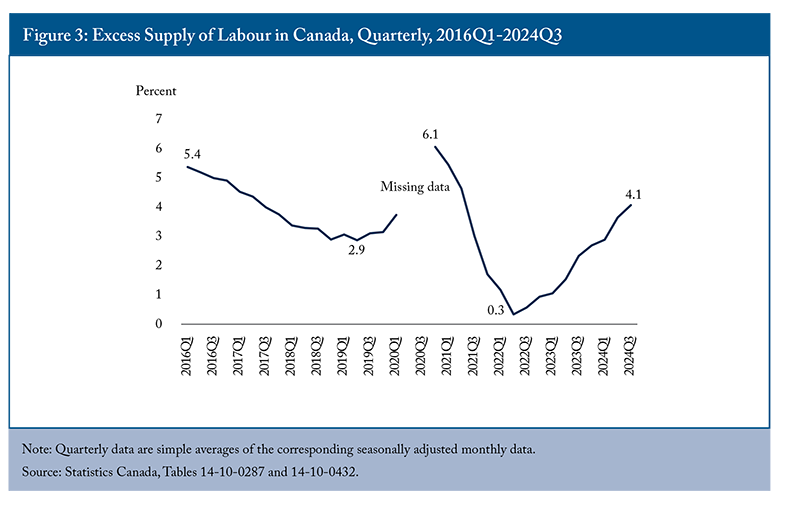
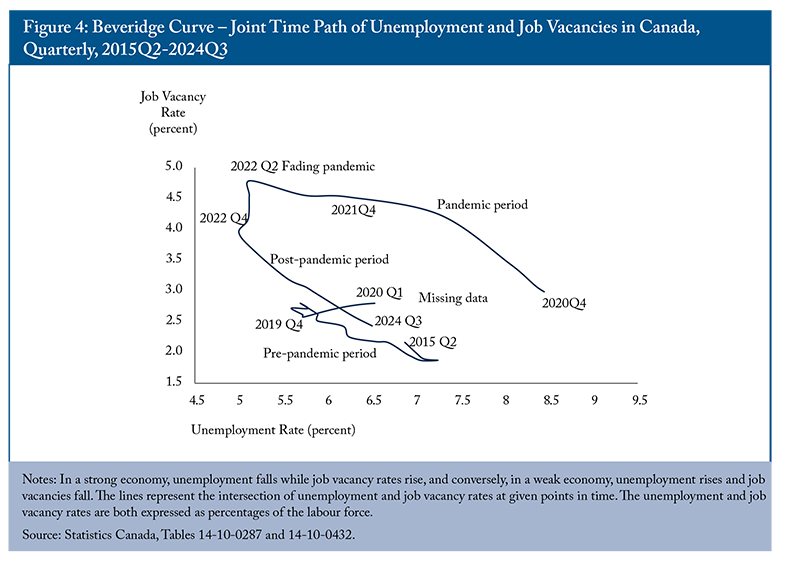
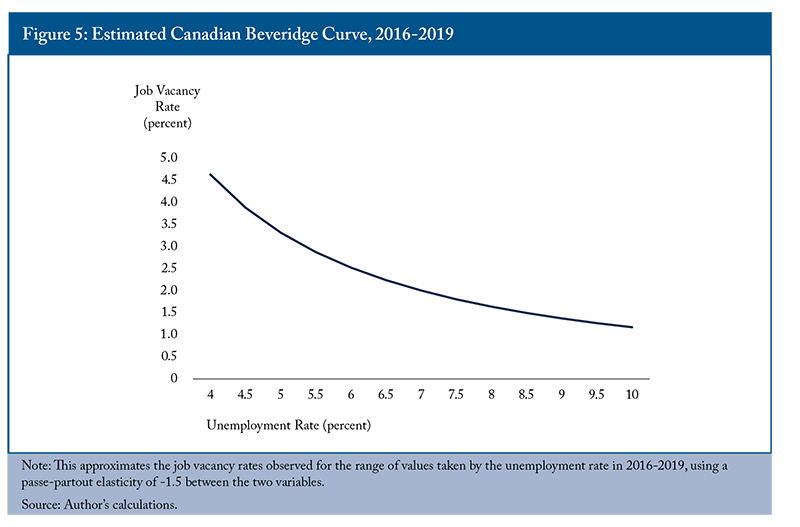



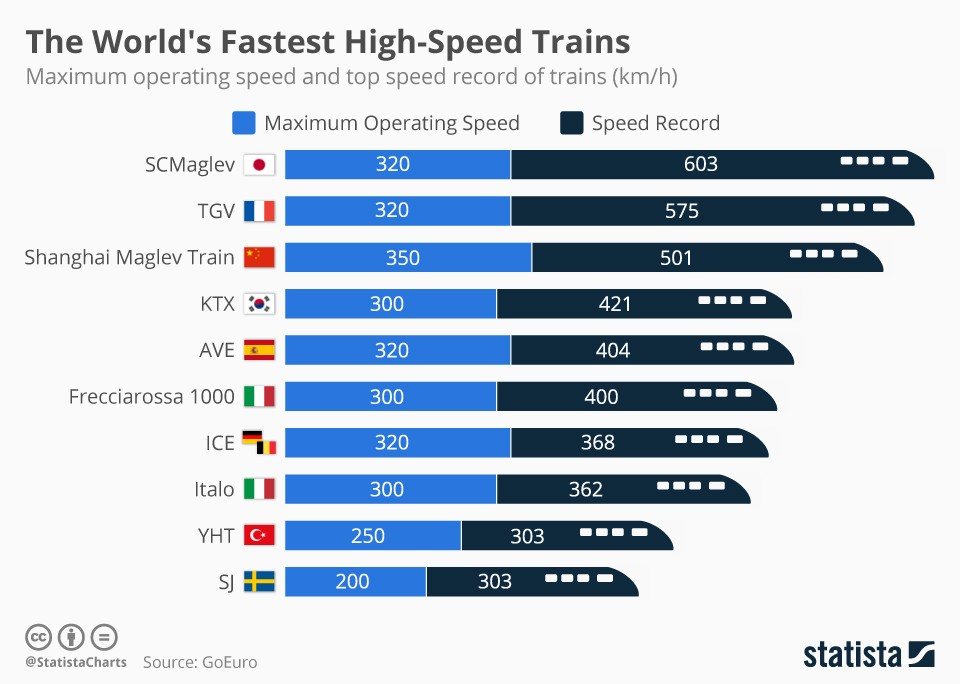


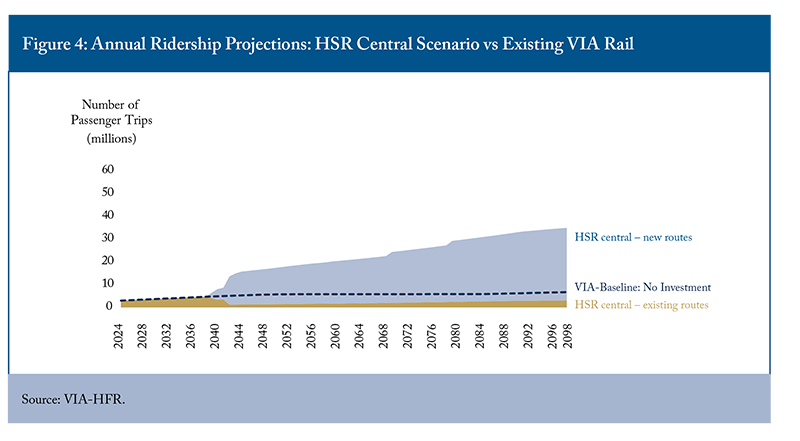




 Coyotes are usually wary of humans and avoid people whenever possible. However, they are wild animals and should not be approached.