Our friends at MSN have really stirred the maple syrup pot up with this story- which one of the following companies is the most surprising for you? Leave us a note in the comments section at the bottom of the article.
Many beloved Canadian brands that fill shopping carts and homes across the country have something surprising in common—they’re actually owned by foreign investors and companies. Behind familiar logos and proud Canadian histories stand international corporations that have quietly acquired these businesses, often maintaining their strong local identity while decisions are made overseas.
This eye-opening list reveals 8 well-known Canadian companies that now operate under foreign ownership.
While these businesses still employ thousands of Canadians and remain important parts of communities nationwide, their profits and major corporate choices flow to boardrooms in places like the United States, Europe, and Asia. Each example shows how Canada’s business landscape has evolved in today’s global economy.
Tim Hortons
©Image credit: “Tim Horton’s” by EazyIanish is licensed under CC BY 2.0. To view a copy of this license, visit https://creativecommons.org/licenses/by/2.0/?ref=openverse.
A Canadian fast-food icon, Tim Hortons has been owned by Restaurant Brands International since 2014, with its headquarters in Toronto but major control from Brazil-based 3G Capital. The beloved coffee chain started in Hamilton, Ontario in 1964 as a single donut shop. Today, it serves millions of customers daily across Canada and has expanded into 14 countries. The Brazilian investment firm maintains the Canadian feel of the brand while pushing for global growth.
Hudson’s Bay Company
©Image credit: “Hudson’s Bay Company store, Montréal, South view 20170410 1” by DXR is licensed under CC BY-SA 4.0. To view a copy of this license, visit https://creativecommons.org/licenses/by-sa/4.0/?ref=openverse.
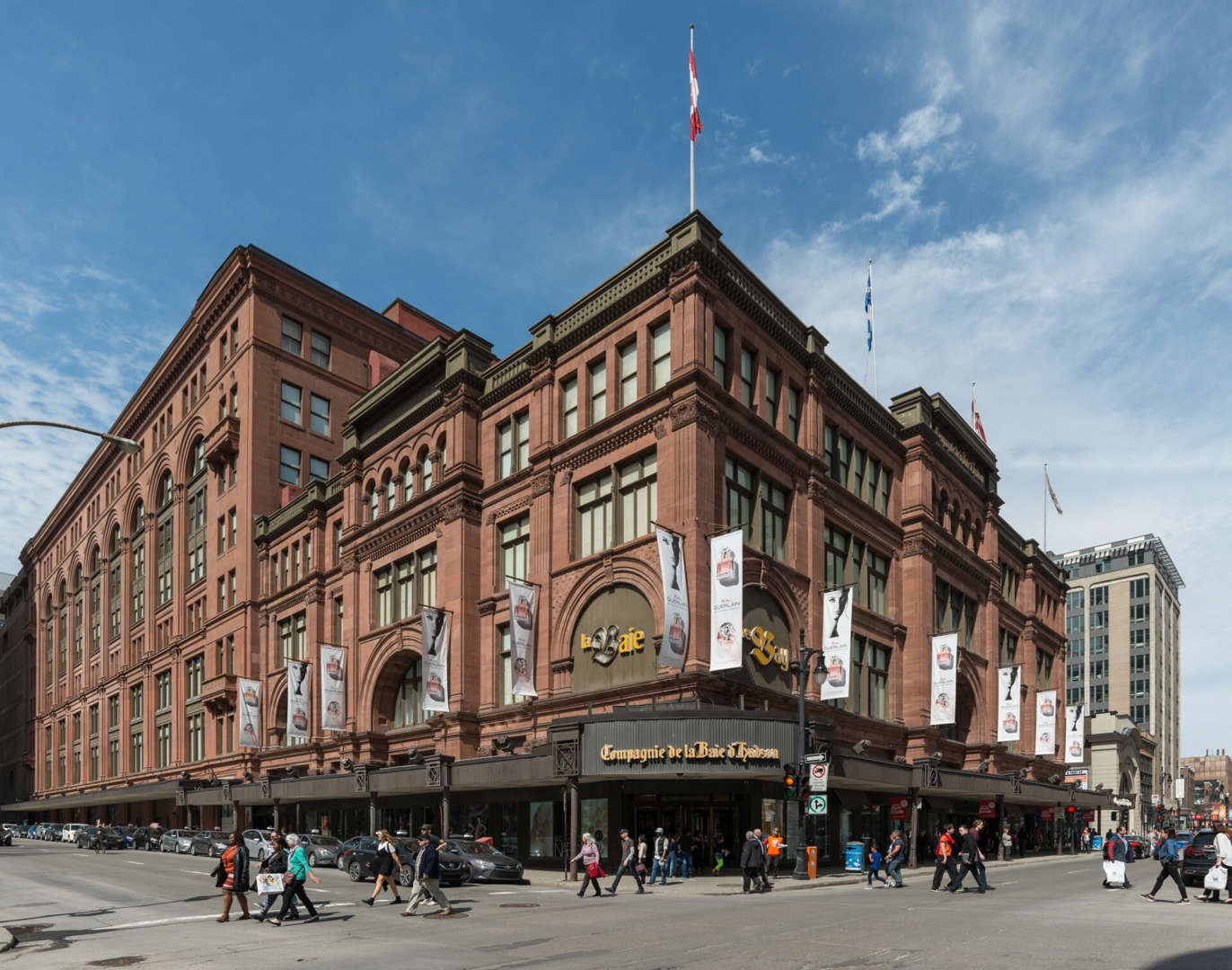
Hudson’s Bay Company, founded in 1670, is now owned by American businessman Richard Baker’s NRDC Equity Partners. The historic retailer shifted from Canadian ownership in 2008 through a $1.1 billion deal. HBC continues to operate The Bay stores across Canada while managing an extensive real estate portfolio. The company maintains its Canadian identity despite being controlled from south of the border.

Cirque du Soleil
©Image credit: “Cirque du Soleil” by _nadya is licensed under CC BY-NC 2.0. To view a copy of this license, visit https://creativecommons.org/licenses/by-nc/2.0/?ref=openverse.
The Montreal-based entertainment company, famous for its artistic circus shows, was acquired by TPG Capital, a U.S. private equity firm, in 2015. Following financial difficulties during the pandemic, ownership changed again in 2020 to a group including Catalyst Capital Group. The company still creates its shows in Montreal. The creative spirit of Cirque remains distinctly Quebec-based despite foreign investment control.

Canada Goose
©Image credit: Tima Miroshnichenko/Pexels
The luxury winter coat maker, started in Toronto in 1957, sold a majority stake to U.S.-based Bain Capital in 2013. The company continues to manufacture its core products in Canada, maintaining its made-in-Canada promise. The brand has expanded globally under foreign ownership while keeping its Canadian headquarters. The international success of Canada Goose proves that Canadian craftsmanship can thrive under foreign ownership.
Rona
©Image credit: “2013_03_20” by Dennis S. Hurd is marked with CC0 1.0. To view the terms, visit https://creativecommons.org/publicdomain/zero/1.0/?ref=openverse.
The Canadian hardware retailer Rona underwent major ownership changes in recent years. After operating independently for decades, the Quebec-based chain was acquired by U.S. home improvement leader Lowe’s in a $3.2 billion deal completed in 2016. However, Lowe’s ownership proved relatively short-lived. In 2023, the American retailer divested Rona, selling it to Sycamore Partners, a private equity firm headquartered in New York, for $2.4 billion. Despite these corporate transitions, Rona maintained its distinct brand identity in the Canadian home improvement marketplace.

St-Hubert
©Image credit: Viridiana Rivera/Pexels
Ontario-based CARA Operations (now Recipe Unlimited) purchased Quebec’s St-Hubert restaurants for $537 million in 2016. The restaurant chain, founded in Montreal in 1951, maintains its distinct Quebec identity. Multiple foreign investment firms hold significant stakes in Recipe Unlimited through the parent company MTY Food Group. The company continues operating across Quebec while major business decisions are made outside the province.
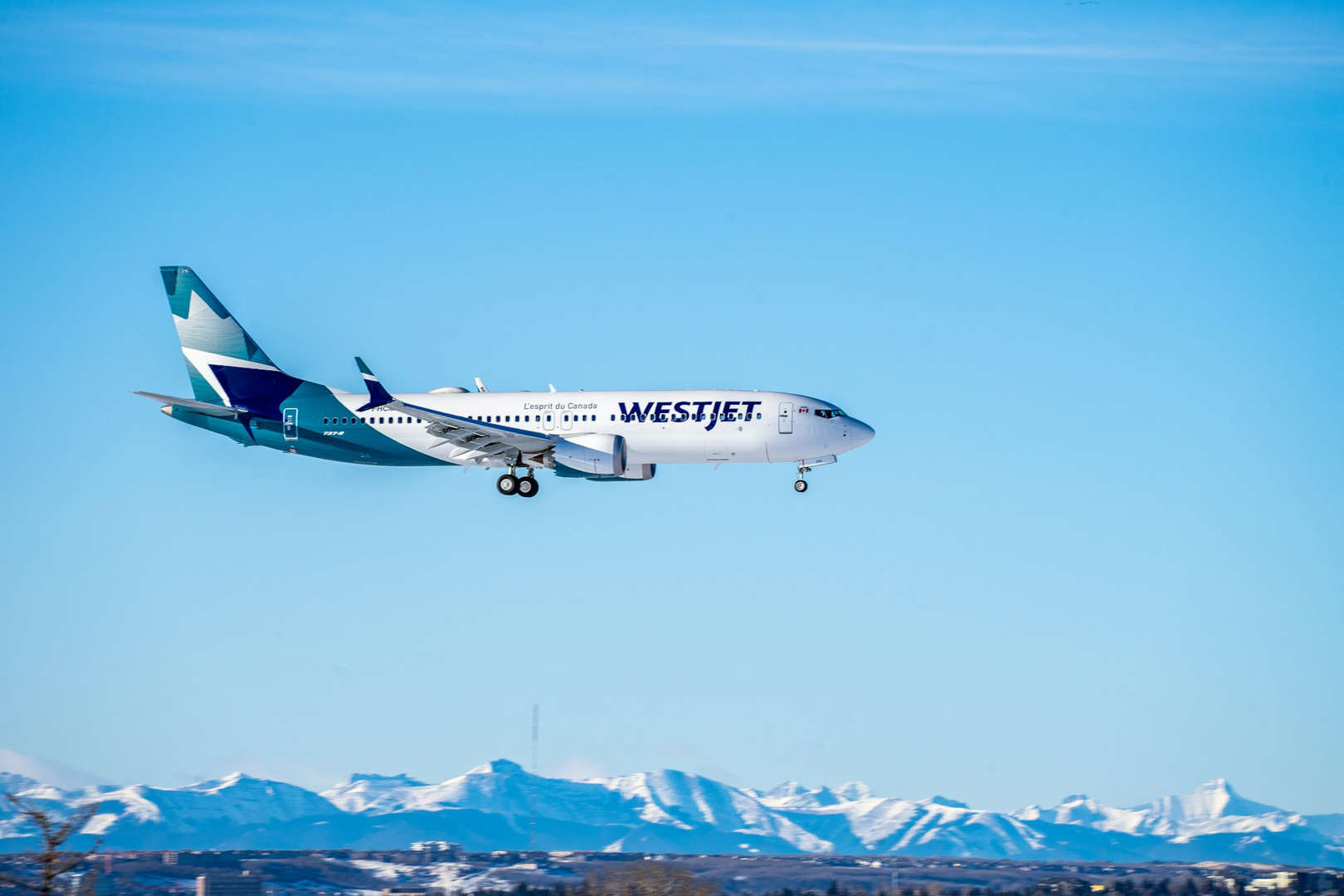
Westjet
©image Credit: Justin Hu on Unsplash
In 2019, Toronto-based Onex Corporation acquired Westjet for $5 billion, with significant backing from international investors and foreign private equity firms. The airline maintains its headquarters in Calgary and continues operating as a Canadian carrier. Major foreign institutional investors hold substantial positions through Onex Corporation. While preserving its Canadian operations, the company’s ownership structure includes significant international investment.
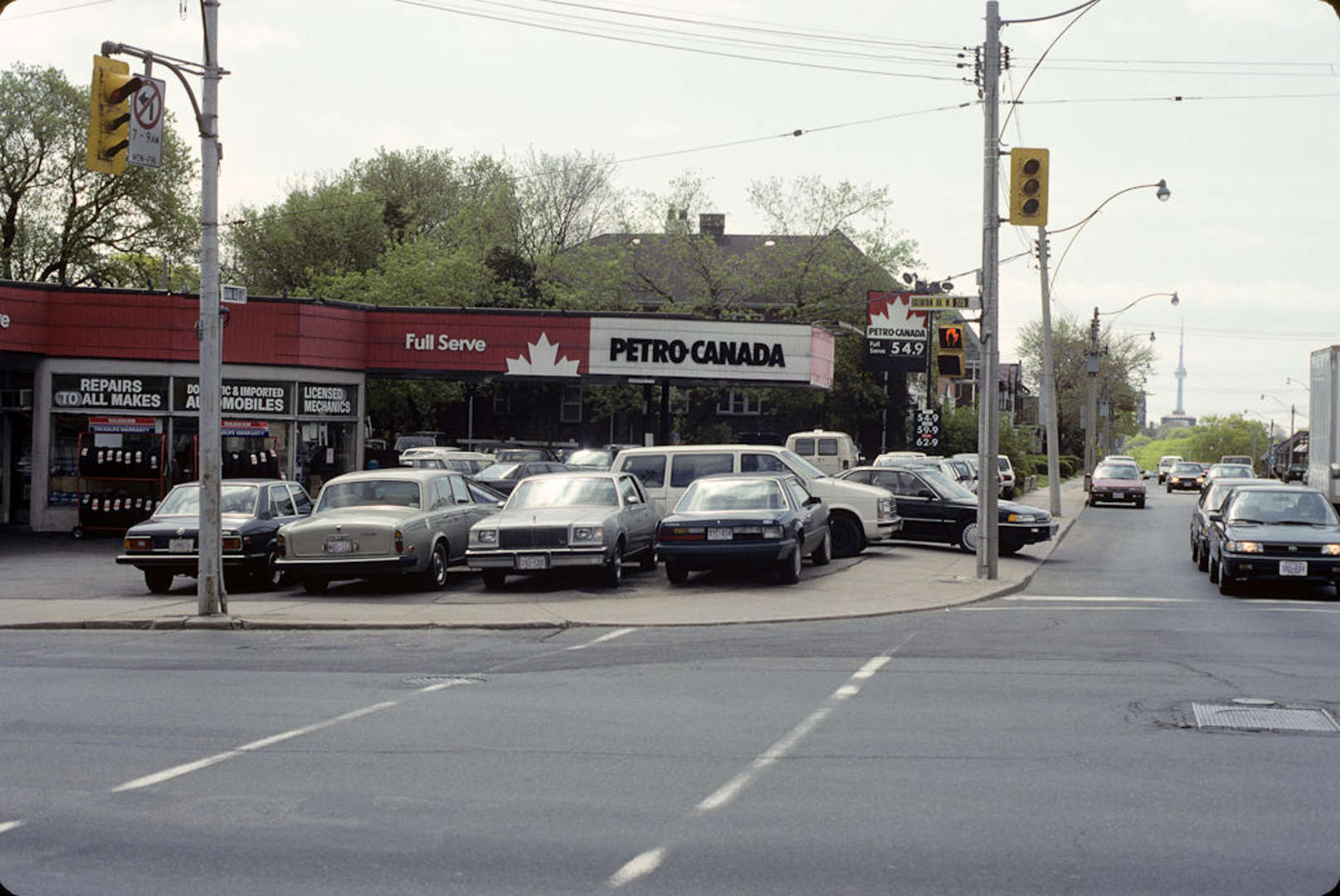
Petro-Canada Stations
©Image credit: “Petro-Canada gas station, Eglinton Avenue West and Avenue Road (6035679276)” by Toronto History from Toronto, Canada is licensed under CC BY 2.0. To view a copy of this license, visit https://creativecommons.org/licenses/by/2.0/?ref=openverse.
Suncor Energy owns Petro-Canada stations, with significant foreign institutional investors holding major stakes. The company merged with Suncor in 2009 in a $19 billion deal. Petro-Canada remains a prominent Canadian retail fuel brand. International investment firms hold substantial voting shares in the parent company.
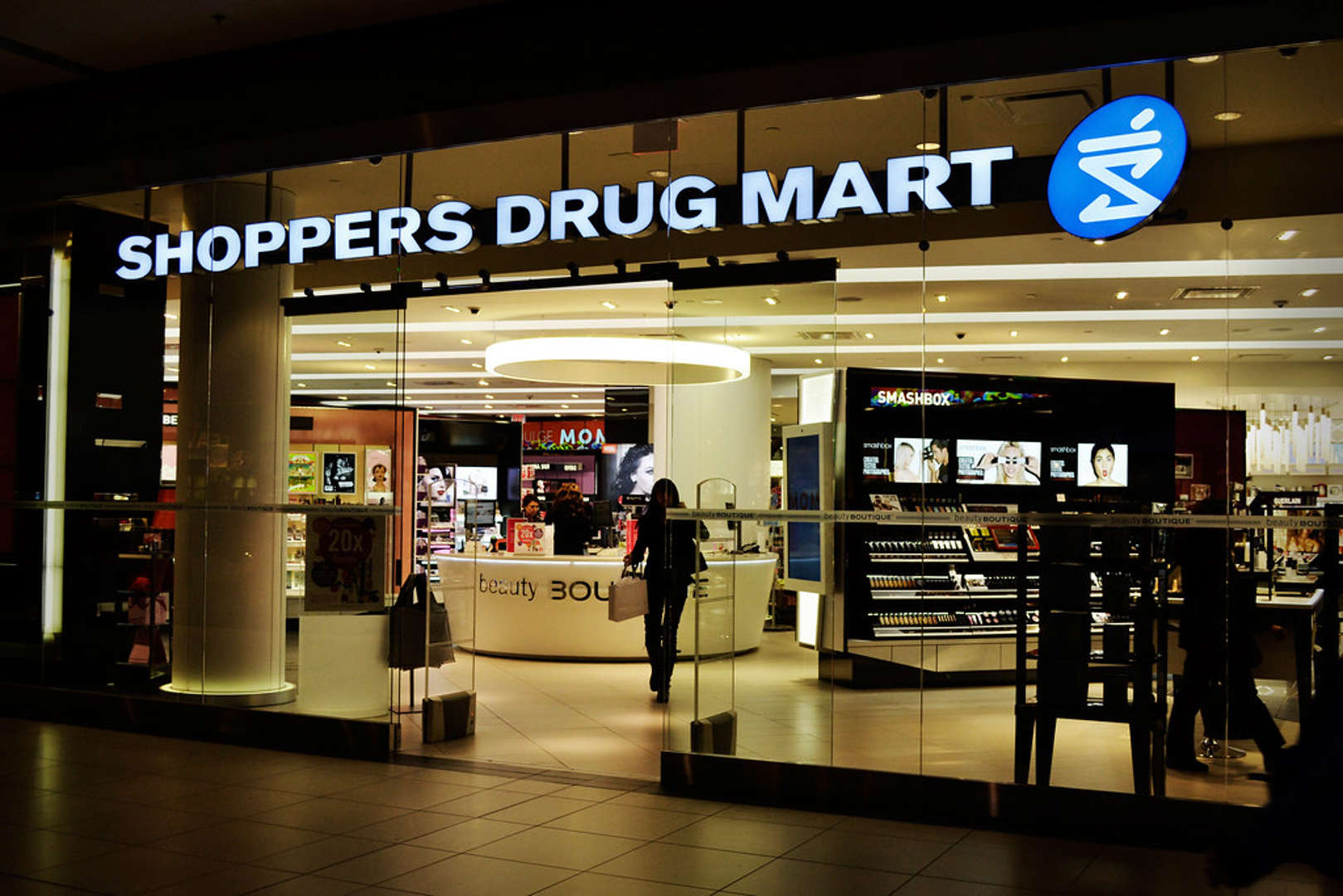
Shoppers Drug Mart
©Image credit: “Shoppers Drug Mart Store Canada” by bargainmoose is licensed under CC BY 2.0. To view a copy of this license, visit https://creativecommons.org/licenses/by/2.0/?ref=openverse.
Loblaw Companies Limited, a Canadian company, acquired Shoppers Drug Mart in 2014 for $12.4 billion. Despite its Canadian roots, the pharmacy chain has significant foreign institutional investment. Under this foreign ownership, Shoppers Drug Mart continues to expand its healthcare services across Canada.
Featured image/ ©Image credit: Erik Mclean/Pexels