There’s nothing quite like the sleek side profile of a vehicle with a long hood, a fast roof, and a smooth decklid. But there is more to our shared love of cars, because, we should also consider the smooth, singular sideline of a minivan. While that isn’t an answer one would expect when asking about the most appealing vehicle silhouettes, a minivan is indeed one of the many candidates our friends at Hagerty received here in their latest installment of our According to You series.
So what other vehicles deserve a mention here? Have a look below and tell us what you think in the comments!
Porsche 928 GT
The original series 928 was clean and wonderfully well balanced and was striking from every angle but take a look at this silhouette and marvel that this design is almost fifty years old.
Shelby Daytona Coupe
1965 Shelby Daytona Coupe ReplicaMecum
@DUB6: Hard to beat an early 911 in my book, but really, I’m voting for the Shelby Daytona Coupe. It has some of the muscle of the Cobras built in, with the sloped down nose for aero, the long, sleek roofline, and then that striking rear spoiler and chopped-off tail.
It may not be the most beautiful, but to me, it’s the most striking silhouette out there.
Chevrolet Corvette
GM
@Bernard: The first few years of the C3 Corvette. I wasn’t around to see them new, but the C3 has always stood out in the school of cool, IMO, especially the silhouette. I think the crash bumpers and other stuff of the later years softened them up too much, but the silhouettes of the early ones could’ve been used as scalpels.
@Tony: I’d say any modern Corvette. They’re all designed in the wind tunnel these days so they’re all aero-efficient, but the later C4s with the rounded ends I think look great.
@Dave Massie: C3 Corvettes—especially the ’80–82 models.
@C: I agree. I am partial to my 1973 Corvette coupe. It’s a one-year-only design and looks great in silhouette.
@Paul: 1984–90 C4 Corvette. The concave rear bumper is just cool. On the other hand, the convex 1990 ZR-1 bumper and its use on the 1991–96 models are strong candidates. In my C4-centric world, the Corvettes nailed the Silhouette Sweepstakes.
Jaguar XKE
Mecum
@Ken_L: I am partial to my C3 Corvette, but I must say the Jaguar XKE coupe has been my favorite since I was very young.
@Howard: And its “top-down” sibling, the XKE droptop roadster … great road car.
@Doug: Hands down, Jaguar E -ype coupe (XKE)
@Jeff: Had a ’68 XKE roadster. I was about to cast my vote for it, but you astutely beat me to it!
@Lew: The first Jag E-Types with the worthless bumpers and glassed headlights.
Jaguar XK-120
Mecum
@Gayle: In ’56, my uncle bought a ’53 Jaguar XK-120 FHC and I have been enamored with that gorgeous profile ever since, especially with the disc wheels and the spats (skirts)!
1963 Riviera
Buick
@Snailish: ’63 Riviera … Not sure what got us there, but for decades after, so many vehicles owed it a debt. It would likely still be a cutting-edge design if evolved to today’s construction methods/rules. But it’s also amazing from several directions, not just the side.
Lamborghini Countach
Alpine Electronics, Inc.
@Shiven: Lamborghini Countach! It absolutely accentuates the ’70s and ’80s realm of excess!
Toyota Previa
Toyota
@ap41563: Toyota Previa! Turn the lights off and illuminate it from behind and the egg shape still looks fresh today, even at 30 years old.
Hyundai Genesis Coupe
Hyundai
@Colton: For the more modern, cheaper cars, I’d say the first generation of the Hyundai Genesis Coupe. The car itself was a mixed bag (I owned one for eight years), but the side profile, especially in low light, just highlighted how well that body was sculpted.
MG TF
Mecum
@T.J.: Without a doubt, my 1954 MG TF is a constant head turner with classic vehicle lines (running boards, smooth curvature in fenders, spoked wheel on the exterior of the gas tank, etc.). A timeless beauty.
@Espo70: Third-gen Firebird/Formula/Trans Am. One of the best designs to come out of GM. Still looks exotic today.
Aston Martin Project Vantage
Aston Martin
@George: I might be biased, but the Aston Martin Project Vantage Concept—which became the Vanquish—is the most cohesive and accomplished shape of all time.
1958 Chevrolet Impala
Mecum
@Don: How about the 1958 Chevy Impala 2-door hardtop? My wife’s uncle thought it looked like a water buffalo!
GMC Motorhome
Hemmings
@Chuck: For oversize vehicles, the 1973–78 GMC Motorhome. Ahead of its time when new, smooth and sleek (compared to other coaches), and has aged gracefully.
@Kent: Still a very sought-after vehicle after all these decades. Would love to have one!
Ferrari 250 GTO
Amalgam Models
@David: One of the most recognizable, and possibly the most desirable profiles of them all: The 1962 Ferrari 250 GTO by Scaglietti.
Fiat 500
Stellantis
@Alex: 2012–19 FIAT 500: Totally unique and unmistakable. You would never confuse it for any other car from any other marker.
1966 Oldsmobile Toronado
Oldsmobile
@John: Without question for me it is the 1966 (and only the 1966) Oldsmobile Toronado.
@Tom: So many Ferraris—the Dino, 250 GTO, 275 GTB, La Ferrari, etc., as well as the GT40, Miura, E-Type, and numerous British Roadsters of the ’50s and ’60s. But the granddaddy of all side silhouettes has to be the Bugatti Type 57SC Atlantic.
2003–08 Mazda Mazda6
Mazda
@Mike: From a basic sedan point of view I’ve always loved the 2007 Mazda 6 profile with the spoiler.
1956–57 Continental Mark II
Continental/Ford
@Jeff: The 1956 Continental Mark II is still the most elegant and beautiful production American car.
1984–86 Pontiac Fiero
GM
@Jack: 1984–86 Pontiac Fiero notchback. Best-looking shape of the 1970s and ’80s wedge cars.
Flintstones Car
Mecum
@Greg: The log car that Barney Rubble drove on The Flintstones … feet and all!
The federal government has proposed regulations requiring the sale of a minimum numbers of Zero Emission Vehicles (ZEVs) in Canada (20 percent of all light vehicles in 2026, ramping up to 60 percent in 2030 and 100 percent in 2035). The flip side of this requirement is that the sale of internal combustion engine (ICE) light vehicles will be reduced and eventually prohibited in 2035.
This ZEV mandate will require an increase in ZEV sales from about 100,000 ZEV light vehicles in 2022 to 300,000 in 2026, 900,000 in 2030 and 1.5 million in 2035.
This paper examines whether or not Canadians will be able to buy enough ZEVs (either domestically produced or imported) to meet this ZEV mandate requirement. The findings show that Canada should be able to meet the 2035 100 percent ZEV mandate for about 270,000 passenger cars (only 18 percent of the market) but will be unlikely to meet the 2035 ZEV mandate for the 1,240,000 remaining light vehicles (pickup trucks, vans and SUVs/crossovers) comprising 82 percent of the market.
Canada cannot wait until 2035 to realize that the federal ZEV mandate will not be met. The gap between light-vehicle demand and forecasted ZEV light-vehicle supply will cause severe market disruptions. A better approach would be to reject a hardline ZEV mandate and instead to substitute a more flexible Plan B. Plan B should focus more on emissions rather than ZEV targets. For example, permitting some ICE light vehicles to be sold, particularly ones that can use renewable fuels. In addition, permitting plug-in hybrids (PHEVs) and hybrids to be included as ZEVs.
Finally, the federal government may have to accept that the 100 percent ZEV target is not feasible by 2035, and therefore must include flexibility in the federal ZEV mandate to back away from the 100 percent ZEV target.
A ZEV mandate is government legislation that imposes a requirement on the sellers of light vehicles to sell a certain minimum of ZEVs in a year. (ZEV is used interchangeably with BEV for battery electric vehicle in this paper. PHEVs can also qualify as ZEVs to a limited extent). The theory is that this minimum requirement will give certainty to vehicle sellers that there will be a market for ZEVs, and will therefore give an incentive to companies to construct ZEV manufacturing facilities. In essence, the ZEV mandate assumes that the demand for ZEVs will be there and will displace the demand for ICE light vehicles, and therefore the increase in supply of ZEVs will occur.
The federal government has introduced a ZEV mandate for all of Canada. In December 2022, the federal government issued proposed regulations under the Canadian Environmental Protection Act (CEPA). Section 30.3 of these proposed regulations state that all sales of light vehicles (passenger cars, pickup trucks, vans and SUVs/crossovers) must meet the thresholds for ZEV sales in a year shown in the table to the right.
The flip side to a ZEV mandate is that it imposes a prohibition on the sale of ICE vehicles, plus a penalty for contravening this prohibition. A company selling light vehicles in effect has an ever-shrinking quota for the maximum number of ICE light vehicles that it can sell in a year (none in 2035).
A company creates one credit for each battery electric vehicle (BEV) it sells. A sale of a PHEV with a range of more than 80 kilometres can also create a credit, but this ability is capped at 20 percent from 2028 onward. For example, a company selling 100 percent PHEVs in 2028 would only get credits for 20 percent.
If a company’s sales create fewer credits than required by the ZEV mandate, it can still remain in compliance by using two mechanisms. First, it can buy credits from another ZEV company that has exceeded its ZEV mandate. This mechanism will likely provide hundreds of millions of dollars of extra revenue to companies such as Tesla. An alternative second mechanism would allow the company to create a credit by contributing about $20,000 to specified ZEV activities such as supporting charging infrastructure. This second mechanism is capped at 10 percent of the ZEV mandate for the particular year, and is only available for the years prior to 2031.
The author thanks Benjamin Dachis, Daniel Schwanen, Dave Collyer and anonymous reviewers for comments on an earlier draft. The author retains responsibility for any errors and the views expressed.
With driverless cars already on the streets, will there be similar AI breakthroughs in the future of parking?
In the ’60s, The Jetsons, a cartoon about a family living in the future, featured a flying car that folded down into a briefcase when not in use. It is unlikely that we will ever see that solution to parking become a reality, but many other sci-fi books and films have predicted self-driving vehicles, and we know they are coming because they kind of exist today.
Parking facilities in the future must make allowances for electric vehicles. (Photo by guteksk7/Shutterstock)
While brands like Tesla have pushed the boundaries of driver assistance to become a version of self-driving, including parking the vehicle automatically, currently the parking infrastructure has not really kept up.
But we know that cannot continue, and the reality is that as transport technology evolves, parking solutions will have to evolve as well. But what does that mean long term? Will we be able to arrive at a parking center, get out and leave the car to it, then call it back to us when we want to leave? That seems like the dream approach to parking, but what does it need to make it happen?
Parking tech
There are two parts to that kind of service, the technology in the car park itself, and the technology within the car. For such a seamless experience, the two will need to work together, in that the vehicle must be able to drive autonomously, but also receive information about parking locations and when it should return to the entrance, from the car park itself. Both sets of technology actually exist today, not as refined as required for a reliable autonomous parking experience, but that is only a matter of time and development. But is it the right answer?
Right now, parking systems know which cars are parked where within the car park, this data is used to establish remaining capacities and so on, and while not universal, there are cars that can go off and park themselves when needed. So that future service is nearer than we think, but in the meantime what does car parking look like? Some may say that the future is already here without needing self-driving cars.
In Japan and some cities in the US, lift-based parking solutions offer a similar experience today. You arrive at a parking garage; your vehicle is pulled into a cubicle which is then lifted away. When you want to return to your car, the system finds the right cubicle garage and then returns it to the entrance, so you can drive away.
There are advantages to this approach, without the need for ramps to drive up and down to reach the parking, more cars can be parked in a given space. Because no one actually enters the building where vehicles are stored, it is also incredibly secure too. These systems are being constantly refined, and in the future, it is likely such a garage could be completely automated. With the advantages of space and security, is that more likely to be the future of high-density parking? If we look at other factors, it may well be.
Cities are increasingly looking to decrease car numbers, opening up spaces instead for social areas, encouraging cycling and other more environmentally friendly approaches to transportation. This is unlikely to change even with the widespread adoption of electric cars, so parking will naturally require large hubs with high-density parking that allows easy access to walks, bikes or public transport to central areas. To get an idea for the future of parking, we can look at what technology best fits this scenario.
Robotic Solutions
It is likely that these robotic lift-type solutions that pack more vehicles into each parking area fit the needs of city designers better than any more traditional multi-story or underground system that requires ramps and so on, whether the cars are operated by drivers or park themselves. There are other things that are in favor of this approach too.
Architects are under pressure to soften the appearance of buildings in cities across the world, to create spaces that have more light and elegance. A more compact multi-story space, or an underground alternative with only one small entrance space is easier to disguise with cladding, color and other design tricks that much larger car parks that have ramps and so on.
There is also the matter of technology. While there are cars that can drive themselves in a limited way now, and numbers are only going to increase, they are not all cars, and may never be. Holden stopped making cars in 2020, but in 20 years’ time, there will still be Holden cars driving on the roads. Those cars can never use autonomous parking systems, but they can use the robotic systems that take your car away and bring it back via a crane lift. They can use them today, and they can use them in the future.
Machine learning to park
So, the dream of a car swooshing away into its own spot automatically could well be the future. However, it is more likely to be carried there by a machine rather than drive itself. But not all parking is in cities with integrated parking solutions ran by the local authorities. For parking elsewhere, things will develop alongside vehicle technology, and there is one area that must advance for the future of the automotive industry itself, never mind parking. That is electric car charging.
Right now, charging is a bit of a mess: different speeds depending on the charger installation, there is no real cohesive system and owners often have to wrestle with a number of different apps to access charging networks on the go. Then there are the mechanics of charging, a heavy cable that has to be plugged in, account information and payment input before the car can be charged. As with phones, wireless charging is the solution, it removes much of the hassle and fail points for a better experience. But what would that look like in cars?
The obvious answer is charging areas embedded into the road or parking space, with a vehicle stopping on top of it automatically charging. There are hurdles to this, it would mean an end to the various account systems currently used to access charge networks, and instead have something tied to the vehicle itself. However, this kind of solution offers easy and efficient charging without the hassle we have today.
This would also require new technology for parking. For instance, our robotic car parks could have a charge loop in each container or cubicle, so electric vehicles charge automatically once they are taken away for storage. Likewise, on-road parking at parking meters could include chargers under each space.
This makes the charging process so much less hassle but allows for electric car charging without having to install endless charge stations in streets, and avoiding all the cables that the current system will need. Given the sheer number of electric cars that will be in operation in just a decade or so, and one cable per car, you can see how much an alternative is required.
But while technology will continue to drive the parking experience, and in cities and communities the need for clean, open spaces will change where we park and what that parking looks like, there will still be areas where parking sits outside of these grand designs. At its heart, a parking space is somewhere to store a vehicle while you go off and do something, and that need is not going to change. Large robotic parking systems in cities may appear in numbers, but they are not going to be the norm in areas with a smaller traffic flow or specific needs.
What we may see, and it is happening now, is that entrepreneurs and visionaries can find ways to provide a more selective parking solution on a smaller scale, that caters to a very specific need in a specific location. Not only are these services essential and in high demand, but they can be a source of income for anyone who has access to suitable parking space. With more cars than ever on the roads, and with a shift to electric not changing that, the future of parking looks to be heading in multiple directions.
The centralized systems operated in cities and other large communities will follow an approach that minimizes the space required and seek to integrate such facilities into an overall plan for the area. However, in some areas where there is no overall control of parking operations, the idea that you can rent a parking spot from a single person makes sense. Some people have space, others need that space, and as more cars are used, that space is in ever higher demand. This article is an excerpt from the complete e-book Parking Made Easy by Daniel Battaglia.
The UK Hydrogen Strategy estimates that to meet Net Zero aims by 2050, hydrogen will make up 20-35% of the UK’s final energy demand (250-460 TWh a year). Hydrogen therefore has a critical role to play in the decarbonization of industry, power, heat and transport.
Yet in this recent report, the UK Hydrogen Champion found that there is a need for greater clarity on upcoming policy decisions for hydrogen users, the funding available and overall delivery of the hydrogen roadmap to 2030 and beyond. Is the UK (and for that matter what about here in Canada? CP) really doing everything it can to maintain momentum and realize hydrogen opportunities?
Tevva’s area of expertise – transport – will have a critical role to play in the United Kingdom’s decarbonization goals. Worldwide around a fifth of CO2 emissions comes from trucks, and both McKinsey and the Hydrogen Council believe the most competitive use of hydrogen lies in decarbonizing trucks. Trucks using batteries or hydrogen fuel cells instead of diesel engines will indeed need to make up the vast majority of new sales by 2040 under plans to reduce CO2 emissions from medium- and heavy-duty vehicles. Yet only around 700 trucks that run on batteries or fuel cells were sold in Europe last year – about 0.2% of the total.
The good news is that the economics of owning and operating electric and hydrogen trucks, their total cost of ownership or TCO, are improving rapidly. And with diesel truck prices set to increase with Euro 7, electrification of our sector could happen sooner than previously thought.
Yet there are still serious challenges around the lack of hydrogen refueling stations and the fact that most fleet operators have no experience of hydrogen, in addition many hydrogen suppliers have no experience of truck fleets.
As an early adopter and developer of hydrogen technology, Tevva is playing an important role in demonstrating the potential for hydrogen electric trucks. We showcased our concept prototype 7.5t and 19t hydrogen electric trucks at the IAA in Hanover last year and have been encouraged by the high level of interest in these dual energy vehicles.
In January we took the 7.5t prototype on a ‘border run’ to Berwick-on-Tweed, England’s northernmost town. On the way up we stopped at an Element 2 refueling station in Teesside, and the return journey saw us cover almost 350 miles without needing to stop at all. This was made possible by the truck’s hydrogen fuel cell which tops up the range-extended vehicle’s lithium battery when needed.
Still, there is an urgent need for a more comprehensive hydrogen refueling network in the UK, and the speed and scalability of hydrogen refueling systems will be crucial to adoption while keeping costs under control. Element 2 is doing great work in this space. They are in the process of putting a skeleton network in place with 100 miles between each refueling station, giving confidence to any haulage company that is considering hydrogen electric trucks.
Today the UK has pockets of Megawatt (MW)-scale hydrogen activities that are evolving alongside ambitious proposals for Gigawatt (GW)-scale low carbon hydrogen clusters by 2030. Learning from initiatives in Europe, Asia and North America, as well as the UK’s own experiences, coordination is vital to minimize costs and maximize the benefits of hydrogen infrastructure. The opportunity is now for UK central, regional and local Government bodies and industry to plan and invest jointly to grow hydrogen transport systems holistically.
The UK does have a supportive and growing hydrogen ecosystem with many public bodies, new and established companies, universities, and others building their hydrogen capabilities and strategies. However, the experience of individual organizations and maturity of cross-industry collaboration in dealing with hydrogen systems is typically orders of magnitude lower than for traditional fossil fuel systems. Therefore, in the short term early adopters need more support to overcome the limited infrastructure and complexity of supply chains, higher unit costs, and long or uncertain lead times for hydrogen products and services.
As low-carbon hydrogen becomes cheaper and more widely available, hydrogen refueling has the potential to become as simple as diesel refueling is today. We are committed to making hydrogen convenient, affordable and sustainable for truck fleet operators. Achieving the UK’s net zero goals depends on it. For the Silo, Harsh Pershad, Head of Hydrogen at Tevva.
The sound. The style. The power. The experience. All inimitable….. Introducing you to classic PORSCHE 959, an exquisitely-produced book from publishers Delius Klasing.
This fascinating boxed set is a literary monument to the Porsche 959 that is still breathtaking to behold 36 years after its first roll-out.
What more is there to say about this car except “Wow”? Jim’s 1961 Tri-Power Chevrolet Impala is yet another pure gem hidden away somewhere in the rural wilds of Ontario, Canada.
Back in the day, these cars were known in the South as an excellent choice for moonshine runners. It must have been difficult if not impossible for a police car of that era to keep up with this 280 HP, Triple Deuce carbureted, 348 cubic inch big block.
With no power steering or power brakes you sure did get a pretty good feel for those windy, dirt back roads. Yet because of these removed features the car had no loss of available horsepower or throttle response.
With a borg-warner 100 T-10 4 speed transmission and posi 4:11 rear-end, this car puts the power directly to the road.
These traits also made these Impalas widely used in stock car racing and drag racing as well. This pure beauty of a car is painted in a factory Ermin white, with a factory red and ivory interior. Some of the rarer options include: front and rear bumper guards, E-Z eye solar guard glass and wide, white walls.
In a world of ‘rip it down and change it’, this car is still running an old school Delco battery and generator. It is very un-common to still have these options installed.
Owned by Jim, a stunt driver with Legend Filming Network you can bet the only way you’ll see this car in its home area of Delhi, Ontario is when it’s passing you in 3rd gear with all three deuces wide open.
Extra Facts
The big flag badging on the grille and trunk lid was specific to only 348 cars, they came in 240 HP, 280 HP and the high horsepower 350 HP models. In late 1961 Chevrolet introduced the 409. That same year, the windshield wipers swept in the same direction. For the Silo, Robb Price.
Tilbury, England. March 2023: British electric vehicle manufacturer Tevva has secured government plug-in truck grant (PITrG) eligibility for its 7.5t battery-electric truck. UK organizations looking to decarbonize operations and future-proof their fleets will benefit from a potential £16,000 ($26,260 CAD) discount, removed from the purchase price by Tevva. The current maximum Canadian EV amount is $5,000CAD.
To be eligible for the grant, N2 vehicles :trucks that weigh between 5-12 tonnes must have a CO2 emissions figure of at least 50 percent less than the conventional equivalent vehicle that can carry the same capacity and can travel at least 60 miles without any tailpipe emissions at all. (In the UK, a ton = 2,200 pounds and in Canada a ton is metric and = 2,000 pounds.) Tevva’s 7.5t battery-electric truck offers up to 140 miles (227 kilometers) from its 105-kWh battery on a single charge, and is ideal for last-mile and urban delivery fleets.
The Tevva 7.5t battery-electric truck is the only vehicle from a British manufacturer to qualify for the PITrG, and becomes only the third eligible truck to be listed on the government website. The grant pays for 20 percent of the purchase price, up to a maximum of £16,000 ($26,260 CAD) , reducing Tevva 7.5t battery-electric truck total cost of ownership (TCO),
This news follows hot on the heels of another significant company milestone in January, when Tevva secured European Community Whole Vehicle Type Approval (ECWVTA) for its 7.5t battery-electric truck. This meant that Tevva could start producing and selling in volume across the UK and Europe and represented the key regulatory step in the development and commercialization of the Tevva business.
Tevva Founder and CEO Asher Bennett said: “We know first-hand that demand for electric trucks is growing at speed, as we have been inundated with requests for our 7.5t battery-electric truck since going into full production last month. Now we are able to offer UK organisations a noticeable discount, thanks to the government grant, which will surely make zero emission trucking even more appealing to fleets.”
Tevva’s 7.5t battery-electric truck will be followed by a 7.5t hydrogen-electric truck, which benefits from a hydrogen range-extender that enhances vehicle range to up to 354 miles (570 km). The hydrogen-electric truck recently completed a 620-mile ‘border run’ between Tevva’s London HQ and the Scottish border at Berwick-on-Tweed – England’s most northernmost town. The return journey saw the truck cover almost 350 miles alone, without needing a single stop for recharging.
The research by GoShorty looked at worldwide car production figures from previous years, the number of people employed in the automotive industry, and other factors to reveal which countries produce the most and least commercial vehicles in the world.
Countries with the biggest decreases in car production:
Rank
Country
Cars Produced
Commercial Vehicles Produced
Total Produced 2021
% change variation2020/2021
1
Slovenia
95,797
–
95,797
-32%
2
Canada
288,235
826,767
1,115,002
-19%
3
Uzbekistan
236,667
4,982
241,649
-15%
4
Germany
3,096,165
212,527
3,308,692
-12%
5
Serbia
21,109
154
21,263
-9%
6
Spain
1,662,174
435,959
2,098,133
-8%
7
United Kingdom
859,575
72,913
932,488
-6%
8
Romania
420,755
–
420,755
-4%
9
Czech Republic
1,105,223
6,209
1,111,432
-4%
10
Hungary
394,302
–
394,302
-3%
Slovenia’s motor vehicle production was reported at 95,797 units in Dec 2021. This records a decrease from the previous number of 141,714 units for Dec 2020. Global car manufacturers like Renault have made plans to cut production in the country. Renault has cut production in its Revoz Slovenia unit and reduced its staff by 350 people.
Canada had the second biggest decrease in car production in 2021 compared to the previous year, a decrease in production of -19%. The low production numbers, down from 1.4 million in 2020 and close to two million in 2019, came as the global auto sector was hit by a shortage of semiconductor chips caused by pandemic-related production issues and a surge in demand for electronics.
Uzbekistan had the third biggest decrease in car production in 2021 compared to the previous year, a decrease in production of -15%. In 2021, Uzbekistan produced 236,667 passenger cars. That means that compared to 2020, production decreased by 15%. Despite the reduction in production, Uzbekistan increased the export of cars by more than a third.
The countries with the highest increases in car production:
Rank
Country
Cars Produced
Commercial Vehicles Produced
Total Produced 2021
% change variation2020/2021
1
Argentina
184,106
250,647
434,753
69%
2
Indonesia
889,756
232,211
1,121,967
63%
3
India
3,631,095
768,017
4,399,112
30%
4
Kazakhstan
80,679
11,738
92,417
24%
5
Morocco
338,339
64,668
403,007
23%
6
Thailand
594,690
1,091,015
1,685,705
18%
7
South Africa
239,267
259,820
499,087
12%
7
Brazil
1,707,851
540,402
2,248,253
12%
9
Portugal
229,221
60,733
289,954
10%
10
Austria
124,700
12,000
136,700
9%
Argentina saw the highest percentage increase in car manufacturing in 2021 compared to 2020, at a rate of 69%. Argentina’s motor vehicle production was reported at 434,753 units in Dec 2021. This records an increase from the previous number of 257,187 units for Dec 2020. This year, Argentina’s Senate has approved a bill to promote the automotive industry. The initiative was spearheaded and supported by IndustriALL affiliates in the country.
Indonesia had the second-highest increase in car production in 2021 compared to 2020, at an increase of 63%. As well as being the fourth most populous country in the world,
India was the country that witnessed the third-highest increase in car production in 2021 compared to the previous year, at an increase of 30%. India’s automotive sector is benefiting from a host of improvements, which include global supply-chain rebalancing and government incentives to increase exports.
Methodology:
We started by taking the International Organization of Motor Vehicle Manufacturers’ 2021 PRODUCTION STATISTICS to get World Motor Vehicle Production figures, to find the total number of commercial vehicles and car production for each country. This data is accurate as of 01/11/2022.
Ukraine and Russia were omitted due to the ongoing conflict between the two countries.
We ranked our countries based on their total production of both commercial vehicles and cars in 2021. We were also able to rank these countries based on their % change in variation between the years of 2020/2021 to find which countries had an increase in the number of produced cars in recent years.
We used ACEA’s Share of direct automotive employment in the EU, by country, to find the total share of direct automotive employment in total manufacturing for each of the 27 member states of the European Union in 2020. We were able to rank each country by the share of automotive employment. This data is accurate as of 01/11/2022.
Further findings:
China is the world’s biggest manufacturer of cars – it produced the most cars and commercial vehicles in 2021, with a total of 26 million units manufactured.
Egypt had the second lowest number of vehicles manufactured in 2021, with a total of 23,754 commercial vehicles and cars produced annually.
Slovakia has the highest share of automotive employment in Europe – it accounts for 16.2% of employment in the country.
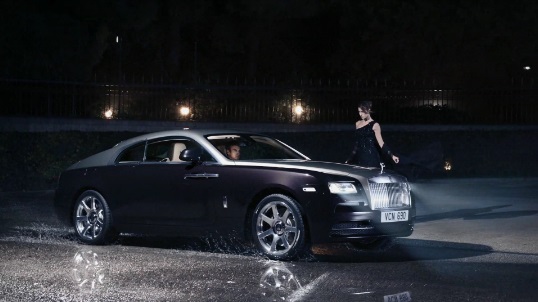
Now THAT’S how you launch a new Rolls….and especially one called Wraith- smoke, vapor, mist, theatrics and a spooky performer. All images A. Maughan/The Silo
A Silo look back article 🙂
It’s Fall 2013 and the “now brand new” Wraith from the Rolls-Royce car company is not something I get exposed to often. Let’s face it, I’m a mid size car guy. Not high-end luxury. I rationalize my affordability factor by saying that high end’s are too ‘heavy’ and shee-shee poo-poo. Up until now, that may have been as true.
Rolls had an unveiling of their new car The Wraith the other week here in beautiful Vancouver. And well, like the locale, the car itself did stand out even beyond the scenery. The Silo was invited to attend and I earned the assignment. Life is hard 😉
After entering the front doors of the party where a silver painted goddess of sorts and a sleek feather black wraith slowly and elegantly moved around the scene, one can only be sure to expect nothing short of the best attention to these prospective buyers.
There was jewelry set to the tone of $425,000 (Canada’s biggest pink Diamond); a price tag similar to the cars standing right next to them. The food was excellent and the company certainly discerning.
“Emily” or the Flying Lady is the venerable hood ornament for Rolls-Royce automobiles. The live actress seen here on the right captured the mystery and drama behind the creation of the emblem.
There was not shortage of demonstration of other models and those with mostly older not only in lineage but also in style, heralding a tradition one has come to know of Rolls Royce. Which is why when the time came for the unveiling of the new car, there was nothing short of a surprise. The car looked sleek and modern while maintaining the more discernable feature Rolls is known for. It looked like, well, not quite a Rolls. It seemed sporty even.
For those who wanted performance but still the luxury that comes with expectations. People actually gasped and well, they should have.
Once the shock settled opera singers belted out a song of elegance that matched the vehicle’s looks and appearance. I became transported and wanted to change careers all of sudden.
On hand for the North American launch of the Wraith? Only, the largest pink Diamond in Canada.
The show was a success, so now came the long shot that I would get to test-drive one of them. I am not a buyer, no sir.
“So when can I test drive one, ahahaha”
“Are you free tomorrow at 3pm?”
Ummm….yeah maybe sure….oh look at that I am free. Perfect” Gulp.
So on to the test drive.
I show up at the Rolls dealership in Vancouver and was met with nothing but interest and enthusiasm for someone who clearly was not in the market for such a car. That didn’t matter much as they were very excited to show off their new marvel. Ha! I thought. No way this thing can actually drive as cool as it looks. Well, my dear readers, was I wrong.
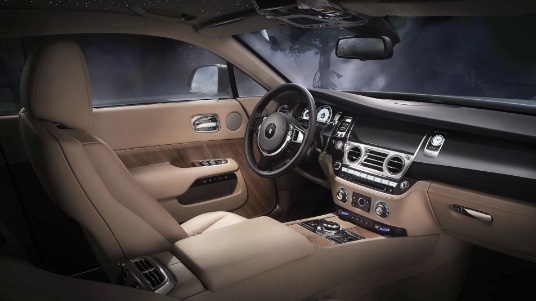
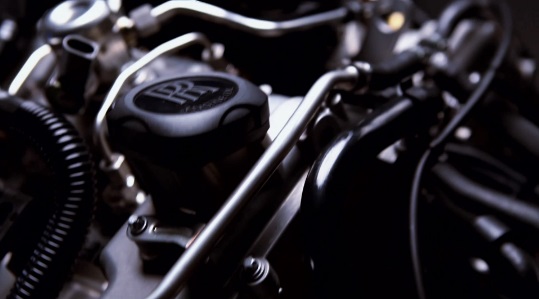
0-100 in 4.4 seconds. Quite. Handles like a dream. Smooth. Great suspension. 14 speaker sound system. Crazy navigation. Just crazy. The holographic road map was floating next to a virtual speedometer in/on (?) the windshield. Touch sensitive screen for drawing on. I mean the whole thing was about performance from interior to engine.
“There she is!” My first look at the Wraith and I’m getting ready to test drive this gorgeous machine. It looks fast.
The camera system is a cool feature, however at the end of the experience I didn’t really know how to use them. What happens is a 5-camera system captures unique perspectives and through an algorithm creates a bird eyes view of the car. Very cool. However, I just used my mirrors and the over–the-shoulder-one-arm-on-the-back –of-the-passenger-seat to look behind me for the approach in backing up. Technology is great but it has to actually be effective or helpful. Give the user a certain level of confidence that she or he would never have alone otherwise.
And boy did I check my mirrors often when driving. I didn’t want to risk a dent or a scratch.
Just pulling out for the first time was nerve racking, but once you got the feel for it, which happens quick, you are instantly spoiled as a driver which is of course the point when dealing with luxury cars. And it seems Rolls still has been able to retain the ability to spoil its driver no matter what. The wraith delivers. For the Silo, Arthur Maughan.
Yes it was rainy and a bit wet that day. Yes, the Wraith had a secret umbrella compartment. Now where is that machinegun button ?
Canada is in the top 10 bestplaces to buy an EV – from the cost of a Tesla versus average income to EV purchase incentives.
According to research by our friends at Zutobi.com, the United States takes top spot and earnsa total EV score of 8.19/10. The US offers the world’s most popular EV, the Tesla Model 3, at the lowest price, just over $39,000usd/ $53,540cad. The US also has one of the most generous incentives for EV purchases, placing in the top five for the factor.
Germany and Luxembourg tied for second place, both scoring 7.67/10. The German government offers motorists over $9,000usd/ $11,552cad off the price of a new EV, and It also has one of the top 10 highest proportions of EVs. Luxembourg earns its place in the rating thanks to its great purchase incentives, as motorists in the country can get over $8,000usd/ $10,269cad off a brand-new EV.
Next up is Norway taking third place in the index with a score of 7.42/10. The Scandinavian country takes the top spot for both the highest proportion of EVs and the cost of an EV as a proportion of the average income.
The countries with the best tax incentives to buy an EV
Germany has the most generous incentive for buying an EV, offering a rebate of just over $9,000usd/ $11,552cad for EVs. On top of this, the country also has a reduced VAT rate when buying EVs, and EVs are exempt from some vehicle taxes.
Luxembourg ranks second, offering motorists more than $8,000usd/ $10,269cad for their EV purchases. The country also charges the minimum tax rate for vehicles with very low emissions, which is excellent news for EV motorists.
Offering over $7,500usd/ $9,267cad in subsidies for EV purchases is Slovenia, taking it to third place. The Slovenian government also only charges its minimum rate of 0.5% sales tax on vehicles that emit less than 100 grams of CO2 per kilometre.
What is driving the popularity of EV’s?
With the ever-present media message of climate change, more and more people are considering finding ways to reduce their reliance on fossil fuels and shrink their carbon footprint. One of these ways is ditching traditional polluting gas and diesel cars in favor of electric vehicles (EVs). In fact, many people have already adopted electric cars and are using them to learn to drive.
Governments around the world are also encouraging people to make the switch, with the UK going so far as to ban the sale of new gas and diesel cars from 2030, and the US from 2035.
So which countries are the best for electric vehicles? We’ve delved into the data to find out, taking into account purchase incentives, the proportion of EVs in each country, and the cost of one of the world’s most popular cars, the Tesla Model 3, as a proportion of average income too.
With the imminent arrival of Autonomous Vehicles, many people have started worrying about the safety of this new technology, especially when an issue arises to do with choice.
In this piece, we’ll delve into the issue of the “Trolley Problem” and how AVs will deal with this and whether all manufacturers have the same stance.
Infographic courtesy of our friends at selectcarleasing.co.uk
Tesla has been the fastest growing automobile brand over the course of the pandemic with astounding brand value growth of 271% in the last two years, according to the latest report by leading brand valuation consultancy Brand Finance. Tesla’s impressive growth continued this year with its brand value up by 44% to US$46.0 billion ( CAD$58.55 billion) which saw it move from 6th to 3rd in the Brand Finance Automobile 100 2022 ranking.
Tesla was the only brand in the Top 10 of the ranking to see significant growth this year.
Every year, Brand Finance puts 5,000 of the biggest brands to the test, and publishes nearly 100 reports, ranking brands across all sectors and countries. The report ranks the world’s top 100 most valuable and strongest automobile brands, the top 20 auto component brands, the top 15 tire brands and the top 10 car rental service brands.
Musk at Tesla event in China.
Tesla’s CEO, Elon Musk, has played a huge part in the growth of the brand with his charismatic, and at times controversial, behaviour keeping it firmly in the limelight. Tesla’s transformation into a household name has seen other brands try to connect themselves to the brand to benefit from the Tesla effect.
2021 saw Tesla increase its footprint in China, to ensure it continues to compete in the booming Chinese market.
It opened a new research and development centre, its first outside of America, in addition to a data centre at its Gigafactory in Shanghai. The brand also built a second delivery centre in the city, which incorporates sales, test driving and delivery of Tesla vehicles. Looking to this year 2022, Tesla announced it would launch no new models this year due to the global chip shortage, as doing so would reduce its overall output. Instead, the brand will focus on its full self-driving software as well as scaling up its production capabilities.
Electric revolution sees Chinese brands surge
Chinese brands account for eight of the top 10 fastest-growing brands in the ranking . The increasing popularity and adoption of electric vehicles in China has been a key driver behind the impressive growth for these brands, with China accounting for most electric vehicles sold globally. Several Chinese brands are looking to capitalise on the momentum by expanding their global footprints, with several of these brands launching in Europe in 2021.
While Tesla has seen the fastest growth over the past two years of the COVID-19 pandemic, Great Wall is the fastest-growing brand in the ranking this year, with its brand value increasing by an impressive 109% to US$2.6 billion (CAD$3.3 billion). As well as launching in Europe last year, Great Wall announced it will be launching nine electric vehicle models in Thailand over the next three years, where demand is expected to grow considerably. Great Wall plans to use Thailand as a base to launch its expansion into the ASEAN region. The auto marque’s CEO, Jianjun Wei, was also the top ranked automobile CEO in the Brand index, which ranks the world’s top 250 Chief Executives according to how well they manage and grow their company’s brand, and placed 3rd overall across all industries.
The BYD EA1 Dolphin.
BYD was the second fastest-growing brand in the automotive ranking with its brand value doubling to US$6.4 billion (CAD$8.15 billion), an increase which saw it overtake Haval (brand value up 55% to US$6.1 billion or CAD$7.76 billion) to become China’s most valuable car brand. BYD, which specialises in electric vehicles, saw sales accelerating 232% in 2021 with 603,783 models sold – making it the best-selling new energy vehicle manufacturer in China for the ninth year.
Joining Great Wall and BYD in the Top 10 fastest-growing brands is Song (brand value up 90% to US$1.7 billion or CAD$2.16 billion), Qin (up 89% to US$475 million or CAD$604 million), Tang (up 88% to US$630 million or CAD$802 million), NIO (up 79% to US$2.6 billion or CAD$3.3 billion), Dongfeng (up 67% to US$1.4 billion or CAN$1.78 billion), and WEY (up 56% to US$613 million or CAN$780 million).
Toyota holds on to pole position as most valuable automobile brand
Although Chinese auto brands have seen impressive growth, Japan’s Toyota has held on to the top spot in the Brand ranking with a brand value of US$64.3 billion (CAN$81.9 billion).
Whilst the Japanese brand wasn’t immune to the global chip shortage that ravaged the industry, Toyota was better placed than most to weather the storm thanks to its contingency stockpiling.
The foresight allowed the brand to keep production levels high when others faltered and resulted in Toyota outselling General Motors in North America in Q1 2021 – the first time any brand has outsold General Motors in the region since 1998. Toyota remains the world’s top-selling automaker, the only manufacturer selling over 10 million vehicles globally.
Toyota was one of the early adopters of hybrid technology, with its Prius model dominating the hybrid segment for years, but it has fallen behind in the increasingly competitive electric vehicle arena in recent years. To regain ground, last year it announced it would be investing US$35 billion (CAD$44.6 billion) in electric vehicles, focusing on both battery technology and car development. The investment forms part of Toyota’s ambition to sell 3.5 million electric vehicles a year by 2030.
Fellow Japanese brands Honda (brand value US$28.2 billion or CAD$35.9 billion)and Nissan (US$14.6 billion or CAD$18.6 billion) join Toyota in the Top 10 of the ranking, though both brands saw a 10% decrease in brand value this year. Honda held onto its position in 7th, and despite the loss in brand value Nissan actually climbed two spots from 11th to 9th, as it fared better than Sweden’s Volvo (down 20% to US$14.2 billion or CAD$18 billion) and Germany’s Audi (down 20% to US$13.8 billion or CAD$17.6 billion).
Mercedes-Benz remains most valuable European brand
Sitting behind Toyota, Mercedes-Benz remains the second most valuable brand in the ranking, and the most valuable European brand, with a 4% increase in brand value year-on-year to US$60.7 billion (CAD$77.3 billion). Amid challenging market conditions due to the pandemic and an industrywide semiconductor shortage, the brand prioritized electromobility and has seen great results from it. The German automobile giant confirmed that their electric vehicles sales saw a 90% increase this year.
In 2021, Mercedes-Benz launched the sixth generation of the C-class series with a new interior design and is planning to implement autonomous driving features. At the same time, an industry-wide trend to make a transition to electric vehicles and a sustainable approach to production and distribution is on the rise.
2022 Mercedes C class.
A key development to strengthen the Mercedes-Benz brand is the rebrand of Daimler AG to Mercedes-Benz Group AG. The focus of the rebrand is to enhance passenger cars and vans in the luxury segment. The strategic move to rebrand was to fulfil the brand’s objective to focus on financial and mobility services by offering insurance and rental subscriptions and digital fleet management systems.
Other German brands did not fare so well in the ranking this year, with Volkswagen (brand value down 13% to US$41.0 billion or CAD$52 billion), BMW (brand value down 6% to US$37.9 billion or CAD$48.2 billion), and Audi (brand value down 20% to US$13.8 billion or CAD$17.6 billion) all seeing losses in brand value. With lockdowns, network contractions in production and the ongoing semiconductor shortage, the industry has been faced with many challenges. Apart from sector wide disruptions, the German automakers who were reliant on diesel-powered vehicles have had to deal with regulatory challenges and the transition to electric mobility and electric production methods, resulting in rolling back on production to meet industry trends.
Porsche most valuable among luxury and premium, but Ferrari strongest across the whole table
Porsche is the most valuable luxury and premium automobile brand in the world with a brand value of US$33.7 billion (CAD$42.9 billion). The automobile giant celebrated the 50th anniversary of the iconic Porsche Design with a limited-edition sale of 750 cars to pay tribute to the iconic design by Ferdinand Alexander Porsche.
The brand’s aim to transform into an agile company has led to leveraging digital transformation by enhancing online sales. To adapt to new formats of sale in the automobile sector, Porsche has invested in e-commerce for 100 markets globally to adopt an omnichannel strategy to connect digital services and retail sales.
While Porsche is the most valuable brand in the luxury and premium segment, Ferrari was named the strongest automobile brand in the world with a Brand Strength Index (BSI) score of 90.9 out of 100 and a corresponding AAA+ rating. Apart from calculating brand value, Brand Finance also determines the relative strength of brands through a balanced scorecard of metrics evaluating marketing investment, stakeholder equity, and business performance. Certified by ISO 20671, Brand Finance’s assessment of stakeholder equity incorporates original market research data from over 100,000 respondents in more than 35 countries and across nearly 30 sectors.
2021 was Ferrari’s best-ever year in terms of sales, with the company paying bonuses to all employees as a result, and the projected growth for 2022 remains high. The automotive brand’s historic pursuit of controlled growth has helped to preserve its exclusivity within its sector, however, last year Ferrari expanded its target market to a younger demographic by launching a new high-end fashion line. The aim of creating a brand that can cater to Italian luxury lifestyle in the high-end category will help expand and strengthen its brand portfolio into new avenues, whilst enhancing brand awareness amongst the younger generation.
Denso most valuable auto components brand
Car sales picked up following the loosening of lockdown restrictions, and auto component brands saw demand rise in turn. It has been far from clear sailing for the industry with the global chip shortage disrupting production, but the overall outlook is positive, evidenced by the vast majority of brands seeing good growth.
Denso has retained the title of most valuable auto components brand in the world for the 5th consecutive year, with brand value up 12% to US$4.2 billion (CAD$5.4 billion). The brand continued to play its part in combatting the COVID-19 pandemic, creating respirator components in collaboration with Ford, as well as hosting over 50 vaccination clinics for employees across North America. Looking forward, the ever-increasing adoption of hybrid and electric vehicles is good news for Denso, which has over two decades worth of experience in the manufacturing of hybrid car parts.
Michelin most valuable and strongest tyres brand
As the world opened back up and travel increased throughout 2021 the tyre sector regained traction, with almost every brand in the ranking now more valuable than they were pre-pandemic.
Michelin has retained the title of the world’s most valuable and strongest tires brand, with a brand value of US$7.7 billion (CAD$9.8 billion) and a brand strength index score of 85.8 out of 100.
Despite continued disruption within the industry, Michelin saw a 15.6% year-on-year increase in consolidated sales in the first nine months of 2021 and exceeded expectations in the third quarter of the year thanks to a rebound in demand for tires for agricultural machinery. The brand also announced an extension of its partnership with the MotoGP World Championship, remaining the exclusive tire supplier for the competition until 2026.
SIXT is fastest-growing car rental services brand
The car rental brands have gained momentum in 2021 after a steep decline in brand value at the start of the pandemic. As the demand for vehicle hires increases, brands in this industry are presented with the opportunity to innovate and capture a high market share.
SIXT is the world’s fastest-growing car rental brand of 2022 with a 115% increase in brand value over the year to US$1.3 billion (CAN$1.7 billion), according to the Brand Finance ranking. This year’s increase is the continuation of an impressive growth trend for SIXT, which has seen its brand value increase 265% over the past five years. The brand has built a strong international growth strategy, expanding rapidly in the United States and entering new markets, such as Australia.
Enterprise has retained the position of the world’s most valuable car rental brand with a brand value of US$7.1 billion (CAN$9 billion) with a 6% increase in brand value over the year. Despite COVID-induced travel restrictions, the brand has performed well by launching new mobility hubs and undertaking fleet electrification, but it remains below its pre-pandemic brand value of US$7.4 billion (CAD$9.4 billion). For the Silo, James Haggis.
Featured image: Great Wall Ora Concept Electric Car Made In China
SCOTTSDALE, Ariz. ‒ December , 2021 – Barrett-Jackson will celebrate 50 years of The World’s Greatest Collector Car Auctions with an extraordinary docket filled with uniquely collectible vehicles, all selling at No Reserve, including a restored 1955 300SL Gullwing Coupe (Lot #1415) during the annual Scottsdale Auction at WestWorld of Scottsdale, January 22-30, 2022. One of only 855 made in 1955, the Gullwing was initially delivered to Havana, Cuba, and subsequently rallied by professional race car driver Santiago “Chaquito” Gonzales.
“Some of the star collectible vehicles crossing the block at No Reserve in Scottsdale come with significant provenance,” said Craig Jackson, chairman and CEO of Barrett-Jackson. “The 1955 300SL Gullwing Coupe is one of those vehicles that we’re truly excited to offer at No Reserve. Not only is this Gullwing one of just 1,400 of a total production run, but its pedigree also includes a first-place win at the 1957 Havana Gran Premio National Race. This is an incredible chance to not just own a significant vehicle but help write the next chapter in its evolving legacy.”
Special ordered from the factory with Strawberry Red Metallic paint, the 1955 300SL Gullwing Coupe (Lot #1415) was delivered to the initial owner, the Ministry of Police in Havana Cuba, on June 16, 1955. After being rallied during the first part of its life, it was purchased in 1961 and imported to the United States. Optional features included factory beige leather, VDO gauges, wood steering wheel and custom aftermarket luggage. It is powered by the original matching-numbers M198 engine paired with a 4-speed manual transmission. This 300SL was restored by the third owner in the 1990s followed by a full engine rebuild by the fourth owner in 2003, and currently has only 59,265 miles.
The 1969 Chevrolet Camaro RS/SS “Cutaway” Coupe (Lot #1369) is one of only two known “cutaway” promotional display cars used in 1968. Referred to as the “Double Header Car,” it was used by Chevrolet in 1968 to promote the new 1969 Camaro model. The Camaro’s body is a “first day of production body” and much of it is still in its original condition from the time it was modified for display. It features one of the original GM straight-6 cutaway engines and has been kept privately and out of the public eye for 52 years.
“Our bidders will not only have the chance to take home an incredible vehicle from Scottsdale, but also a true piece of automotive history,” said Steve Davis, president of Barrett-Jackson. “A rich heritage combined with exceptional collectability, many of these vehicles will be the centerpiece of any collection.”
The 1961 Chevrolet Biscayne Fleetmaster 409 (Lot #1291) is reportedly the world’s only 2-door version built and powered by the 409ci engine. It is the only documented 409 Biscayne Fleetmaster known and was ordered new by drag racer Allen May at Capitol Chevrolet in Salem, Oregon.
Lot #1312 is one of only 248 1962 Porsche 356B Roadsters that received coachwork by D’Leteren Freres. Finished in black over a tan interior, it is powered by a matching-numbers flat 4-cylinder engine with 4-speed manual transmission. For more information contact [email protected]
SCOTTSDALE, Ariz. – Barrett-Jackson is revving up for the automotive event of 2022 when it returns to WestWorld of Scottsdale, January 22-30, to celebrate 50 years of The World’s Greatest Collector Car Auctions.
The annual Scottsdale Auction has hosted some of the most electrifying moments in collector car history over the last five decades.
January’s Scottsdale Auction will both celebrate those milestones and deliver an action-packed automotive lifestyle event filled with an incredible collector car docket, the latest vehicles from top automakers, symposiums on a variety of automotive-related topics, and hundreds of exhibits and displays. Among the collector cars set to cross the block with No Reserve is an extremely rare 2015 Porsche 918 Spyder, one of only 918 of the hybrid hypercars produced worldwide.
“We’re preparing to host the world’s most exciting automotive lifestyle event in January to celebrate 50 years of ‘The World’s Greatest Collector Car Auctions,'” said Craig Jackson, chairman and CEO of Barrett-Jackson. “When my father Russ and his business partner, Tom Barrett, set out to raise money for the Scottsdale library with a local car show, they had no idea the impact they would have on the collector hobby over the next five decades. We’re proud of our heritage and the role we’ve played in the collector car hobby over the last half-century, and we can’t wait to continue this legacy in 2022, beginning with our flagship Scottsdale Auction.”
The 2015 Porsche 918 Spyder set to cross the block in January is considered to be among the “Holy Trinity” of hypercars and is one of the final 918s delivered that year.
Painted in white with a red leather interior, it’s powered by a naturally aspirated 4.6-liter V8 engine paired to Porsche’s 7-speed PDK dual-clutch transmission. Capable of 0-60 in 2.2 seconds, the 918 produces 887 horsepower with 282 horsepower coming from two electric motors. It has a carbon-fiber monocoque chassis, rides on Magnesium wheels and has just over 300 actual miles.
Another highly anticipated vehicle is the ultimate Pro-Touring muscle car: a 1967 Ford Mustang Eleanor Tribute Edition owned by seven-time Major League Baseball All Star and three-time World Series champion Buster Posey. Capable of producing 828 horsepower routed to the rear wheels through a 4-speed automatic Bowler Performance Transmission, this Mustang features custom parts, modern technology and design throughout. Selling with No Reserve, this vehicle comes with several items adding to its provenance, including an Eleanor Tribute Edition Certificate of Authenticity, a box full of memorabilia and the build appraisal book with receipts and images.
“We’re going to kick off 2022 with one of our greatest events to date filled with prized collectible vehicles that are destined to be remembered,” said Steve Davis, president of Barrett-Jackson.
“Over the years we’ve built a collector car family that is truly the heart of this hobby. I can’t think of a better way to speed into our next 50 years than with an amazing celebration this January.”
In addition to rare hypercars and customs, Barrett-Jackson’s diverse Scottsdale docket will include a 1965 Shelby Cobra 427 Super Snake that is one of only three continuation Super Snakes authorized by Shelby. Also selling with No Reserve, this one-owner car, CSX4404, is powered by a 427ci V8 engine with twin Paxton superchargers mated to a 4-speed manual transmission. This Cobra comes complete with its Build Sheet and the original Shelby Automobiles, Inc., MSO signed by Carroll himself, as well as his signature on the dashboard.
About The Barrett-Jackson Auction Company
Established in 1971 and headquartered in Scottsdale, Arizona, Barrett-Jackson, The World’s Greatest Collector Car Auctions, is the leader in collector car auctions and automotive lifestyle events, which include authentic automobilia auctions and the sale of private collections. Welcoming over 500,000 attendees per year, Barrett-Jackson produces live collector car auctions in Scottsdale, Arizona; Palm Beach, Florida; Las Vegas, Nevada and Houston, Texas where thousands of the most sought-after, unique and valuable automobiles cross the block in front of a global audience. With broadcast partner A+E Networks, Barrett-Jackson features live television coverage of their events on FYI and The HISTORY Channel, as well as all the cars, all the time via their produced livestream on Barrett-Jackson.com. Barrett-Jackson also endorses a one-of-a-kind collector car insurance for collector vehicles and other valued belongings.
Let me start this article by sharing with you my own observation about the nature of intelligent mechanical life: EVERY machine I ever interacted with exhibited a distinct personality. After all, they’re really analog information processors, aren’t they? Like transformers, only not quite so … animatronic. Even so, they do have a machine “spirit”. Some docile and some down right malevolent.
From my first car, the ‘51 Chevy Deluxe, I inherited from my Gramma Hilda, through my ‘63 Chevy Impala SS dual quad 409, to my Deuce and a half water trucks, my Peterbilts (now there’s some evil shit) to my 60 Egg Sport Fish and 54 Bertram Sedan, each had it, and it made itself known immediately.
Acquiring “Black Beauty”
My demon possessed, assassin “business” associate, King, from early days in Seattle commercial real estate, came to my office in December of 1979. He asked me if I wanted a repo Porsche Rainer Bank hooked. I told him: “The only Porsche I’d want is a Black on Black Euro 928 5-spd with Yellow tinted windows.” His jaw hit the floor. He grabbed me out of my chair and dragged me out the door and said “We’re goin’ for a ride!”
We went to the Bank’s repo yard, and all I saw as I walked through the gate was Black Beauty, crouched there like a cat laying in wait exactly as I described. I grabbed the keys from the yard manager, and told him I’d call him later. Bob and I rolled out the gate and warmed her up a little before BURYING IT! She obviously had issues on the front left. I pulled off, and looked . . . shit– a screwed up brake caliper. We stopped at a pay phone [yeah . . . this is an ancient tale], called the yard manager and told him the issue. I also told him I wanted the car and would give him less than the trillion dollars they wanted. He told me to leave a check for the half trillion at the branch and he’d bring the title, and that my branch manager would handle transferring it.
First Personality Appearance
I dropped Bob off at the Yard, and took the car to the Porsche Dealer in the U-District. Told the tech what I thought, and he confirmed it when he got her on the lift. I waited in the customer concierge room for half an hour. The tech came out and told me that the work was completed. He said, “what’s with that crazy thing? I thought she was going to hop off the damn lift.” I shrugged and drove her home. My future ex-to-be couldn’t climb into the 928 fast enough!
The author’s future ex-to-be. “I always liked those toes!” photo courtesy of the author
Early Life with Black Beauty
Me and this car? It was literally love at first sight. The first attraction was an instinctual thing: I am an aeronautical/astronautical engineer and looking, touching and feeling her I had it figured out. The 928 was an engineering masterpiece. A work of art.
The next attraction was the sound of the engine exhaust while she ran. (After I smogged the car, she received 3” stainless Borlas with electric cut outs). Then, the car became the epitome of ssssmmmmoooottthhhhh. Readers, they are fucking smooth.
And quick- I drove her for a year and she wiped the deck with anyone who’d stand up. After getting tons of shit talk from everyone who raced against it (not quarters but measured mile rolling starts on the I-5 Express Lane Underpass), I pulled everything in her that didn’t make it go forward … interior, carpets, headliner … everything.
The First Time She Flew
My buddy, Johnny Roselli, worked for Lake Union Air Service flying turbine otters out of Lake Union to Victoria BC and back . . . “The Sewer Tour.” While talking one day at Beth’s Café, we ended up together on the Evergreen Point Floating Bridge where we walked a measured mile in the center span from Juanita to the U of Washington turn out.
I spray painted a vertical line on the side curtain along the bridge deck at the 0’-pt and 5280.0’-pt. The next morning, at 0500, my little brother was riding as an observer with a second stop watch and we rolled out of the toll gate at Juanita and headed up the hill to the bridge.
I hit 145 mph (233.3 kph) on the clock by the time I started down to the 0.0 marker. Johnny was doing 2-min turns in his turbine Otter directly above the road bed and dropped a wing and dove down along side. He was all set to film from 50’ (15.24 meters) above ground level. [Uhhhh . . . and you didn’t get arrested . . . hmmm]
Him in the plane, me in the 928
We were joining up window to window right at 0.0. [Later, the FAA shithead investigating this “maneuver” had an absolute fucking hemorrage and pulled both our pilot licenses, suspend John for a month]. I blew by him like he was standing fucking still. His airspeed when I went buy was 120. I beat him to the 1.0 mark even when he was spooled all the way up and with his throttle buried in the panel.
The authors aerodynamically clean 1979 928. aka “Black Beauty”. photo courtesy of the author.
Later, at the J&M Café, Johnny said he’d never seen anything like it. When we compared the clocks the average was 183 mph (294.5 kph). Gears man! Gears! By the way, an aerodynamically clean 928, no rear spoiler and a reinforced chin strap has a V2 right at 183. The nose lifts, it wants to take off, and there’s no fucking where to go.
The WW2 V2 rocket.
I never considered ever selling her and even if I had that couldn’t have happened because she went out in a fiery glory. Burned to the hubs when a hard fuel line ruptured underneath. I fucking cried. I’m not joking. Her loss was unfathomable and what else could I do but cry for her?
Life with Black Beauty
After writing this account I talked with my brother Tim, a retired Cop in Anacortes. He was the was the observer timing the run and talking to Johnny over a walk-n-talkie. Tim, reminded me that there were all sorts of wild stuff that went on with that car.Stuff that somehow I forgot about: Mechanics refused to work on her … she would do all kinda crazy shit, like dance off the rack when I’d walk by, quiver when they touched her. Weird right? Tim even refused to ride in her for a long time, “cuz she made noises at him.”
Evenings in Windermere Circle
The author and the beauty. photo courtesy of the author.
I used to go down into my garage every night, late, and just sit in front of her hood and look at her, five maybe ten minutes. It was a total love affair between that machine and me. When I’d leave to go to bed, I’d always walk around to her backside, run a gloved hand across and along her rear end to caress her right beneath the gap in the hatch. It was nutty, but I could feel the car settle, ever so slightly, a couple thousandths, from the left rear shock to the right.
When I stepped through the garage door to walk back up into the house, I would always, every time, hear her exhaust system … “clink” … and as I closed the door, I’d hear her fuel accumulator gurgle. I’m not fucking kidding. This beautiful shiny black thing would say good night to me every night. For the Silo, Christopher O’Leary.
New York City is home to over 70 of the world’s billionaires, but when they want to get away to decompress, many shed their suit and tie for a guayabera, white slacks and boat shoes and head to South Florida for the white sand beaches, fine dining, yachting and golfing. Some have been heading to Sunny Isles, Florida where, according to the developer, over 20 billionaires have purchased a home at Porsche Design Tower.
What a space! What a view!
New owners at the Porsche building were the first in North America to be able to take their cars up an elevator to their personal sky garage, including the $USD 32.5 million penthouse. Three patented Dezervators, a glass drive-in elevator rising at 600-feet per minute, will enable residents to keep an eye on their Ferraris, Porsches and Rolls Royces while sitting in their living rooms reading the Wall Street Journal and checking out the Atlantic Ocean views.
The 60th-floor Porsche penthouse comes with a huge living and dining area, state-of-the-art kitchen, family room and four ensuite bedrooms with a total of seven baths, floor-to-ceiling glass walls, 20-foot ceilings and a private people elevator. The outdoor living areas are equally impressive with a private terrace pool and roof pool, two balconies and two summer kitchens. It has two sky garages and a separate 3,000-square-foot car gallery. The gallery can be customized by the owner for fewer cars to substitute a game room or extra living space.
Building amenities include a three-story lobby with glass car elevator observatory, movie theater, game room, oceanside restaurant with indoor/outdoor dining, private wine lockers, oceanside bar and lounge with fireplace and large-screen TVs, oceanfront pool with food and beverage service, Intracoastal Waterway sunset deck, virtual golf simulator, virtual car-race game, ballroom with bar and catering kitchen, oceanfront gym and yoga room, spa, sauna, steam rooms, hair salon and a car concierge available to give the luxury cars a wash and maintenance.
Having broken ground in 2014, the tower is now sold out.
The penthouse is priced at $32.5 million; other units when remaining were listed for sale starting at $6.2 million. Porsche is located in Sunny Isles – a ritzy part of the Atlantic Ocean stretch of Miami Beach to Fort Lauderdale condos. The developer is Dezer Development in Sunny Isles Beach, Florida.
In Other Real Estate News- “San Francisco Clock Tower Penthouse”. Few can say that they start off their dinner parties with cocktails inside a century old clock. That is to say, no one except the new owners of this historic three-level landmark loft apartment gleaned from the clock tower of a factory in San Francisco’s South of Market neighborhood that was converted into live-work spaces in 1992 by architect David Baker.
The historic clock tower was constructed in 1907 and the large building complex that supported it became the West Coast’s largest printing company by 1921. The owner of the business, Max Schmidt, decided to construct a penthouse level in the clock tower where natural light poured in from all four sides of the clock faces so that his lithographers would find it easier to work. In 1930, the plan for the new Bay Bridge was solidified, which would require tearing down a portion of the printing buildings, including the clock tower. Schmidt would have none of that and used his clout, threatening to move his business to the other side of the bay. The city, unwilling to lose one of their largest businesses, gave in and agreed to take the highway around Schmidt’s complex and the tower was saved. In 1992, the old factory was repurposed into 127 contemporary live/work lofts and offices. Commuters have come to depend on the clock as they travel to and from work each day.
Now for the first time in almost a quarter of a century, the penthouse is for sale. The sleek contemporary condo with spectacular city views measures in at a spacious 3,000 square feet of living space, including a room inside the clock itself and has large wrap-around terraces providing outdoor space for lounging and entertaining. The two-bedroom, two-bath residence has been designed to optimize the loft’s spaciousness with an expansive living-dining room divided by a double-sided glass fireplace with French doors opening to the terrace. Original brick walls, hardwood and polished concrete floors and built-in bookcases following the lines of the beams are highlights of the structure. Included are a gourmet kitchen with top-end appliances and space for a table, office, game room, library, large master suite and the clock room.
San Francisco’s historic registered Landmark Clock Tower four-story penthouse loft apartment with conversation piece furnished room inside the clock is listed at $8.5 million.
Visit TopTenRealEstateDeals.com for more celebrity homes and real estate news. For the Silo, Terry Walsh.
Tech and cars go together: the Hoonicorn RTR, the famous hybrid race and demo car.
The first tech start-up in a garage wasn’t Hewlett Packard. Back in the day, pre-Silicon Valley, it was the men and women bolting together cars, optimizing engines, lovingly perfecting car technology in their garages and taking it to the streets.
Profiled on RxSpeed’s website in the LAB [link below CP], take a visual tour of this incredible car and wild video and other modified cars.
Like building a spaceship around an astronaut, this million-dollar racecar was built around a driver, the needs of his craft and the exploration of a genre.
For two years the Hoonicorn RTR was kept a secret.
No one outside the very small and tight-knit circle knew about the project; even best friends were left out. Shrouded in secrecy, the six-cylinder 1965 Mustang Notchback 3-speed was cut and sewn back together into the Hoonicorn RTR, a hybrid race and demo car.
Cell phones and computers provide access to such an incredibly fast-paced information network that keeping anything hidden from prying eyes is becoming increasingly rare—and a Ken Block Gymkhana car is on another level of vulnerability. With over a quarter of a billion views on the Gymkhana franchise, the reveal of the next-generation car is on par with anything the automakers can throw out, which is why the Hoonicorn RTR was such a big surprise to the world.
It’s not cheap or quick modifying a stock car. To keep costs down, motorheads can visit RxSpeed to check out where to buy automotive products at the lowest cost. More over-the-top car stories can be found in the LAB
About RxSpeed
www.rxspeed.com is a comparison shopping engine for the automotive aftermarket. It saves consumers time & money during their research and purchase process. Their proprietary software platform catalogs millions of parts from hundreds of brands to help match customers with retailers easier and faster than ever before.
1966 Chevrolet C-20 Custom pick-up. Found in a wrecking yard in the Mojave Desert by the author.
Lloyd’s 66 Chevy C-20 Custom is the epitome of the classic story of finding a sweet ride, a diamond in the rough. Just tucked away somewhere conspicuous collecting dust down south. I found this truck in a wrecking yard in the Mojave Desert being neglected for over 12 years. Imagine the looks on the guys faces that walked by this old truck in the yard if they could see what it turned into now. (funny enough, this is the same yard in which I found my own personal truck of the same body style over 25 years ago.)
I went to California and worked on this truck for 3 weeks to get it running and road worthy before making the epic over 2500 mile trip back to WC Kustoms in Windham Centre. First thing was the engine. I took that dirty, tired, old 350 and swapped it out with a fresh Crane Cams build-up 60 over 350. I gave it a nice shiny new classic Chevy orange paint job and topped it off with everything chrome (edelbrock endurashine carb, high-rise intake, and Mr. Gasket chrome dress-up kit.) To make sure that you really know when it’s passing you, I added some Flo-tec headers and sold him a Magnaflow Stainless dual exhaust kit (the kit was installed by Queensway Garage in Simcoe.)
For outside looks, this sweet 66 got a stock, two-tone custom, color scheme using two 2011 factory Chevrolet colors. A wicked combination of Metallic Blue and Silver to make this truck as colorful as the character that owns it. Inside it also received a blue, back-lit Equus tach and gauge set. In pure Lloyd style one of the first additions was blue street-glow lighting. Deleye’s in Simcoe also installed a chrome custom trim kit, painted grille and front bumper, and a rear roll pan bumper that looks really good. This truck is a vast contrast from the old farm trucks that many would attribute this body style to.
If you’re a retro gamer and Grand Theft Auto (San Adreas) fan, you should consider changing up the default tow-truck with the ’66 Chevy C-20 pickup.
For the Silo, by Robb Price.
WC Kustoms in Windham Centre, Ontario can be reached at 519-410-8308.
Lincoln is one of America’s all-time classic luxury automakers, but the manufacturer has also been praised for making vehicles which respond to the needs of today. So it’s natural, then, that anybody who wants a glimpse into the best cars on today’s markets takes a look at Lincoln.
Let’s see what’s going on with the 2020 Lincoln Aviator, a mid-size luxury SUV that shuttles everybody around in safety and unmatched style.
Under the Hood
The Lincoln Aviator lets you choose from different powertrain options, so it’s easy to get all the power you need or want. The standard Twin-Turbocharged 3.0L V6 engine generates 400 horsepower and is good for 415 lb.-ft of torque. This should be more than enough, but in case it isn’t, the Grand Touring Aviator utilizes a battery-powered electric motor paired with the Twin-Turbocharged engine for a total of 494 horsepower and a killer 630 lb.-ft. of torque.
One look at the Lincoln Aviator is enough to know you’re not looking at a normal SUV. This luxury mid-size SUV has even more trimmings than other comparable vehicles — this is a three-row SUV designed to indulge everyone inside the car, both drivers and passengers.
Rich features like Savannah leather, premium suede cloth and special woods communicate to everybody that this is a very special vehicle. The level of detail combined with an attitude that never cuts corners on luxury will genuinely thrill everybody who comes across it.
Technology For Comfort, Safety And Entertainment
Whether you’re carpooling all the kids or you’d like to keep yourself comfortable, connected and entertained on a solo drive, the Aviator has everything you need. The available Perfect Position Seat with Active Motion conforms to your back, and takes comfort to another level.
Advanced safety features are bundled together in the available Co-Pilot360™ Plus package, which includes Evasive Steering Assist, Reverse Brake Assist, Active Park Assist Plus and Adaptive Cruise Control with Traffic Jam Assist, and too many more to name.
The Heads-Up Display puts essential information the driver needs right on the windshield, so you don’t need to take your eyes off the road. There are even features to take all the stress and worry out of parking.
Lincoln and the sound engineers at Revel Audio teamed up to create a 28-speaker system that will make your favourite music sound better than ever. The car itself is a 4G LGE Wi-Fi hotspot, which makes it possible for you and all your passengers to keep connected to friends and family, as well as remain occupied during long drives.
If you’re looking for some of the highest accomplishments in luxury vehicle manufacturing, check out the latest Lincoln Aviator. For a beautiful ride that keeps you, your passengers and everybody on the road safer, comfortable, and even entertained, the Lincoln Aviator is representative of the best vehicles made today.
One of the biggest influences that the internet and social media has on the automotive industry is the now ease of finding hard-to-find parts and procedures. Go on Google, type in your year, make, and model, followed by the part or procedure you are looking for, and in the results you are bound to find (at the very least) a forum, web group, or page dedicated to your vehicle specifically. What this means to you is that now you can discuss (with others who love the same vehicle as you) parts, repair procedures, styling, or just why you love your vehicle so much! What this also means is that you now can draw from a vast pool of knowledge from others who share your same interest.
So be it a complicated repair or common problem, you can usually chat with someone who has already been there and done that. (a majority of the time) and a lot of the forums usually have step by step procedures with pictures. This came in handy for me last month when a certain silver Smart car I know had starting issues. The first problem? Where is the starter? This may sound dumb but, Look under the bonnet (hood under the trunk) and you tell me where the starter is. I would bet 5 bucks that you could not, even from underneath. Unless, you have messed with one, prior. The next Issue, where the heck is this starter supposed to fit out? Lastly, How do you even get to the bolts that hold it in?
Luckily for me, there are many Smart car pages based out of the U.K. and one really good one I found, had many members who were very knowledgeable in this topic, this page also had step by step detailed instructions along with very clear pictures. This is substantial considering that one cannot even get a repair manual for these cars, almost nobody has parts listings OR interchanges for any of these cars with a model year prior to 2008 (this car being a 2006). Who knew that to change this starter there was insane procedure including dropping the engine and removing the intercooler system. A bunch of people on this page had already been through this and had come up with a very efficient shortcut. This saved me hours of time. All this from a free membership. Here are a few Facebook pages that I follow:
“Restoring Old Cars” – a lot of classic car posts, “Lifted Trucks USA”- lots of pics of lifted trucks lol, “Chevy Chevelle”- Lots of Chevelle pics, ”Chevy Militia”- jacked up Chevy truck pics, and my two favorite ones “Bow-tie Society”- for everything Chevrolet, also where Ford and Dodge Trollers come to get put back in their respective places. And “Black Crow Car Education System” –this guy posts all kinds of cool classic auto industry pics, vintage, and artistic mechanical pics. All of these pages are very cool. Check em out by searching them on Facebook. Till next time. For the Silo, Robb Price, WC Kustoms.
If you’ve been paying attention to the races so far, it’s no surprise the United Kingdom’s Lewis Hamilton (team Mercedes ) , Finland’s Valterri Bottas (team Mercedes) and Germany’s Sebastian Vettel (team Ferrari) are poised to battle for the crown and the odds continue to get more interesting.
Back and Forth
Hamilton, a 3 time F1 crown winner, currently sits with a 28 point lead after winning the race in Singapore. It’s a slim lead and until the last two races, Vettel was the front runner in points.
It’s this sort of drama and excitement that makes F1 an edge of seat experience. Wagering on one factor alone does not necessarily mean a sure cash in. In Singapore a mistake at the starting line left Vettel, a 4 time F1 crown winner,who had the Pole Position, unable to finish and pointless. This can only mean added pressure as he chases back the lead- one that he held over Hamilton for most of the 2017 season.
Valterri Bottas is not to be taken lightly. Two weeks ago he was rewarded by Mercedes with a contract extension for his consistently impressive driving this year- having won both the Austria and Russia GP. Complicating matters is the fact that he is a team member of Hamilton’s and considered a very fair and sportsmanlike driver. Will he help Hamilton win if he can’t close the gap and compete for the crown? Here’s the latest odds from Sports William Hill.
Not Long to Go
There are only 6 races to go- with the last ever Malaysian Grand Prix coming up next. That is most certainly a favorite track of Vettels and a race he has won 4 times.
Starts below are in Toronto, Canada local time.
Click me for latest odds!
Malaysian Grand Prix, Kuala Lumpur ( 2.7601, 101.7370) Next 1 October 03:00 First Practice Session, Malaysian Formula 1 Grand Prix Kuala Lumpur (2.7601, 101.7370) 28 September 23:00 Second Practice Session, Malaysian Formula 1 Grand Prix Kuala Lumpur (2.7601, 101.7370) 29 September 03:00 Third Practice Session, Malaysian Formula 1 Grand Prix Kuala Lumpur (2.7601, 101.7370) 30 September 02:00 Qualifying Session, Malaysian Formula 1 Grand Prix Kuala Lumpur (2.7601, 101.7370) 30 September 05:00
Japanese Grand Prix, Suzuka ( 35.3689, 138.9256) 8 October 01:00
United States Grand Prix, Austin ( 30.1328, -97.6411) 22 October 15:00
Mexican Grand Prix, Mexico City ( 19.4028, -99.0986) 29 October 15:00
Brazilian Grand Prix, Sao Paulo ( -23.7014, -46.6969) 12 November 11:00
Abu Dhabi Grand Prix, Yas Marina ( 24.4821, 54.3482) 26 November 12:00
With the 24 Hours of Le Mans rally upon us, we thought we’d delve into the event and check out the cars in detail and see how they’re made in order to deal with this grueling race.
Giedo van der Garde
We also find out how Giedo Van Der Garde prepares for Le Mans 24 Hours and the difference between Le Man and Formula 1 and if that’s not enough, we’ve thrown in a few tips if you’re going to attempt to watch the full 24 Hours without falling asleep. Don’t forget to put the coffee on! For the Silo, Georgia Davies.
The first two Chantilly Arts & Elegance Richard Mille, which enjoyed ever-increasing success, placed the event among the benchmark international Concours d’Elégance, and the third show consolidated the same trend. It was organized on Sunday 4th September and confirmed its status as the elegant rendezvous of the early autumn attracting some 13,500 visitors to the Chantilly domain, a stable figure compared to 2015. The number would certainly have been higher if the weather – cloudy skies and light rain in the morning – had been as clement as in previous years.
There were eight concept cars in the running for the Concours d’Elégance entered by Aston Martin, BMW, Bugatti, DS Automobiles, Lexus, McLaren, Mercedes-Benz and Rolls-Royce, an increase in the number of car manufacturers associated this year with six Fashion Houses: Balmain, Eymeric François, Giorgio Armani, Jean-Paul Gaultier, Jorgen Simonsen and Timothy Everest. Four prizes were awarded for the Concours d’Elégance. The Best of Show award went to DS E-TENSE combined with a creation by Eymeric François. The ‘Prix Public’ crowned the Mercedes-Maybach 6 Vision associated with a dress created by Jean-Paul Gaultier. The prize for the motor car and fashion combination for the most beautiful ensemble went to the 570GT by McLaren Special Operations with a model also dressed by Jean-Paul Gaultier. And a special prize was awarded to the new ‘atelier’ motorbike by Zagato, the work of the master coachbuilder from Milan for the Italian manufacturer MV Augusta, which was given its world premier at Chantilly.
The Concours d’Etat attracted around one hundred exceptional cars from all over the world divided into 21 classes. The jury awarded the Best of Show to the 1938 Alfa Romeo 8C 2900B Lungo Berlinetta with coachwork by Touring belonging to American collector, John Shirley, entered in the class Pre-war beginnings of aerodynamics – Closed road-going cars.
Photo: Stephanie Bezard
Jean Todt, the president of the FIA (Fédération Interationale de l’Automobile) also awarded several prizes including the one for the class devoted to him in homage to Fifty years of an exceptional career. In it were several cars which he had guided to victory as a co-driver as well as competitions manager at Peugeot and then Ferrari. So he was delighted to award the prize to the Peugeot 504 Rally Group 4 and to Jean Guichet, his driver at the time: they won the 1979 Argentinean rally in this car.
Forty clubs made the trip to Chantilly bringing 800 cars that were on show in the domain. They were an integral part of the event and made a large contribution to the success of the big garden party to which the public was invited.
Overall, the fans of motor cars, all generations combined, as well as families were attracted by the programing of the third staging of Chantilly Arts & Elegance Richard Mille, which celebrated the art de vivre and know-how à la française with several workshops and activities in the Chantilly domain.
The Chantilly Arts & Elegance Richard Mille, awarded the prize for the Motoring Event of the Year by British magazine Octane in 2014 and 2015 and sponsored by the Ministry of Culture and Communications in 2014 and 2015, has definitely found its place among the worldwide exceptional rendezvous devoted to the motor car, especially as it has revived con brio the great tradition of the Concours d’Elégance of the 1920s of which France was the cradle.
Patrick Peter (Organizer): “We brought to the third event all the experience we acquired in the two previous ones, as well as some innovations starting with the Supercar Rally on Saturday morning organized in the Chantilly region in which some twenty cars, hardly ever seen on the road, attracted a large crowd of spectators along the route. It’s an important link that we want to establish and develop with manufacturers of exceptional cars, which I hope to see more of at our event in 2017. Thanks to the awards given to the first two, our concours is now acknowledged as one of the best and most beautiful in the world. This is an important factor in the eyes of the manufacturers. We also have to attract a bigger crowd to reach a figure of 20 000 or 25 000 spectators in the next few years. It took several Le Mans Classics to achieve this number. Thus, I feel confident about the future of Chantilly Arts & Elegance Richard Mille.”
Peter Auto is delighted to announce that the Concours Chantilly Arts & Elegance Richard Mille, which will be held on 4th September in the Chantilly Domain for the third time, is welcoming two new partners: BMW and ACJ (Airbus Corporate Jets).
Last year’s Chantilly.
BMW was present at the 2015 event as entrant in the Concours d’Elégance reserved for concept cars and won the 1st prize with the 3.0 CSL Homage R. In 2016, the year which marks the Bavarian make’s centenary, BMW has joined the Chantilly Arts & Elegance Richard Mille in the context of a wider partnership that will be announced at a later date.
ACJ provides its clients with the most modern business jets in the world based on the full range of planes made by Airbus, leader in the field of aeronautics, thanks to its unique expertise, innovative technology and bespoke customer service. A fully personalised interior can be installed in these very spacious VIP planes including, for example, a lounge, an office, a bedroom and a bathroom. By combining interiors with unique living spaces and a range of action that enables its clients to cover the whole world, ACJ facilitates their life style. With ACJ Chantilly Arts & Elegance welcomes a partner whose values of excellence, innovation and luxury dovetail perfectly with those highlighted by the event.
Last year’s winner- the BMW CSL concept car. What a beauty!
BMW and ACJ join a list of prestigious partners who have renewed their confidence in Peter Auto in 2016 for the Chantilly Arts & Elegance Richard Mille: DS Automobiles, Le Point, Bonhams, Relais & Châteaux, Charles Heidsieck, Radio Classic, the IDEC Group, etc.
The first two Chantilly Arts & Elegance Richard Mille were an instant success with the public, manufacturers, collectors and partners. They were also rewarded in Great Britain by the prize for the Motor Car Event of the Year in 2014 and 2015 at the International Historic Motoring Awards. In 2015 the event received the backing of the French Ministry of Culture and Communication, which has renewed its support in 2016.
The 3rd Chantilly Arts & Elegance Richard Mille follows in the same vein as the previous ones by continuing with the Concours Automobile allied with a wide range of activities that include the French Art of Living, Fine Arts, Arts of the Table, Fashion, Music, Watch making, etc. with the partnership of prestigious houses and brands. Thus, all the ingredients are combined to make it a rendezvous that’s unique in its field in an exceptional setting only a few kilometres from Paris. The riches of the Chantilly Domain and the eponymous princely town give Chantilly Arts & Elegance Richard Mille the quintessence of art and elegance, which all the visitor can enjoy at this convivial, family event.
Ontario First to Test Automated Vehicles on Roads in Canada
Province Supports Innovation in Transportation Technology
You should take auto-driving cars seriously- every major Auto manufacturer is venturing forward with concepts such as this one from General Motors- the GM EN-V
Ontario is launching a new pilot to allow for the testing of automated vehicles on Ontario roads.
Automated vehicles are driverless or self-driving vehicles that are capable of detecting the surrounding environment using artificial intelligence, sensors and global positioning system coordinates. Automated and connected vehicle technologies have the potential to help improve fuel efficiency as well as reduce traffic congestion, greenhouse gas emissions and driver distraction.
Beginning on January 1, 2016, Ontario will lead Canada as the first province to test automated vehicles and related technology on-road. Currently there are nearly 100 companies and institutions involved in the connected vehicle and automated vehicle industry in the province. The pilot will enable those companies to conduct research and development in Ontario rather than in competing jurisdictions, as well as support opportunities to bring automated vehicles to market.
The province is also pledging an additional $500,000 in funding to the Ontario Centres of Excellence Connected Vehicle/Automated Vehicle Program, in addition to the $2.45 million in funding recently provided. The program brings academic institutions and business together to promote and encourage innovative transportation technology.
Ensuring Ontario’s place as a world leader in the auto, transportation, information and communications technology sectors are part of the government’s plan to build Ontario up. The four-part plan includes investing in people’s talents and skills, making the largest investment in public infrastructure in Ontario’s history, creating a dynamic, innovative environment where business thrives, and building a secure retirement savings plan.
Not all concepts are futuristic looking such as Google’s modded Prius. We’re betting Ontario will test more conservatively styled auto-drivers such as this one. CP image: New York Times
QUOTE
“In the world of transportation, Ontario has the opportunity to show leadership on automated technology. Today, Ontario is making its claim in the global marketplace by taking the next steps in automated vehicle innovation. The automated vehicle pilot will ensure that the province’s roads remain safe without creating burdens that stifle investment and innovation in Ontario’s dynamic business environment.”
— Steven Del Duca, Minister of Transportation
“Ontario is a global leader in developing and manufacturing the next generation of vehicles.
This new pilot program will build on our success, and help Ontario lead the development of automated and connected car technologies. In this highly competitive global economy, investing in people’s talents and skills to create the next generation of innovative technologies is good for business, and can help lead to the easier movement of goods and services across the province.”
— Brad Duguid, Minister of Economic Development, Employment and Infrastructure
QUICK FACTS
Information about applying for the pilot will be available online from the Ministry of Transportation in late November.
Who wouldn’t want to ride/drive Chevrolet’s FNR concept car?
Disponible en français: L’Ontario est la première province à mettre à l’essai les véhicules automatisés La province encourage l’innovation dans les technologies des transports
L’Ontario lance un projet pilote en vue de la mise à l’essai de véhicules automatisés sur ses routes.
Les véhicules automatisés sont des véhicules sans chauffeur ou autoconduits qui peuvent détecter l’environnement avoisinant grâce à l’intelligence artificielle, aux capteurs et aux coordonnées fournies par le système de positionnement global. Les technologies relatives aux véhicules automatisés et connectés ont le potentiel d’améliorer le rendement du carburant et de réduire la congestion routière, les émissions de gaz à effet de serre et la distraction au volant.
Dès le 1er janvier 2016, l’Ontario sera le premier lieu au Canada à mettre à l’essai les véhicules automatisés et les technologies connexes sur la route. Près d’une centaine d’entreprises et d’établissements œuvrent actuellement dans le secteur des véhicules connectés et automatisés dans la province. Le projet pilote permettra à ces entreprises de mener des activités de recherche et de développement en Ontario plutôt que dans les territoires concurrents, en plus de créer des possibilités qui favoriseront l’introduction des véhicules automatisés sur le marché.
La province s’engage aussi à injecter 500 000 $ de plus dans le Programme de recherche sur les véhicules connectés et autonomes par l’intermédiaire des Centres d’excellence de l’Ontario, outre le financement de 2,45 millions de dollars récemment alloué. Ce programme réunit des établissements universitaires et des entreprises en vue de promouvoir les technologies de transport novatrices et d’encourager leur utilisation.
S’assurer de faire de l’Ontario un chef de file mondial dans les secteurs de l’automobile, du transport et des technologies de l’information et des communications s’inscrit dans le plan du gouvernement visant à renforcer la province. Ce plan comprend quatre volets : investir dans les talents et les compétences de la population, faire le plus important investissement dans l’infrastructure publique de l’histoire de l’Ontario, créer un environnement dynamique et novateur où les entreprises prospèrent, et établir un régime d’épargne-retraite sûr. CITATIONS
« L’Ontario a l’occasion de montrer l’exemple par le recours à la technologie automatisée dans le domaine des transports. L’Ontario marque aujourd’hui le marché mondial de son empreinte en franchissant une nouvelle étape pour stimuler l’innovation dans l’automatisation des véhicules. Le projet pilote sur les véhicules automatisés sera mis en œuvre de façon à s’assurer que les routes de la province restent sûres sans créer des fardeaux qui étoufferaient l’investissement et l’innovation dans le dynamique environnement commercial de l’Ontario. »— Steven Del Duca, ministre des Transports
« L’Ontario est un chef de file mondial dans la conception et la fabrication de la prochaine génération de véhicules. Ce nouveau projet pilote misera sur notre succès et aidera la province à prendre les devants dans le développement des technologies des véhicules automatisés et connectés. Dans cette économie mondiale hautement concurrentielle, le fait d’investir dans les talents et les compétences de la population afin de créer la prochaine génération de technologies innovatrices est bon pour les affaires et peut faciliter un mouvement plus fluide des biens et des services dans l’ensemble de la province. »— Brad Duguid, ministre du Développement économique, de l’Emploi et de l’Infrastructure FAITS EN BREF
Le ministère des Transports offrira de l’information en ligne sur la présentation de demandes dans le cadre du projet pilote à la fin novembre.
You’ve heard the expression “the photo doesn’t do it justice” right? You’re best bet is to surf this link and watch the video. http://tinyurl.com/opu3uow
Rolls-Royce know how to throw a party and turn an unveiling into the perfect analog unwrapping for the Wraith: the most powerful, technologically advanced and arguably the most beautiful Rolls to date. On the evening of Wednesday, 28 August 2013, Rolls-Royce Motor Cars “got ‘er done” by celebrating the Vancouver arrival of its newest and most powerful model, with a dramatic unveiling event at the Rocky Mountaineer Train Station. The private event, hosted by Rolls-Royce Motor Cars Vancouver was carefully thought out and put together to reflect the dark beauty and unparalleled power that are the hallmarks of Rolls-Royce Wraith and we were there! Take a deep breath and sit down…..
We knew this car was something out of the ordinary back in March, when we paid attention to the Geneva roll-out and a few months later, we were blown away by the Hollywood-esque Wraith promo films we were privileged to see. The Wraith seemed like the de facto standard automobile for a superhero in disguise or a secret agent and that’s a good thing.
“The Rolls-Royce Wraith is unlike any automobile produced in Rolls’ long and fabled history, so it is especially fitting that its arrival in Vancouver be marked by an event that [was] as grand as this,” commented Eric C. Shepherd, President of Rolls-Royce Motor Cars North America. “The Wraith represents a bold and powerful new statement by Rolls-Royce, so this event [had] been designed convey those same qualities, while bringing this premier luxury brand to life in a way that is relevant to our customers.”
It’s a Fastback!
Wraith’s sweeping fastback gives the car its unique character. Bold lines, tension in the panels and a raked rear screen evoke the image of an
athlete poised in the starting blocks. Further expression of dynamic intent can be seen in Wraith’s deeply recessed grill and wide rear track.
Coach doors open to reveal a sumptuous interior complete with softest Phantom-grade leathers and expanses of wood. Named after the famous cove in the South of France where Sir Henry Royce and his design and engineering teams spent their winters, the Canadel finish sweeps through
the contemporary interior, cosseting four occupants in a space bathed in light and warmth.
Sumptuous- tasteful…..but is there a hidden ‘machine gun’ or ‘oil slick’ switch in here somewhere? hmmmm.
The interior ambiance is complemented by Starlight Headliner, a Bespoke feature available beyond Phantom family cars for the first time. 1,340
fiber optic lamps are hand-woven into the roof lining to give the impression of a glittering, starry night sky.
A twin-turbocharged V12 engine married to 8-speed automatic ZF transmission ensure that power delivery is effortless, but dramatic. 624
bhp is available to the driver while the 0-60 mph sprint is achieved in 4.4 seconds, compared with 563 bhp and 0-60 in 4.7 seconds for Ghost.
From 1,500 rpm 590 ft lbs of torque available, a wide rear track, shorter wheelbase and lower roof height further underwrite the Wraith as the most powerful, involved driving experience of any Rolls-Royce in history. Performance delivers as the car’s suspension has been tuned to minimize body roll and discreetly amplify feedback when cornering; while steering weight is heavier at high speeds and lighter at low speeds to give a more polished and spirited drive.
624 BHP. 250 KPH/ 155 MPH with a Governor? A “spirited ride” indeed Helmut!
Satellite Aided Transmission The Wraith is no GT bruiser. Agility improvements have been achieved with absolutely no compromise to the sensation of riding on a bed of air. Furthermore, the debut of Satellite Aided Transmission technology takes the powertrain to a new level of effortless delivery, one that perfectly suits the Rolls-Royce brand.
Satellite Aided Transmission uses GPS data to read the road ahead. It sees beyond what the driver sees; anticipates his next move based on location and current driving style, then selects the most appropriate gear for the terrain ahead. Corners, motorway junctions and roundabouts are all anticipated meaning Wraith is constantly poised to deliver on its promise of performance.
A more polished, effortless driving experience and even better response brings a new even more dynamic dimension to the famous Rolls-Royce trait, waftability.
For over a century a Rolls-Royce motor car has featured technologies designed to support occupants discreetly, delivering a peerless driving
experience epitomized by the term ‘effortlessness’. In every Rolls-Royce these assist the driver when called upon, but are prepared to return
without fuss to the background when no longer required.
A real “Smart Car”. Rolls-Royce innovates once again with Satellite aided transmission: GPS technology interprets the roads physical construction and predicts the best transmission settings for the road ahead. Case in point: Curves ahead. The computer makes adjustments to ensure the driver has the ultimate amount of power and control at their disposal.
Advances in mechanical and electrical technology deliver systems like head-up display, adaptive headlights and Wraith’s keyless opening trunk.
But improvements in connectivity have taken the human-machine interface to a new level of sophistication, a suite of aids that could be likened to a contemporary on-board valet.
Voice activation commands, for example, come with a one-touch call button located on the steering wheel. A destination no longer requires manual input from a navigation menu and route assistance begins immediately, on-screen and via audio guidance following a voice command such as “navigate to 5th Avenue in New York City.”
Additional improvements in communications come in the design and functionality of the elegant Spirit of Ecstasy Rotary Controller. This
allows navigation through on-screen functions using a touch pad that features pinch and pull functionality to echo smart phone usage. Letters
can also be “drawn” onto the pad by hand rather than by scrolling through a series of available characters on-screen. CP ***coming soon- a Silo field report from Vancouver correspondent Arthur Maughan AND his experience driving this incredible machine. Stay tuned.
TECHNICAL SPECIFICATIONS
Rolls-Royce Wraith
Dimensions
Vehicle length
5269 mm / 207.4?
Vehicle width
1947 mm / 76.7?
Vehicle height (unladen)
1507 mm / 59.3?
Wheelbase
3112 mm / 122.5?
Turning circle
12.7 m / 41.7 ft
Trunk Volume (DIN)
470 ltr / 16.6 ft3
Weight
Unladen Weight (DIN)
2360 kg / 5203 lb
Engine
Engine / cylinders / valves
V / 12 / 48
Fuel management
Direct injection
Power output @ engine speed
624 bhp / 465 kW @ 5,600 rpm
Max torque @ engine speed
590 lb ft / 800 Nm @ 1,500-5,500 rpm
Fuel type
Super unleaded1
Performance
Top speed
250 km/h / 155 mph (governed)
Acceleration 0 – 60 mph
4.4 sec
Acceleration 0 – 100 km/h
4.6 sec
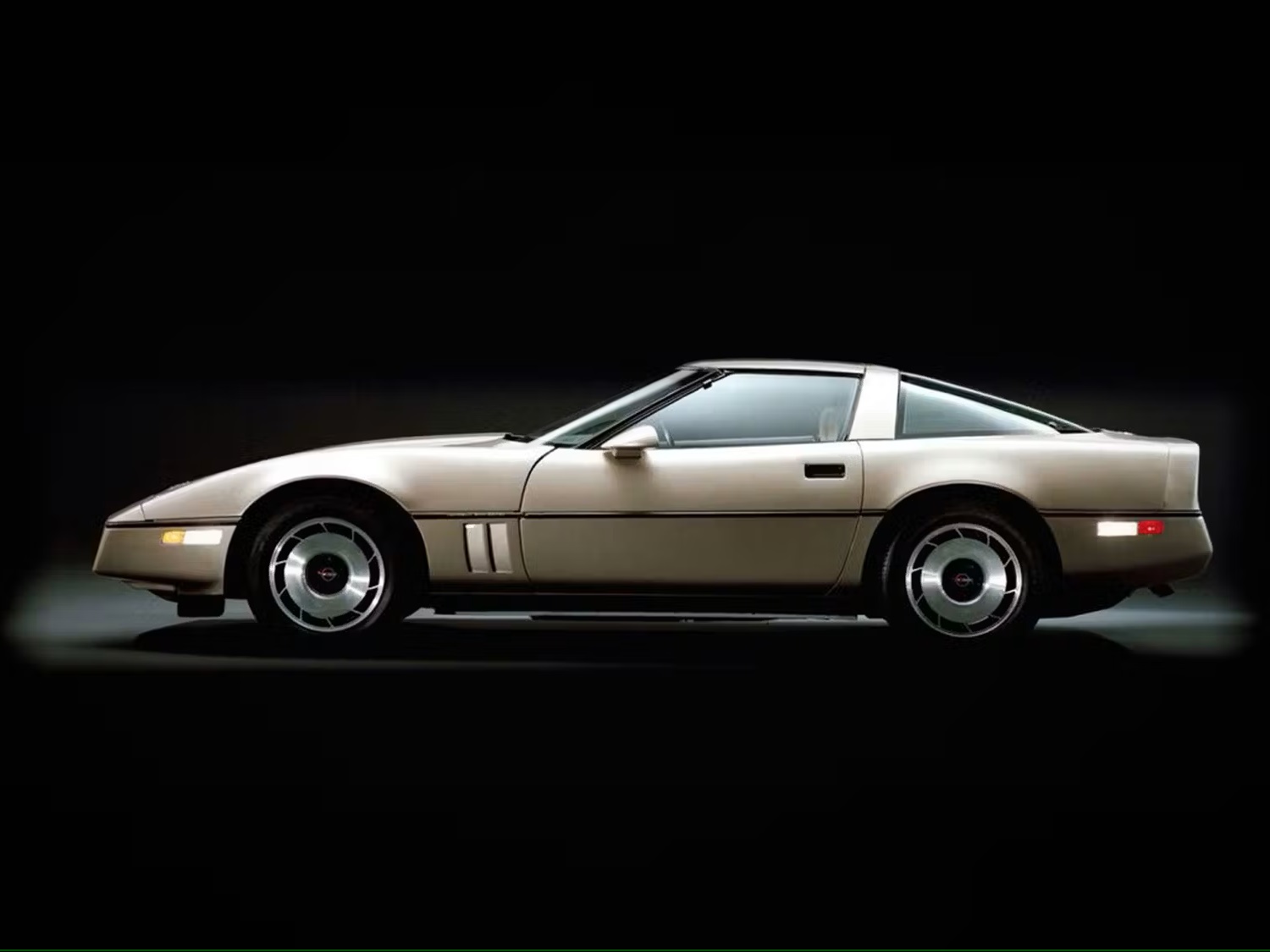
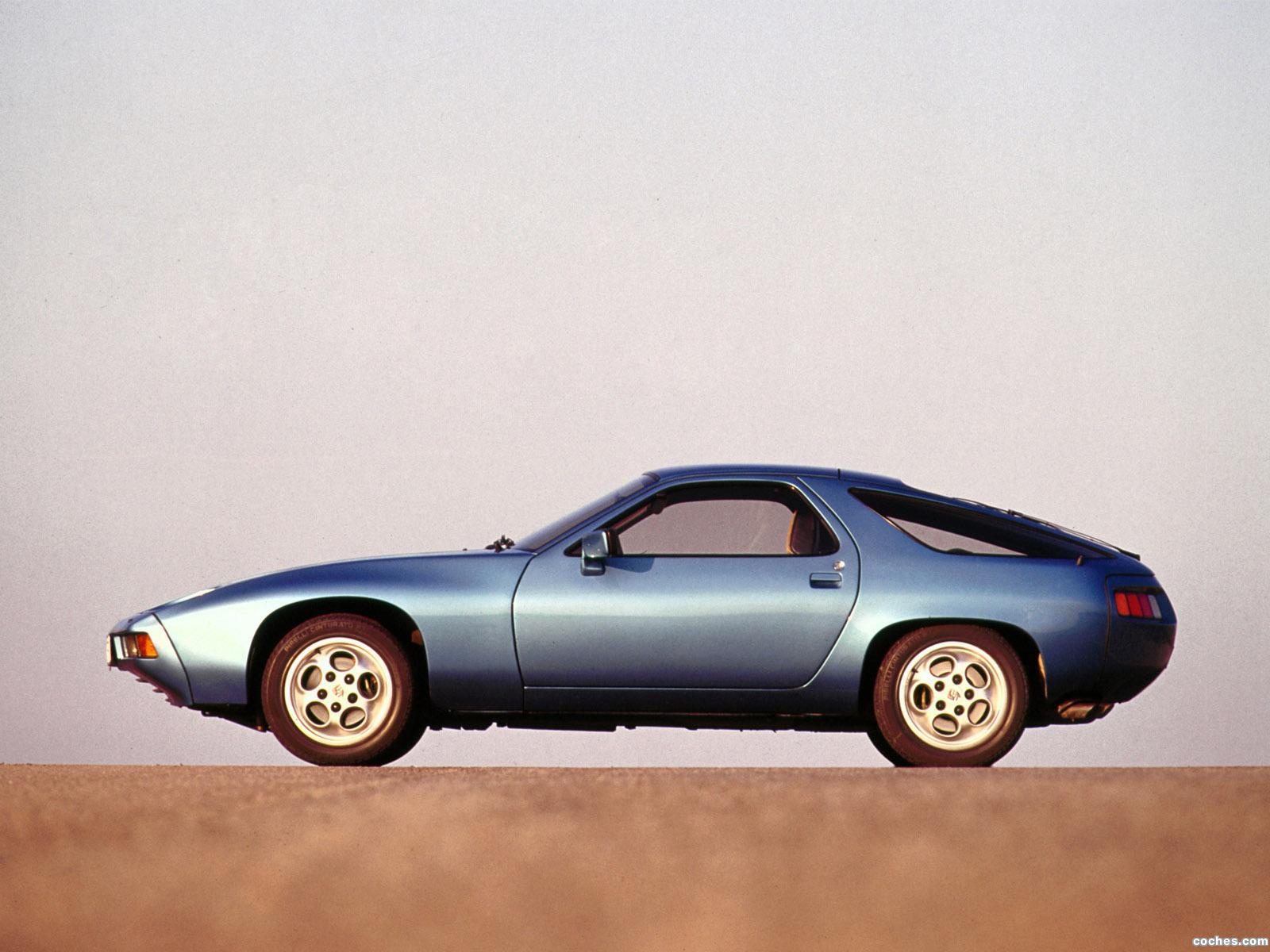
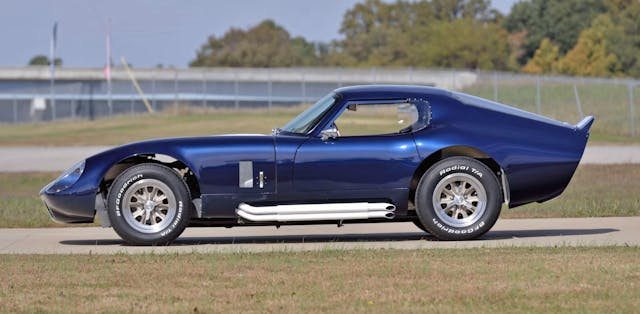
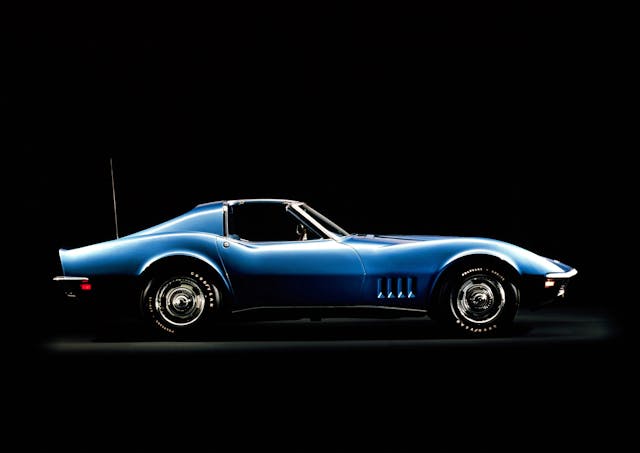

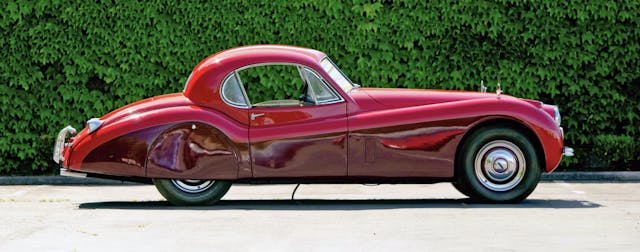
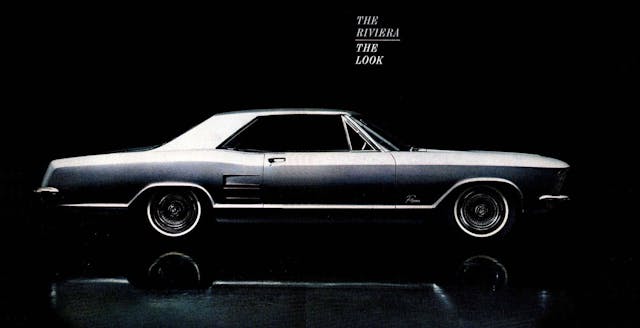
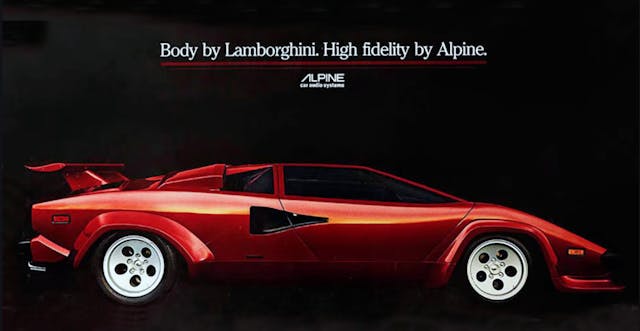
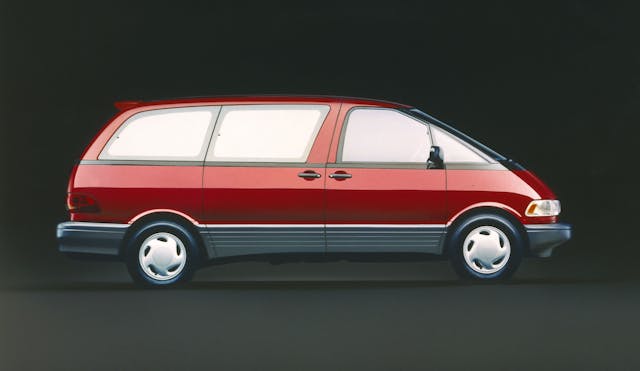
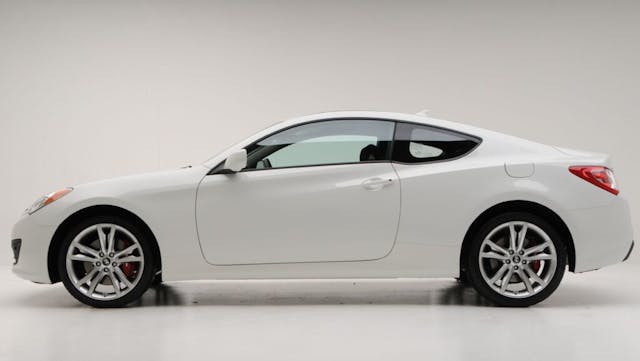
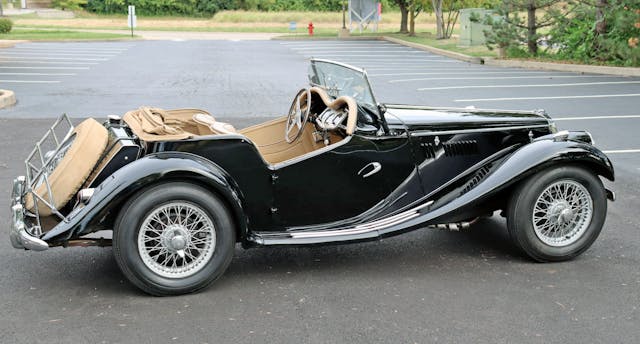
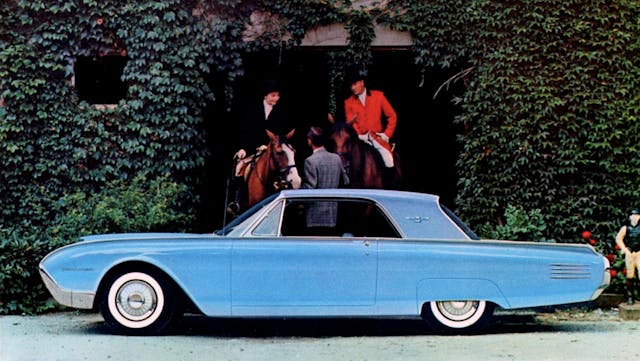
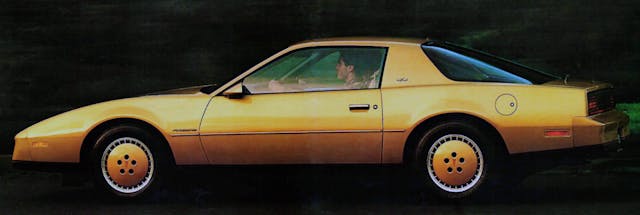
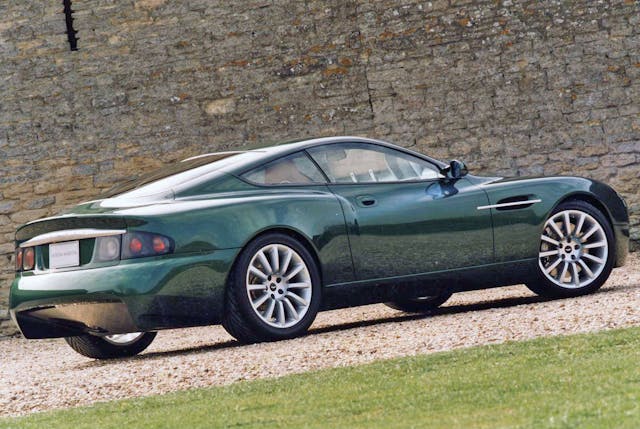
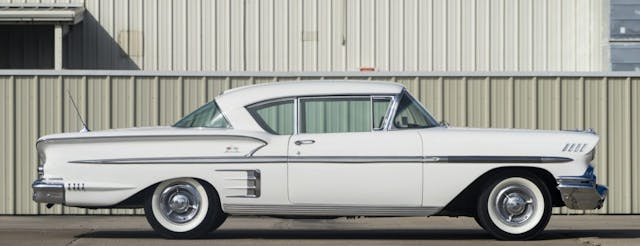

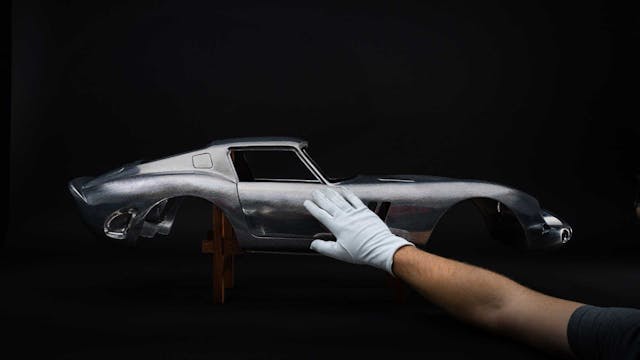
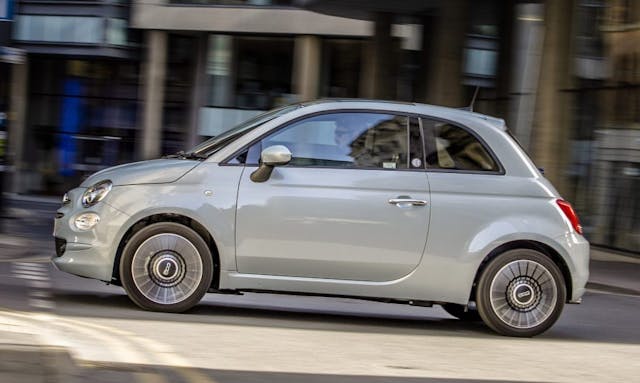

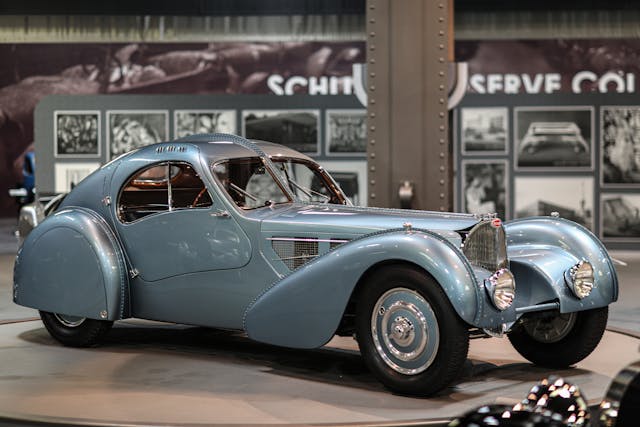
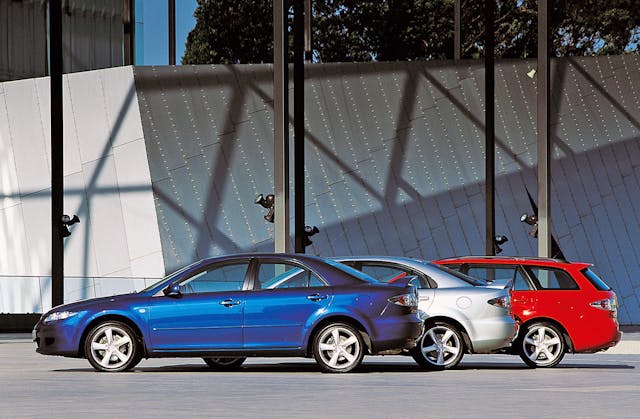
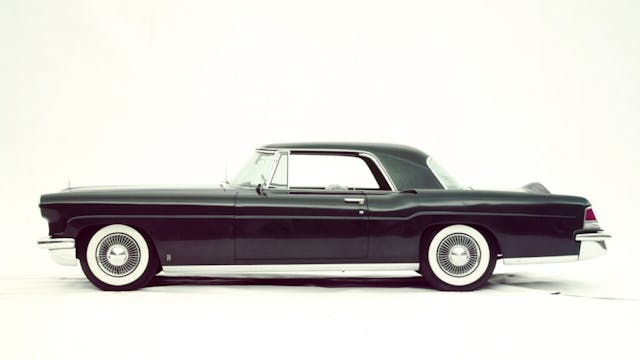
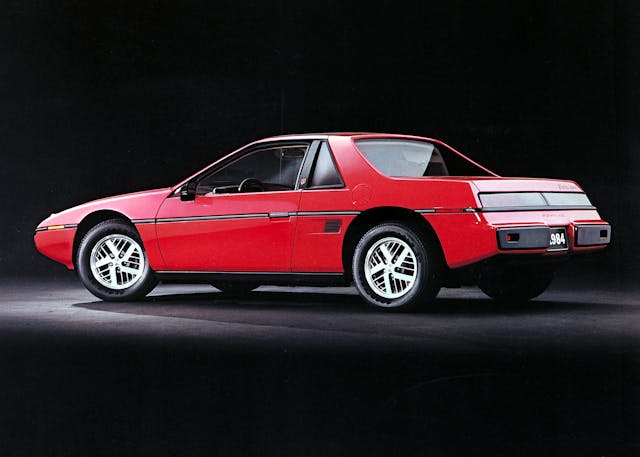

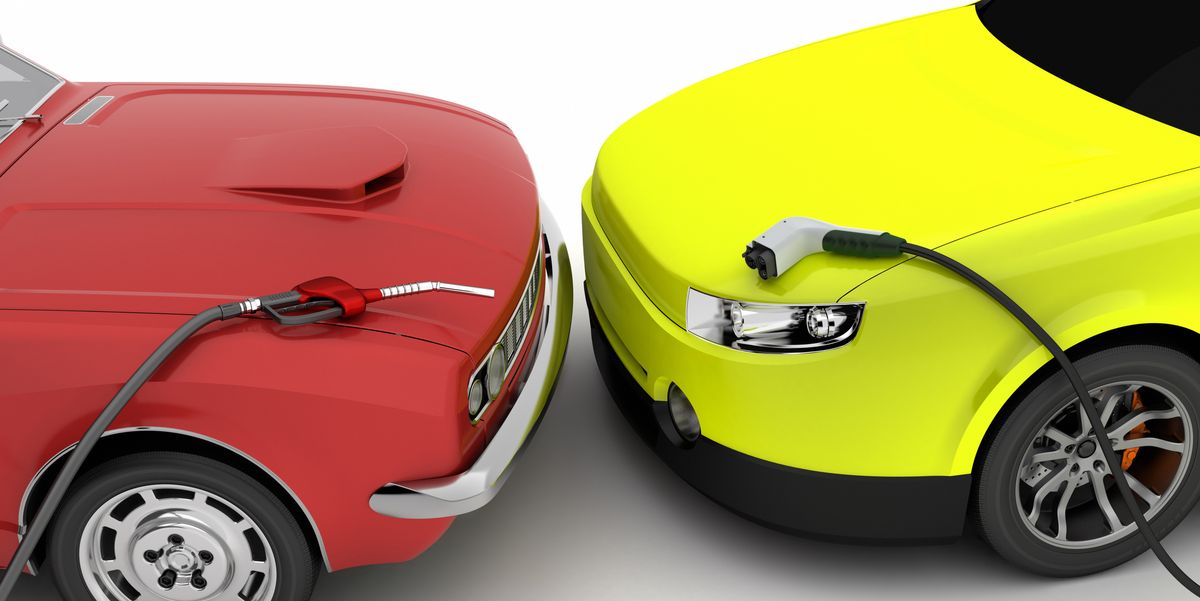
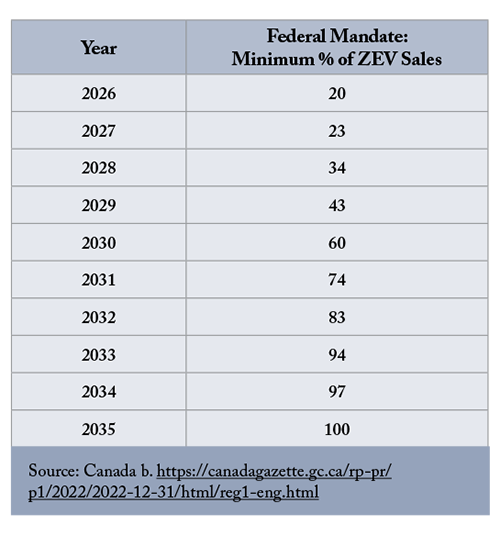



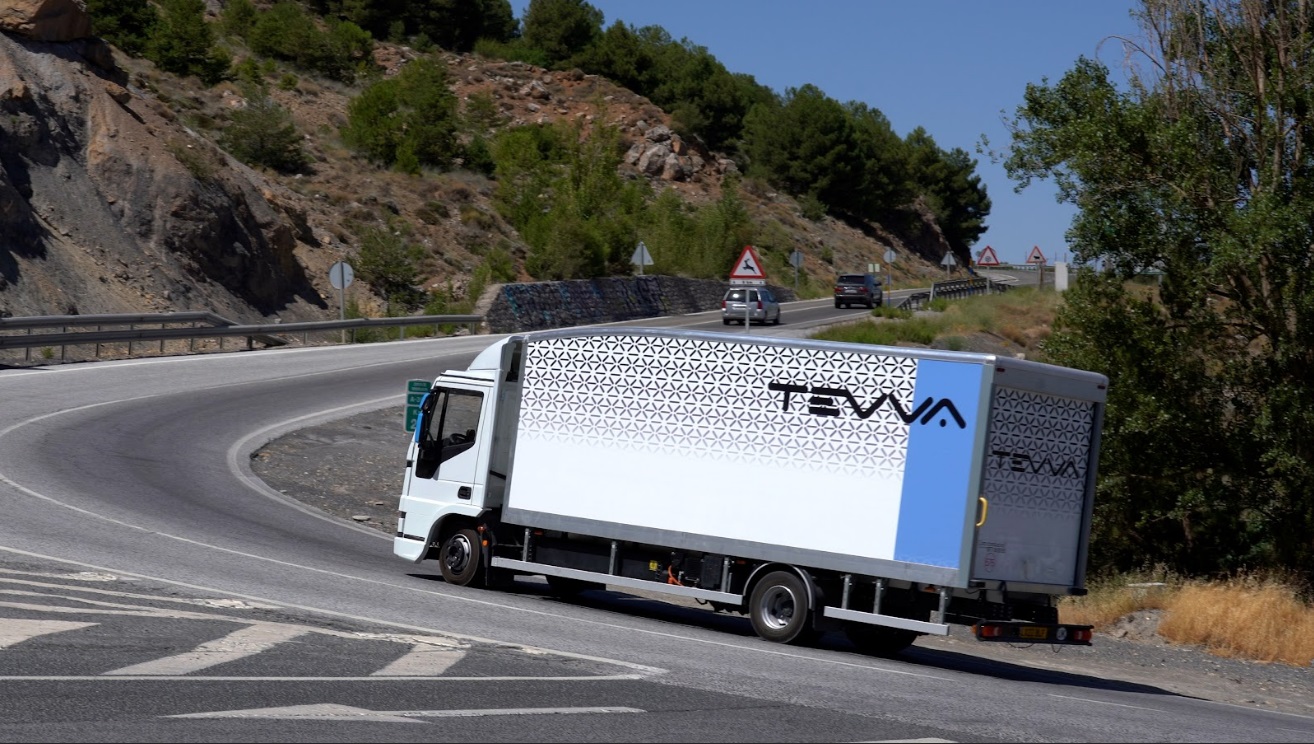
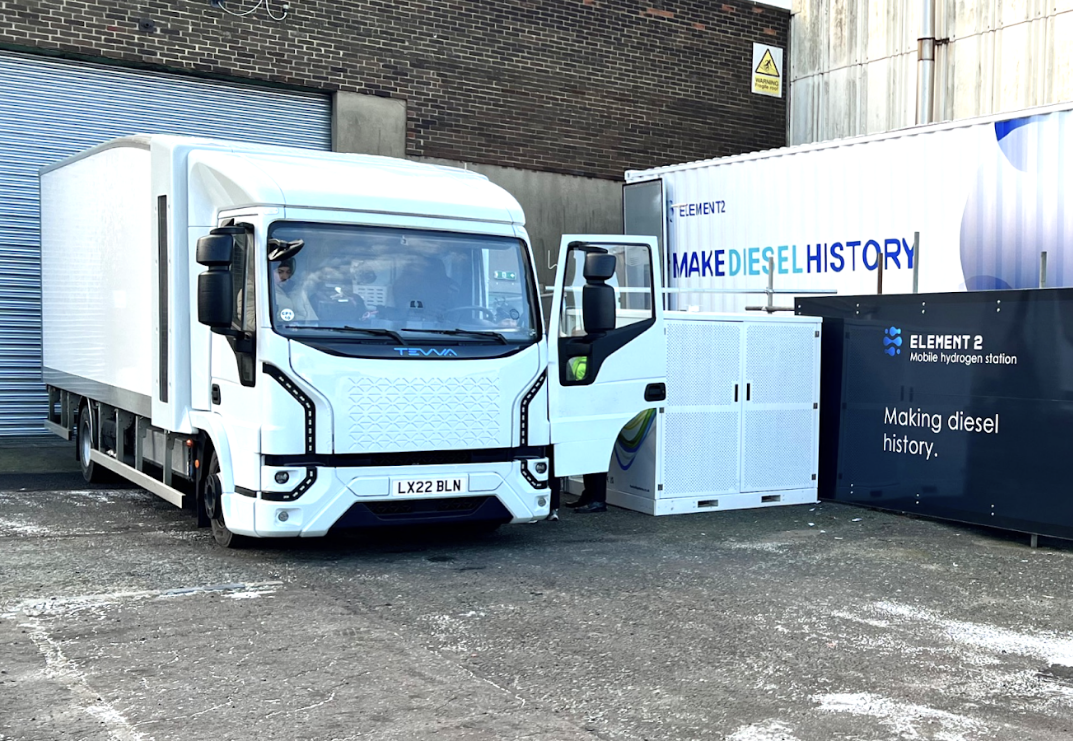
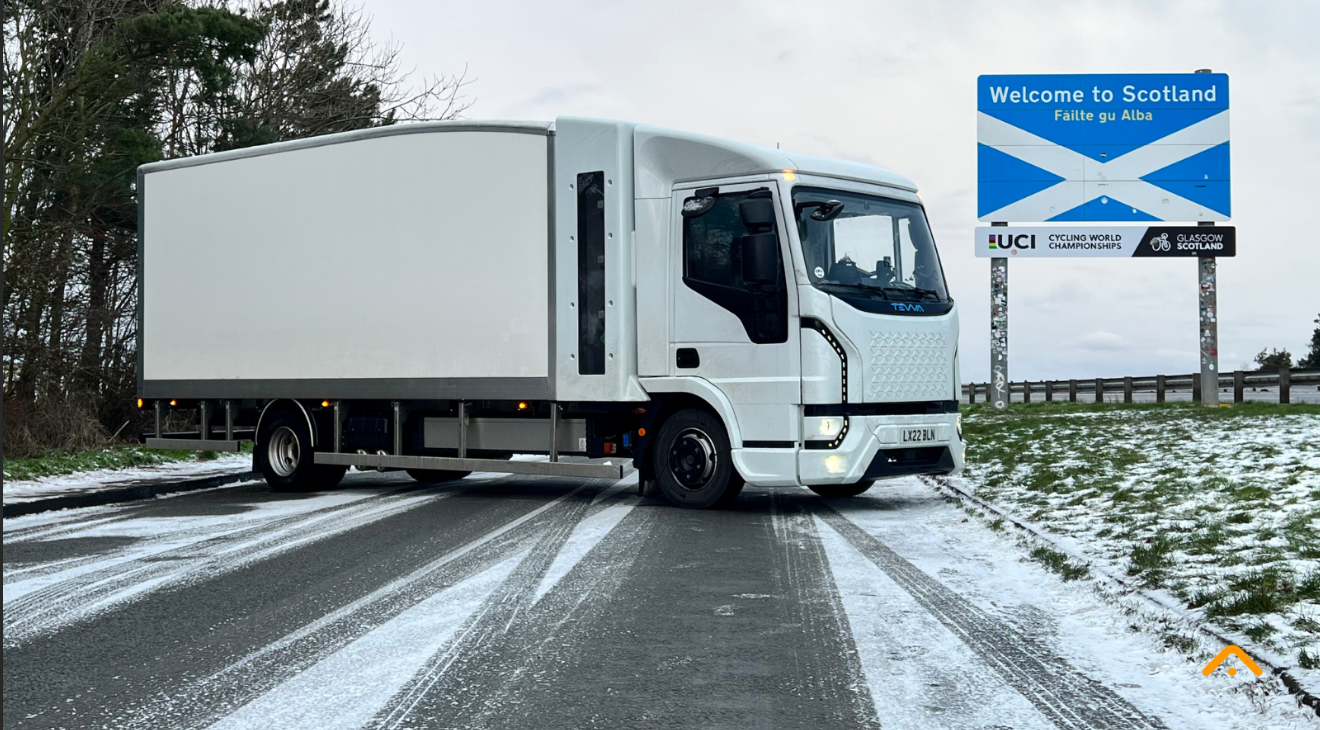
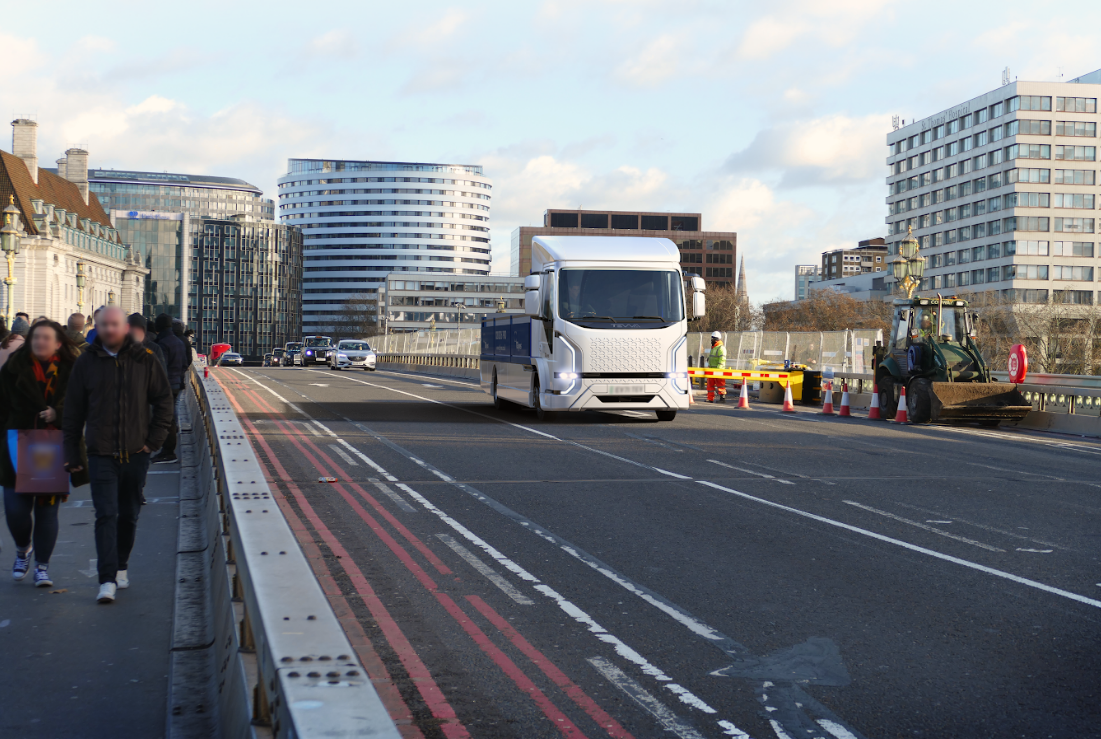
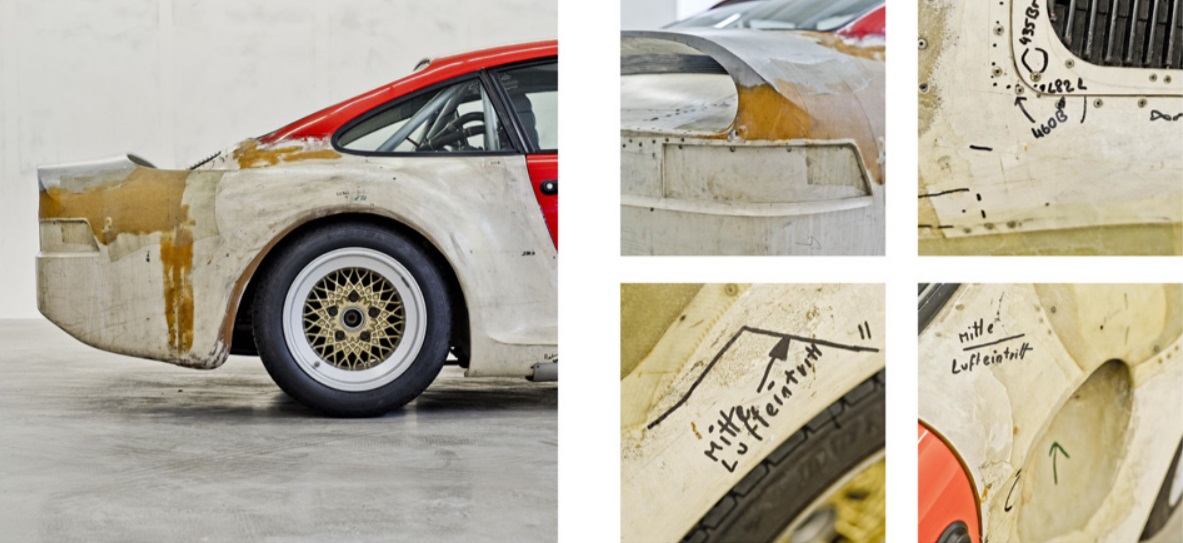
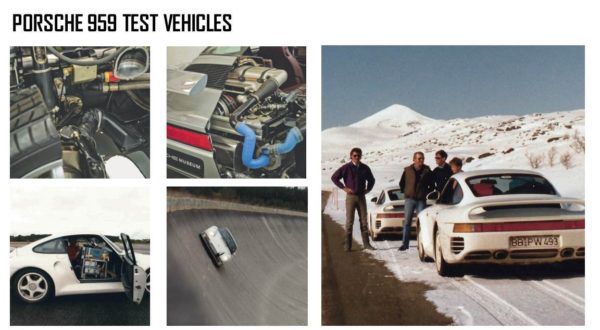
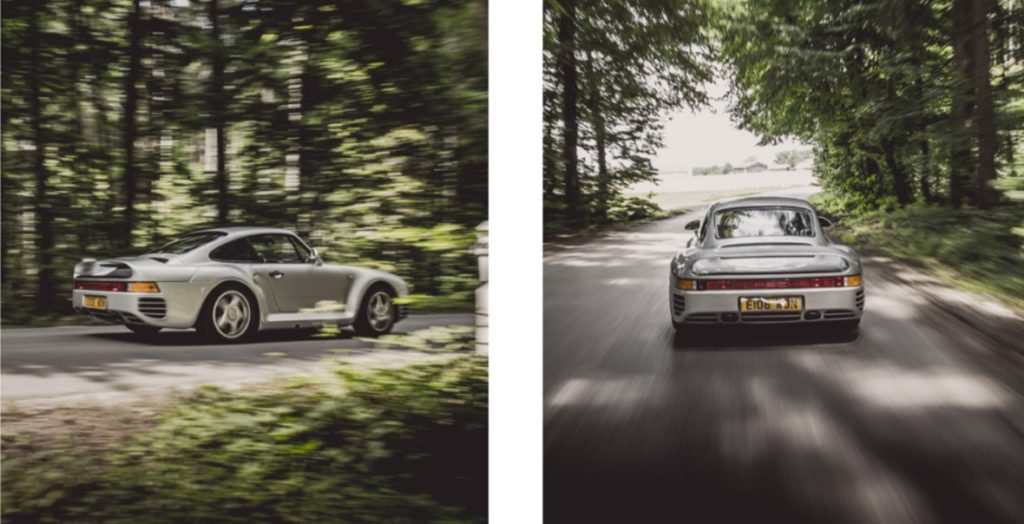
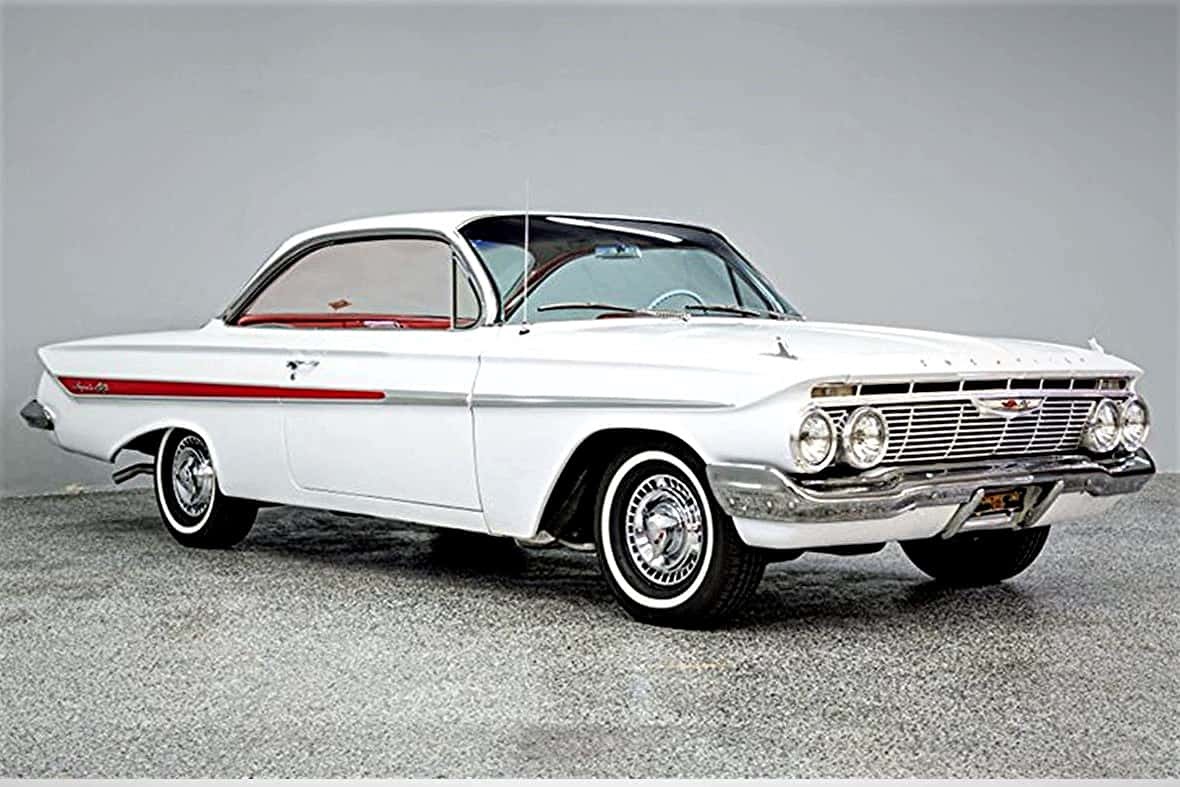
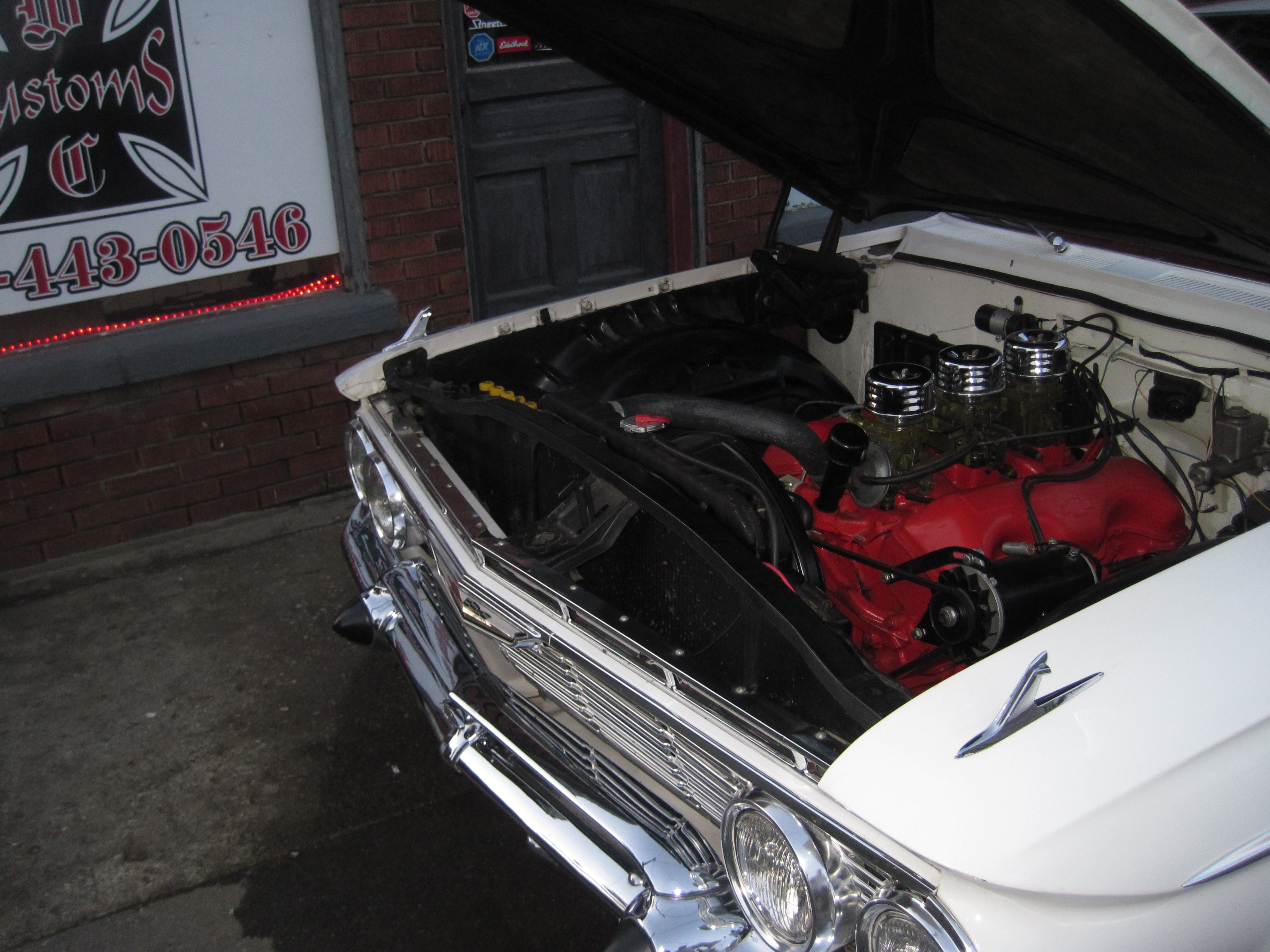
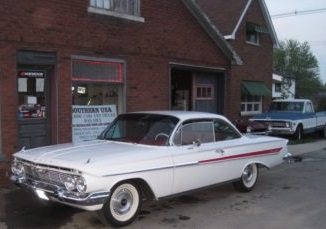
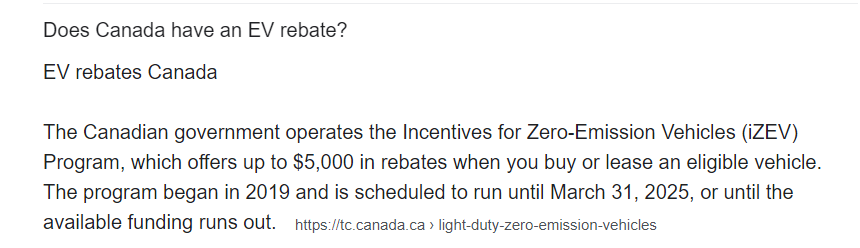
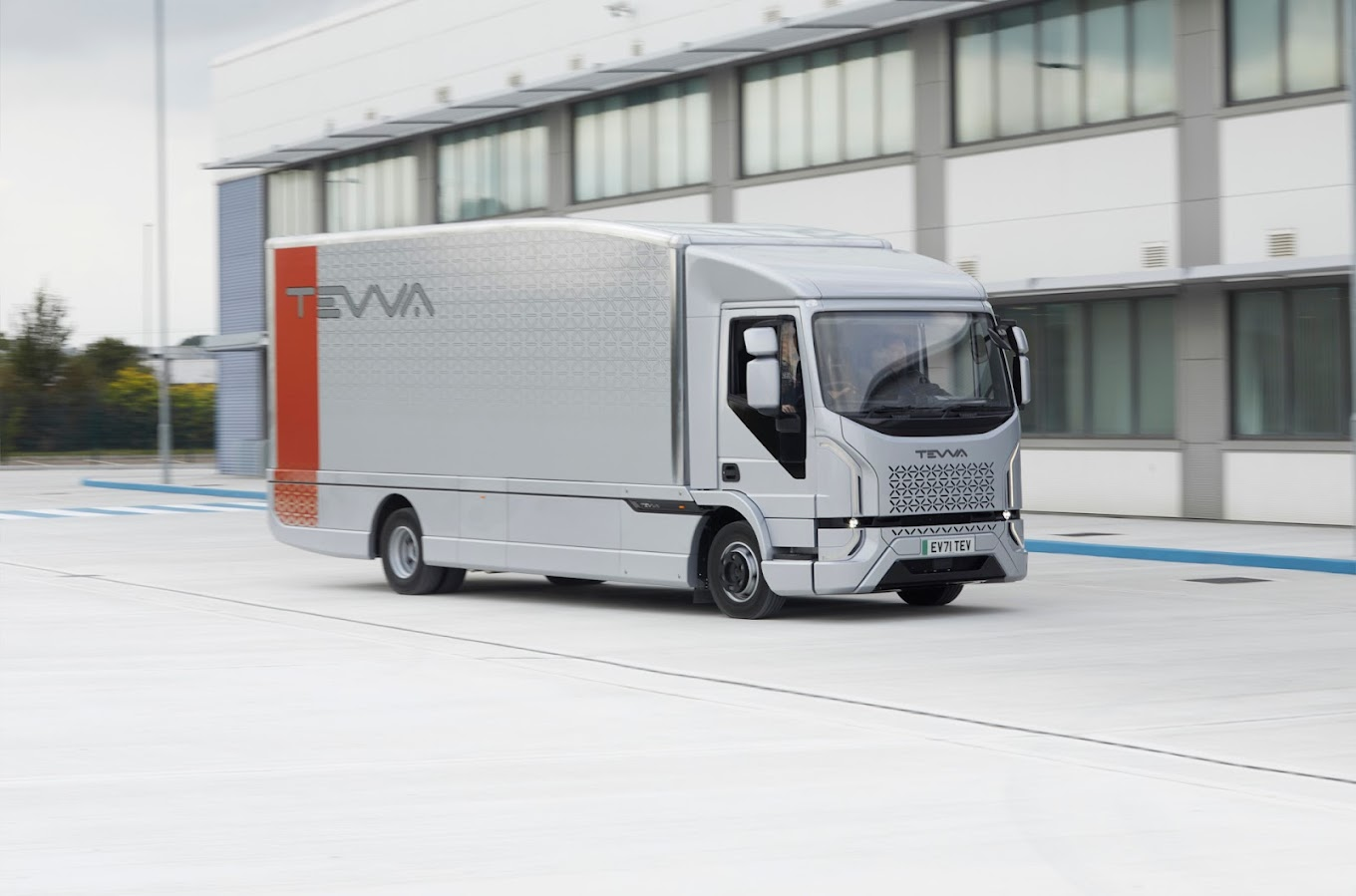
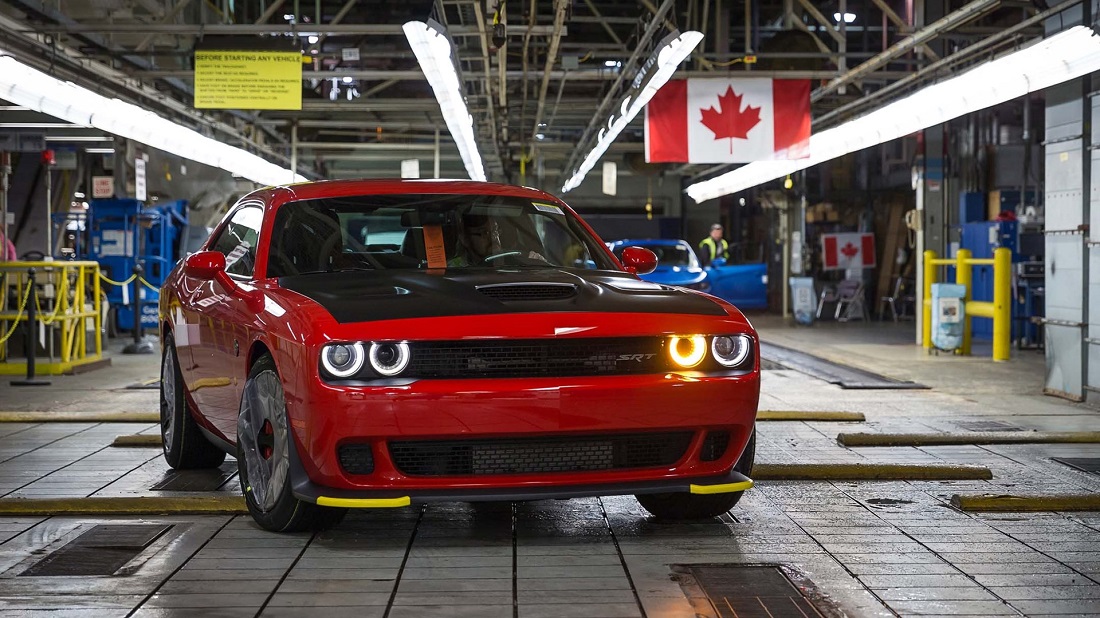
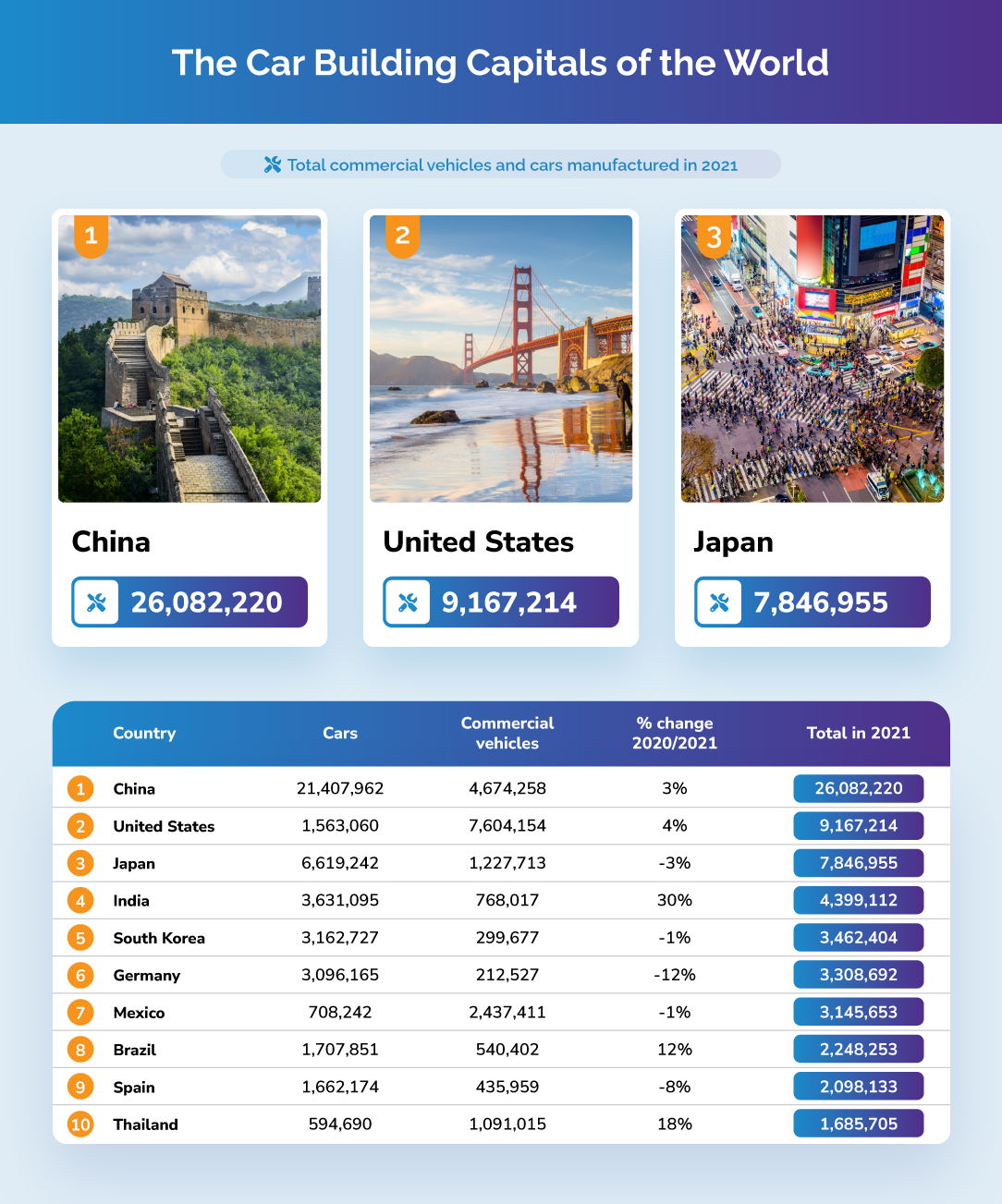
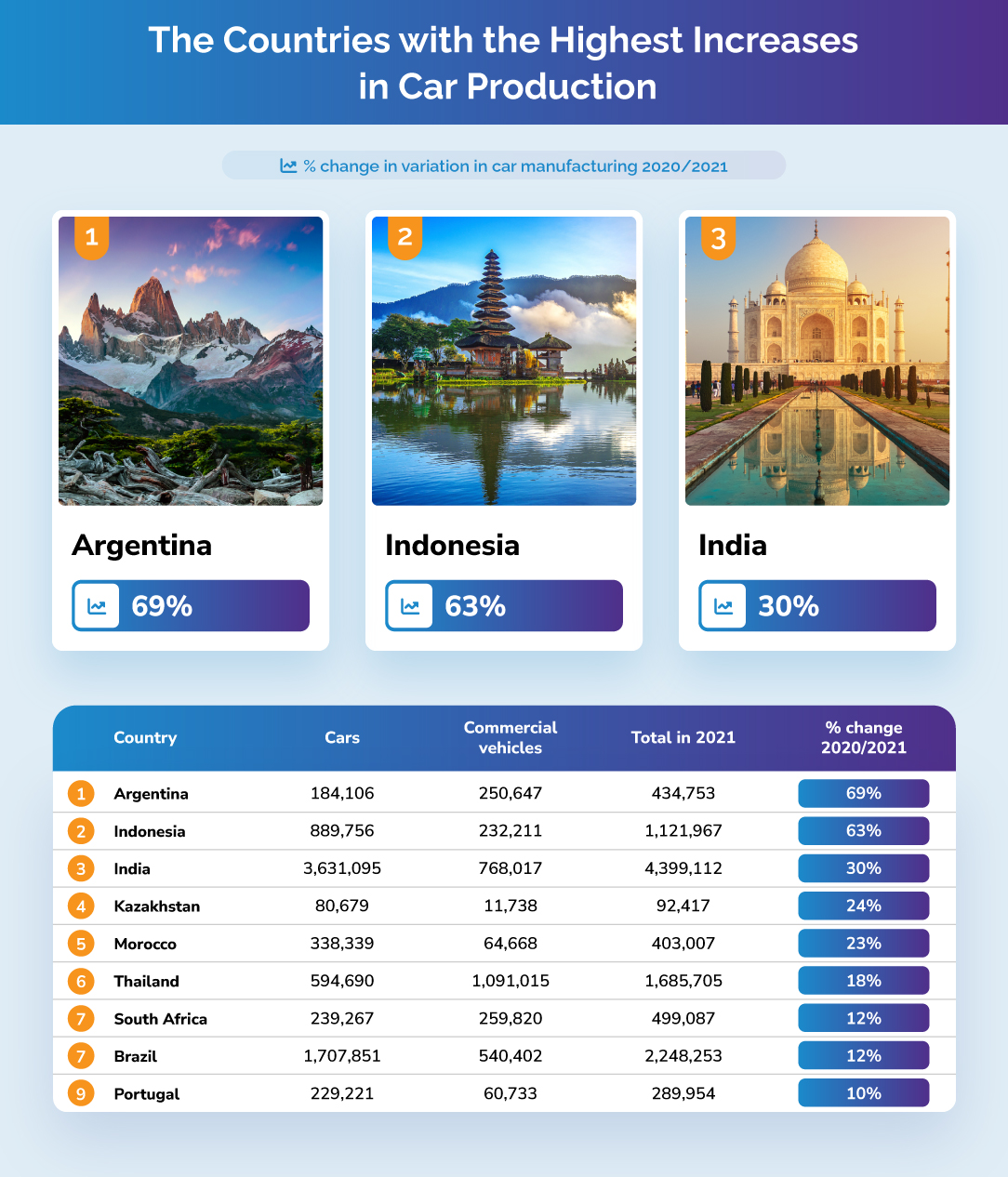
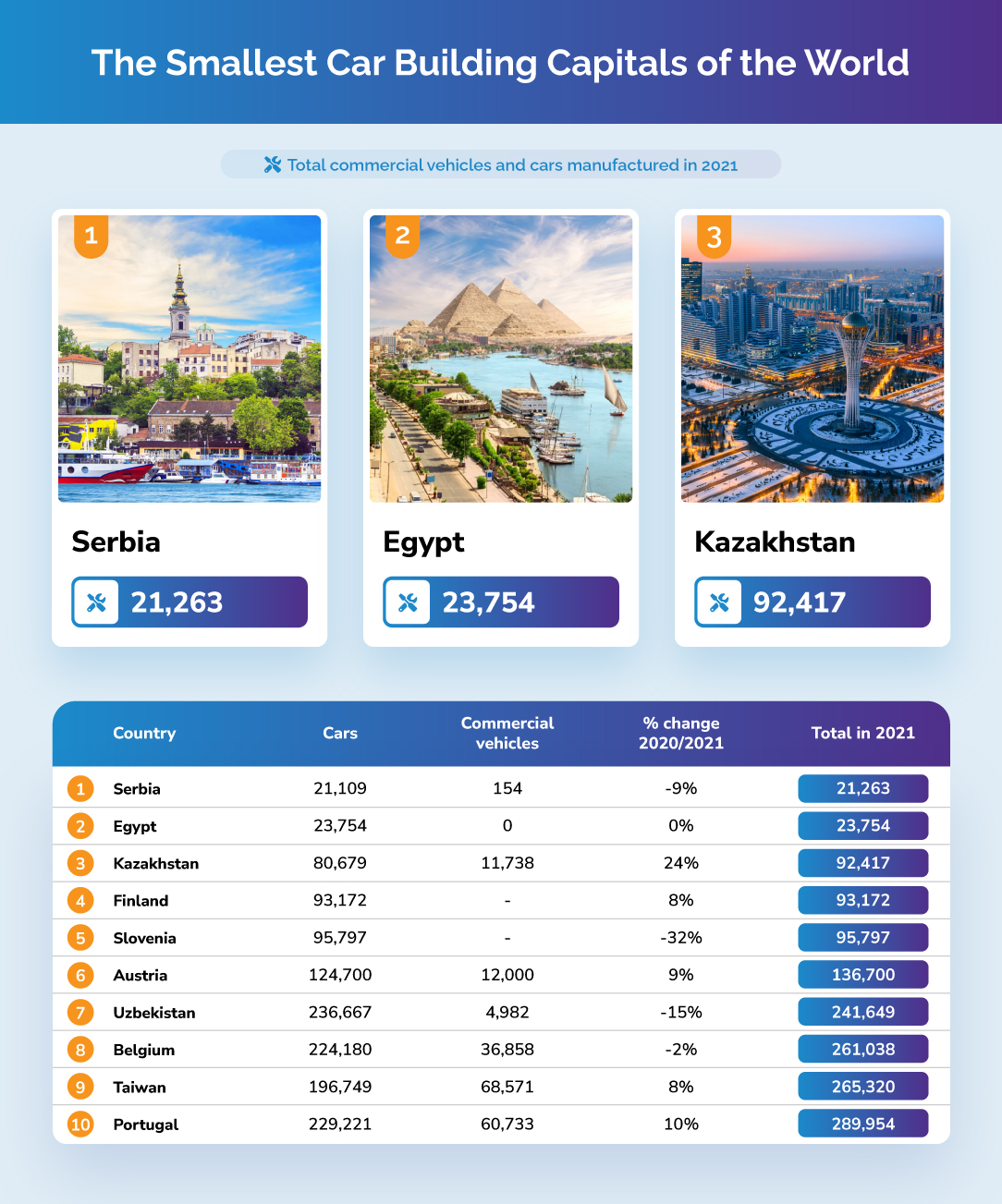
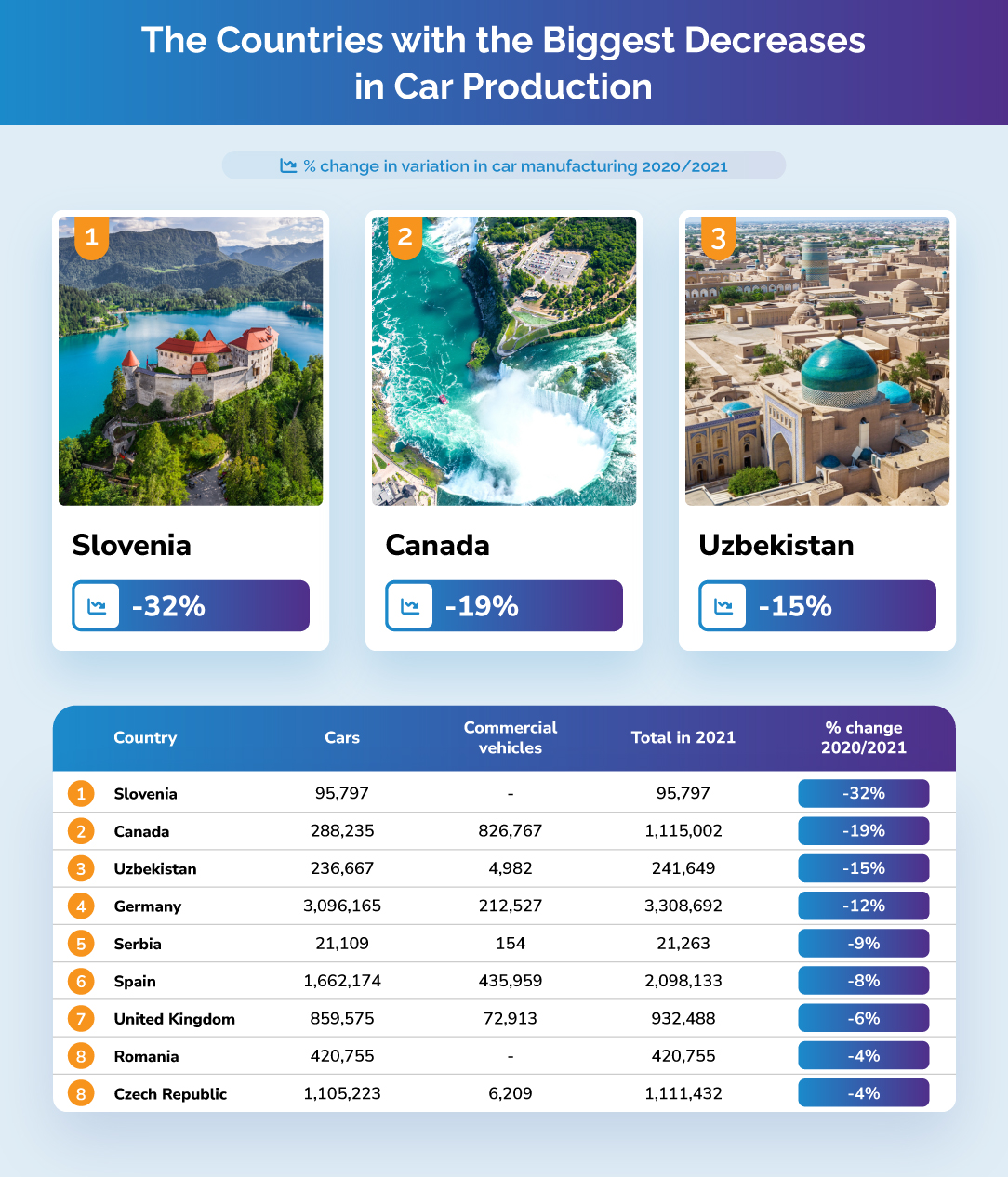
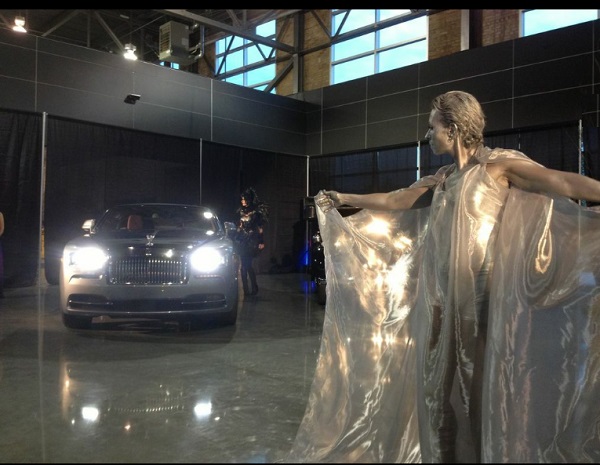
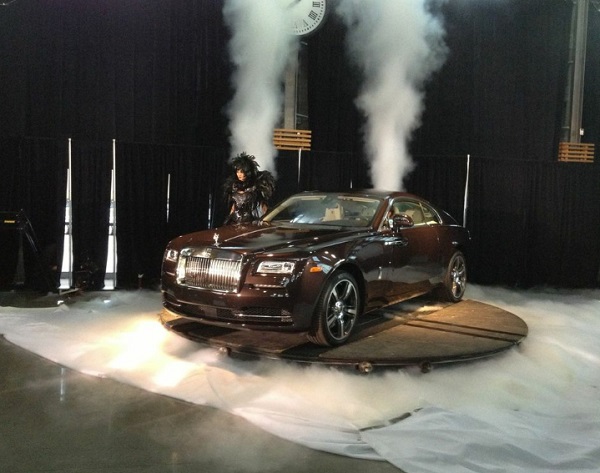

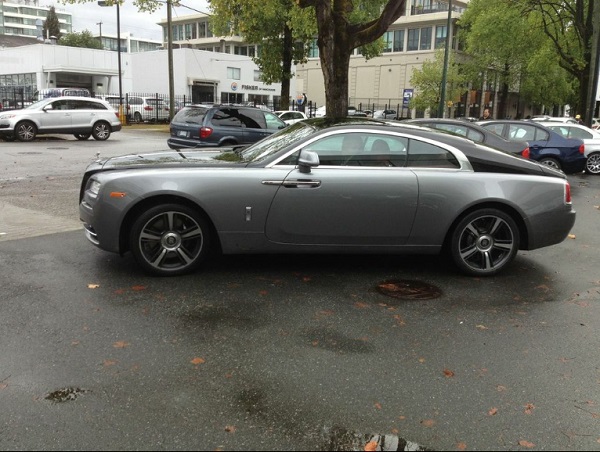
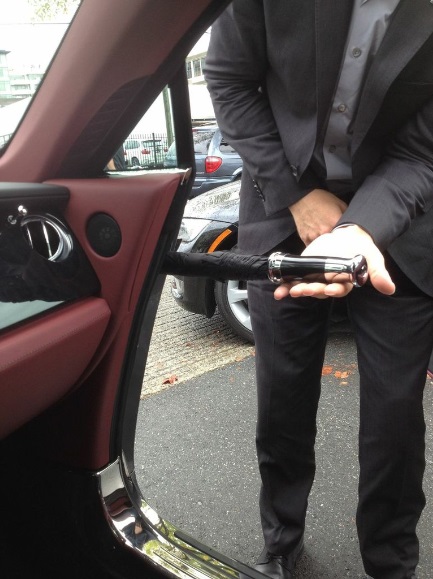

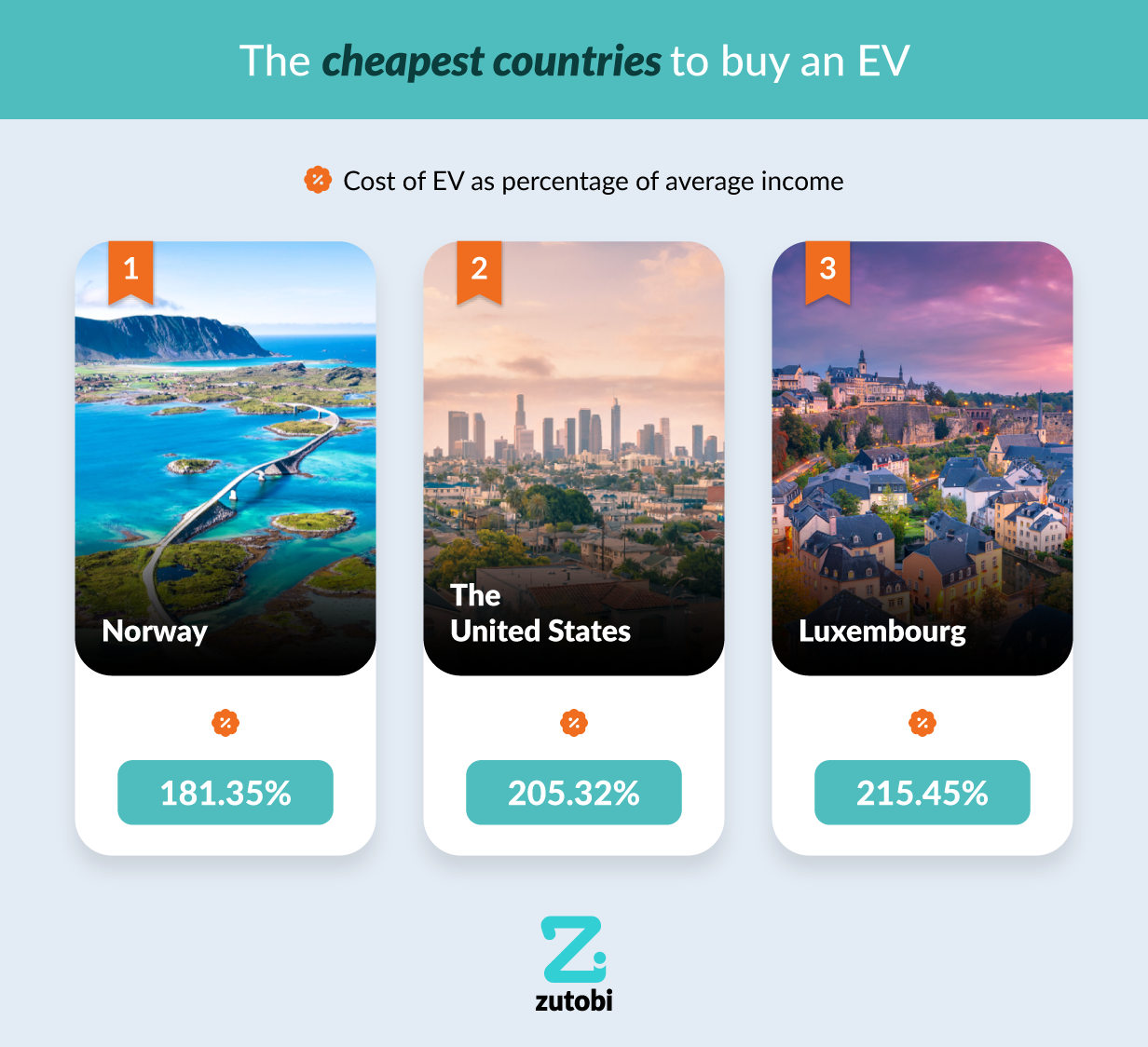
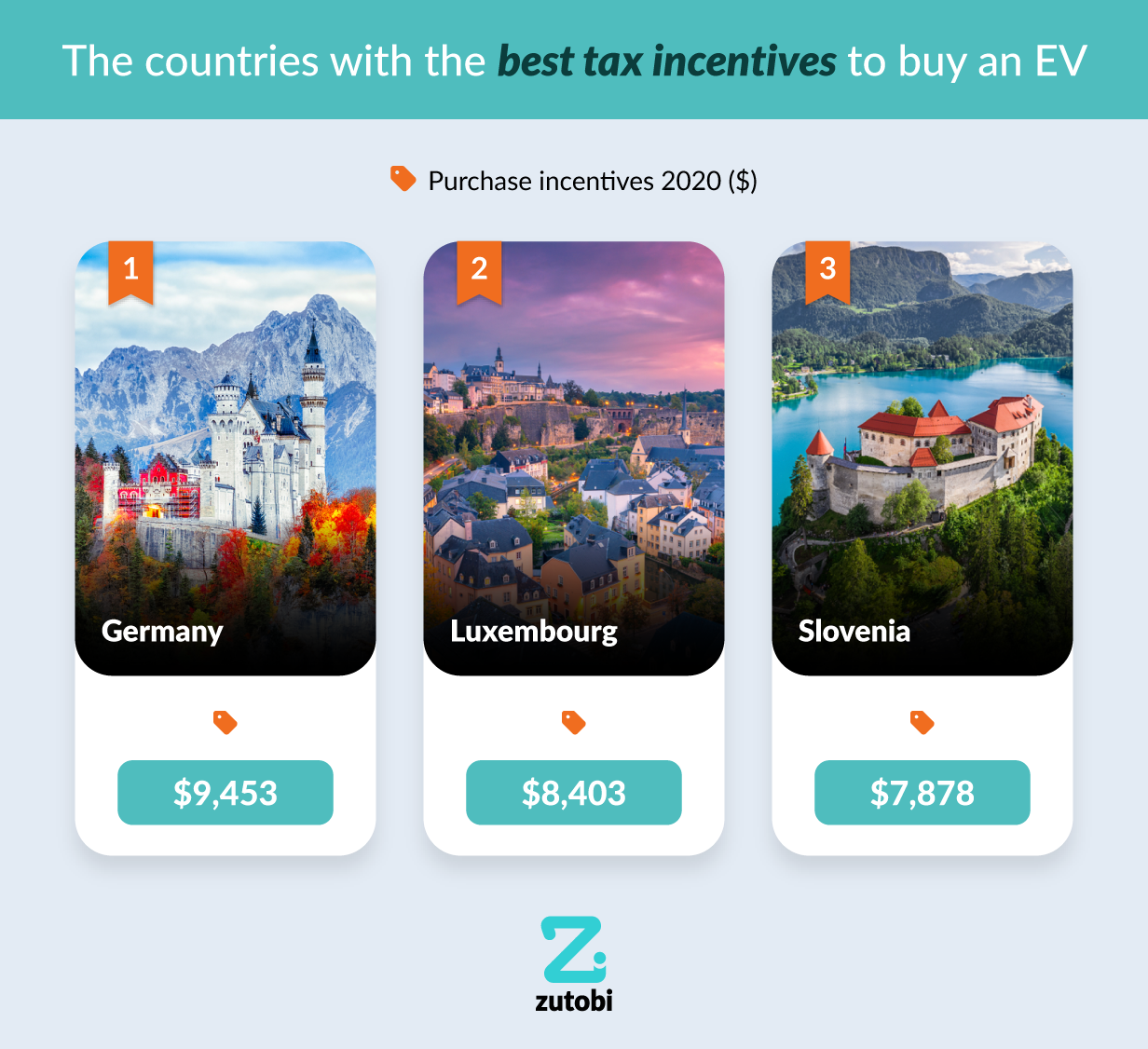
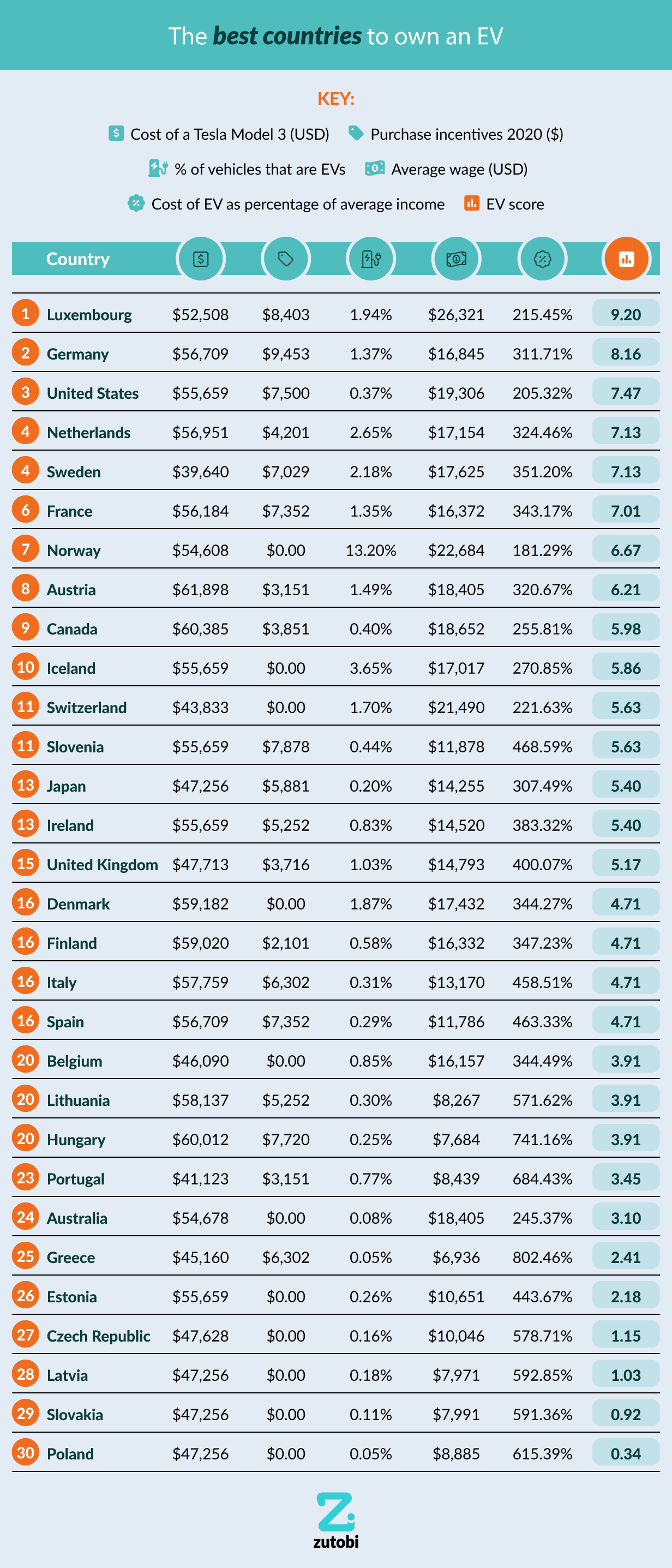

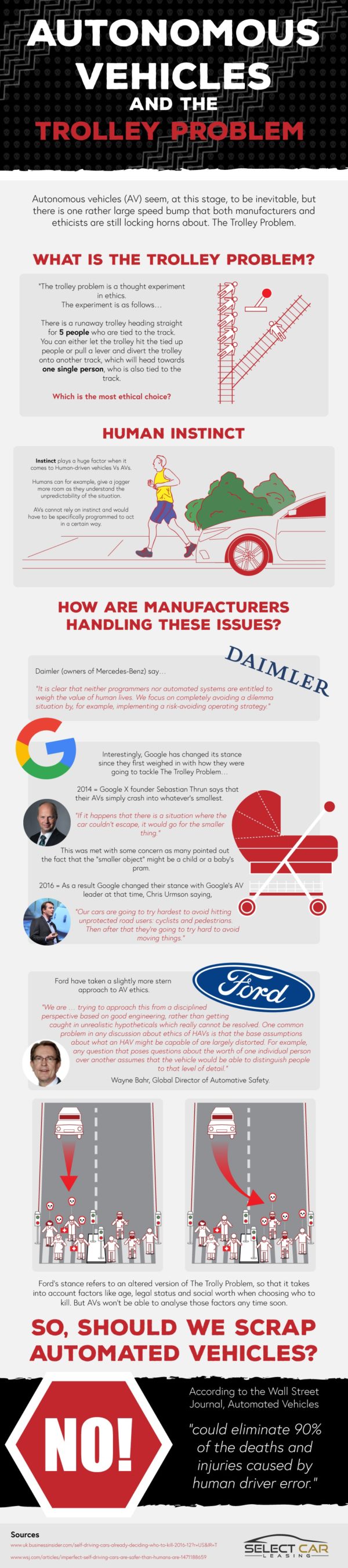
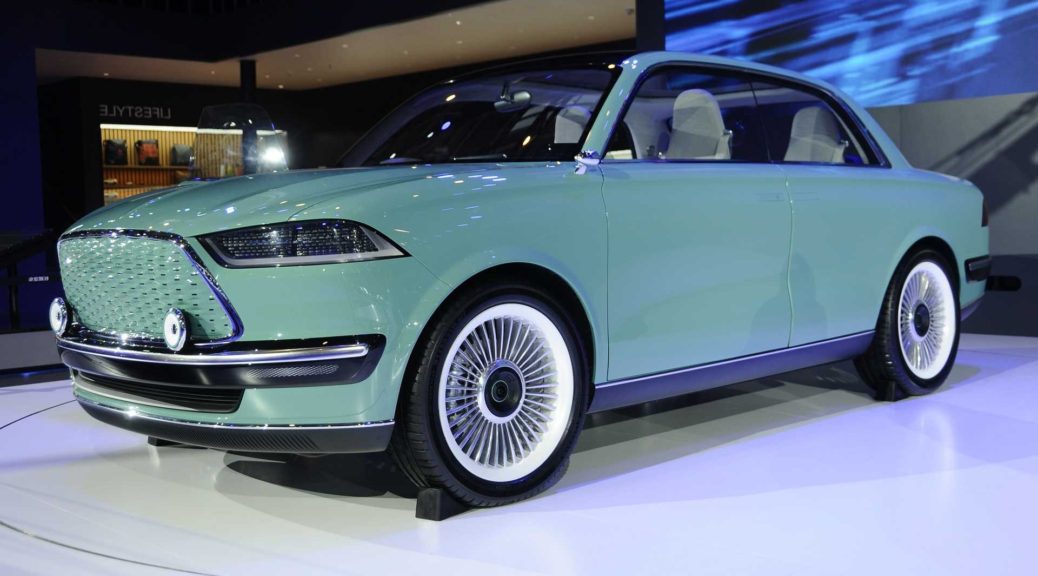
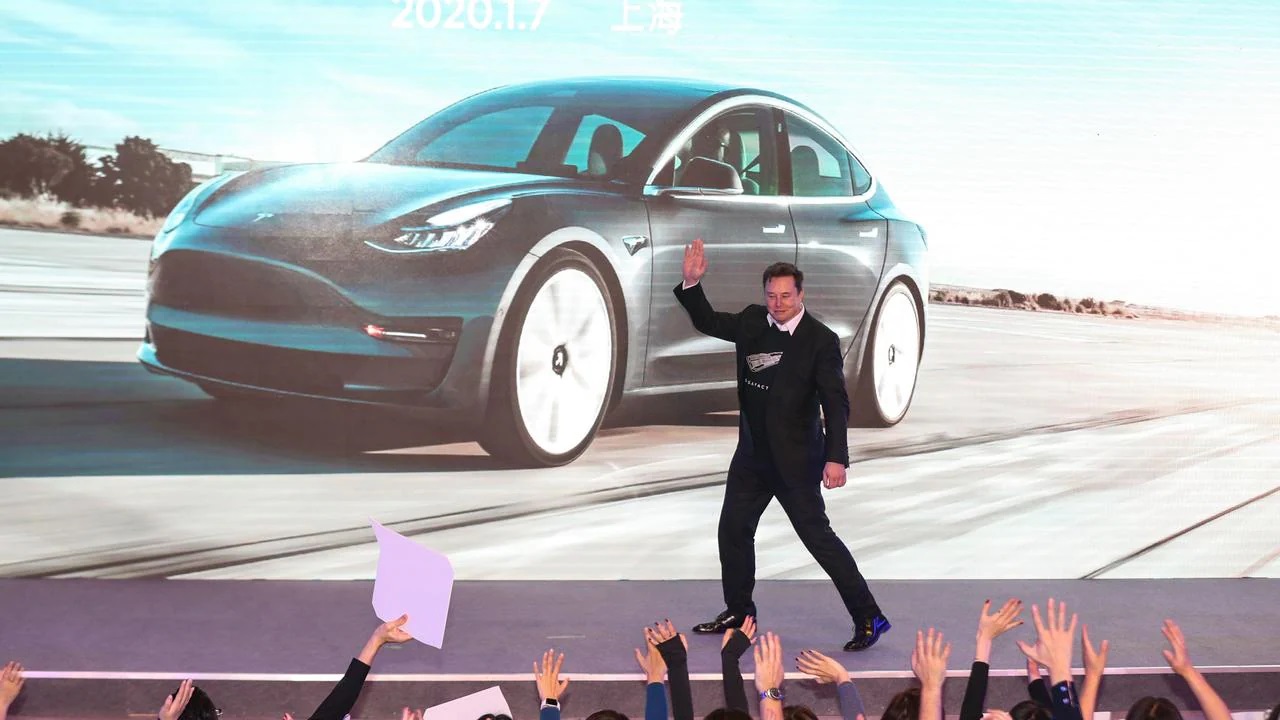
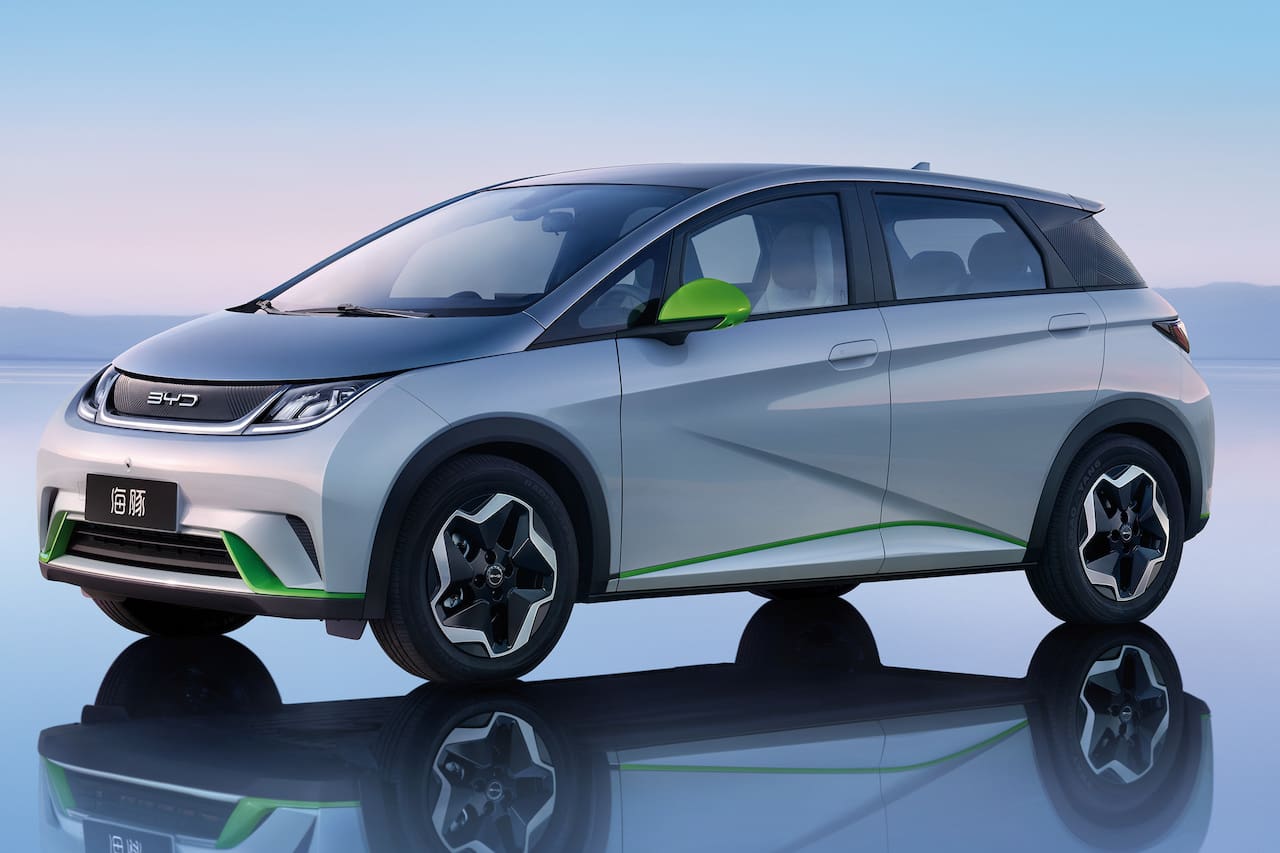
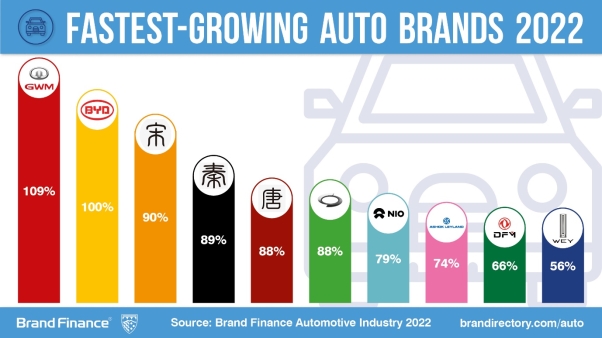
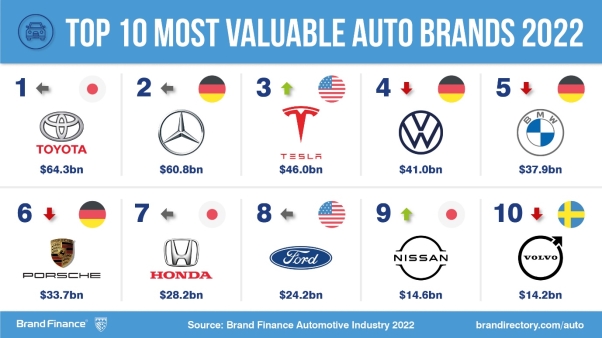

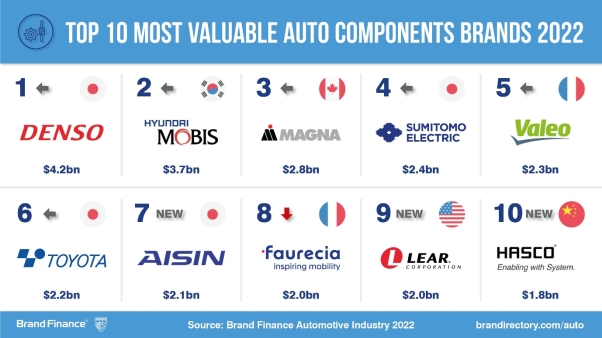
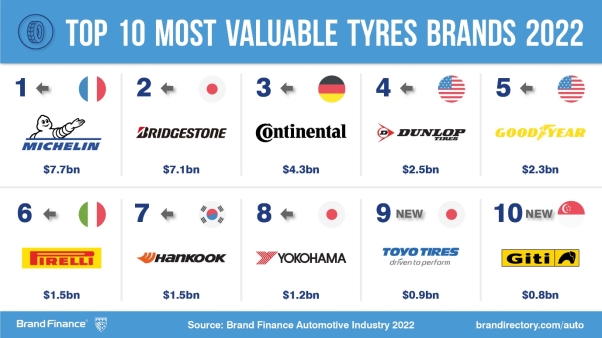
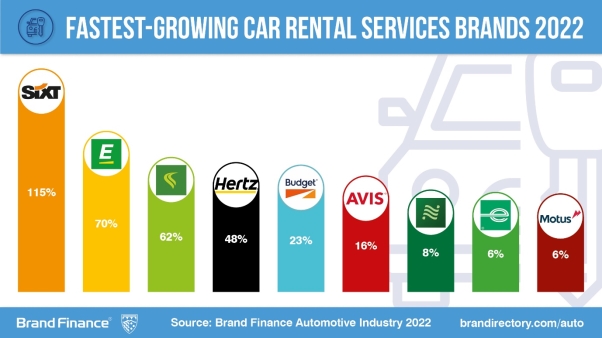
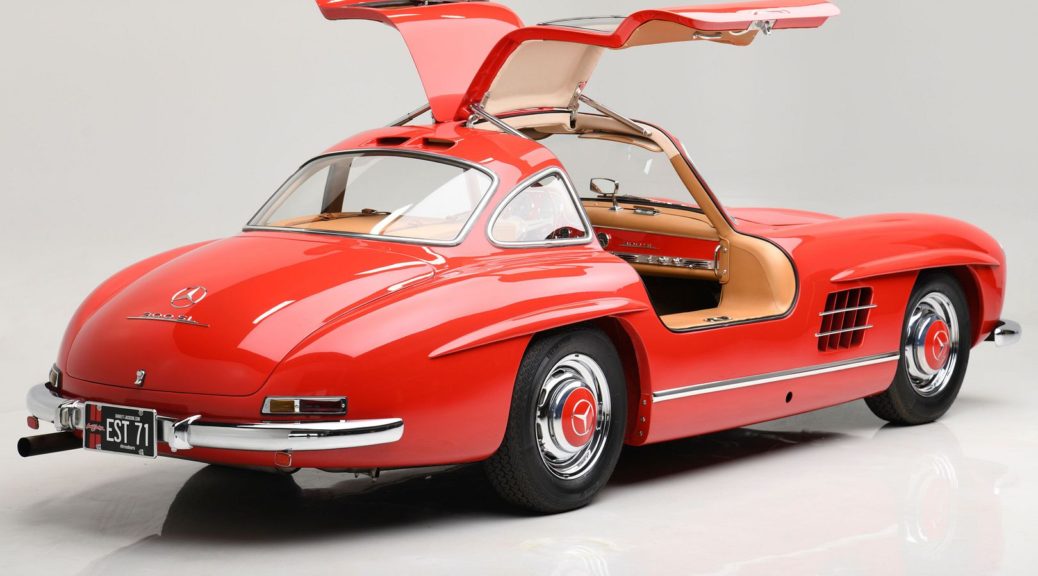

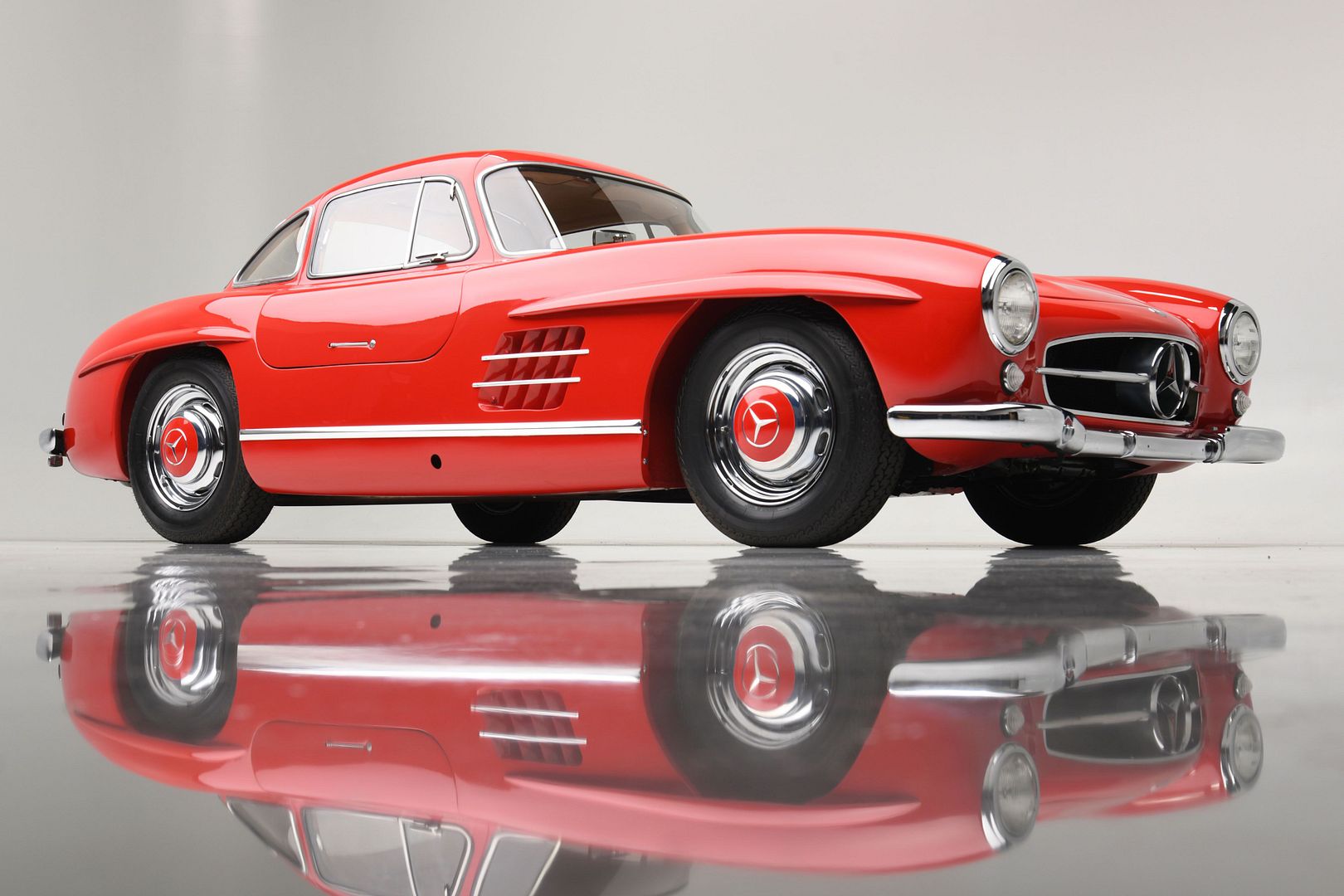
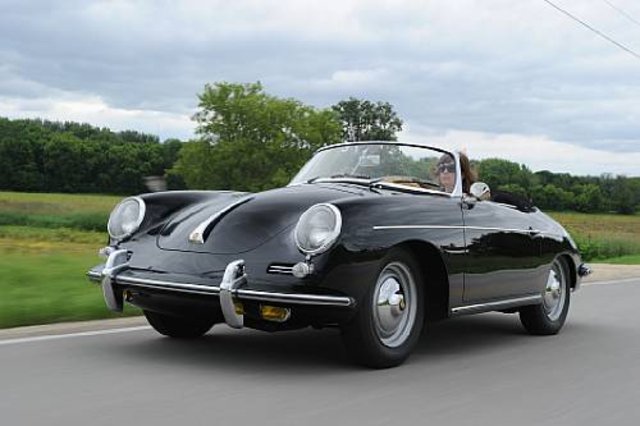
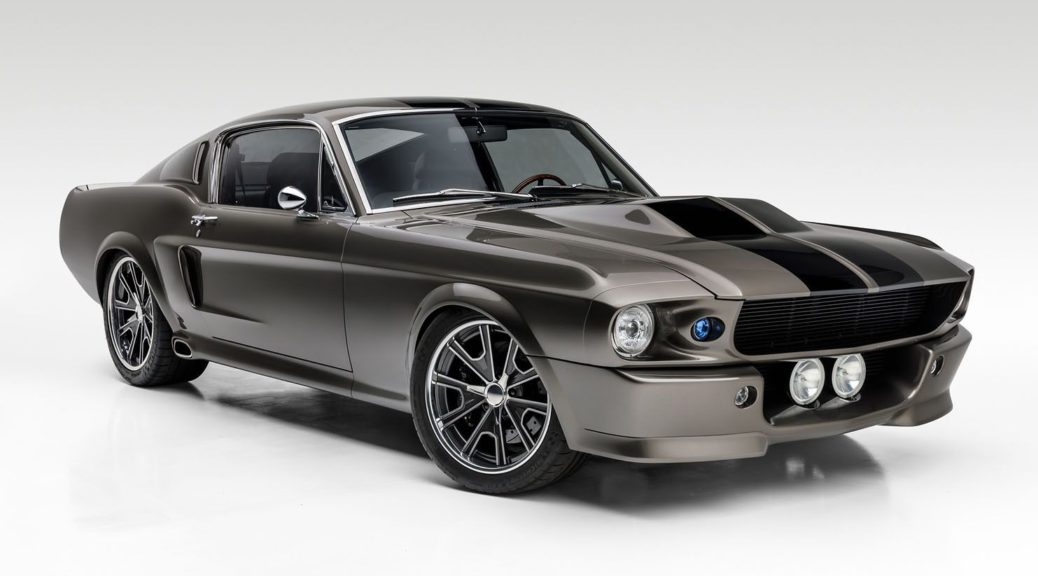

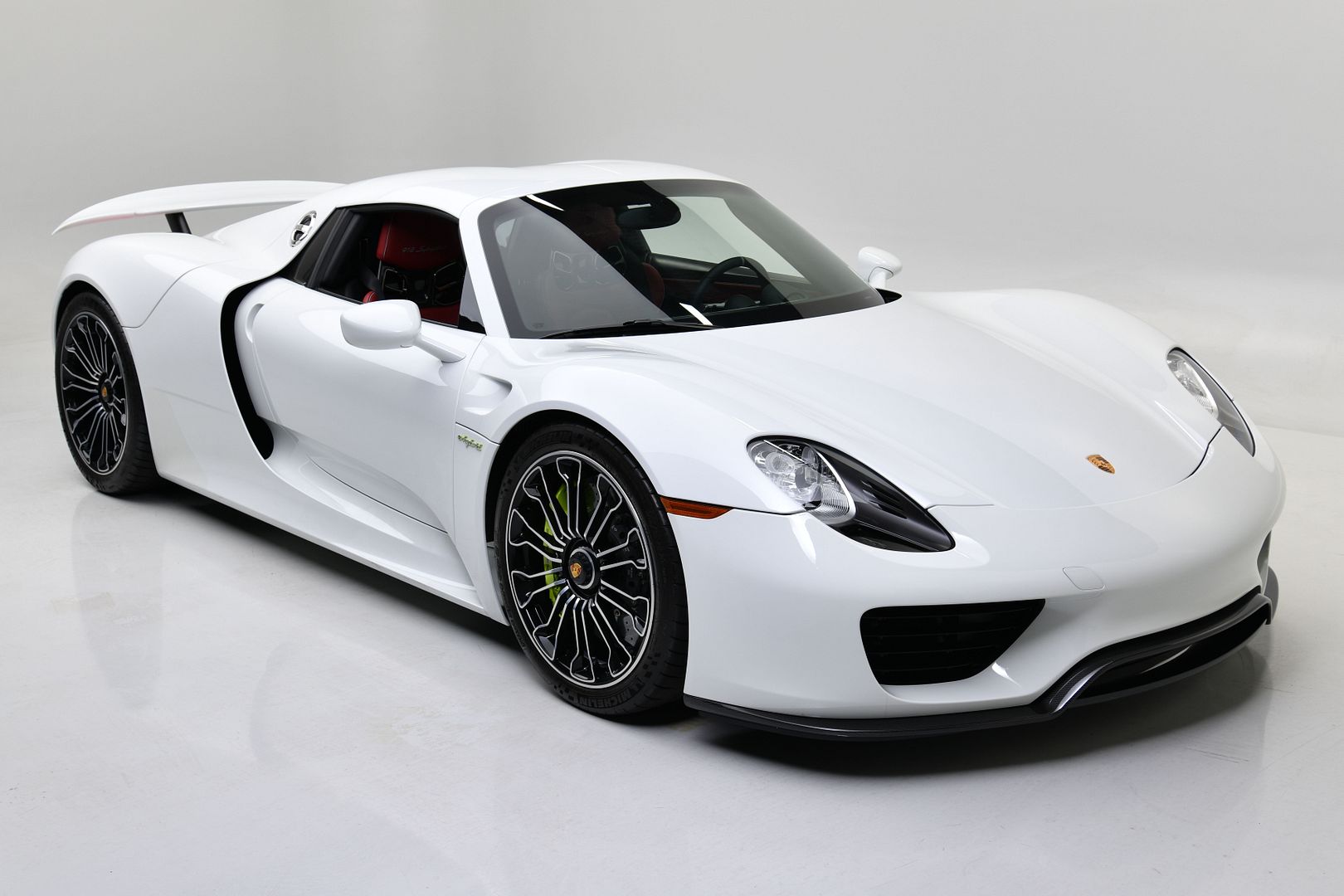
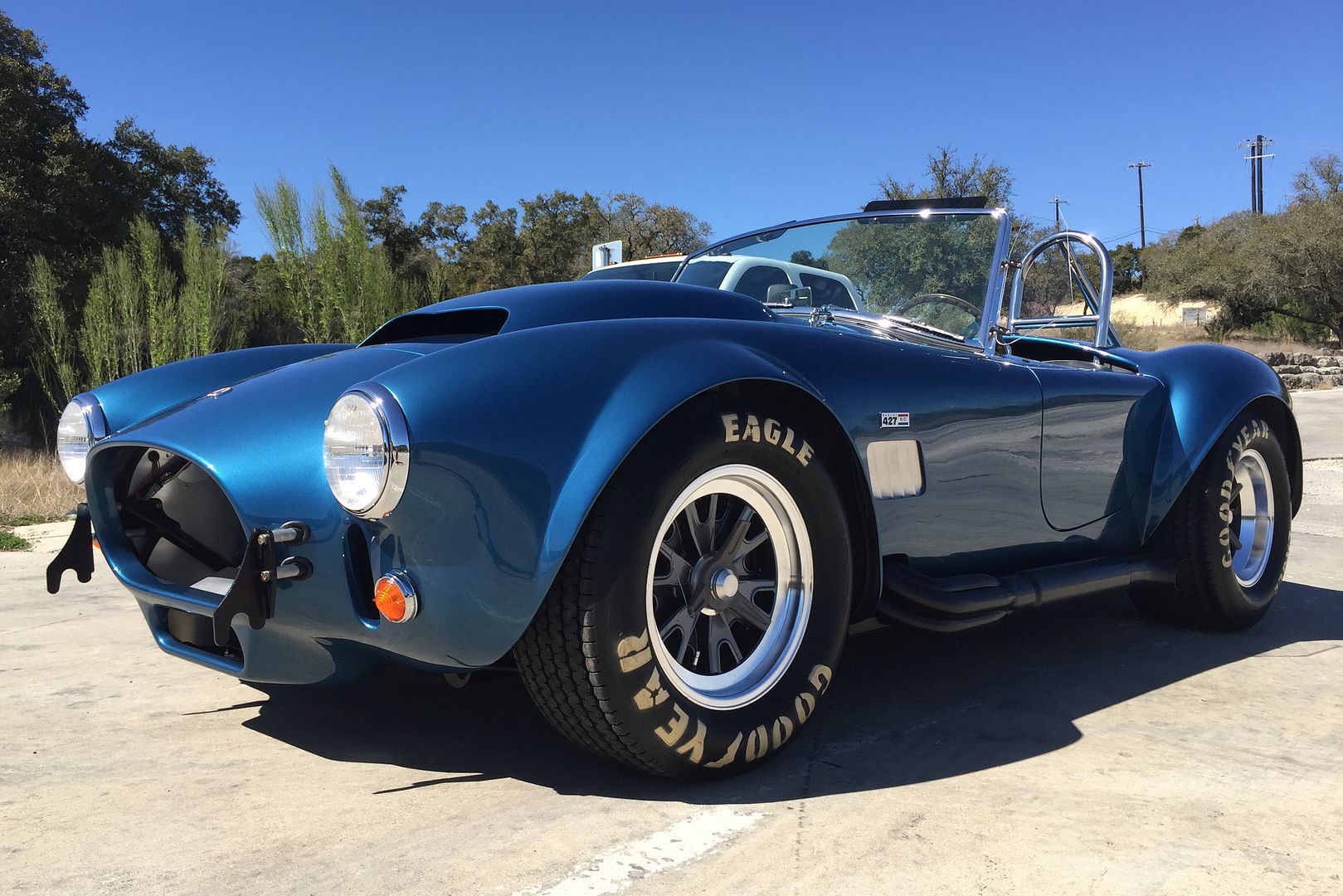
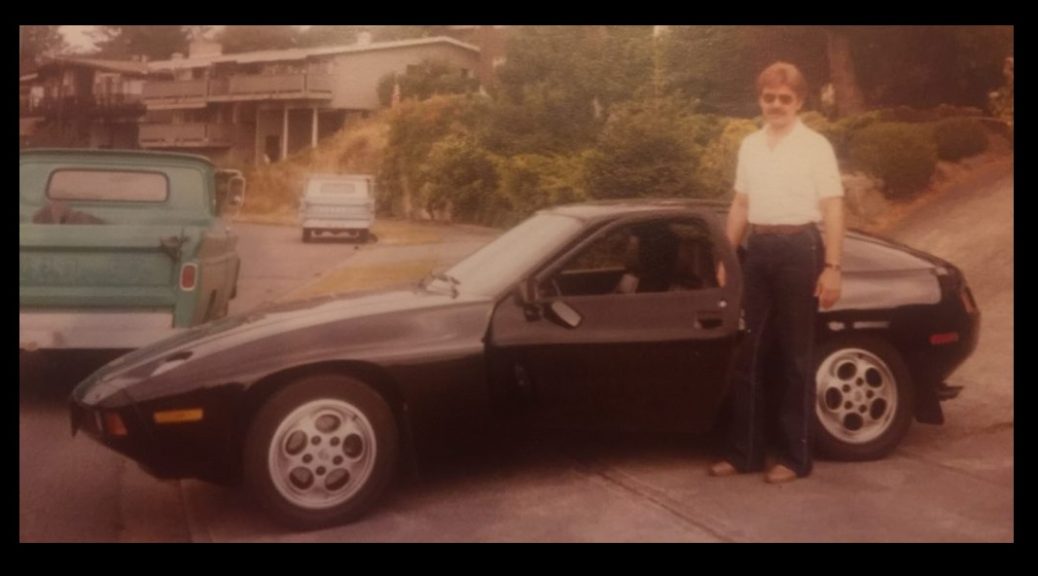
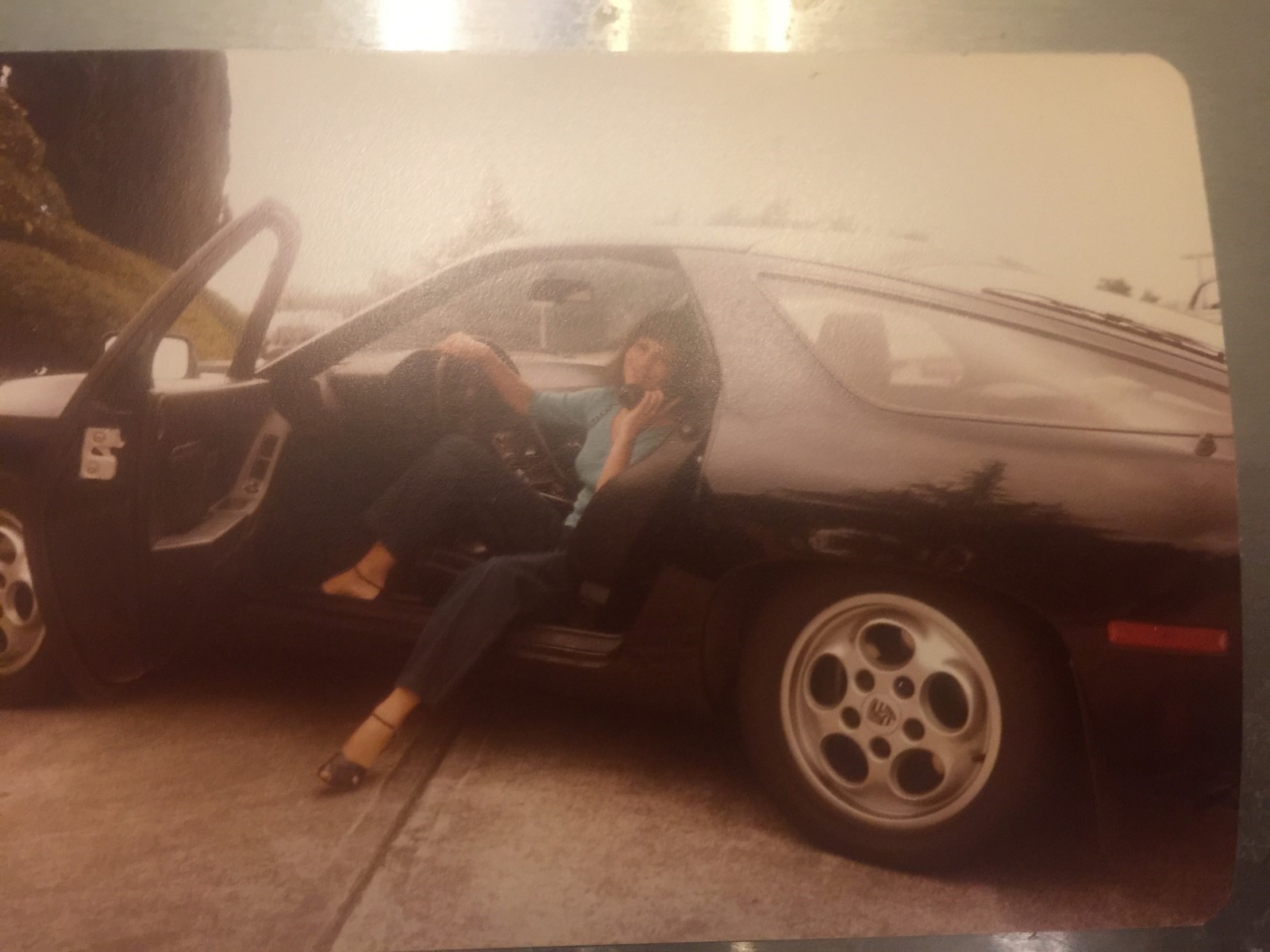
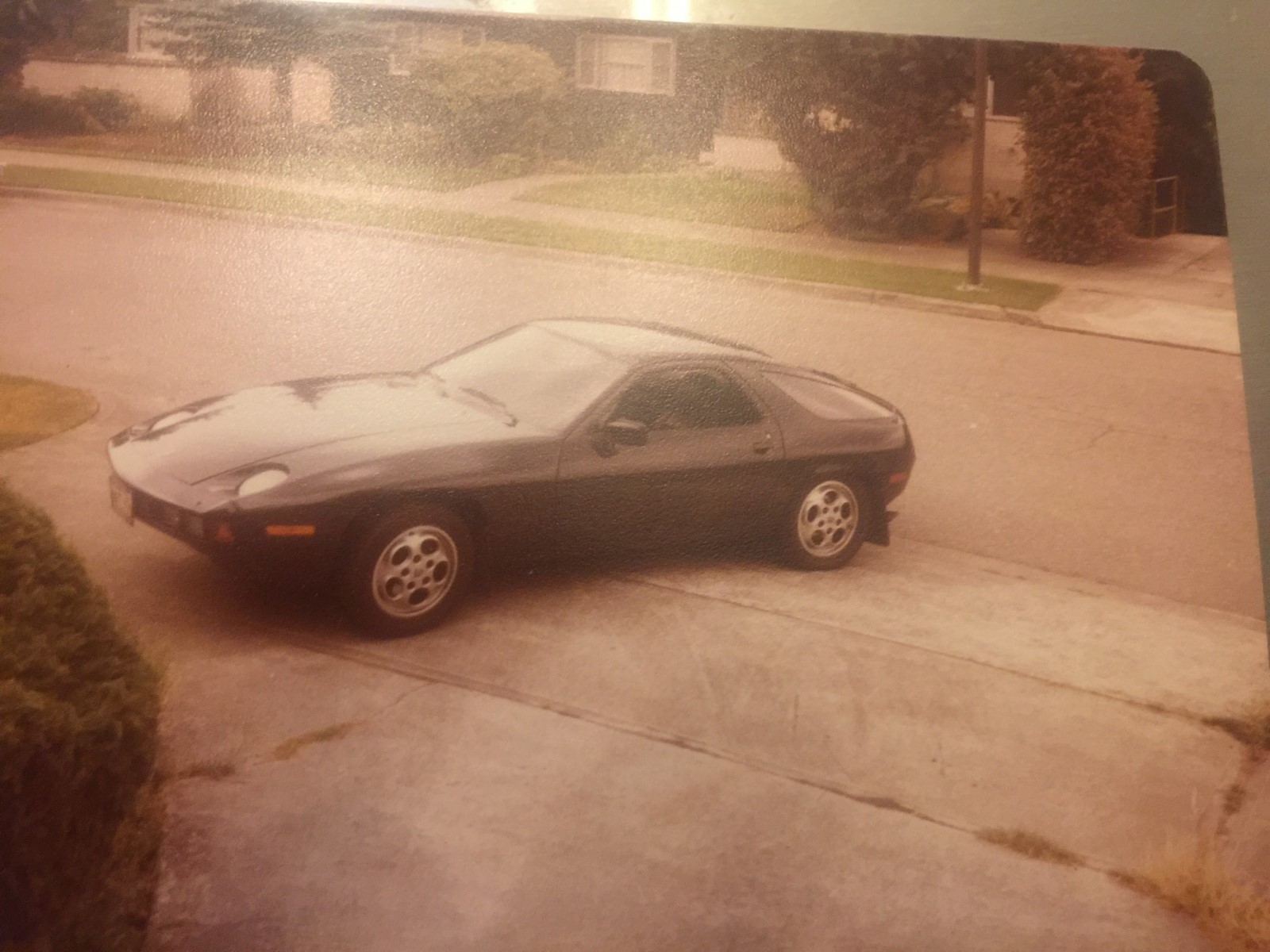

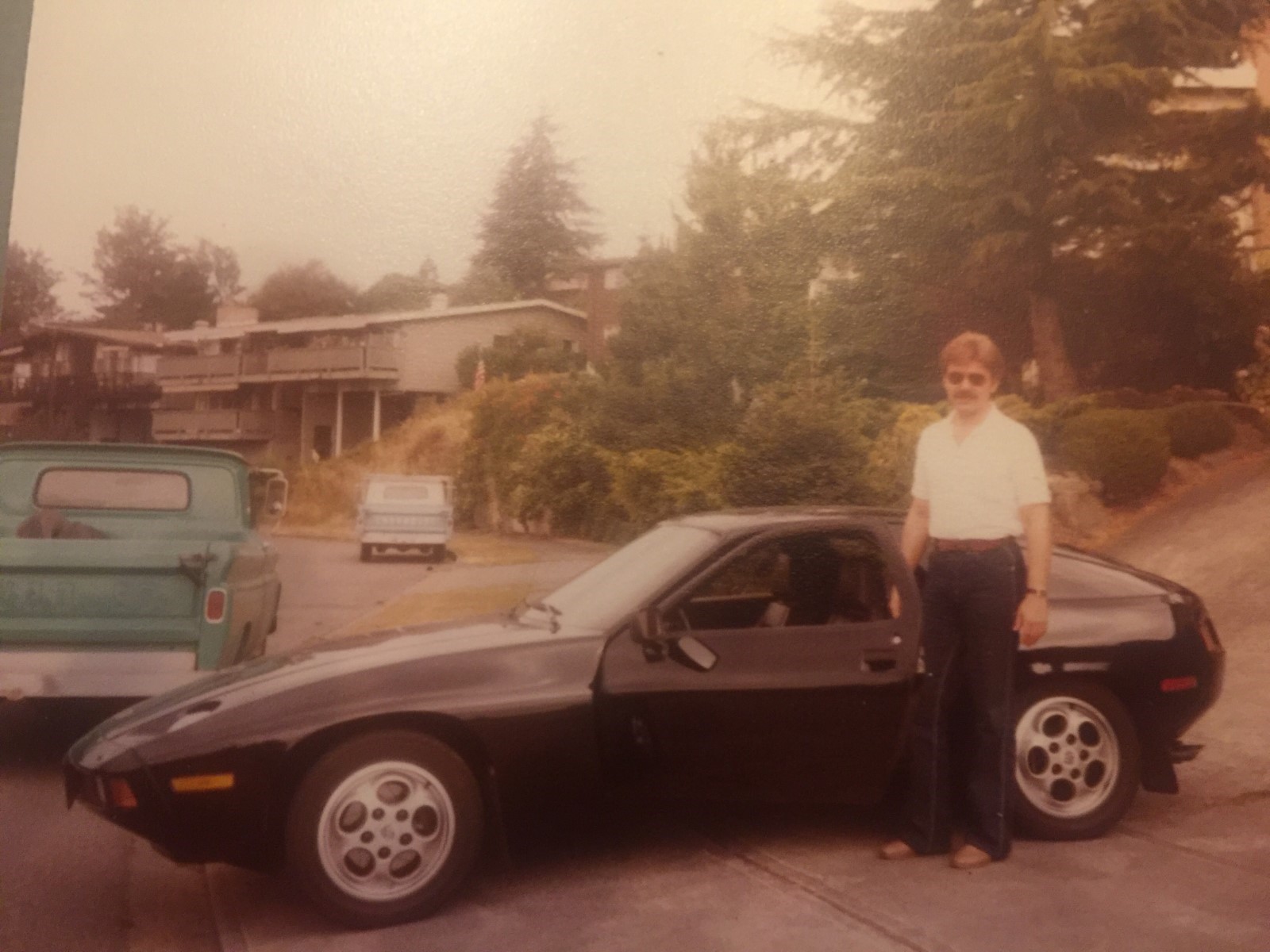
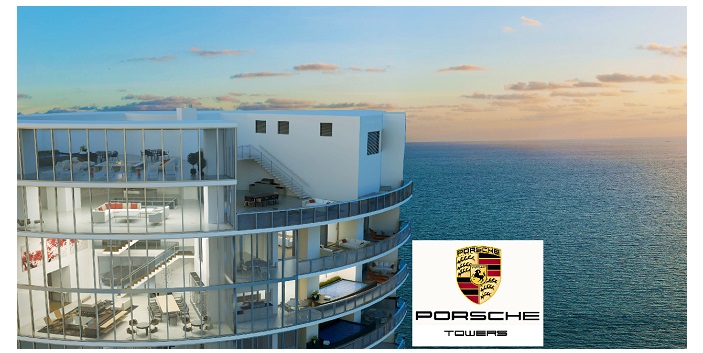

 Building amenities include a three-story lobby with glass car elevator observatory, movie theater, game room, oceanside restaurant with indoor/outdoor dining, private wine lockers, oceanside bar and lounge with fireplace and large-screen TVs, oceanfront pool with food and beverage service, Intracoastal Waterway sunset deck, virtual golf simulator, virtual car-race game, ballroom with bar and catering kitchen, oceanfront gym and yoga room, spa, sauna, steam rooms, hair salon and a car concierge available to give the luxury cars a wash and maintenance.
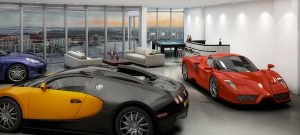 Having broken ground in 2014, the tower is now sold out.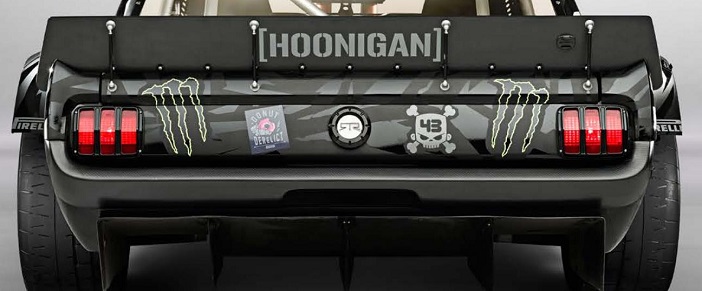
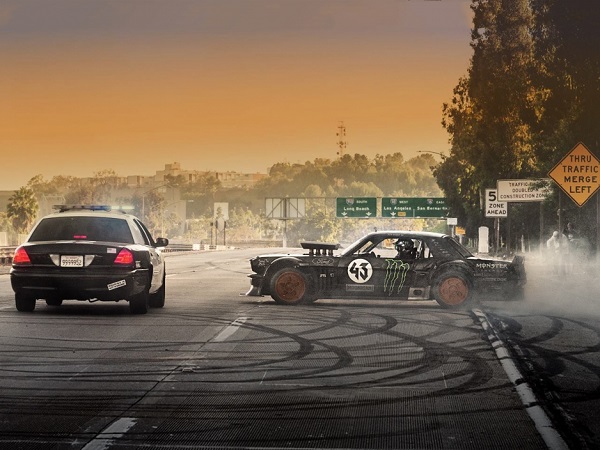
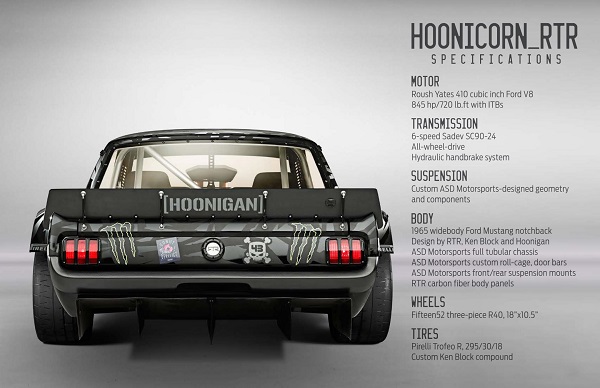
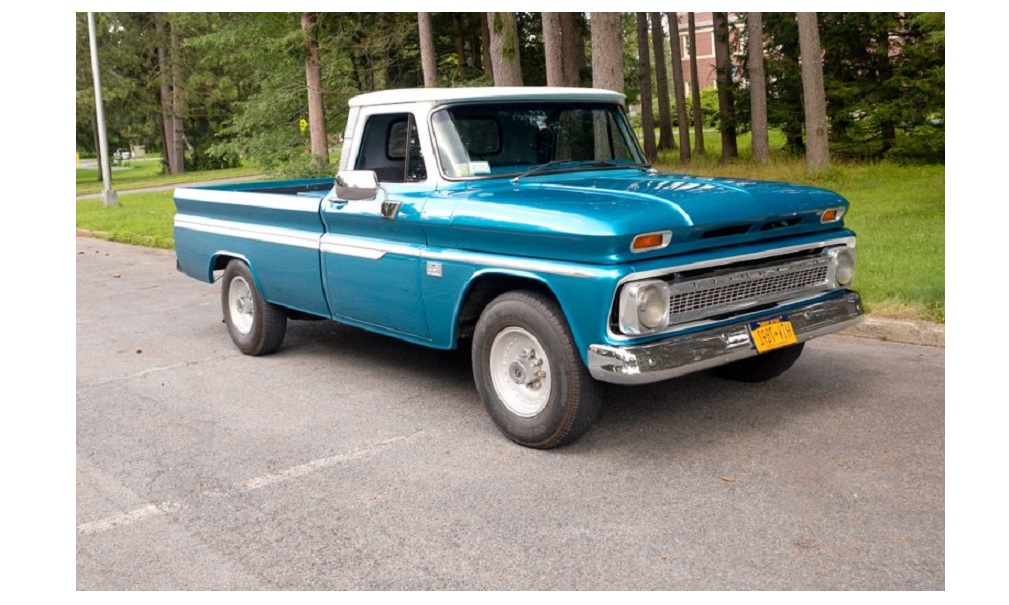
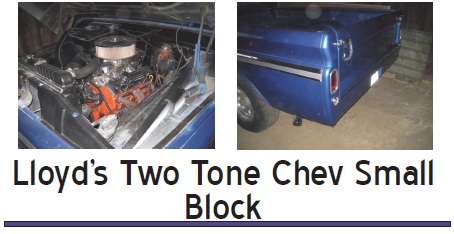
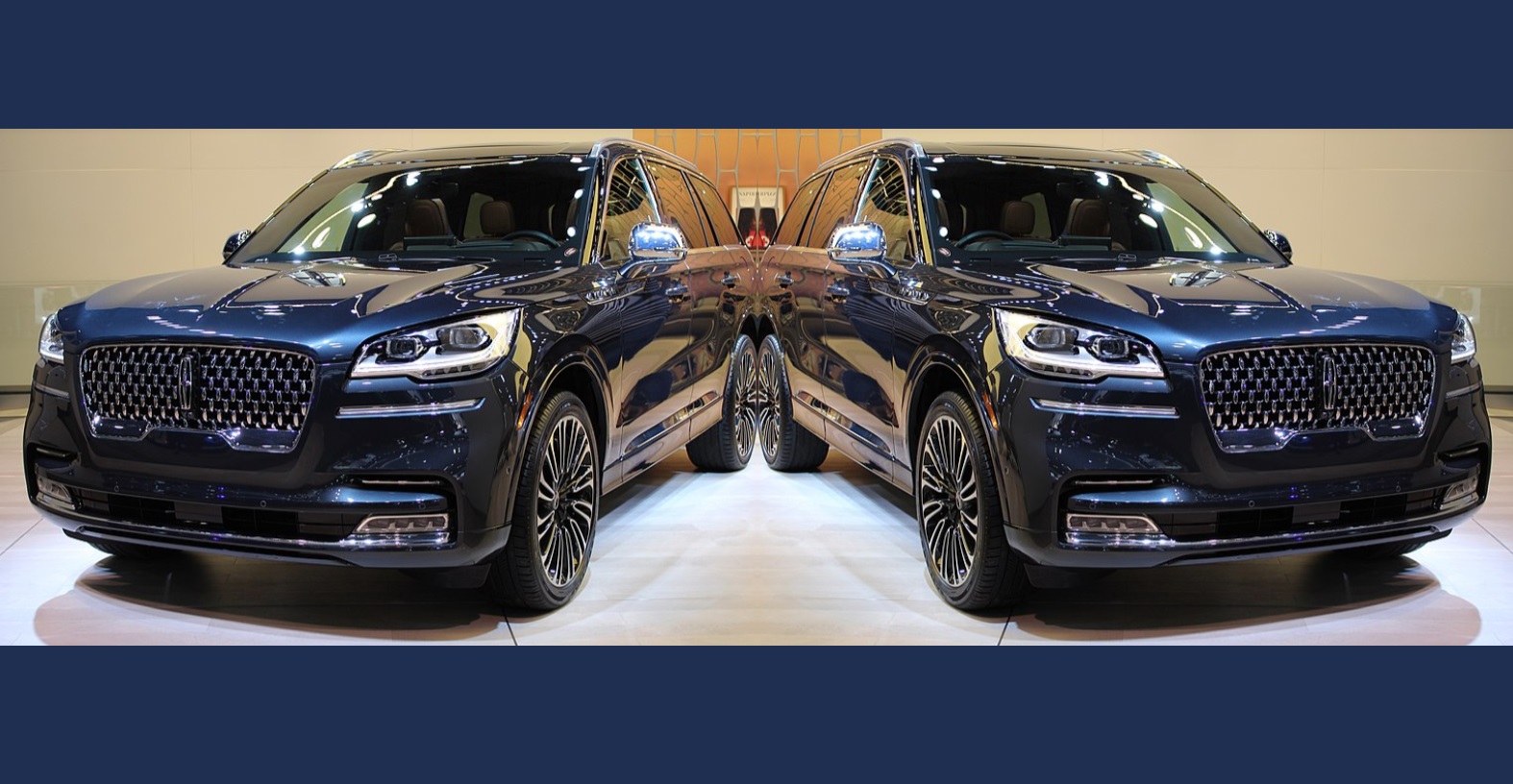



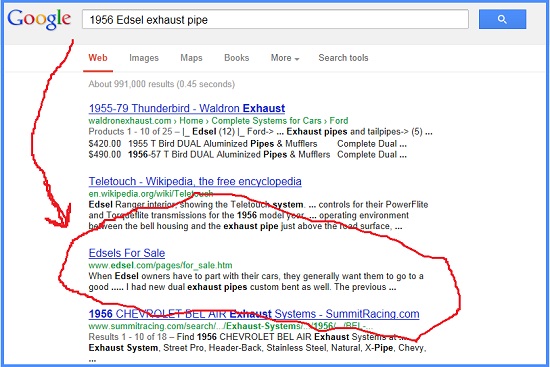


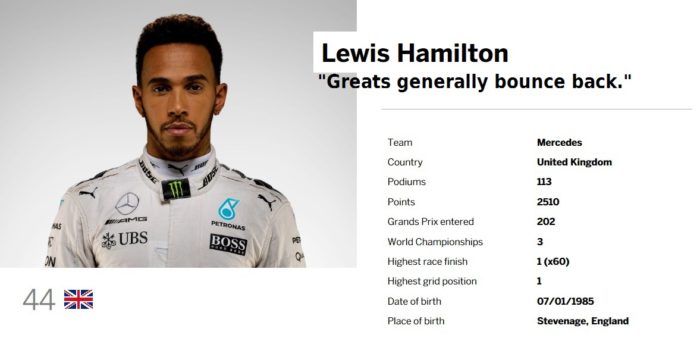

 United States Grand Prix, Austin ( 30.1328, -97.6411) 22 October 15:00

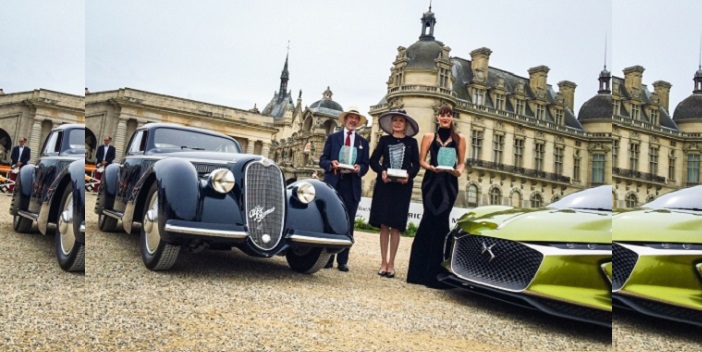
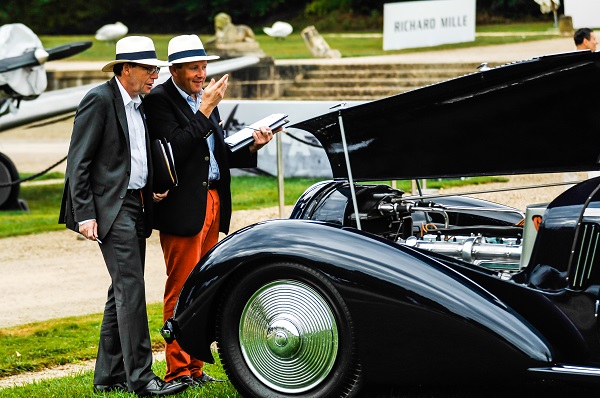 There were eight concept cars in the running for the Concours d’Elégance entered by Aston Martin, BMW, Bugatti, DS Automobiles, Lexus, McLaren, Mercedes-Benz and Rolls-Royce, an increase in the number of car manufacturers associated this year with six Fashion Houses: Balmain, Eymeric François, Giorgio Armani, Jean-Paul Gaultier, Jorgen Simonsen and Timothy Everest. Four prizes were awarded for the Concours d’Elégance. The Best of Show award went to DS E-TENSE combined with a creation by Eymeric François. The ‘Prix Public’ crowned the Mercedes-Maybach 6 Vision associated with a dress created by Jean-Paul Gaultier. The prize for the motor car and fashion combination for the most beautiful ensemble went to the 570GT by McLaren Special Operations with a model also dressed by Jean-Paul Gaultier. And a special prize was awarded to the new ‘atelier’ motorbike by Zagato, the work of the master coachbuilder from Milan for the Italian manufacturer MV Augusta, which was given its world premier at Chantilly.