
photos: Venturi/Bebert
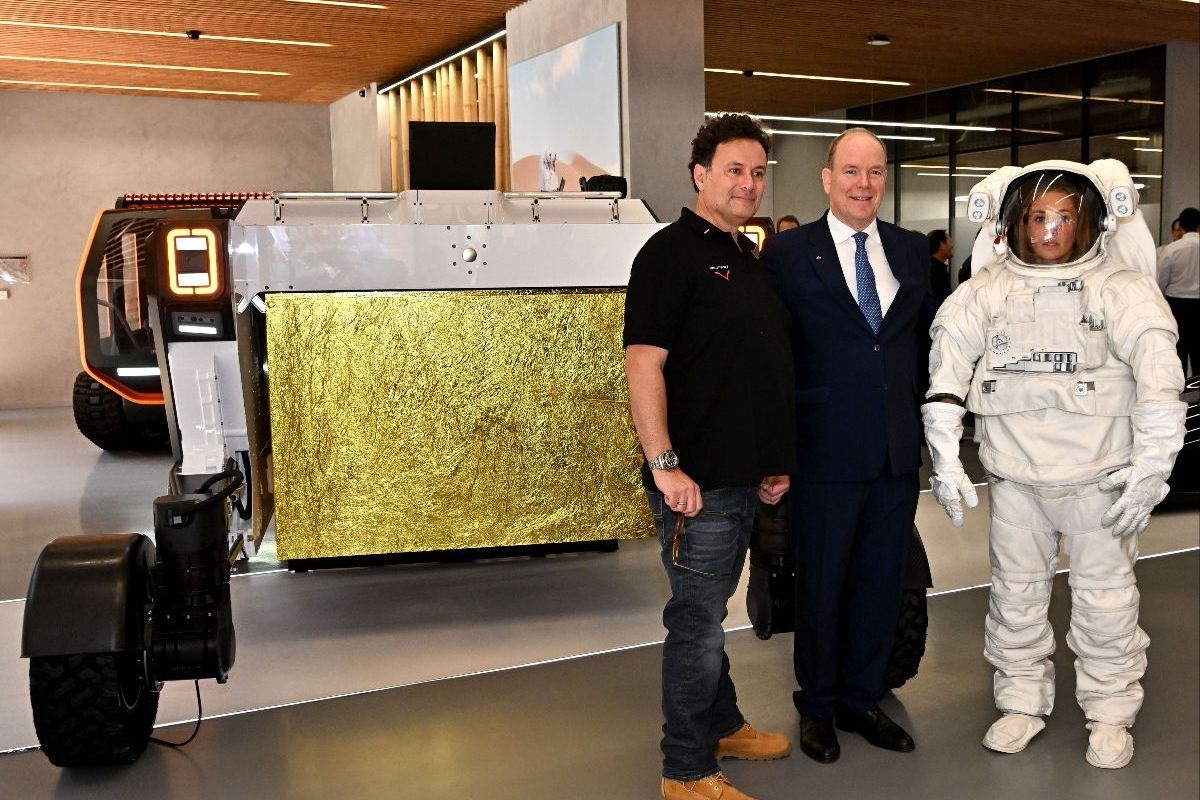
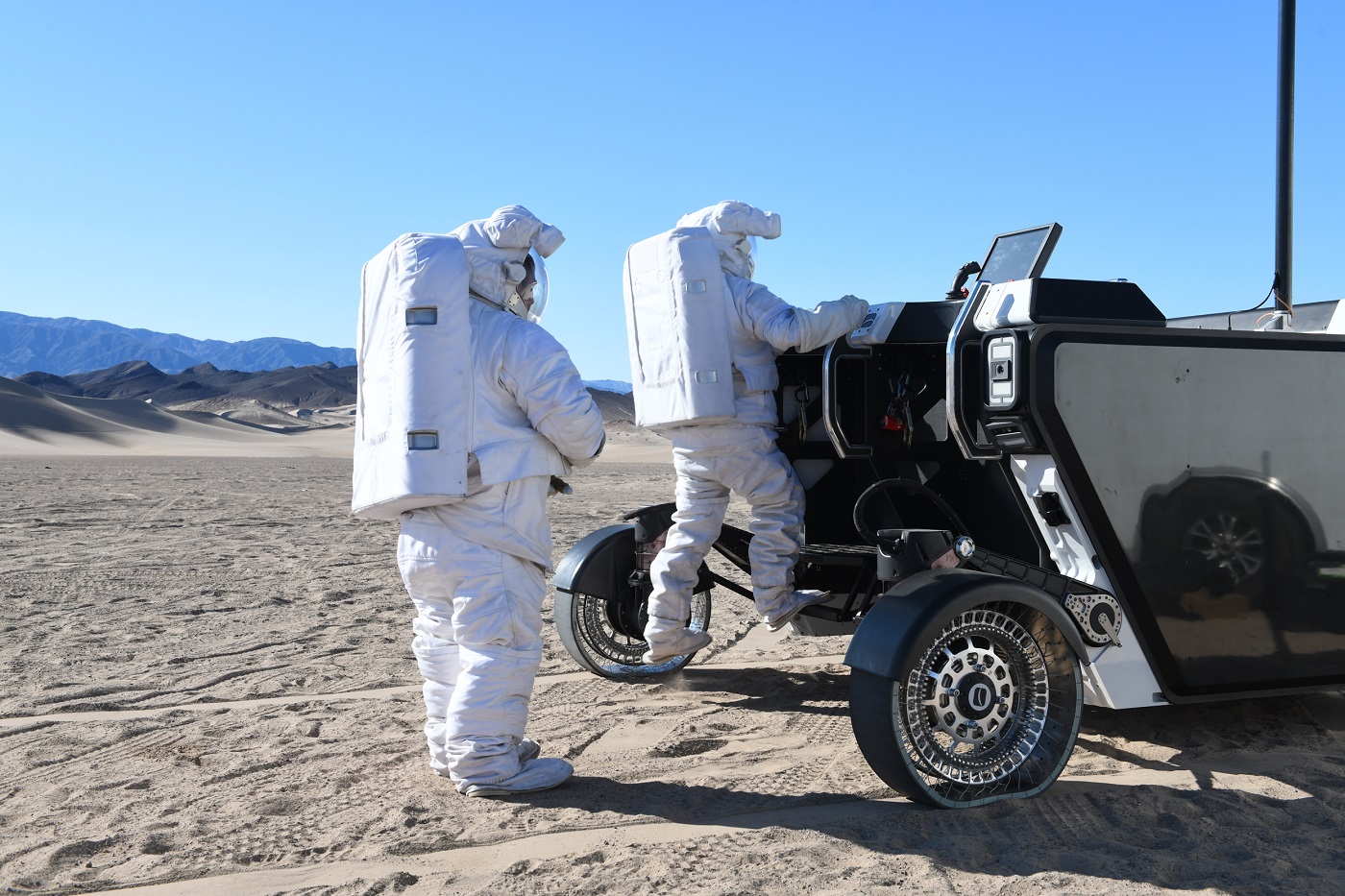
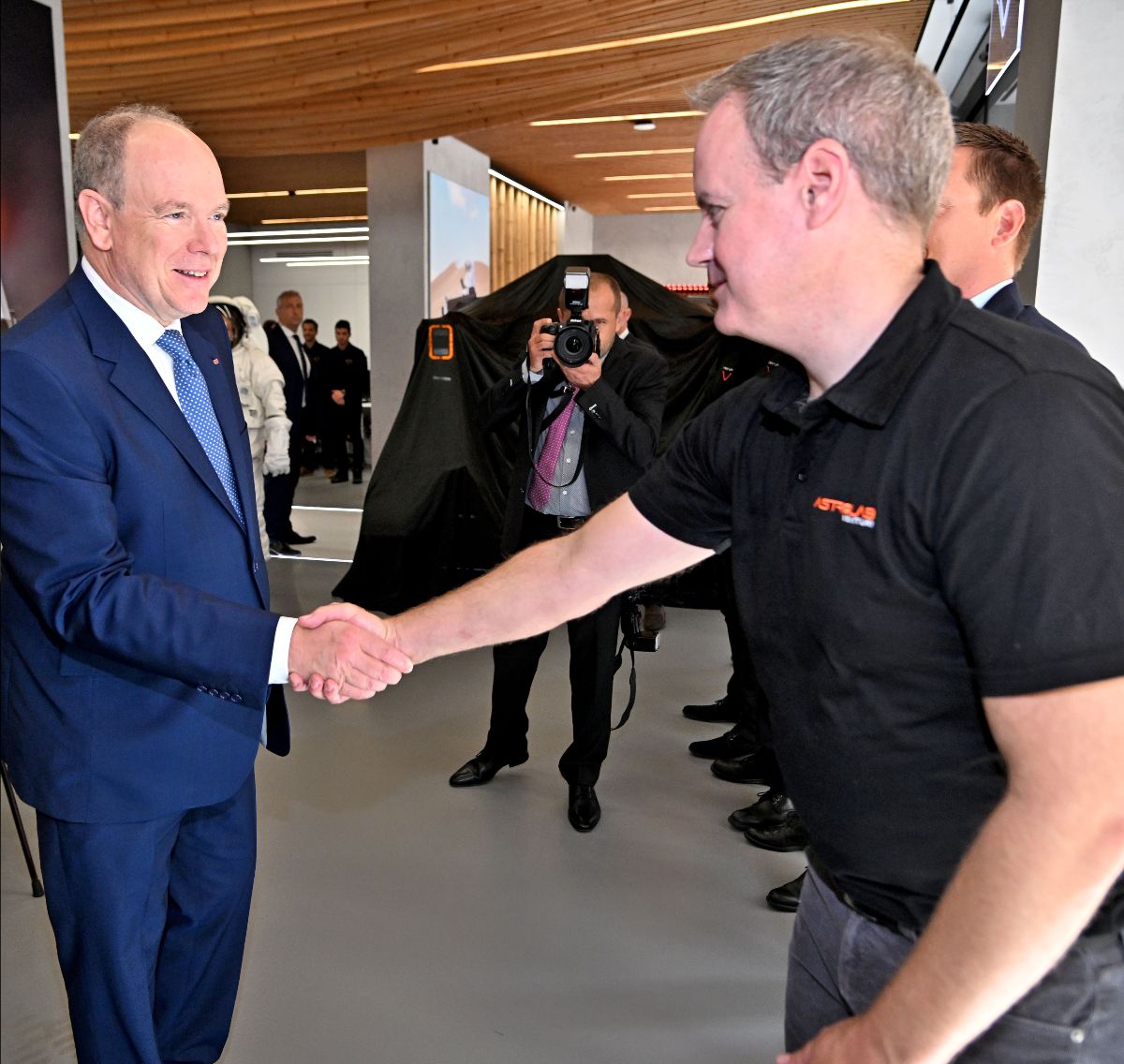
Welcomed by the Group’s President, Gildo Pastor, the Sovereign was invited to take a historic first look at the lunar rover “FLEX”, developed by Venturi Astrolab (USA) in collaboration with Venturi Lab (Switzerland) and Venturi (Monaco).
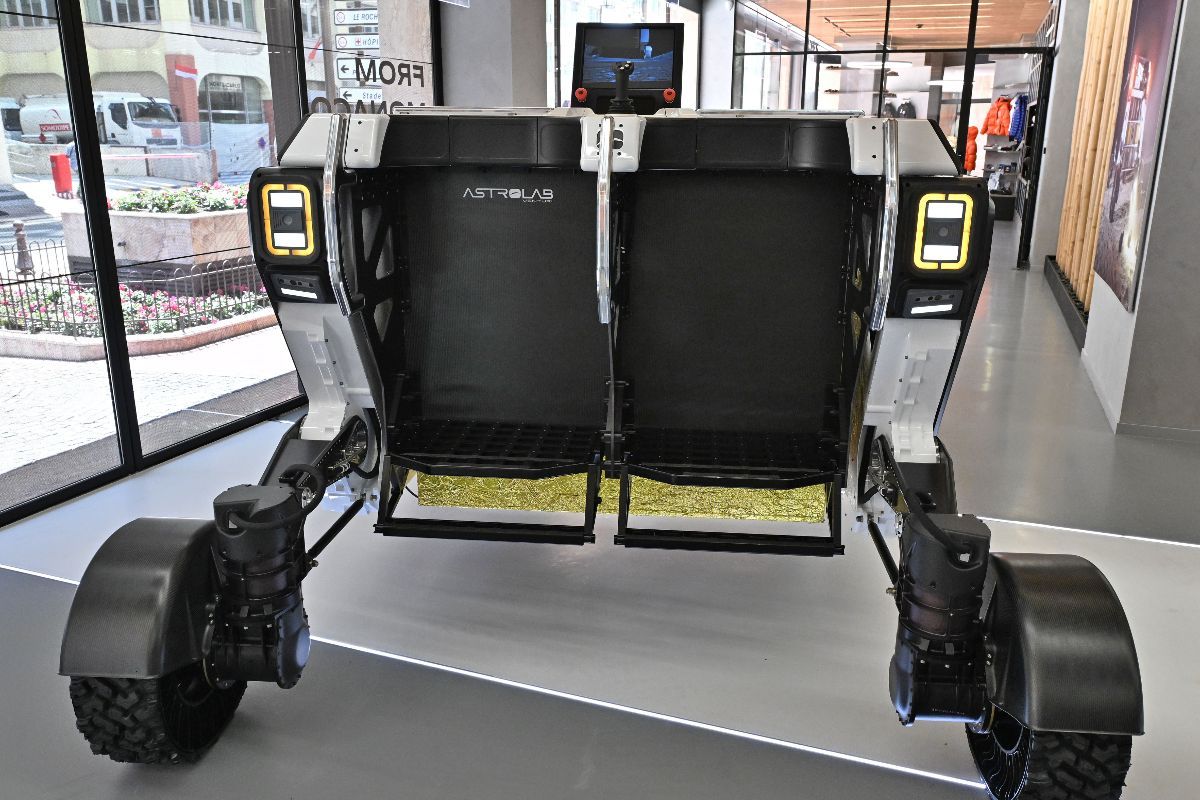
It will be landed on the surface of the Moon by American firm SpaceX in 2026. Fans of Canada’s robotic space arm Canadarm take note: the lunar rover includes its own ‘in house’ designed and built robotic arm.

Since 2000, the Venturi Group has specialized in the design and manufacture of high-performance electric vehicles. Whether through world records, expeditions on hostile terrain, the creation of the first electric sports car, the development of innovative vehicles or its involvement in the Formula E World Championship, the Venturi Group embodies and demonstrates all the capabilities of the electric vehicle on 2 or 4 wheels.
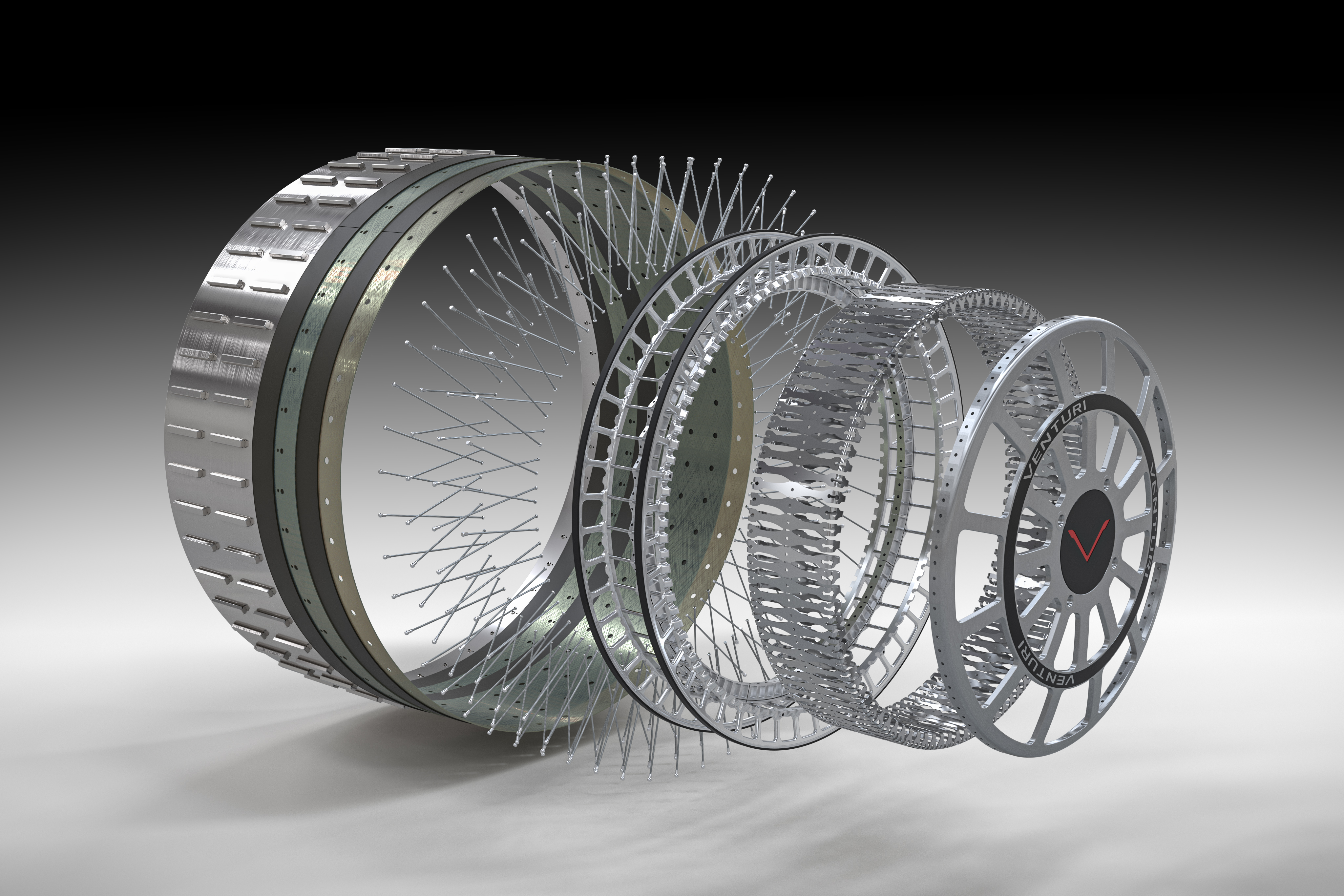
Since 2021, Venturi Lab is part of the Venturi Group. The company invents, studies, designs and manufactures mobility solutions capable of handling the extreme environmental conditions found on the Moon and Mars. In 2026, Venturi Astrolab’s FLEX rover – for which the Venturi Group will have designed and manufactured innovative technologies resulting from disruptive innovations – will be in operation on the Moon. For the Silo, Fabrice Brouwers/Venturi.
ABOUT VENTURI ASTROLAB, INC.
Venturi Astrolab, Inc (Astrolab) is on a mission to advance humanity to the next horizon by designing, building and operating a fleet of versatile rovers for all planetary surface needs. Comprised of a highly specialised team of former NASA, SpaceX and JPL engineers, Astrolab is dedicated to providing adaptive mobility solutions essential to life beyond Earth.
The team has leading experience in terrestrial and planetary robotics, electric vehicles, human spaceflight and more. Astrolab’s extensive experience and strategic partnerships with a wide range of world-class institutions, including the electric vehicle pioneer Venturi Group, allow for the most reliable, flexible and cost-effective lunar and Mars mobility offerings. The company’s headquarters are located in Hawthorne, California.

In the ’60s, The Jetsons, a cartoon about a family living in the future, featured a flying car that folded down into a briefcase when not in use. It is unlikely that we will ever see that solution to parking become a reality, but many other sci-fi books and films have predicted self-driving vehicles, and we know they are coming because they kind of exist today.

While brands like Tesla have pushed the boundaries of driver assistance to become a version of self-driving, including parking the vehicle automatically, currently the parking infrastructure has not really kept up.
But we know that cannot continue, and the reality is that as transport technology evolves, parking solutions will have to evolve as well. But what does that mean long term? Will we be able to arrive at a parking center, get out and leave the car to it, then call it back to us when we want to leave? That seems like the dream approach to parking, but what does it need to make it happen?
There are two parts to that kind of service, the technology in the car park itself, and the technology within the car. For such a seamless experience, the two will need to work together, in that the vehicle must be able to drive autonomously, but also receive information about parking locations and when it should return to the entrance, from the car park itself. Both sets of technology actually exist today, not as refined as required for a reliable autonomous parking experience, but that is only a matter of time and development. But is it the right answer?
Right now, parking systems know which cars are parked where within the car park, this data is used to establish remaining capacities and so on, and while not universal, there are cars that can go off and park themselves when needed. So that future service is nearer than we think, but in the meantime what does car parking look like? Some may say that the future is already here without needing self-driving cars.
In Japan and some cities in the US, lift-based parking solutions offer a similar experience today. You arrive at a parking garage; your vehicle is pulled into a cubicle which is then lifted away. When you want to return to your car, the system finds the right cubicle garage and then returns it to the entrance, so you can drive away.
There are advantages to this approach, without the need for ramps to drive up and down to reach the parking, more cars can be parked in a given space. Because no one actually enters the building where vehicles are stored, it is also incredibly secure too. These systems are being constantly refined, and in the future, it is likely such a garage could be completely automated. With the advantages of space and security, is that more likely to be the future of high-density parking? If we look at other factors, it may well be.
Cities are increasingly looking to decrease car numbers, opening up spaces instead for social areas, encouraging cycling and other more environmentally friendly approaches to transportation. This is unlikely to change even with the widespread adoption of electric cars, so parking will naturally require large hubs with high-density parking that allows easy access to walks, bikes or public transport to central areas. To get an idea for the future of parking, we can look at what technology best fits this scenario.
It is likely that these robotic lift-type solutions that pack more vehicles into each parking area fit the needs of city designers better than any more traditional multi-story or underground system that requires ramps and so on, whether the cars are operated by drivers or park themselves. There are other things that are in favor of this approach too.
Architects are under pressure to soften the appearance of buildings in cities across the world, to create spaces that have more light and elegance. A more compact multi-story space, or an underground alternative with only one small entrance space is easier to disguise with cladding, color and other design tricks that much larger car parks that have ramps and so on.
There is also the matter of technology. While there are cars that can drive themselves in a limited way now, and numbers are only going to increase, they are not all cars, and may never be. Holden stopped making cars in 2020, but in 20 years’ time, there will still be Holden cars driving on the roads. Those cars can never use autonomous parking systems, but they can use the robotic systems that take your car away and bring it back via a crane lift. They can use them today, and they can use them in the future.
So, the dream of a car swooshing away into its own spot automatically could well be the future. However, it is more likely to be carried there by a machine rather than drive itself. But not all parking is in cities with integrated parking solutions ran by the local authorities. For parking elsewhere, things will develop alongside vehicle technology, and there is one area that must advance for the future of the automotive industry itself, never mind parking. That is electric car charging.
Right now, charging is a bit of a mess: different speeds depending on the charger installation, there is no real cohesive system and owners often have to wrestle with a number of different apps to access charging networks on the go. Then there are the mechanics of charging, a heavy cable that has to be plugged in, account information and payment input before the car can be charged. As with phones, wireless charging is the solution, it removes much of the hassle and fail points for a better experience. But what would that look like in cars?
The obvious answer is charging areas embedded into the road or parking space, with a vehicle stopping on top of it automatically charging. There are hurdles to this, it would mean an end to the various account systems currently used to access charge networks, and instead have something tied to the vehicle itself. However, this kind of solution offers easy and efficient charging without the hassle we have today.
This would also require new technology for parking. For instance, our robotic car parks could have a charge loop in each container or cubicle, so electric vehicles charge automatically once they are taken away for storage. Likewise, on-road parking at parking meters could include chargers under each space.
This makes the charging process so much less hassle but allows for electric car charging without having to install endless charge stations in streets, and avoiding all the cables that the current system will need. Given the sheer number of electric cars that will be in operation in just a decade or so, and one cable per car, you can see how much an alternative is required.
But while technology will continue to drive the parking experience, and in cities and communities the need for clean, open spaces will change where we park and what that parking looks like, there will still be areas where parking sits outside of these grand designs. At its heart, a parking space is somewhere to store a vehicle while you go off and do something, and that need is not going to change. Large robotic parking systems in cities may appear in numbers, but they are not going to be the norm in areas with a smaller traffic flow or specific needs.
What we may see, and it is happening now, is that entrepreneurs and visionaries can find ways to provide a more selective parking solution on a smaller scale, that caters to a very specific need in a specific location. Not only are these services essential and in high demand, but they can be a source of income for anyone who has access to suitable parking space. With more cars than ever on the roads, and with a shift to electric not changing that, the future of parking looks to be heading in multiple directions.
The centralized systems operated in cities and other large communities will follow an approach that minimizes the space required and seek to integrate such facilities into an overall plan for the area. However, in some areas where there is no overall control of parking operations, the idea that you can rent a parking spot from a single person makes sense. Some people have space, others need that space, and as more cars are used, that space is in ever higher demand. This article is an excerpt from the complete e-book Parking Made Easy by Daniel Battaglia.
We’ve come a long way since hearing Dr. Evil of Austin Powers’ movie fame describe “a sophisticated heat beam, which we call ‘a laser’ ” to take over the world, or sitting in awe watching Jedi knights in Star Wars blast through enemies using lightsabers.

Cancer tumors have the ability to break off of their primary site and spread from their primary organ to other sites of the body via the bloodstream and lymphatic system. The spreading of cancer, known as “metastasis”, is the leading cause of cancer-related death. Although, there are currently blood tests designed to detect cancer cells in the blood, known as circulating tumor cells, these test many times cannot pick up minimal cancer cells released early on. If these current tests return as positive, this frequently means that there is a high level of cancerous cells in the blood that have spread to other organs.
In a recent study published in Science Translation Medicine, researchers have devised a laser that can detect these malignant cells and ‘zap’ them from outside of the body. The current standard methods of detection have limited sensitivity for picking up minimal cells at early stages of the disease, therefore possibly missing an opportunity to eliminate them at a treatable juncture. A team led by biomedical engineer Vladimir Zharov, director of nanomedicine at the University of Arkansas for Medical Sciences, has developed a method in hopes of changing that modality.
To break it down, a laser is first shined on the surface of a person’s skin, penetrating right into some of the near-surface blood vessels. The passing melanoma cells will then ‘heat up’ because of their darker pigment and create a small ‘acoustic wave’ that then gets picked up by the ultrasound detector. Melanoma cells absorb more of the energy from the laser because of their dark pigment, allowing them to heat up quickly and expand.
This devised method can pick up a single circulating tumor cell per liter of blood, which makes this up to approximately 1,000 times more sensitive than other available methods of detection that typically examine only about 7- 8 milliliters of a sample of blood. Additionally, the cytophone was able to detect small clots of blood that could potentially grow and lead to another set of harmful consequences.
Researchers were able to discover that within as little as 10 seconds and as long as 1 hour, the cytophone was able to detect circulating tumor cells in 27 of the 28 patients. It also did not return any false positives on the healthy volunteers. Moreover, it was found that when the energy level of the laser was turned up (still to a safe intensity) that the amount of circulating tumor cells came down over the hour, without causing any side effects.
Although the mechanism will likely not destroy all of the patient’s cancer cells, it can help in several different ways. Initially, it can be used in high-risk individuals as a screening tool to detect cancer cells in the blood. Similar to mammograms in breast cancer, it can be added to skin checks in patients that are at high risk for melanoma. While undergoing treatment, it could potentially be used to monitor the effects of that particular treatment, in addition to or separate from imaging and other blood tests, to determine if the circulating cancer cells in the blood are decreasing. Following the completion of treatment, it can be used to monitor for relapse of disease.
Even though this has been tested recently in melanoma, and the dark pigment of melanin plays a role in its detection, Zharov and his colleagues are currently working to develop methods of ‘tagging’ other cancer cells with small nanoparticles to be able to ‘heat up’ and be distinguished from the normal cells. This study holds promise but it now needs to be expanded to in a larger population including patients with a higher content of melanin. For the Silo, Jerry McGlothlin.

Movies aside, the future holds promise in the new hope of using lasers to fight off the evil invasions of metastasis.
About Joshua Mansour, MD…
Dr. Joshua Mansour is a board-certified hematologist/oncologist working and in the field of hematopoietic stem cell transplantation and cellular immunotherapy in Stanford, California. In June 2019 he was a recipient of the ‘40 Under 40 in Cancer’ award. Abstracts, manuscripts, and commentaries by Dr. Mansour have been published in more than 100 esteemed journals and media outlets including Canada Free Press, Today’s Practitioner, Physician’s News, and KevinMD. He has given countless presentations at conferences and other institutions, and he has helped design and implement clinical studies to evaluate current treatment plans, collaborated on grant proposals and multi-institutional retrospective studies that have been published. Joshua Mansour. M.D. has been featured on Fox Television.
ALUULA Composites is collaborating with the University of British Columbia (UBC) Composite Research Network to develop world-first recycling applications for high-performance, UHMWPE-based composite materials. The new material has been recently featured in Air&Cosmos, Composites World, Innovation in Textiles, and Plastics Today.
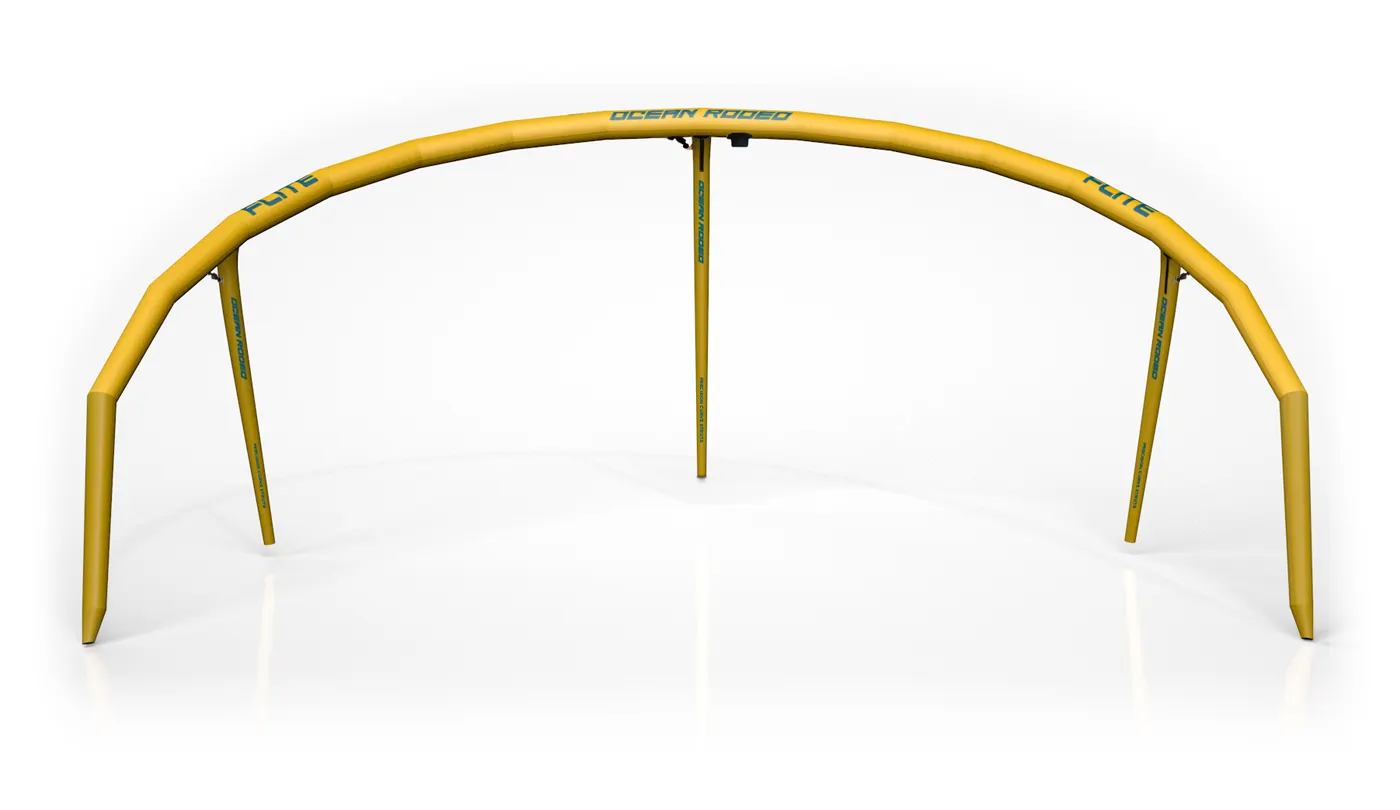
“When we first revealed our work with ALUULA to the kitesurfing world, there was reasonable and valid debate as to whether the hype would really match up to the material’s potential, and to the performance levels that we were promising. Happily, as has since been proven and documented, the hype has gone beyond everyone’s expectations.” Ocean Rodeo Kitesurfing
According to a report from the FMI, the global advanced polymer composites market is projected to register an average-paced CAGR of 5.9% during the forecast period. The current valuation of the market is US$ 11.12 Billion in 2022.
The value of the advanced polymer composites market is anticipated to surpass a valuation of US$ 19.73 Billion by the year 2032. The experts of Future Market Insights have recorded a historical market valuation of US$ 10.5 Billion during the base year.
“Between the interest in our materials generated from the ISPO Awards and the transformational effect our composites have had in the wind sport sector (via Ocean Rodeo Kitesurfing products), Aluula is now in co-development conversations with industry leaders for a broad range of uses and applications. It is an extremely exciting time for our entire team” said Aluula COO John Zimmerman.
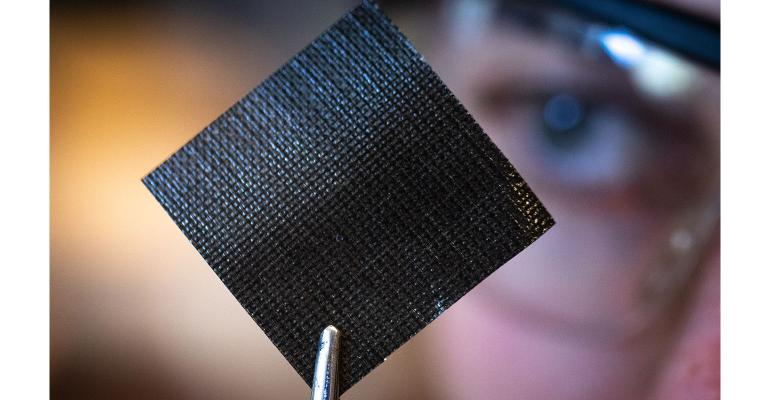
The new composites are up to 50% lighter than competitive materials while delivering equal or greater strength.
This process has produced many innovative composites, but their performance has plateaued. A new generation of composite materials, using novel chemistry and innovative manufacturing techniques develops new ways to assemble and fuse high-tech fibers, and advanced space-age films together. By bonding materials at the molecular level, the next-gen of polymers is not only creating extremely light, strong, and durable composites, but materials that are recycled readily.
Featured image via Aluula- Panels made with recycled polymer composites reportedly are 10 times stronger than panels molded from virgin resin.
The UK Hydrogen Strategy estimates that to meet Net Zero aims by 2050, hydrogen will make up 20-35% of the UK’s final energy demand (250-460 TWh a year). Hydrogen therefore has a critical role to play in the decarbonization of industry, power, heat and transport.
Yet in this recent report, the UK Hydrogen Champion found that there is a need for greater clarity on upcoming policy decisions for hydrogen users, the funding available and overall delivery of the hydrogen roadmap to 2030 and beyond. Is the UK (and for that matter what about here in Canada? CP) really doing everything it can to maintain momentum and realize hydrogen opportunities?
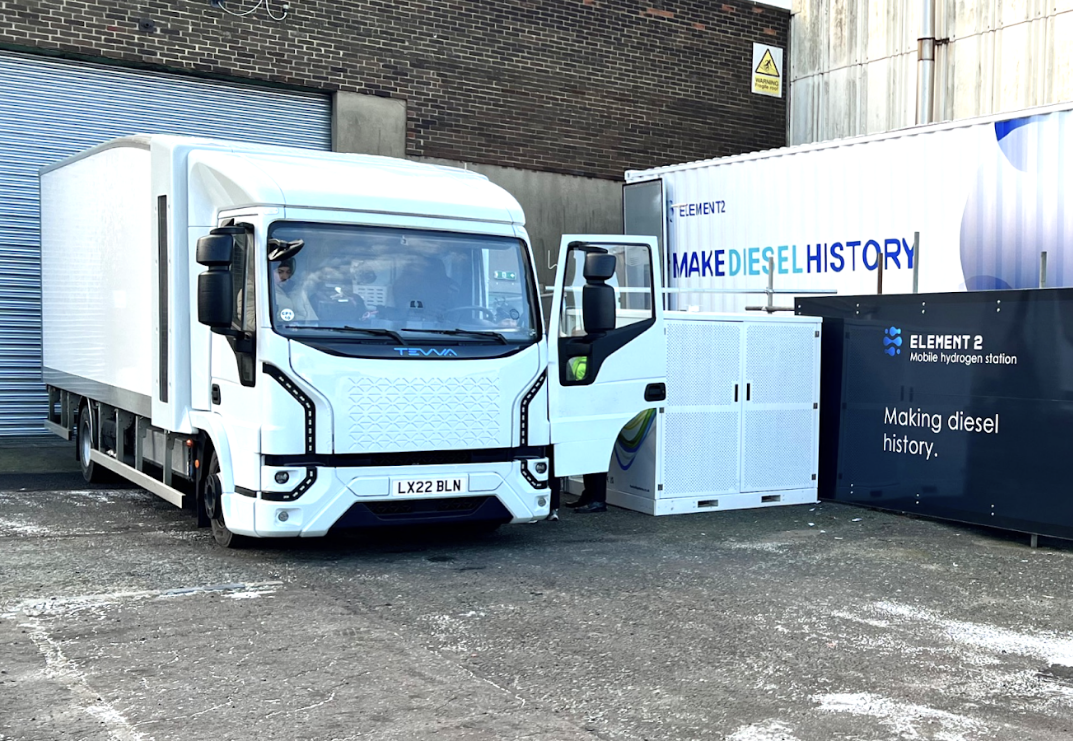
Tevva’s area of expertise – transport – will have a critical role to play in the United Kingdom’s decarbonization goals. Worldwide around a fifth of CO2 emissions comes from trucks, and both McKinsey and the Hydrogen Council believe the most competitive use of hydrogen lies in decarbonizing trucks. Trucks using batteries or hydrogen fuel cells instead of diesel engines will indeed need to make up the vast majority of new sales by 2040 under plans to reduce CO2 emissions from medium- and heavy-duty vehicles. Yet only around 700 trucks that run on batteries or fuel cells were sold in Europe last year – about 0.2% of the total.
The good news is that the economics of owning and operating electric and hydrogen trucks, their total cost of ownership or TCO, are improving rapidly. And with diesel truck prices set to increase with Euro 7, electrification of our sector could happen sooner than previously thought.
Yet there are still serious challenges around the lack of hydrogen refueling stations and the fact that most fleet operators have no experience of hydrogen, in addition many hydrogen suppliers have no experience of truck fleets.
As an early adopter and developer of hydrogen technology, Tevva is playing an important role in demonstrating the potential for hydrogen electric trucks. We showcased our concept prototype 7.5t and 19t hydrogen electric trucks at the IAA in Hanover last year and have been encouraged by the high level of interest in these dual energy vehicles.
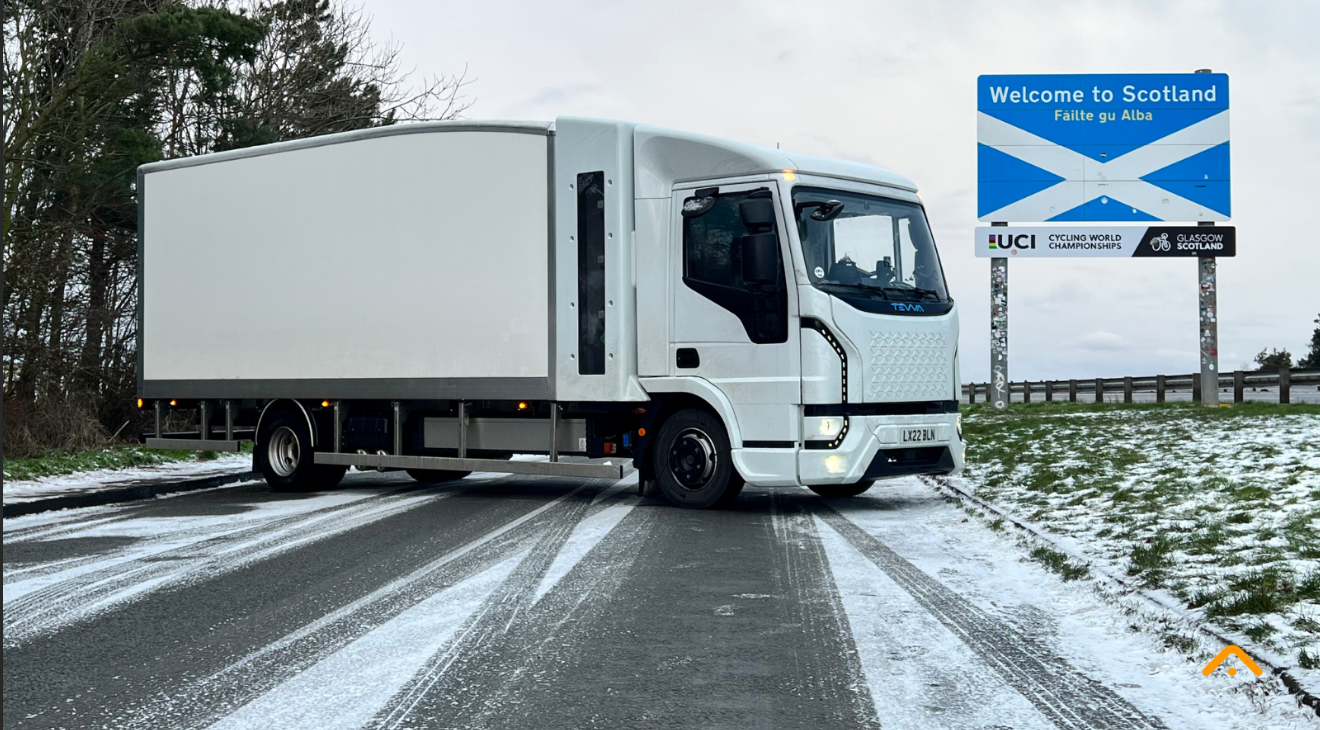
In January we took the 7.5t prototype on a ‘border run’ to Berwick-on-Tweed, England’s northernmost town. On the way up we stopped at an Element 2 refueling station in Teesside, and the return journey saw us cover almost 350 miles without needing to stop at all. This was made possible by the truck’s hydrogen fuel cell which tops up the range-extended vehicle’s lithium battery when needed.
Still, there is an urgent need for a more comprehensive hydrogen refueling network in the UK, and the speed and scalability of hydrogen refueling systems will be crucial to adoption while keeping costs under control. Element 2 is doing great work in this space. They are in the process of putting a skeleton network in place with 100 miles between each refueling station, giving confidence to any haulage company that is considering hydrogen electric trucks.
Today the UK has pockets of Megawatt (MW)-scale hydrogen activities that are evolving alongside ambitious proposals for Gigawatt (GW)-scale low carbon hydrogen clusters by 2030. Learning from initiatives in Europe, Asia and North America, as well as the UK’s own experiences, coordination is vital to minimize costs and maximize the benefits of hydrogen infrastructure. The opportunity is now for UK central, regional and local Government bodies and industry to plan and invest jointly to grow hydrogen transport systems holistically.

The UK does have a supportive and growing hydrogen ecosystem with many public bodies, new and established companies, universities, and others building their hydrogen capabilities and strategies. However, the experience of individual organizations and maturity of cross-industry collaboration in dealing with hydrogen systems is typically orders of magnitude lower than for traditional fossil fuel systems. Therefore, in the short term early adopters need more support to overcome the limited infrastructure and complexity of supply chains, higher unit costs, and long or uncertain lead times for hydrogen products and services.
As low-carbon hydrogen becomes cheaper and more widely available, hydrogen refueling has the potential to become as simple as diesel refueling is today. We are committed to making hydrogen convenient, affordable and sustainable for truck fleet operators. Achieving the UK’s net zero goals depends on it. For the Silo, Harsh Pershad, Head of Hydrogen at Tevva.
The sound. The style. The power. The experience. All inimitable….. Introducing you to classic PORSCHE 959, an exquisitely-produced book from publishers Delius Klasing.

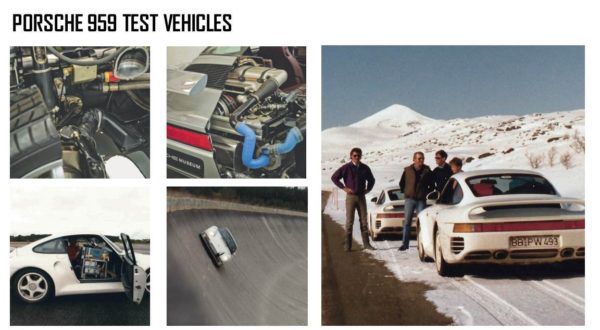
This fascinating boxed set is a literary monument to the Porsche 959 that is still breathtaking to behold 36 years after its first roll-out.
Readers will be taken through the history of one of the most exceptional vehicles in automotive history.  Continue reading Extraordinary Porsche 959 Attracted Extraordinary Customers
What more is there to say about this car except “Wow”? Jim’s 1961 Tri-Power Chevrolet Impala is yet another pure gem hidden away somewhere in the rural wilds of Ontario, Canada.
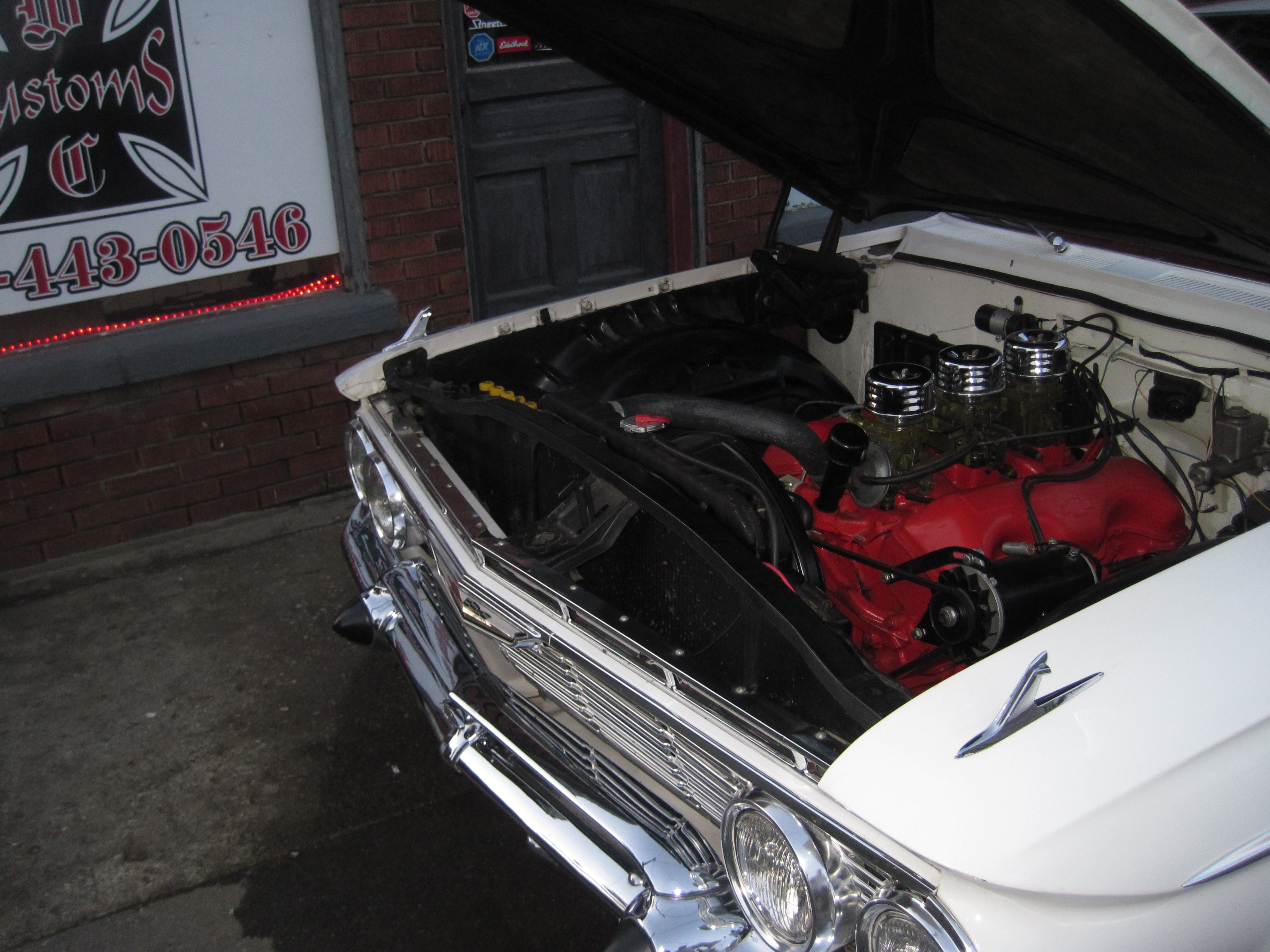
Back in the day, these cars were known in the South as an excellent choice for moonshine runners. It must have been difficult if not impossible for a police car of that era to keep up with this 280 HP, Triple Deuce carbureted, 348 cubic inch big block.
With no power steering or power brakes you sure did get a pretty good feel for those windy, dirt back roads. Yet because of these removed features the car had no loss of available horsepower or throttle response.
With a borg-warner 100 T-10 4 speed transmission and posi 4:11 rear-end, this car puts the power directly to the road.
These traits also made these Impalas widely used in stock car racing and drag racing as well. This pure beauty of a car is painted in a factory Ermin white, with a factory red and ivory interior. Some of the rarer options include: front and rear bumper guards, E-Z eye solar guard glass and wide, white walls.
In a world of ‘rip it down and change it’, this car is still running an old school Delco battery and generator. It is very un-common to still have these options installed.
Owned by Jim, a stunt driver with Legend Filming Network you can bet the only way you’ll see this car in its home area of Delhi, Ontario is when it’s passing you in 3rd gear with all three deuces wide open.
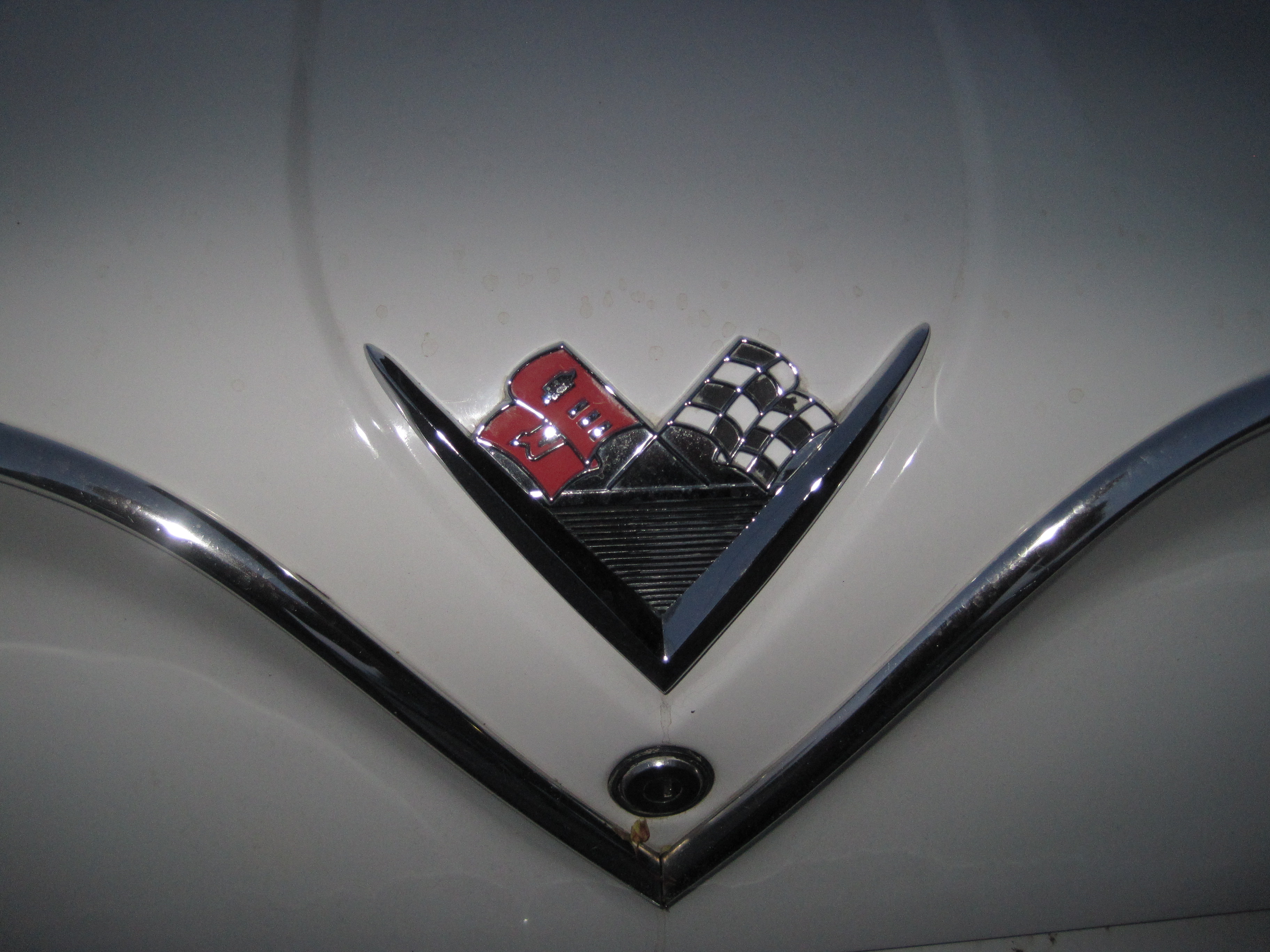
The big flag badging on the grille and trunk lid was specific to only 348 cars, they came in 240 HP, 280 HP and the high horsepower 350 HP models. In late 1961 Chevrolet introduced the 409. That same year, the windshield wipers swept in the same direction. For the Silo, Robb Price.
Digital privacy expert discusses the possible violation of privacy and security of cross-device tracking
Third of Canadians (33%) have ever noticed an ad on their devices of something they recently spoke about or saw on TV (but hadn’t searched for), according to research by NordVPN, a leading cybersecurity company. A majority of them noticed such ads on their smartphones (76%), computers (49%), or tablets (29%). Moreover, such experience made more than 4 in 10 (46%) Canadians feel tracked/followed as well as scared (12%).

“That’s due to ultrasonic cross-device tracking. That’s when smartphones have apps that are continuously listening to inaudible, high-frequency ultrasonic sounds from the surroundings and gather a lot of information about you — all without your knowledge. Later, they share this data across other devices,” says Adrianus Warmenhoven, a digital privacy expert.
While tracking people’s behavior across devices is beneficial to marketers, cross-device tracking is often questioned by privacy experts because of its lack of transparency, security and protection of sensitive consumers’ data.

Ultrasonic cross-device tracking is used as a method to link all the devices you own to track your behavior and location. These ultrasonic audio beacons can be embedded in many things we interact with daily: TV shows, online videos or websites, or apps on our phones.
Imagine you are watching TV and you see chocolate being advertised. You pick up your phone, and the same chocolate ad appears on your screen. By using ultrasounds, audio beacons can detect when your phone is nearby, and apps on your phone can listen for approximate audio beacons to track what you are doing.
“Many apps currently ask for permission to access the smartphone’s microphone to incorporate a particular type of ultrasonic beacon to track them. Since it requires no mobile data or Wi-Fi connection but only microphone access to listen to beacons, tracking works even when you have disconnected your phone from the Internet.

“It’s not possible to stop ultrasonic beacons from emitting sound frequencies around you. Therefore, the best way to reduce the chance of your smartphone listening for beacons is to simply restrict unnecessary permissions you have granted to the apps installed on your device,” says Adrianus Warmenhoven.
NordVPN research shows that 65% of Canadians don’t know how to restrict their smartphone’s permissions from listening to them. No one likes to be tracked. Therefore, Adrianus Warmenhoven suggest several ways people can reduce the incidence of this happening:
“The consolidation of power among large tech companies allows them to obtain large quantities of data about individuals across multiple platforms and devices. In this way, technology giants have even more opportunities to obtain deeper insights into individuals’ habits and preferences. Data consolidation through cross-device and platform tracking may also increase data security risks,” says Adrianus Warmenhoven. For the Silo, Darija Grobova/NordVPN.
Run a search for “Octapad” or “Octapadist,” and you’ll find a vast musical community. Learn how the instrument became a household word.

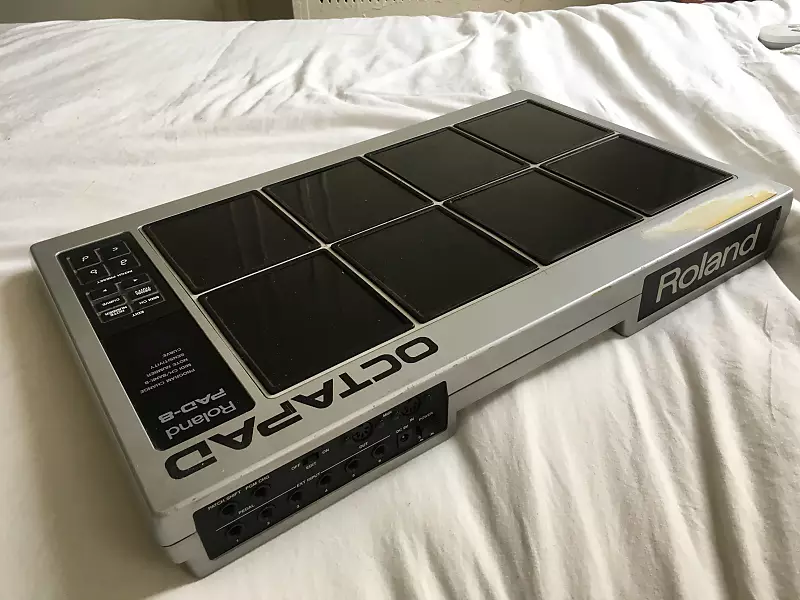
When the Octapad Pad-8 debuted in 1985, it was a solution for artists looking to add MIDI to live performance. 1989’s Octapad II Pad-80 delivered enhanced patch capabilities and memory storage.
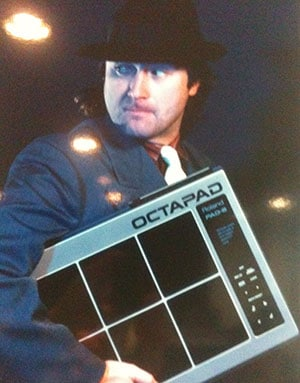
Fans could see the instrument on global stages with Phil Collins, Eric Clapton, New Order, and UB40. Soon, the SPD line arrived—with the bonus of onboard sounds—and the Octapad name all but disappeared.
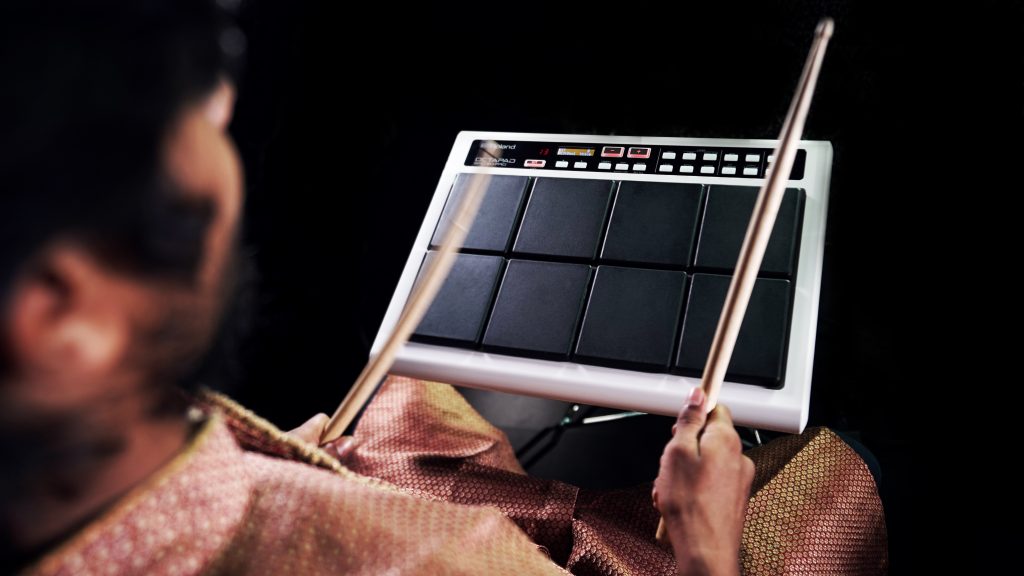
In 2010, with the SPD-30, the Octapad returned in a big way. Still, in one populous, musically-rich region, it never went away. Thanks to a mutable layout and portable design, the Octapad captured a specific niche in India. It remains the instrument of choice for devotional musicians and Bollywood players alike.
Today, artists like Priya Shiyara Flash Octapadist and Mayuranga Octapadist maintain Facebook profiles. They represent the tip of the social media iceberg. Octapadists with large followings appear all over YouTube, sharing skills and growing audiences at the same time.
Take Jiten Sunil Kriplani. He’s a popular YouTuber with almost a million subscribers who goes by the name Janny Dholi. “I’ve been using the Octapad for many years,” Sunil Kriplani says. “I absolutely love the true and dynamic tones which are customized especially for Indian artists. It’s the best for live shows and recording sessions.”
It was over 20 years ago that the original SPD-20 took the world—and especially India—by storm. Nowadays, legions of Indian musicians embrace the Octapad as their primary instrument. SPD-20 sounds permeate Bollywood, folk, devotional, and other musical styles across India.

Musical Director Tushar Deval says, “I’ve been working in this industry for almost thirty-five years. It was 1998 or 2000 that I first tried the SPD-20, and I have been using it ever since. Great experiences come from different places.”
For Deval, the speed of creation is part of what cements the Octapad in India’s professional music world. “Making patches in SPD-20 is so easy,” he explains. “Basically, any Hindi song comes on, and we can make five of them in ten to fifteen minutes.”
“Great experiences come from different places. Any Hindi song comes on, and we can make five of them in ten to fifteen minutes.”
-Tushar Deval
With such broad appeal, it’s easy to think of the Octapad as the TR-808 of India, so far-reaching is the instrument’s influence. The original eight-pad layout—much like the 808’s drum pads—is iconic. Like the 808, the Octapad’s look is instantly recognizable.
The instrument’s latest incarnation, the SPD-20 PRO, expands on the Octapad’s legacy. Among a host of sounds, it includes the following: dholak (a two-headed hand drum with drumheads attached by ropes), mridangam (a principal rhythmic accompaniment drum for Carnatic performances), kanjira (a frame drum from the tambourine family), ghatam (one of India’s most ancient percussion instruments), the duggi (an Indian kettle drum played with the fingers and palm).

“The addition of 200 kits is mind-blowing,” Sunil Kriplani says of the upgraded Octapad. “It’s my favorite feature.”
Based in Pune, Maharashtra, Ajay Artre has used the Octapad for over six years. He appreciates the instrument’s core tones and interface. Artre praises “the sounds, editing, and especially the display.”
Roland’s history boasts many instruments intended for one use that became unexpected legends for something else entirely. Initially, an accompaniment device, the TB-303 kickstarted the acid house movement. Of course, the ultimate example of this trend, the TR-808, is inexorably linked to hip-hop’s history.
By contrast, the Octapad’s ascension from MIDI device to the go-to Indian devotional music tool is less clear. It doesn’t produce a sound utterly unlike anything that came before it. Rather, the Octapad plays a practical role in the musical culture of India.
In a blog for Roland India, Rupesh Iyar describes the Octapad as “a passionate instrument to play.” Iyar stresses that “any percussion player can switch to the Octapad from their traditional instrument.”
“It’s a passionate instrument to play. Any percussion player can switch to the Octapad from their traditional instrument.”
-Rupesh Iyar
Therein lies the essence of the Octapad’s popularity in India. The device established its place in the country’s musical culture by bridging the past and the present. Those eight pads help move traditional sounds into the future, one pattern at a time.
Original article by our friends at Roland/ Ari Rosenschein.
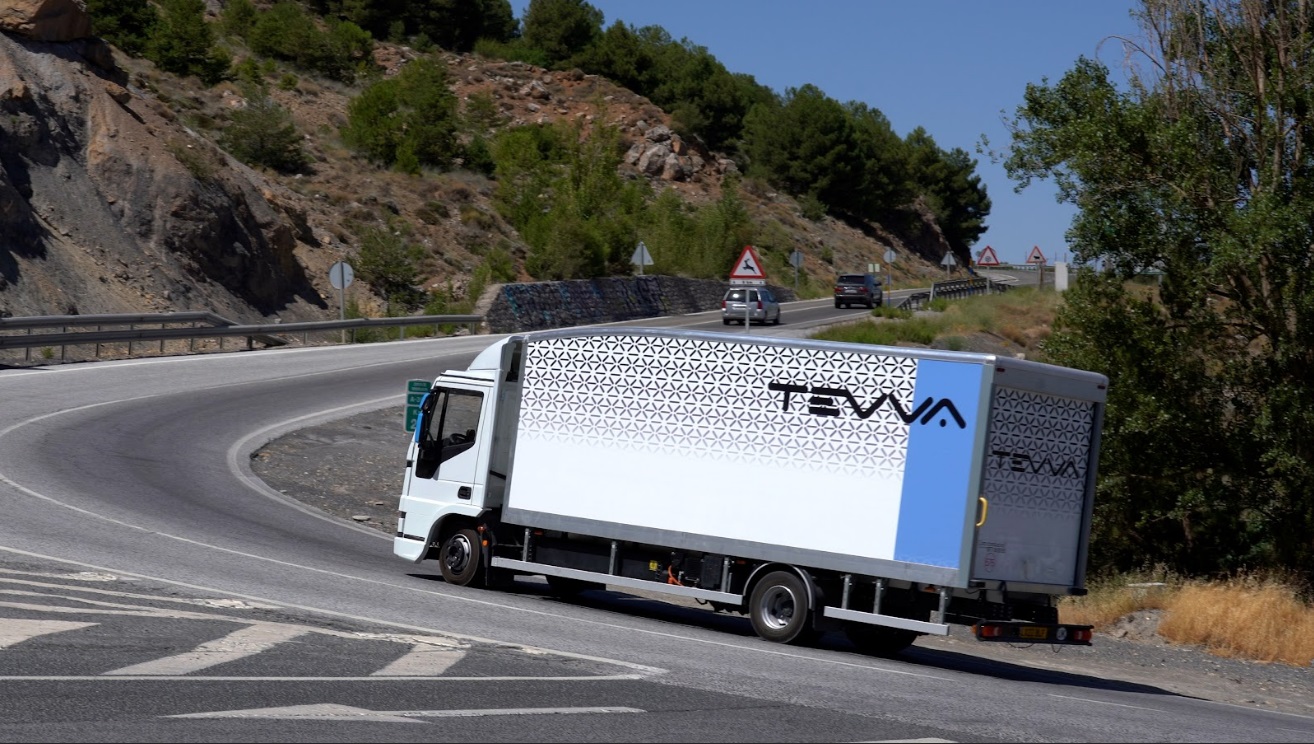
Tilbury, England. March 2023: British electric vehicle manufacturer Tevva has secured government plug-in truck grant (PITrG) eligibility for its 7.5t battery-electric truck. UK organizations looking to decarbonize operations and future-proof their fleets will benefit from a potential £16,000 ($26,260 CAD) discount, removed from the purchase price by Tevva. The current maximum Canadian EV amount is $5,000CAD.
To be eligible for the grant, N2 vehicles :trucks that weigh between 5-12 tonnes must have a CO2 emissions figure of at least 50 percent less than the conventional equivalent vehicle that can carry the same capacity and can travel at least 60 miles without any tailpipe emissions at all. (In the UK, a ton = 2,200 pounds and in Canada a ton is metric and = 2,000 pounds.) Tevva’s 7.5t battery-electric truck offers up to 140 miles (227 kilometers) from its 105-kWh battery on a single charge, and is ideal for last-mile and urban delivery fleets.
The Tevva 7.5t battery-electric truck is the only vehicle from a British manufacturer to qualify for the PITrG, and becomes only the third eligible truck to be listed on the government website. The grant pays for 20 percent of the purchase price, up to a maximum of £16,000 ($26,260 CAD) , reducing Tevva 7.5t battery-electric truck total cost of ownership (TCO),
This news follows hot on the heels of another significant company milestone in January, when Tevva secured European Community Whole Vehicle Type Approval (ECWVTA) for its 7.5t battery-electric truck. This meant that Tevva could start producing and selling in volume across the UK and Europe and represented the key regulatory step in the development and commercialization of the Tevva business.

Tevva Founder and CEO Asher Bennett said: “We know first-hand that demand for electric trucks is growing at speed, as we have been inundated with requests for our 7.5t battery-electric truck since going into full production last month. Now we are able to offer UK organisations a noticeable discount, thanks to the government grant, which will surely make zero emission trucking even more appealing to fleets.”
Tevva’s 7.5t battery-electric truck will be followed by a 7.5t hydrogen-electric truck, which benefits from a hydrogen range-extender that enhances vehicle range to up to 354 miles (570 km). The hydrogen-electric truck recently completed a 620-mile ‘border run’ between Tevva’s London HQ and the Scottish border at Berwick-on-Tweed – England’s most northernmost town. The return journey saw the truck cover almost 350 miles alone, without needing a single stop for recharging.
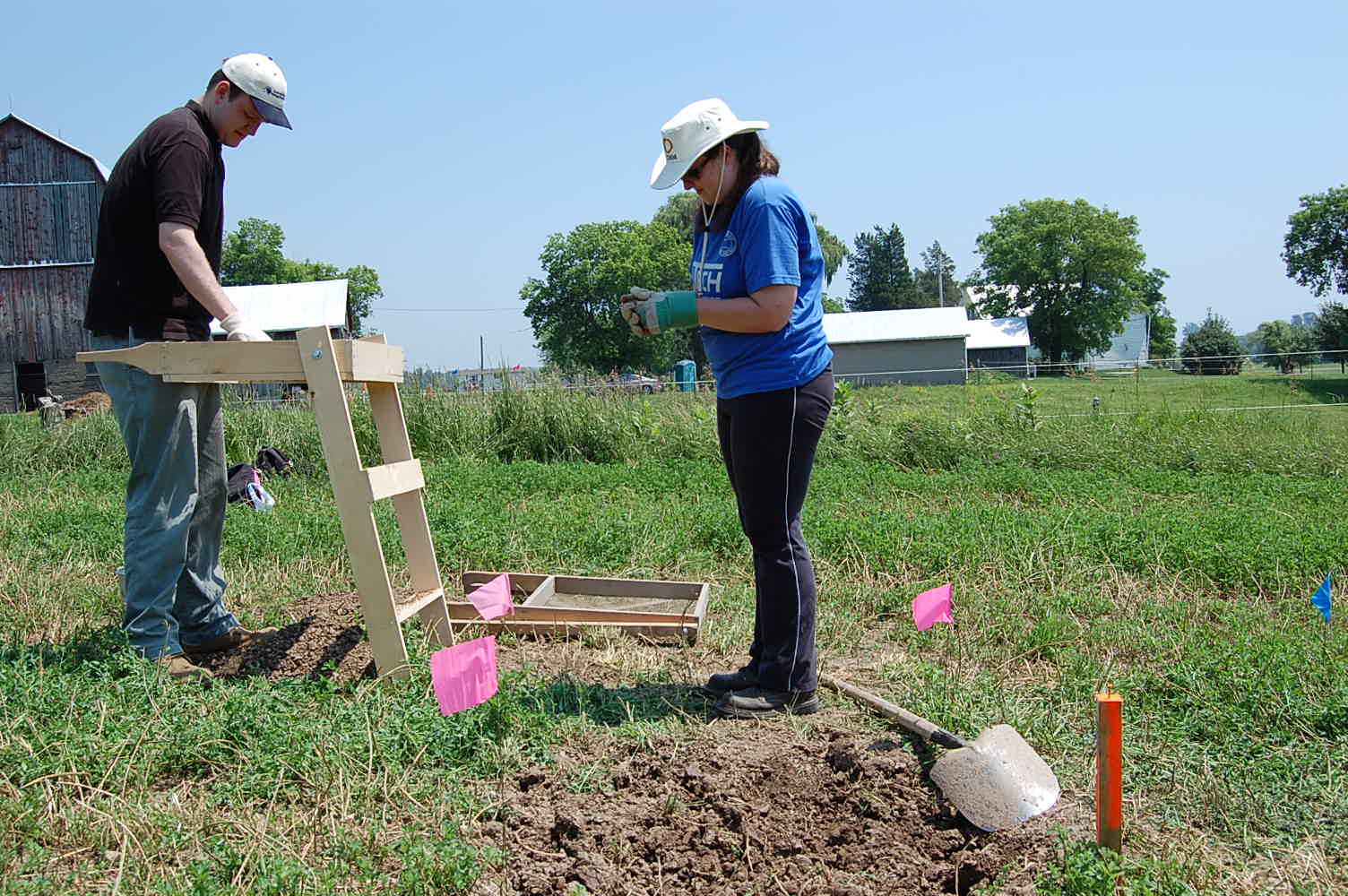
The Haldimand-Norfolk Archaeological Research Project was a regional study meant to discover new information about the past that has impacted the region such as; glaciers, climate change, prehistoric and historic settlements, wildlife, and geologic formations.
The agricultural lands of Norfolk and Haldimand County combined is approximately 2,286.49 km2 and is identified as a zone of geologic, archaeological, and historical significance, promising to reveal a great deal about past environmental events and people.
Yet, the urbanization of agricultural lands continues to alter the landscape by removing evidence of forests, tributaries, reduced land elevations, current and past ecologies, and lastly, evidence that people and their descendants once crossed the landscape of this region. For these reasons a regional study was initiated before this information is lost forever.

Evidence such as the scrapes and grooves on bedrock surfaces by glaciers, erratics and drumlins left behind when glaciers melted away.
Watersheds and their tributaries, originally a result of glacial melt water, continue to drain seasonal waters from the agricultural lands year round. Present day Carolinian forests represent evidence of climatic changes in the great lakes region that supported a successful transition from a tundra-like environment over 10,000 years ago.

Geologic formations date back over 80 million years ago where fossils of coral reefs can be found and chert formations were formed and found across Haldimand County. People identified as Paleo-Indians used these same chert formations over 8,000 years ago to make stone tools as they crossed the landscape.
Regional studies were long-term and paid special attention to all aspects of a changing environment and landscape from one region compared to another. Typically, a regional study combines different scientific disciplines (e.g., archaeology, geology, hydrology, and paleobotany) that can bring specialists to assist with the recovery of new information. The results of a scientific study can produce new and unexpected insights into how the environment within a landscape once looked and how it was used by people.
Studies such as this create opportunities for community heritage to improve public awareness and education to understand how long term changes (e.g., climate, urbanization, and development) that can have an impact on a region.
Permission is always asked to begin a study of the landscape on private property. For example, I always work independently, and if help is needed, permission is asked to bring an assistant along. Once permission is given the study begins by walking over land repeatedly over a period of time and preferably free of crops.
Walking over open fields creates opportunities to examine the topography of the landscape, tributaries, plant and tree life, natural drainages, tree growth, and land elevations. Observations of prehistoric camps or historical homesteads, and their refuse pits is recorded when found.
When settlement patterns are observed Geographic Positioning System coordinates are collected to record the exact location. Even though archaeological excavations are sometimes necessary, they are restricted to a small area. No excavation activity takes place unless permission is given by the landowner.
Even then, the landowner is first shown where an excavation is proposed on their property, and if crops are on the land, there is an offer of crop damage compensation based on current markets prices for wheat, soy, and corn.
A standard practice for a regional study is to recover and record the location of artifacts (e.g., prehistoric or historic) observed on the ground. These are recovered to gain new scientific insights regarding their origin, exact age, context, and association to surrounding landscapes. This includes the recovery of samples from rock formations for geologic studies.
Since regional studies are focused on private lands, all information is kept confidential and private. Information is not shared with the general public at any level, and there is absolutely no interference with farming practices whatsoever. Its business as usual! If landowners are curious to know what I am learning about the region from studying their farm land I am happy to share this information. For the Silo, Lorenz Bruechert/ Jarrod Barker.
According to a study carried out by America’s Bureau of Labor Statistics in January this year, the restaurant labor force in that country is still over 450,000 jobs below pre-pandemic levels — marking the largest employment deficit among all U.S. industries. Although figures are not currently available for Canada, the situation is the same.
In November 2022, the USA National Restaurant Association found that 63% of full-service restaurants and 61% of limited-service places are operating with fewer employees than needed to accommodate guests.
At the beginning of February this year, The Washington Post reported that although many industries have recovered since the start of the pandemic, in the USA (similar trends in Canada) 2 million hospitality and leisure jobs still remain open.
“Hospitality is still stuck in the dark ages. High-friction ordering, slow and clunky payments, and labor challenges lead to low profitability and a poor customer experience,” notes Brian Duncan, President of me&u USA, a global leader in at-table ordering specializing in restaurants and bars.
The labor shortage has led chefs and restaurateurs to reduce their workweeks, while some restaurant owners have had to increase the wages of their staff by as much as 20% in addition to closing earlier on weeknights. Others have even had to change their business practices to attract new employees.
Technology can bridge the customer service gap when there are fewer employees available. Customers prefer to use self-service kiosks or access the menu by scanning QR codes because they can take additional time to read the menu, find new things to try, and customize their orders exactly to their preferences.

Such technology means shorter waits at the counter, faster table turnover, and more accurate orders because the information is transmitted directly from the customer to the kitchen. Also, Pay-at-the-Table Technology cuts out the back-and-forth trips from the POS terminal to the table to process payments shaving several minutes off each table turn.
“Manual orders are typically expensive, slow, and inefficient. Smart technology reduces labor costs, takes the load off servers, increases spending per order, and elevates the customer experience,” concludes Duncan.

References:
According to research by our friends at NordVPN, one of the leading cybersecurity companies, adult content, streaming, and video hosting sites have the most security and privacy threats, such as malware, intrusive ads, and trackers. Research shows that NordVPN’s Threat Protection feature, whose sole purpose is to protect people from such threats, blocked 344M trackers, 341M intrusive ads, and 506K malware infections in the month of December 2022 alone.

“The online world is challenging people in every single move they make. Want to read an article? Dozens of ads and pop-ups are ready to immediately cover your screen. Another privacy threat – malware – is lurking for you on websites and in files you are about to download. Websites you browse are also full of third-party trackers that analyze your browsing history to find out what you do online. It depends on you to stop it,” says Adrianus Warmenhoven, a cybersecurity advisor at NordVPN.
Malware is malicious software that seeks to damage or compromise a device or data. Malware’s scope varies from relatively harmless to extremely dangerous. Malicious software can track people’s data, steal sensitive information, or even delete it without your consent.
NordVPN research shows that adult content sites (21%), as well as cloud storage providers (14%) and entertainment sites (11%), contain the biggest amount of malware. In December, Threat Protection blocked 60.4K, 40.1K, and 30.9K domains of these categories respectively.

Among the most common types of malware are viruses, spyware, worms, trojans, adware, scareware, ransomware, and fireless malware.
Intrusive advertising refers to pushing invasive and irrelevant ads in front of consumers. They irritate users by popping up unexpectedly, blocking the host page, opening new pages and windows, or playing video and audio at inopportune times.
As for intrusive ads, the majority of them were found on streaming (23%), adult content (16%), and online shopping (9%) sites. Threat Protection detected and blocked millions of them: 552M, 389M, and 226M respectively.
“Today, ad blockers are essential for both security because they block ads that can infect people’s devices and privacy because annoying ads rely on collecting data from web activity and violating people’s privacy. Also, if a website is loading slower than usual, you can blame intrusive ads. Free apps filled with unwanted ads could also drain your device’s battery faster,” explains Adrianus Warmenhoven.

While many trackers are a tool for advertising and improving user experience, they may also become handy for online spies. Internet service providers (ISPs), marketing agencies, social media companies, and governments can access your online actions and breach your privacy.
NordVPN’s Threat Protection showed that video hosting sites (22%), cloud storage providers (16.31%), web email (16.25%), and information technology sites (12%) have the most trackers. Video hosting sites alone had 239 billion trackers blocked by Threat Protection in December 2022.
It’s worth adding that earlier NordVPN research showed that the average number of trackers per website is highest in Hong Kong (45.4 trackers), Singapore (33.5), the United States (23.1), and Australia (18.6).
“You can become less trackable online by declining third party cookies, because the website can sell your browsing data to third parties; using a VPN, which will hide your real IP address and location; installing a tracker blocker, which will stop your browsers from collecting information about you; and using privacy browsers, which can obfuscate your browser fingerprint, or ditching Google, which tracks a lot of data about you,” says Adrianus Warmenhoven.
Threat Protection scans your files before you download them, identifies threats, and blocks them before they can harm your device. The feature is free with every NordVPN subscription – and it allows you to go online without leaving a trace, protecting your privacy and improving your digital security.
Methodology: The statistics mentioned above were acquired by analyzing aggregated data gathered by the NordVPN’s Threat Protection service in January 2023. No identifiable user information was collected, reviewed, or otherwise involved when the research and compiled results were conducted.
However, African-American, African-Canadian and Latino patients with rare diseases face significant underrepresentation in clinical trials. This lack of representation results in drugs being developed that aren’t proven safe or effective across different populations.
A 2018 research carried out by the U.S. Census Bureau stated that out of the 12% Black or African American population across the U.S., only 2.2% had participated in clinical trials for rare diseases. Sickle cell disease is one rare disease that predominantly affects the African American community.

India has close to 50-100 million people affected by rare diseases or disorders, with almost 80% of these rare condition patients being children. As per the U.S. Census Bureau, Indian Americans constitute 1.2% of the U.S. population, which translates to 4.5 million, as of 2021, and out of the 5.8% total Asian population across the U.S., their clinical trials participation in 2018 was only 1%.
When certain groups are underrepresented, the universal right to health is jeopardized, and the economic burden of public health care rises. Inequities in clinical research participation impede applications in drug efficacy, toxicity, therapeutic indices, and other areas. Furthermore, it has the potential to raise healthcare costs.
February is “Rare Disease Month”, while February 28th is “Rare Disease Day”, and 2023 is the 40th anniversary of “The Orphan Drug Act”—a law that was passed in the United States in 1983 to facilitate the development of orphan drugs—drugs for rare diseases.
Dr. Rajasimha, Founder and Executive Chairman of IndoUSrare says, “Rare Disease Month allows the rare disease community to come together and make themselves heard.”
The future of rare disease research and treatment still requires enhanced detection techniques, dissemination of understanding concerning optimal care, and research to prevent, treat, and cure disease, and IndoUSrare collaborates with researchers in the U.S. and other western countries with their counterparts in the Indian subcontinent to engage and include the large and diverse populations of Indians in India and globally.
Many people are unaware that they can repair some problems with their air conditioners. There are some times when you can avoid some expensive repairs.
If it’s aggravating to discover that the problems you called a technician to fix are things you could have done yourself, Nevertheless, before booking an appointment with a technician, you can try out these DIY air conditioner repair tips outlined below:
If you discover that your air conditioning system is not coming on, then it means that your breaker could have tripped. Your breaker tripping may occur when you have other appliances connected to it. You can save money by performing this quick check instead of calling an air conditioning technician. You may contact GetPaydayloans for instant help if you need a technician to fix your air conditioning system if you are out of funds to pay a technician.
Another tip that can save you a lot of money is to examine your air conditioner’s thermostat. For instance, if the unit is battery-operated, it may just need a new battery. Also, you need to ensure that the thermostat is set for a temperature below that of the room.
To keep your air conditioner in good shape, you must frequently change the filter. In fact, changing your filter regularly can reduce the need for constant repairs on your air conditioner. When the filter is dirty, it can cause many issues that will affect other parts of the air conditioning system.
When an air conditioner is iced up, it will not cool. Simply melting the ice will get the system back to normal. However, before dissolving the ice, turn off the system and run the fan. The fan will heat the ice, and it will fall off. You can also turn the air conditioner off and gradually melt the ice.
A lot of people need to pay more attention to their air conditioning systems. Even something as simple as cleaning the air conditioning system can reduce the need for a lot of repairs. You may not need to dismantle the air conditioner to clean the inside. Simply cleaning the fan blades and removing debris can increase the air conditioner’s lifespan. However, you need to be careful when cleaning the fan blades of the air conditioner. Nevertheless, ensure the air conditioner is turned off before cleaning it.
Checking your ducts is another way to reduce the possibility of spending money repairing your air conditioner. However, only some people feel comfortable climbing into the attic to check if the air is coming from them. But if you climb to the attic and notice the duct is dirty, you could clean it, so the air can flow incorrectly.
Following the cost of repairing an air conditioning system, you must take a small step to reduce your spending. Try out these tips, and you may be shocked that they may be why your air conditioner is not working.
A number of years ago the Soviet Union toured several countries with an exhibition of its industrial and economic achievements. There were the usual standard displays of industrial machinery and models of power stations and nuclear equipment.
Of greater interest to the CIA were apparent models of the Sputnik and Lunik space vehicles. U.S. intelligence twice gained extended access to the Lunik- the second time even borrowing it overnight and returning it before the Soviets missed it.

The Soviets. had carefully prepared for this exhibition tour; most of the display material was shipped to each stop well in advance. But as their technicians were busily assessing the various items in one exhibition hall they received a call informing them that another crate had arrived. They apparently had not expected this item and had no idea what it was, because the first truck they dispatched was too small to handle the crate and they had to send a second.
The late shipment turned out to be the last-stage Lunik space vehicle, lying on its side in a cabin-like crate approximately 20 feet long and 11 feet wide with a roof about 14 feet high at the peak. It was unpacked and placed on a pedestal. It had been freshly painted. and three inspection windows cut in the nose section permitted a view of the payload instrument package with its antenna.
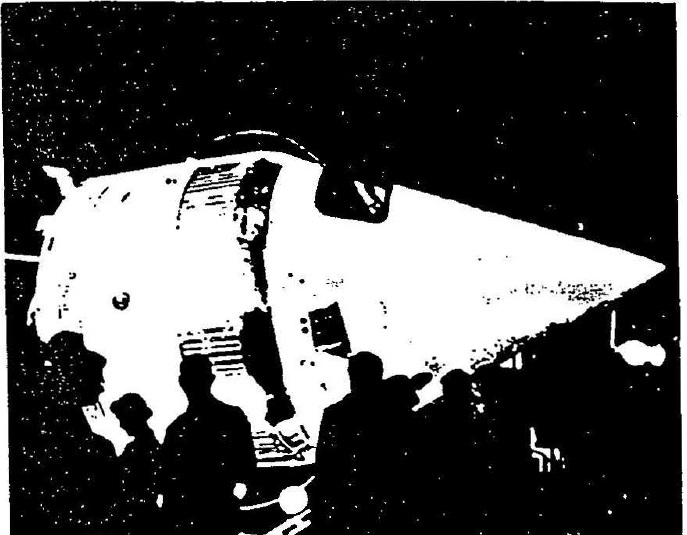
It was presumably a mock-up made especially for the exhibition; the Soviets would not be so foolish as to expose a real production item of such advanced equipment to the prying eyes of imperialist intelligence. Or would they? A number of analysts in the U.S. community suspected that they might, and an operation was laid on to find out. After the exhibition closed at this location, a group of intelligence officers had unrestricted access to the Lunik for some 24 hours.
DECLASSIFIED Authority NND 947003
The Lunik
They found that it was indeed a production item from which the engine and· most electrical and electronic components had been removed. They examined ·it thoroughly from the ·viewpoint of probable. performance, taking measurements, determining its structural characteristics estimating engine size, and so forth but not with sufficient detail or precision to permit a definitive identification of the producer or determination of the system used. It was therefore decided to try to get another access for a factory team.
As the exhibition moved from one city to another, an intercepted shipping manifest showed an item called .. models of astronomic apparatus whose dimensions were approximately those of the Lunik crate. This information was sent to the CIA Station nearest the destination with a request to try to arrange secure access if the Lunik should appear. On the basis of our experience at trade fairs and other exhibitions, we preferred access before opening of an exhibition to the alternatives of examining it while in the exhibition hall or after it had left the grounds for another destination.
Soon the Lunik crate did arrive and was taken to the exhibition grounds. The physical situation at the grounds, however, ruled out access to it prior to the show’s opening. Then during the show the Soviets provided their own 24 -hour guard for the displays, so there was no possibility of making a surreptitious night visit. This left only one chance: to get to it at some point after it left the exhibition grounds. In the meantime our four-man team of specialists from the Joint Factory Markings Center had arrived. We brought along our specialized photographic gear and basic tools. We each went out and bought a set of local clothes, everything from the skin out.
We held a series of meetings with Station personnel over the course of a week, mutually defining capabilities and requirements, laying plans for access and escape, and determining what additional equipment we would need. The Station photographed the Lunik crate repeatedly so we would get a better idea of its construction. ~
Photographs showed that the sides and ends were bolted together from within; the only way to get inside was through the roof. We therefore bought more tools and equipment-ladders, ropes, a nail puller, drop lights, flashlights, extension cords, a pinch bar, a set of metric wrenches, screwdrivers, hammers.
After the exhibition the displays would be carried by truck from the exhibition grounds toa railroad station and loaded onto freight cars for their next destination. For the interception we had to choose between the truck run and the rail haul. The initial preference was for the latter; it seemed the freight car carrying the Lunik might most easily be shunted onto a siding (preferably into a warehouse) for a night and resume its journey the next morning. A detailed check of our assets on the rail line however, showed no good capability for doing this. Careful examination of the truckage to the station, on the other hand, revealed a possibility.
DECLASSIFIED Authority NND 947003
Lunik
As the exhibition materials were crated and trucked to the rail yard, a Soviet checker stationed at the yard took note of each item when it arrived. He had no communications bade to his colleagues at the fair grounds, however. It .was arranged to make the Lunik the last truckload of the day to leave the grounds. When it left it was preceded by a Station car and followed by another; their job was to determine whether the Soviets were escorting it to the rail yard.
When it was clear that there were no Soviets around, the truck was stopped at the last possible tum-off, a canvas was thrown over the crate, and a new driver took over.
The original driver was escorted to a hotel room and kept there for the night. The truck was quickly driven to a salvage yard which had been rented for the purpose. This yard was open to the sky but had a10-foot solid wood fence around it. With some difficulty the truck was backed in from a narrow alley and the gates closed; they just cleared the front bumper. The entire vicinity was patrolled by Station cars with two-way radios maintaining contact with the yard and the Station .
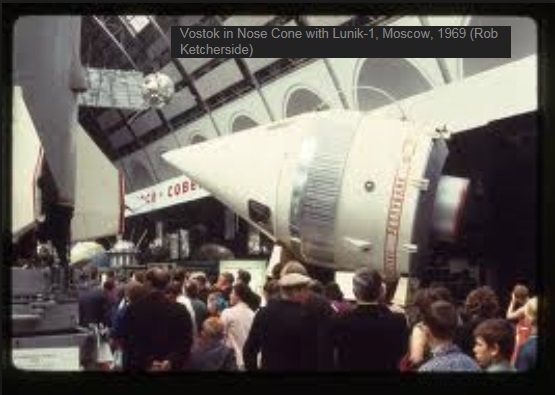
Action was suspended for half an hour: Everything remained quiet in the area, and there· was no indication that the Soviets suspected anything amiss. The Soviet stationed at the rail yard waited for a short time to see whether any more truckloads were coming then packed up his papers and went to supper. After eating he proceeded to his hotel room, where he was kept under surveillance all night.
The markings team, in local clothes and without any identification, were cruising in a car some distance from the salvage yard. We were now given the all-clear to proceed to the yard and start work.We arrived about 7:30 p.m. and were let in by a two-man watch and communications team from the Station. They had put all our equipment and tools in the yard and food and drink for the night.
Our first task was to remove enough of the crate’s roof to get in. It was made of 2-inch tongue-and-groove planks nailed down with 5-inch spikes. Two members of the team went to work on these, perspiring and panting in the humid air. The effort not to leave traces of our forced entry was made easier by the fact that the planks had been removed and put back several times before and so were already battered.
DECLASSIFIED Authority NND 947003
The Lunik
While this was going on there was a rather unnerving incident. When we had arrived at the salvage yard it was dark; the only lights were in the salvage company’s office. Now, with two men on top of the crate prying up planks, street lamps suddenly came on, flooding the place with light. We had a few anxious moments until we learned this was not an ambush but the normal lamp-lighting scheduled for this hour.
The other two of us meanwhile were assembling the photographic gear and rigging up the drop lights with extension cords. We had ladders up at each end of the crate, and when the planks were off we dropped another ladder inside each end. The Lunik in its cradle was almost touching the sides of the crate, so we couldn’t walk from one end to the other inside.
Half the team now climbed into the front–nose–end with one set of photographic equipment and a drop light. . They pulled the canvas back over the opening to keep the flash of the strobe units from attracting attention.· They removed one of the inspection windows in the nose section, took off their shoes so as to leave no telltale scars on the metal surface, and squeezed inside. The payload orb was held in a central basket, with its main antenna probe extended more than half way to the tip of the cone. They filled one roll of camera film with close-ups of markings on it and sent this out via one of the patrolling cars for processing, to be sure that the camera was working properly and the results were satisfactory. The word soon came back that the negatives were fine, and they continued their work.
We on the other half of the team had tackled the tail section. Our first job was to gain access to the engine compartment by removing the Lunik’s large base cap; this was attached to its flange by some 130 square-headed bolts. We removed these with a metric wrench and by using a rope sling moved the heavy cap off to one side.
Inside the compartment the engine had been removed, but its mounting brackets, as well as the fuel and oxidizer tanks, were still in place. At the front end of the compartment, protruding through the center of .a baffle plate that separated the nose section from the engine, was the end of a rod which held the payload orb in place.
A four-way electrical outlet acting as a nut screwed onto the end of this rod was keyed by a wire whose ends were encased in a plastic seal bearing a Soviet stamp. The only way to free the orb so as to let the nose team into the basket in which it rested was to cut this wire and unscrew the outlet.
DECLASSIFIED Authority NND 947003
The Lunik
We checked with Station personnel and were assured they could duplicate the plastic, stamp, and wire. So we decided to go ahead and look for markings in the basket area. We cut the wire and passed it to one of the patrolling cars. The pair in the nose section photographed or hand copied all items in the basket area while we did those in the engine compartment. The Soviets, in removing all electrical connections and gear, had overlooked two couplings in the basket; these we took back to headquarters for detailed analysis.
Before we had finished, the new seal-wire, plastic, and stamp was delivered to the yard.
The exploitation of the Lunik was now complete; all that remained was to put things back together and close up the crate. The first job, re-screwing the orb in its basket, proved to be the most tricky and time-consuming part of the whole night’s work. The baffle plate between the nose and engine compartments prevented visual guidance of the rod into position, and the rod was just long enough to screw the outlet on beyond the baffle plate. We spent almost an hour on this, one man in the cramped nose section trying to get the orb into precisely the right position and one in the engine compartment trying to engage the threads on the end of a rod he couldn’t see. After a number of futile attempts and many anxious moments, the connection was finally made, and we all sighed with relief.
The wire was wrapped around the outlet and its ends secured in the plastic. The nose and engine compartments were double-checked to make sure no telltale materials such as matches, pencils, or scraps of paper had been left inside. The inspection window was replaced in the nose section, and with some difficulty the base cap was bolted into position. ·After checking the inside of the crate for evidence of our tampering we climbed out. The ladders were pulled up, the roof planks nailed into place, and the canvas spread back over. We packed our equipment and were picked up by one of the cars at 4:00a.m.
At 5:00 a.m. a driver came and moved the truck from the salvage yard to a prearranged point. Here the canvas cover was removed and the original driver took over and drove to the rail yard. The Soviet who had been checking items as they arrived the previous day came to the yard at 7:00 a.m. and found the truck with the Lunik awaiting him.
DECLASSIFIED Authority NND 947003
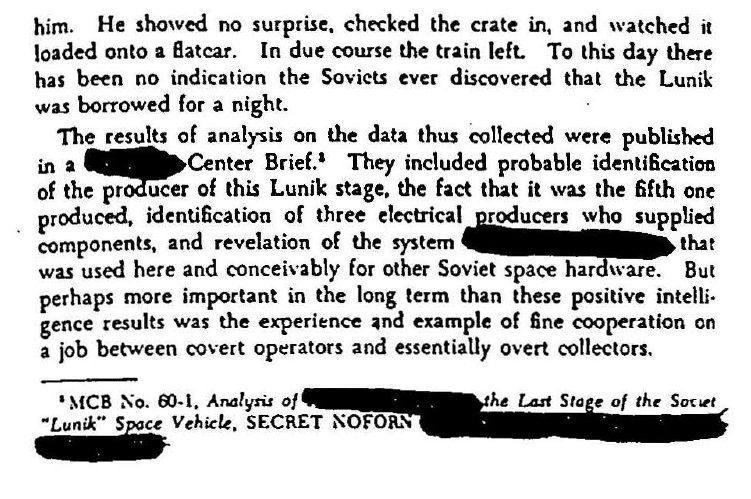
The results of analysis on the data collected were published in a Center Brief. They included probable identification of the producer of this Lunik stage, the fact that it was the 6fth one produced, identification of three electrical producers who supplied components, and revelation of the system that was used here and conceivably for other Soviet space hardware. But perhaps more important in the long term than these positive intelligence results was the experience and example of fine cooperation on a job between covert operators and essentially overt collectors.
To commemorate the company’s 60th anniversary, Audio-Technica released a limited-edition Sound Burger portable turntable this past November – four decades after its original debut. A-T never imagined the overwhelming response the release would generate.
The Sound Burger will return in spring 2023.

Inspired by the response and acknowledging the loud chorus of fans who were not able to purchase the limited-edition model (but were still hungry for Sound Burgers), the company has announced that the Sound Burger will return in the spring of 2023.
“The response to the 60th anniversary limited-edition model of the Sound Burger portable turntable was nothing less than extraordinary,” said Gary Boss, Director of Marketing. “We heard loud and clear the frustration of those who hoped to buy one of these turntables but were unable to do so. While the new model coming in the spring will not feature the 60th anniversary numbered badge, color and packaging of the limited-edition version, it will be more widely accessible. We hope Sound Burger fans will be just as excited about this new model and that it will inspire the next generation of analog enthusiasts.”
Thanks to its Bluetooth® connection and compact, lightweight design, the Sound Burger is the perfect partner for parties, picnics, or condensed living spaces. It easily connects to Bluetooth headphones or speakers for up to 12 hours of wireless record listening.

The Sound Burger offers high-quality sound reproduction with a belt-drive system that plays 33-1/3 and 45 RPM records. To achieve both portability and stability, the tonearm employs a dynamic balance system in which stylus pressure is applied via a spring. In addition, a high-precision DC motor maintains stable rotation. Accessories include a 45 RPM adapter, RCA audio cable (3.5 mm male to dual RCA male), and USB cable for charging (USB Type-A / USB Type-C™). The stylus on the Sound Burger can be upgraded with the higher quality ATN3600L (sold separately).
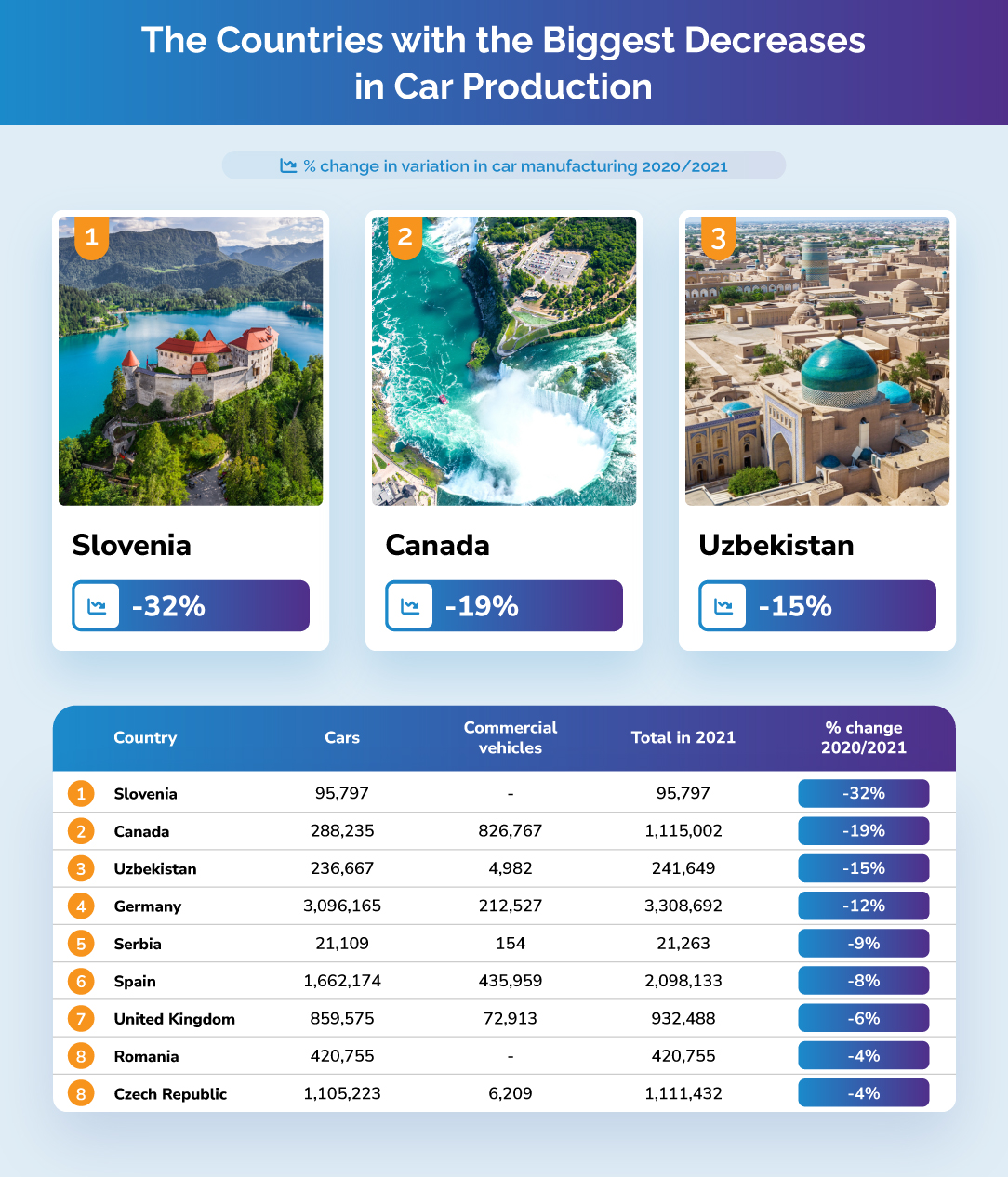
The research by GoShorty looked at worldwide car production figures from previous years, the number of people employed in the automotive industry, and other factors to reveal which countries produce the most and least commercial vehicles in the world.

Countries with the biggest decreases in car production:
| Rank | Country | Cars Produced | Commercial Vehicles Produced | Total Produced 2021 | % change variation2020/2021 |
| 1 | Slovenia | 95,797 | – | 95,797 | -32% |
| 2 | Canada | 288,235 | 826,767 | 1,115,002 | -19% |
| 3 | Uzbekistan | 236,667 | 4,982 | 241,649 | -15% |
| 4 | Germany | 3,096,165 | 212,527 | 3,308,692 | -12% |
| 5 | Serbia | 21,109 | 154 | 21,263 | -9% |
| 6 | Spain | 1,662,174 | 435,959 | 2,098,133 | -8% |
| 7 | United Kingdom | 859,575 | 72,913 | 932,488 | -6% |
| 8 | Romania | 420,755 | – | 420,755 | -4% |
| 9 | Czech Republic | 1,105,223 | 6,209 | 1,111,432 | -4% |
| 10 | Hungary | 394,302 | – | 394,302 | -3% |
Slovenia’s motor vehicle production was reported at 95,797 units in Dec 2021. This records a decrease from the previous number of 141,714 units for Dec 2020. Global car manufacturers like Renault have made plans to cut production in the country. Renault has cut production in its Revoz Slovenia unit and reduced its staff by 350 people.
Canada had the second biggest decrease in car production in 2021 compared to the previous year, a decrease in production of -19%. The low production numbers, down from 1.4 million in 2020 and close to two million in 2019, came as the global auto sector was hit by a shortage of semiconductor chips caused by pandemic-related production issues and a surge in demand for electronics.
Uzbekistan had the third biggest decrease in car production in 2021 compared to the previous year, a decrease in production of -15%. In 2021, Uzbekistan produced 236,667 passenger cars. That means that compared to 2020, production decreased by 15%. Despite the reduction in production, Uzbekistan increased the export of cars by more than a third.
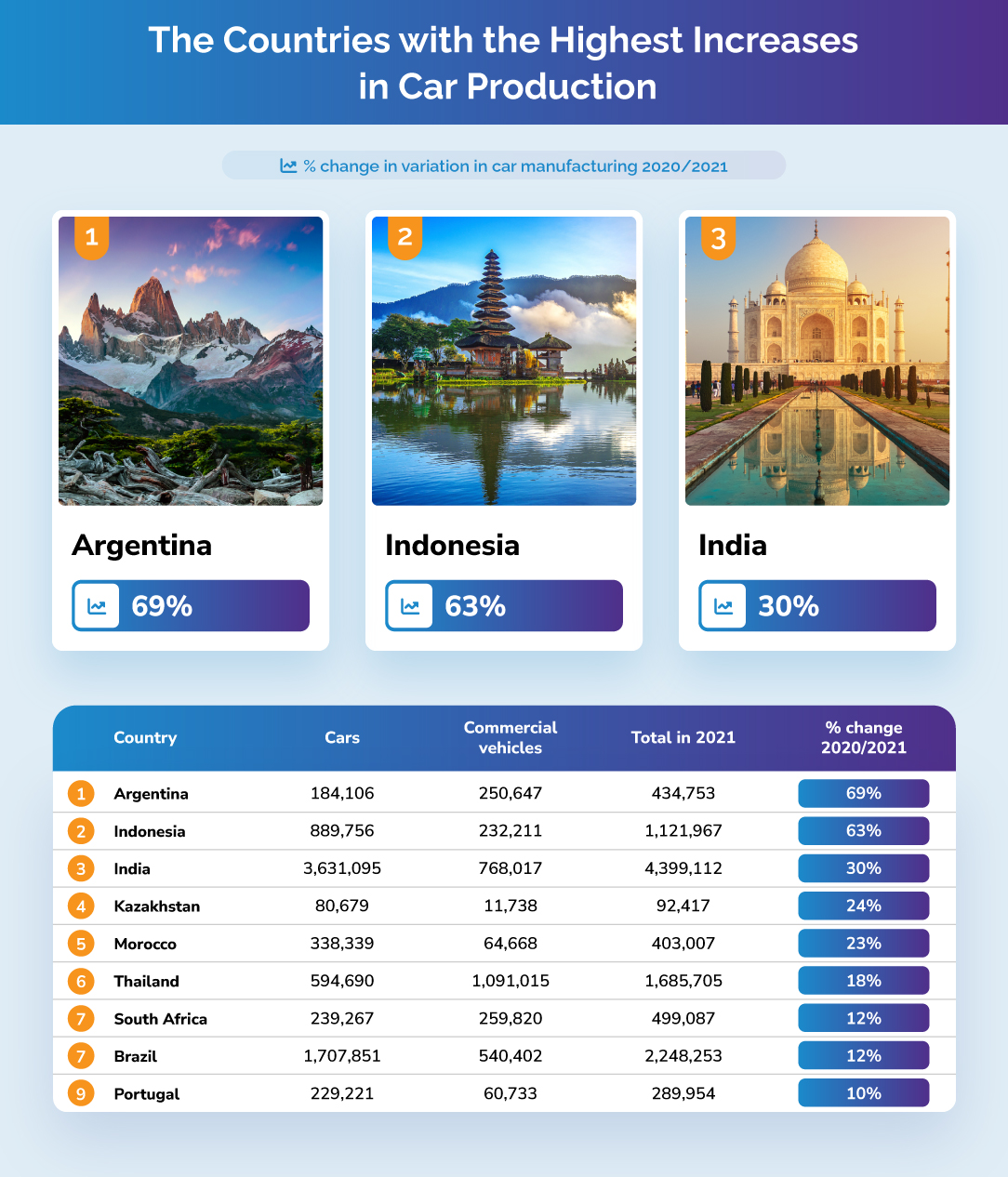
The countries with the highest increases in car production:
| Rank | Country | Cars Produced | Commercial Vehicles Produced | Total Produced 2021 | % change variation2020/2021 |
| 1 | Argentina | 184,106 | 250,647 | 434,753 | 69% |
| 2 | Indonesia | 889,756 | 232,211 | 1,121,967 | 63% |
| 3 | India | 3,631,095 | 768,017 | 4,399,112 | 30% |
| 4 | Kazakhstan | 80,679 | 11,738 | 92,417 | 24% |
| 5 | Morocco | 338,339 | 64,668 | 403,007 | 23% |
| 6 | Thailand | 594,690 | 1,091,015 | 1,685,705 | 18% |
| 7 | South Africa | 239,267 | 259,820 | 499,087 | 12% |
| 7 | Brazil | 1,707,851 | 540,402 | 2,248,253 | 12% |
| 9 | Portugal | 229,221 | 60,733 | 289,954 | 10% |
| 10 | Austria | 124,700 | 12,000 | 136,700 | 9% |
Argentina saw the highest percentage increase in car manufacturing in 2021 compared to 2020, at a rate of 69%. Argentina’s motor vehicle production was reported at 434,753 units in Dec 2021. This records an increase from the previous number of 257,187 units for Dec 2020. This year, Argentina’s Senate has approved a bill to promote the automotive industry. The initiative was spearheaded and supported by IndustriALL affiliates in the country.
Indonesia had the second-highest increase in car production in 2021 compared to 2020, at an increase of 63%. As well as being the fourth most populous country in the world,
India was the country that witnessed the third-highest increase in car production in 2021 compared to the previous year, at an increase of 30%. India’s automotive sector is benefiting from a host of improvements, which include global supply-chain rebalancing and government incentives to increase exports.

Methodology:
We started by taking the International Organization of Motor Vehicle Manufacturers’ 2021 PRODUCTION STATISTICS to get World Motor Vehicle Production figures, to find the total number of commercial vehicles and car production for each country. This data is accurate as of 01/11/2022.
Ukraine and Russia were omitted due to the ongoing conflict between the two countries.
We ranked our countries based on their total production of both commercial vehicles and cars in 2021. We were also able to rank these countries based on their % change in variation between the years of 2020/2021 to find which countries had an increase in the number of produced cars in recent years.
We used ACEA’s Share of direct automotive employment in the EU, by country, to find the total share of direct automotive employment in total manufacturing for each of the 27 member states of the European Union in 2020. We were able to rank each country by the share of automotive employment. This data is accurate as of 01/11/2022.
Further findings:
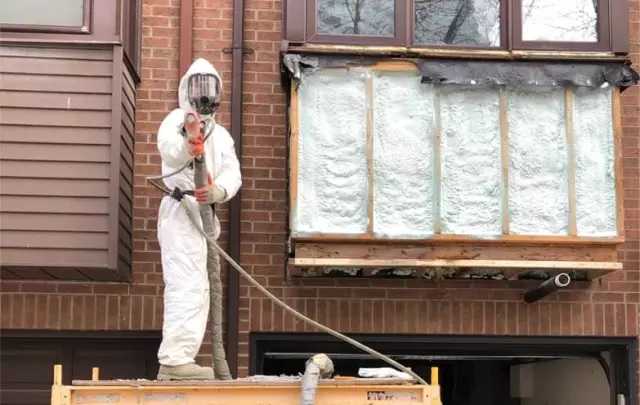
Expanding foam is a versatile material that is commonly used in construction, DIY projects, and home repairs. It is a polymer foam that expands upon application and hardens to fill gaps, cracks, and voids. Expanding foam is useful for insulating walls, sealing leaks, and stabilizing structures. While it is readily available for purchase at hardware stores and home improvement centers, it is also possible to make expanding foam at home. Visit here to learn more.
Making expanding foam at home is a cost-effective alternative to purchasing premade foam. It also allows you to customize the foam to your specific needs and preferences. In this guide, we will walk you through the steps of making expanding foam at home.

Step 1: Gather materials
To make expanding foam at home, you will need the following materials:
Step 2: Measure out the ingredients
The ratio of ingredients needed to make expanding foam varies depending on the desired consistency and expansion rate. A common ratio is 2 parts polyurethane resin to 1 part isocyanate and a small amount of catalyst and foaming agent.
Measure out the ingredients using a mixing container or a measuring cup. It is important to be precise with the measurements to ensure that the foam expands and hardens properly.
Step 3: Mix the ingredients
Pour the polyurethane resin and isocyanate into the mixing container. Use the stirring stick to mix the ingredients together until they are fully combined.
Step 4: Add the catalyst and foaming agent
Once the polyurethane resin and isocyanate are fully combined, add a small amount of catalyst and foaming agent. The exact amount of catalyst and foaming agent needed will depend on the size of the batch and the desired expansion rate.
Step 5: Stir the mixture
Stir the mixture until the catalyst and foaming agent are fully incorporated. It is important to stir the mixture thoroughly to ensure that the foam expands and hardens properly.
Step 6: Pour the foam into the desired area
Pour the foam into the area where it is needed. The foam will begin to expand as soon as it comes into contact with the air. Use a tool, such as a spatula or putty knife, to shape the foam as desired.
Step 7: Allow the foam to harden
Allow the foam to harden completely before handling or using it. The drying time will depend on the size of the batch and the desired expansion rate.
Benefits Of Expanding Foam
Expanding foam is a versatile and widely used material in construction, DIY projects, and home repairs. It is a polymer foam that expands upon application and hardens to fill gaps, cracks, and voids. Expanding foam is useful for a variety of purposes, including insulation, sealing leaks, and stabilizing structures. In this article, we will explore the many benefits of expanding foam and how it can be used in a variety of applications.
Conclusion:
Making expanding foam at home is a cost-effective and customizable alternative to purchasing premade foam. With the right materials and a little bit of elbow grease, you can easily make expanding foam at home. Just follow the steps outlined in this guide and you’ll be on your way to using your very own homemade expanding foam in no time.

Unlike people who work in the warmth of an indoor space, they may not have the luxury of avoiding the harsh weather.
Without the right precautions, they may suffer from problems such as hypothermia, frostbite, or trench foot. The wet weather can also increase their risk of injury. If the weather is extremely harsh, then work can be called off for safety reasons.
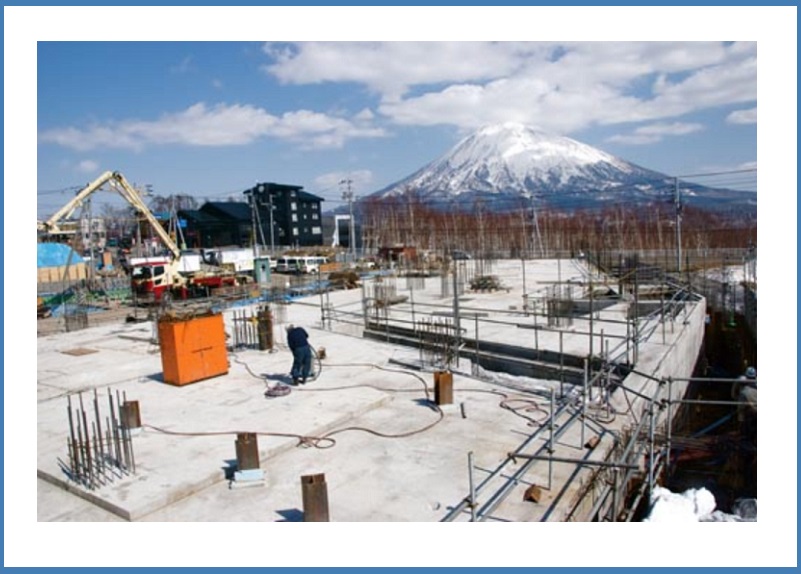
However, workers who are trained and experienced to work in cities that experience colder climates usually adapt well. For example, if you need someone to help you with concrete cutting in Calgary – then you can easily find a reputable and professional locally owned and operated company that’s been serving clients in cold climates for decades.
Here are a few ways concrete contractors adapt to the winter:
When working outside, contractors pay attention to the weather forecast. They identify potential weather-related issues so that they can prepare in advance. They also try to use daylight to their advantage and have artificial light to help if necessary.
When working in the cold, concrete contractors usually wear multiple layers. Some also wear insulated clothes, which shield the skin from moisture, and thermal undergarments. The outer layers are waterproof and quickly removable. On their heads, they may wear a wool liner under their hard hat.
In the winter, contractors may take more short breaks to warm up their bodies or their clothes. They may also try to get the most work done during the warmest part of the day. The buddy system also comes in handy during the winter, where partners can look out for each other.
Gloves are especially important in the winter. Many contractors prefer leather gloves because they’re more resistant than cotton gloves, which can get damp. When the temperature drops to less than 20 C, they may switch to mittens. However, mittens aren’t always practical for work.
Waterproof boots are a must in the winter. Contractors may treat their leather boots to waterproof them further and wear insulated socks. They may also wear multiple layers of socks, with the outer sock being the largest size. Some carry extra socks in case they need to work outdoors for longer periods.
After donning the proper equipment, concrete contractors also take precautions with their equipment. They avoid using cold tools because this can lead to problems. Instead, the tools are warmed up before they can contact concrete.
Tools with metal handlebars are treated with extra caution. Metal handles are covered with an insulating material to protect workers. Usually, contractors only use equipment that’s designed to be handled with gloves or mittens. Contractors may also use powerful tools that are integrated with dust collection to avoid cutting wet.
These are a few ways concrete contractors adapt to the winter when doing outdoor work. With the right precautions and appreciation from their clients, they get the job done correctly and safely.
Like other authors who write about innovation, I love Thomas Edison stories. He was an inventive genius and found the code to serial innovation more than 120 years ago.
Less well known is Edison’s entrepreneurial side. He put financiers, government officials, politicians and inventors like himself together in an inspired coalition that built the first electrical grid in New York City. After all, what good is a light bulb if you don’t have a source of electricity to power it?
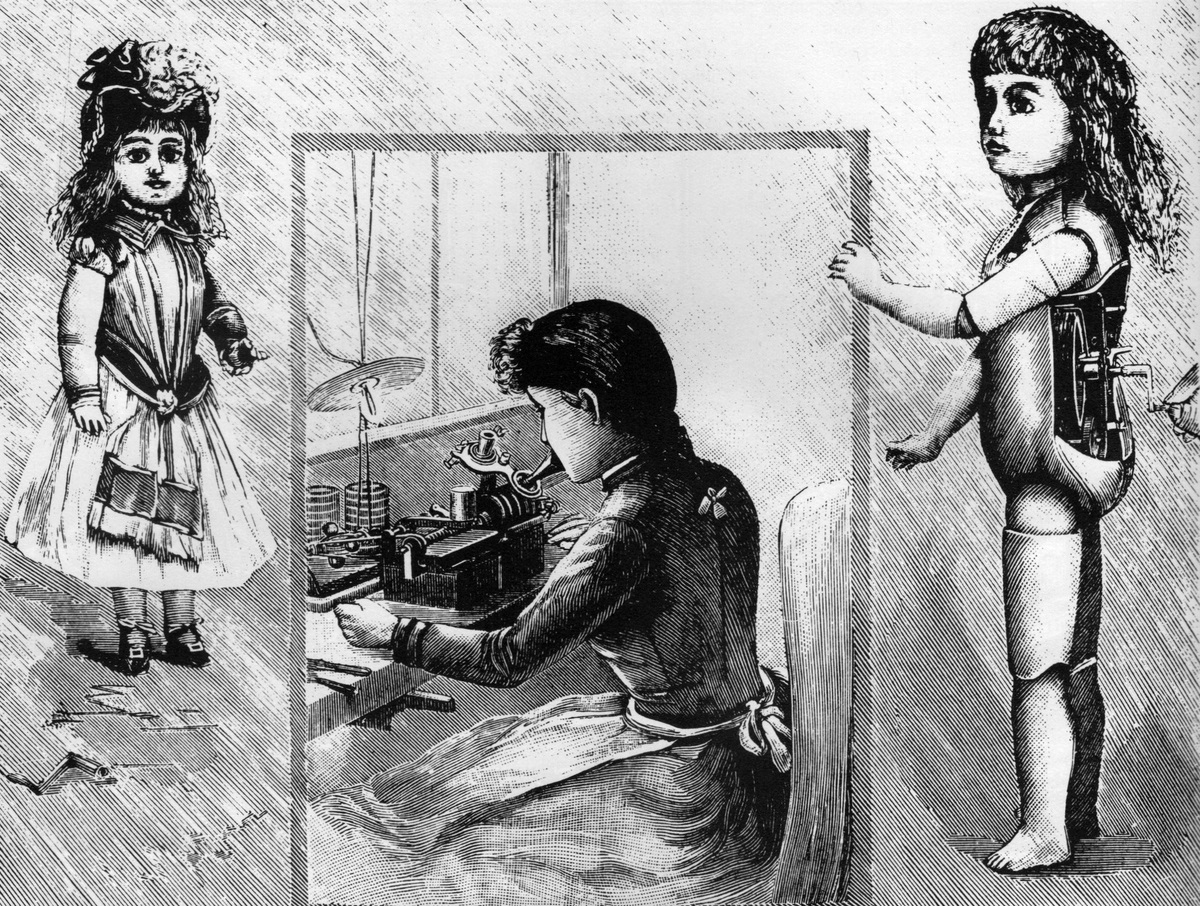
For example, very few people today know about Edison’s talking doll. Expected to sell during the 1890 Christmas season, she was a marketing failure.
I think she looks like the “Bride of Chucky” and is more than a little spooky. Talking, animated objects are commonplace today, but Edison was the first to have the idea and execute it.

What gave her voice was a tiny version of the phonograph – another of his inventions. He thought it would be novel to make a talking doll and hoped it would catch on. The doll market was already thriving, so a talking doll could potentially reach the top of the heap.
But not all of Edison’s creativity turned into cash, and his Bride of Chucky was a dismal failure. The little talking machine went inside the doll with the handle protruding from her back. Edison produced 2,500 of the dolls but only 500 sold. They were $10 each — two weeks of the average pay back in 1890 – and many of those sold were returned for quality problems.
I particularly like this story because it shows the critical difference between innovation and entrepreneurship. Great ideas are not always great opportunities. Opportunities possess five characteristics that differentiate them from great ideas:
Durability – They keep creating value over time.
Sustainability – The organization has the willpower, manpower and resources to sustain the idea through failure, rethinking and reformulation.
Defensibility – The potential return on investment makes it worth the time, resources and risk that accompany all new ventures, thus making it worth doing this over doing something else.
It creates value – It creates value for the person willing to reach into their pockets for money to pay for the intangible form and thus it creates value for the company.
It is compelling – The Innovation is differentiated in some critical way that makes a customer segment just have to have it.
Entrepreneurs differ substantially from innovators because they have the discipline to determine whether a great idea is also a great opportunity. This takes a lot of work, failure, rethinking and, most of all, passion to get you through all of this vetting. Many innovators lose interest after the idea stage and don’t understand that innovation without value creation may be fun – but it’s also folly.
Edison, like many other inventors, fell in love with his baby and he built a bunch of them, assuming a slam dunk in the market. In fact, these dolls were not just spooky looking, they were big and heavy and cost a lot of money.
Edison’s enthusiasm for his ability to make a talking doll was not counterbalanced by the discipline necessary to determine whether the idea was just that or a real opportunity. He was so eager to produce them that he didn’t ask if the market wanted such an invention and at what price.
I am sure that Edison was OK with failure, as he once said that he had not failed in his efforts to create the light bulb, but rather found a thousand ways that didn’t work. For the Silo, Neal Thornberry, Ph.D.
Supplemental- Bride of Chucky http://www.imdb.com/title/tt0144120/
Despite only being invented about fourteen years ago, cryptocurrency has formed a world of its own and it is now estimated the market will hit well above a $1 trillion USD valuation from four years ago…..
Allowing transactions, alongside other things such as documents and invoices, to be sent across a P2P network, the technology has been praised for its advanced security and anonymity benefits.
The latest infographic crafted by Bitfortune looks into how many ways Blockchain technology impacted the world and various business industries, such as charities and banking.
For example, REMME is a secure platform that has eliminated the need for passwords and instead uses Blockchain as a form of authentication.
The technology also helps reduce time and increase efficiency – a win-win all around, really. FedEx recently announced plans for an internal Blockchain pilot program that will help solve customer disputes while IBM and Maersk are also working together on a new company that will use Blockchain within global shipping supply chains.
Take a look at the infographic below to learn how Blockchain is disrupting other industries around the world for the better and why it’s time to start thinking about how you can incorporate the technology into your lives.
For the Silo, Josh Wardini.

Supplemental- Why some traditional banks are broke: Fractional reserve banking.
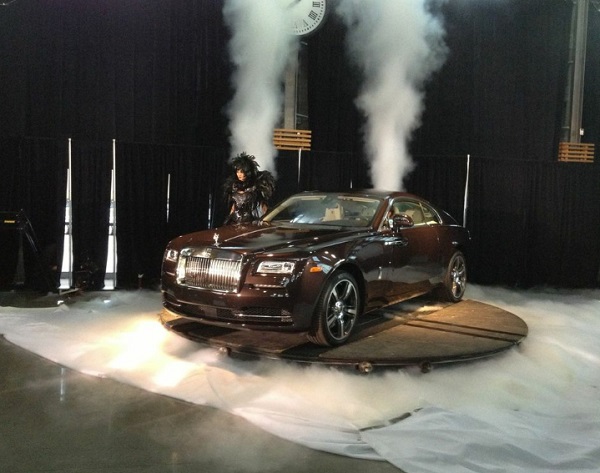
A Silo look back article 🙂
It’s Fall 2013 and the “now brand new” Wraith from the Rolls-Royce car company is not something I get exposed to often. Let’s face it, I’m a mid size car guy. Not high-end luxury. I rationalize my affordability factor by saying that high end’s are too ‘heavy’ and shee-shee poo-poo. Up until now, that may have been as true.
Rolls had an unveiling of their new car The Wraith the other week here in beautiful Vancouver. And well, like the locale, the car itself did stand out even beyond the scenery. The Silo was invited to attend and I earned the assignment. Life is hard 😉
There was jewelry set to the tone of $425,000 (Canada’s biggest pink Diamond); a price tag similar to the cars standing right next to them. The food was excellent and the company certainly discerning.
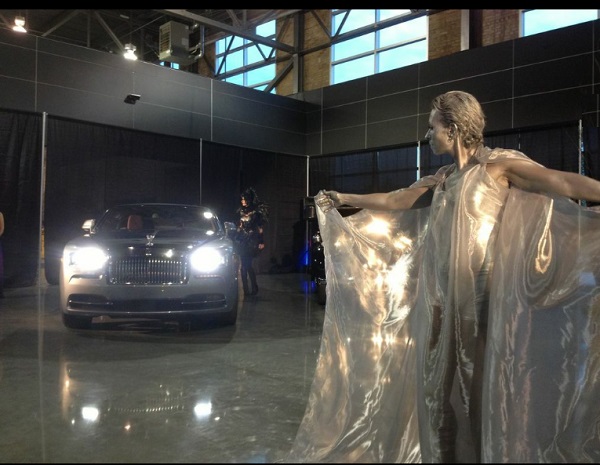
There was not shortage of demonstration of other models and those with mostly older not only in lineage but also in style, heralding a tradition one has come to know of Rolls Royce. Which is why when the time came for the unveiling of the new car, there was nothing short of a surprise. The car looked sleek and modern while maintaining the more discernable feature Rolls is known for. It looked like, well, not quite a Rolls. It seemed sporty even.
Once the shock settled opera singers belted out a song of elegance that matched the vehicle’s looks and appearance. I became transported and wanted to change careers all of sudden.

The show was a success, so now came the long shot that I would get to test-drive one of them. I am not a buyer, no sir.
“So when can I test drive one, ahahaha”
“Are you free tomorrow at 3pm?”
Ummm….yeah maybe sure….oh look at that I am free. Perfect” Gulp.
I show up at the Rolls dealership in Vancouver and was met with nothing but interest and enthusiasm for someone who clearly was not in the market for such a car. That didn’t matter much as they were very excited to show off their new marvel. Ha! I thought. No way this thing can actually drive as cool as it looks. Well, my dear readers, was I wrong.
0-100 in 4.4 seconds. Quite. Handles like a dream. Smooth. Great suspension. 14 speaker sound system. Crazy navigation. Just crazy. The holographic road map was floating next to a virtual speedometer in/on (?) the windshield. Touch sensitive screen for drawing on. I mean the whole thing was about performance from interior to engine.
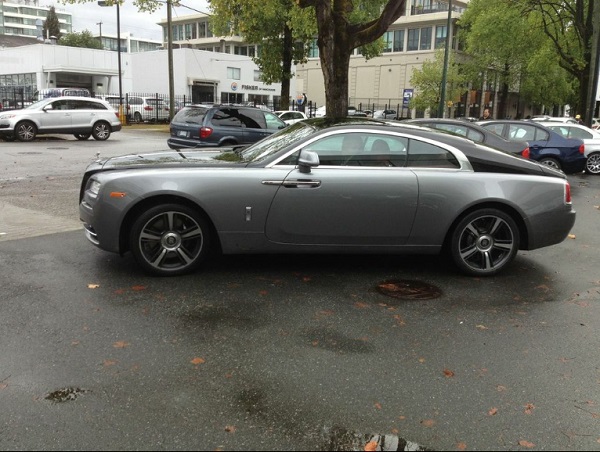
The camera system is a cool feature, however at the end of the experience I didn’t really know how to use them. What happens is a 5-camera system captures unique perspectives and through an algorithm creates a bird eyes view of the car. Very cool. However, I just used my mirrors and the over–the-shoulder-one-arm-on-the-back –of-the-passenger-seat to look behind me for the approach in backing up. Technology is great but it has to actually be effective or helpful. Give the user a certain level of confidence that she or he would never have alone otherwise.
And boy did I check my mirrors often when driving. I didn’t want to risk a dent or a scratch.
Just pulling out for the first time was nerve racking, but once you got the feel for it, which happens quick, you are instantly spoiled as a driver which is of course the point when dealing with luxury cars. And it seems Rolls still has been able to retain the ability to spoil its driver no matter what. The wraith delivers. For the Silo, Arthur Maughan.


According to research by our friends at Zutobi.com, the United States takes top spot and earns a total EV score of 8.19/10. The US offers the world’s most popular EV, the Tesla Model 3, at the lowest price, just over $39,000usd/ $53,540cad. The US also has one of the most generous incentives for EV purchases, placing in the top five for the factor.
Germany and Luxembourg tied for second place, both scoring 7.67/10. The German government offers motorists over $9,000usd/ $11,552cad off the price of a new EV, and It also has one of the top 10 highest proportions of EVs. Luxembourg earns its place in the rating thanks to its great purchase incentives, as motorists in the country can get over $8,000usd/ $10,269cad off a brand-new EV.
Next up is Norway taking third place in the index with a score of 7.42/10. The Scandinavian country takes the top spot for both the highest proportion of EVs and the cost of an EV as a proportion of the average income.
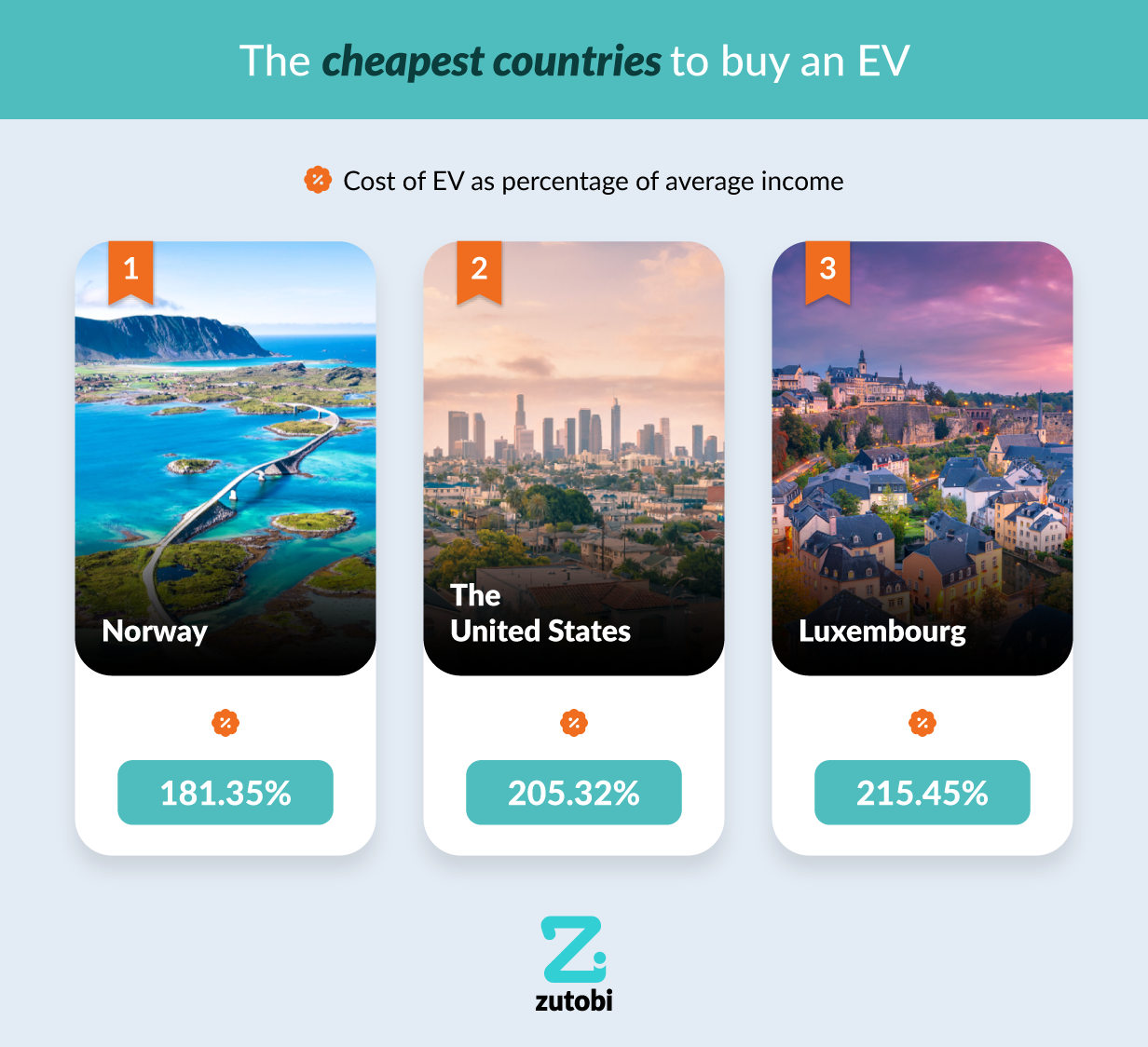
Germany has the most generous incentive for buying an EV, offering a rebate of just over $9,000usd/ $11,552cad for EVs. On top of this, the country also has a reduced VAT rate when buying EVs, and EVs are exempt from some vehicle taxes.
Luxembourg ranks second, offering motorists more than $8,000usd/ $10,269cad for their EV purchases. The country also charges the minimum tax rate for vehicles with very low emissions, which is excellent news for EV motorists.
Offering over $7,500usd/ $9,267cad in subsidies for EV purchases is Slovenia, taking it to third place. The Slovenian government also only charges its minimum rate of 0.5% sales tax on vehicles that emit less than 100 grams of CO2 per kilometre.

With the ever-present media message of climate change, more and more people are considering finding ways to reduce their reliance on fossil fuels and shrink their carbon footprint. One of these ways is ditching traditional polluting gas and diesel cars in favor of electric vehicles (EVs). In fact, many people have already adopted electric cars and are using them to learn to drive.
So which countries are the best for electric vehicles? We’ve delved into the data to find out, taking into account purchase incentives, the proportion of EVs in each country, and the cost of one of the world’s most popular cars, the Tesla Model 3, as a proportion of average income too.
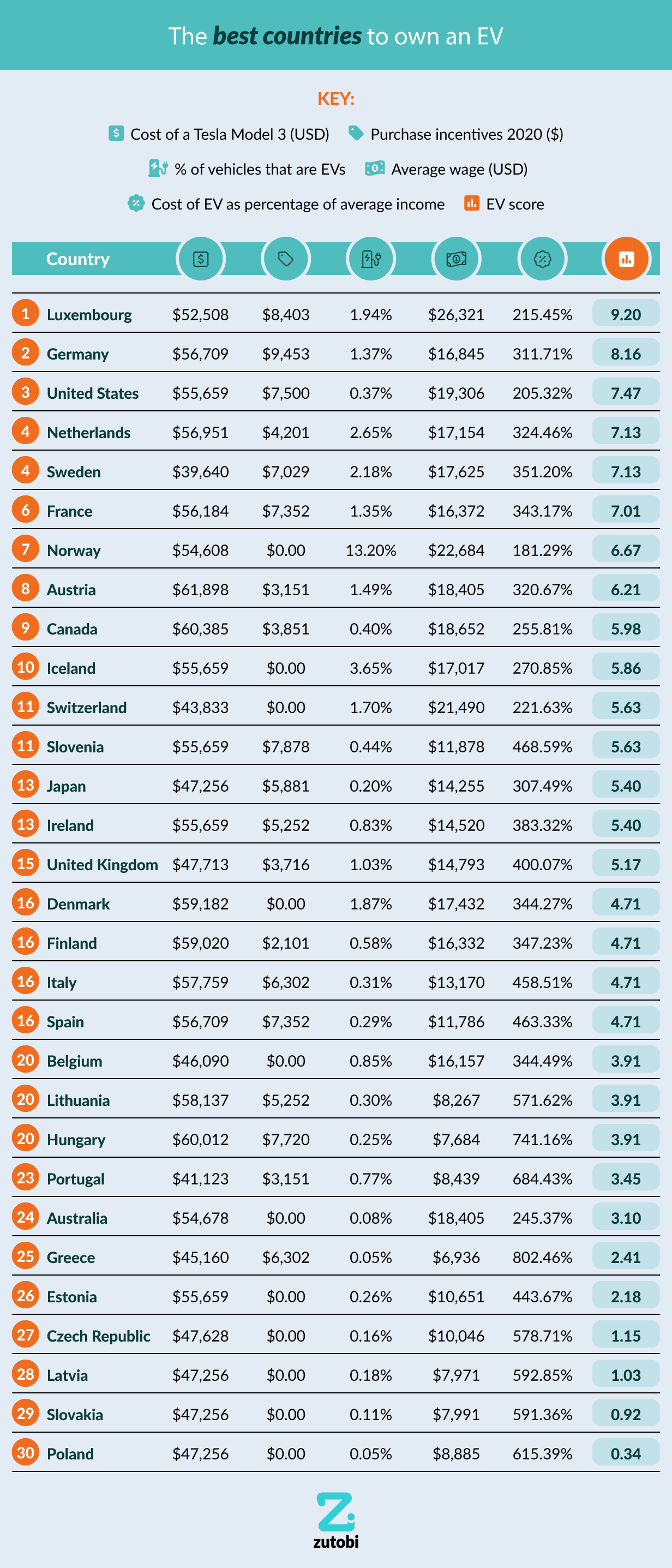
Boulder, Colorado, October, 2022 – PS Audio’s Octave Records label announces its latest release, The Audiophile’s Guide: The Loudspeaker, a book and companion SACD/download that tells listeners exactly how to get the most out of their loudspeaker setup. Written by PS Audio CEO Paul McGowan, the book and its accompanying disc (also available as a download) offer the practical knowledge he’s gained through more than 50 years of high-end audio design and in setting up hundreds of speaker systems.

“I’ve had to come to the rescue of someone’s system time and again because it just wasn’t sounding right. It was almost always a setup problem. Like everyone else, I used favorite music tracks for system tuning. But now, with Octave Records’ recording studio at our disposal, we were able to create tracks that are ideal for system setup, and then write a book that tells listeners how to implement these tracks to their best advantage.”
The Audiophile’s Guide: The Loudspeaker is useful for both novices and experienced audiophiles who may benefit from bringing their setup to a higher level or musical realism.
The book begins by covering a variety of topics including the nature of sound, different speaker designs, the importance of choosing the right speaker for your particular needs and listening tastes, and one of the most critical aspects of speaker setup: the effect of the listening room on loudspeaker performance.
Next the book discusses where to place the speakers in the room, and how to deal with various types and shapes of rooms. The Guide notes that different placements may be appropriate for different speaker types – for example, stand-mounted “box” speakers versus dipole planar designs – and listening room configurations (such as whether to place speakers across the short or long wall of a room). Real-world aspects like accommodating living spaces that aren’t dedicated to loudspeakers, and taking into account the locations of furniture, are also considered.
The Audiophile’s Guide: The Loudspeaker (SRP: $58usd/ $79 cad – $68usd/ $93cad depending on format) then walks the listener through using the accompanying reference disc (or download) to fine-tune the system to perfection. The disc starts with some basic tests for channel orientation and moves on to exacting, step-by-step procedures (time to get out the tape measure!) for getting the best bass response and tonal balance, achieving a solid center image, finding the best seating position, maximizing dynamics, producing a believable soundstage, capturing subtle musical details, and ultimately, getting the speakers to “disappear” and create the feeling that the musicians are in the room with the listener.

The tracks on the disc are tailored to help the listener zero in on various sonic aspects, from the pluck of Chris Brunhaver’s acoustic bass and how it energizes the room, to the focused center image of Gabriel Mervine’s trumpet, and the resonance and spatiality of Bill Kopper’s acoustic guitars and a number of tracks featuring vocalists with a full band.
The Recording
Recorded over three months of intense work, The Audiophile’s Guide: The Loudspeaker was the first recording project at Octave Records’ new state-of-the-art studios. Recorded in pure DSD256 and mixed by Paul McGowan and Jay Elliott, the tracks on this work were laid down with every effort to maintain not only the purity of recording, but the accuracy of mic’ing, distance, and purpose. The mic’ing on solo voice, piano, trumpet, and guitar was primarily handled with a single-point stereo microphone to maintain a sense of realism. In particular, Octave Records’ hand-modified AKG C24 was used throughout the many tracks. On other tracks, like guitarist Bill Kopper’s seminal work focusing on the beauty of ringing harmonic overtones, we blended the detailed stereo condensers of the single-point Telefunken with the dynamic impacts of a single-point stereo ribbon microphone. Engineers Jay Elliott and Zach Balch went all out to get the best recordings from an amazing drum kit.
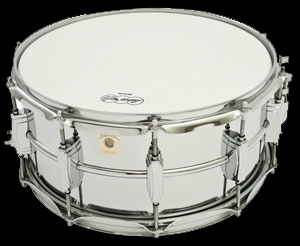
The kit (the same kit used in The Audiophile’s Guide: The Stereo) consists of a Ludwig 1970 Blue Sparkle 20” kick drum, 12” rack tom, 16×16” floor tom, 14 x 6.5” Ludwig Superphonic John Bonham LM 402 snare drum, Zildjian New Beats Hi-hat 70’s era 14”, Custom Dark Crash Kerope by Zildjian Crash 18”, and a Kerope by Zildjian 22” ride. To capture this kit, Jay and Zach employed their favorite setup for close mic’ing: a Shure Beta 52 for the kick-in and a cardioid patterned, phantom powered, large-diaphragm FET Soundelux U195 by David Bock for the kick-out. The top of the snare was handled by a Hypercardioid Beyerdynamic M201 with its phase flipped while the snare’s bottom was a Telefunken M80. The rack tom was captured by a Shure SM7B Cardioid dynamic microphone and the floor tom, an Audix D4 hypercardioid dynamic microphone.
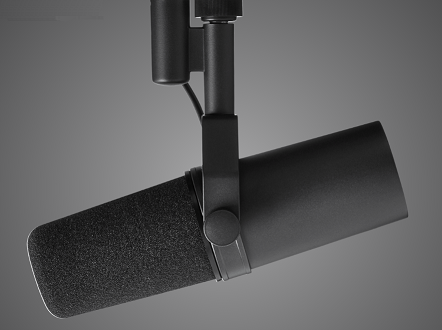
To capture the ambient room response, a pair of calibrated DPA omnis were used for the overheads, and the stereo AKG C24 in a Blumlein configuration was placed twelve feet into the room for space recording. All microphone preamplifiers were Manly vacuum tubes with a small smattering on the overheads using Forsell preamps. The tracks were all mixed in Octave Records’ custom mixroom on PS Audio’s aspen FR30 loudspeakers powered by an all-PS Audio system.
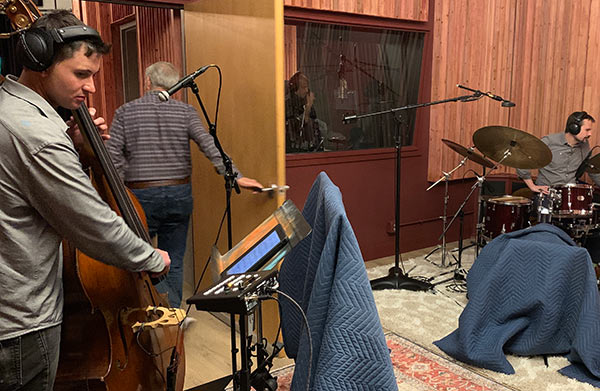
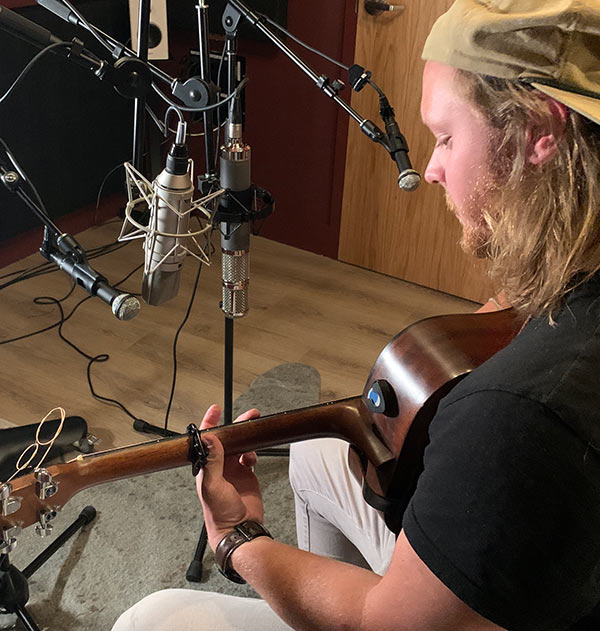
The Audiophile’s Guide: The Loudspeaker SACD is playable on any SACD, CD, DVD, or Blu-ray player (an SACD player is required to play the high-resolution DSD files on the disc). In addition, the master DSD and PCM files are available for purchase and download in formats up to 352.8 kHz/DSD256 from psaudio.com at this link.
 Radiation is all around us.
It occurs naturally in our environment, coming to us from the sun, from the soil and foods that we eat, and in the air that we breathe. It is omnipresent across a diverse cross section of industries. We tend to associate radiation with the nuclear industry, but the reality is that we come across radiation sources in numerous other areas: construction, health care, oil and gas, research, manufacturing, food processing – to name just a few.
With radiation being everywhere in our lives, it is not surprising that it garners a lot of attention, curiosity and, often, worry.
With more than 15 years as a career radiation protection professional, I’ve had to respond to many occupational radiation safety questions — some have related to regulations and compliance, others to potential health effects of exposure and ways to minimize such exposure. In all cases, it is best to rely on well established radiation physics concepts and scientific data, where available.
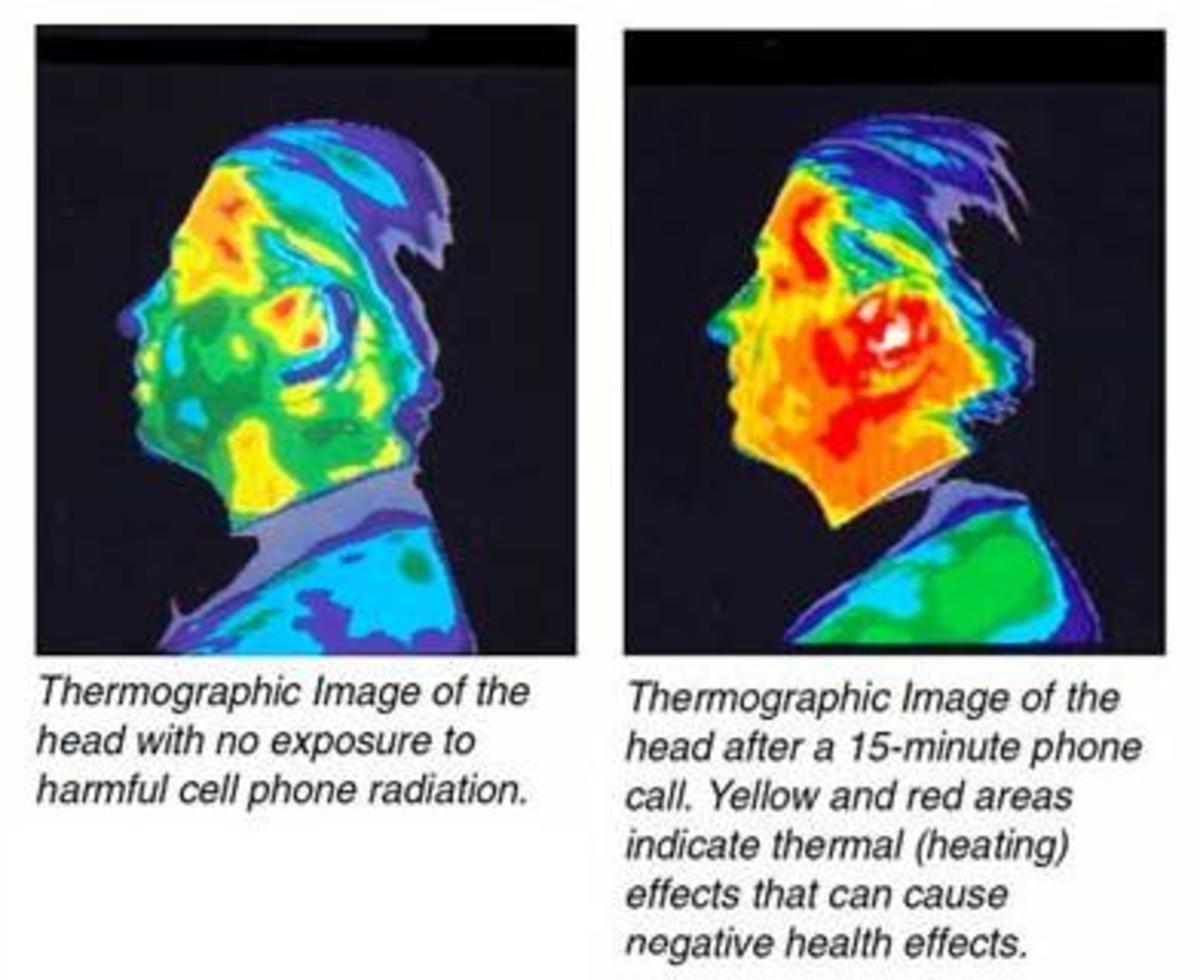
Radon testing of homes is the simplest first step you can take to protect yourself and your family from radon gas, but all too often we do not make the time to educate ourselves and make this a priority. Workplaces are required to have a radiation protection program in place that is appropriate for the type of radiation and potential risk in their industry. But it takes time and investment to develop these programs, and it requires the commitment of both employers and workers to put these programs into practice.
Our challenge is that radiation and its associated risks are not always well understood.
On the one hand, we do not wish to alarm anyone unnecessarily, yet we want to make sure that the public, workers and employers are aware of the steps they need to take to stay safe. Remember, we are talking about an “invisible” hazard that very rarely causes ill health effects in the short-term. Additionally, the existing radiation protection models are built on what we call the linear no-threshold concept, which, in simple terms, is based on studies of the atomic bomb survivors from the Second World War in Japan and other high-exposure situations, and extrapolates the information to the potential health effects of low exposures.

An agency of the World Health Organization (WHO) recently published a study on the health effects of low-level exposure to radiation that provides data to support the validity of the linear no-threshold model. We encourage all who read the study (available at The Lancet Haematology) to not get alarmed and to keep the study conclusions in perspective.
A frightening statement, but we have to keep in mind that the increased risk is small, in line with what we have estimated based on the modeling concepts. This boils down to two things: first, it is important that we continue to apply the ALARA principle — “As Low as Reasonably Achievable” — to all our of interactions with radiation; and second, that we continue to view the numbers associated with radiation and risk in the proper context. The study points to a “small increase” of risk of dying from cancer from low levels of radiation exposure.
If we extrapolate this study’s conclusions for nuclear workers to persons living near Canadian nuclear plants, people are 6,000 times more likely to die in a car accident, than to die from leukemia due to doses received from reactor plant emissions. Yet most of us think nothing of driving to work, driving our kids to school, or driving to visit friends and family. The radiation risk is there, but it is significantly smaller than the risks we accept every day, often without even thinking or worrying about them.
More research is required on the health risks from low-level radiation exposure, and there are efforts underway around the world to make it happen. At the Radiation Safety Institute, we will be looking forward to hearing about more study results. In the meantime we invite all people who are interested in the subject of radiation safety, who have a question or a concern, to reach out to our Free Information Service at 1-800-263-5803 or by e-mail at [email protected]. Let’s keep the conversation going. For the Silo, Laura Boksman Chief Scientist at the Radiation Institute of Canada.
The summer may be winding down, but there are still a few weeks left to keep that air conditioner pumping fresh, cool air throughout your home and before you receive a professional furnace check-up for the winter months ahead.
Just like a furnace, with regular upkeep and maintenance, your air conditioner will enjoy a long and healthy lifespan. Your HVAC system is an integral component to your home because it not only provides comfort, but it also supplies high-quality and clean air for you and your family to enjoy.
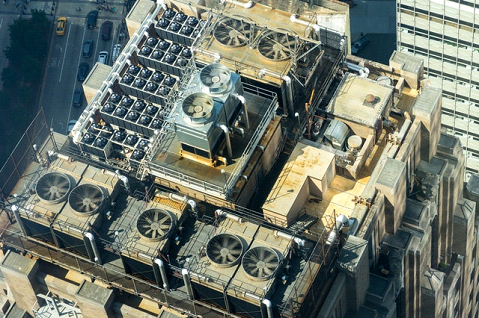
You should get your AC unit fixed right away if you notice the following:
Always work with a trusted and professional heating and cooling service provider who offers 24-hour emergency repair. Commercial or residence, it’s important to work with experienced technicians who can advise you with integrity and sincerity on the right solutions for your needs.
There are also a few things you can double-check before you jump to any serious conclusions.
Does it feel abnormally hot or humid in your house? Always be sure to set the thermostat to Air Conditioning Mode. If you notice that it is set to that, and it’s still muggy and hot in the house, it might be time to give your maintenance technician a call.

Often air conditioners can have trouble maintaining service if it’s hotter than 33 degrees Celsius (91.4 degrees Fahrenheit). However, most units should be able to maintain your home’s cool air within a couple of degrees of your setting. If it’s not working when it’s above 33 degrees, there might be a problem.
Dirty air filters can cause great damage to your AC unit. You’d be surprised at how much dust and debris air filters catch, and when they’re not cleaned or changed, the collected debris can clog things up and cause wear and tear on the system’s parts.
This prevents clean, cool air from flowing through. It also means that the AC unit will not live a long, healthy life because the extreme wear and tear of the dirty parts will cause it to breakdown faster than it should.
Take a look at your filters and investigate how clean they look. If you’re unsure how to locate the filters or how to do this, consult your trusted heating and cooling service provider to know exactly what to do. The best companies offer DIY tips so that you’ll be able to tackle any small problems yourself in the future.
Keep in mind to always switch off the unit’s power entirely before you attempt any maintenance or repair work.
If you’ve already checked the temperature and taken a look at your filters, check the air coming out of the supply vents.
If you have an outdoor unit, make sure it’s running and that the thermostat is in Air Conditioner Mode. You should feel cold air.
If you find that there is considerably less air than usual coming out of the vents, or if you find the air to be warm, it’s possible that there is an issue. If there is no air coming out of the outdoor unit’s vents at all, this could also be a problem.
In these cases, your evaporator coils may be iced over. Be sure to cut off the unit so that it can thaw before a technician arrives.
If you notice any squeaks, grinding, or grating sounds coming from your AC unit, chances are there are problems to be attended to.
These types of noises usually occur when a belt has slipped out of place, parts need lubrication, or the motor bearings have broken.
It’s critical that this is maintained right away because prolonged avoidance can result in additional and costly damage. It’s possible that you need a replacement unit or simply have repairs made.
Always remember to work with a trusted maintenance and installation company who offers round-the-clock emergency support, and one who you can trust! For the Silo, Mila Urosevic.