While vollebak’s Indestructible Chinos look and feel exactly like the chinos worn by JFK and Steve McQueen, they’re woven with the strongest fibre on Earth, and are now our best-selling pants. Like most men’s clothing, chinos emerged from war. This time it was the Spanish-American one. They were slim-fitting, flat-fronted, functional, and most importantly… really really dependable.
By 1902, after heavy field-testing, they’d been made an official part of the US Army uniform. But once World War II was over, the guys who’d fought went off to college still wearing them, turning them into an instant hit on the Ivy League campuses.
And their reputation was only cemented as a staple of mid-century menswear when they became the standard issue kit for John F. Kennedy and Steve McQueen.
Which is why, 120+ years later, you still don’t need to mess with the design. So we haven’t.
Instead we’ve taken pants you’ve always been able to rely on, and woven them with the strongest fibre on Earth… so you can rely on them even more.
Our Indestructible Chinos come in 2 colours. We’ve got a Sand edition (the lighter colour), and a Sandstone edition (which is the slightly darker colour).
While they look and feel like regular chinos, every pair of Indestructible Chinos is made with a blend of cotton and Dyneema – which is the same stuff used in body armour, arctic ropes and the sides of tanks.
CRAFTED WITH A 180-YEAR-OLD JAPANESE FABRIC MILL
To make the Indestructible Chinos, vollebak worked with Toyoshima, a 180-year-old Japanese textile company that has been certified as Japan’s first Dyneema® Premium Manufacturing Partner.
Of course you’d never know this just by putting them on.
And that’s because the Dyneema is woven in with the cotton during the weaving process, so you’ll only ever feel the softness of the cotton, not the strength of the Dyneema. And they’ve also been garment washed so they feel lived in from day one. So you’ll only ever know about the Dyneema when you suddenly need it.
Fit wise they’re similar to Equator Pants but with a slightly more relaxed cut. And if you want a hand with sizing you can get in touch with us here. For the Silo, NICK AND STEVE TIDBALL.
Introducing NORTIV 8’s New FieldLite Collection Elevating Hiking Shoes for All
March, 2026, New York, NY – NORTIV 8 announces the debut of its highly anticipated FieldLite Collection, a new lineup of performance-driven hiking sneakers and boots for men and women. Designed to deliver dependable waterproof protection, trail-grade traction, and everyday versatility, FieldLite redefines accessible outdoor footwear with modern style and function.
Withstand Hours Of Steady Rainfall
Engineered for unpredictable conditions, each style features waterproof construction tested for over four hours of steady rain and 15,000 cycles of water exposure, ensuring reliable protection in wet environments. A Quick-Grip multi-zone outsole with heel-lock stability delivers traction on both wet and dry surfaces while DualStride cushioning and reinforced toe and heel overlays offer all-day comfort and durability. Finished with a versatile trail-to-street silhouette, the FieldLite Collection seamlessly bridges the gap between fashion-forward footwear and high-performance outdoor boots.
NORTIV 8 Armadillo Men’s FieldLite Boot Army Green $83.99usd/ $114.61 cad
The FieldLite Collection is available now on Amazon and at NORTIV8.com Men’s sizes range from 7–14 and women’s sizes from 5.5–11, with retail prices between $70–$80 usd/ $95- 109$ cad.
Founded with a commitment to performance, durability, and everyday versatility, NORTIV 8 creates reliable footwear designed to move seamlessly from the outdoors to daily life. Combining advanced weatherproof technology, comfort-driven cushioning, and rugged traction with modern, wearable design, NORTIV 8 delivers high-quality boots and shoes built for adventure, commuting, and everything in between. With a focus on accessibility and innovation, the brand empowers customers to explore confidently no matter the terrain or forecast.
Back in the 1980s the cyberpunk genre envisioned a world of societal breakdown where technologically modified humans are controlled by mega-corporations watching their every move… or 2026 as it’s otherwise known. So as science fiction becomes modern day reality, our friends at Vollebak are giving you a chance to stick it to the mega-corporations, and dress a bit like Ryan Gosling in Drive at the same time.
Ever since brothers Nick and Steve Tidball started Vollebak they’ve been working on advanced material science to solve for things like disease resistance, climate change, space travel and resource scarcity. And next up is the electromagnetic spectrum.
Mars And The Hulk Have Something To Do With This Design
While Gamma rays might have turned Bruce Banner into The Hulk, in reality radiation and human beings don’t go well together. And as we enter an era of cybersecurity breaches, geopolitical instability, the first manned missions to Mars (after Elon settles down on the Moon first) , and cosmic radiation exposure, it’s going to present an increased threat.
So this is cool- this Electromagnetic Shielding Bomber is built with the same electromagnetic shielding technology used for the Mars Rover. Long before the Curiosity Rover was sent to Mars to search for signs of life, it had to be tested here on Earth. So NASA created an electromagnetic shielding tent that was designed to completely block out external electromagnetic radiation during testing… like someone sending a text, turning the microwave on, or chatting with the James Webb telescope.
Shields The Waves
We’ve now taken that technology and converted it into our first Electromagnetic Shielding Bomber. It’s embedded with pure silver that blocks radio waves and microwaves in the 0.2GHz to 14GHz frequency range – which includes WiFi, Bluetooth, Ku-band satellites and radar systems. It also comes with a phone shielding pocket that works like a Faraday cage – blocking access to your devices, regardless of whether they’re switched on or off. Conceptually it’s like making a pocket that’s entirely watertight… just for electromagnetic energy instead. So you shouldn’t be tracked, hacked, or even called. While the outside of the jacket offers space-age protection, its shape, cut and aesthetics come from the jet-age, and are based on the original MA-1 flight jacket.
A print of George Washington by Valentine Green. (National Gallery of Art)
George Washington, who as a general led America to independence from Britain and who went on to serve as the first U.S. president, also nurtured a lifelong interest in men’s fashion.
Washington recognized his attire sent a signal about America’s standing in the world, according to Suited to Lead: The Lives of Six Presidents Through Fashion , an online exhibit of the White House Historical Association. (The exhibit also explores the fashions of presidents John Quincy Adams, Abraham Lincoln, Theodore Roosevelt, Harry S. Truman and Jimmy Carter.)
Washington “thought deeply about what his choices conveyed to the public,” says Fiona Hibbard, a graduate student in New York University’s Costume Studies program. Hibbard curated the exhibit while an intern at the society in 2025.
“Washington was interested in projecting an image of authority, unity and American identity,” she says.
The exhibit highlights how Washington’s sartorial choices conveyed leadership and created an early-American aesthetic that endured for generations.
Washington chose blue for the uniforms of the Continental Army to present colonial militias as unified and to clearly differentiate the fighters from British soldiers, known as “redcoats.”
Federal Gazette, January 7, 1789
As a military commander and later as president, Washington appeared in portraits wearing a blue coat trimmed in yellow, with matching waistcoat and breeches.
Blue and yellow remained the colors of the United States Army until the Civil War in the 1860s.
Washington also adapted military uniforms to better suit soldiers to their environment by replacing breeches, which only came to the knee, with full-length trousers that better protected the soldiers’ legs as they climbed or scrambled on difficult terrain.
Washington supported American manufacturers, Hibbard says, “something most Americans can relate to and take pride in.”
Before being sworn in as the country’s first president, he ordered high-quality American wool from a Connecticut manufacturer for his brown inaugural suit . He had deliberately avoided using British-imported fabric, according to the Mount Vernon Ladies’ Association, which runs Washington’s Virginia estate. Though commonly known as “London Brown,” Washington’s fabric became known as “Congress Brown,” a nod to the new country’s representative form of government.
“George Washington’s inaugural suit was more than attire — it was a statement of national identity,” the association says.
Washington wore American-made wool for his April 30, 1789, inauguration as the first U.S. president. (Library of Congress, Courtesy of the Mount Vernon Ladies’ Association)
Over 80% of the deep ocean remains unexplored. And you can see why. With sub zero temperatures, freaky alien-looking creatures, pressures that can crush steel, and the abyss, it’s not the most welcoming.
For divers operating in the coldest, darkest and most hostile environments on Earth – where the water temperature drops below 10°C– the survival system of anyone who values their life is the drysuit.
An impermeable shell that creates a seal of warm air around the body, wearing a drysuit is a bit like wearing an actual seal.
British Special Forces, S Squadron SBS (Special Boat Service) on patrol during an exercise – “By strength and guile”
And at the heart of this underwater system you won’t find foam, rubber, or blubber. But fleece. Insanely thick, astonishingly warm, flexible, fleece.
Naturally you’ll find the most badass drysuit fleece on the planet belongs to the British Special Forces – guys who don’t mind a bit of a splash about in some cold water. So we took their fleece – after asking them nicely – and turned it into the Deep Sea Diver Hoodie and the Deep Sea Diver Vest.
Model is 6ft 2 / 189cm with a 40 inch / 101cm chest, and wears size Large.
Denser than dense
At 539 grams / 1.2 pounds ! per square metre, this is the densest fleece we’ve ever used. And that means the Deep Sea Diver Hoodie traps more heat than any other hoodie we’ve made. It breathes, wicks, and is fast-drying and odour-resistant. We added egg-shaped pockets for warmth, and a double-lined snorkel hood creates a protective microclimate around your head, sealing in warmth and blocking out the elements.
While traditional heavy fleeces sacrifice mobility for warmth, ours is engineered for both.
Its four-way elasticity means it bends, stretches and rebounds in any direction. It moves like a baselayer but insulates like a winter shell. You can climb in it, sleep in it, or disappear into a snowstorm in it.
Technical Details
Previous slide
Fabric: Polartec® Power Stretch™ (91% polyester, 9% elastane)
Material weighs: 539 g/m²
Vest weighs 700g
Four-way stretch
Two-way centre-front zip with faux-suede garage and grosgrain guard
Exposed zip hand pockets with internal facing
Elasticated binding at hem and armholes
Flatlock and cover-stitched seams
Machine wash 30°C
Constructed in Portugal
For the Silo, Nick and Steve Tidball- founders Vollebak.
There are an insane variety of camouflage patterns. From subtle and understated but effective (solid polar white for snowy battlefields) to ostentatious and loud but surprisingly battle proven (the Belgian jigsaw pattern anyone?).
Main camo patterns of the world.
A Few Interesting Examples. Be Sure To Click On The B/W Images To View In Color.
You get the idea. But what is the best camouflage pattern?
That is an objective question and no doubt everyone has a personal favorite. Our friends at the kommandostore.com make a pretty solid case for the Rhodesian brushstroke pattern. Let’s take a closer look at the history of the Rhodesian Army and the buildup towards the Bush War where said pattern was dutifully employed.
Rhodesia Leading Up To The Bush War: An Overview
What we now know as Zimbabwe was Southern Rhodesia was one of three states merged in 1953 to form the British-administered Federation of Rhodesia and Nyasaland (also known as the Central African Federation). This union was largely a marriage of convenience, as the British protectorates of Northern Rhodesia and Nyasaland were significantly less developed than self-governing Southern Rhodesia.
However, the Federation balkanized and dissolved in 1963 amid ethnic tensions, political instability, and deep cultural divides. Simultaneously, changing political winds in London favored a policy of rapid decolonization and majority rule. The collapse of the Central African Federation was viewed as proof positive that failing to quickly implement majority rule would result in the collapse of European-lead African governments.
An early type brushstroke pattern.
The reality was more complex.
Western-style democratic republics require a certain level of social infrastructure in order to function as intended. While the white population of the Central African Federation carried western traditions with them from Europe, the myriads of African ethnic groups had long traditions of tribal organization along ethnic lines, with their own rivalries and blood feuds.
To address this, Southern Rhodesia had created the best educational system in Africa, spending enormous sums on literacy programs, primary and secondary schools, vocational education, technical colleges, and universities. On a GDP adjusted basis, Southern Rhodesia’s expenditures on education were not just the best in Africa, they were world leading. By 1959 this approach yielded incredible results with roughly 85% native children enrolled in school, a trend that would only accelerate through the 60s. Similar initiatives had developed road and rail networks, the best healthcare system in Africa, modern water purification, and cheap, plentiful electricity.
The British governed protectorates of Northern Rhodesia and Nyasaland enjoyed little of this economic or social development. In these areas western ideas held no hope for the future and only served to destabilize traditional power structures. These communities, dominated by subsistence farming and rural poverty, contrasted sharply with the economic miracle happening just across the border.
Fresh from the bloody partition of India, English politicians failed to appreciate the likelihood of a similarly violent outcome in the push for immediate majority rule in their African colonies.
Amid intense pressure to solve Britain’s problems at home, the UK’s rush to divest its colonies created a power vacuum that China and the USSR were more than happy to exploit by funding, training, and arming the Marxist-nationalist ZANU and ZAPU groups in Northern Rhodesia and Nyasaland.
Southern Rhodesia unilaterally declared independence (known as “UDI”), from Britain, forming the state of Rhodesia in 1965. And almost in unison, the Bush War began.
Formed around a small cadre of 10,000 highly experienced WWII combat soldiers and airmen, the Rhodesian military benefited from extensive counter-insurgency experience serving alongside British forces in the Malayan Emergency of the 1950s. Due to the stability, security, and prosperity in Rhodesia, the military had no problem recruiting a racially-integrated and majority native fighting force. The 60s and 70s would also see an influx of adventure seeking British and American expats, including many Vietnam veterans…
Cool Camouflage. Where Can I Get Some?
I thought you’d never ask. Made in South Africa, this legendary camo has been brought back to life by kommandostore and it is epic.
A Blank Canvas
Rhodesian camouflage, often referred to as “Rhodesian Brushstroke” or simply “Rhodie camo” is a distinct and highly effective pattern created during the height of the Cold War. Its development was driven by the unique circumstances of the Rhodesian Bush War (1964-1979), a conflict characterized by high tempo counterinsurgency operations and great power proxy warfare.
Prior to the widespread adoption of Rhodesian Brushstroke, the Rhodesian military primarily used camouflage patterns from allied British and Belgian forces. Specifically, the British WWII Denison, Belgian Moon and Ball, and Belgian Brushstroke patterns. Looking at these camouflages it’s easy to see how they influenced the development of Rhodesia’s indigenous camouflage.
Cut Off
Sanctions after ‘UDI’ aimed to isolate Rhodesia economically and politically, but paradoxically spurred swift industrial and economic development in Rhodesia, including production lines for vital military equipment. Without these sanctions, Rhodesian manufacturer David Whitehead Textiles Ltd, would not have been contracted to develop and manufacture a uniform for the nascent Rhodesian military.
2nd Time’s the Charm
The print itself was Designed by Dianana ‘Di’ Cameron, an young print designer at David Whitehead in Salisbury. Di hand painted different patterns and presented her canvases directly to senior military officials. This rapid iteration allowed Rhodesian camo to be put into production quickly, and changes continued to be made over several years.
Di’s ultimate ‘2nd pattern’ design was distinctly organic, with large, high-contrast of light and dark. Together these elements create a layered three-dimensional effect which was more effective than previous British and Belgian designs. Sadly, Di passed away in South Africa due to a stroke around 1995.
Pictured: Our remix of 2nd pattern brushstroke with a few minor differences.
Design Details
The fabric used in original Rhodesian uniforms was a 100% cotton twill available in two weights: a heavy denim-like fabric for use in hats, smocks, and some pants, and a lighter twill for shirts, trousers, shorts, and the like.
Throughout the Bush war, a half dozen local producers manufactured ‘official’ uniforms in these two David Whitehead fabrics. However, due to the ad-hoc nature of military procurement in Rhodesia, a handful of smaller companies and cottage producers also made their own copies and derivatives in various forms. The quality of these original uniforms varied widely; for example, early ‘1st pattern’ Rhodesian camo was infamous for totally washing out in the sun, and throughout the war fabric quality varied significantly.
Rhodesian uniforms were constructed in a variety of styles with different finishing, and trims. However most garments shared the same generous cut which prioritized range of motion, user comfort, and airflow in the hot African climate. Although some ‘arid’ versions of the Rhodesian uniforms were prototyped and trialed, the vast majority of Rhodesian forces simply used fresh uniforms with vibrant colors in the rainy season, and switched to their ‘salty’ sun-faded uniforms during the dry season.
A Stroke Of Genius?
Over the course of the Bush war, Rhodesian Security Forces became known for their military prowess. So much so that their distinctive camouflage acquired a certain prestige in Southern Africa. This association was so strong that the pattern was retained by Robert Mugabe after his successful conquest of the country. While attempts to field other camouflages were made, a variant of Rhodesian Brushstroke remains the current standard uniform to this day, presumably to lend credibility to the Zimbabwe Defense Forces.
Outside of Rhodesia, elite South African units adopted the print for clandestine cross border raids during Border War years. Due to its popularity, commercial manufacture of the print continued in South Africa after the fall of Rhodesia.
Among the most famous post-war manufacturers was Adder (aka. Adro), a company founded by Johan Niemoller in 1981 after he finished service as a SADF Recce. Known for his legendary contributions to innovative SADF webbing systems, Niemoller became an established military outfitter in the 1980s, supplying both the SADF and ‘other interested parties’ like Executive Outcomes. Niemoller’s businesses also enjoyed substantial commercial sales, with Adder Brushstroke appearing in stores and on the pages of Soldier of Fortune in the late 80s and early 90s.
All-Over-The-Globe
Outside of Africa, Rhodesian Brushstroke also made a notable appearance in the year 2000 during the USMC camouflage trials (which would culminate in the development of the MARPAT family of patterns.) Brushstroke was deemed one of the world’s most effective patterns and was evaluated alongside CADPAT and a modified US Tiger Stripe print.
In the US, Brushstroke can also be credited with inspiring the ‘All-Over Brush’ pattern featured in the US Army’s universal camouflage trials which took place between 2002 and 2004.
North Equipment
The dawn of the ANC government in 1994 shuttered most of South Africa’s defense industrial base, including Niemoller’s textile businesses. At this time all of Niemoller’s manufacturing equipment was moved to his property for storage.
Years later Niemoller’s neighbor, a former SADF Parabat with a keen interest in sewing, approached him with a proposal to restart textile manufacturing work in South Africa for the commercial and private security industry. In short order, all of Niemoller’s equipment was moved just across the road.
Our History With Brushstroke
‘Brushstroke’ camo has been in high demand with survivalists, outdoorsmen, and even militaries worldwide since it’s inception — we even had some of our own made in the early days of our business.
Nowadays, an average Google search brings up a minefield of low-quality, Chinese, drop-shipped casualwear — a minefield for anyone who hasn’t properly done their homework.
On the contrast, we can appreciate the passion that goes into actual high-quality reproduction equipment on the market, but it’s certainly scarce.
Our main aim was to do something a little different than everyone else. When it was finally our turn to try our hand at making ‘Brushstroke’, we wanted to make it in Africa, just like it was in its heyday.
Giving It Our Best Shot.
With the aid of local contacts in South Africa, we stumbled across this local business in 2021 while sourcing manufacturers for South African webbing and clothing.
It would take several years, but this working relationship would eventually evolve into the North Equipment brand and our exclusive, locally made 2nd-pattern-inspired Rhodesian Brushstroke using much of the same equipment and staff used by Adder in the 1980s.
The “Russian Code”, one of Raketa’s most emblematic models with a counterclockwise movement, is now launched in a version that dedicated to the all cities and countries where Raketa is present in the world. The first exclusive edition of 50 numbered watches is dedicated to Qatar where Raketa is represented by the prestigious retail store “Blue Salon”.
The Raketa brand (meaning “space rocket” in Russian) was created in 1961 in honour of the first manned spaceflight by the Soviet cosmonaut Yuri Gagarin. For 65 years, the Raketa Watch Factory has been accompanying space exploration by engineering watches for cosmonauts and drawing continual inspiration from the space. In 2026, the brand will mark this anniversary date with a collection of exclusive space‑themed watch models and collaborations.
The beautiful three-layered dial of the Raketa “Russian Code – Qatar Edition” displays the night sky that was over Qatar on the day it received its independence — September 3, 1971. Depending on the lighting, the blue disk structure emits bright rays of light, bringing to life the constellations printed on the dial.
Behind the elegant design lies the revolutionary concept that time should move in harmony with the natural counterclockwise movement of the planets in our Solar System. Therefore, just like the planets around the Sun, the hands of this model rotate in a counterclockwise direction around the dial. To emphasize this idea, a red circle symbolizing a planet at the tip of the second hand, moves counterclockwise above the applied blue coated numerals.
This edition limited to 50 pieces is available:
▸ In Russia: exclusively in all of Raketa’s channels of sales (online and offline stores) in very limited quantities. ▸ Outside Russia: exclusively at Raketa’s partner and the leading luxury brand store in Qatar: Blue Salon.
Don’t worry, we will get to the jacket- but first the story starts in 1836 in Victorian England. And it you weren’t there you didn’t miss anything. It included a grumpy-looking queen, bad weather, a lot of sexual repression, and rich people throwing buckets of human waste out of their windows.
On the plus side it also had a bunch of scientists running around like kids on acid. One of them was Michael Faraday – Victorian England’s answer to David Blaine.
Over the last 190 years the Faraday cage has gone from a crazy Victorian scientist sitting inside an electrical storm, to critical black-ops architecture, to a wildly experimental jacket that looks like it’s emerged from a craft in Dune.
A Faraday cage at the US Bureau of Standards (now NIST) used to protect delicate measuring instruments from electromagnetic fields.
Now Michael was a showman. But instead of freezing himself in ice, or suspending himself in a glass box, his trick was making super abstract physics feel tangible. And his greatest stunt of all was standing inside an electrical storm. In front of a packed out theatre at the Royal Institution in Mayfair, Faraday lined a large wooden box with metal foil, hit it with discharges from high voltage electrical machines… then calmly stepped inside. Sparks crackled across the outside of the enclosure. Blue light crawled over the metal skin. Faraday meanwhile stood there in silence. Like the final boss. While the energy simply flowed around him.
It might have looked like he’d built his own supersized coffin – complete with all the necessary equipment to kill him – but it turned out Faraday understood equations as well as he understood spectacle.
Made from approx. 50% copper
Blocks electromagnetic waves from 0.2GHz to 14GHz
Eight-pocket defensive storage system with shielding flaps
By the time he stepped into his foil-lined cube, he’d already spent years dismantling older ideas of electricity.
A Faraday cage isn’t a wall. It’s a detour. When an electromagnetic field hits a conductive enclosure, the free electrons inside it immediately start to flow, redistributing themselves across the surface until the field inside is cancelled out. Build the right shape from the right material, and electricity behaves like water flowing around a rock.
It’s one of the simplest demonstrations of how matter tells fields what they are allowed to do. The impact of Faraday’s experiment quickly escaped the lecture hall – because the Faraday cage didn’t just deflect static charge, but whole regions of the radio frequency and microwave spectrum.
The principle was applied in bunkers, test chambers and secure rooms. Then in spacecraft, data centres, radar installations and intelligence facilities, where even a stray spike of interference can crash systems or corrupt data. Today our Faraday Cage Jacket is a descendant not only of that wooden box, but everything that followed in its footsteps. It’s the same physics. Just shrunk. Softened. And wearable. And you can join the waiting list here.
We designed it from scratch, using the principles of clothing and electromagnetic infrastructure at the same time.
And this is what transforms it from a pure physics experiment, to an object that looks like it’s just emerged from a craft in Dune. Most of us spend our lives today inside a semi-permanent yet completely invisible electromagnetic fog: radio waves from antennas. Microwaves from routers. Radar from aircraft. Signals bouncing between satellites, phones, vehicles and buildings.
So the first Faraday Cage Jacket treats that electromagnetic energy the same way someone climbing Everest would treat cold weather – as something you can defend against, and insulate yourself from. It blocks electromagnetic waves across the 0.2–14GHz range. This includes all the unseen wiring of the digital age: WiFi at 2.4GHz and 5GHz. Bluetooth at around 2.4GHz. Mobile networks. As well as higher-frequency Ku-band satellite and radar systems. In lab testing the material reaches shielding effectiveness figures of up to 92 dB – for reference this is the kind of level normally associated with secure infrastructure and electromagnetic test laboratories.
Every seam and every opening affects how energy moves across the jacket.
So the job of the design is to manage those electromagnetic fields.
And that’s why the jacket is built from large, faceted spaceship-style panels and snap-down flaps. Overlapping sections create layered shielding zones and add 10 – 20 dB more attenuation. Each overlap is another place for energy to be redirected – another chance to keep it moving around the body instead of through it.
The jacket’s eight pockets are designed the same way. Instead of flat bags stitched onto a shell, they’re three-dimensional, origami-like bellows pockets that form enclosed volumes that behave less like pockets and more like small rooms – put a device inside one of these pockets and it’s almost impossible to track, hack or even call. So if you’re looking to shield yourself from the dystopian conditions our future digital overlords set – whether that’s surveillance, space radiation, or select parts of the electromagnetic spectrum – the Faraday Cage Jacket belongs in your future.
Technical Details
Outer material: Shieldex® Kiel + 30 non-woven shielding textile
Material composition: 48% copper, 46.5% polyamide, protective acrylic coating
Textile normally used to shield rooms and electronic environments
Shielding effectiveness: up to 92 dB in lab testing
Blocks electromagnetic waves from 0.2GHz to 14GHz
Thermally and electrically conductive
Naturally antimicrobial
Eight pockets including double-entry origami bellows pockets
Snap-down pocket flaps to add additional shielding
Broad Arrow Lights Up the Collector Car Market An Exciting Preview Event at the Iconic Roland-Garros Stadium Roland-Garros Stadium, among the most storied venues in sport, sets the stage for a live preview of iconic collector cars to be offered in the upcoming Global Icons: Europe Online auction 27 – 30 January.
The Headliner
Headlining the event is one of Formula One’s pivotal machines: the 1992 Benetton B192 that Michael Schumacher drove to his first Grand Prix victory at Spa-Francorchamps in 1992.
Presented alongside cars going under the online hammer, a pre-war Bugatti Type 18 known as ‘Black Bess’ will appear courtesy of the Netherlands’ Luwman Museum, a car once owned by French aviation pioneer Roland Garros himself. Guests will also find activations from select global brands and a curated program of experiences throughout the venue.
1913 Bugatti Type 18 ‘Black Bess’ On Display Courtesy of “Louwman Museum”
Our friends at Broad Arrow are pleased to announce that all lots are now live and open for bidding in the Global Icons series of online auctions.
With over 80 collector cars offered across Global Icons: Europe Online and Global Icons: UK Online, plus 100 lots of authentic memorabilia in Global Icons: Memorabilia Online , there’s something for every collector. Register to view and/or bid now. Automotive lots close on 30 January, with memorabilia following on 1 February.
Meet Broad Arrow Car Specialist – Yves Boitel
Getting behind the wheel of a Jaguar D-Type is an unforgettable experience, one Yves Boitel describes as a raw, mechanical connection between driver, machine, and road. Every input passes through an engineering masterpiece designed to endure the grueling conditions of a twenty-four-hour race.
Now bringing to market cars like the Jaguar D-Type XKD 551, sold at last year’s inaugural Zürich auction, and currently representing the Benetton B192-05 in which Michael Schumacher claimed his first Formula One victory, Yves’s journey into the collector car world began earlier than most, with his first words as a toddler being car brands.
He immersed himself in the hobby from there, developing an appreciation for the individual stories behind each car and what separates the significant examples from their contemporaries.
After completing his economics degree in Zürich, Yves joined Lamborghini at Sant’Agata Bolognese, then spent nearly eight years with one of Switzerland’s most respected classic car dealers—a foundation in the industry that continues to shape his work today.
Yves’s enthusiasm surfaces most clearly when discussing sports cars from the fifties and sixties, and rally cars from the seventies, an era he has studied extensively. On a more personal level, he has a particular affinity for Lancia and BMW. Two of the latter see regular exercise under his ownership, though his interests reach well beyond those marques to any car that introduced meaningful technology for its era or carries compelling provenance, especially when accompanied by thorough historical documentation.
Based in Switzerland and fluent in German, English, and Italian, Yves travels regularly to meet clients and attend international automotive events. He’ll be at Rétromobile and the live preview at Roland-Garros Stadium, where he welcomes the opportunity to connect.
Turn Your Garage into a Motorsports Hall of Fame
Showcase your passion for motorsports with artifacts from Global Icons: Memorabilia Online
Collecting motorsport memorabilia offers more than decoration. It provides a tangible link to the moments that defined the sport, moments where drivers demonstrated unrelenting courage, pushing technological marvels to their limits for a chance at lasting glory.
Broad Arrow will present a curated selection of authentic motorsport memorabilia at the upcoming Global Icons: Memorabilia Online online auction, featuring race-worn artifacts from hall of fame drivers like John Surtees and Ayrton Senna, alongside pieces from drivers who will inevitably be remembered among the greats.
Select lots will be available for live preview in Paris. We invite you to register to attend the live preview event at Roland-Garros Stadium and to view the lots on display on the Broad Arrow Rétromobile stand. Bidding begins to close on 1 February starting at 19:00 (CET).
Celebrating Record Attendance at InterClassics Maastricht
When 44,323 people show up to a classic car event, you know something special is happening. The 31st edition of InterClassics Maastricht just set a new attendance record, further cementing its place among Europe’s premier classic car events.
Beyond the expected displays of iconic classics and sought-after modern performance machines, the show offered something more: “Legends of the Rising Sun,” a centennial celebration of Japanese automotive innovation. The exhibit gathered landmarks from Toyota, Nissan, Mazda, and others, including the 2000GT, Skyline GT-R R34, and 787B, into one curated space.
As a partner of InterClassics, Broad Arrow welcomed guests into our VIP lounge, offering a chance to step off the show floor, connect with our team, and absorb the event’s energy surrounded by exceptional automobiles.
Private Sales in Paris Exceptional Collector Cars Available for Immediate Acquisition Broad Arrow Private Sales is bringing an exciting lineup to Paris, with cars available for immediate acquisition, no waiting for the gavel to fall.
At Roland-Garros Stadium, alongside our curated preview for Global Icons: Europe Online, you’ll find an exceptionally original 1957 Mercedes-Benz 300 SL Gullwing Coupe, an ultra-rare 1973 Porsche 911 Carrera RS Lightweight, and a virtually untouched 2022 Lamborghini Countach LPI 800-4.
Across the city at the landmark Rétromobile event, 1,001 horsepower worth of conversation starter in the form of a recently listed 2008 Bugatti Veyron EB 16.4 Coupe will be among the collector cars on display on the Broad Arrow stand.
As holistic wellness continues to intersect with technology, science, and sustainability, White Lotus Beauty is emerging as a standout brand redefining how beauty tools and rituals are developed, tested, and used. Founded in 2004 by Kamila Kingston, White Lotus Beauty began not as a consumer brand, but as a specialist cosmetic acupuncture clinic grounded in Traditional Chinese Medicine (TCM) and evidence-informed skin health practices.
Now targeting further expansion in the UK and available to consumers in Canada, the brand has grown into an internationally recognized name, stocked by major global retailers including Ulta Beauty, Nordstrom, Debenhams, and Chemist Warehouse Australia, while maintaining a strong emphasis on ethics, education, and long-term skin integrity.
From Clinic to Global Retail
Unlike many beauty brands that follow trends, White Lotus Beauty’s product development originates in clinical practice. Kingston’s background in cosmetic acupuncture and holistic skin therapy informed the creation of crystal facial tools, gua sha systems, and micro-needling devices designed to support circulation, lymphatic flow, and skin resilience rather than aggressive short-term results.
Their crystal tools—crafted from jade, rose quartz, and other ethically sourced stones—are positioned not as gimmicks, but as precision instruments used to support facial tension release, product absorption, and mindful skincare routines. Each tool is designed to align with both traditional techniques and modern skin science.
Holistic Microneedling, Reimagined
One of the brand’s most notable innovations is its holistic micro-needling system, developed as a safer, gentler alternative to conventional at-home devices. Rather than focusing solely on collagen stimulation, the system emphasizes barrier protection, technique education, and long-term skin health—an approach increasingly favored by practitioners and informed consumers alike.
This philosophy reflects a broader shift in beauty toward preventative care and sustainability, rather than over-treatment.
Ethical Beauty Meets Smart Design
White Lotus Beauty’s product range also includes PETA-certified cruelty-free silk accessories, including pillowcases, eye masks, and hair ties, designed to support skin hydration, hair health, and sleep quality. Their plant-based skincare and ritual kits incorporate adaptogenic botanicals and toxin-free formulations, aligning with growing consumer demand for transparency and clean ingredient sourcing.
The brand has received more than 50 international awards, including Queensland Export Awards and Clean + Conscious Awards, and will be featured in the 2026 Oscars gift bags, further cementing its position as a globally respected innovator.
Why the UK (and Canadian) Market Matters
With UK and Canadian consumers increasingly focused on evidence, sustainability, and ethical manufacturing, White Lotus Beauty’s clinic-led, education-first approach positions it well for continued international growth. The brand’s commitment to female leadership, diversity in global retail, and responsible sourcing aligns closely with the values driving purchasing decisions across wellness, beauty, and lifestyle sectors.
What’s Next
White Lotus Beauty is currently offering UK and Canadian media access to high-resolution imagery, expert commentary, and product reviews. Interviews with founder Kamila Kingston are available, along with insights into crystal beauty tools, holistic micro-needling, and the future of ritual-based, evidence-informed skincare. For the Silo, Kat Fleischmann.
Part spaceship, part shop, the first Vollebak Spaceshop launched in Copenhagen in June. Before it heads off to service nearby galaxies, our friends at Vollebak are sending it on a world tour of Earth first.
Over the last year our friends at Volleback have partnered with sonic powerhouse Bang & Olufsen and Saga Space Architects to build their first prototype interstellar delivery vehicle …the Vollebak Spaceshop.
The craft itself is over 1,000kg of precision engineering that offers a glimpse into a future of interplanetary kit deliveries between Earth, the Moon and Mars. It was designed with SAGA Space Architects whose work includes lunar habitats for the European Space Agency, and lighting systems to help astronauts sleep on the International Space Station. And it’s fitted with Bang & Olufsen’s iconic Beolab 5 and Beosound 2 speakers.
If you missed launch night it involved space-based clothing, Earth-based alcohol, and the sound of the Spaceshop flexing its 120 decibels of muscle with ‘Intergalactic’ by the Beastie Boys. As soon as the next destination has been selected they’ll let you know. And while you’re waiting they have 4 pieces of space-ready cargo available for testing.
It includes their Martian Aerogel Jackets which are built from the Jet Propulsion Laboratory’s hypersonic deep space parachutes that landed the last Rover on Mars – and the same aerogel that stopped it freezing in the vacuum of space, and burning up on entry. They have their awesome Full Metal Jackets engineered from 11 kilometres of disease-resistant copper that were hailed by WIRED as “the virus-killing coat of the future,” and they’ve built to explore how humans could avoid taking diseases from Earth up into space.
You’ll also find electromagnetic Shielding Suits embedded with pure silver that block WiFi, Bluetooth, Ku-band satellites and radar systems, and deflect mid and long wave infrared radiation so they can’t be seen on infrared cameras. And last up they have the world’s first Anodised Jacket. Built with metallic insulation originally engineered by NASA to stop their spacecraft freezing in space, each jacket is fused with a near-invisible layer of metal from a galvanic bath that makes you appear cold or even invisible to infrared cameras.
Keeping time is important. Without watches society would not have been able to develop in the same way that it has. Imagine trying to coordinate an activity with someone else based solely on the height of the Sun. Good luck with that or what if the famous watch wearing James Bond was forced to use a wrist mounted sundial? Ick.
This Pulsar is my favorite.
What Does Watch Type and Style Say?
There is an old expression that goes something like this: “If you can tell a lot about a woman by the shoes she wears, then you can tell a lot about a man by the watch he wears.” That being said, let’s see how the evolution of a certain British Secret Agent has affected his watch choices over time. Take a look at this info graphic courtesy of our friends at watches2u that catalogs the changes in 007 James Bond’s watch design and styling throughout the film series. Which one is your favorite?
New York, NY – October, 2025 – Woman-founded and Vancouver-based brand Olive & Piper is excited to announce the launch of their all-new Convertibles Collection, an innovative and exclusive offering from the brand. Available now, the brand offers a customizable, design-your-own earring. With up to 74 mix-and-match variants, customers can combine studs, charms, and drops to create earrings that reflect their individual style. The collection features an array of studs ($28 usd/ $39 cad) in four shapes and eight colors with coinciding charms in different sizes ($18-28 usd/ $25-39 cad), offering endless possibilities to express personality and style. The Convertibles Collection celebrates creativity, versatility, and personalization, positioning Olive & Piper as a brand that empowers customers to own jewelry for every part of their life. The collection invites wearers to experiment with their style, creating dynamic and unique pieces that transition effortlessly from day to night. With Olive & Piper, you’re the occasion.
Fans of old movies are well familiar with one of Hollywood’s most beloved villains, Bela Lugosi, as the character Dracula, in the 1931 film of the same name. Having had a very successful Broadway run in the part, Lugosi was chosen by Universal Pictures to portray the part in one of the first talkies. Doomed as a type-cast villain for his whole career, Lugosi went on to make the films “Murders in the Rue Morgue,” “The Raven,” “Son of Frankenstein” and “White Zombie.”
Lugosi was Hungarian born and began his acting career in his homeland.
He was forced to flee during the Hungarian Revolution of 1919 due to his activism in the actor’s union. From there he went to Vienna and then to Berlin until deciding to come to America, working his way over on a freighter to the port of New Orleans in 1920. He applied for citizenship in 1928 and became naturalized in 1931 at the age of 49. Throughout his Hollywood career, he had two competitors for parts: Boris Karloff and Peter Lorre. In a number of films he was paired with Boris Karloff and since the studio preferred Karloff, and regardless of the size of their roles, Lugosi would always get the second billing. Vampire fans, however, preferred Lugosi, since afterall, he was actually from Transylvania.
Castle La Paloma was Bela Lugosi’s home in his Hollywood days. Located in Beachwood Canyon on approximately a quarter of an acre with marvelous views to Palos Verdes, Long Beach, Beachwood Canyon and the Hollywood Sign, the Tudor-style brick mansion has been fully restored but retains its original classic details. Measuring in at 5,000 square feet, the home has five bedrooms, six baths, ballroom-sized living room, family room, formal dining room with iron windows, large master suite, eat-in chef’s kitchen and service wing. Details include original tile work, inlaid floors, handmade ironwork, and finished beam ceilings, inlaid Italian slate floor entries and foyers, mahogany doors, gated motor entry and slate roof. For more information visit our friends at toptenrealestatedeals.com.
Home of stage and screen actor Bela Lugosi, one of Hollywood’s most important villains, totally restored, priced at $4.197 million usd/ $5.86 million cad (exchange rated at time of posting).
The Raketa Watch Factory in collaboration with the famous Moscow Sergey Obraztsov Puppet Theatre presents an exclusive watch model — Raketa Theatre. The limited series consists of 100 individually numbered pieces. Imagine it’s not just a watch, but a unique ticket to a special performance — where there are only 100 seats in the auditorium. Each watch is like a personalized theatre seat with an engraved number:
1/100, 2/100…100/100.
The dial of the model is inspired by the famous pediment clock that decorates the facade of the Sergey Obraztsov Puppet Theatre, where each hour corresponds to the figurine of an animal. Each figurine image has been reinterpreted by the Raketa’s designers in a modern avant-garde aesthetic and applied to the dial.
The restrained design of the Raketa Theatre watches is elegantly enhanced by three stylish accents: an avant-garde dial, multi-colored printing on the rotor, and contrasting stitching on the leather strap. These thoughtful details resonate with each other, creating a stricking balance of restraint and distinctiveness.
New time for the Sergey Obraztsov Puppet Theatre
The partnership with the Sergey Obraztsov Puppet Theatre goes beyond developing an exclusive watch model. Raketa specialists are also consulting the theatre on the restoration of its famous monumental facade clock. This project reflects the brand’s commitment to preserving cultural heritage and its tradition of incorporating art into watch movements.
Elena Bulukova, Director of the Sergey Obraztsov Puppet Theatre
“The clock is under restoration, but time at Obraztsov does not stand still. The clock’s characters have a new look now. Instead of becoming museum exhibits, they remain with us, as part of our living reality. This is how the living history of the puppet theatre continues”.
The art of appreciating time
For many people, the Sergey Obraztsov Puppet Theatre’s pediment clock is not just a mechanism but also a symbol of warm memories of the first time their parents brought them to meet fairy-tale characters. This tradition has become part of the personal history for thousands of families. Raketa’s new model is meant to bring back these touching moments, helping to lay the foundation for new traditions for future generations.
Made in Russia
The heart of the Raketa Theatre model is its automatic movement, manufactured from A to Z at the Raketa Watch Factory in St. Petersburg, one of the few watch manufacturers in the world that produces its own movements, relying on a base of Soviet-era production technology that passed down through generations.
Price
The cost is 3000 EUR (including VAT) / $4,876 CAD at time of posting . For the comfort of customers, Raketa watches are delivered worldwide free of charge by DHL directly up to the front door.
Specifications
Manufacture: Raketa Watch Factory (Saint-Petersburg)
Movement: Calibre: 2615
Functions: Automatic
Number of jewels: 24
Testing positions: 4
Average rate (s/d): 10+20
Average running time (h): 40
Frequency/hour: 18 / 2.5 Hz
Bi-directional automatic winding: Yes
Stopper of self-winding unit activated during manual winding: Yes
A few weekends, late nights, a powdery mess of raw ingredients and a 3-foot-long ( 0.944-meter- long) immersion blender working up a storm later ,it’s become more than apparent that our friends lab at kommandostore has been cooking up another big batch.…Of Versengtarn & Acidtarn.We get it, they’re in South Dakota, USA but what did you think we were talking about? Tabs?
“Versengtarn” and “Acidtarn” are their most popular dyed-in-house military surplus garments by a longshot and it’s easy to see why. They use a special reactive dye that lasts far longer than most off-the-shelf compounds & a top-secret DJ routine on a washing machine for a shadowy redux of Flecktarn Field Shirts & Parkas that you just can’t find anywhere else. Being pre-inspected and laundered during the dye process, they’re ironically some of the best quality flecktarn pieces you can buy from kommandostore.
Versengtarn is the classic, an almost Multicam-black-esque variant of flecktarn that’s been created that quiets down the classic camo pattern to a whisper, giving it an ashy appearance that’s fantastic for working in to your daily wardrobe or just being a little edgelord who loves buying black stuff. Acidtarn is much of the same but has a green-er overtone. It retains the subtlety, and a bit of the original military looks of the Flecktarn Field Shirt.
With the first batch a few months ago being a massive success, kommandostore heard you guys loud and clear. The perpetual dyeing industrial supercomplex in their warehouse now cannot be stopped .
So, whether this is your first time dyeing with them or you missed out on the last batch, today’s the day to click the link above and get an order it. They’ve got plenty of other dye projects to do before circling back to good ol v-tarn so it might be a while before it’s back…
The Lore Drop
What watching the first season of True Detective does to a mfer… If you cant tell how excited we were after learning about dyed flecktarn, the double-exposure edit above should give you enough of a hint. It goes hard in a way we just can’t match one for one these days.
What is with the connection between running shoes and combat? Comfort and stealth? Style and speed? Whatever the case it is time to take a look at another “fighting sneaker”. The Cheetah is made in Pakistan by long-lived footwear juggernaut Servis. A sneaker so intrinsically tied to wartime Afghanistan, it’s been the subject of controversy ever since a few western stores started stocking them on their shelves, our friends at kommandostore included. With it’s looks that embody a time capsule of 2000s shoe design, and its ties to legitimate warfighting in Afghanistan, it’s cemented a legendary status on our store.
Outside of Afghanistan, these runners went viral for their apparent association with insurgency – but inside Afghanistan, as one NYT article reports, they’re a “status symbol worn by warfighters” including the Afghan security forces that also took a liking to them. But tales of internal squabbles and “forever wars” aside, we’re inclined to agree: You’d never guess it based on the design of the shoes alone, but the men who wore them earned them their status as shoes you can literally trust to go to war with.
But reputation only brings a pair of shoes so far — any sneakerhead among you is going to want to look for finer details. And Alhamdulilah, you’ll be pleased. Being made in Pakistan instead of China, you really don’t see the common corners cut. The materials are nice, the outsole surprisingly durable. It’s no wonder that like many throughout history, Afghan warfighters on all sides wore cheetahs as a lighter, nimbler alternative to heavy boots.
And of course they love how they look too.Looking fresher than pre-creased Jordans never had such a close vicinity to the country of Jordan…
Creating specialized watches for extreme professions is a tradition at the Raketa Watch Factory and now they have just presented a new version of its popular Pilot model.
The history of aviator watches dates back to the early 20th century when aviation and wrist watches evolved side by side. The first aviator watches were built as professional tools, eschewing decorations in favor of durability, reliability and readability. They had a strict and minimalistic design: a round case, a high-contrast dial, wide hands and large numerals. Everything you need to make note of the passage of time while controlling a warbird and flying upside down.
KISS- Keep It Simple Soviet!
In designing its new Pilot model, Raketa tried to recreate the spirit of early aviator watches following the principle of “nothing superfluous”.
Designed in a classic style but with Raketa’s recognizable identity, the new case with its clean facets combines a glossy polish and a satin finish. This look is harmoniously continued with the stainless steel bracelet, which emphasizes the masculine character of the timepiece.
A genuine leather strap is also included in the set. The movement is protected by a screw-in crown which provides a water resistance of up to 200 meters.
Several features ensure easy readability in all lighting conditions. Super-LumiNova coating is applied to the markers and large numerals of the dial, but also to the hour and minute hands. Contrast is created through color combinations- all the hands including the bright yellow second hand perfectly stand out against the matte black dial stylized in the same manner as a precision aircraft dashboard instrument gauge.
A double-sided anti-reflective coating on the sapphire crystal provides additional assurance of accurate readings.
The heart of the Raketa Pilot is its automatic movement manufactured from A to Z at the Raketa Watch Factory in St. Petersburg, Russia.
Price
The cost is 1950 EUR (including VAT)/ $3,110 CAD at time of posting. For the comfort of customers, Raketa watches are delivered worldwide free of charge by DHL directly to your front door. For the Silo, Jarrod Barker.
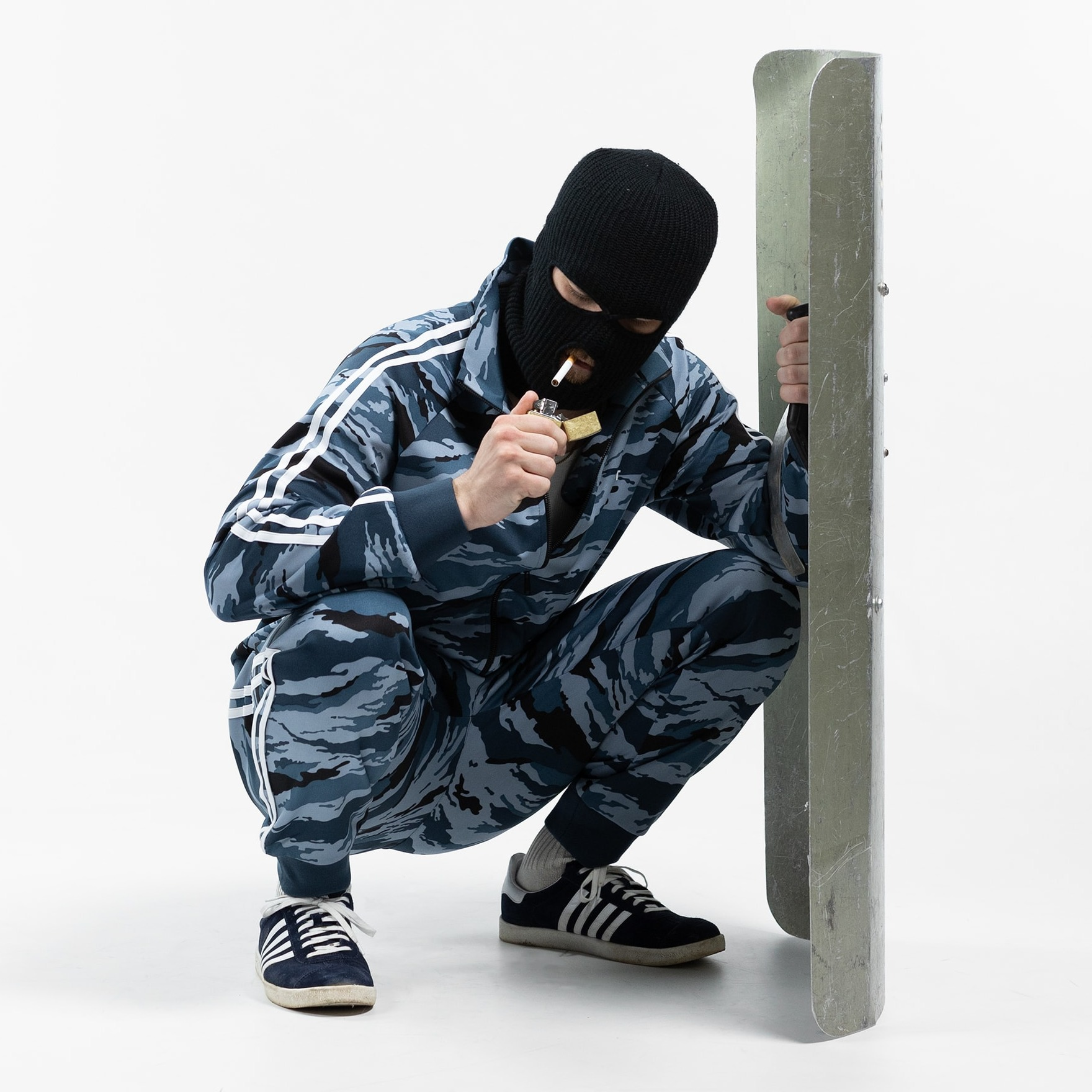
While our friends at kommadostore.com have been busy in the warehouse doing a bit of spring cleaning, how about something really special this weekend?In their back pocket, they’ve been having a chat with their Gorka-making friends in Uzbekistanand they’re once again expanding the Slav tracksuit extended cinematic universe. The camo is called “Kamysh” kamush? kamiish?, and its art. They heard that YOU LIKE STRIPES…So they put stripes on your stripes. For the uninitiated, this tracksuit features a faithfully rendered version of a real camouflage that Russia used on a militarized police force for decades.The blue tiger striped camo “Kamysh” became as infamous as it was eye-catching, so they figured why not take this work of madness and give it the full slav tracksuit treatment? But the tracksuit is as much of a work of art as the camo itself —It’s got all the features you’d expect in a premium pairing with sewn-on instead of printed stripes, zipped pockets, ultra-cozy fabric, and a “goldilocks” athletic fit you’ll love. As expected, the same people who made the Gorkas absolutely nailed it. Current ETA is mid-June. For more about what is undoubtedly the most insane camouflage ever sold surplus or not, keep on scrolling for the scoop… Not that long ago- It was the post-soviet-union collapse. Russia couldn’t make up their mind, so they finally lost it instead. The camo-of-the-week for Russia’s primary military force was “VSR”, a vertical-dominant pattern. But there was a horizontal pattern that also started to see use around the same time in the mid 90s, Tiger Stripe. It’s obviously different to US tiger stripe from Vietnam but it was deployed for the same reasons. In built up tall grass, marshlands, and water-adjacent flora, it excels. But hold on, how the heck did it turn blue? It’s obviously different to US tiger stripe from Vietnam but it was deployed for the same reasons. In built up tall grass, marshlands, and water-adjacent flora, it excels.But hold on, how the heck did it turn blue? ? Kamysh is actually a bit of a blanket term for ALL tiger stripe camos from Russia, its sometimes just called “Tigr” too. With increasing police presence during former-soviet-state separatist conflicts, Russia’s ‘MVD’ came into play, but there was a problem — they didn’t want to make it look like their internal security forces were literally the military. Normal VSR was a no-go because then it’d look like Russia’s primary military. Then they had a crazy idea: Give different police/emergency response units a different shade of the camo to soothe any accusations of paramilitary activity. Blue tiger striped camo would be given to “OMON”, a top mobile police unit in the MVD. Curiously, they’d even adopt the Siberian tiger as a mascot on some of their unit patches.What exactly does OMON do? Think of them like the US’s militarized federal police forces for the FBI, DEA, Homeland Security, and everyone’s favorite, the IRS. Except Russia liked to use them outside the country quite a bit, too. They were seen in many armed conflicts. So for decades the MVD and it’s definitely-not-military units would show up to the function wearing knockoffs of DPM, M81, Flecktarn, or this crazy tiger stripe all to not raise too much suspicion that they were militarized forces of the Kremlin… Yeah… A litany of blue-ish tigerstripe-ish commercial camos would become the face of OMON for decades. Infamously, a suspiciously similar blue tiger stripe was also used by “Berkut” units during the “Revolution of Dignity” in Ukraine c.2014. Was it a true “Urban camo”? or just an identifying mark of the unit? Does Russia know “OMON” in Cyrillic is “HOMO” backwards? It seems like it’s anyone’s best guess. And we couldn’t neglect to mention what made this camo popular to us gun-toting autists in the west. At MilSim West, an iconic photo of a man performing a flying kick into a door wearing what appears to be genuine “OMON” garb was taken.It was only in recent years that people actually figured out it wasn’t really OMON doing that, which just goes to show you how crazy that police unit is. It made that camo go “viral” amongst the surplus-sphere, and with the state of Russian unobtanium, we decided to take a new spin on it by making a brand-new garment out of a pre-existing camo. It was only fitting that kommando approached their gorka-maker to bring back this piece of Russian obscura — and they did a fantastic job to boot..MVD! OPEN UP! 🚓
A whole generation of Americans (and Canadians!) grew up staring out of their high school class windows and imagining invading Soviet paratroopers landing outside. Many of them (a few decades older and wiser) are reliving the past through interesting throwback fashion choices and in extreme cases- full on cosplay.
If you have always wanted a Calumet High Varsity jacket or one of those cool Russian camo coats that the Wolverines eventually commandeer and rebelliously wear as their own- our friends at kommandostore.com have some good news for you.
But first here is a mini-review written waaaay back in 2002 that does a good job of explaining the believable paranoia vibe of Red Dawn.
“Someone else before me wrote that a lot of people don’t understand how believable this movie was in it’s day. I have to agree with the author. I remember this movie as being pretty scary and pretty violent. I haven’t seen it in a while but there’s a lot of scenes that haunt me. One in particular is when several of the kids look for their parents at a concentration camp. Harry Dean Stanton gives a powerful performance that serves to show that he’s a genuine actor. That scene is heartbreaking, as well as a scene that follows with Patrick Swayze breaking down in the snow covered woods. C. Thomas Howell vs. the helicopter. The ritual of the deer blood. Powers Boothe. The final battle and resolution. Yeah, it’s a little much and these days, it wouldn’t exactly fly but dammit Jim, I dug it at the time and I still do. I think everyone should see it, just so you can either remember or learn what it was like to live in a time when the general thinking was a little paranoid. I think the movie manages to capture at least that, being what it is, a paranoid fantasy of someone who probably has a huge gun collection in his concrete reinforced cellar.” Mr. Parker via imbd.com
The Bad Guy Look
The Good Guy Look. Well one of them anyway.
Now if only we could find that 1977 Chevy Cheyenne Cayenne step-side that Jed drove the hell out of escaping those pesky Russkies.
Fun Facts from the Movie via imdb
Five of the 36 paratroopers in the beginning of the film got blown as much as a mile off-course during filming. One got stuck in a tree, and had to convince locals that he wasn’t really an enemy soldier.
C. Thomas Howell had been a rodeo cowboy. He helped teach the rest of the cast to ride horses.
The plot, a Soviet and Cuban invasion from Mexico, was based on C.I.A. and War College studies of U.S. weaknesses at the time.
Patrick Swayze got frostbite during filming. A few years later, he said it still felt like someone shoving toothpicks up his fingernails when he got too cold.
The film contains no computer graphics effects, chroma key composites, or miniatures. All of the explosions are real, and actual size.
The film made the Guinness Book of Records for the most acts of violence in any film up to that time. According to their calculations, 135 acts of violence occur per hour, or 2.23 per minute.
The actors trained using real weapons so that they wouldn’t make mistakes using the prop ones. Lea Thompson recalled, “We went to a firing range and there was every kind of gun you could imagine.”
The cast underwent an intensive eight-week military training course before filming started.
Lea Thompson said that this is the best time she’s ever had on a movie.
Real Green Berets helped with the actors’ boot camp training.
William Smith didn’t receive any special language training for his role. Thanks to years of military service, and work with the C.I.A. and N.S.A., Smith was already fluent in Russian and several other languages.
Patrick Swayze stayed in character throughout filming. He said, “I became Jed Eckert.”
The story was originally to be set in the real town of Calumet, Michigan. It was moved to a fictionalized version of Calumet, Colorado. It was a more central location within the United States, which better fit the story. In real life, Calumet, Colorado is a tiny former mining town abandoned in the 1970s.
“Red Dawn” was the code name for the military operation that captured Saddam Hussein on December 13, 2003. Writer and director John Milius felt honored by that.
The original trailer, on the LaserDisc release, includes a scene in which a tank rolls up to a McDonald’s where enemy soldiers are eating. The scene did not appear in the final cut, and was likely removed due to a mass shooting at a McDonald’s in San Ysidro, California, a few weeks before the film opened.
This was the first film released with a MPAA PG-13 rating, on August 10, 1984. The Flamingo Kid (1984), the first film to get a PG-13 rating, sat on the shelves for five months before release.
Two C.I.A. agents came to the set, investigating reports of Russian tanks in the area. They were relieved to hear the tanks were for a movie.
A more involved love story between Jed and Toni was cut because Patrick Swayze didn’t feel it would work in the context of the film’s plot. Swayze and Jennifer Grey later appeared in Dirty Dancing (1987).
As it got colder, the actors and actresses had to adapt to freezing temperatures, often well below 0°F (-17.7°C).
This movie was initially banned in Finland due to excessive violence, disagreements with Finland’s foreign policy, and being “too anti-Soviet.” It was eventually released on video there.
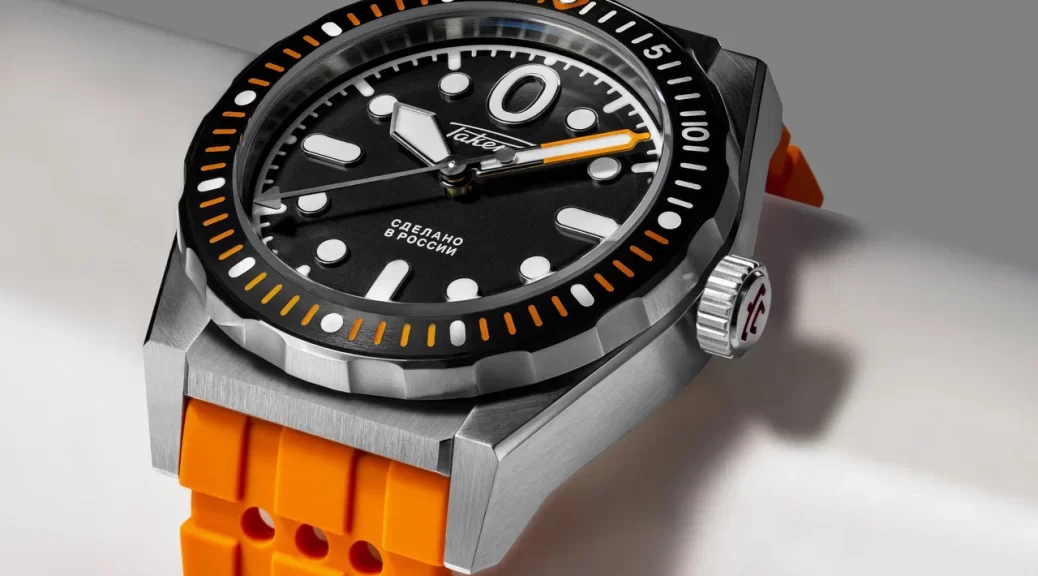
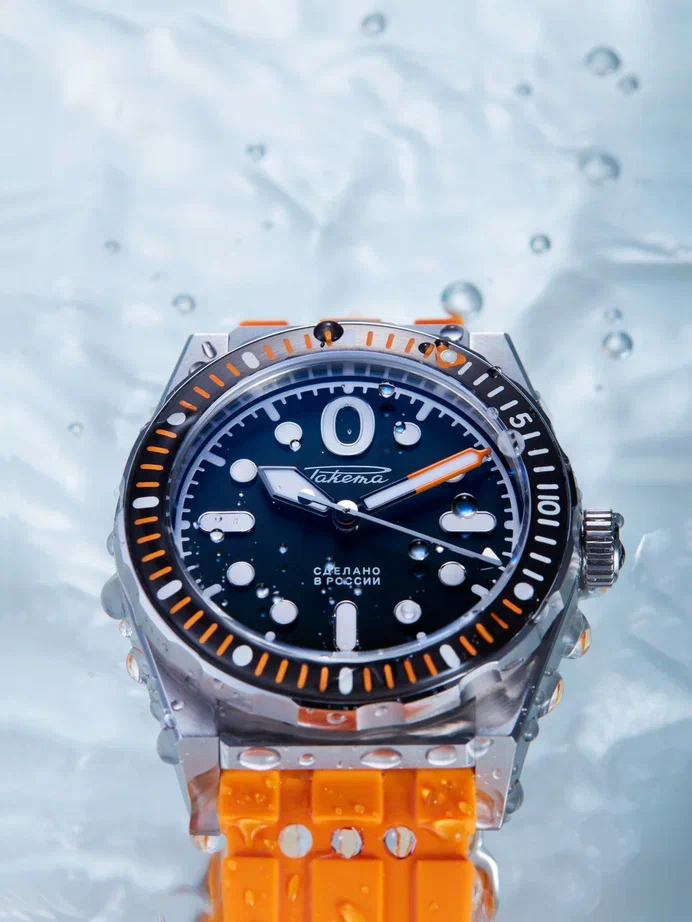
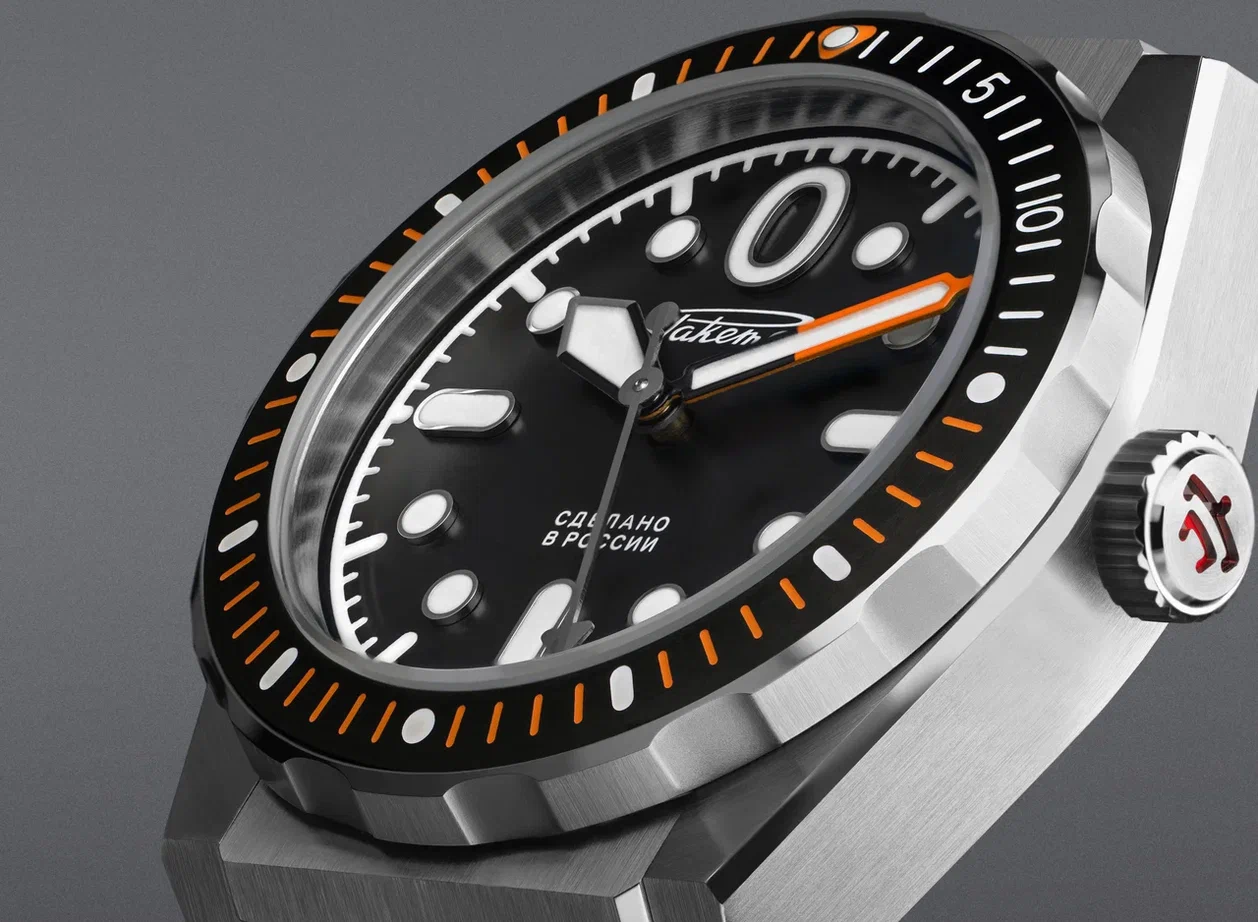
Based in Saint-Petersburg, on the shores of the Baltic Sea, Raketa Watch Factory has been creating watches for sailors, submariners, and divers for more than half a century. Raketa presents today a new version of its model for divers – Amphibia.
While preserving both the spirit and identity of its predecessors, this iconic model is now in conformity with all the modern requirements for diving, both in terms of design and functionality:
case made from stainless steel and capable of withstanding pressures at 200 metres depth.
a screw-incrown securing the movement from any water entry.
a unidirectional bezel with a 15-minute scale and luminescent indexes, producing clear clicking sound for error-free adjustment with no risk of accidental misalignment. The start marker is embossed as part of a functional design.
a high-contrast dial with large indexes and hands, easy to read and enhancing dive control. The luminescent coating ensures a bright and long-lasting glow. At greater depths, where visibility is often low and light conditions vary, orange stands out more effectively than any other color because its wavelength is less absorbed by water.
a brightly colored silicone strap crafted for comfort in aquatic environments: with its full-length perforations, you may adjust the size for a snug fit with your wetsuit and prevent water build-up beneath the strap. A second strap in black silicone is included, and swapping is easy with a quick-release system.
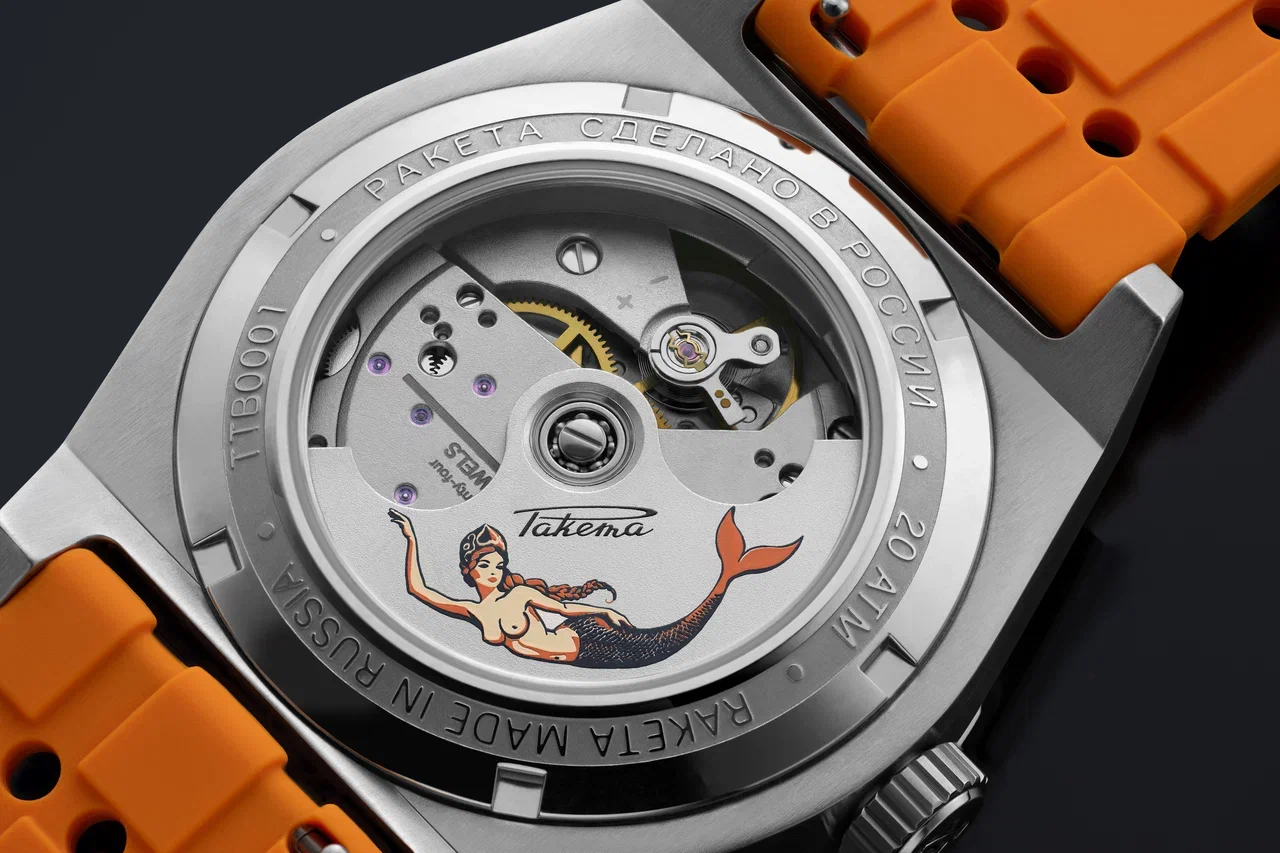
The heart of Raketa Amphibia is its automatic movement, manufactured from A to Z at the Raketa Watch Factory in St. Petersburg. The movement’s rotor is adorned with an image of a mermaid designed in the style of illustrations from Russian fairy tales. It reminds every diver of his secret dream — to encounter a beautiful mermaid under the sea.
Price
The cost is 2200 EUR / 3397 CAD (including VAT). For the comfort of customers, Raketa watches are delivered worldwide free of charge by DHL directly up to the front door.
Specifications:
Manufacture:
Raketa Watch Factory (Saint-Petersburg)
Movement:
Calibre:
2615
Functions:
Automatic
Number of jewels:
24
Testing positions:
4
Average rate (s/d):
-10+20
Average running time (h):
40
Frequency/hour:
18.000 / 2.5 Hz
Decoration:
Printing
Case:
Material:
Stainless steel
Size:
41.6 mm
Dial glass:
Sapphire
Back glass:
Sapphire
Water resistance:
20 АТМ
Bezel:
Superluminova
Hands:
Superluminova
Dial:
Superluminova
Straps:
Material:
Silicone
Strap width:
22 mm
Sex:
Male
FR
Raketa Amphibia –Une Raketa pour l’immersion totale
Située à Saint-Pétersbourg, aux bords de la mer Baltique, la manufacture horlogère Raketa a toujours créé des montres pour marins, sous-mariniers et plongeurs. Raketa présente aujourd’hui une version actualisée de sa légendaire Amphibia pour plongeurs.
Tout en conservant l’esprit et l’identité de ses prédécesseurs, le design et les caractéristiques de ce modèle répondent à toutes les exigences modernes d’une montre de plongée :
son nouveau boîtier en acier inoxydable est capable de résister à des pressions jusqu’à 200 mètres de profondeur ;
sa couronne filetée et vissée protège le mouvement de toute pénétration d’eau ;
sa lunette unidirectionnelle avec des index luminescents et à l’échelle de 15 minutes, produit des clics audibles assurant un réglage sans erreur et sans risque de désalignement accidentel. Le repère de départ est en relief ce qui rend son utilisation encore plus pratique ;
son cadran à contraste élevé avec des index et des aiguilles de grande taille, assure une lecture facile et permet d’améliorer le contrôle de la plongée. Le, revêtement luminescent assure une brillance intense et durable. À grande profondeur, où la visibilité est souvent faible et les conditions de luminosité variables, l’orange ressort mieux que toutes les autres couleurs car sa longueur d’onde est moins absorbée par l’eau ;
son bracelet en silicone de couleur vive est conçu pour le confort en milieu aquatique : grâce à ses perforations sur l’ensemble de la longueur, on peut ajuster la taille pour qu’elle s’adapte parfaitement à la combinaison de plongée et éviter l’accumulation de l’eau sous le bracelet. Un autre bracelet en silicone noir est inclus, et le changement de bracelet est très facile grâce au système d’attache rapide.
Le cœur de la Raketa Amphibia est son mouvement automatique, fabriqué de A à Z à la manufacture horlogère Raketa à Saint-Pétersbourg. Son rotor est orné de l’image d’une sirène inspirée par les illustrations des contes folkloriques russes. Elle nous rappelle le rêve secret de tous les plongeurs : rencontrer une magnifique sirène sous la mer.
Coût
Le prix est de 2200 Euros (TVA comprise). Pour le confort de nos clients, les montres sont livrées gratuitement jusqu’à leur porte par DHL.
ArtyA unveils an avant-garde horological creation:
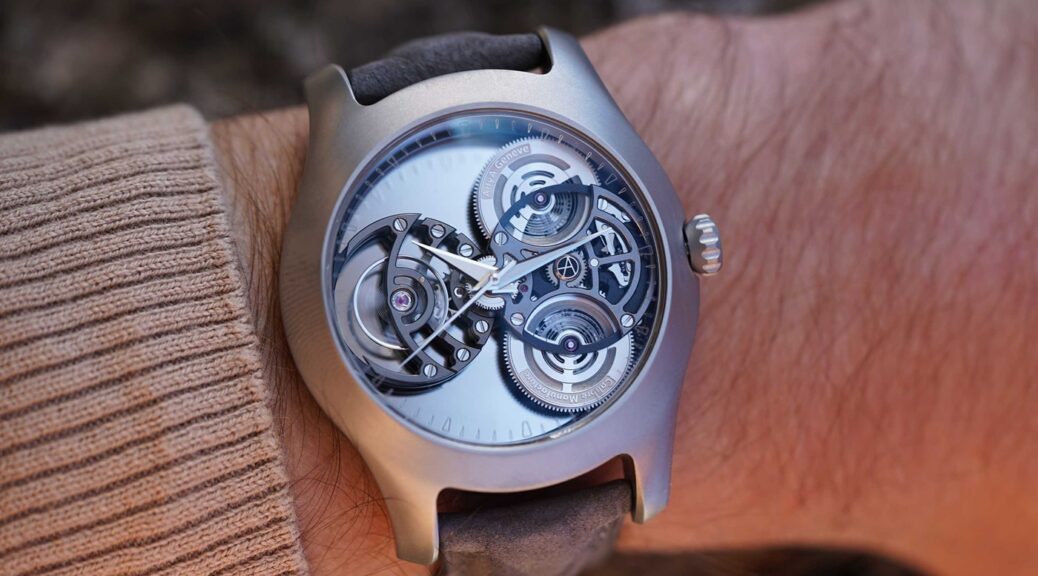
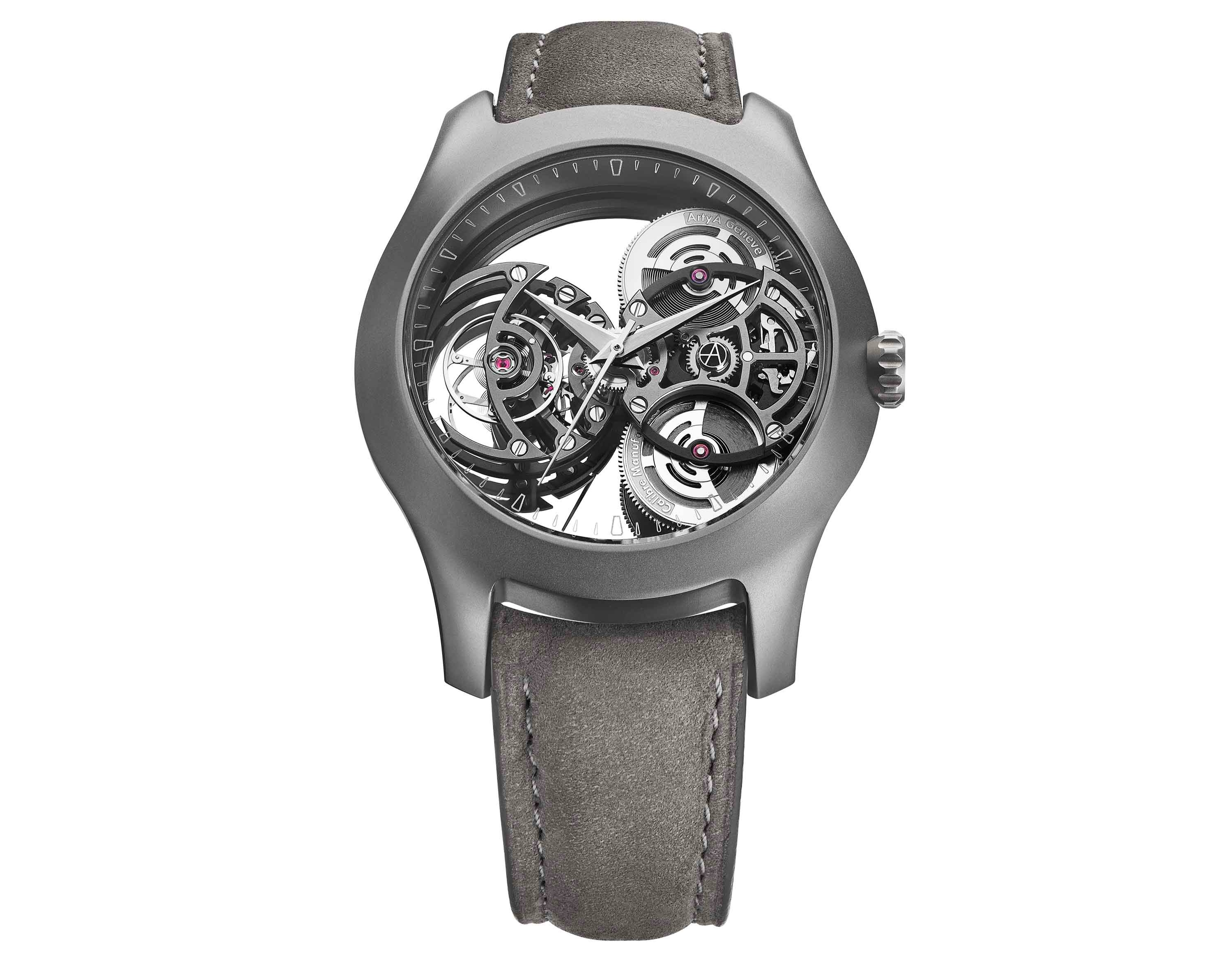
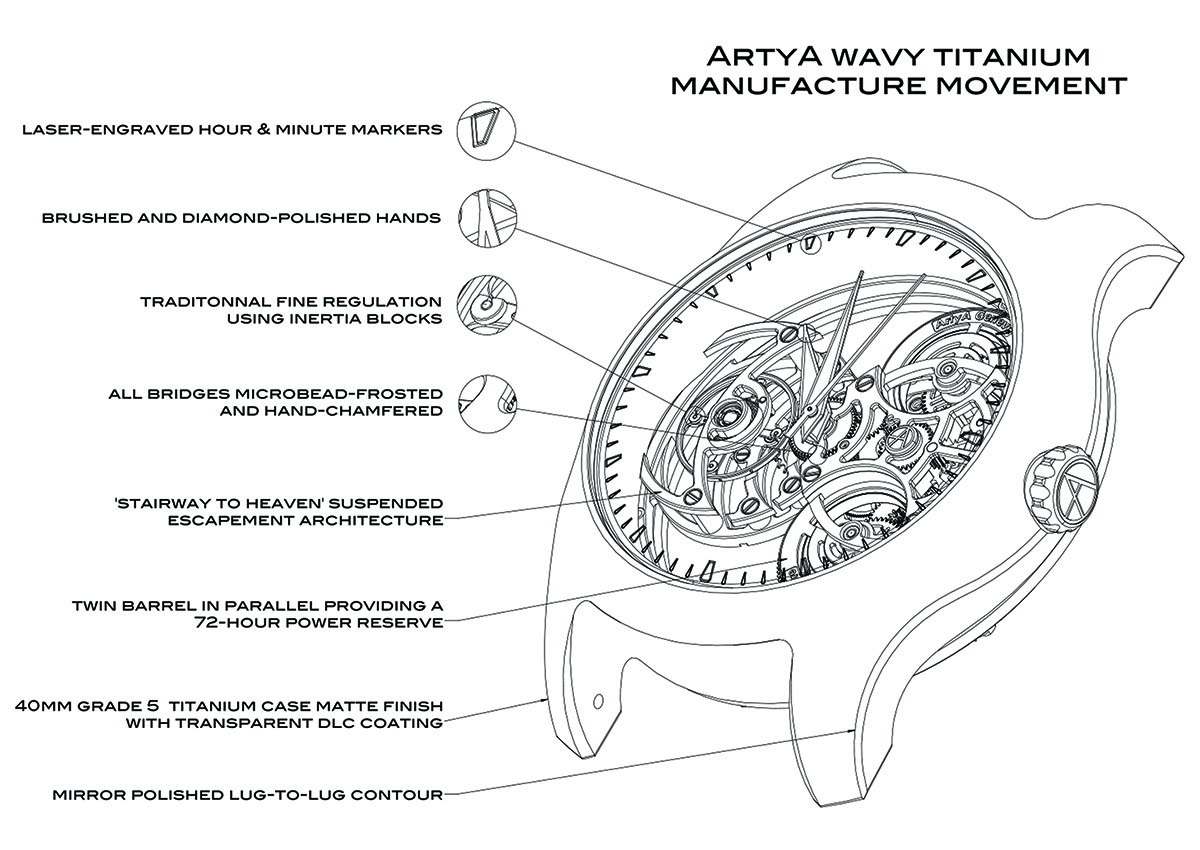
“Purity Wavy HMS Mirror” A fully in-house caliber reimagined through masterful handcraftsmanship. The perfect union of design and comfort, encased in the groundbreaking Wavy case, crafted from titanium with a transparent protective DLC coating. The first-ever mirror casebackStairway To Heaven: The Movement At the heart of this exceptional timepiece, ArtyA’s latest in-house caliber: Stairway To Heaven HMS. This manual-winding movement embodies the Manufacture’s dedication to both visual spectacle and horological excellence: • Microbead-frosted and hand-chamfered minute wheel train and balance bridges. • Pulsing at 4 Hz, the spectacularly “starified” escapement is positioned like a podium centerpiece, suspended in mid-air. • Traditional fine regulation – a hallmark of haute horlogerie that ensures optimal precision. This process involves meticulously adjusting the balance wheel’s inertia using peripheral weights (inertia blocks) to maintain the hairspring’s steady and consistent oscillation. The result: optimized caliber performance and lasting chronometric stability. • Twin barrels, working in parallel, equipped with longer, finer mainsprings for a more stable and linear energy release. The polished barrel blade reduces friction for improved efficiency. The redesigned drum barrels, with fluid, curving lines, seamlessly integrate with the bold bridge architecture of the movement. Proudly bearing the manufacture’s name and caliber designation, this subtle detail completes the movement’s refined aesthetic. Wavy Titanium Case A bold evolution in the Wavy collection, this is the first case crafted from grade 5 titanium, a material prized for its strength and lightness. • Ultra-light yet incredibly strong, titanium embodies both modernity and innovation, delivering exceptional comfort without compromising durability. • The matte finish results from meticulous hand polishing, followed by microbead frosting for a refined texture. • A transparent DLC coating boosts resistance to scratches, shocks, and fingerprints. For comparison, stainless steel has a Vickers hardness of 200 HV, titanium 400 HV, and transparent DLC-treated titanium an impressive 1,200 HV (1,800 HV for the black DLC version). • A mirror-polished lug-to-lug contour adds a discreet yet sophisticated touch, enhancing the timepiece’s elegance without diluting its avant-garde appeal. This meticulous finish – exceptionally complex to achieve on titanium – creates a striking contrast with the case’s matte surface, balancing power with refinement. • Designed by Jérémie Arpa, son of Yvan Arpa, the case embodies independent, family-driven watchmaking at its finest. Its flowing, organic contours evoke the power of ocean waves, an effect heightened by titanium’s natural opacity – delivering a case design unlike anything seen before in haute horlogerie.
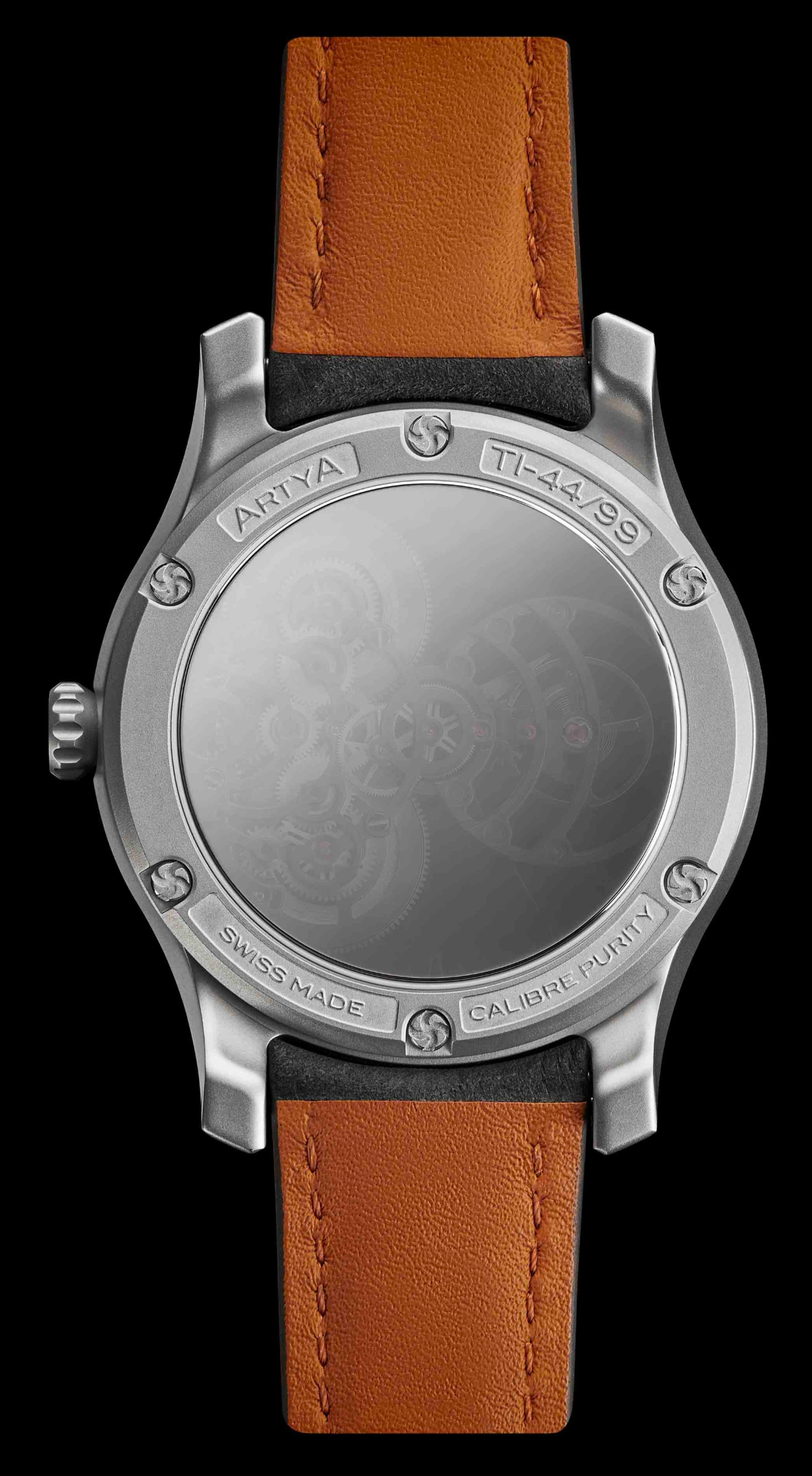
Mirror Effects The Wavy Titanium’s mirror caseback introduces an unprecedented innovation, a world first in watchmaking: • A fully reflective surface that offers a striking new way to experience the movement. • From the front, seeing through to the mirrored bottom creates the illusion of depth, with the movement seemingly floating in space, enhancing the ethereal purity of the skeletonized caliber’s aesthetic. • From the back, the one-way mirror effect teases the complexity of the movement without fully revealing it complexity, adding an element of mystery and sophistication.
Limited Edition of 99 pieces Case Grade 5 titanium, satin-finished, mirror-polished lug-to-lug contour Transparent or black DLC protective coating Diameter40 mm Thickness13 mm Water resistance50 meters Caseback Screw-in, engraved, fitted with a one-way mirror Crystal Sapphire, triple ant-reflective coating, laser-engraved chapter ring Hands Brushed and diamond-polished Crown Engraved with the ArtyA signet Caliber ArtyA Purity Stairway To Heaven HMS in-house movement Winding Manual Indications Hours, minutes, and central seconds Power reserve Minimum 72 hours, thanks to twin parallel barrels Frequency 4 Hz (28,800 vph) Finishes Fine regulation through precision adjustment of inertia blocks on the balance wheelMicrobead-frosted minute wheel train and balance bridgesHand-chamfered edgesPolished mainsprings to optimize friction in the barrel assemblies Strap Alligator or grey nubuck leather Buckle ArtyA pin buckle, available with or without black DLC coating Swiss Made Entirely designed and crafted between Geneva and the Swiss Jura Price (excluding VAT)Titanium & Black Titanium CHF 25,900 (reference price) EUR 27,900 (subject to exchange rate) USD 29,900 (subject to exchange rate) CAD 42,754 Also available with transparent, hued or NanoSaphir case From CHF 44,900 (reference price) From EUR 47,900 (subject to exchange rate) From USD 50,900 (subject to exchange rate) VERSION FRANÇAISE
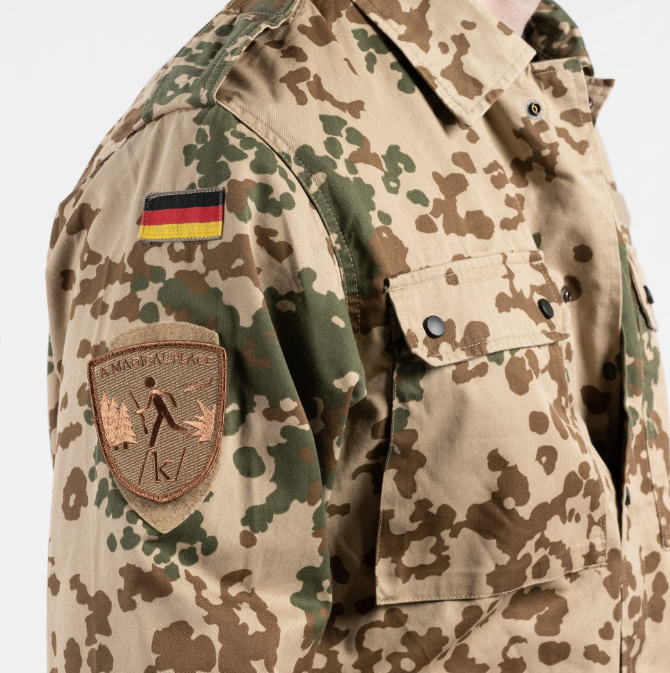
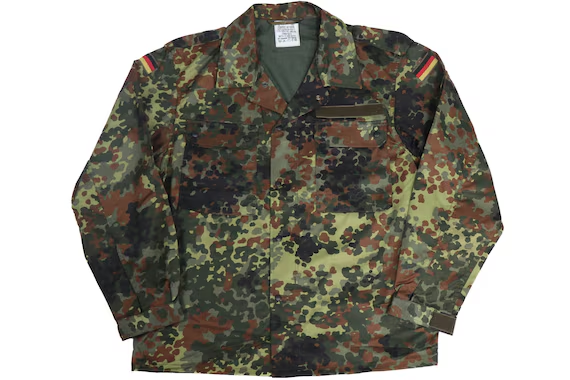
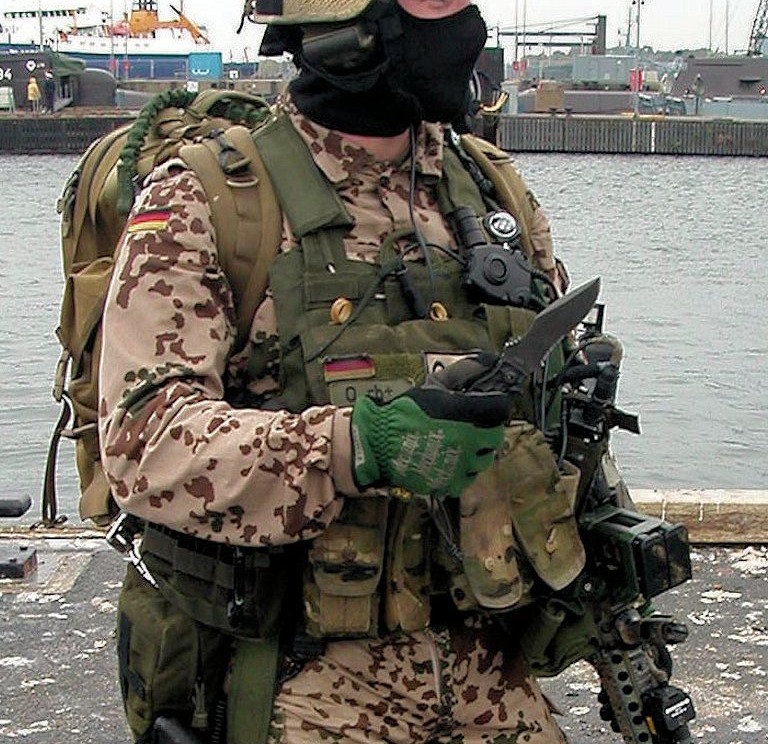
Flecktarn is one of the most ubiquitous camouflage patterns in every military surplus enthusiast’s closet and I bet many of you guys and gals already own some. But every now and then, our friends at Kommandostore get in something arguably even more special: Flecktarn’s tropical cousin Tropentarn. Wait…what? What the heck are Germans doing making a desert camo?
via ufpro.com– Just like M81 Woodland and DPM, 5FT Flecktarn decisively influenced the development of other camouflage patterns and their adaptation by other countries. One might say these three patterns inspired the next generation of camouflage patterns, much as the three were inspired by the WW2 patterns that preceded them. Accordingly, several countries merit mention:
The People’s Republic of China outfitted its Border Defence Units with an unlicensed copy of Flecktarn. Also, utilized in Tibet and the Bejing Military Region was a recolored, brown-dominant variation (which is highly sought-after by collectors).
Belgium interpreted German 5FT Flecktarn in a variant that was worn by its Airbase Security Personnel until 2000.
Denmark developed a green-dominant variation using only three instead of five colors. Tested in 1978, it today calls attention to the close cooperation of textile companies back then, since it is rumored to have been jointly developed with the French company Texunion.
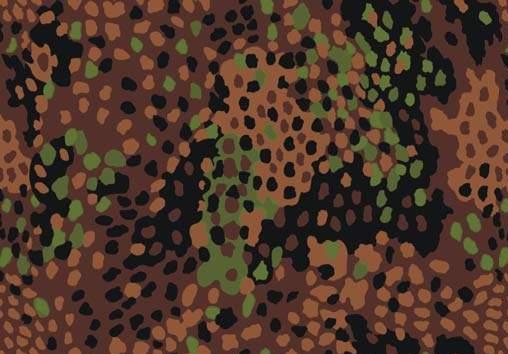
The Netherlands briefly considered fielding Flecktarn as a camouflage pattern, but for political reasons decided against it (Dutch decision-makers felt there was too close a resemblance to the patterns used by the SS during the Second World War).
Japan created its own Flecktarn version and in 1991 fielded it within the JNSDF.
And before you go and say- “Hey buddy, the Germans have had a bit of a history fighting in the desert”, Tropentarn comes from trials after the successful implementation of Flecktarn. Good ol ‘Fleck had a bit of a hard time getting fully fielded as Germany was a bit sensitive to using any kind of pattern that resembled the various Waffen SS experiments in the 40s for obvious reasons. This was back in the late 70s after all.
But after ‘fleck got through the filter, Germany’s increased presence as peacekeeping forces brought them to the doorstep of everyone’s favorite sandbox, the middle east. A new camo was needed. As early as ’93, Tropentarn would appear as a reduced 3-color (vs 5 colors in normal flecktarn) arid version of the now beloved pattern. Unlike many desert patterns of the era, the Germans tastefully sprinkled in a few specs of green to really make the camo versatile beyond the dunes in Iraq.
If you’re not aroused by the typical brown, brown and more brown nature of a lot of desert camos, Tropentarn might be the right one for you. It even has a few bonus features over the normal field shirt that make it a little more breathable in the summer if you live in the south or simply yearn for temperatures over 70 Fahrenheit in polar vortexes like today’s…
It even works wonders in the great plains since everything turns tan come the wintertime and it gets just as much attention from fellow milsurp enjoyers and normies alike. So if you’re in the mood for another flavor of flecktarn in your wardrobe you’ll definitely want to dive in and grab one on the kommandostore site while you can, they’re always popular…and stock won’t last long. For the Silo, Jarrod Barker.
Featured image- Erbsentarn 44 dot peas pattern German WW2 Waffen SS standard camouflage pattern.
With the “circular economy” spurring a seismic shift toward sustainability and resource efficiency across sectors, industries are redefining themselves by transforming waste into lasting value. With projections of up to $4.5 trillion usd/ $6.4 trillion cad in economic benefits by 2030, companies are rethinking traditional models to protect the environment, cater to green consumerism mindsets and boost financial performance. At the forefront of this movement in the fine jewelry category is Sonalore, an innovative eTailer turning gold jewelry into a smart, sustainable investment amid its lifetime buyback guarantee. Sonalore not only ensures that every piece of 18-karat gold jewelry endures as a valuable asset, but also champions a closed-loop system that minimizes waste and preserves natural resources as detailed below.
Gold Into Green Investments
A seismic “circular economy” shift is happening across industries, as businesses rush to minimize waste and maximize resource value. This transformation isn’t just about sustainability—it’s about creating smarter business models that benefit both customers and the environment. So impactful this approach, Goldman Sachs projects the circular economy could deliver up to $4.5 trillion in economic benefits by 2030. Companies across sectors are citing how they’re “shaking things up” to waste less—and reap the financial benefits in the process. Geopolitics are also fostering this approach, as Goldman Sachs further asserts that “operating in this way could become ‘critical’ in the face of the rising cost of raw materials” among other drivers.
One innovative eTailer—Sonalore—is leading this change in fine jewelry, transforming how people buy, wear and sell their gold pieces. The company’s approach turns traditional gold jewelry from a depreciating purchase into a liquid investment, while naturally promoting sustainability. Its “lifetime buyback guarantee” program not only transforms its wares into bona fide commodity investments for consumers, but also ensures its products can be easily recycled and reborn.
“We sell 18-karat gold jewelry from the perspective of it being a sound investment—not an expense—that enduringly holds its value,” said Sonalore CEO Nidhi Singhvi. “Our buyback promise allows consumers to sell back their items at a fair current price valuation of gold, which has the potential to increase beyond the purchase price of the item. Gold is, after all, a heralded investment commodity amid its historically proven performance in various economic environments.”
In doing so, the company is also fostering circular economy principles. Here are three ways Sonalore is reshaping the industry:
1. Sustainability That Makes Business Sense –
Most sustainable initiatives ask you to pay more for less. Sonalore flips this on its head. When you’re done with a jewelry piece, they buy it back at market rates and recycle the gold into fresh designs. No more jewelry gathering dust, no unnecessary mining, and you get real value back. It’s sustainability that puts money in your pocket, not the other way around. This isn’t just good for the environment, it is plain smart business. The closed loop system reduces dependency on mining while preserving metal value. Sonalore’s market-rate buyback makes sustainability financially rewarding.
2. True Value, Finally Unlocked –
For a circular economy to work, you need a product with intrinsic value at the center. Fine jewelry should be a very good natural candidate for a circular economy. However, traditional retail markups of 3-5x have broken this cycle, trapping customers in a cycle of overpaying and undervaluing. Sonalore strips away artificial markups, showing customers exactly what they’re paying for – from metal content to craftsmanship. When gold prices rise, so does the value of your piece. This transparency extends beyond purchase – customers can track their jewelry’s value in real-time, treating each piece as the investment it should be.
3. Freedom to Change your Mind –
Life changes, and your jewelry should too. Most fine jewelry sits unworn, losing value in drawers or becoming a guilt-inducing reminder of money spent. Sonalore’s lifetime buyback guarantee transforms this dynamic. Want to switch styles? Trade up. Need liquidity? Convert to cash at market rates. Moving abroad? Downsize without loss. This flexibility turns jewelry from a static purchase into a dynamic asset that adapts to your life changes.
In today’s hugely competitive jewelry marketplace, Sonalore is reimagining not just how jewelry is sold, but also how it creates lasting value. By combining transparent pricing, investment potential and environmental responsibility, the company proves that luxury retail can evolve to meet modern demands for both sustainability and smart value.
As the circular economy gains momentum across industries, Sonalore’s innovative model shows how businesses can transform traditional products into dynamic assets that benefit customers, companies and the environment, alike. For the Silo, Karen Hayhurst.
Hip-Hop is a culture, it’s a lifestyle, it’s an artistic expression and yes, it’s jewelry.
Since its inception Hip-Hop has always been edgy, outside the box, and ready to make a statement at all times; not just musically, but also in a fashion sense.
Rose gold, also known as red gold or pink gold made a big comeback in the world of Hip-Hop a few years ago but did you know Rose gold was popular at the beginning of the nineteenth century in Russia, formerly giving it the name “Russian gold”? This term is no longer used. This type of gold is also often used in making musical instruments.
Christian Jennings is one of the top flute players in the world- she chooses to play a customized flute made out of Rose Gold.
Companies such as King Ice are selling Hip-Hop inspired Rose gold jewelry, stating that it is reappearing due to artists such as Rick Ross and Kanye West being seen wearing items made from this gold and copper alloy.
Drake can even be seen with an extremely expensive Rose gold watch on the cover of his Grammy award winning sophomore album Take Care .
Whether you’re a “Hip-Hop head”, an occasional listener, or never venture into that world at all, Rose gold is becoming a statement piece and doesn’t seem to be disappearing anytime in the near future. For the Silo, Brent Flicks.
Complete Guidance for Choosing the Right Wine Glass for Every Occasion
When it comes to enjoying red wine, you might wonder if the shape of your glass really matters. The quick answer is yes—it can make a noticeable difference in how your wine smells and tastes. Different wine glasses are often designed to highlight particular grape varieties, aromas, and flavor profiles.
For many wine enthusiasts, the right glass can enhance the overall experience without needing to be a total wine geek. Below, we will look at the most common red wine glasses. We will discuss why they shape this way. We will also see how each glass can enhance the aromas and flavors of your favorite wines.
1. Why Wine Glass Shape Matters
You’ve likely seen wine glasses in countless shapes and sizes—enough to make your head spin (even before you start sipping!). There is a good reason for these variations: different shapes bring out different characteristics in each grape variety. Each wine has its own aromas, flavors, and textures, so customizing the glass shape to the wine can make a surprisingly big difference in how it tastes.
For instance, red wines often need more aeration because of their higher tannin content. A larger bowl helps air circulate, softening any harshness. White wines, on the other hand, are more delicate in both aromas and flavors, so a narrower glass can help preserve their freshness.
Even sparkling wines benefit from tall, slender shapes to maintain their bubbles for longer. Essentially, the shape of a wine glass can enhance the experience of the wine—helping the aromas to escape, guiding the wine across your palate in a certain way, and influencing how it ultimately tastes.
That doesn’t mean you need a dozen different glasses at home. The main takeaway is to understand the role of a glass shape so you can make an informed decision when purchasing or picking a glass. Sometimes, owning one universal glass won’t ruin your enjoyment. But if you’d like to optimize your wine experience, a few targeted glass styles can be a fun addition to your collection
2. What Are the Main Components of a Wine Glass?
To see how glass shapes impact the way we taste wine, it’s helpful to know the four main parts of a wine glass:
The Rim (or Mouth)
This is where your lips meet the glass. Thinner rims feel more refined and allow the wine to flow smoothly, whereas thicker rims can slightly alter how the wine lands on your palate.
The Bowl
This is where you pour the wine. A wide bowl is perfect for swirling red wines, helping aromas open up and mix with air. White wine or delicate rosé glasses often have narrower bowls to keep those lighter aromas focused.
The Stem
The stem allows you to hold the glass without warming the bowl (and therefore the wine) with your hand, which is especially beneficial for wines that are best served at a cooler temperature. Many traditional wine glasses feature a long stem for this reason.
However, there are also stemless wine glasses available—often preferred for easy transportation and casual settings—though they offer less insulation from body heat than stemmed glass.
The Base
Also known as the foot, the base provides stability. In nearly all wine glasses, this circular platform is what keeps the glass upright on a table.
Understanding each component can help you appreciate why certain shapes work best for certain wines. Together, these four elements impact everything from temperature control to how aromas reach your nose.
3. What Are the Benefits of Using Matching Glasses with Wine?
If you’ve ever questioned the need for different shapes, consider these benefits:
Better Aeration
Big, bold reds like Cabernet Sauvignon, Shiraz, or other tannin-heavy wines often benefit from extra air contact. A larger, rounder bowl lets you swirl the wine, allowing oxygen to soften harsh tannins.
Enhanced Aromas
The shape and size of the glass can concentrate or diffuse a wine’s aromas. For example, a narrower bowl preserves the delicate floral notes of light-bodied whites, while a more open bowl encourages the rich scents of reds to expand.
Temperature Control
Holding a glass by the stem keeps your hand off the bowl, preventing heat transfer. This is crucial for wines meant to stay cool, such as crisp whites and sparkling wines.
Aesthetic Enjoyment
On a purely fun note, sipping from an elegant glass that matches the style of wine just feels special. Whether you’re hosting friends or enjoying a quiet evening in, having a selection of wine glasses can elevate the entire experience.
4. Generally Which Glass for Which Type of Wine?
If you don’t have unlimited space or budget, focus on a few key glass styles:
Red Wine Glasses
Choose something with a larger bowl and a gentle inward taper at the rim. This allows for swirling (aeration) and keeps the pronounced aromas of red wine from overwhelming your nose in one go. A taller stem is also helpful, as it lets you hold the glass comfortably without warming the wine too much.
White and Rosé Wine Glasses
Pick glasses that are smaller and more upright. Lighter wines often need less aeration, so a narrower bowl can maintain their delicate aromas and subtle flavor nuances.
Champagne Glasses
Tall, slender stems with narrow bowls—like flutes or tulips—are traditional for sparkling wines. The primary goal is to keep bubbles intact for as long as possible and direct those lovely aromas straight to your nose.
A Universal Glass
If you’d rather keep things simple, you can invest in a well-designed “all-purpose” glass. While it won’t be perfectly tailored to every grape variety, it will still do a decent job for both reds and whites, letting you enjoy your wine without a fuss.
5. Grape-Specific Glasses
If your goal is to enhance the taste and scent of each grape type, you don’t need a unique set of wine glasses for every style—just a handful of adaptable shapes will suffice. However, for enthusiasts eager to maximize each serving, there are some timeless, reliable shapes to consider.
The Zinfandel (or Riesling/Chianti) Glass
Even though Zinfandel is known for its bold, jammy fruit flavors, you’ll often see it served in a relatively narrow tulip-shaped glass with around a 14-ounce capacity. This smaller, tapered shape captures the sweet berry aromas that make Zinfandel so appealing.
If you also enjoy lighter-bodied reds like Chianti (made from Sangiovese grapes) or highly aromatic whites such as Riesling, this same shape can work beautifully.
If you’re into spicy, earthy Zinfandels and want a bit more space for those subtler nuances, consider using one that’s slightly larger.
The Cabernet/Merlot Glass
Often referred to as Bordeaux glass, this shape usually has a capacity of around 20–22 ounces and is slightly taller than a Zinfandel glass. Wines made from Cabernet Sauvignon, Merlot, Malbec, and similar Bordeaux-style blends can have fairly high tannin levels and deeper color.
A benefit of this larger tulip is that it provides enough space to swirl your wine and release layers of aromas beyond just fruit, like peppery spice or oak-induced vanilla.
The Pinot Noir Bowl
Pinot Noir is cherished for its delicate character, fragrant aromas, and softer tannins, which is why a wide, bowl-shaped glass is often recommended. Burgundy glasses generally hold around 24 ounces and look almost balloon-like. The bowl’s roundness allows more air to come into contact with the wine, intensifying its floral, fruity aromas. Additionally, the wider rim encourages the wine to reach the tip of your tongue first, where you detect sweetness, making lighter-bodied reds taste smoother and more velvety.
If you appreciate easy-drinking reds with floral notes—like Gamay from Beaujolais or certain Lodi-grown Grenache—this style of glass can really spotlight those softer aromas.
The Syrah/Shiraz/Tempranillo Glass
For dark and strong wines, some glass makers offer a tall tulip shape. This glass holds about 24 ounces, like a Pinot Noir bowl, but has straighter sides. It’s often labeled as a Syrah, Shiraz, or Tempranillo glass.
The logic behind this design is to showcase robust aromas—like black pepper, dark fruit, or earthy nuances—while still providing enough space for highly tannic wines to open up.
Wine glass shape matters because it impacts how your wine tastes—controlling how much air it gets, how aromas develop, and how the wine hits your palate. By knowing the main components (rim, bowl, stem, base) and the benefits of matching glasses to your wine, you can pick the right style for your personal preferences.
That might be a single all-purpose glass or a couple of different options for reds, whites, and sparkling wines. Either way, understanding the basics will help you get the most out of every sip.
Krystal Wen is a vinicultural expert with the “VinoVoss”—anAI Sommelier smartphone app and web-based semantic wine search and recommendation system developed by BetterAI. The user-friendly online platform picks the perfect wine every time, for any occasion courtesy of a highly advanced artificial intelligence assist.VinoVoss uses AI-powered machine learning that is guided and trained by human sommeliers and wine experts, working alongside engineers and data scientists, to assure highly tailored and relevant wine discovery.Reach her at www.vinovoss.com.
TORONTO – Practical gifts are back on the up trending list for homeowners both new and seasoned. Whether modernizing an old style kitchen or just looking for an ergonomic water saver, there are literally hundreds of choices available over a wide range of price points.
Selecting the perfect faucet for your kitchen may seem slightly daunting, but with a clear idea in mind, it’s easy to find the right one that will go with the flow.
“Installing the right kitchen faucet that fits your kitchen’s style is the final touch that will completely tie the room together,” said Mark Wallace, Senior Group Marketing Manager of Spectrum Brands – Hardware & Home Improvement. “People always notice a unique looking faucet when they enter a kitchen and depending on the model it can act as a true statement piece for the room. When considering a new faucet, the right one shouldn’t just provide function but should also reflect your overall kitchen style.”
To help you find the faucet that best matches your style, Pfister created a quick guide of the five most popular kitchens and what faucet you should consider to best match that style:
Country – White painted wood trim and butcher-block counter tops give the country style kitchen a charming and cozy feeling. Match the Pfister Glenfield with this style and watch it blend into the farmhouse vibe.
Modern – Clean lines, stark colors and stone accents make up the modern style kitchen. Make a statement with the Pfister Vosa featuring a simple and refined beauty – a perfect fit for the modern kitchen that has modern fixtures and modern lighting.
This gorgeous Pfister Tisbury single control Bronze kitchen faucet retails for around $450.00 cad.
Note the wonderful contours and finish on this Pfister faucet.
Rustic – Weathered cupboards, antique kitchen tables and exposed brick make up the increasingly popular rustic style kitchen. At home in front of a backsplash of colorful tiles or looking out a window, the Pfister Ashfield has an old-school design that will work in any rustic styled kitchen.
European – Functional and sleek, the European style kitchen is clean from its black tile floors to the exposed wood beams above. Go for the Pfister Fullerton, a sleek and angular faucet that will complement the room’s Scandinavian influence.
Traditional – Hanging bronze pots, a mix of wood and stone and sunlight streaming through large windows make this the most popular room of the house for a reason. A classic choice, such as the Pfister Wheaton looks right in a traditional kitchen, providing a functional and stylish option.
A superb gift idea for the Apple watch lover looking for “style meets form and function”.
New York, NY– December , 2024 – Following the resounding success of their first collaboration, Golden Concept, the Swedish leader in ultra-luxurious Apple Watch accessories, and Blvck Paris, famed for its ‘All Black’ luxury lifestyle brand, are thrilled to unveil their latest joint venture: a meticulously designed Apple Watch case. This second collaboration pushes the boundaries of luxury and sophistication, further blending the timeless elegance of Parisian minimalism with Swedish craftsmanship.
The New Collection
The new collection introduces a premium case tailored for Apple Watch users who demand both style and functionality. The case is crafted from high-quality, all-black translucent nylon with meticulous detailing in black stainless steel, reflecting the distinct design philosophy that made their first collection a global success. The case is designed in 49mm for Apple Watch Ultra models, offering a versatile and elegant option for any tech enthusiast. Whether you’re a tech aficionado or a fashion enthusiast, this second release reaffirms the power of luxury in everyday wearables.
“After the incredible response to our initial collaboration, we knew we had to come together again,” said Puia Shamsossadati, CEO and Creative Director of Golden Concept. “This time, we wanted to create something equally luxurious yet more versatile, offering our customers a refined accessory that complements both their tech and their personal style.” Julian O’hayon, Founder and CEO of Blvck Paris, shared his excitement: “Collaborating with Golden Concept once more feels natural. Our brands share a vision of modern luxury, and this collection of Apple Watch cases allows us to expand that vision, offering something bold and refined to our customers. We’re confident this next chapter will resonate just as strongly.”
The limited-edition case is now available on GoldenConcept.com and at Select Golden Concept and Blvck Stores priced at $899USD/ $1,275
About Blvck Paris
Blvck Paris is a luxury lifestyle brand founded in 2017 by French designer Julian O’hayon. The brand has developed an engaged community of millions of social media followers and customers worldwide. Blvck is known for its ‘All Black’ clothing, accessories, and digital goods. Blvck strives to pioneer an aspirational lifestyle from visual content to merchandise, pursuing quality and design. To date, the brand opened stores worldwide in California, Tokyo, Taipei, Taichung, Hong Kong and Macau.
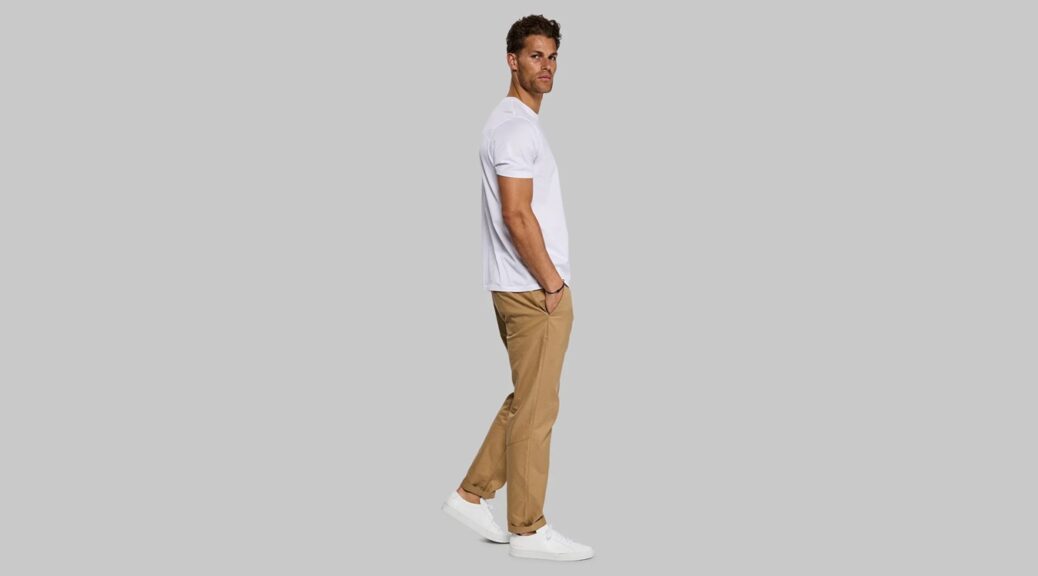
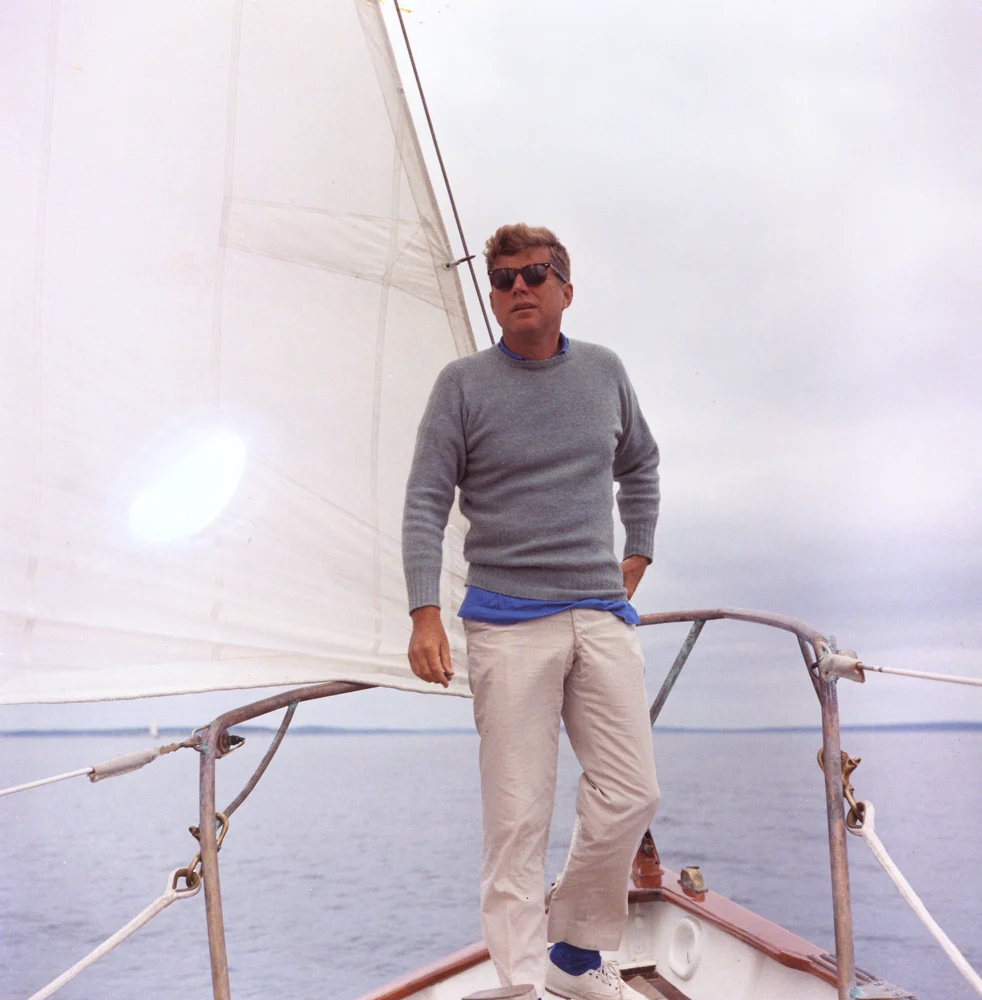
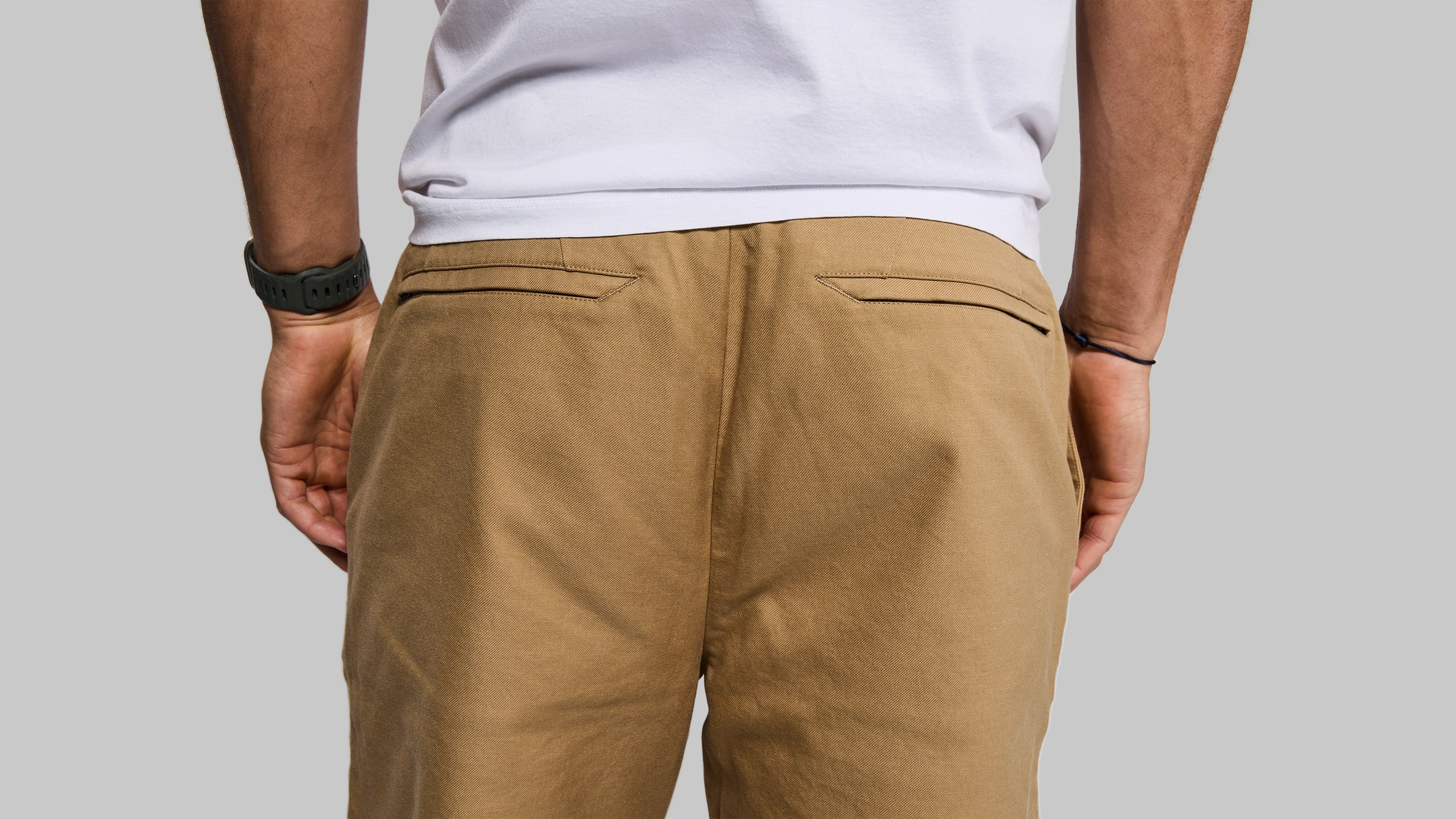
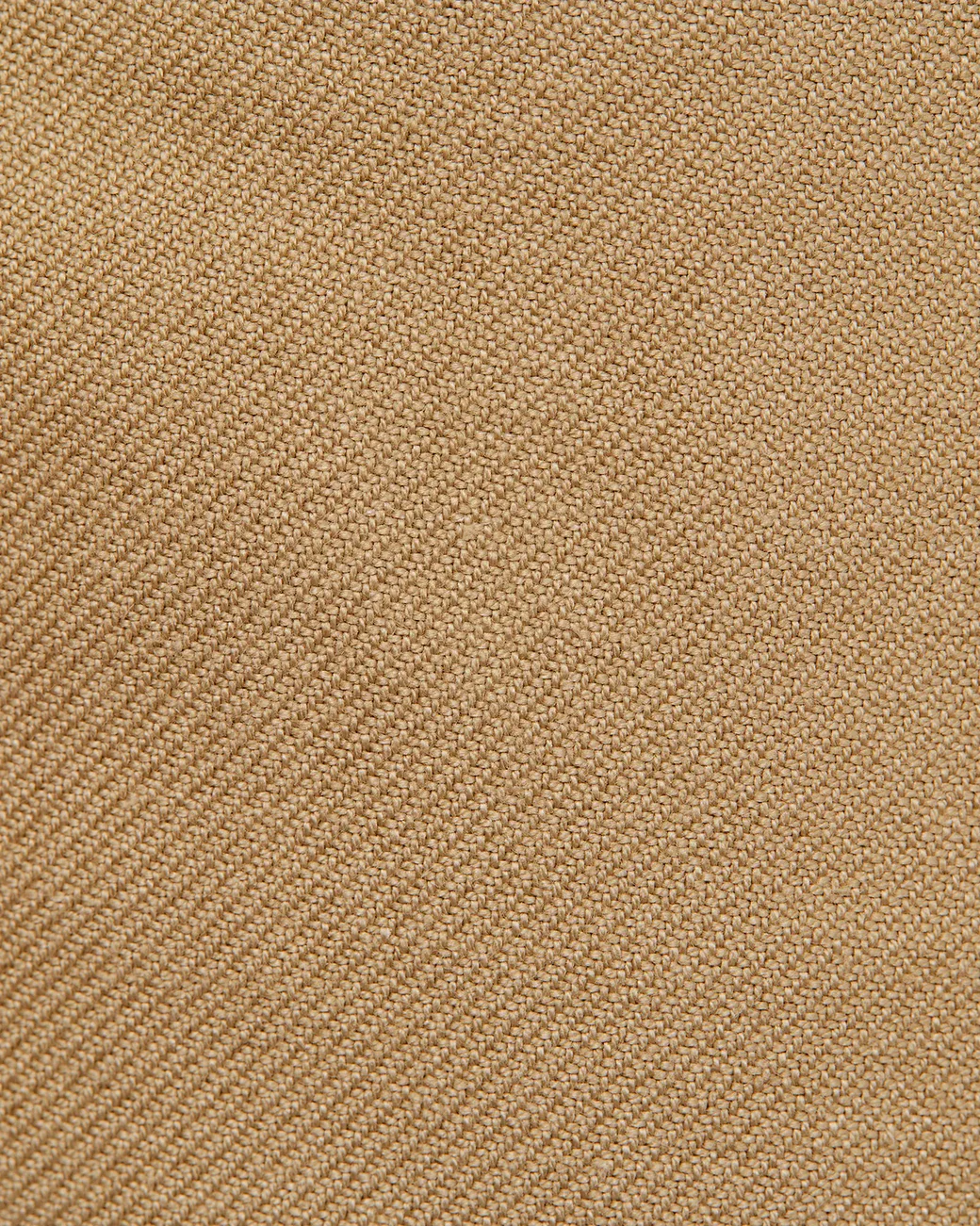
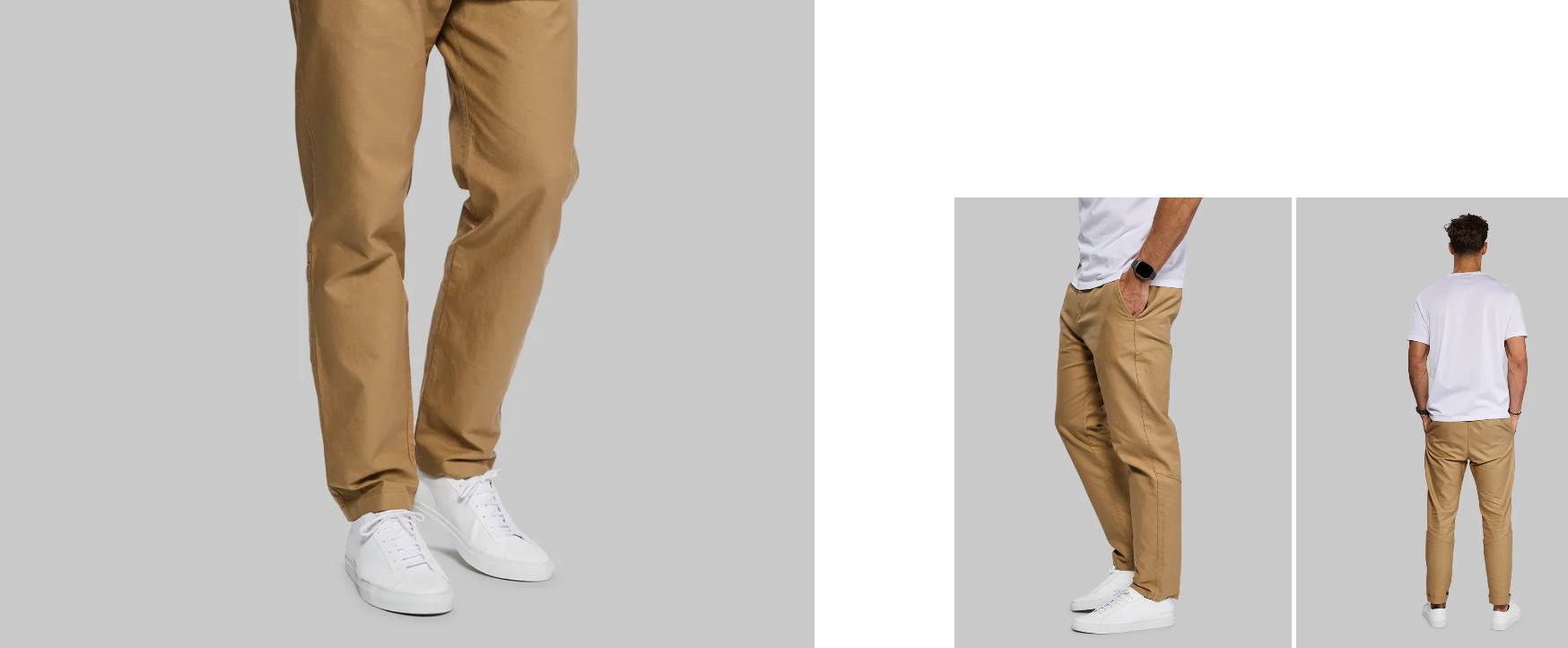



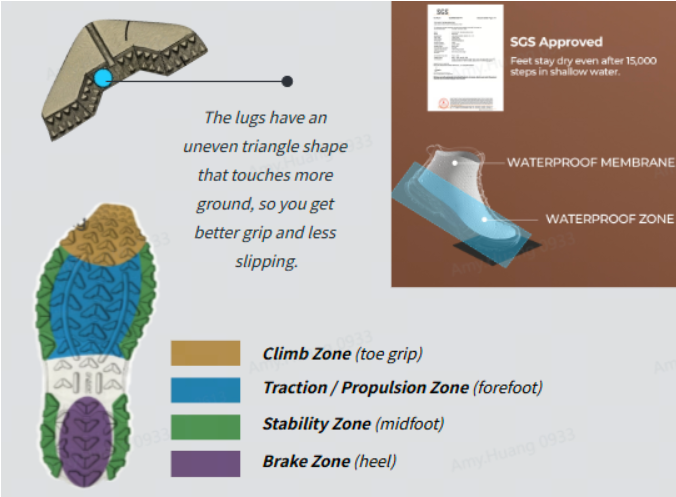
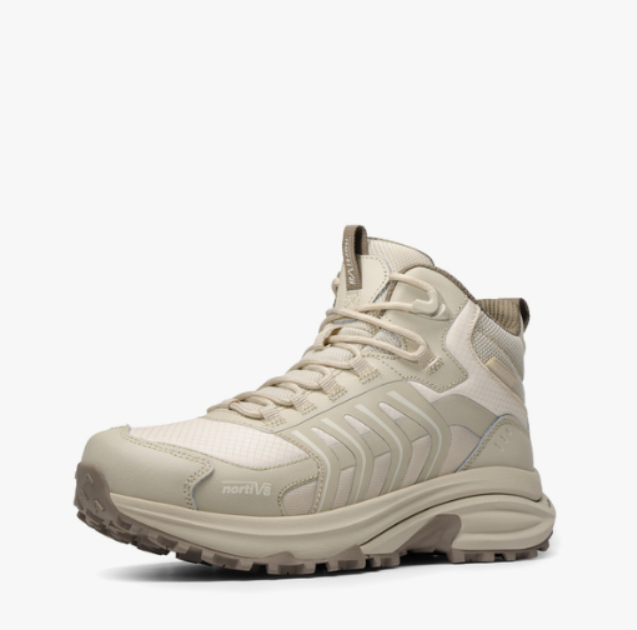
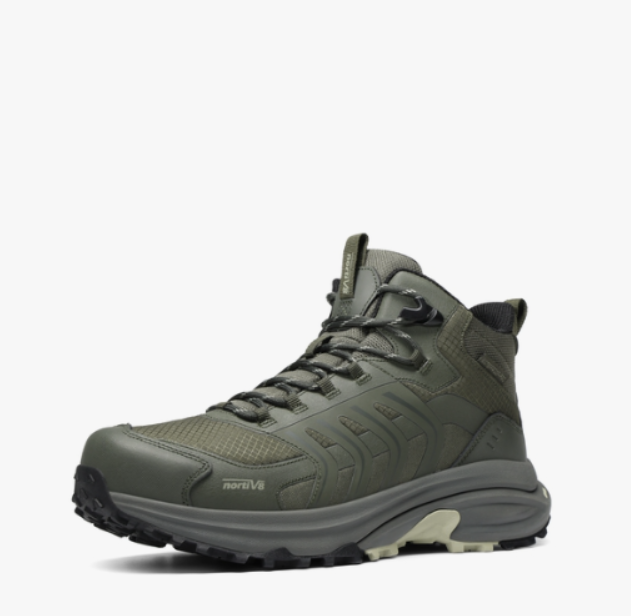
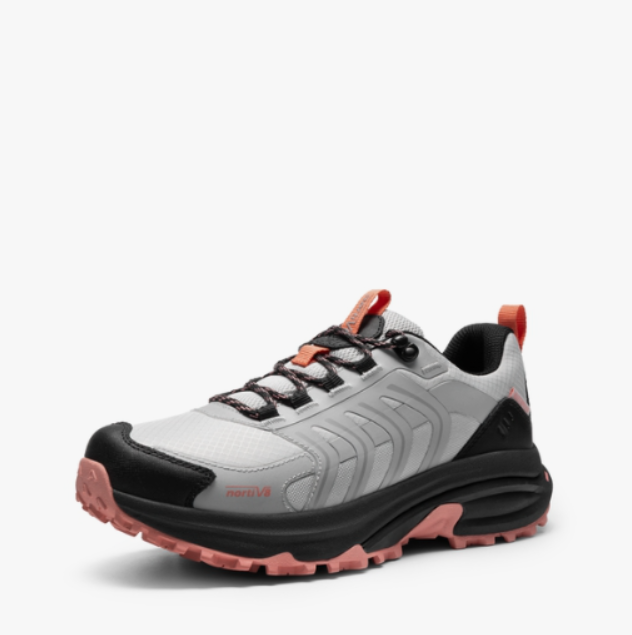
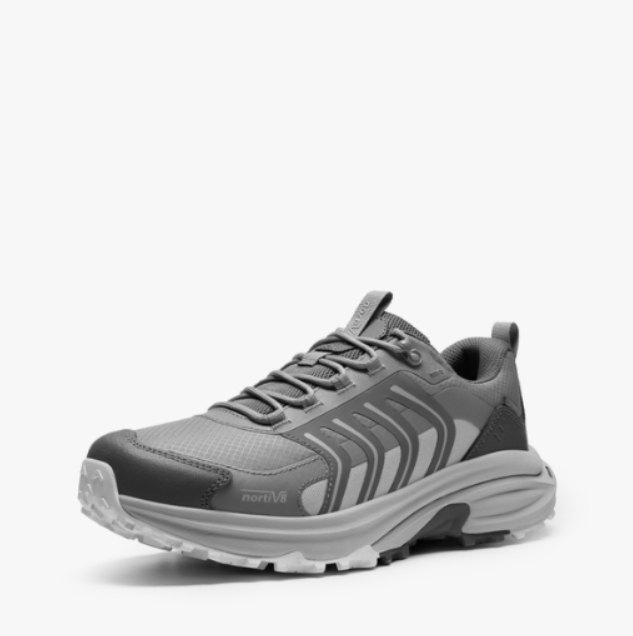
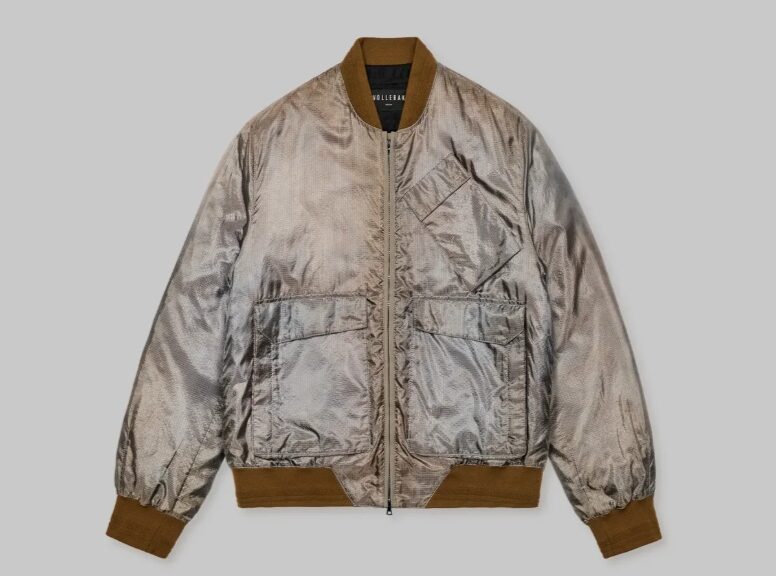
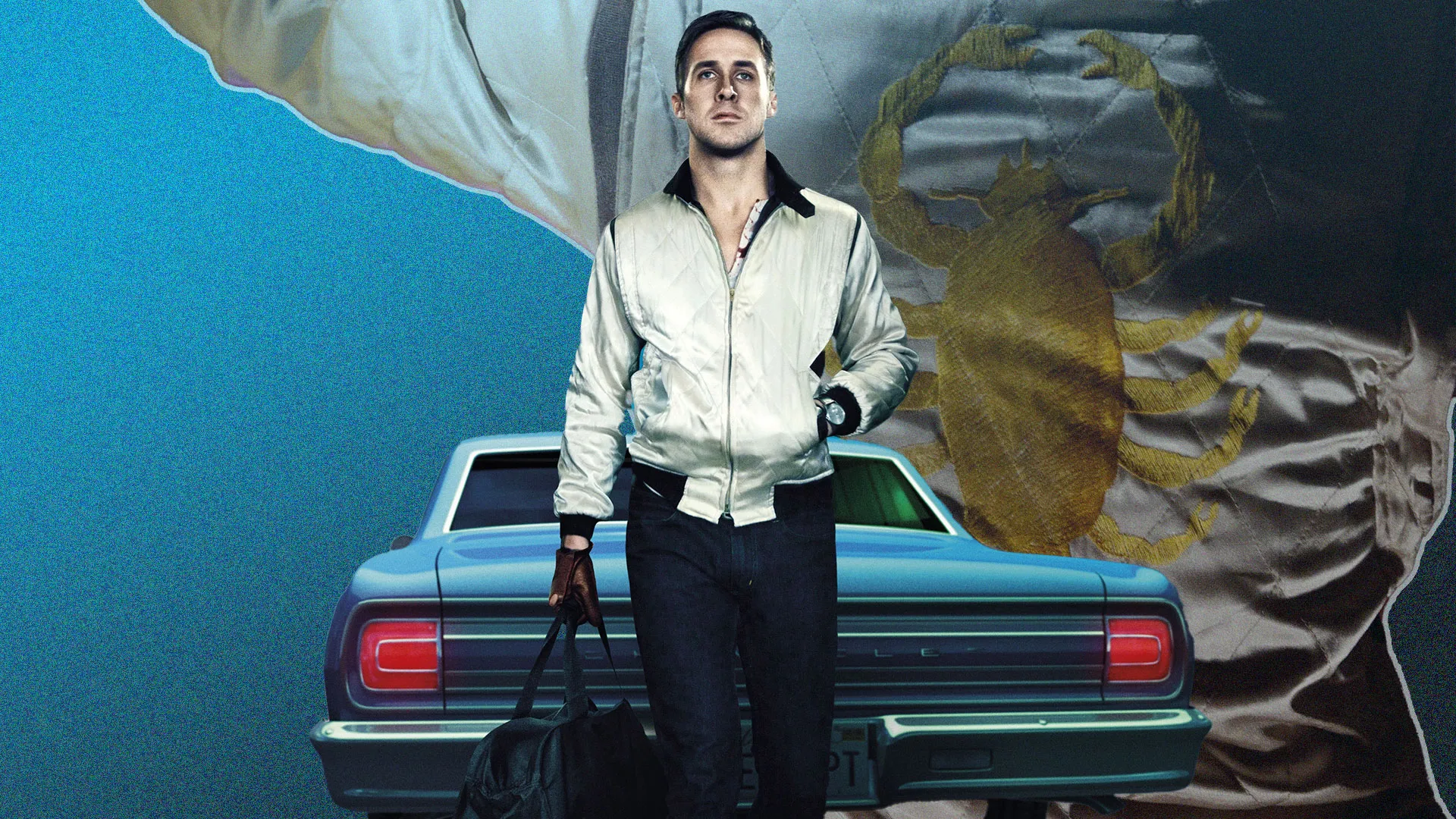
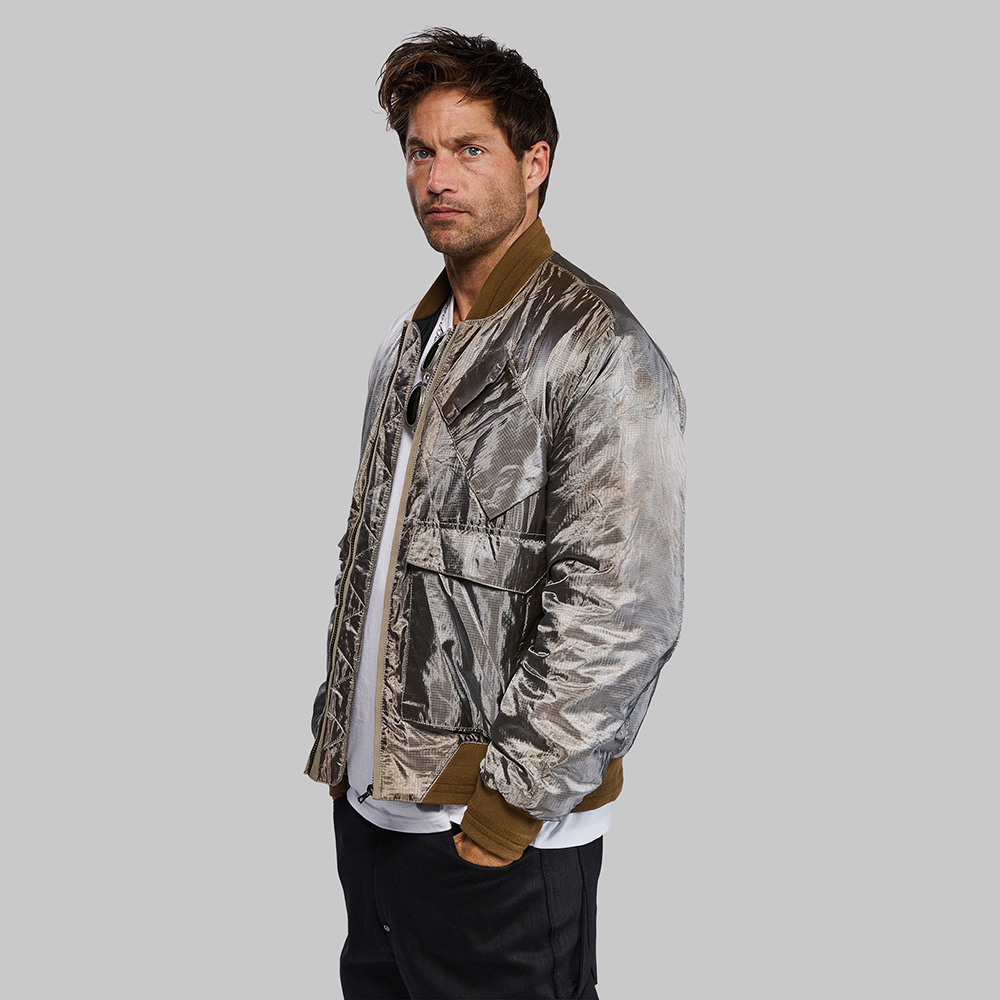
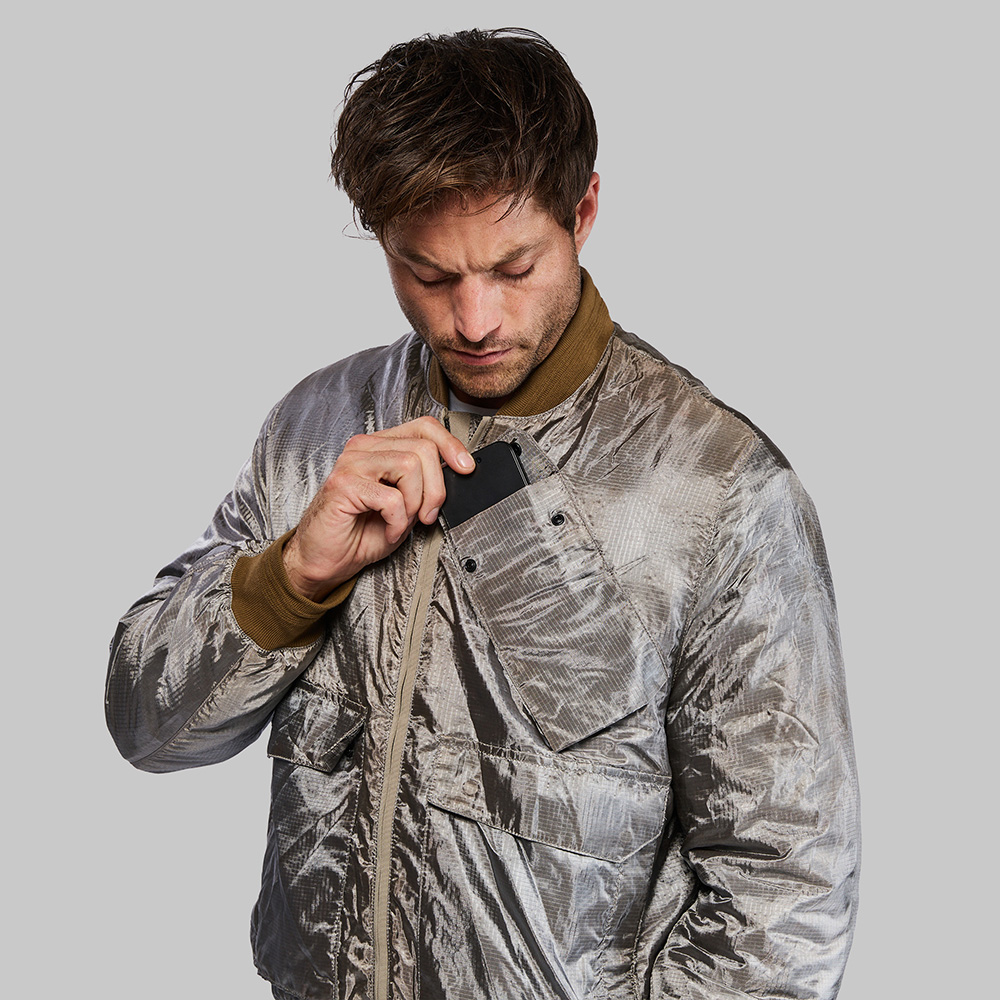


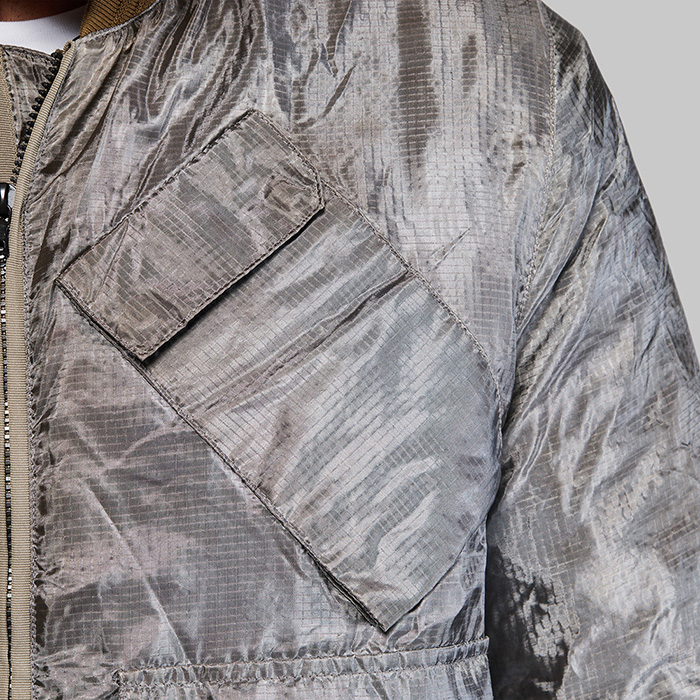
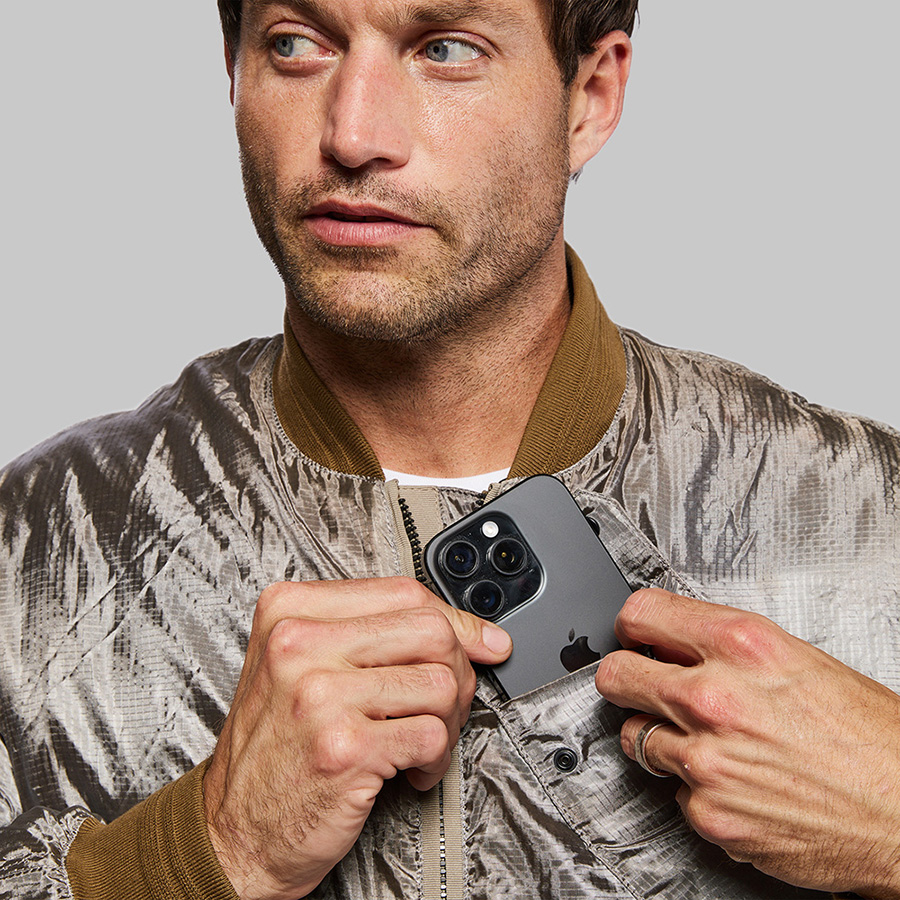
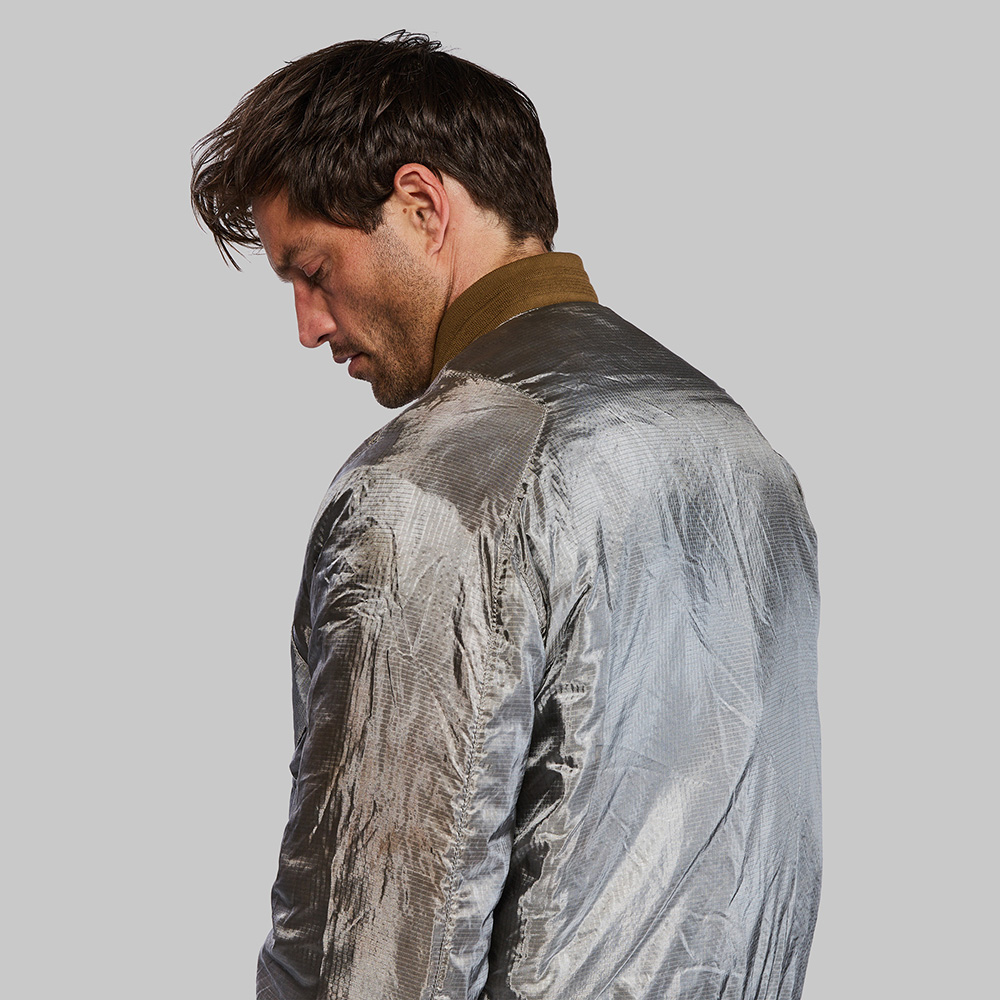
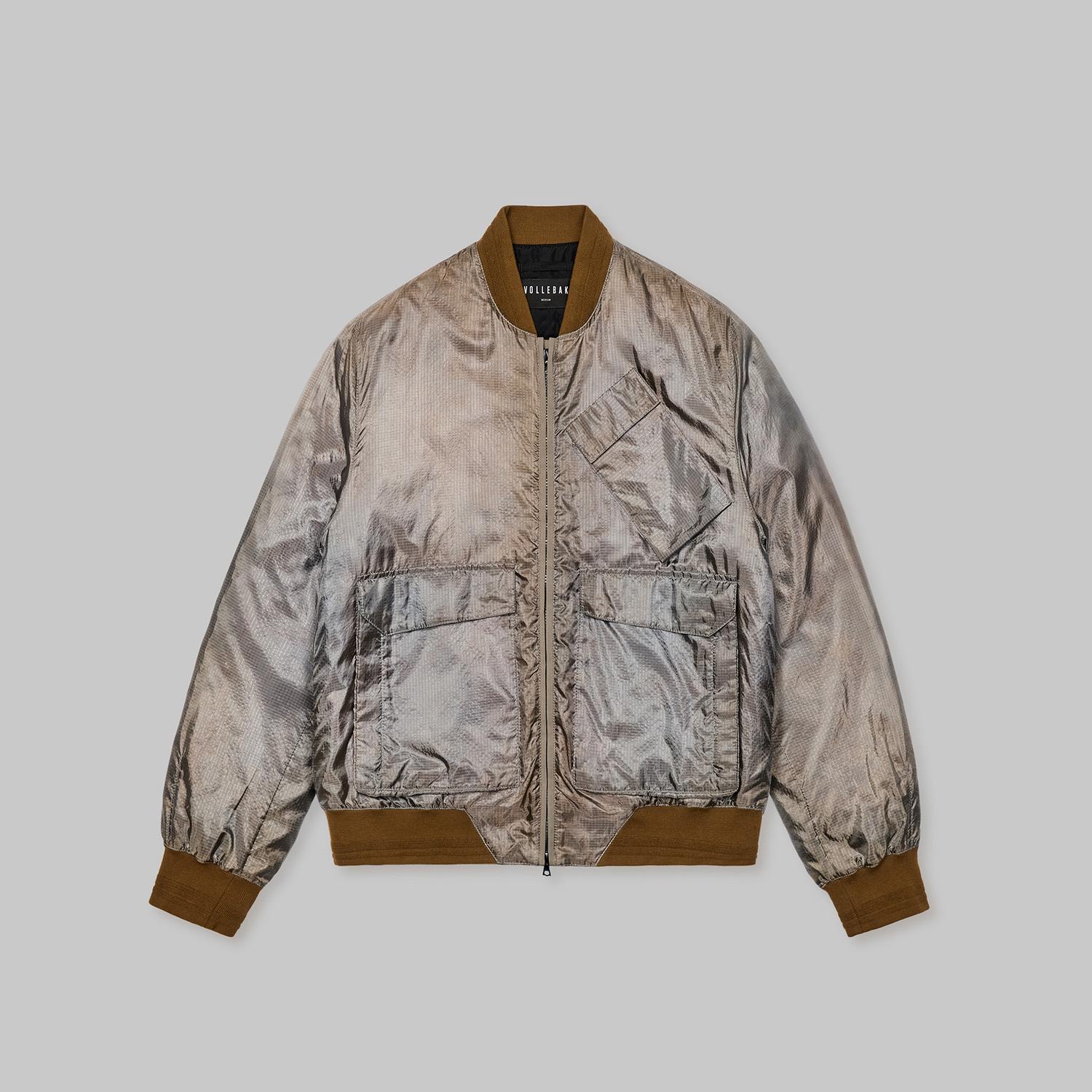
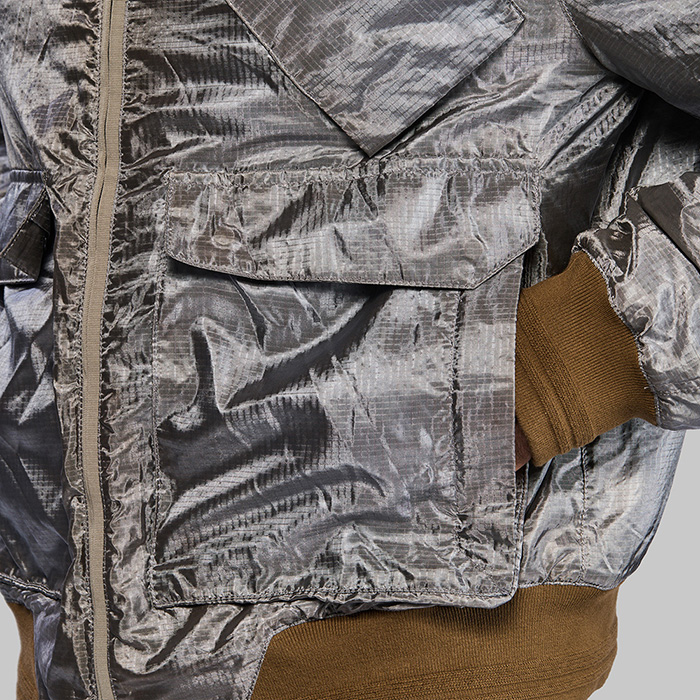
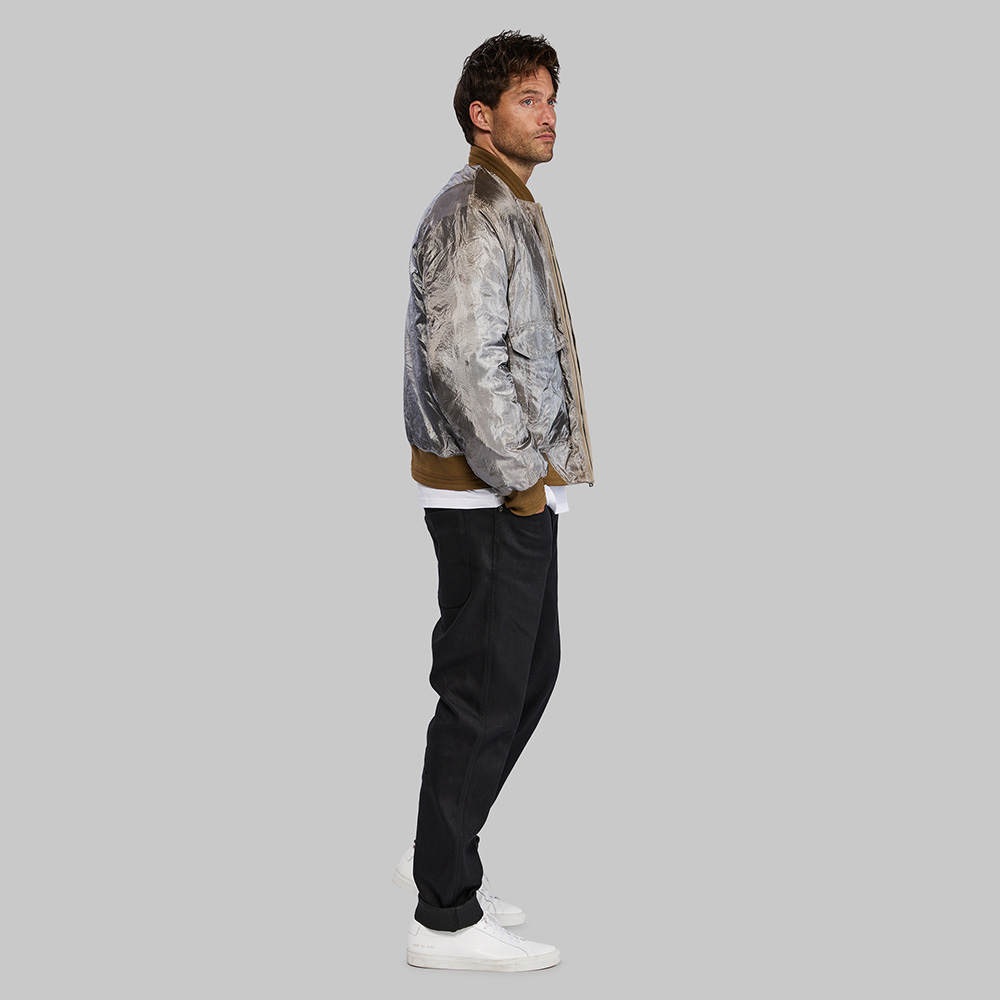

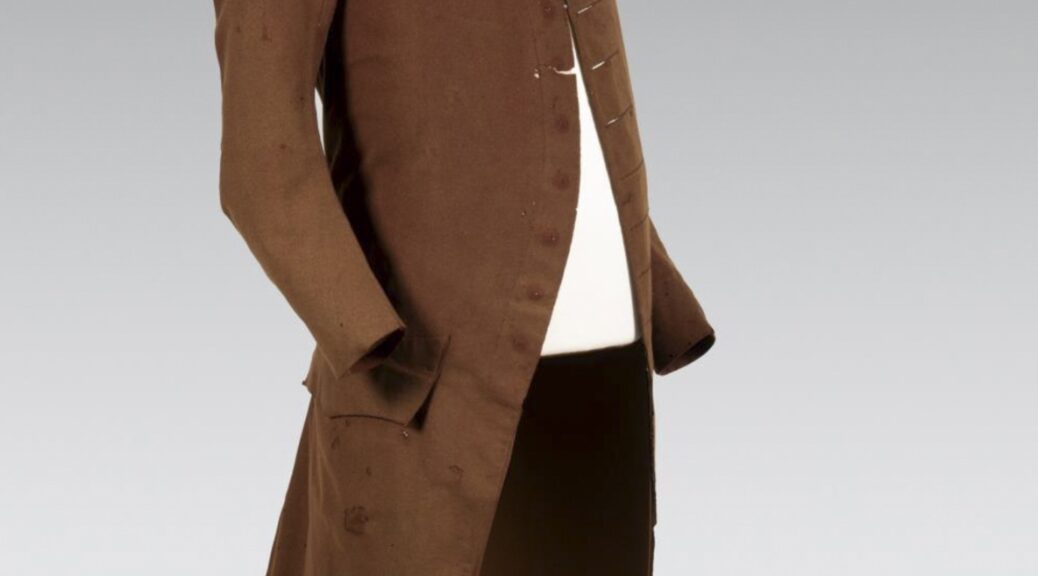

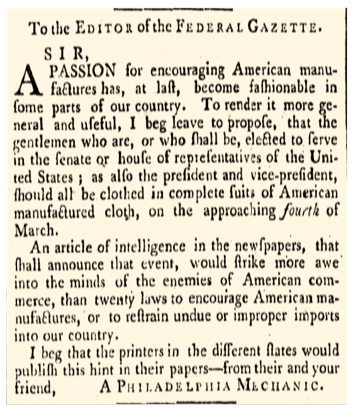
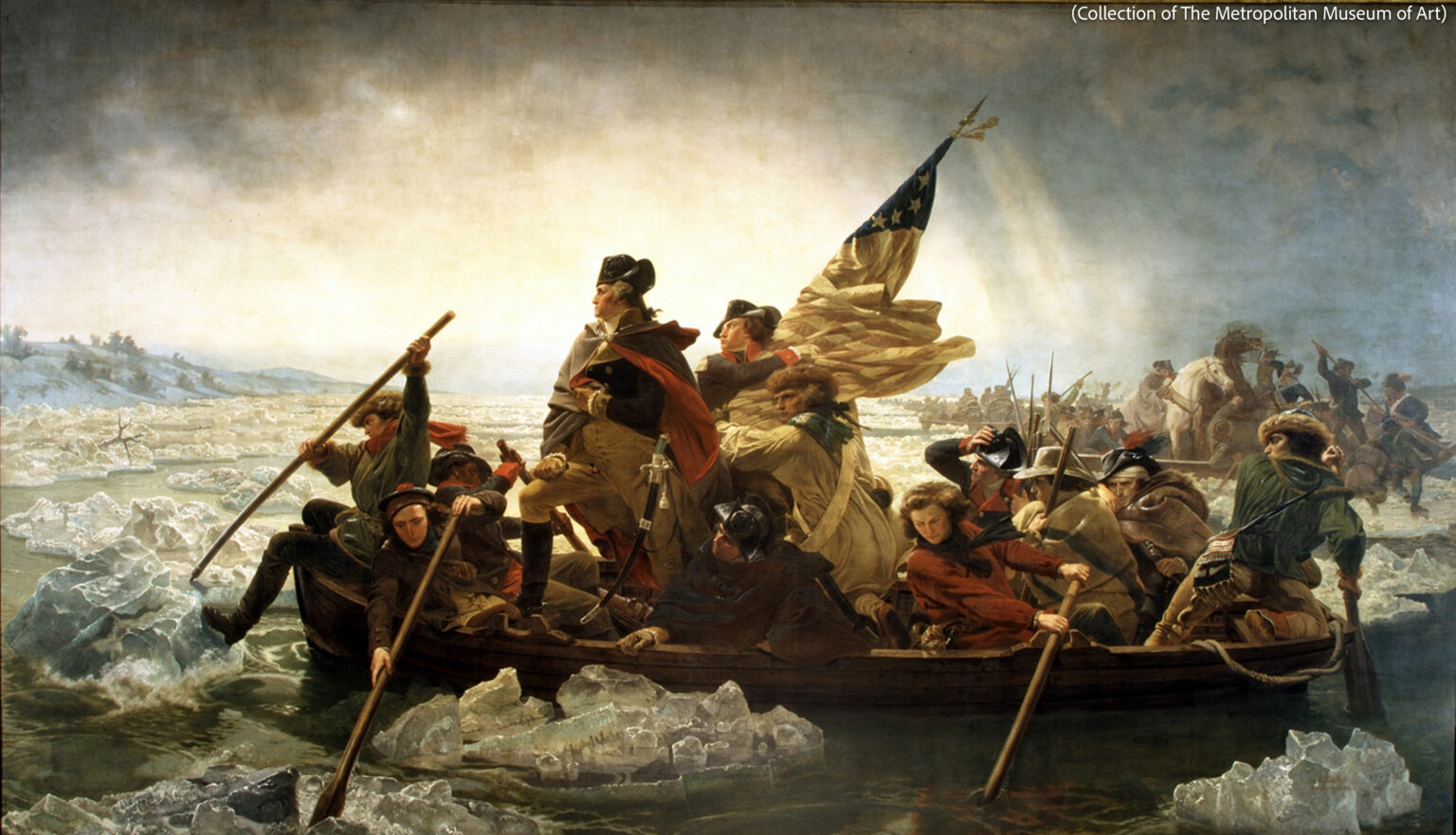


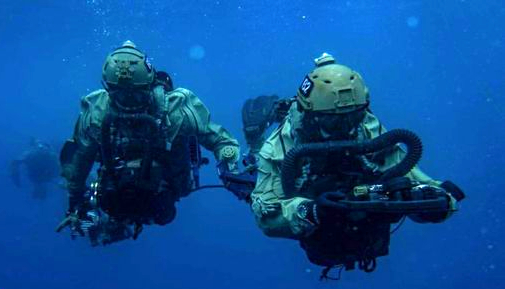
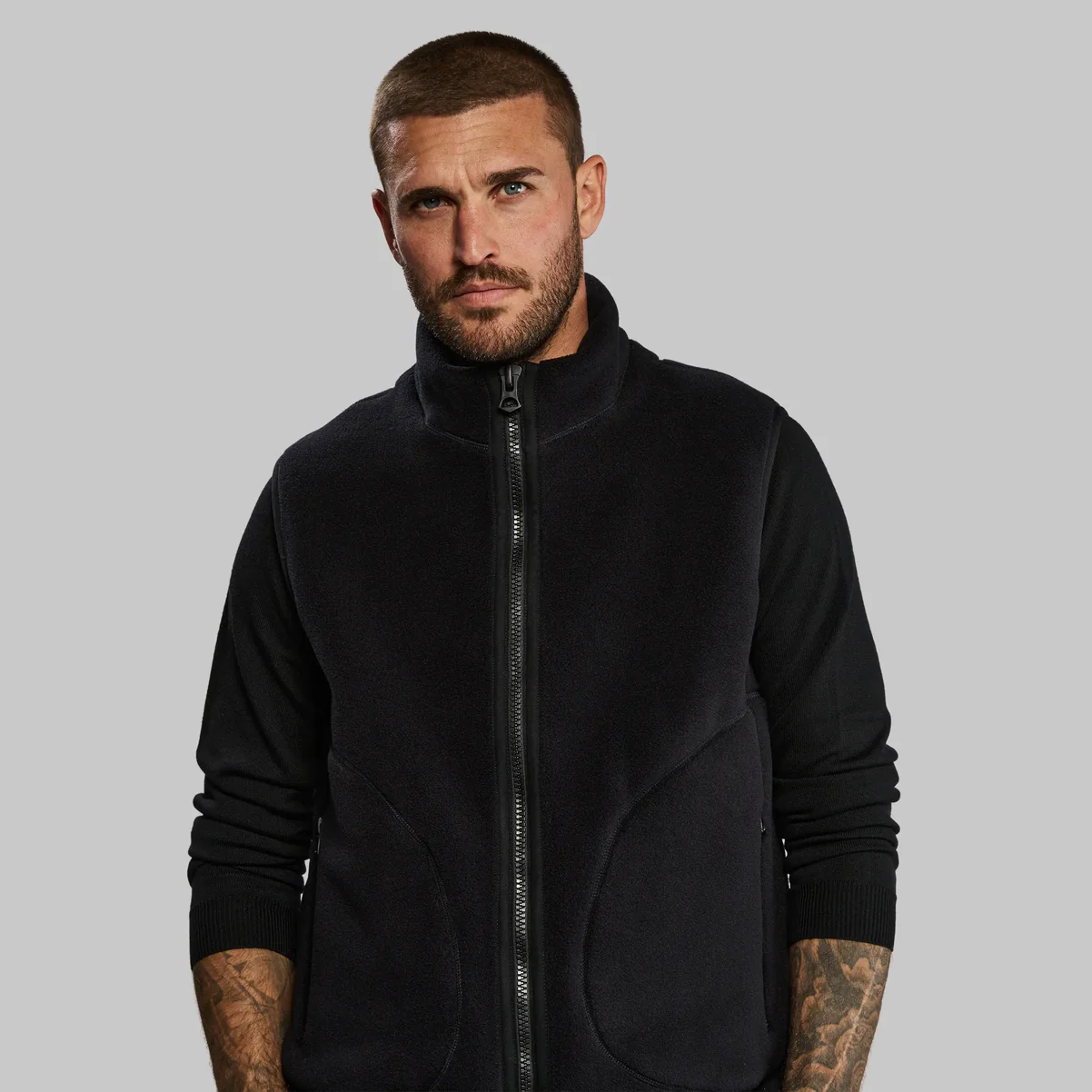





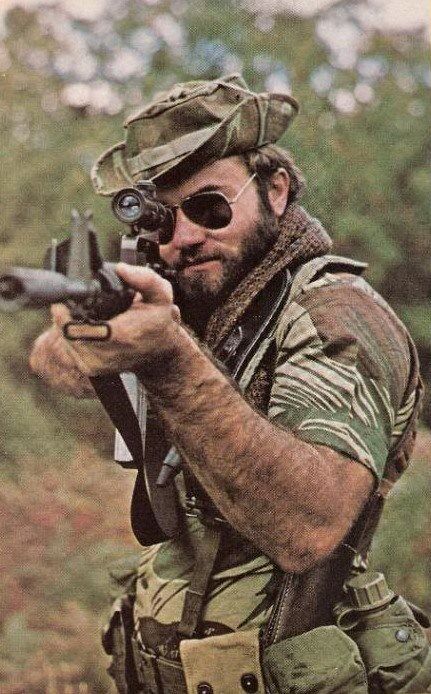
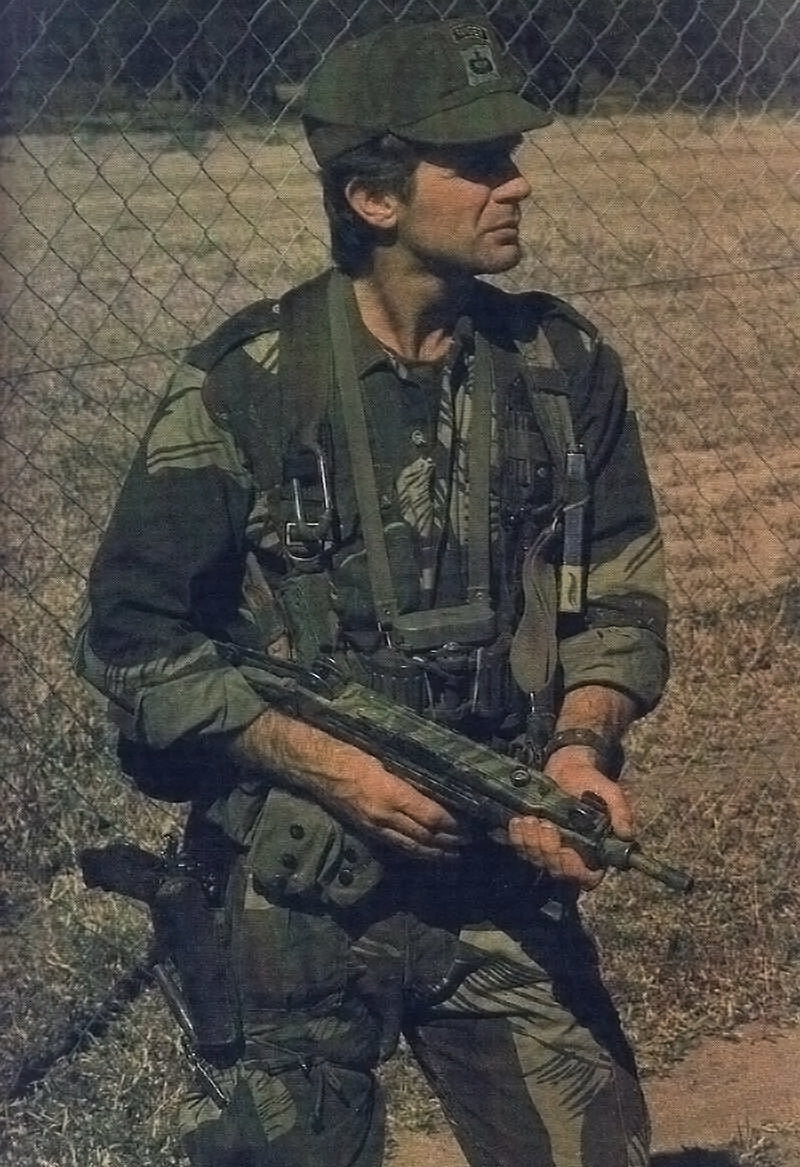
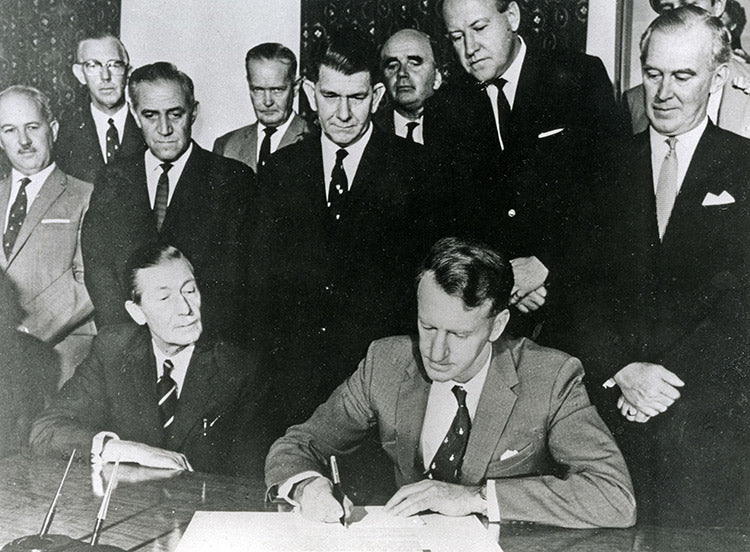
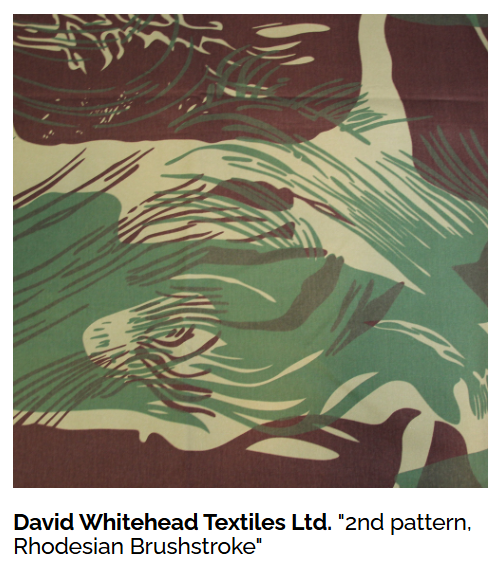
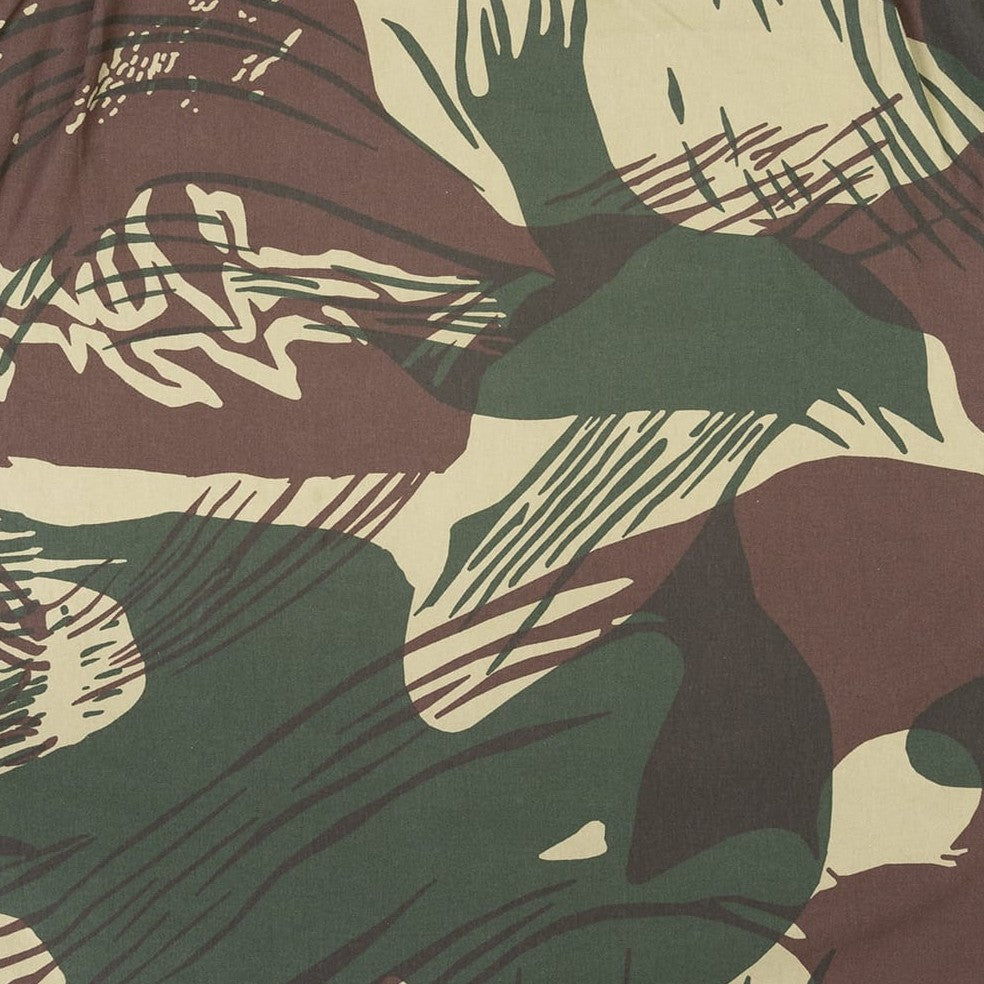
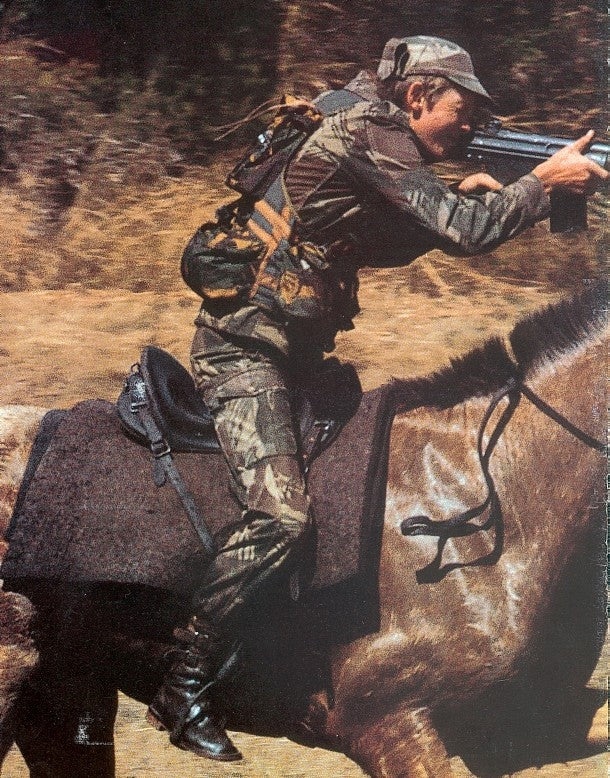
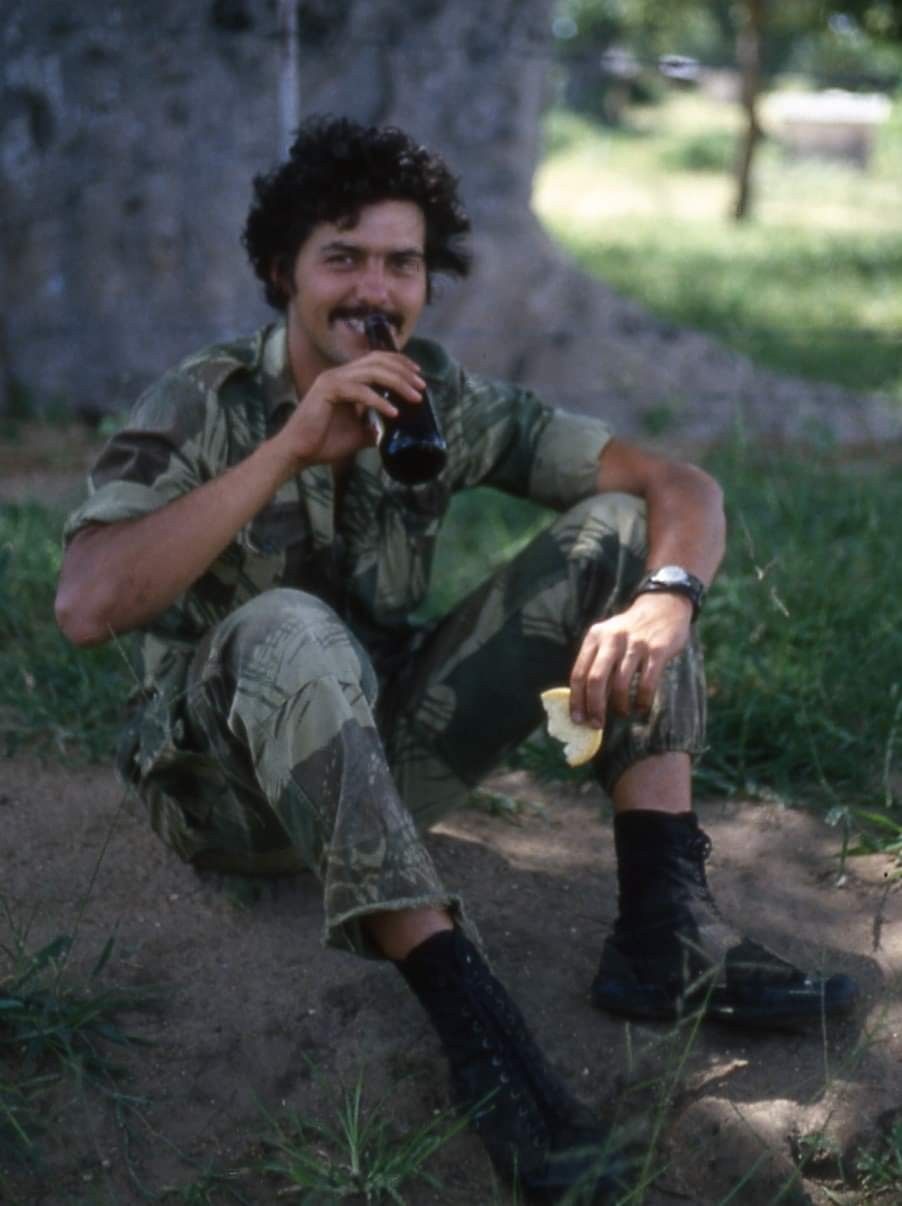
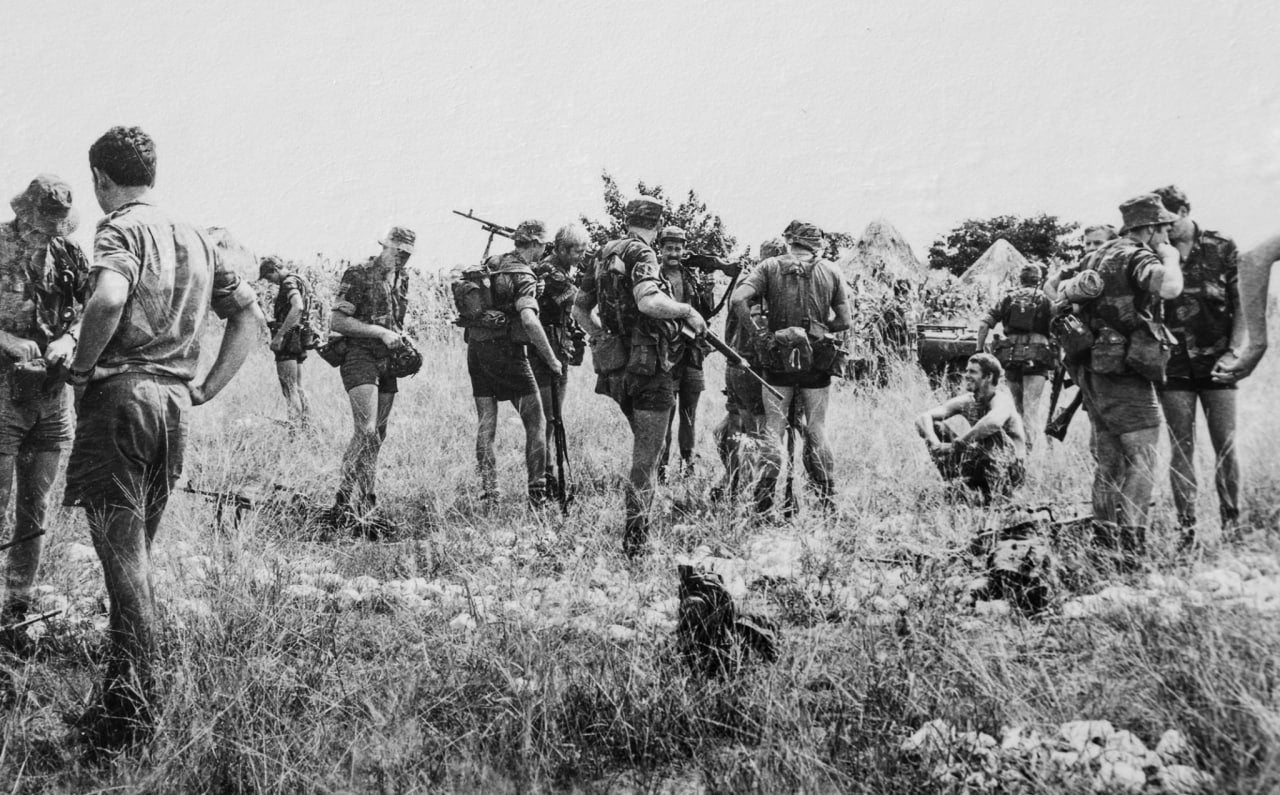
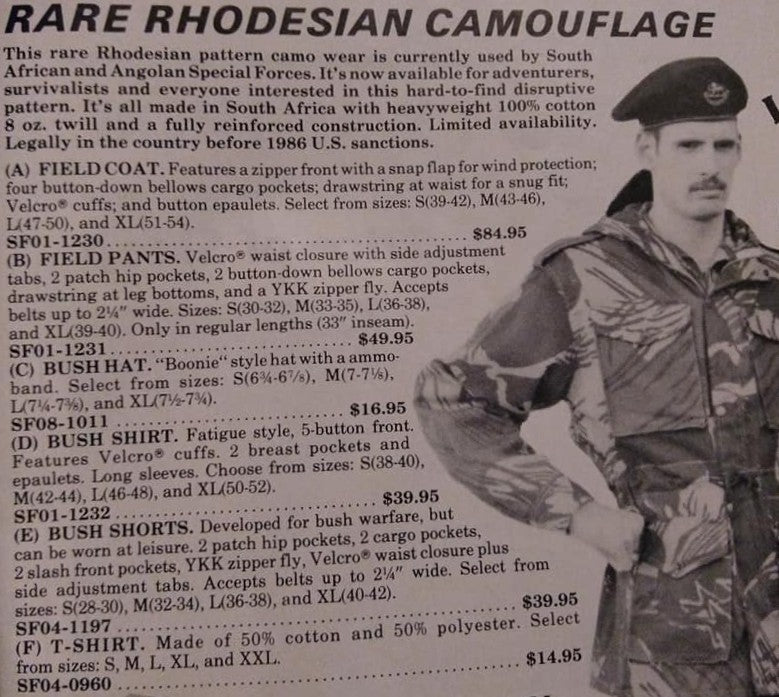

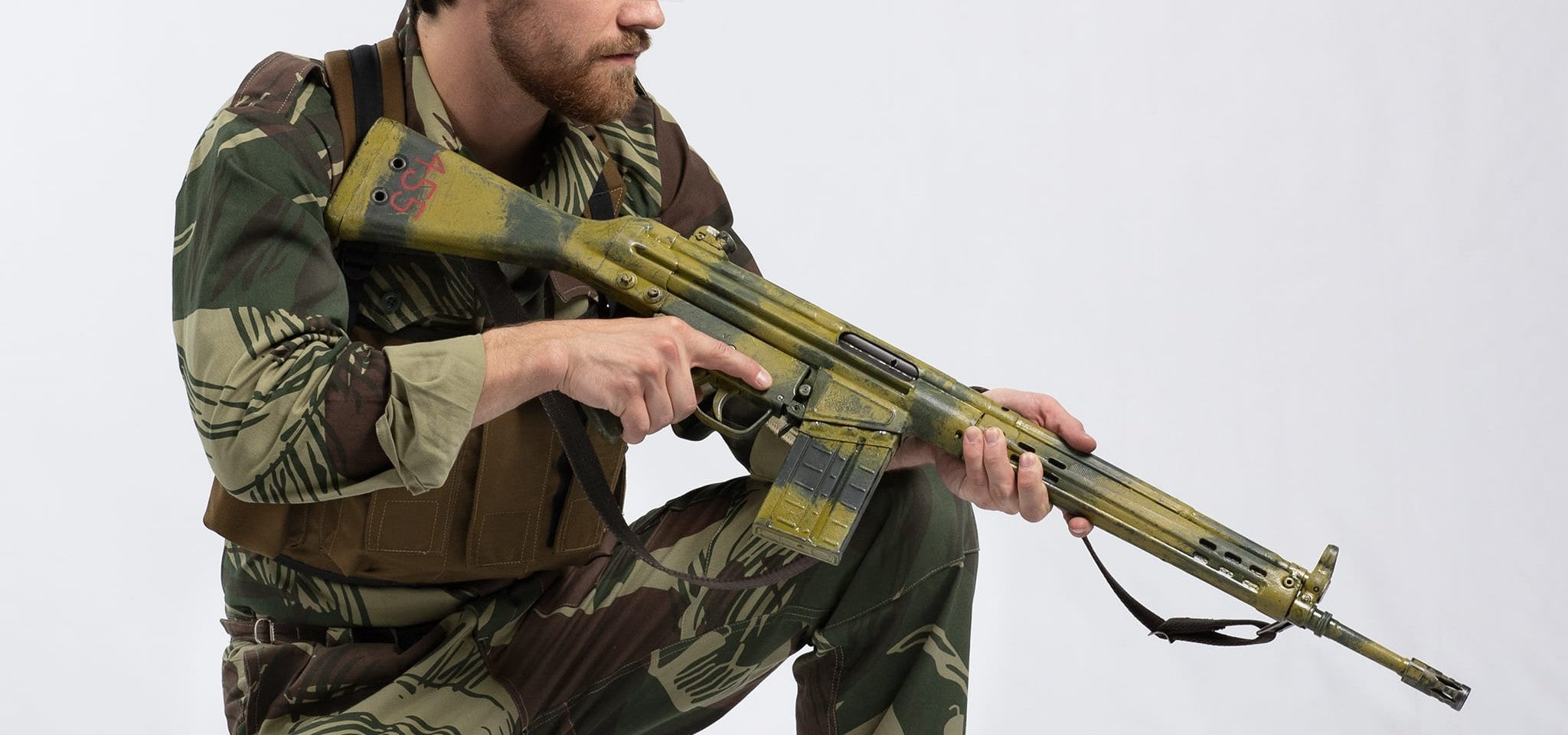

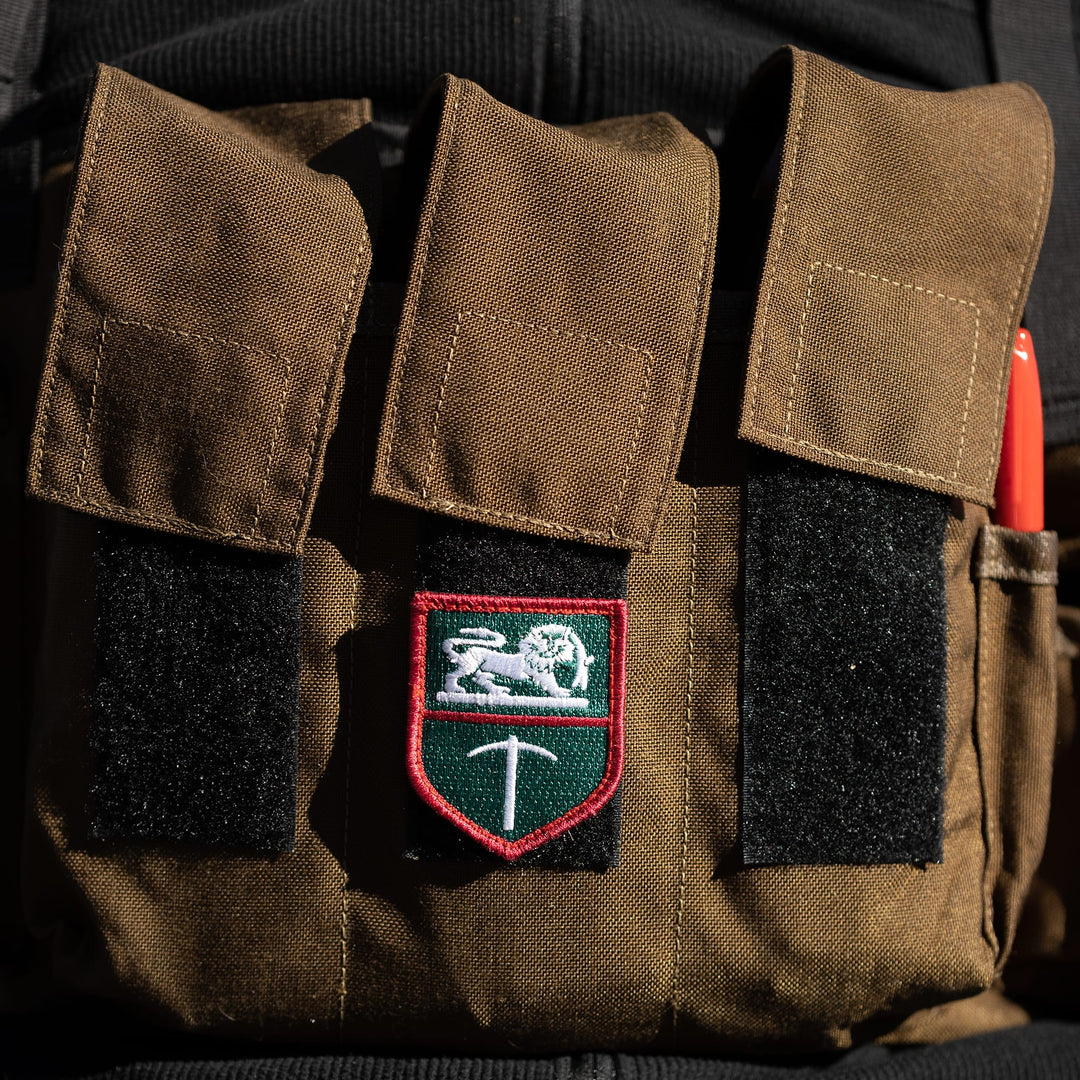














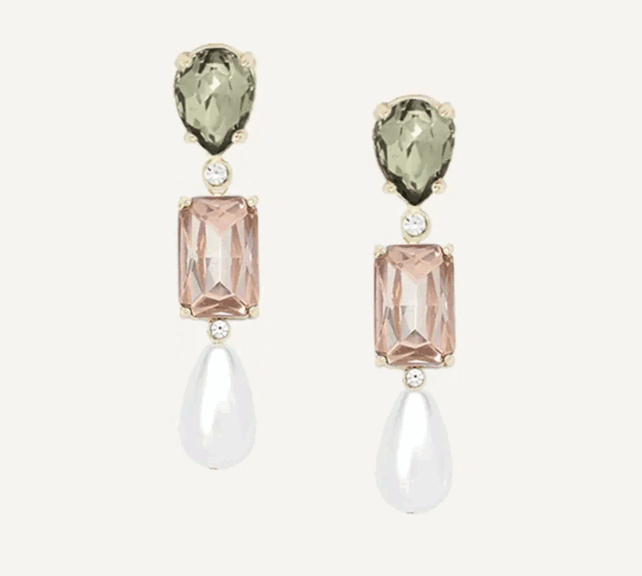





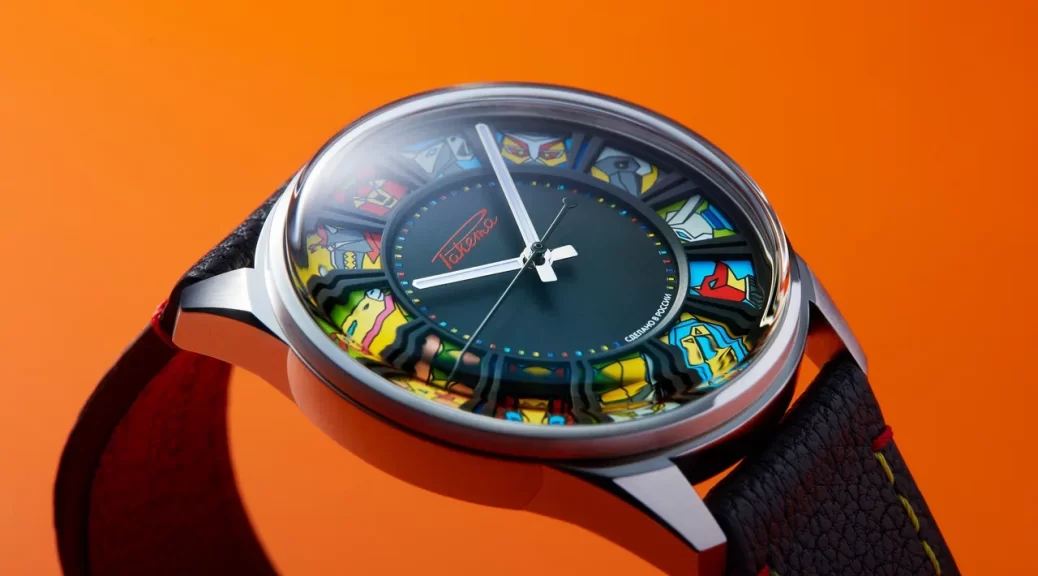
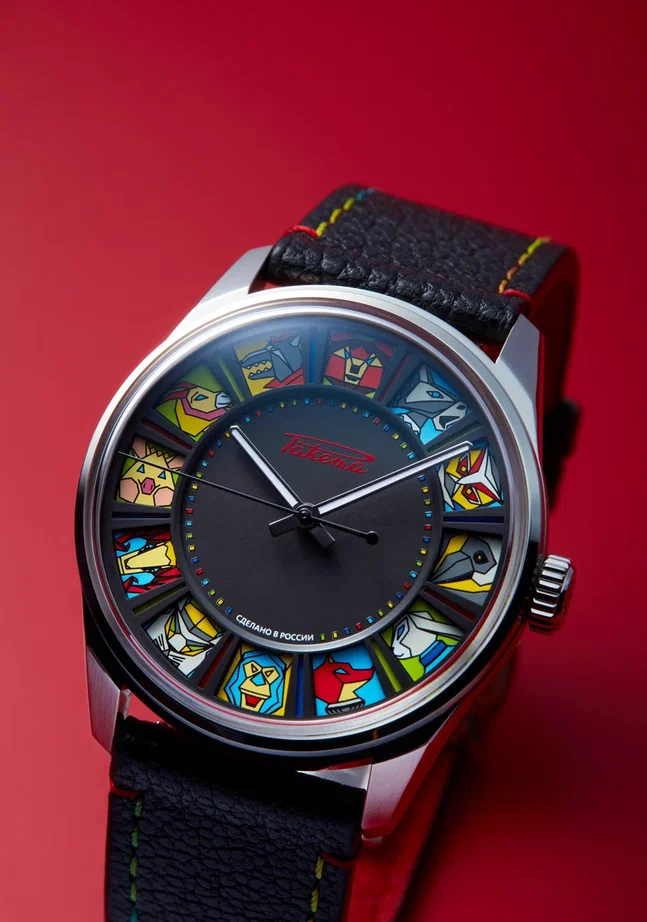
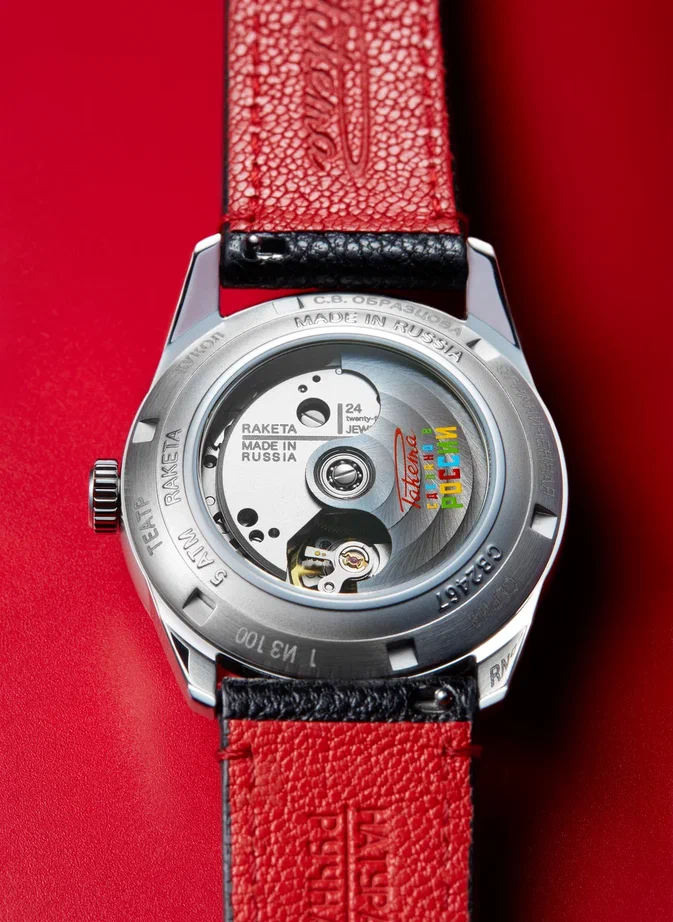
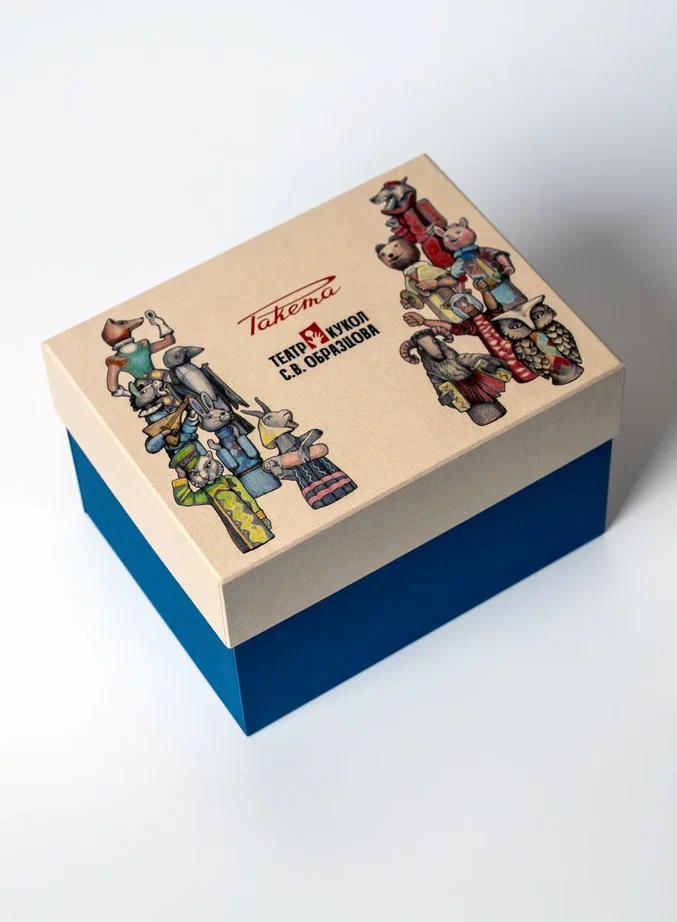
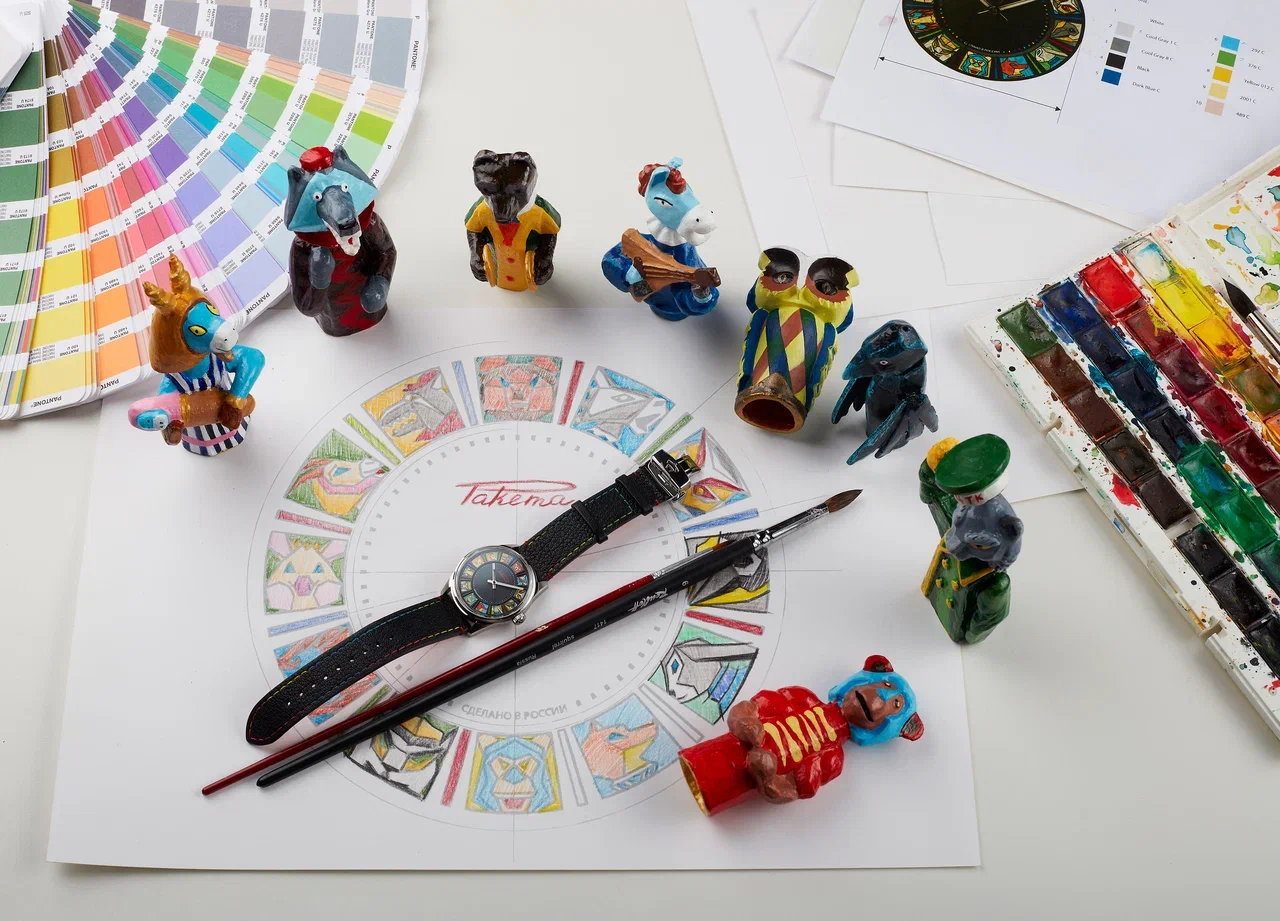
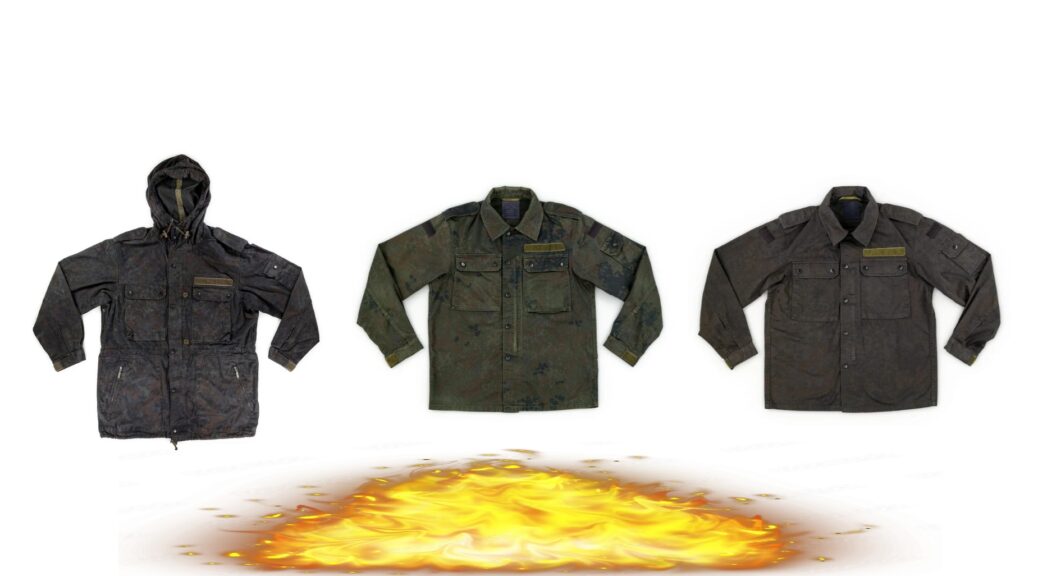
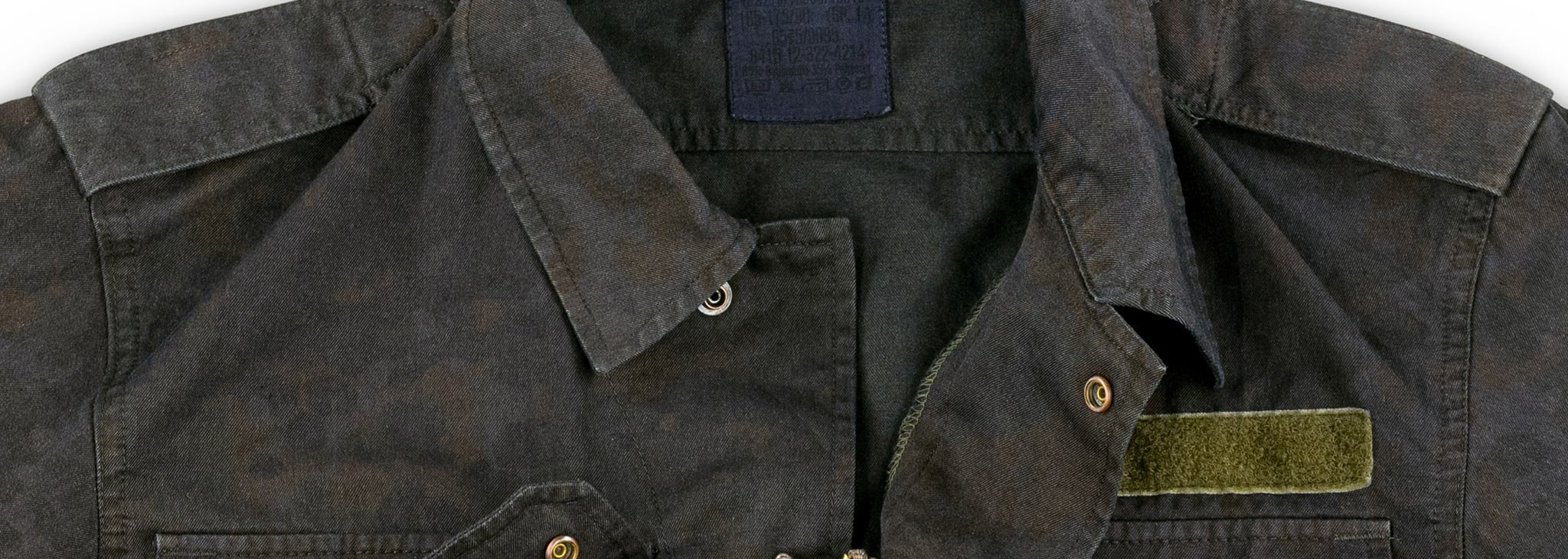
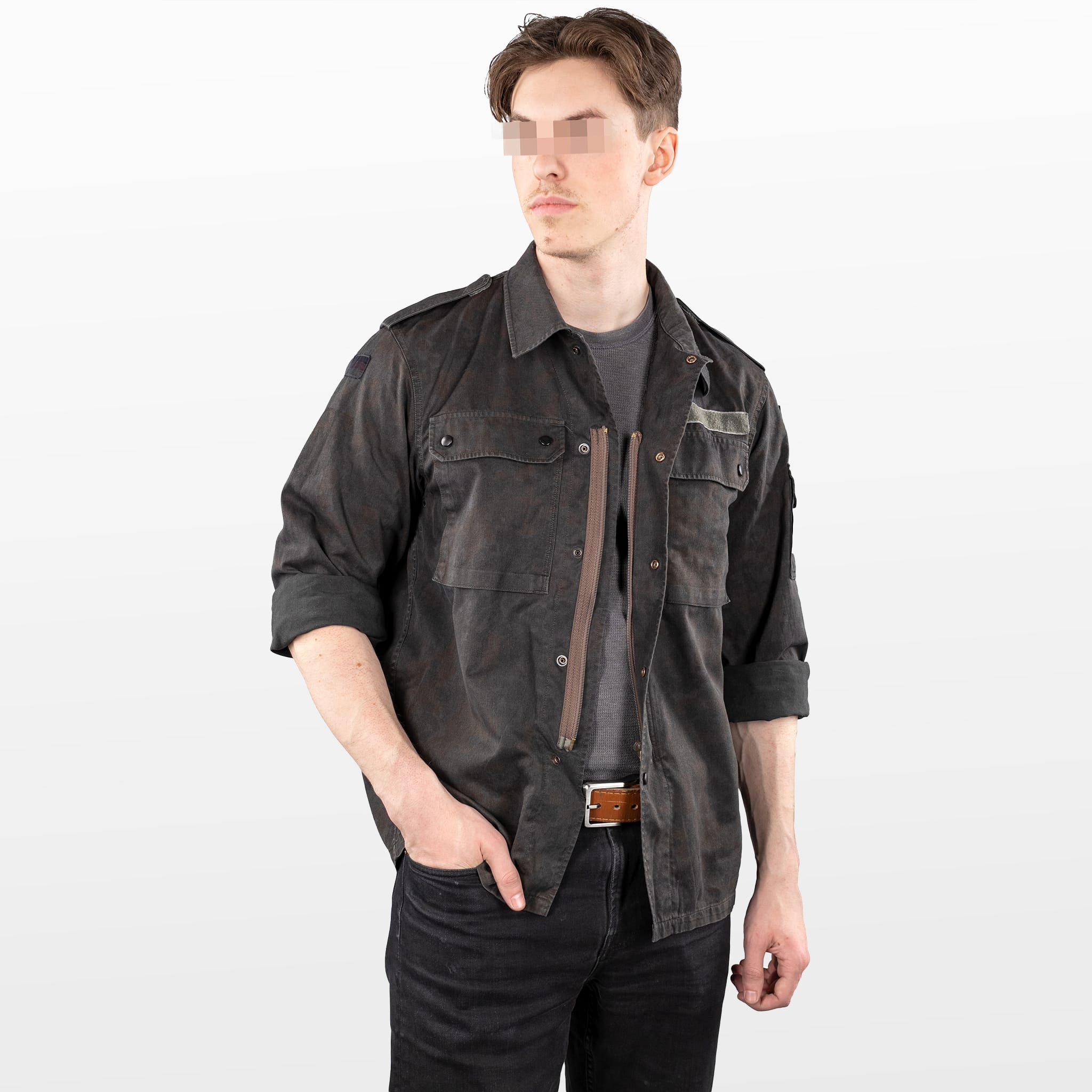
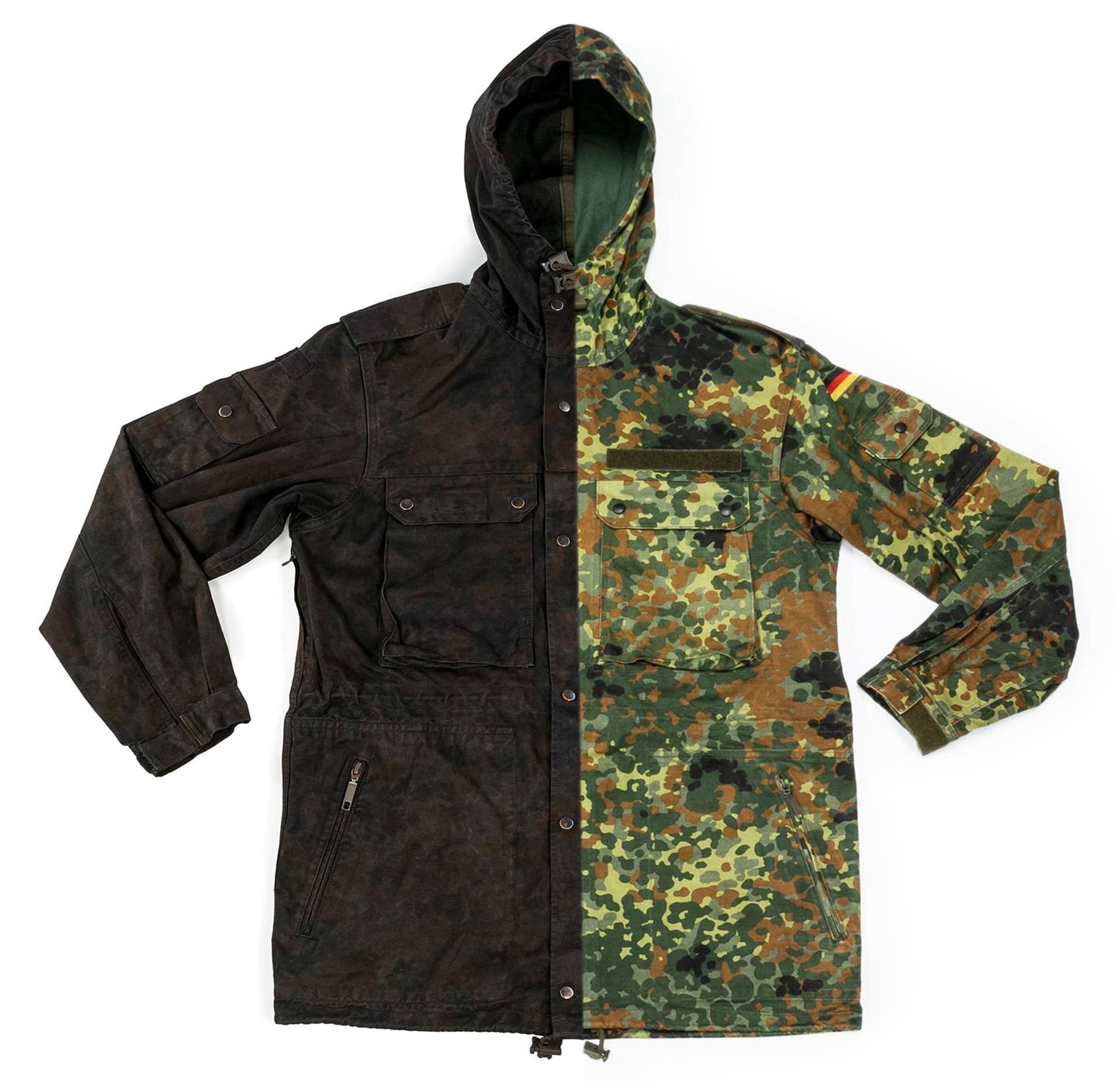
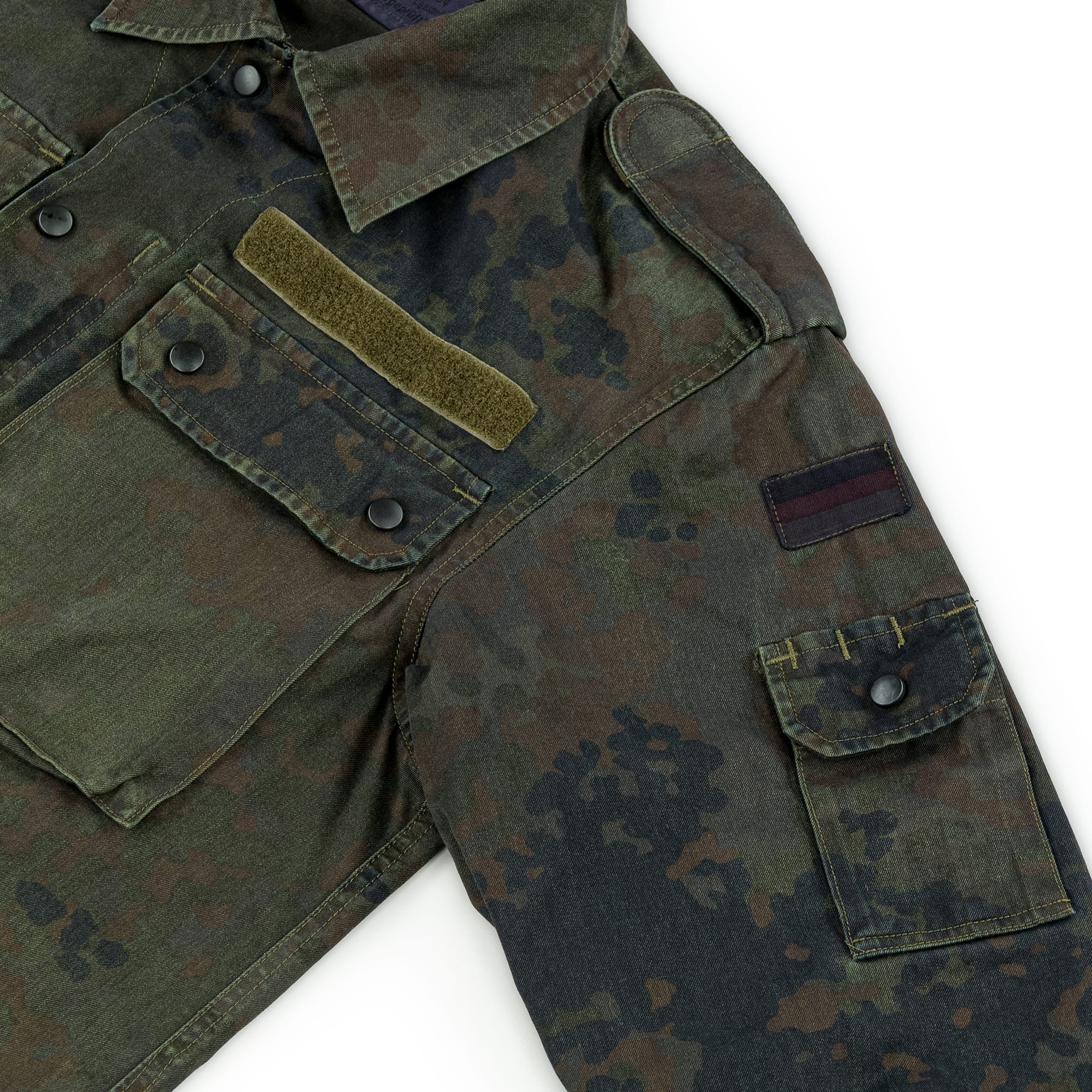
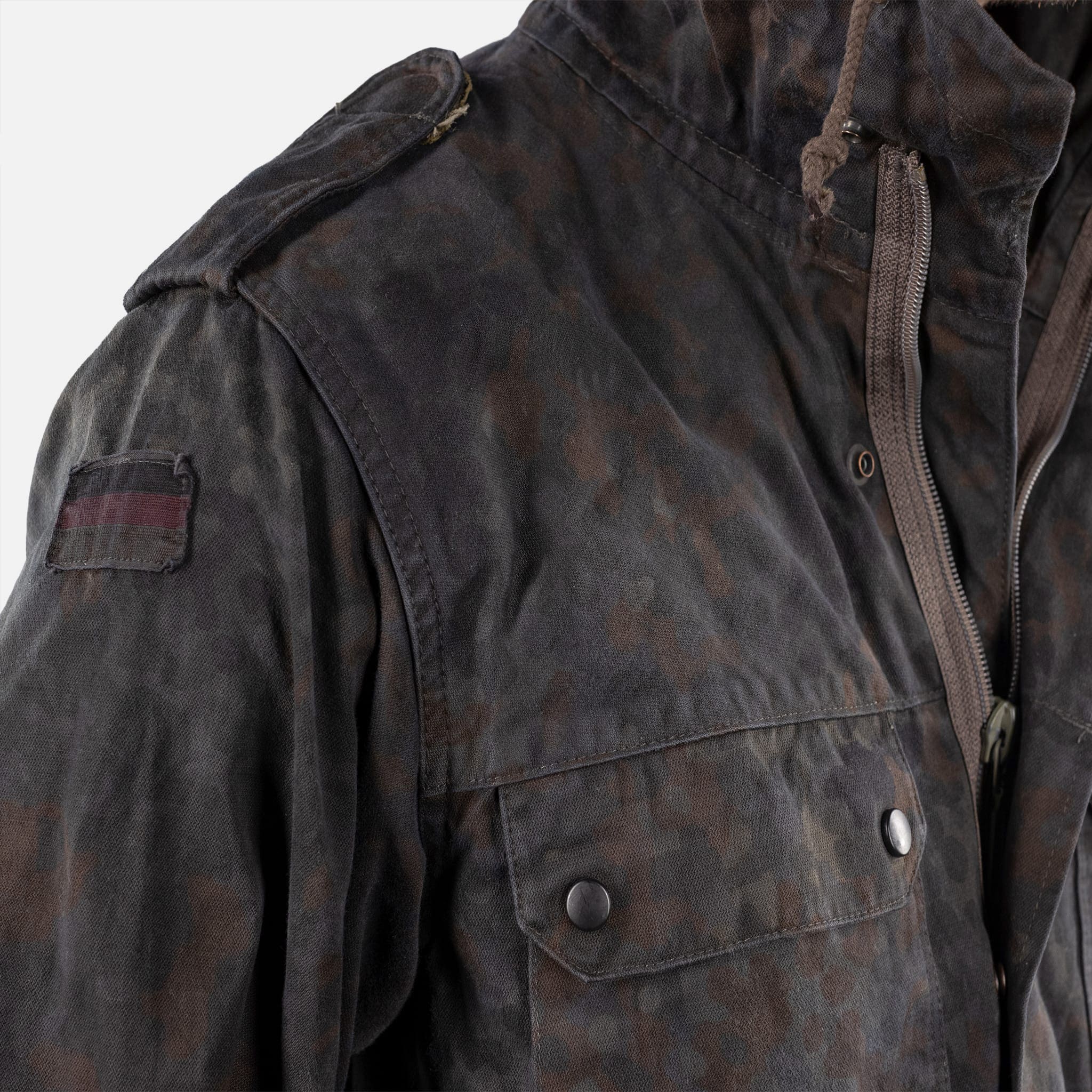
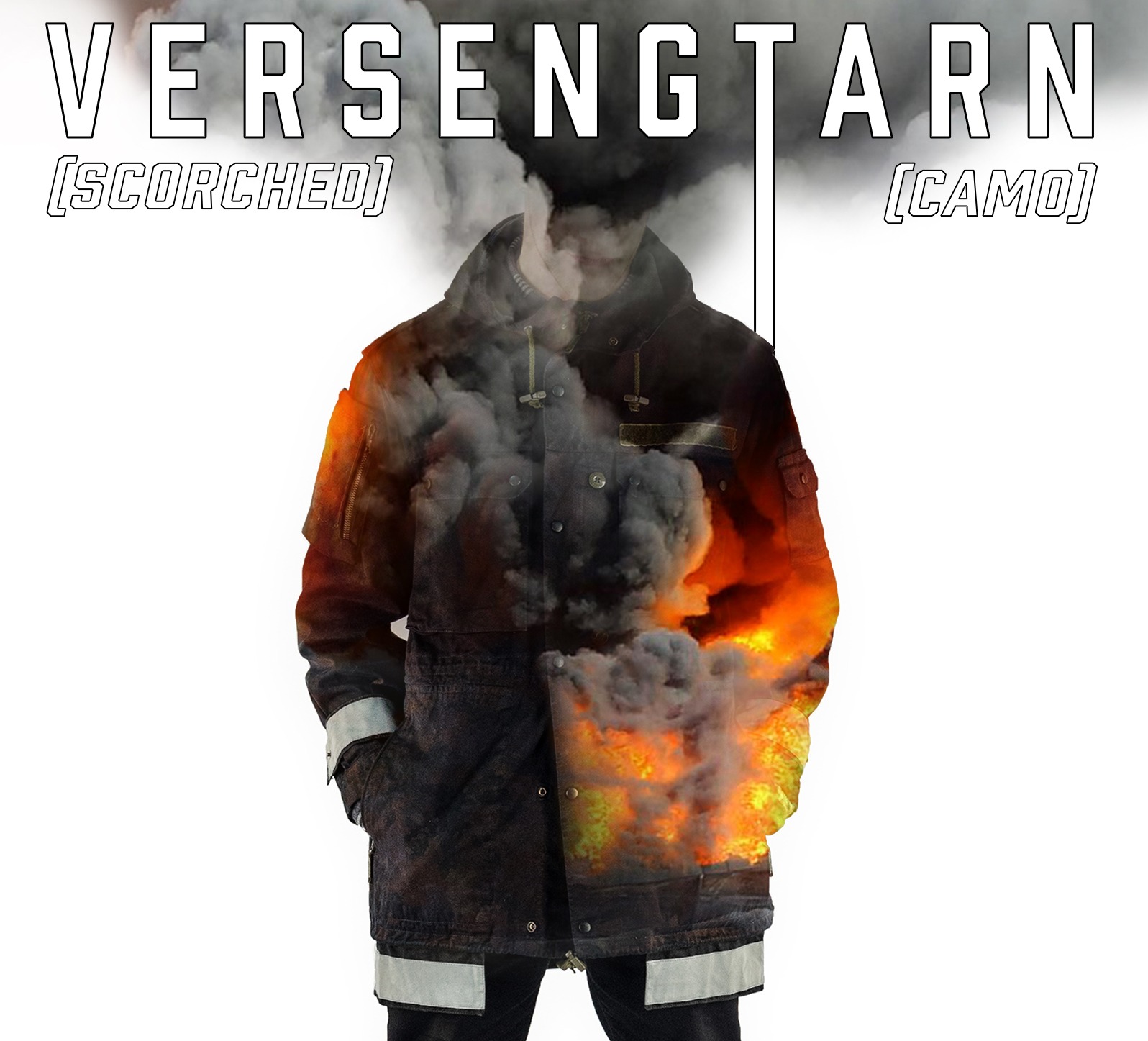
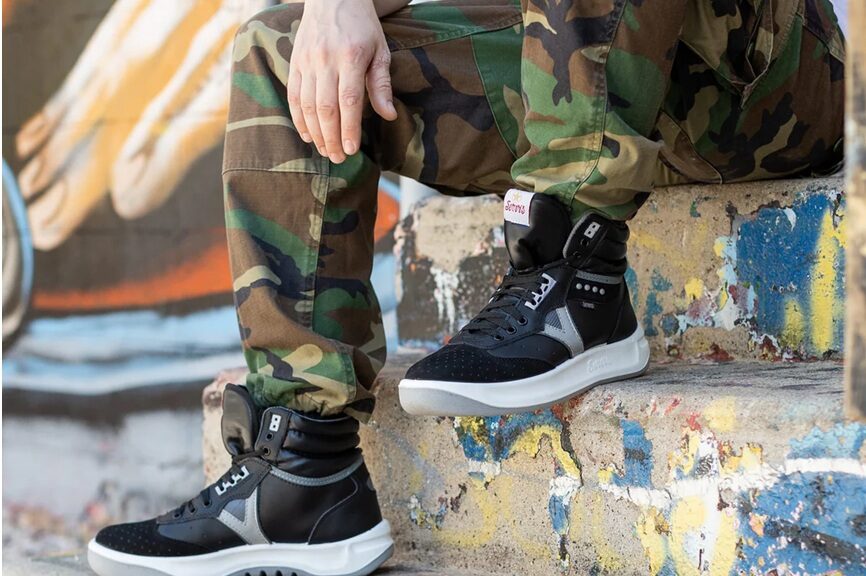

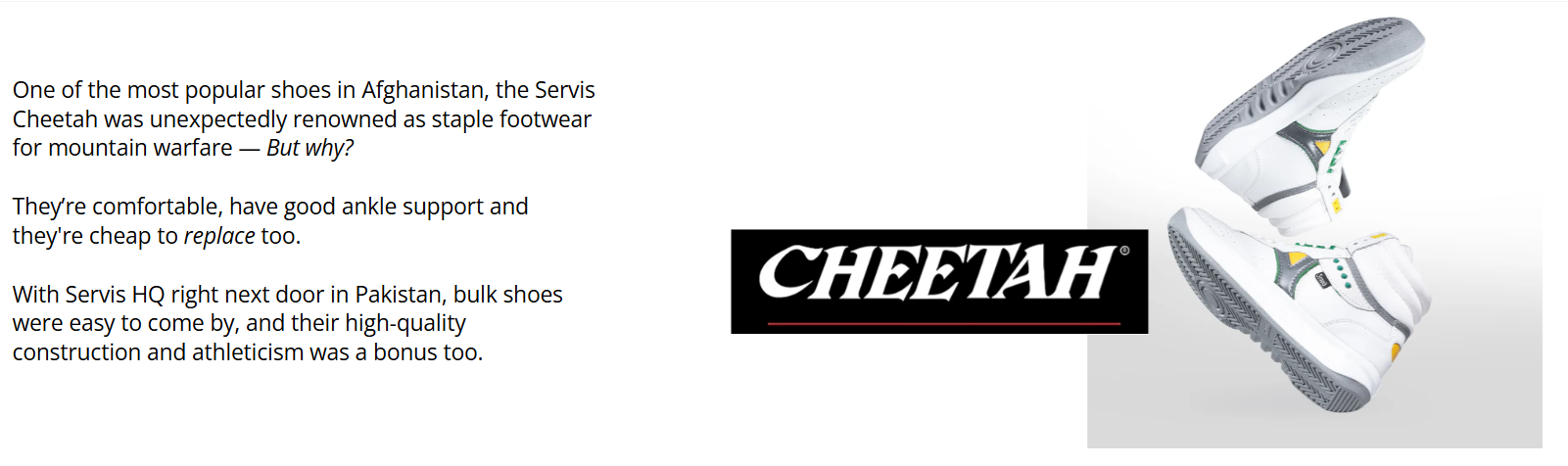
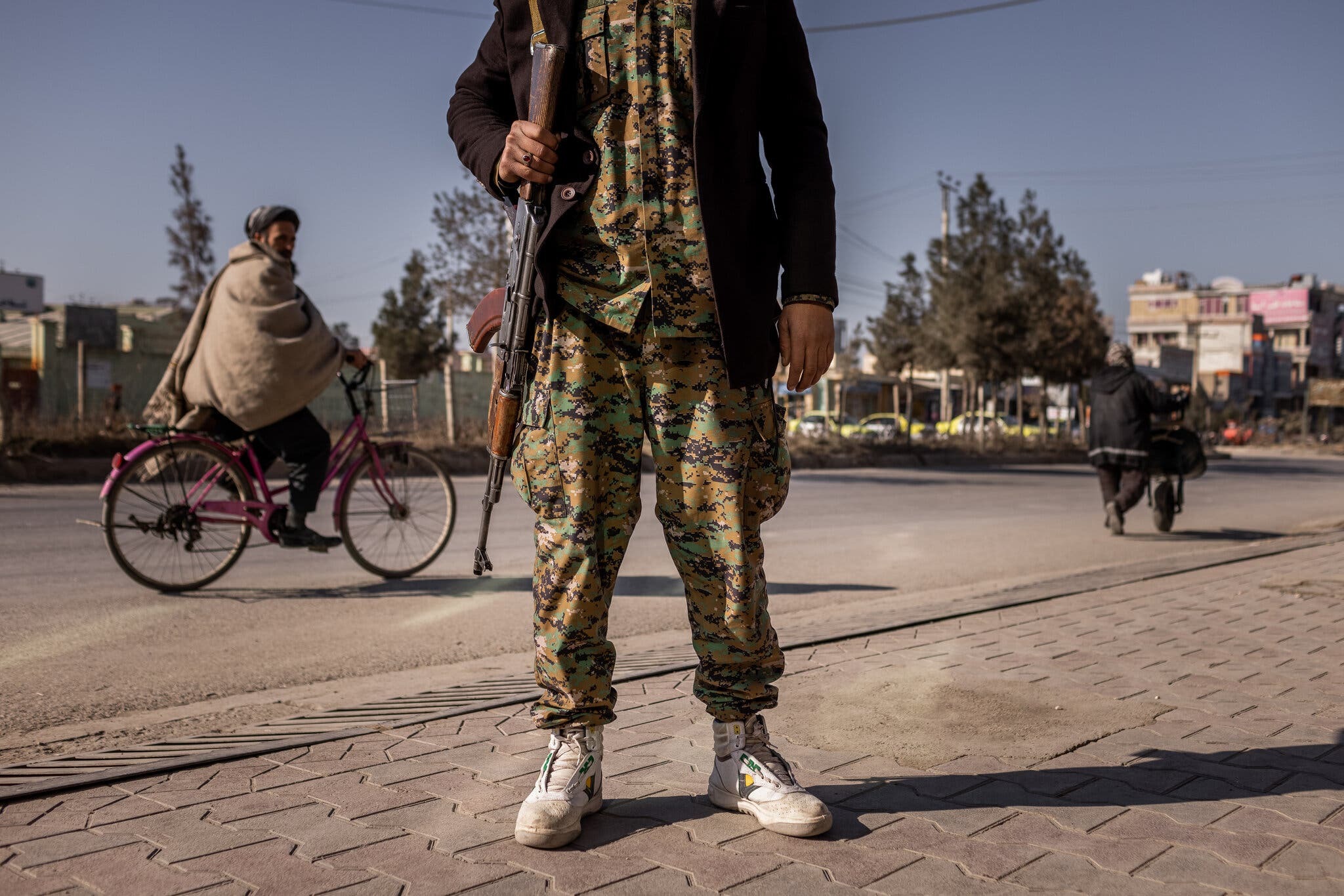

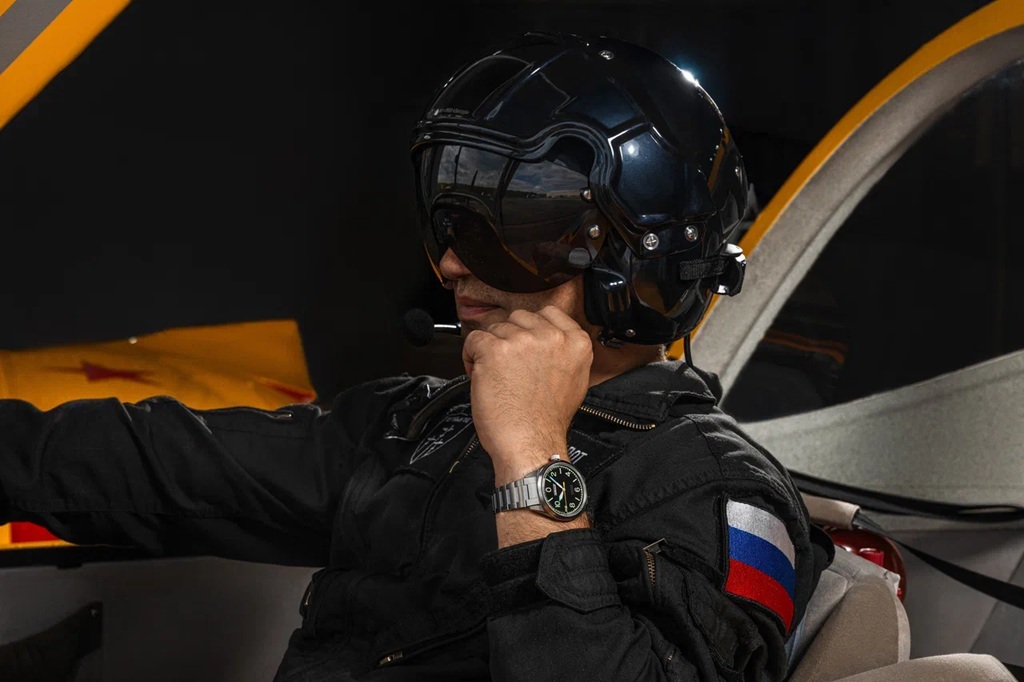
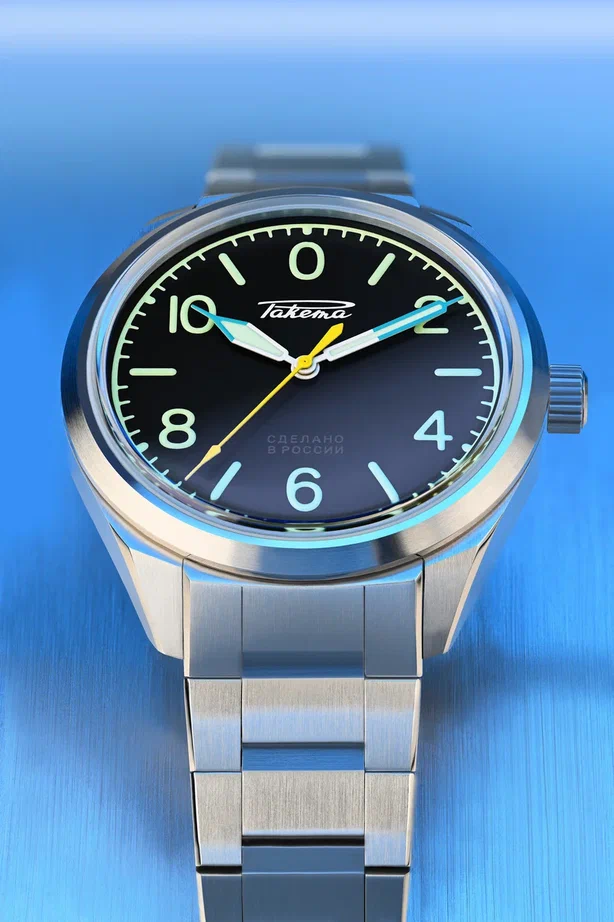
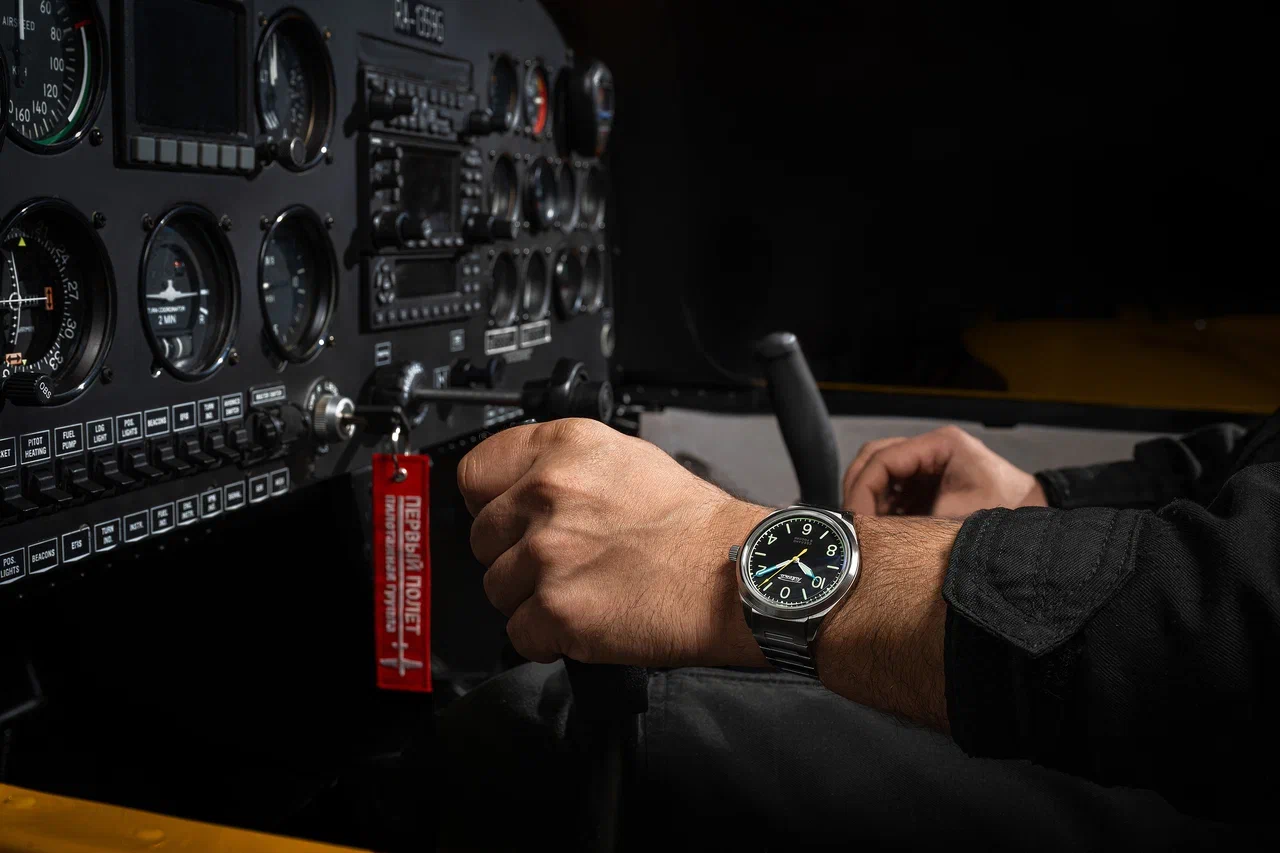
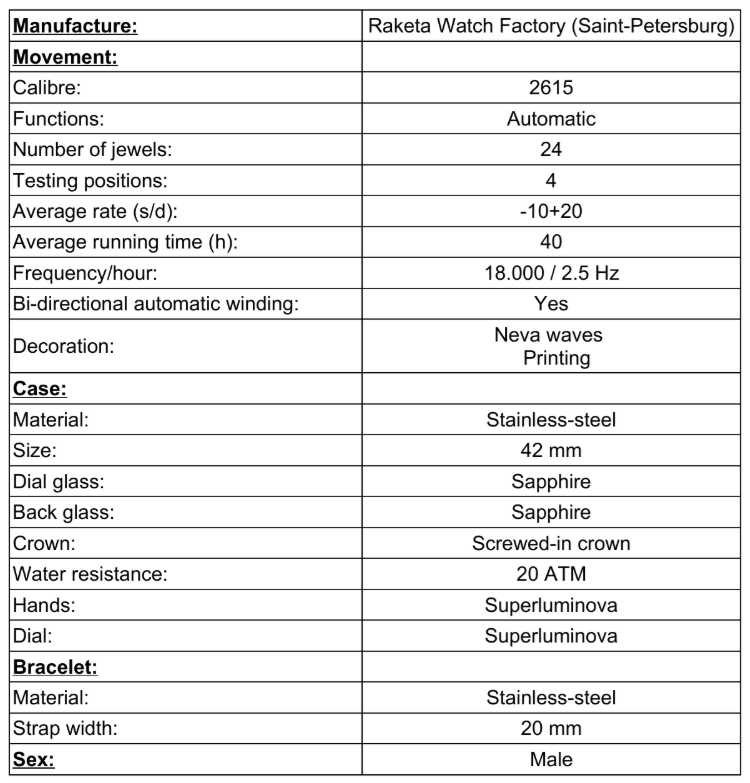
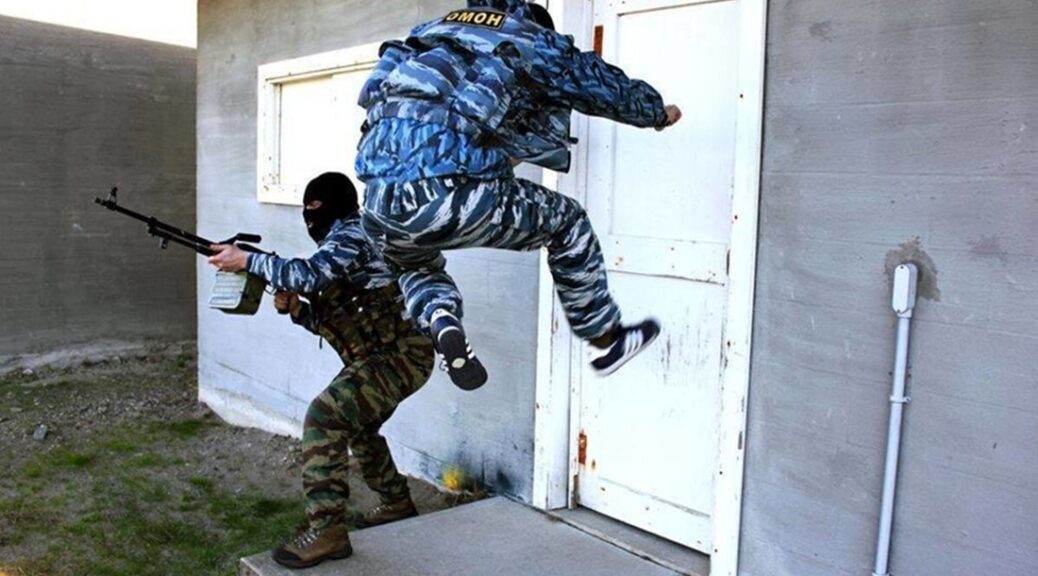

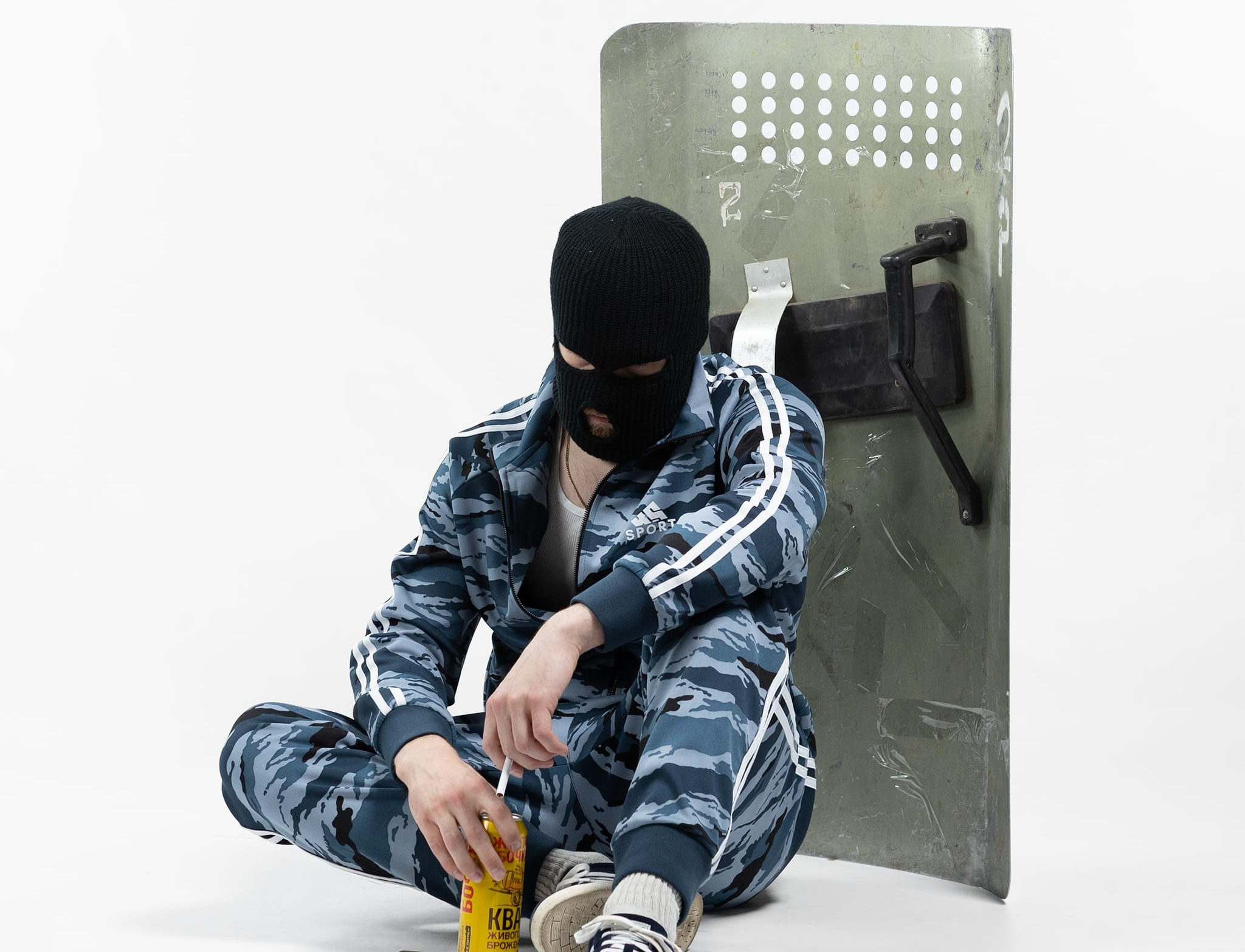
 While our friends at
  For more about what is undoubtedly the most insane camouflage ever sold surplus or not, keep on scrolling for the scoop…