
 TRDWTR, pronounced ‘treadwater’, is a mature take on the superhero genre, set in a plausible geopolitical future. The franchise will kick off with a graphic novel on September 30th, 2014. A live-action series based on the novel is set to follow suit in 2015. A preview of the graphic novel will be staged in America’s largest comic book store today, September 10th. To commemorate the launch, a teaser trailer for the TRDWTR franchise has been made available to the general public. And here it is!
Category Archives: Culture

Canada Migrant Worker Program Not Perfect But Seen As World Model
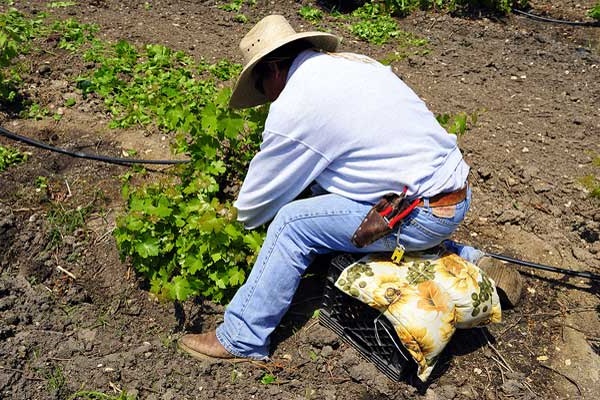 TORONTO, CANADA – The world’s most successful program connecting seasonal workers with agricultural employers has kicked into high gear.
Administered by Foreign Agricultural Resource Management Services (F.A.R.M.S.), the Seasonal Agricultural Worker Program (SAWP) links approximately 14,000 requests for seasonal workers with jobs at Ontario farms this growing season.
Not only does the 52-year-old program provide a long list of benefits to the workers and the farmers, but also it creates two Canadian jobs in the agrifood industry for every worker employed through SAWP at Ontario agricultural operations, says Ken Forth, president of F.A.R.M.S.
“Governments and agricultural organizations around the world are looking at this program as a model,” Forth says. “For decades, this program has provided Ontario farmers a steady source of reliable labour as a supplement to local labour. At the same time it gives the seasonal workers well-paying employment, benefits and educational opportunities not available at home.”

Seasonal workers employed at Ontario farm operations through SAWP:
- Sign contracts that guarantee them all the protections and benefits that Canadian workers receive, including WSIB, certain EI benefits and provincial health care coverage.
- Receive an hourly wage rate set by Human Resources & Skills Development Canada.The hourly rate is not less than the provincial minimum wage rate or the local prevailing rate paid to Canadians doing the same job, whichever is greatest.
- Earn up to five times more than they could in their own countries, which enables them to support their families, educate their children and buy and operate businesses and farms in their own countries.
Farmers have also realized great benefits from the program for more than 40 years, enabling them to hire staff that would otherwise be extremely challenging to find because of the ongoing shortage of suitable and available local Canadian workers.

“Ontario farmers pay the highest farm worker wages in North America and face intense competition from low-wage competitors,” Forth says. “Without this program, many Ontario farmers simply couldn’t continue to grow fruits and vegetables. They’d stop growing altogether or move into less labour-intensive crops.
About the Seasonal Agricultural Worker Program:
More information about Canada’s Seasonal Agricultural Worker Program (SAWP) can be found at www.farmsontario.ca
Supplemental- NSI study highlighting concerns related to the program’ http://www.nsi-ins.ca/wp-content/uploads/2012/10/2006-Migrant-Workers-in-Canada-A-review-of-the-Canadian-Seasonal-Agricultural-Workers-Program.pdf
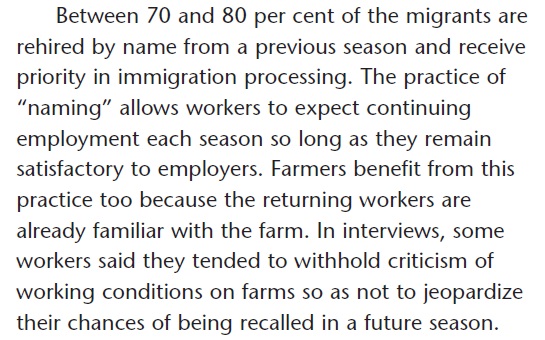

CNNMoney- Millennials Saying No To Credit Cards
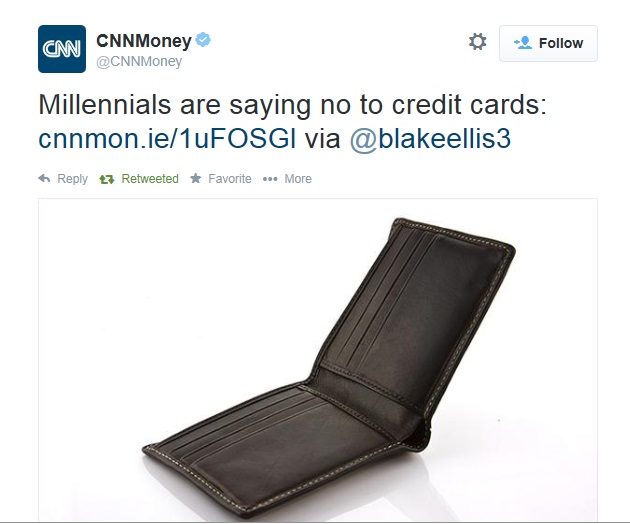
Millennials are saying no to credit cards: http://cnnmon.ie/1uFOSGl via @blakeellis3 pic.twitter.com/T1U8i7OU2I
What some tweeters are saying:
@CNNMoney @blakeellis3 They’re smart to avoid debt.
@CNNMoney @blakeellis3 Only use charge card when you can pay entire debt completely before you are charged interest.
@CNNMoney @blakeellis3 Great info… Thanks for sharing..
Equality=Peace @angrigarisangri 13h
@CNNMoney @CNN @blakeellis3 Yes to #bitcoin!
@CNNMoney @CNN @blakeellis3 Smarter than my generation then.
@CNNMoney @CNN @blakeellis3 We know not to be caught in the credit card trap. Only use it as a cash replacement card, not for debt.
@CNNMoney @blakeellis3 like a smart wallet just pass the wallet and charge from your credit or debit just pick with your phone….
BrokenHearted @patientfailure 12h
@CNNMoney @CNN @blakeellis3 Stupid. You’re spending decisions should never change based on your form of payment.
Patrick B @sportbikeguy00 12h
@CNNMoney @CNN @blakeellis3 Credit & debts of any kind should be avoided,my motto is if you can’t pay cash for it,save up or forget it.
@CNNMoney @CNN @blakeellis3 Never used a credit card in my life. Only used credit for commercial purposes.
@CNNMoney @CNN @blakeellis3 I’m a baby boomer and cut all mine 19 years ago and never missed them
CynicalPolitico @IndyinTX31 11h
“@CNNMoney: Millennials are saying no to credit cards: http://cnnmon.ie/1uFOSGl via @blakeellis3 pic.twitter.com/sAw87n1GDt”()
FatNoMore™ Fitness @FNM_Fitness 10h
@CNNMoney @blakeellis3 Either buy cast or use paypal. Credit cards are just a disaster waiting to happen #ParentWillAgree
@DaveRamsey thoughts? “@CNNMoney: Millennials are saying no to credit cards: http://cnnmon.ie/1uFOSGl via @blakeellis3 pic.twitter.com/kcL0lgMyzP”
@CNNMoney That’s great!! You never know what’s left or how big your debt is and will never get out once you start. Real paper money #future
Declan Martens @DeclanMartens 9h
@CNNMoney @blakeellis3 hey that’s us! @Malicious_Tea
They use mom/dad?! “@CNNMoney: Millennials are saying no to credit cards: http://cnnmon.ie/1uFOSGl via @blakeellis3 pic.twitter.com/f1jlE2zlAq”
HogsAteMySister @hogsatemysister 9h
@CNNMoney @blakeellis3 Which is easy to do when you still live at home…
@CNNMoney @blakeellis3 It’s true. No card for me. Living within my means
The Epitomy Of An♈️ @ErnieBlanco63 8h
@CNNMoney With the job market being so rocky it’s a smart move.
@CNNMoney @CNN @blakeellis3 they don’t know how to use a CC to maximize the rewards and cash back. Learn how to use credit.
@CNNMoney @CNN @blakeellis3 One of the smartest things of the new millennium that they can do.
@CNNMoney I’d like to not have a credit card. But it’s pretty much required for building credit.
Liesel Rickert @le_rickert3 6h
Ive been wanting 1, but can’t decided bc of 2 factors here RT “@CNNMoney: Millennials are saying no to credit cards: http://cnnmon.ie/1uFOSGl ”

5 tips to Make sure first year Students transition from high school to Biz school
How to succeed in business school: Five tips for first year students
ST. CATHARINES, Ont. – The start of university can be intimidating enough for most first-year students. But business students face an extra set of challenges as they balance their coursework with gaining work and extra-curricular experience to help take them from campus to career. 
From co-op work placements to mock interviews and networking breakfasts, the business school experience is designed to help students gain professional polish, acquire leadership skills and learn the foundations of management, accounting and entrepreneurship.
So how can new students and their parents make sure they are ready to take advantage of the available opportunities? These five tips will make sure first year students are ready for the transition from high school to business school:
- Be prepared (Textbook not required)
There’s is no need to read your textbooks cover-to-cover over the summer. Instead, spend some time getting comfortable with all that is available at your future school- both offline and online.
Spend a day on campus before the first day of class and figure out where your classes will be held. Don’t forget to attend your orientation. Most schools will offer a faculty specific orientation in the days leading up to the first day of classes.
And do your research online. Follow your business school on Facebook, Twitter and Instagram. Figure out the online registration system, how to access your student email and the online learning platforms. These online tools will be used throughout the academic year so access them early so you don’t miss any emails or messages.
- Going to University is your full-time job
While University doesn’t pay you a regular paycheck, it does pay you in grades. At the end of your degree, you will be able to use your straight A’s as currency to get a great job.
Everything you learned at your summer job about responsibility, punctuality and honesty can be used in business school. So, impress your professor just like you would your boss. Show up to class. Stay on top of your assignments and hand them in on time.
- Get involved (and stay involved)
Want to stand out at a job interview? Join a business student club. These clubs focus on everything from accounting to marketing and every subject area in between. Joining a club is a great way to make new friends and apply coursework to real life situations.
One key tip: it’s not enough to sign up and attend the occasional meetings. If you really want to have an experience that stands out on your resume, get involved on the executive team, attend a case competition or organize an event. You’ll have an experience you’ll never forget and something unique to mention during a job interview.
- Make friends (with everyone)
We guarantee that you’ll make friends in your classes and in residence. But don’t forget to build meaningful relationships with faculty, staff and upper year students. They can become important mentors who can help point you to on-campus resources and introduce you to new connections. Plus, if you know your career centre staff they’ll be sure to recommend you to employers who are hiring students.
Do you want to guarantee straight A’s on group projects? One successful strategy we’ve seen Goodman students use is to have a group of friends from different concentrations. When it comes time to write that paper, you’ll have every subject area covered, from HR to entrepreneurship.
- Ask for help
It’s a new school, a new environment and new friends. This is a big transition and it’s normal for there to be ups and downs during your first year. Fortunately, your university has resources available to help you succeed. From study skill workshops to mental health resources, there is a lot of support available to you on-campus.
If you need any type of help, talk to your academic advisor or a professor as early as possible. Don’t put your academic career at risk; there are people available to help you get through any type of problem you encounter. For the Silo, Don Cyr, dean of the Goodman School of Business at Brock University.
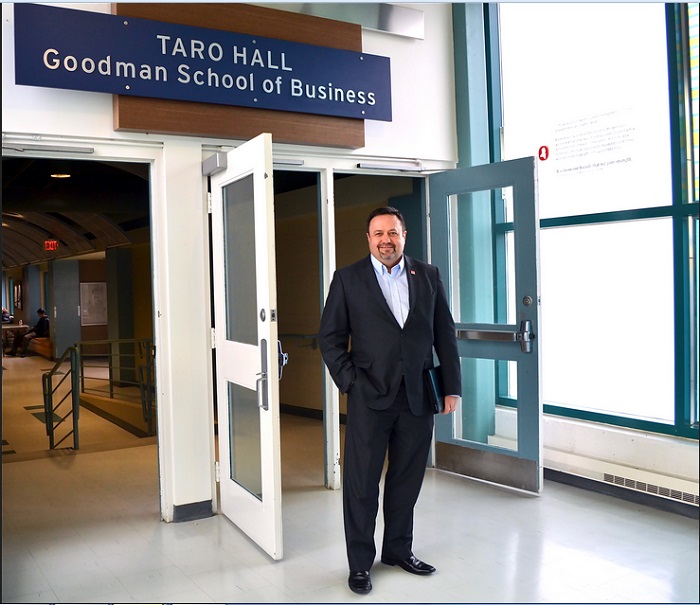
About the Goodman School of Business:
Based at Brock University in St. Catharines, Ont., the Goodman School of Business is one of only eight schools in Ontario that is accredited by the Association to Advance Collegiate Schools of Business International. The Goodman School of Business is home to more than 2,600 undergraduate students, 450 graduate students and has 7,000 alumni worldwide.

La Prochaine Soirée Du Restaurant Le Renoir

RENOIR SAUVAGE- Vous êtes cordialement conviés à la prochaine destination de l’Apéro Sauvage en cavale qui vous fait découvrir à chaque dégustation, un chef et un resto, en plus des merveilles de notre terroir sauvage. La prochaine soirée aura lieu le 3 septembre prochain sur la magnifique terrasse du restaurant Le Renoir, sur la rue Sherbrooke, au centre-ville de Montréal.
L’Apéro Sauvage en cavale propose des 5@7 de réseautage épicurien, de plaisirs gourmands pour tous les sens et de découverte des produits sauvages du Québec, en 2 ou 3 bouchées copieuses, en accord avec des vins et cocktails d’exception. Cette édition très spéciale mets en vedette les champignons sauvages en 3 accords exceptionnels, crées par le grand chef Olivier Perret et le maître-pâtissier Roland Del Monte – MOF, du restaurant Le Renoir, en collaboration avec Terroirs Québec, Bobby Grégoire et Natalie Richard. Venez célébrer les champignons sauvages et les découvrir comme vous ne les avez jamais goûté, grâce au savoir-faire et à la créativité de deux grands maîtres de l’art gastronomique.

Achetez vos billets en ligne ICI.
Mercredi soirs jusqu’au 17 septembre
Venez faire votre propre cueillette de champignons sauvages avec le chef Perret! Tous les mercredis à partir de 18h, dans le cadre de l’Apéro Sauvage, en collaboration Terroir Québec.
Poêlée de champignons sauvages au choix sur tartines de pain grillé de la boulangerie Hof Kelsten, servi avec accompagnements saisonniers
RESTAURANT LE RENOIR
1155 Sherbrooke Ouest, Montréal, Québec, Canada, H3A 2N3
www.restaurant-renoir.com | 514-788-3038 | h3646@sofitel.com

Country Music Of Johnny Mac Slater

For those in the country music scene, talented Johnny Mac has a song for you. Known first to family and friends as John McIntosh, he added ‘Slater’ as a surname, hence his stage name is Johnny Mac Slater. It is a handle that fits his style well. He writes stories from the heart and magically transforms the words into beautiful songs which he sings and plays. Johnny Mac Slater spent some time in Nashville, writing songs and developing his craft. Now living in Hamilton, and happy to be close to his roots, he is working on a new project. Johnny says “I’ve recently been recording at Westmoreland Recording Studios in Hamilton for awhile now, and a CD release will happen soon.” You can bet he will stick with his life’s stories and experiences. Typically his lyrics are centered around girls and love, both lost or found, and then performed with passion and filled with emotion. He also appreciates a good party and quirky story. All of which are found in his songs. It is easy to see, he feels that “nothing makes a better song than a good story.” Some of his early influences you’ll find varied, including Glen Campbell, Keith Urban, Eric Church, Micheal Martin Murphy, Elton John, Kris Kristofferson, and even Boston, Pete Townsend and Motley Crue. The musicians he has teamed up with for his soon to be released CD have added some great sound. From a strong drum beat, clean bass lines and some very sweet guitar licks. There is no doubt it will be a hit CD. Watch his You Tube home page for a sneak preview of a song or two that will be on the new CD.
Supplemental – http://music.cbc.ca/#/artists/Johnny-Mac-Slater – https://www.facebook.com/pages/Johnny-Macs-Music-Kitchen/108086535919900?fref=ts
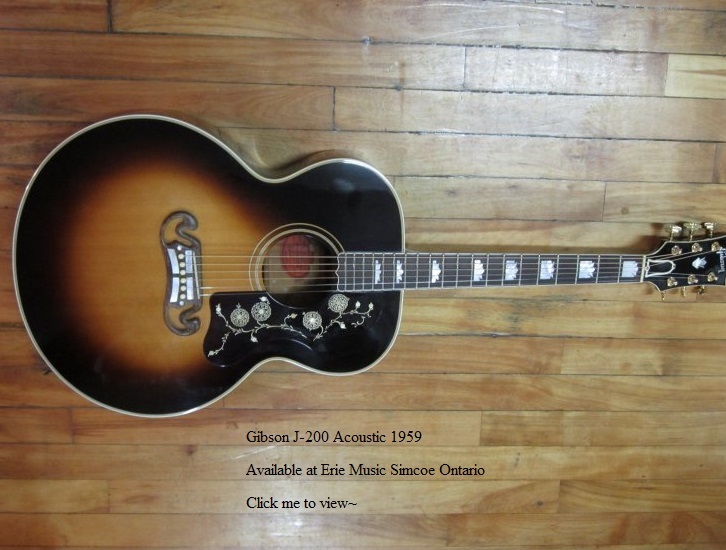
29 Years Young And On A Quest To Learn To Play The Guitar

As a younger man, I was like a cat in a bag, probably not unlike most, scratching for meaning and adventure. So when I got the chance for a job teaching in the Bahamas, I decided to go for it. Before I went out to my post on the island of Andros, I stopped over in Nassau to meet with my cousin who lived there. She cooked me dinner, and afterward she showed me around her house. In the basement there was a sandy old guitar leaning against the wall. She didn’t play it anymore and suggested I take it out to the island. I told her I didn’t know how to play, didn’t know anything about music, and didn’t want to take it. But I took it anyway. That teaching job was a total washout, but that’s a story for another time. Six weeks later I was back in Canada, with no job for a year, living with my parents again as a 29 year-old. It was a difficult circumstance. For some reason, that old guitar made the trip back to Canada with me, and I remember it staring at me in my bedroom. I didn’t know E from G, but decided that for me to be in this situation, with this guitar, with the time to learn it, was some kind of important sign I needed to recognize. So I started taking lessons, once a week, at my local hometown music store. Like any beginner it was a struggle, but struggle I did, learning those Neil Young songs that all the kids start with. It was very liberating. A couple of years later I met a real nice girl—Lisa, a chiropractor. Definitely marriage material. I’d been seeing her for quite a while, and it was getting to that crux-time of commitment, where future plans need solidifying, lest a biological clock begin to ring too loudly.
I was keenly aware of my responsibilities and knew that I loved this girl, but I just wasn’t sure if I was ready or not. The soul-searching had been going on for weeks and the matter continued to be grey, and I’m certain she felt me creating a certain distance while I figured things through. It was at my house one day when decisiveness finally cleared a path through my tangled emotions. “Don’t worry, I’m not going to leave you” came out of my mouth. Lisa wasn’t in the house when I said that. Nobody was. But my guitar was sitting snugly in its stand, and it heard those words, and that was it. I broke up with Lisa the next day.
Such an important part of that decision was knowing my guitar playing would essentially stop if I went to the next level with her, and I was just starting to make real leaps in my ability, and had so much further to go since I’d started so late in my life. I couldn’t leave it behind now. The chapter was still being written. As much as I loved Lisa, I had to let her move on. Since then I’ve probably written 100 songs (definitely a couple about that situation), released a CD, cut my teeth in Nashville…too many things to mention. I’ve met so many great people and had so many great opportunities because of that guitar. The spirit and the energy surrounding it all is unparalleled. None of it would have been realized if I had different words for my guitar that day. As tough as it was, I know I made the right decision. Lisa is married and has a child now, and I feel really good about that.
For the Silo by John McIntosh (Speaking of Nashville, it really is true that you’ve got to “know when to hold ’em, know when to fold ‘em.” It’s a key to life. I’m reminded as well of a cameo in the Canadian road movie One Week. Tragically Hip frontman Gordon Downie is questioned by the protagonist: “How do you know if you’re really in love.” His answer is uncommonly succinct: “If you have to ask, you’re not.” Maybe the real question is: who, or what, do you love enough to live by? ed.)

Canada Sent Untested Experimental Ebola Vaccine To WHO
*translated from original Cuban-Spanish article from cubadebate.cu 
Vacunas-experimentales – ebola Mientras register more infections and deaths from ebola in several countries in Africa – the latest report is in Nigeria – death, Canada sent to the World Health Organization (who) an experimental vaccine being developed against the disease.
Gregory Taylor, Deputy Director of public health at the health agency of Canada, said that you between 800 and 1 000 doses of the vaccine, known as VSV-EBOV, doctors without borders were sent to a hospital in Geneva at the request of the who, and also to the organization.
The drug has not been used in humans, but Tuesday the ethics of the who panel said that the severity of the current epidemic in West Africa justifies the use of unapproved drugs.
The new fatality in Nigeria is a worker of the economic community of West African States (Ecowas) who died at age 36 in Lagos.
He informed the organization that had infected by having contact with the American Advisor to the Liberian Government, which flew in July to Lagos and there led disease. The man fainted at the airport and was treated without that were known at the beginning that it was ebola.
Since then, the employee of Ecowas was quarantined. His case raises three deaths by the virus in Nigeria, where there are more than 100 people in observation. Gambia, Ivory Coast and Zambia have suspended flights from that country for fear of contagion. Doctors without borders, which has hundreds of partners in West Africa, welcomed the decision of the who to use experimental drugs, but warned that they alone will not stop the problem and making it remains to increase massively the medical team.
As of August 9, 2014 there were about 1,800 confirmed and suspected cases of ebola in the region and more than 1,000 deaths, according to who figures.

Contraband Tobacco Of Southern Ontario

Dear Silo, There is a contraband tobacco economy that has sprouted over the past two decades that rivals the volumes that the “Big Tobacco” companies produce for the legitimate market. That black market economy has spawned much criminal activity, false reporting and tax dodging to the point now where the majority of tobacco farmers are complicit in the black market and the marketing board that was set up to regulate the legitimate licensing of tobacco growers has shown itself to be nothing more than a cartel to keep tobacco money in the hands of a self-selected few.
The Federal Government has taken a pass on trying to deal with contraband tobacco except for offering truly stupid tobacco product tax increases that do nothing but drive smokers to the black market. We will hold judgment on the announcement that $90 million will be spent on the contraband tobacco file through the RCMP. To date, the RCMP have not been able to make an impact on the growth of the cigarette black market in Canada. What is certain at this point, however, is that the extra $4 levy on a carton of smokes will drive many current smokers to buy cigarettes that are unburdened by provincial or federal taxes. That will also spur on the commitment of biker gangs and other mobsters to supply the product. Why buy a pack of cigarettes at a gas station for $14 or $15 when you can get 10 packs for the same price under the table?
The TTP Program – A Transition to Chaos
The Canadian Government has much to answer for in the creation of the tobacco diversion schemes in the first place and recent budgetary moves just reinforce the culpability. In 2008 the Federal Government decided that it should spearhead a plan that would enable farmers to leave the tobacco business and migrate their businesses to other, less controversial lines – the Tobacco Transition Program (TTP). As it turns out, it was this TTP idea itself that created a bunch of cheaters out of a bunch of honest farmers.
On August 1, 2008 a press release issued by Agriculture and Agri-Food Canada announced that, “The Government of Canada is providing more than $300 million to Ontario’s flue-cured tobacco producers, including $286 million for a Tobacco Transition Program to help them exit the tobacco industry, and $15 million for community development initiatives.” An average of $272,000 was paid to each participating farmer. By 2015, 133 recipients of over $30 million dollars in TTP money continued to be involved in tobacco growing.
The Ontario Government has been totally inept at dealing with the problem of contraband in the province. In 2012, the Ministry of Finance (MoF) took over responsibility for licensing tobacco growers so as to control the production, distribution, sale and purchase of raw leaf tobacco to help ensure the supply of tobacco stays in the legal market and serves the interests of all tobacco farmers equally. The idea at the time was to take the quota system and self-regulating elements out of the cartel environment and put tobacco sourcing regulation and control in the hands of the government to ensure fairness and transparency – and effective tax collection, one would assume.
We learned that just days after this transfer took effect the Ministry of Finance issued a news release announcing a temporary grace period that would permit growers the time to learn about their obligations and apply for the appropriate registration certificates for the upcoming growing season. That hiatus has now been extended until sometime in 2015 and some think it will be a couple of years after that before the MoF gets its act together.
While the MoF diddles, anarchy reigns. Farmers are under-reporting their yields and selling the overages to the black market for a 400% mark-up from their contracts with the legitimate manufacturers. They claim storm damage but actually siphon off vast amounts of tobacco to sell to the underworld. Sometimes they call the missing tonnage, “stolen”.
Last year, Frontline Security magazine published a series of articles on the contraband tobacco industry. Based on the reporting in that magazine about the involvement of Ontario farmers, FrontLine received a number of calls from farmers who were not involved in the skimming of tobacco yields to contraband but they expressed worry that if their neighbours were making big money selling tobacco at $8 to $10 per pound versus $2 to contracted legitimate manufacturers, why should they miss out?
With each passing season, the moral compass of the Canadian tobacco farmer gets tested and increasingly farmers are succumbing to the pressures of a big payout. The trend is very disturbing. In 2010, it was estimated by FrontLine that more than 60% of 241 farmers were diverting portions of their harvest to unlicensed buyers where the tobacco was heading for illicit markets. Today, it is estimated that 90% of farmers are now involved in siphoning leaf to the black market producers and most of those are producing thousands of pounds for crime based enterprises.
The impact of this moral degeneracy has ripples that go far beyond the rolling hills of tobacco country in Ontario. This past spring, we saw a massive bust in the Montreal area that netted 28 arrests and seizures of 40,000 kilograms of tobacco that were diverted from farms all over North America, including in the Tillsonburg area. A key outcome of that bust was the knowledge that the Italian Mafia have become involved which brings the entire contraband tobacco controversy into a new light and brings the Ontario Tobacco farmers to a new low in conspiring with organized crime.
As alluded to earlier, the farmers aren’t the only ones who have lost their moral compass. In an institutional way, so has the Ontario Ministry of Finance. When the Ministry took over from the chaos in regulation created by the Ontario Flue-Cured Tobacco Growers’ Marketing Board, expectations were that meaningful change was on its way. However, as the Ministry continues to kick it’s responsibility for actual enforcement down the road, it has created a loophole that will inspire many more farmers to engage in producing tobacco that will be diverted to the black market.
Edward R. Myers– freelance journalist and Editor of FrontLine Security magazine.
Recover From A Hyper Summer By Using Theanine
While barbecues, sports leagues, family vacations, days at the beach and nights out with friends are fun, keeping up with summer recreation while maintaining a steady work schedule can be challenging, says Budge Collinson.
And before we know it, we’ll be back into the busy fall grind, getting kids up and off to school, participating in clubs and civic groups that have been on summer hiatus, and yes, before we know it, planning for holidays!
“We like to tell ourselves that there will be a period of rest before the next big thing, but usually there isn’t,” says Collinson, a food science expert with a passion for health and fitness. “The truth is, most of us like having full and often fast-paced lives, even if we tend to get worn out more quickly as we get older.”
Don’t resort to caffeine and other stimulants for a temporary energy boost, Collinson says.
“Replacing the nutrients that are depleted when you’re active is a much smarter way to maintain or increase your energy level, and many of those nutrients have long-term benefits as well,” says Collinson, who formulated an effervescent, natural multivitamin beverage called Youth Infusion, to make it easier to get all the essential nutrients and minerals in one 6-ounce drink.
He discusses the revitalizing powers of specific nutrients:
CoQ10 for that extra energy boost. Every cell in your body uses CoQ10 to produce energy, but your heart needs it the most. CoQ10 can help balance your blood pressure, and its mature aging.
Arginine to help with your endurance during workouts and your daily routine. Arginine helps the cardiovascular system by assisting in nitric oxide production, making the arteries more elastic. It also supports the functioning of your hormones and s waste and promotes wound healing.
Theanine helps support better moods. Theanine is a calming extract of green tea. Clinical research indicates that it helps focus a distracted mind. To a lesser extent, theanine has also been shown to reduce anxiety.
Resveratrol: a versatile antioxidant for term peace of mind. Resveratrol promotes healthy circulation, prevents cholesterol oxidation and protects your entire cardiovascular system from the effects of dangerous free radicals. Initial research shows resveratrol helps defend the body against a number of diseases, including Alzheimer’s, heart disease, cancer and diabetes.
Vitamin D – for when the sun isn’t as bright as Up to 90 percent of the vitamin D the body needs comes from sunlight, which is in much shorter supply after summer. Vitamin D is required for the regulation of the calcium and phosphorus in the body. It also plays an important role in maintaining proper bone structure and supporting immunity.
About Budge Collinson
Budge Collinson was the beneficiary of his mother’s natural health formula as a sick baby, which led to a deep interest in health and wellness at a young age. After years of research and seeing the growing demand for natural products with clinical support, he founded Infusion Sciences,
www.infusionsciences.com. Collinson earned a bachelor’s degree in food and resource economics from the University of Florida and certification from the National Academy of Sports Medicine. Recently, he became a member of the American Academy of Anti-Aging Medicine and consistently attends the Natural Products Expo, where he learns the latest science and news about nutritious ingredients. Collinson is also a go-to source for media outlets across the country for healthy lifestyle and food source discussions.

Mickey Mouse Animation Cel Brings Ninety Eight Thousand Dollars At Auction
An incredibly rare piece of animation history, an all-original, unrestored production cel and master background from Walt Disney’s 1935 classic “Mickey’s Service Station,” featuring Mickey Mouse and Goofy, realized more than $98,000 USD http://click.ems.ha.com/?qs=a0b6f777c8e9164555c159500ceacad54ad319a092d48c8921bd30eb14370065a07914702d97f374 at Heritage Auctions in New York on July 1, as part of the company’s $1.28+ million Animation Art Signature® Auction, at the Fletcher-Sinclair Mansion (2 E. 79th Street, at 5th Ave.).


“It’s an extraordinary price for an extra ordinary piece,” said Jim Lentz, Director of Animation Art at Heritage. “This is really a Holy Grail piece of animation and one of the best I’ve ever seen, from one of the best early Mickey cartoons and one of the very last black and white Mickey cartoons before Disney changed everything by going to color.” Besides the rarity of the cel and the background, it is also believed that this is the only known black and white production cel featuring Goofy in private hands. In the classic cartoon Mickey (voiced by Disney himself), along with Goofy and Donald, do their best to find a squeaking sound in Pete’s roadster. Naturally, they take the car apart looking for the source of the annoying sound, which turns out to be a cricket.

One of the great surprises of the auction came in the form of a set of 1961 storyboards from The Bullwinkle Show (Jay Ward Studios), three extremely rare trimmed storyboards by Roy Morita for the episode “Buried Treasure,” on Ward Inc. storyboard paper, which crushed its $750+ USD pre-auction estimate to finish, amidst very spirited bidding, at $44,460 USD. One panel features Rocky and Bullwinkle, one has a close up of Bullwinkle, and one is an amazing drawing of Frostbite Falls, Minnesota, with the handwritten notation “B+R House” and an arrow pointing out the specific abode.

Subliminal Advertising In McDonald’s Ad Ice Cubes

I was a bit confounded because at first, I couldn’t understand what was drawing me into the advertisement- then I remembered a well worn paperback book I have called Media Sexploitation by Wilson Bryan Key, sitting on a book shelf somewhere back home. That book is all about subliminal advertising and its photo section showing examples of ‘hidden words and symbols found in ice cubes’ has stayed with me. So I studied the McDonald’s ad again, this time paying special attention to the ice cubes and that’s when I saw it: “Sex”.

Did you know? Subliminal advertising is banned in the UK and Australia but is legal for use anywhere except television and radio in the USA and Canada.
I turned to my 15 year old son- (the reason for the McDonald’s visit in the first place was to buy him an after- Summer Hockey root beer) and asked him if he could see the words “Sex” in the ice cubes. It didn’t take long for him to get excited because he saw it immediately.
That’s when the drive-thru line was getting ready to move ahead and I jumped out of the car, grabbed my iPhone and took the photograph you see above.
McDonald’s says they do not subliminally advertise– (from http://brainz.org/10-devious-banned-subliminal-ads/ )
“On January 27 2007, viewers watching the Food Network’s Iron Chef America may have noticed a brief flash of red that appeared for a split second towards the end of a show when the challengers’ entries were being assessed and two men raised their glasses. What had audiences seen but barely been aware of – all but invisible to the naked eye? A McDonald’s logo that popped up for a single frame together with the hamburger giant’s slogan, ‘I’m lovin’ it.’ Following the revelation, accusations of subliminal advertising were met with claims that it was a “technical error” by the television network, but skeptics unsurprisingly weren’t convinced. How could such a thing occur accidentally? A McDonald’s spokesman said: “We don’t do subliminal advertising.” Sure, just an accidental glitch – a supersized one. ”
So you be the judge- these drive-thru advertisements are probably found in most Southern Ontario McDonald’s drive-thrus and you can take a look for yourself. We’d love to hear back from you on what you find. For the Silo, Jarrod Barker
Supplemental- Subliminal Advertising leaves its mark on the brain http://www.sciencedaily.com/releases/2007/03/070308121938.htm
Subliminal Advertising FAQ’s http://www.sublimads.com/faq.html
Electronic Jazz Collective Hits SOMA FM charts

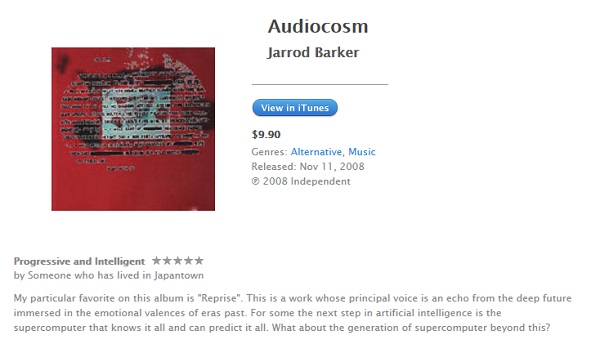
The music collective GANFUNKEL released the 5-song-EP Fighting Music with Music following the successful 2013 release of Machine Coincident Jazz. The former album produced one song that reached #1 on jazz radio charts, 2 songs that reached #2, and one song that reached #3.

Ganfunkel is California-based and led by Simcoe native Rik Ganju. Personnel on Fighting Music with Music have recorded and toured with Esperanza Spalding, the Kronos Quartet, John McLaughlin, Terry Riley, Bela Fleck, Wayne Shorter and Zakir Hussain.
Ganfunkel’s sound is influenced by rock, jazz, funk and Indian classical music. Standing out on the new album is Stars Fell on Daniel featuring tabla maestro Salar Nader, and the legendary George Brooks on saxophone.
“The success of Machine Coincident Jazz validated our belief that multi-genre music has an audience that doesn’t want to be confined by traditional categories, “ says Ganju. “People are open to many styles of music depending on their mood. And just as film music evolves from minute to minute, our sound changes texture as the mood of the tune allows.”
Ganfunkel albums are available today on iTunes, Amazon, Google Play and most major music download sites, and music videos can be found by searching on Ganfunkel at Vimeo.com
Ganju’s experiments with multi-genre music stretch back to the mid-2000s when he collaborated with Jarrod Barker on many avant-garde experiments.

The track listing for Fighting Music with Music:
- Chunky Town (featuring Kai Eckhardt and Dana Hawkins)
- Shot in a Gambling House
- Stars Fell on Daniel (featuring Salar Nader and George Brooks)
- That Feel on Flesh (featuring Kai Eckhardt and Dana Hawkins)
- Venezia
All songs are composed by Rik Ganju.
Video for Stars Fell on Daniel: http://vimeo.com/94441271

Why We March Globally Against Monsanto

For those who are not aware of Monsanto or its global influence, I would like to provide you with some background information before explaining just why it is important to stand against the corporation and its actions.
Monsanto is an international agricultural corporation which is based out of the United States. It originated in 1901 and has functioned mainly as a pesticide corporation but as of recently it has been implementing genetically engineered seeds. These seeds, which are being sold and grow in many parts of the world, do not have the ability to reproduce, thereby forcing farmers to purchase a new set of seeds from the company each season. In many situations, the farmers have no choice but to continue paying into the corporation because no other seeds are available in their area. Monsanto is also the leader producer (and creator) of the herbicide “Glyphosate” (a herbicide which is used specifically to kill weeds around the GM crops but leave the crops un-harmed. This is made possible through the genetic tampering of the seeds which makes them resistant to the herbicide).
Monsanto has been adamantly rejecting many accusations that have been coming their way in more recent years. In fact, they go out of their way to address the international conversation that has been taking place about their “terminator” seeds and their inability to reproduce (provide seeds that can then be planted the following season). They claim in a statement on their website that “Monsanto has never commercialized a biotech trait that resulted in sterile – or “terminator” – seeds” (Monsanto Website). The website is littered with fabricated stories, pictures of smiling farmers and claims that Monsanto has their best interests at heart. The truth is many farmers are struggling to make the expensive purchases of Monsanto seeds and herbicide. Debt is rising in rural areas around the world (India taking one of the hardest hits, with thousands of farmer suicides being said to be associated with debt owed to Monsanto and their inability to support themselves) and a countless number of individuals are suffering because of the negative side effects. Monsanto has a huge stake in the worlds production of seeds and is already working on spreading their patents to broccoli and eggplant despite international disagreement.
This is why we march. The global March Against Monsanto is a worldwide call of action aimed at informing the public of the long term health, environmental, and financial effects of genetically modified foods. Last years globalized day of action took place with over 2 million people took to the streets to express their opinions and attempt to reclaim the food systems. We march for seed freedom (because seeds are a source of life, and corporations should not have the ability to patent life), for the labeling of GMO foods, to promote organic and sustainable alternatives, to demand the accountability of those responsible for corruption, and to further the scientific research around GMOs. *name withheld on request
LEGO Mindstorms EV3 book is a guide to building and programming Robots

San Francisco, CA, The LEGO MINDSTORMS EV3 Discovery Book (No Starch Press, June 2014, 396 pp., $34.95, ISBN 9781593275327) is the latest No Starch Press book to tackle the LEGO MINDSTORMS robotics system. This second edition of the best-selling LEGO MINDSTORMS NXT 2.0 Discovery Book remains the ultimate beginner’s guide to this powerful kit for anyone who wants to start making their own robots. http://post.oreilly.com/rd/9z1zpuf5li32jp78bt80j96lr32hkugv7u2d0q5lpag
Author Laurens Valk brings his robotics expertise to bear as he teaches readers the techniques essential to successful robot building. Valk has been building MINDSTORMS robots for years and was even recruited by the LEGO Group to test and develop this new generation of LEGO MINDSTORMS. The depth of his knowledge comes through on every page.

The first full-color MINDSTORMS book from any major publisher, The LEGO MINDSTORMS EV3 Discovery Book features all new content that takes readers from gearing and fundamental mechanics through advanced programming techniques as they build these six robots:
The EXPLOR3R, a wheeled vehicle that uses sensors to navigate around a room and follow lines
– The FORMULA EV3 RACE CAR, a streamlined remote-controlled race car legged walking creature that adapts its behavior to its surroundings
– SK3TCHBOT, a robot that lets you play games on the EV3 screen
-The SNATCH3R, a robotic arm that can autonomously find, grab, lift, and move an infrared beacon
– LAVA R3X, a humanoid robot that walks and talks
Valk rounds out the fundamentals with more than 150 building and programming challenges that encourage readers to discover the countless possibilities of the EV3 kit and to start inventing robots of their own.
About the Author
Laurens Valk is a member of the MINDSTORMS Community Partners, a select group of MINDSTORMS enthusiasts who help test and develop new MINDSTORMS products. One of his robot designs is featured on the EV3 packaging as a bonus project. His previous work, the best-selling LEGO MINDSTORMS NXT 2.0 Discovery Book, introduced more than 50,000 beginners worldwide to the powerful world of LEGO
MINDSTORMS robotics. He blogs about robots at robotsquare.com. http://post.oreilly.com/rd/9z1zd3clg63cmhkarcqv9pht1e936tdk1htdcus1rs8
iLOOKTV Online Pay-TV Platform Turns YouTube Channels into Mobile TVApps


SAN JOSE, CA – ILOOK, an over-the-top (OTT) pay-TV platform for YouTube channels, is announcing its launch today. The platform instantly converts YouTube channels into mobile TVapps that behave like television networks. Through this easy-to-use technology, anyone—amateur or celebrity personality—can now have their own TV network without the traditional barriers and regulations.
Whether you create your own workout instruction videos, like to cover Katy Perry songs or are already a YouTube sensation, you can now transform your channel into its own mobile TVapp for free!
To create a TVapp, users simply log in to their YouTube channel from www.ilook.tv. Once logged in, ILOOK automatically generates a mobile app and submits it to supported app stores where it becomes available for download by television viewers. TVapp video is viewable on the mobile screen, as well as any TV screen that is connected to the Internet via AppleTV, Chromecast or Xbox, allowing viewers to watch on the big screen or small.

ILOOK also offers advanced features that enable video syndication and monetization. Video owners can export videos into TVapps that they do not own, TVapp owners can import videos from video owners, and for a fee anyone can have their videos inserted across all TVapps as TV commercials. This gives everyday video makers the same exact revenue opportunities as larger media organizations—a unique offering for consumers.
Unlike traditional pay-TV services that exclude long-tail content, ILOOK extends the pay-TV business model to include long-tail video and monetizes it by creating a TV marketplace for video aggregators, video owners and advertisers. Owners of long-tail video are now able to monetize like traditional TV networks with TV commercials, subscriptions and pay-per-view. They can also attract attention like traditional TV networks by co-locating on the same mobile screens with cable channel apps like CNN and MTV.
Following the actions of major TV networks who have recently published their cable channels as TVapps, it’s expected that thousands of YouTube channels will soon follow suit and cover the same narrowly defined interests that are currently covered by over 18,000 print magazines. Special interest and long-tail TVapps, like affinity print magazines before them, will command CPMs [cost per impression- http://www.marketingterms.com/dictionary/cpm/ CP ] that are four to eight times higher than CPMs for more broadly focused TV networks.

Peter Redford, CEO of ILOOK stated “Owners of long-tail YouTube channels are now able to attract attention and monetize like traditional TV networks, by co-locating on the same mobile screens with cable channel apps like CNN and MTV. We’re deeply excited to launch and bring these capabilities into the entertainment market.”
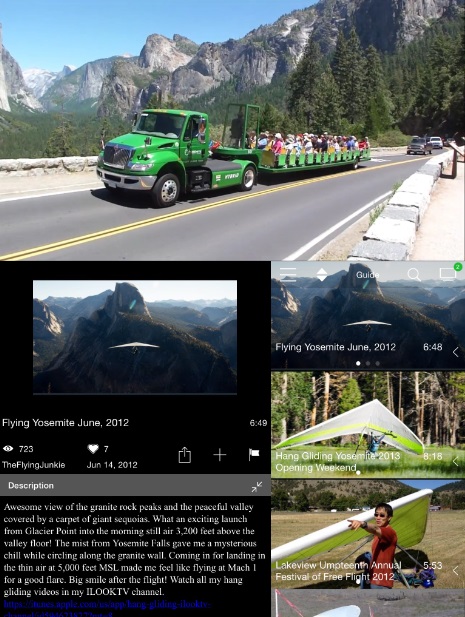
Television has been slowly moving away from an appointment format and into the anywhere, anytime arena. ILOOK is spearheading this movement by giving anyone and everyone the ability to become part of this groundbreaking movement in television history. What are you waiting for—it’s time to TVapp your talents for everyone to see!
ILOOK Corporation was founded in 2009 by Peter Redford, Ngoc Do and Jacek Minko and is based in Silicon Valley, California. The company provides the world’s first OTT (over-the-top) pay-TV platform for YouTube channels. The platform instantly converts YouTube channels into mobile apps that appear on the mobile screen alongside TV network apps like CNN and MTV. YouTube channels effectively become TV networks, monetized by pay-per-view, subscriptions and commercials. http://www.ilook.tv/
CNBC’s “Secret Lives of the Super Rich”

CNBC’s half-hour primetime series “Secret Lives of the Super Rich,” premiered Tuesday, June 10th at 10PM & hour episodes began airing each Tuesday for four consecutive weeks.
Reported by CNBC’s Robert Frank and featuring New York City super broker Dolly Lenz, “Secret Lives of the Super Rich” unlocks the mansion gates and gives you rare access to a world inhabited by the wealthiest people on the planet. Here’s a sneak peek courtesy of The Silo:
http://video.cnbc.com/gallery/?video=3000236913.

In the first episode, we met a man who’s taken his lifelong Lamborghini obsession from land to water. Also, “Secret Lives of the Super Rich” gets a rare invite on a luxury safari where there’s no shortage of wild life, or champagne. And, an exclusive look inside a Star Trek mega-mansion that may have you wondering if it’s actually the Starship Enterprise (video: http://www.cnbc.com/id/101735785 also see Star Trek Home Theater profiled here at the Silo: https://www.thesilo.ca/beam-me-up-35000000-usd-home-theater-for-sale-in-boca-raton/)

Hole Up And Create Is Best Advice For Aspiring Writers

publishing industry. In fact, don’t read news at all. They will only distract you
from writing. Hole up and create.” Ksenia Anske
For aspiring writers- I thought very hard about what to write, and decided to settle on a little advice for aspiring writers. Because if you’re one of those hopefuls, you might get scared too easily and give up. The world of book publishing is changing. It looks frightening. The big publishers are fighting for survival, buying off little companies, merging, you name it. Why? Because big companies like Amazon made it possible for anyone to publish a book.
And the world of indie books is growing. I can imagine any starting writer look at this, get the scare of her life and run and hide, and give up on her dream. Because how can you possibly make it? Moreover, how can you possibly make a living? It’s harder than ever to get through to agents. It’s very intimidating to try to self-publish, with all these scary things to be done: finding an editor, a book cover designer, a text formatter, figuring out how the online uploading tools work, promoting your book once it’s published. If you have any kind of embonpoint in any part of your body, metaphorically speaking, it’s enough to lose it, and your brains too. Just by reading this you’re probably already getting scared. There is no way you will make it, is there? There is.
Let’s for a second imagine that none of this exists. Let’s think that writing a book is something you always wanted to do. Not to make a lot of money. Not to become rich and famous. Not to flaunt it into your former classmates faces at your high school reunion. None of it. Let’s imagine you simply always wanted to write a book because you have a story to tell. It’s bursting out of you. You can’t help it. Like a chronic tosspot with this irresistible draw toward alcohol, you simply can’t hold yourself back. May I say something to you? I might not have enough credibility, or clout, or whatever you want to call it. I have only started writing full time 2 years ago and have self-published only 4 novels so far, but I’ve

been never happier in my life. In fact, I can’t remember the last time I saw a doctor. I started writing for therapy, and never in the million years did I think anyone would be interested in reading my writing. But people do! People read my books! Can you imagine? I still can’t. I still pinch myself. It’s a miracle. There is a lesson I learned from it, and I keep shouting it at every corner. I want to shout it here, to you, so that you will hear me. It’s very simple. You can do the same.
Don’t be intimidated by the amount of books already published (I know I am, still). Don’t worry about making a living (I know I am, still). Don’t even think about wether or not anyone will read your books (I think about it, too). That doesn’t really matter. What matters is, while you write your book, you get a high which no other drug can give you. You are so happy. When you hold your finished book in your hands, the only other experience that can be compared to it is maybe that of holding your child in your hands for the first time. It is your child. It’s your story. You did it. Funny enough, if you write it for yourself, you’re more likely to find readers. If you forget about the business of book writing and think about the art of book writing, you will produce something extraordinary.

Know what it is? You will make yourself a little happier, and with that you will make people around you a little happier, and with that you will make the world around you a little happier. Now, imagine what happens when you write your second book, and your third, and your fourth. Do it for the love of it. Ignore the scary things you read about book publishing industry. In fact, don’t read news at all. They will only distract you from writing. Hole up and create. Pour your everything into it, do it so well, that people will want to see what the deal is about. It’s what happened to me, still happening. It’s what will happen to you. So go ahead, write that book. You know you want to. You know you can. I know you can. The rest will happen on its own. For the Silo, Ksenia Anske.
Watershed Forests Returning On Former Farmer Fields

New forests are rising on old farm fields in Mapleton Township in an effort to improve water quality in streams feeding Conestogo Lake reservoir. About 70,000 trees are being planted this year and next on two parcels of land totalling 40 hectares (100 acres) on the north side of the reservoir.
The GRCA is planting a variety of species that are native to the area, including spruce, tamarack, white pine, bur oak, silver maple and cottonwood. In addition to the new forests, the GRCA will also do some reshaping of the landscape to create some seasonal wetlands that will also help improve water quality and provide additional habitat.
As the trees grow in coming years, the areas will quickly become home to a variety of animals, such as deer and wild turkeys. Later, as the forests mature, it’s expected that several bird species including scarlet tanagers, ovenbirds and great horned owls will take up residence. A 12 hectare parcel near Wellington Road 10 and Concession Road Five has been planted this year. The second parcel of 28 hectares is near Concession Road 5 and Sideroad 15. About 18 hectares has been planted this year and the rest will be planted in 2015. The land was acquired by the GRCA when it built the reservoir in the 1950s. It has been leased to farmers since then.
These two parcels of land were prone to erosion which sent a lot of sediment down the streams into the reservoir, explained Ron Wu-Winter, watershed forester with the GRCA. In addition, the sediment also carried nutrients – phosphorous and nitrates – which are found in manure and commercial fertilizers. The nutrients would spur algae and plant growth in the reservoir, resulting in lower water quality.
The northwestern part of the Grand River watershed contains some of the best farmland in Ontario. As a result, the forest cover is some of the lowest in the watershed. Forest cover is estimated at 15 per cent or less. A healthy watershed should have forest cover of about 30 per cent. Trees help raise water quality in several ways. They soak up nutrients in the soil, so reduce the volume that runs off the surface into a watercourse. Trees along a stream shade it, keeping it cooler in summer which is good for some coldwater fish species.
The total cost of the project is about $150,000. About $50,000 was contributed by the Grand River Conservation Foundation. It is also supported by the Trees Ontario Foundation which is contributing $65,000. For the Silo, Dave Schultz.
Tree Facts
* Across the entire watershed, the GRCA will plant about 400,000 trees this year, including 95,000 on its own land and 300,000 in partnership with private land owners.
* The GRCA operates a nursery near Burford, in Brant County, where it grows more than 150,000 trees a years from 60 different species.
* Since it was created in 1934, the GRCA has planted more than 27 million trees on both private land and its own land.
* The Grand River watershed was 85 per cent forest 200 years ago. However, tree cover dropped to just five per cent by 1900 as land was cleared for farming and urban areas. Today, the tree cover has rebounded to about 19 per cent. Environment Canada suggests a healthy watershed needs a tree cover of about 30 per cent.
* To learn more about the GRCA’s tree planting program, go to the Tree Planting section of the GRCA website. The GRCA helps private landowners develop planting plans, plant the trees and find grants to offset costs.
Supplemental- Turning farm land back into forest- http://www.udel.edu/PR/Messenger/04/03/PTturning.html
Ontario Greens – Average Commute In GTHA Is Eighty Minutes

Mike Schreiner, leader of the Green Party of Ontario and candidate in Guelph, wants to get you home faster and will be honest about how to do it.
“Our great grandparents invested in Niagara Falls to power our homes and businesses. Our grandparents invested in 400 series highways to move the goods we produce. Those investments have powered Ontario’s economy,” says Schreiner. “Our generation must invest in the transit infrastructure needed to move our economy forward in the 21st century.”
The average daily commute time in the GTHA is 80 minutes long. That’s the equivalent of eight 40-hour work weeks every year — or about seven years in a working lifetime. Gridlock costs us $6 billion a year and will cost more than double that by the end of the decade.
“We can fix gridlock for less than it costs,” says Tim Grant, Green Party Transportation Critic and candidate in Trinity-Spadina. “It mystifies me that the other parties promise the moon but can’t tell us where the money is coming from, as if we’re children who believe in the tooth fairy.” The Green Party is willing to say how much it will cost and where the money is going to come from. We propose a combination of province-wide and urban-focused mechanisms (including a gas tax, congestion charges, commercial parking levies, and land value capture) to produce the revenue necessary — $3 billion a year — to build and operate the public transit and transportation infrastructure we need.
“For $250 a year for each person in Ontario, we can solve a lot of problems,” says Scheriner. “We can save people months stuck in traffic. We can lower costs for businesses trying to get goods to market. We can help employees take the jobs they want because they know they can get to work.”
The Green Party is committed to bringing better transit to Ontario, and honesty, integrity, and good public policy to Queen’s Park. For the Silo, Candice Lepage.
Supplemental- How commuting sucks the life out of you http://healthland.time.com/2011/06/07/qa-why-commuting-sucks-the-life-out-of-you/
Pelican ProGear Elite cooler: King-sized, smartly designed, North American made

EDMONTON, AB – May, 2014 – Cold beverages won’t be getting warm anytime soon in the Pelican ProGear™ 20QT Elite Cooler. Perfect for use while fishing, boating, camping or hanging out on the beach, the newest Pelican ProGear Elite Cooler holds up to 21 U.S. liquid quarts (18.9 liters). Additional tailgate and picnic friendly features include a stainless steel lock protector that doubles as a bottle opener, four integrated cup holders in the lid and an extra-wide pickup handle for easy team and individual carrying.
Like all Pelican ProGear Elite Coolers, the 20QT is built tough to exacting military standards and is engineered with rugged polymer
exterior walls. Its extra-thick polyurethane foam core works with secure Press & Pull latches and a freezer-grade o-ring to deliver extreme ice retention.
“The new Pelican ProGear 20QT Elite Cooler now gives tailgaters, golfers and beachgoers another reason to enjoy the fresh air. With Pelican core DNA built in and extreme ice-retention, this cooler is as tough and dependable as Pelican cases used by professionals who work in extreme environments around the globe,” said Stephan Corti, Senior Vice President of Worldwide Sales – Pelican Products, Inc. “It doesn’t matter if it’s an extended fishing trip or hunting adventure, this new portable cooler is designed to protect and keep your food and drinks cold for the duration.”
The cooler is available in either Marine White or Outdoor Tan and has an MSRP of CAD$274.98. Manufactured in the company’s South Deerfield, Massachusetts facility, the Pelican ProGear 20QT Elite Cooler (along with the 35QT, 45QT, 65QT, 95QT, 150QT and 250QT models) can be purchased through their authorized Pelican Dealer network. All Pelican ProGear Elite Coolers are backed by an industry leading lifetime guarantee of excellence.
The Pelican ProGear brand includes rugged, protective consumer products designed to allow users to transport and protect all that they value, regardless of environmental conditions. The line is presented to consumers via www.PelicanProGear.ca.
About Pelican Products
Pelican Products, Inc. is the global leader in design and manufacture of both high-performance protective case solutions and advanced
portable lighting systems. Their products are used by professionals in the most demanding markets including fire safety, law enforcement,
defense / military, aerospace, entertainment, industrial and consumer. Pelican products are designed and built to last a lifetime.
The company operates in 19 countries, with 28 offices and six manufacturing facilities across the globe. For more information,
visit www.Pelican.com or www.behrmancap.com.
Thirty Five Million Dollar Star Trek Themed Mansion
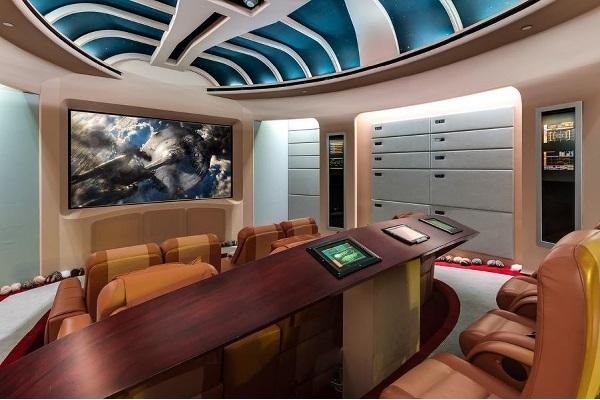
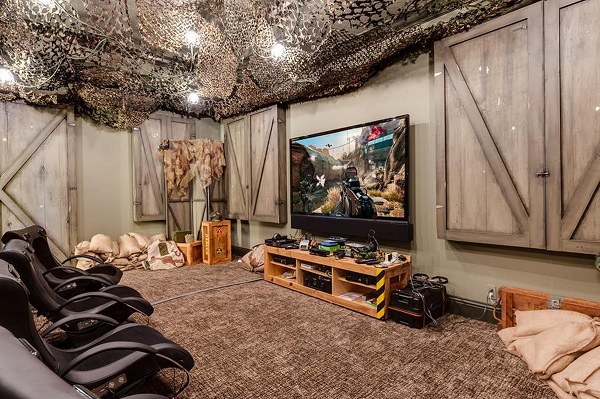
BOCA RATON, Fla.– May 2014 — The “Star Trek Mansion” in Boca Raton, Florida, is now on the market for a cool $35 million, featuring a much-buzzed-about home theater designed by Acoustic Innovations. Created to model the bridge of the Star Ship Enterprise, the theater is the focal point of the 27,000-square-foot home owned by Marc Bell, managing partner of Marc Bell Capital Partners LLC in Boca Raton. Last year, Acoustic Innovations designed a smaller theater in the home to resemble a military encampment, creating the mood for game enthusiasts to play “Call of Duty” and other Xbox games.
“Acoustic Innovations and Jay Miller did a fantastic job of taking our Star Trek theater vision and turning it into reality. If you can dream it, Jay can build it,” said Bell. “Acoustic Innovations’ attention to detail for every aspect of the project — from the advanced A/V technology to the quality and comfort of the chairs — meant that we were able to create a home theater experience that exceeds anything you’ll find in a commercial movie theater. We’re looking forward to working with Jay and his team on the Star Trek theater and home 2.0, wherever that may
be.”
Classic THX Ultra2 Plus -Digitally Mastered -Avatar Intro (After Credits) –
Winner of a Gold award and Best Architecture award from the Custom Electronic Design and Installation Association (CEDIA) in 2007, the
1,400-square-foot Star Trek entertainment space includes the theater, a bar, and a “ready room” filled with Bell’s collection of props, models,
and drawings from the Star Trek television series, as well as Star Trek and Star Wars movies. Modeled to recreate the bridge from the Enterprise, circa “Star Trek: Next Generation,” the theater even includes motion-activated air-lock doors that “whoosh” when opening and closing.
When the theater was originally completed in 2007, it featured the most advanced high-definition cinema A/V system available. Since then it has undergone three major technology upgrades to keep it on the leading edge, including 3D projection capabilities. In addition to the functional and aesthetic design and d-cor, Acoustic Innovations designed the acoustics both inside and outside the theater, as well as for the “Call of Duty” video game room.
“It’s incredibly exciting to work with Marc on a project, because he is always open to an interesting idea,” said Jay Miller, president, Acoustic Innovations. “A collaborative effort is extremely important on every job we do, and for this project Marc and I clicked very early on how to execute the Star Trek bridge. Now that the house is up for sale, it’s amazing and gratifying to see how the theater has gone viral in the online press; in fact, I’ve not seen anything like it in my 23 years as a specialty theater designer.”
For more on this incredible home that has grabbed international attention, visit:
The Palm Beach Post: http://bit.ly/1qGRuG5
-Forbes: http://onforb.es/1k6o8M4
-Star Trek: http://bit.ly/1sxUS1q
-CBS12: http://bit.ly/1ovgKNx
-Business Insider: http://read.bi/1mZlXxq
-Engadget: http://engt.co/1nPTARZ
-Douglas Elliman Real Estate: http://bit.ly/1oUTuG2
For two decades Acoustic Innovations has been the source for personal theaters, theater seating, fiberoptic ceilings, acoustical panels, and residential noise control solutions. Over this time we have pioneered many of the materials and design specifications used today. Our staff has completed thousands of personal theaters throughout the world and has developed processes to ensure delivery of the ultimate client satisfaction. At every level of cost we blend the science of acoustics with the art of aesthetics. More information is available at http://www.acousticinnovations.com.
New First Nations Treaty Map Introduced Into Ontario Schools
Ontario will help provide our students with greater knowledge and a stronger
appreciation of contemporary and traditional First Nation traditions, cultures, and
perspectives.”
Liz Sandals
Minister of Education
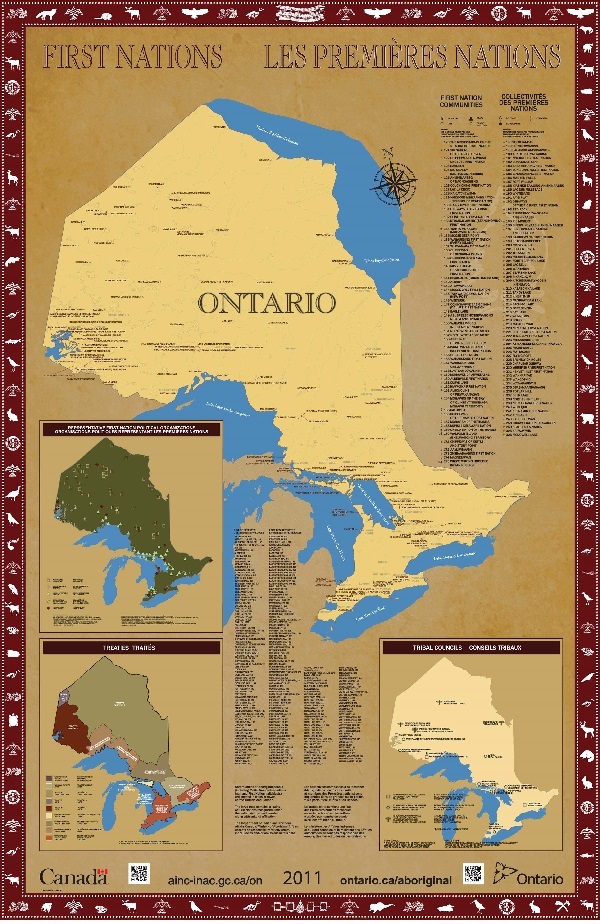
Ontario is sending a First Nations and Treaties map to every elementary and high school in the province as a first step towards raising awareness about treaties. The map will help teach students about the significance of treaties and the shared history of First Nations and non-Aboriginal Ontarians.
In partnership with First Nation leaders, new school curriculum about treaties is being developed to give students a better understanding of First Nation communities, cultures and perspectives. Ontario will also be working with First Nation partners to look for other opportunities to raise awareness and to better understand different perspectives on treaties and related issues.
Working with First Nations is part of the government’s plan that is creating jobs for today and tomorrow and focuses on Ontario’s greatest strengths — its people and strategic partnerships.
Quick Facts
A treaty is a negotiated agreement that sets out the rights, responsibilities and relationships of Aboriginal people and the Crown, including the federal and provincial governments.
First Nations and Treaties is the first detailed map of treaties that the Ontario government has published since the 1940s.
Prior to contact with Europeans, First Nations were distinct, independent nations. The treaties they made with the Crown reflect a mutual commitment to working together on areas of common interest and mutual benefit.
Ontario is covered by 46 treaties and other agreements such as land purchases by the Crown signed between 1781 and 1930.
Quotes

“Treaties are the foundation of the relationship between First Nation communities
and their neighbours. By working together, we are able to better understand one
another – our views, our beliefs, and the treaties without which our province would
not exist.” David Zimmer Minister of Aboriginal Affairs
“The treaty maps and related curriculum materials distributed in our schools across
Ontario will help provide our students with greater knowledge and a stronger
appreciation of contemporary and traditional First Nation traditions, cultures, and
perspectives.” Liz Sandals Minister of Education
“In the Report of the Ipperwash Inquiry I noted that one initiative on which virtually everyone agreed was the importance of teaching Ontarians about treaties and Aboriginal people. This treaties map and the Ontario curriculum introduced since the Inquiry are important steps on the road to reconciliation and wider recognition that we are all treaty people.” The Honourable Sidney B. Linden Commissioner
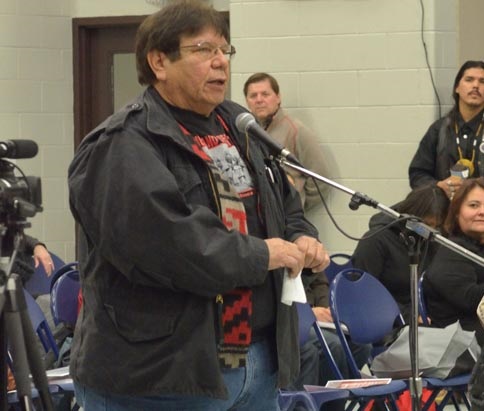
“The province of Ontario exists as it does because First Nations and settlers made treaties in the past. Those treaties remain vital agreements today. A better understanding of those treaties through education, public awareness and discussion is fundamental to a more prosperous tomorrow for all Ontarians.” Chief Tom Bressette Chippewas of Kettle and Stony Point First Nation
Supplemental- View full size map on your device.
Province Expanding Student Nutrition Program

Ontario is expanding and enhancing its Student Nutrition Program so that 56,000 more children and youth will get the nutritional boost they need to succeed at school.
The province is making an initial investment of $32 million over the next three years as part of its five year plan to enhance the Student Nutrition Program. Under the new plan, 340 new breakfast programs will be established in elementary and secondary schools that need it most across Ontario. The program will also be expanded to on-reserve First Nations schools, beginning in northern Ontario.
The Student Nutrition Program provides nutritious breakfasts, snacks and lunches to support healthy development so school children are better prepared to learn.
Expanding the Student Nutrition Program is part of Ontario’s plan to break down barriers for low income Ontarians and address the effects of poverty. By promoting student success, it is also part of the government’s economic plan that is creating jobs for today and tomorrow by focussing on Ontario’s greatest strength – its people and strategic partnerships.
QUICK FACTS
* During the 2012-13 school year, over 695,000 school-age children and youth
benefited from more than 4,200 breakfast, lunch and snack programs.
* Eligible schools are identified based upon socioeconomic data and academic
performance.
* The Healthy Kids Panel Report “No Time to Wait” highlighted the importance of
school nutrition programs.
LEARN MORE
* Ontario’s Student Nutrition
Program<http://www.children.gov.on.ca/htdocs/English/topics/schoolsnacks/index.aspx>
* Student Nutrition Program Nutrition Guidelines
<http://www.children.gov.on.ca/htdocs/English/topics/schoolsnacks/nutrition_guidelines.aspx>
* Ontario’s Action Plan for Health
Care<http://www.health.gov.on.ca/en/ms/ecfa/healthy_change/>
QUOTES
“Nutritious snacks and meals are critical to the success of every child. We want Ontario’s children to reach their full potential, and this investment is one more way we are helping our children succeed.”
— Teresa Piruzza, Minister of Children and Youth Services
“Expanding the nutrition program is an important Ontario initiative to help our students excel. It is critical that our children benefit from a healthy lifestyle and are offered every opportunity to be at their best.”
— Charles Sousa, Minister of Finance


Victura: beloved sailboat taught JFK about life, family, leadership and winning

James W. Graham’s new book — Victura: the Kennedys, a Sailboat, and the Sea –offers new insights into the dynamics and magic of the Kennedy family and their intense relationship with sailing and the sea. Many families sail together, but the foot sloop purchased in 1932 shortly s move to Hyannis Port, stands apart.
Throughout their brief lives, Joe Jr., Jack and Bobby spent long hours on Victura, competing in countless races every summer. They were joined by their younger brother Teddy when he grew old enough. Joe Jr. and Jack ranked among the best collegiate sailors in New England, driven by their father Joseph P. Kennedy who insisted that winning was essential. Among their sisters, Eunice emerged as a gifted sailor and fierce competitor, the equal of any of her brothers.

Tracking their story beginning in 1932 when Jack was 15 and continuing today in an identical family boat of the same name, readers will learn to admire the Kennedys for what Victura taught them about life, family, leadership, determination, winning, and dealing with tragedies.
Celebrating the sailboat’s deep influence on Jack, Bobby, Ethel, Ted, Eunice and other Kennedys, it offers a new way of experiencing their intimate sibling relationships and growth as an extended family. Kennedys credit young Jack’s sailing with helping him survive the sinking of his PT boat in the Pacific. Life magazine photos of Jack and Jackie on Victura’s bow helped define the winning Kennedy brand in the 1950s. Jack doodled sketches of Victura in Oval Office meetings, and his love of seafaring probably played a role in his decision to put a man on the moon, an enterprise he referred to as “space-faring.”

When the Kennedy siblings married, sailing connected them with their children and nephews and nieces. Sailing was an everyday event, even in dangerous weather and in the darkness of night. The sport influenced how they celebrated and observed happy events, managed grief, and grew close to one another.
Ted loved Victura as much as any of them. In the years following the untimely deaths of his three older brothers, Ted sailed with his children and the children of his lost brothers as crew. He also sailed past the shoals of personal shortcomings and an ebbing career to become known as the “Lion of the Senate,” helping fulfill patriarch Joe Sr.’s desire that his children pursue careers in public service rather than in business.
Rich with colorful and intimate anecdotes, the book features author interviews with family members, including children of Ted, Robert and Ethel Kennedy. Victura is a story of redemption, strong family bonds, character, sport, tragedy, the power of metaphor and the influence of a little boat on the lives of great men and women.
In Victura, James W. Graham charts the progress of America’s signature twentieth century family dynasty, in a narrative both stunningly original and deeply gripping. This true tale of one small sailboat is an invaluable contribution to our understanding of the impressive story of the Kennedys. For the Silo, Jim and Lynda O’Connor, and Paul Krupin.
Victura
The Kennedys, a Sailboat, and the Sea
James W. Graham
ForeEdge, an imprint of the University Press of New England
$29.95 cloth 978-1-61168-411-7
$22.99 ebook 978-1-61168-599-2
Official publication date: April 1, 2014
280 pp., 28 illus., 6 x 9″
About the Author
James W. Graham, a communications and public affairs professional for a major-brand retailer, was a senior adviser to former Illinois Governor Jim Edgar and the Illinois House of Representatives. He races and cruises his sailboat Venturous out of Wilmette Harbor, north of Chicago.
What People Are Saying
“This wonderfully-written book takes a well-worn subject — the Kennedys — and gives it as fresh a gust as the sailors on the sturdy, little Victura themselves must have felt a thousand times off the Nantucket shore. In going to sea on board the Victura, Joe, Jack, Bobby and Teddy Kennedy entered their metaphor of quest, braced themselves for the unknown, and left their country, in the end, with an imperishable poignancy in its heart.”
— Richard D. Mahoney, author, Sons and Brothers
“The Kennedys saw the world and nature as a magical place, full of mystery and adventure. They especially enjoyed challenges and the freedom of activities like sailing, skiing, river running, climbing and just being outside. Two thirds of the surface of planet earth is liquid: the sea is vital to life — a huge source of both pleasure and fear — and a great teacher. Victura, a small wooden sailboat, became
the center of adventure, companionship and love for this remarkable family. Author Graham knows the sea, sailing and the Kennedys. Sail on Victura, to new horizons.”
— Jim Whittaker, first American to summit Mt. Everest, former CEO of REI, author of Life on the Edge: Memoirs of Everest and Beyond.
“Victura is more than Graham recounting the sailing experiences of the Kennedys. In this well-researched but warmly written book, Graham sometimes goes several pages describing an election, or a Kennedy family intrigue, and then gracefully brings the
story back to the sea, showing how, in best and worst of times, the family pulled together around sailing.”
— Rich Evans, book review, SAILING magazine, March 2014

Montreal’s top chefs prepared gourmet menu supporting Quebec Cancer groups

Click here
Brief – An exceptional event at Sofitel Montreal’s Renoir restaurant which organized a special evening combining gastronomy, entertainment and generosity to benefit the Quebec Breast Cancer Foundation and The Cedars Cancer Institute, on January 22nd 2014.
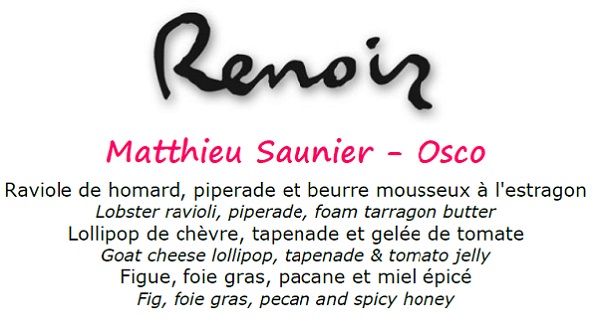
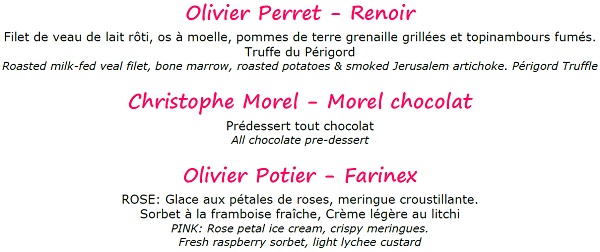
Our Executive Chef, Olivier Perret, who was touched by cancer, gathered his Montreal Chef friends who each prepared a dish as part of the 6-course gourmet menu served that night: Fisun Ercan (Barbounya & Su), Alexandre Gosselin (Chez Victoire), Christophe Morel (Chocolatier), Antonio Park (Park), Matthieu Saunier (Osco) and Olivier Potier (Pastry Chef). See Supplemental below for menu listing CP
The success of that evening was due, for the most part, to the participation of our guests of honour, Ms. Mitsou Gélinas, spokesperson for the Quebec Breast Cancer Foundation, Mr. Andrew Carter, spokesperson for The Cedars Cancer Institute, Ms. Heidi Hollinger, Canadian photographer and Ms. Gabrielle Destroismaisons, Quebec singer.
Many sponsors also took part in the event, including Moët & Chandon, Ogilvy, Maison Birks, Porter Airlines and Pro-Staging, as well as generous donators who contributed prizes for the raffle and auction: Atout France, Club Med, and Air Canada Rouge.

We would also like to thank the Azrieli Foundation for their generous donation, as well as our Sofitel Ambassadors whose fantastic work and involvement to this cause were instrumental in the success of this evening.
All the profits from this event as well as the money raised by the silent auction, more than 27,000$, will be donated to the two foundations.

A registered charity, the Quebec Breast Cancer Foundation has a mission to fund research and innovation, support women affected by the disease and their families, and promote their interests, as well as making breast health a priority through education and awareness initiatives. In the past five years, the Foundation has granted more than $17 million for the fight against breast cancer.
Situated in Montreal, Quebec, The Cedars Cancer Institute is a hospital-based charity whose mission is to provide comprehensive cancer-care and funding to patients and health care professionals at the McGill University Health Centre specifically adult sites the Royal Victoria Hospital and Montreal General Hospital and, through its Sarah Cook Fund to Pediatric Oncology at the Montreal Children’s Hospital. For the Silo, Stéphanie Segoura

(spokesperson for the Cedars Cancer Institute), Francine Cléroux (Chief Executive Officer, Quebec Breast Cancer
Foundation), Sharon Azrieli Perez (Soprano), Stephanie Segoura (Sofitel Montreal General Manager) and Jeff Shamie
(President of The Cedars Cancer Institute).

Olivier Perret (Renoir), Alexandre Gosselin (Chez Victoire), Matthieu Saunier (Osco), Heidi Hollinger (Canadian
photographer), Gabrielle Destroismaisons (Quebec singer) and the Chefs joined by Armelle Tardy-Joubert
(President Atout France in Canada)
Supplemental- Menu as served-

Sofitel, World Class Hotels & French Elegance
Sofitel is the only French luxury hotel brand with a presence on five continents with 120 addresses, in almost 40 countries (more than 30,000 rooms). Sofitel offers contemporary hotels and resorts adapted to today’s more demanding and more versatile consumers who expect and appreciate beauty, quality and excellence. Whether situated in the heart of a major city like Paris, London, New York, Shanghai or Beijing, or nestled away in a country landscape in Morocco, Egypt, French Polynesia or Thailand, each Sofitel property offers a genuine experience of the French “art de vivre”.
Sofitel Legend and & Sofitel So are two labels that come to enrich Sofitel Luxury hotels. Sofitel Legend hotels are iconic and mythical; they are often centuries-old listed heritage buildings: Sofitel Legend Metropole Hanoi, Sofitel Legend The Grand Amsterdam and Sofitel Legend Old Cataract Aswan.
Sofitel So hotels are new « boutique hotels » characterized by a stylish focus on contemporary design by famous architects and/or embellished by international celebrities from the world of fashion, design or art: Sofitel So Mauritius Bel Ombre, Sofitel So Bangkok and Sofitel So Singapore (2013). Discover Sofitel on www.sofitel.com
McMaster University Art Show Was Organized By UK Architectural Association

Dimensions variable. Photo: François Dallegret
In 2014 McMaster Museum of Art presented GOD & CO: François Dallegret Beyond the Bubble. An exhibition organized by the Architectural Association, London UK
François Dallegret trained as an architect at the École des Beaux-Arts in Paris in the late 1950s. He moved to North America; first to New York and then Montreal in 1964. Dallegret has since and continues to slip between disciplines, working as an artist, entrepreneur, theoretical architect (before the term was in general use), industrial and graphic designer, writer and social commentator.
Although his work over the past fifty years has been firmly planted within the possibilities offered by contemporary technologies—his 1964 drawing of a personal, wrap-around electronic communicator l’intro conversomatic has become a commonplace reality in the current world of smart phones & “pads”—Dallegret can be seen been in the context of 19th century idealism; the engineer as artist, the inventor as philosopher and so on. And while his work carries the sense of wonder of the modern age, manifest in the pure beauty of the object, it is also tempered by the realities of social, economic and cultural issues, and often framed with a quixotic sense of humour and irony.
GOD & CO offers a unique view into Dallegret’s work and activities, a de facto retrospective that engages his active thoughts. Organized by the Architectural Association School of Architecture (UK), it opened in London in late 2011 and has subsequently been presented in Paris and Zurich. This was the first presentation In Canada.

The 2014 exhibition was accompanied by a 384-page illustrated publication with texts by Alessandra Ponte, Laurent Stalder and Thomas Weaver. For the Silo- RoseAnne Prevec.
Supplemental- François Dallegret’s website: http://www.arteria.ca/



$182 Million Spent On Autism Treatment 0$ Spent On Autism Service Dogs
Haldimand do not need an auditor general’s report to tell them that ASD services are in disarray. Our government should be commended for spending $182 million dollars on Autism treatment, however I have yet to meet a single Canadian family satisfied with their services. In 2007 there was thankfully, no wait list for Intensive Behavioral Intervention (IBI). Braydon spent two years working 24 hours a week, one-on-one with IBI therapists from Haldimand-Norfolk R.E.A.C.H. Essentially my toddler had a part-time job and after two years our family was unable to keep up the pace of it. Over $100,000 was spent on Braydon’s Autism Services, but now we were left to fend for ourselves.
Last week National Service Dogs for Children with Autism (NSD) asked a very interesting question on their Facebook page. Has the government considered Service Dogs? In 2012 my son was granted a Certified Autism Service Dog. Before that time, our only options for treatments were pharmaceuticals or privately funded and enormously expensive traditional therapies that were not effective at tracking results. Today, Braydon attends J.L. Mitchener Public School in Cayuga where he is thriving socially and academically. His service dog ‘NSD Whoopi’ attends school with him each and every day. Last month at Braydon’s Parent-Teacher interview I was told that my son was easy to integrate with his peers and all the students seemed to behave better when he and Whoopi were in the classroom. I have a very different little boy than I did a year ago, and the change in my son brings a flood of welcome respite to our home.
$30,000 might seem like an excessive amount of money for a Certified Autism Service Dog, however consider a Service Dog has a working life of 8-10 years. This means for some families like us; desperate for an alternative to treating our son’s autism with medication would receive 24 hour a day, 7 days a week support for 10 years for only $30,000! How much of the $182 million dollars spent on Autism Treatment this year was allocated to this alternative? Zero dollars!!! Incredibly National Service Dogs for Children with Autism provided us this option at absolutely no costs to us either. It is the generosity of the staff and volunteers at NSD and the support of our families and friends right here in Haldimand that brought accessibility for our family to our community. As a result, all of us are able to embrace a much higher quality of life than most families affected by Autism are able to experience.
So…let’s talk about making Certified Autism Service Dogs an available treatment alternative to more families. For the Silo, Jenny Tansley.